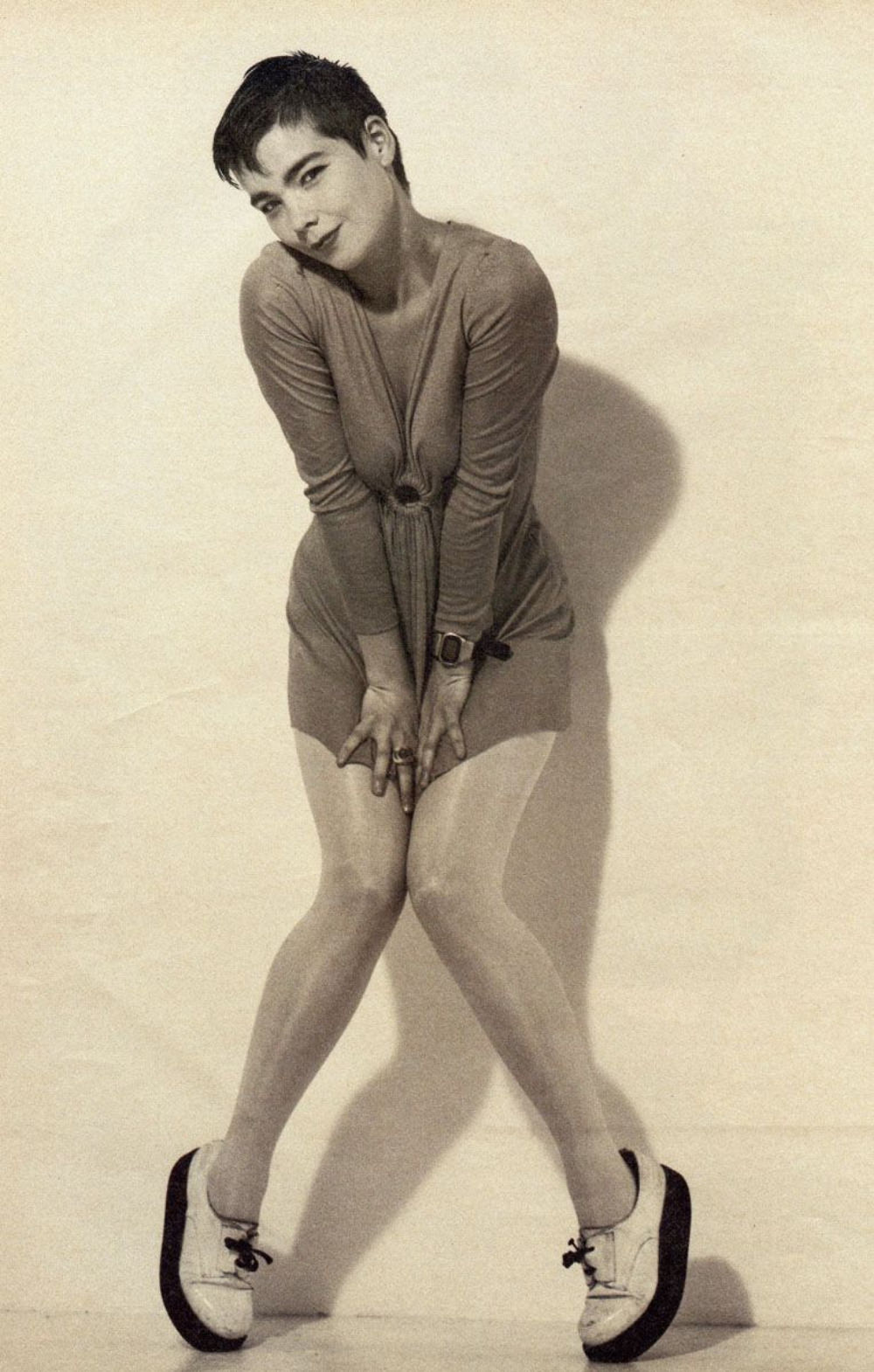
By 1989, Björk was still known primarily in Iceland, where she had fronted the post-punk band The Sugarcubes since 1986. International stardom was close, but had not yet arrived. It was during this window that photographer Herb Ritts turned his lens on the young Icelandic singer.
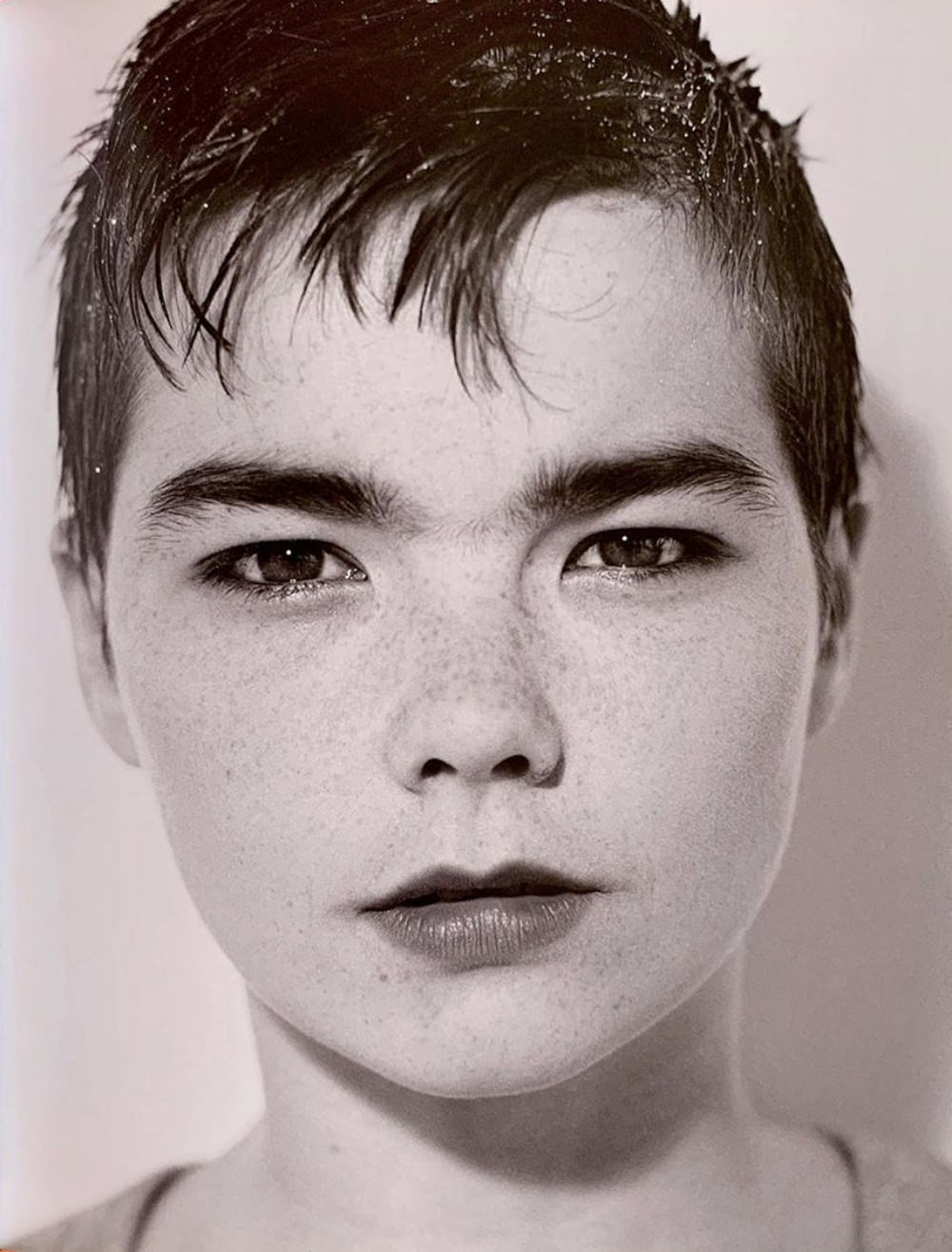
Ritts had built his reputation through sharp, high-contrast portraiture of celebrities and models. His photos had a way of pulling out something honest from his subjects — strength, softness, or both at once. With Björk, he found all of that in one frame.
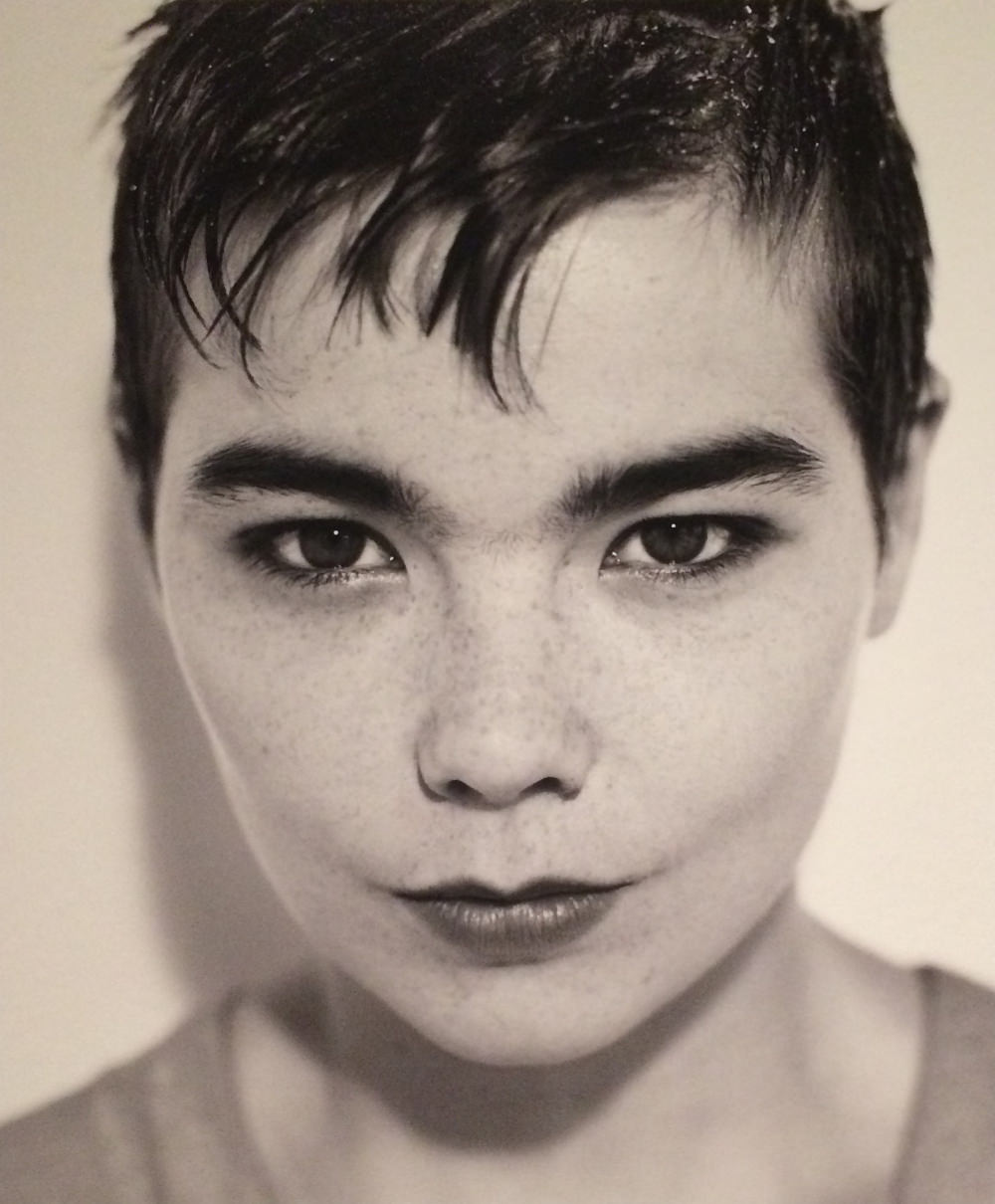
The photograph centers on Björk’s pixie cut — short, precise, and completely at odds with the big, teased hairstyles dominating mainstream fashion in the late 1980s. The cut was a deliberate choice, not a trend. It reflected exactly who Björk was: someone uninterested in following rules she hadn’t made herself.
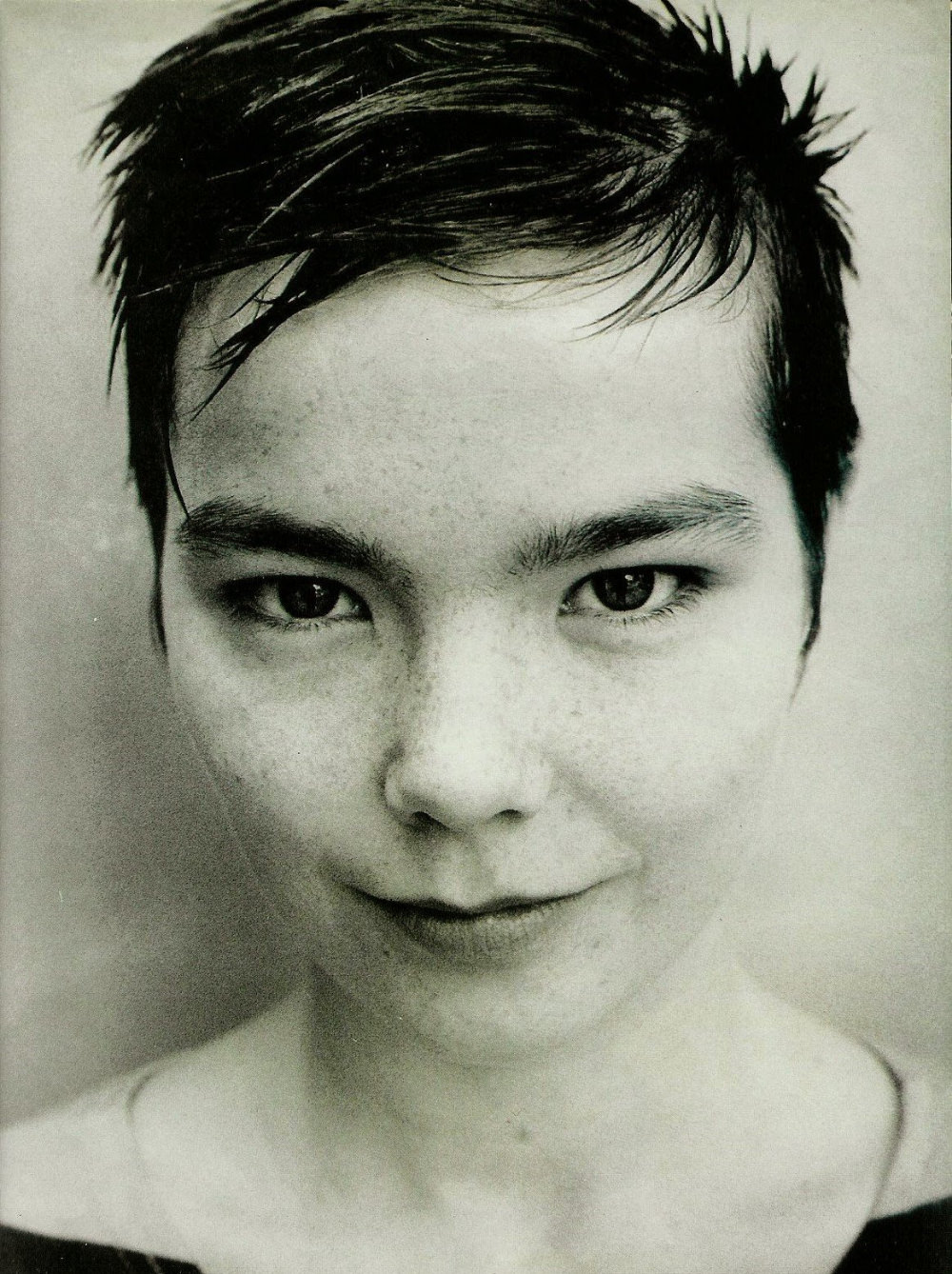
Her gaze in the portrait is direct and steady. There is no performance in her expression — just a quiet confidence that feels almost out of place for someone so early in a public career. Ritts captured a version of Björk that was composed and self-assured before the world even knew her name.
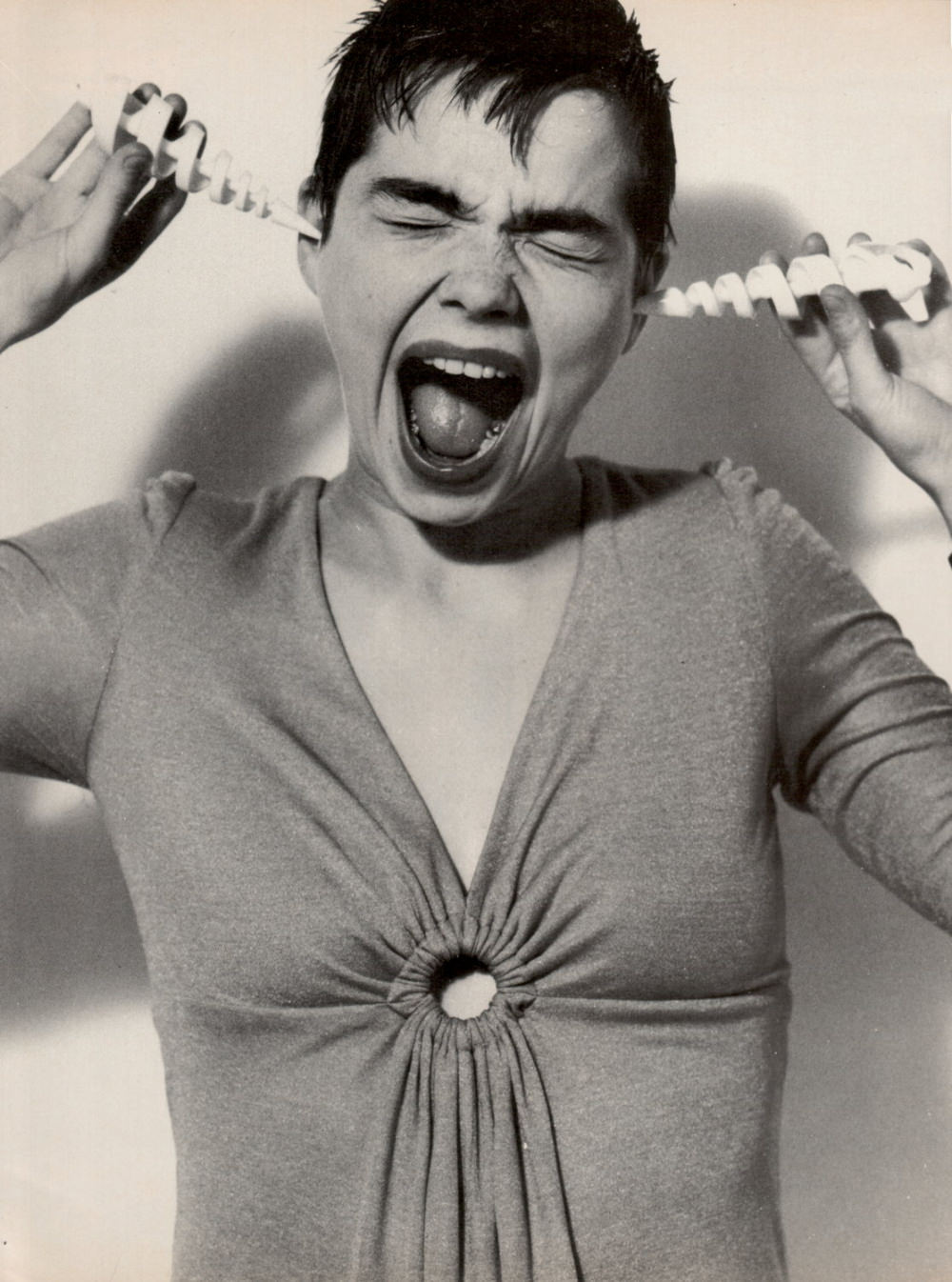
The contrast between her close-cropped hair and the softness in her face gives the image its tension. It sits somewhere between vulnerability and certainty. That combination — the delicate and the defiant — would go on to define Björk’s artistic identity throughout her solo career, which launched in 1993 with her debut album Debut.