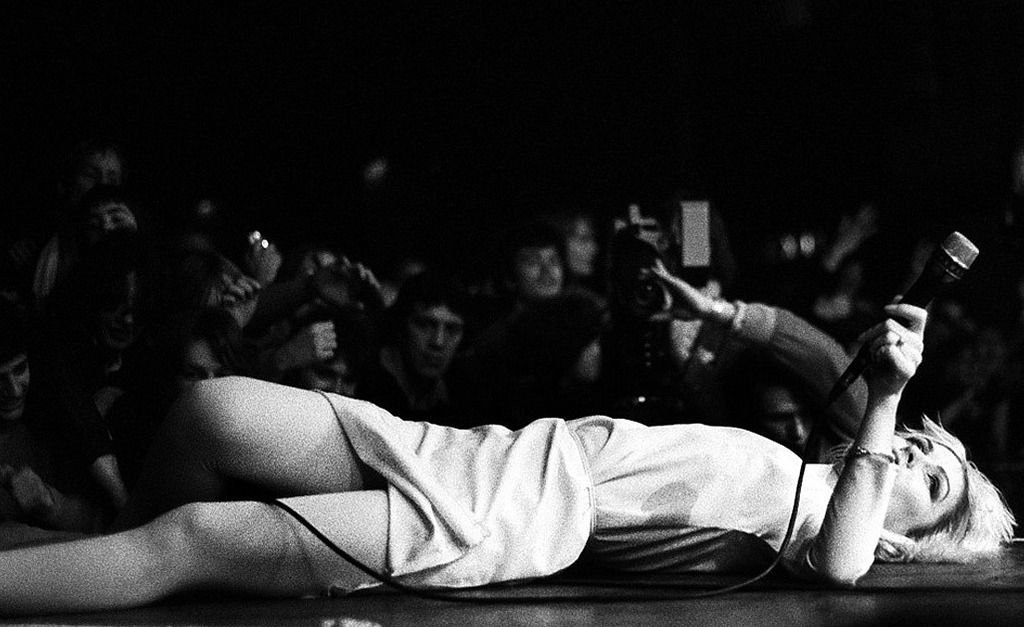
In September 1989, Madonna appeared on the cover of Rolling Stone magazine. It was a defining moment — not just for her career, but for pop culture as a whole. She was deep into the era of her Like a Prayer album and tour, one of the most successful runs of her career up to that point.
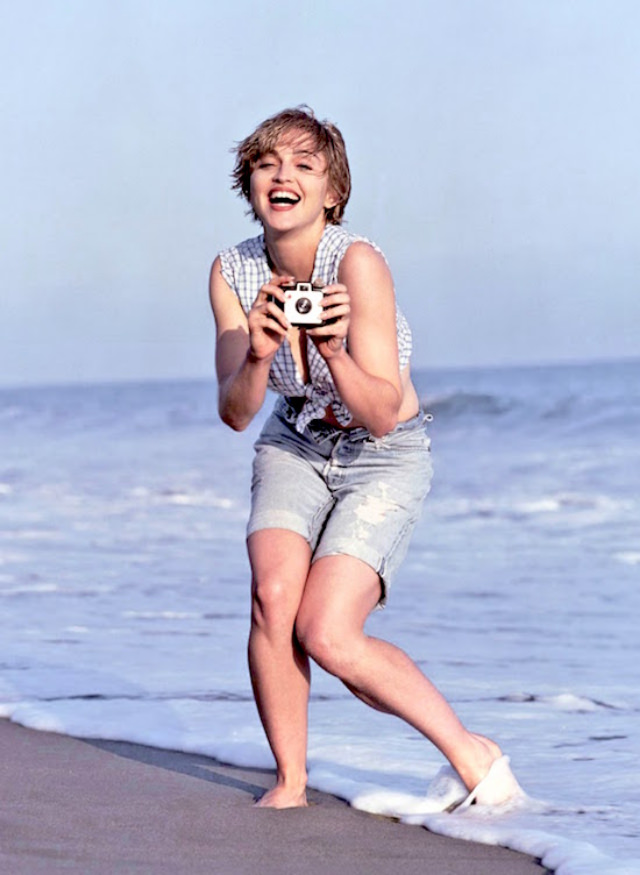
The cover photo was striking. Madonna wore a black leather jacket over a sheer white blouse, her hair wild and loose. She stared straight into the camera with total confidence. The headline across the cover declared her “The Diva of the Year” — a title that few in the industry would have argued against.
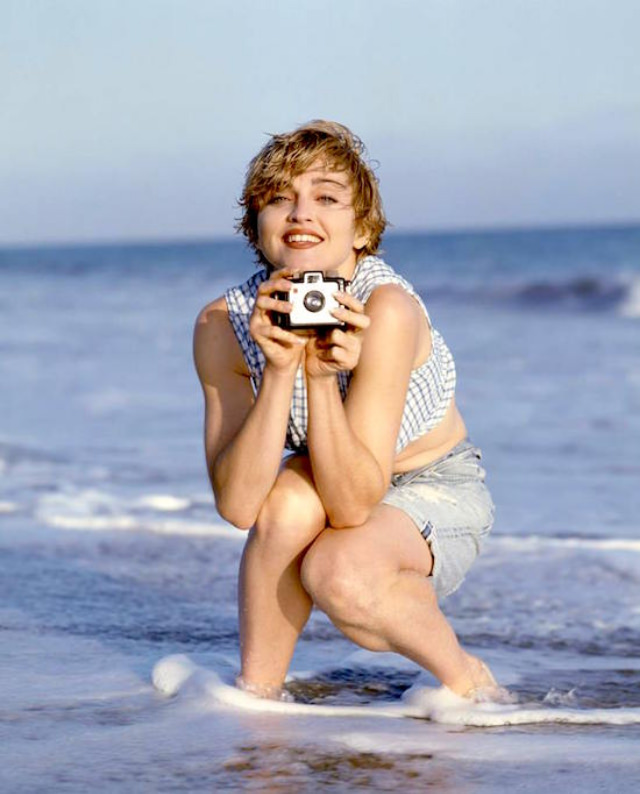
The accompanying article, written by Robert Palmer, went beyond the surface. Palmer called Madonna “a pop chameleon who has made an art form of provocation.” He described her music as “a mix of high art and lowbrow culture, of street smarts and sophistication.” It was one of the sharper pieces of music journalism written about her during that era.
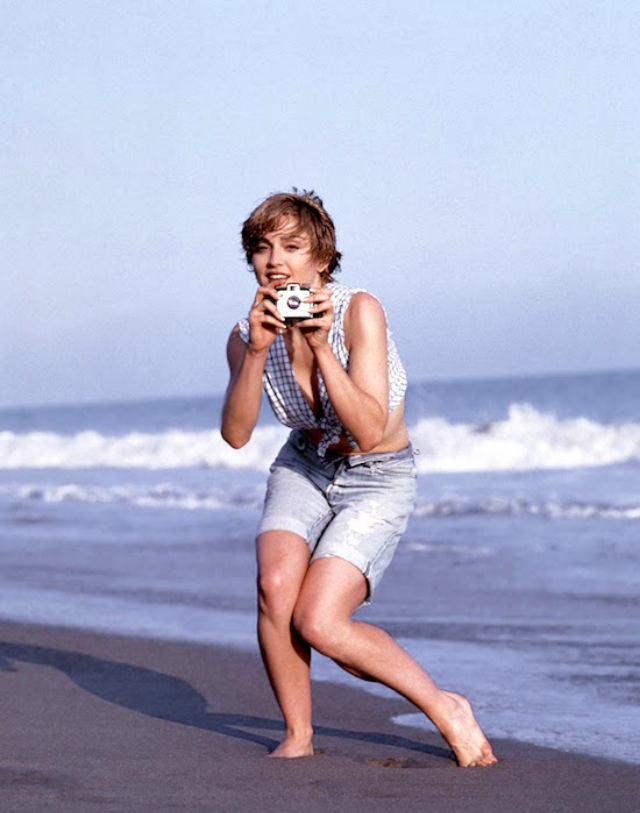
Madonna was one of the most debated figures in music at the time. Her combination of pop hooks and provocative visuals drew both fierce praise and sharp criticism. Some accused her of using her sexuality purely for commercial gain. Others viewed her as a feminist who was actively challenging the boundaries placed on women in entertainment.
Madonna addressed the criticism directly in the article. “I don’t think I exploit myself,” she said. “I think I express myself. I think that there’s a big difference.” It was a clear, unambiguous response that summed up how she saw her own work — and how she pushed back against those who tried to define it for her.
Palmer’s piece also explored the broader cultural conversation happening around Madonna. Her fashion choices, her music videos, and her public persona were all feeding into debates about gender, power, and sexuality in mainstream media. The Rolling Stone feature gave those conversations a focused platform.
The Like a Prayer era was significant on its own. The title track had caused a major controversy earlier that year due to its music video, which featured religious imagery alongside racial themes. The Pepsi sponsorship tied to the song was pulled almost immediately after the video aired. By the time the Rolling Stone cover hit newsstands, Madonna was operating under an enormous amount of public scrutiny.
The 1989 Rolling Stone cover captured Madonna at a precise moment — commercially dominant, culturally divisive, and completely in control of her own image. The photo, the headline, and Palmer’s article together documented an artist who was not simply reacting to the culture around her, but actively shaping it.