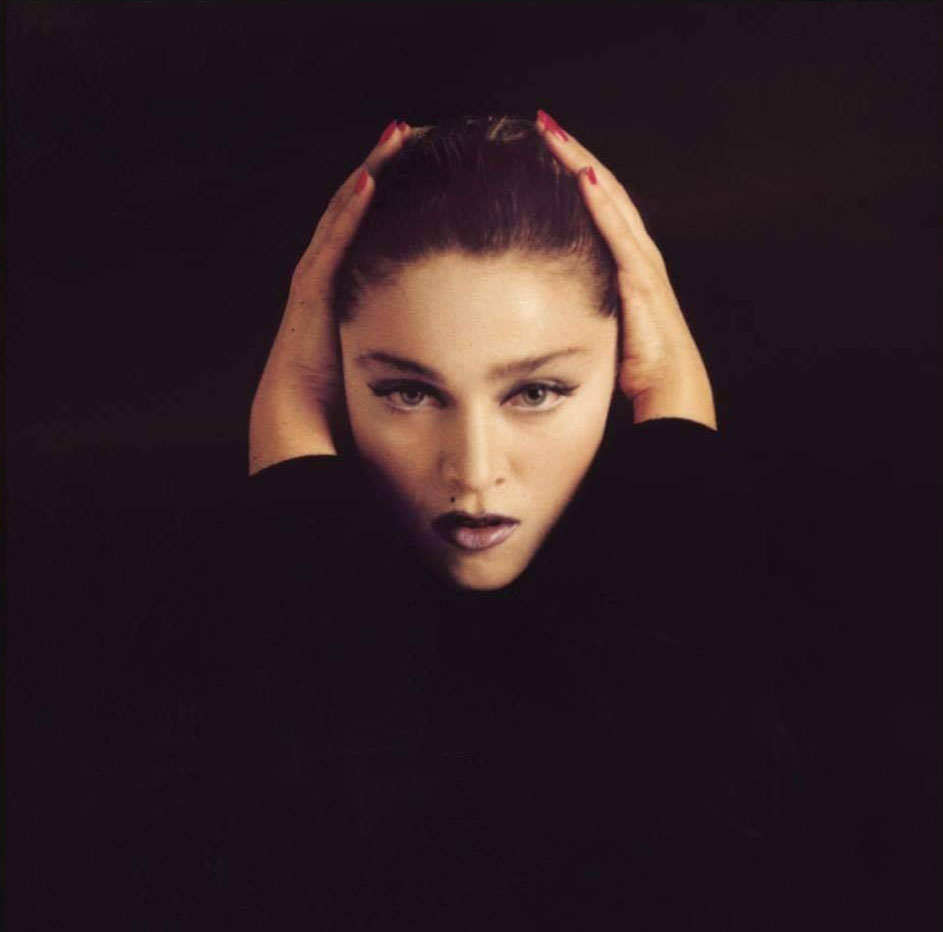
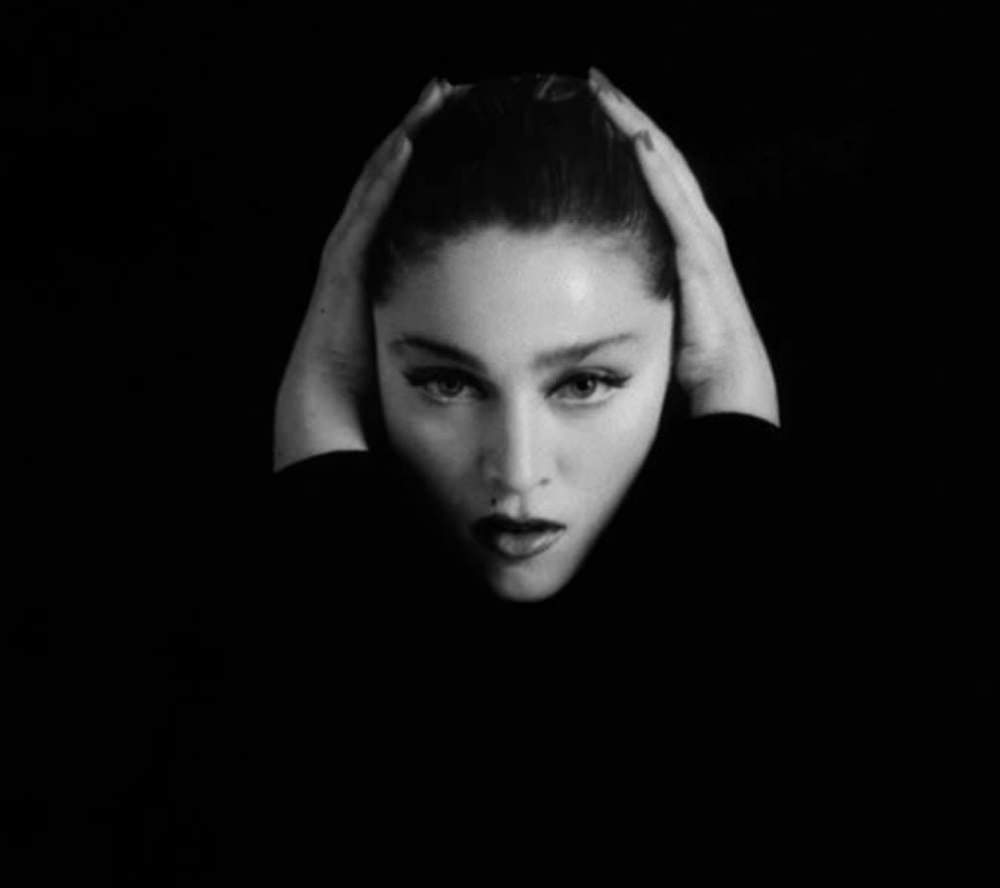
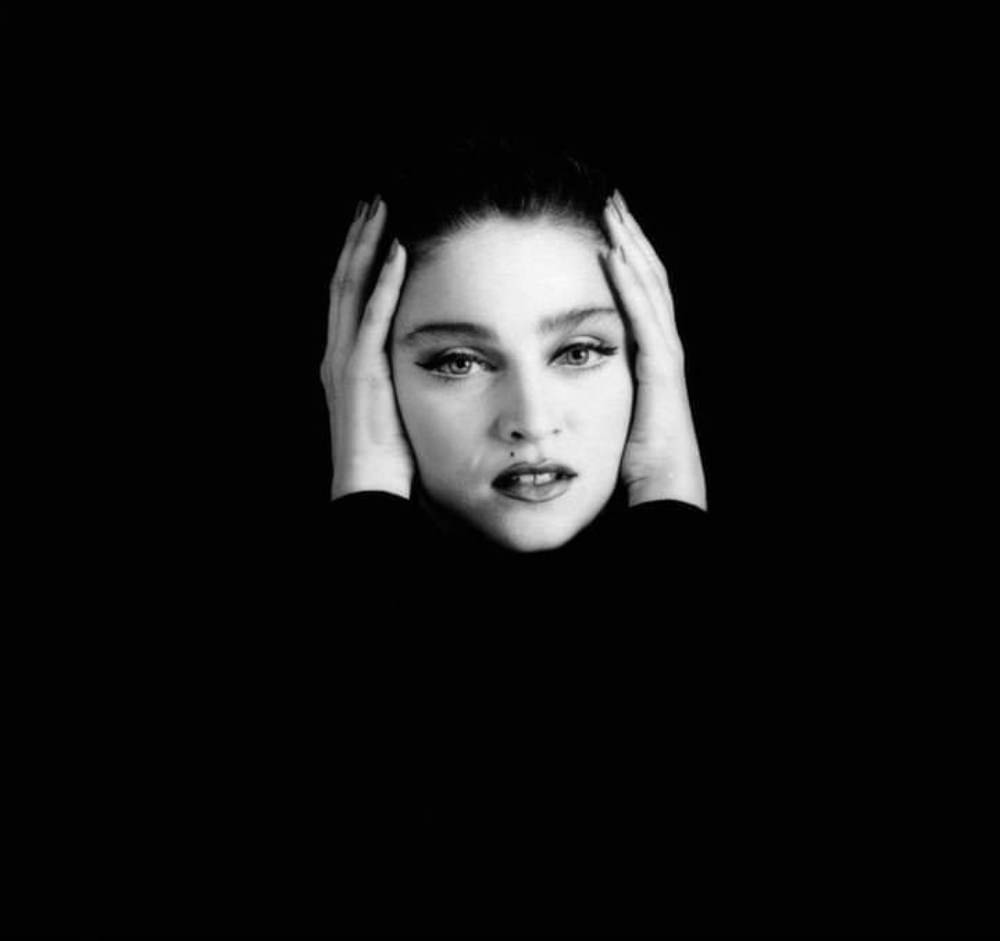
On October 1, 1983, Madonna appeared on the cover of Island Magazine — her very first magazine cover. She was not yet the global superstar the world would come to know, but the photograph said otherwise. Shot in black and white by photographer Curtis Knapp, the image carried a quiet confidence that set it apart from nearly everything else in the loud, colorful landscape of early 1980s pop culture.
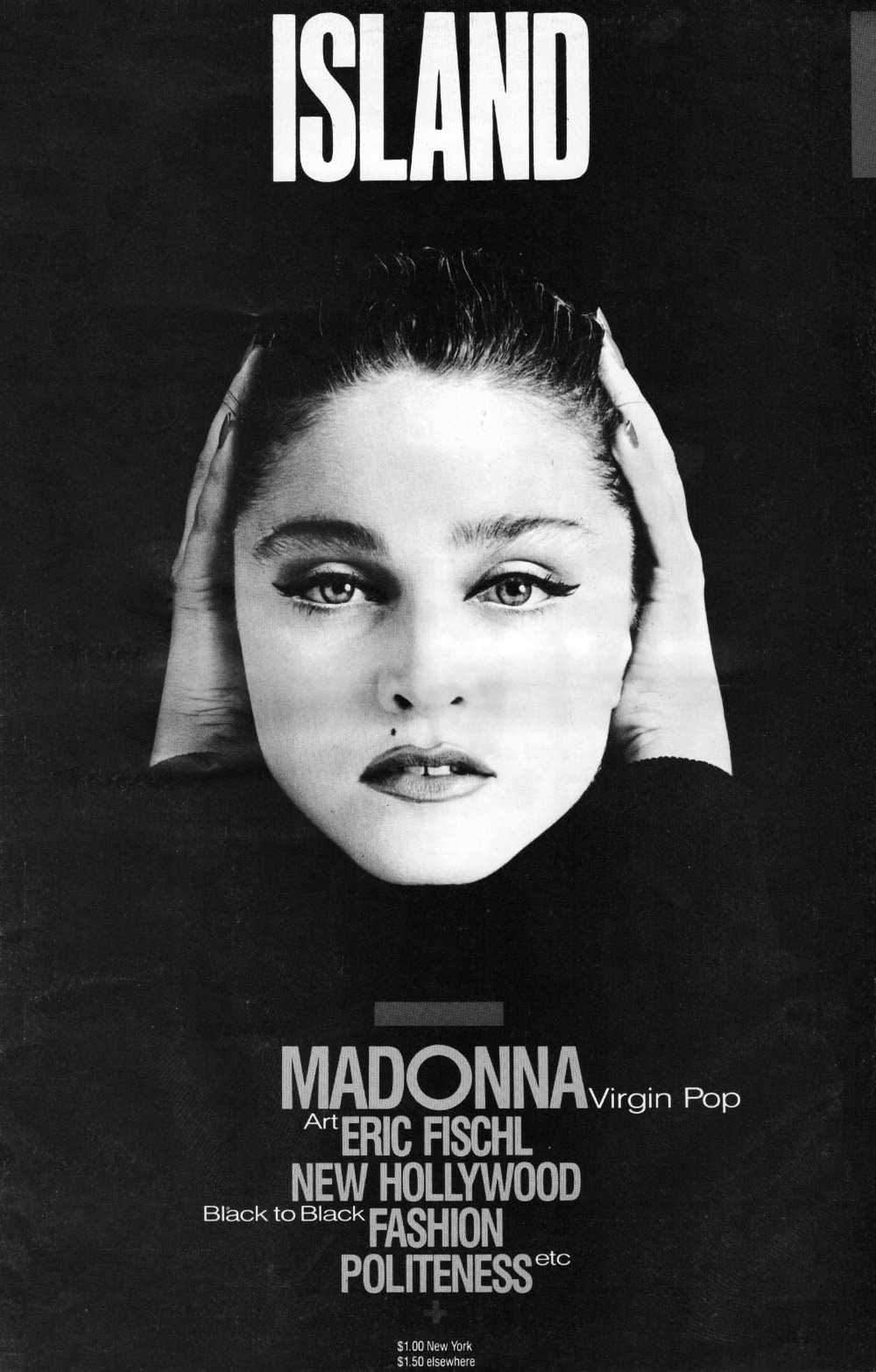
There were no elaborate costumes, no flashy props, and no busy background. The frame held just Madonna — her face, her gaze, her presence. That minimalist approach was a deliberate choice, and it worked. The image felt both raw and carefully considered at the same time.
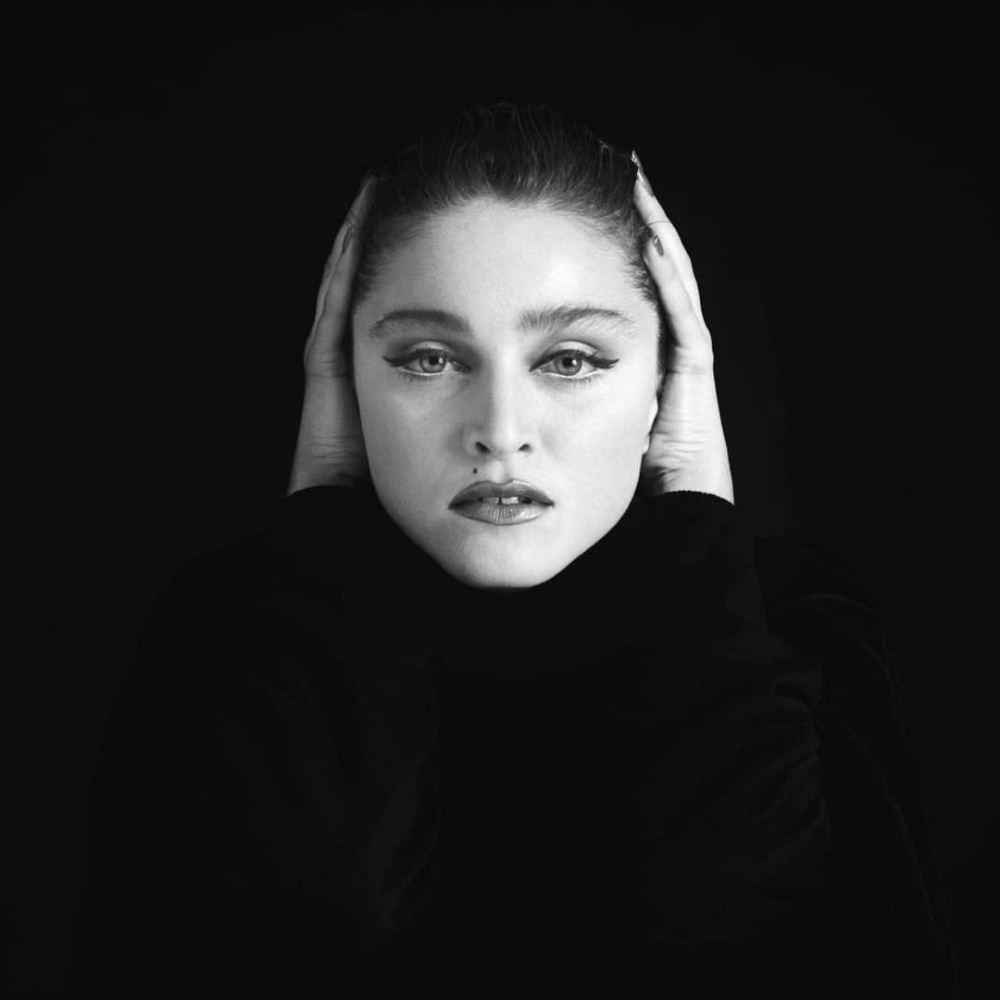
Curtis Knapp later reflected on the shoot with warmth. “Honestly, she was very focused on her idea of her,” he said. “But at that time, that day, we just had fun and worked on taking good pics.” That dynamic — Madonna’s sharp sense of her own image balanced against the relaxed energy of the session — comes through in the final photograph.
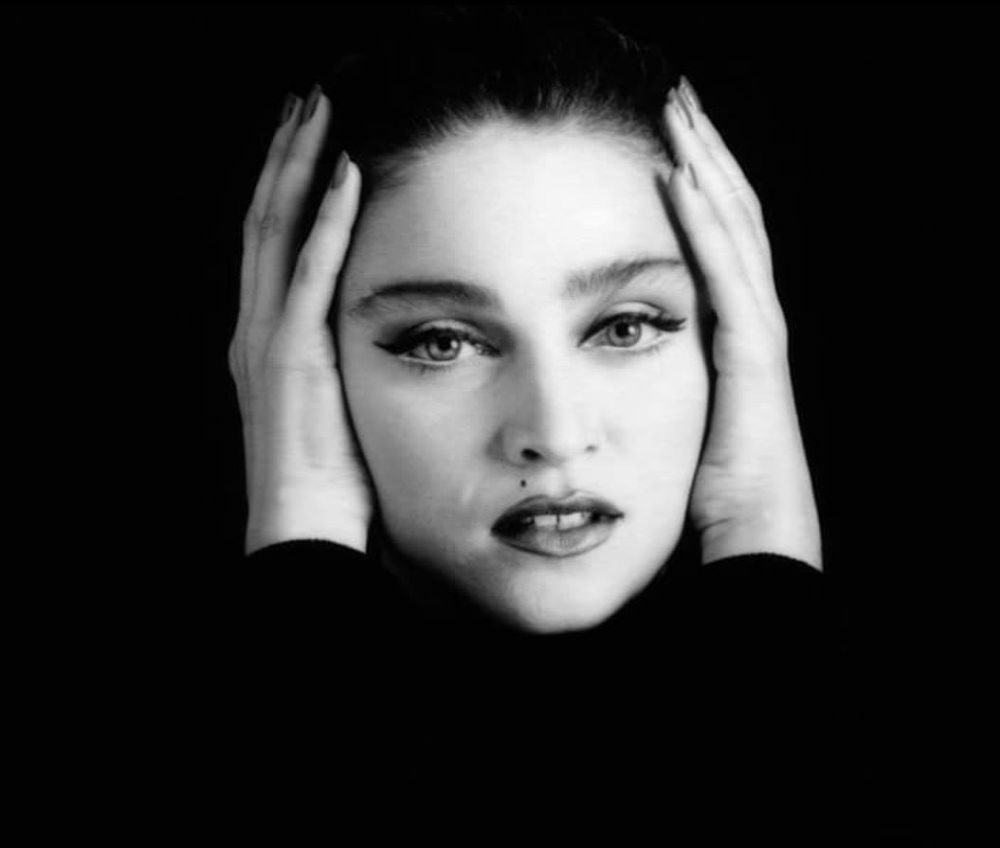
The styling was handled by Maripol, a close friend of Madonna’s. Together, they crafted a pose that drew directly from the silent film era — specifically, Edward Steichen’s famous 1928 black-and-white portrait of Greta Garbo. That photograph captured Garbo’s cool, enigmatic charm, and Madonna’s 1983 cover echoes it unmistakably. It was her first known tribute to a classic image, and a clear signal that she understood the power of visual references.
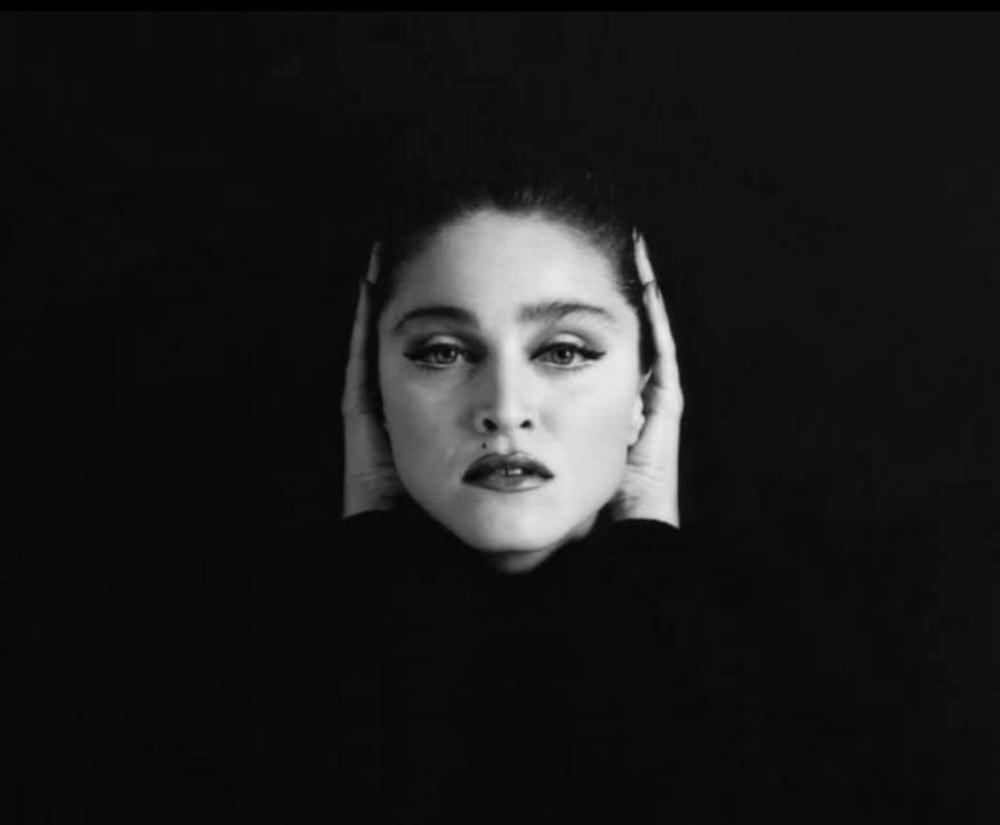
The Garbo homage also pointed to something Madonna would revisit throughout her career — a deliberate blurring of the line between music and cinema. She wasn’t just a pop singer posing for a photo. She was already positioning herself within a broader cultural conversation, one that reached back decades.
Inside the magazine, an interview gave readers a closer look at the woman behind the image. Madonna revealed that her earliest fantasies involved being Nancy Sinatra — a singer and actress known for blending mainstream appeal with a sharp, independent edge — or a nun. That pairing is telling. The tension between the sacred and the rebellious, between conformity and self-expression, would go on to define much of her public persona.
Nancy Sinatra was no random choice. She was a figure who navigated both the music and film worlds on her own terms, and Madonna clearly admired that kind of dual identity. Even in 1983, before the world had caught up to her, Madonna was thinking in those terms.
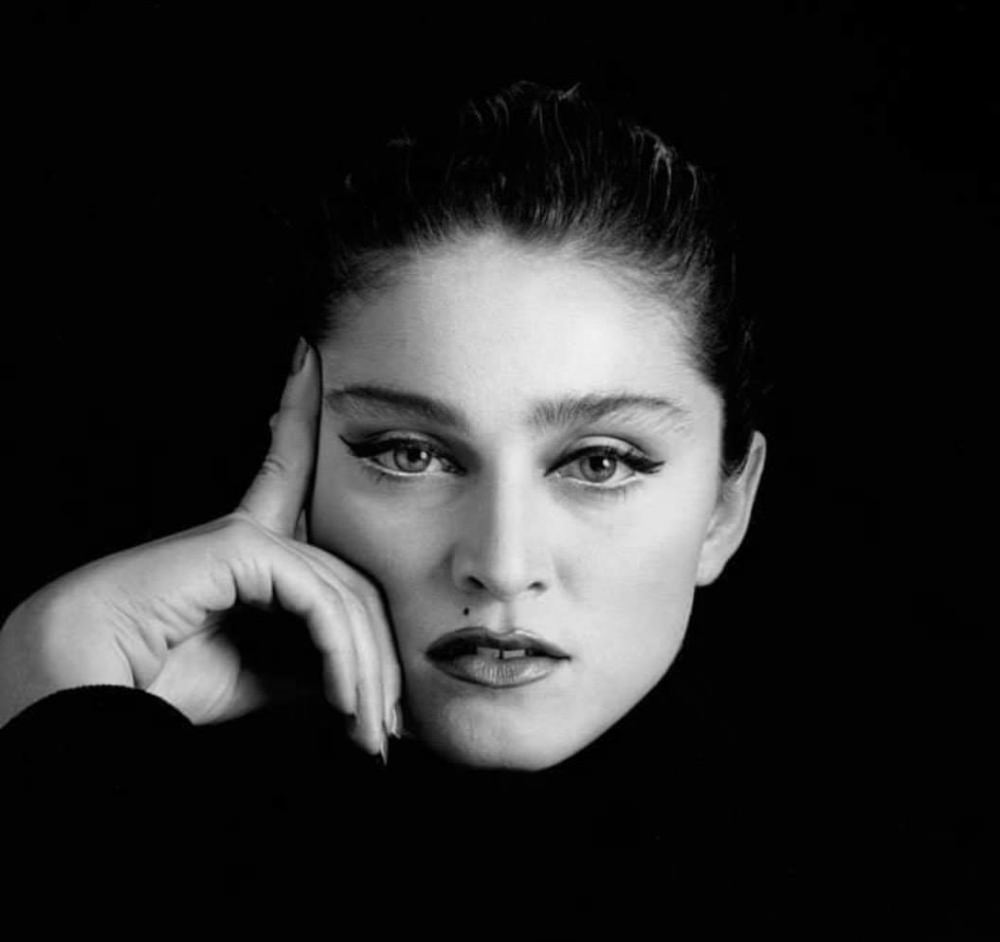
The black-and-white format of the cover also deserves attention. Color photography dominated magazine covers in the early 1980s. Choosing black and white — especially for a debut cover — was a statement. It gave the image a timeless quality and pushed the viewer’s attention entirely onto Madonna’s expression rather than any visual distraction.
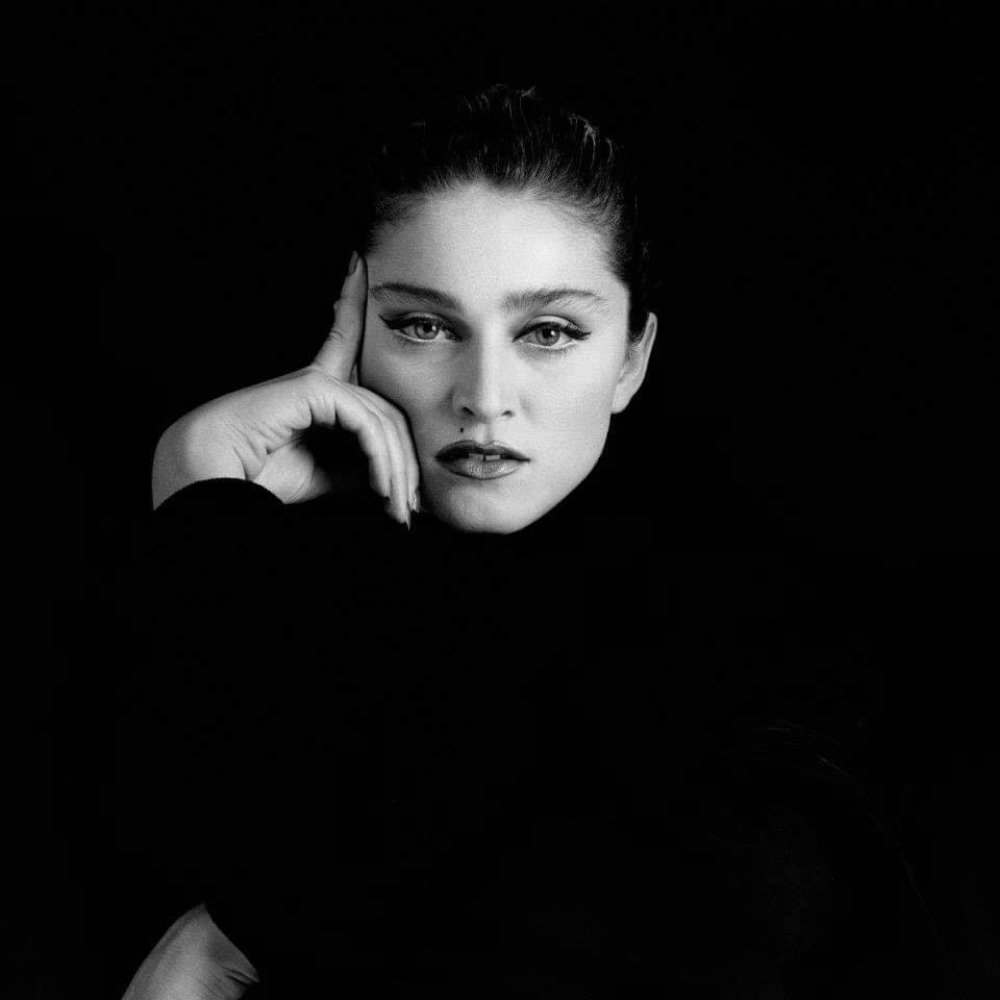
Knapp’s eye behind the lens helped shape that result. He gave Madonna space to express her own vision while guiding the technical craft of the shoot. The result was a photograph that felt both spontaneous and purposeful — a rare combination.
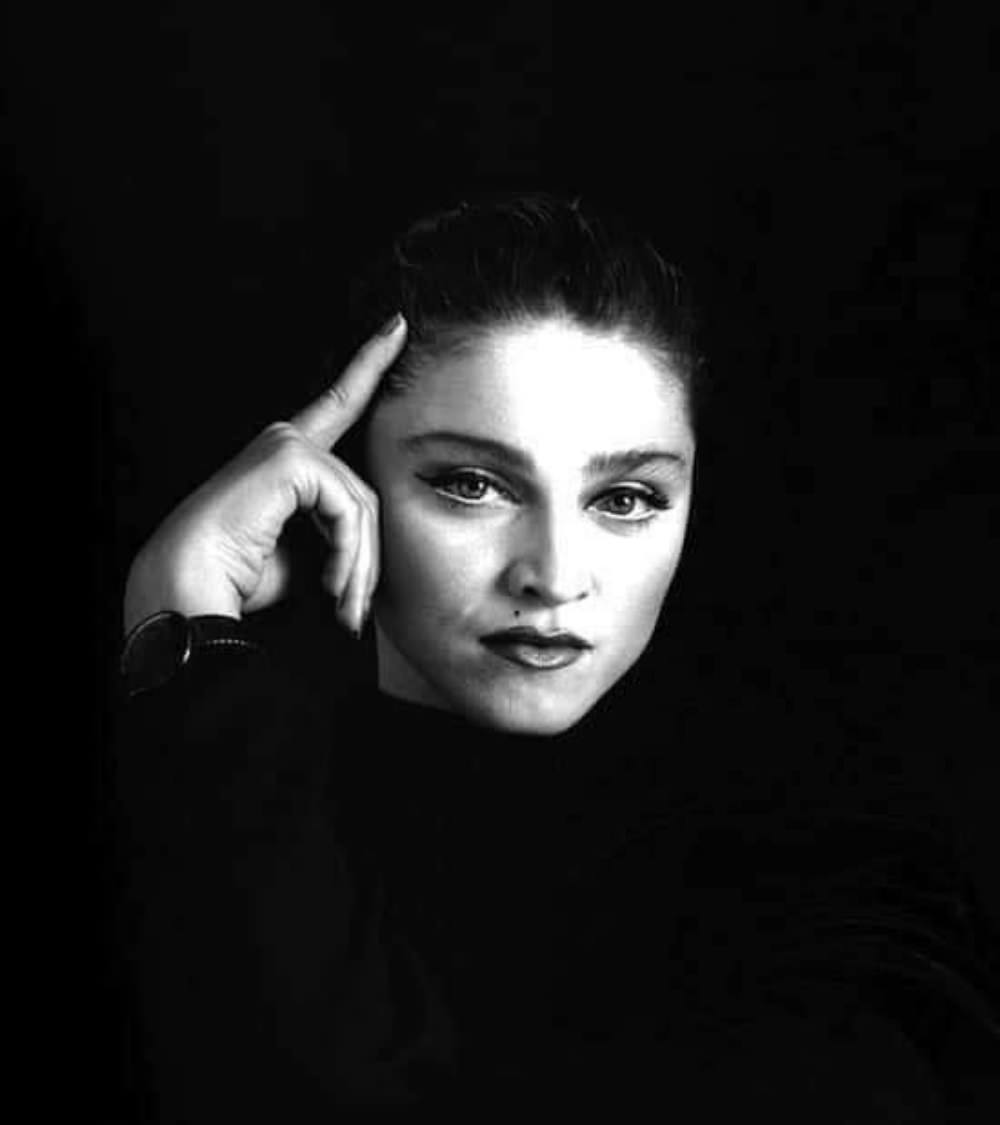
Maripol’s role extended beyond just selecting a pose. As a friend and collaborator, she understood how Madonna wanted to be seen. The Garbo reference wasn’t something pulled from a mood board at the last minute — it reflected a genuine shared understanding between two people who knew exactly what they were trying to create.
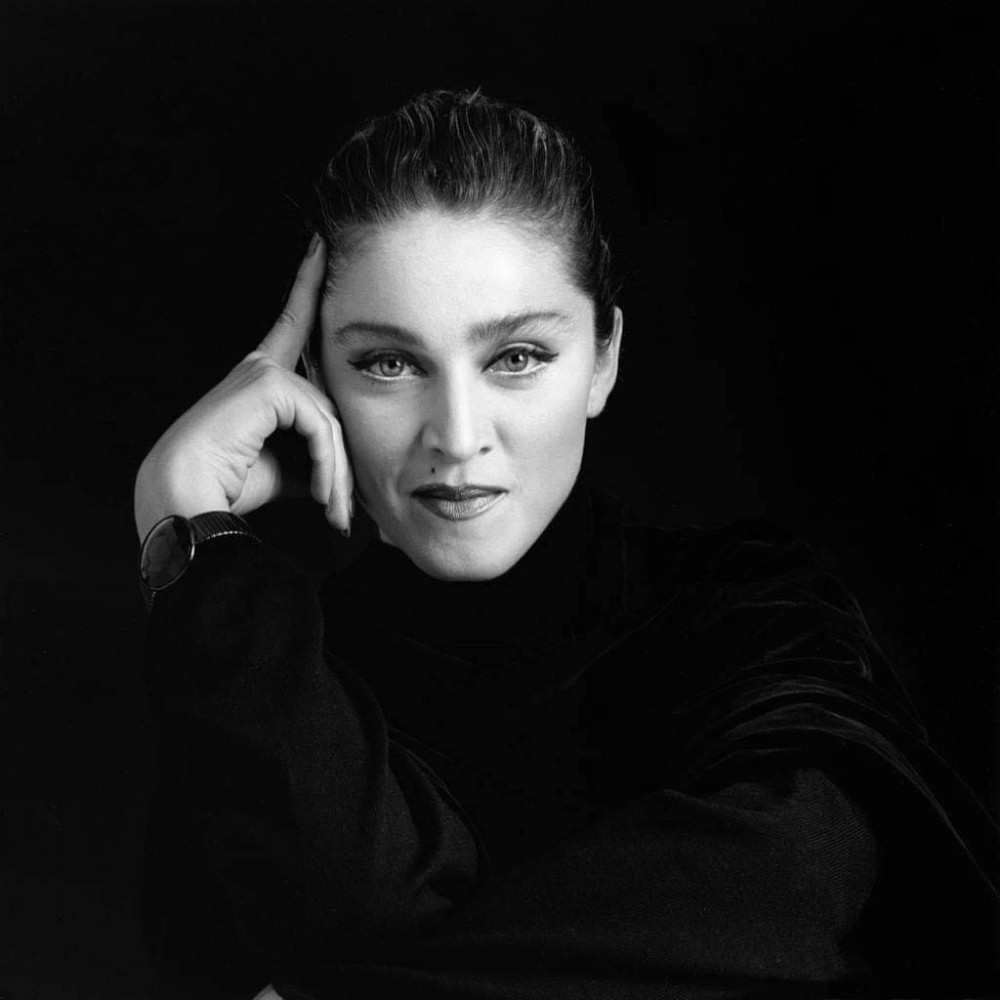
By October 1983, Madonna had already released her debut single “Everybody” and her self-titled album was out. She was gaining traction on the dance charts, but mainstream recognition was still building. The Island Magazine cover arrived at exactly this moment — just before the full wave hit.
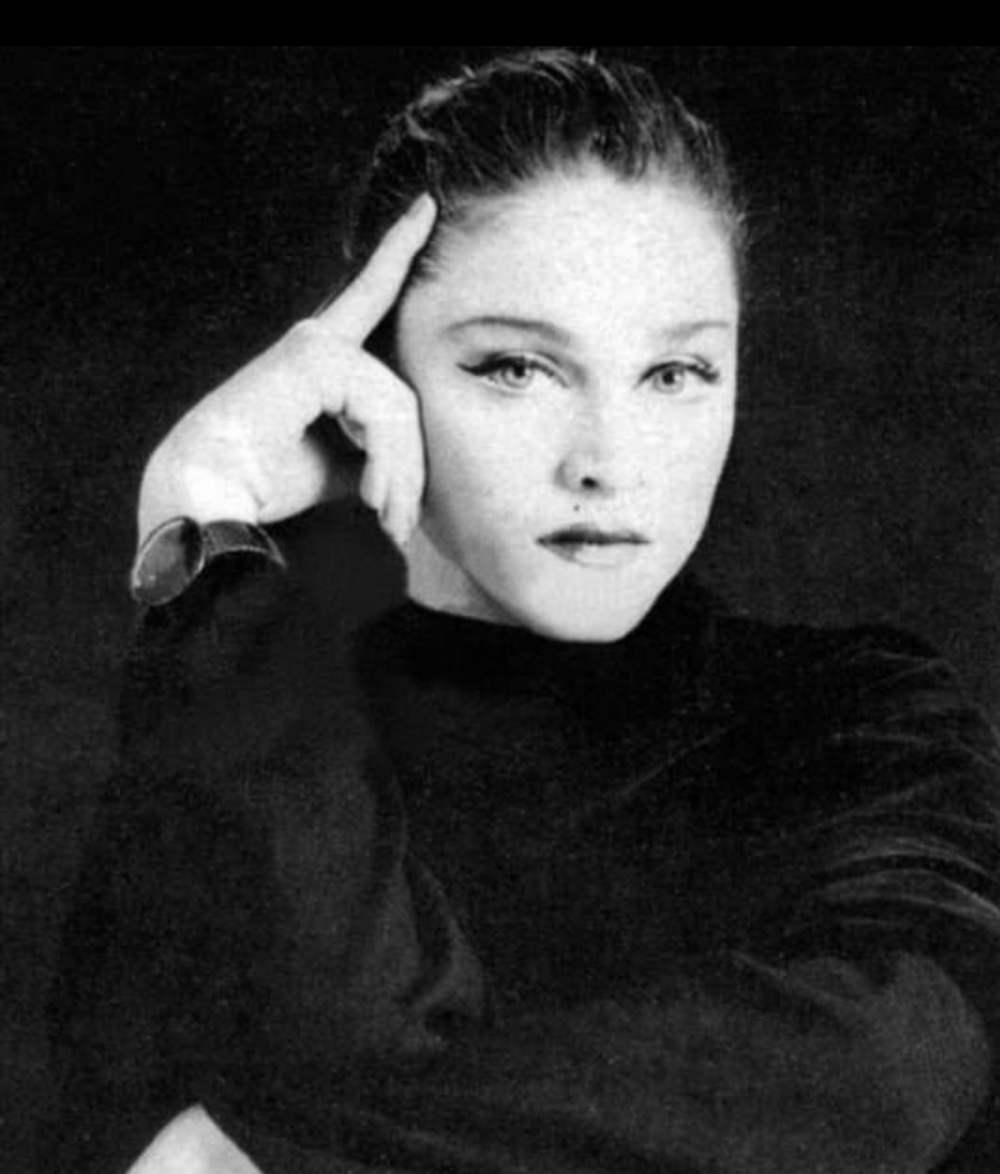
What makes this cover stand out in hindsight is how fully formed Madonna appears. There is no uncertainty in her expression, no sense of someone still figuring out who they are. She looks directly at the camera with the kind of self-assurance that most artists take years to develop — and some never find at all.
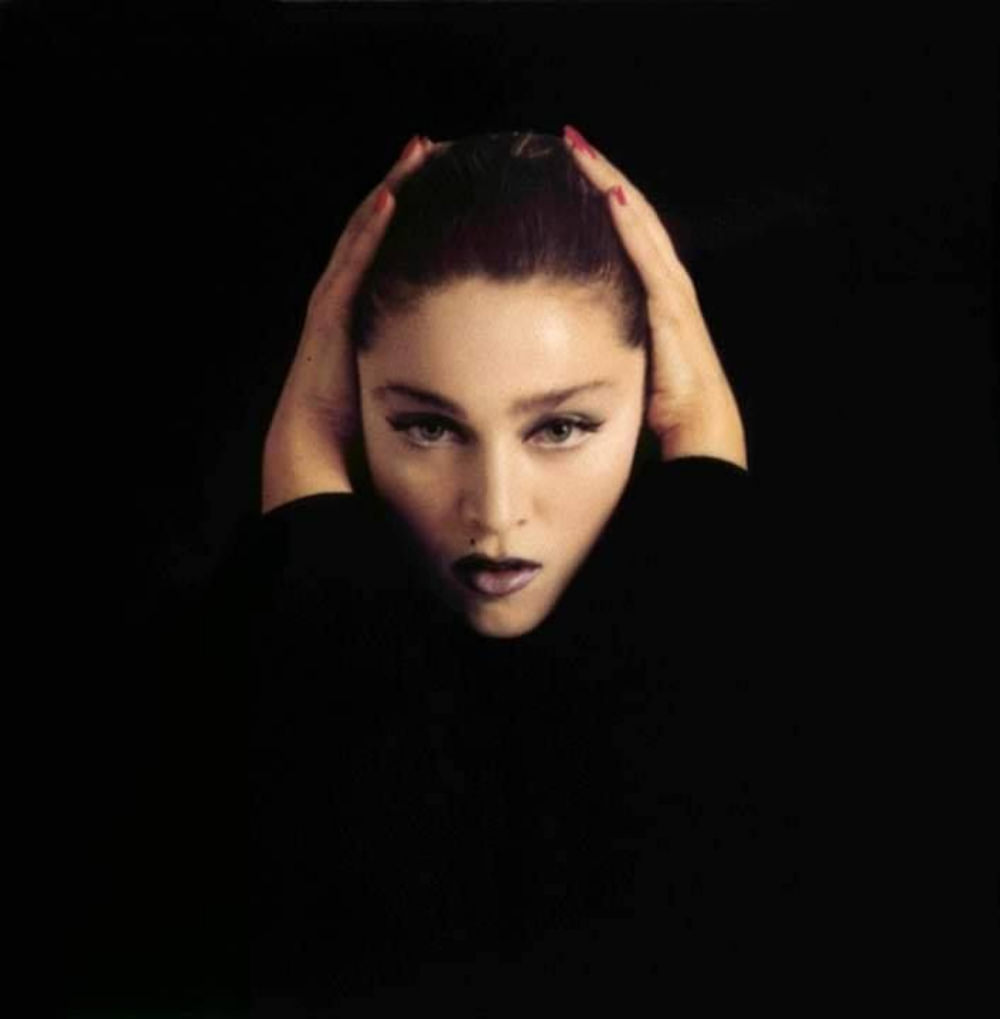
The 1983 Island Magazine cover is a precise document of a specific moment: a rising artist, a skilled photographer, a trusted stylist, and a deliberate creative vision all coming together on a single day. Every element of it — the pose, the lighting, the monochrome palette, the Garbo echo — was chosen. Nothing about it was accidental.