Mid-20th century honky-tonk piano records sold a feeling as much as a sound. The music was fast, bouncy, and rooted in ragtime — built to evoke old saloons and barrelhouses where the piano never stopped. Standards like “Maple Leaf Rag” and “The Entertainer” filled out most track lists.
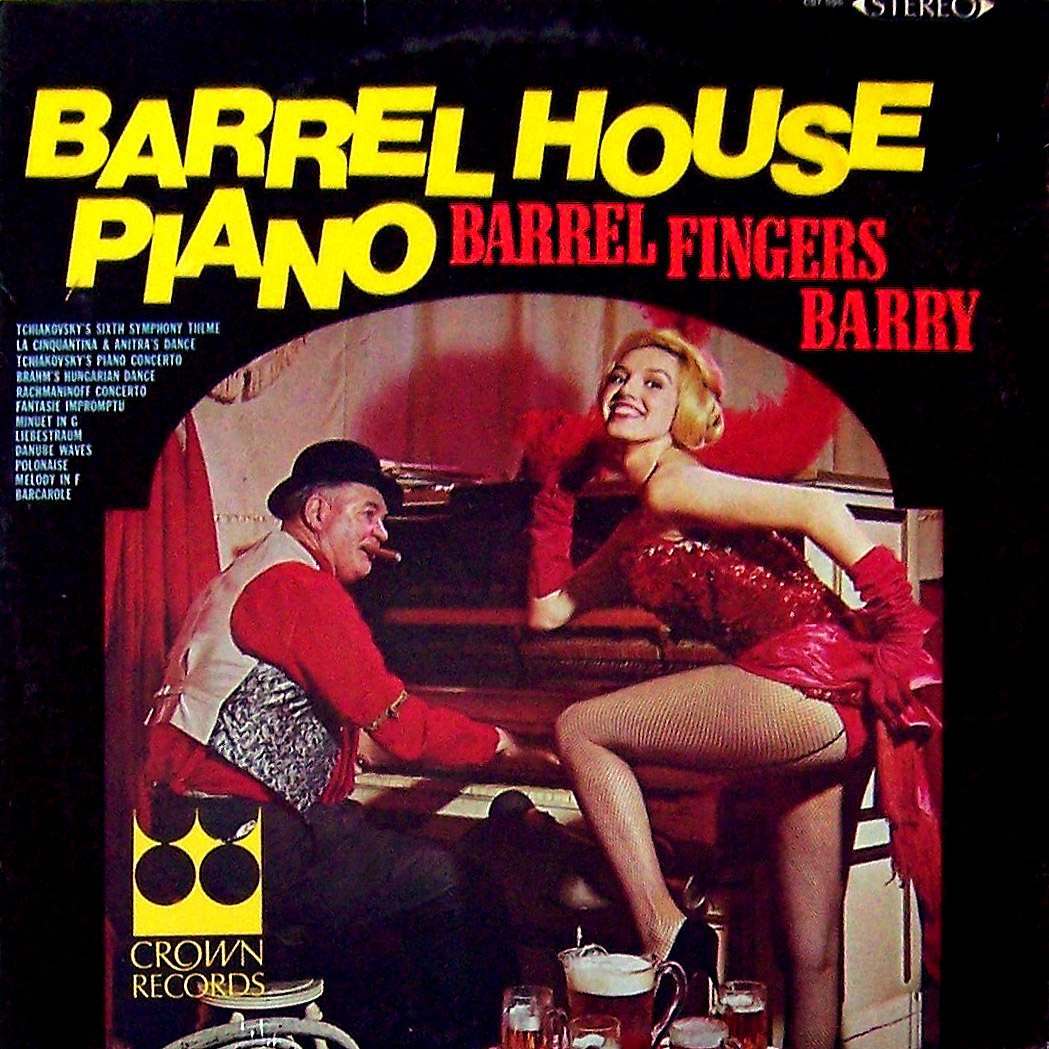
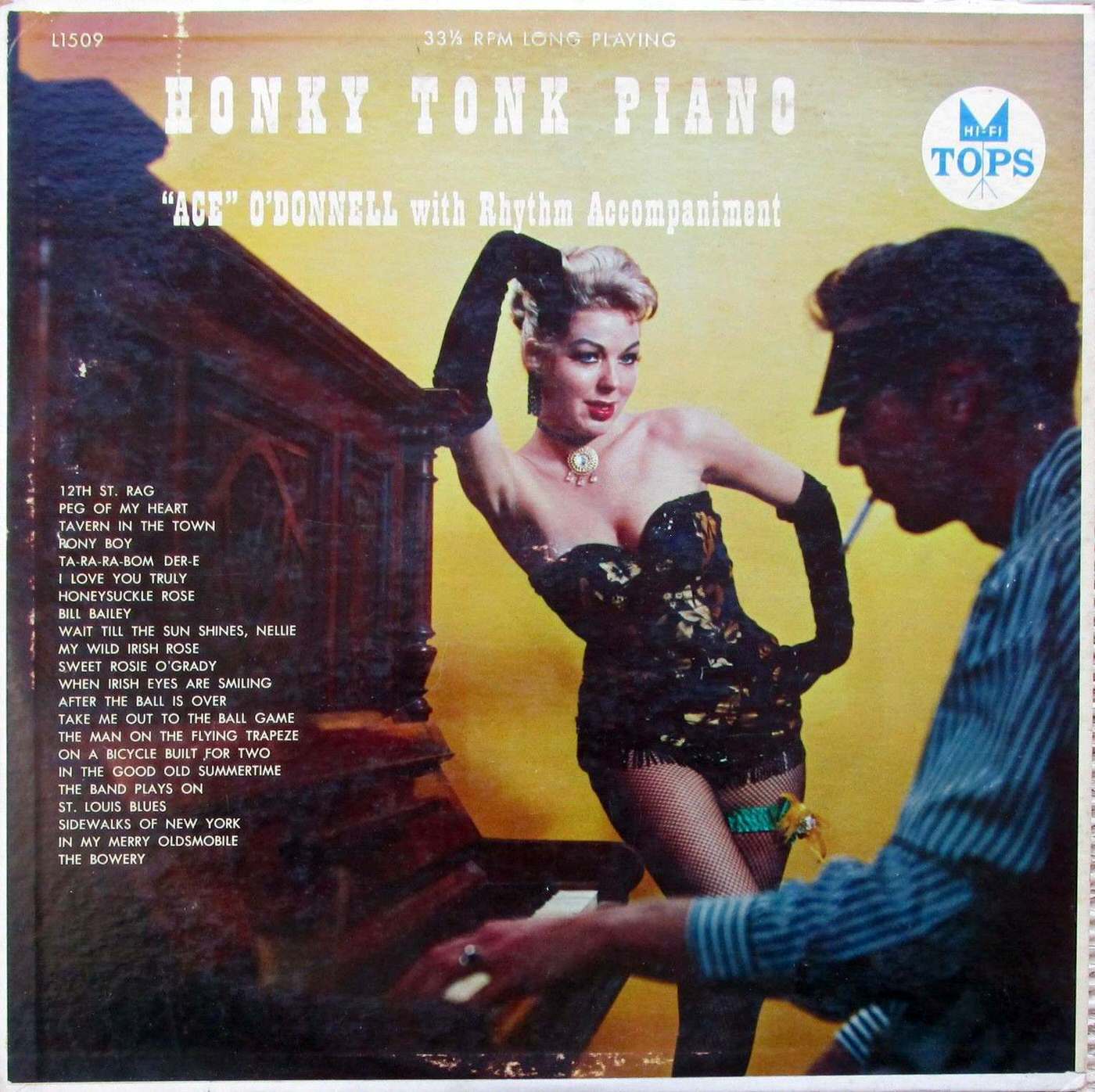
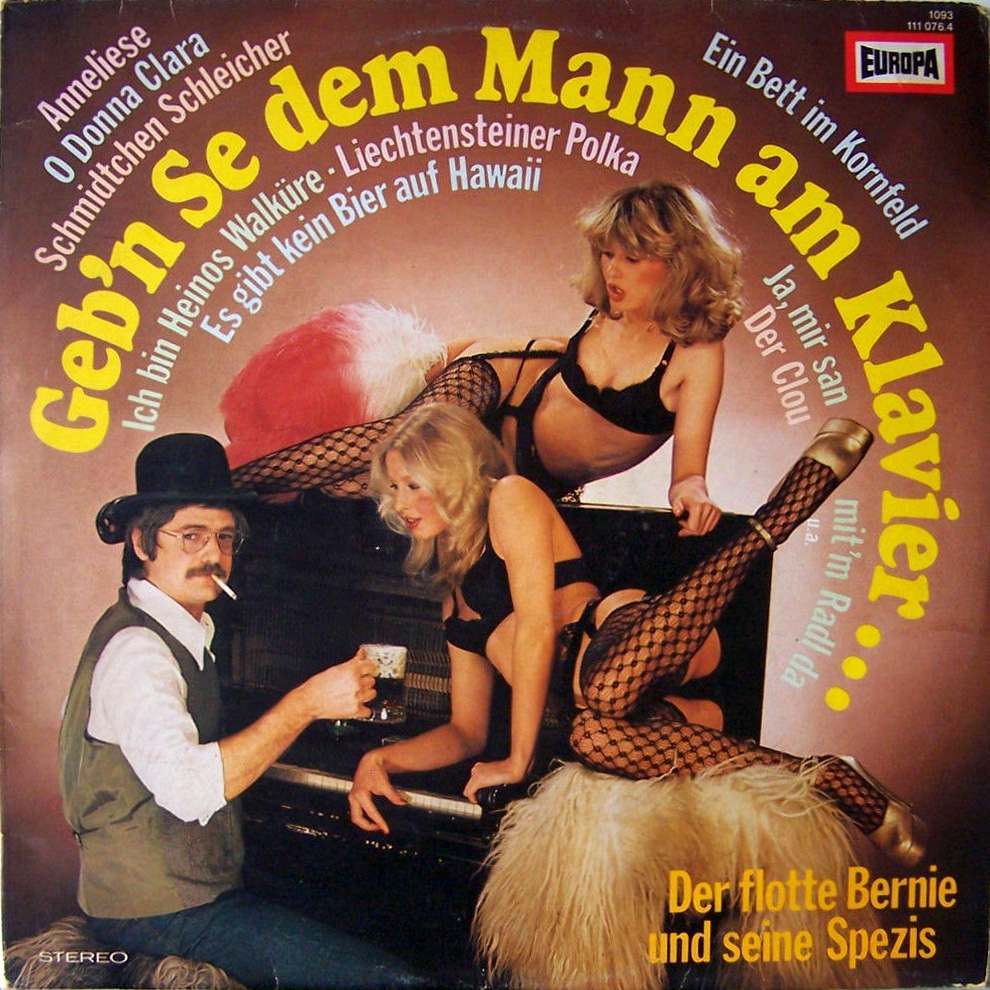
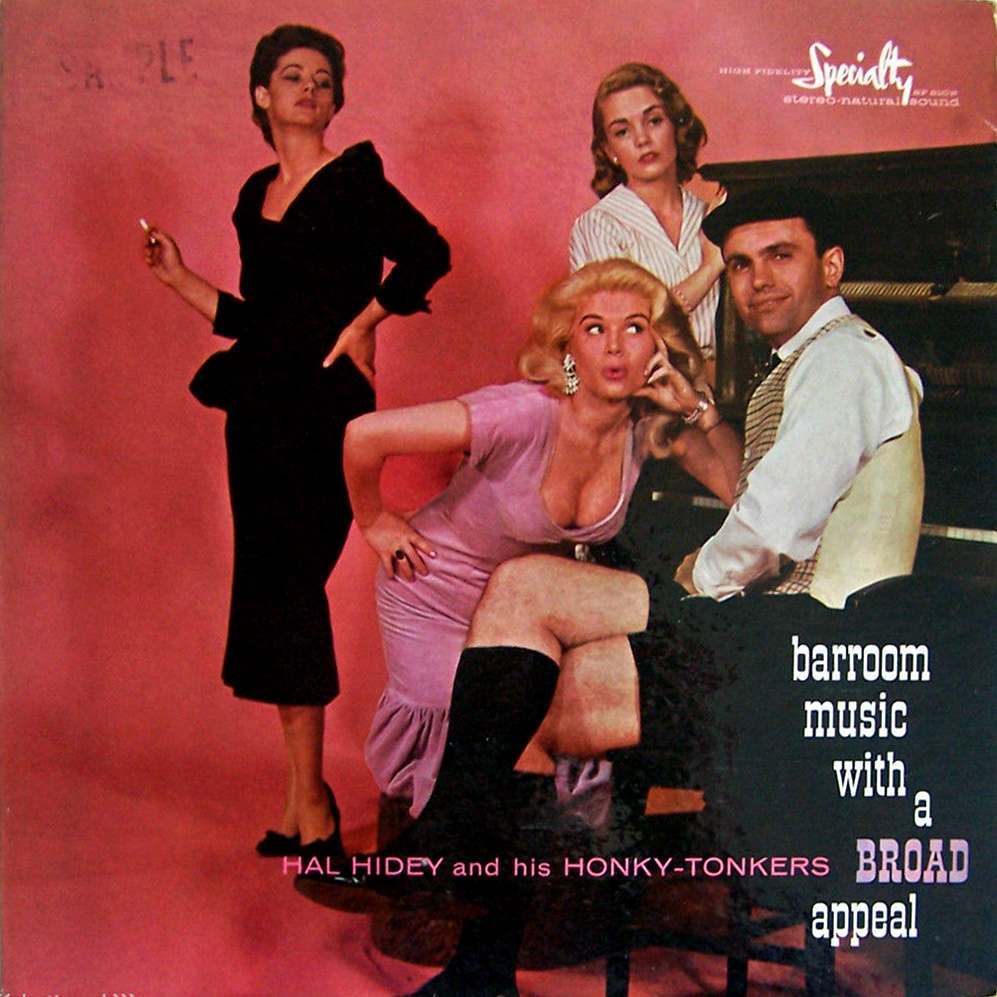
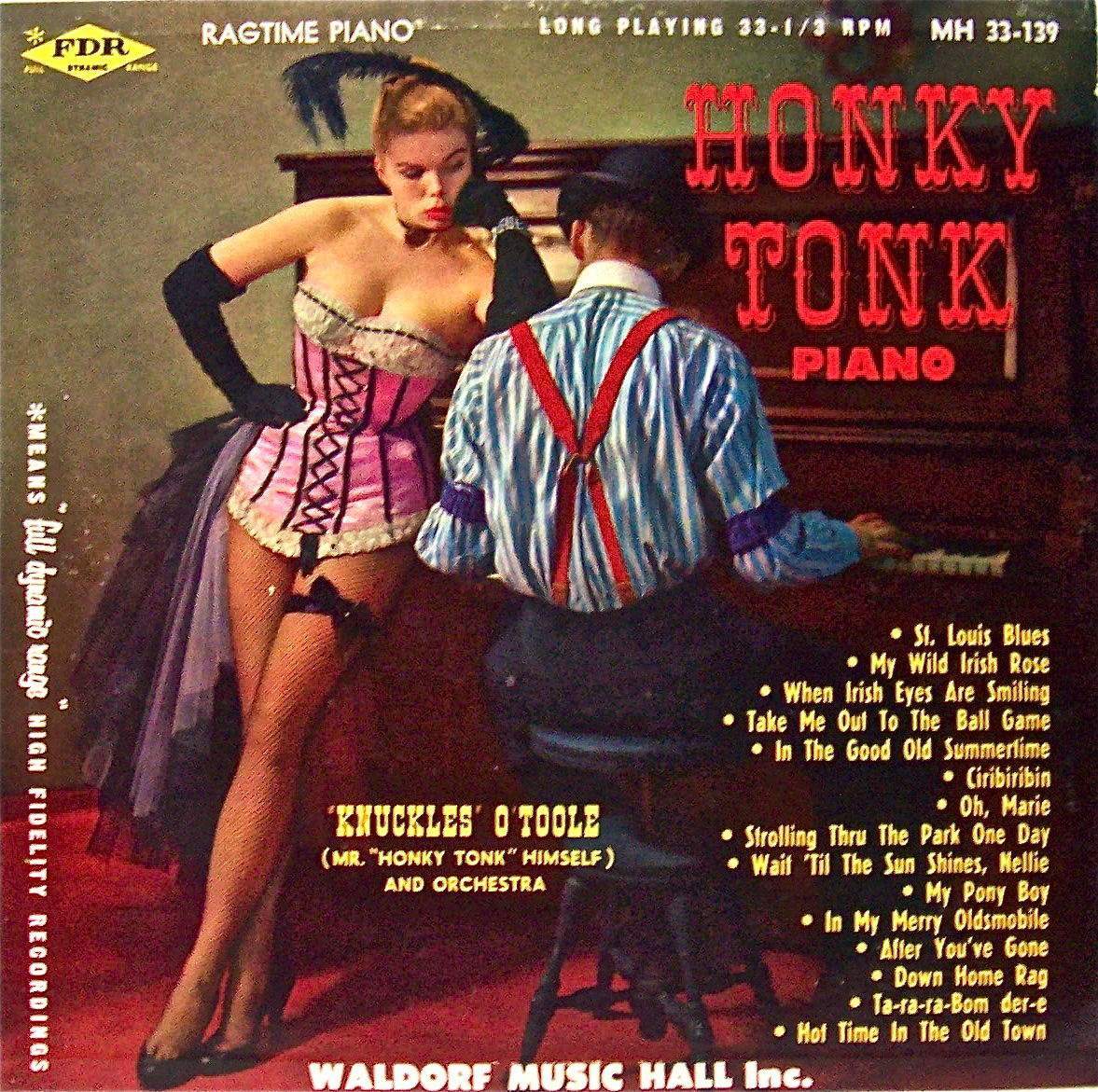
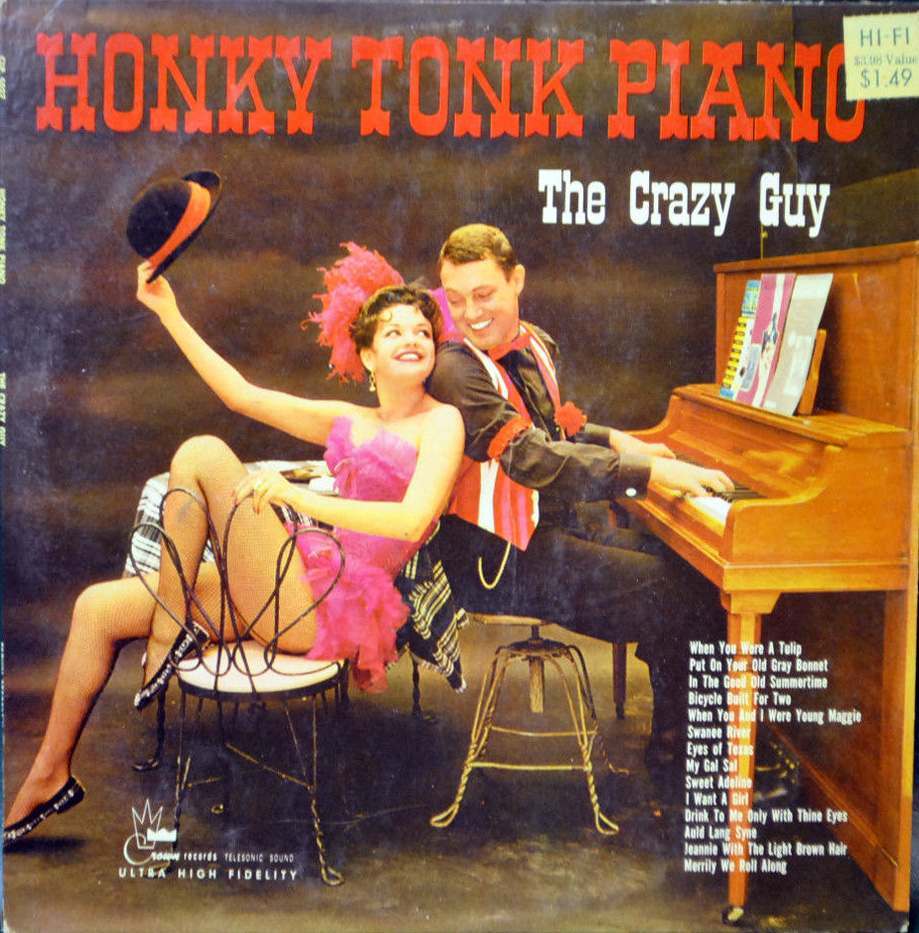
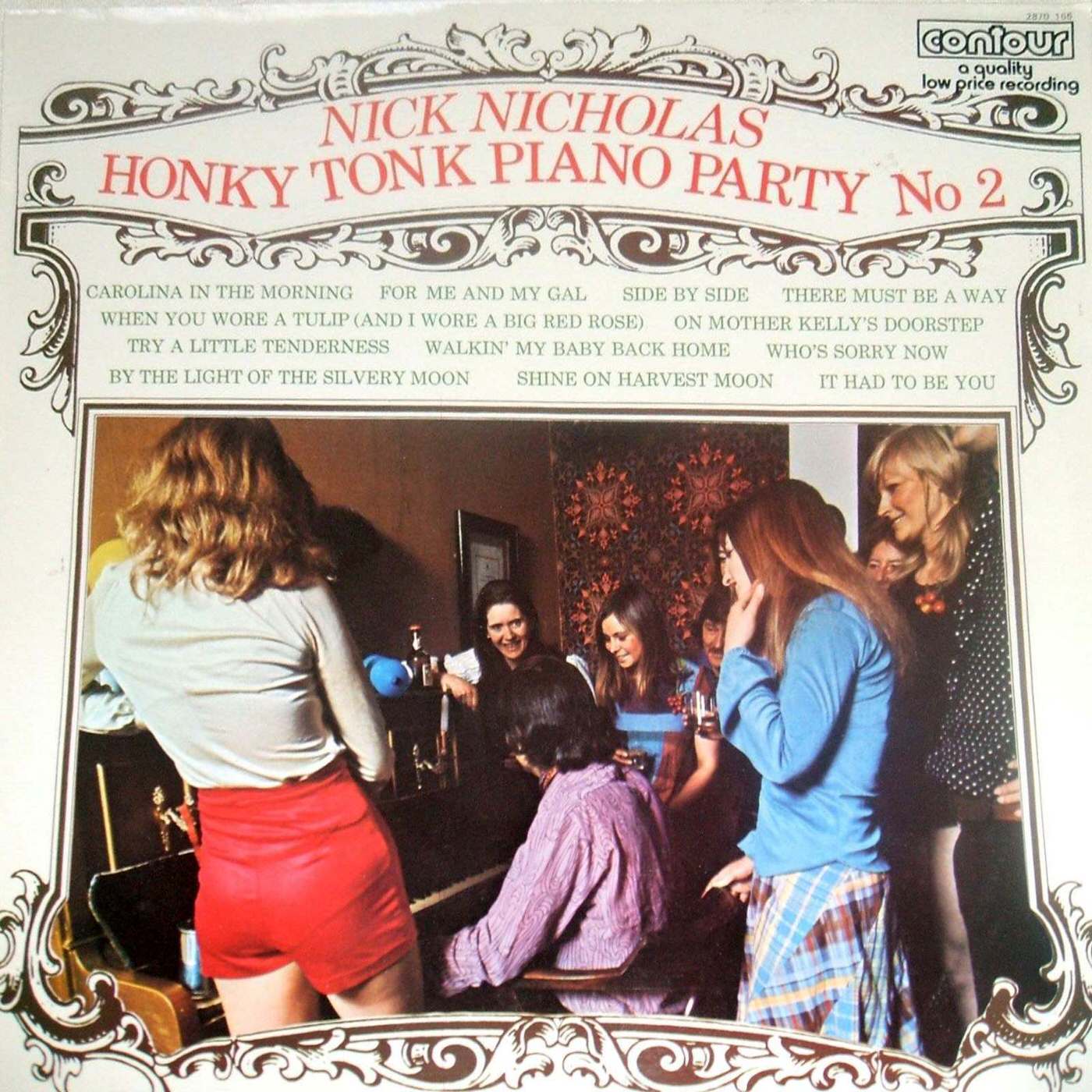
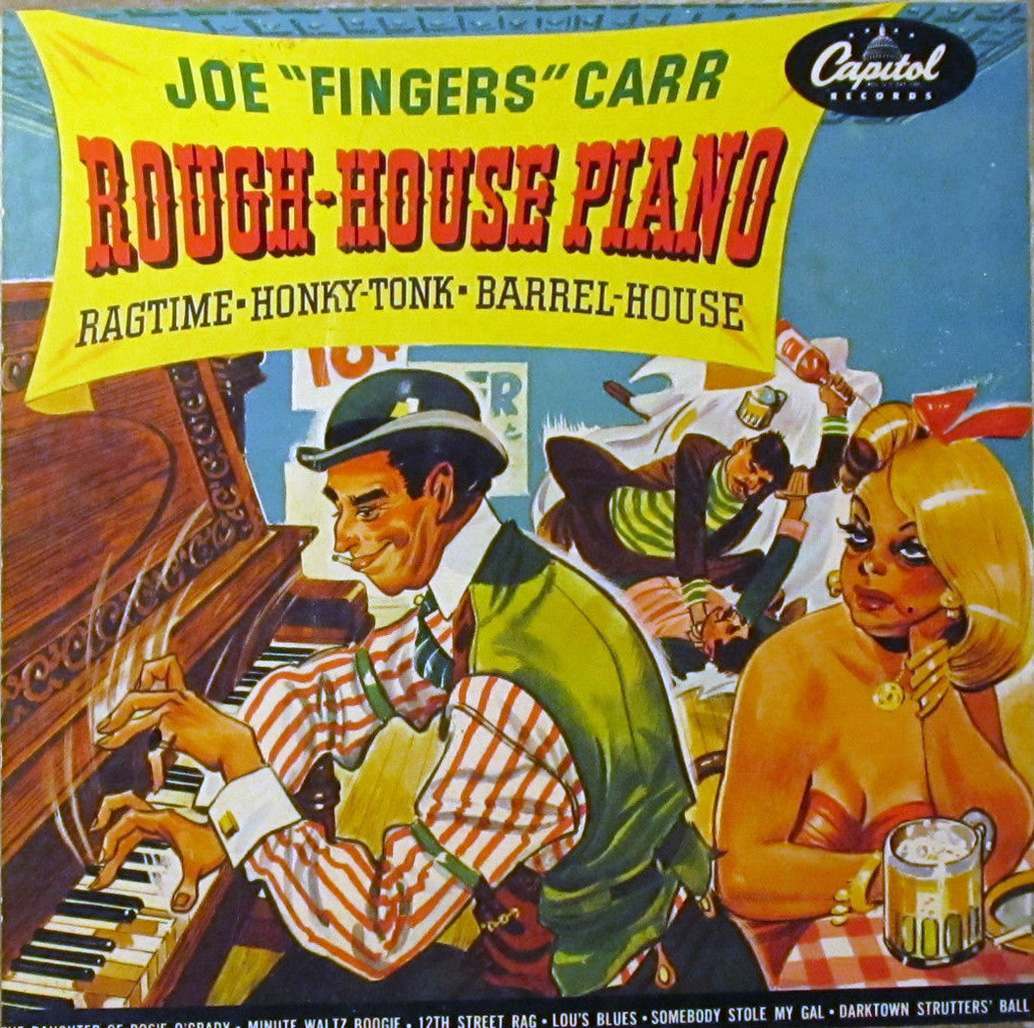
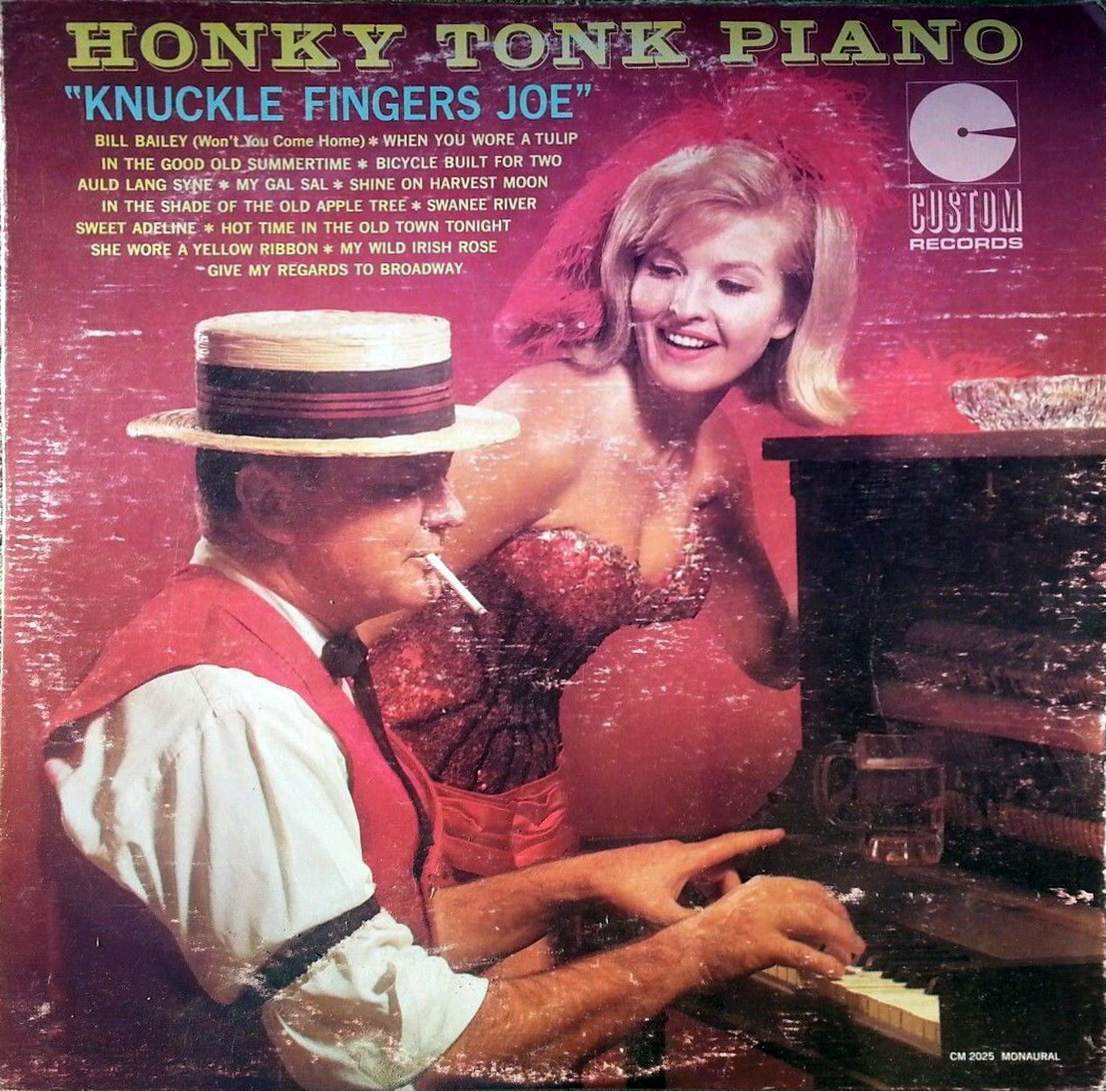
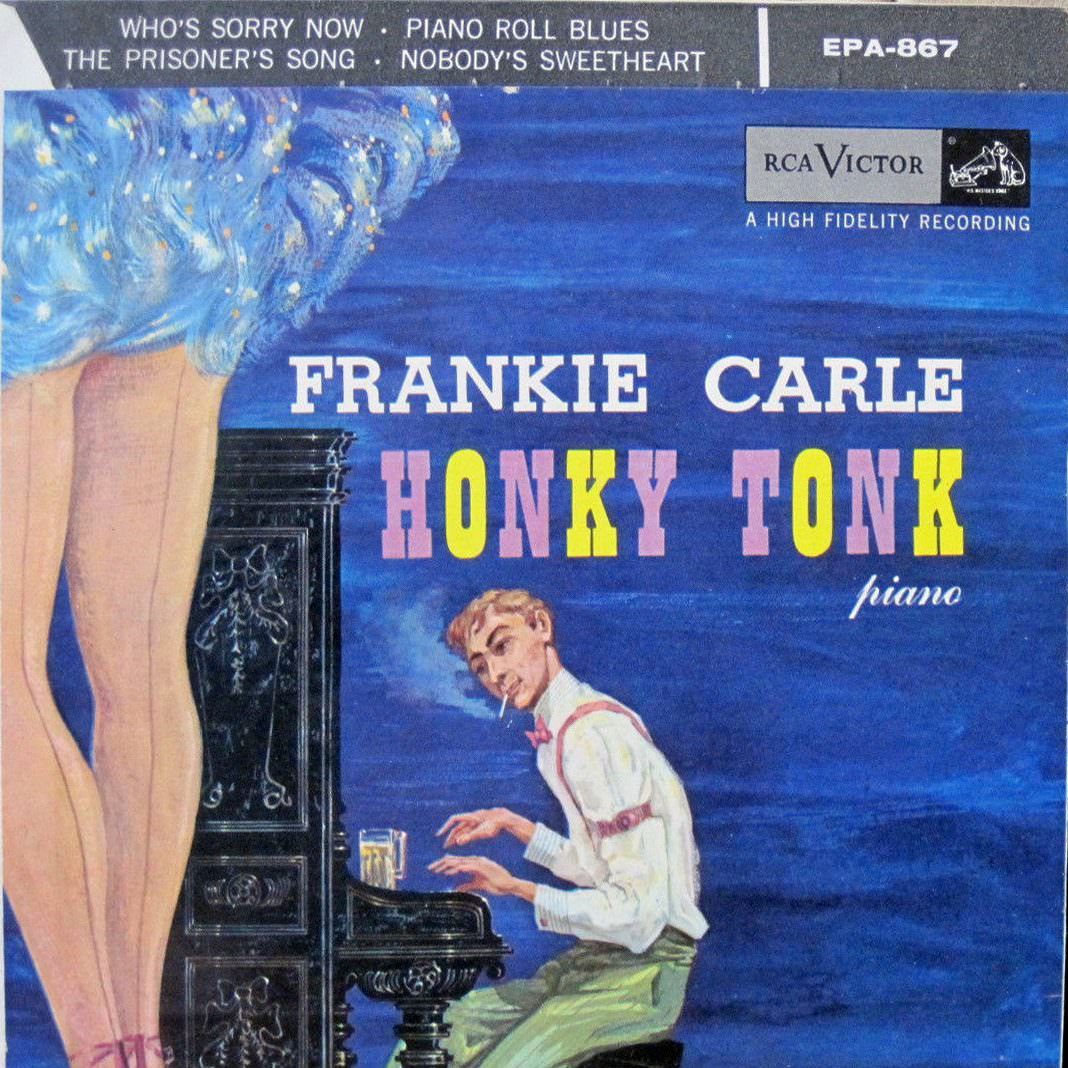
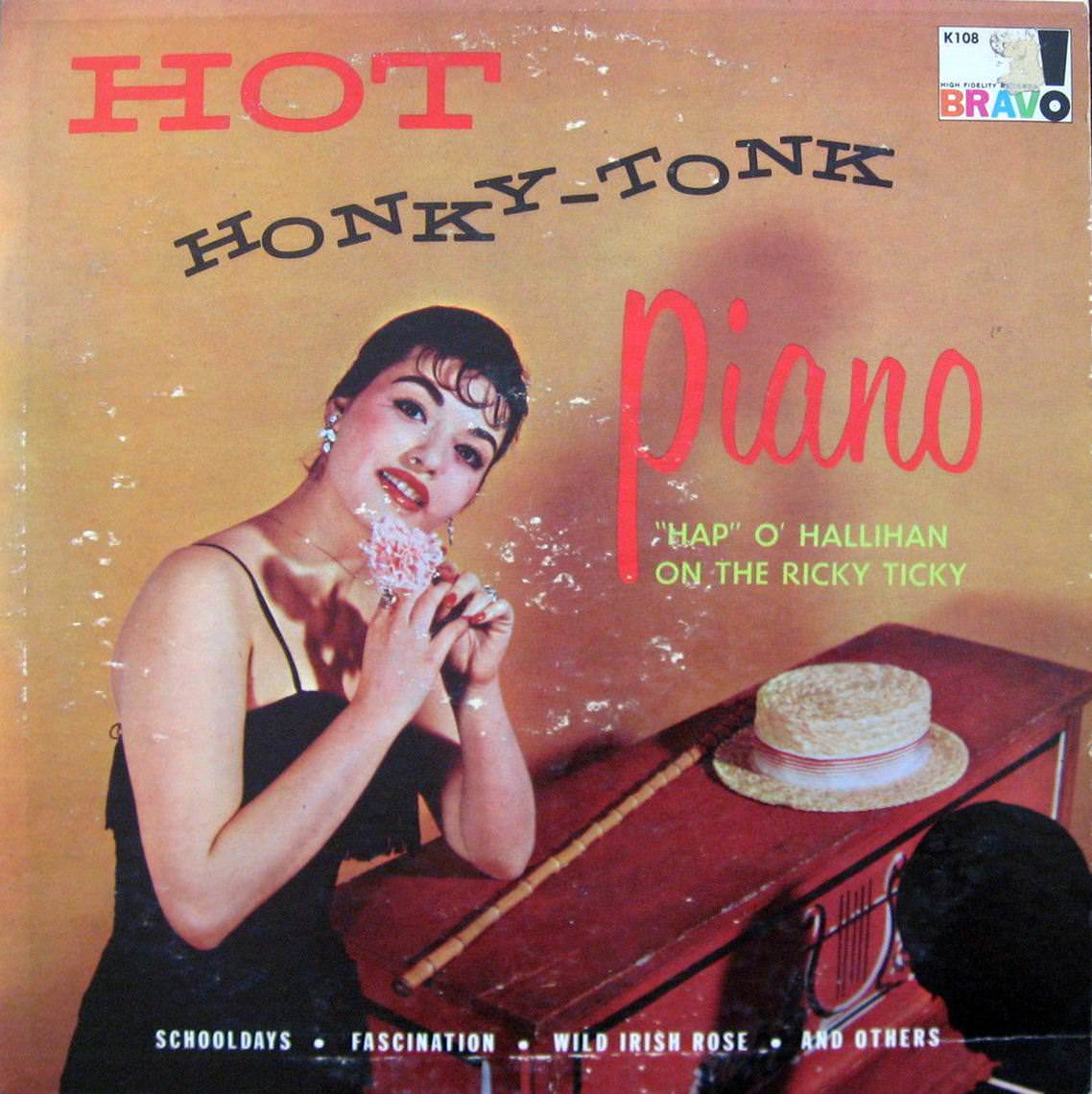
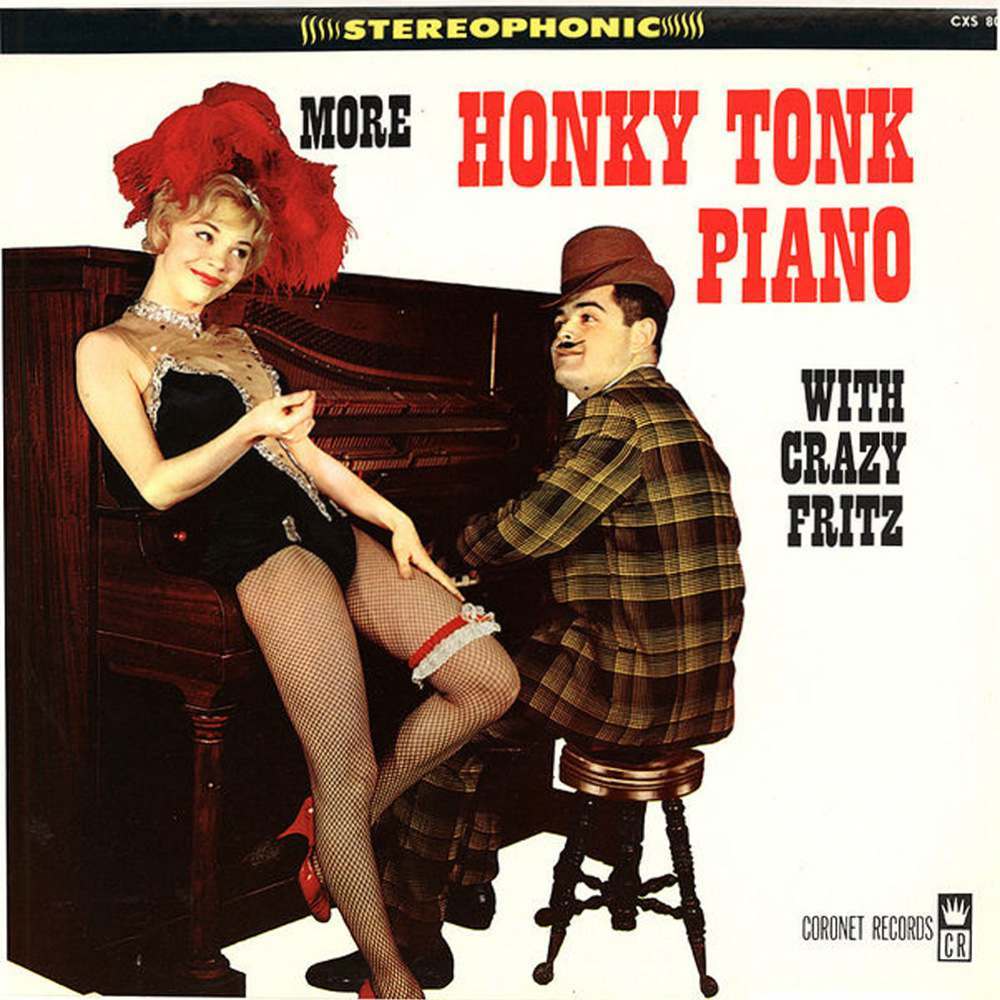
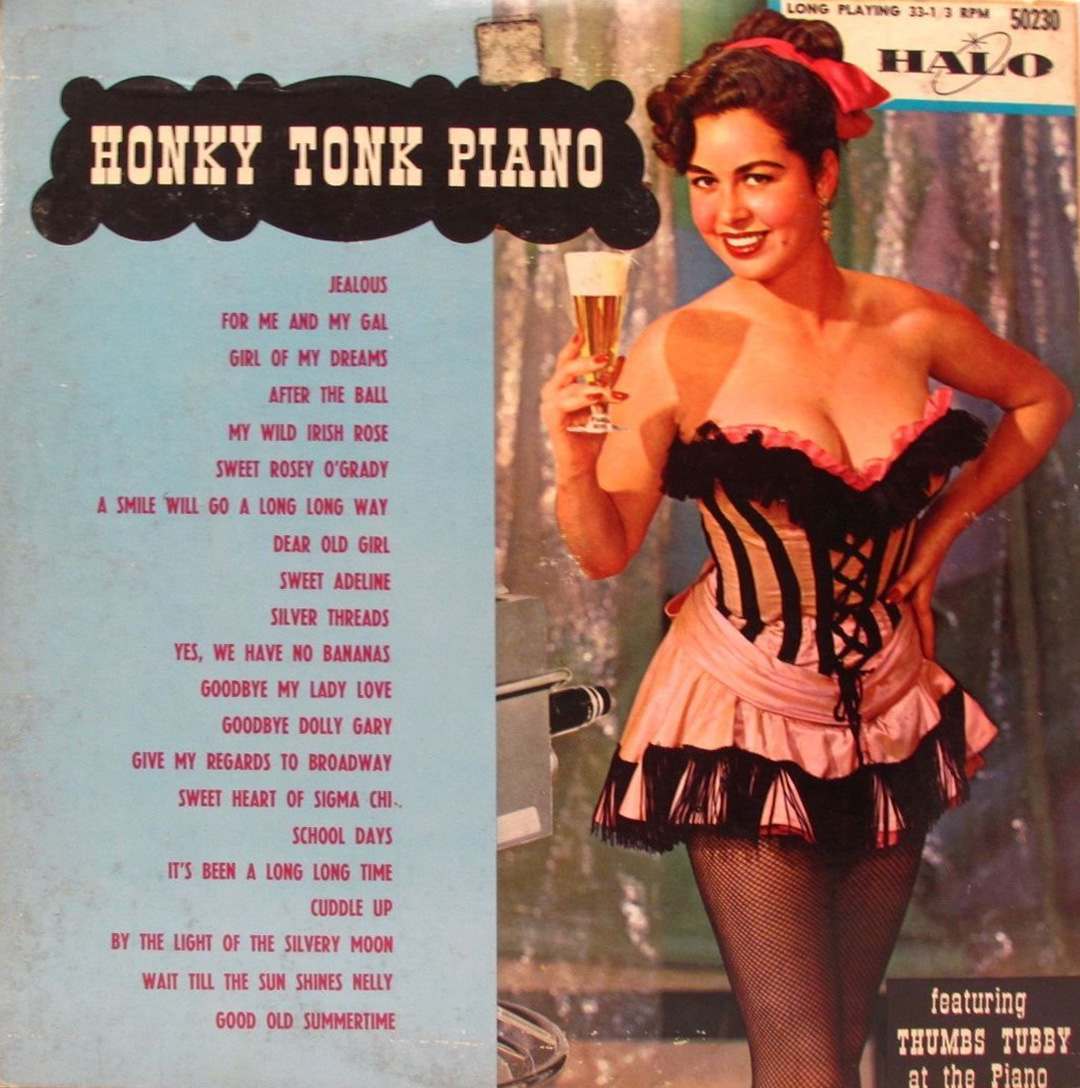
But the music wasn’t always the first thing that sold the record. The cover art was. Bold, full-color illustrations packed the fronts of these albums with saloon girls in garters and feather boas, flowing drinks, and a piano at the center of it all.
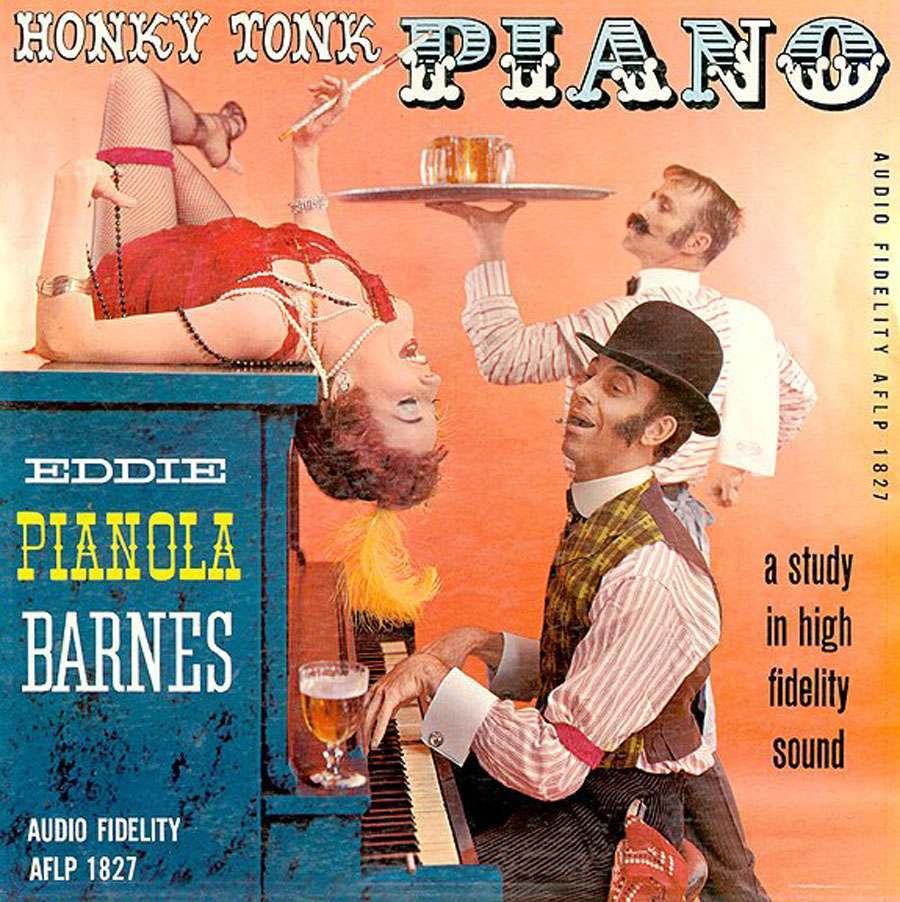
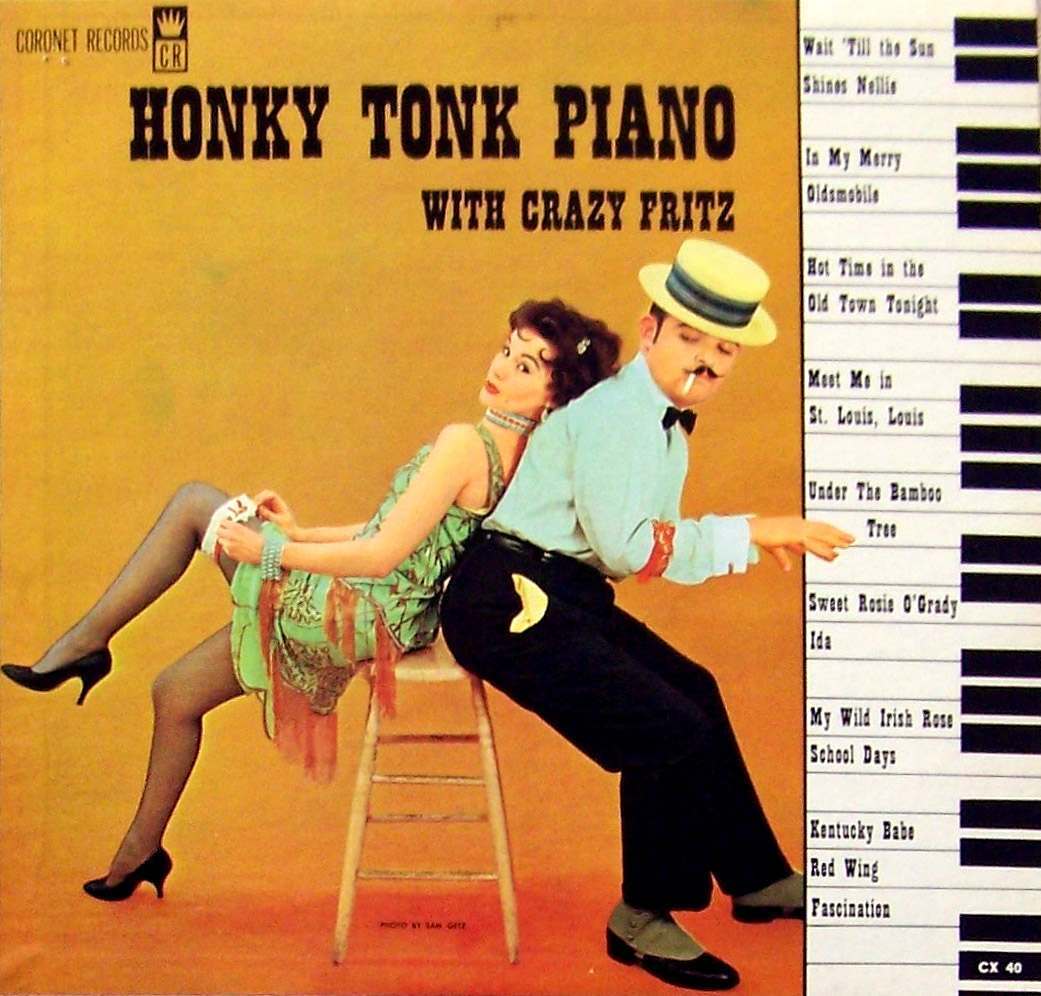
The women on these covers were a deliberate sales tool. They lounged across piano tops, leaned toward the pianist, and stared straight at the buyer. The message was clear: this record promised a good time.
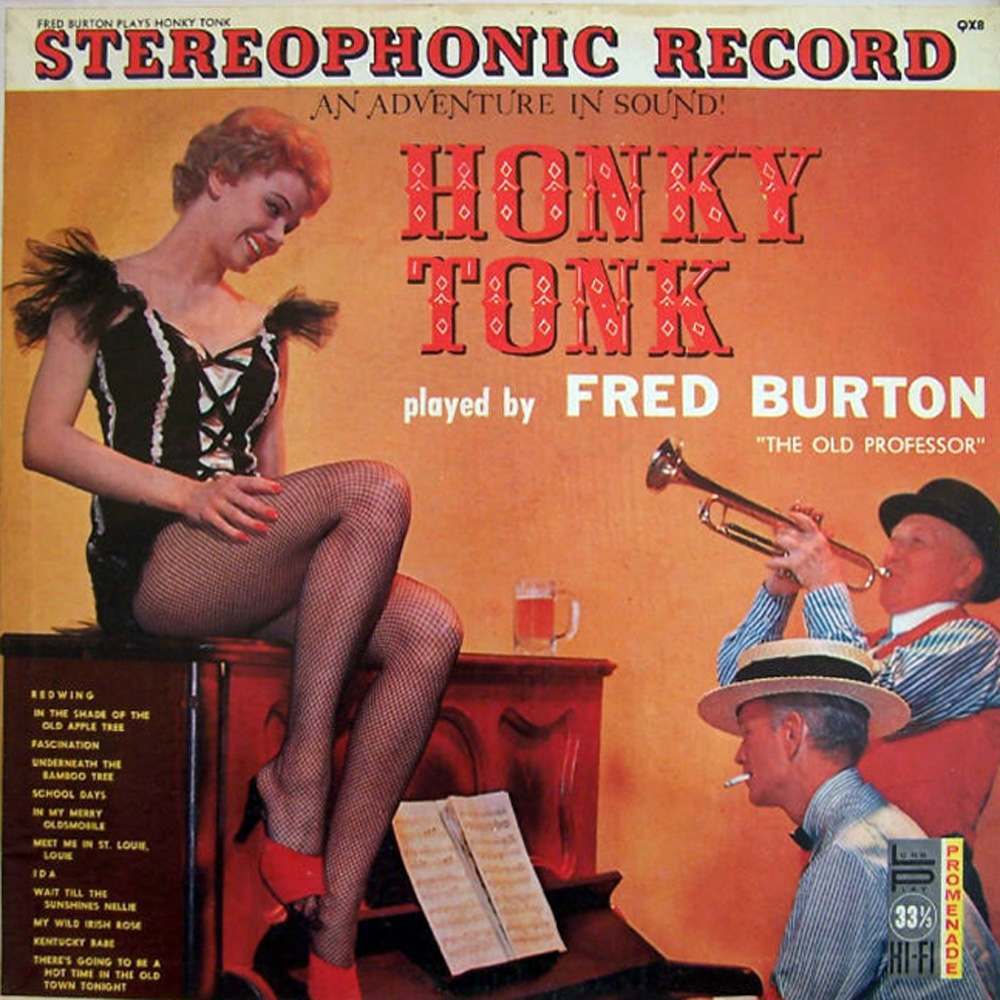
The pianists themselves leaned hard into the spectacle. Many performed under cartoonish stage names — “Knuckles O’Toole” and “Big Tiny Little” were two of the more popular monikers. Their press photos showed them grinning mid-performance, fingers flying across the keys.
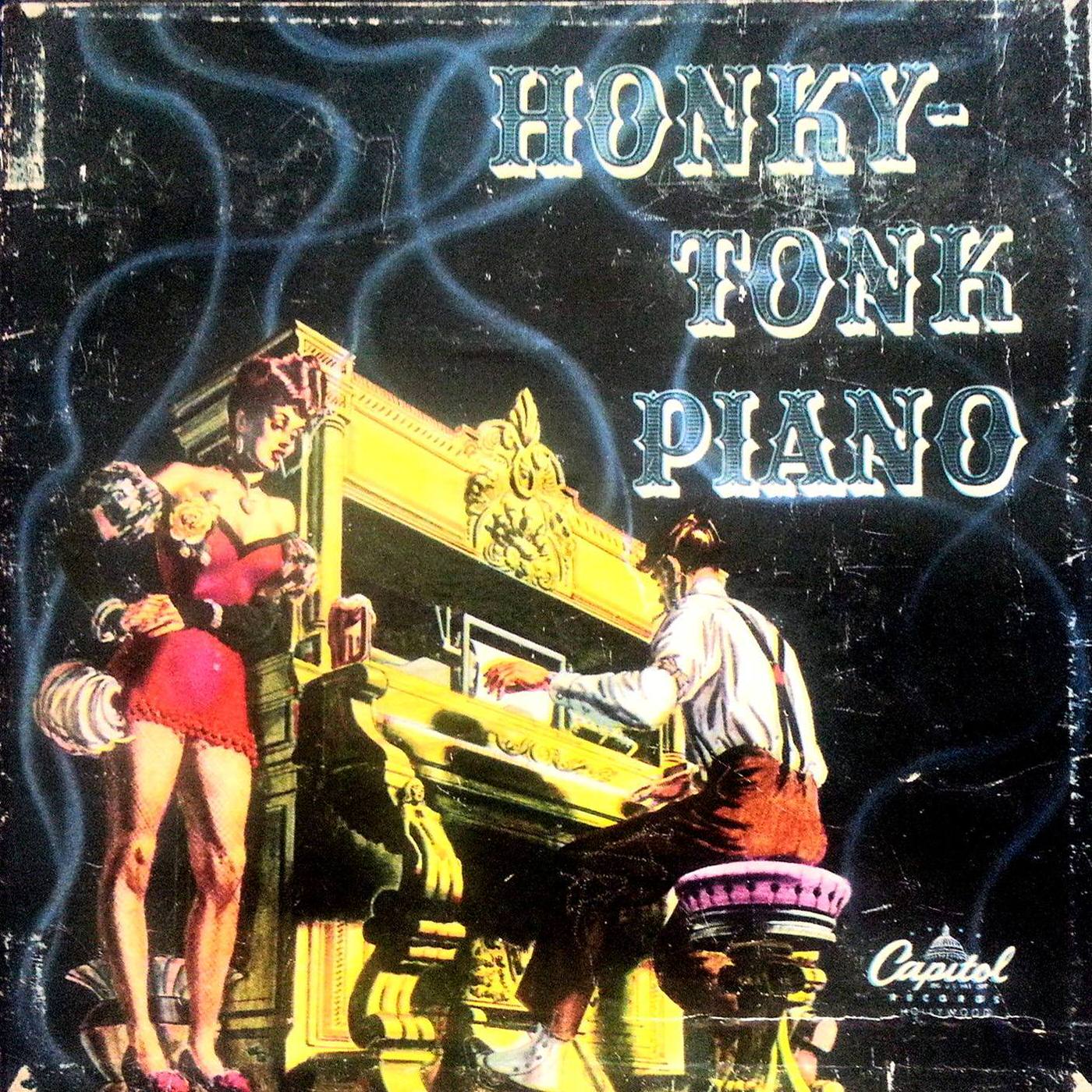
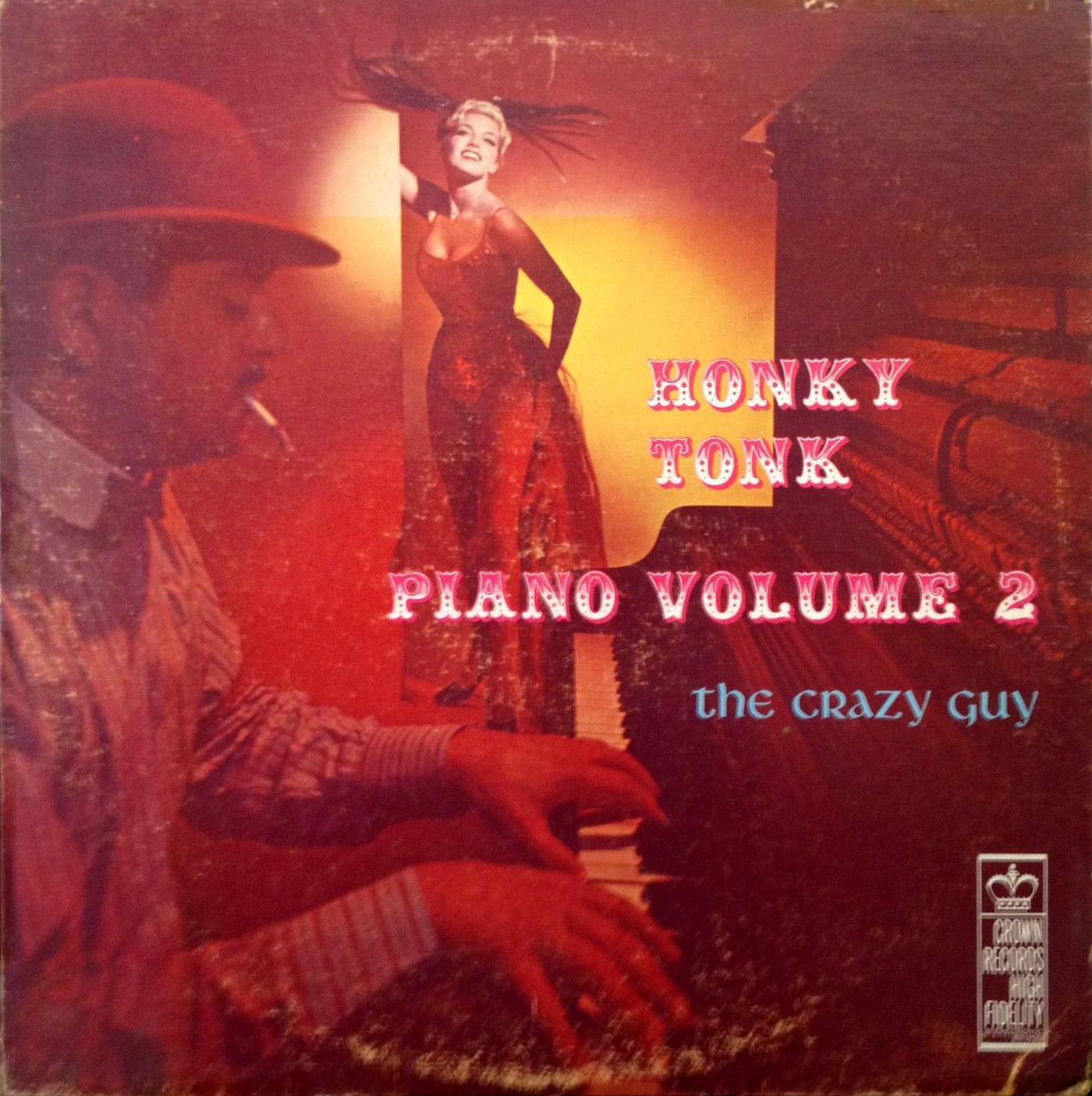
These names made the records feel larger than life. They signaled to the buyer that nothing here was meant to be taken seriously — and that was exactly the point.
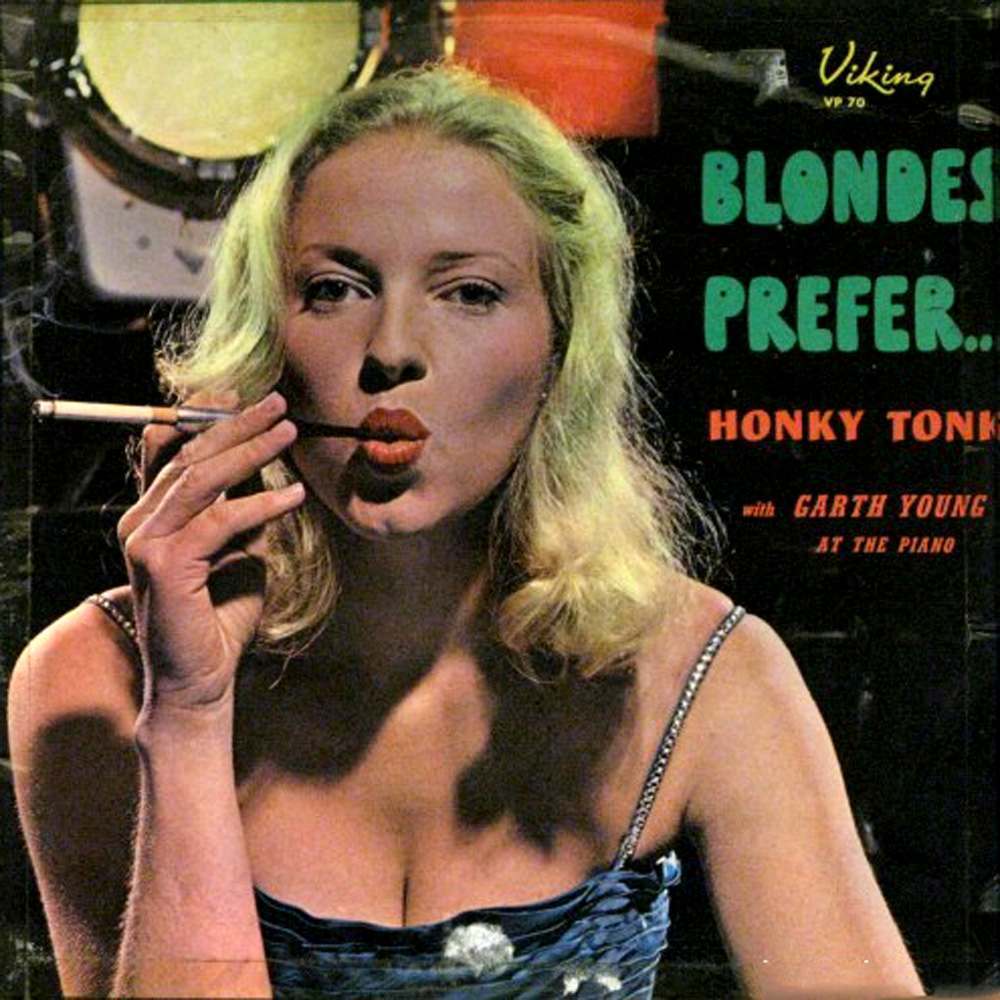
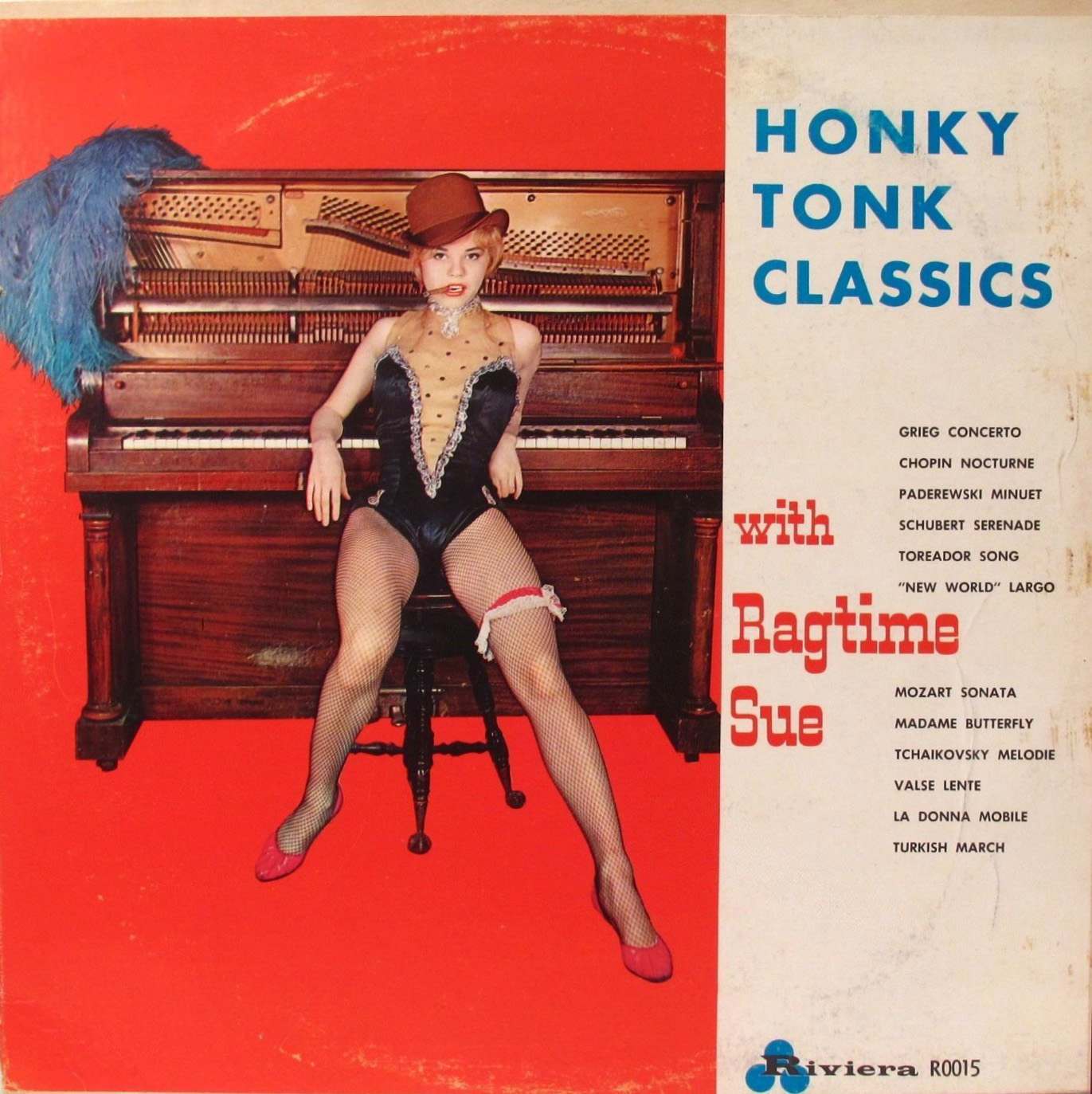
Back covers kept up the same playful energy. Liner notes promised hours of toe-tapping fun and sometimes spun short, tongue-in-cheek stories about the pianist’s rowdy adventures. Every part of the package worked together to sell one thing: pure, unserious entertainment.