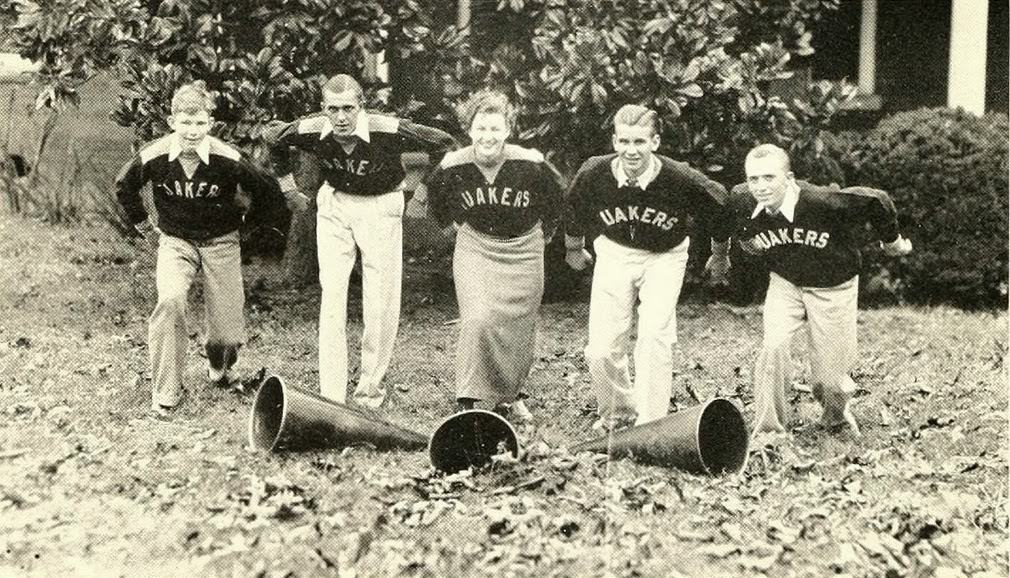
In the early 1920s, cheerleading in North Carolina was an all-male activity. At Davidson College and Wake Forest College, squads wore heavy wool sweaters and long trousers, using large megaphones to lead the crowd. The role was treated as a serious campus leadership position, not an athletic one.
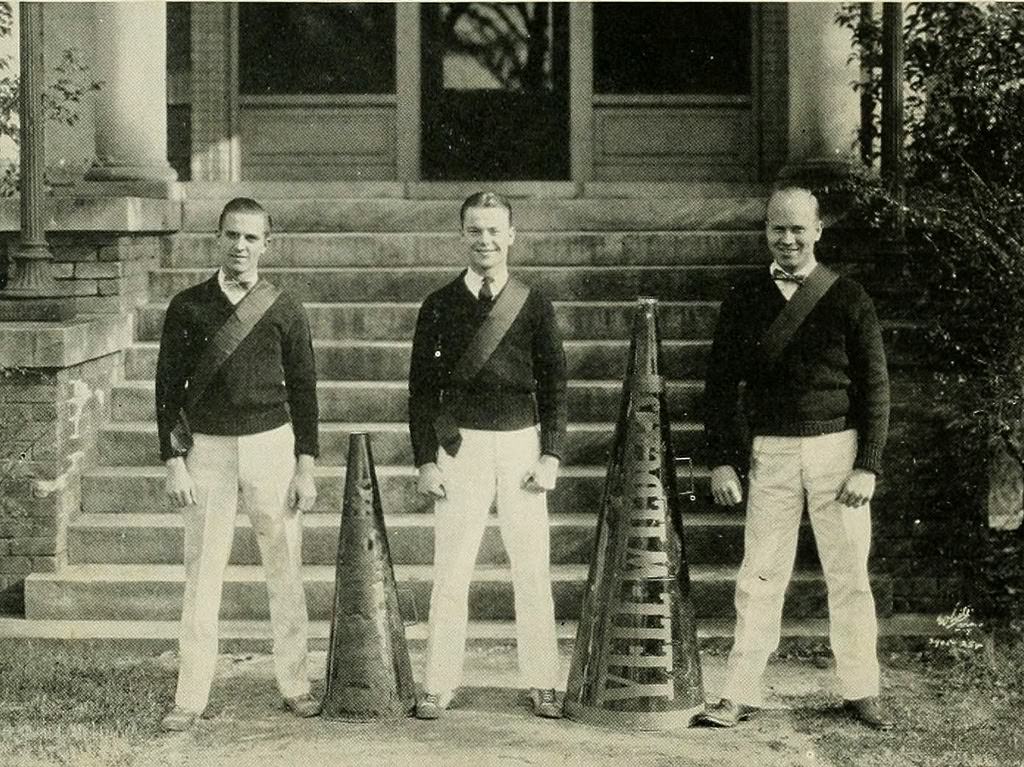
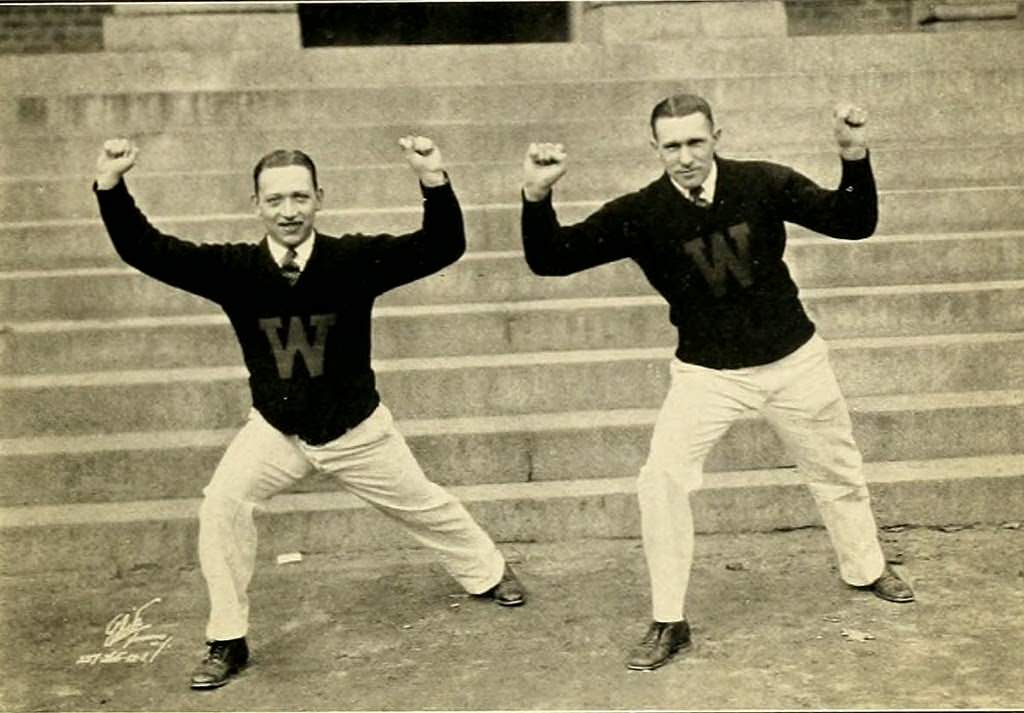
By 1927, Guilford College still kept its squads entirely male. That tradition held firm into the early 1930s, when schools like East Carolina Teachers College and Appalachian State Teachers College began organizing more structured routines.
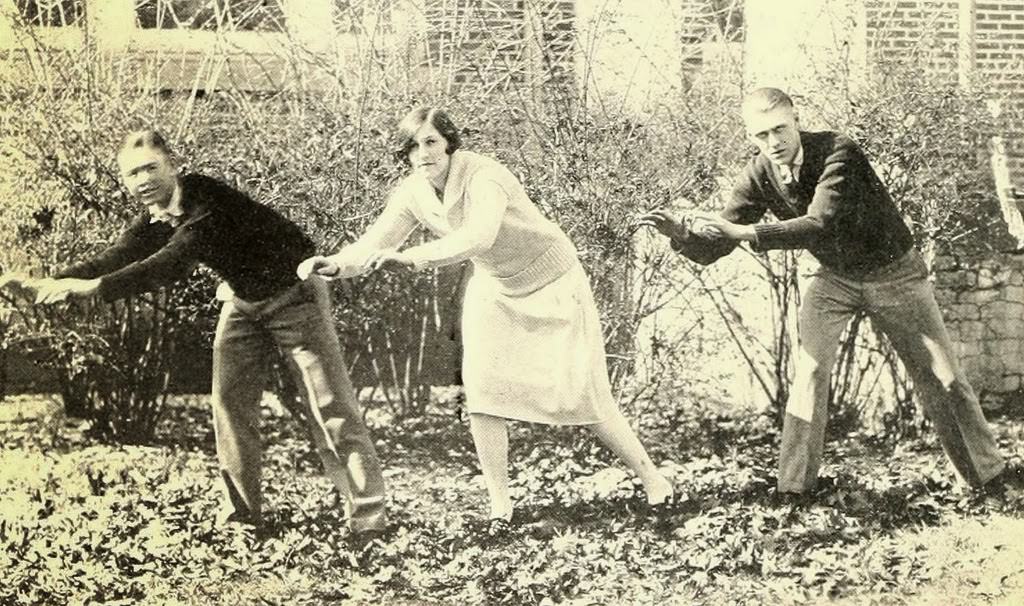
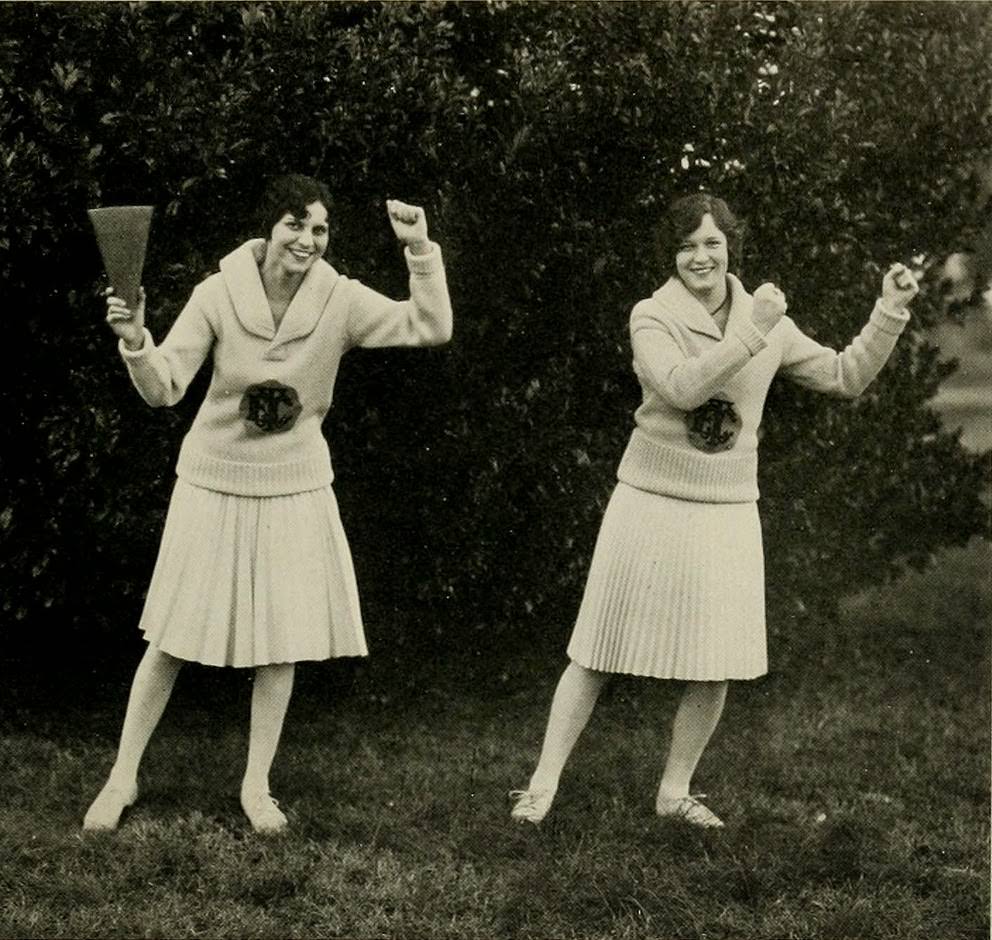
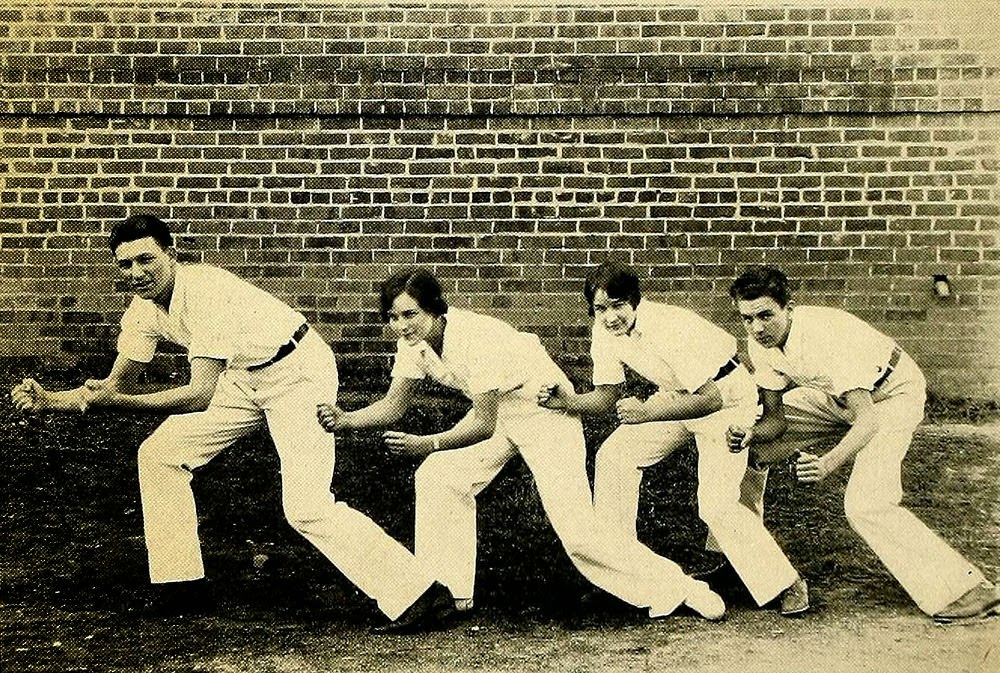
Women joined North Carolina squads in growing numbers during the 1930s. Schools like Greensboro College and Wingate Junior College adopted classic sweaters and mid-length skirts. Guilford College photos from 1935 and 1937 show this gradual shift in squad composition.
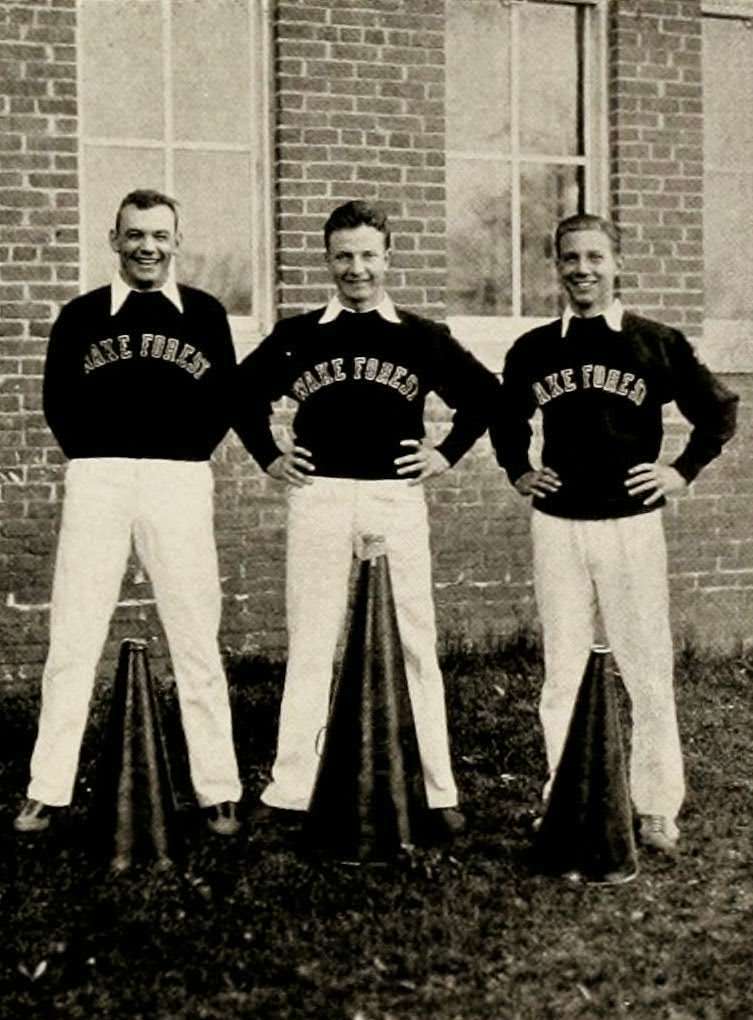
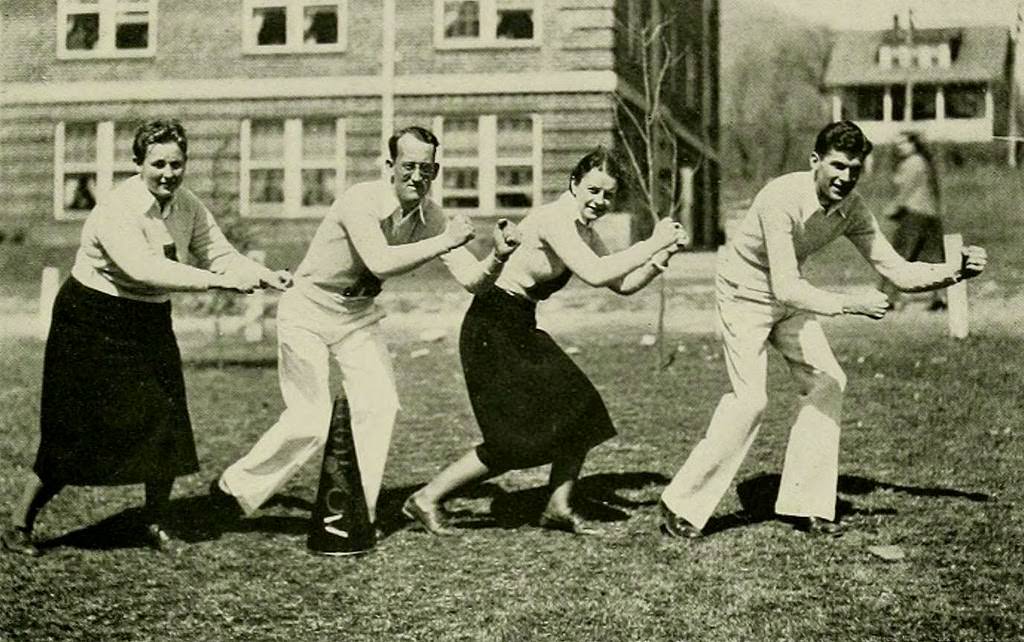
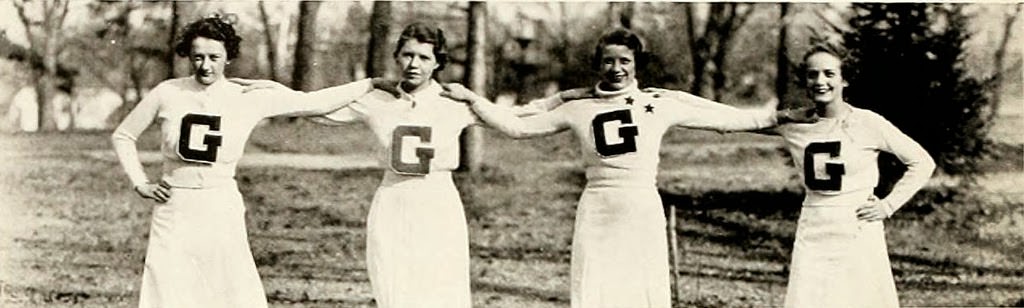
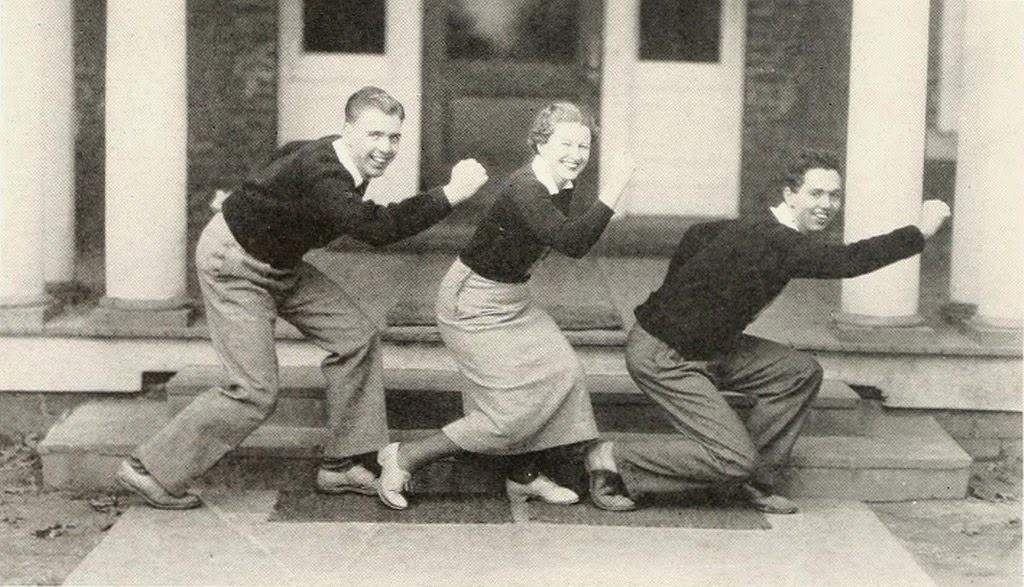
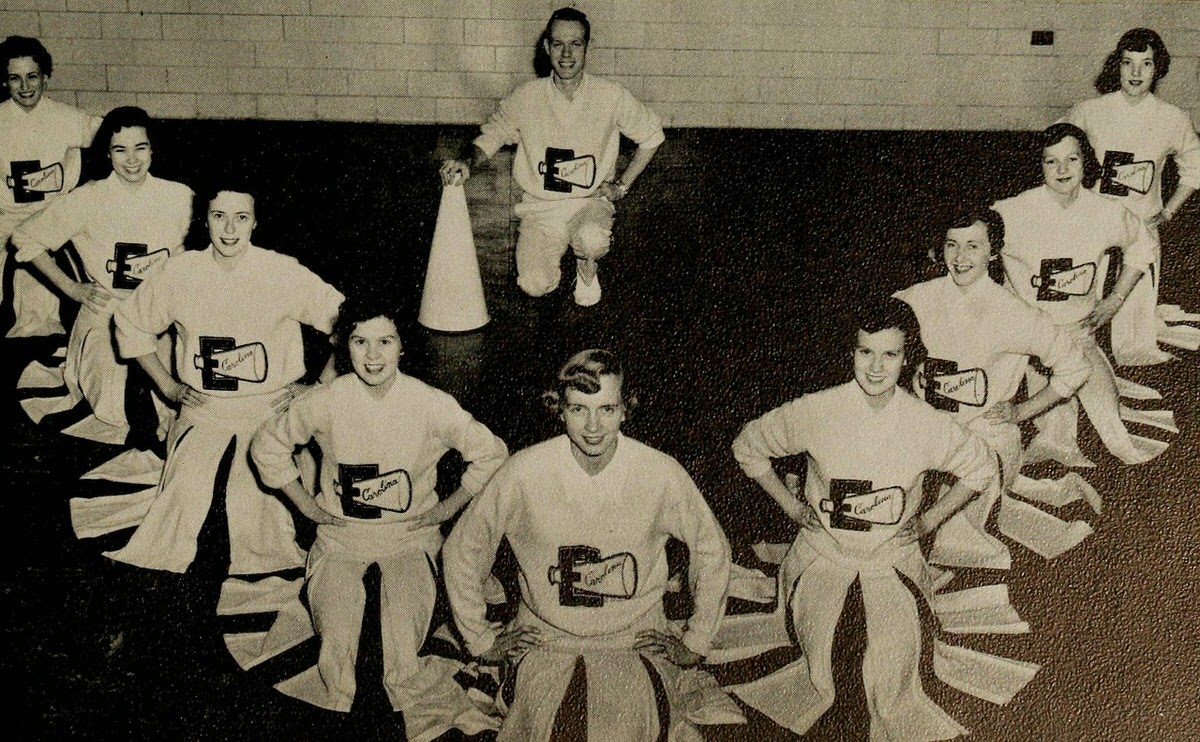
By 1940, Western Carolina University cheerleaders wore coordinated colors matching their school’s athletic uniforms. The 1940s brought broader participation across North Carolina, including at UNC and smaller institutions where squads expanded in size and style.
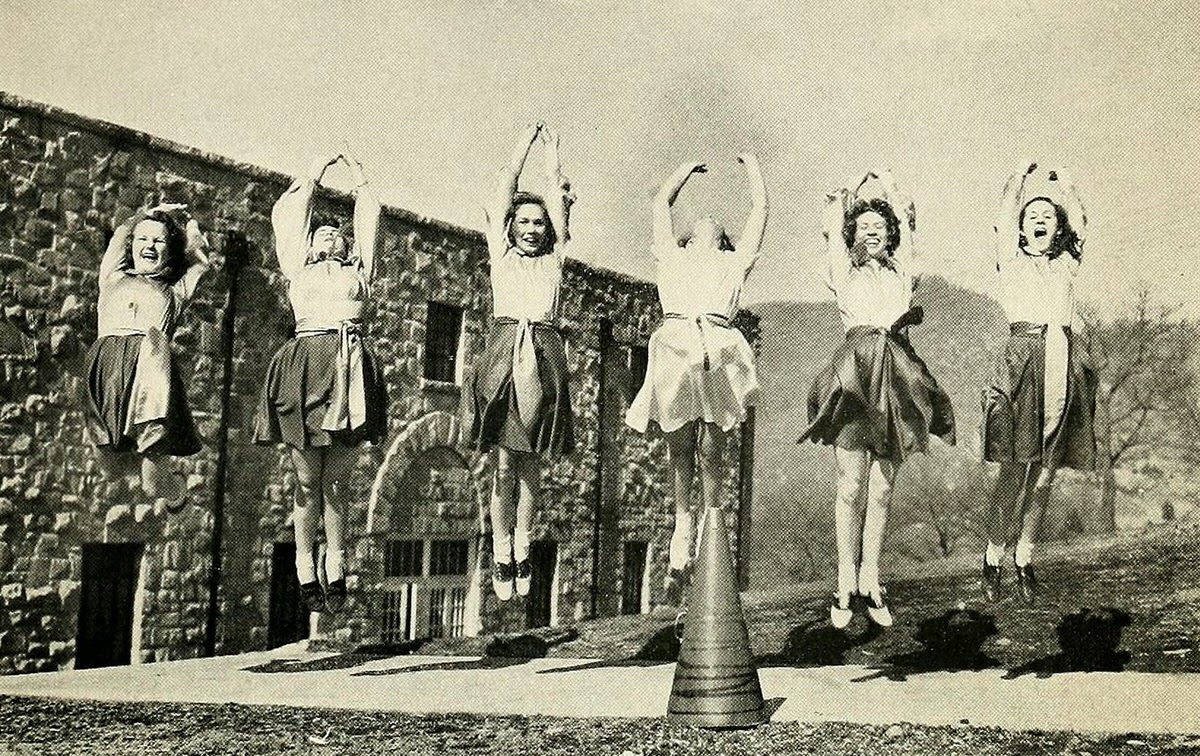
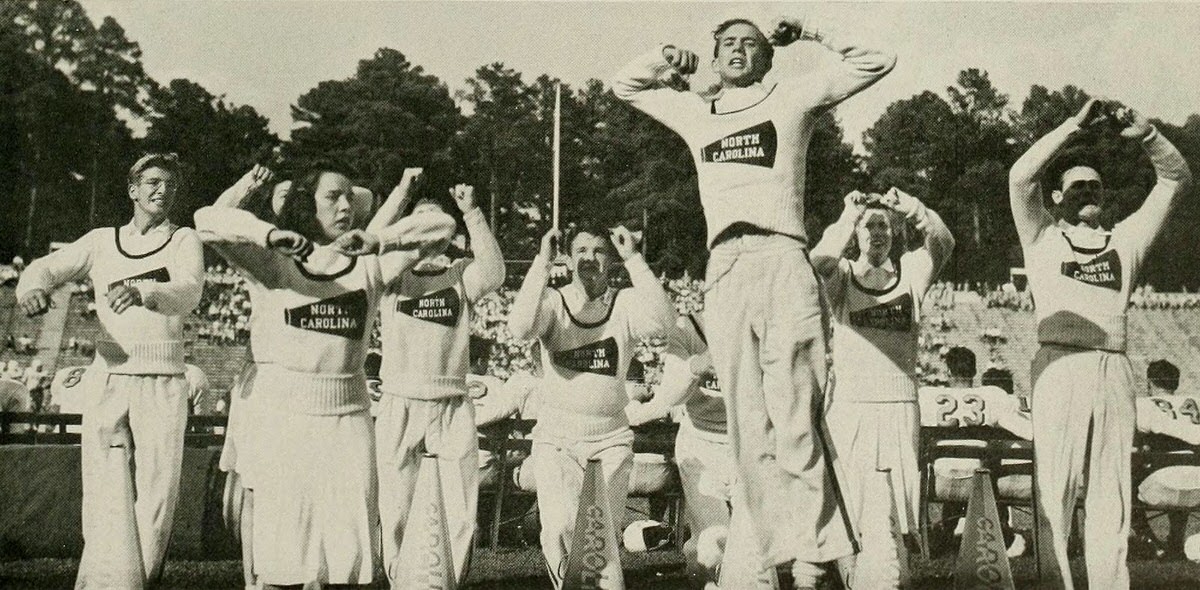
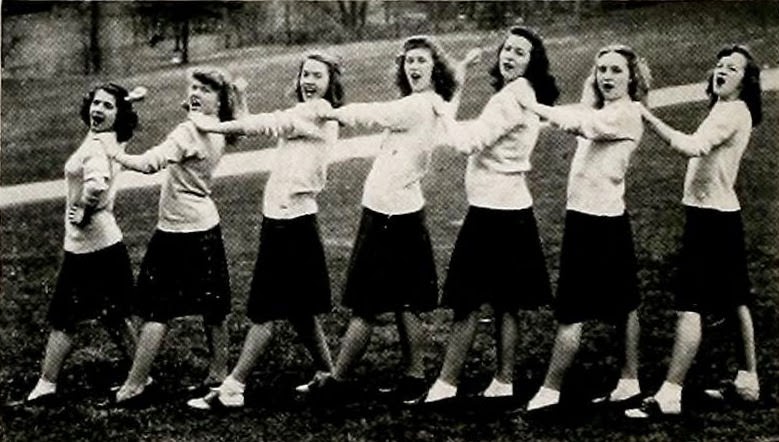
High Point College and Asheville-Biltmore College expanded their squads in the mid-1940s, adding more acrobatic stunts and jumps. Cheerleading was also a strong tradition in North Carolina’s Black educational communities, as shown by squads at E.E. Smith Senior High and Elizabeth City State Teachers College.
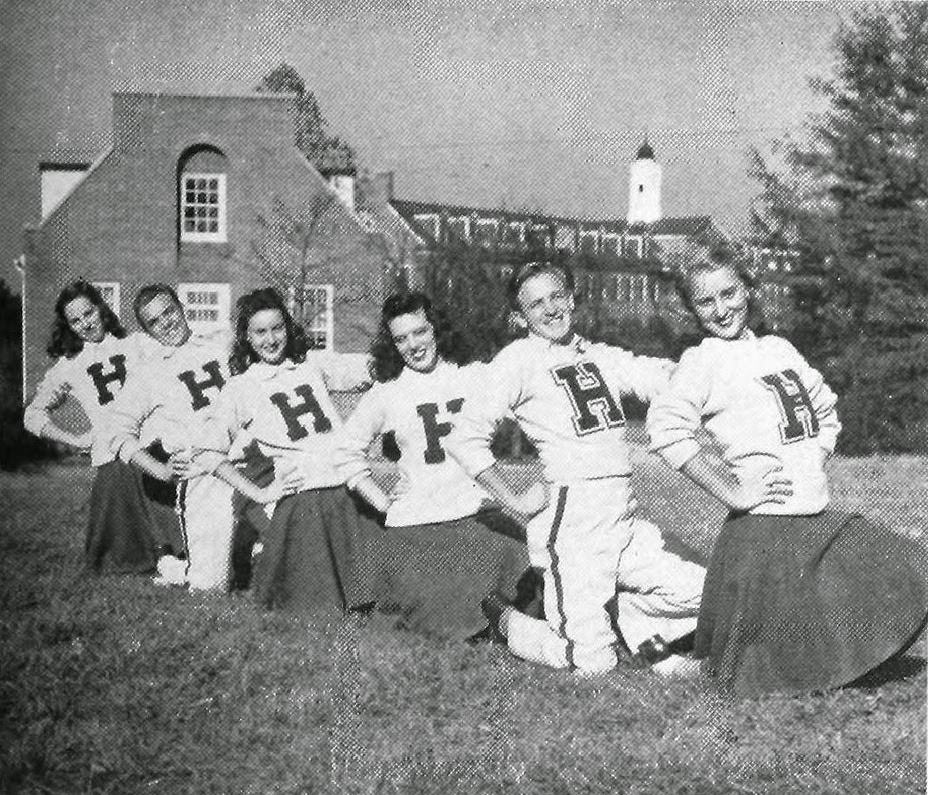
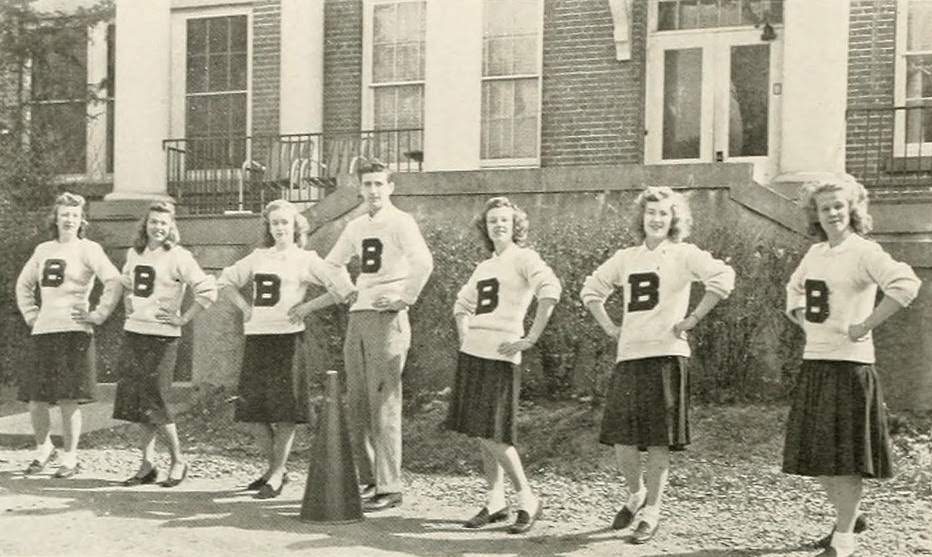
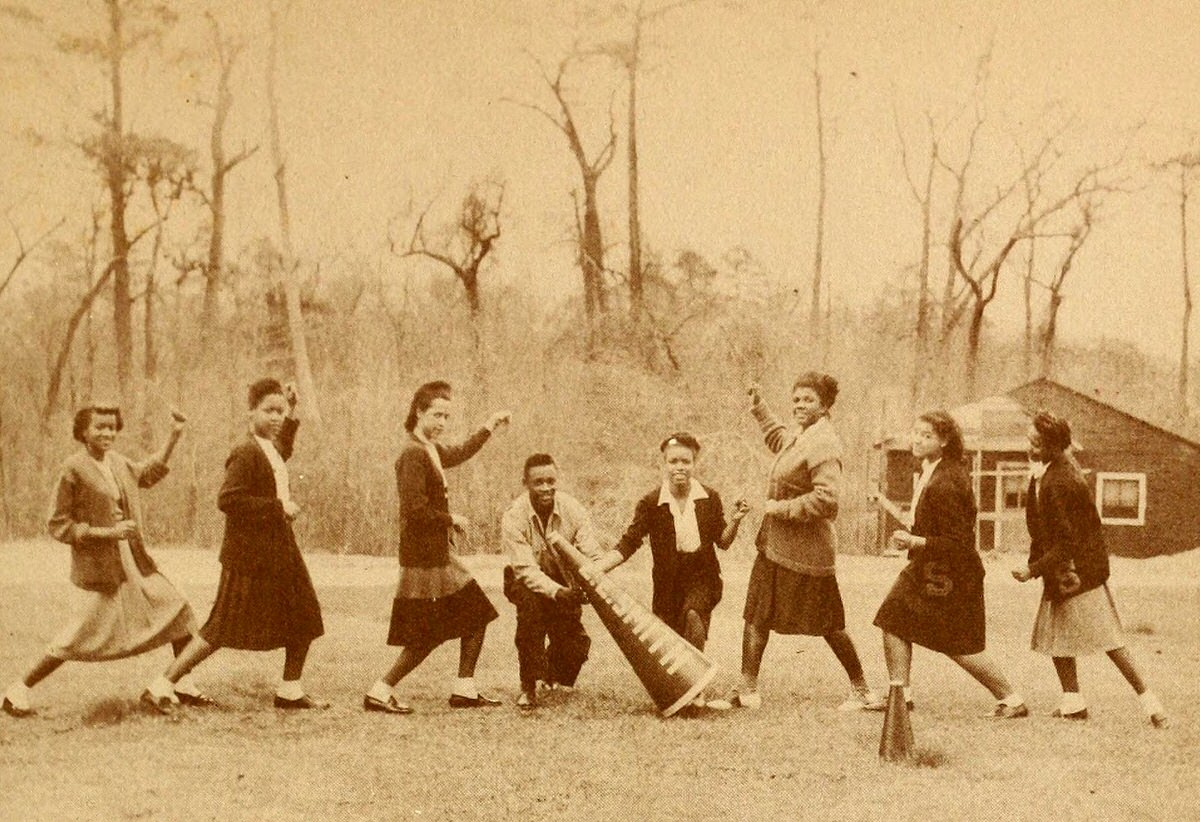
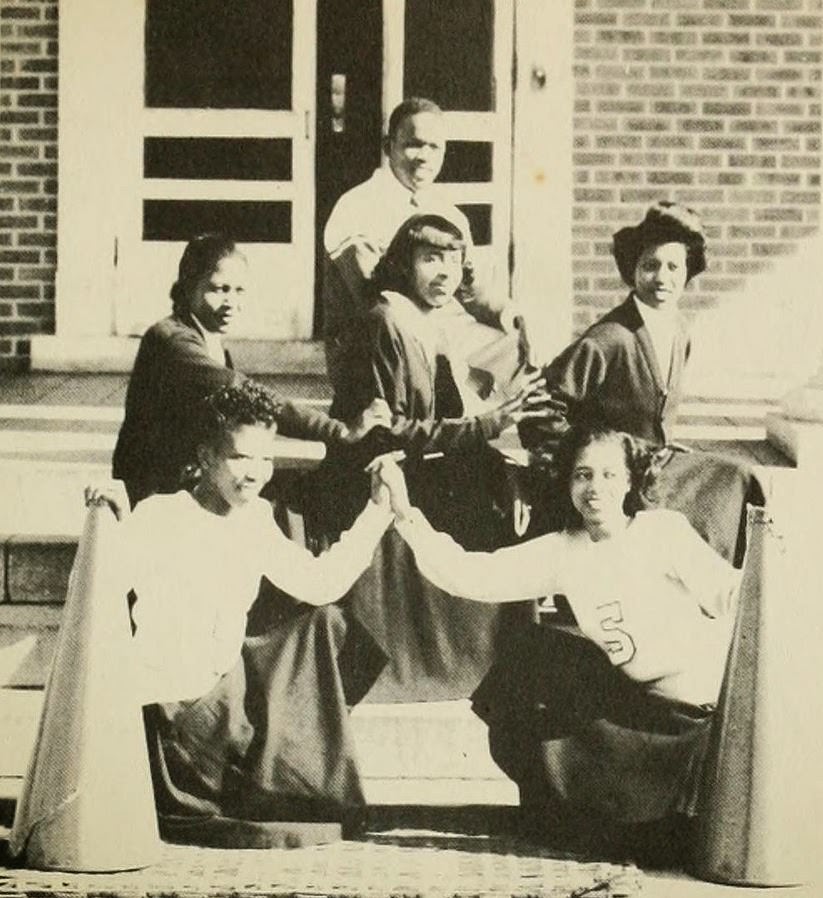
The 1950s saw squads adopt lighter uniforms that allowed for more physical routines. East Carolina College moved beyond simple crowd chants toward complex choreography by 1955. Rocky Mount High School and Wake Forest College squads from this era reflect how widespread the activity had become.
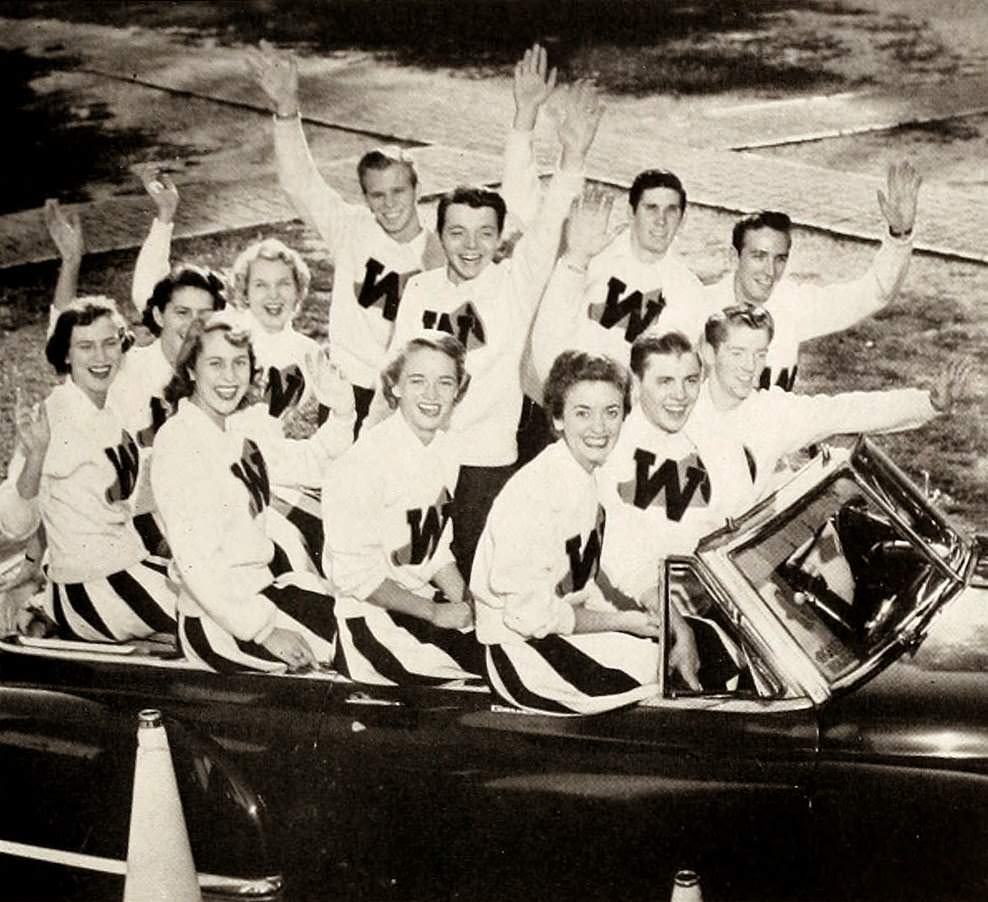
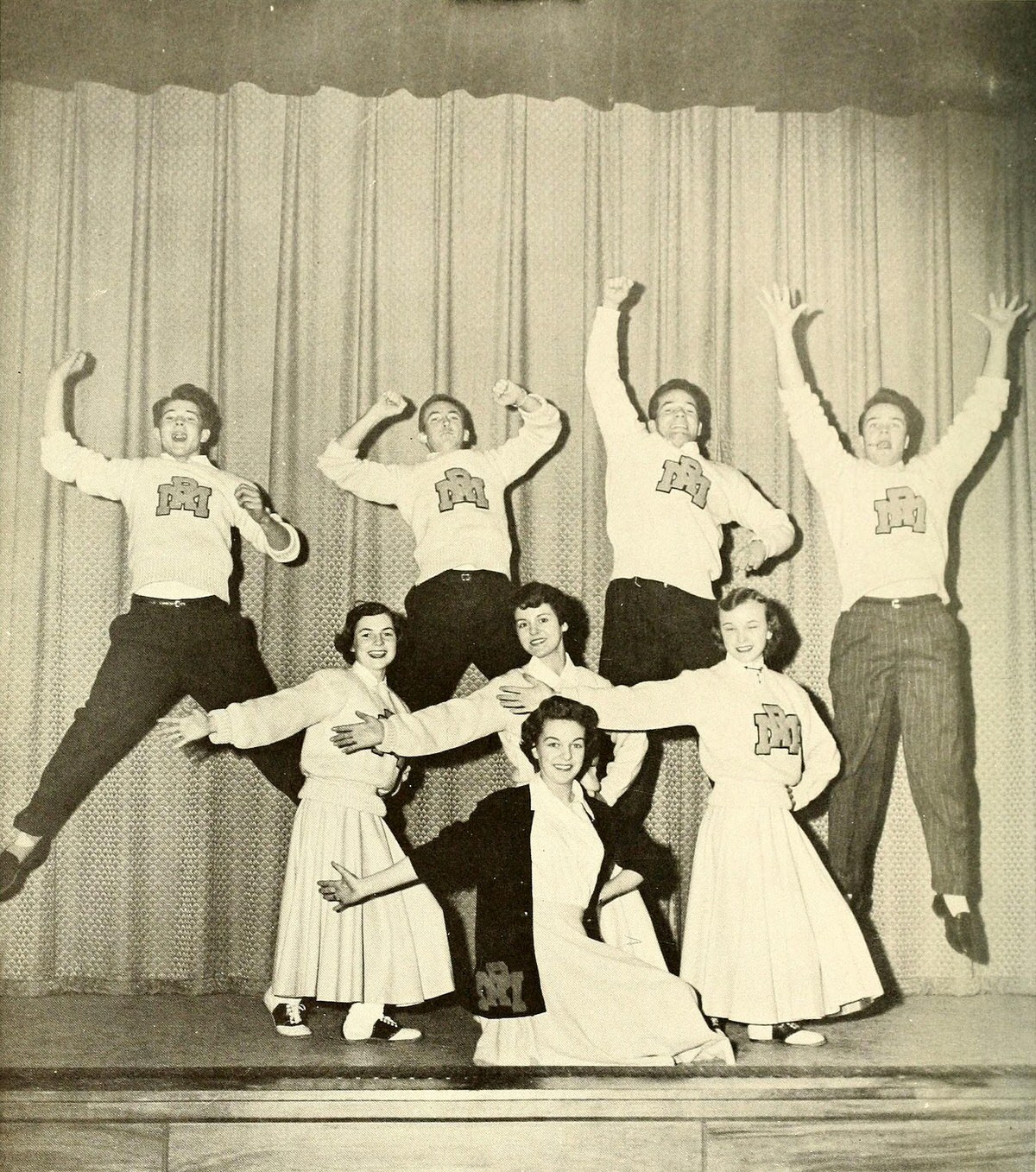
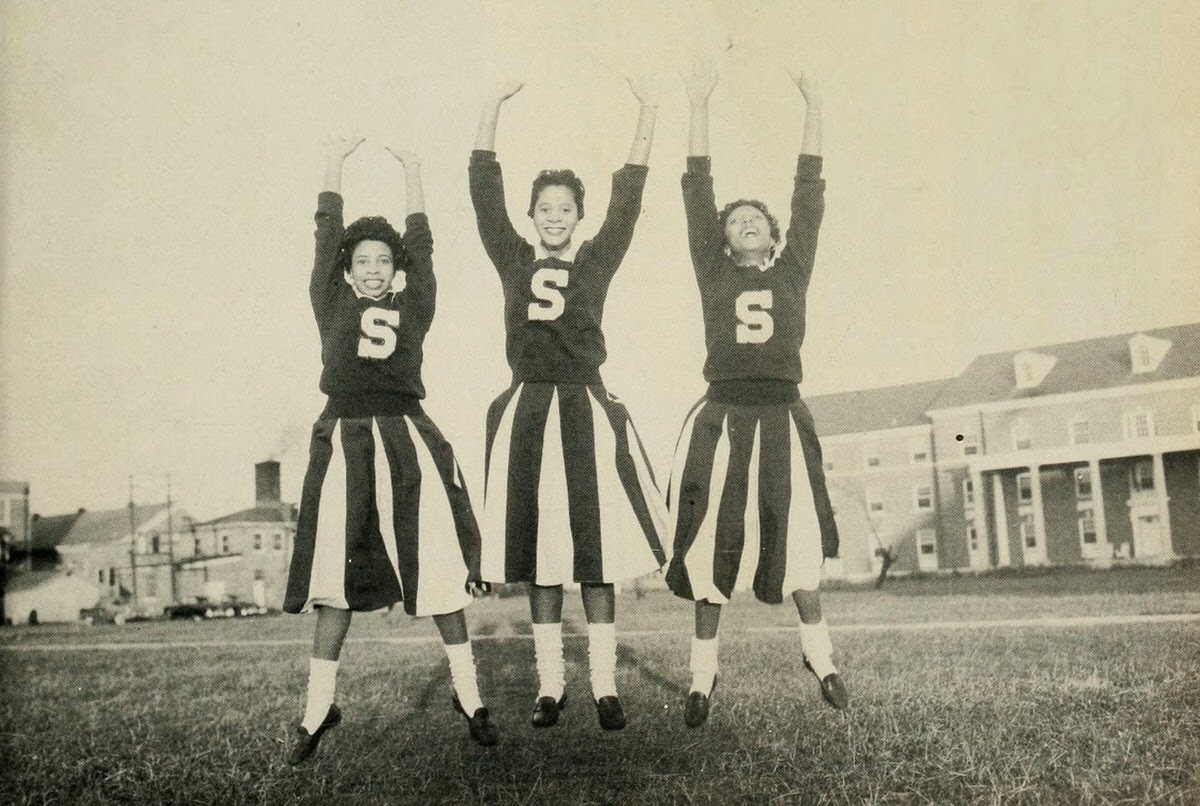
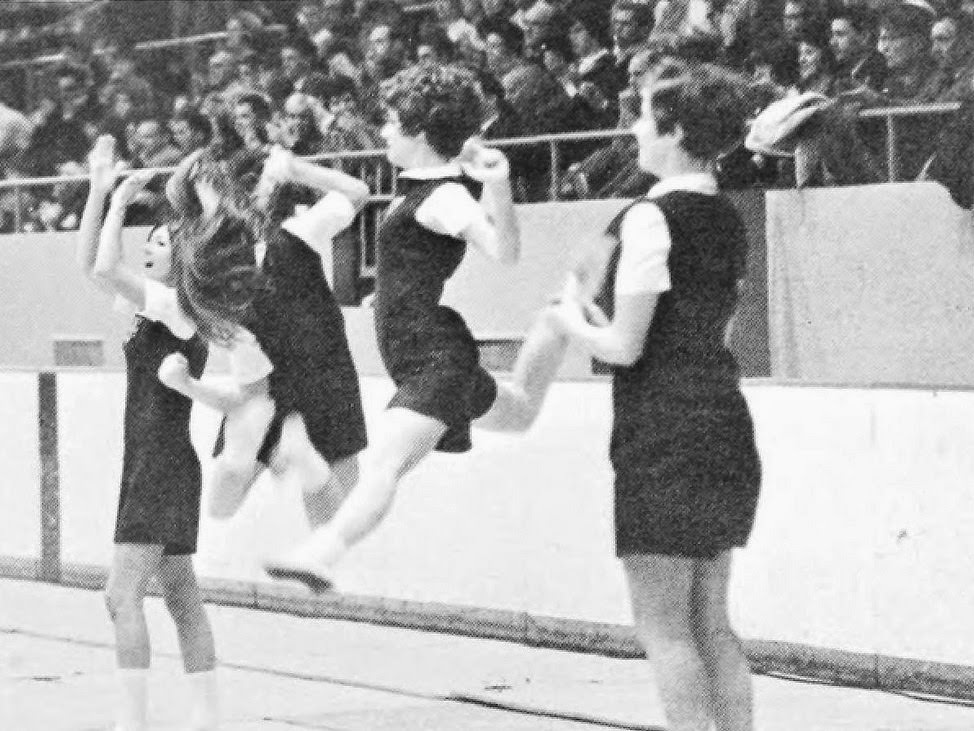
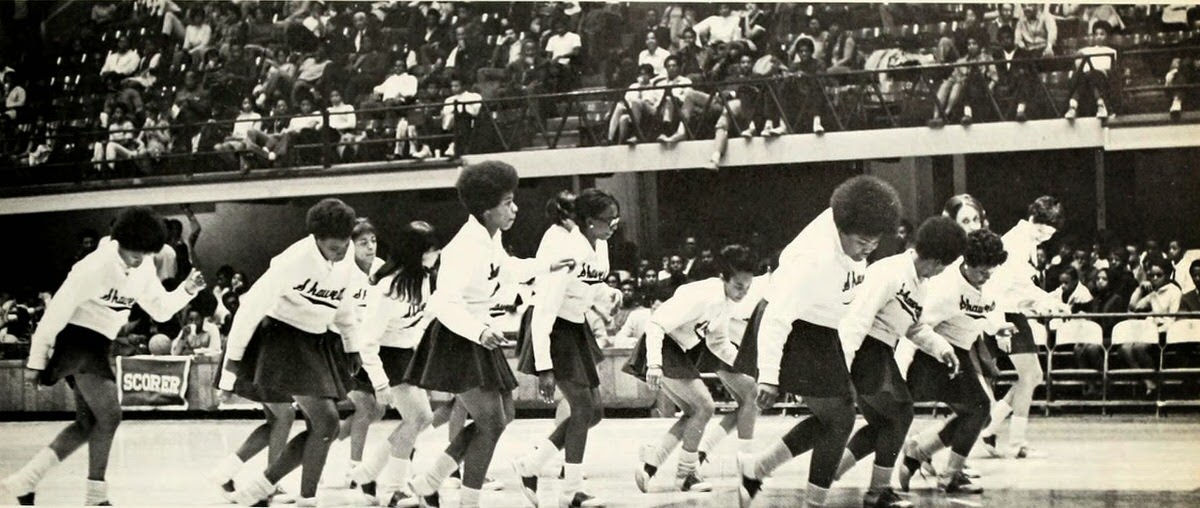
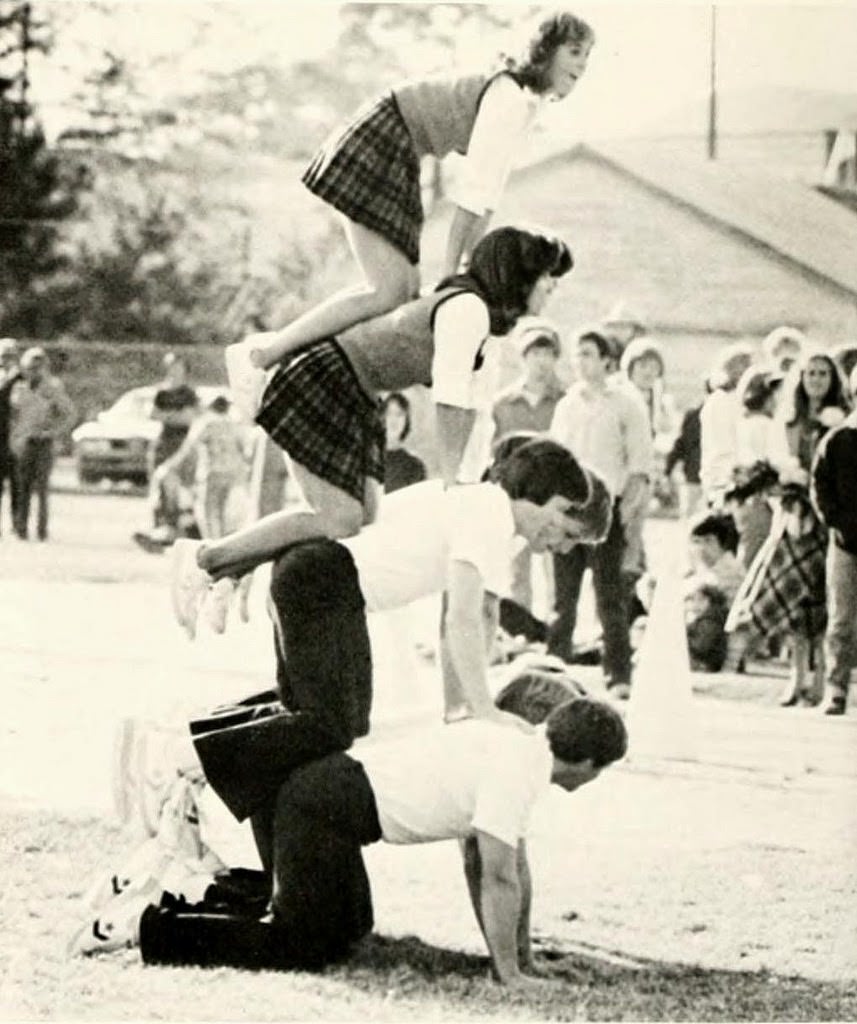
Shaw University built a strong cheerleading tradition through the 1960s, emphasizing rhythm and precision. Pfeiffer College adopted shorter skirts and athletic footwear to support jumping and stunts. North Carolina A&T State University developed its own distinct style during this period.
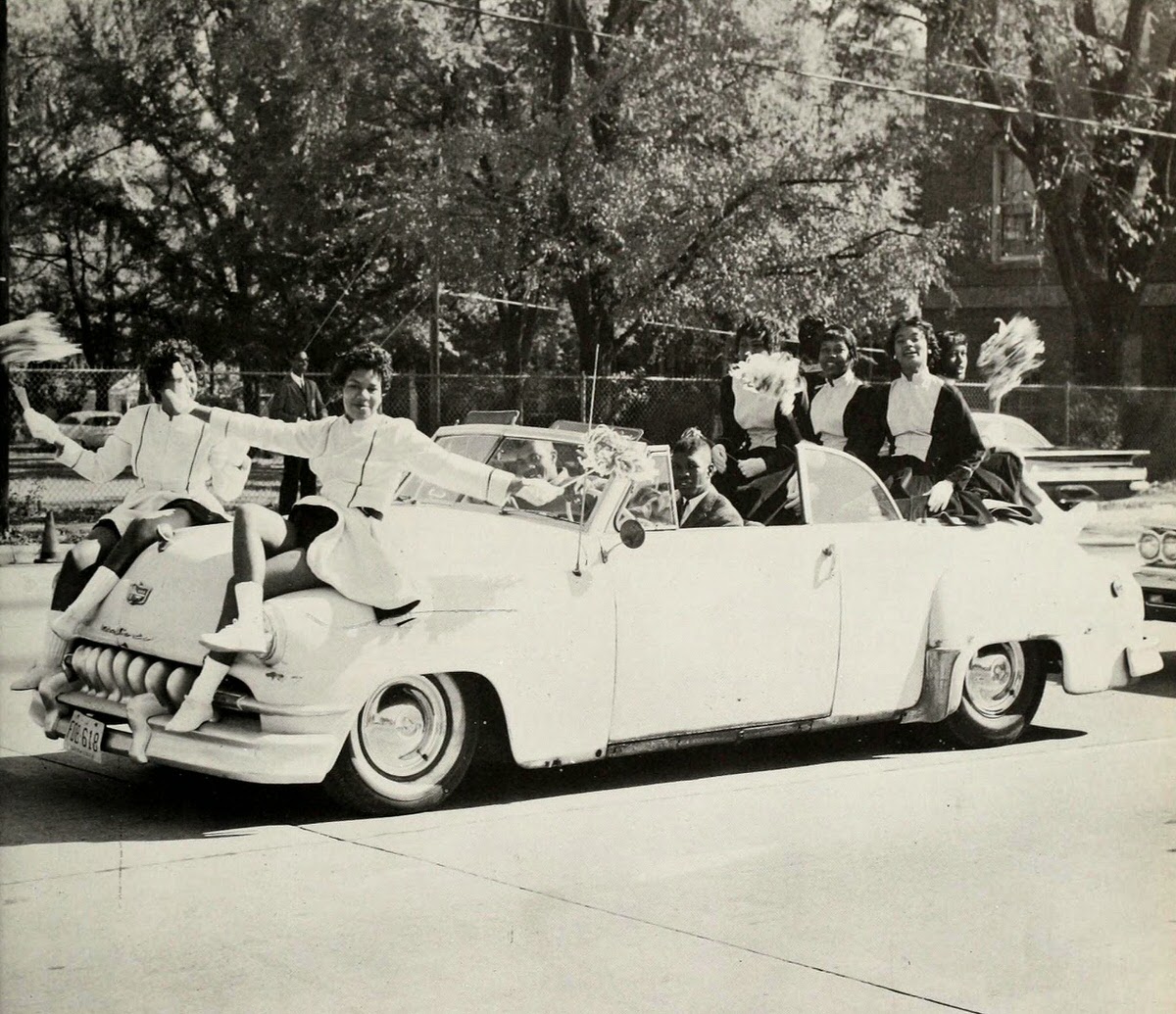
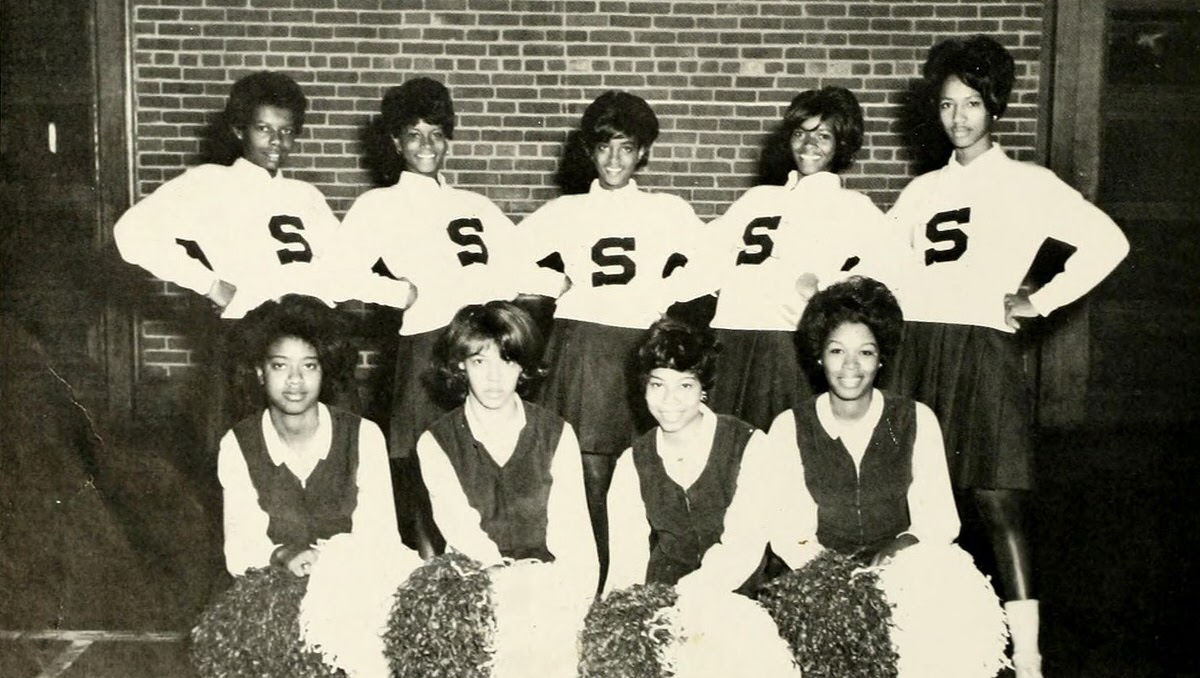
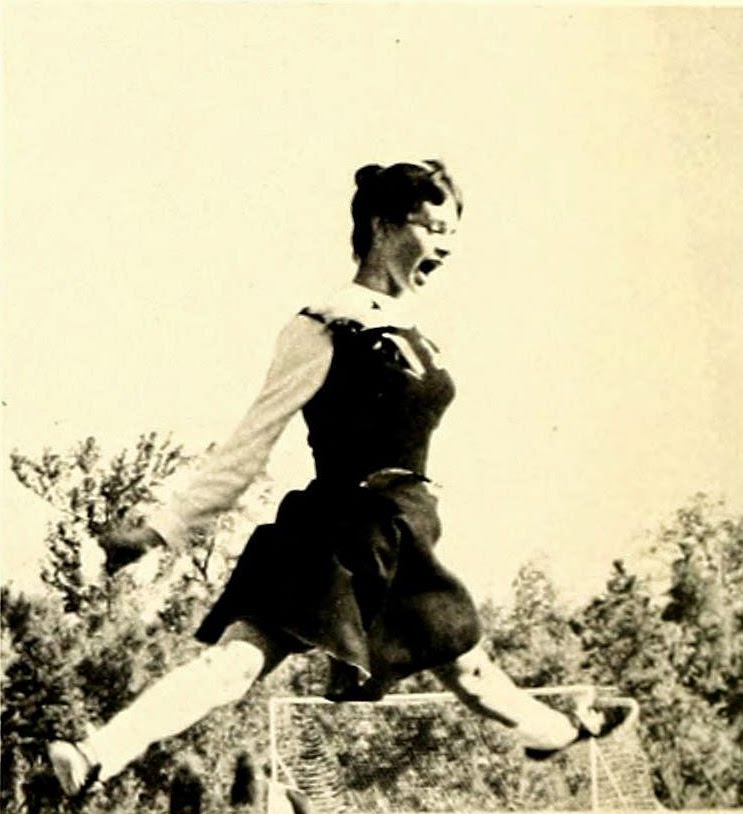
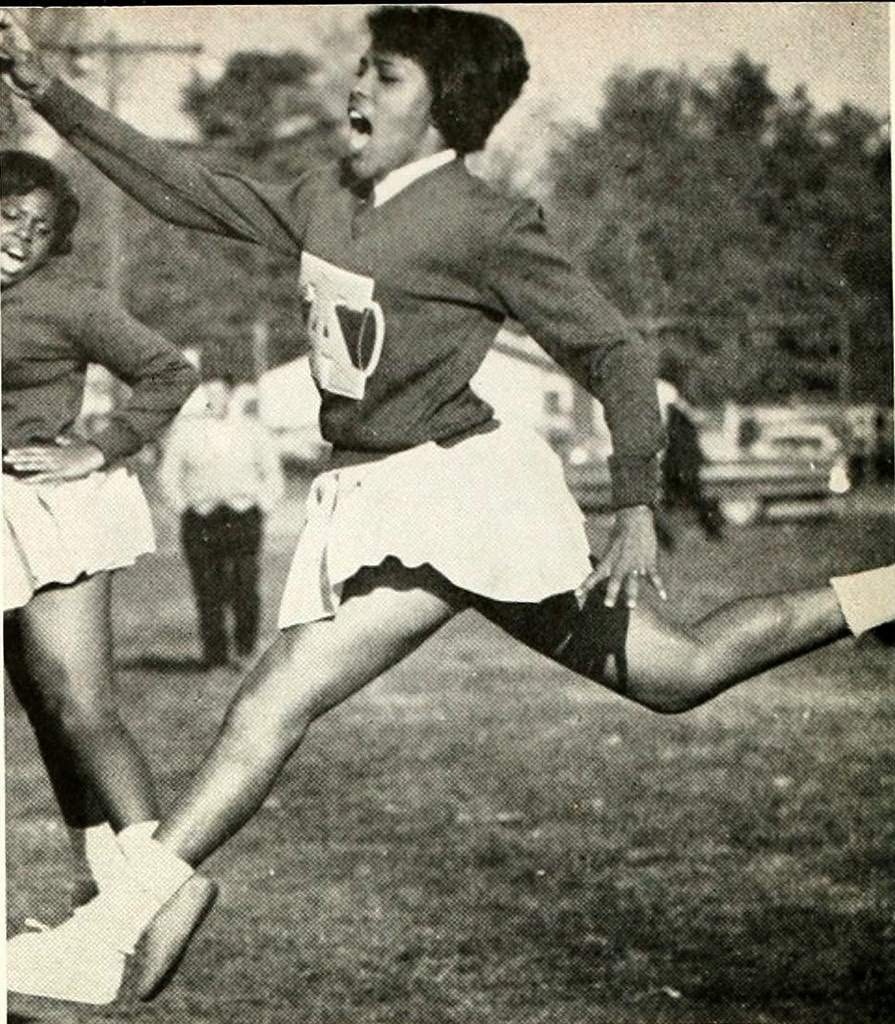
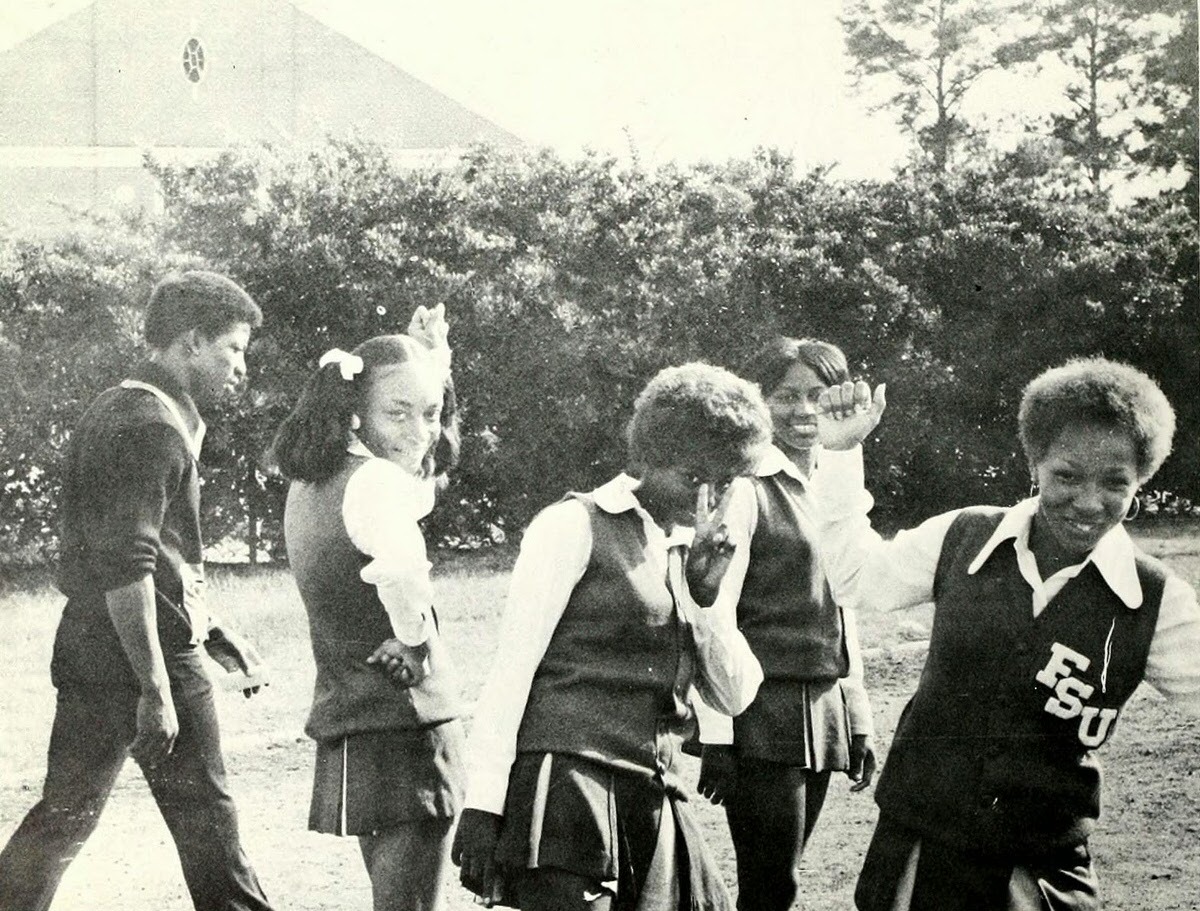
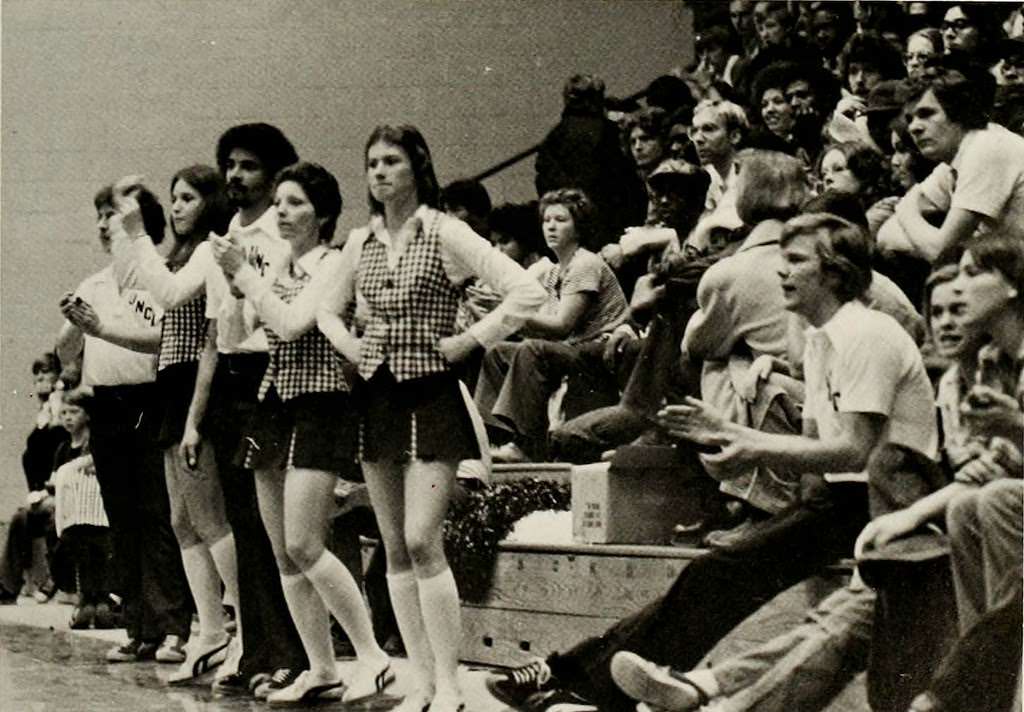
Into the 1970s, squads at Fayetteville State University and the University of North Carolina at Asheville performed high-energy routines requiring real athleticism. By 1979, Campbell College cheerleaders executed stunts that demanded significant strength and balance.