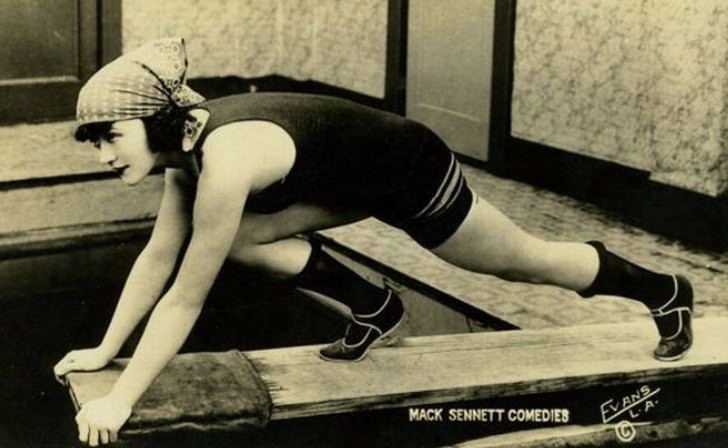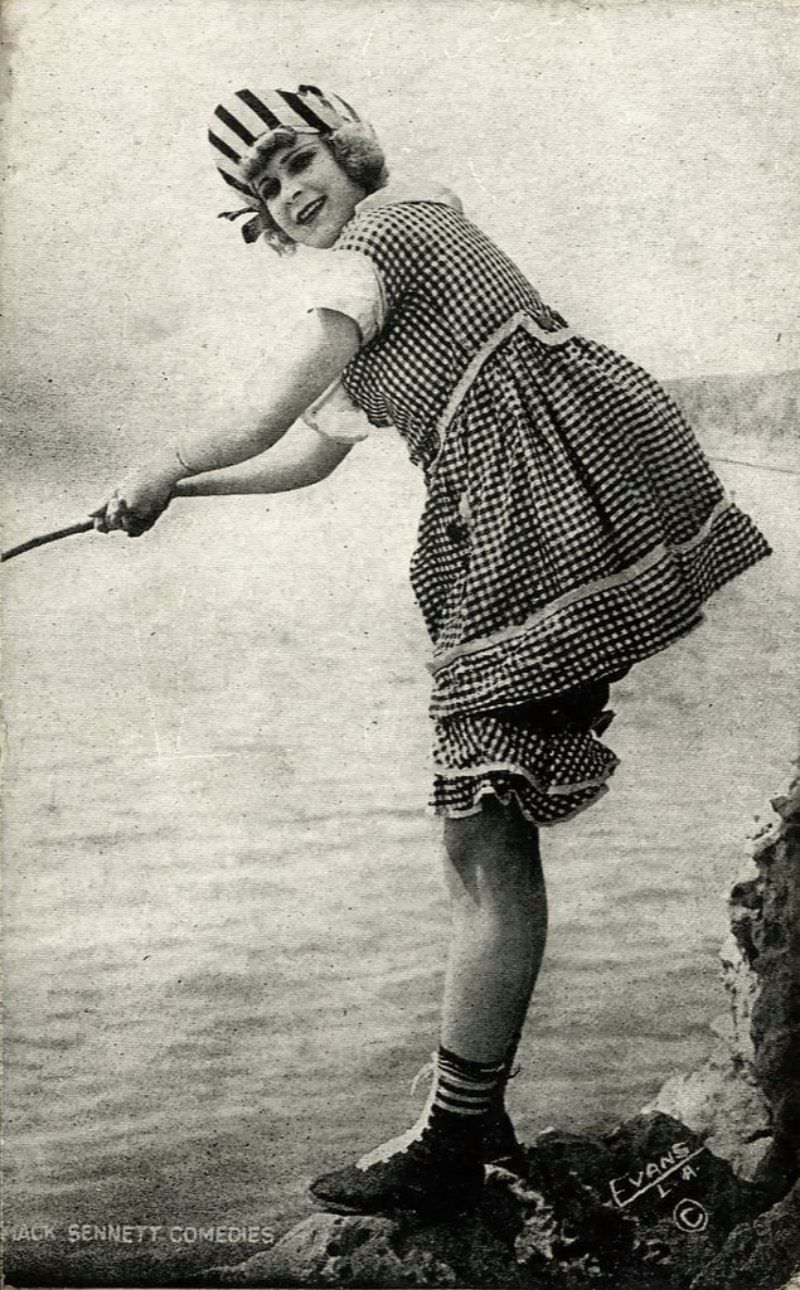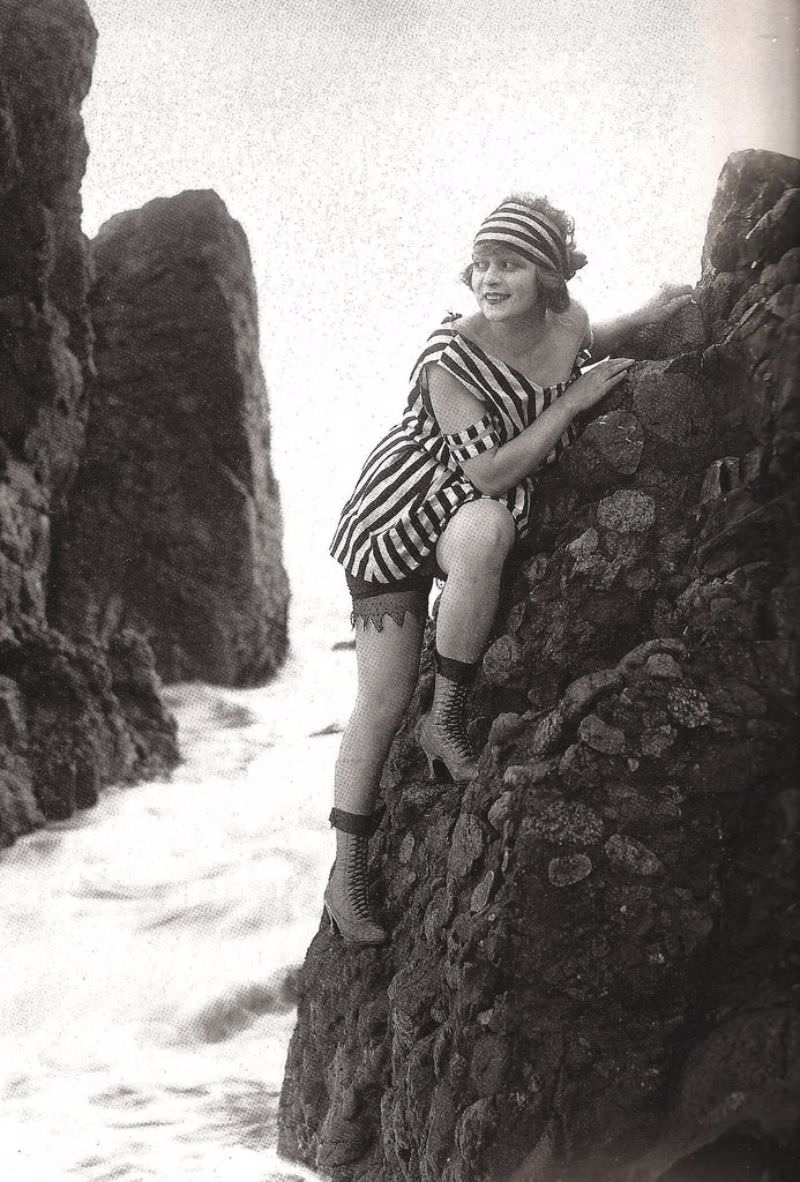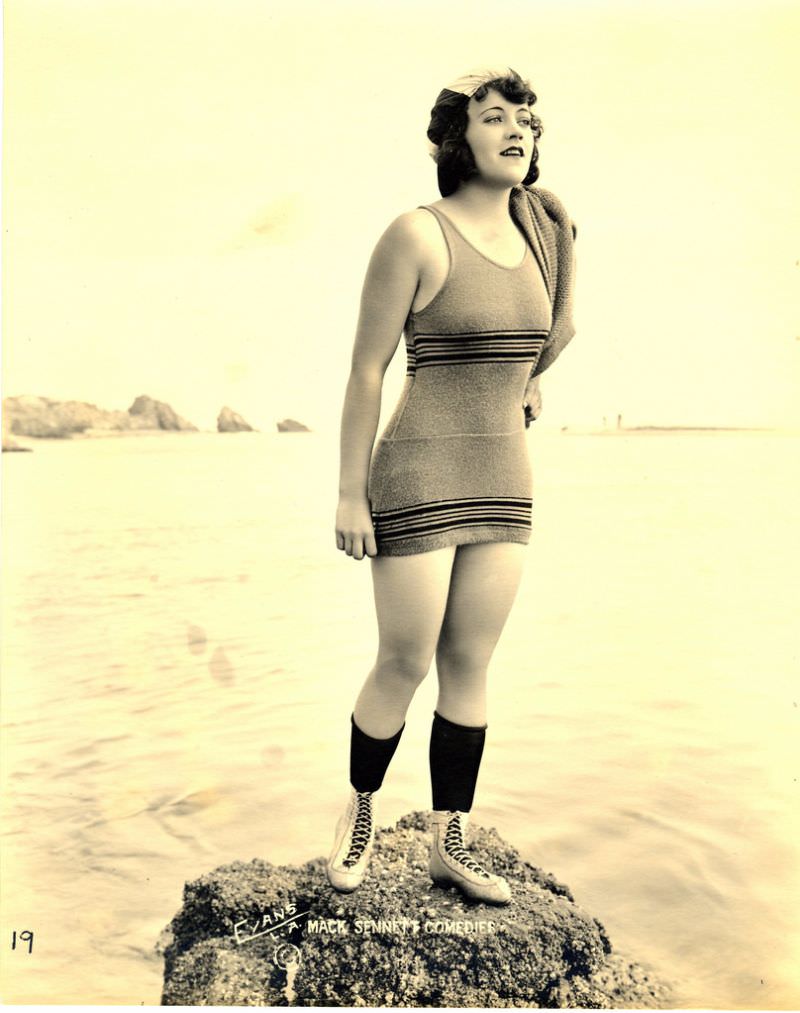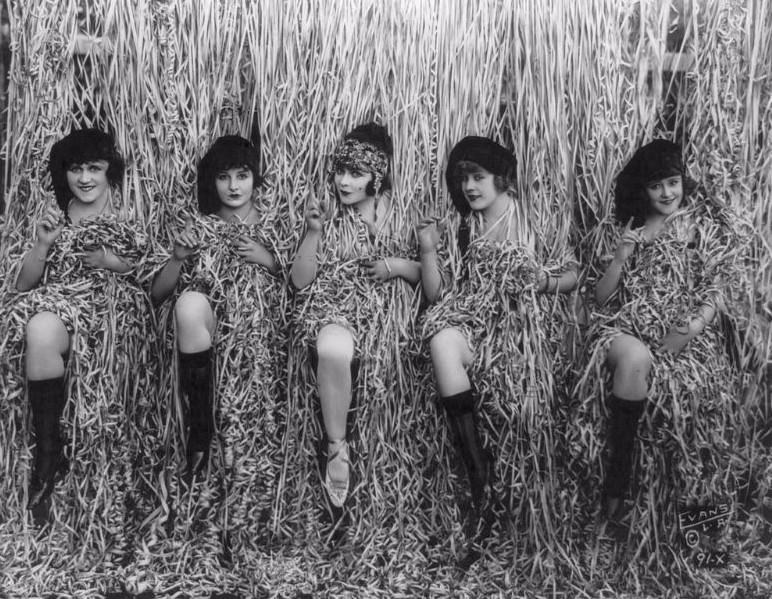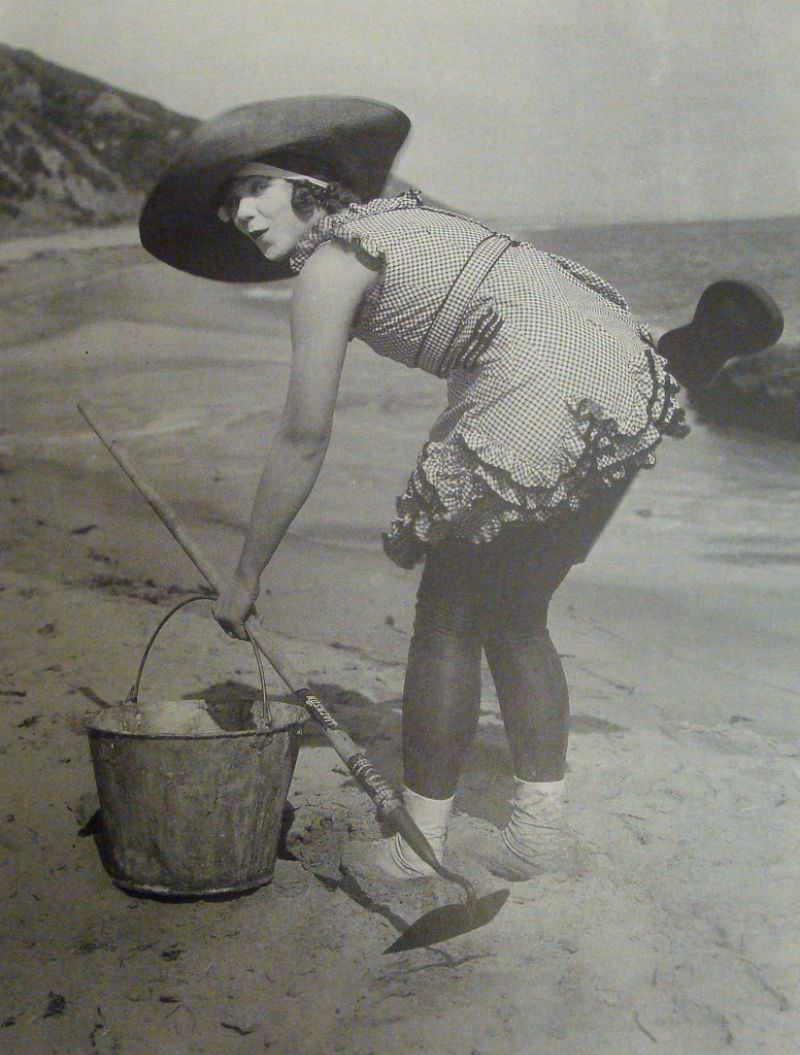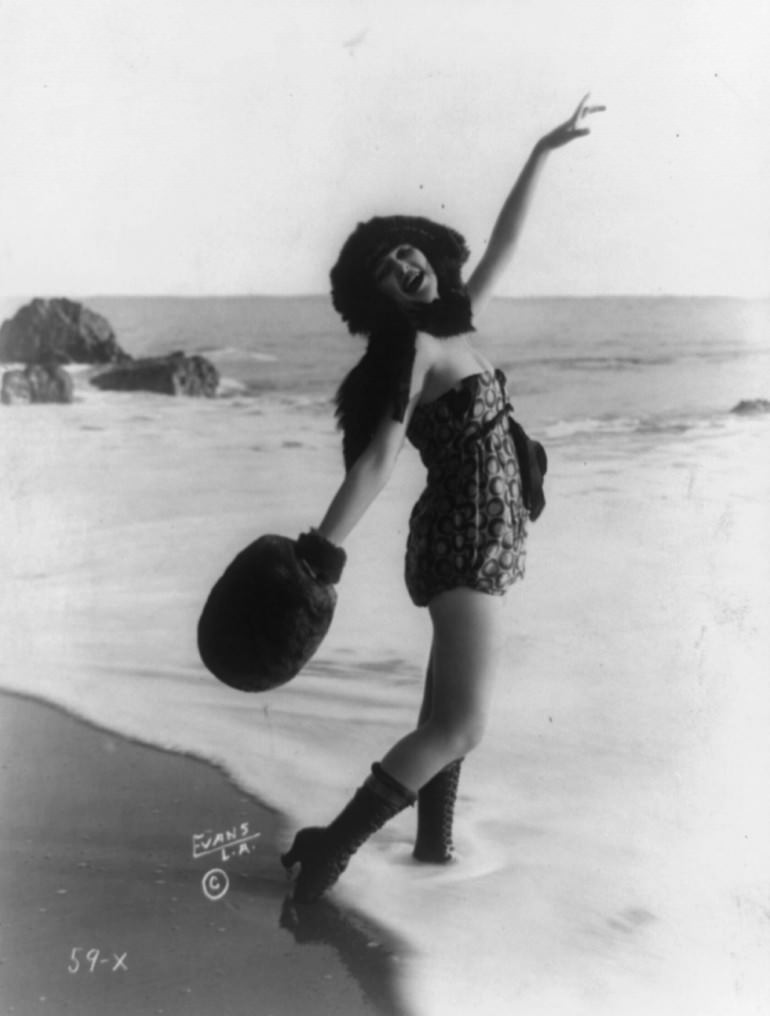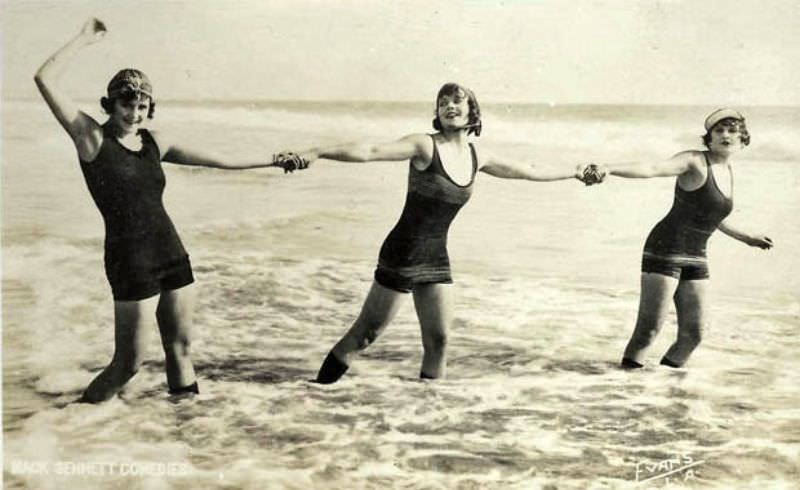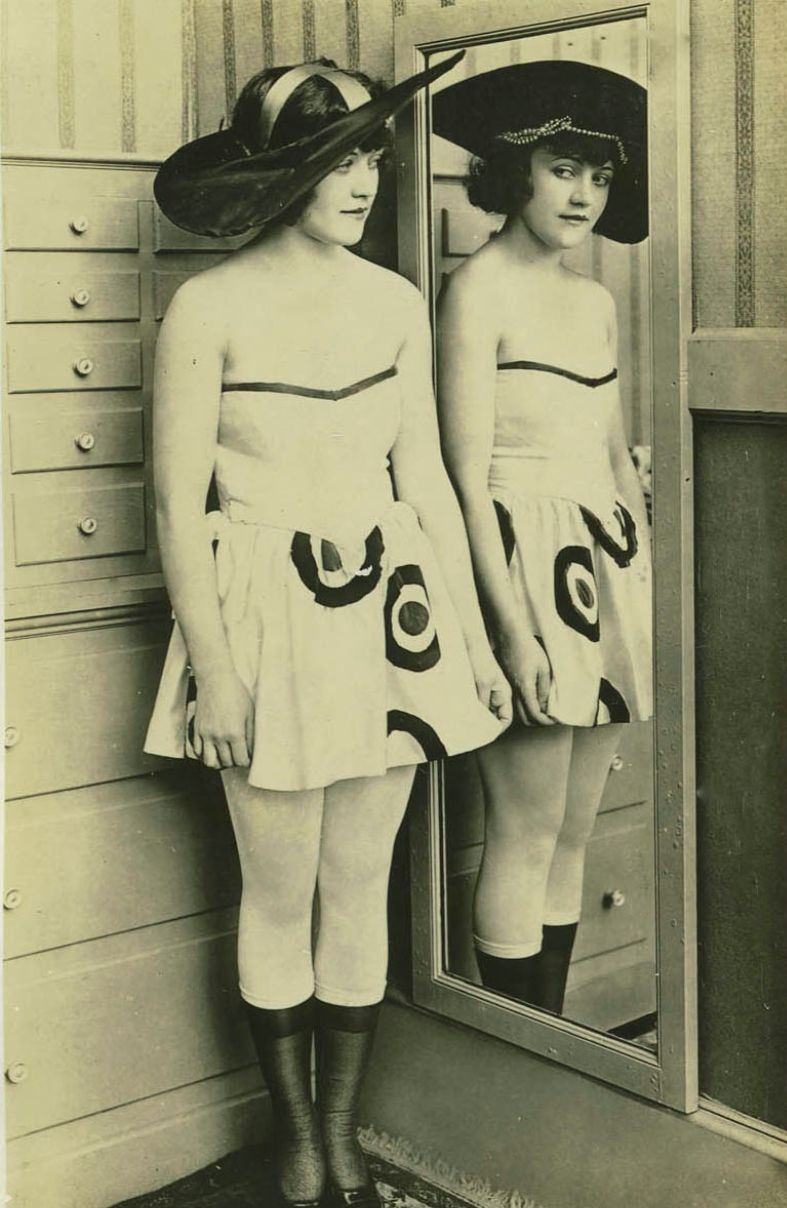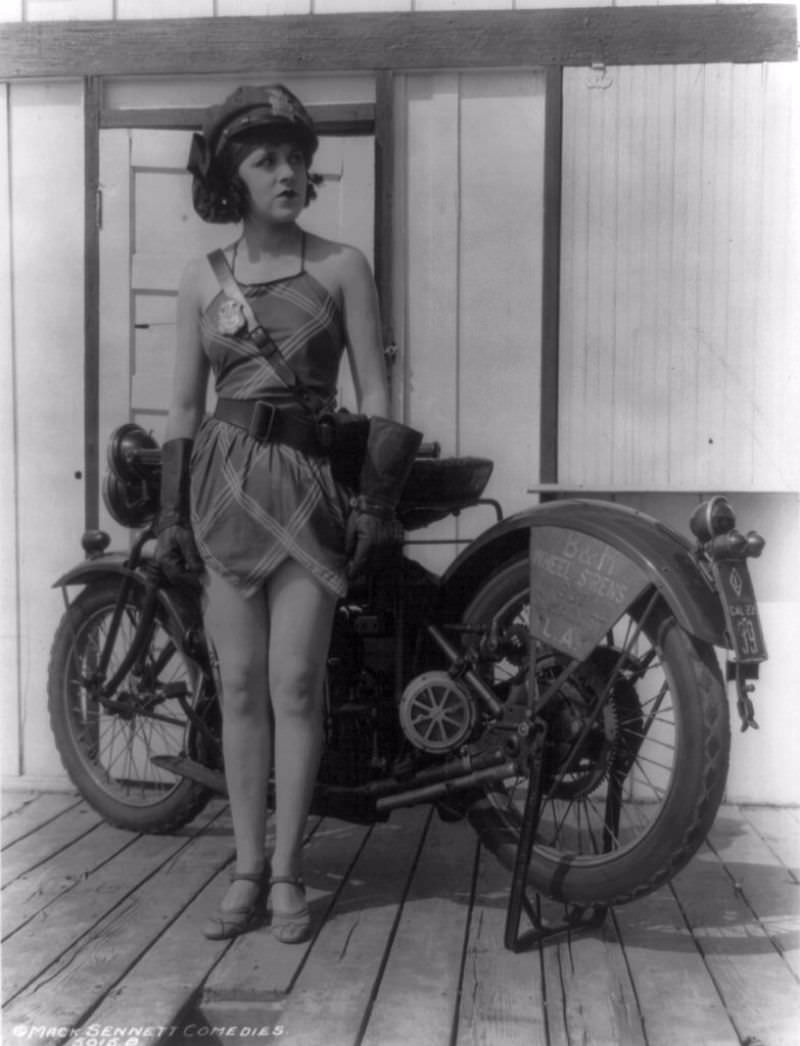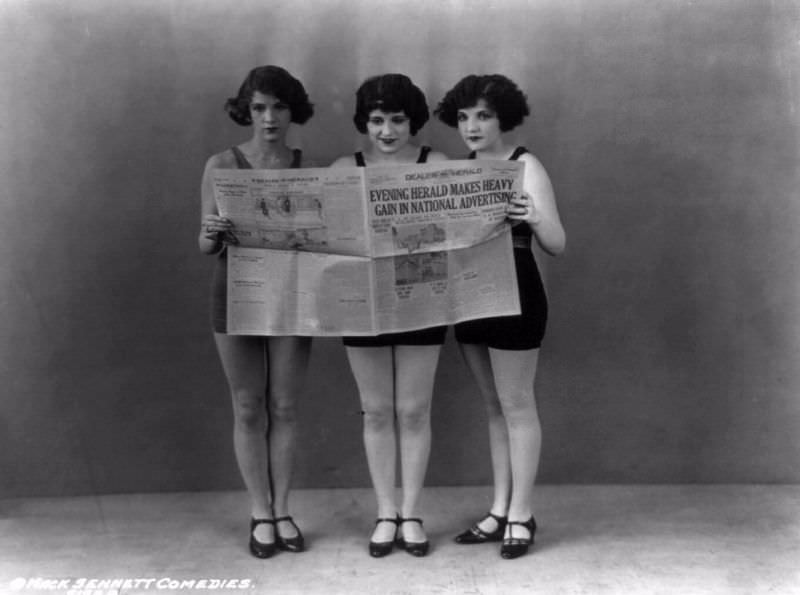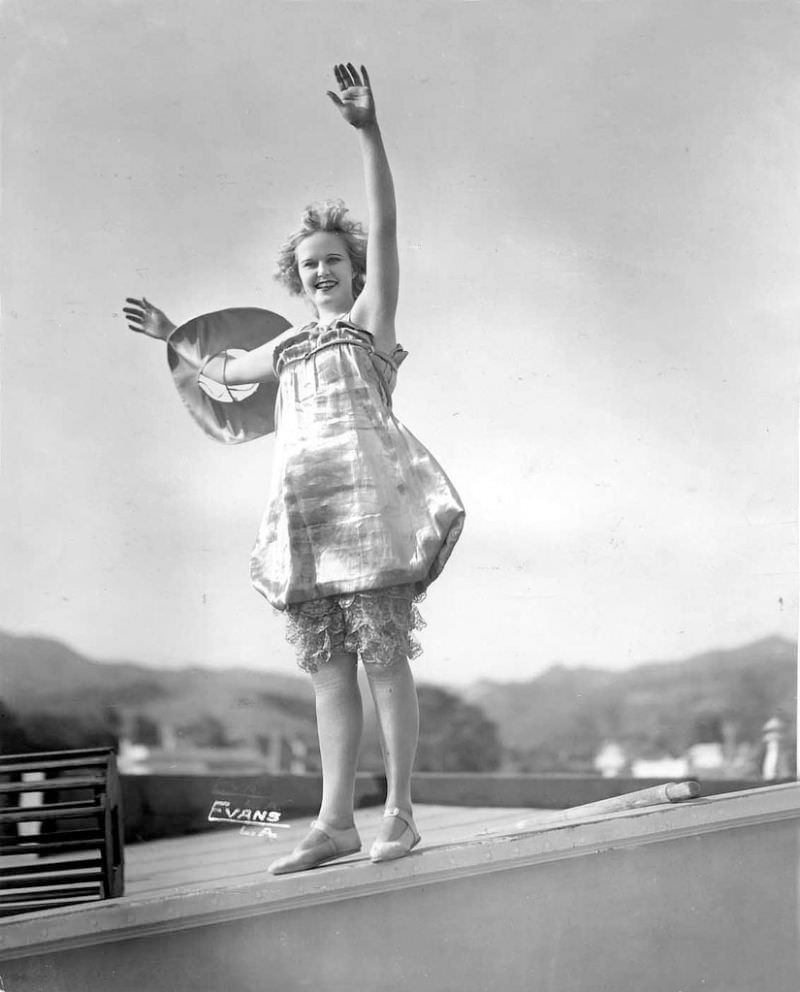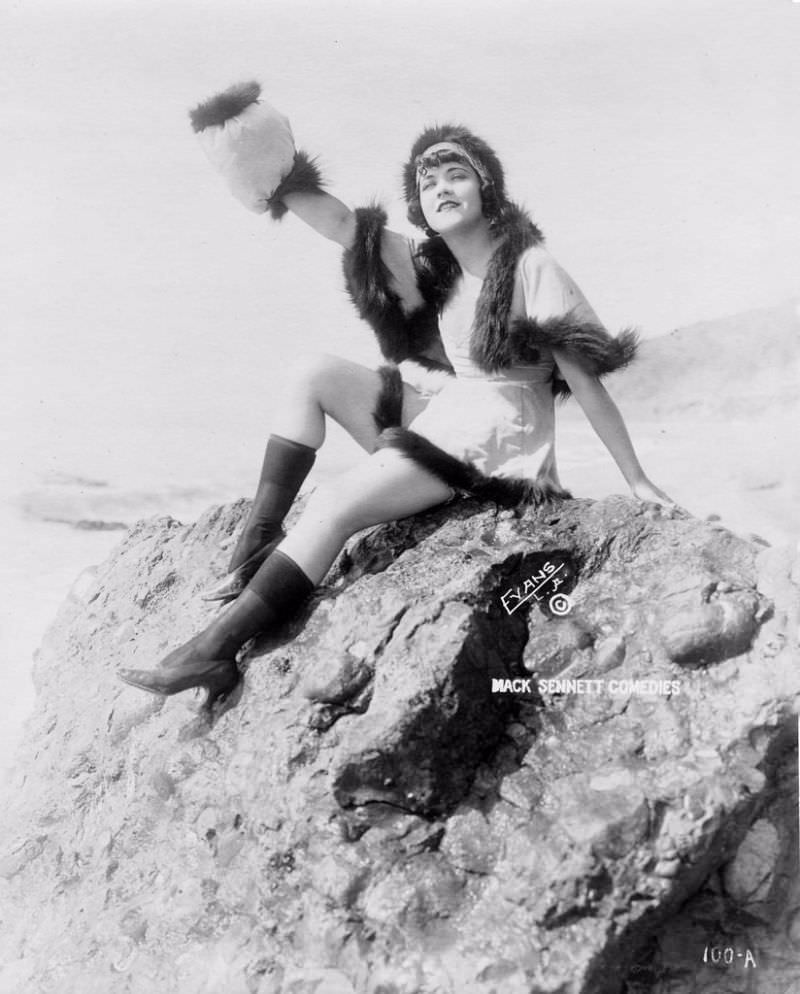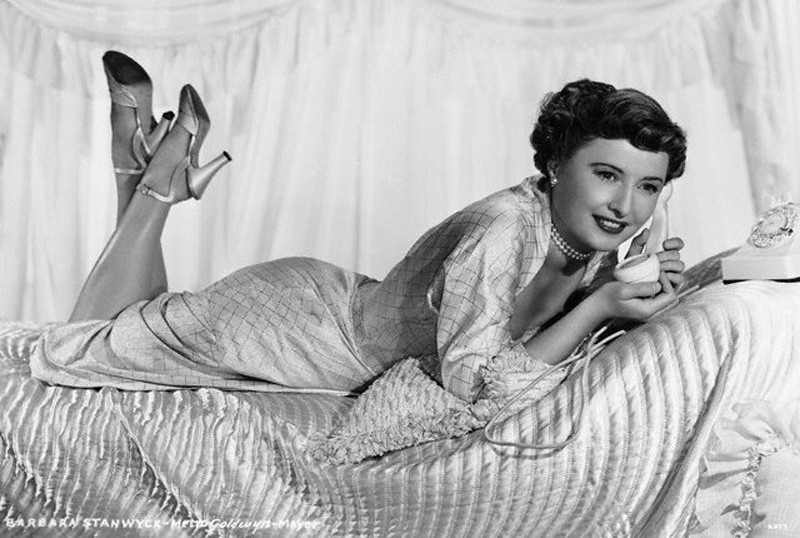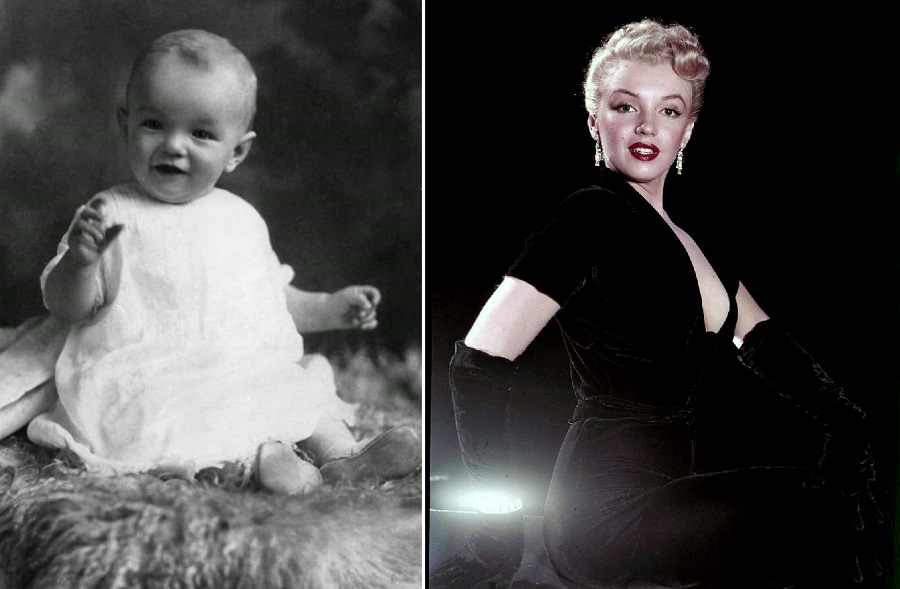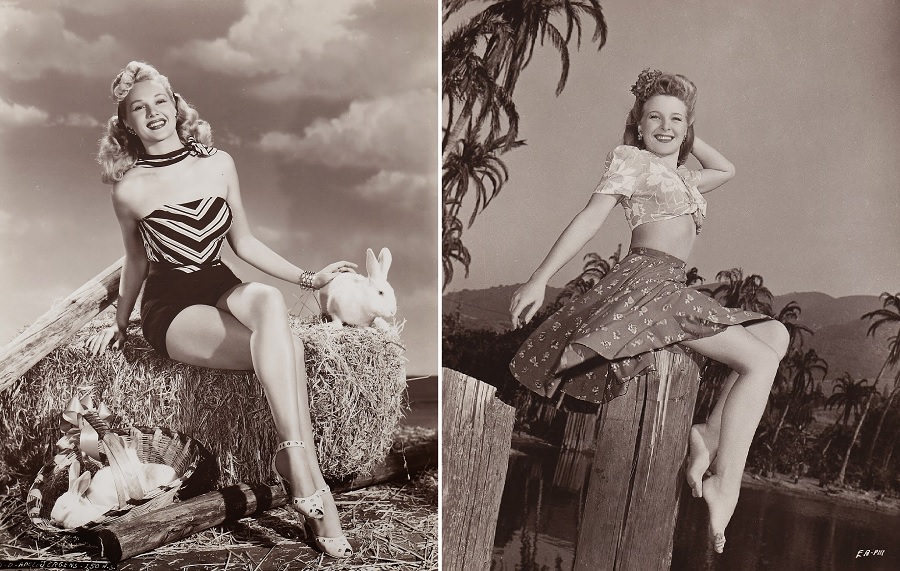
In 1915, comedy producer Mack Sennett introduced one of Hollywood’s most attention-grabbing promotions: the Bathing Beauties. These young women appeared in short comedies and promotional events, usually staged on California’s sun-drenched beaches. Their bold one-piece swimsuits and knee-baring designs sparked public debate about modesty — and made them impossible to ignore.
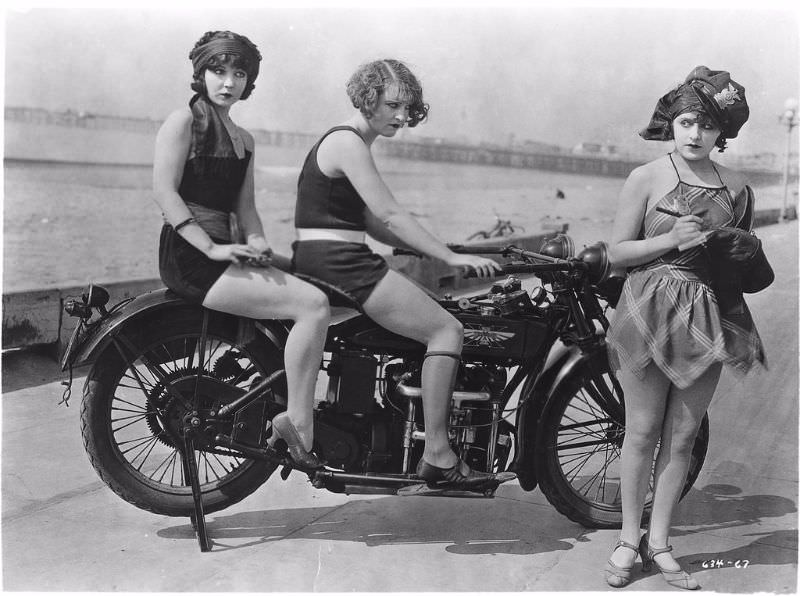
The group worked as an ensemble rather than a collection of individual stars. A lineup of confident women in striking silhouettes, they were carefully styled and always camera-ready. Sennett deployed them across comedy reels, advertising spreads, and live beach contests at Venice Beach, where thousands of spectators showed up.
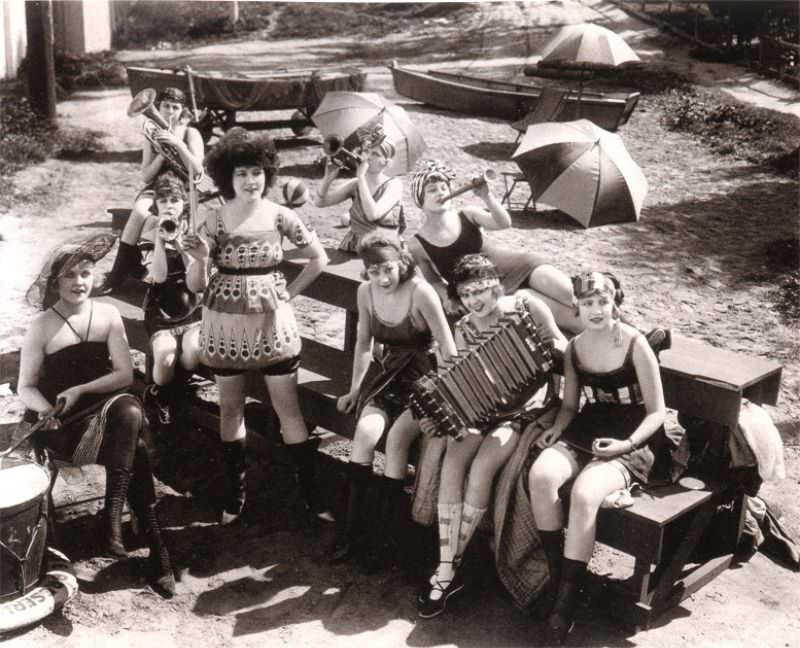
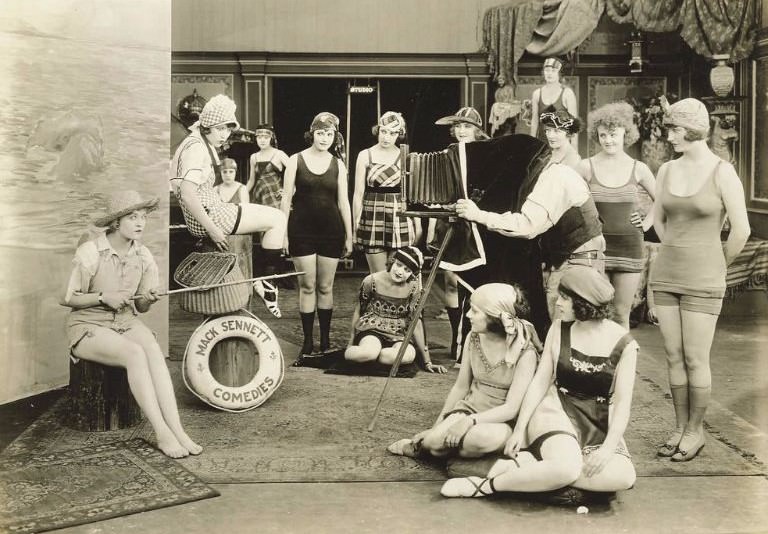
These events were loud, colorful, and built to generate newspaper headlines nationwide. At a time when Hollywood was still figuring out how to sell itself, Sennett had already cracked the code. The Bathing Beauties were pure marketing genius.
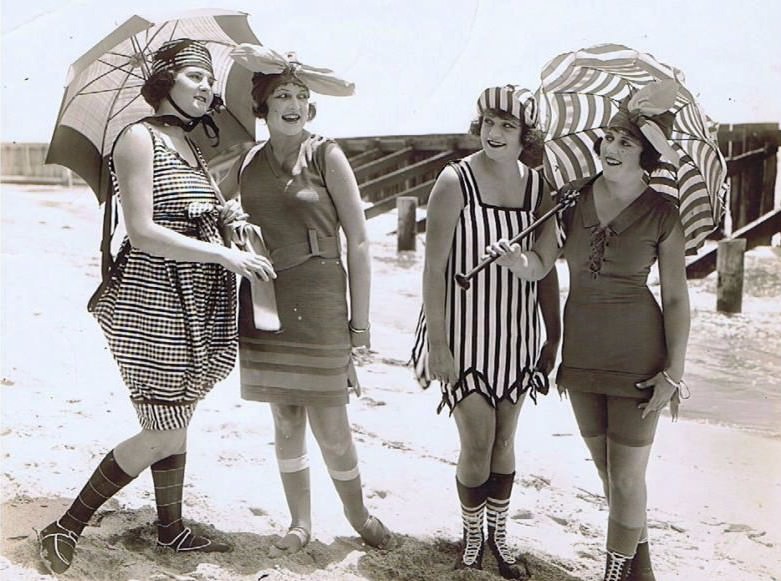
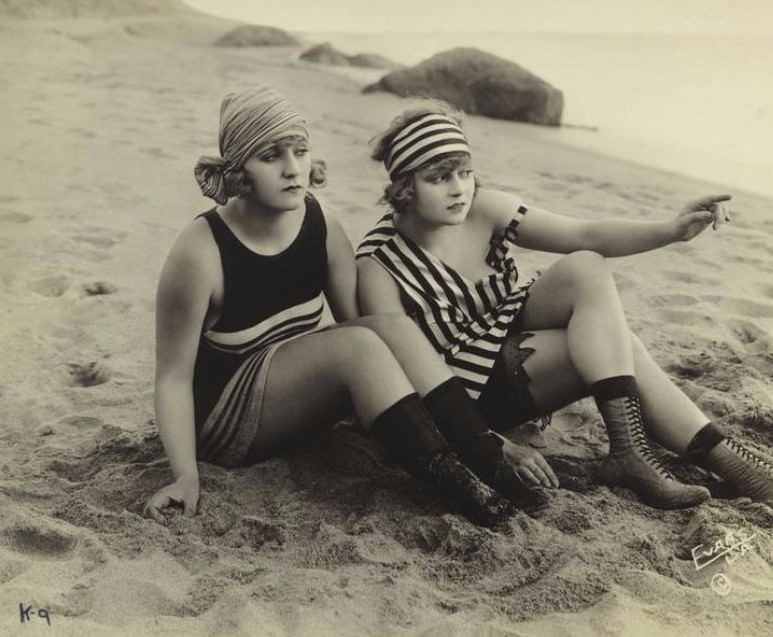
Several members of the group went on to major Hollywood careers. Claire Anderson, Marie Prevost, and Phyllis Haver all rose to prominence. Most notably, Carole Lombard — later one of Hollywood’s most celebrated actresses — got her start among their ranks.
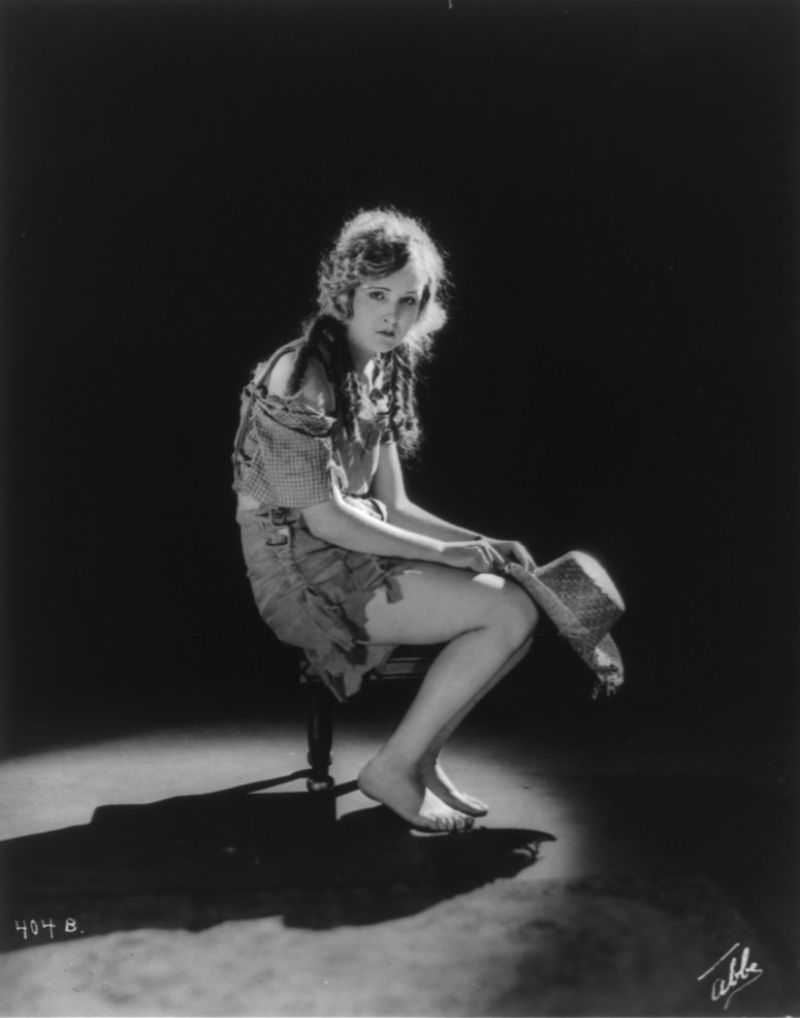
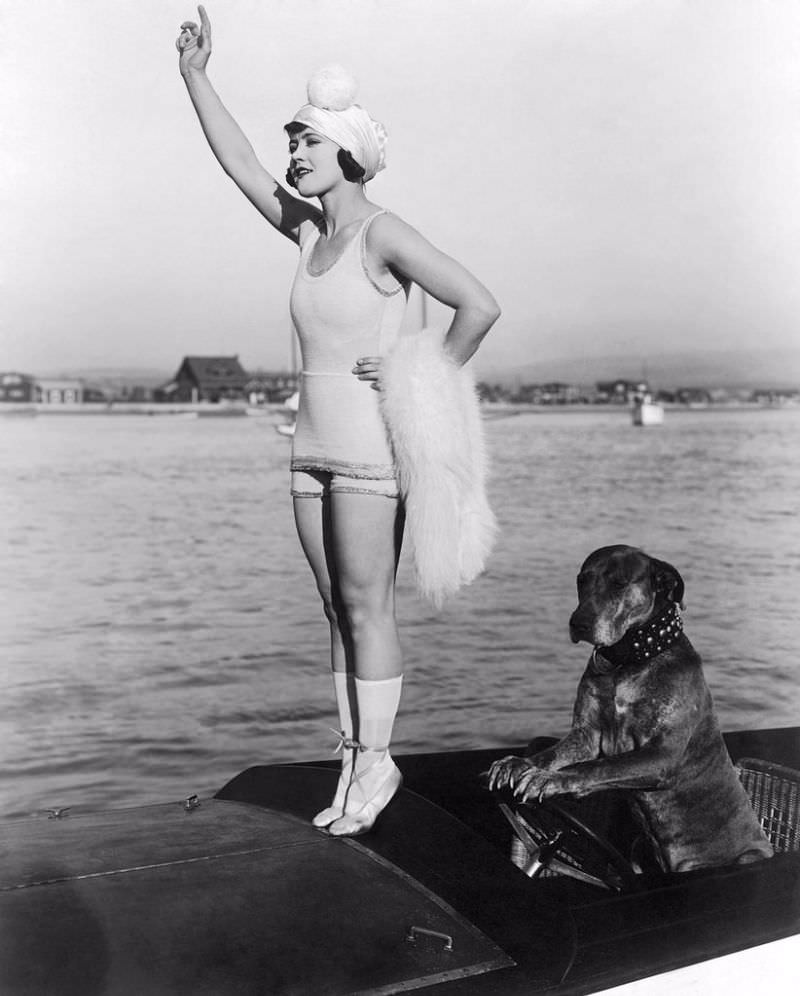
Other studios quickly noticed the attention Sennett was generating and launched their own versions. Christie Studios fielded a competing group that included Raquel Torres and Laura La Plante. Fox introduced the “Sunshine Girls,” with future star Janet Gaynor among them.
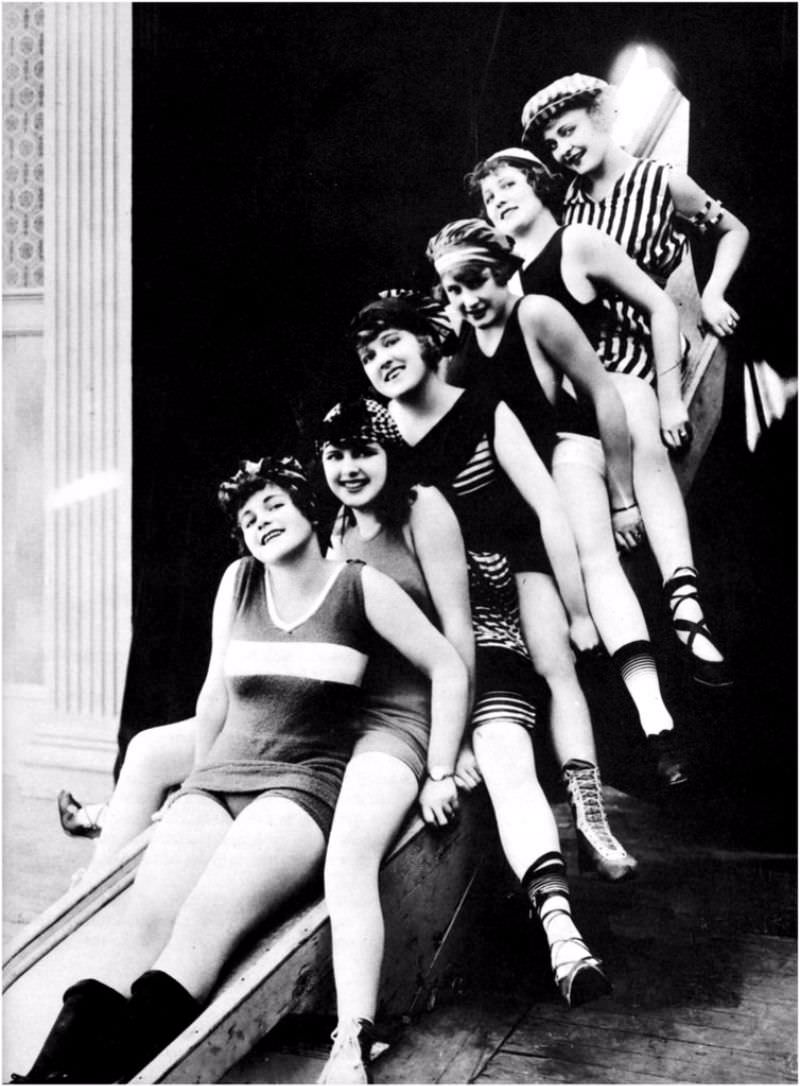
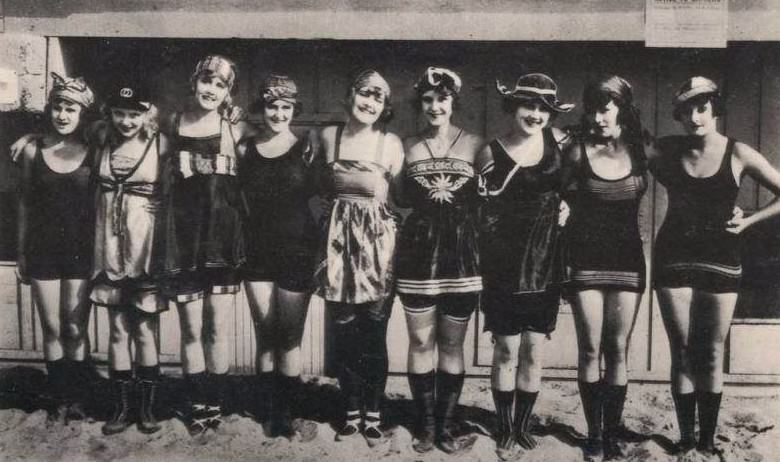
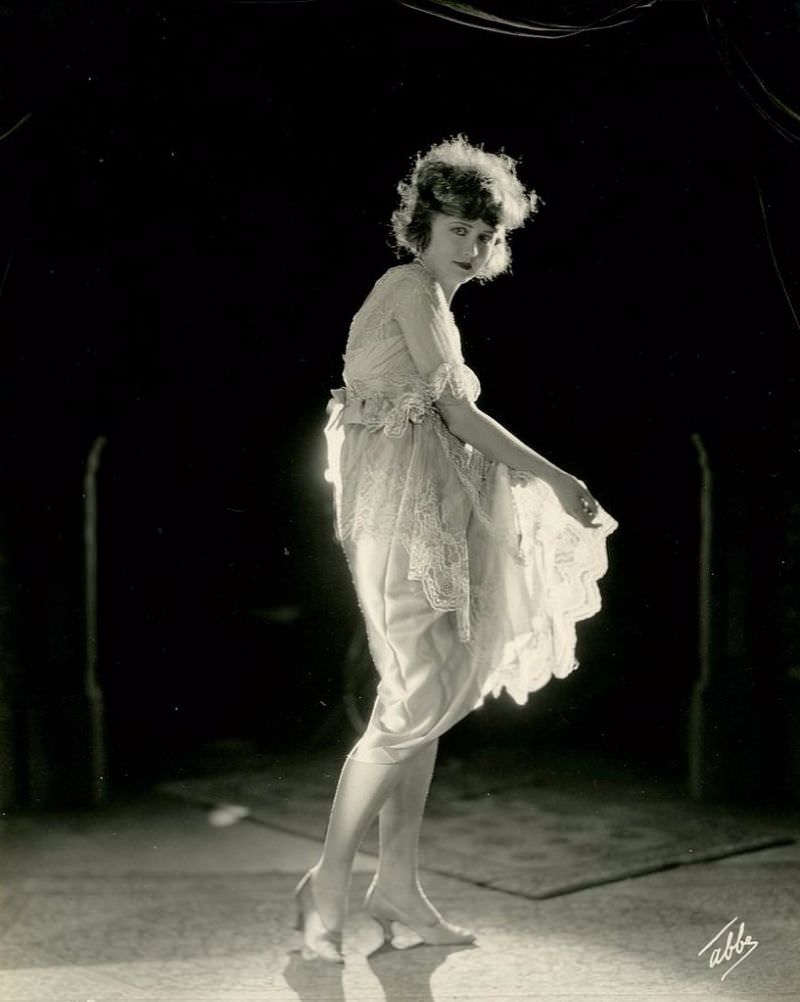
Bathing-costume beauty contests became a standard fixture of film promotion throughout the 1920s. The trend Sennett started spread across the industry and held firm for the entire decade.
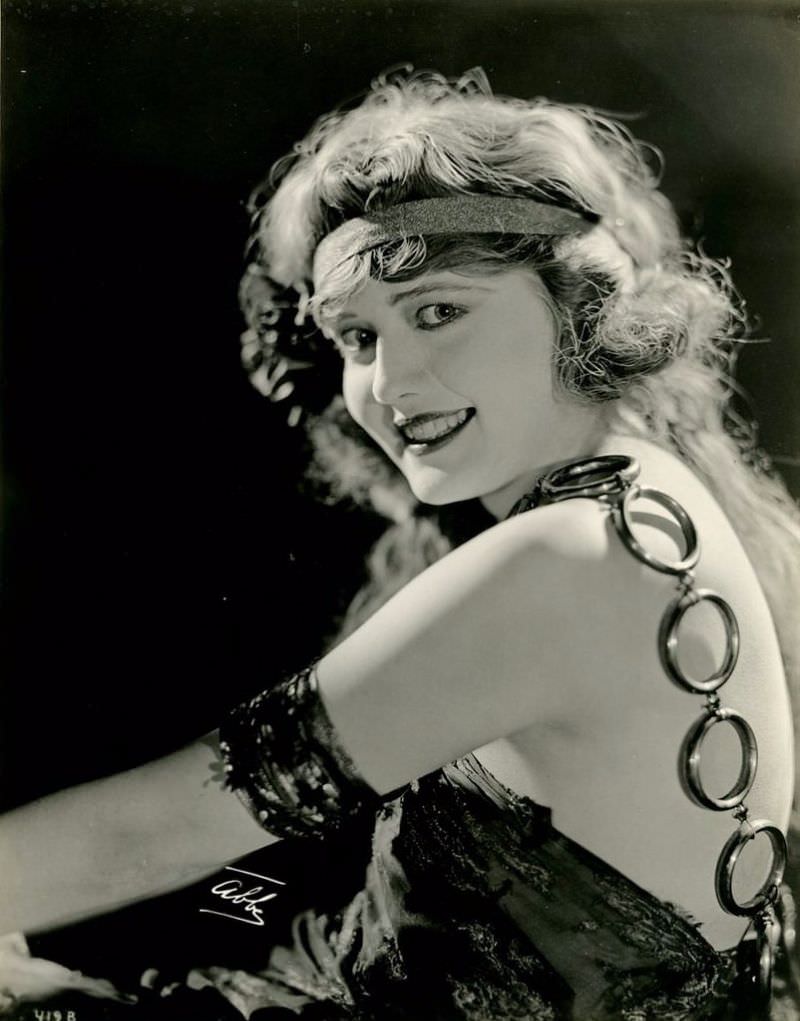
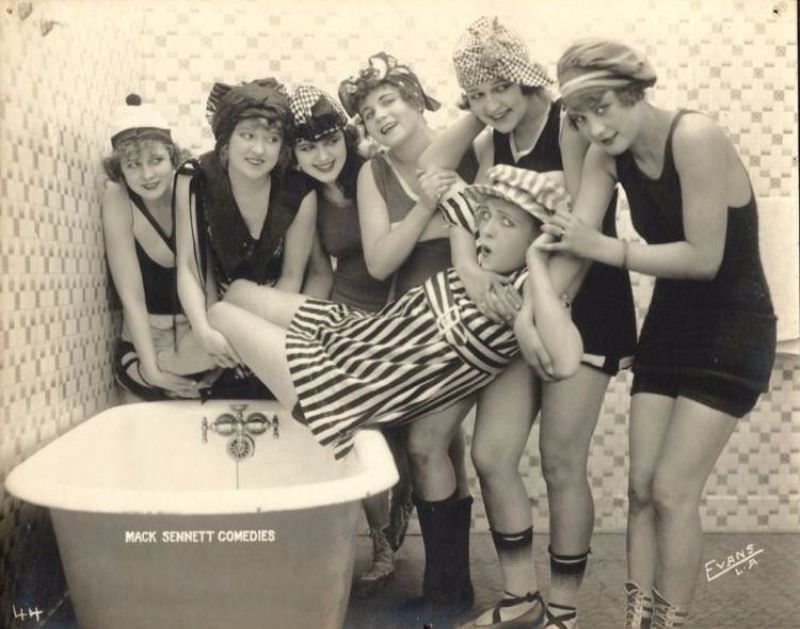
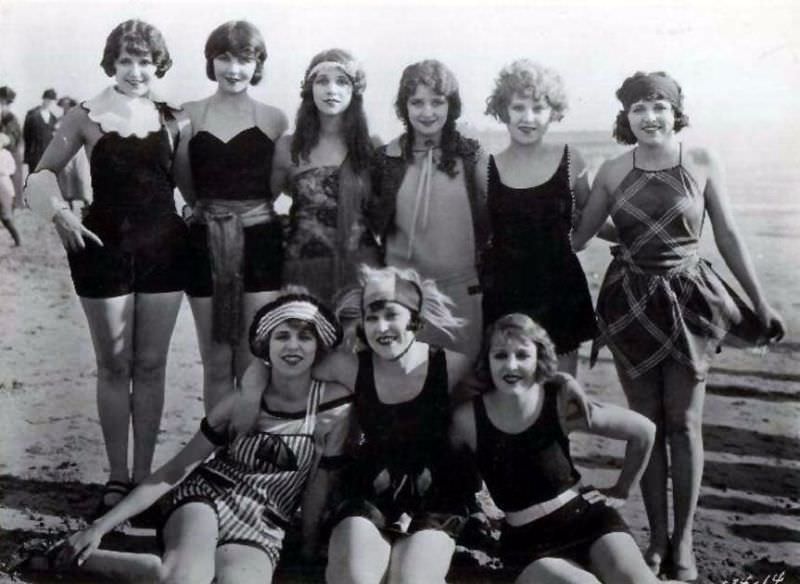
The Bathing Beauties were more than decorative faces on postcards. They represented a new kind of confidence — women who wore what they wanted, showed up on screen and on the beach, and turned a publicity stunt into a genuine cultural moment.