The early 20th century was a turning point for women in Australia. Across sport, politics, aviation, and the arts, women stepped into roles that had never been held by women before. These were not symbolic gestures — they were hard-won achievements that reshaped what was possible.
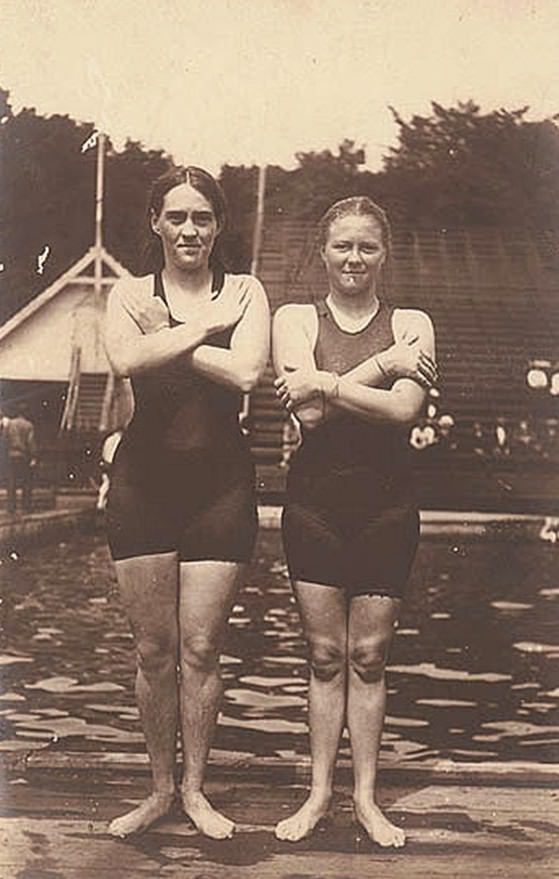
It began on the world stage. In 1912, Fanny Durack and Mina Wylie travelled to Stockholm for the Olympic Games, becoming Australia’s first female Olympians. They competed in the 100-metre freestyle and returned home with gold and silver medals.
Fanny Durack and Mina Wylie were Australia’s first women Olympians, winning gold and silver in the 100 metres freestyle, Stockholm, 1912.
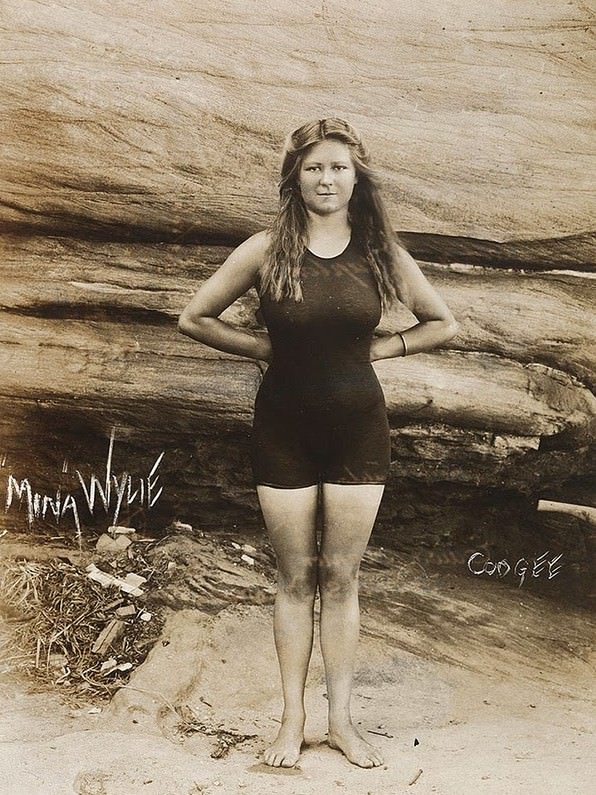
Mina Wylie, Coogee, 1913. Fanny Durack and Mina Wylie were Australia’s first women Olympians, winning gold and silver in the 100 metres freestyle, Stockholm, 1912.
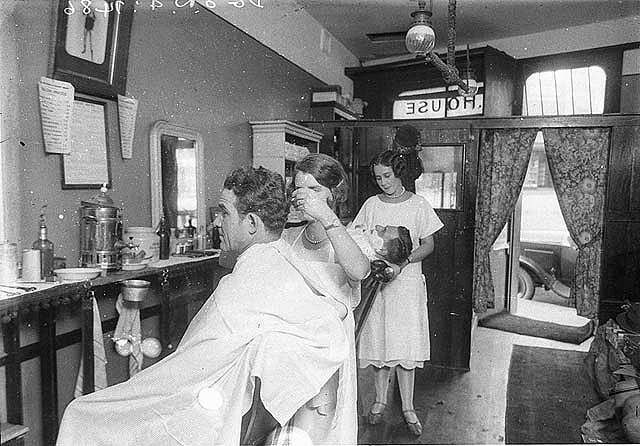
Back home, women were making their mark in equally unexpected places. In 1927, Dolly House and her sister became two of the first female men’s barbers in Australia. Their father, Jack House, ran the shop beneath Australasian Films’ studio in Sydney.
Two of the first female men’s barbers, Miss Dolly House and her sister, c.1927. The House sisters’ father, Jack House, ran the barber shop just underneath Australasian Films’ film studio.
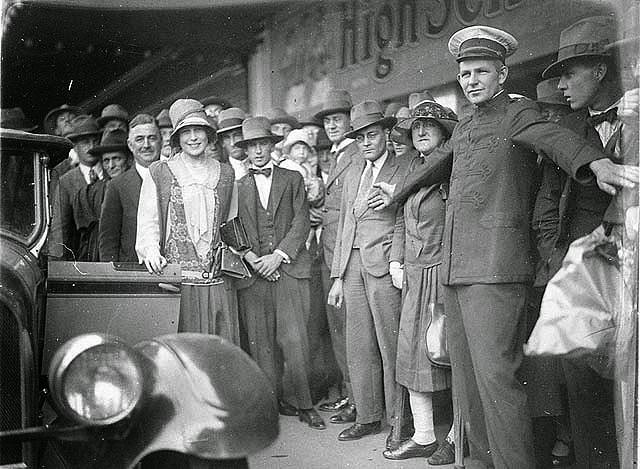
That same year, Beryl Mills of Western Australia was crowned the first-ever “Miss Australia.” Outside Sydney’s Haymarket Theatre on 14 December 1927, a theatre commissionaire struggled to hold back the surging crowd.
First “Miss Australia”, Beryl Mills of WA, 1927. Theatre commissionaire holds back crowd from the first “Miss Australia”, Beryl Mills of Western Australia, outside Sydney’s Haymarket Theatre, 14 December 1927.
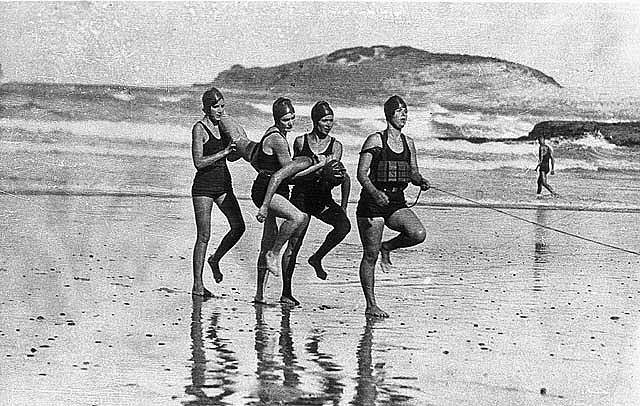
In 1931, Coffs Harbour produced something world-first. A fully equipped women’s surf life saving competition team formed there — the first of its kind anywhere on Earth. These women trained for real ocean rescues, working with wooden reels and ropes in heavy surf.
Coffs Harbour, the first fully equipped women’s surf life saving competition team in the world, 1931.
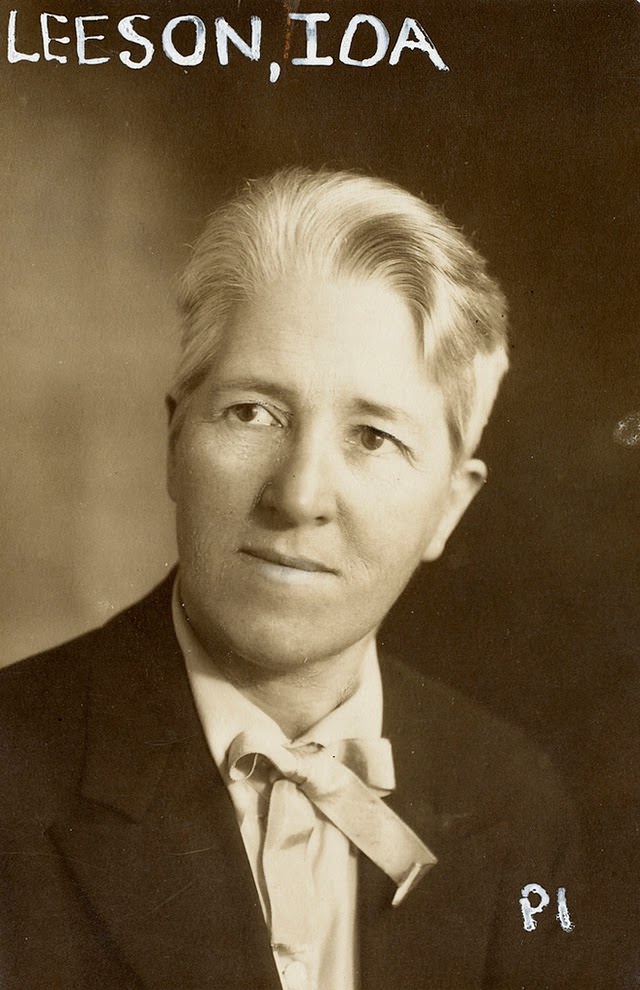
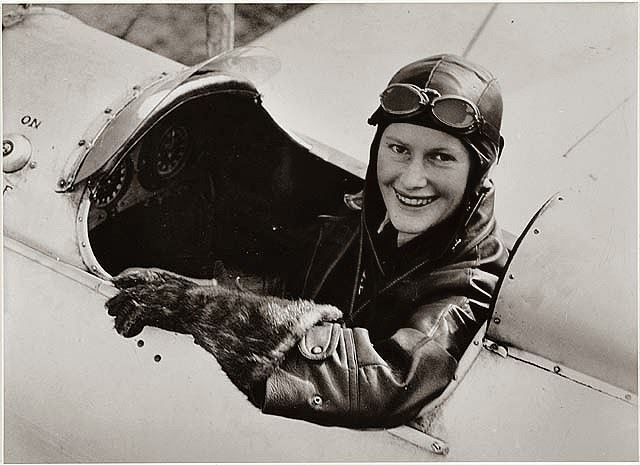
In 1932, Ida Leeson was promoted to Mitchell Librarian at the State Library of New South Wales — only the second person to hold the title, and the first woman to do so. The following year, Nancy Bird earned her commercial pilot’s licence, flying a Gipsy Moth to deliver medical services across the Australian Outback.
Ida Leeson, 1933. Ida Leeson, after being promoted to Mitchell Librarian in 1932. She was the second-ever Mitchell Librarian and the first female Mitchell Librarian.Nancy Bird in Gipsy Moth at Kingsford Smith Flying School, 1933. Nancy Bird was one of Australia’s first women commercial pilots. She flew medical services to the Outback. The first Qantas A380 Airbus is named after her. She was given a State Funeral in St Andrew’s Cathedral, Sydney, on Wednesday 21 January 2009.
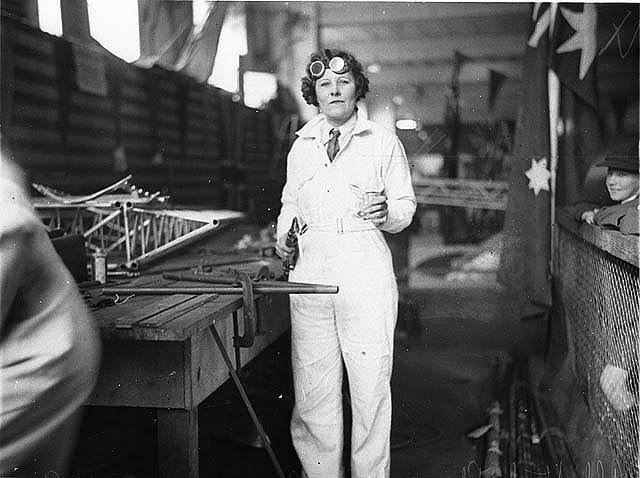
Aviation continued to produce pioneers. In 1934, May Bradford became the first woman pilot in Australia to hold both “A” and “B” ground engineer’s licences. She welded components for an all-Australian monoplane entering the England-Australia air race.
May Bradford welding part of the all-Australian monoplane for the England-Australia air race, 1934. May Bradford was the first woman pilot to hold “A” and “B” ground engineer’s licences in Australia.
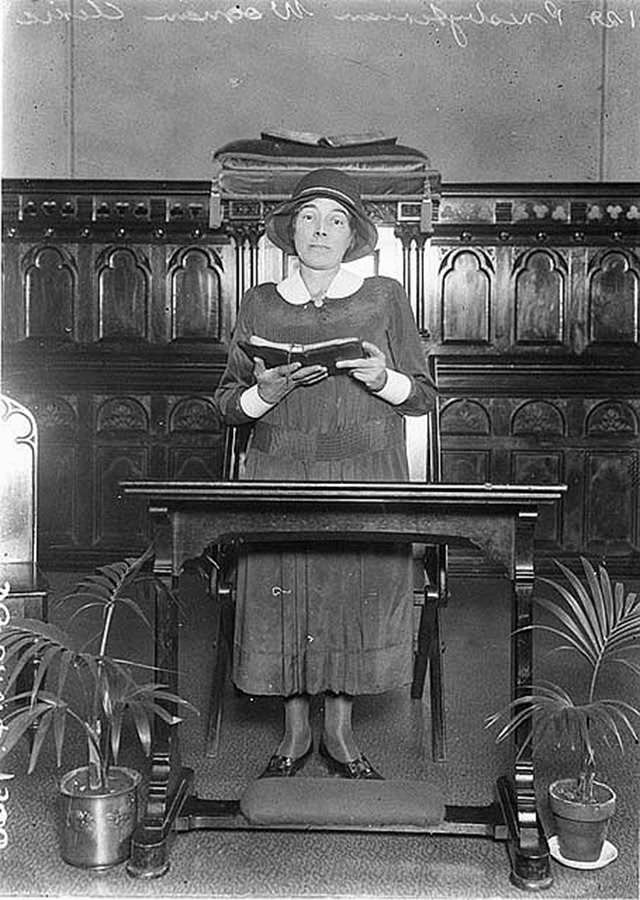
The church also saw change during this period, with Australia’s first woman Presbyterian cleric beginning her service in the 1930s.
First woman Presbyterian cleric in Australia, 1930s.
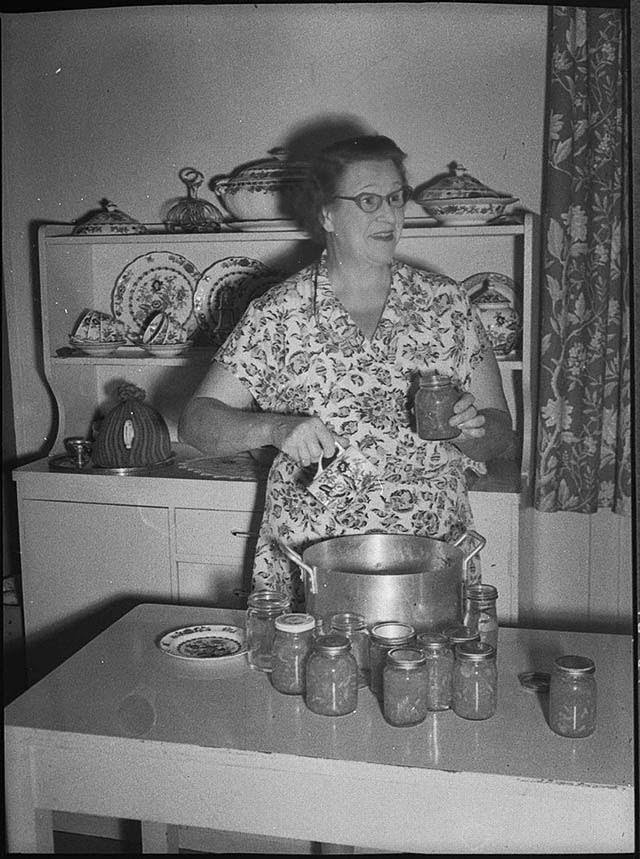
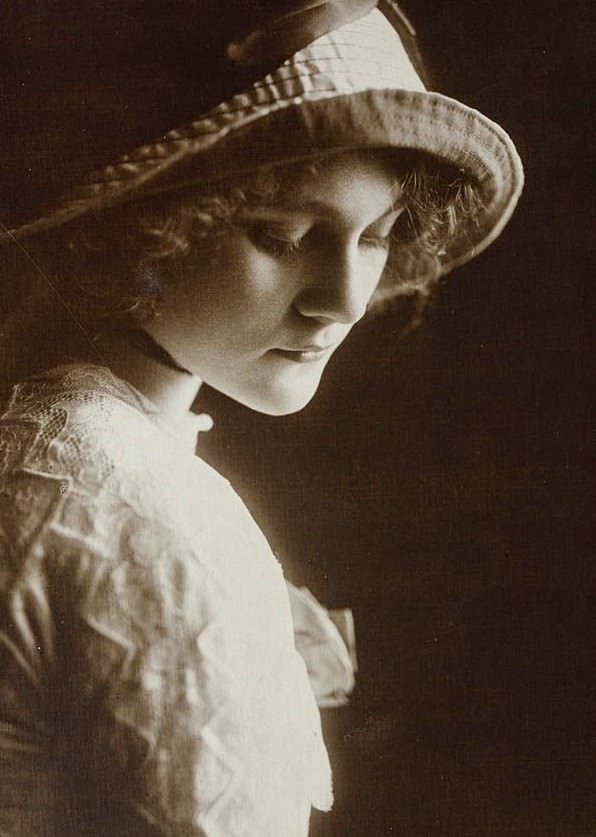
Florence Austral rose to international fame in the 1920s as one of the world’s leading Wagnerian sopranos, performing across Europe and leaving behind 102 recordings. Louise Carbasse — known professionally as Louise Lovely — became Australia’s first Hollywood star during the silent film era.
Florence Austral at home, Newcastle, NSW, 10 March 1953. Florence Austral was Australia’s first Wagnerian soprano with an international career. She and Frida Leider were considered the two greats of the 1920s. Unfortunately, she didn’t have an established career at Covent Garden, which restricted her renown, although she left 102 recordings of her warm but majestic voice. In Berlin in 1930, she showed the first signs of multiple sclerosis. Her career afterwards consisted of more concert and recording work, as well as entertaining the troops during the war. After the war, Austral was a teacher at the Newcastle Conservatorium of Music, New South Wales. She is regarded by many as Australia’s greatest singer.
Louise Carbasse, c.1913. Louise Carbasse, also known as Louise Lovely, was Australia’s first Hollywood star of the silent era.
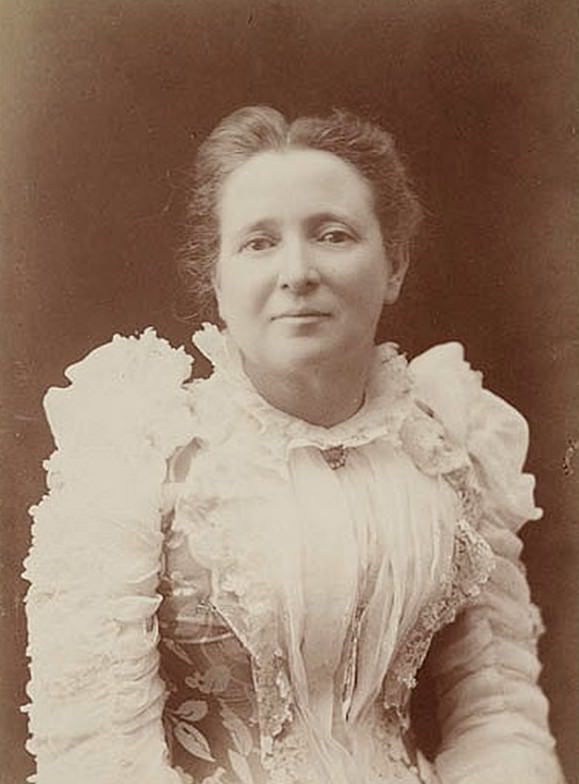
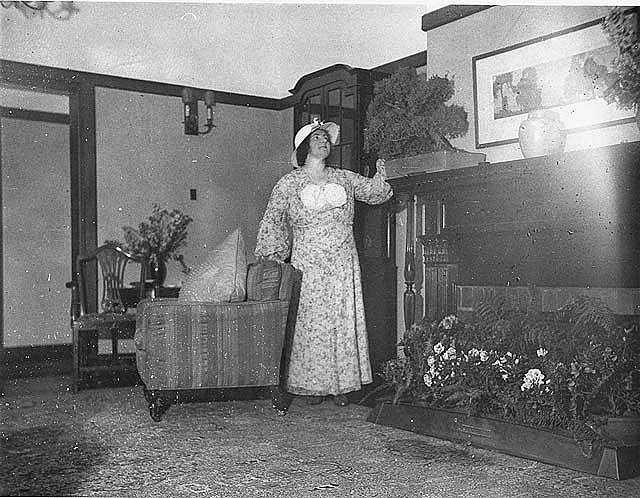
Political firsts followed. Lady Mary Elizabeth Windeyer had helped lay the groundwork as the first President of the Womanhood Suffrage League in the 1890s. By 1943, Enid Lyons became the first woman elected to the Australian Federal Parliament, and later the first woman to serve in the Federal Cabinet.
Lady Mary Elizabeth Windeyer, 1st President of the Womanhood Suffrage League, c.1890s.Enid Lyons by the Lodge fireplace, 1934. Enid Lyons was the first woman elected to the Australian Federal Parliament, in 1943, and the first woman in Federal Cabinet.
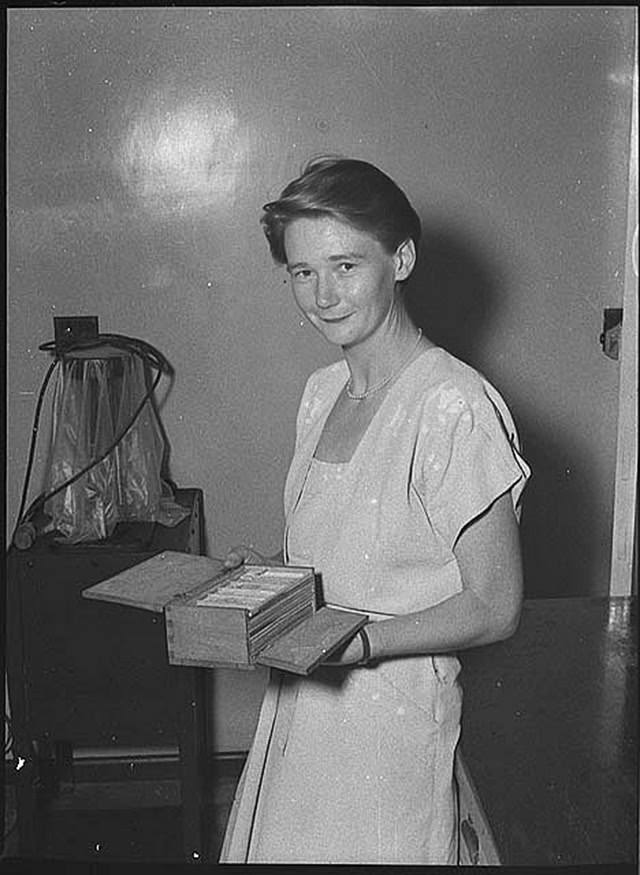
In 1955, geologist Dr. Beryl Nashar became the first female Dean of Science at an Australian university — capping decades of women who refused to accept the limits placed before them.
Dr Beryl Nashar, 1955. Dr Beryl Nashar (1923–), a geologist, was the first female Dean of Science at an Australian university.
Heather Brown is a writer and historian with a passion for all things vintage. She shares her knowledge of the past through her blog, with a particular focus on historical photos and the stories they tell.