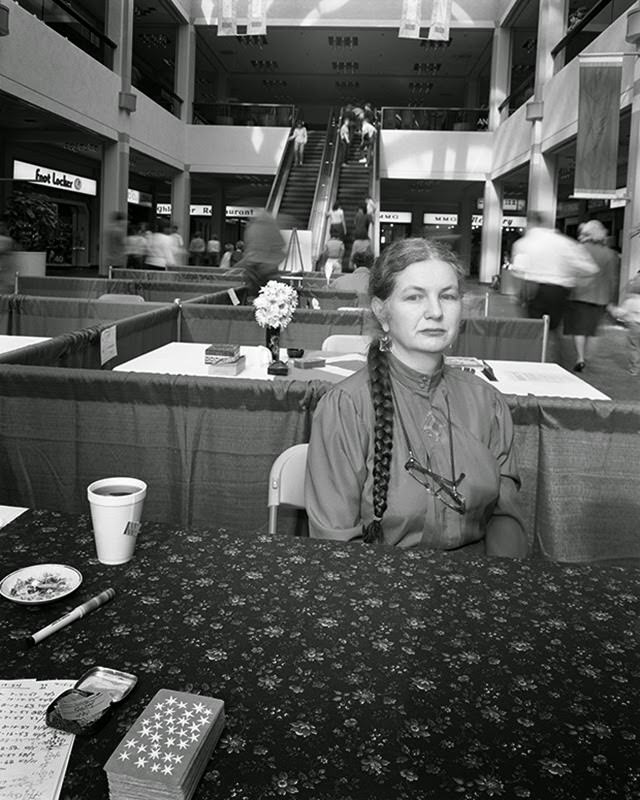
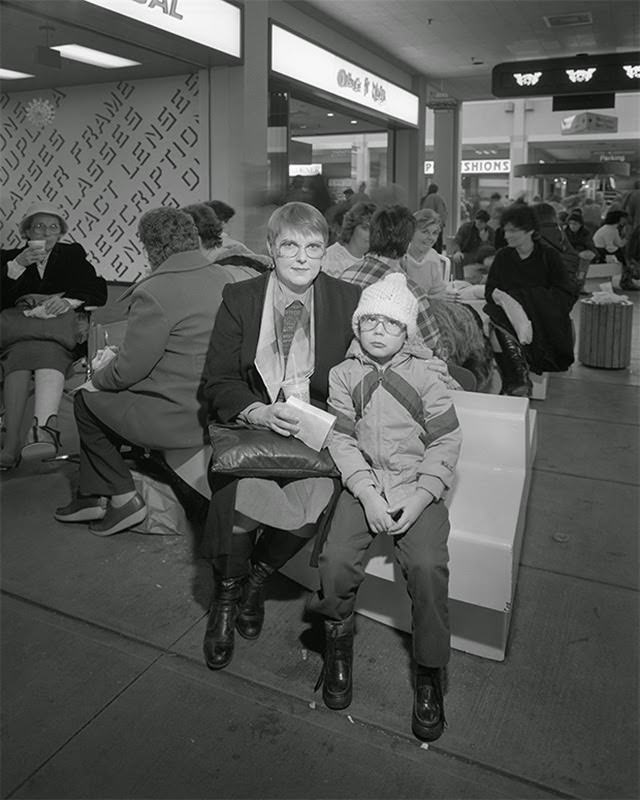
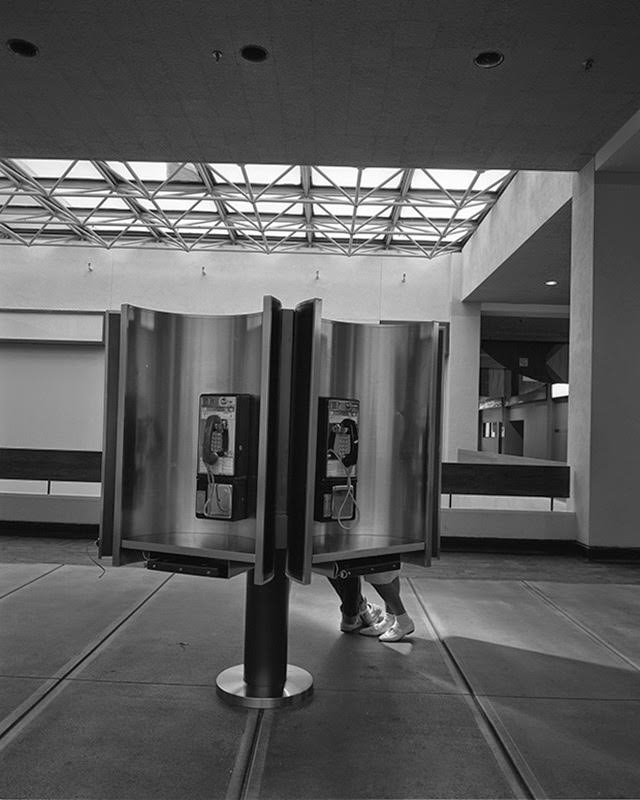
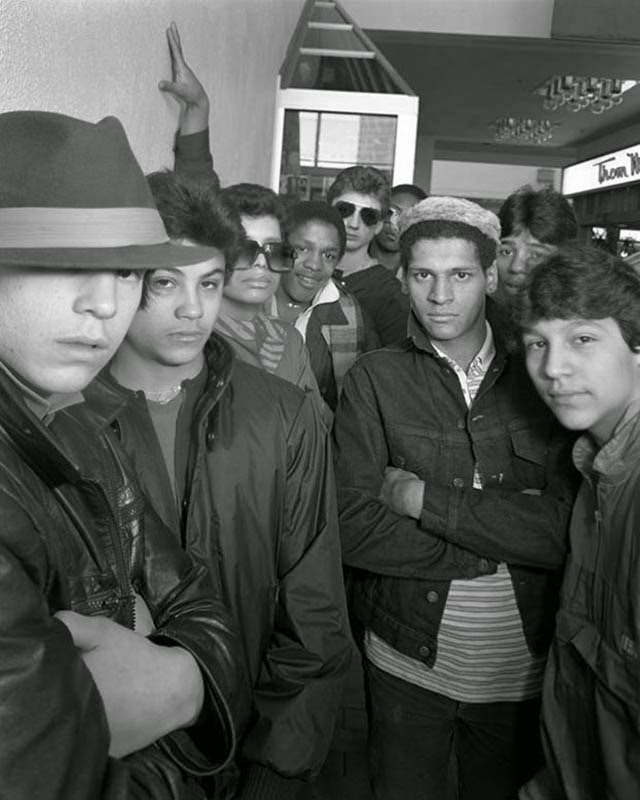
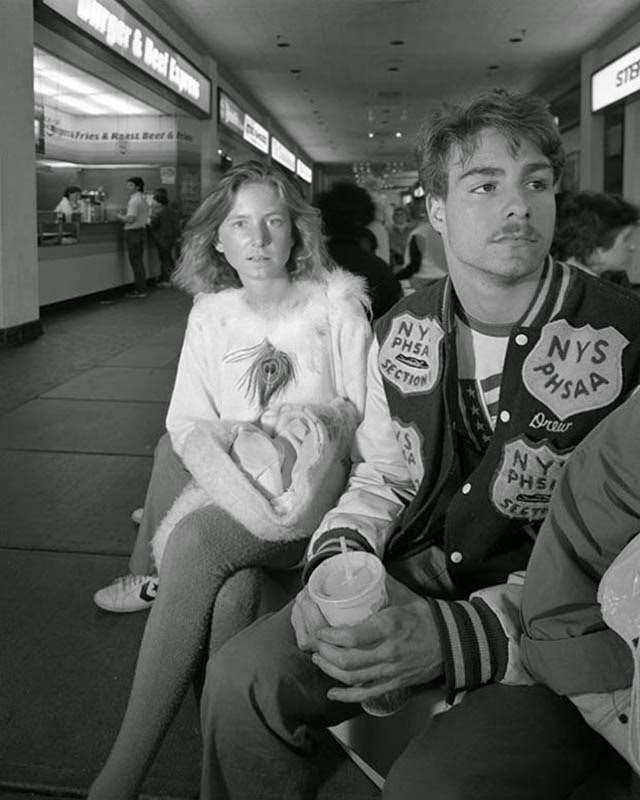
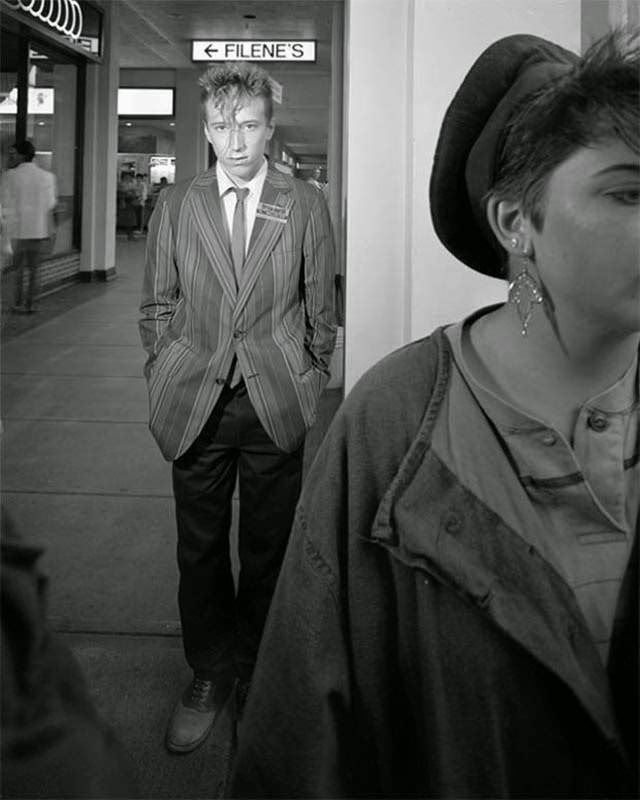
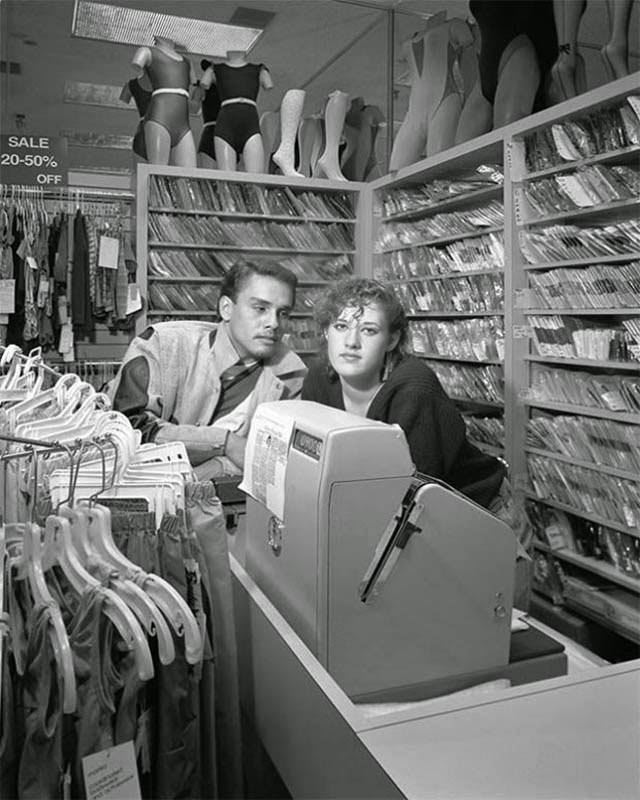
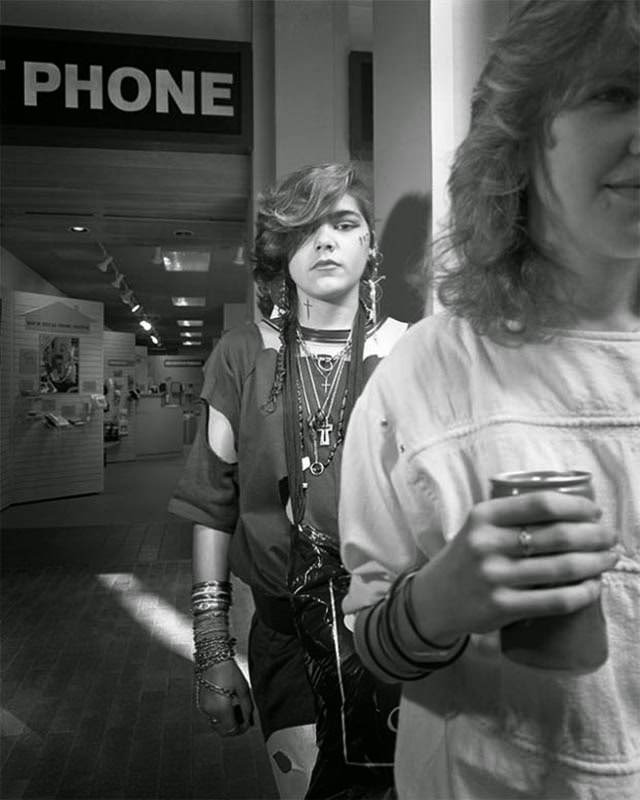
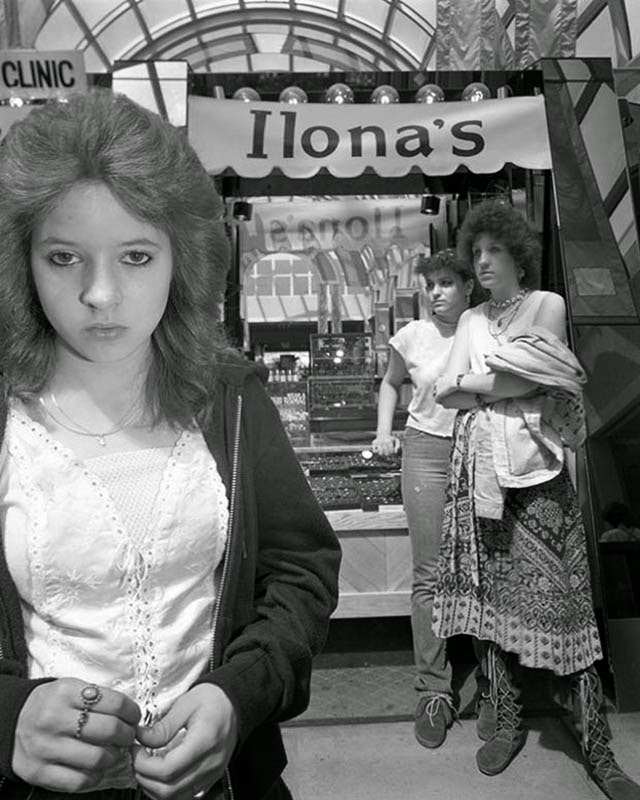
Between 1984 and 1987, photographer Stephen DiRado spent hundreds of hours documenting daily life inside a busy shopping mall near Clark University. He photographed thousands of scenes, capturing a world that went far beyond shopping. The mall was a climate-controlled town square where people of all ages spent entire days.
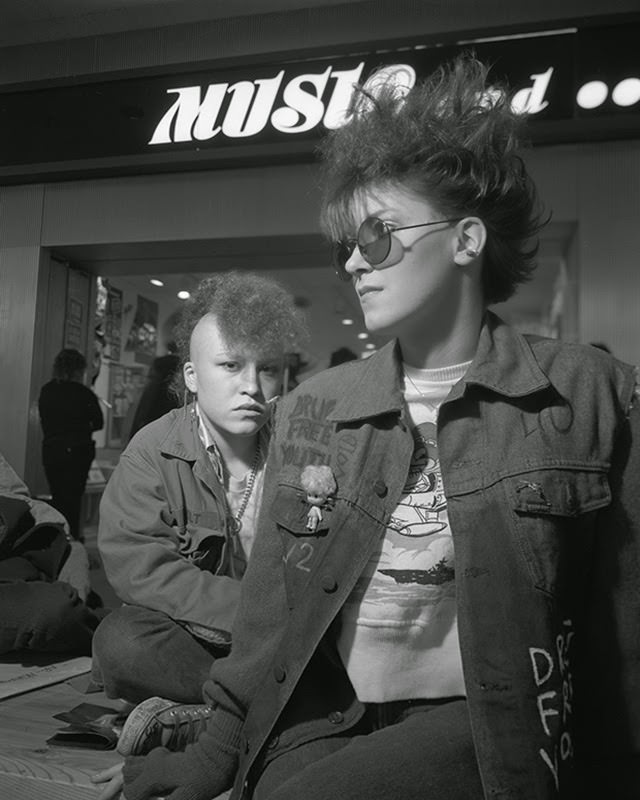
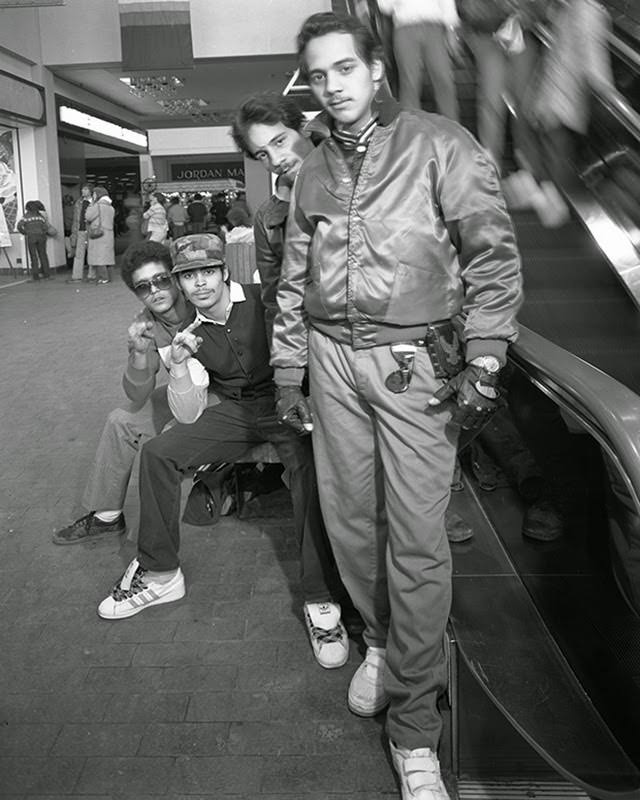
Teenagers were the most visible group. Known as “Mall Rats,” they showed up in big hair, denim jackets, and bright neon colors. The mall gave them a place to meet friends away from parental supervision. They gathered near record store entrances and food court tables, watching crowds pass by.
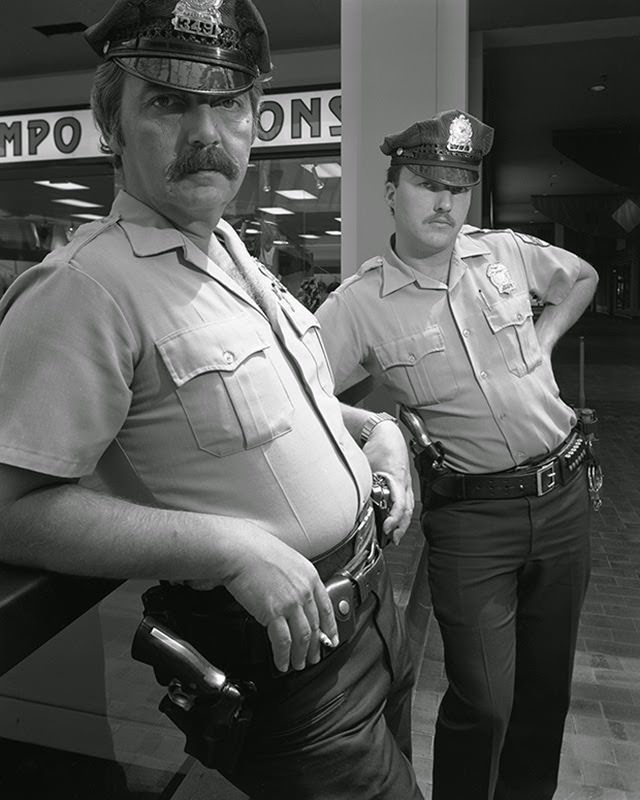
Security guards kept a close eye on these groups but let them socialize as long as they followed the rules. DiRado became a familiar face to both shoppers and staff, which helped him capture candid, unguarded moments.
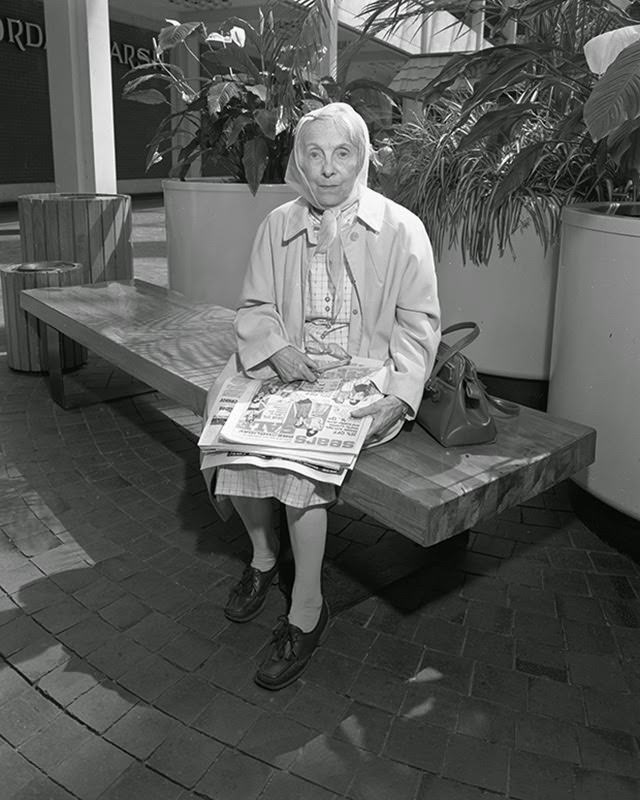
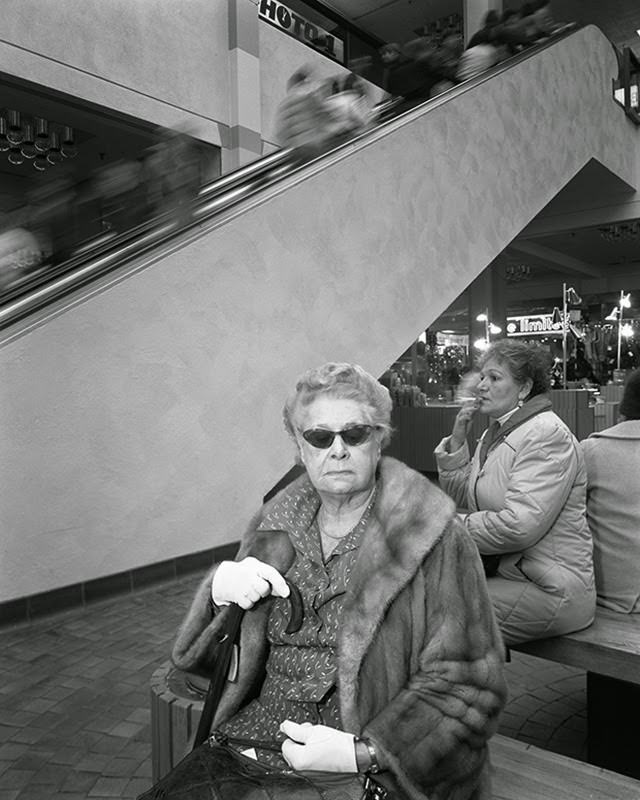
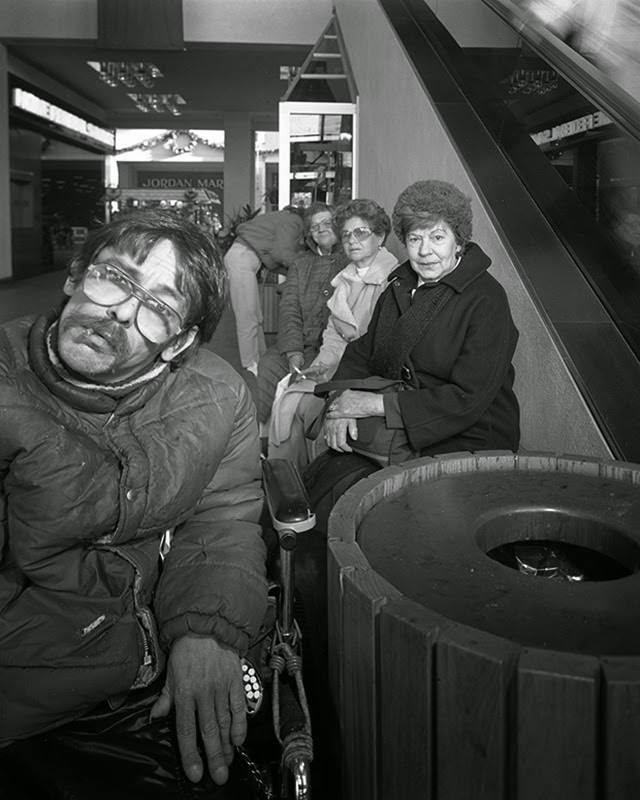
Older shoppers arrived early each morning for “mall walking” — using the wide, flat hallways to exercise before stores opened. Later, elderly women sat on wooden benches for hours, resting walking sticks against their knees and watching the crowds.
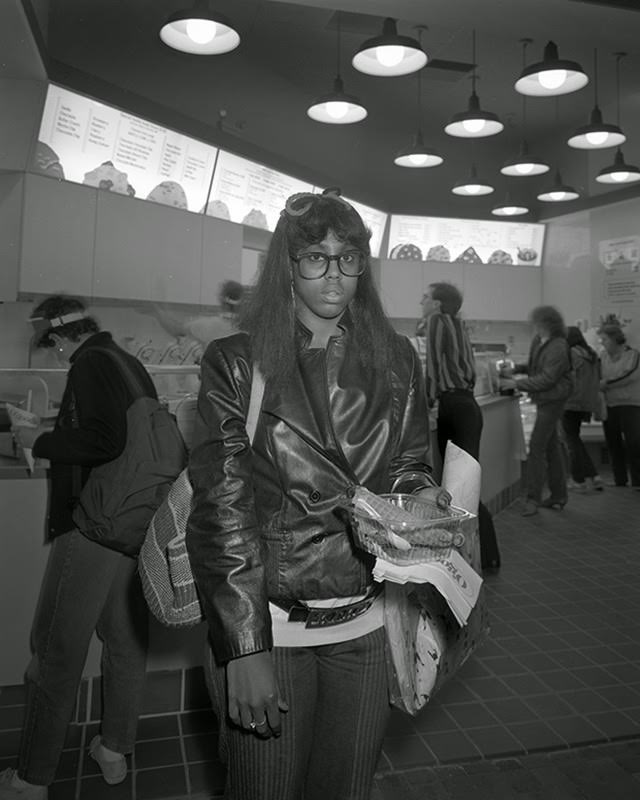
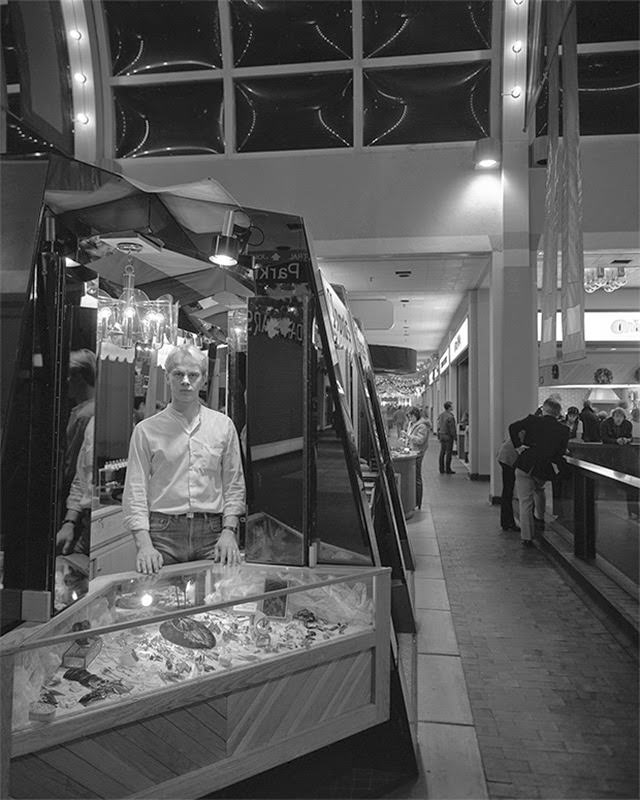
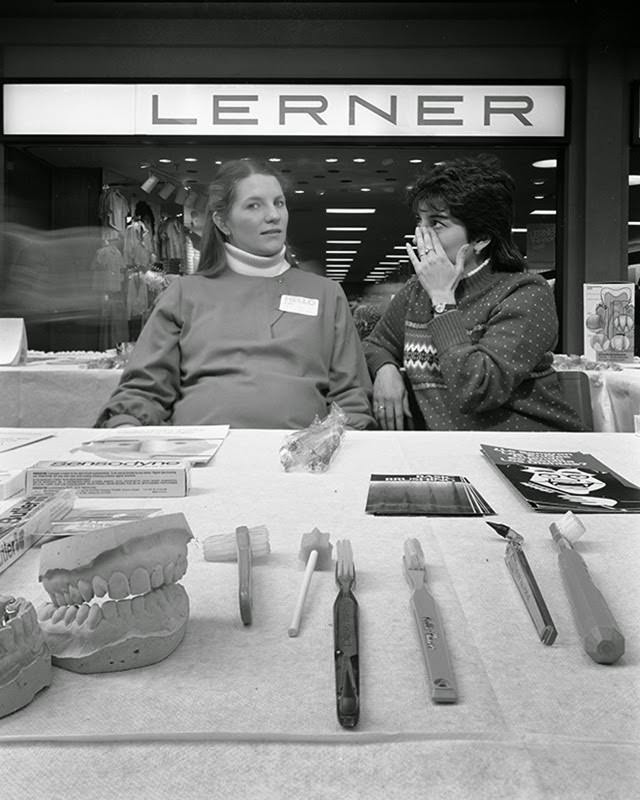
Mall workers — in clothing boutiques, toy stores, and fast-food stalls — were a constant part of this daily scene. They dealt with the ongoing noise of fountain water and pop music playing over speakers throughout the building.
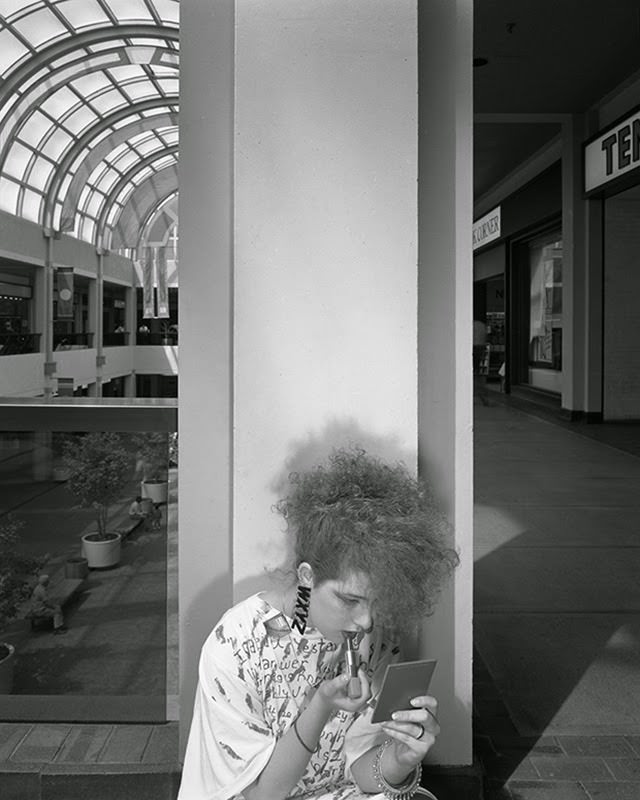
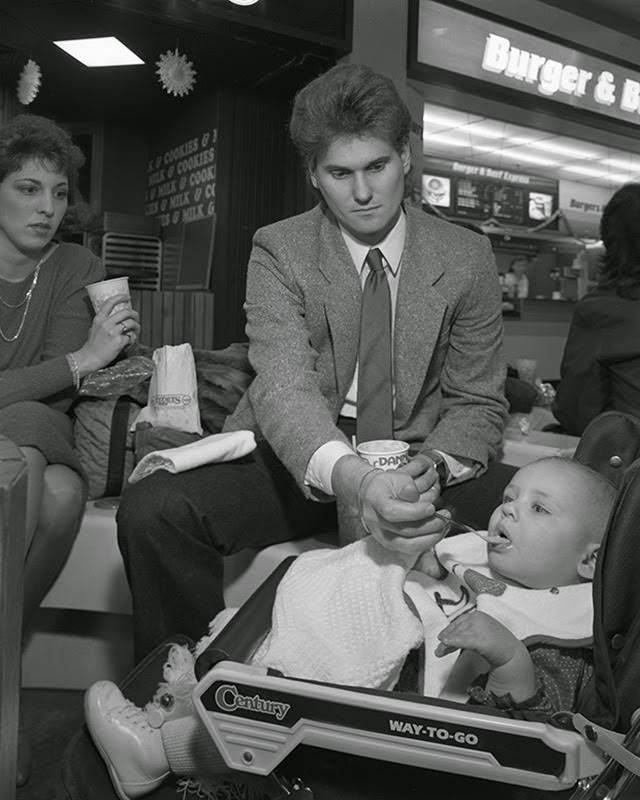
The food court was the heart of the mall. Pizza, pretzels, and soda were the staples. Plastic tables brought together office workers, families, and teenagers in the same shared space — something few other places in suburban life could do.