On November 29, 1890, Japan crossed a threshold no Asian nation had ever reached. The first session of the Imperial Diet opened in Tokyo, making Japan the first country in Asia to operate with both a parliament and a written constitution. The Diet had two houses: the House of Peers, made up of nobles appointed by the Emperor, and the House of Representatives, filled with elected men. Power still rested firmly with the Emperor, but Diet members held one meaningful right — the right to vote on the national budget.
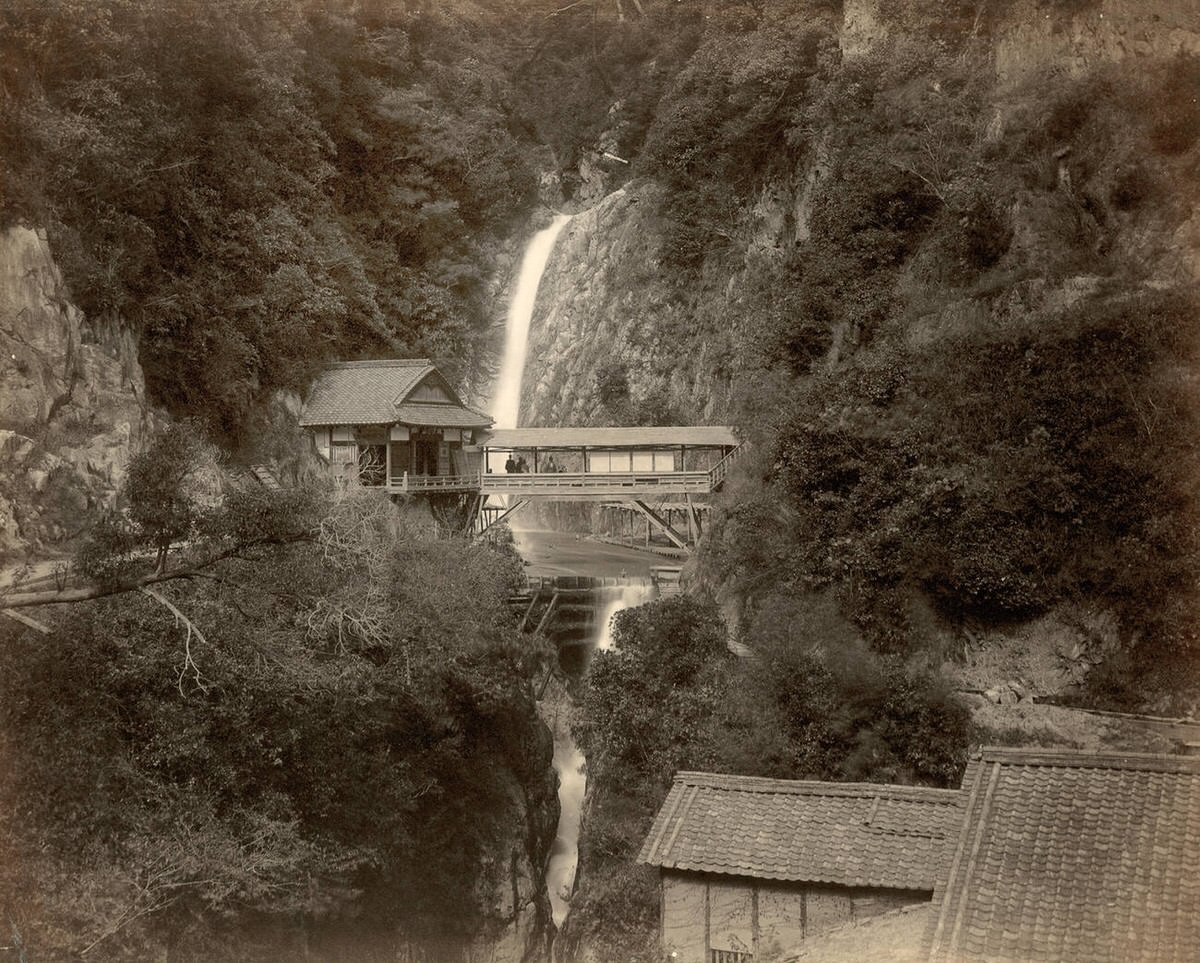
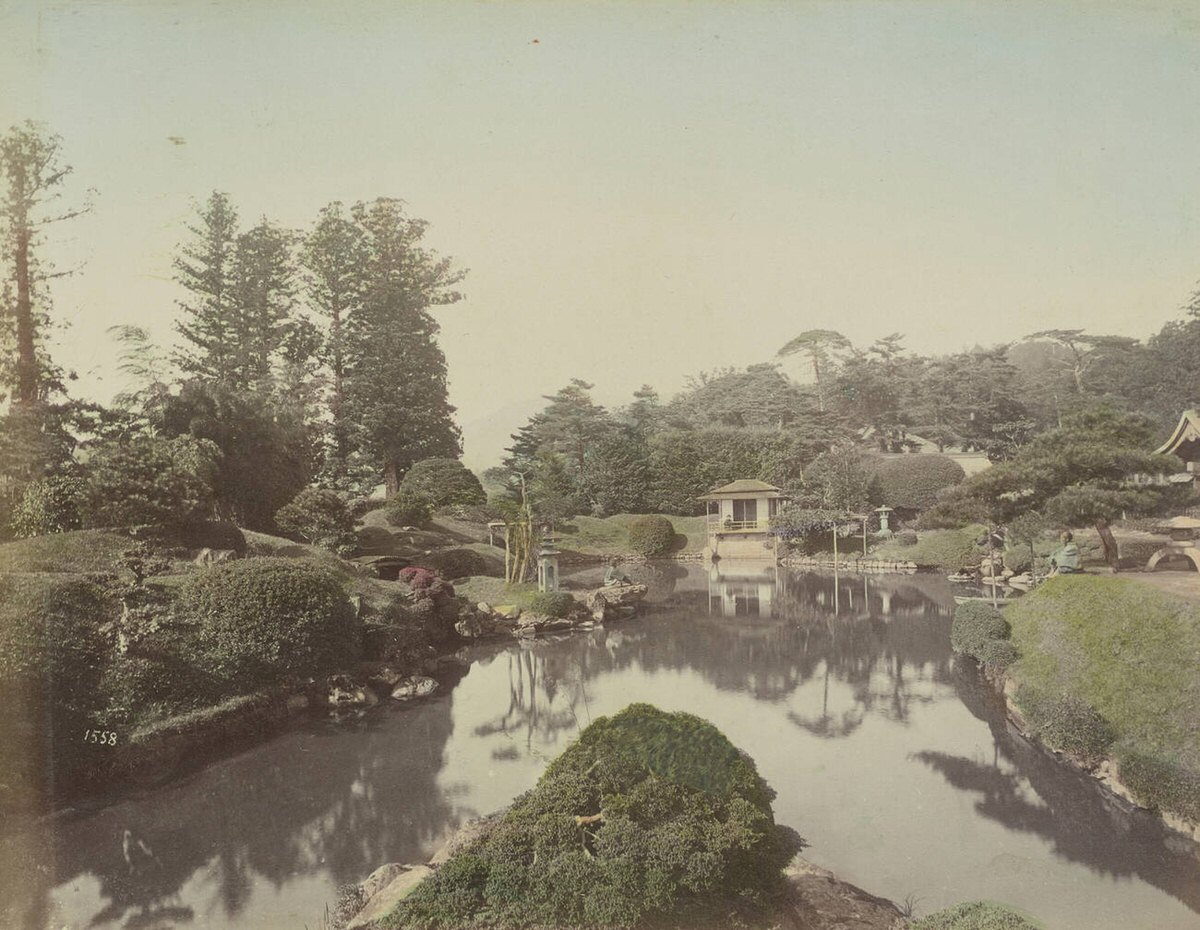
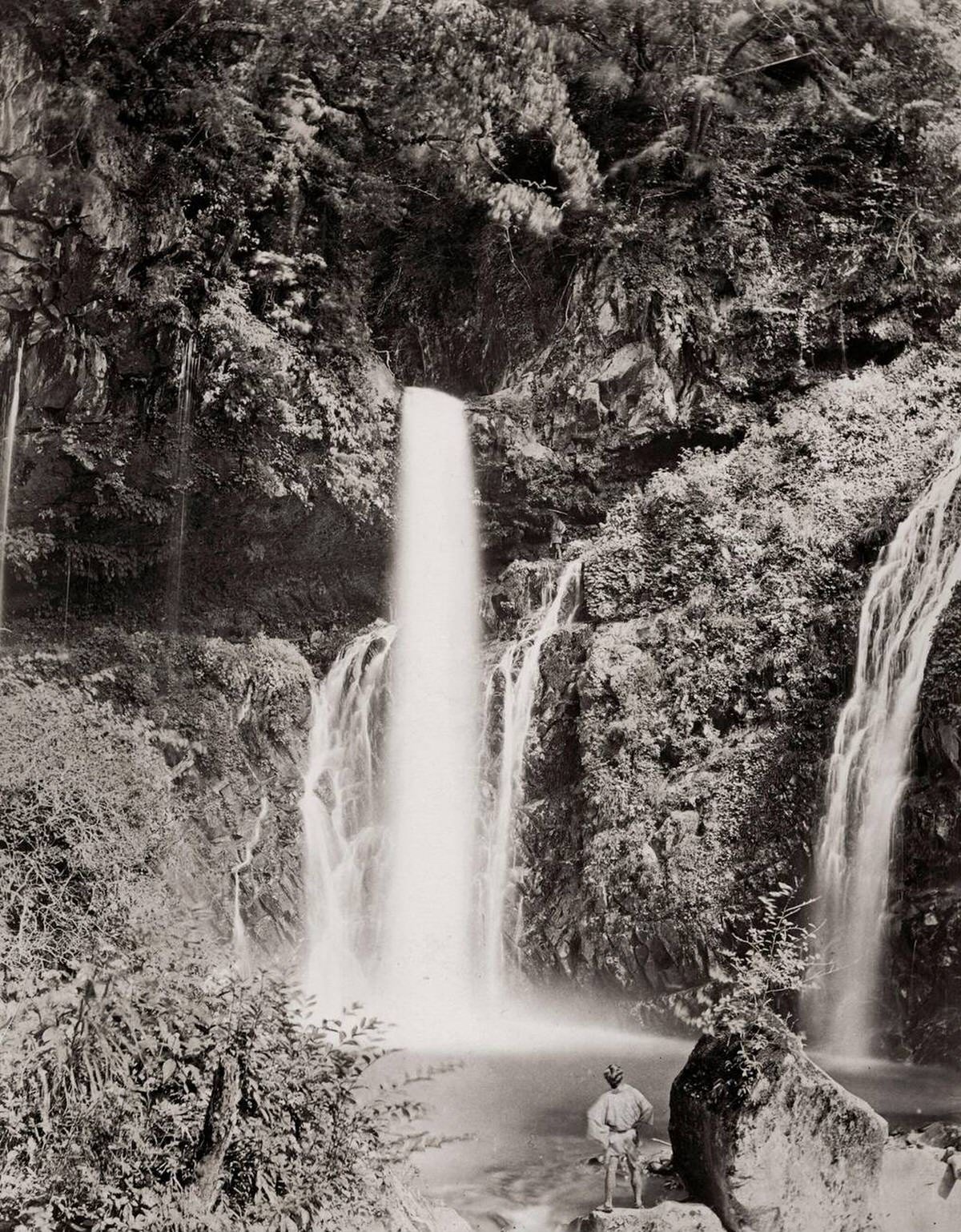
Metaki Falls at Kobe, 1880
That budget became a battleground almost immediately. Prime Minister Yamagata Aritomo pushed hard for military spending, convinced that Japan needed a stronger army and navy to protect its position in East Asia. Diet members pushed back just as hard, demanding lower land taxes to relieve farmers who were barely surviving. The standoffs were fierce. The government dissolved the Diet and called new elections multiple times throughout the early 1890s, as neither side was willing to concede.
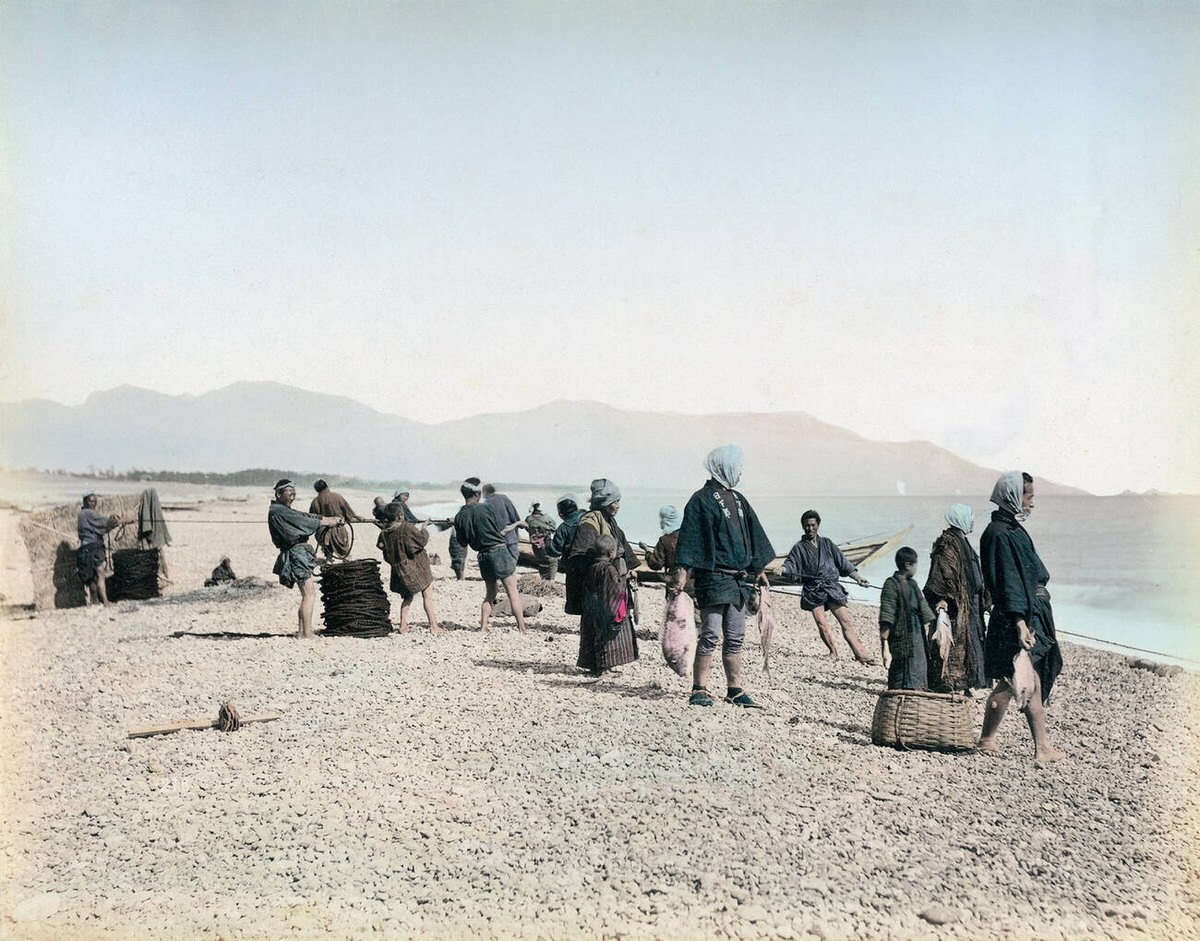
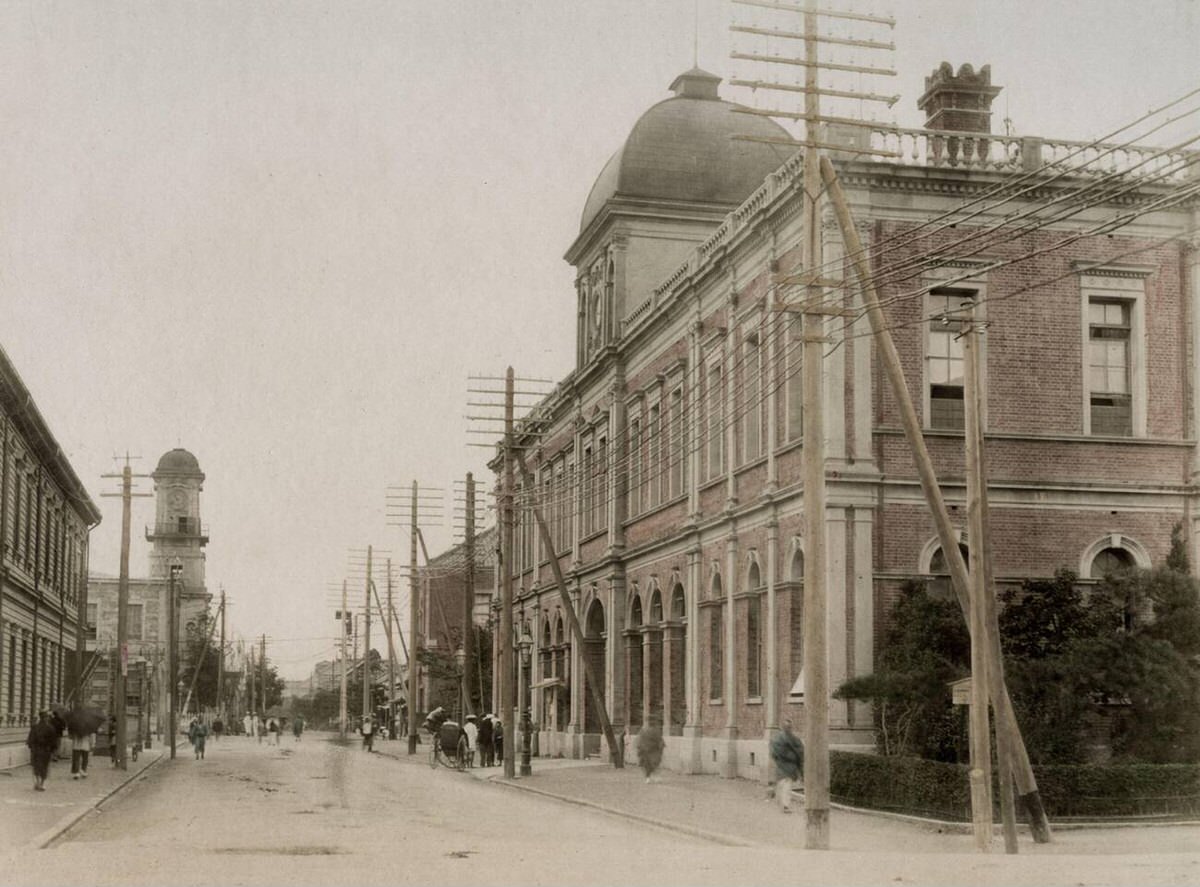
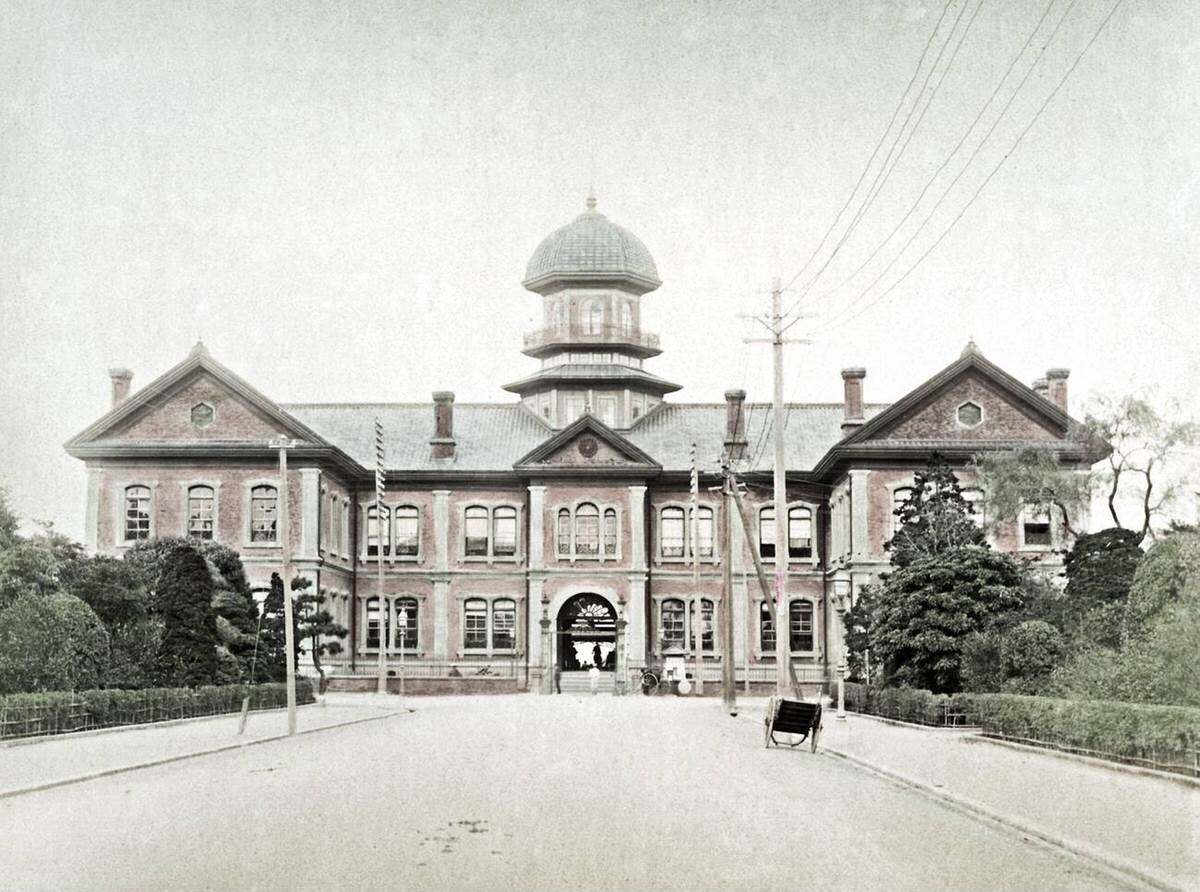
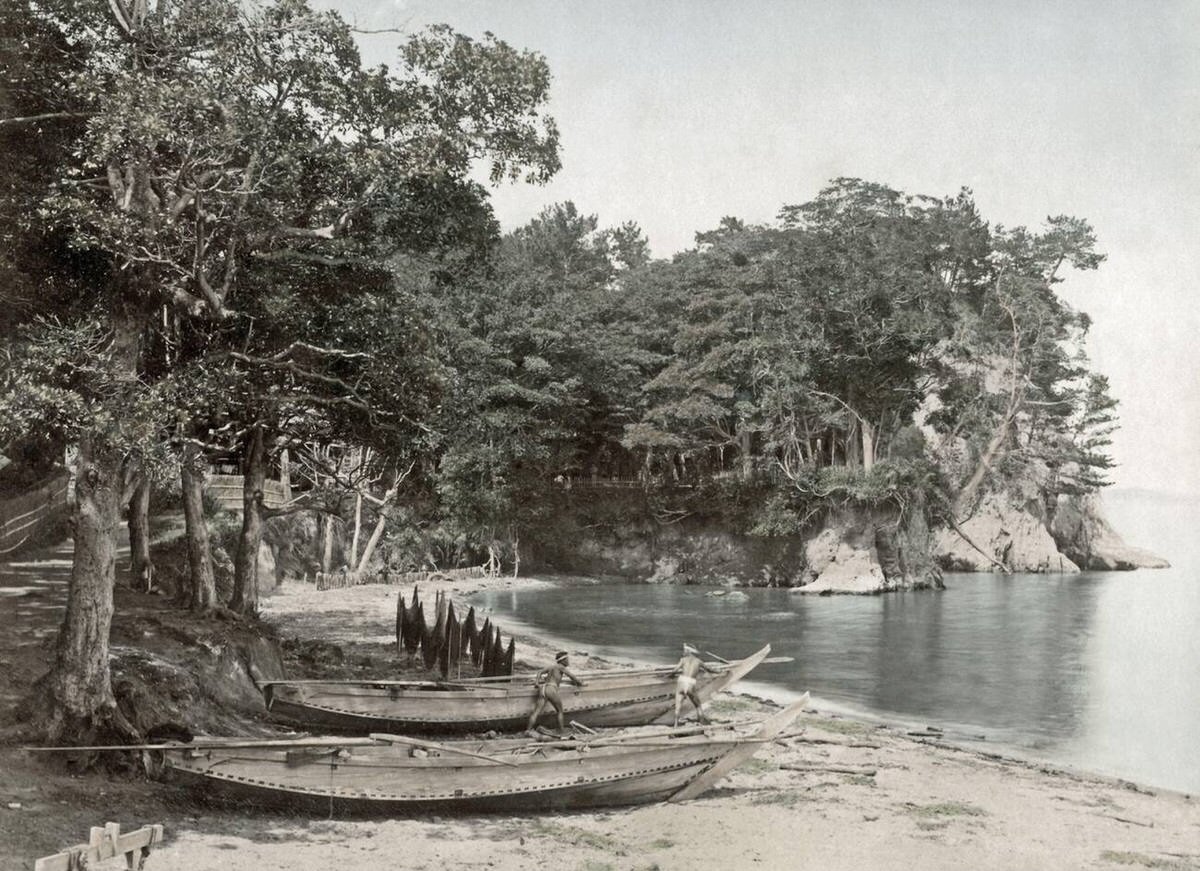
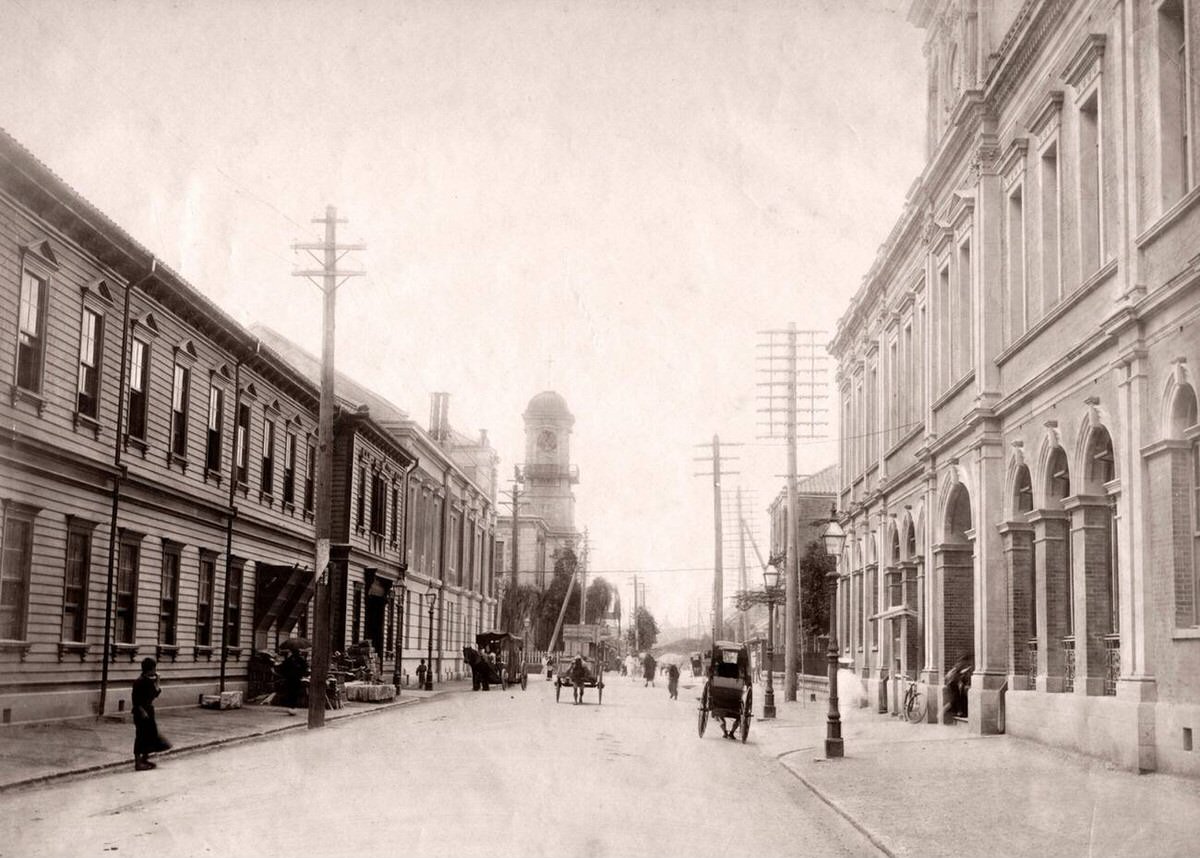
Japanese fishermen at work on the beach, 1890Street scene and the Post Office in Yokohama, 1880
In October 1890, the Emperor issued the Imperial Rescript on Education. This short document was distributed to every school in Japan. It told students that loyalty to the Emperor and obedience to their parents were their highest duties. Schools required students to memorize the full text and recite it aloud at official ceremonies. The message was clear: the needs of the Japanese state came before the needs of any individual. This policy shaped the values of an entire generation.
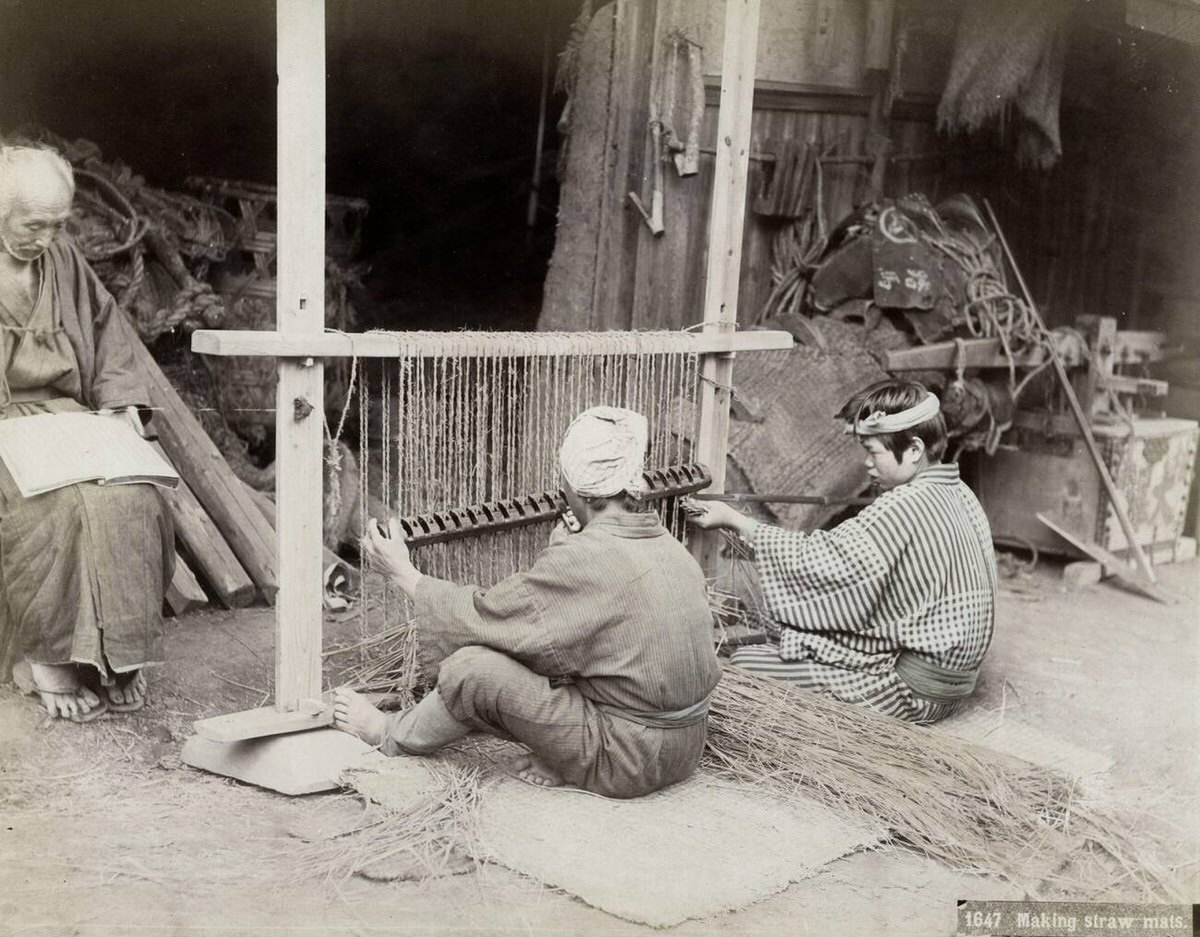
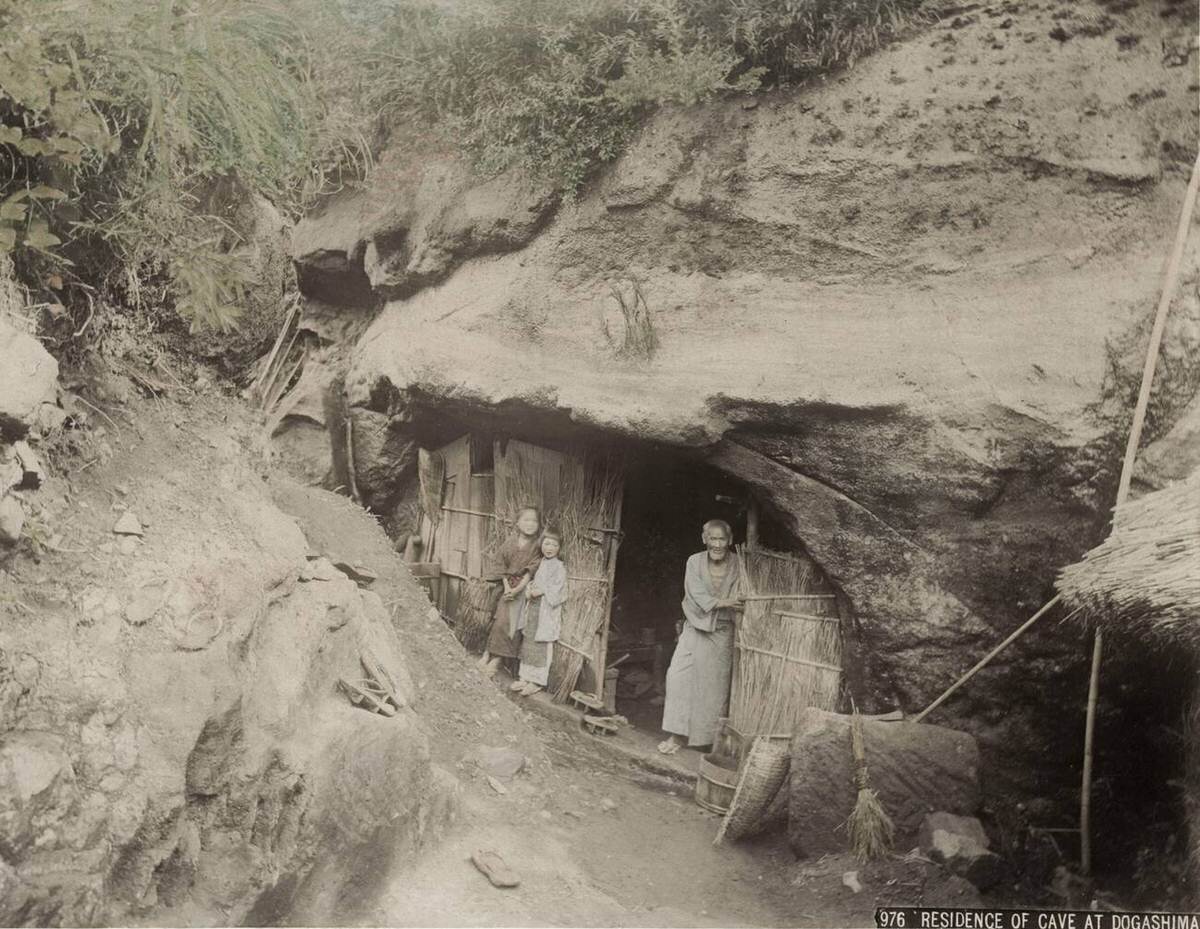
Japanese men weaving straw mats on a loom, 1880Cave dwellers at a rock-carved home in Dogashima, 1880
While education reinforced loyalty at home, Japan was also fighting to earn respect abroad. For decades, Western nations had imposed unequal treaties that denied Japanese courts the right to try foreign citizens for crimes committed on Japanese soil. On July 16, 1894, Japan and Great Britain signed the Kim-Aoki Treaty, ending those special legal privileges for British subjects in Japan. Other Western nations quickly followed. For the first time, a Western power had agreed to treat an Asian country as a legal equal.
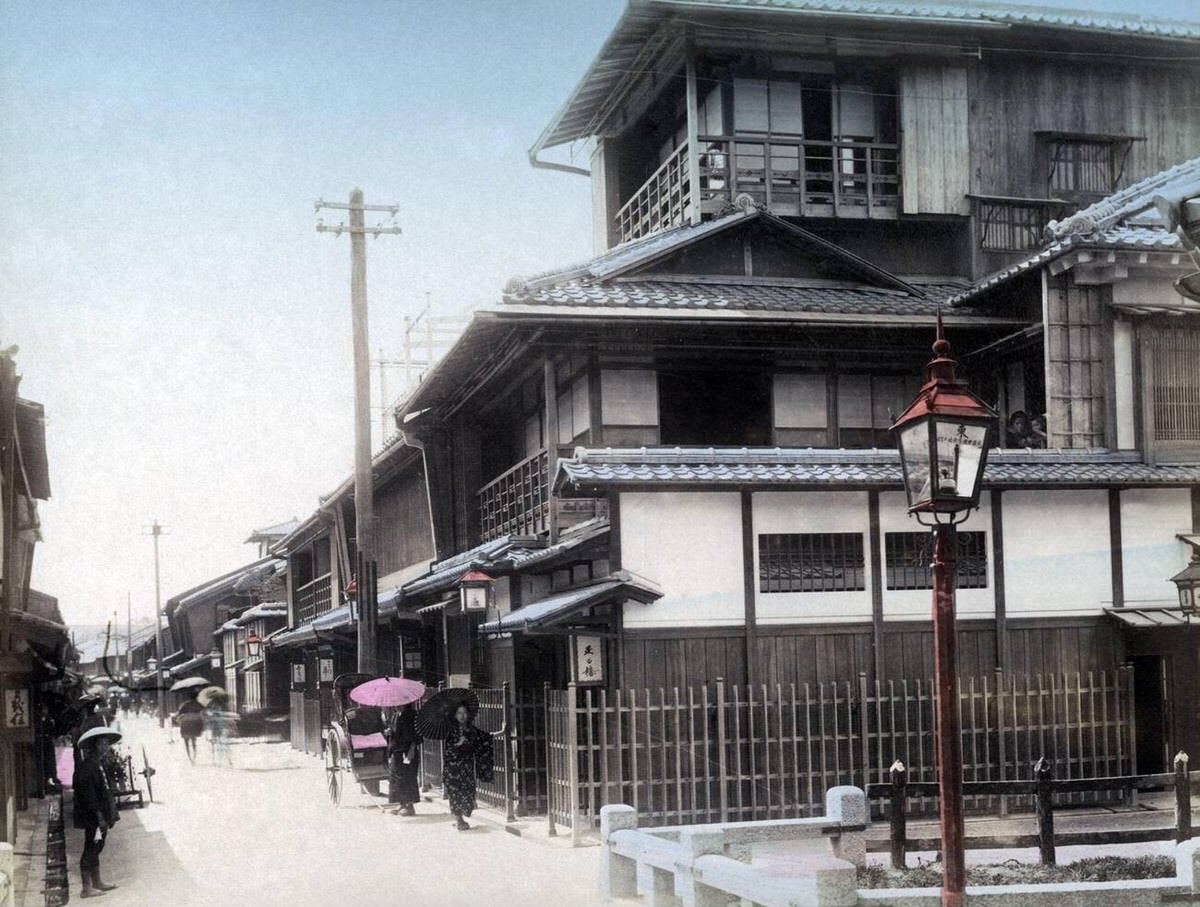
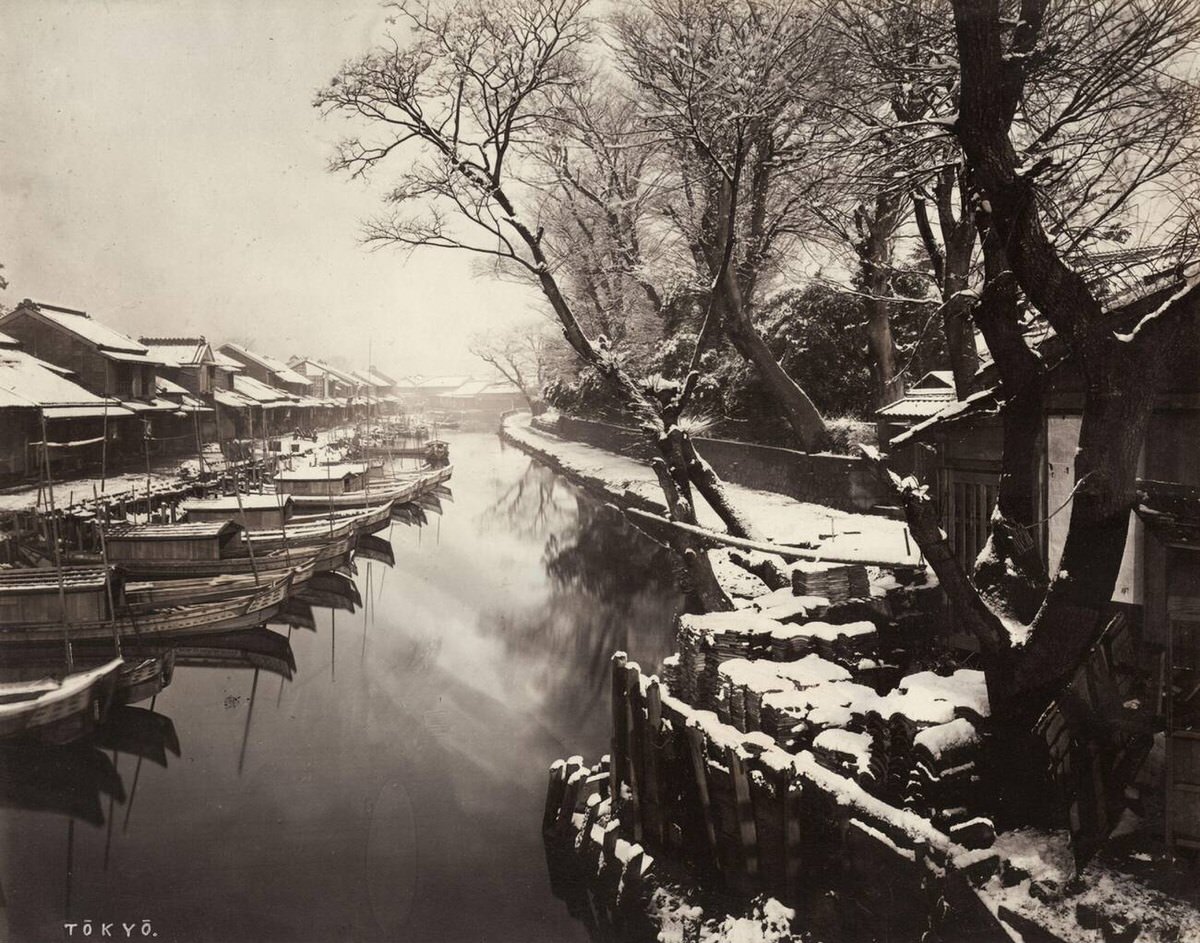
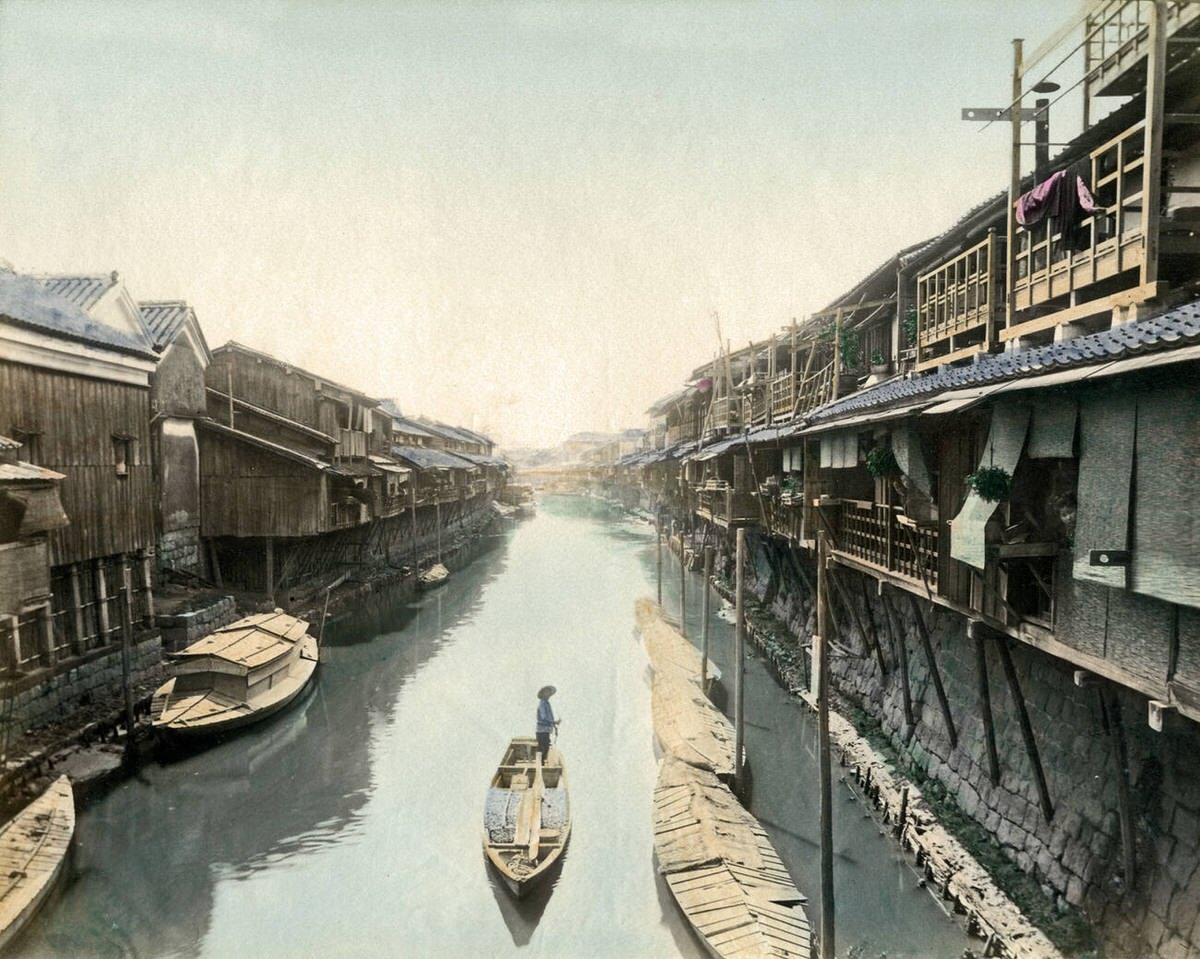
Tea house in Osaka, 1890sSnow scene with boats along a canal in Tokyo, 1880
War with China broke out in August 1894, triggered by a dispute over control of Korea. Most Western observers expected China to win easily. Its army was far larger, and it had long been seen as the dominant power in the region. Those expectations were wrong. Japan had spent the previous decade rebuilding its military from the ground up. Its navy fielded fast, modern cruisers with trained crews and superior firepower.
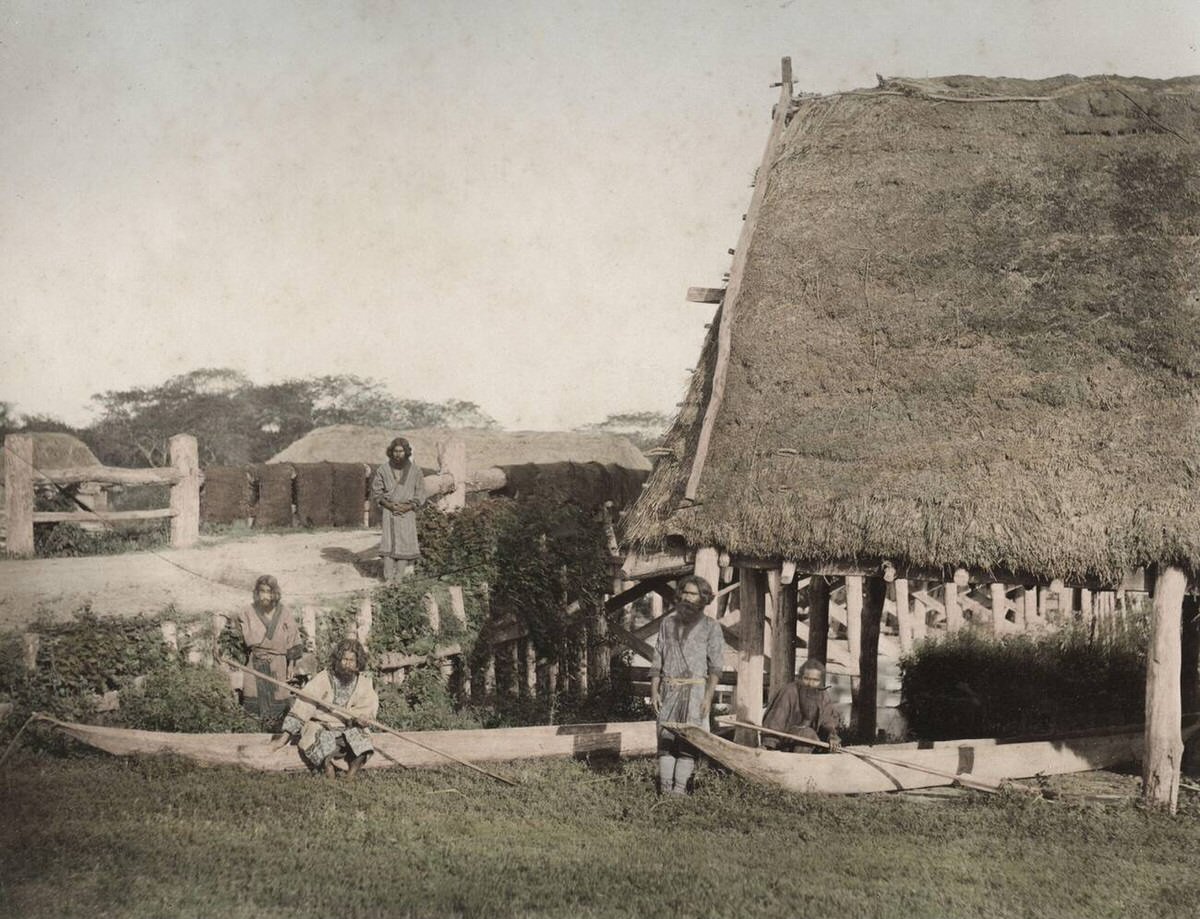
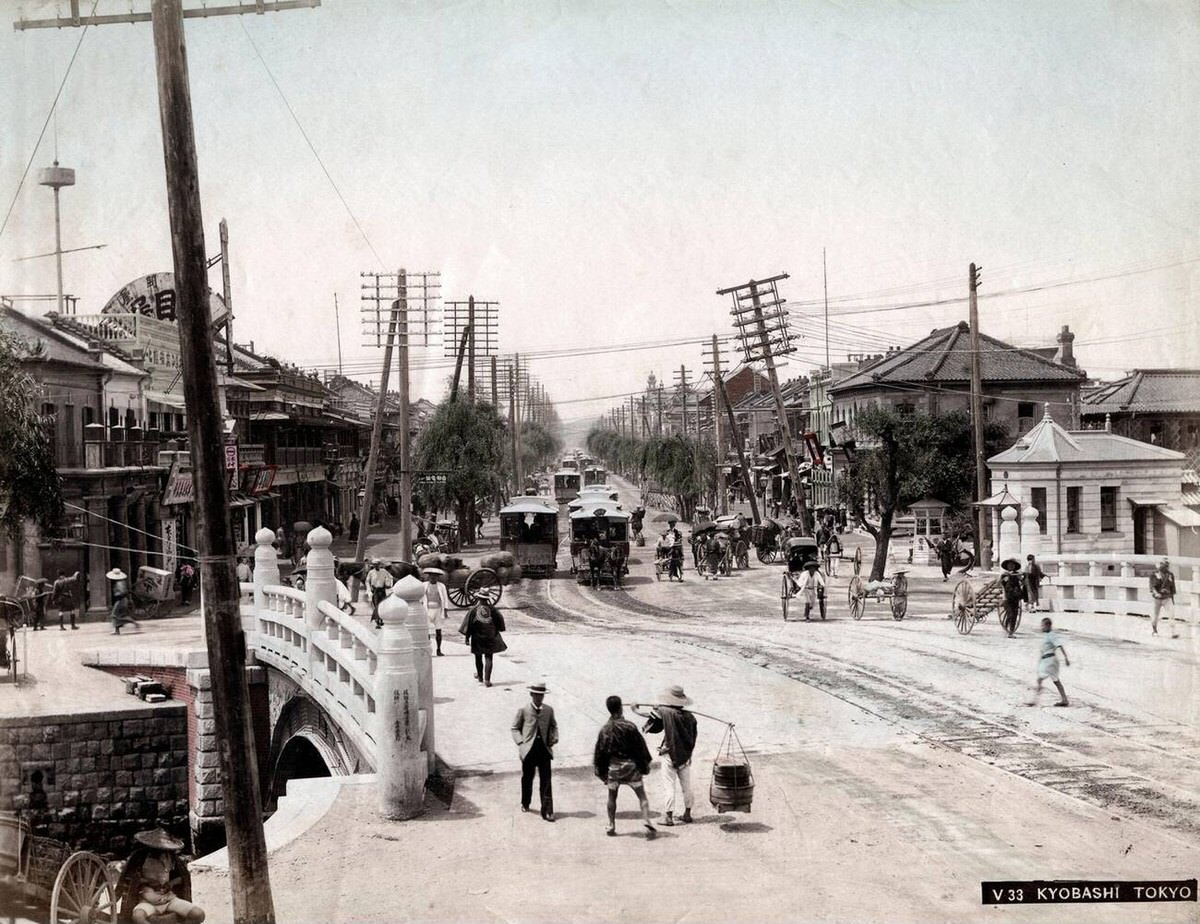
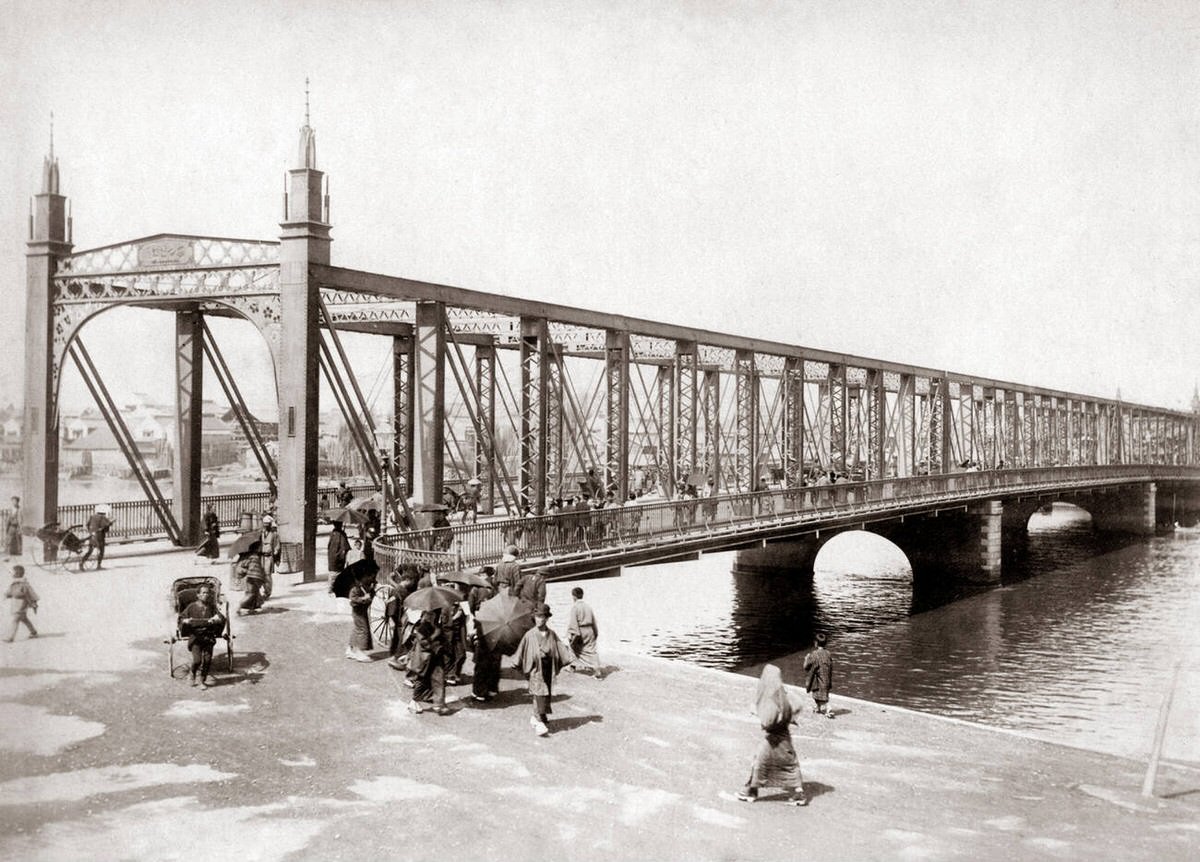
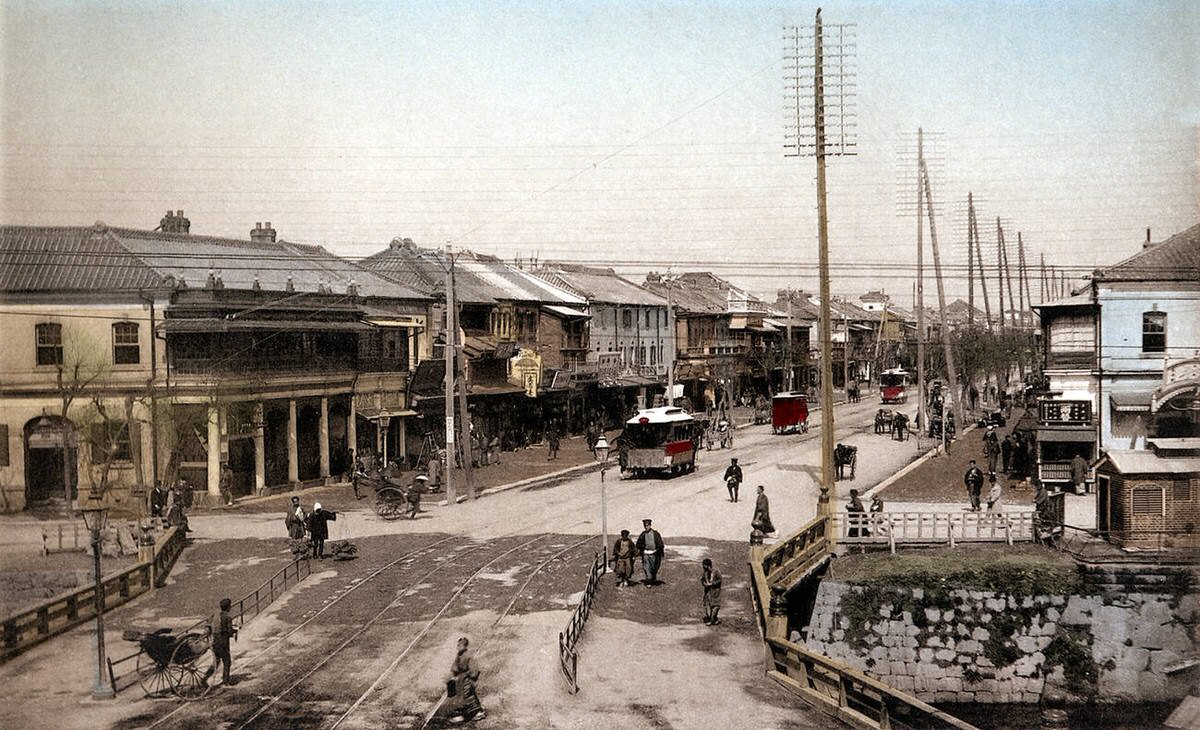
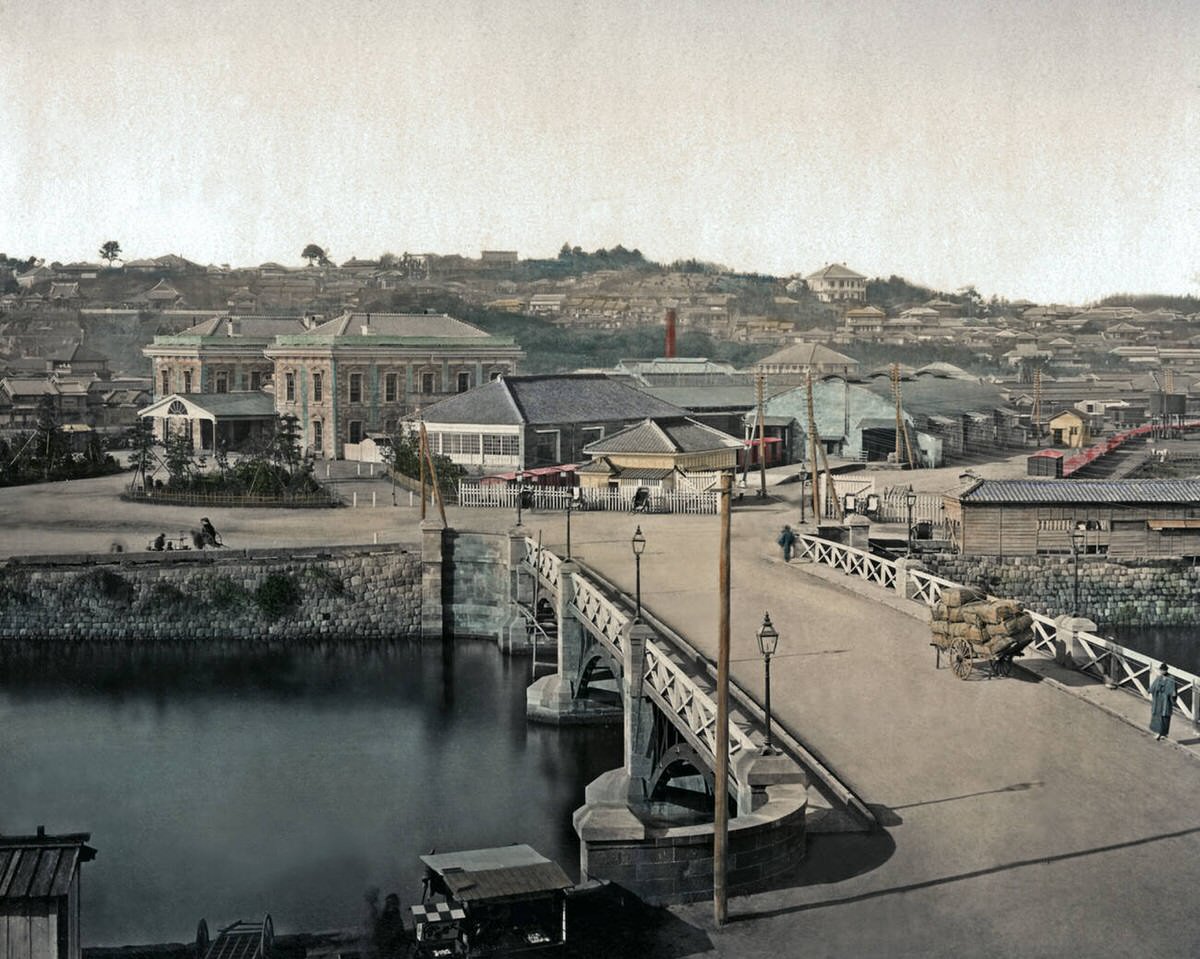
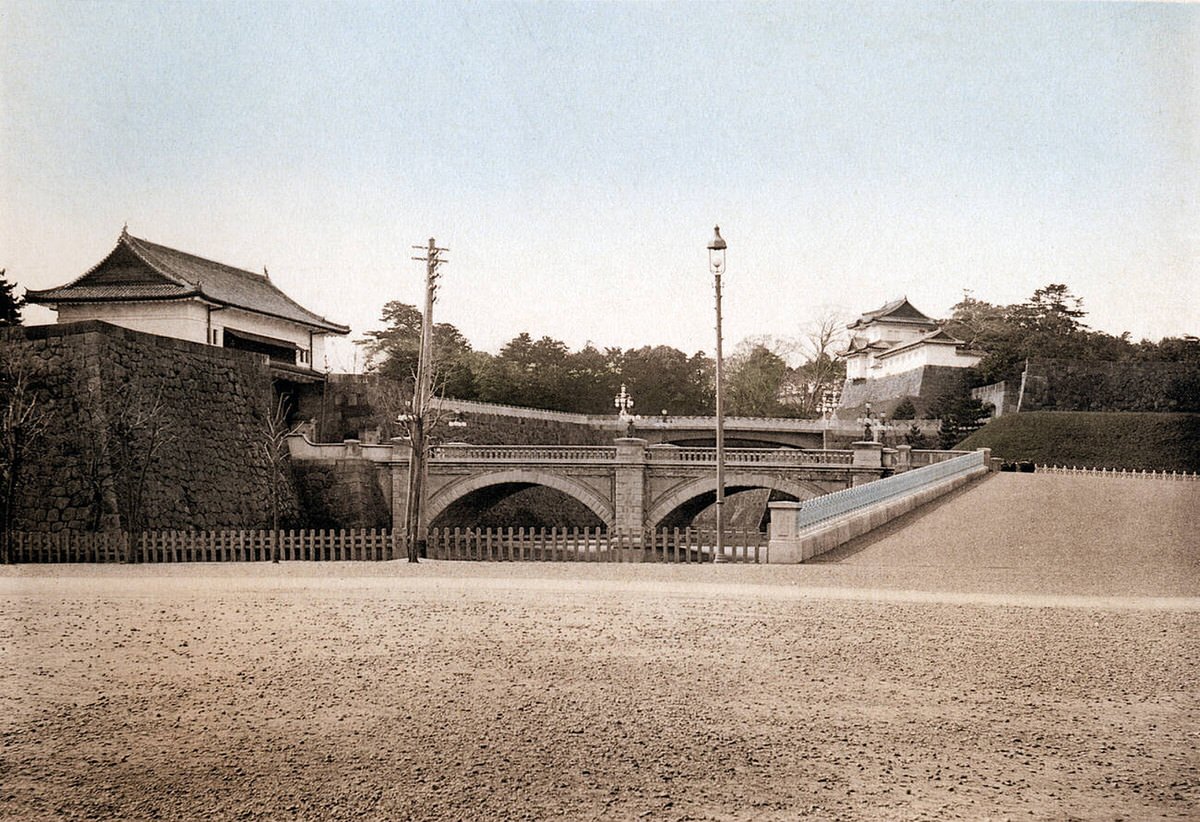
Ainu people on Inos Island, 1880Shinbashi Bridge and traffic in Tokyo, 1890s
In September 1894, the Japanese army delivered a decisive blow at the Battle of Pyongyang, forcing Chinese troops out of Korea entirely. Days later, the naval clash at the Yalu River confirmed Japan’s dominance at sea. Japanese ships were faster and more coordinated. They sank several large Chinese warships and seized control of the waters around the Korean Peninsula. With the sea secured, Japanese forces landed on the Liaodong Peninsula and captured Port Arthur in November. The war had turned into a display of what Japan’s modernized military could do.
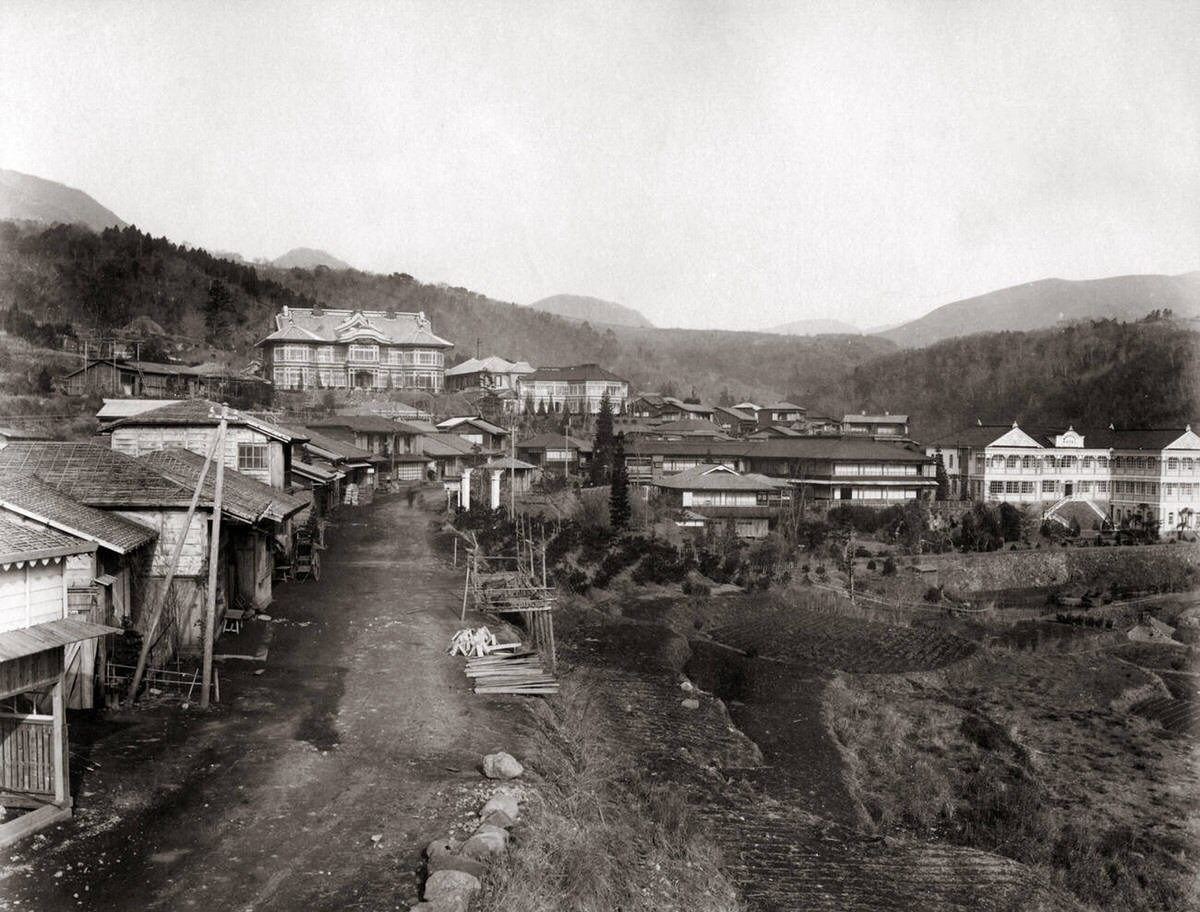
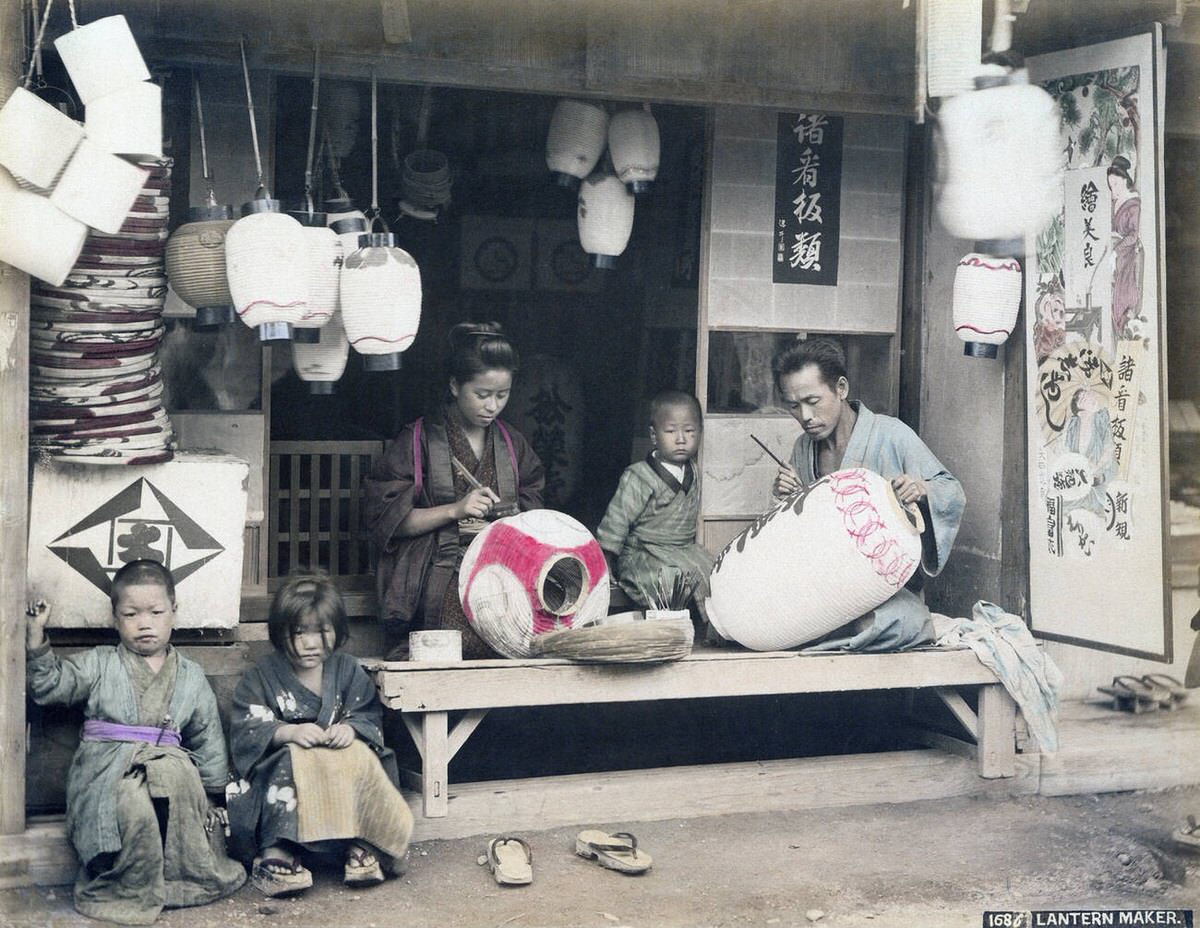
Fujiya Hotel in Miyanoshita, Hakone, 1885Lantern makers decorating lanterns with calligraphy, 1890s
The war ended in April 1895 with the Treaty of Shimonoseki. China recognized Korea as an independent nation, ceded the island of Taiwan and the Liaodong Peninsula to Japan, and paid 200 million taels of silver in war reparations. The silver payment alone was massive — enough to fund years of industrial growth. Japan used it aggressively, pouring money into new factories and economic infrastructure.
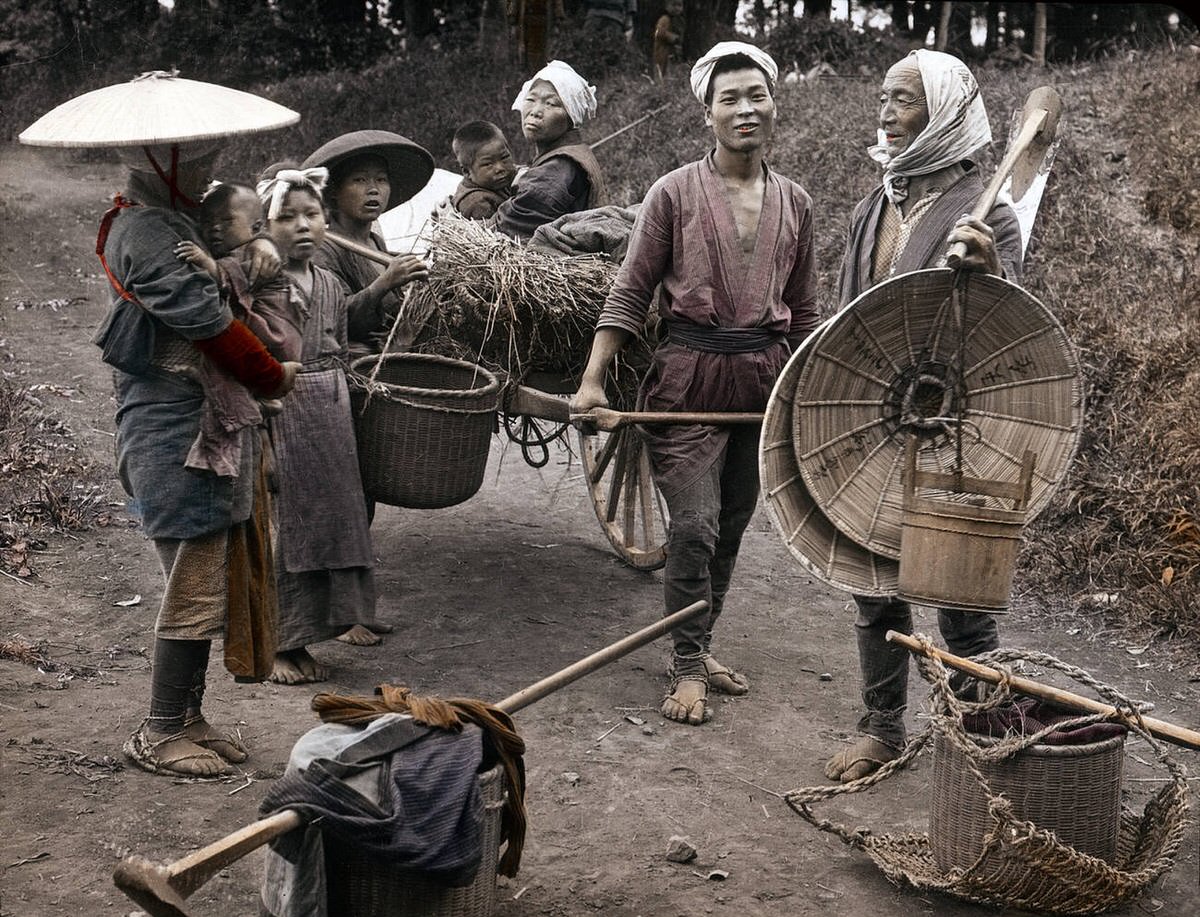
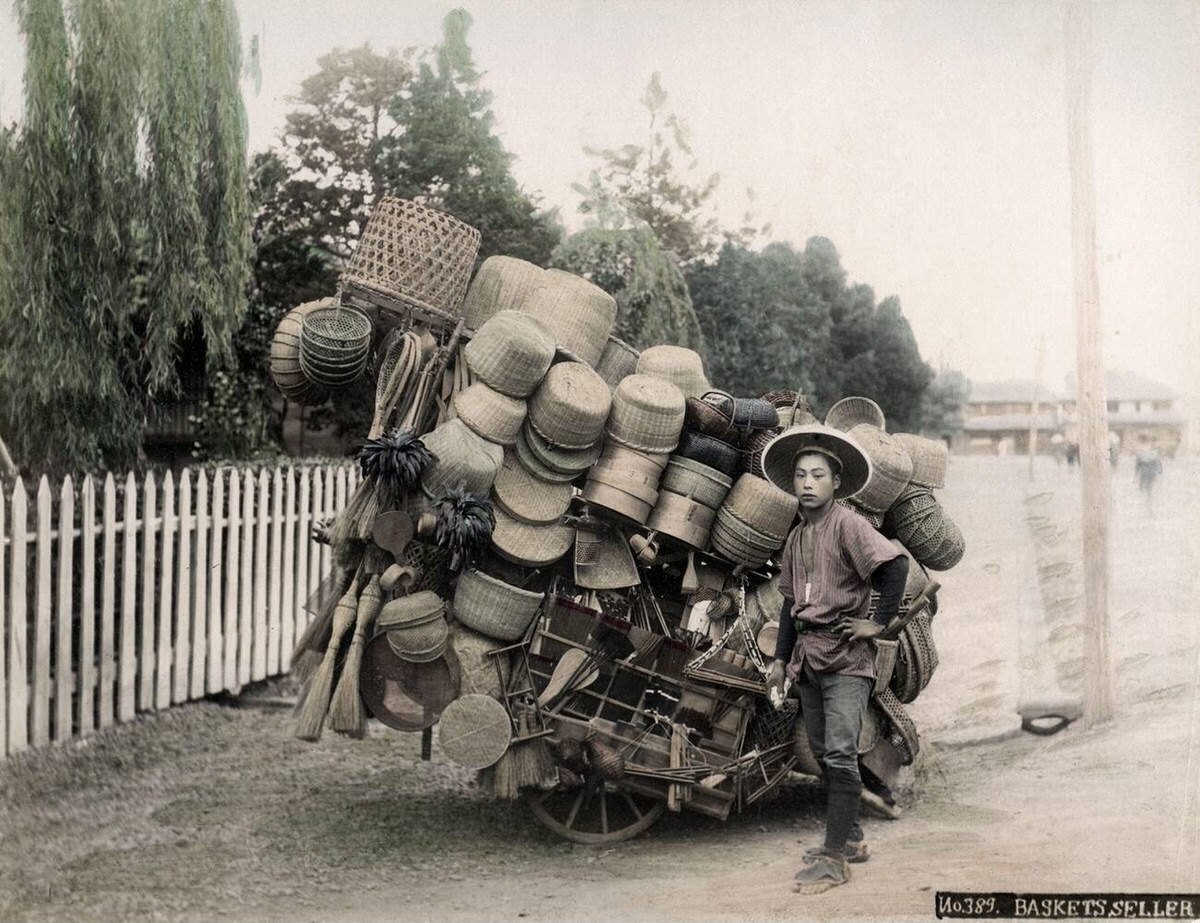
Three generations of a farmer’s family with farming tools, 1890sBasket seller with his cart, 1890
The victory celebration was short-lived. Just six days after the treaty was signed, Russia, France, and Germany jointly demanded that Japan return the Liaodong Peninsula to China. They argued that Japanese control of the area threatened regional peace. Japan had no realistic option — fighting three European powers at once was out of the question. The government handed back the territory. Japanese leaders called this the Triple Intervention, and it fueled a national determination to build an even more powerful military capable of standing up to Europe.
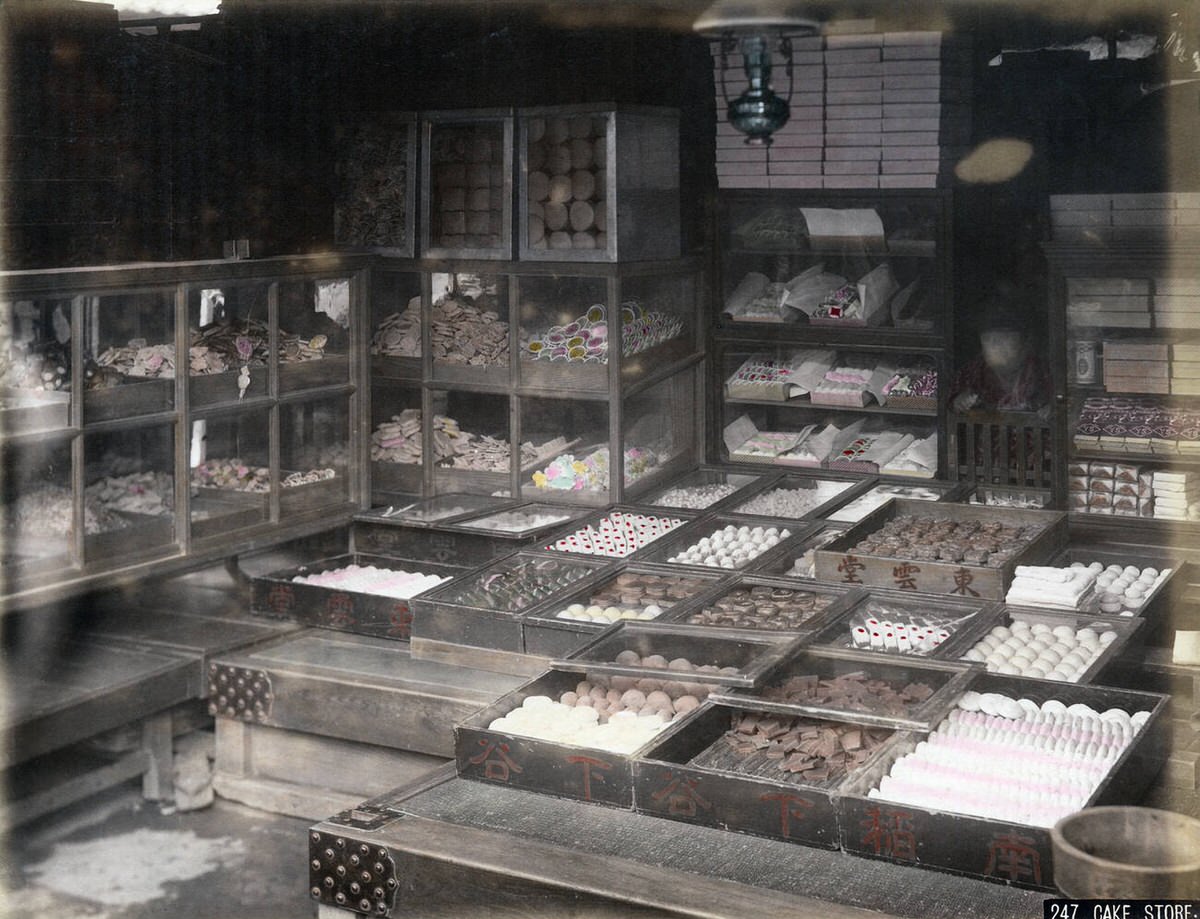
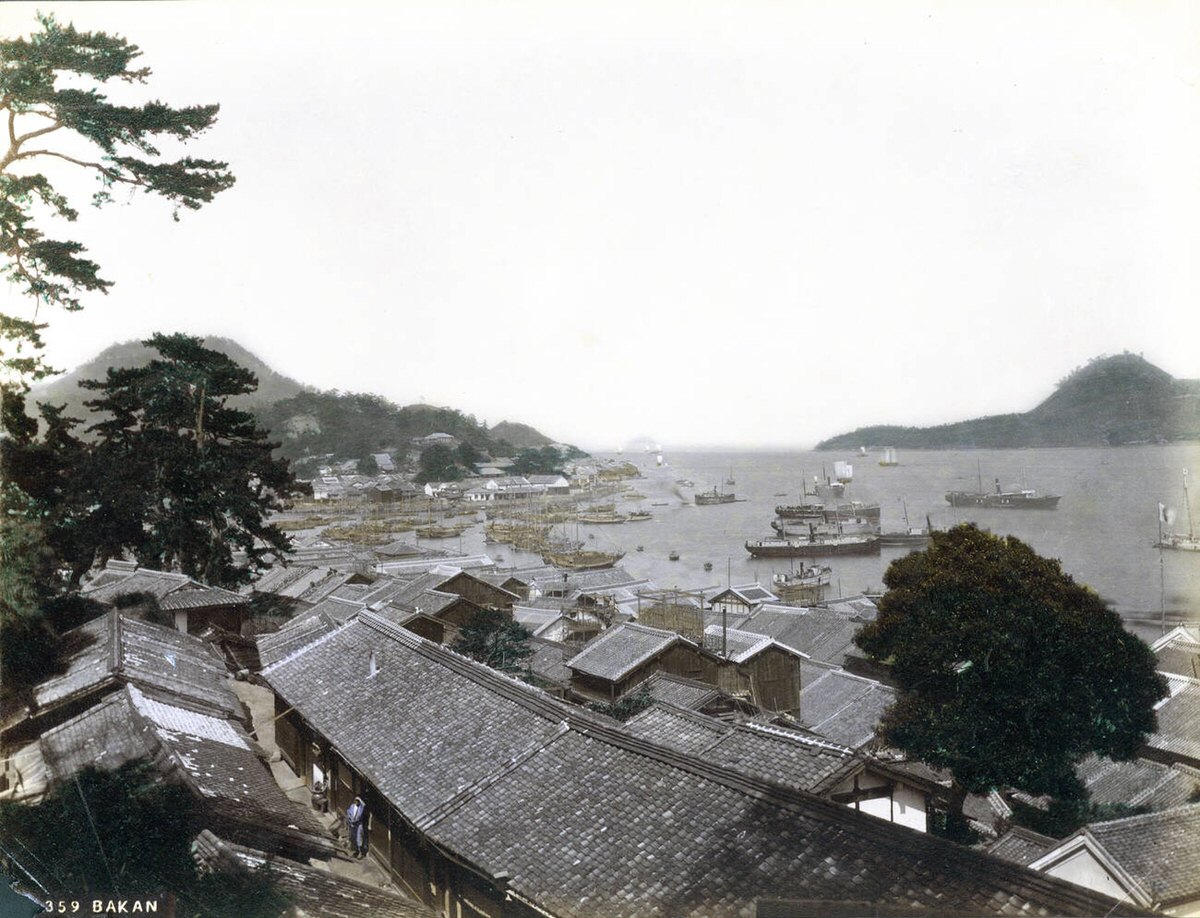
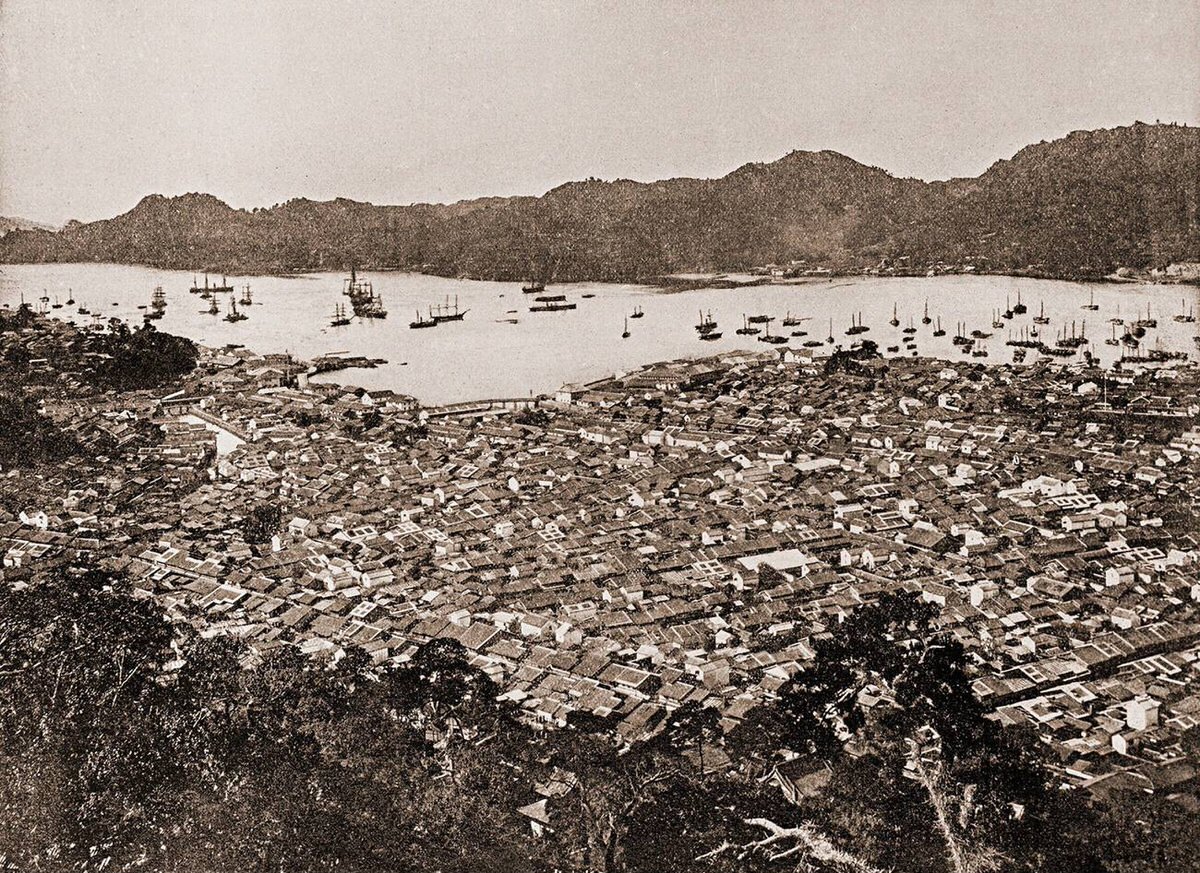
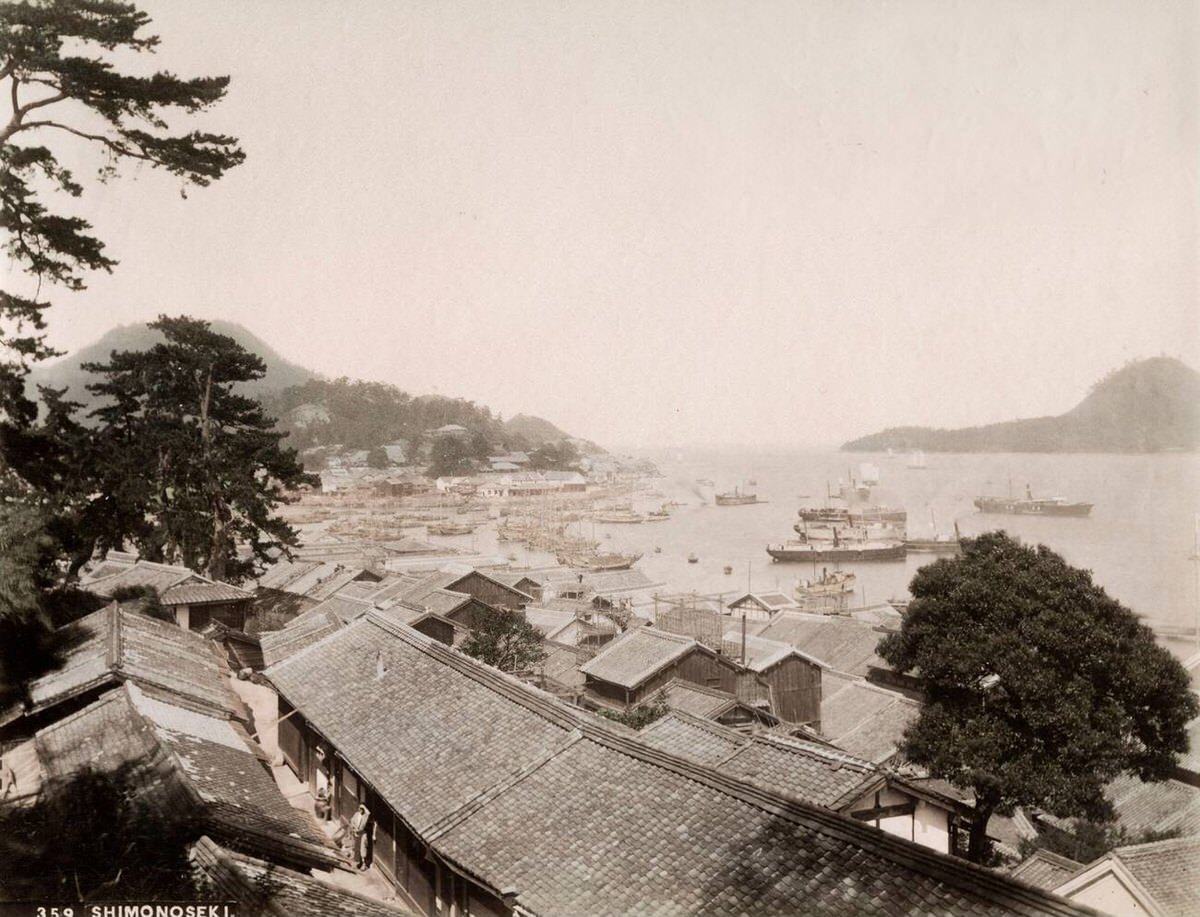
Japanese confectionery shop, 1880sPanoramic view of Shimonoseki Harbor in Yamaguchi Prefecture, 1890s
Japan channeled its war gains into industrial power. In 1897, the government established the Yawata Iron and Steel Works, allowing Japan to produce its own steel rather than importing it. That same year, Japan adopted the gold standard, tying the value of the yen to gold. This move made Japanese goods and currency far more reliable for international trade with Europe and the United States. The textile industry surged alongside the steel sector, and by the end of the decade Japan had become the world’s largest exporter of raw silk.
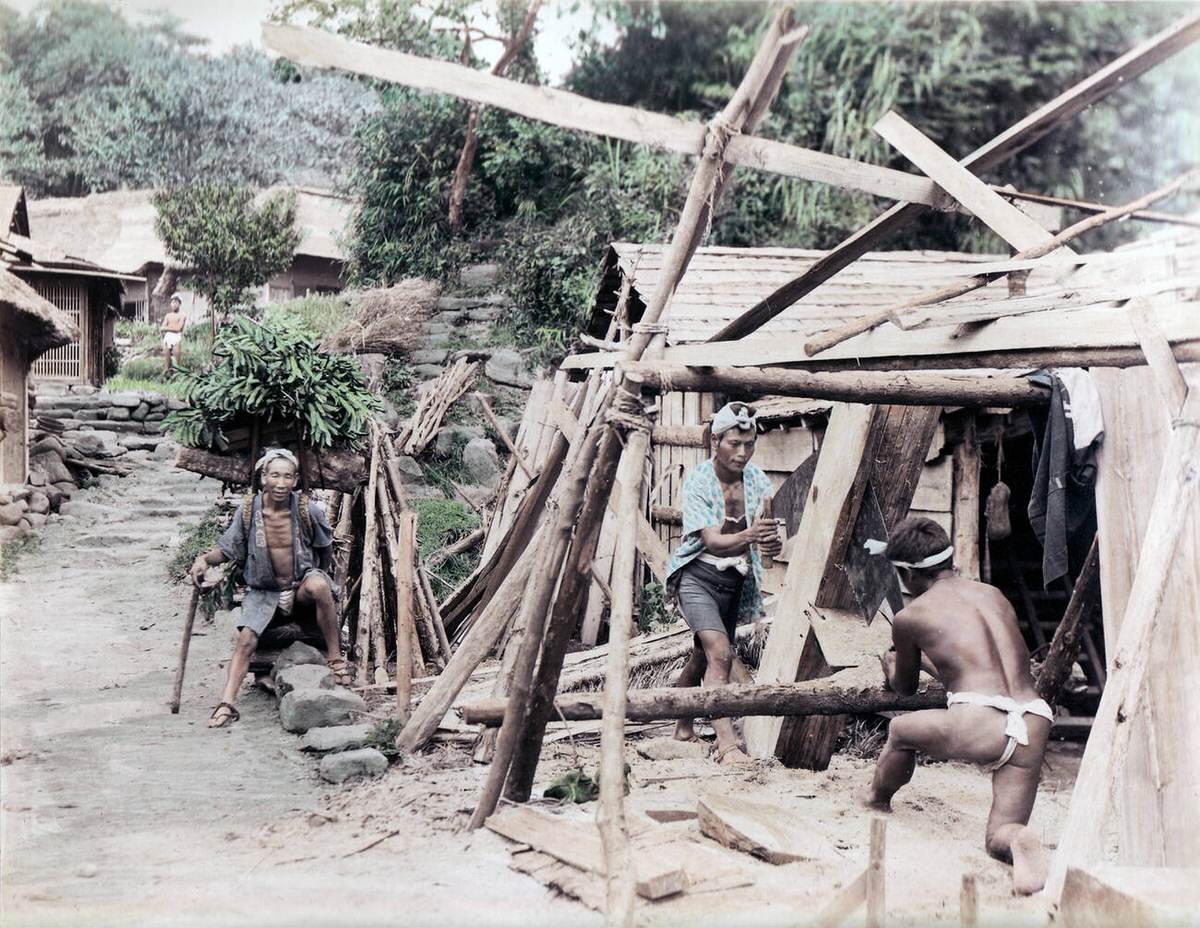
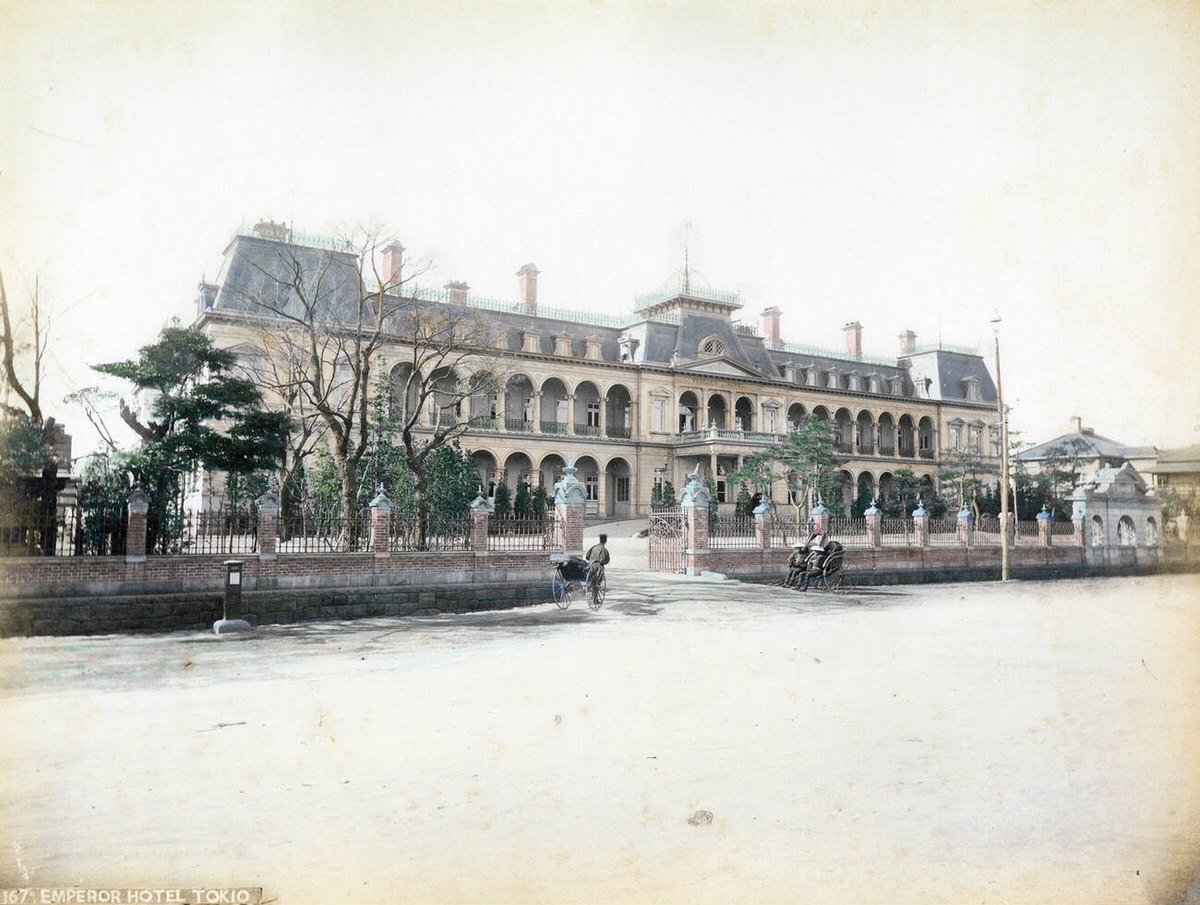
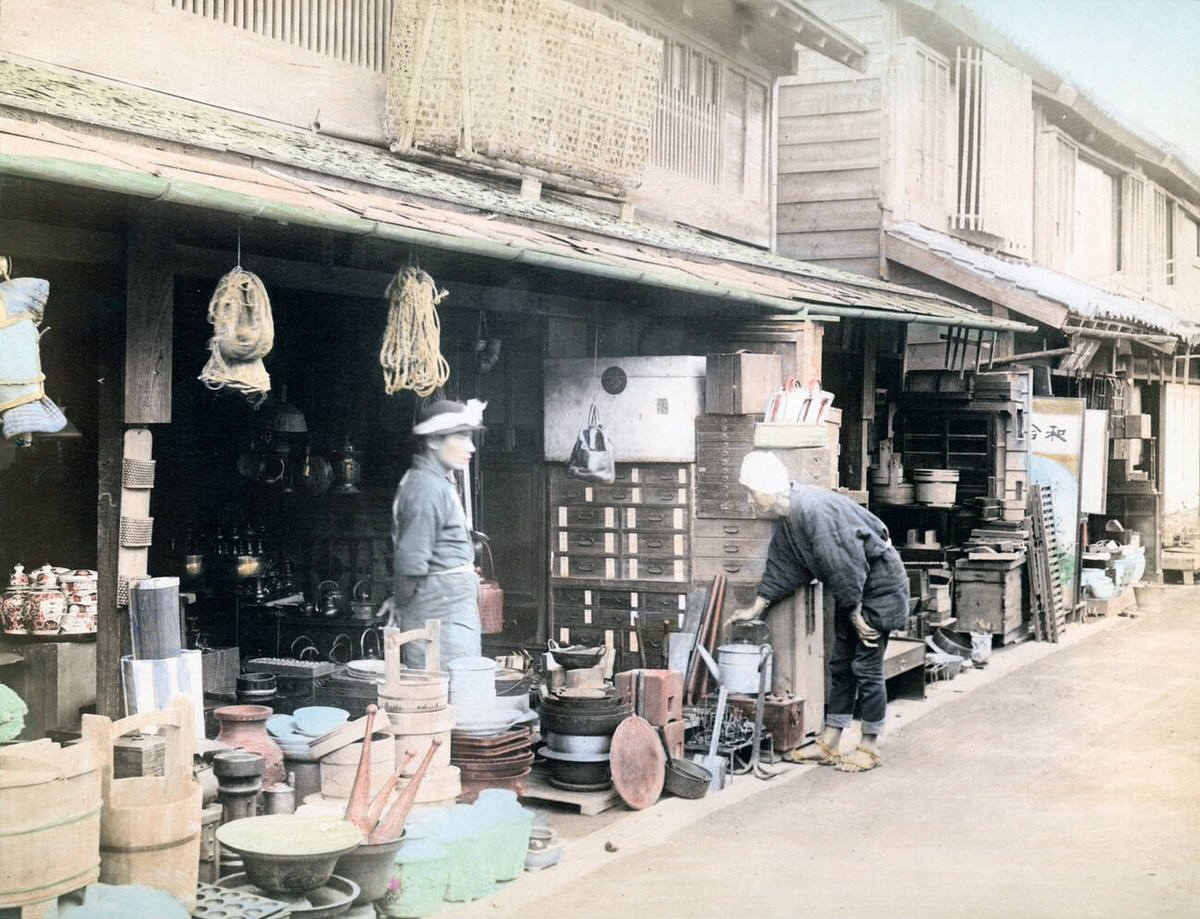
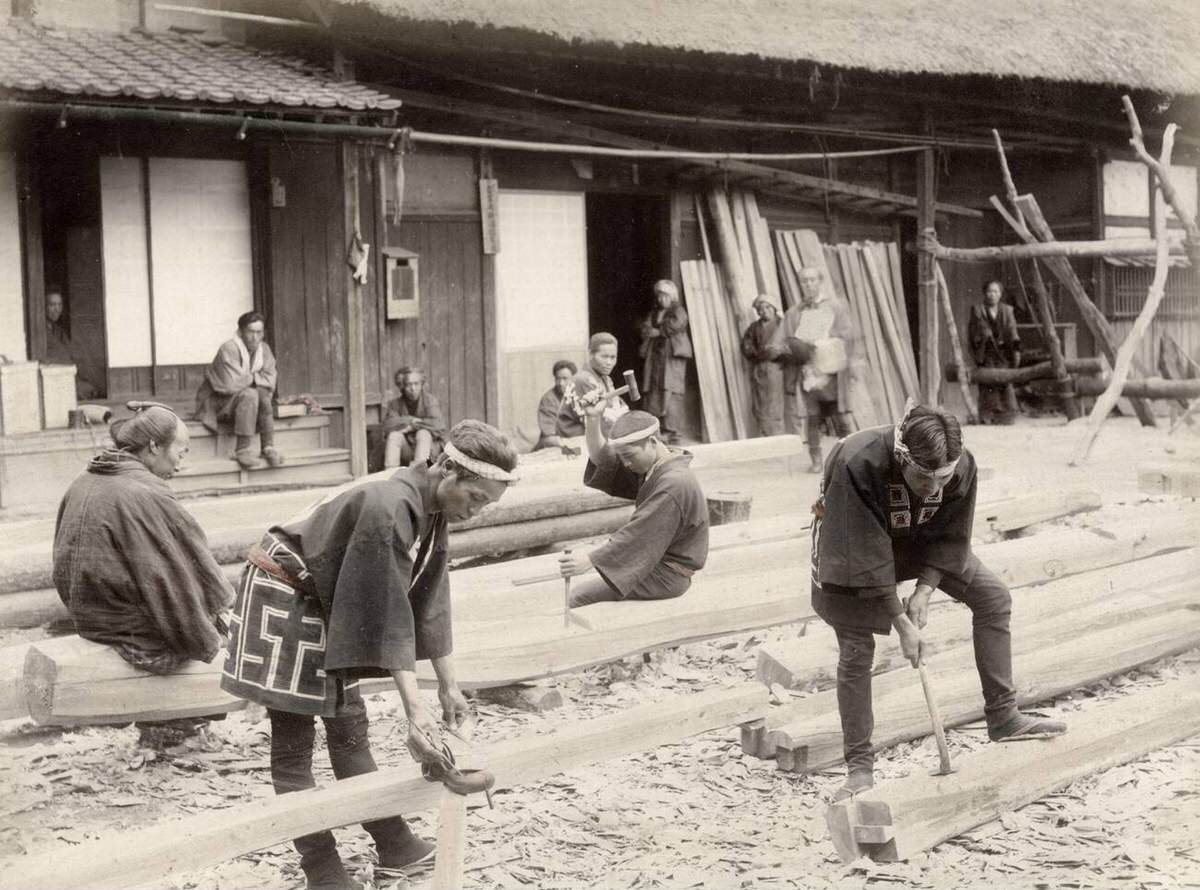
Carpenters at work in a village, 1890The first Imperial Hotel in Tokyo, 1890sShops selling daily housewares, 1890s
The decade closed with a sweeping legal reform. The Civil Code of 1898 set the rules for how Japanese families and businesses would operate. It gave the head of a household absolute authority over the marriages and property of every family member. It also enshrined the ie — or house system — under which the eldest son inherited all family wealth. Japan’s laws were modernizing, but the values embedded in those laws kept traditional hierarchy and family loyalty firmly in place.
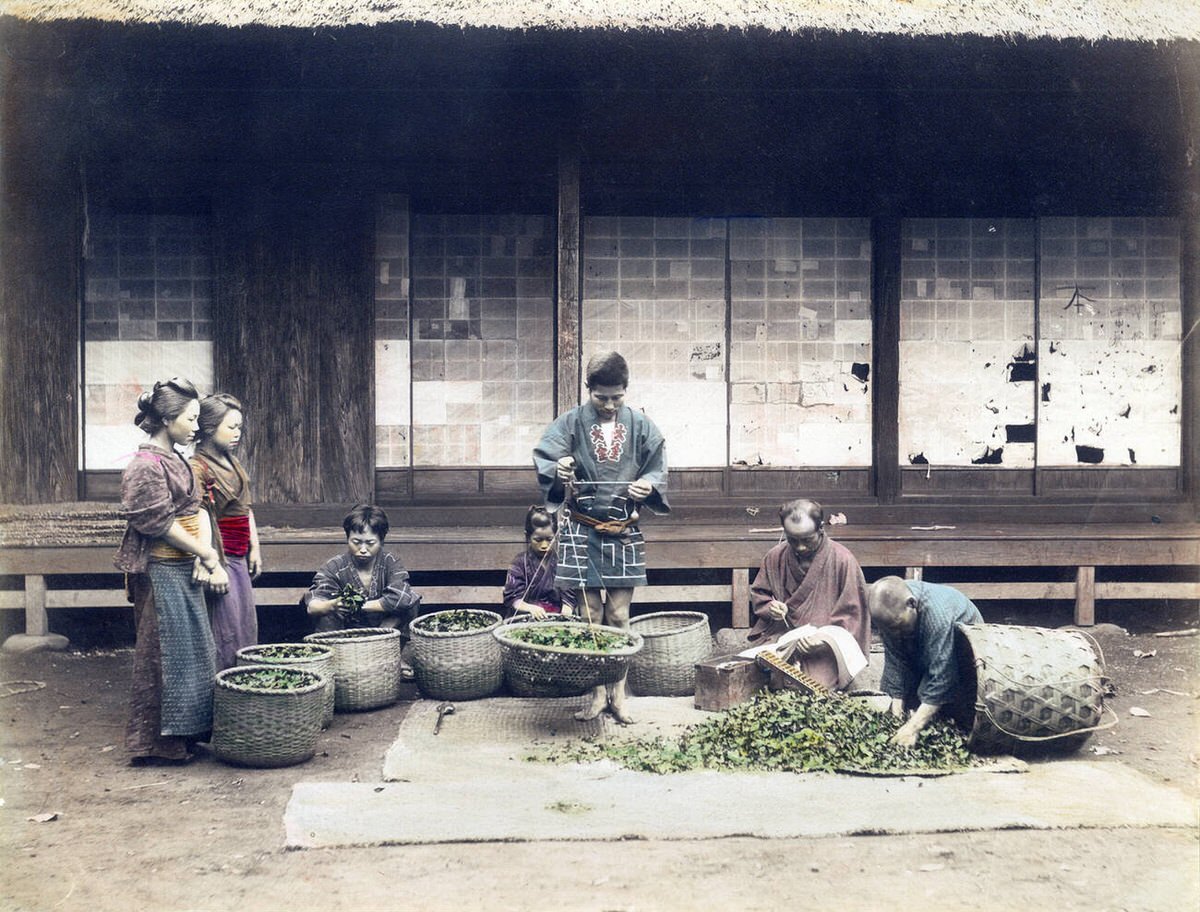
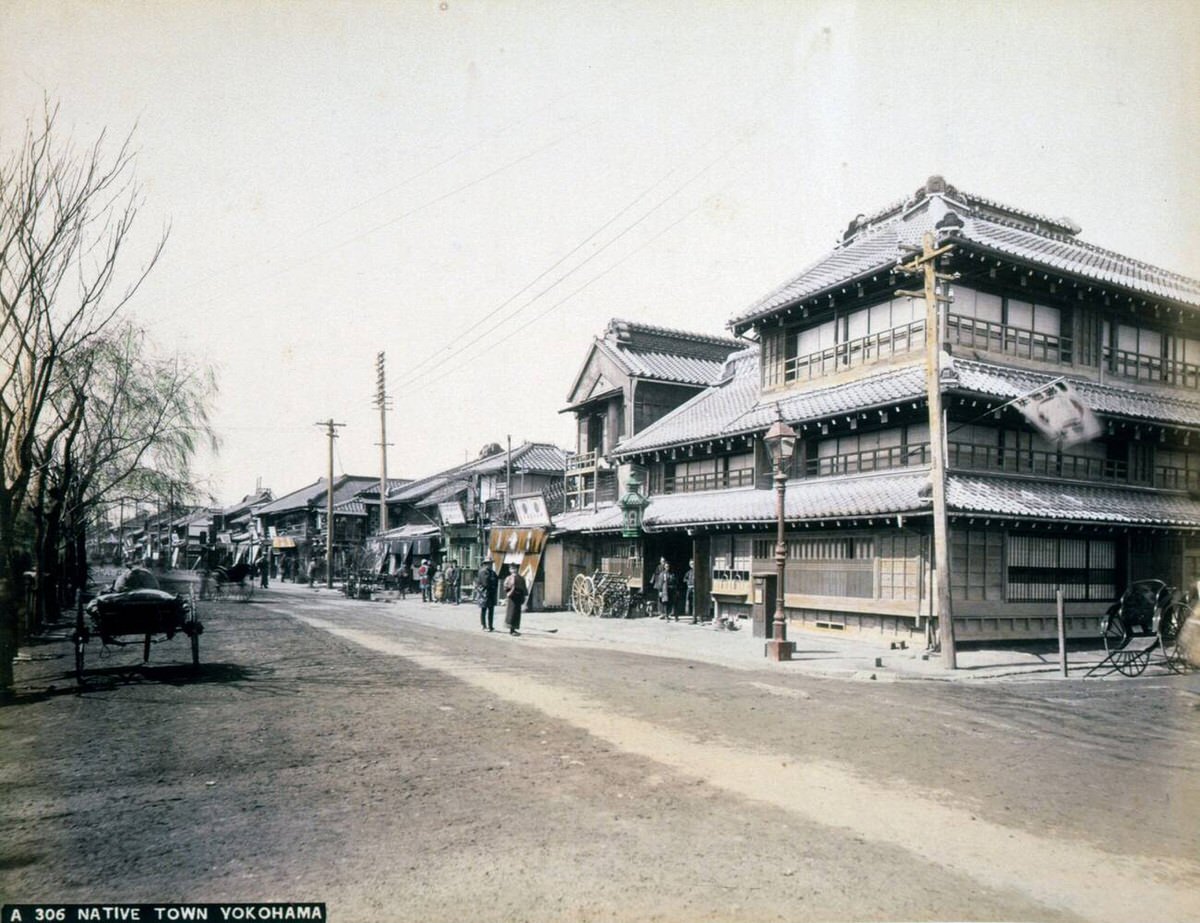
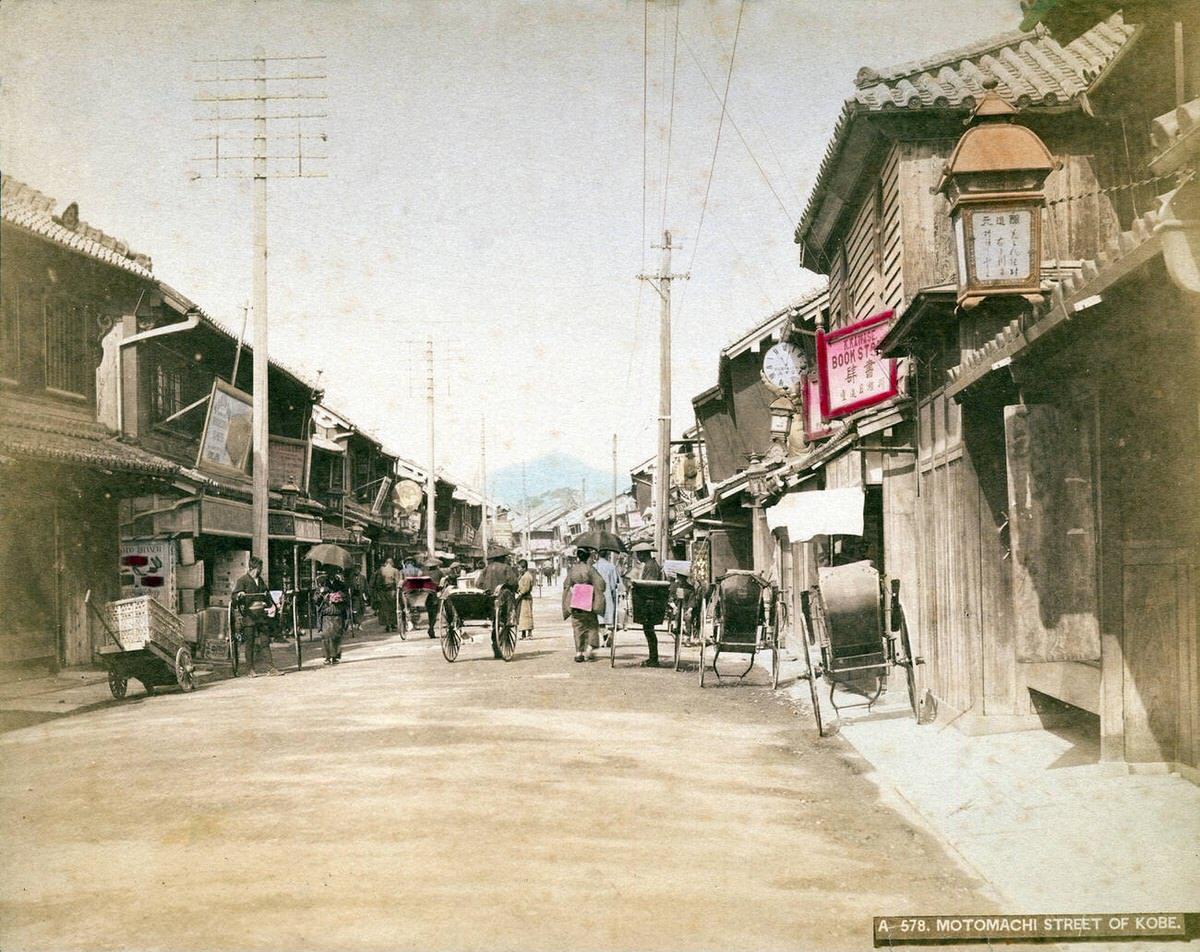
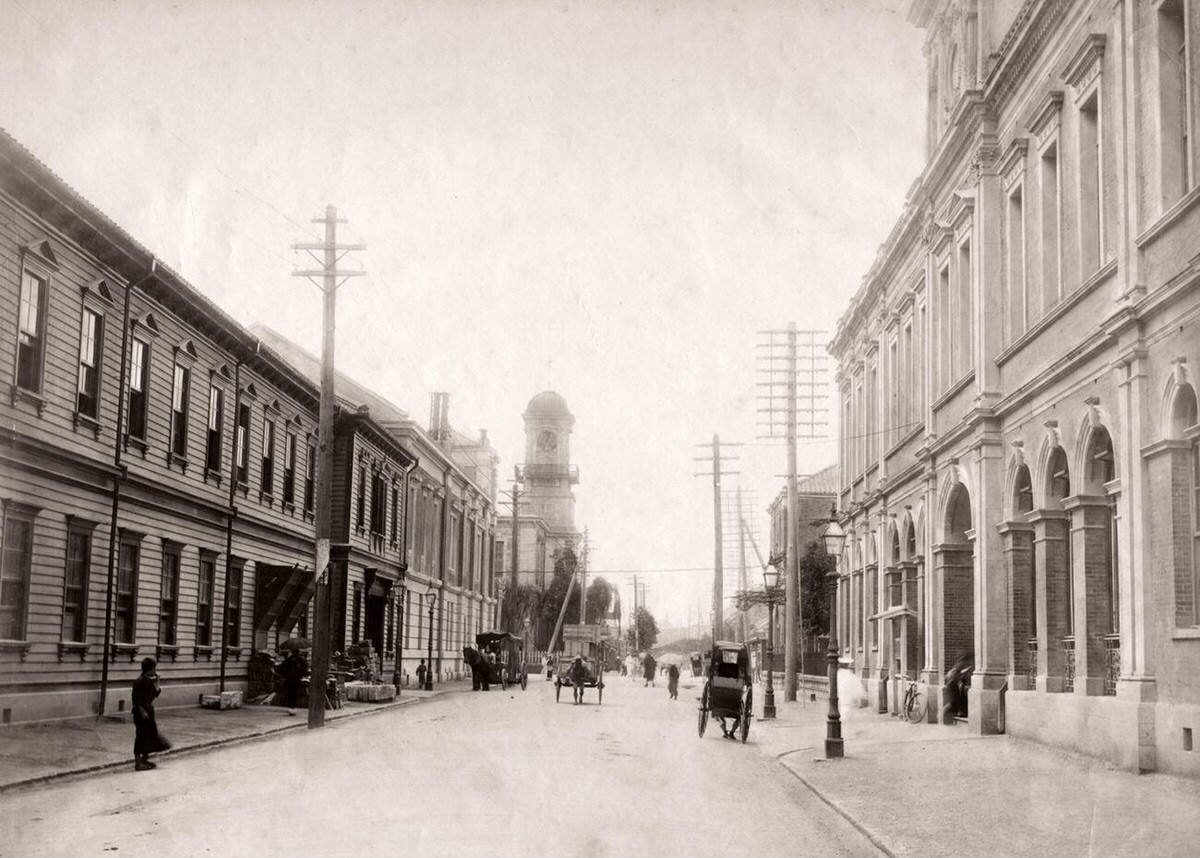
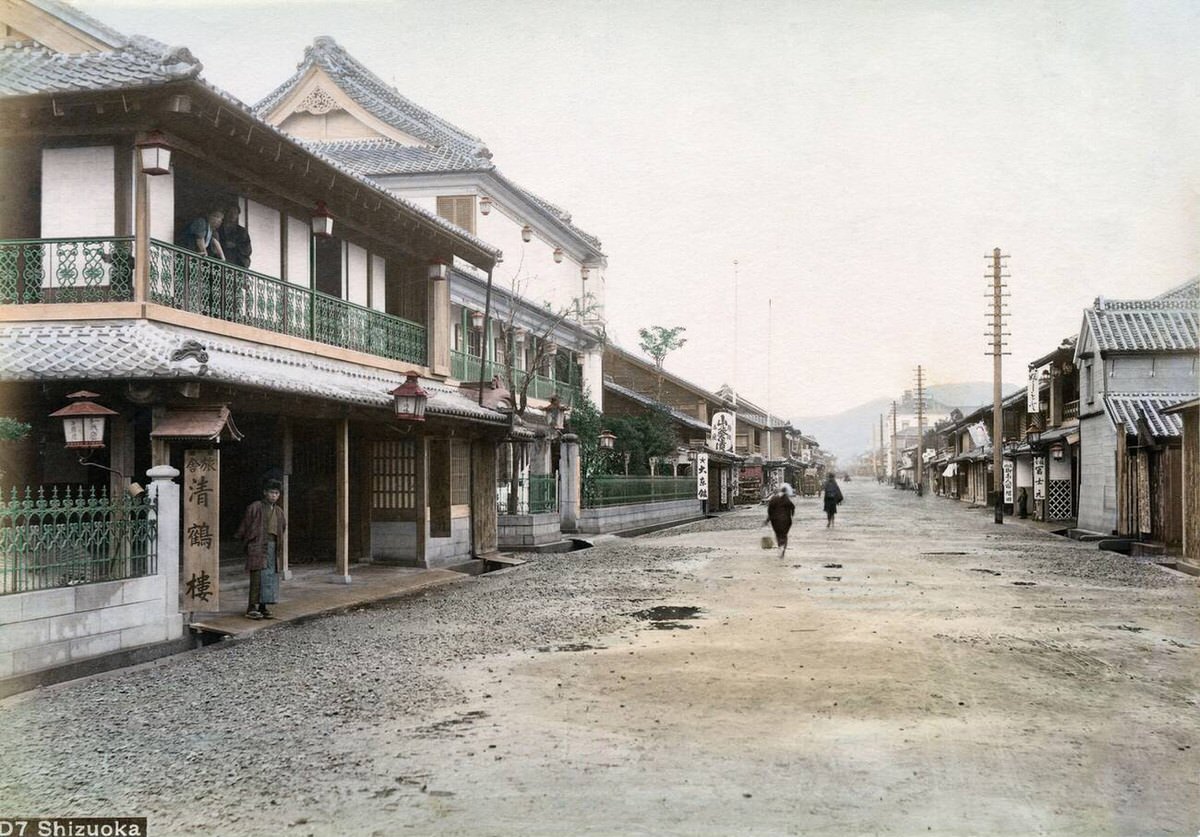
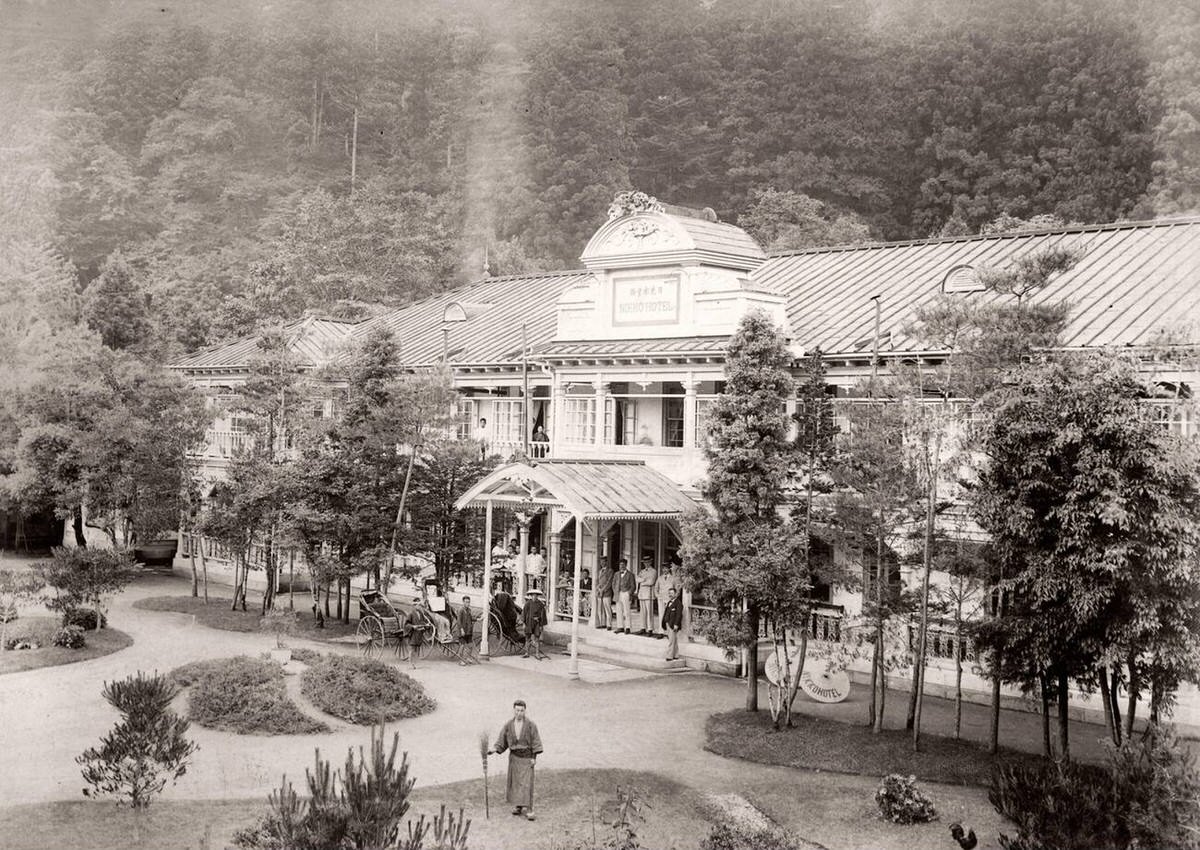
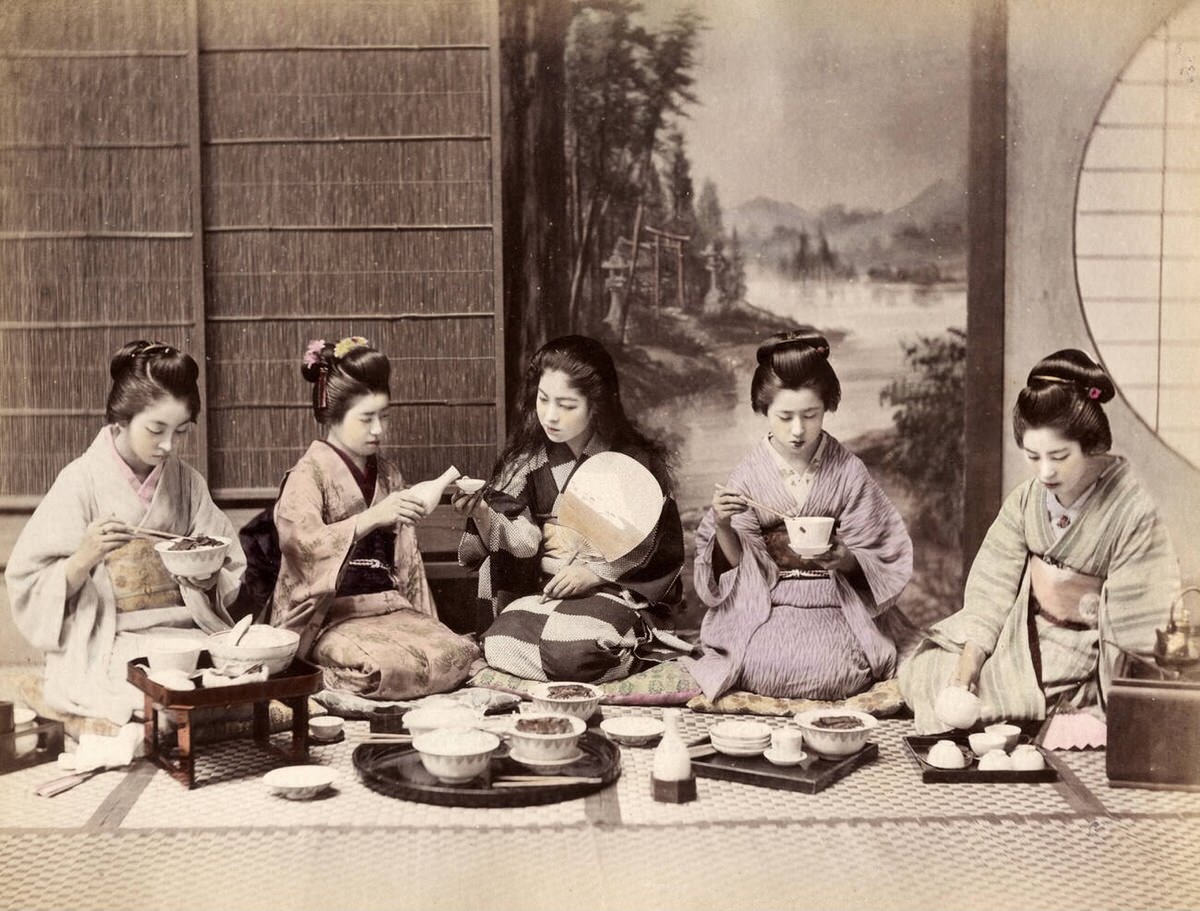
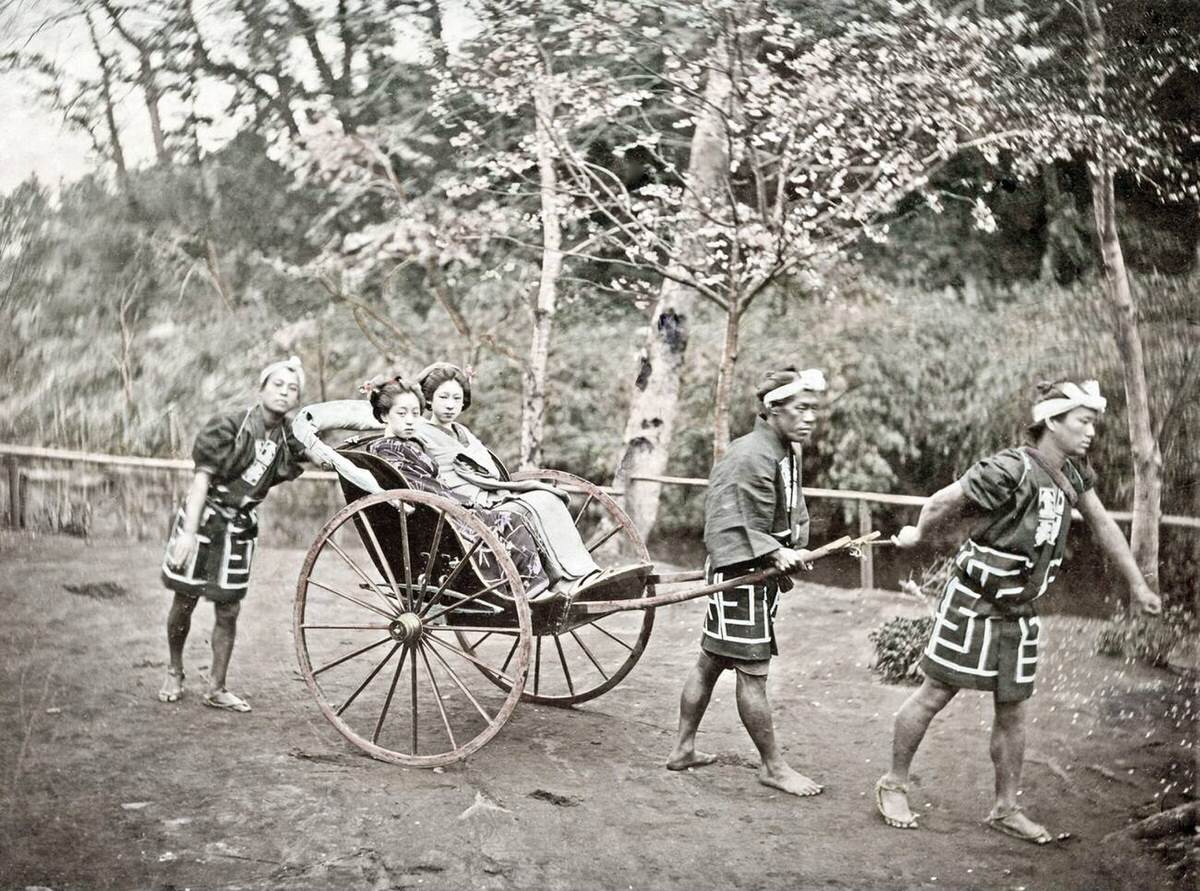
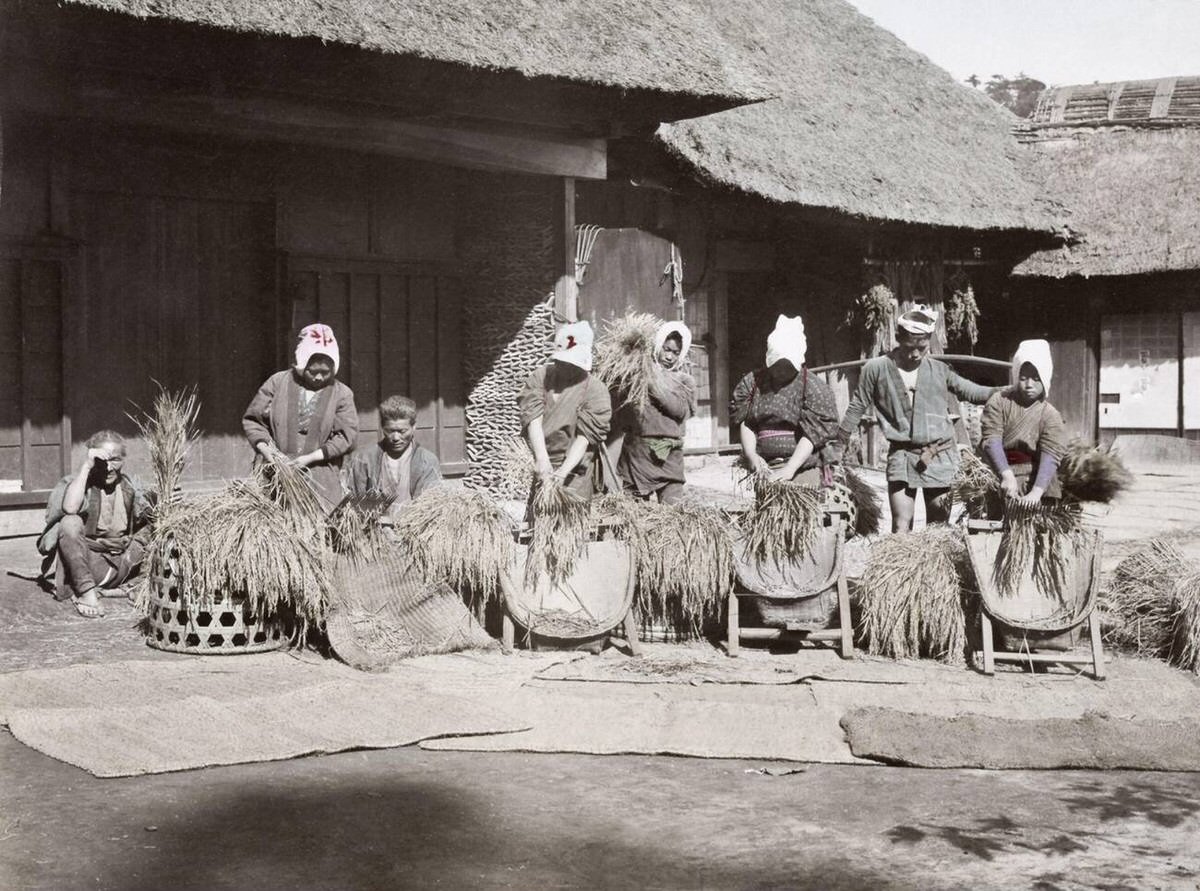
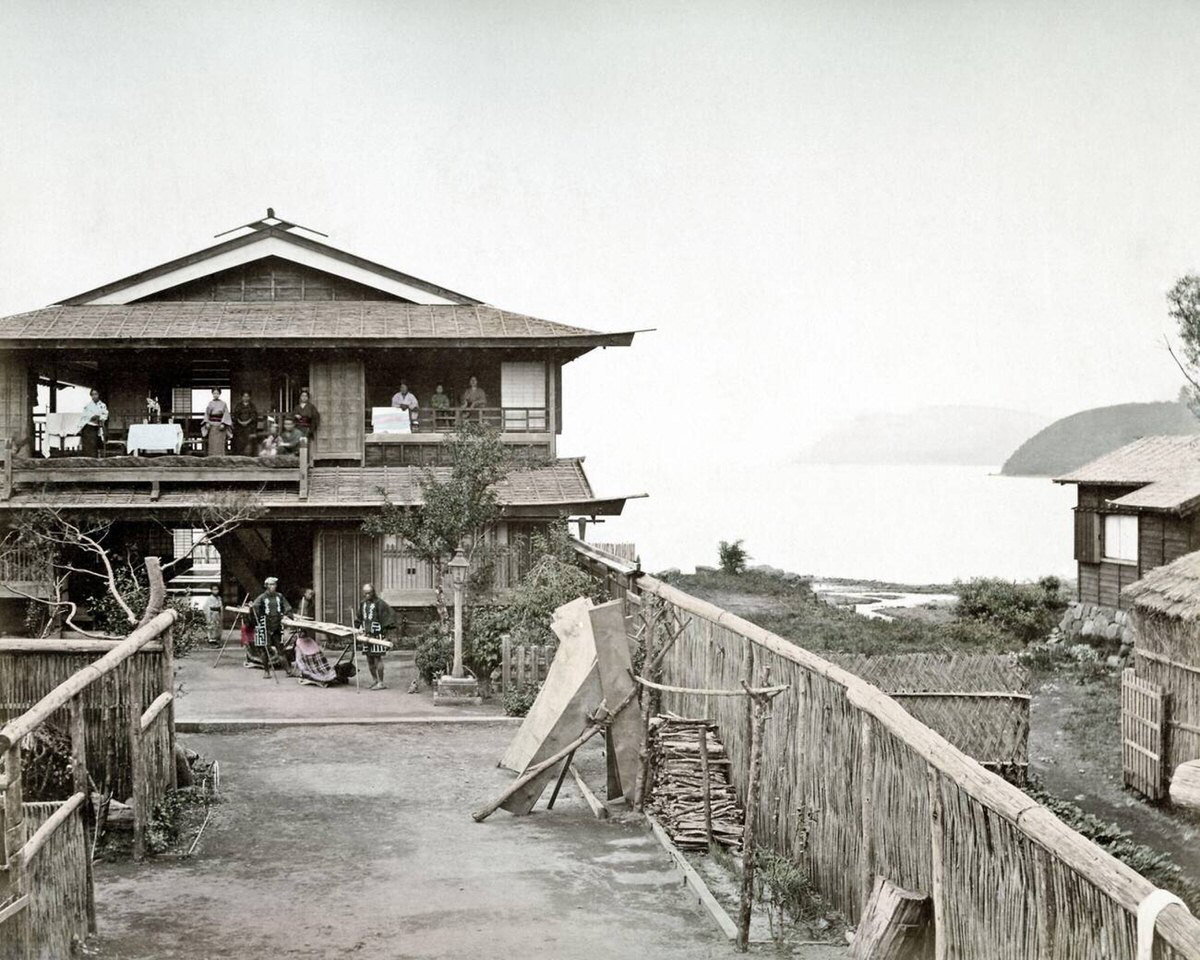
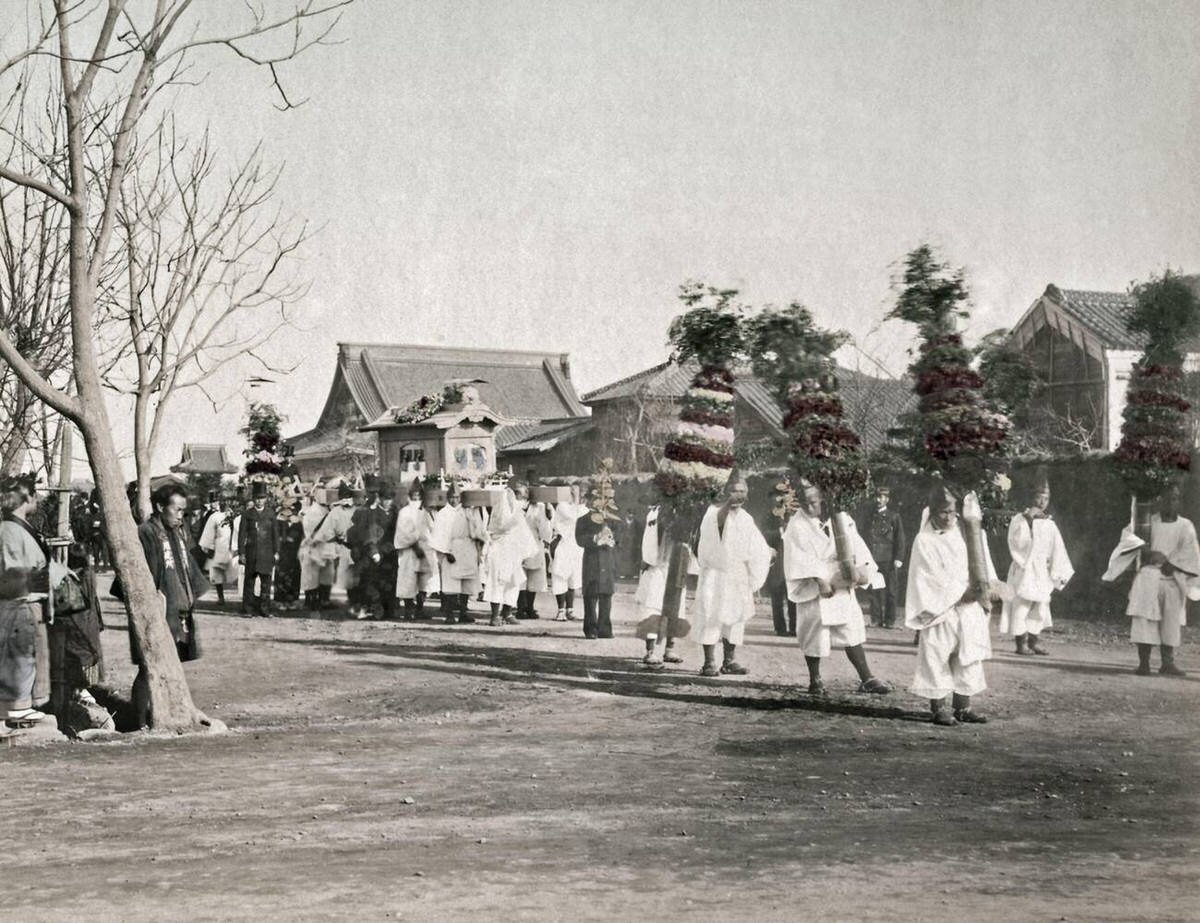
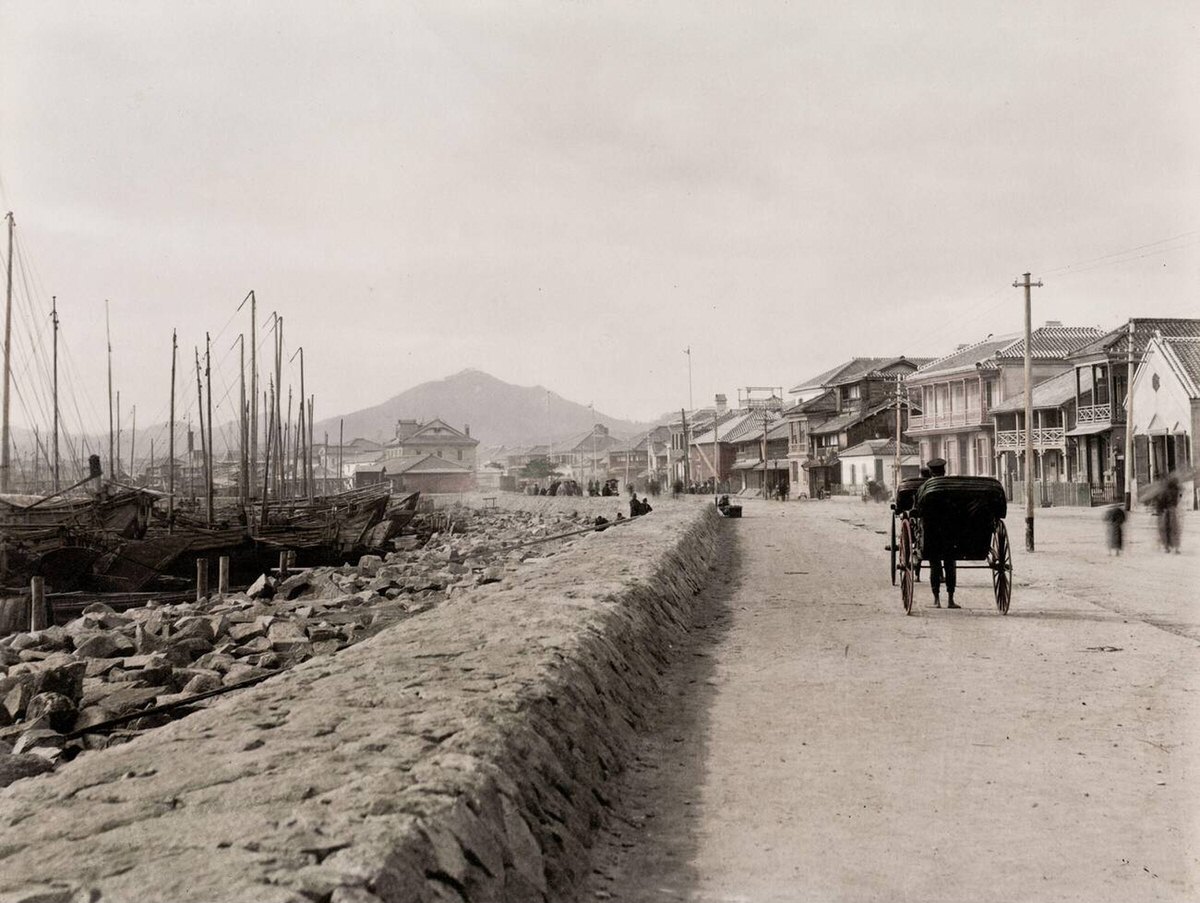
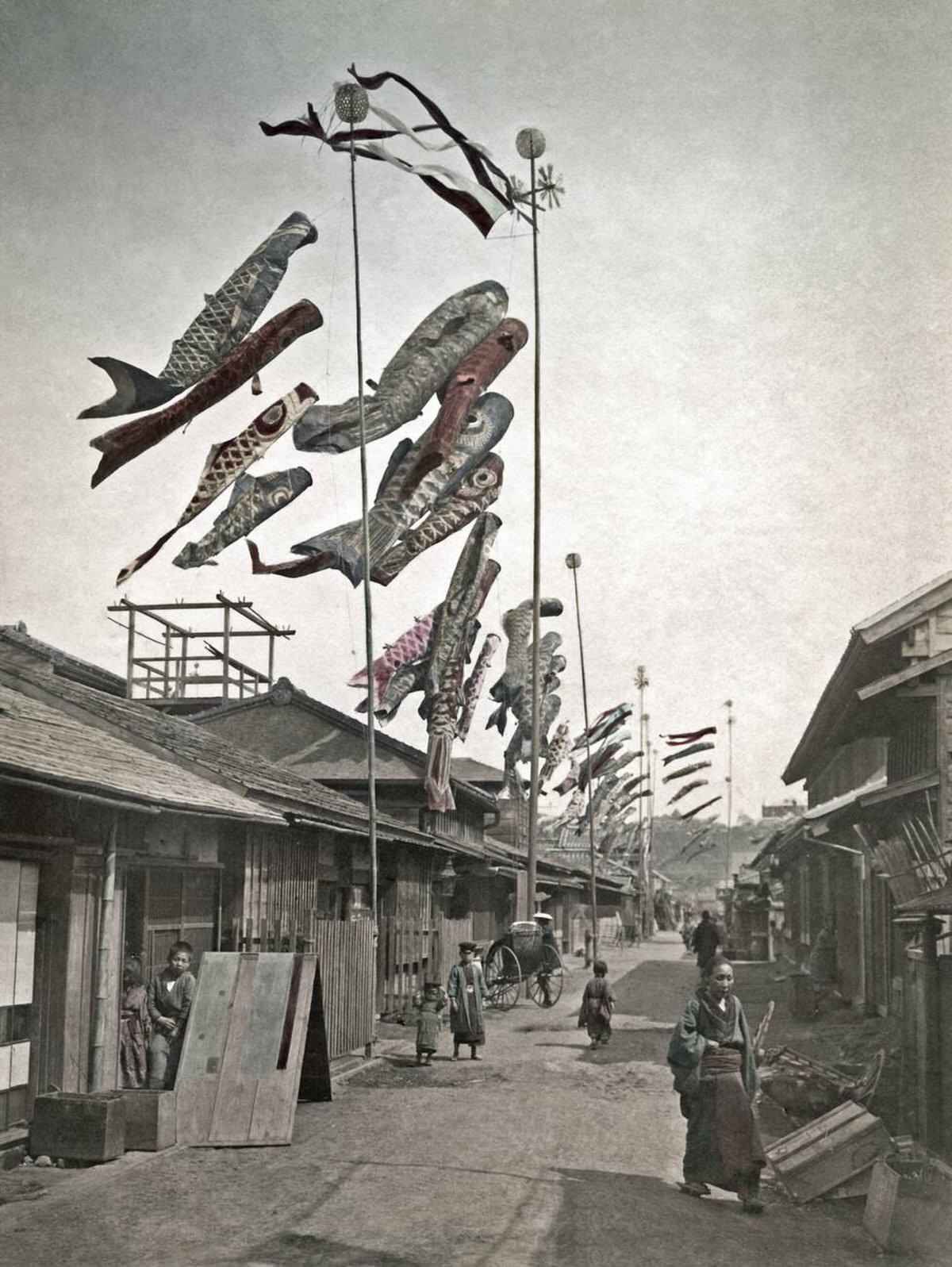
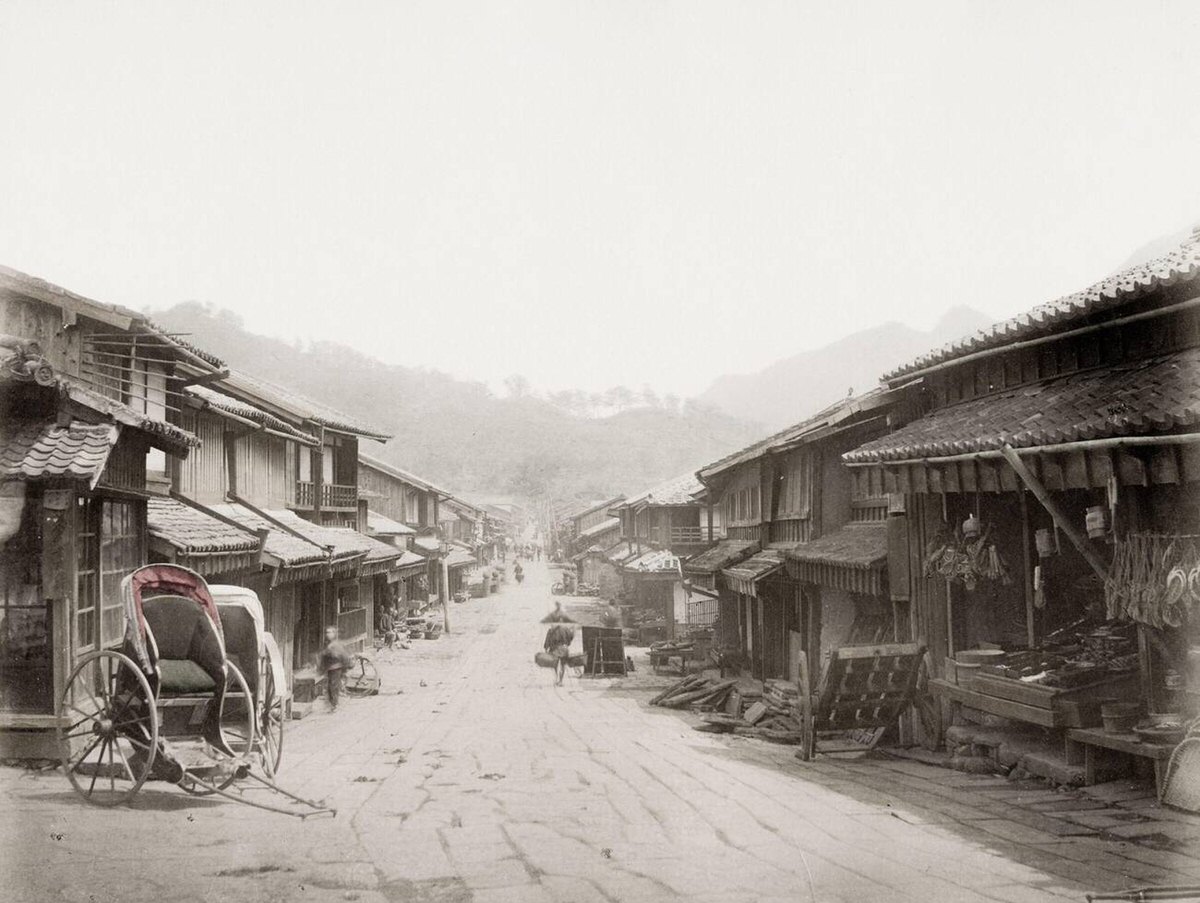
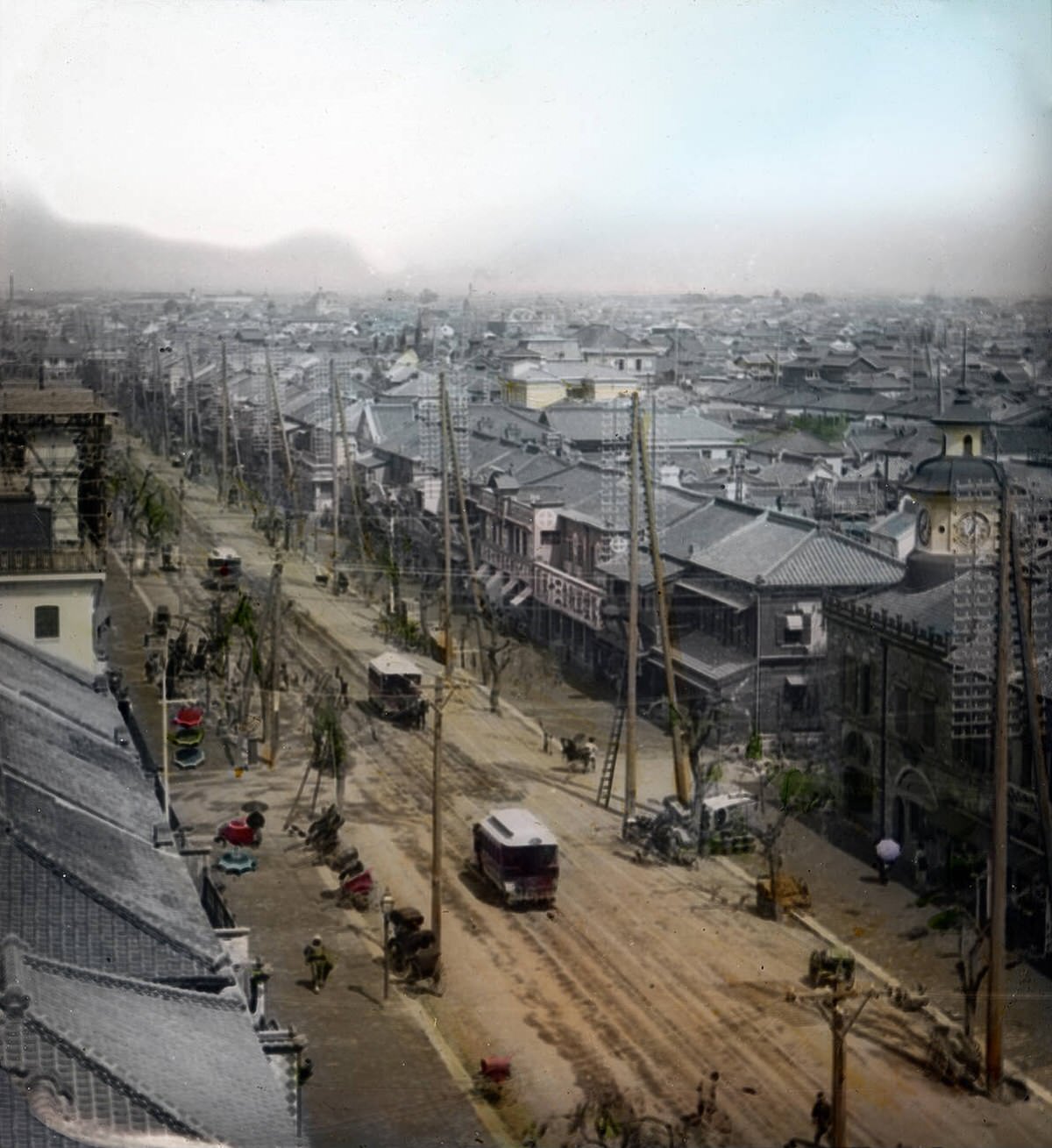
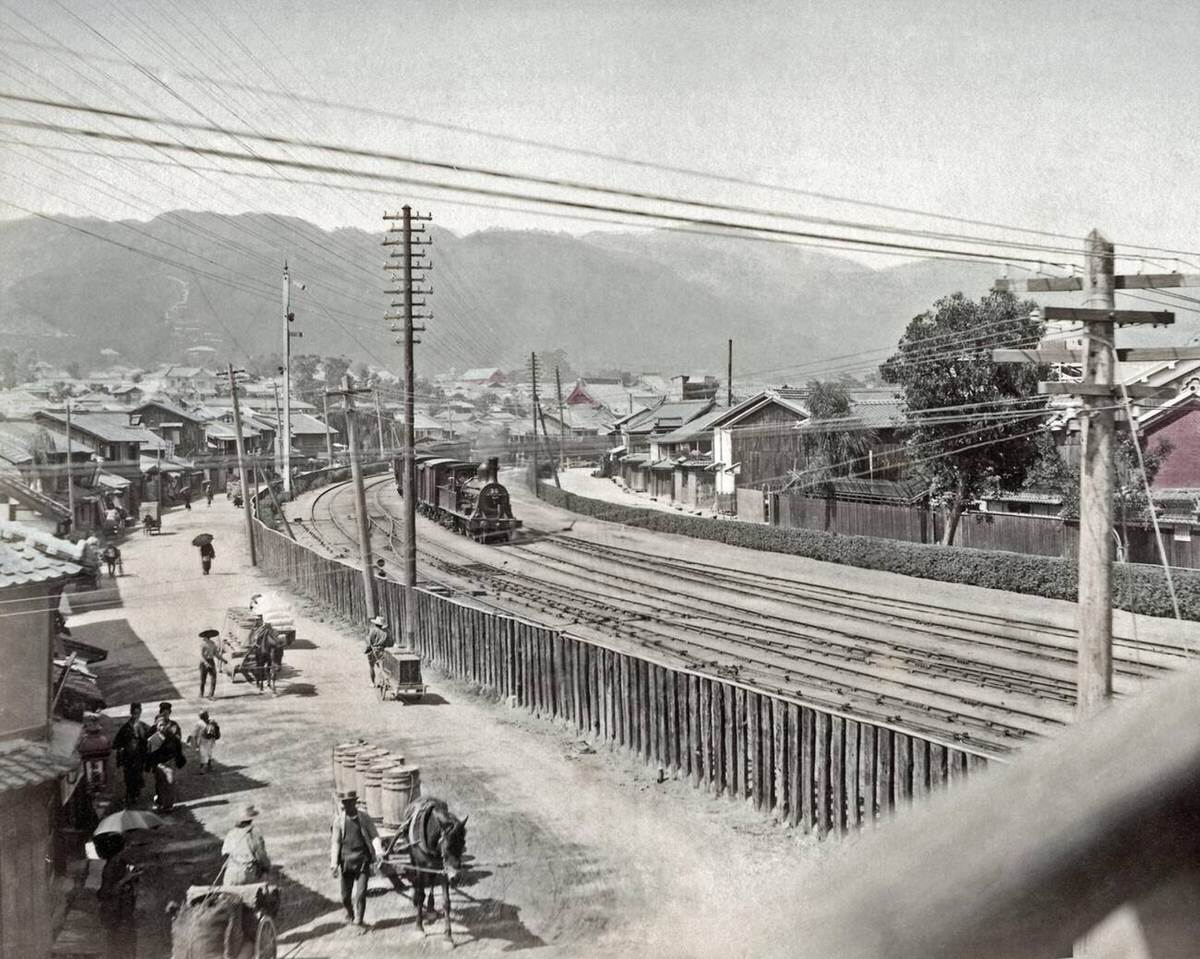
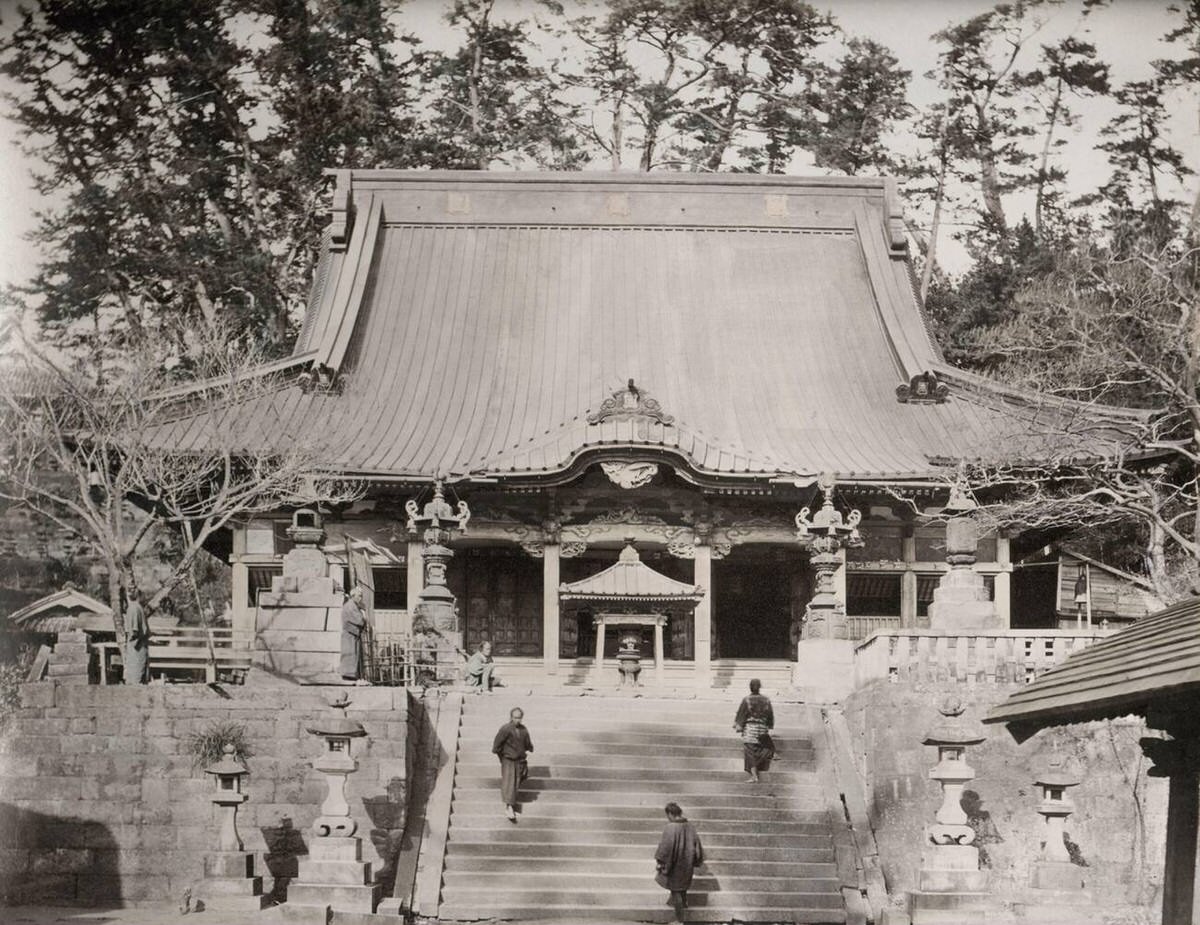
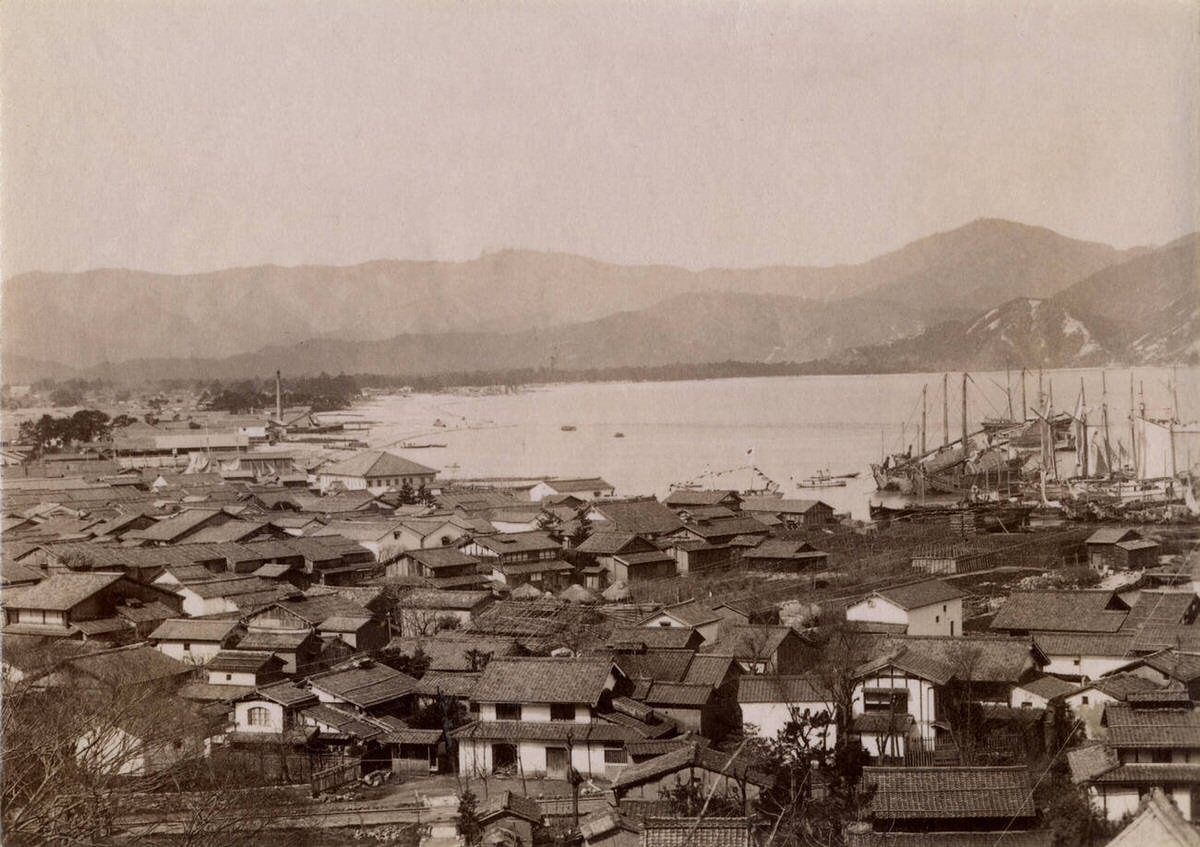
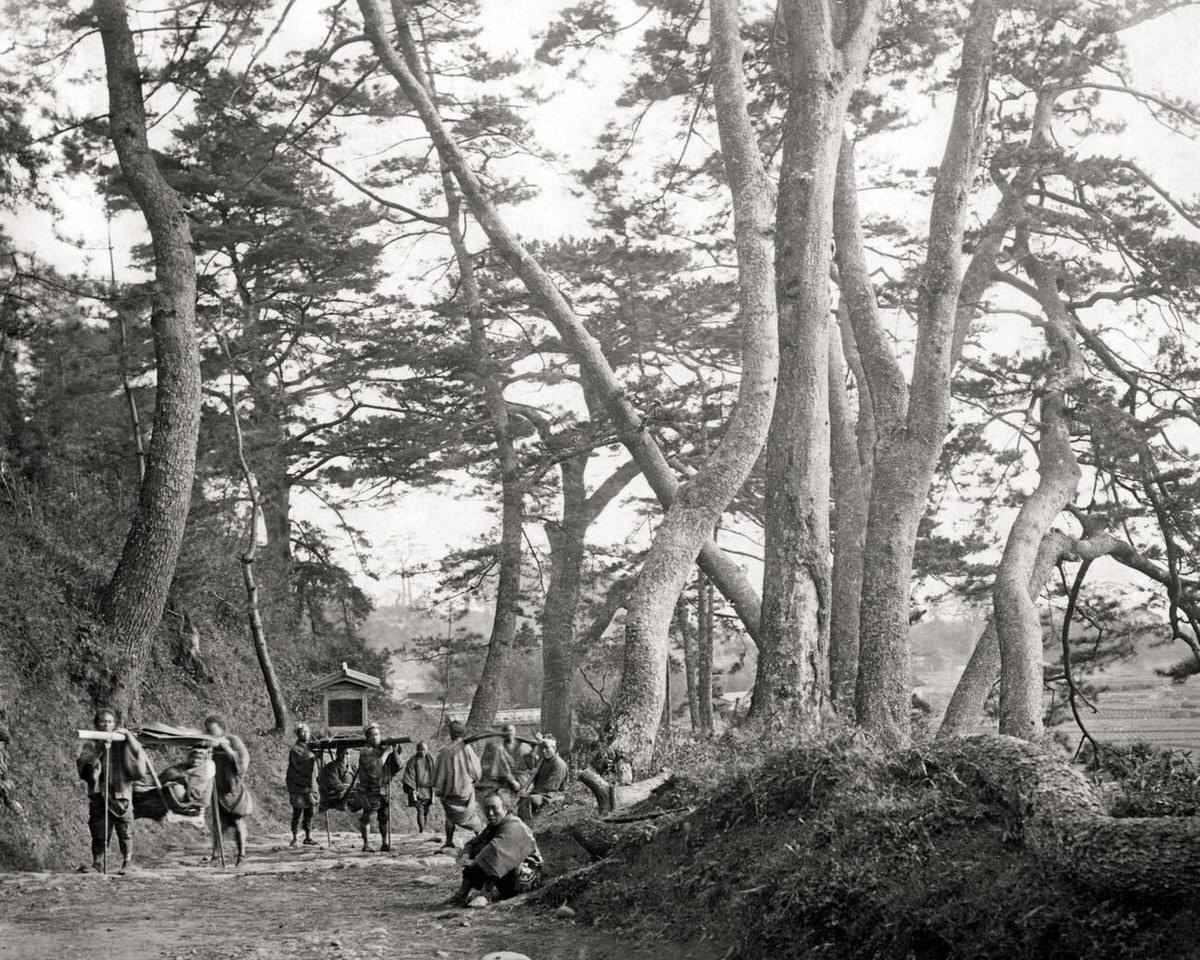
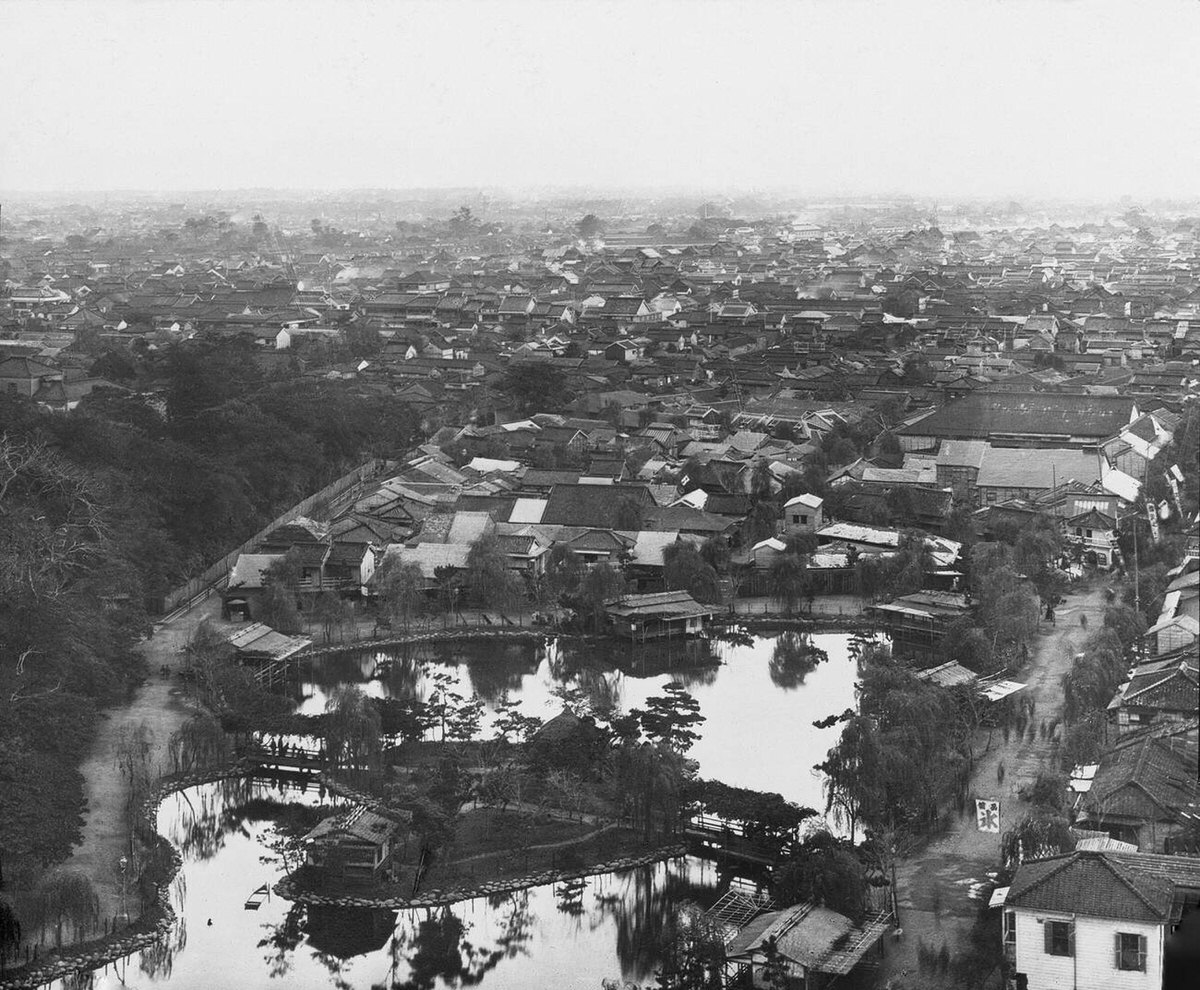
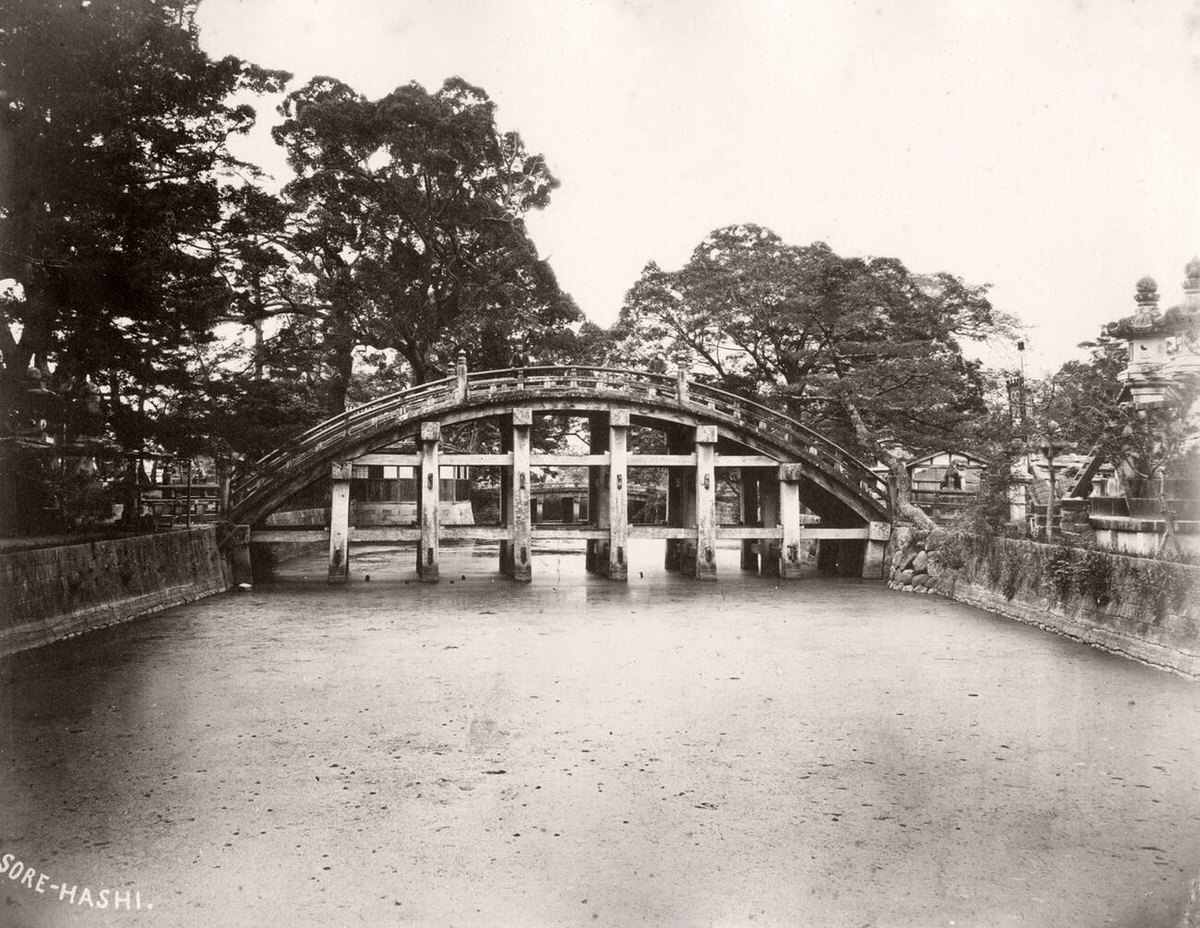
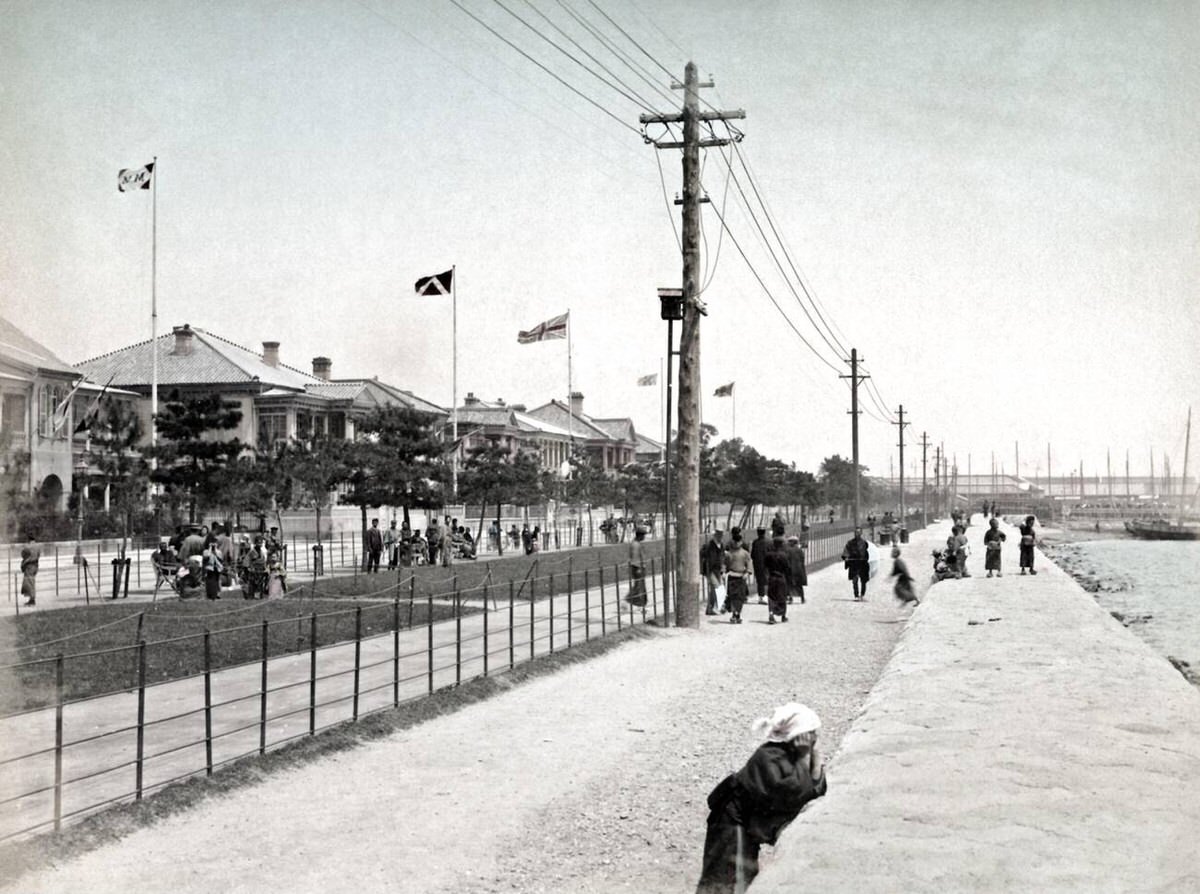
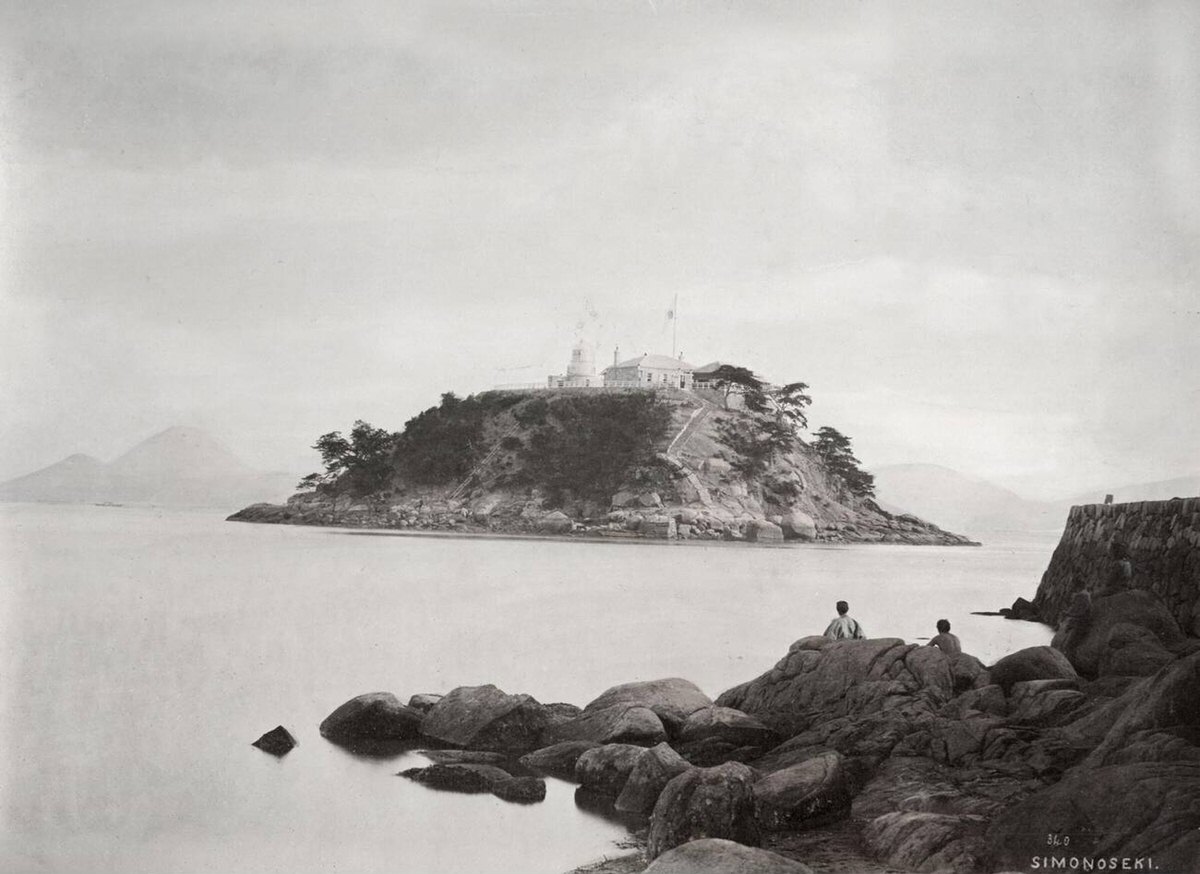
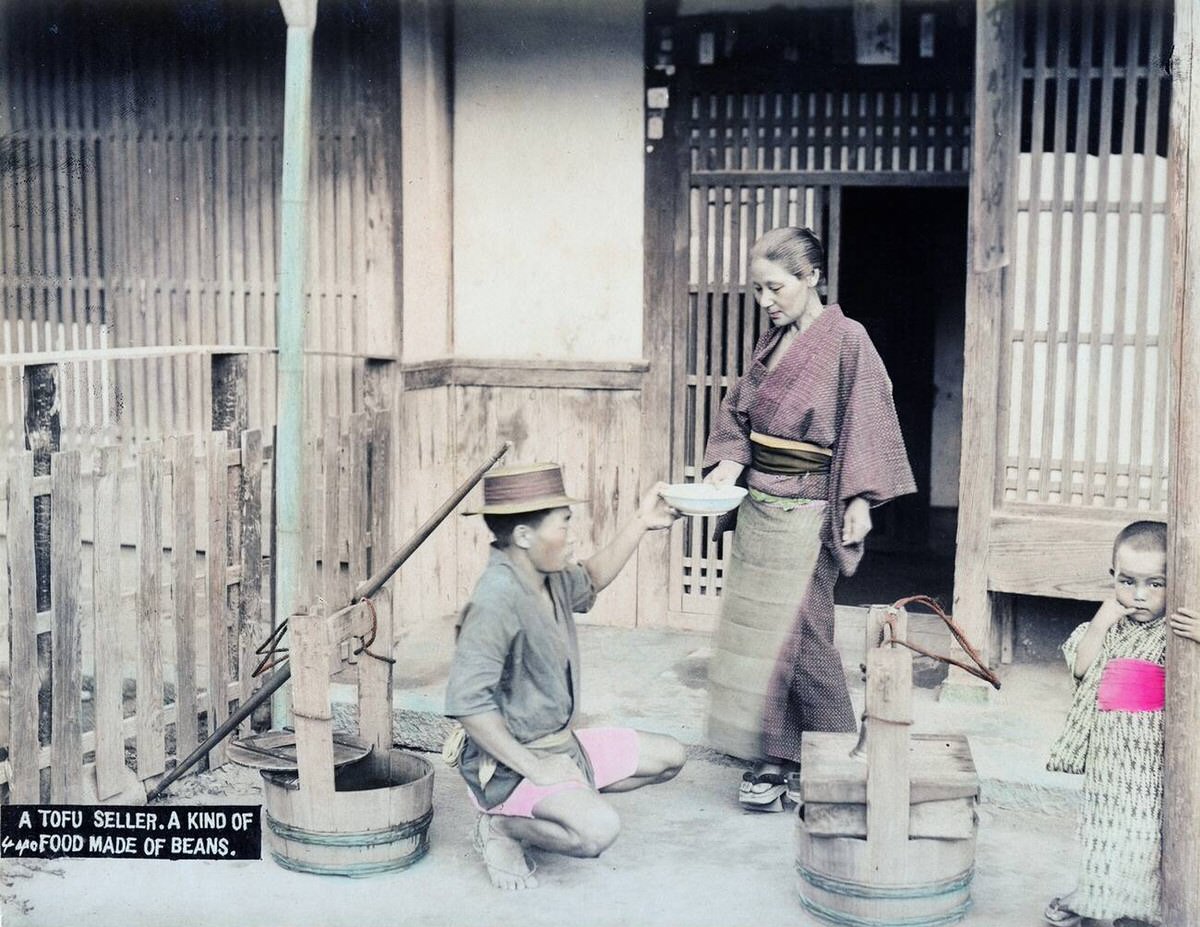
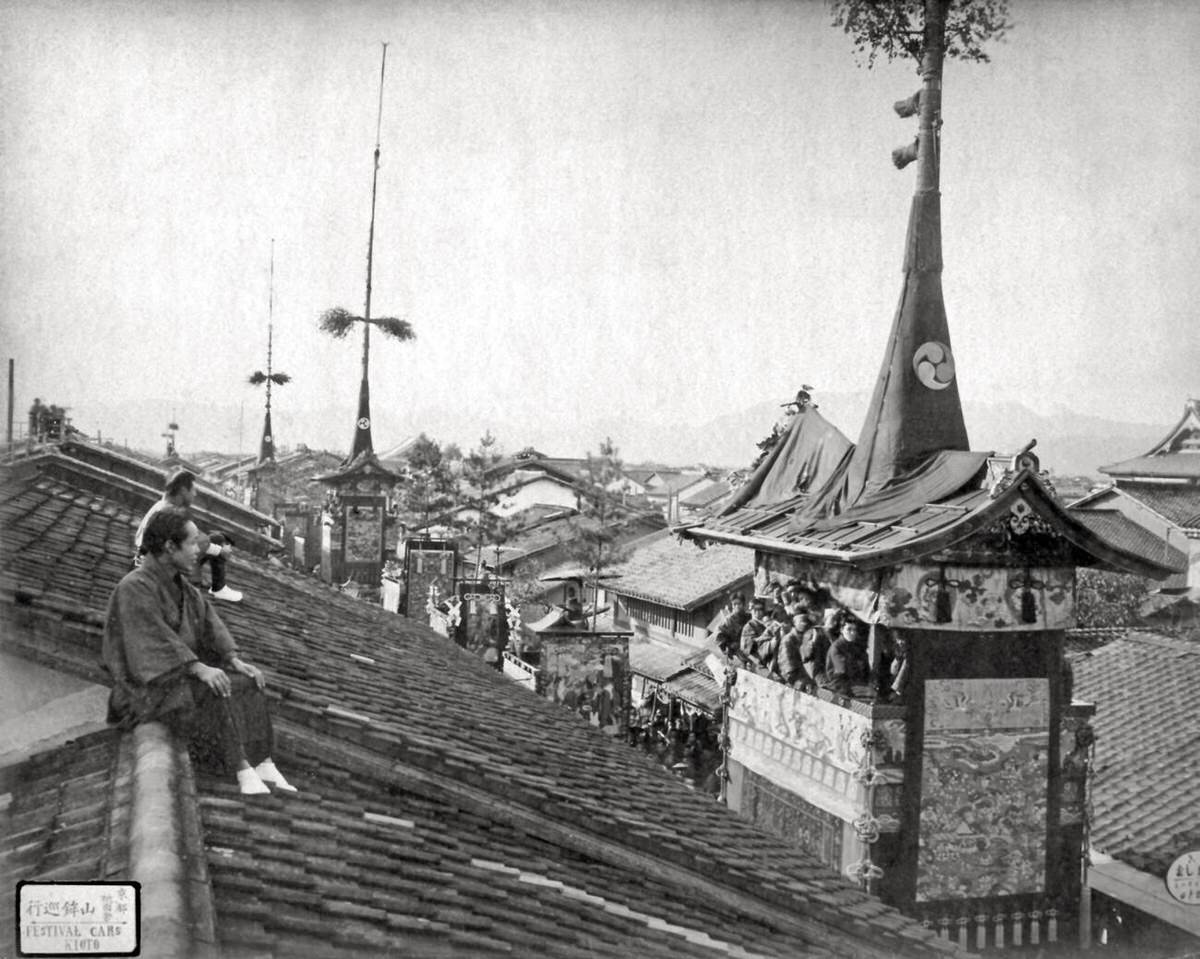
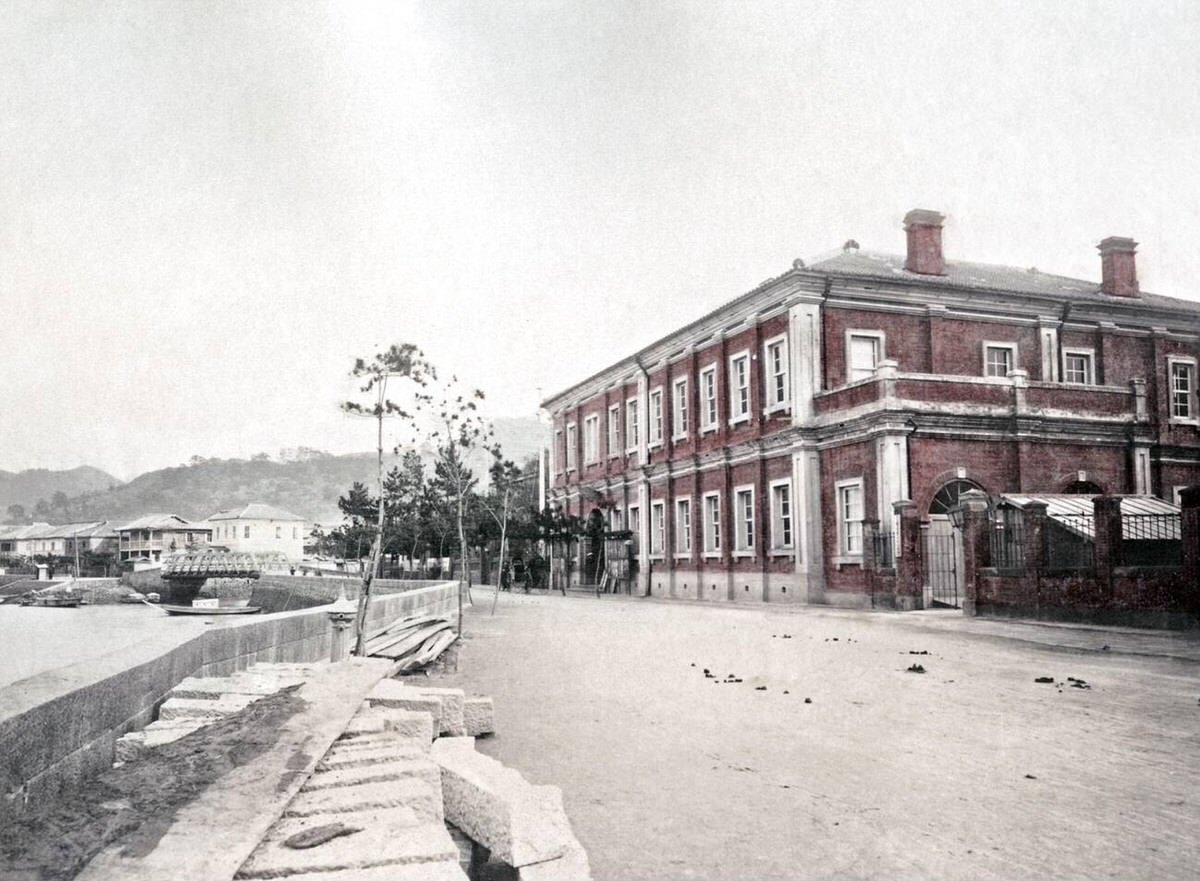
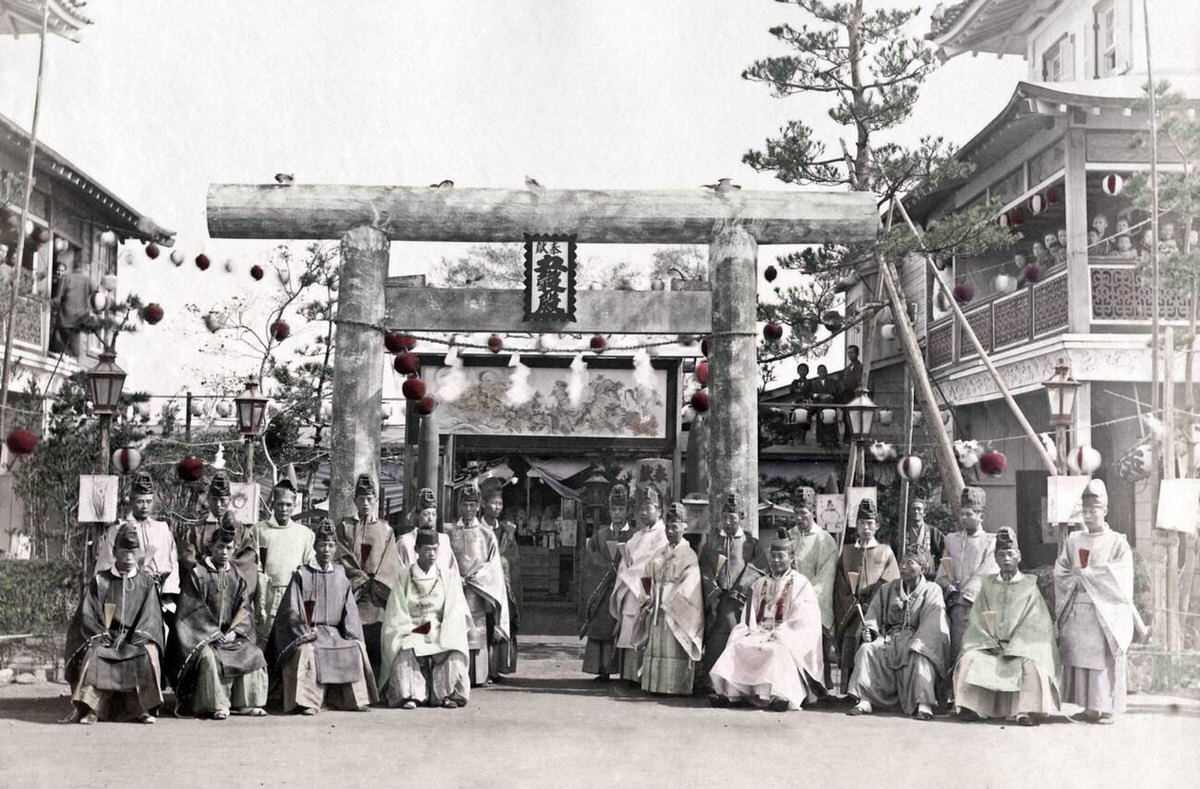
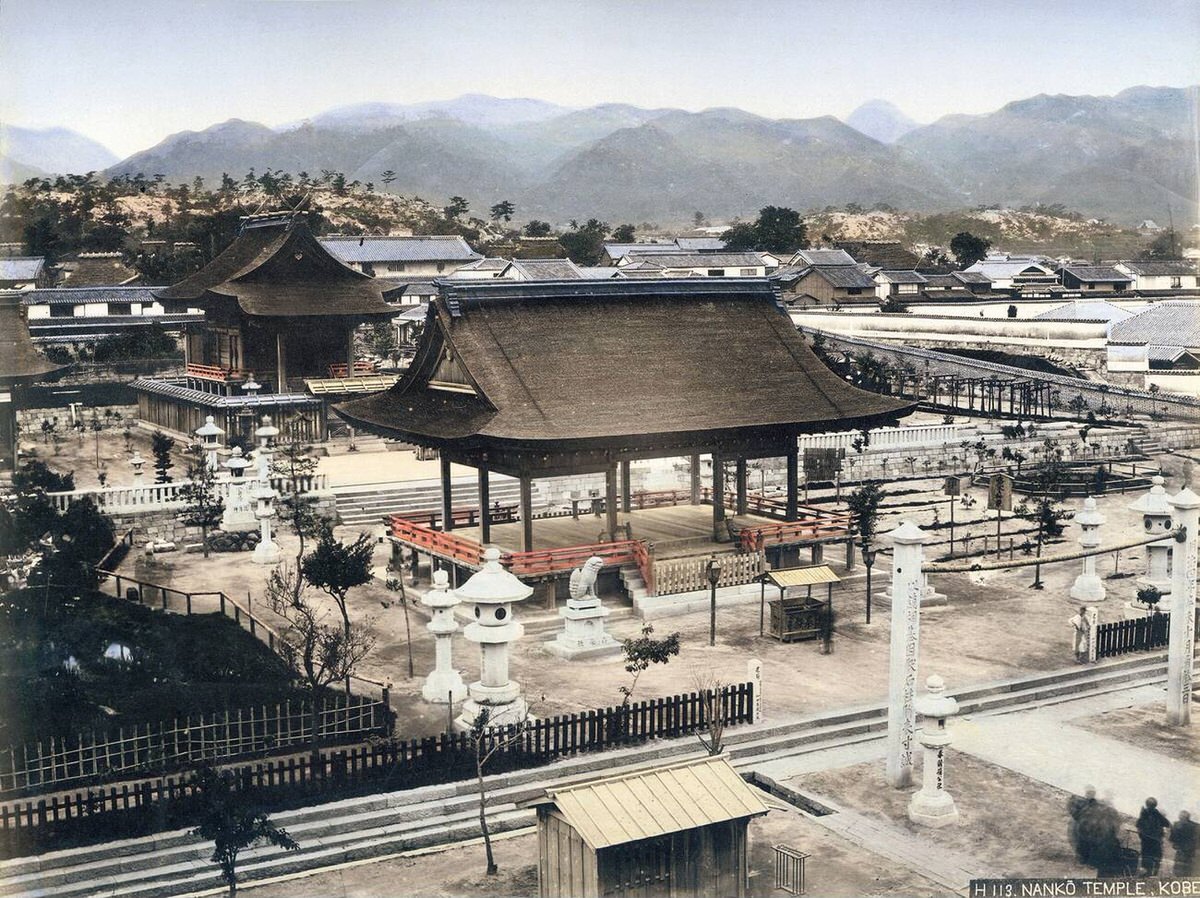
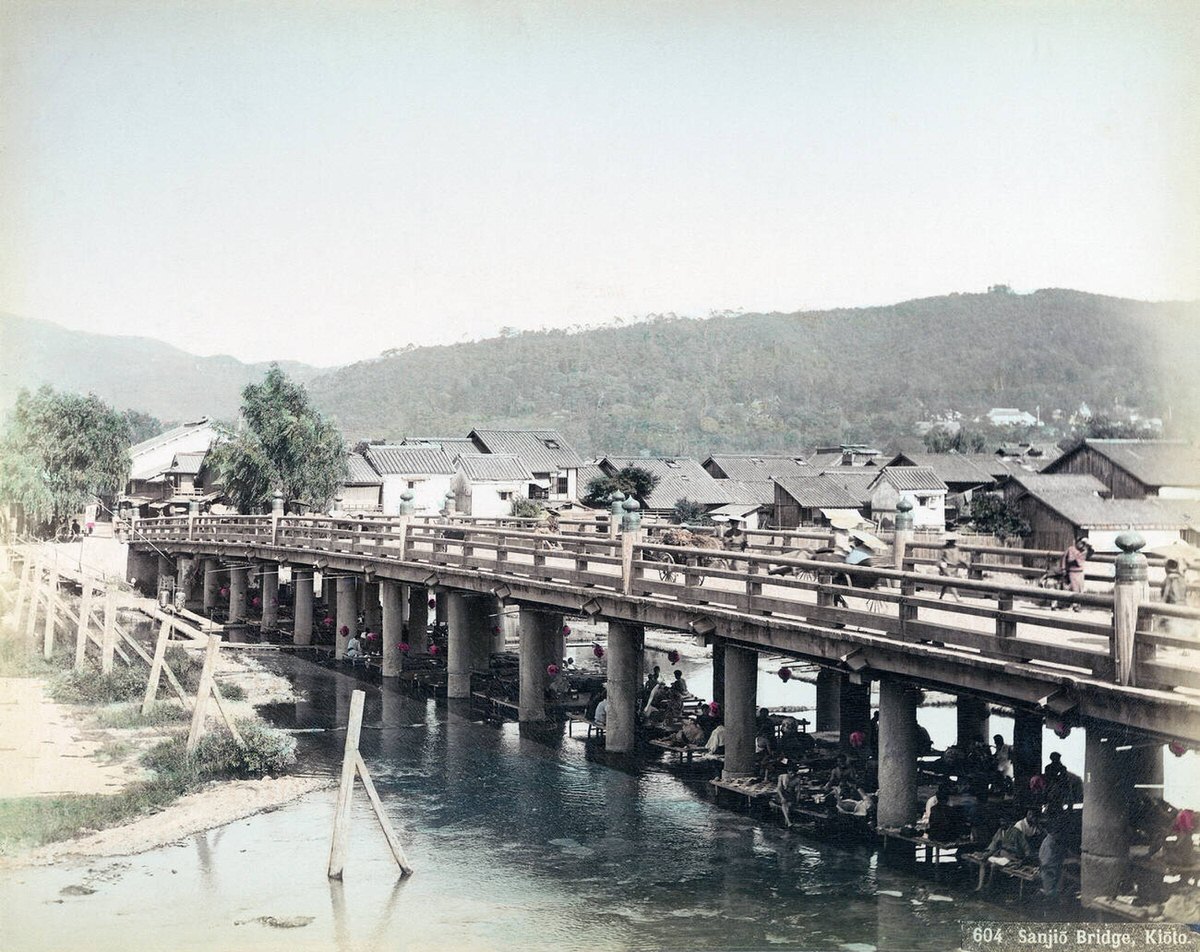
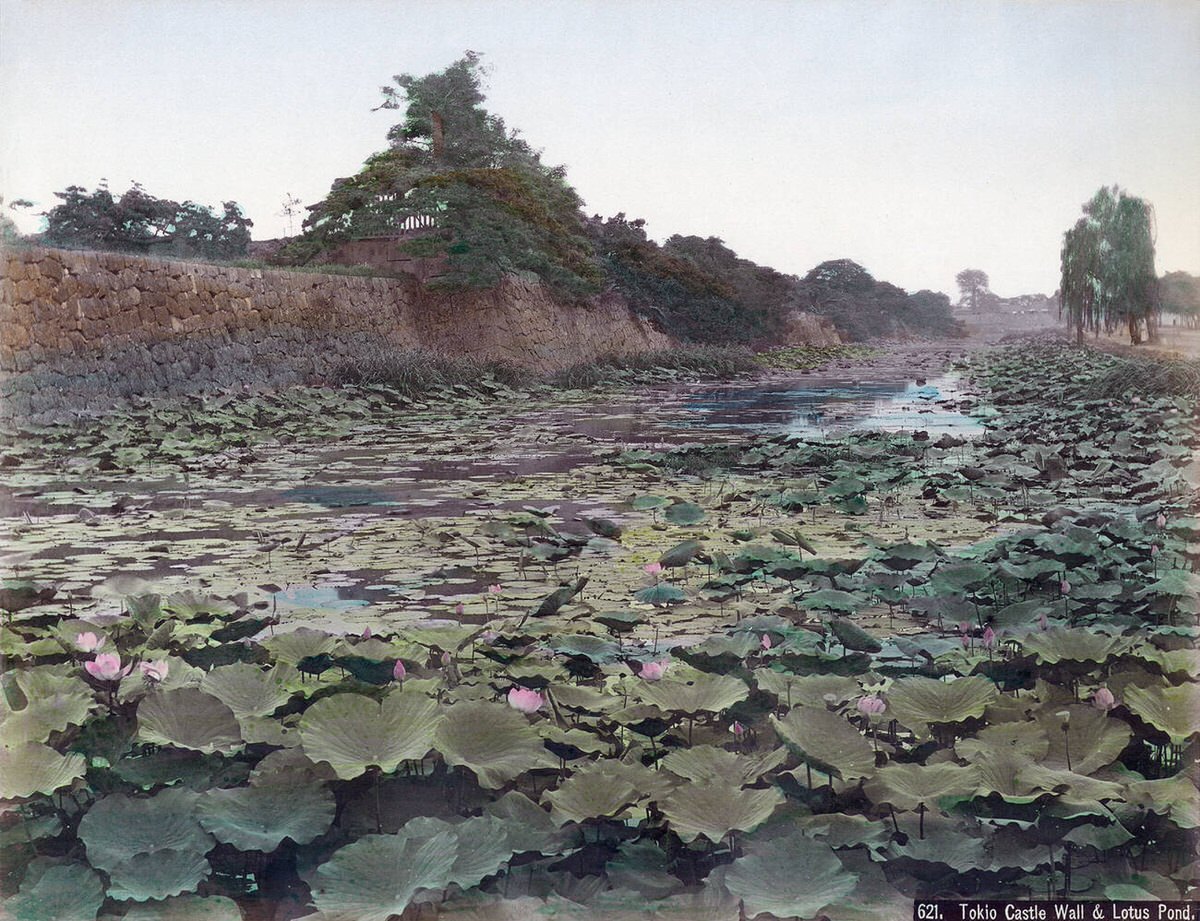
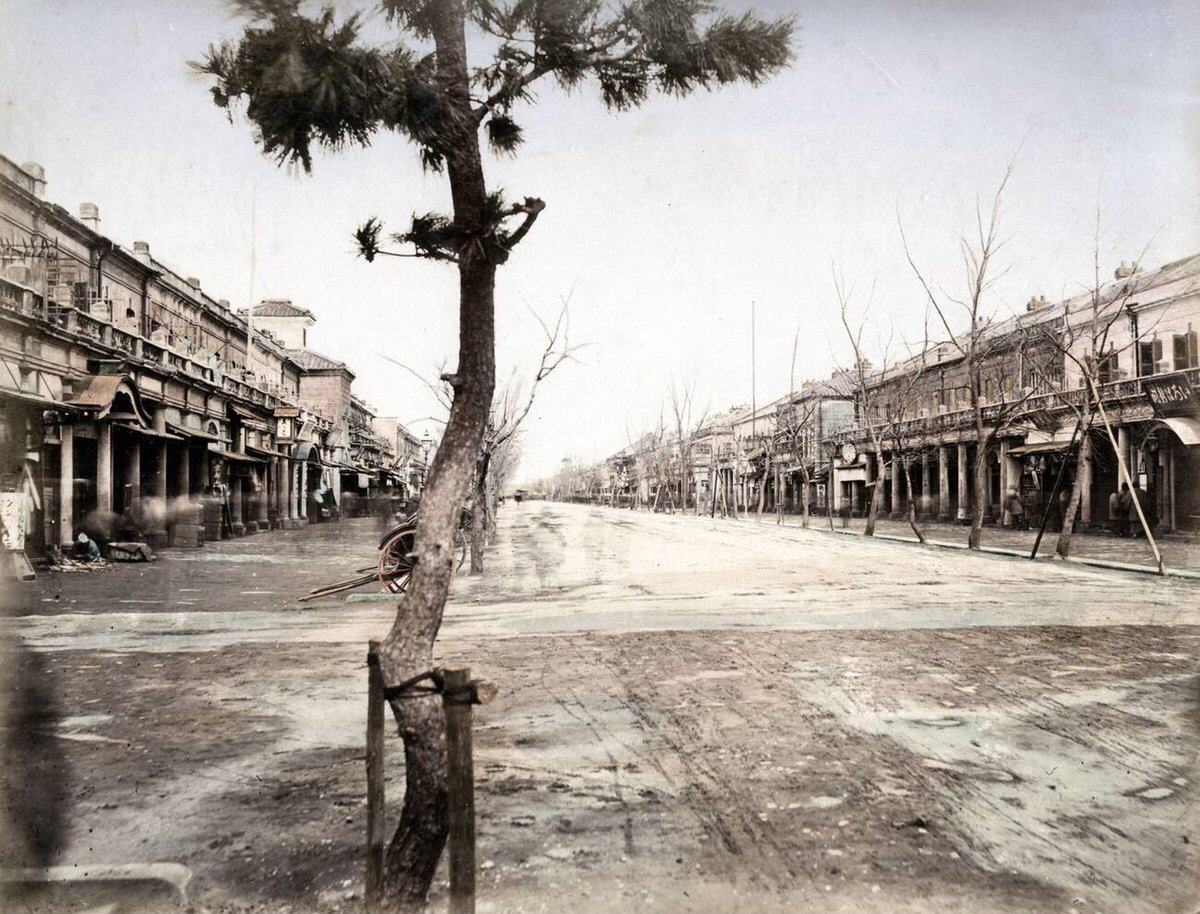
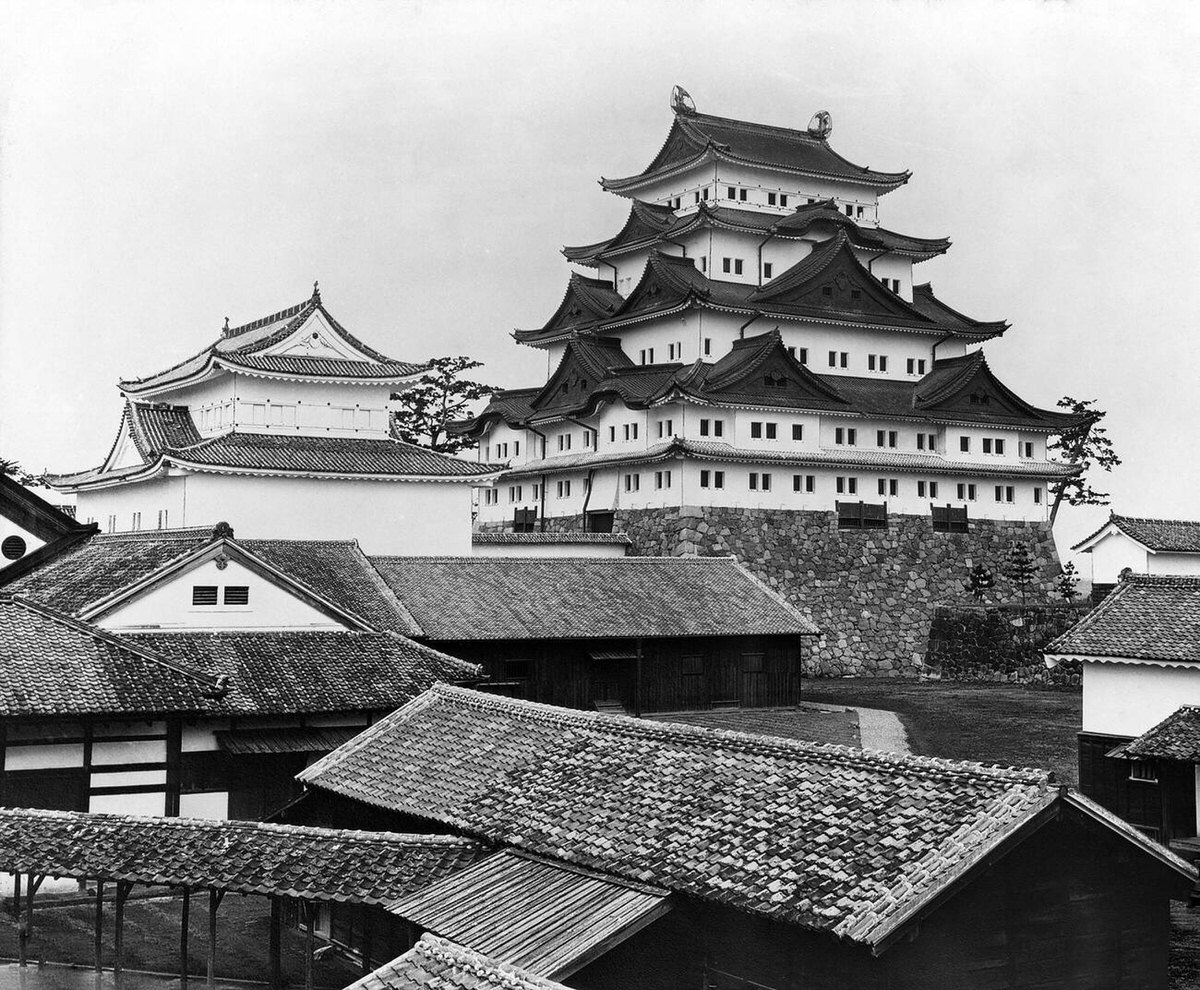
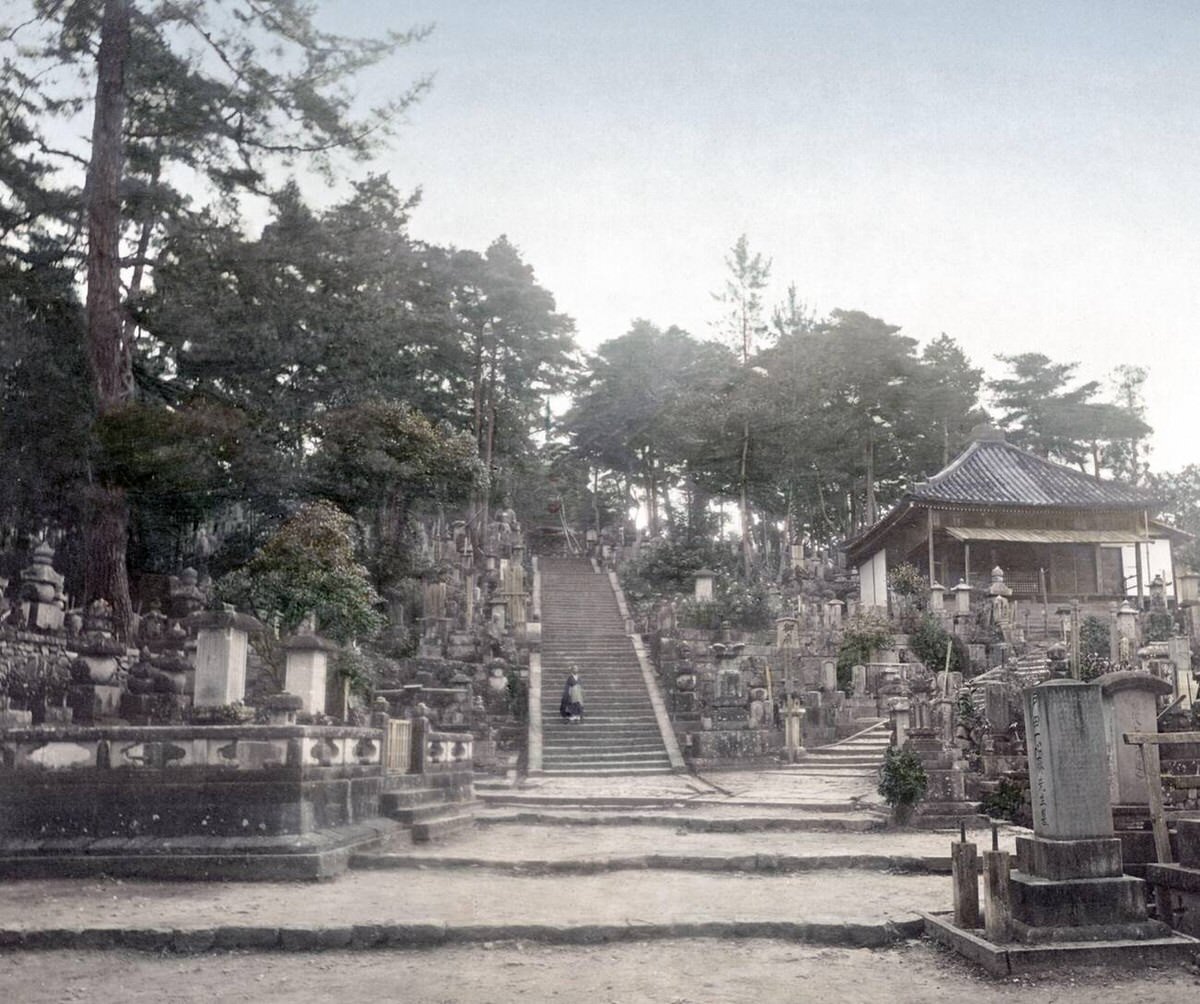
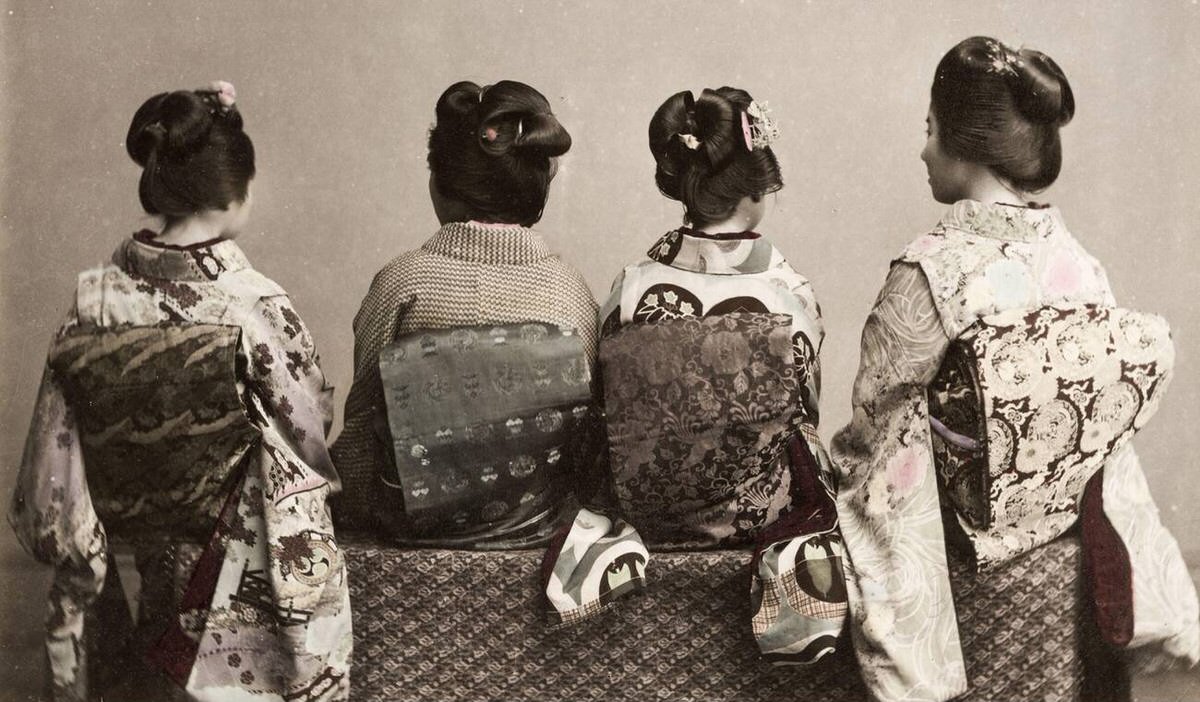
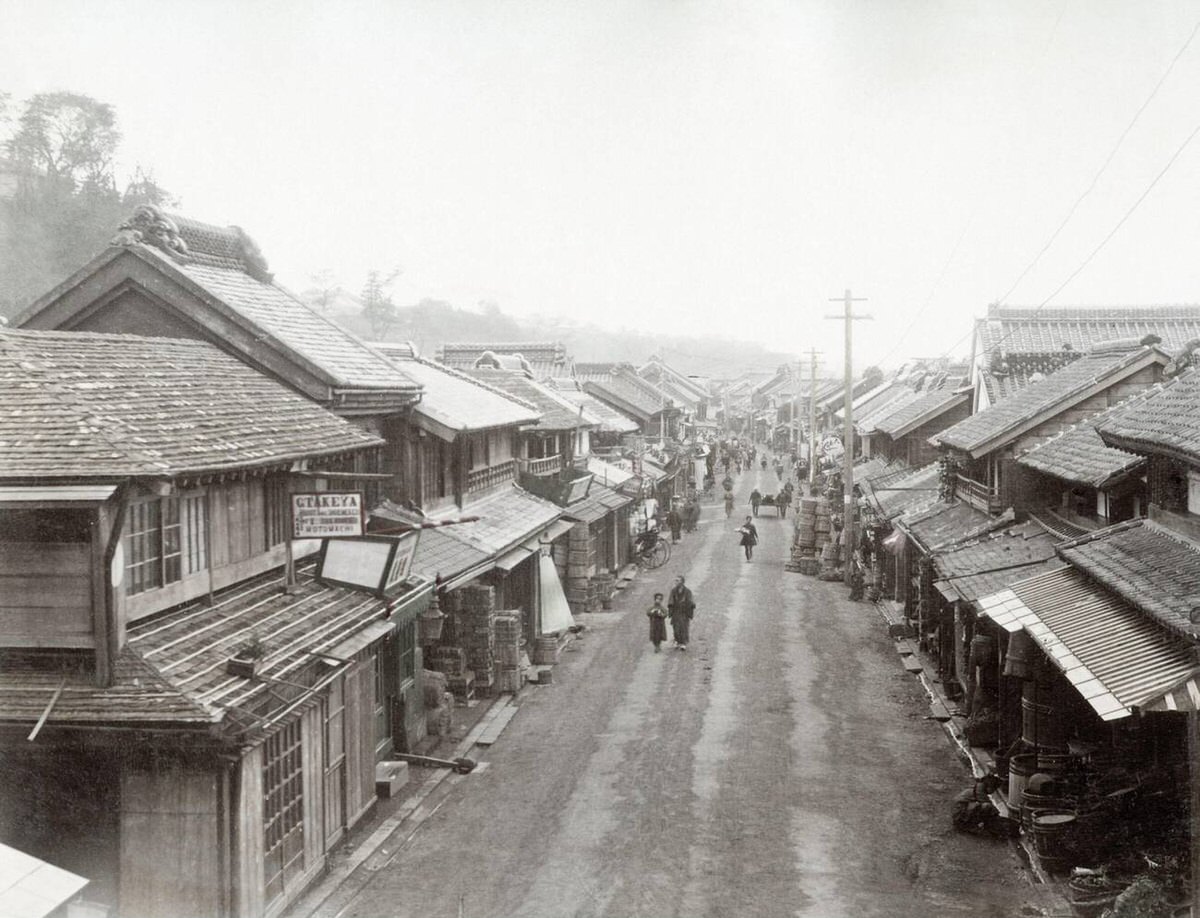
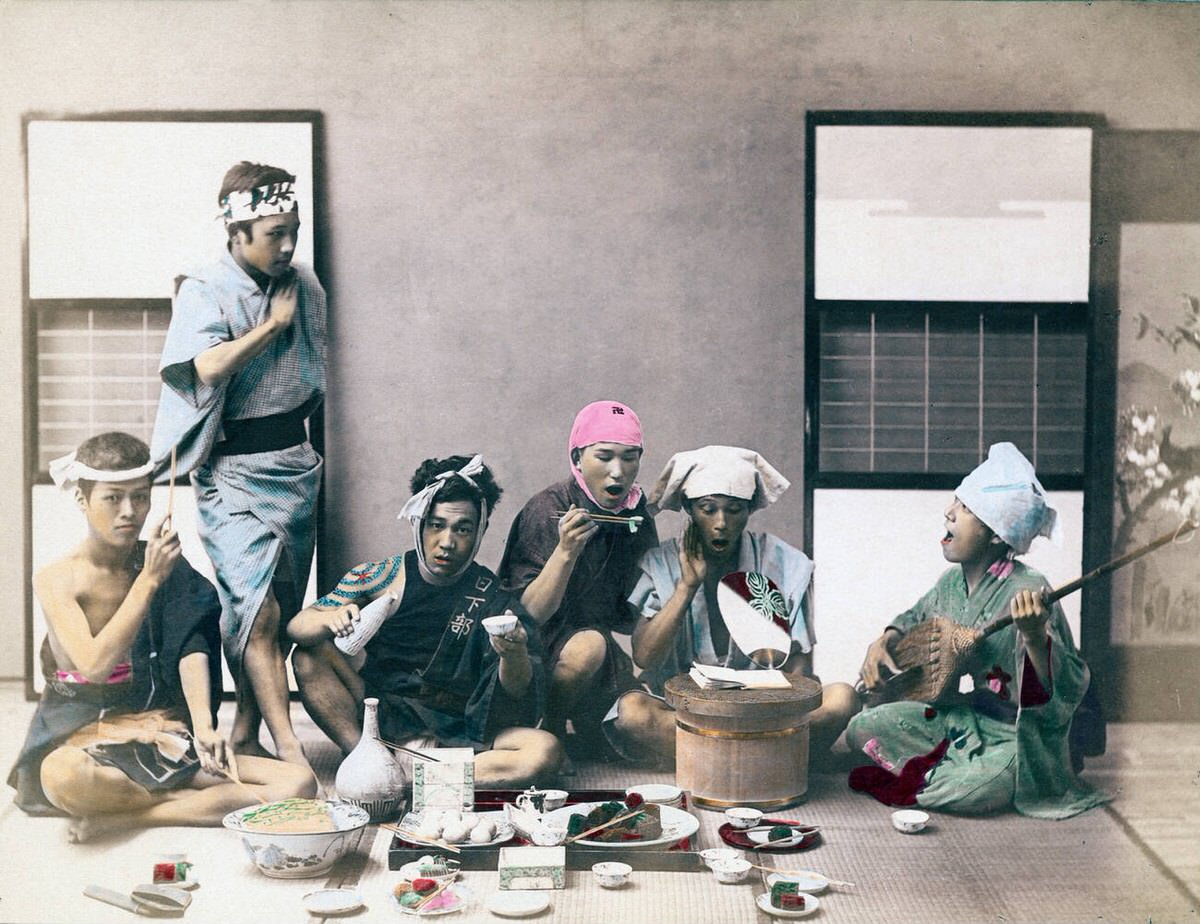
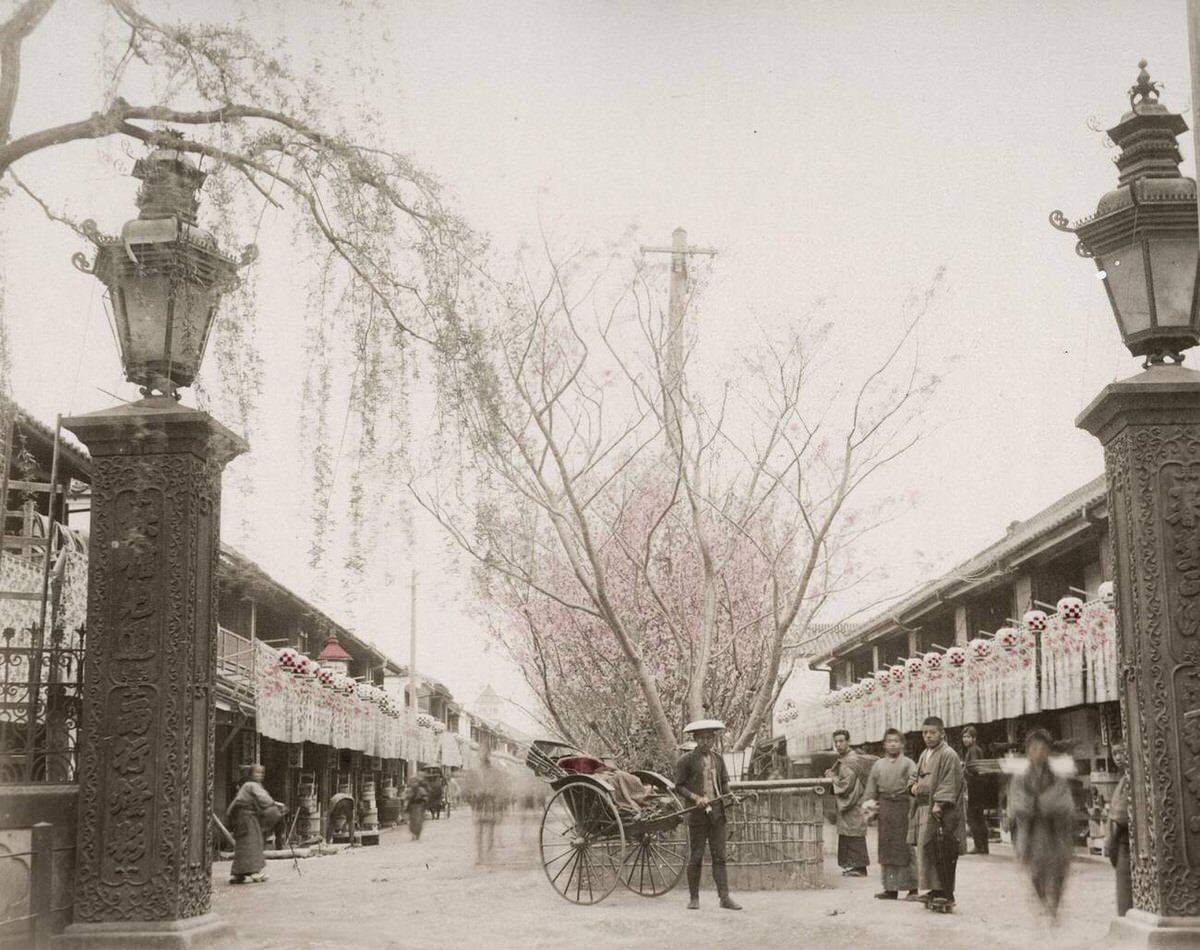
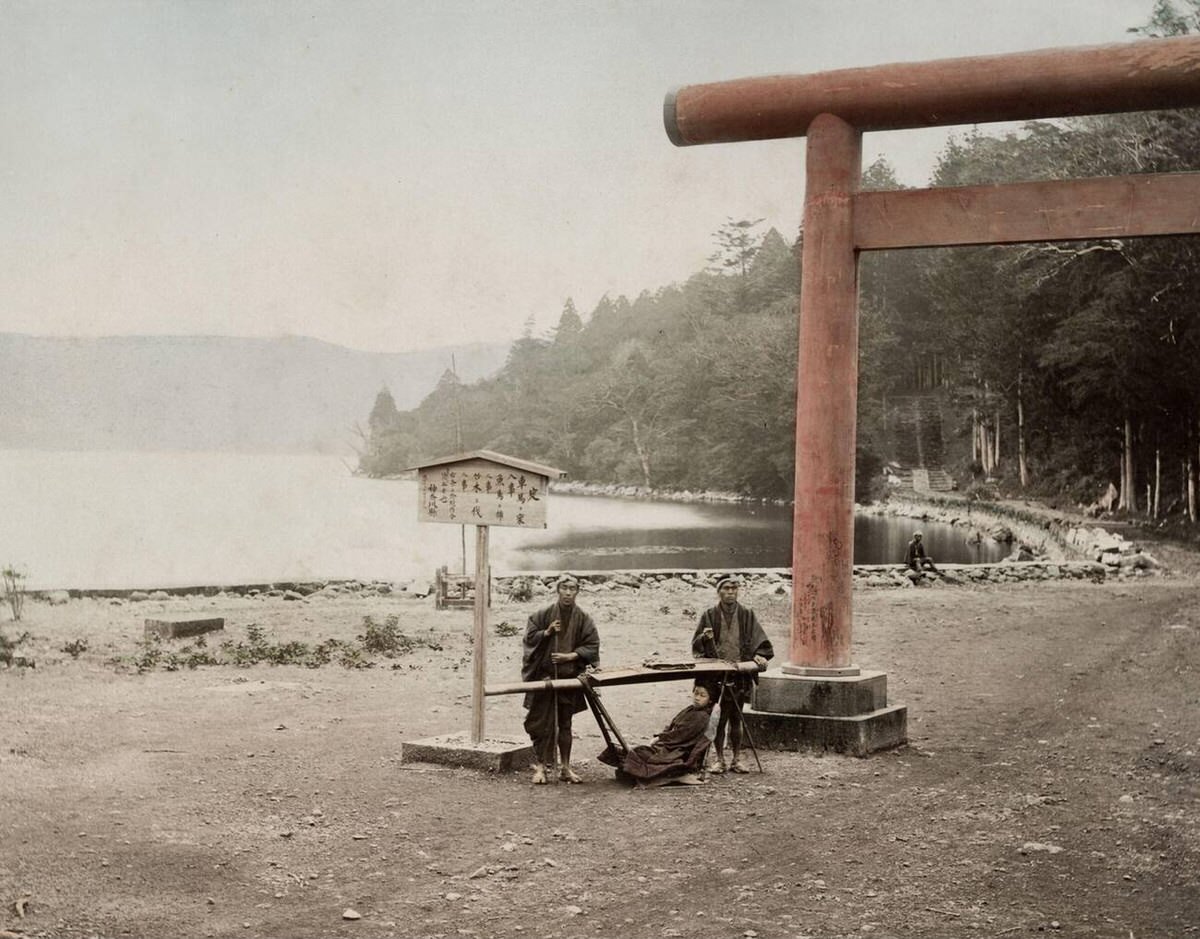
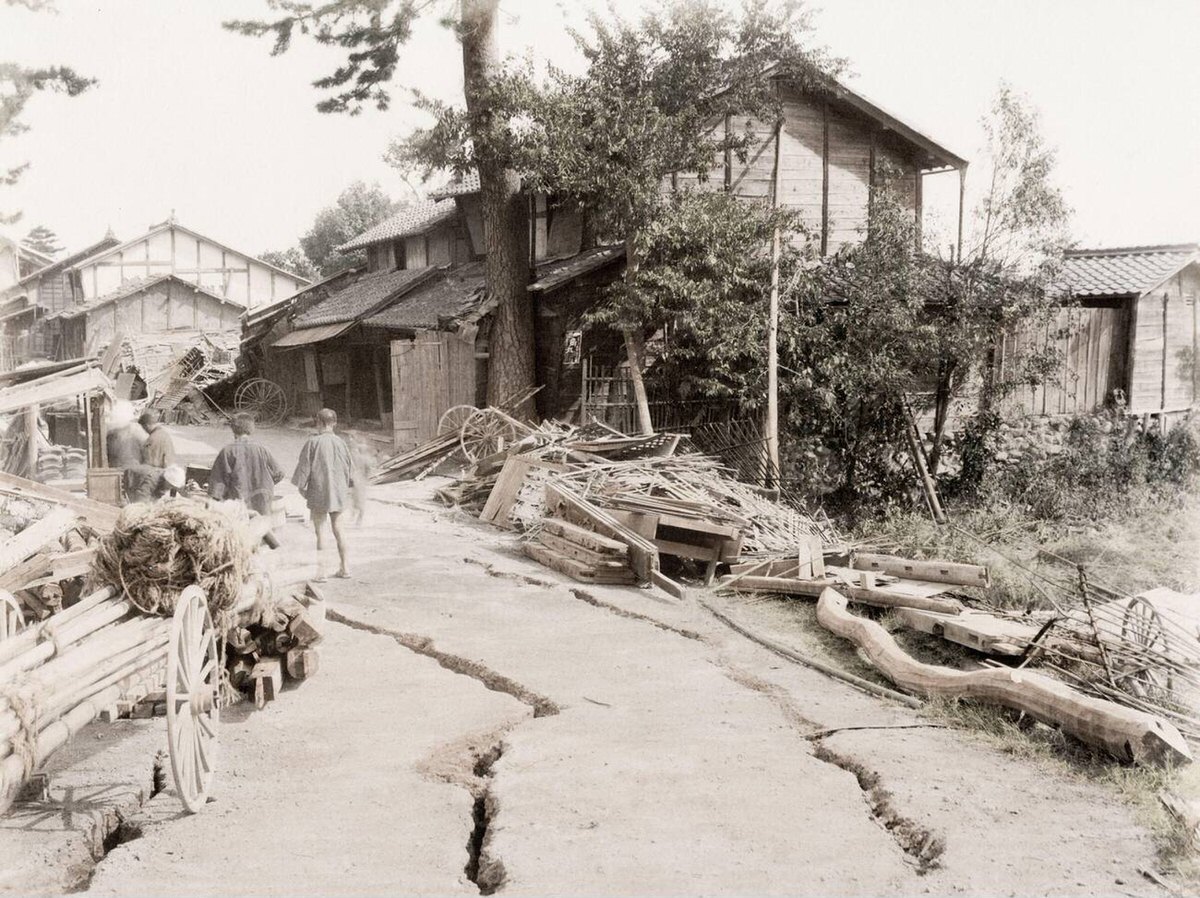
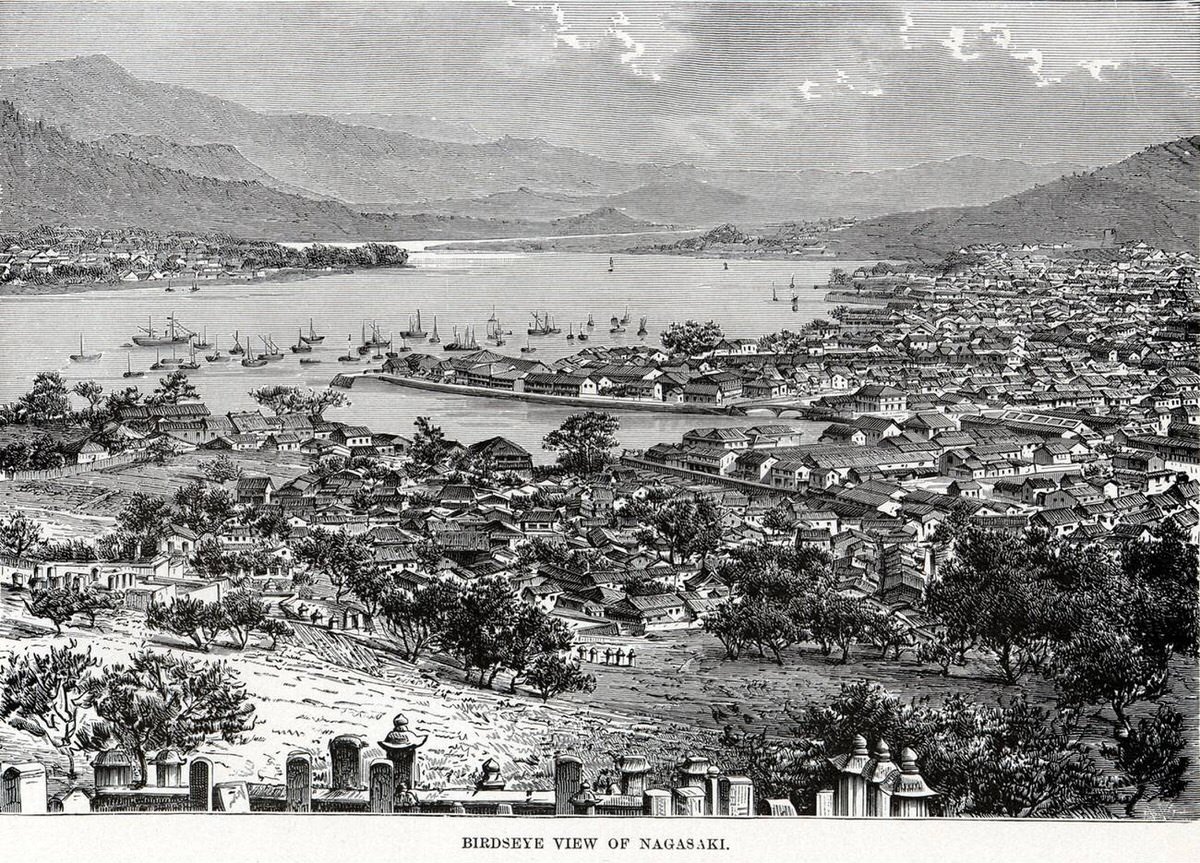
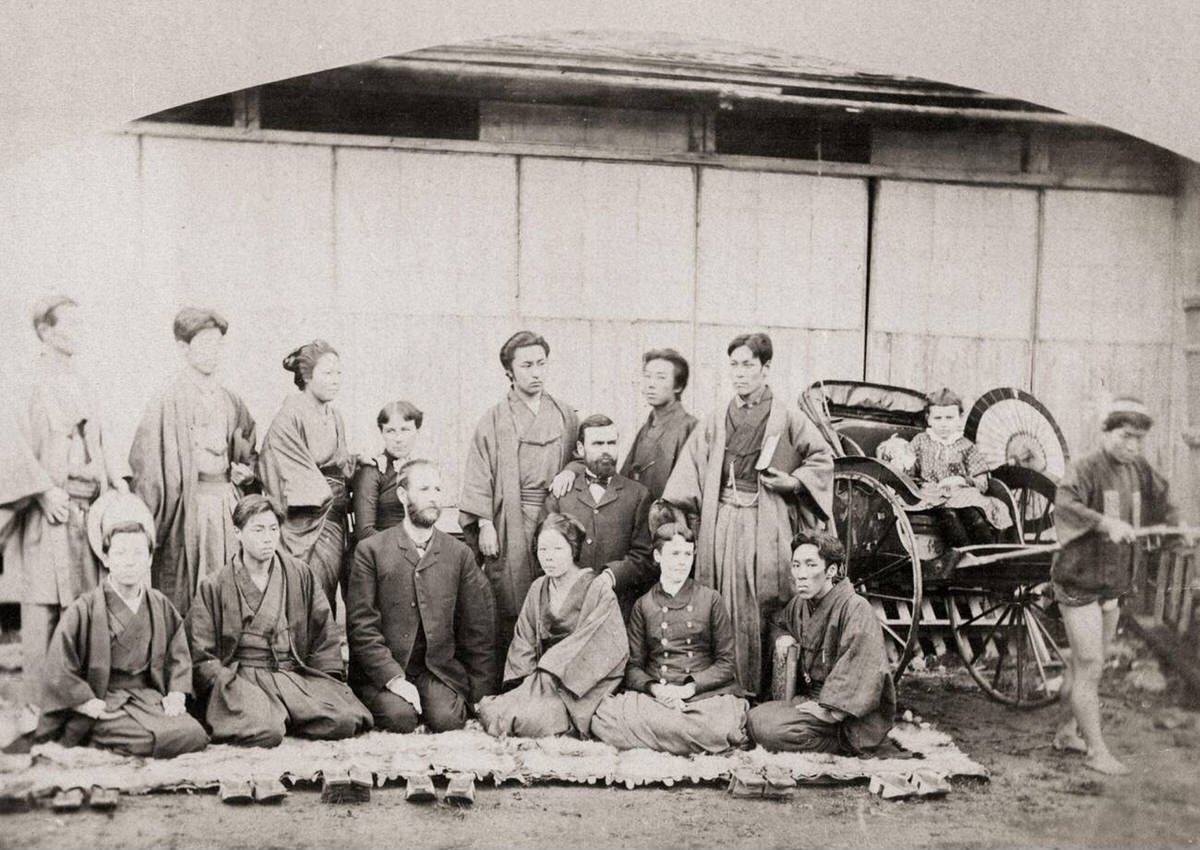
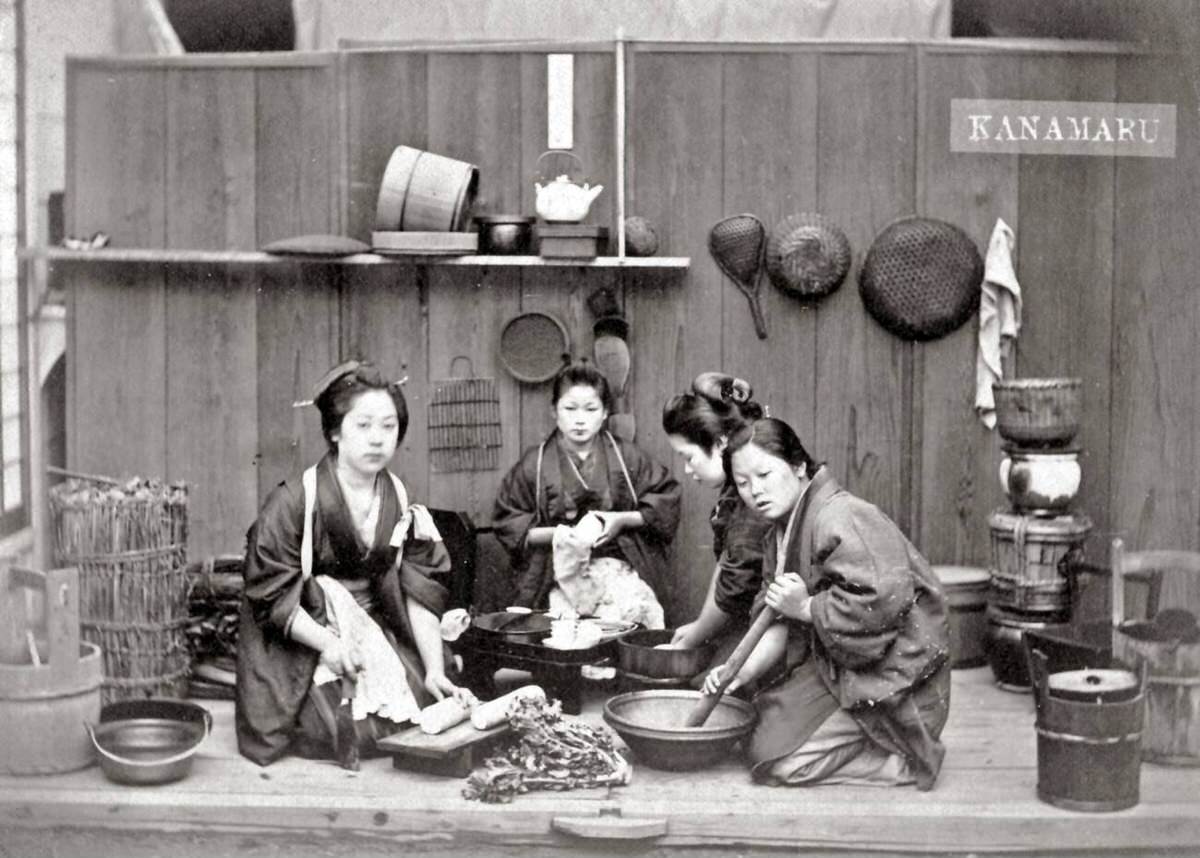
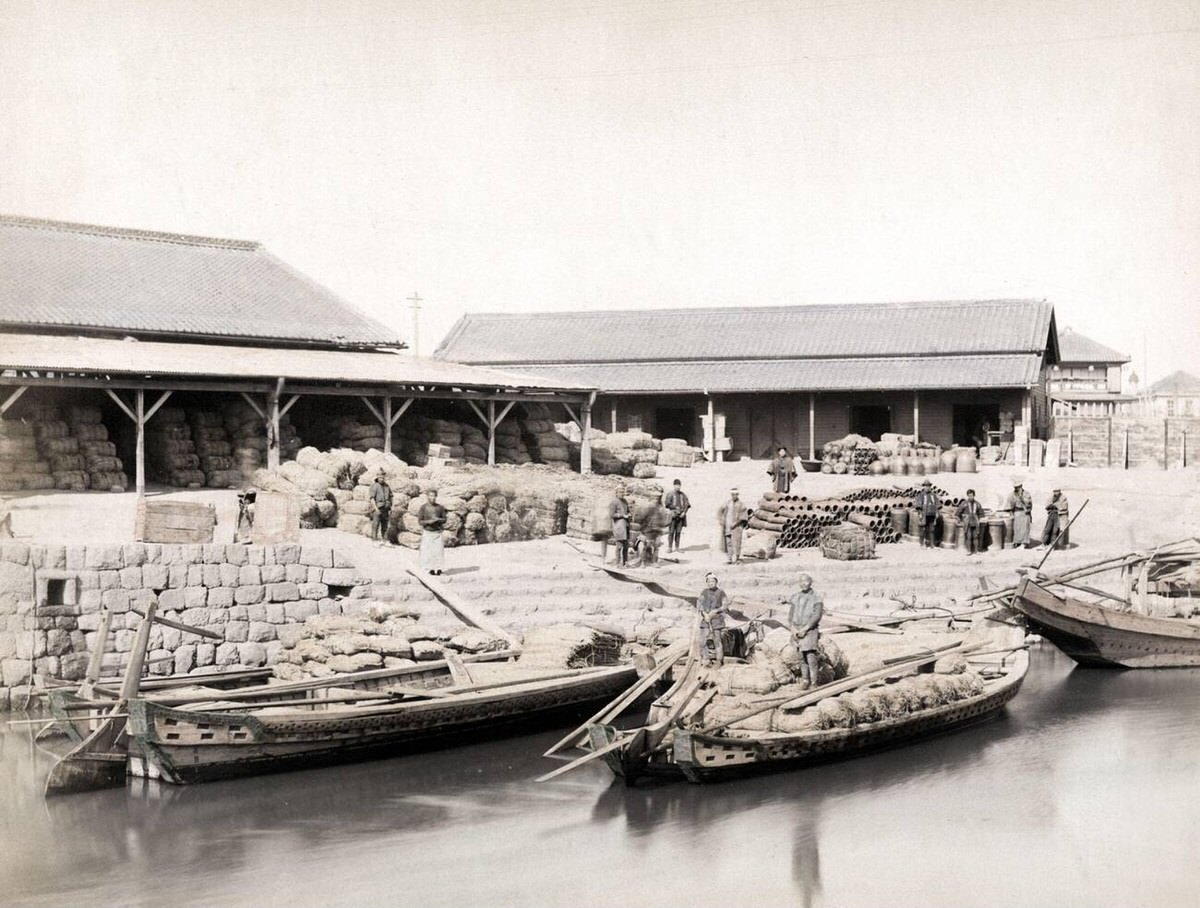
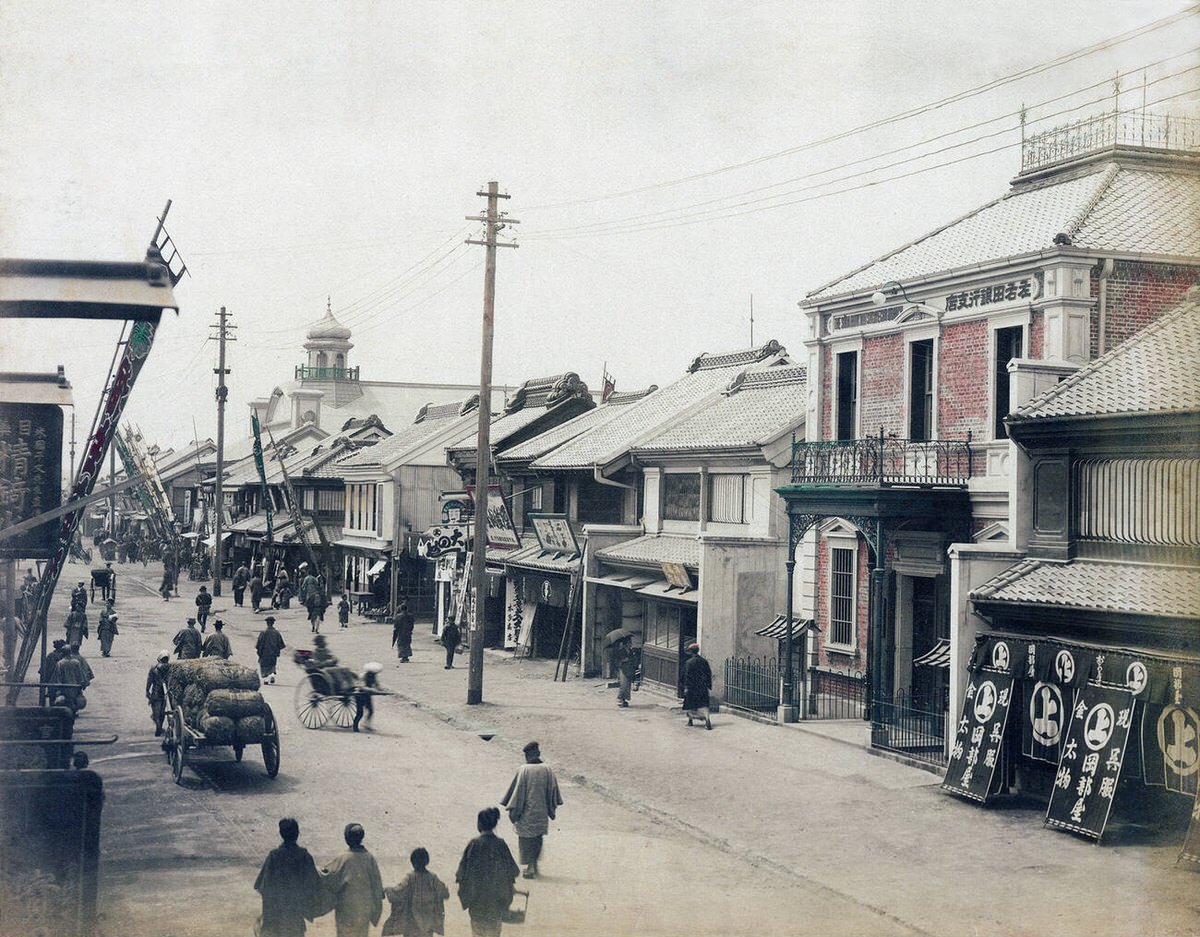
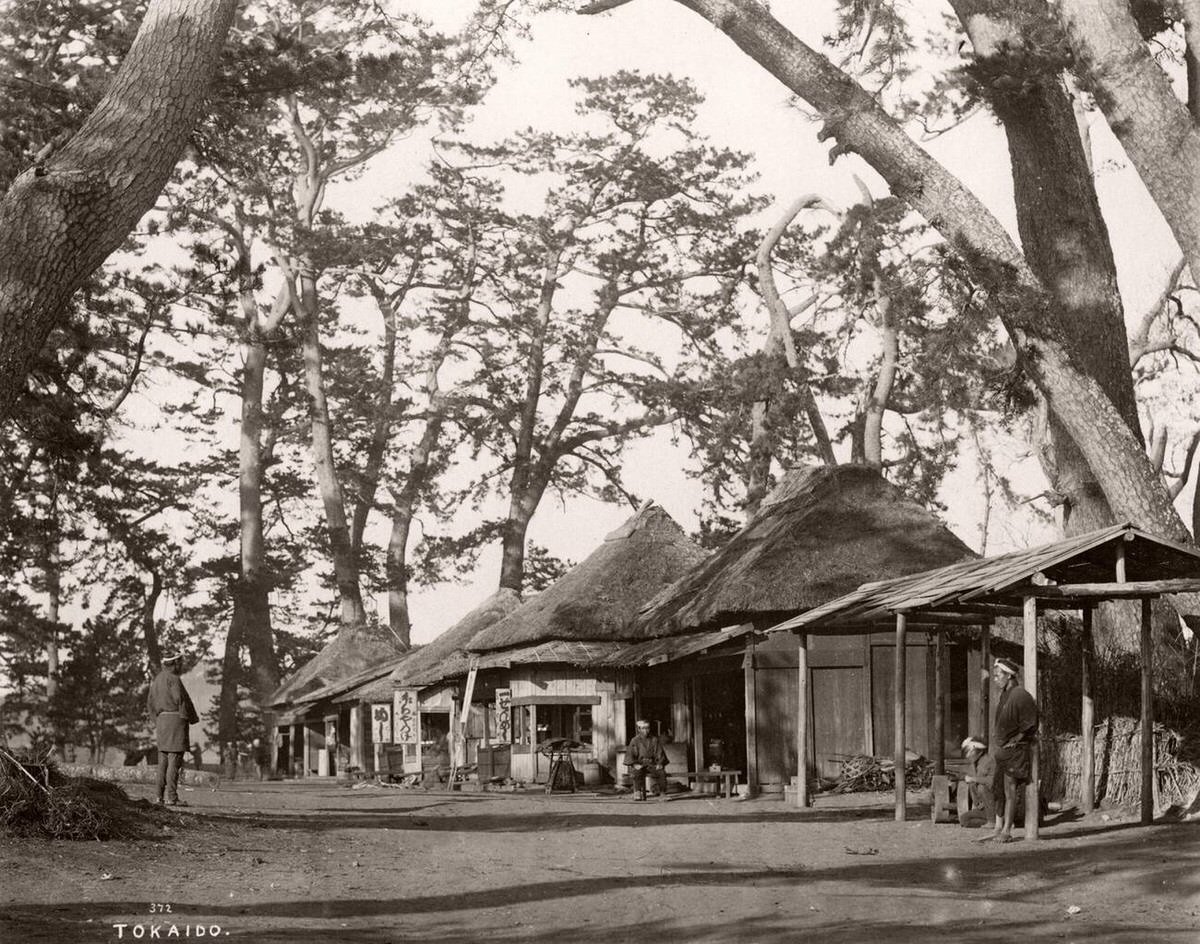
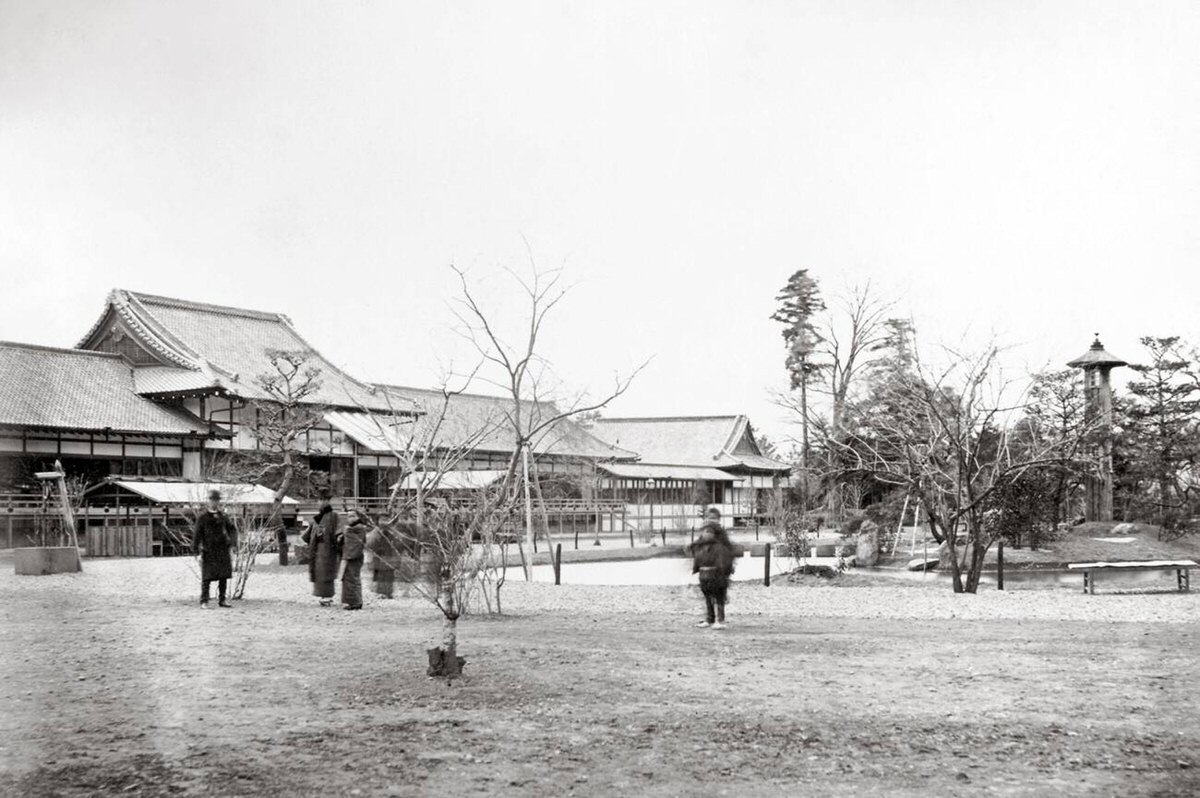
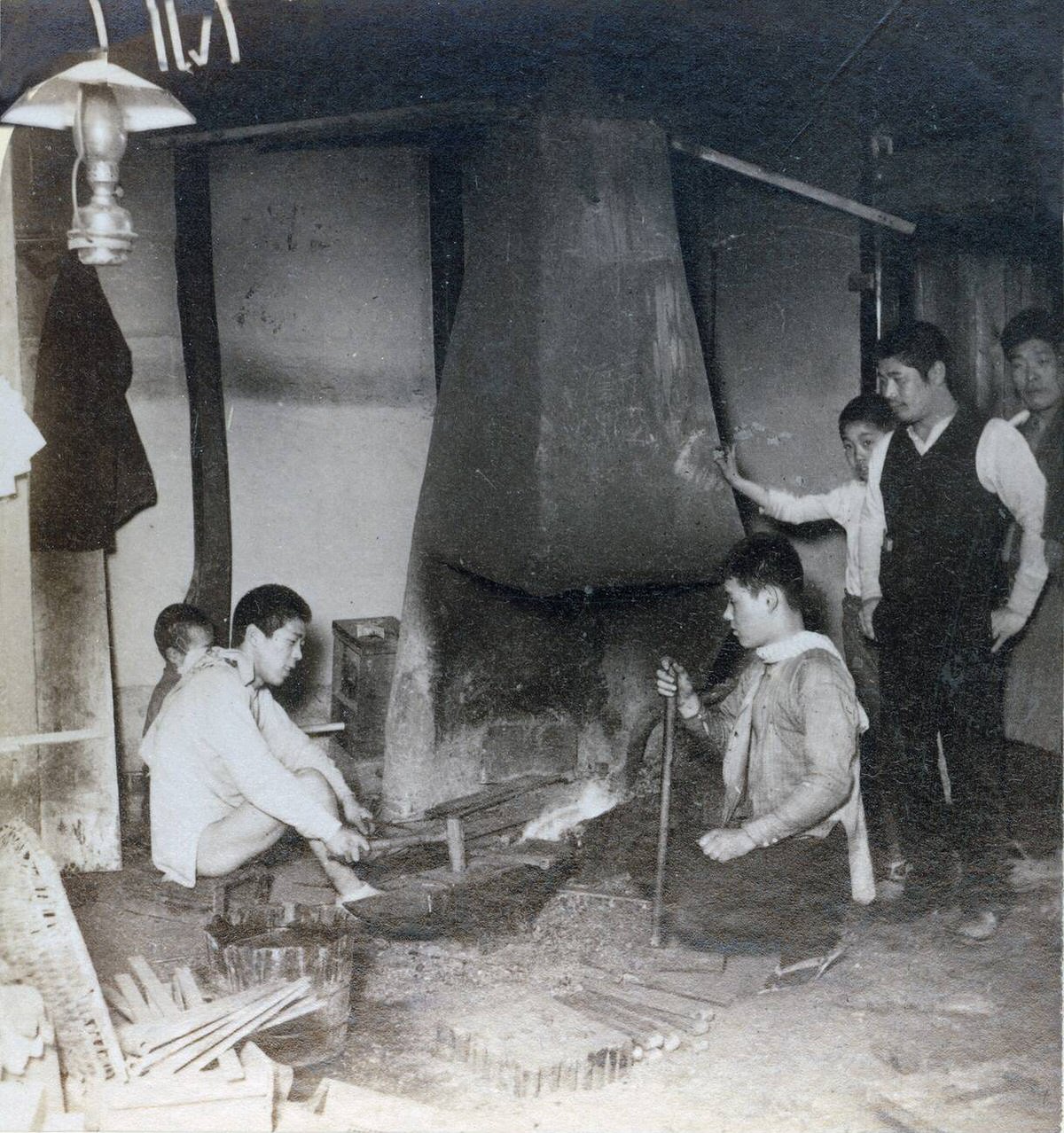
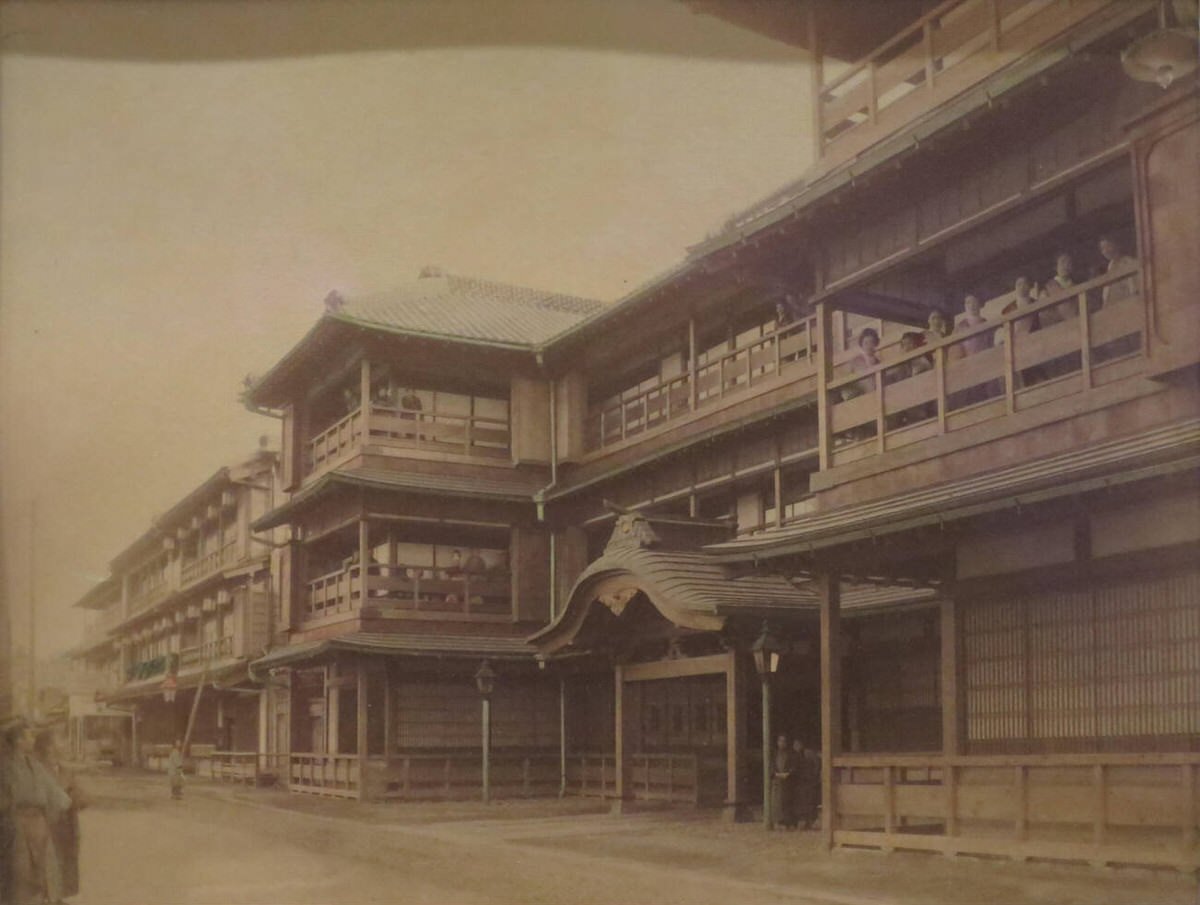
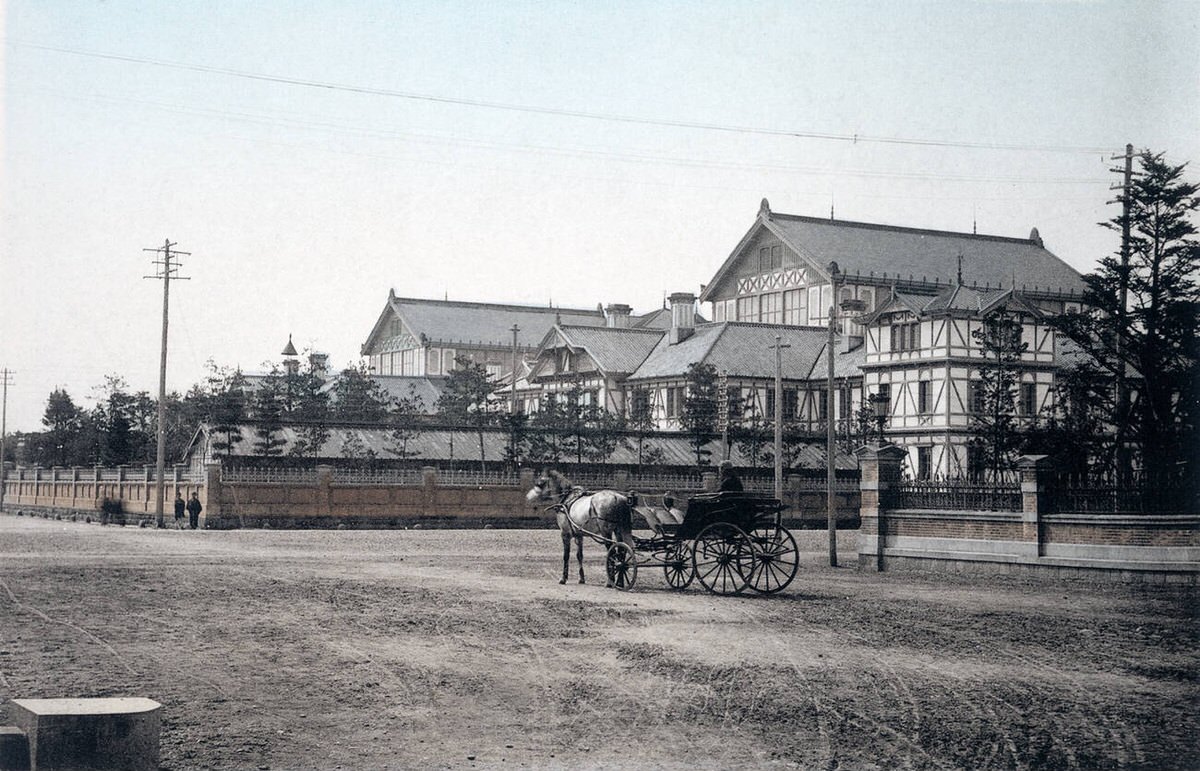
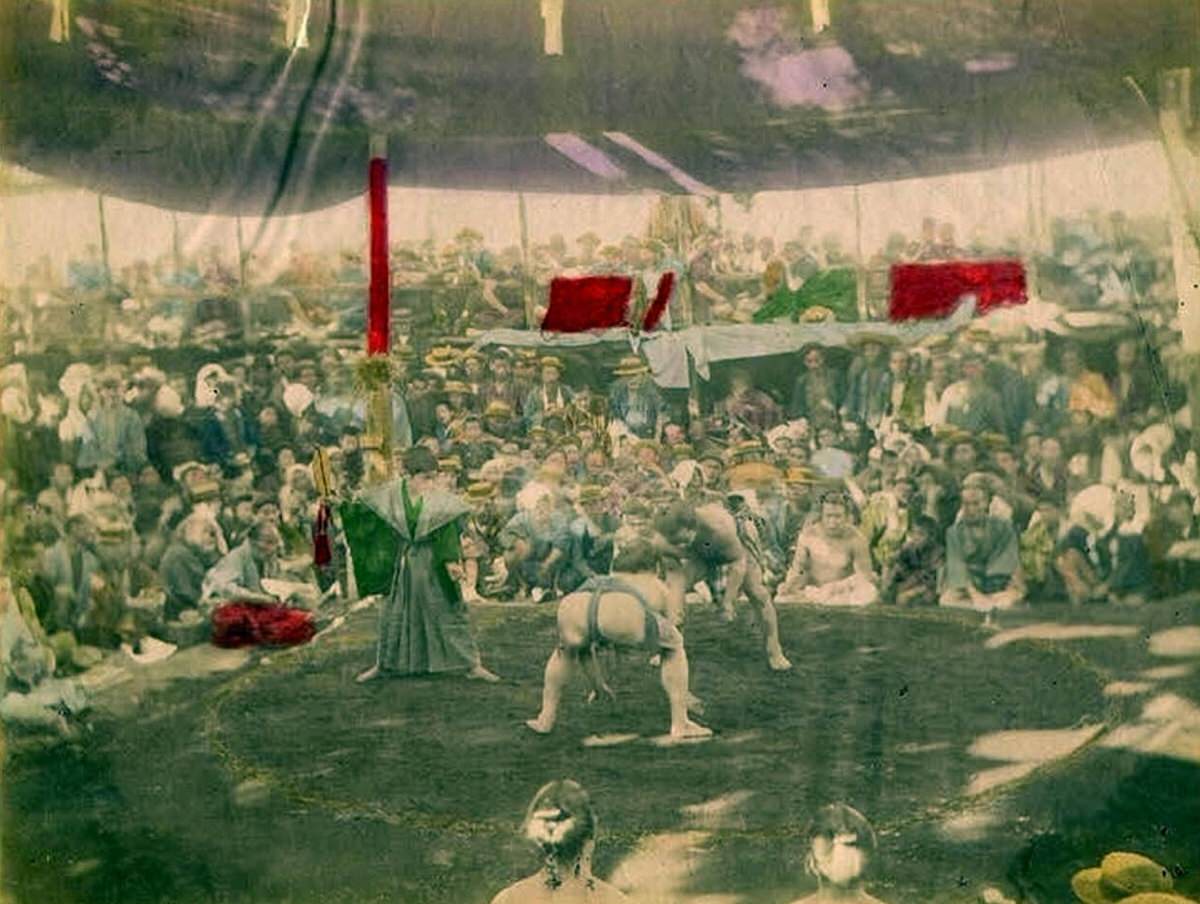
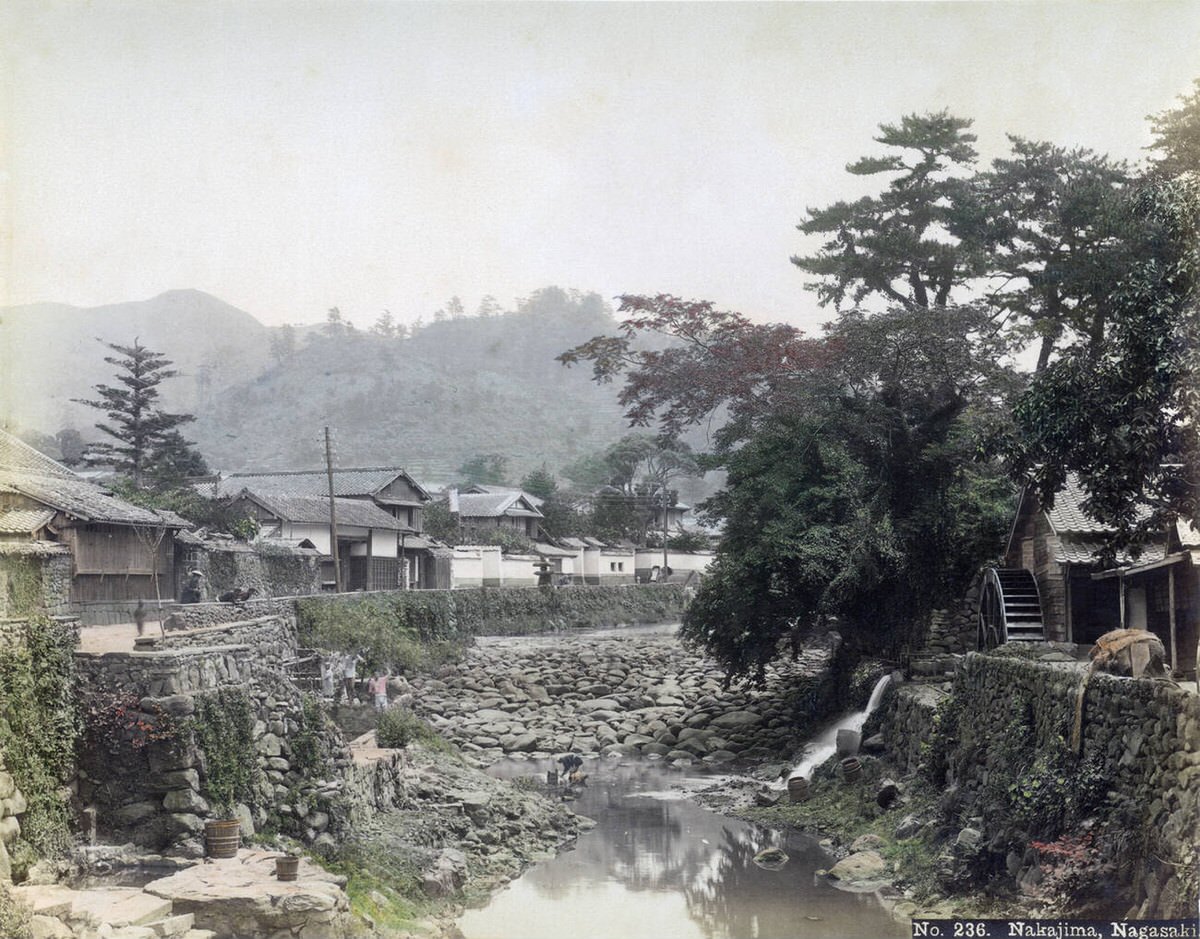
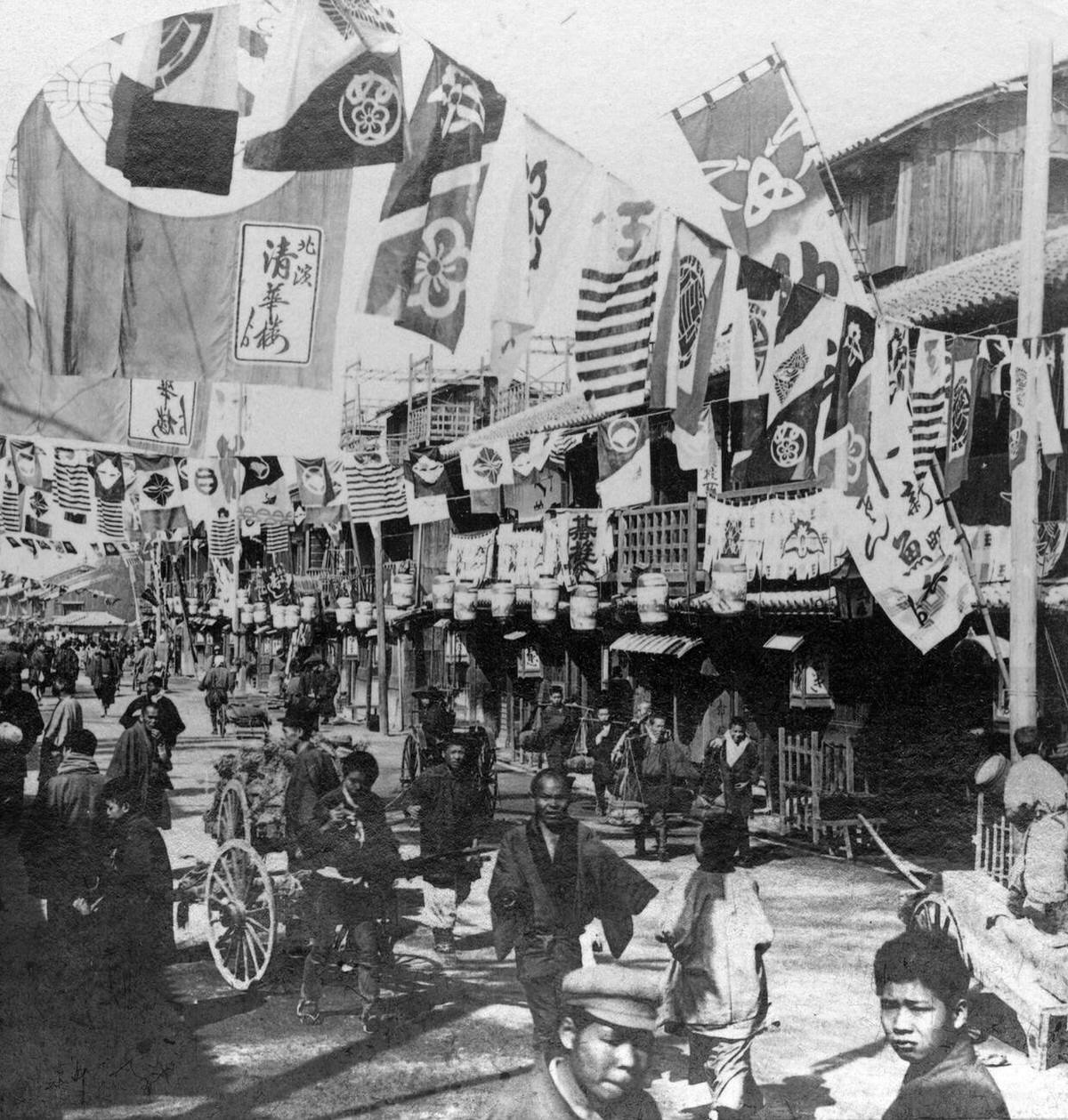
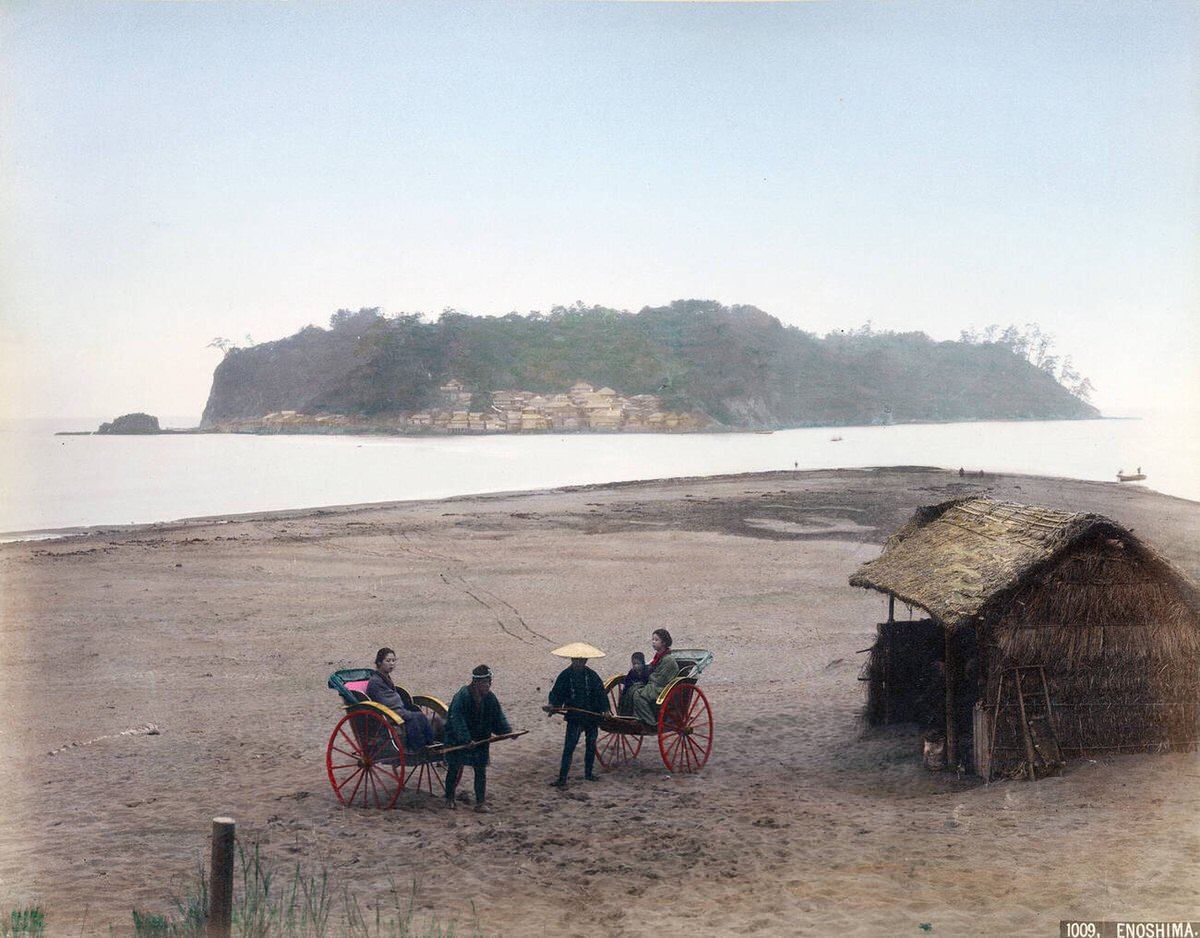
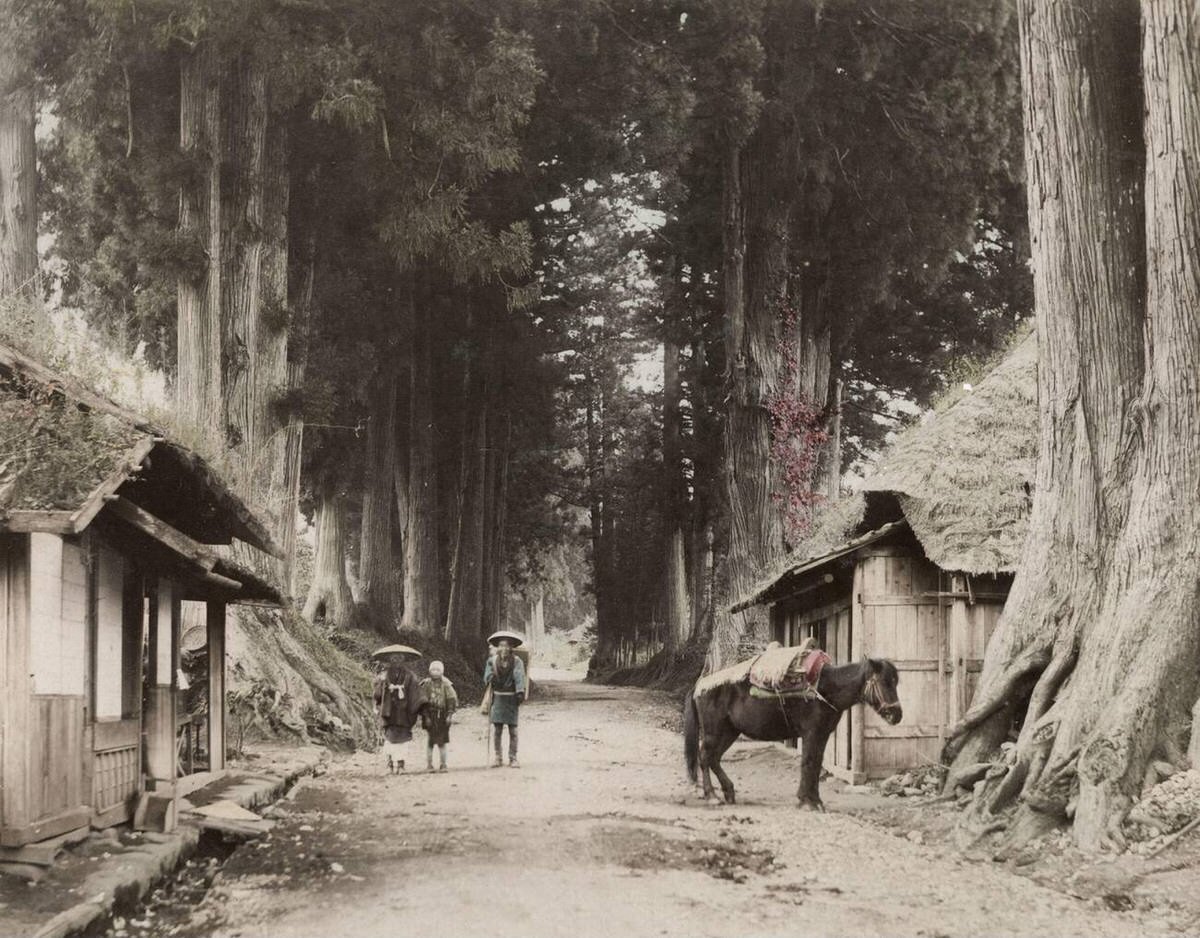
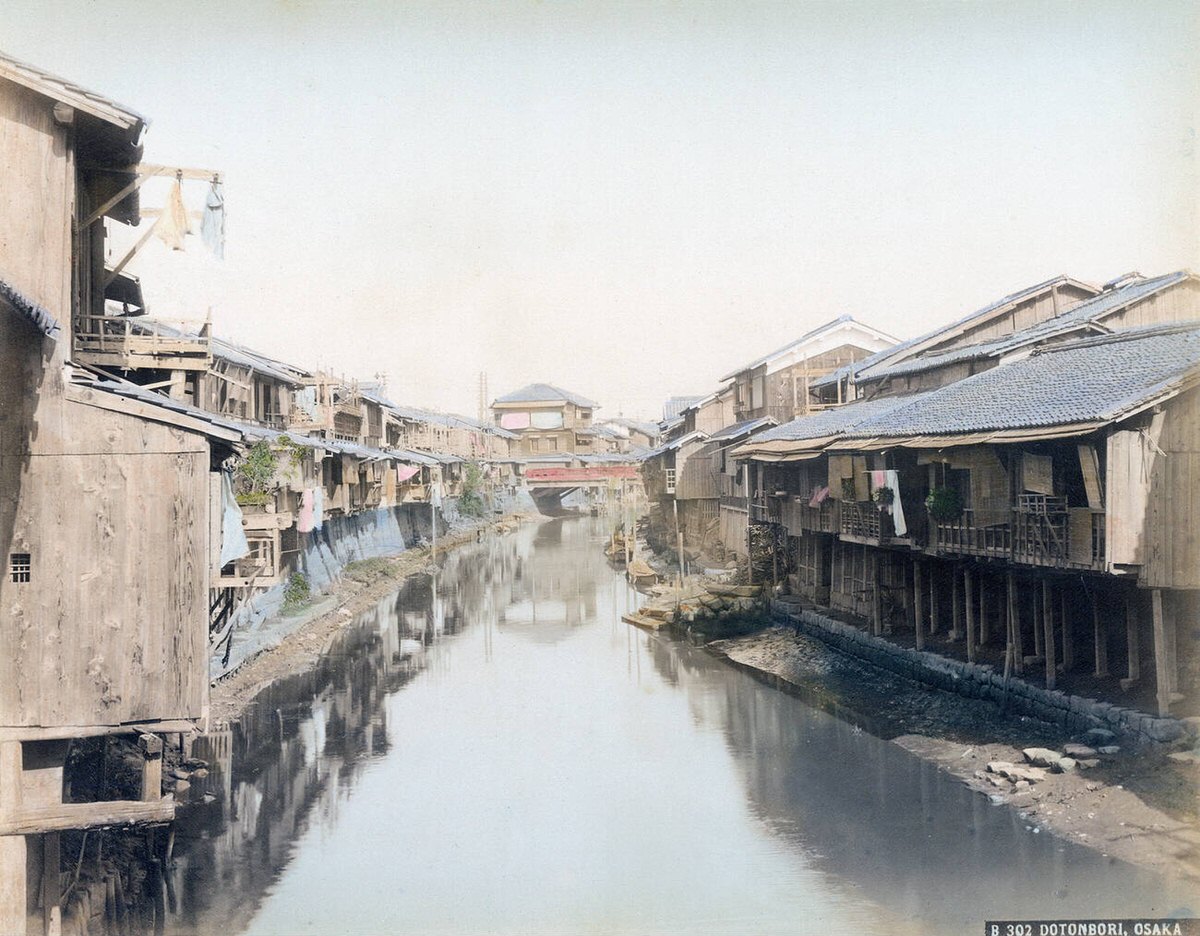
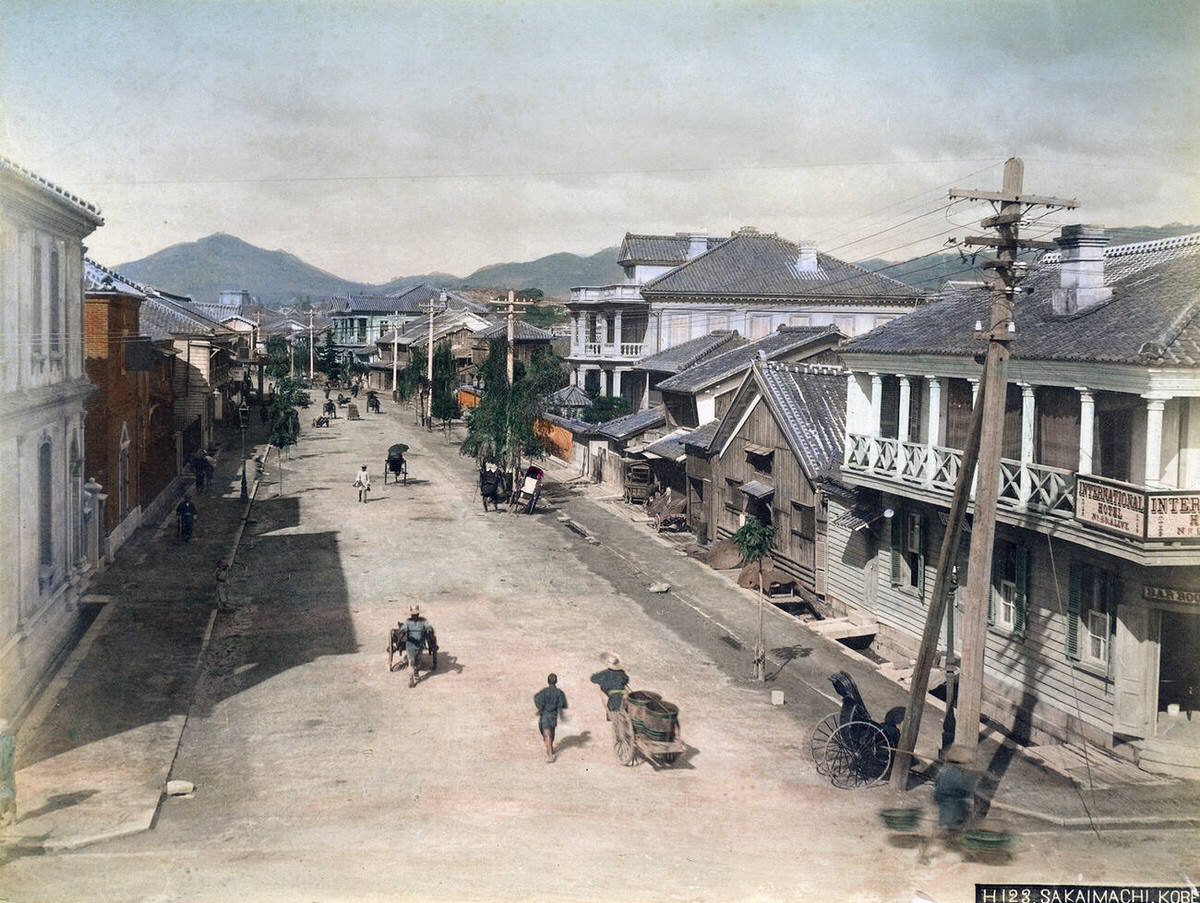
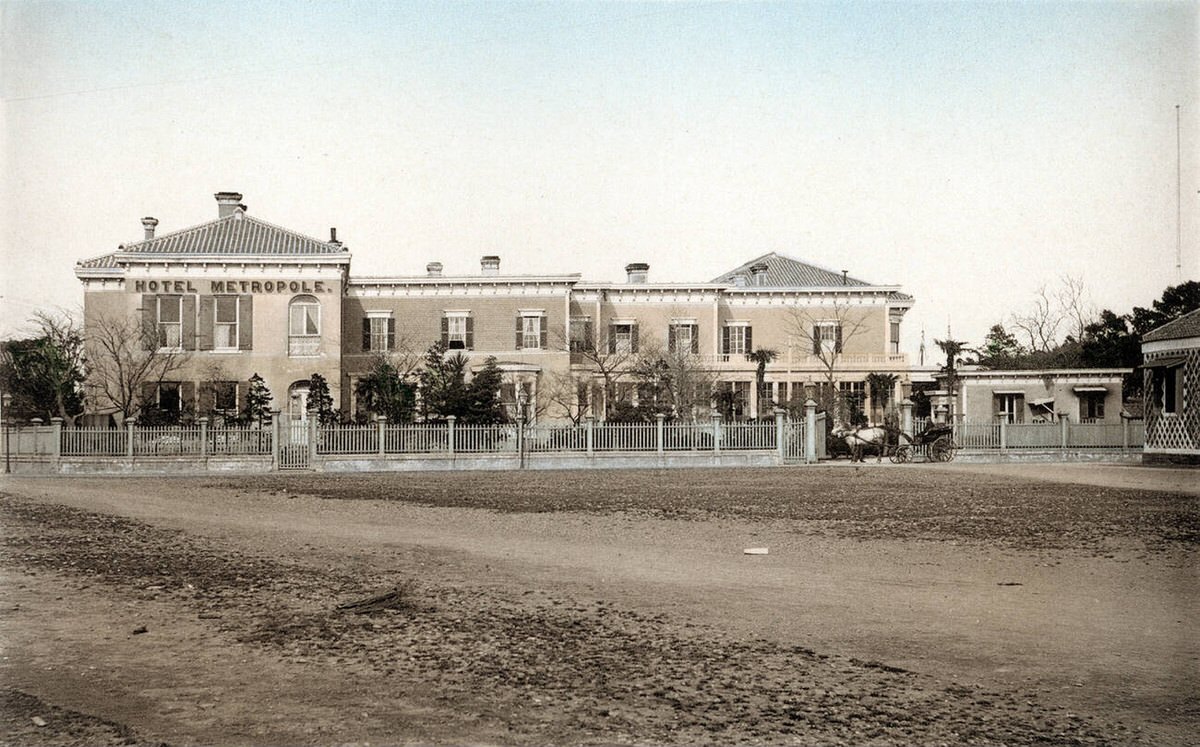
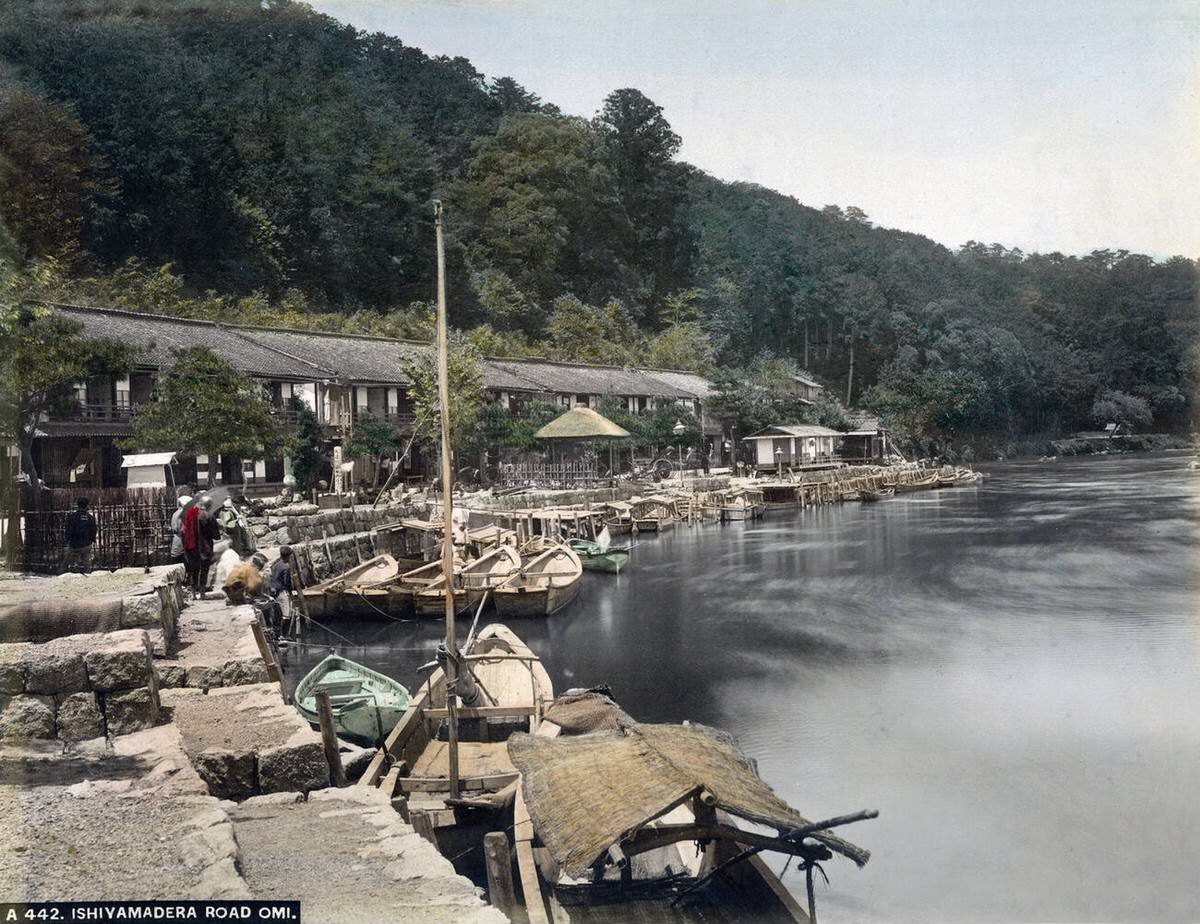
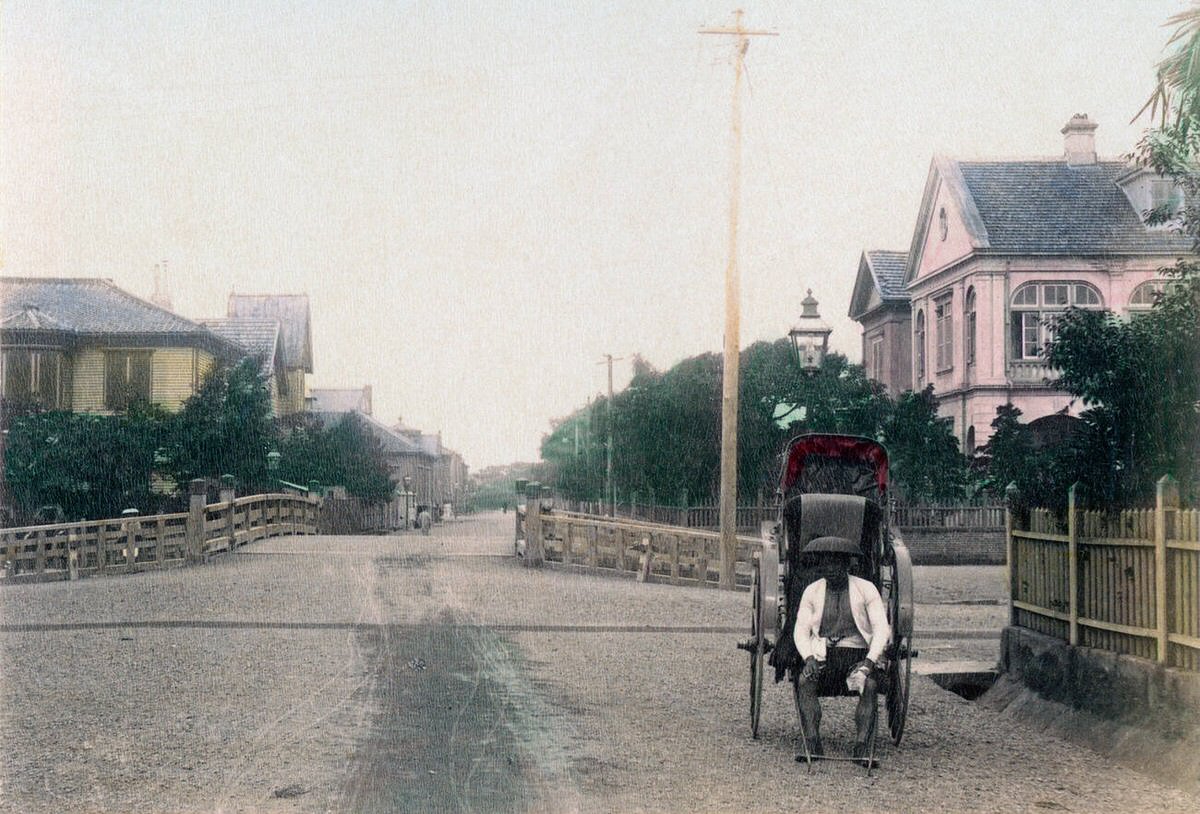
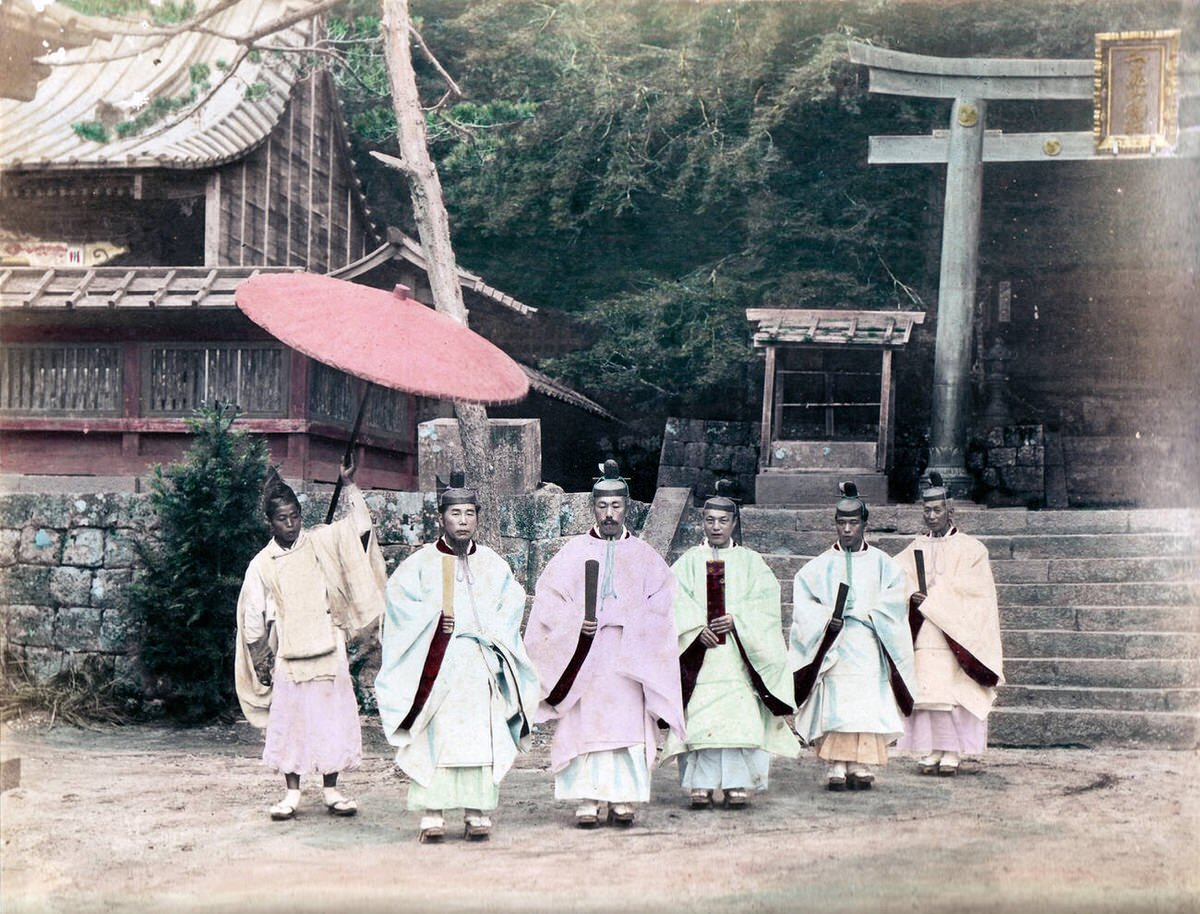
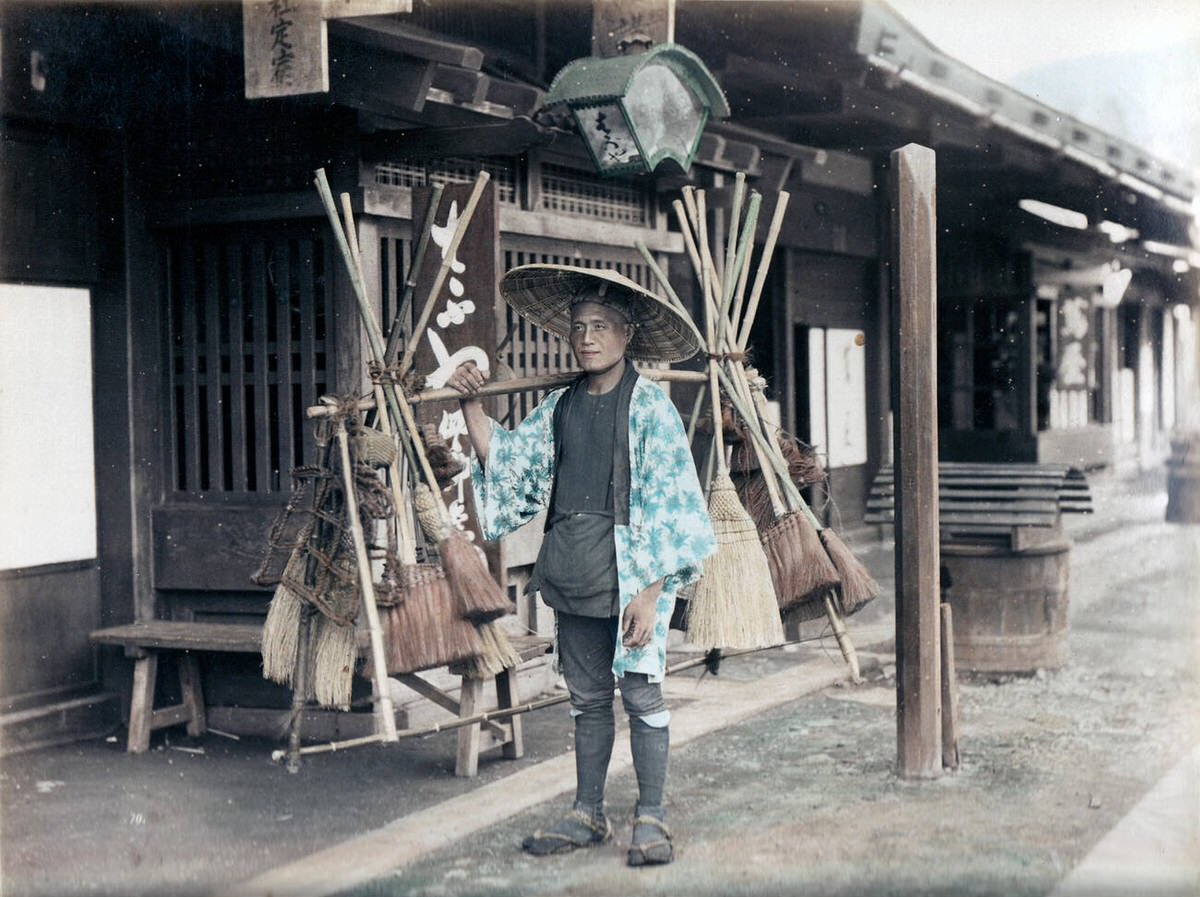
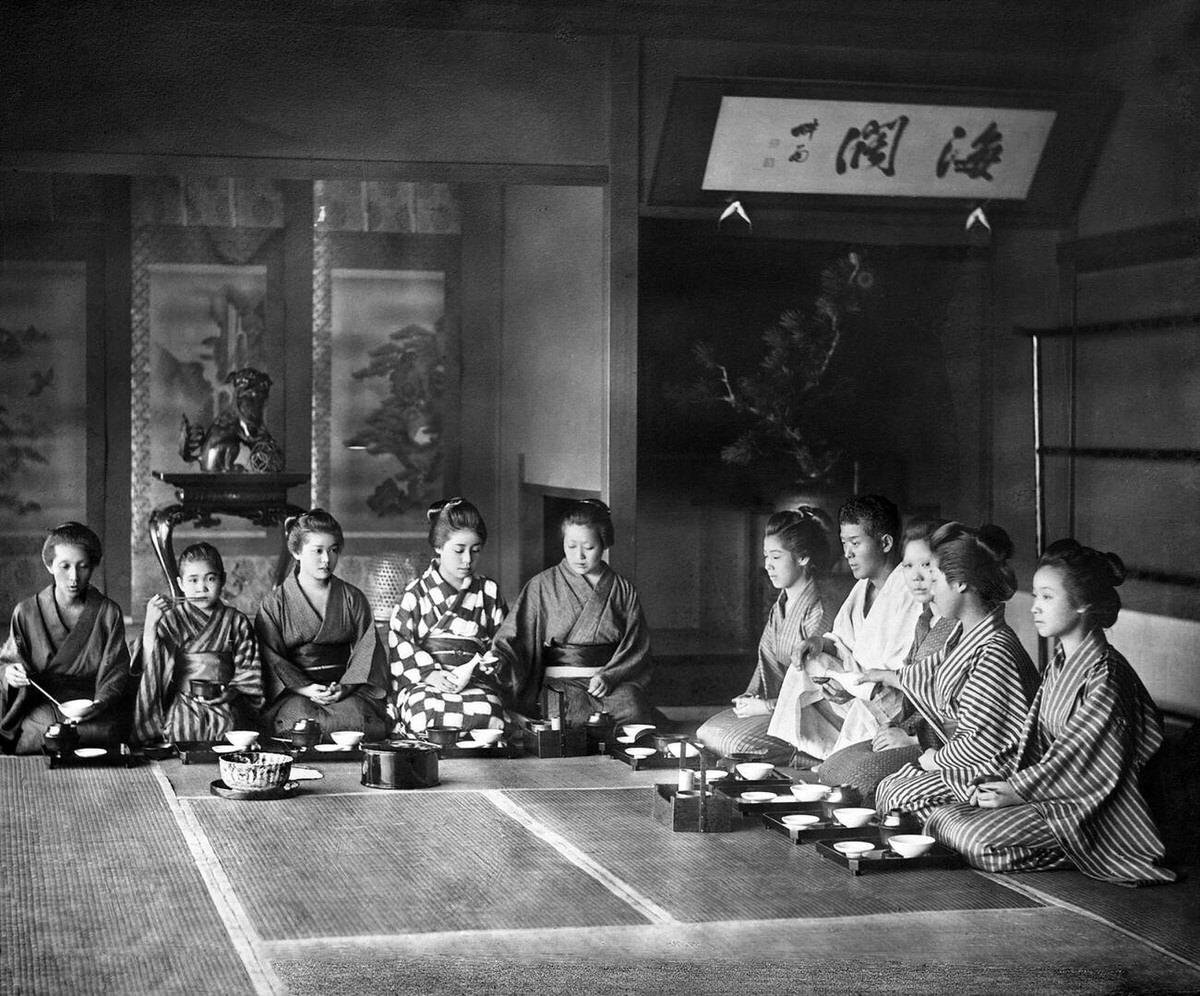
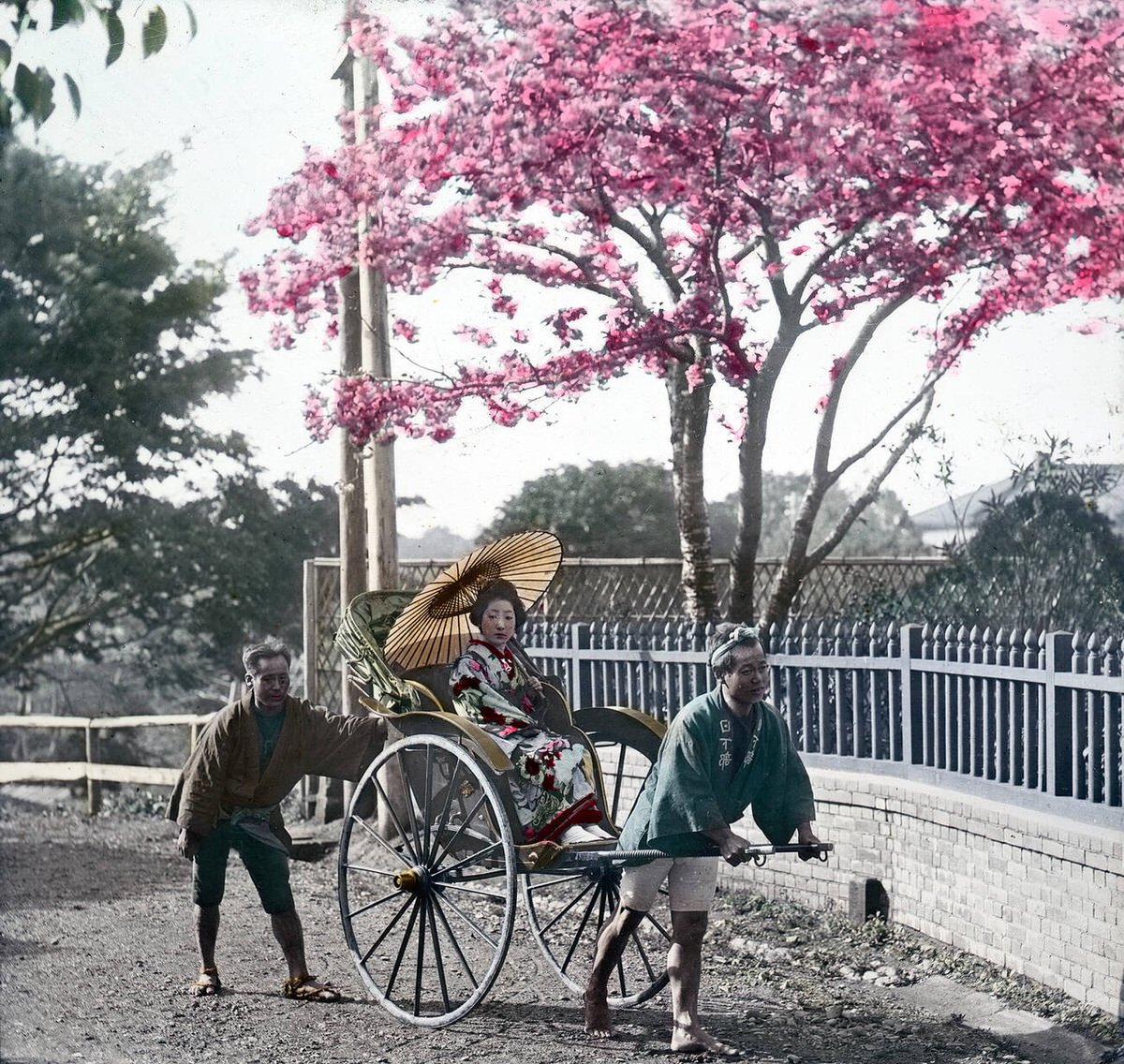
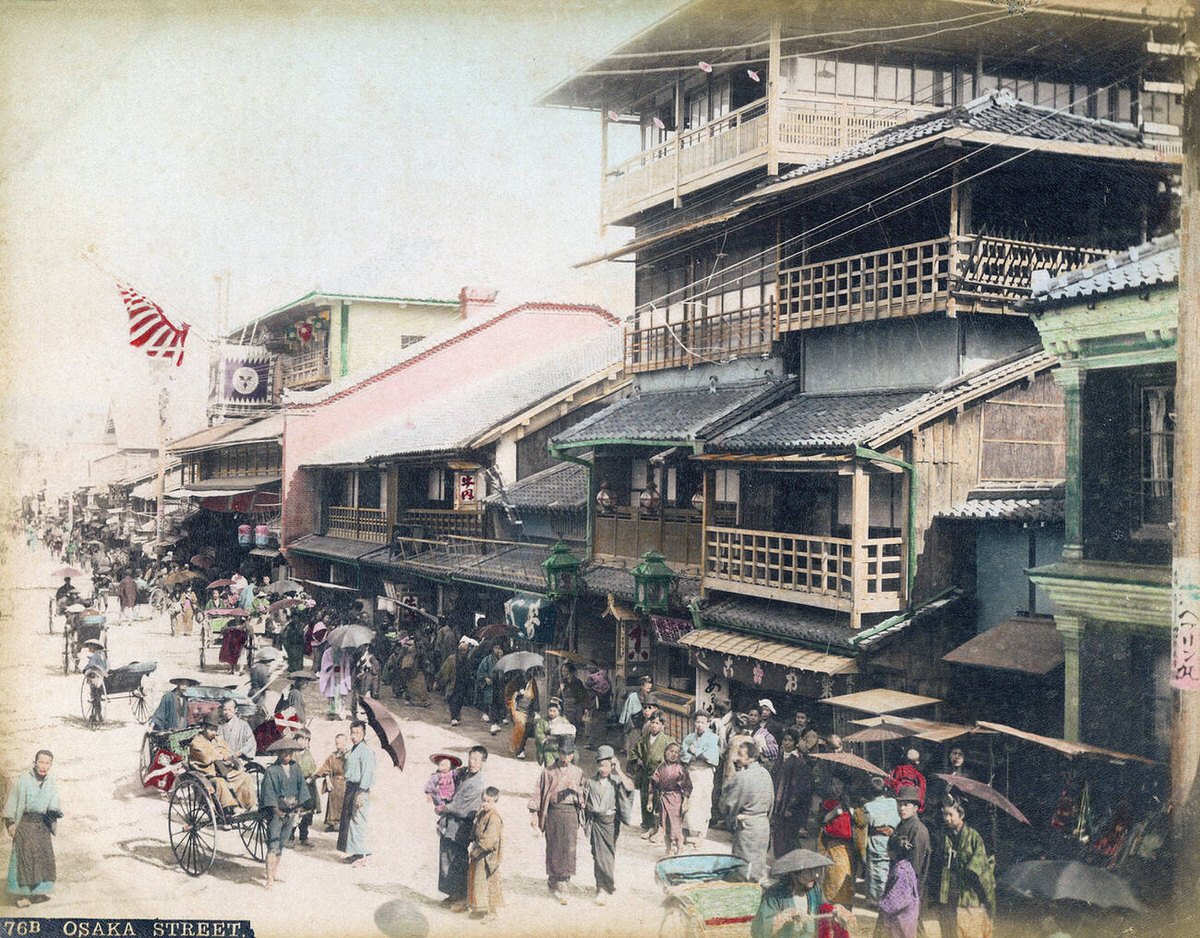
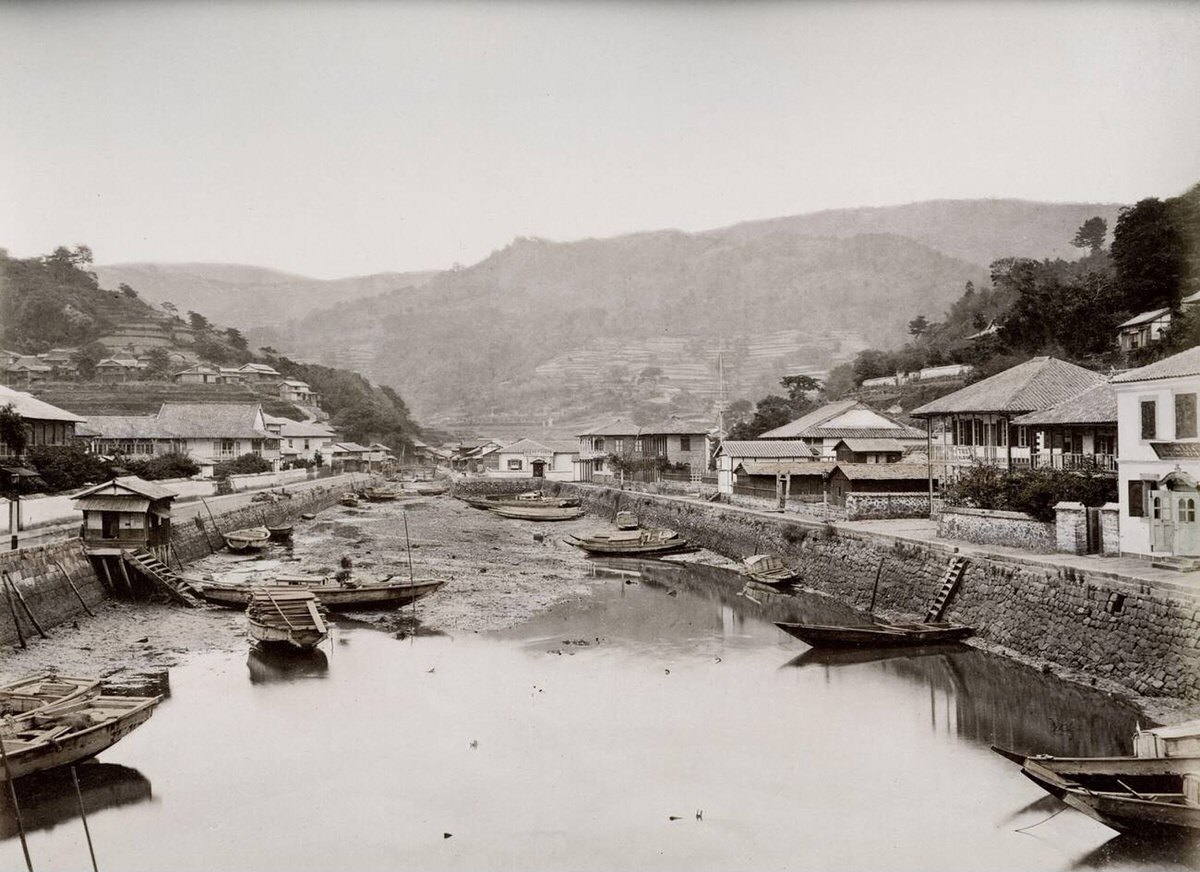
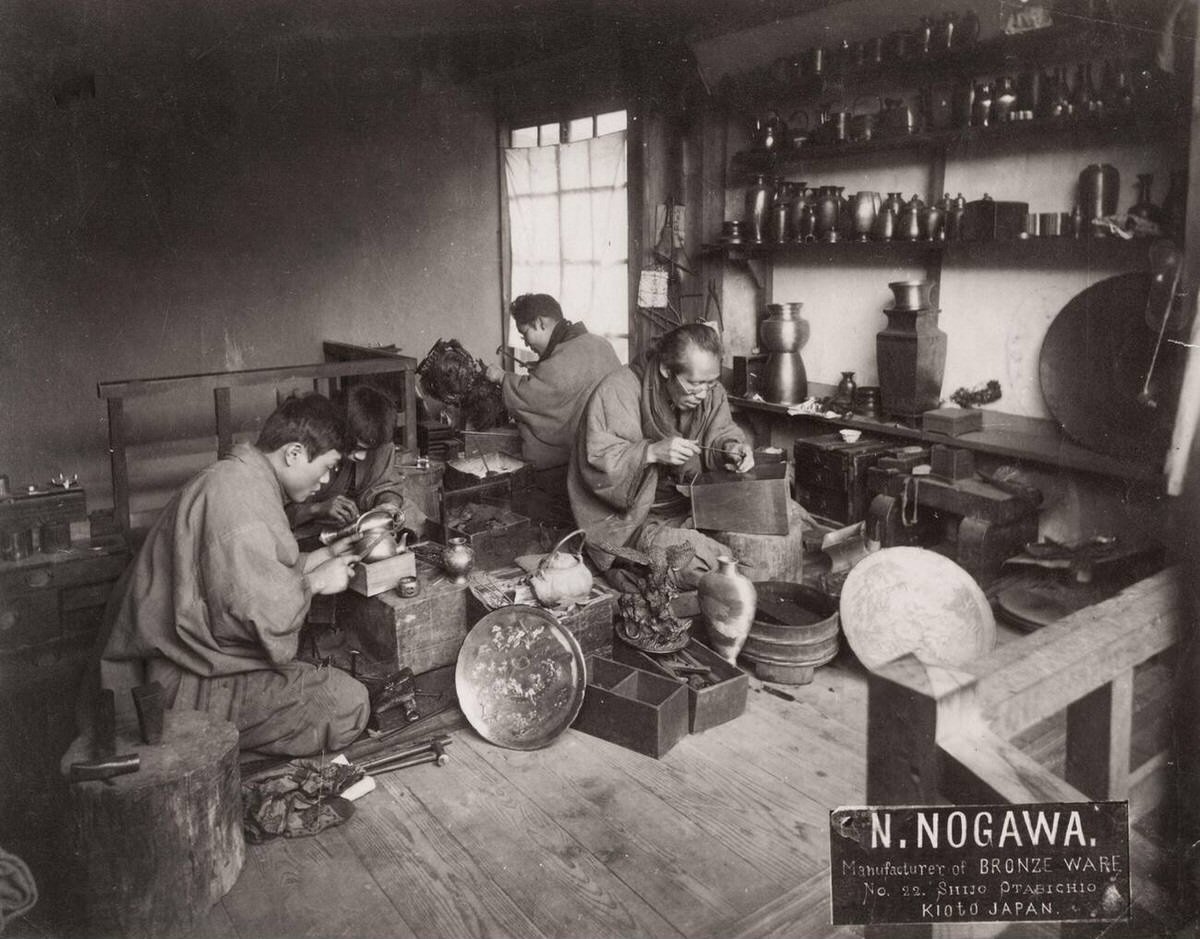
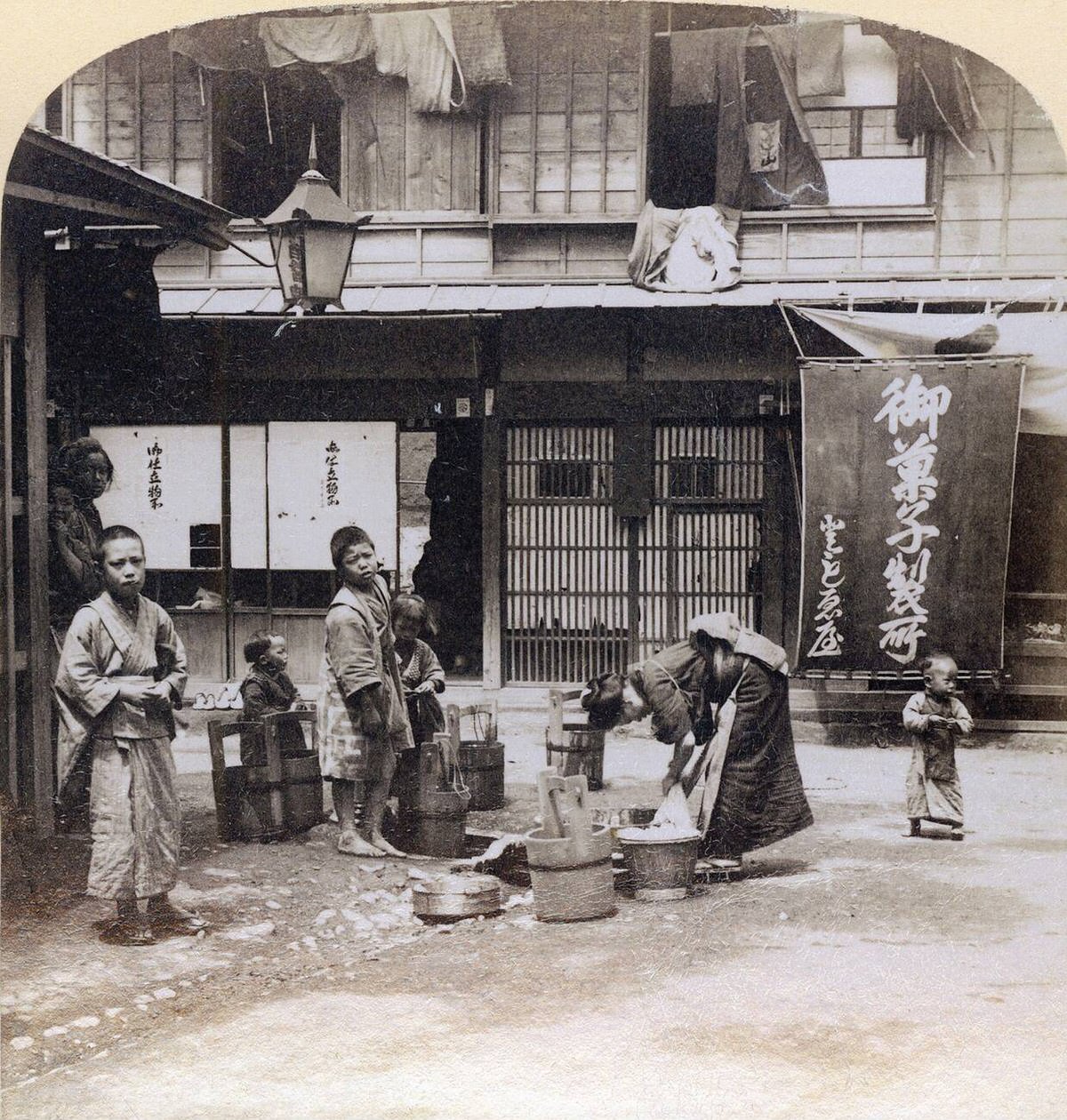
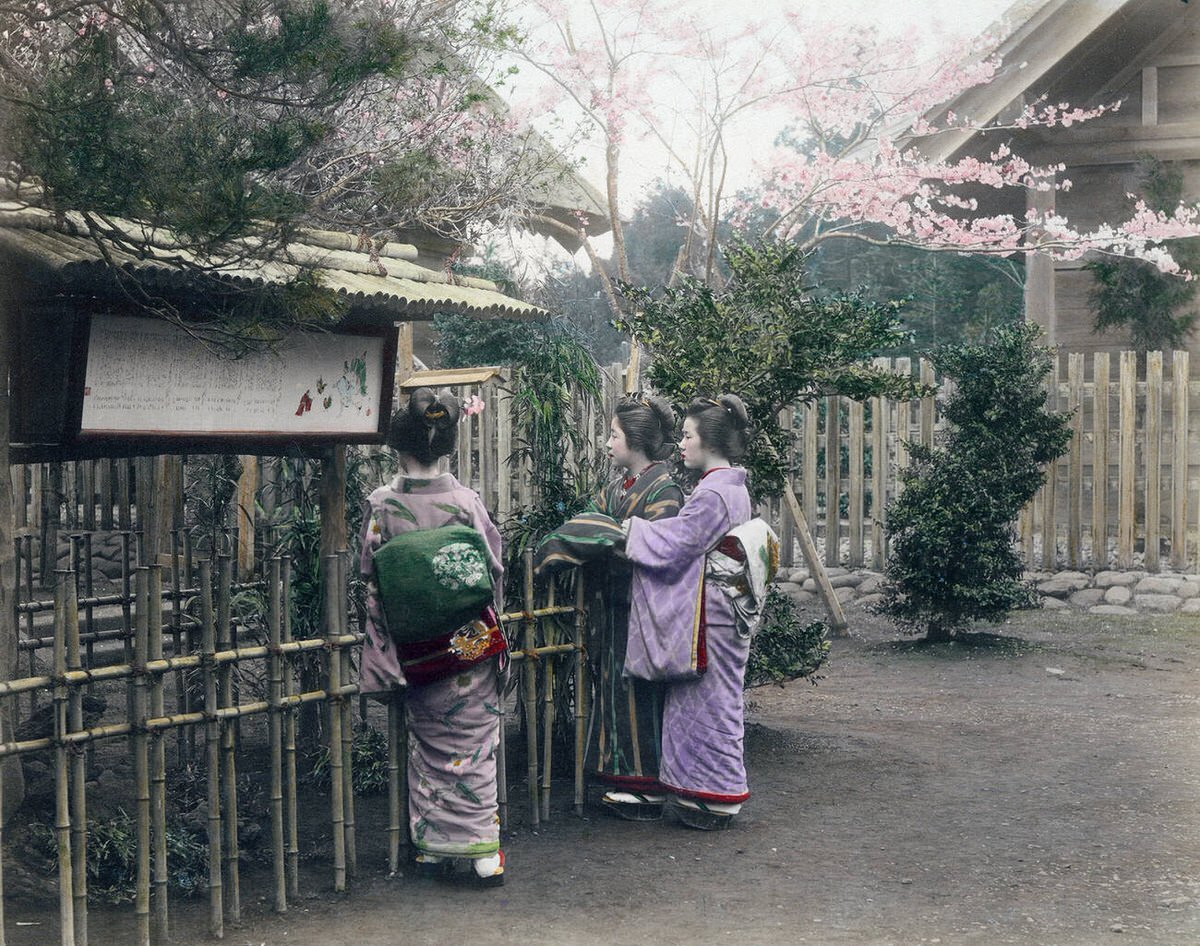
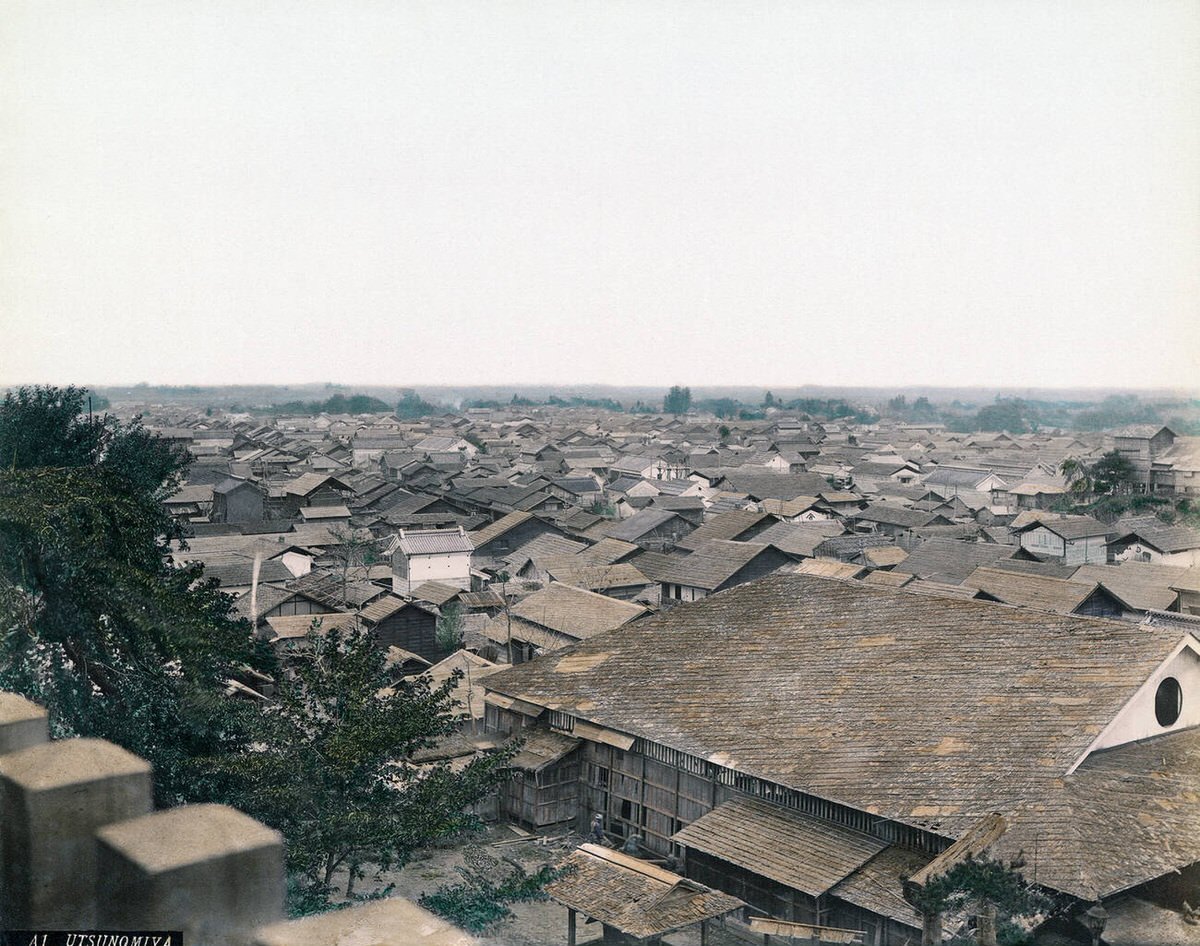
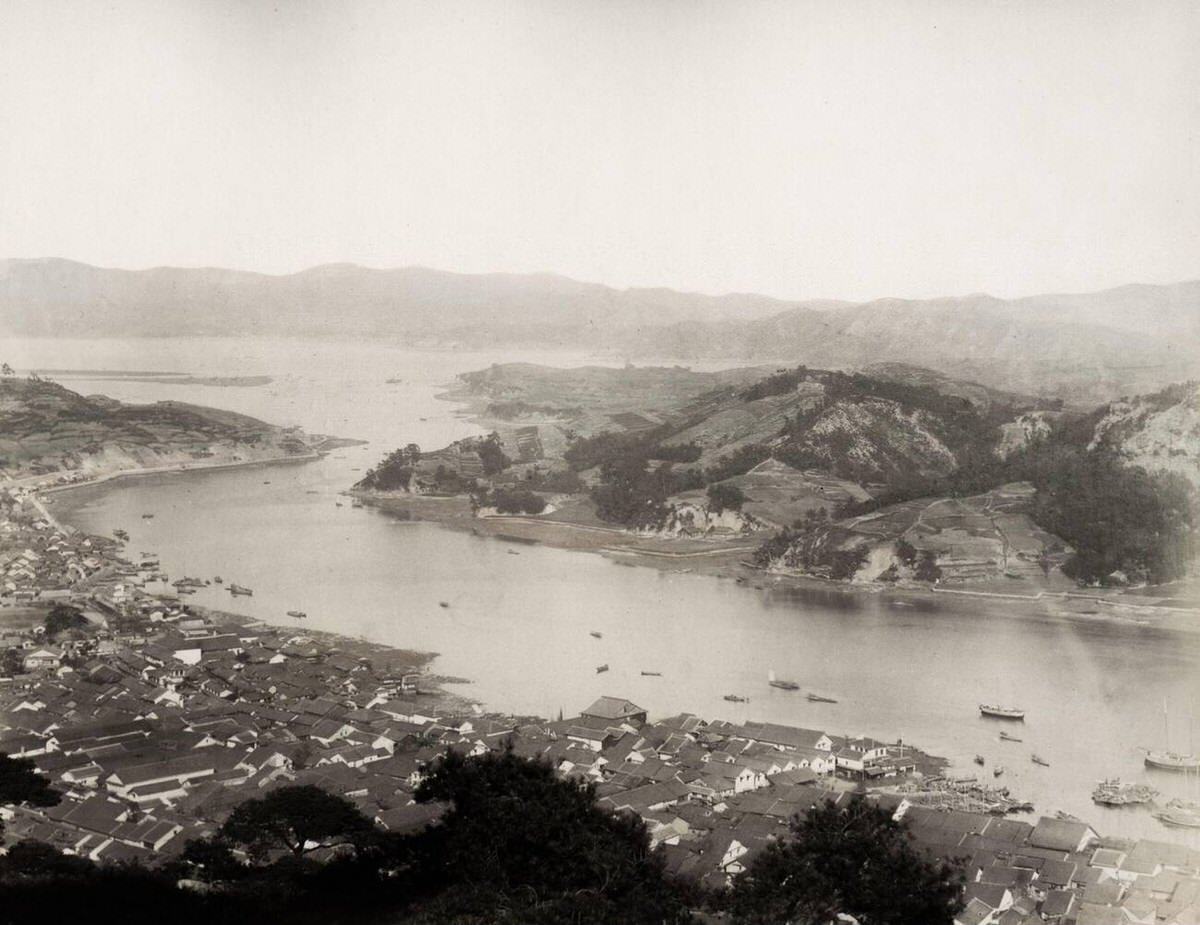
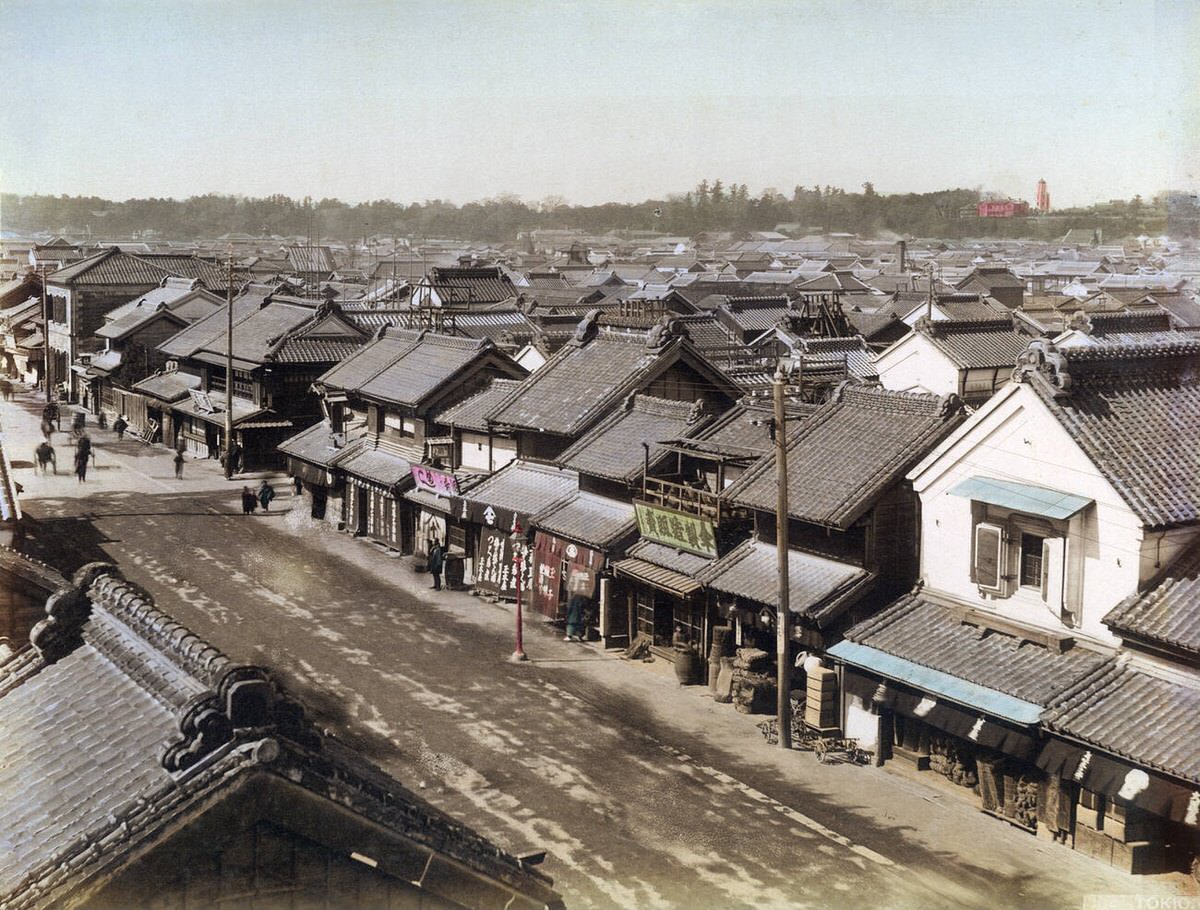
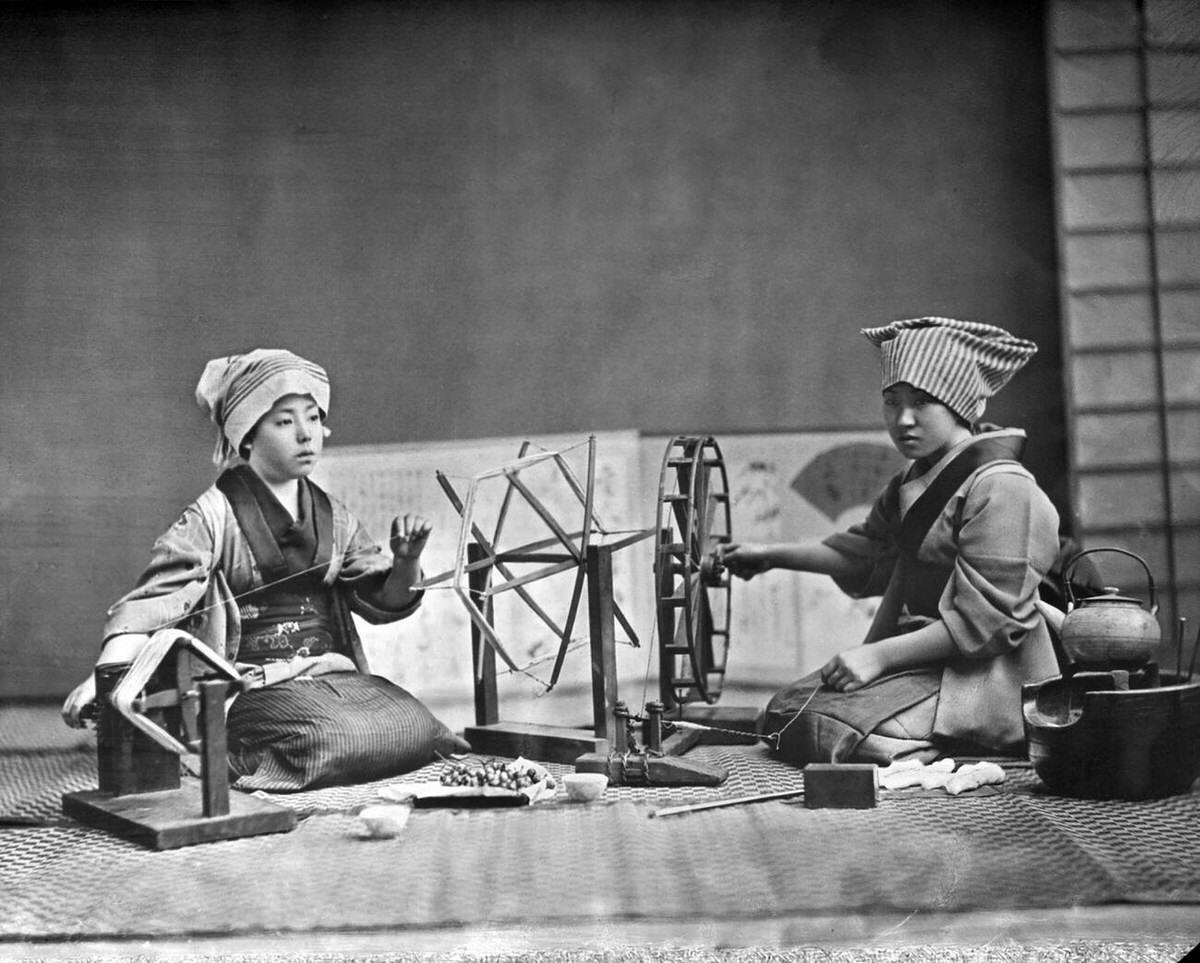
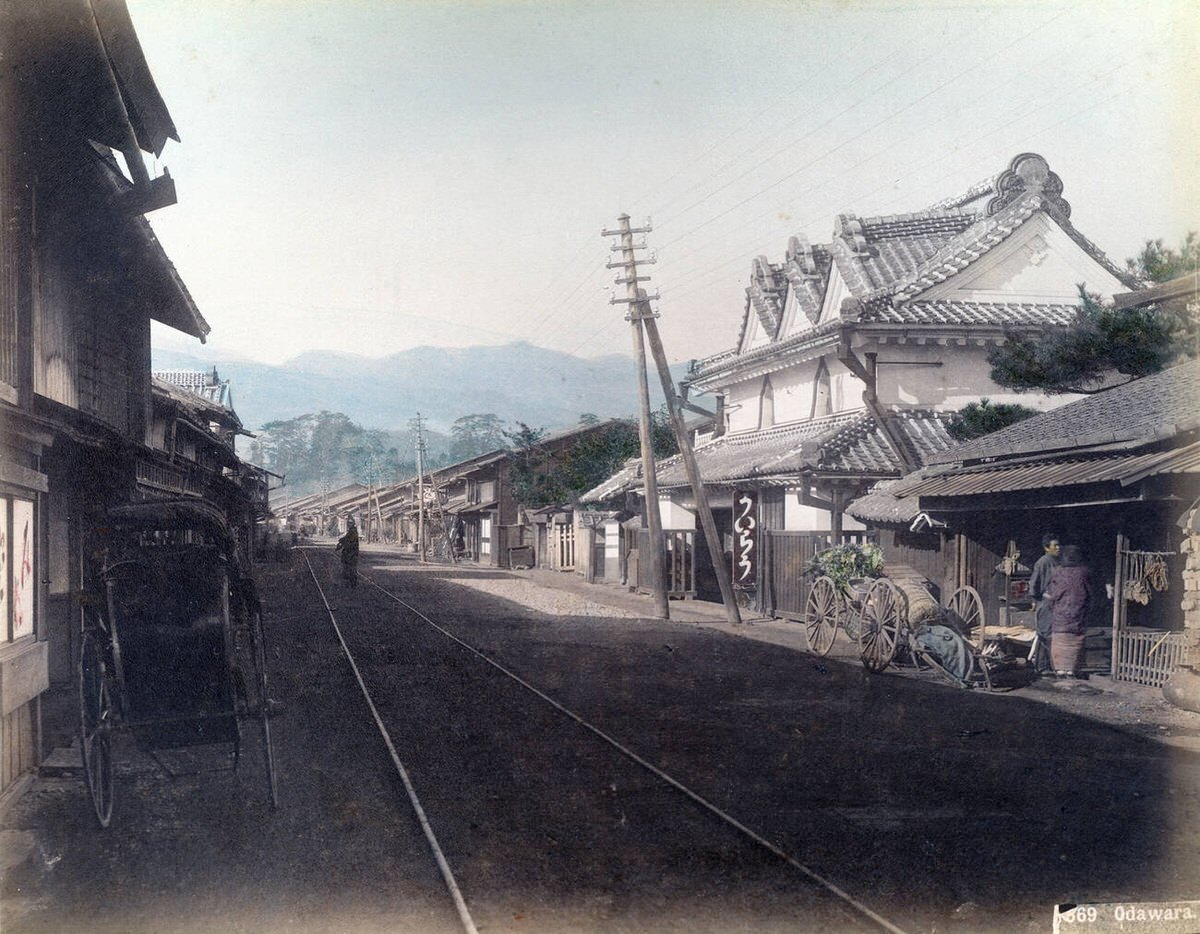
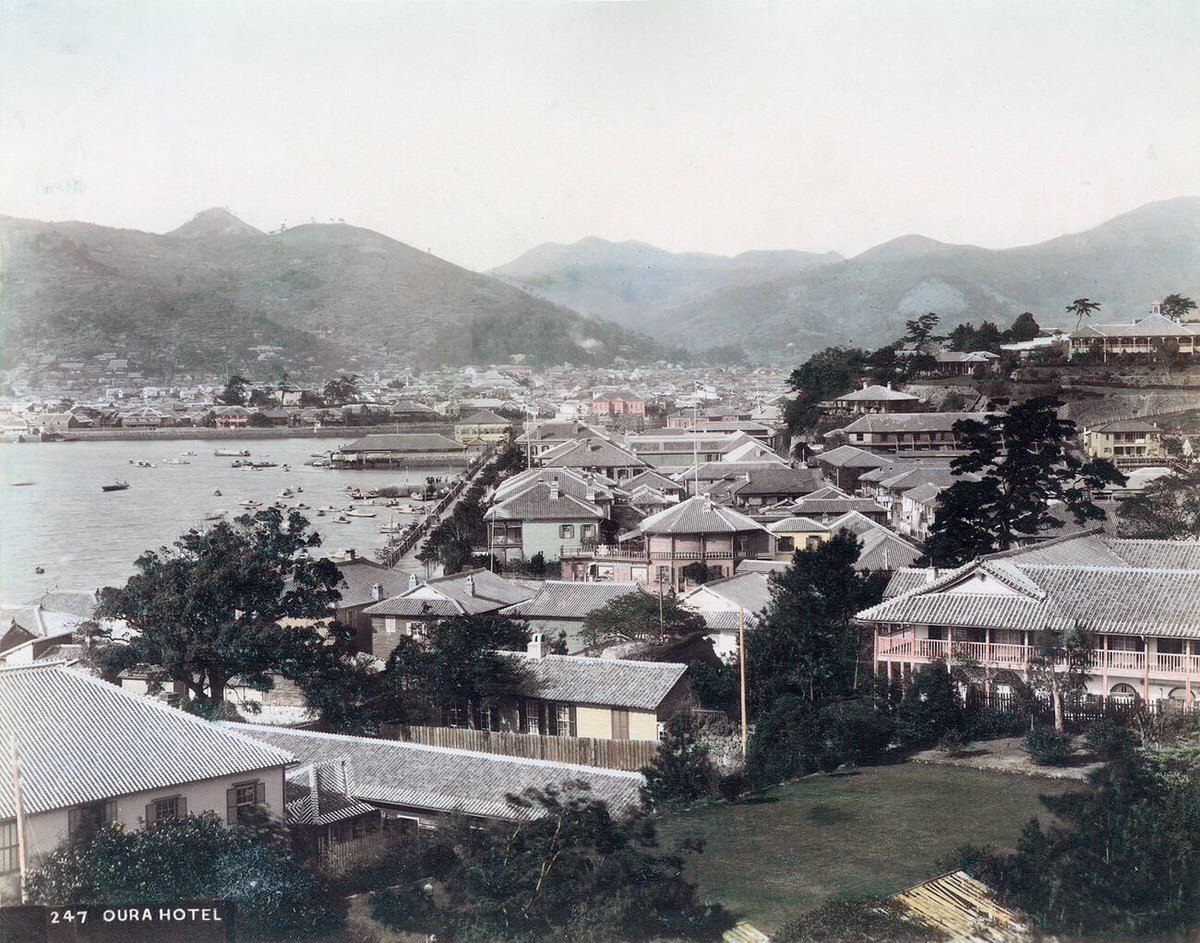
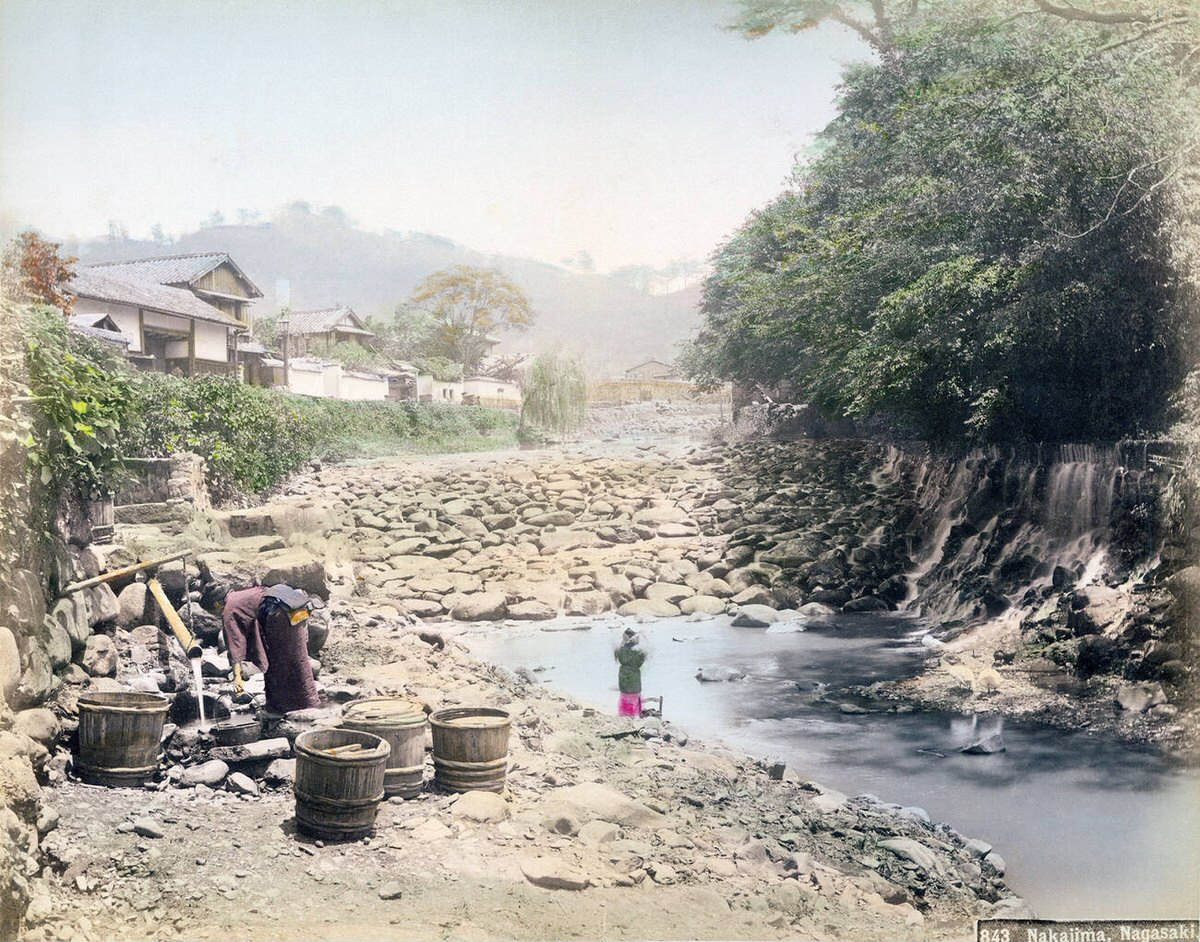
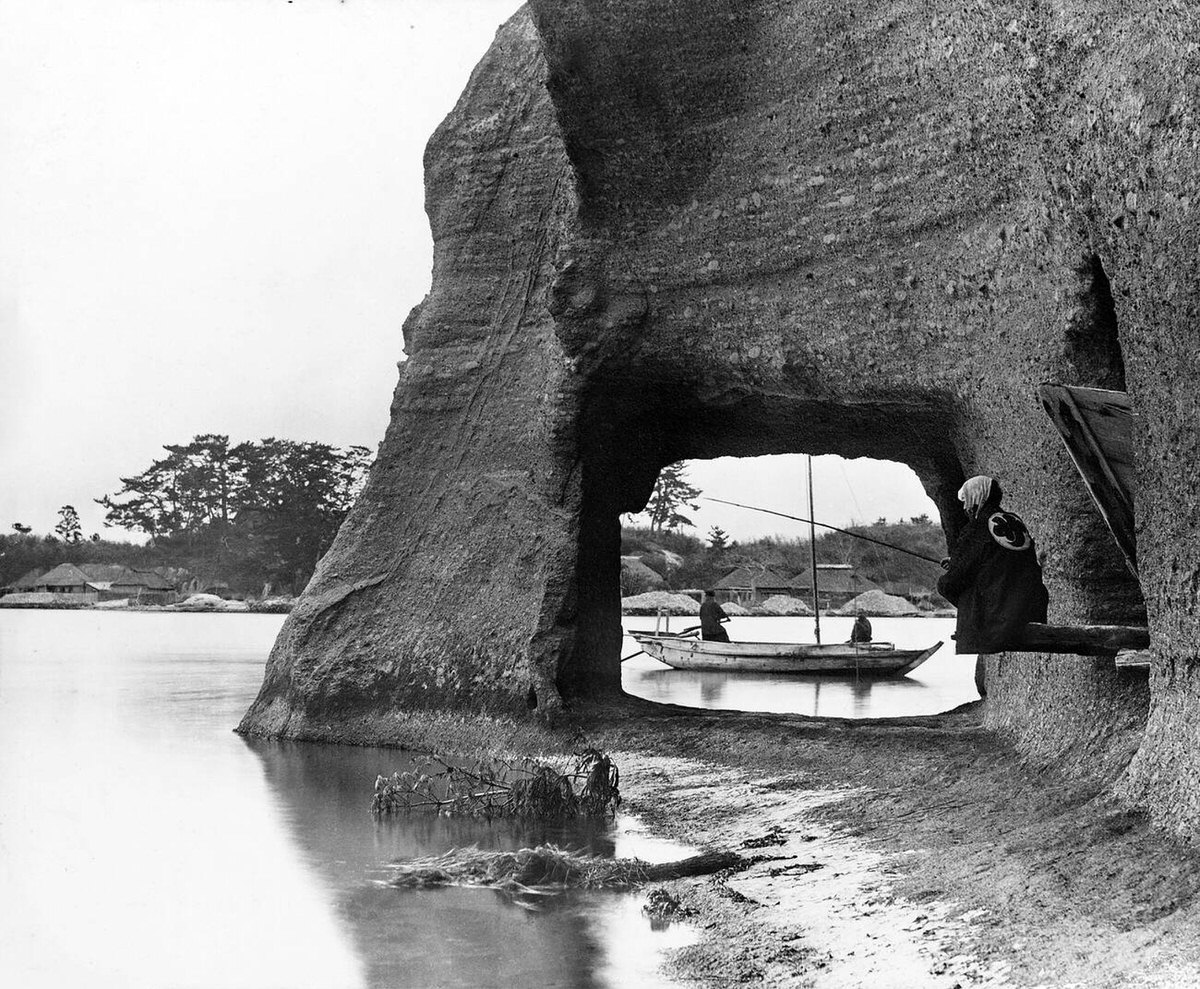
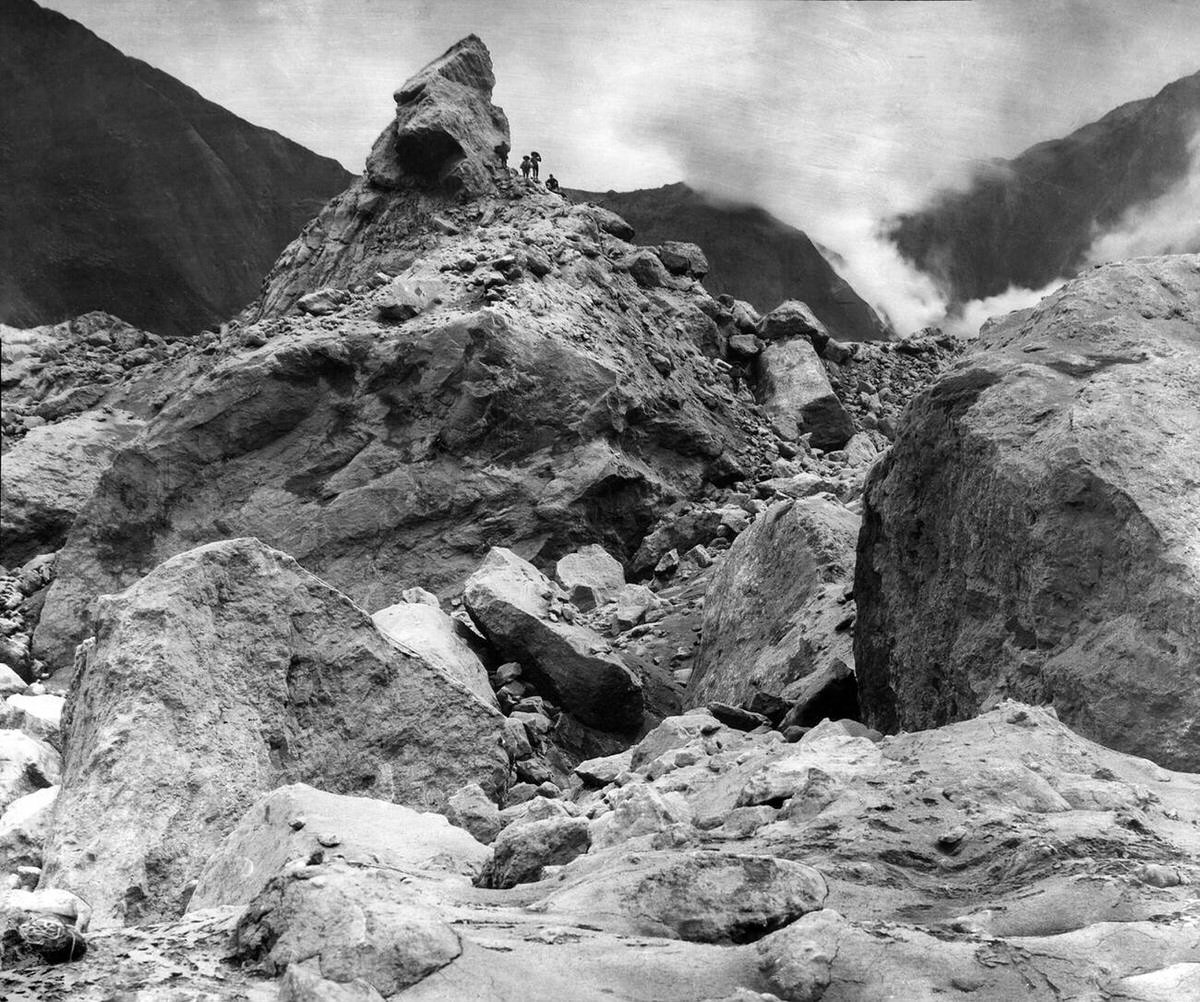
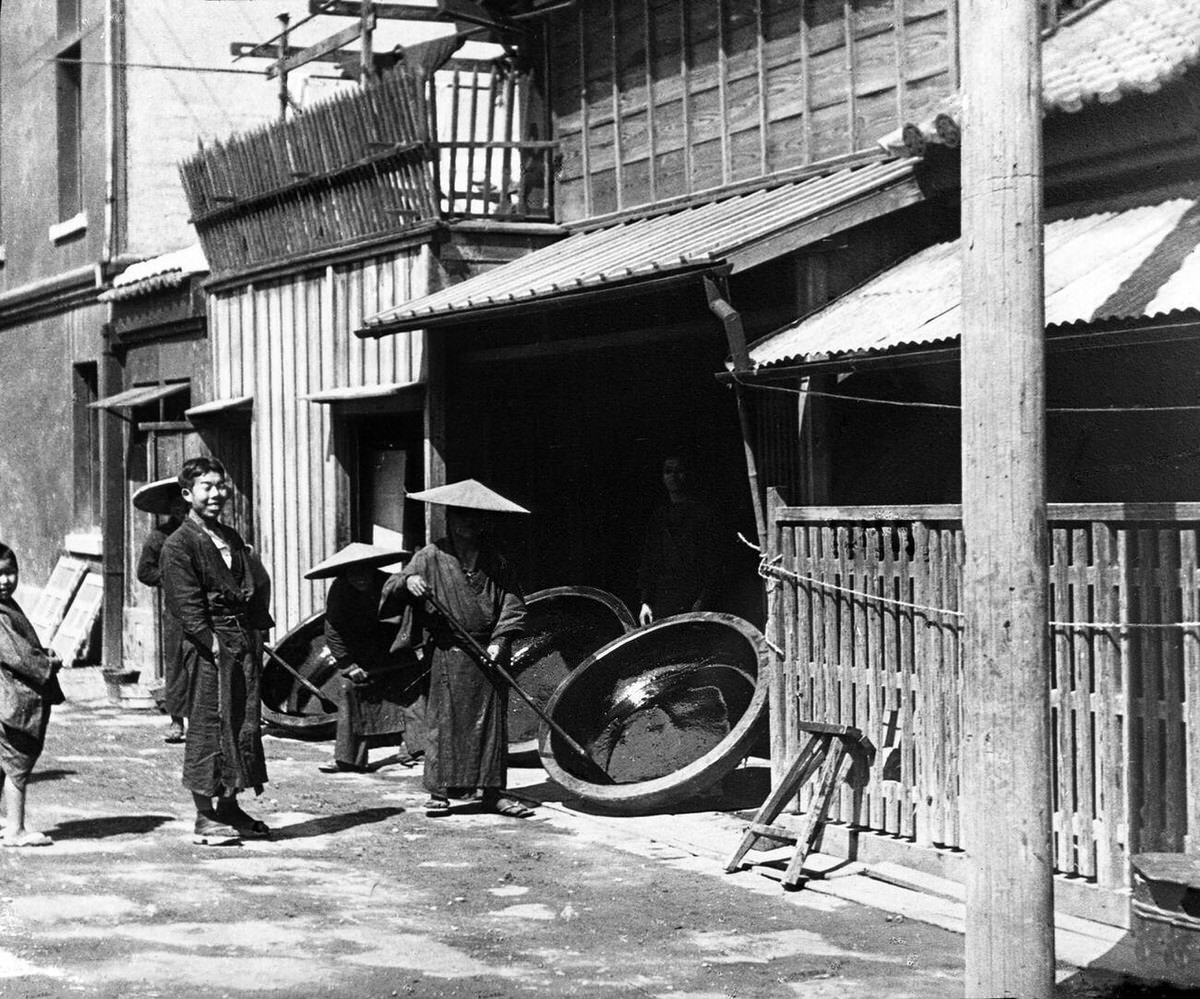
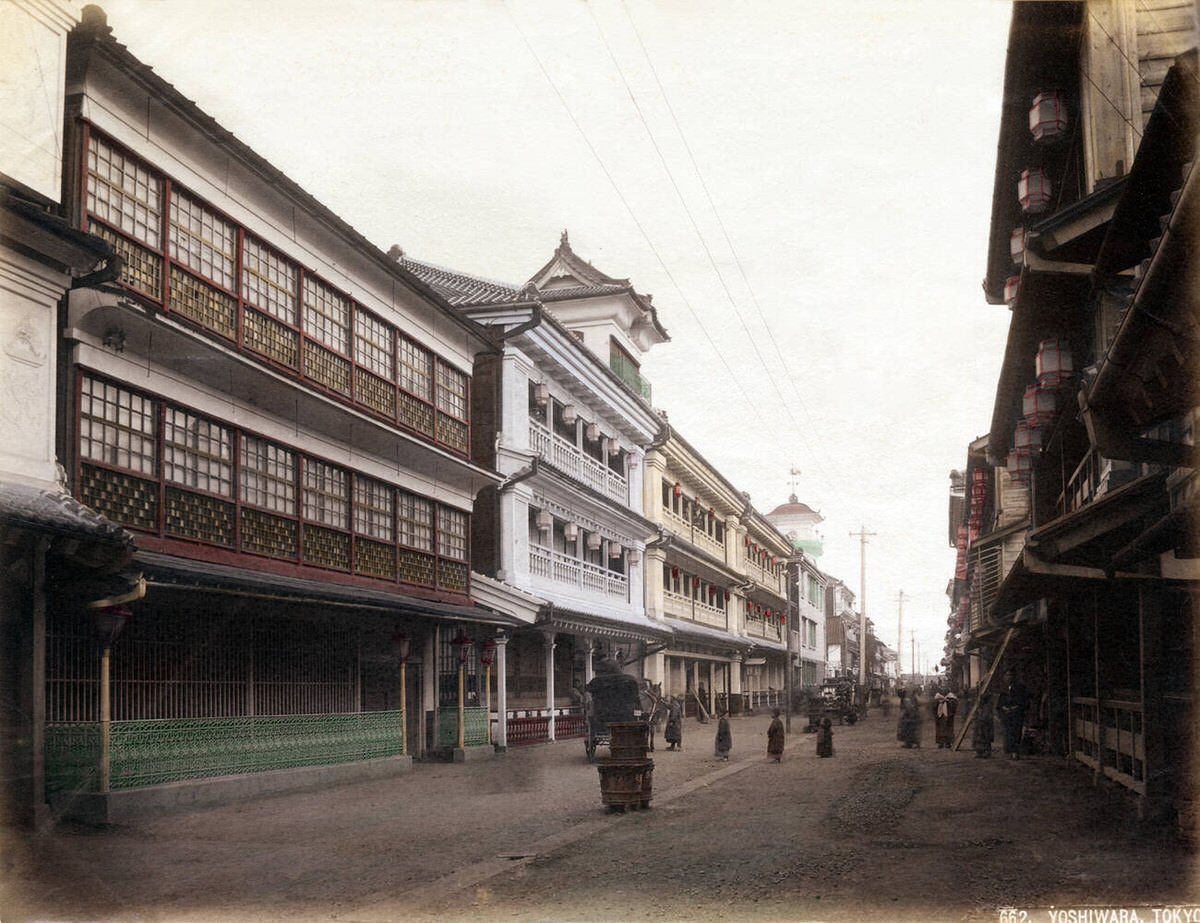
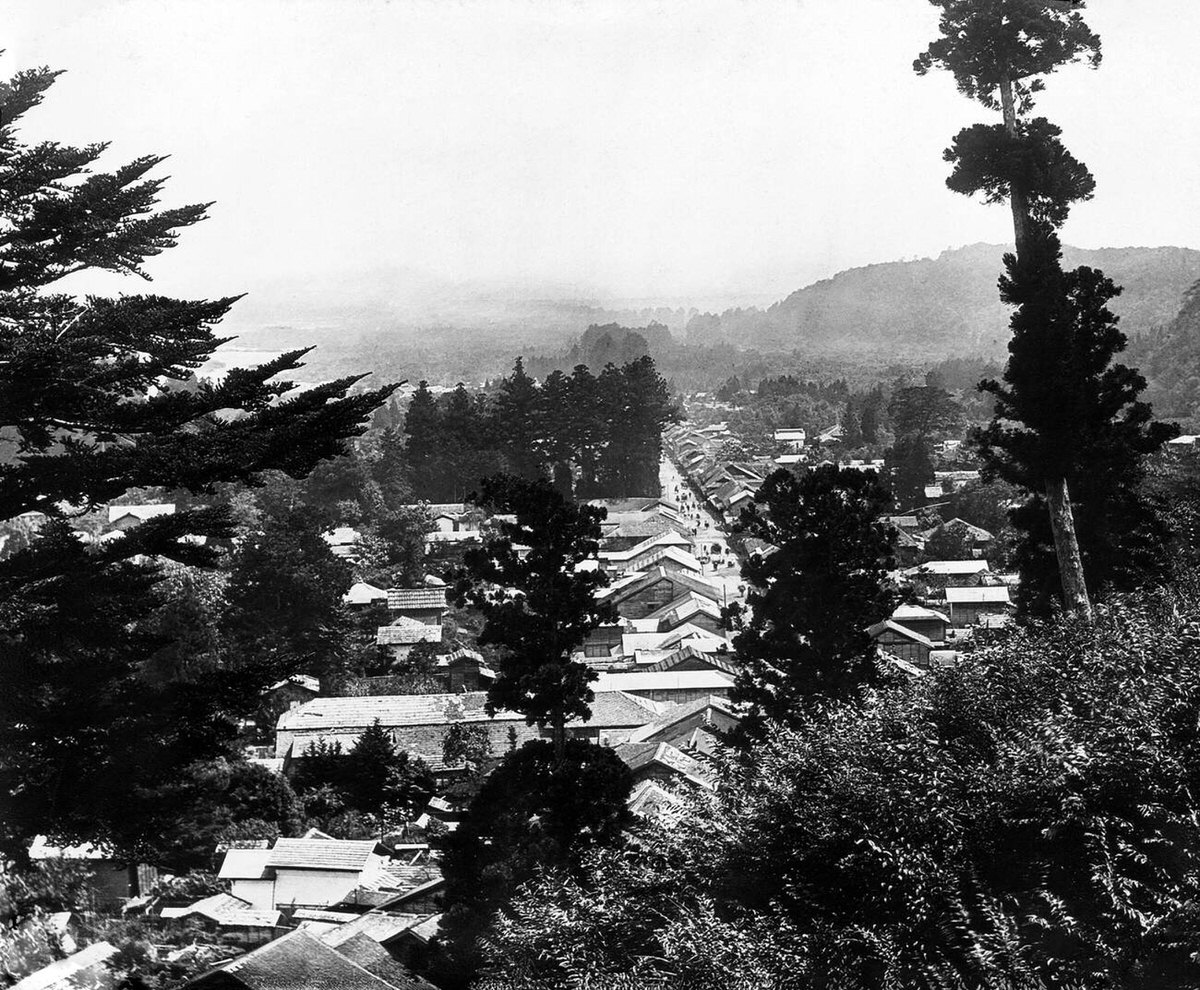
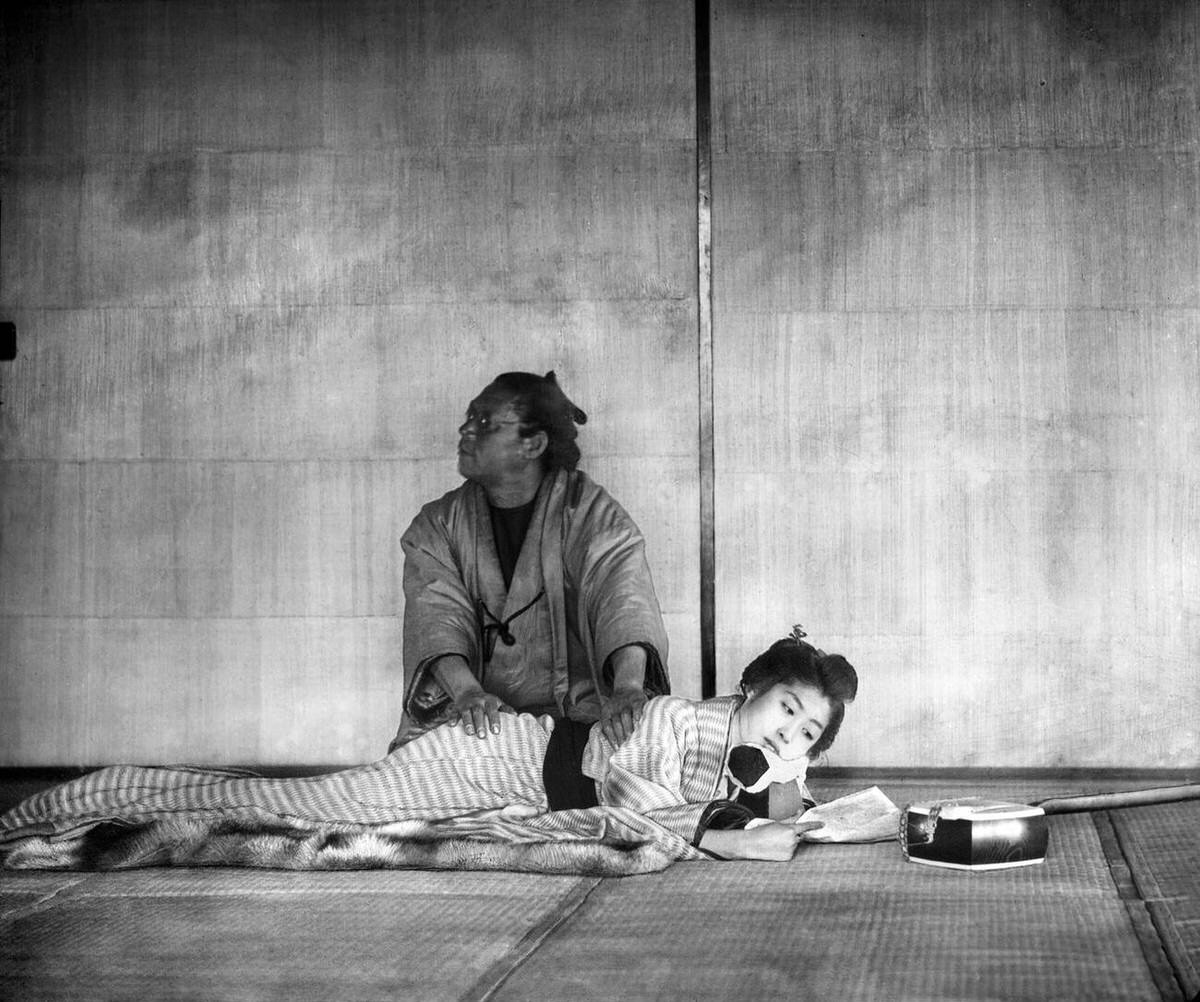
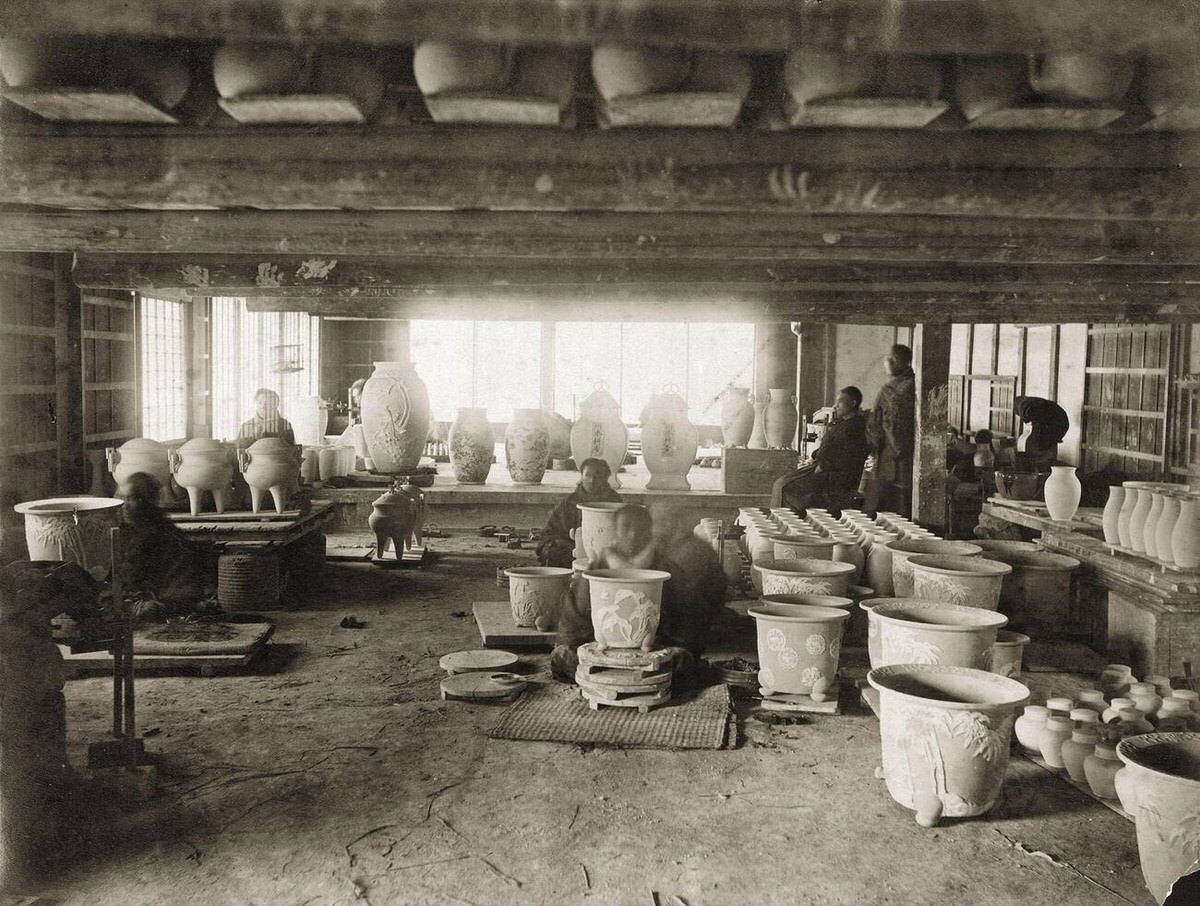
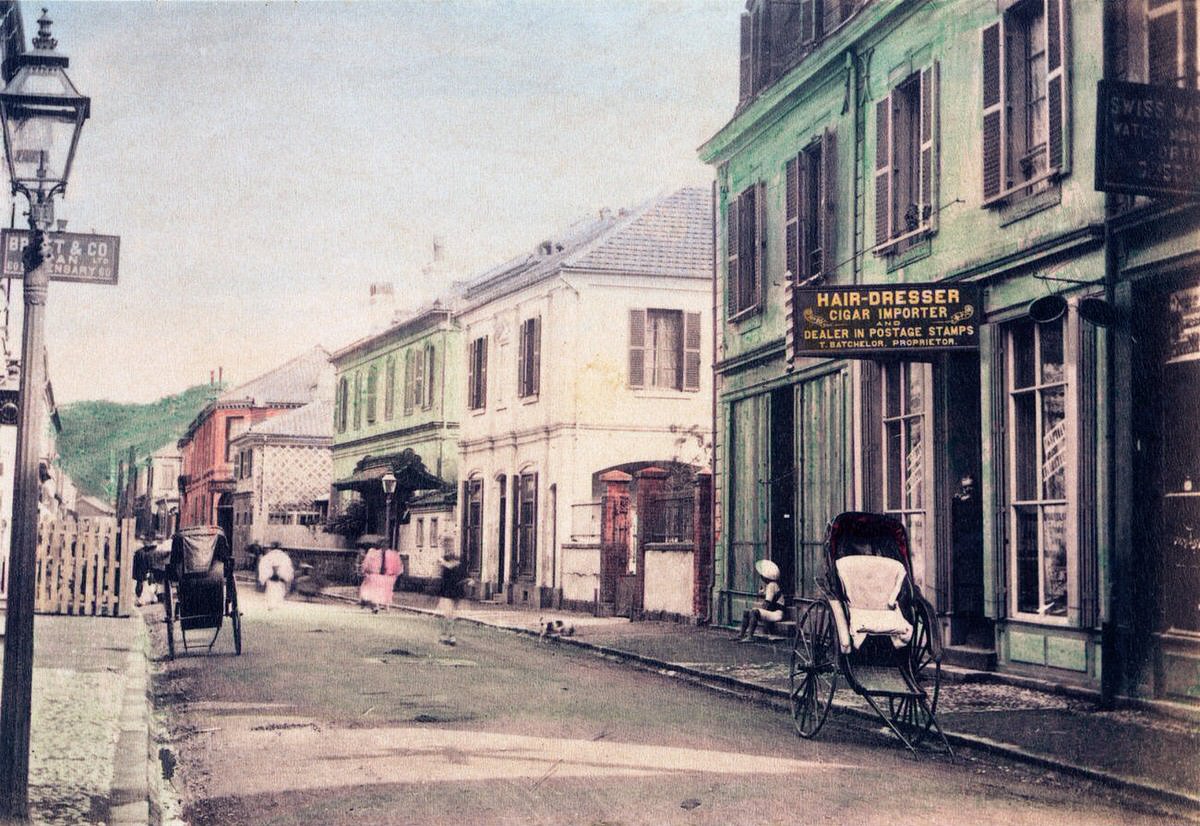
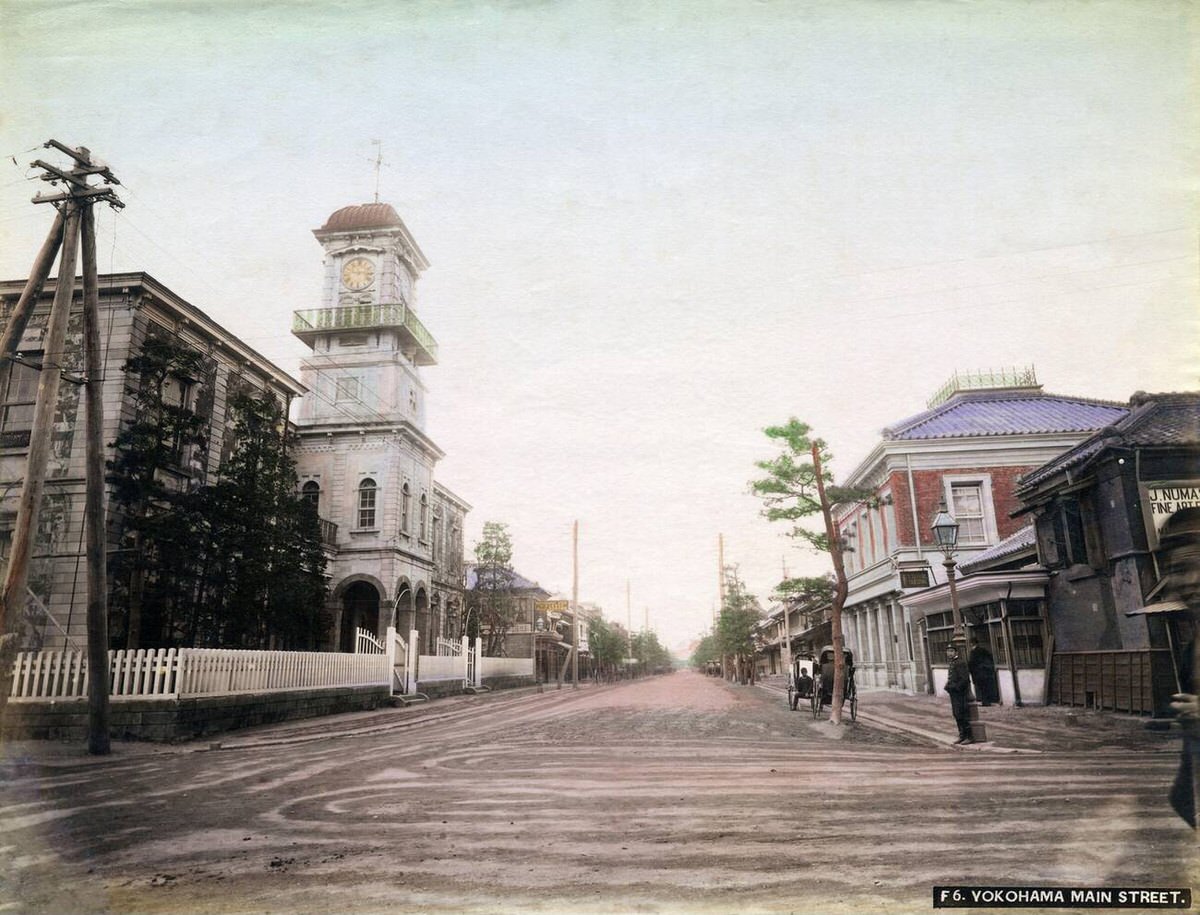
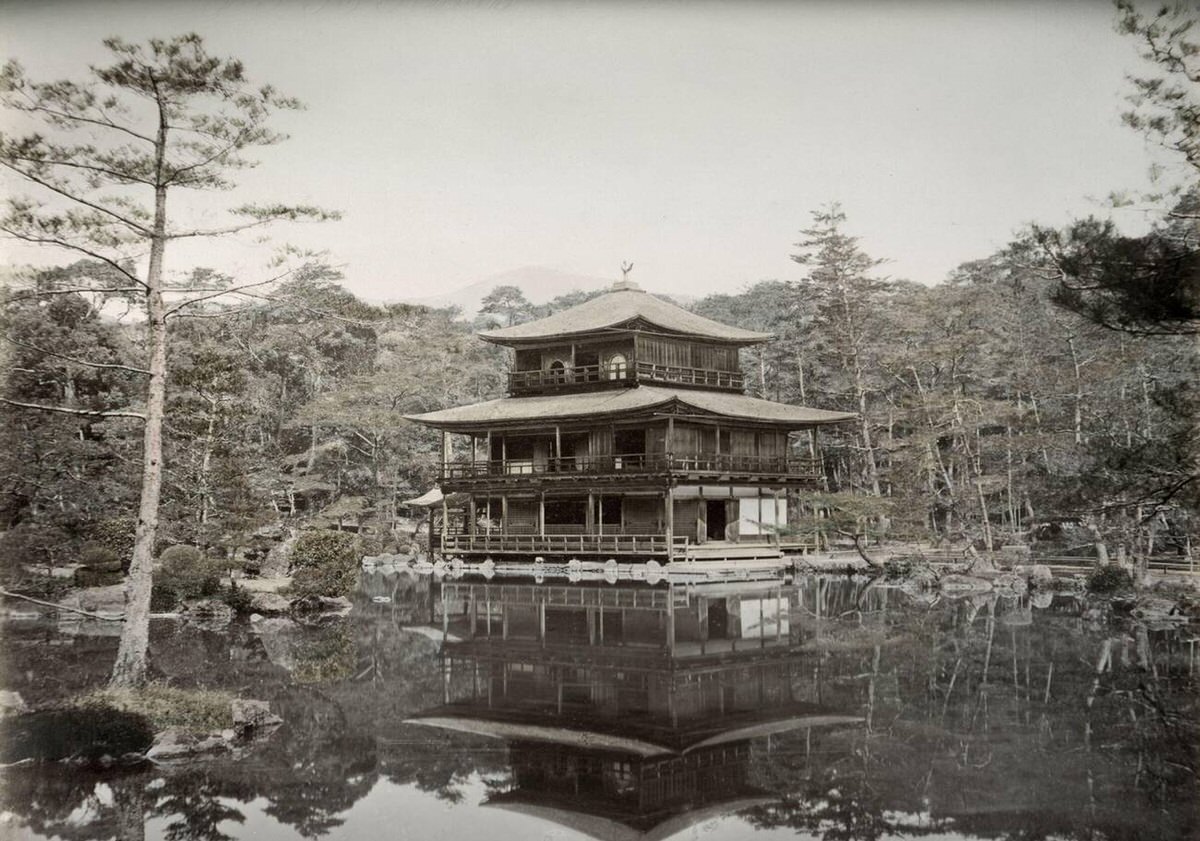
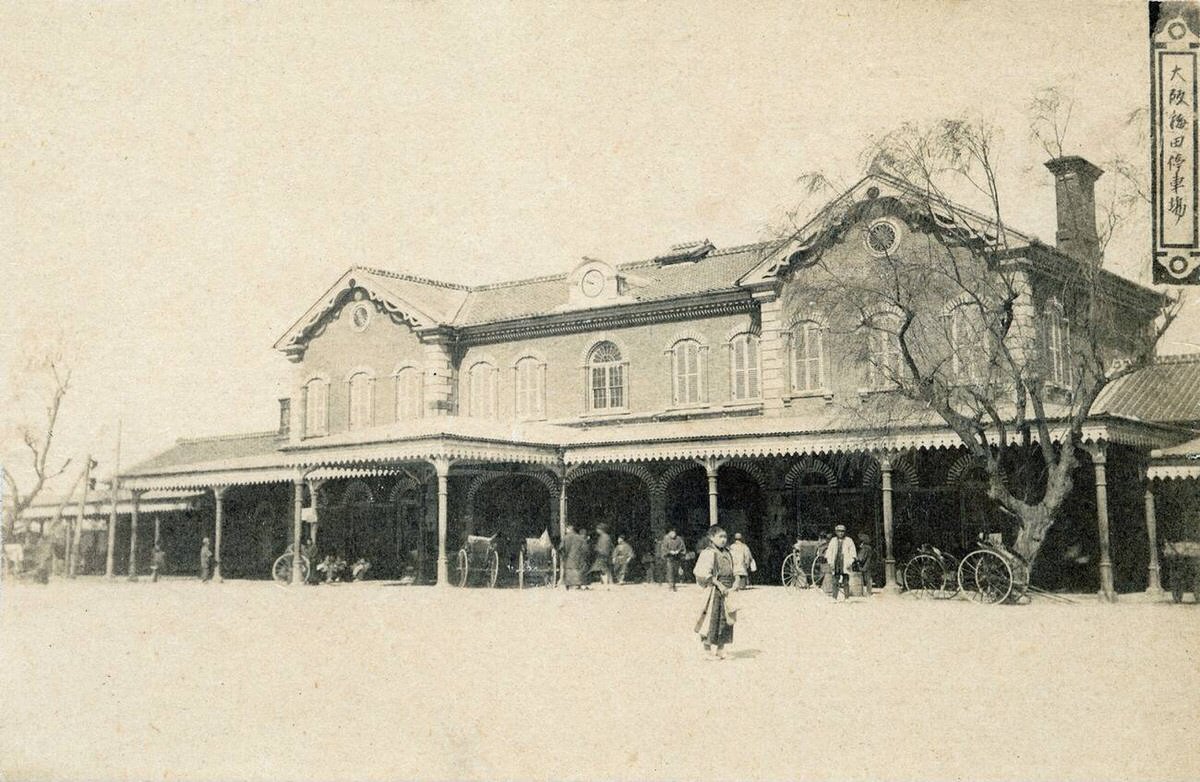
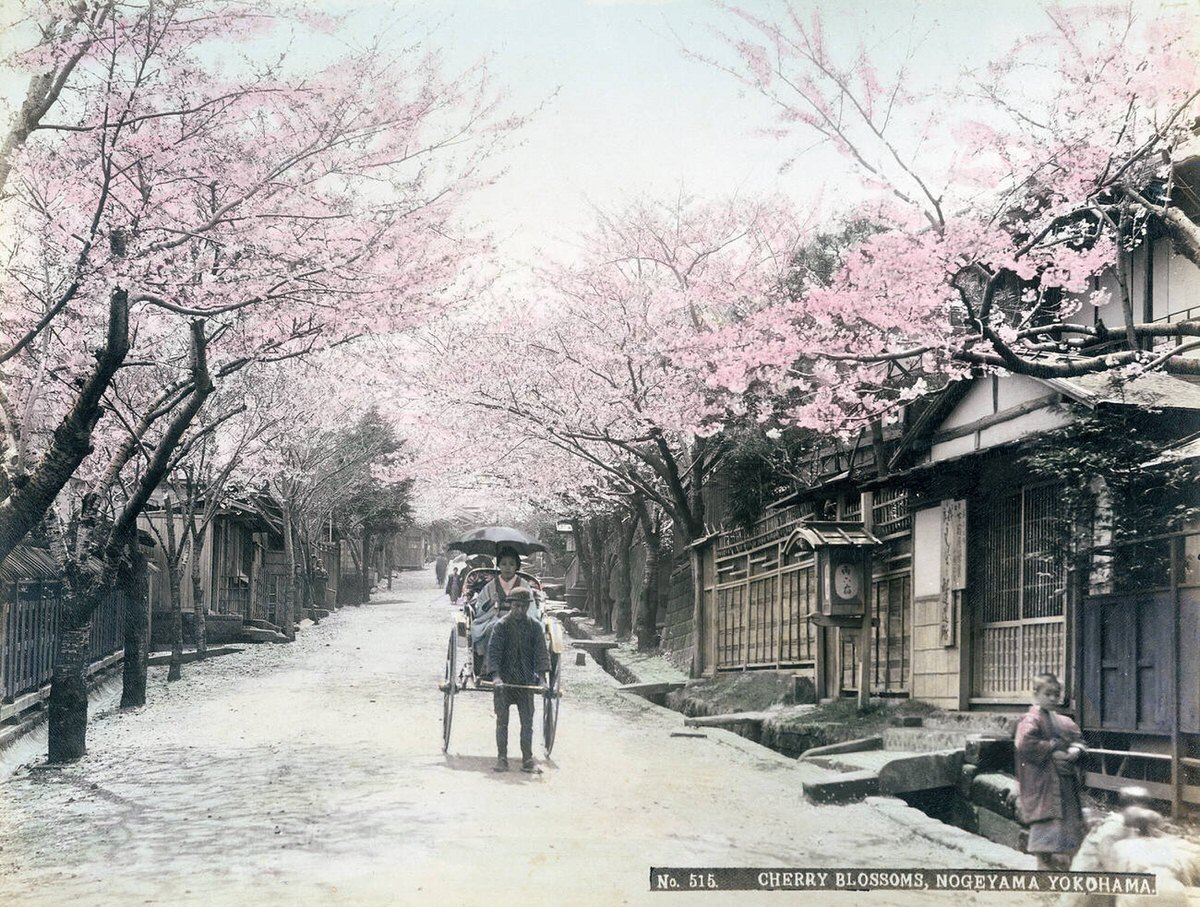
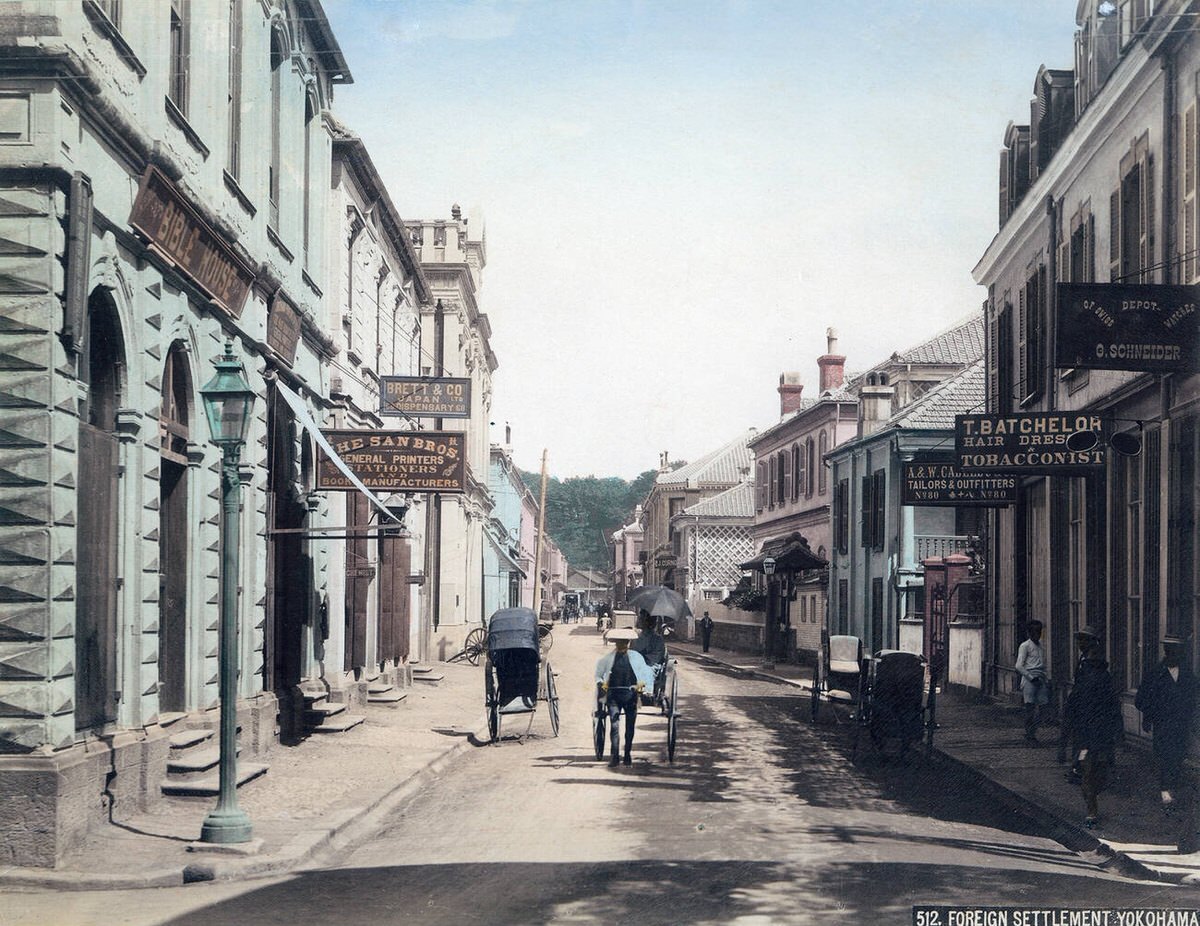
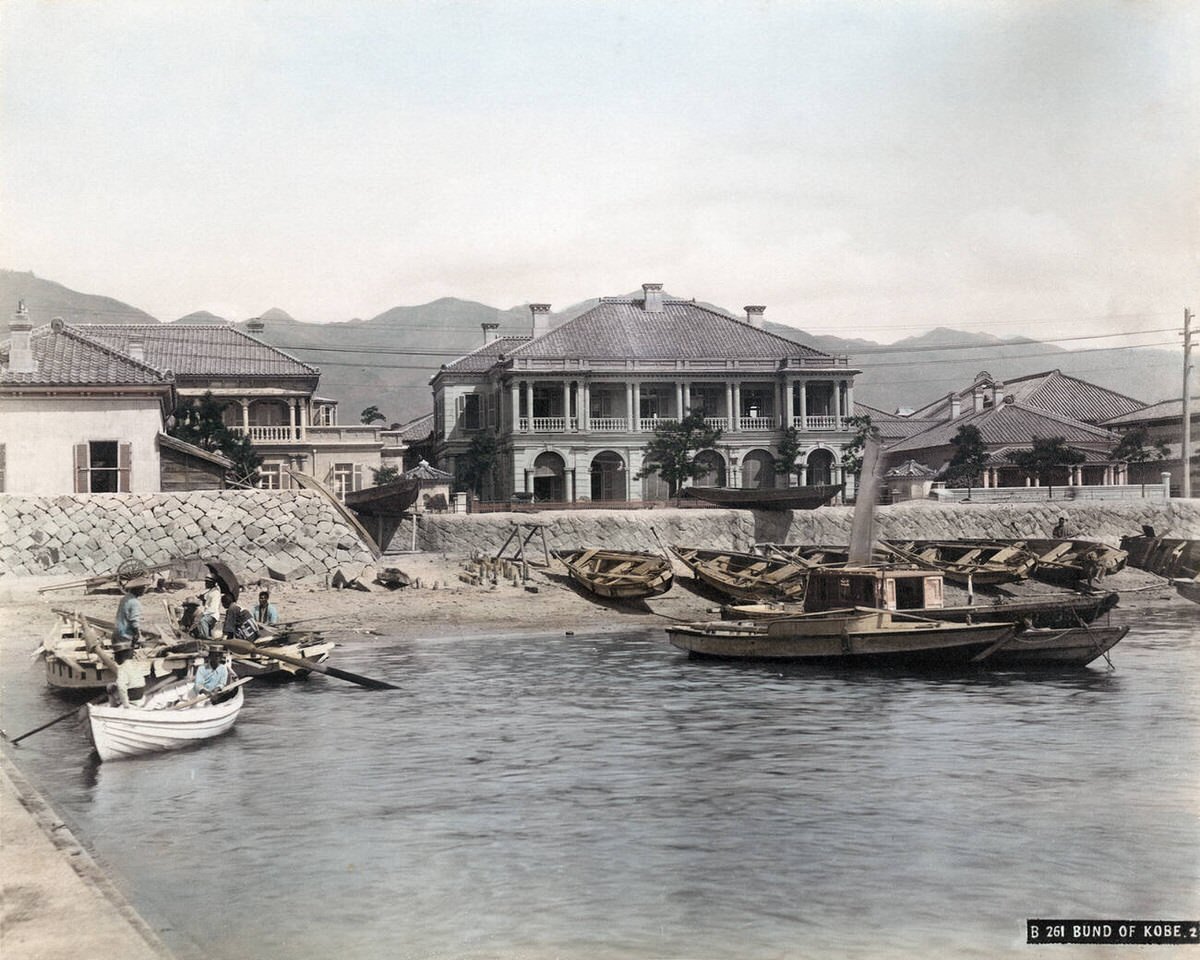
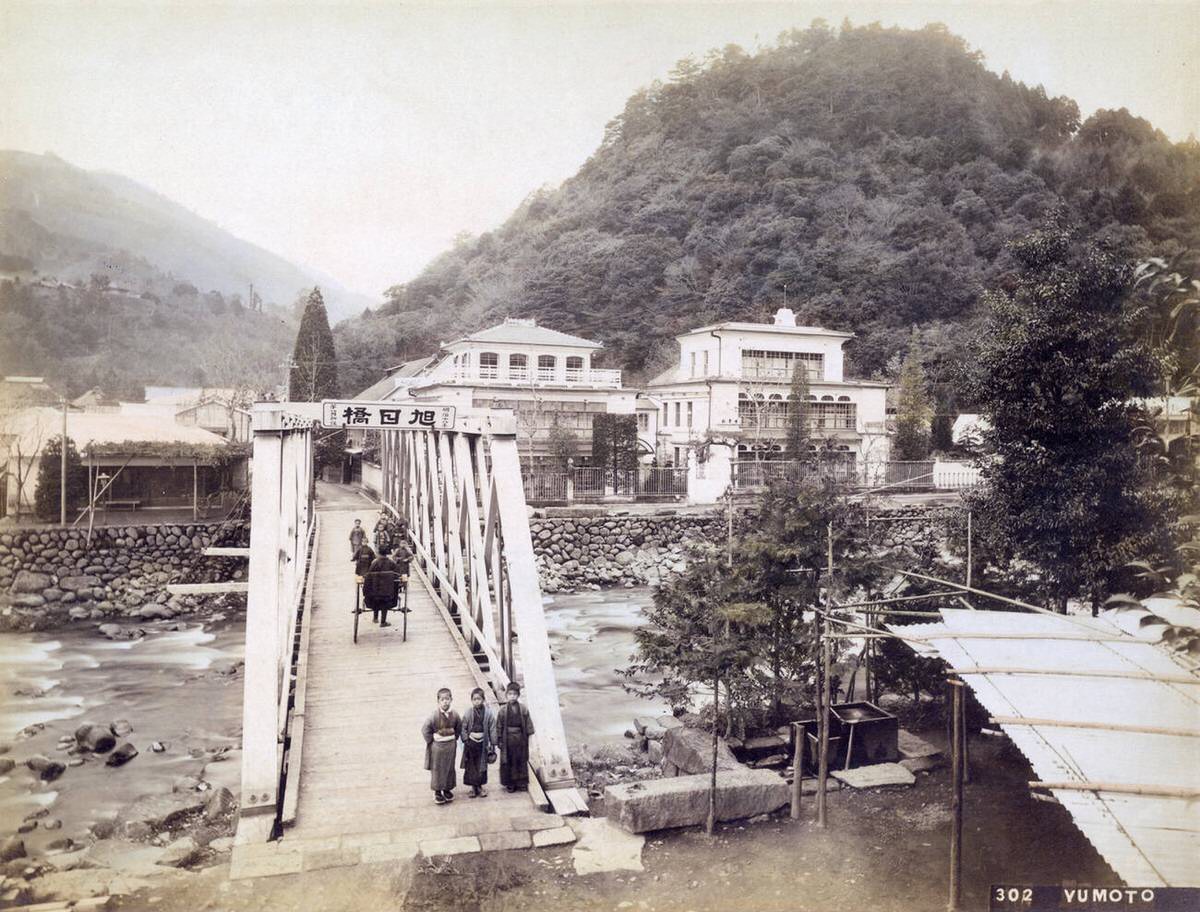
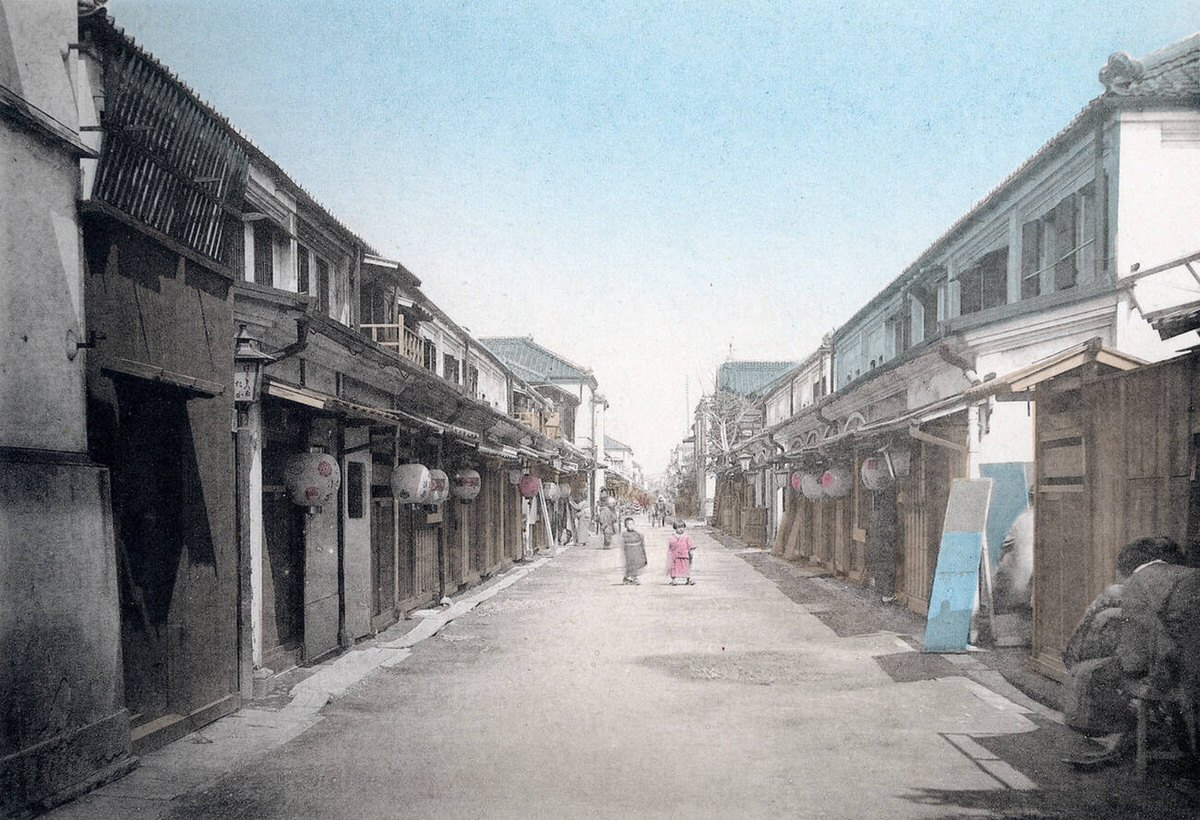
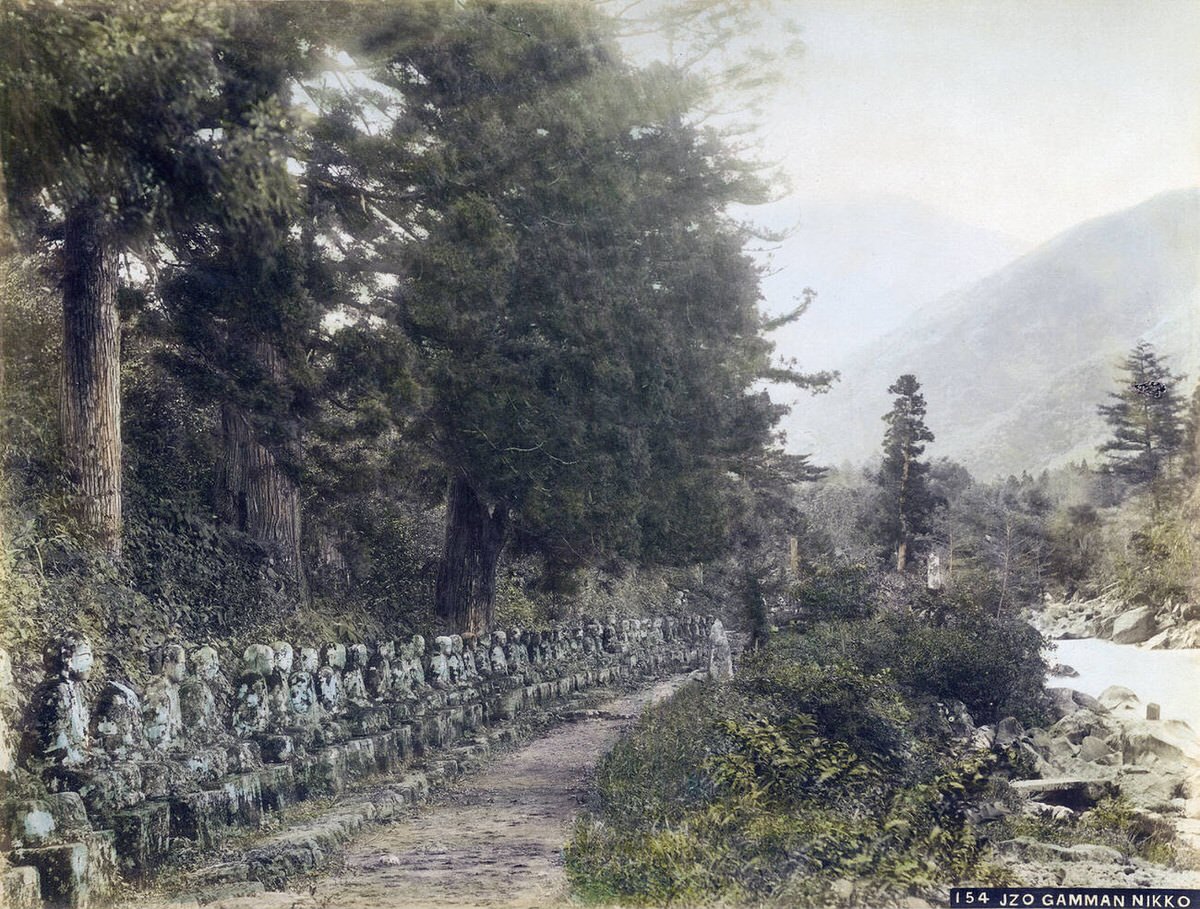
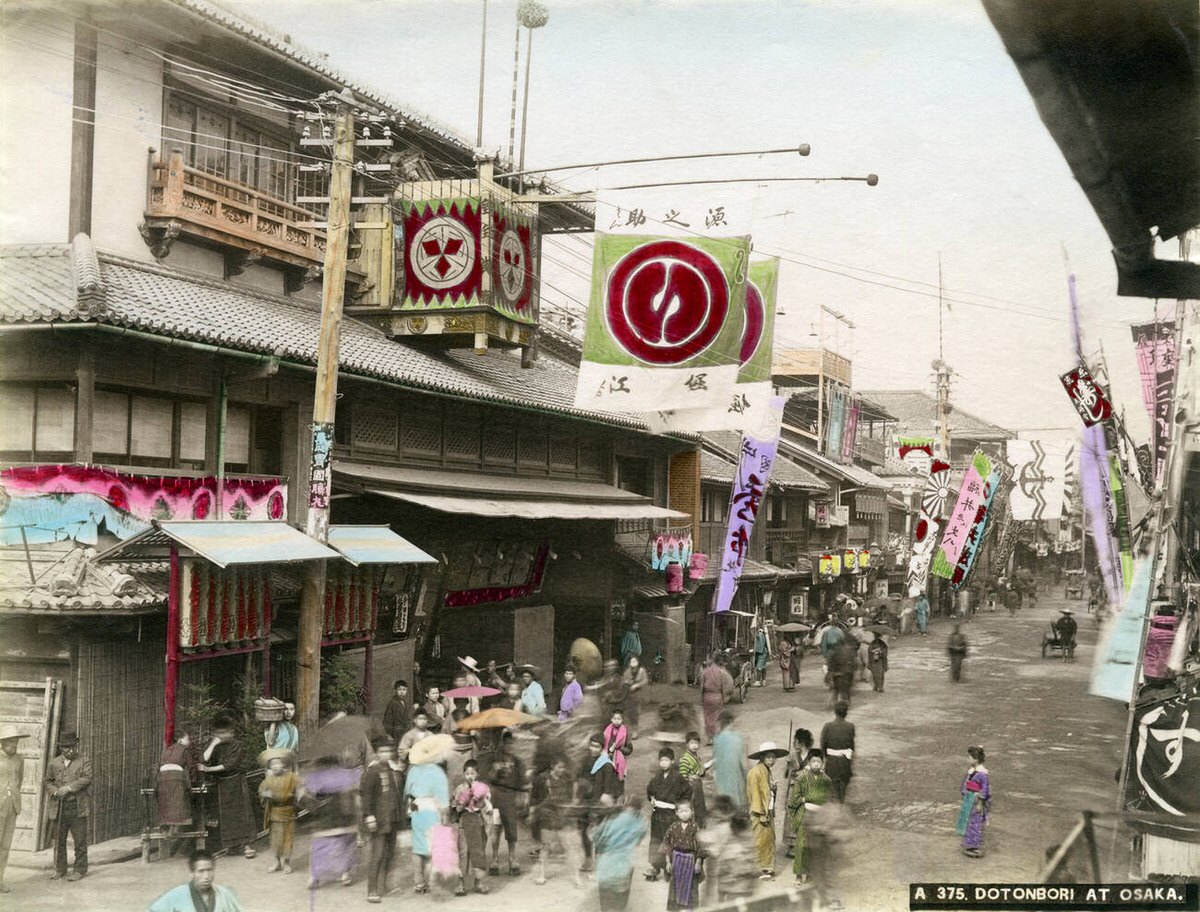
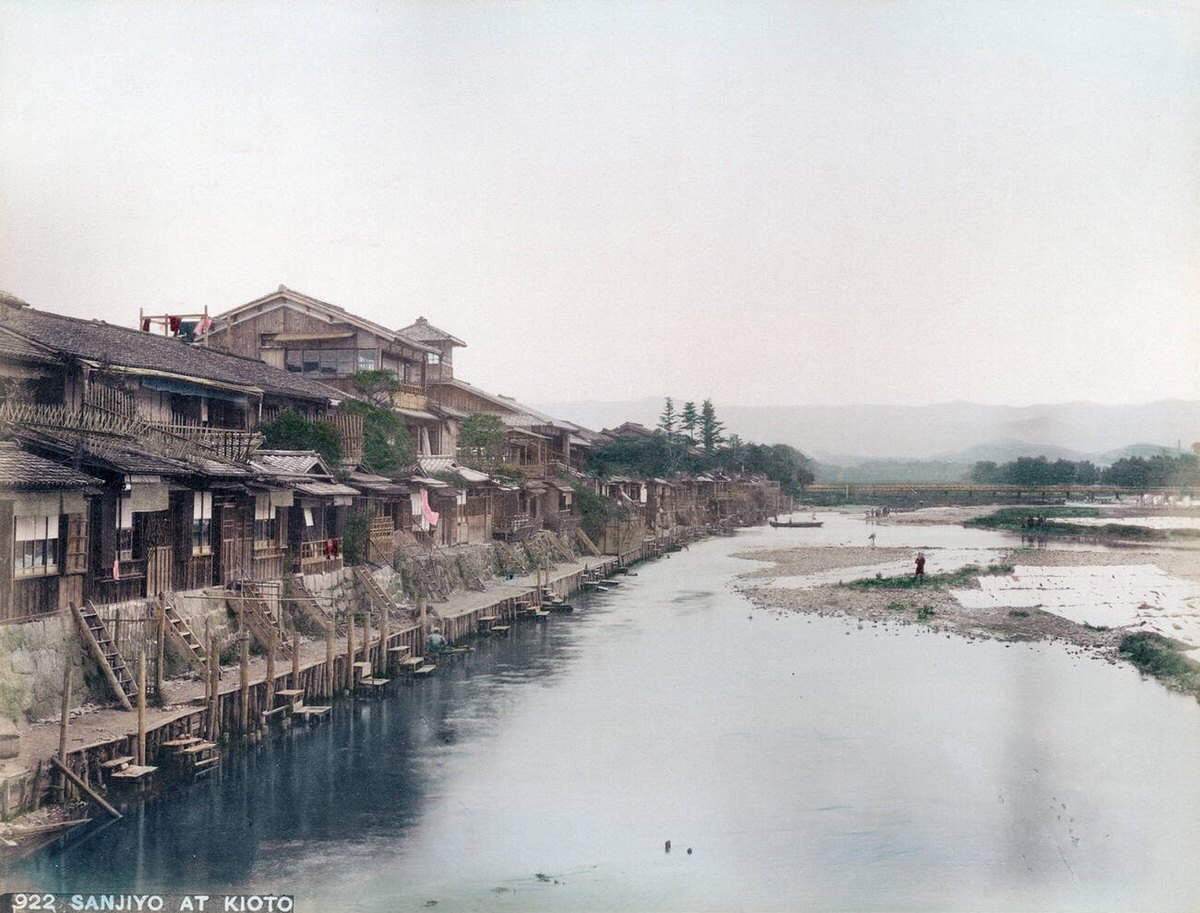
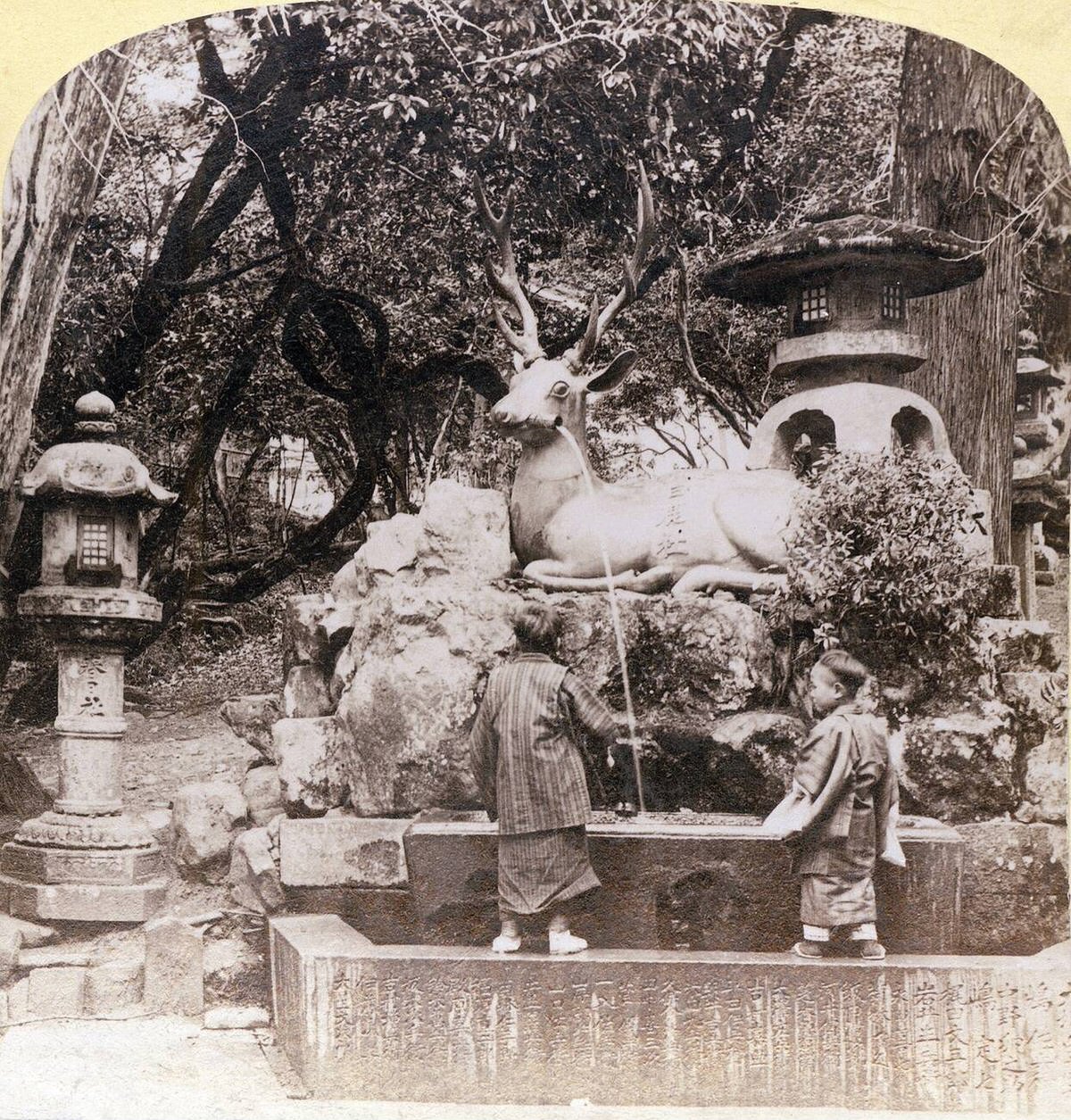
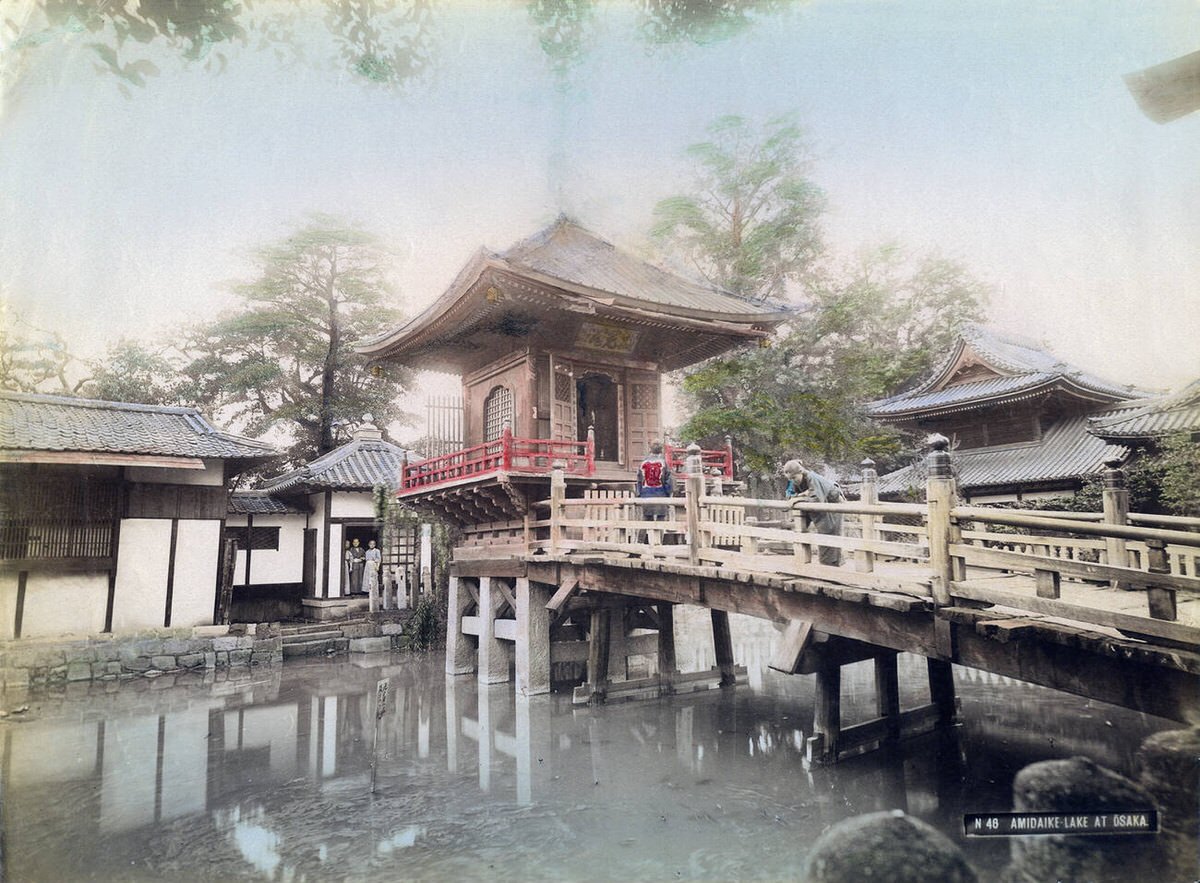
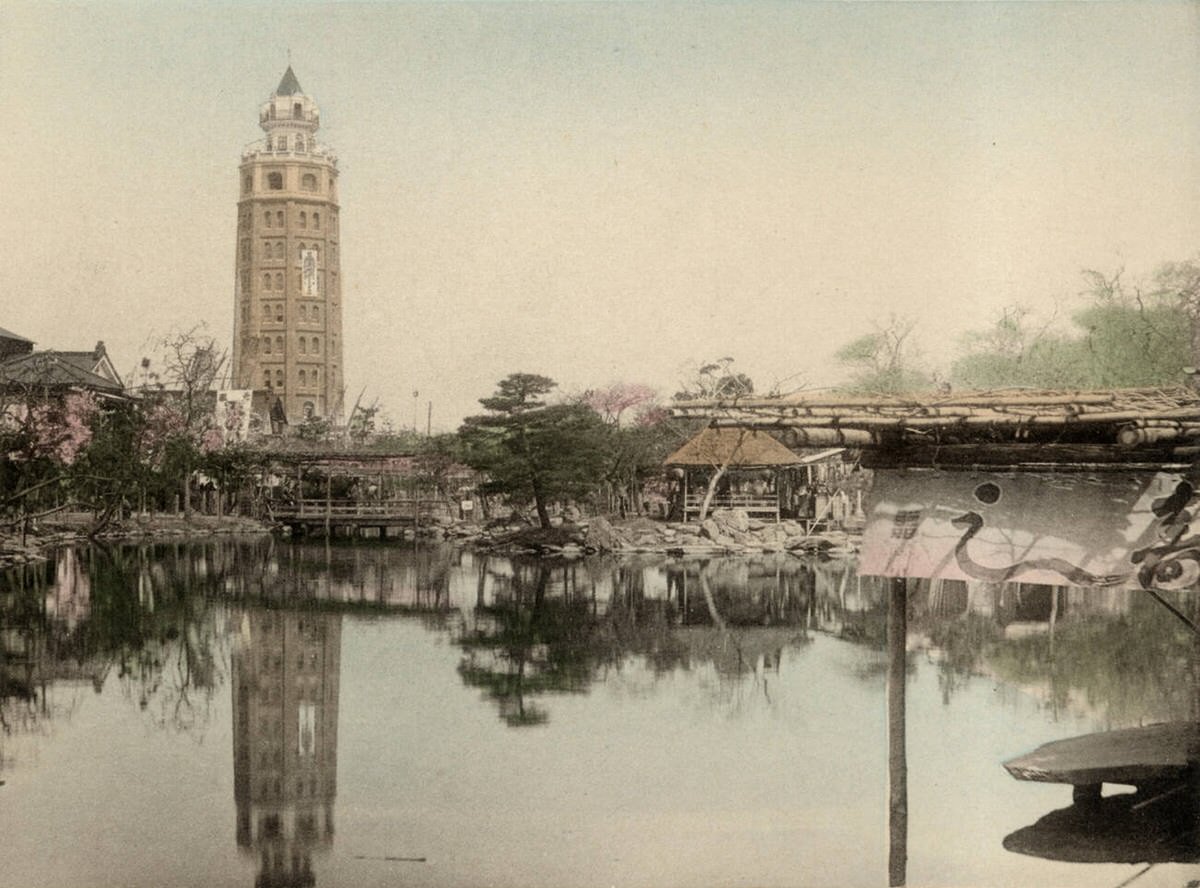
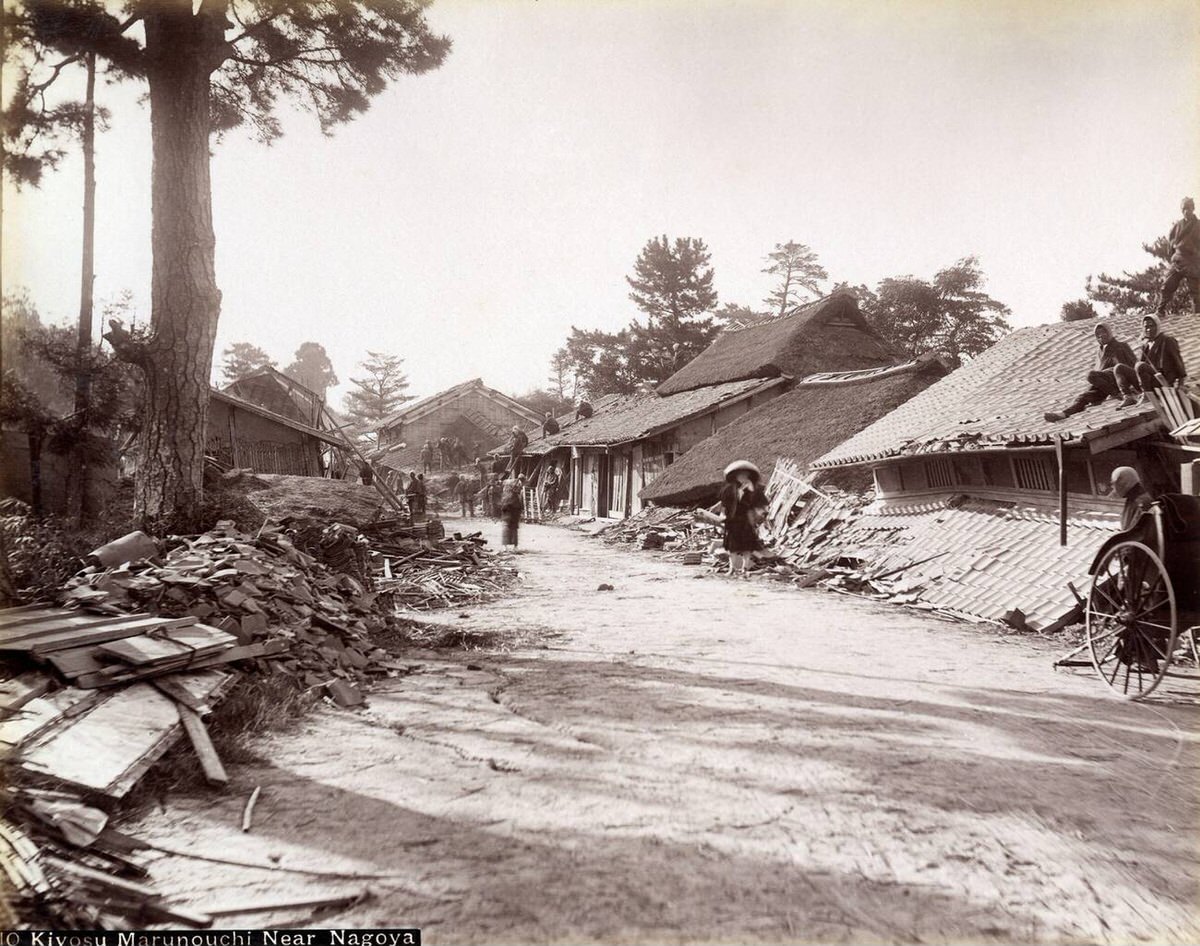
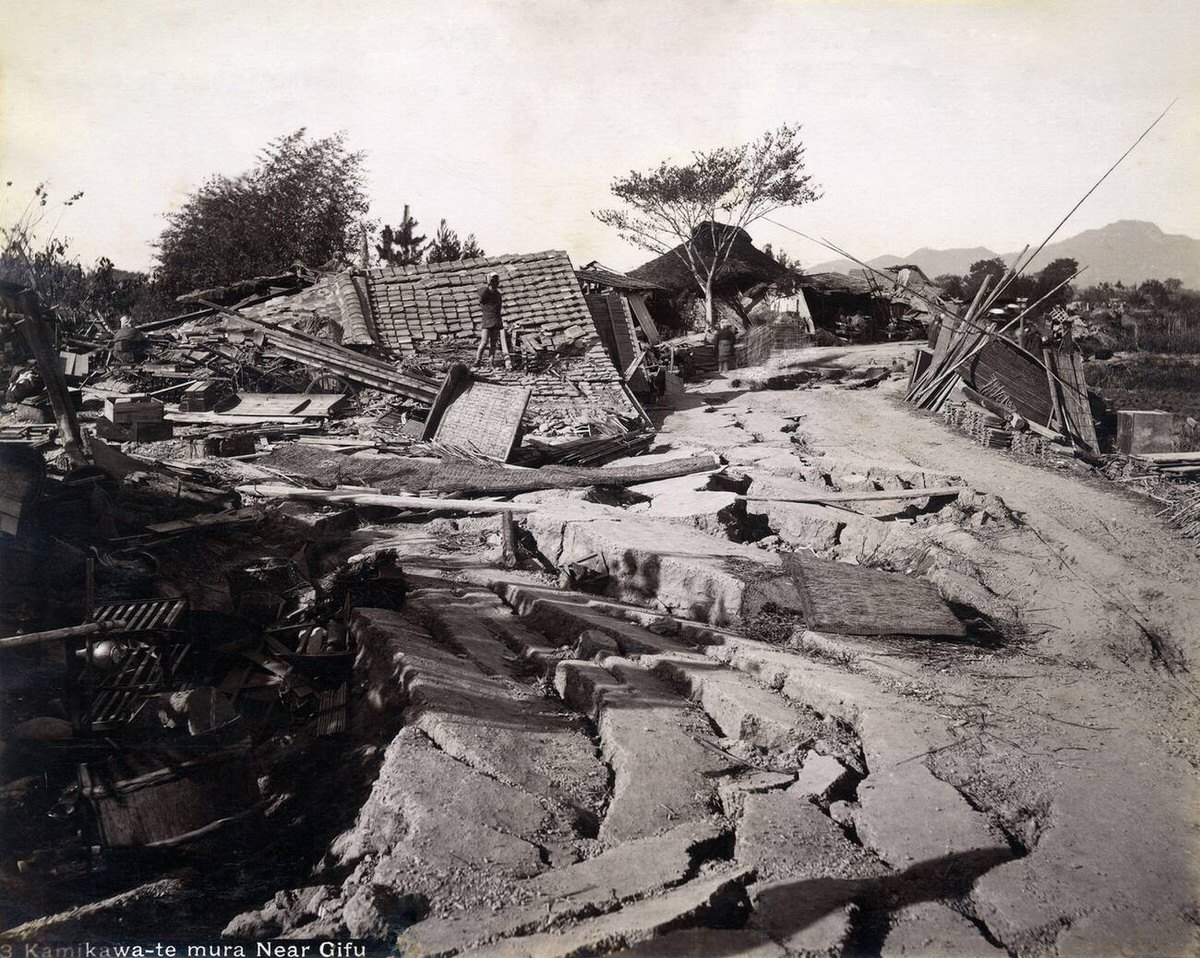
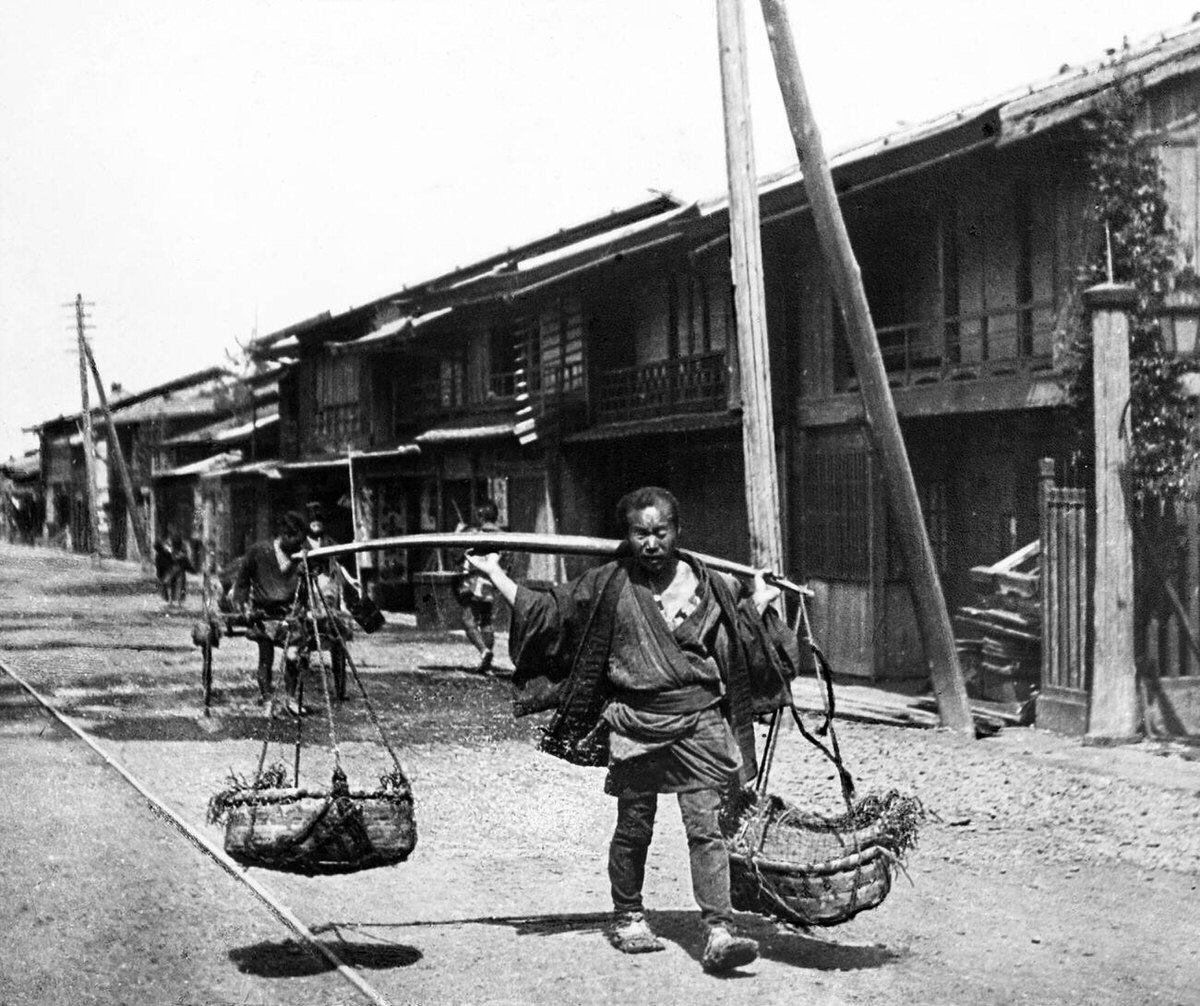
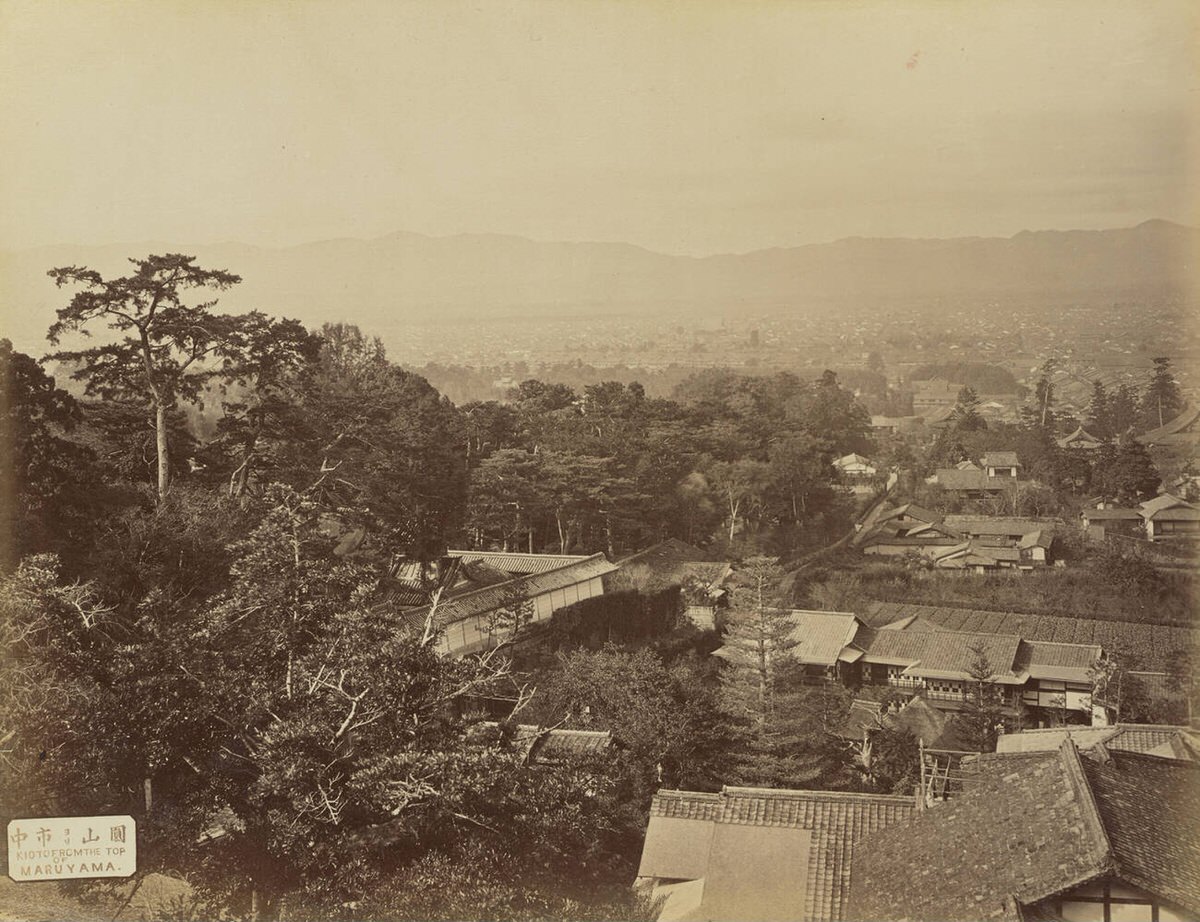
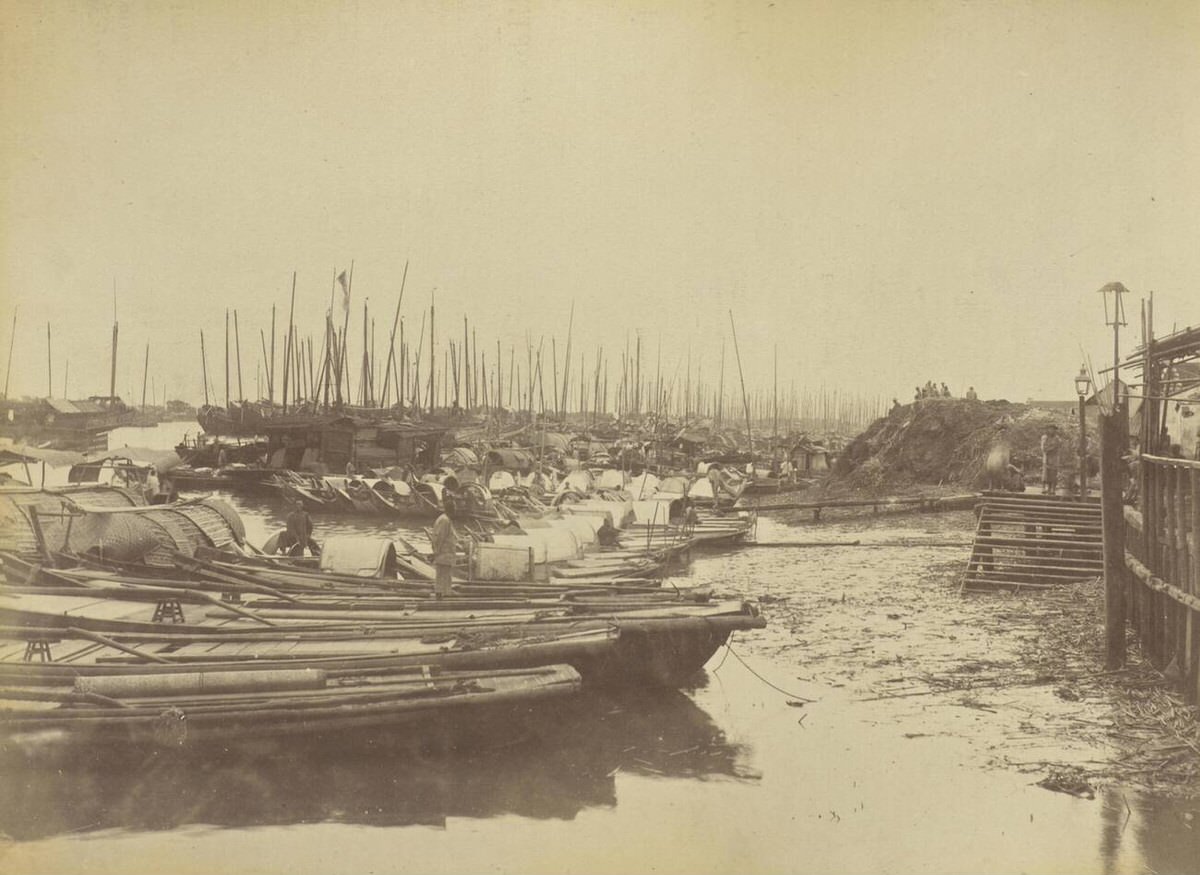
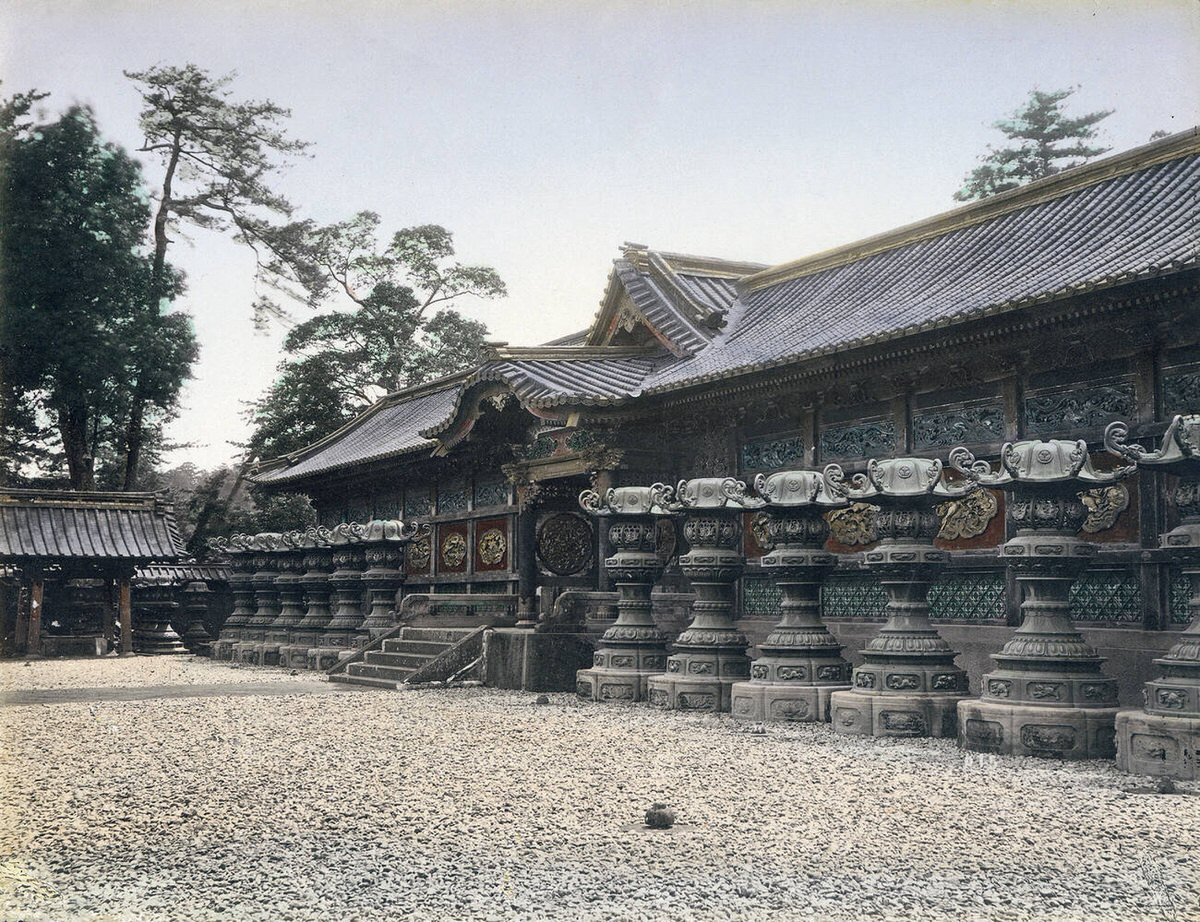
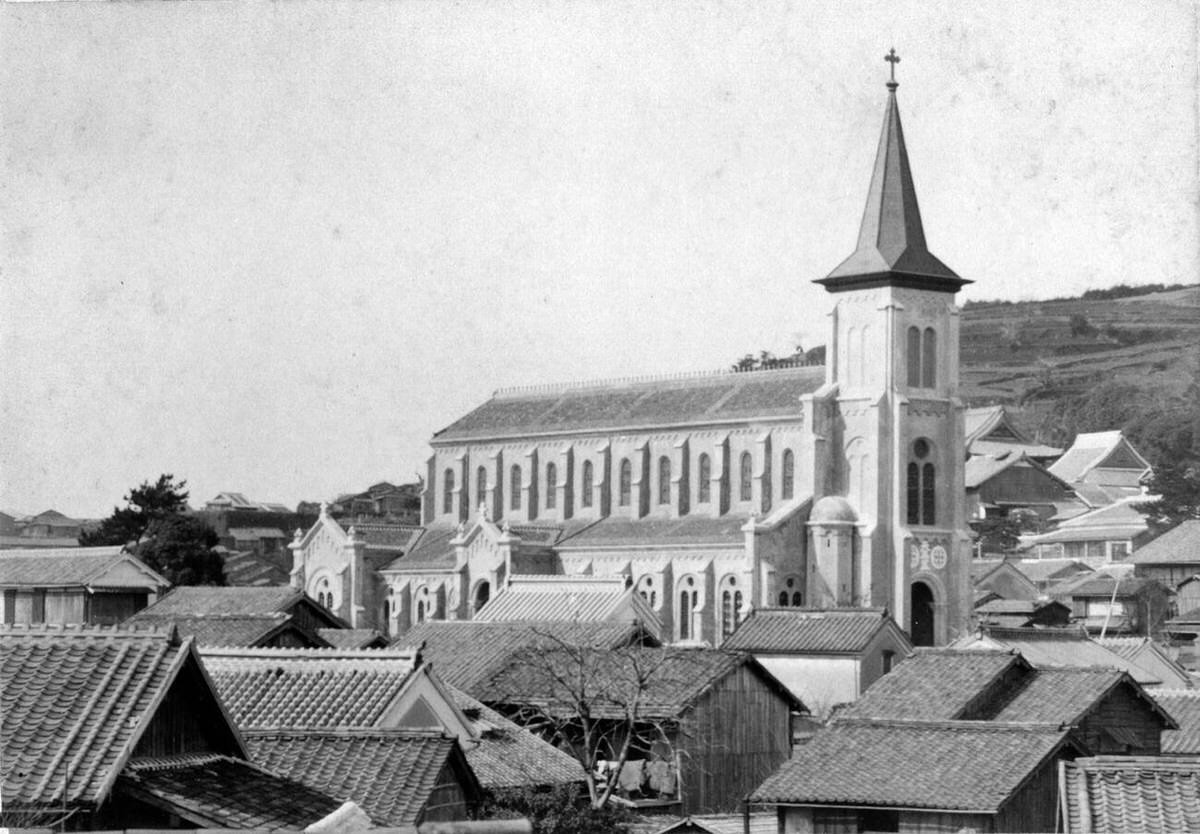
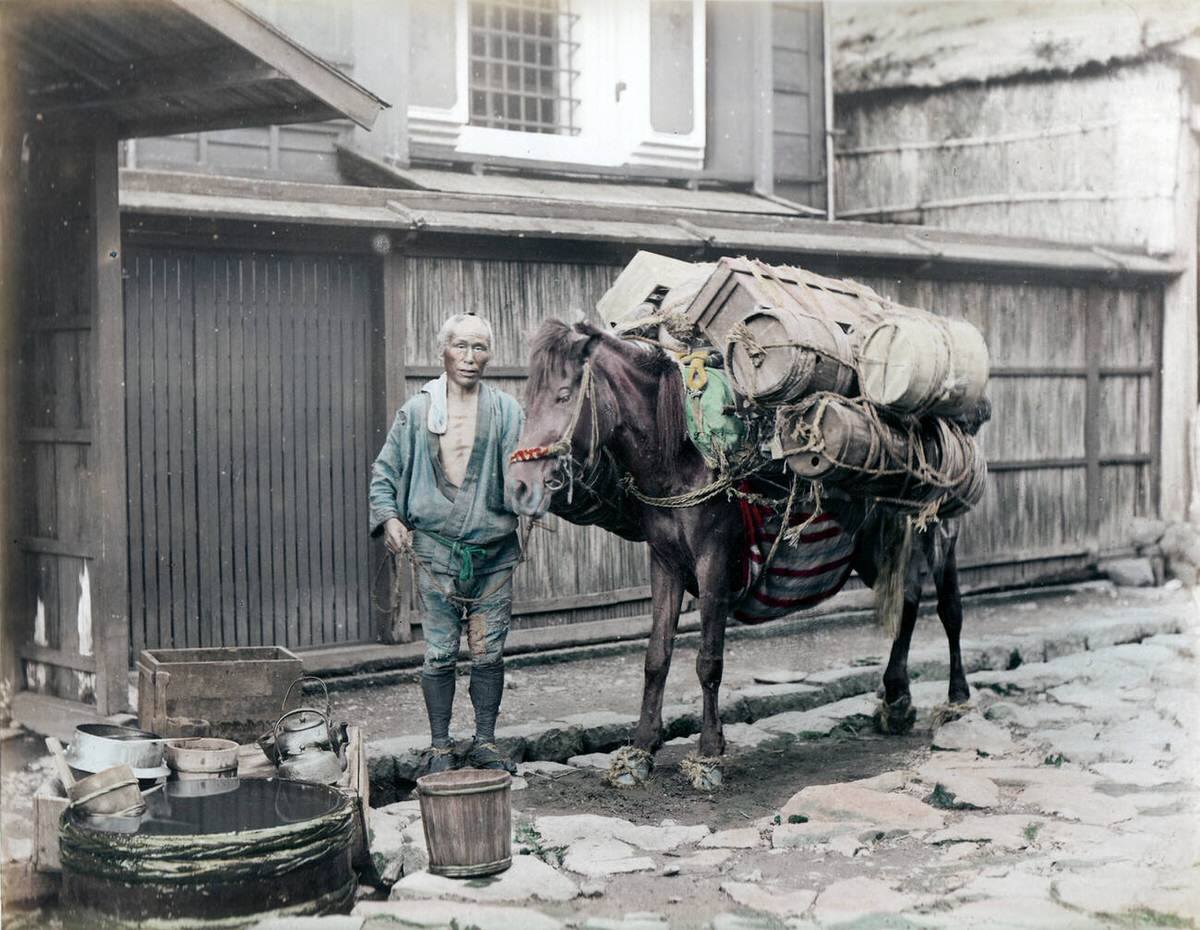
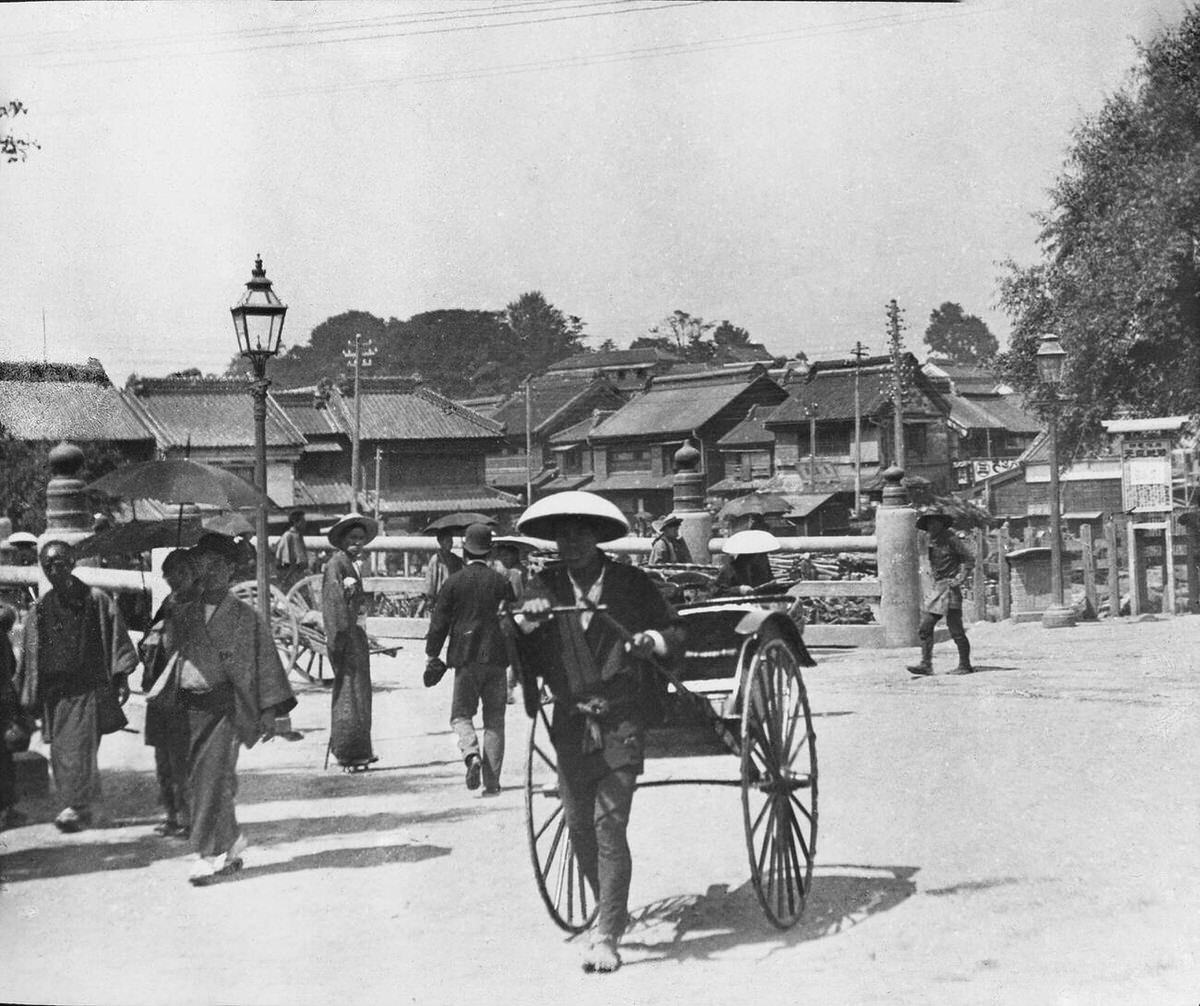
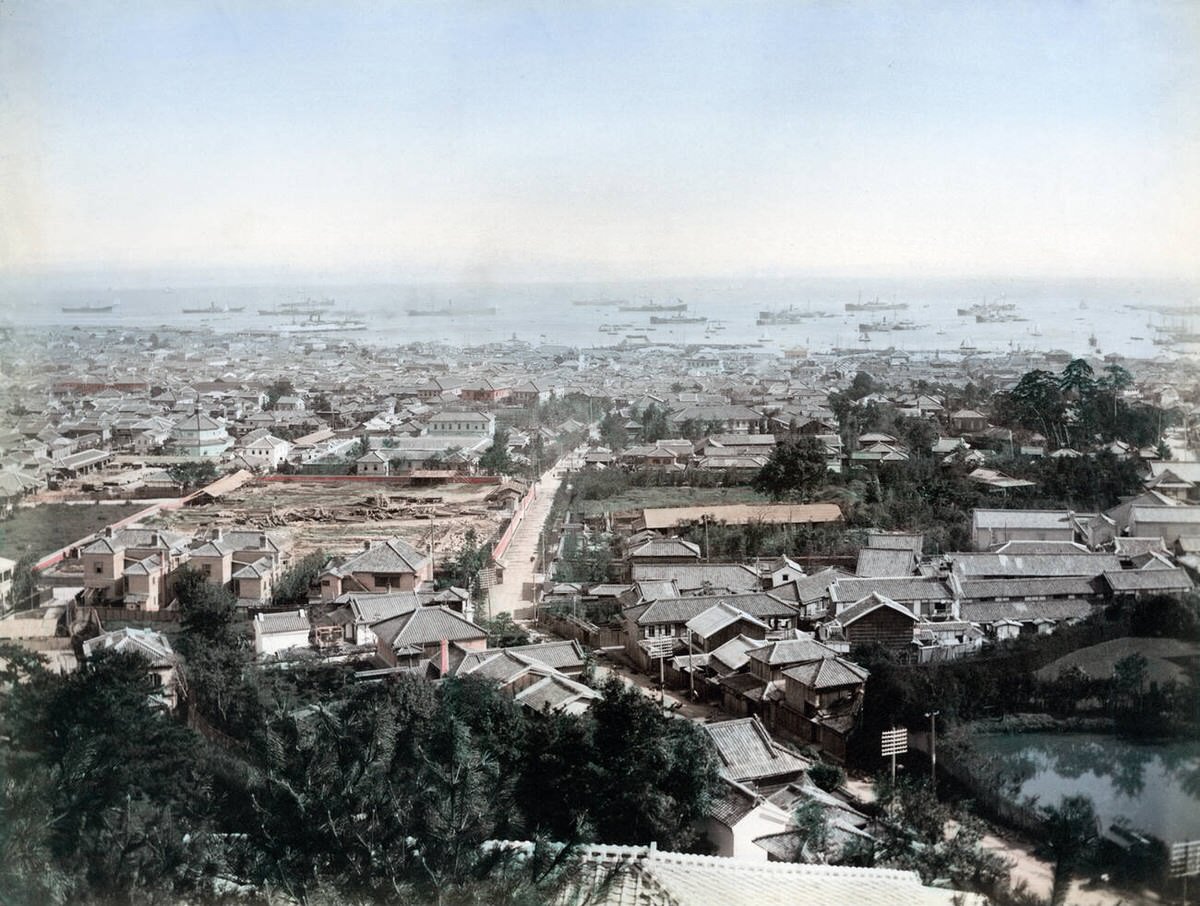
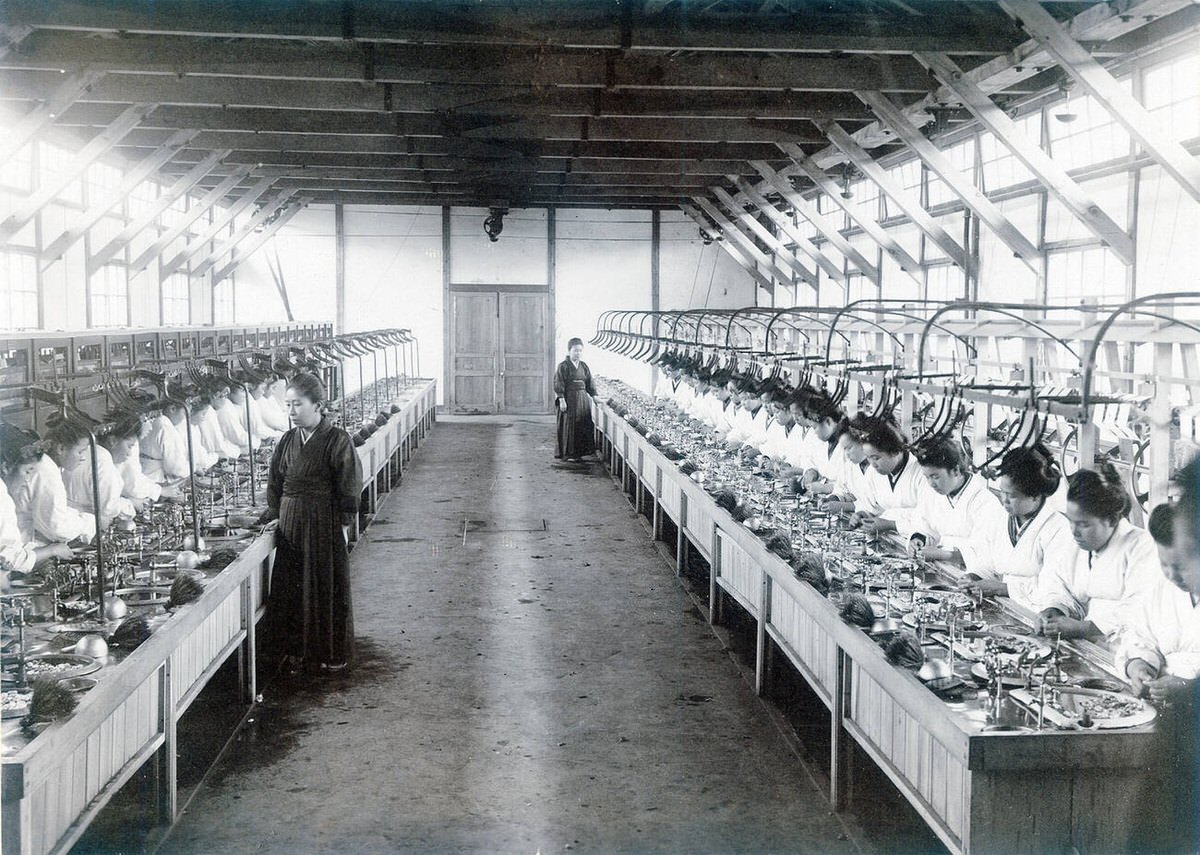
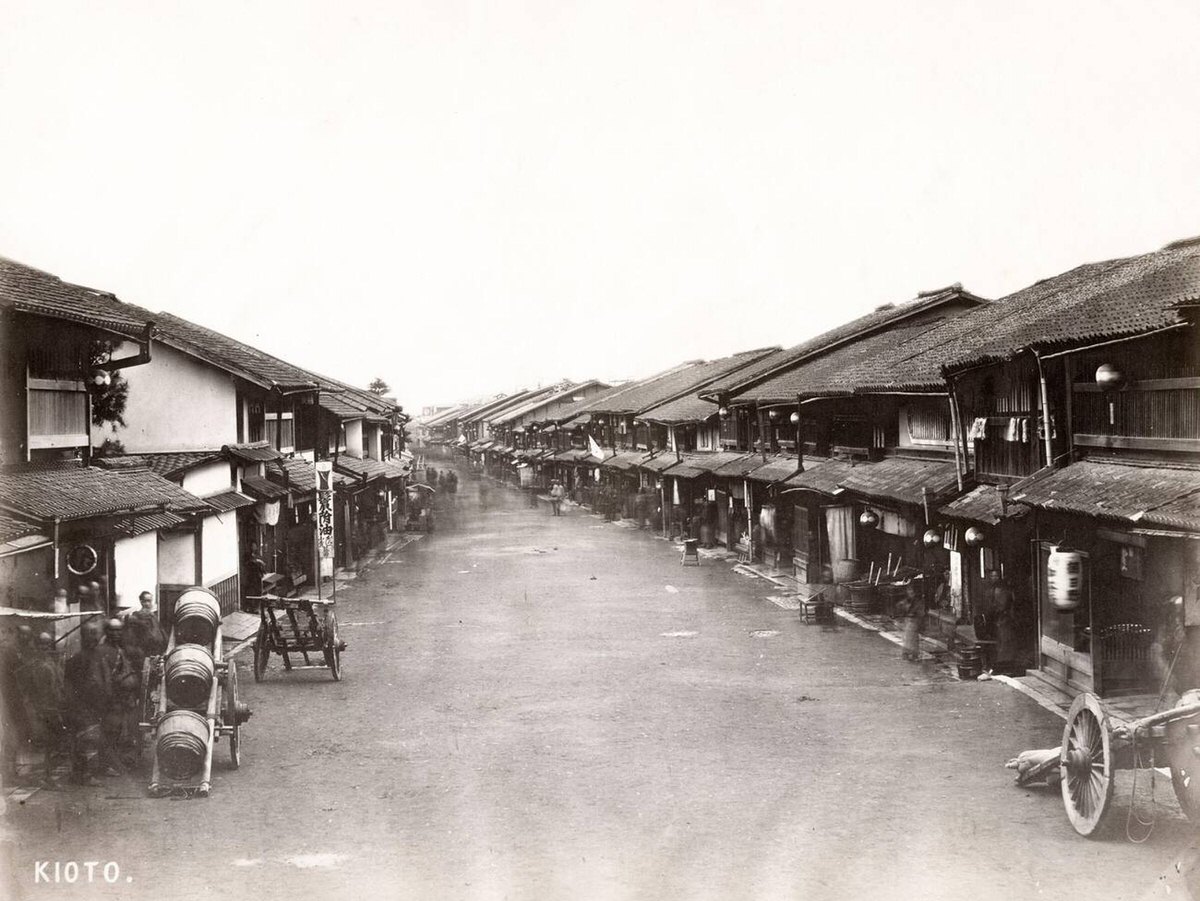
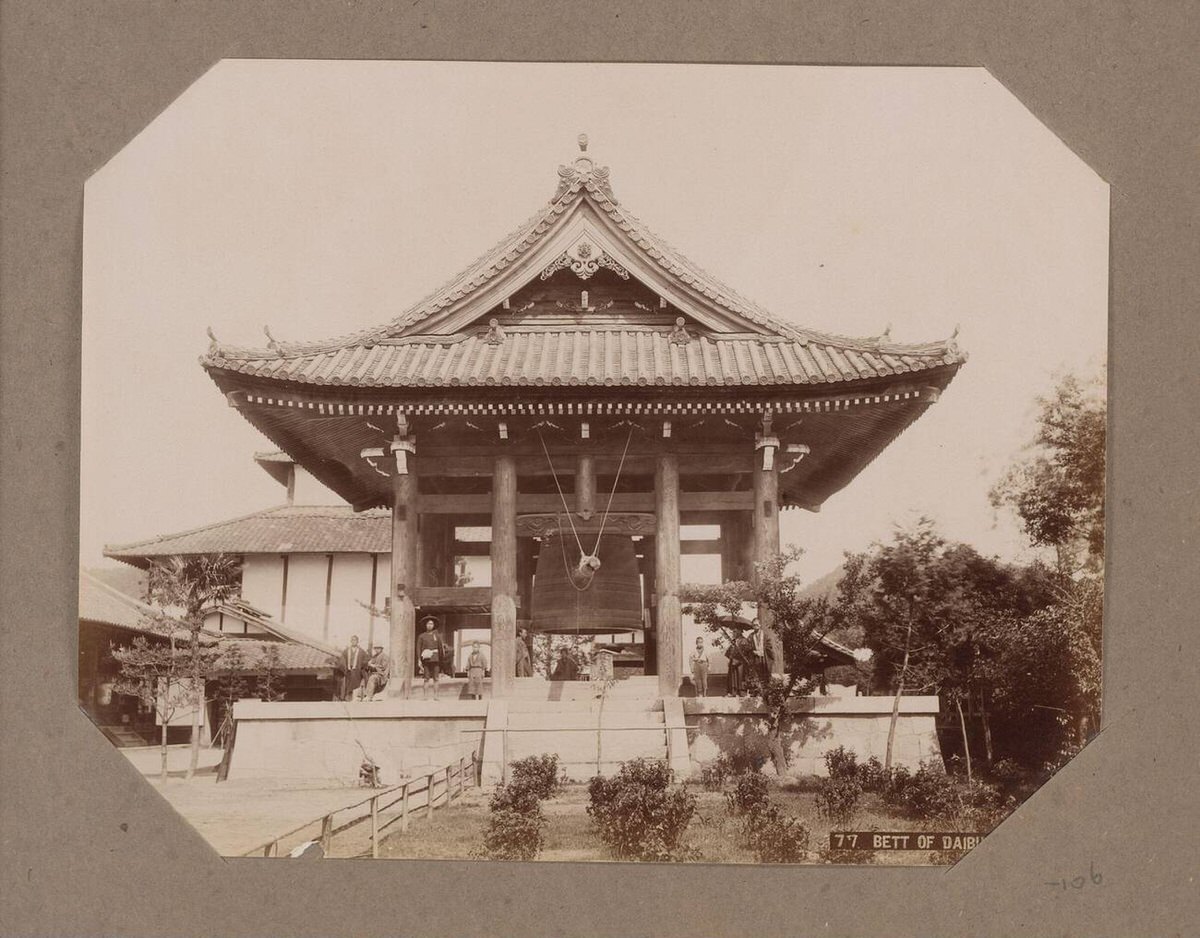
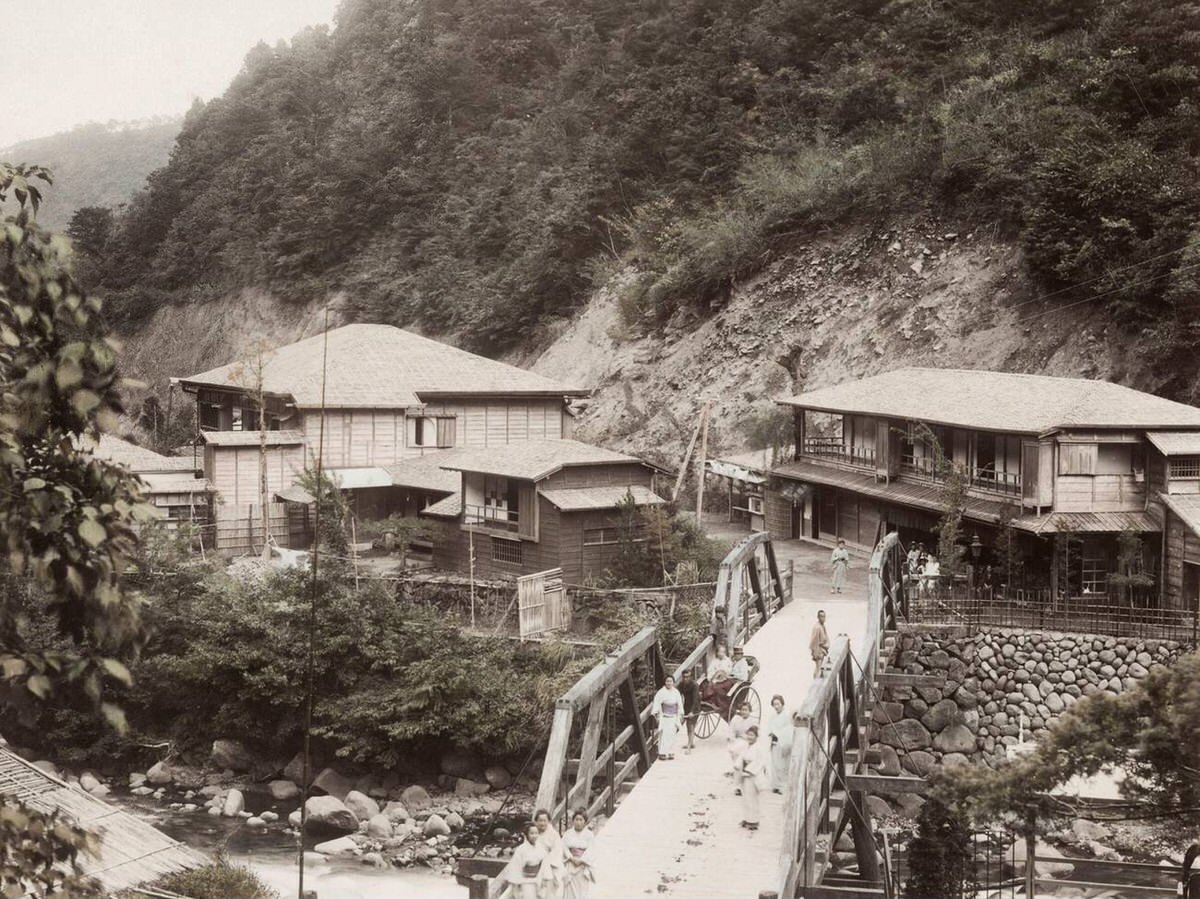
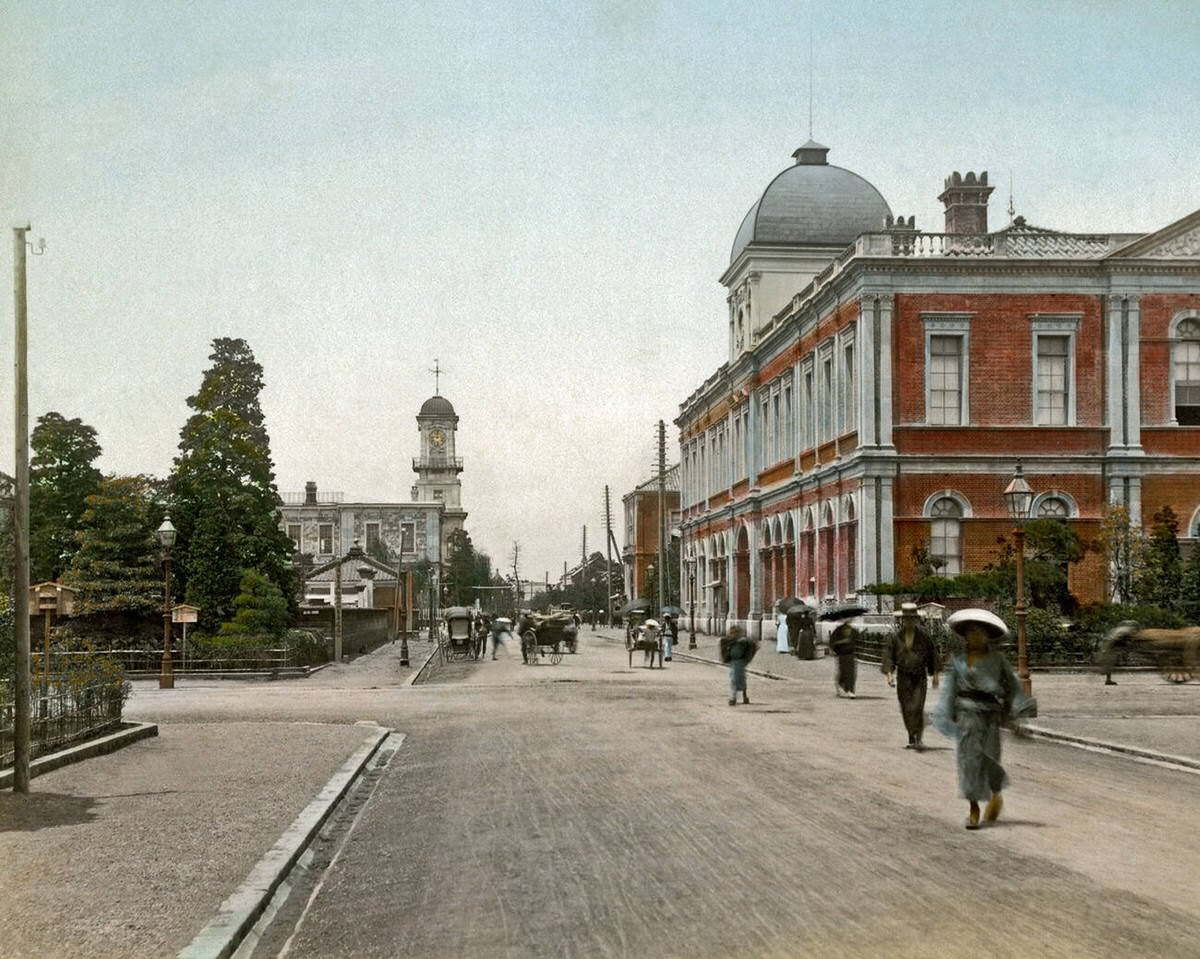
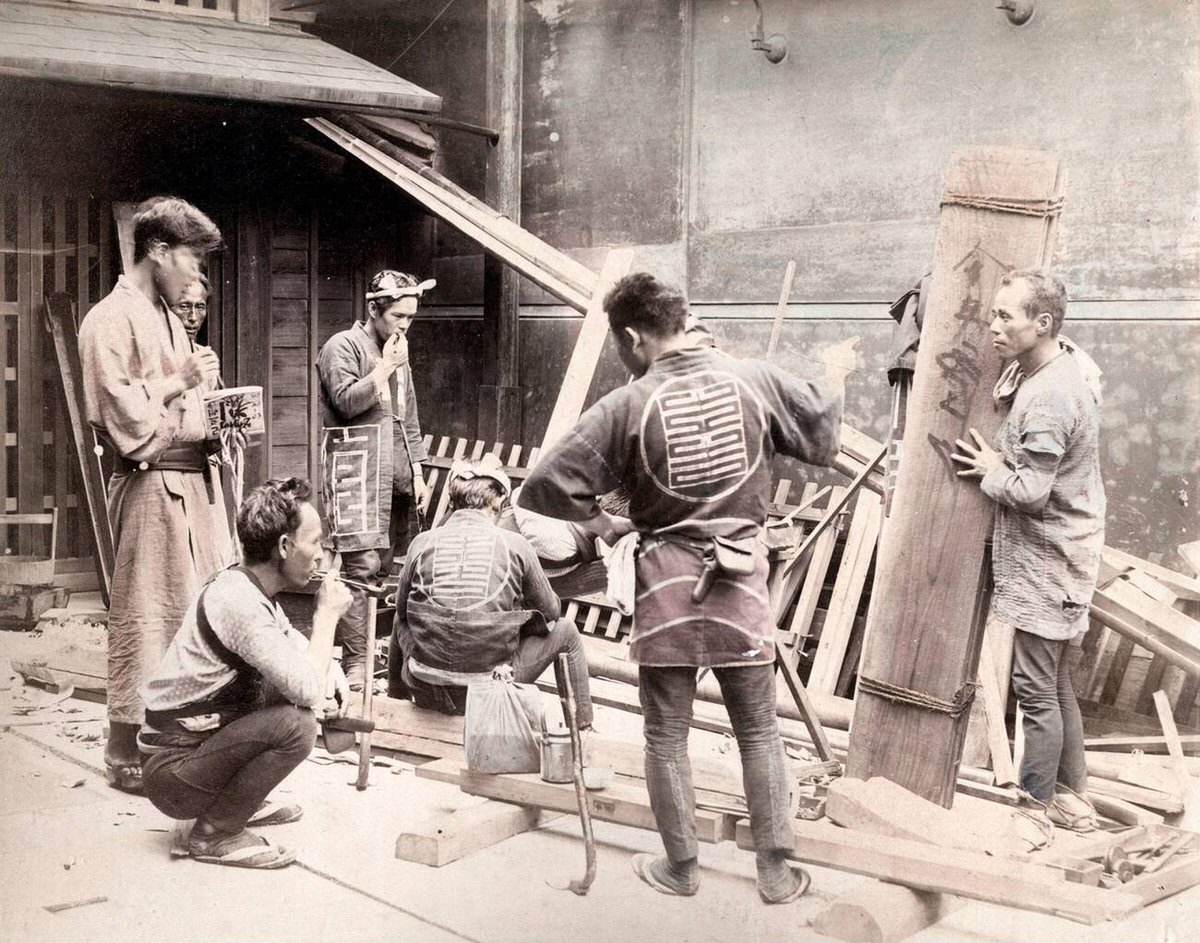
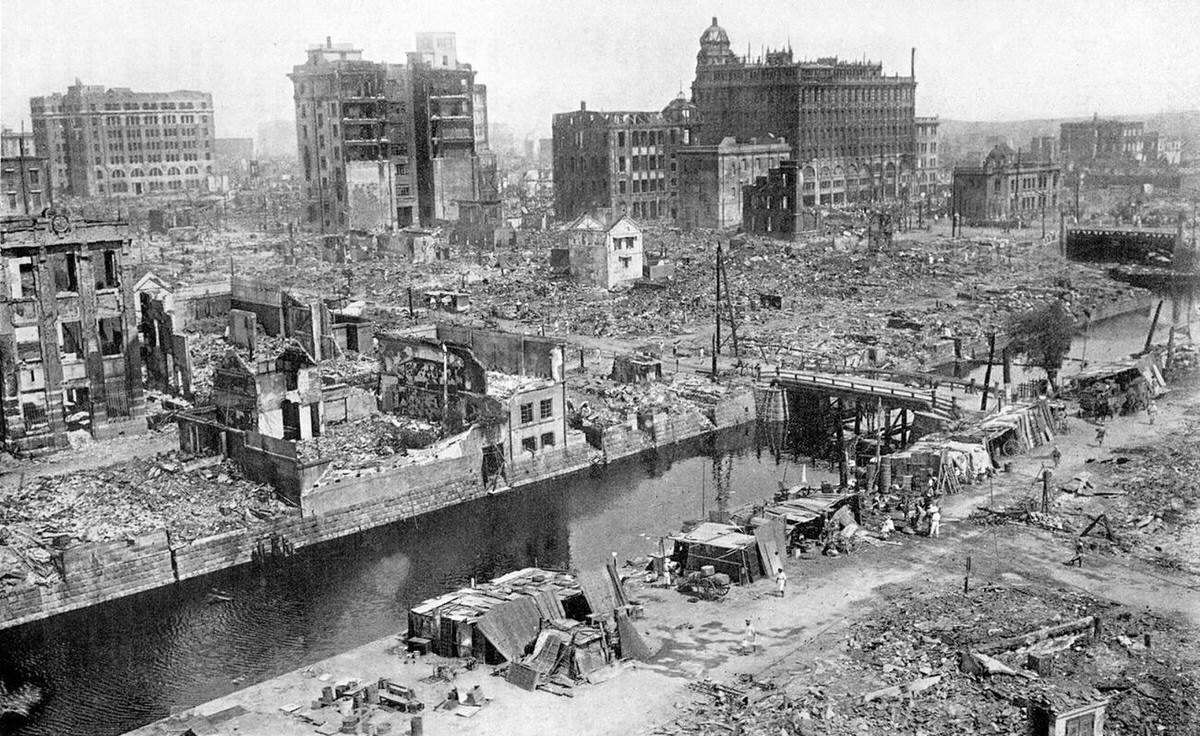
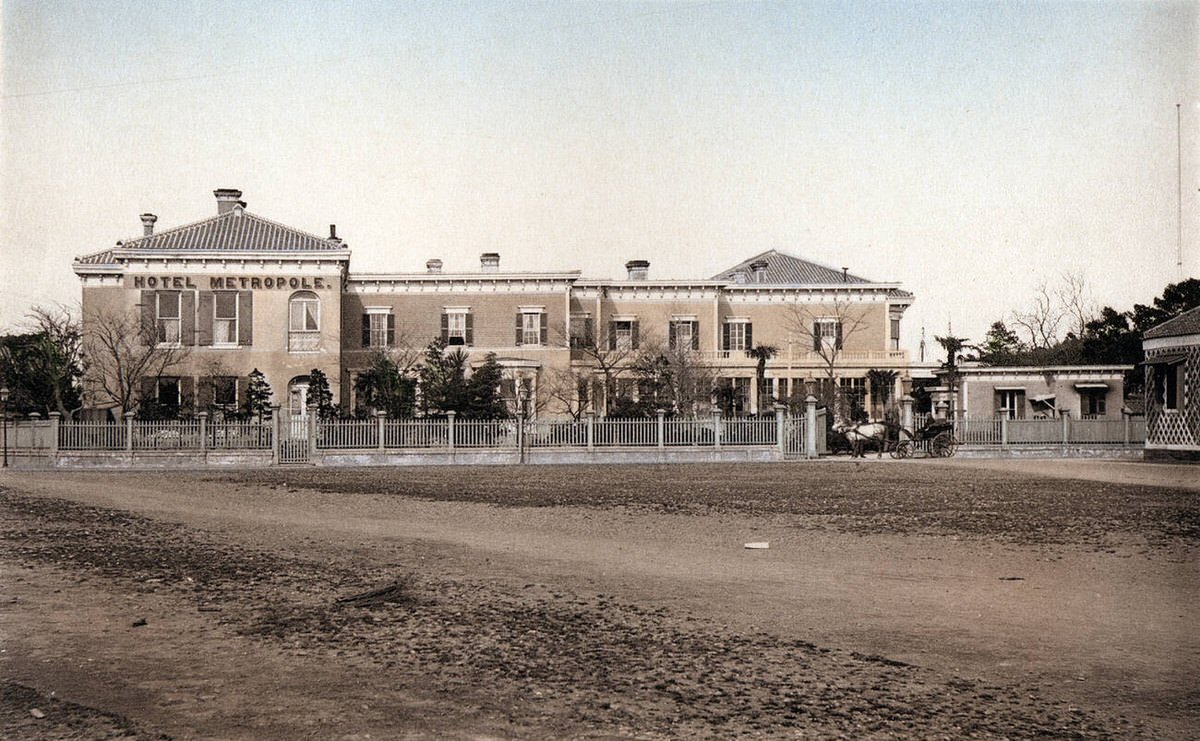
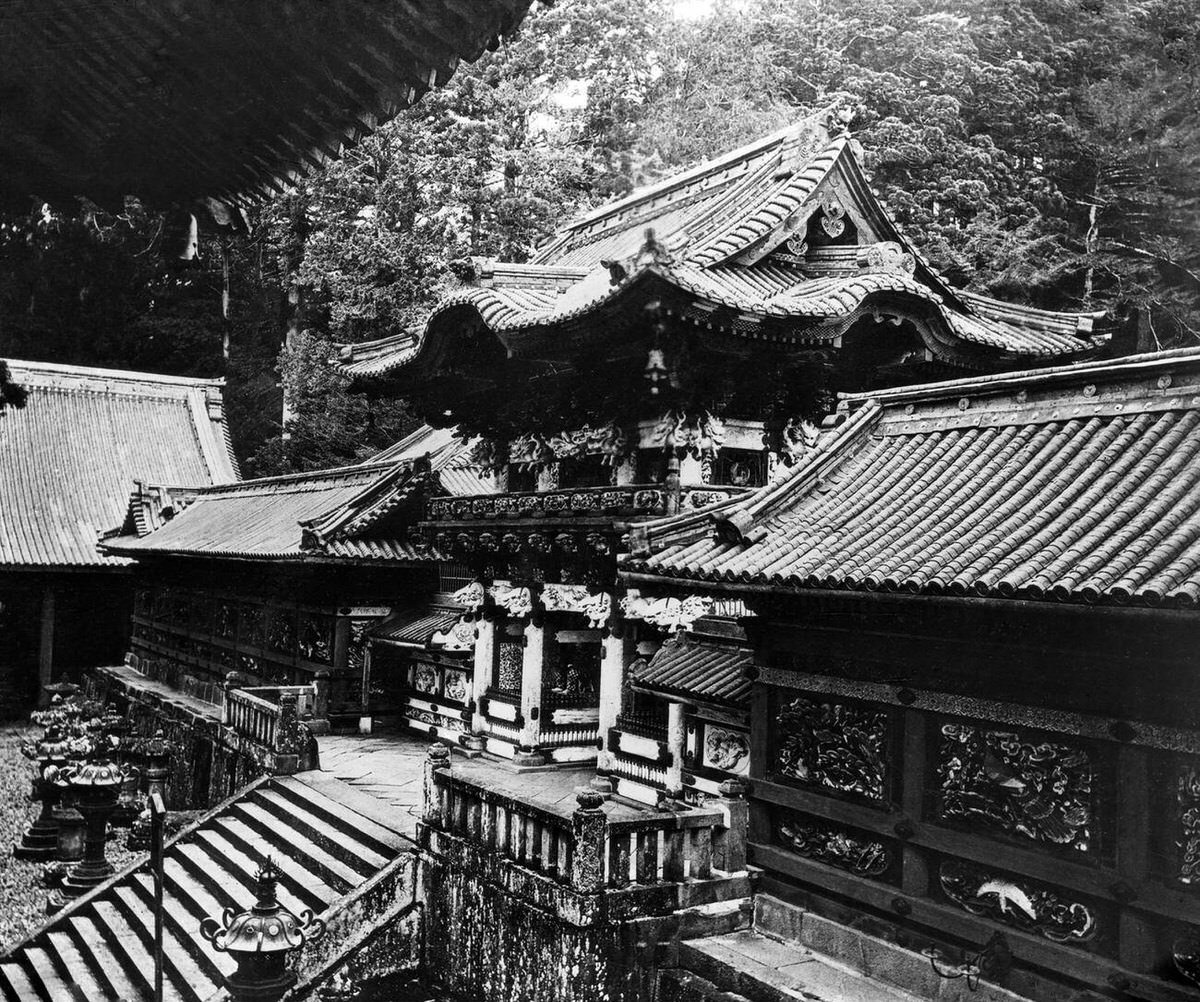
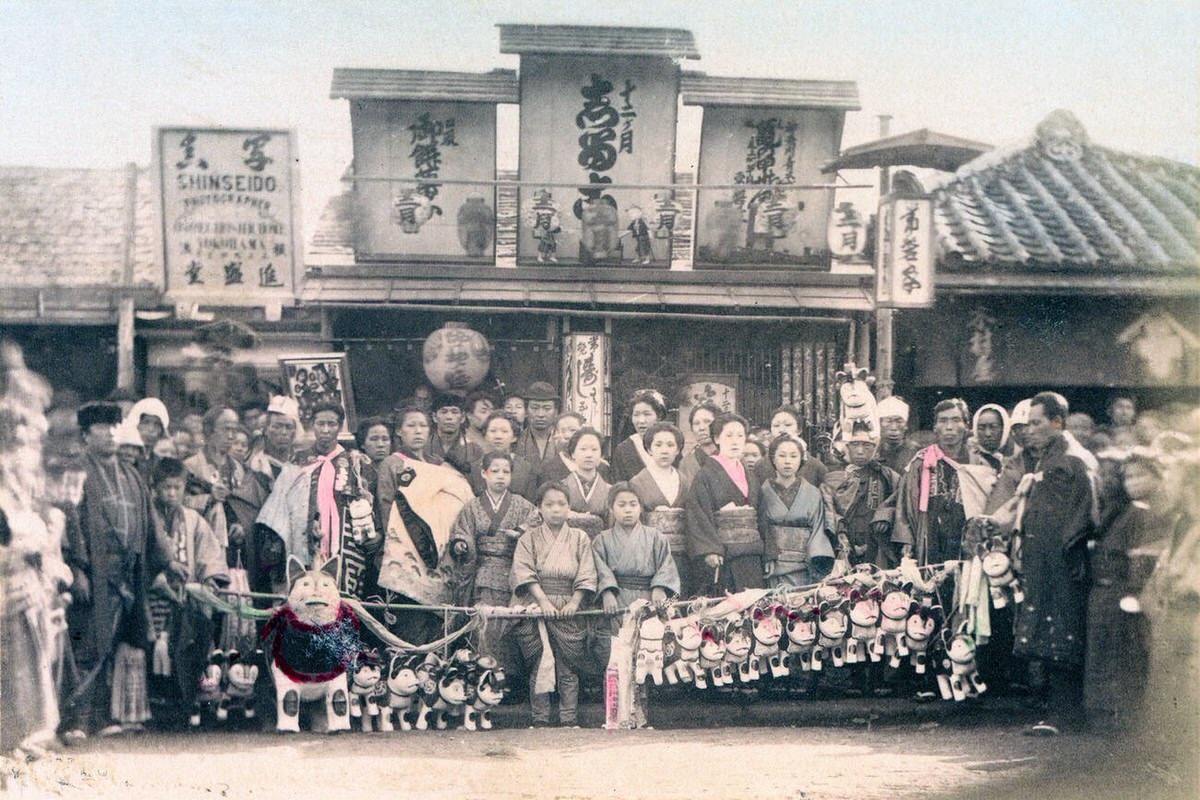
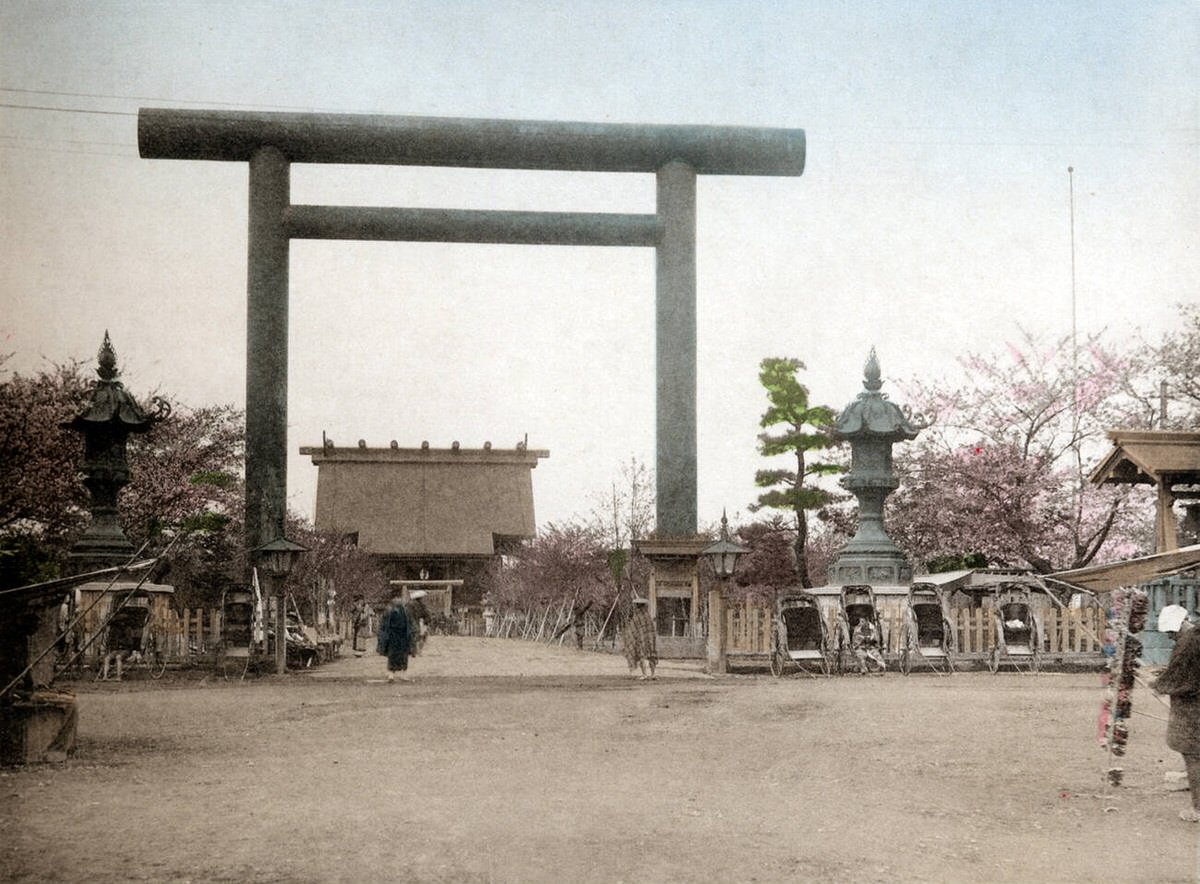
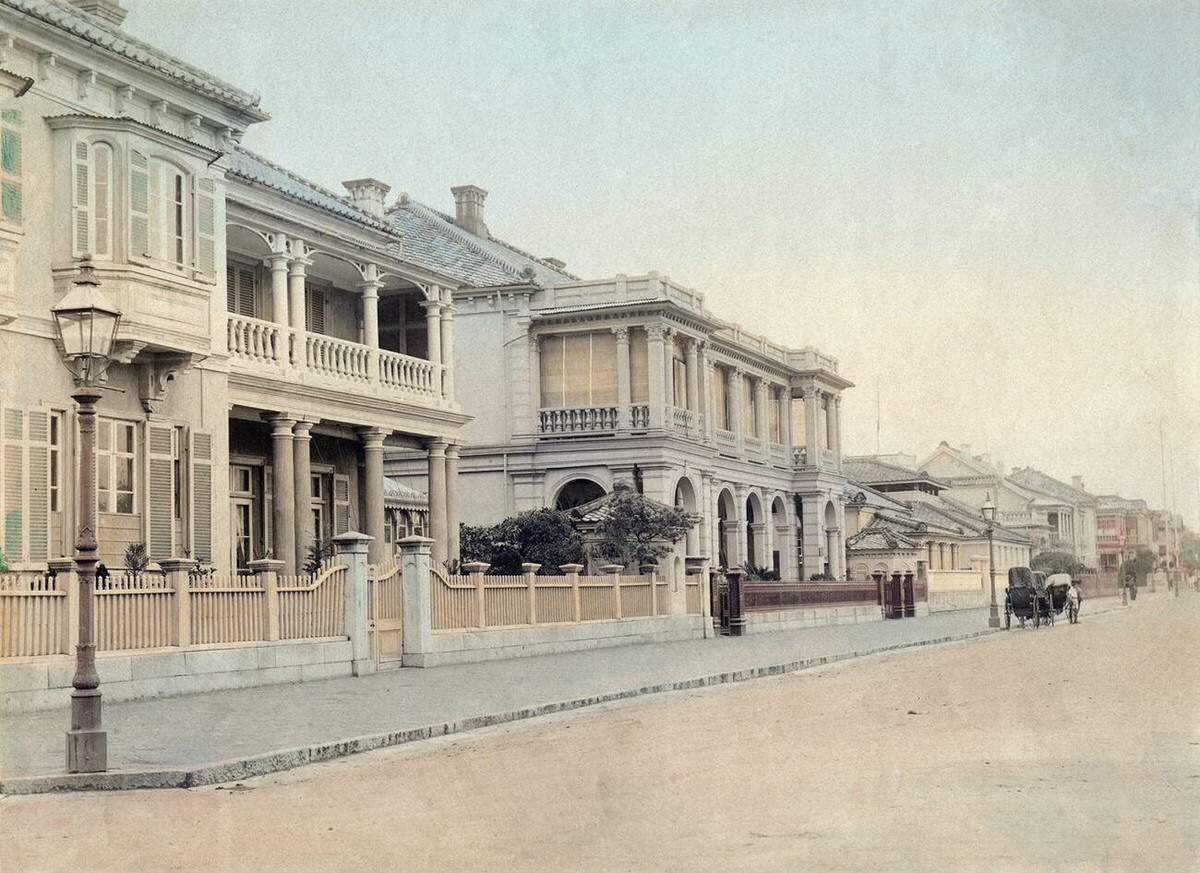
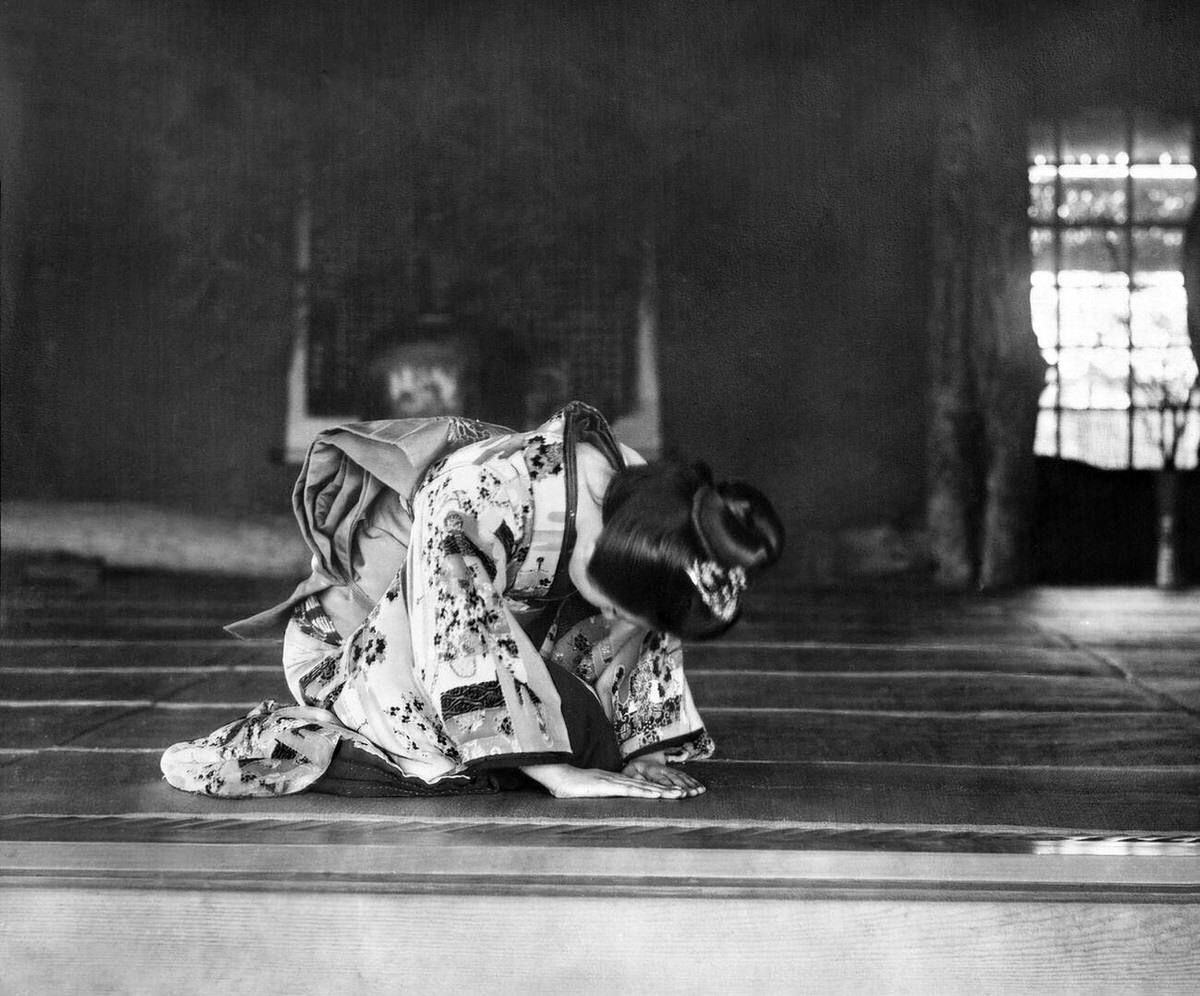
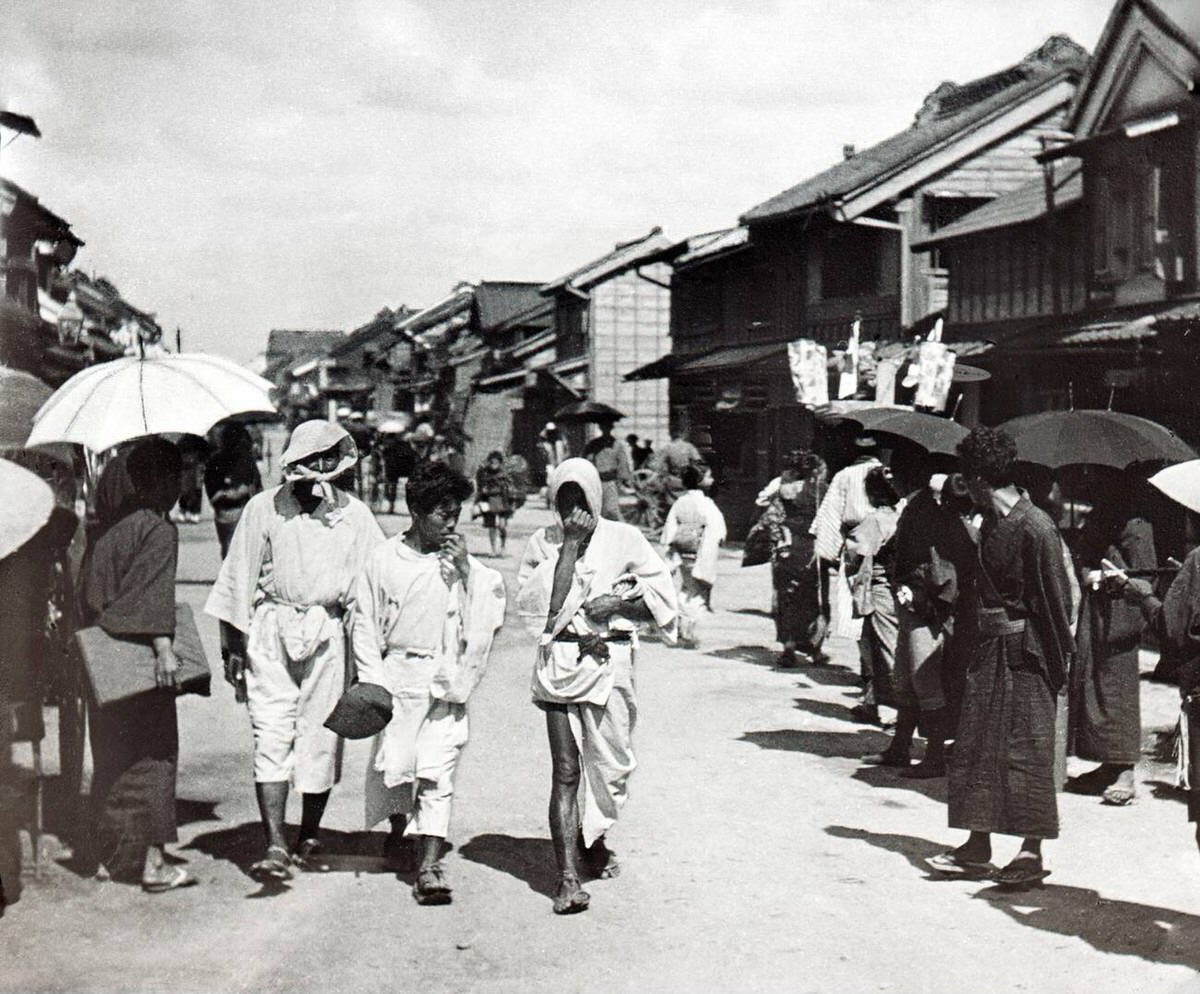
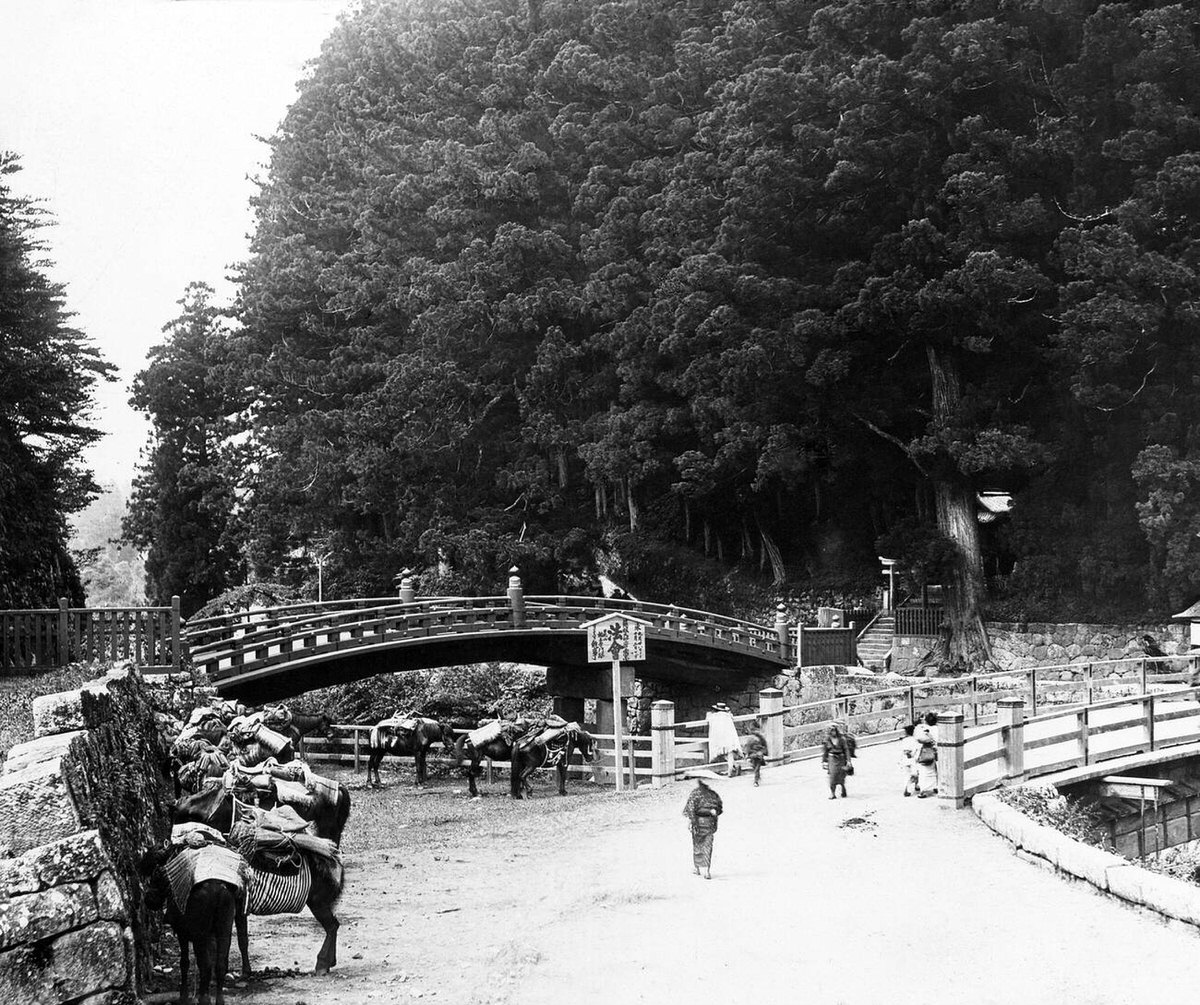
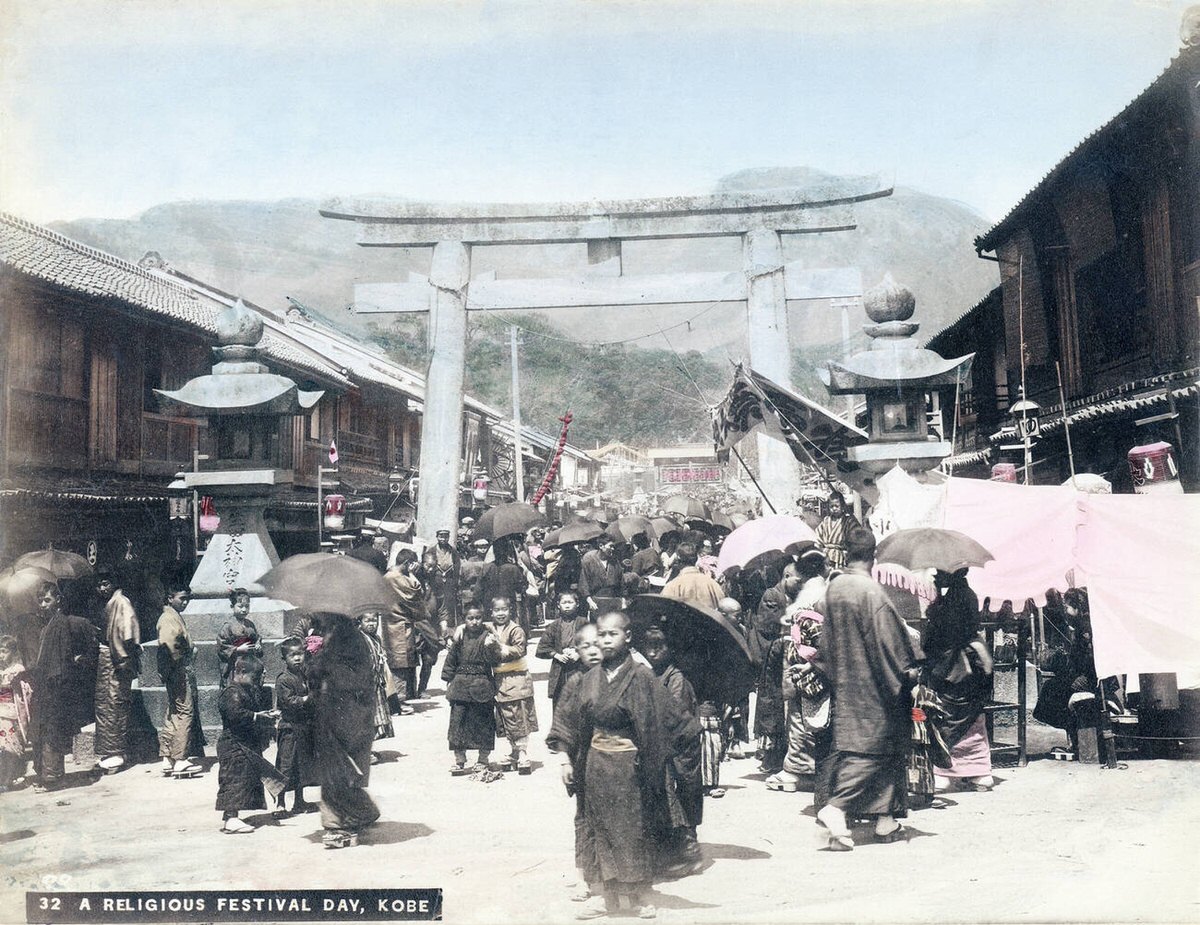
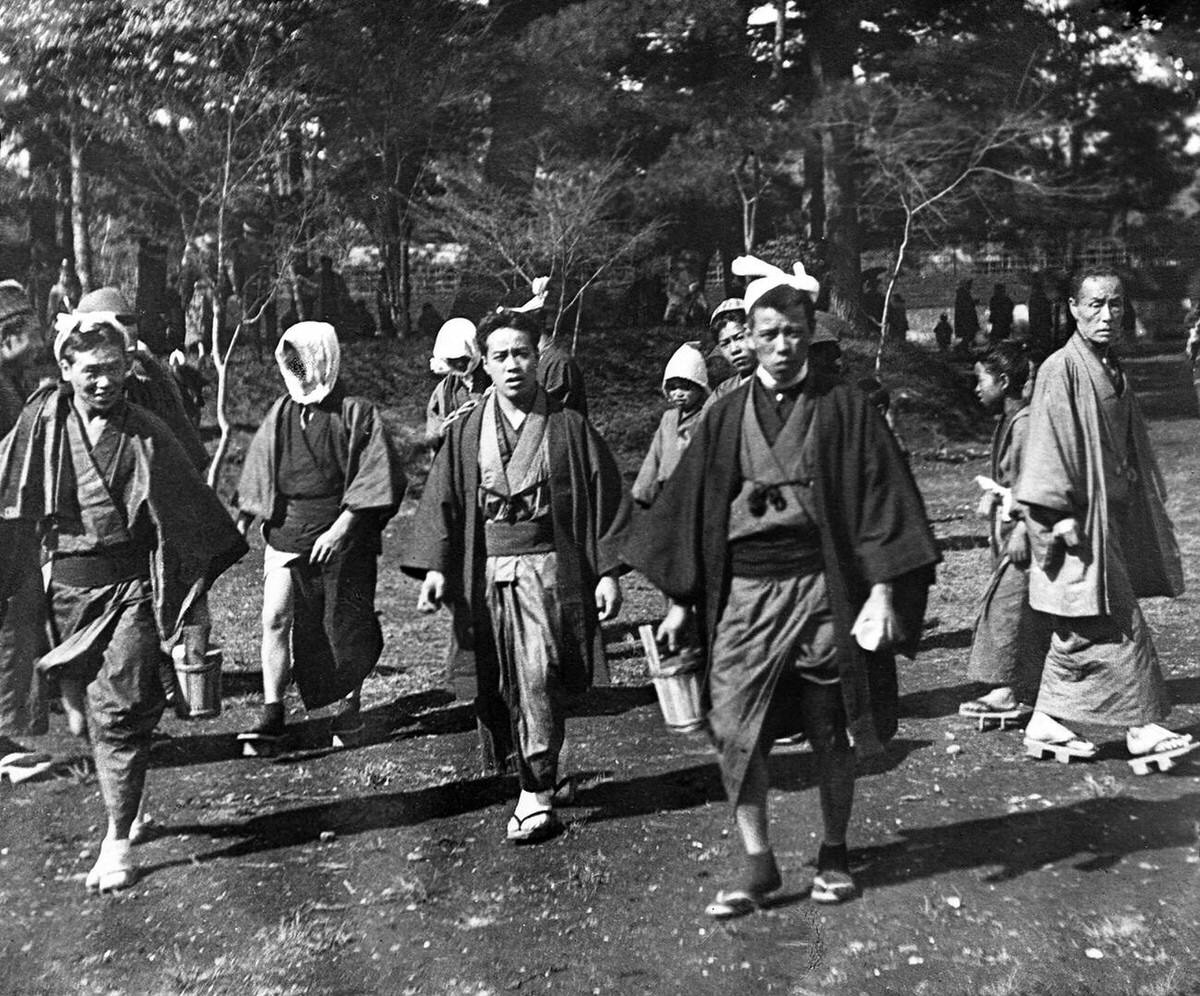
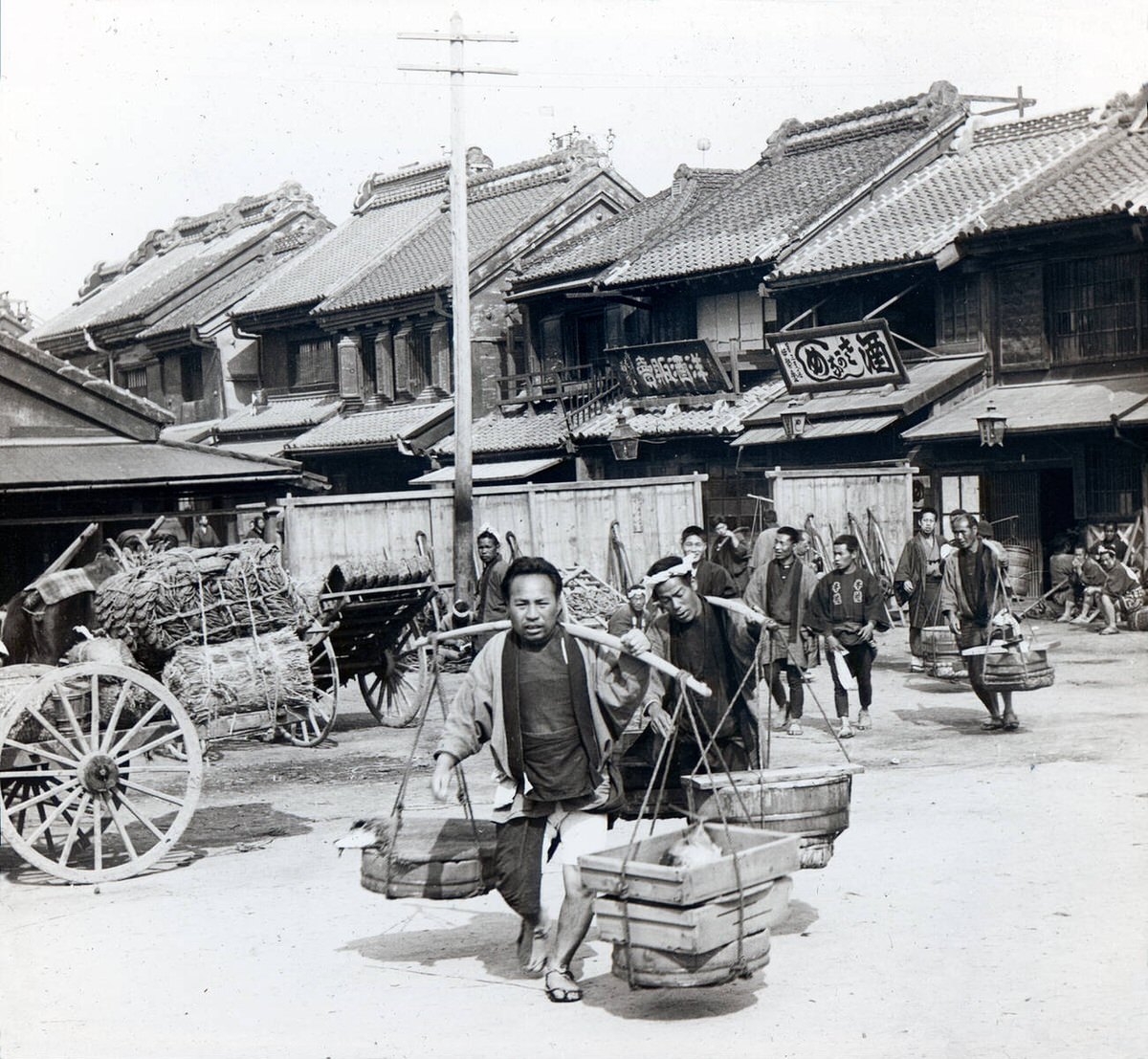
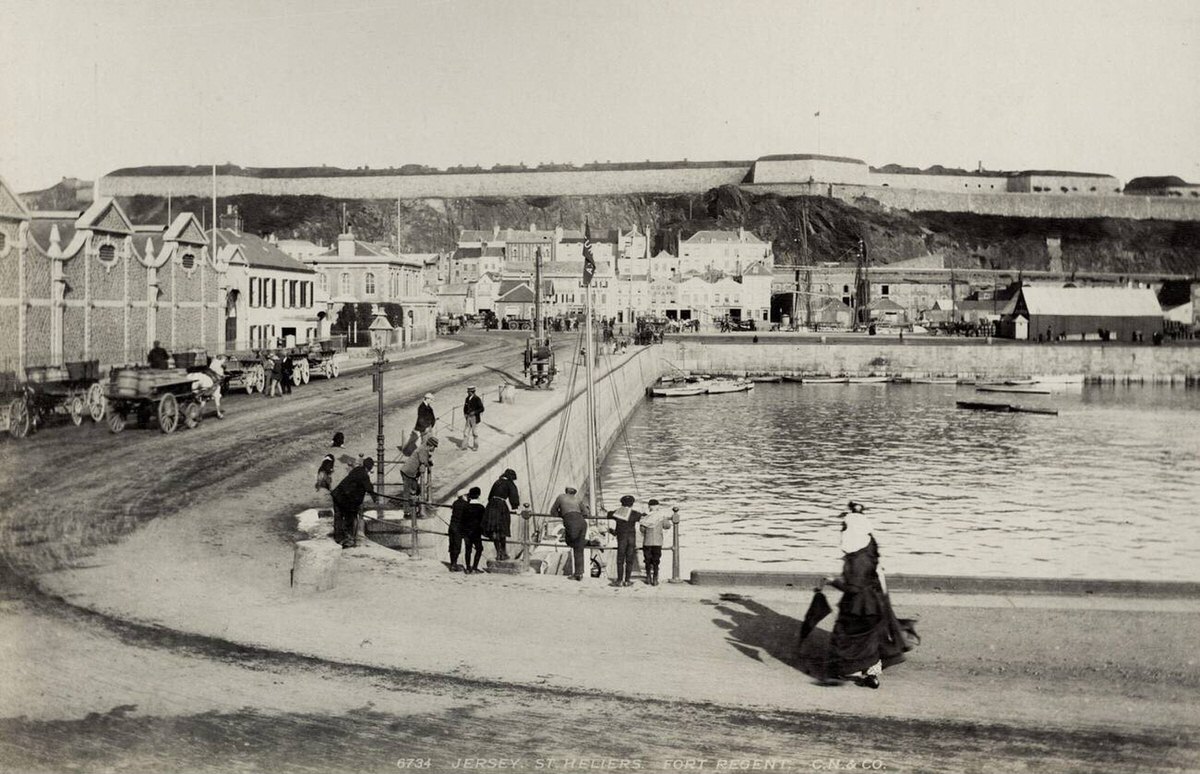
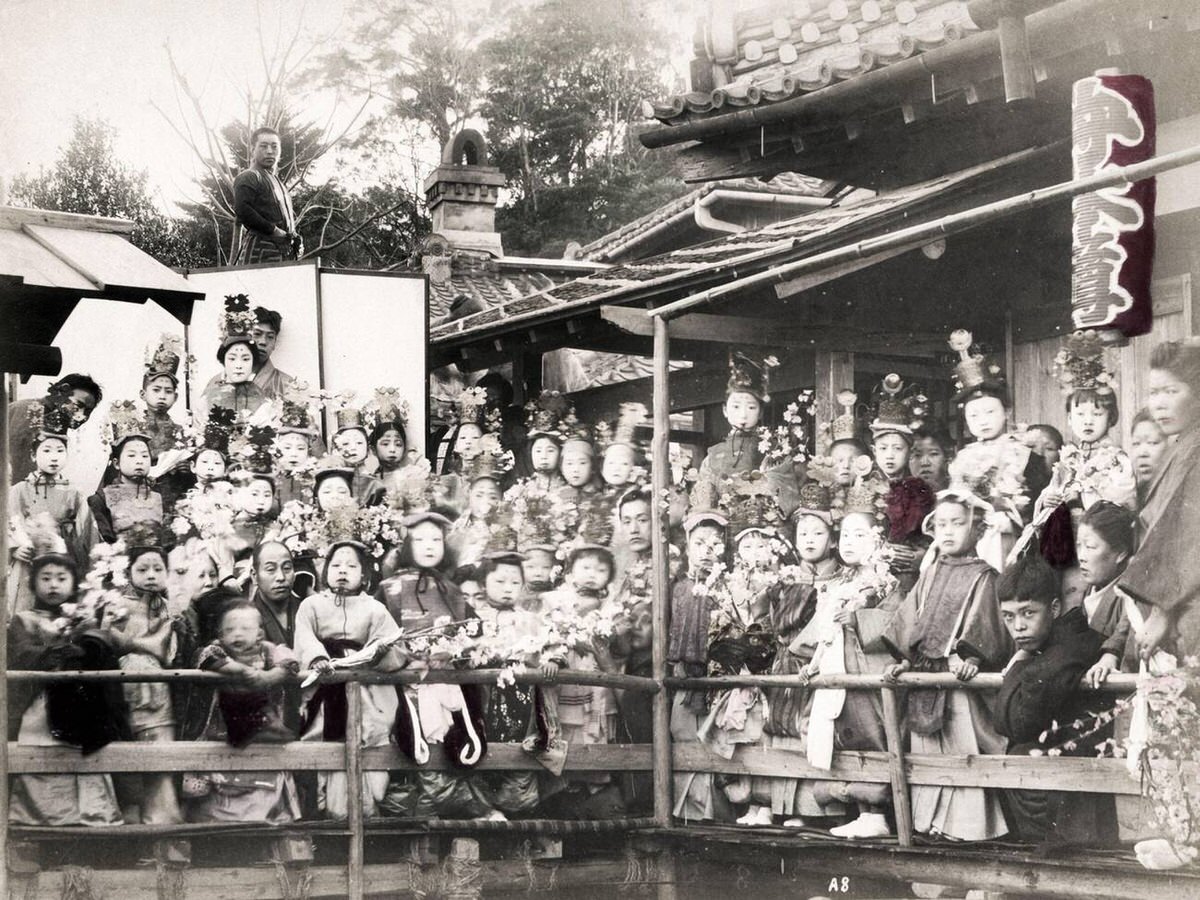
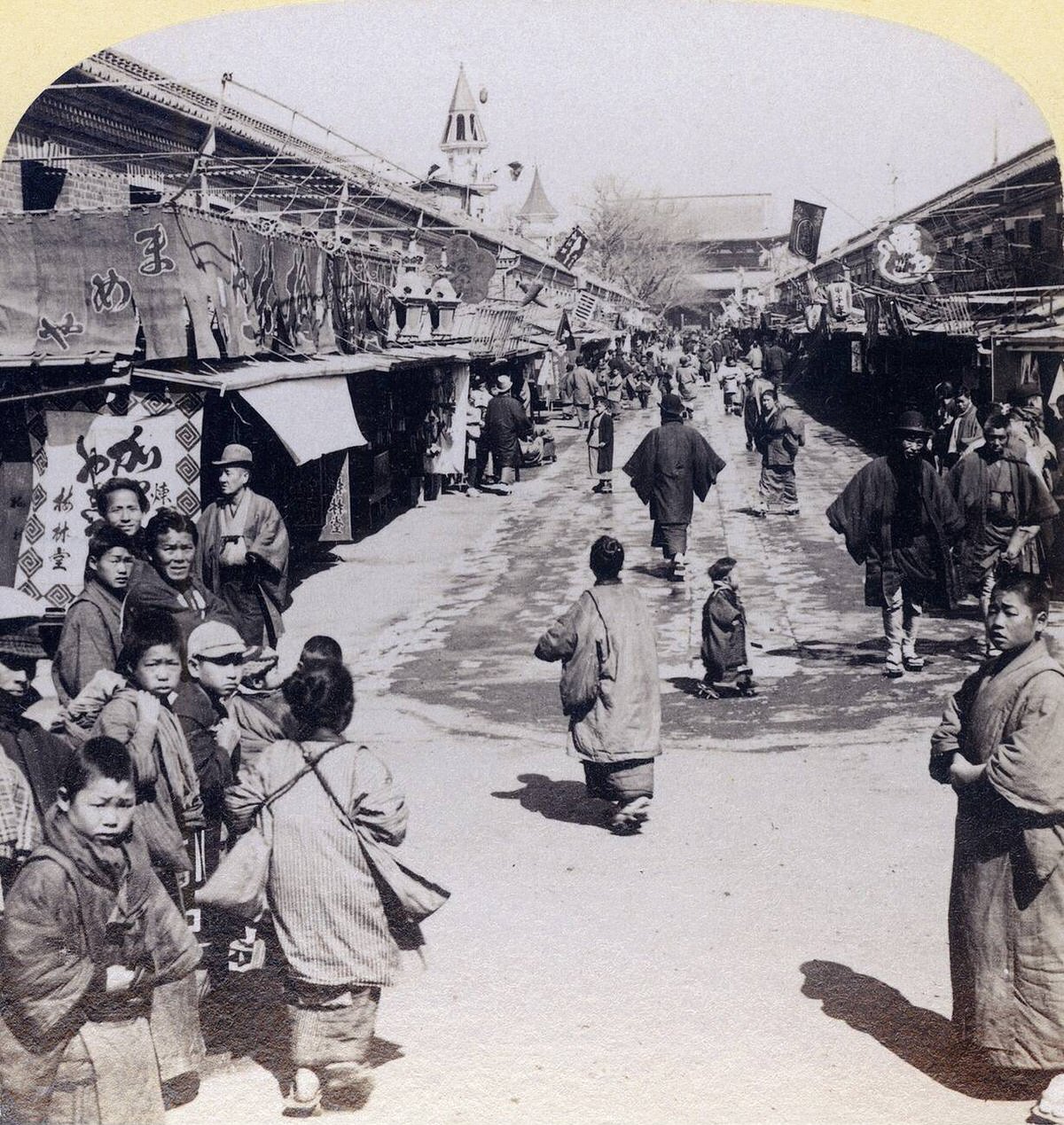
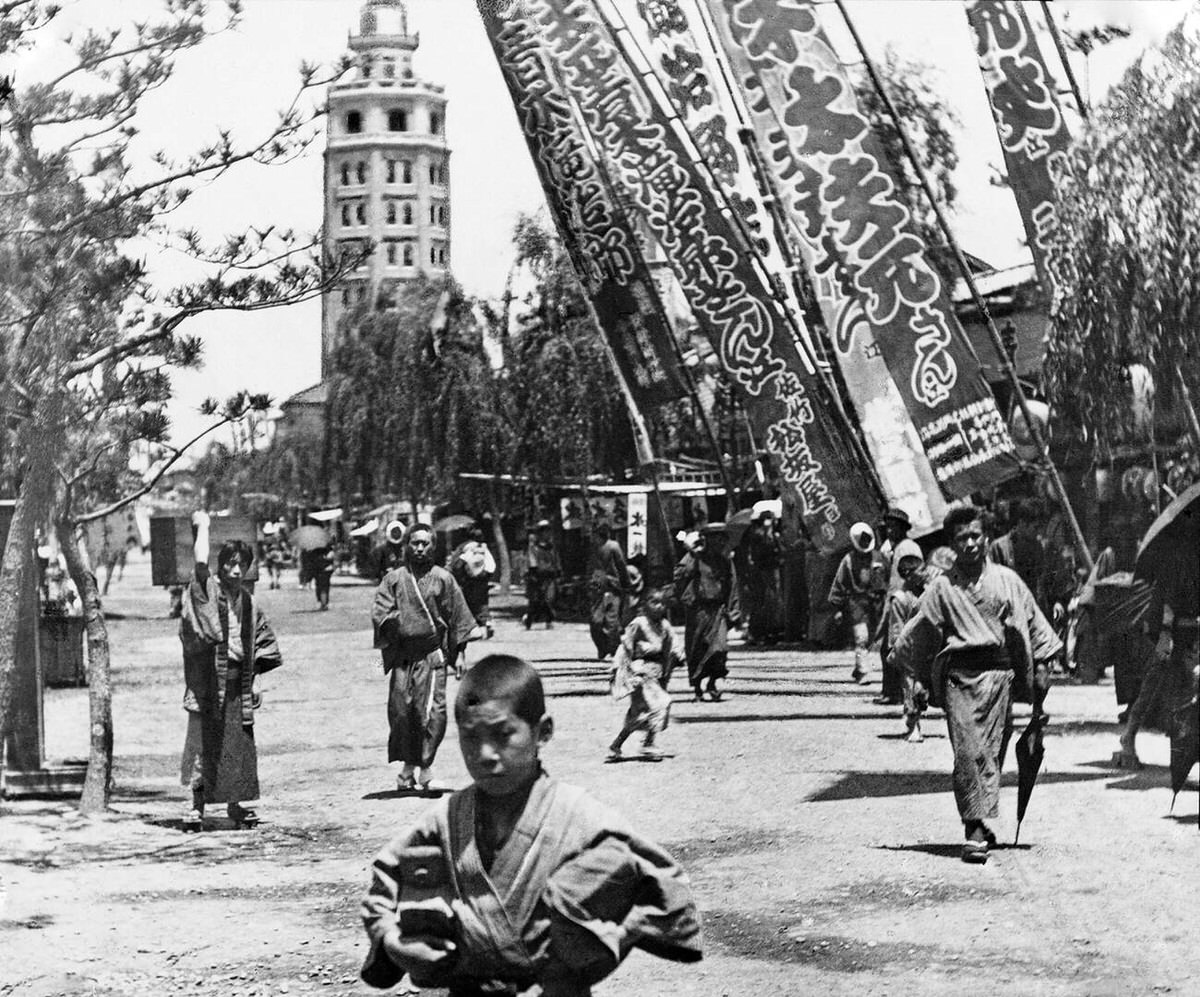
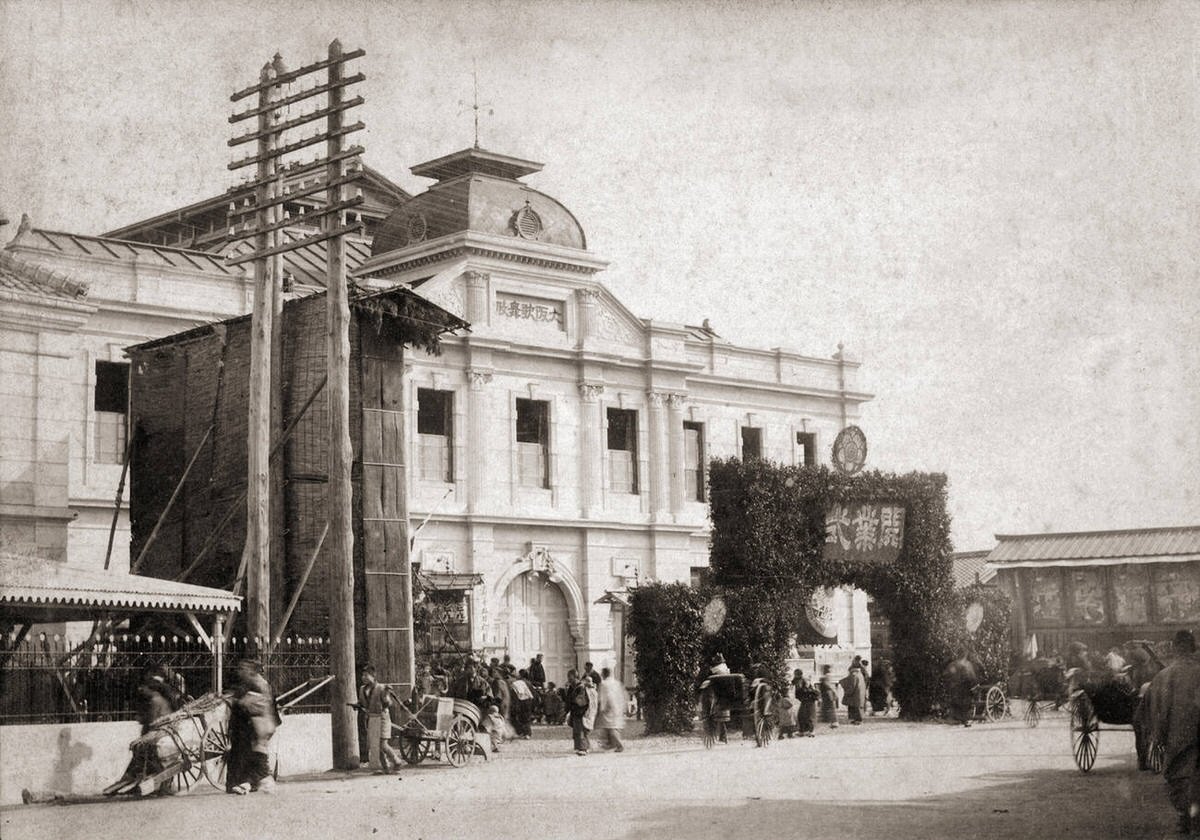
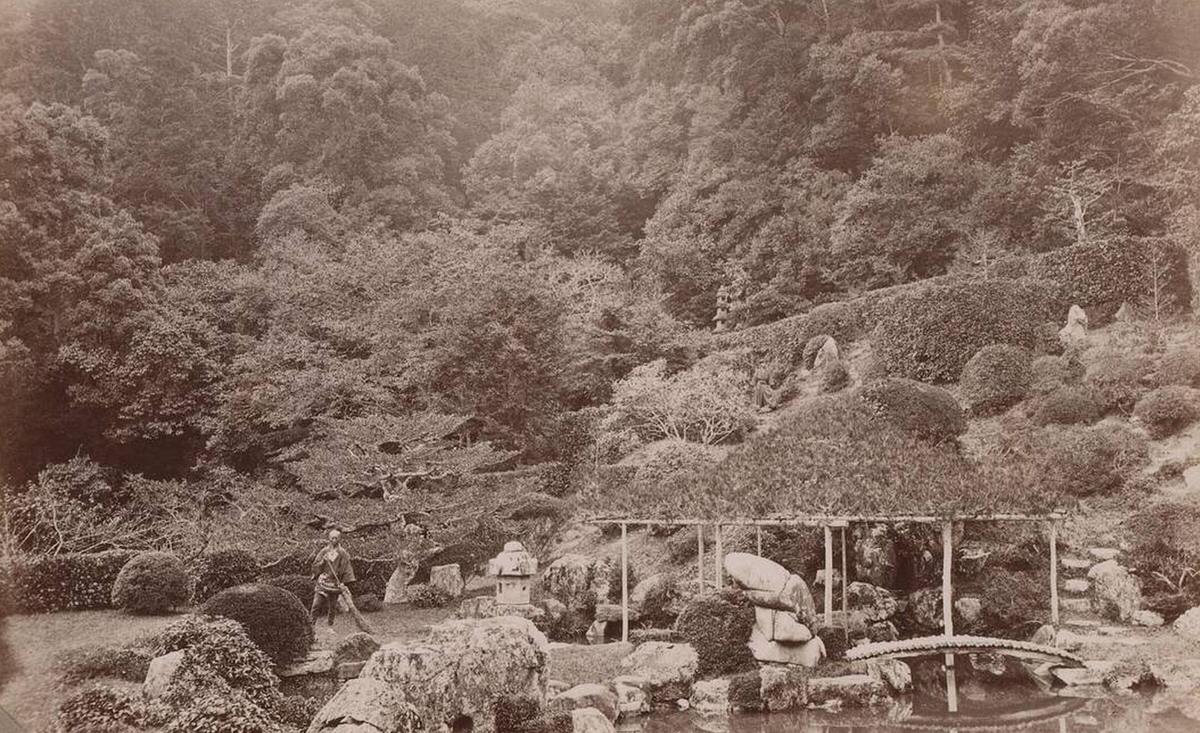
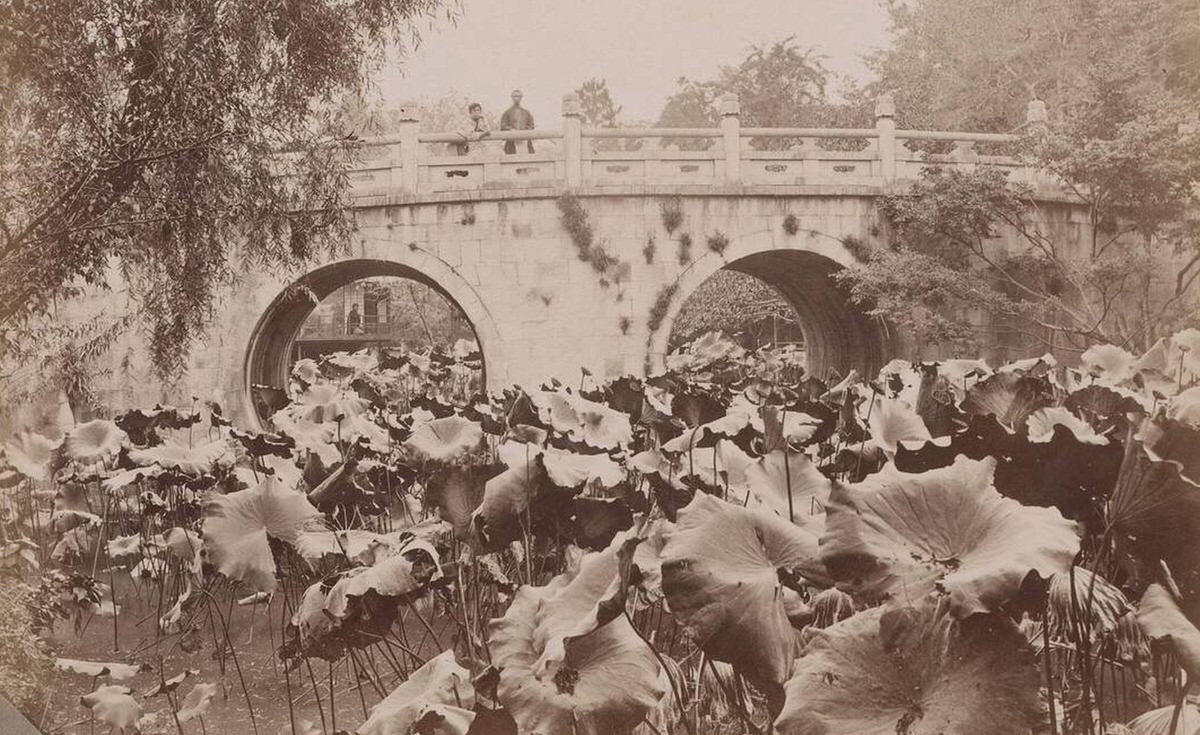
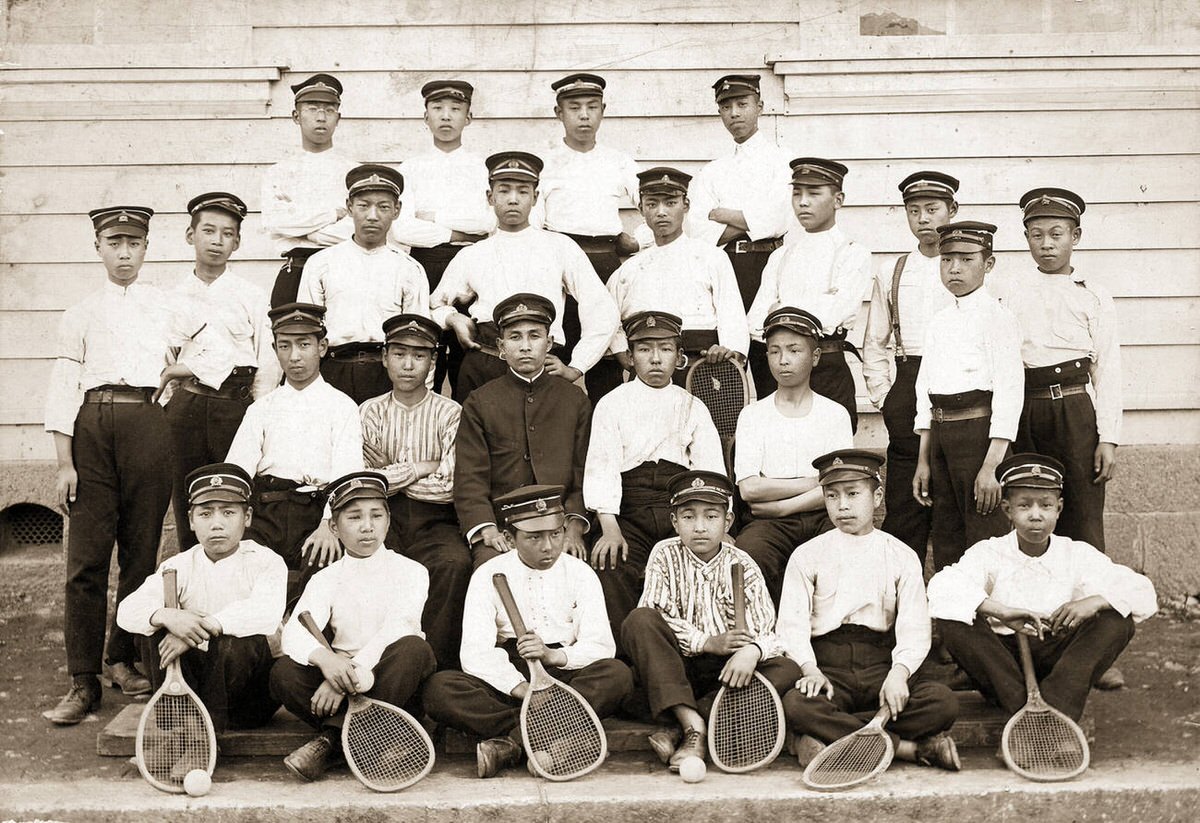
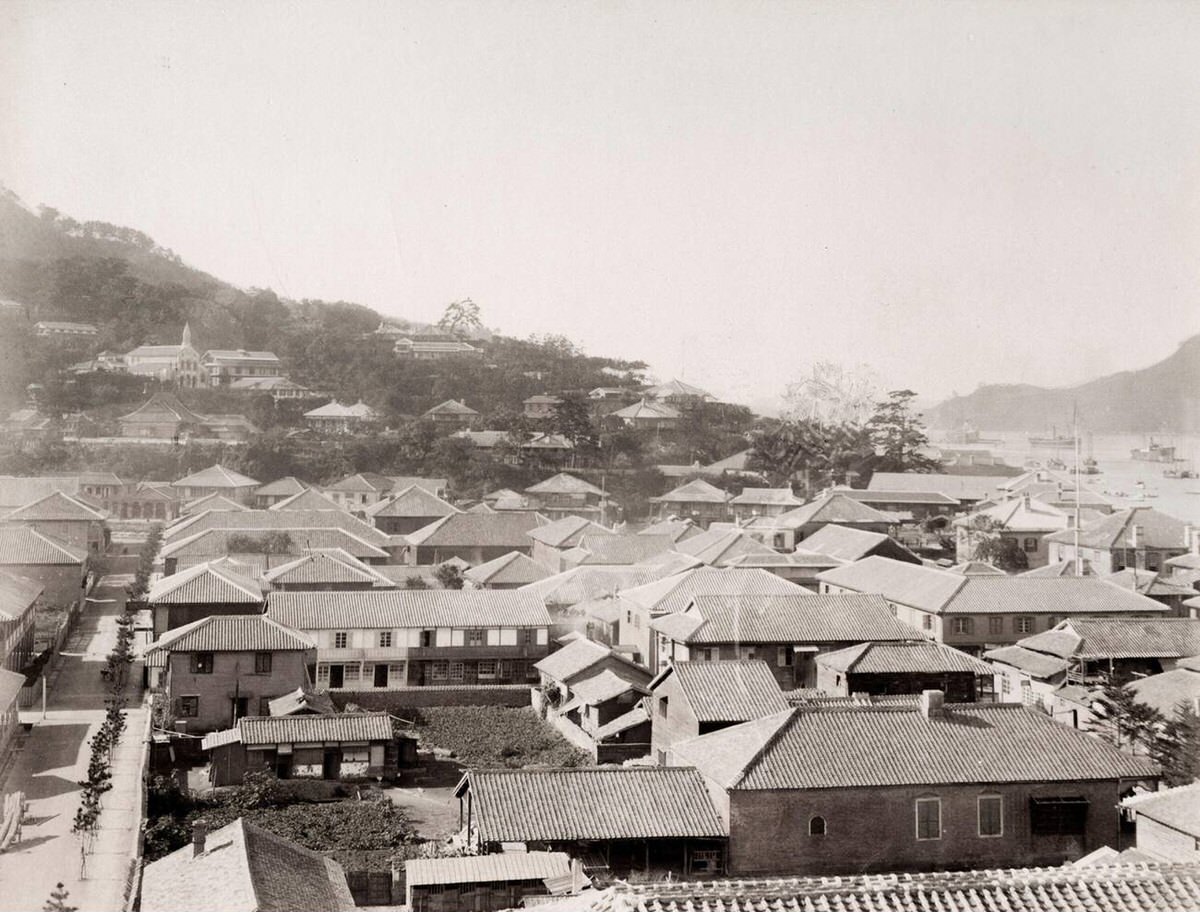
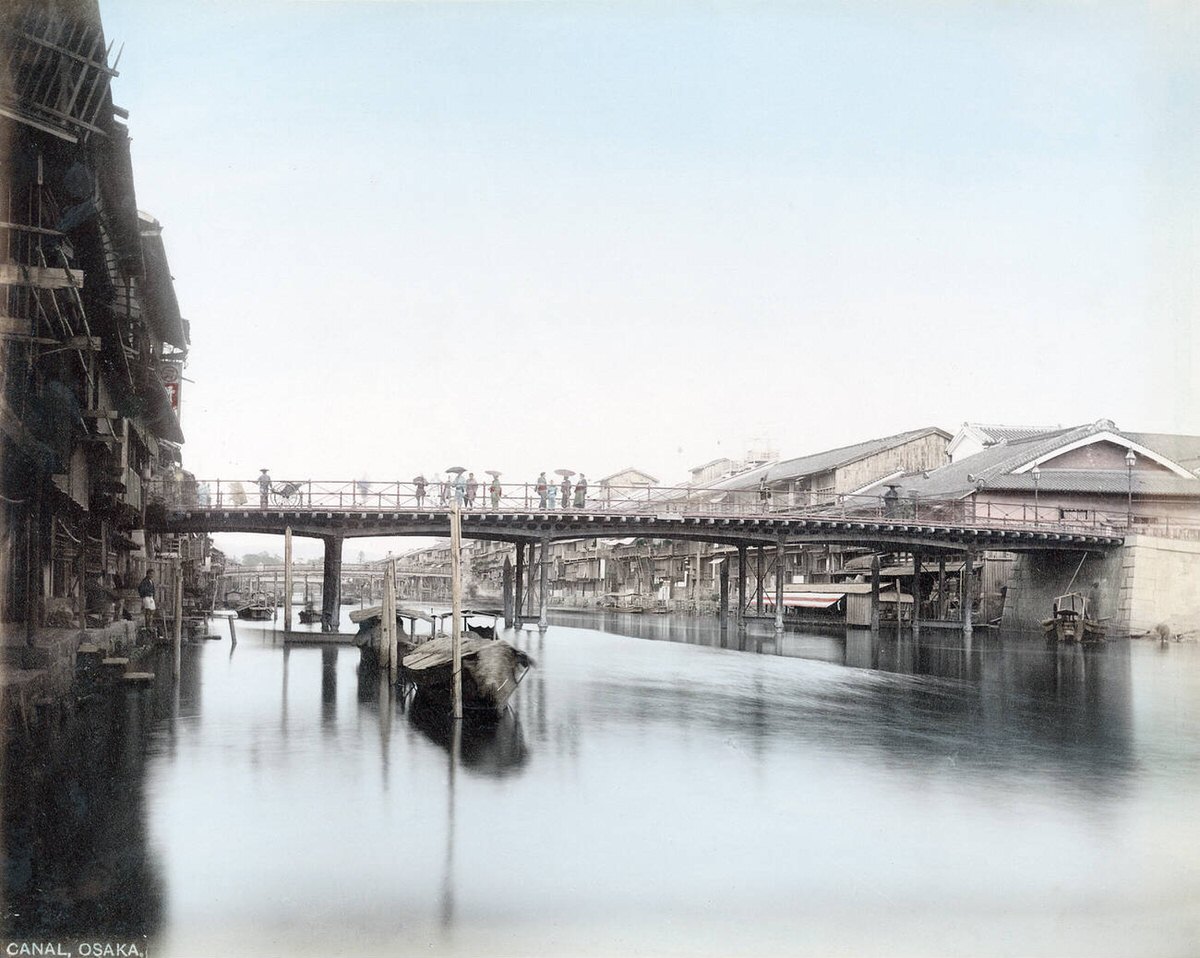
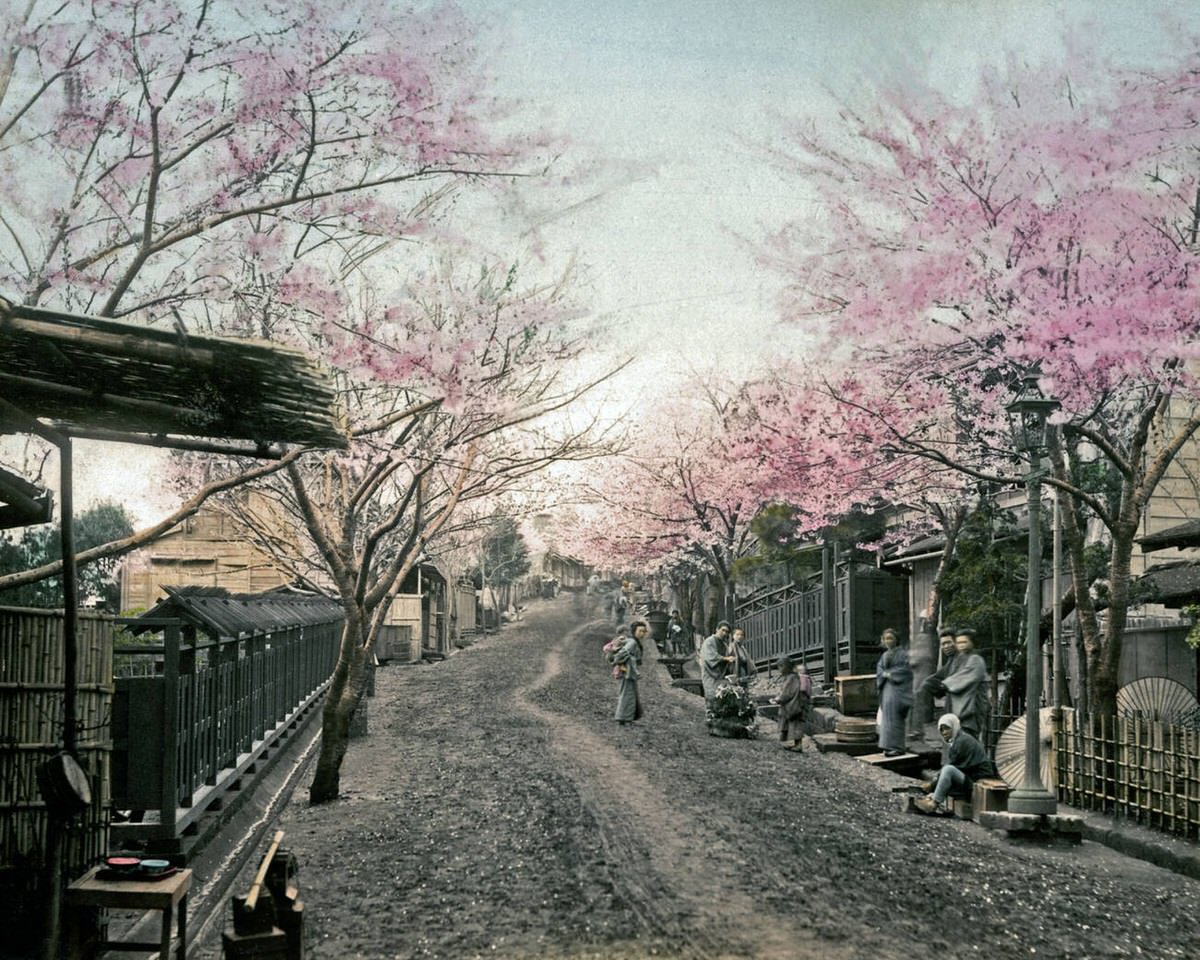
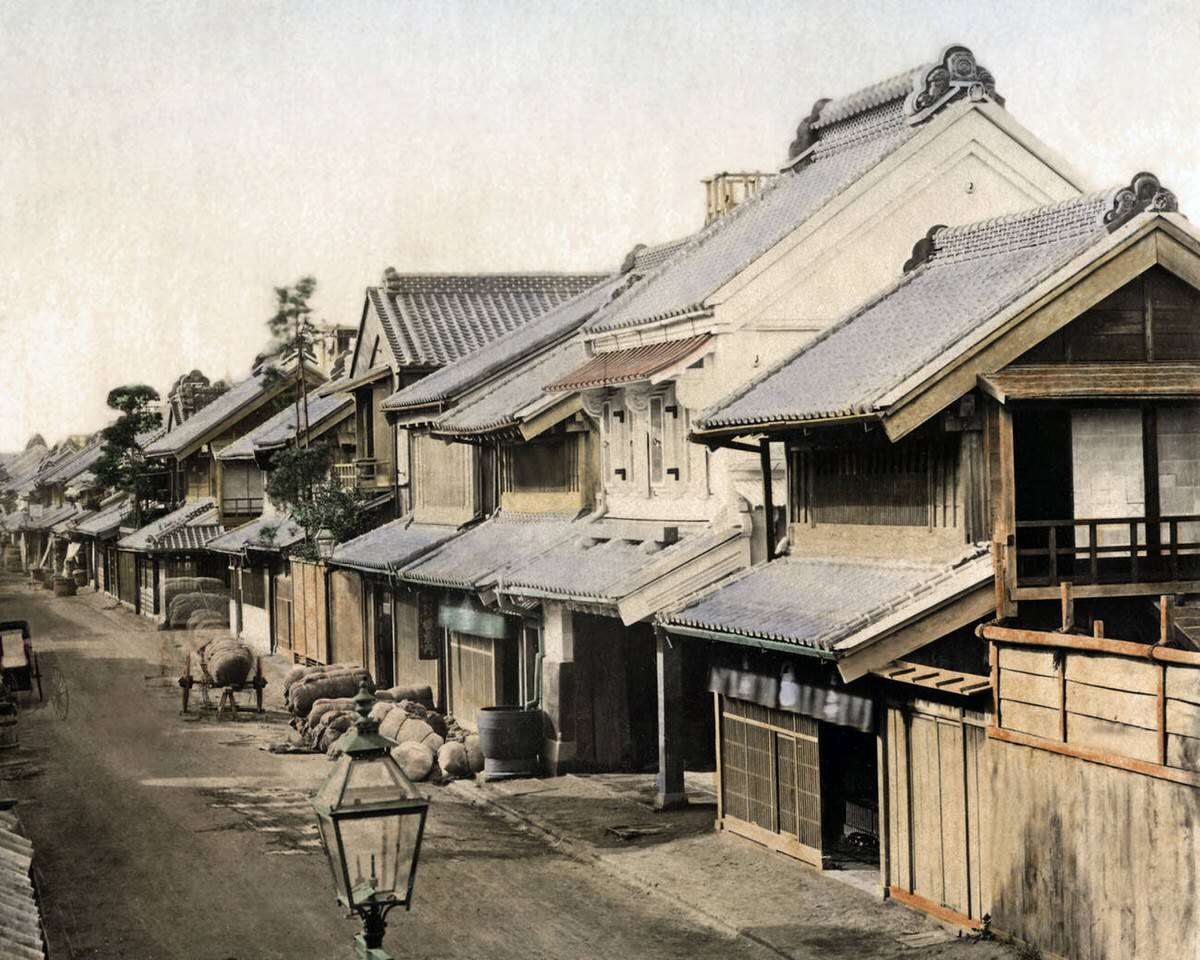
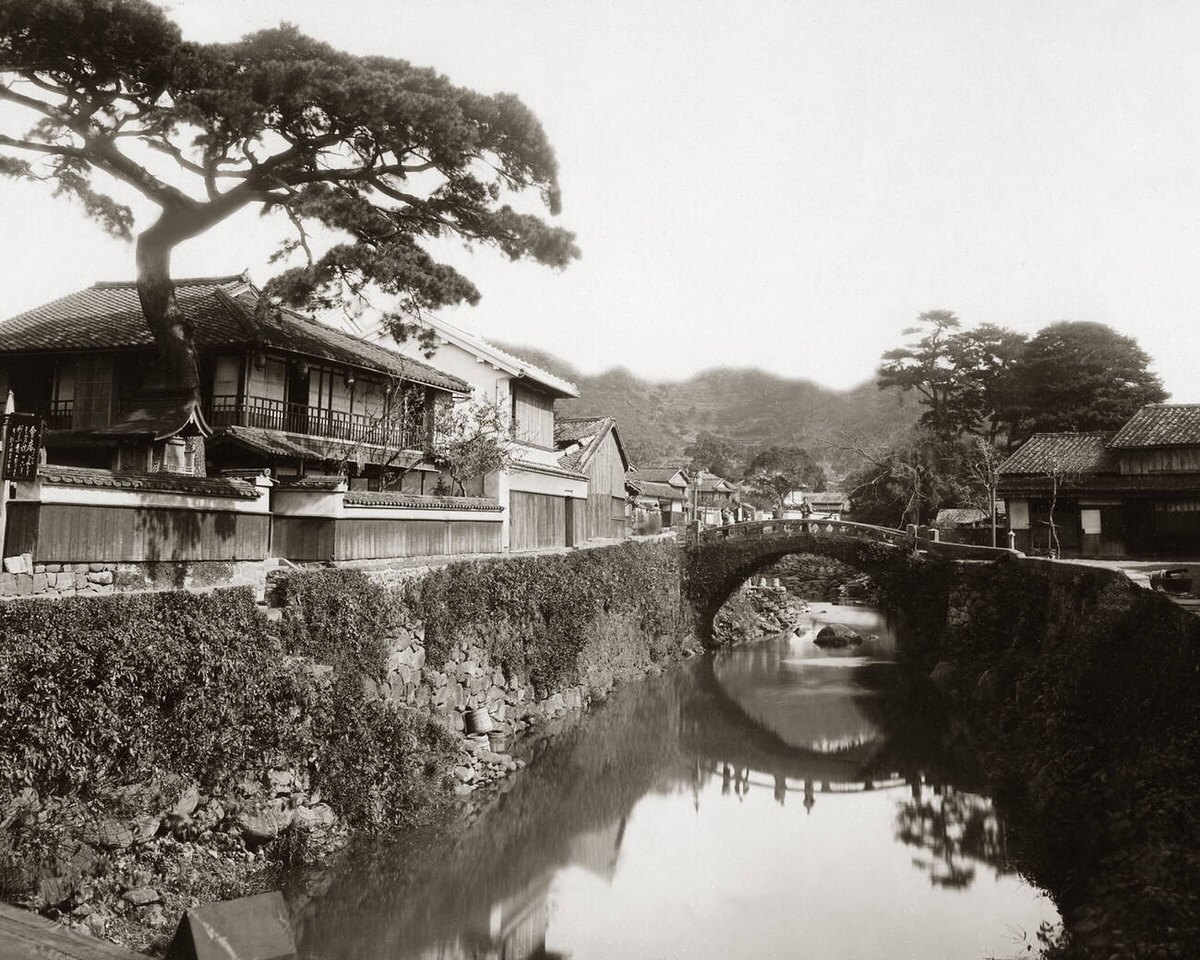
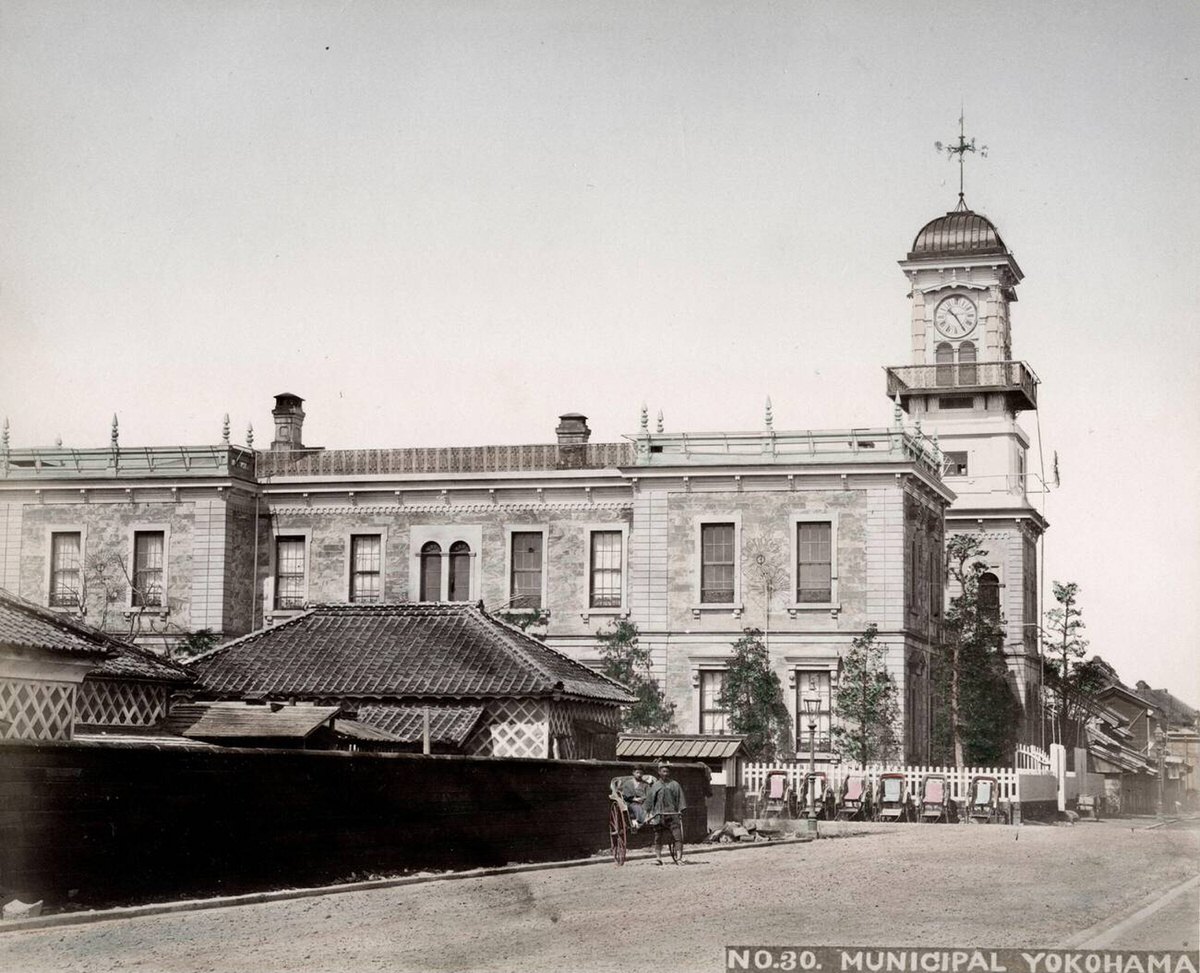
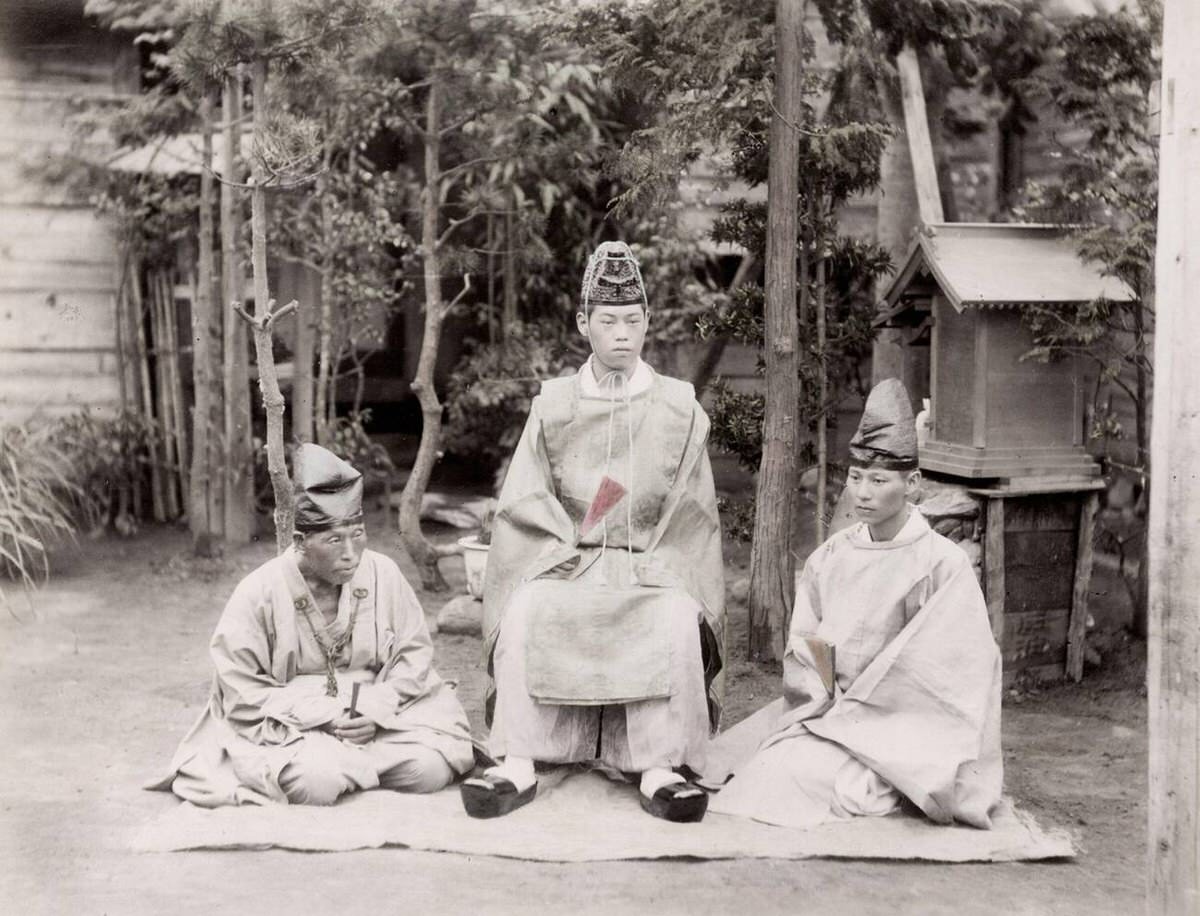
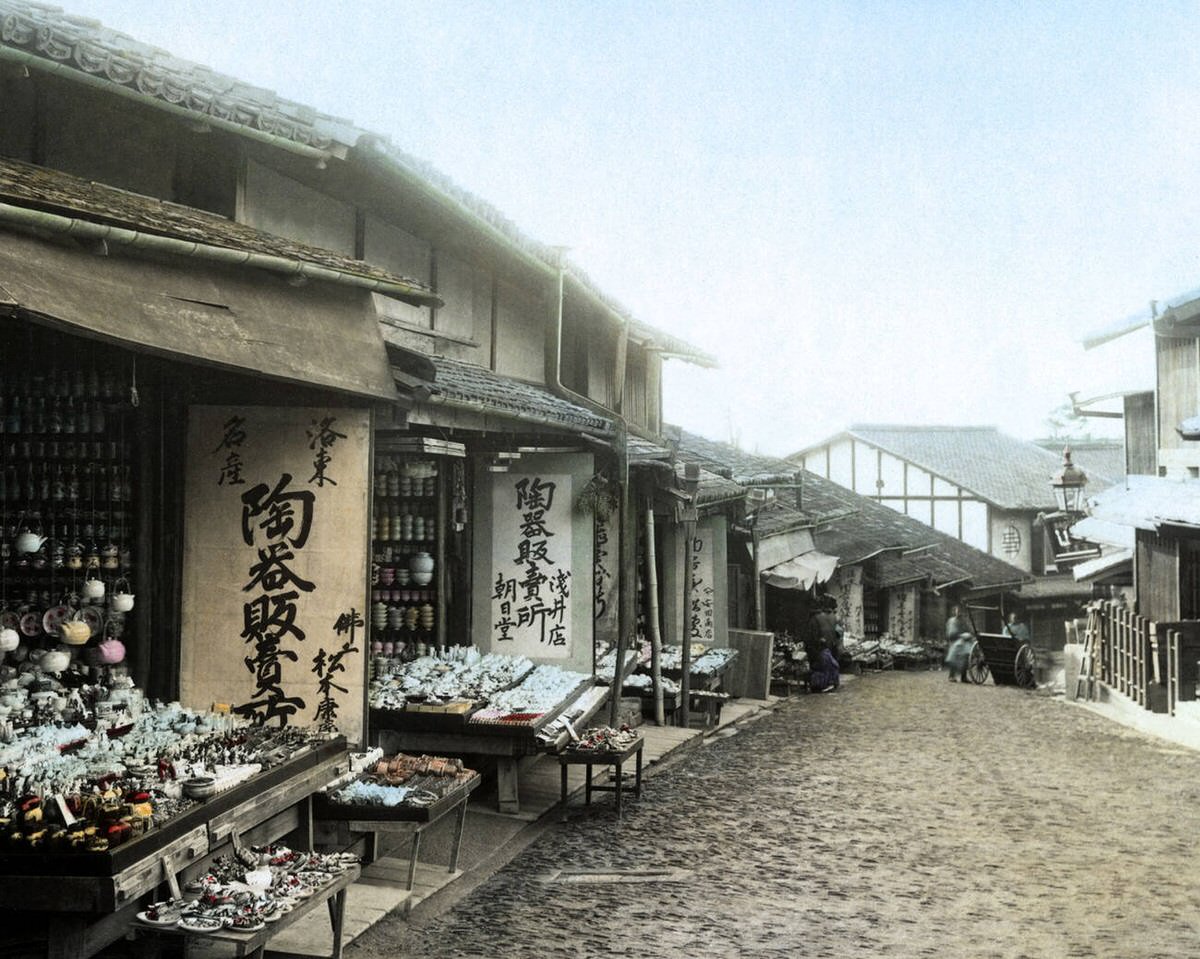
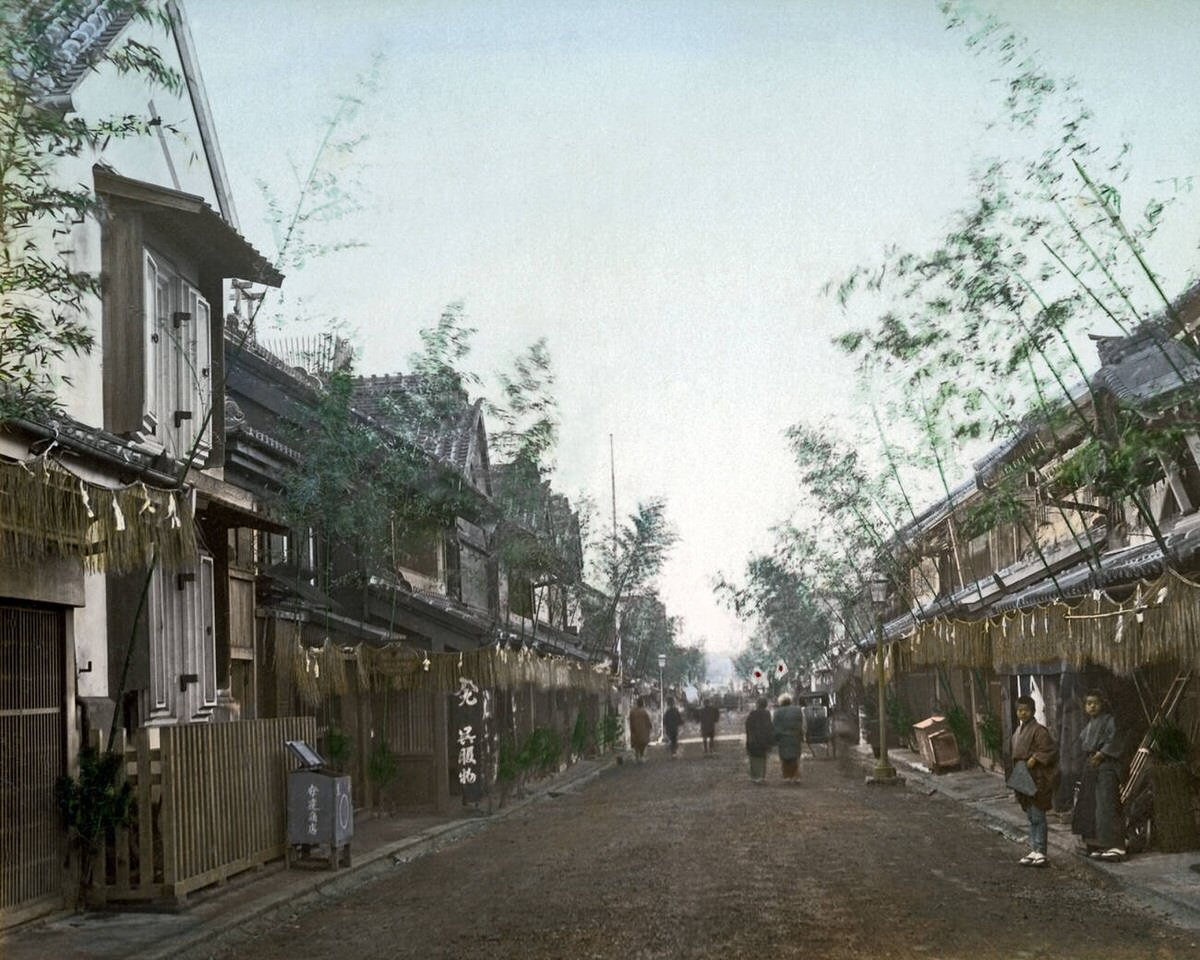
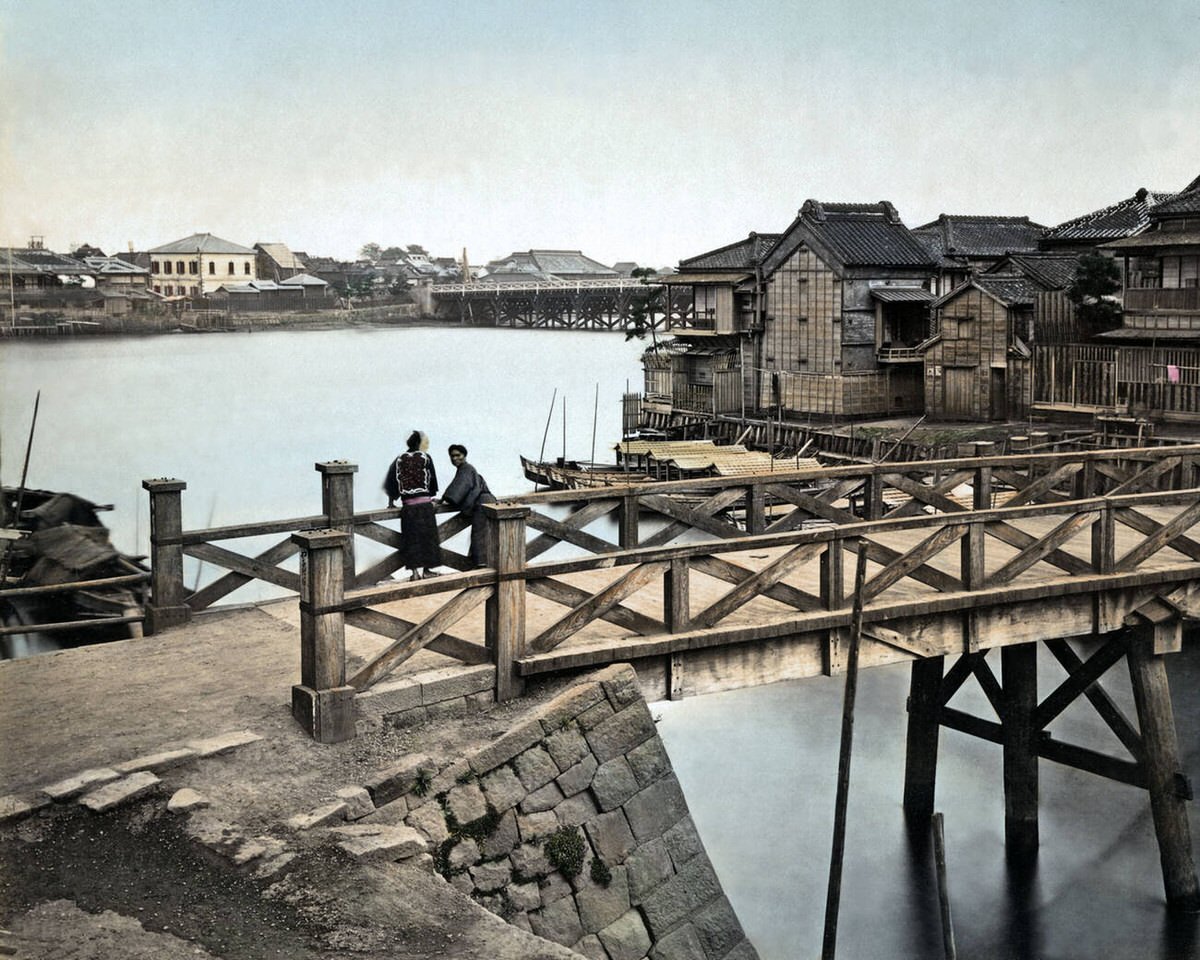
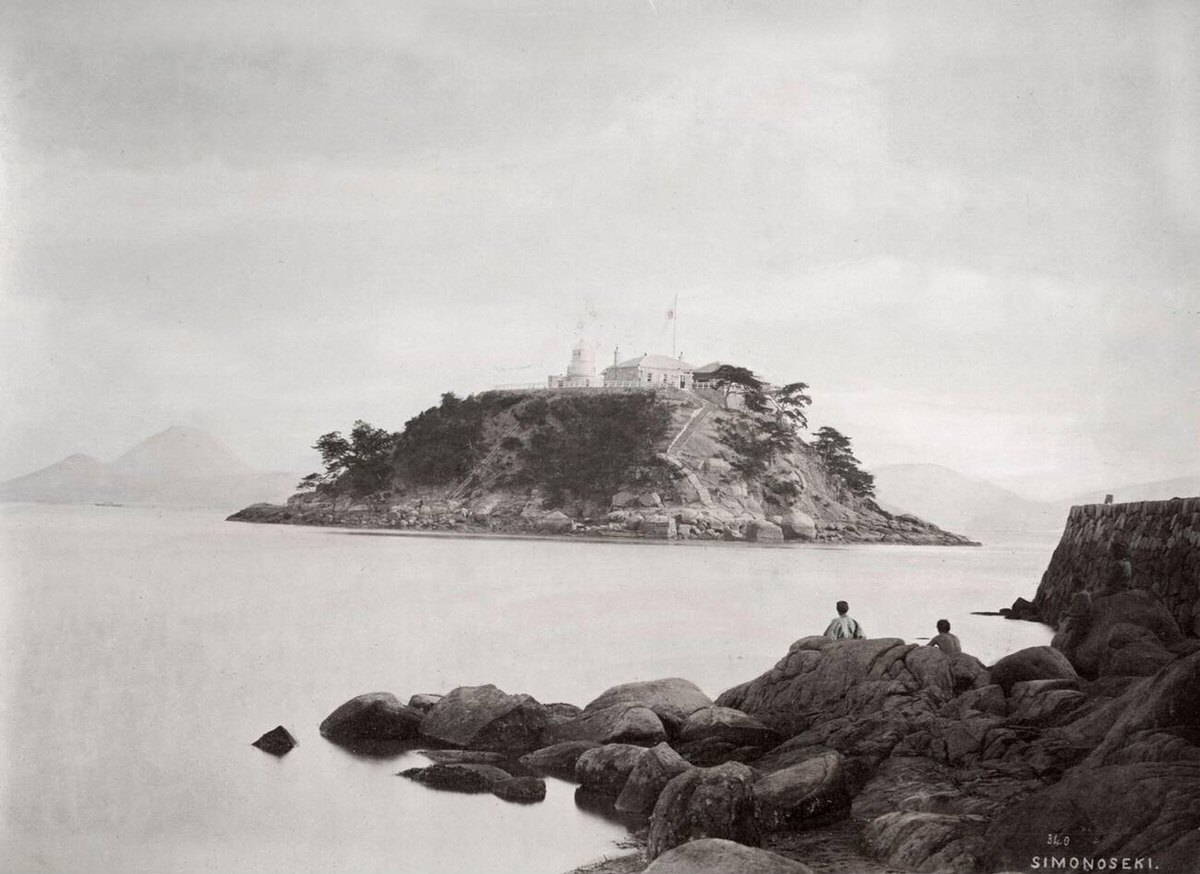
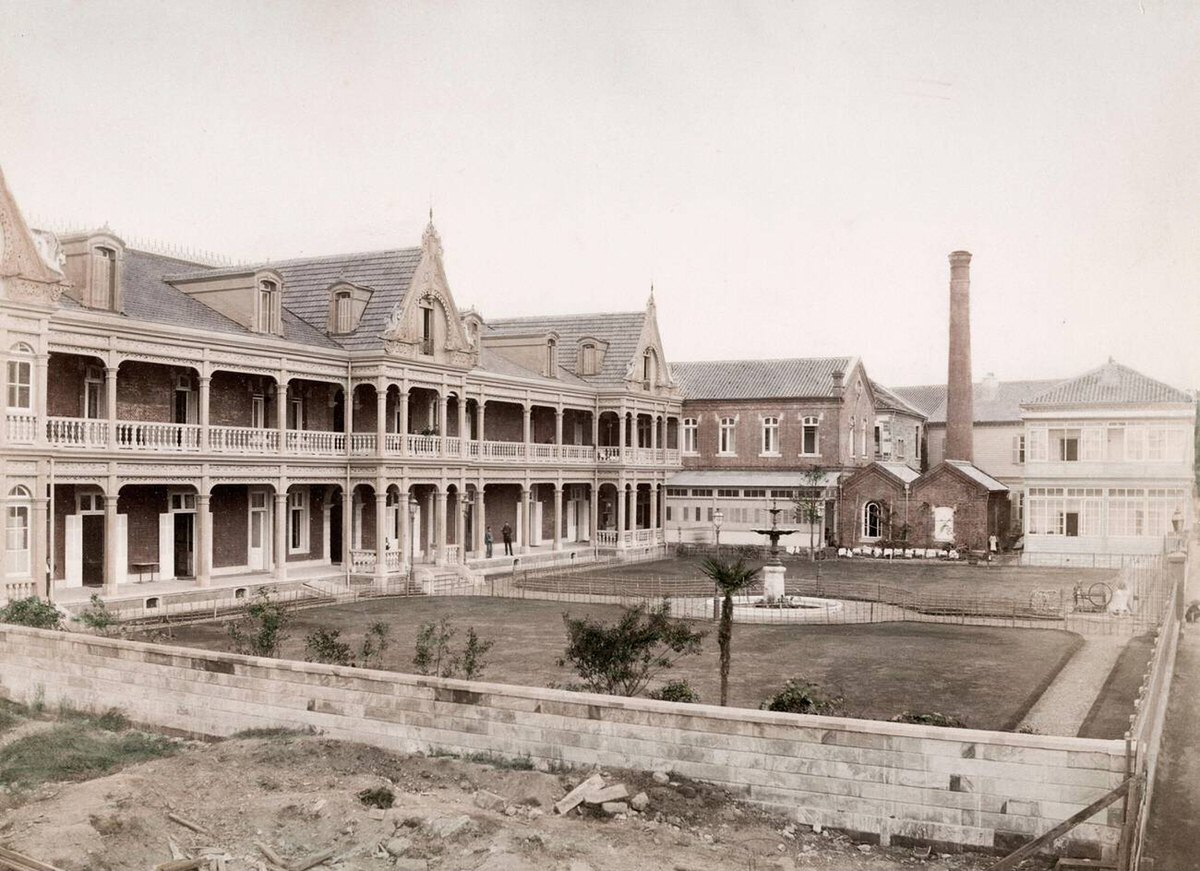
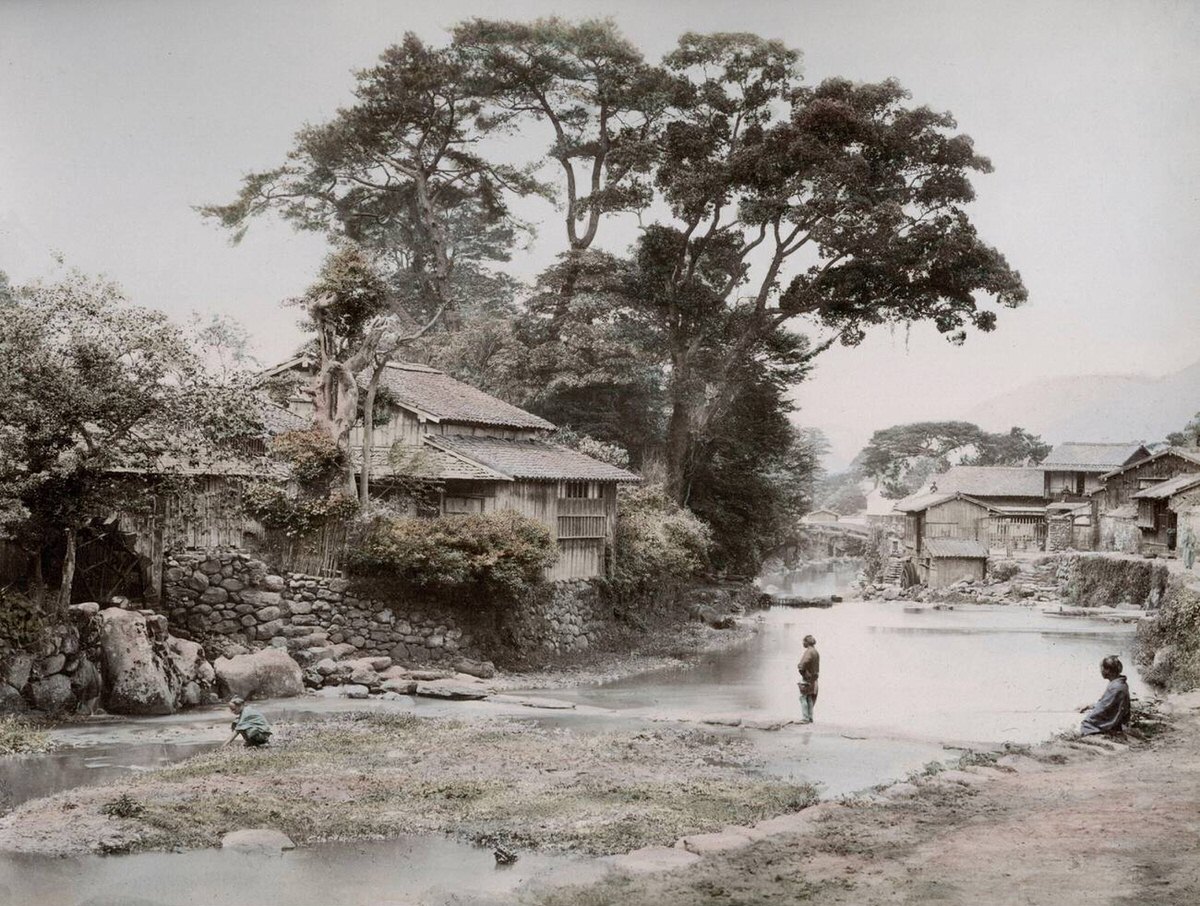
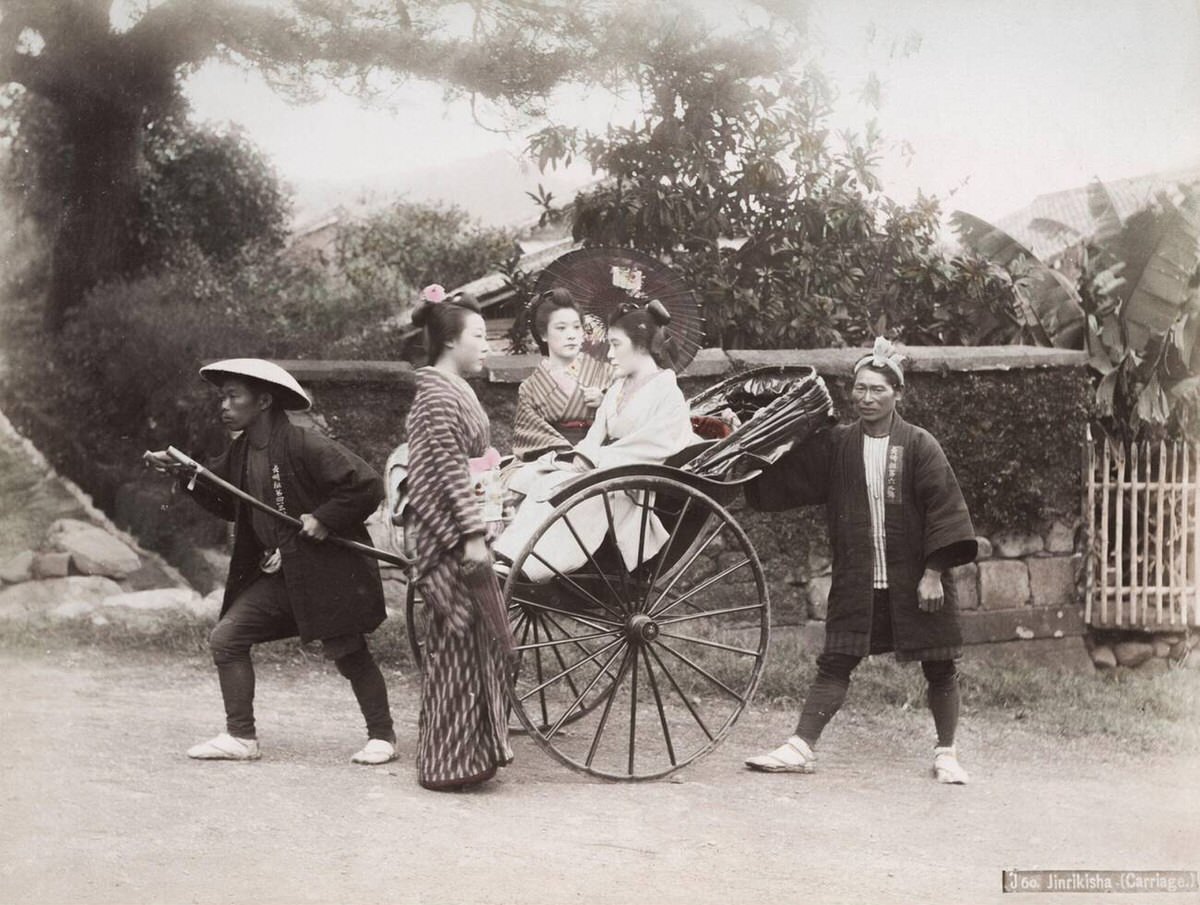
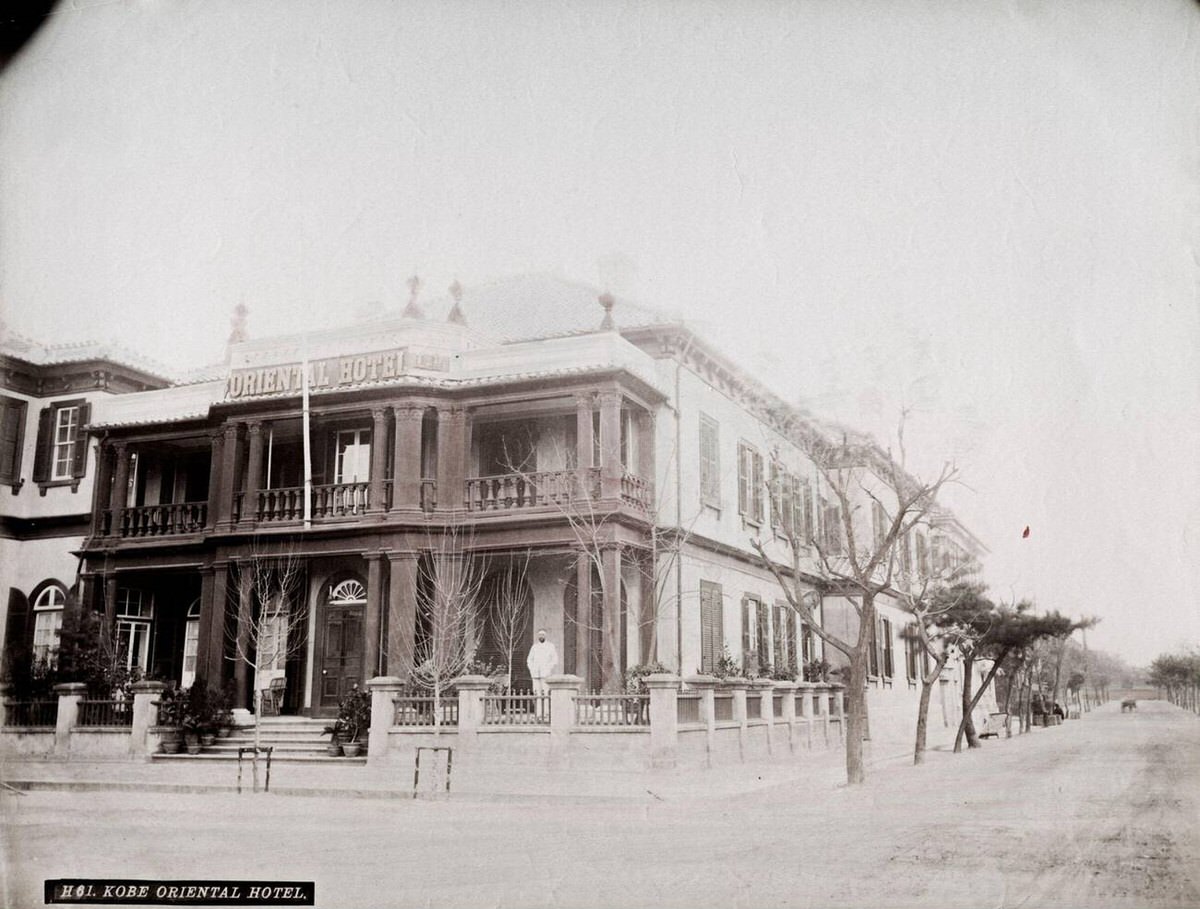
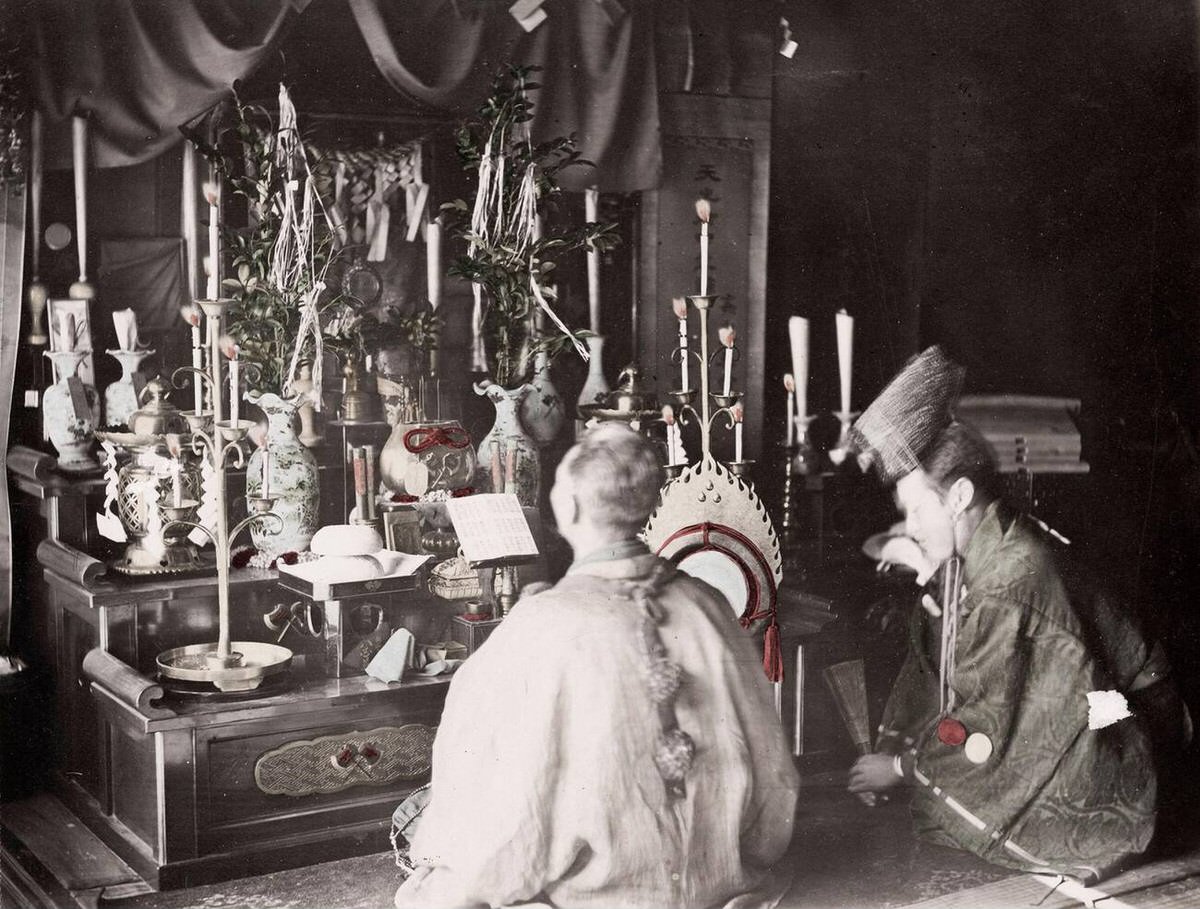
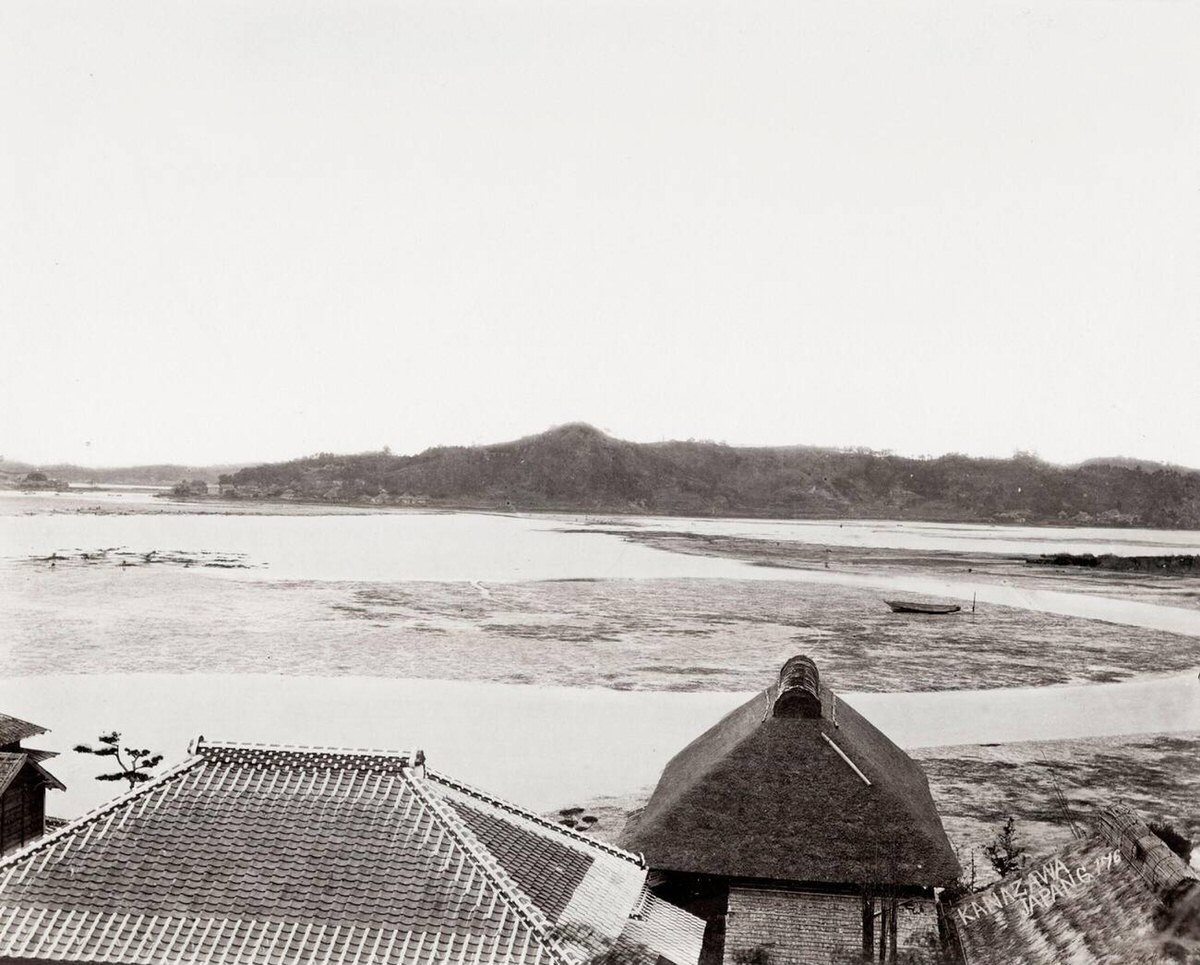
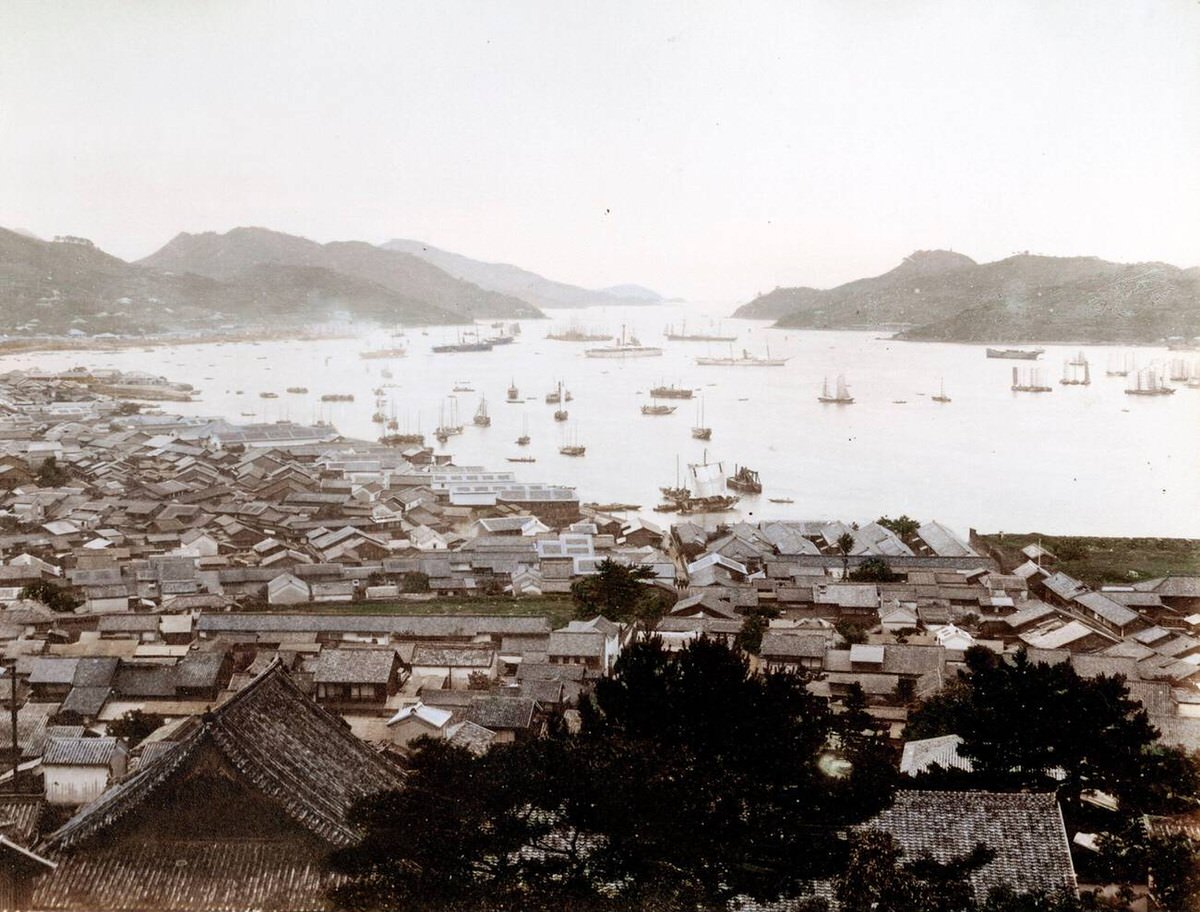
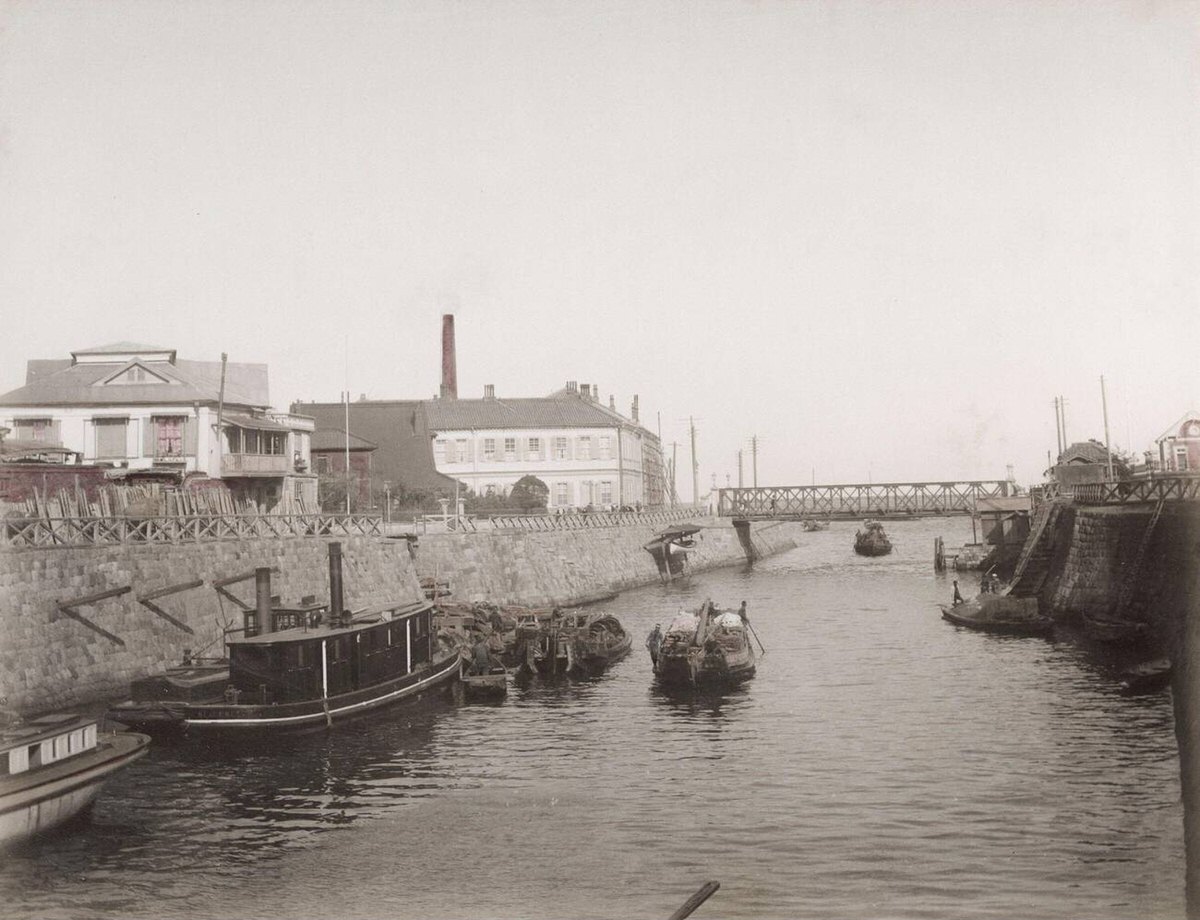
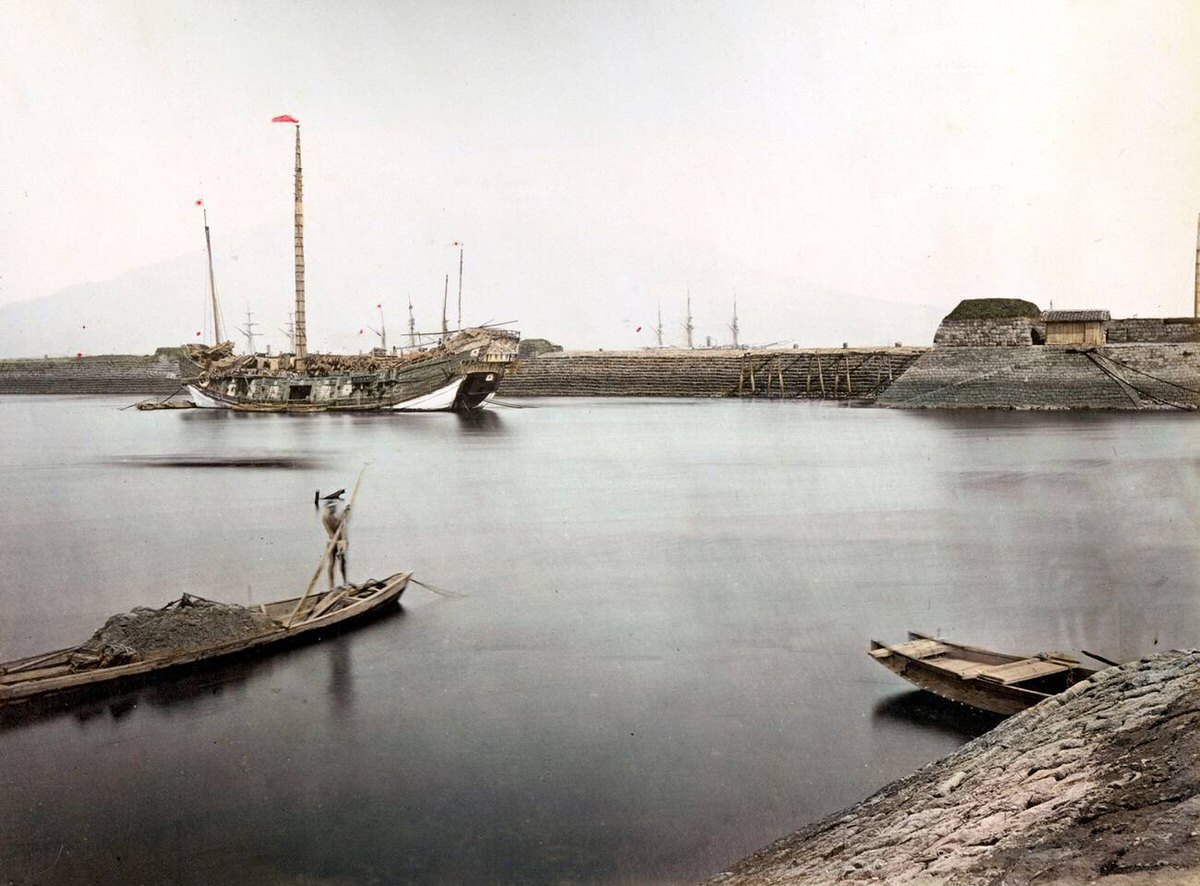
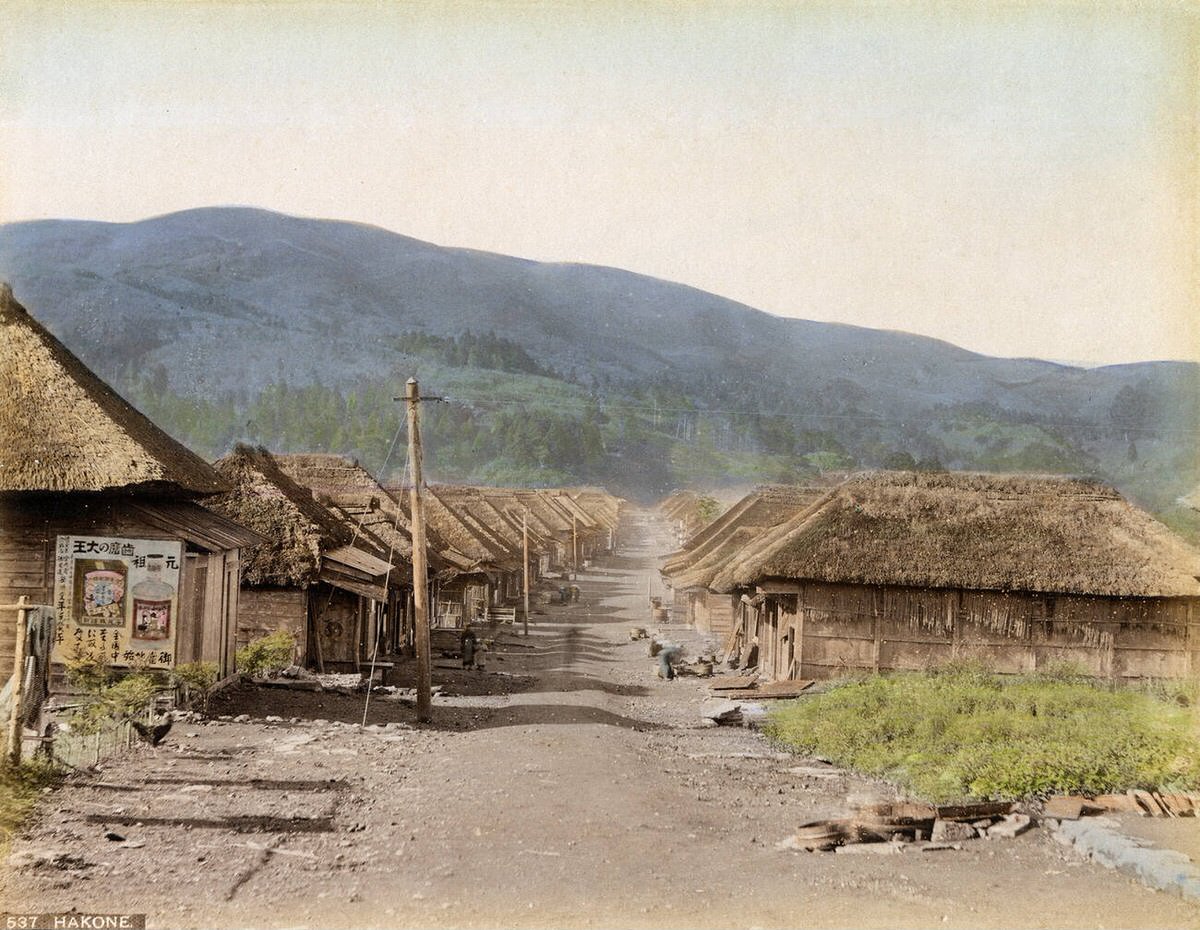
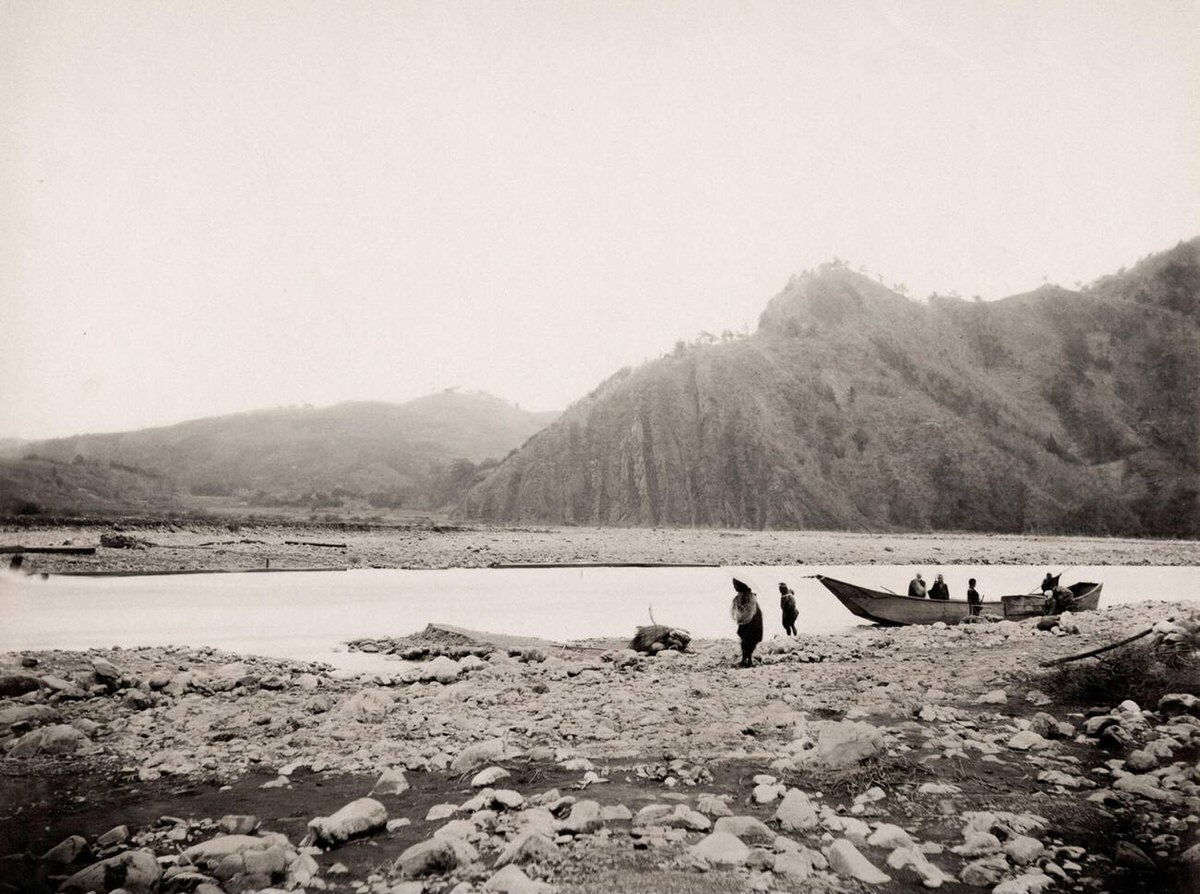
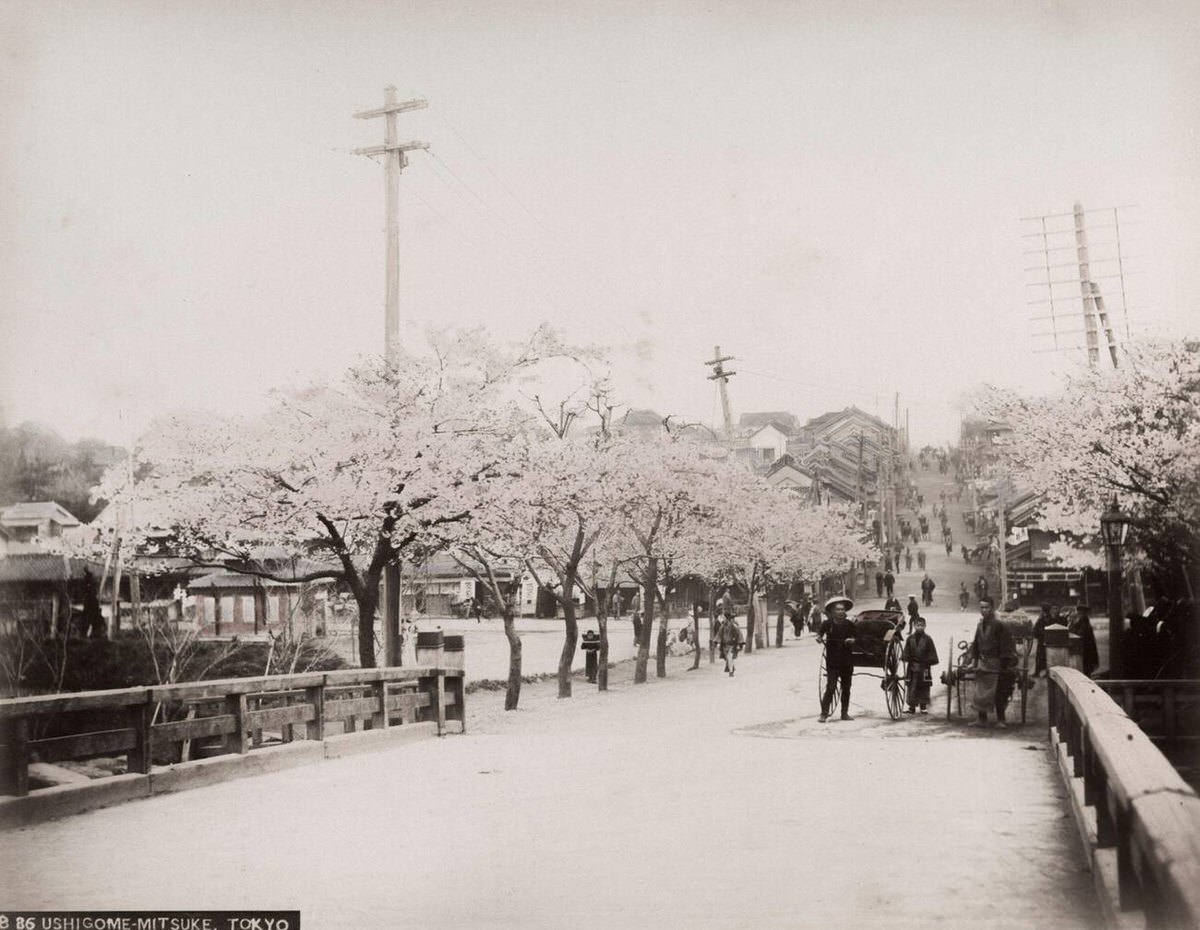
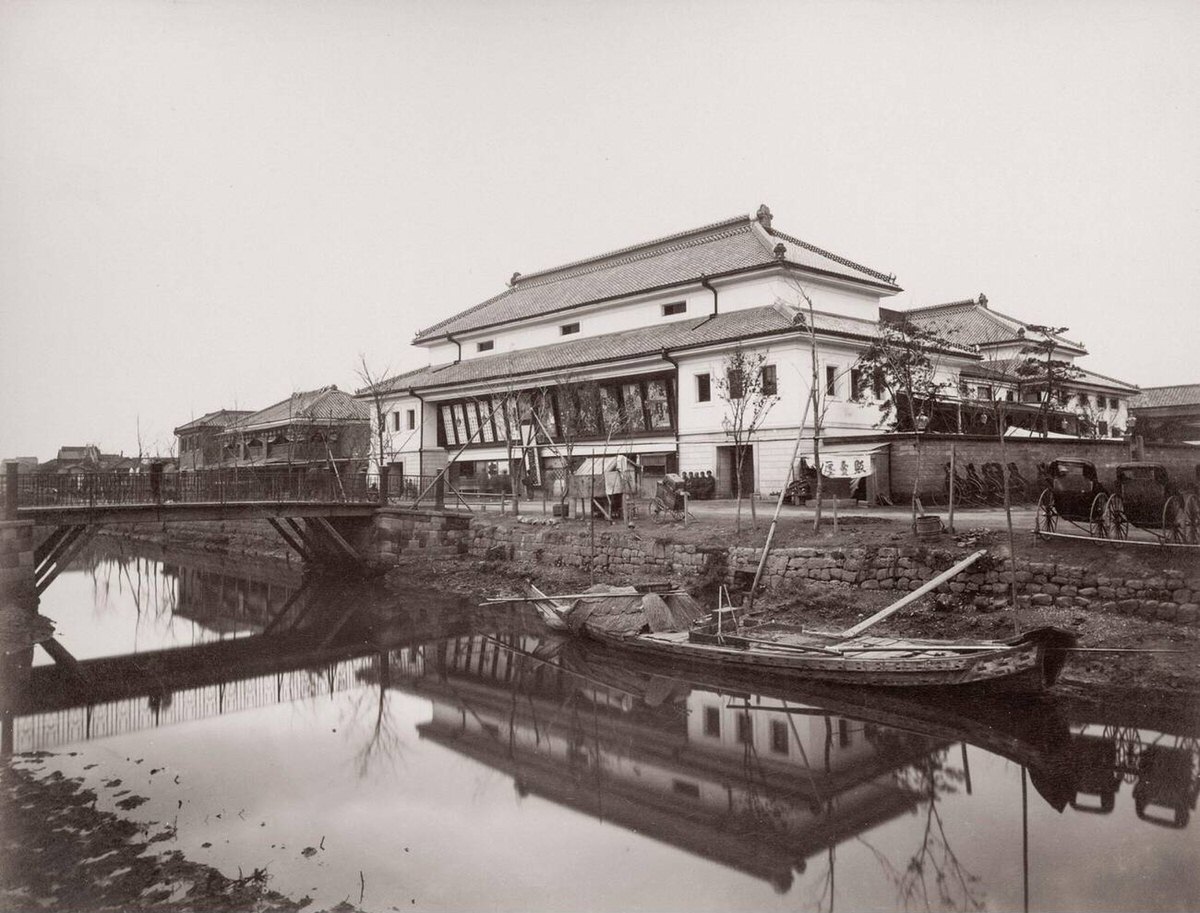
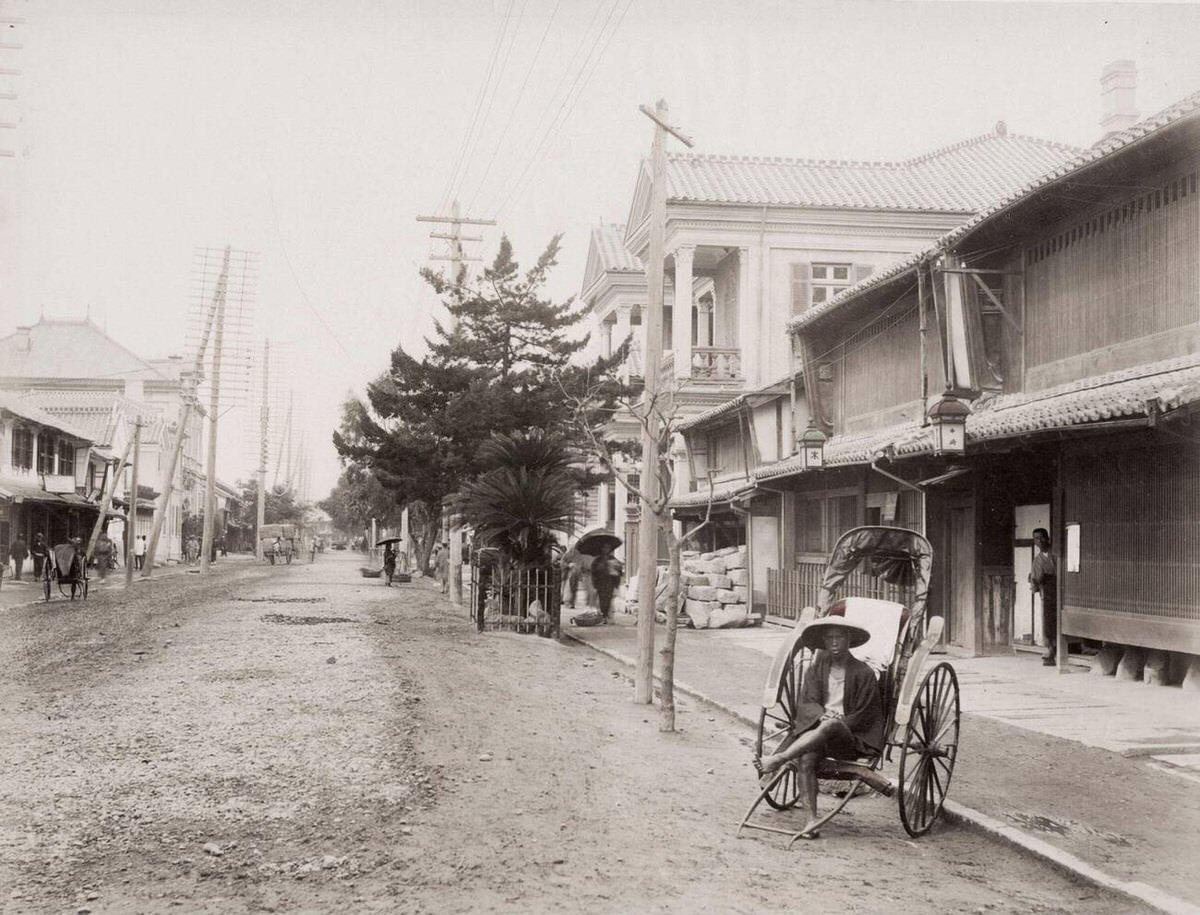
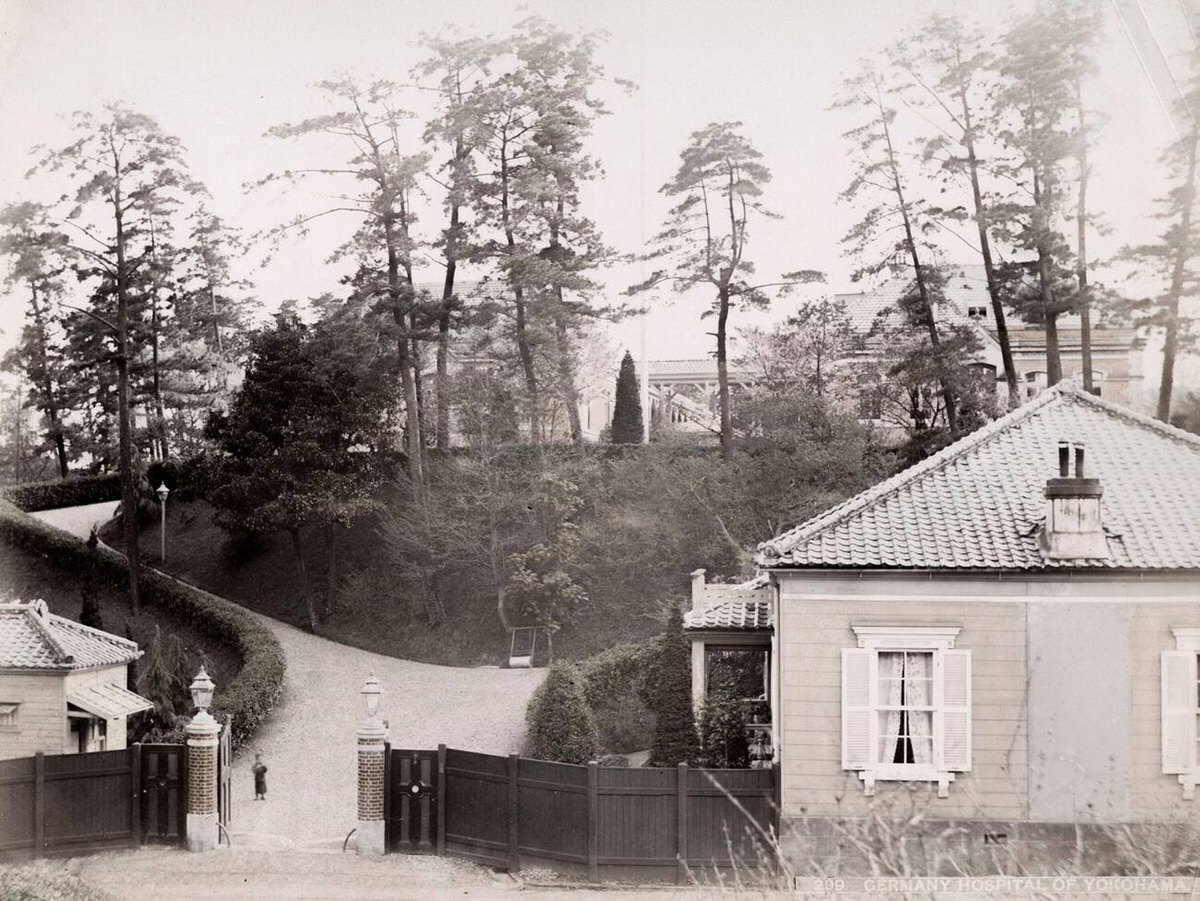
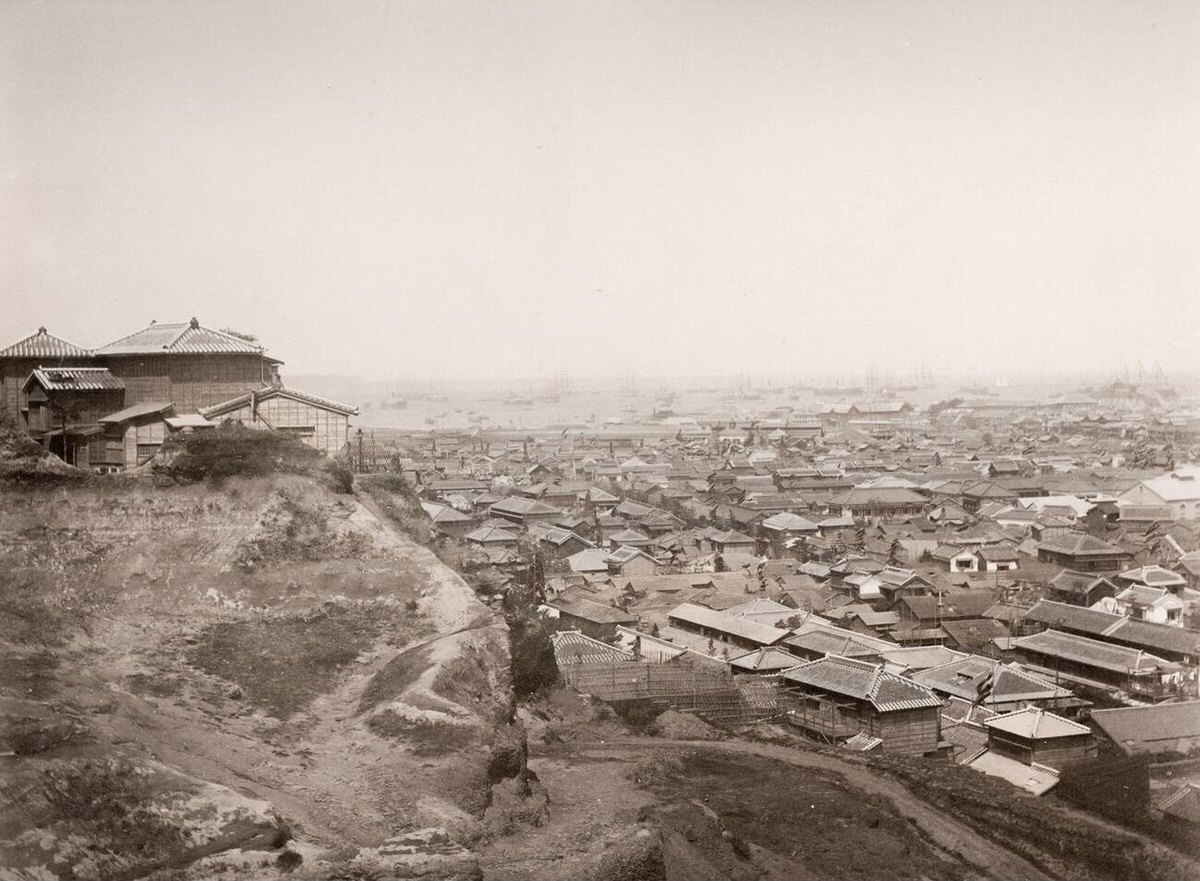
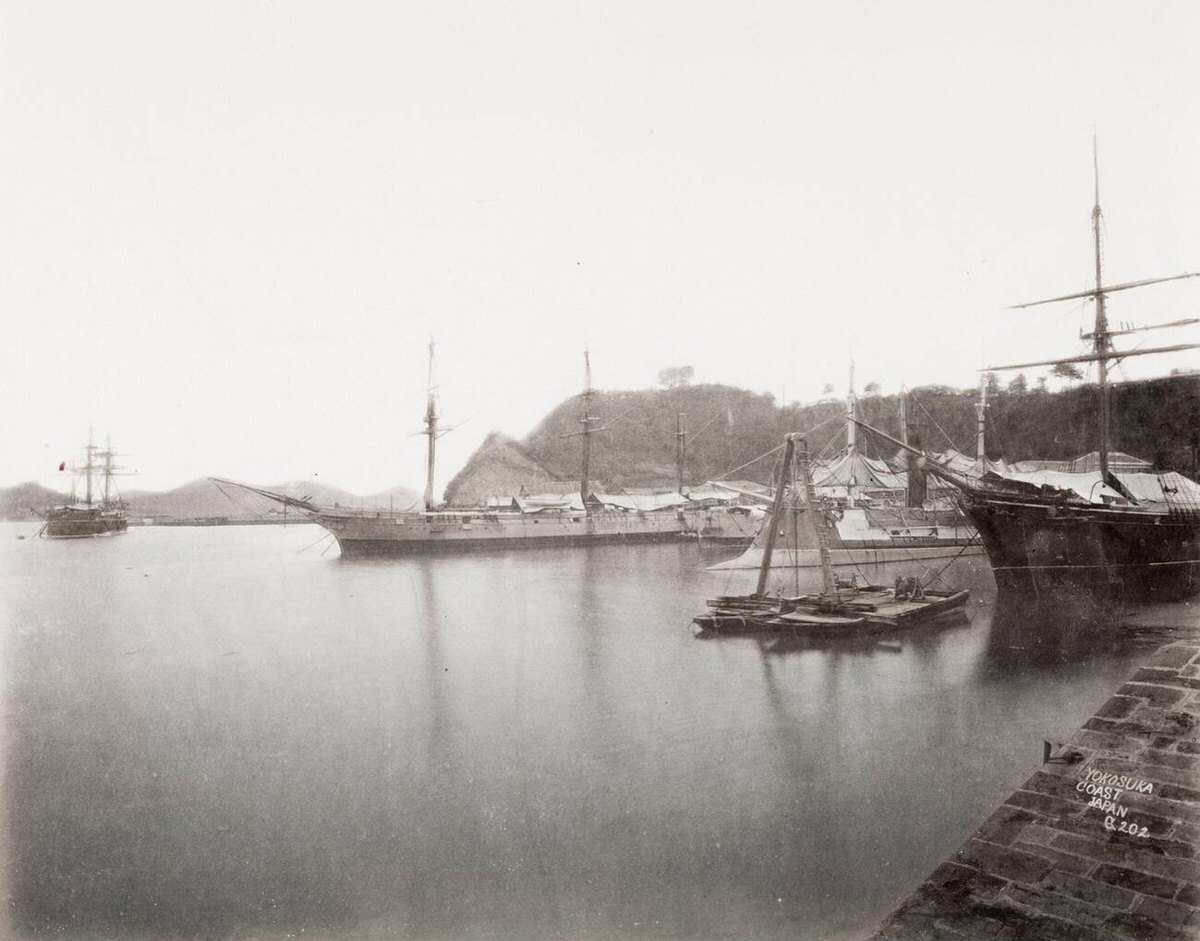
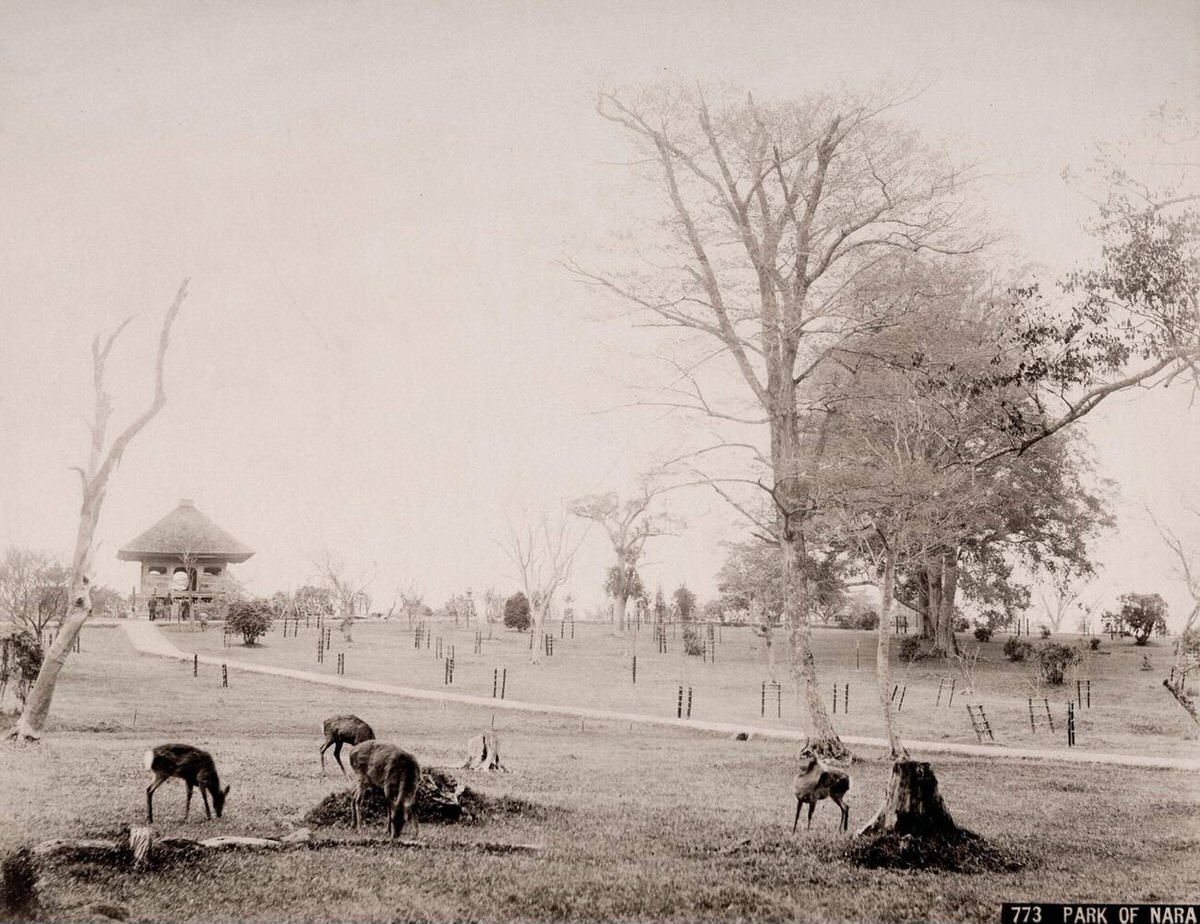
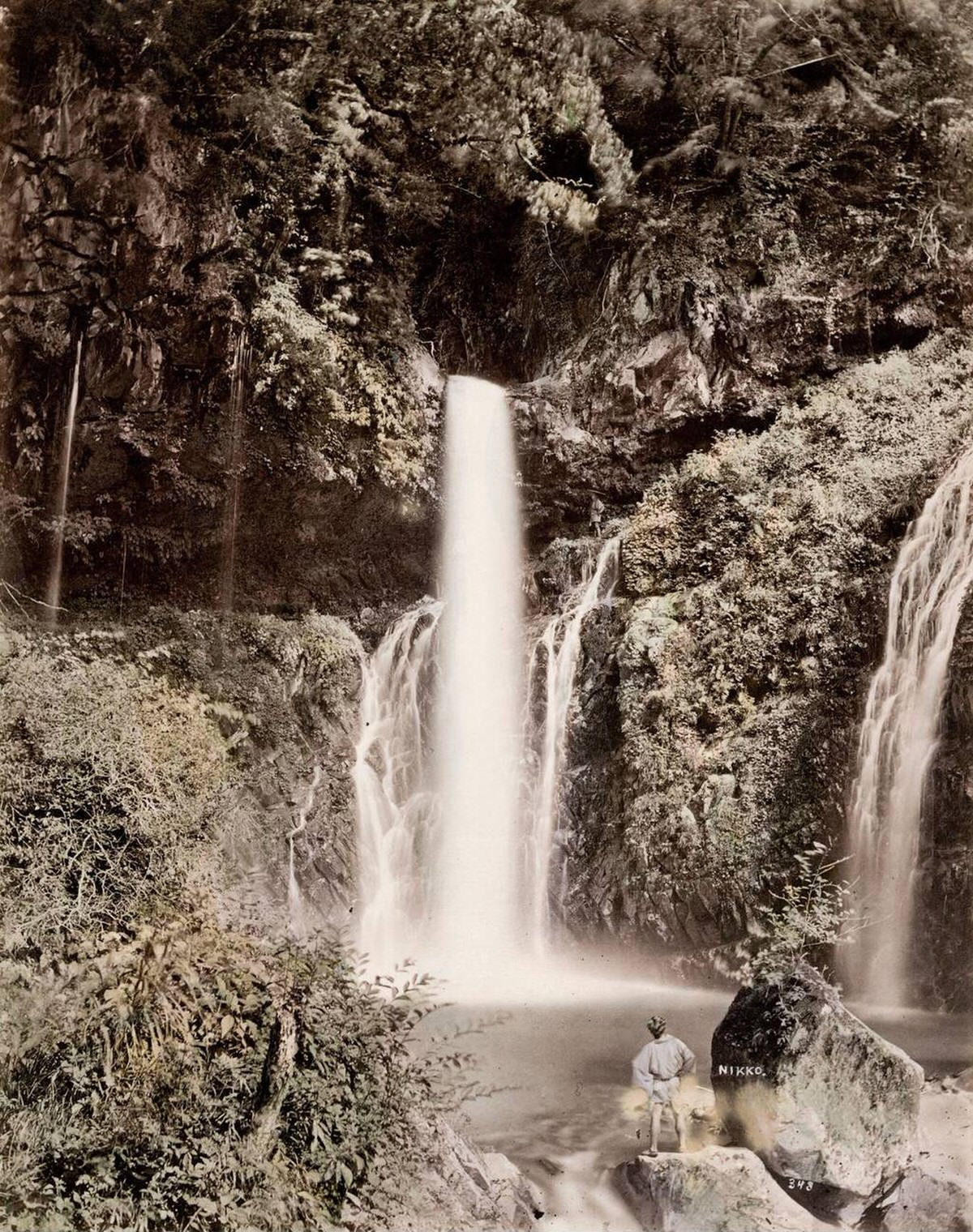
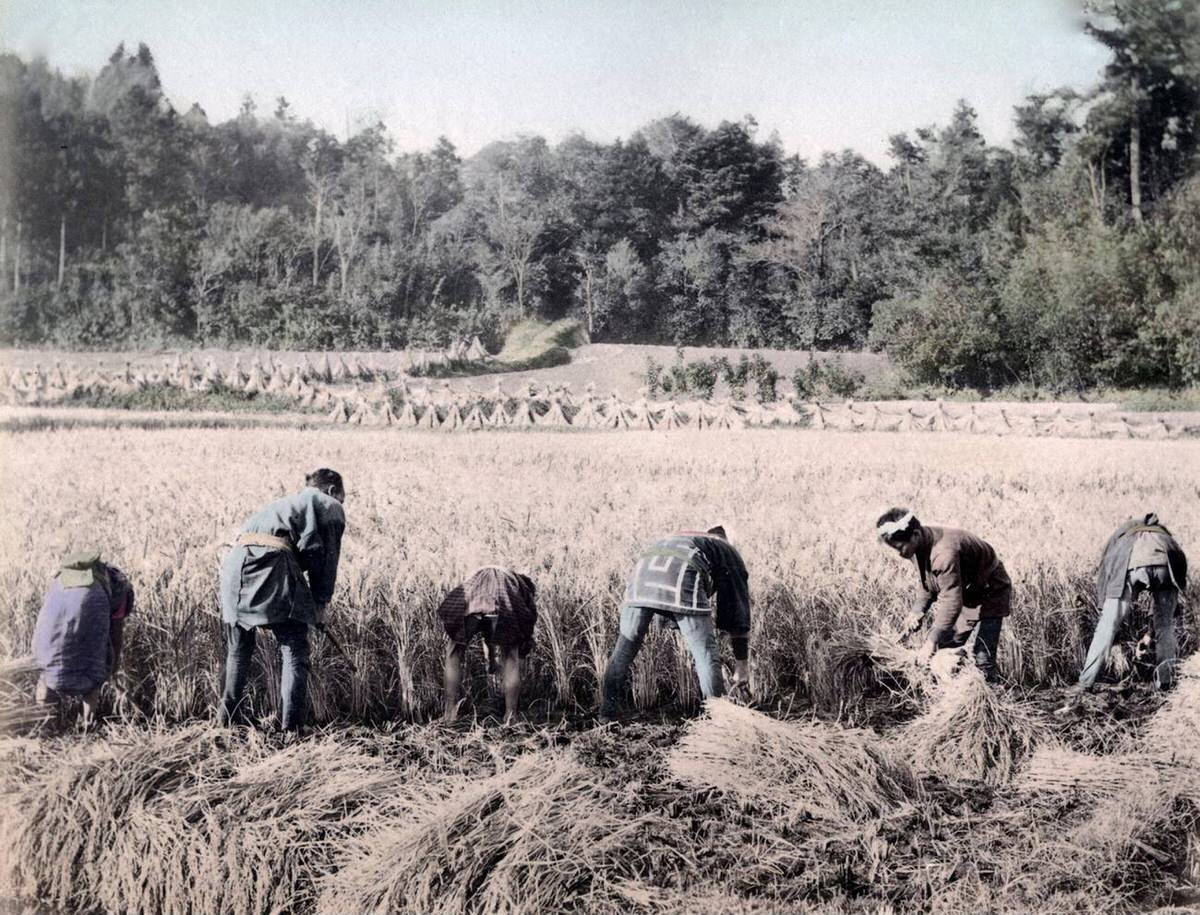
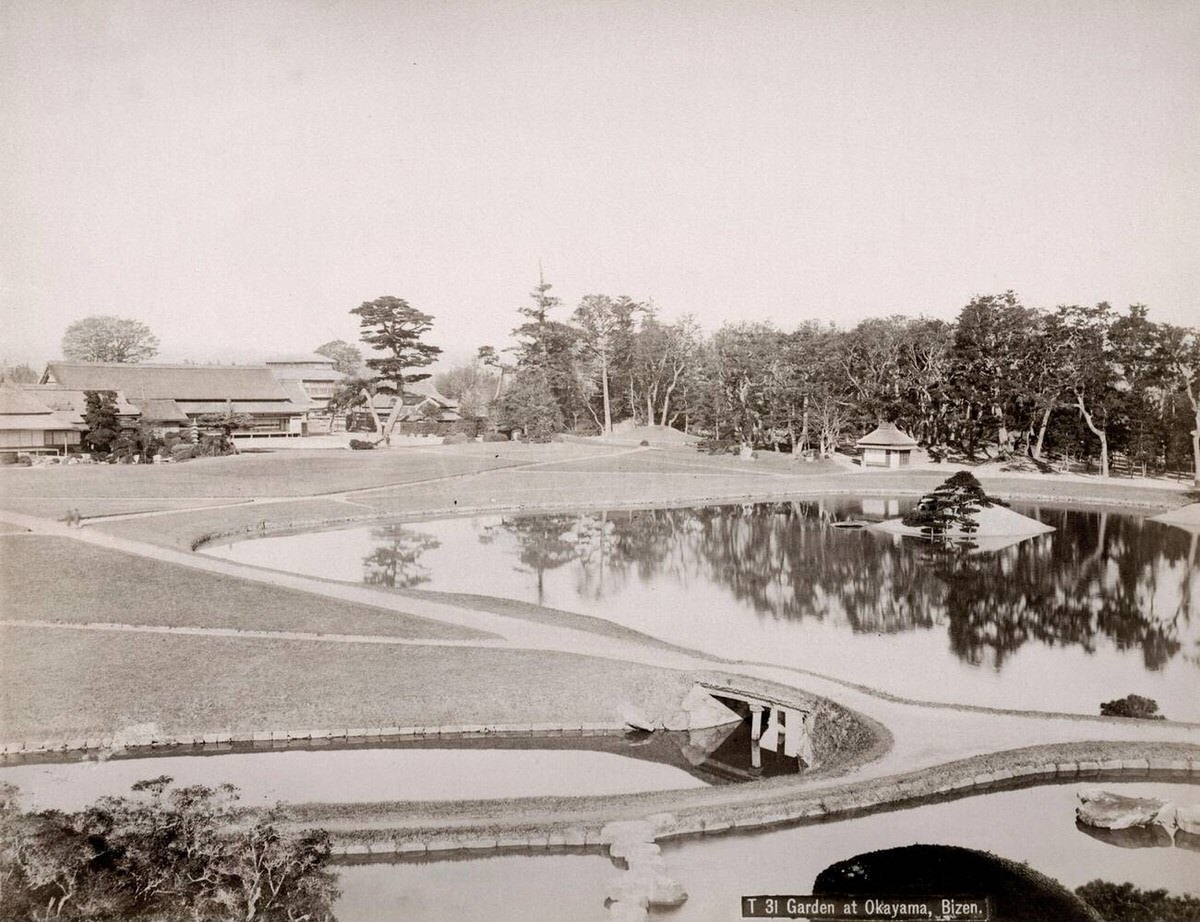
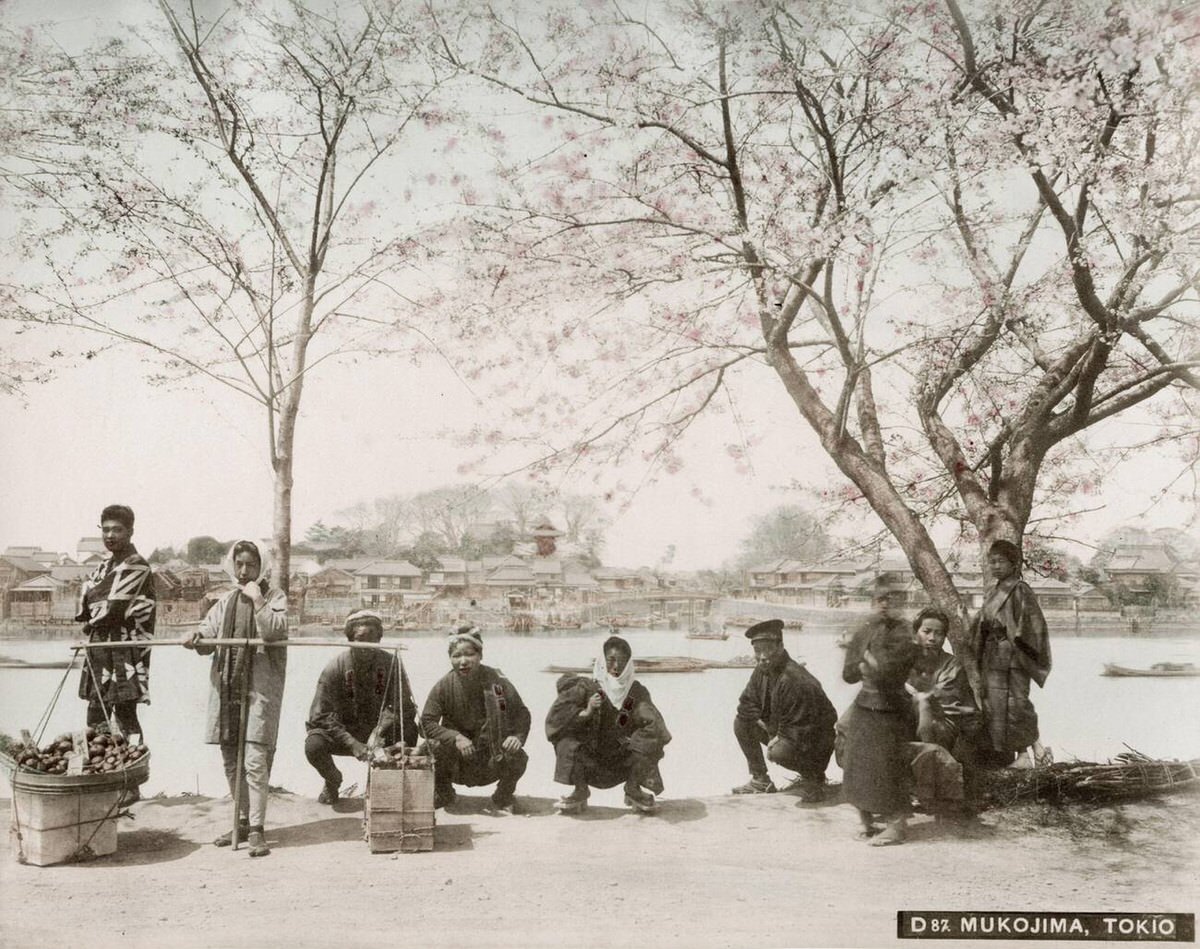
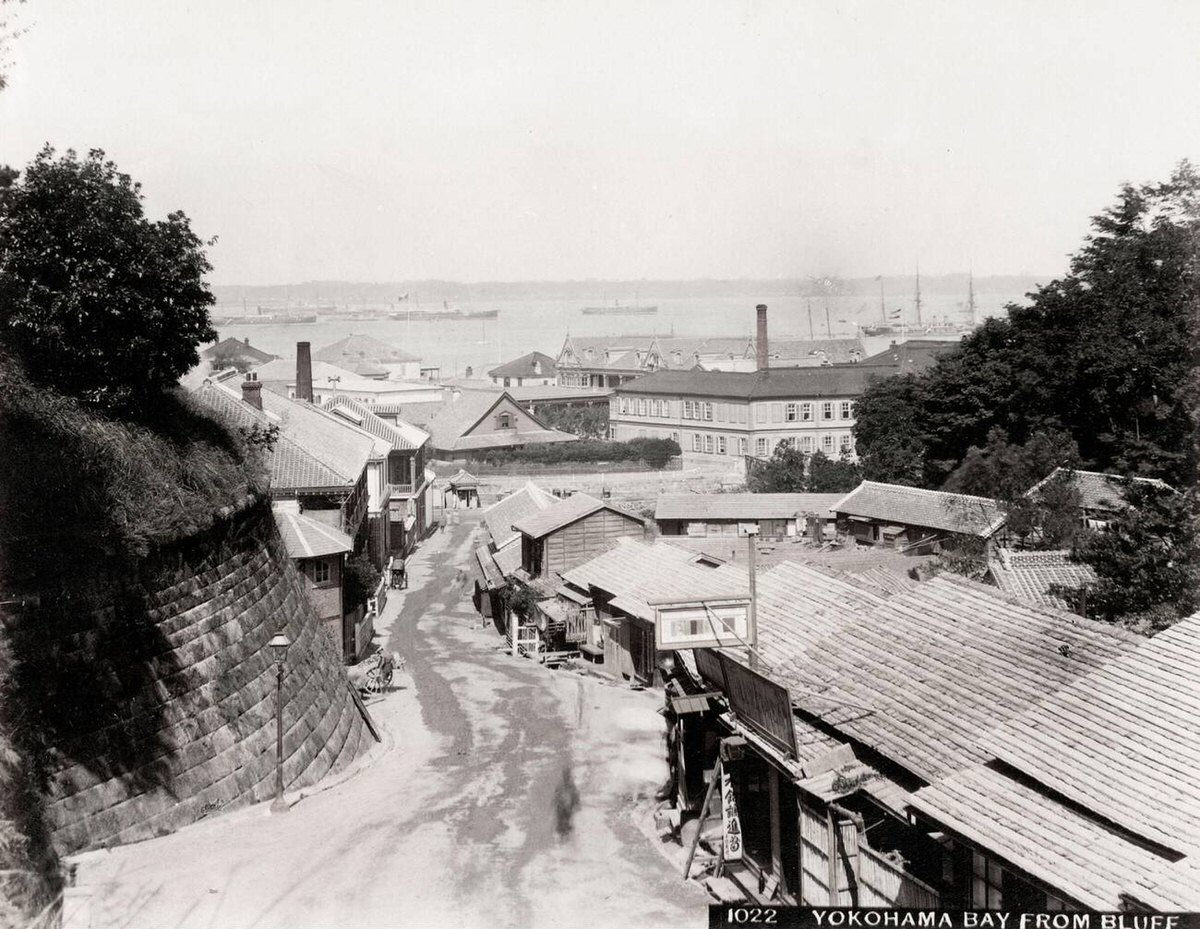
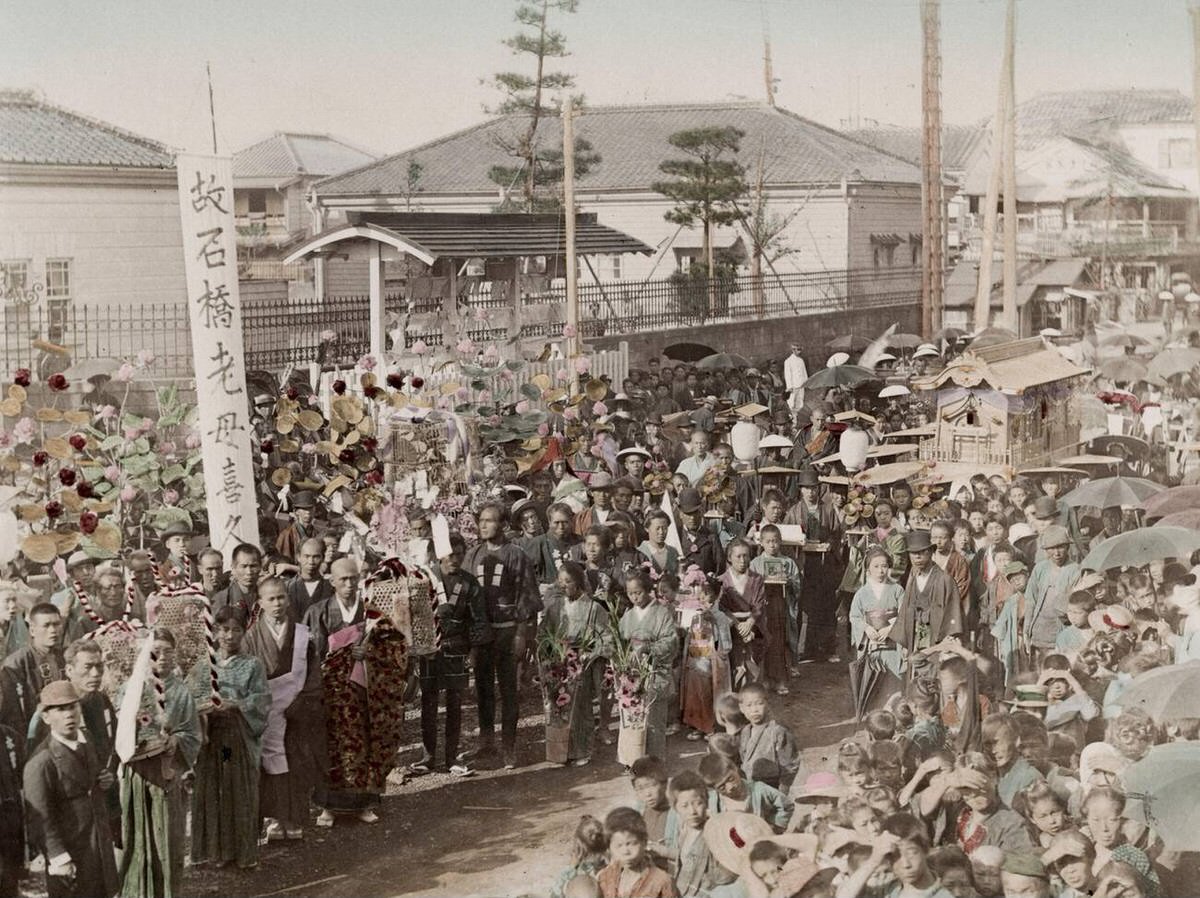
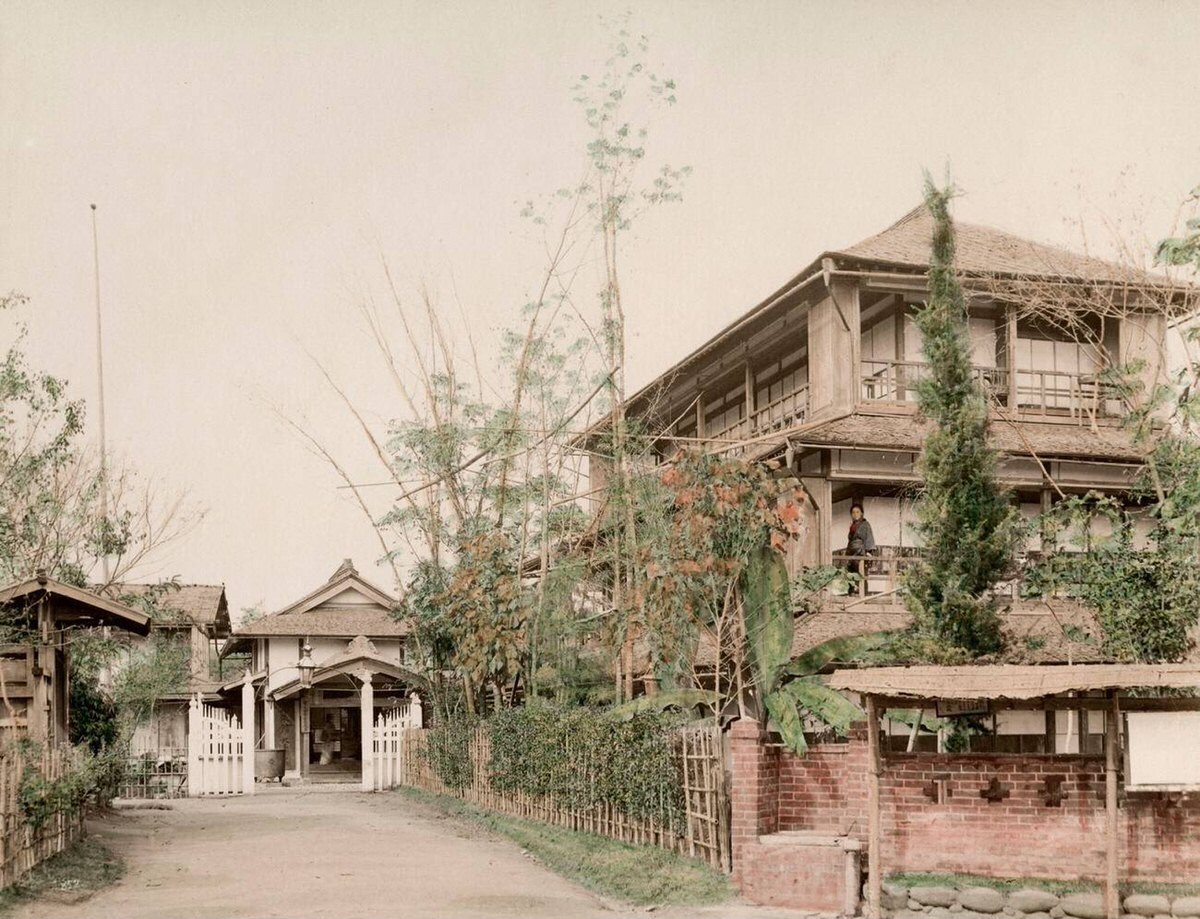
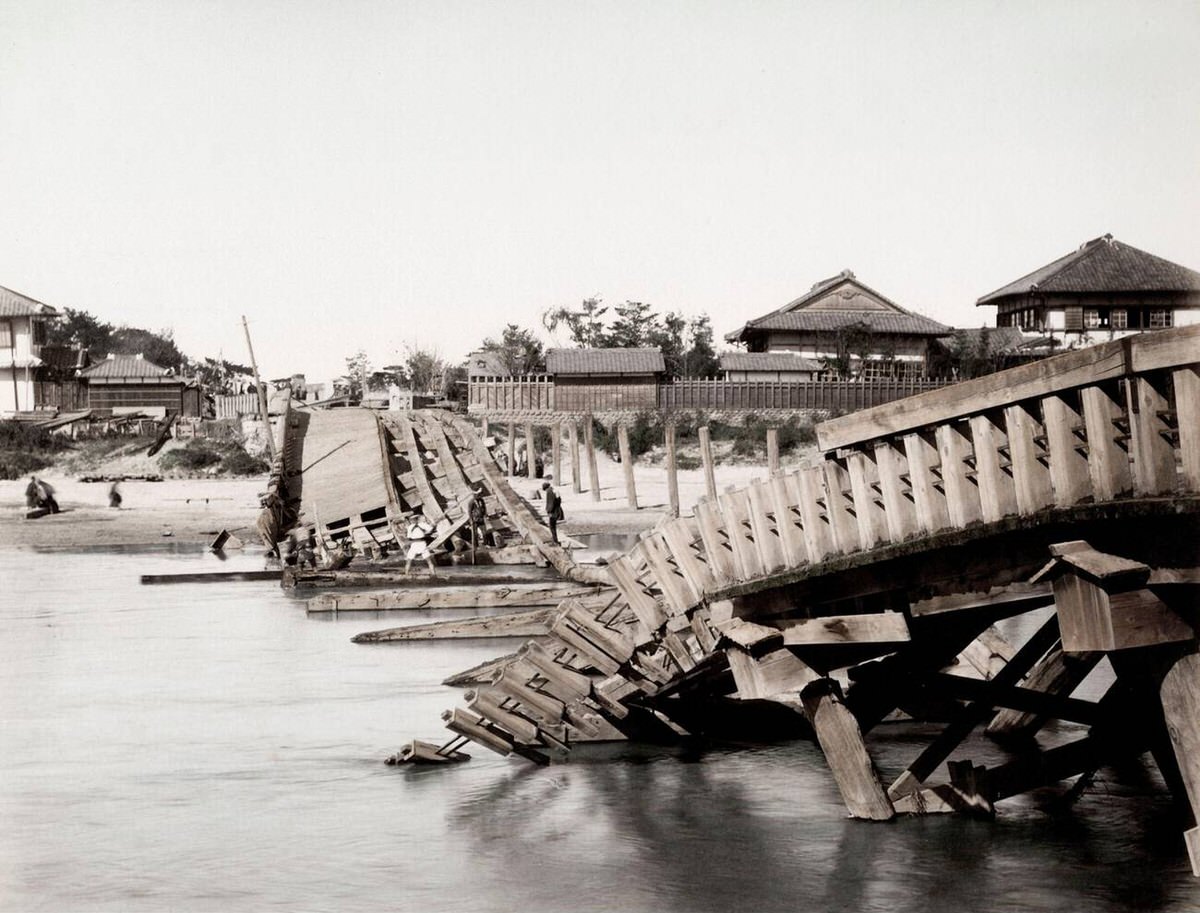
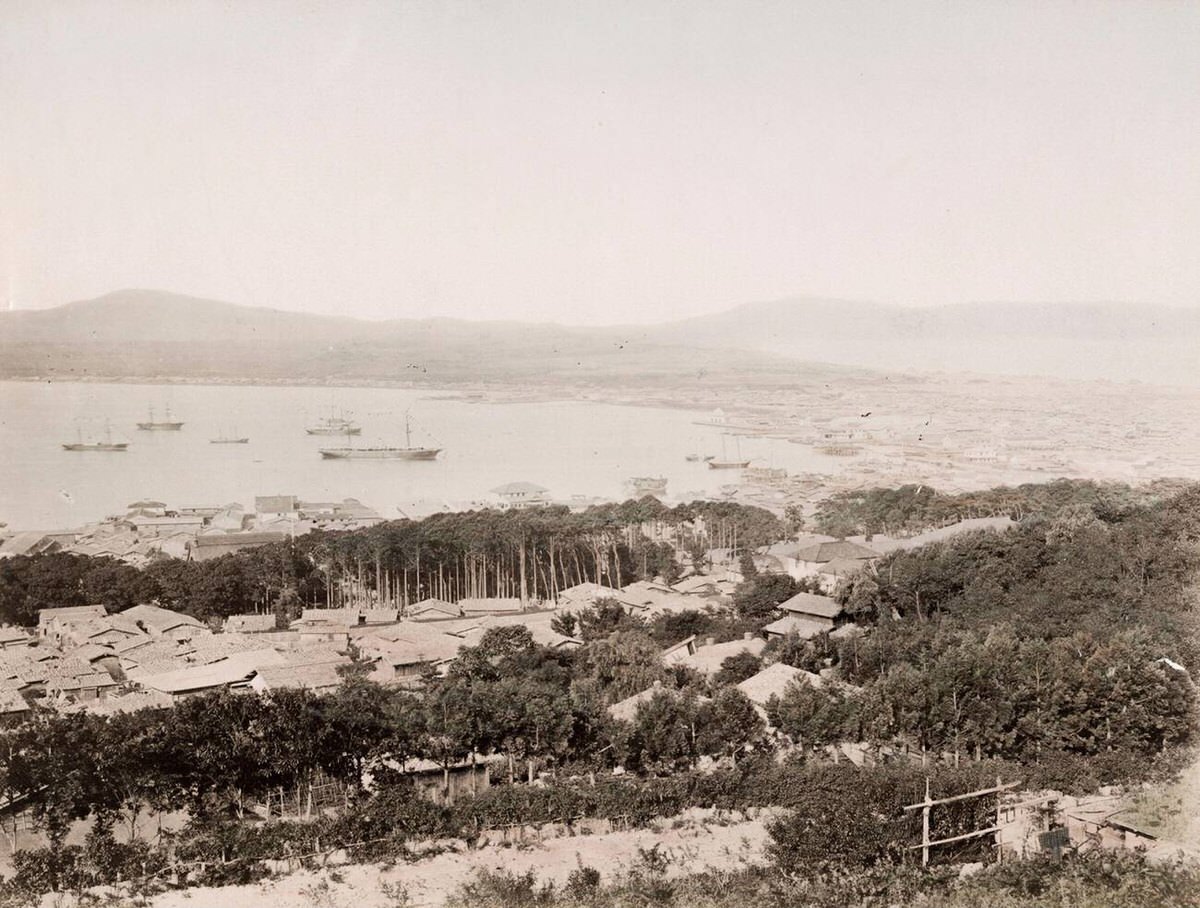
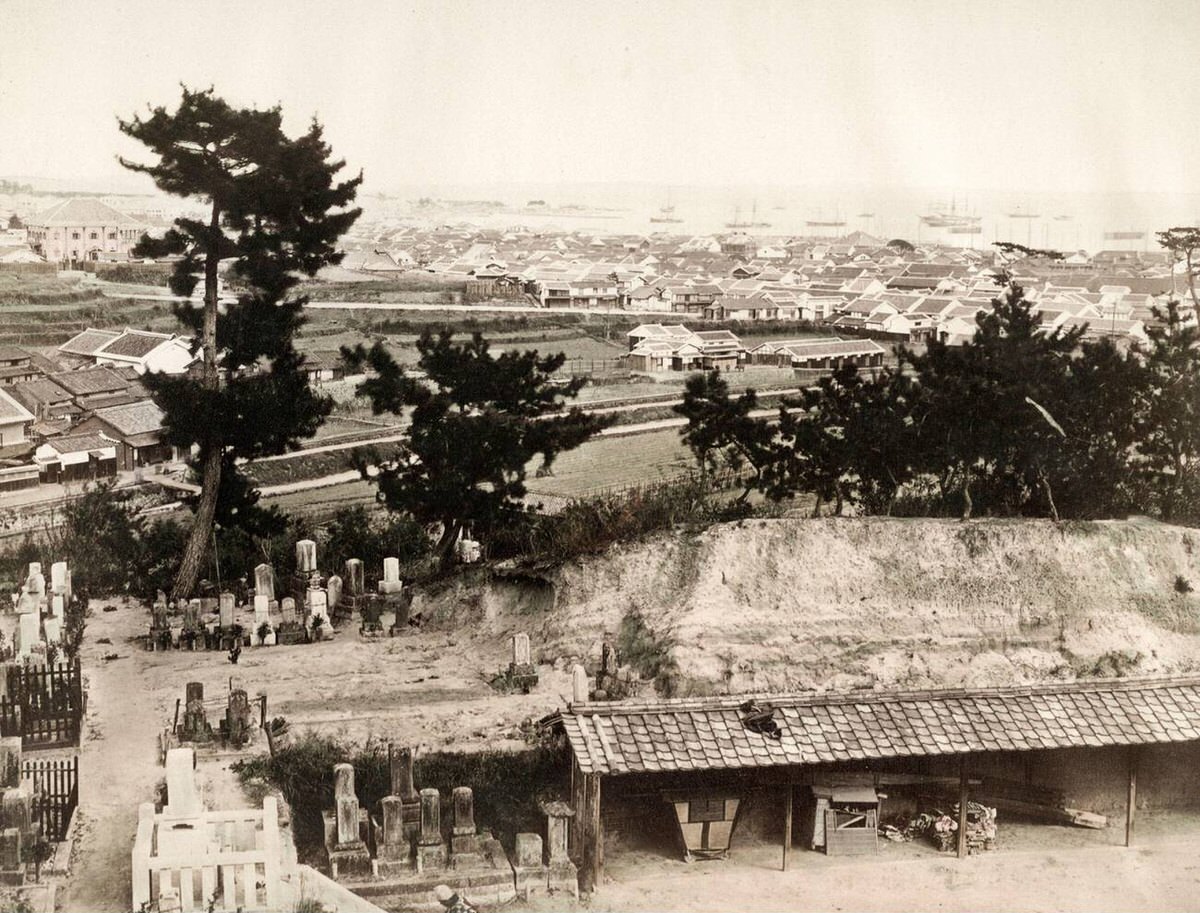
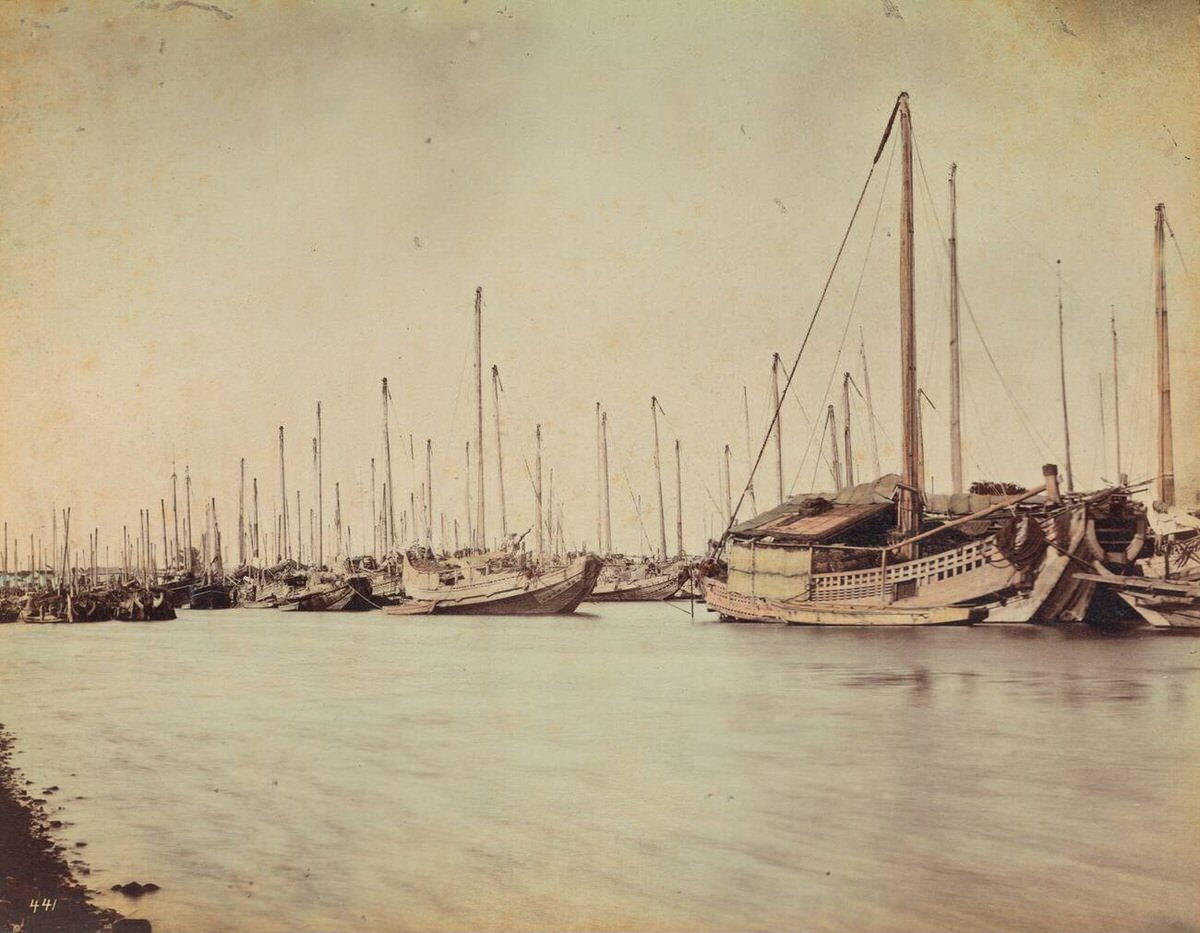
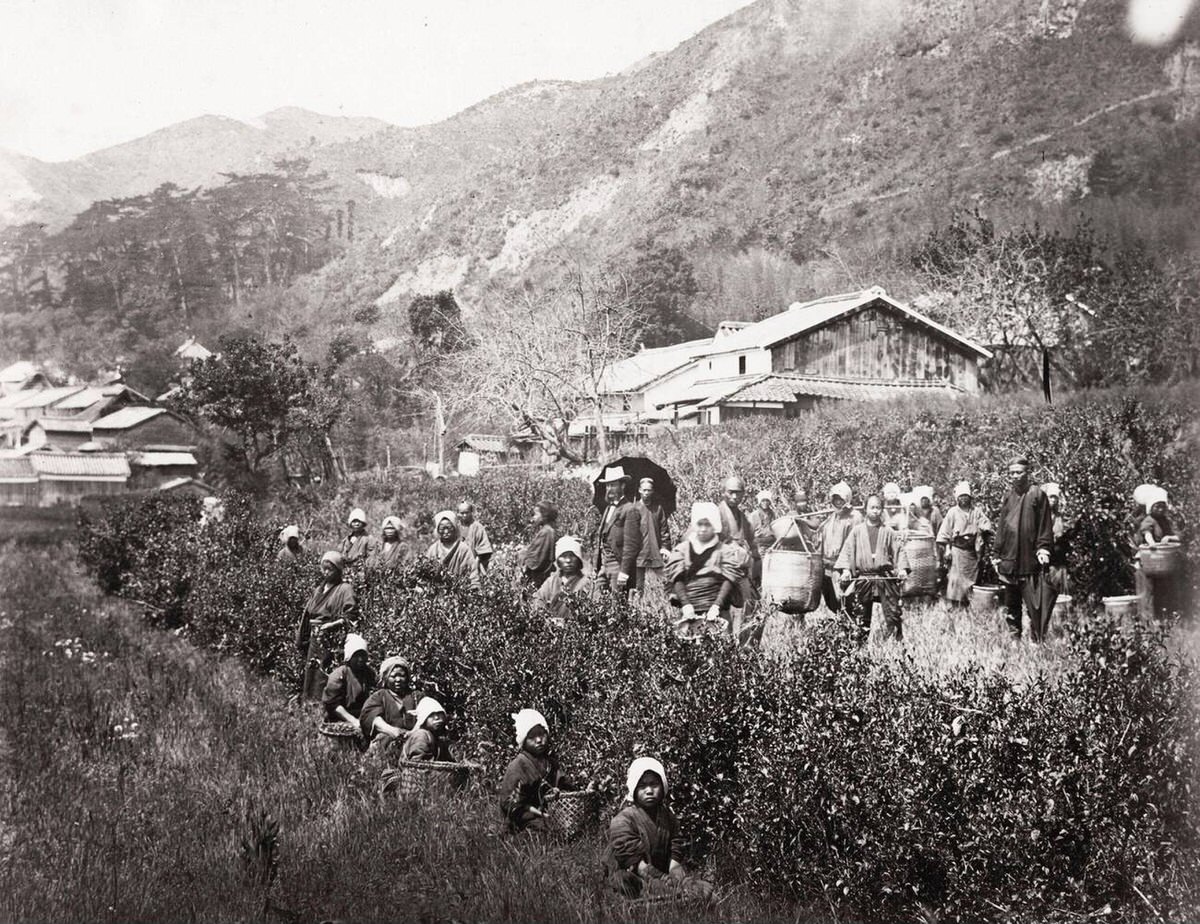
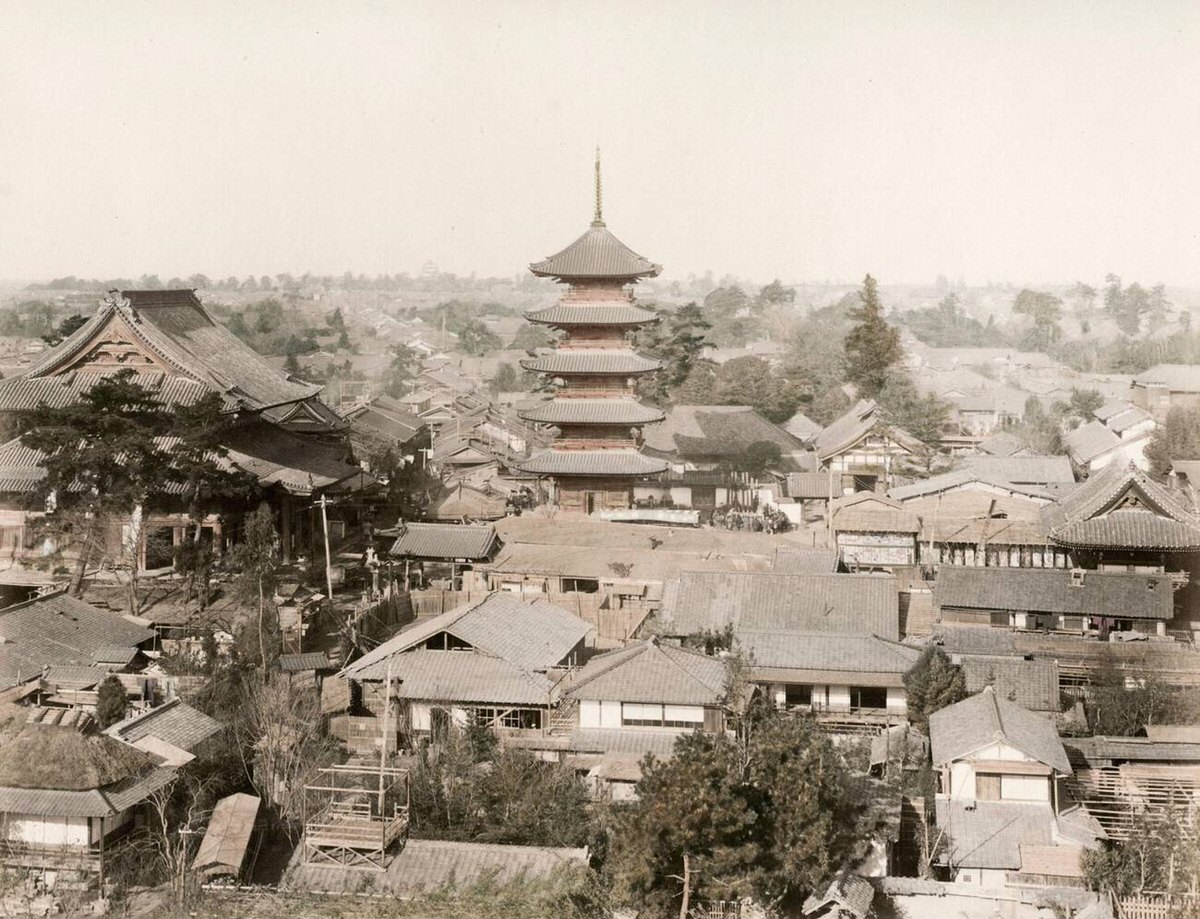
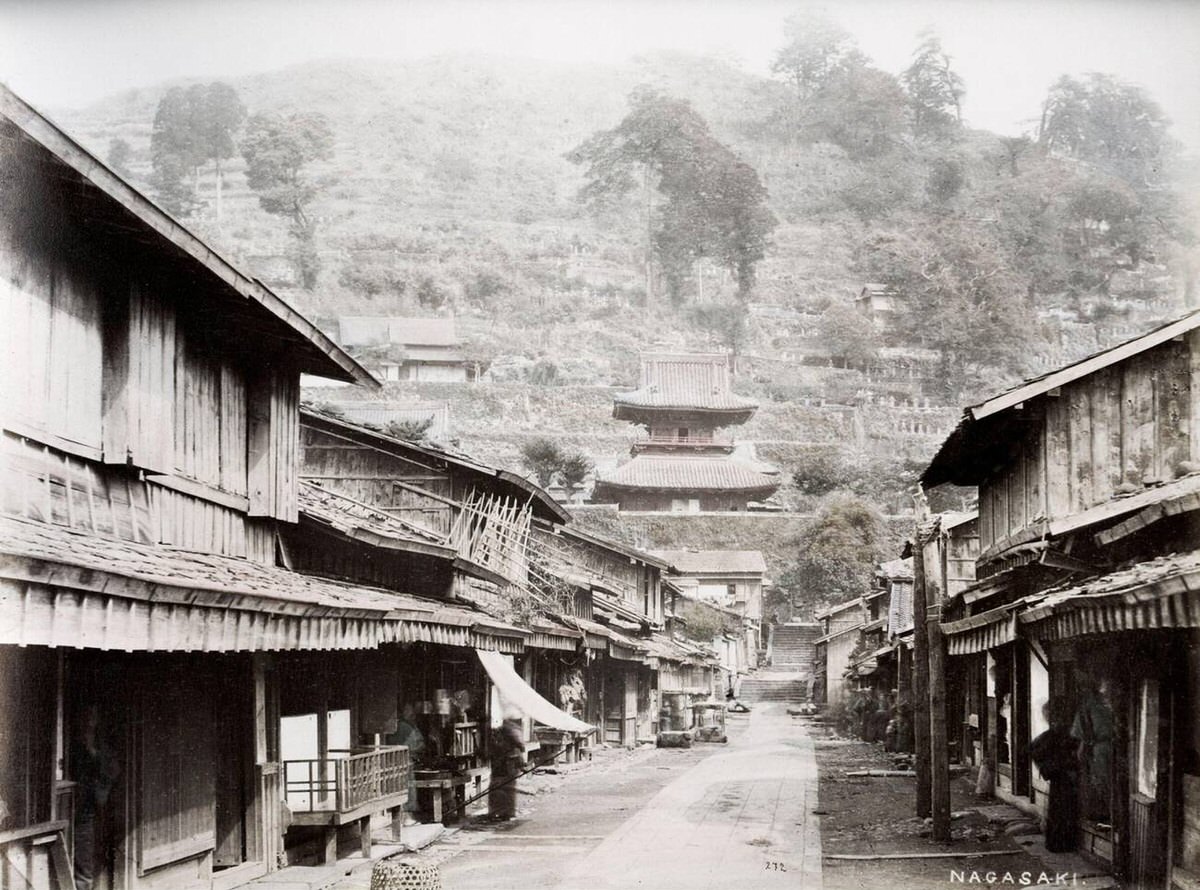
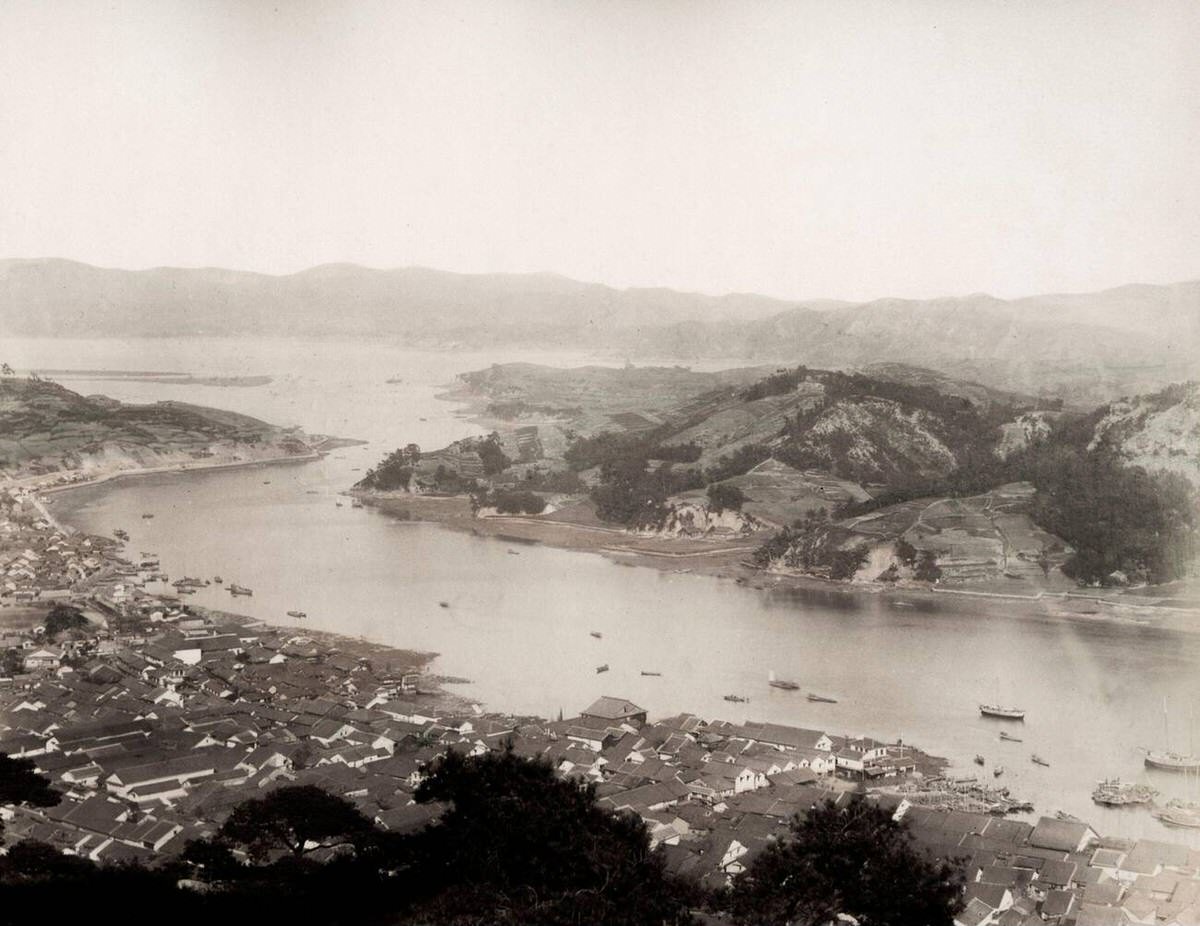
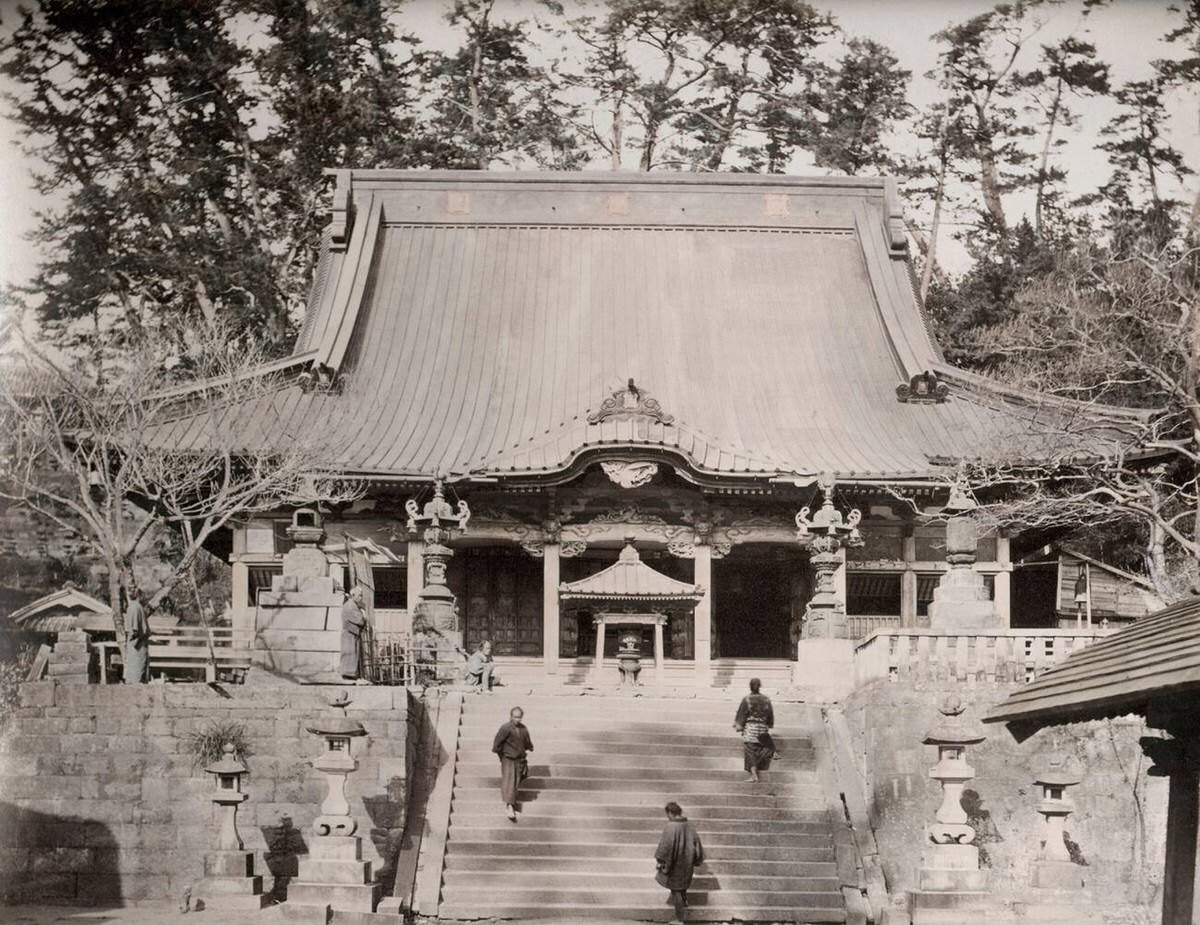
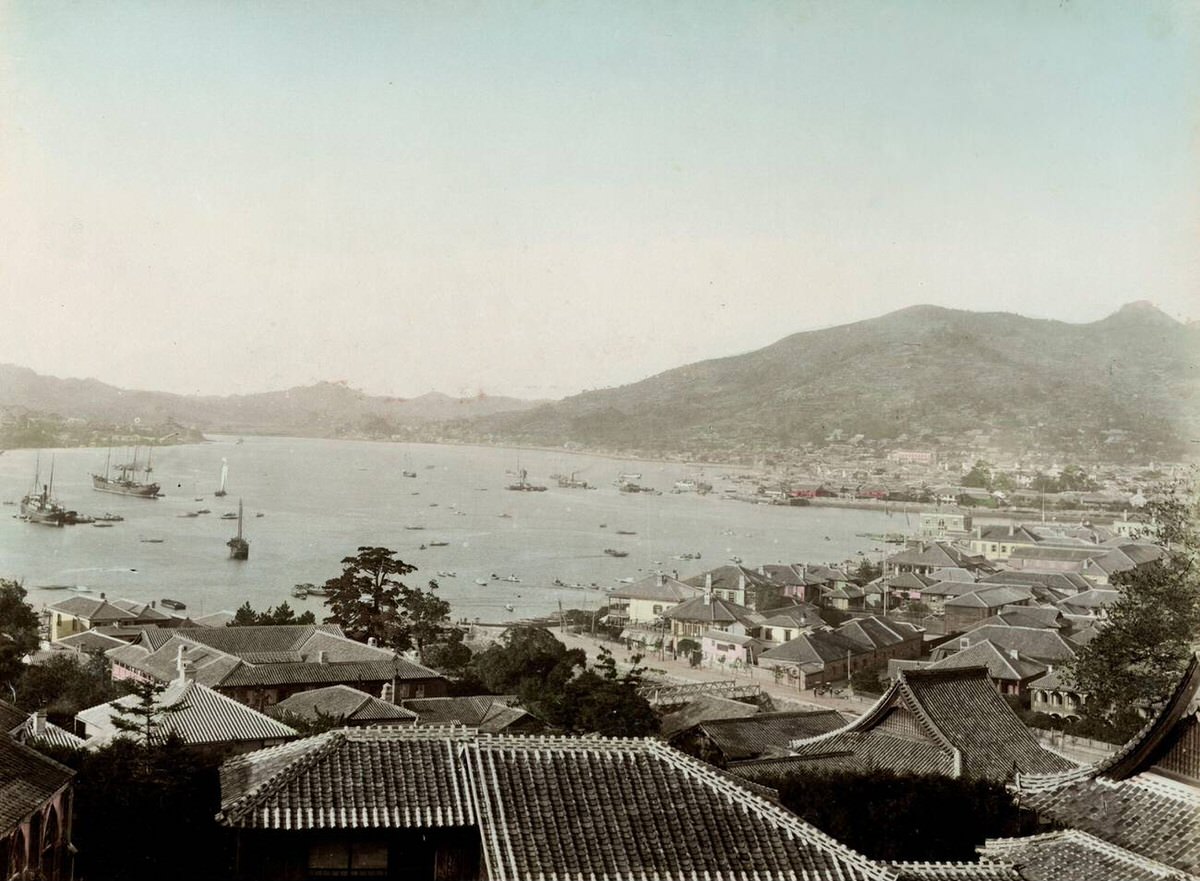
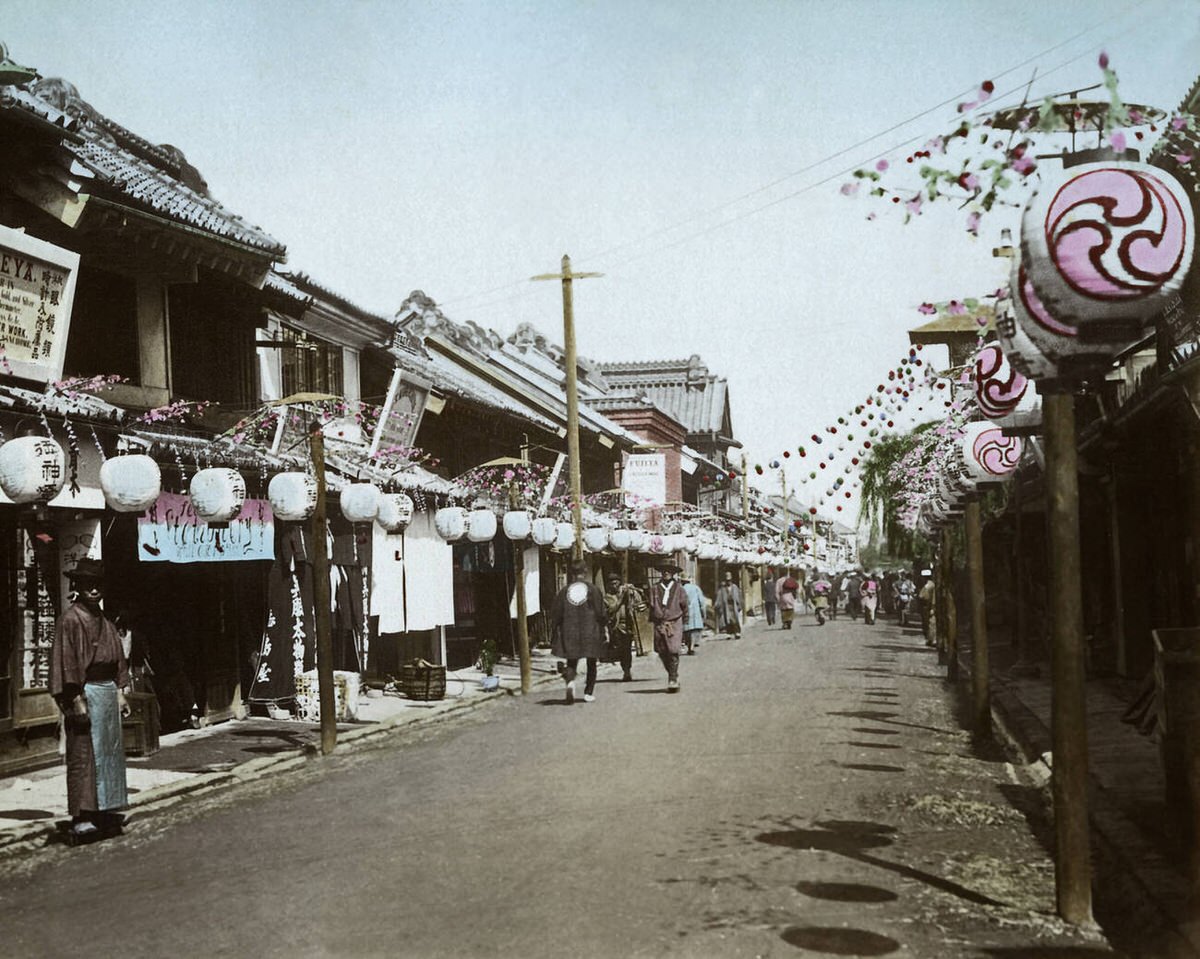
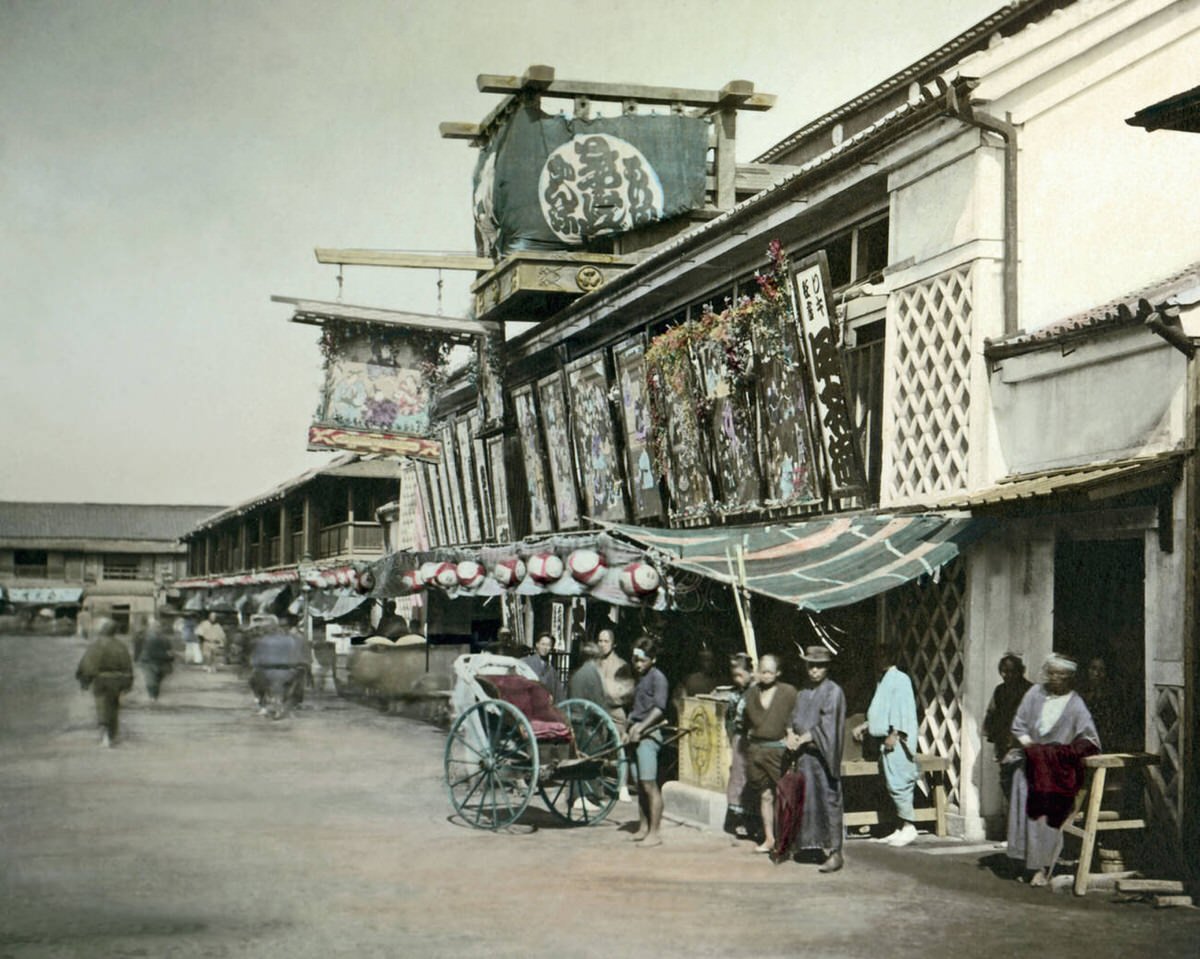
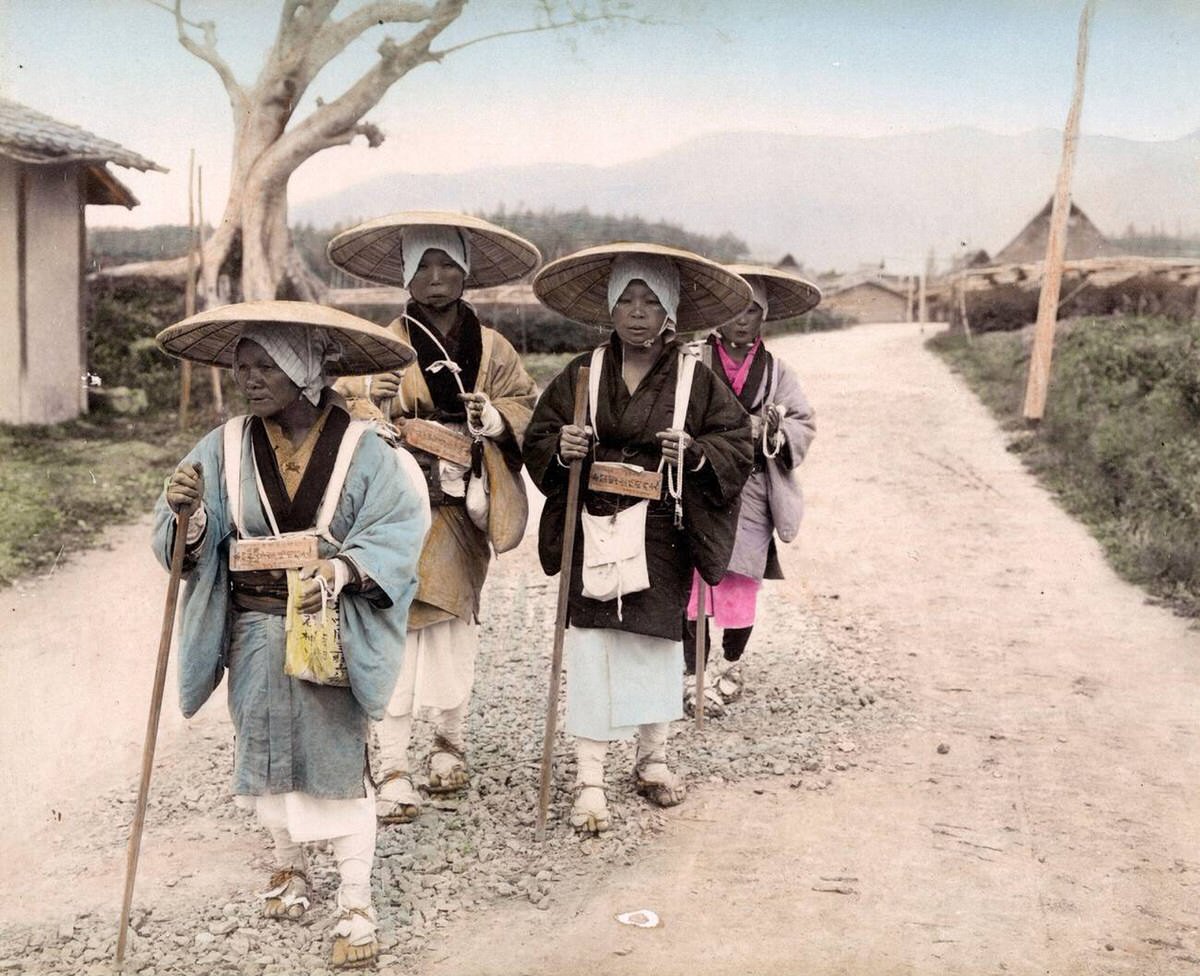
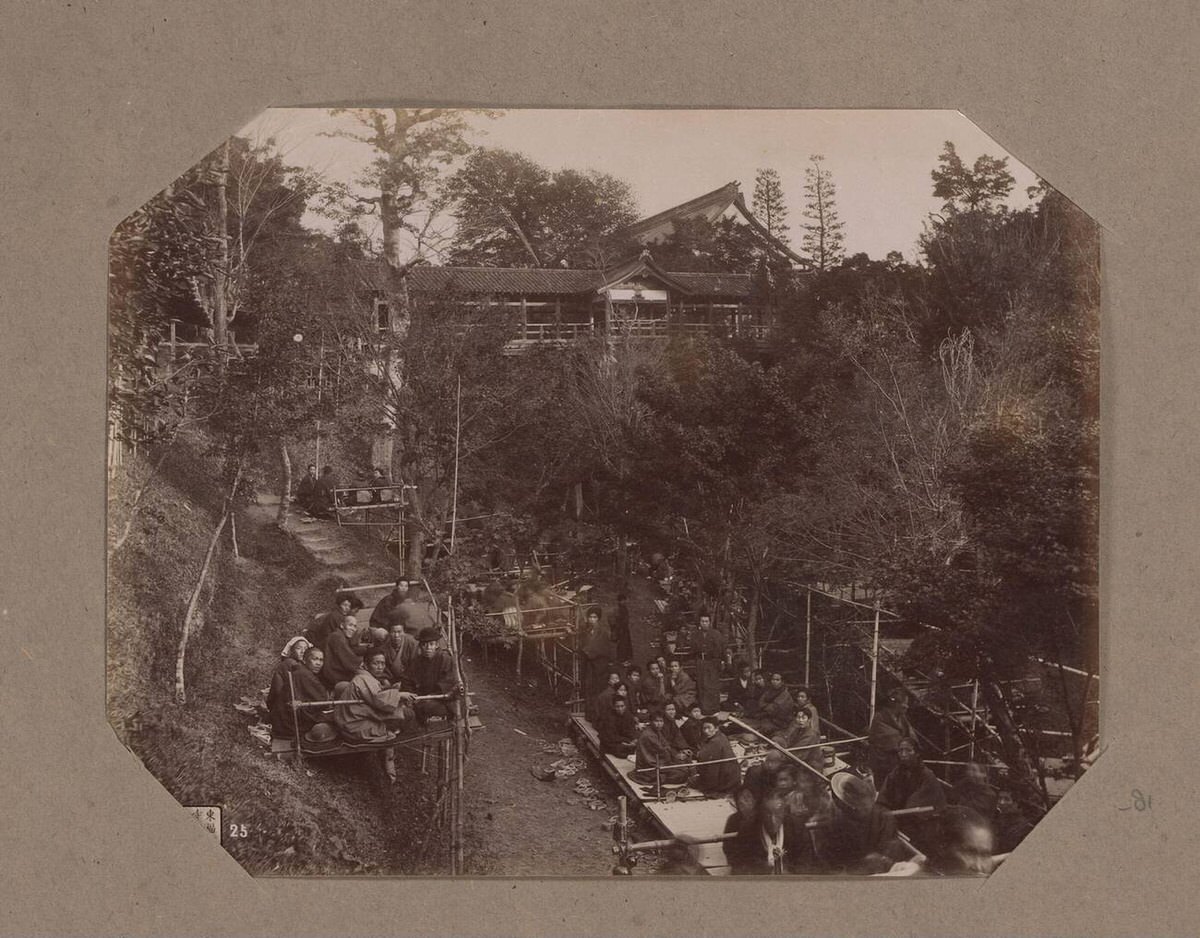
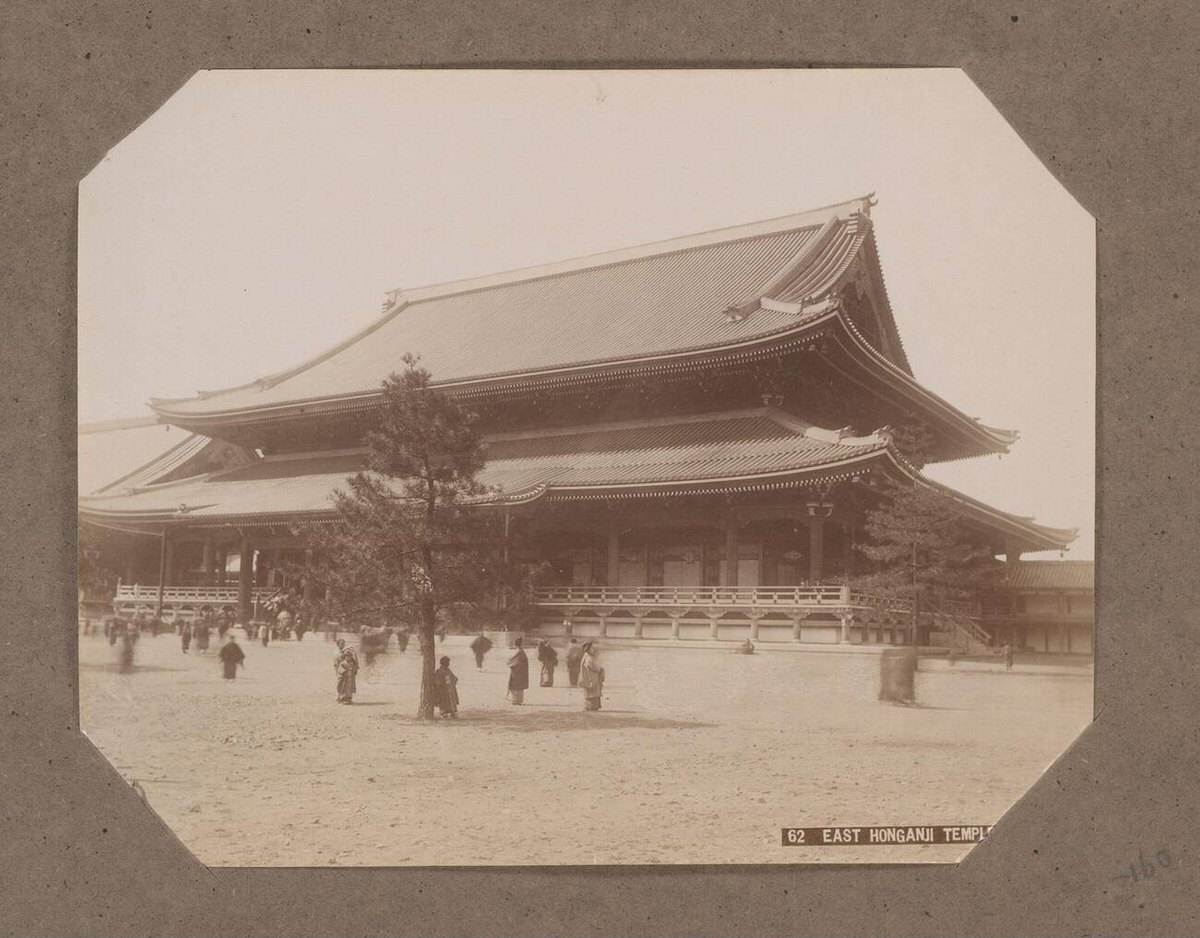
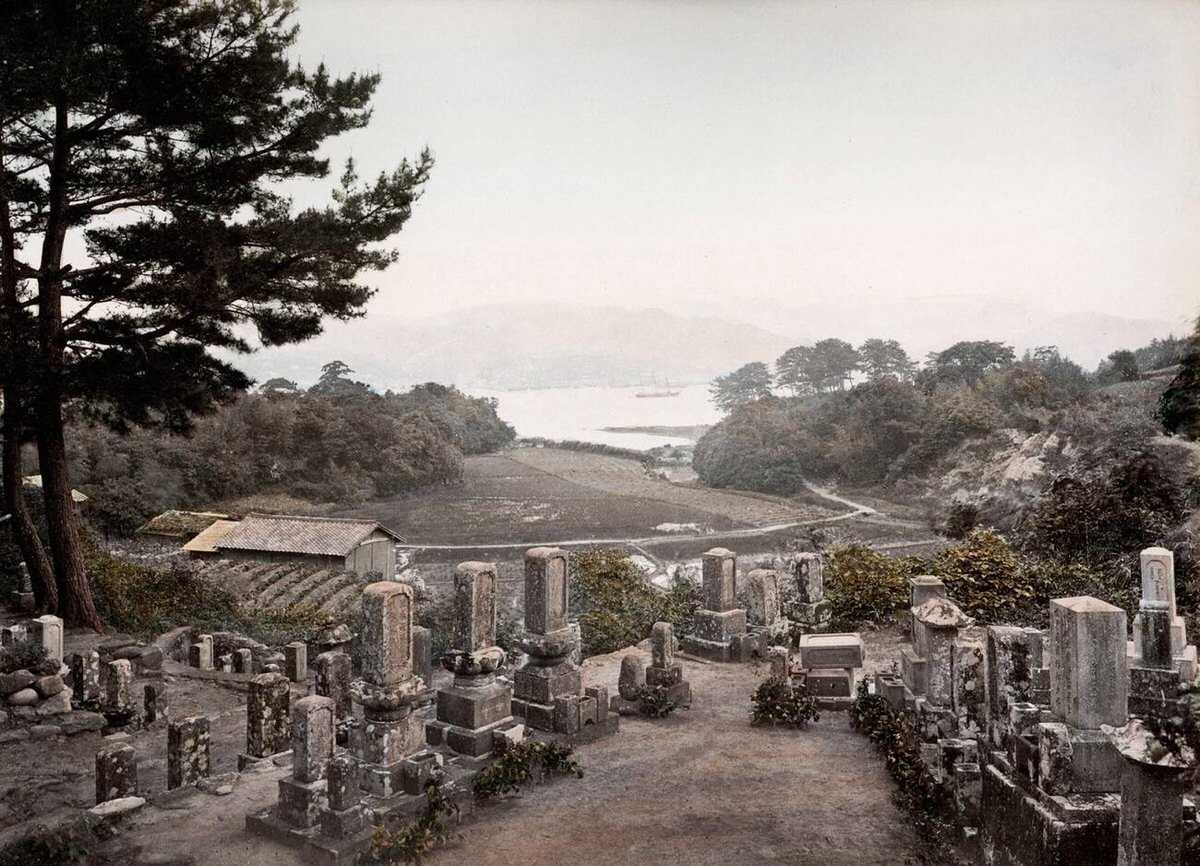
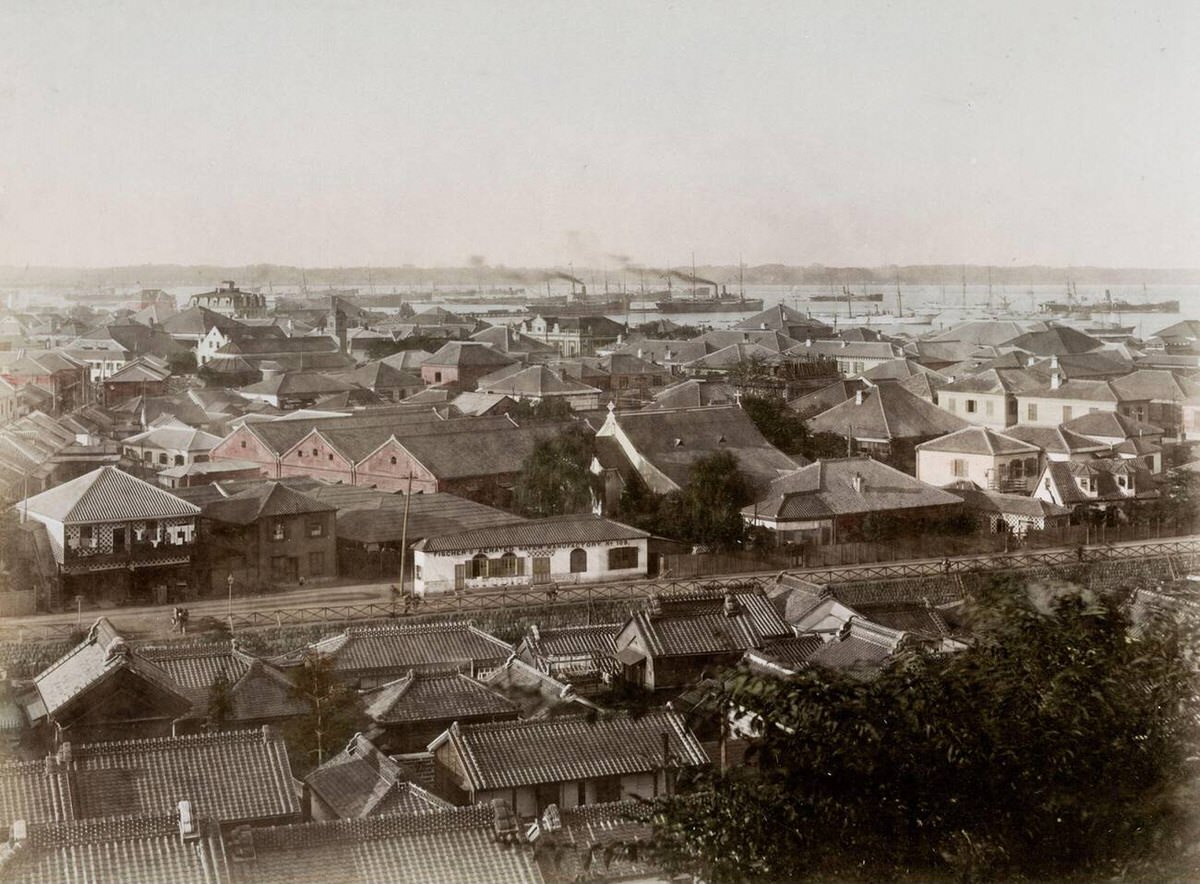
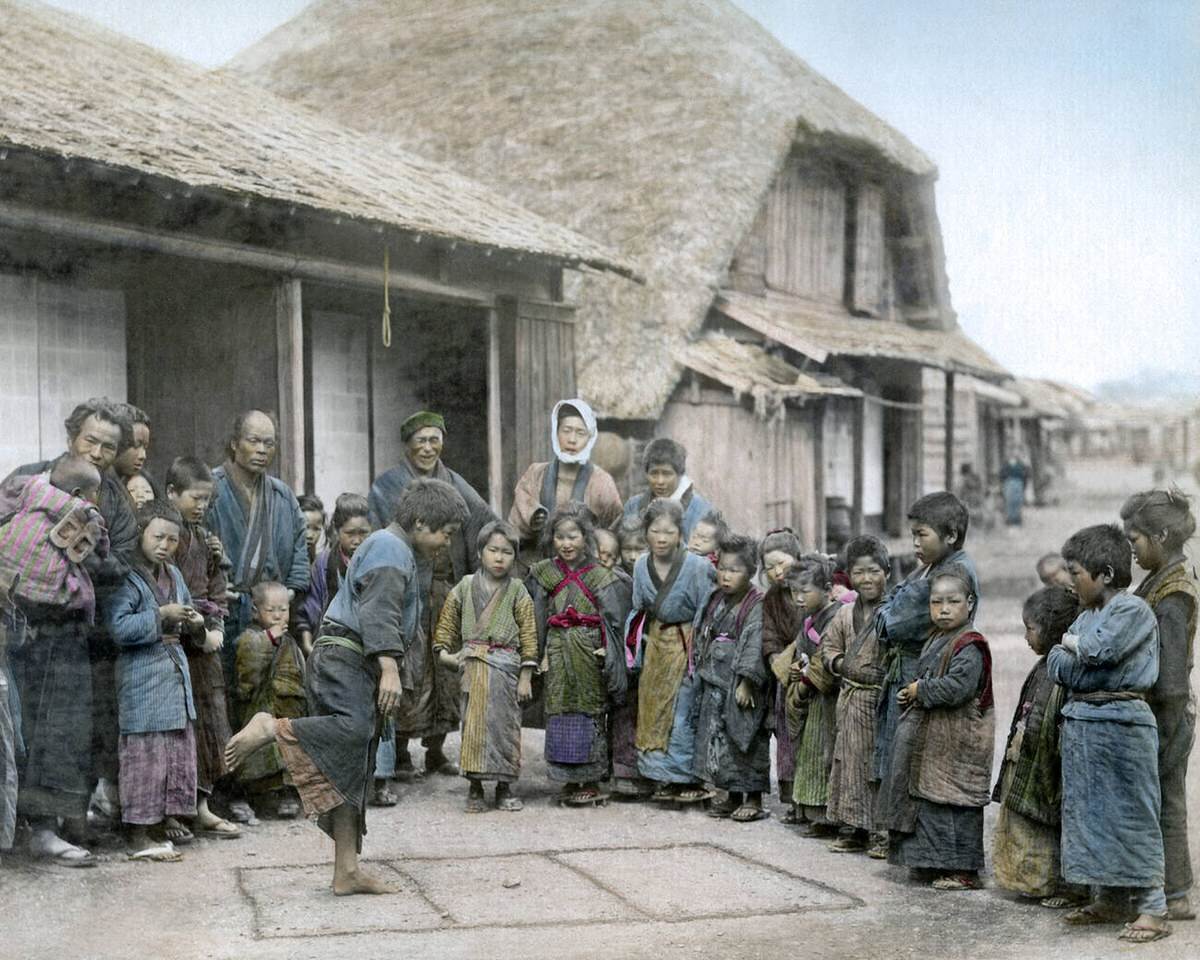
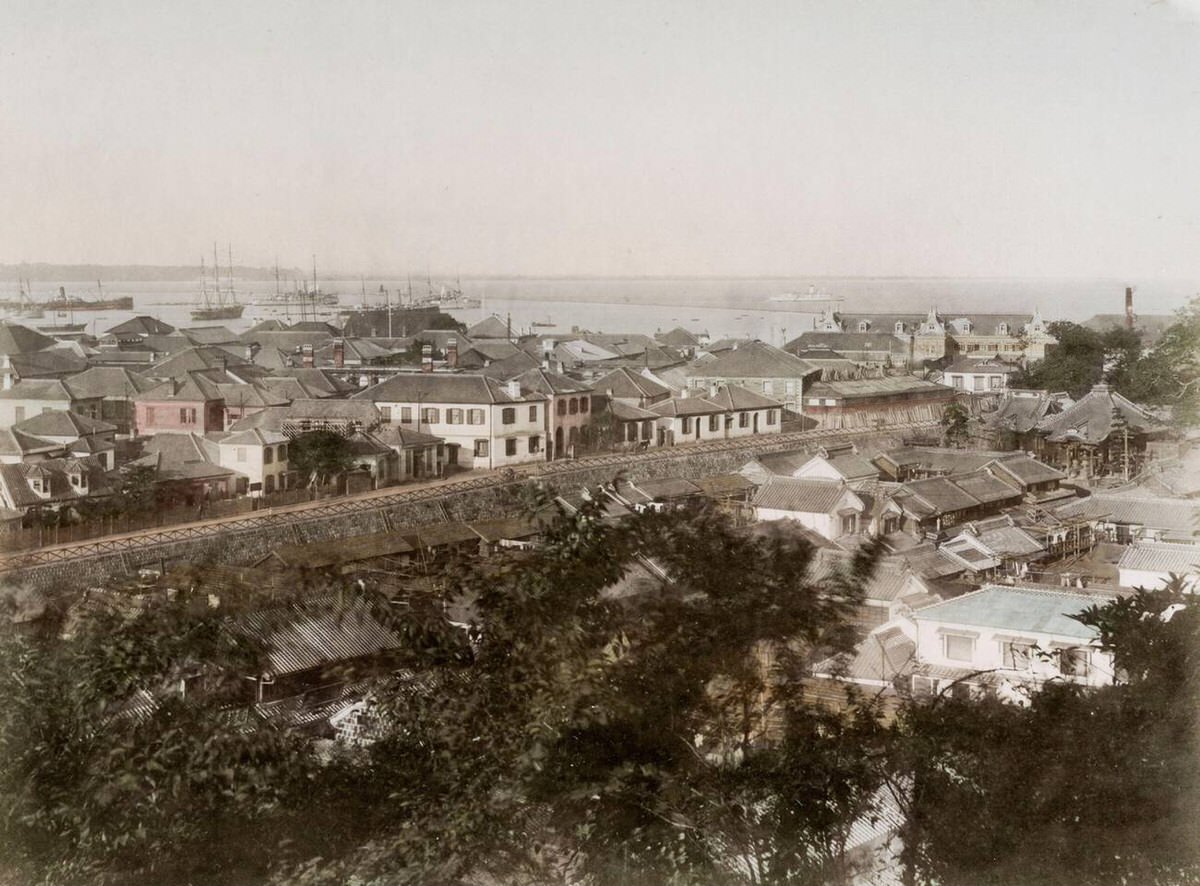
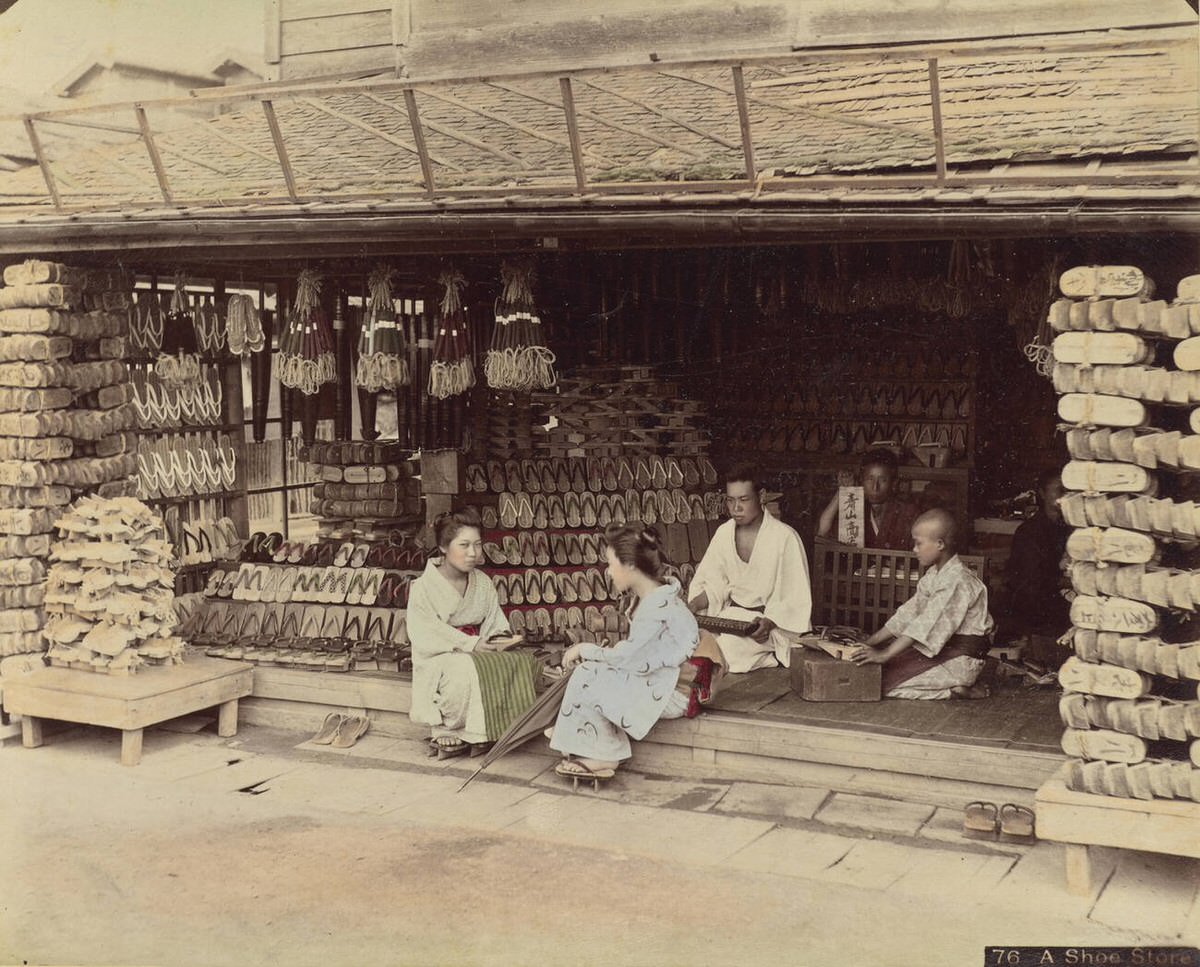
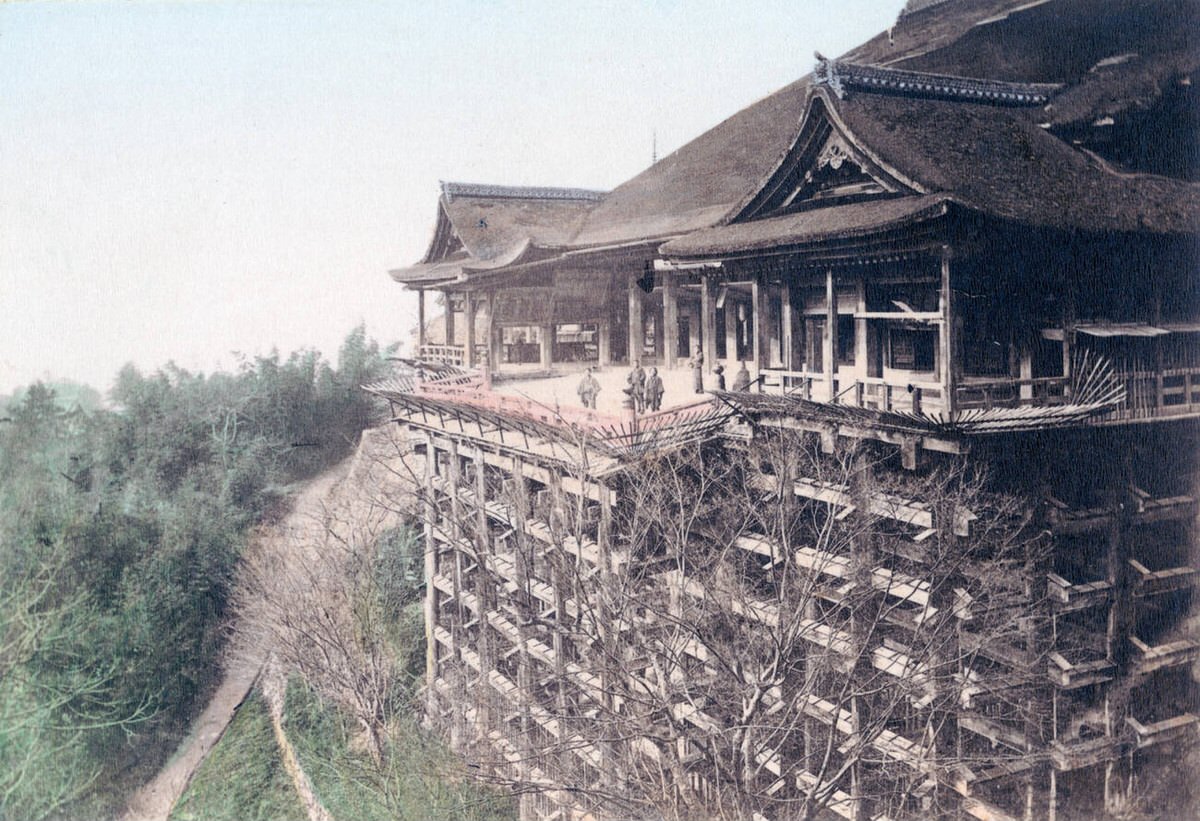
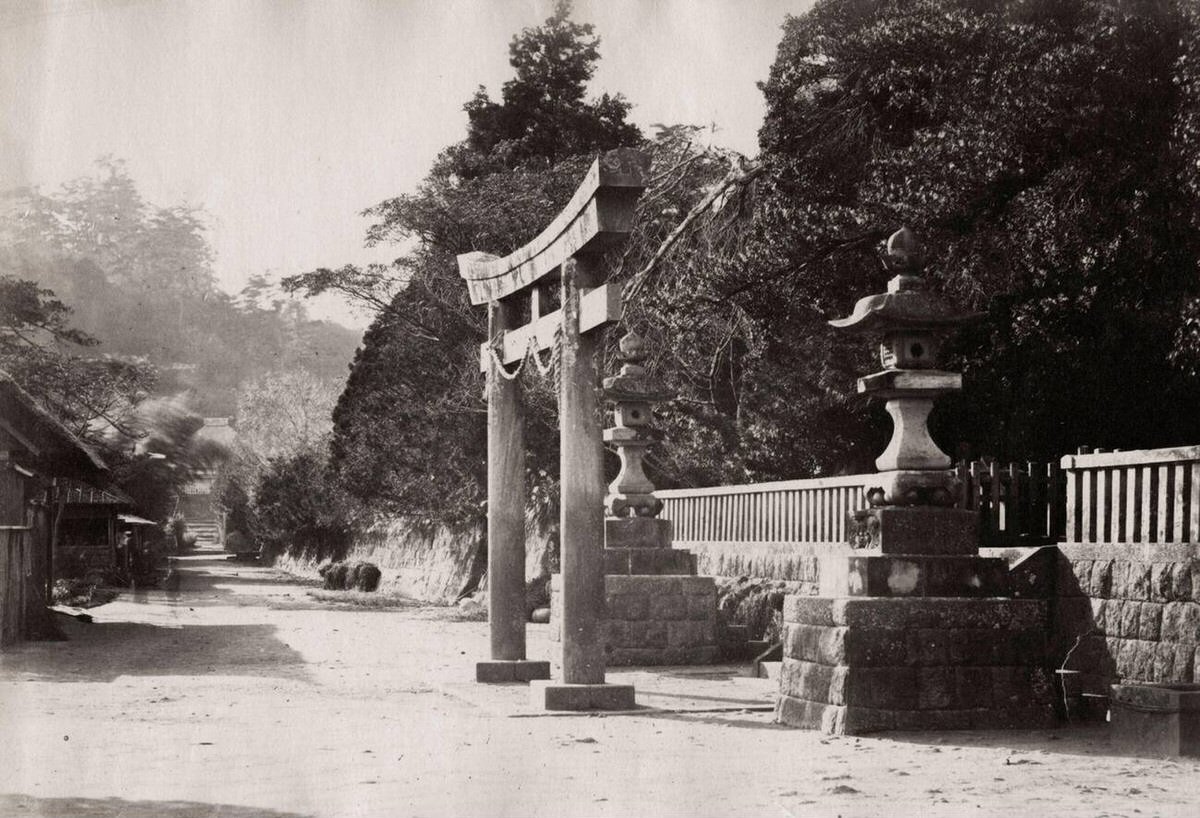
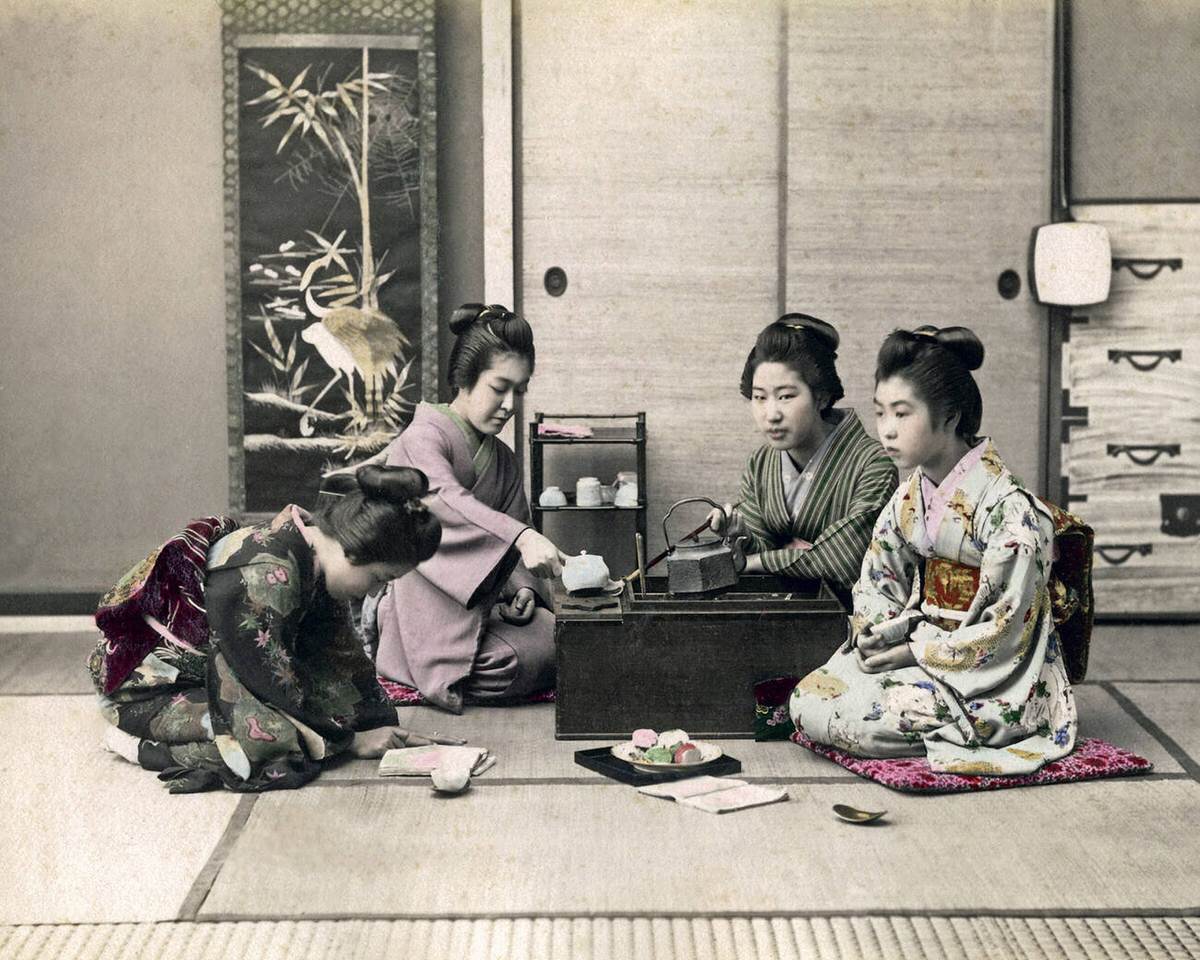
Farmers weighing tea, 1890sStreet in Yokohama, Kanagawa Prefecture, 1890sRickshaws in Motomachi-dori, Kobe, 1890sStreet in Yokohama, 1890Empty street in Shizuoka after the rain, 1890sExterior of the Nikko Hotel, 1890Portrait of a young Japanese woman, 1890Azumabashi iron box bridge in Tokyo, 1885Girls in a rickshaw, 1890Customs House in Yokohama, 1890Stripping rice, 1890Hotel in Hakone, 1890Funeral procession, 1890Bund of Kobe with rickshaws and boats, 1890Festival carp banners, 1890Rickshaws on Main Street in Nagasaki, 1880sHorse trams on Ginza looking towards Kyobashi in Tokyo, 1890Fishing boats in Honmoku, Yokohama, 1890Railway and train in Kobe, 1890Carpenters at work with chisels and axes on large timbers, 1890Katasse Temple, 1890Panoramic view of Tsuruga Port in Fukui Prefecture, 1899Kagos on the Tokaido Road, 1890View of Asakusa from the Ryounkaku skyscraper in Tokyo, 1890sHumpback wooden bridge in Kobe, 1870sThe Bund in Kobe, 1880sIsland and lighthouse in Shimonoseki, 1890Tofu vendor handing a block of tofu to a customer, 1890sFestival procession seen from a rooftop in Kyoto, 1890Dockside in Yokohama, 1880sGroup of Buddhist priests, 1880sPanoramic view of Minatogawa Jinja Shinto shrine in Kobe, 1890sPeople cooling off under the Sanjo Ohashi Bridge in Kyoto, 1890sLotus pond at the Imperial Palace in Tokyo, 1890sMain street of Ginza in Tokyo, 1890Honmaru enclosure and small tower of Nagoya Castle, 1890sKurodani graveyard in Kyoto, 1880sBack view of three girls showing ornate kimonos and obi sashes, 1890Nagasaki, 1895Street view of Honmura Dori in Yokohama, 1890Group of young men having a party, 1890sYoshiwara pleasure district in Tokyo, 1890Torii gate and carrying chairs on the shore of Lake Hakone, 1890Earthquake damage and cracked ground on a village street, 1890sOura Foreign Settlement, Dejima, and Nagasaki Harbor, 1895Japanese workers and a missionary family at a Christian mission, 1880sWomen preparing a meal, 1870sCargo boats at the wharf in Shinbashi, Tokyo, 1890Isezakicho entertainment district in Yokohama, 1890sHouses on the Tokaido Road, 1870sFormer Royal Palace in Kyoto, 1880sYoung Japanese blacksmith at work, 1896The Yoshiwara District in Tokyo, 1890sThe second Imperial Houses of the Diet in Tokyo, 1895A sumo match, 1890sZeniyagawa River and the residence of Hikoma Ueno in Nagasaki, 1890sDotonbori theater street in Osaka, 1896Enoshima Island in Sagami Bay, 1890sTravellers and a pack pony on a country road, 1890View of a river in the Kitashinchi district of Osaka, 1890sRickshaw puller and vendors on Sakaemachi in Kobe, 1890sHotel Metropole in the Tsukiji foreign settlement of Tokyo, 1895Boats and houses along Ishiyamadera Road in Otsu, 1890sRickshaw on a street in the Tsukiji foreign settlement of Tokyo, 1890sShinto priests with a large parasol, 1890sPeddler of brushes and brooms, 1890sFamily having a meal in a traditional Japanese room, 1890sWoman in a rickshaw with a parasol, 1890sRestaurants and theaters in the Dotonbori entertainment district of Osaka, 1890sBoats in Oura Creek at low tide, 1890Craftsmen making bronze items in the Nogawa workshop in Kyoto, 1885Woman washing clothes in wooden tubs on a street in Yokohama, 1890sWomen in kimono reading a sign at a shrine or temple, 1890sGeneral view of Utsunomiya with carpenters at work, 1890sOnomichi port city in Bingo Province, 1890Houses along Chuo-dori in Shiba, Tokyo, 1890sWomen spinning silk from cocoons, 1890sRail tracks passing through the center of Odawara, 1890sNagasaki Harbor and the foreign settlement in Oura, 1890sWomen getting water at the Zeniyagawa River in Nagasaki, 1890sJapanese fishermen near a cave in Matsushima, 1890sCrater of Mount Bandai in Fukushima Prefecture, 1890sMen treating lacquer in a workshop, 1890sThree-story wooden brothels in the Yoshiwara district of Tokyo, 1890sPanoramic view of Hatsuishi in Nikko, 1890sBlind masseur giving a massage to a woman, 1890sInterior of a pottery workshop, 1890sShops on Honcho-dori in Yokohama, 1890sClock tower of Yokohama Town Hall, 1890sKinkaku-ji Zen Buddhist temple in Kyoto, 1890The first Osaka Station in Umeda, 1890sWoman in a rickshaw under cherry blossoms in Nogeyama, Yokohama, 1890sRickshaw puller in front of shops on Honcho-dori in Yokohama, 1890sKaigandori (The Bund) in Kobe seen from the Meriken Hatoba pier, 1890sChildren on a wooden truss bridge crossing the Hayakawa River in Yumoto Onsen, 1890sGeisha houses lining a street in Shinbashi, Tokyo, 1890sJizo statues at Kanmangafuchi in Nikko, 1890sDotonbori theater street in Osaka, 1890sRestaurants and inns along the Kamogawa River in Kyoto, 1890Children at the deer fountain on the grounds of Kasuga Grand Shrine in Nara, 1890sAmida-ike pond at Wako-ji Temple in the Horie district of Osaka, 1890sRyounkaku skyscraper in Asakusa Park, Tokyo, 1890sHomes devastated by the Nobi Earthquake in Kiyosu Marunouchi near Nagoya, 1891Homes devastated by the Nobi Earthquake in Kamikawate-mura near Gifu, 1891Shinbashi Bridge and Ginza Avenue in Tokyo, 1890sStreet vendor carrying baskets of vegetables, 1890sView of Kyoto from the top of Maruyama, 1890sJapanese sampans, 1890sGate and lanterns at Zojoji Temple in Shiba, Tokyo, 1890sNakamachi Church in Nagasaki, 1890sPack horse driver and his horse wearing straw shoes, 1890Rickshaw near a bridge in an urban landscape, 1890sPanoramic view of Kobe and Kobe Port, 1890sWomen reeling silk at a sericultural school, 1898Street in Kyoto, 1890sGreat Buddha bell in Kyoto, 1890Tonosawa with a footbridge in the foreground, 1880sPost Office in Yokohama.Carpenters at work, 1890sDevastation caused in Tokyo by the Great Kanto Earthquake, 1923Hotel Metropole in Tsukiji, Tokyo, 1895Yomeimon Gate at the Toshogu Shrine complex in Nikko, 1890sGroup celebrating a miyamairi ceremony for a newborn child, 1890sBronze torii gate at Yasukuni Shinto Shrine in Tokyo, 1895Western-style buildings on Kaigandori (The Bund) in Kobe, 1890sWoman in kimono bowing to receive a guest in a traditional room, 1890sMutes returning from a funeral, 1890sSacred Kamibashi Bridge across the Otanigawa River in Nikko, 1890sCrowd at the Ikuta Jinja Matsuri festival in Kobe, 1890Visitors from the countryside at Ueno Park in Tokyo, 1890sMen carrying buckets at the Nihonbashi fish market in Tokyo, 1896Harbour and Fort Regent in St. Helier, Jersey, 1890Children in festival dress, 1890sNakamise souvenir shops at Sensoji Temple in Asakusa, Tokyo, 1890sTheater Street in Asakusa with the Ryounkaku skyscraper in the background, 1890sCanal in Osaka.Opening ceremony at the Kabukiza theater in Umeda, Osaka, 1898Garden of the Imperial Palace in Kyoto, 1890Bridge in Nishi Otani, Kyoto, 1890Male high school students in uniform with tennis rackets, 1890sOura in Nagasaki, 1890sDotonbori Canal and Ebisubashi Bridge in Osaka, 1880Cherry blossoms in Yokohama.Benten Dori in Yokohama.Stone bridge in Nakashima, Nagasaki.Yokohama Railway Station.Municipal buildings in Yokohama, 1890sBuddhist priests in robes, 1890sPorcelain shops in Kiyomizu, Kyoto.Street scene on Bentendori in Yokohama.Yanagibashi and the Sumida River in Tokyo.Island and lighthouse in Shimonoseki, 1890sThe Grand Hotel in Yokohama, 1890sRiver scene in Nagasaki, 1890sManganji Garden in Nikko, 1890sStreet in Yokohama, 1890Nijubashi at the Imperial Palace in Tokyo, 1895Geishas in a rickshaw, 1890sOriental Hotel in Kobe, 1890sBuddhist priests at prayer, 1890sWaterfront view in Kanazawa, 1890sShips in Nagasaki Harbor, 1890sCanal and boats in Yokohama, 1890sShips in the harbor at Kagoshima, 1890sHouses with thatched roofs in Hakone, 1890sFerry on the Fujikawa River, 1890sStreet with cherry blossoms, 1890sBridge and theater in Tokyo, 1890sSakaemachi street in Kobe, 1890sGerman Hospital in Yokohama, 1890sView of Yokohama and the bay, 1890sDocks and ships at Yokosuka, 1890sDeer in the park at Nara, 1890sUrami Waterfall in Nikko, 1890sGroup of geishas, 1890Ainu man with boats at anchor at Inos Island, 1890sNishi Otani Temple in Kyoto.Harvesting rice, 1890Garden at Okayama, Bizen, 1890sPorters at Mukojima, Tokyo, 1890sShips in the harbor at Shimonoseki, 1890sView of Yokohama harbor from The Bluff, 1890Procession during the Meiji era, 1890sOte Hotel in Isobe, 1890sCollapsed bridge following an earthquake, 1890sView on The Bluff in Yokohama, 1890sView of the harbor of Hakodate, 1890sTown and harbor of Kobe, 1890sJapanese junks in Nagasaki, 1890sPicking the tea crop, 1890sView of Nagoya town, 1890sStreet scene in Nagasaki, 1890sOnomichi port city in Bingo Province, 1890sKatasse Temple, 1890sView of the harbor at Nagasaki, 1890sBenten Dori in Yokohama.Street scene in Tokyo.Japanese pilgrims, 1890sTsuten-kyo Bridge with people on plateaus in Kyoto, 1890East side of the Nishi Hongan-ji Temple in Kyoto, 1890Graveyard in Nagasaki, 1890sView of Yokohama looking over the creek toward ships in the harbor, 1880sChildren playing hopscotch.View of Yokohama looking over the creek toward ships in the harbor, 1880sA shoe store, 1890sKiyomizudera Buddhist temple at Higashiyama in Eastern Kyoto, 1890sUrami Waterfall in Nikko, 1890sTorii gate to the temple at Kanazawa, 1890sGeishas at a tea stove.
Kevin Clark is a historian and writer who is passionate about sharing the stories and significance behind historical photos. He loves to explore hidden histories and cultural contexts behind the images, providing a unique insight into the past.