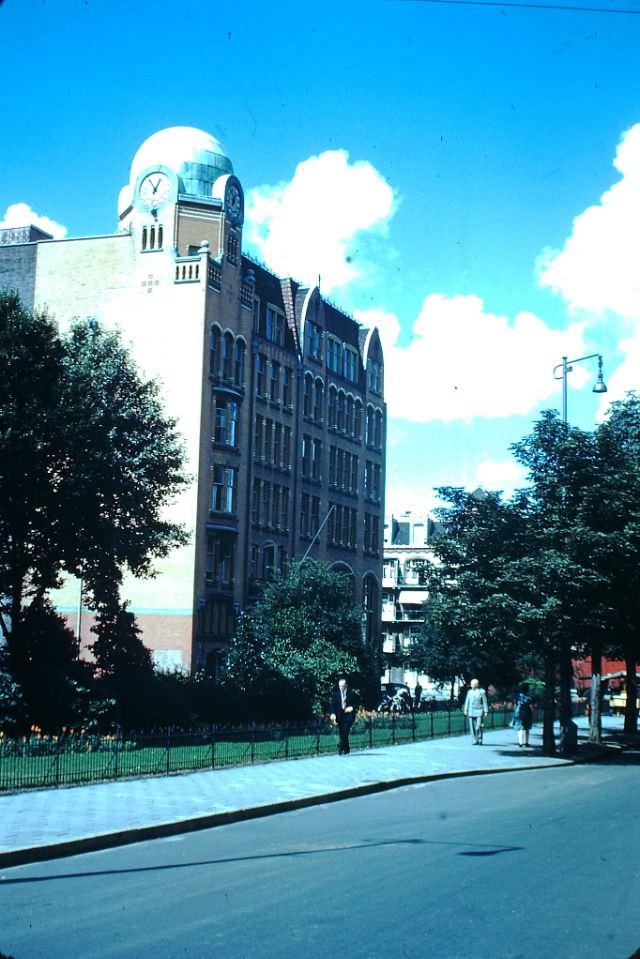
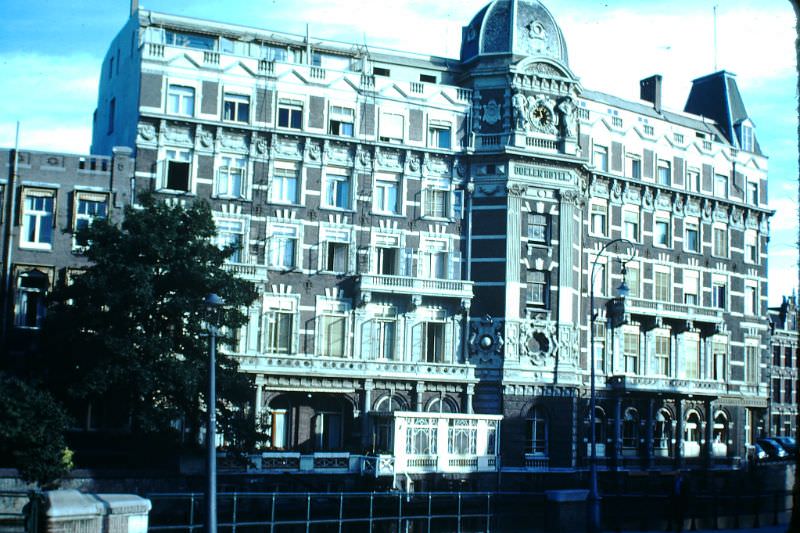
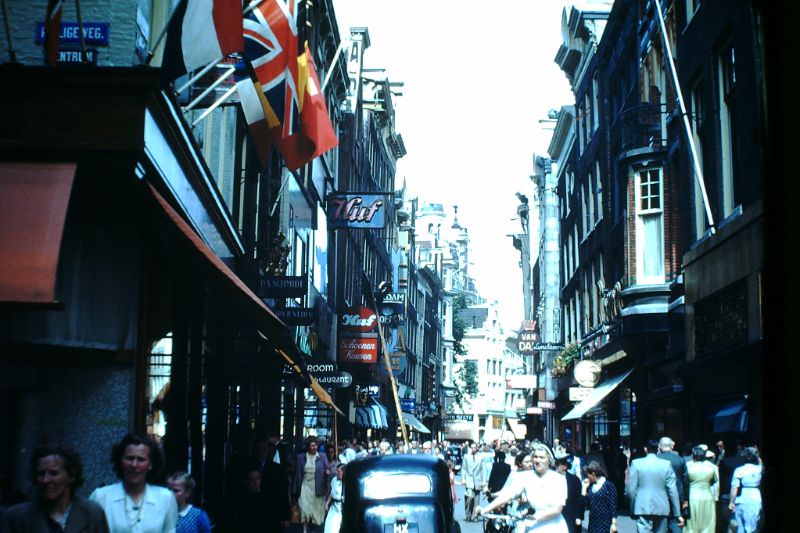
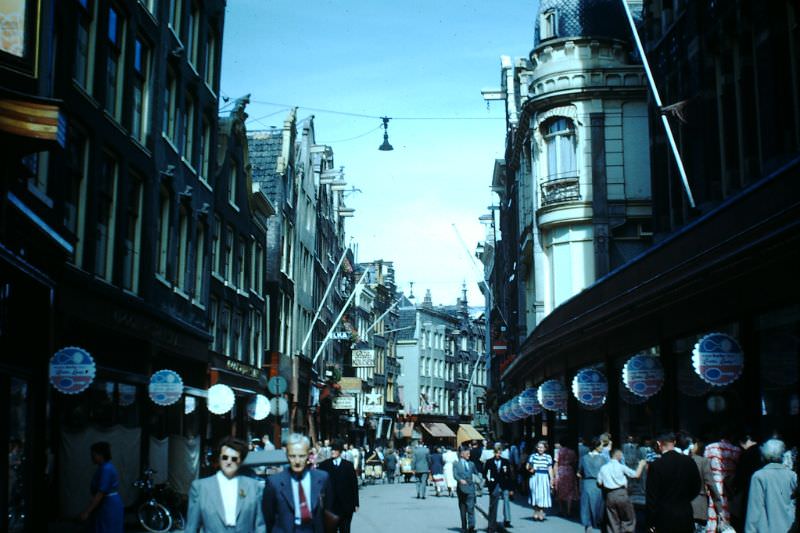
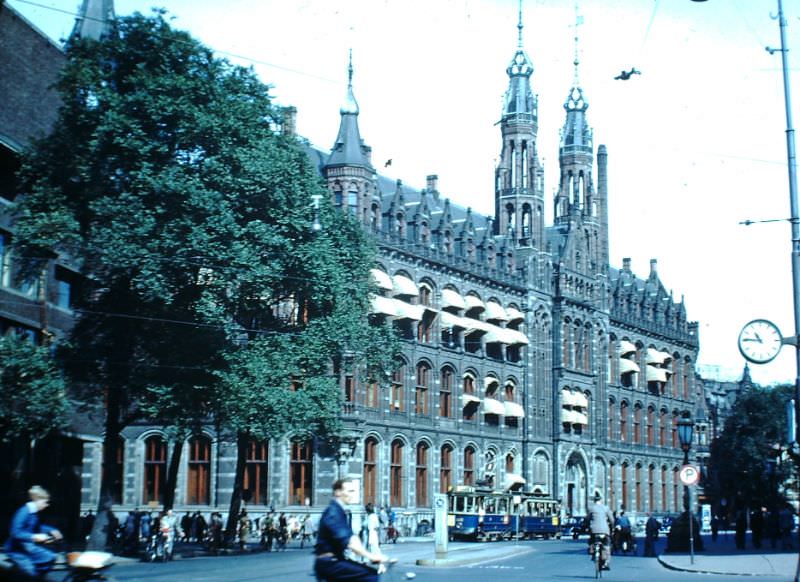
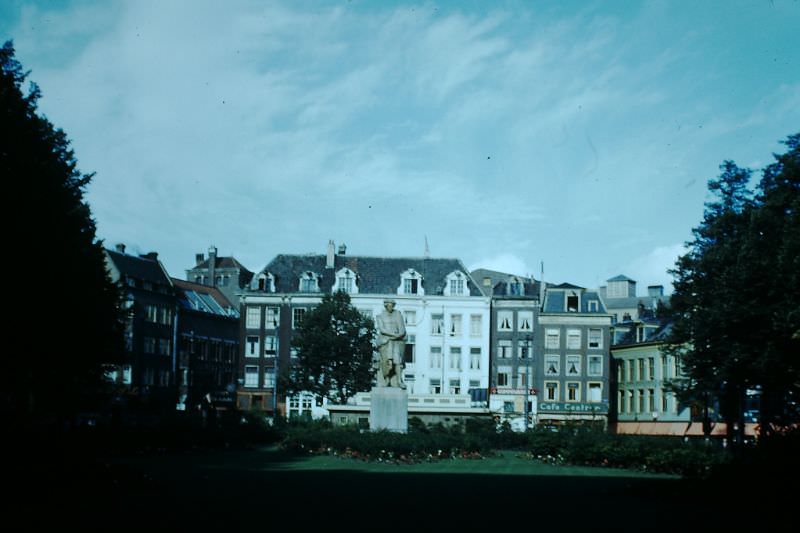
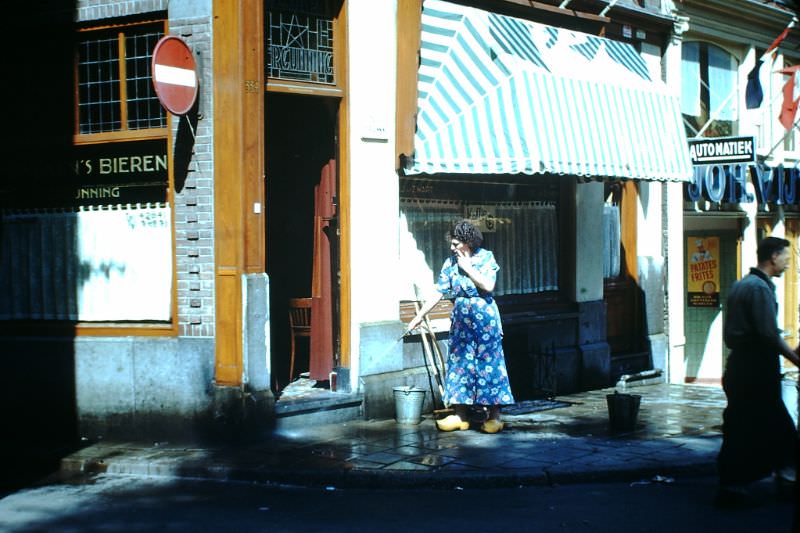
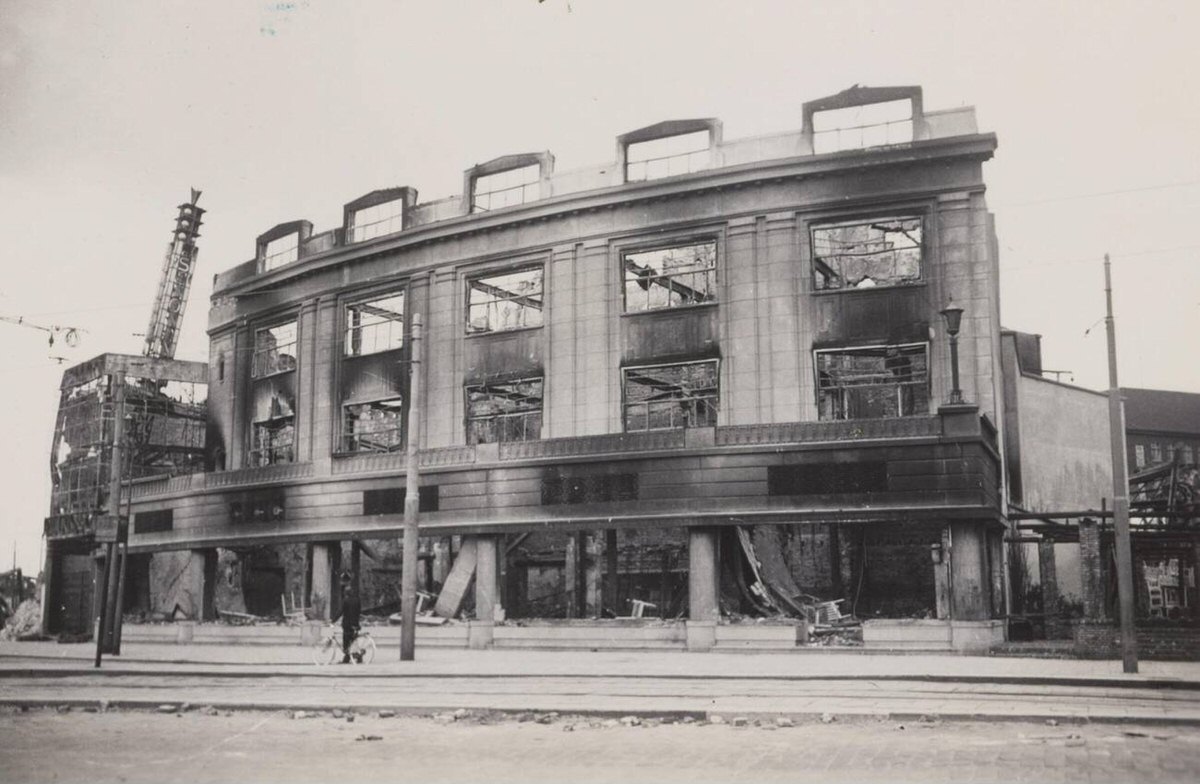
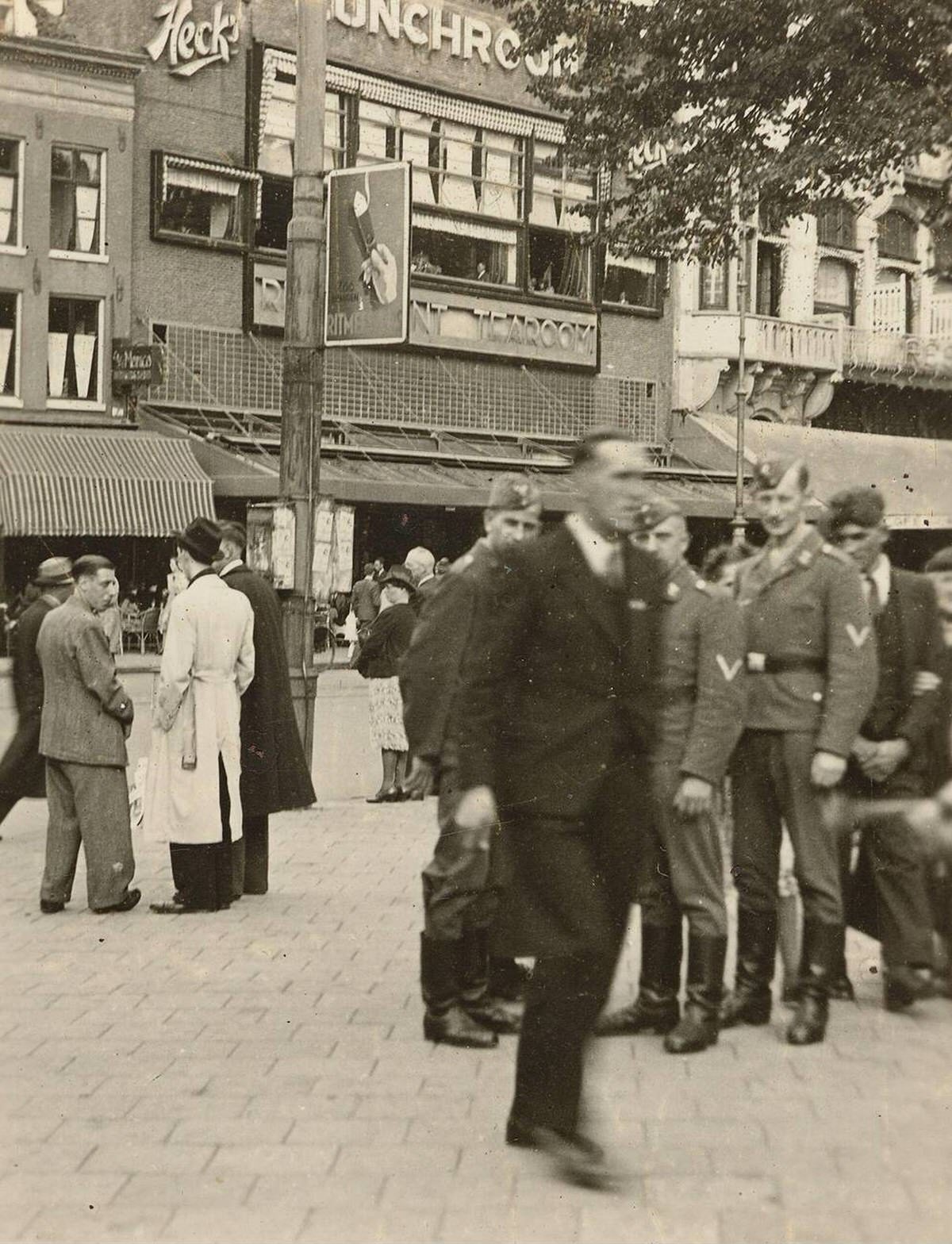
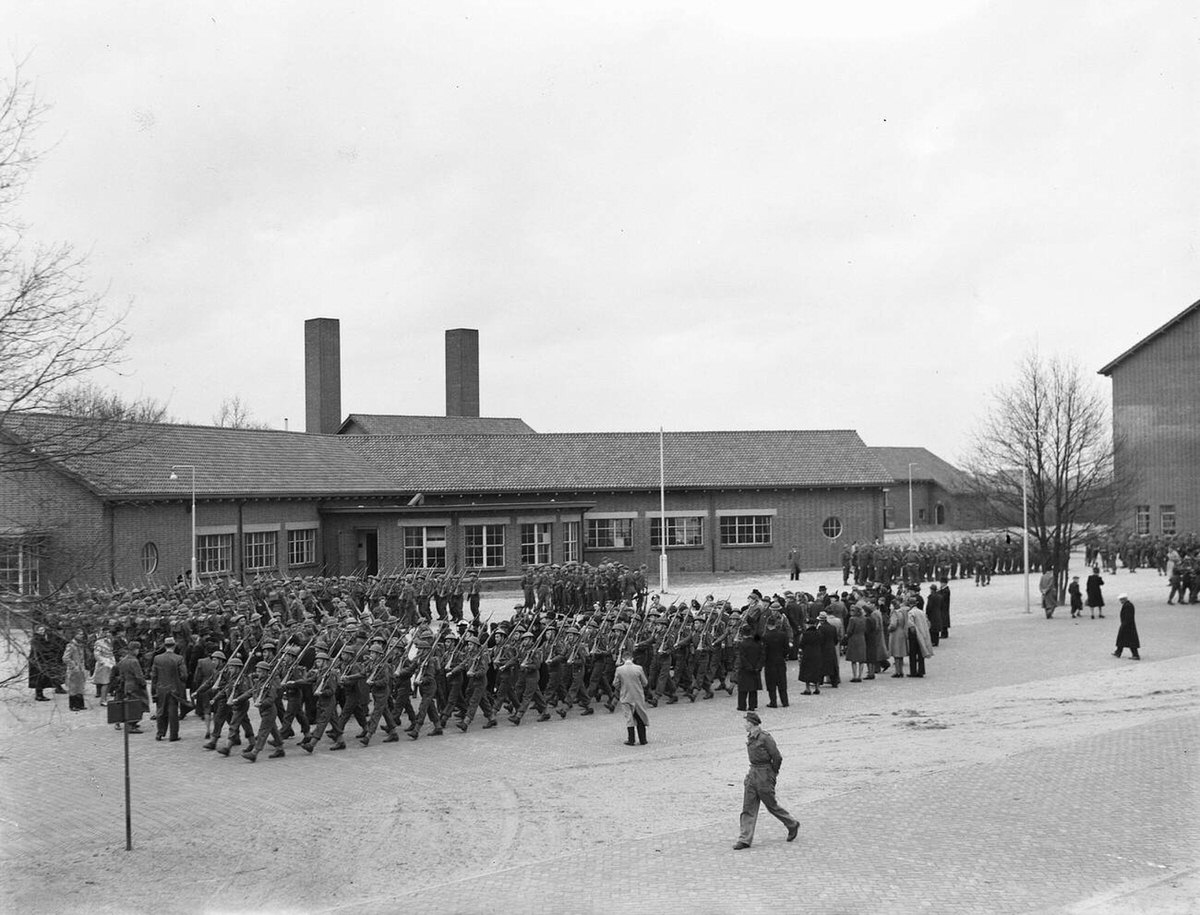
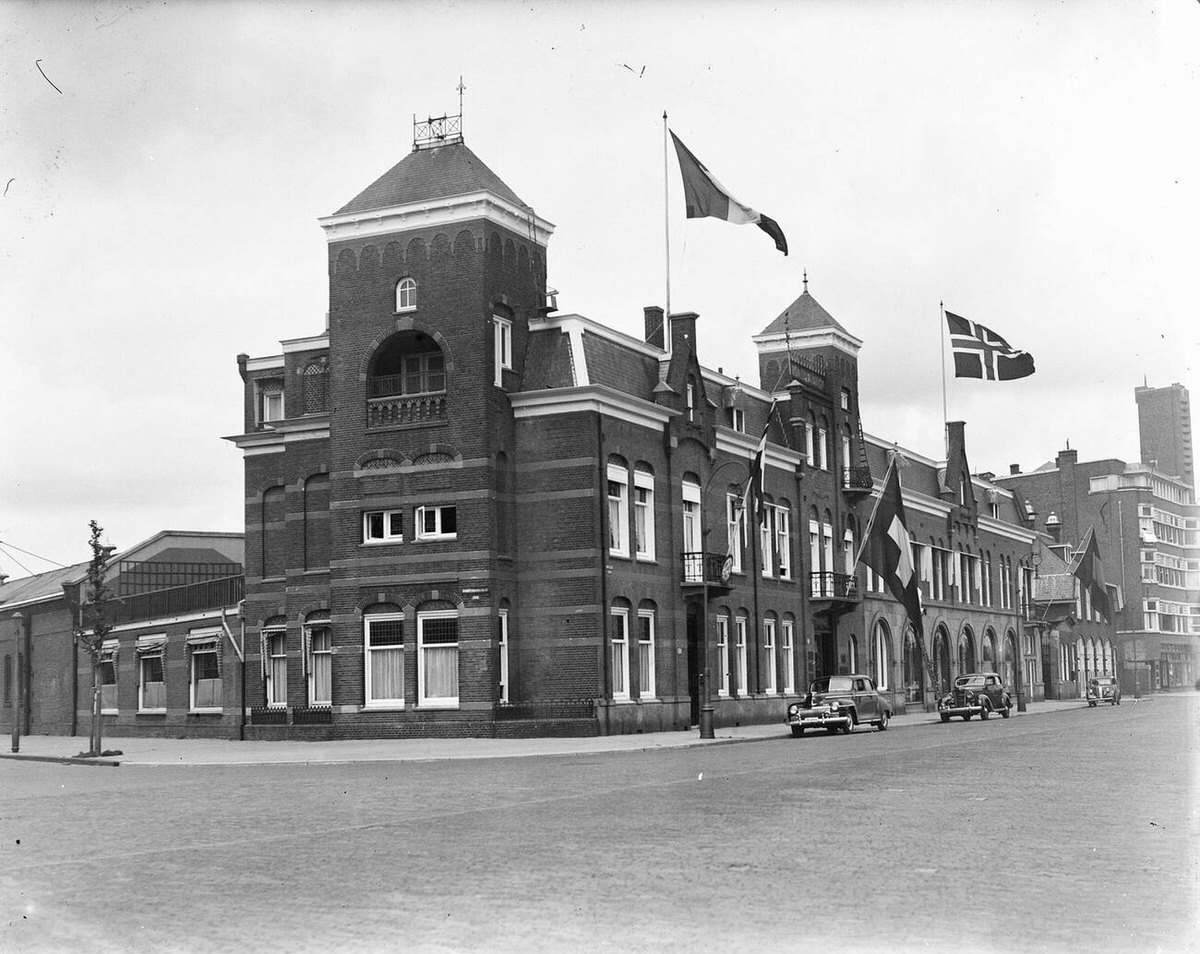
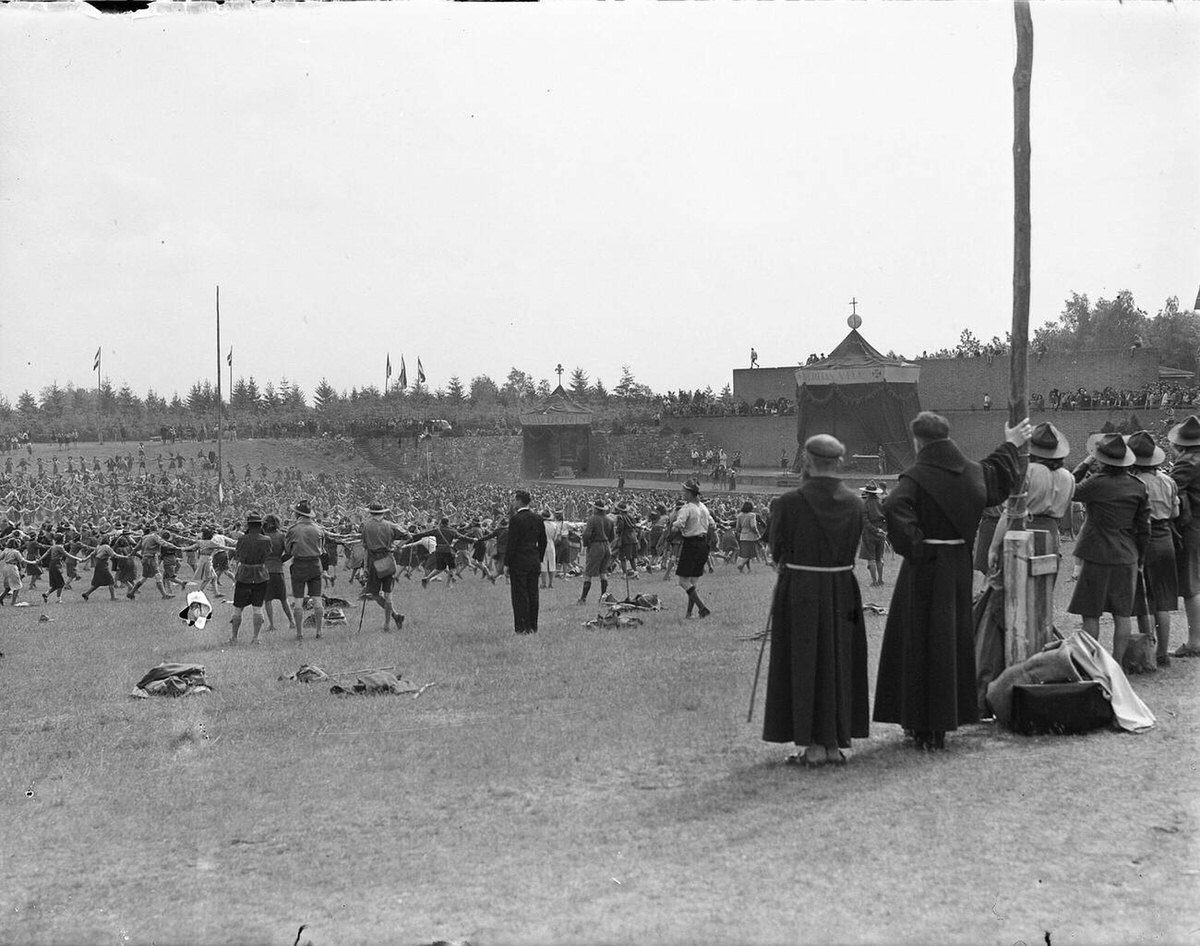
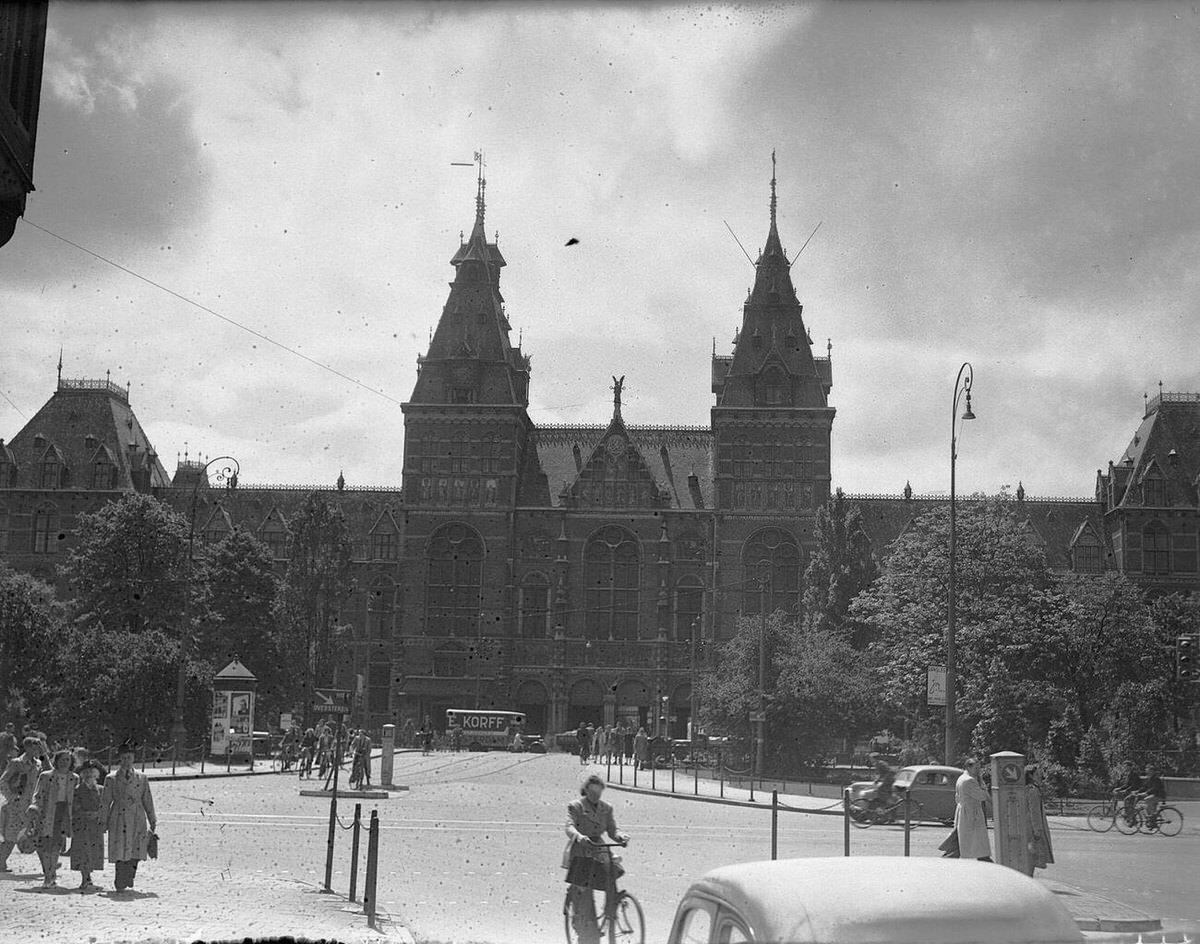
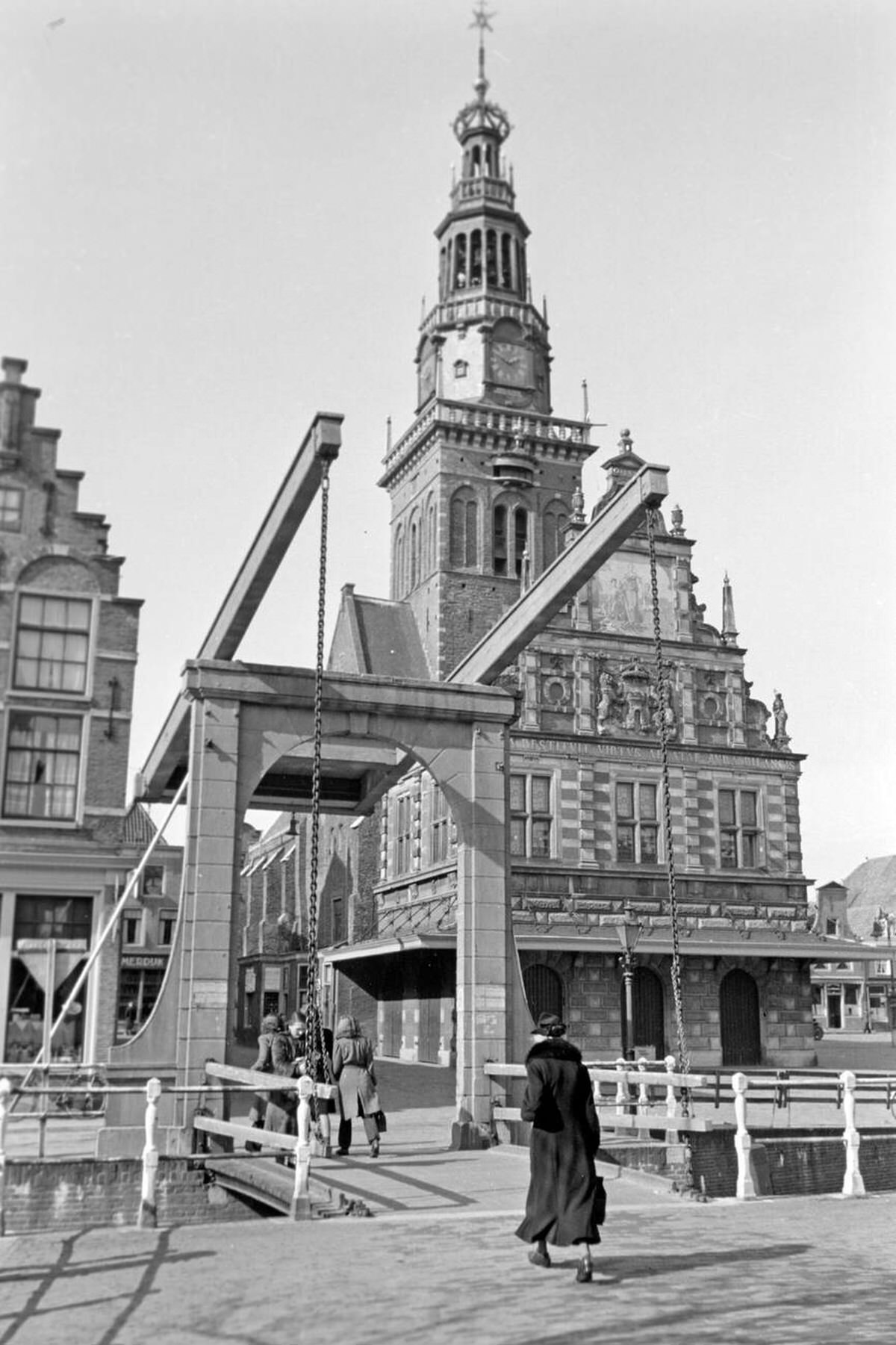
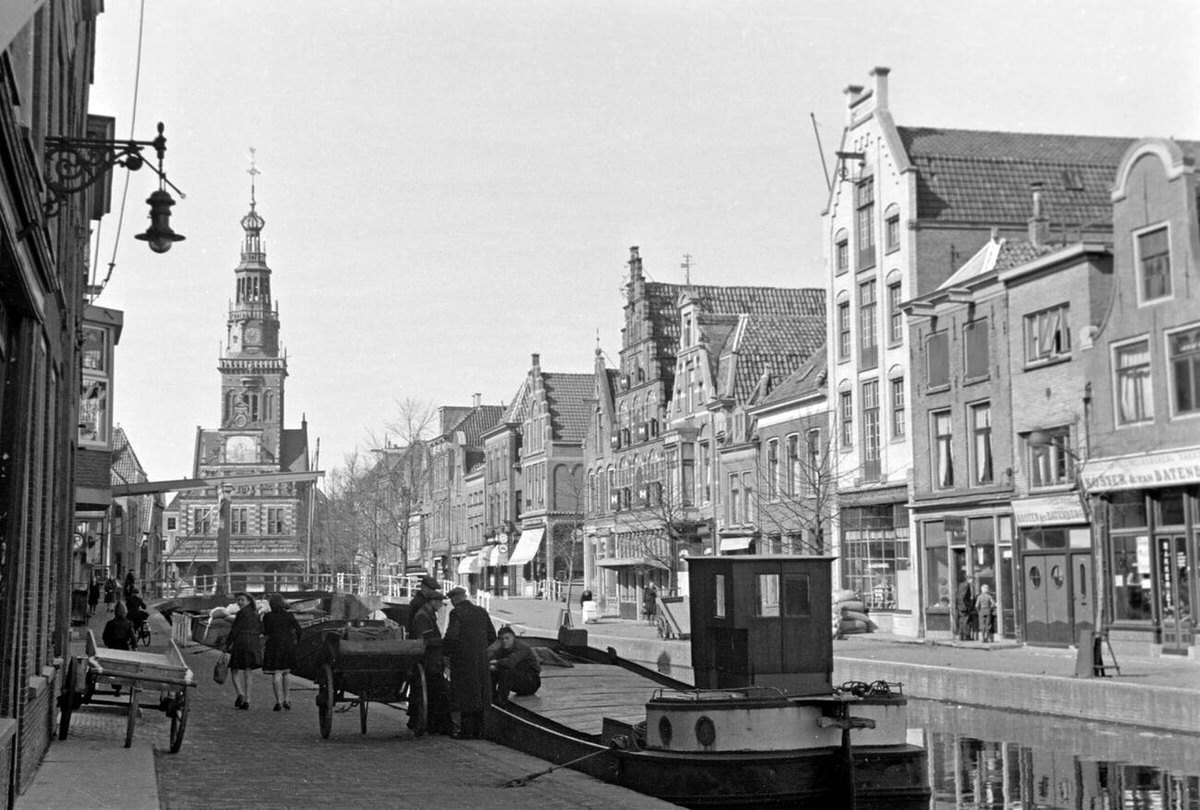
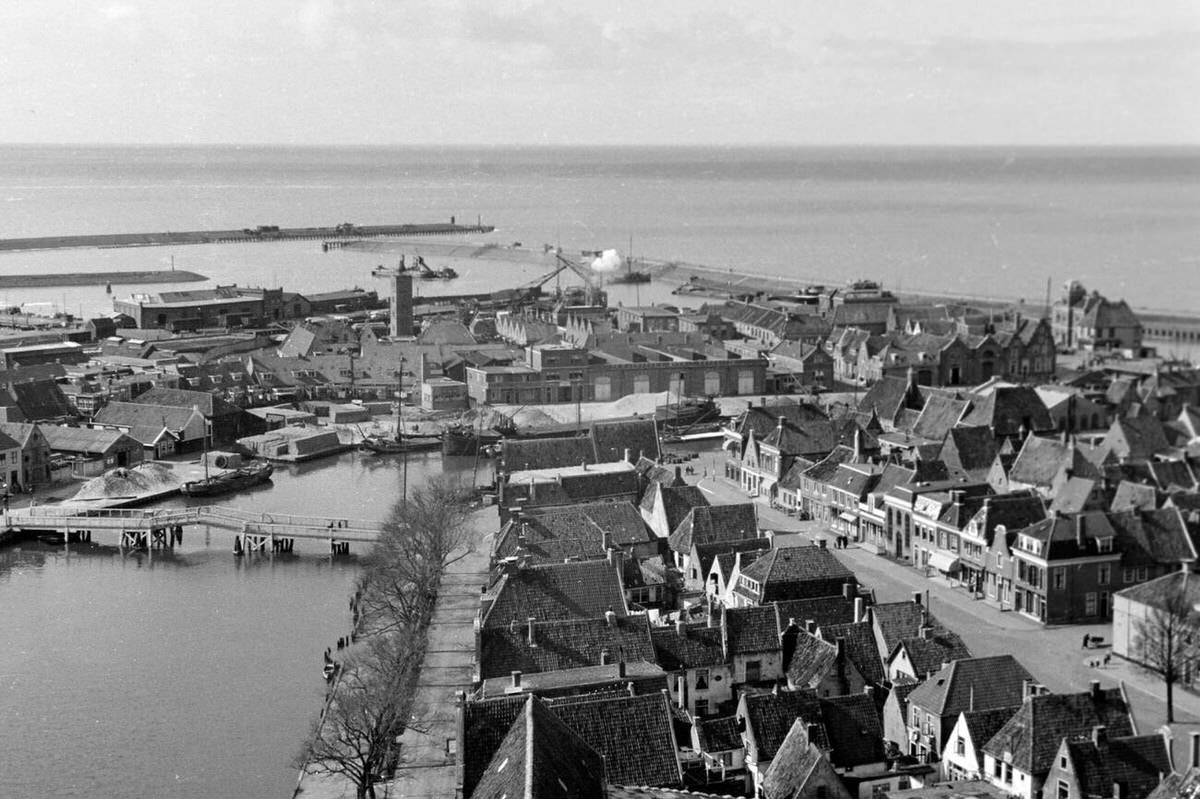
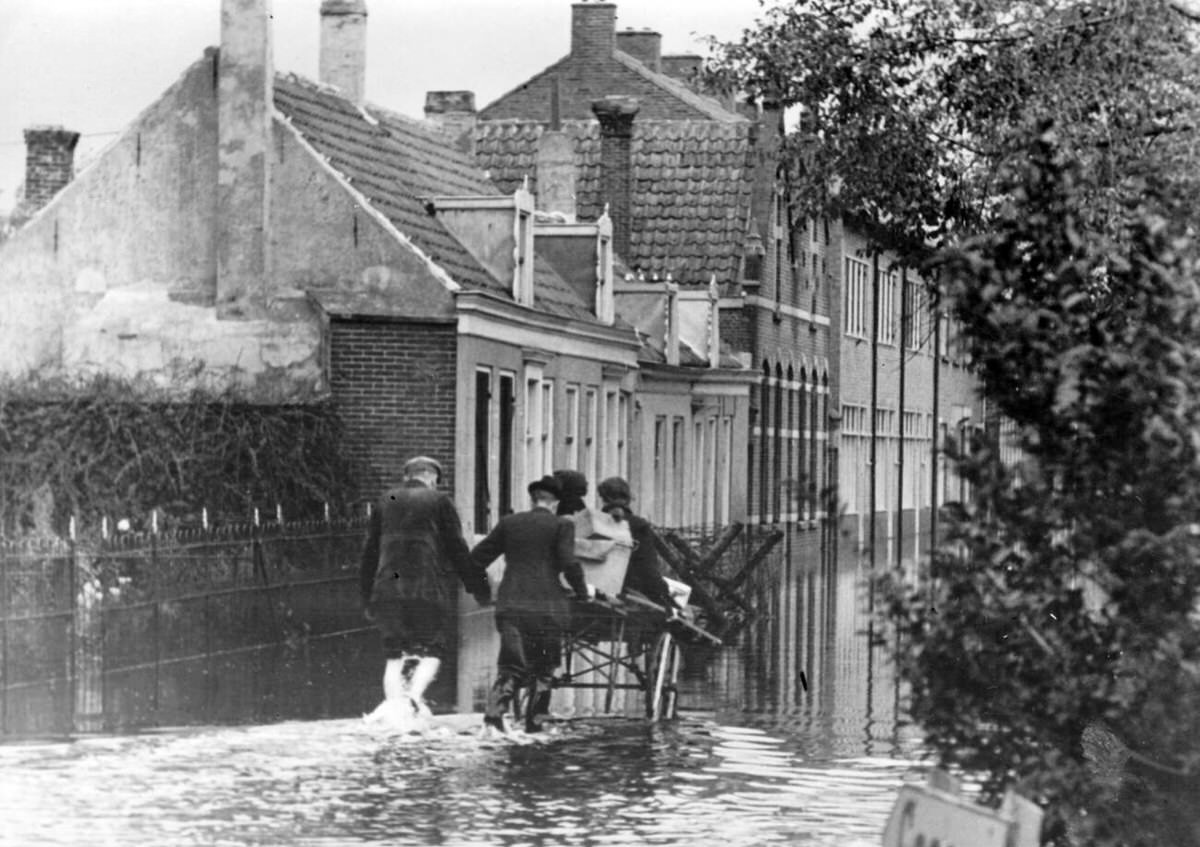
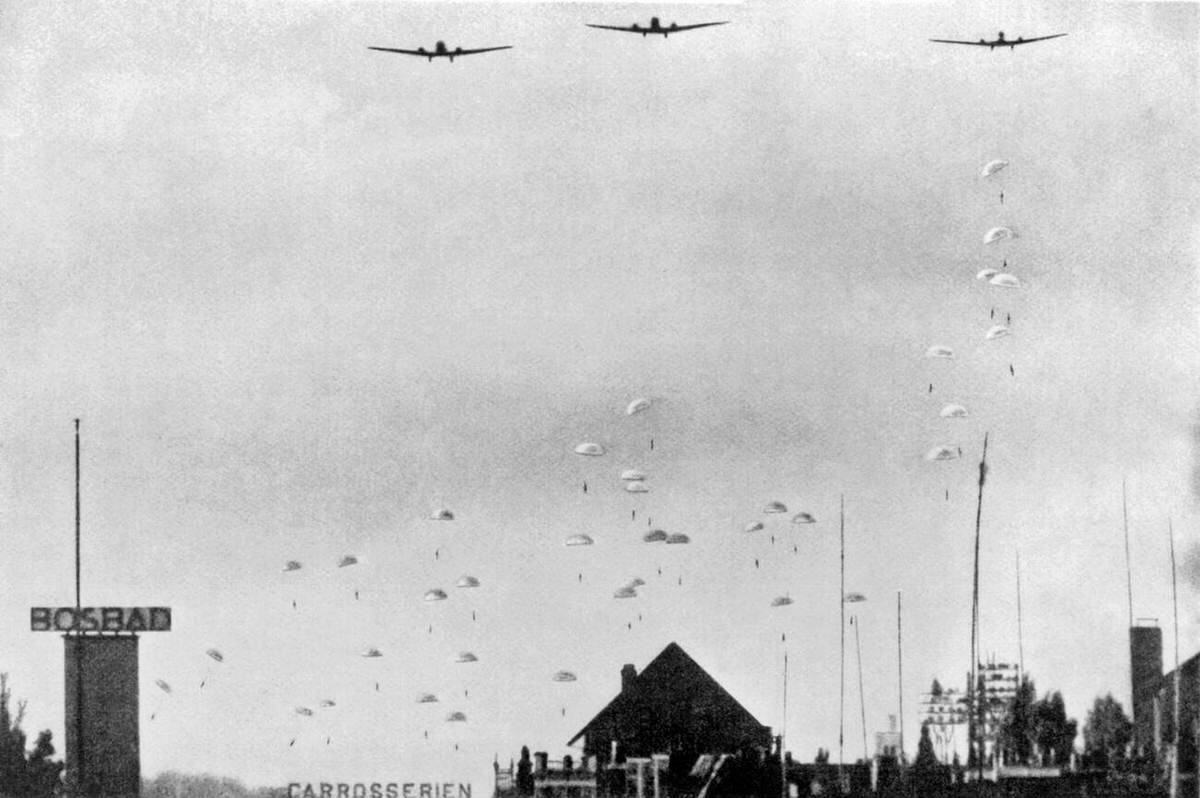
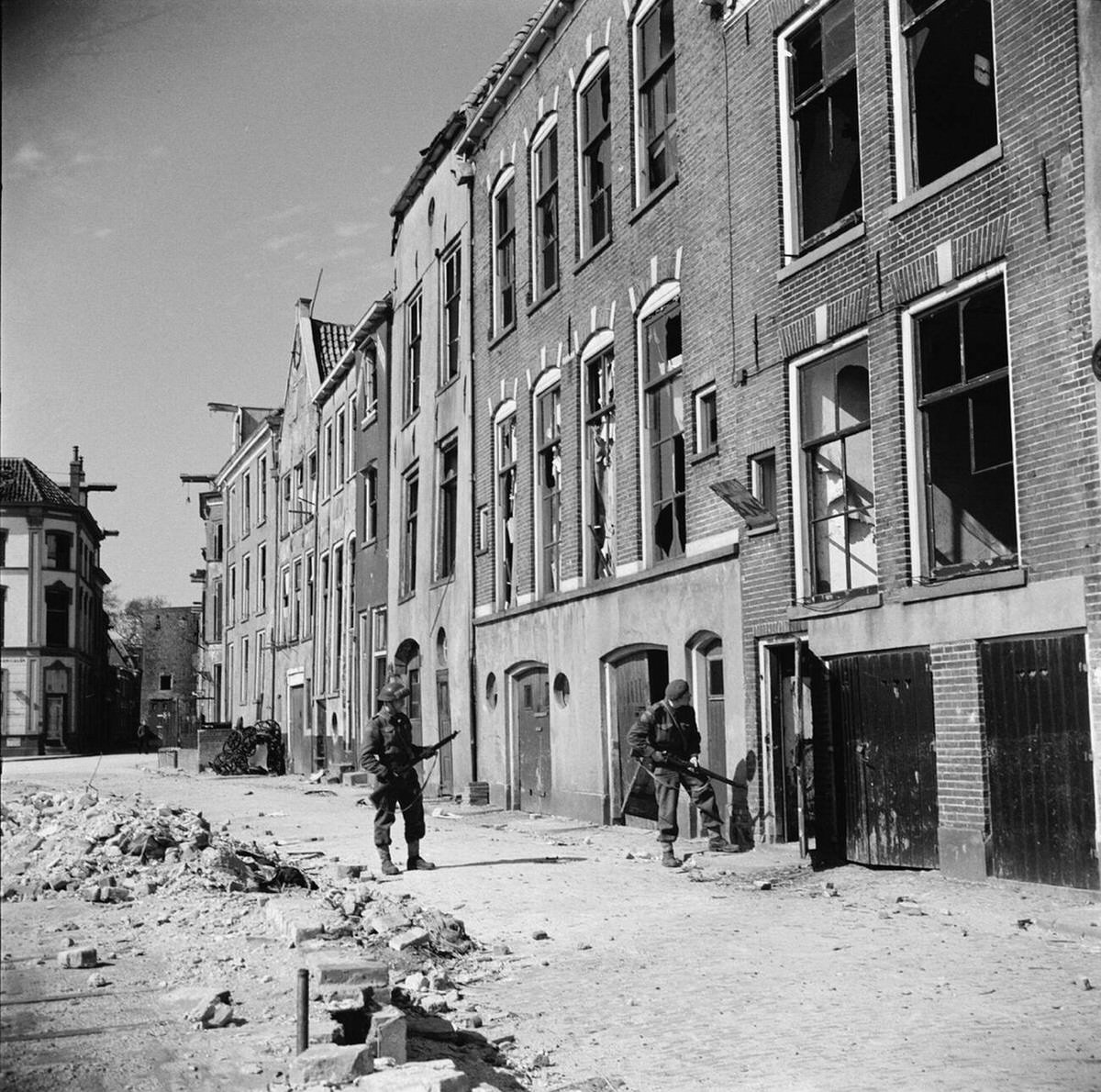
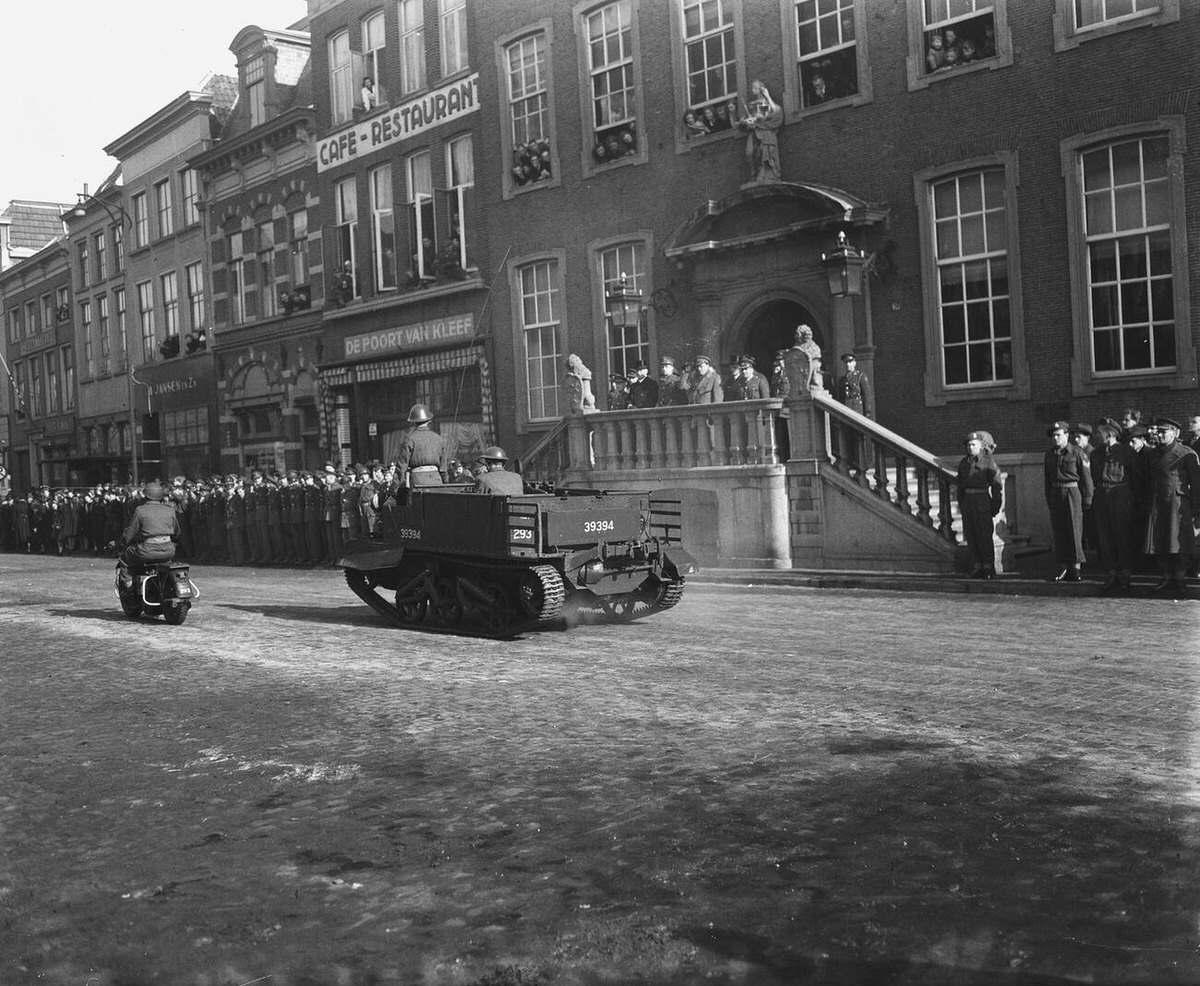
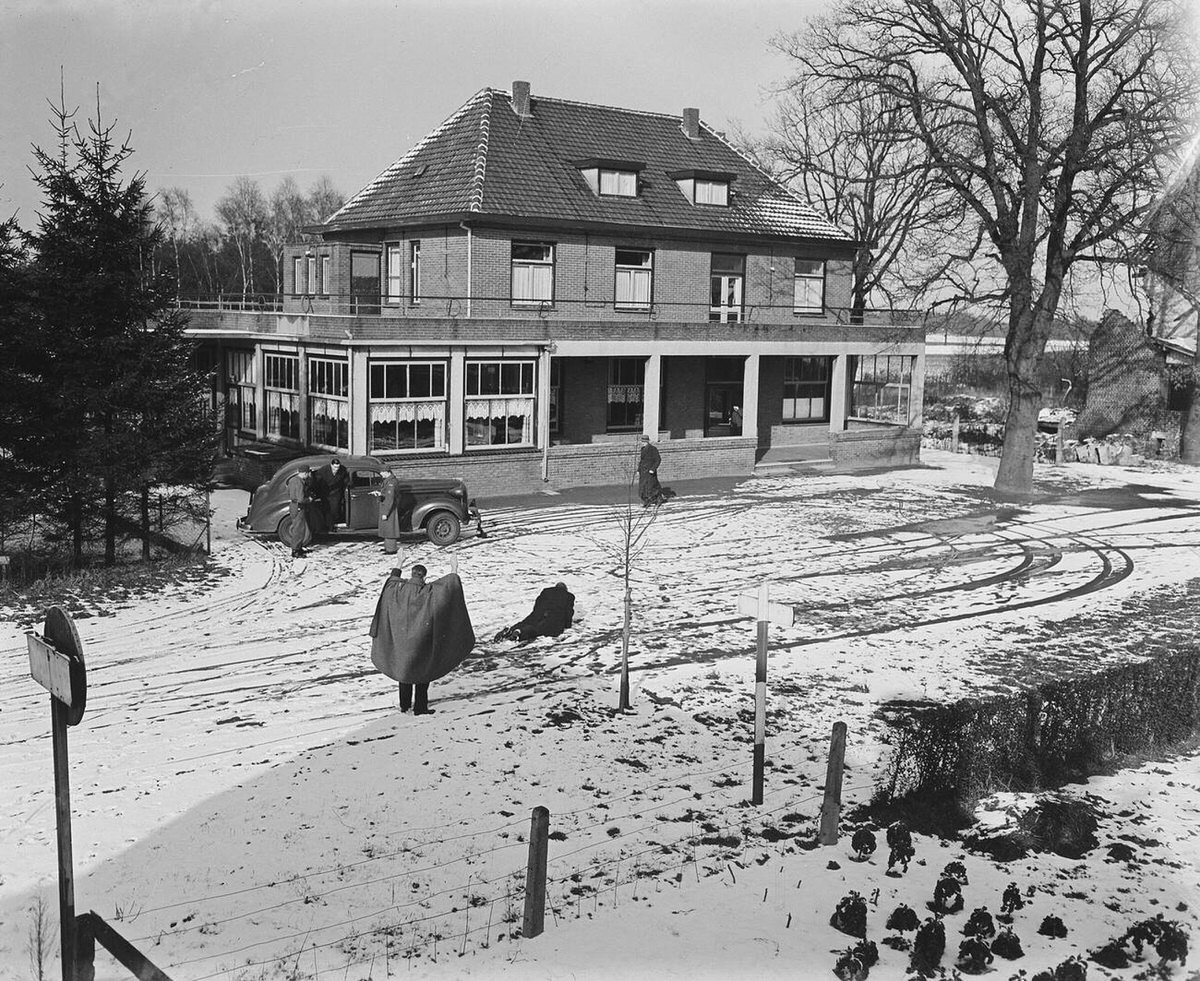
The decade began with the German invasion on May 10, 1940, which ended Dutch neutrality and led to five years of occupation. This period was defined by the bombing of Rotterdam, the displacement of the royal family, and the severe food shortages of the 1944 Hunger Winter. Life was restricted by rationing and censorship until the Canadian and Allied forces liberated the country in May 1945. While the war dominated the first half of the decade, the later years were characterized by a rapid return to international sports, the birth of royalty abroad, and a massive national effort to rebuild the country’s infrastructure and economy.
Fanny Blankers-Koen and the 1948 Olympics
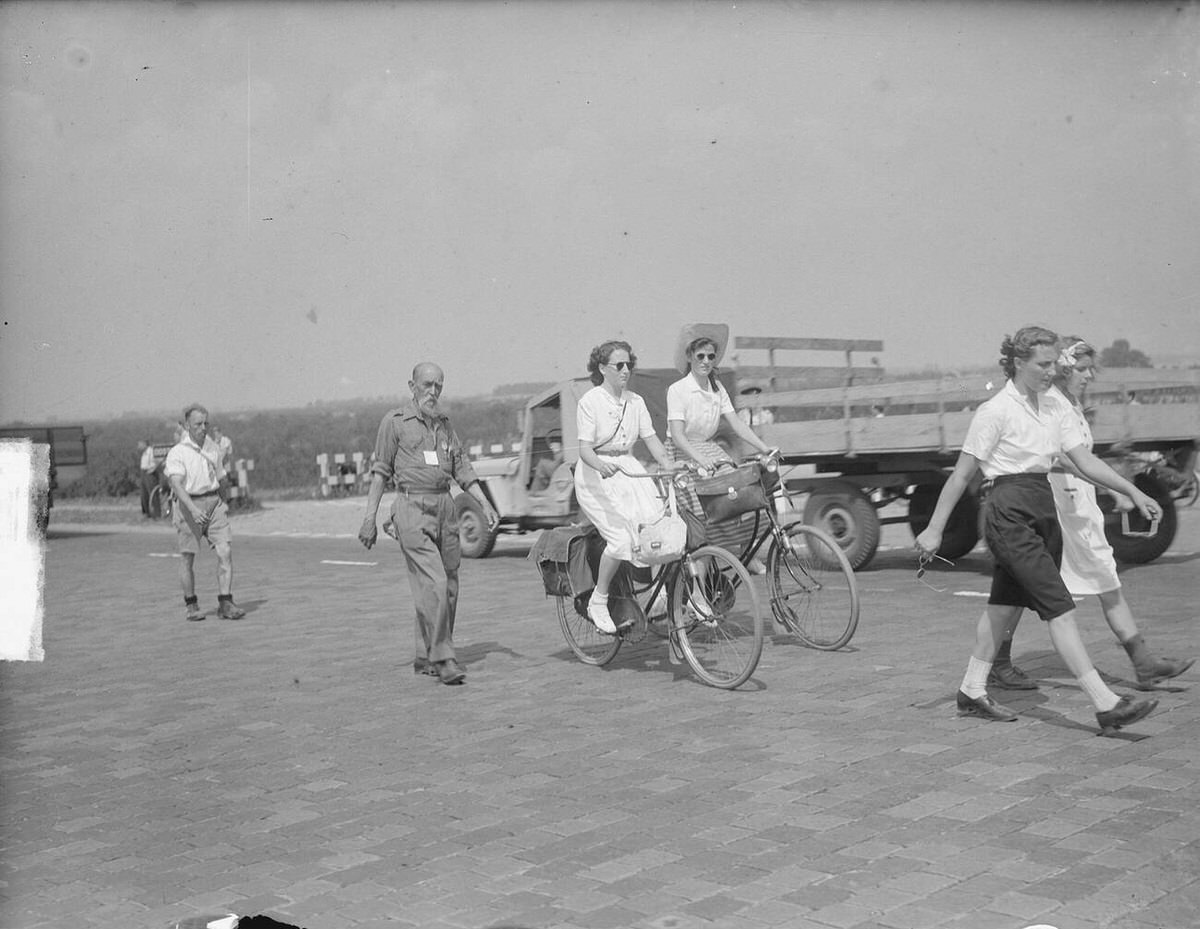
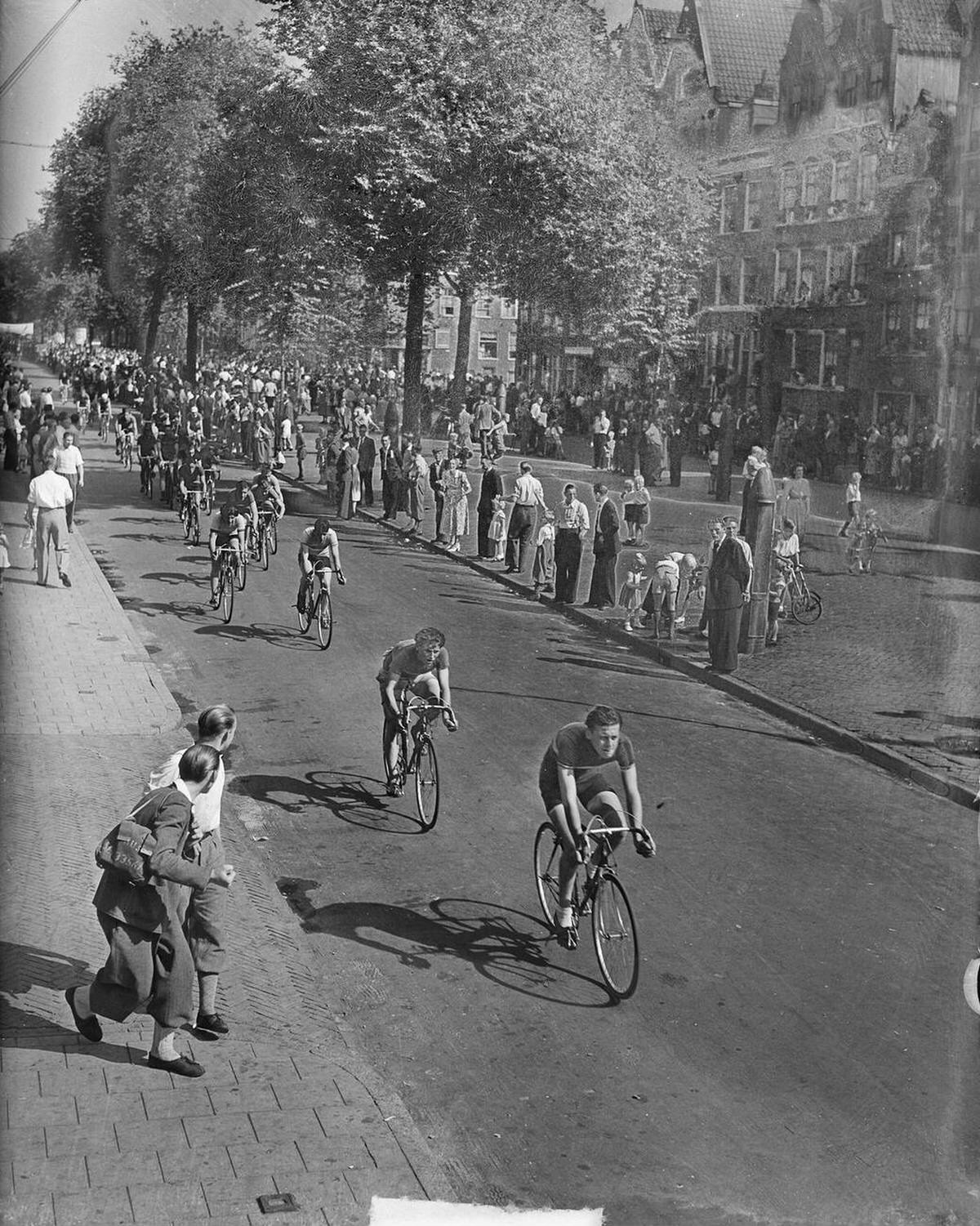
In the summer of 1948, the Olympic Games took place in London for the first time since the end of the war. A Dutch athlete named Fanny Blankers-Koen became the most successful individual at the games. She was 30 years old at the time and a mother of two children. Because of her family life, many people in the sports world did not expect her to perform well. The press often referred to her as “The Flying Housewife.” Despite these doubts, she won four gold medals in track and field events.
Read more..
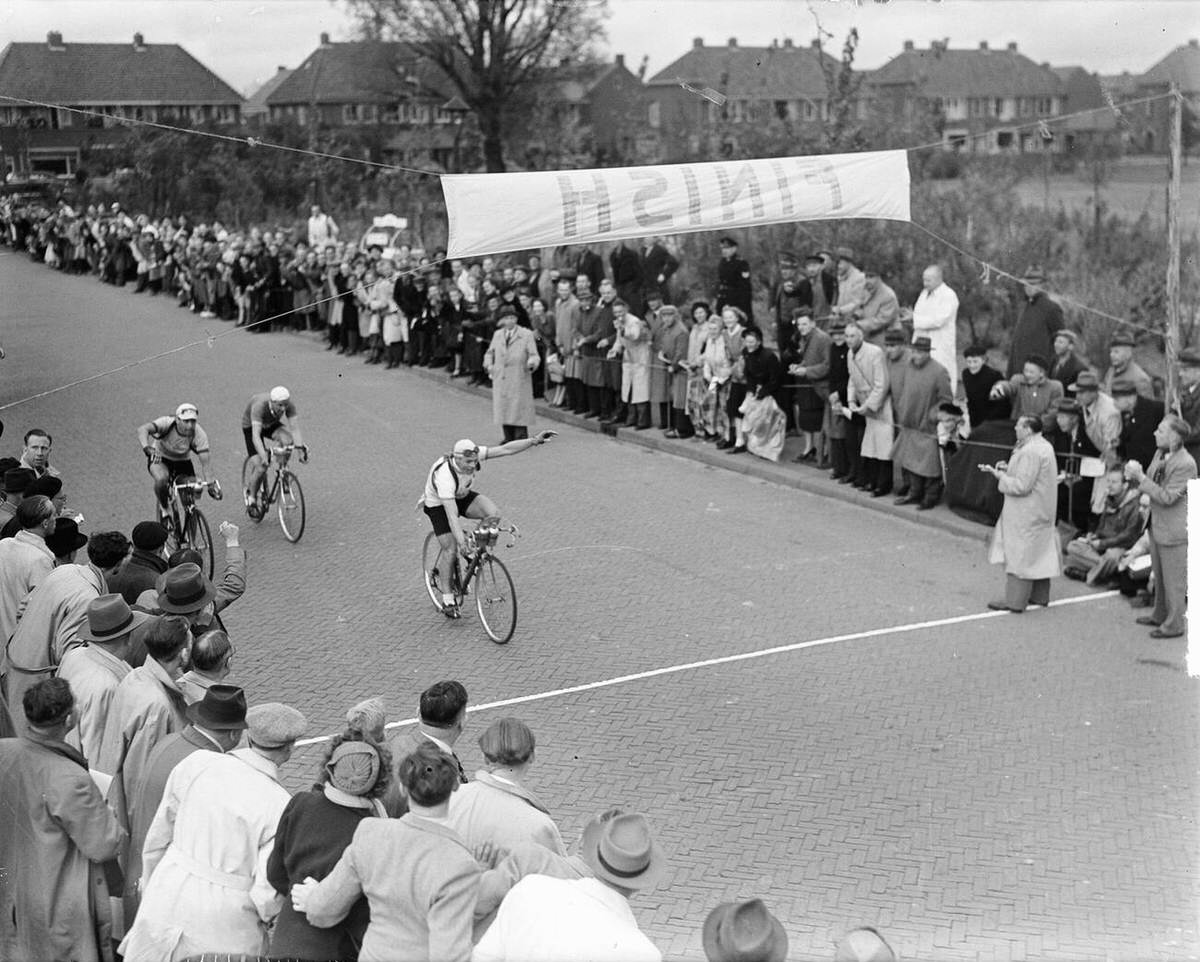
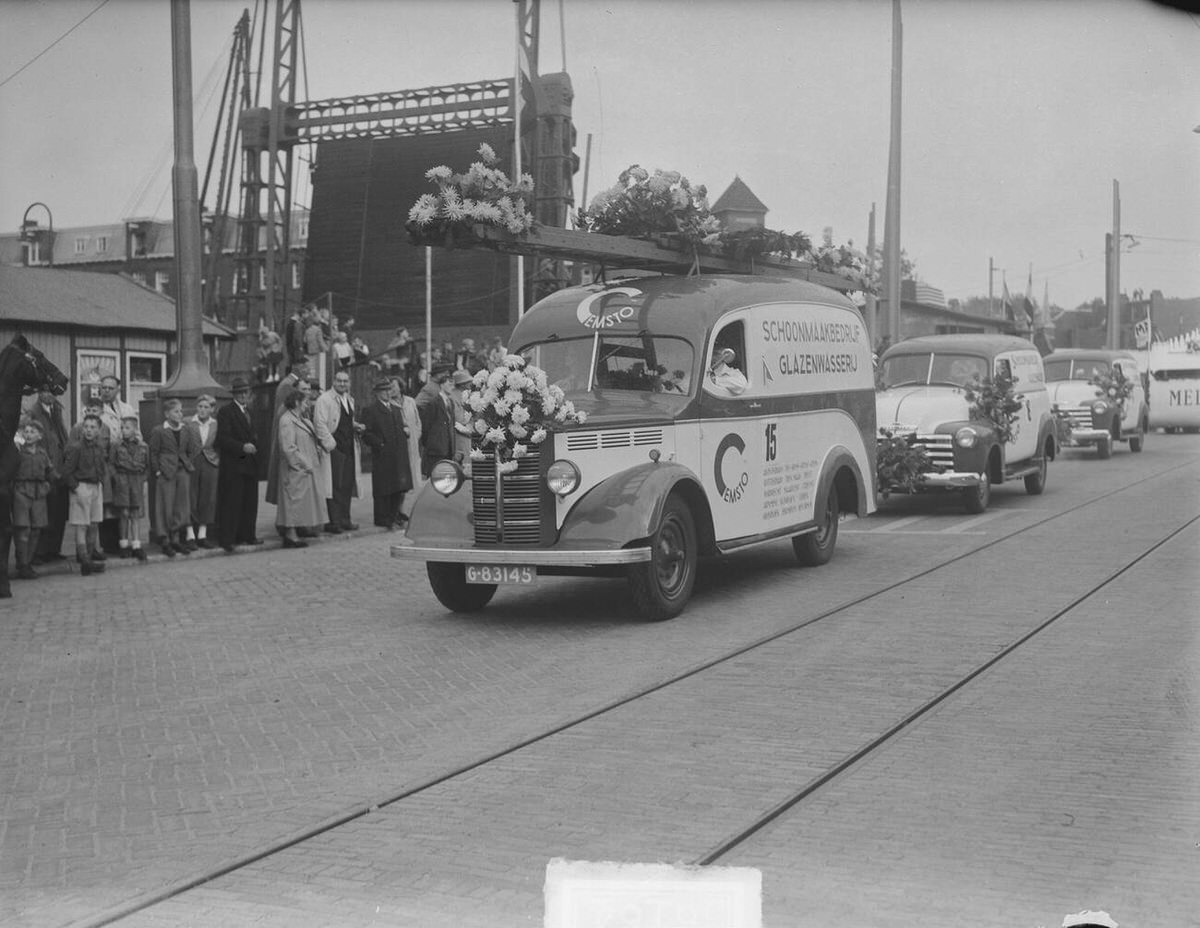
Blankers-Koen took first place in the 100-meter sprint, the 80-meter hurdles, the 200-meter sprint, and the 4×100-meter relay. Her four gold medals were a record for any female athlete at a single Olympic Games. When she returned to the Netherlands, she was greeted as a national hero. The city of Amsterdam gave her a bicycle and a parade through the streets. Her success provided a major boost to Dutch national pride during a time of recovery. She proved that the nation was ready to compete on the world stage again.
The Royal Family in Canada
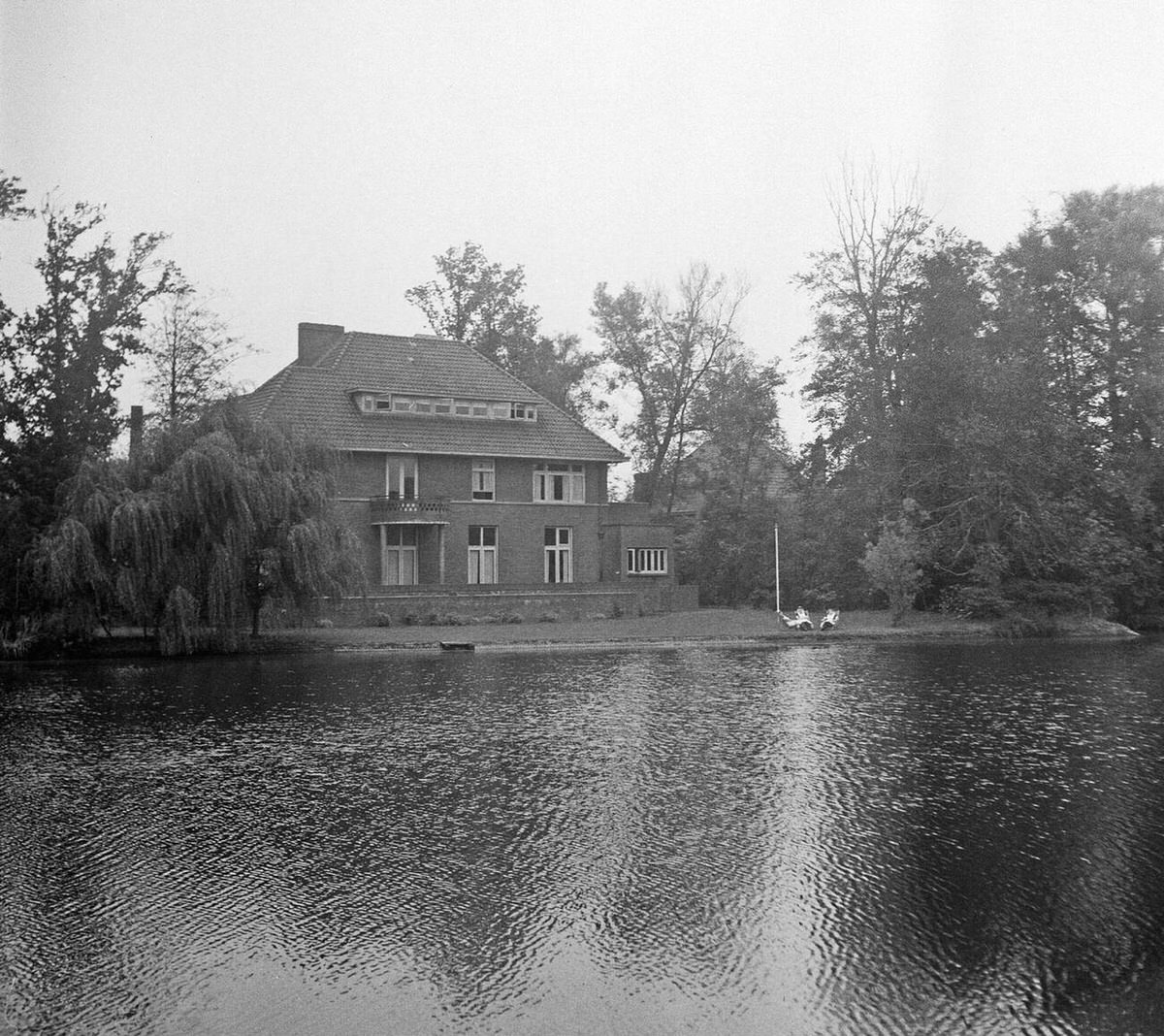
When the invasion began in 1940, Princess Juliana and her two young daughters fled to Ottawa, Canada, for safety. They lived in a suburban house and led a relatively normal life compared to their royal status in the Netherlands. Princess Juliana sent her children to local public schools and often shopped for her own groceries. This period of exile created a unique historical moment in 1943 when Princess Juliana became pregnant with her third child.
To ensure the child had only Dutch citizenship, the Canadian government passed a special law. They declared the maternity ward of the Ottawa Civic Hospital to be “extraterritorial.” This meant the room was technically international territory rather than Canadian land. On January 19, 1943, Princess Margriet was born in that room. She was the first royal baby ever born in North America. After the war ended in 1945, the Dutch royal family sent 100,000 tulip bulbs to Ottawa to thank the Canadians for their help. This tradition continues today and led to the creation of the annual Canadian Tulip Festival.
Post-War Reconstruction and the Marshall Plan
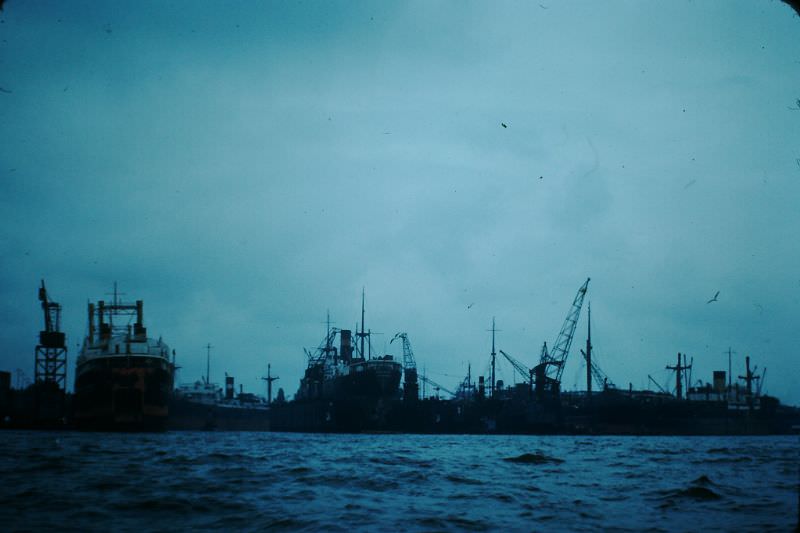
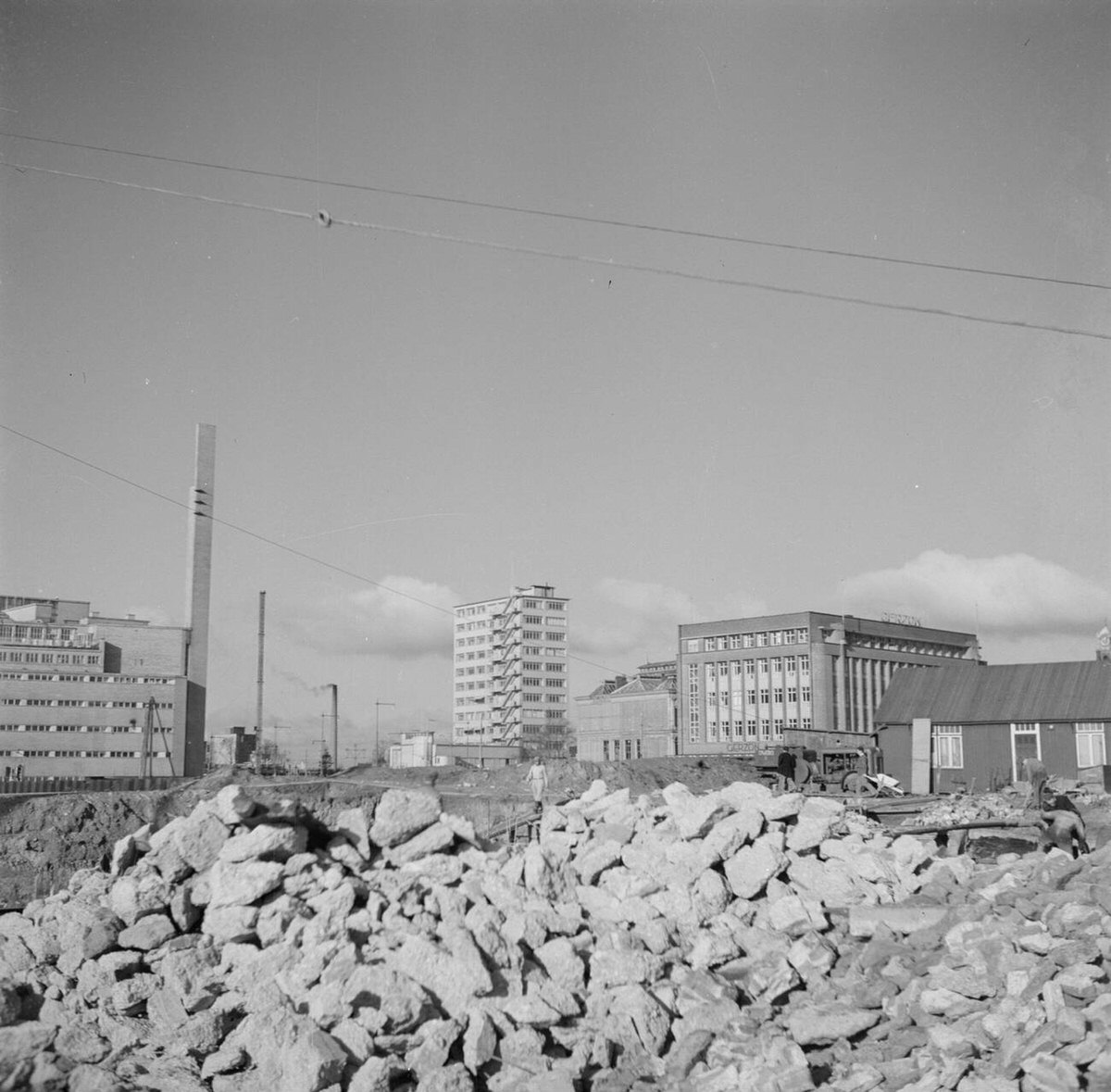
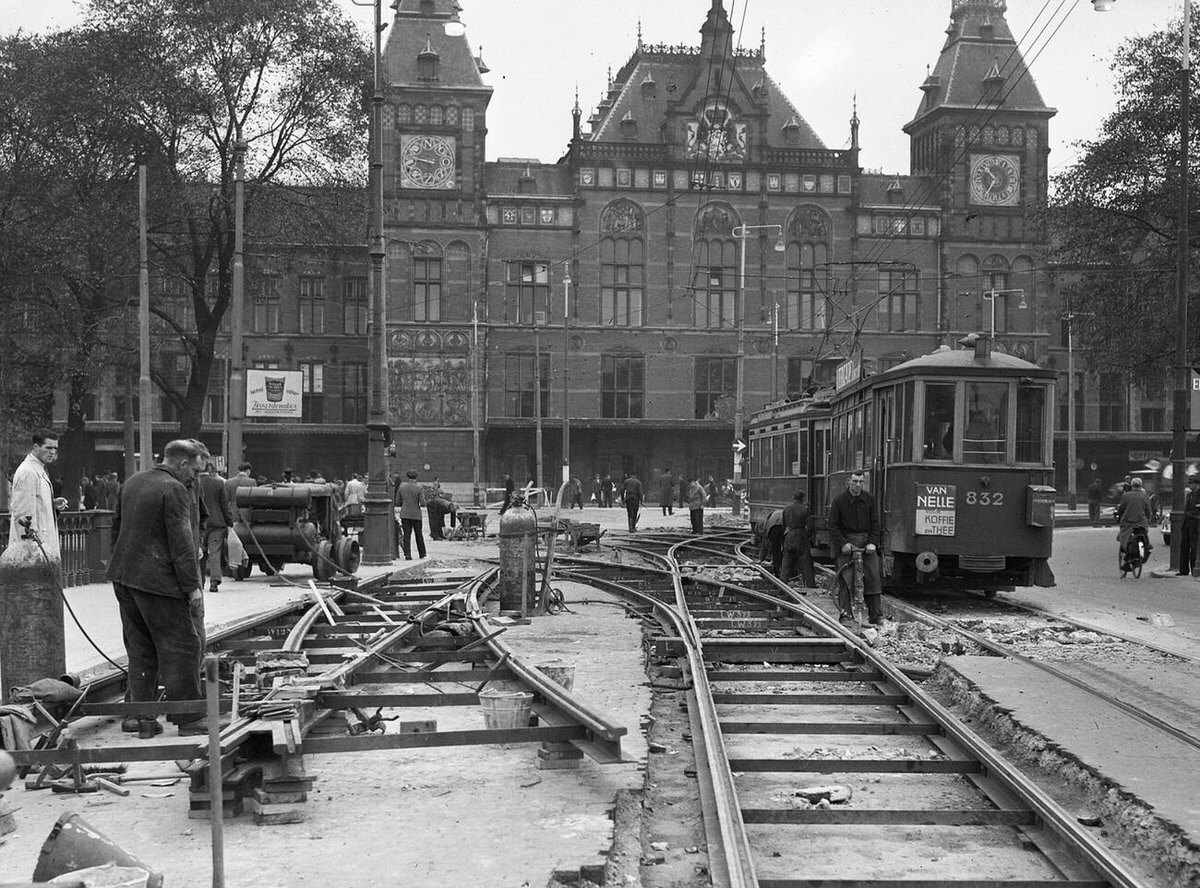
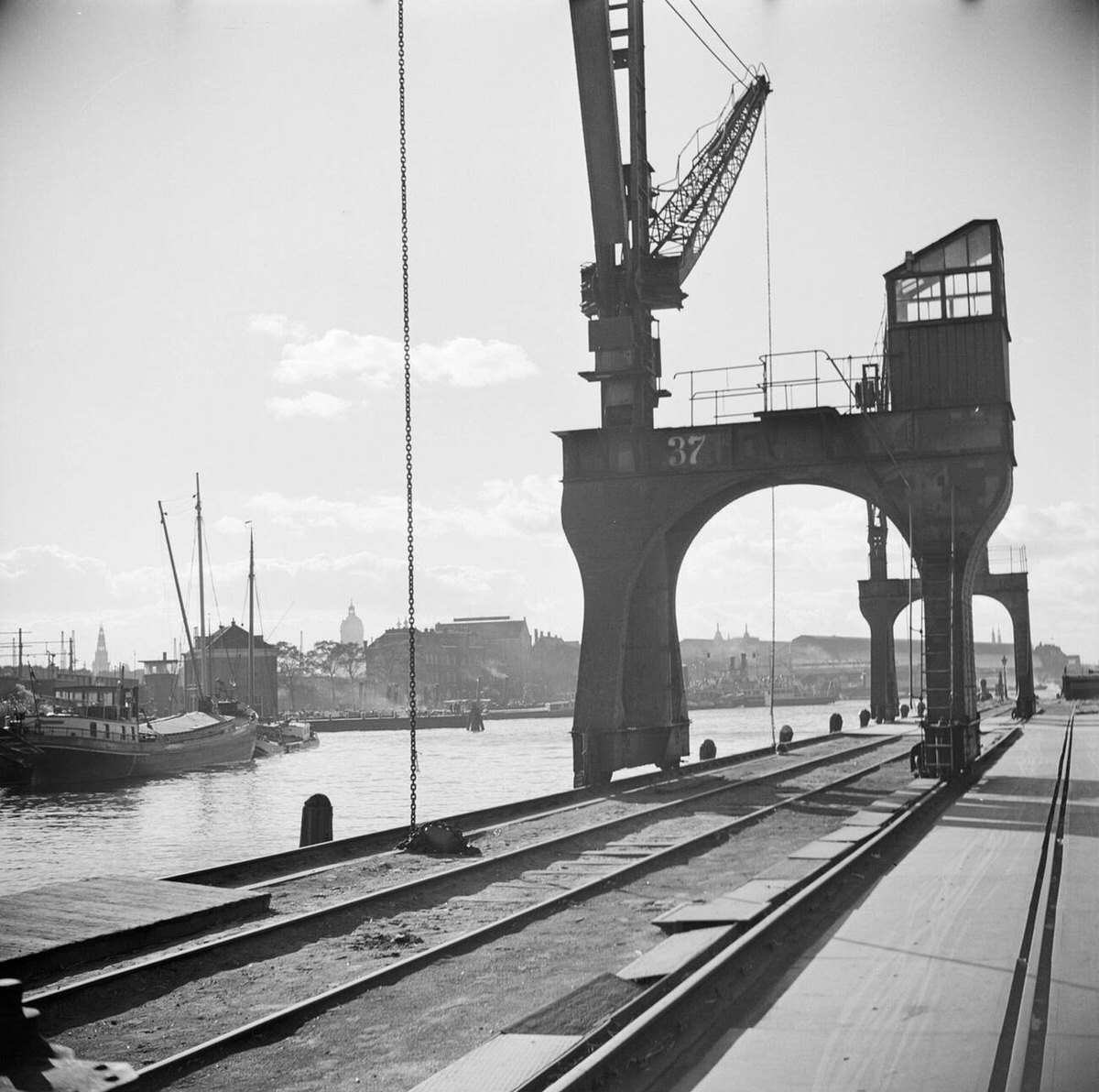
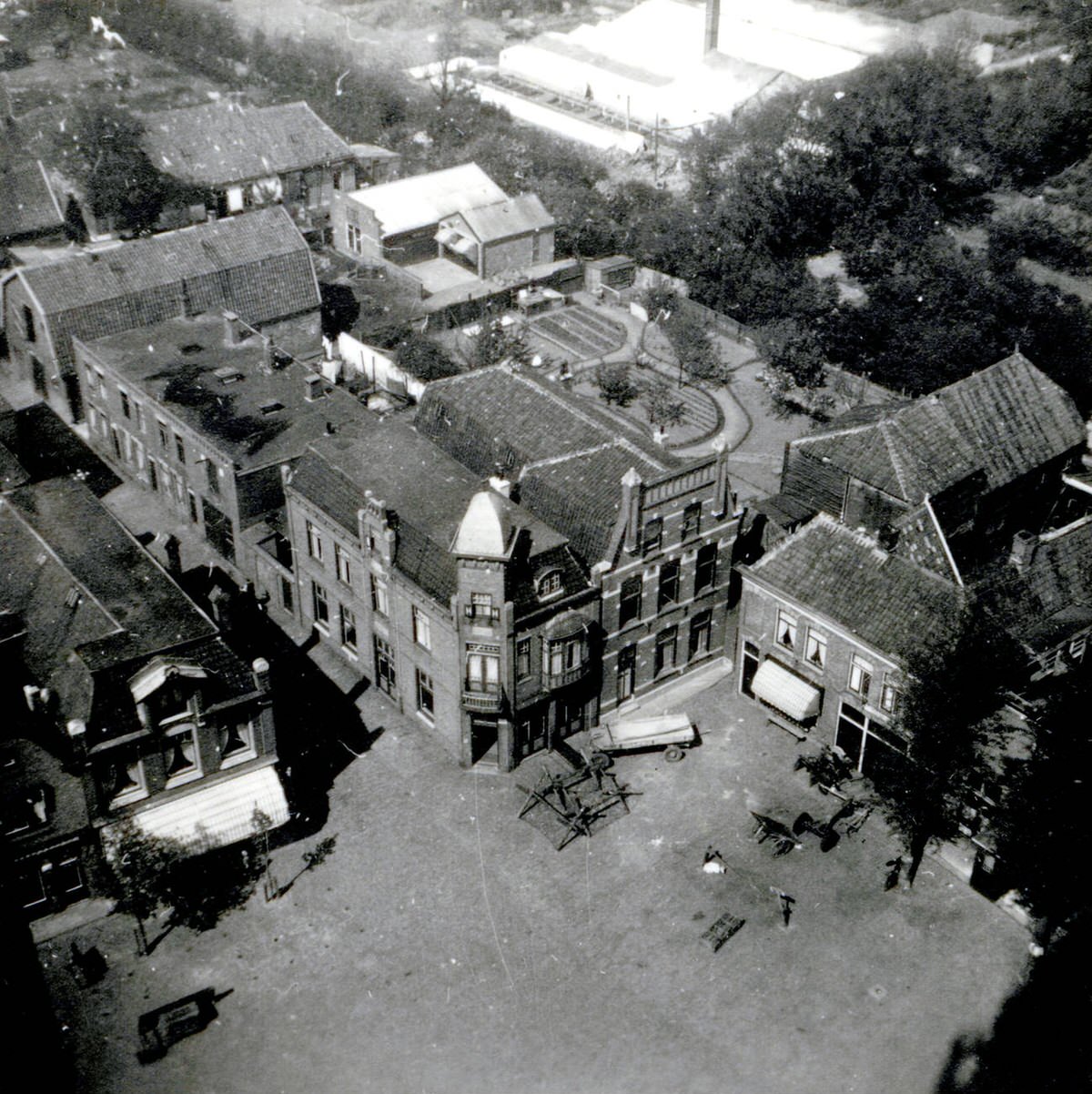
The physical rebuilding of the Netherlands began the moment the fighting stopped in 1945. This period is known in Dutch history as the “Wederopbouw” or the Reconstruction. The primary goal was to restore the port of Rotterdam, which was essential for European trade. Engineers and laborers worked daily to clear the harbor of sunken ships and debris. They used new construction techniques to build modern docks and warehouses that were more efficient than the ones destroyed during the war.
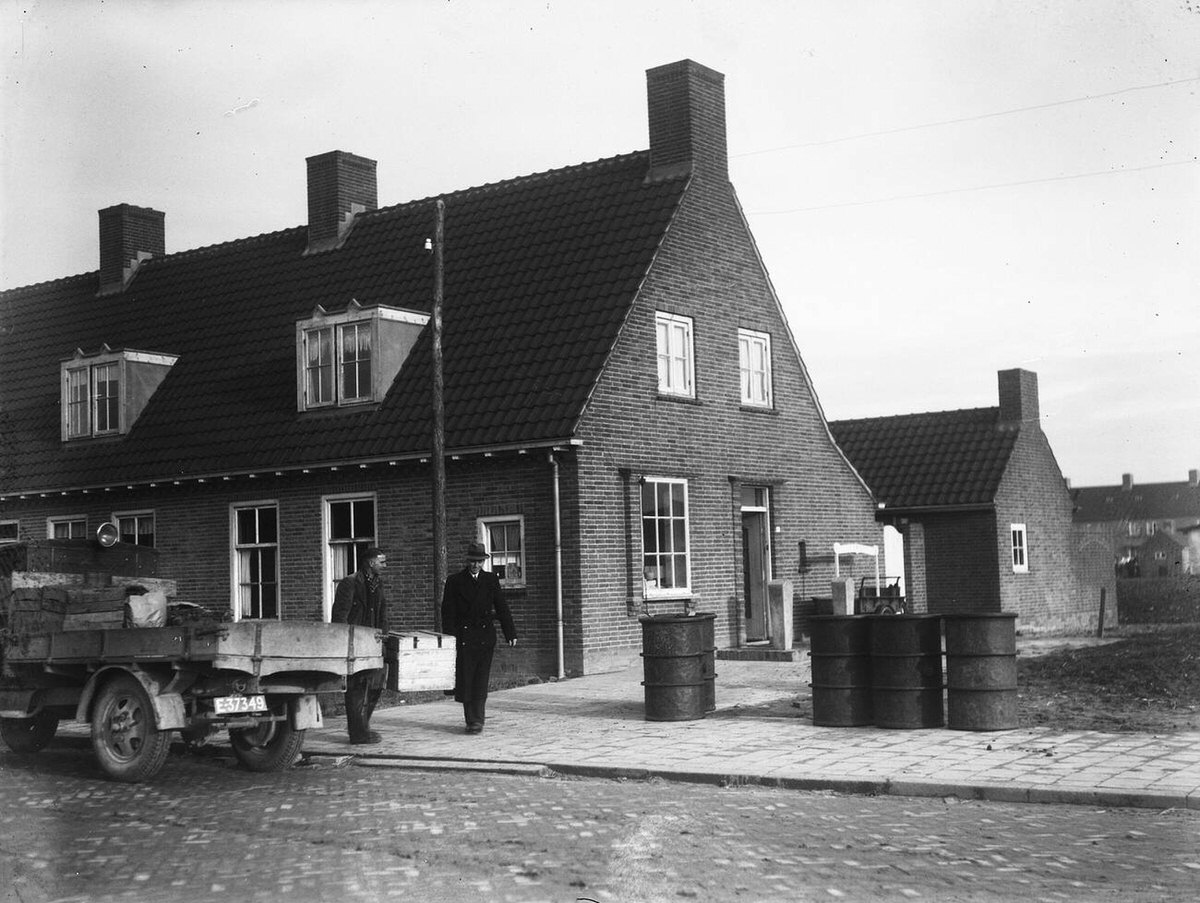
In 1948, the United States launched the Marshall Plan to help European nations recover. The Netherlands received over one billion dollars in economic aid through this program. This money allowed the government to buy essential materials like steel, fuel, and machinery. It also funded the construction of new housing projects for families who had lost their homes. The focus was on “functionalism,” which meant building houses that were simple, bright, and affordable. These new neighborhoods featured more green space and better plumbing than the older city centers.
Technological Growth and the Aviation Industry
The late 1940s saw a major expansion in Dutch aviation. KLM, the national airline, was one of the first in the world to restart its international routes after the war. In 1946, it became the first European airline to fly between the European mainland and New York City. The airline used American-built Douglas DC-4 airplanes to make the long journey across the Atlantic Ocean. This connection helped re-establish the Netherlands as a hub for international business and travel.
The Fokker aircraft company also began to design new planes during this time. Before the war, Fokker was a world leader in aviation. After 1945, the company had to rebuild its factories and hire new engineers. They focused on creating training planes and smaller transport aircraft for the new era of jet engines. The government supported these efforts because they saw aviation as a way to modernize the economy and provide high-tech jobs for the next generation of workers.
Cultural Shifts and the “New Look”
The end of the 1940s brought a change in the daily lives and fashions of Dutch citizens. During the occupation, clothes were strictly rationed and made of poor-quality materials. When trade resumed, new styles arrived from Paris and London. In 1947, Christian Dior introduced the “New Look,” which featured very full skirts and narrow waists. Dutch women adopted this style as a rejection of the practical, military-style clothing of the war years. It represented a return to femininity and luxury.
Cinema and radio also experienced a boom in popularity. People flocked to theaters to see American movies that had been banned for five years. Jazz and swing music became the soundtrack of the late 1940s. The AVRO and other national radio stations resumed their broadcasts with a focus on entertainment and light music. These cultural outlets helped the population move past the trauma of the early decade. By 1949, the Netherlands was no longer a country defined by occupation, but a nation focused on its future as a modern, industrial member of the international community.