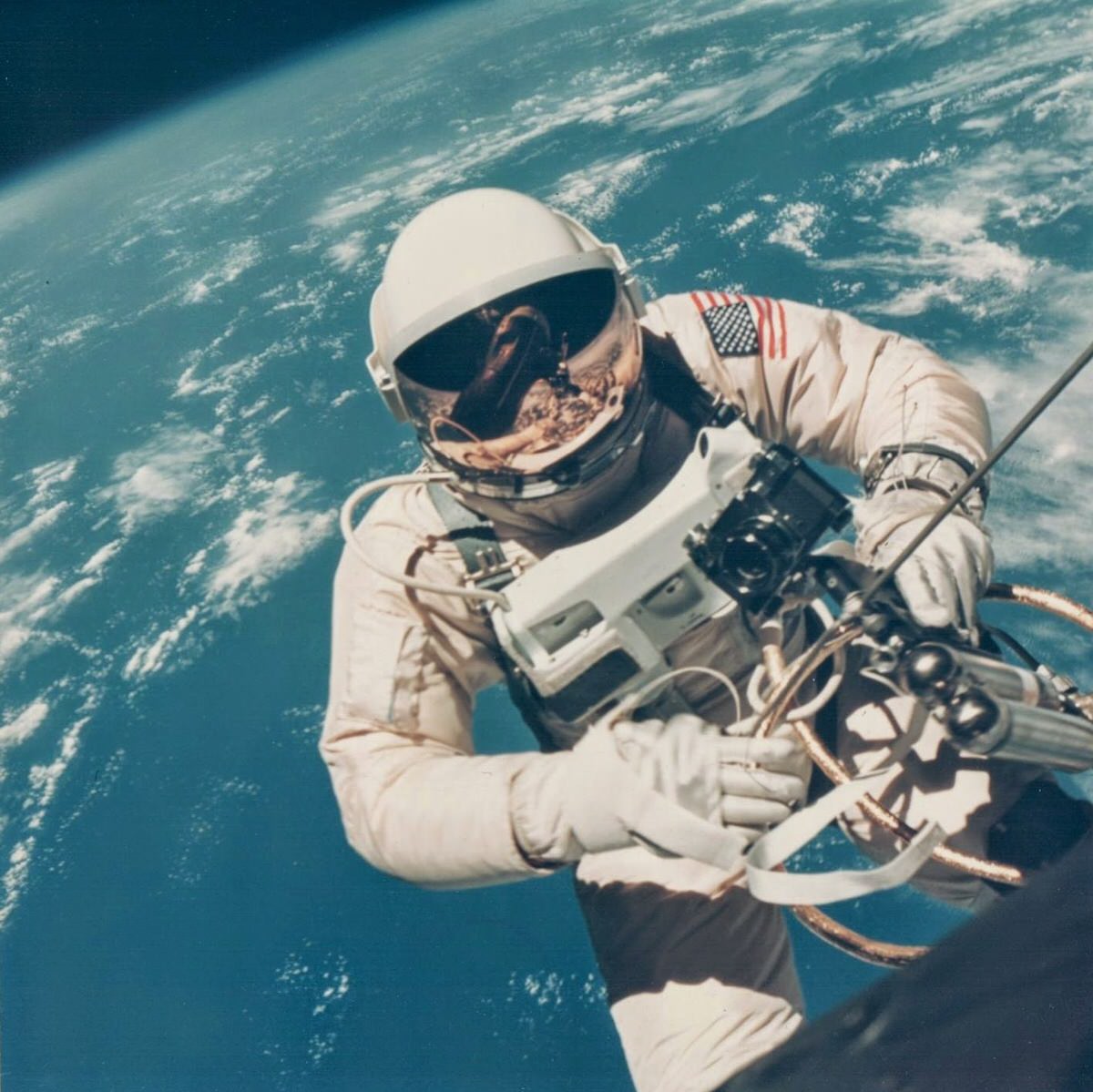
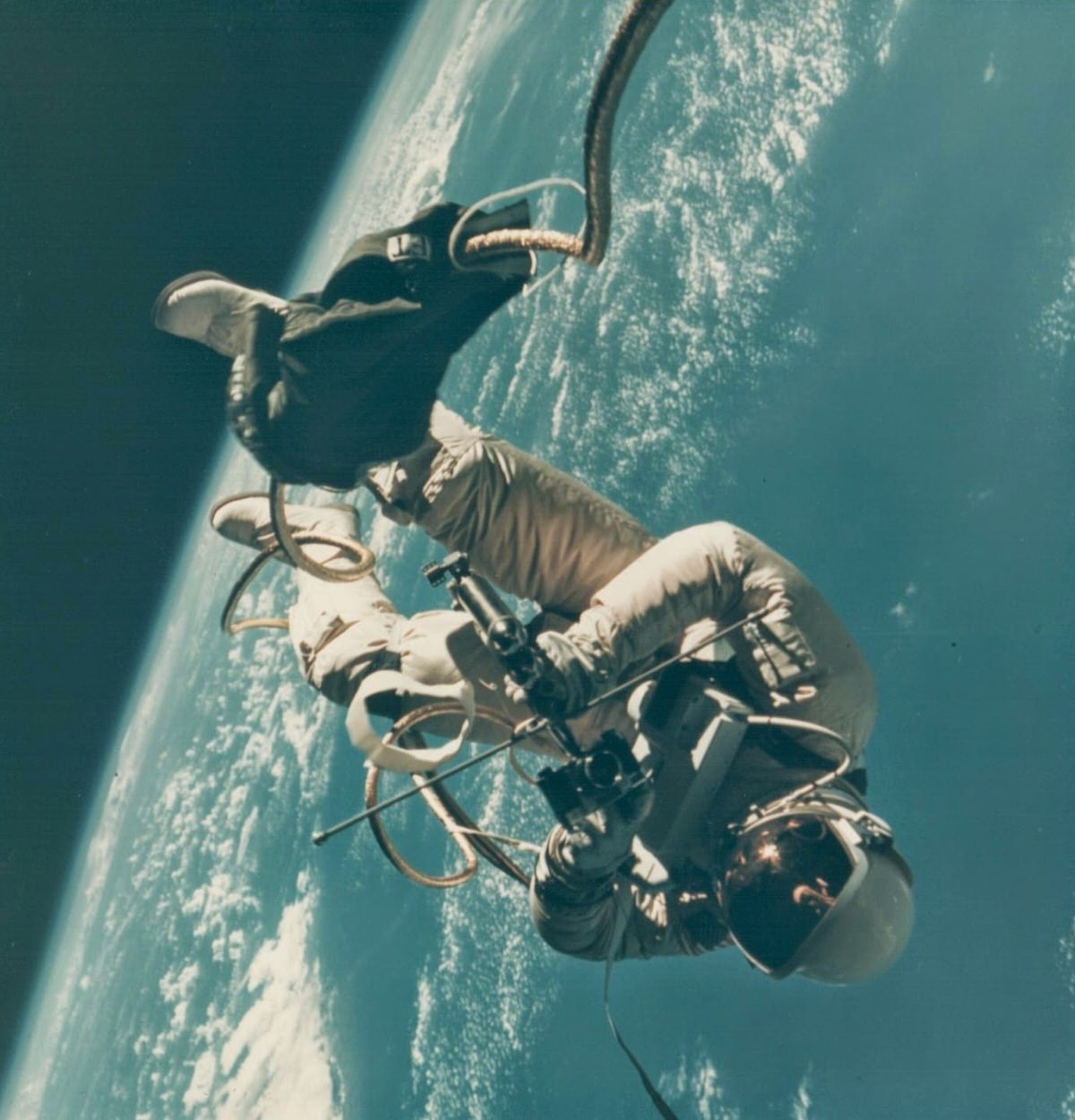
In June 1965, the Gemini 4 mission produced some of the earliest full-color images of humans in space. Astronaut James McDivitt photographed Ed White during a spacewalk high above Hawaii, capturing the vivid blue of the Pacific Ocean and sweeping white cloud banks far below.
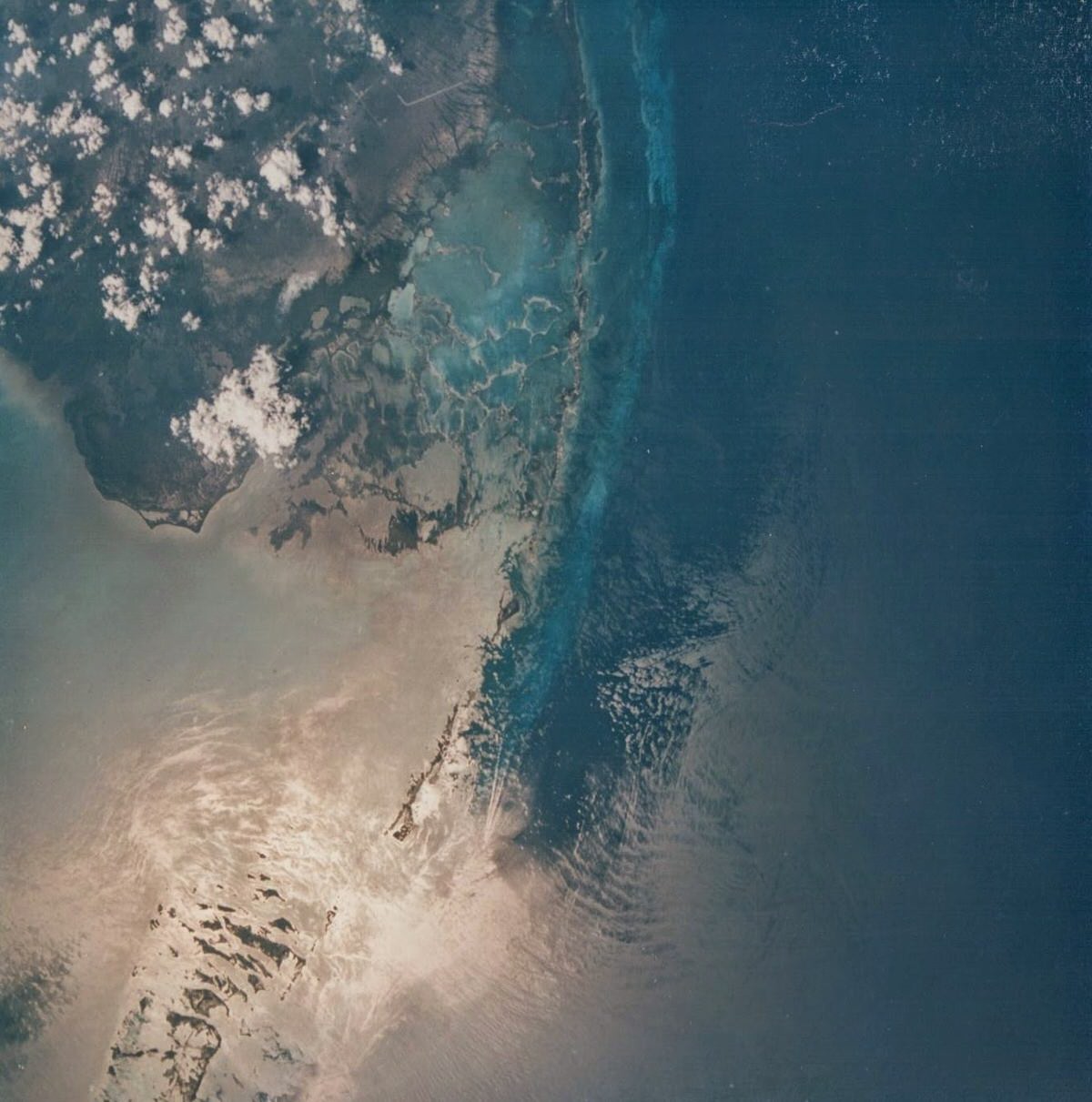
During the same mission, the crew shot the Florida Keys stretching into the sea from orbit — a view almost no one had ever seen before.
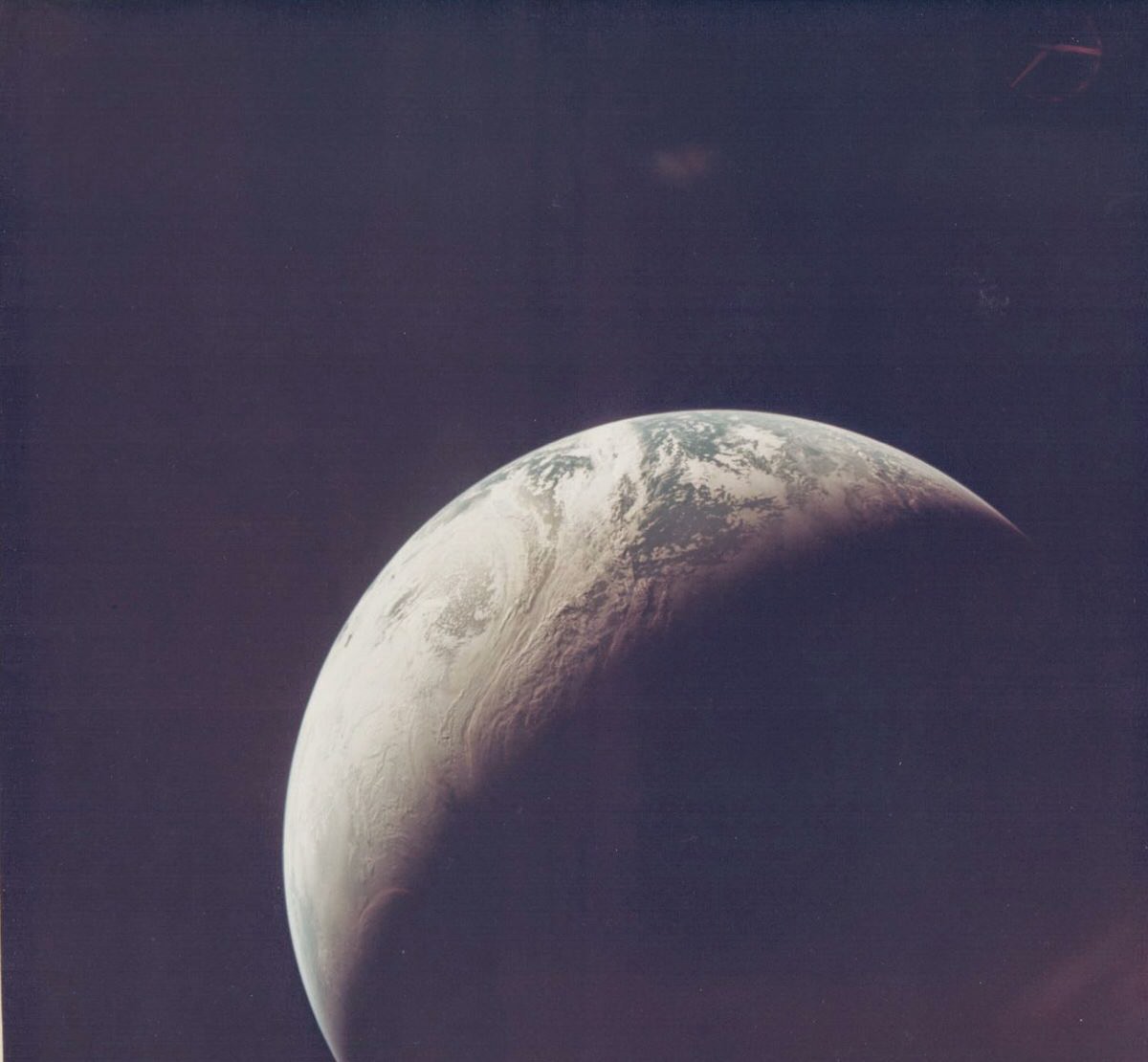
By November 1967, Apollo 4 pulled back far enough to photograph a crescent Earth from 10,000 miles away. The image proved that film cameras could record sharp planetary detail against the total darkness of space.
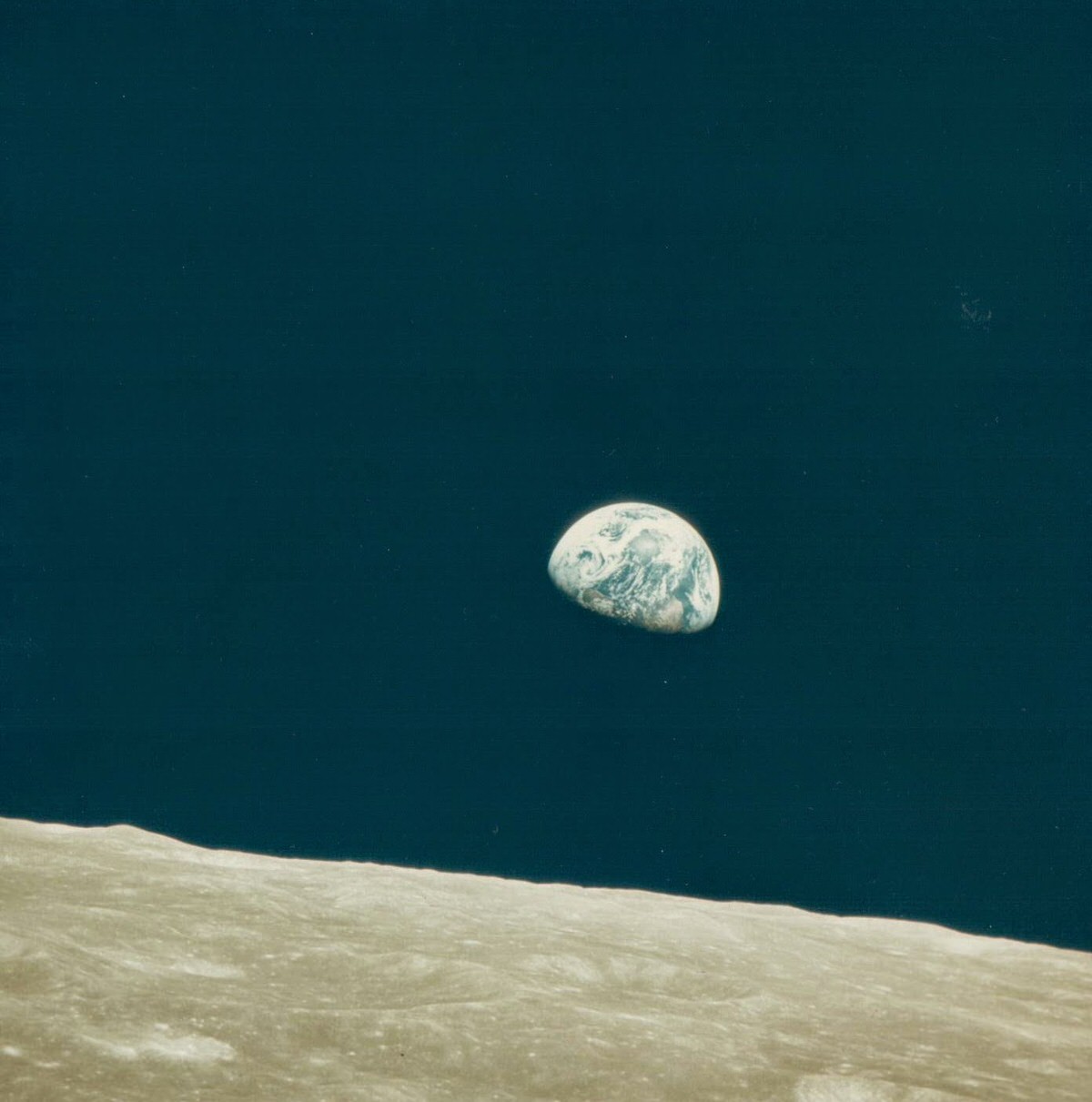
December 1968 brought one of the most recognized photographs in history. The Apollo 8 crew watched Earth rise over the grey lunar horizon — the first Earthrise ever witnessed by human eyes.
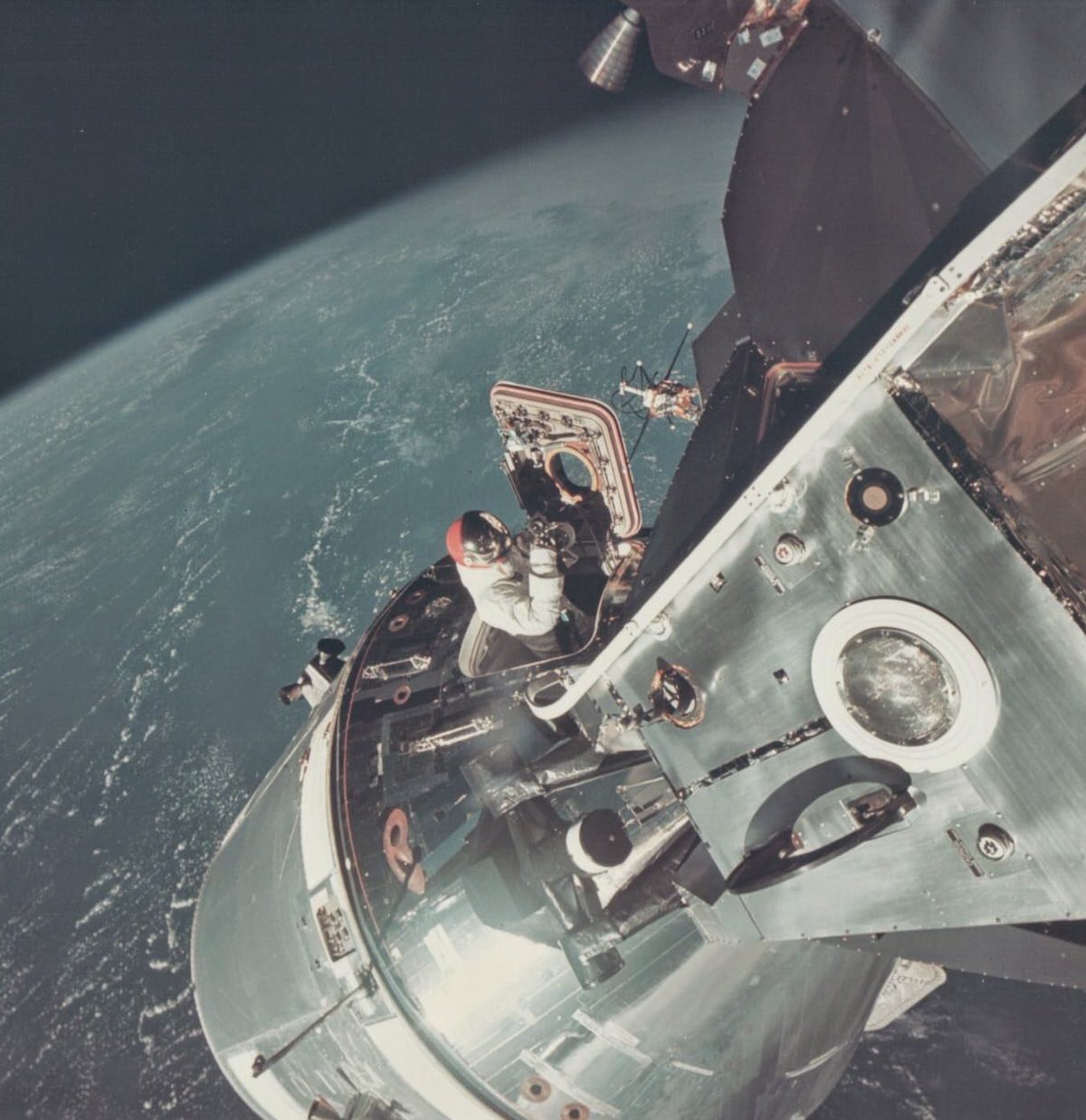
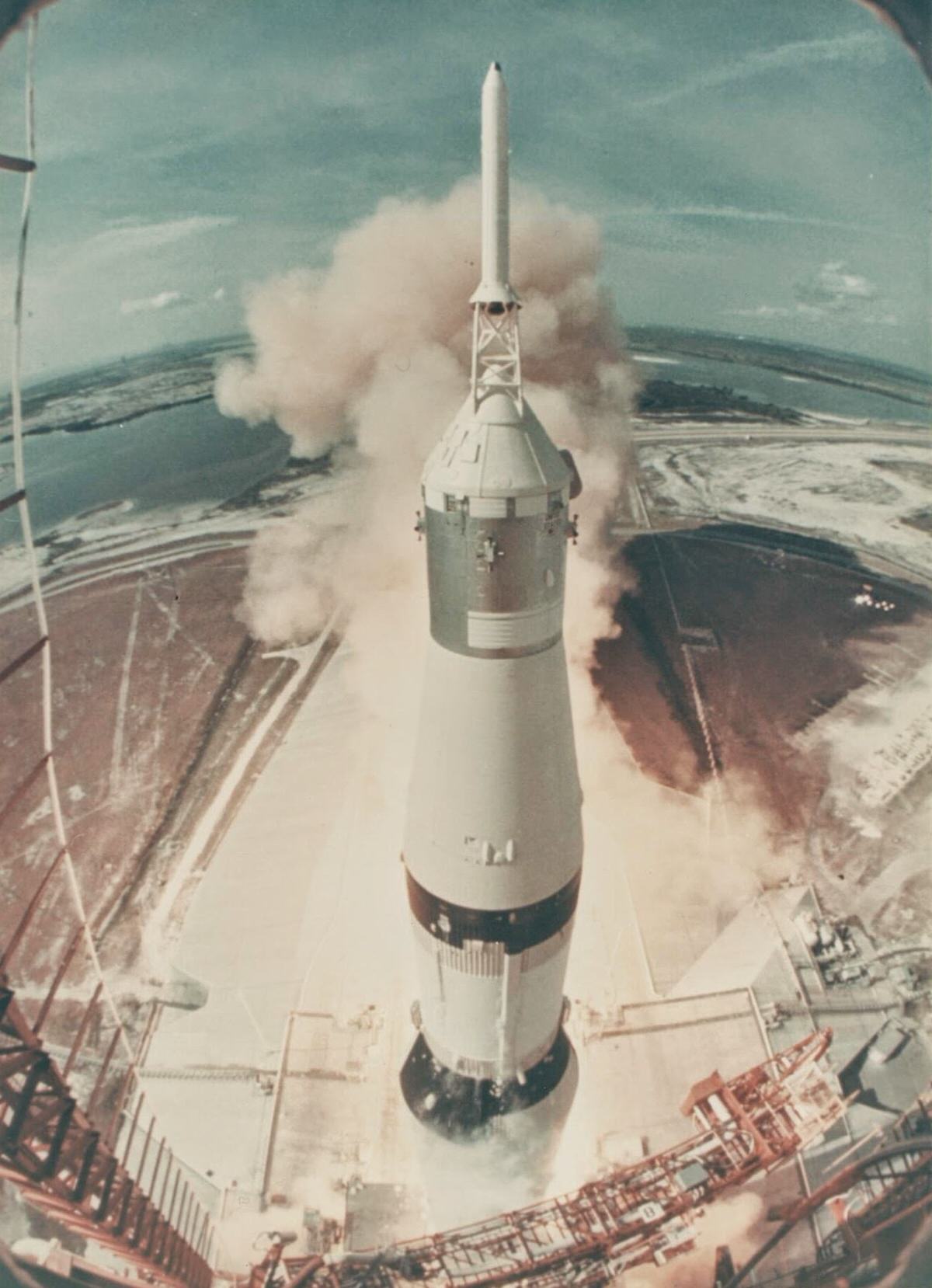
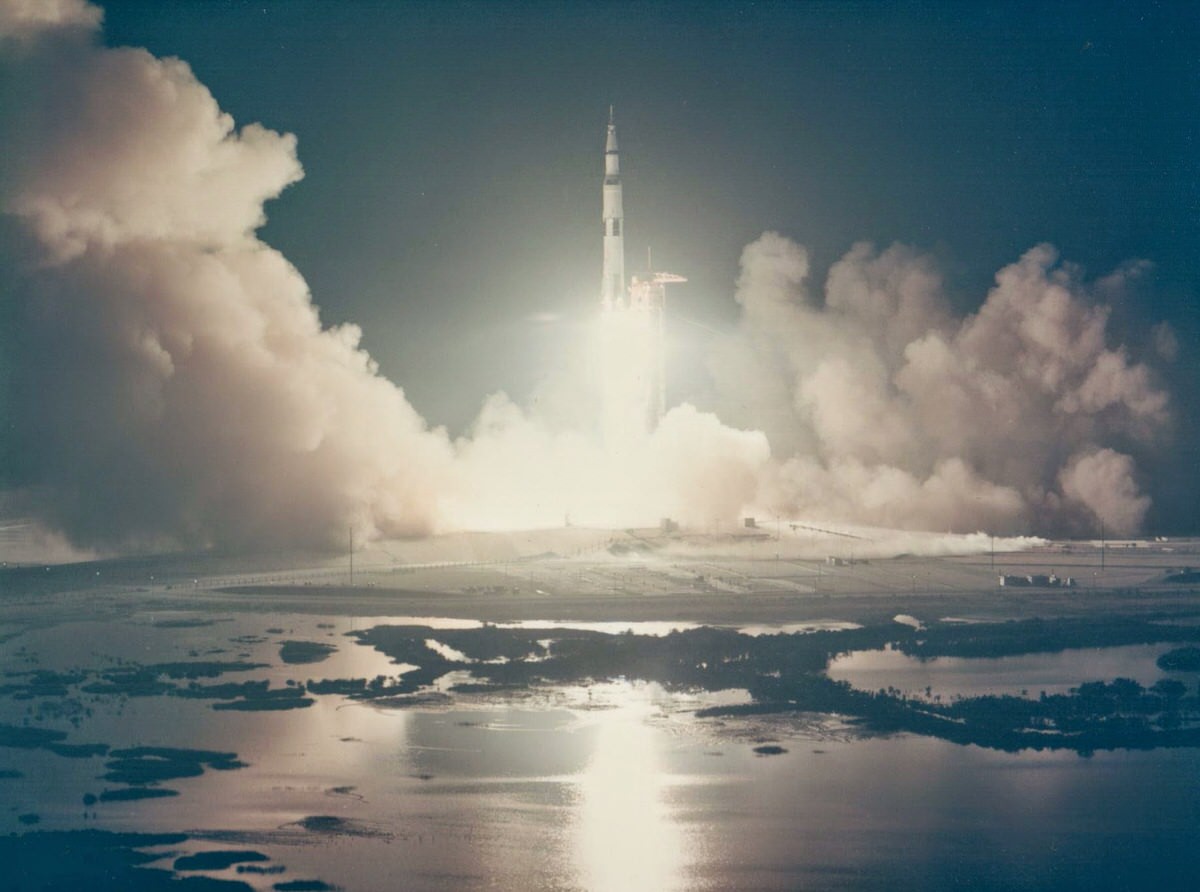
Then came Apollo 9 in March 1969, with David Scott photographed climbing out of the Command Module in Earth orbit. Months later, Apollo 11 lifted off in July 1969, captured from a camera mounted at the very top of the launch gantry.
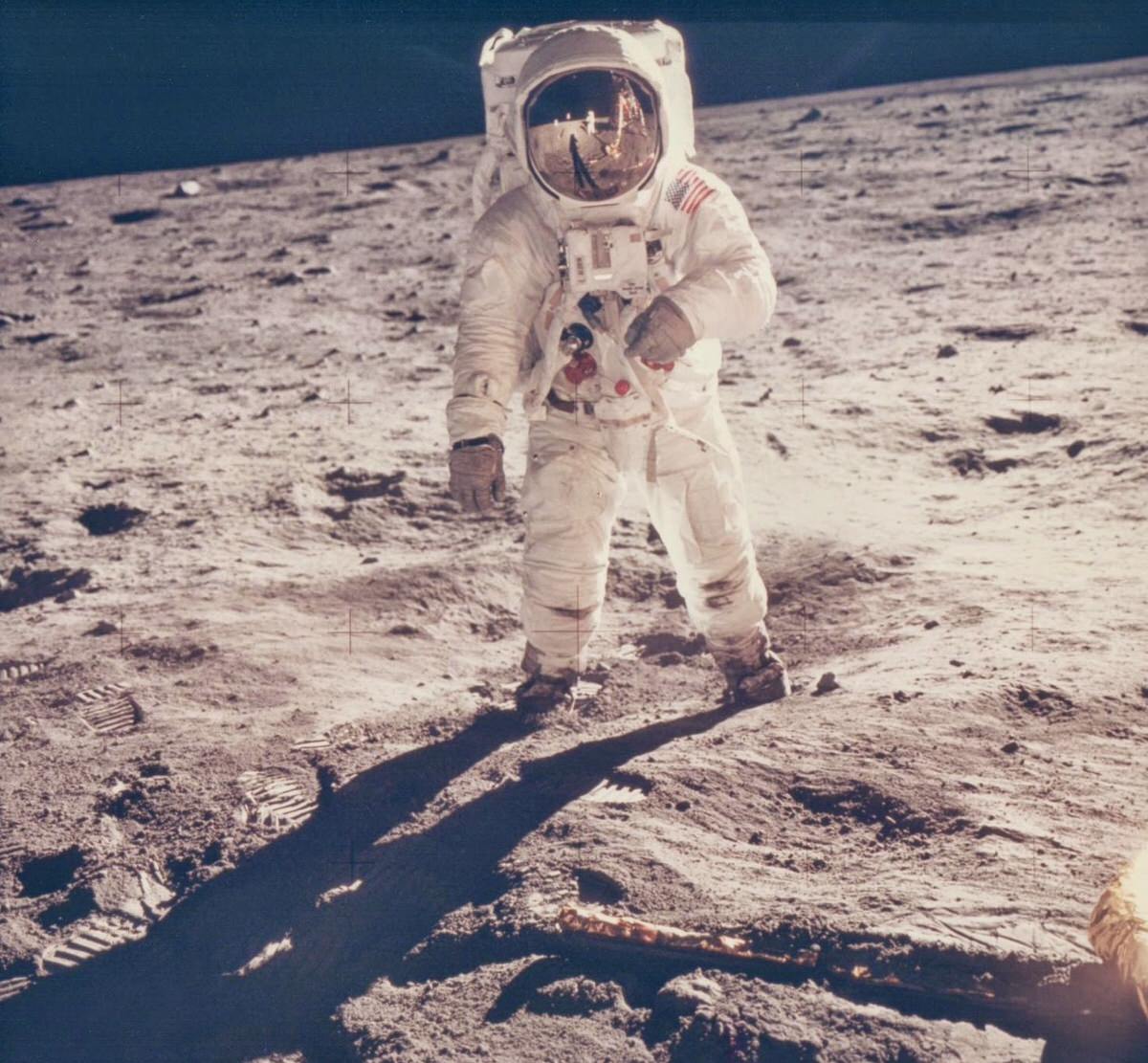
On the lunar surface, Neil Armstrong photographed Buzz Aldrin in sharp detail. Aldrin’s gold-plated visor reflected Armstrong himself, along with the lunar module standing behind him.
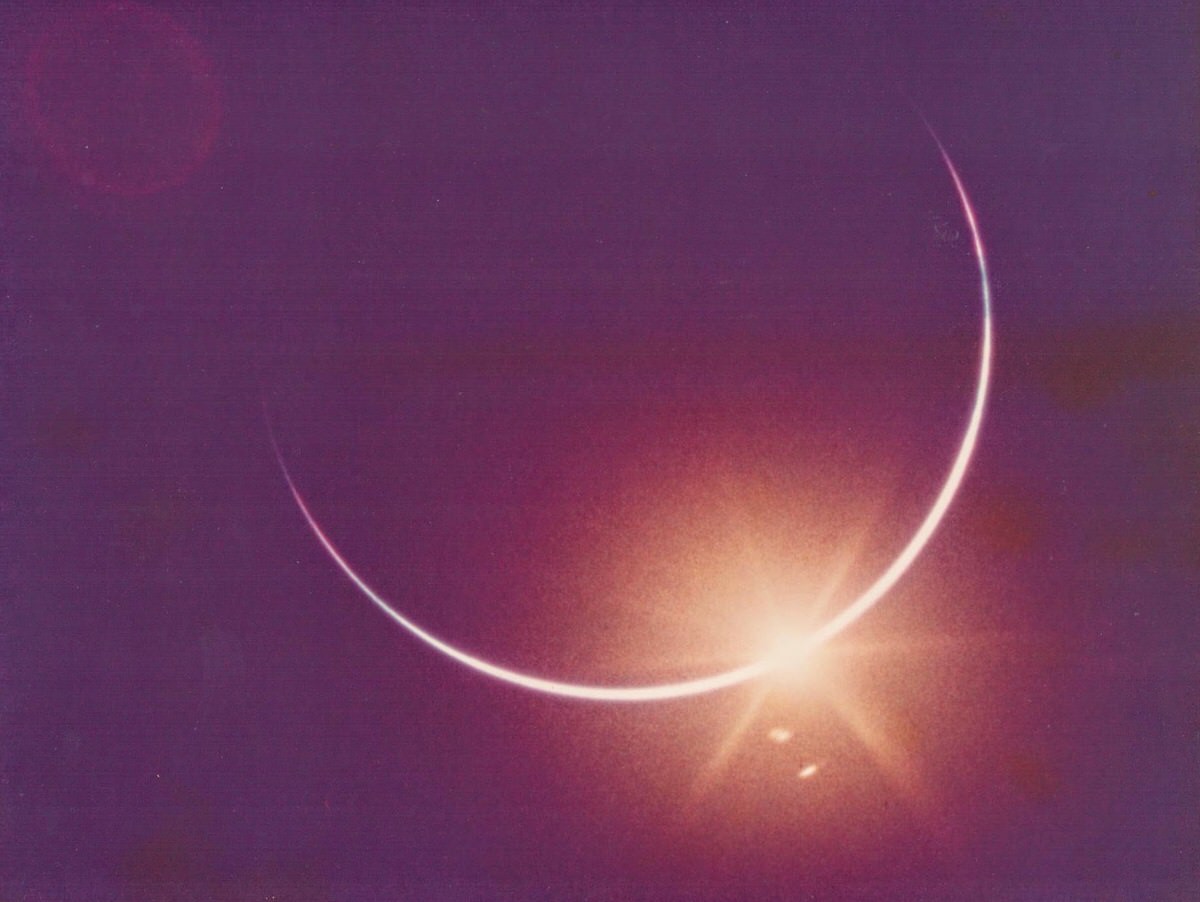
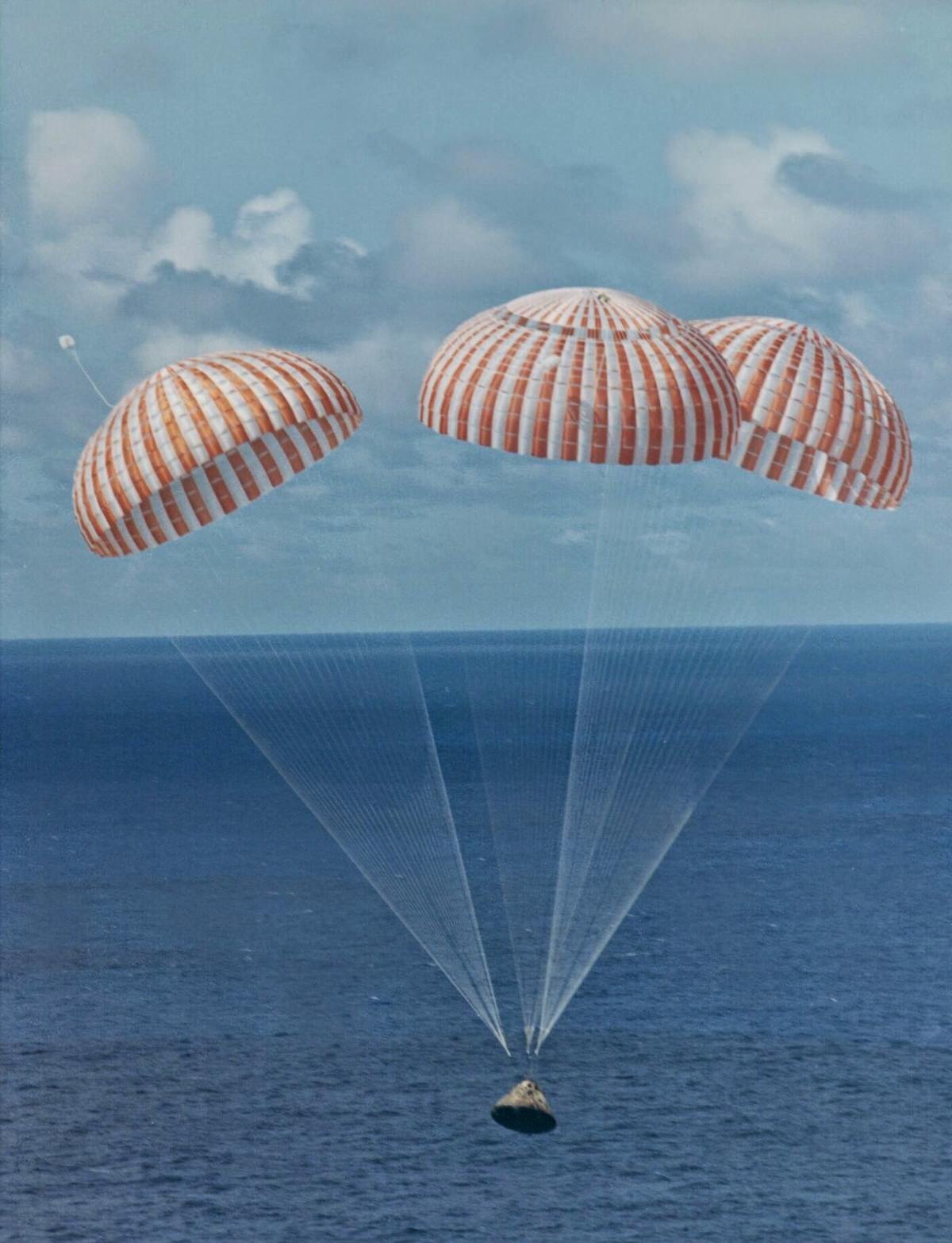
Apollo 12 followed in November 1969, producing a striking image of the Sun eclipsed by Earth from lunar orbit. Apollo 14 closed out with a splashdown photograph in February 1971 as the command module hit the ocean surface.
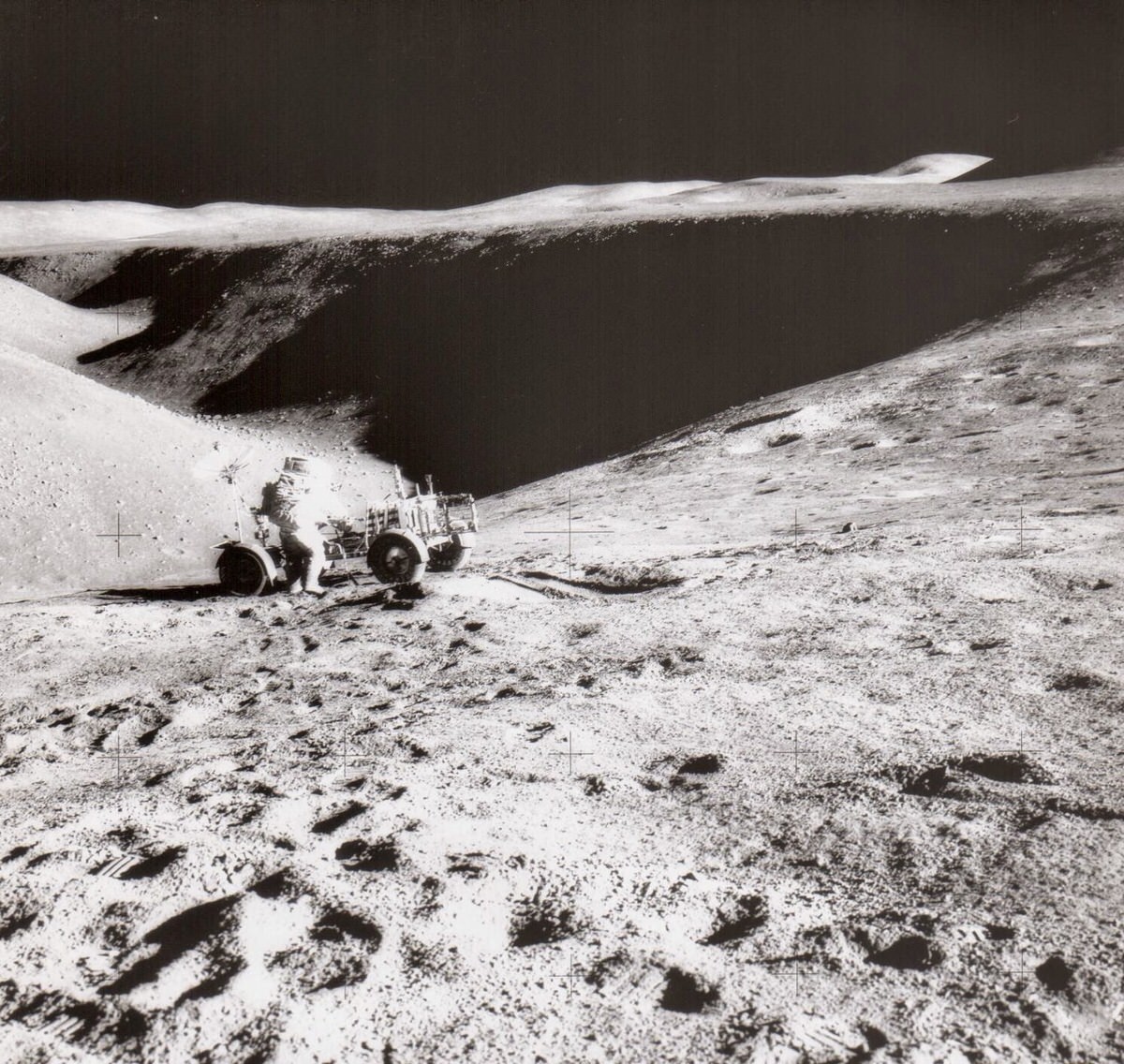
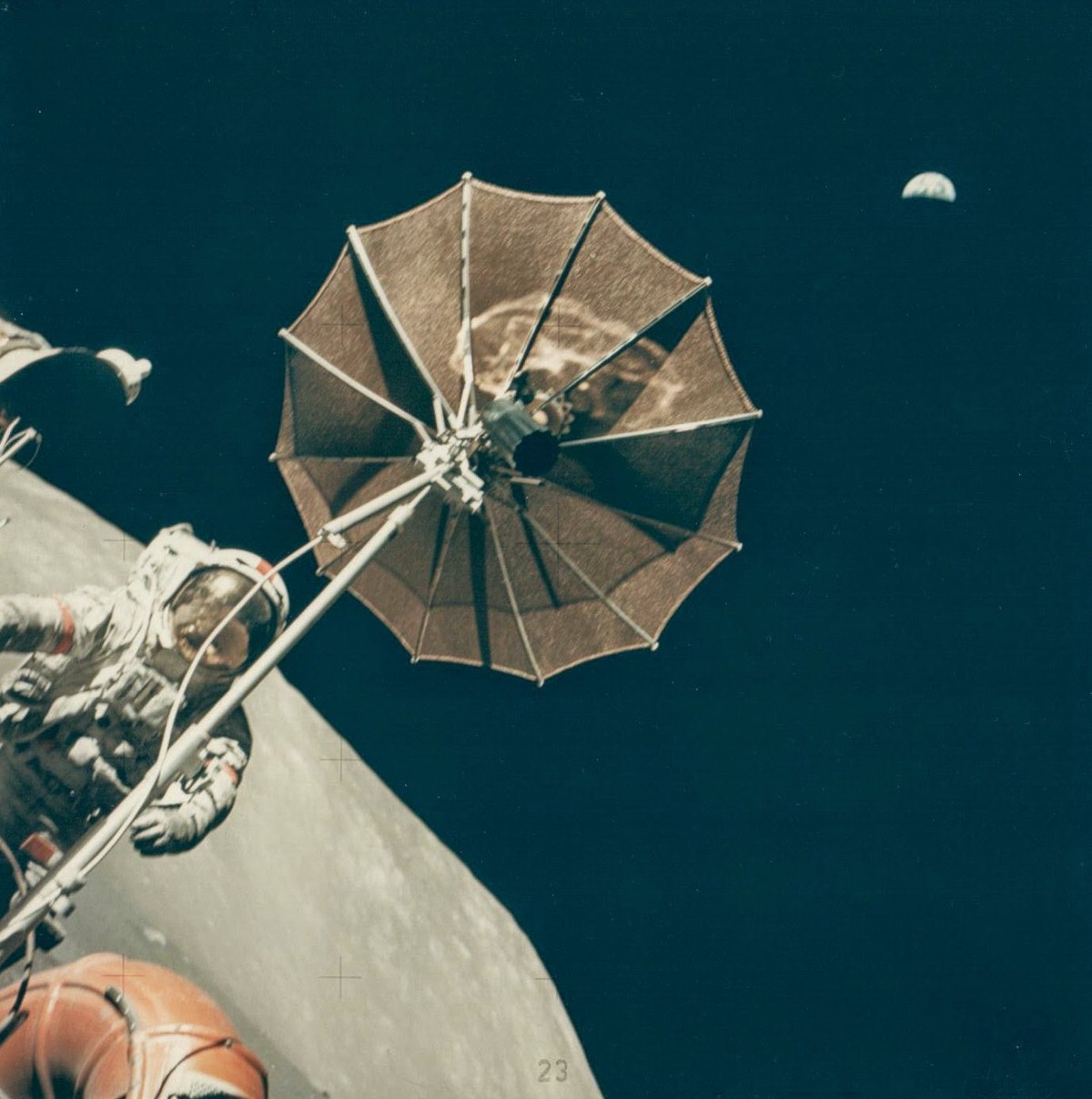
Apollo 15 in August 1971 and Apollo 17 in December 1972 documented the Lunar Rover parked on the dusty surface. David Scott and Eugene Cernan were each photographed beside the vehicle and its large mesh antenna.
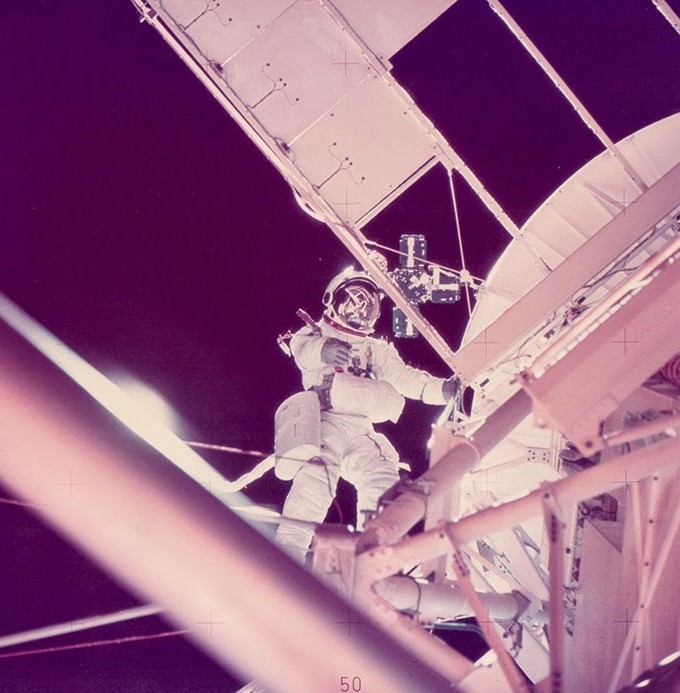
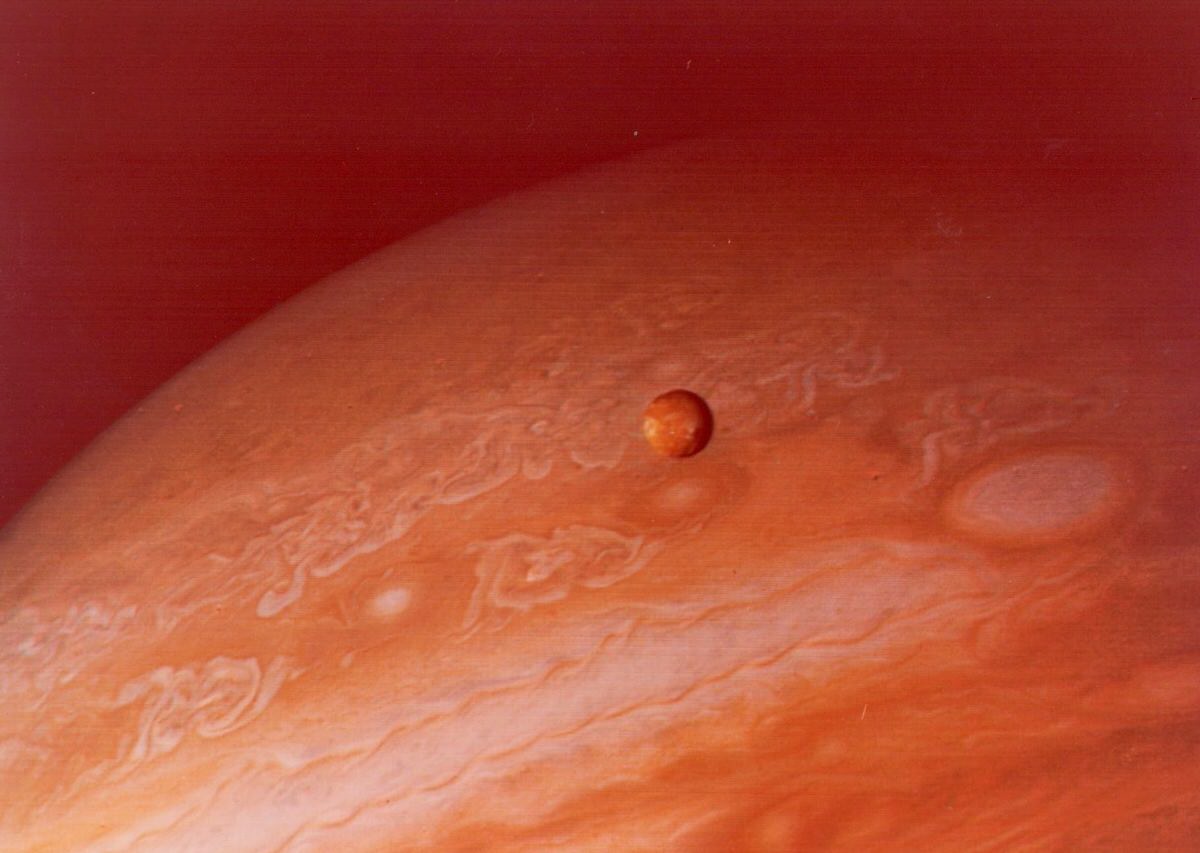
NASA’s cameras then turned toward deep space. In August 1973, Owen Garriott was photographed conducting a spacewalk outside the Skylab 3 station. Voyager 2 reached Jupiter by June 1979, sending back images of the giant planet alongside its volcanic moon Io.
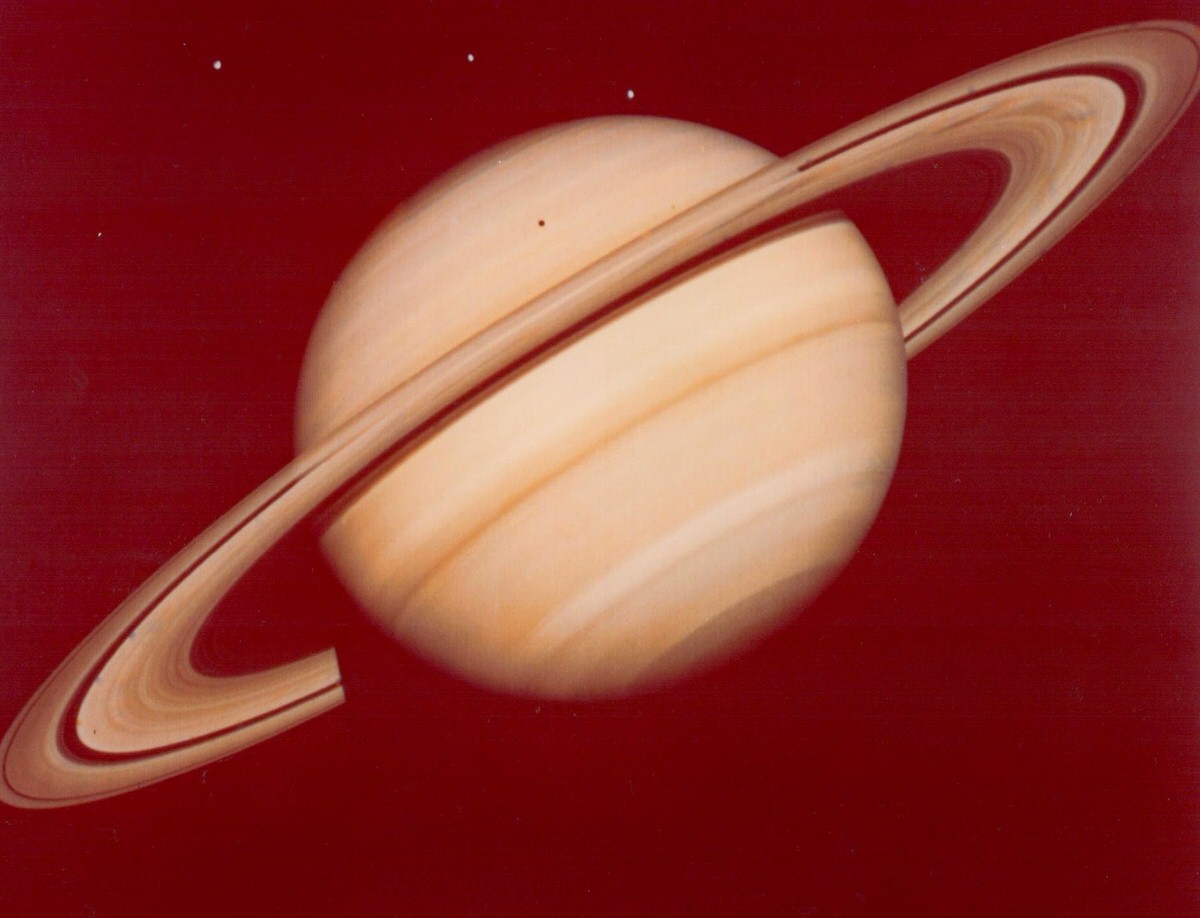
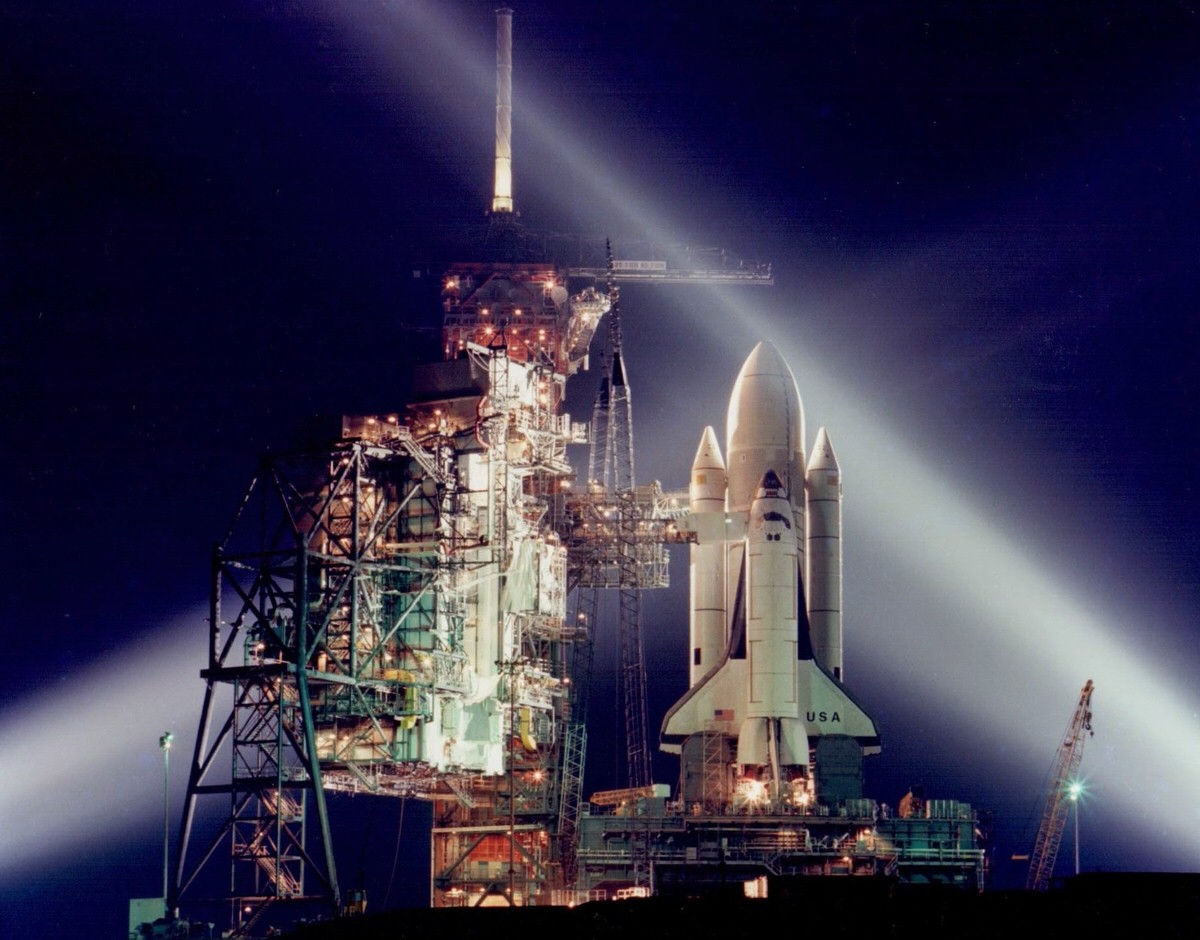
In 1980, Voyager 1 delivered detailed images of Saturn’s rings. The muted tones in these photos reflected the technological limits of the era. By March 1981, the Space Shuttle STS-1 stood at Kennedy Space Center, ready for its first mission — marking a clear shift from small capsules to a reusable spacecraft.