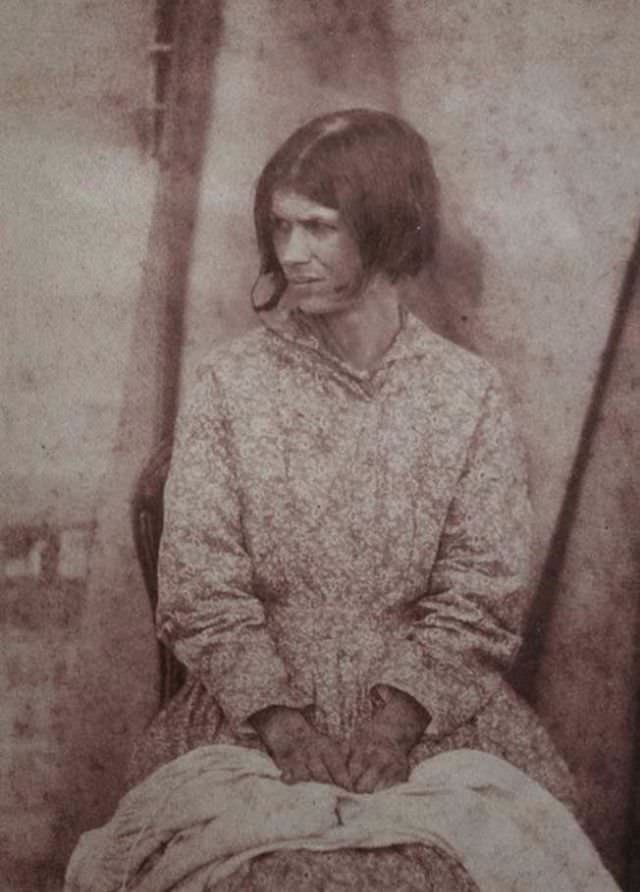
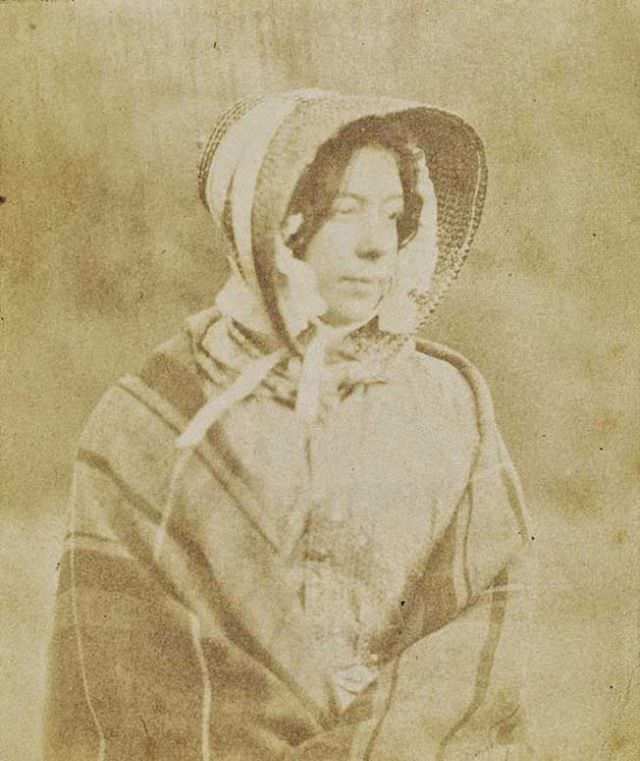
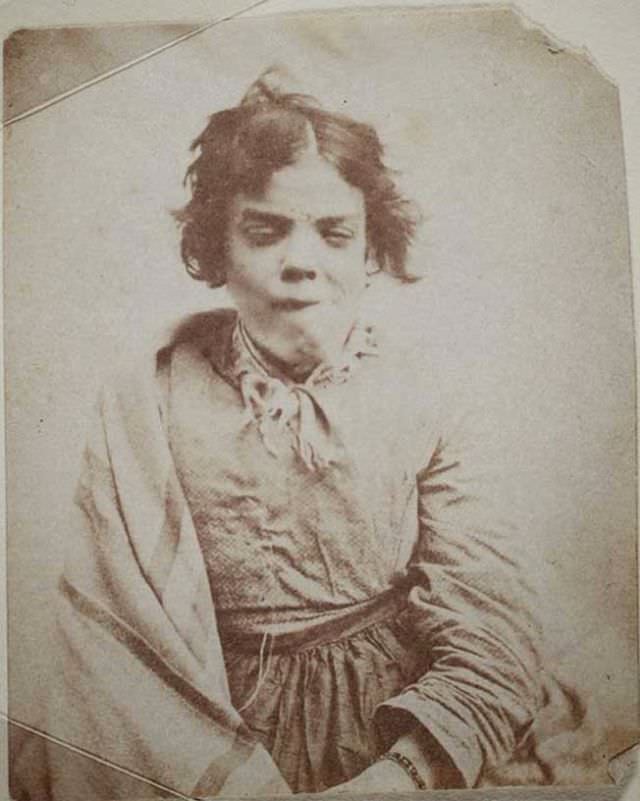
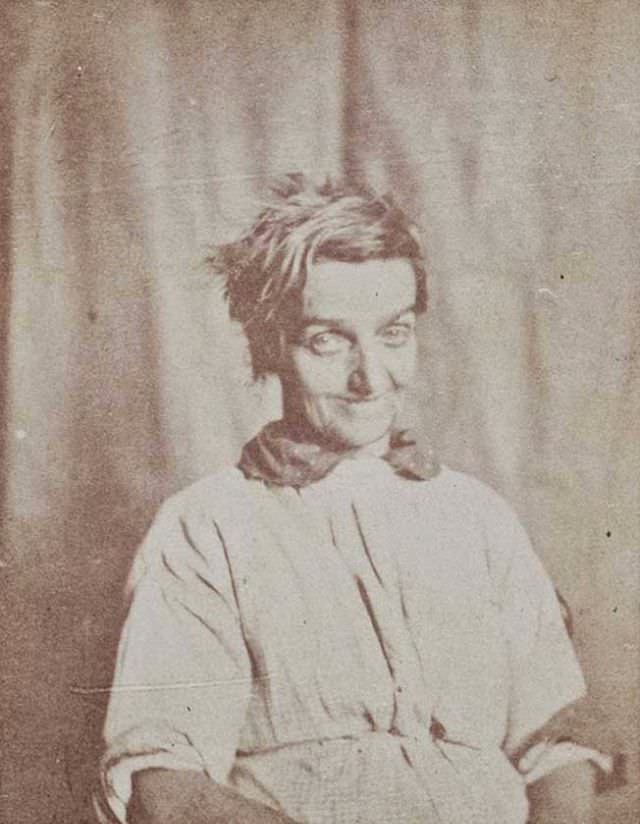
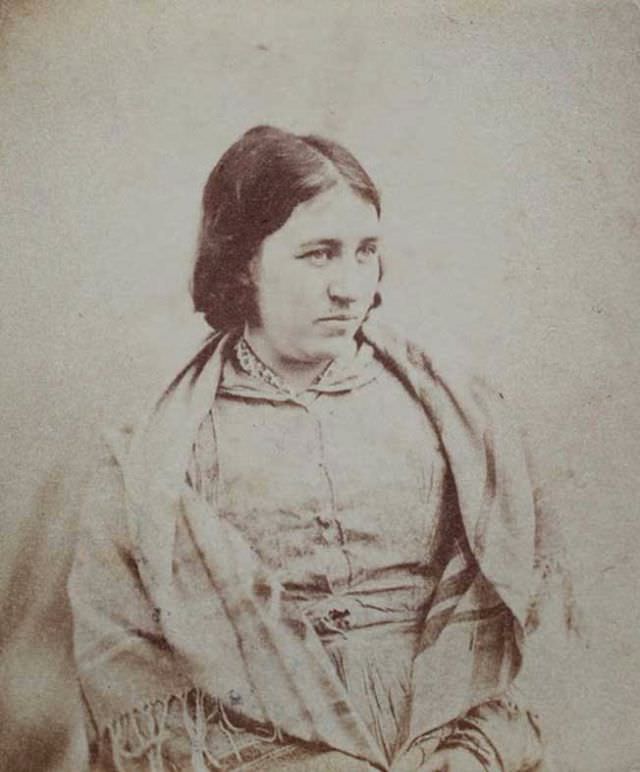
Dr. Hugh Welch Diamond held a rare double role in Victorian medicine. As superintendent of the female department at the Surrey County Asylum in the 1850s, he oversaw the care of women diagnosed with various mental conditions. He was also one of Britain’s most skilled early photographers, having picked up the medium in 1839, the very year it became available to the public. By the time he settled into his post at Surrey, he had found a way to merge both pursuits into a single, systematic project.
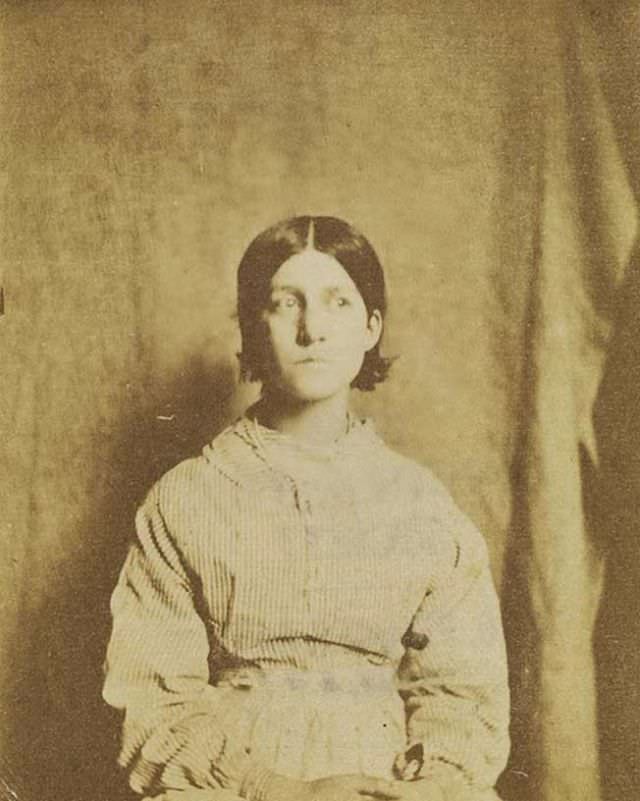
Diamond used the wet plate collodion process to make his portraits. He learned this technique directly from its inventor, Frederick Scott Archer, who was both a friend and a patient. The process captured images on glass plates with a sharpness that earlier photographic methods simply could not match. Every crease, shadow, and expression was preserved with scientific precision — exactly what Diamond needed.
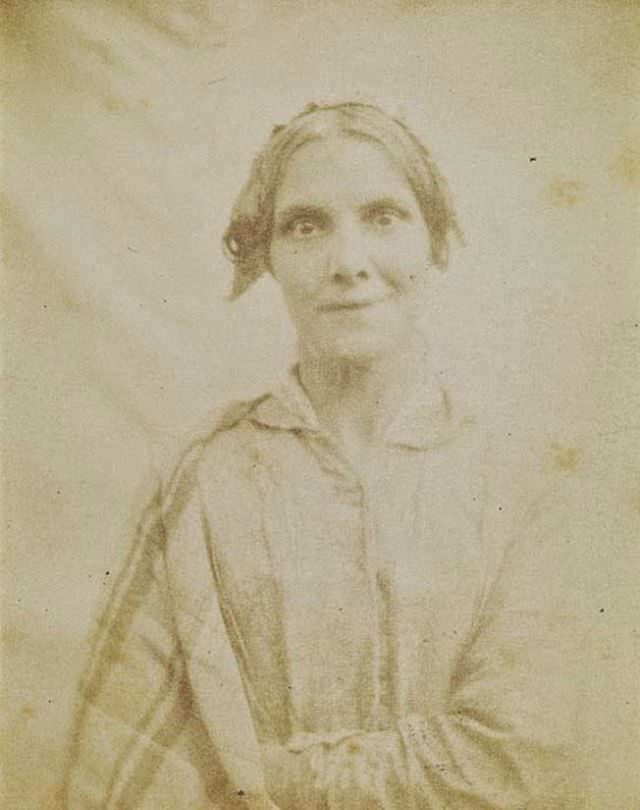
His work rested on the theory of physiognomy, a widely accepted but ultimately false idea that a person’s facial features directly revealed their inner character and mental state. Victorian physicians treated it as a legitimate diagnostic tool. Diamond believed that the camera, unlike a painter or illustrator, recorded faces without any human bias. To him, a photograph was as objective as a thermometer reading.
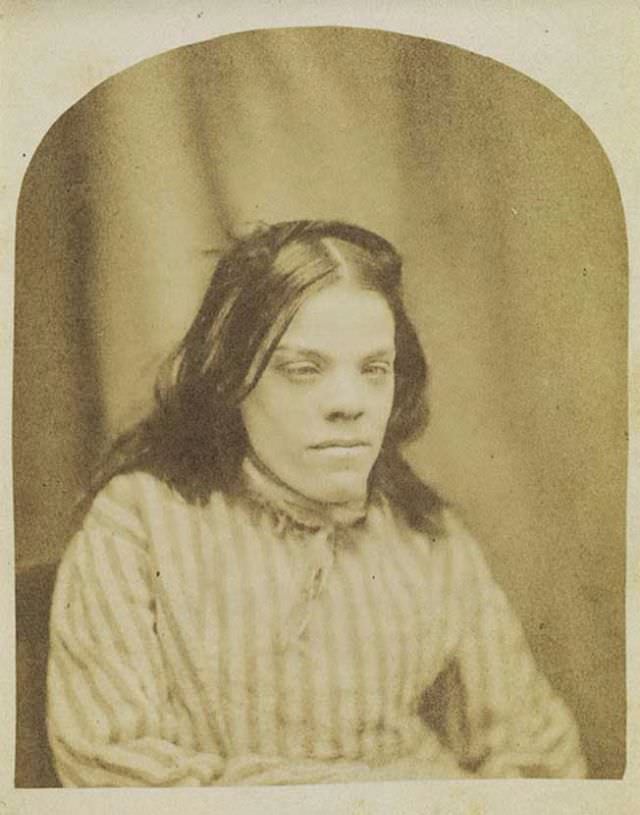
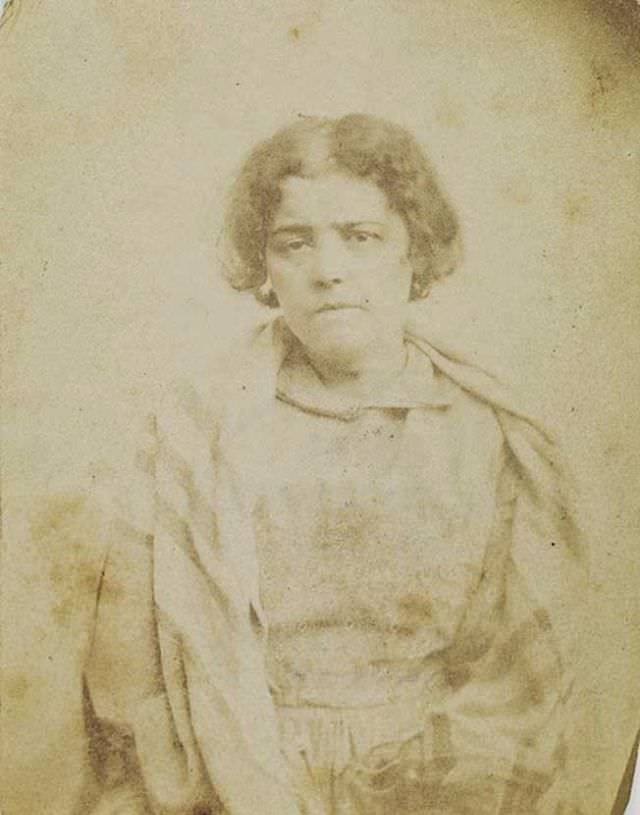
He posed each patient against a plain, dark background. The setting was deliberately bare — no furniture, no props, no distractions. The face was the only subject. Diamond did not photograph these women as individuals with personal histories. He photographed them as examples of specific categories of mental illness.
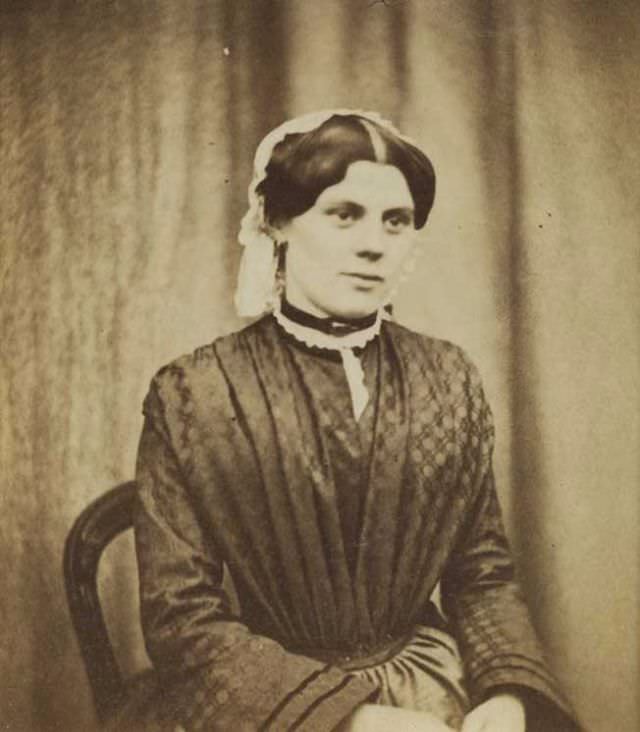
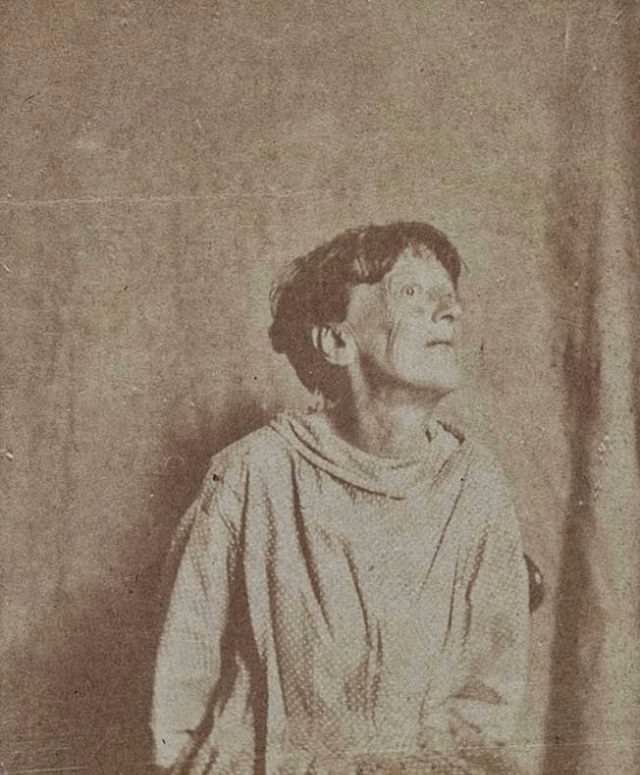
A downward gaze and heavy brow, in his system, indicated melancholia. A wide, fixed stare pointed to delusional paranoia. He read each face like a diagnostic chart. In 1856, he presented his findings in a paper titled ‘On the Application of Photography to the Physiognomy and Mental Phenomena of Insanity,’ arguing that studying photographic “types” would allow doctors to diagnose mental complaints more reliably.
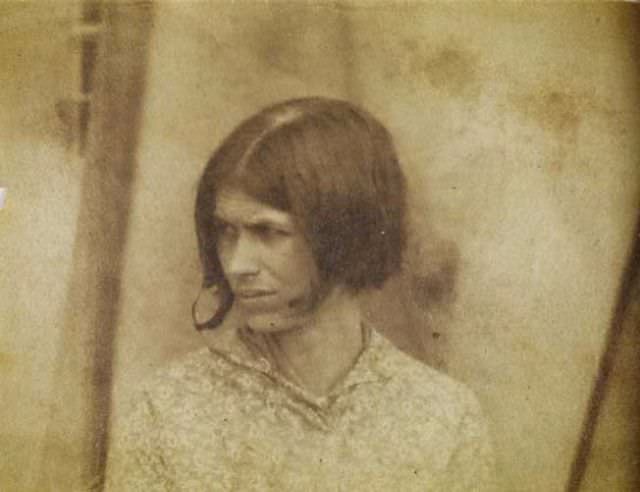
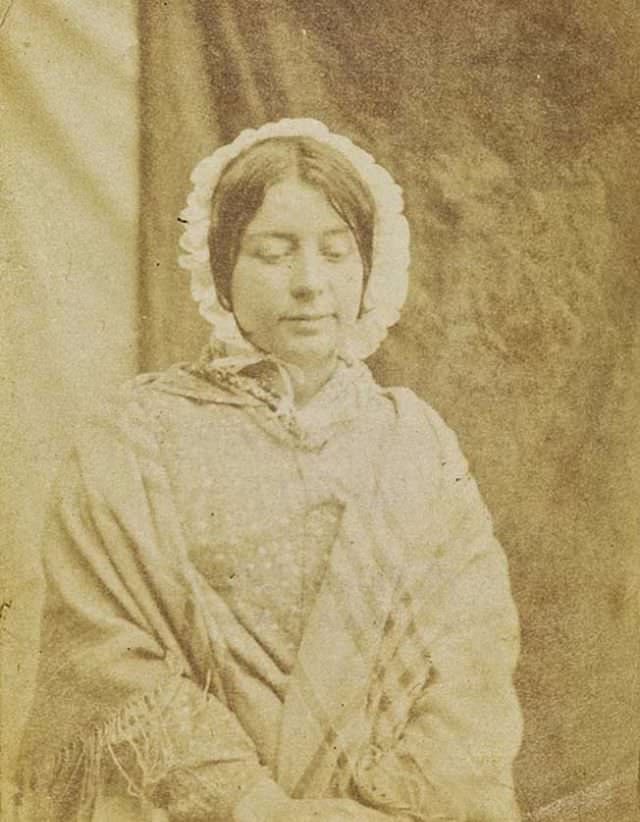
Beyond documentation, Diamond used the portraits as a direct form of treatment. He showed the women their own photographs during sessions. The idea was that seeing their own face — disheveled, vacant, or distressed — would break through their delusions and force a moment of self-recognition. In at least one documented case, a patient grasped the severity of her condition only after seeing herself in a photograph. That shock of recognition, Diamond believed, was the first step toward recovery.
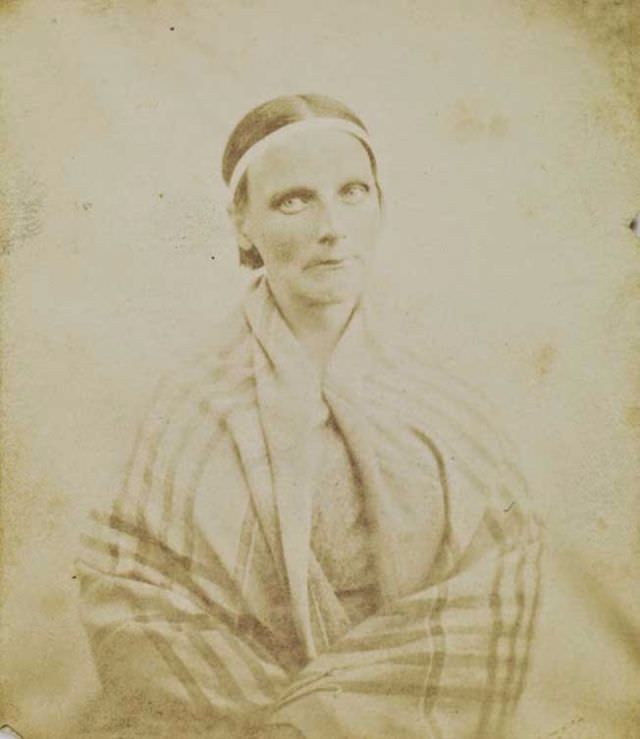
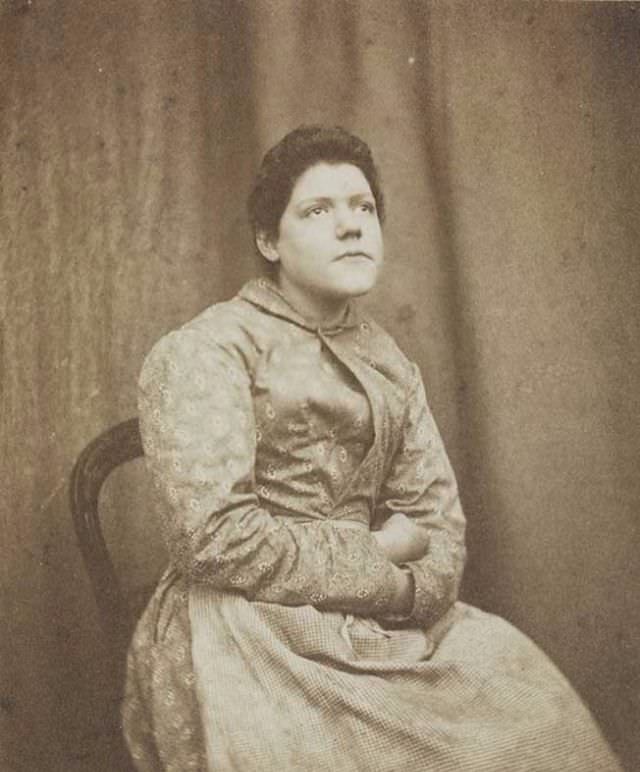
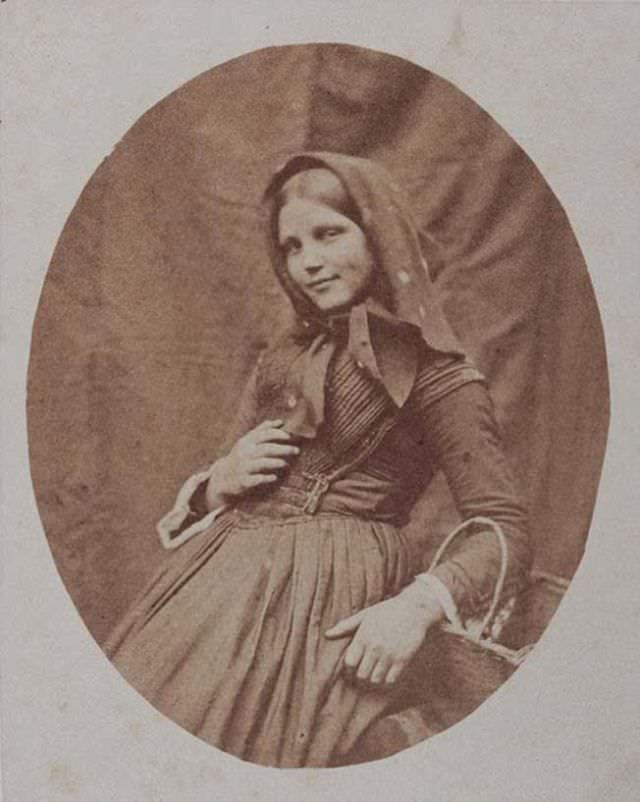
The portraits Diamond produced are unsettling in ways he never intended. He aimed for clinical order — a neat visual taxonomy of madness. What the photographs actually captured were individual women, each with a distinct gaze, a specific posture, a particular expression frozen in time. The gap between his diagnostic ambition and the human reality staring back from the glass plates is impossible to ignore.