
In the glittering, sweat-soaked world of 1970s New York nightlife, one figure stood out from the crowd in a way nobody expected. She wasn’t a rock star, a model, or a celebrity socialite. She was a grandmother from Brooklyn in a sequined dress and a feather boa, and she could outlast dancers half her age on the floor of the most famous nightclub in the world. Her name was Sally Lippman, but the world knew her as Disco Sally.
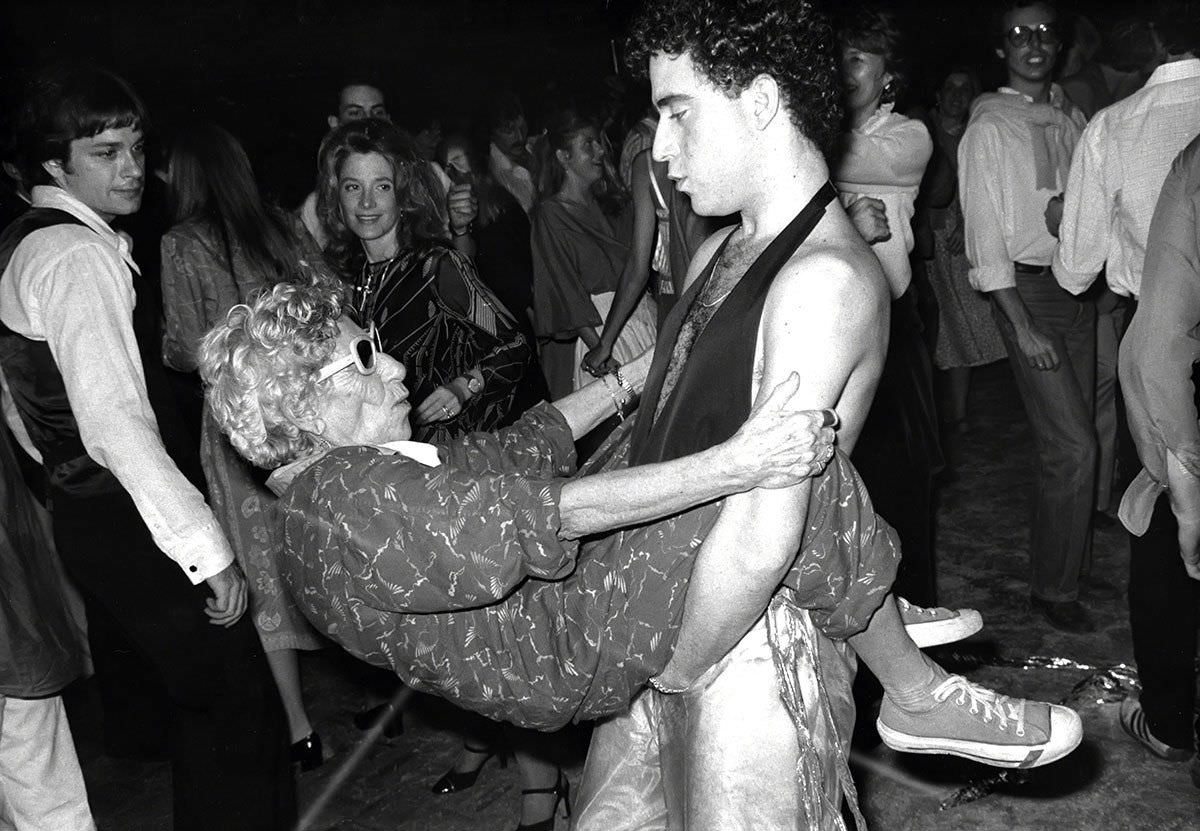
Sally was born in Brooklyn, New York, in 1900. She spent the bulk of her adult life in New Jersey, living as a housewife and mother. For more than four decades, she was married to the same man — a long, steady life built around family and routine. When her husband died in 1971, Sally was left to rebuild a life she had largely shared with someone else. She was in her early 70s, and for many people that would have meant a quiet retreat from public life. Sally went the other direction entirely.
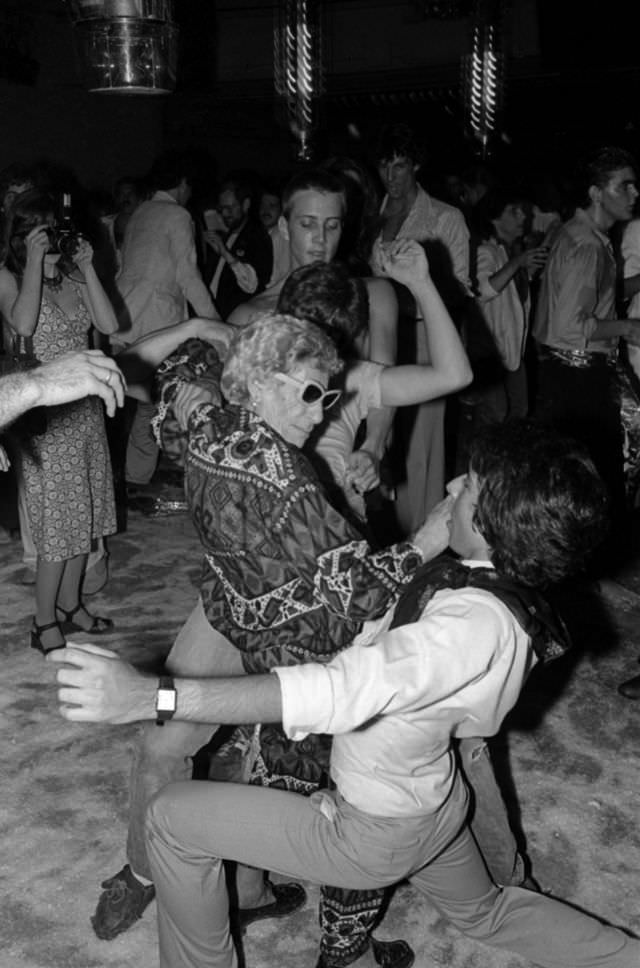
In 1975, a friend invited Sally to Studio 54, the legendary Manhattan nightclub that had become the epicenter of the disco movement. Walking through those doors changed everything. The pounding music, the flashing lights, the energy of hundreds of people moving together — Sally was hooked immediately. She returned again and again, and before long she was a fixture at the club, showing up in her signature look: a sequined dress, a feather boa, and a tiara sitting on top of her head.
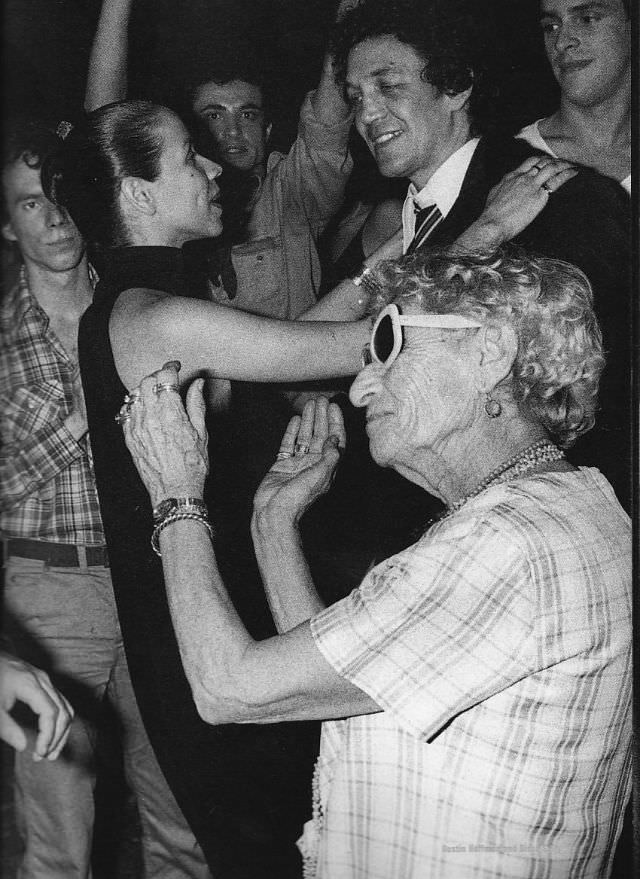
What made Sally truly remarkable wasn’t just her age — it was her stamina and her genuine love of dancing. She kept pace with partygoers decades younger than her, staying on the dance floor deep into the night. The regulars at Studio 54 adored her. The staff knew her by name. Even the club’s notoriously selective doormen — famous for turning away celebrities on a whim — waved her in without hesitation. Studio 54 co-founder Steve Rubell called her one of the club’s most beloved regulars.
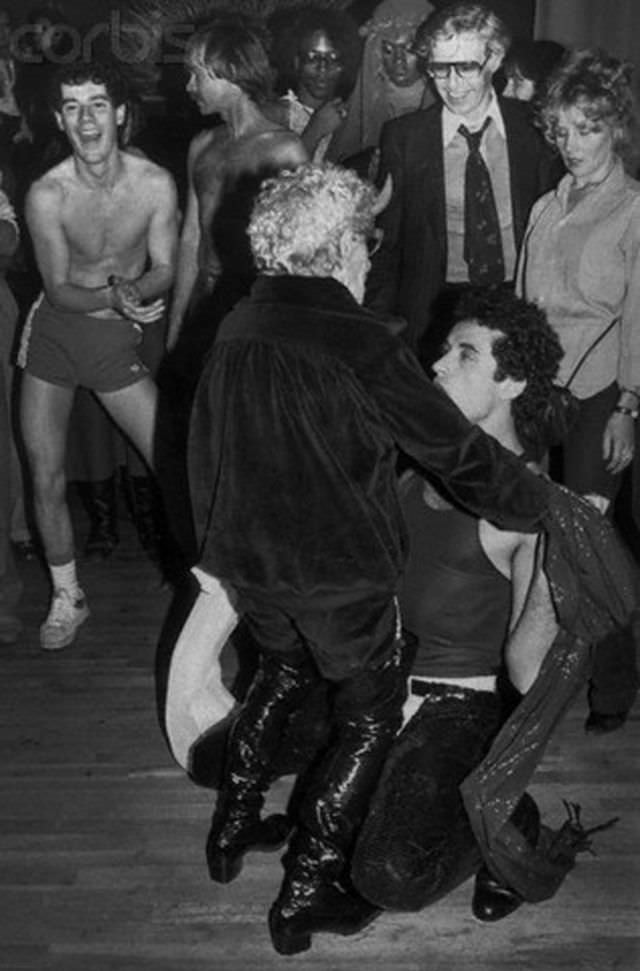
The nickname “Disco Sally” spread fast. Journalists and photographers took notice of the elderly woman tearing up the dance floor at the hottest club in America, and her story began appearing in newspapers and magazines across the country. She was a natural subject — warm, funny, and completely unself-conscious. She didn’t perform for the cameras; she was simply having the time of her life, and it showed.
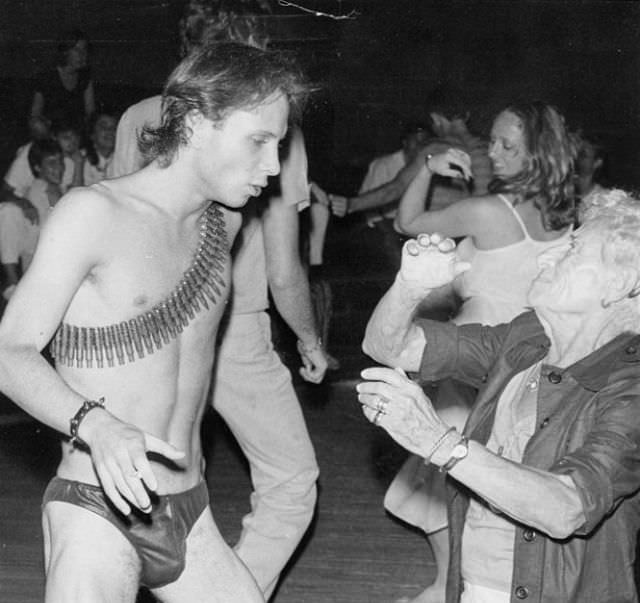
Television came calling as well. Sally appeared on “The Tonight Show” with Johnny Carson and “The Merv Griffin Show,” two of the biggest talk shows on American TV at the time. She held her own on both, charming hosts and audiences alike with her straightforward personality and infectious enthusiasm. Fame didn’t change her. After the cameras stopped rolling, she went right back to Studio 54 and kept dancing.
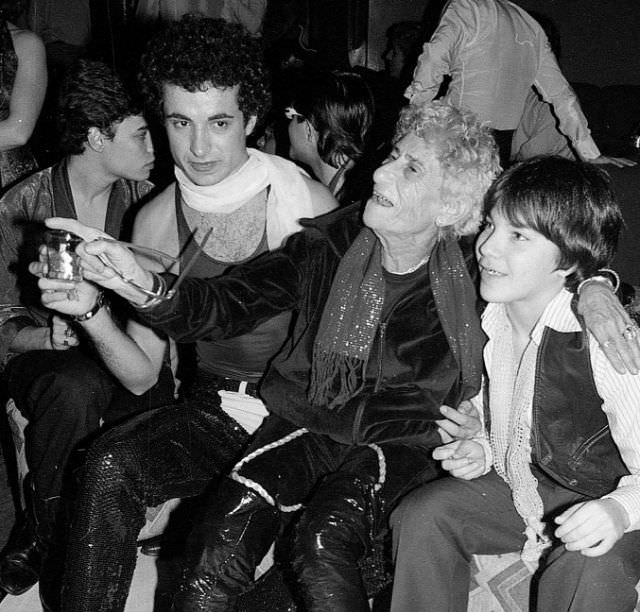
Studio 54 closed its doors in 1980 after its founders were convicted of tax evasion. For most of the club’s devotees, that marked the end of an era. For Sally, it was just a change of venue. She continued attending disco parties and events well into her later years, refusing to let the scene die as long as she had the energy to be part of it. She remained a recognized face wherever disco music played in New York. Sally Lippman passed away in 1997. In the years she spent on that dance floor, she became one of the most recognizable and beloved figures the disco era ever produced — not because she was young or glamorous in the conventional sense, but because she showed up, night after night, and danced like she meant it.
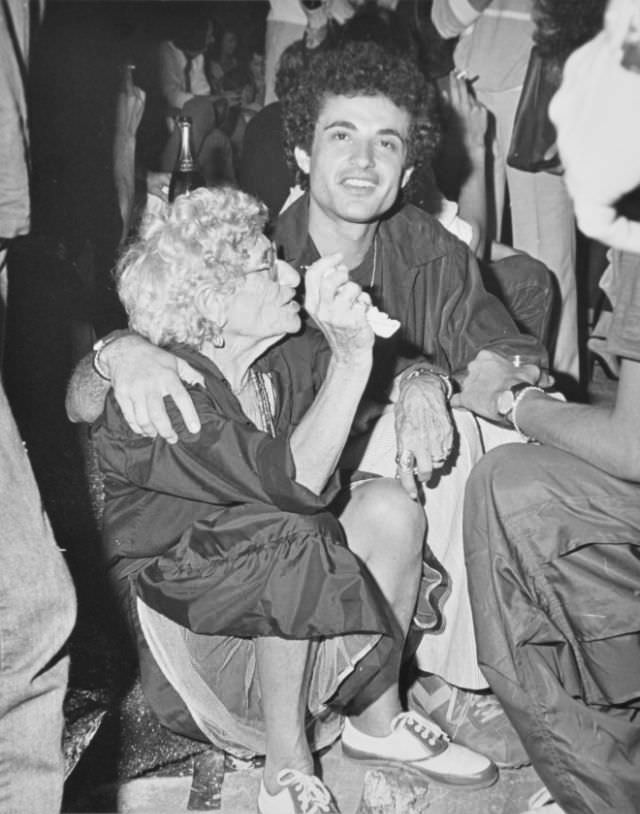





You got the story about Sally Lippman wrong. She was born in 1900 and her husband passed away in 1975. She passed away in 1982 at the age of 81. You need to change some of your facts. I’m not trying to be rude but these disco Sally facts you have here are wrong.
This article definitely missed the editor. You have her birth date and age completely wrong. Did you even see the film 54? She was in her 70s during that era. I mean do you think she looks like a 40 year old woman in those photos?