
Before digital cameras and smartphone filters, photographers loaded film into their cameras and hoped the light was right. In the 1970s, that film was often Kodachrome — a format famous for its rich reds, deep blues, and saturated greens that most digital sensors still can’t fully replicate. National Geographic photographers carried this film to every corner of the world, and the images they brought back were extraordinary. Many never made it into print. Now, through the magazine’s “Found” archive, those photographs are finally getting their moment.
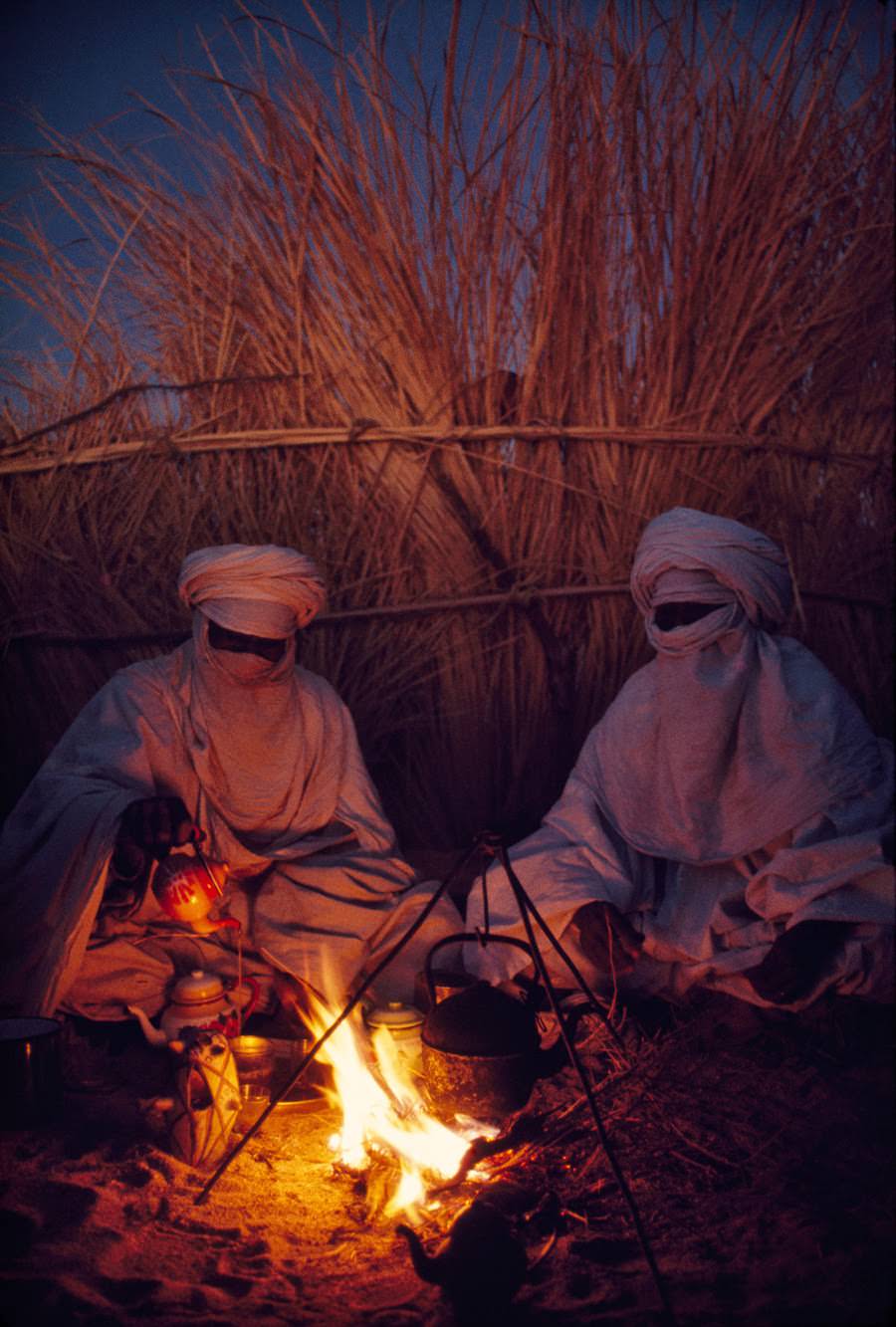
The archive spans continents, cultures, and daily routines. In the Algerian desert, Tuareg goatherds share tea in a sparse shelter. Halfway around the world, red-sailed wooden boats glide down a river in Bangladesh. These aren’t posed travel shots — they’re candid records of people living their lives, caught in a single frame.

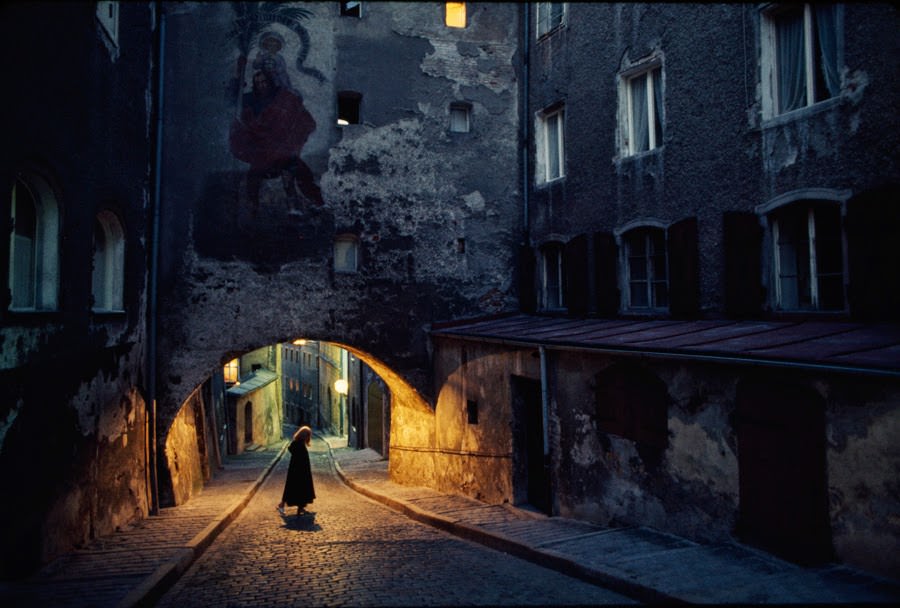
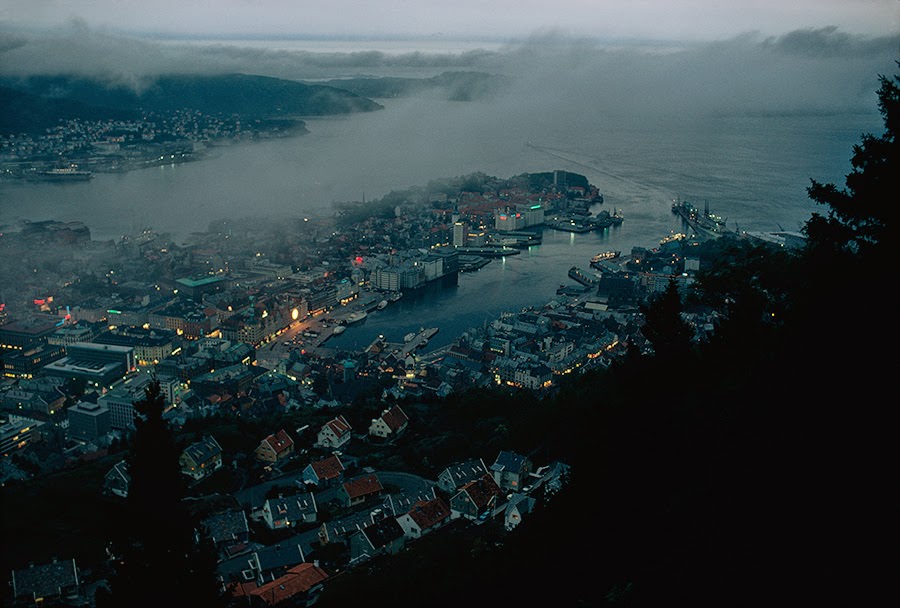
Kodachrome’s particular strength was how it handled natural light. Photographers regularly worked during the golden hour — the last stretch of afternoon sun — when light turns warm and shadows grow long. That quality of light gives many of these images a depth that feels almost three-dimensional. Stone streets in Bavaria, a mosaic floor inside the Vatican, and fjords nestled against Norwegian mountains all carry that same glowing warmth.
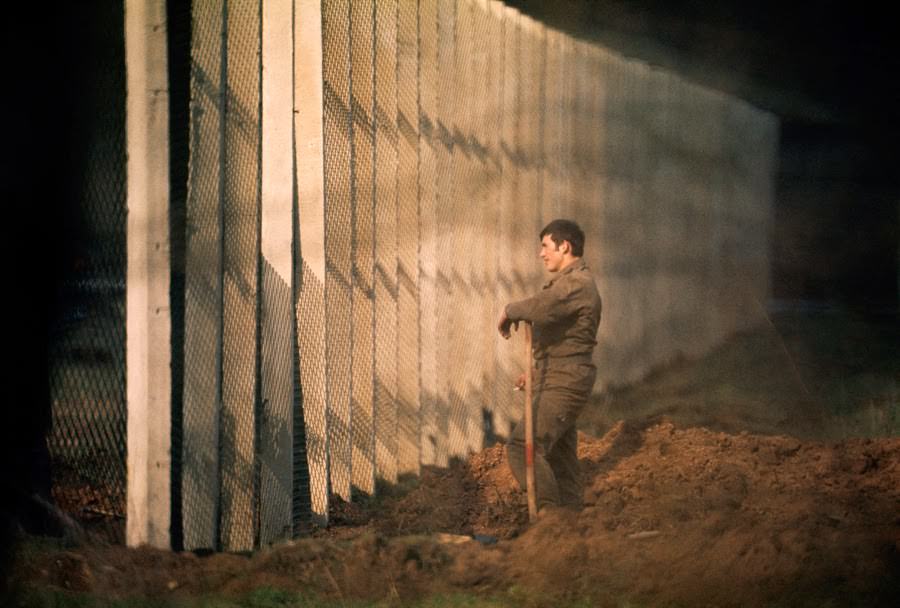

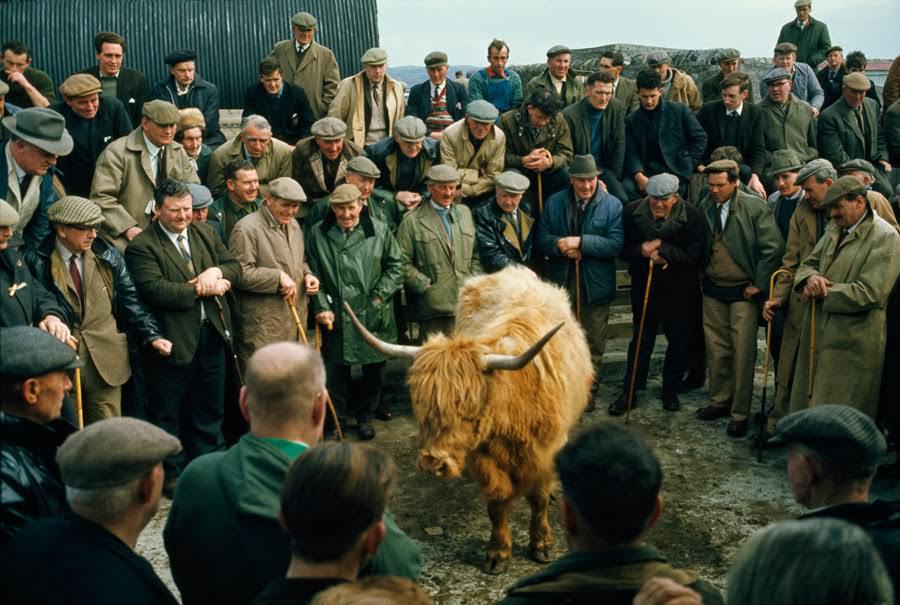
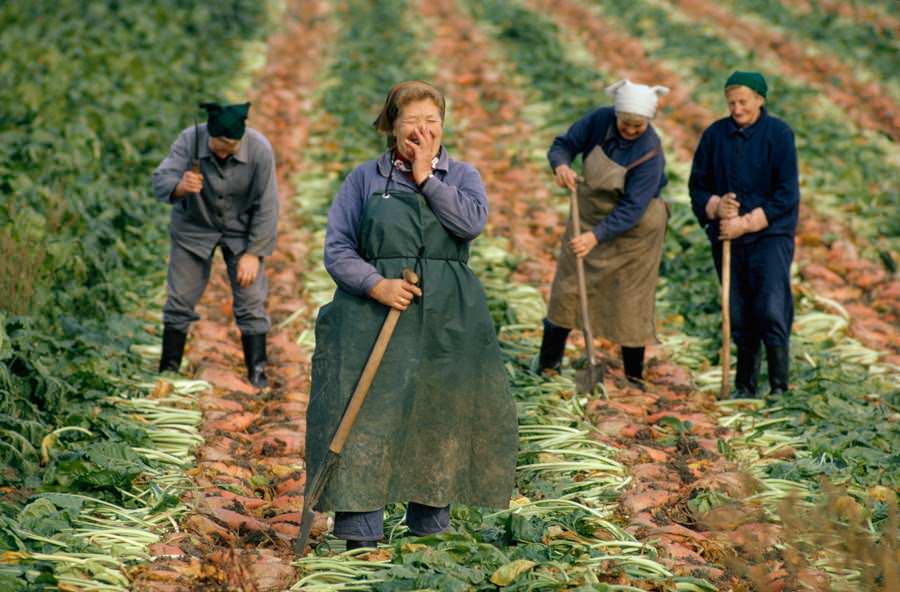
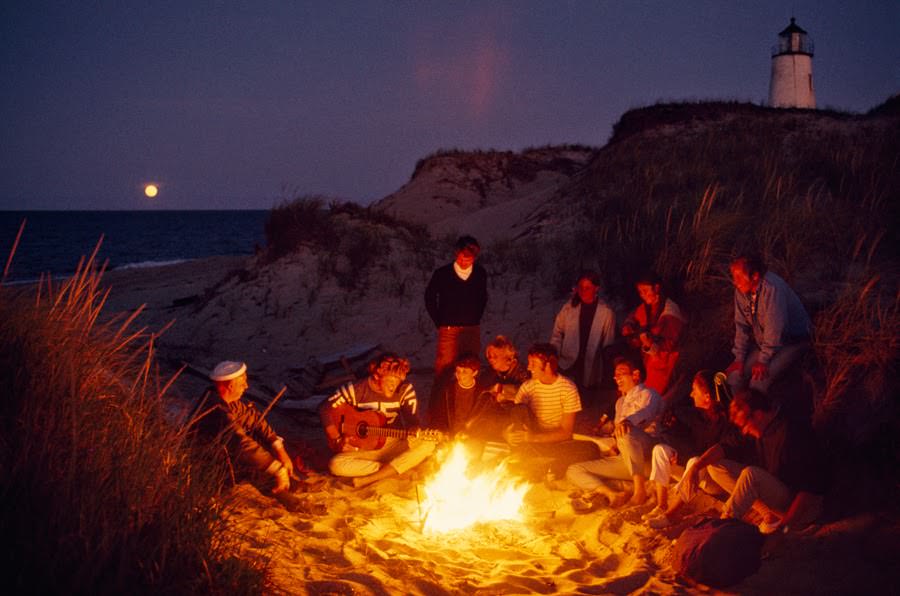
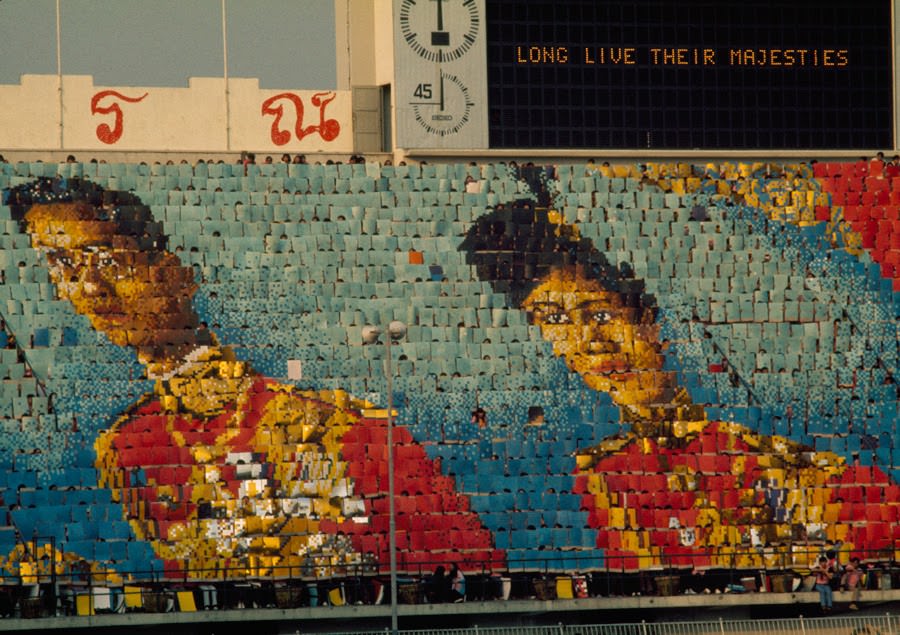
The political divisions of the decade show up clearly in the archive. East Germany appears several times — a man standing near the Berlin Wall in 1974, women harvesting sugar beets in collective fields that same year, and children napping in a state-run day care center. These images document daily life inside a closed society with the same straightforward attention given to a Scottish cattle auction or a campfire on Nantucket Island.
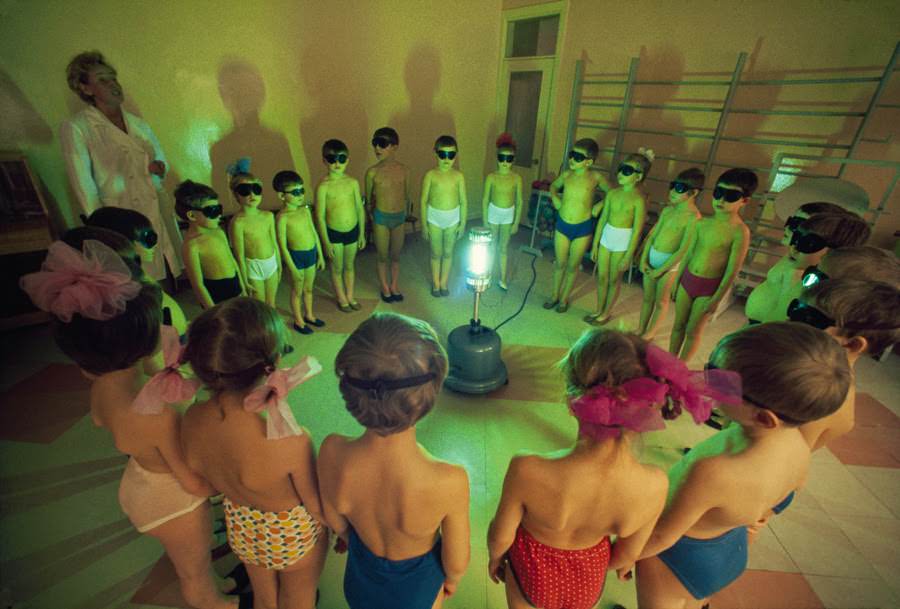
In Murmansk in 1977, children stand in a circle around an ultraviolet lamp to absorb vitamin D during the long Arctic winter — a routine medical practice in the Soviet Union at the time. The image is striking not because it’s dramatic, but because it’s so matter-of-fact. That’s the consistent quality of this archive. The photographers weren’t chasing spectacle. They were recording what was actually there.
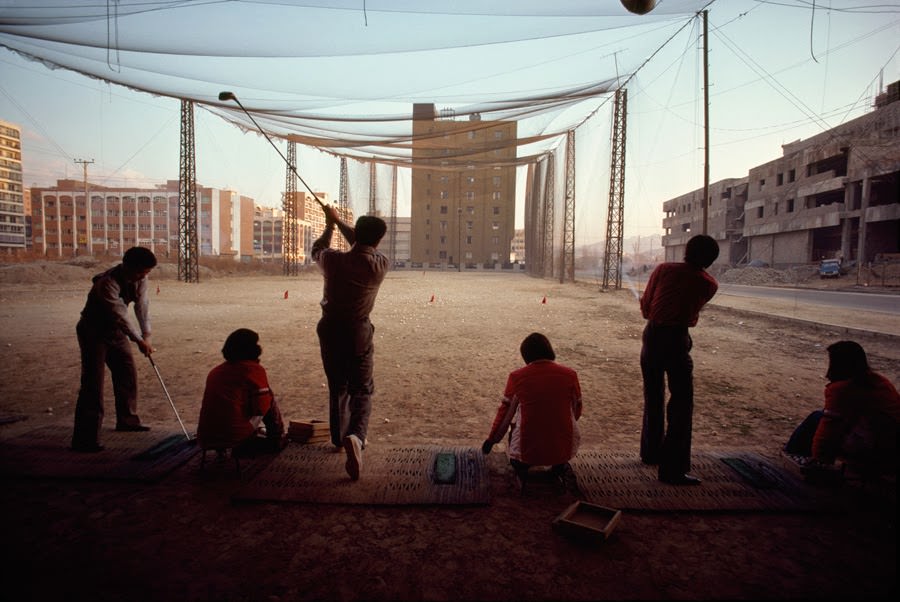
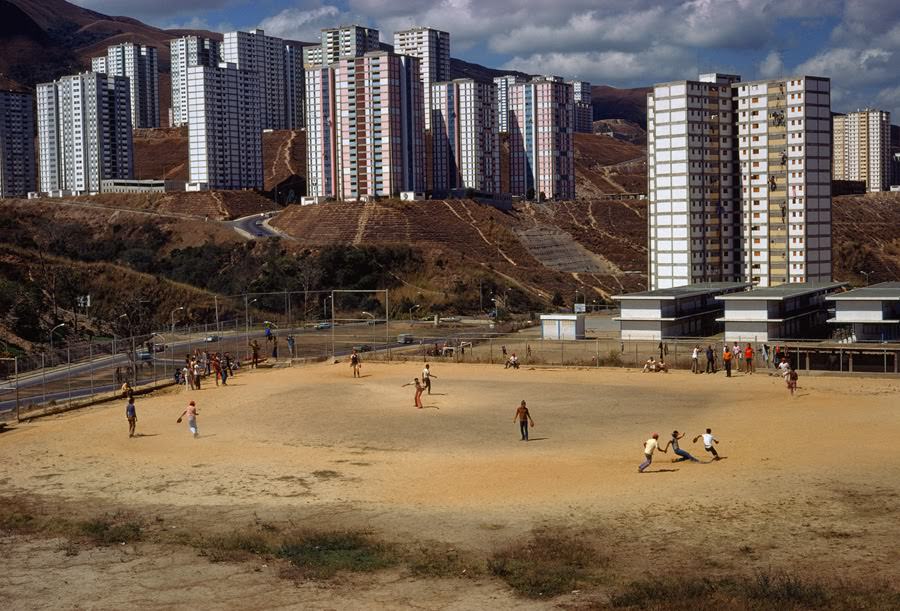
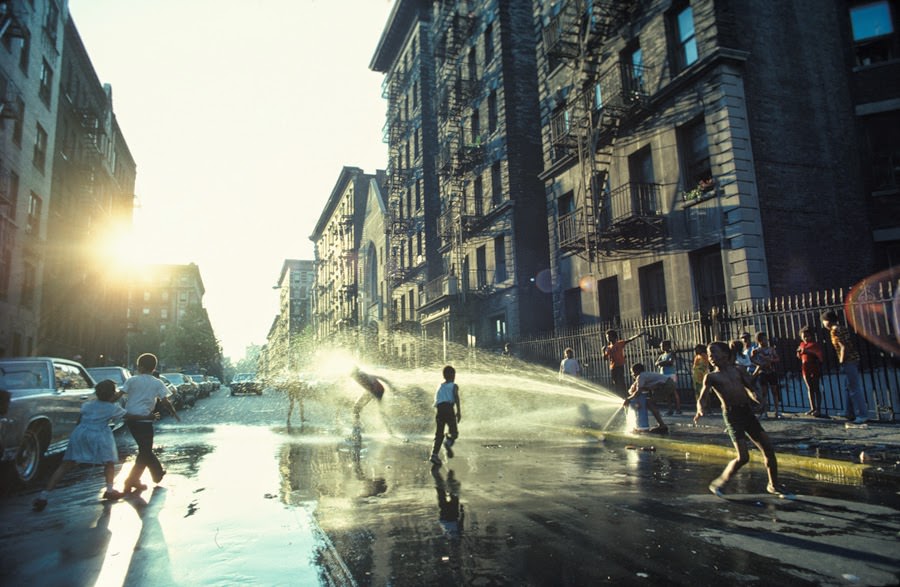
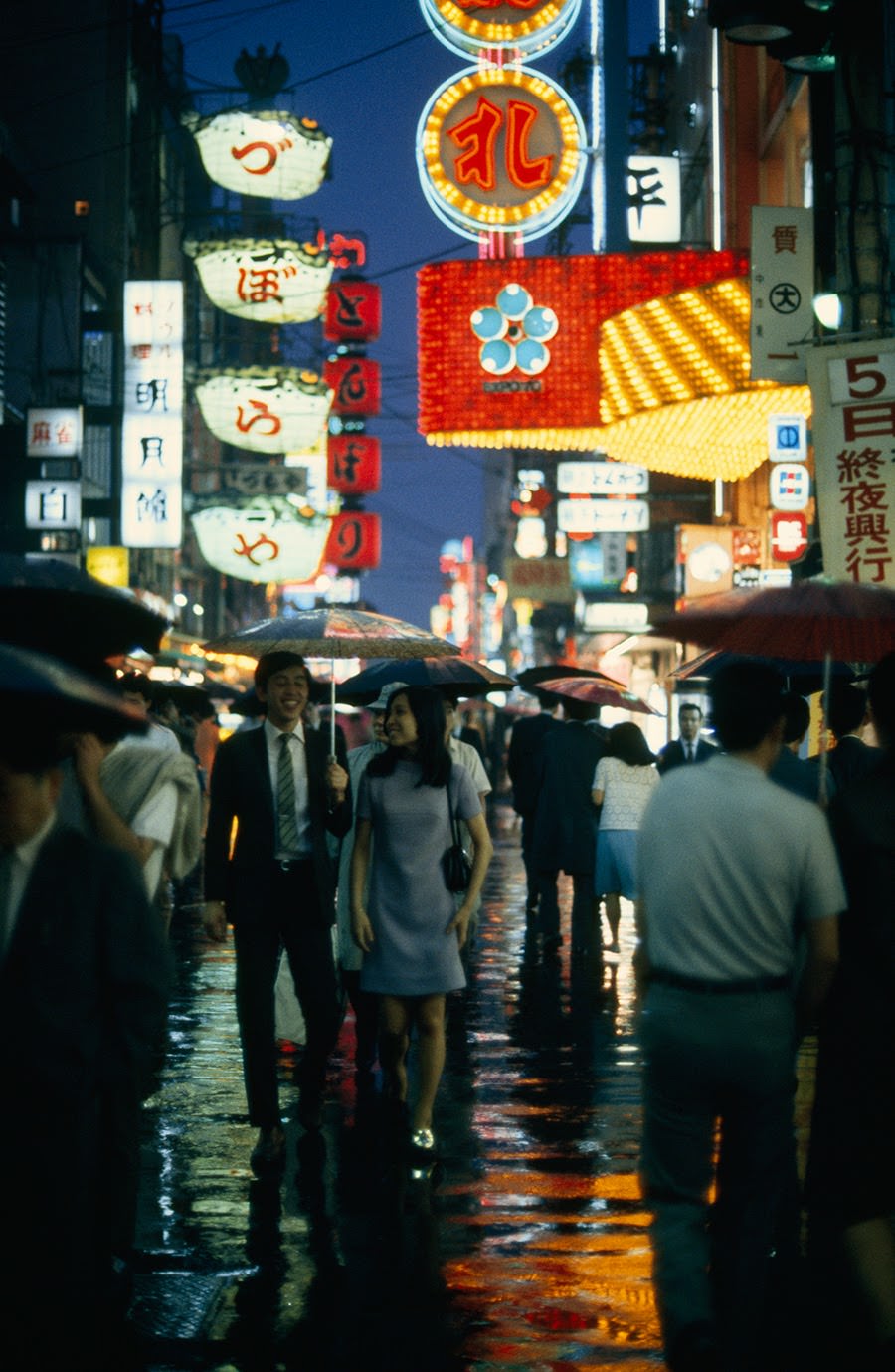
Urban scenes across the archive capture the specific textures of 1970s city life. Kids play baseball in a Caracas sandlot. Teenagers cool off at an open fire hydrant in Harlem. A vacant lot between high-rises serves as a makeshift driving range. These aren’t polished images of famous landmarks — they’re the overlooked corners that most cameras never bothered with.
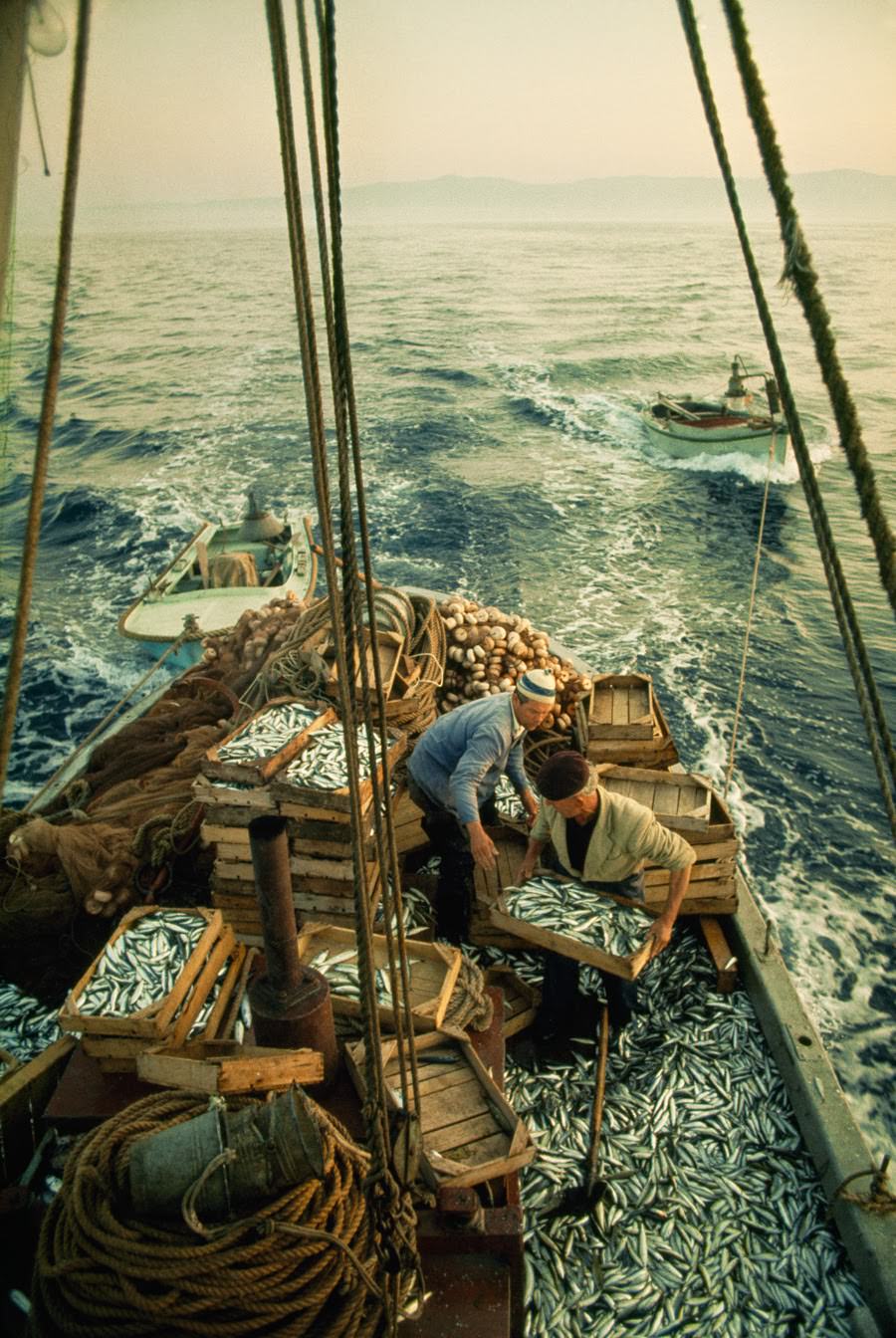
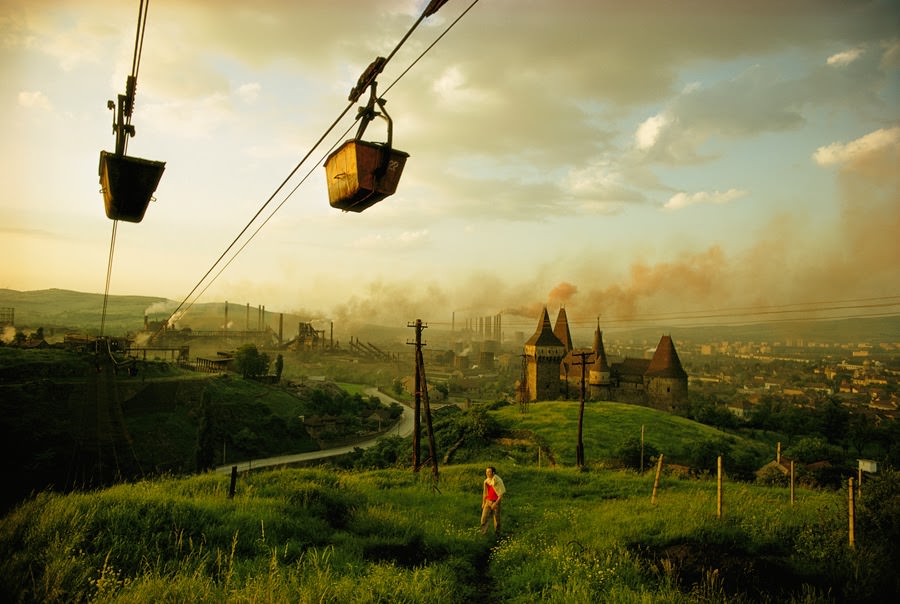
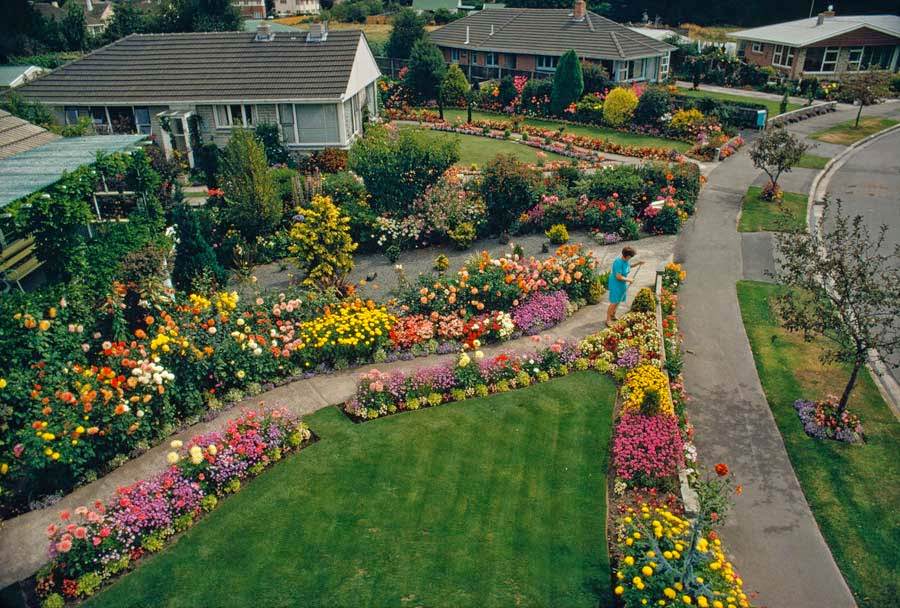
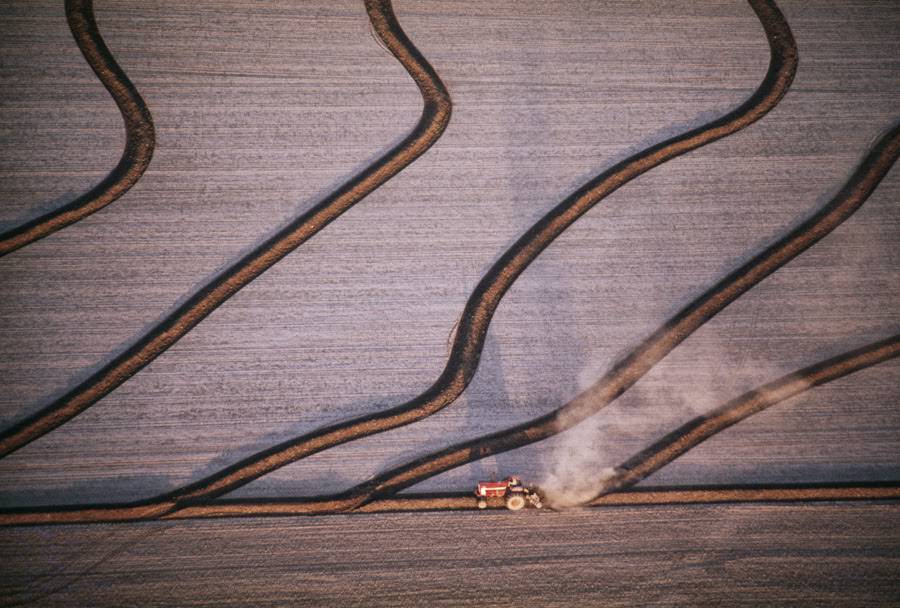
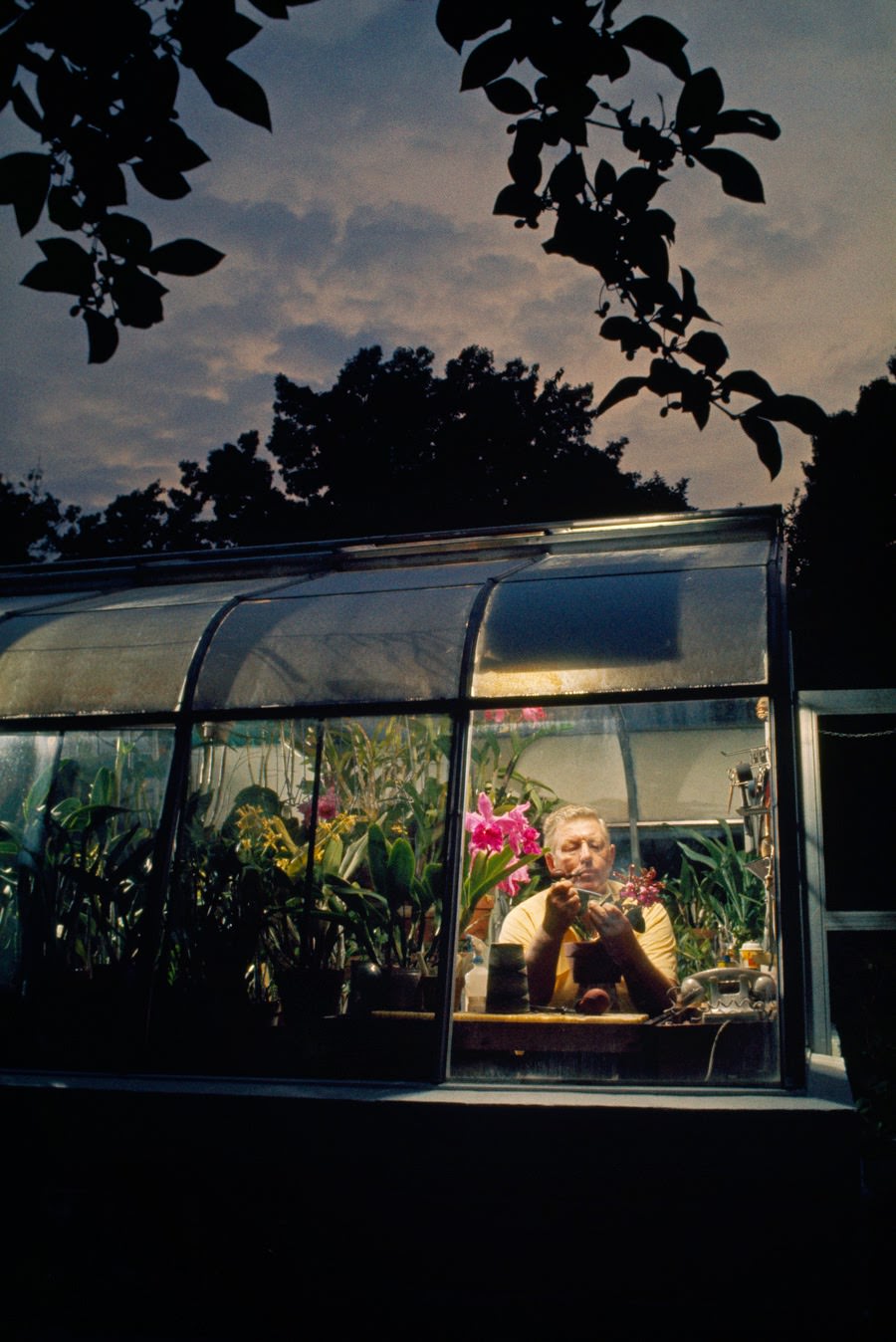
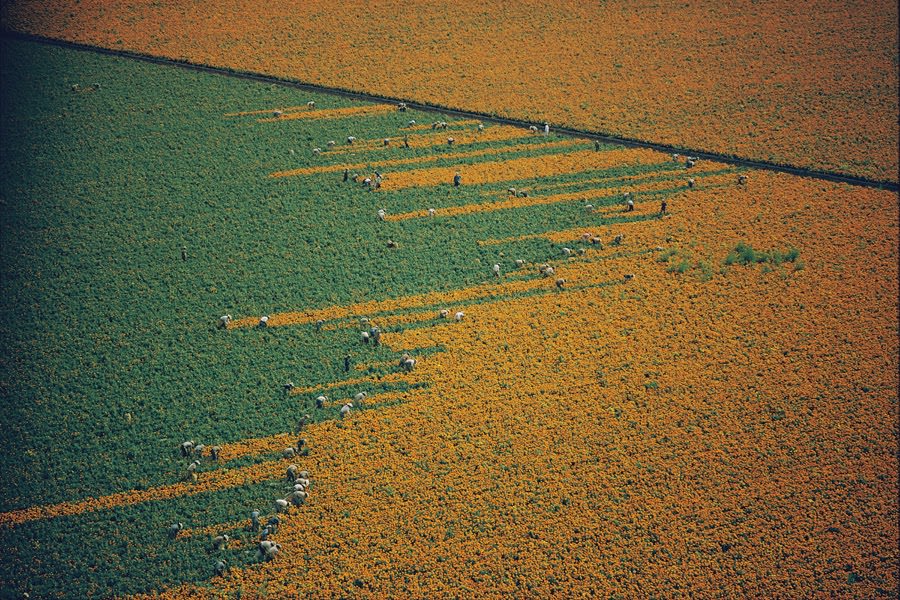
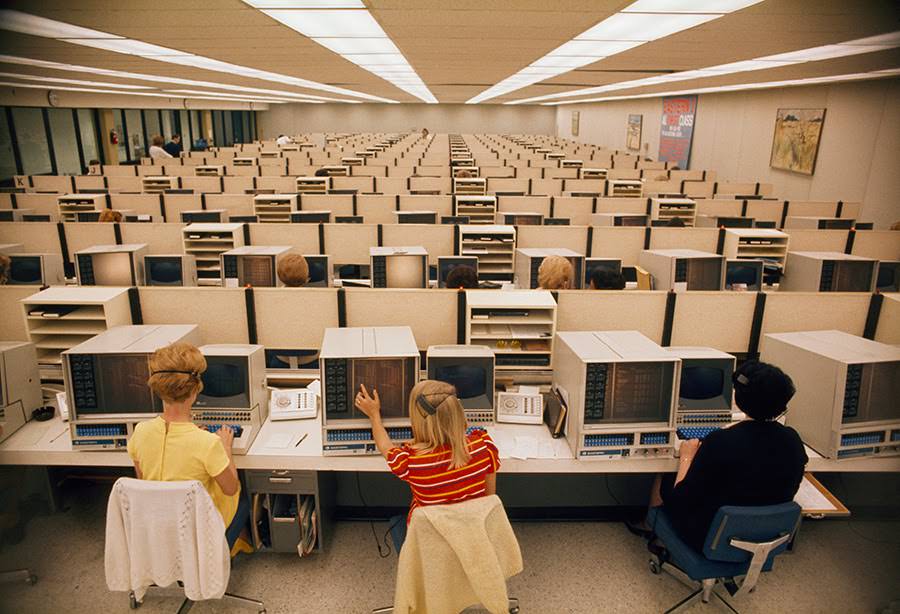
Work and labor run throughout the collection. Fishermen on the Adriatic haul sardines into crates. Iron ore buckets travel by cable to a steelworks in Romania. Marigold harvesters move through fields in Mexico. An amateur orchid grower tends his greenhouse in Maryland. The 1970s economy — industrial, agricultural, and service-sector alike — shows up in frame after frame.
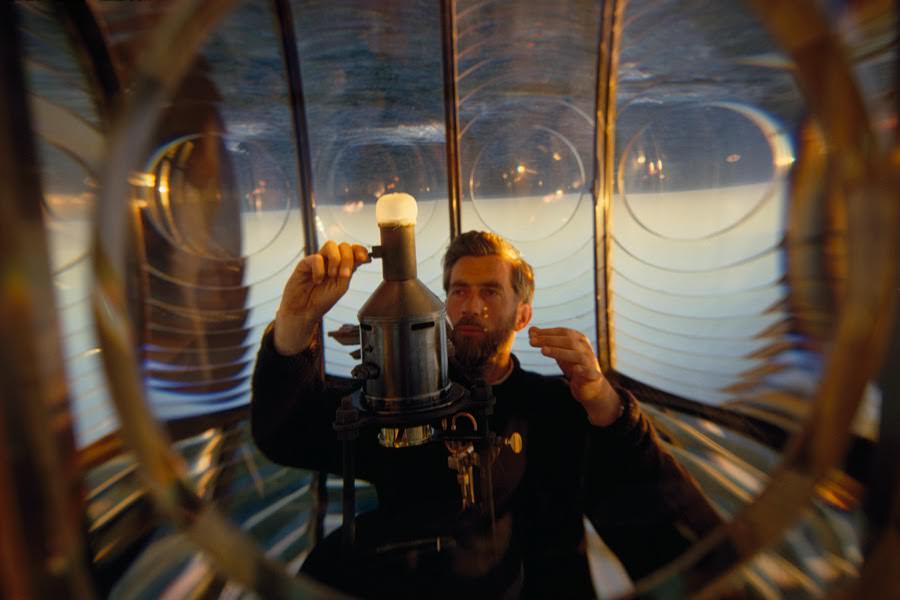
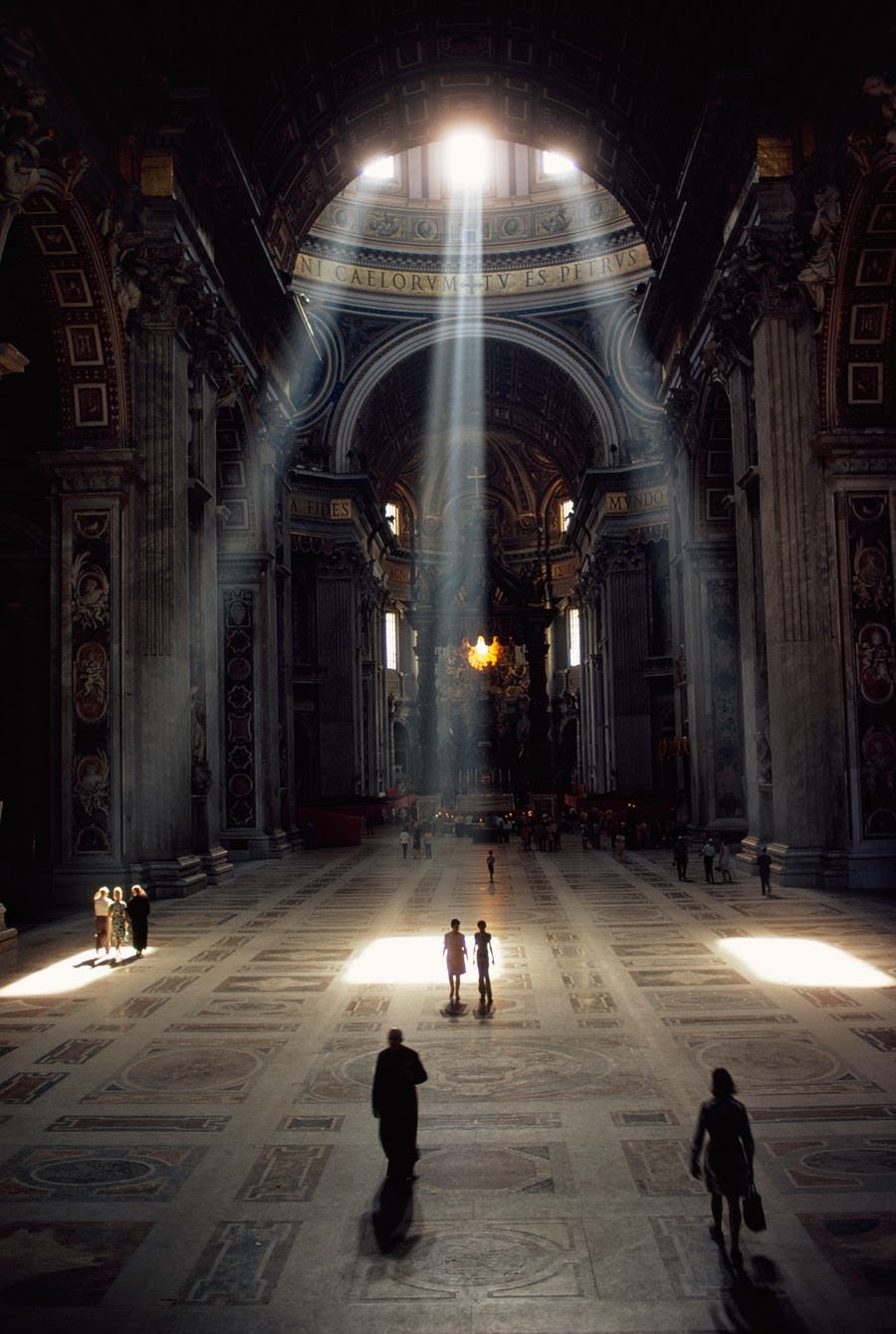

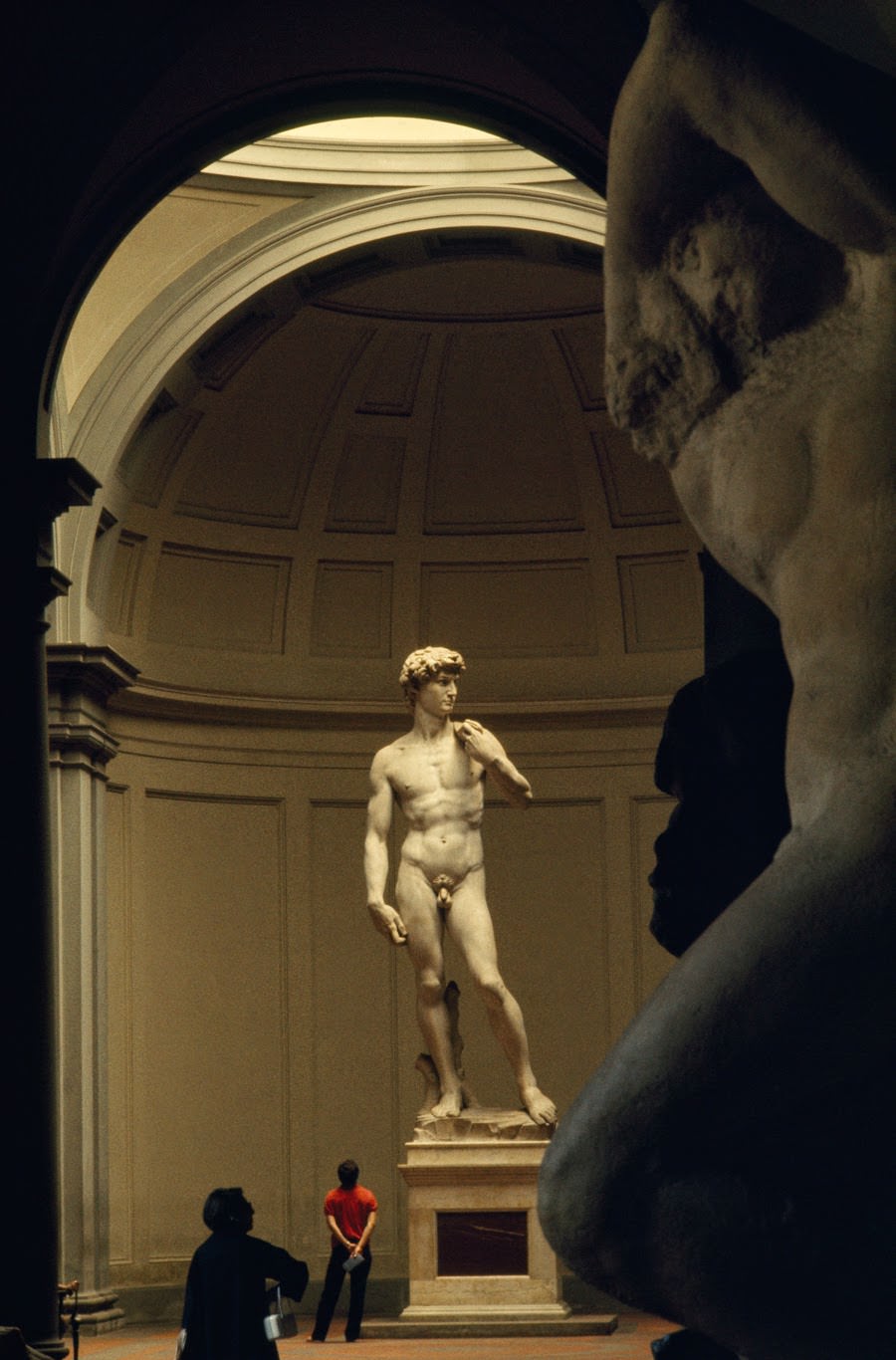
Some photographs are simply beautiful. Shafts of sunlight cut through the Vatican basilica and land on its mosaic floor. Seagulls swarm a passenger ferry off the Channel Islands. Bergen, Norway sits at dusk, pressed between mountain walls and a fjord. Michelangelo’s David stands in the Accademia Gallery in Florence. These are moments where the Kodachrome film and the photographer’s eye worked together perfectly.
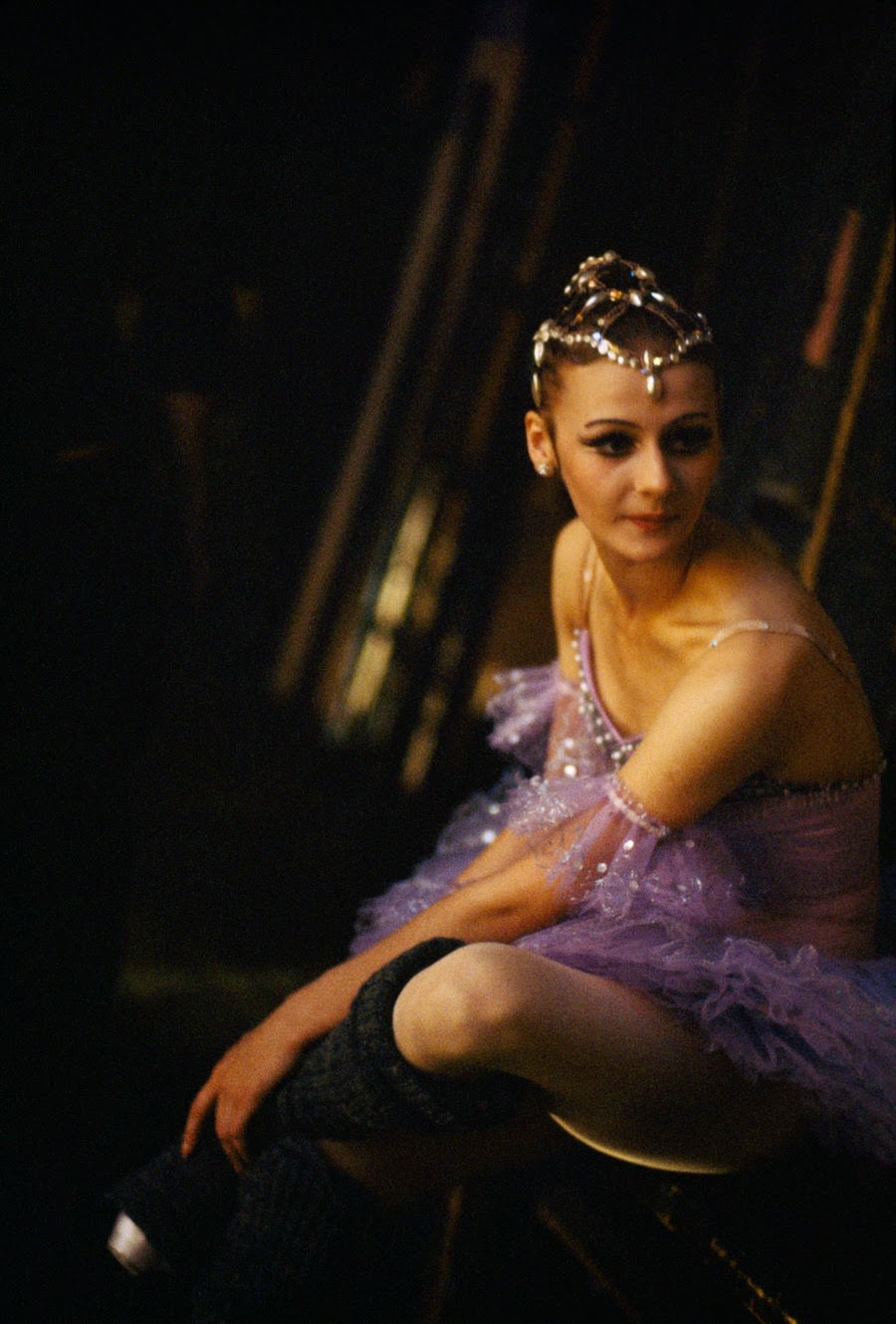
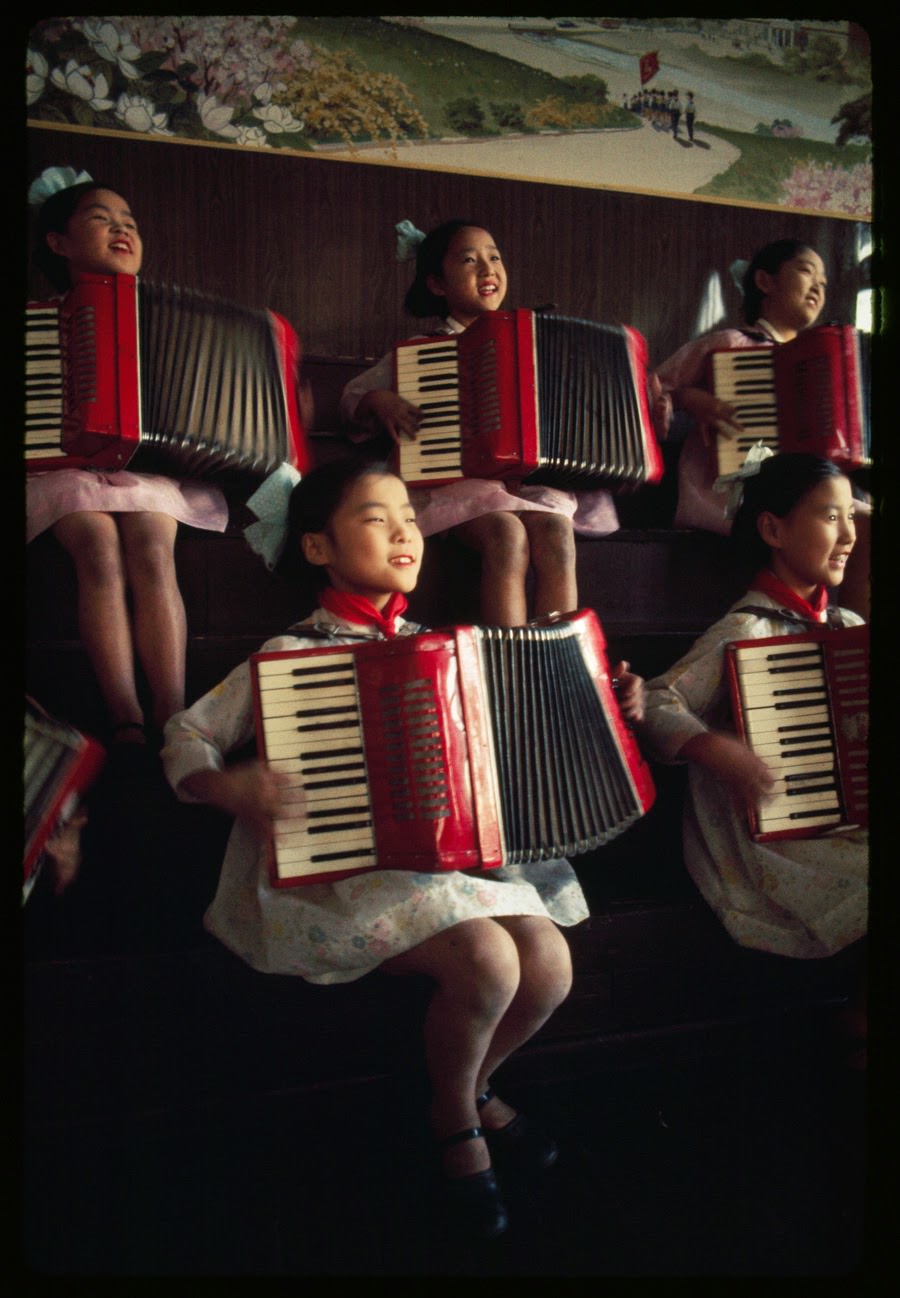
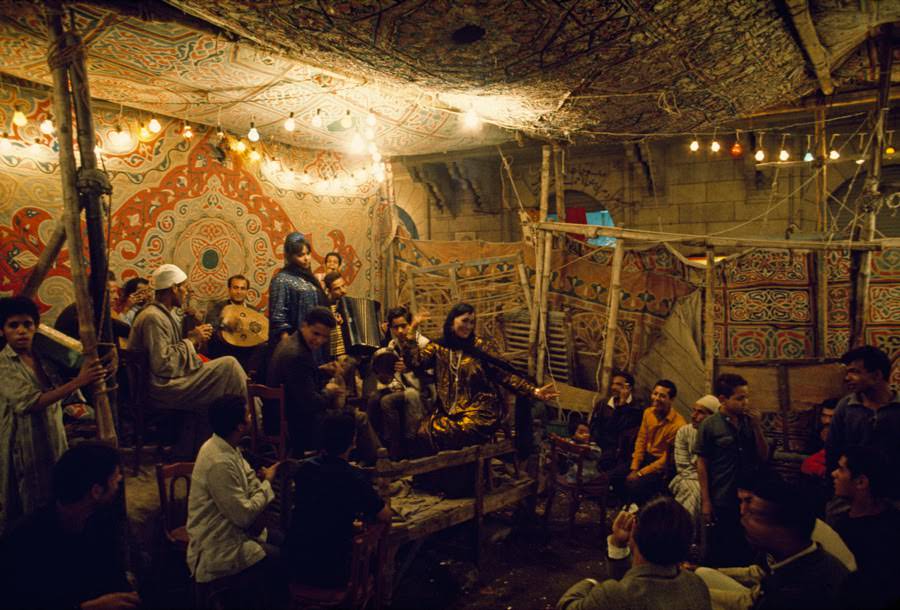
The archive also captures cultural performances frozen mid-preparation. A costumed ballet dancer gets ready backstage before an international competition in Moscow. North Korean schoolgirls practice accordion in perfect rows. Folk singers entertain crowds during Ramadan in Cairo. A fortune teller lays out cards in Marrakesh’s Jemaa el-Fnaa square. Each image locks a specific cultural moment in place with absolute precision.
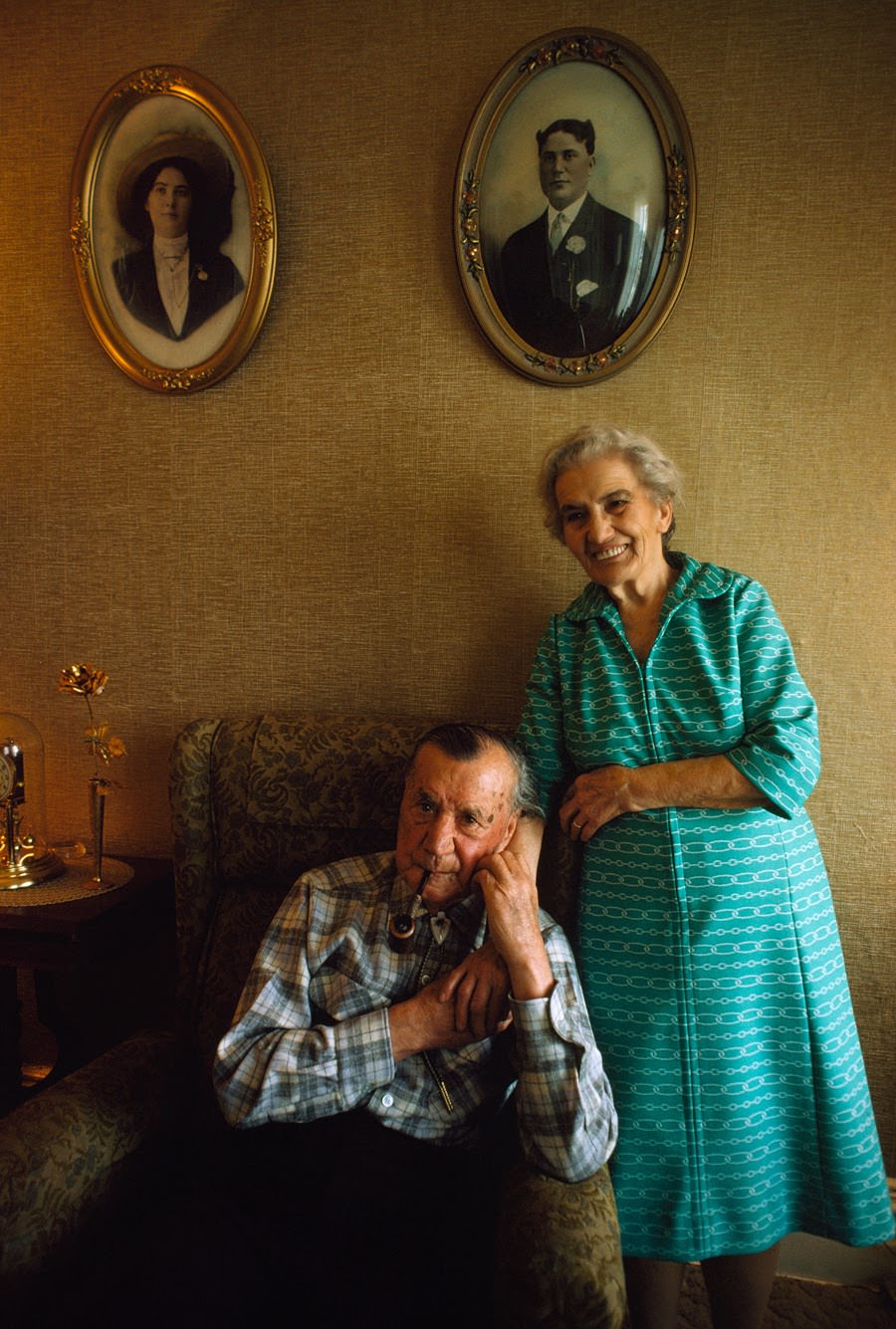
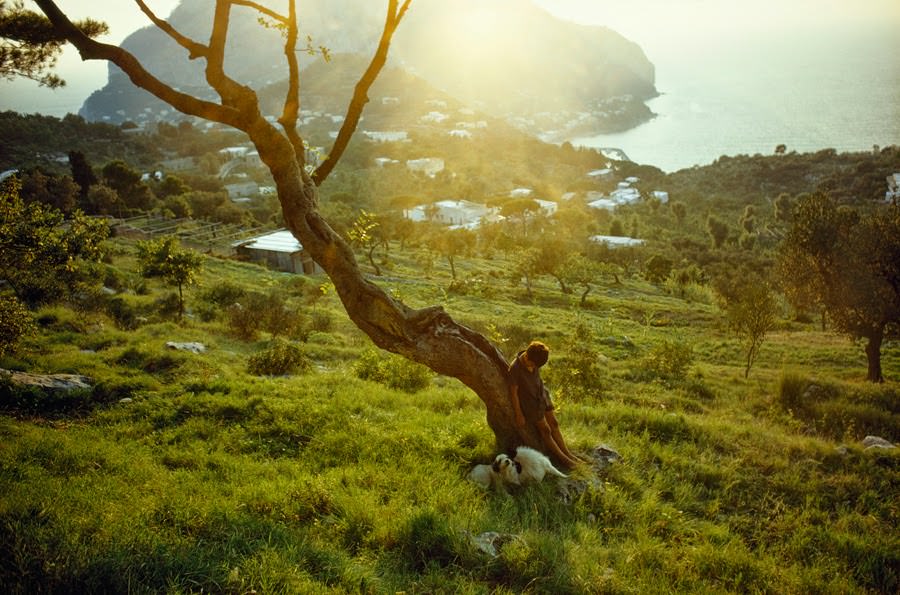
A few images carry a quiet emotional weight. In Virginia City, Nevada, an elderly couple stands beneath painted portraits of their younger selves. In Ireland, a farmer holds his dog in a stone-walled field. In Capri, a boy rests beside his dogs under a gnarled carob tree. These aren’t news photographs. They’re portraits of ordinary life, made extraordinary by the combination of film, light, and timing.


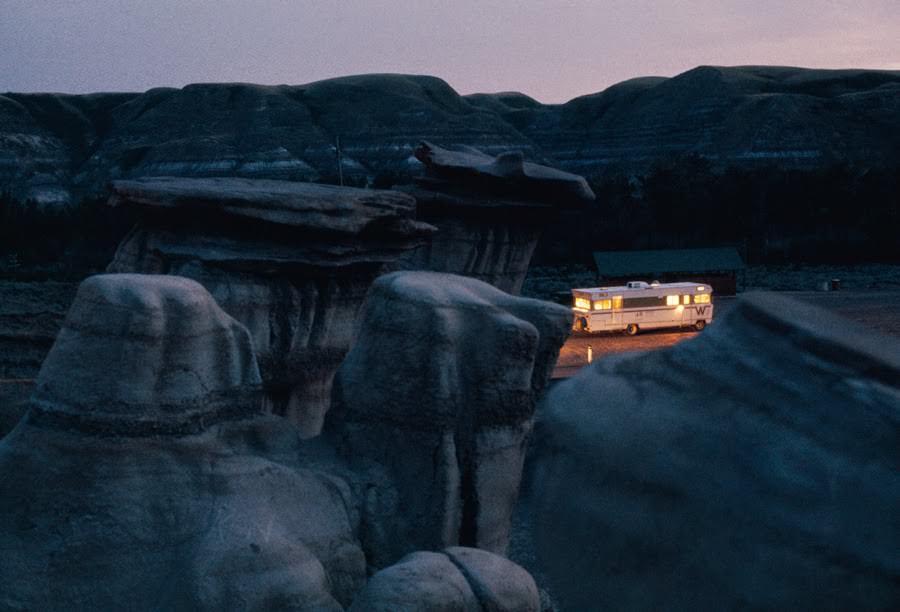
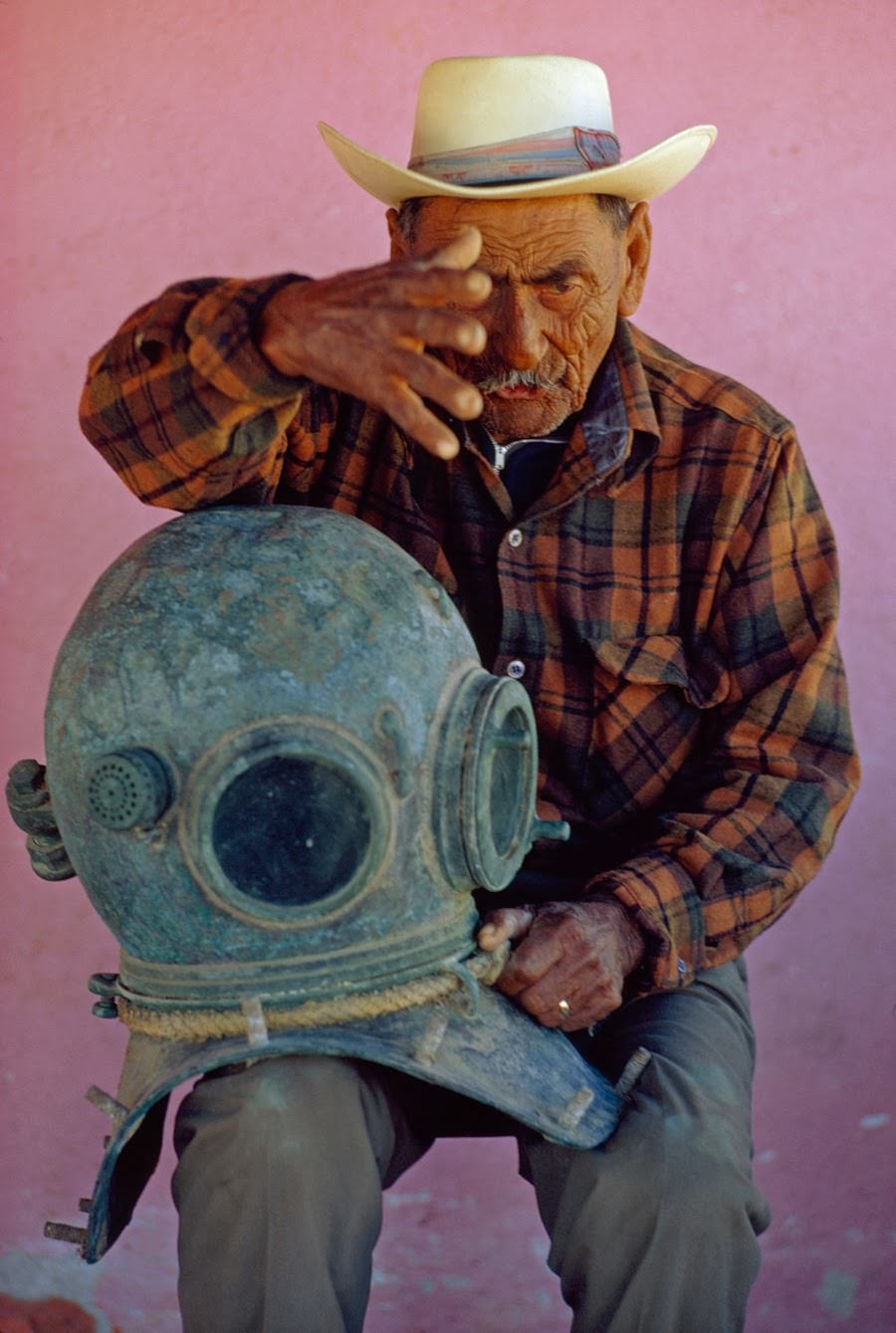
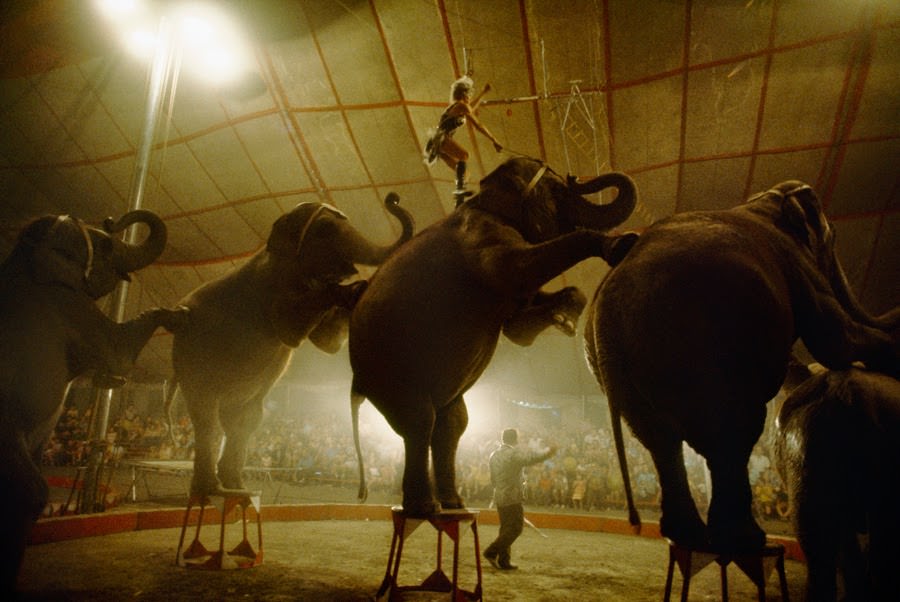
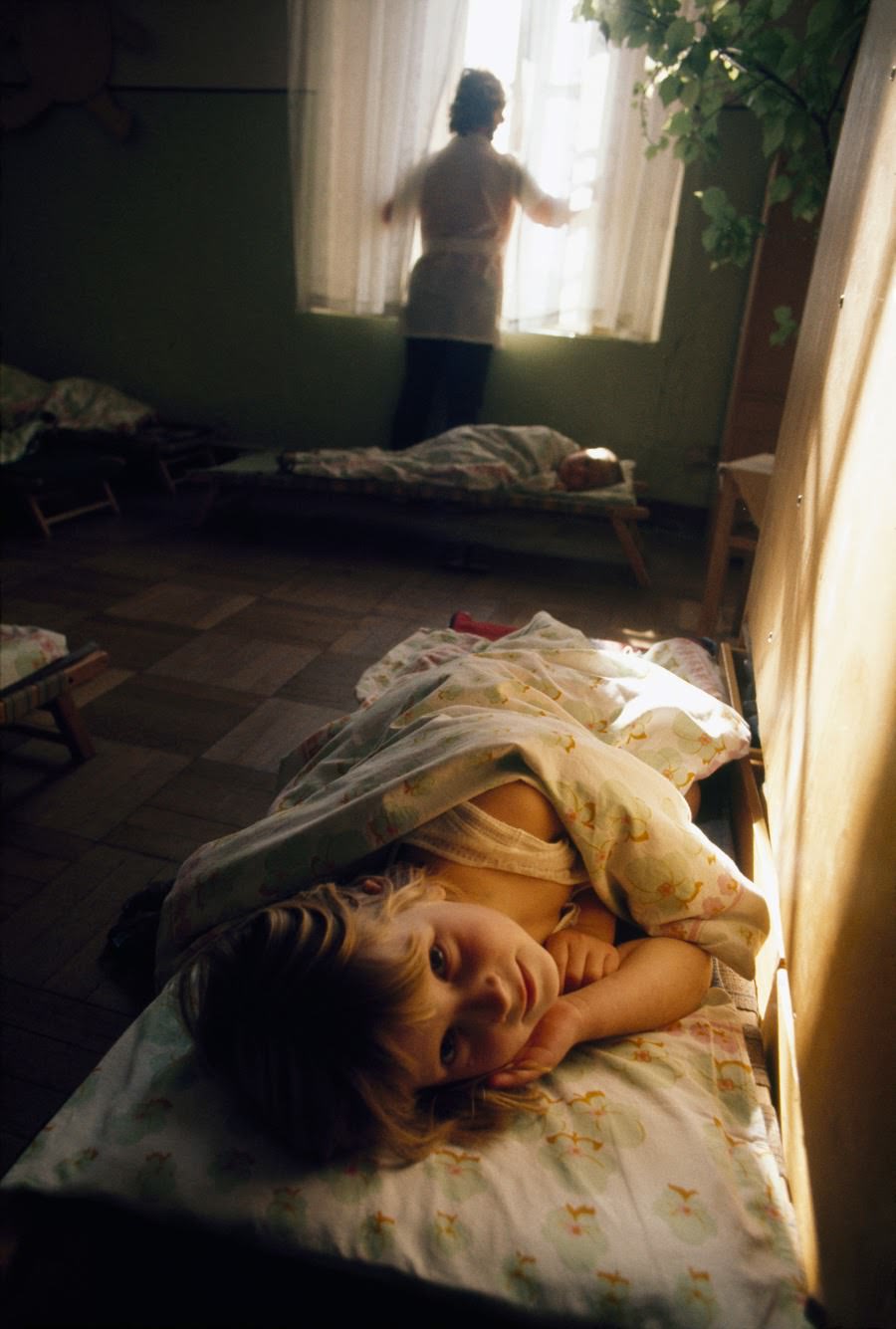
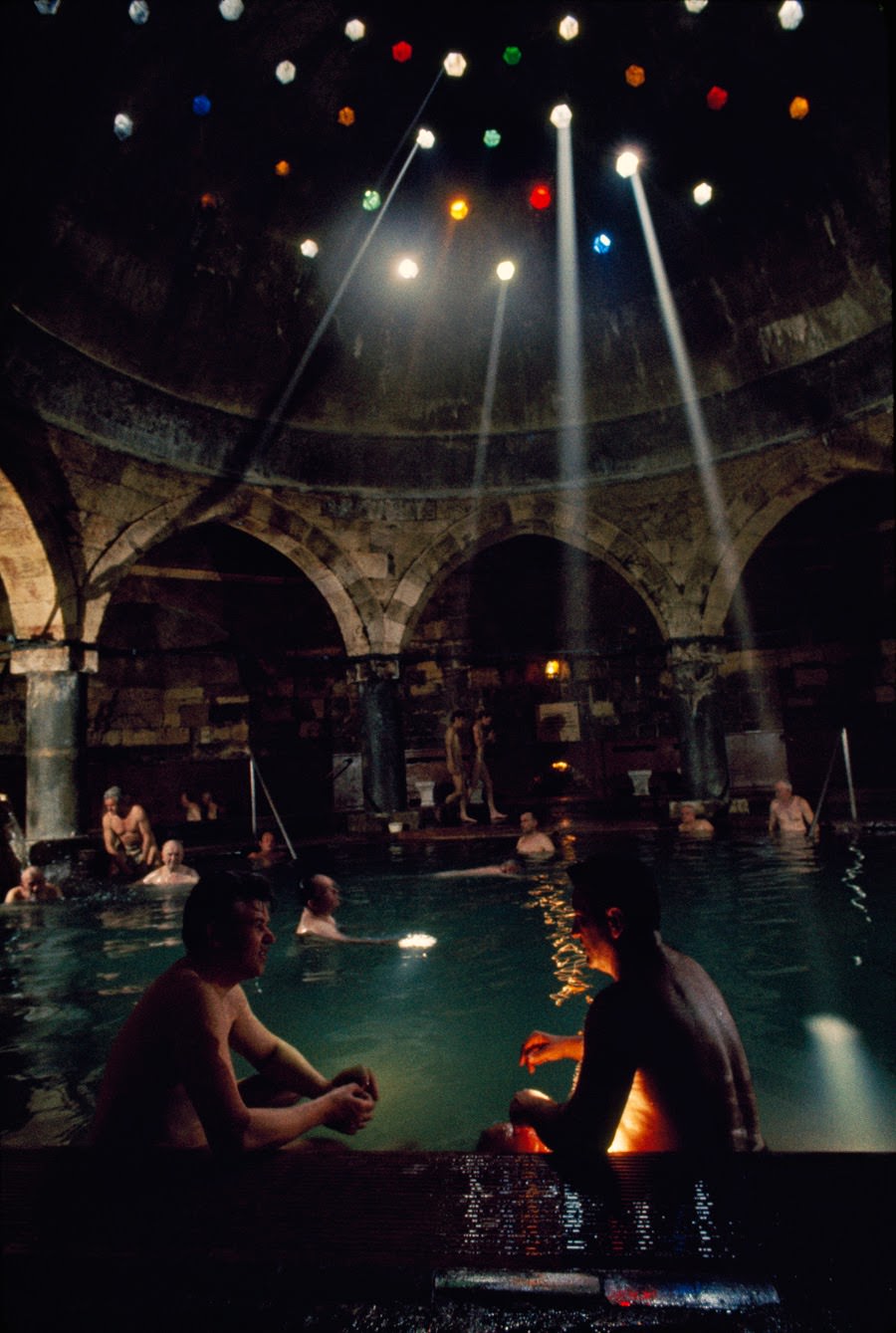
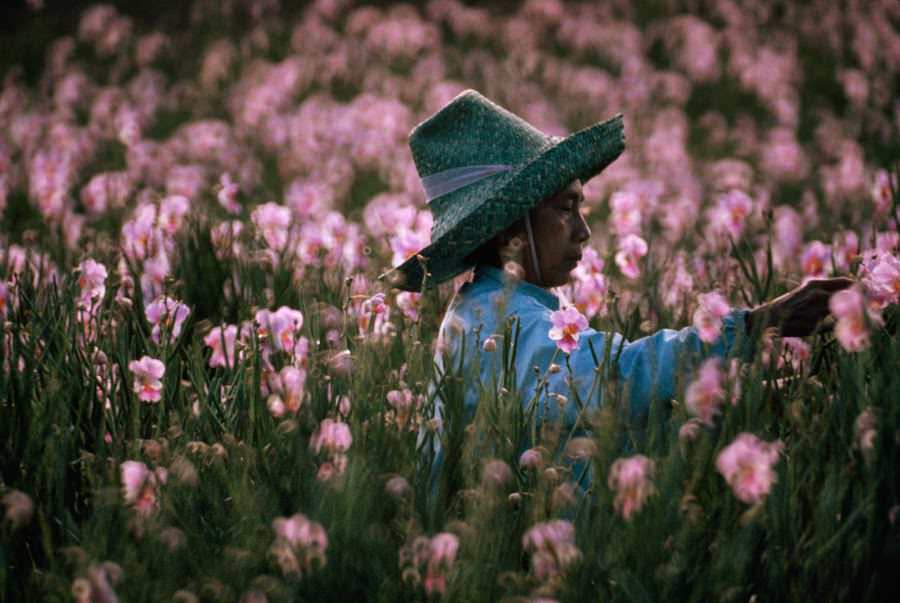
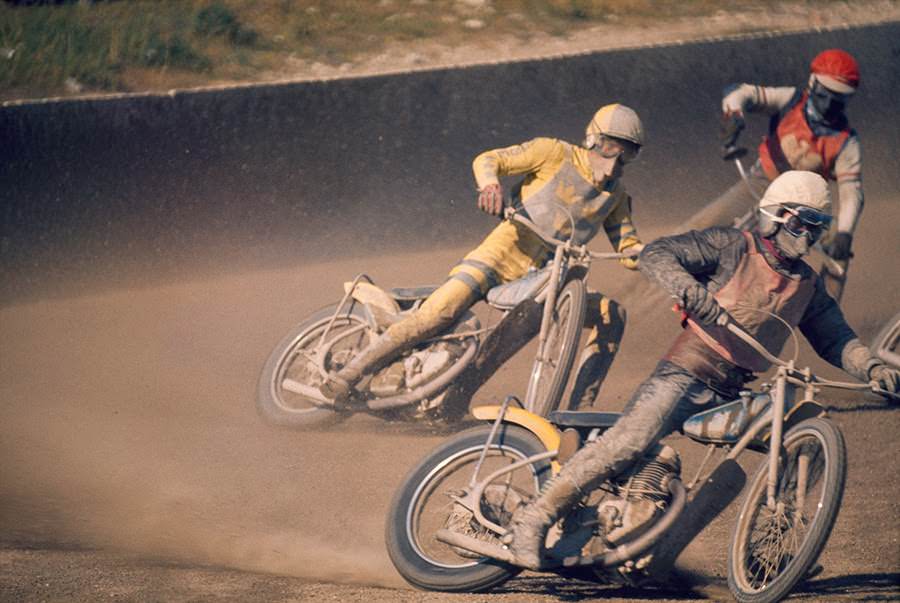
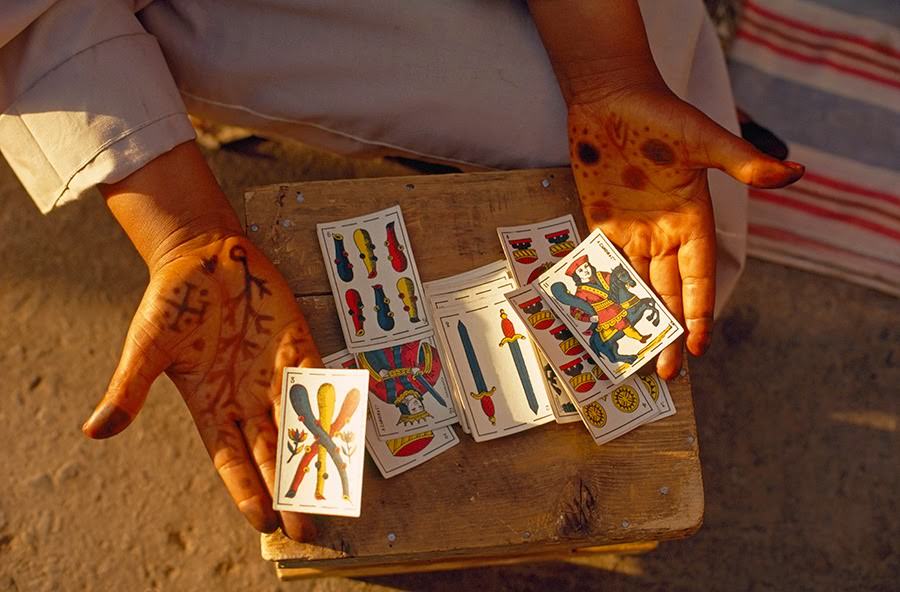

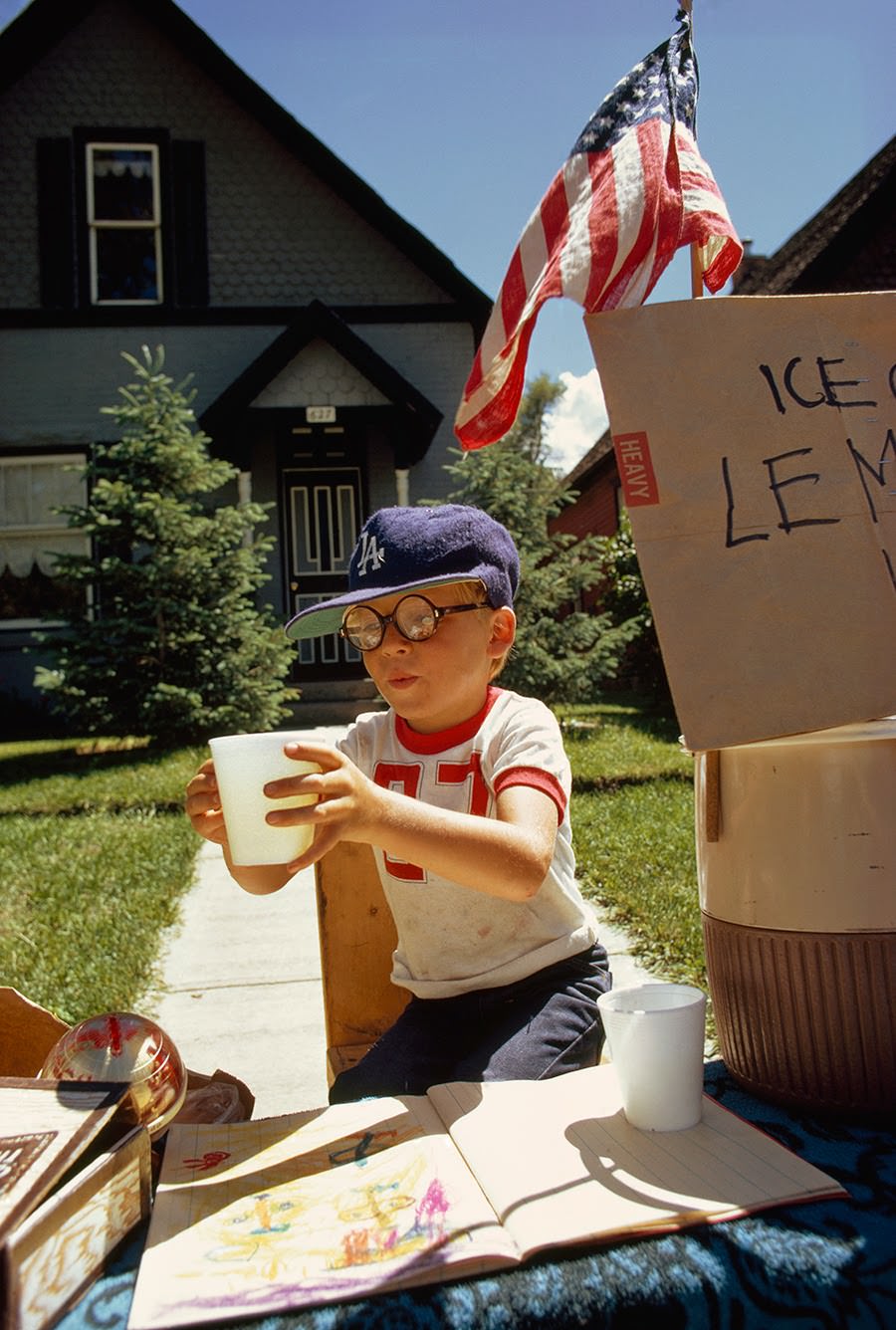
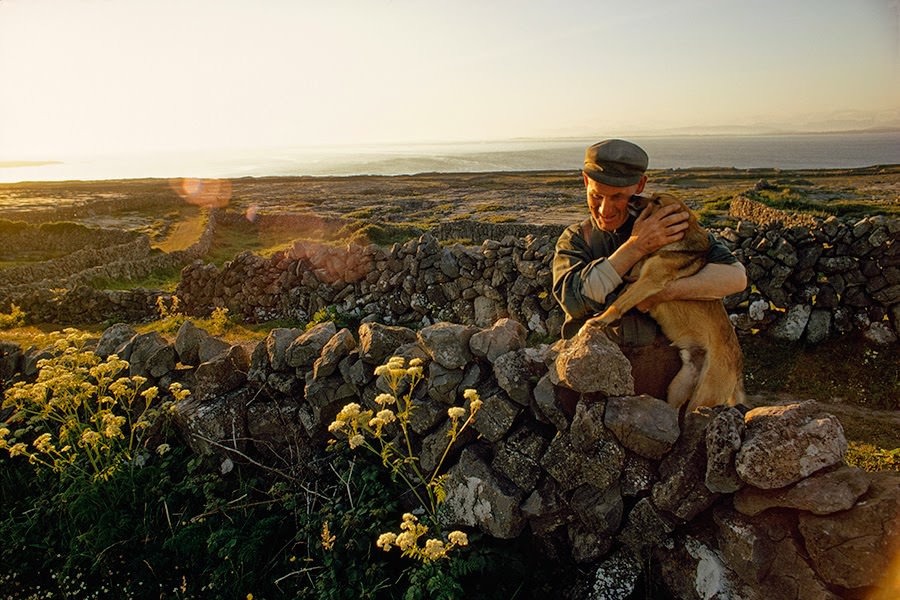
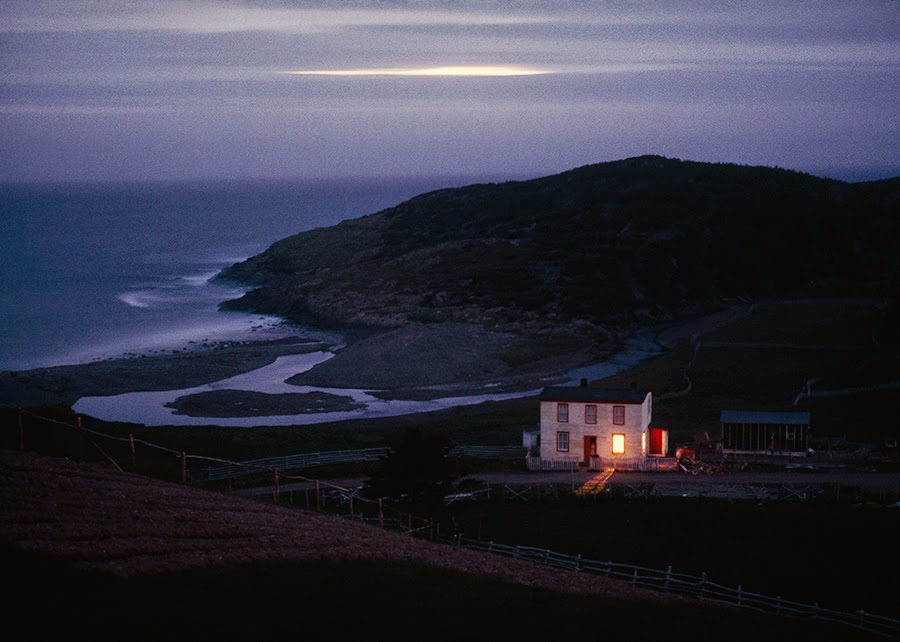





These are cool pictures but none of them are really screaming 1970s at me. Some look like they could have been from a very long time ago.
Loved the imagery!! Love to see more.