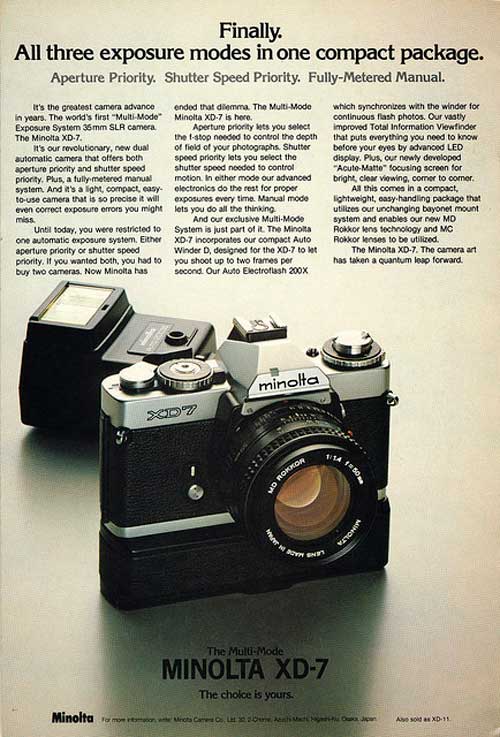
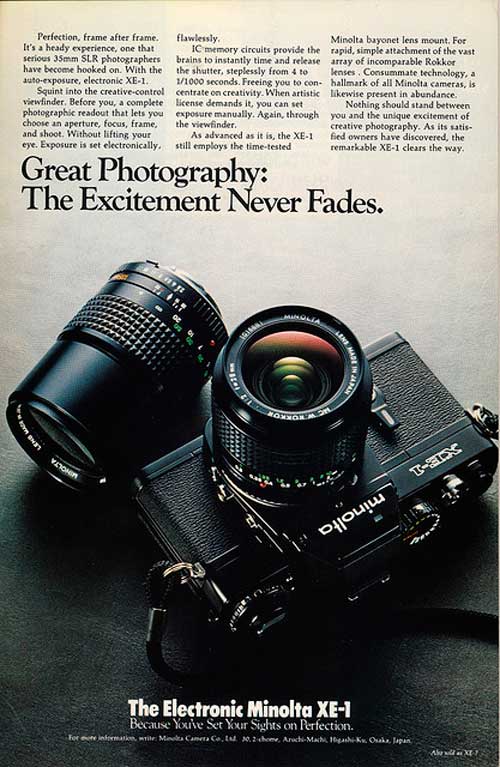
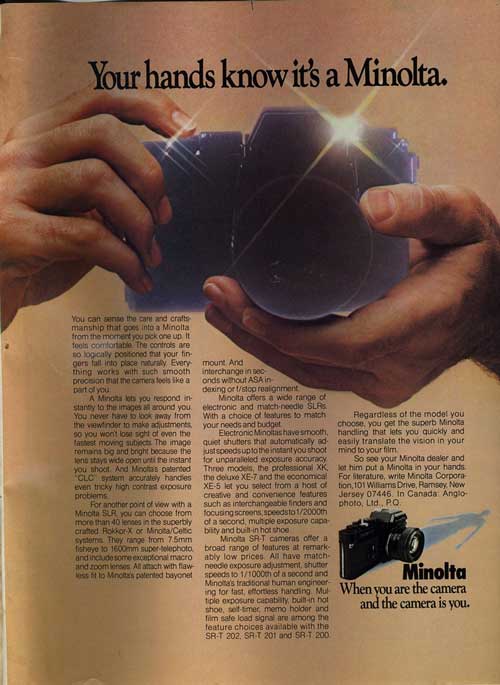
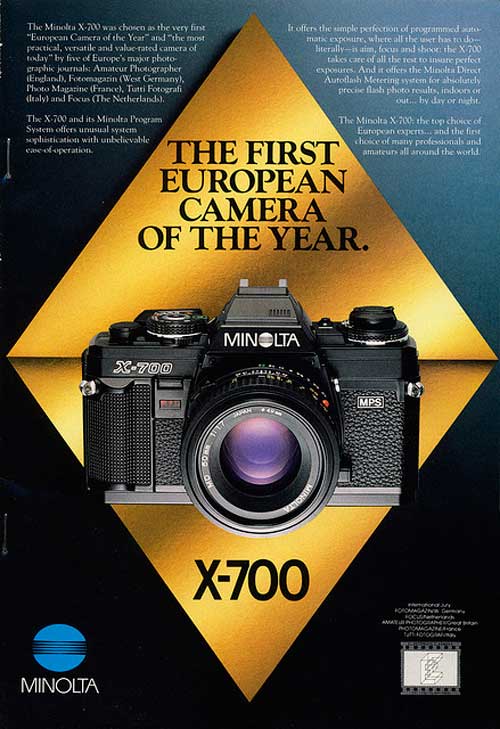
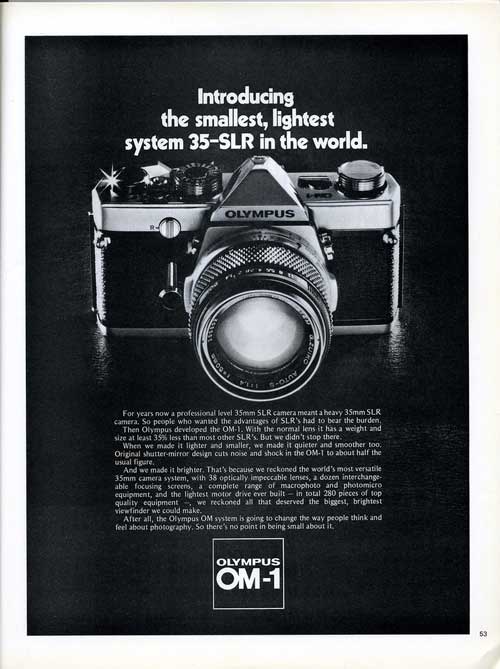
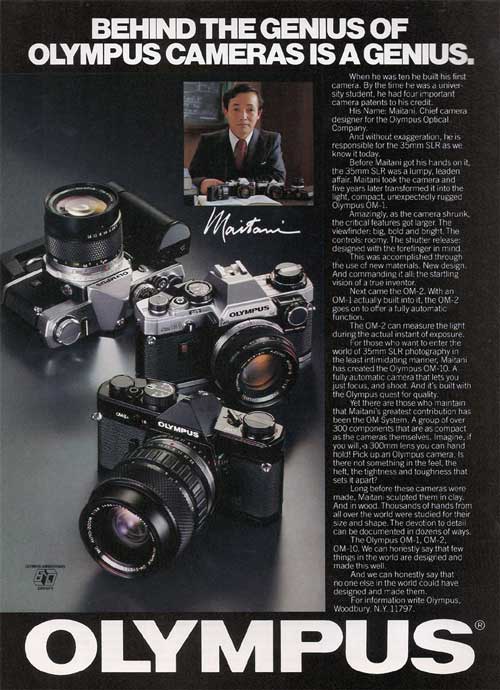
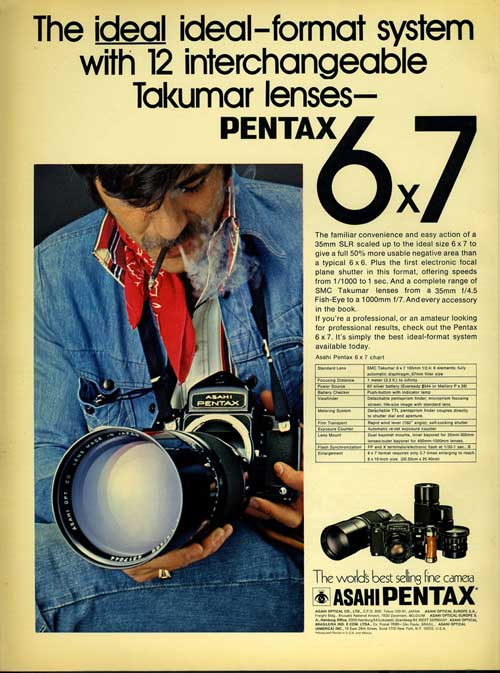
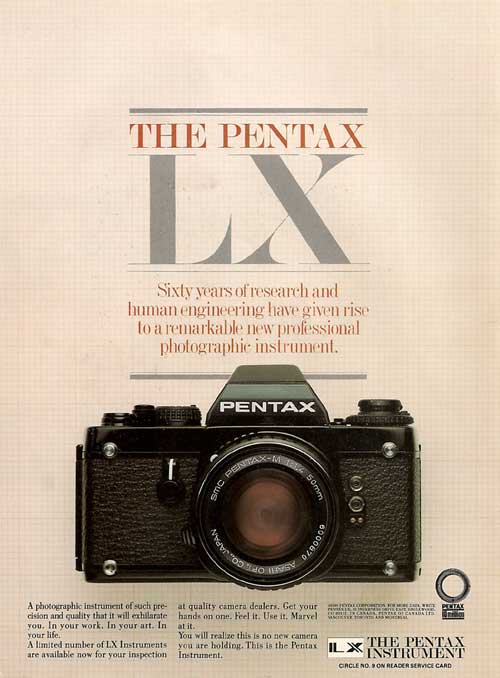
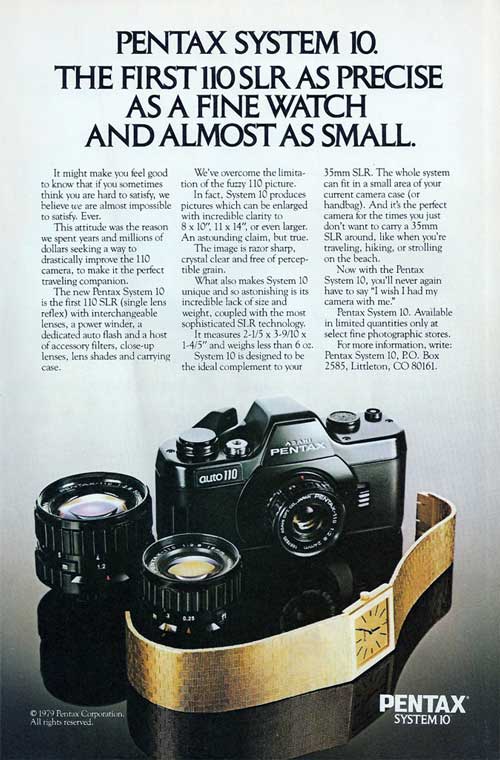
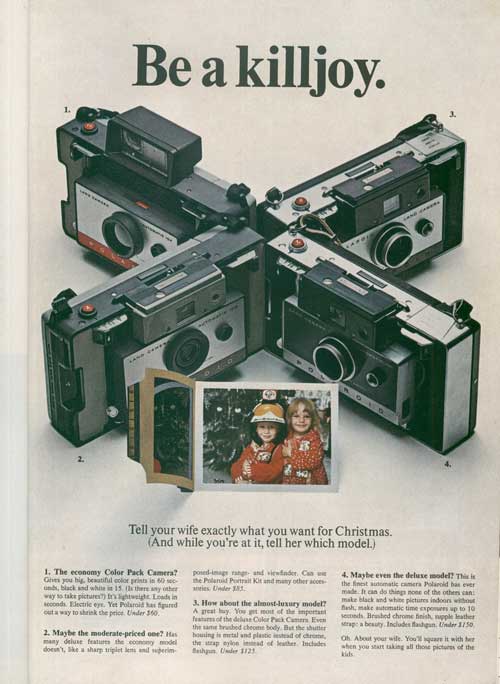
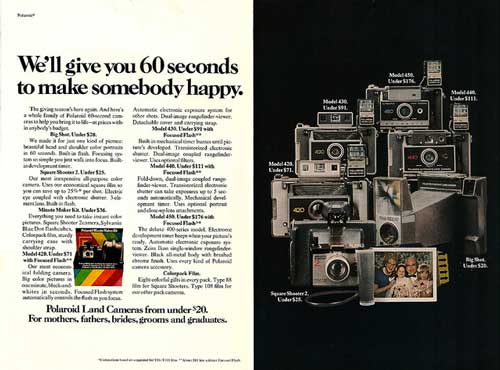
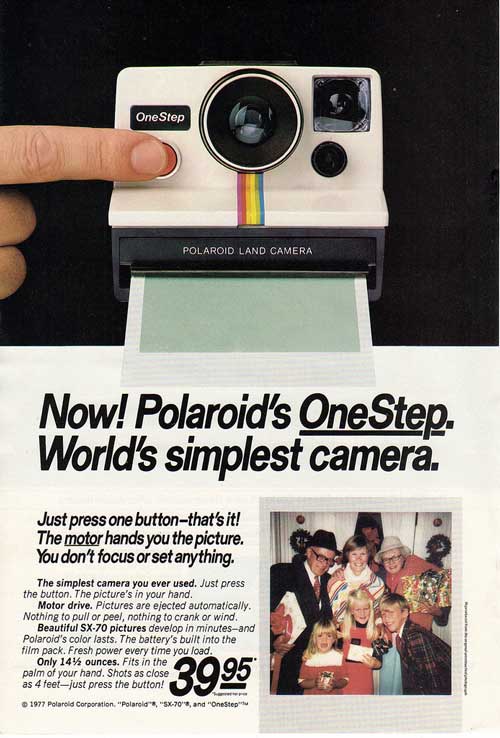
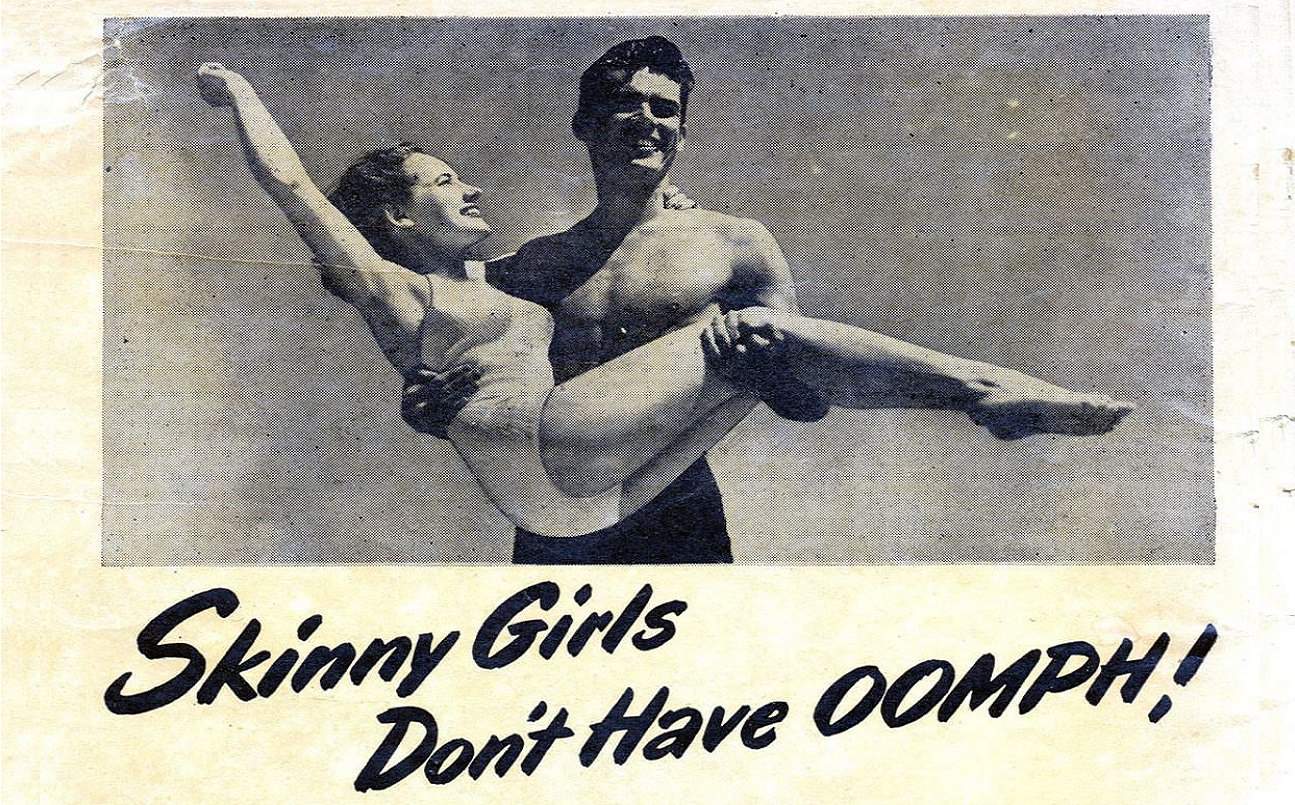
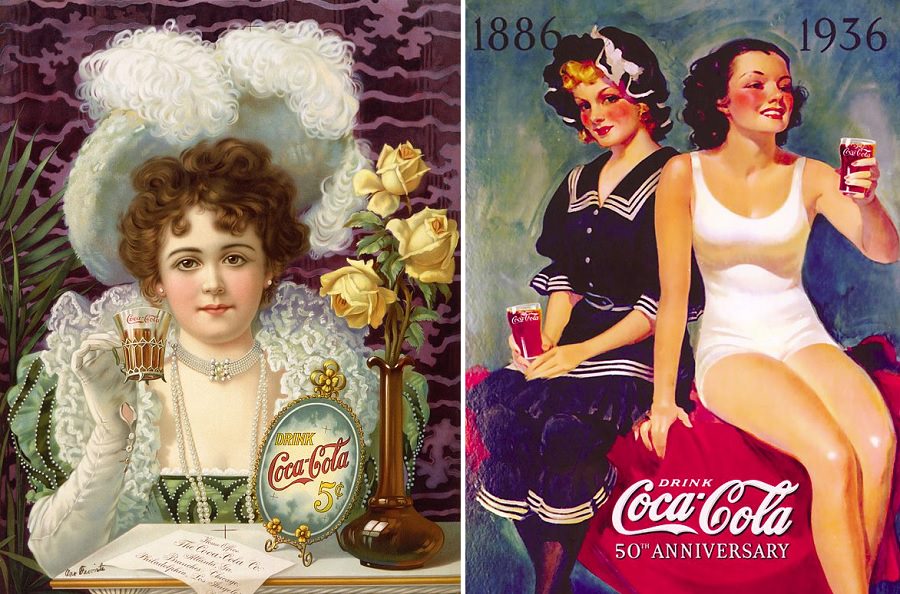
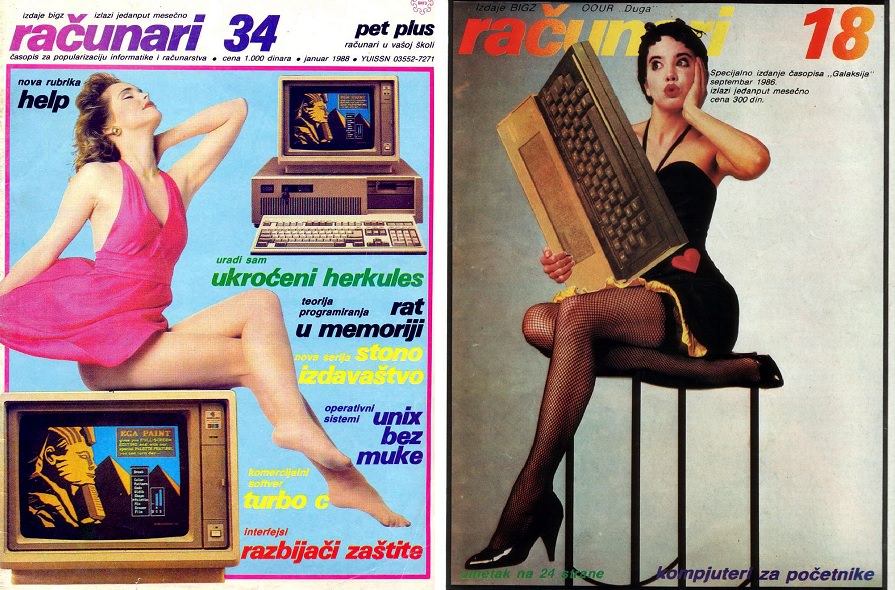
Before the internet, people discovered new cameras through printed ads in magazines and newspapers. These were the main channels camera makers used to reach buyers. A full-page spread in a popular magazine or a bold newspaper ad was often a person’s first introduction to a new model.
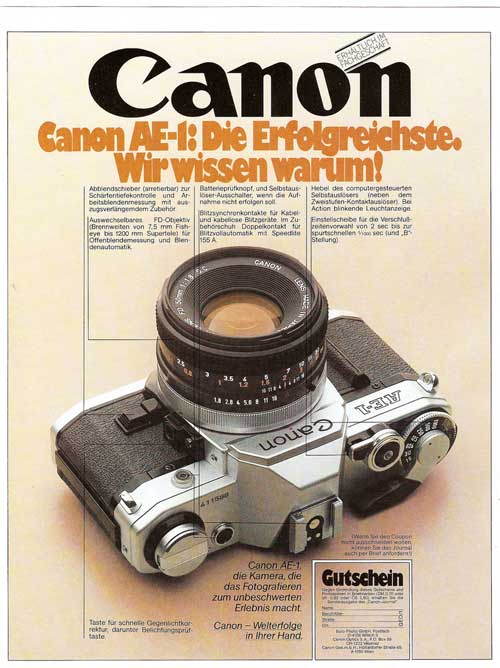
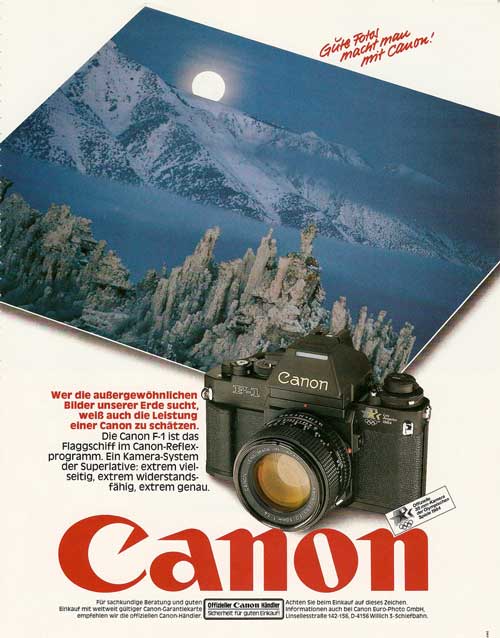
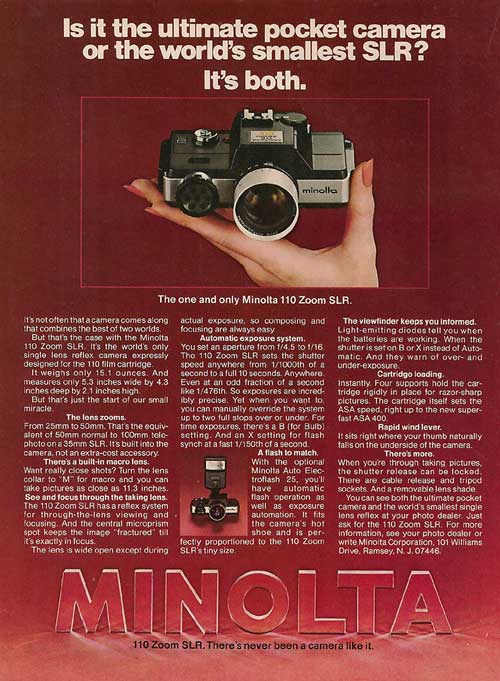
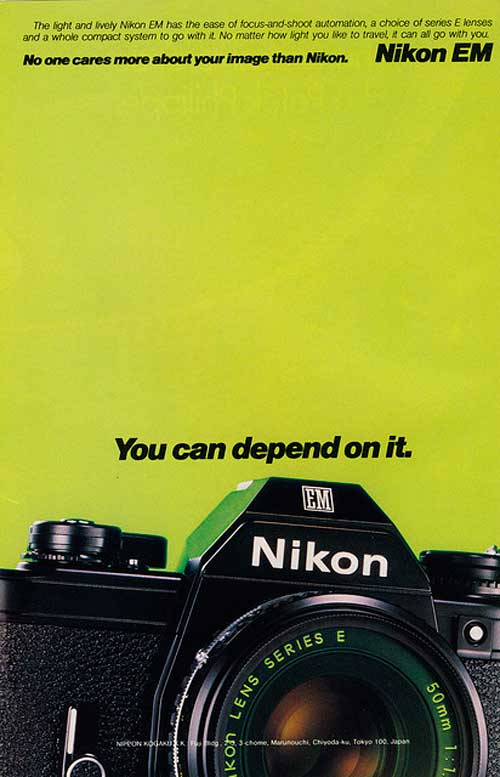
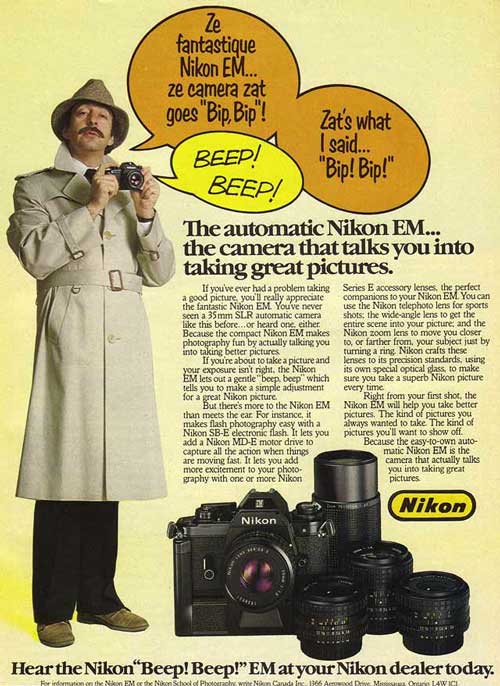
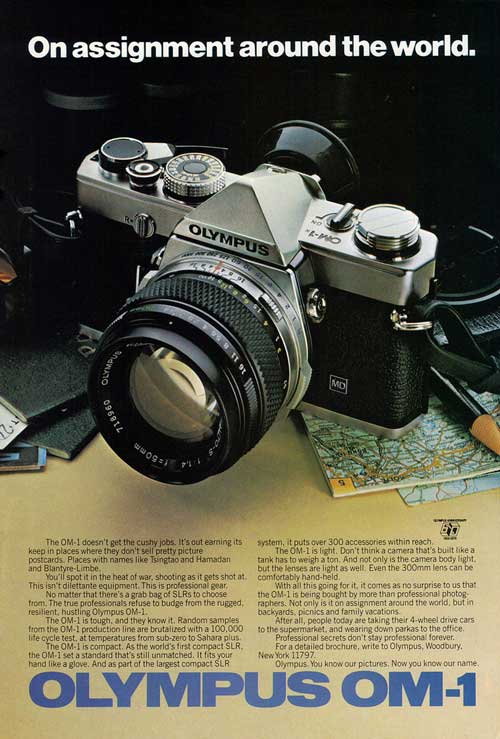
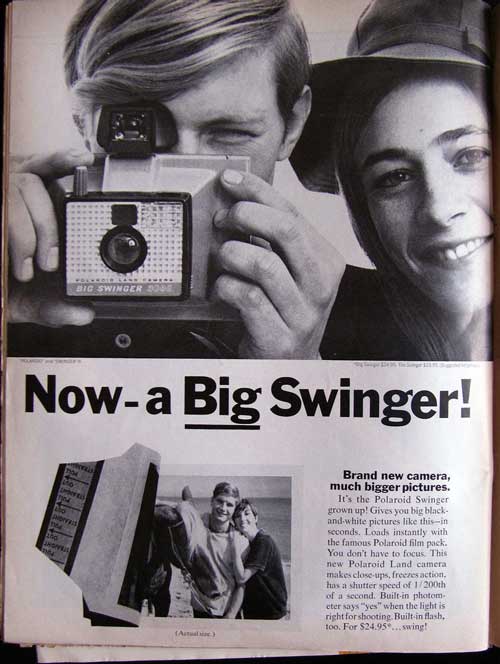
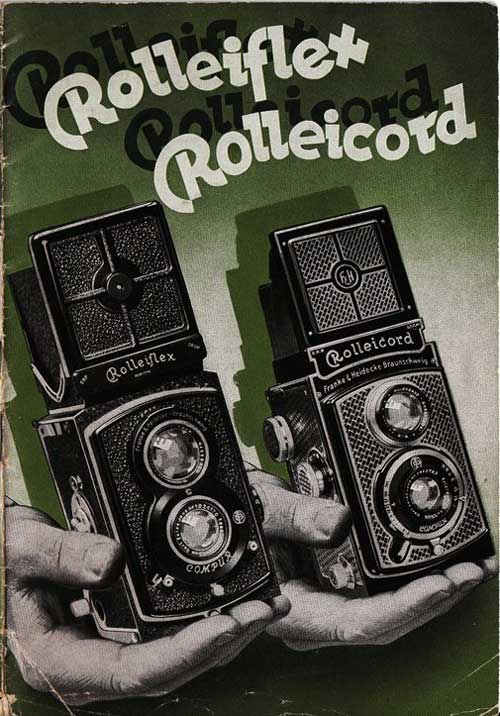
The visual style of these ads was deliberate and carefully crafted. Many used detailed illustrations to show off a camera’s design and features. Others relied on photographs of smiling families, friends, or travelers — real-life scenes meant to make the product feel personal and desirable.
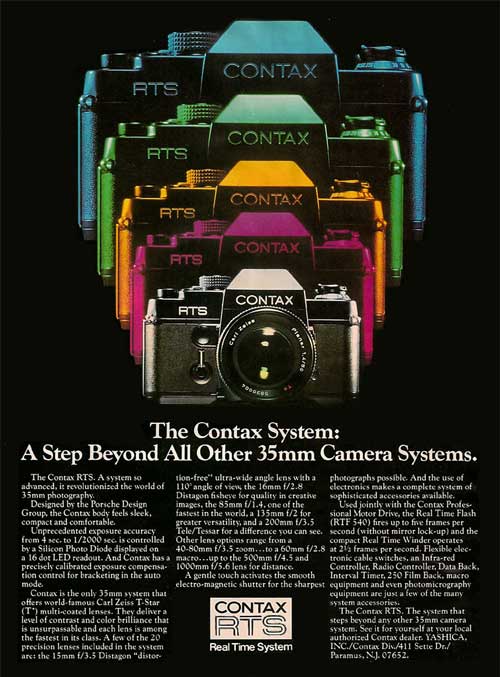
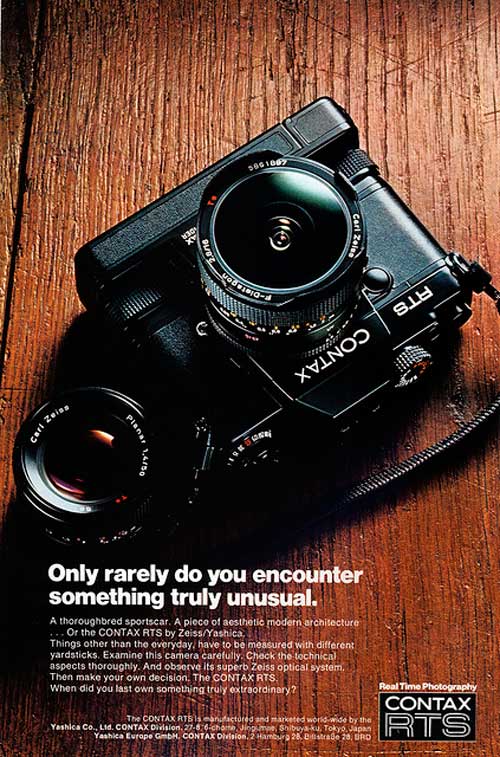
The language in these ads was just as important as the visuals. Companies crafted memorable taglines and kept the copy focused on ease of use and the quality of photos a camera could produce. The goal was to connect with the reader’s wish to take great pictures without any hassle.
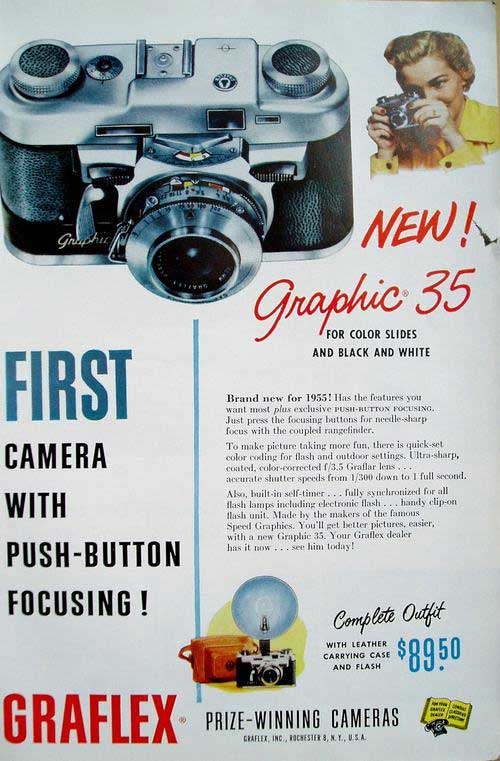
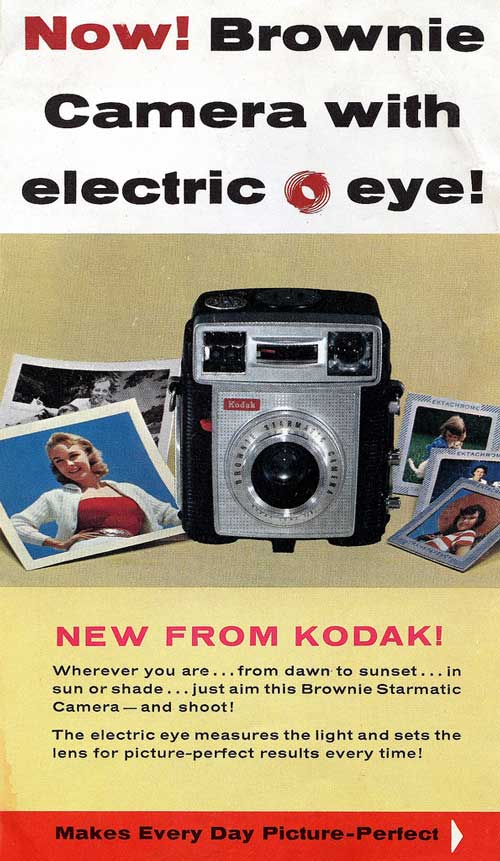
Many ads sold an experience rather than just a product. They promised that the right camera would help you preserve family moments or document a trip. Brands like Kodak built entire campaigns around this idea, linking their cameras to memory-making and everyday joy.
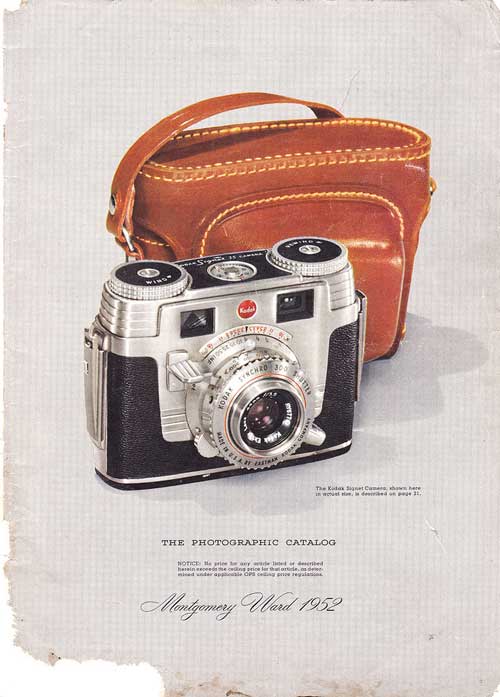
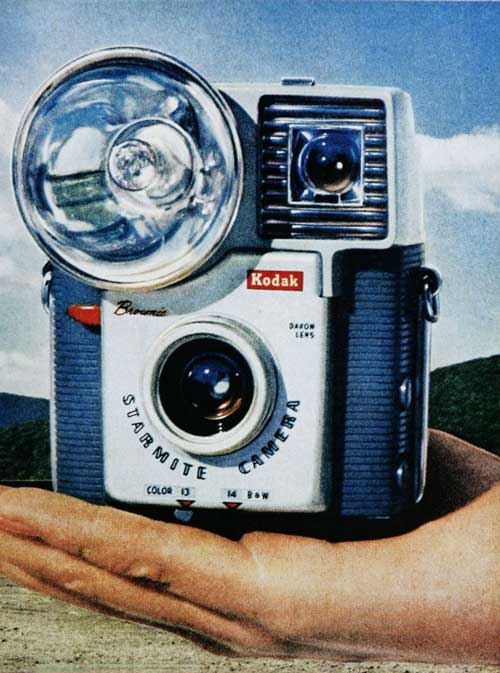
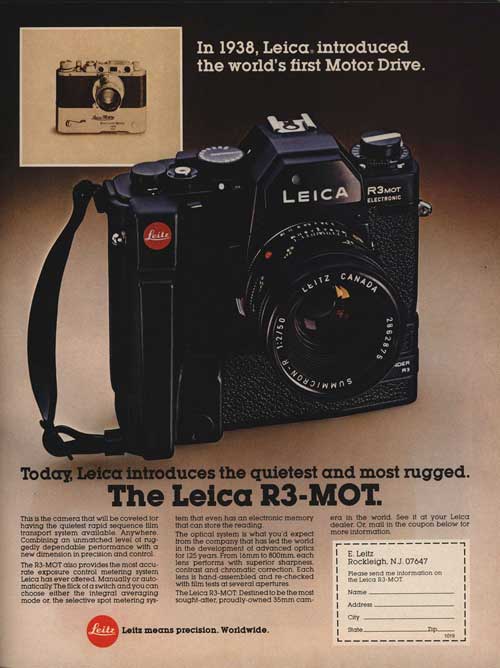
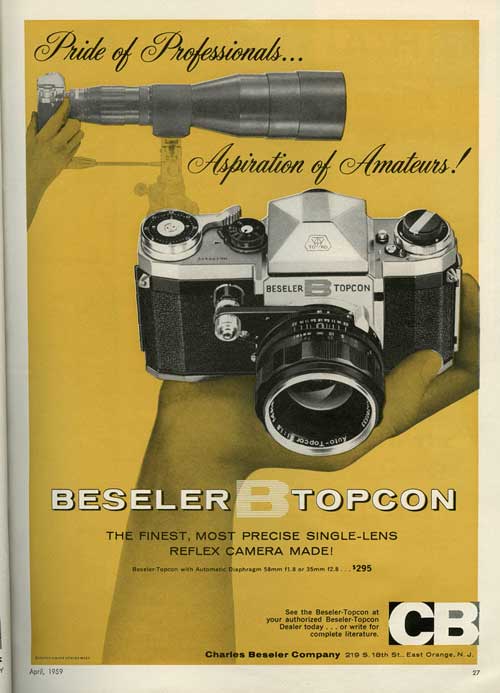
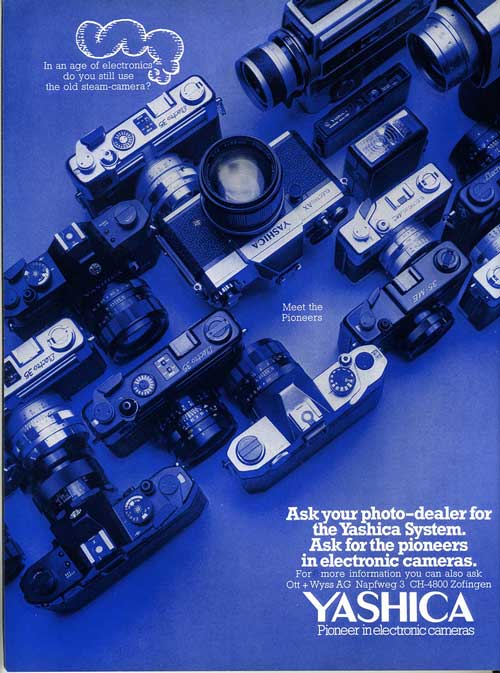
The style of an ad usually matched the type of camera being sold. Simple, affordable models were marketed to anyone and everyone. More advanced cameras were aimed at enthusiasts, with ads highlighting build quality, specific features, and technical performance.