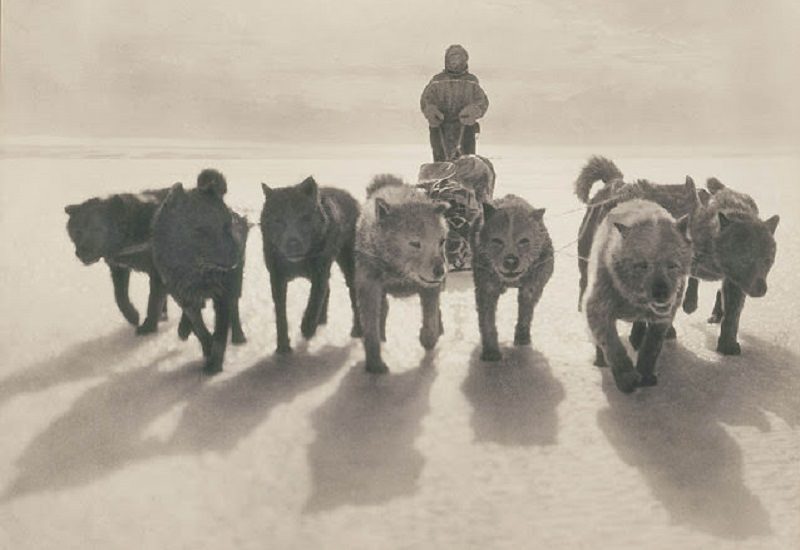
Hugh Mangum was not like most photographers of the early 1900s. He rode train lines through rural North Carolina, Virginia, and West Virginia between 1909 and 1912, stopping in small towns to photograph the people who lived there. His roots were in Durham, North Carolina, where he built his first darkroom inside a tobacco pack house on his family’s farm near the Eno River in the early 1890s.
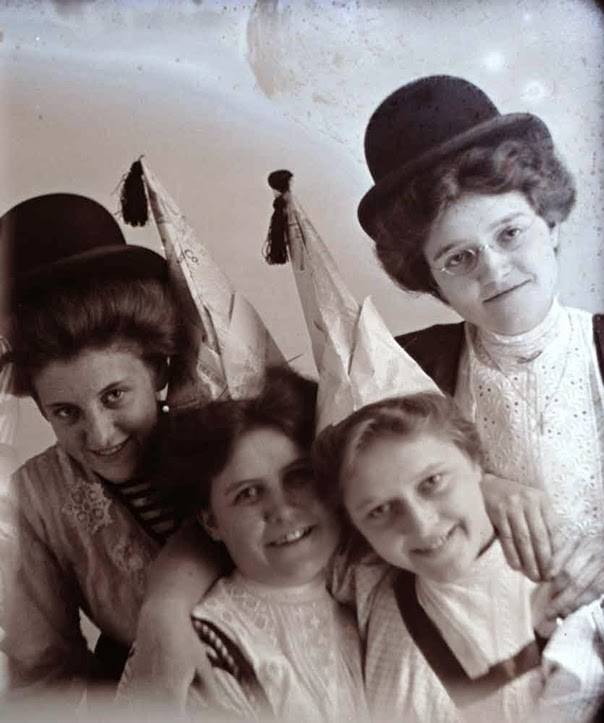
As his skills grew, Mangum expanded into Virginia and partnered with other photographers. Together they ran professional studios in Roanoke, Pulaski, and East Radford. Even with permanent studios, he spent most of his time traveling.
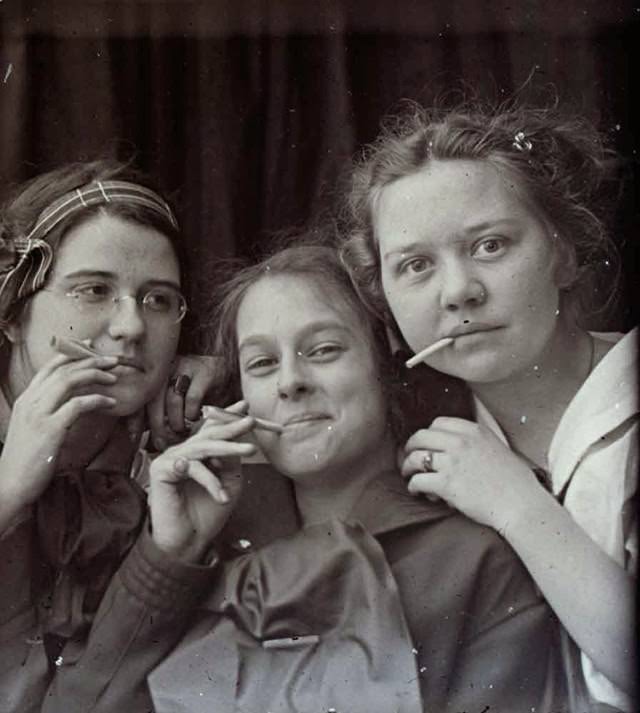
What set Mangum apart was his style. Most portrait photographers of the era demanded stiff, unsmiling poses during long exposure times. Mangum used a camera that captured multiple small images on a single glass plate, letting him work fast and catch a range of natural expressions.
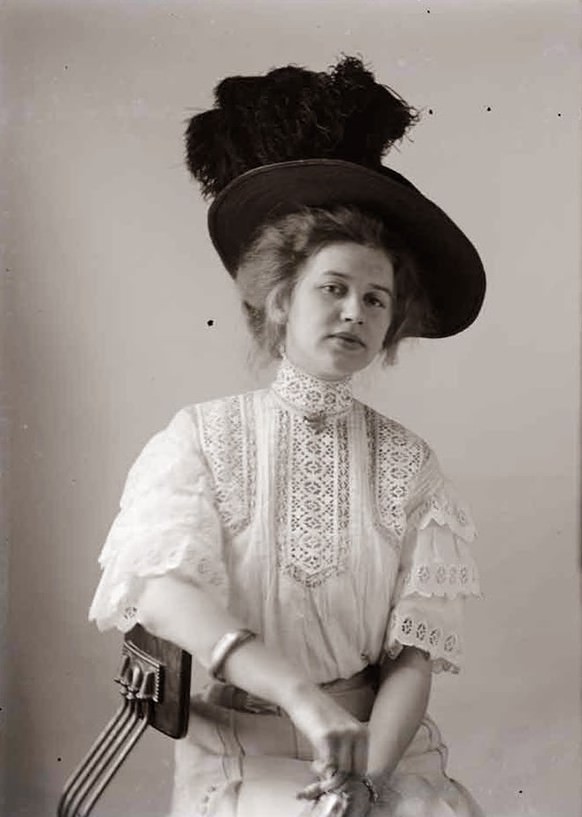
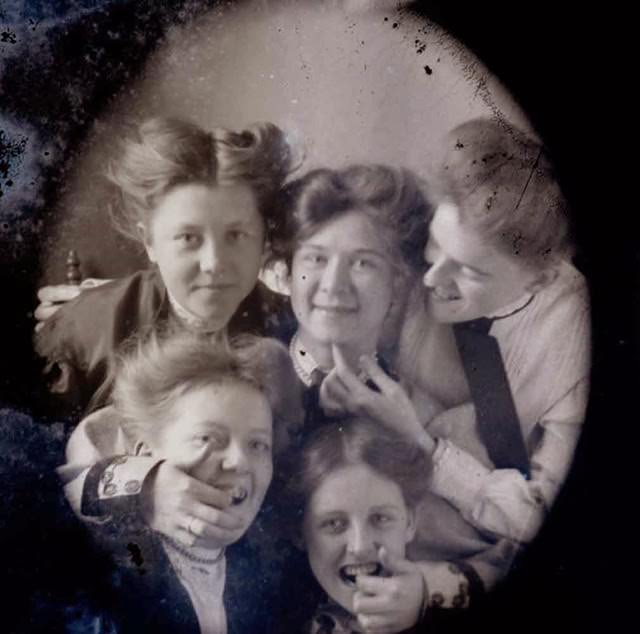
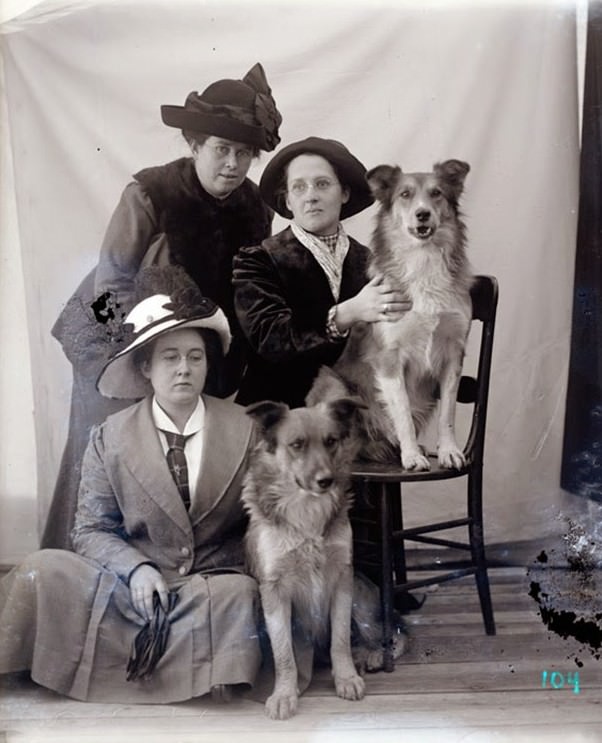
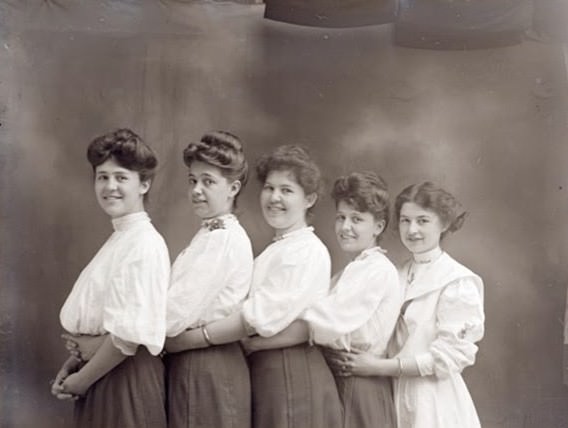
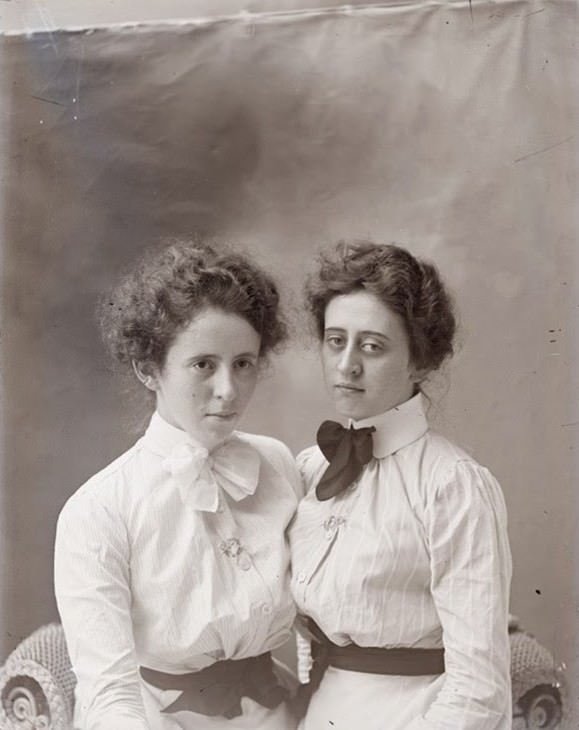
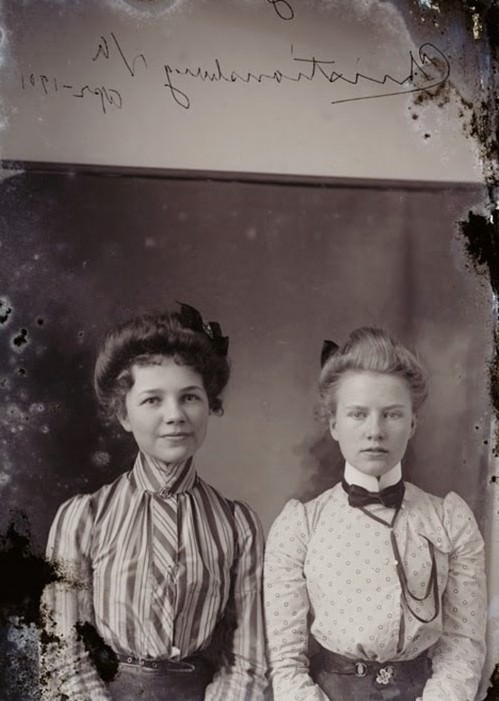
The women he photographed wore lace collars and large decorated hats — their finest clothes. But their poses were relaxed. They laughed, smiled, and showed real personality, a sharp contrast to the solemn faces common in formal studio portraits of the time.
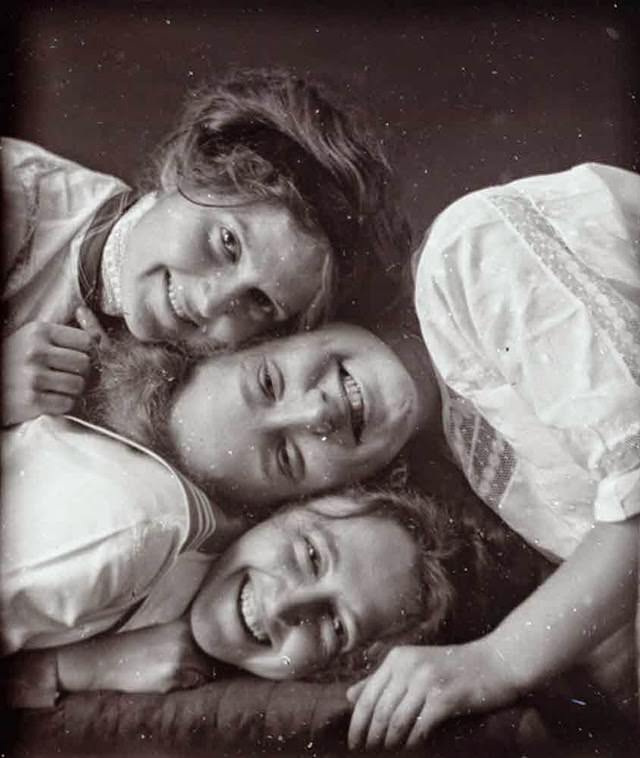
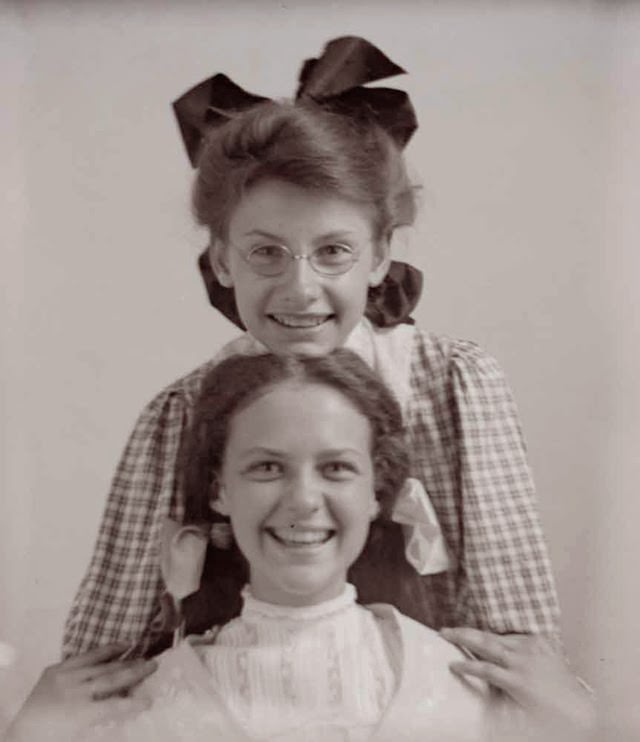
Mangum photographed people from all walks of life without discrimination. His easy manner put subjects at ease, and the energy in each frame reflects that comfort. The train lines made his work possible, letting him haul glass plates and chemical supplies into isolated communities that had never before seen a professional camera.
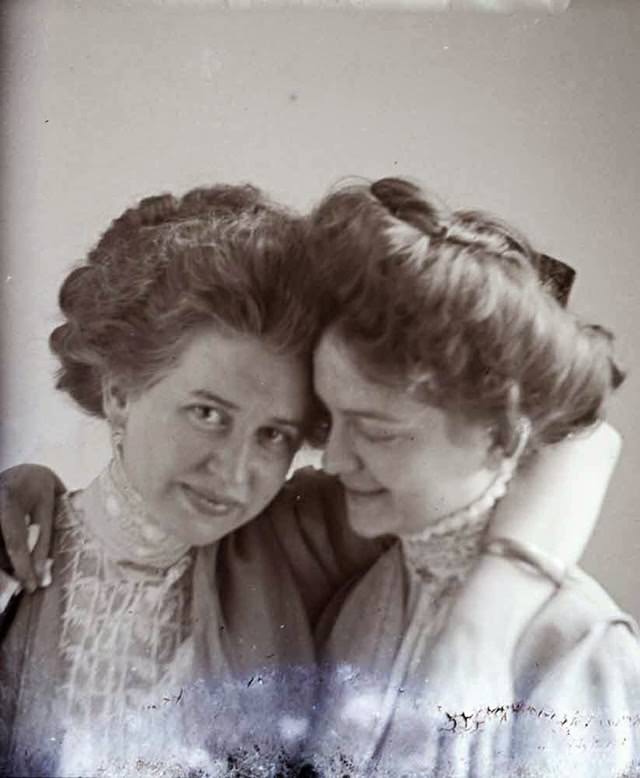
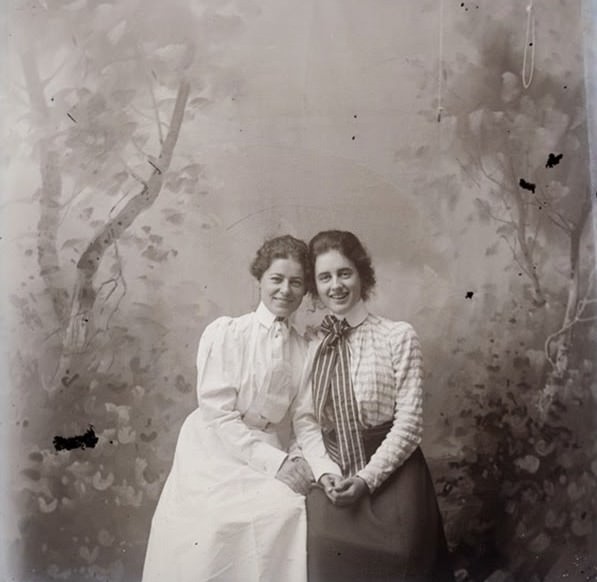
His portraits document the precise fashions and faces of the Appalachian and Piedmont regions during the early twentieth century — without the artificial stiffness of a traditional studio setting.