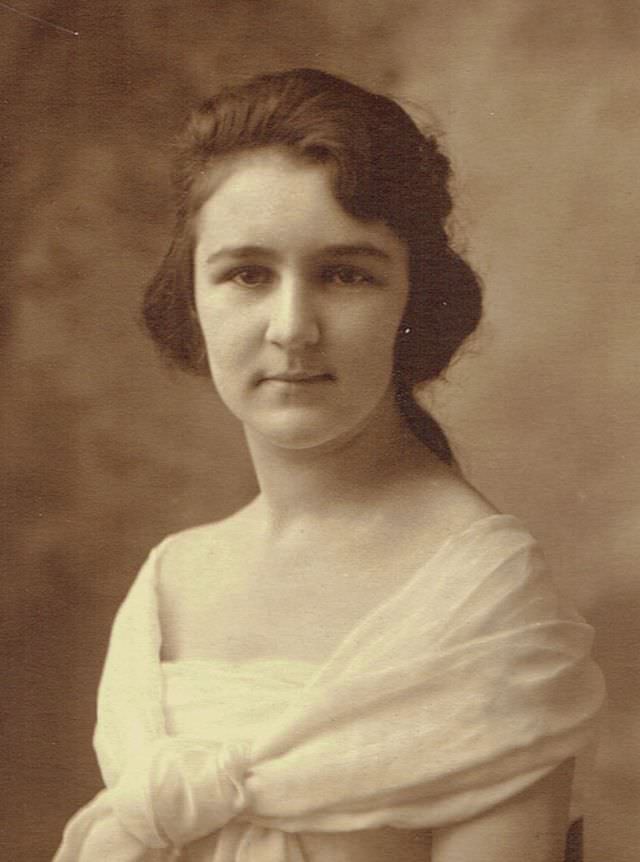
In the late 19th and early 20th centuries, a Pittsburgh photographer named C.S. Bryant built a steady business capturing the faces of everyday people. His archive includes cabinet photos of men, women, babies, and families — the standard work of a portrait studio at the time. But it’s his portraits of women that stand out. Discovered by collector Guy Clinch, these images offer a clear, detailed look at how Pittsburgh women presented themselves during one of America’s most transformative periods.
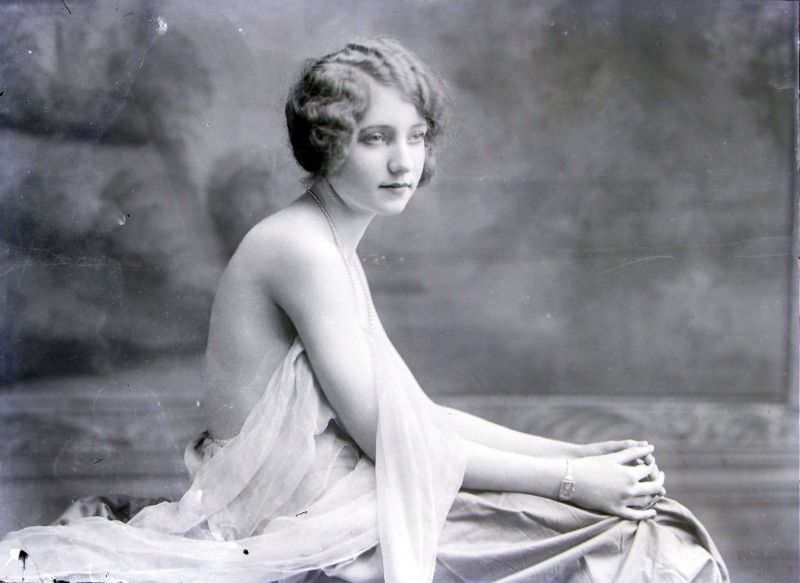
Cabinet photos were a popular format in this era. Printed on thick cardstock and often displayed in homes, they were a way for families to document themselves with care and intention. Sitting for a portrait was not a casual act — it required planning, proper dress, and composure. The women in Bryant’s photos understood this, and it shows.
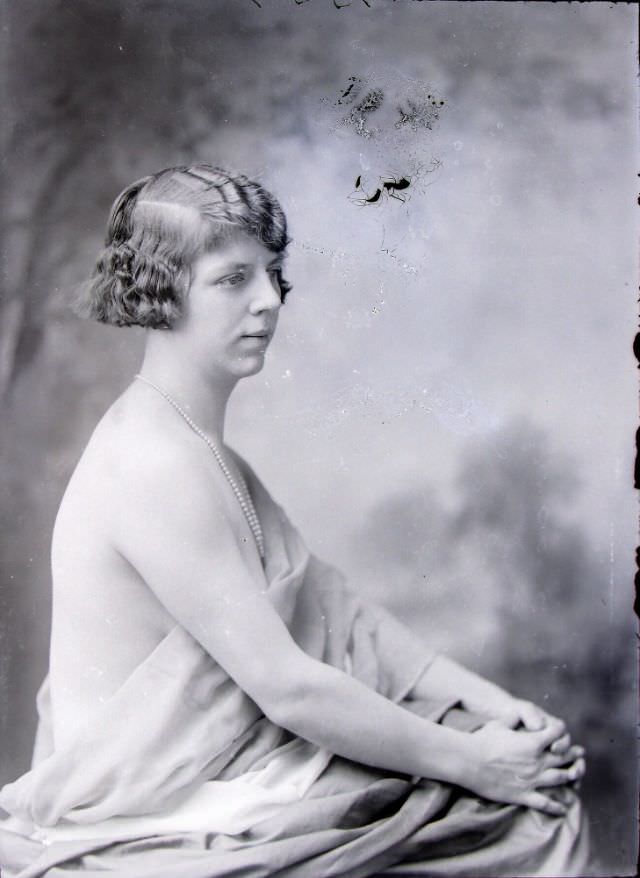
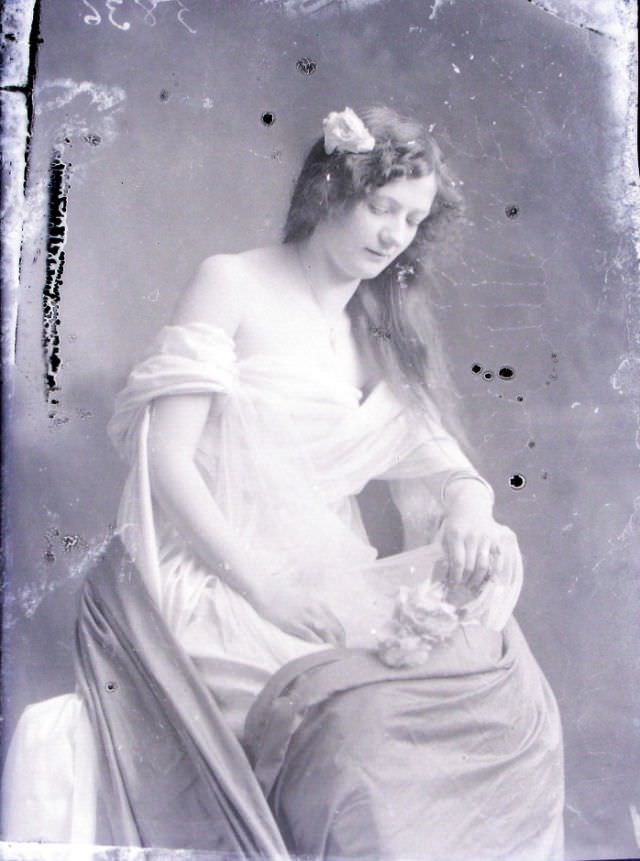
The clothing in these portraits is remarkably detailed. High lace collars, fitted bodices, and carefully pinned hairstyles were standard markers of respectability for women of this period. These were not fashion choices made lightly. Dress codes in early 1900s Pittsburgh were tied closely to social standing, and women used clothing to signal their place in the community.
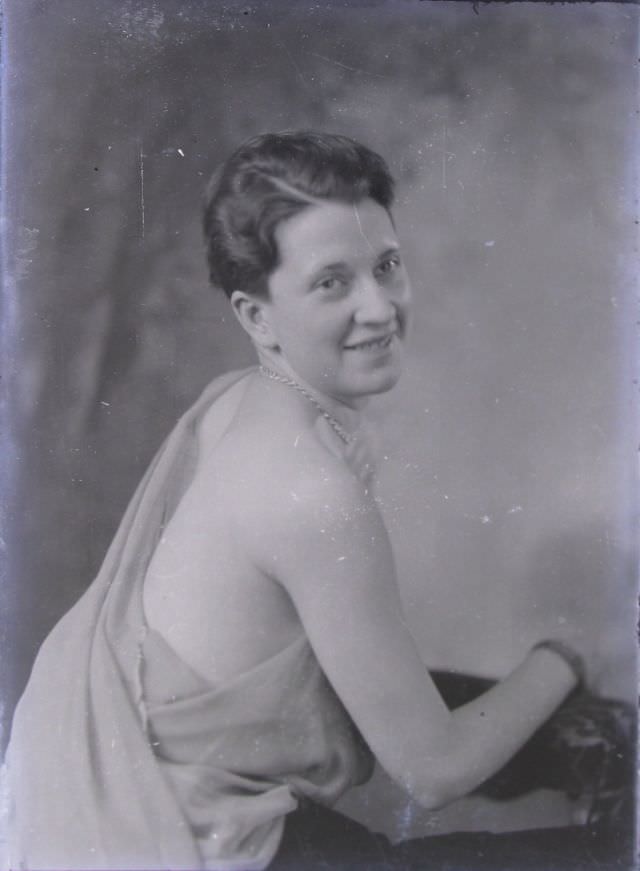
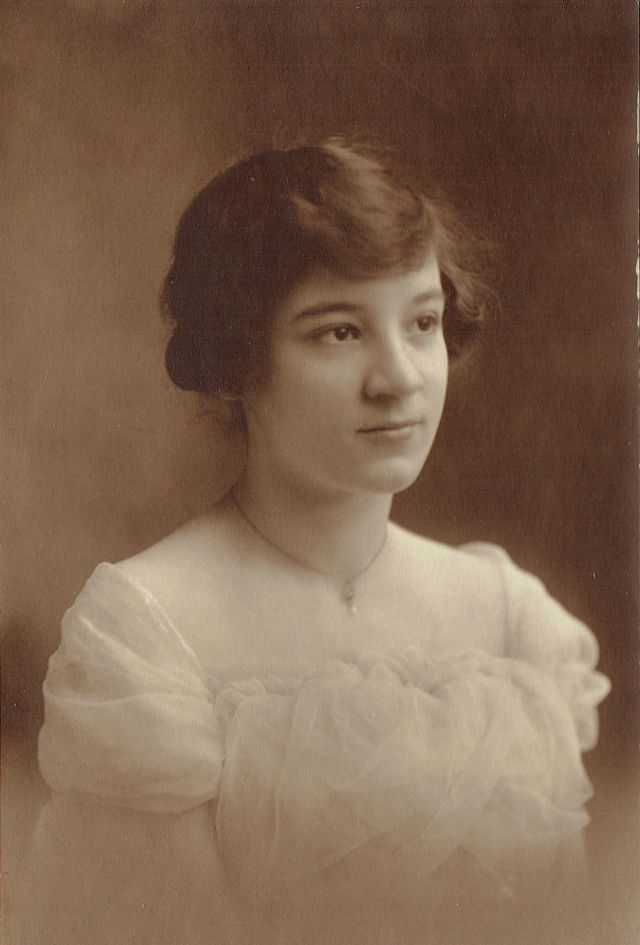
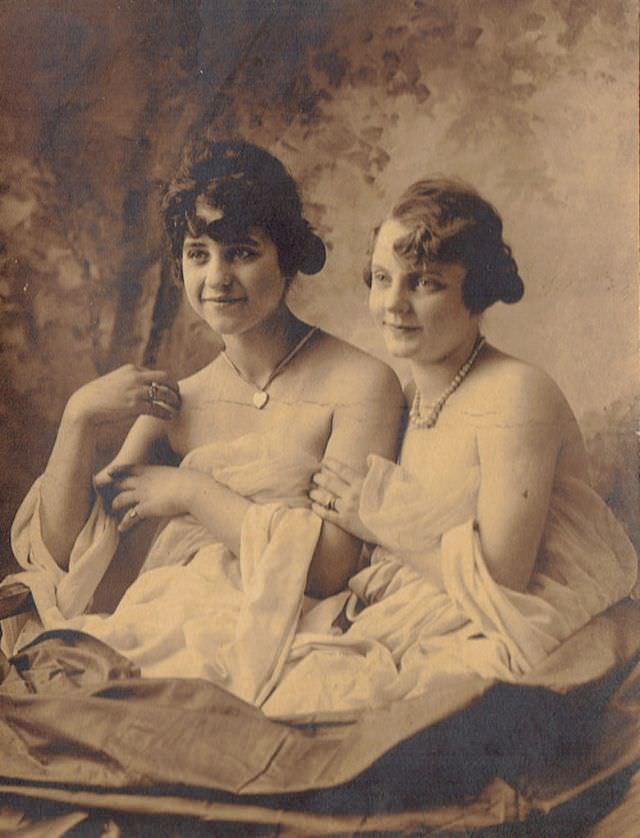
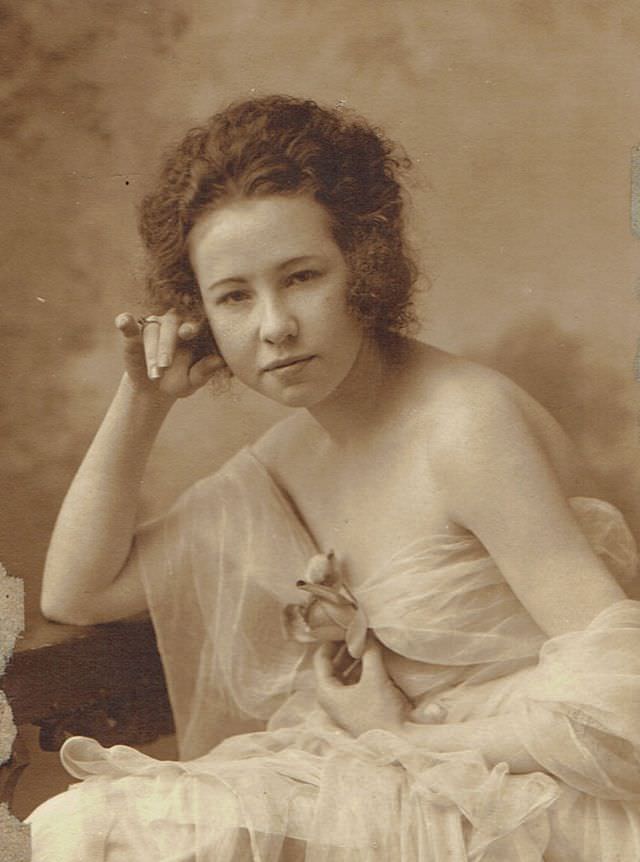
Bryant’s technique shows a strong command of light. He worked with the natural and artificial lighting available in studio settings of the time, using it to shape faces and bring out texture in fabric. The result is a series of portraits that feel both formal and personal — each subject rendered with individuality despite the structured conventions of studio photography.
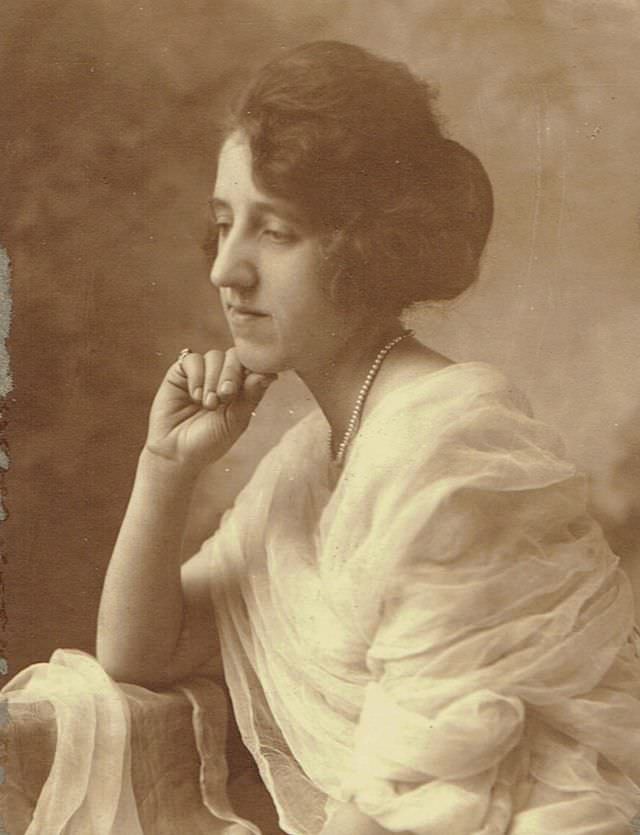
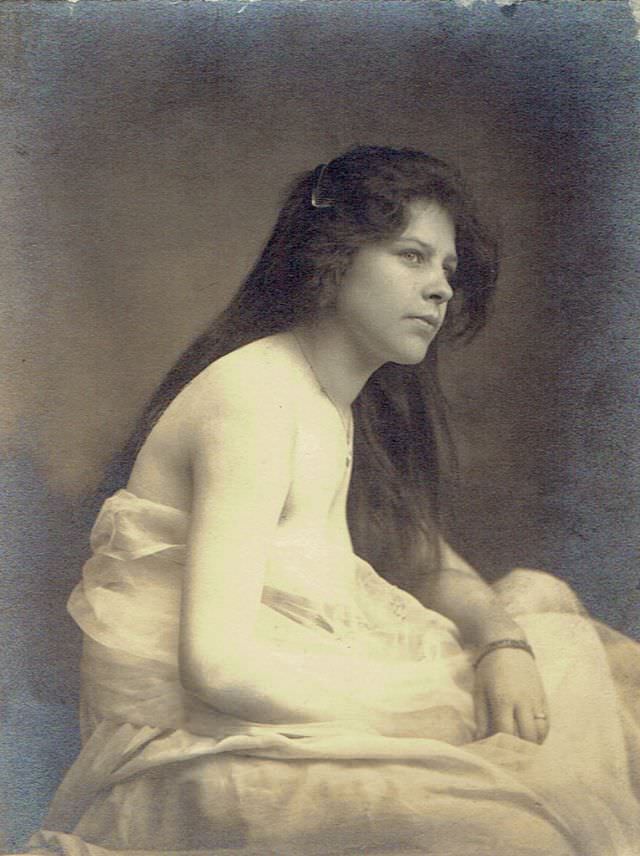
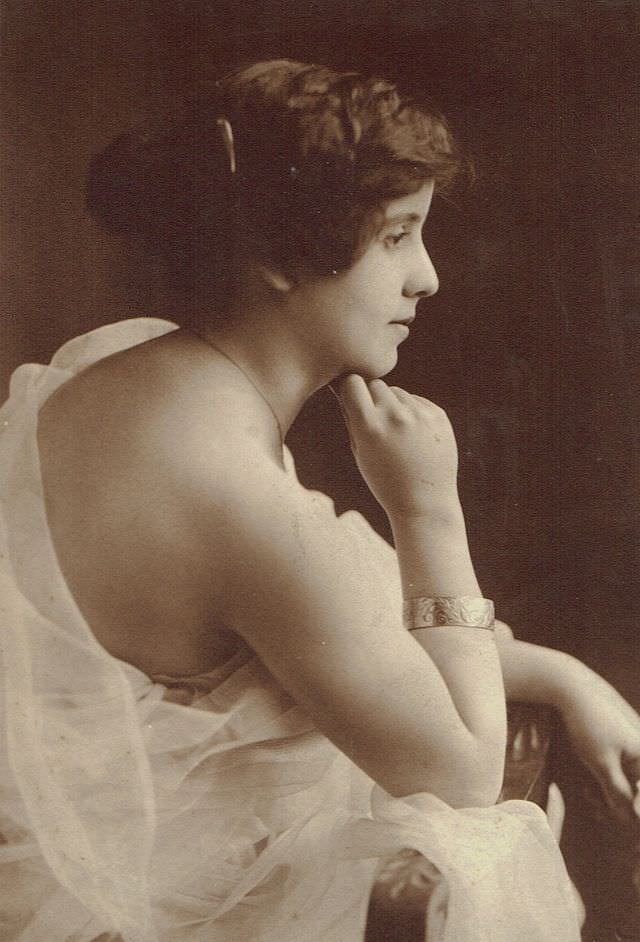
The expressions across these portraits vary more than one might expect. Some women hold a composed, direct gaze. Others look slightly off-camera, giving a sense of quiet thought. These were real people with real lives in a city that was, at the time, one of the most industrially active places in the United States.
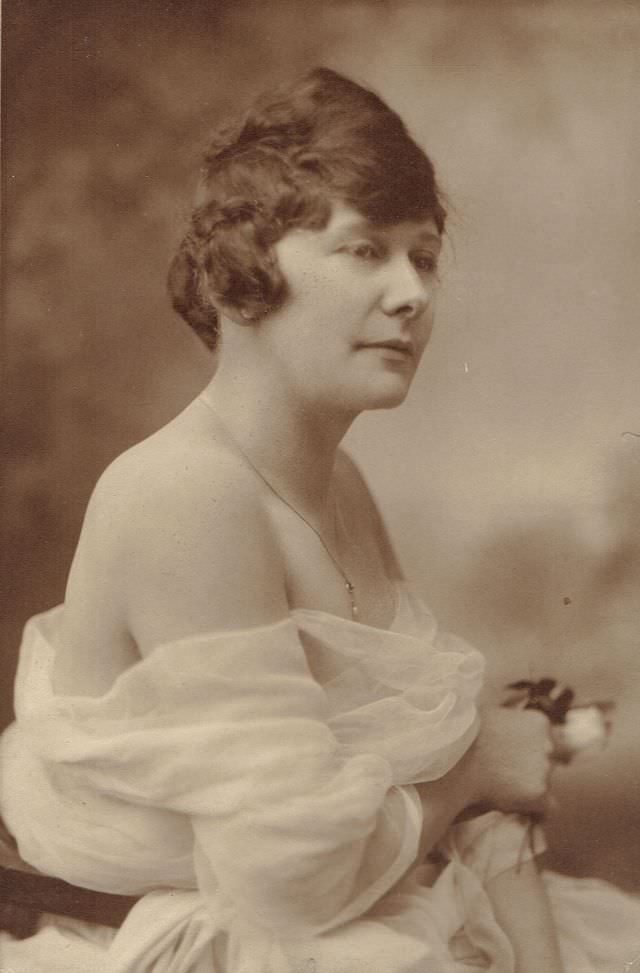
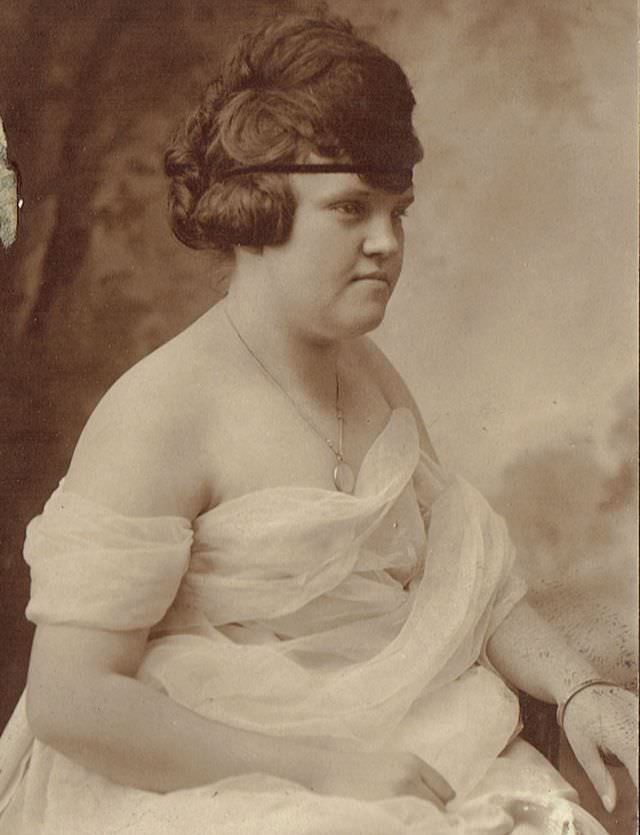
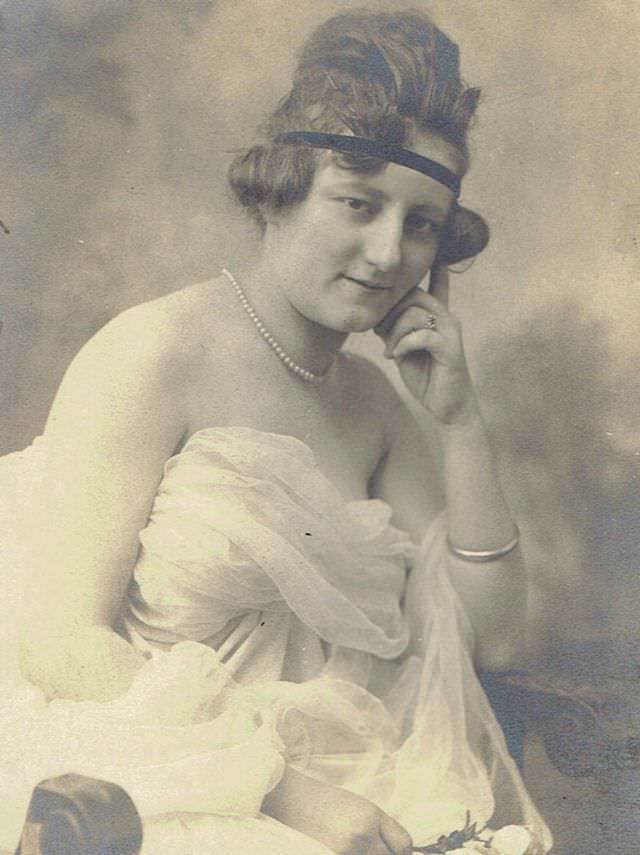
Pittsburgh in the early 1900s was a city defined by steel, smoke, and rapid growth. Amid that industrial backdrop, women maintained households, raised families, and participated in an evolving social world. These portraits capture a quieter side of that city — one that the smoke-stacked skyline rarely reveals.
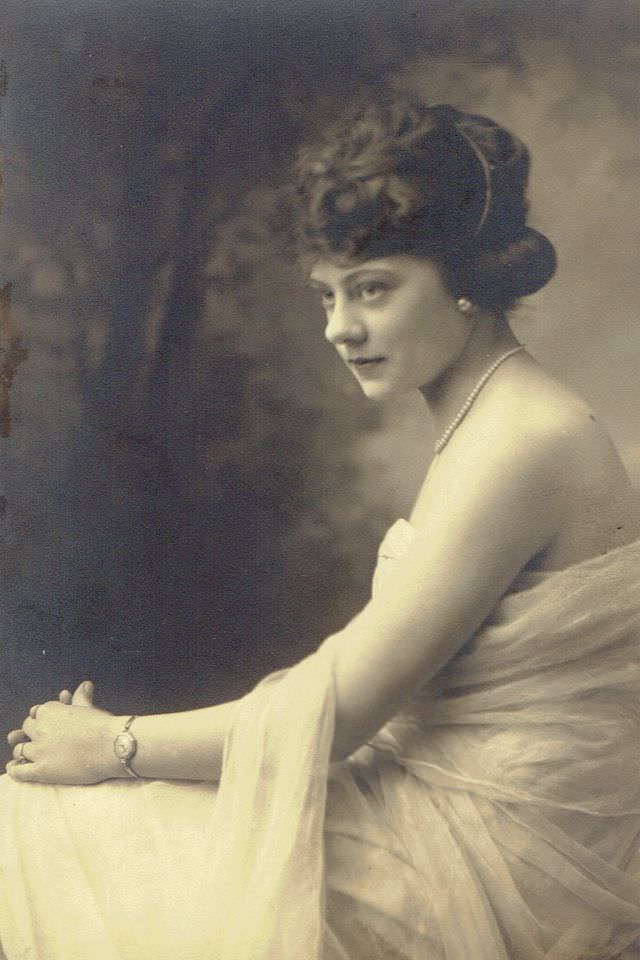
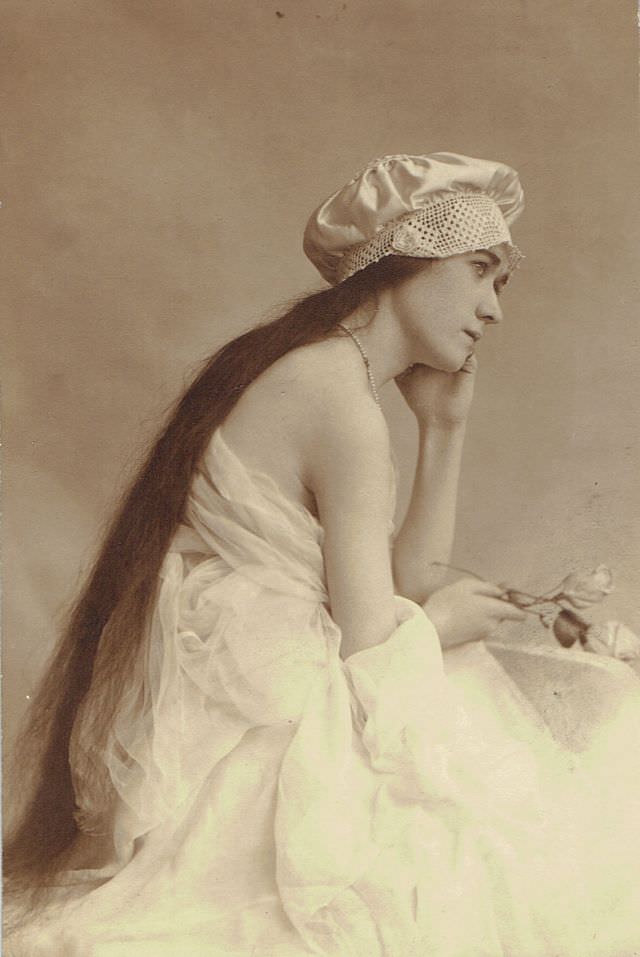
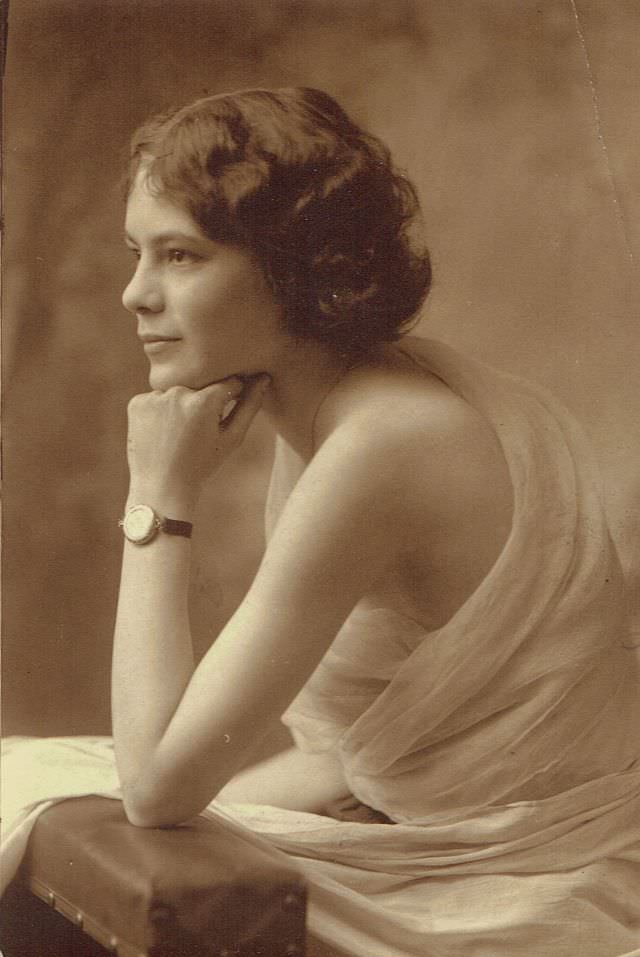
The hairstyles alone serve as a timeline. Updos with soft waves near the face were fashionable in the early 1900s, influenced by the Gibson Girl aesthetic that dominated American popular culture at the time. Several of Bryant’s subjects wear their hair in exactly this style, placing them squarely within that cultural moment.
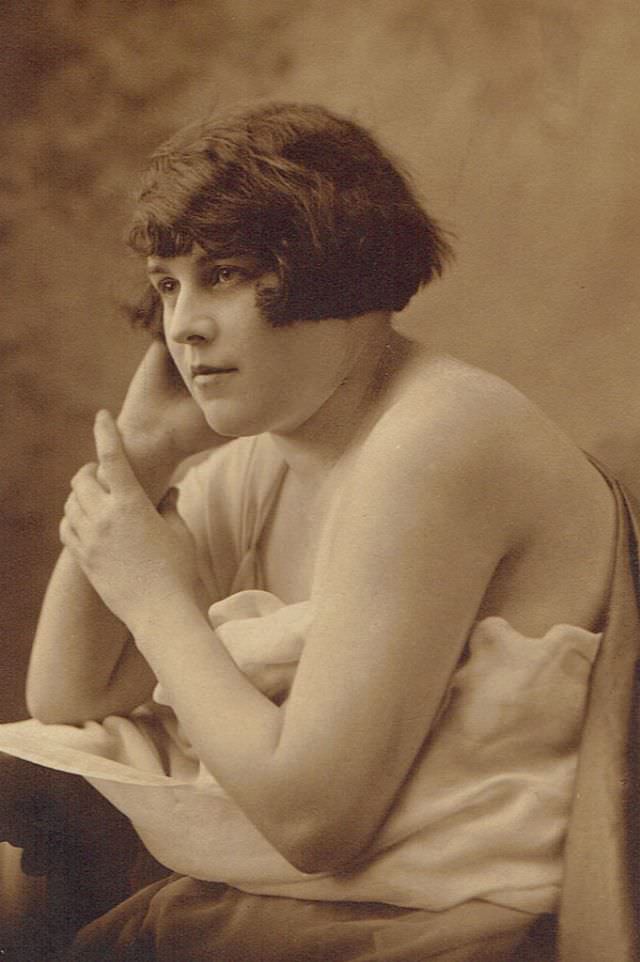
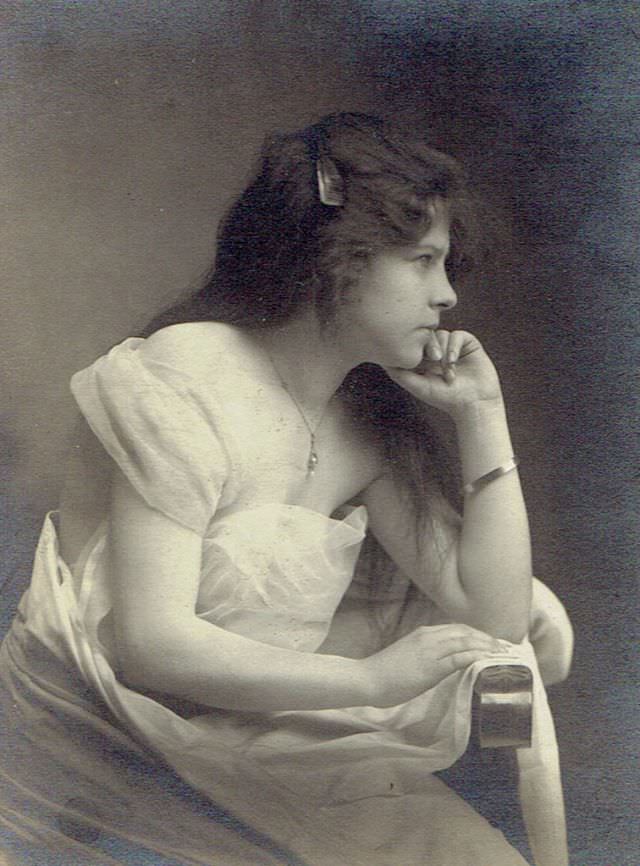
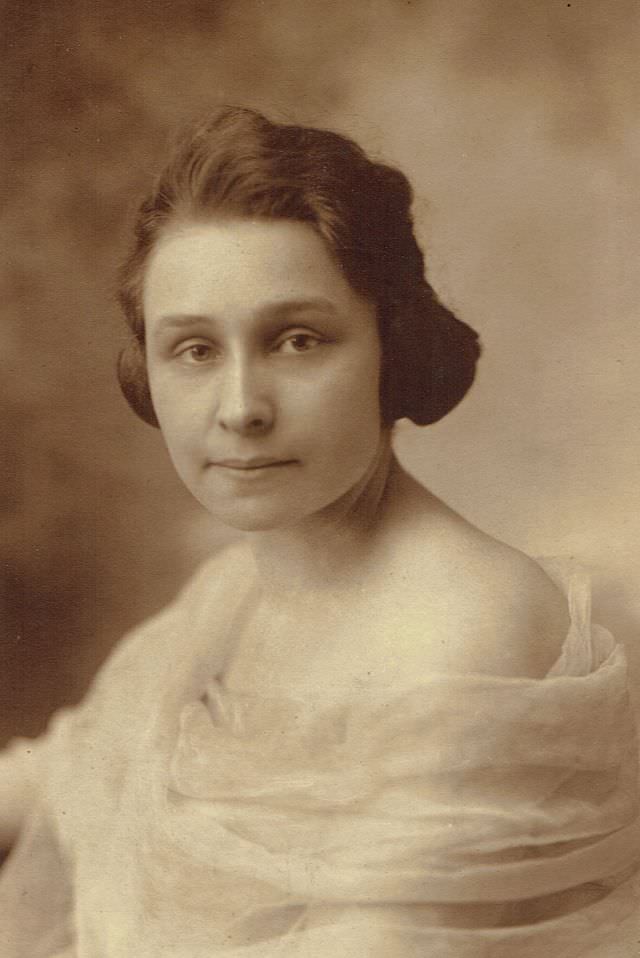
What Bryant’s archive provides, beyond aesthetics, is documentation. These women’s names are largely unknown today, but their faces survive. Each portrait is a record — of a person, a place, and a set of norms that defined daily life over a century ago.
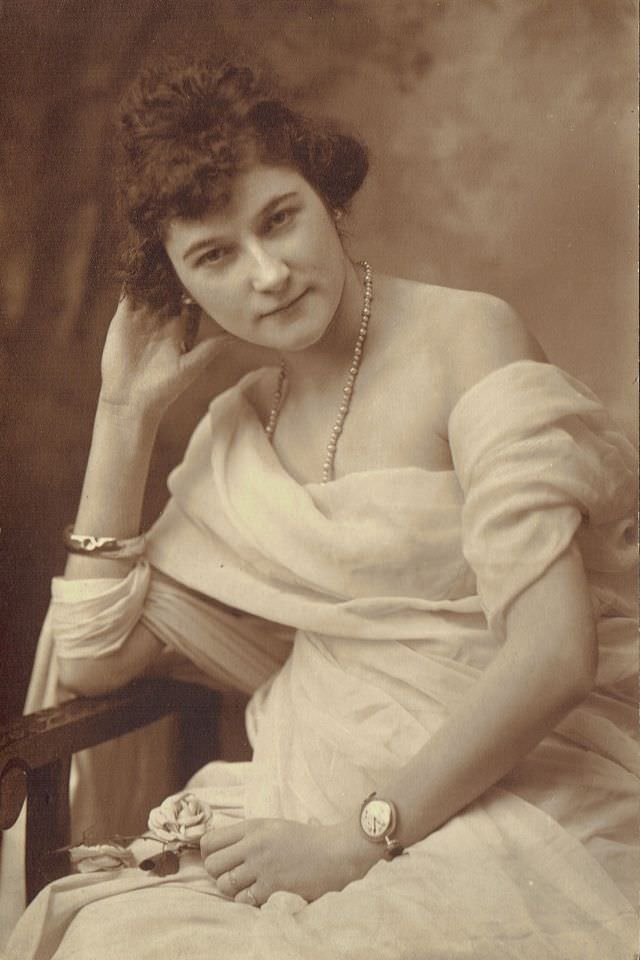
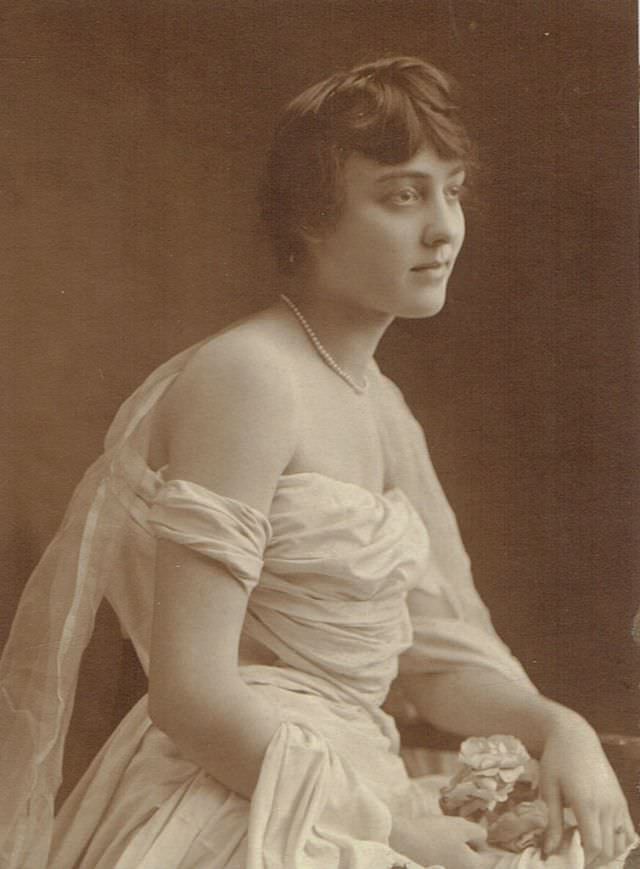
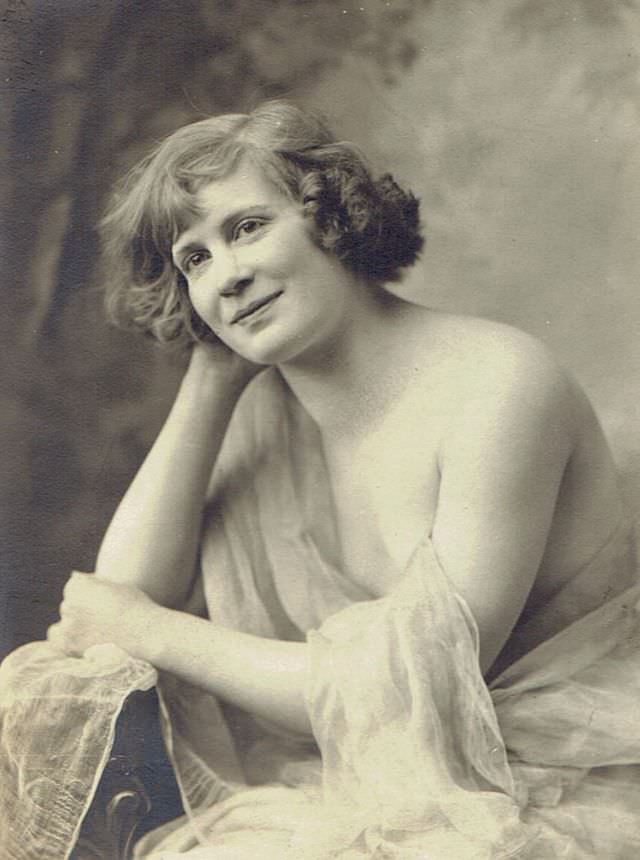
Guy Clinch’s discovery and preservation of these prints ensures they remain accessible. Without collectors and archivists who recognize the value of everyday photographic history, images like these are lost to time — discarded or deteriorated beyond recovery.
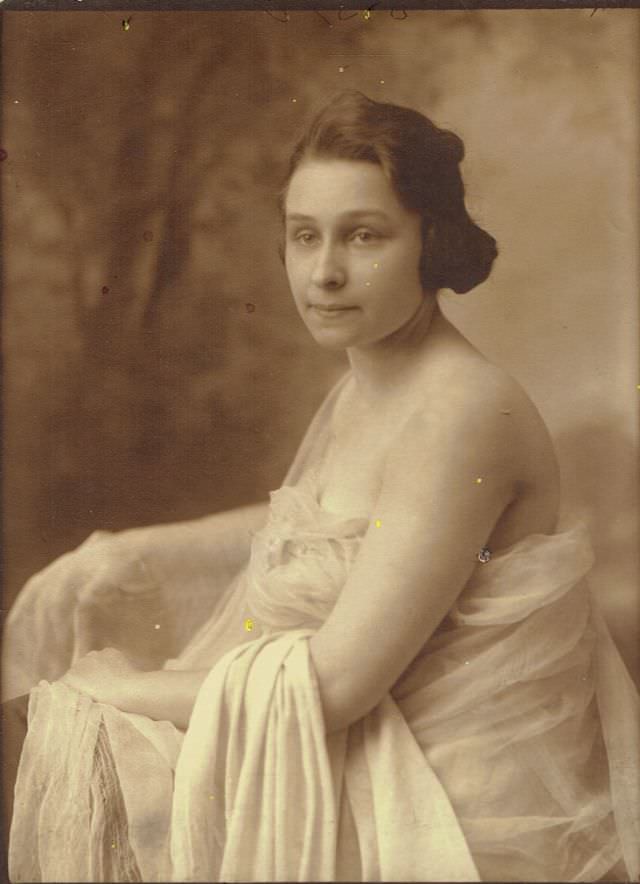
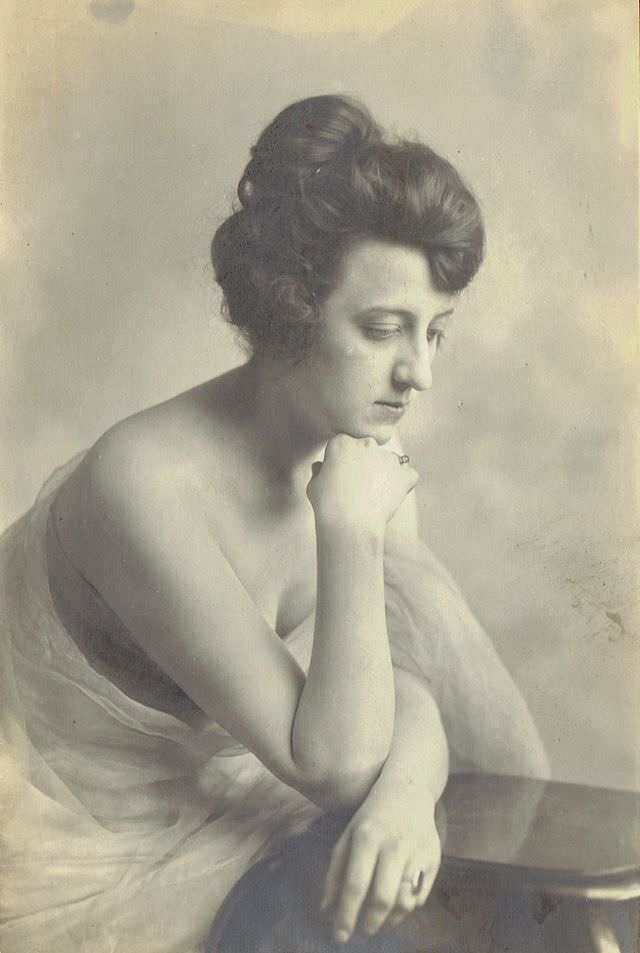
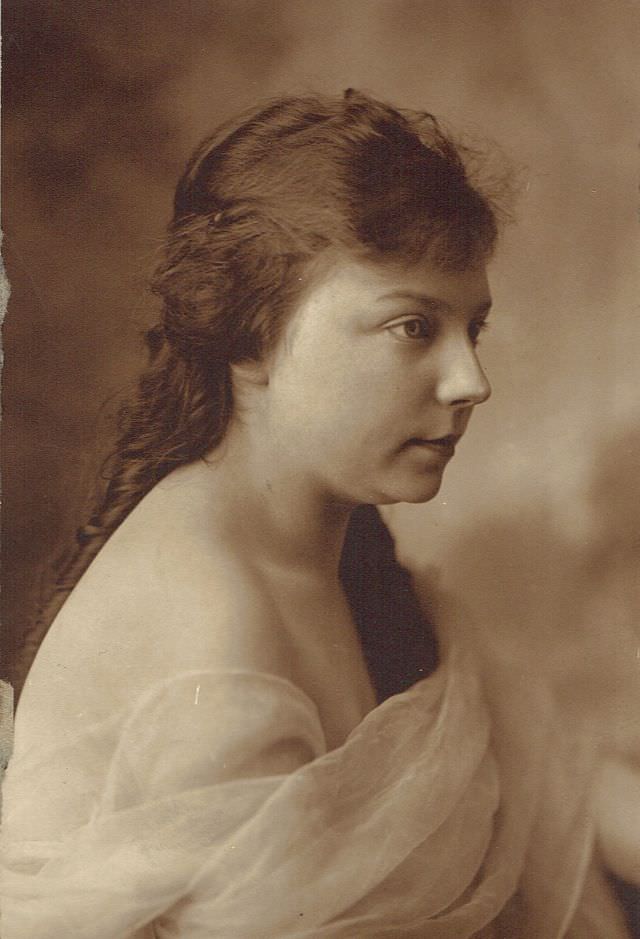
Studio portraiture in this era followed a set of unspoken rules. Poses were often formal — hands folded, spine straight, chin level. Props like chairs or draped fabric were common. Bryant worked within these conventions while still producing portraits that feel distinctly human rather than stiff or impersonal.
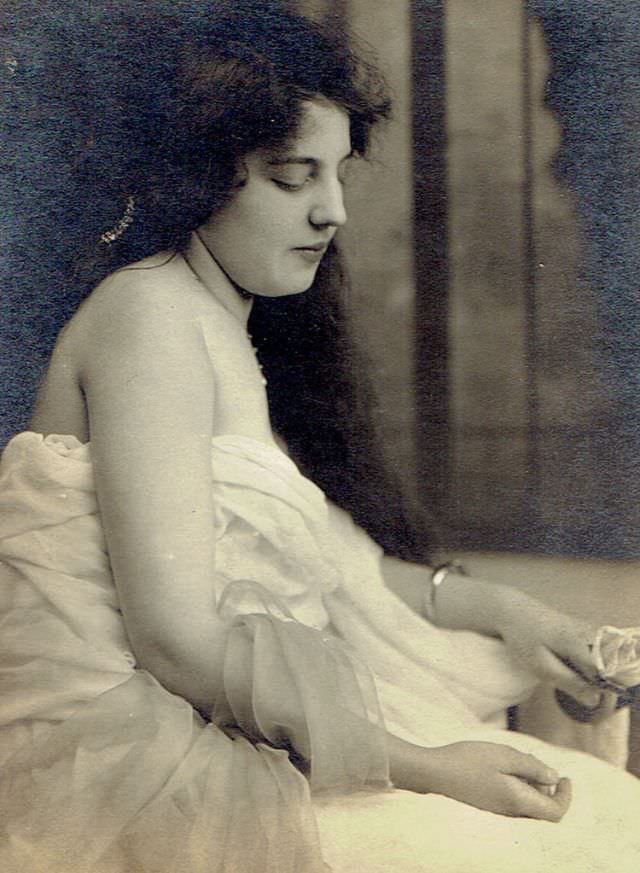
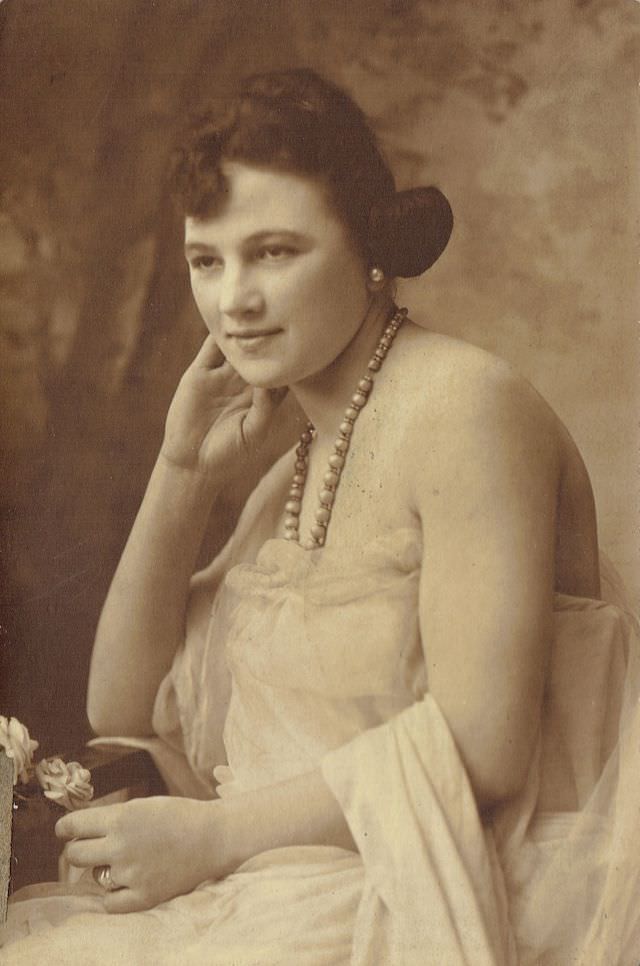
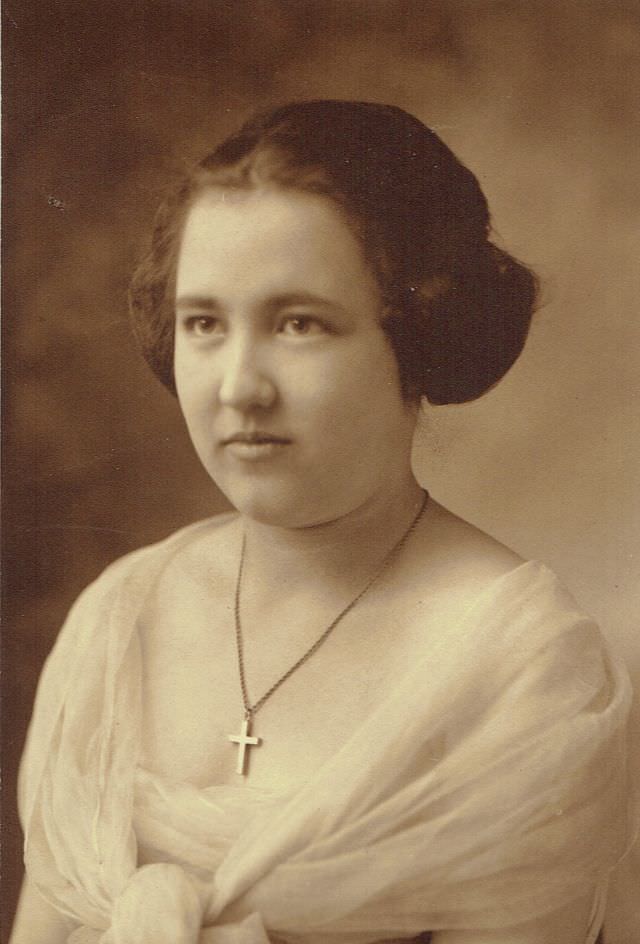
The range of ages among the subjects adds depth to the collection. Young women appear alongside older ones, each wearing the fashions and expressions of her own stage of life. Together, they form a cross-section of what womanhood looked like in early 20th century Pittsburgh.
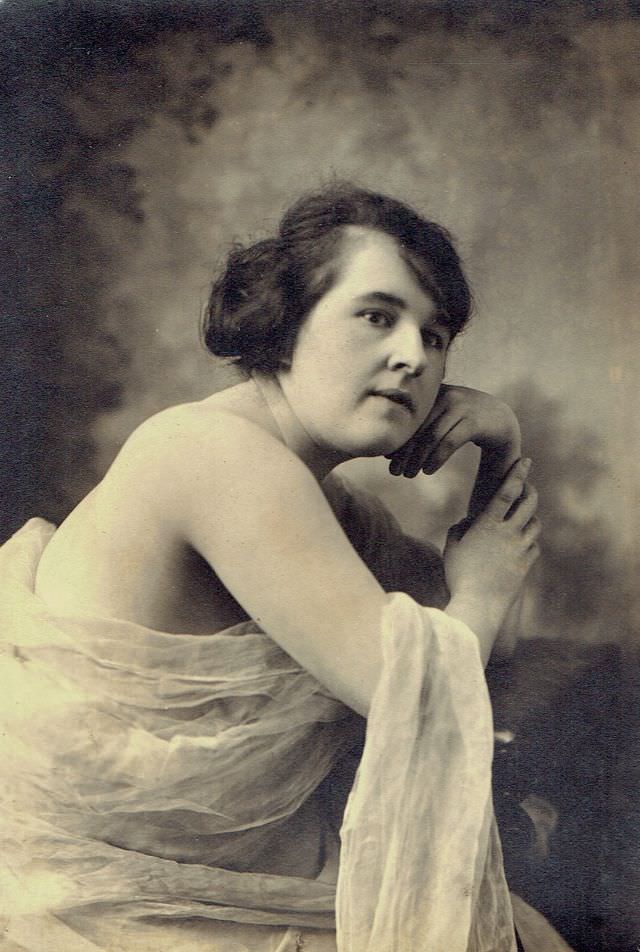
C.S. Bryant’s work was local and commercial, never intended as high art. Yet the consistency and care visible across these portraits mark him as a skilled craftsman. His Pittsburgh studio produced a record of its community that continues to inform how we understand the people who lived there more than a hundred years ago.