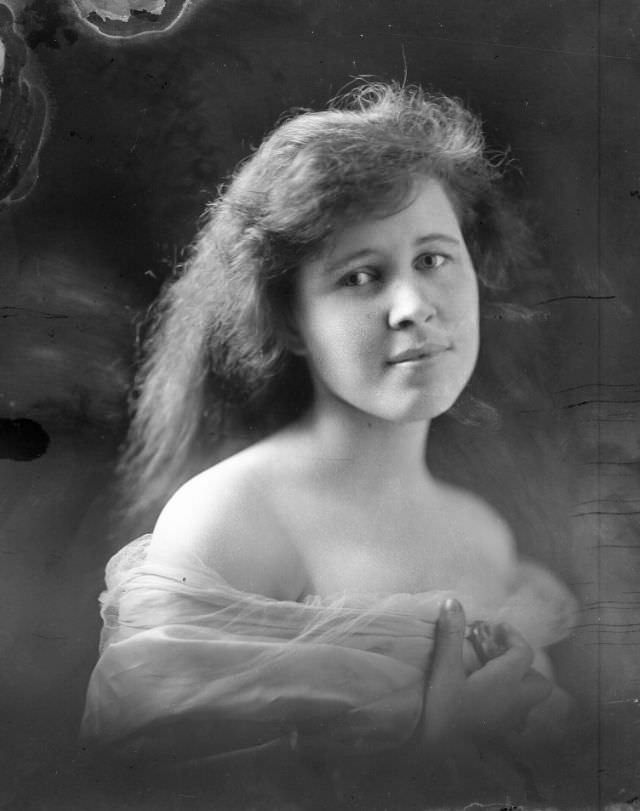
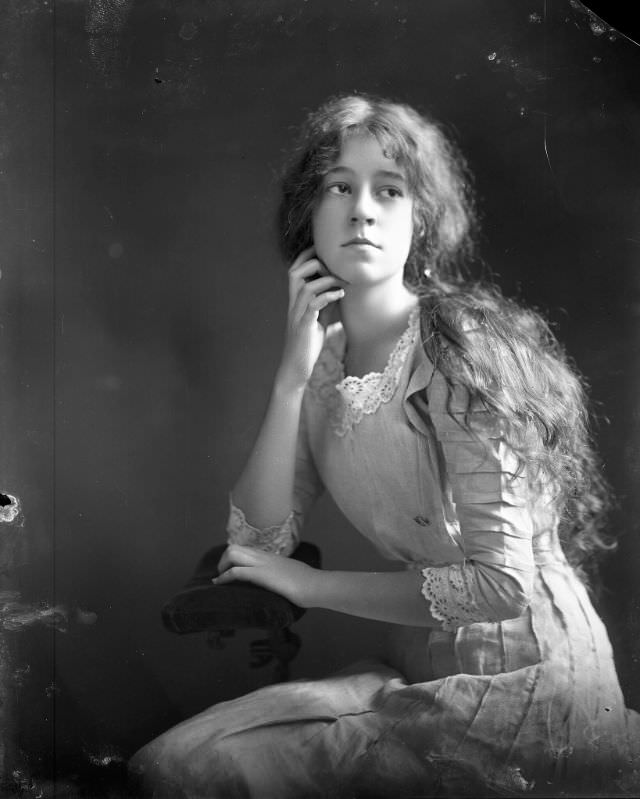
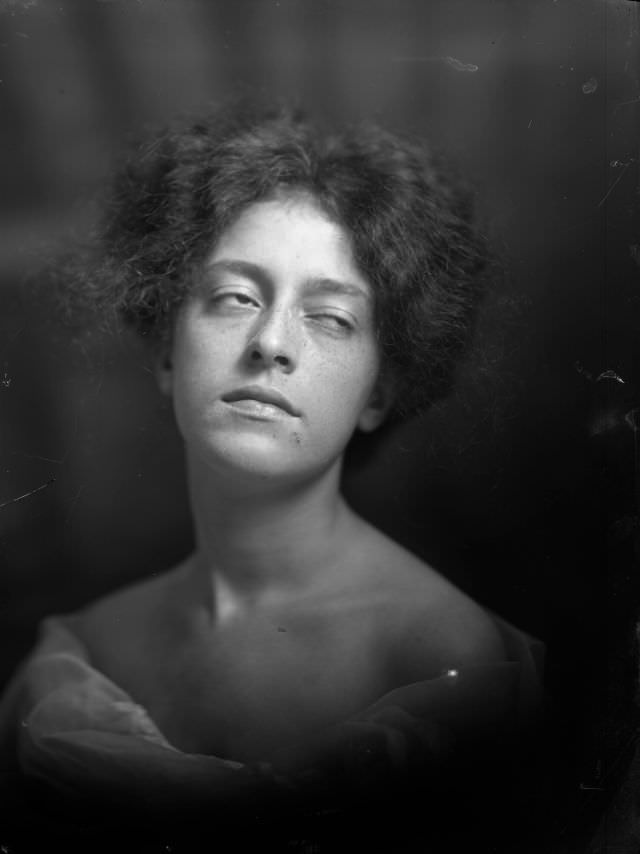
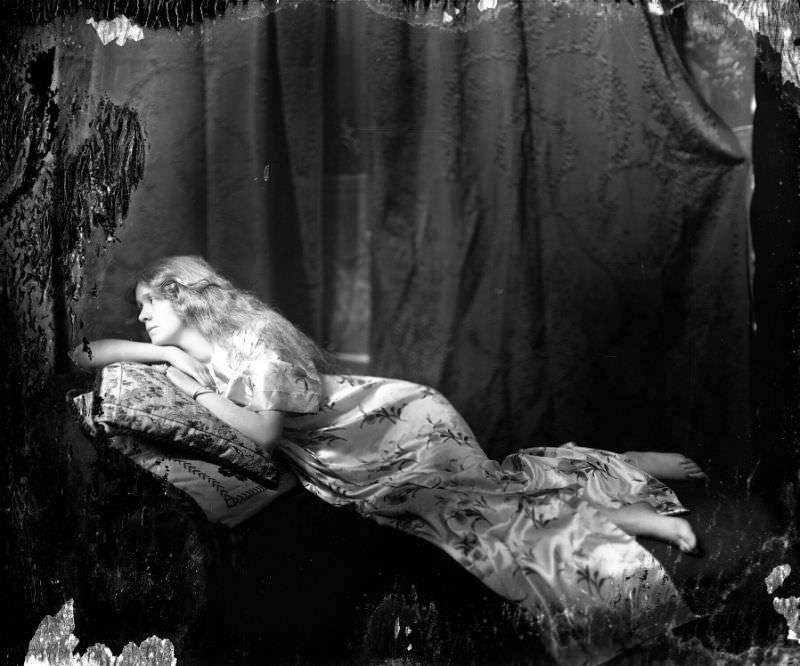
Tucked inside the State Archives of North Carolina is a remarkable collection of glass plate negatives that capture the women of downtown Raleigh at the turn of the 20th century. These portraits, produced between roughly 1905 and 1915, came from the Tyree and Wharton-Tyree Studios — professional photography businesses that operated in the Raleigh area for many years. The images range from formal bridal portraits to elegant full-length poses, each one a carefully composed record of a woman’s life at a particular moment in time.
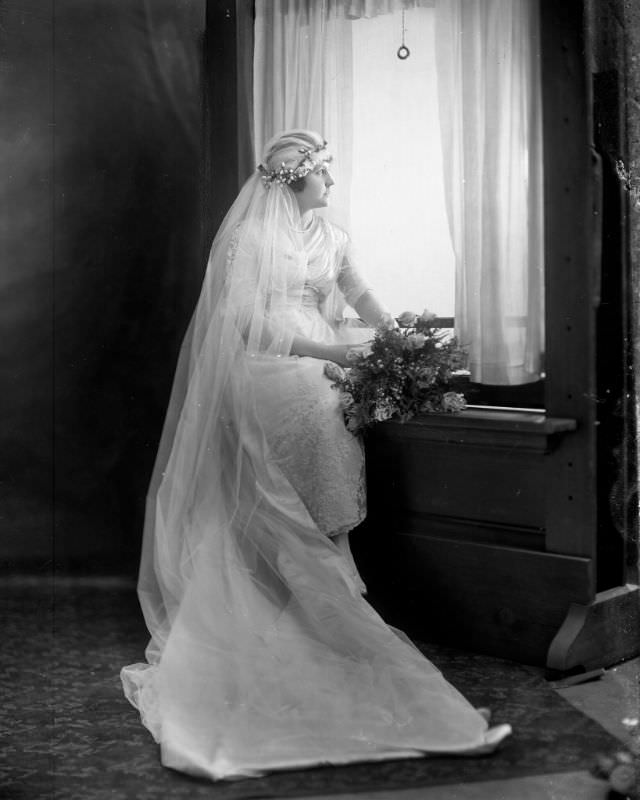
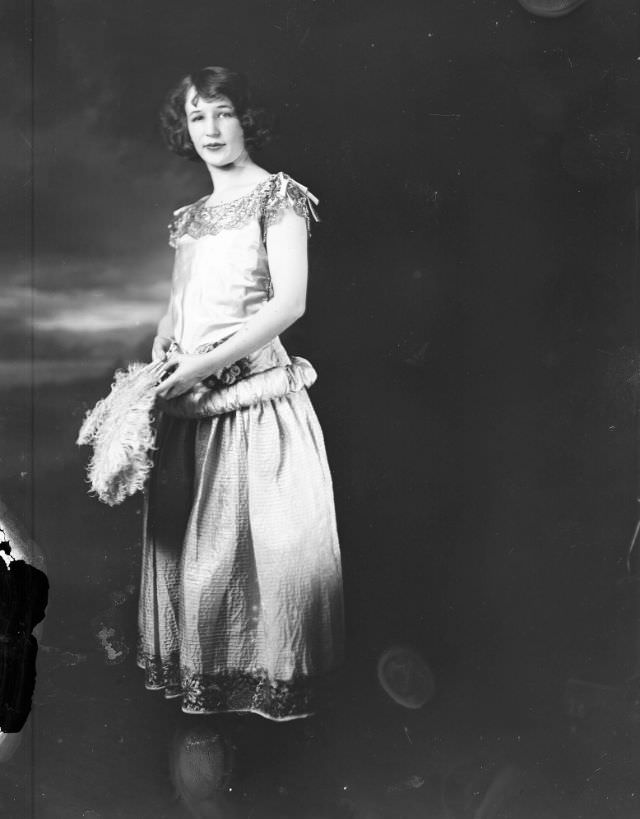
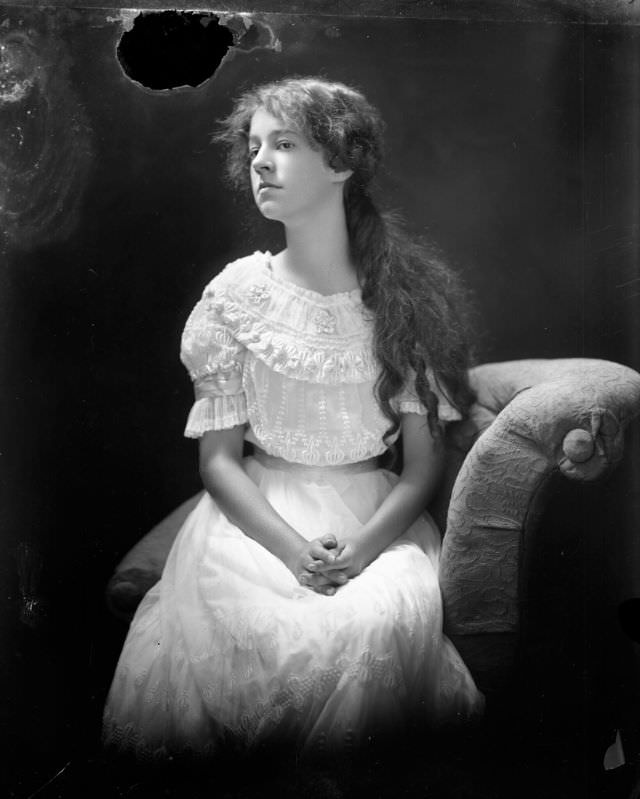
By 1905, studio photography had become a common way for middle- and upper-class families in the South to mark important milestones. Brides, debutantes, and young women of social standing sat before the camera in their finest dress. Full-length gowns, carefully arranged hair, and deliberate poses were all part of the tradition. These weren’t casual snapshots — they were formal commissions meant to last generations.
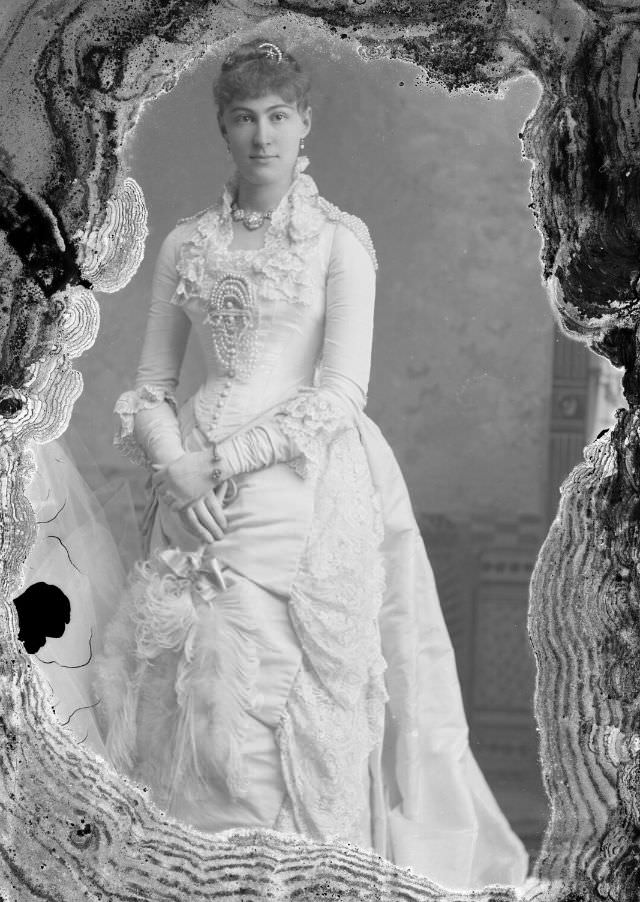
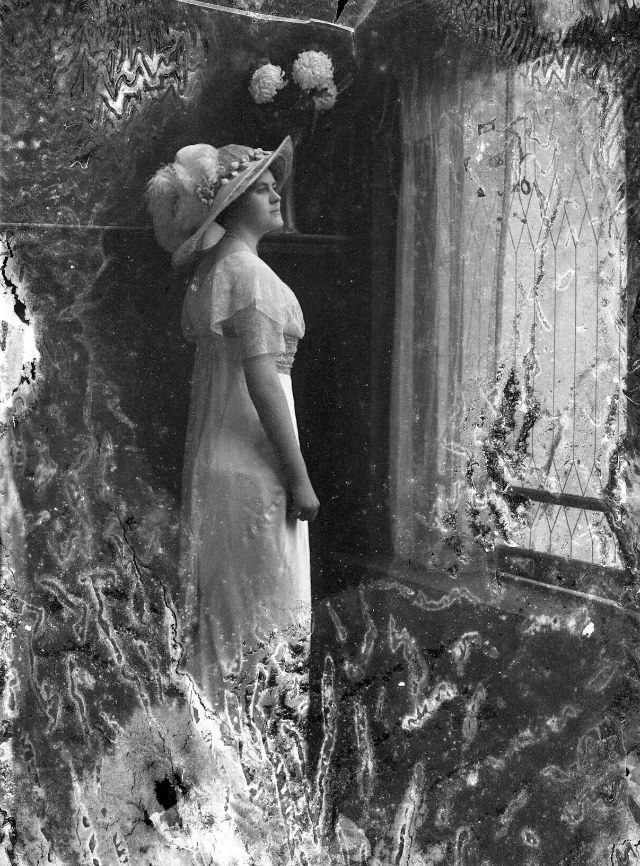
Brides were among the most frequent subjects at studios like Tyree’s. A wedding portrait was both a personal keepsake and a public statement. The women in these images wore long white gowns with high necklines and fitted bodices — styles typical of the Edwardian era. Some held bouquets of roses, while others carried decorative fans, each prop adding a layer of refinement to the composition.
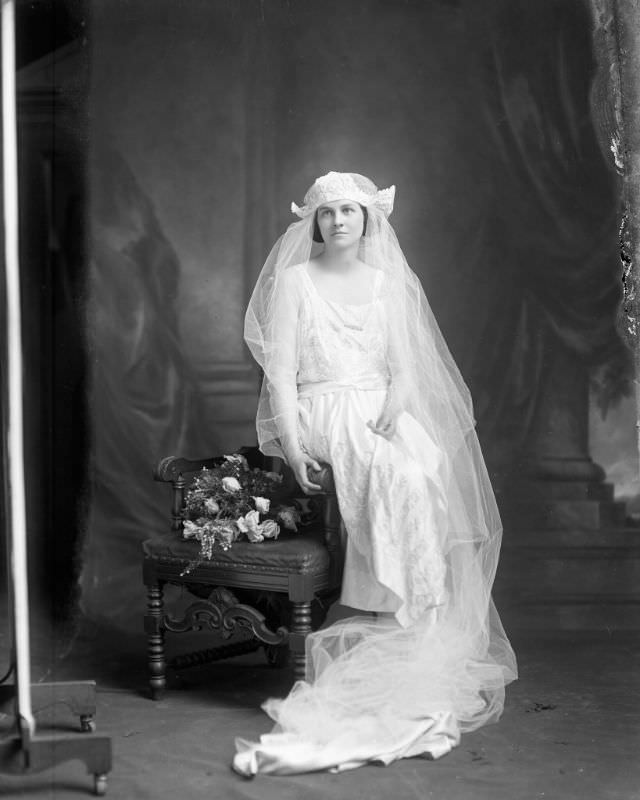
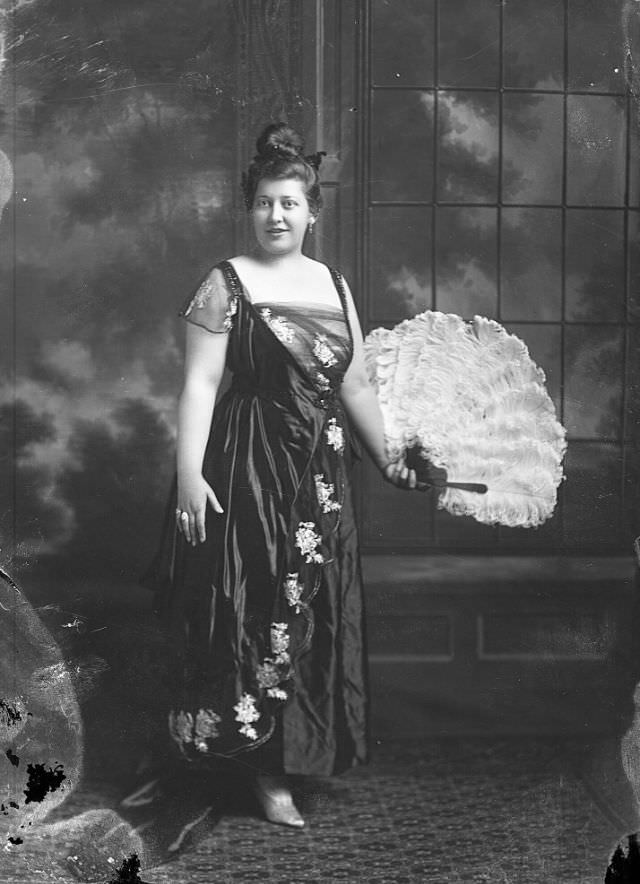
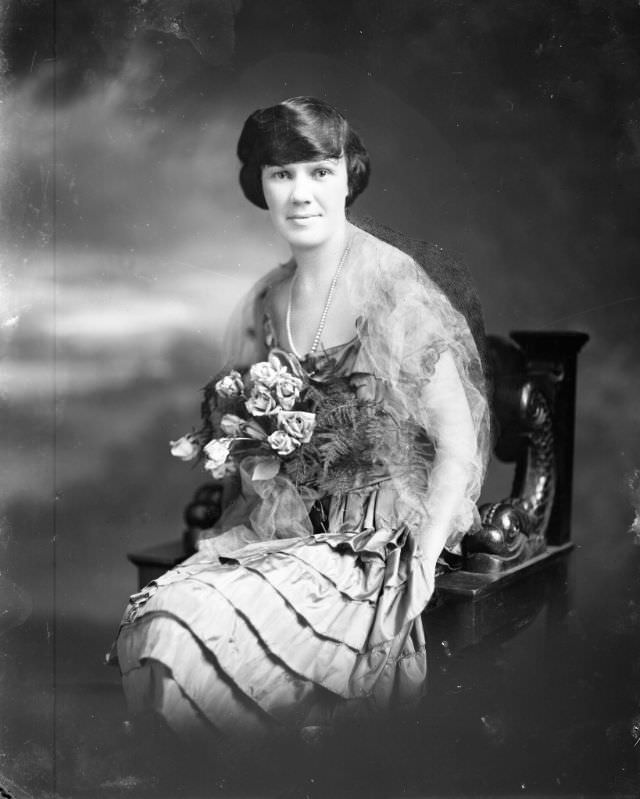
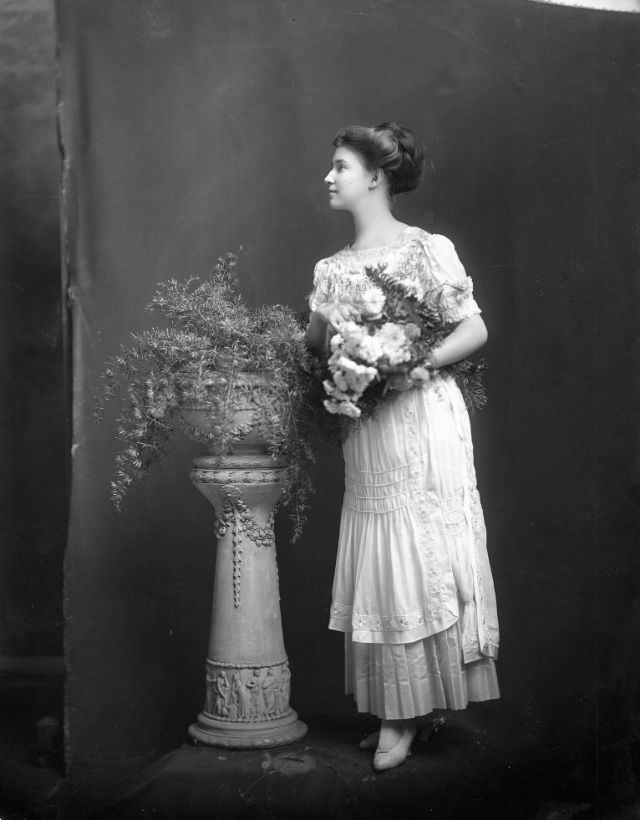
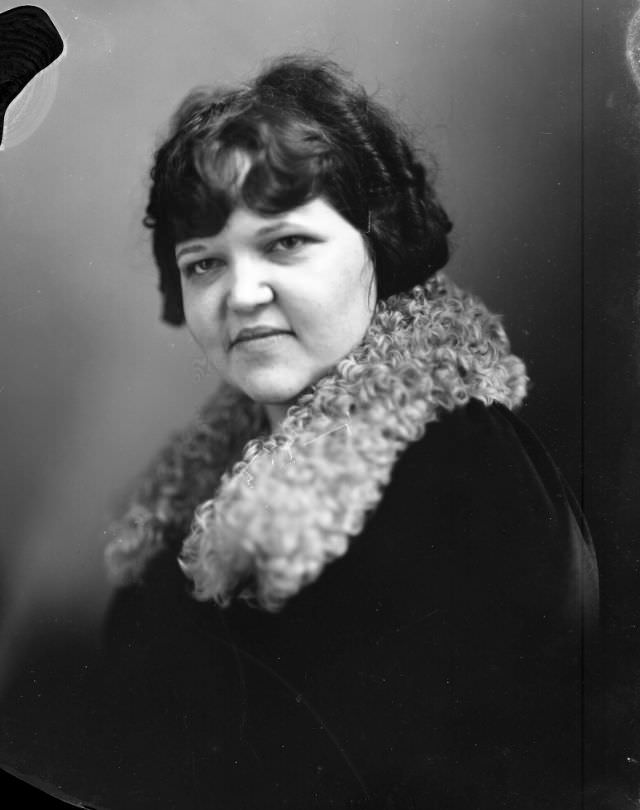
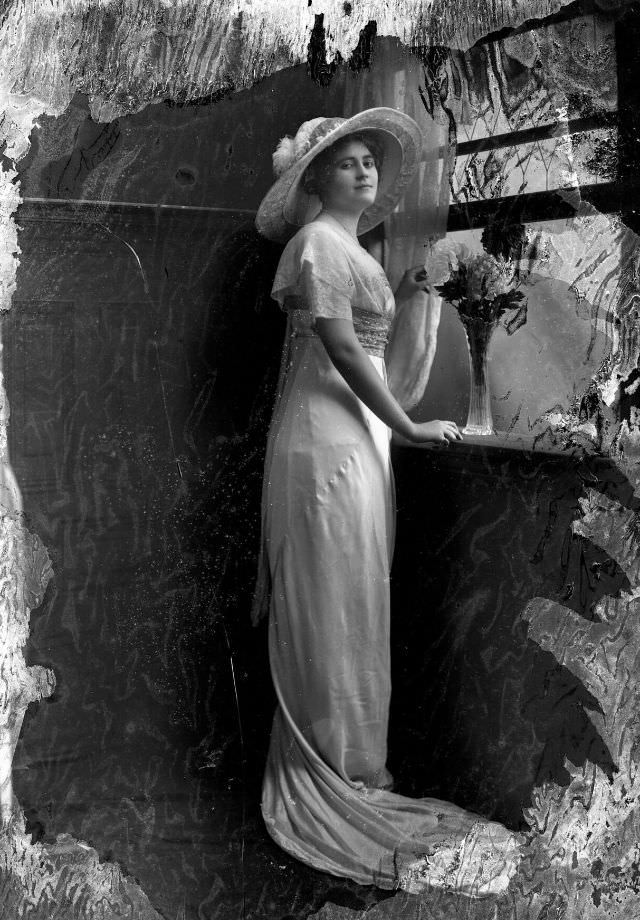
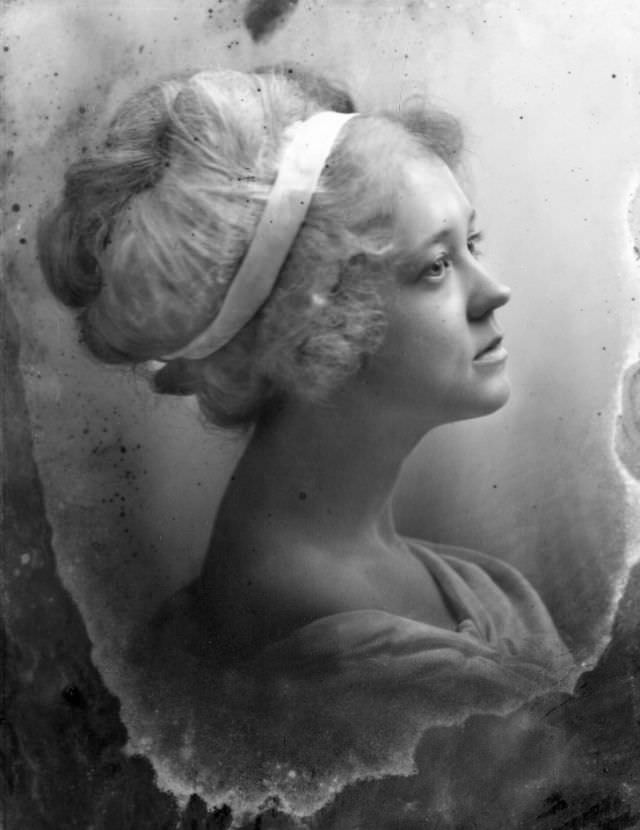
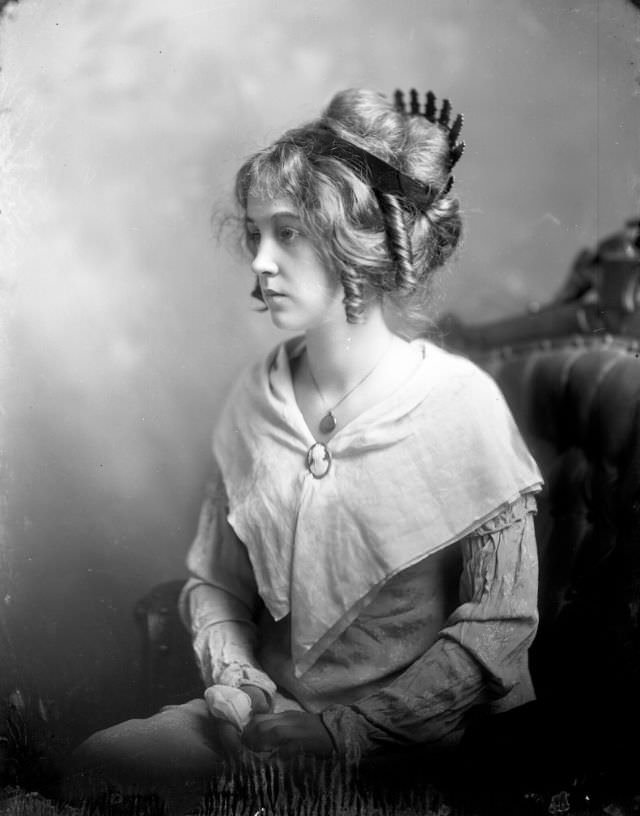
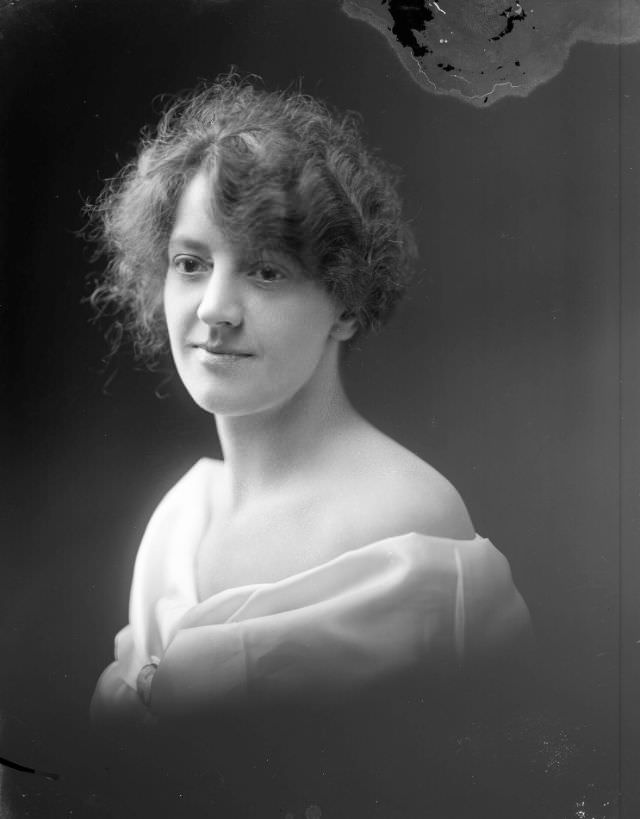
Not every portrait was tied to a wedding. Many young women simply sat for studio portraits as a routine social practice. These close-up and three-quarter-length images show the natural range of expressions and personalities that the studio’s photographers captured — some women gazing directly into the lens with confidence, others with a softer, more distant look.
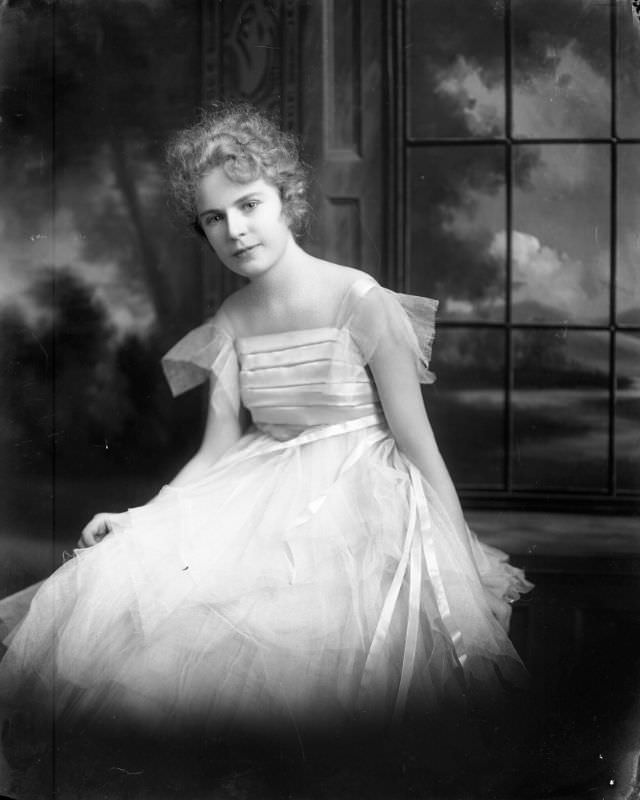
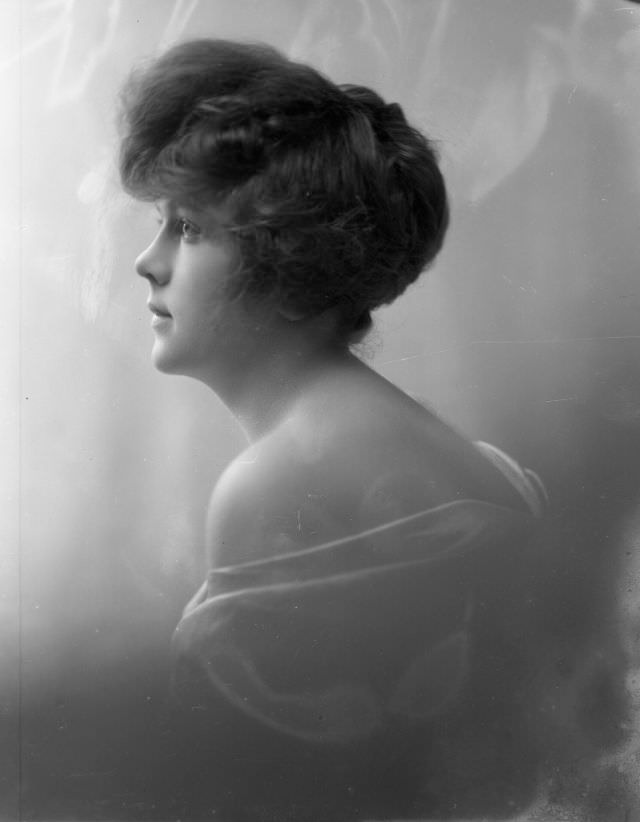
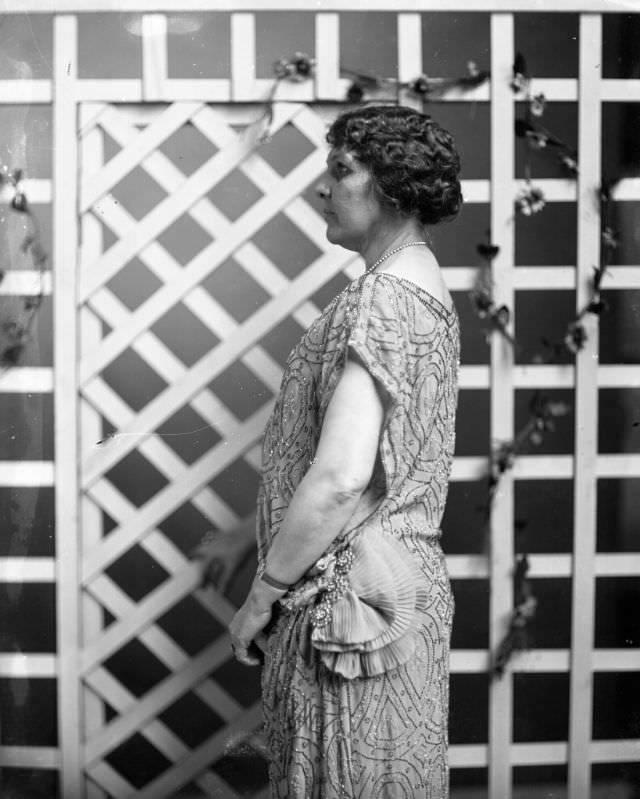
By 1910, the Wharton-Tyree Studio continued producing portraits with even greater variety in setting and style. Photographers introduced more elaborate studio props — urns, decorative wells, chaise lounges, and painted window backdrops. These elements gave each portrait a sense of scene and atmosphere far beyond a plain background. The profile portrait also became more common during this period, favored for its classical, sculptural quality.
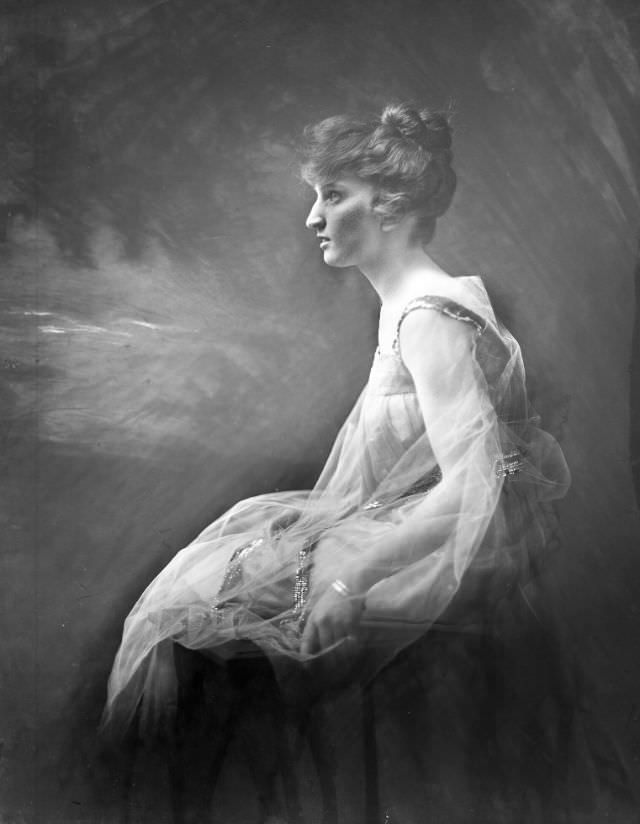
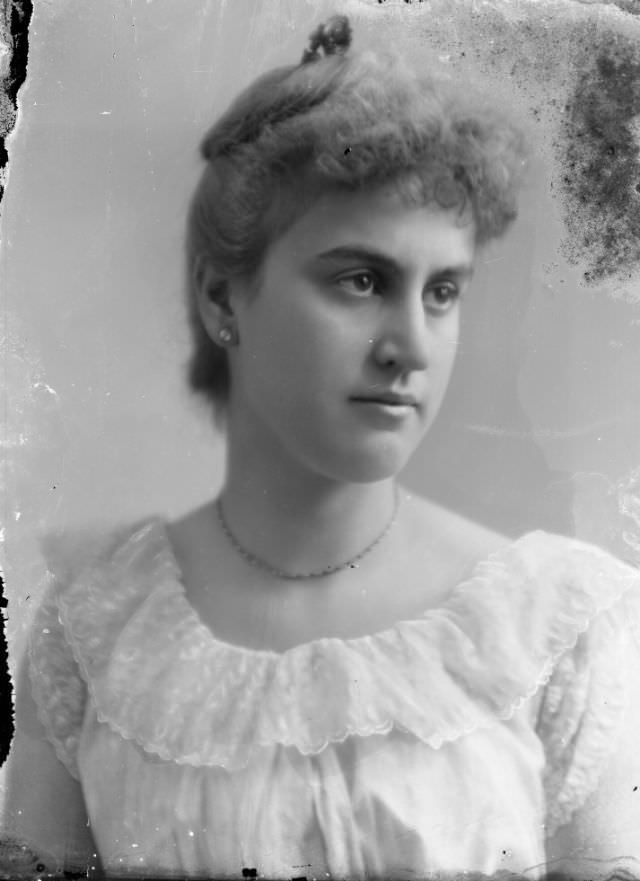
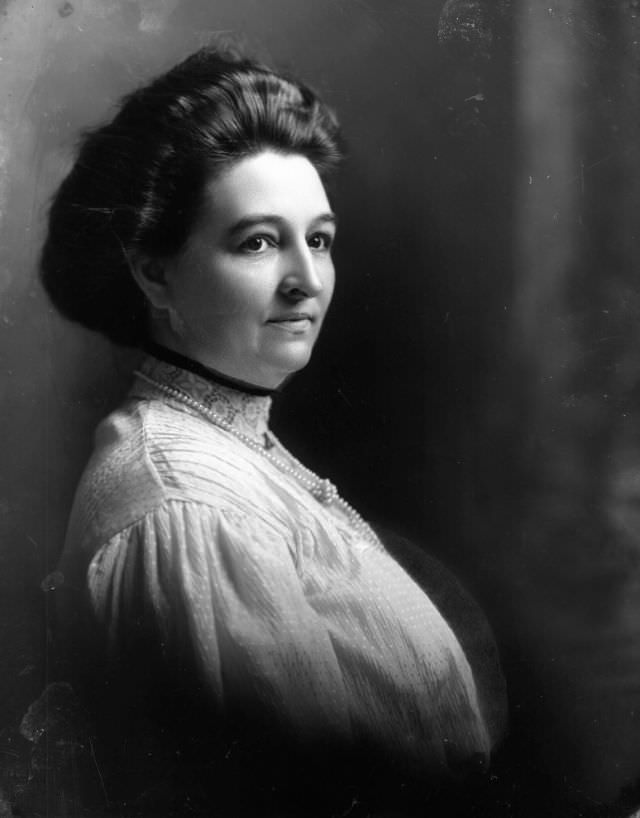

Among the most striking images from 1910 are a series of portraits featuring young women posed beside a decorative urn and a well. These were popular studio set pieces of the era, meant to evoke a romantic, pastoral setting. The same set appears across multiple sittings, showing how studios reused their props with different subjects to create varied yet thematically consistent results.
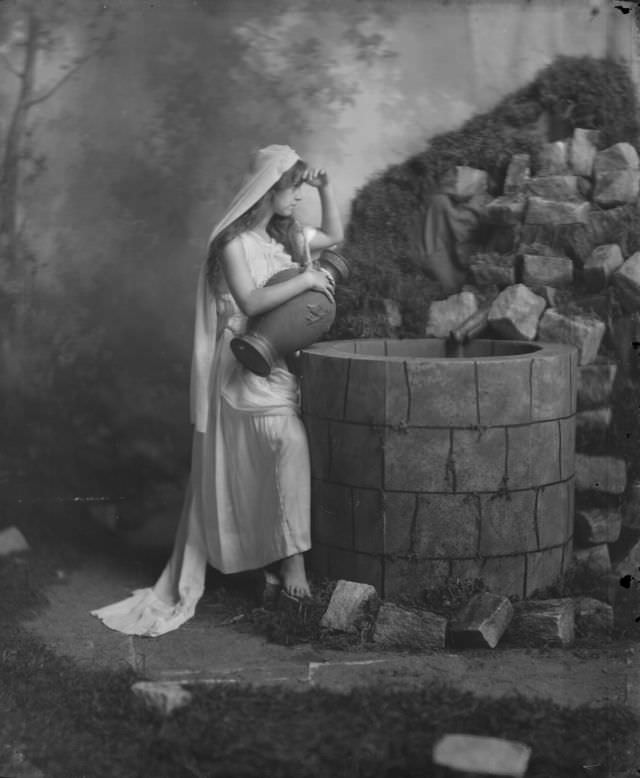

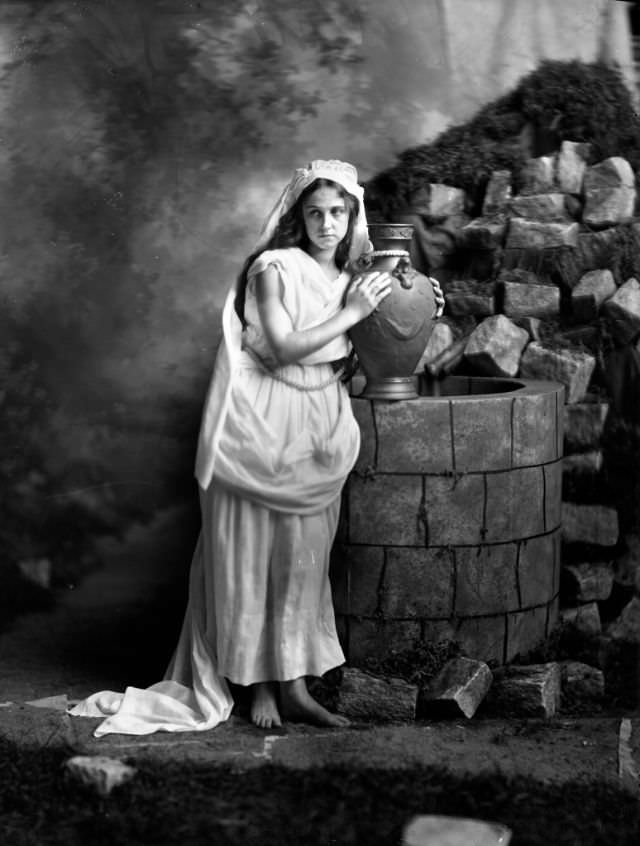
The 1910 portraits also show a wide range of individual sittings — women of different ages, wearing different styles of dress, each bringing her own posture and expression to the frame. Some portraits are intimate close-ups; others are wider compositions that show the full cut of a dress or the details of a hairstyle swept up in the Gibson Girl fashion of the time.
The story of how these negatives survived is almost as compelling as the images themselves. In the mid-1960s, a man named Leavister was salvaging furnishings and architectural materials from demolished homes in downtown Raleigh. During one of those jobs, he found several boxes of old glass negatives. He passed them along to J.C. Knowles, a local antiques dealer and estate sale manager, who had noticed the boxes while buying a lamp from Leavister. Knowles took the negatives, held onto them, and eventually donated them to the Museum of History. The collection was later transferred to the State Archives of North Carolina, where it is preserved and accessible to the public today.
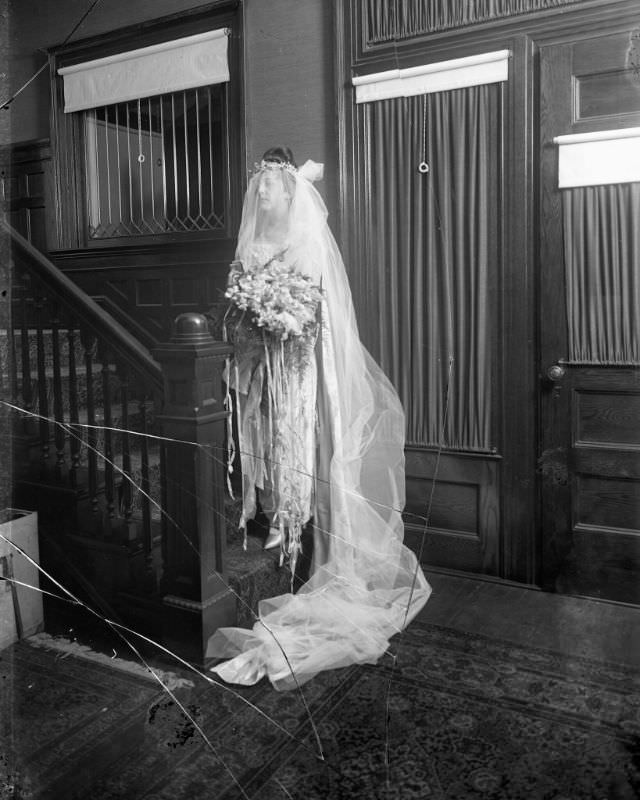
The 1915 portraits show a subtle shift in style. Beaded dresses began to appear, and fur scarves became a fashionable accessory for studio sessions. Feather fans remained popular props. The settings, too, became more domestic — one bride was photographed at the foot of a residential staircase rather than against a studio backdrop, grounding the image in a real home rather than an imagined scene.