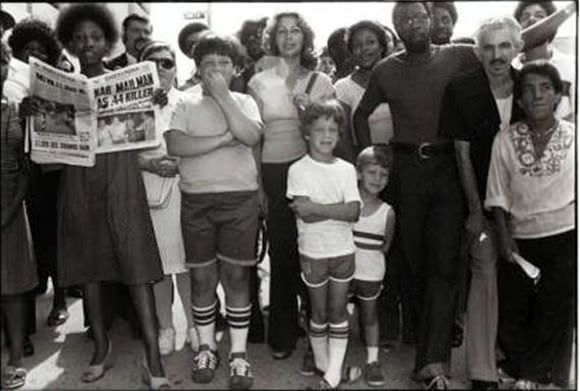
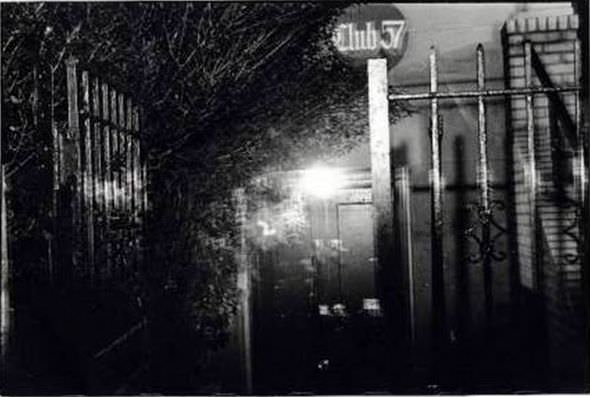
In 1979, a church basement on St. Marks Place became the most creative address in New York City. Club 57 operated beneath the Holy Cross Polish National Church in the East Village, far removed from the polished discos that defined nightlife elsewhere in Manhattan. Membership was cheap, the space was small, and the rules were almost nonexistent.
Ann Magnuson ran the club and set the tone for everything that happened inside it. She organized themed nights that blurred the line between audience and performer, pulling everyone in the room into the act.
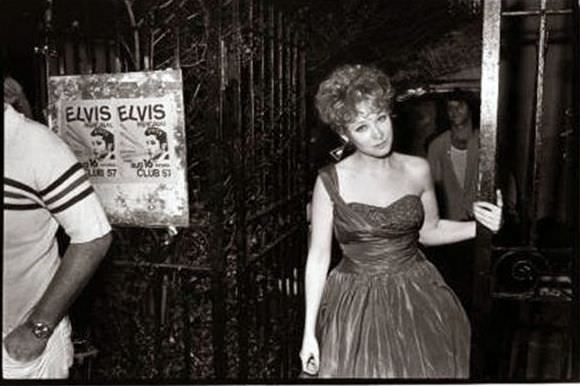
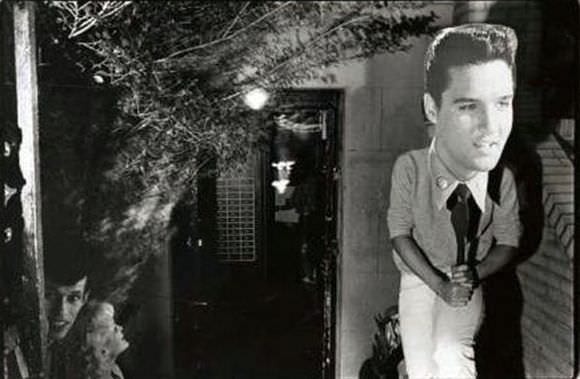
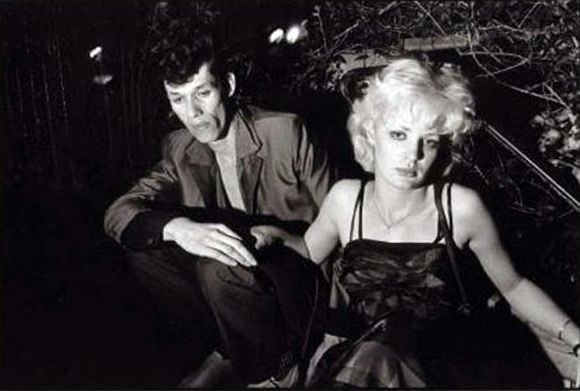
The entrance to Club 57 was easy to miss, but once word spread through the East Village underground, people came in droves. The crowd outside on any given night was as colorful as what was happening on stage.
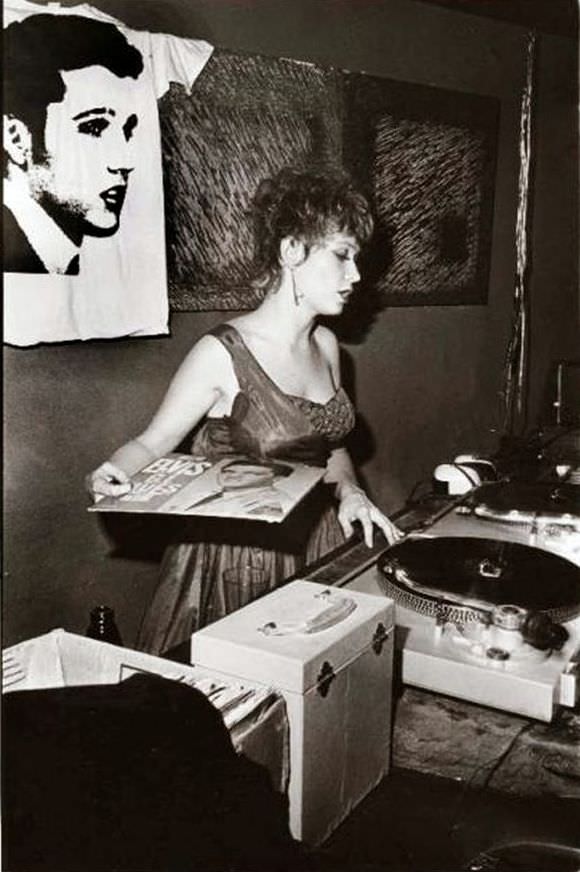
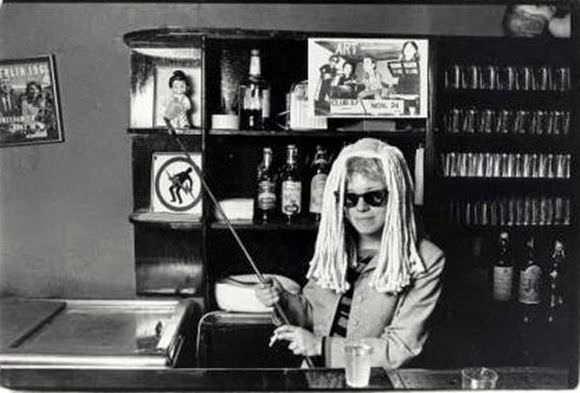
Inside, Magnuson kept the energy moving. She worked the room, spun records, and made sure no two nights felt the same. The bar was a gathering point where punk musicians, painters, and performance artists exchanged ideas until the early morning hours.
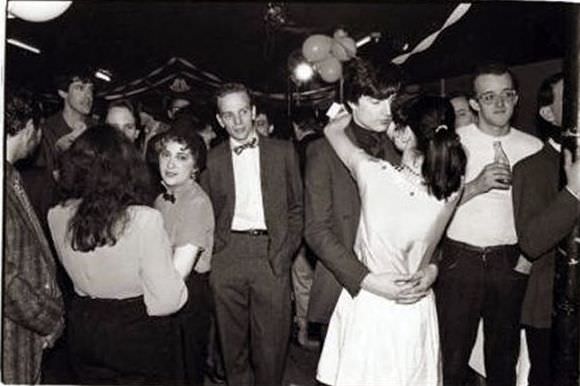
The club welcomed all kinds of celebrations. Personal milestones mixed freely with artistic events, and the community treated every occasion as a reason to perform.
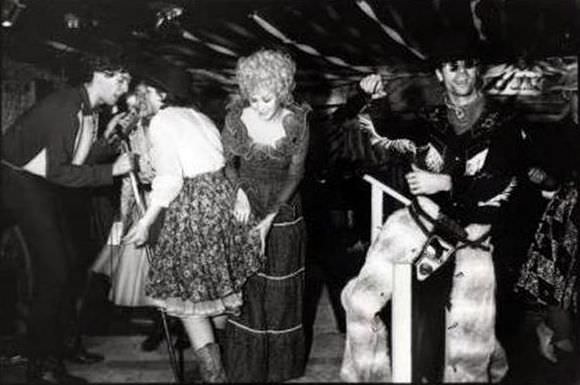
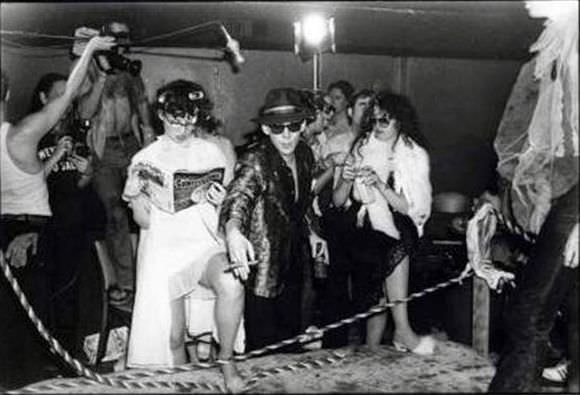
Theme nights were a Club 57 staple. Events like “Night at the Opry” showed how freely the crowd moved between genres, eras, and identities. Nothing was off-limits as a source of inspiration.
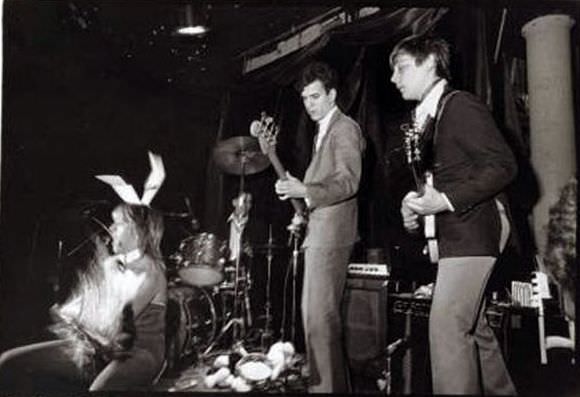
Live music was a constant. The house band provided a raw, loose soundtrack that matched the DIY spirit of the space. Sets and props were built from found objects and whatever cheap materials were available.
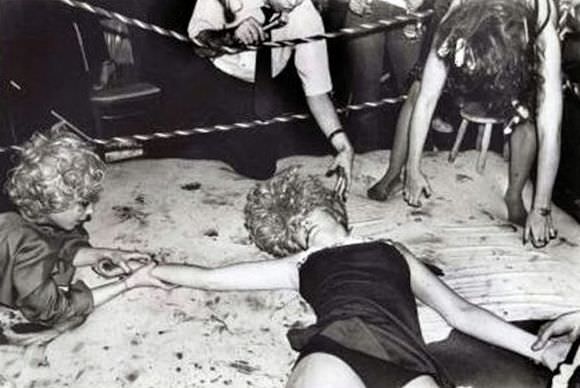
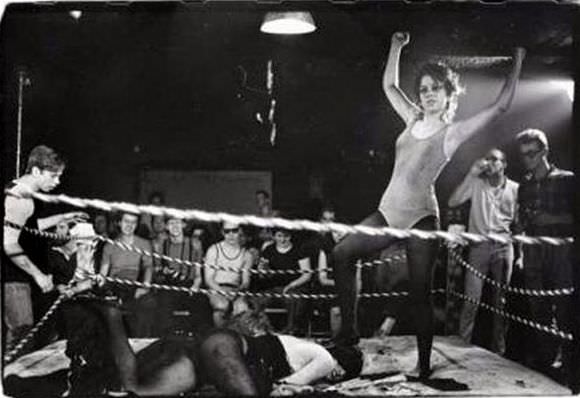
Lady Wrestling Night was among the most talked-about events the club produced. It was exactly what it sounds like — and the crowd loved every second of it.
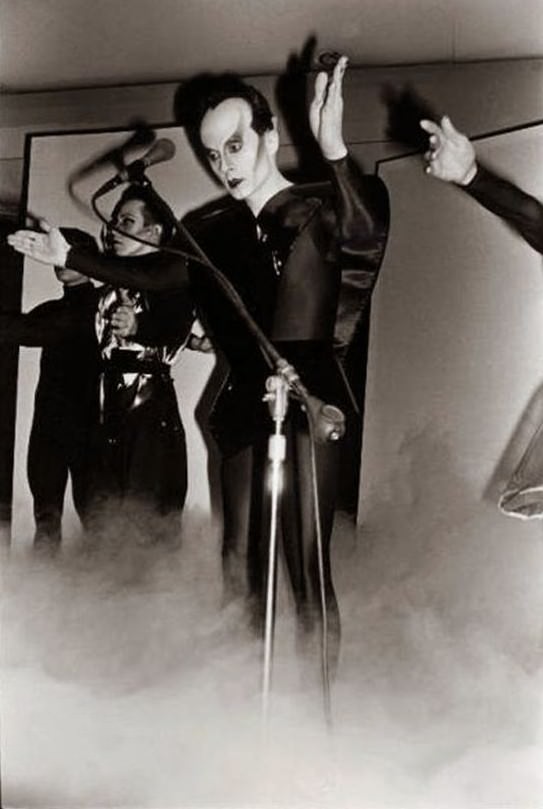
The performers who passed through Club 57 were unlike anything playing in mainstream venues. Klaus Nomi brought operatic drama and an otherworldly stage presence that stopped people cold.
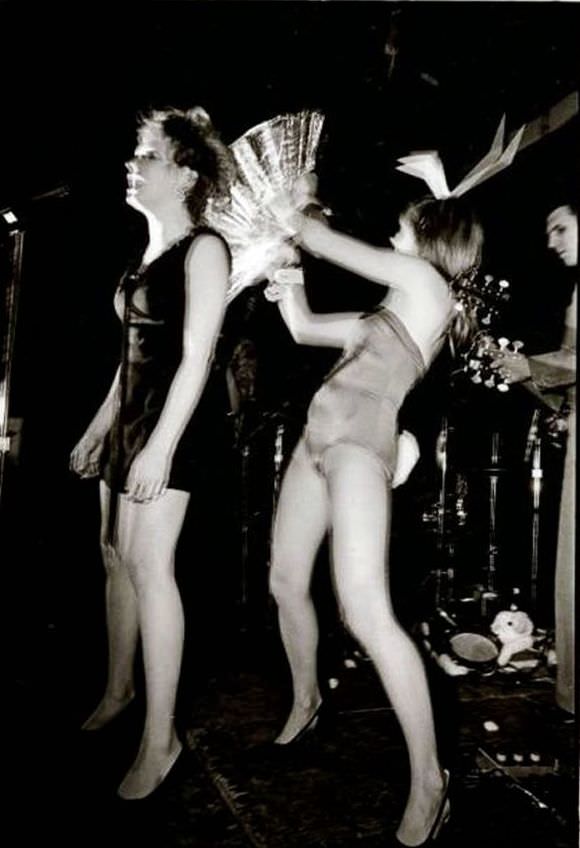
John Sex was another regular performer who packed the room. His act was theatrical, provocative, and completely at home in the Club 57 atmosphere.
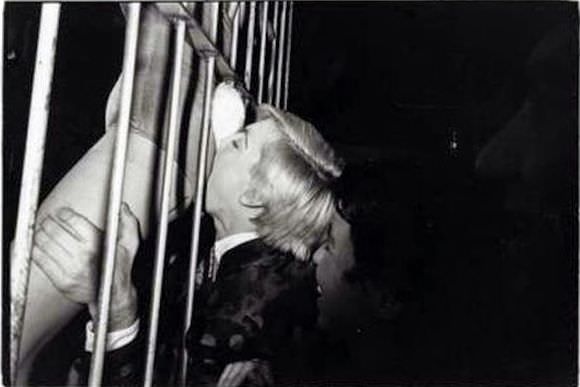
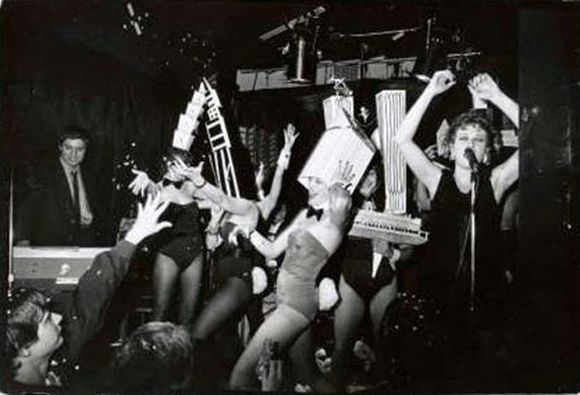
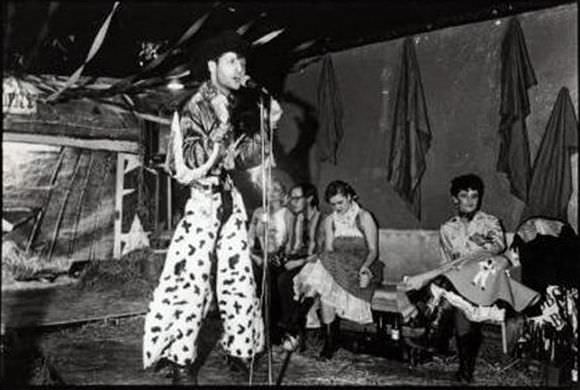
Monster Movie Night was one of Ann Magnuson’s signature events. The audience dressed up, the films were intentionally low-budget, and the whole evening played as a collective performance.
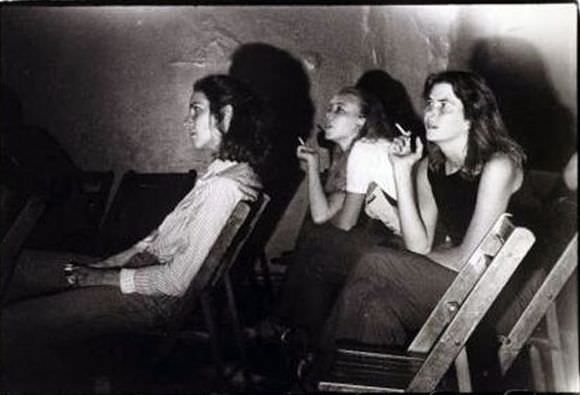
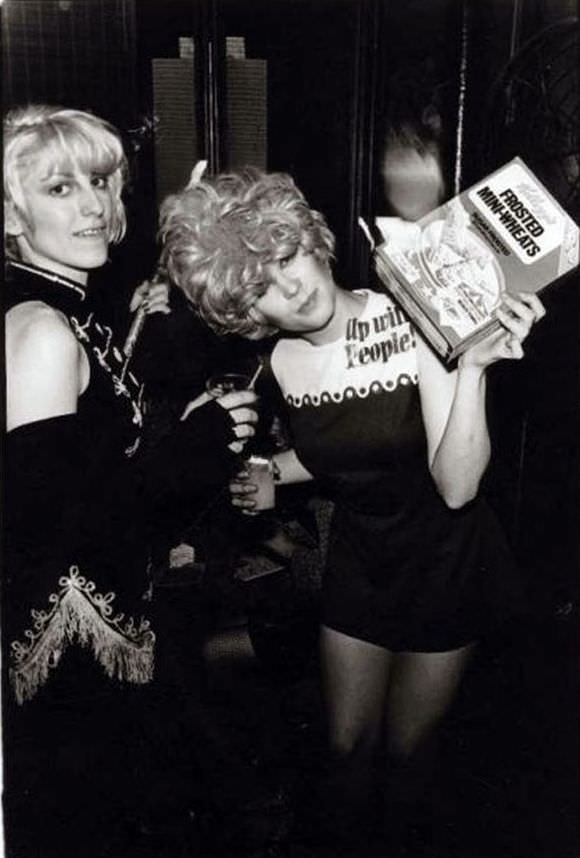
Keith Haring and Tseng Kwong Chi were constant fixtures in the crowd. Haring used the club’s walls to display his drawings, treating the basement itself as a canvas.
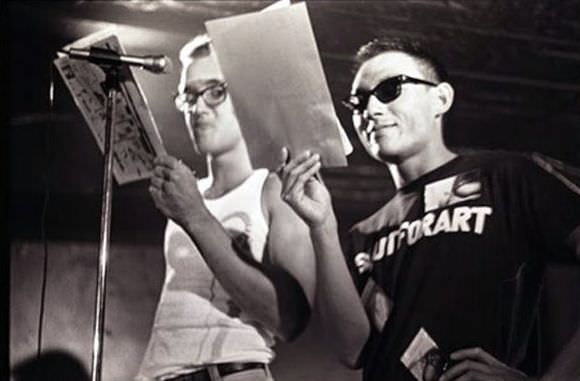
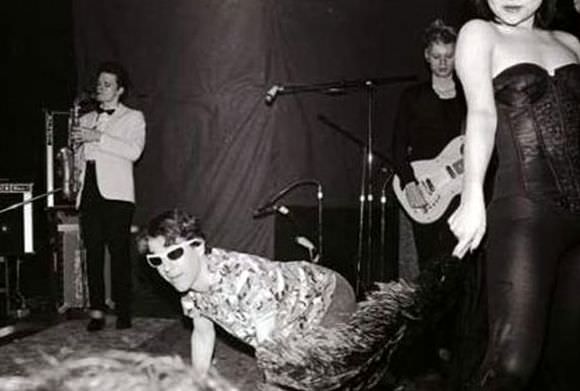
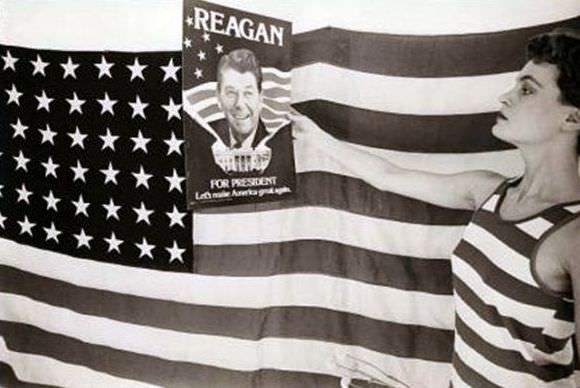
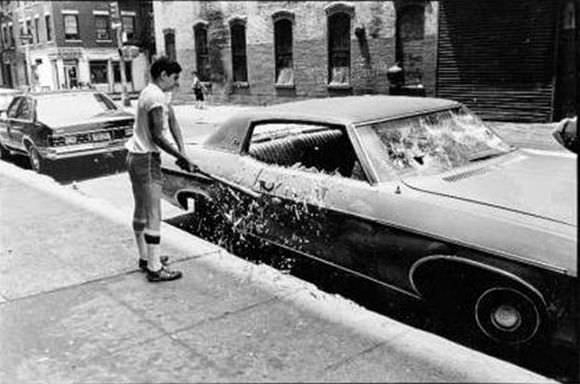
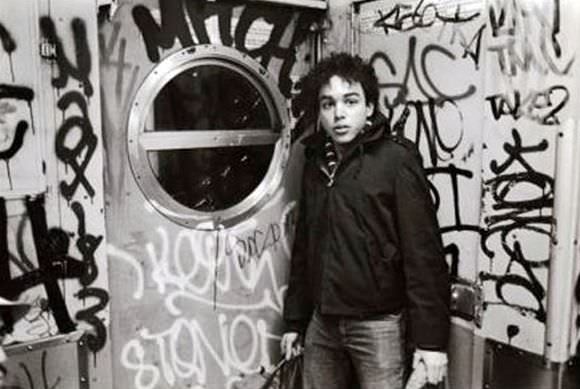
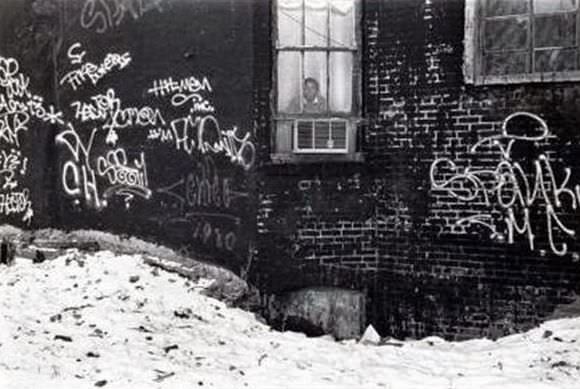
Harvey Wang was 23 years old when he started photographing the scene. He attended regularly and worked as the club’s unofficial documentarian, shooting in black and white. His images capture the raw energy of a community that knew it was doing something different. Some nights carried more weight than others.
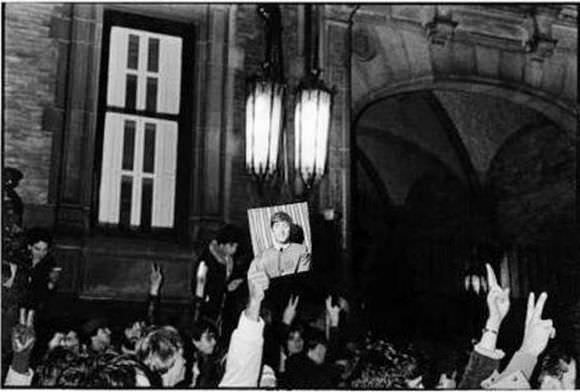
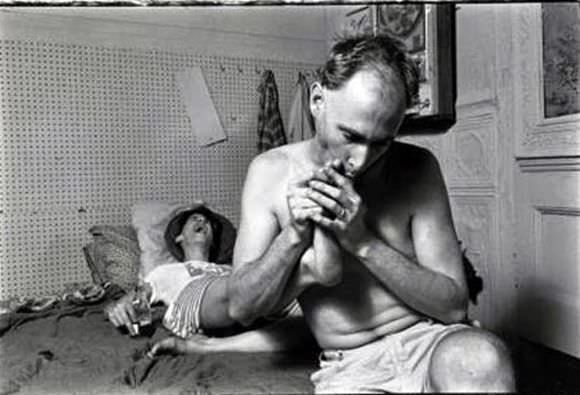
Wang’s lens extended beyond the club’s walls into the surrounding East Village neighborhood. The streets outside were just as alive with characters and stories as anything happening on the basement stage.