In the early 1900s, the circus was the most popular form of mass entertainment in the Netherlands. No other spectacle could match it — not in scale, not in variety, and not in the crowds it drew. Two distinct forms defined the industry: permanent stone venues in major cities and traveling tent shows that rolled through the countryside each spring and summer.
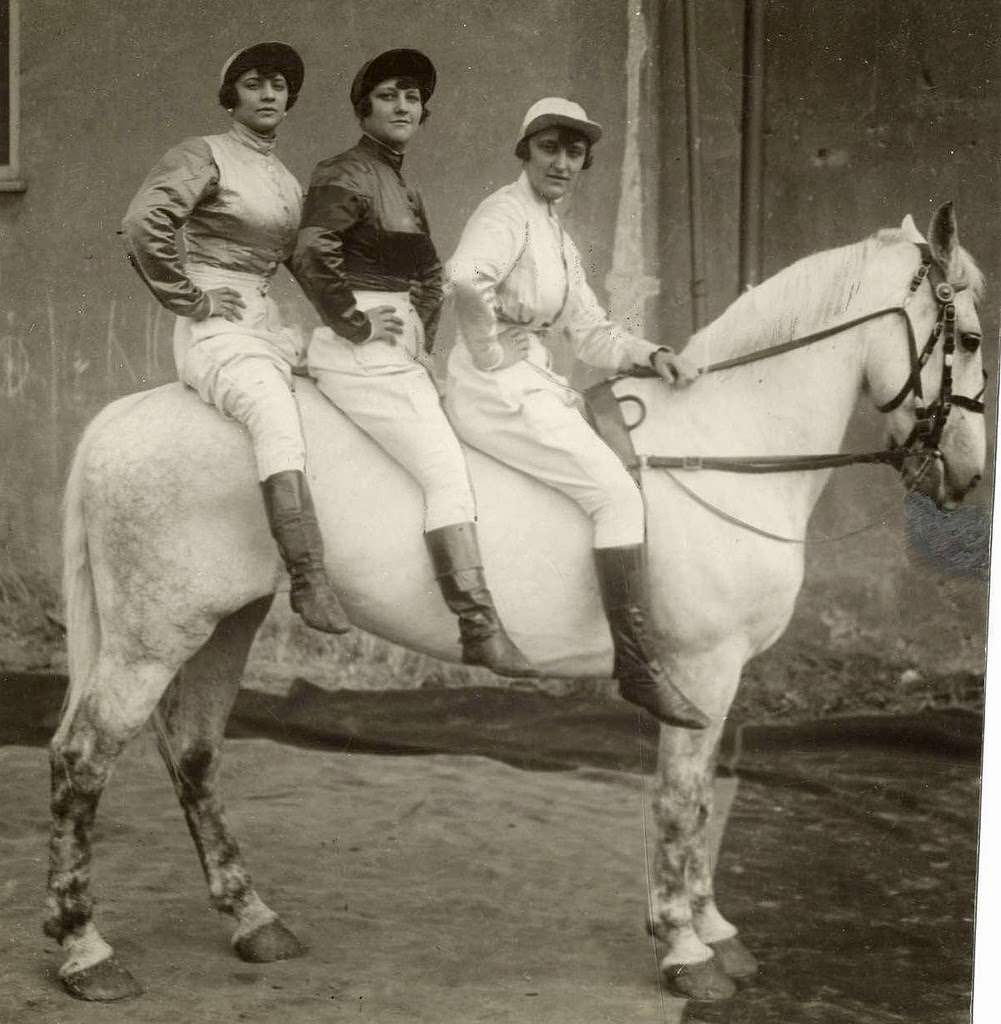
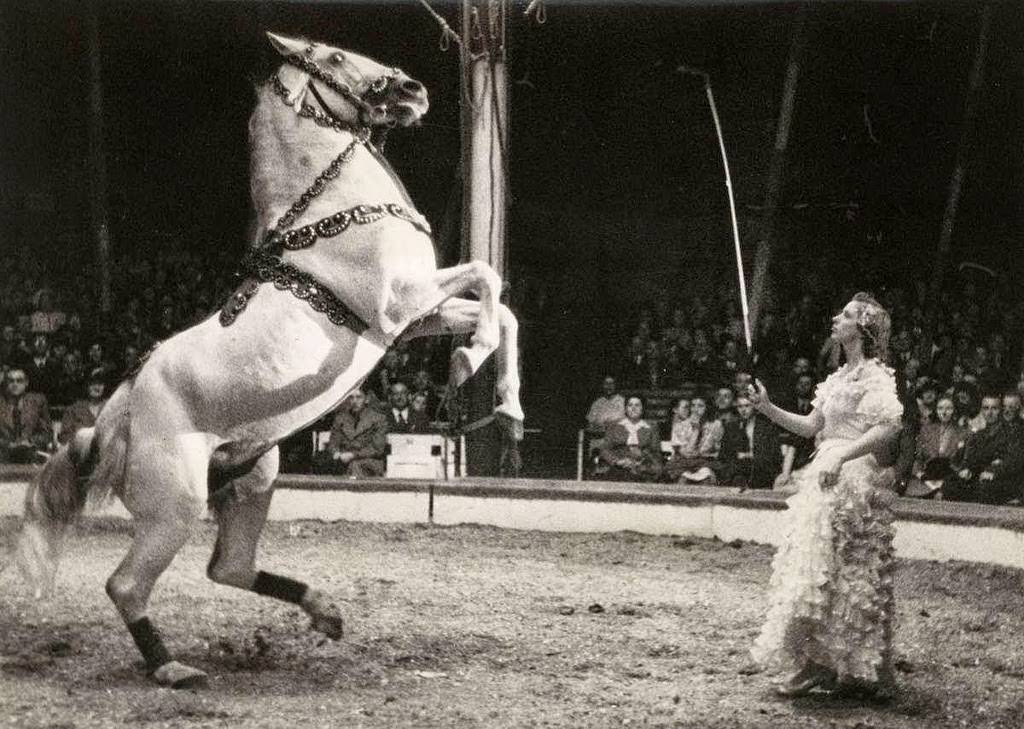
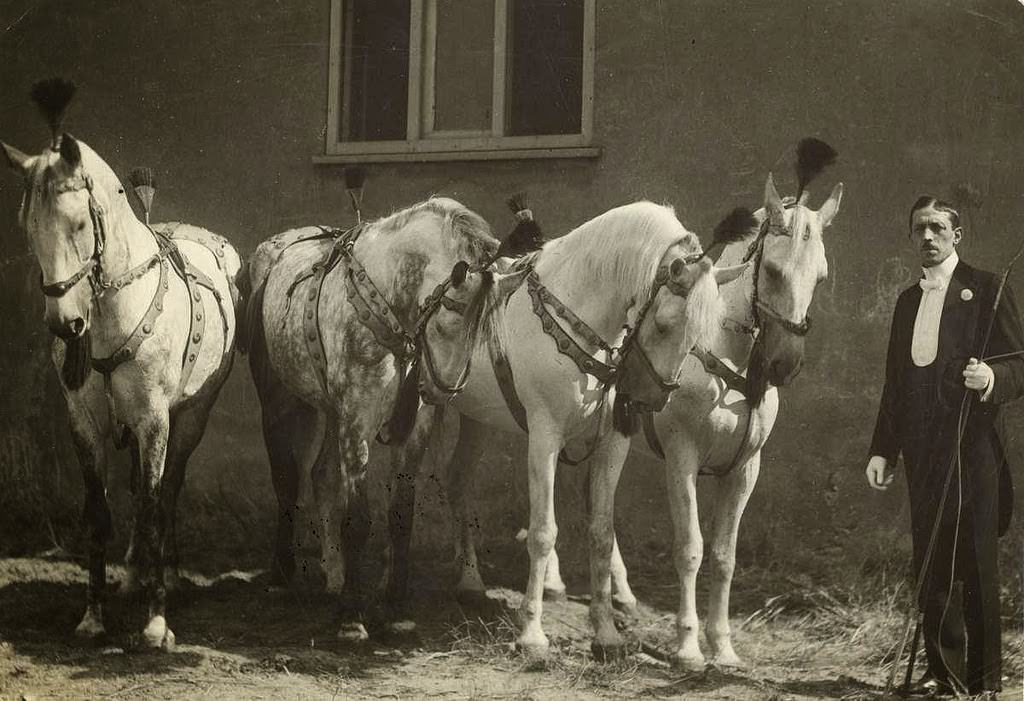
The most famous venue in the country was Circus Carré in Amsterdam. Oscar Carré built the stone building on the Amstel River in 1887, and by the turn of the century it served as the winter home for his family’s troupe. The circular arena was designed specifically for horse acts — Oscar’s specialty. His horses performed precise, complex steps in time with live orchestral music, a discipline known as “high school” horse training.
The building held stables for hundreds of animals and living quarters for performers. During winter, the Carré family staged elaborate equestrian dramas and pantomimes that drew thousands of spectators from across the country. The audience ranged from Dutch royalty to urban laborers, seated by ticket price — all gathered under the same roof.
Around 1900, electric lighting replaced the old gas lamps inside Carré. Evening performances became both safer and more visually dramatic as a result.
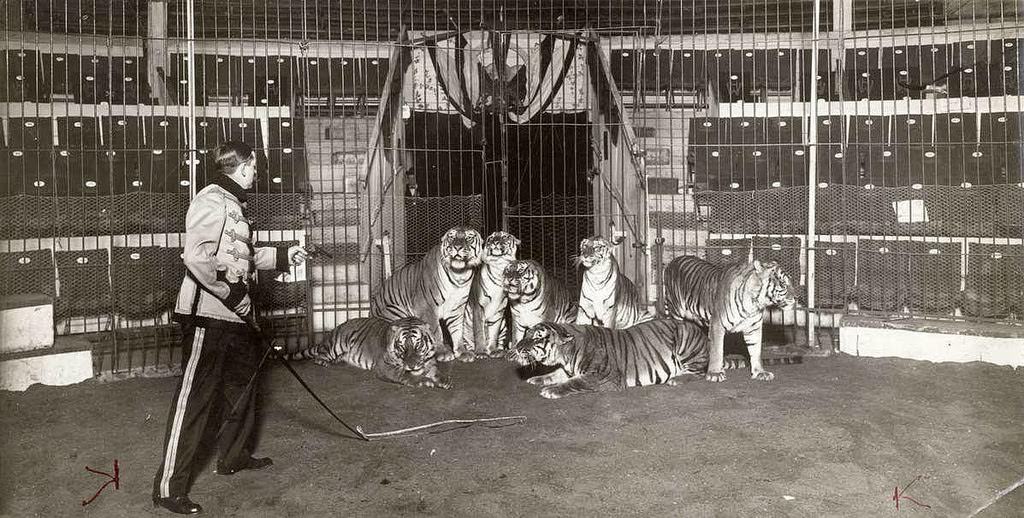
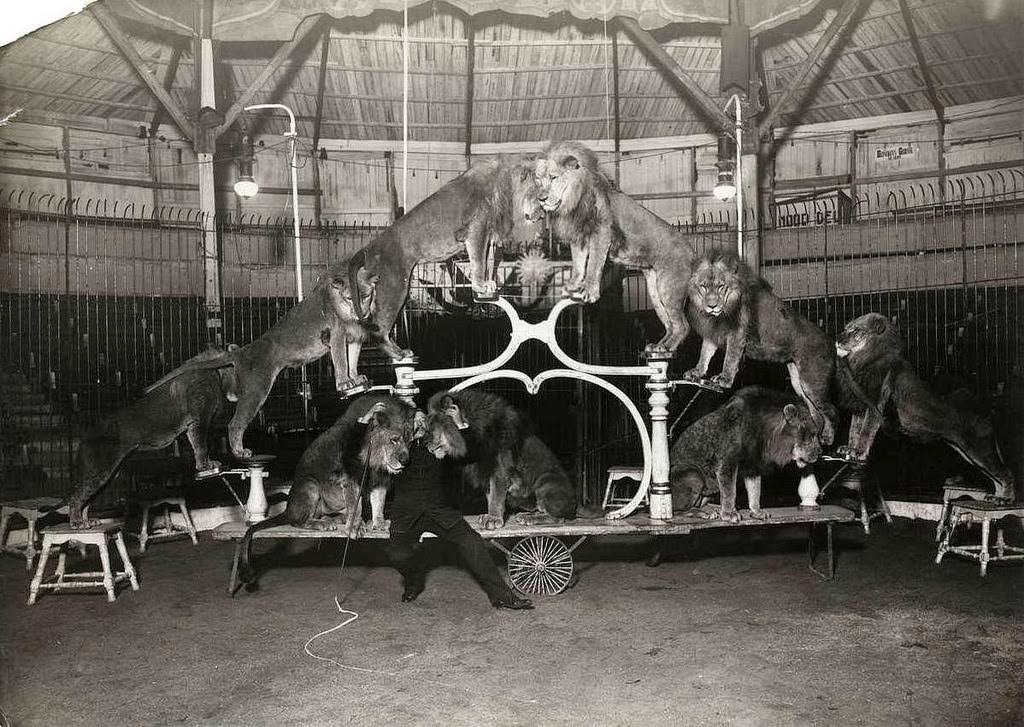
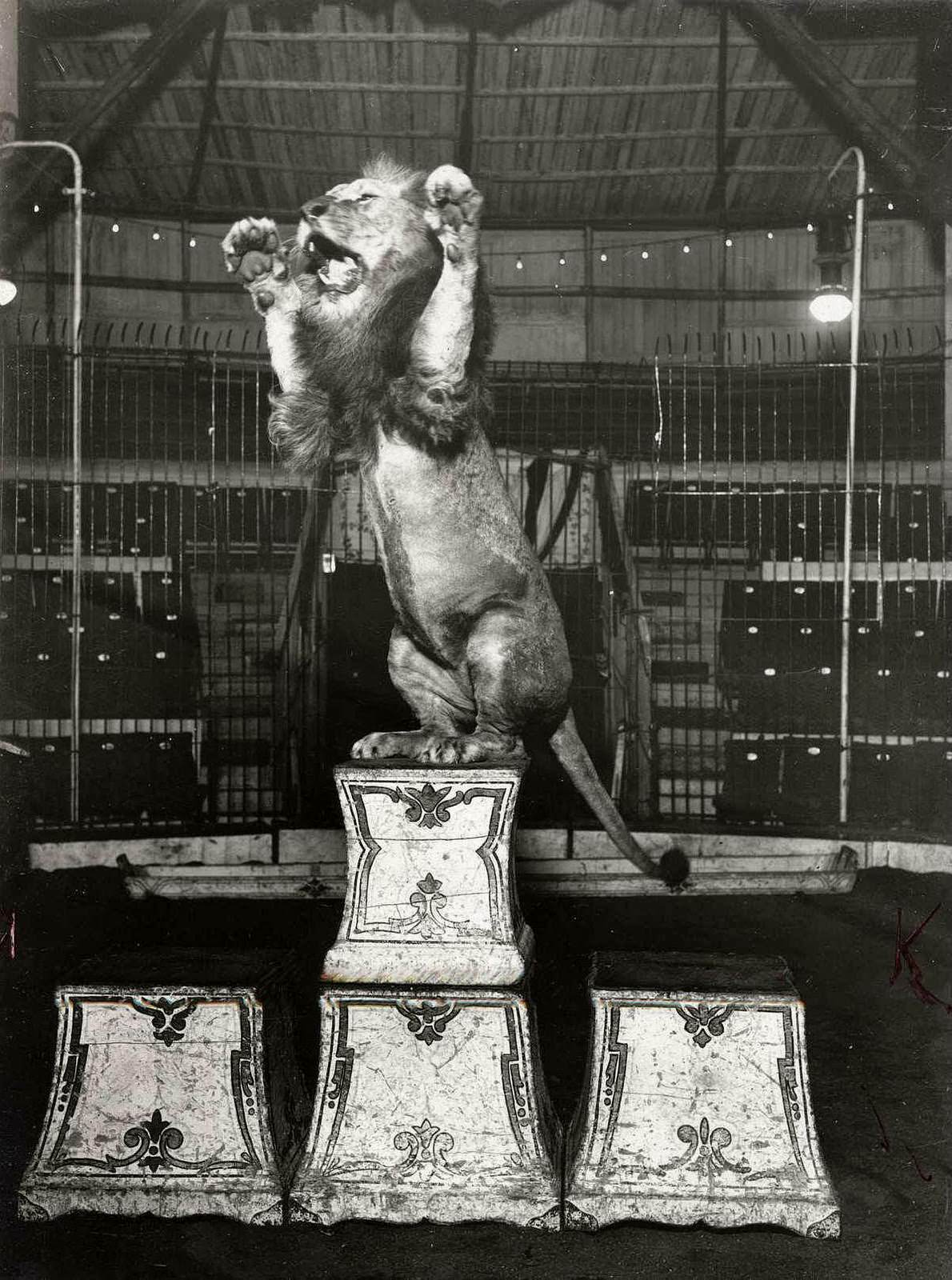
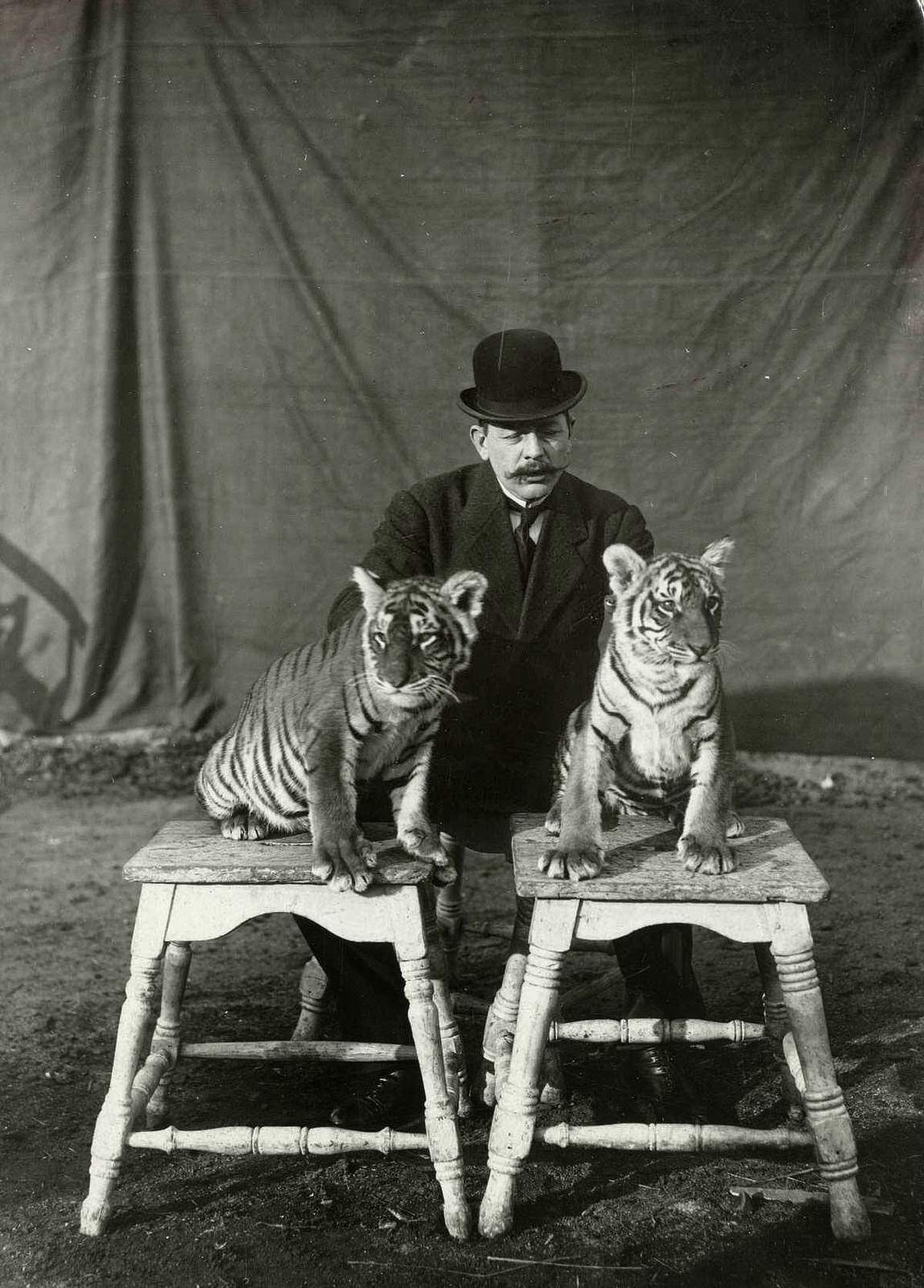
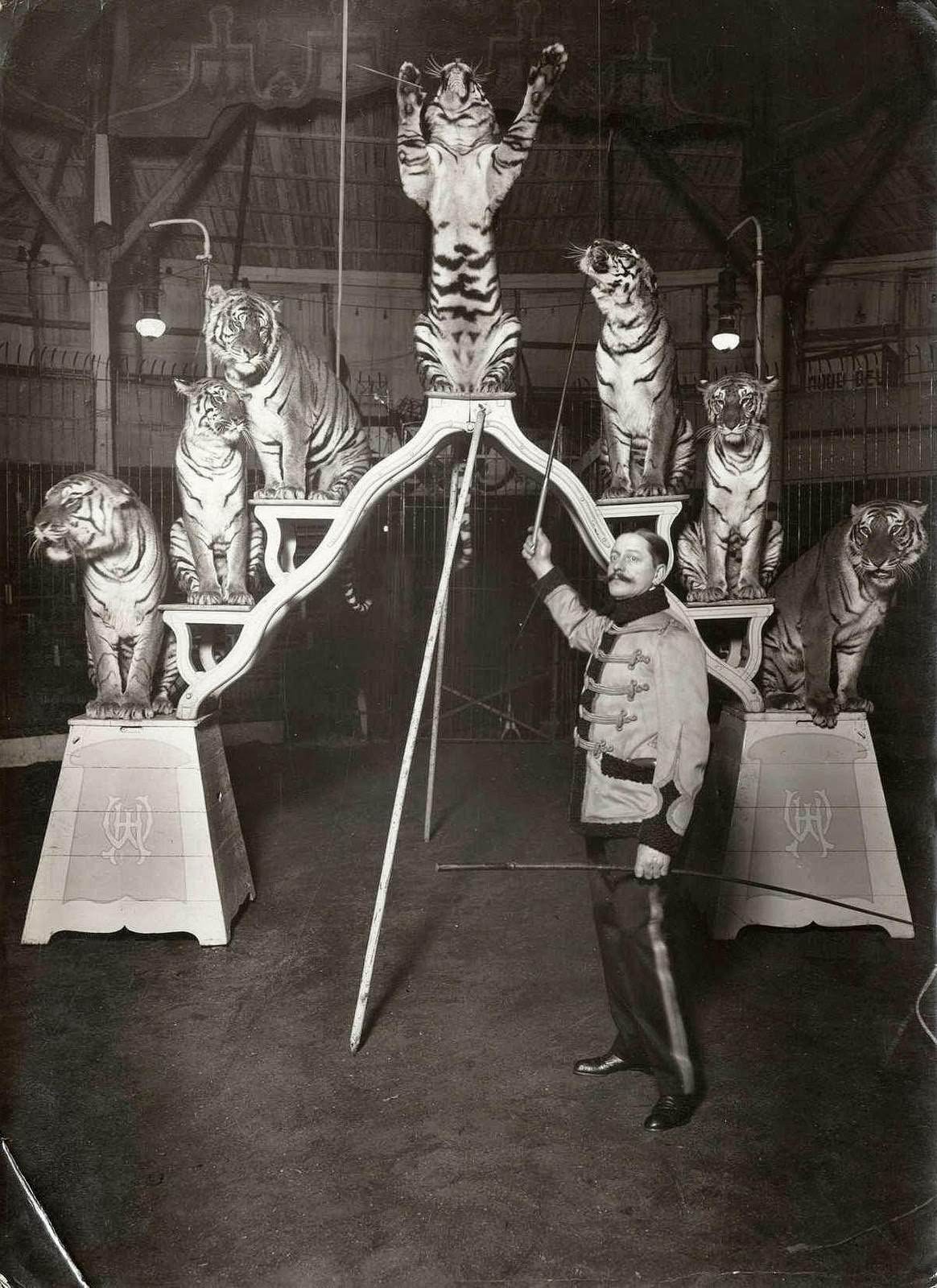
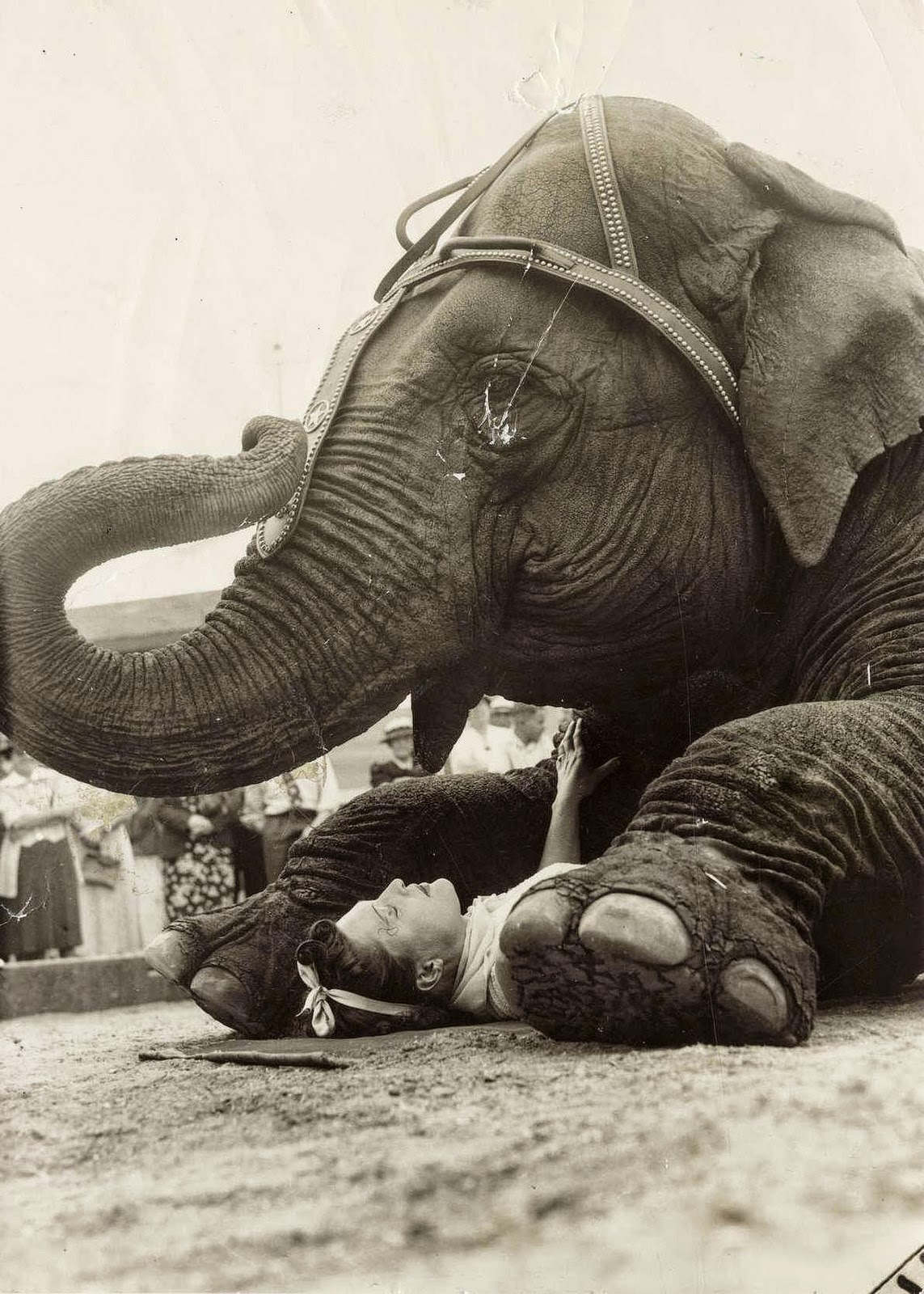
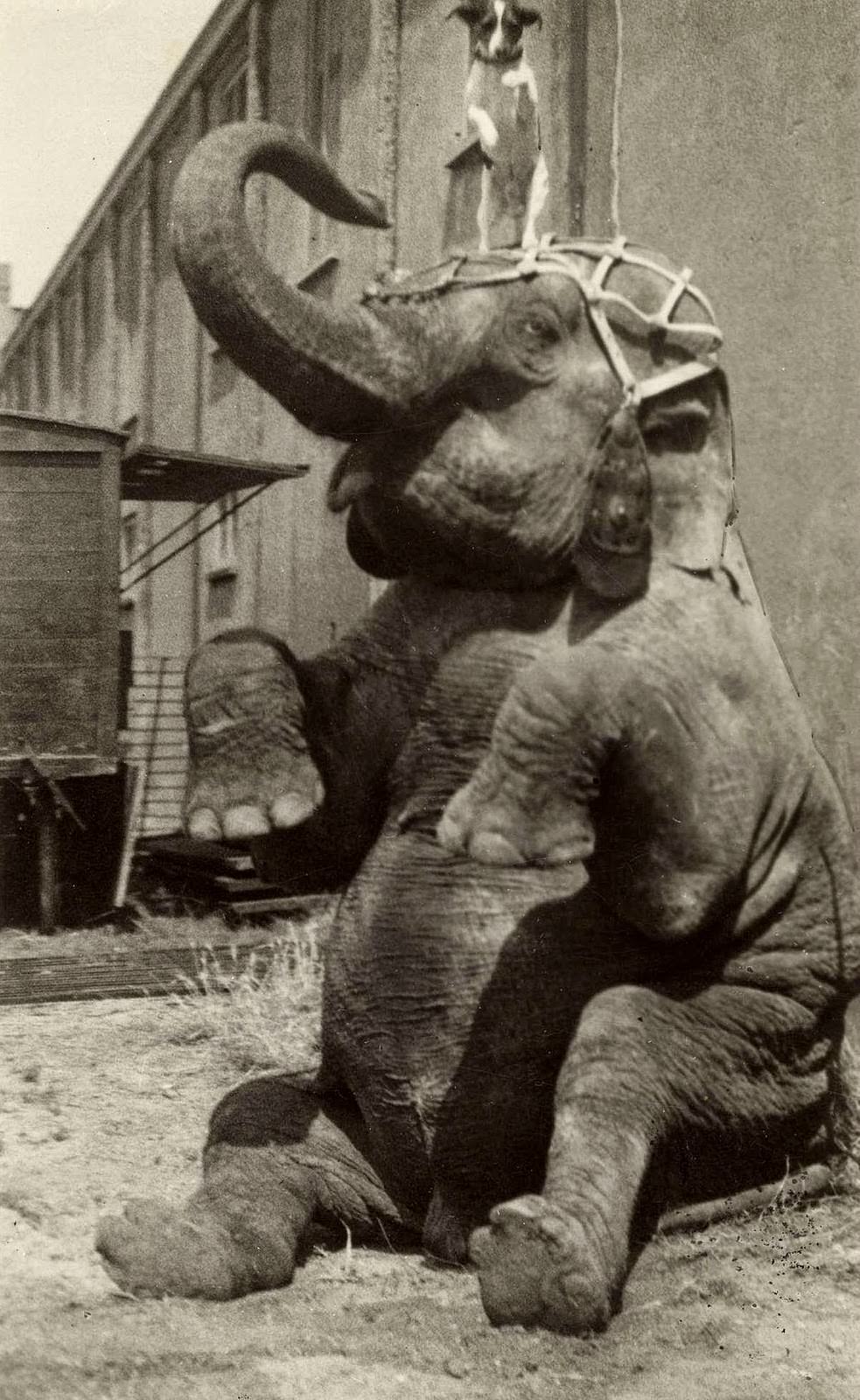
When warmer months arrived, circus culture moved outdoors. Traveling companies erected massive canvas tents — called “big tops” — in open fields and city squares across Rotterdam, Utrecht, and The Hague. Circus Sarrasani, a major German outfit, frequently toured the Netherlands and brought animals most Dutch citizens had never seen in person: elephants, lions, and camels.
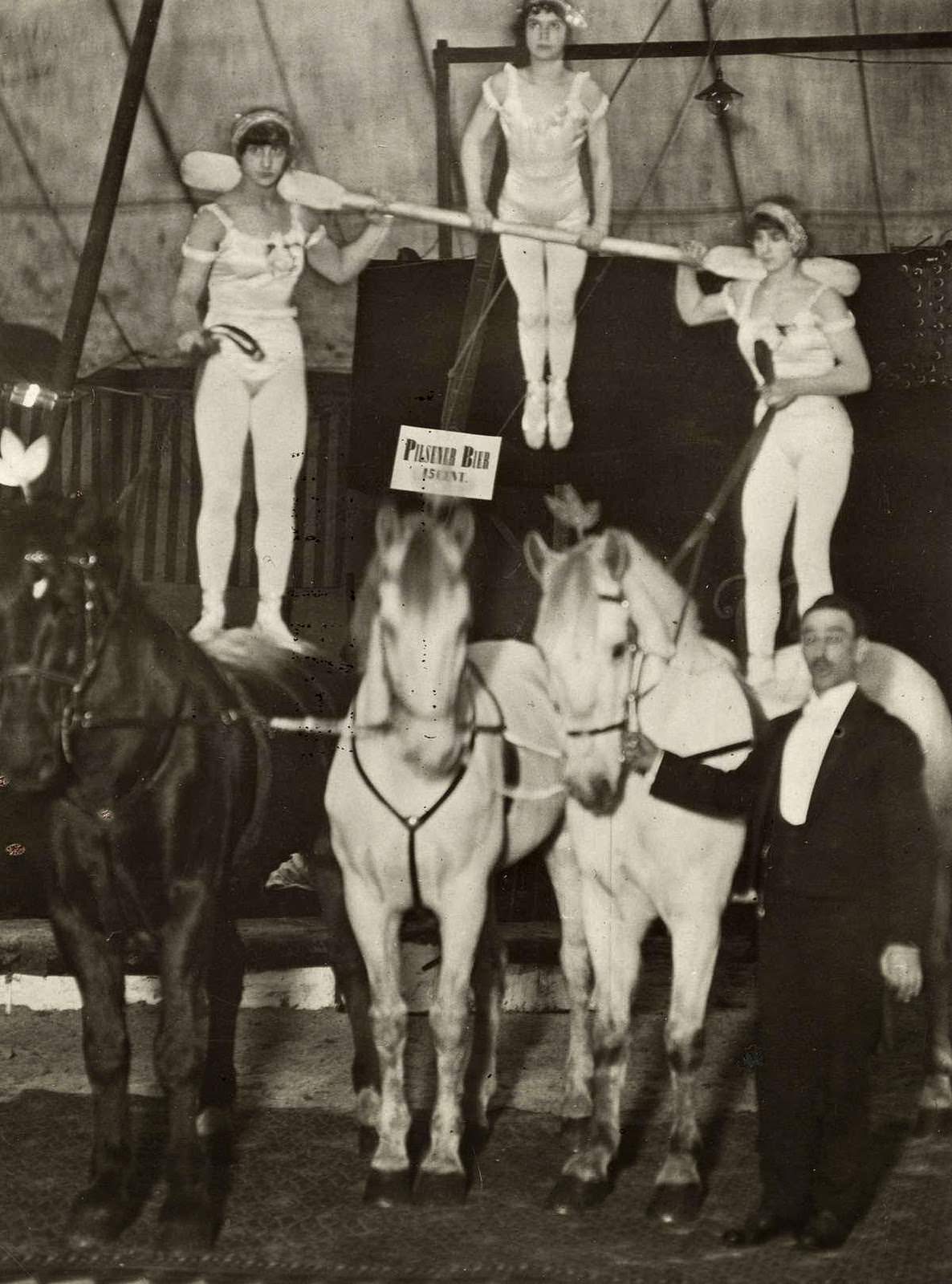
The arrival of a circus at the local train station was an event in itself. Animals and performers marched through city streets in a parade to central squares like the Malieveld. The procession was a live advertisement — loud, colorful, and impossible to ignore.
Moving a traveling circus required precise logistics. A large staff of laborers handled the animals, rigging, and wagons. Scheduling had to be tight — towns were booked in sequence, and delays affected the entire route.
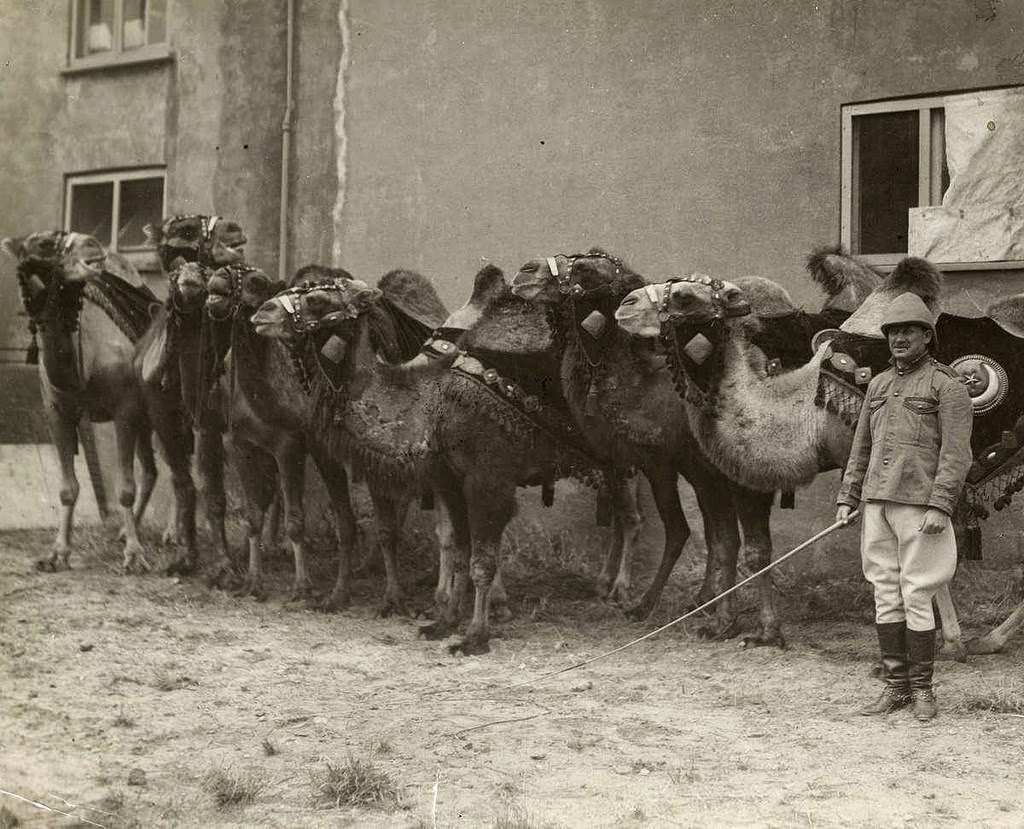
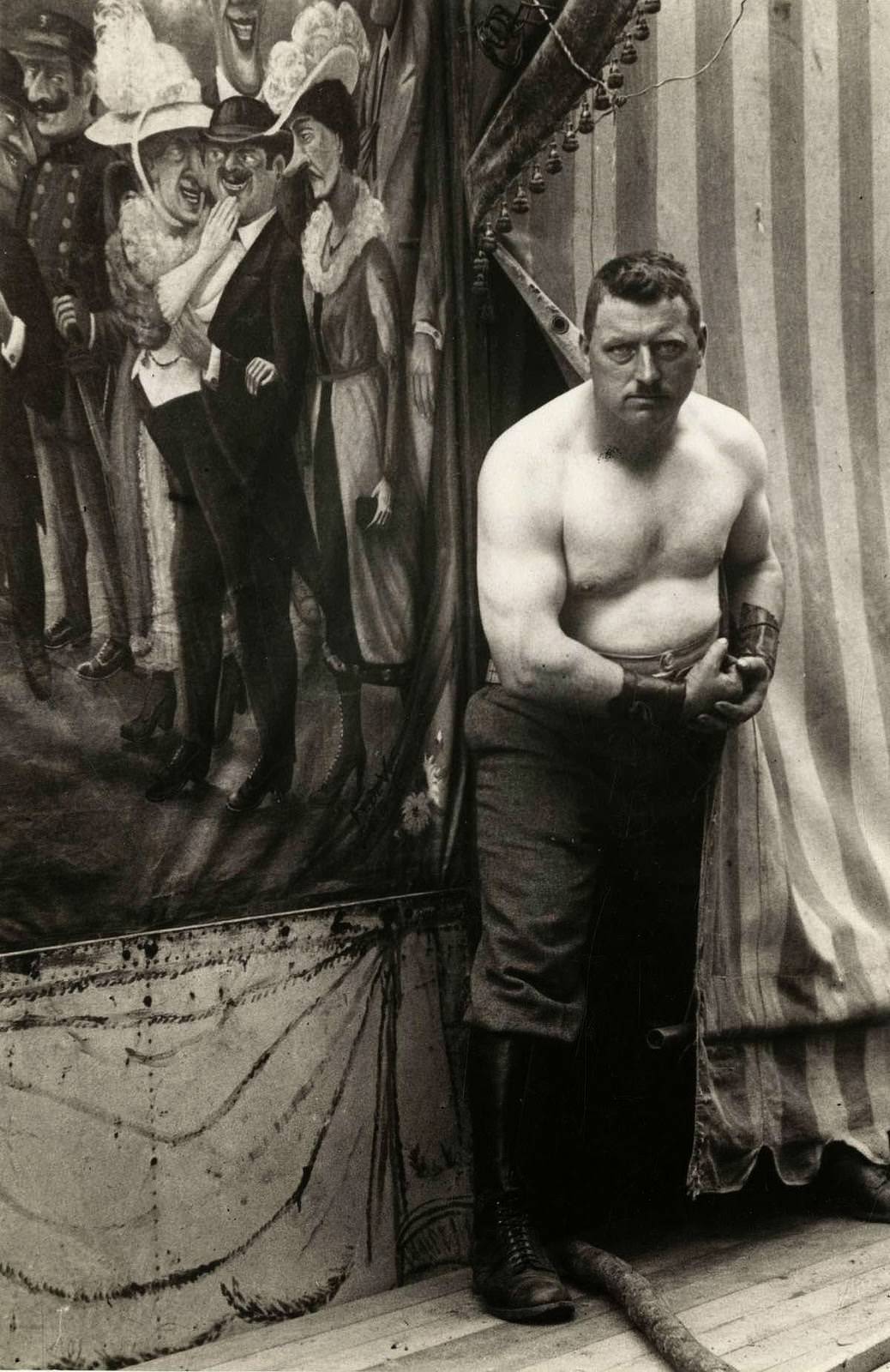
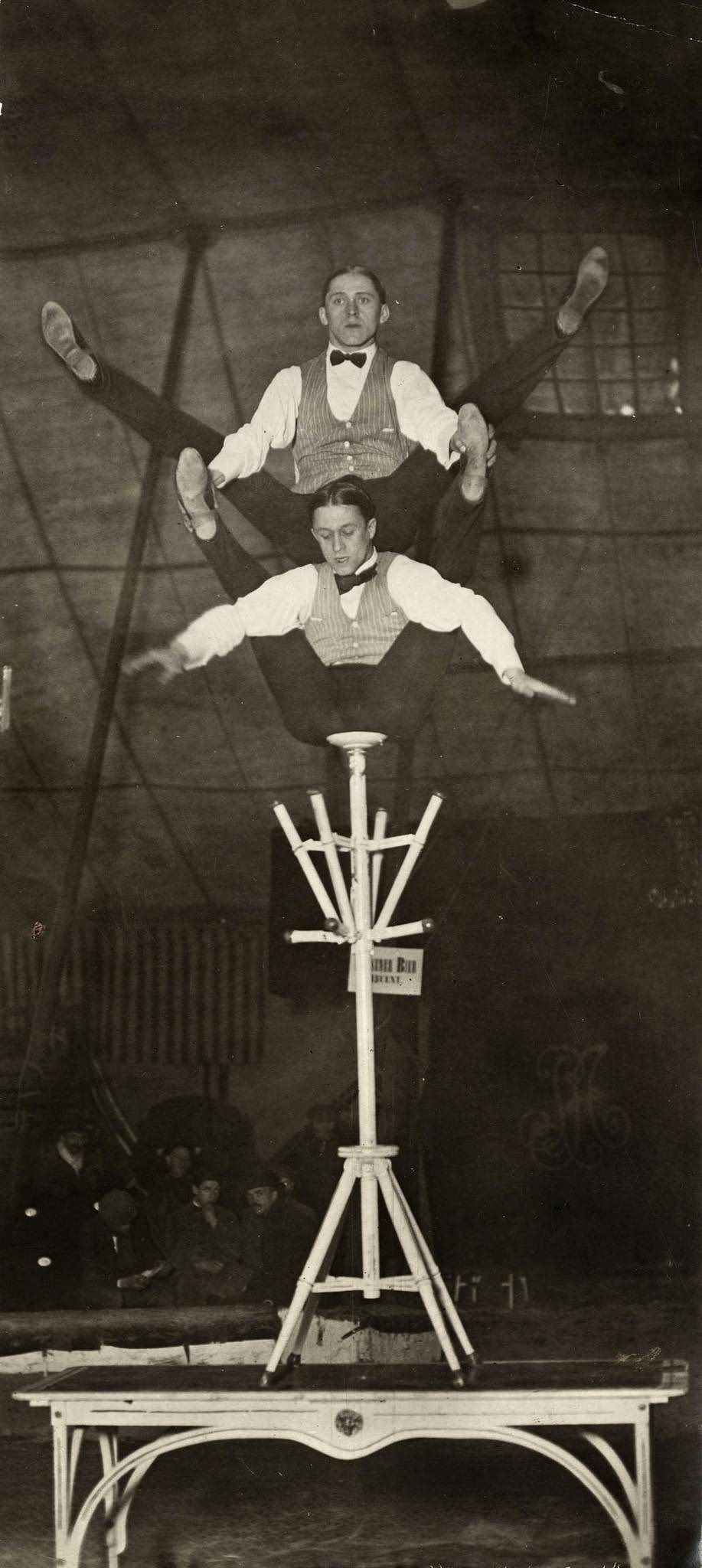
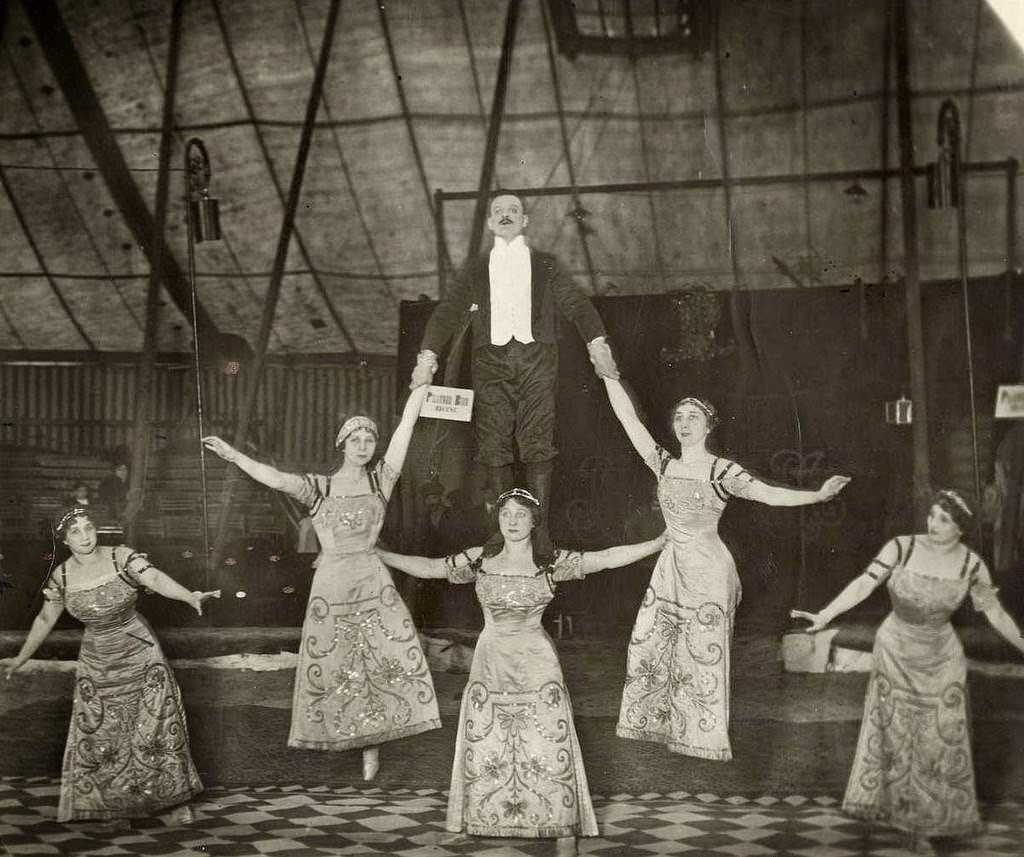
Every show followed a fixed order. It opened with a grand entry of all performers and animals parading through the ring. High-wire walkers and trapeze artists came next, performing without safety nets. Their acts depended entirely on physical strength and trained balance.
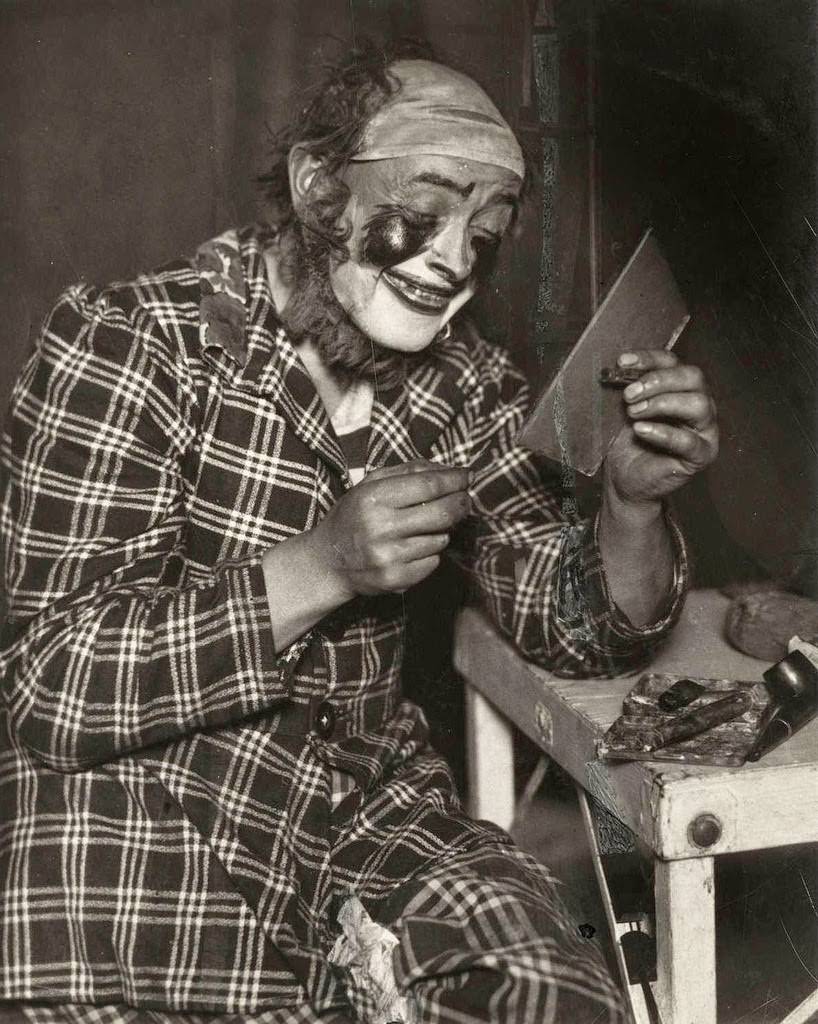
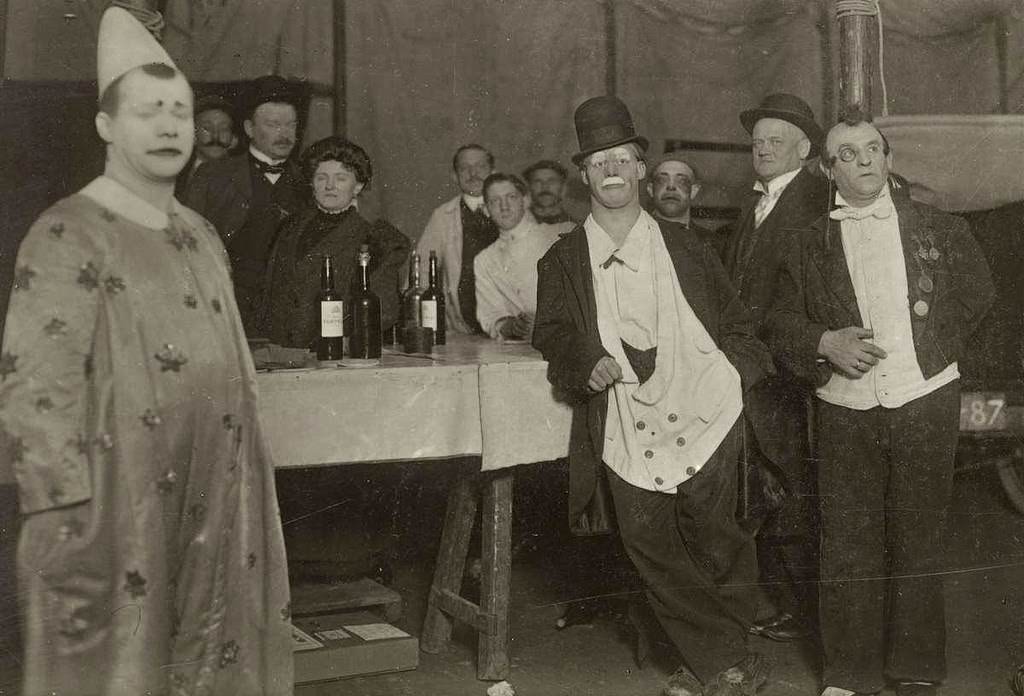
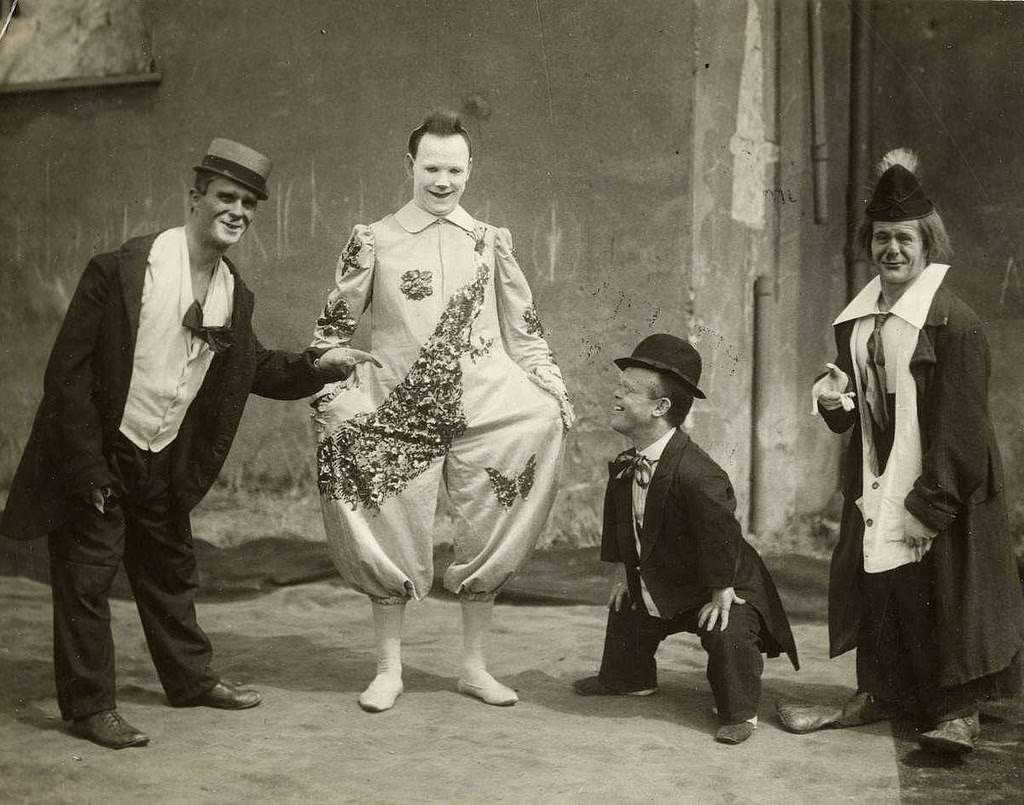
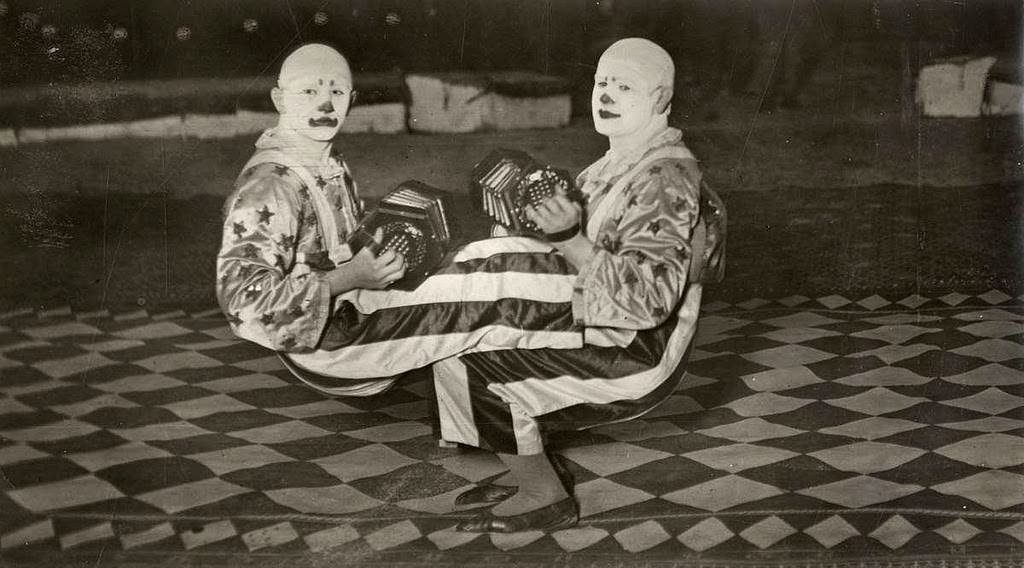
Between the dangerous acts, clowns performed short comic skits. They used physical comedy and musical instruments to connect with the crowd — no shared language was required.
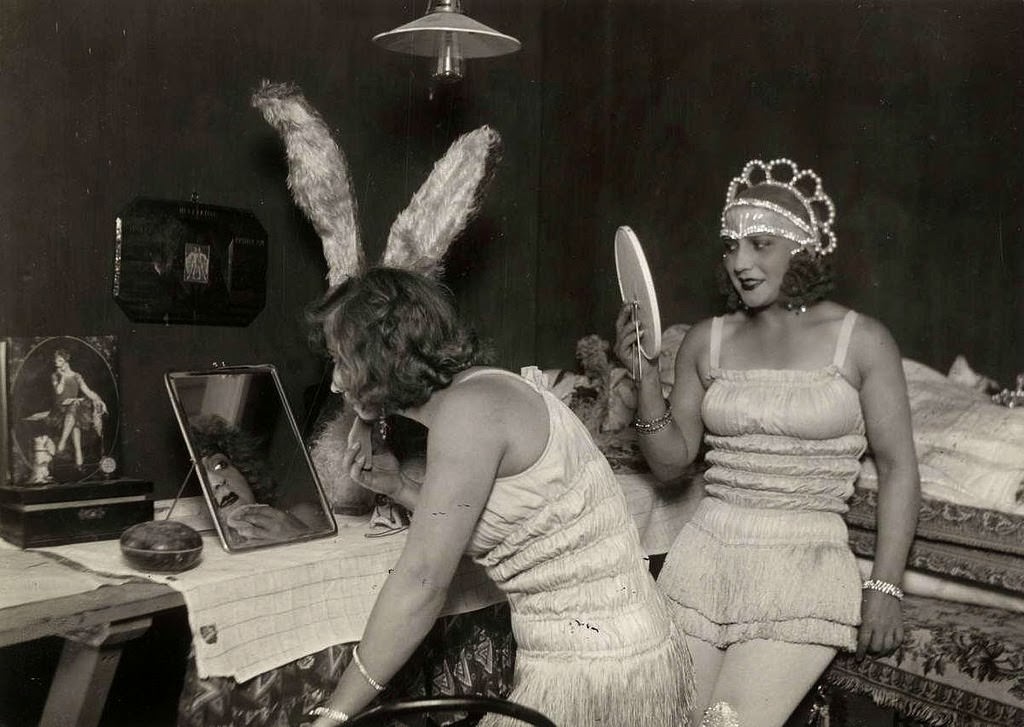
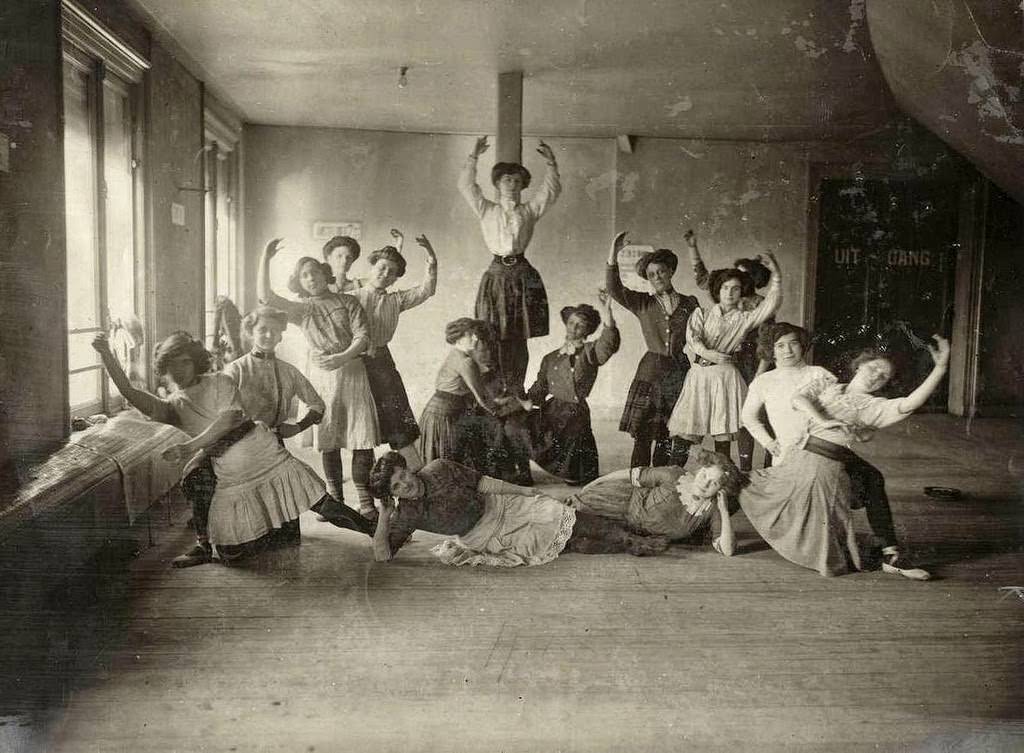
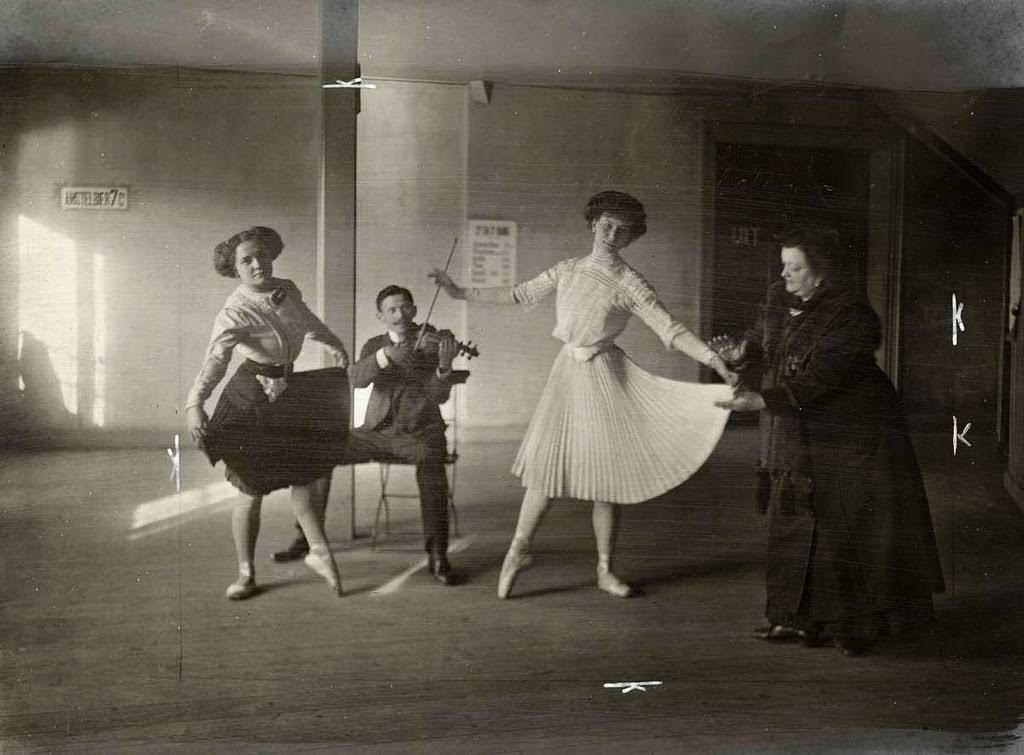
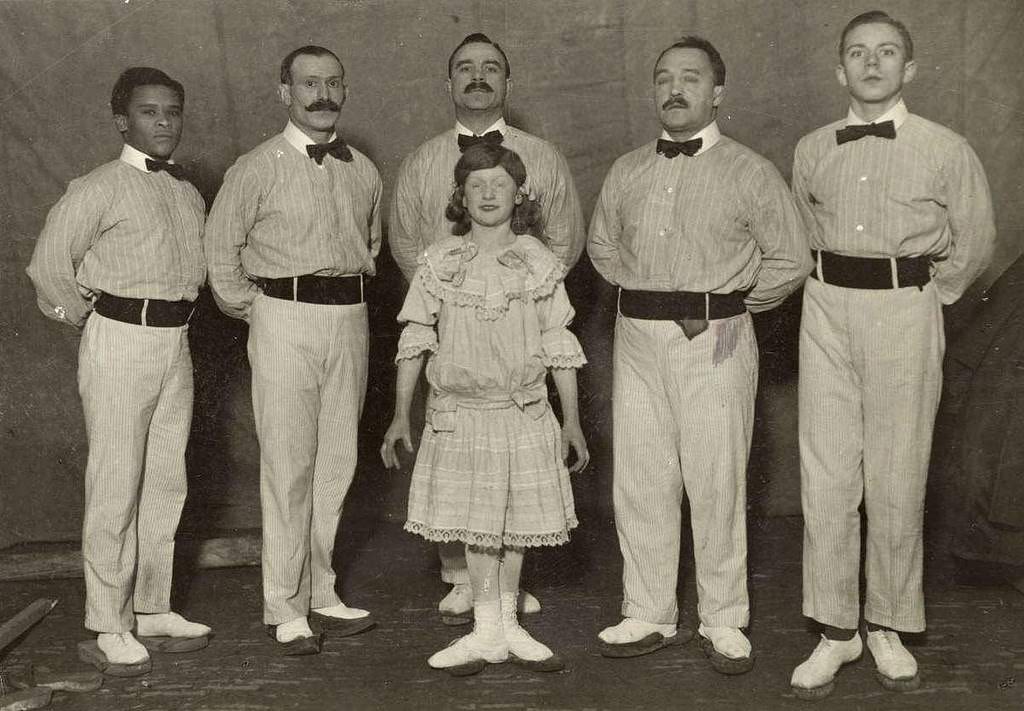
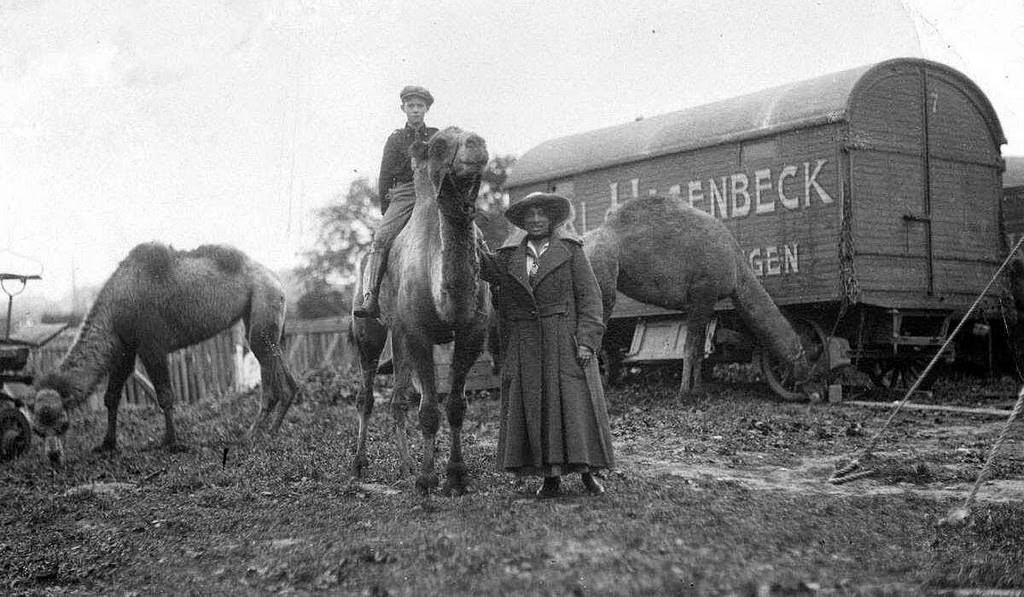
Off stage, performers lived in specially built wagons pulled by horses from town to town. The circus community was international — Italian, French, German, and Dutch families working side by side. Children born into these families began training in acrobatics and animal handling at a very young age.
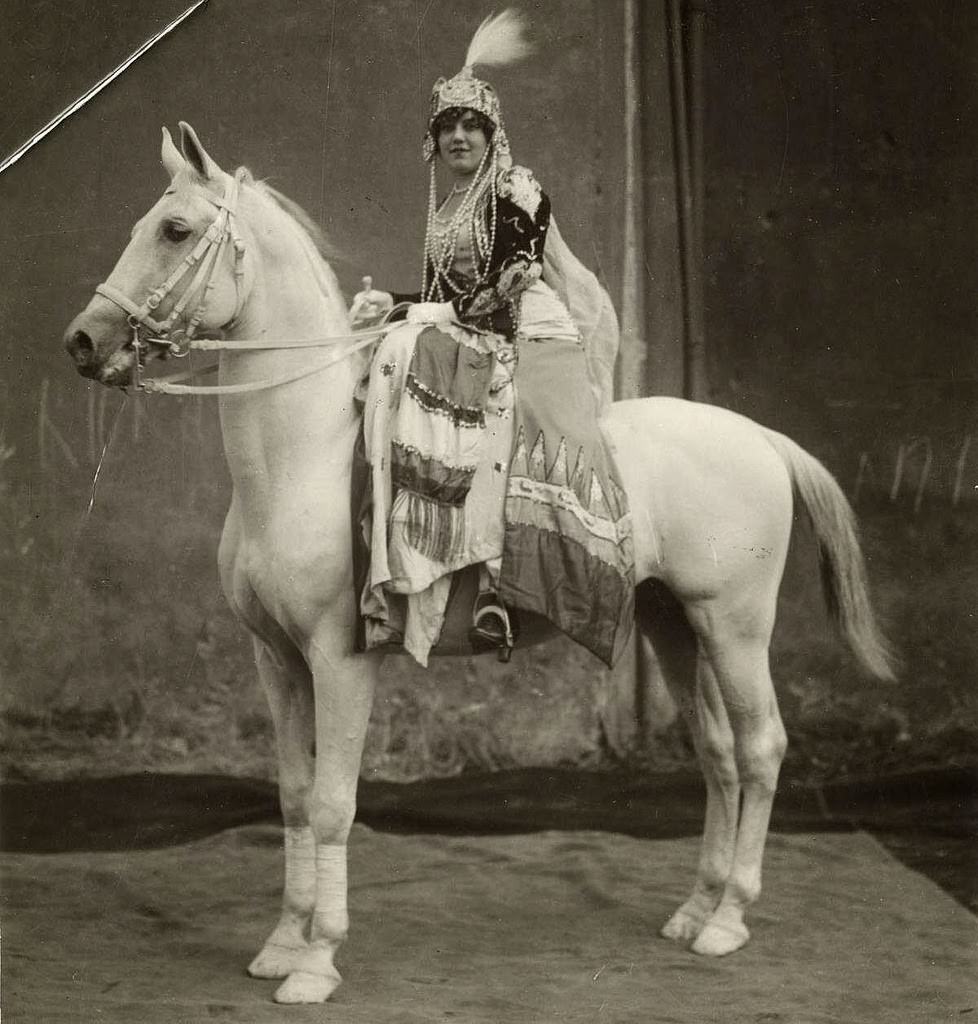
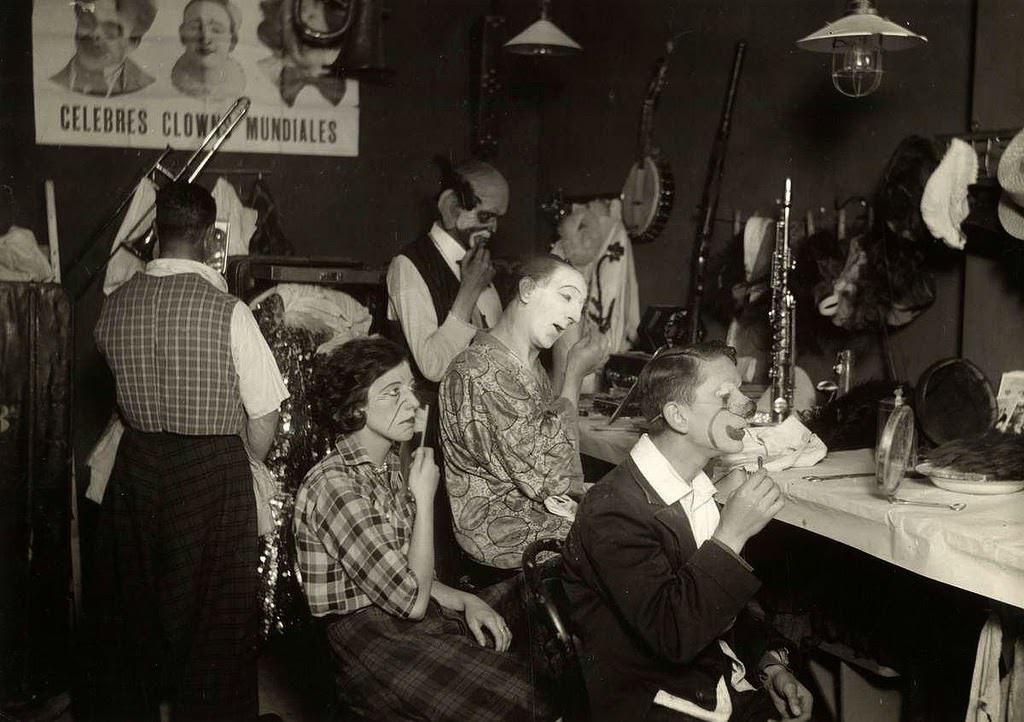
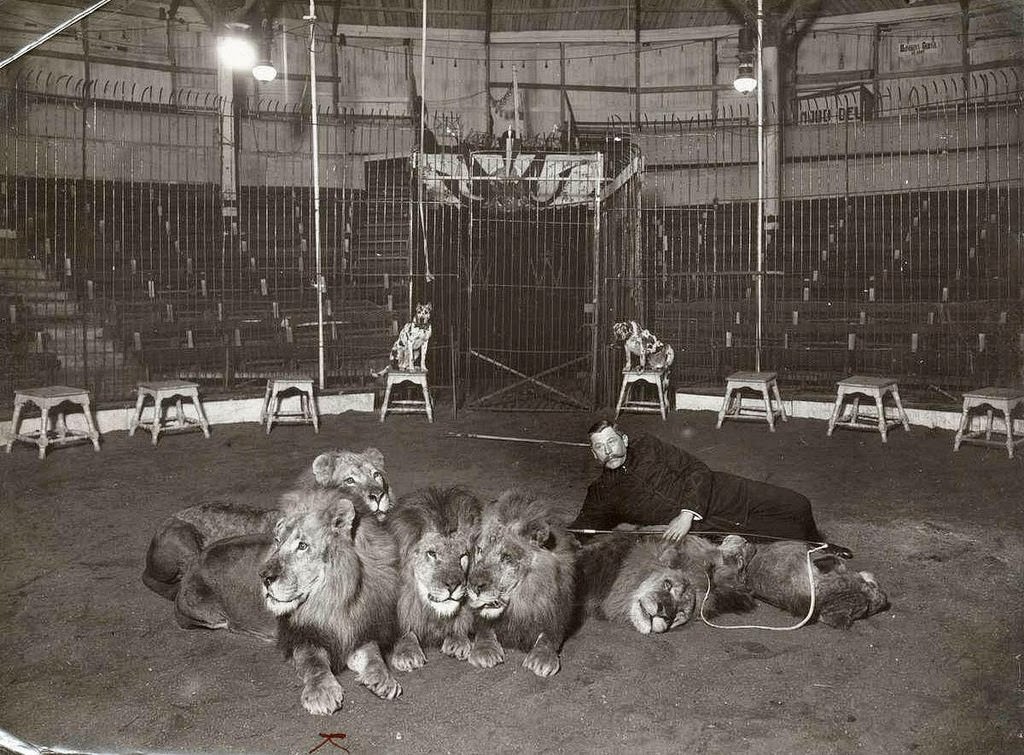
The circus operated as a self-contained society. It had its own routines, its own hierarchy, and its own rules — largely separate from the towns it passed through.