
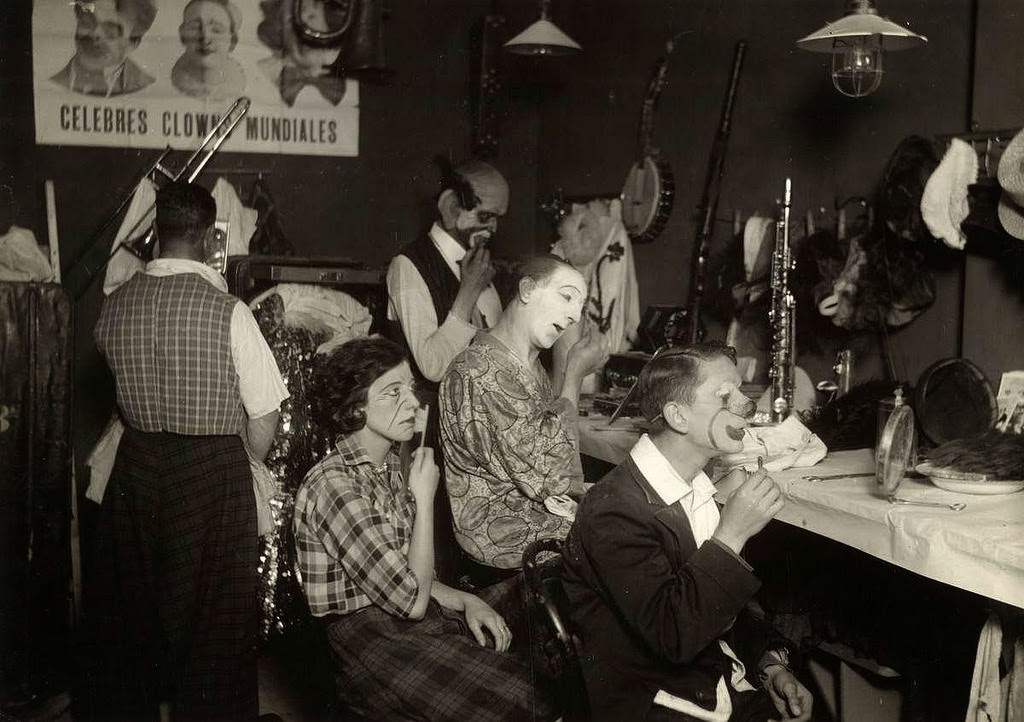
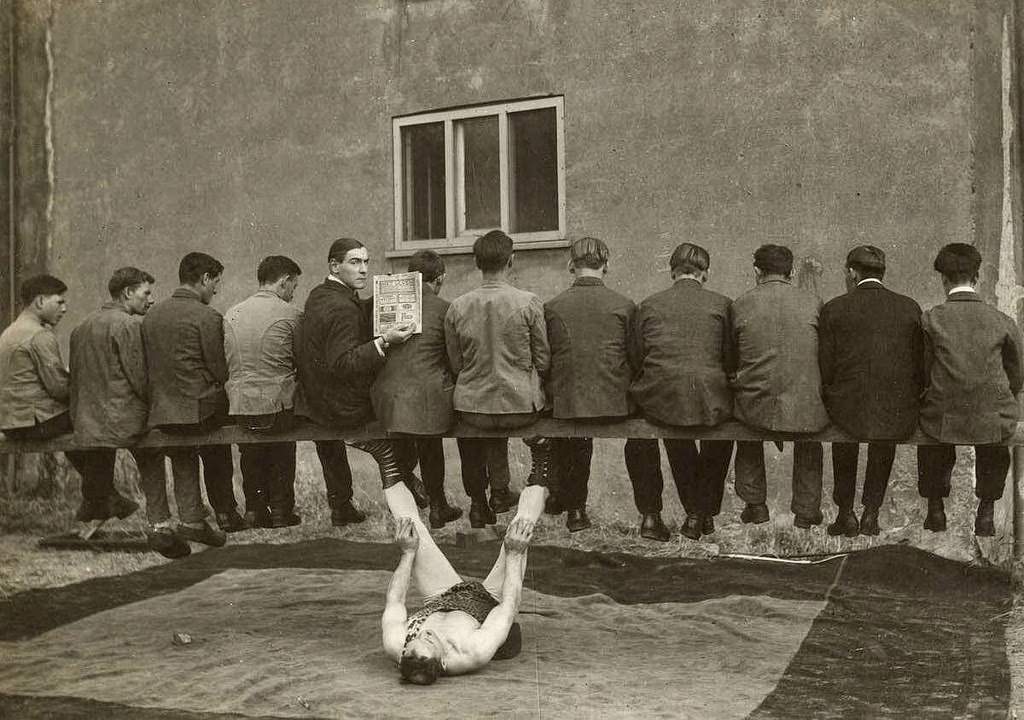
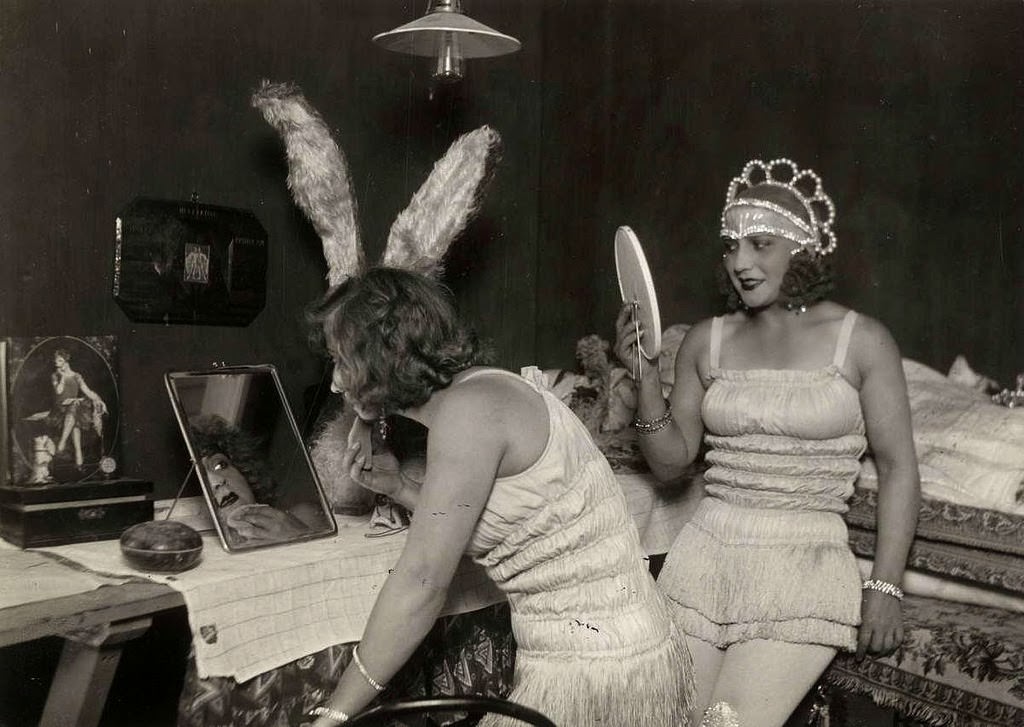
In the early 1900s, the circus was one of the most exciting forms of entertainment in the Netherlands. Towns across the country welcomed traveling circus companies that pitched their tents, performed for a week or two, and then moved on to the next destination. Crowds turned out in large numbers to watch acrobats, clowns, animal trainers, and daring stunt performers.
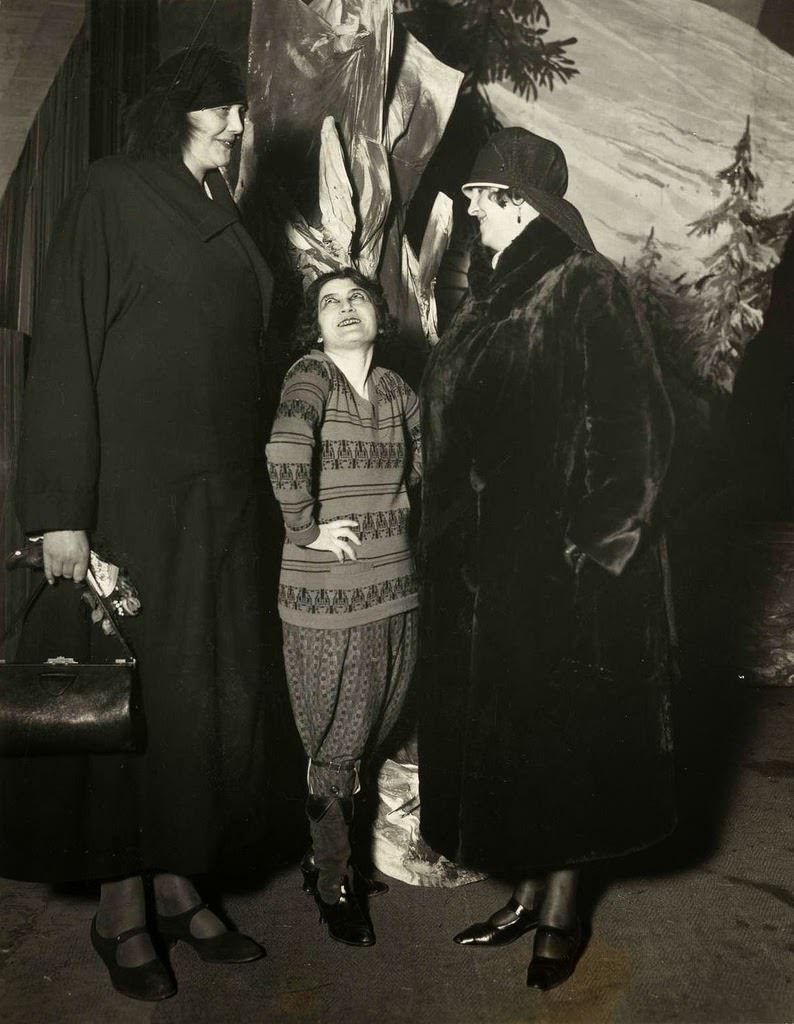
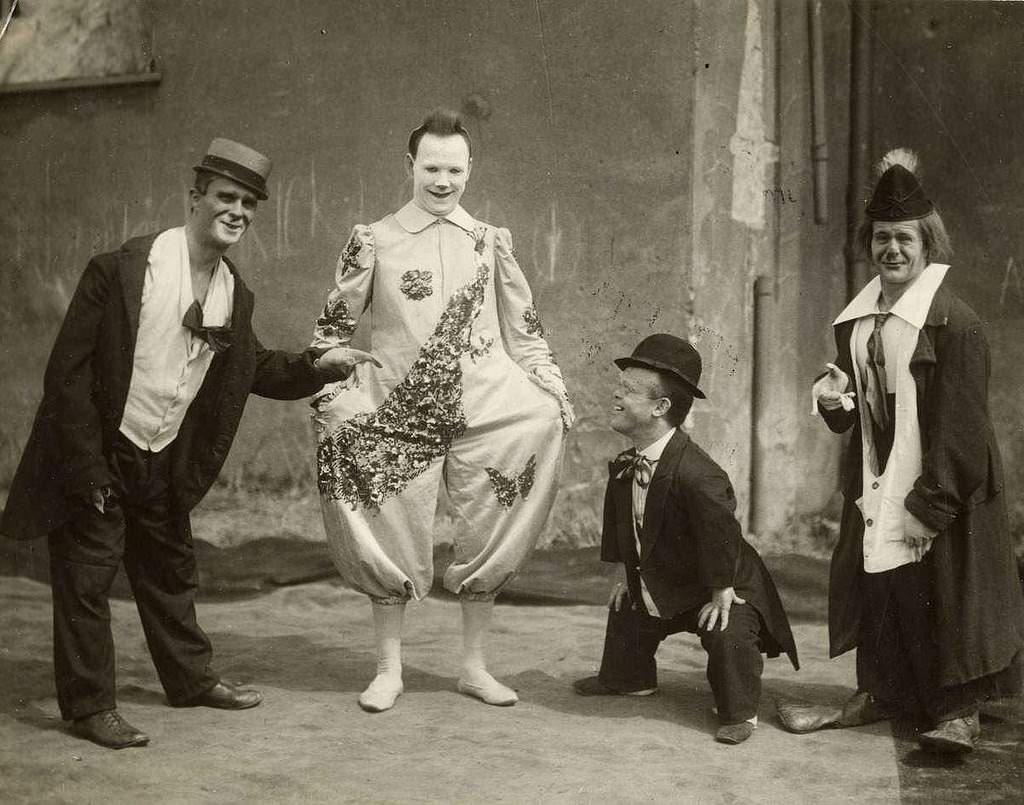
Some circuses grew large enough to employ hundreds of performers, crew members, and animals. Their shows were theatrical events, mixing feats of strength and agility with comic routines from clowns. Electric lighting and moving stages added a modern spectacle that wowed audiences who had never seen anything like it.
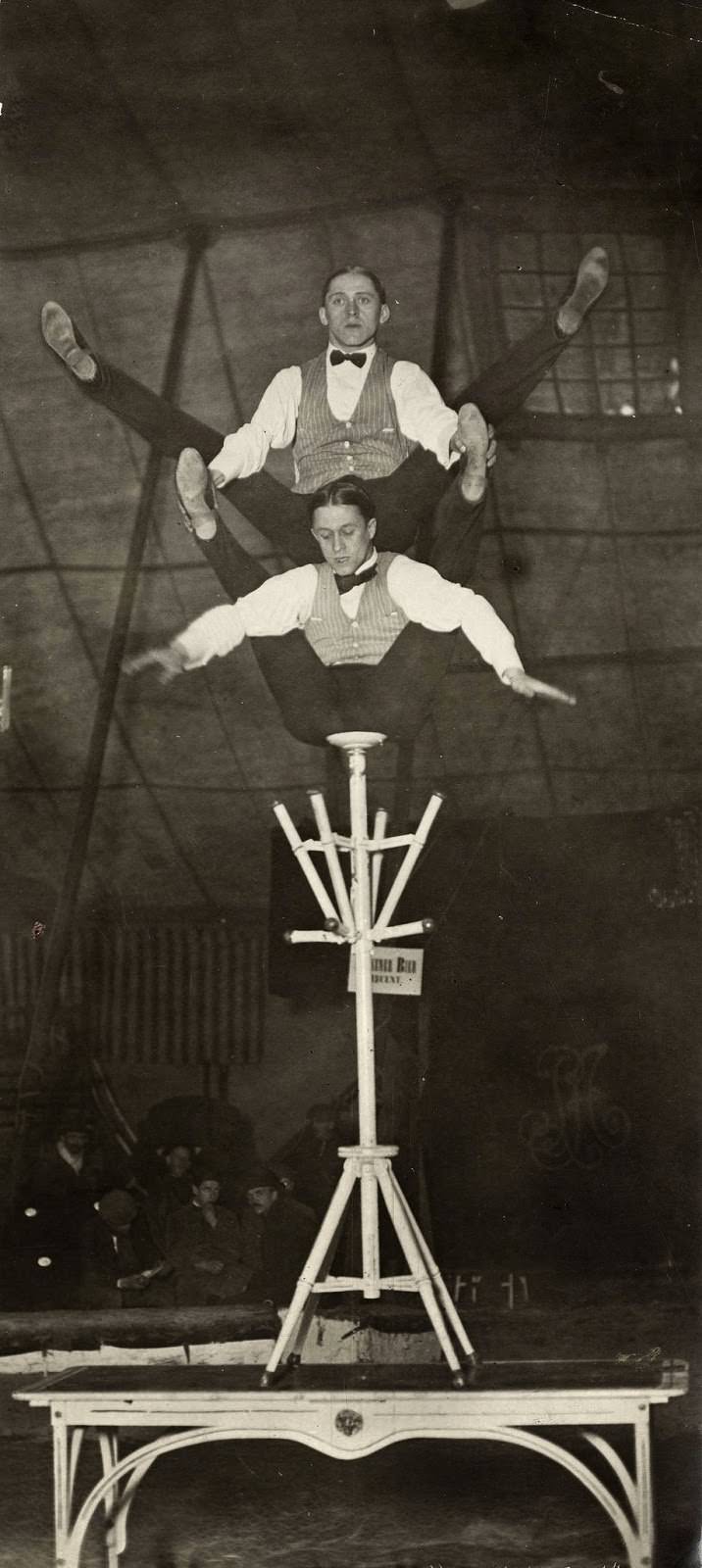
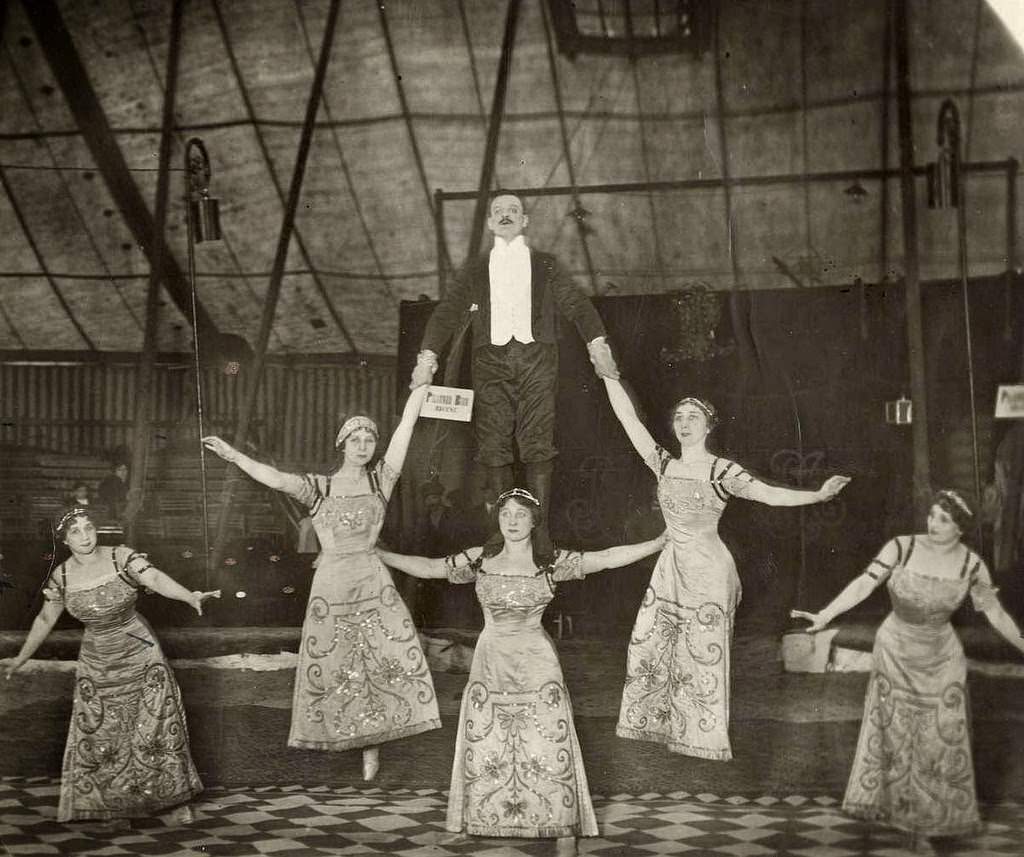
One of the most famous was Circus Carré, founded in 1887 by German circus performer Oscar Carré. It became known for its elaborate productions and early use of electric lighting — a true novelty at the time. Circus Strassburger, founded in 1860, was another well-known name, drawing crowds with its impressive menagerie of exotic animals.
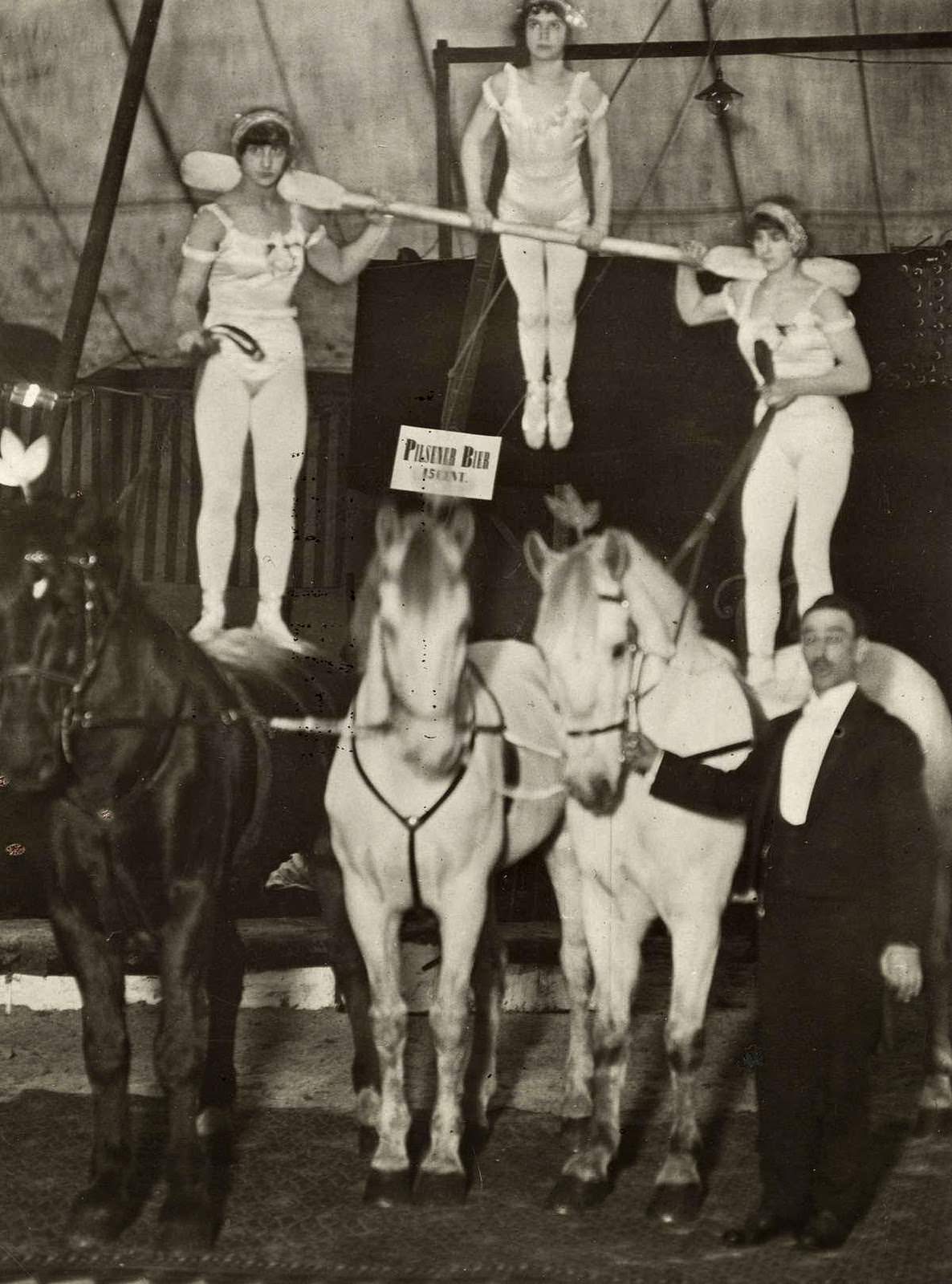

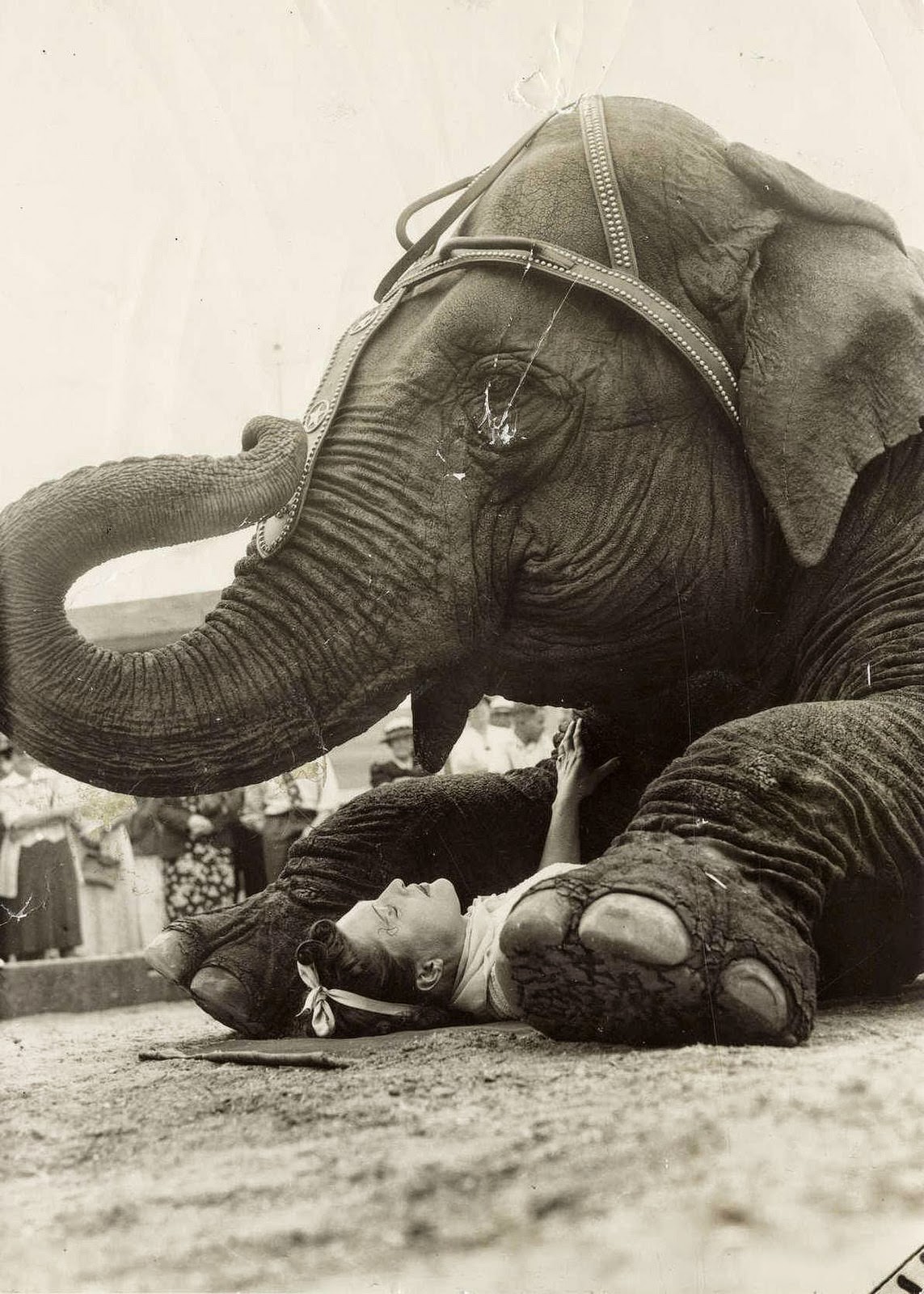
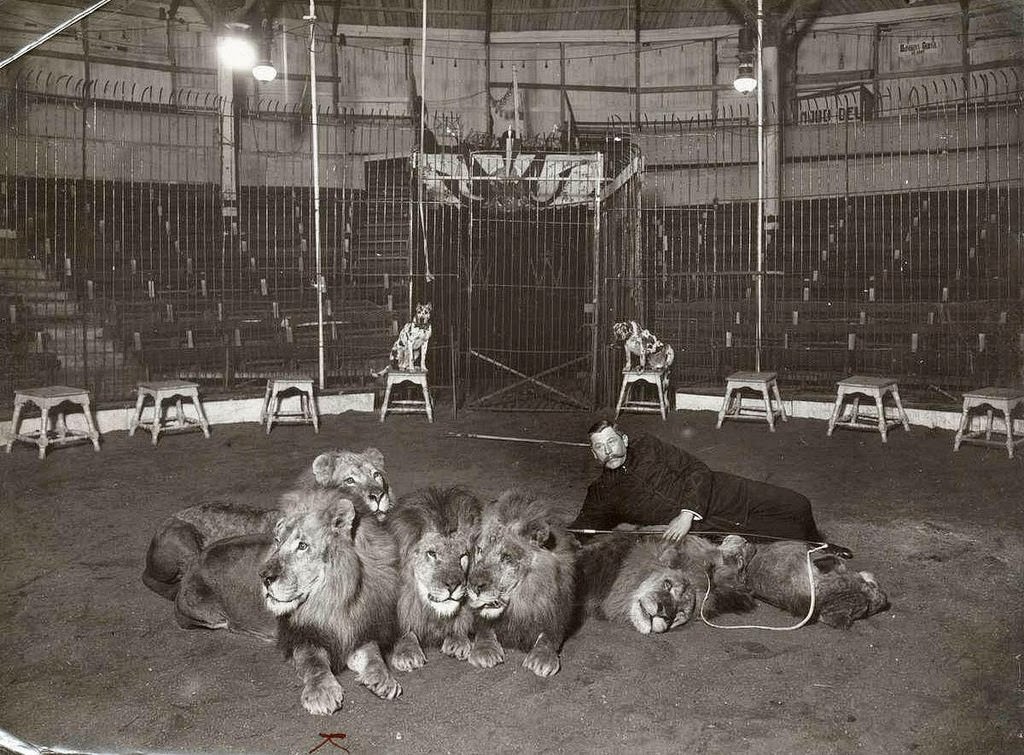
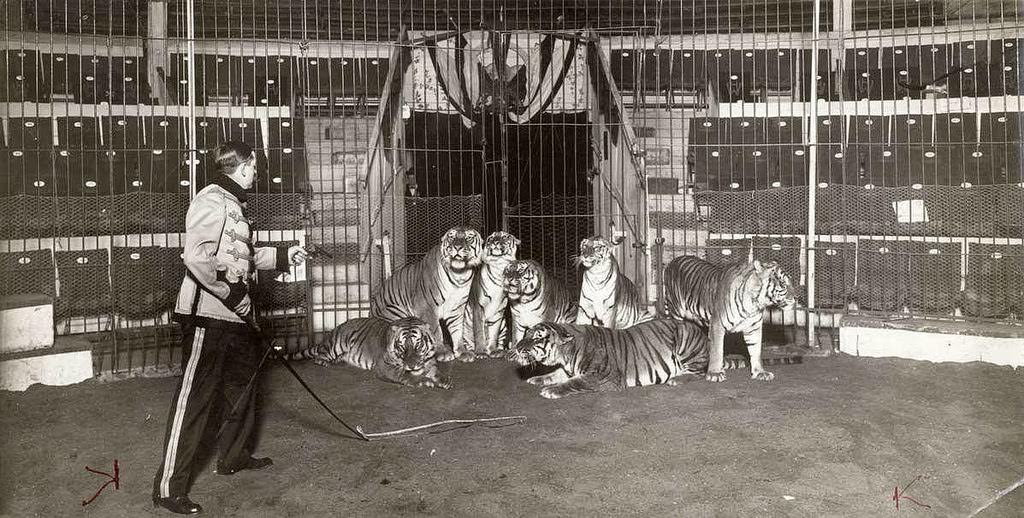
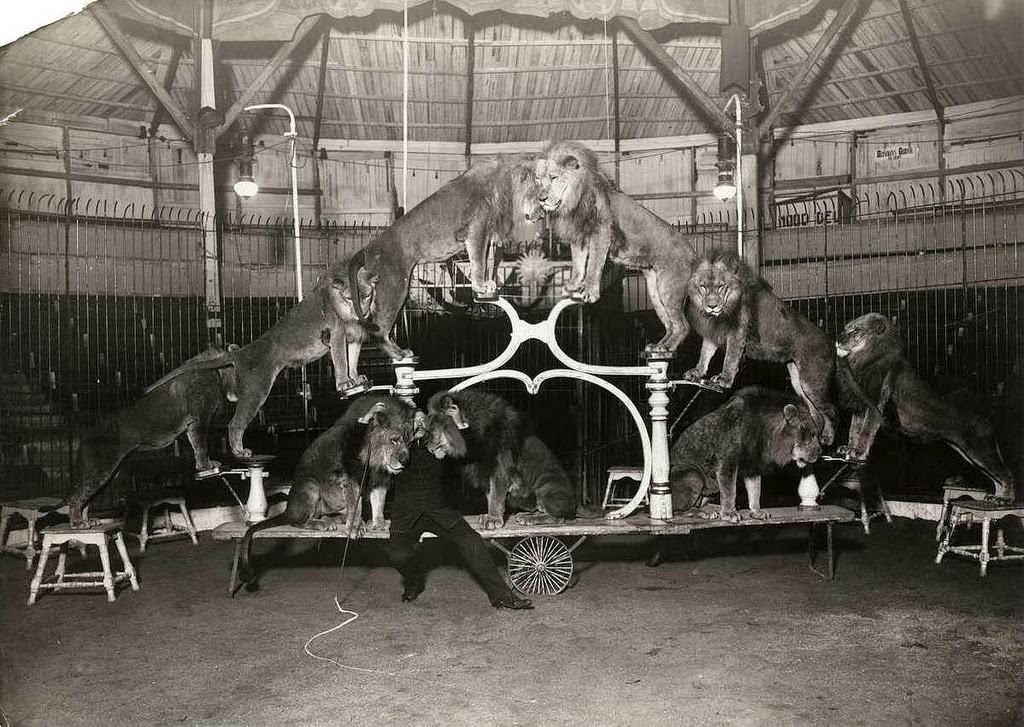
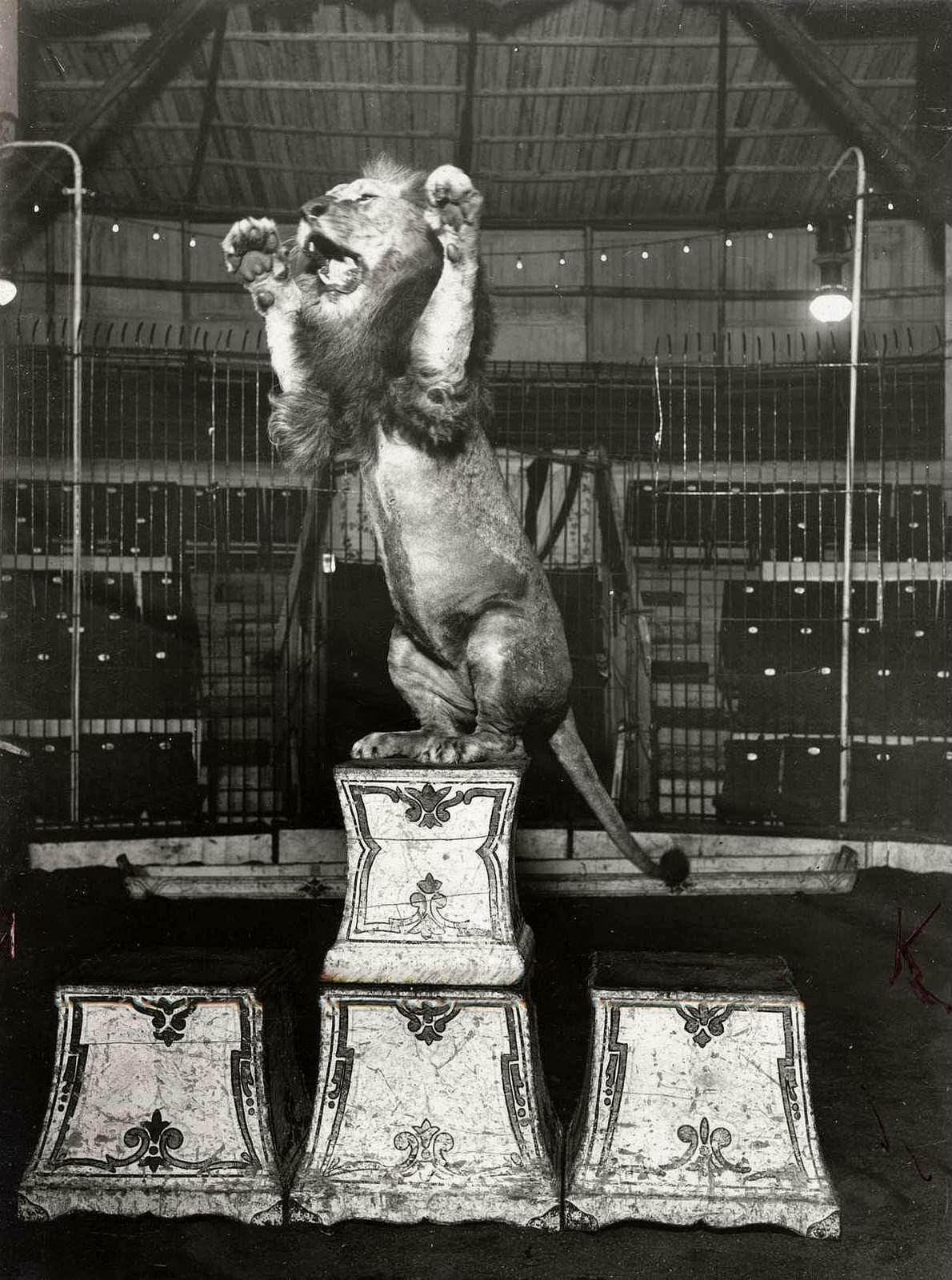
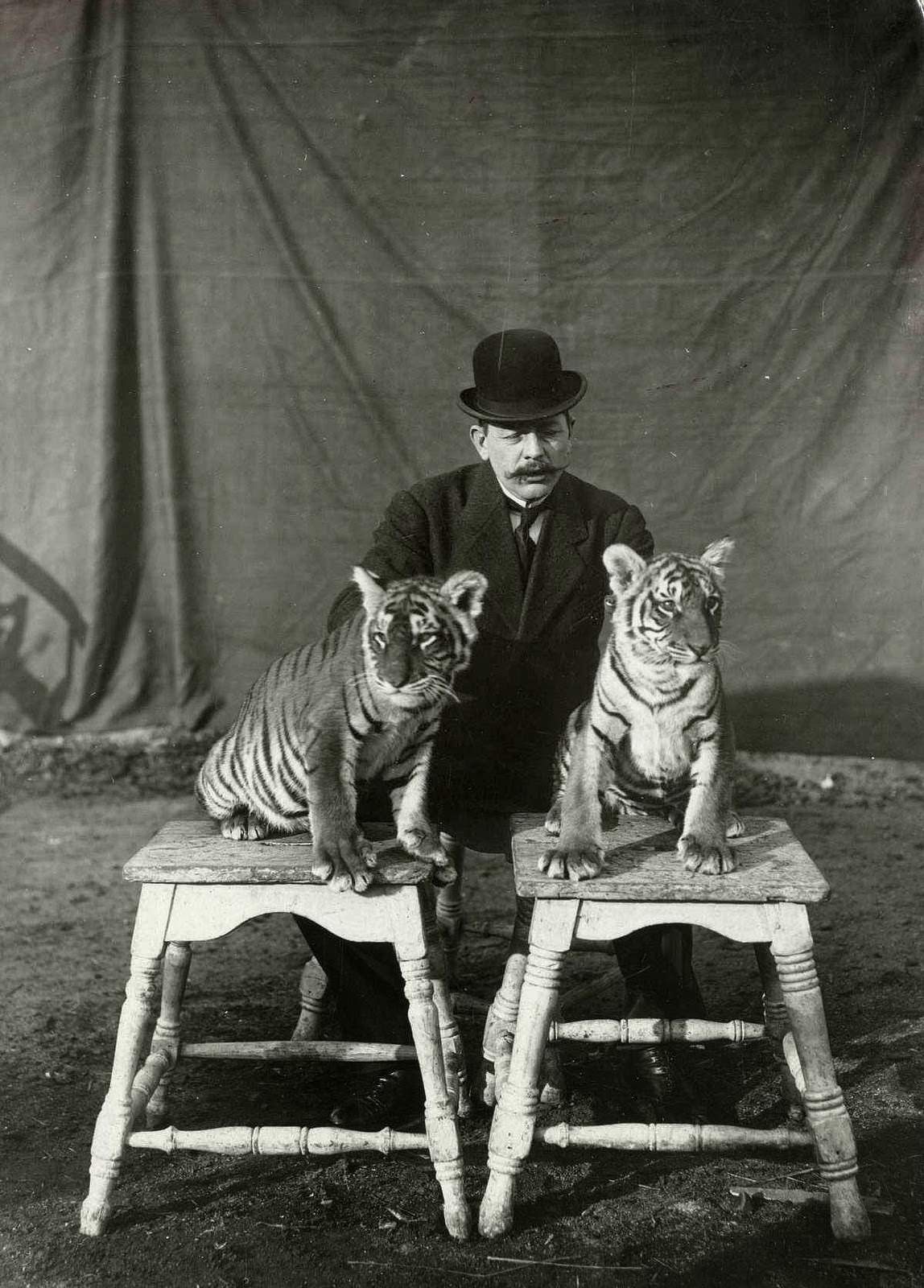
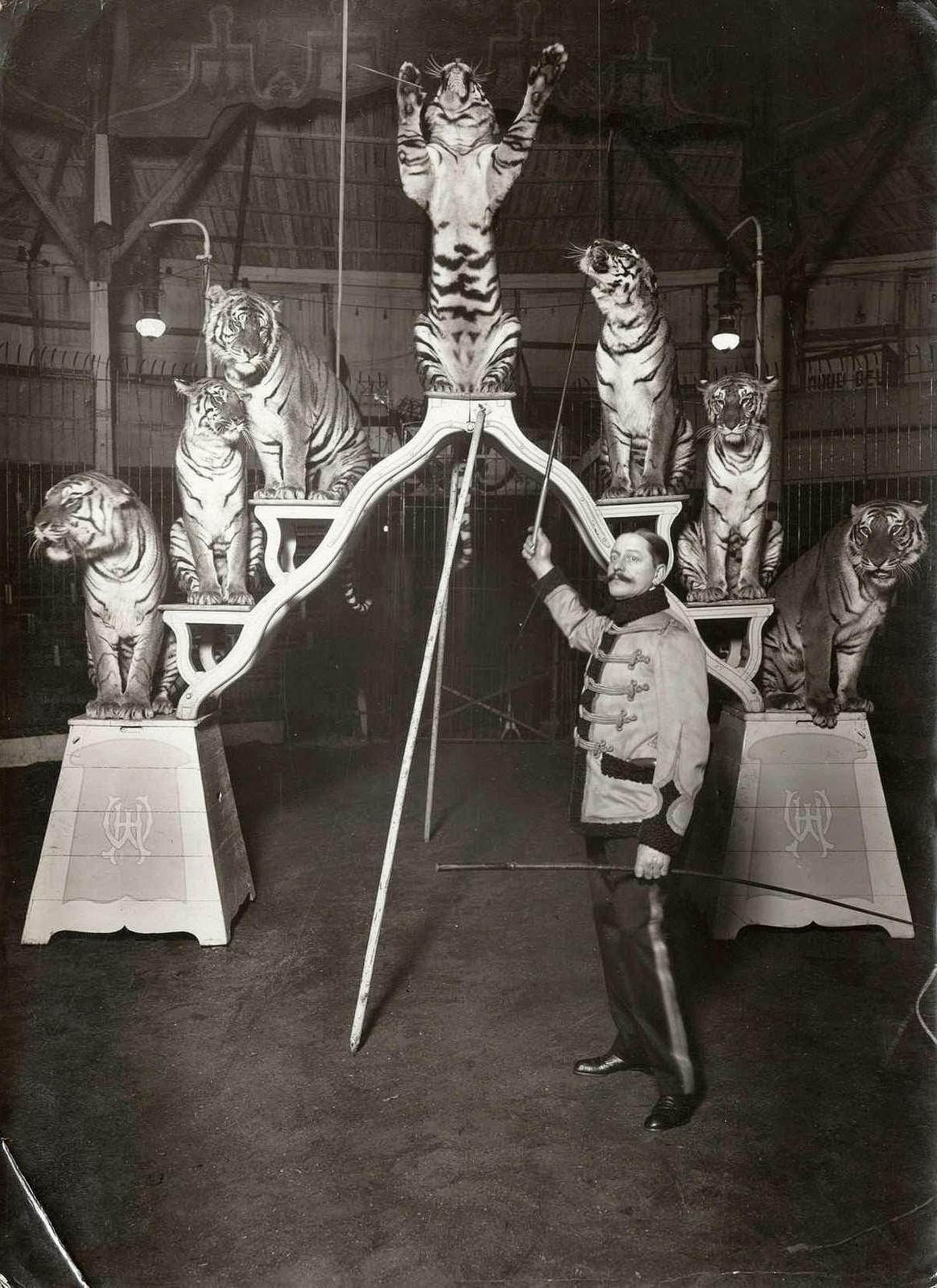
Animal acts were a major attraction. Trained elephants, lions, and tigers performed alongside their handlers, giving audiences a rare glimpse of exotic creatures from distant parts of the world. These acts required years of training and drew some of the loudest reactions from the crowd.
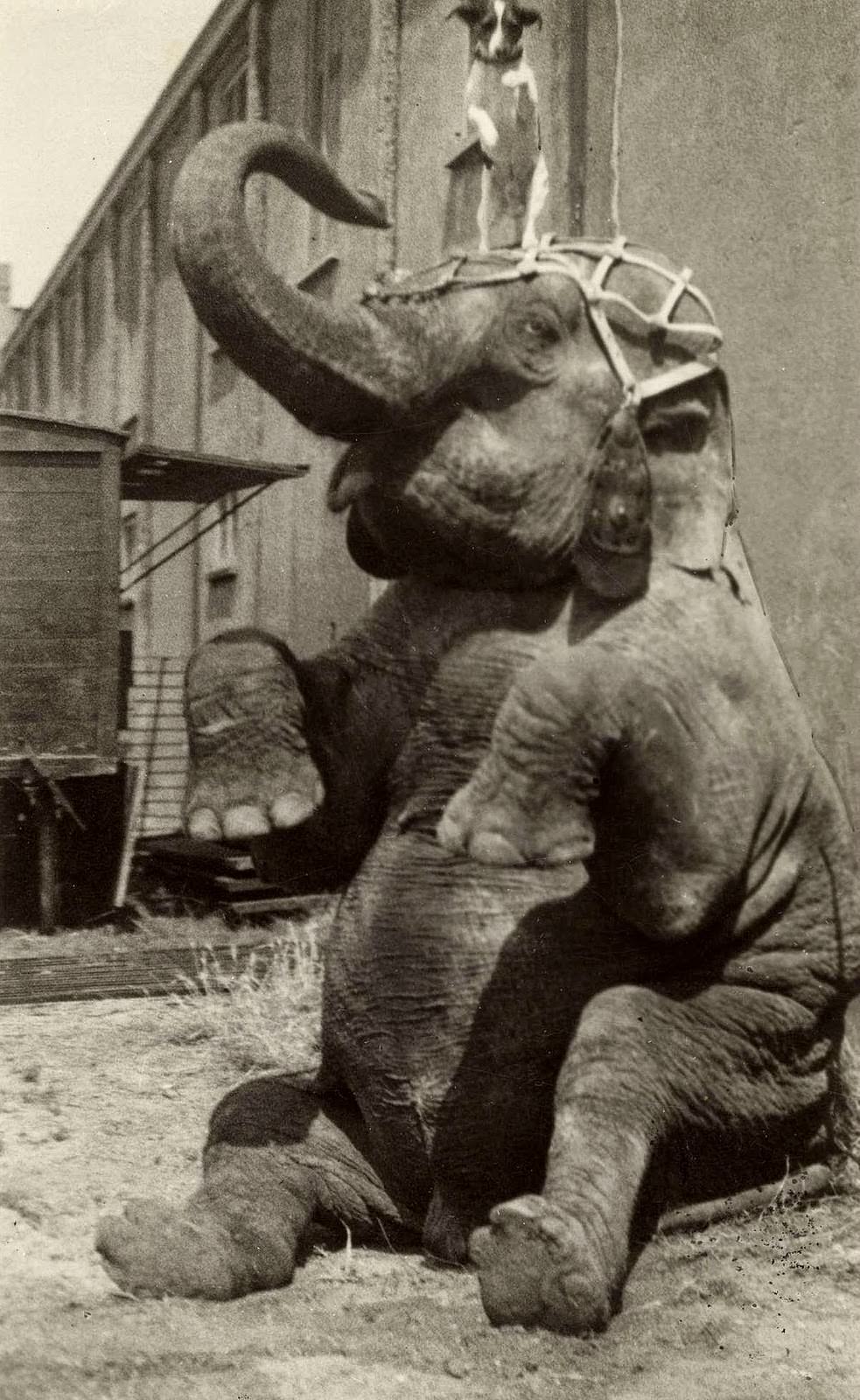
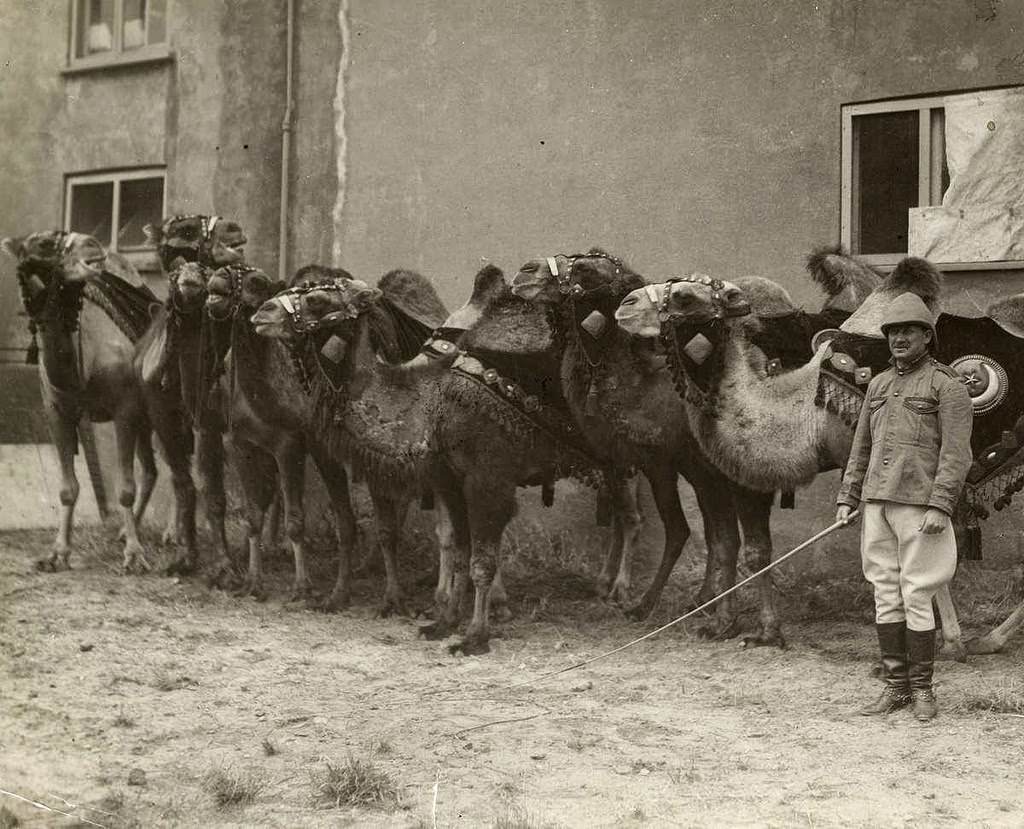
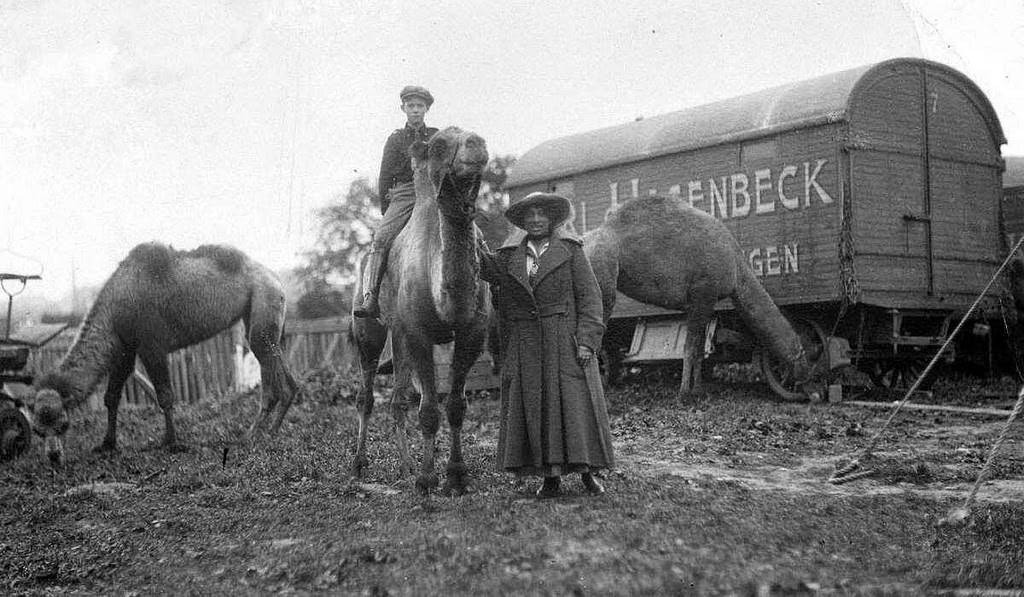
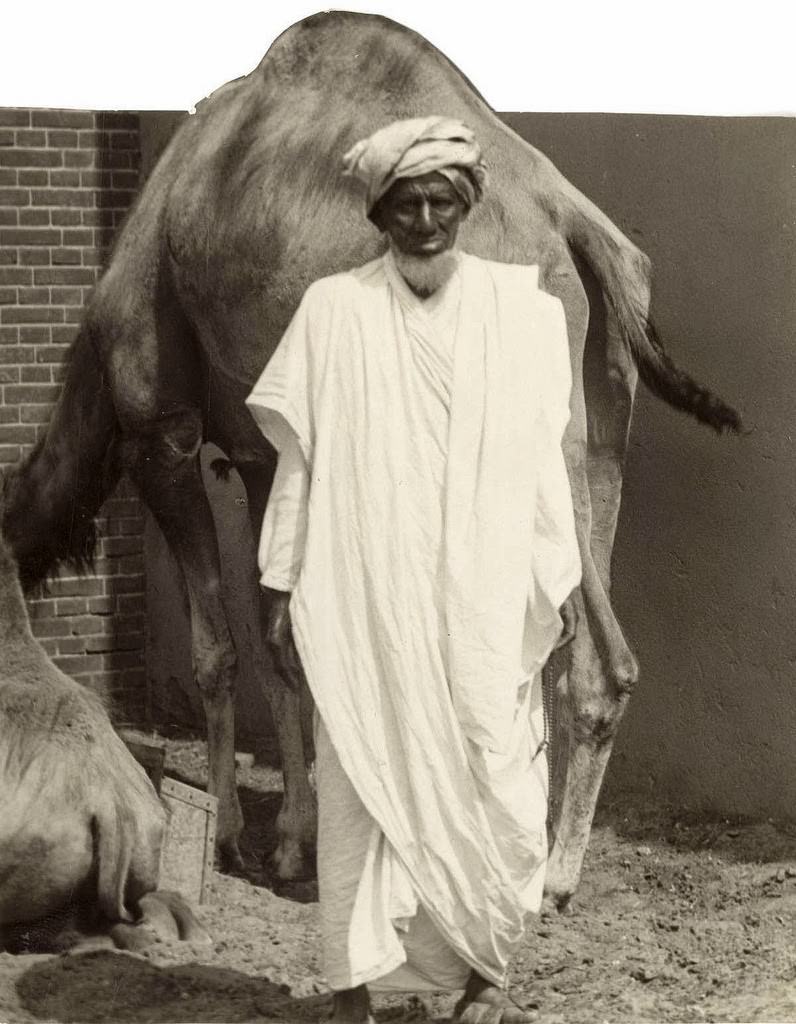
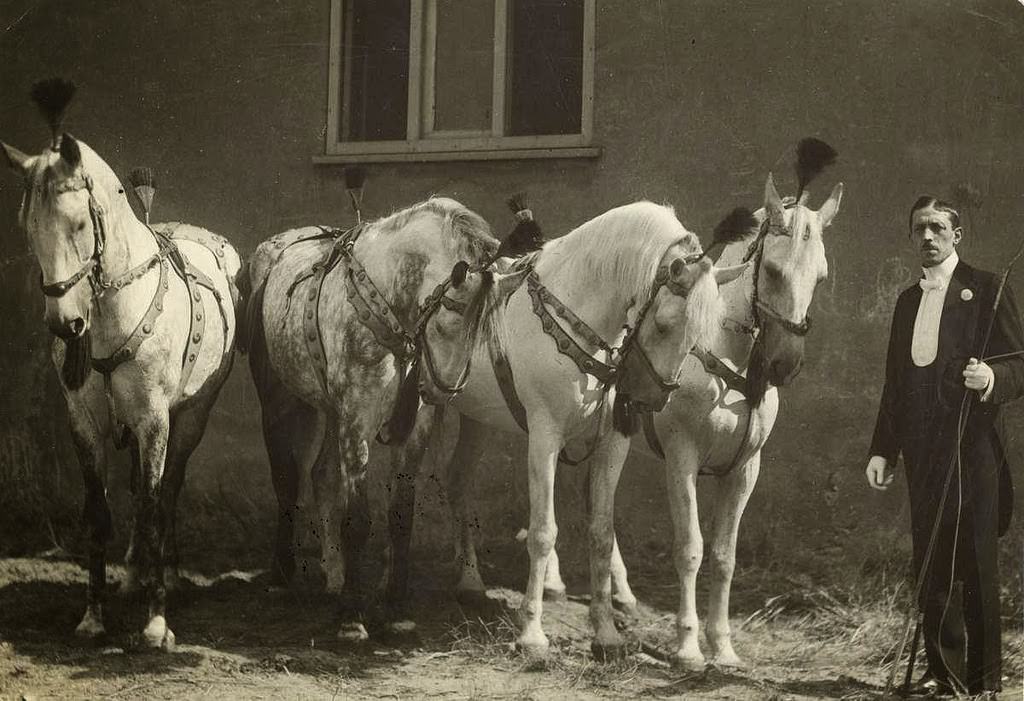
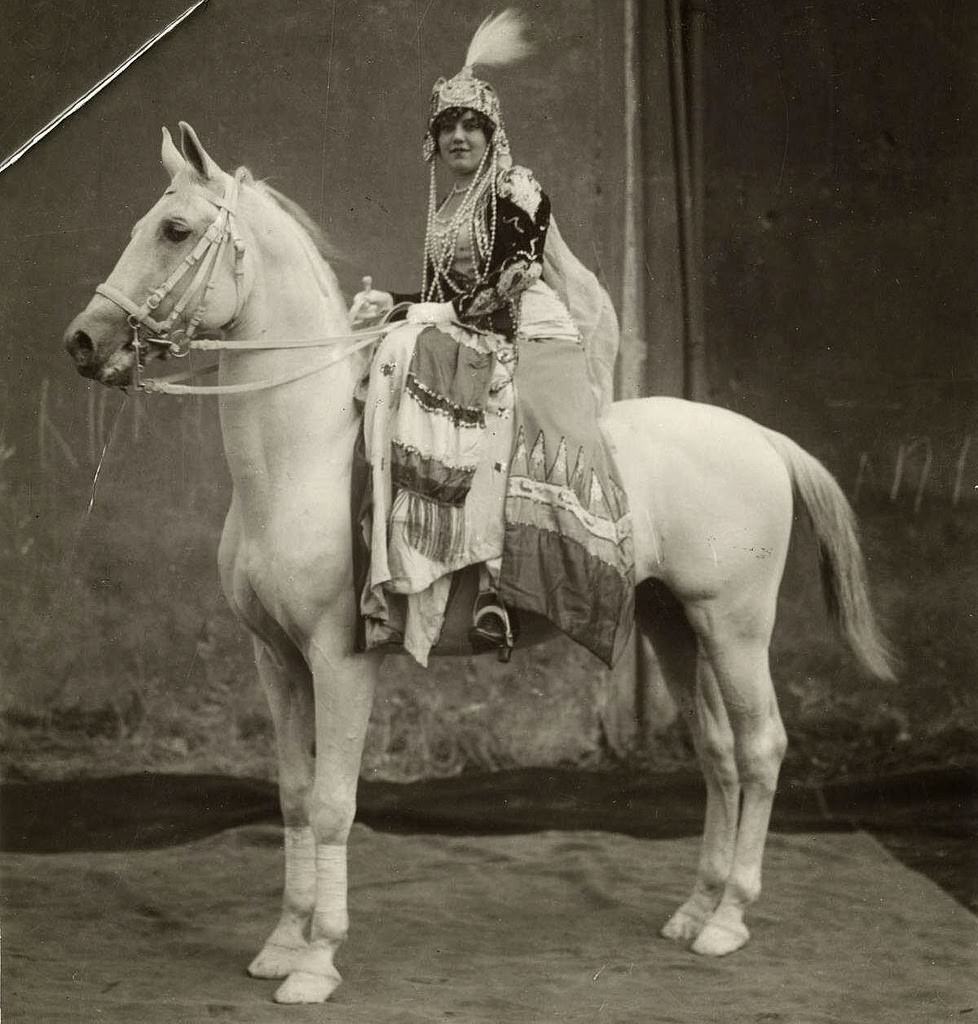
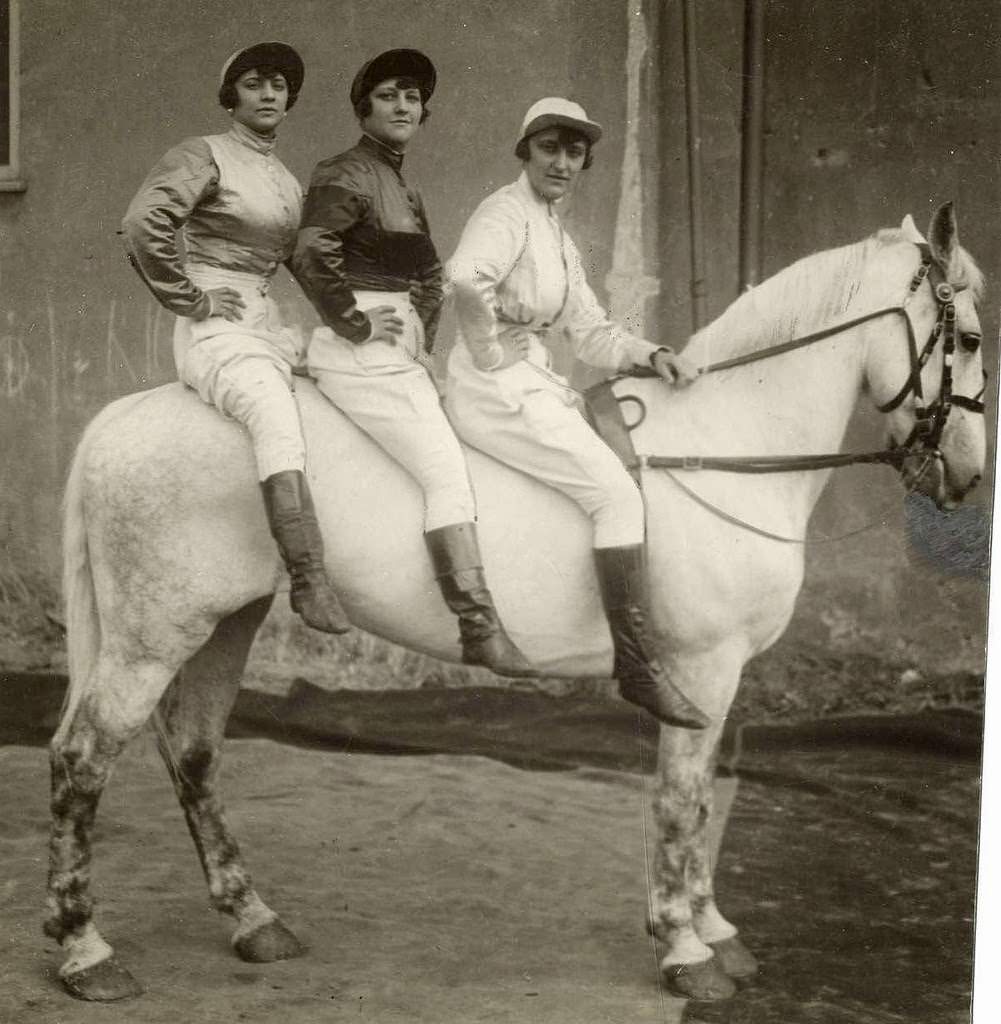
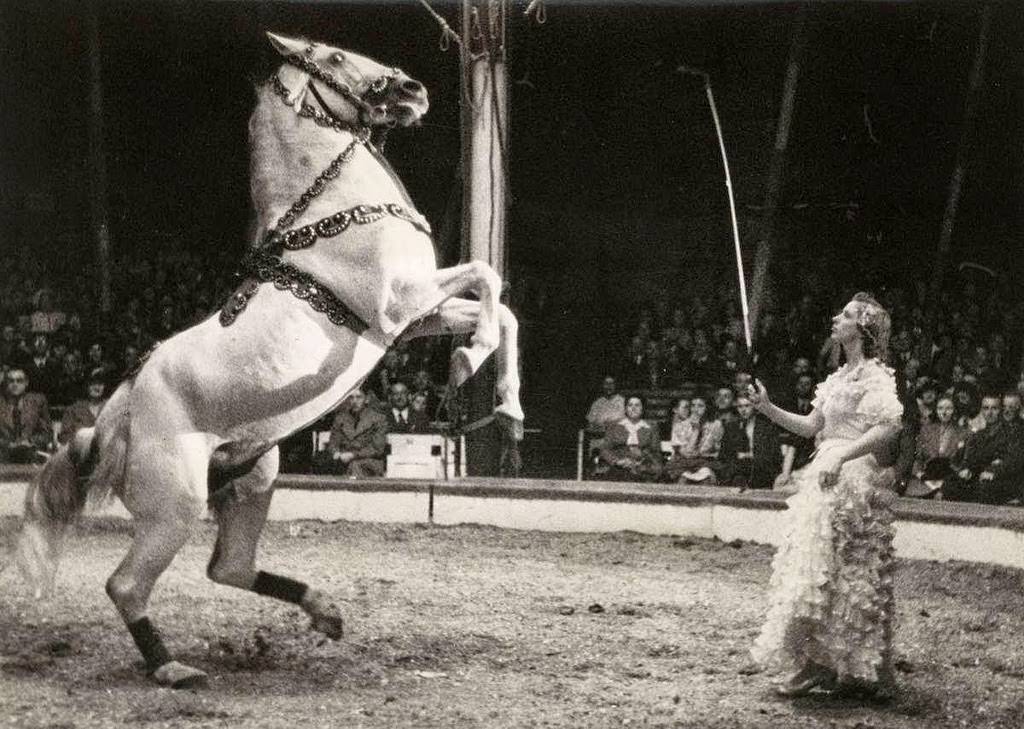
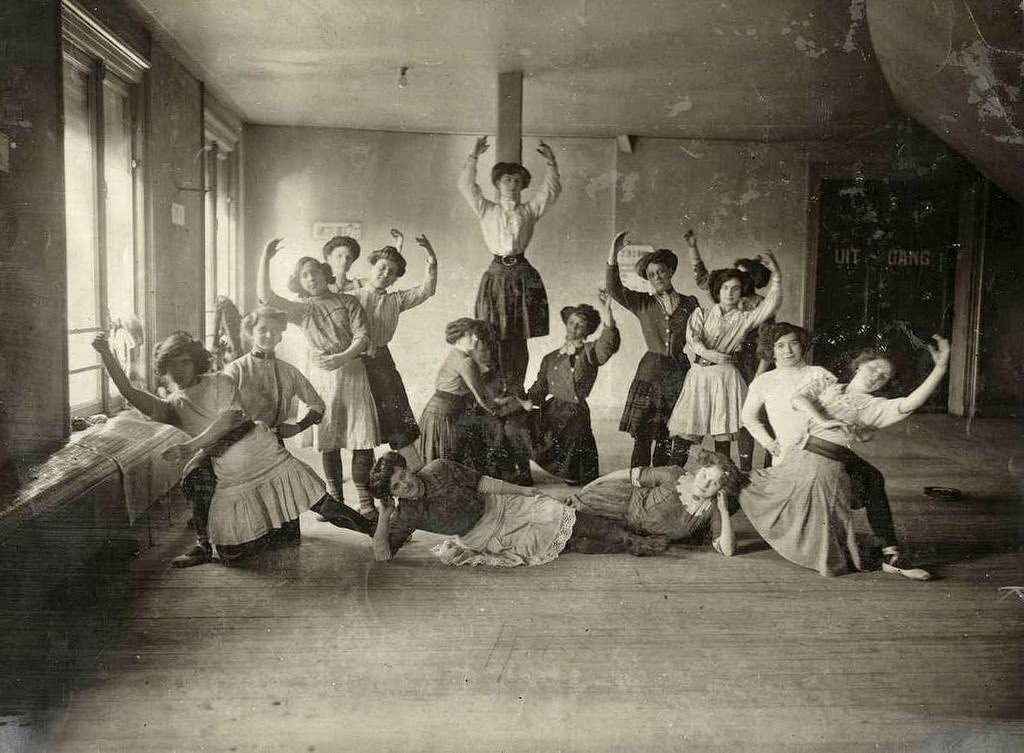
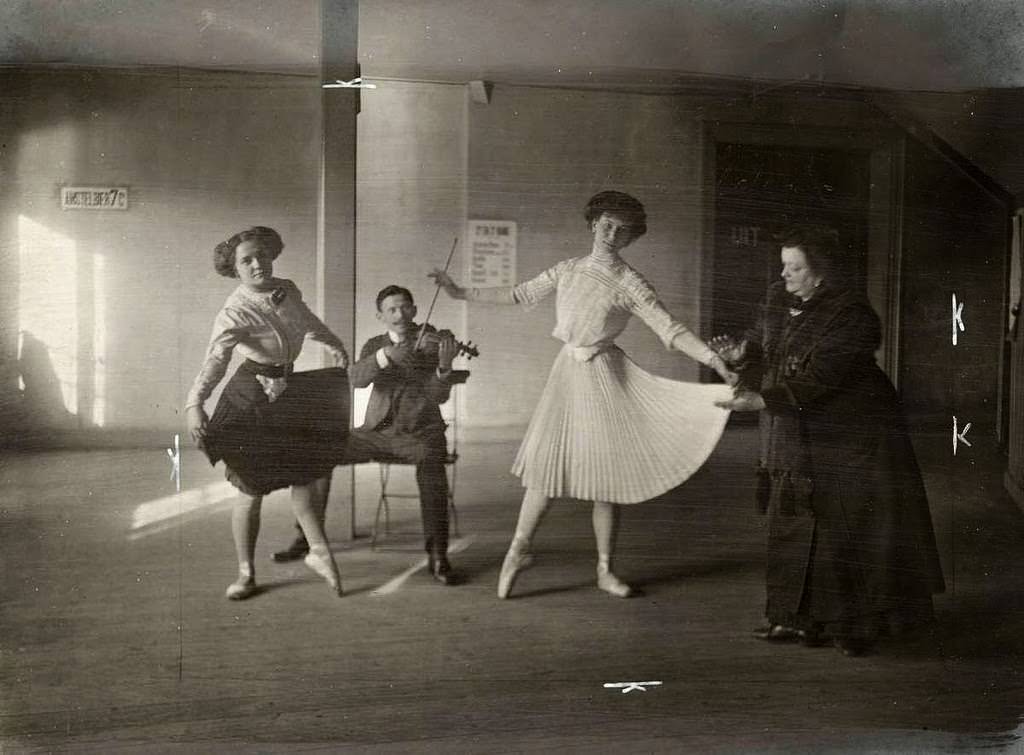
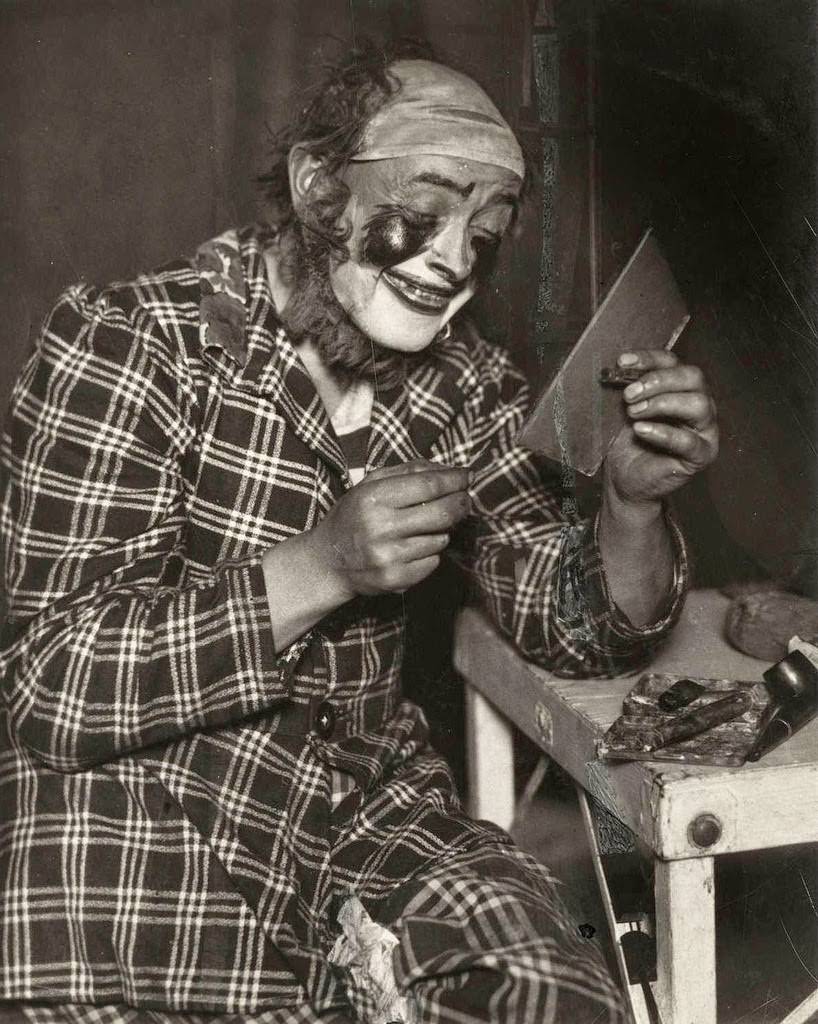
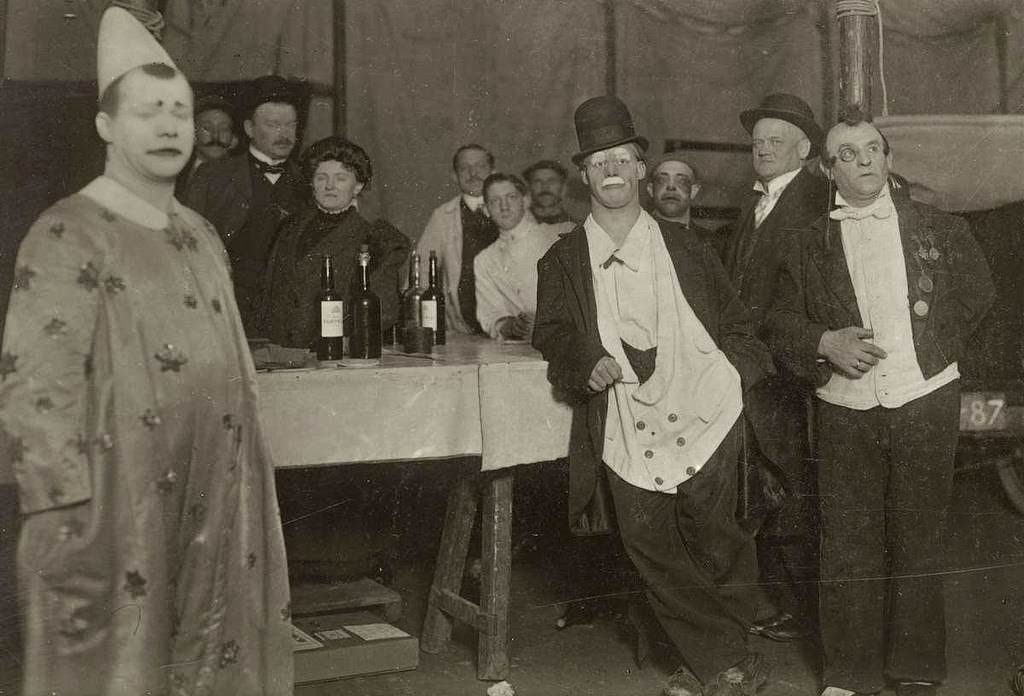
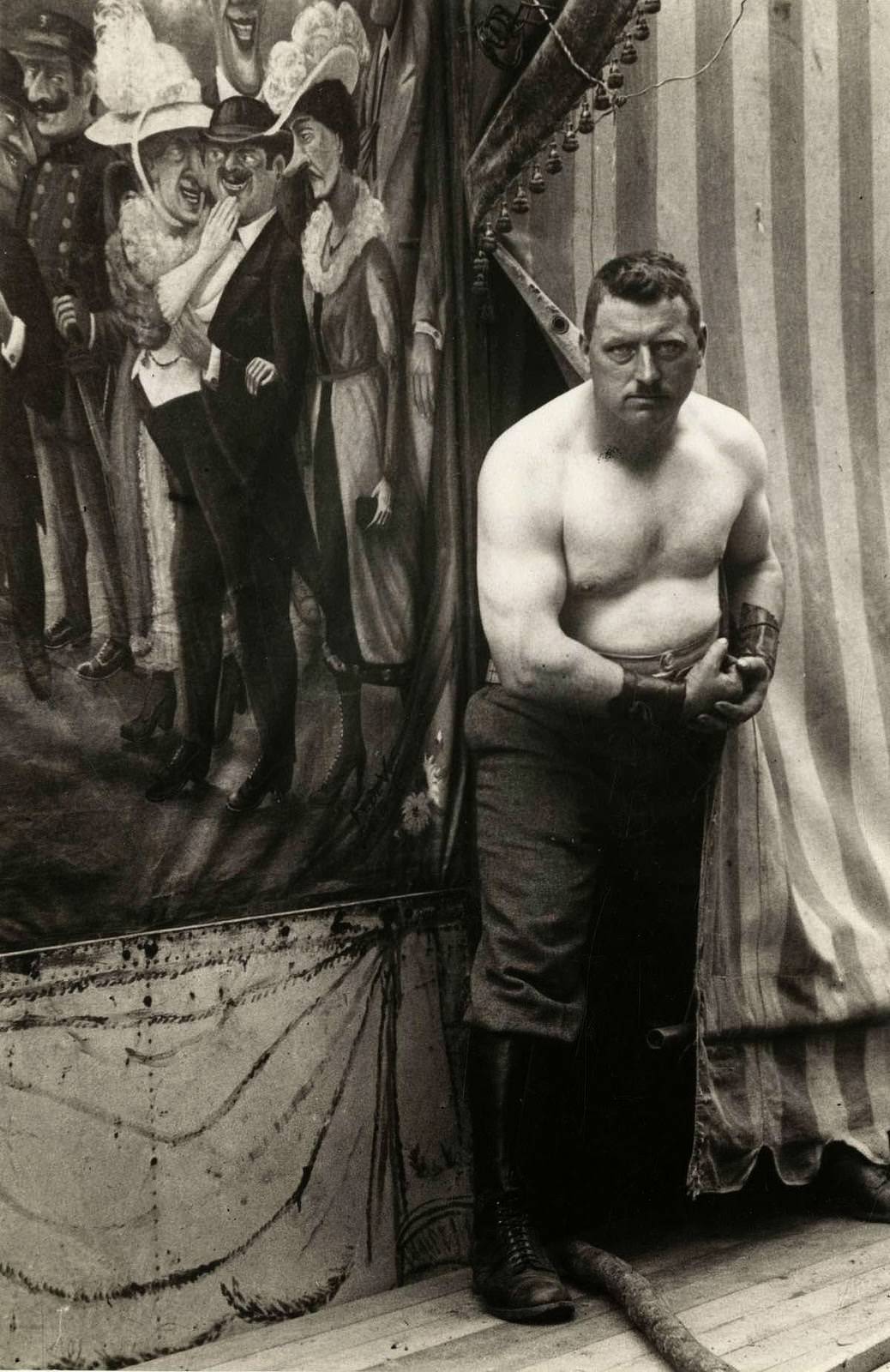
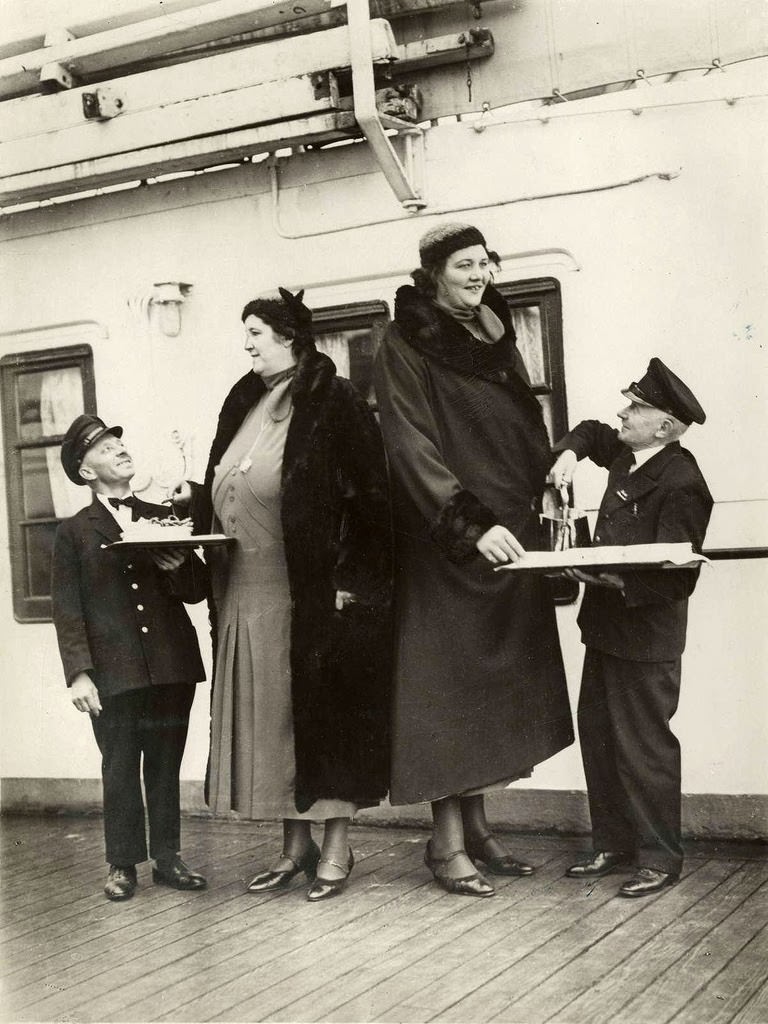
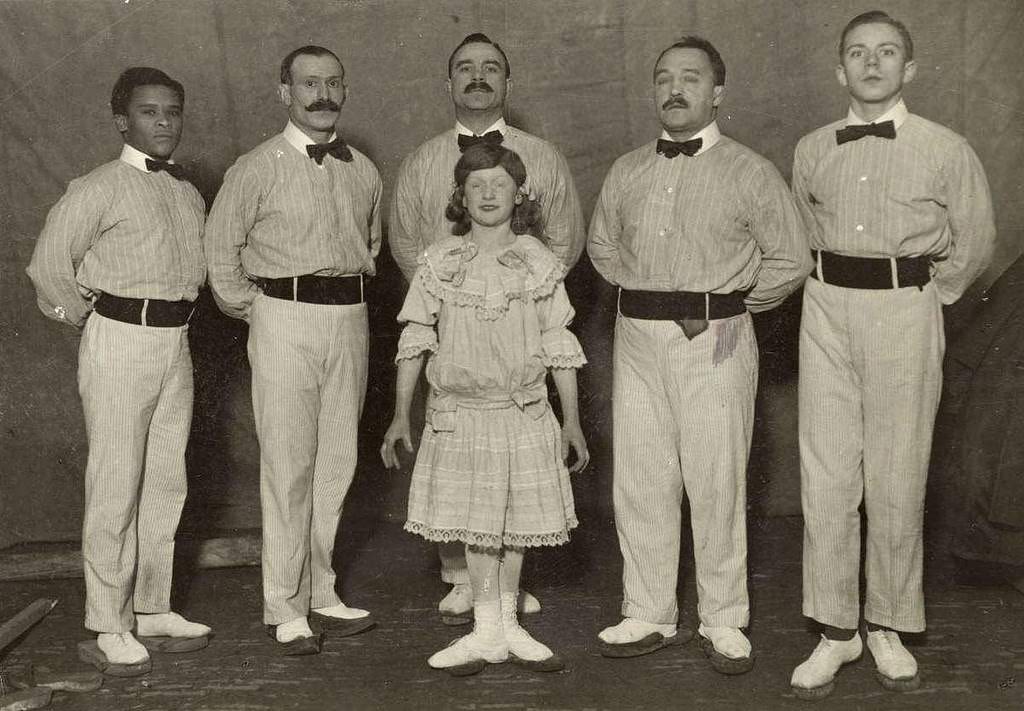
The photographs from this era capture the energy and scale of Dutch circus life — the performers, the animals, the audiences, and the elaborate setups that made each show a major event for any town lucky enough to host one.





I really appreciate this! Adding some labels for the dates and places would be a great touch. Wishing you the very best.