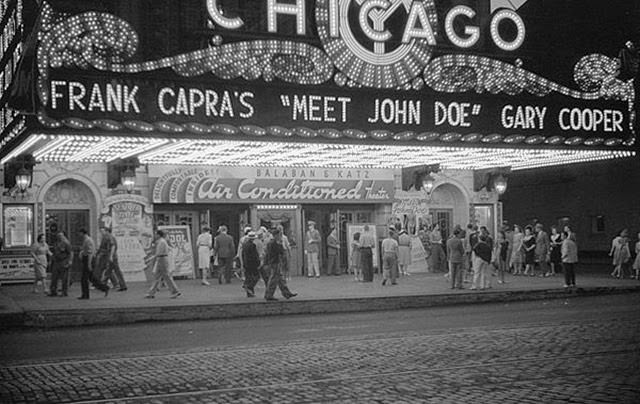
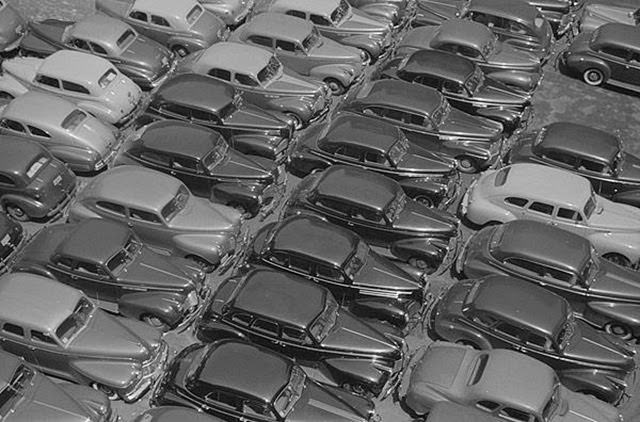
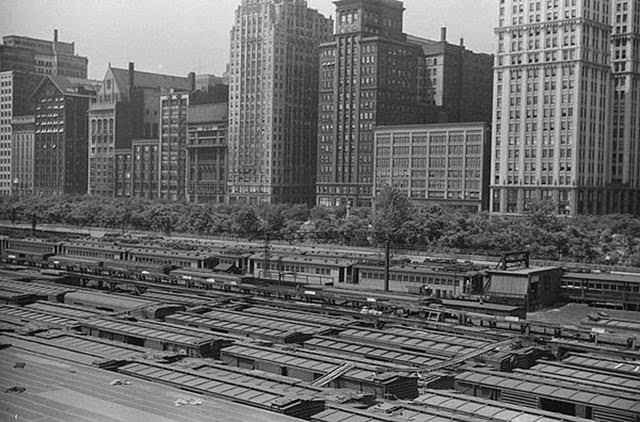
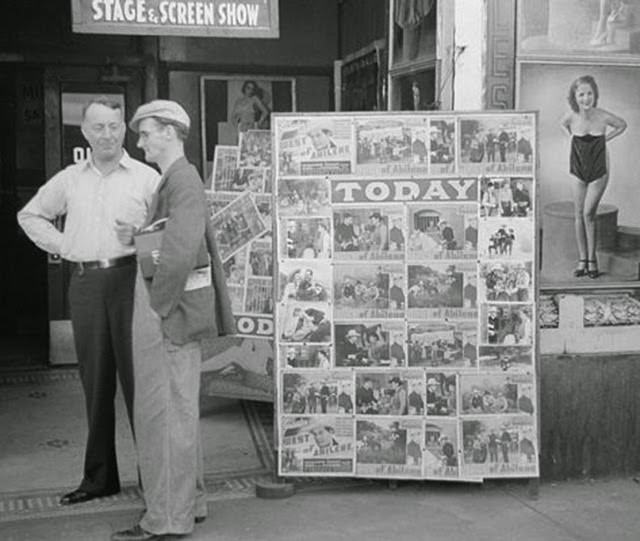
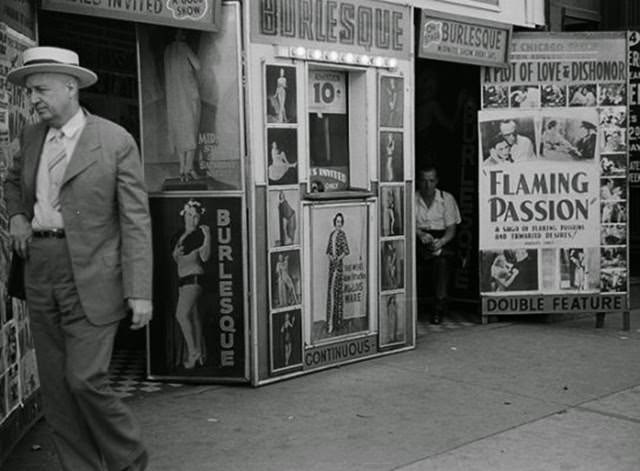
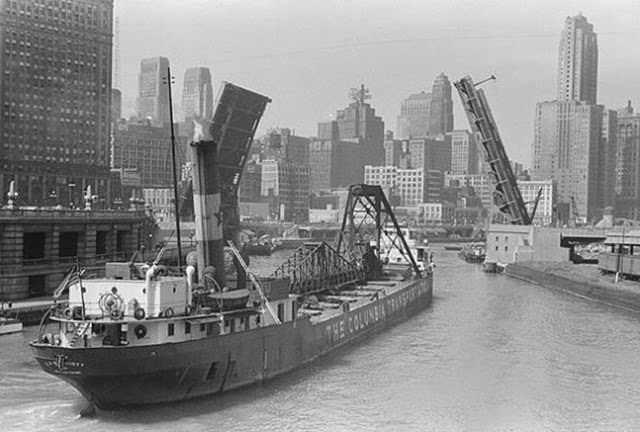
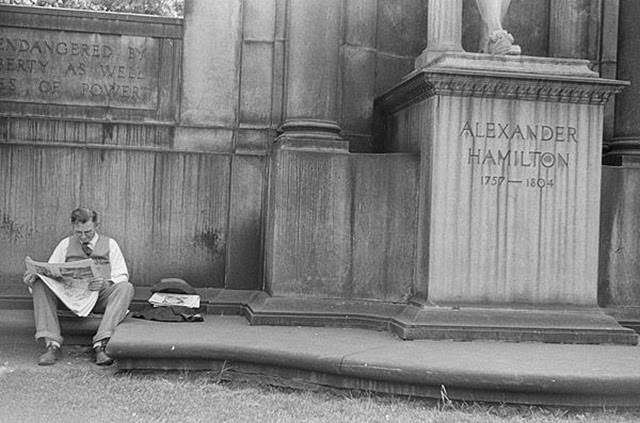
John Vachon first arrived in Chicago in the summer of 1940, returning again in 1941. He worked for the Farm Security Administration under director Roy Stryker, assigned to document everyday American life with a camera. His path to photography was unconventional — he started out as a messenger and file clerk in Washington, D.C., copying captions onto the backs of photographs. Studying those images day after day lit a spark, and he soon picked up a camera himself.
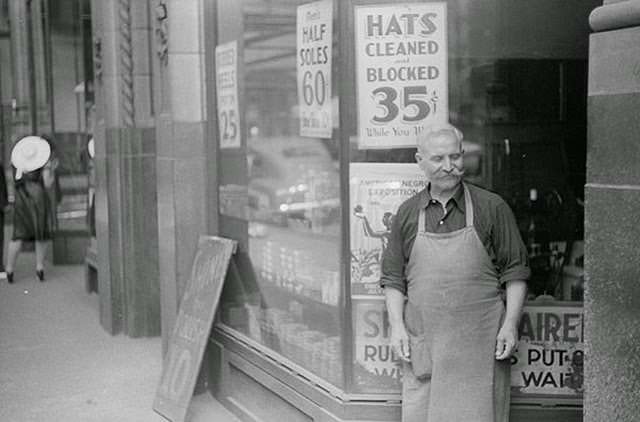
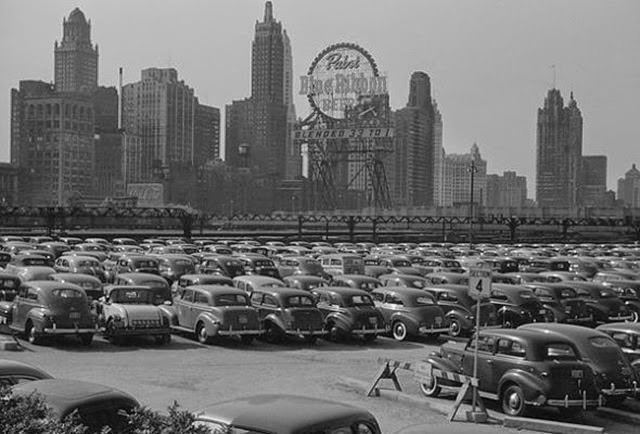
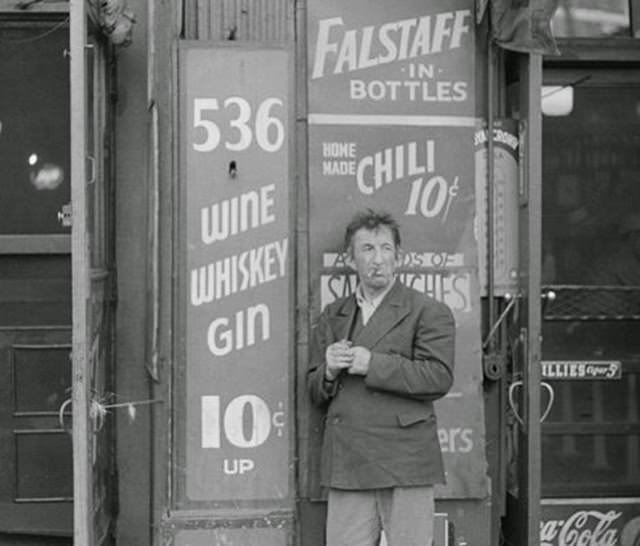
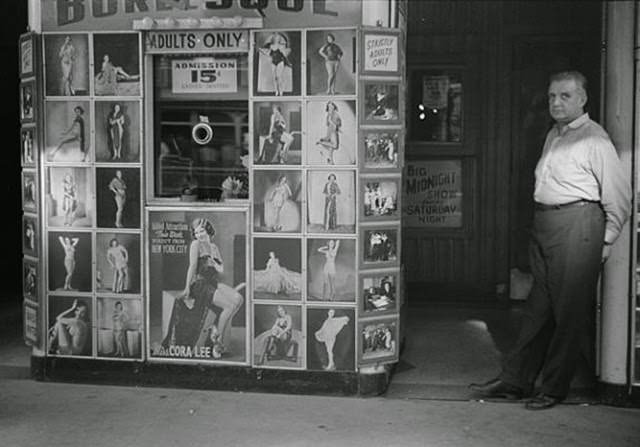
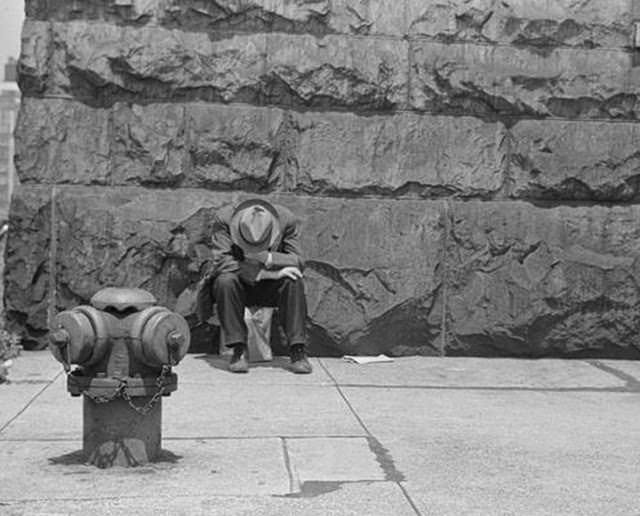
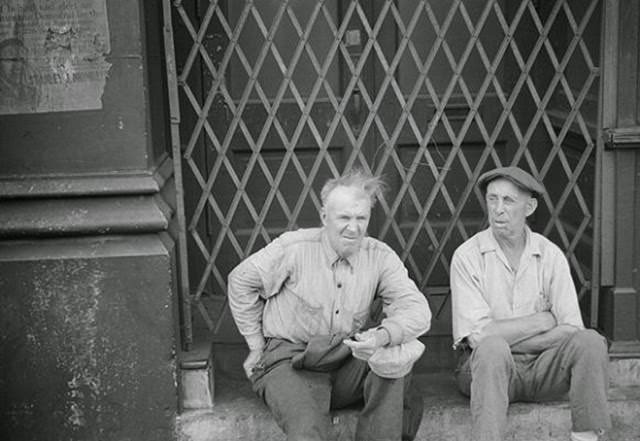
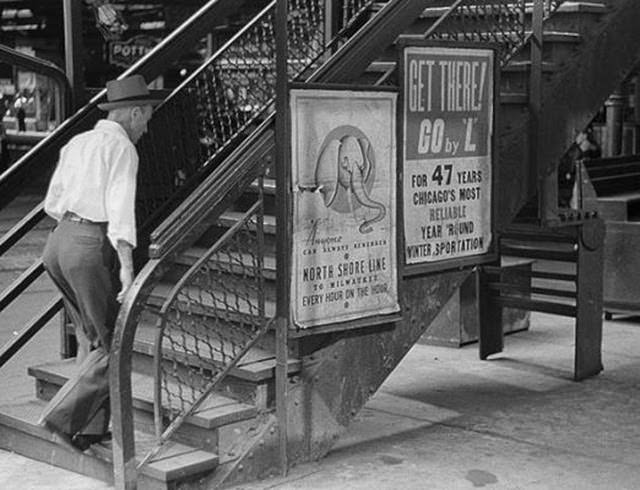
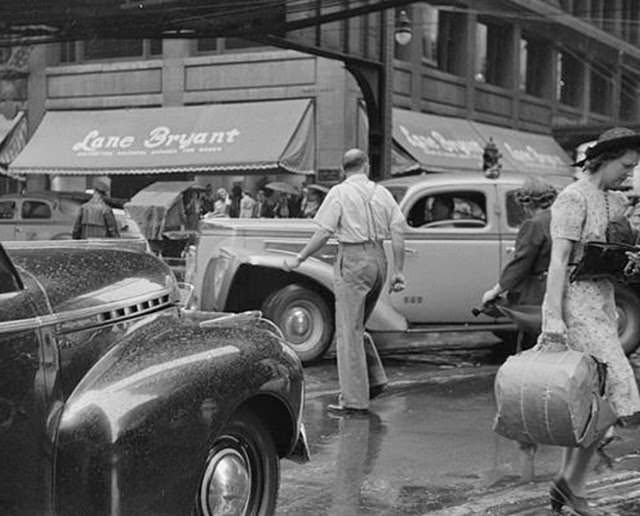
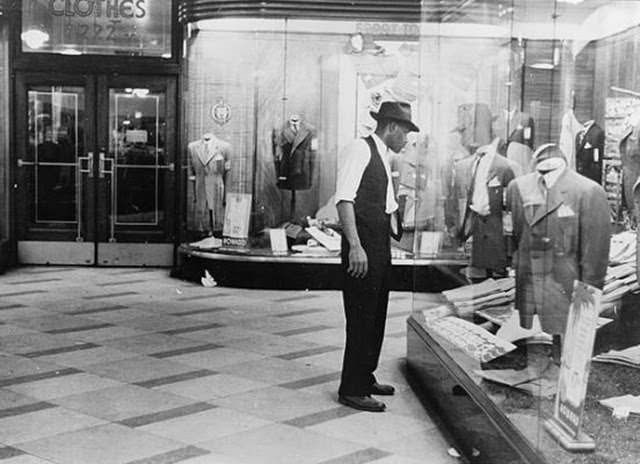
Chicago in 1940 and 1941 was a city of sharp contrasts. In the Loop — the city’s central business and shopping district — wealthy residents in expensive coats strolled past the grand display windows of department stores. Just blocks away, men in worn, oversized suits stood on street corners or gathered near the shipping docks searching for manual labor.
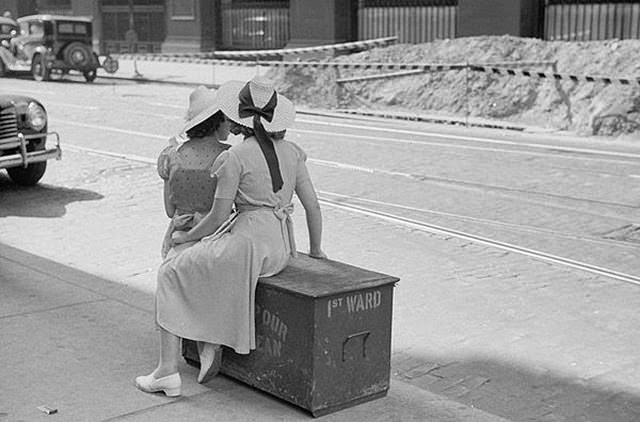
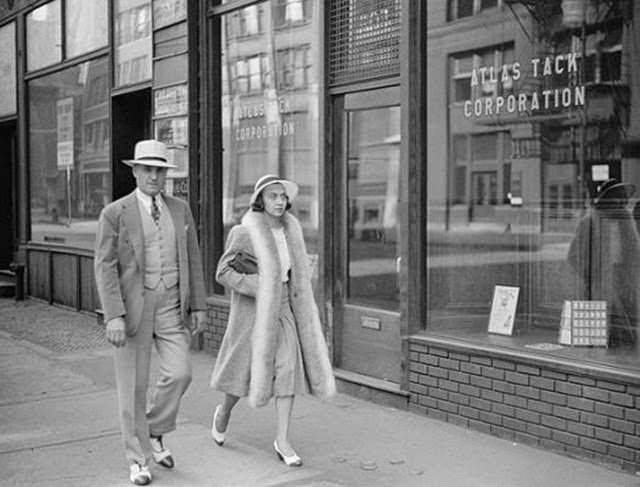
The air across many neighborhoods stayed thick with soot and smoke pouring from the nearby steel mills. That industrial haze was a constant backdrop to the lives Vachon recorded — a reminder of the working-class labor that kept the city moving.
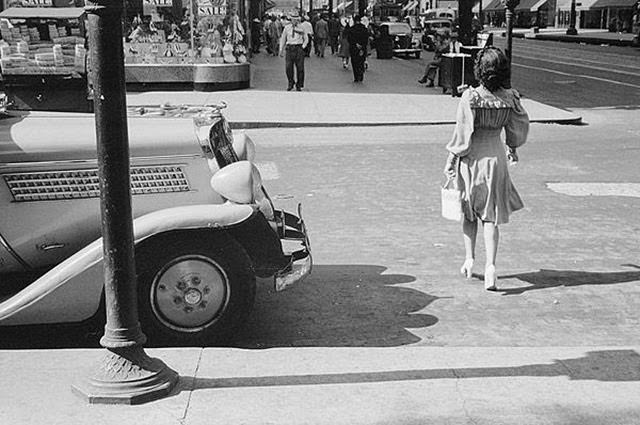
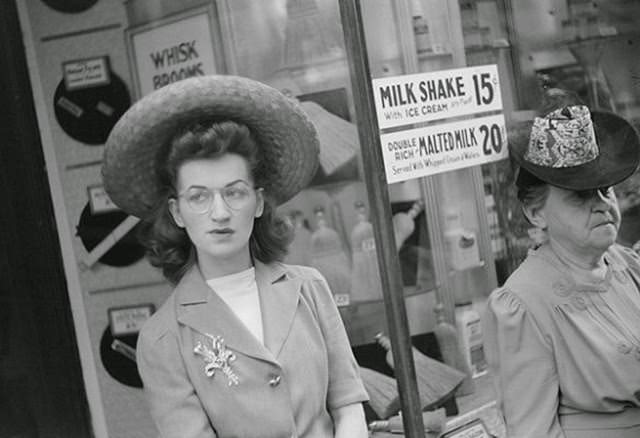
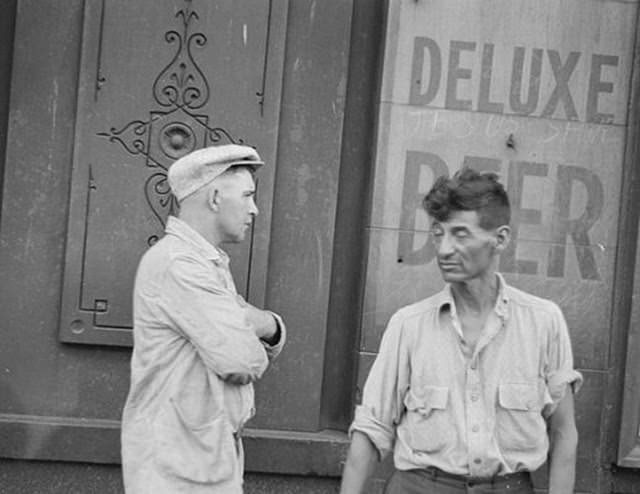
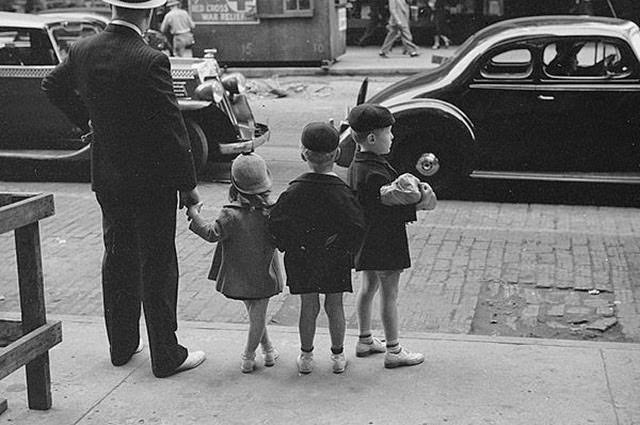
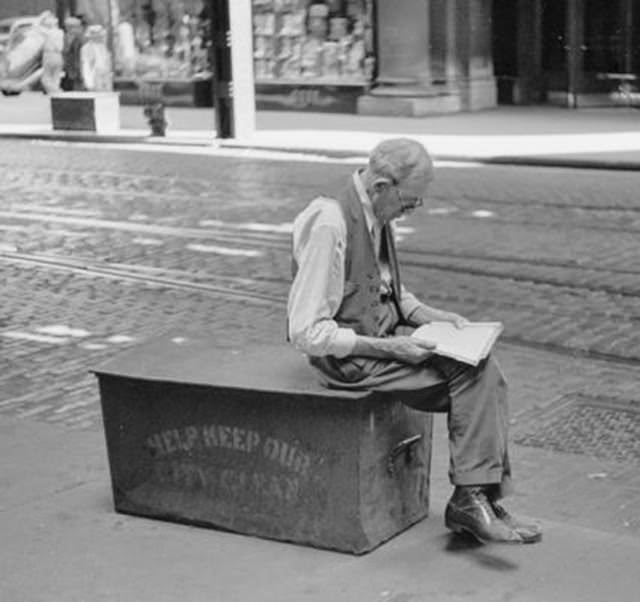
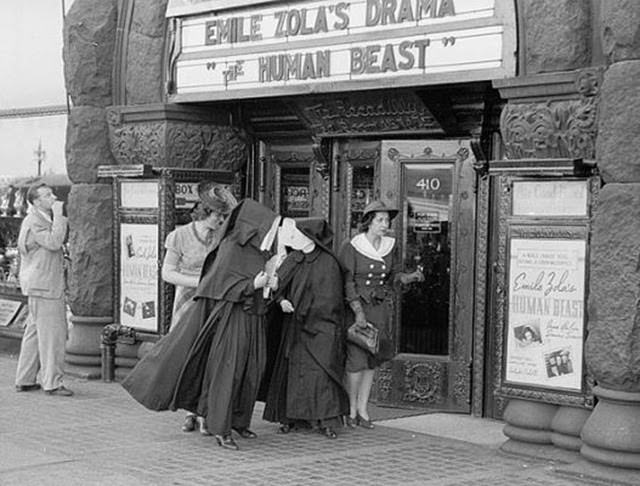
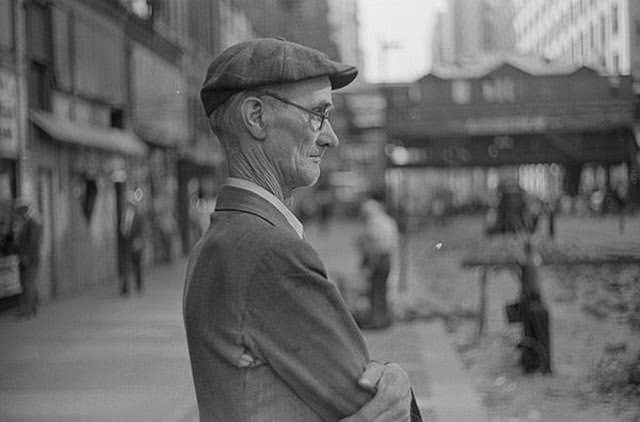
Vachon spent hours standing on busy sidewalks, waiting for the right moment. He photographed the tired faces of office clerks, the determined looks of newsboys shouting the day’s headlines, and the candid expressions of people who had no idea a camera was pointed at them. That unawareness gave his portraits an honesty that posed photographs rarely achieve.
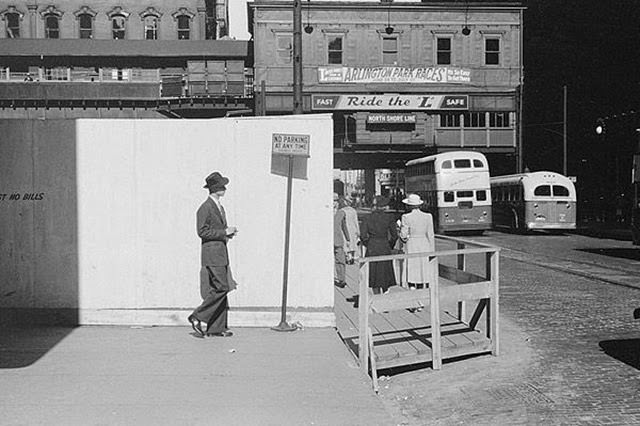
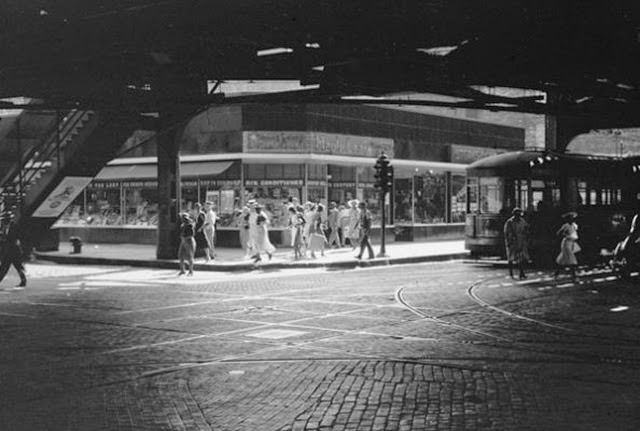
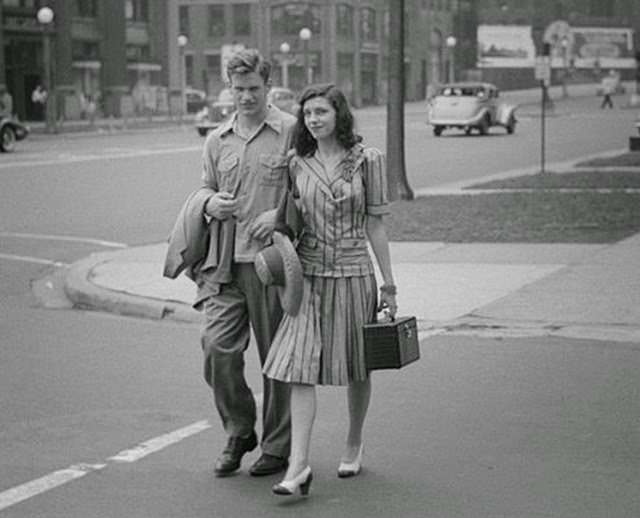
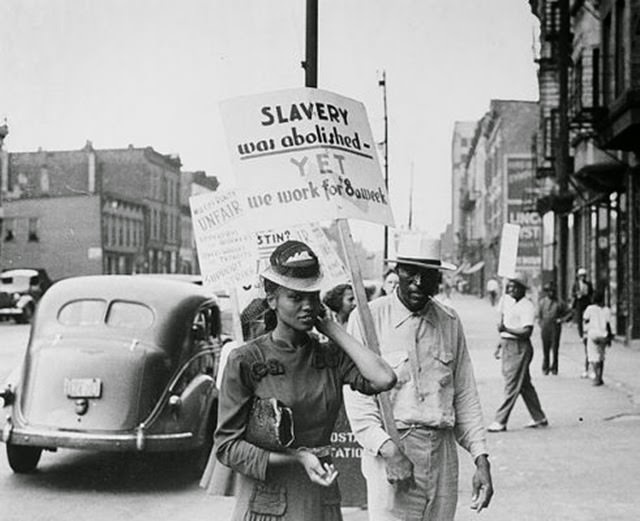
He also documented life on Chicago’s South Side, where Black residents lived in segregated neighborhoods while working in the city’s essential industries. Their daily routines, streets, and workplaces appear throughout his archive, captured with the same directness he brought to every other corner of the city.
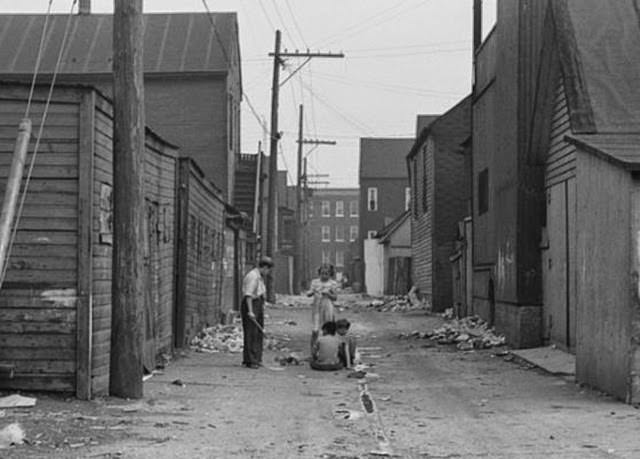
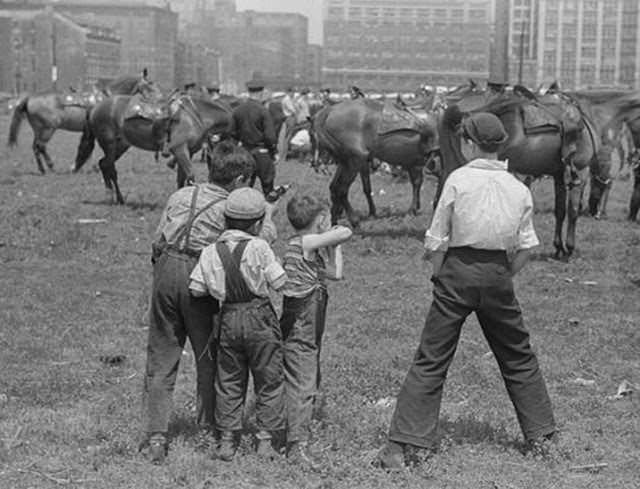
As the nation moved closer to war, Chicago’s physical landscape shifted. Large Army and Navy recruitment posters appeared on brick building walls and inside subway stations. Young men in fresh military uniforms became a regular sight at Union Station and local bus terminals.
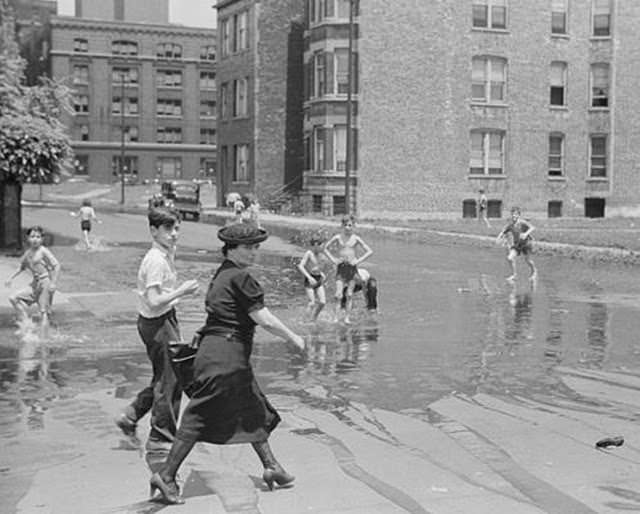
Factories that had been producing consumer goods began retooling for military equipment. Vachon photographed the massive crowds of workers streaming in and out during shift changes — men and women who formed the industrial backbone of the coming war effort.
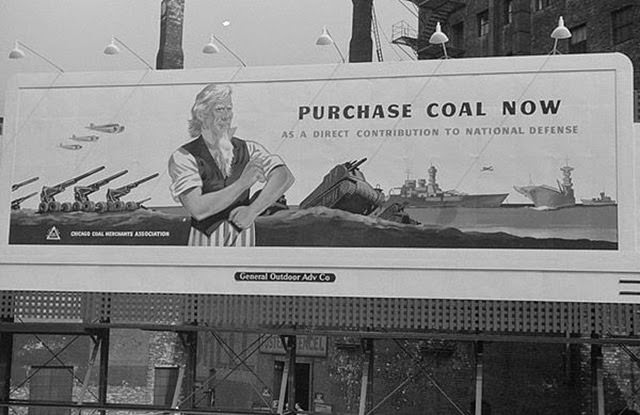
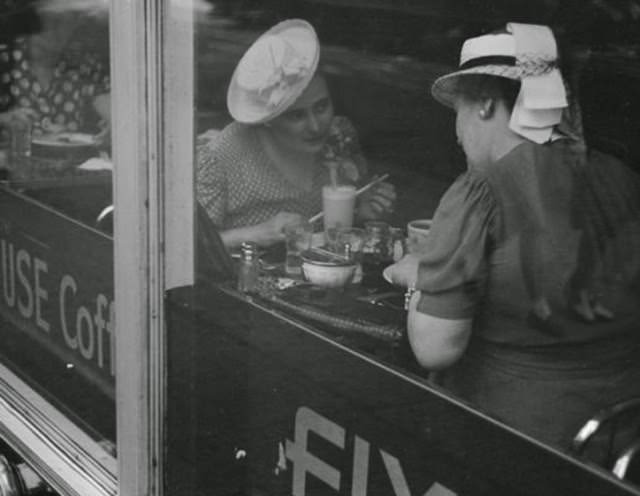
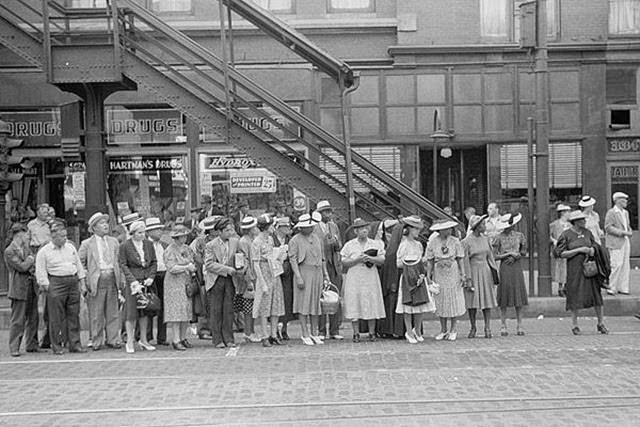
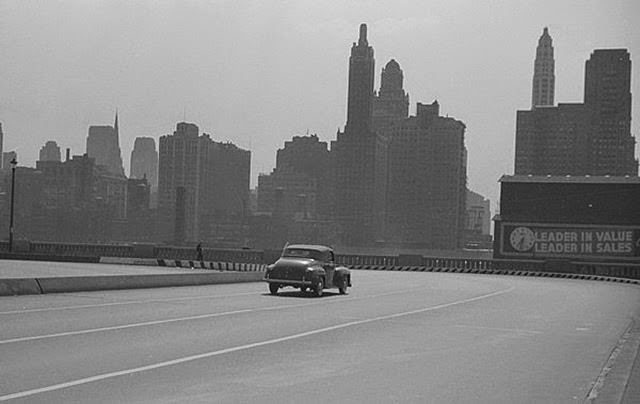
What Vachon built across those two summers was a precise visual record of a city standing at the edge of change — still going about its routines, but already feeling the pull of a world at war.