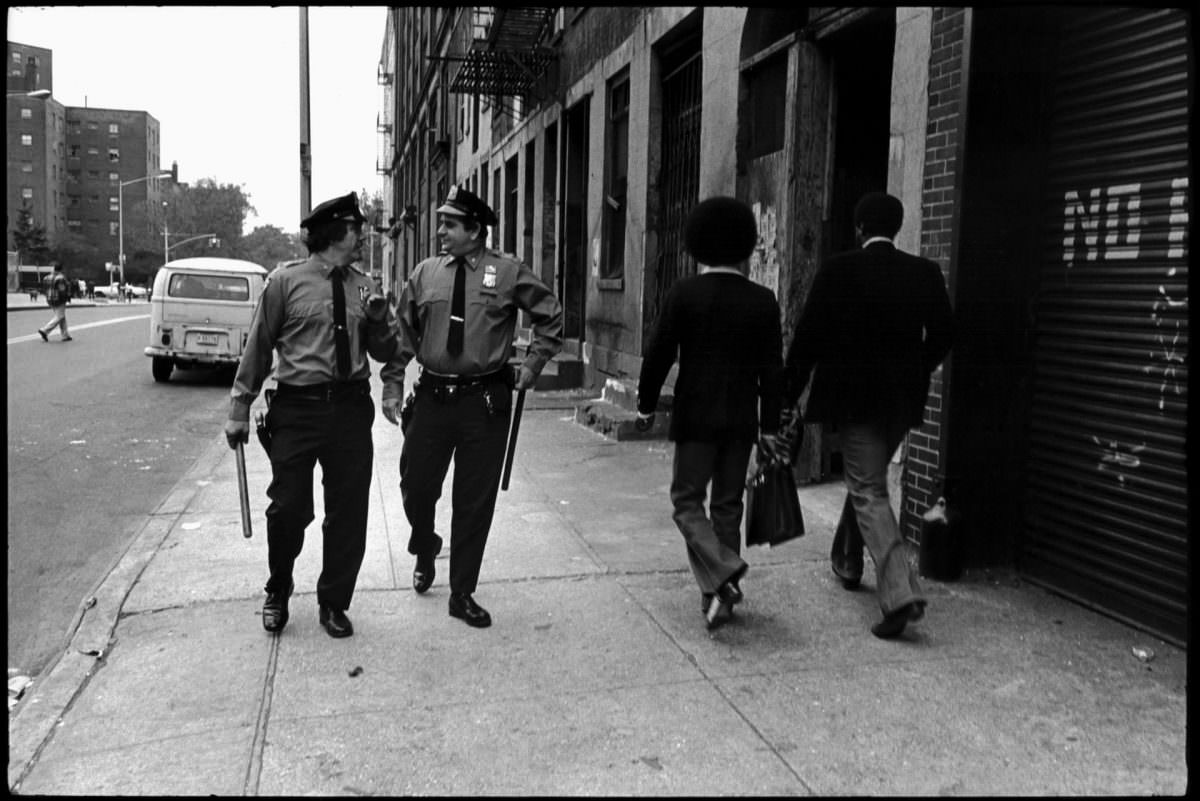
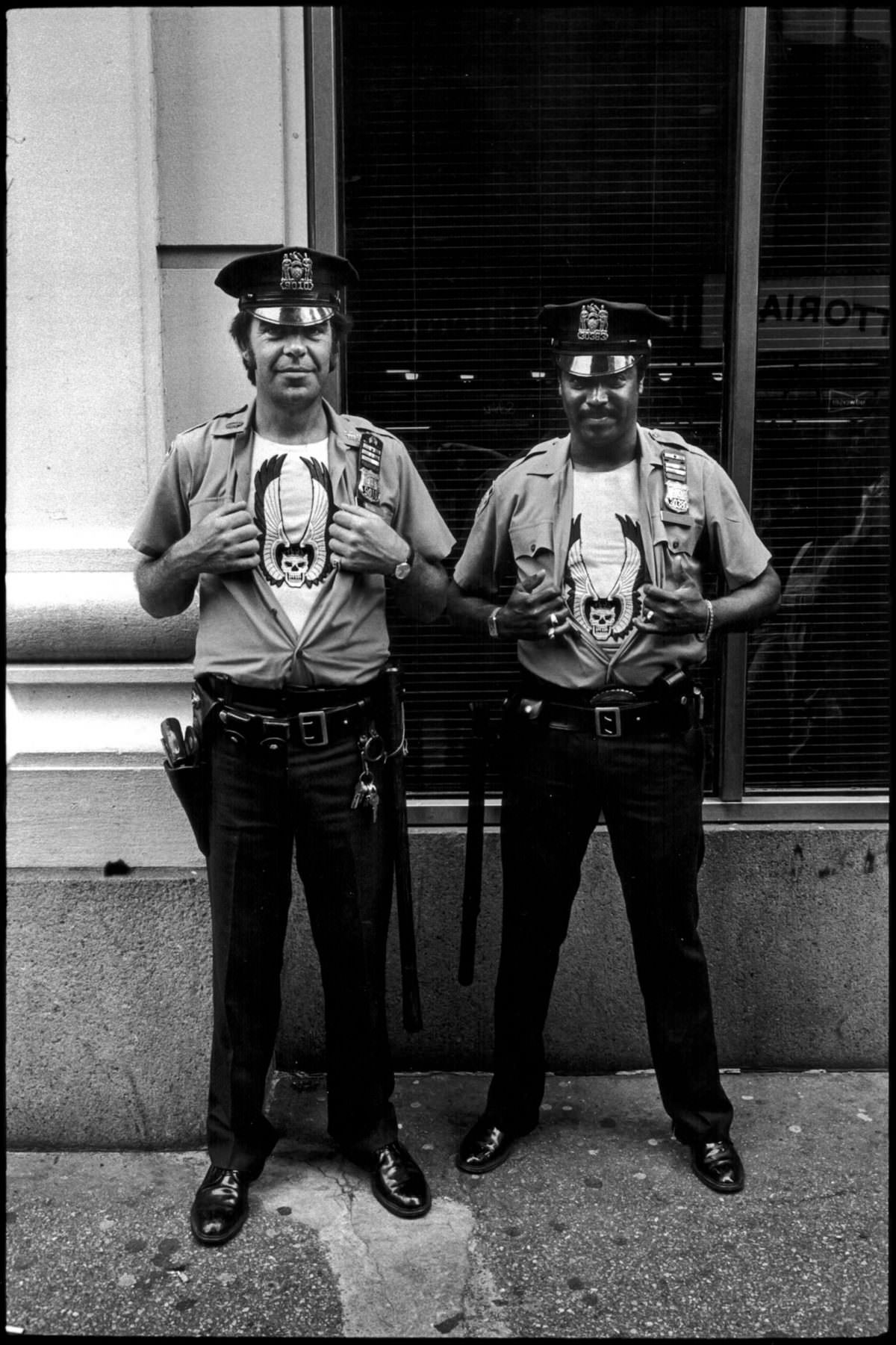
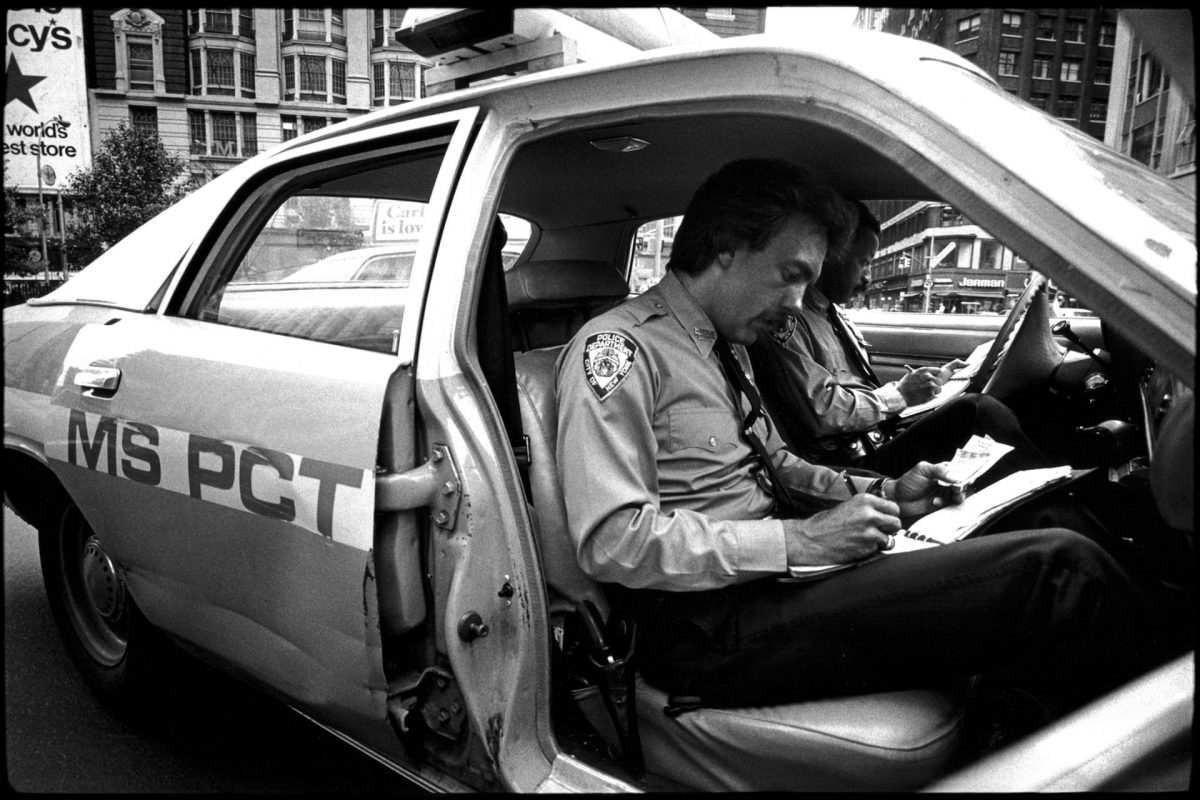
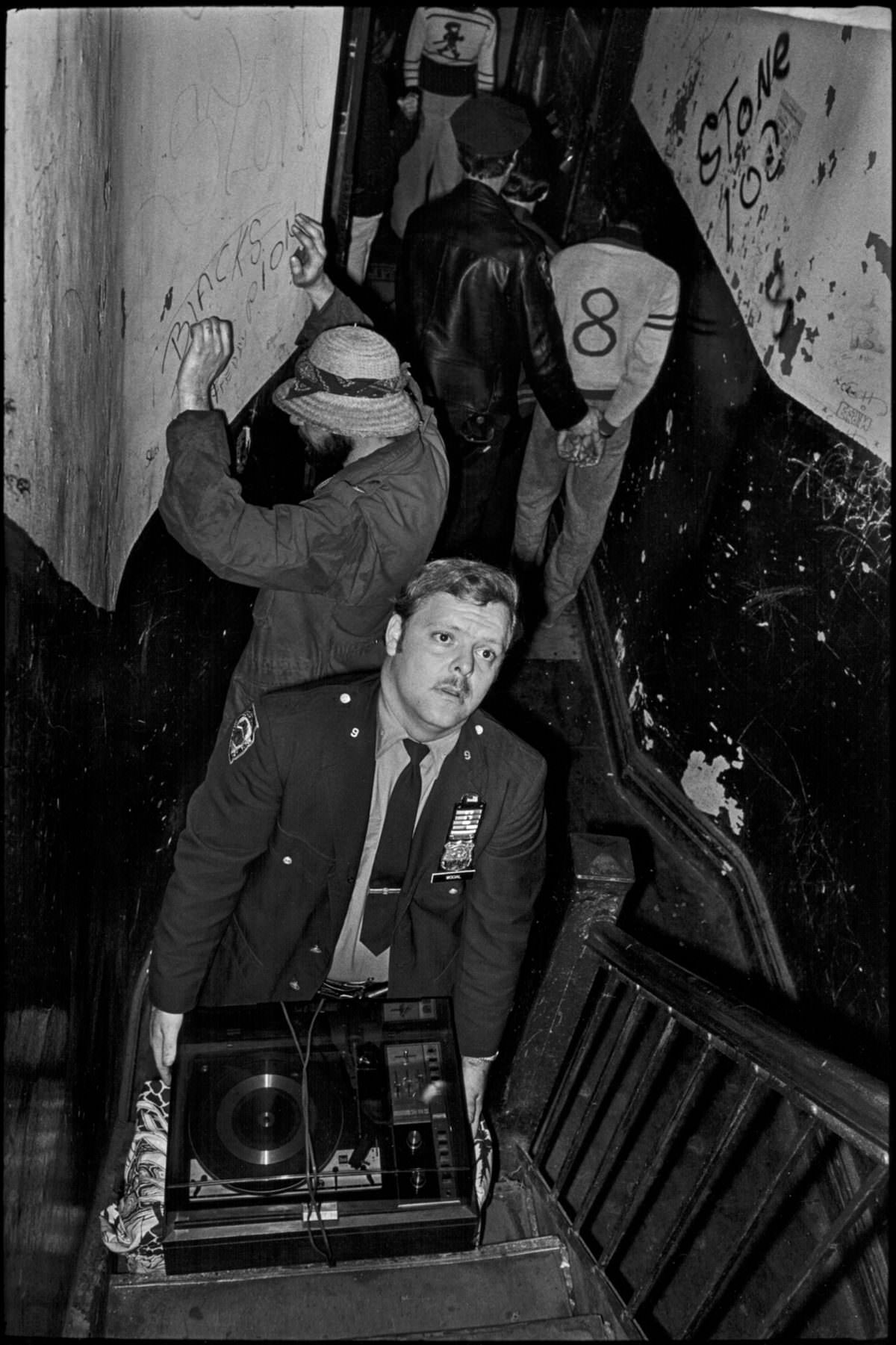
Between 1978 and 1981, photographer Jill Freedman embedded herself with the New York City Police Department. The result was ‘Street Cops,’ a raw, documentary photo series that put viewers directly on the pavement with officers working some of the city’s most demanding beats.
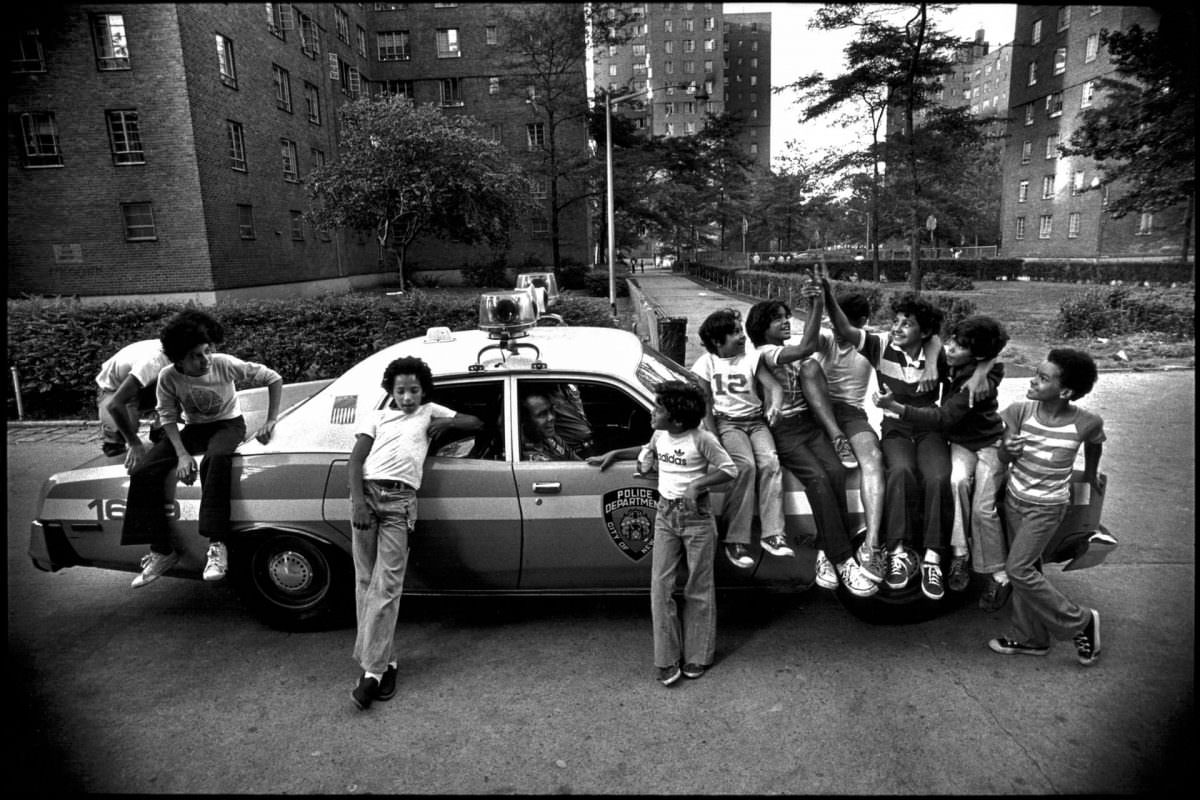
Freedman focused on two precincts: Midtown South, which covered the neon-lit blocks around Times Square and Bryant Park, and the Ninth Precinct in the East Village. Both were pressure points in a city still bruised by the fiscal crisis of the mid-1970s, high crime rates, and struggling neighborhoods.
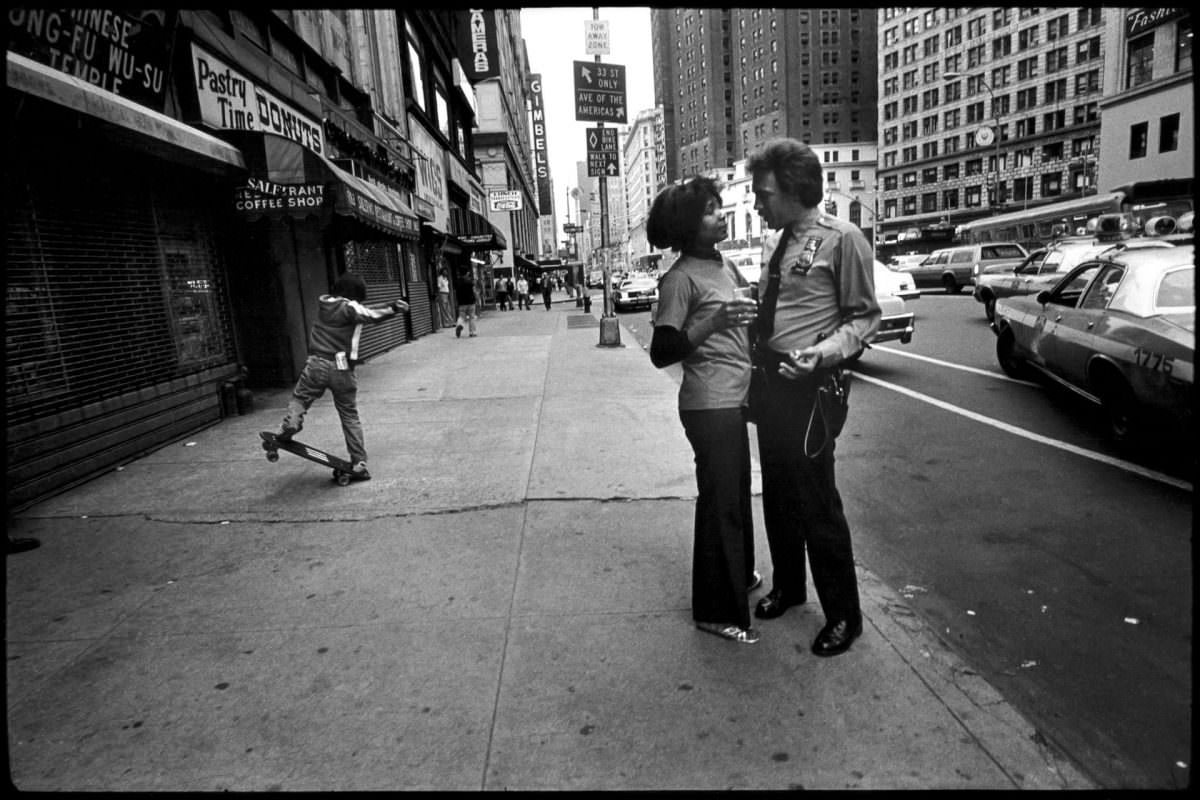
She wasn’t interested in painting a simple picture of law enforcement. “I also wanted to show the tenderness and compassion of the good guys, the ones who care and try to help,” Freedman stated. Her lens caught officers sharing laughs with locals, kneeling to speak with children, and stepping in during personal crises.
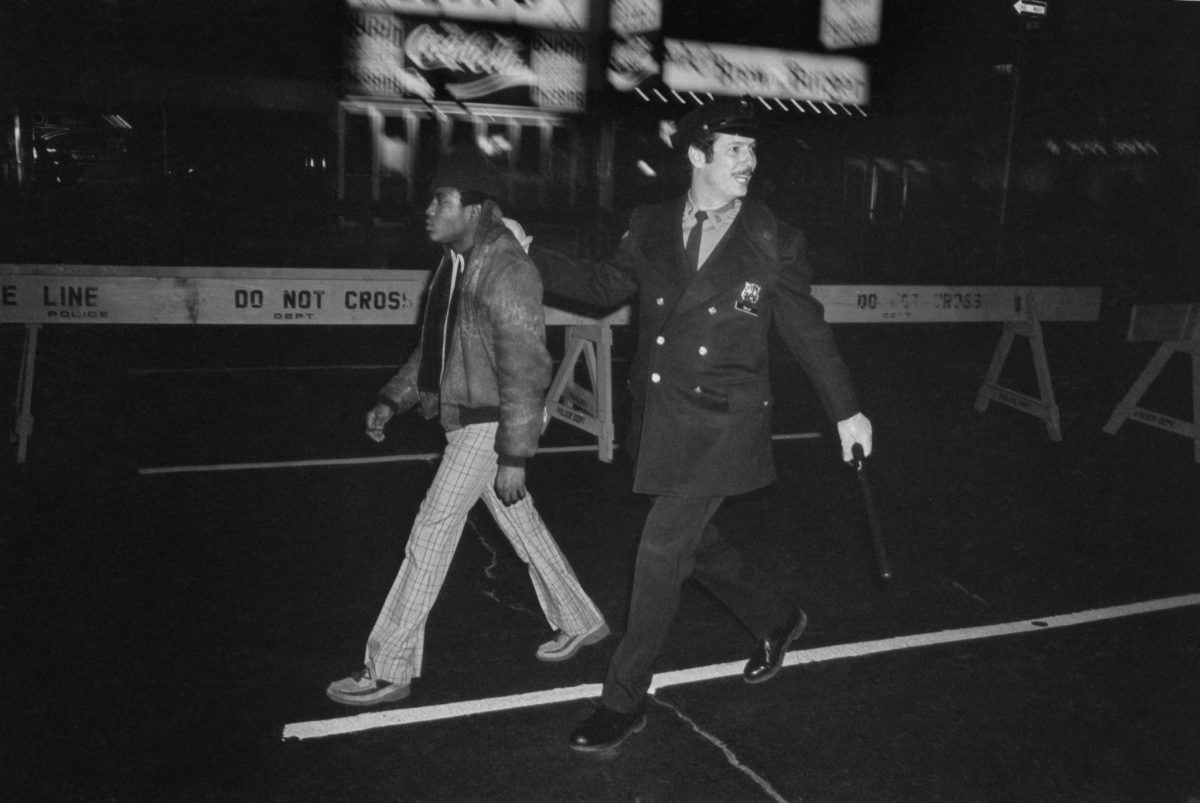
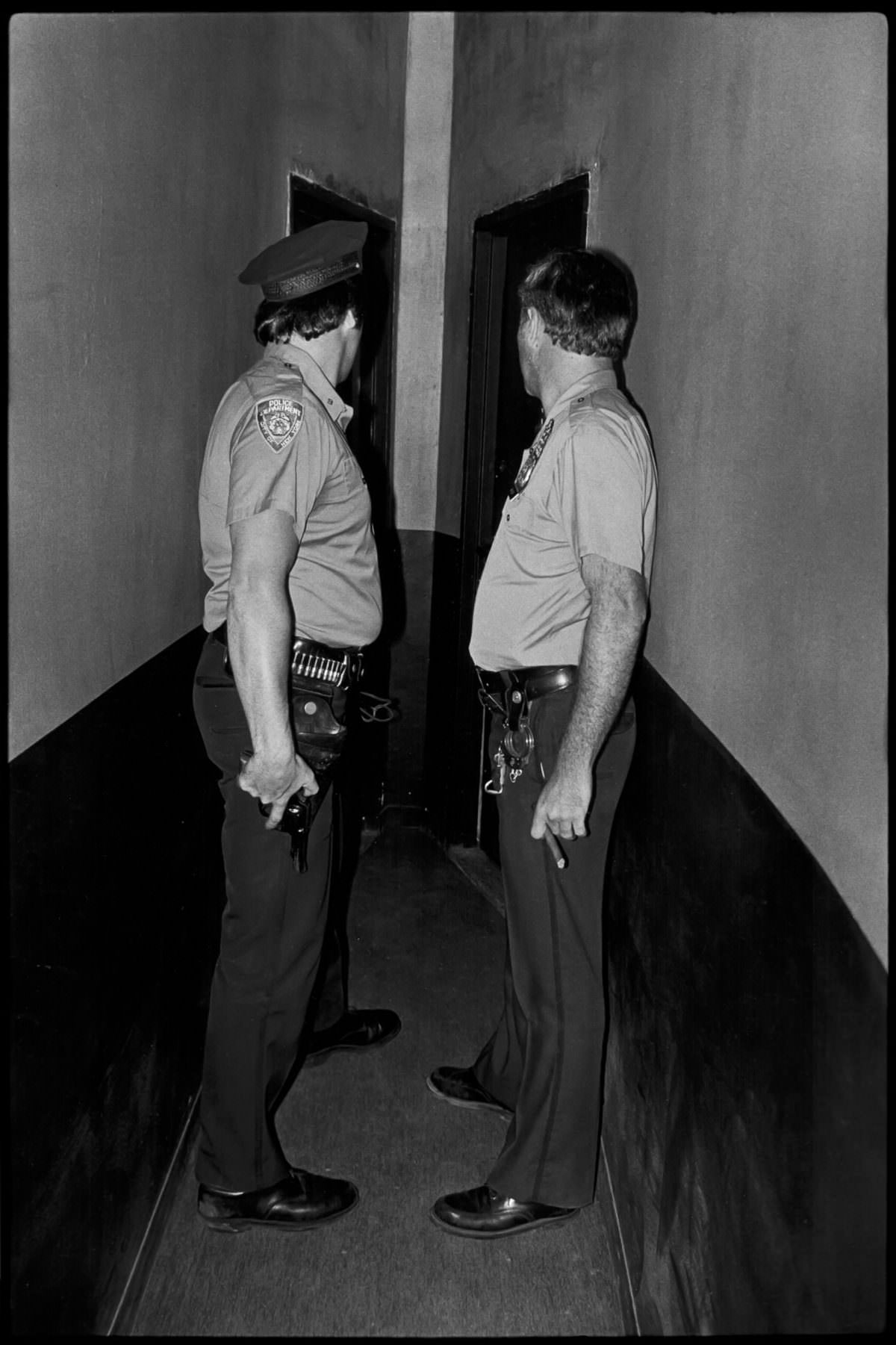
The photographs also documented the harder edges of the job. Officers responded to emergencies, managed volatile situations, and dealt with individuals in serious distress — all routine parts of a shift in late-1970s New York.
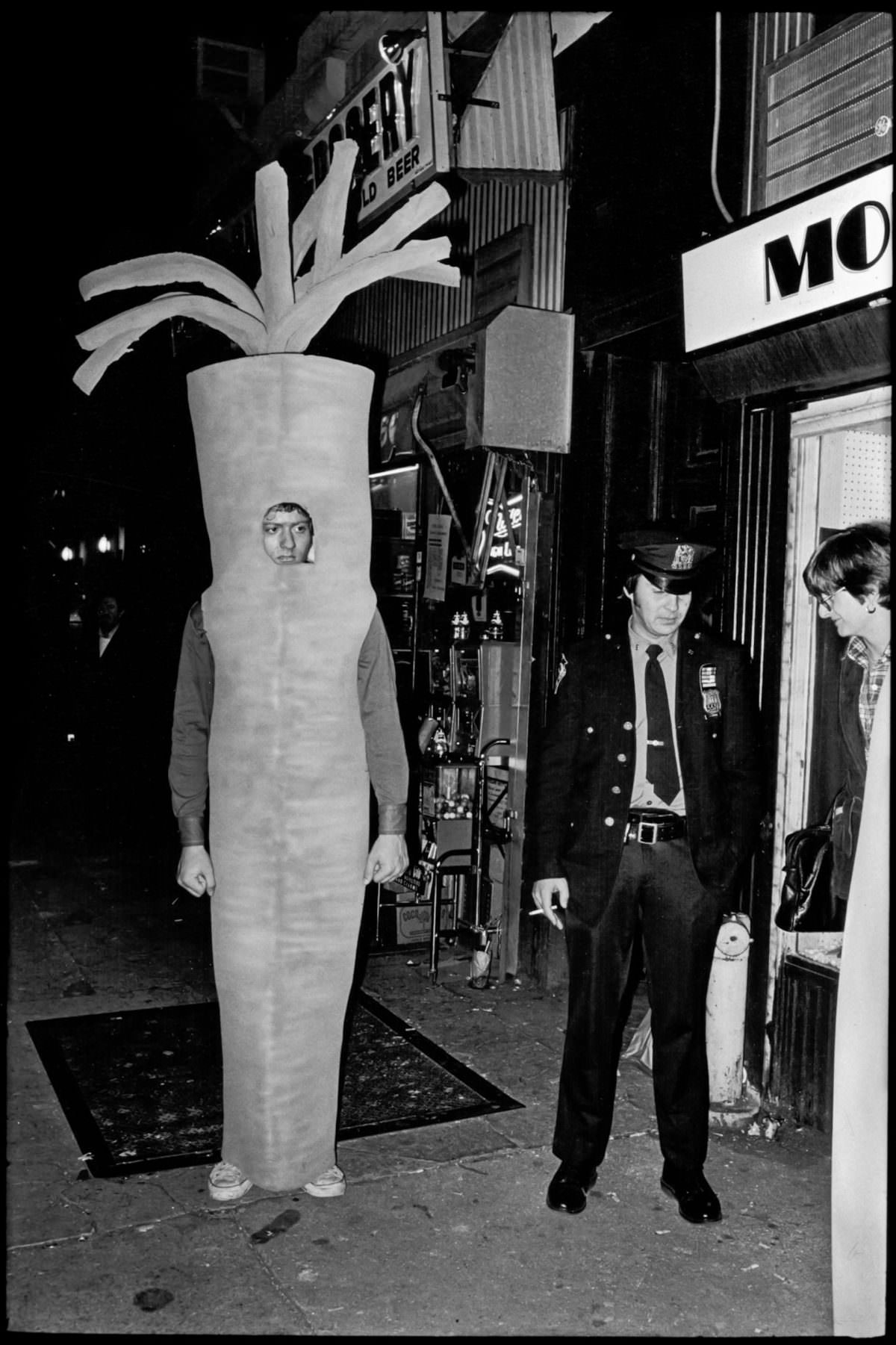
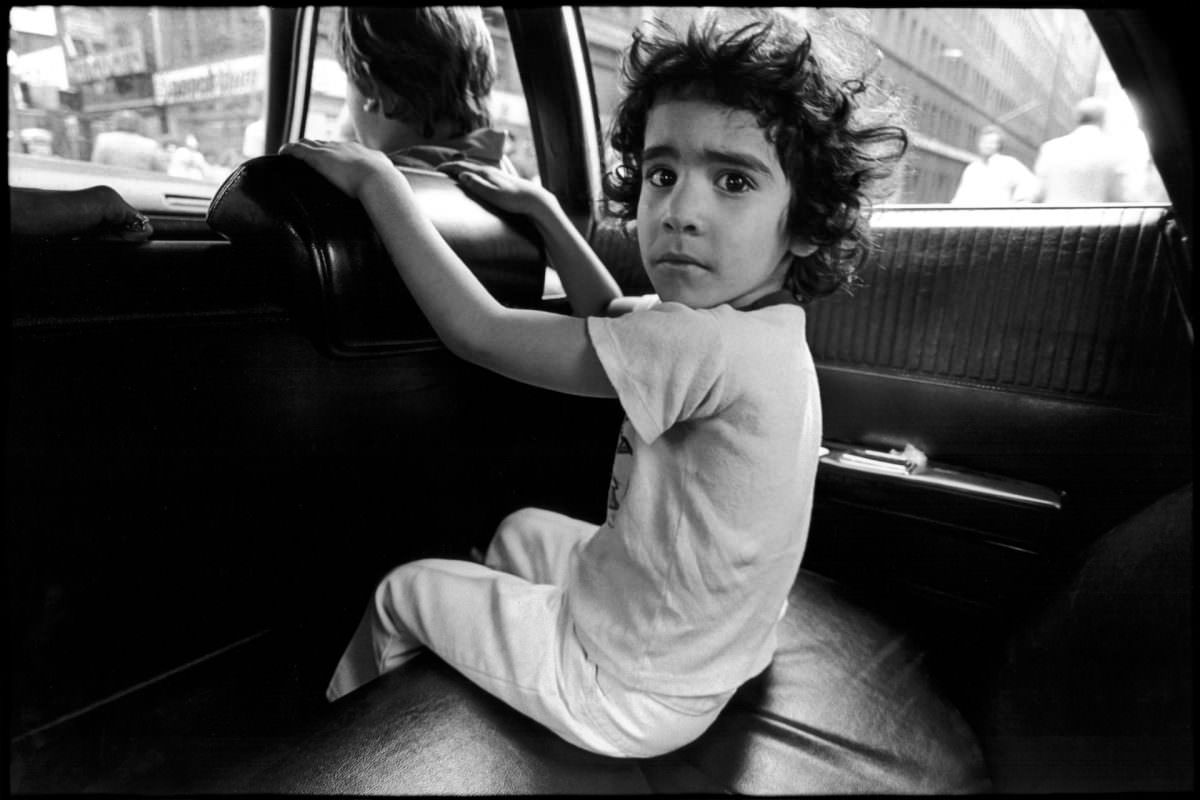
Times Square at this time was a far cry from its later sanitized version. It was crowded, loud, and visually chaotic — a mix of adult entertainment venues, street vendors, tourists, and residents navigating the same narrow sidewalks. Freedman photographed all of it.
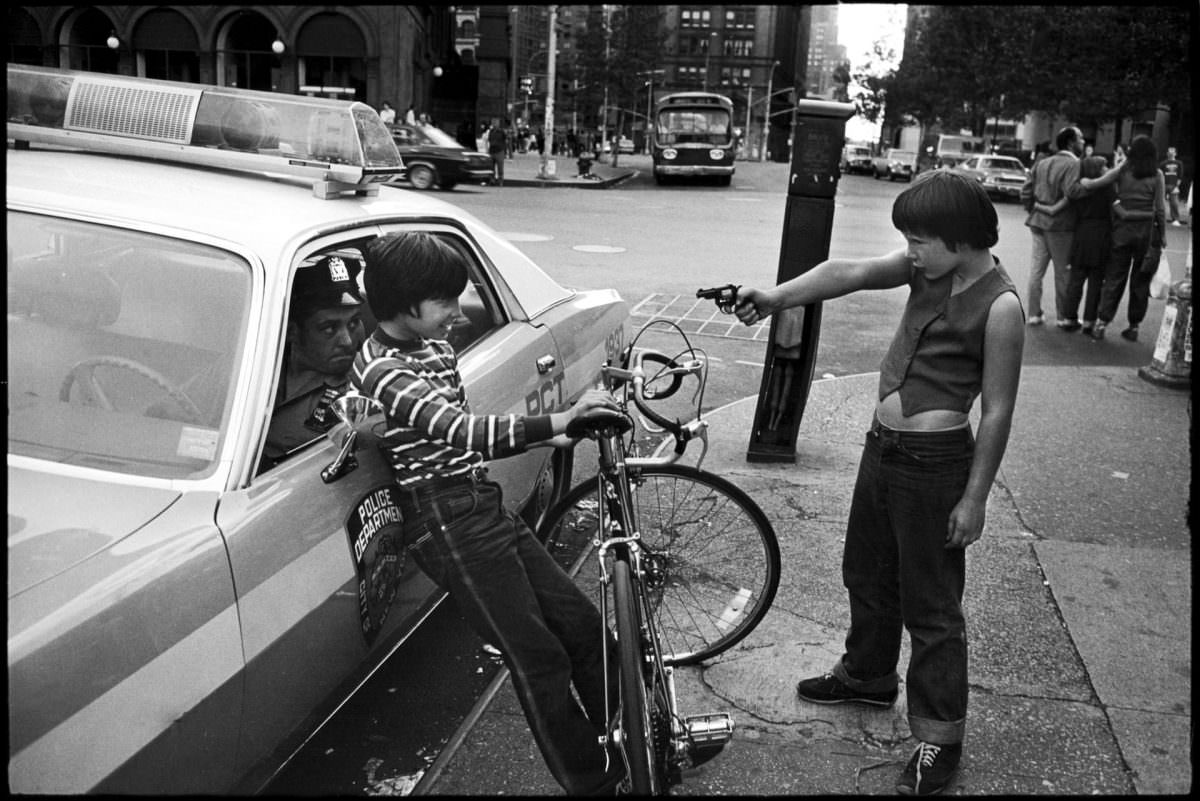
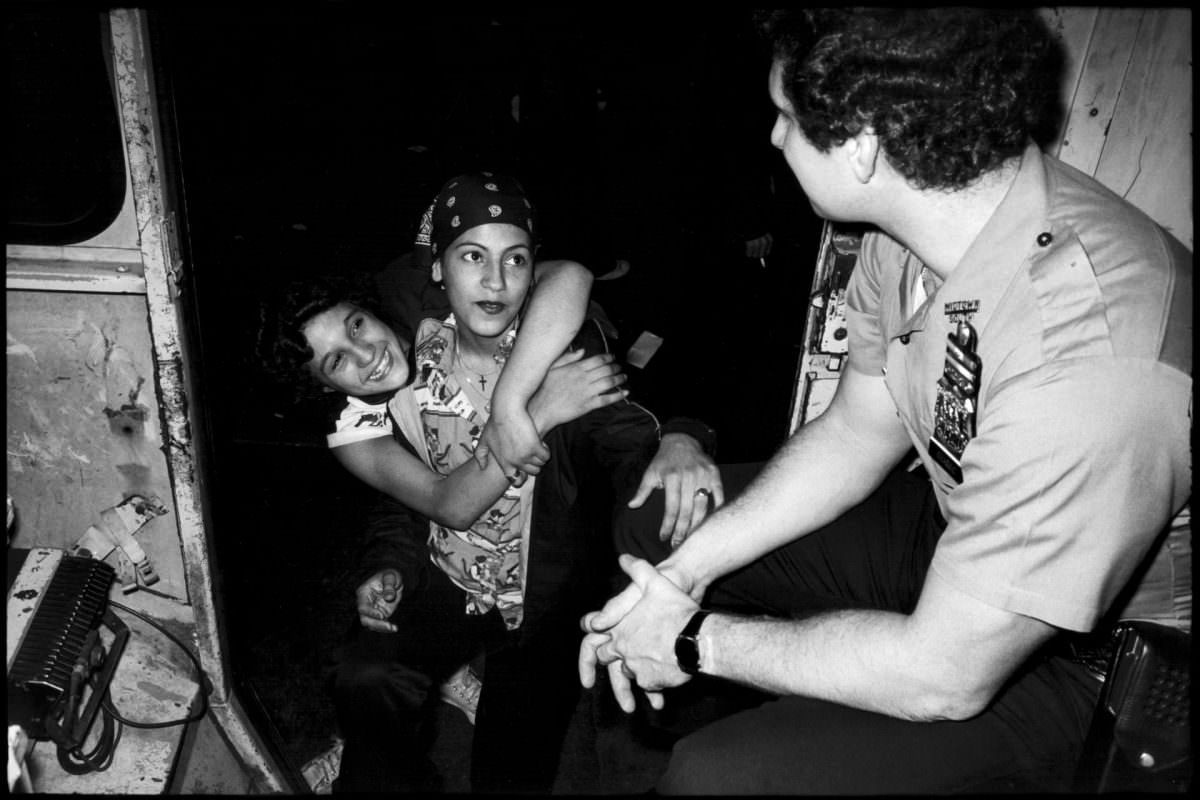
The East Village’s Ninth Precinct presented a different texture — block after block of tenements, vacant lots, and tight-knit communities under economic strain. Officers there built relationships with residents out of necessity as much as duty.
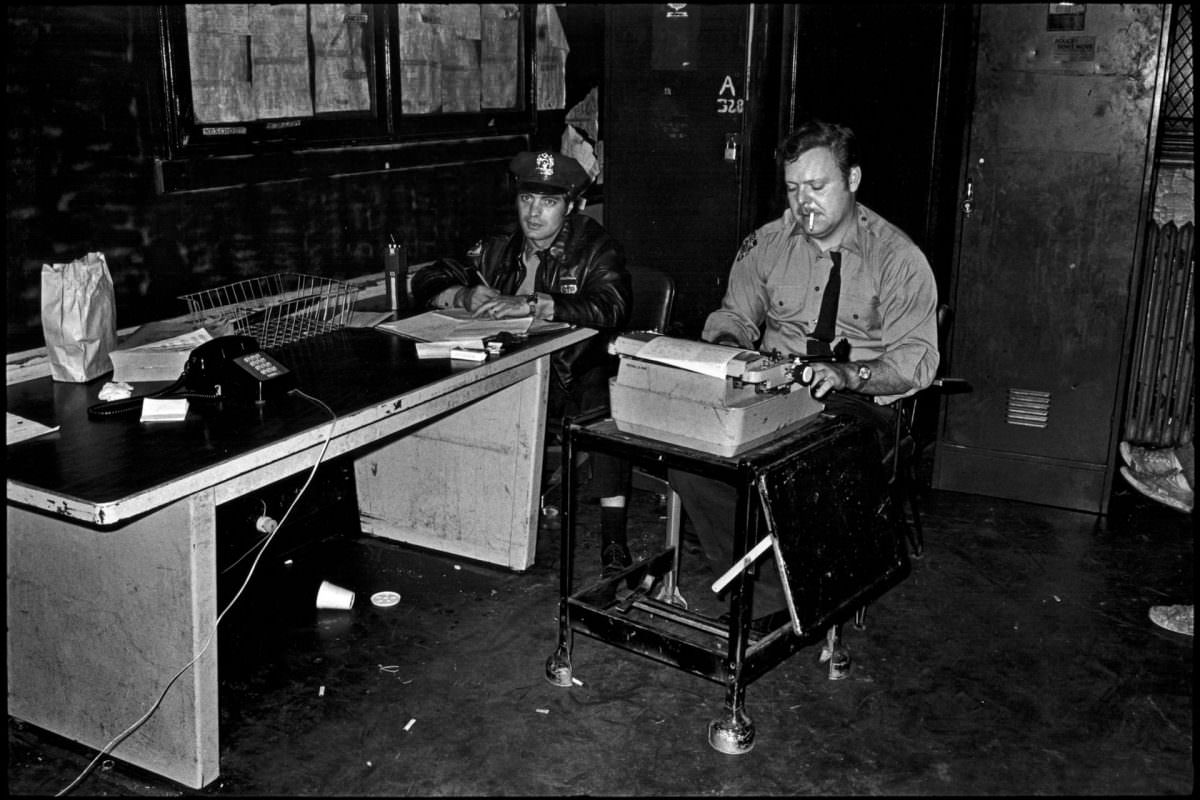
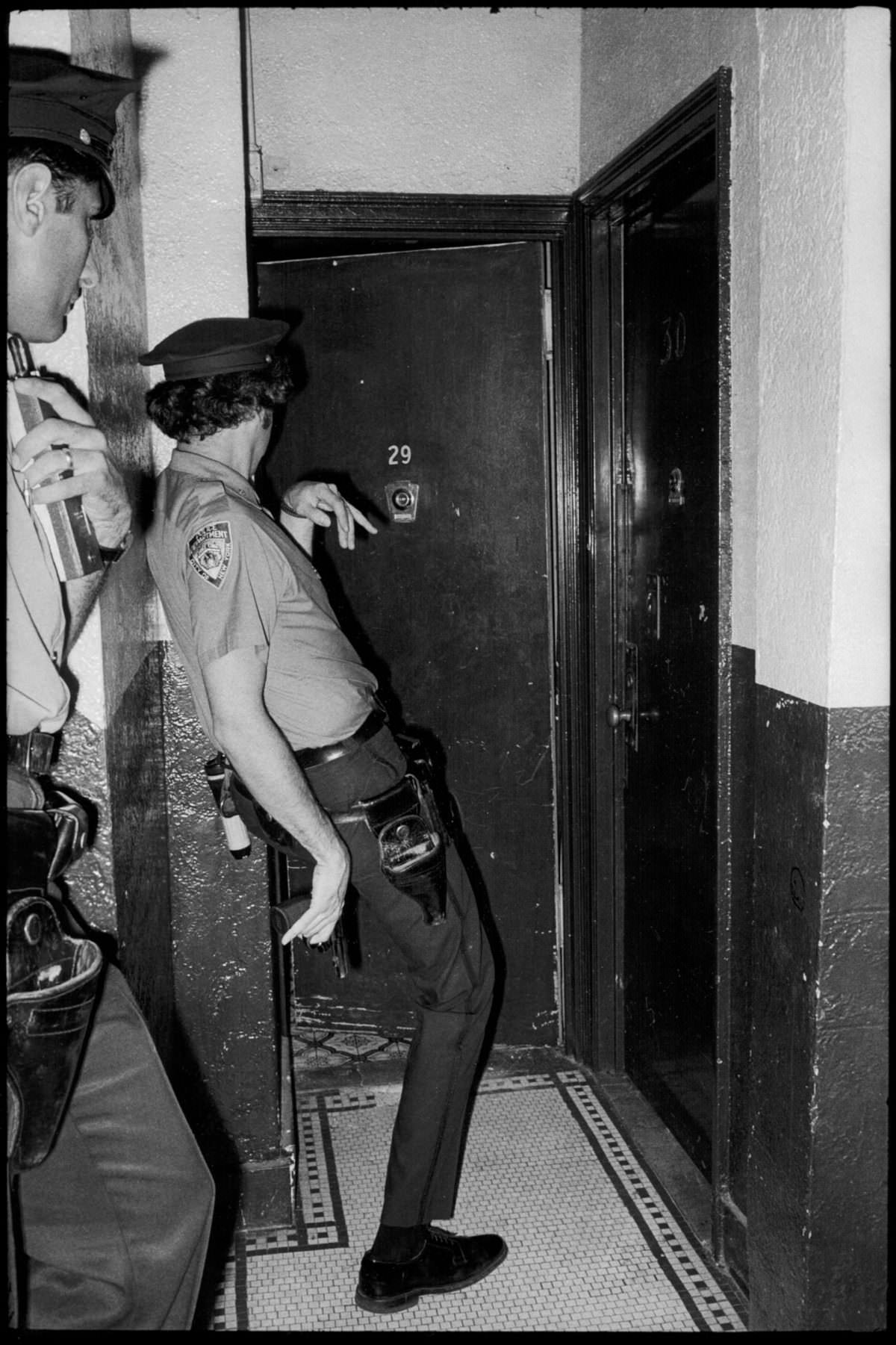
Freedman’s access was unusually close. She moved through shifts and crime scenes alongside officers, capturing unguarded moments that a more distant photographer would never see. The series stands as a detailed record of urban policing at a specific, turbulent moment in New York’s history.