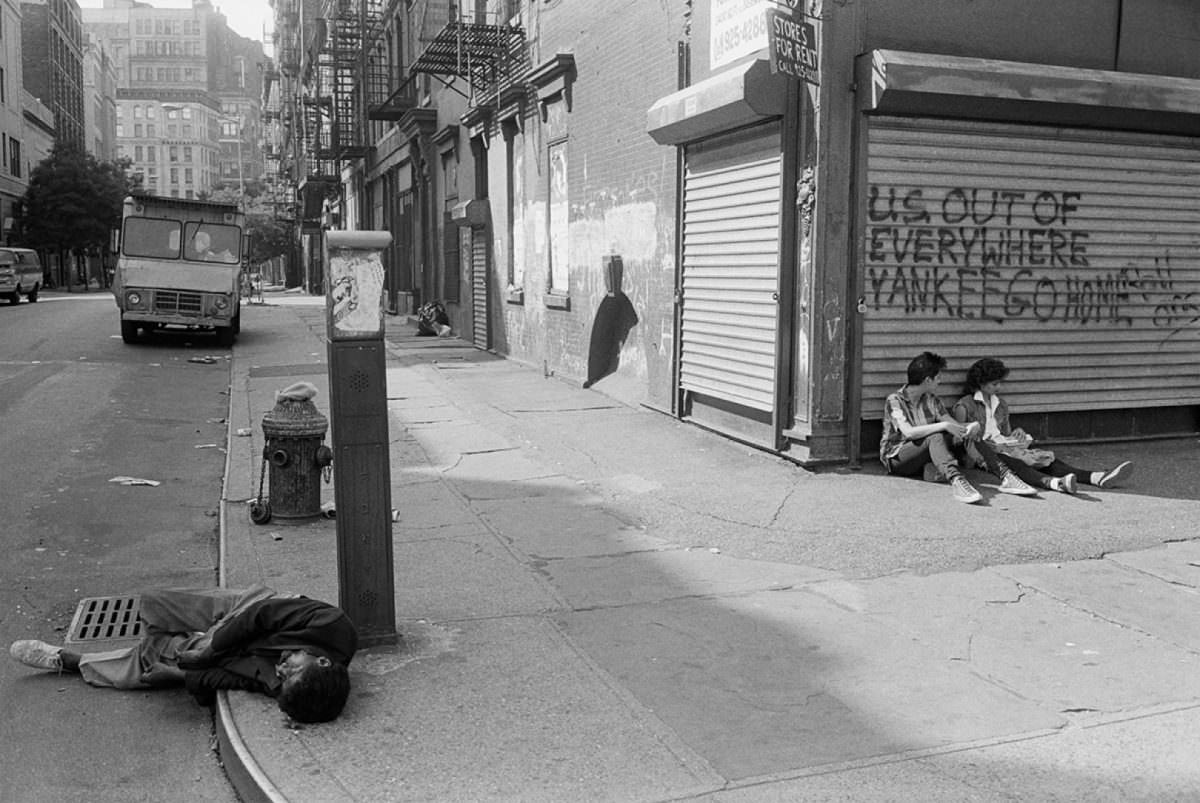
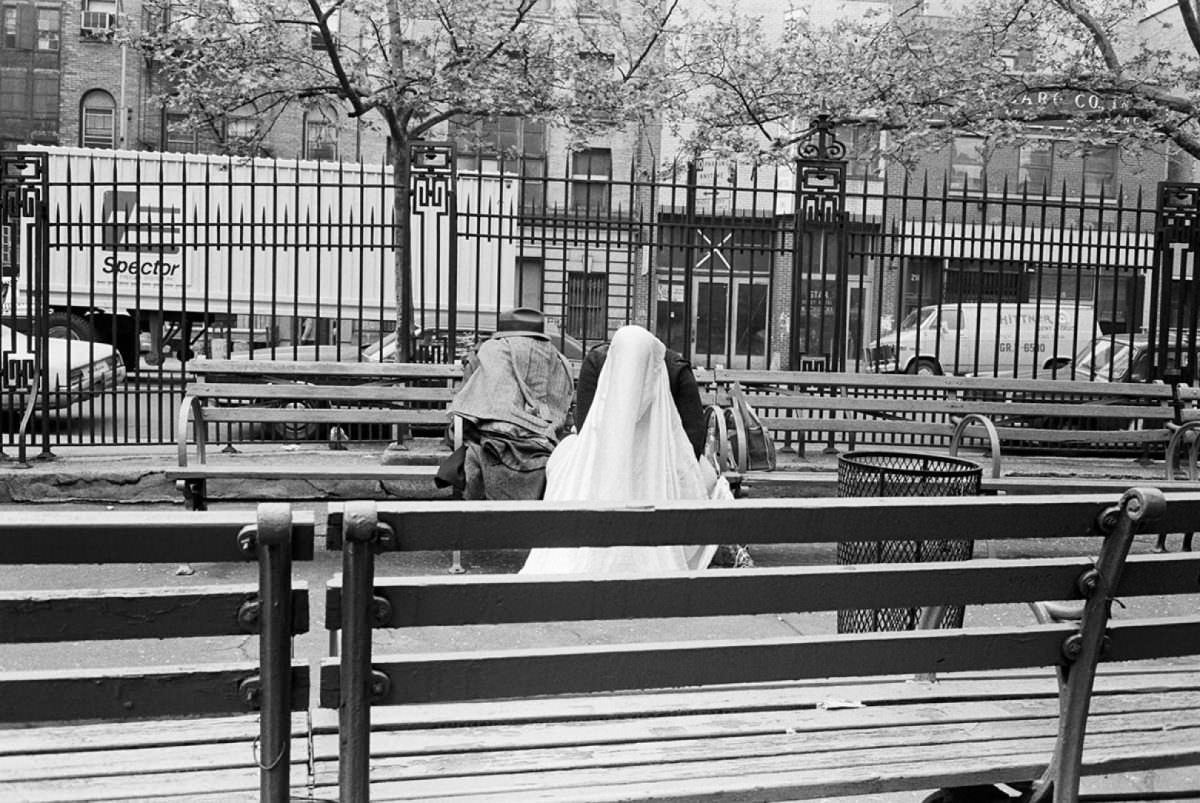
Edward Grazda walked the streets of New York City with a camera and a sharp eye for the unscripted. From the early 1970s through the 1980s, he documented everyday life in a city that was loud, crowded, and deeply unpolished. He had no interest in landmarks or skylines. His subjects were the people living in the spaces between — on stoops, sidewalks, subway platforms, and street corners.
New York in the 1970s was a city under serious strain. The municipal government was nearly bankrupt, crime rates were climbing, and entire neighborhoods were falling apart. Grazda moved through this environment without trying to clean it up for the camera. He photographed graffiti-covered subway cars, decaying buildings, and people who were clearly struggling. These were not dramatic statements — they were straight documentation of daily conditions.
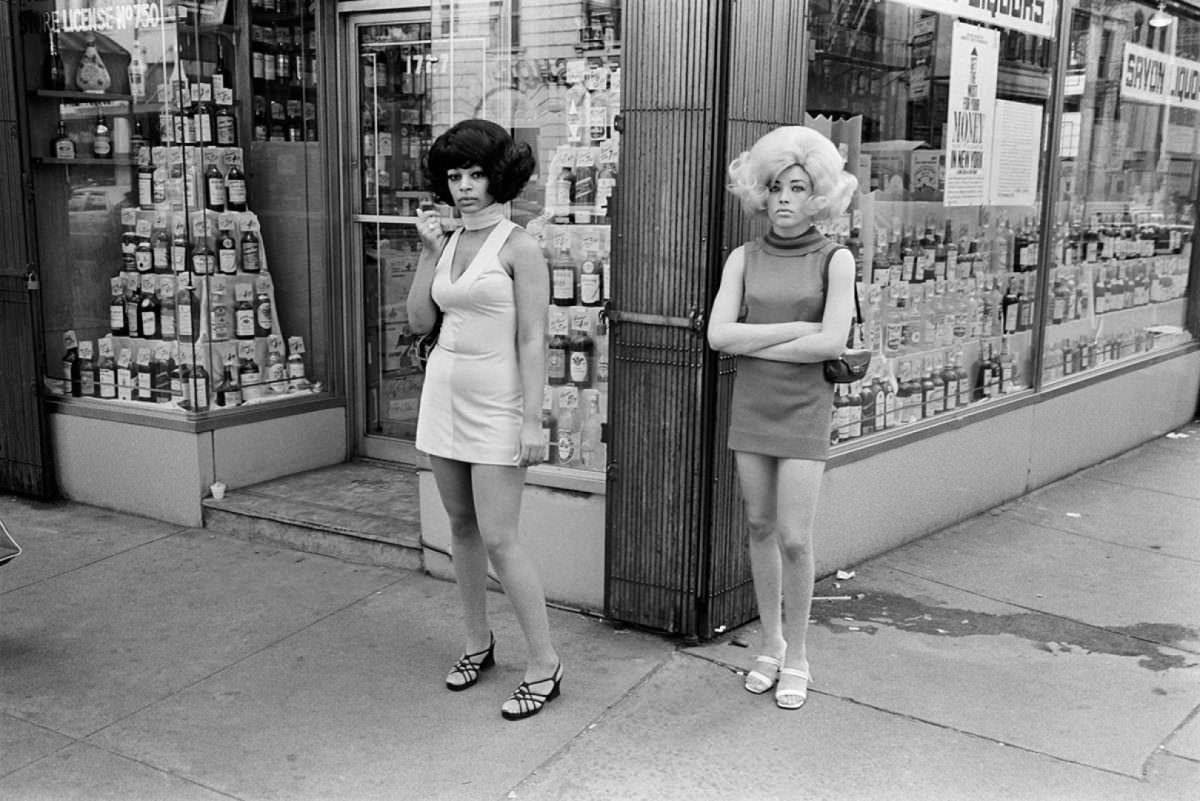
Lower Manhattan was a frequent subject. Neighborhoods like the Bowery, the Lower East Side, and SoHo looked nothing like they do today. Streets were rougher, storefronts were worn, and the sidewalks belonged to a much wider mix of people — vendors, drifters, families, workers, and children playing wherever they could find space. Grazda captured all of them with the same level of attention.
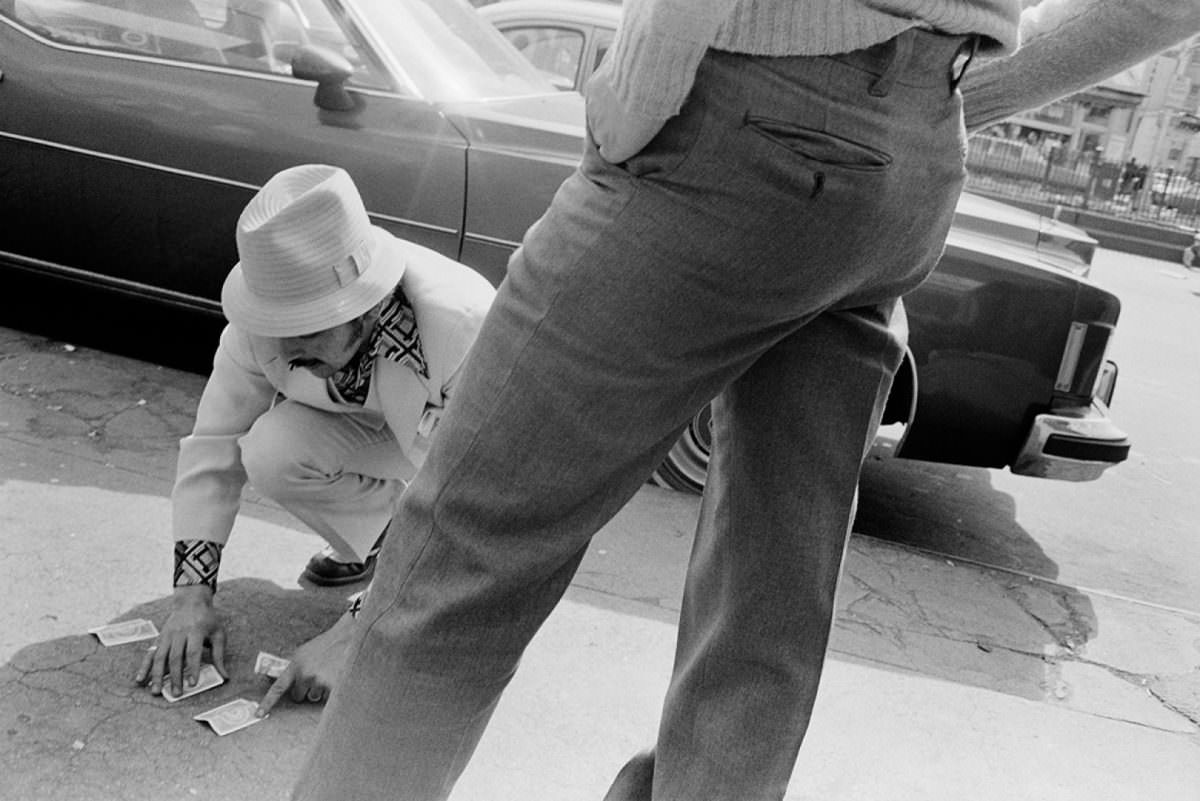
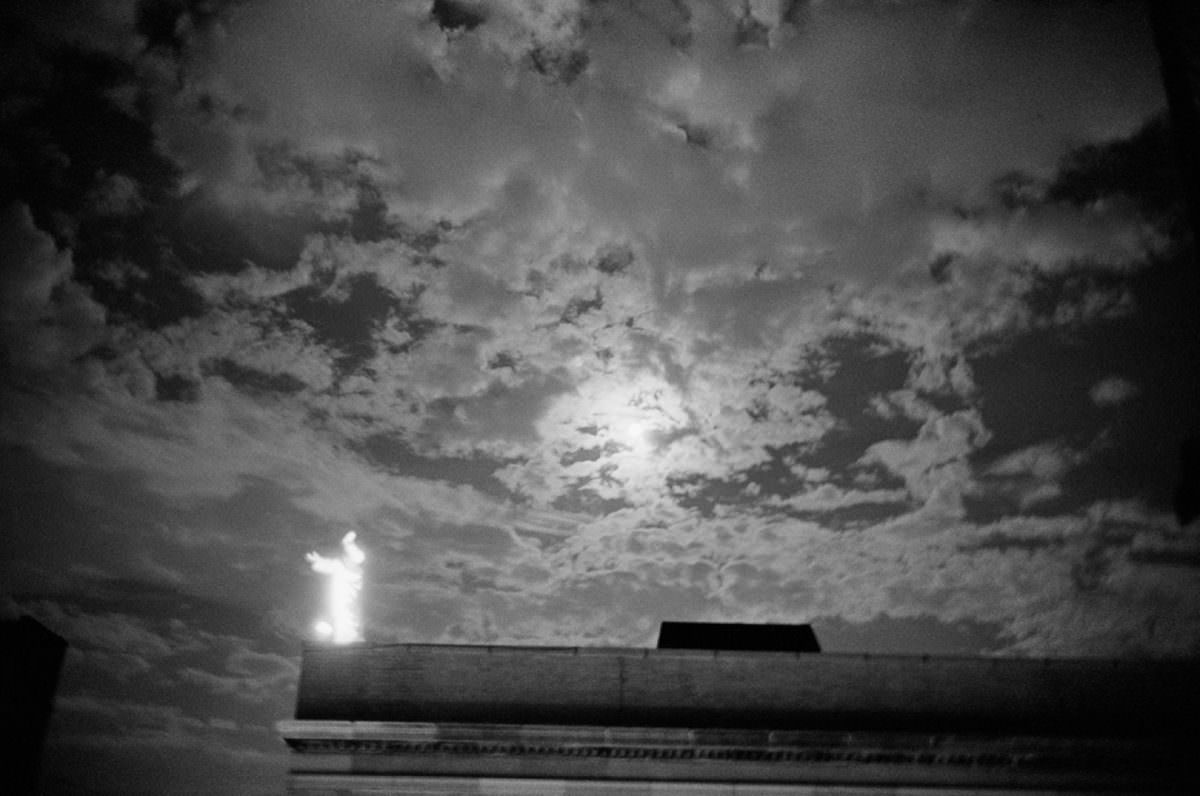
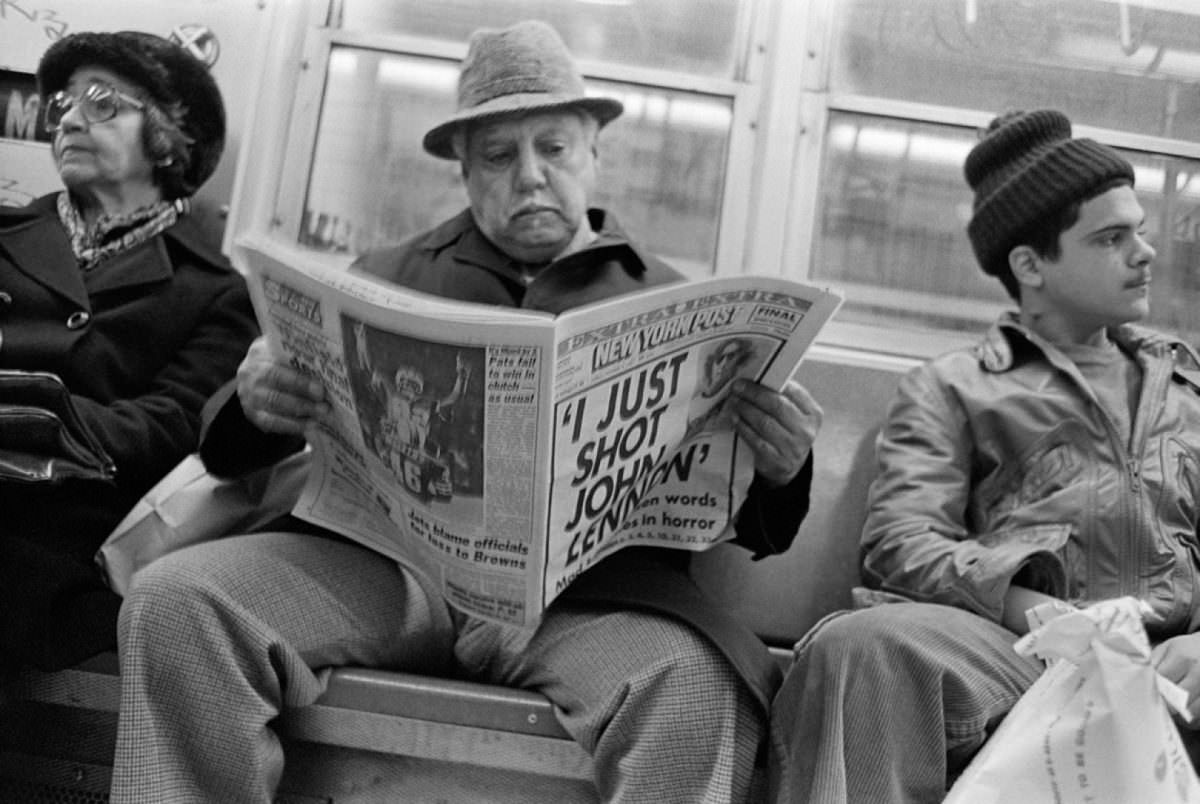
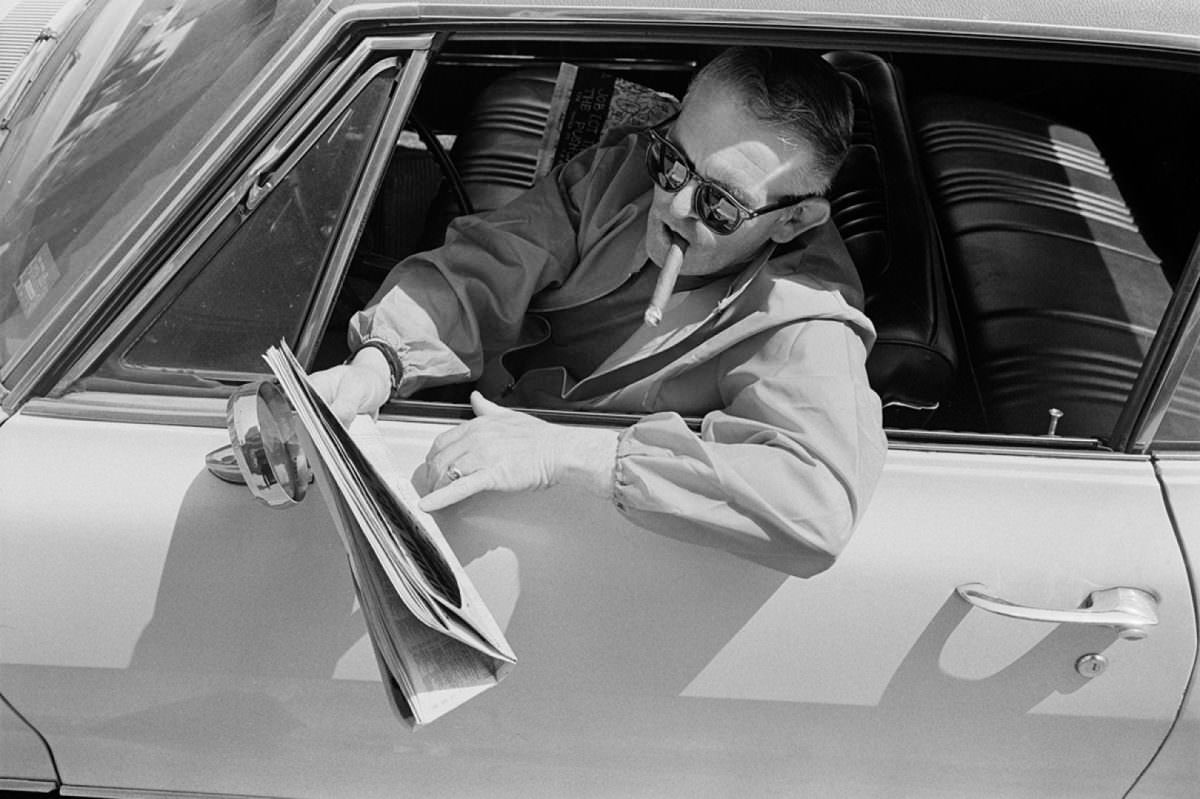
His approach was candid. He blended into the flow of the street rather than setting up shots, which meant the people in his photographs rarely look posed. A kid mid-jump, a vendor glancing sideways, two neighbors deep in conversation — these moments existed for a second and then were gone. Grazda’s skill was in being present and ready before they disappeared.
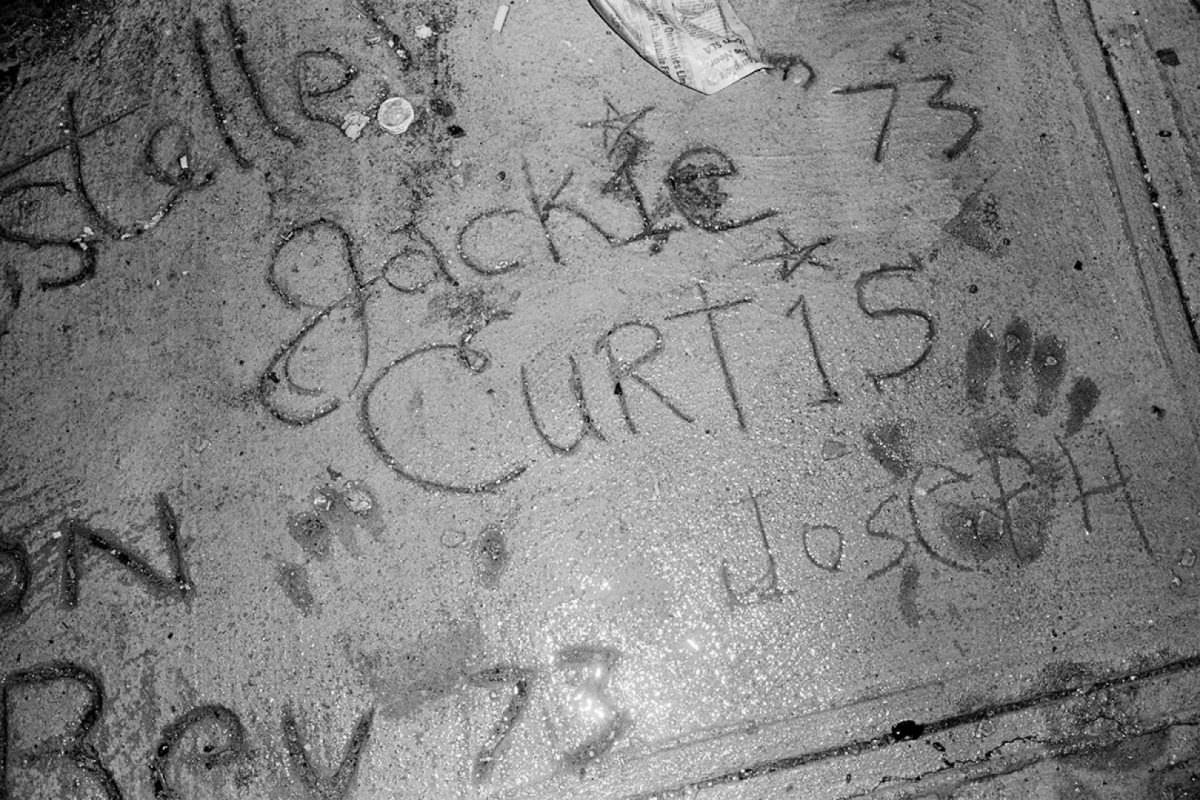
The city Grazda photographed was racially and economically mixed in ways that were often messy and unresolved. Different ethnicities and social classes shared the same blocks not out of harmony, but out of necessity. His photographs show that proximity without glossing over the tension or the hardship that came with it. A single frame from Houston Street in 1973 could carry more information about New York’s social fabric than paragraphs of description.
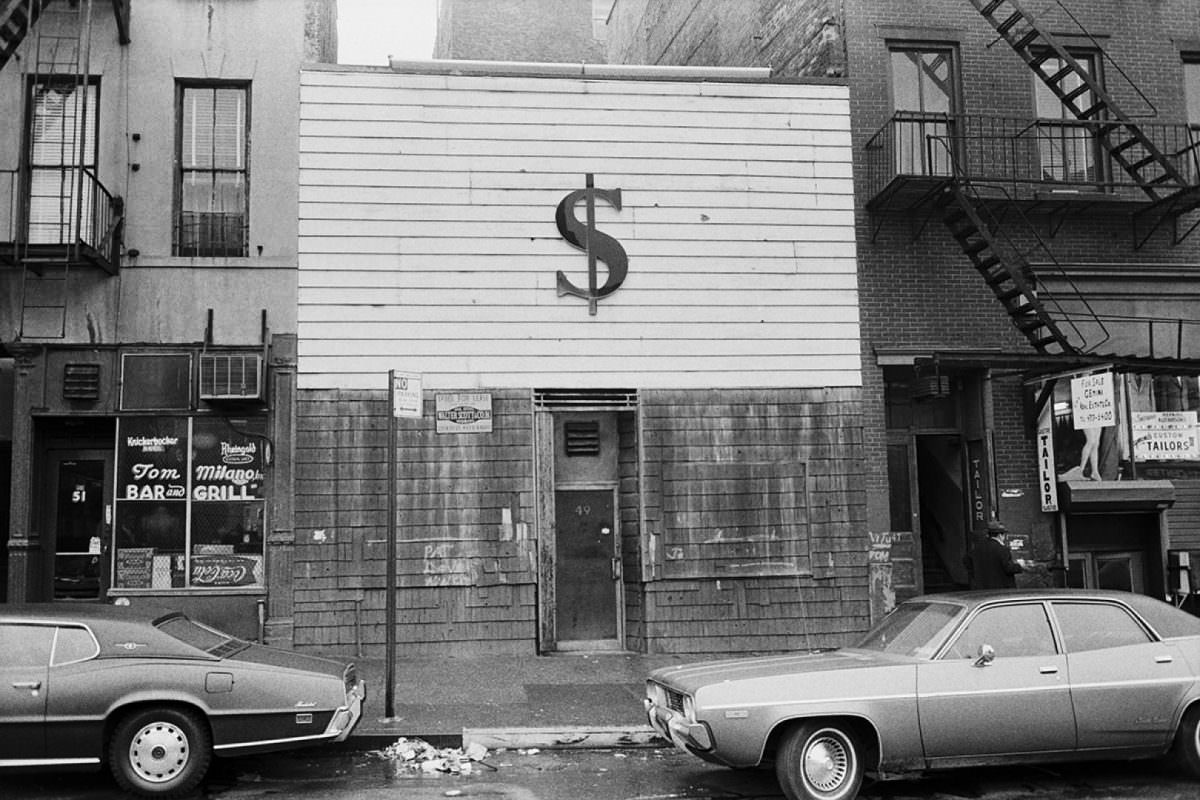
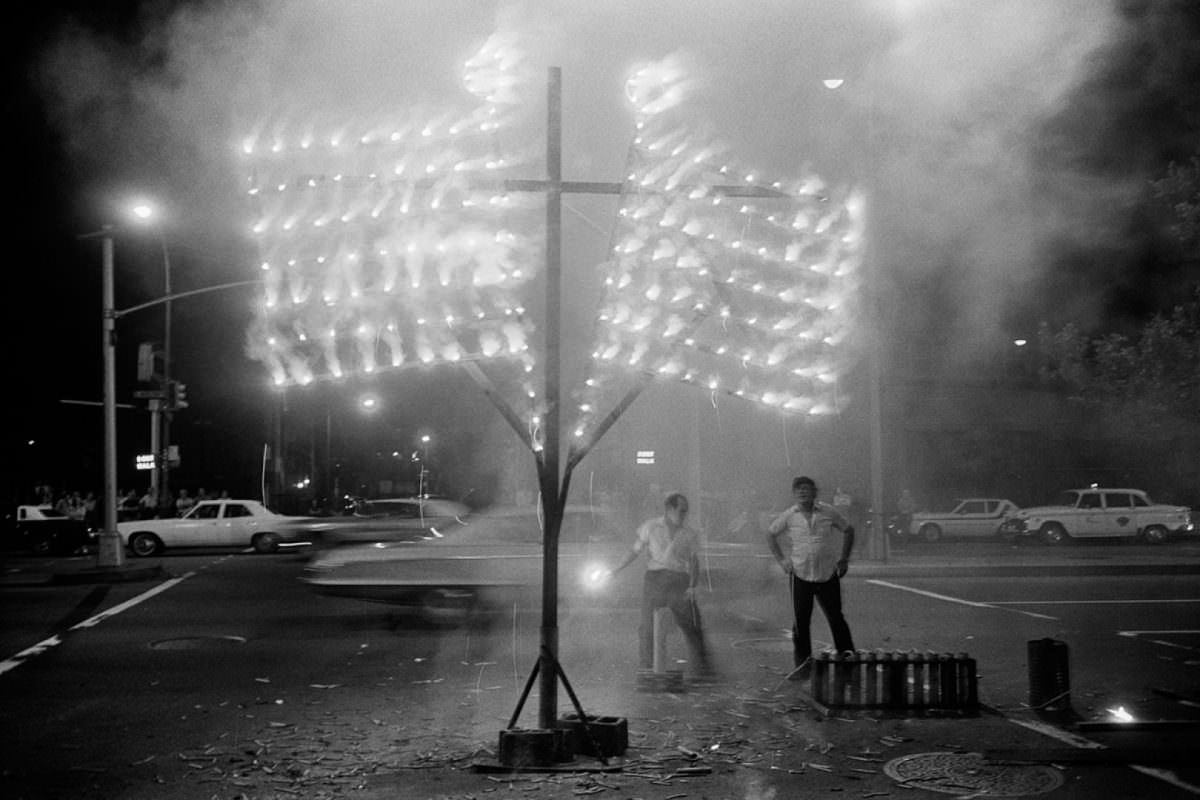
The Bowery in particular appears repeatedly in Grazda’s work. In the 1970s, it was known as a skid row — a stretch of Manhattan lined with flophouses, bars, and men who had nowhere else to go. Grazda photographed it without sentimentality. The people there are shown plainly, as part of the city’s full picture rather than as footnotes to it.
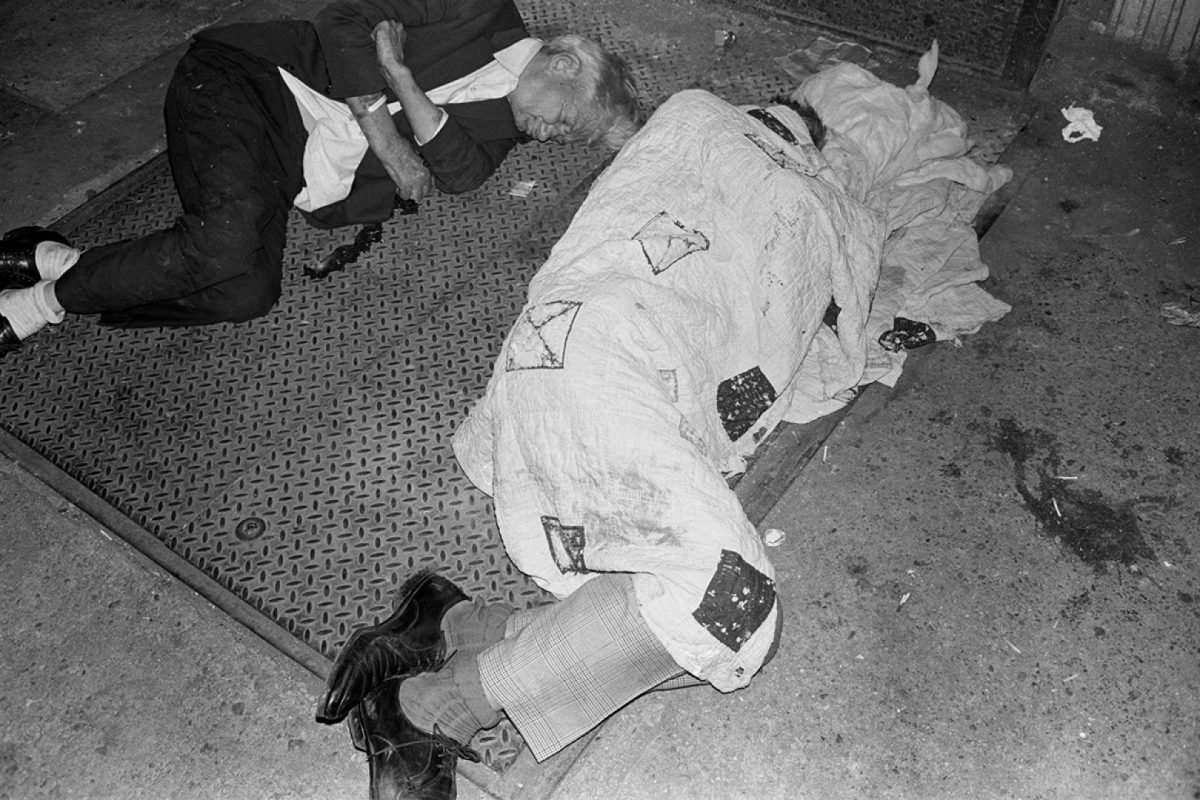
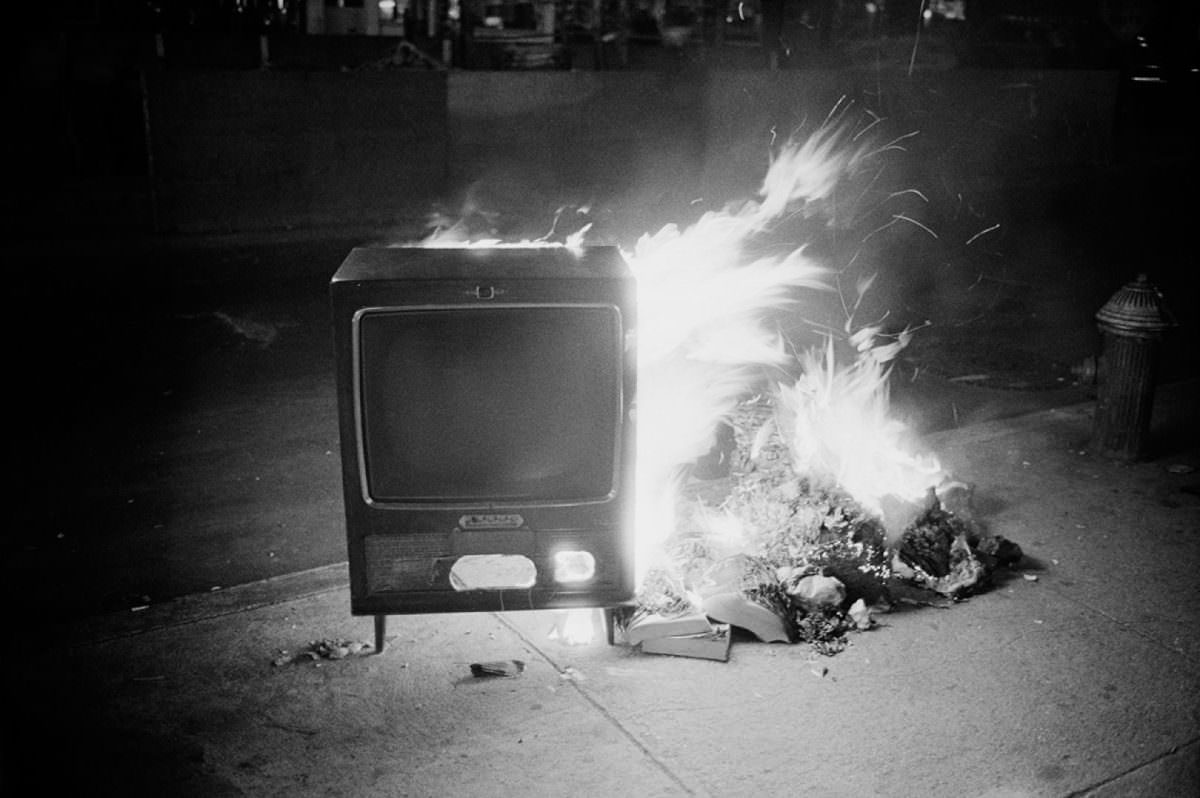
By the early 1980s, some parts of the city were beginning to shift, but slowly. The streets around Bleecker, Chrystie, and the Bowery still carried the worn-in character of the previous decade. Grazda kept photographing, building a body of work that now functions as a precise visual record of a New York that has largely been replaced by development and rising real estate prices.