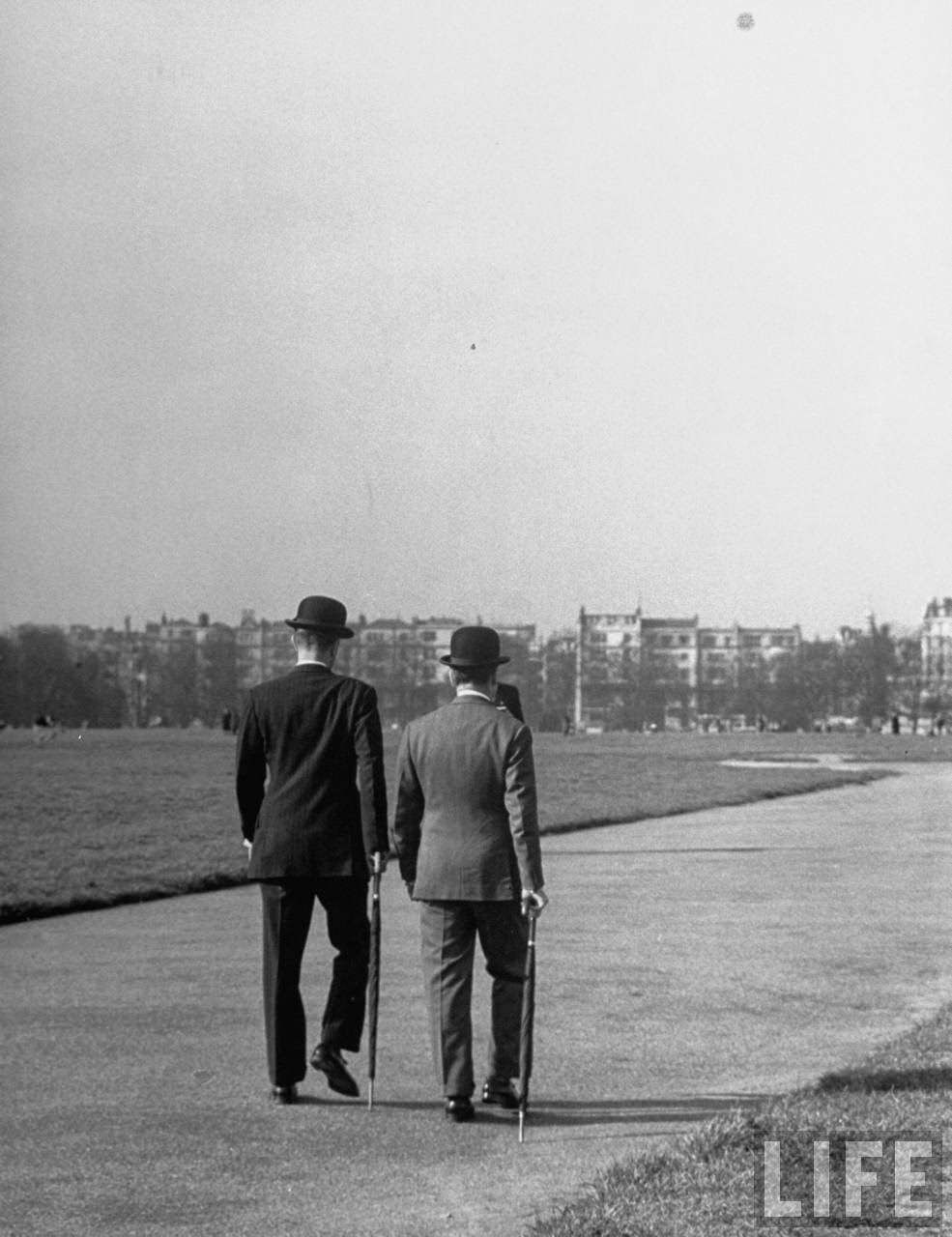
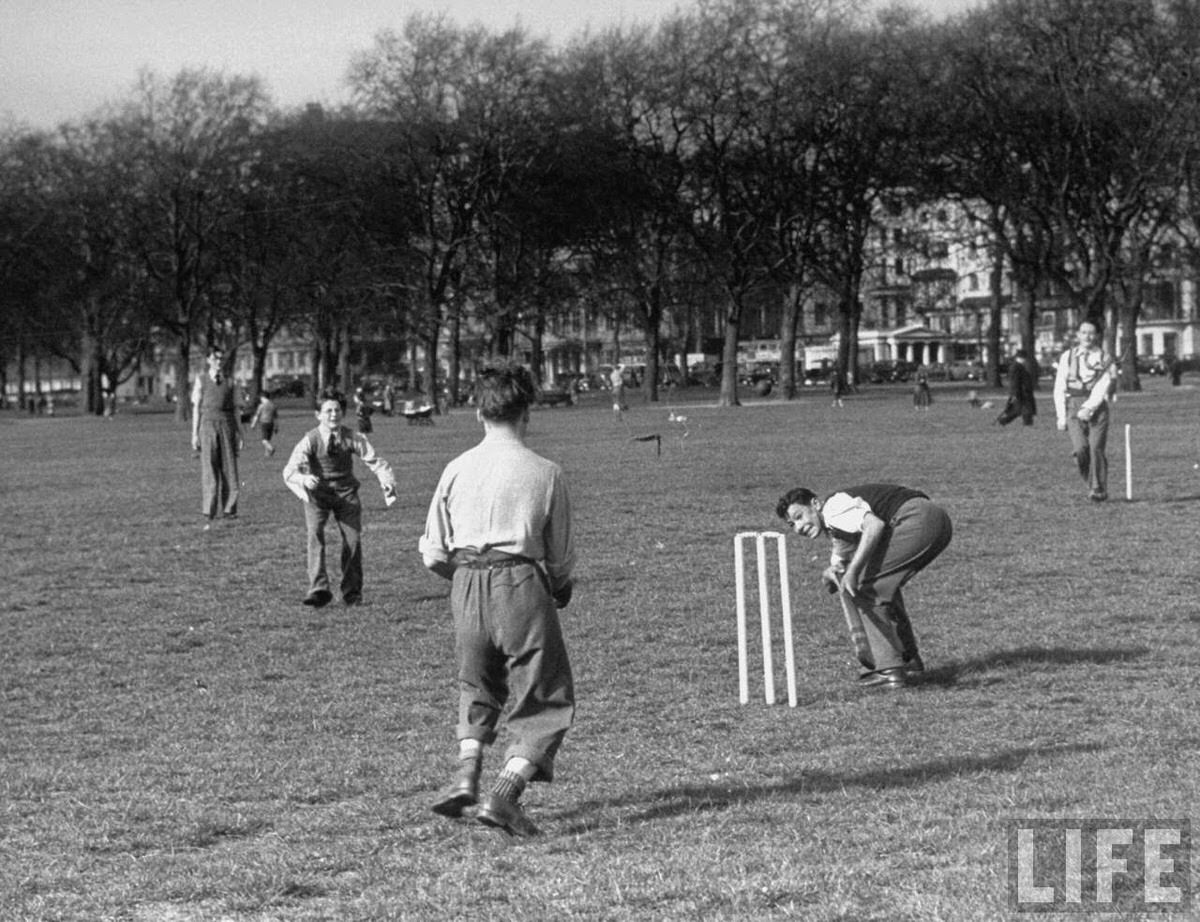
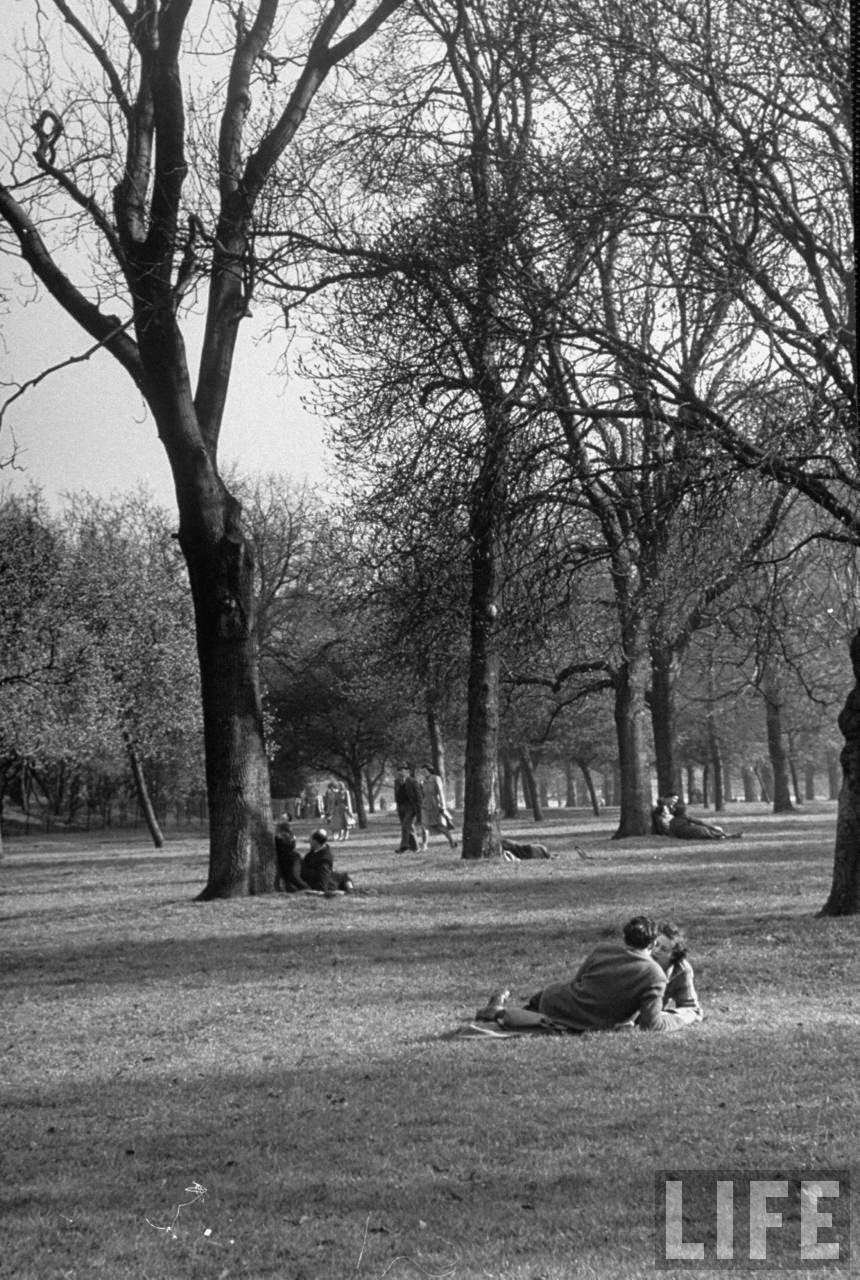
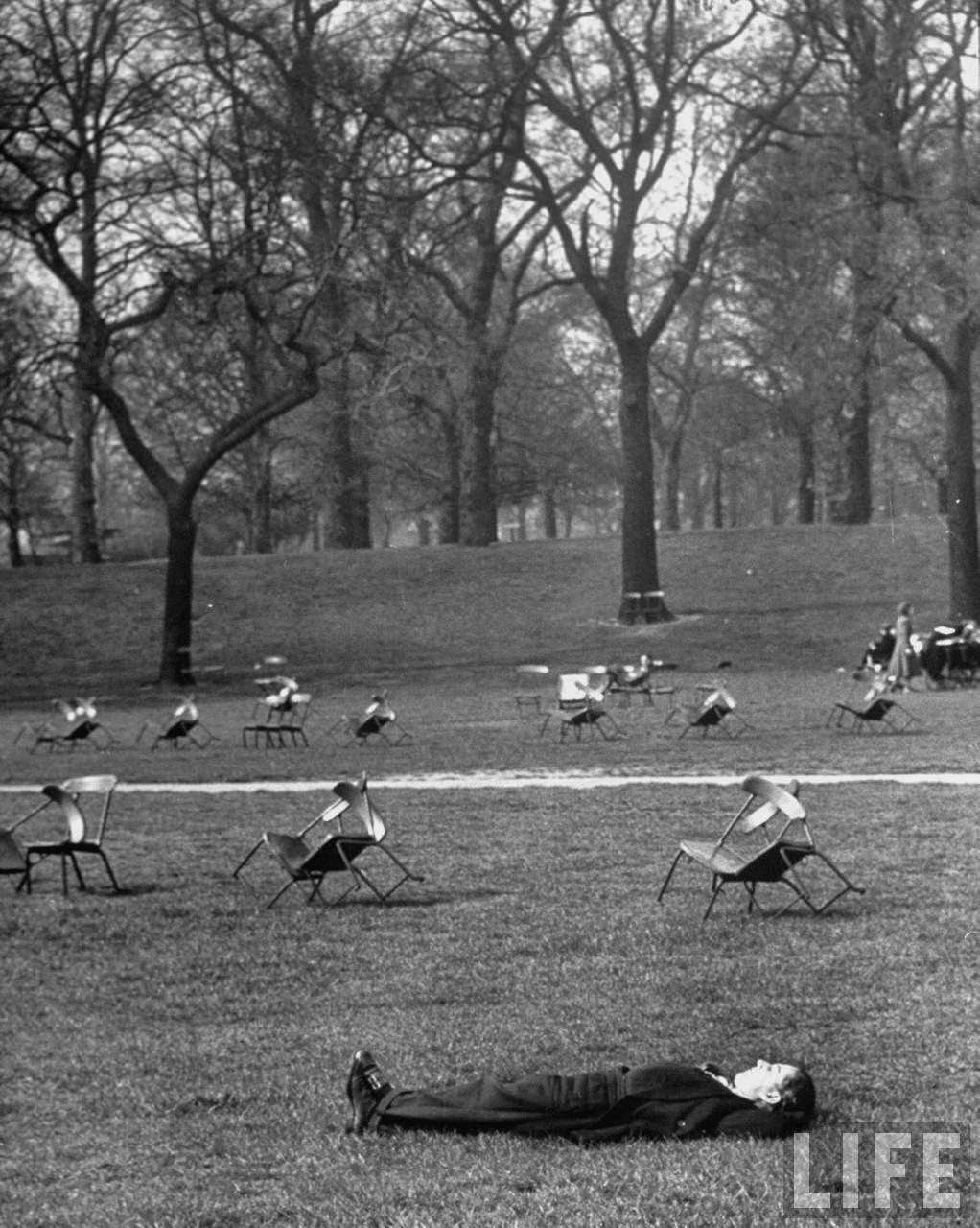
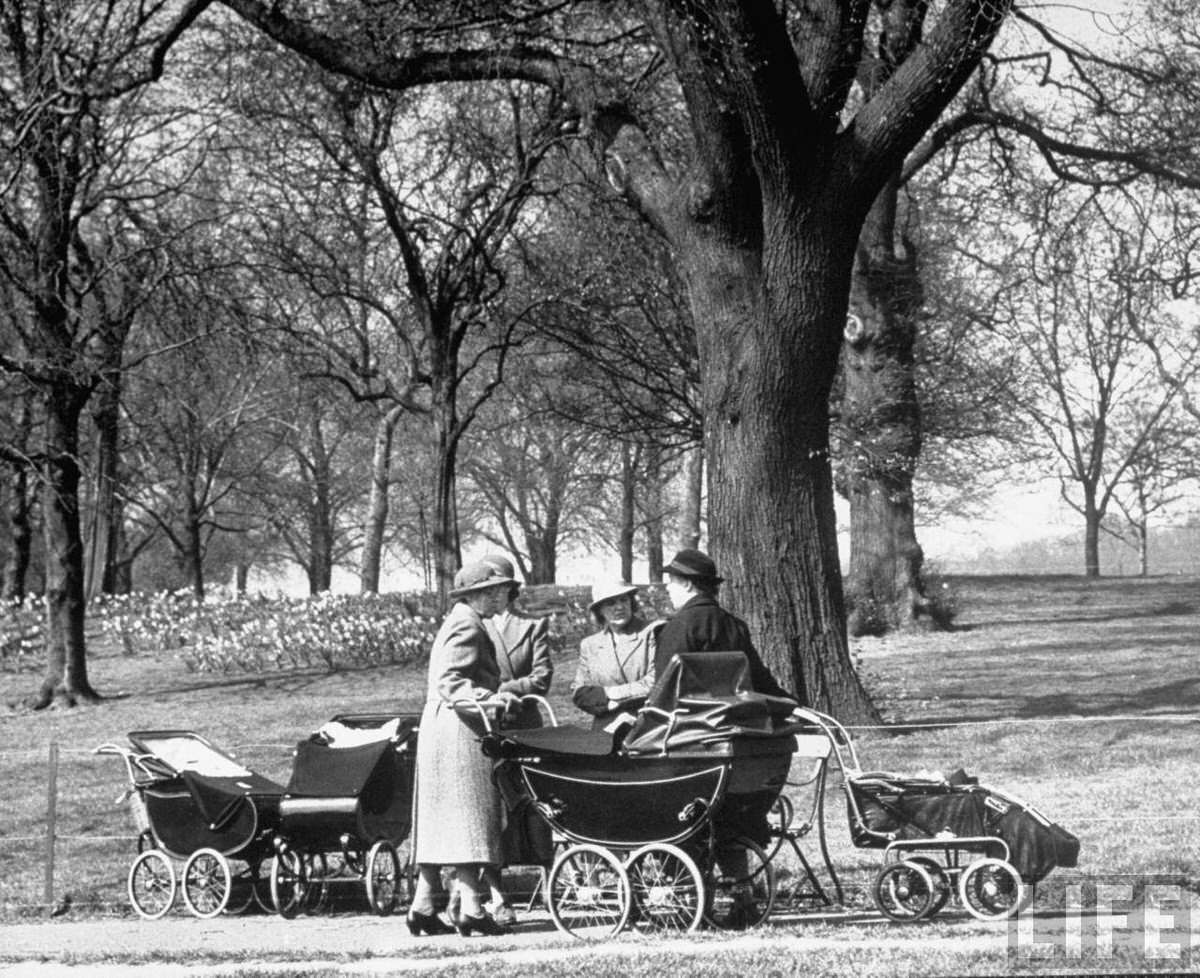
In 1951, Hyde Park was a lifeline for Londoners still living in the shadow of World War II. The 350-acre park sat at the center of a city where bombed-out buildings were a common sight in surrounding neighborhoods. Yet inside the park’s boundaries, everything was orderly, green, and alive. People from every class — factory workers and city professionals alike — came here to breathe, socialize, and forget the hardships of the postwar years.
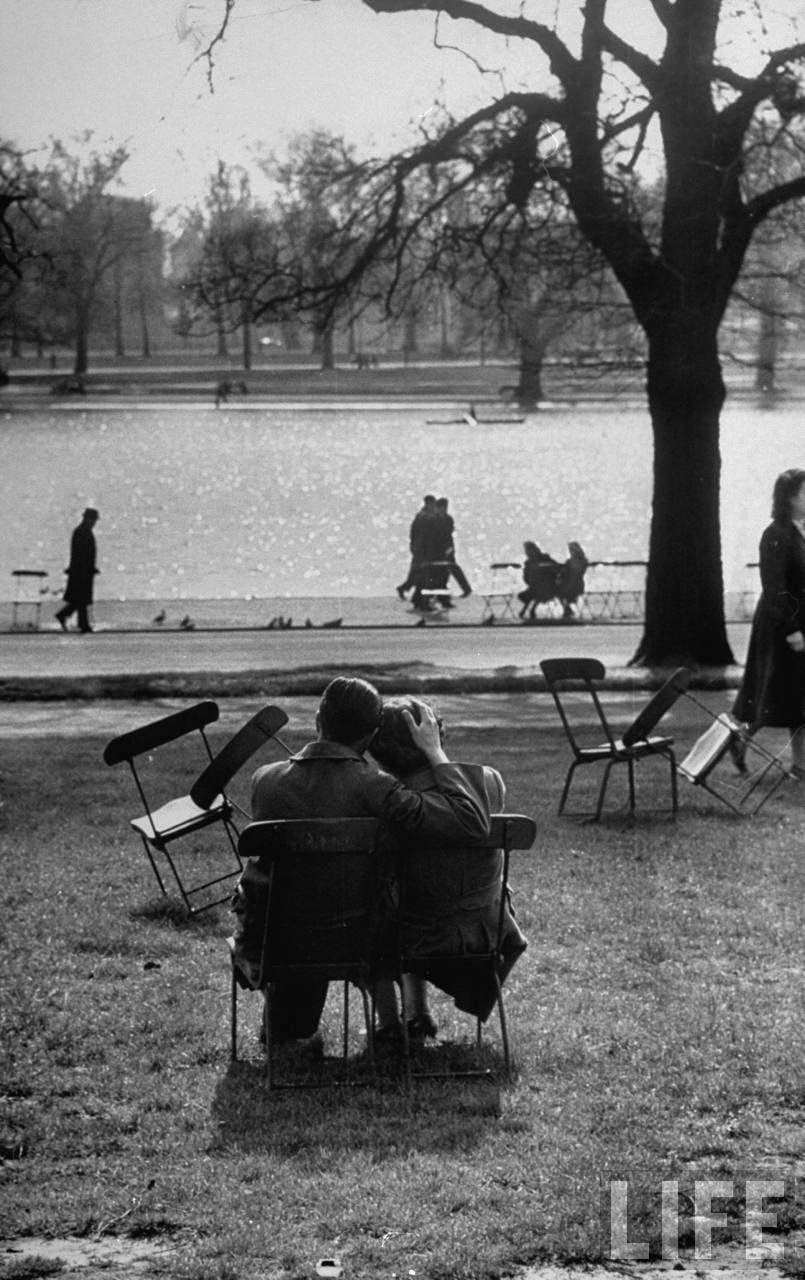
1951 was the year of the Festival of Britain, a national exhibition designed to signal that the country had turned a corner after the war. While the main event was staged on the South Bank of the Thames, Hyde Park absorbed millions of visitors who needed space to rest between exhibition halls. Gardeners kept the flower beds along Park Lane packed with tulips and geraniums, making a strong impression on international guests.
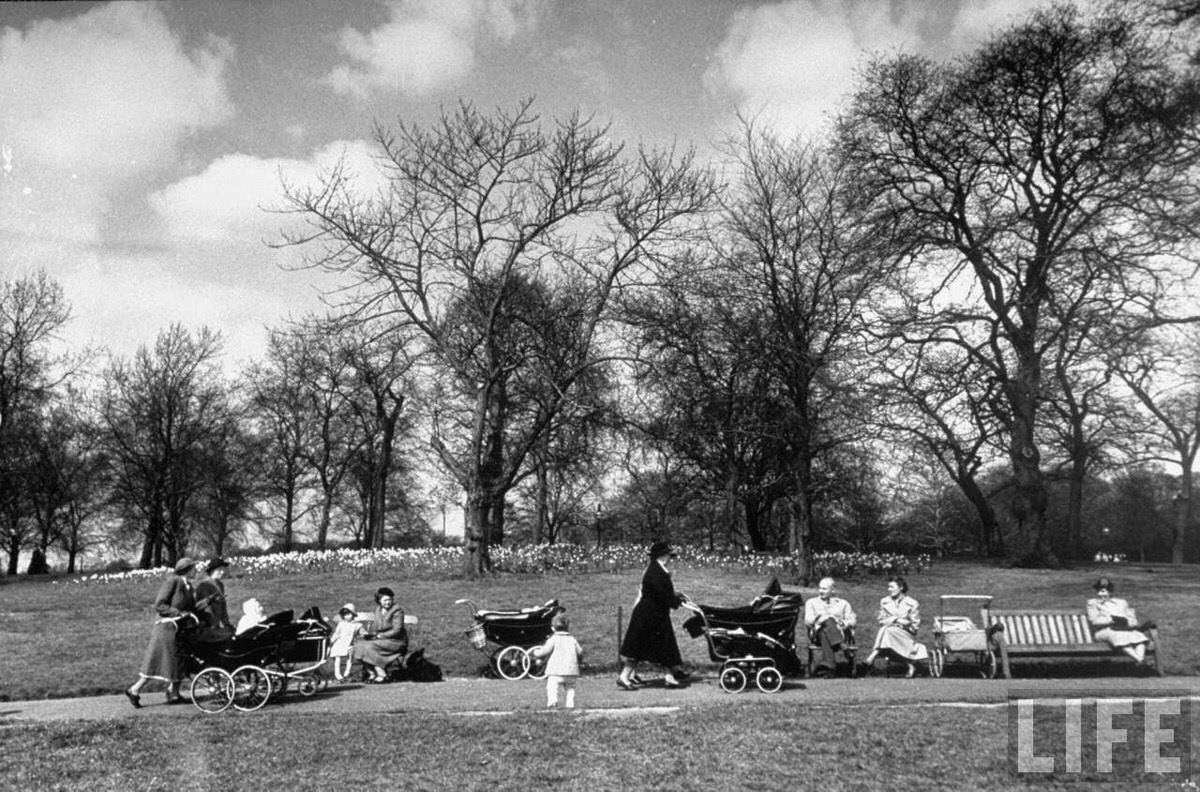
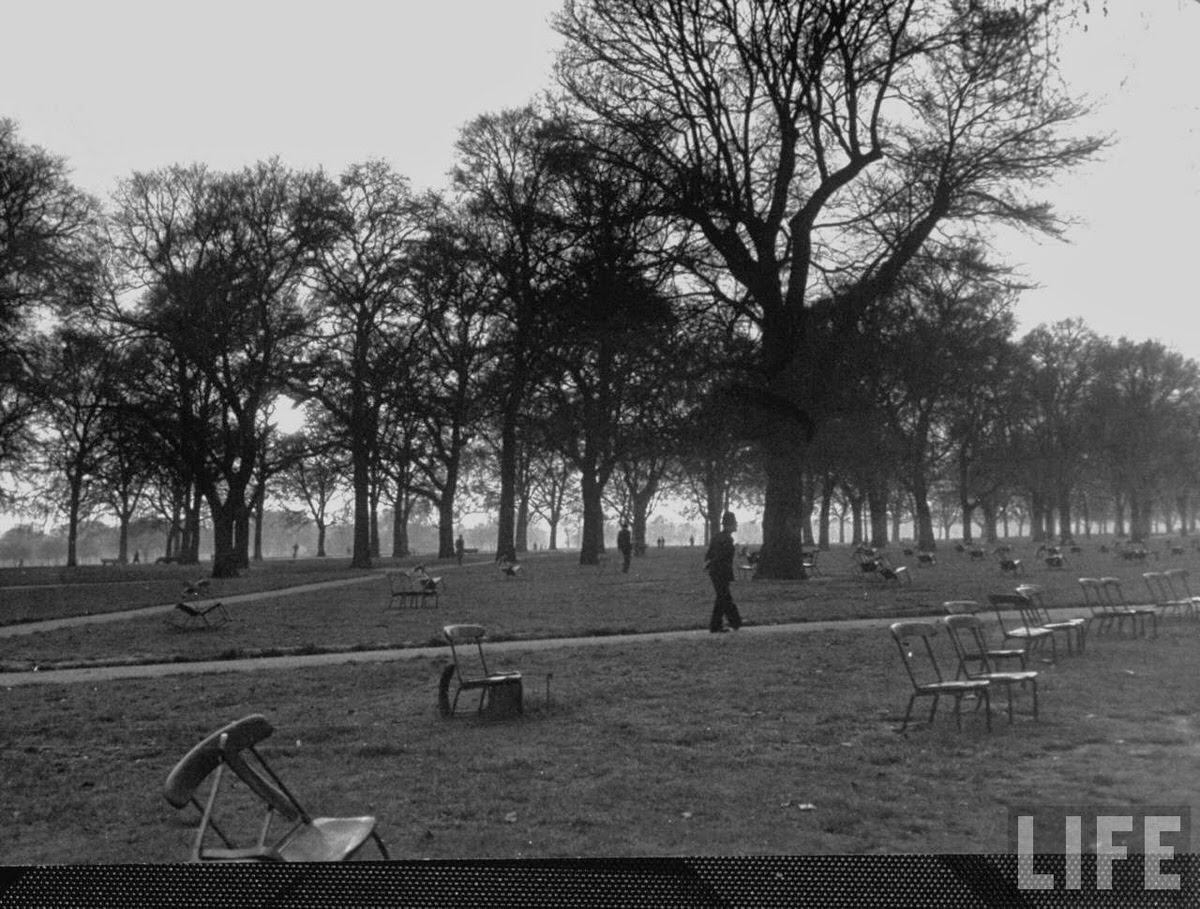
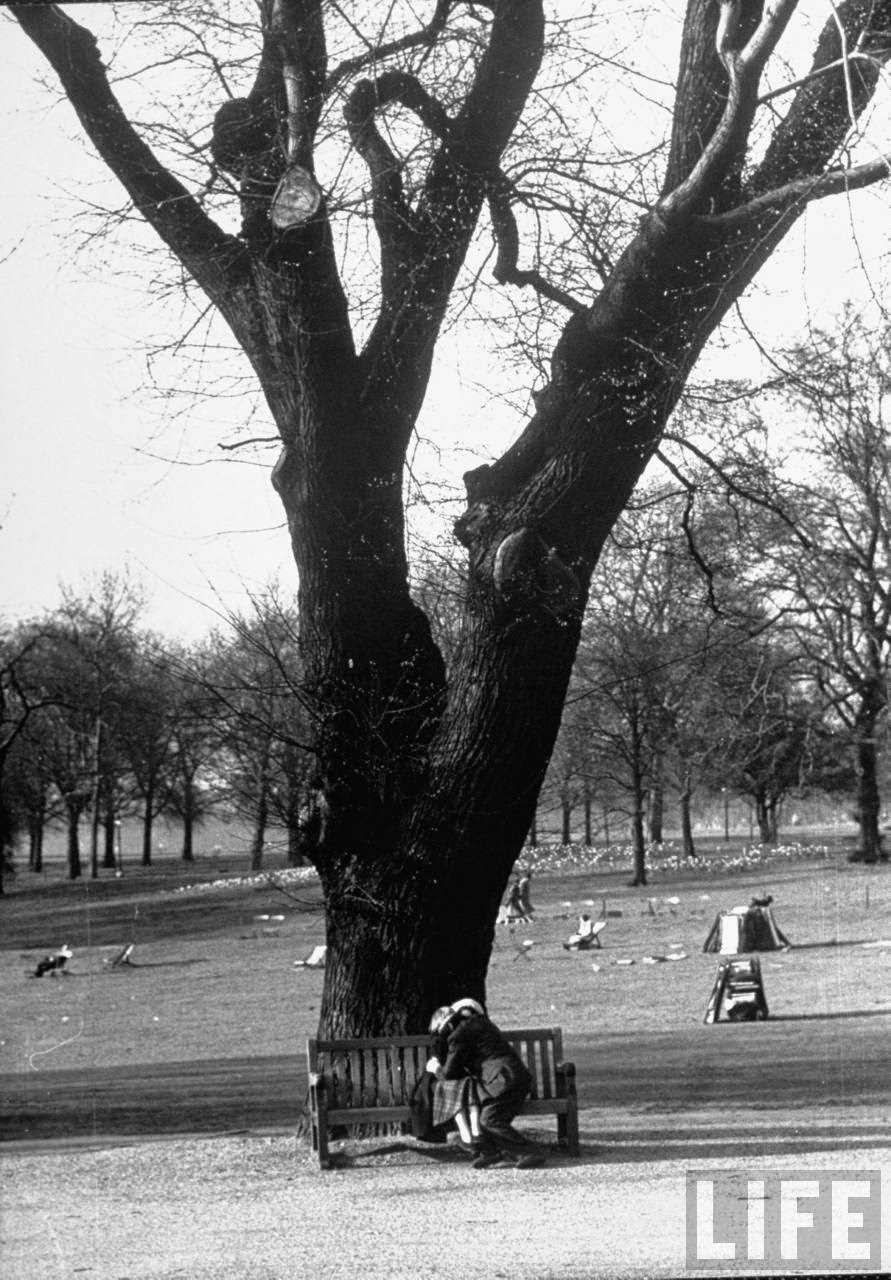
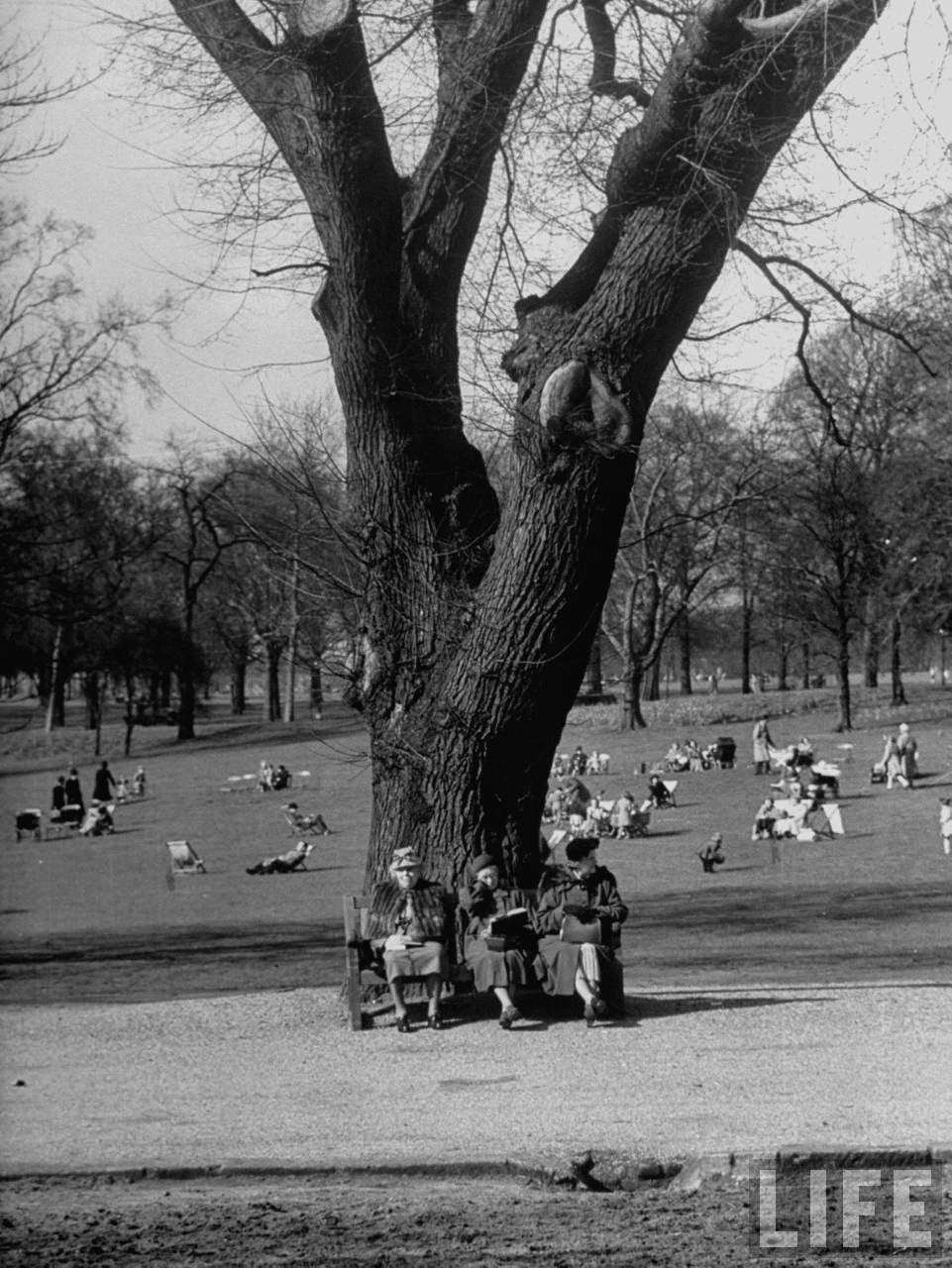
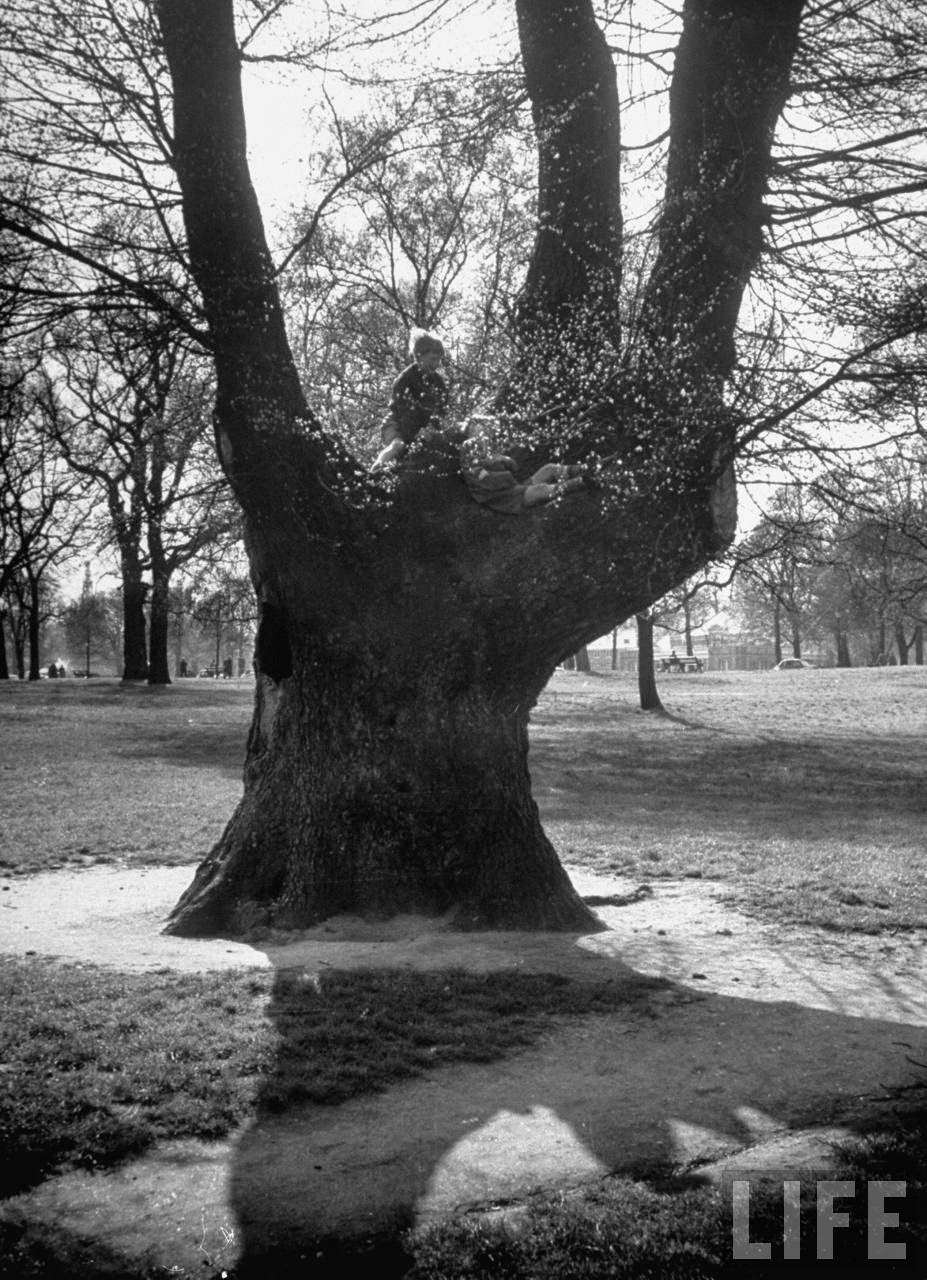
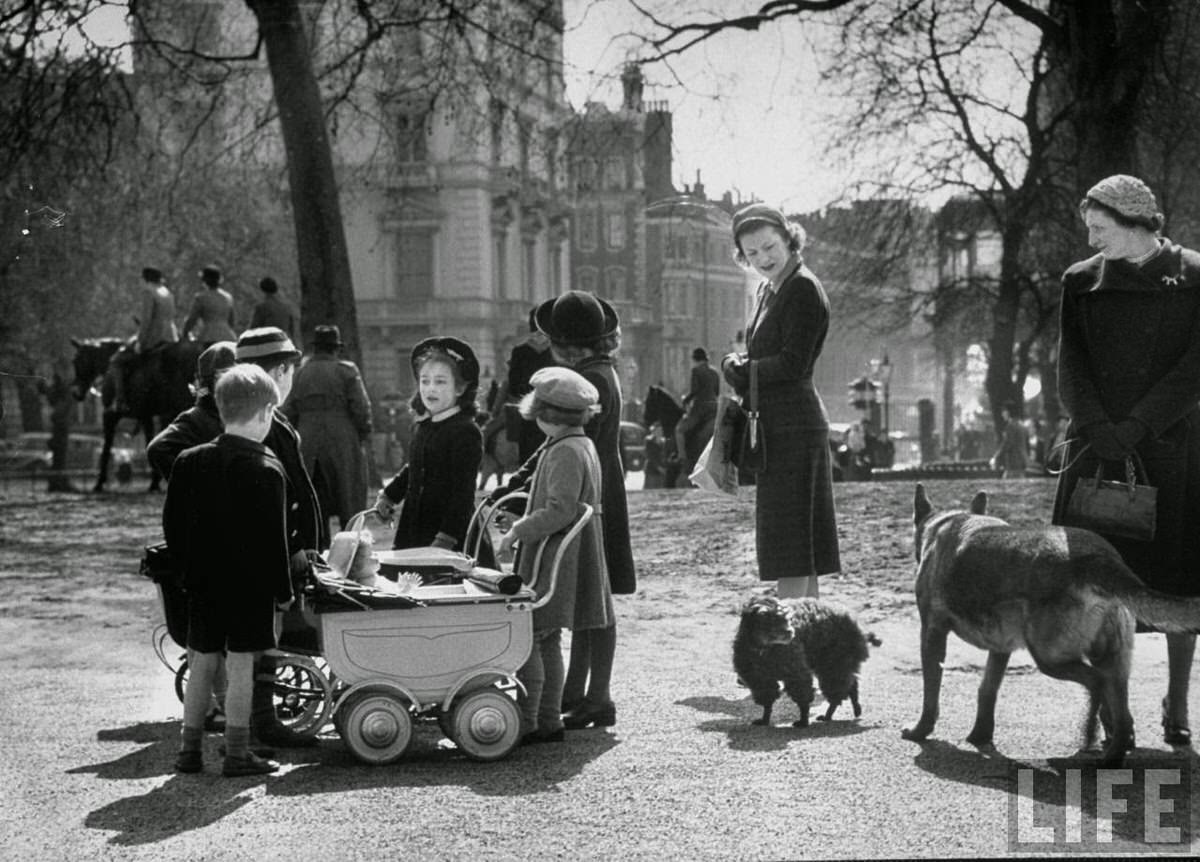
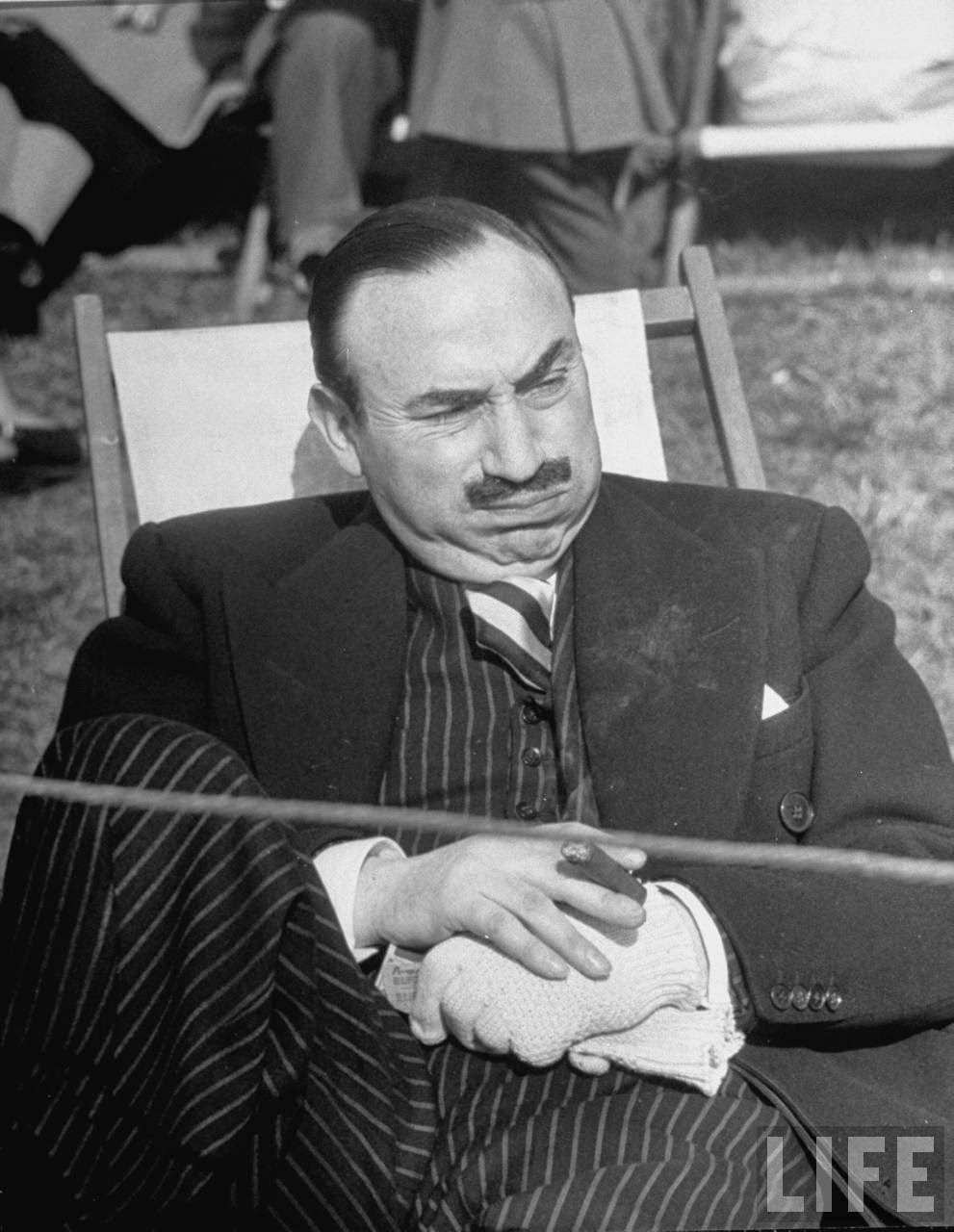
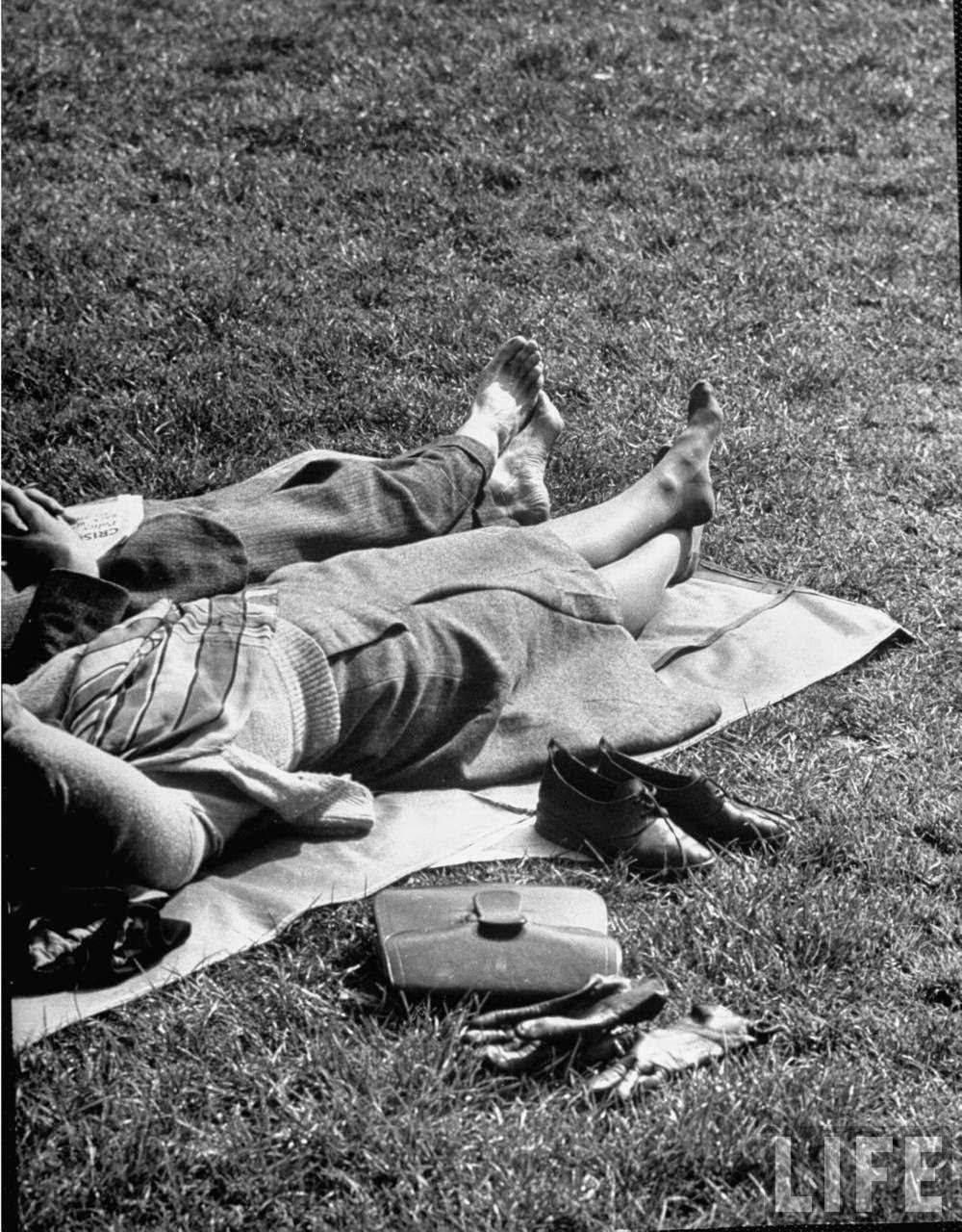
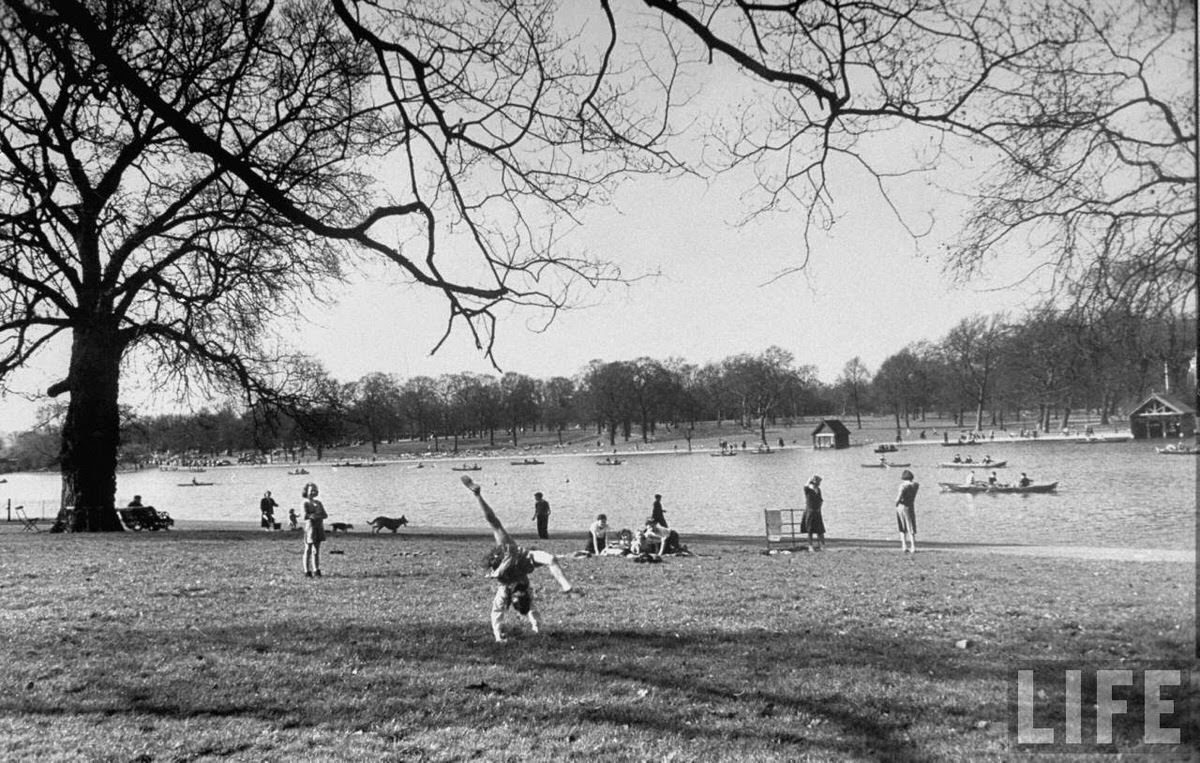
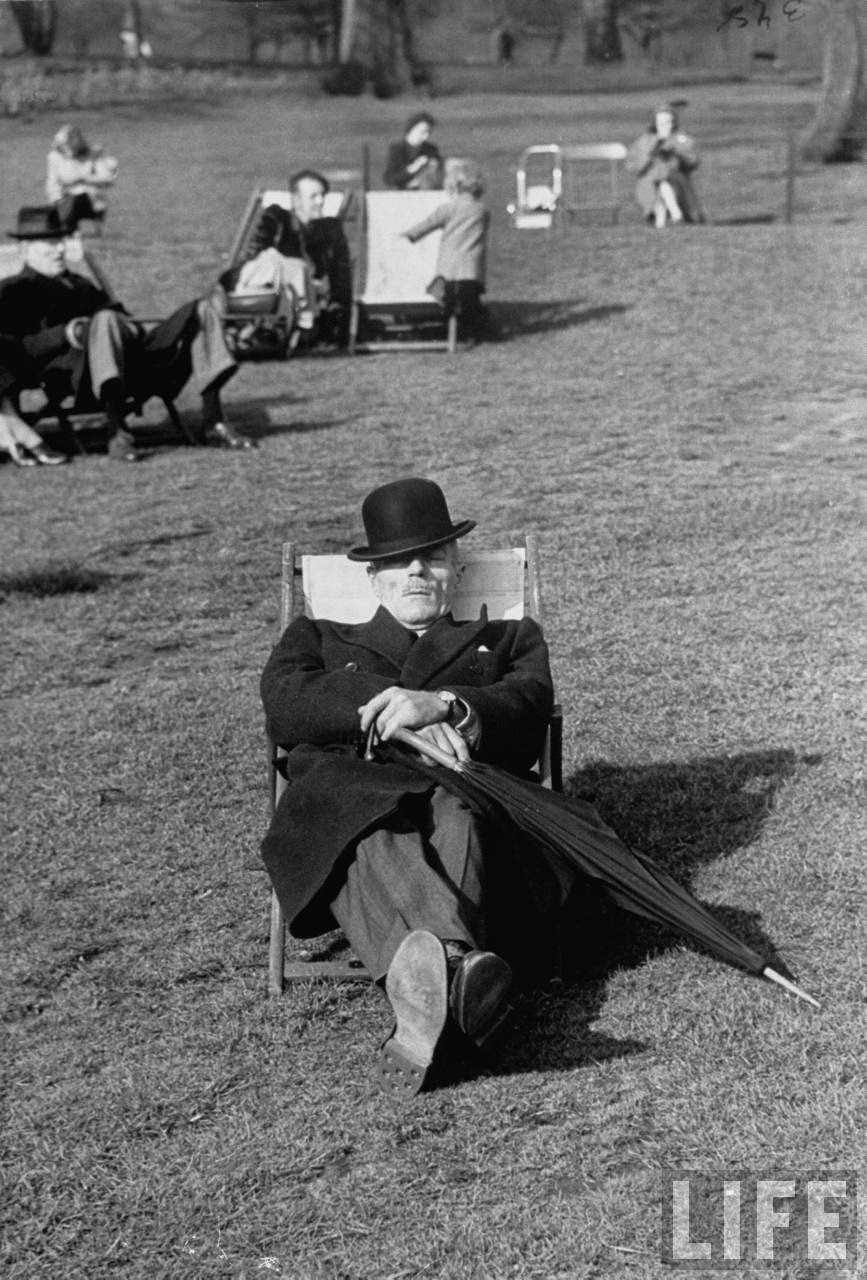
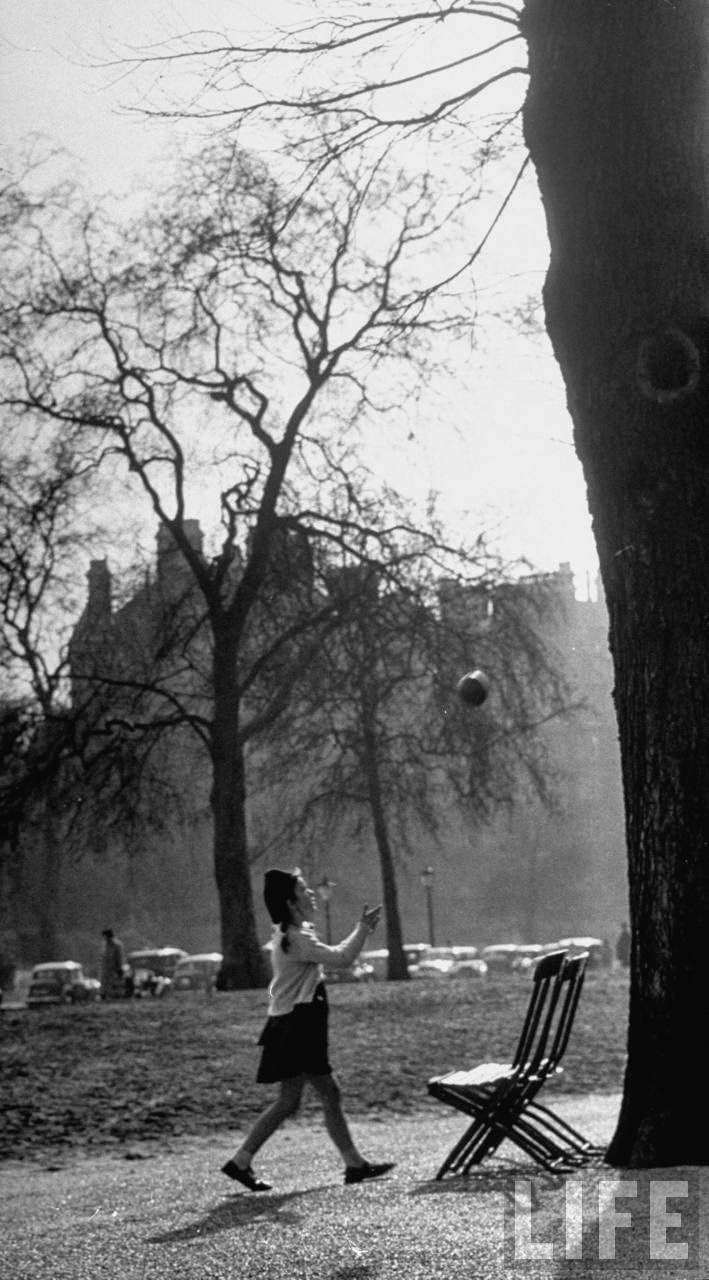
For many Londoners, the park was simply where daily life happened outdoors. Couples strolled. Mothers pushed prams. Men stretched out on the grass to catch some sun.
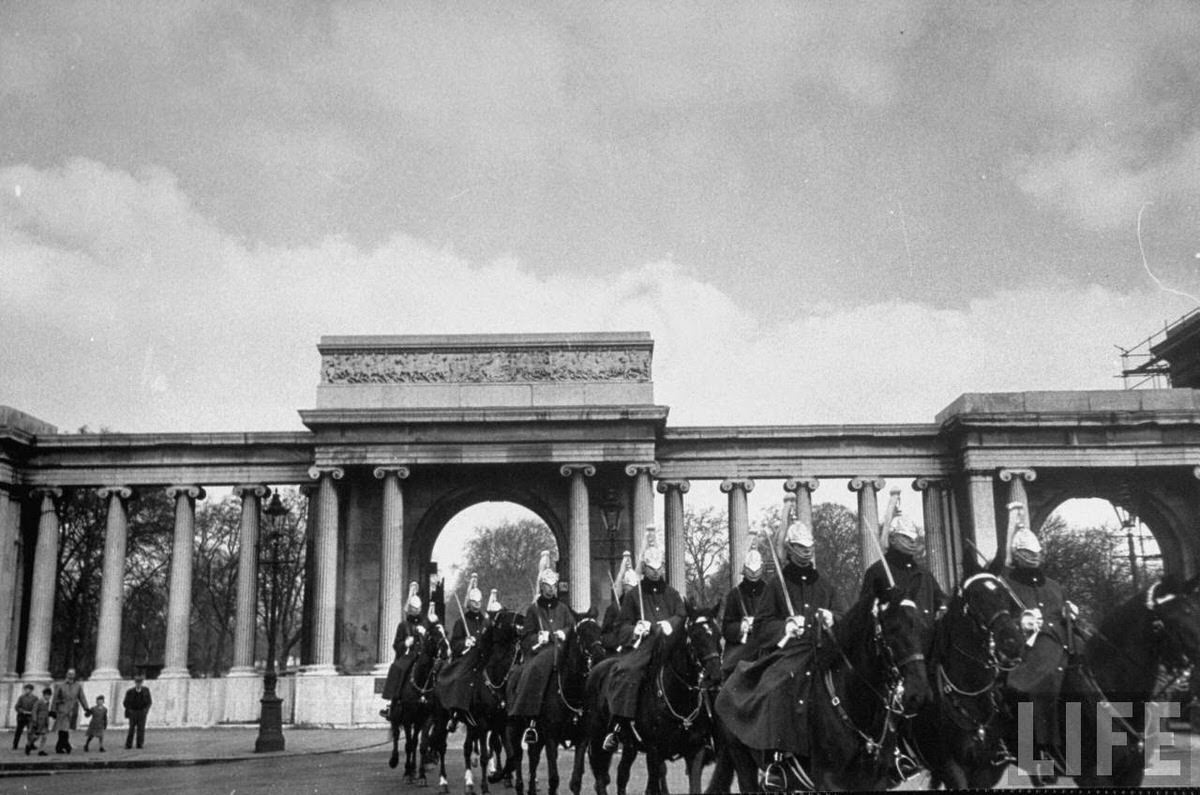
The park also hosted more formal spectacles. The British Army regularly exercised their horses through Hyde Park, a tradition that drew onlookers and added a sense of national pride to the grounds.
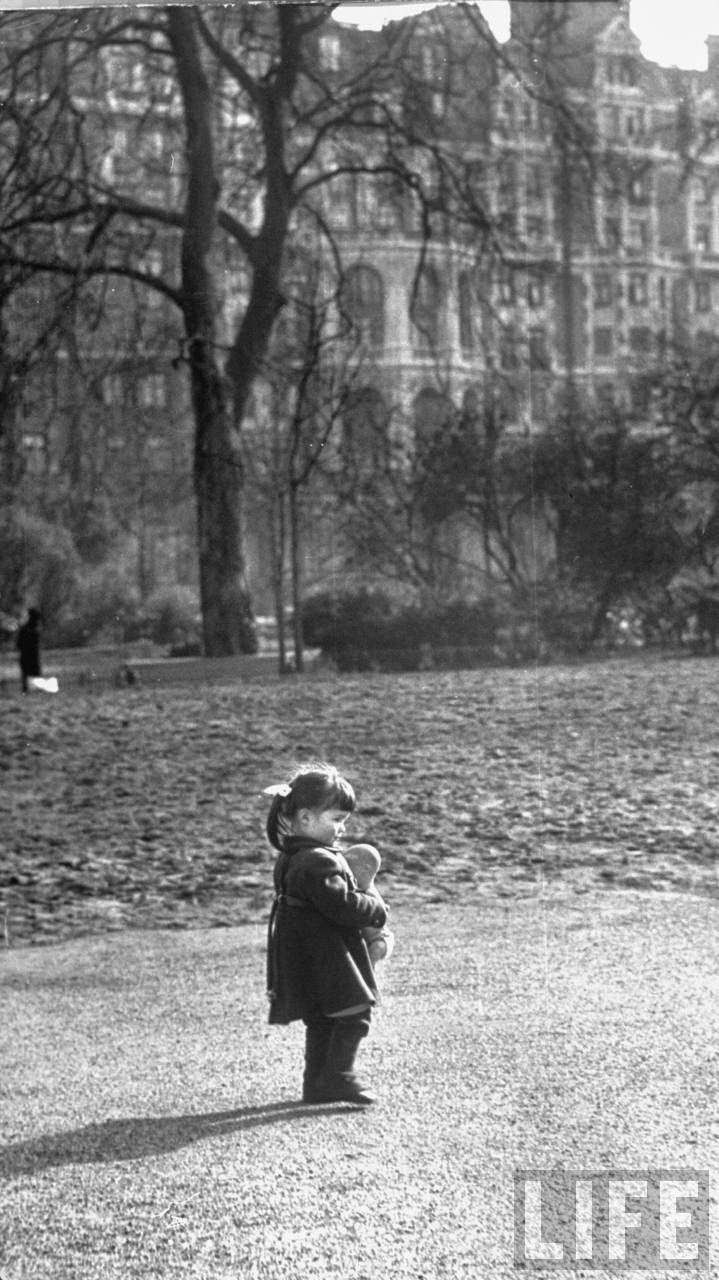
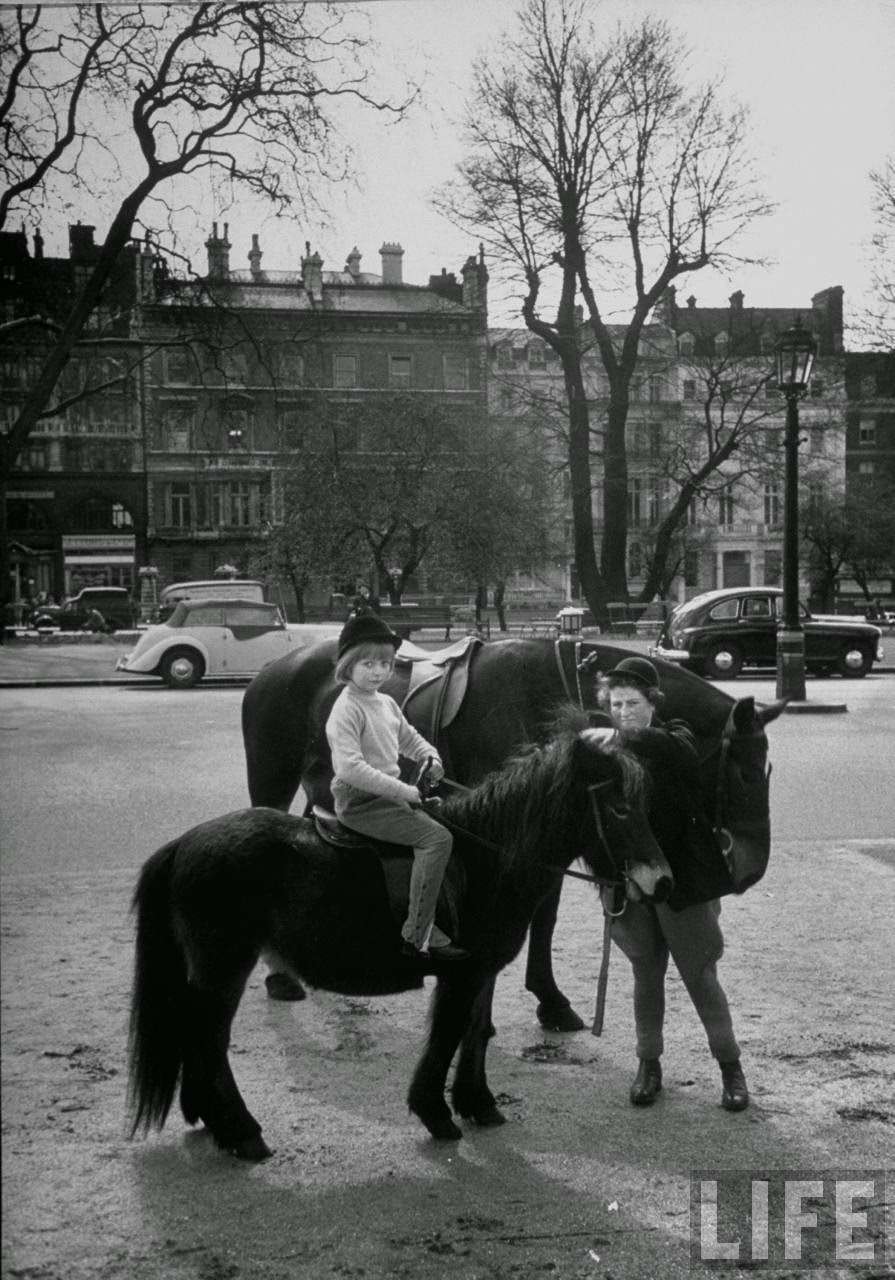
Horseback riding was a leisure activity available to those with means. Rotten Row, the park’s famous riding trail, remained a popular destination for riders of all ages in 1951.
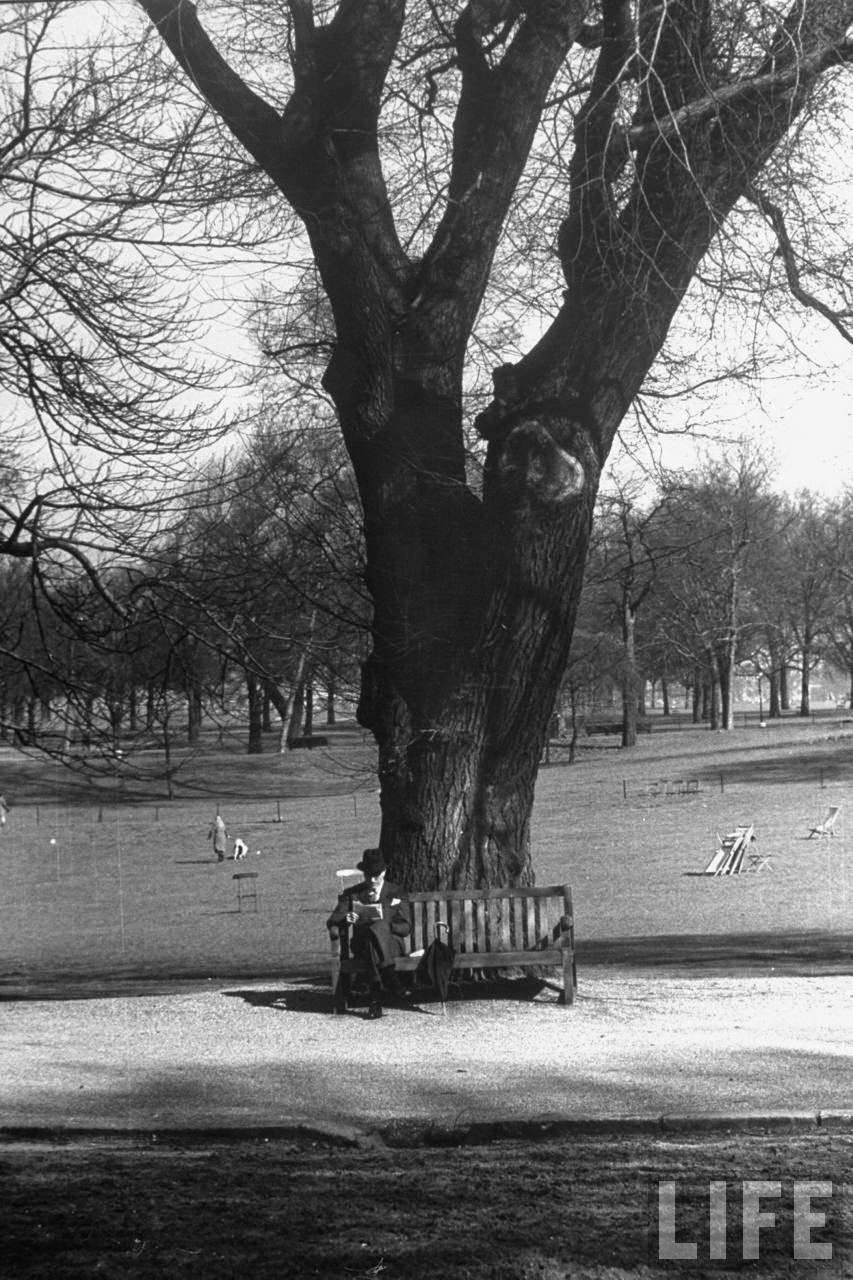
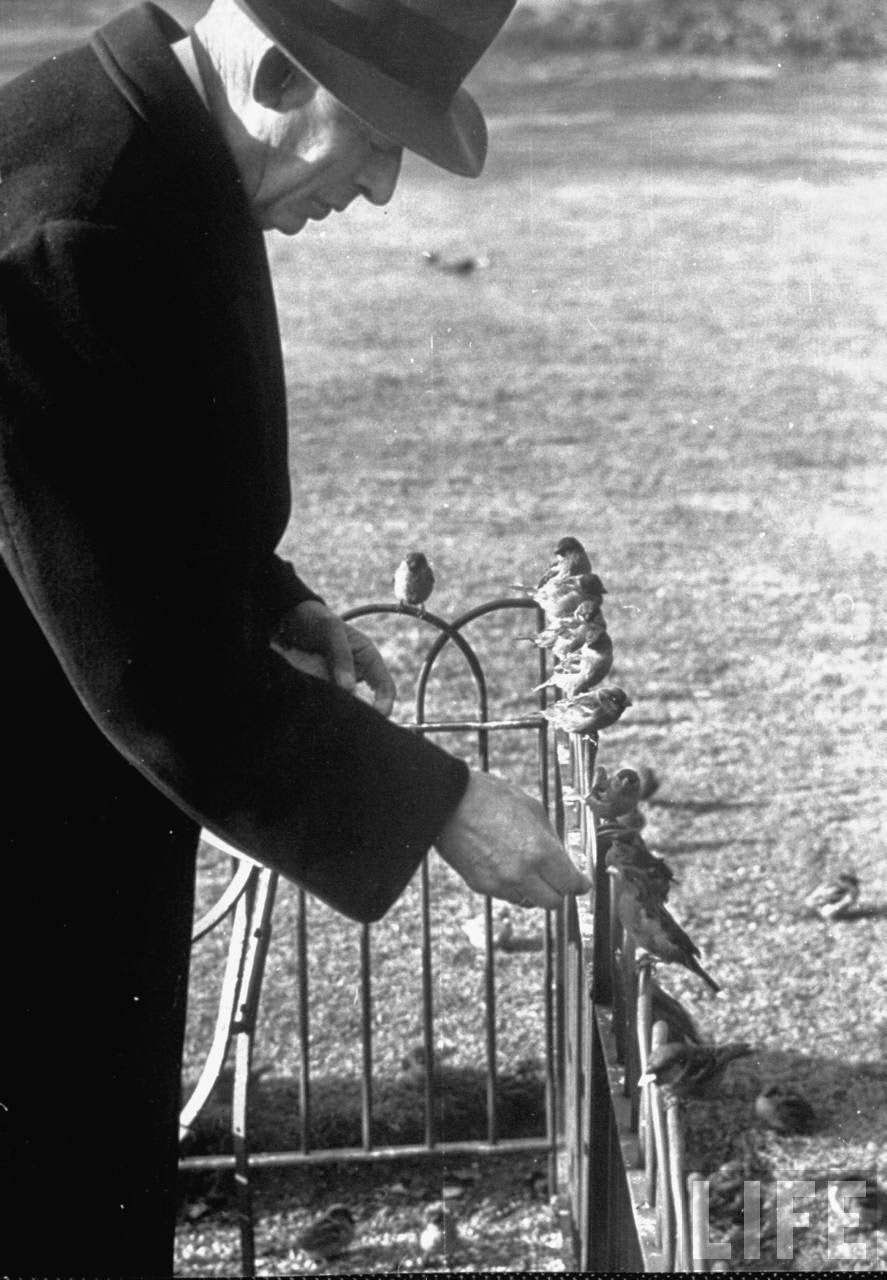
Quieter corners of the park drew those who simply wanted solitude — a bench, some bread for the birds, and a moment of peace away from city noise.
Near Marble Arch, Speakers’ Corner was one of the park’s most electric spots. Every Sunday, dozens of speakers climbed soapboxes and small ladders to address open crowds. The debates were sharp — the Korean War, Labour government policies, religion, and socialism all drew passionate arguments. Heckling was expected and welcomed. Working-class men in flat caps stood shoulder to shoulder with suited professionals, all there to listen or shout back. Police patrolled on foot to keep things from turning physical. For the many Londoners who still didn’t own a television, Speakers’ Corner was both news and entertainment.