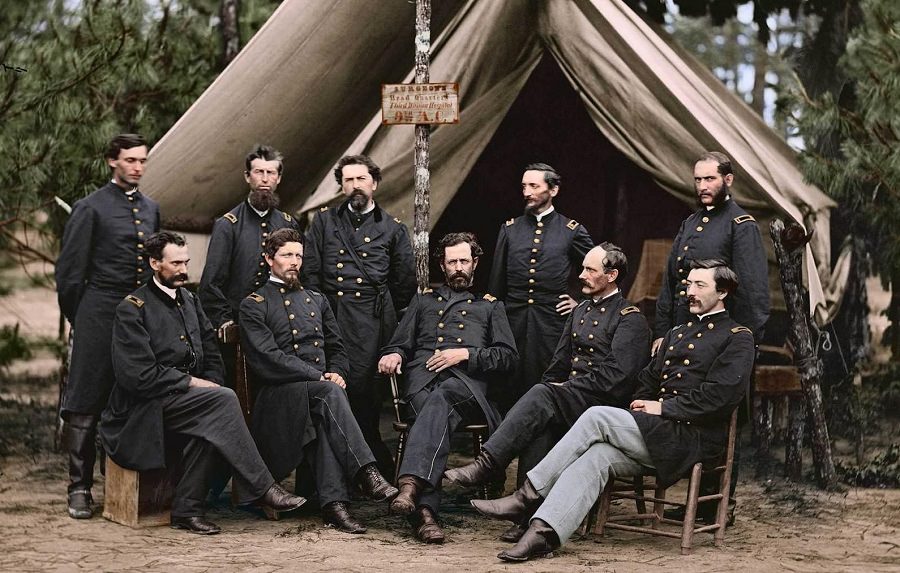
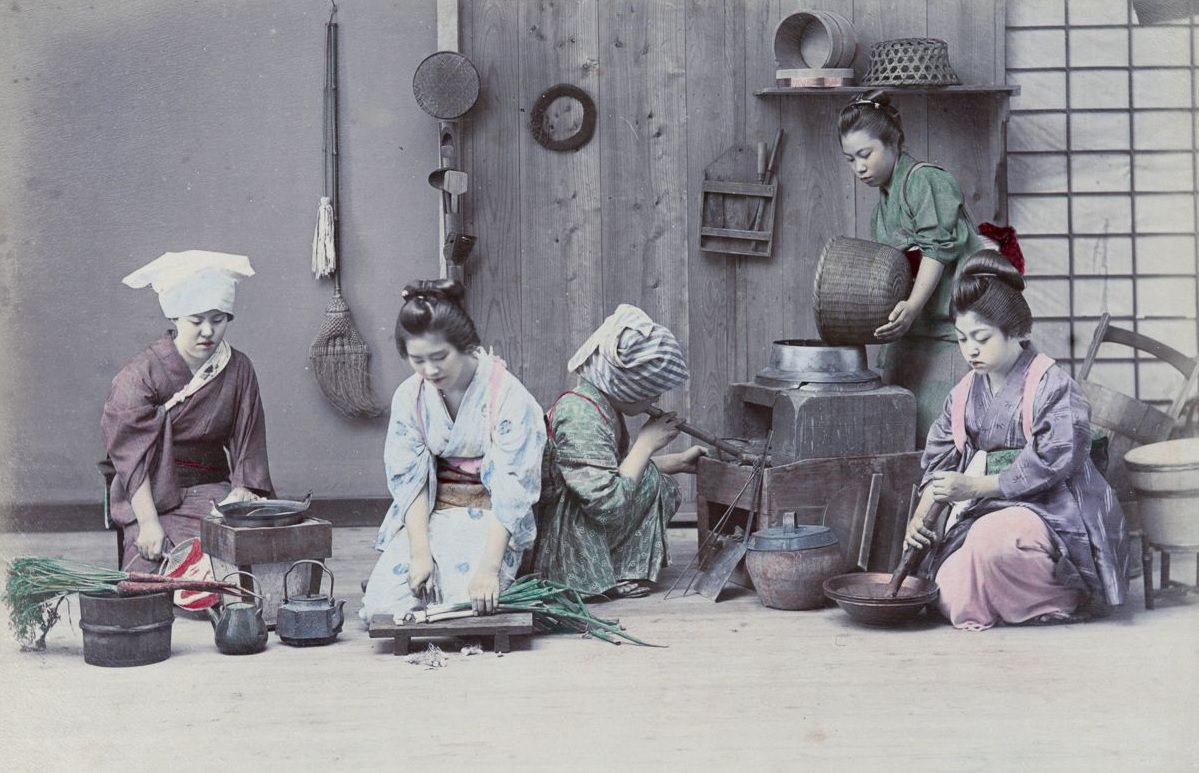
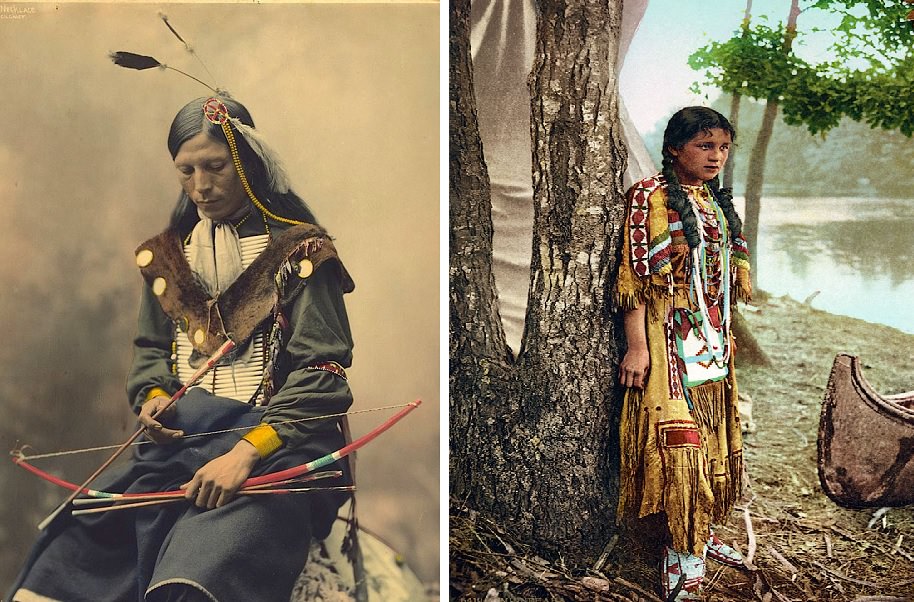
Before 1907, most people only ever saw the world through a camera lens in black and white. That changed when the Lumière brothers introduced the Autochrome Lumière — the first practical color photography process available to the public. Earlier attempts, like Levi Hill’s experiments in the 1850s, were too complicated to be widely used.
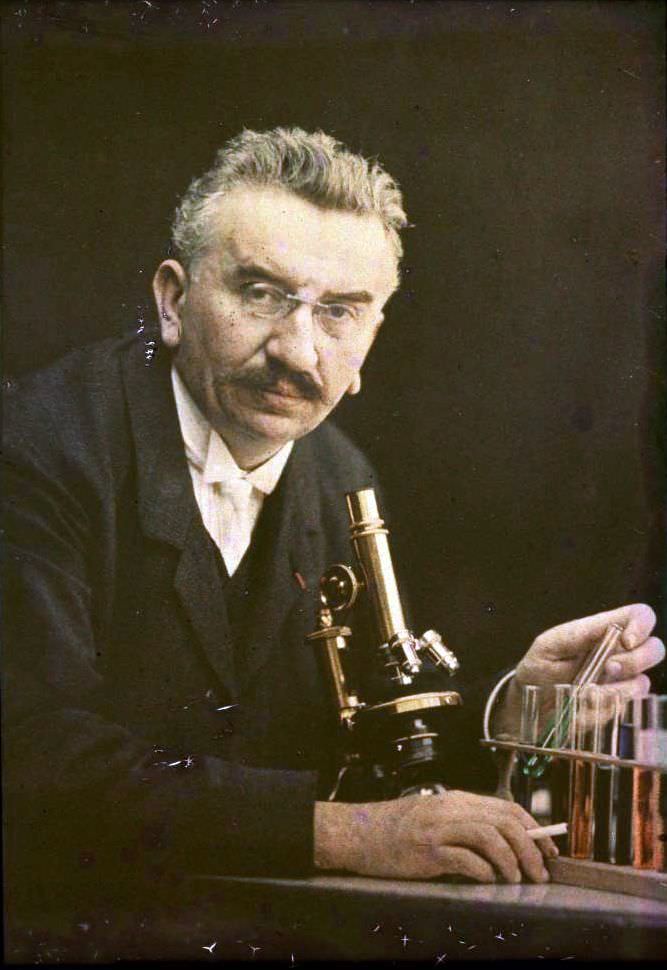
The Autochrome process worked by coating glass plates with millions of microscopic potato starch grains dyed red, green, and blue. These grains acted as color filters, allowing the plate to record a full spectrum of color in a single exposure. The result was a soft, slightly warm image unlike anything seen before.
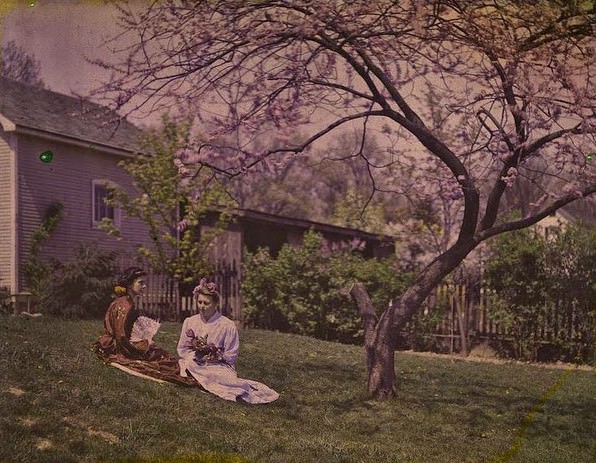
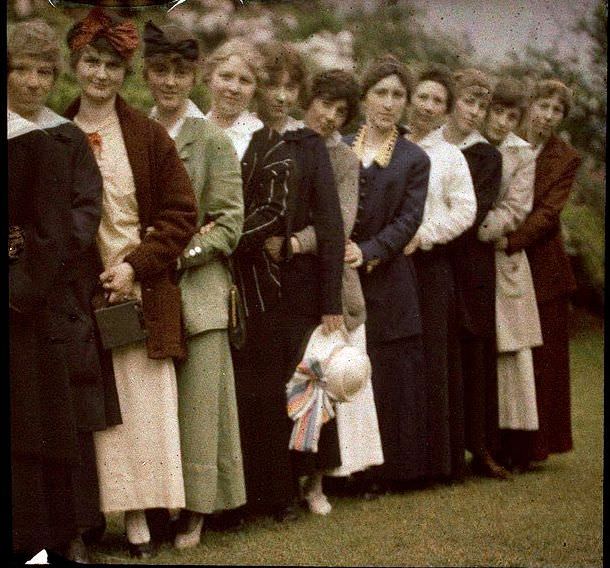
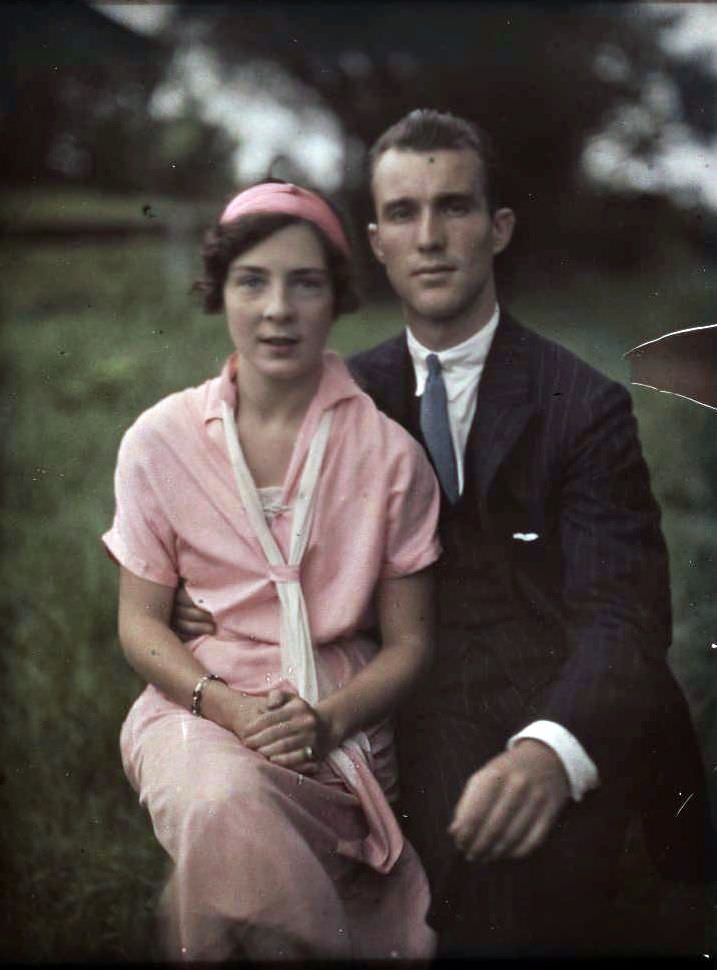
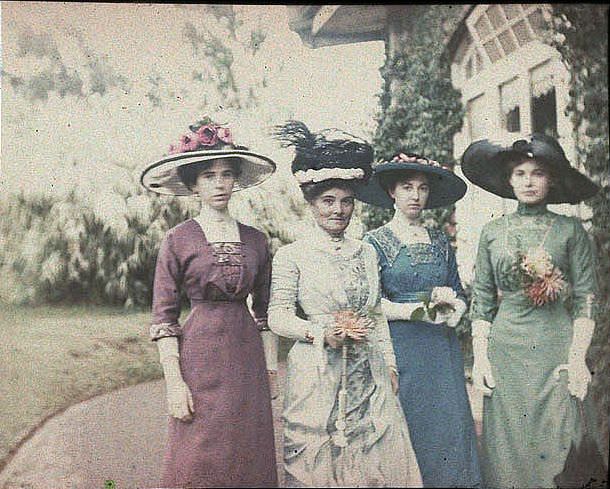
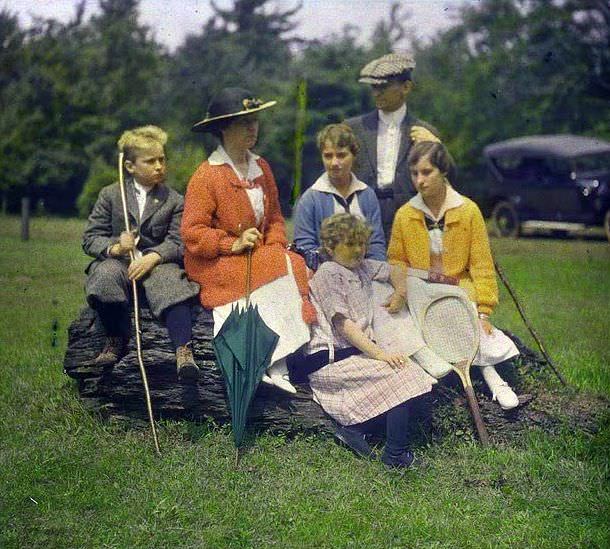
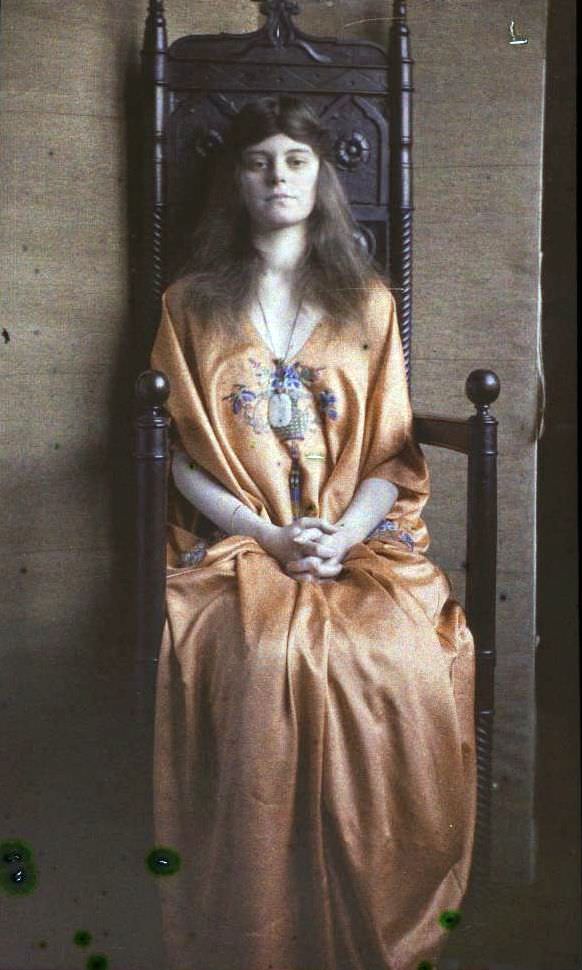
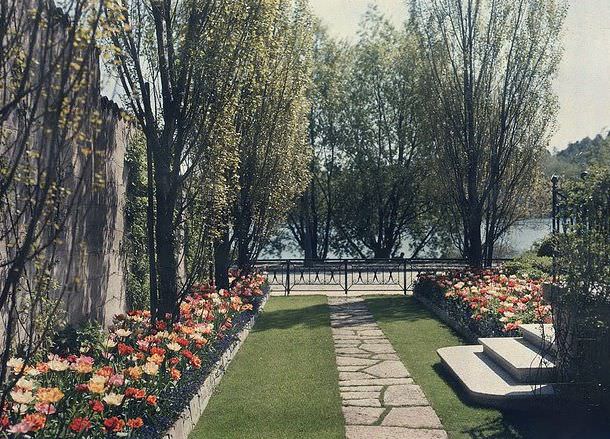
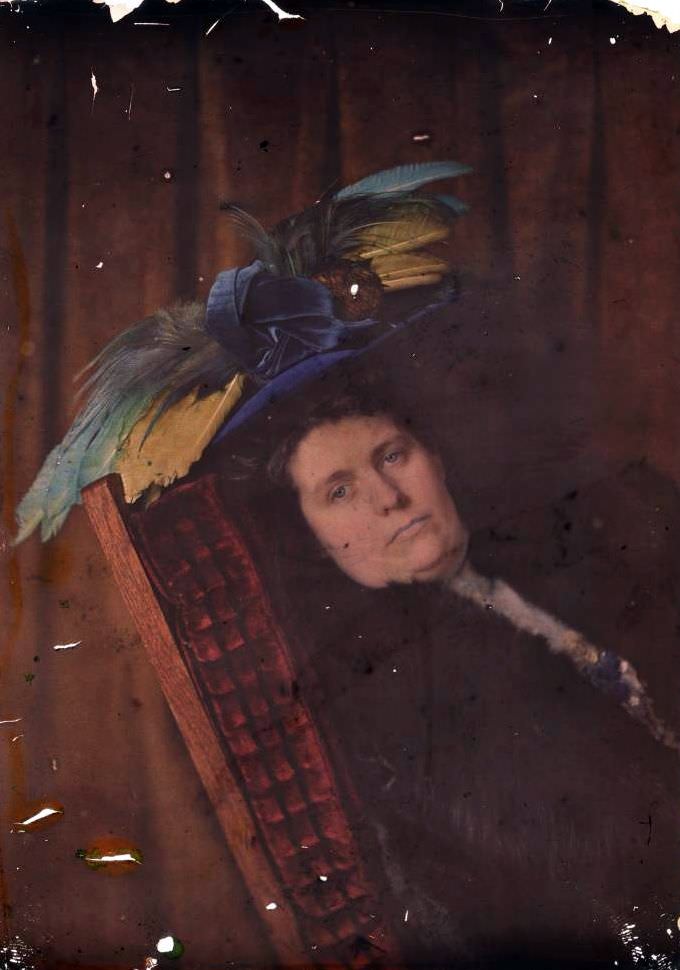
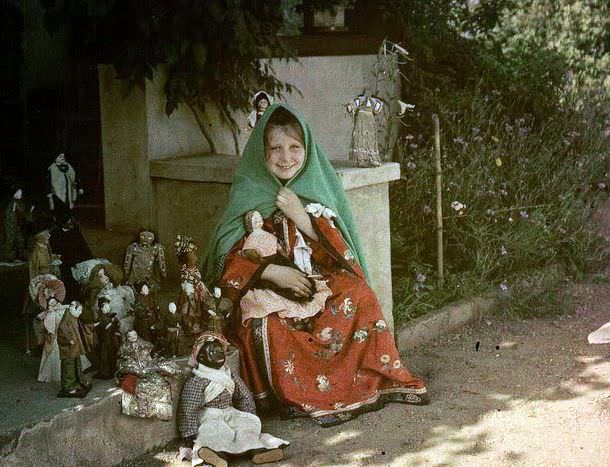
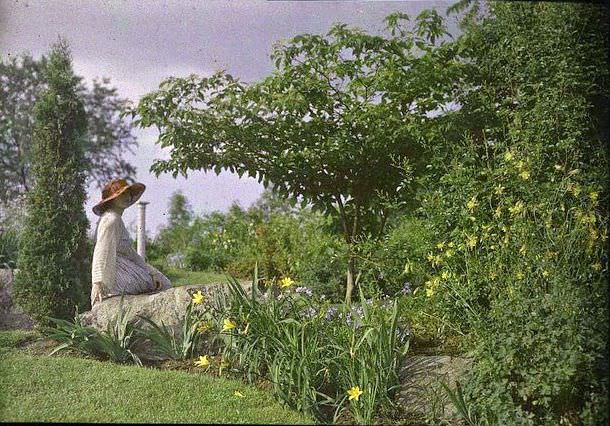
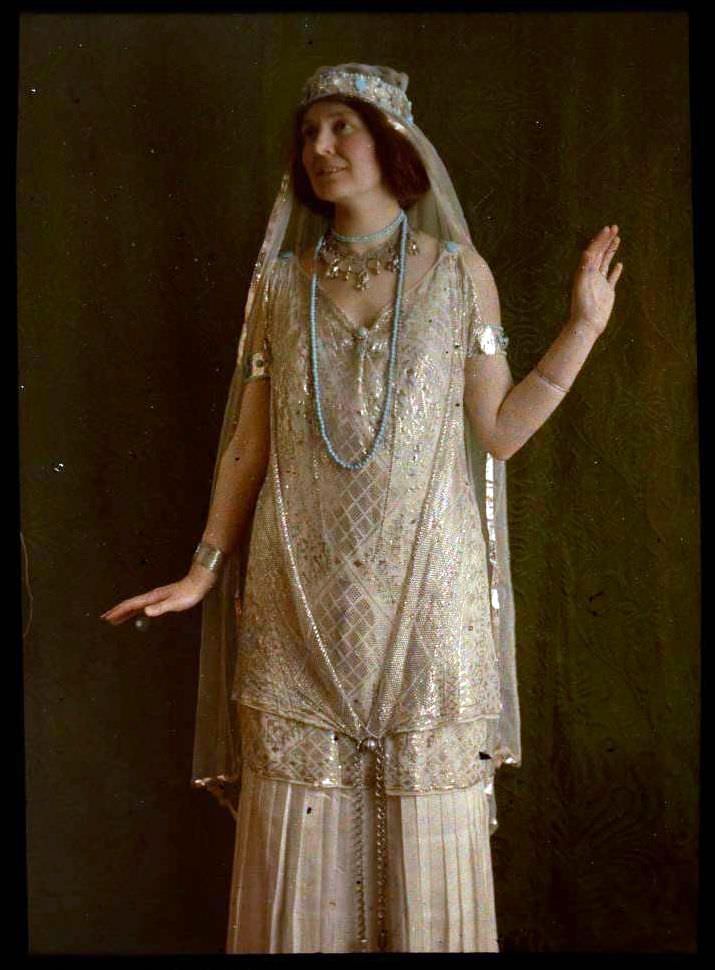
Because each exposure required several seconds of stillness, subjects held their poses with care. This gave the images a calm, composed quality. Families gathered in gardens, sunlight landed on fabric and skin, and pastel-colored dresses appeared far more lifelike than any hand-painted photograph.
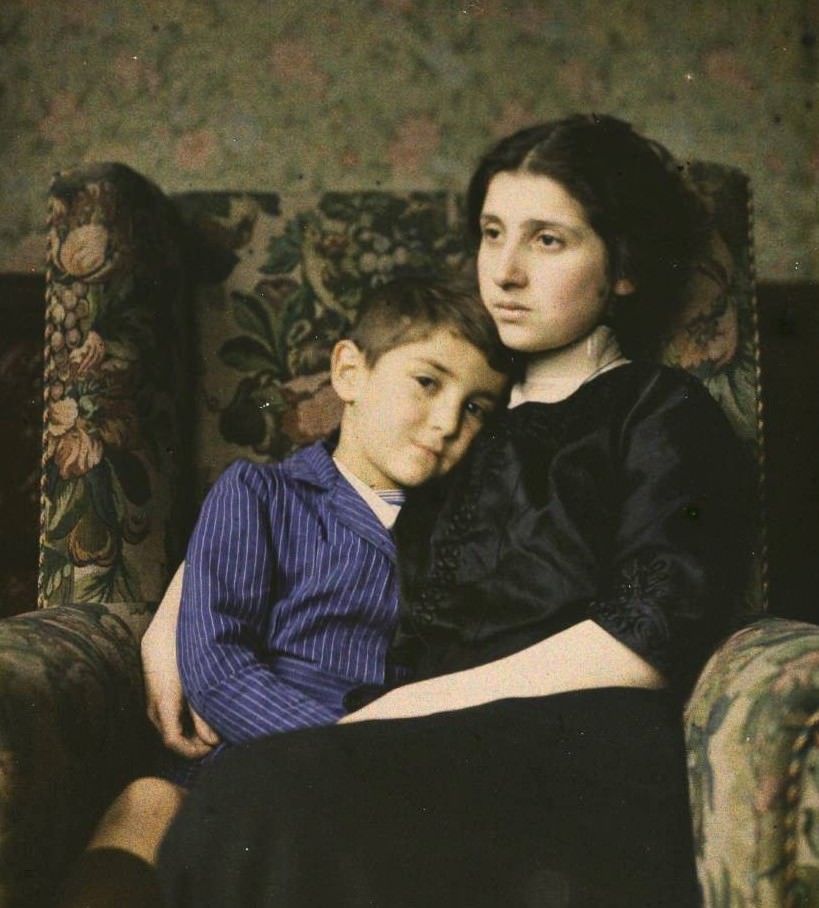
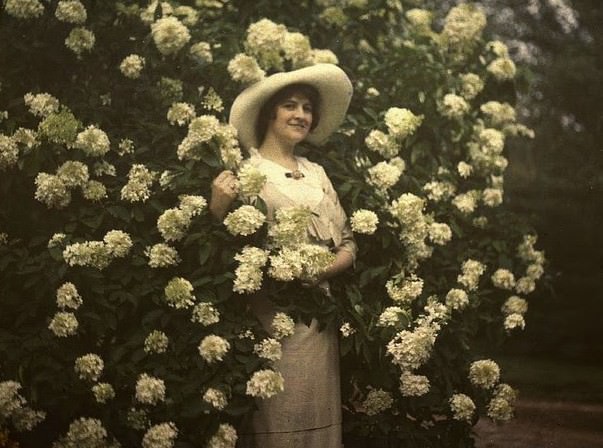
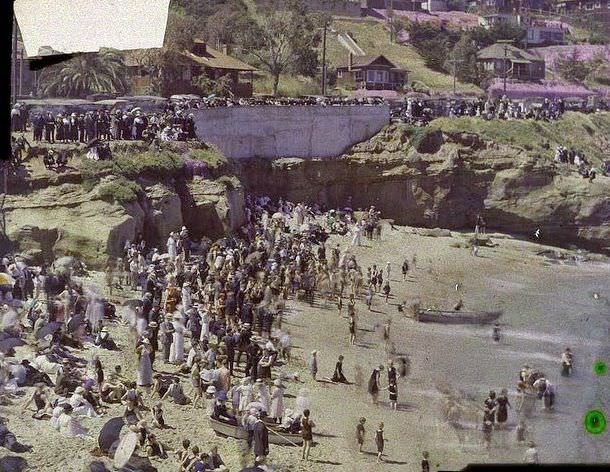
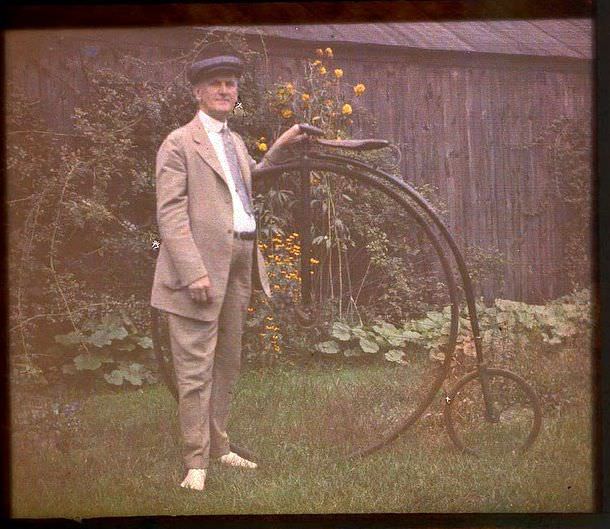
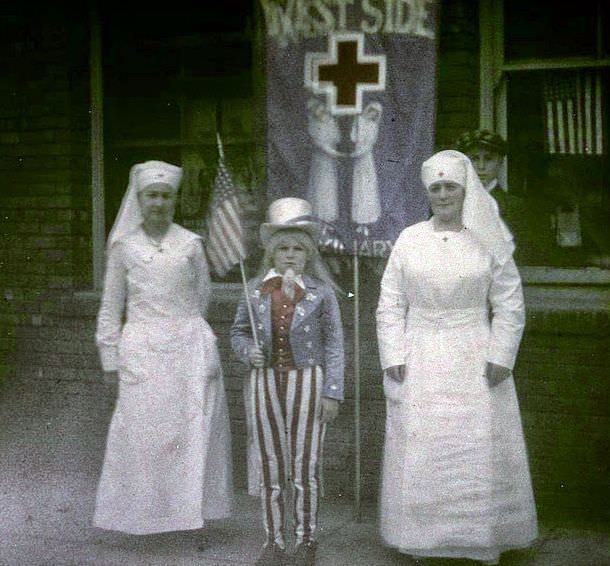
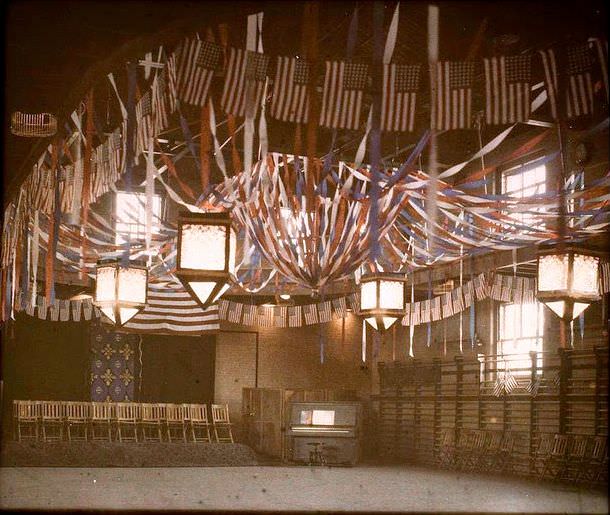
Photographers used Autochromes to document everyday life — children at school, women in greenhouses, families at the park, and crowds at public events.
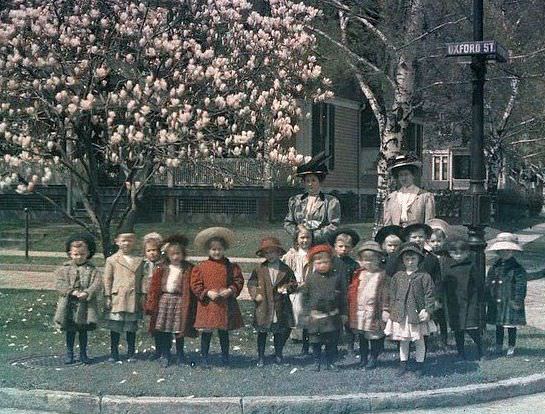
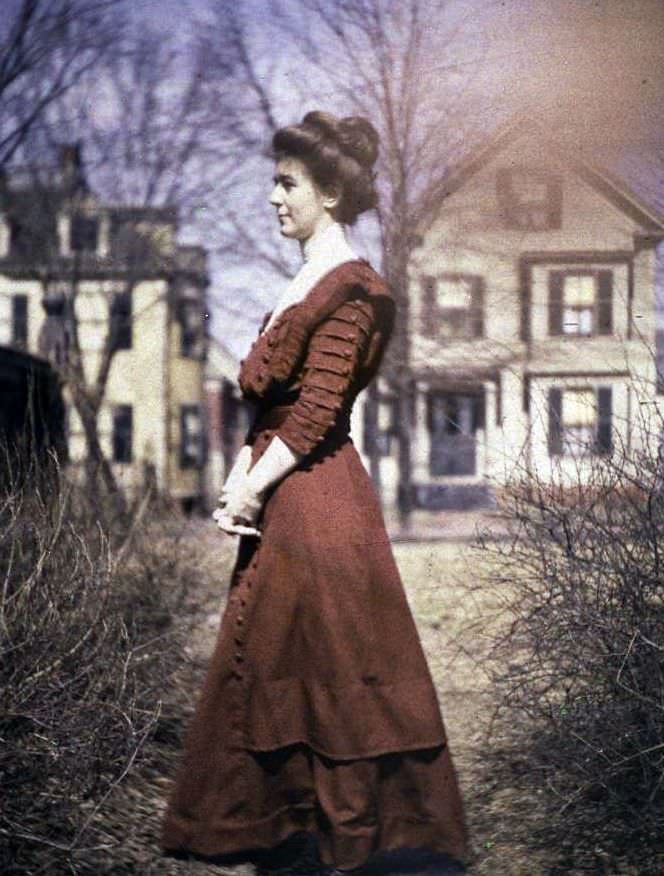
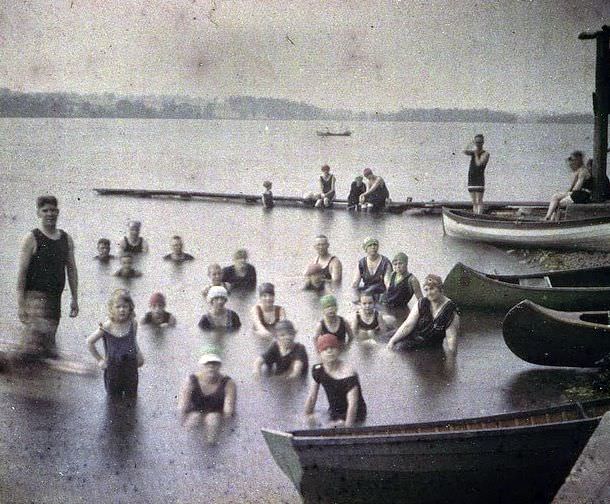
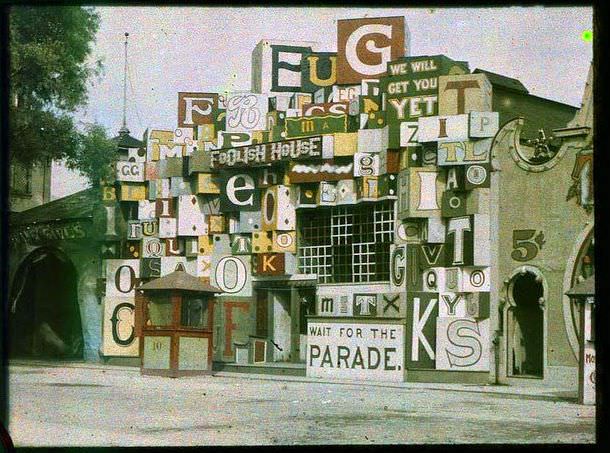
The technology also captured outdoor gatherings, public spaces, and commercial life in full color for the first time.

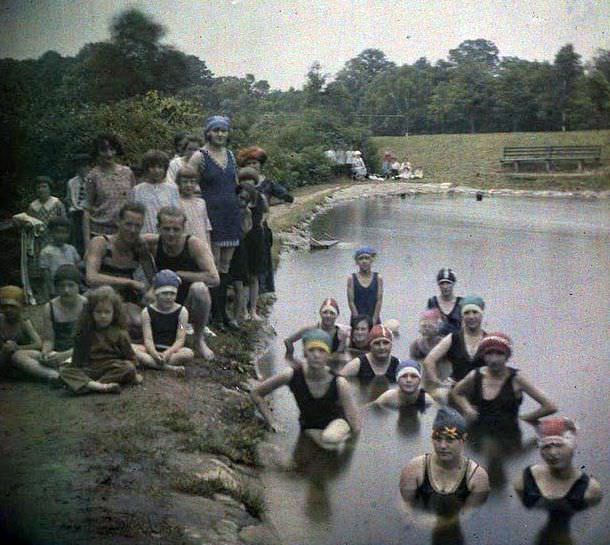
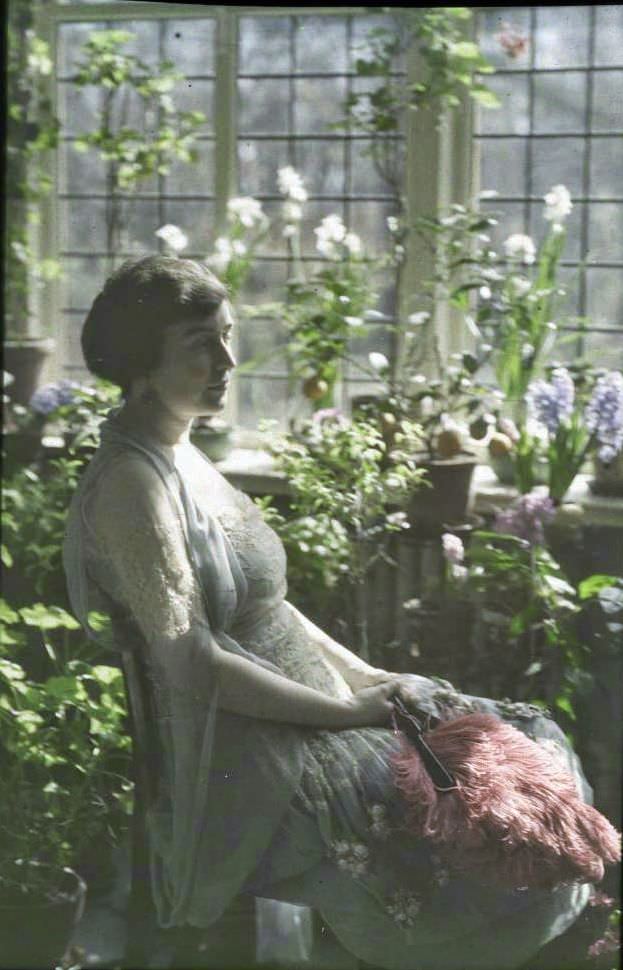
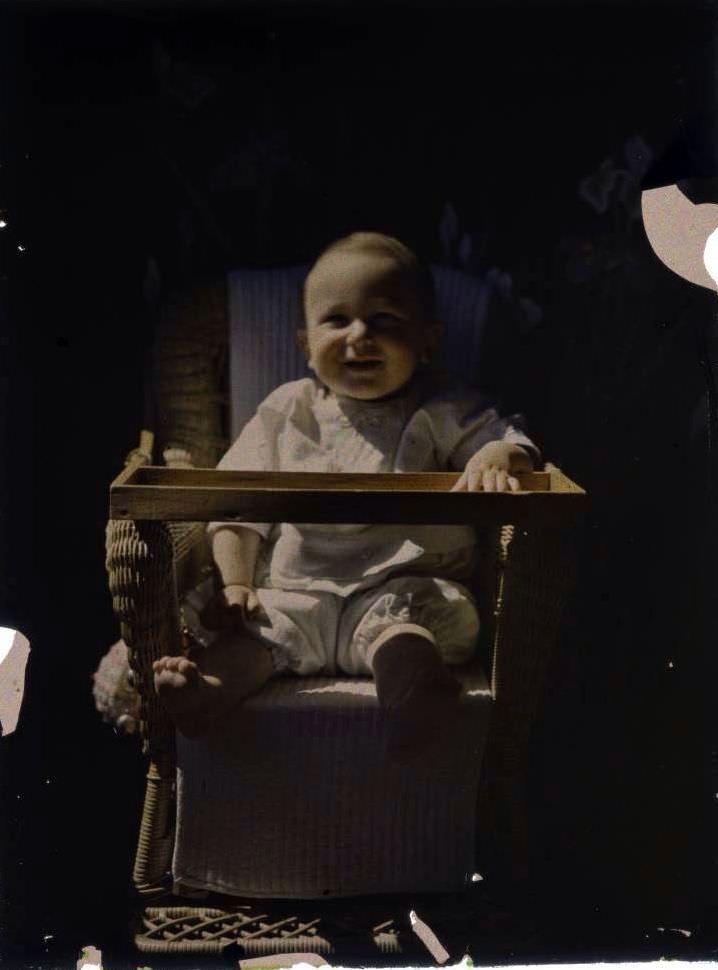
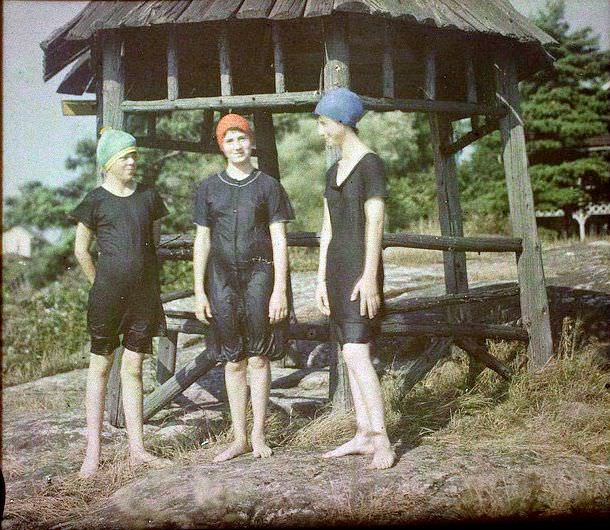
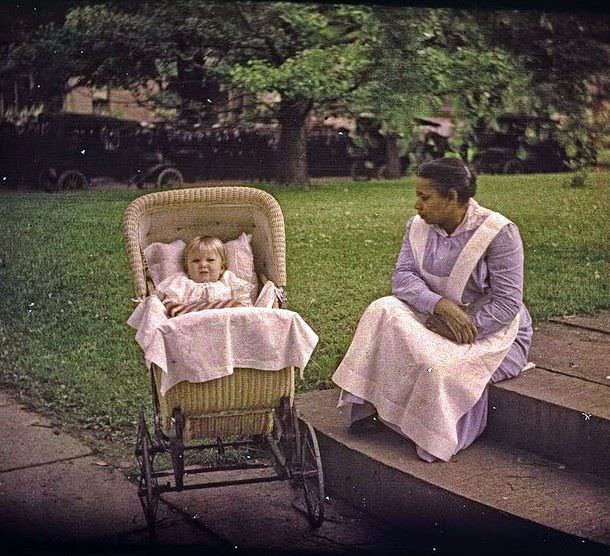
Children, families, and individuals of all ages were photographed in settings that now serve as vivid records of early 20th-century daily life.
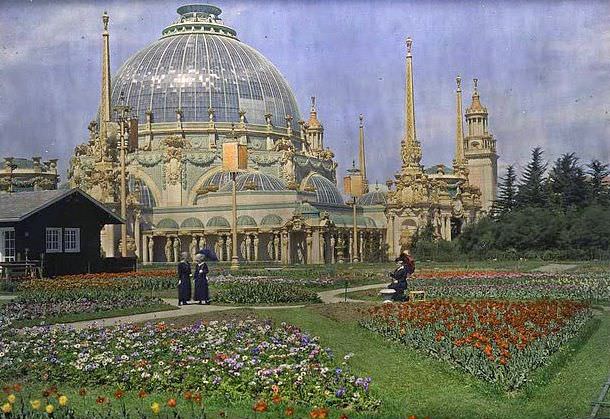
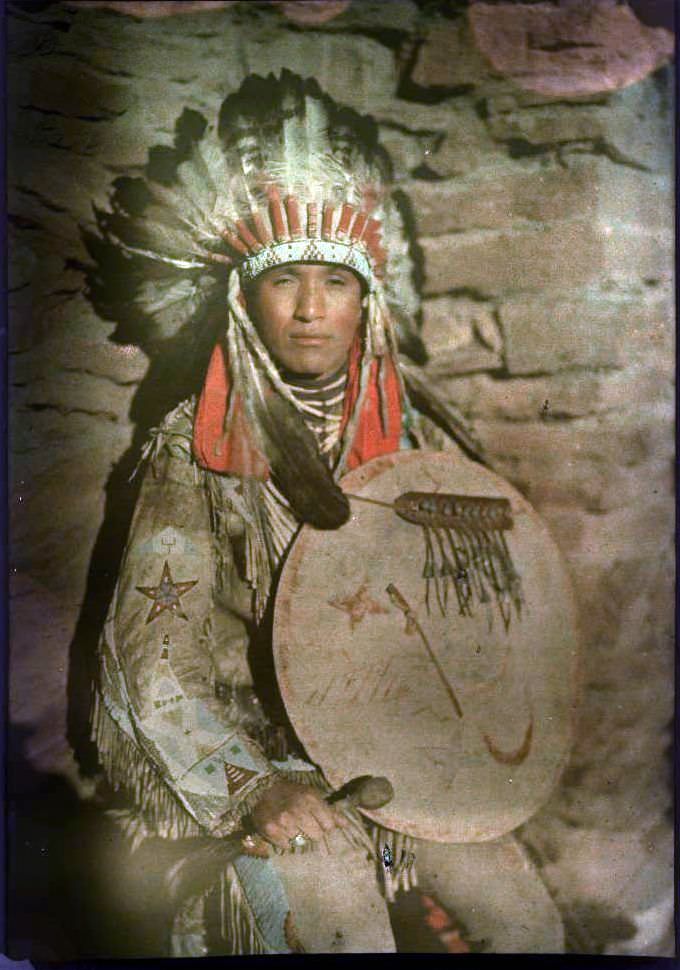
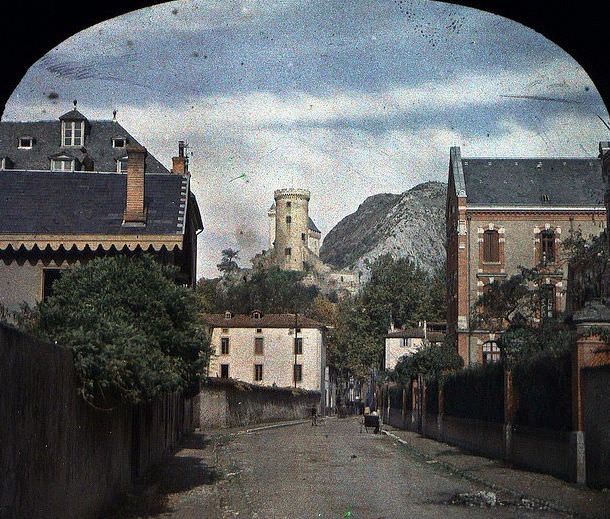
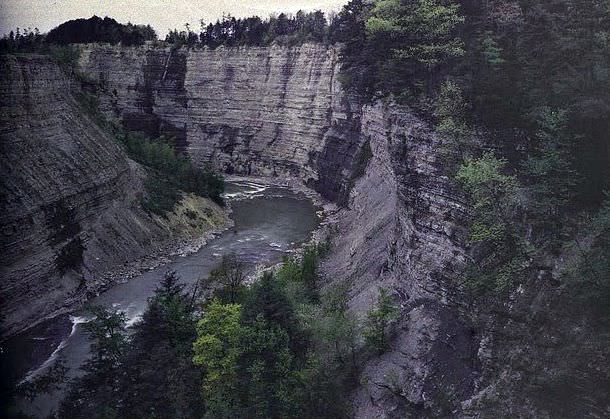
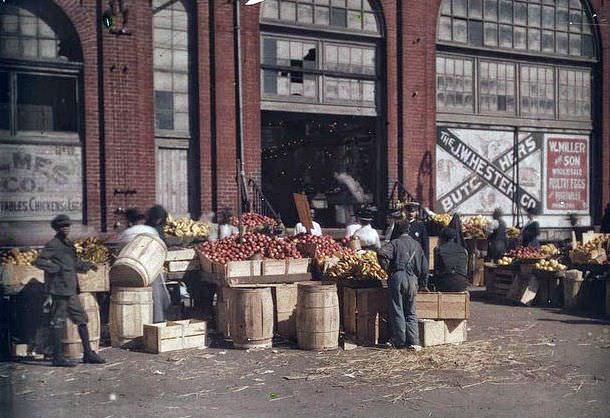
Photographers also ventured beyond their hometowns, recording distant cultures and landscapes in color for the first time. Vibrant outdoor markets, natural landmarks, and diverse communities all appeared through the Autochrome lens.
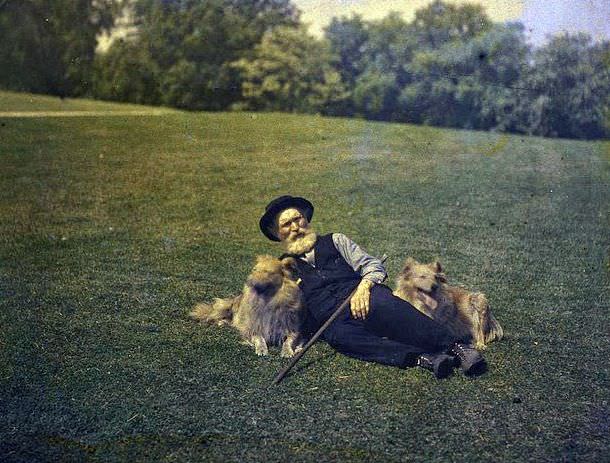
The glass plates were heavy and fragile, making the work demanding. Yet thousands of Autochromes were produced between 1907 and the 1930s, each one a direct window into a world that had previously existed only in shades of gray.