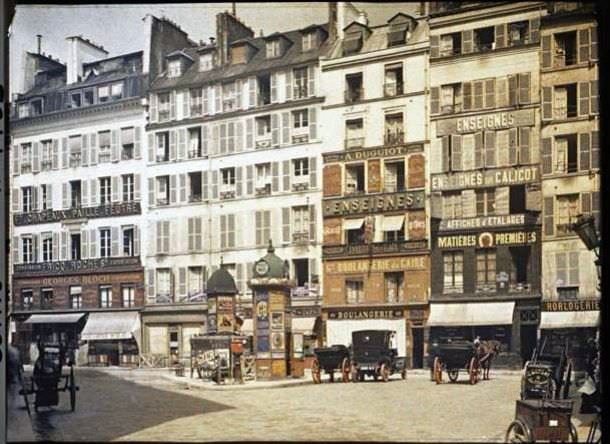
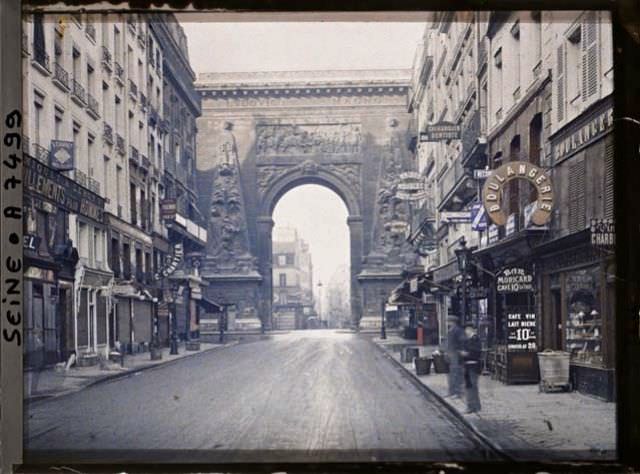
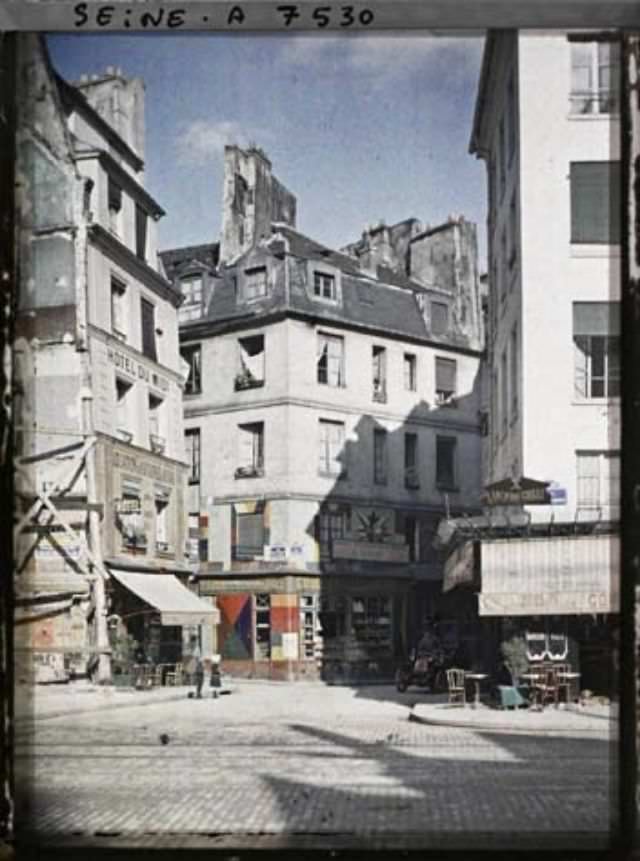
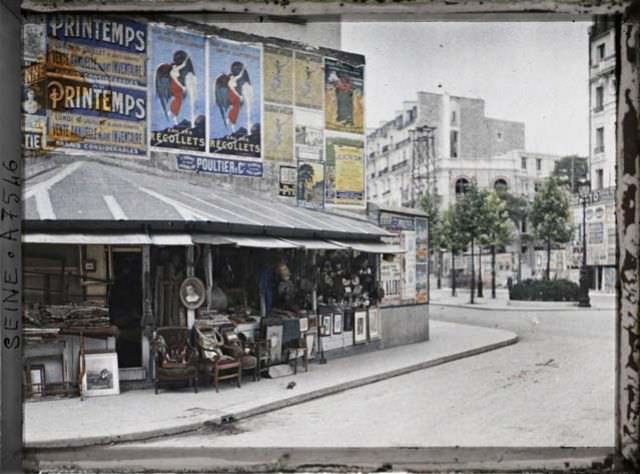
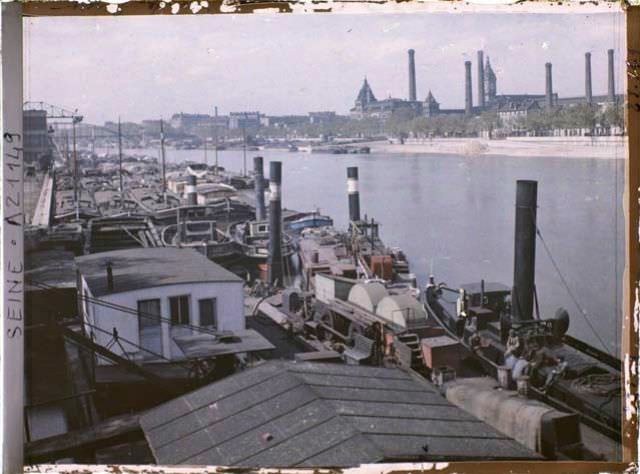
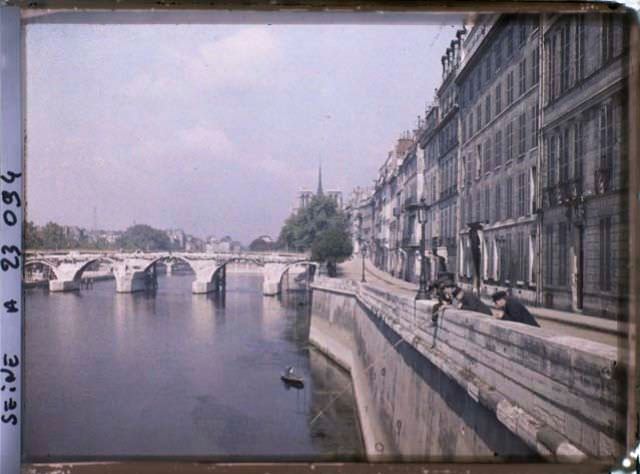
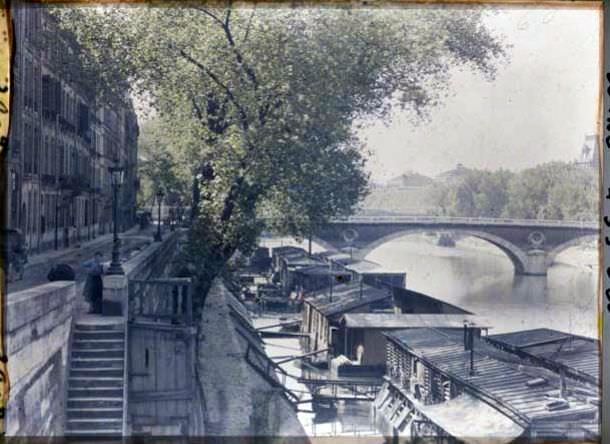
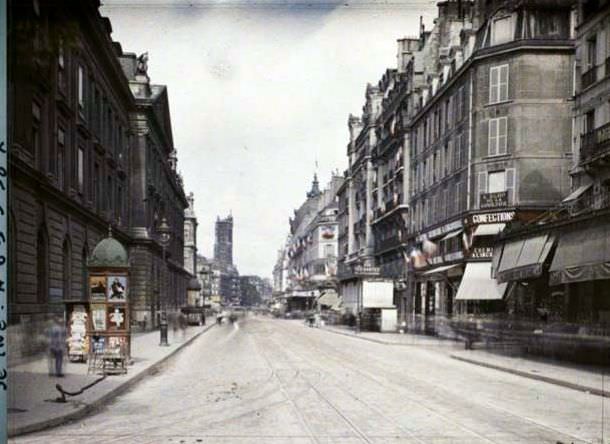
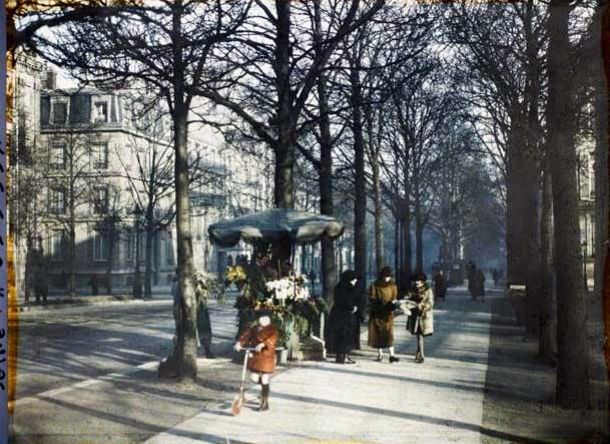
Most people think of old Paris photos as black and white. But between 1907 and 1930, a handful of photographers used a new process called Autochrome to capture the city in full color. Invented by Louis Lumière, the technique used tiny grains of dyed potato starch pressed between glass plates. Light passing through those grains produced a soft, painterly color image unlike anything seen before.
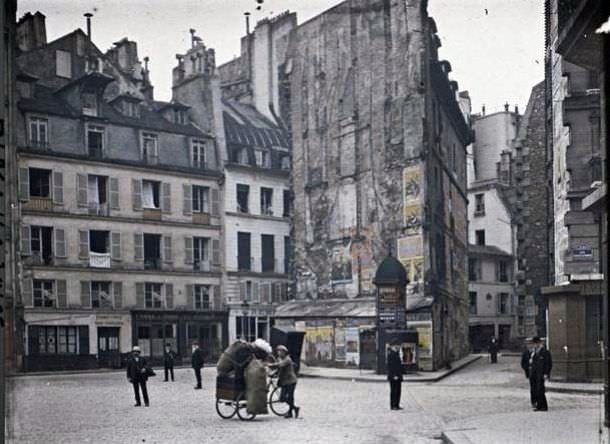
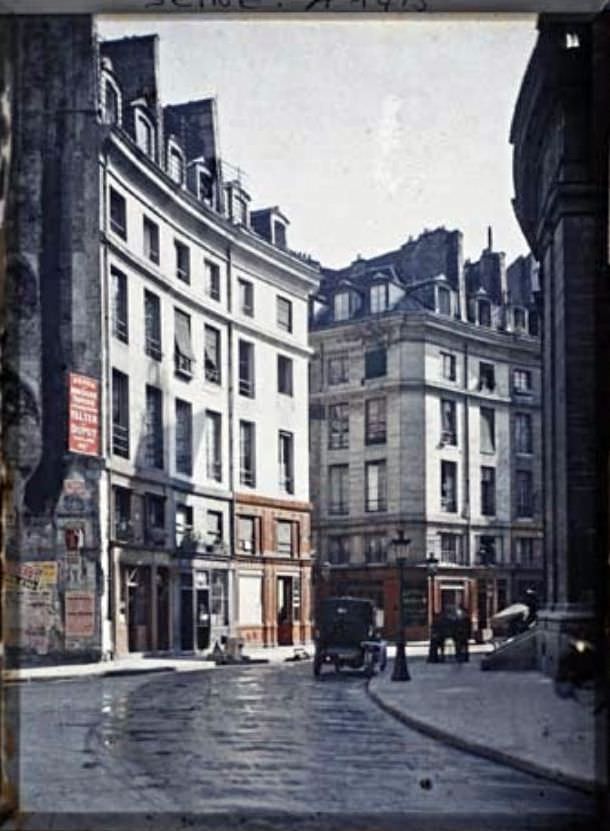
Paris (II arr.) by Stéphane Passet
Photographers Léon Gimpel, Stéphane Passet, Georges Chevalier, and Auguste Léon carried this technology through the streets of Paris. Their work recorded a city that would soon be transformed by two world wars. What they left behind is one of the most detailed color records of early 20th-century urban life in existence.
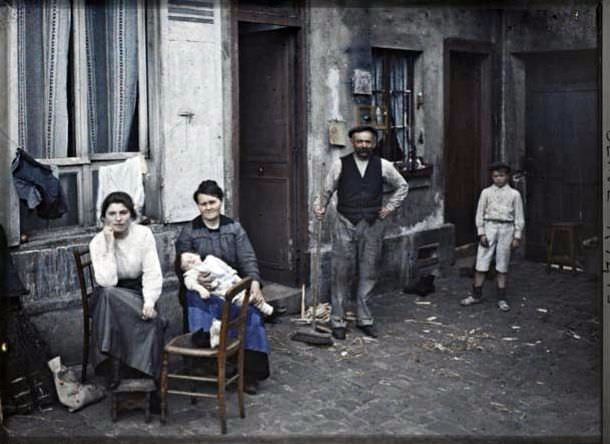
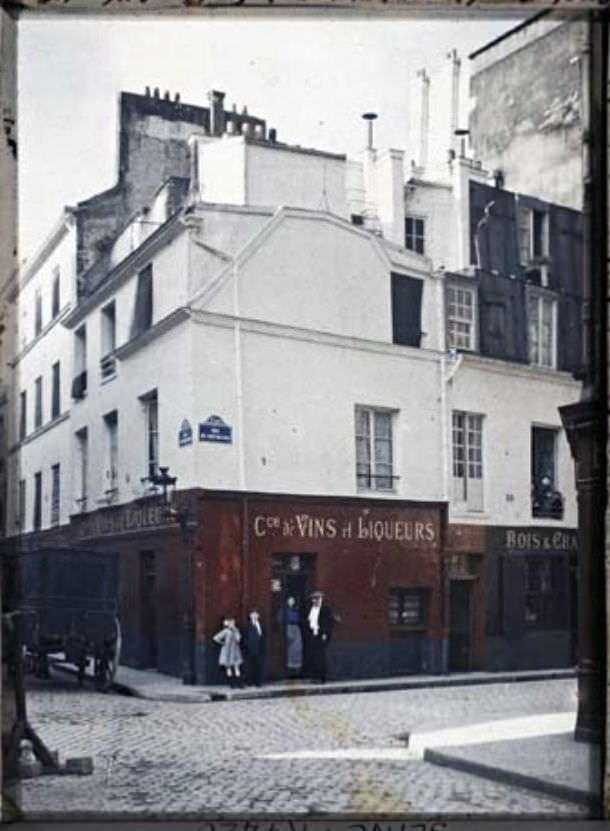
Family, rue du Pot de Fer by Stéphane Passet
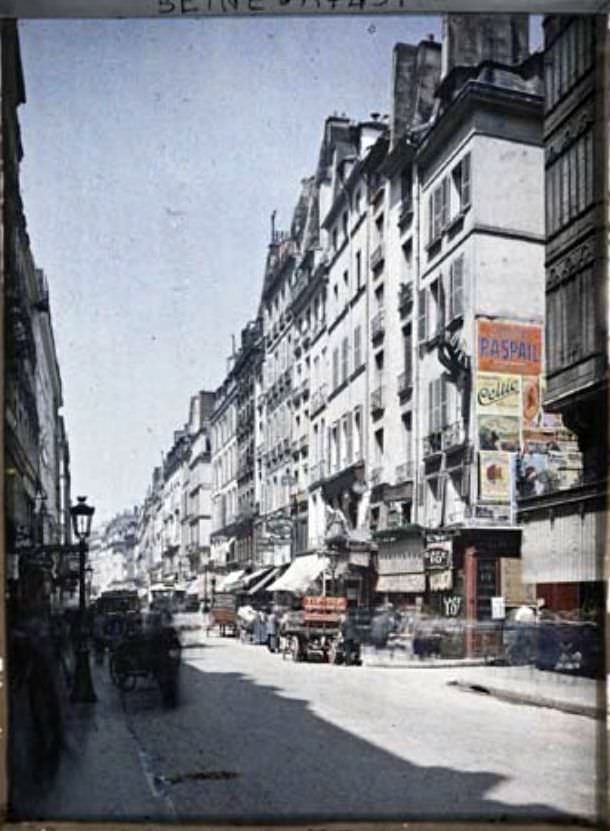
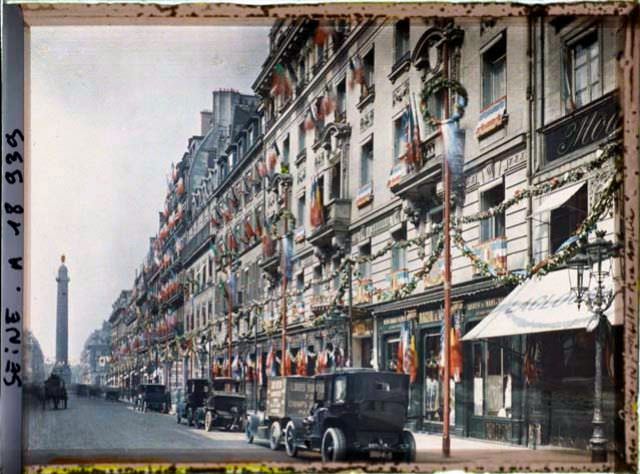
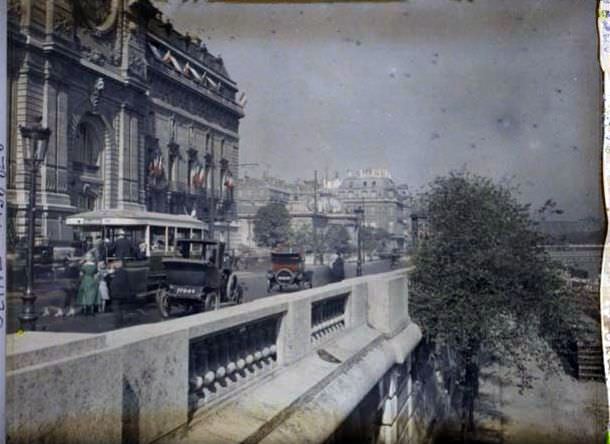
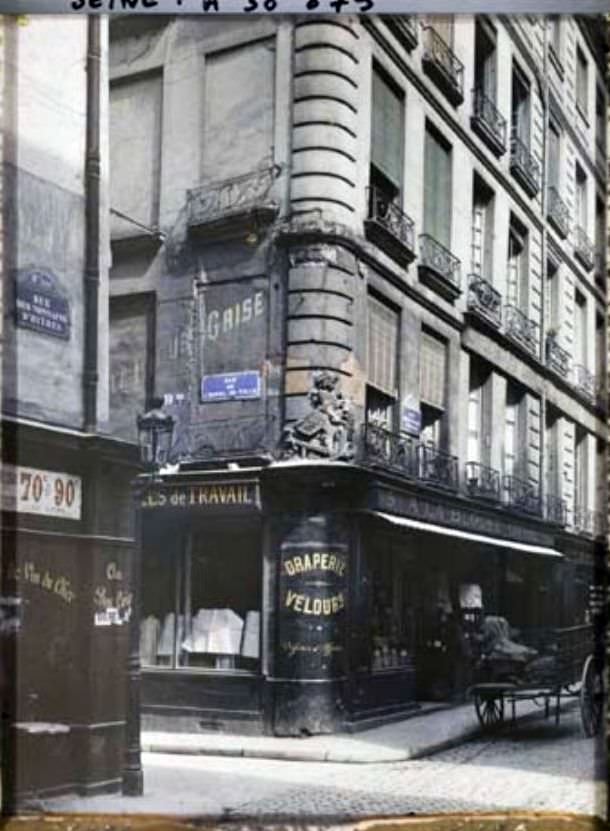
The streets these photographers walked were busy and layered with life. Horse-drawn carriages moved alongside early automobiles. Men wore suits and hats. Women dressed in long skirts and carried parasols. The clothing, the cobblestones, the stone building facades — all of it comes through in rich, warm tones that black-and-white film simply could not deliver.
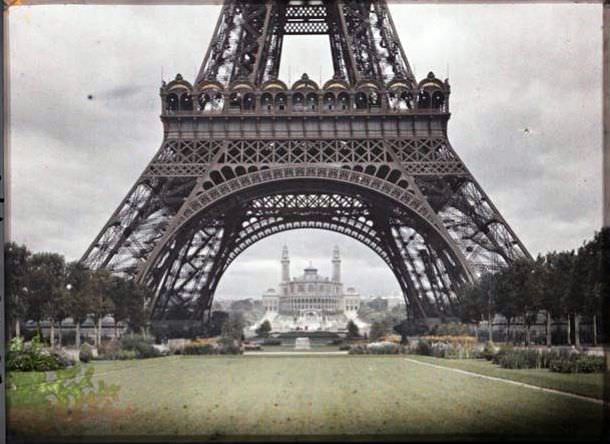
Paris (XVI arr.) by Frédéric GadmerThe Eiffel Tower and Trocadero by Leon Auguste
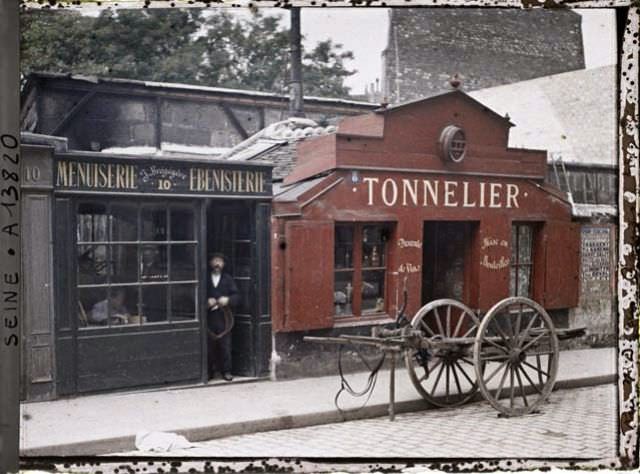
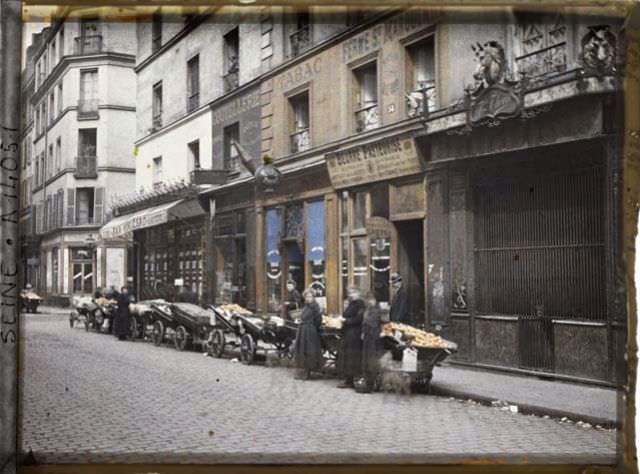
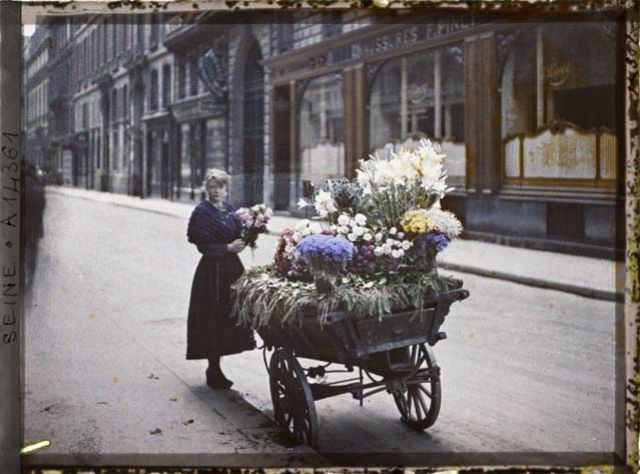
Shops, cafes, and street vendors were central to daily Parisian life. Bakeries and flower stalls lined the avenues. Market scenes show vendors selling oranges and other goods from open stalls. These weren’t staged photographs — they were pulled from the rhythm of an ordinary day.
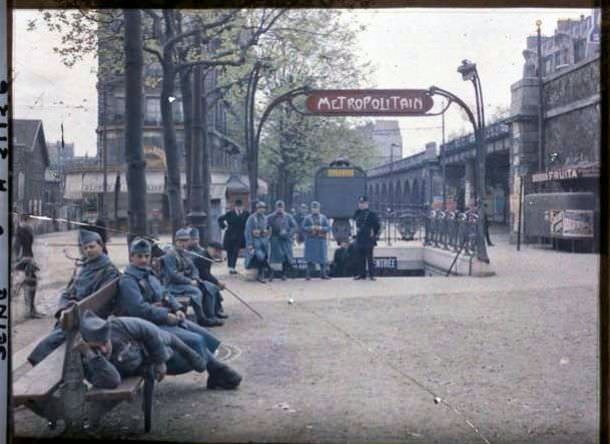
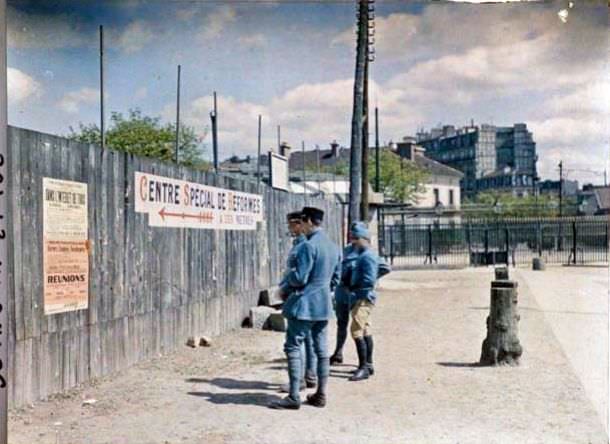
Viarmes Street by Leon AugusteSoldiers reading Porte de Saint-Cloud posters, on the occasion of May 1 by Frédéric Gadmer
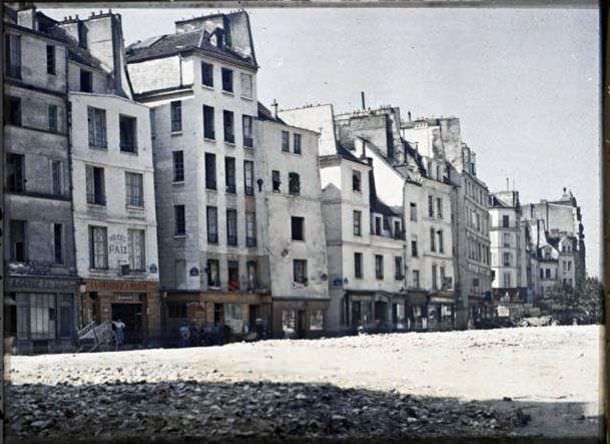
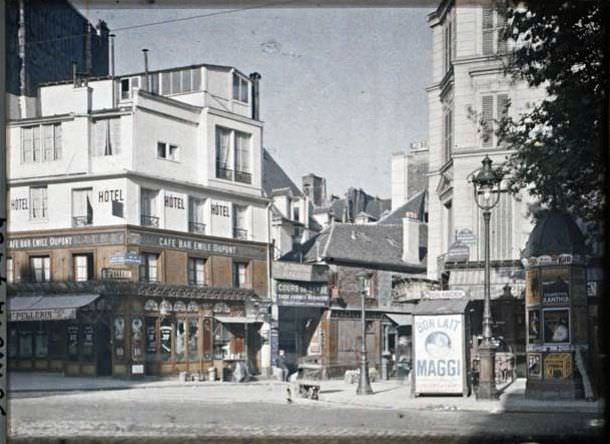
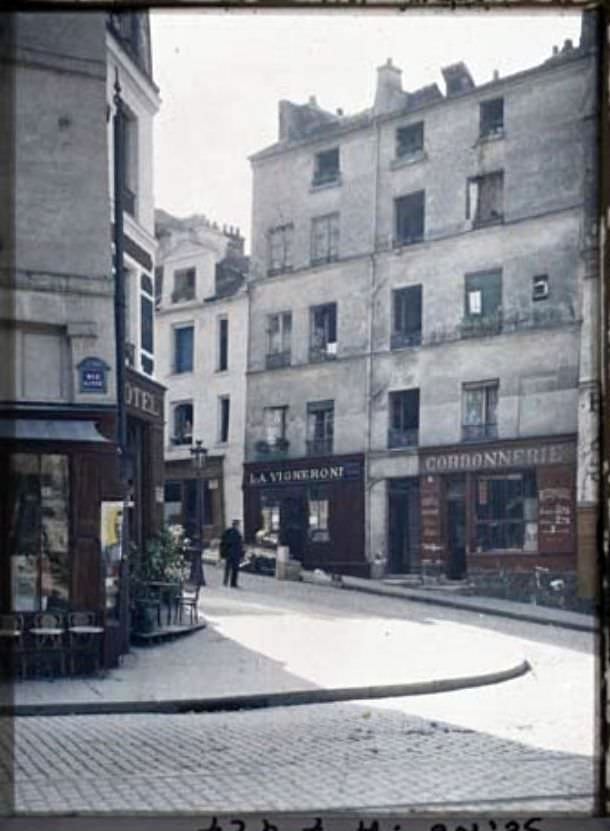
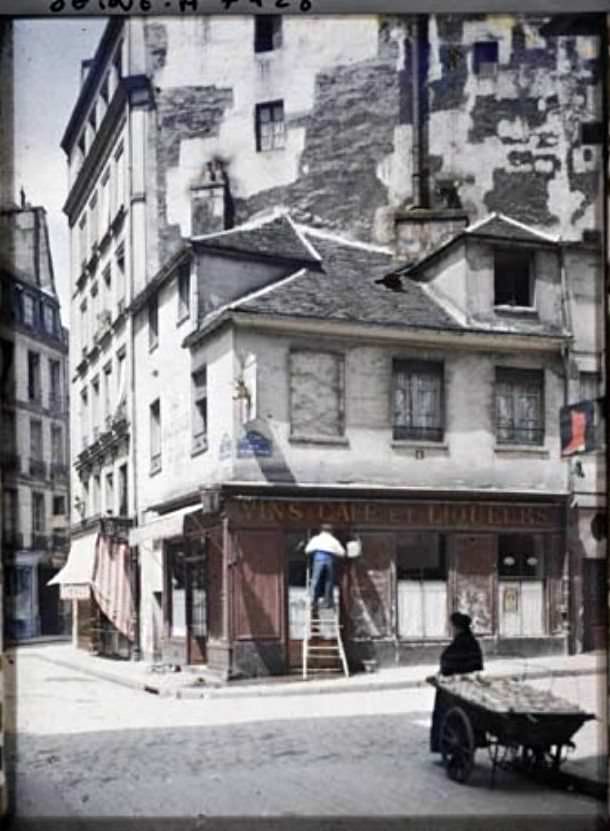
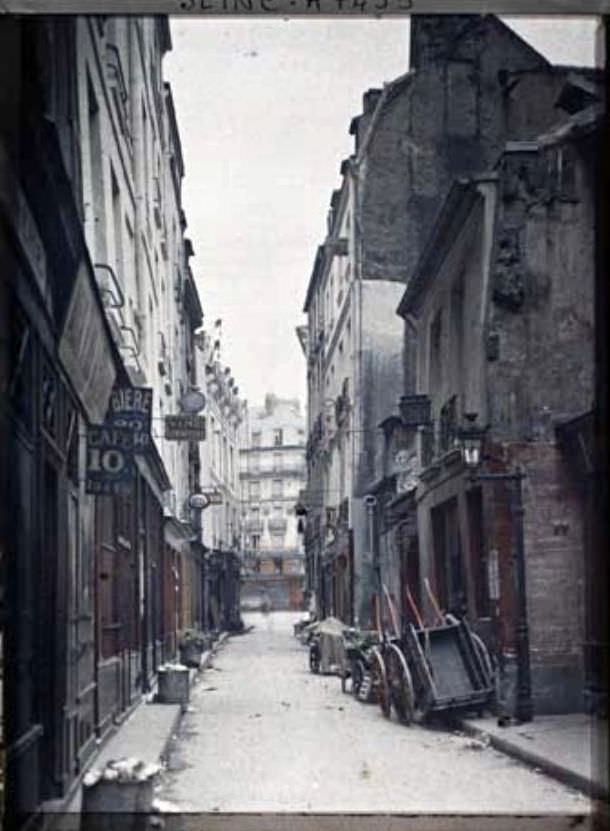
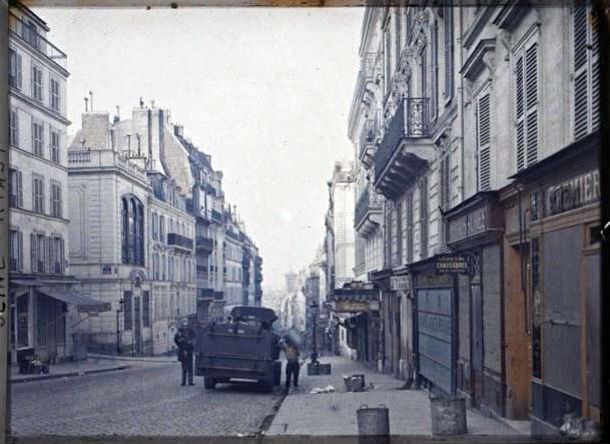
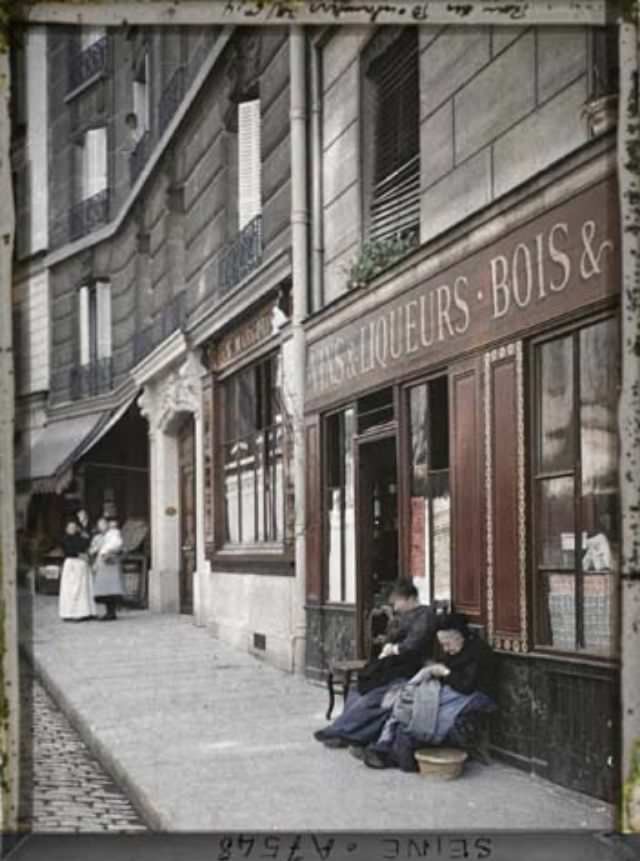
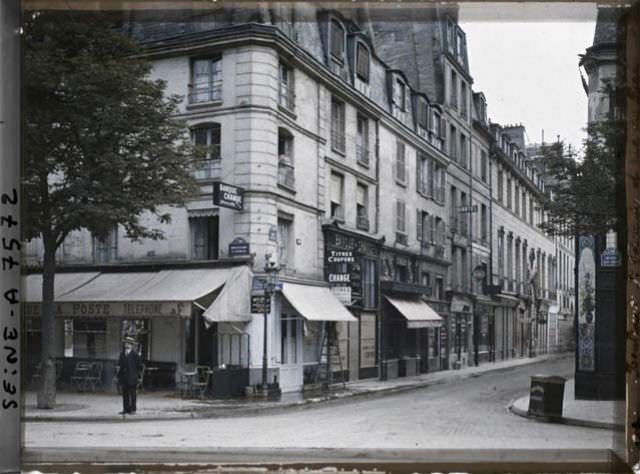
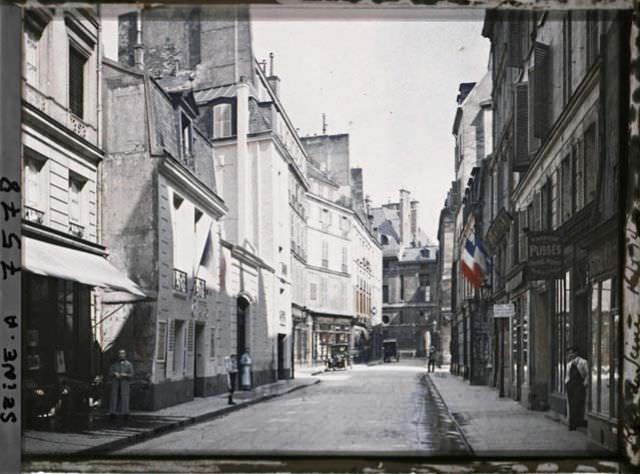
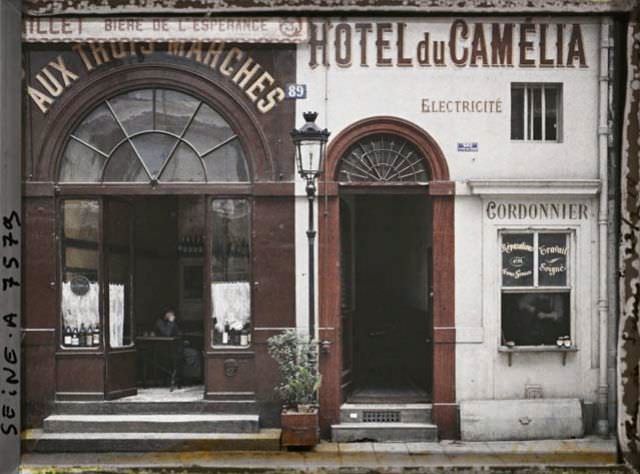
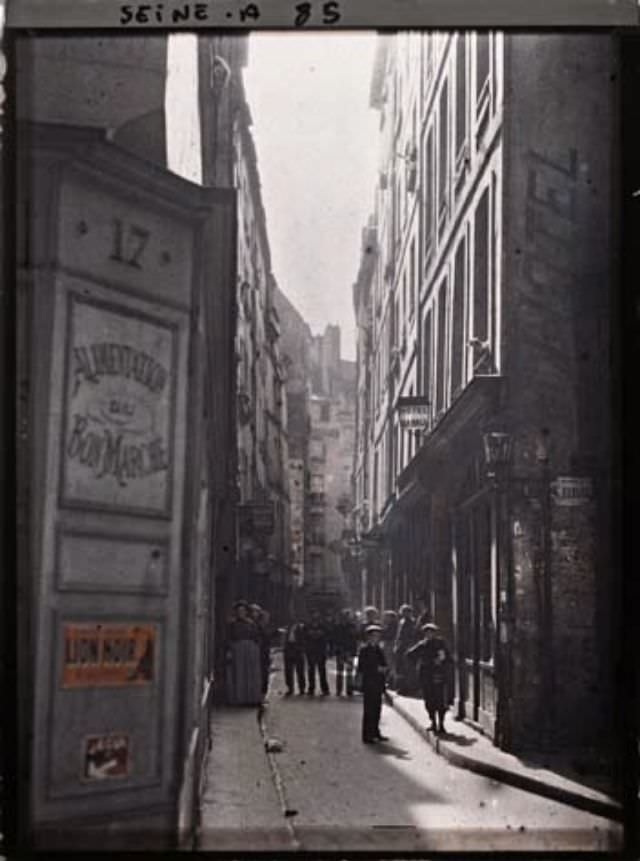
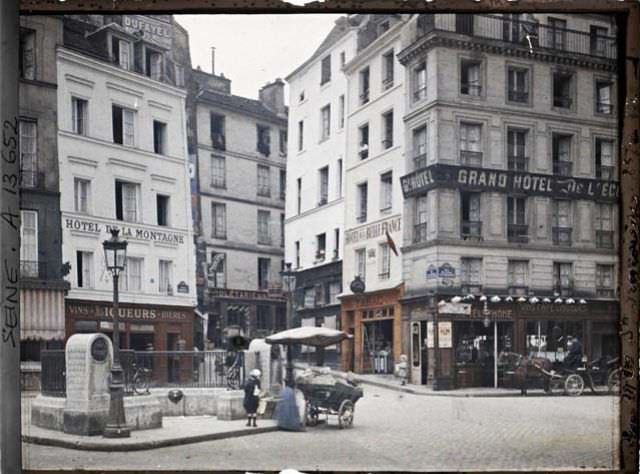
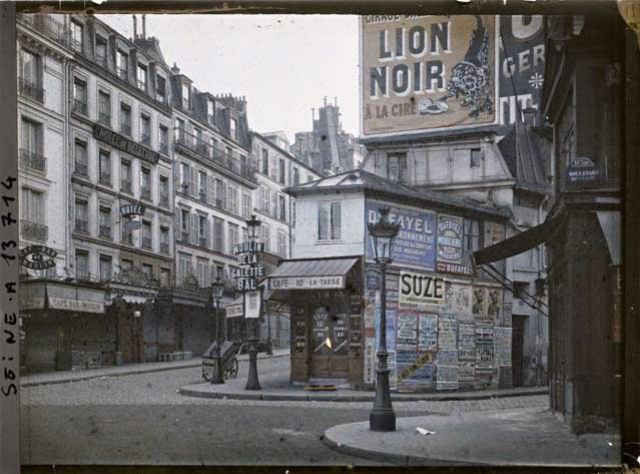
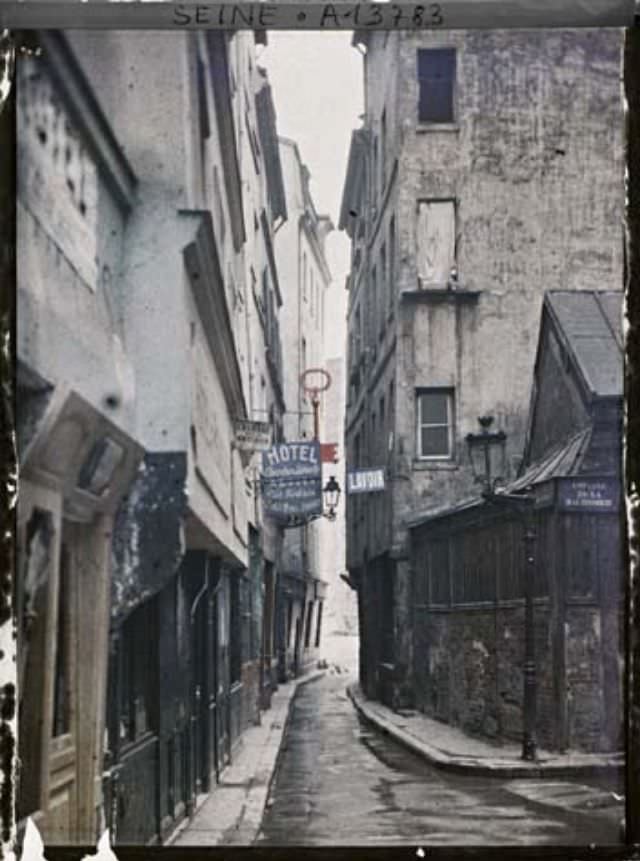
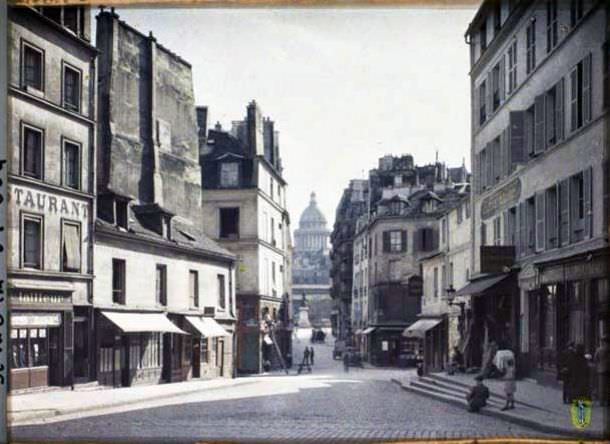
Stéphane Passet was especially prolific in documenting specific street corners and addresses. His images name exact locations — a corner on Rue Beaubourg, a stretch of Rue de Seine, a junction near the Panthéon. This precision makes his photographs invaluable as historical records of how these neighborhoods actually looked.
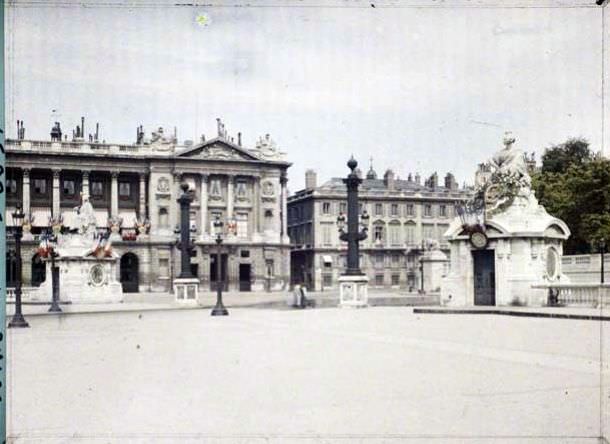
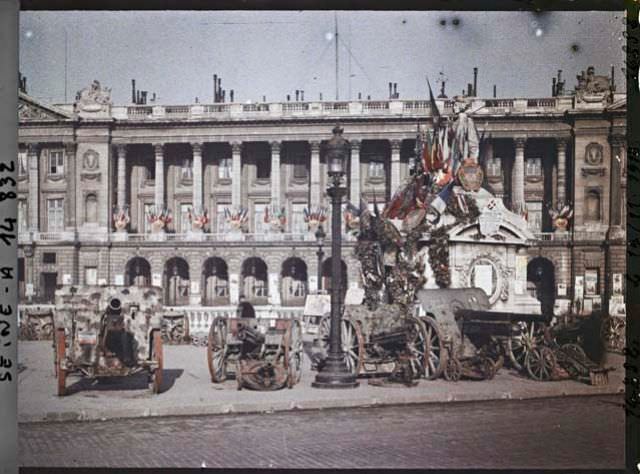
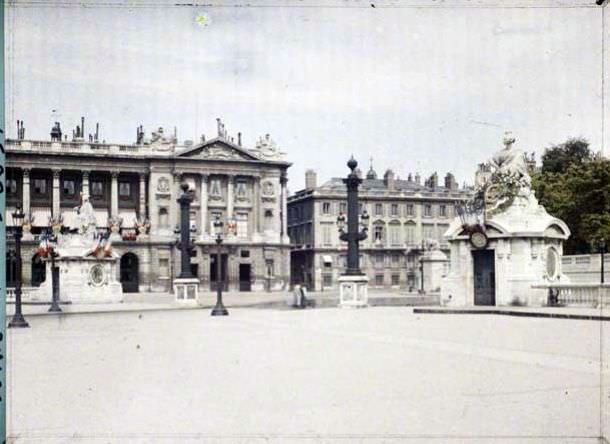
Lhomond Iron Pot by Stéphane PassetStatues of Lille and Strasbourg, Place de la ConcordeRue Beaubourg, with the left Venice Street and Ovens-Saint-Martin Street by Stéphane PassetCorner of the Beaumarchais Boulevard and Rue du Pas-de-la-mule by Stéphane Passet
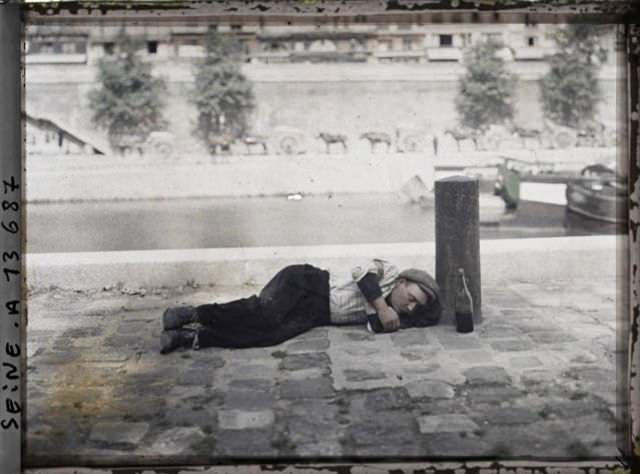
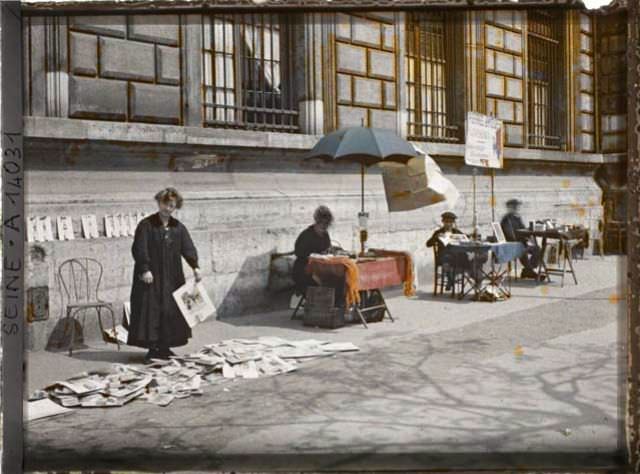
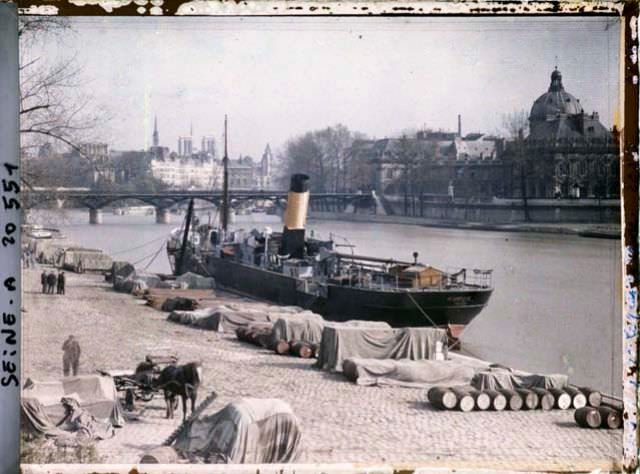
Public spaces like Place de la Concorde and the quais along the Seine appear throughout the collection. The statues, tree-lined walkways, and grand architecture of the city are shown not as monuments frozen in time, but as the backdrop to real daily activity — people walking, resting, and going about their lives.
Place Jussieu, corner of Linnaeus and Bakers by Stéphane Passet
Rue du Haut-Pavé at the corner of the Rue de la Bûcherie by Stéphane Passet
Rue Saint-Honoré, at the corner of the Rue de la Sourdière by Stéphane Passet
Bièvre Street by Stéphane Passet
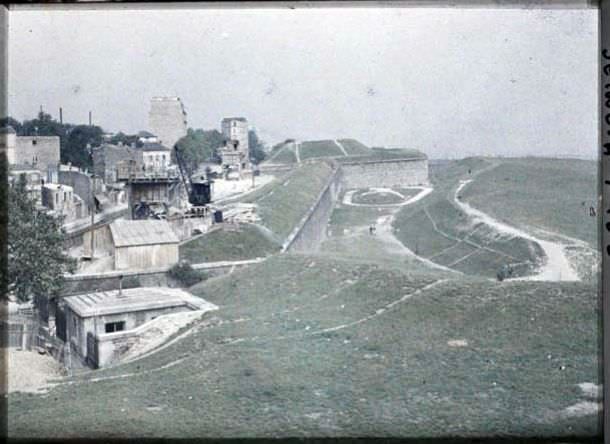
Rue des Martyrs towards Notre-Dame-de-Lorette, with left rue de la Tour d’Auvergne by Stéphane PassetFortifications by Stéphane PassetThe rue d’Aboukir, view from Cairo instead by Stéphane PassetThe Faubourg and the Porte Saint-Denis by Stéphane PassetThe corner of Saint-Jacques, Galande and Saint-Julien-le-Pauvre by Stéphane PassetBoulevard Raspail and Rue du Montparnasse seen from Notre-Dame-des-Champs by Stéphane Passet25 rue des Bakers Stéphane PassetThe angle of the Rue du Bac and the Boulevard St-Germain by Stéphane PassetThe Rue de Seine, at the number 12 by Stéphane Passet89 rue de Seine by Stéphane PassetHuchette street and rue Xavier Privas by Stéphane PassetParis (Ve arr.) by Stéphane PassetA Parisian asleep on the dock CelestineCorner of Puget Lepic and Boulevard de Clichy by Georges ChevalierParis (fourth arr.) by Georges ChevalierNumbers 8 and 10 rue du Montparnasse by Stéphane PassetParis (Xe arr.) by Leon Auguste
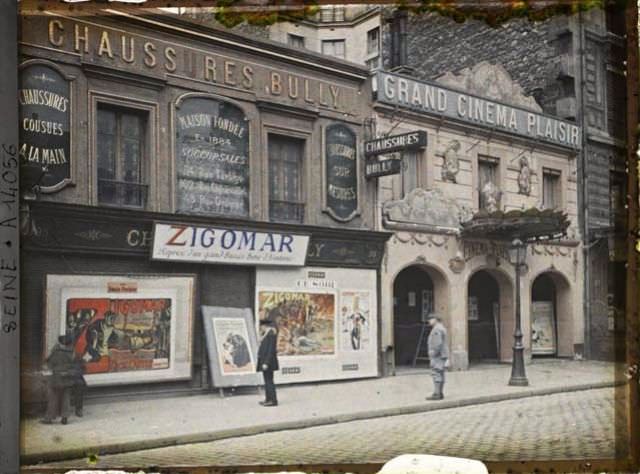
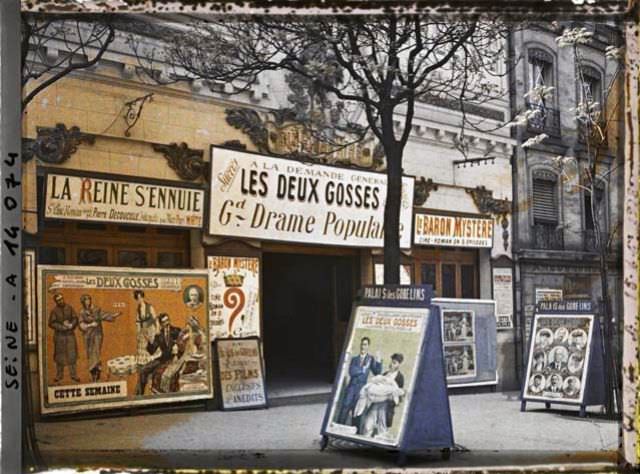
Entertainment was woven into the city’s streets. Cinema houses advertised their shows with bold signage. Auguste Léon photographed cinemas like the Grand Cinema Fun on Rue de la Roquette and the Pathé Palais des Gobelins, where ordinary Parisians went for a night out. These images show an early film culture that was already thriving before 1920.
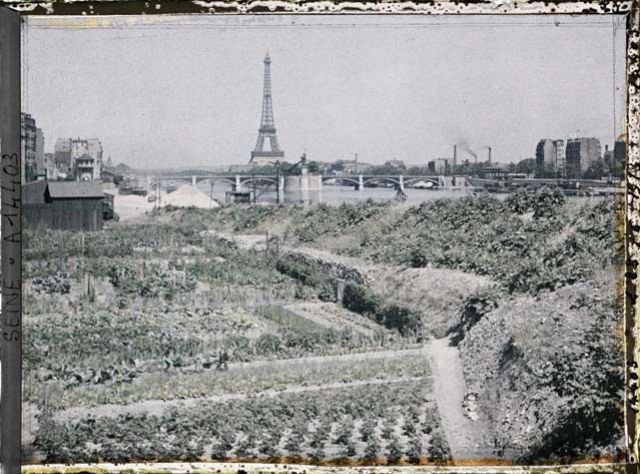
Orange Market, rue Basfroi by Leon AugusteThe Grand Cinema Fun at 95 rue de la Roquette by Leon AugusteCinema Pathe Palais des Gobelins Gobelins or by Auguste LéonA flower seller in front of 53 rue Cambon by Leon AugusteGardens, quai d’Auteuil (current quai Louis Bleriot), opposite the Pont de Grenelle and the Statue of Liberty by Leon AugusteParis (fourth arr.) by Georges ChevalierThe Quai d’Orsay at the Gare d’Orsay by Leon AugusteOld sign at the corner of Nonnains-d’Hyères street and the Hotel de Ville.Paris (fourth arr.)Rue du Haut-Pavé on the corner of the Bûcherie, Great-Degrees and Frederic Sauton towards the Pantheon.
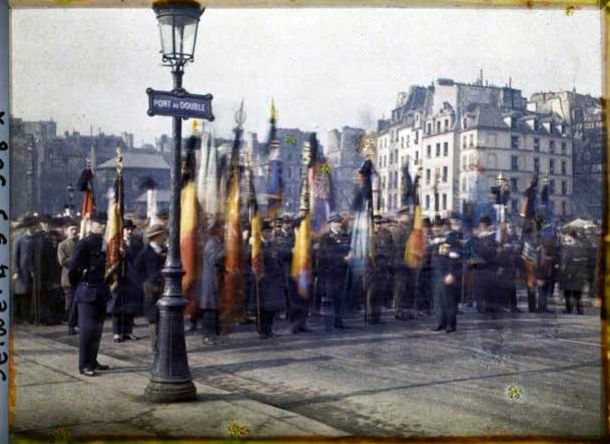
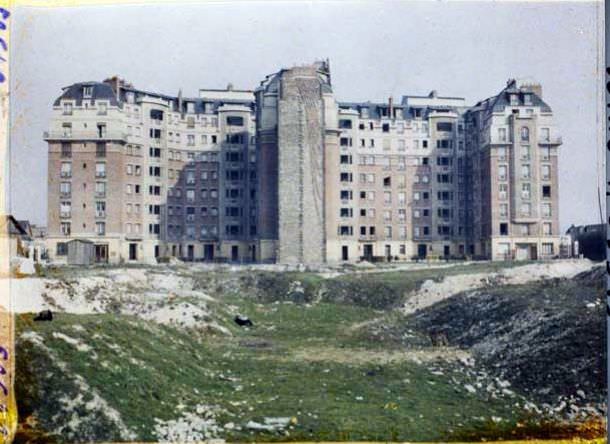
Some photographs captured events rather than everyday scenes. The funeral procession of Marshal Foch drew foreign delegations to the Pont au Double. Soldiers were photographed reading public notices posted at the Porte de Saint-Cloud on May Day. And along the city’s outer edges, the old fortifications were already being torn down to make way for new public housing blocks at the Porte d’Orléans.
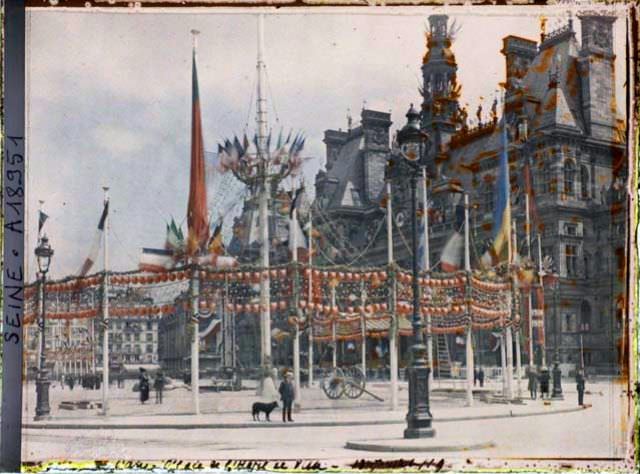
Parade of foreign delegations on the deck of Double for the funeral of Marshal Foch, view taken towards the quai de Montebello.Demolition of the fortifications and reconstruction of buildings (HBM), Porte d’Orléans.Rue de Rivoli along the town hall.Rue de Rivoli along the Town Hall.Statues of Lille and Strasbourg, Place de la Concorde.