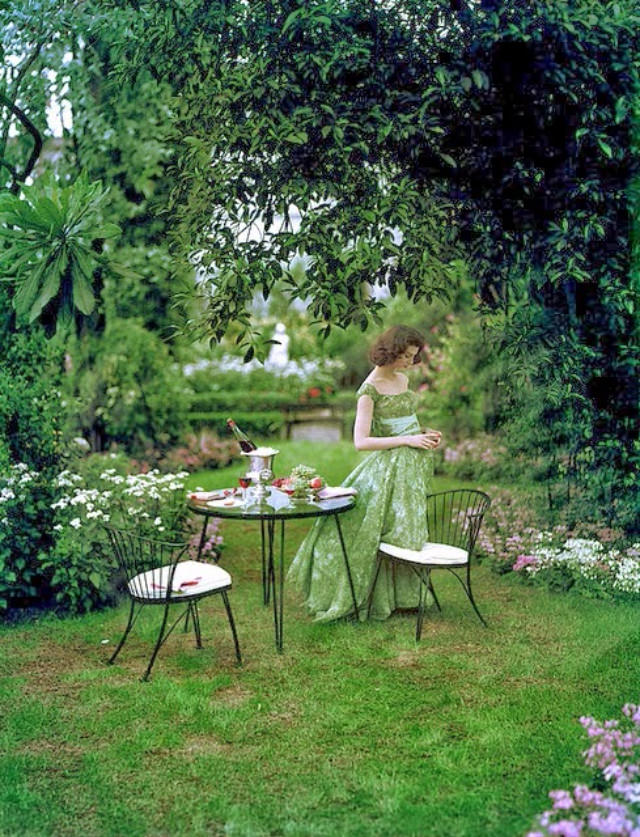
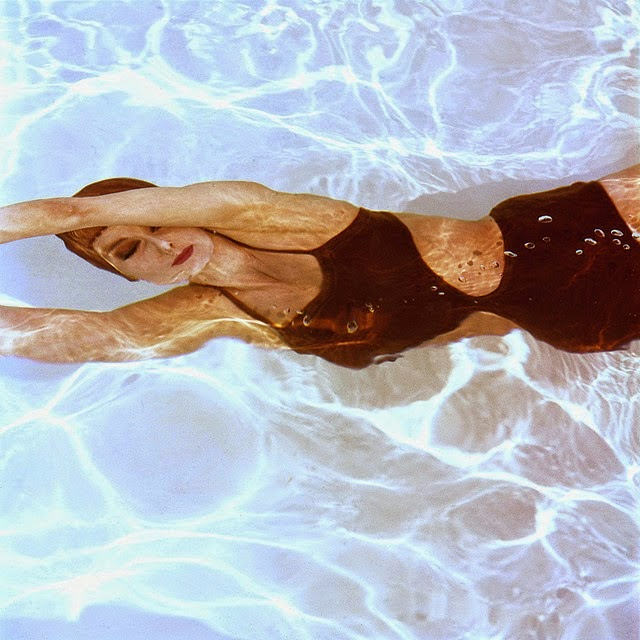
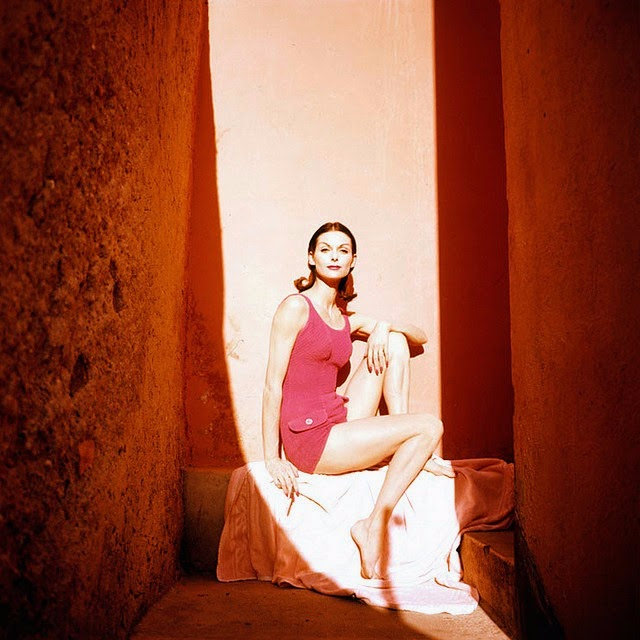
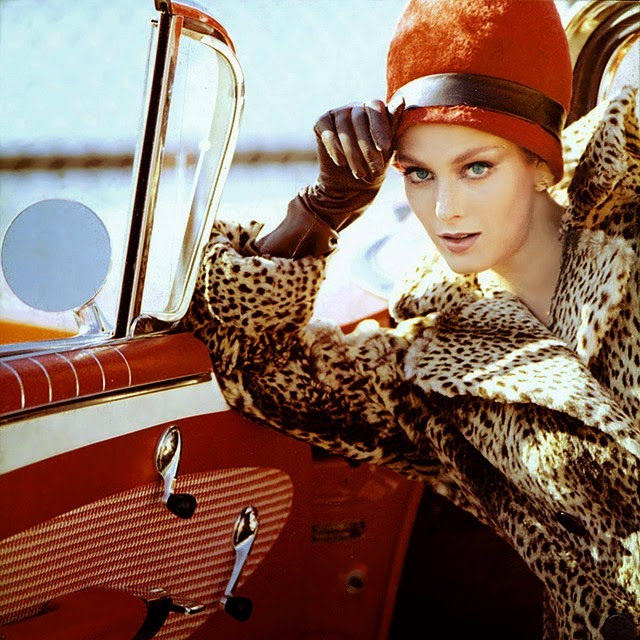
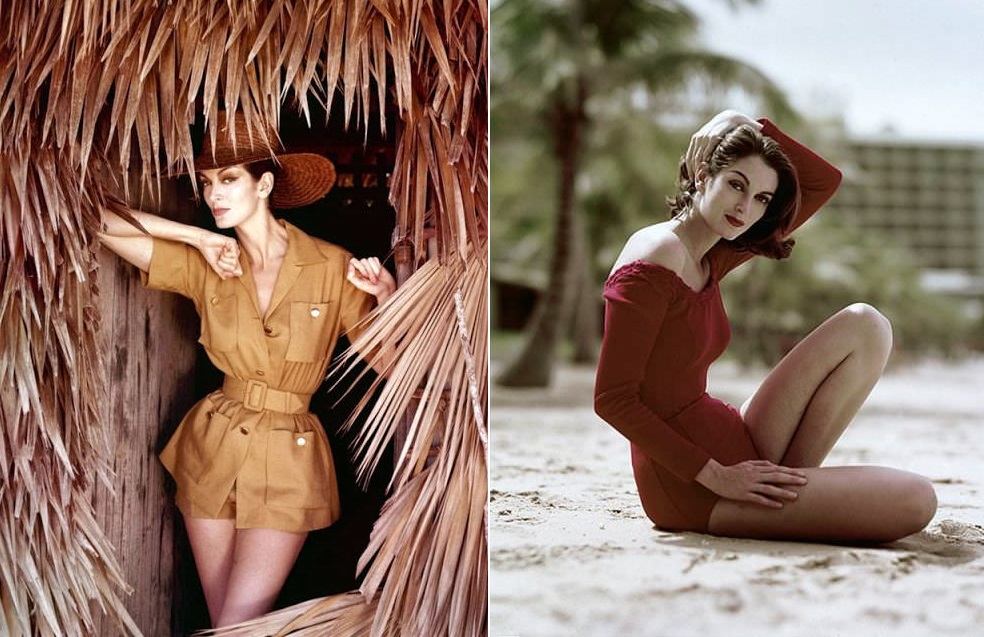
In the 1950s, Harper’s Bazaar and Vogue were more than style guides — they were visual storytelling machines. Every image was a carefully built scene, shaped by photographers, art directors, and editors working together toward a single goal: make the clothes feel alive.
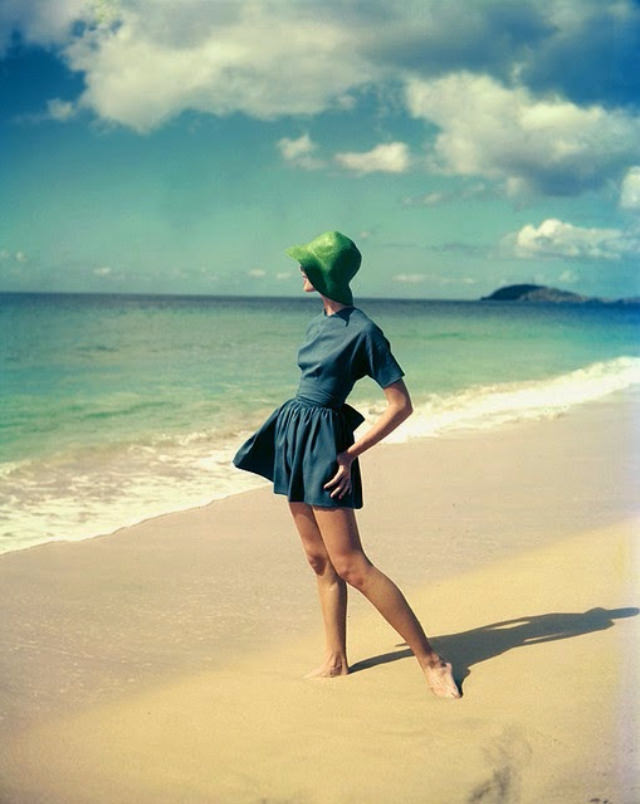
At Harper’s Bazaar, art director Alexey Brodovitch set the tone. He pushed photographers toward clean, cinematic compositions and real-world locations. Shoots moved out of studios and into the streets of Paris and New York, or across dramatic open landscapes.
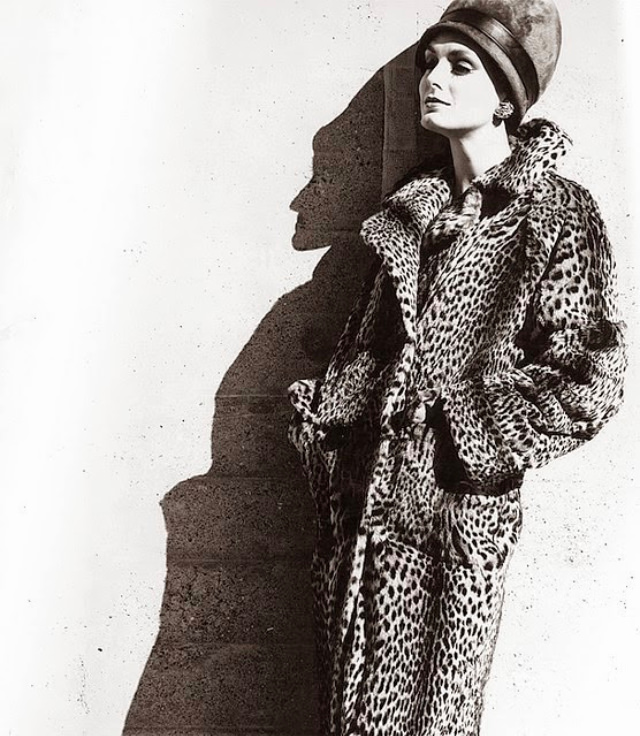
Photographer Tom Palumbo worked for both magazines during this period. His images captured models mid-stride on city streets, coats catching the wind, or caught in quiet, unguarded moments. The clothing was always the focus, but it existed inside a believable scene.
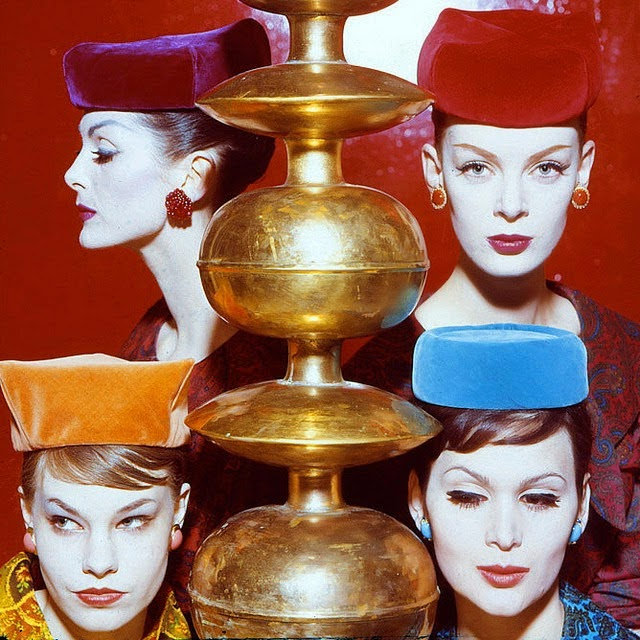
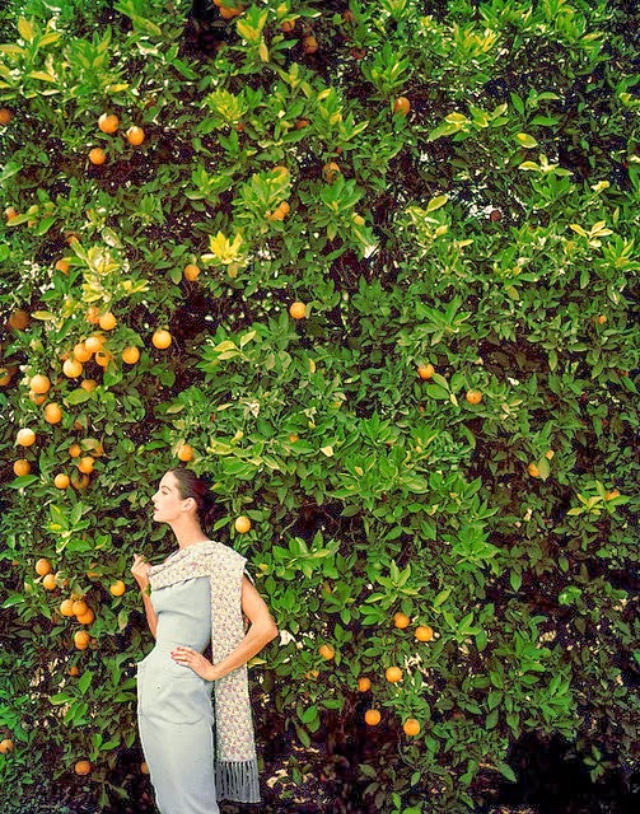
The fashion itself told the story of the decade. Dior’s New Look dominated — cinched waists, full skirts, and a strict hourglass silhouette. Models appeared in tailored suits, matching hats and gloves, and sweeping evening gowns designed by Dior and Balenciaga.
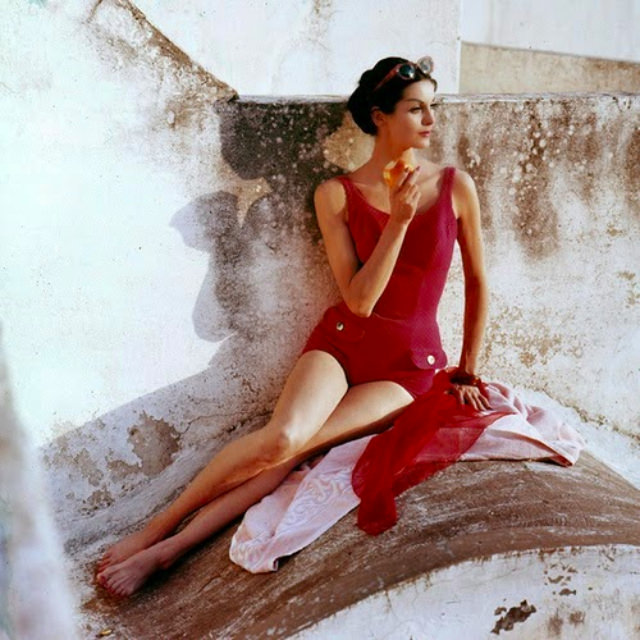
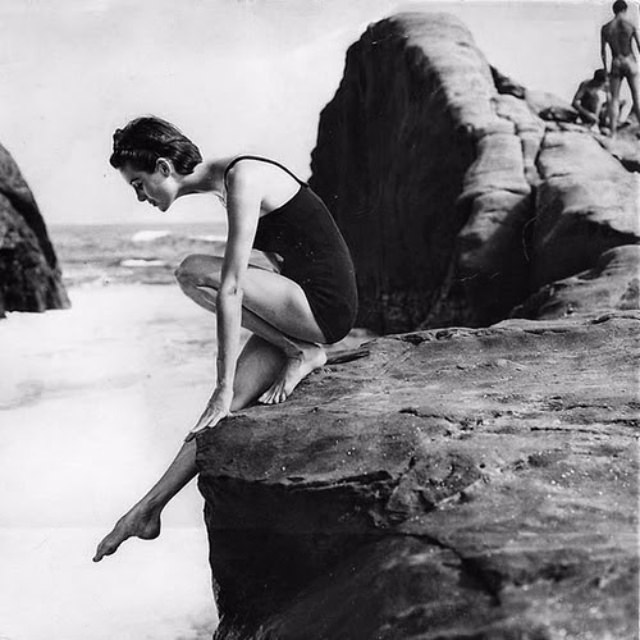
Vogue operated under art director Alexander Liberman. While the energy differed from Bazaar, the standard was just as high. Palumbo’s work there carried his signature quiet intimacy, framing garments with careful attention to cut and drape.
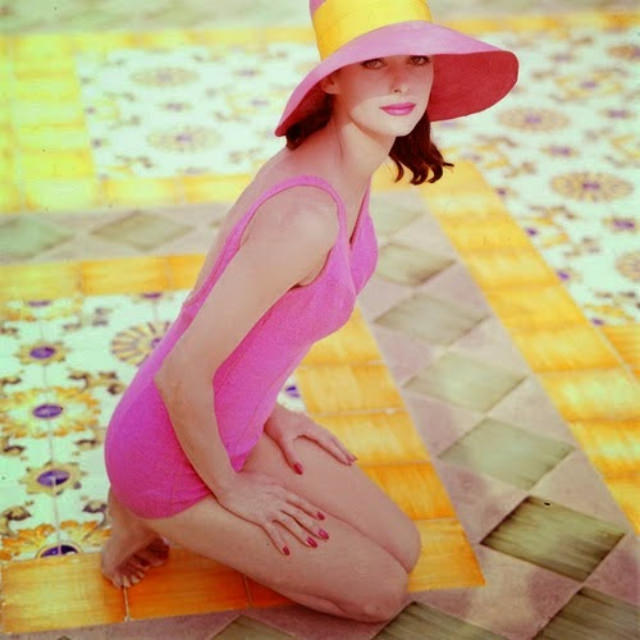
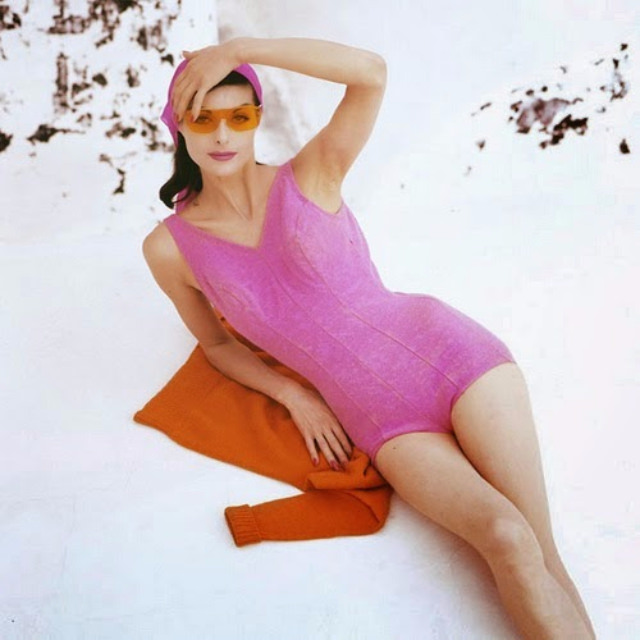
The models of the era — Dovima, Suzy Parker, Jean Patchett — were skilled performers. They shifted between aristocratic coolness and easy charm depending on the shoot. A fashion editor selected the garments, the photographer composed the frame, and the model made it all connect.
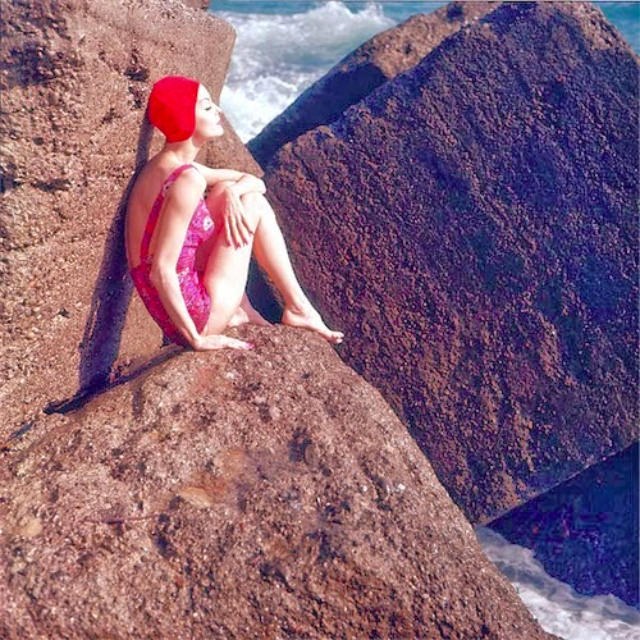
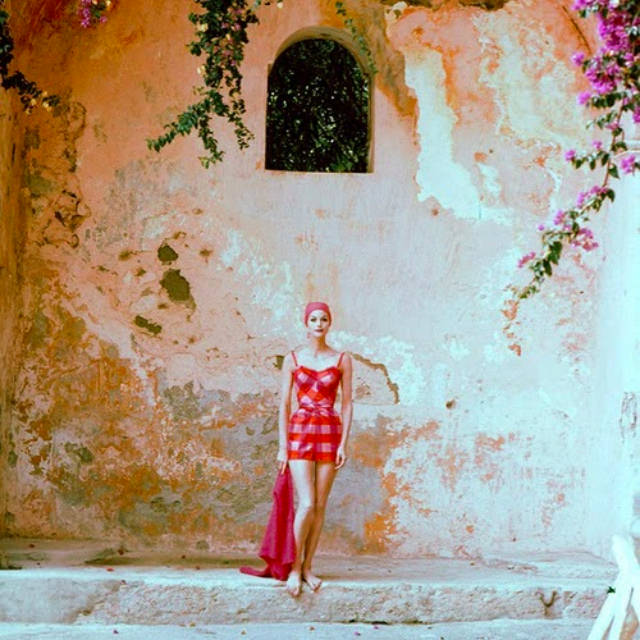
Each image was built to highlight something specific — the precise cut of a Chanel suit, the soft fall of a Givenchy gown. Nothing was accidental. Lighting, location, and pose all worked together to present the garment at its best.
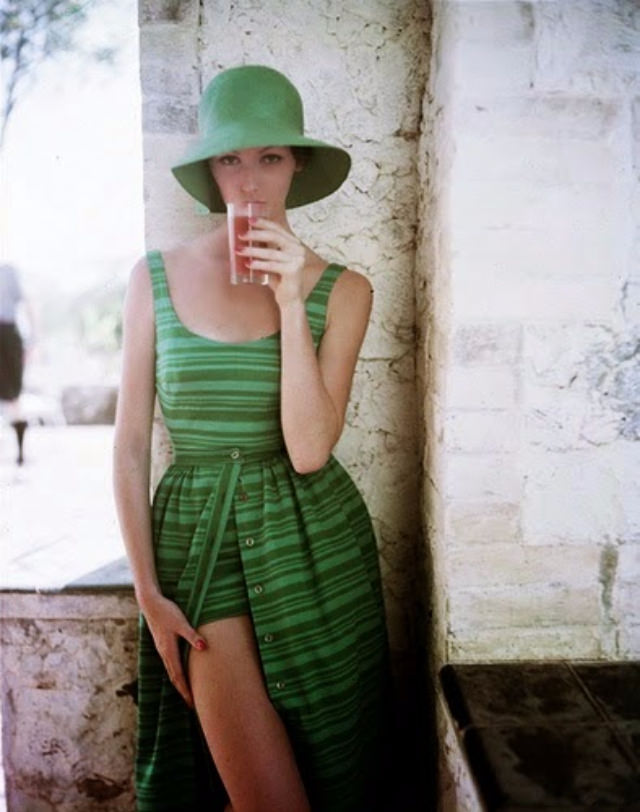
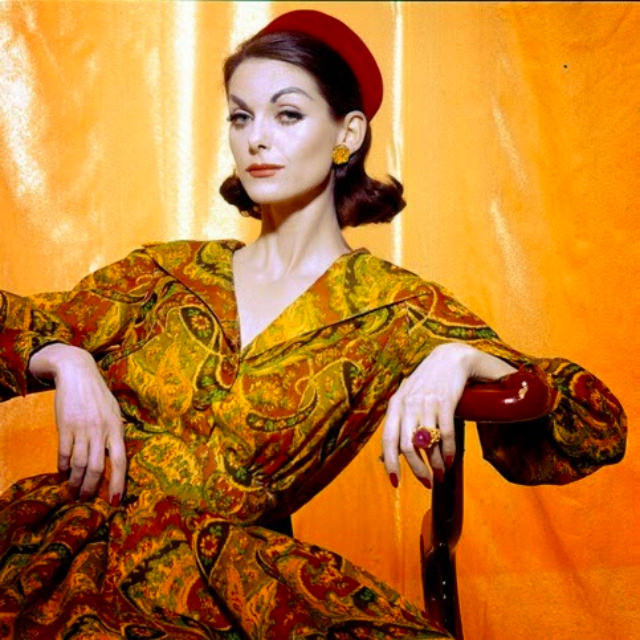
By the early 1960s, the look began to shift. Couture remained prominent, but simpler sheath dresses and cleaner lines started appearing alongside the structured gowns. Ready-to-wear clothing entered the frame, still polished but less formal.
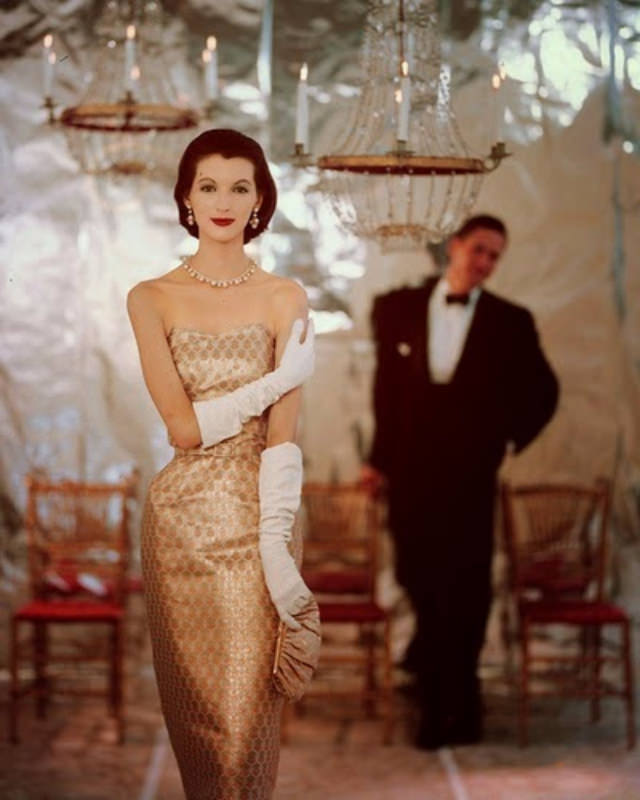
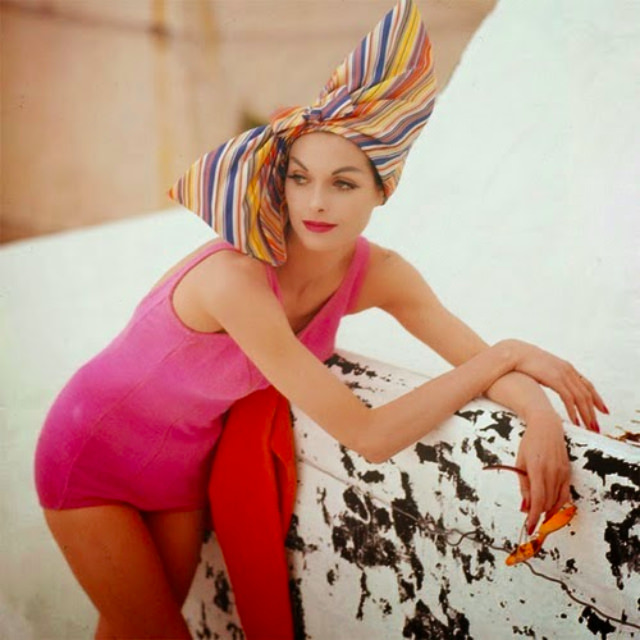
These photographs document the final years of a very specific kind of elegance — structured, deliberate, and deeply considered. The youth-driven fashion revolution of the mid-1960s would soon sweep it all away.