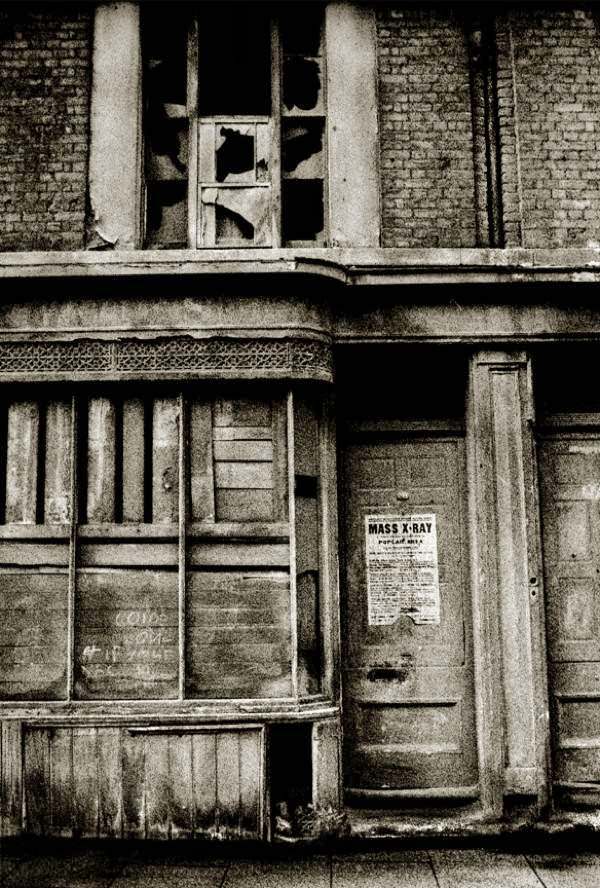
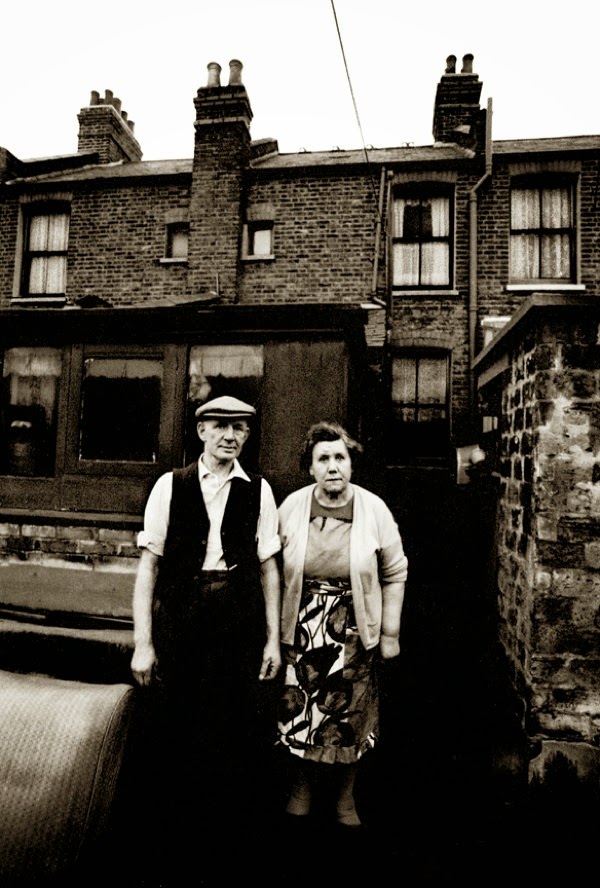
By the early 1960s, London’s East End was still carrying the physical and social weight of World War II. Bomb sites sat between rows of soot-darkened brick terraces. Families who had lived in the same streets for generations had no reason to believe that world was about to end. It was. Photographer John Claridge, who grew up in Plaistow, spent this decade documenting the neighborhood he knew — its people, its streets, and its daily rhythms — before they were gone.
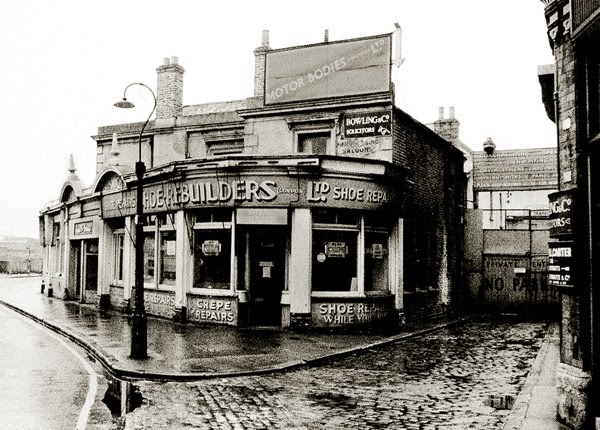
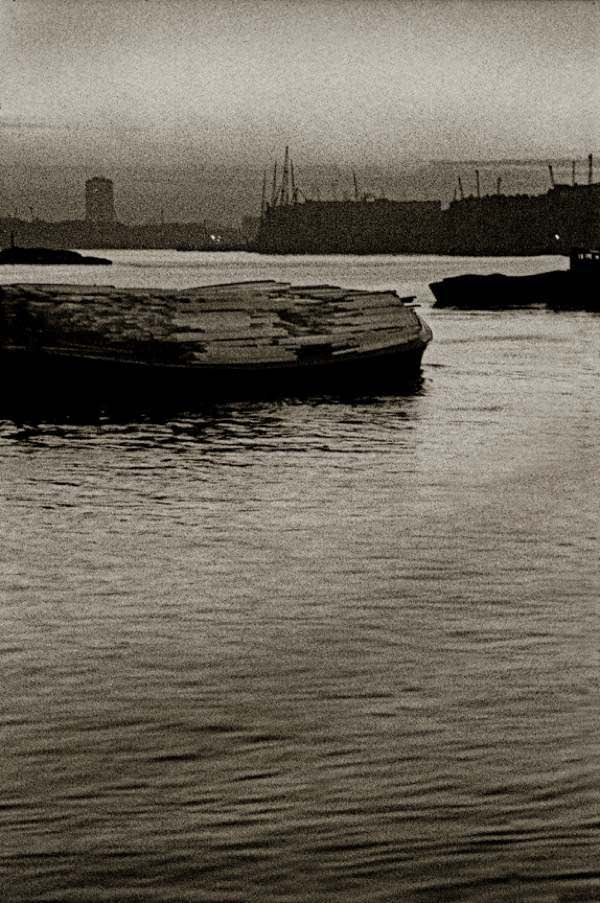
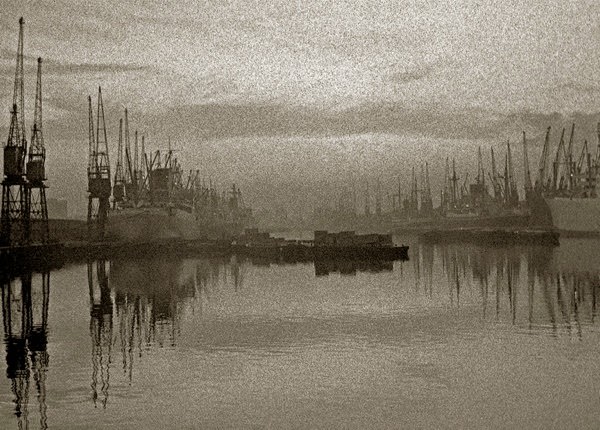
The London Docks were the engine of the community. Men worked as dockers, loading and unloading cargo by hand — heavy, physical labor that shaped both their bodies and their identity. Women found work as machinists in the clothing trade, particularly around Roman Road. Life outside of work centered on the corner pub, the street market, and the local cinema. Boxing was a serious pursuit, not just a spectator sport.
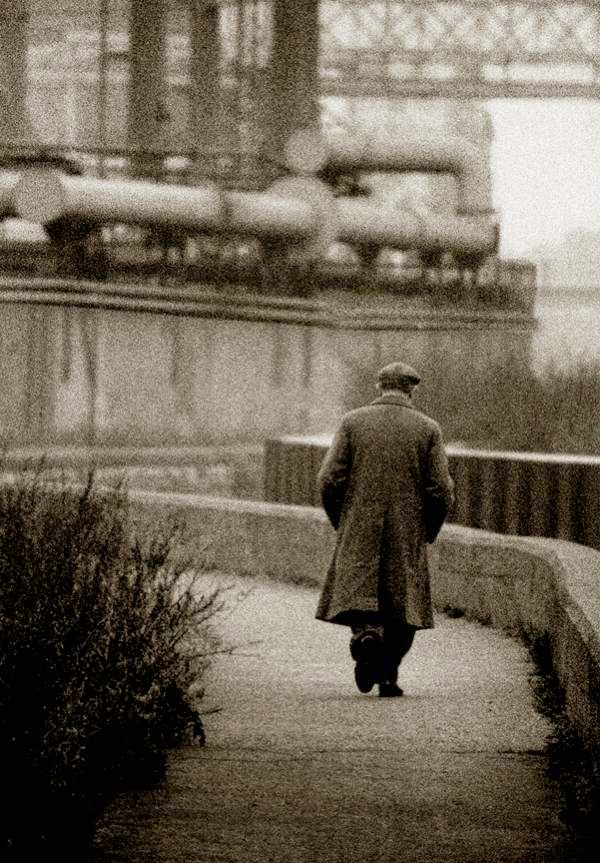
The air itself marked the era. Coal smoke and industrial pollution combined to produce the dense smogs that London was notorious for, sometimes cutting visibility down to just a few feet. This heavy atmosphere soaked into the fabric of daily life.
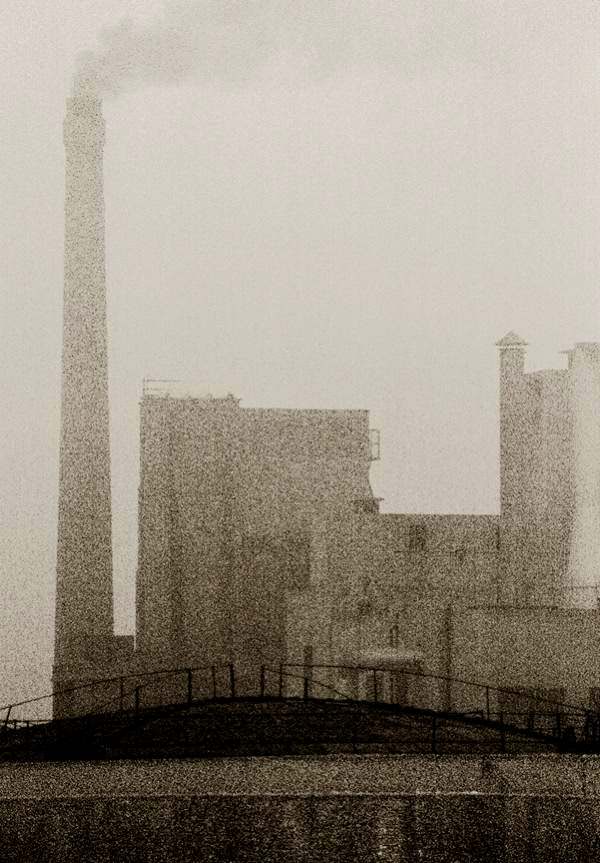
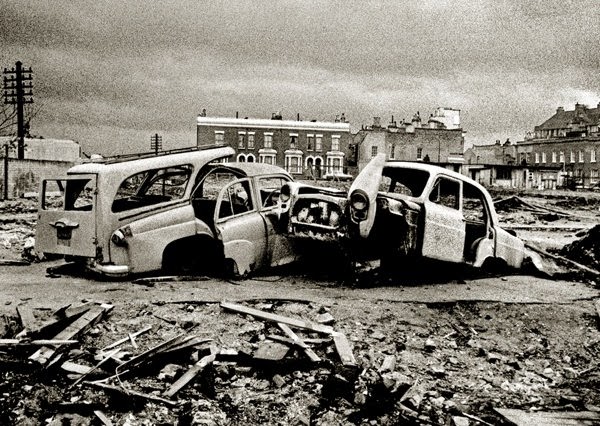
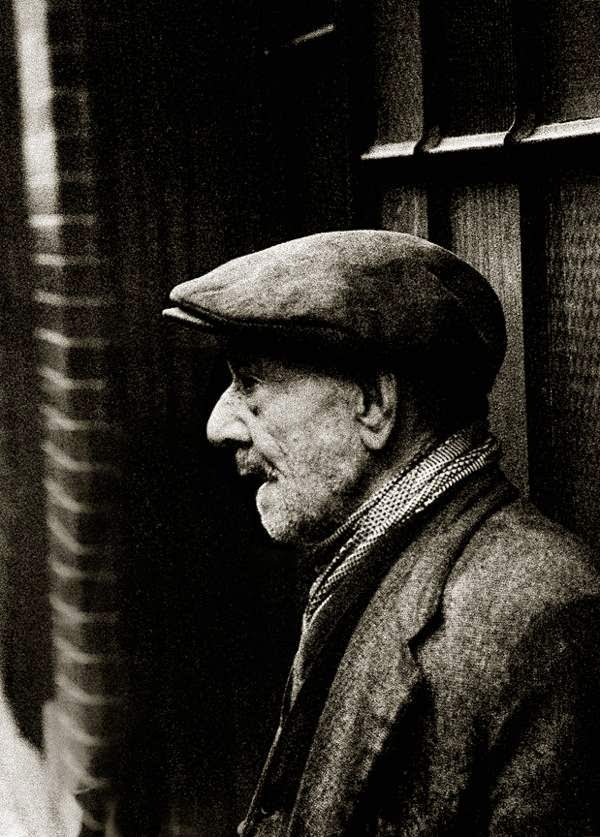
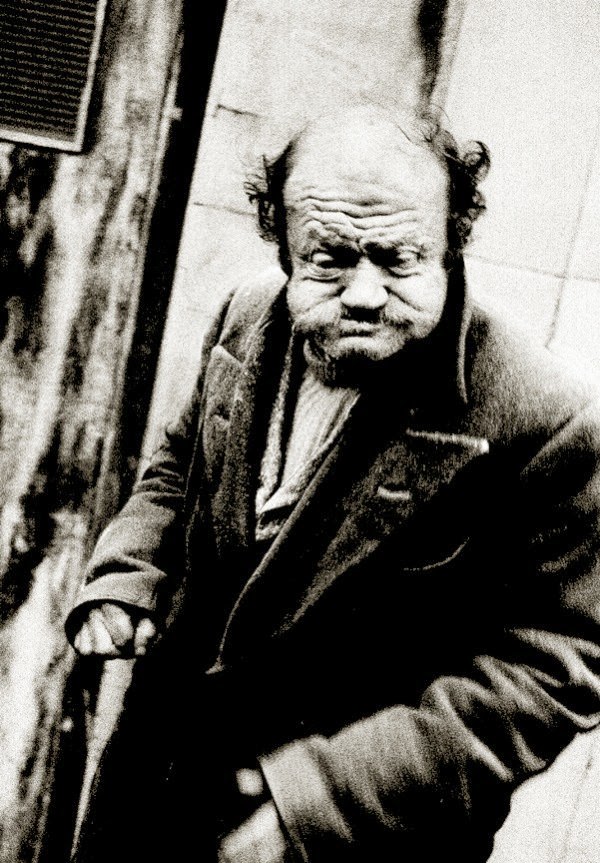
The people Claridge photographed were not glamorous. Men returning from the docks wore flat caps and heavy coats. Women dressed practically for long shifts in factories. Claridge photographed his neighbors by name — Mr. and Mrs. Jones among them — producing portraits that captured real faces, not archetypes. This was a working-class world running entirely on its own terms, far removed from the swinging London being sold to the rest of the world.
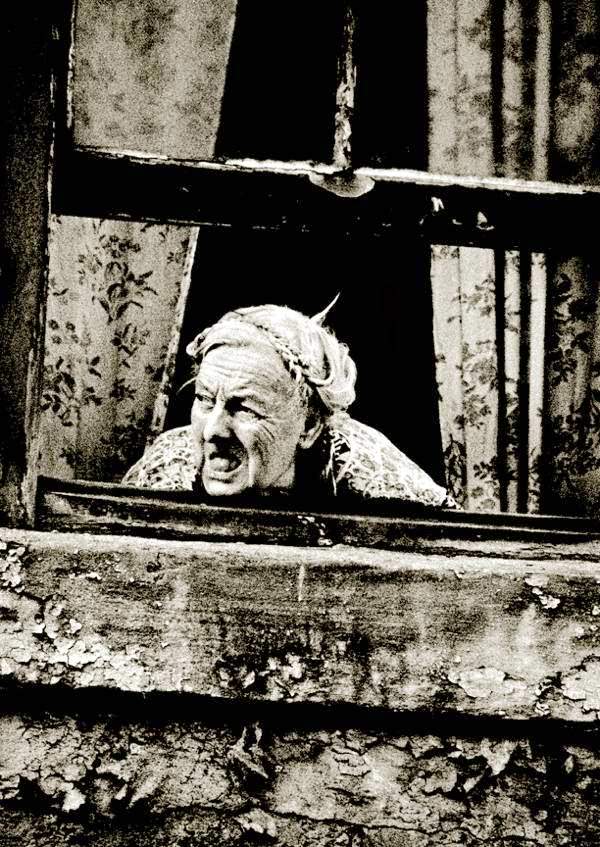
Children used the streets as playgrounds, moving freely between terraces and vacant lots. Funfairs and boxing matches drew crowds. The street market was as much a social space as a commercial one. Neighbors knew each other the way families know each other.
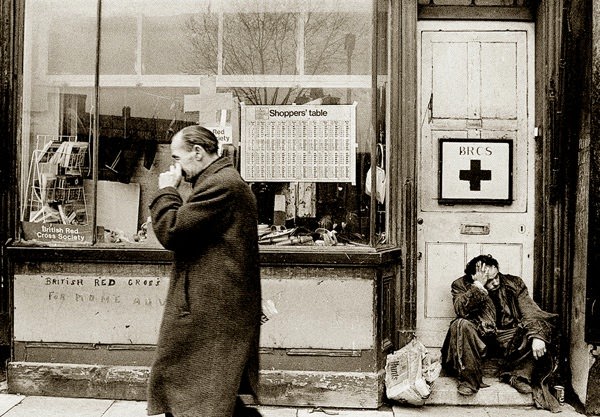
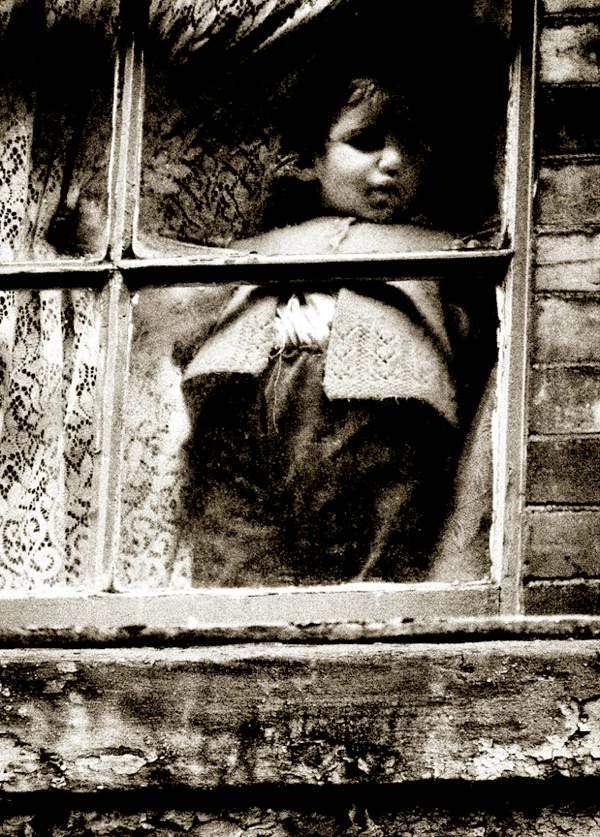
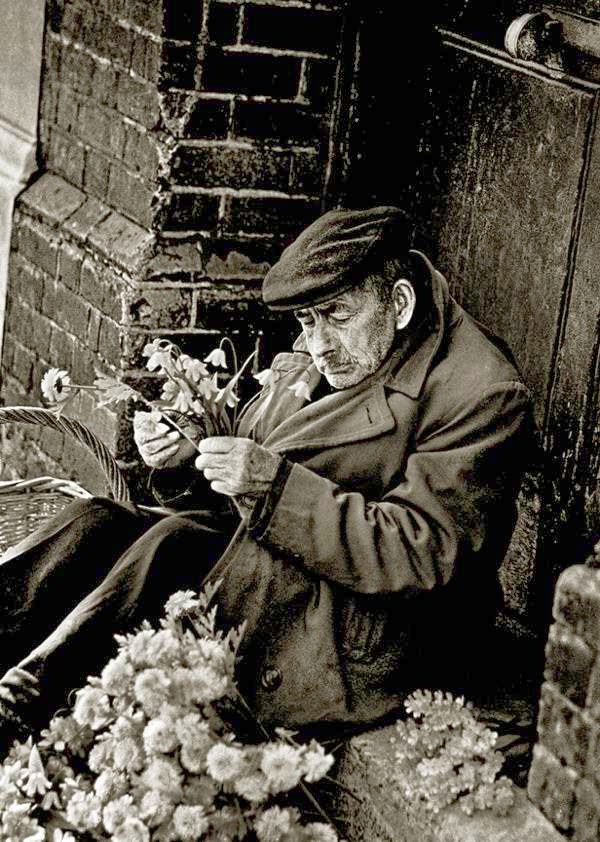
Small, everyday tasks — collecting firewood, buying flowers from a street seller, stopping for a moment on a corner — filled the hours between shifts. These were the details that defined the texture of East End life, and the details most at risk of being forgotten.
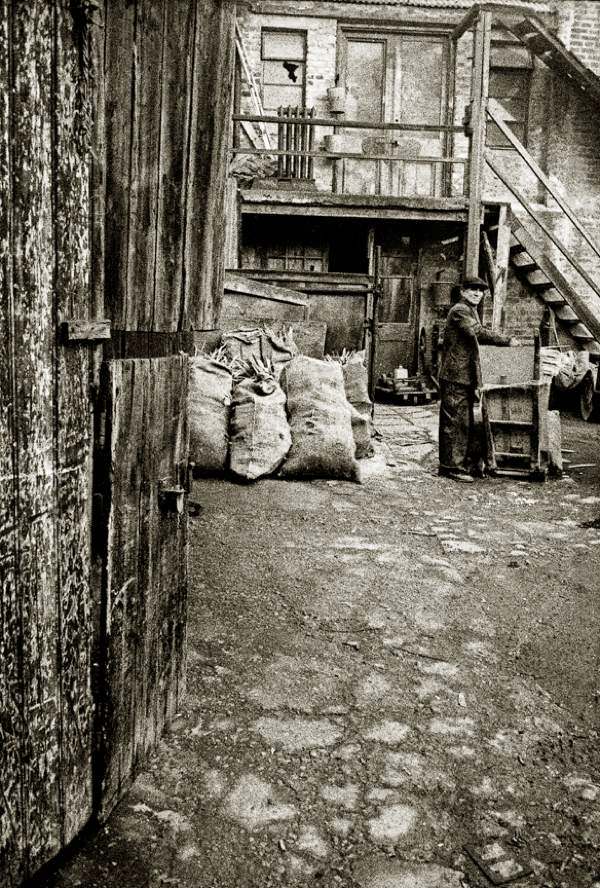
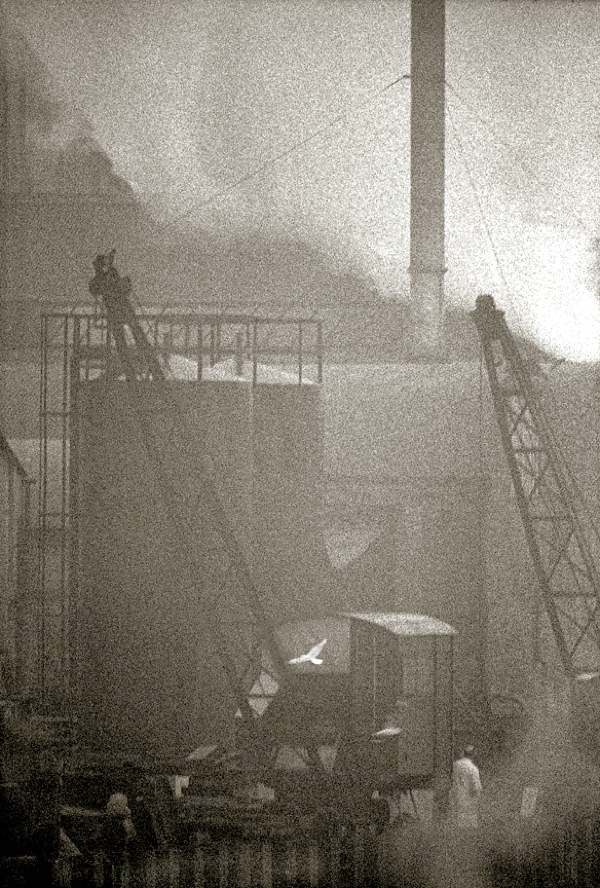
The docks themselves were already facing an existential threat. Containerization was beginning to reshape global shipping, and the London Docks would close in the years that followed, stripping the area of its primary employer and dismantling the culture that had grown around it.
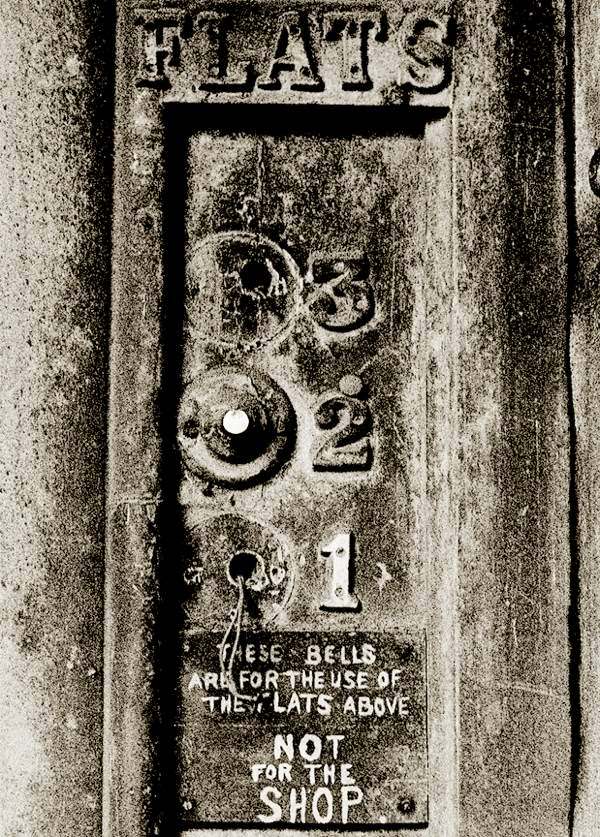
Post-war redevelopment brought its own disruption. Older terraced housing was demolished and replaced with high-rise council flats — structures that broke up the street-level social fabric that had held these communities together for decades. The physical layout of a neighborhood, it turned out, mattered enormously to how people lived within it.
Mass public health efforts, like mobile X-ray screening programs, were a visible part of life in this period, reflecting the broader push to modernize the health of working-class communities still living with the consequences of poor housing and industrial labor.
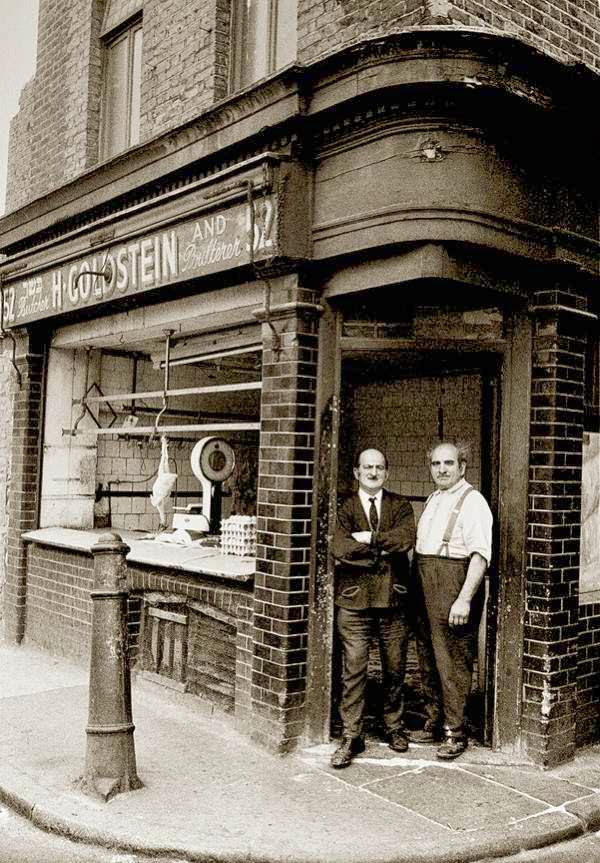
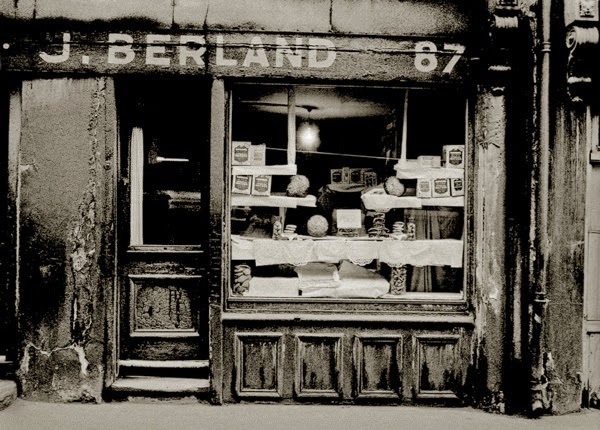
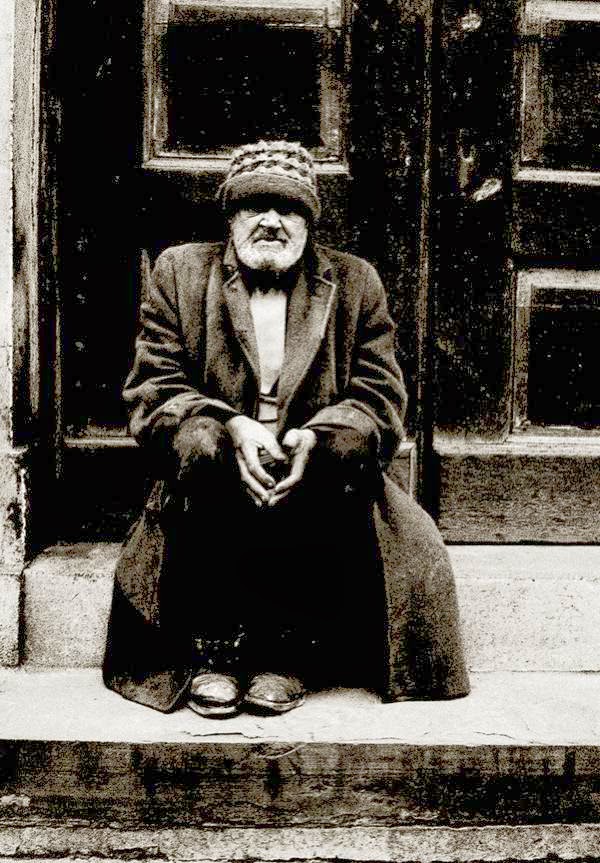
Claridge’s photographs do not romanticize what they show. They record it — the grime, the fog, the faces, the labor — with the directness of someone who lived it. The East End of the 1960s was not a place frozen in time. It was a place in the final years of a very specific way of life, already moving toward its own erasure.