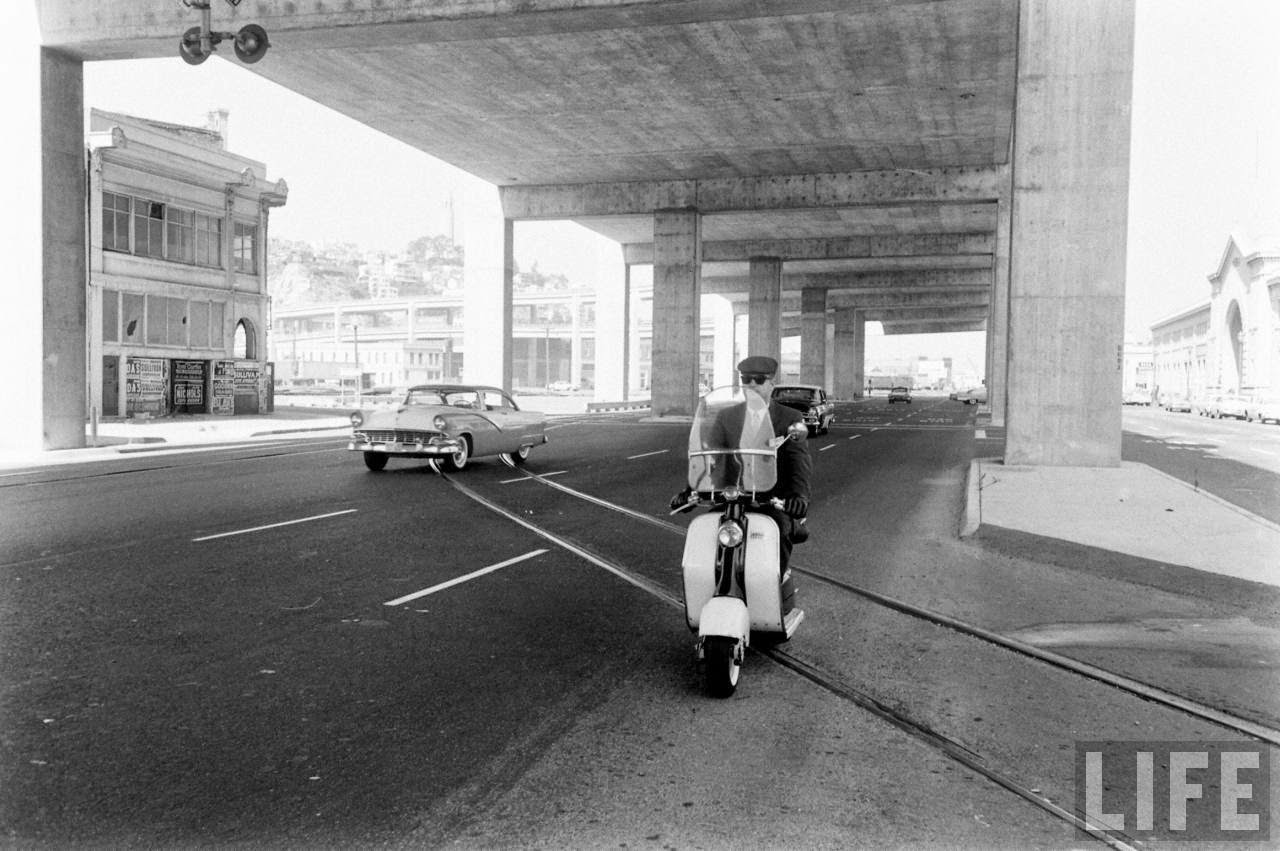
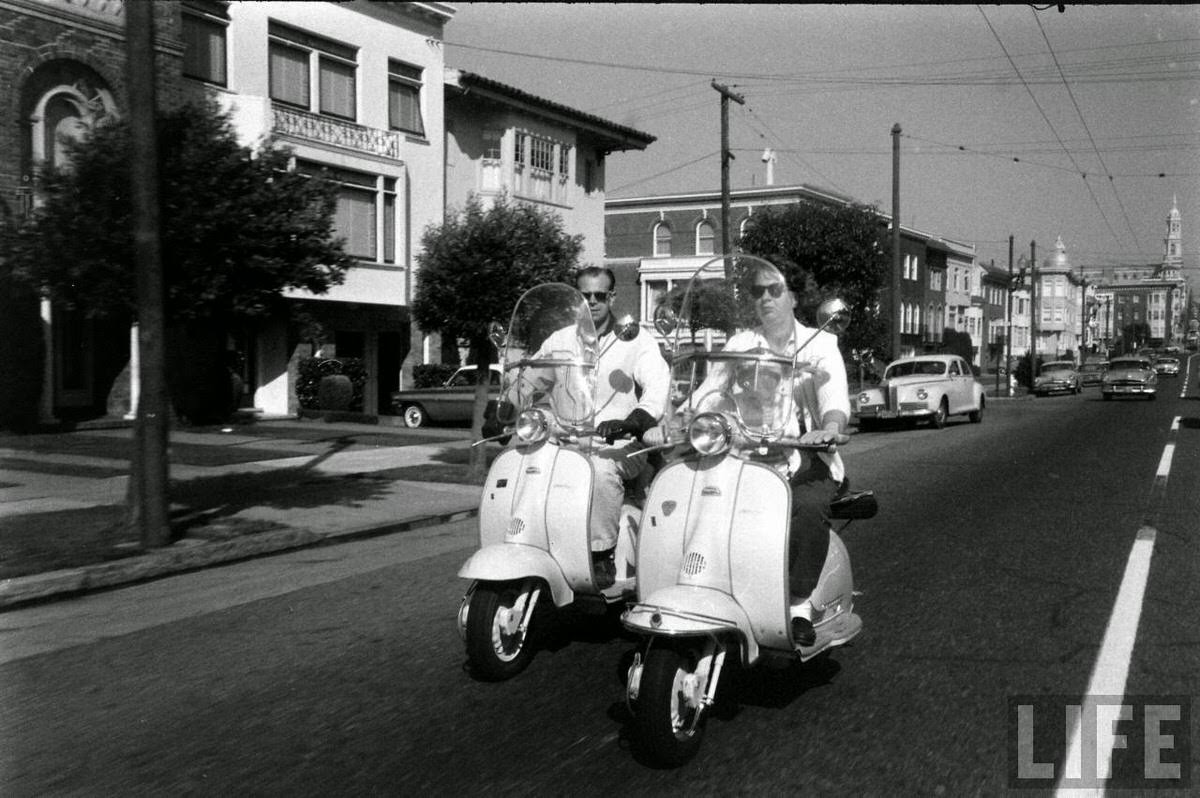
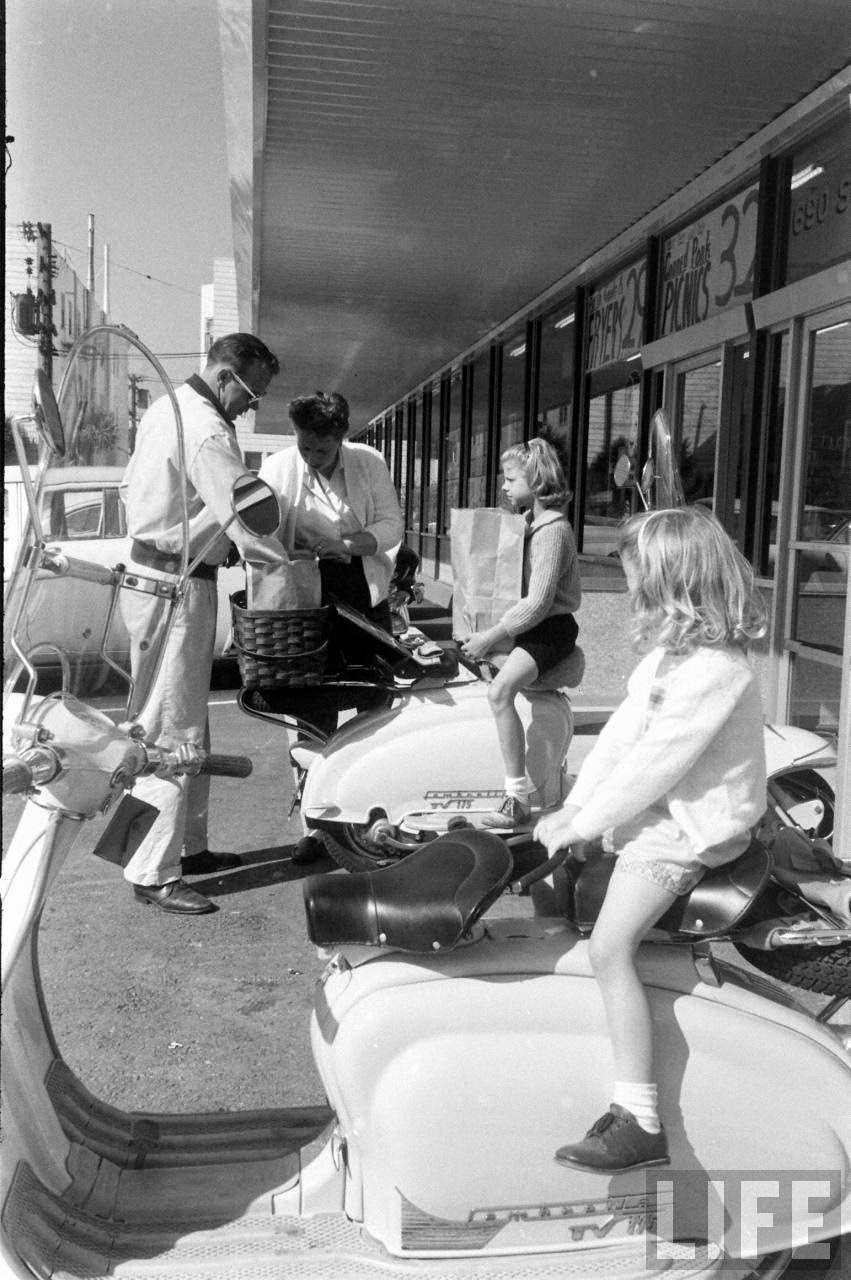
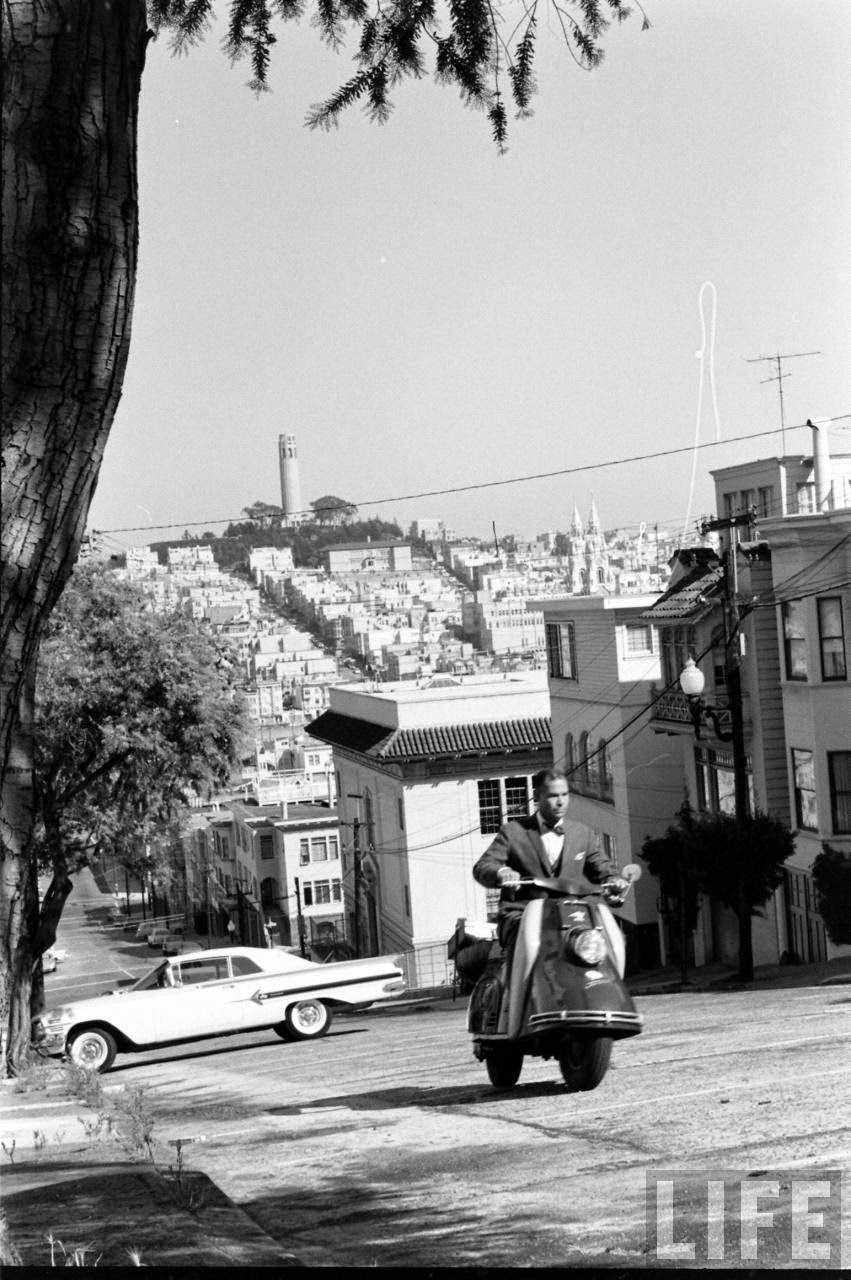
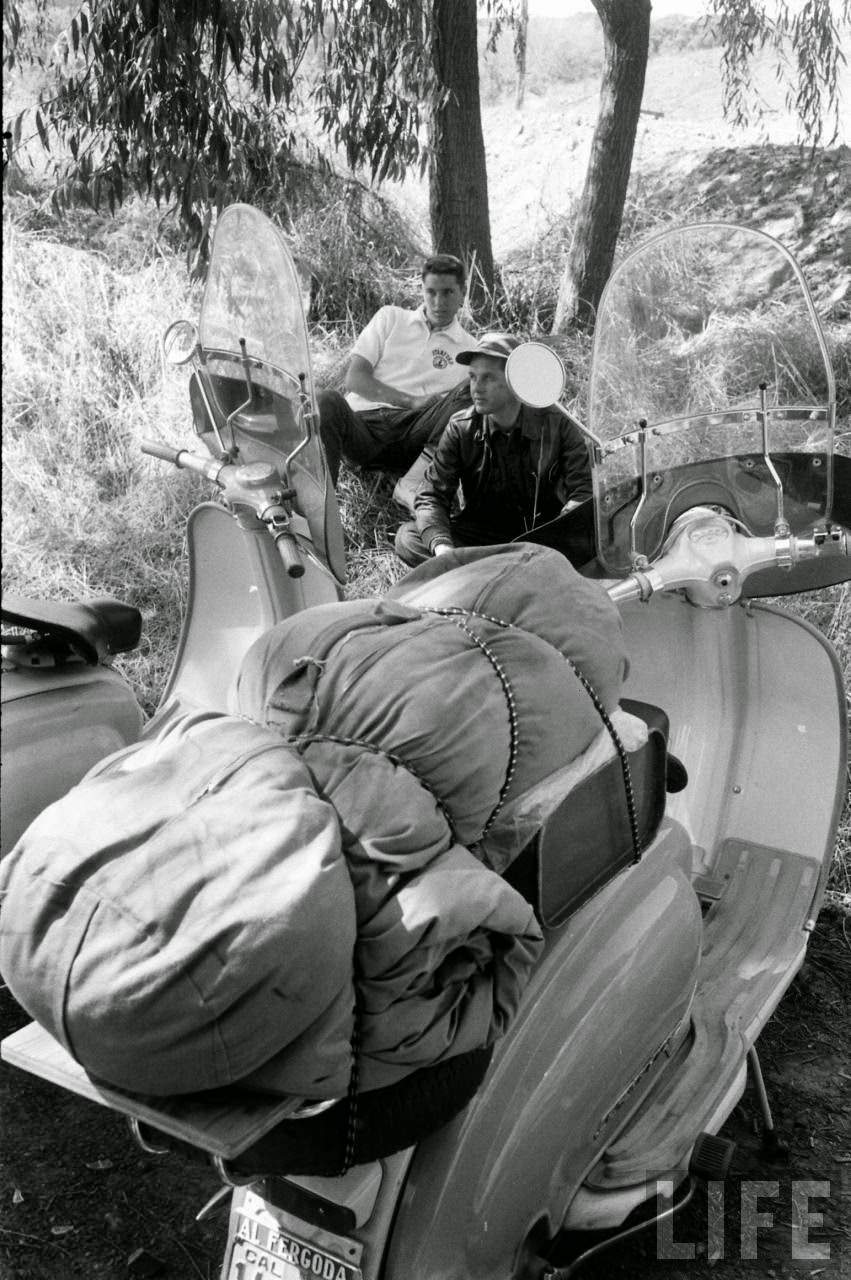
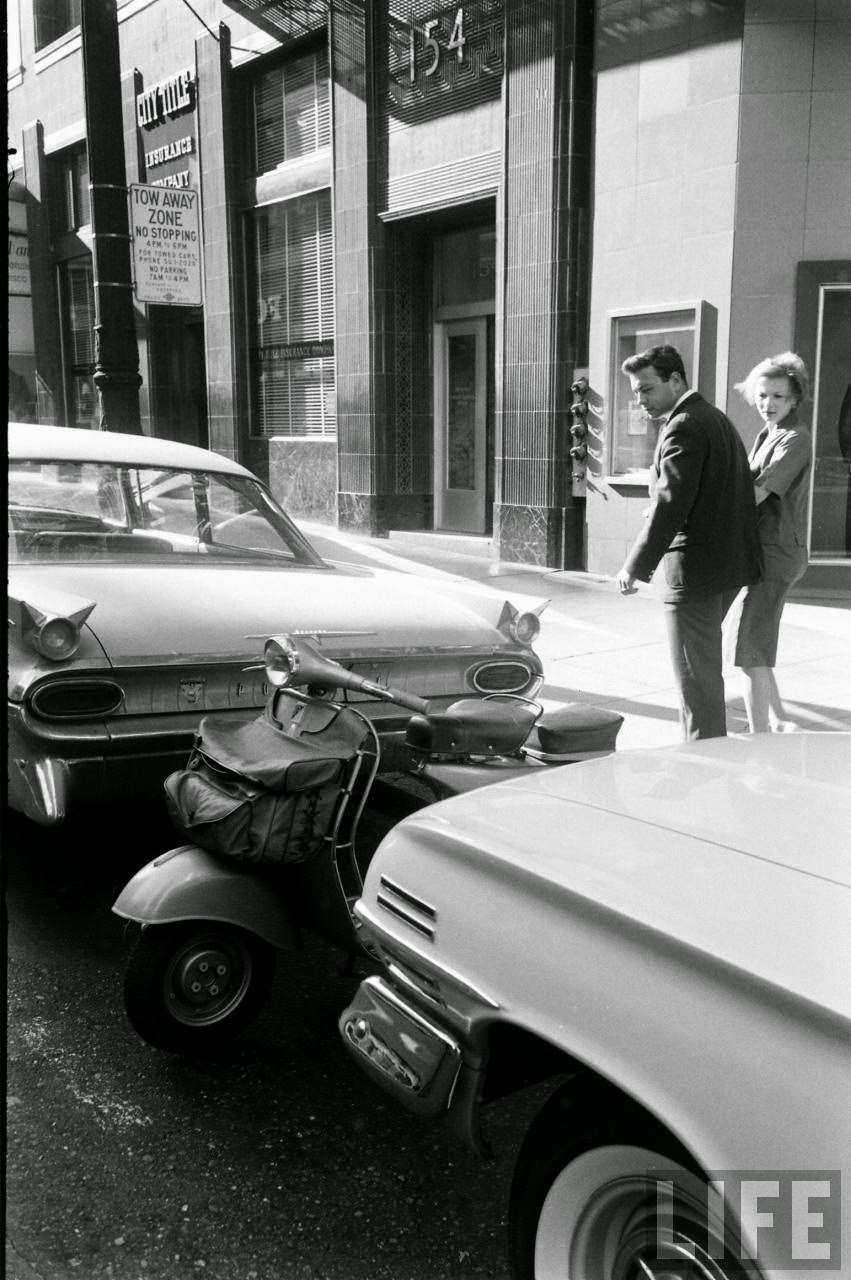
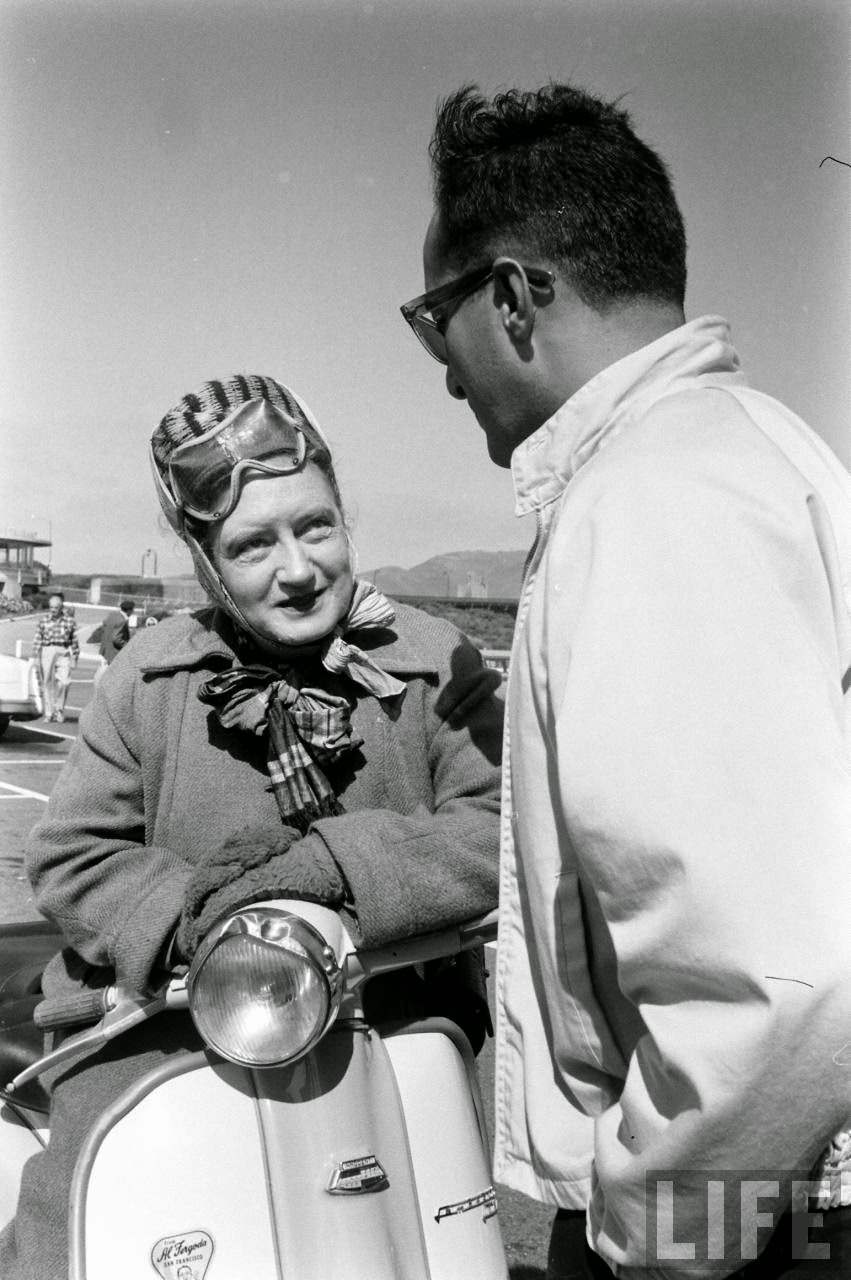
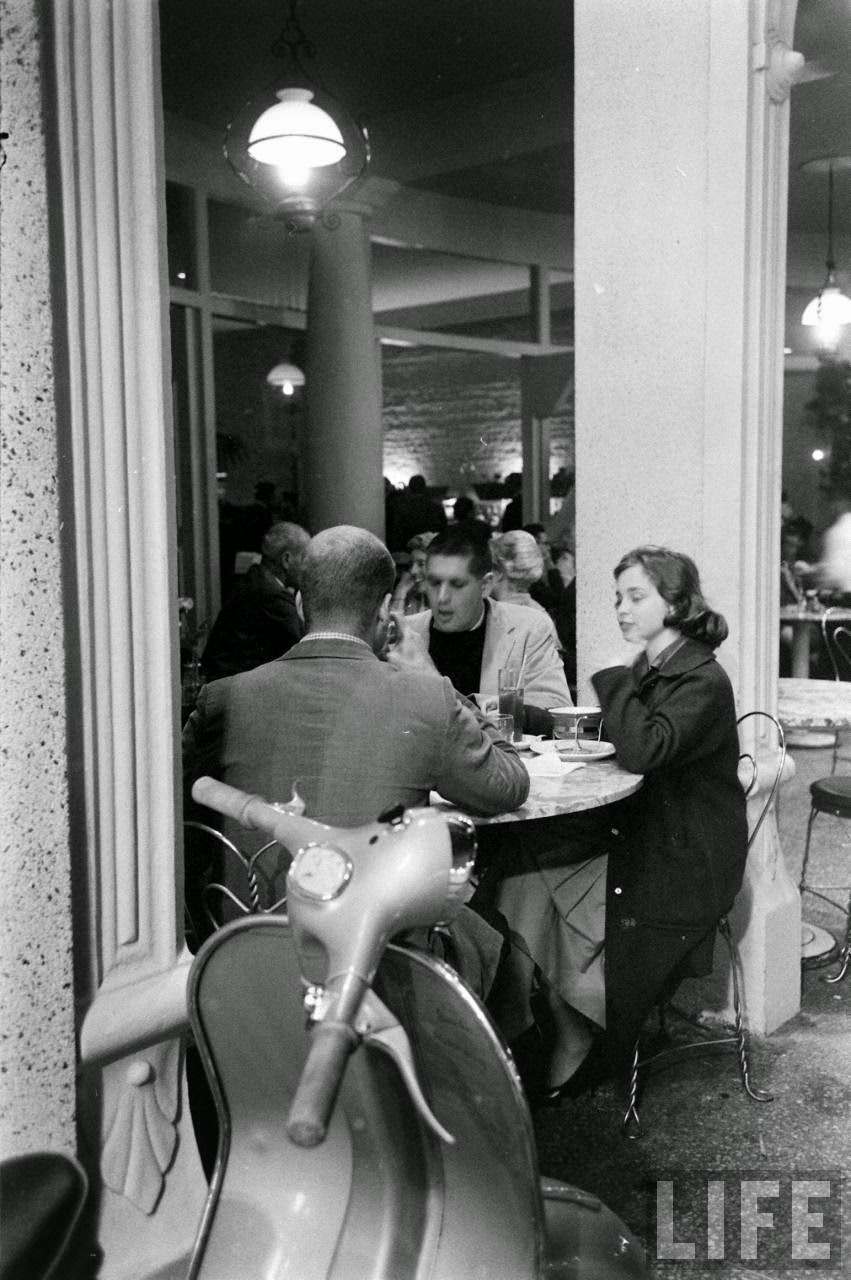
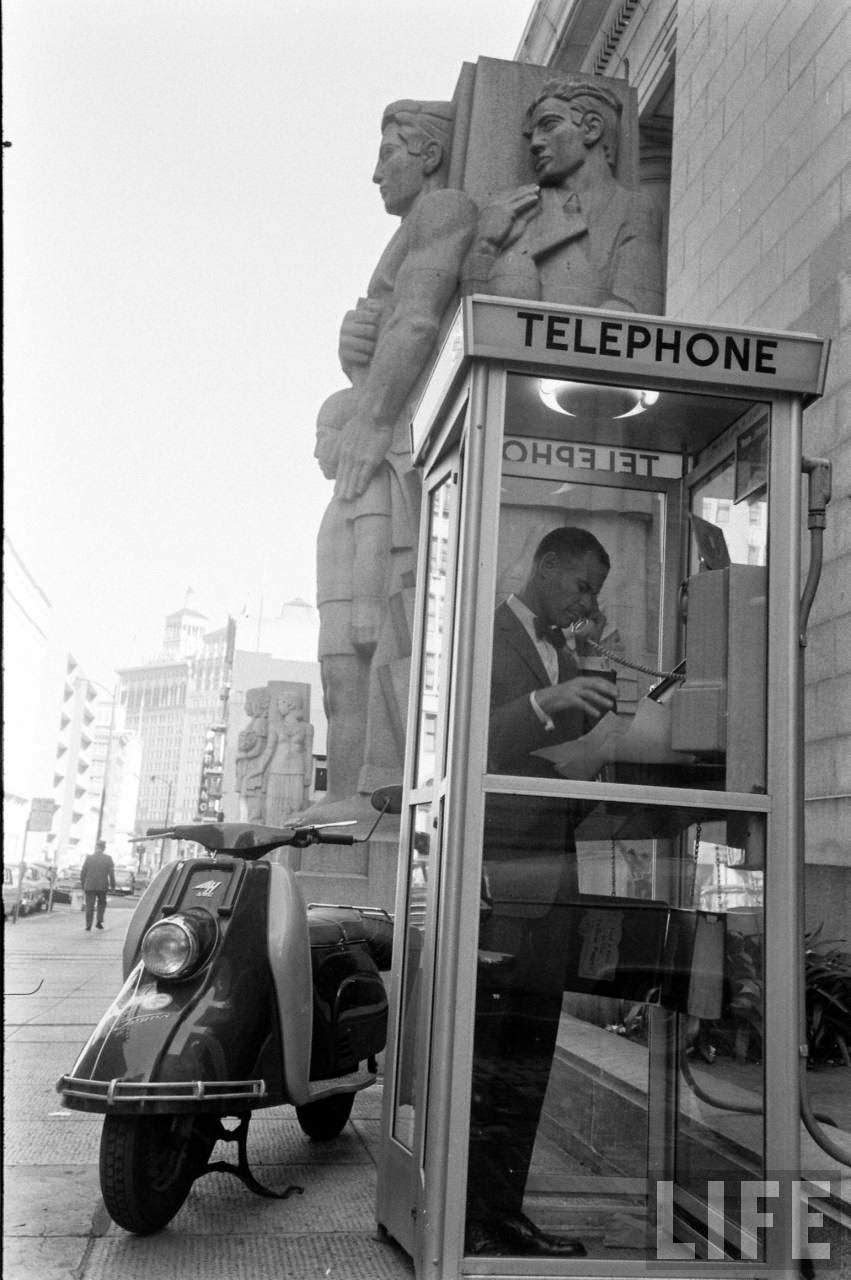
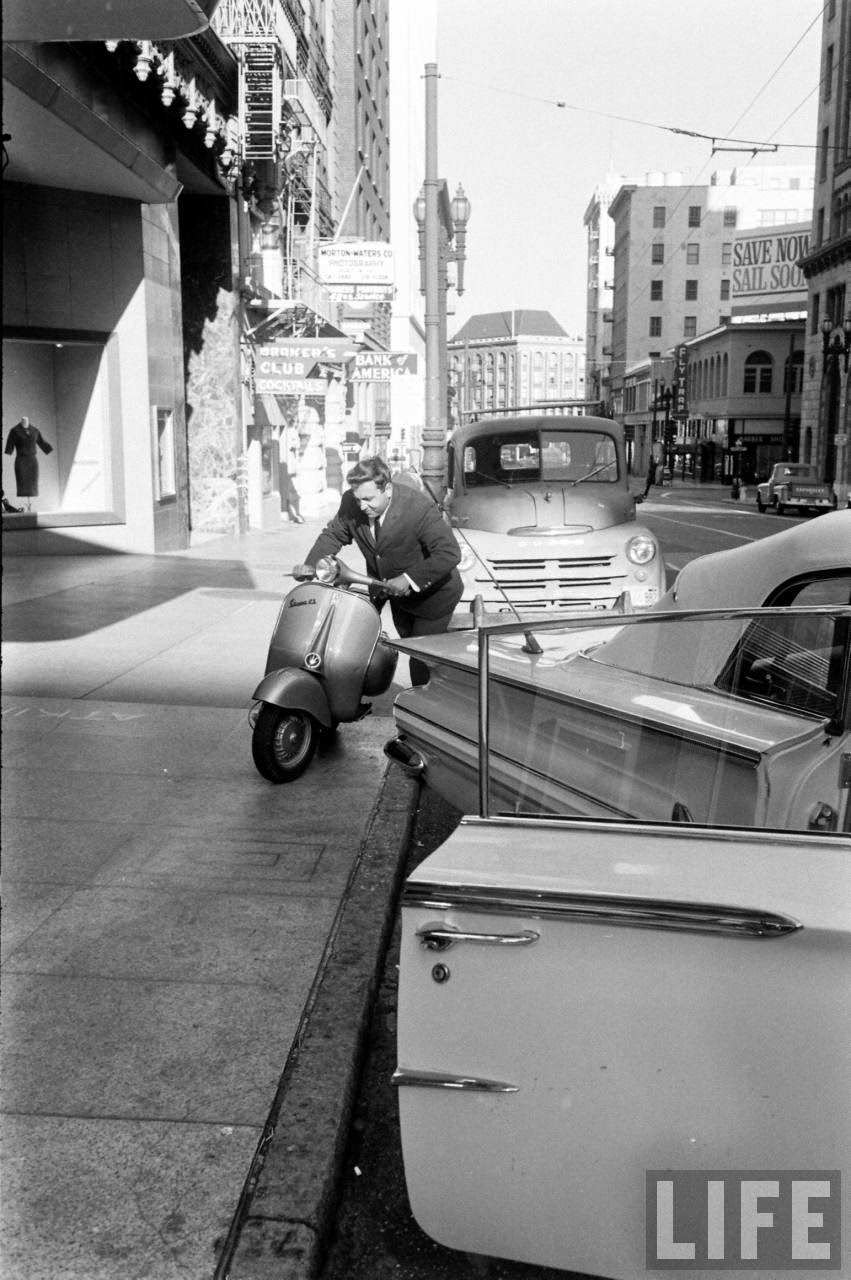
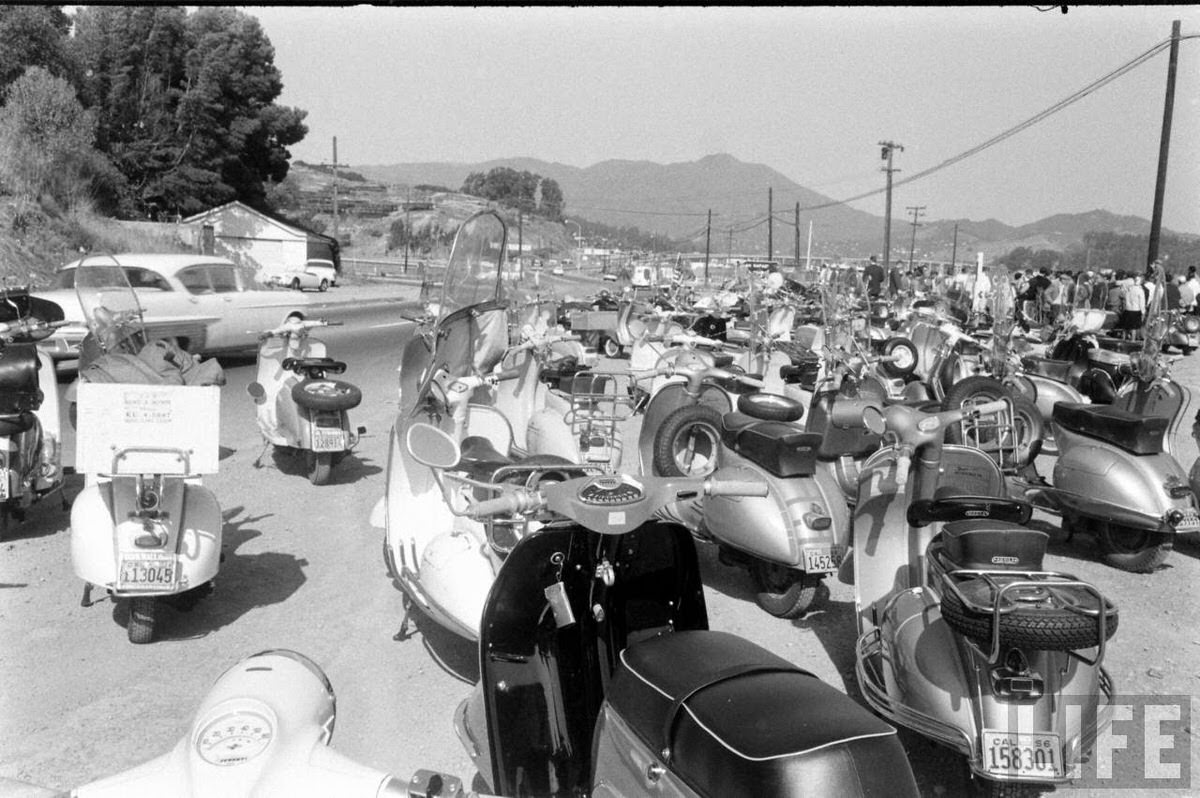
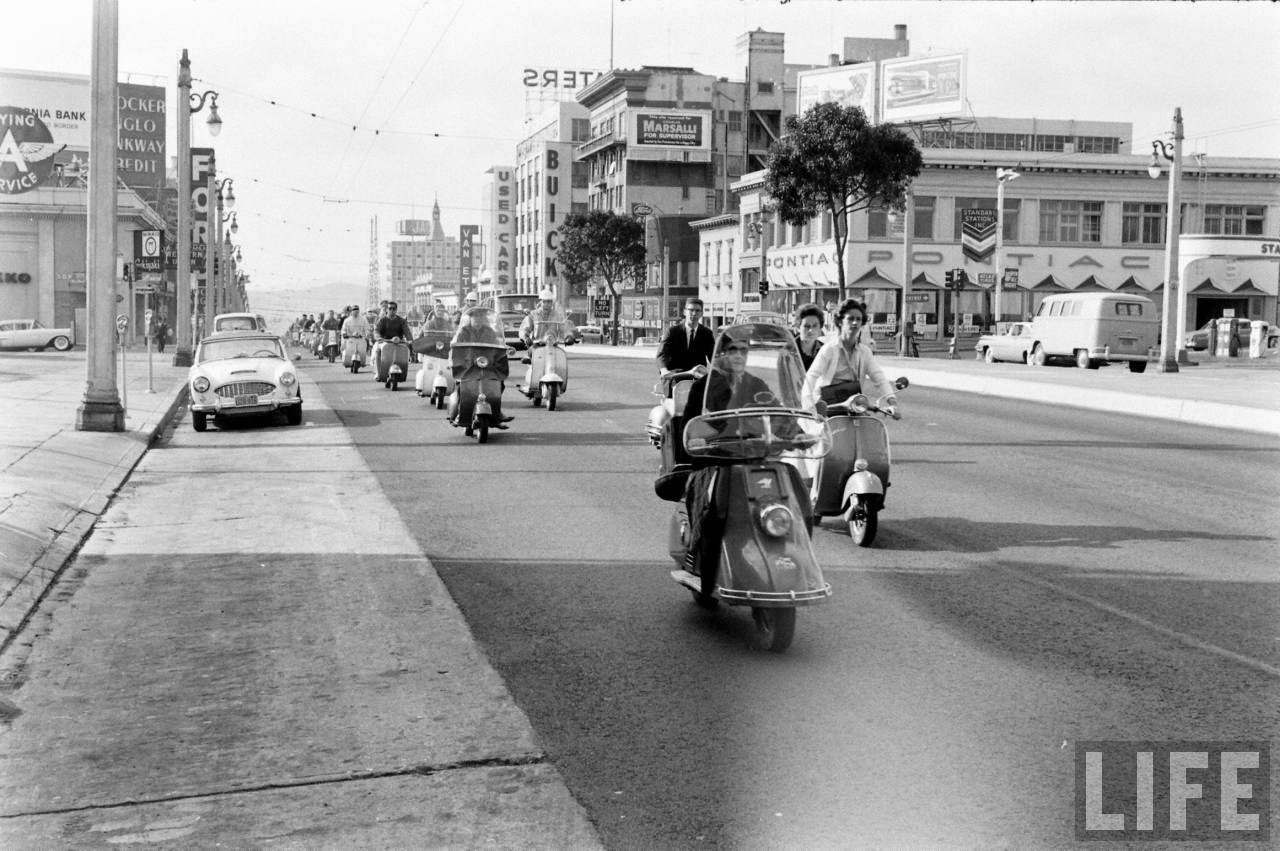
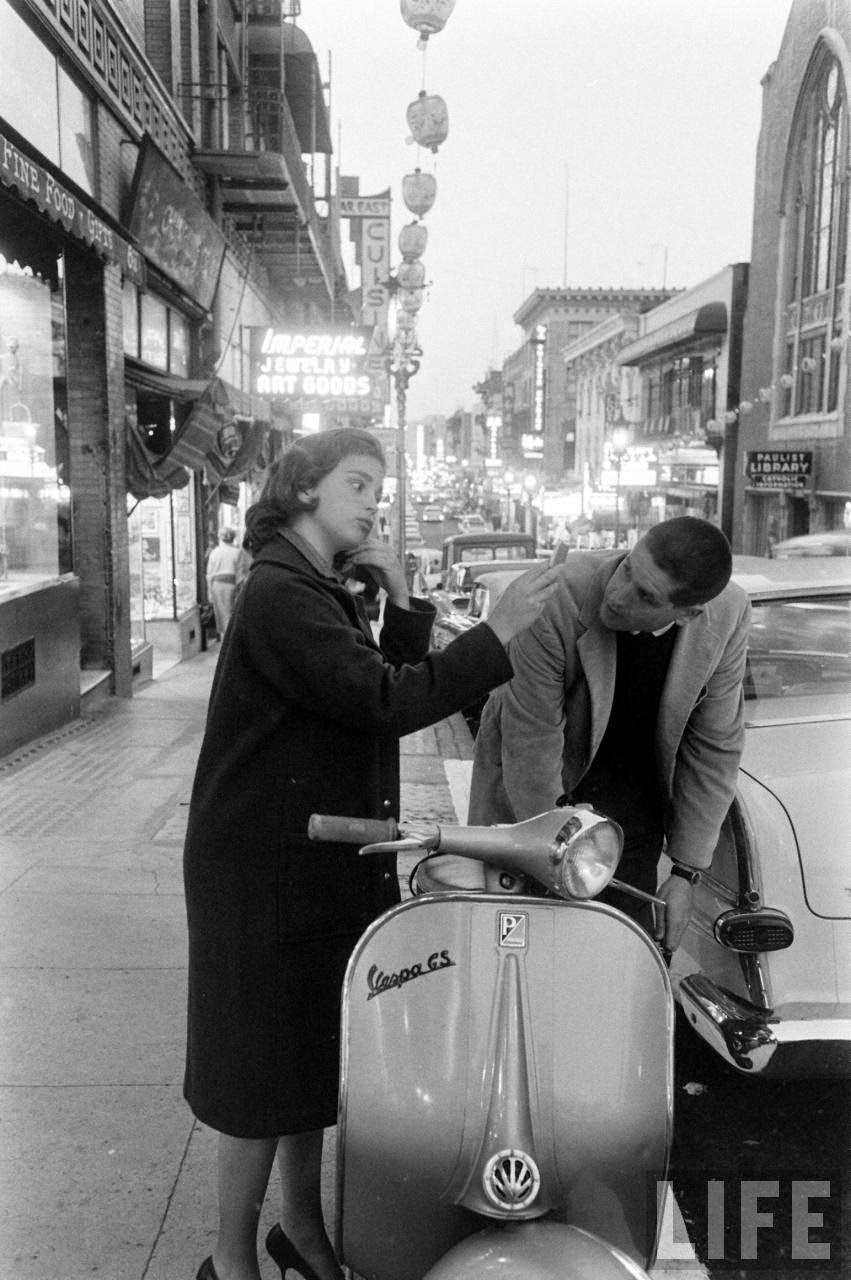
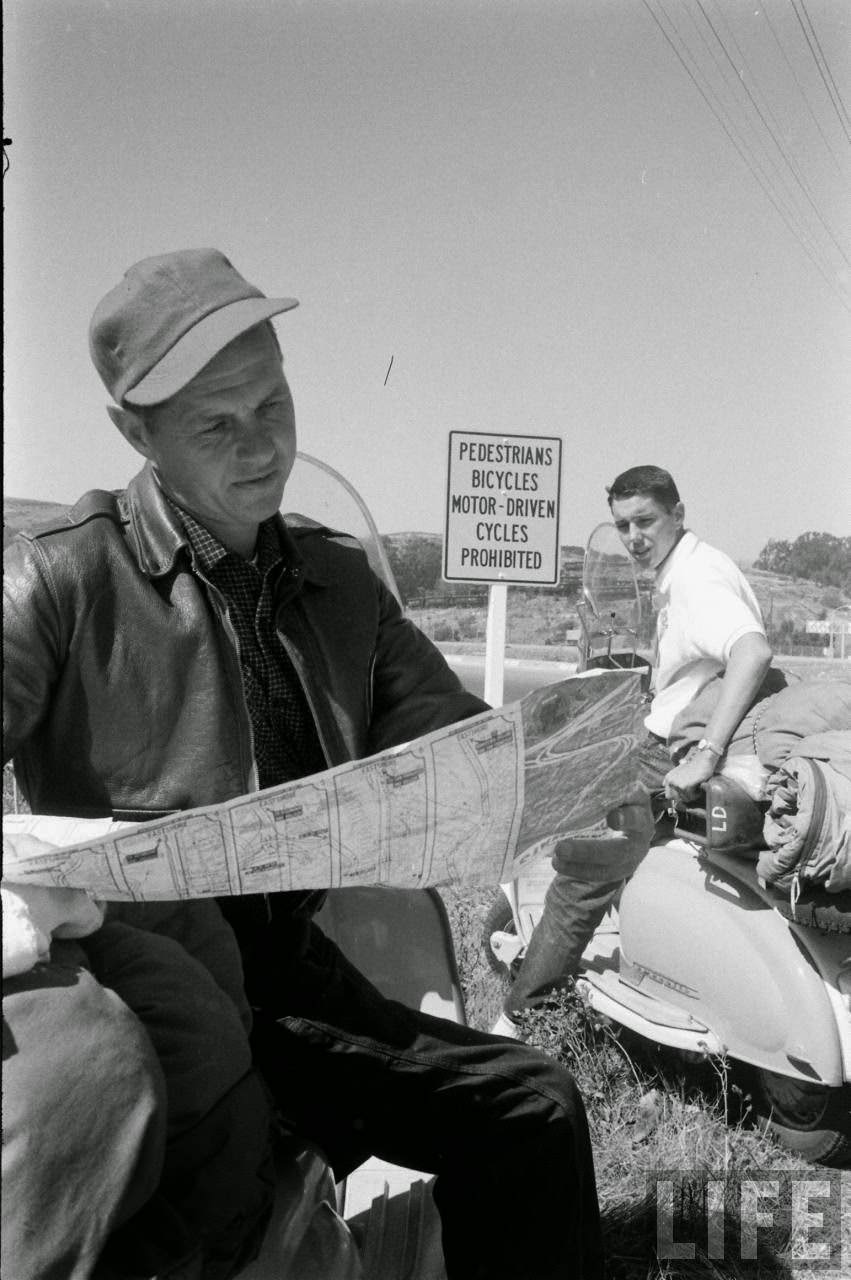
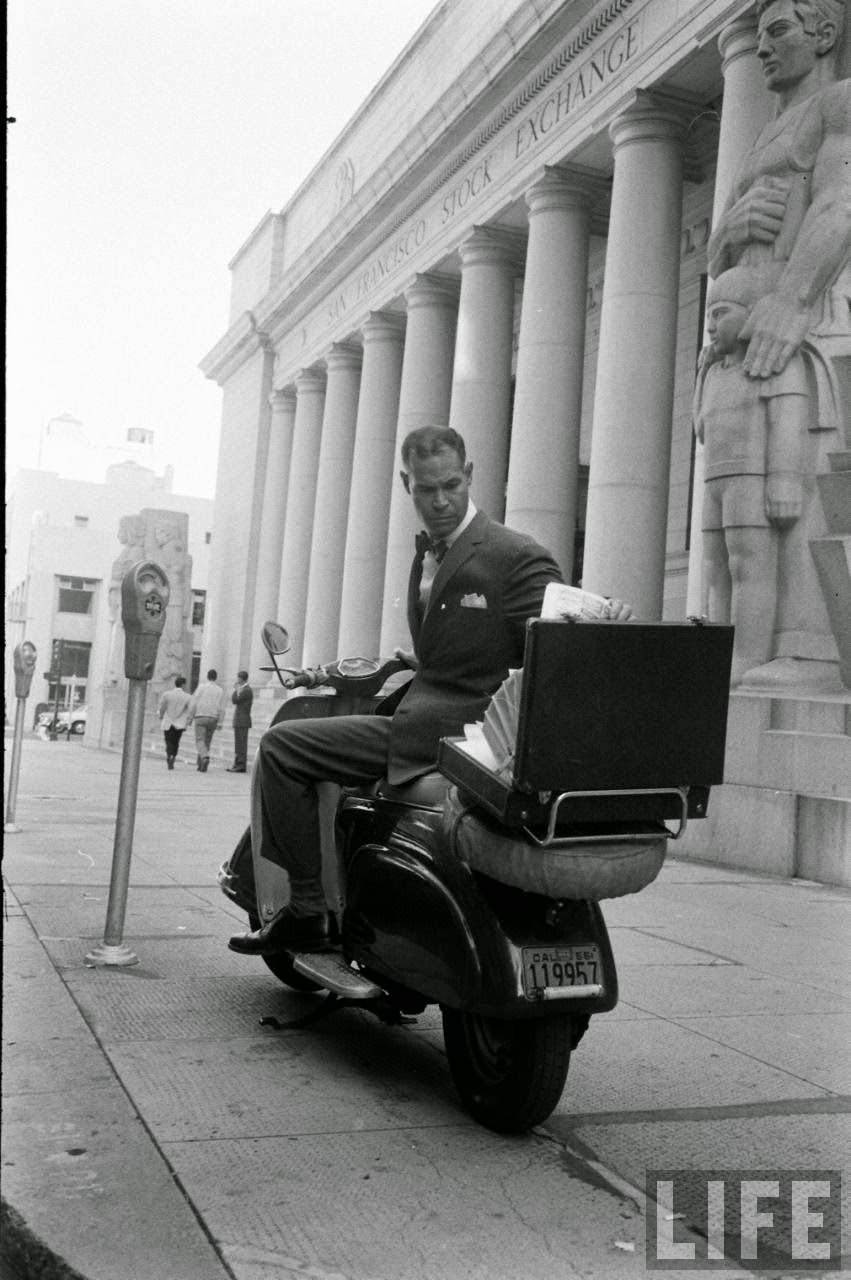
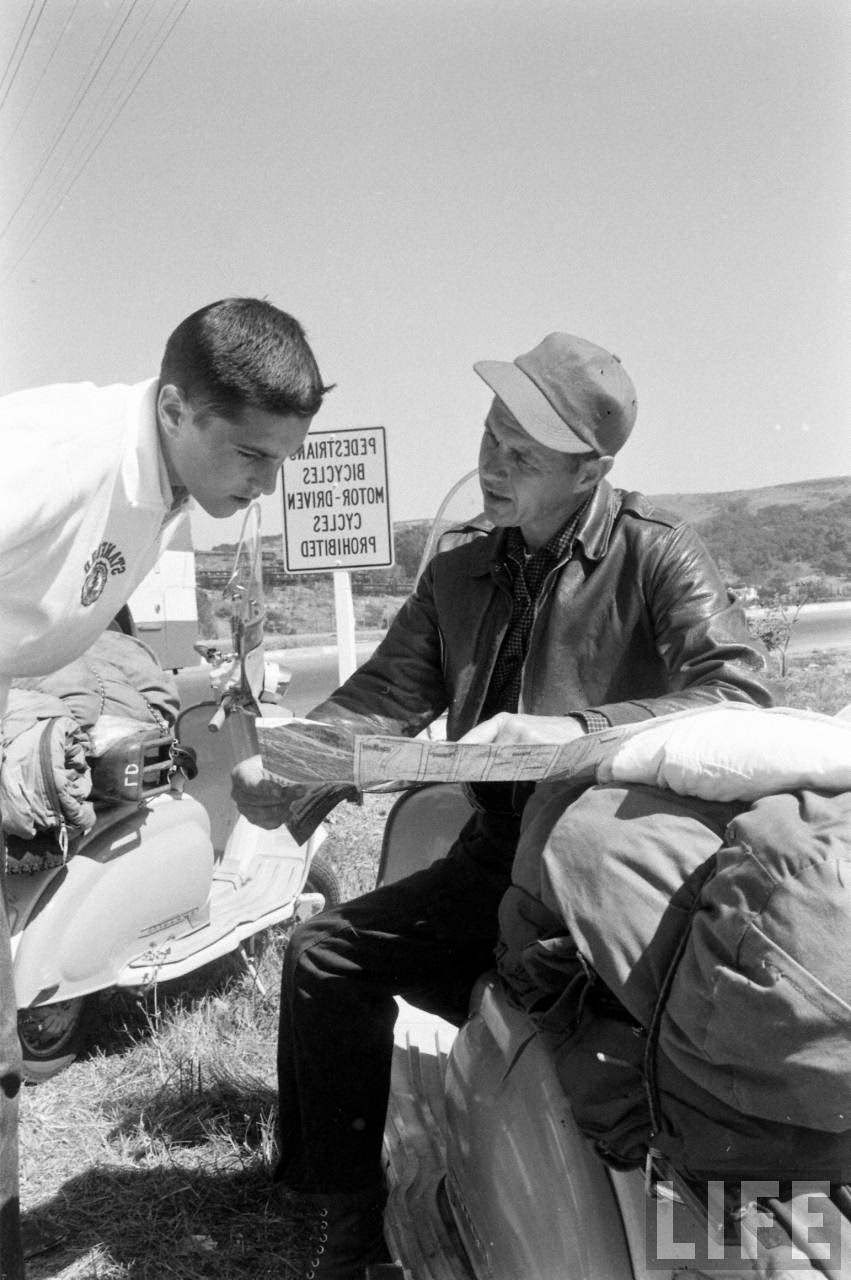
In the mid-1960s, a buzzing swarm took over California’s quiet suburbs. Thousands of teenagers had gotten their hands on the Honda 50 — a lightweight Japanese motorcycle that cost around $250. For a high school student with a part-time job, that was within reach. The machines were small, clean, and nothing like the heavy bikes tied to outlaw biker gangs. Almost overnight, they replaced bicycles as the go-to ride for local youth.
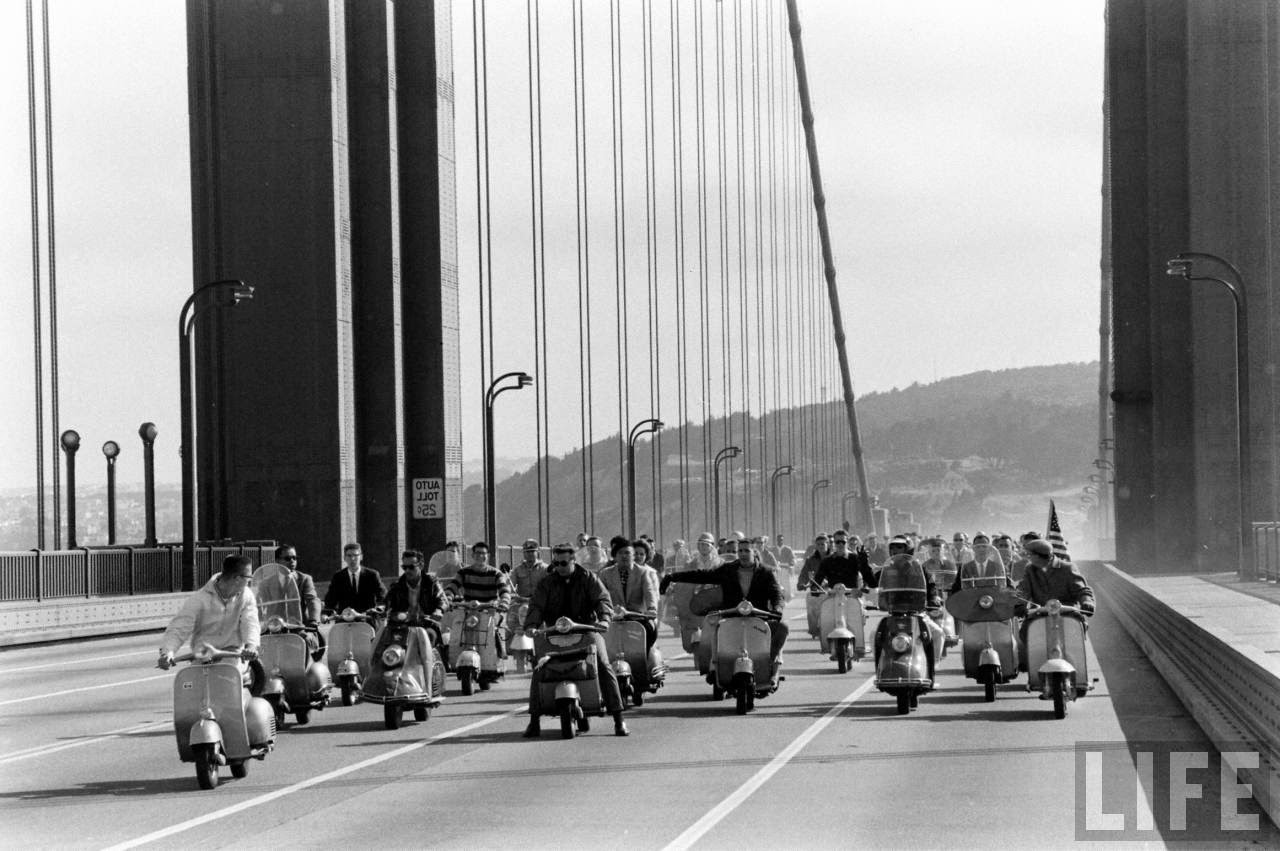
A gap in California traffic law made the boom possible. The state allowed fifteen-year-olds to operate motor-driven cycles with a learner’s permit. Too young to drive a car, ninth and tenth graders could still legally ride these scooters miles from home with no adult in the vehicle. They formed packs — sometimes dozens strong — and cruised residential streets after school and on weekends.
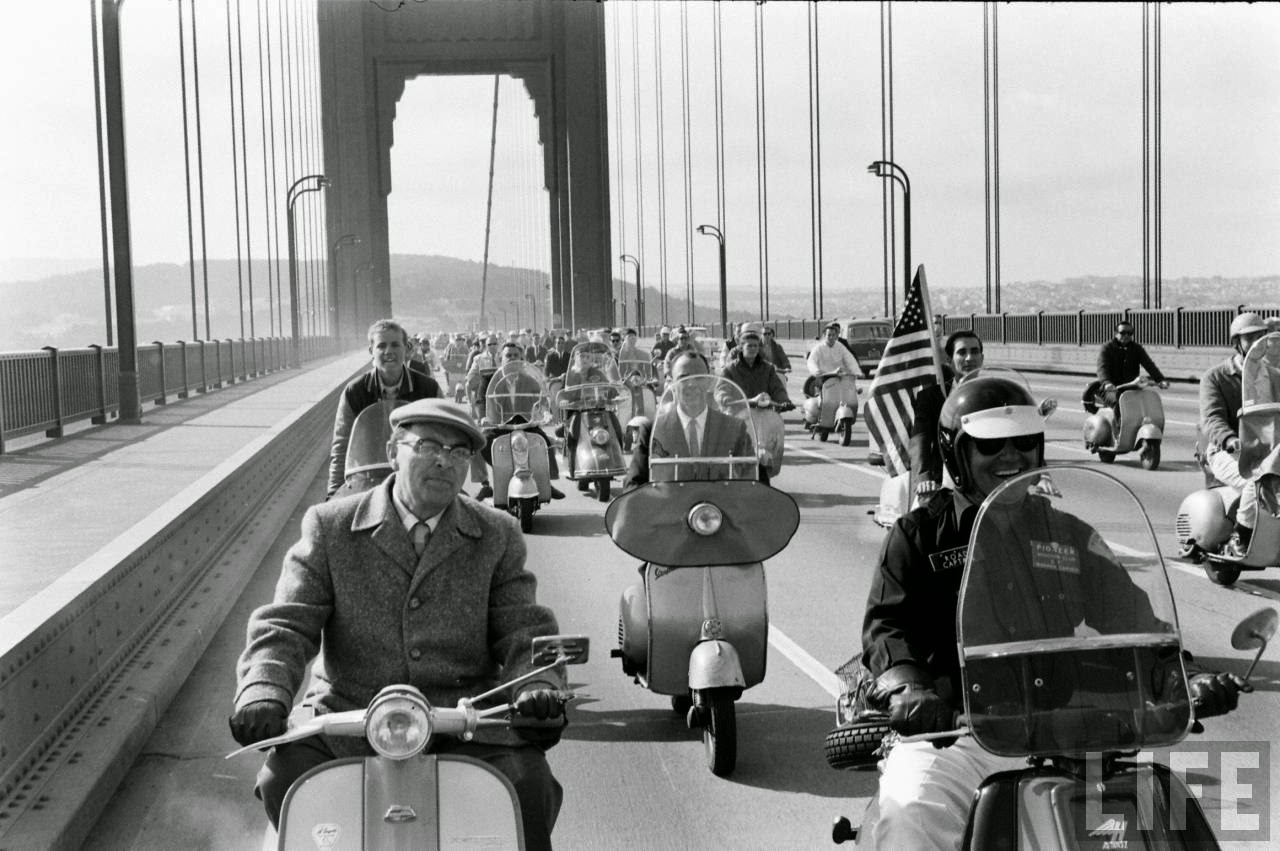
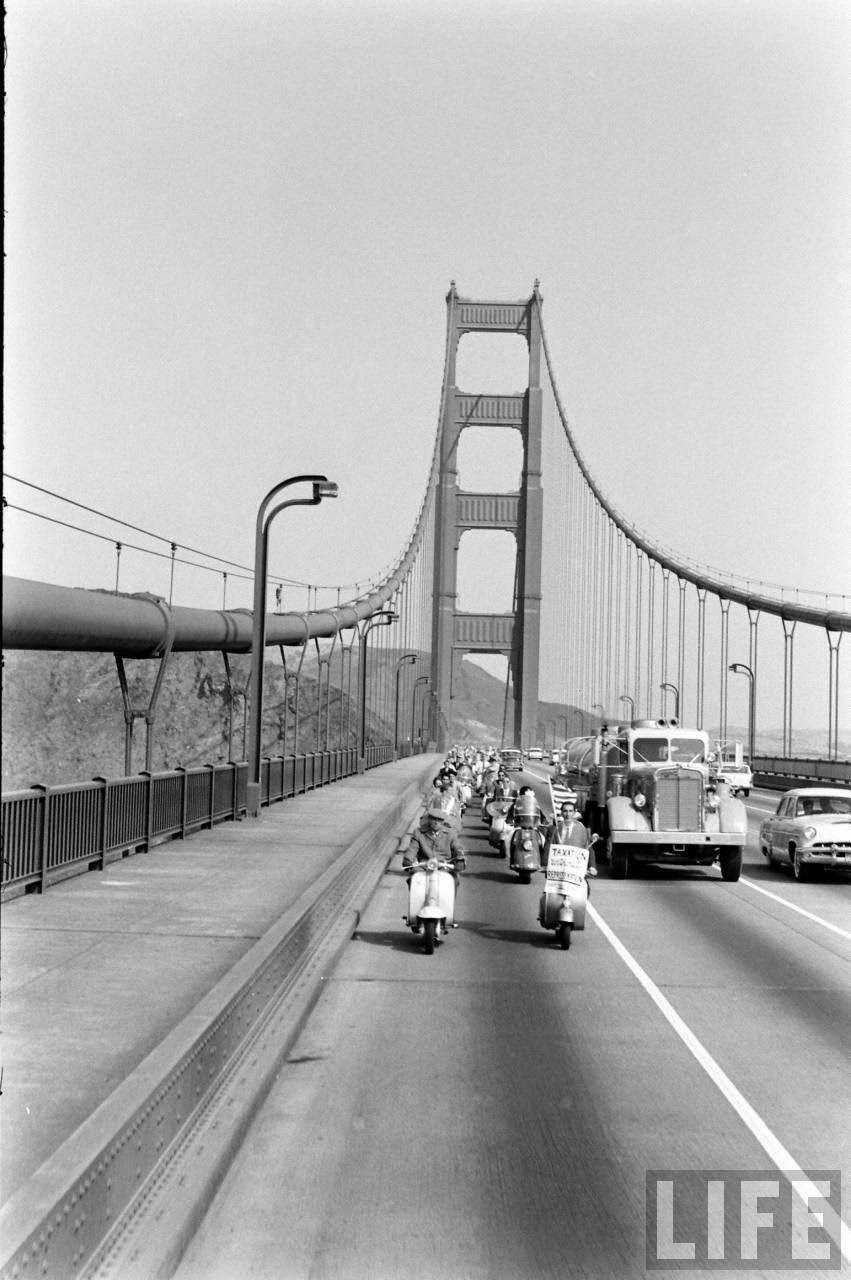
Adults were not pleased. Neighbors described the noise as angry hornets swarming through the streets — a sound that gave this era its nickname. Police stations were flooded with calls about noise violations and reckless driving. In wealthier communities, the scooters became a full-blown political issue, with city councils holding heated meetings and parents demanding action.
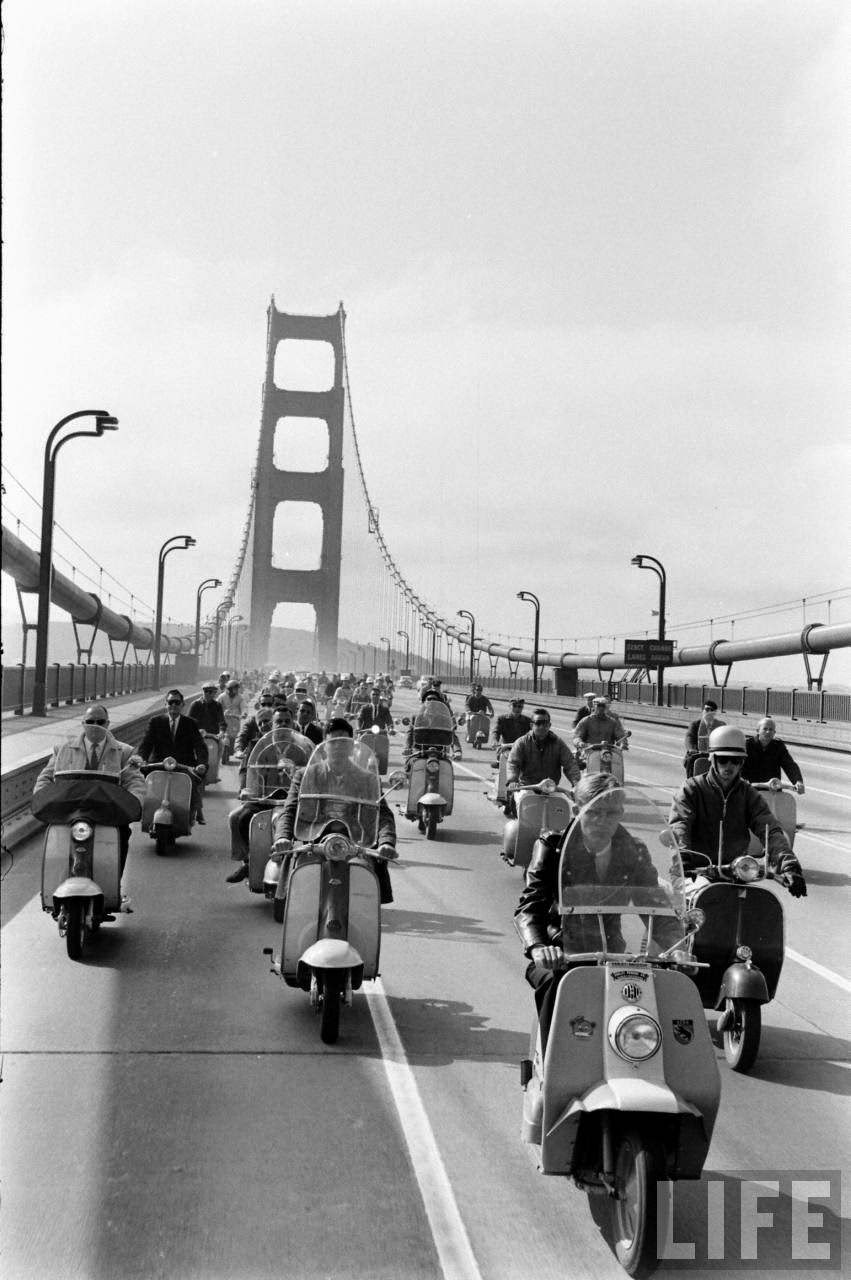
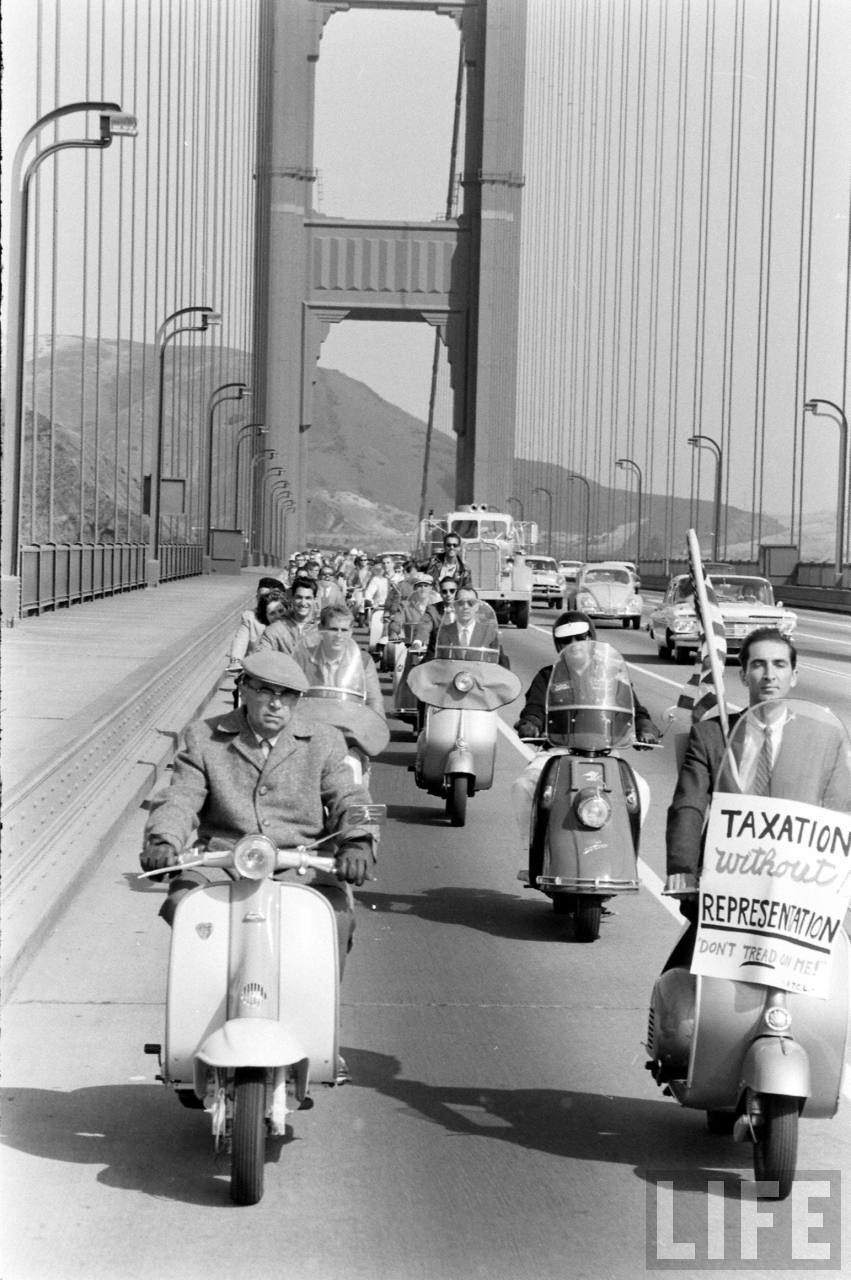
Law enforcement hit back hard. Motorcycle officers set up ticketing traps near high schools and popular hangout spots. Teens were cited for speeding, failing to signal, and carrying passengers illegally. In some towns, police confiscated the scooters entirely and required parents to come to the station to get them back.
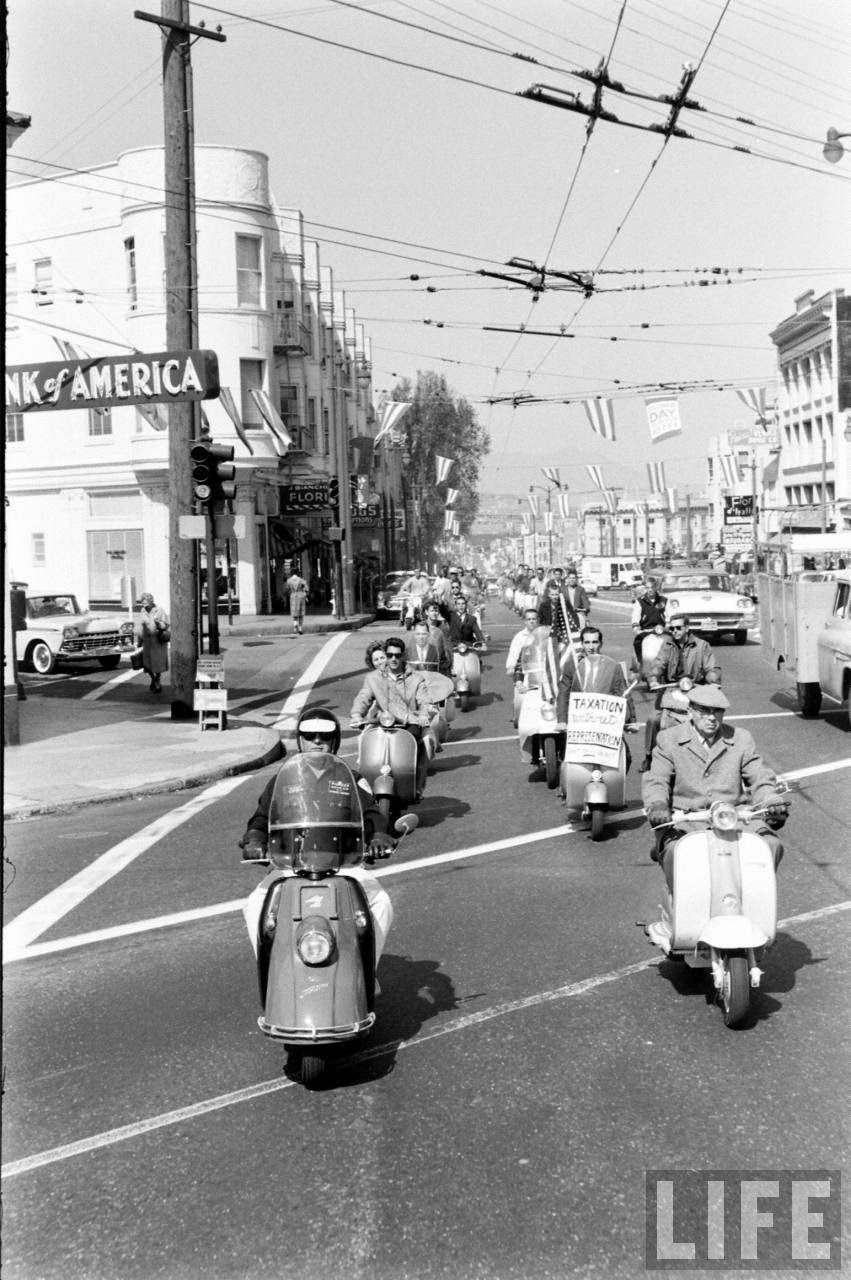
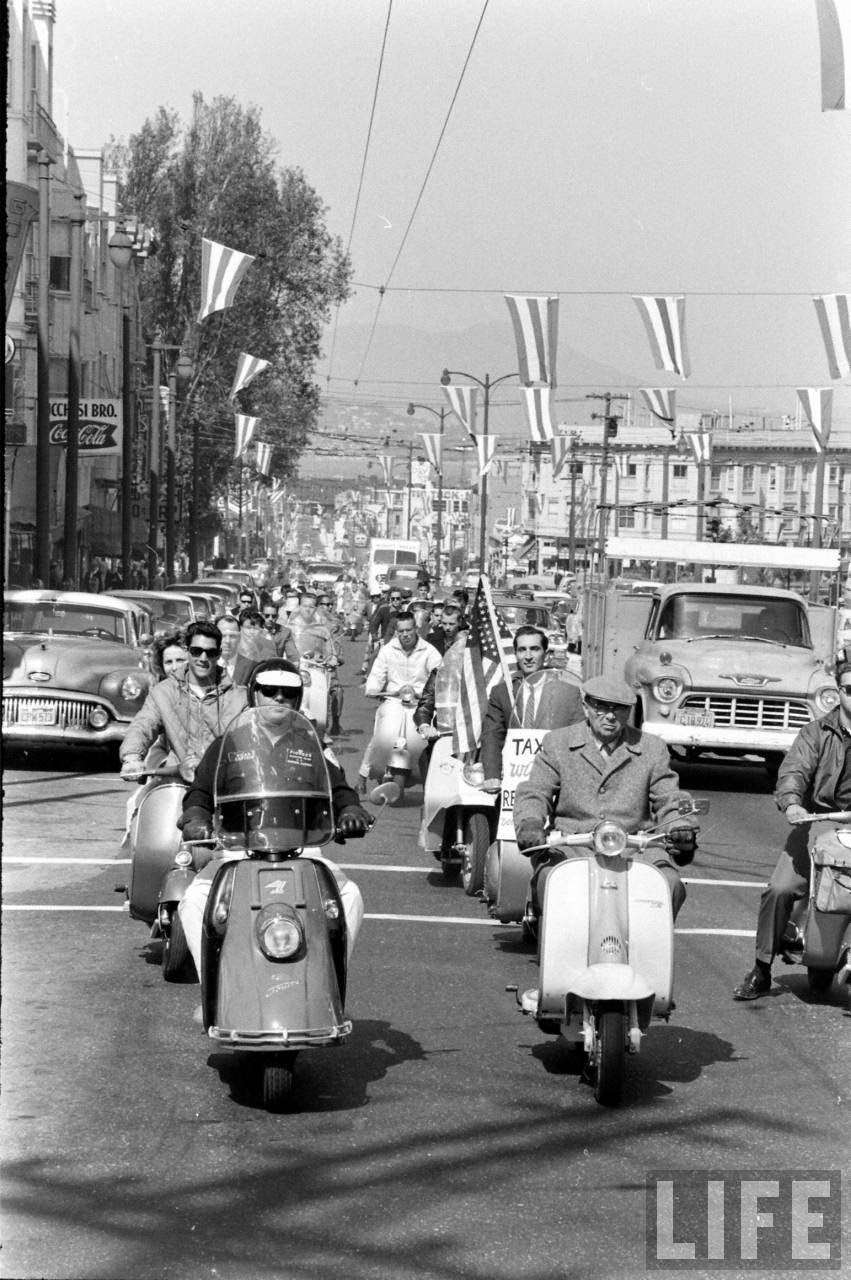
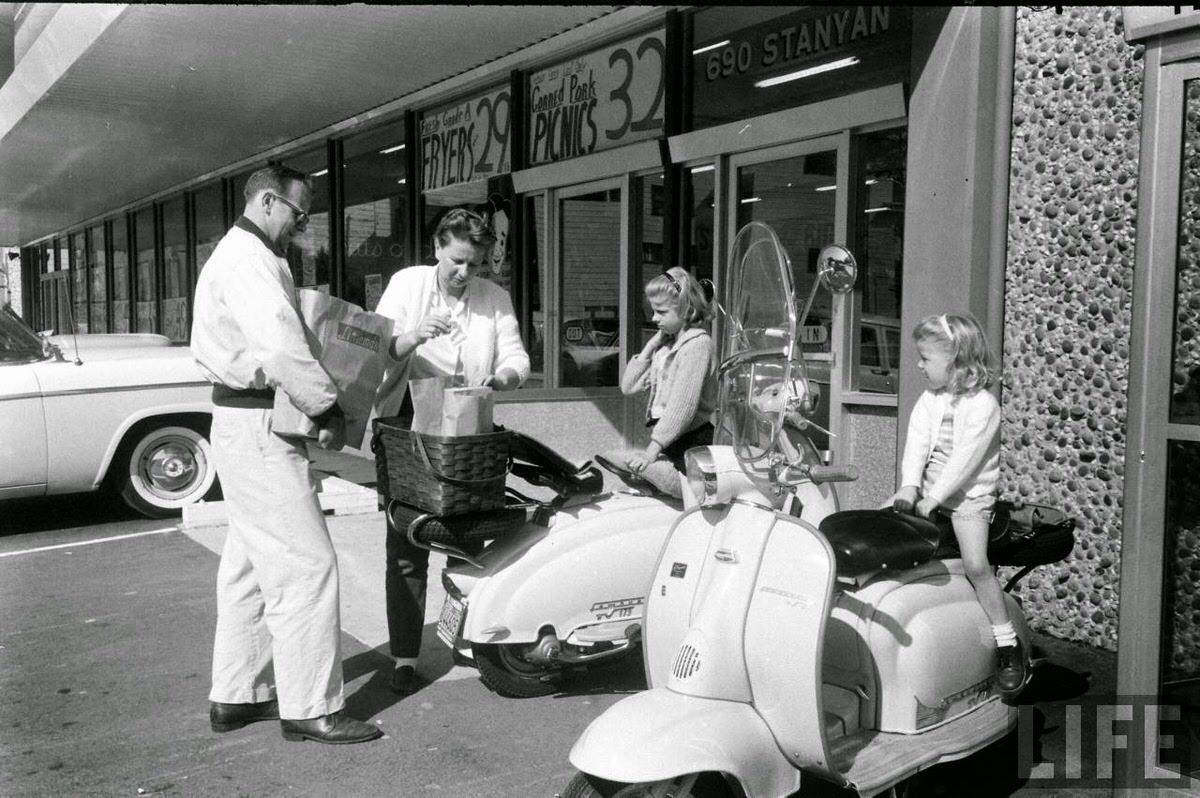
Safety was a genuine concern beneath all the noise politics. The Honda 50 topped out at roughly 45 miles per hour. Riders regularly wore shorts, sandals, and thin windbreakers — no helmets, no padding. Helmets weren’t yet required by law, and few teenagers bothered. Emergency rooms saw a steady rise in scrapes, broken bones, and concussions linked to scooter crashes.
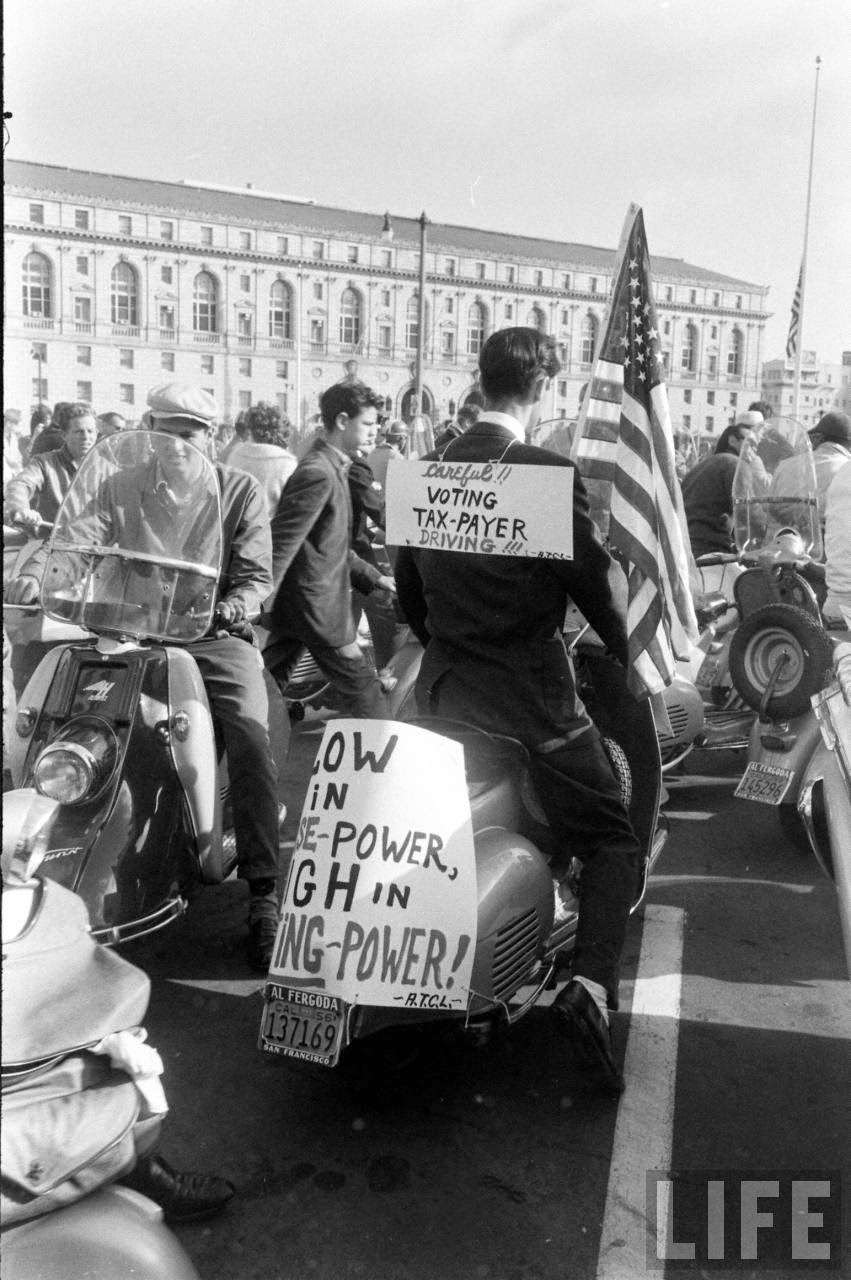
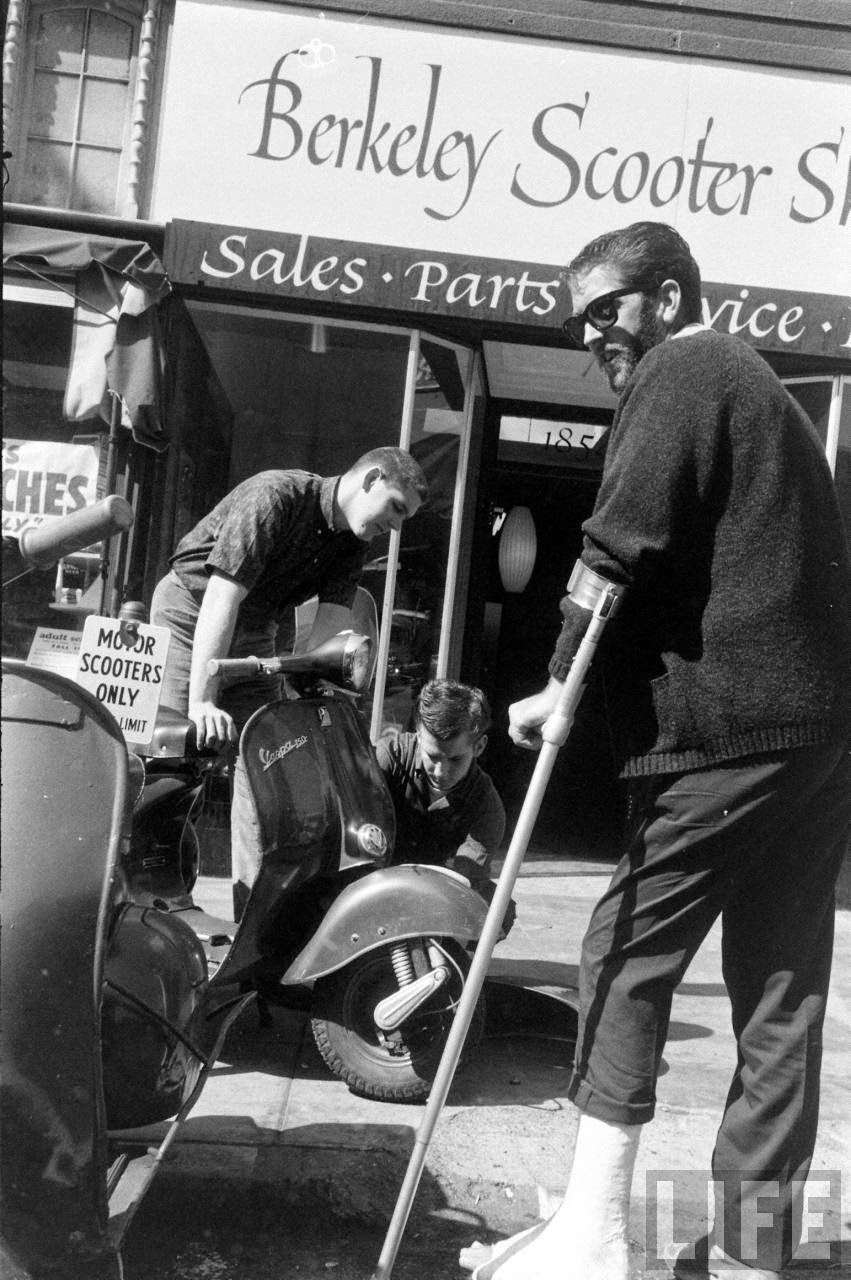
That medical reality gave legislators the evidence they needed. Advocates for raising the minimum riding age pointed directly to hospital data when pushing to close the learner’s permit loophole. The debate pitted teenage freedom against suburban order — and it played out on streets, in courtrooms, and in council chambers across the state.