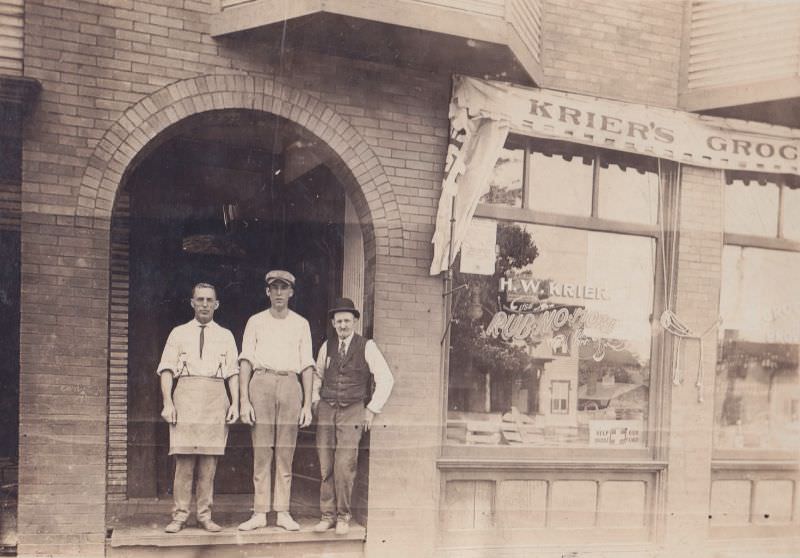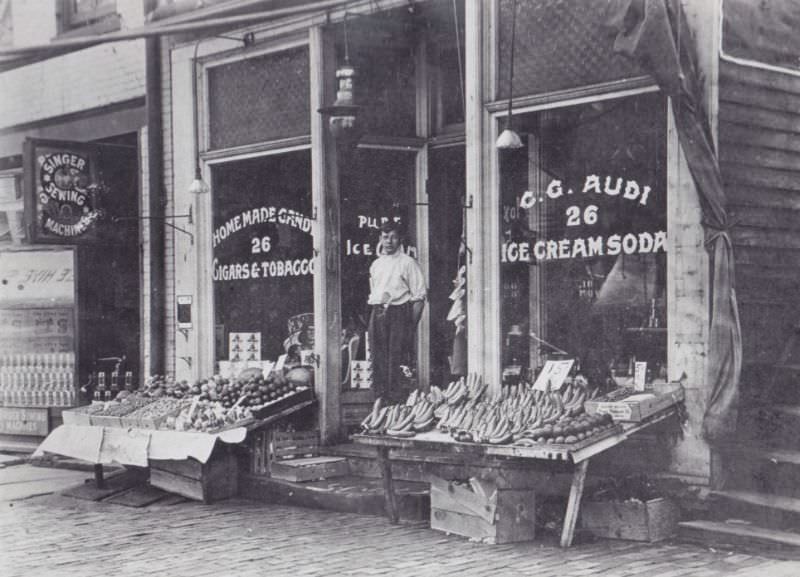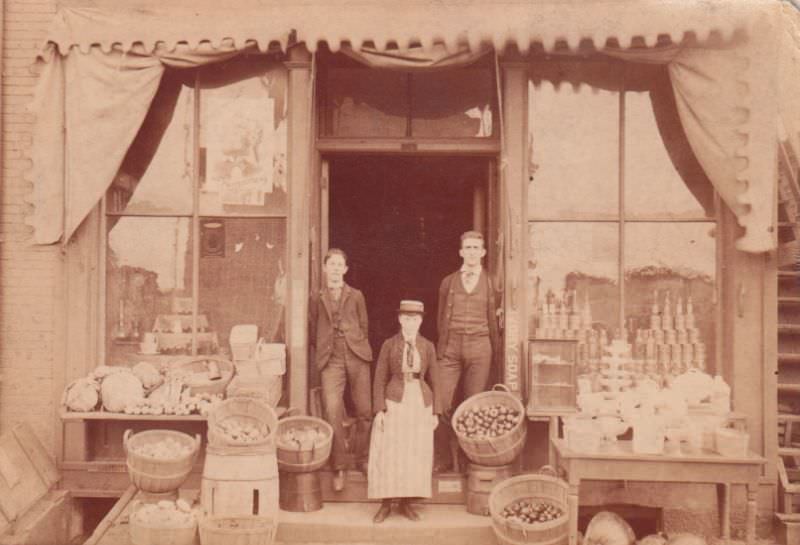

In the late 19th century, Massillon, Ohio, was a growing town held together in part by its network of small, family-owned grocery stores. These were not large, impersonal shops. They were neighborhood anchors where storekeepers knew customers by name, kept running tabs for families who needed credit, and stocked the everyday goods that kept households running. Flour, sugar, coffee, tea, canned goods, soap, candles, and matches lined the shelves. A customer would walk up to the counter, tell the storekeeper what they needed, and walk out with everything in hand.

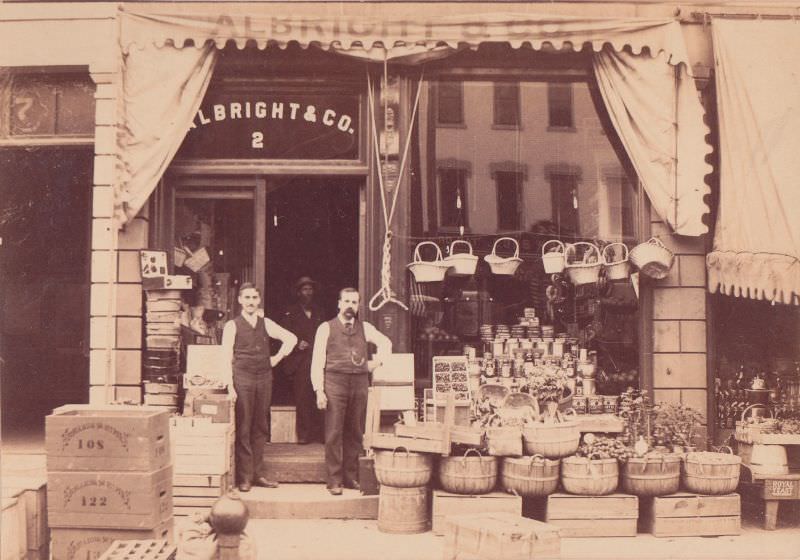
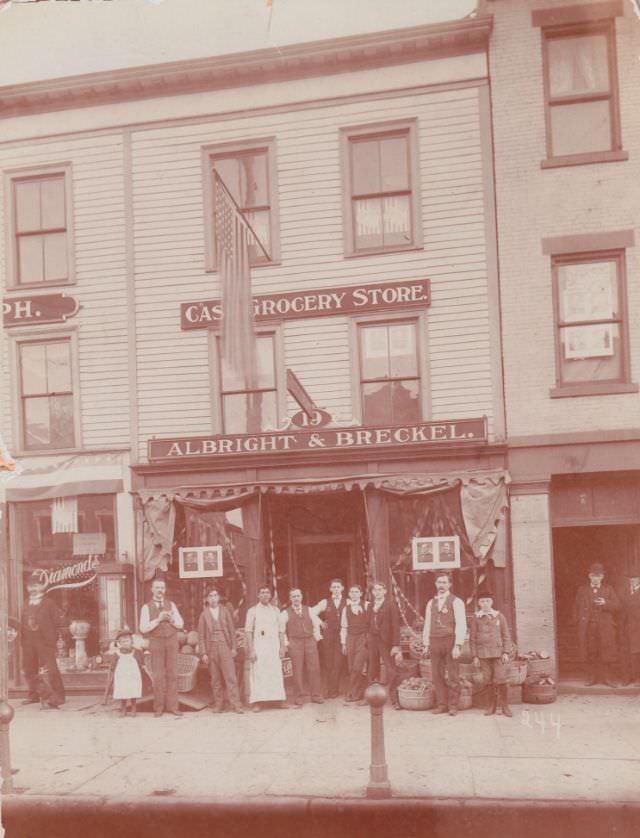
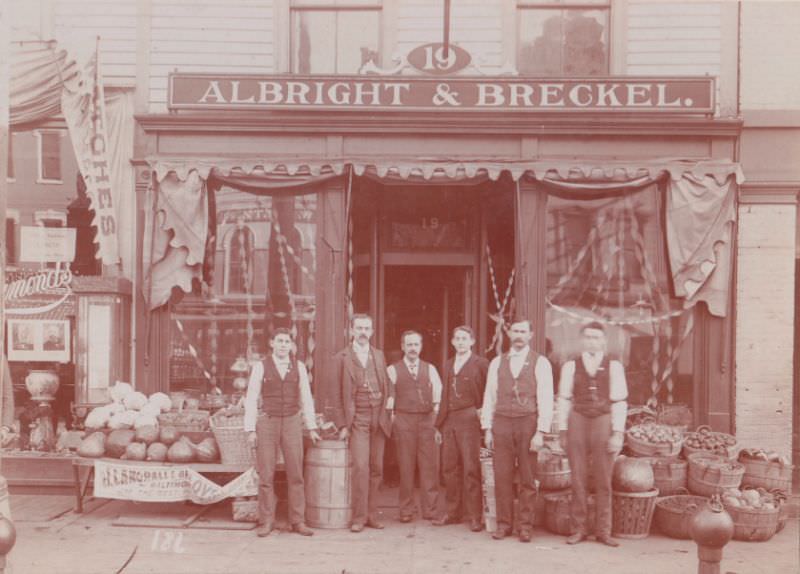
One of the well-known names in Massillon’s grocery trade was Albright. The Albright & Co. store was among the businesses that served local residents, and a partnership between Albright and Breckel also formed during this era, reflecting how family names frequently merged in the town’s retail trade.


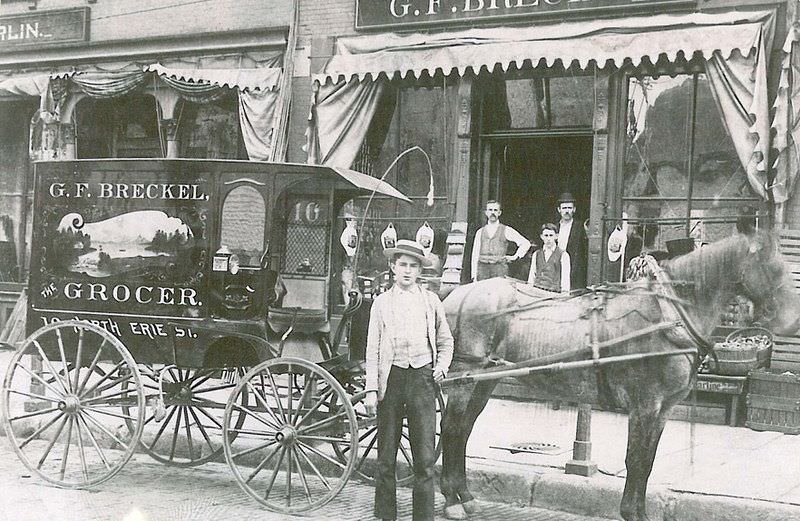
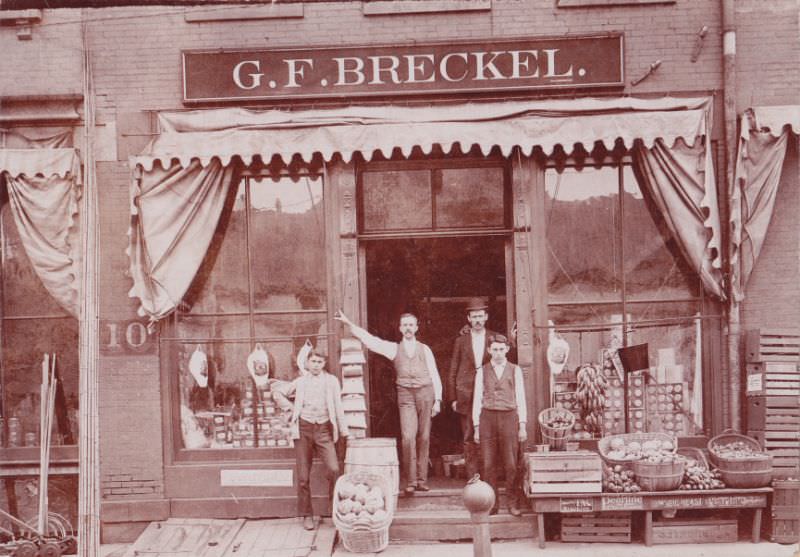
The Breckel family name appeared across multiple storefronts in Massillon. Charles Breckel operated a grocery at 10 North Erie Street. G.F. Breckel and Gust Breckel each ran their own separate establishments as well. This kind of family presence across different businesses was common in small Ohio towns, where relatives often set up shop within the same trade and sometimes within blocks of each other.


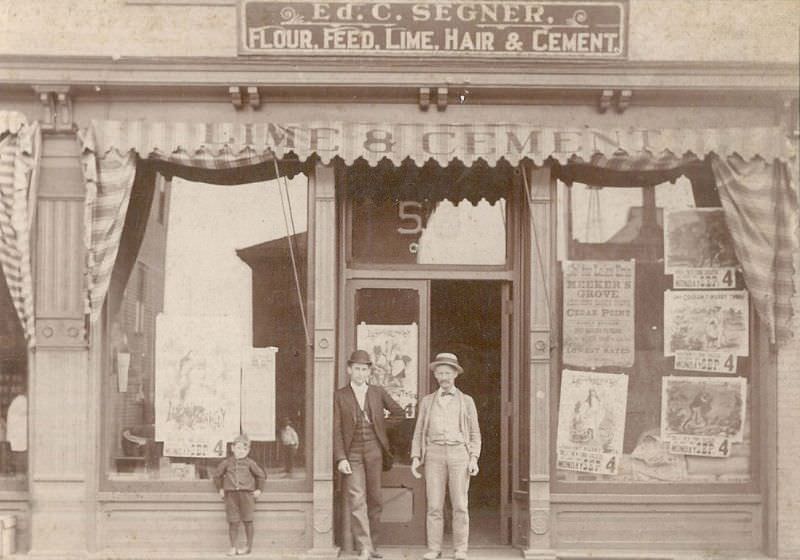
Not every store limited itself to groceries. Ed. C. Segner ran a store that sold flour and feed alongside lime, hair, and cement — a combination that made practical sense in a town where building and farming went hand in hand with domestic life.


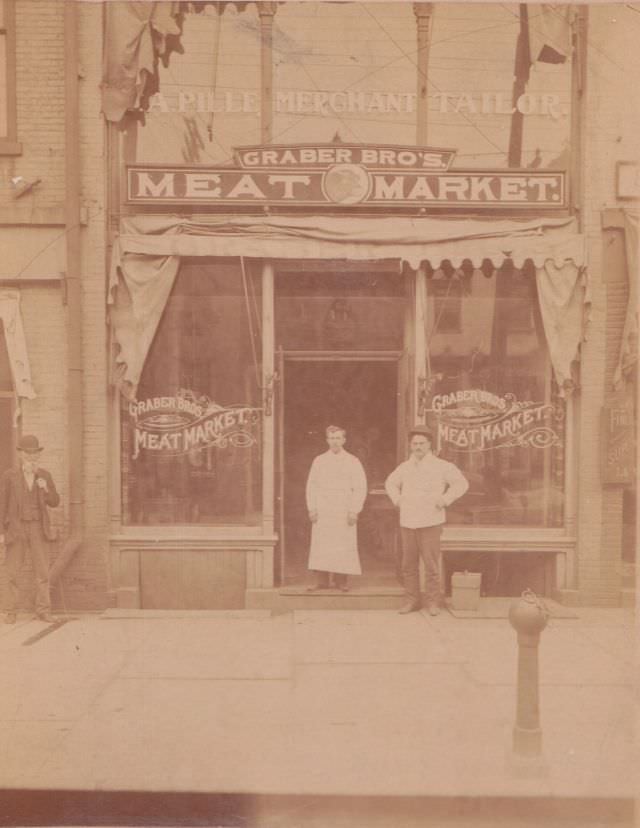
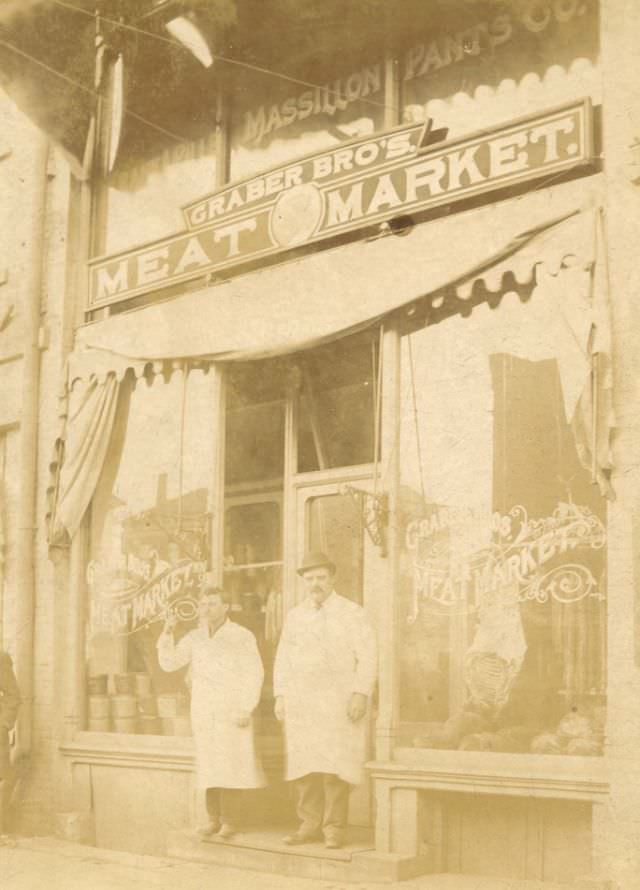
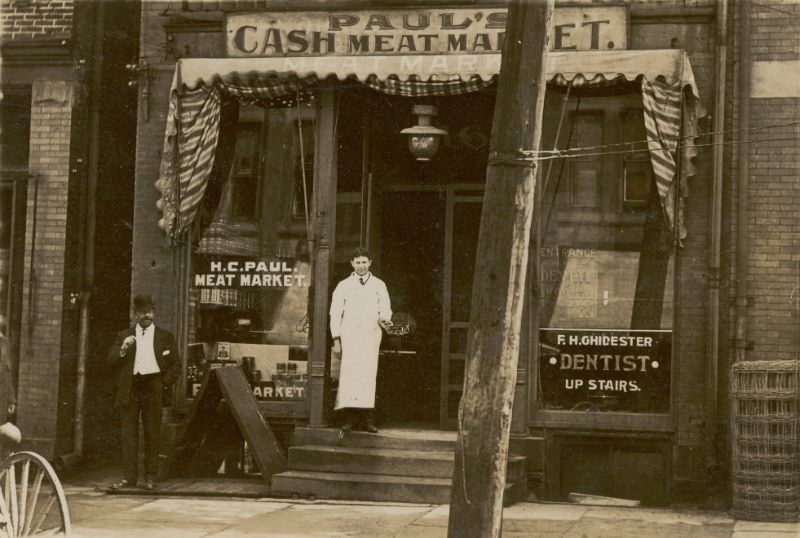
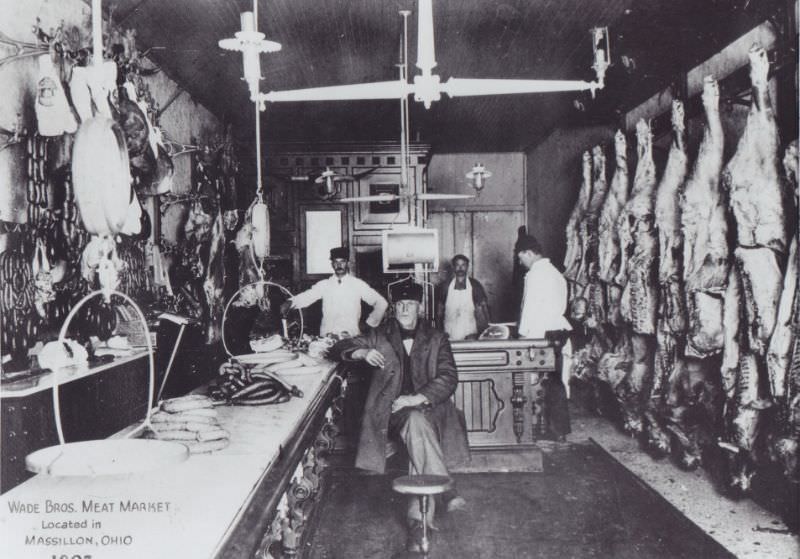
Meat markets were a separate but equally vital part of Massillon’s food supply. Graber Bros. Meat Market was one of the town’s established butcher shops, offering fresh cuts to local families. Paul’s Meat Market and Wade Bros. Meat Market also operated in the same period, giving residents several options for their meat purchases.


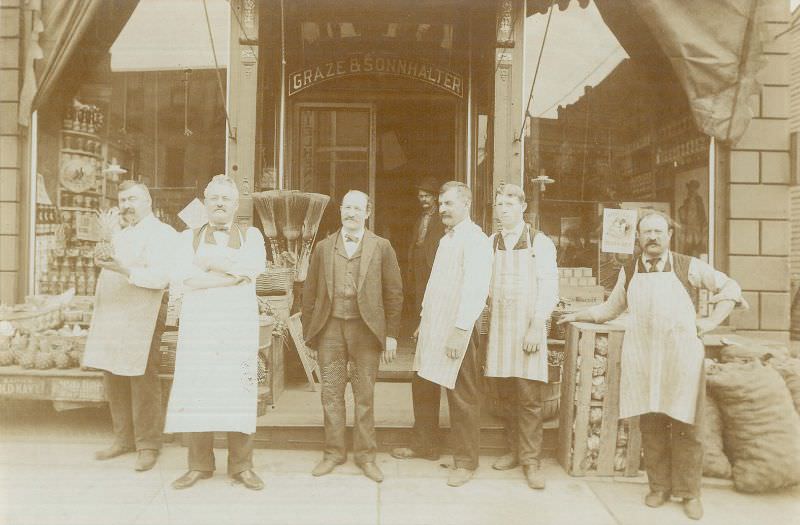
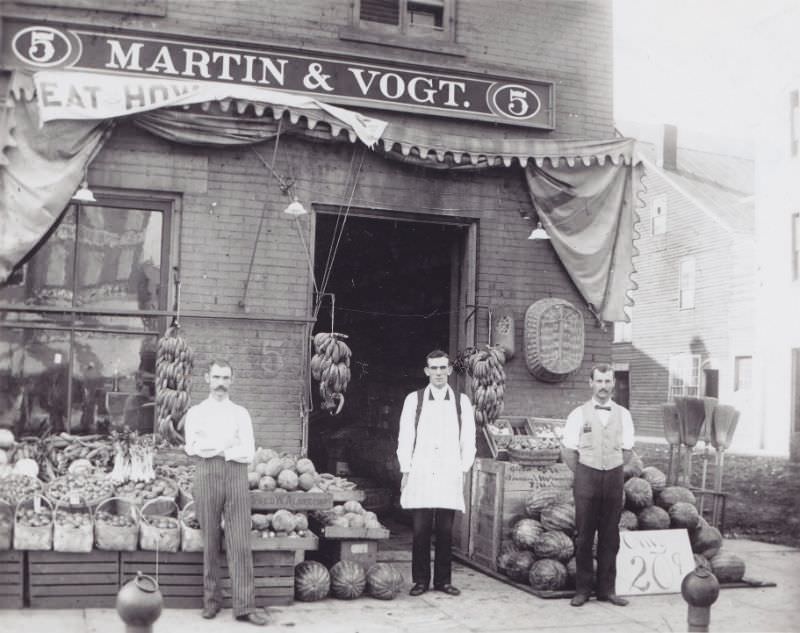
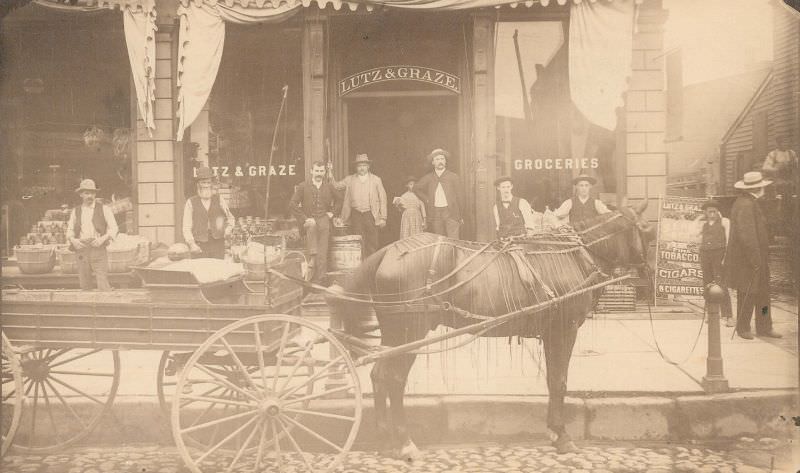
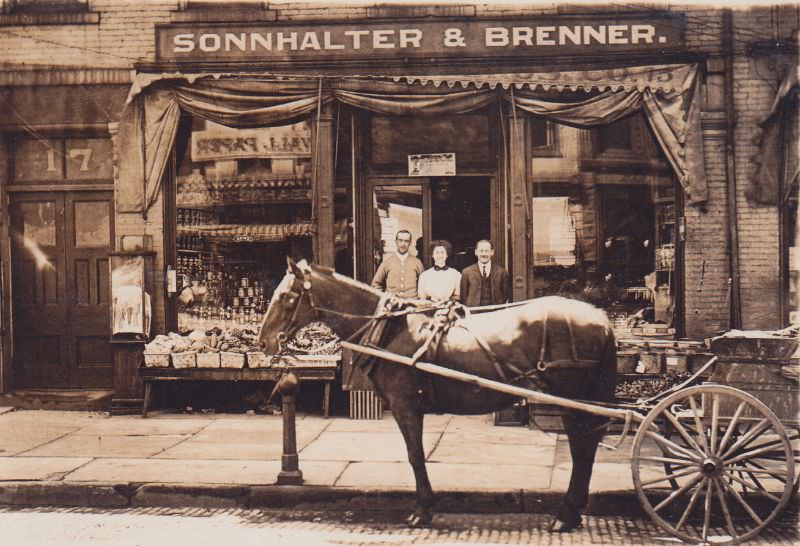
Partnerships were a common business model. Graze and Sonnhalter operated together, as did Lutz and Graze, and Martin and Vogt. The Sonnhalter name appeared in yet another pairing — Sonnhalter and Brenner — suggesting that individuals moved between partnerships as business conditions changed.


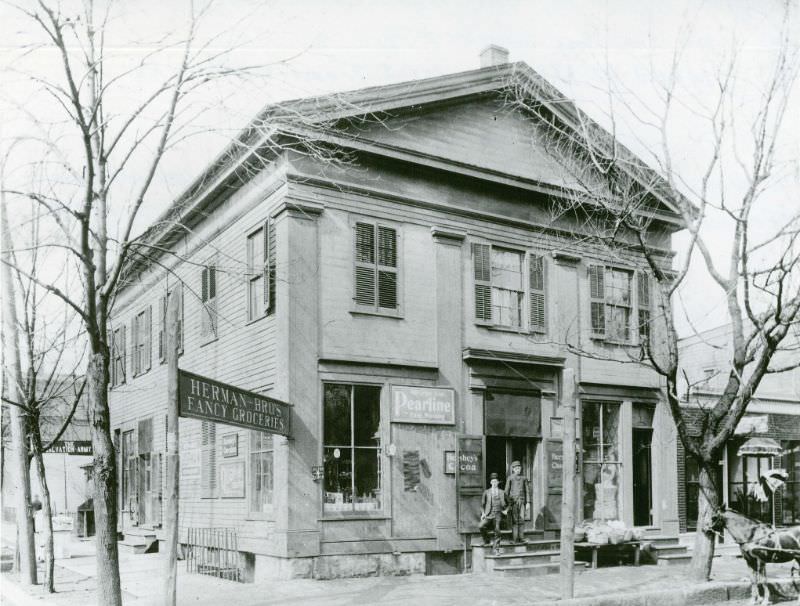
Herman Bros. advertised their shop as a “Fancy Groceries” store, a term used in the 19th century to describe a higher-end selection of goods beyond basic staples. This kind of branding helped stores distinguish themselves in a competitive local market where several grocers operated within the same few streets.


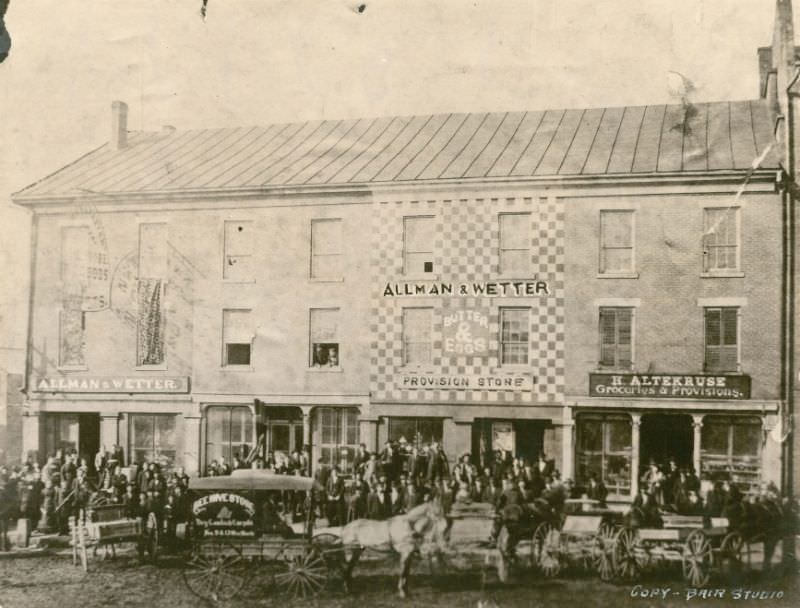
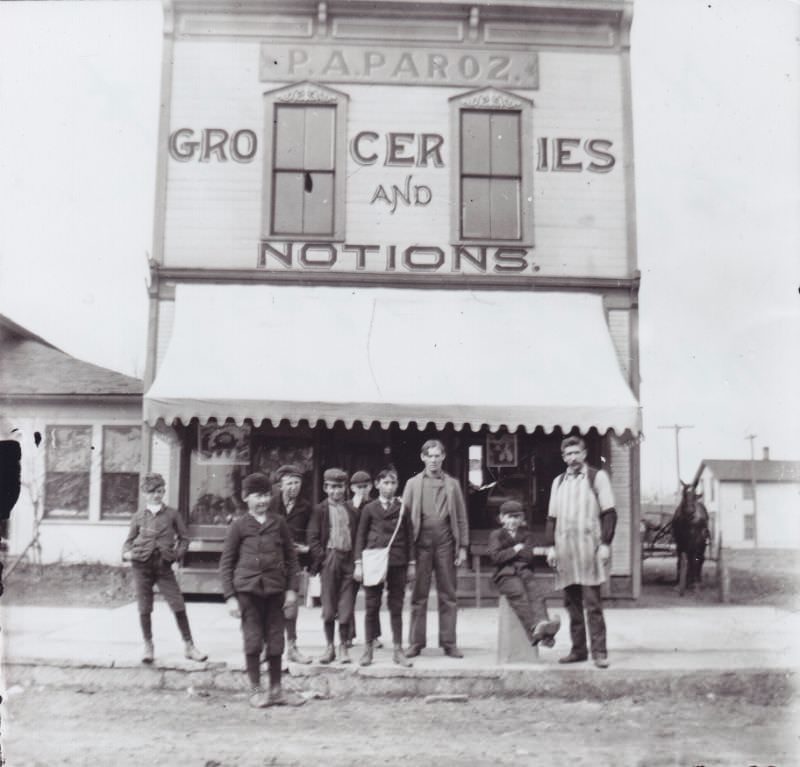
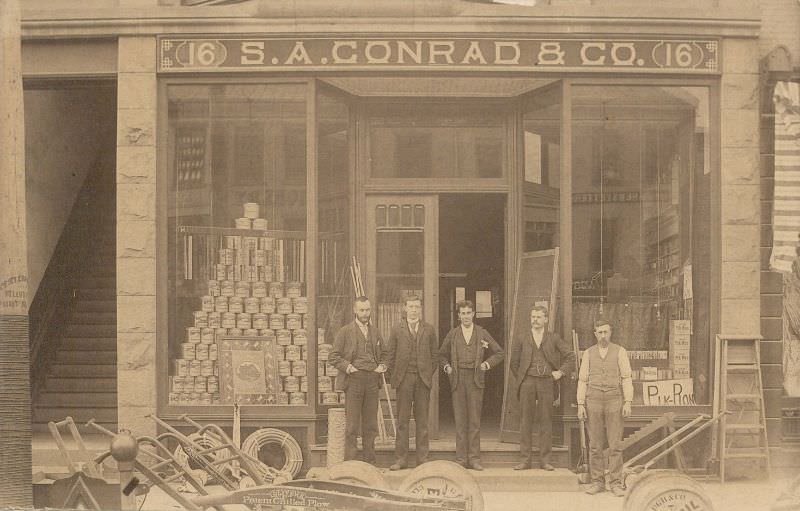
Stores like Paroz Grocery, Pietzckers, and S.A. Conrad and Co. filled out a dense commercial landscape. The sheer number of independent grocers in a single town speaks to how much demand existed and how central these shops were to daily life before refrigeration, automobiles, and large-scale retail changed everything.


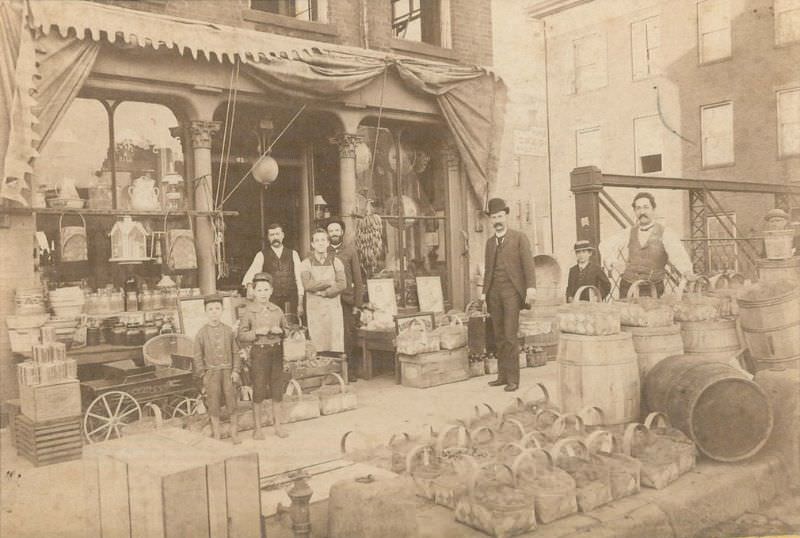
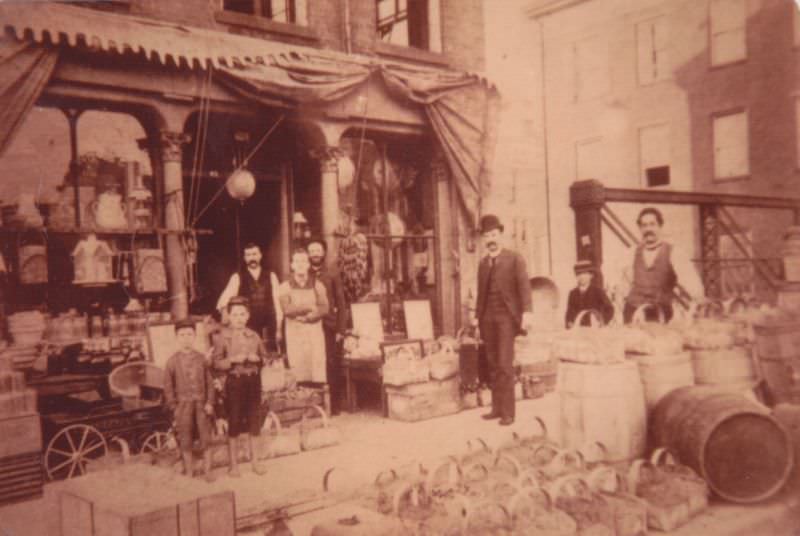
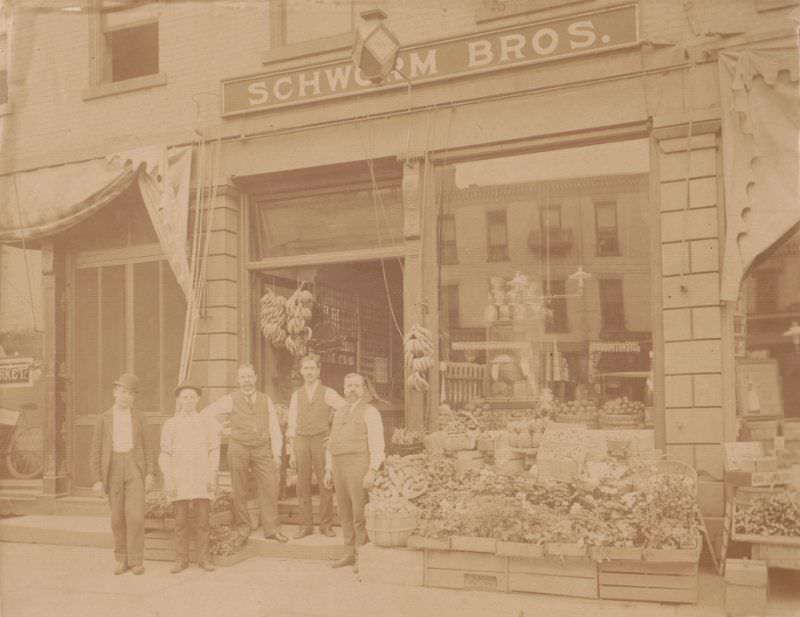
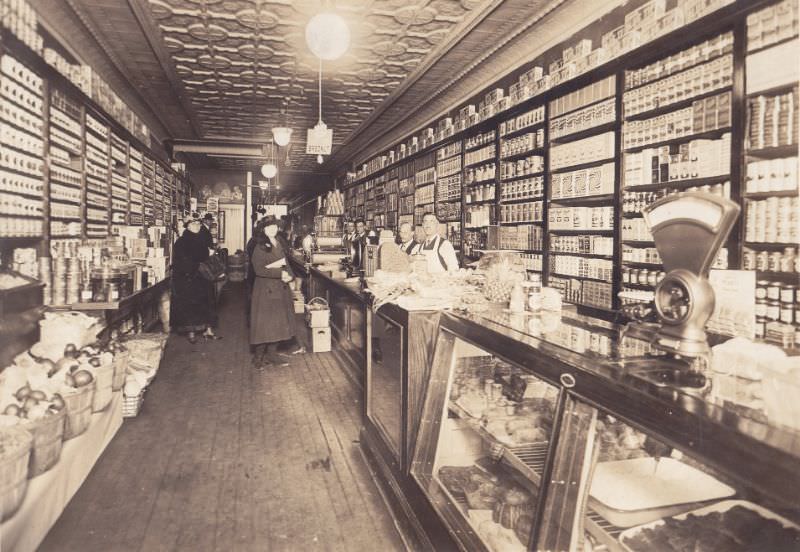
The Schworm family operated one of the more photographically documented grocery operations in Massillon. Images survive of both the exterior of Schworm Bros. Grocery and its interior — a rare look inside a 19th-century store, with goods stacked on shelves and the counter where transactions took place every day.