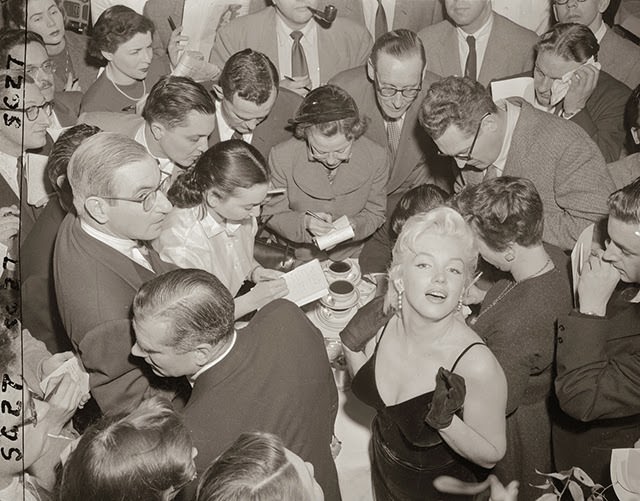
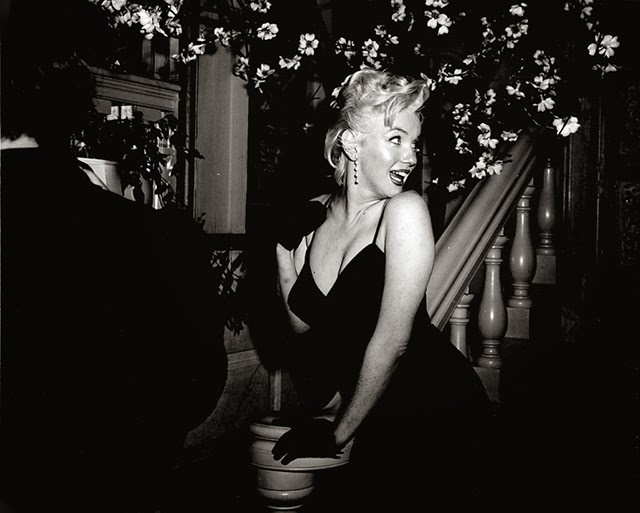
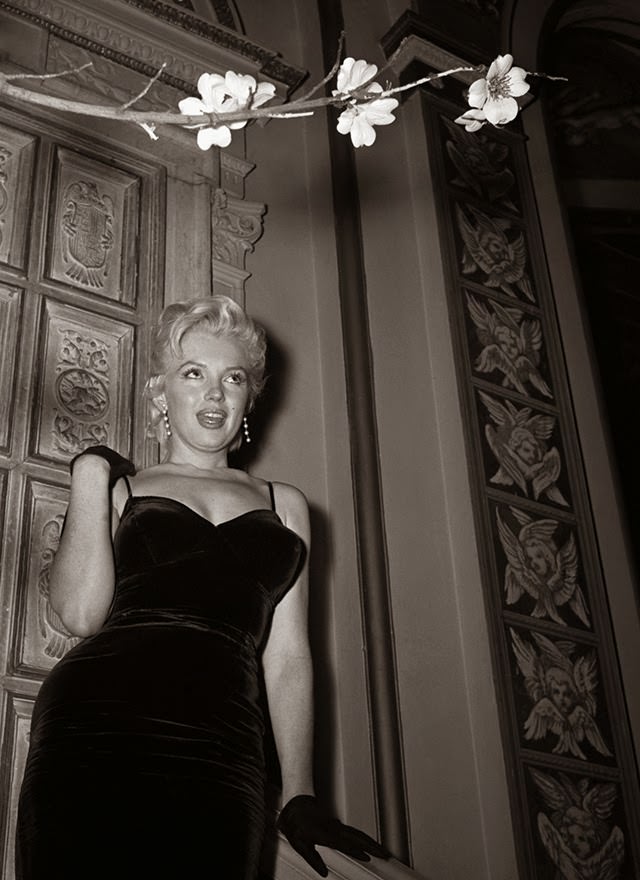
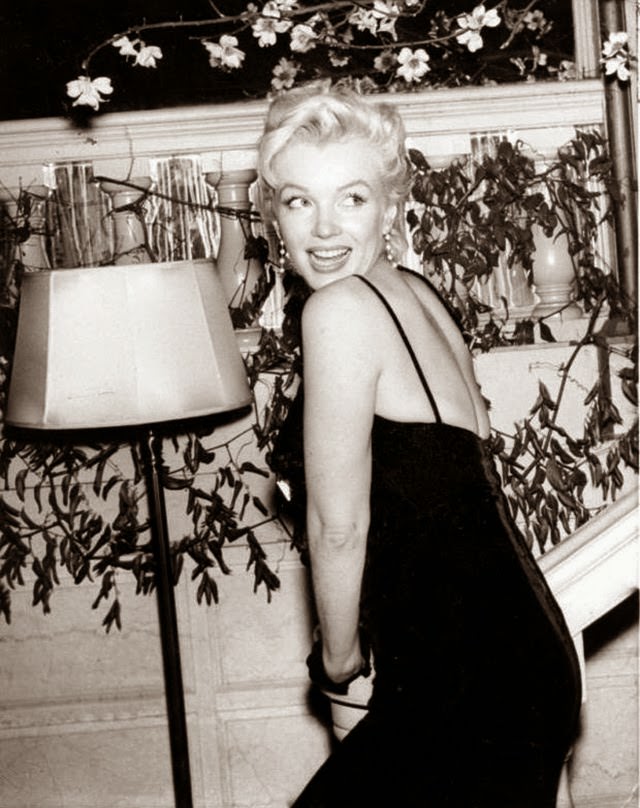
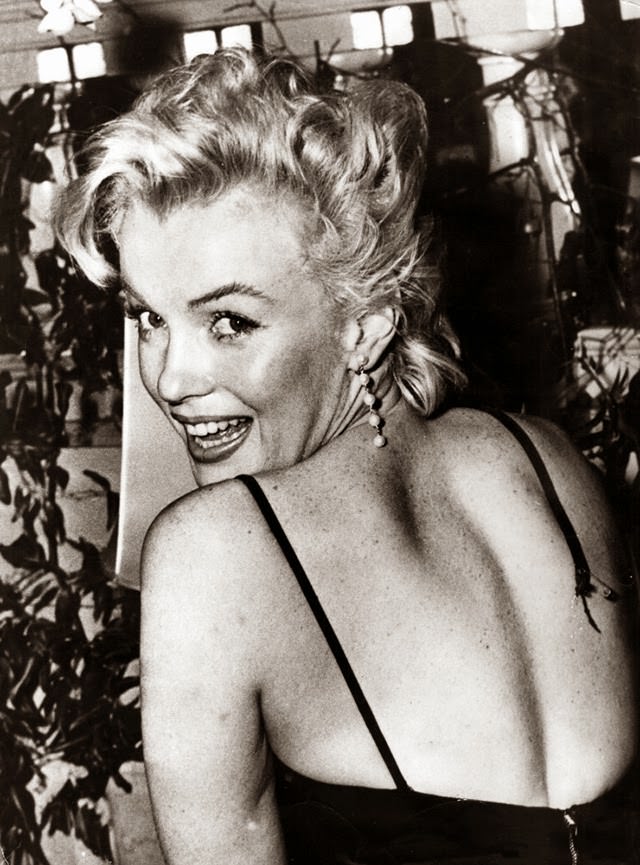
In the summer of 1956, Marilyn Monroe and Laurence Olivier stood together at the Plaza Hotel in New York City to promote their upcoming film, The Prince and the Showgirl. The pairing turned heads immediately. Monroe was Hollywood’s biggest star. Olivier was Britain’s most respected stage actor and a veteran of Shakespeare. For reporters packed into the room, the contrast alone made it a major story.
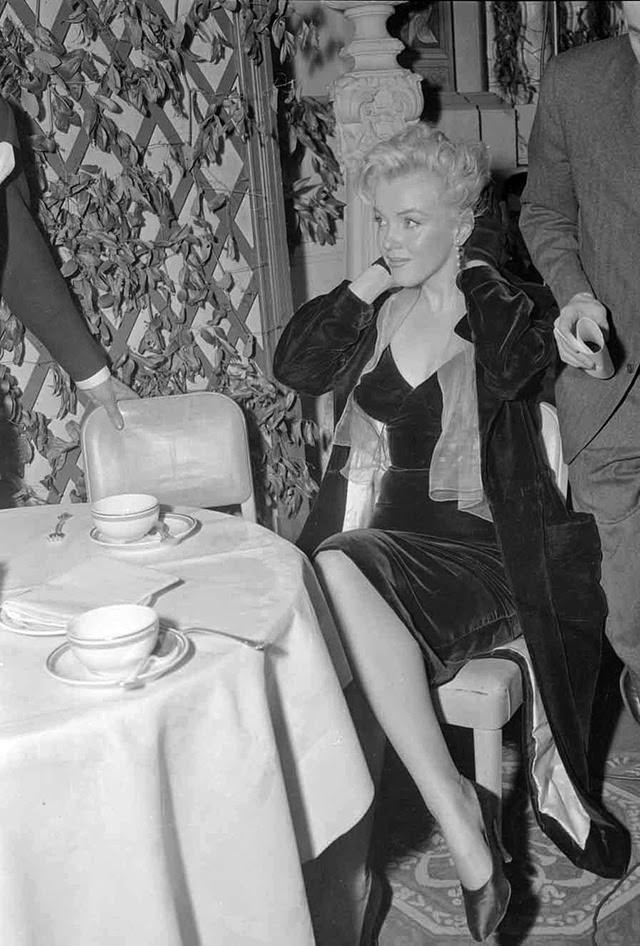
Monroe arrived at the press conference not just as a performer but as a producer. The Prince and the Showgirl was one of the first films made under Marilyn Monroe Productions, her own company. That gave her a level of creative control she had never held before under a studio contract. The press took notice. She was no longer just a glamorous face — she was a businesswoman steering her own career.
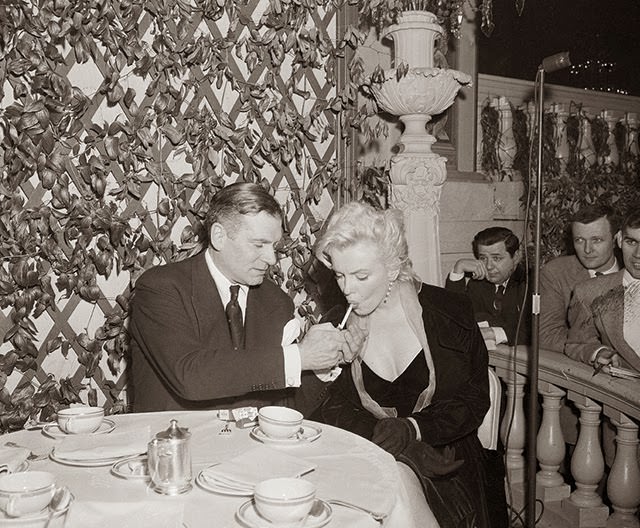
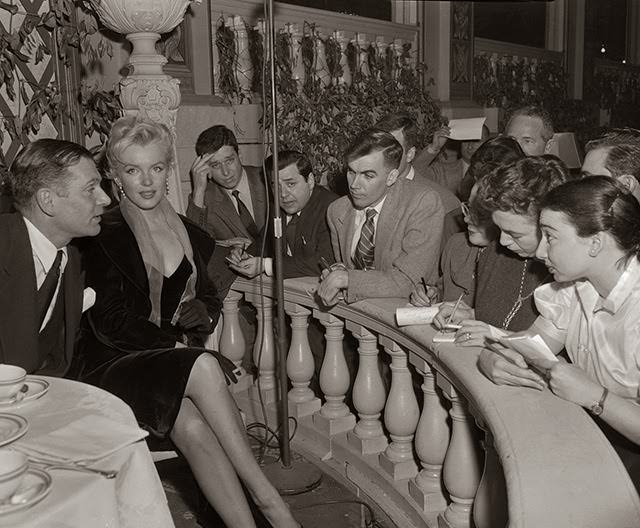
Olivier directed the film in addition to starring in it. The project was based on the stage play The Sleeping Prince, and he was determined to bring that theatrical tradition to the screen. His answers to reporters were detailed and confident, reflecting his reputation as both a craftsman and a classical actor.
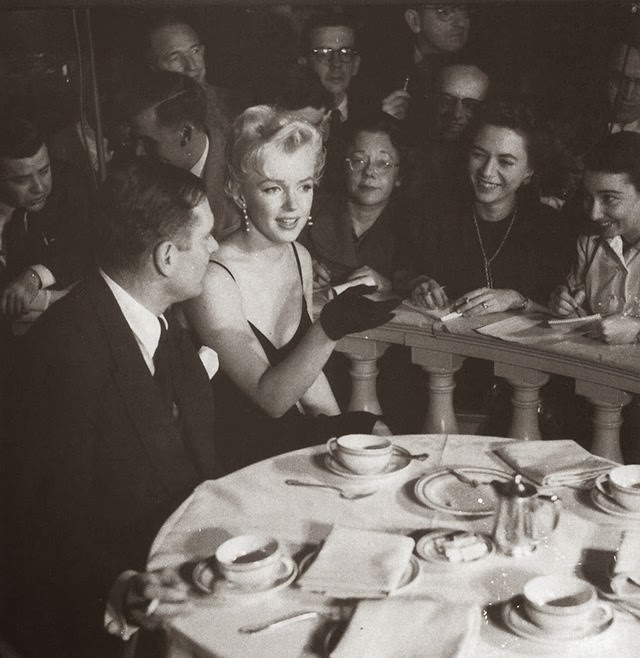
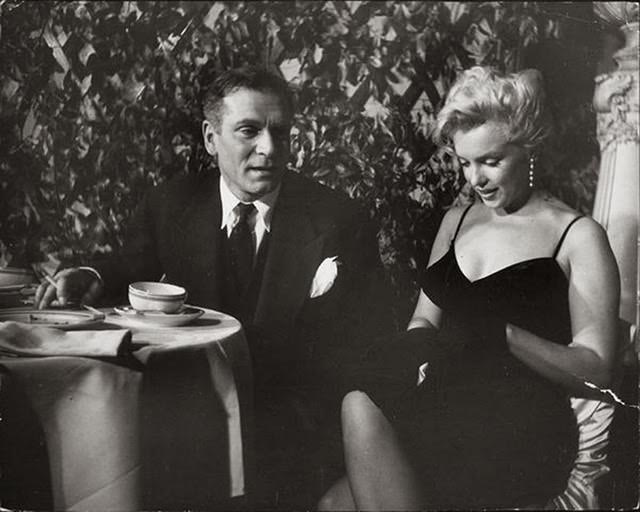
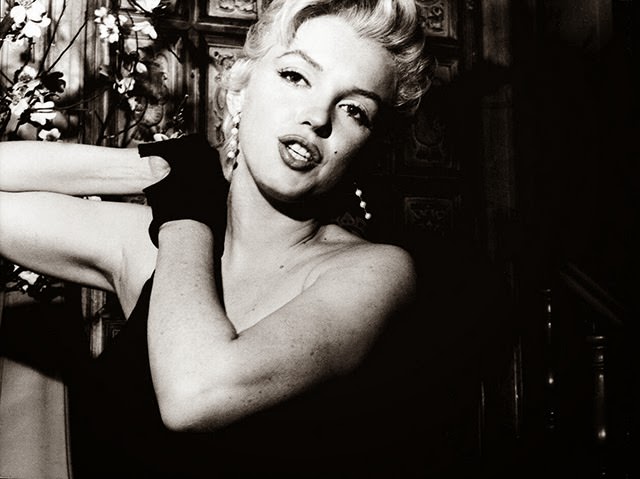
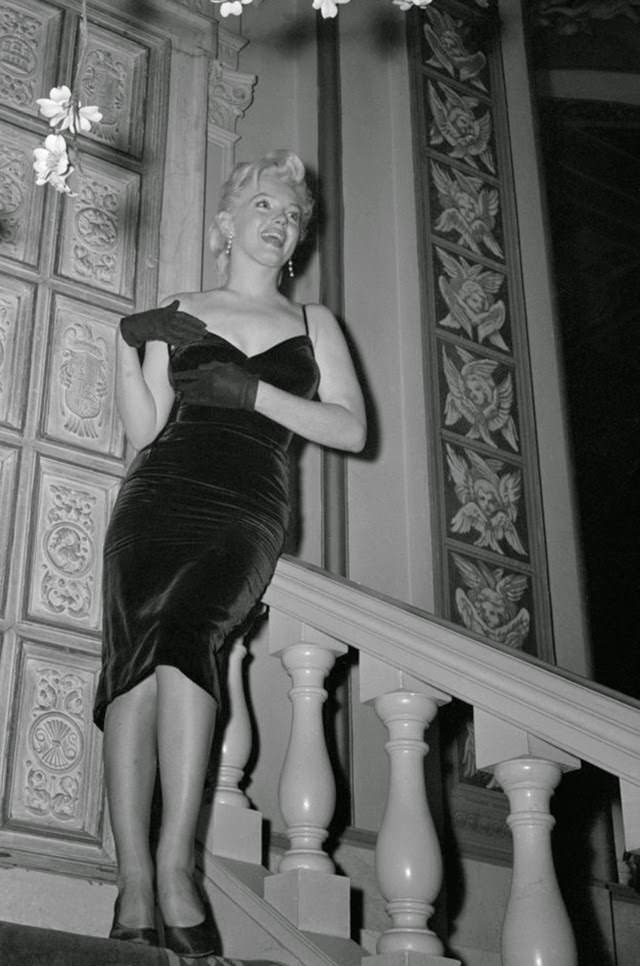
Monroe spoke in her familiar soft tone, giving brief, polished answers. Her dress was elegant and deliberate — a visual statement that matched her new role as an independent artist with serious ambitions. Photographers worked the room constantly, capturing every angle of the two stars together.
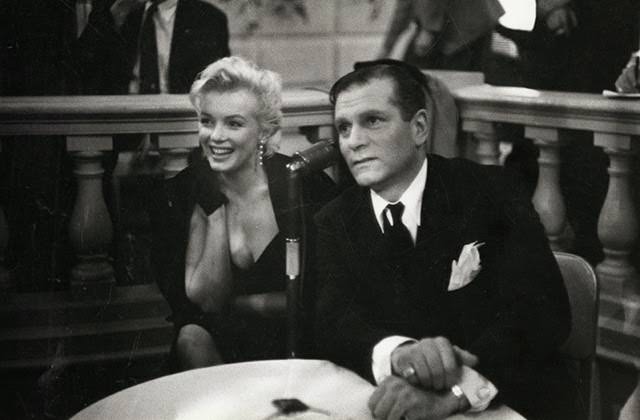
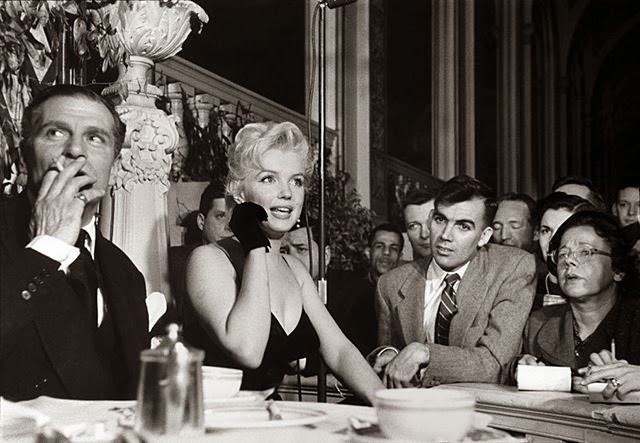
Questions from journalists zeroed in on the unusual partnership. How would Monroe’s instinctive, Method-influenced style mesh with Olivier’s precise, theater-trained technique? Both stars handled the questions with practiced ease, though their very different working methods would later fuel public speculation once filming began in England.
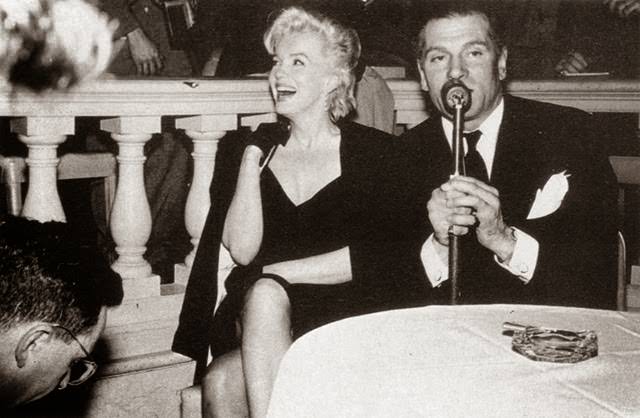
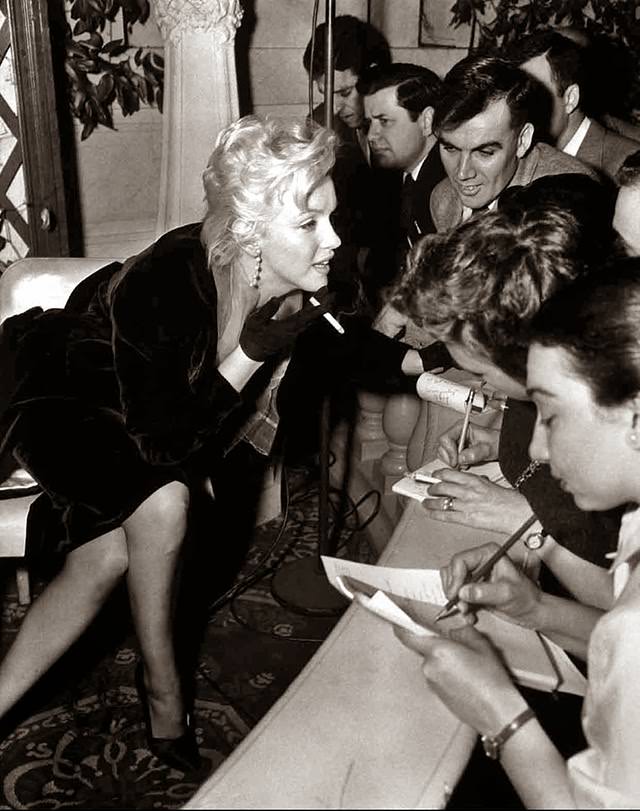
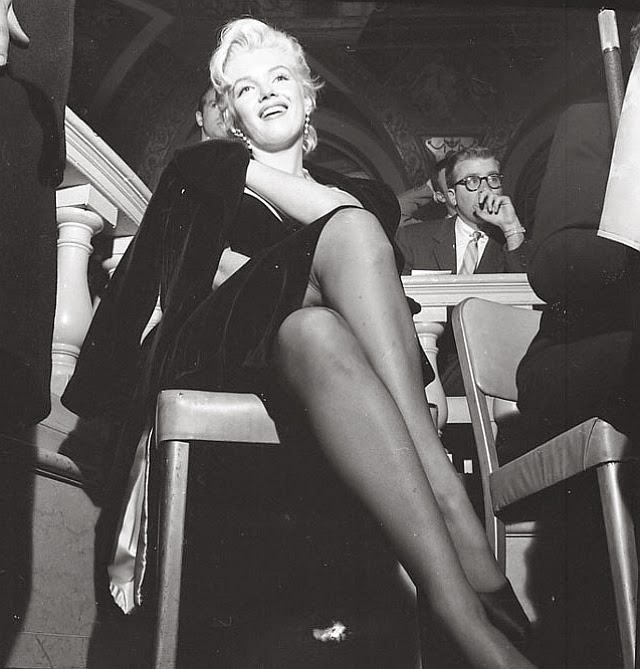
The Plaza Hotel had long been a venue for major cultural gatherings, and this press conference fit squarely into that tradition. The room crackled with anticipation — Hollywood glamour on one side, Shakespearean discipline on the other, both committed to the same production.
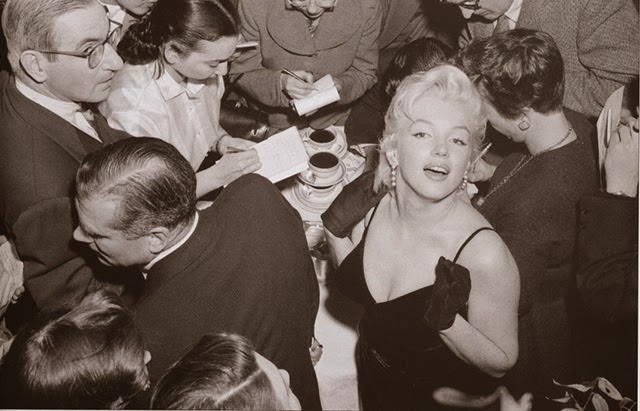
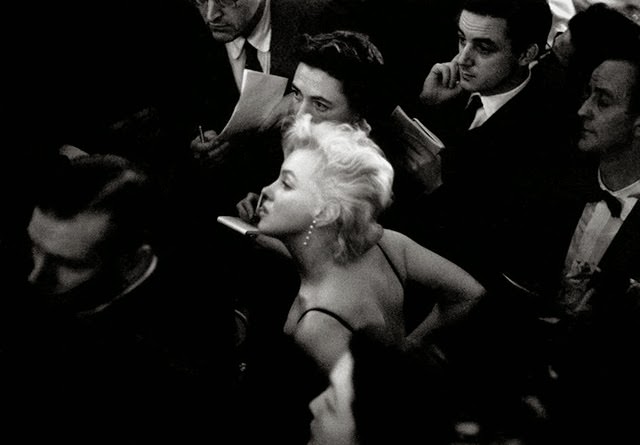
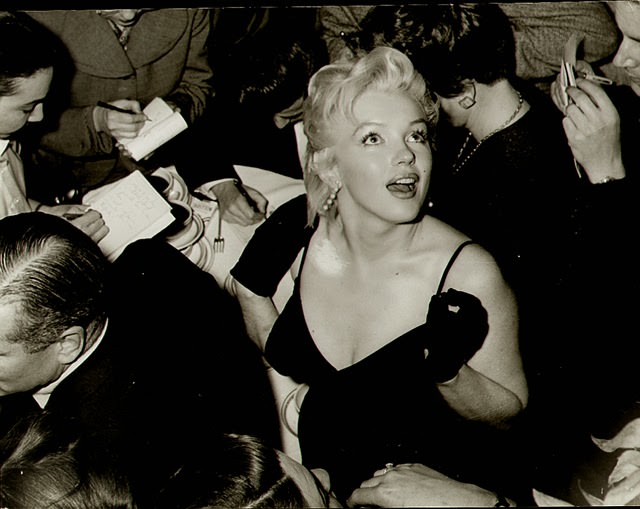
The photographs from that day captured two icons at the absolute peak of their fame. Monroe was 30 years old and in full command of her public image. Olivier, at 49, carried decades of stage and screen credibility. Together, they represented a genuine collision of two entertainment worlds.