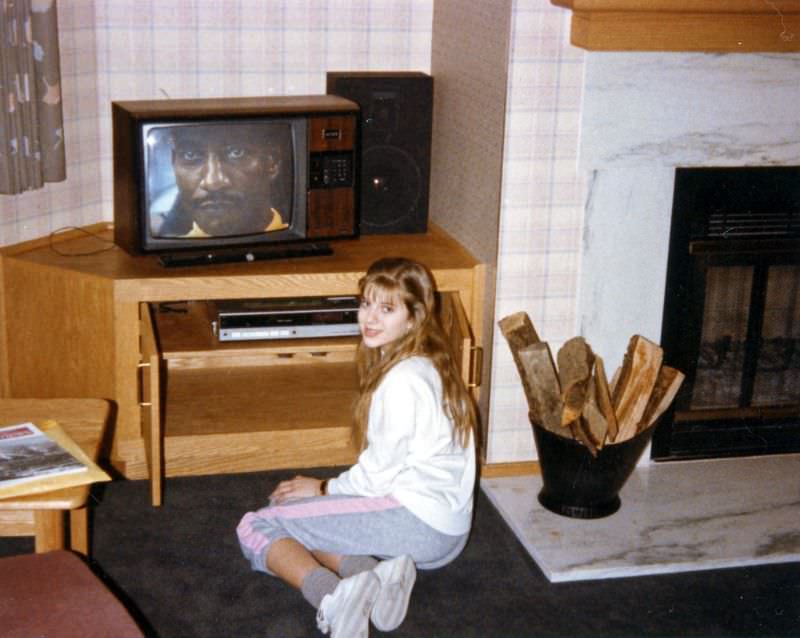
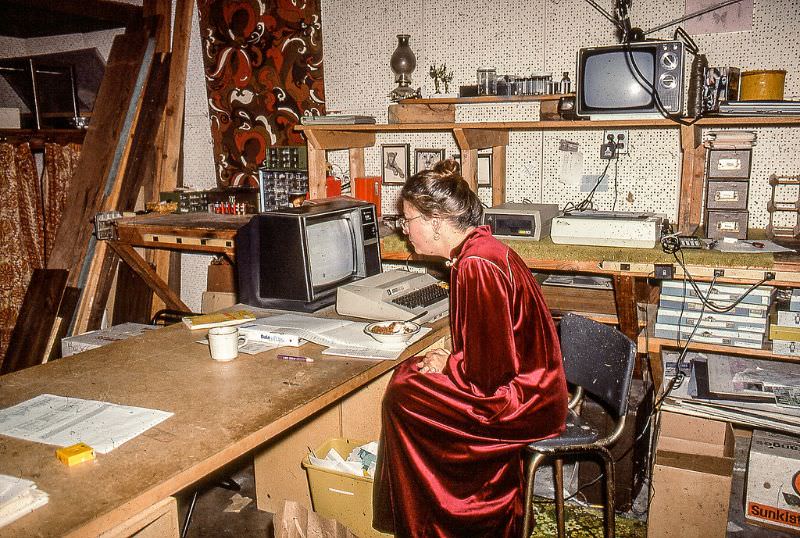
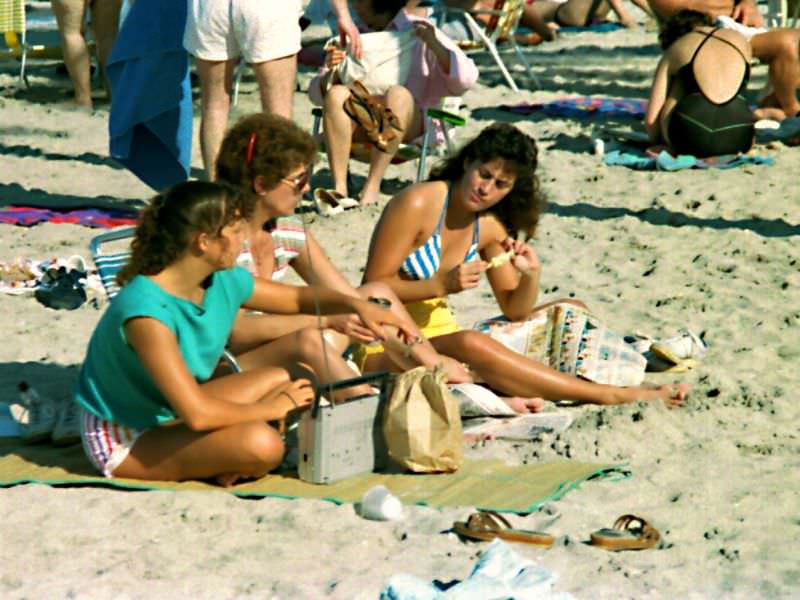
The 1980s were a decade when technology stopped being something only scientists and businesses used and started showing up in kitchens, living rooms, and backpacks. Machines that once filled entire rooms now sat on desks. Music that once required a stereo system fit in a jacket pocket. Each new gadget came with a learning curve, but people embraced them fast.
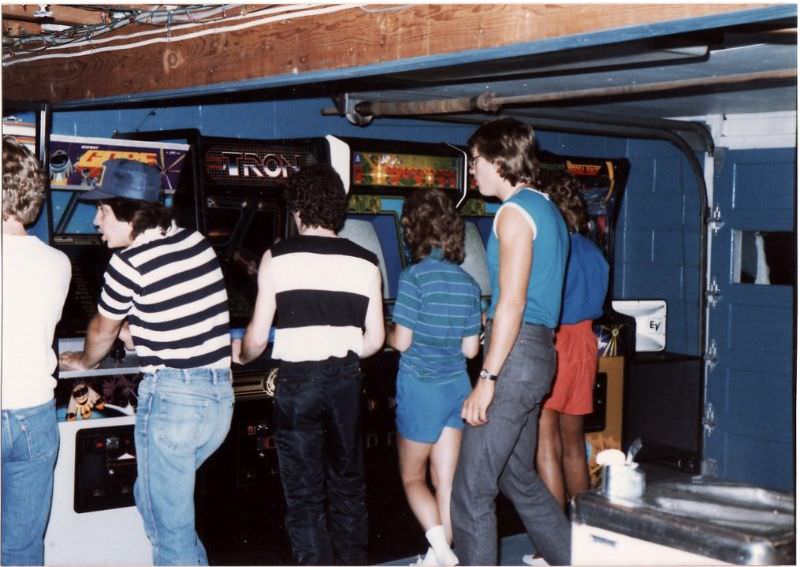
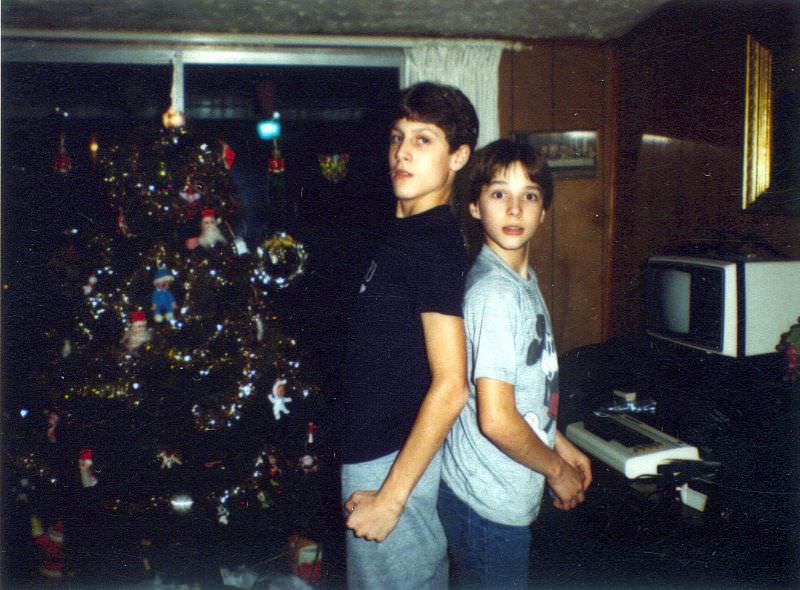
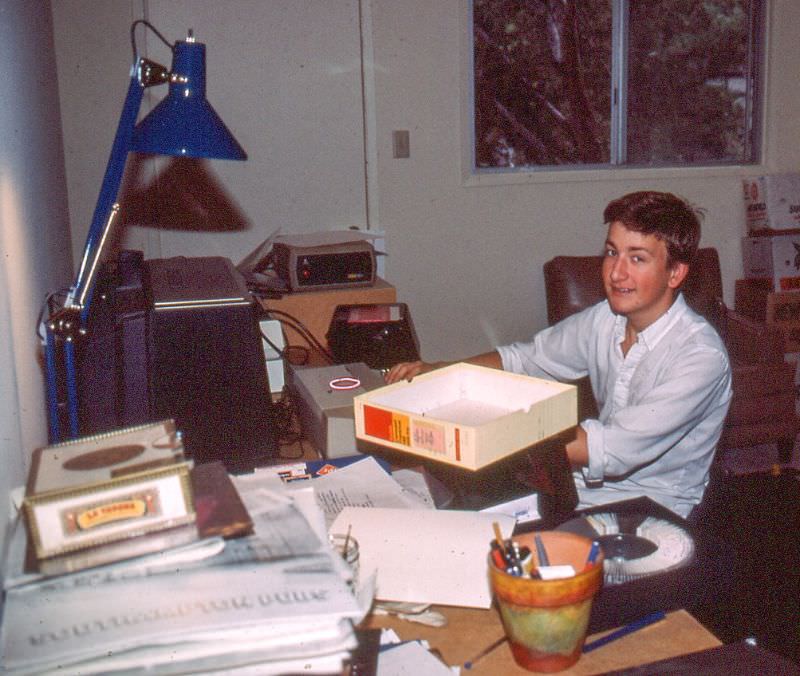
Personal computers led the charge. The IBM PC, Commodore 64, and Apple II landed in homes and schools across the country. They came with bulky CRT monitors and loud keyboards, but no one complained. Kids played Oregon Trail and Space Invaders at the kitchen table. Parents used Lotus 1-2-3 to manage household budgets and WordStar to type letters. Schools built computer labs where students learned to type and write simple programs in BASIC. Floppy disks — most of them 5.25 inches wide — stored games and files, and people labeled each one carefully.
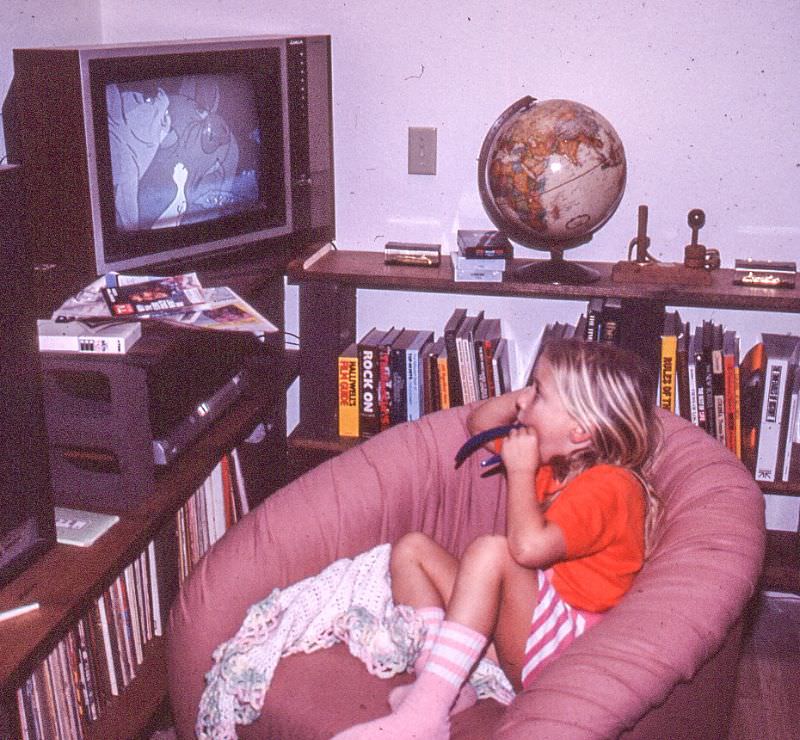
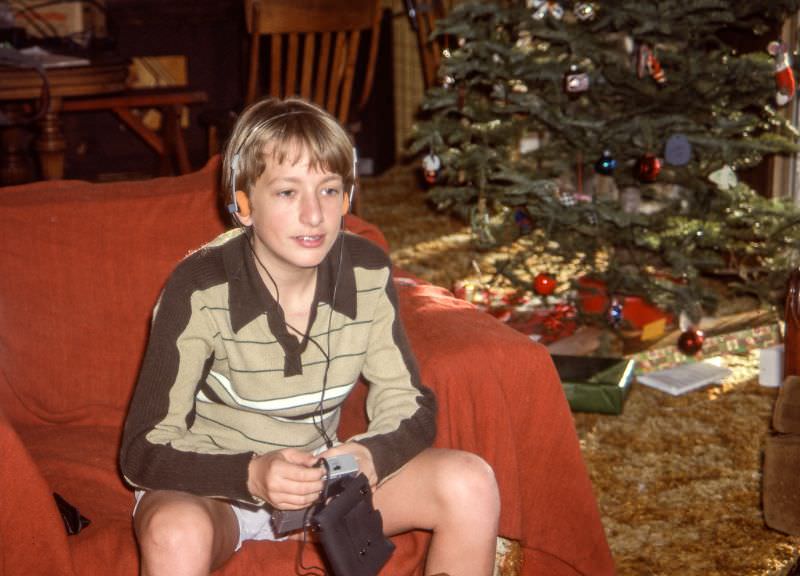
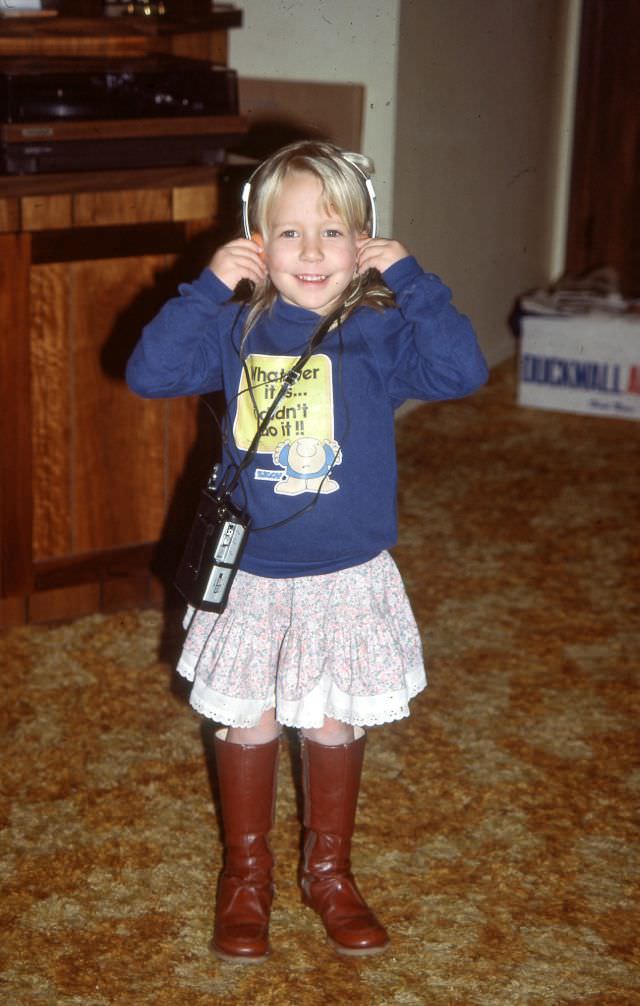
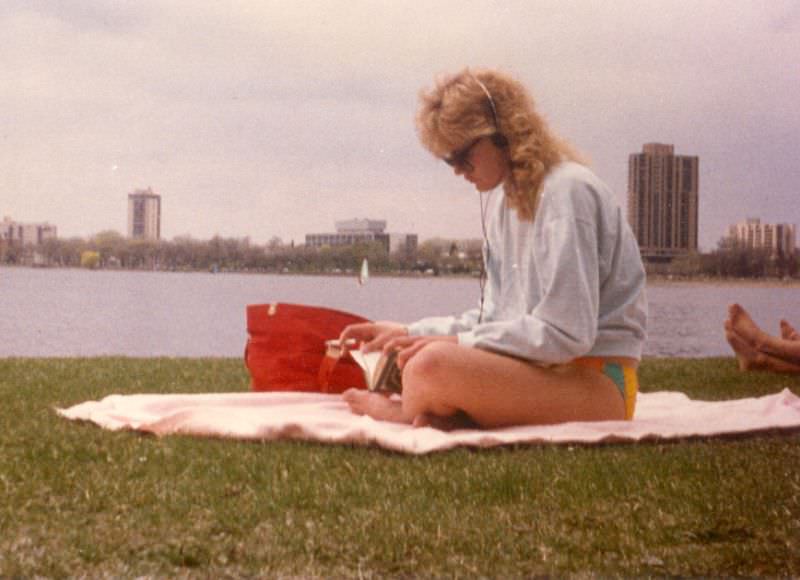
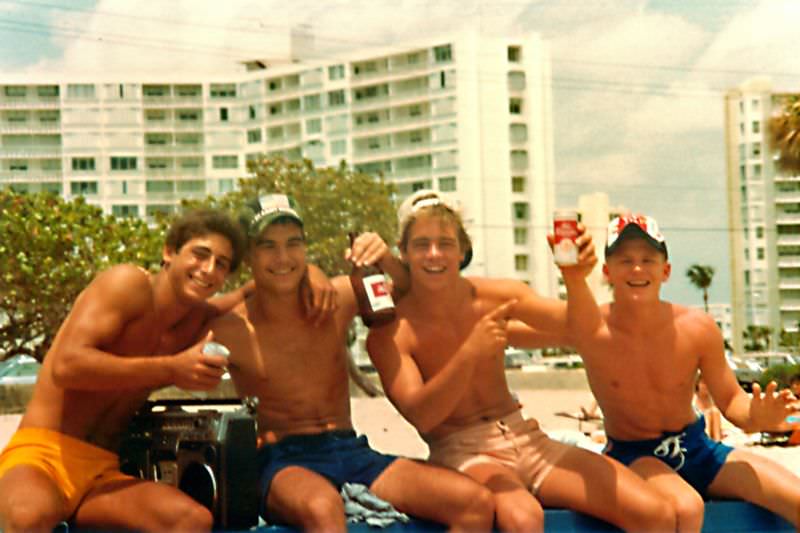
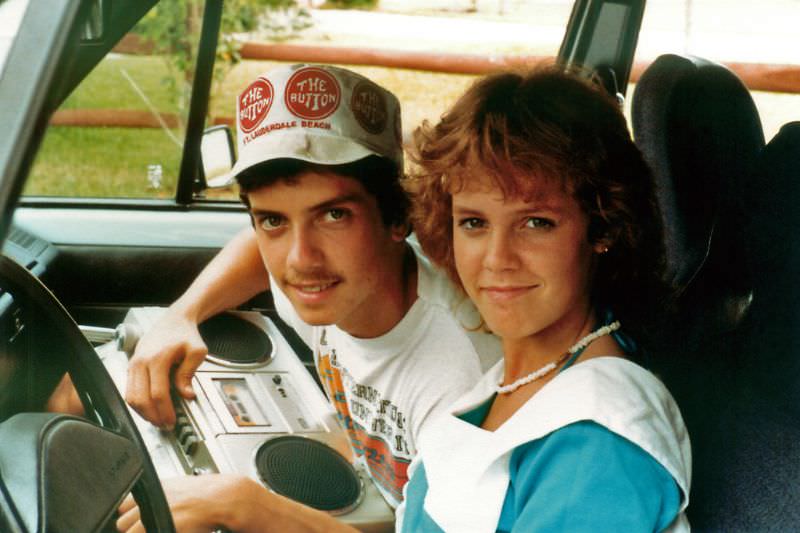
Portable music got its own revolution thanks to the Sony Walkman, which arrived in 1979 and exploded in popularity through the 1980s. Teenagers clipped them to their belts, put on headphones, and disappeared into mixtapes recorded from the radio or traded with friends. Toshiba and Panasonic released competing models by the mid-decade. Bright headphones and customized cassette cases became a way to show off personal style.
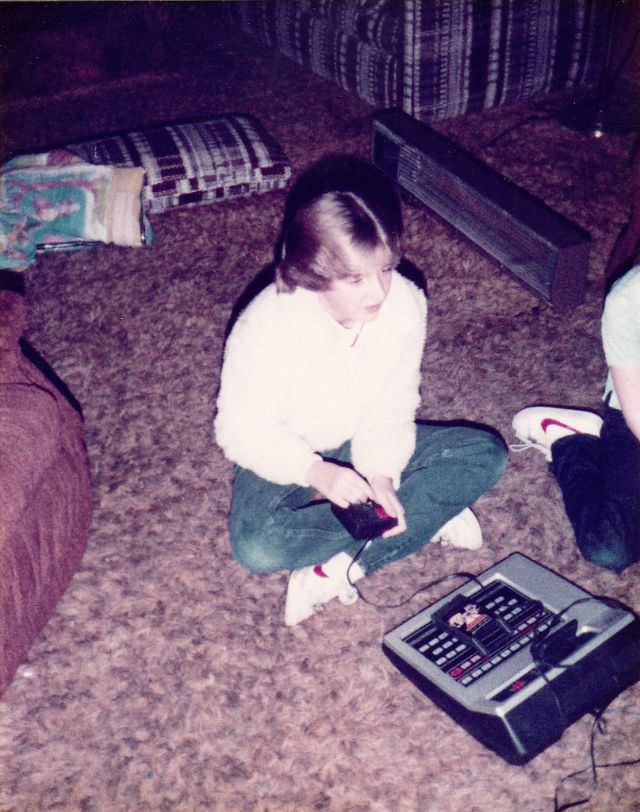
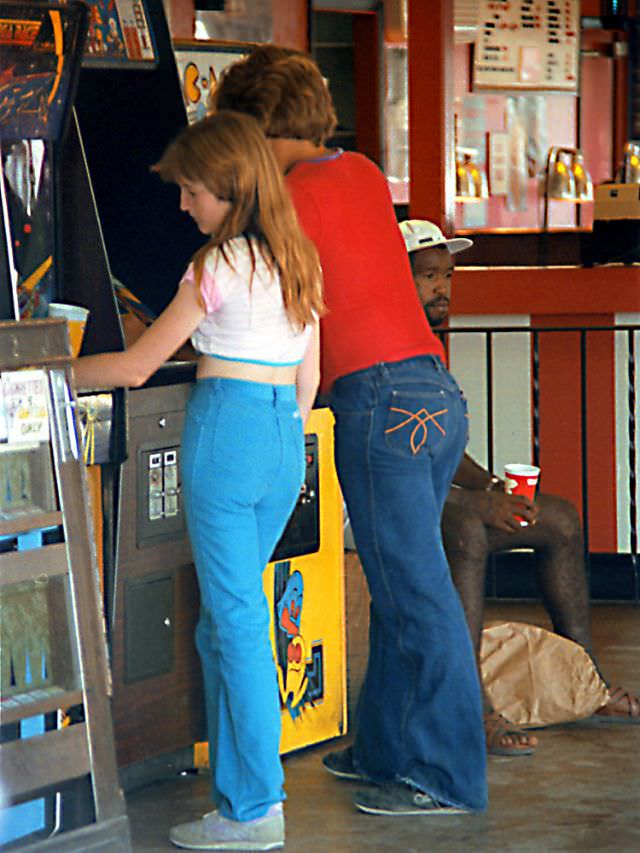
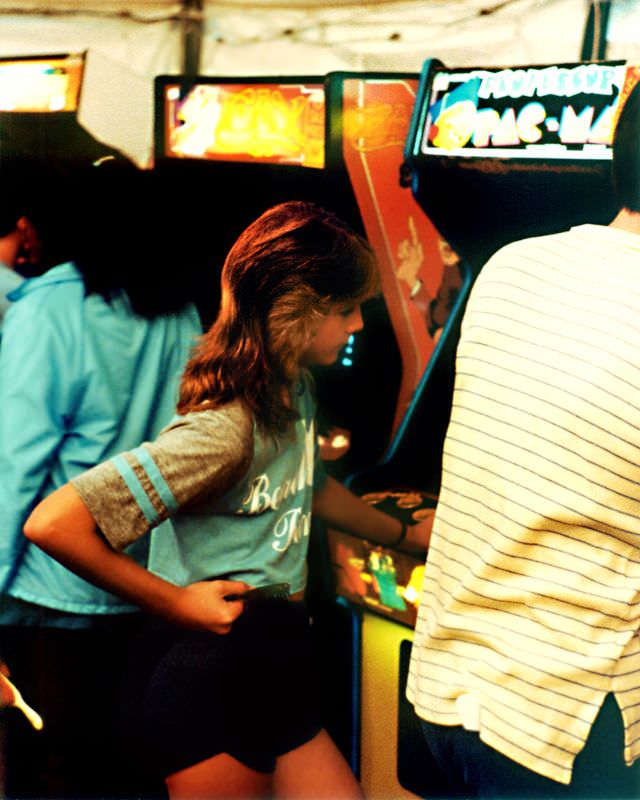
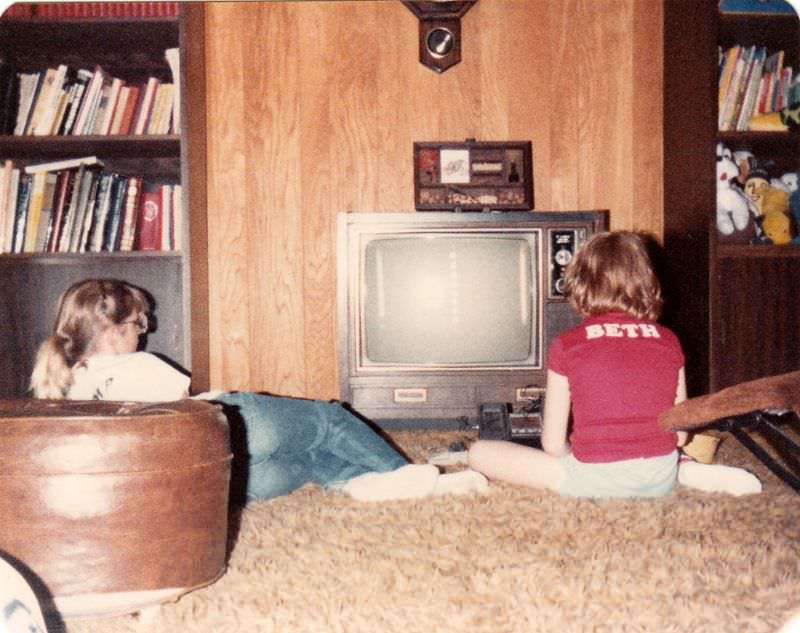
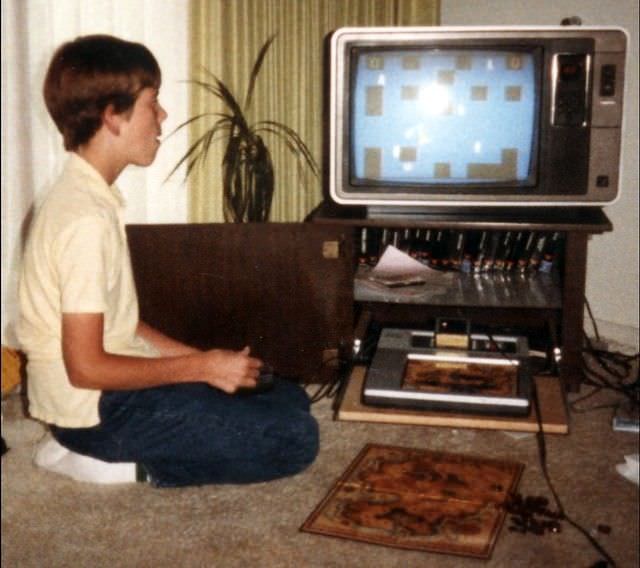
Video game consoles turned living rooms into gathering spots. The Nintendo Entertainment System, Atari 2600, and Sega Master System brought arcade games home. Super Mario Bros., Pac-Man, and The Legend of Zelda kept players hooked for hours. There were no online guides — players relied on tips swapped at school or picked up from magazines like Nintendo Power. By 1989, one in four American homes owned an NES.
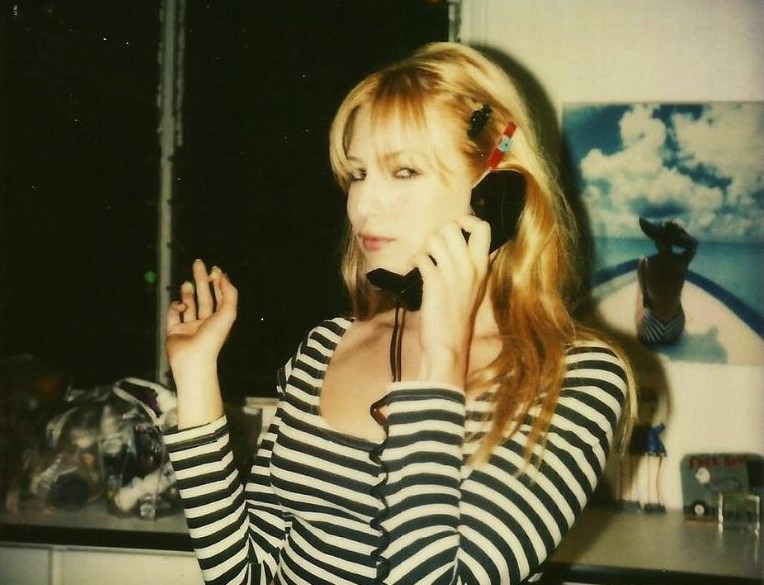
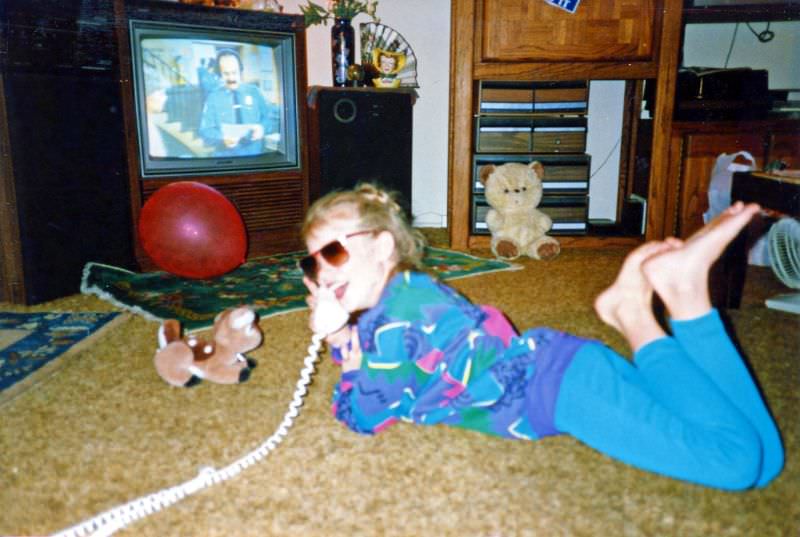
Phones shed their cords in the 1980s. Cordless models used radio signals to connect to a base station, giving people about 100 feet of range. Families could now cook dinner and chat at the same time. Answering machines, which recorded messages on small cassette tapes, became standard household gear. People recorded custom greetings — some with music, some with jokes — making even missed calls feel personal.
Camcorders gave families a way to document life as it happened. Sony’s Betamax and JVC’s VHS-C cameras recorded directly to tape. These cameras were heavy — most people rested them on one shoulder — but they were worth the effort. Birthdays, beach trips, and school plays got recorded and played back on VCRs for the whole family to watch. Video rental stores also boomed, offering movies and blank tapes to bring home.