
At the turn of the twentieth century, London was the largest city in the world, home to more than six million people. It sat at the center of the British Empire — a global hub of trade, finance, and industry. No single image captures that scale better than a view from above.
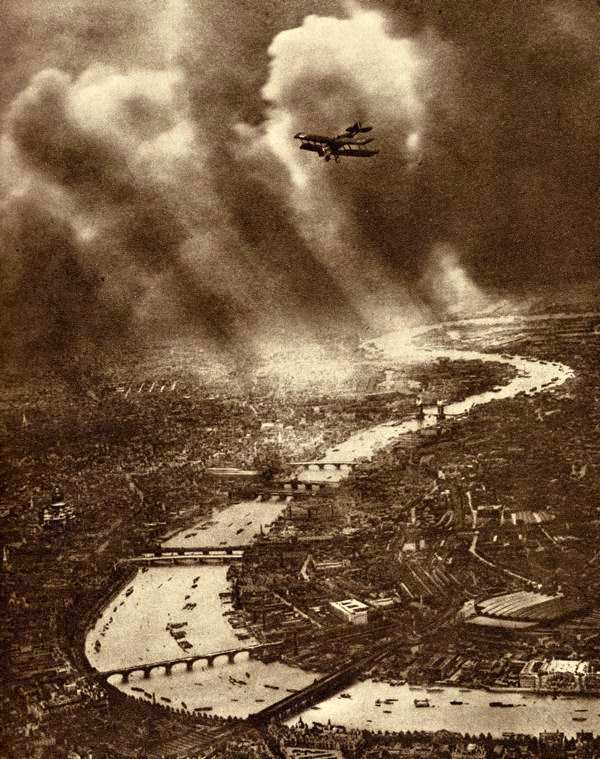
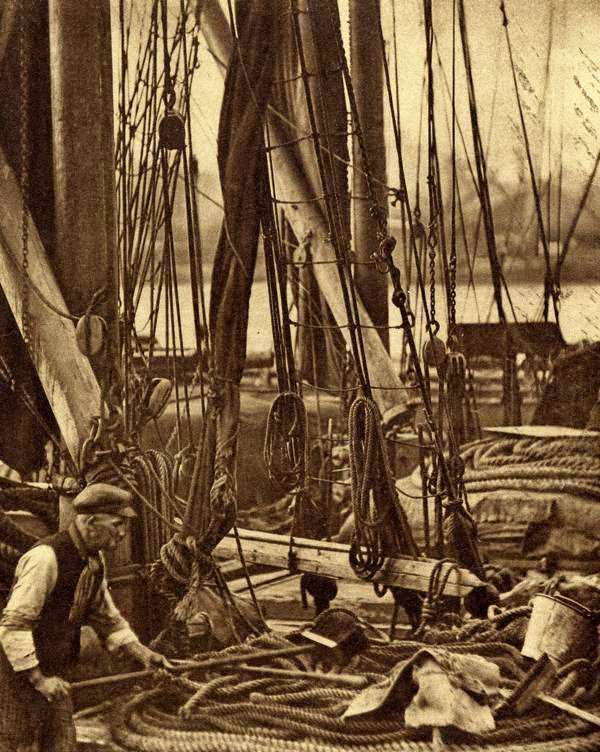
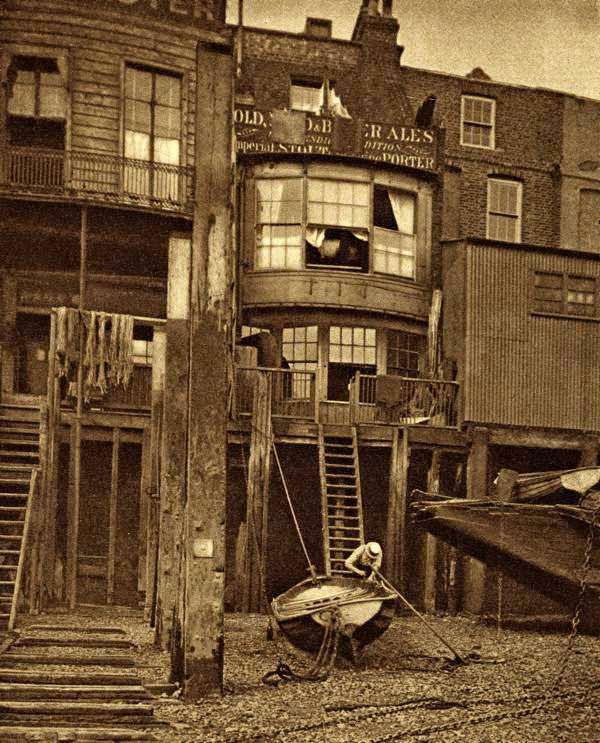
The River Thames was the city’s main artery. Goods moved in and out through busy docks lined with warehouses, and sailing barges were a common sight on the water. The riverbanks told the story of centuries of commerce, with old market buildings still standing alongside newer construction.
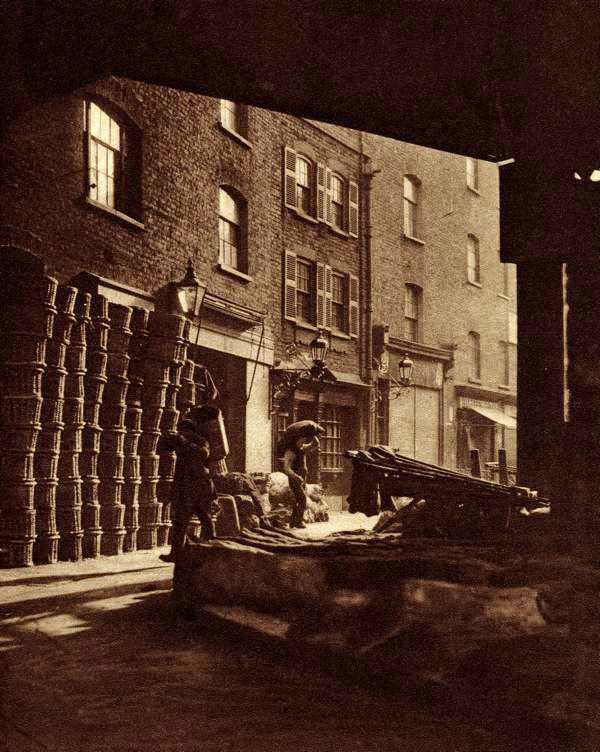
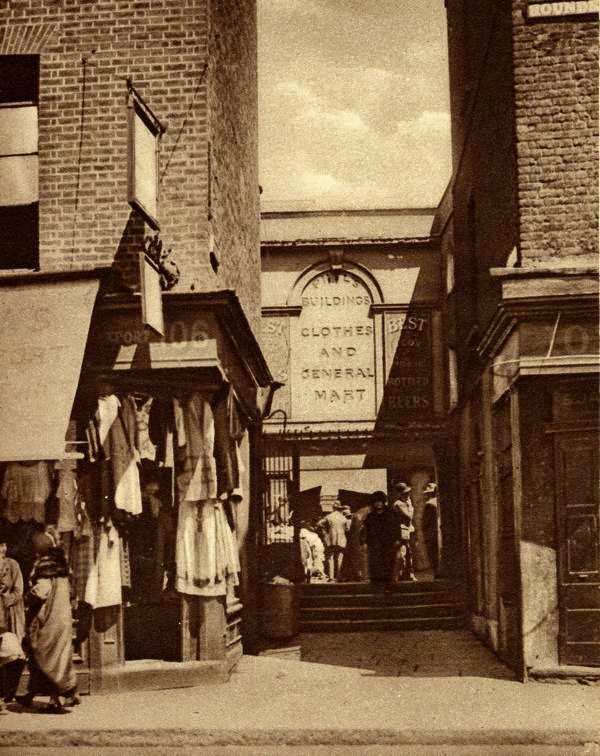
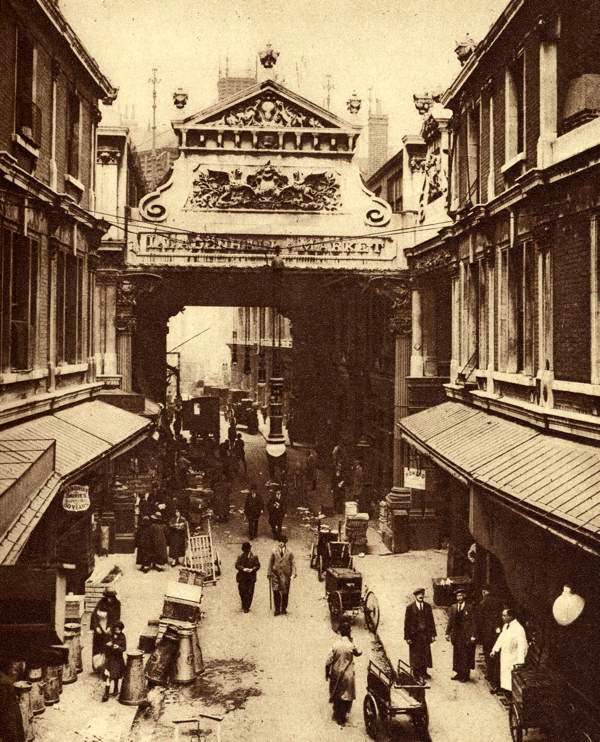
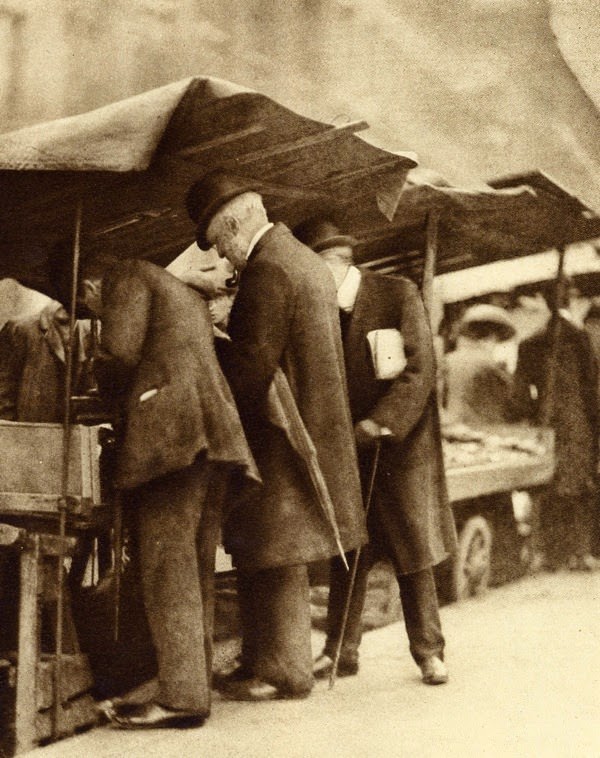
Street life was a sharp contrast between wealth and poverty. In the West End, polished carriages and early motorcars moved through fashionable districts. In the East End, narrow streets were packed with market stalls and laborers crowded into tight housing. Markets like the one at Houndsditch sold secondhand clothes to working-class buyers who had few other options.
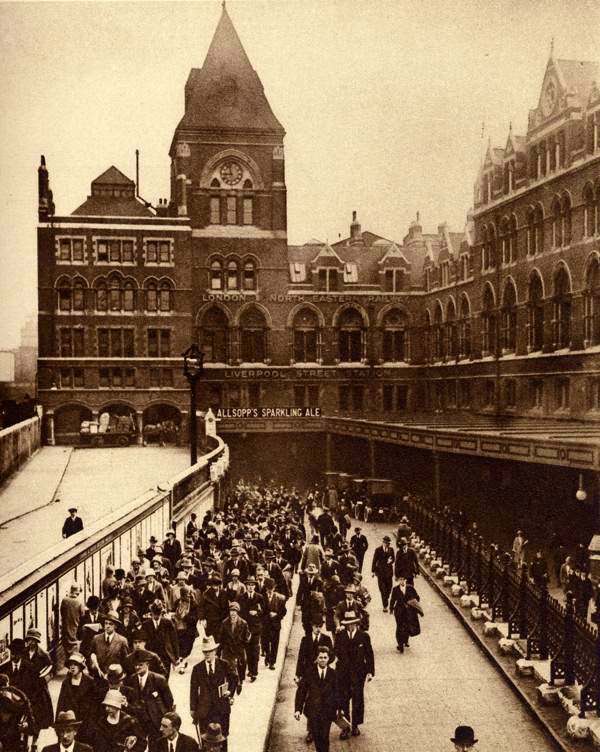
Public transportation was expanding fast. Electric trams ran alongside horse-drawn vehicles, and the London Underground had already been running for decades. By this period, deep-level tube lines stretched into the suburbs, making daily commuting possible for a growing number of workers. Liverpool Street Station was a prime example — packed with commuters six mornings a week.
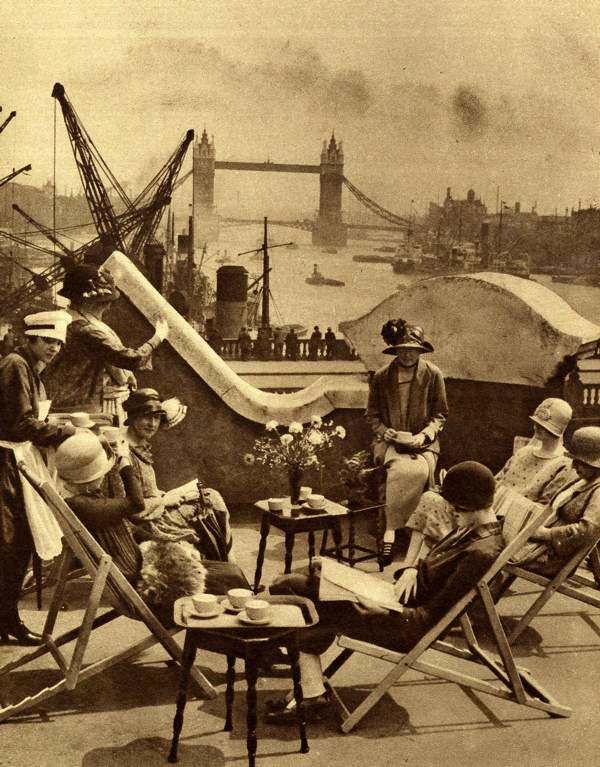
Women working in the City had few dedicated spaces of their own. The Langbourne Club was one rare exception, offering a place where working women could meet and socialize outside the home.
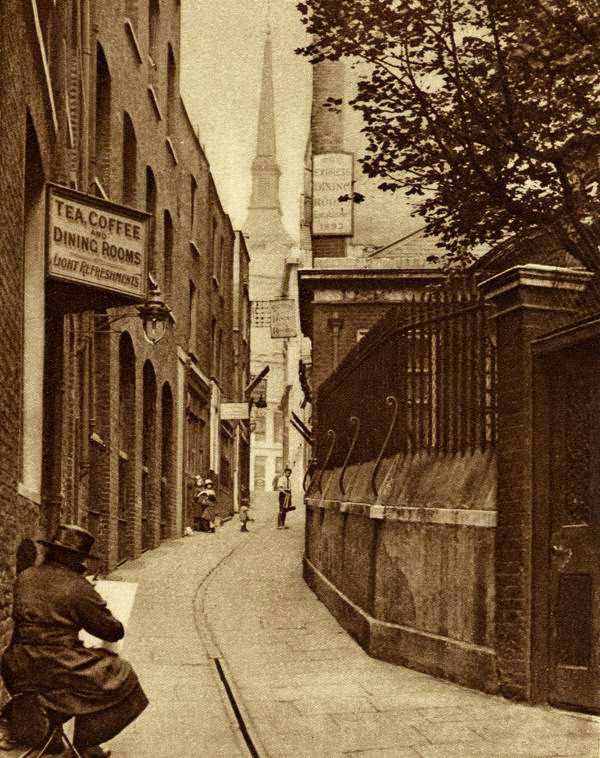
Coal smoke from factories and home fireplaces choked the air. Thick fogs — known as “pea-soupers” — could cut visibility to just a few feet. Coal remained the primary fuel regardless, powering both industry and domestic heating. The streets themselves bore layers of history. Medieval lanes ran past Georgian terraces, and landmarks like St. Paul’s Cathedral and Tower Bridge were already iconic.
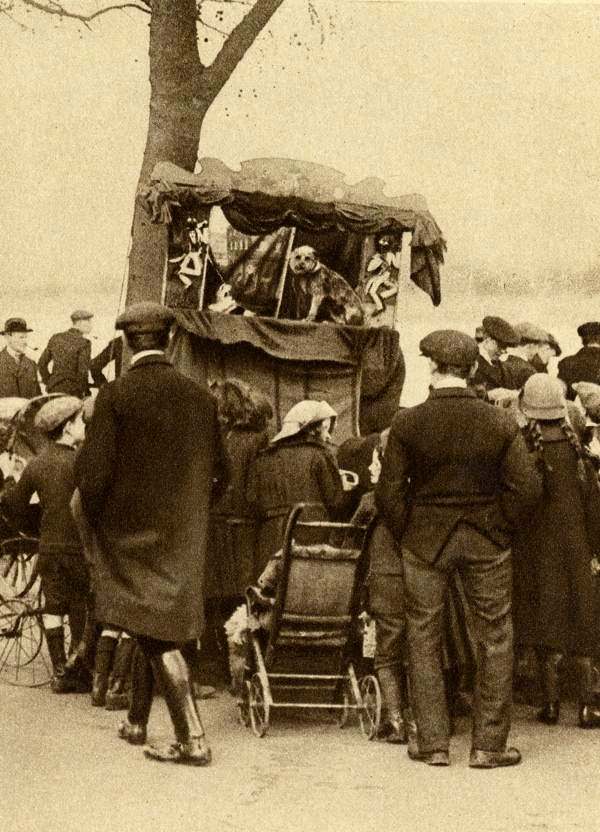
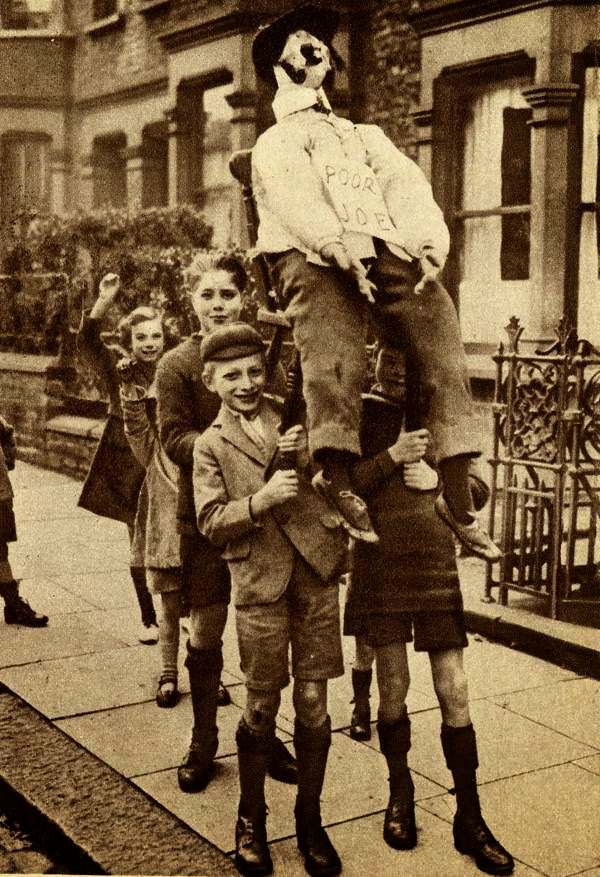
Book stalls along Farringdon Road drew readers of all classes, offering cheap print for those who could not afford bookshops. Outdoor entertainment was equally accessible. Punch and Judy shows played to street crowds, and on Guy Fawkes Night, children collected pennies for the Guy before the bonfire.
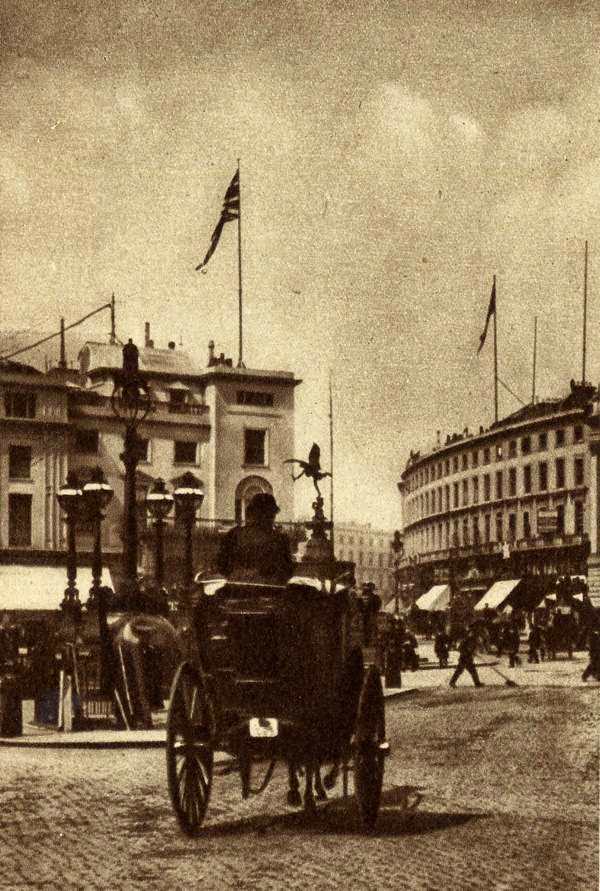
Piccadilly Circus had already become one of London’s most recognized gathering points by the late nineteenth century, buzzing with foot traffic, advertising, and social life that spilled out from the surrounding theaters and shops.
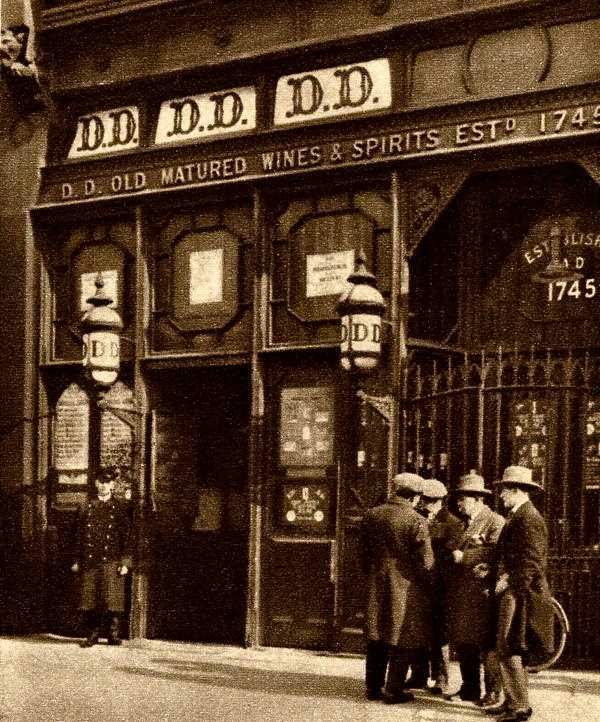
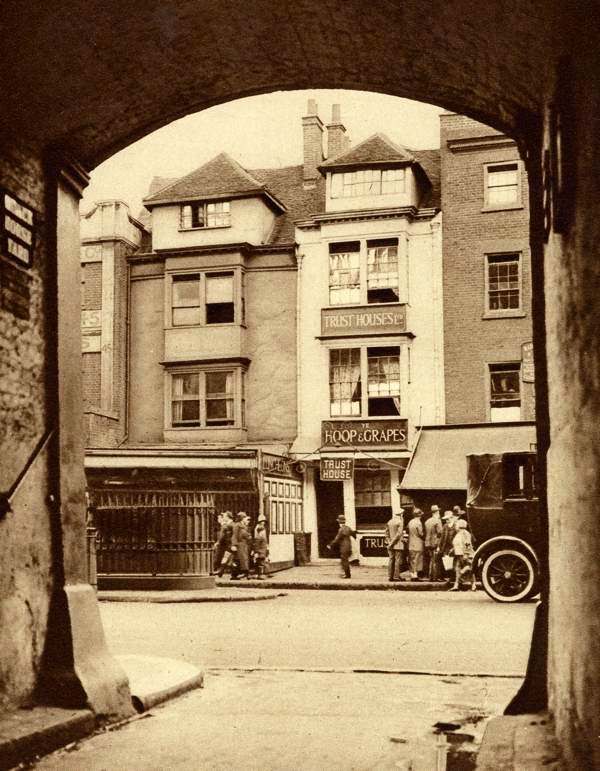
Immigration brought new communities into the city. People arrived from Ireland, Eastern Europe, and the colonies seeking work and safety. This diversity was most visible in working-class districts, where different languages, foods, and traditions mixed daily in the streets and markets. Old pubs like Dirty Dick’s in Bishopsgate and the Grapes at Limehouse served as neighborhood anchors for long-established locals and newcomers alike.
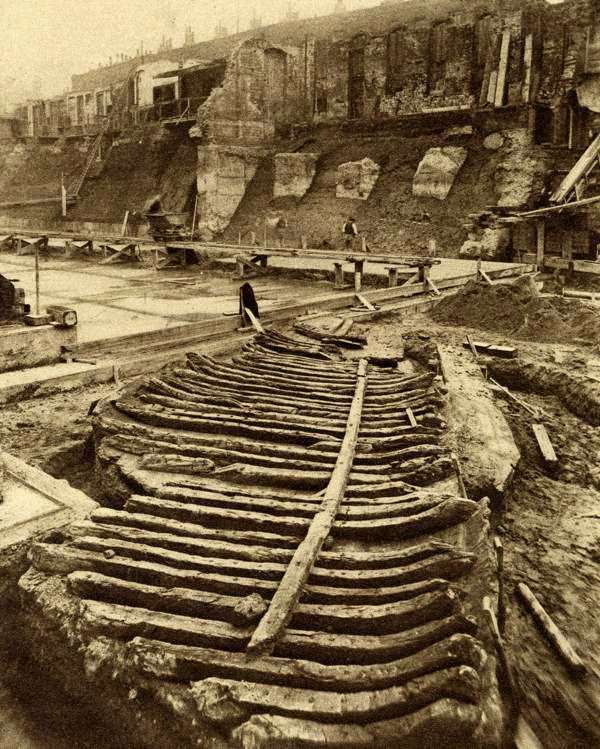
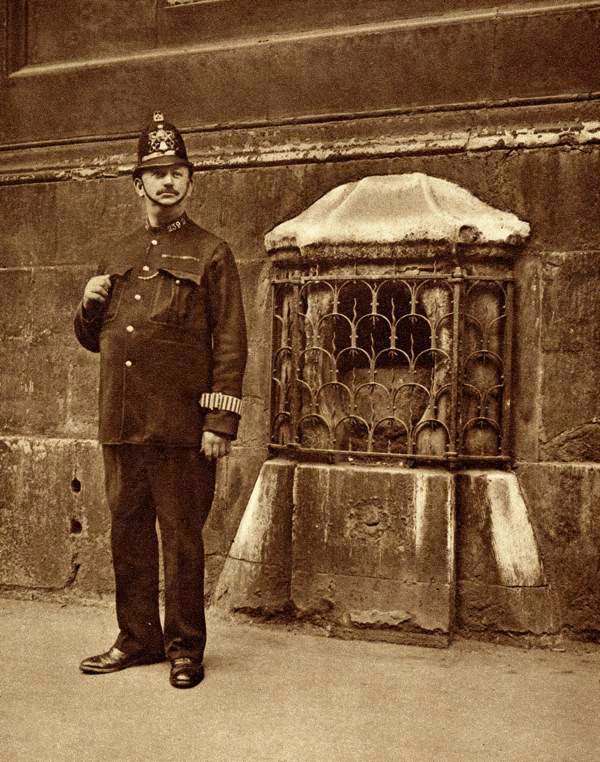
The city’s ancient past was never far below the surface. During construction of County Hall in 1910, workers uncovered a Roman galley buried in the riverbed — a reminder that London had been a major settlement for nearly two thousand years. Even the London Stone, embedded in a Cannon Street wall, dated back to Roman times.
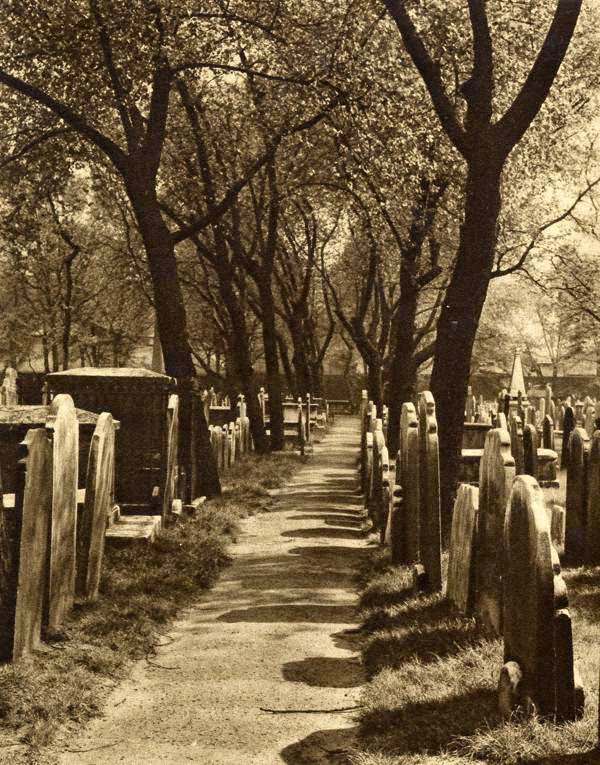
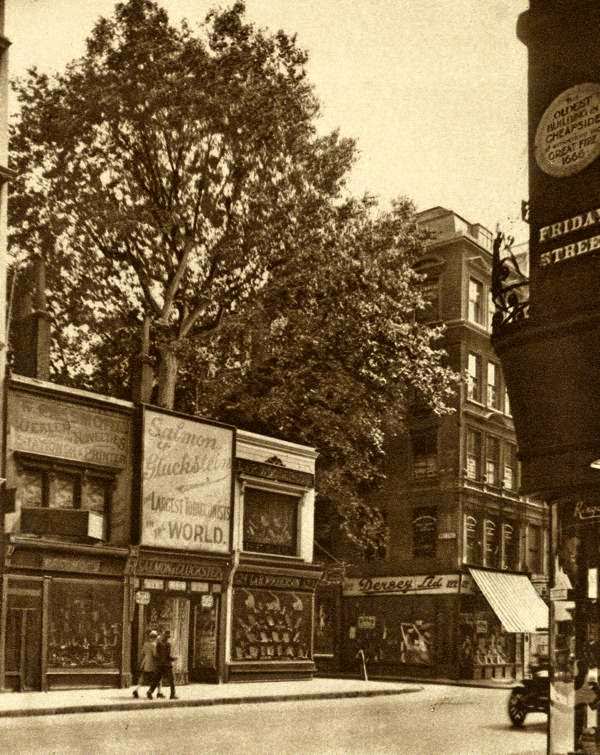
Green spaces offered relief from the city’s dense streets. Bunhill Fields served as both a historic burial ground and a quiet park in the heart of the city. Trees like the plane tree in Cheapside pushed through the urban fabric, offering shade in an otherwise hard landscape.
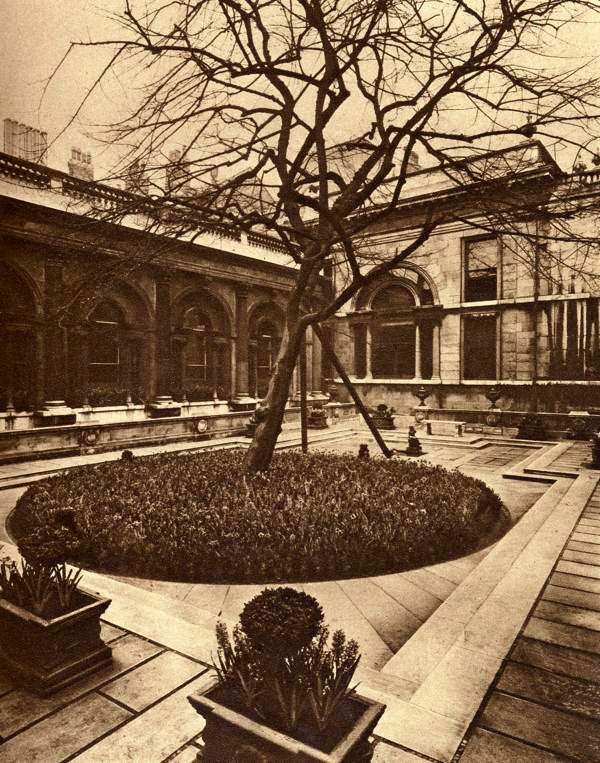
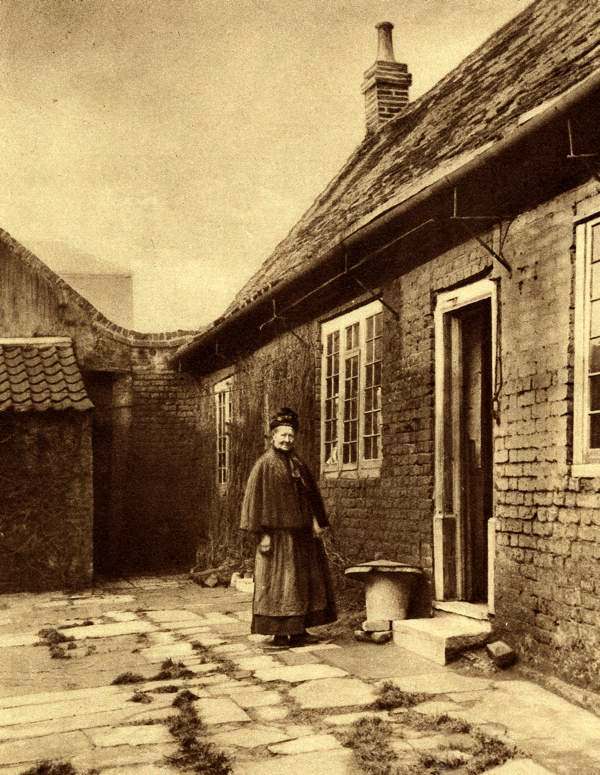
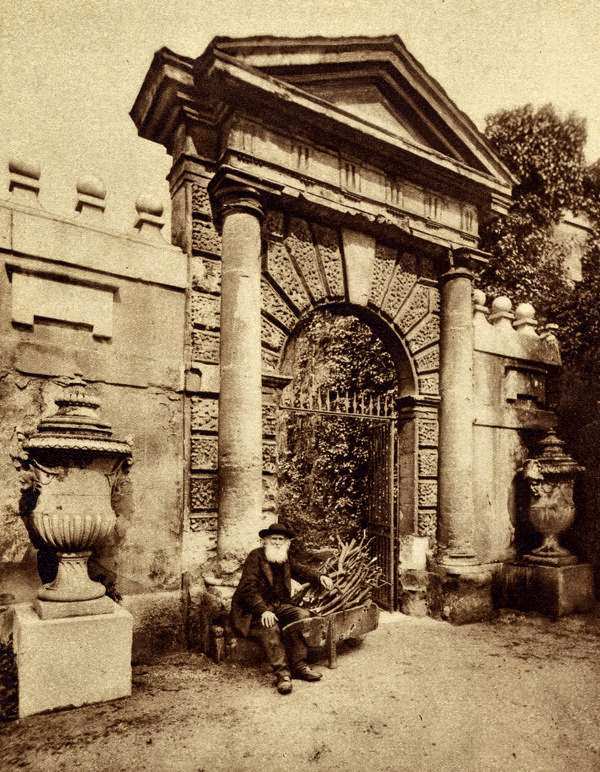
Not all of London’s architecture was built for commerce. The Bank of England once held a private garden within its walls, later lost to reconstruction. Poplar Almshouses provided housing for the poor and elderly, funded by charity. Inigo Jones’ gate at Chiswick House stood at the entrance to what had become a private mental hospital — a grand structure repurposed by the realities of the era.
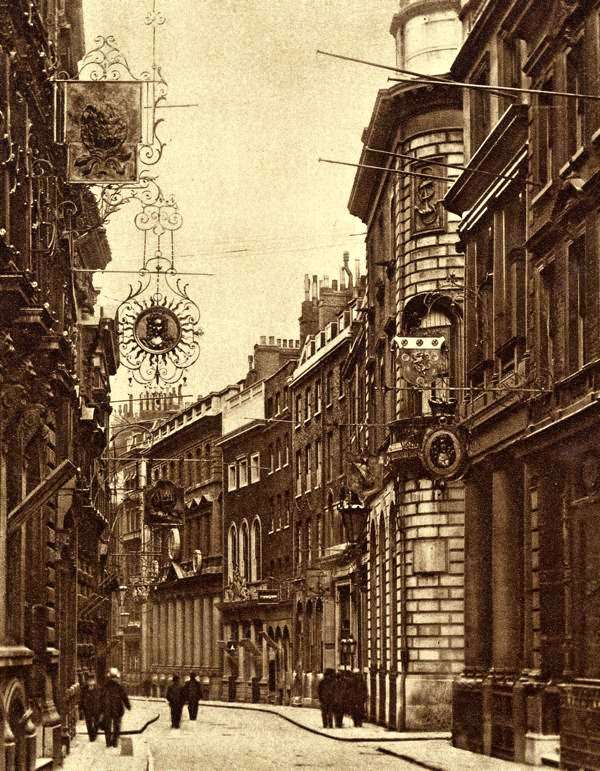
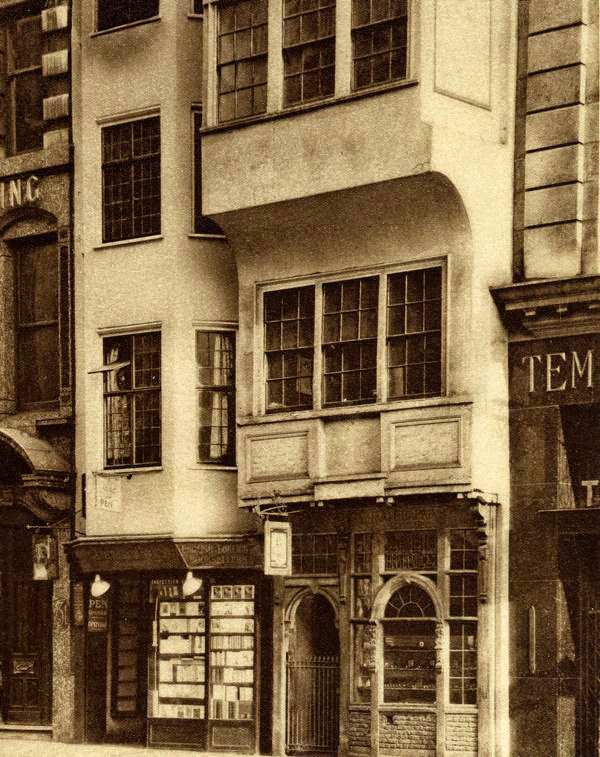
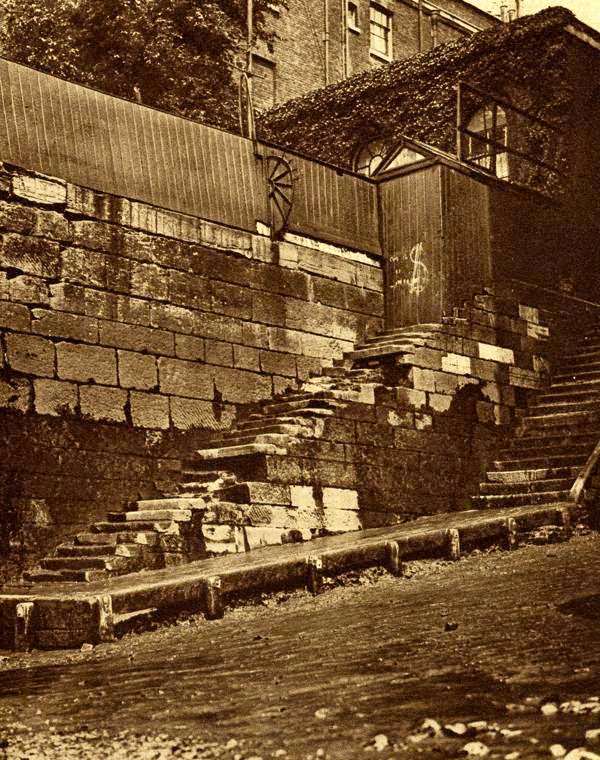
Along Lombard Street, old merchant signs still hung above doorways, relics of a pre-address era when businesses identified themselves by symbols rather than numbers. Old houses in the Strand and along the waterfront at Wapping preserved the faces of an earlier London, even as modern construction rose around them.
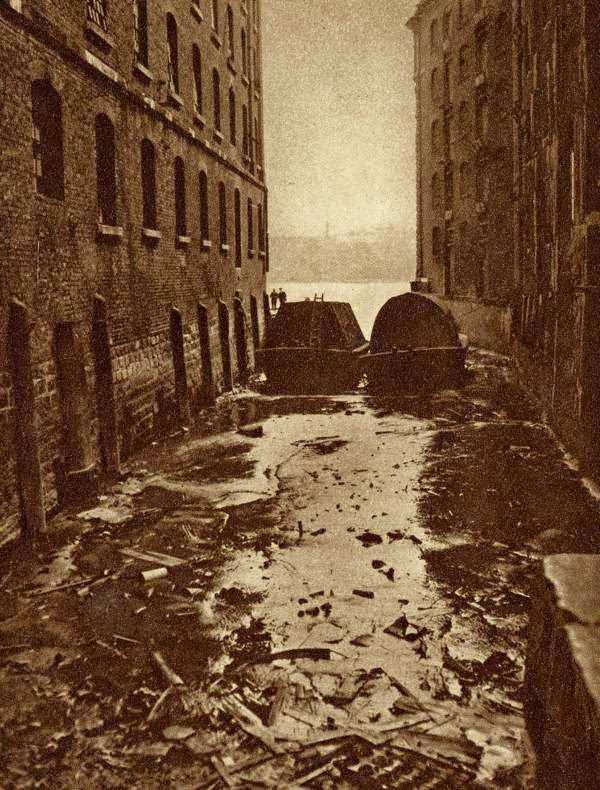
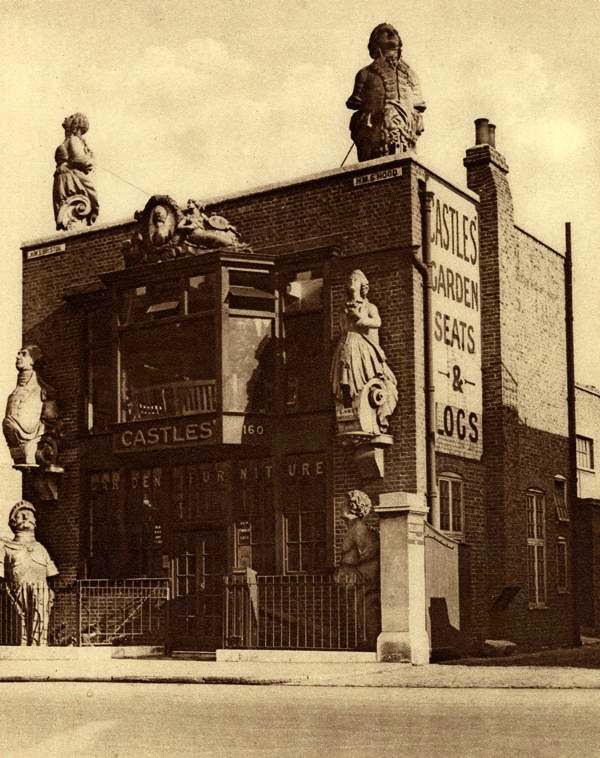
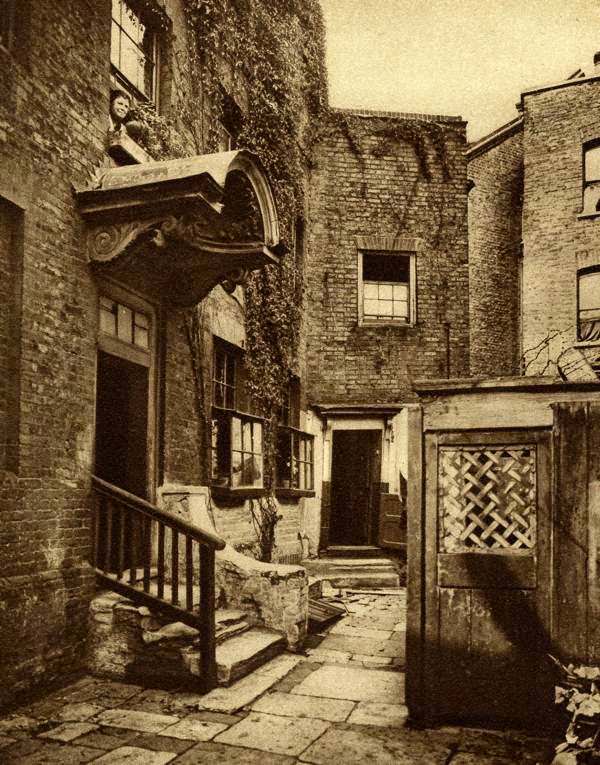
Figureheads salvaged from old warships lined Grosvenor Road — carved wooden faces of fighting vessels that once sailed under the British flag. Bridge House in Bermondsey, built over a creek at Jacob’s Island, stood as another example of how the city had grown outward and upward over its own waterways for centuries.





“Immigration brought new communities into the city. People arrived from Ireland, Eastern Europe, and the colonies, seeking work and safety. This diversity was most visible in working-class districts, where different languages, foods, and traditions mixed in the markets and streets.” ? Yes, we had Irish and Eastern Europeans, but why did we not take photographs of anyone from the colonies that settles in London? Were they too busy rebuilding the country? You are simply re-writing English history with such statements.