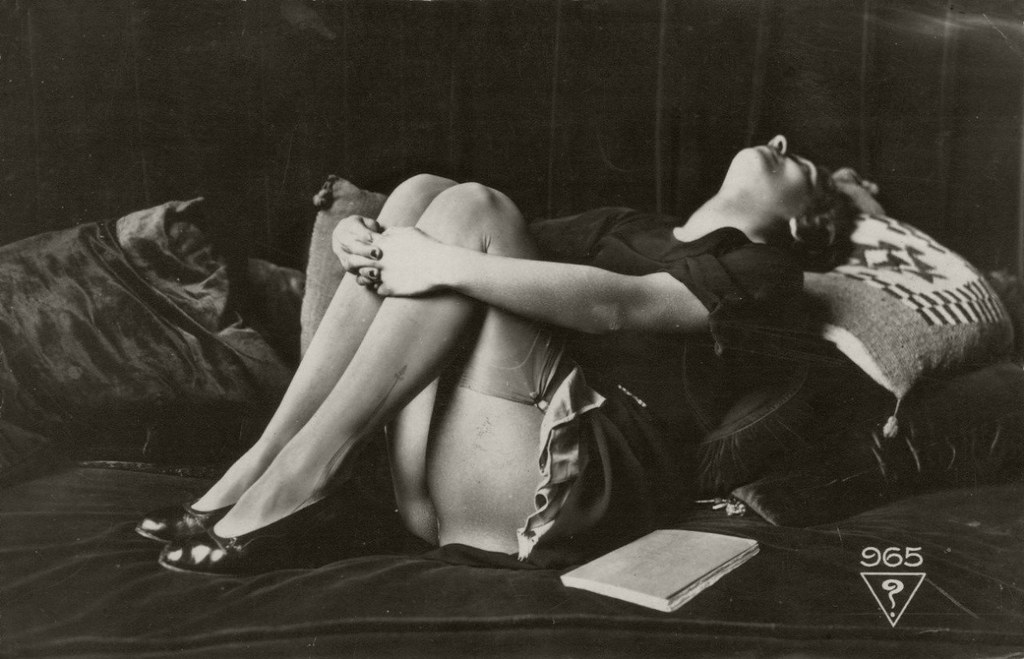
Erwin Blumenfeld arrived in New York City in 1941, having fled war-torn Europe. He wasted no time. Within a short period, he was shooting for the biggest names in publishing — Vogue and Harper’s Bazaar. Over the course of his career, he produced more than 100 covers for Vogue alone.
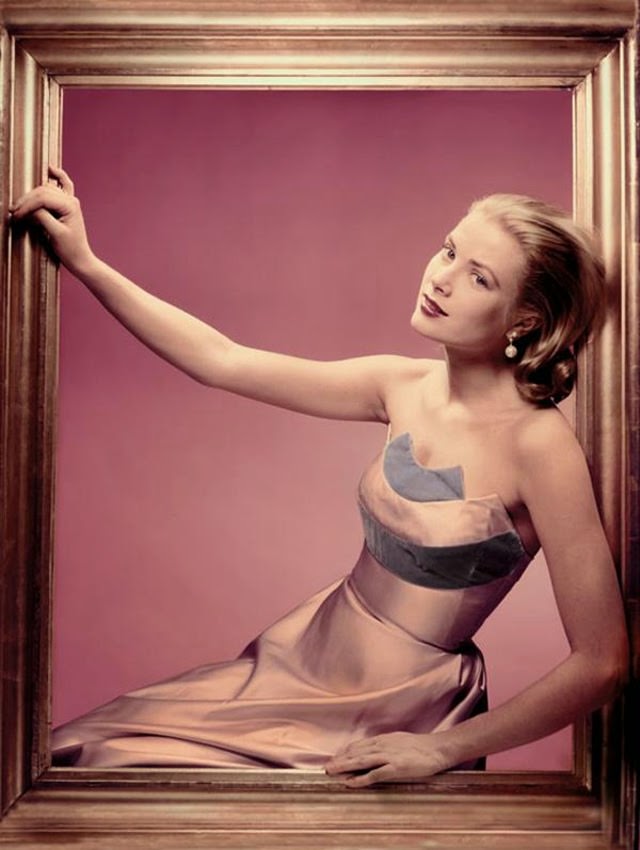
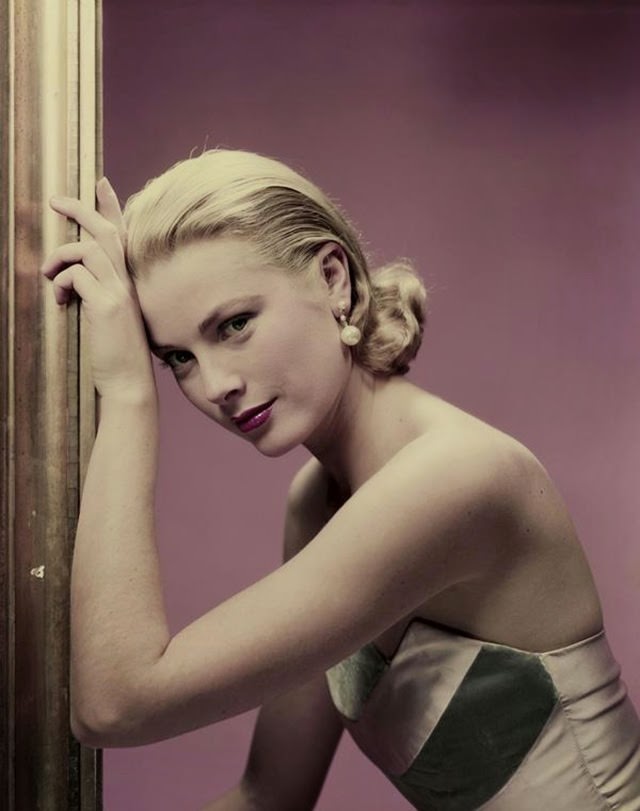
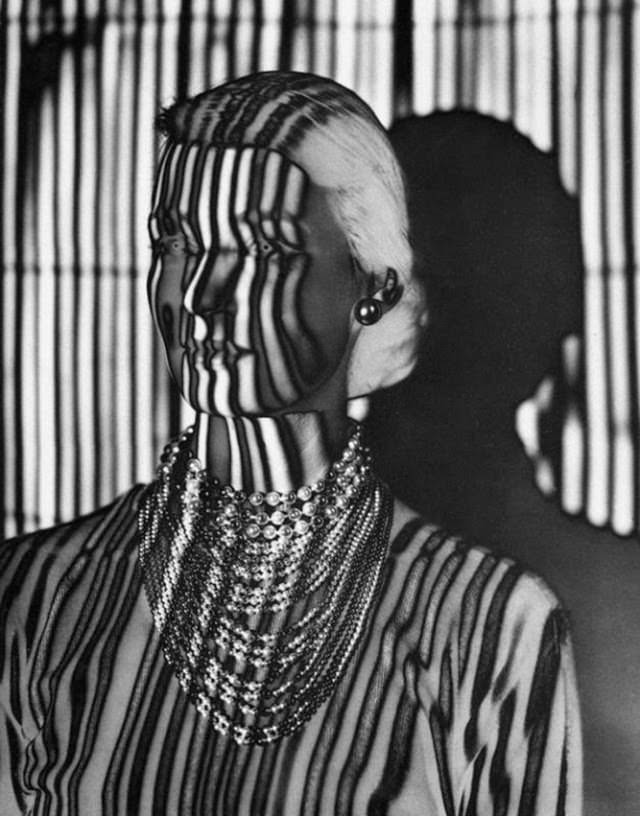
What set Blumenfeld apart was his refusal to treat fashion photography as simple product display. He ran his studio like a laboratory. He lit his sets with what he called his “six two-thousand watt suns” — a bank of powerful lights that gave him total control over every shadow and highlight.
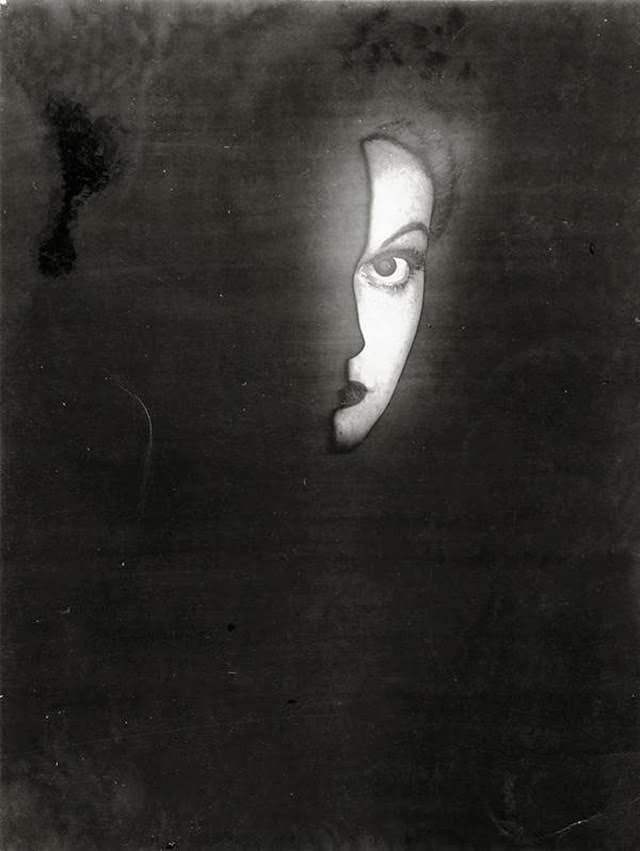
He also spent long hours in the darkroom after every shoot. This is where much of his creative work actually happened. He used solarization — a process that makes the edges of an image glow and reverses certain colors — to give his photos a dreamlike, surreal quality.
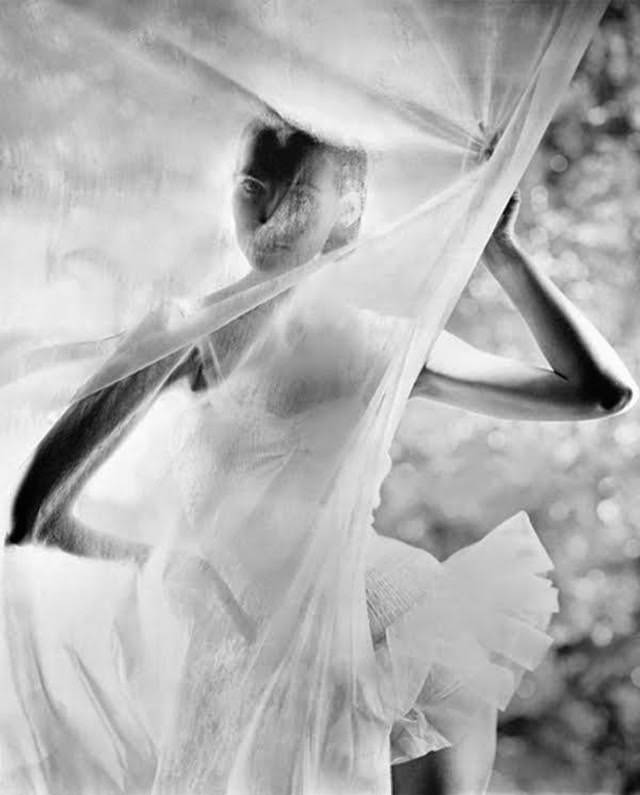
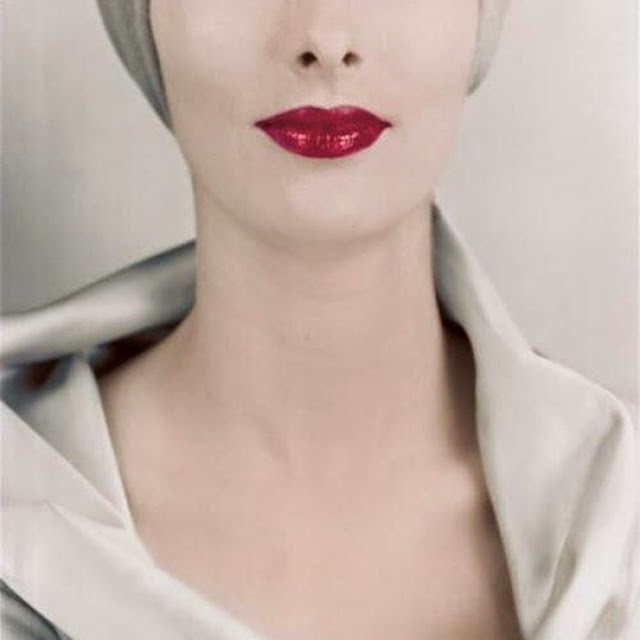
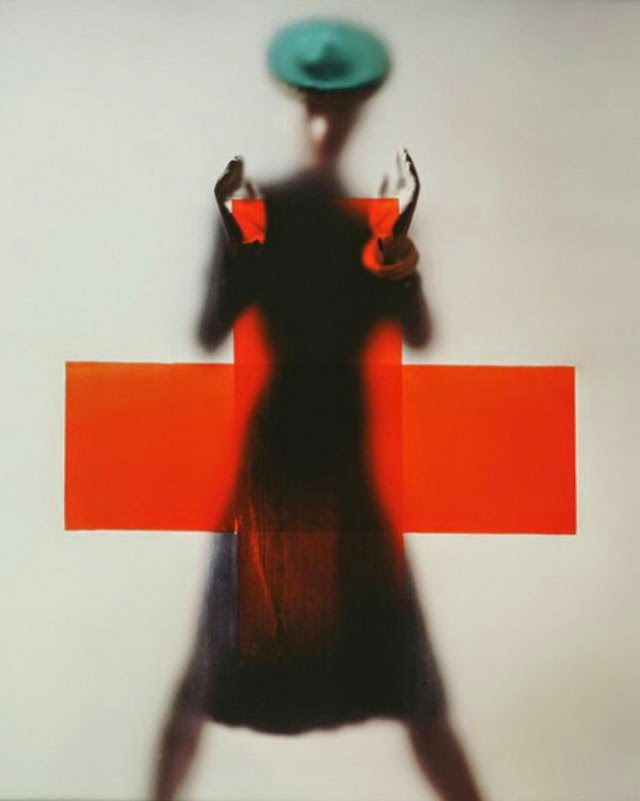
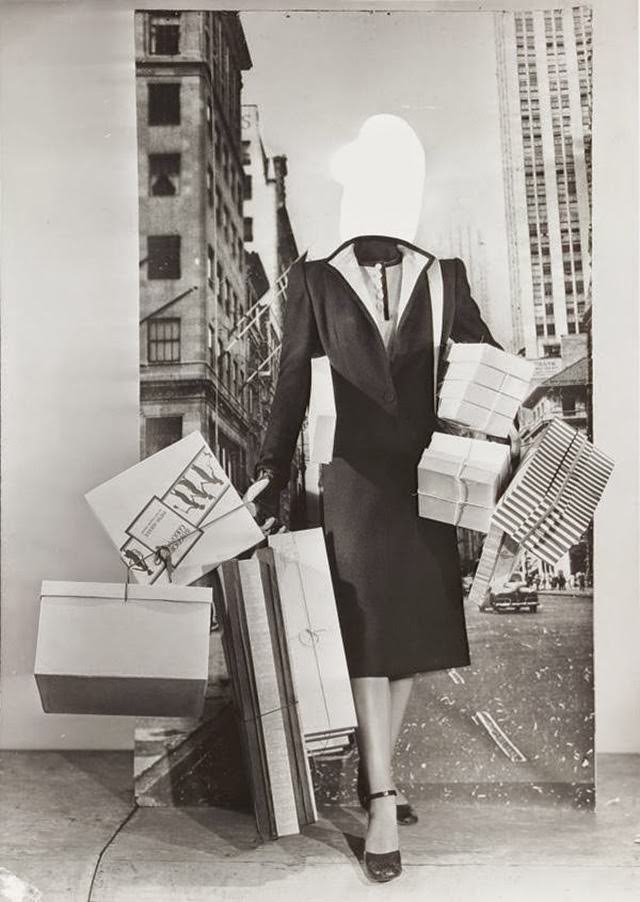
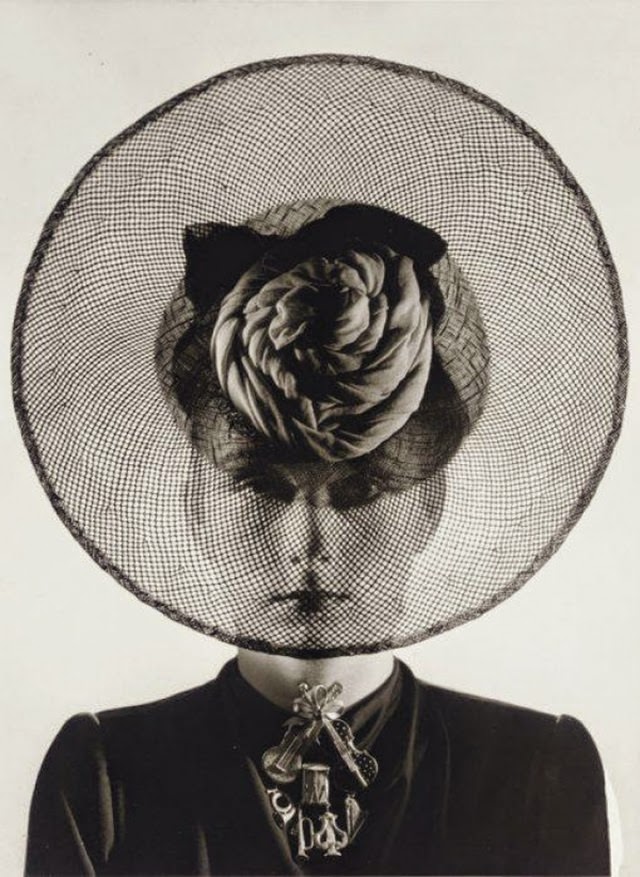
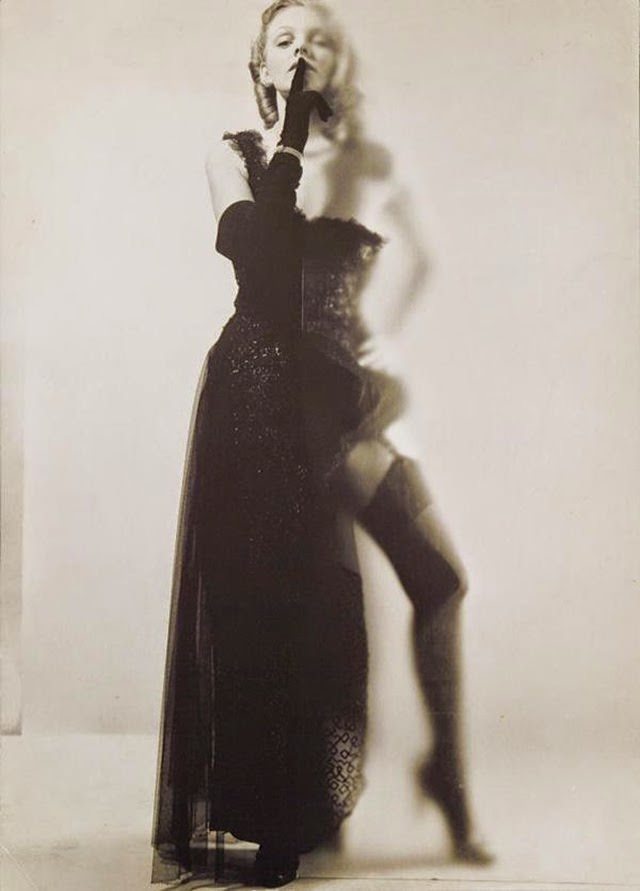
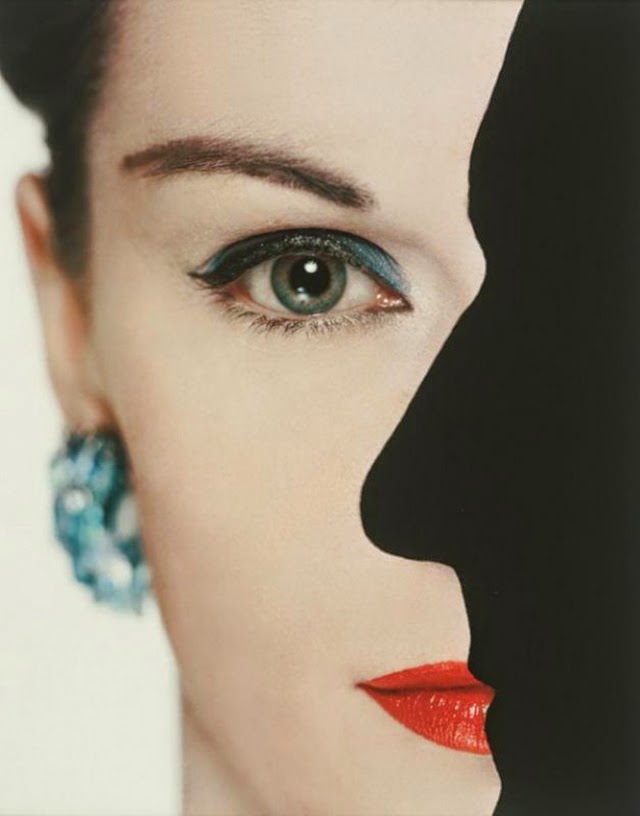
Blumenfeld used mirrors and frosted glass to partially hide his models’ faces. This forced the viewer’s eye toward one specific detail — the curve of a hat brim, a slash of red lipstick, the line of a jaw. Fashion became geometry.
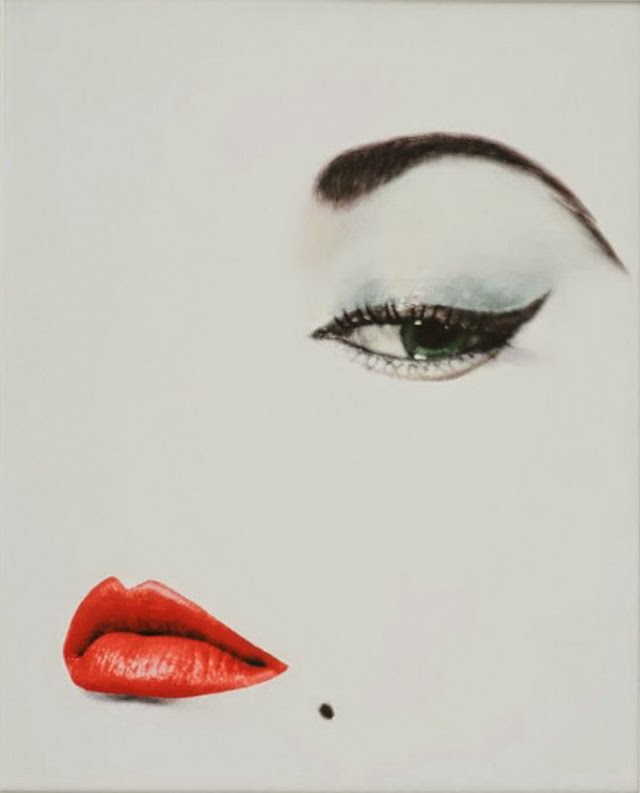
In 1950, he created what became one of the most recognized magazine covers of the century. For Vogue, he photographed model Jean Patchett, showing only one eye, a pair of lips, and a beauty mark. Bright light and darkroom editing erased the rest of her face entirely. The image was bold, stripped down, and completely unlike anything on newsstands at the time.
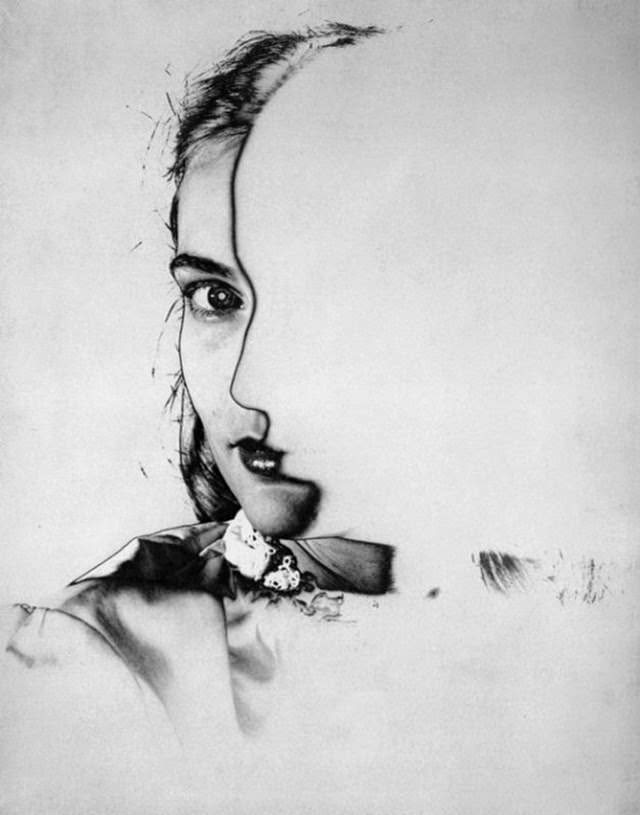
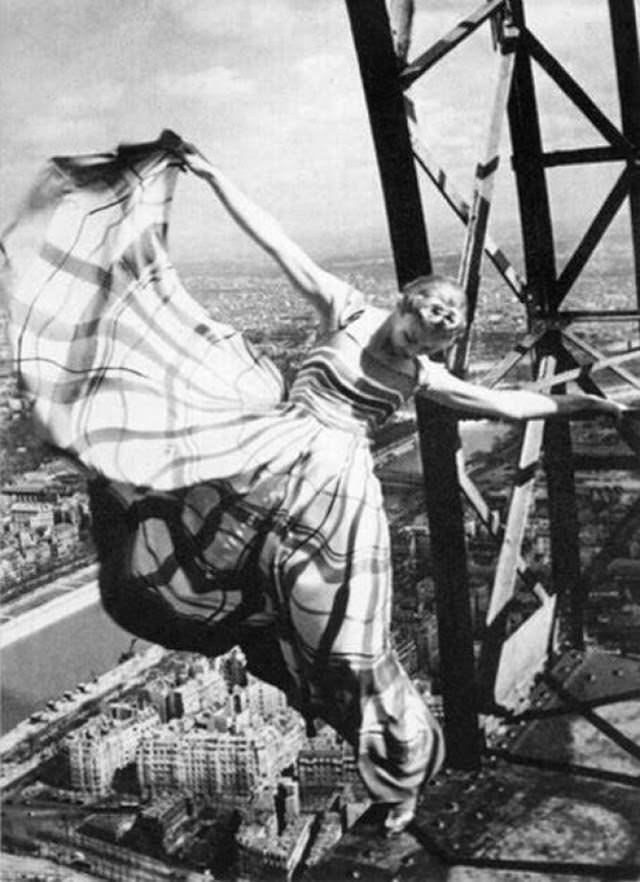
He also photographed models at the Eiffel Tower, shooting from sharp, high angles that made the clothing look dynamic and almost architectural. His use of perspective turned a simple location into something dramatic.
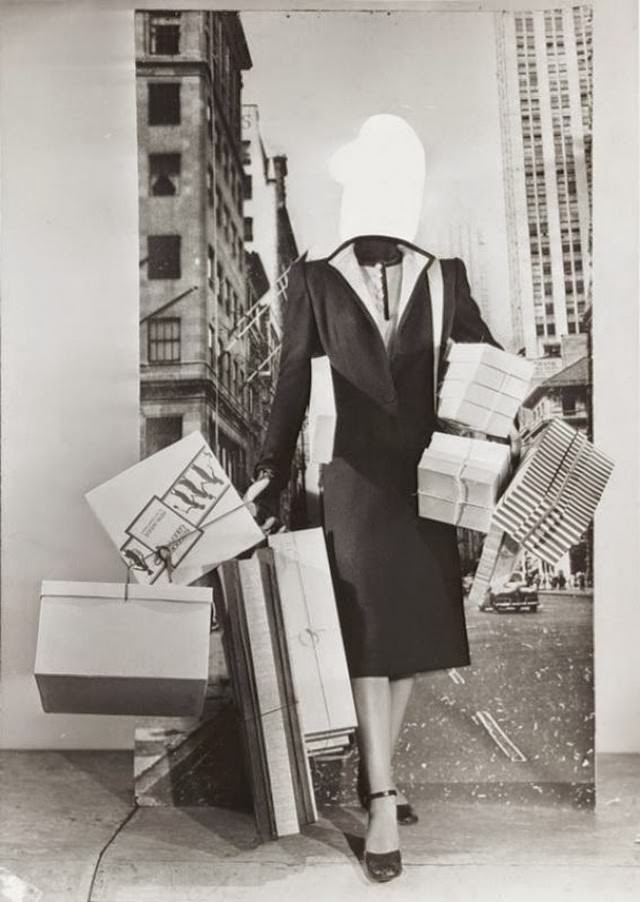
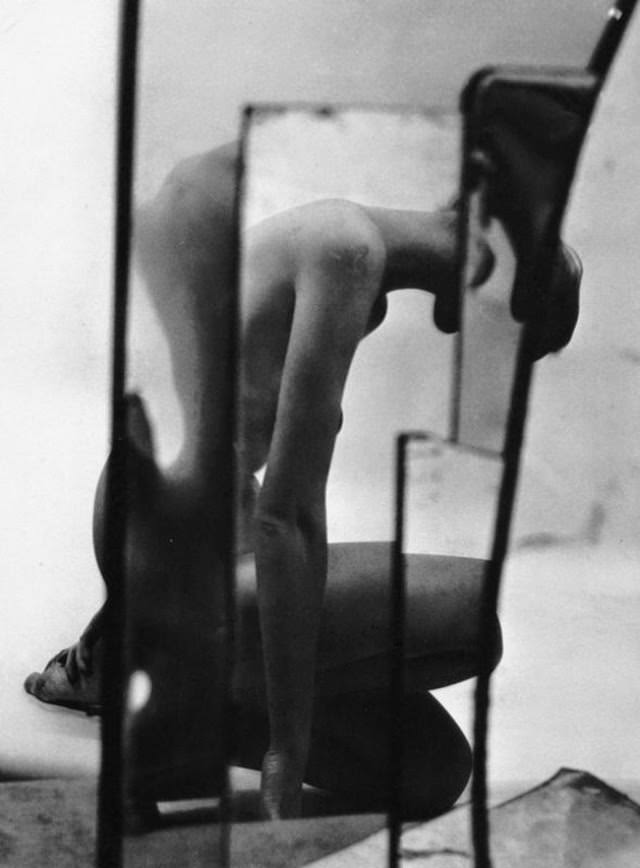
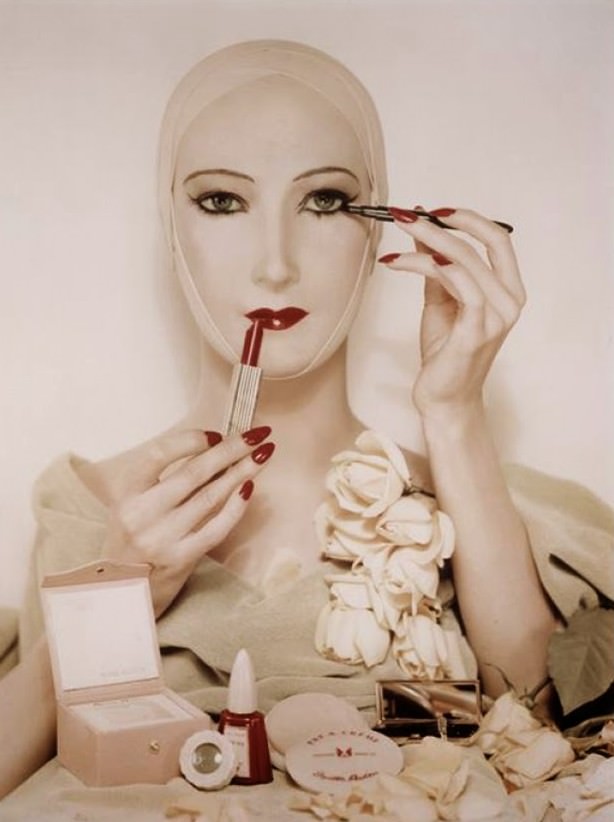
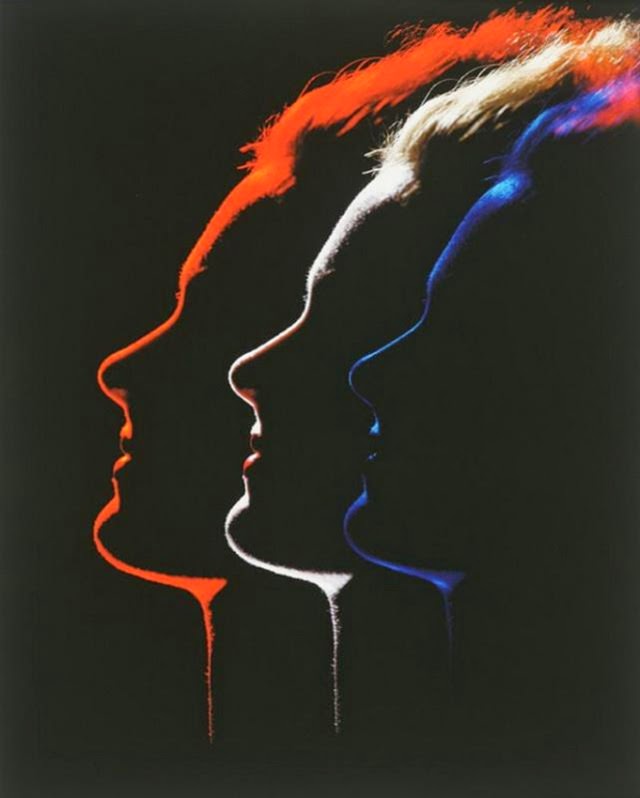
Color was another tool he handled with precision. He frequently placed vivid red against stark white backgrounds, letting the contrast do the work. He also shot models in silhouette by placing lights behind them rather than in front — a direct break from standard studio practice.
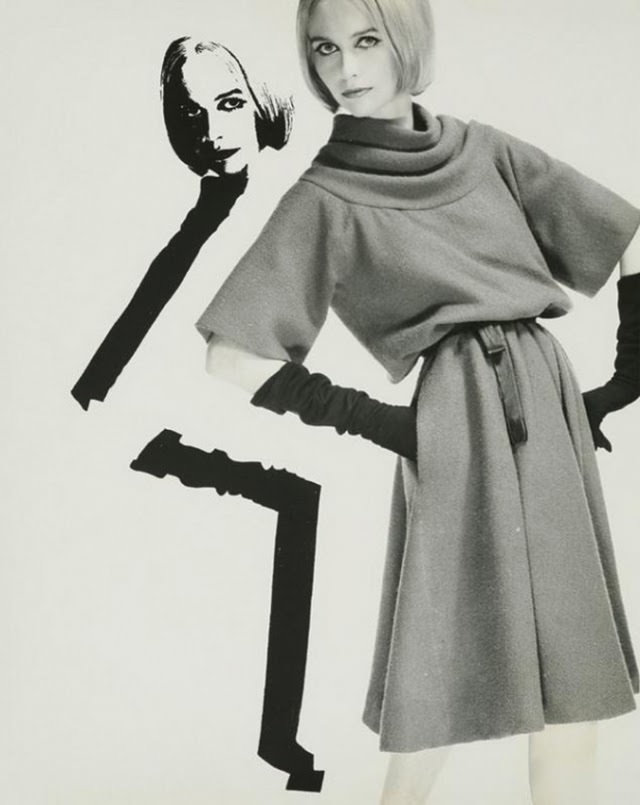
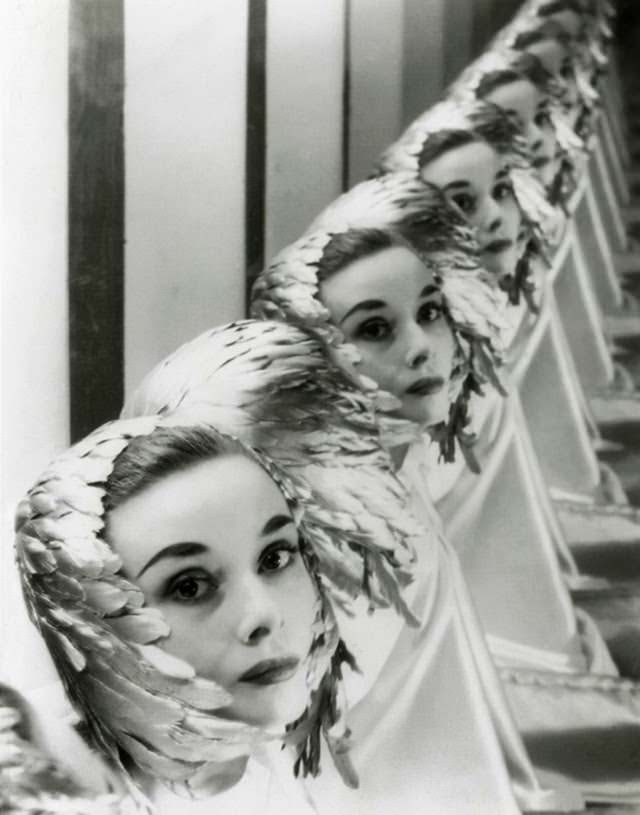
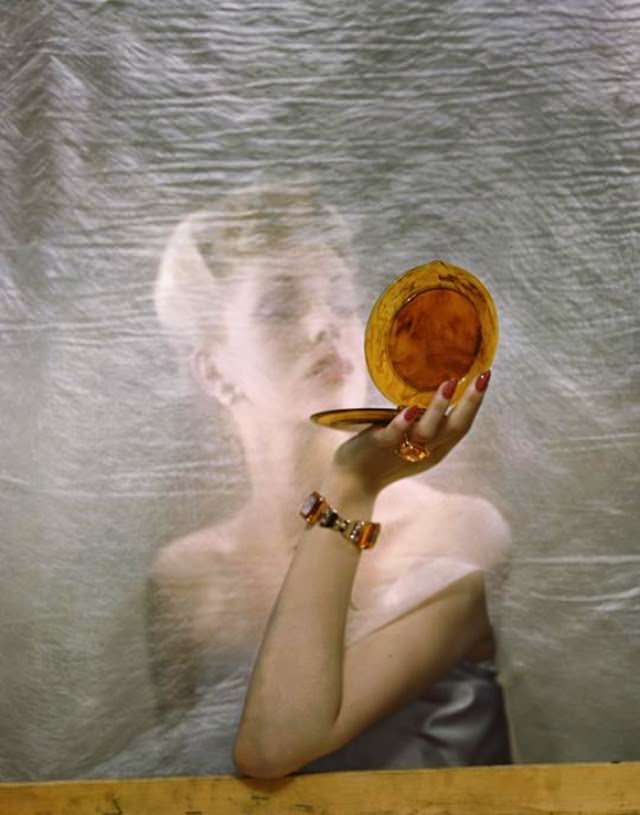
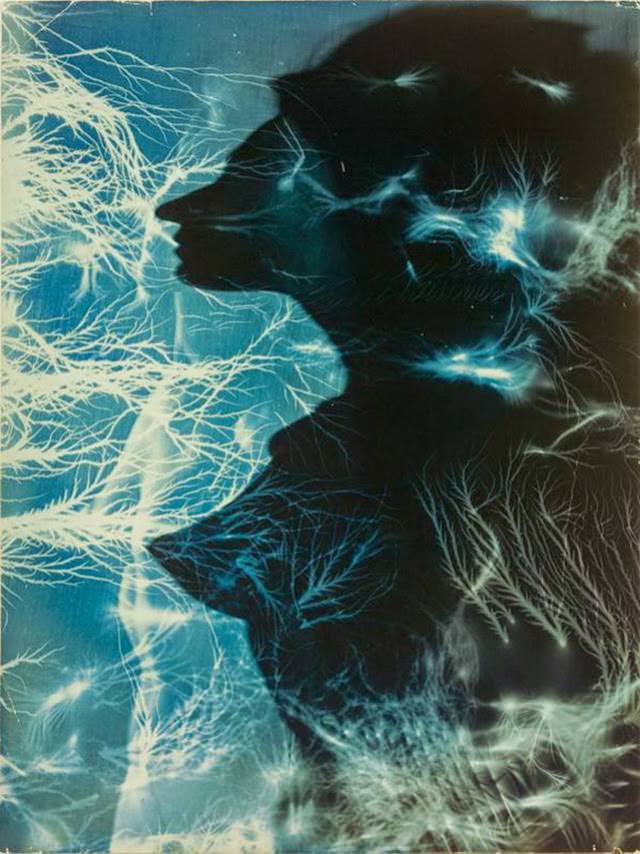
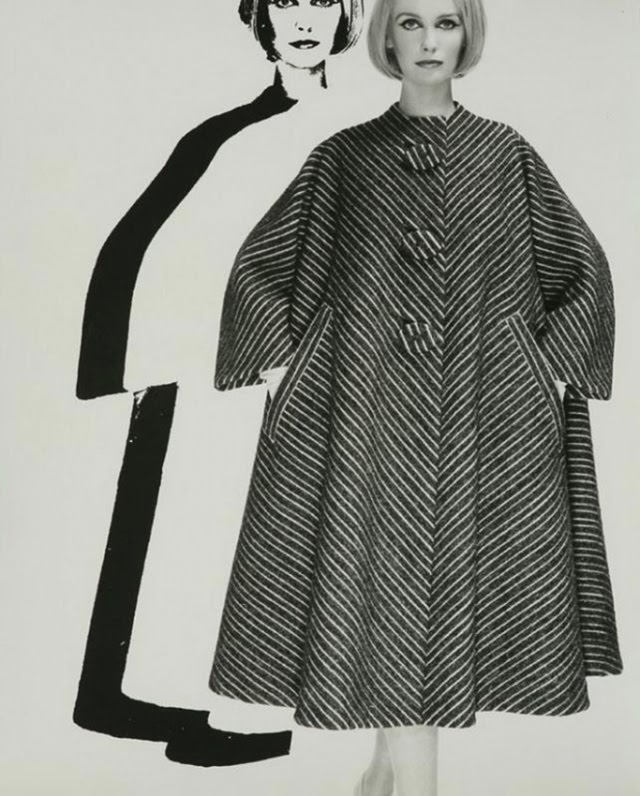
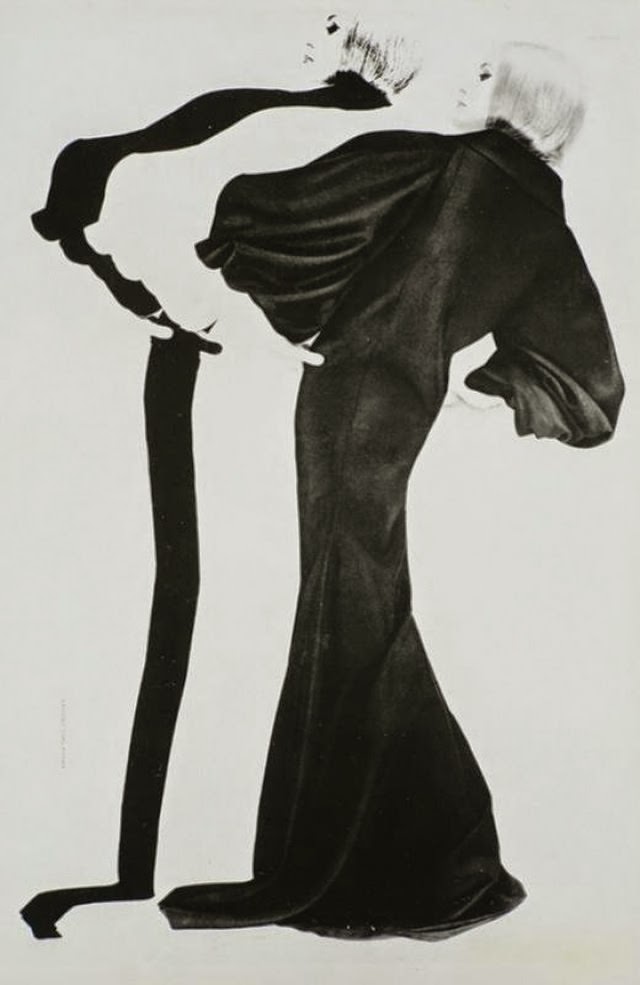
Multiple exposure was another technique he relied on heavily. By taking two photographs on the same piece of film, he created ghost-like layered images where one figure appeared on top of another. Wet silk screens and thin fabrics added further texture and softness to the final prints.
Every session in his studio demanded precision from his models. They held completely still while he adjusted his complex equipment. Each shoot was, for Blumenfeld, a fresh experiment — a chance to push further than he had the time before.