in

Stunning Australia Fashion of the 1920s Captures the Spirit of a Changing Era

The 1920s in Australia was a time of rapid social change and economic growth following the end of World War I. This decade is often called the “Roaring Twenties” or the “Jazz Age.” These changes were most visible in the clothing worn by people in cities like Sydney, Melbourne, and Brisbane. Fashion moved away from the strict, heavy layers of the Victorian era and toward styles that prioritized comfort and movement. This shift reflected a new, modern way of living that focused on leisure, dancing, and the outdoors.

The Rise of the Flapper

Women’s fashion experienced the most radical transformation during this decade. The “flapper” became the iconic figure of the era. In Australia, young, modern women were also known as “jazz babies.” They rejected the tight corsets and long skirts of their mothers. Instead, they wore dresses with a straight, tubular shape that hid the natural curves of the body. This created a “waistless” silhouette where the waistline of the dress dropped down to the hips.

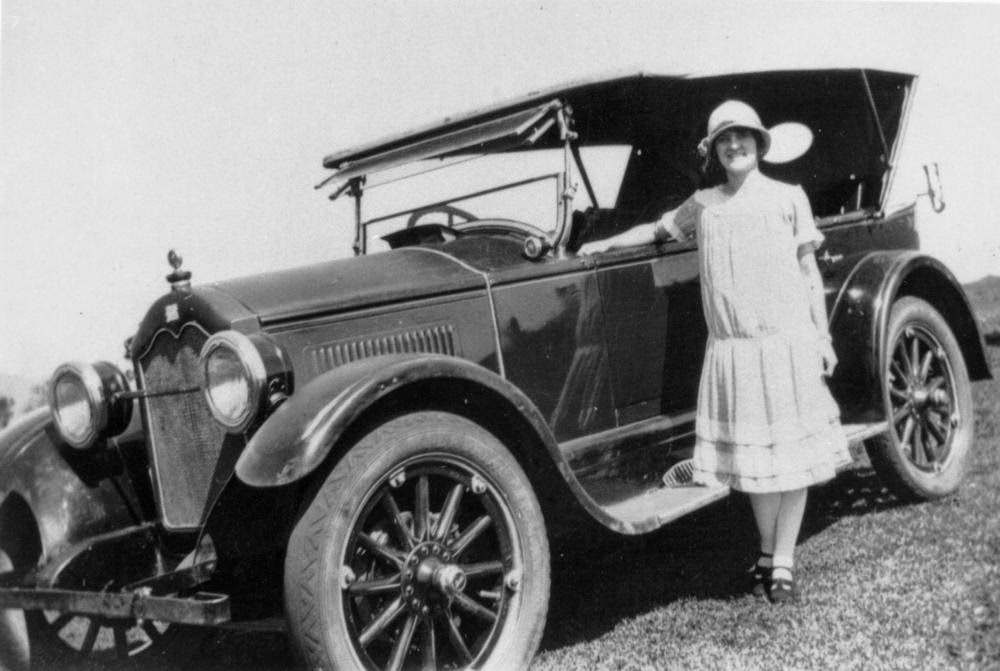
Hemlines rose steadily throughout the decade. In 1920, skirts reached the ankles, but by 1926, they reached the knees. This change allowed women to participate in fast-paced dances like the Charleston and the Black Bottom. It also made it easier for women to walk on busy city streets and use public transportation. The fabrics used for these dresses were lighter than in previous decades. Silk, crepe de chine, and a new material called rayon were common choices for everyday wear.

Read more..

Headwear and the Bobbed Haircut

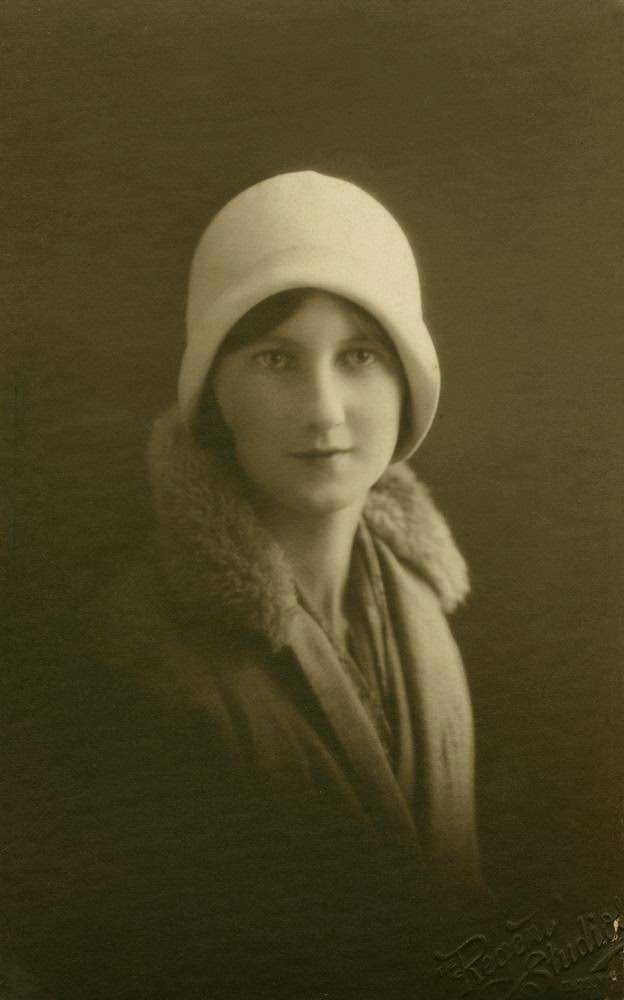
The “bob” was the essential hairstyle for the modern Australian woman. Short hair was a bold statement that signaled independence. Women visited barbershops to get their hair cut into short, blunt styles instead of going to traditional salons. This hairstyle required a specific type of hat known as the cloche. These were bell-shaped hats that fit tightly over the head.

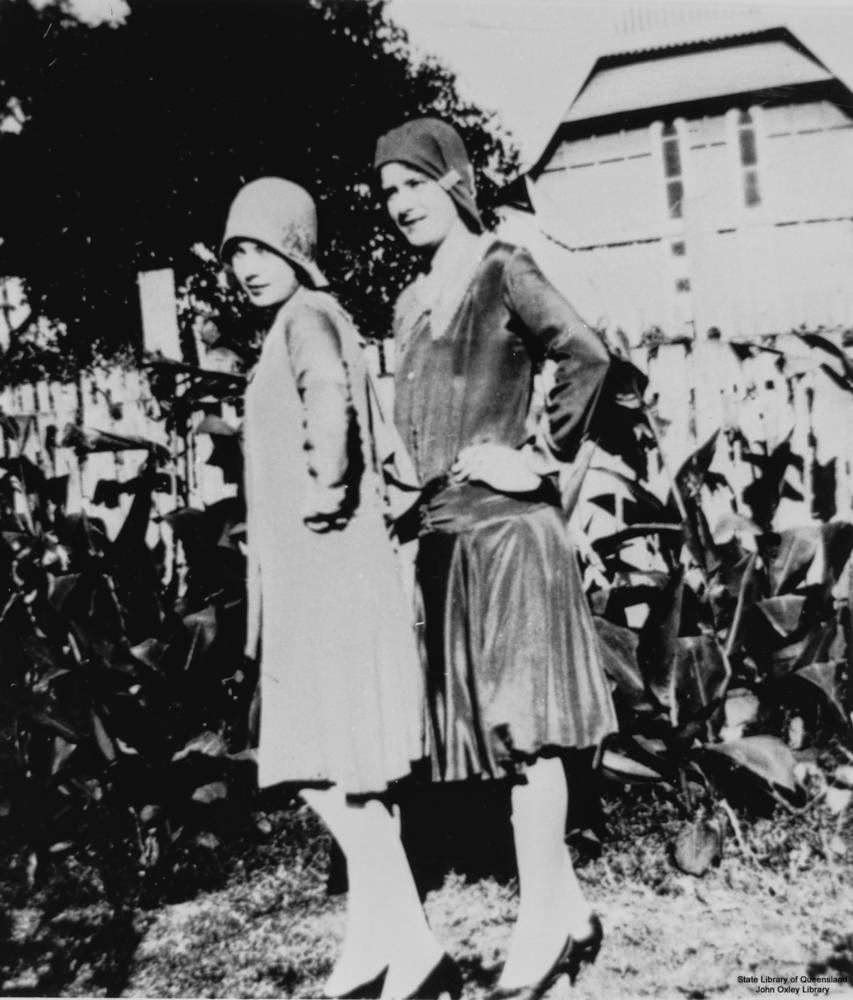
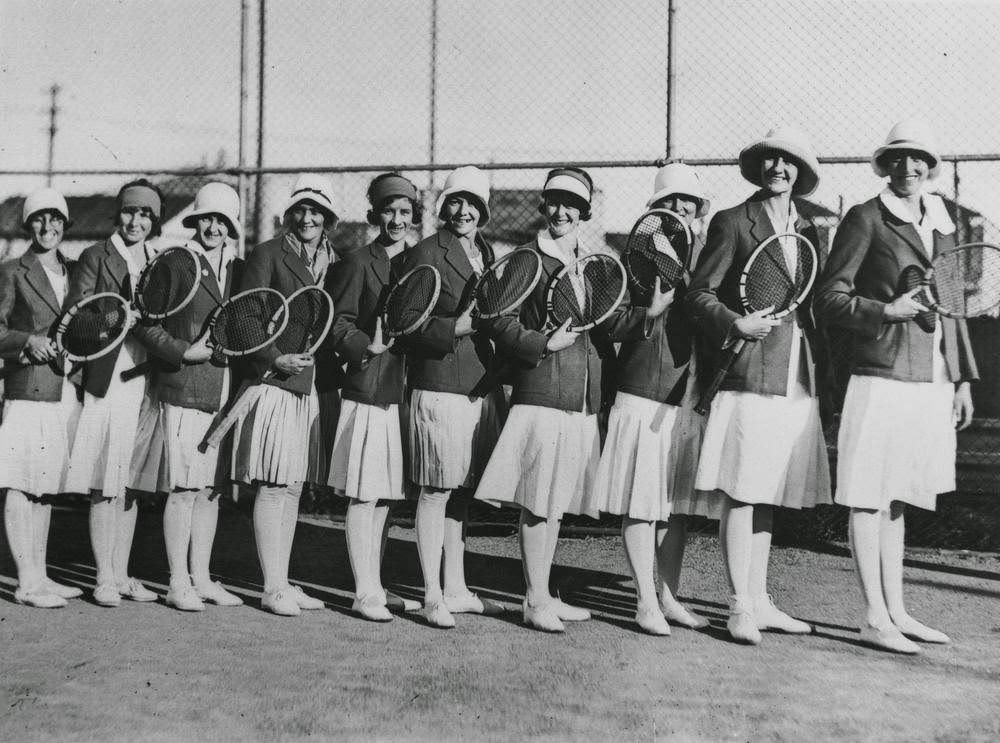
Cloche hats were pulled down very low, often resting just above the eyes. This forced women to tilt their heads back to see clearly, which gave them a confident and slightly defiant posture. During the hot Australian summer, these hats were made of lightweight straw. In the winter, felt was the preferred material. Decorations on the hats were minimal, usually consisting of a simple ribbon or a small Art Deco brooch.

Men’s Style and Oxford Bags

Men’s fashion in Australia also moved toward a more relaxed and youthful look. For professional life, the three-piece suit remained the standard. These suits included a jacket, a matching waistcoat, and high-waisted trousers. However, the fit of the suits became narrower and the jackets were cut shorter than in the past. Wool remained the primary fabric for suits, but lighter weaves were developed to handle the Australian climate.

A significant trend among young Australian men was the “Oxford bags” style. These were extremely wide-legged trousers that arrived from England in the mid-1920s. Some of these trousers measured thirty inches around the hem. Young men wore them as a way to stand out and show they were part of the modern generation. For casual outings, men wore knitted sweaters and flannel trousers. The fedora hat was the most common headwear for men, replacing the formal top hats of the previous century.

Beach Culture and Swimwear

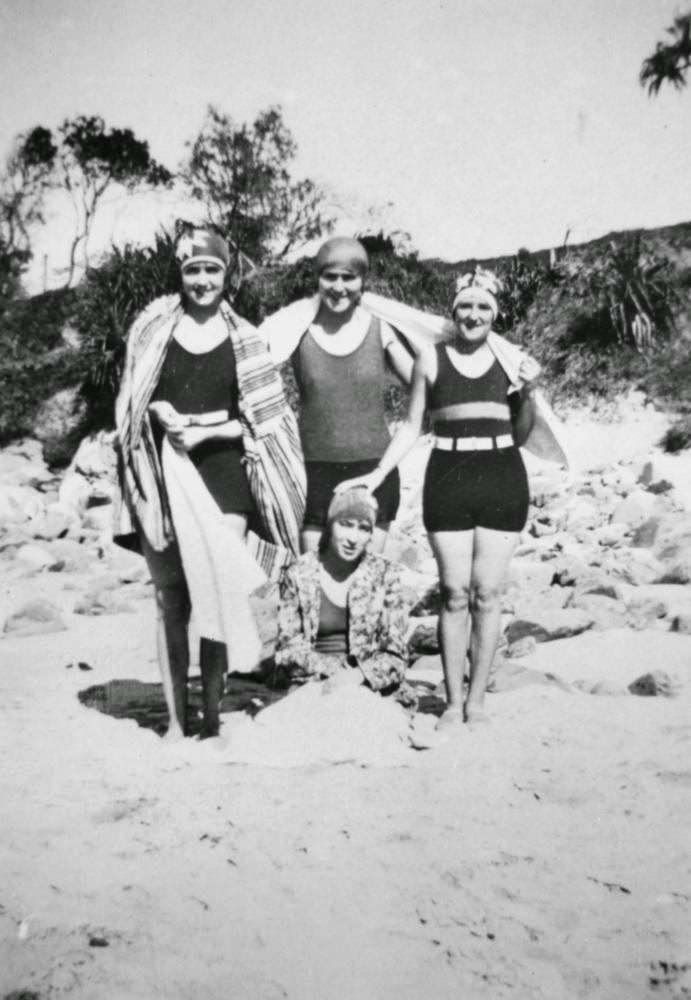
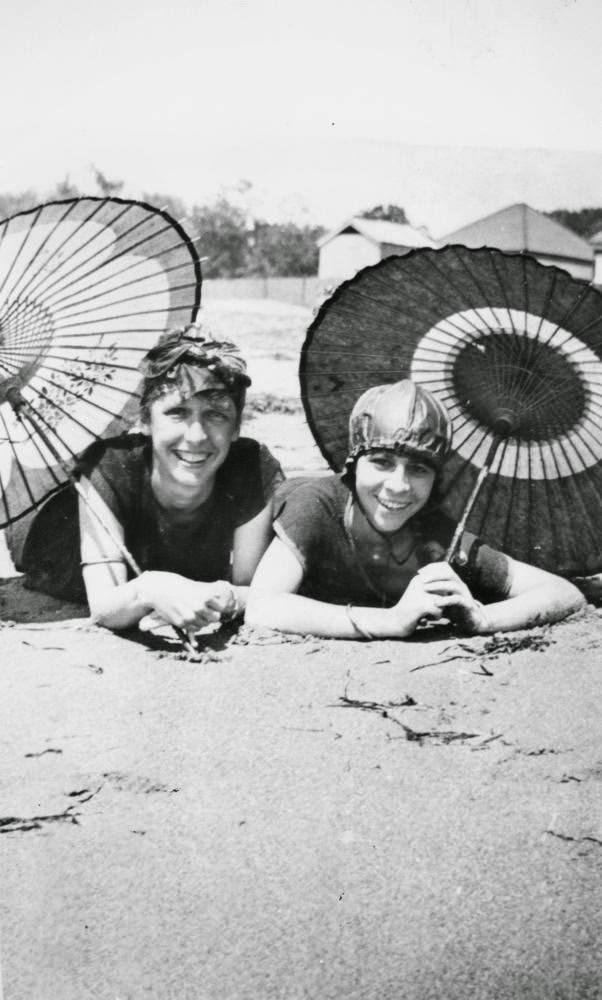
Australia’s unique geography made the beach a central part of fashion in the 1920s. Bondi Beach in Sydney and St Kilda in Melbourne were hubs for coastal style. Swimwear transitioned from heavy, modest garments into athletic one-piece suits. Both men and women wore wool suits that featured a tank-top design and short legs. These suits often had horizontal stripes in colors like navy blue, red, and white.

The government employed beach inspectors to monitor what people wore on the sand. These inspectors used measuring tapes to ensure that swimwear was not too revealing. In 1924, a rule stated that women’s swimsuits had to cover the legs to a certain length. Those who wore suits that were considered too short faced fines or were told to leave the beach. Despite these rules, the trend toward more functional and smaller swimsuits continued as swimming became a popular national sport.

Evening Glamour and Rayon

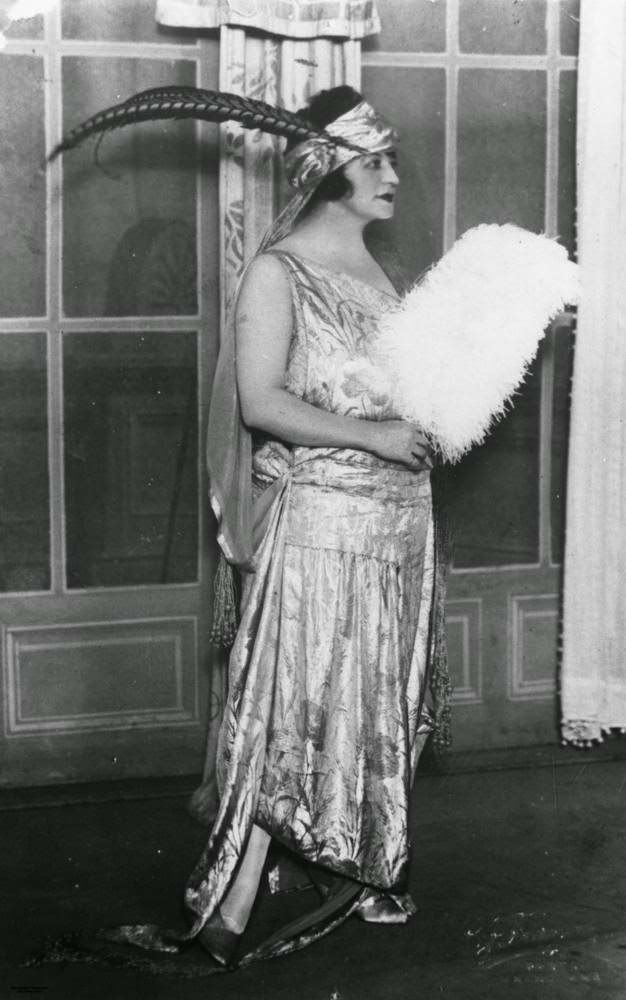
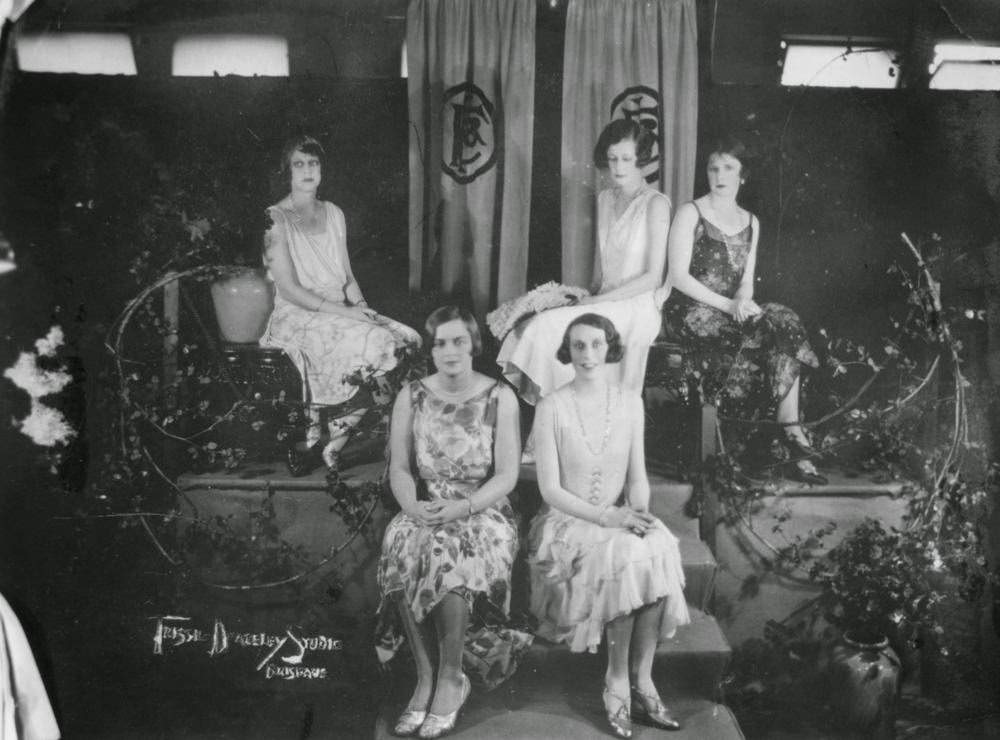
Evening fashion in the 1920s was designed to be seen under the bright electric lights of dance halls and cinemas. Women wore dresses decorated with thousands of glass beads and sequins. These decorations were hand-sewn onto the fabric to create geometric patterns inspired by Art Deco design. As the wearer danced, the beads caught the light and created a shimmering effect. Headbands decorated with feathers or jewels were popular accessories for formal events.

Rayon became a revolutionary fabric during this time. It was marketed as “artificial silk” because it was much cheaper than real silk but had a similar shine. This allowed middle-class Australian women to own fashionable evening clothes that looked expensive. For men, formal wear consisted of a black tuxedo with silk lapels and a stiff white shirt. Younger men often chose the “jazz suit,” which featured a very tight jacket and trousers that were slightly shorter than the traditional cut.

Department Stores and Mail-Order Catalogs

The way Australians bought their clothes changed during the 1920s. Large department stores like David Jones and Anthony Hordern & Sons in Sydney became the centers of the fashion world. These stores held regular fashion parades where models walked through the store’s tea rooms. This allowed customers to see the latest trends from London and Paris in person. The stores employed “personal shoppers” to help wealthy clients select their wardrobes.

For people living in the outback or rural areas, mail-order catalogs were vital. These catalogs featured detailed drawings and descriptions of every fashion item available. A woman in a remote town in Western Australia could order the same cloche hat or rayon dress seen on a woman in Melbourne. This system helped create a unified national fashion for the first time. It meant that trends moved quickly across the entire country, regardless of how far a person lived from a major city.

Footwear and Accessories

Footwear in the 1920s focused on the needs of the active person. Women wore “T-strap” or “Mary Jane” heels for dancing. These shoes had a strap that went over the top of the foot to ensure the shoe did not fly off during a fast dance. These shoes often had a “Louis heel,” which was a medium-height heel with a curved shape. Men wore brogues or “spectator shoes.” Spectator shoes were made of two different colors of leather, such as white and tan or white and black.

Accessories were essential to complete the 1920s look. Women wore long strings of artificial pearls that reached down to their waists. They also carried small, beaded handbags and used long cigarette holders. For men, the silk necktie became a standard accessory. It was usually tied in a Four-in-Hand knot. Pocket squares and tie pins were used to add a touch of personality to a standard suit. These small details allowed individuals to express their personal style within the broader trends of the decade.

The Growth of the Textile Industry

The Australian textile industry expanded to keep up with the demand for ready-to-wear clothing. Factories in suburbs like Surry Hills in Sydney and Collingwood in Melbourne produced thousands of garments every week. This shifted fashion away from custom-made clothing that was sewn at home or by a professional tailor. Instead, people could buy clothes in standard sizes at a lower price. This change made it possible for more people to follow the latest fashions, regardless of their income level.

These factories used modern machinery to cut and sew fabric faster than ever before. They focused on producing the simple, straight-cut dresses and suits that were in high demand. The growth of this industry meant that Australia was less dependent on imported clothes from Europe. It also provided jobs for thousands of women who worked as seamstresses and designers. By the end of the 1920s, the Australian fashion industry was a major part of the national economy.

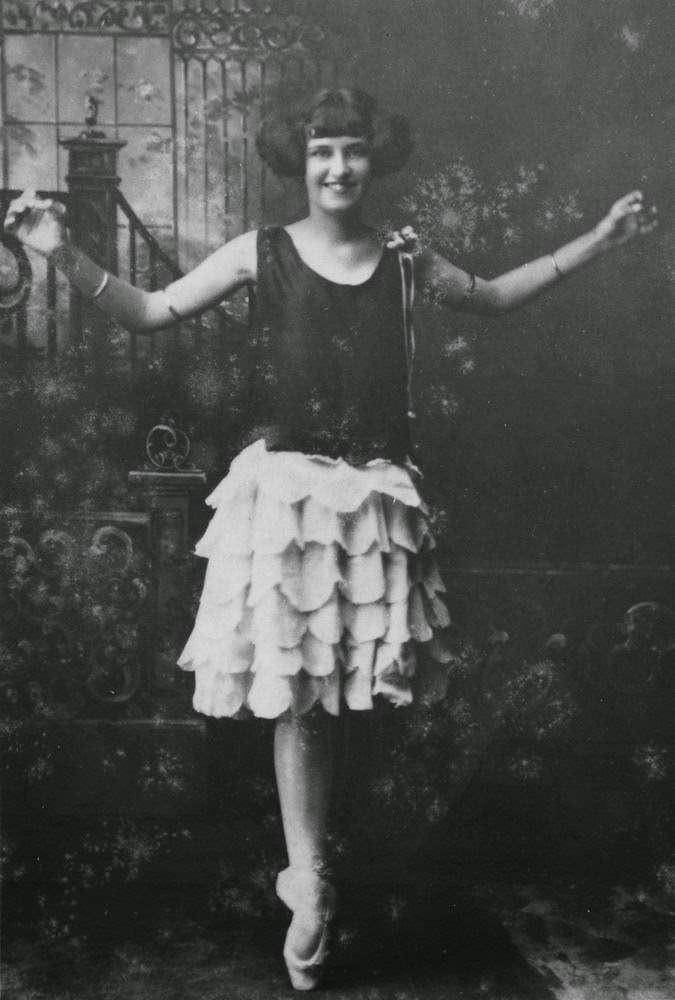
#1 Gwen Caine of Bowen in a dancing costume posing on pointe, 1925

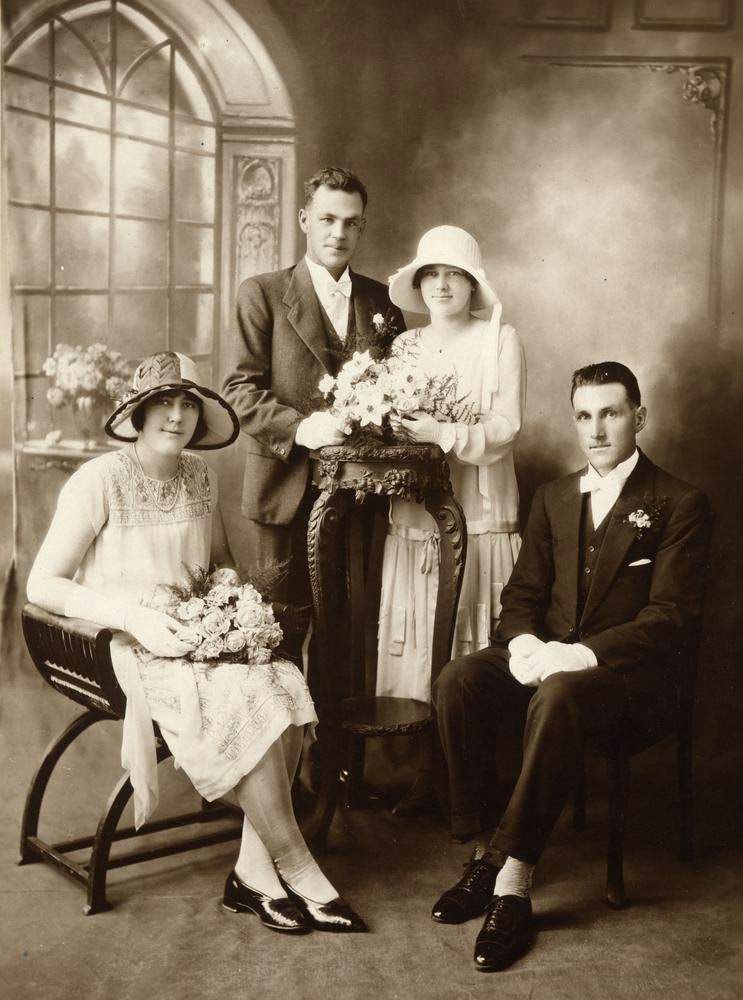
#2 Bride and bridegroom with their bridesmaid and best man, 1925

#3 Models at a fashion parade at Finney Isles & Co. wearing 1920s evening dresses, 1929

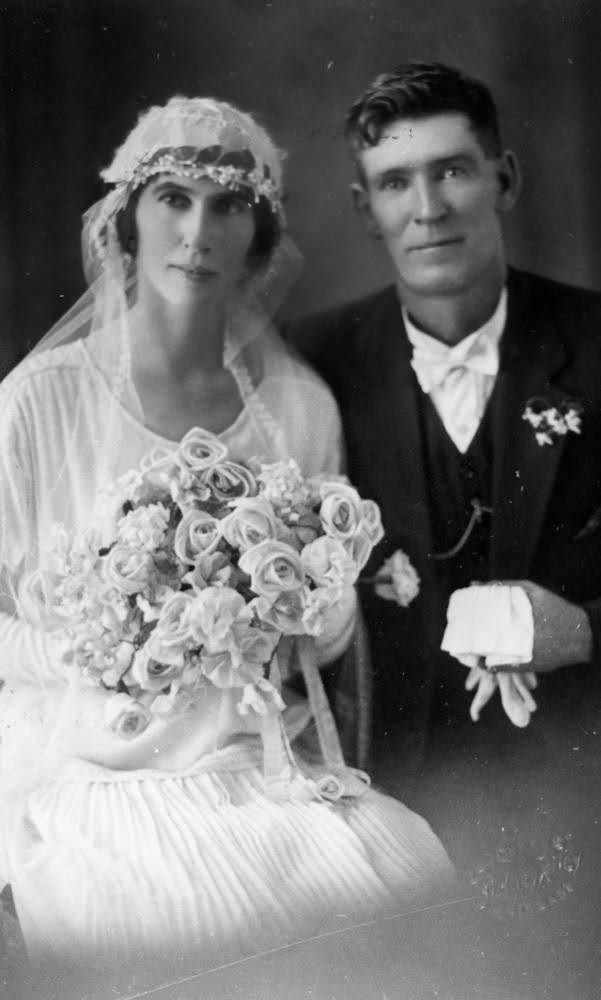
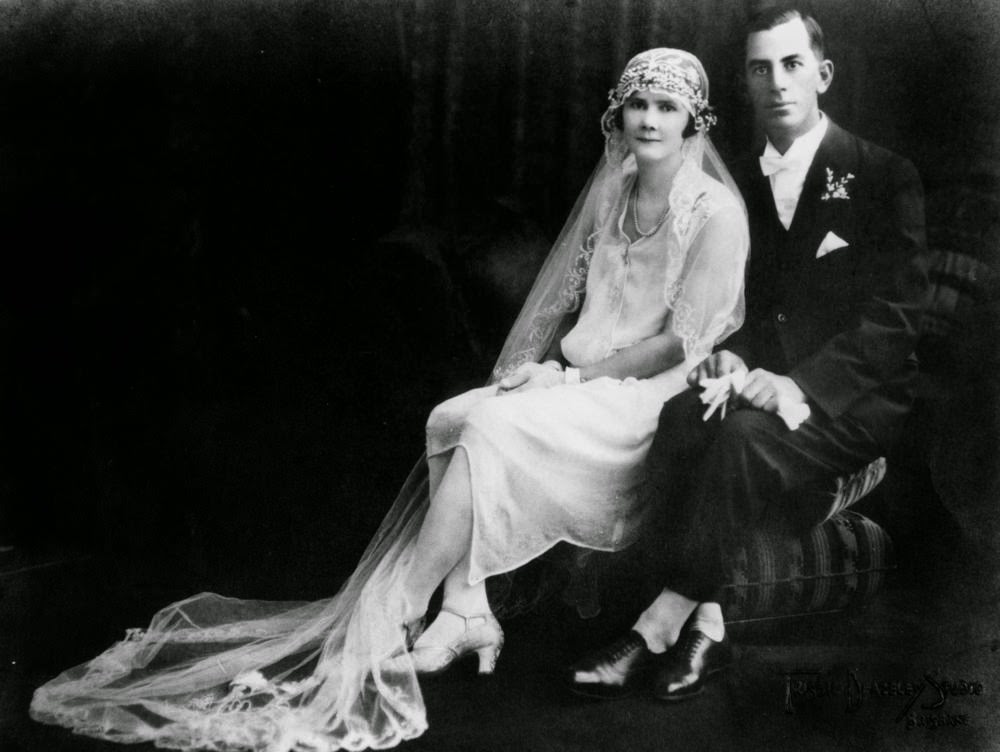
#4 Wedding of Drew and Marie Drynan at St. Stephen’s Cathedral, Brisbane, 1929

#5 Katie Fitzgerald.

Katie Fitzgerald.

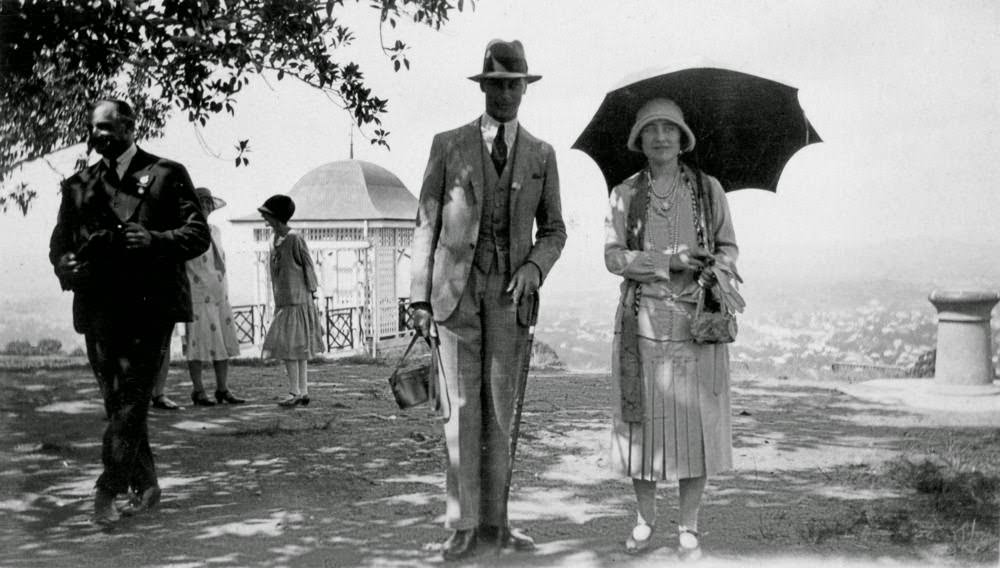
#6 The Duke and Duchess of York at Mount Coot-tha, 1927

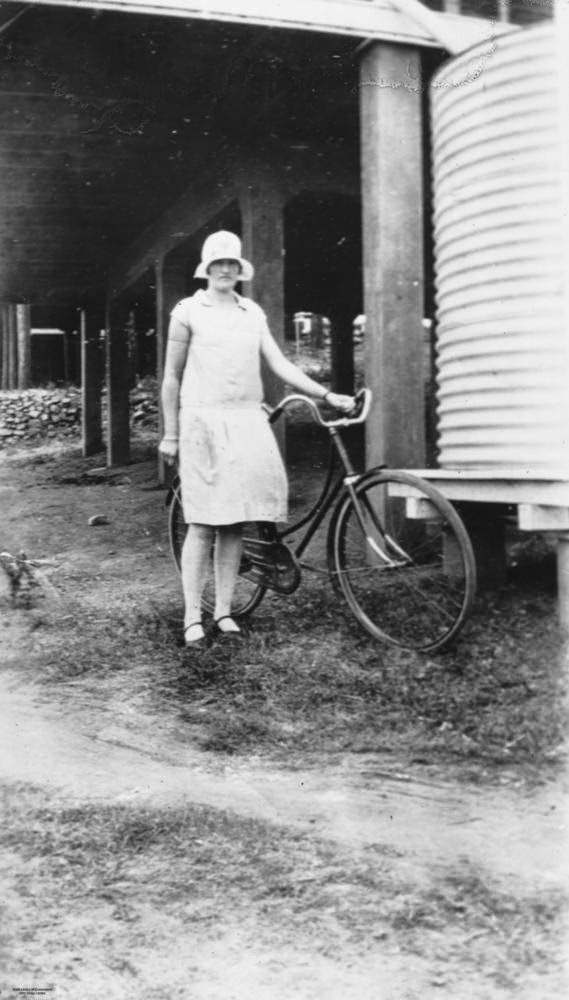
#8 Woman wearing a knee-length skirt and hat posing next to a water tank, 1920s

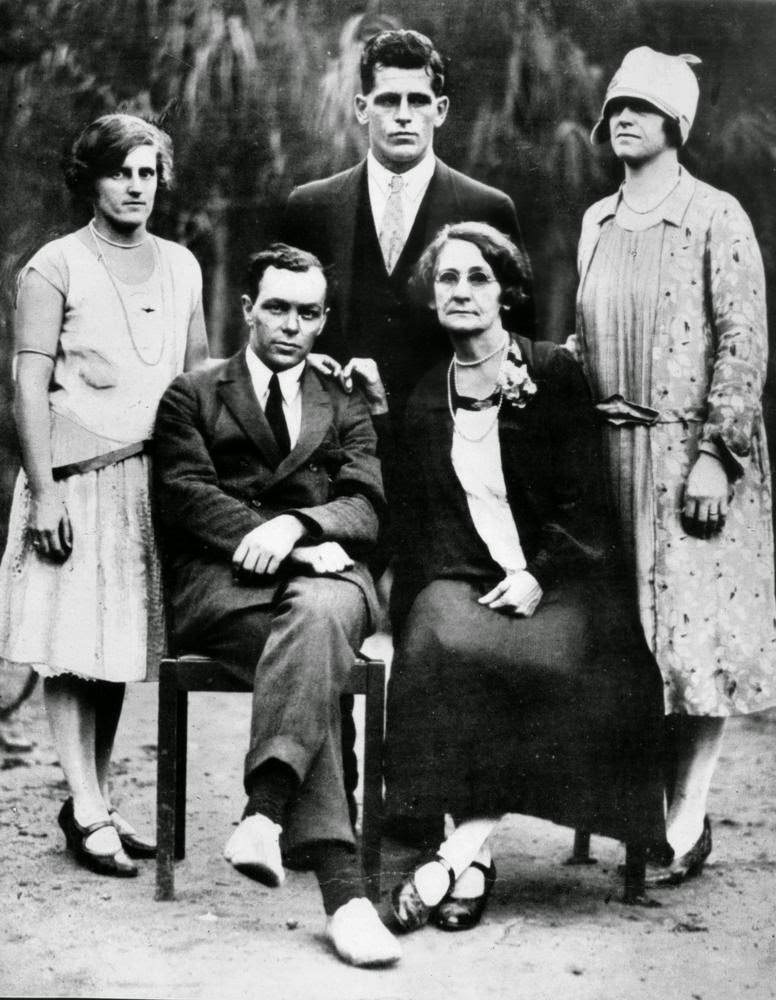
#9 Bert Hinkler and his family in Bundaberg, Queensland, 1928

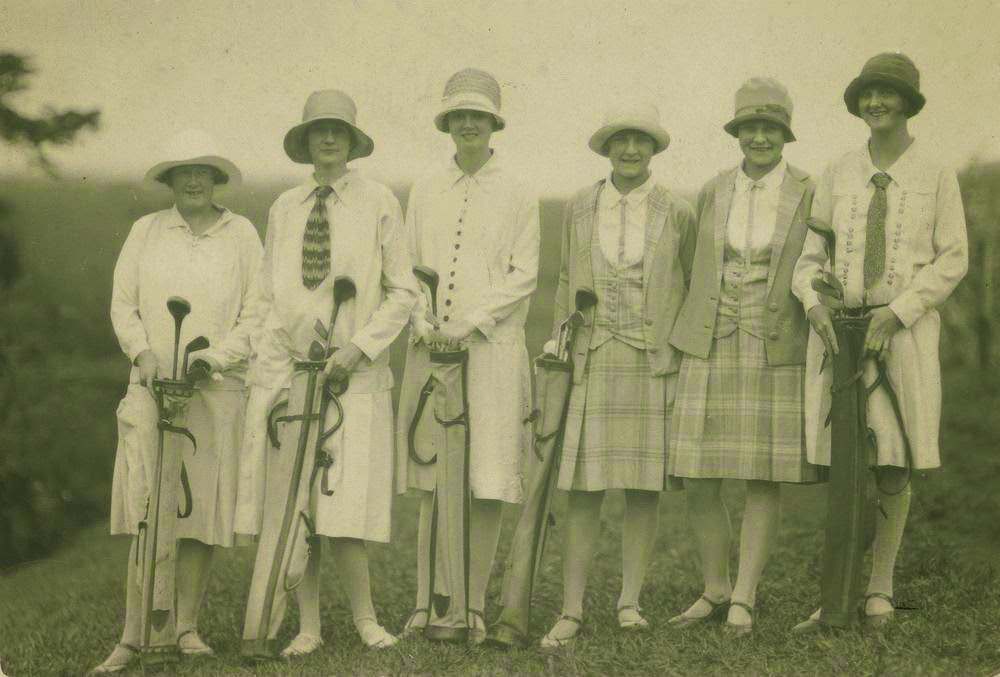
#10 Young women wearing cloche hats and jackets with golf clubs, 1925

Young women wearing cloche hats and jackets with golf clubs, 1925

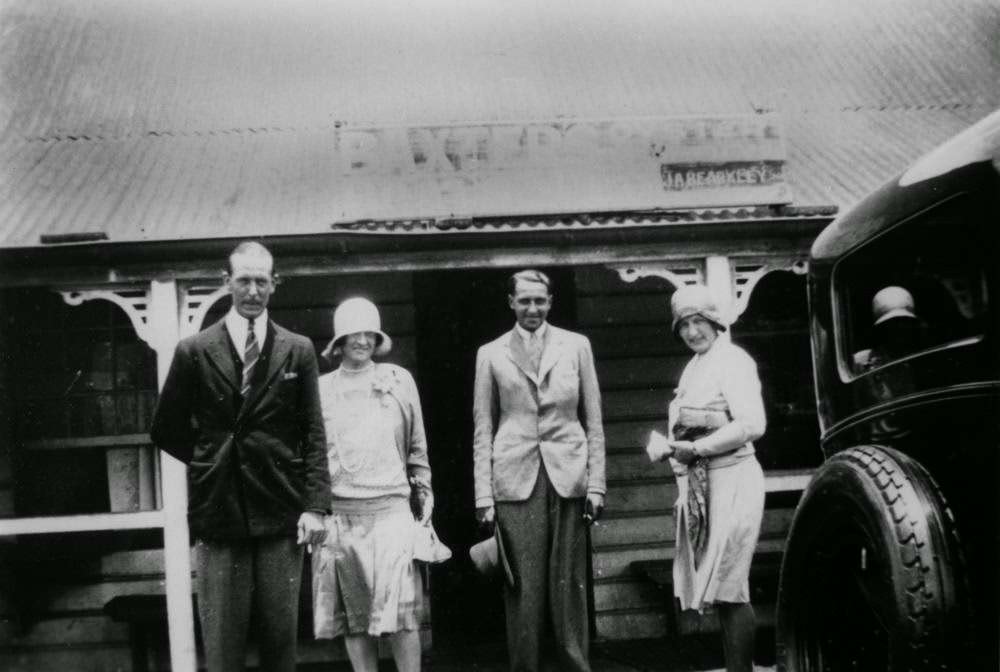
#11 Group dressed in their best at Coochin Station, 1928

#12 Two women wearing dresses with hip-line waistbands and hats, 1920s

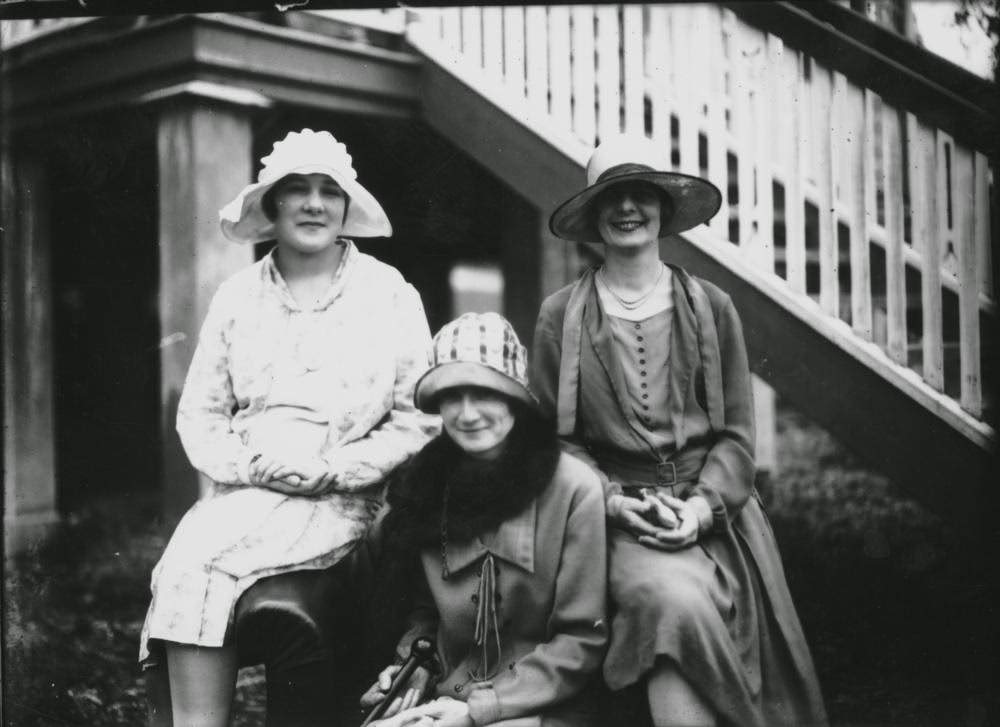
#13 Three women wearing hats and knee-length dresses with long coats on a lounge chair, 1920s

#15 Female tennis players, 1927

Female tennis players, 1927

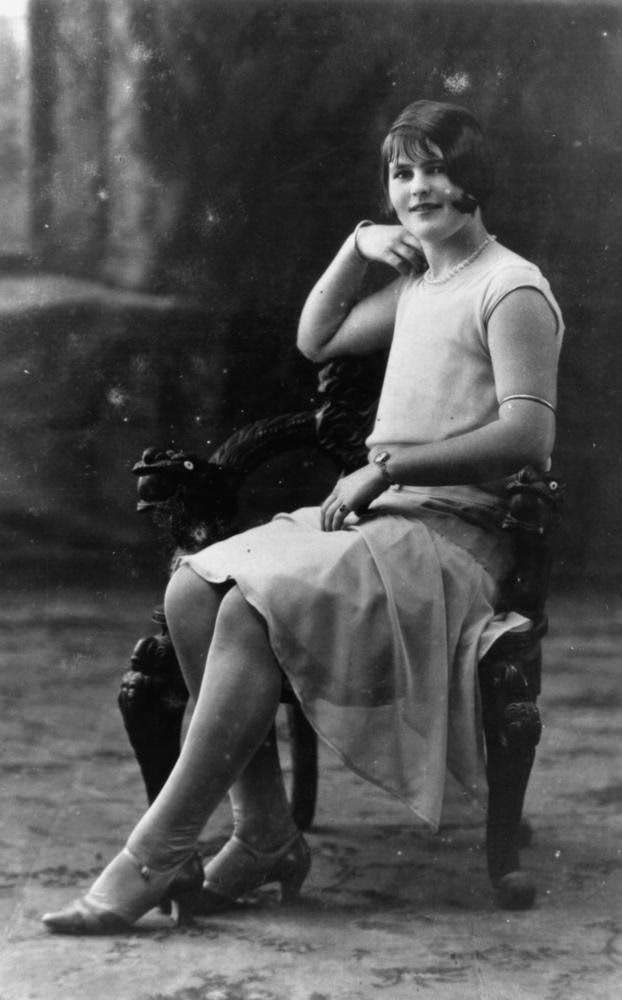
#16 Nancy Spry of Winton in a dropped-waist floral print satin evening gown, 1920

#17 Beach girls posing under umbrellas in Brisbane, 1925

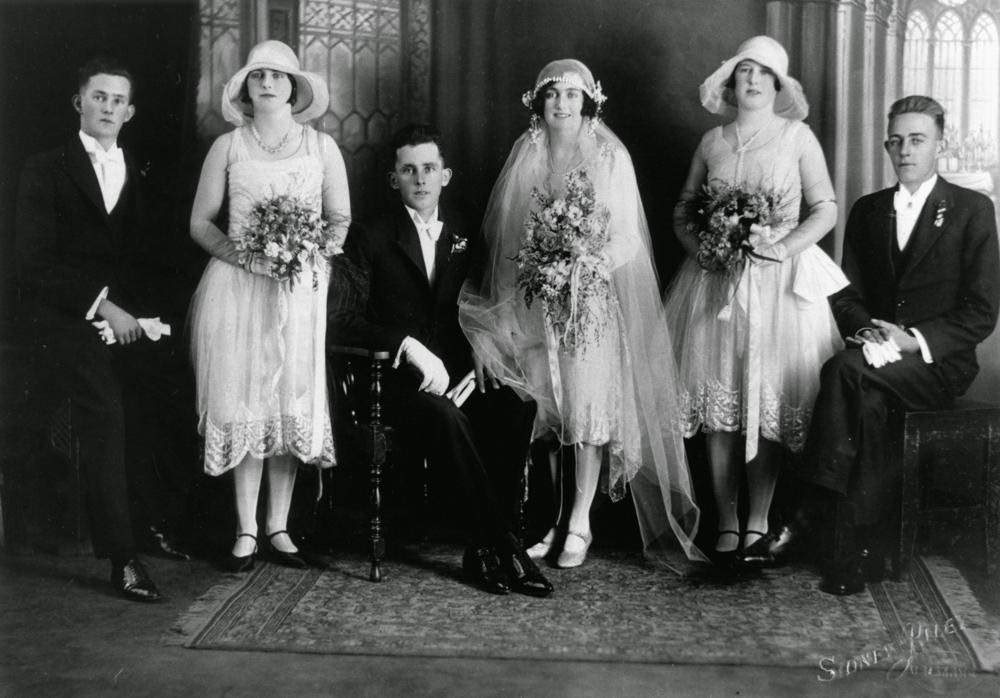
#20 Wedding of Nancy and Clarrie Wieting in Brisbane, 1925

Wedding of Nancy and Clarrie Wieting in Brisbane, 1925

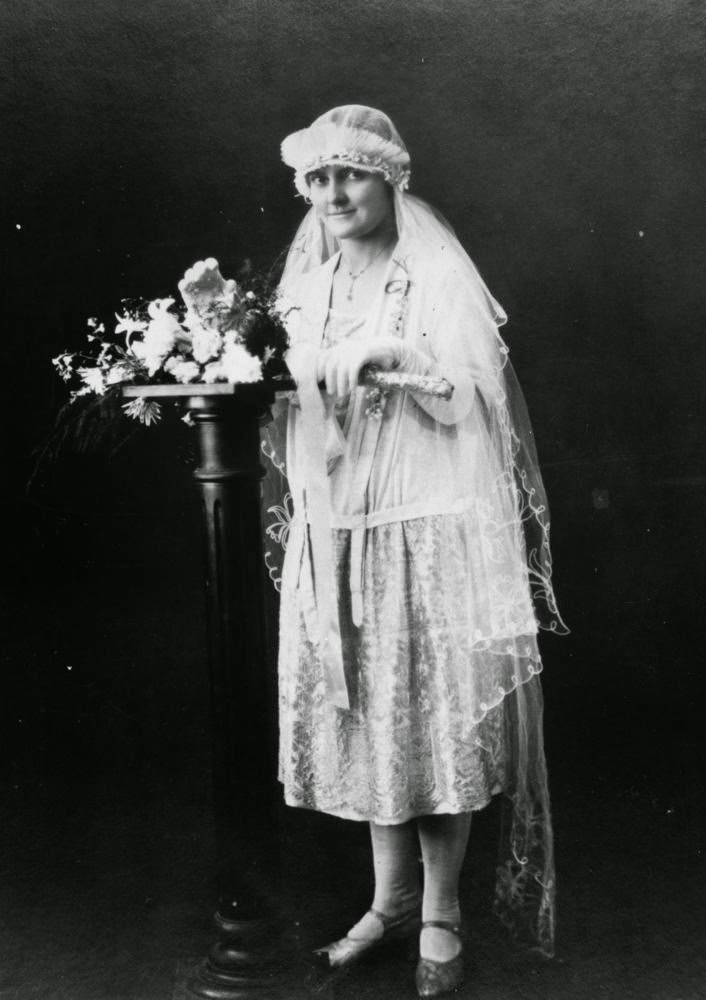
#21 E. Power on her wedding day, 1927

E. Power on her wedding day, 1927

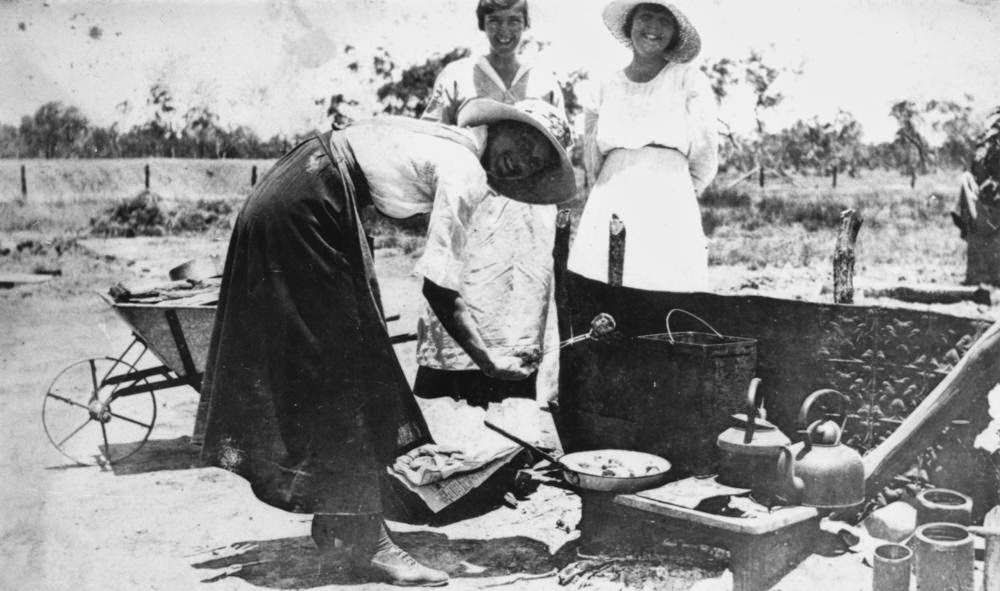
#24 Cooking outside while a kitchen is added to a homestead.

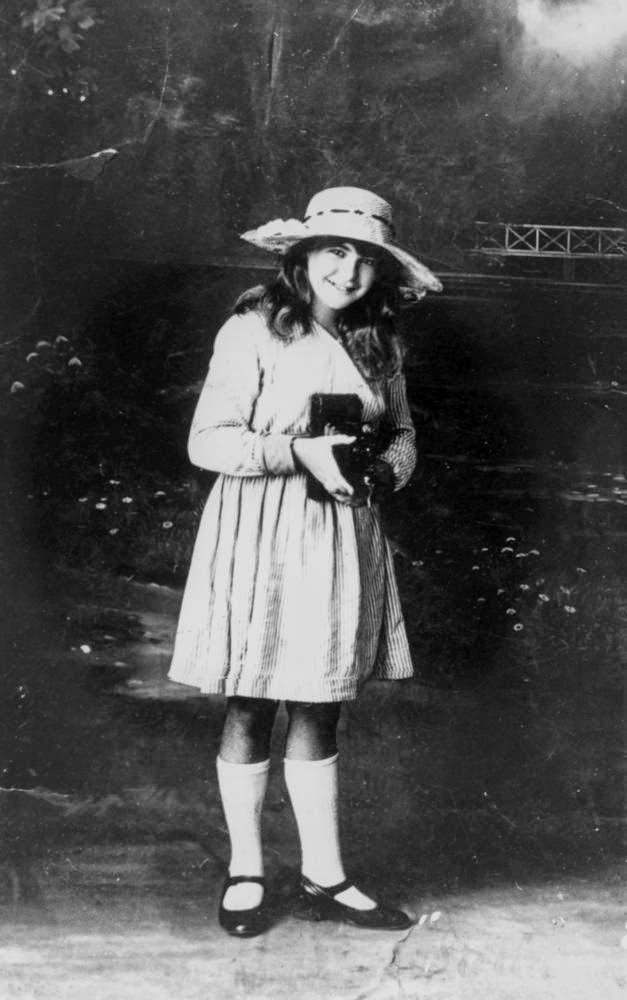
#25 Stella Doblo holding a camera in Gladstone, 1910s

Stella Doblo holding a camera in Gladstone, 1910s

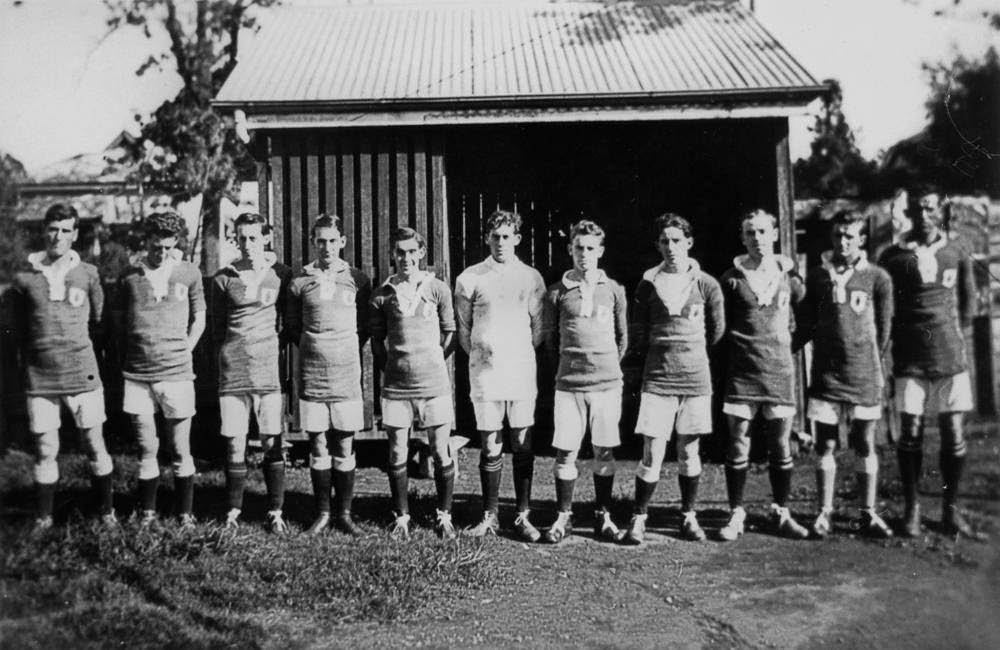
#26 Pineapple Rovers Soccer Club in Kangaroo Point, 1924

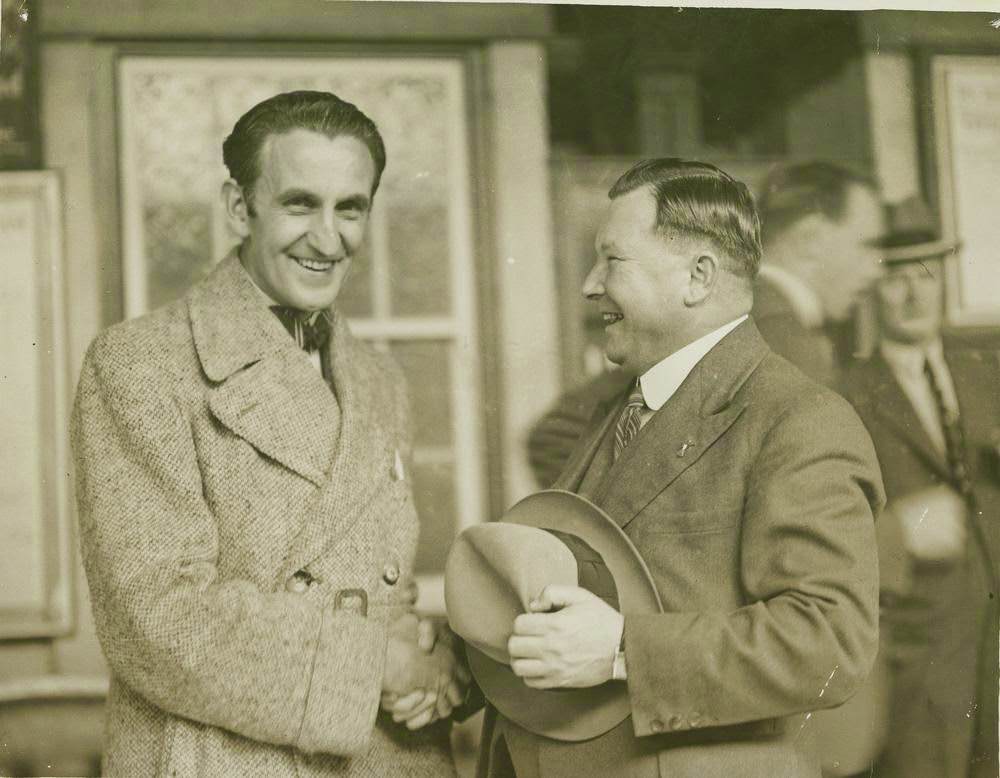
#27 Harry Sunderland, secretary of the Queensland Rugby League and journalist.

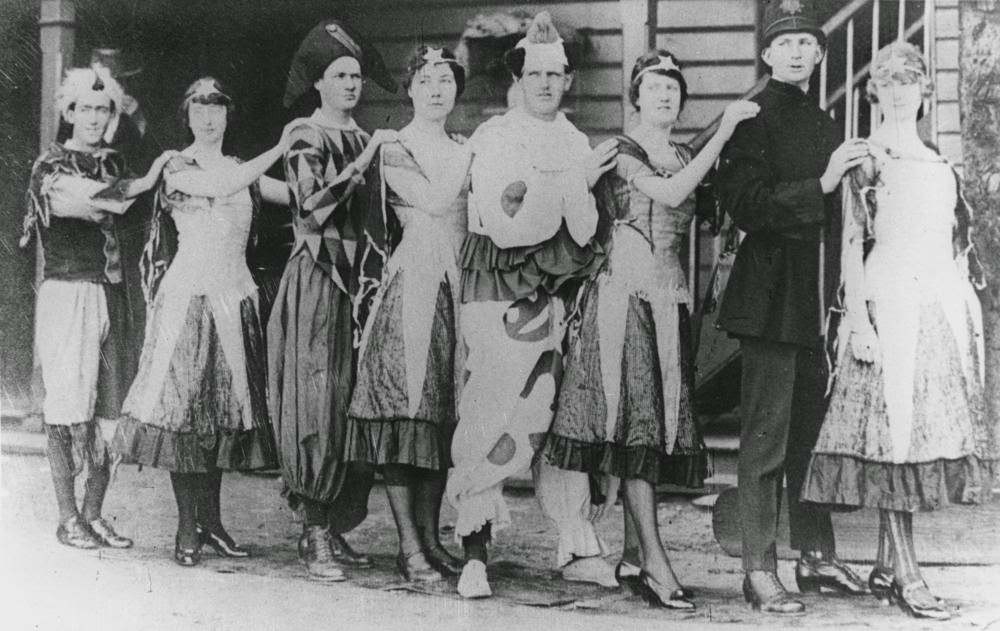
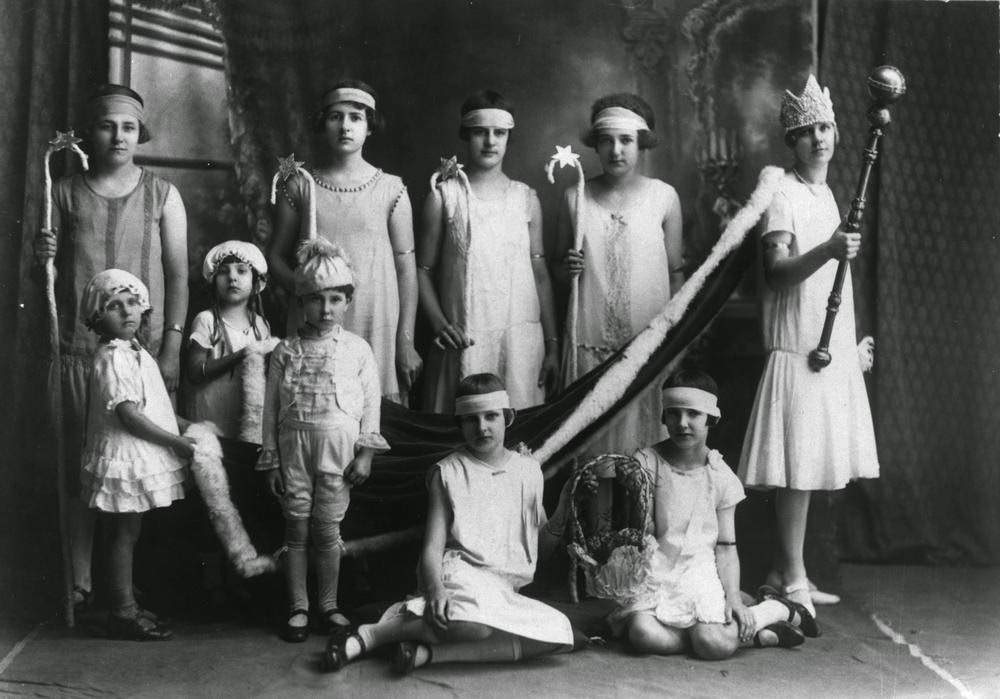
#28 Entrants in a Queen competition to raise funds for the ambulance in Palen Creek, 1927

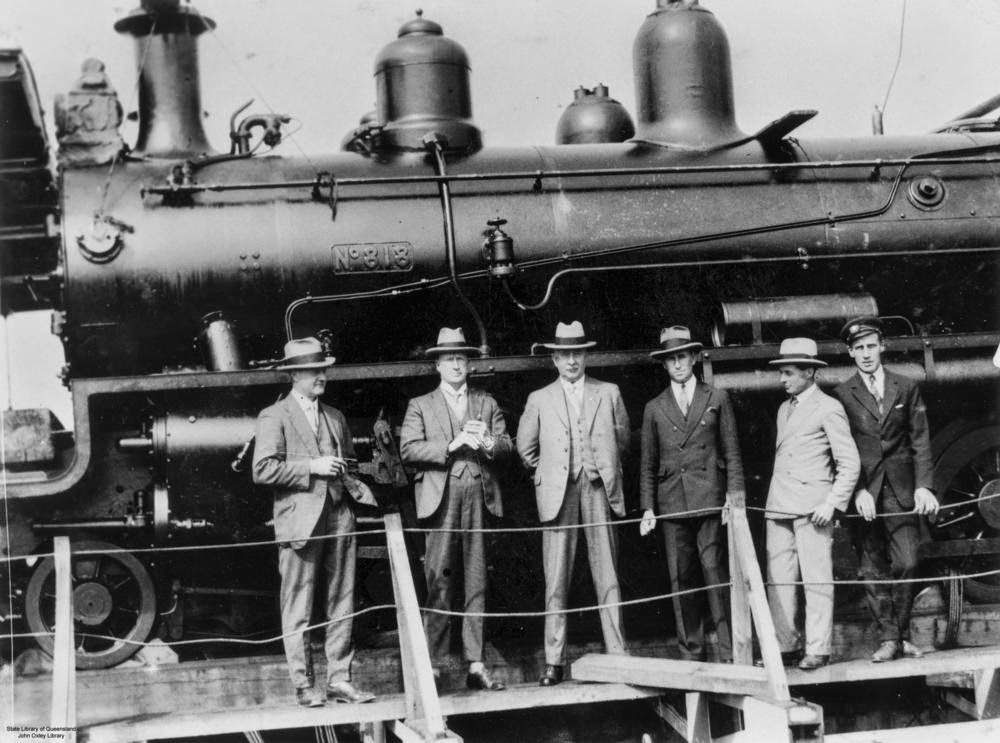
#29 Steam locomotive aboard the M.S. Belray at Pinkenba Wharf, Brisbane, 1927

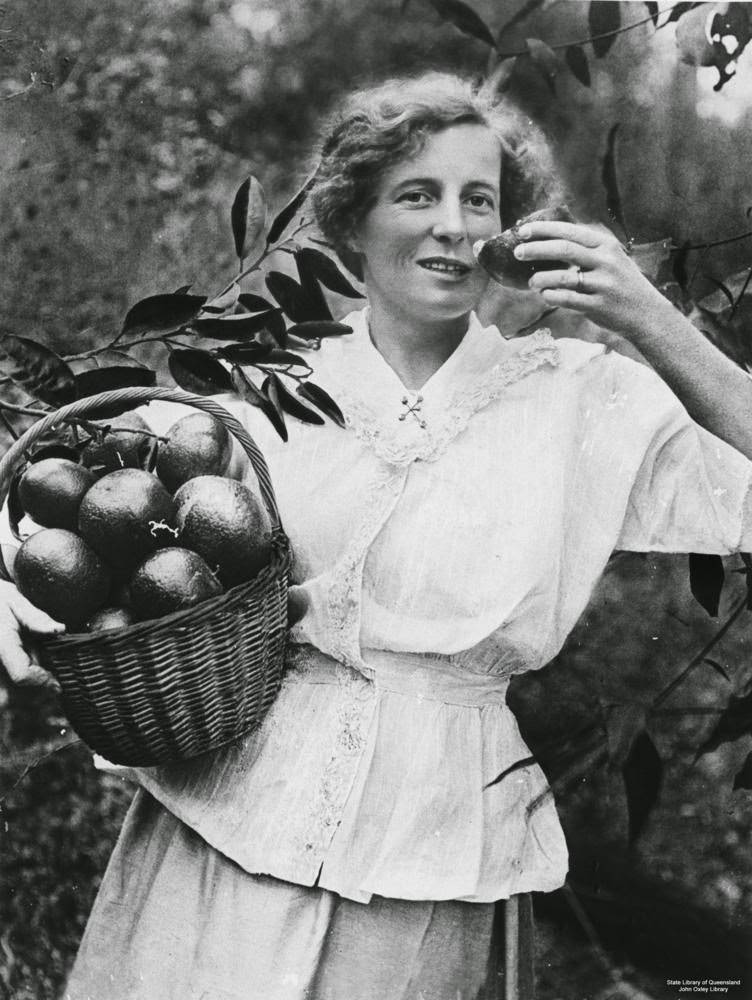
#30 Woman with a basket of mandarins.

Woman with a basket of mandarins.

Avatar of Sarah Johnson

Written by Sarah Johnson

Sarah Johnson is a freelance writer and photographer with a passion for exploring the world. Her writing is both informative and engaging, offering unique perspectives on travel, food, and lifestyle.

Leave a Reply

Your email address will not be published. Required fields are marked *