Audrey Hepburn never needed a packed closet to look stunning. Her entire approach to fashion rested on one idea: simplicity is elegance. She stuck to clean lines, neutral colors, and well-fitted pieces — and it worked every single time. These are the style rules she lived by, and they still hold up today.
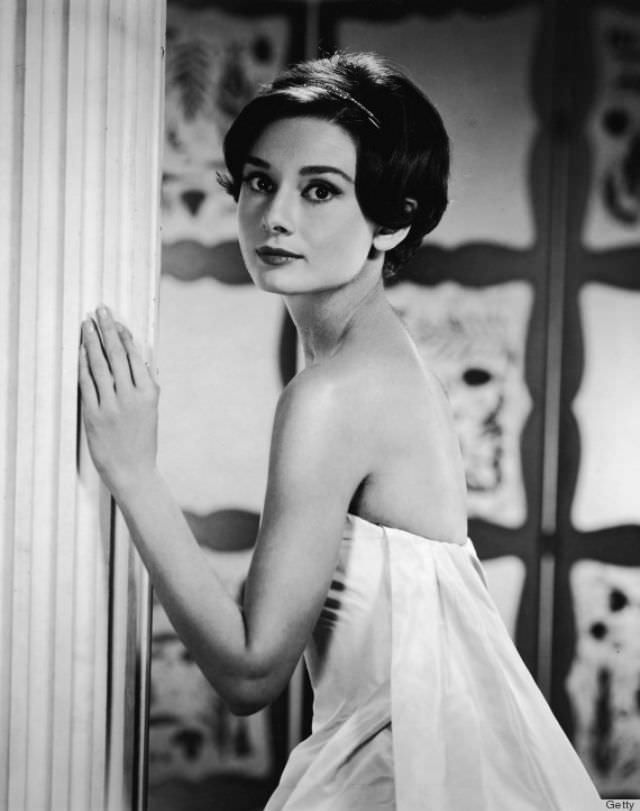
The Little Black Dress is Hepburn’s most famous fashion contribution. She wore it in high-quality fabrics like wool or heavy silk so it draped cleanly on the body. The dress itself stays simple so the woman wearing it becomes the focal point. No ruffles, no excess — just a sharp, classic silhouette that never dates.
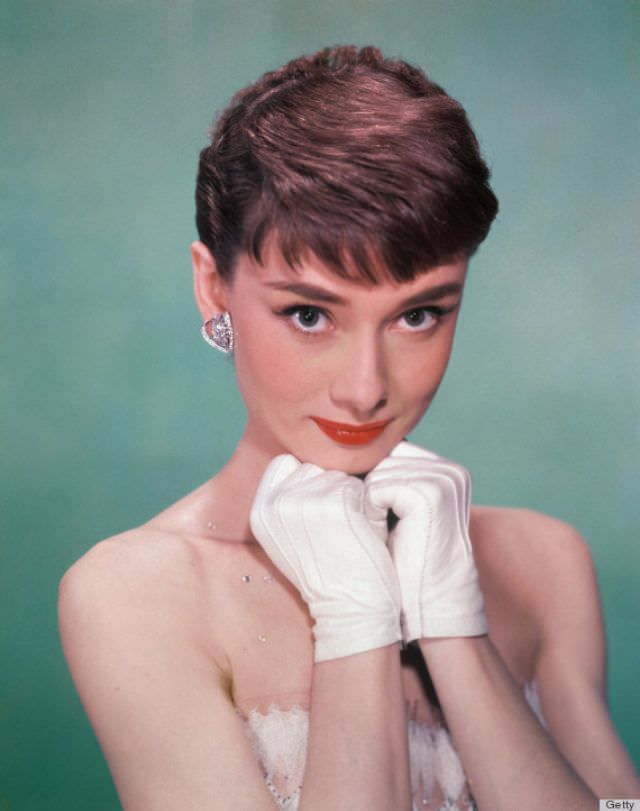
Tailoring was Hepburn’s real secret weapon. She worked closely with designer Hubert de Givenchy to make sure every garment followed the lines of her body precisely. Even an expensive piece looks cheap if it doesn’t fit right. Small adjustments — shortening a sleeve to show the wrist, taking in a waist — create a custom look that off-the-rack clothing simply can’t deliver.
Hepburn was a trained dancer, so comfort in footwear mattered deeply to her. She helped make ballet flats a fashion staple, proving that high heels aren’t required to look polished. A pointed-toe flat adds elegance while letting a woman walk with full confidence and ease.
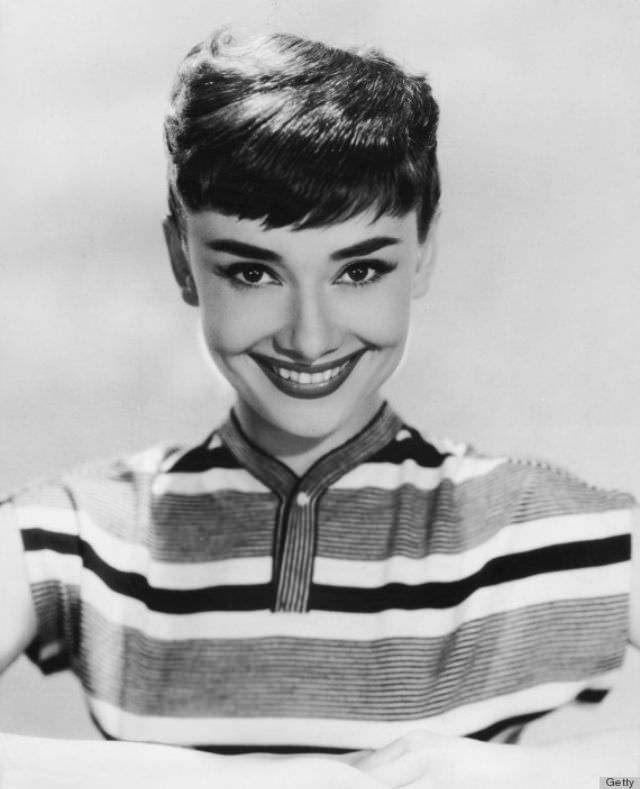
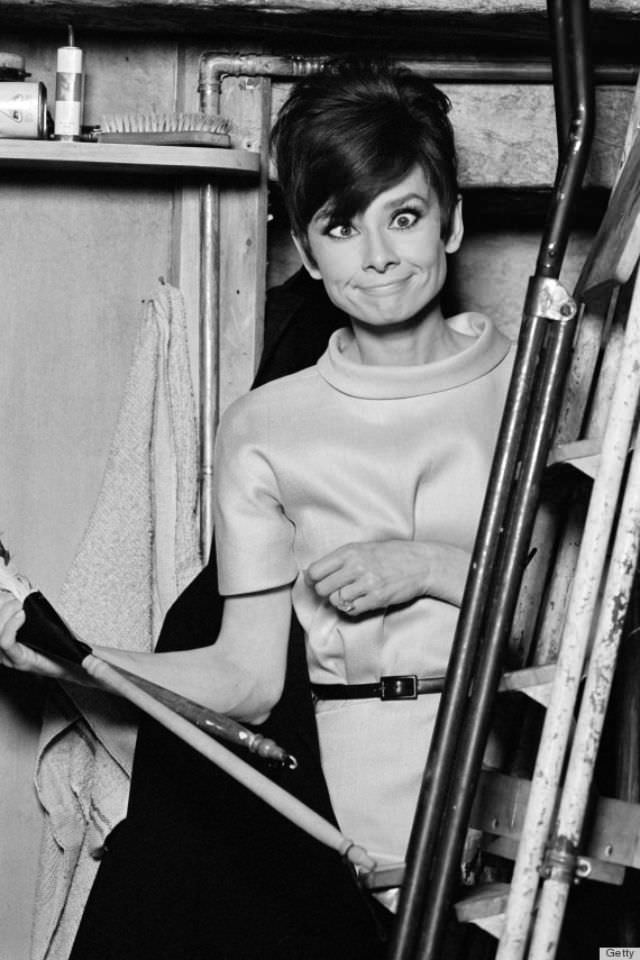
Her “uniform” approach kept getting dressed simple and stress-free. Slim black cigarette pants paired with a white button-down or a fitted turtleneck formed the core of her everyday look. Neutral colors — black, white, and beige — meant everything in her wardrobe worked together without effort.
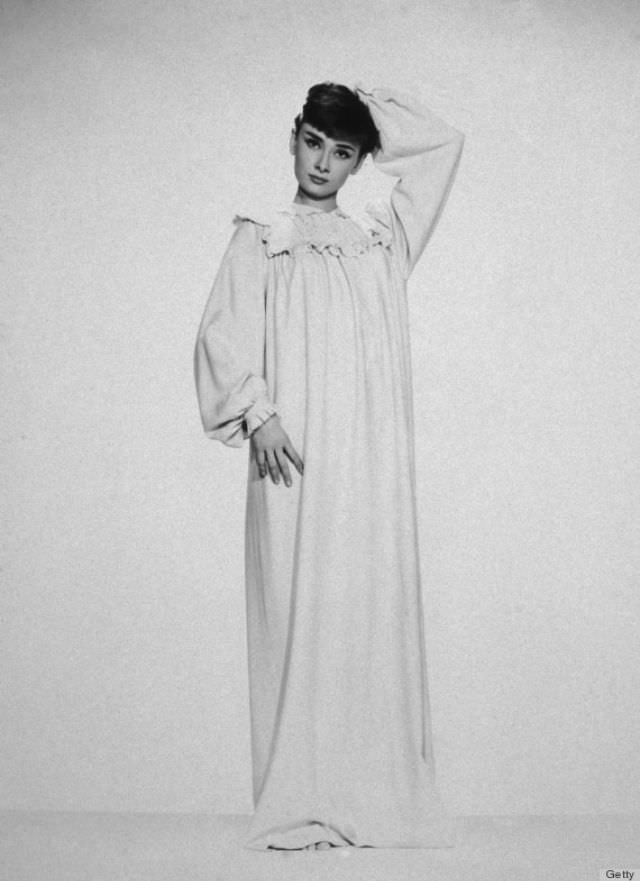
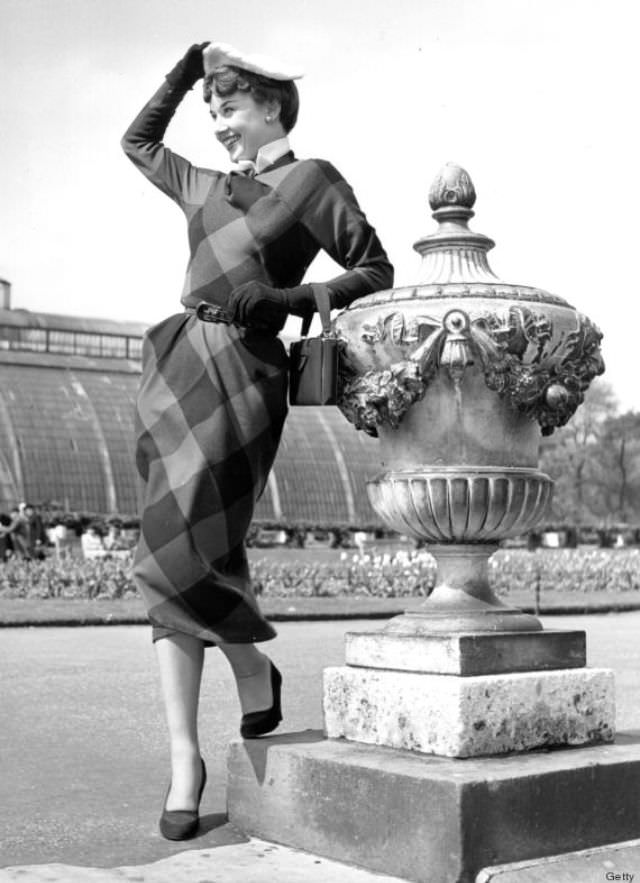
Accessories were never an afterthought for Hepburn. A cinched belt defined her waist and transformed even a simple dress into something structured. She used accessories strategically — a beret, a scarf, a pair of gloves — to elevate a basic outfit without overloading it.
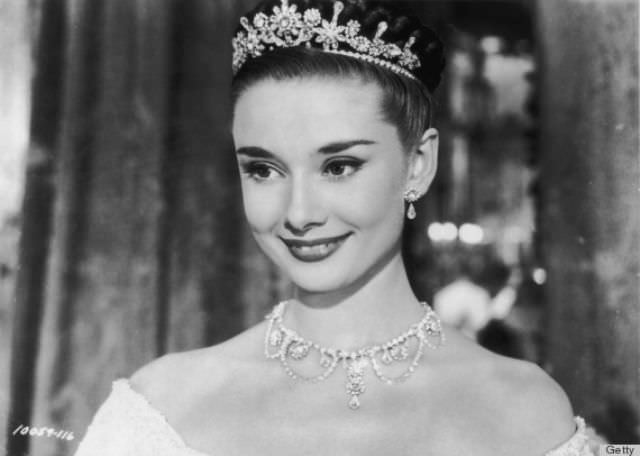
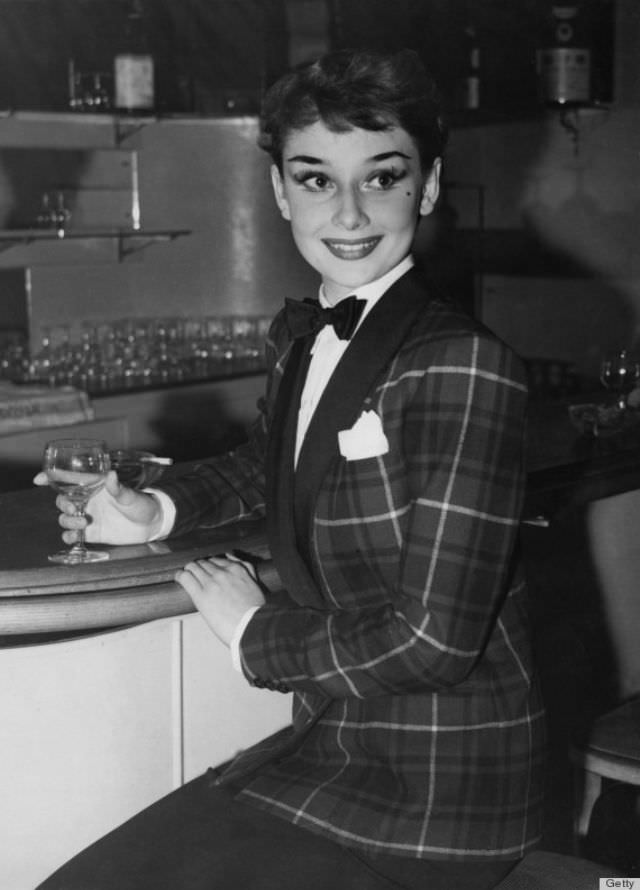
Hepburn wasn’t afraid to step outside conventional fashion boundaries. She wore menswear — bow ties, suits, loafers — and made it look entirely her own. Heavy eyeliner and a bold lip kept her looks feminine even when the clothes leaned masculine.
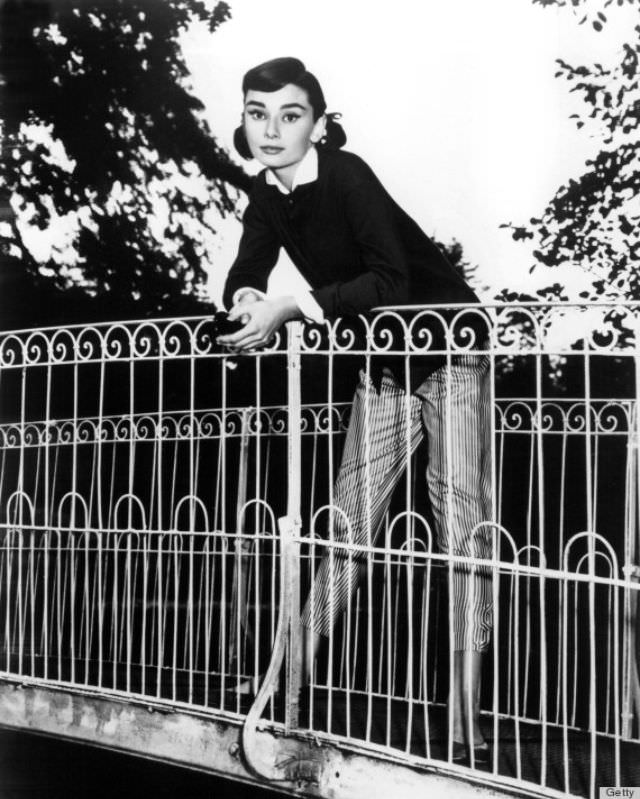
Classic separates were central to her wardrobe. A collared shirt paired with striped capris, or a simple turtleneck with tailored trousers — these combinations required no trend-chasing. By building around timeless shapes, Hepburn avoided the trap of a closet full of clothes that feel outdated within a season.
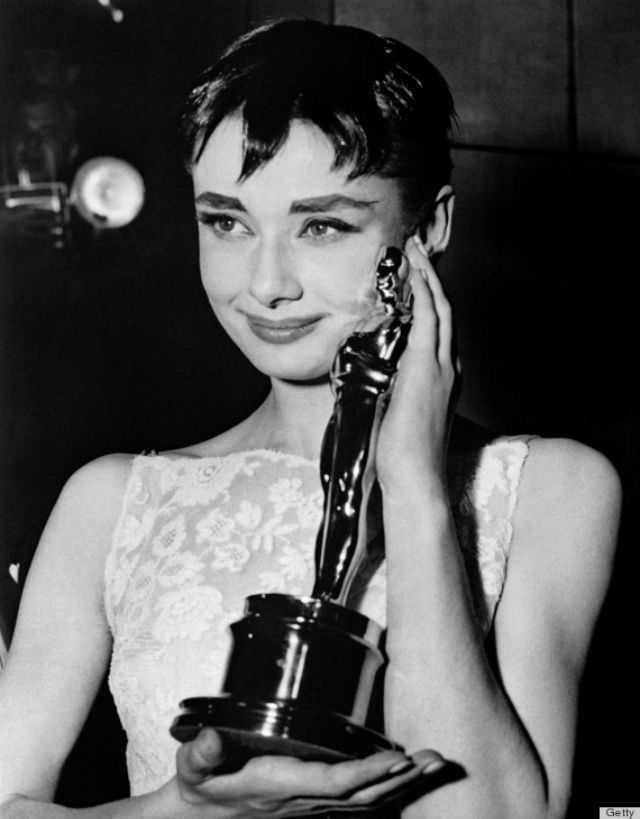
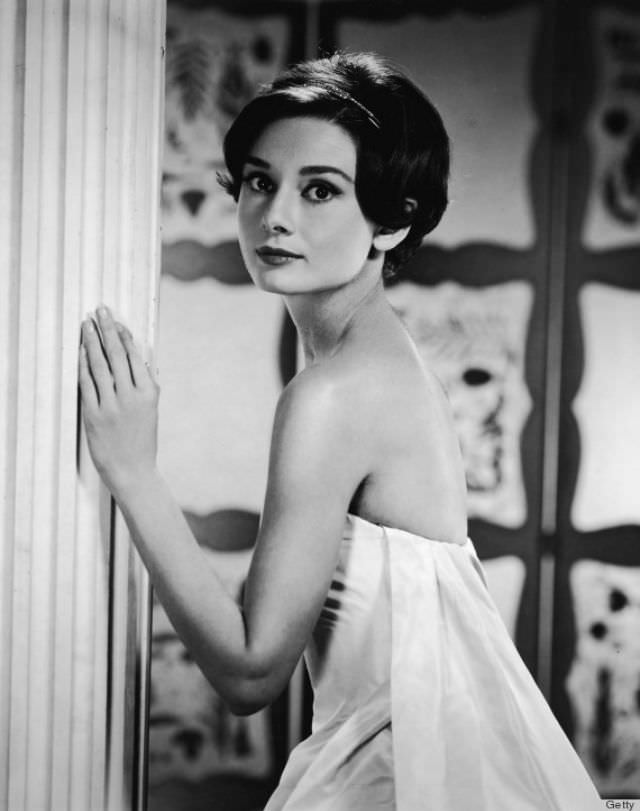
Makeup was a deliberate tool in Hepburn’s style kit. She used dark eyeliner to soften her short haircuts and kept her look ultra-feminine regardless of how androgynous her clothing choices were. A bold red lip was one of her go-to moves — confident, precise, and impossible to overlook.
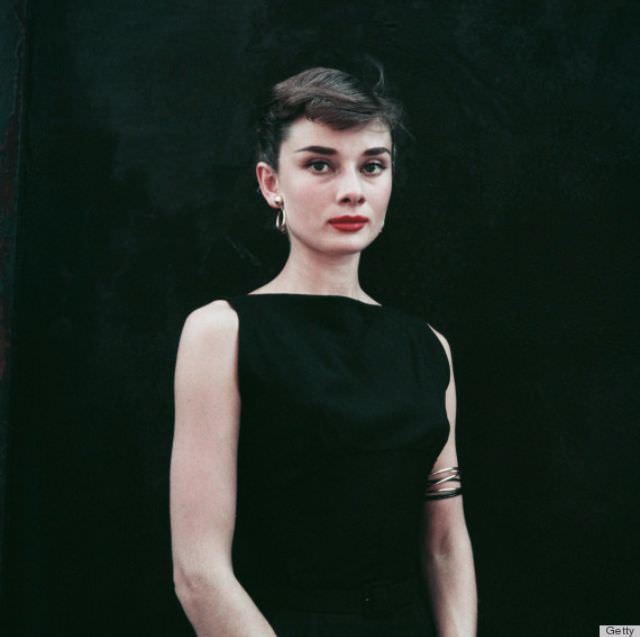
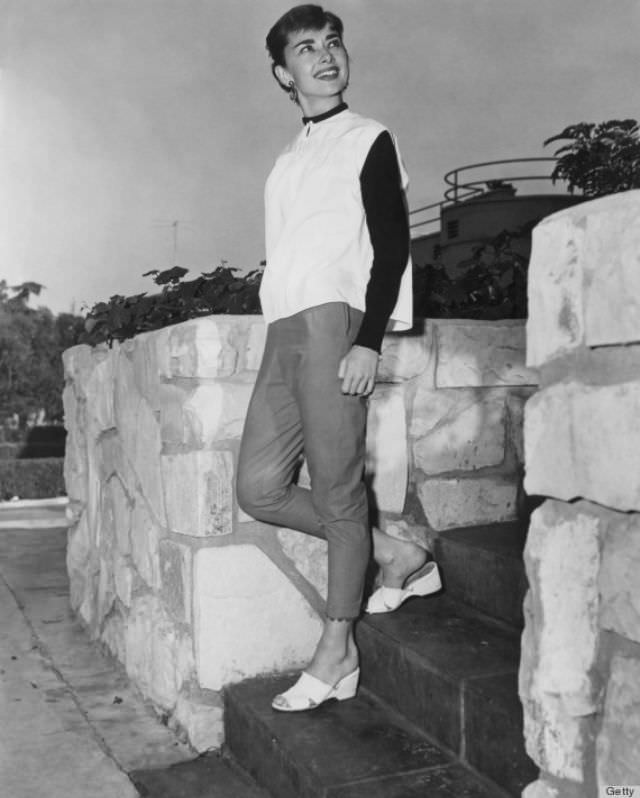
Color blocking was another tool Hepburn used to create visual interest without complexity. Two solid, contrasting colors worn together — finished with chunky sandals and statement earrings — produced a look that felt put-together and intentional with minimal effort.
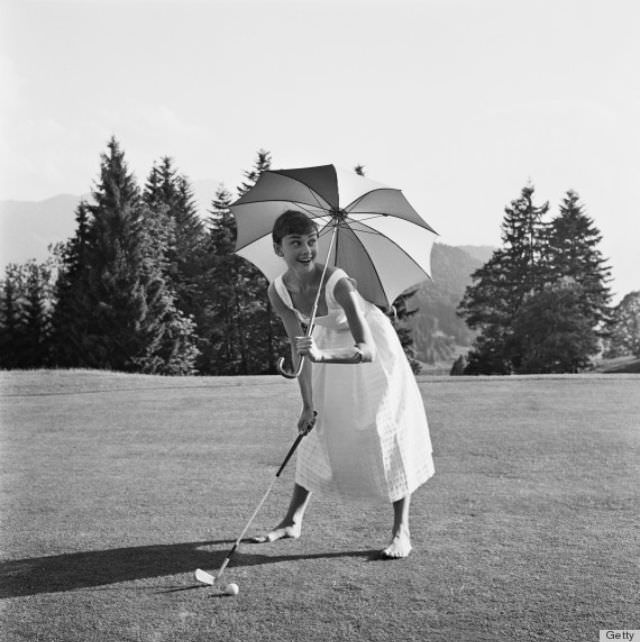
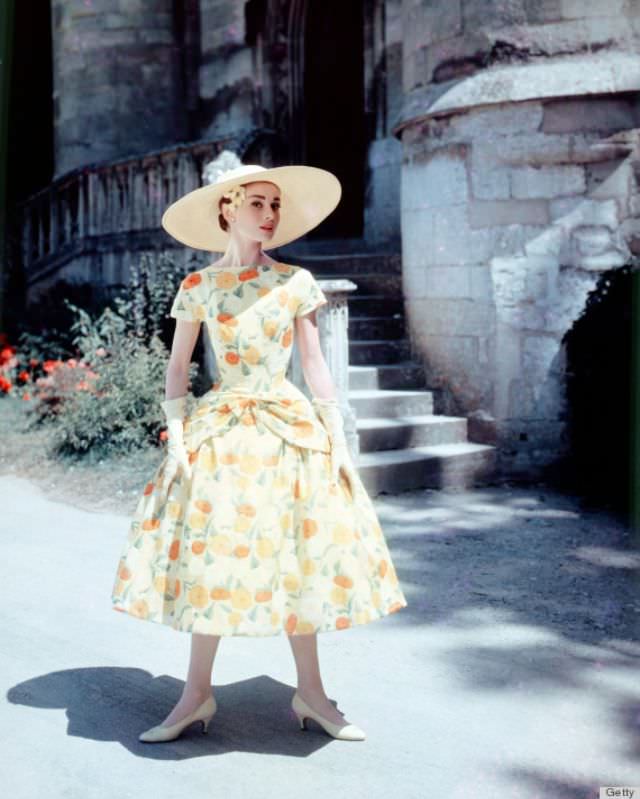
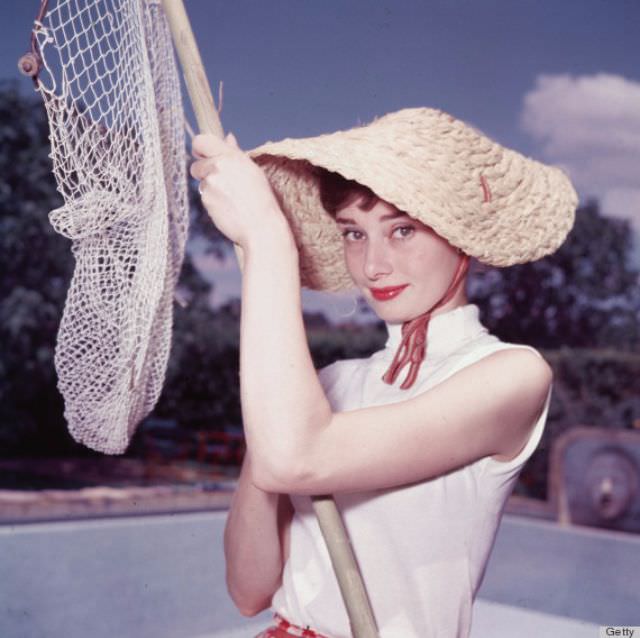
When Hepburn did wear a bold print, she balanced it out carefully. A wide-brimmed hat and soft, feminine makeup kept a strong pattern from feeling overwhelming. The rule: let one statement piece lead, then build everything else around it in a supporting role.
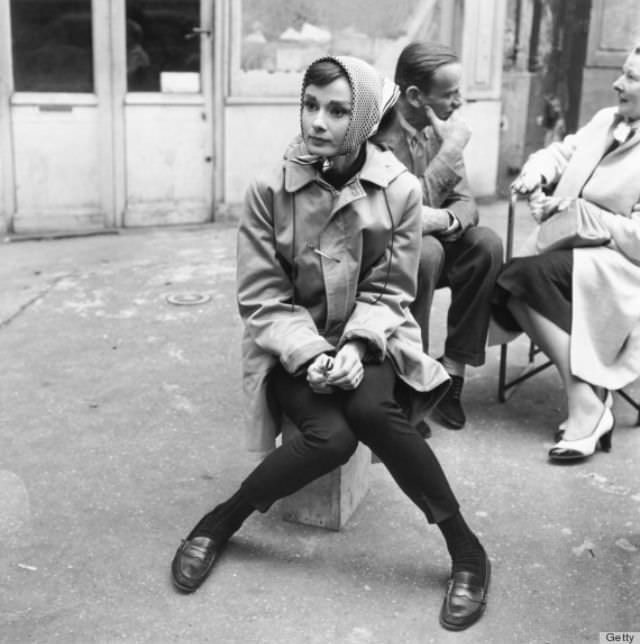
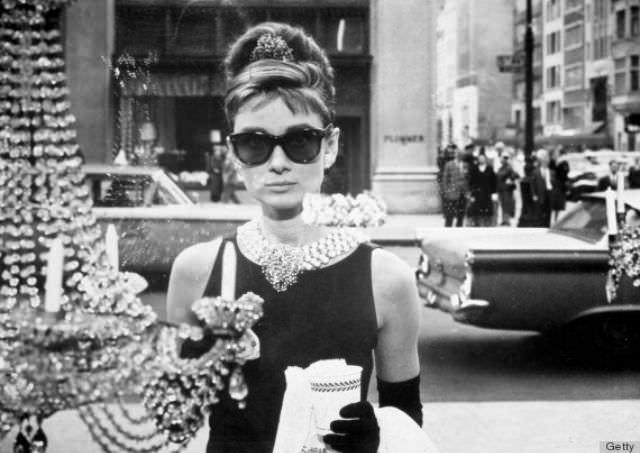
Sunglasses were a signature Hepburn accessory. She famously paired Wayfarer-style shades with a jeweled Little Black Dress, a combination that defined the cool, effortless look she became known for. Sunglasses, in her hands, worked with everything — casual or formal.
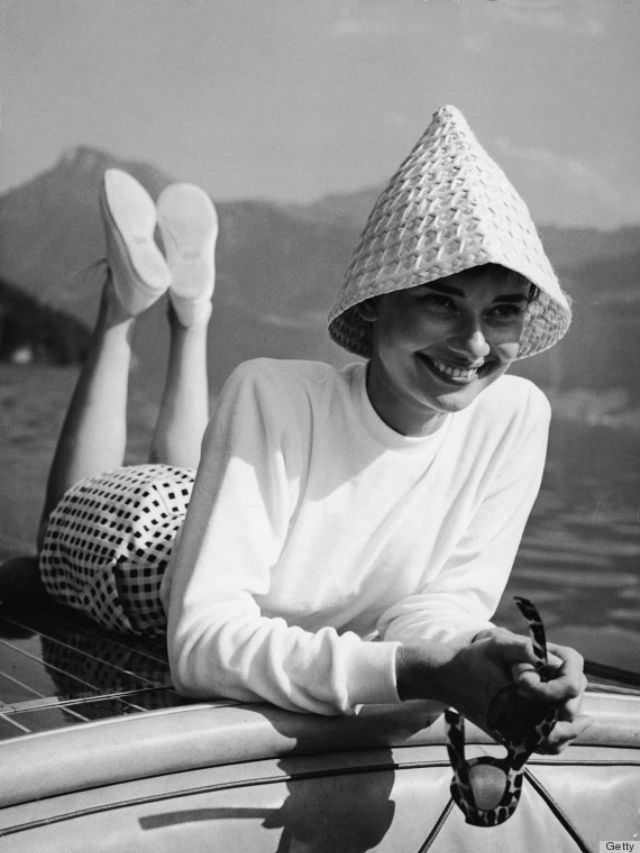
Hepburn took calculated fashion risks. A peculiar hat, an unexpected accessory — she wore pieces that could have looked strange on anyone less confident, and made them work through sheer conviction. Individual style, she showed, comes from owning your choices completely.
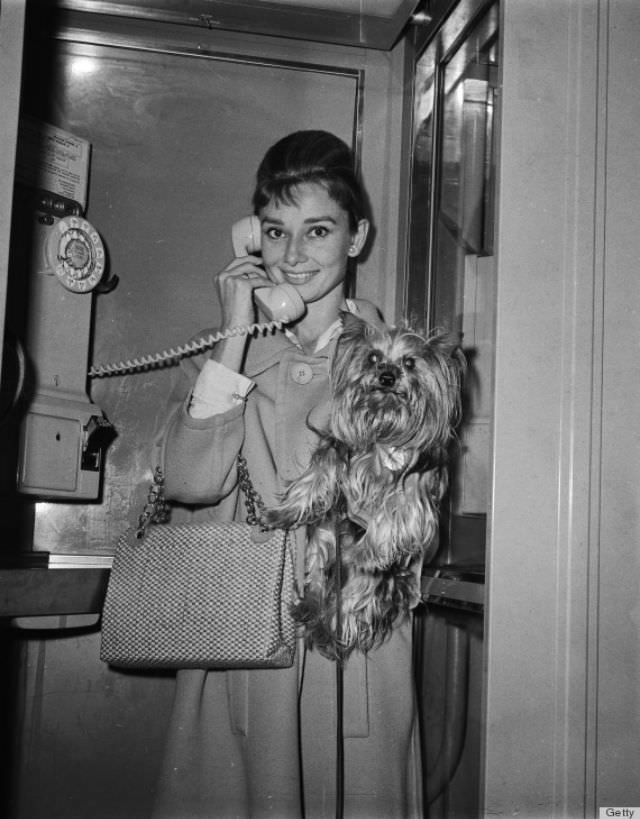
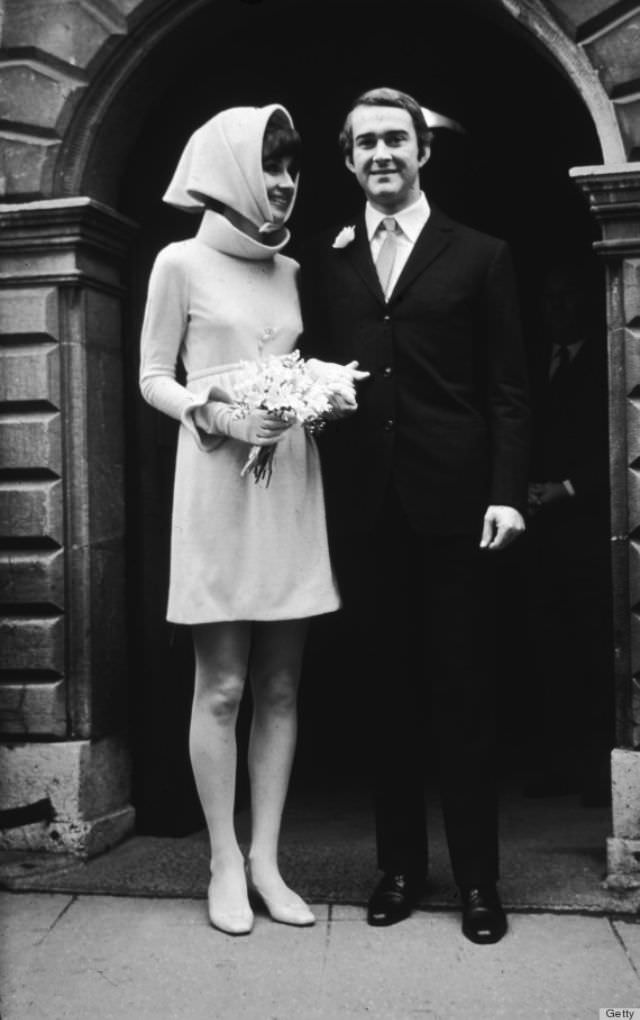
Even on her wedding day, Hepburn stayed true to her own aesthetic. At her marriage to Andrea Dotti, she wore a short white dress and her signature head scarf instead of a traditional gown. A practical tweed purse, worn daily across countless outfits, reflected the same philosophy: choose pieces that serve you, not the other way around.
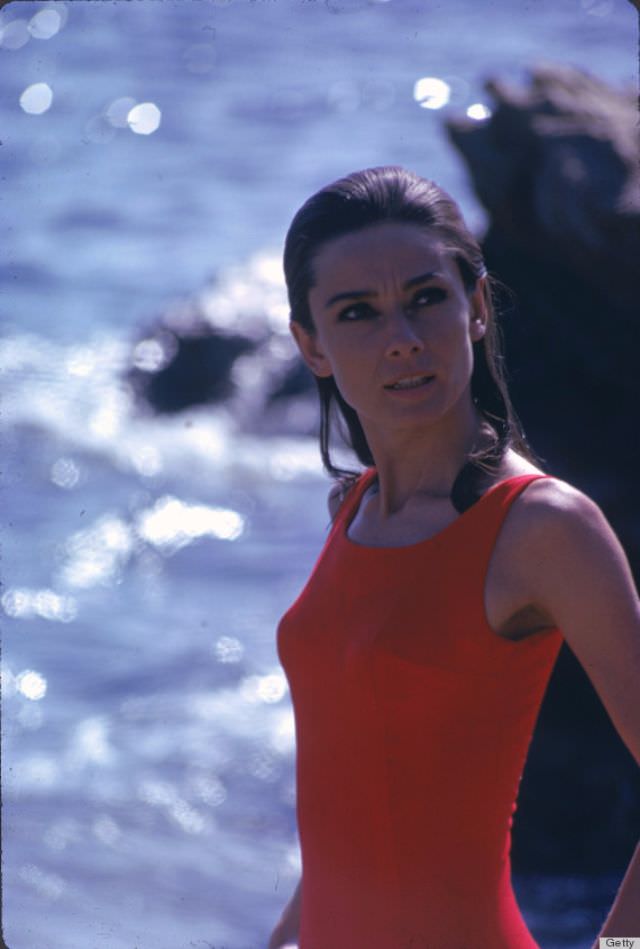
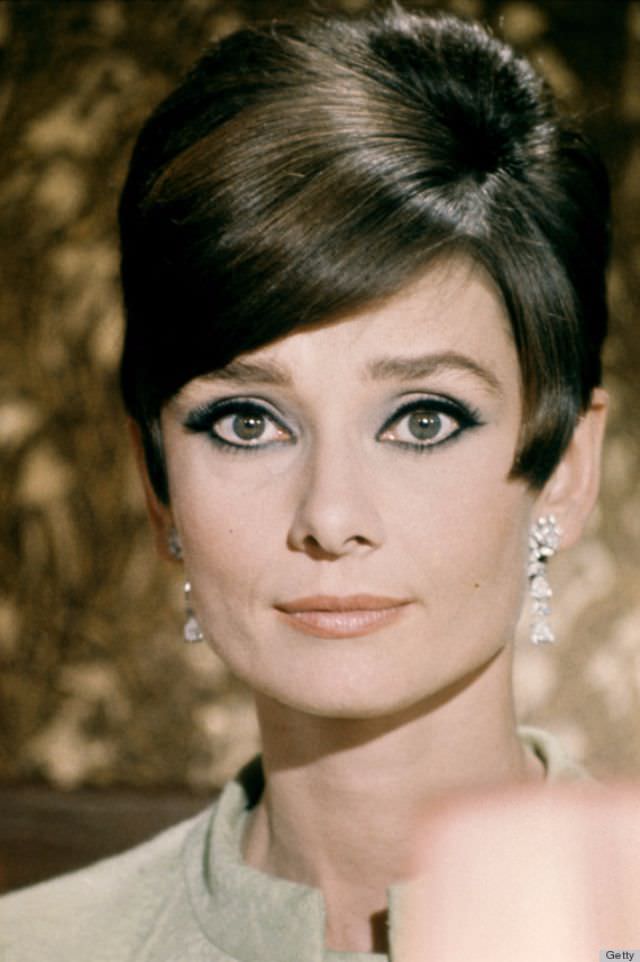
Eye makeup was Hepburn’s most consistent beauty tool. Dark, precise eyeliner softened her cropped haircuts and kept her face looking unmistakably feminine. She applied it with the same intention she gave to every other element of her look — nothing was accidental.
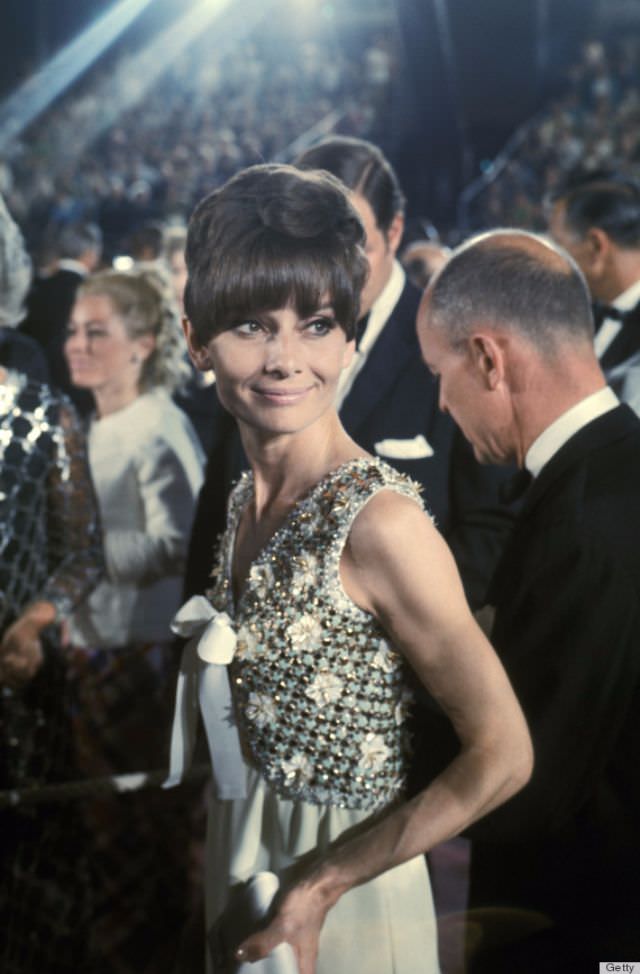
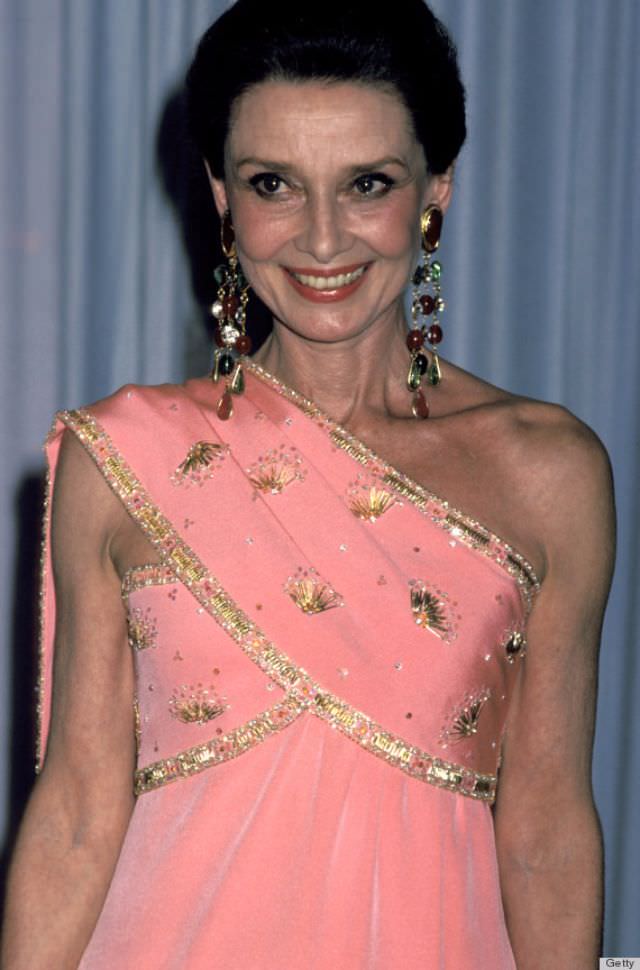
Hepburn’s style didn’t age out — it matured. She embraced babydoll silhouettes that were tastefully youthful rather than juvenile, and she continued to wear bold mascara and statement lashes well into her later years. Intricate jewelry, she showed, lands better on a woman with confidence earned over time.