Audrey Hepburn is one of the most recognized figures in cinema history, known for her elegance and style. But behind that polished image was a woman shaped by war, hunger, resistance work, and fierce personal determination. She spoke five languages, survived a Nazi occupation, and went on to become one of the few people ever to win all four major entertainment awards. The facts below go well beyond the icon most people think they know.
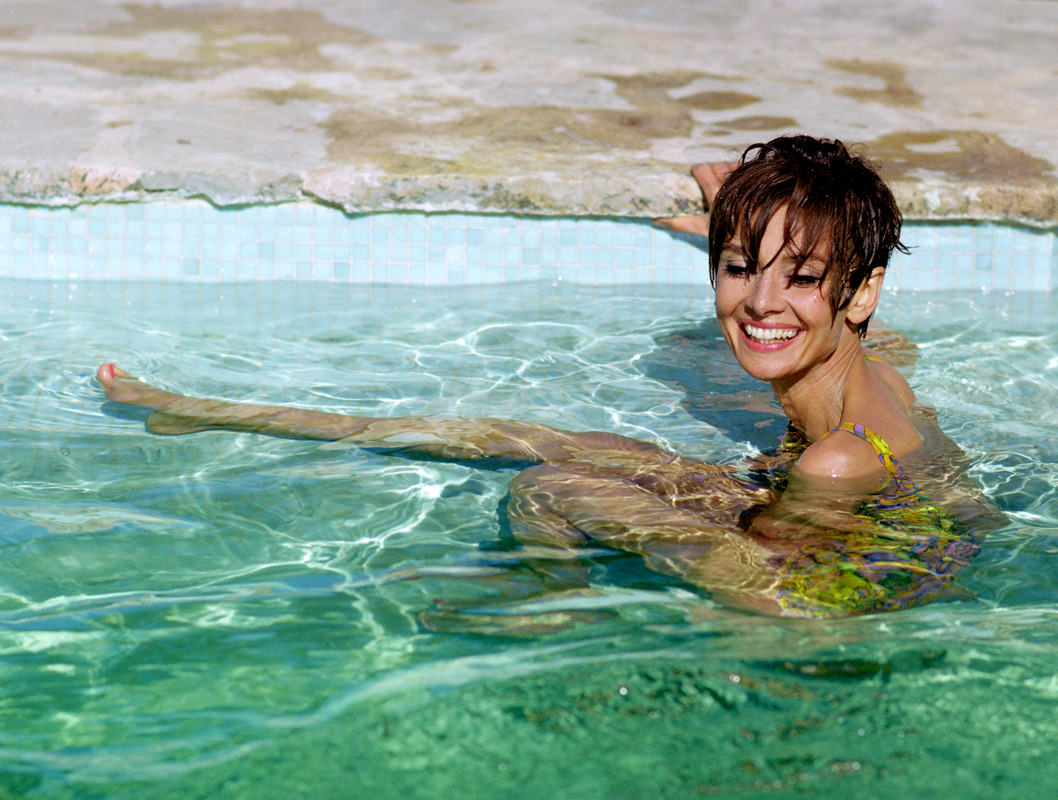
In the below shot for the movie “Two for the Road” with Albert Finney, Audrey had to be thrown into the pool. Audrey was extremely scared of drowning – so outside of the shot, part of the film crew was in the pool ready to grab Audrey for her comfort if something were to happen. This was the only way she would do the scene! When you watch the scene, the fear that you see on her face is 100% genuine!
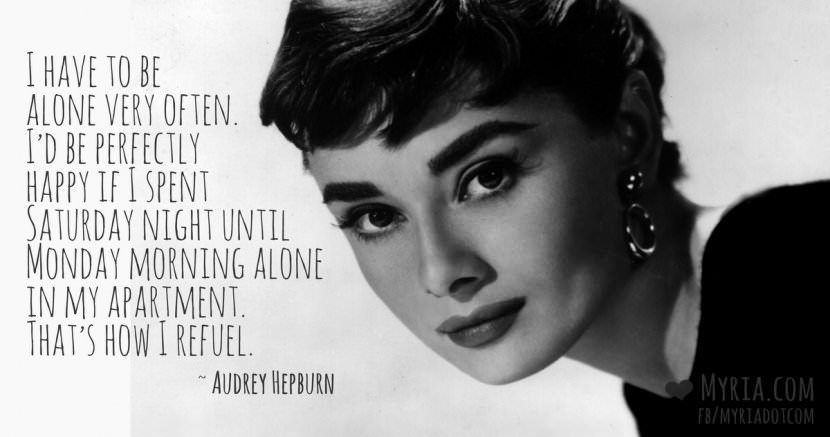
Unlike most celebrities, Audrey did not crave the spotlight or being surrounded by groups of fans and entourages. She even labeled herself an introvert. She was once quoted saying, “I have to be alone very often. I’d be quite happy if I spent from Saturday night until Monday morning alone in my apartment. That’s how I refuel.”
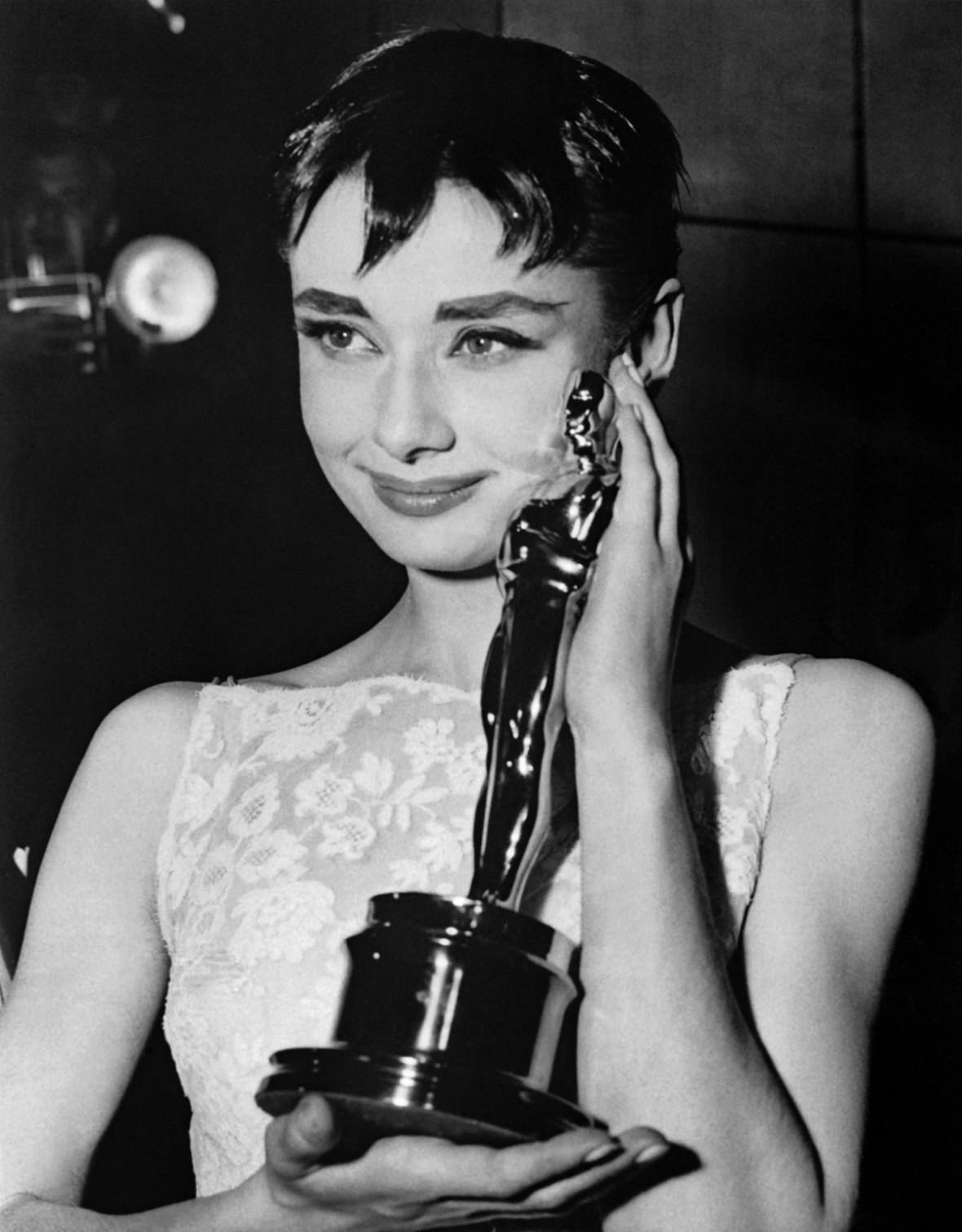
Hepburn is one of only 12 people in the world who have won 4 major awards, being: an Emmy (host of Gardens of the World with Audrey Hepburn), a Grammy (spoken word album Audrey Hepburn’s Enchanted Tales), an Oscar (best actress for Roman Holiday) and a Tony (best actress in Ondine).
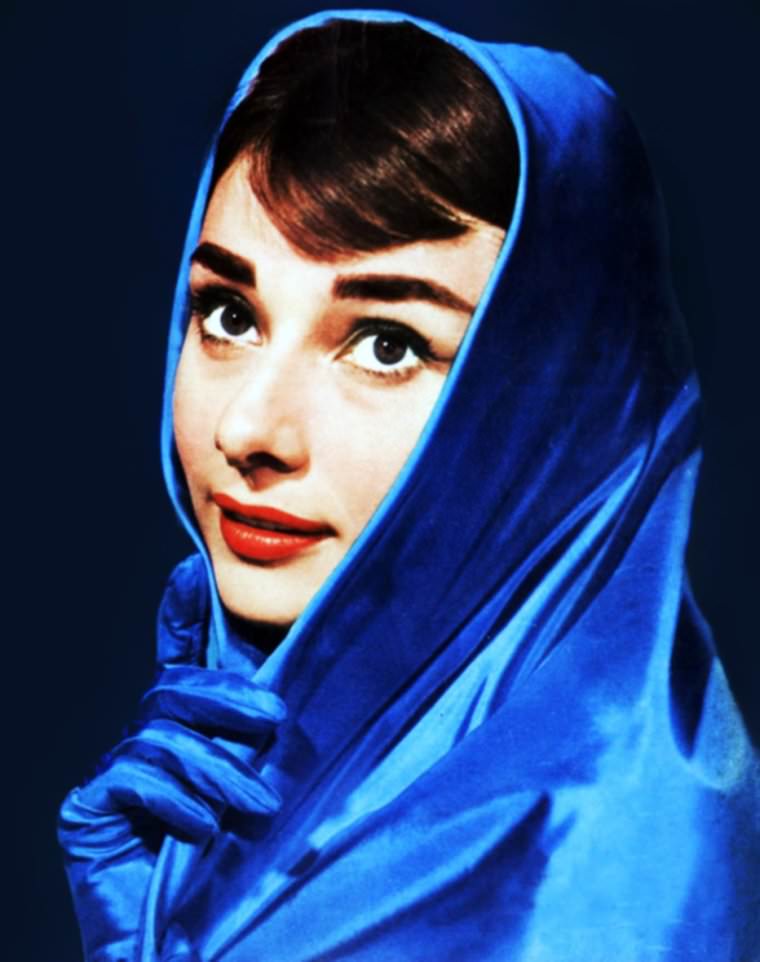
Audrey Hepburn’s favorite color was thought by some to be white (which is really not a color anyway) but according to her son Luca Dotti in a Vanity Fair article, her favorite color is actually cyan.
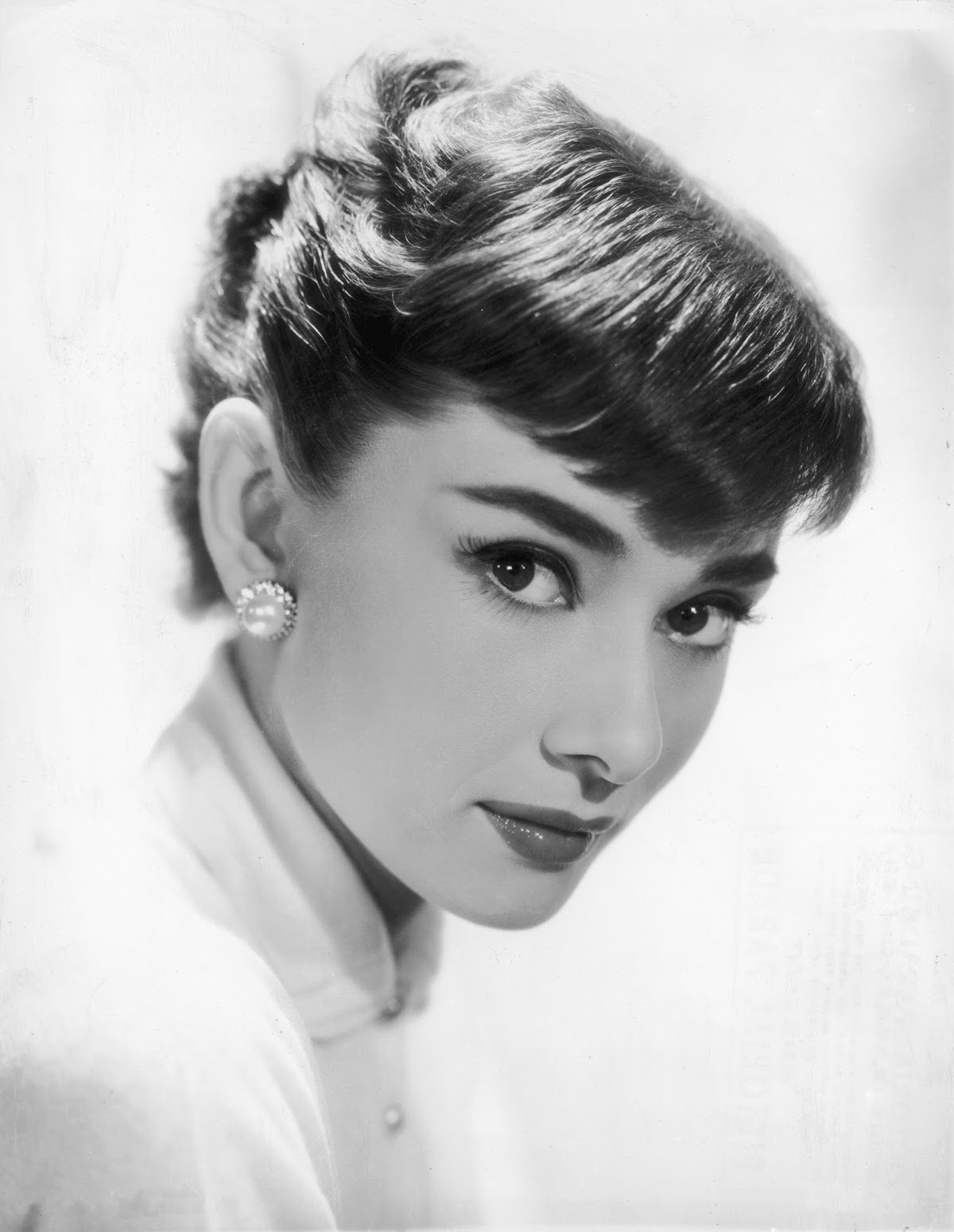
Audrey was training as a dental assistant right before she was found by a talent scout who wanted her in the Broadway play
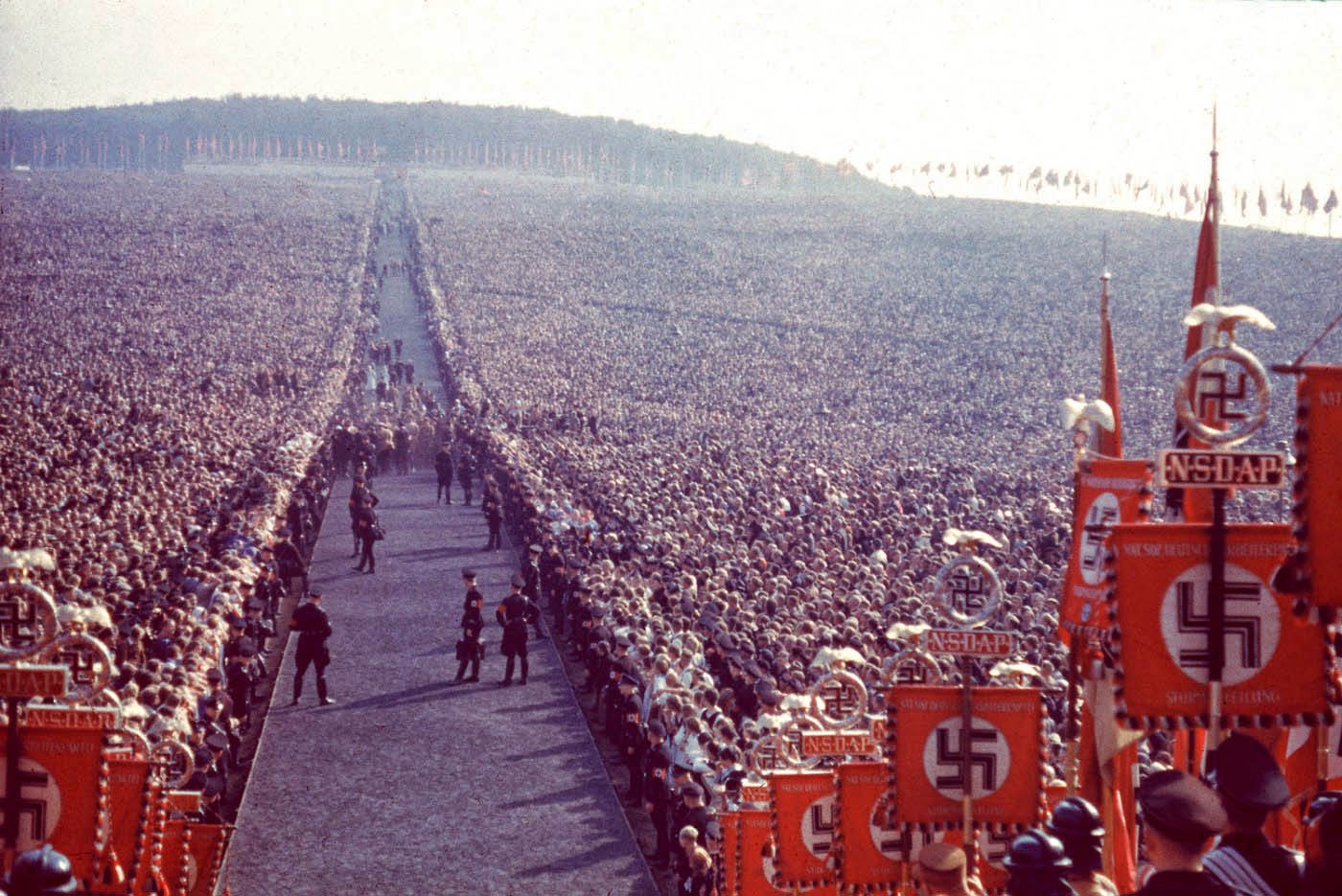
The Nazis took over Audrey’s town and thousands died as a result, including some of Audrey’s relatives. Whoever was suspected of being part of the resistance was rounded up and killed. Most people starved to death because they could not freely move about. In one instance, she was suspected and rounded up by truck. She barely escaped when the Nazis pulled over to the side of the road.

Audrey worked for the Dutch Resistance and would carry secret messages in her ballet slippers. She would have been killed if she was ever caught. In one instance, she was suspected and rounded up by truck. She barely escaped when the Nazis pulled over to the side of the road. As an agent for the Dutch Resistance, she performed in a series of secret ballets to help raise money for the rebels – after the shows, no one would applaud because their cheers would alert the German soldiers. These performances were called “black performances” to raise money for the rebels and their underground war against Hitler.
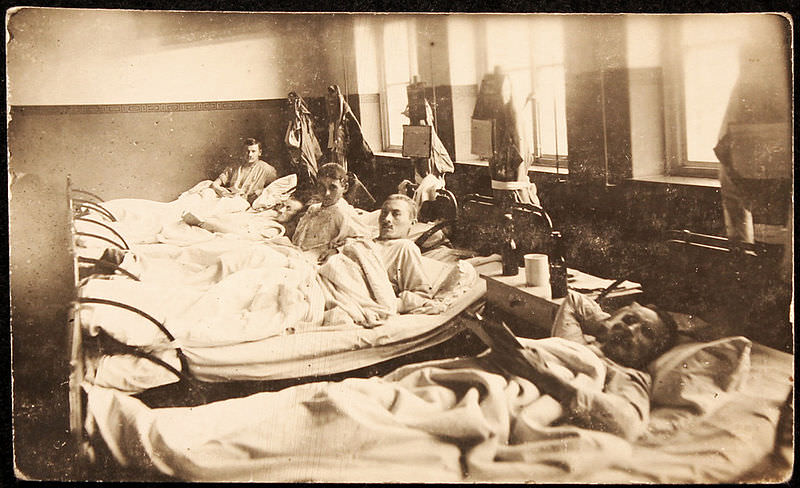

During World War II, Audrey’s town had been taken over by German soldiers. People were not allowed to freely come and go. Food was very scarce. Just to survive, Audrey and her family would grind tulip bulbs to eat and attempt to bake grass into bread. This led to her being extremely malnourished and would lead to complications in her life down the road. Undernourishment, acute anemia, and respiratory problems during the war contributed to her lifelong waif-like figure.
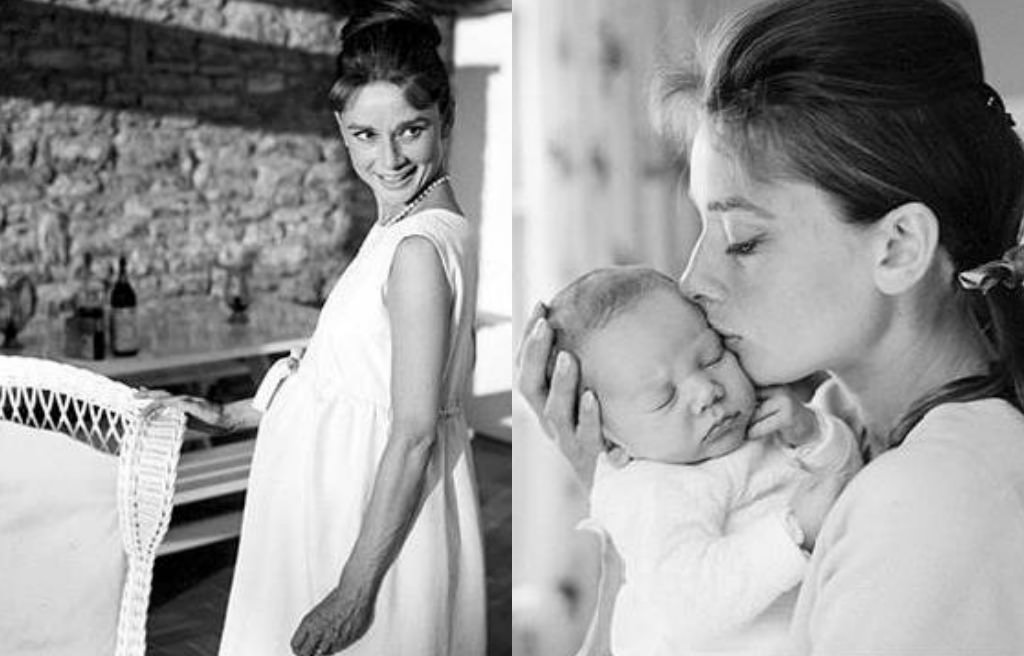
Audrey Hepburn was determined that she was going to have kids. Miscarriage after miscarriage, she kept trying. Being overstressed from work and not having enough fat on her body played a large part in the miscarriages. She was so determined and focused that she took time off work to prepare to give birth. She eventually had two sons, Sean Hepburn Ferrer and Luca Dotti.
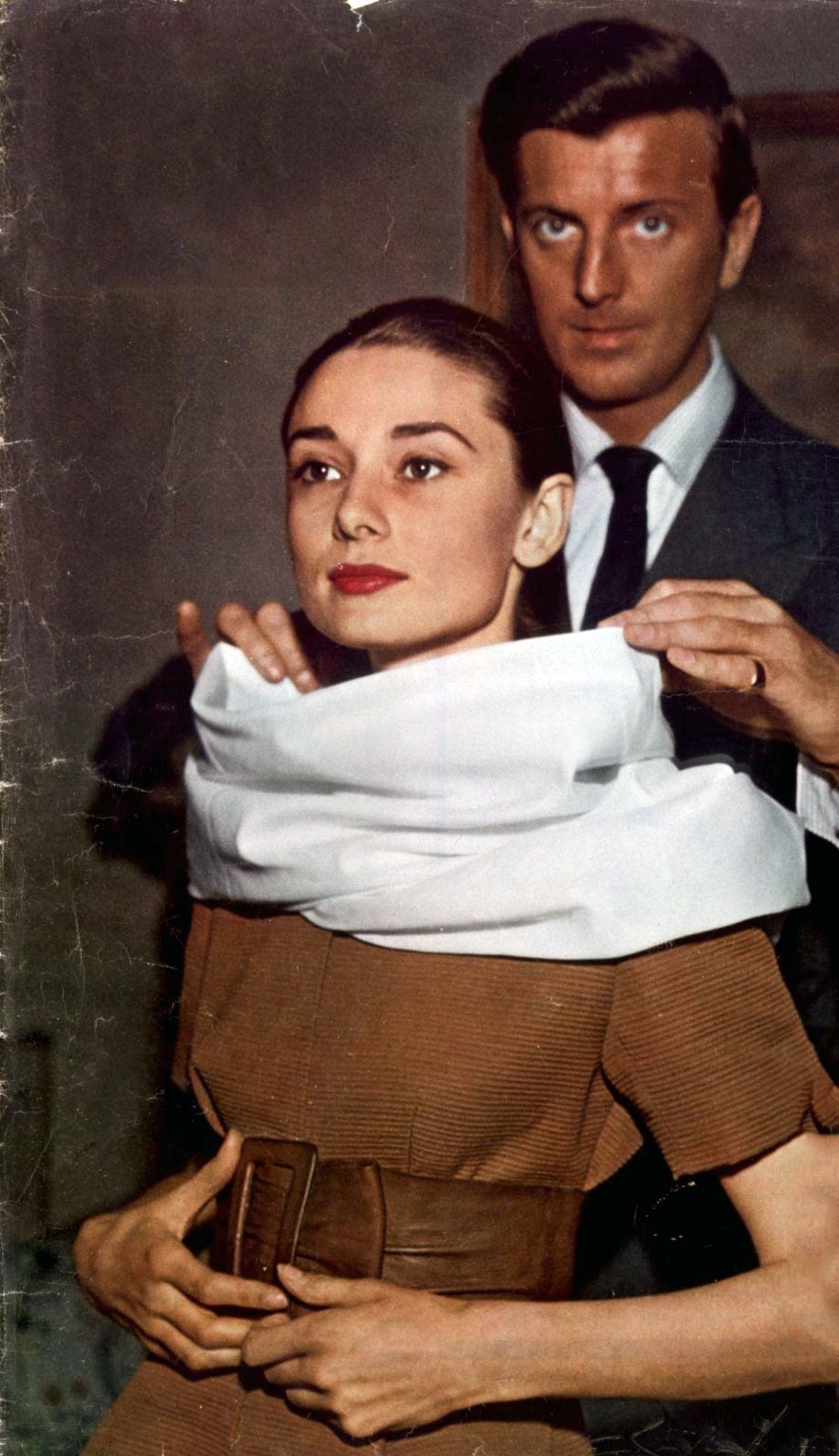
Givenchy and Audrey met when Audrey was looking for dresses for her upcoming movie Sabrina. Givenchy was a little disappointed at first because he thought that Katharine Hepburn was coming. Despite the mix-up, they instantly liked each other and became great friends.
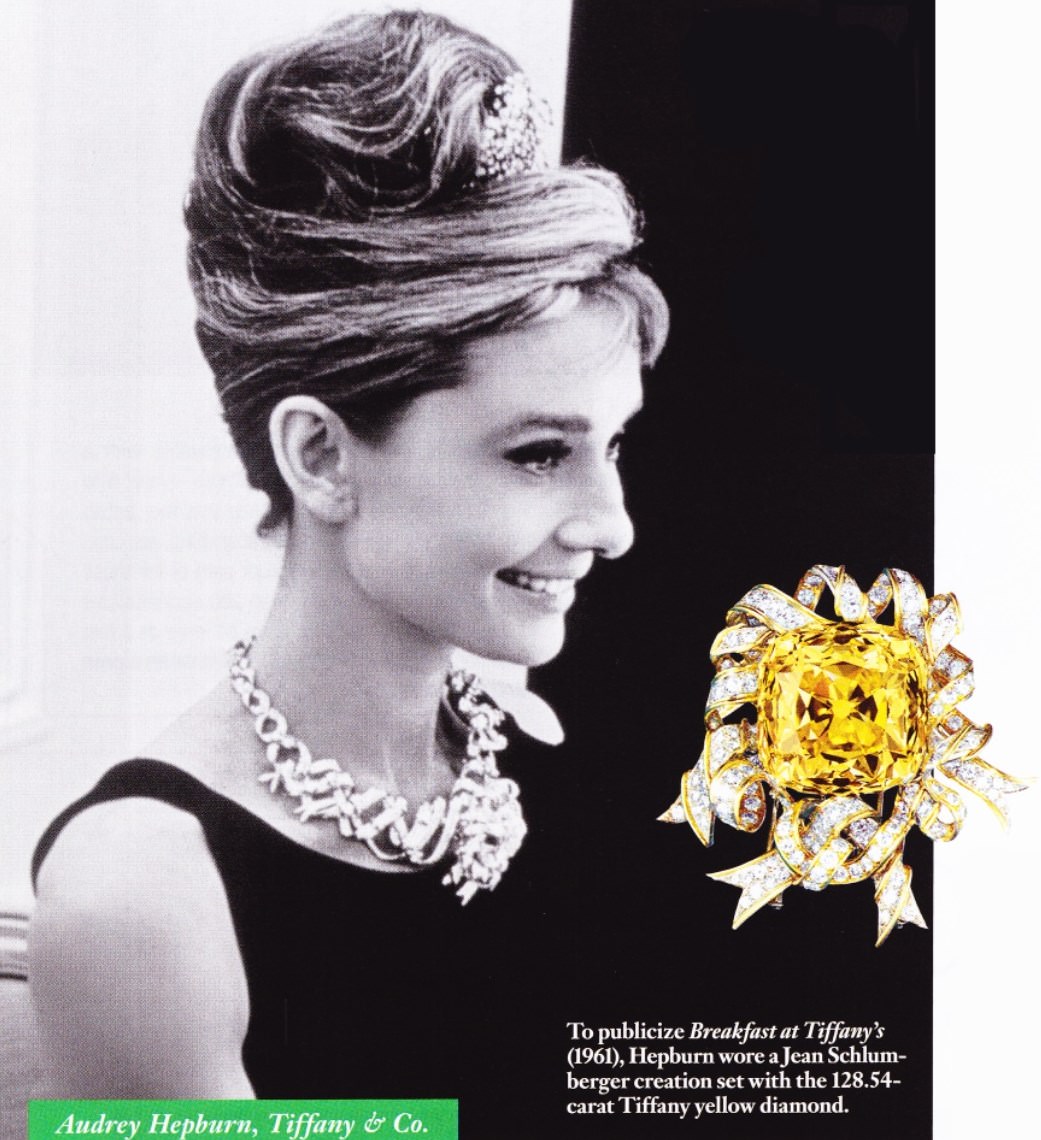
From Tiffany’s website:
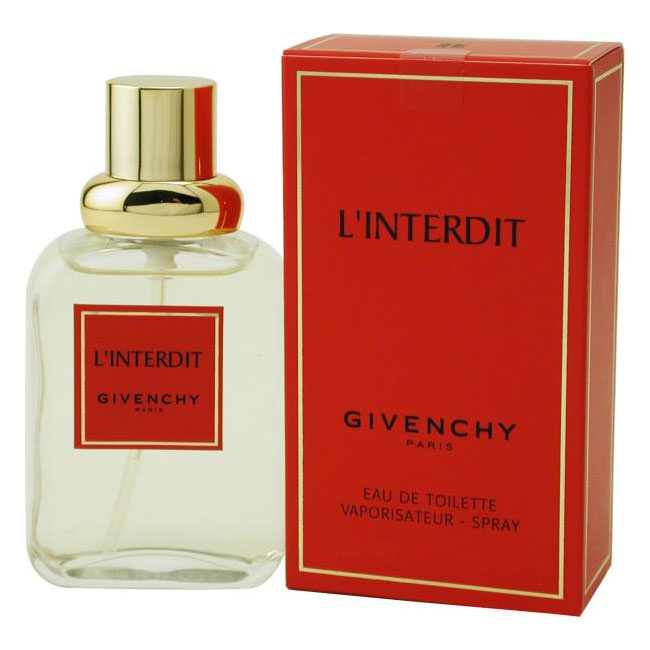
Hubert de Givenchy created a one-of-a-kind perfume exclusively for her, named L’Interdit, which means “forbidden.” This Audrey Hepburn perfume has a delicate, floral, powdery aroma. It contains notes of rose, jasmine, violet and, at the heart, a blend of woods and grasses. Audrey had this perfume for a couple of years before Givenchy decided to make it available to everyone else in 1957.
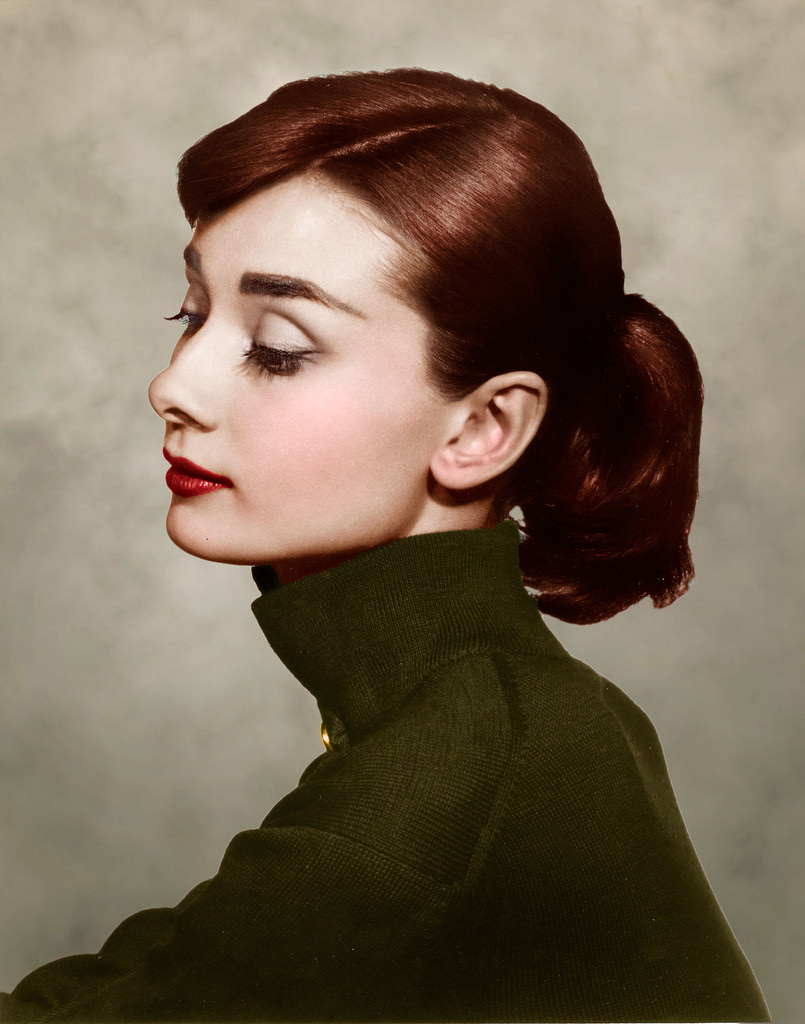
Audrey aspired to become a prima ballerina. She trained from the early age of 5 for many years to fulfill this desire. She studied ballet in London under Madame Rambert. Unfortunately, at 5 feet 7 inches, she was too tall, and after being so malnourished during the Nazi occupation of her town in World War II, she often fell ill and could not continue training. She is quoted saying, “…there is probably nothing in the world as determined as a child with a dream and I wanted to dance more than I feared the Germans.”
According to an interview by Vanity Fair, Audrey’s son Luca Dotti expressed that his mother didn’t know why people thought she was beautiful. Luca says,
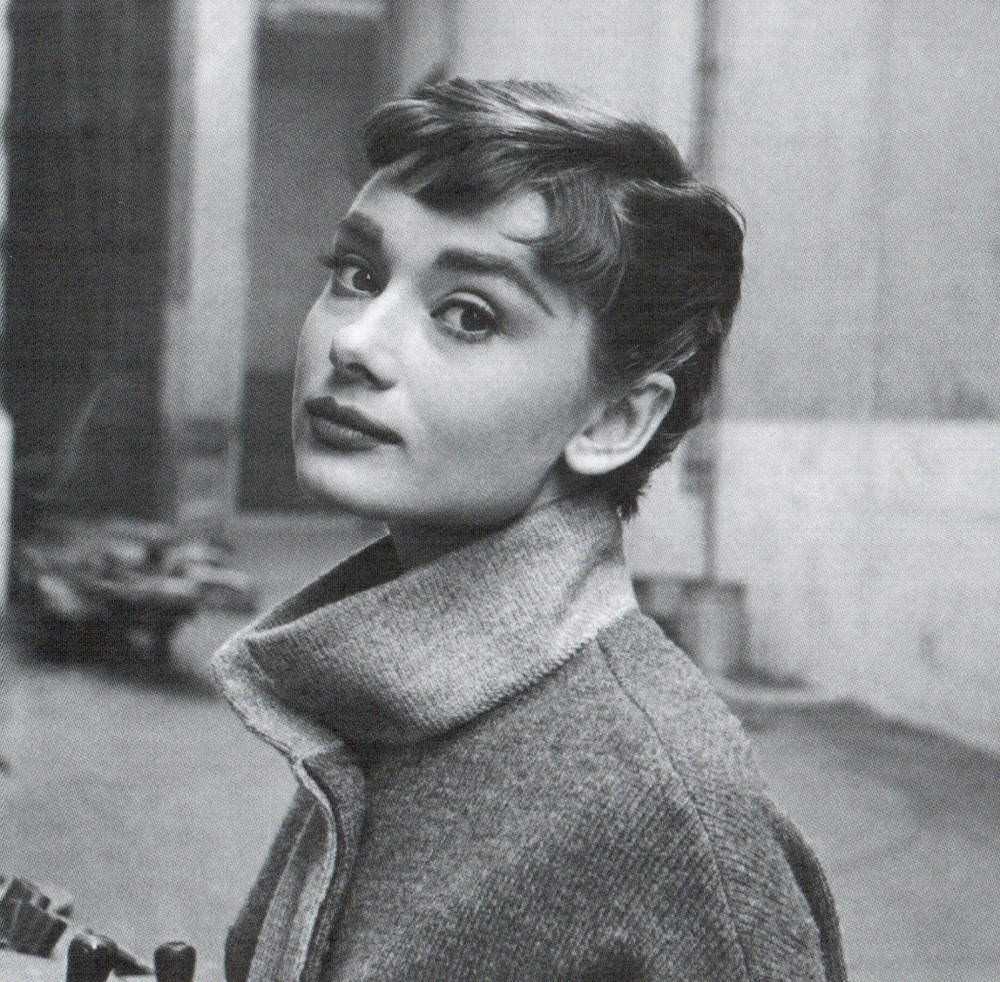
For one of Hollywood’s great beauties, Audrey Hepburn was rather critical of her looks.
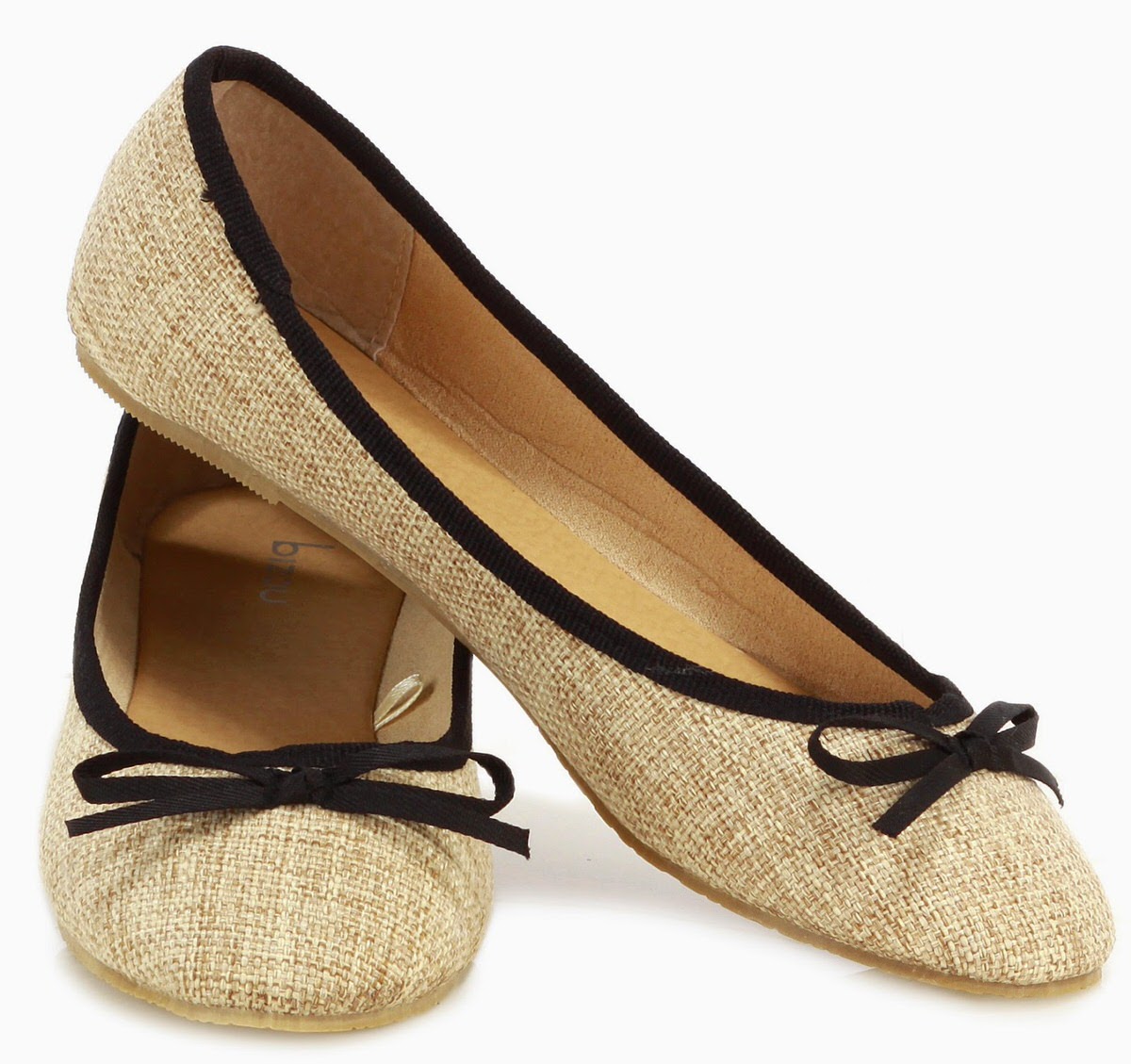
She was a ballet dancer, so naturally ballet flats were what she was most comfortable in. Also, being fairly tall, high heels didn’t suit her as well as they did shorter people.
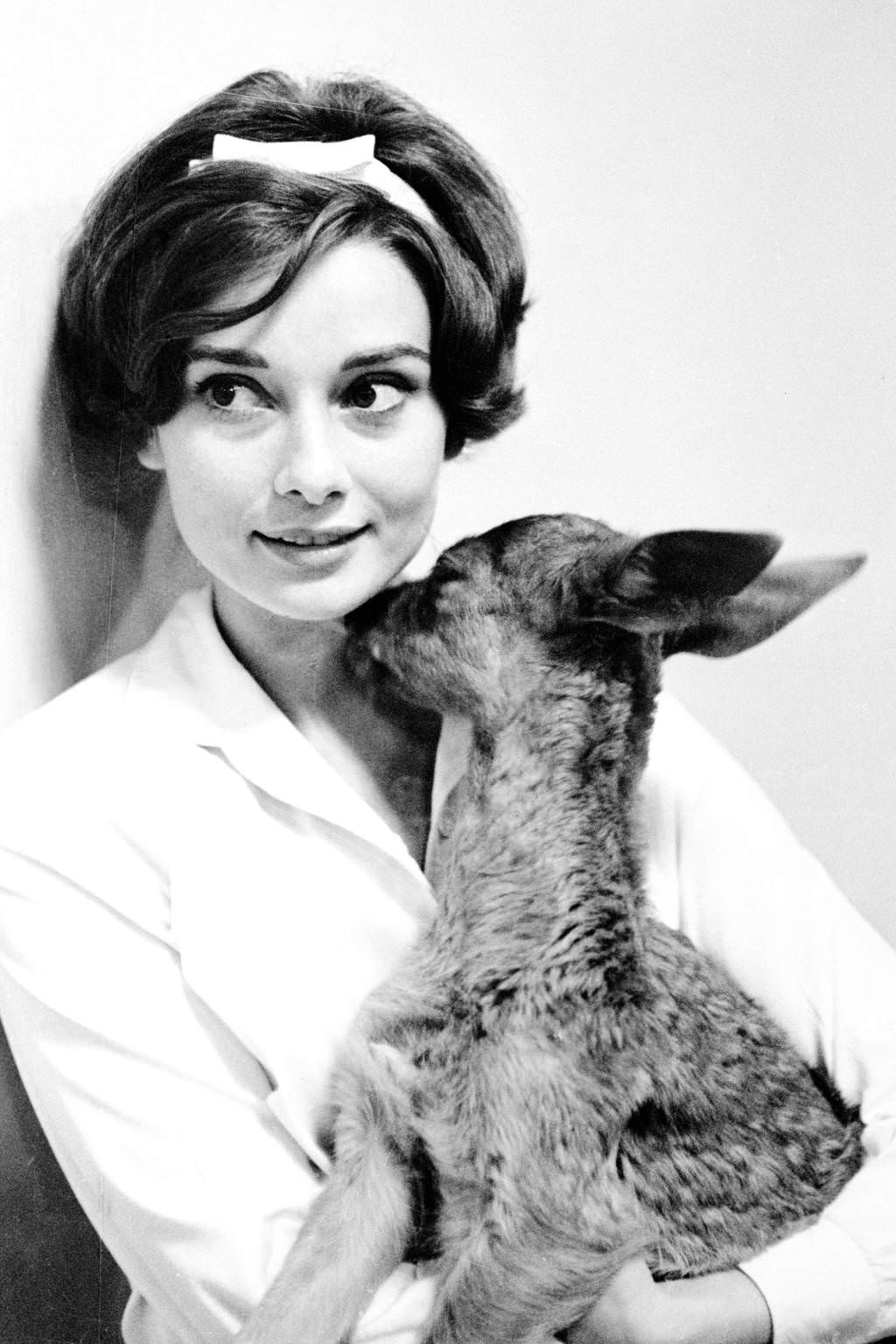
Audrey was known as an animal lover. She had a pet named Mr. Famous, but her most unusual pet was a fawn which she named Pippin. When she was making her 1959 film Green Mansions, the animal trainer recommended that Audrey take the baby deer home so that it would learn to follow her when she was on set during the movie. Audrey fell in love with the deer so much that she decided to keep him.
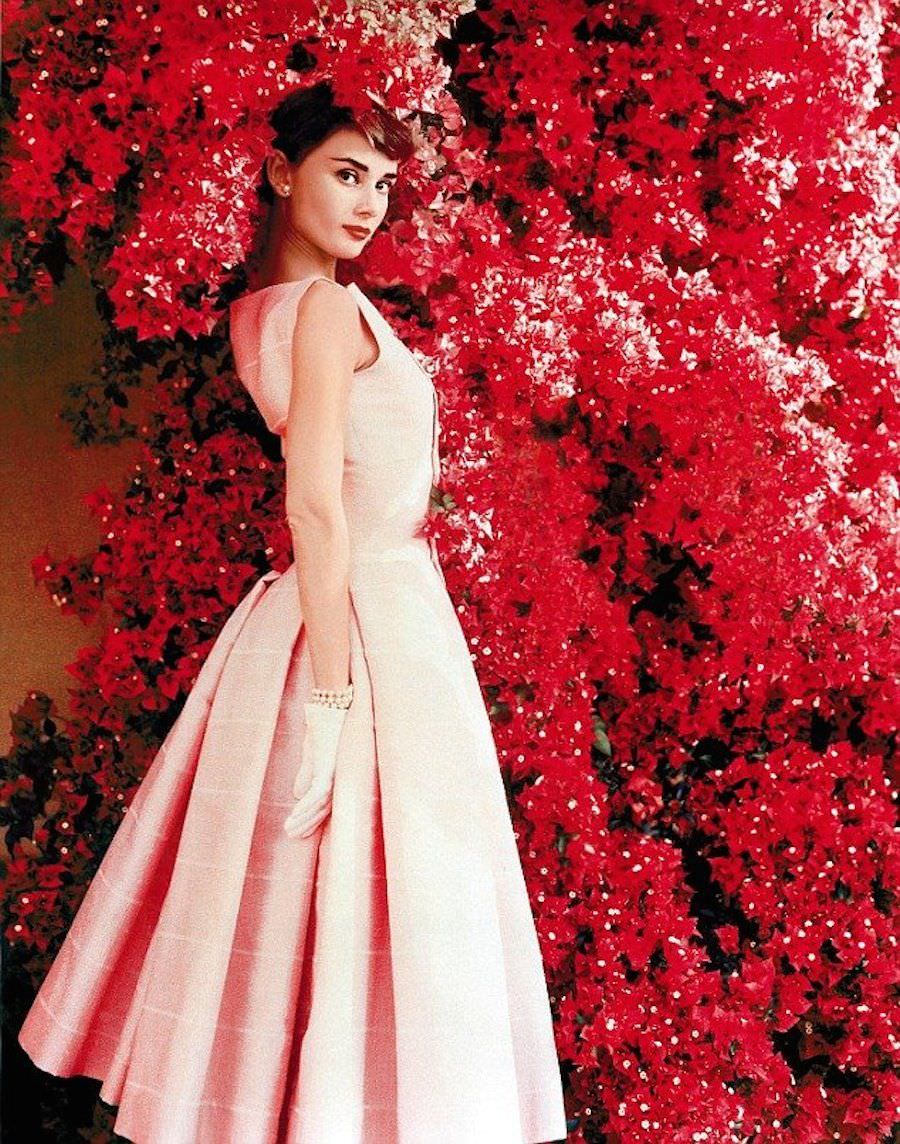
Born Audrey Kathleen Ruston on May 4, 1929, in Ixelles, Belgium. Audrey adopted the pseudonym Edda van Heemstra in 1940 to evade capture by the Germans – an “English sounding” name was considered dangerous during the German occupation.
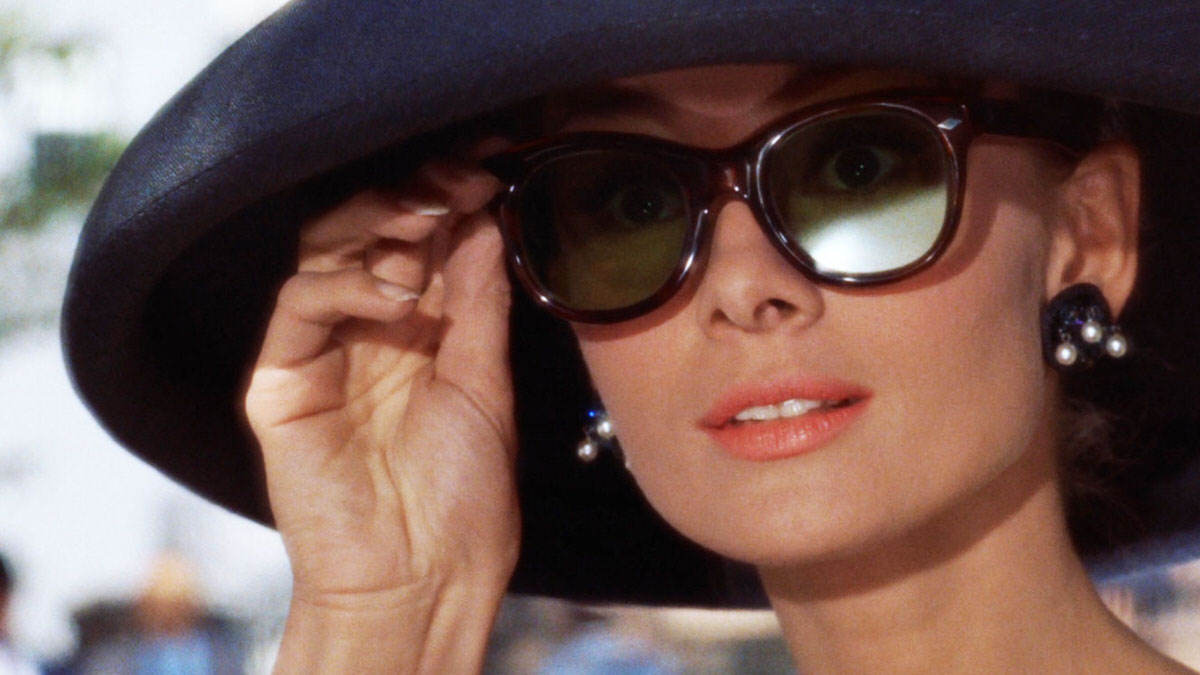
She had 3 flowers named after her. More info here on the Audrey Hepburn flowers.
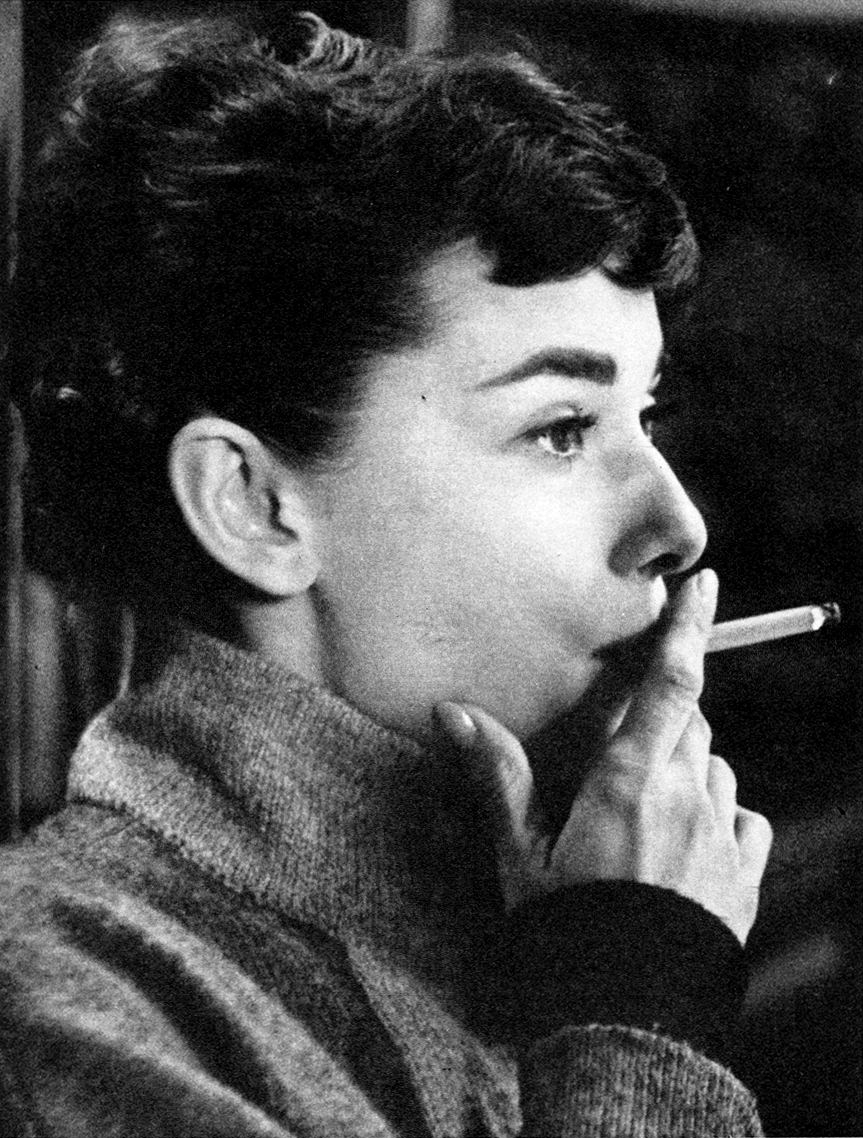
Marilyn Monroe was originally intended to play the lead in Breakfast at Tiffany’s instead of Audrey. Although it was one of Hepburn’s most popular films, the author, Truman Capote, was disappointed that they didn’t hire Marilyn.

Audrey was an avid smoker. She smoked sometimes more on some days than others; however, it’s been said that she smoked about 3 packs a day.
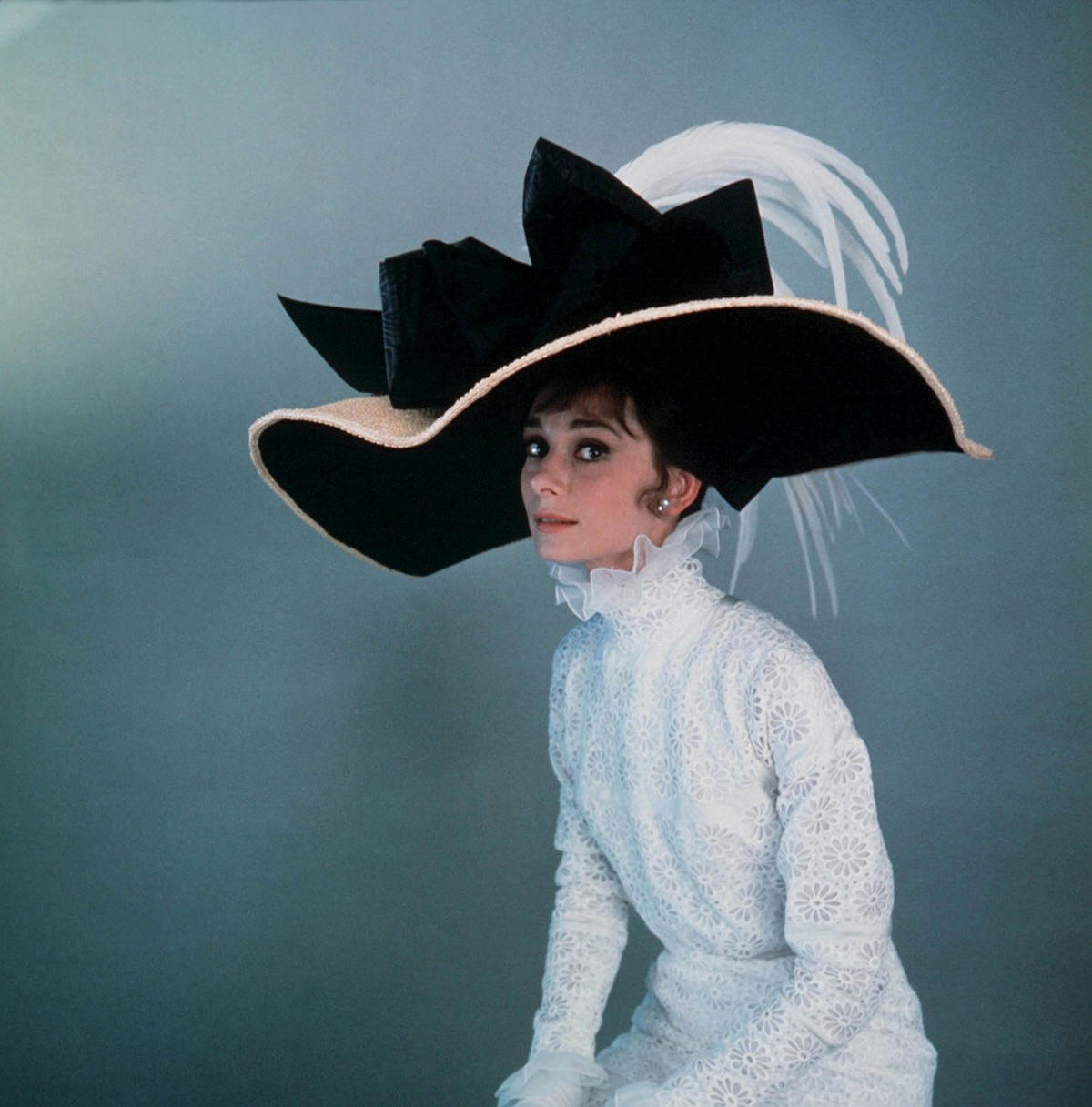

When Audrey Hepburn was first informed that her voice wasn’t strong enough and that she would have to be dubbed by Marni Nixon, she was so furious that she stormed off the set. She returned the next day and, in the typical graceful Hepburn gesture, apologized to everybody for her “wicked behavior.”

Audrey donated all the salaries she earned for her final movies to UNICEF. She had contributed to UNICEF since 1954 and was appointed Goodwill Ambassador of UNICEF in 1988. UNICEF was the organization that helped thousands like Audrey during WWII. She is quoted saying,
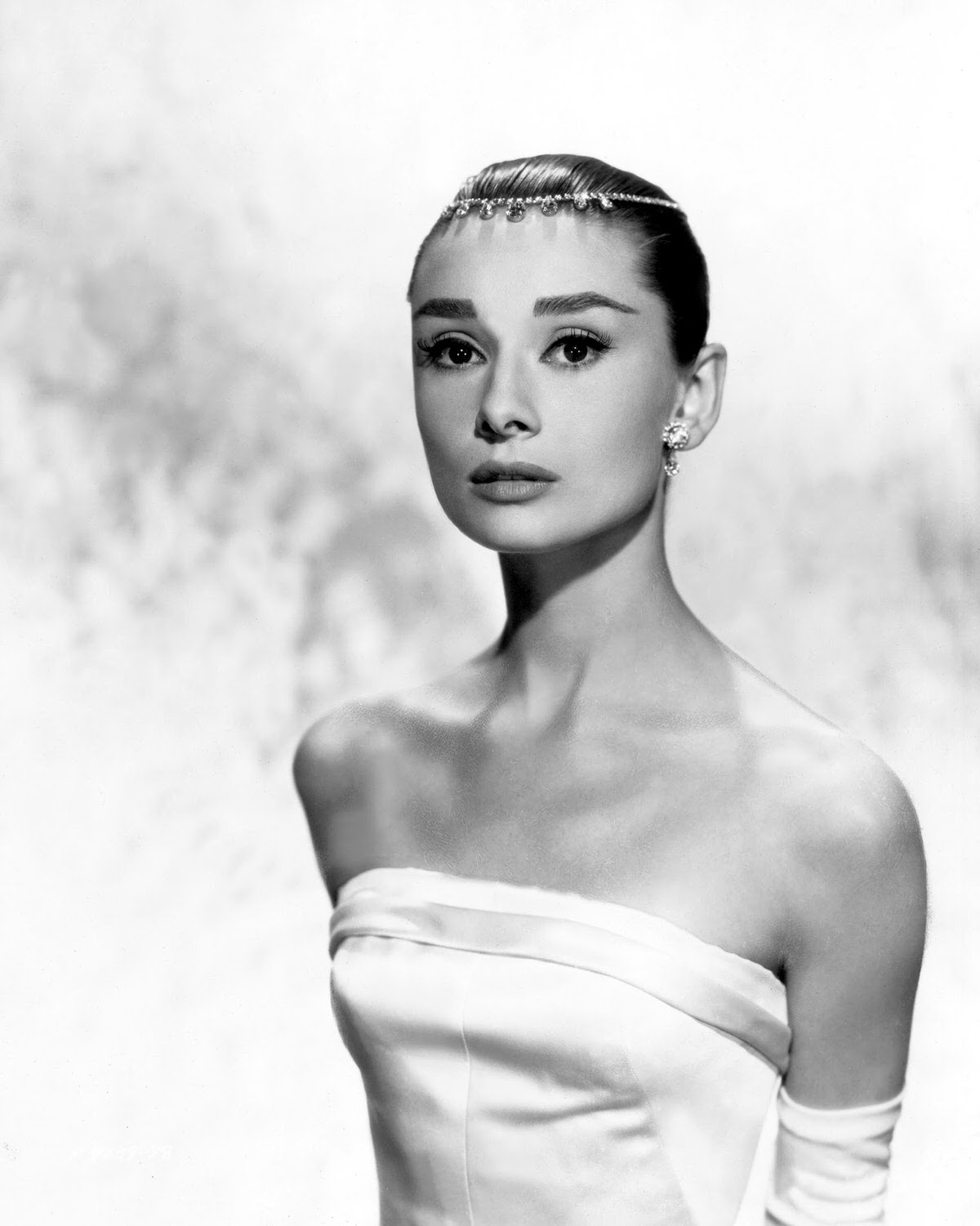
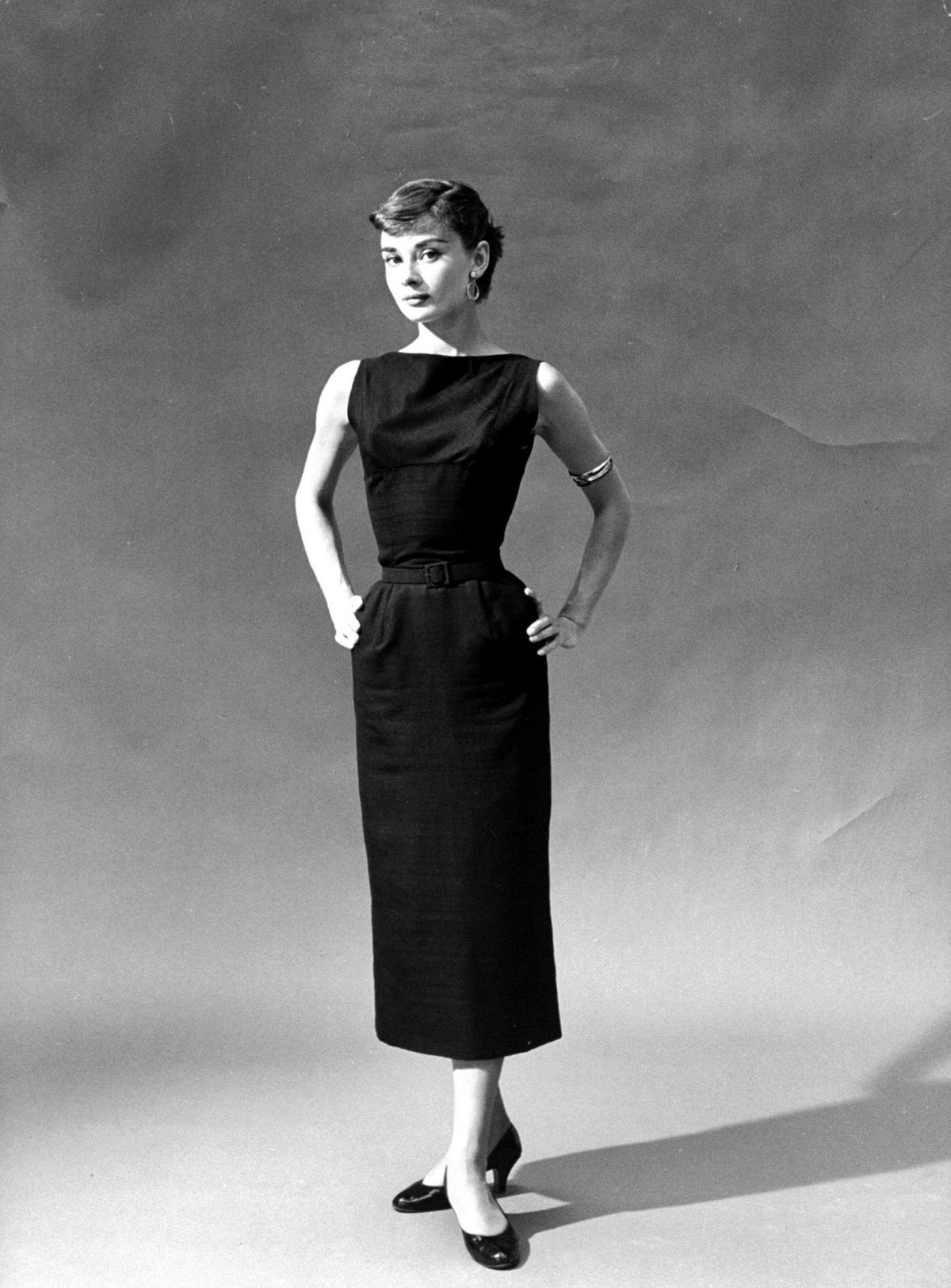
She once said, “I never think of myself as an icon. What is in other people’s minds is not in my mind. I just do my thing.” She also considered her style to be quite accessible.
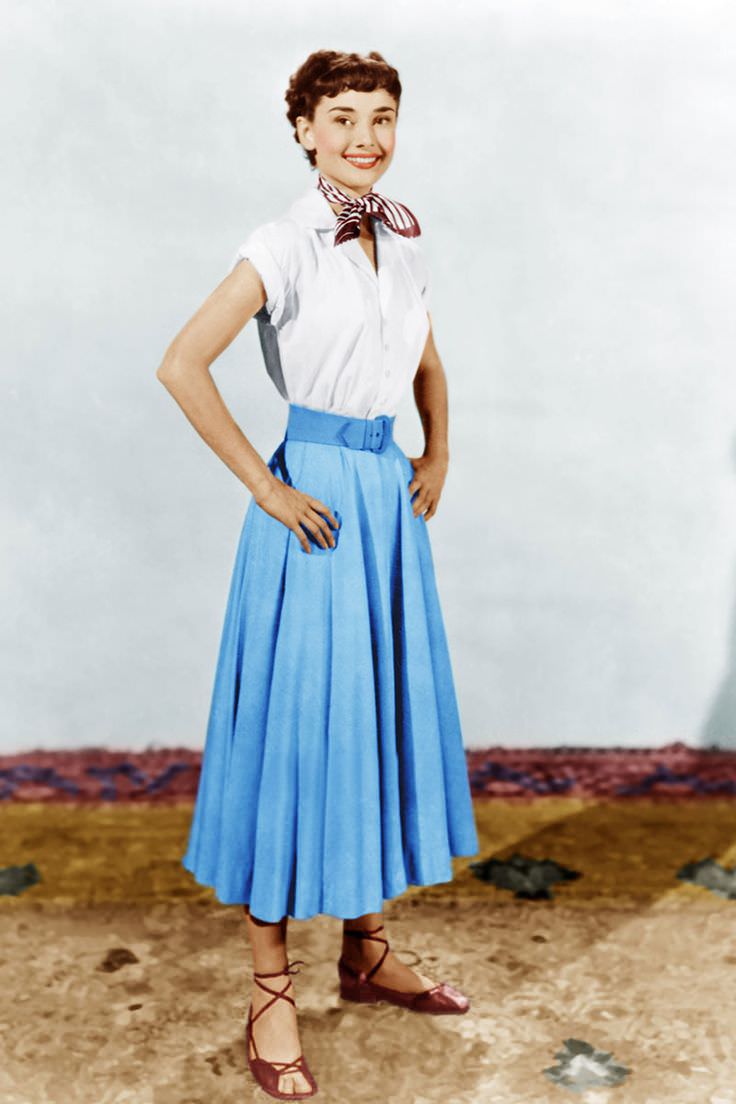
Audrey Hepburn set a lot of style trends, or at least cemented them. Jackie Kennedy was a big fan of Audrey’s and can be seen mimicking her style. Some trends that she was well known for making popular were pixie cuts, little black dresses (LBD), big sunglasses, flats, and simple and elegant clothing.
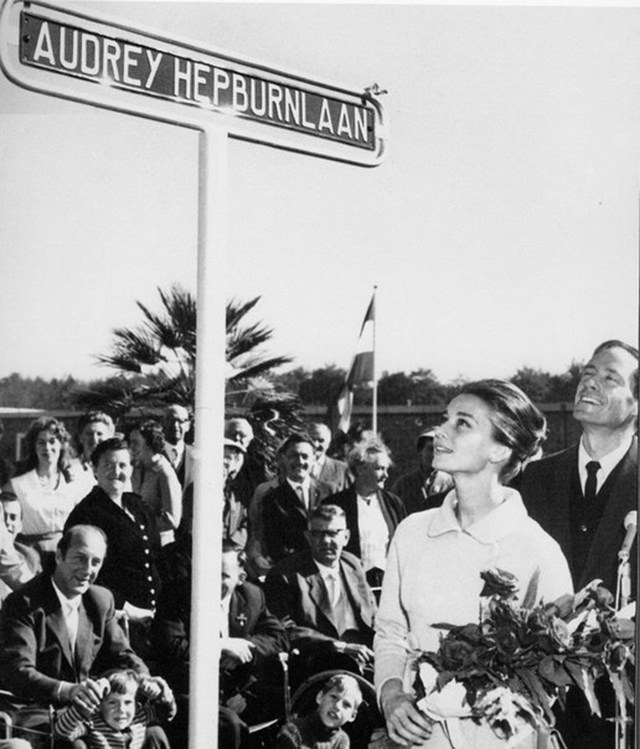
In 1959, in Doorn, Holland, a street was dedicated and named after Audrey Hepburn. She was the first star to have a street named after her. There was an entire ceremony for it. The revealing of the name (which had small curtains covering it) had some malfunctions, so the reveal did not go as smoothly as anticipated. Audrey was thrilled about it and exclaimed that “It was the best day in my life!”
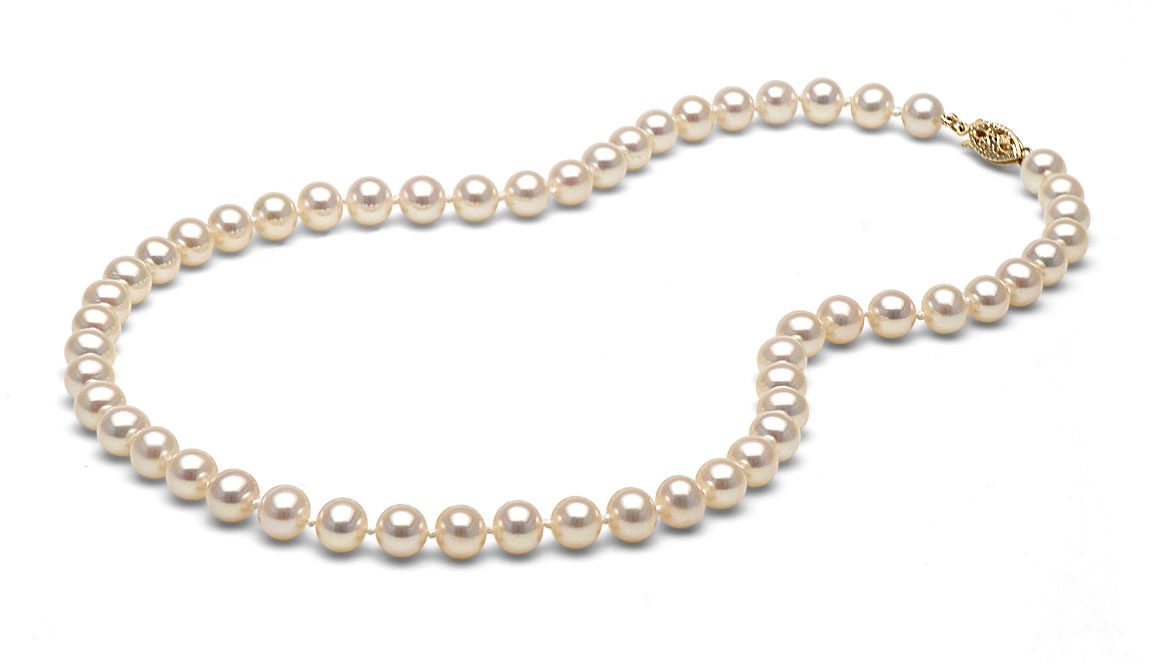
Pearls. Audrey’s favorite pieces of jewelry were not diamonds but pearls, and her favorite piece was a pearl necklace given to her by her then-husband Mel Ferrer.
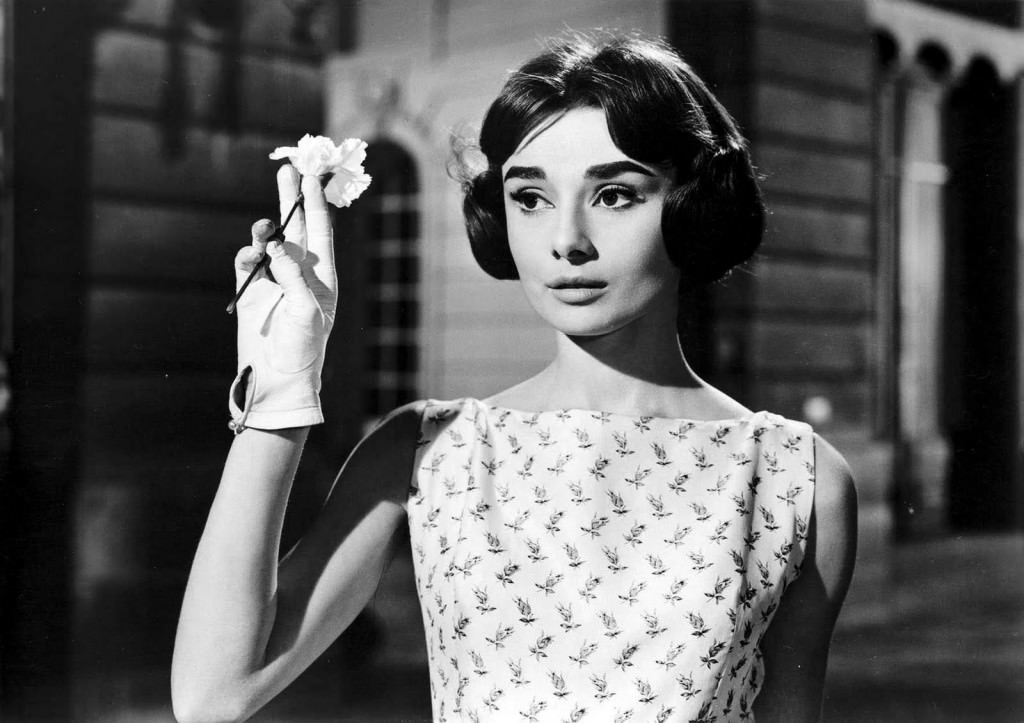
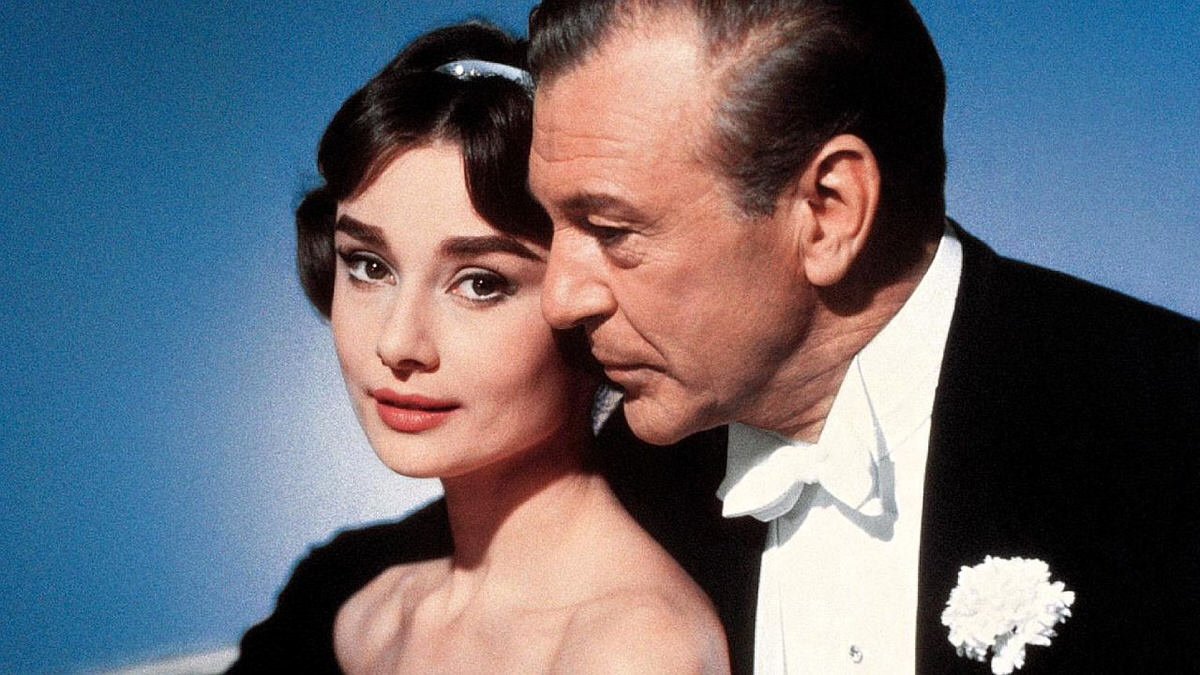
The majority of Audrey’s leading co-stars were 20 to 30 years older than she was. Humphrey Bogart (29 years her senior) in Sabrina, Fred Astaire (29 years older) in Funny Face, Gary Cooper (27 years older) in Love in the Afternoon, Cary Grant (25 years older) in Charade, and Rex Harrison (21 years older) in My Fair Lady.
She has been quoted saying that she strongly disliked the initial cold of the metal when touching her skin and the heaviness of the watch.
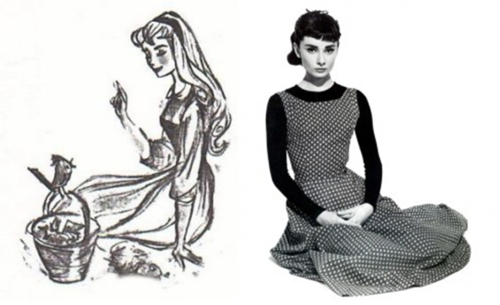
Audrey was fluent in English, Dutch, Spanish, French, and Italian.