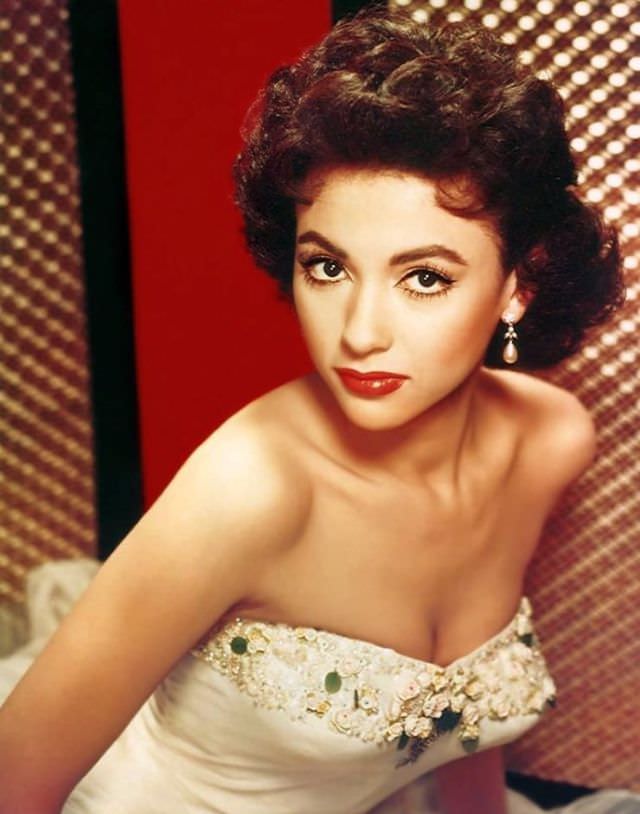
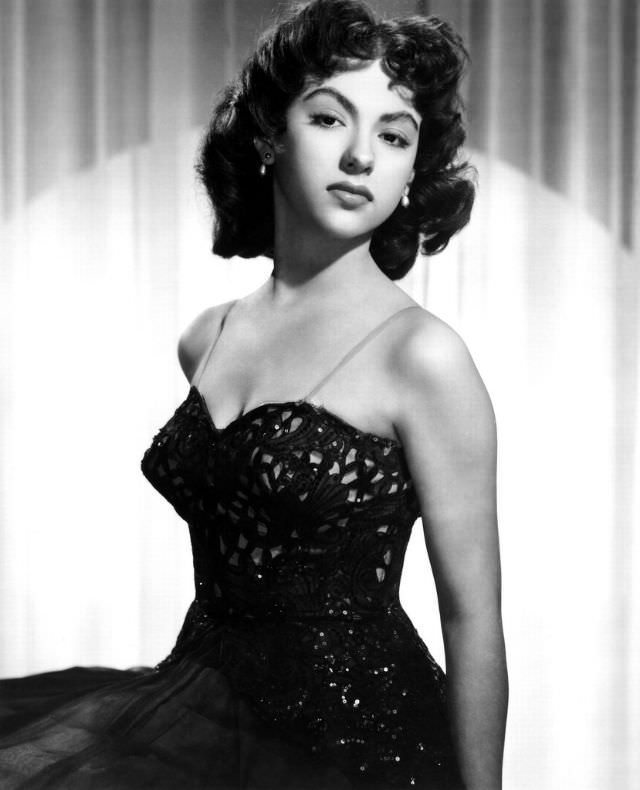
Rita Moreno was born Rosita Dolores Alvería on December 11, 1931, in Humacao, Puerto Rico. In 1937, when she was just five years old, her family relocated to New York City. Almost immediately, she gravitated toward performing — taking dance classes and landing roles in school plays. By age 13, she had already secured a part in the Broadway production “Skydrift.” Talent scouts took notice, and it wasn’t long before she signed a contract with MGM Studios, making her one of the first Latina actresses to break into Hollywood.
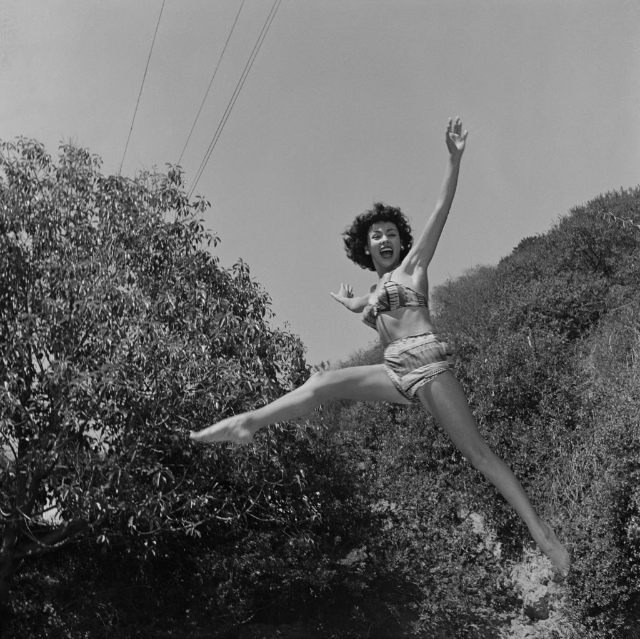
Moreno made her film debut in “So Young, So Bad” in 1950. Throughout the early 1950s, she appeared in a steady stream of movies, often playing characters of different ethnicities — a reflection of both her range and the limited roles Hollywood offered Latina actresses at the time. Studios frequently typecast her in parts that leaned on stereotypes about Hispanic women, and she navigated these constraints while continuing to sharpen her craft.
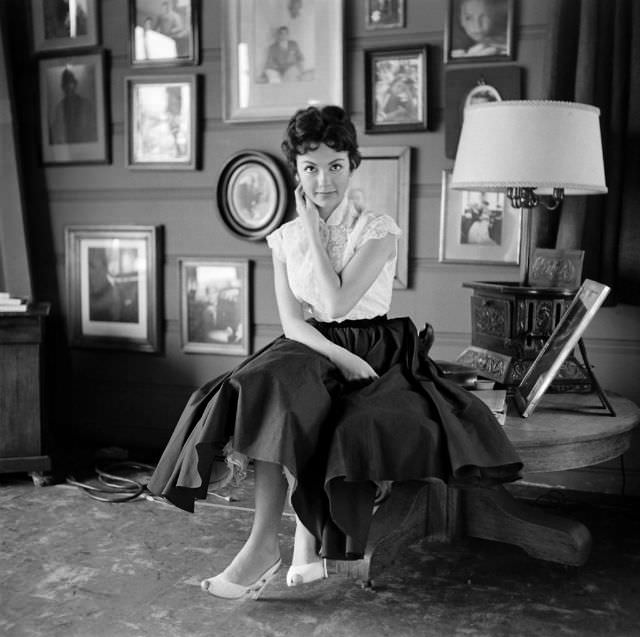
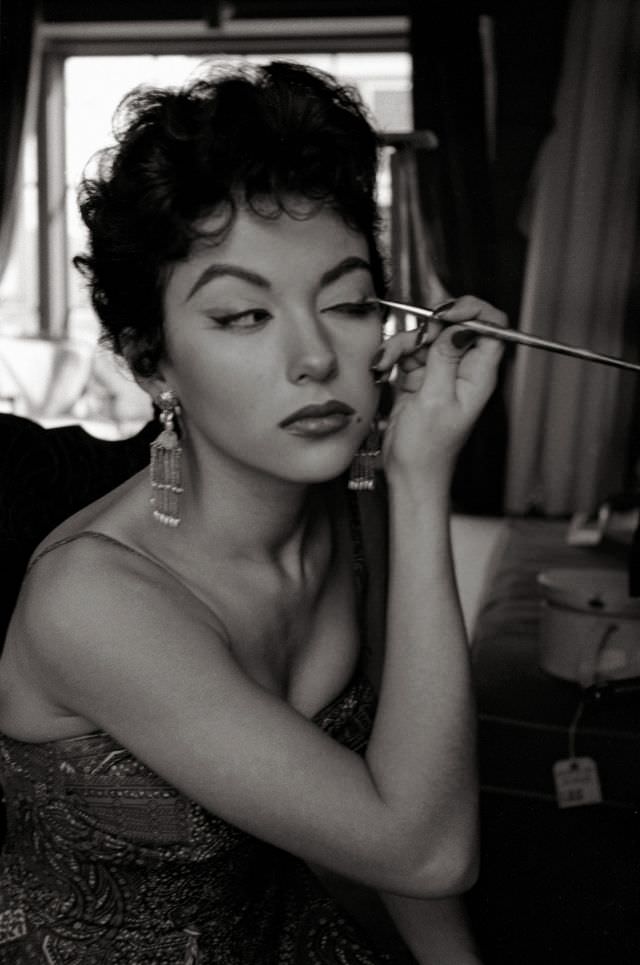
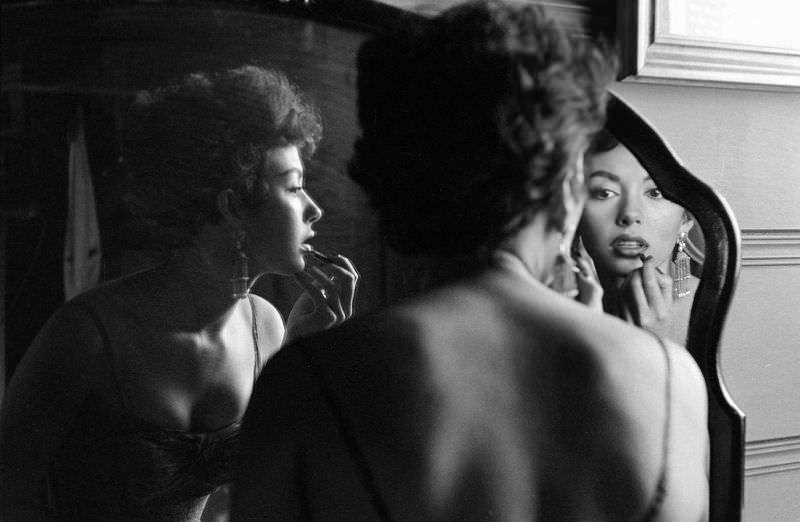
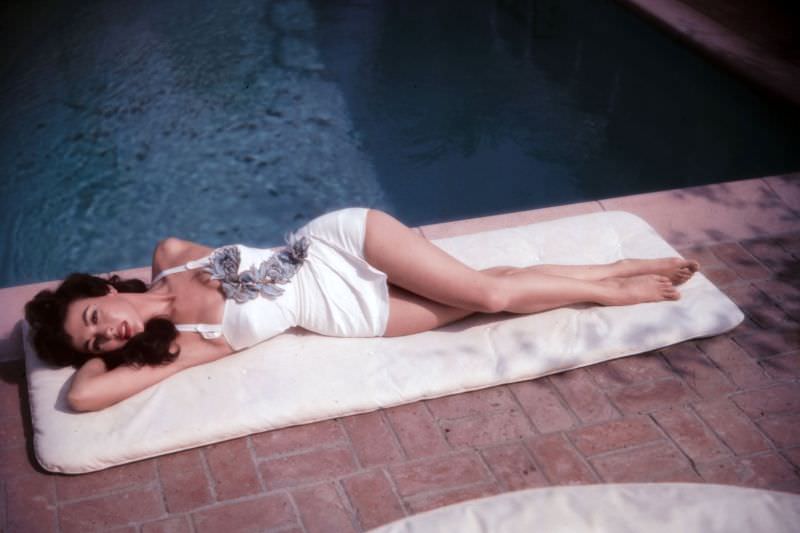
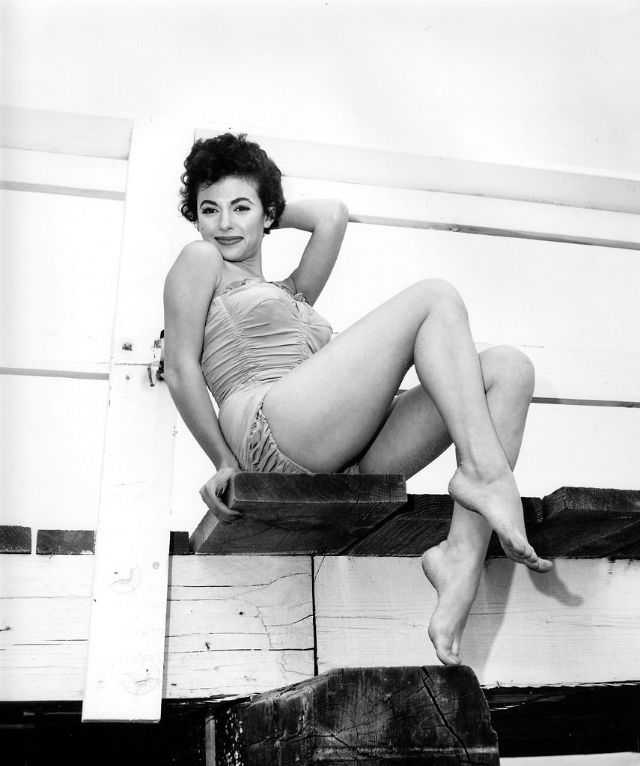
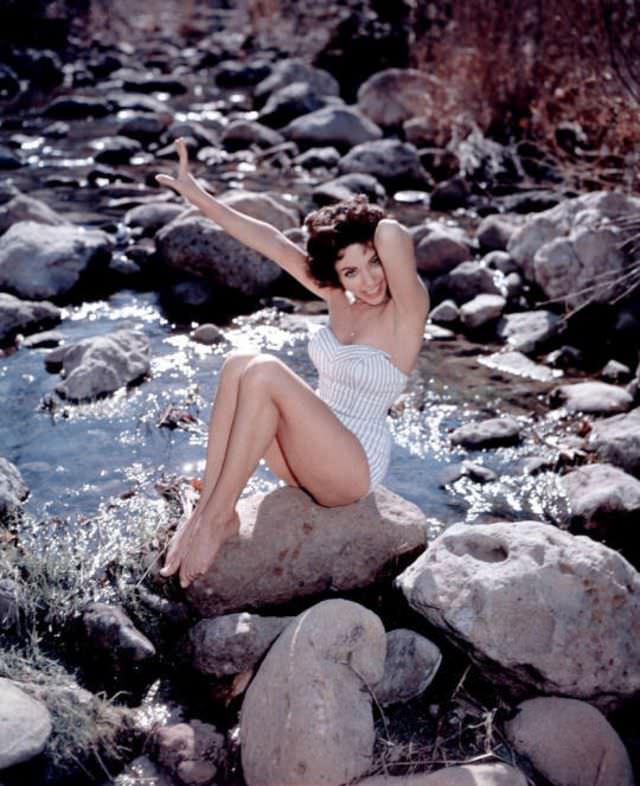
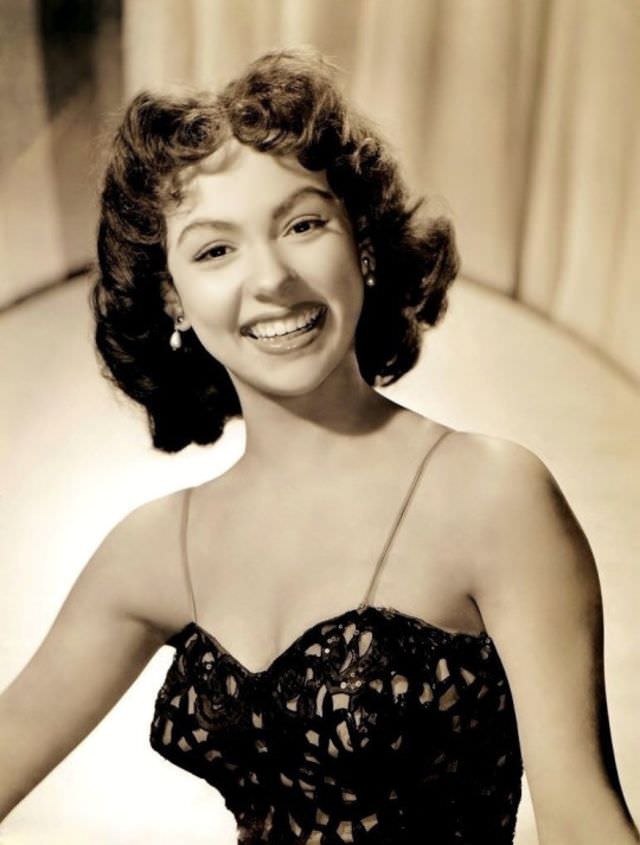
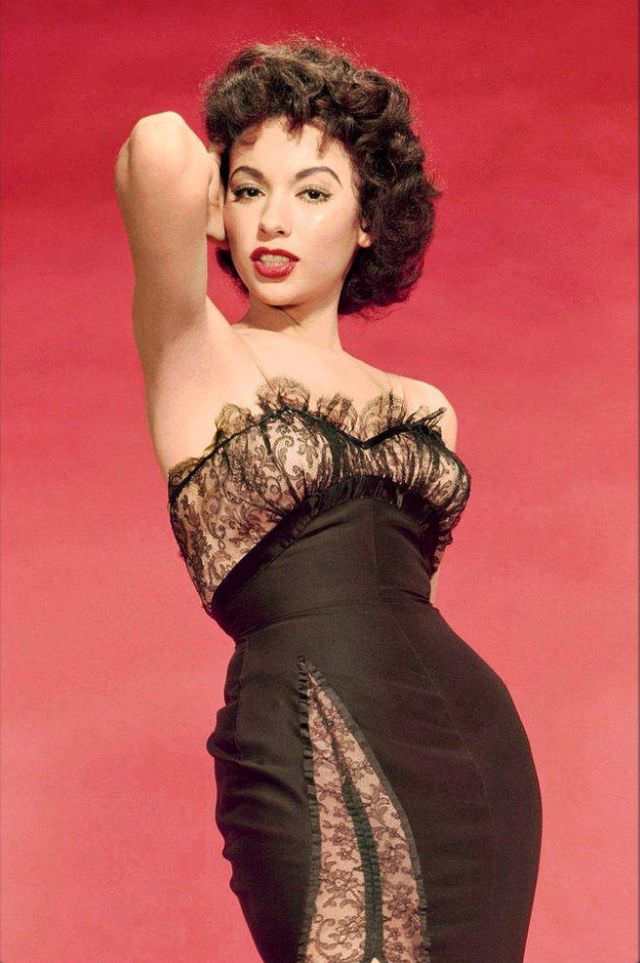
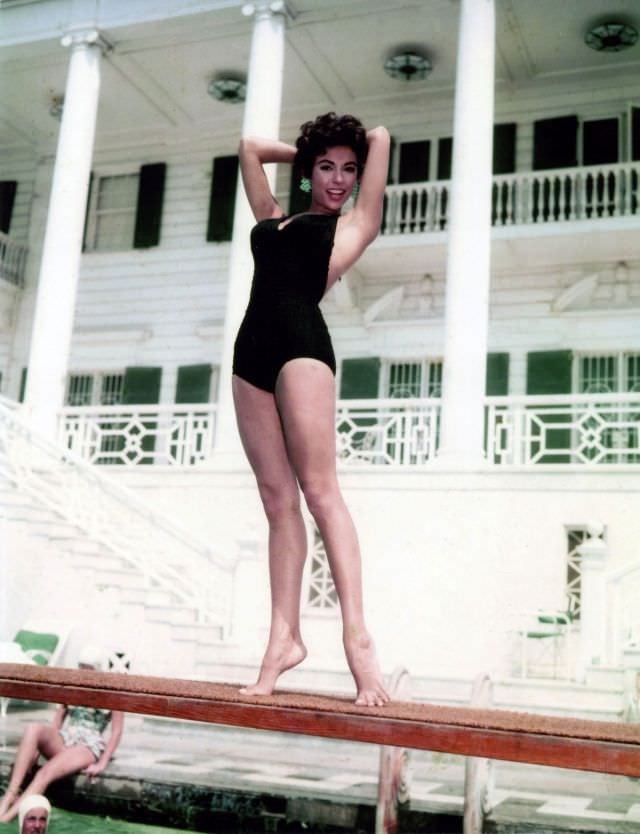
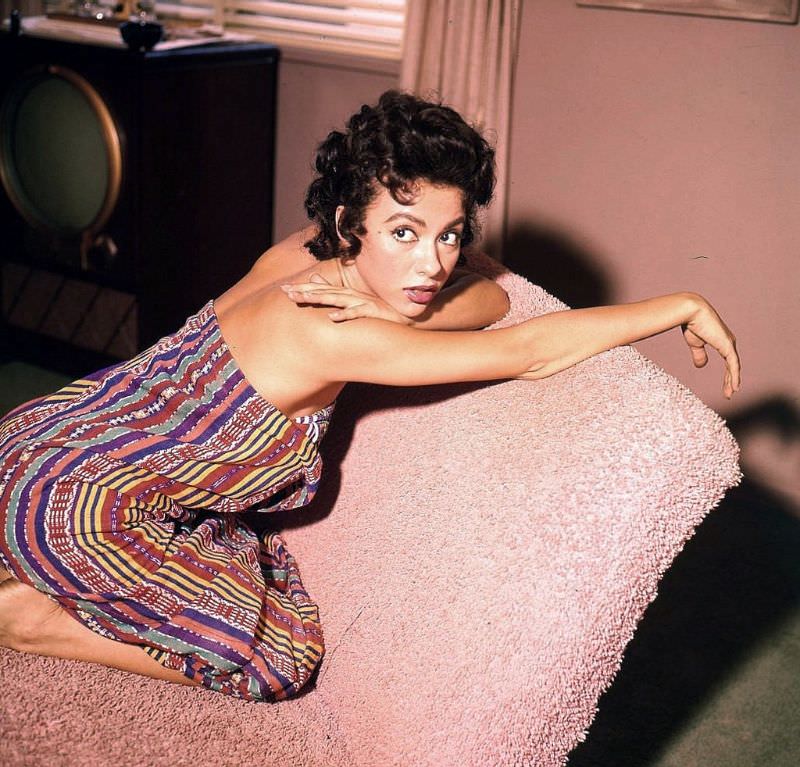
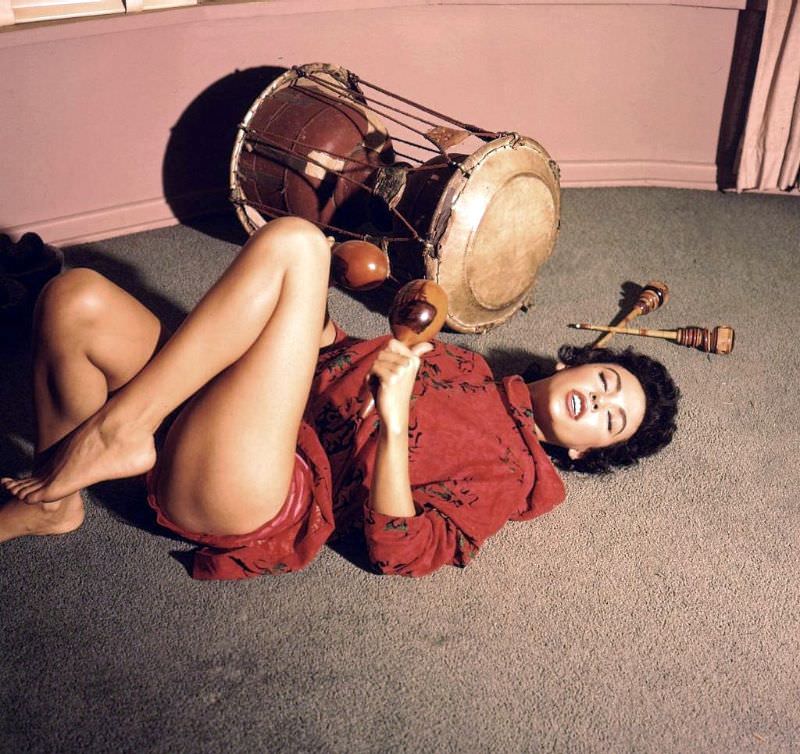
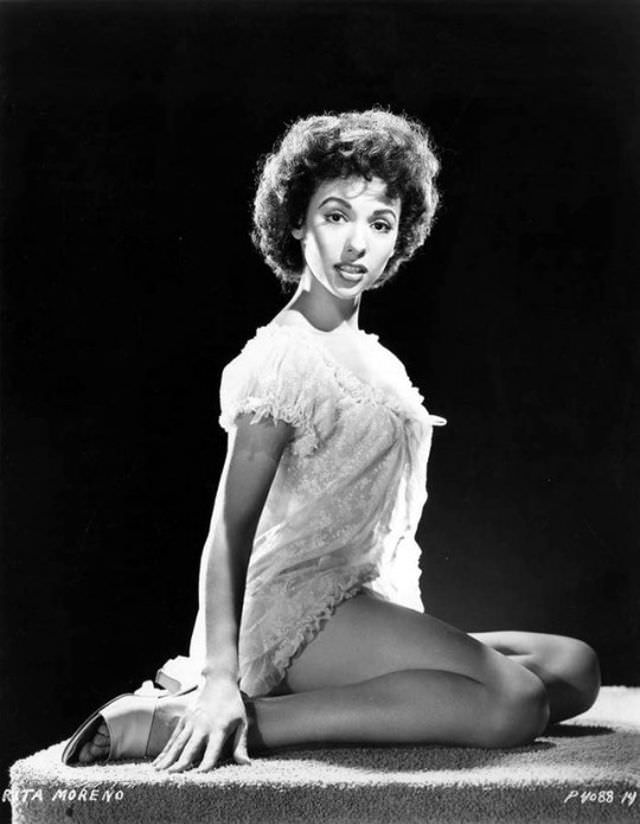
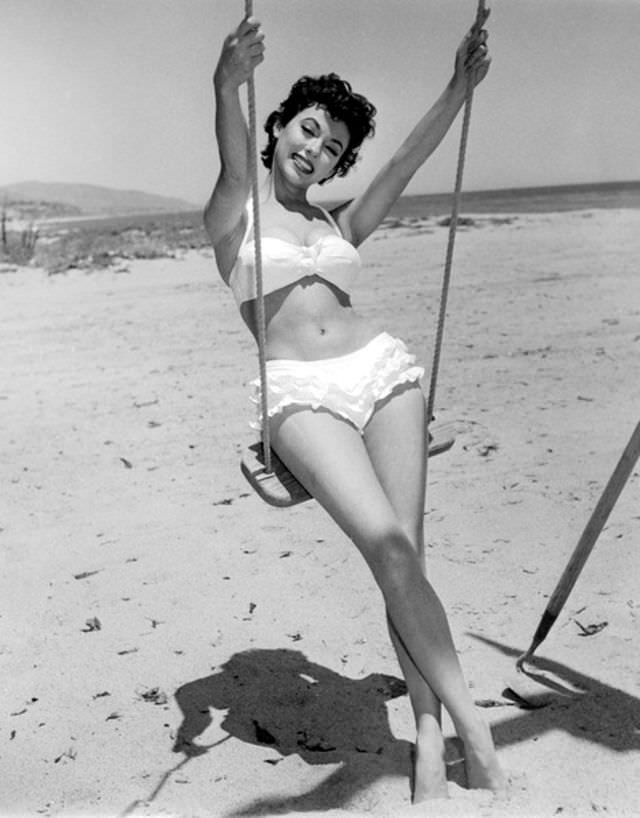
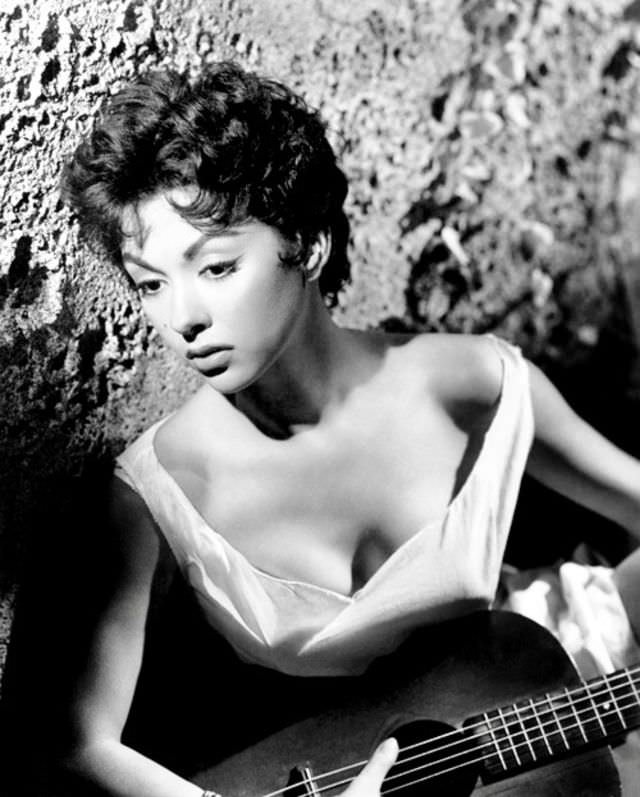
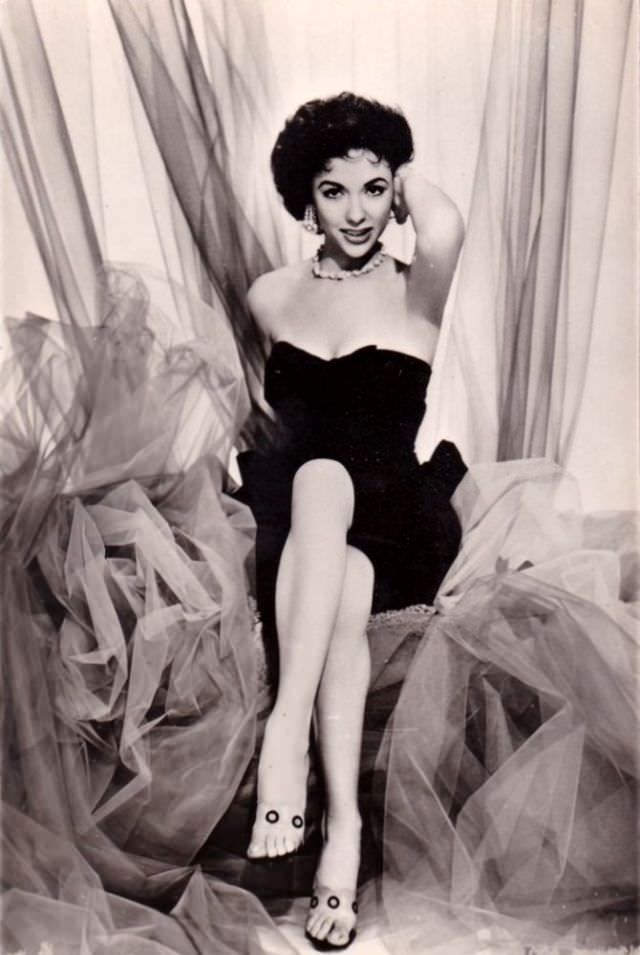
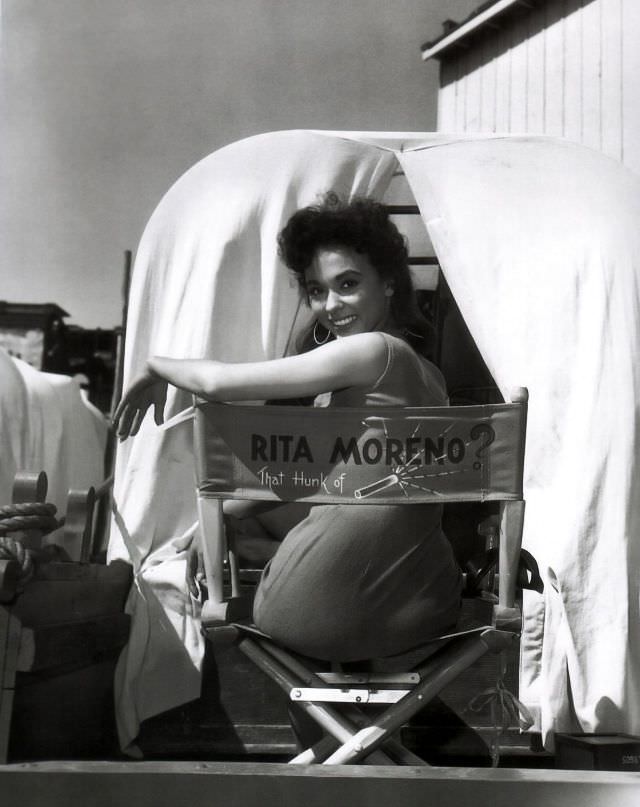
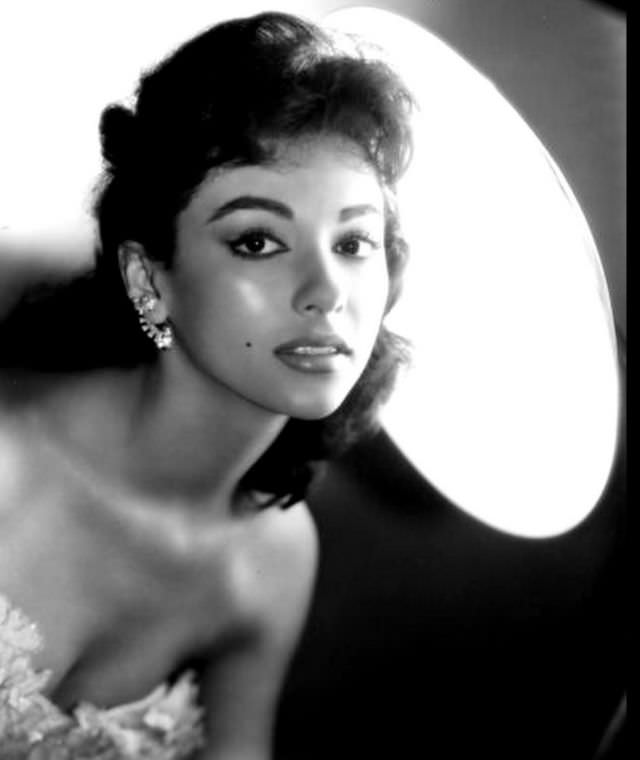
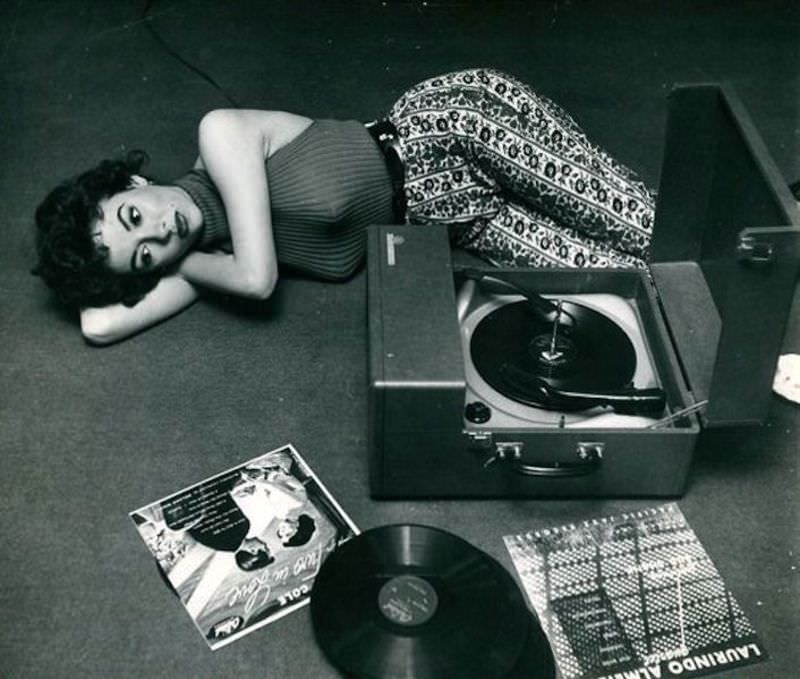
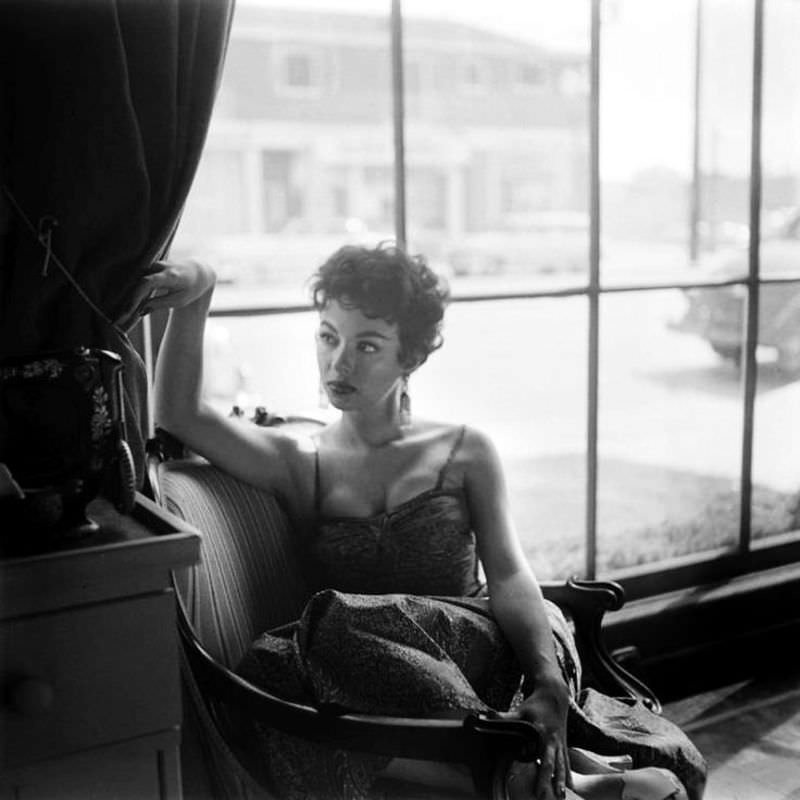
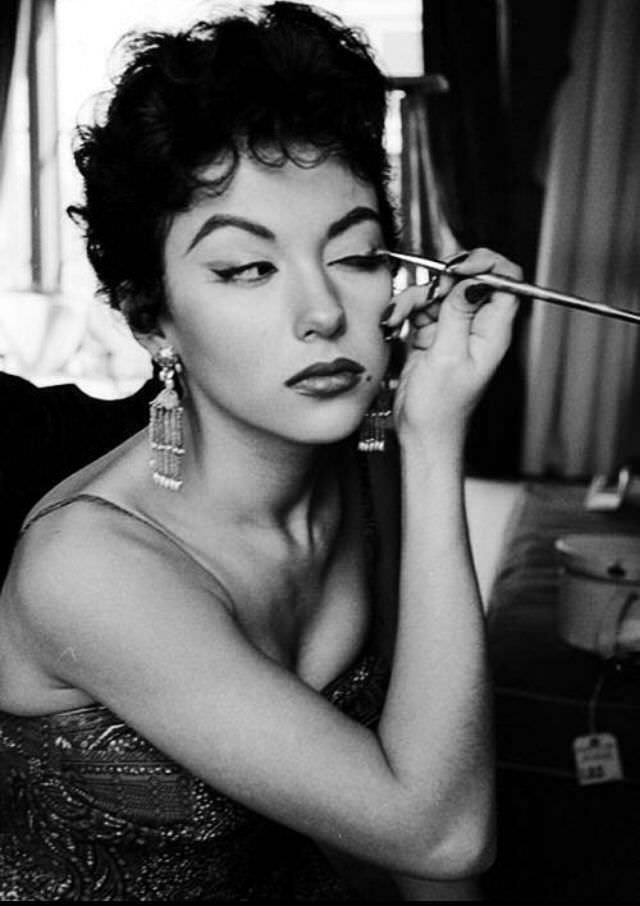
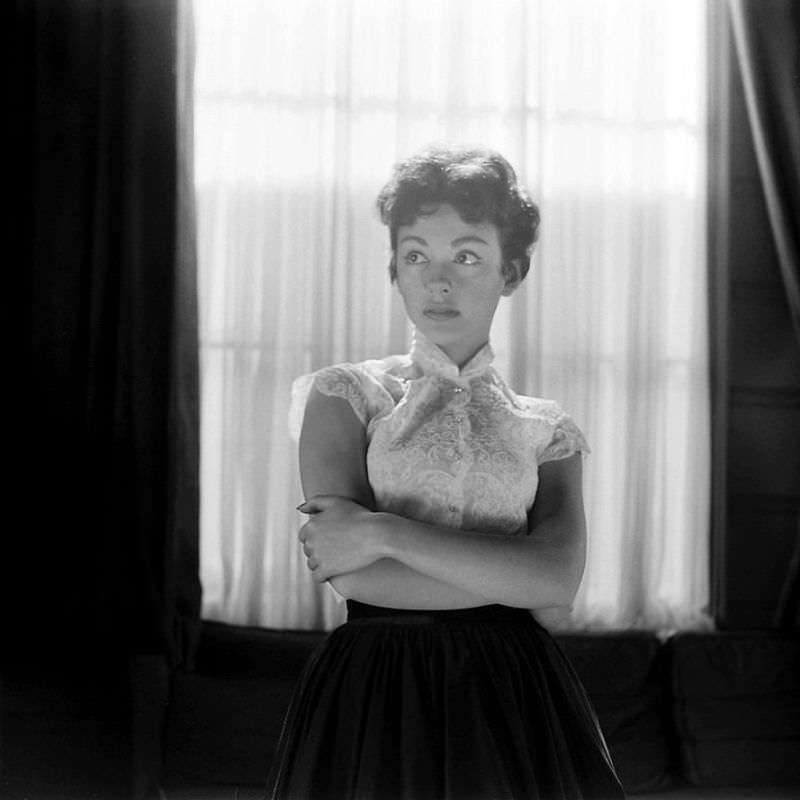
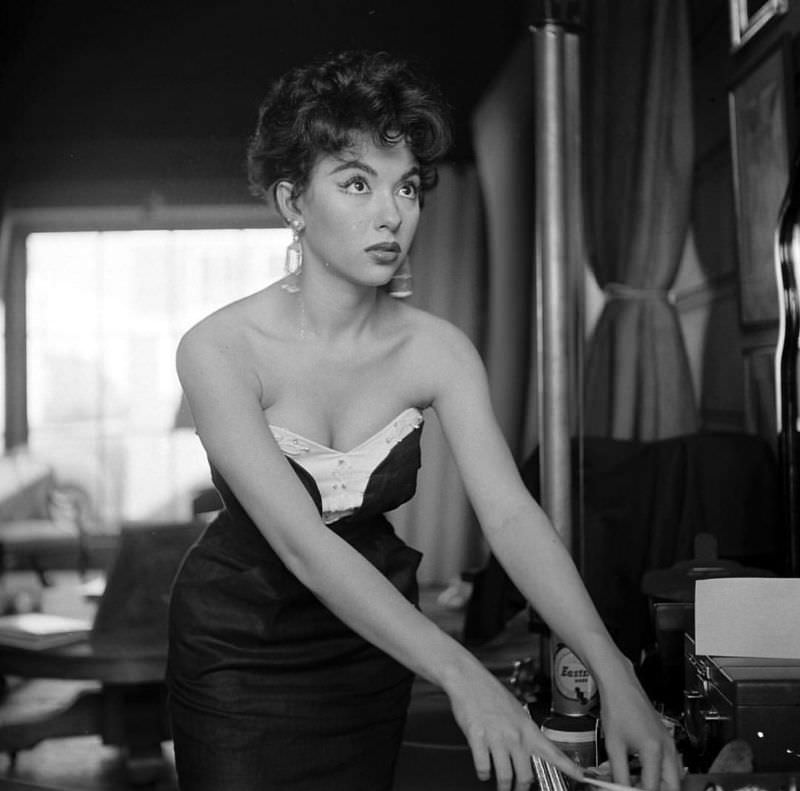
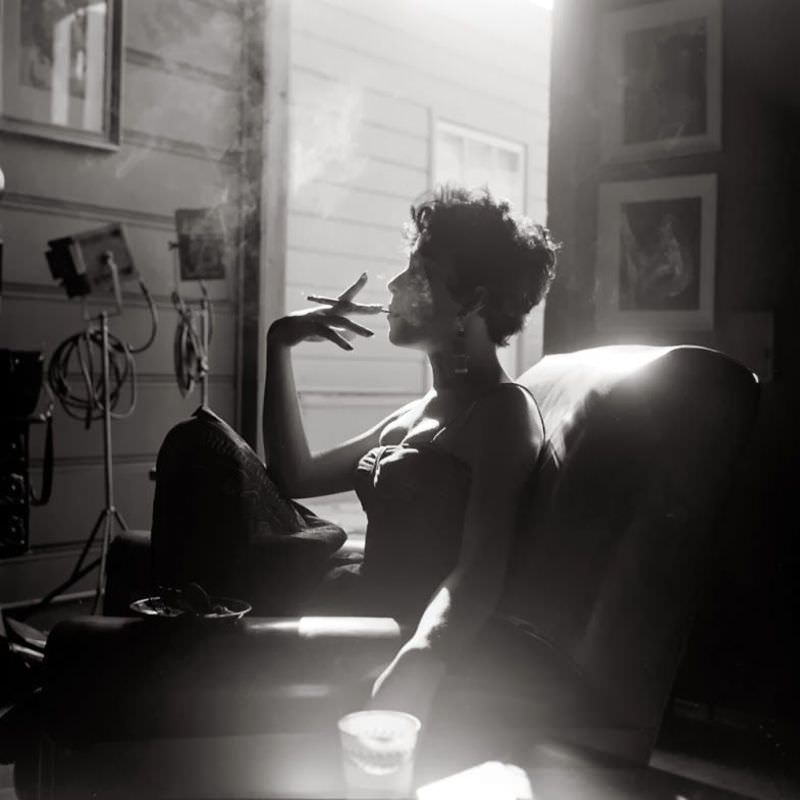
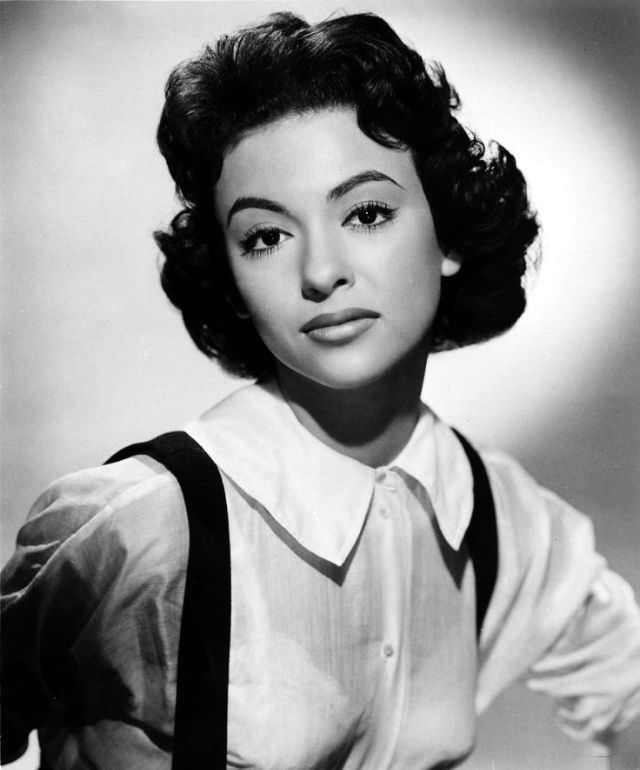
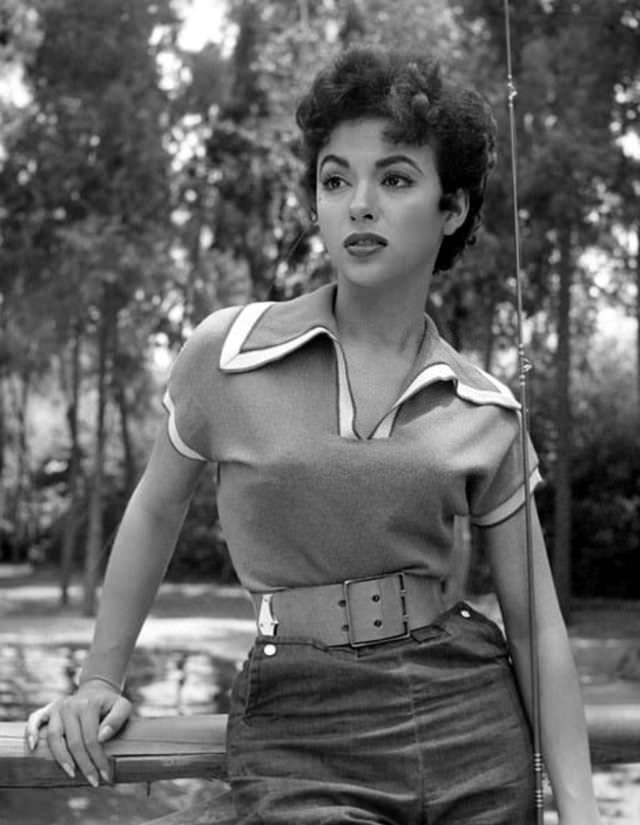
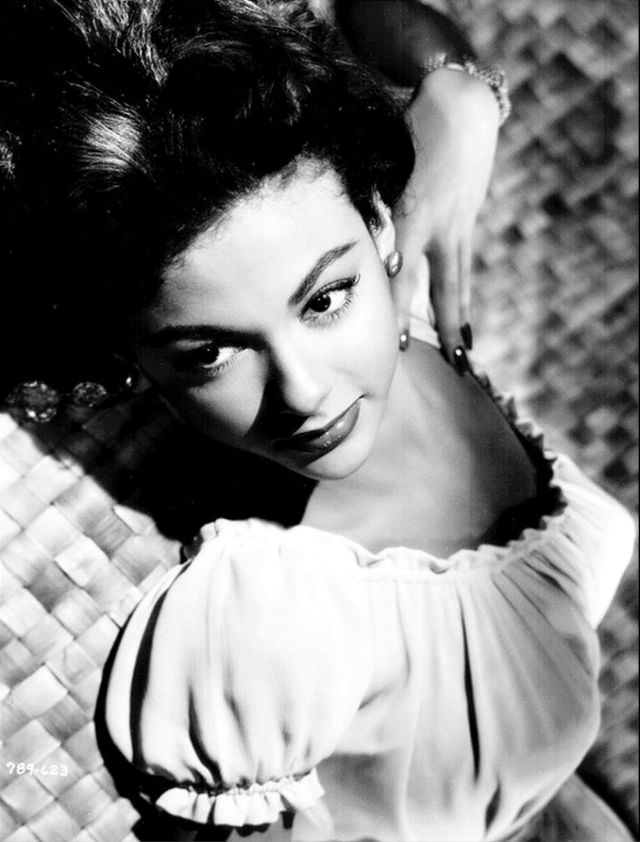
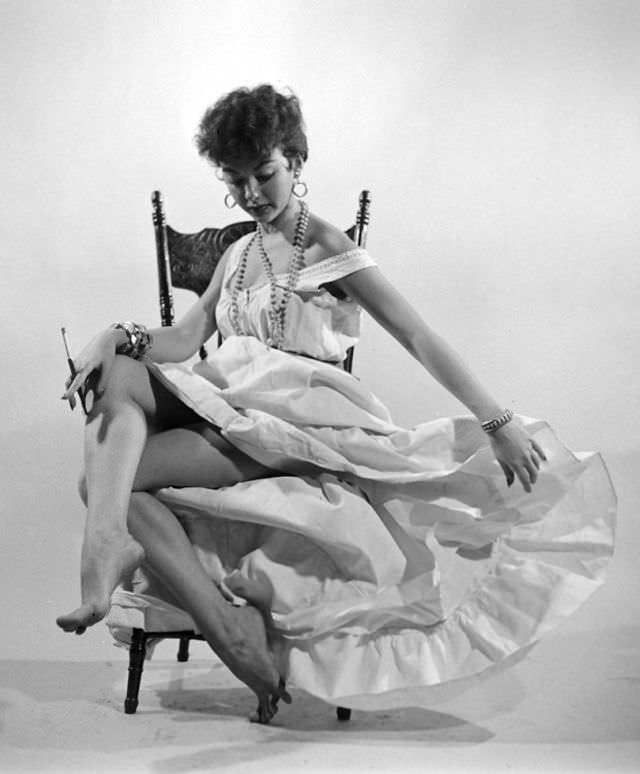
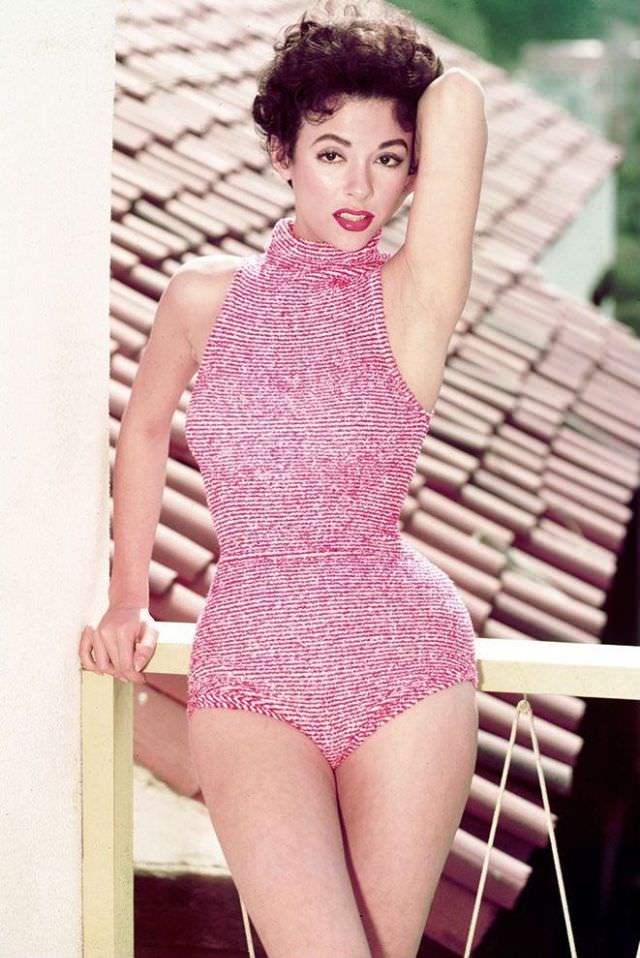
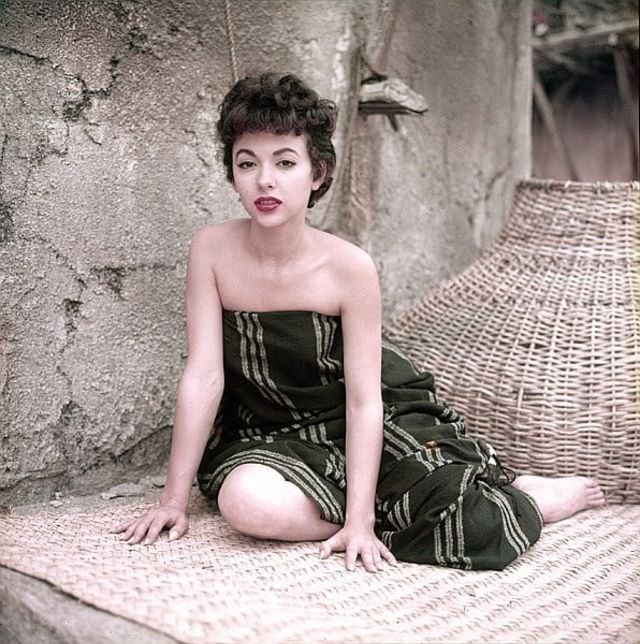
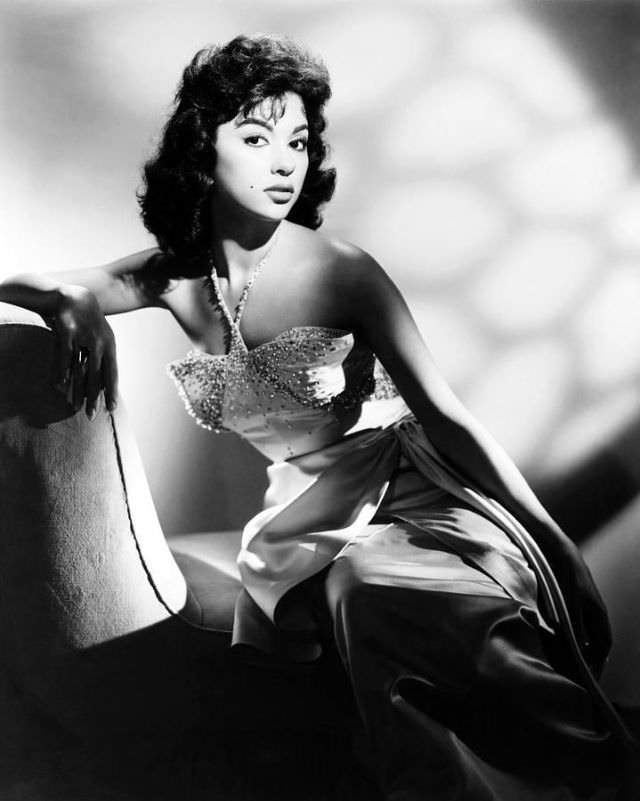
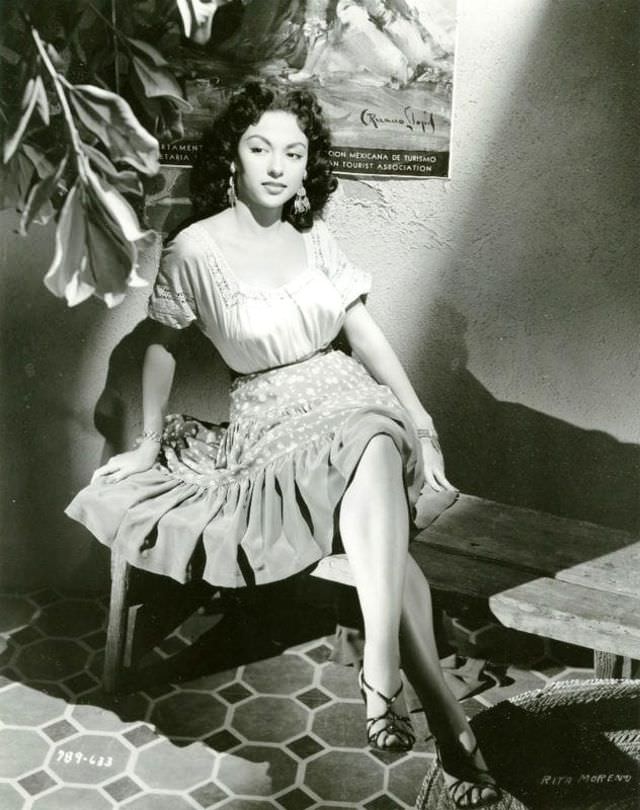
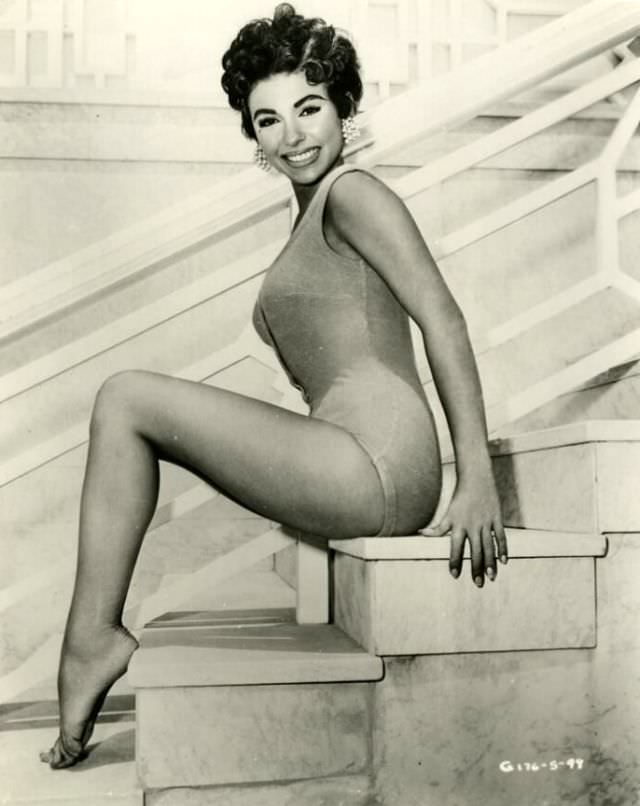
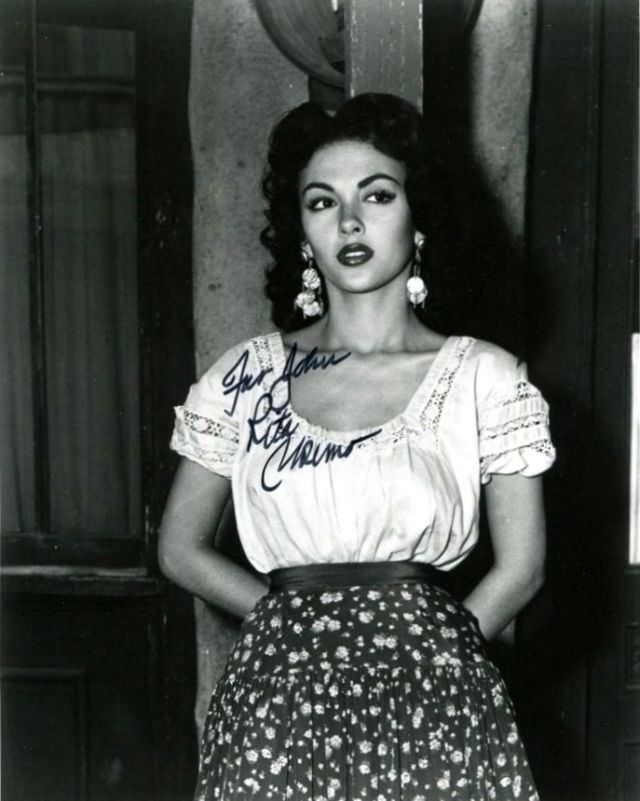
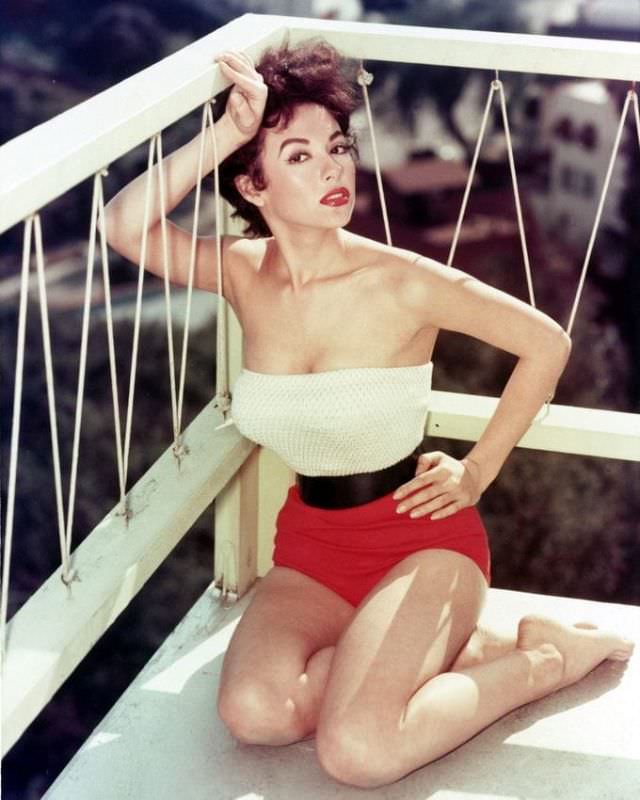
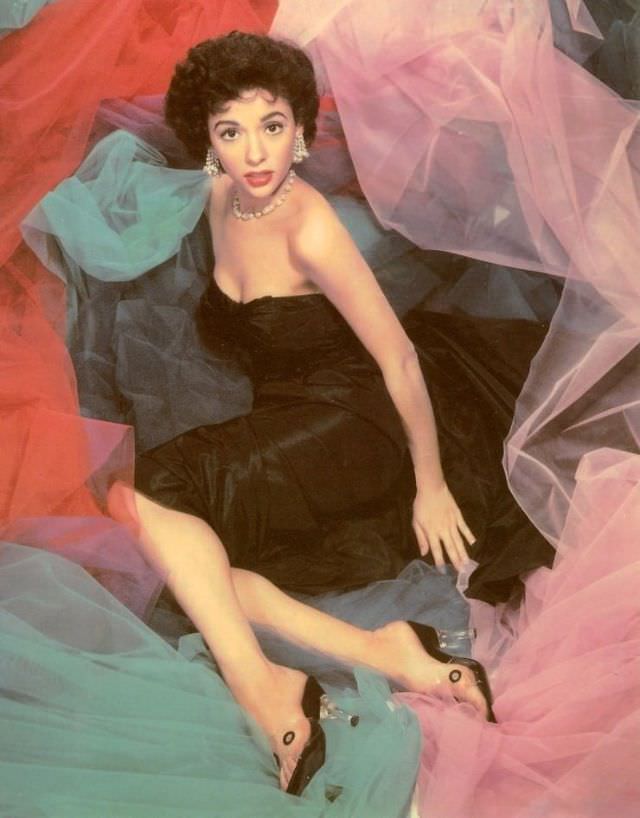
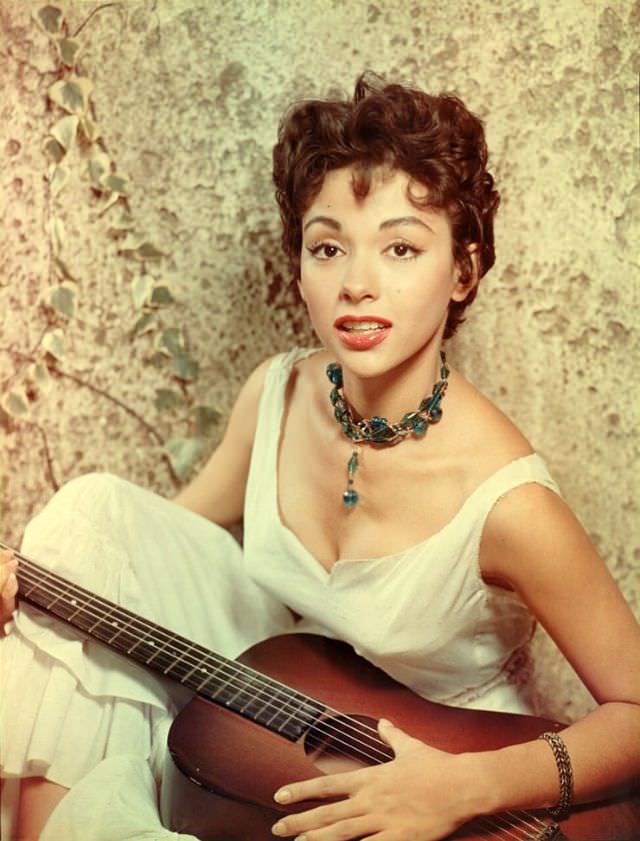
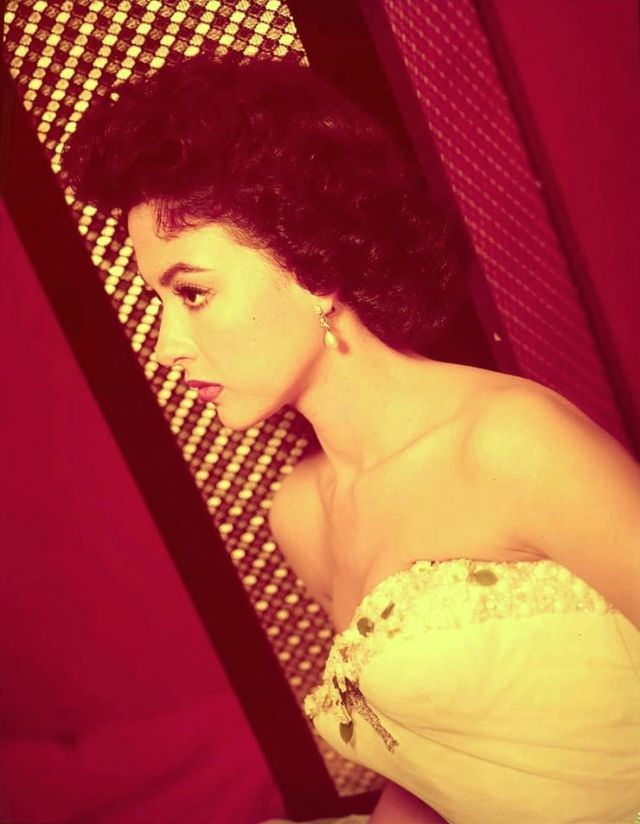
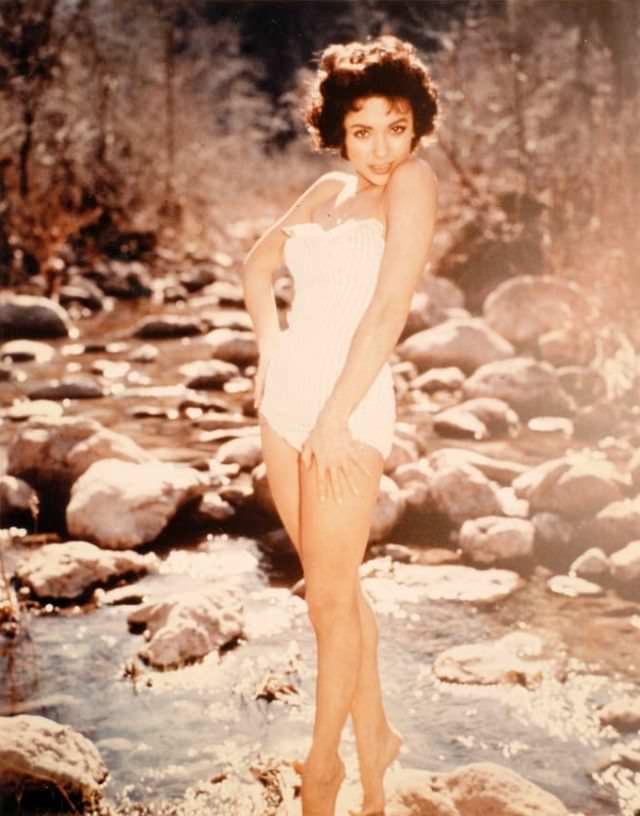
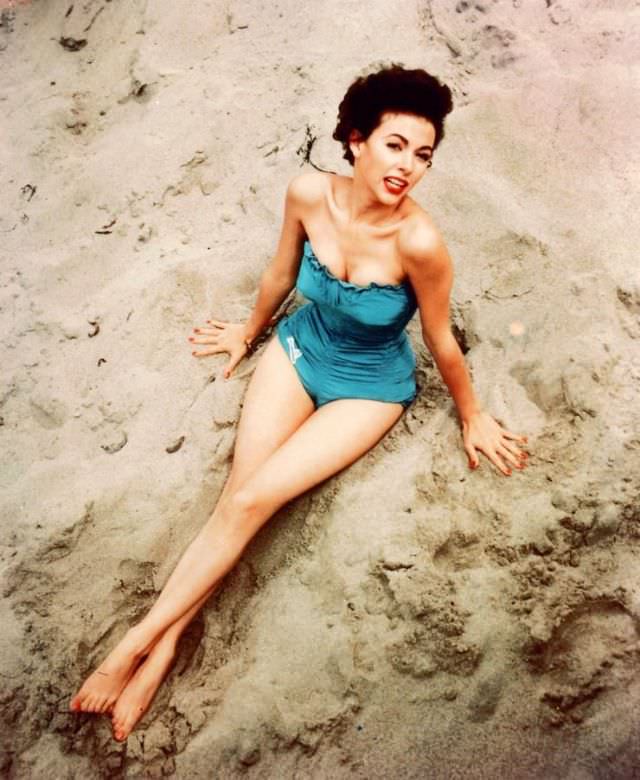
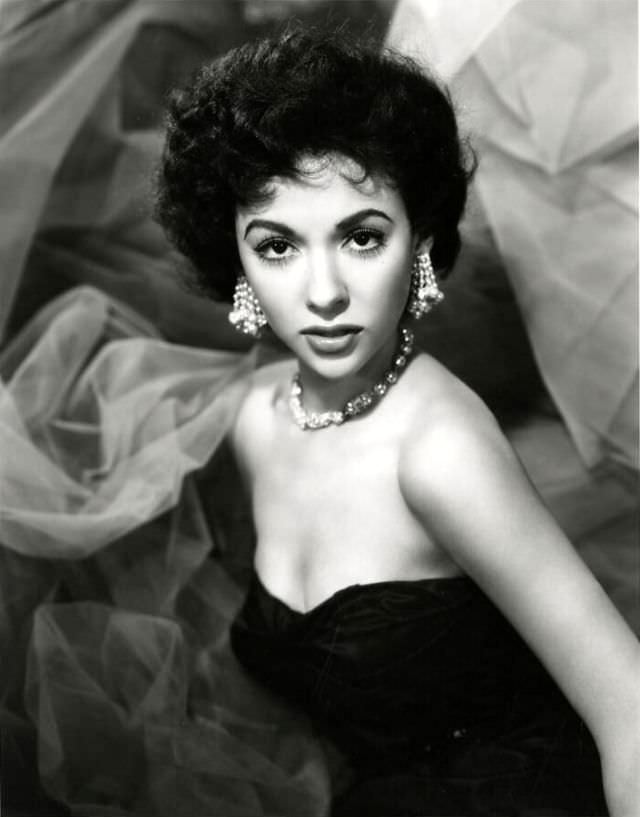
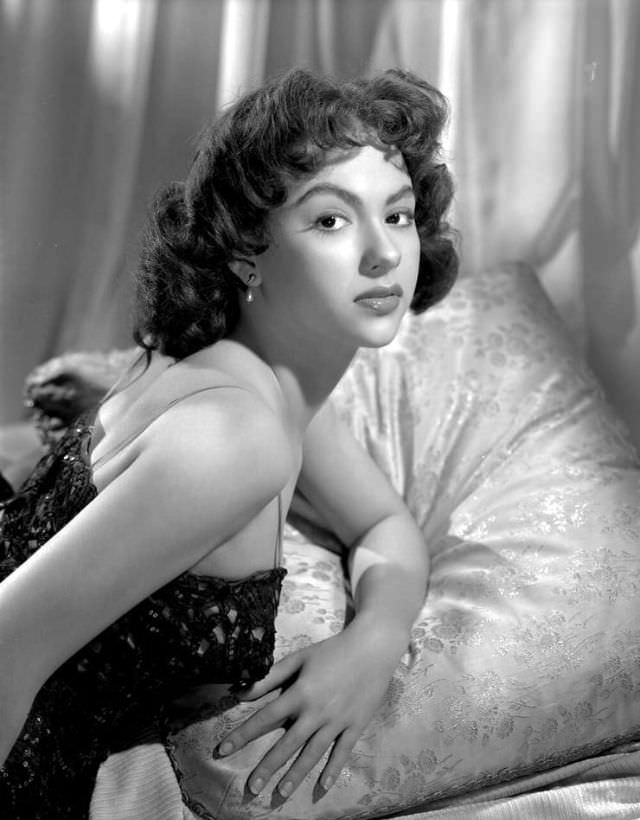
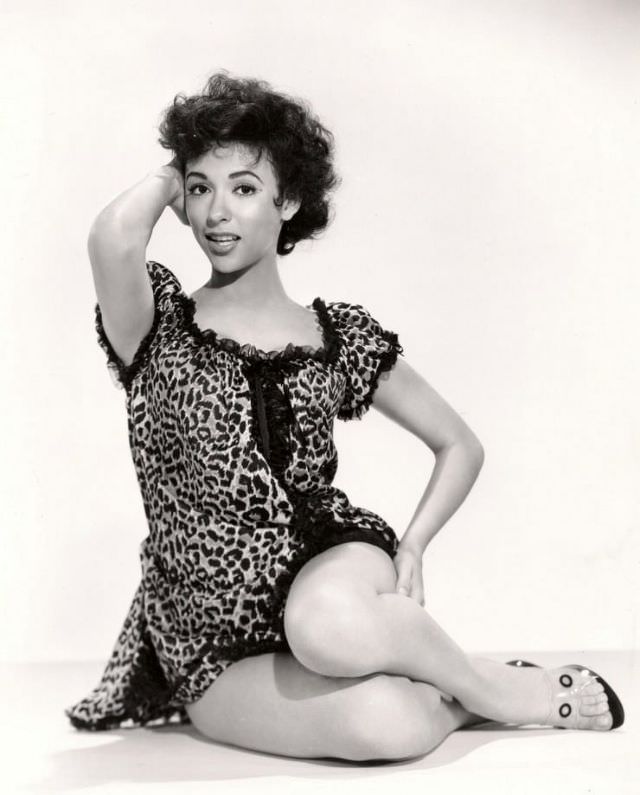
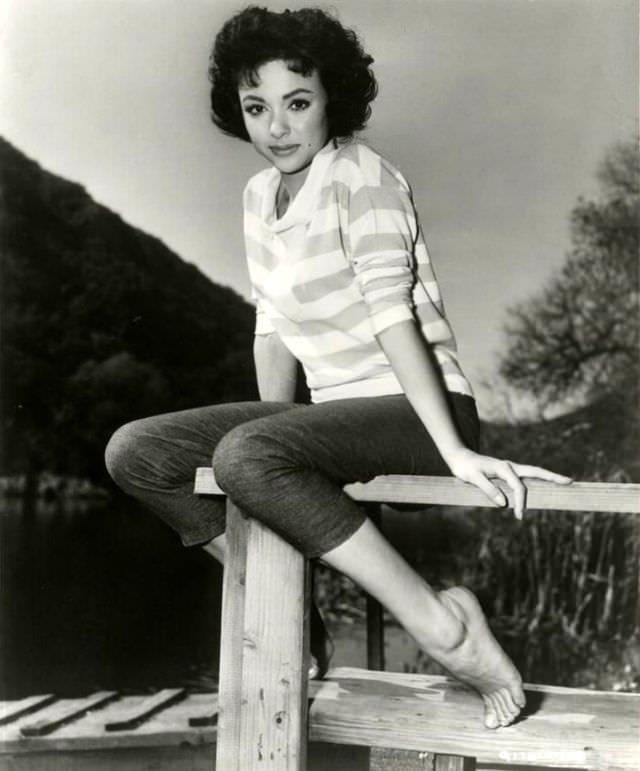
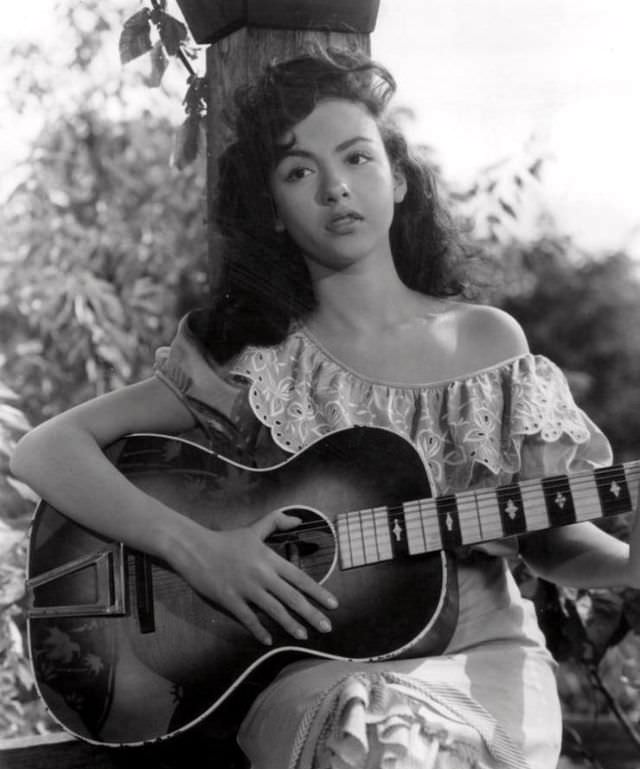
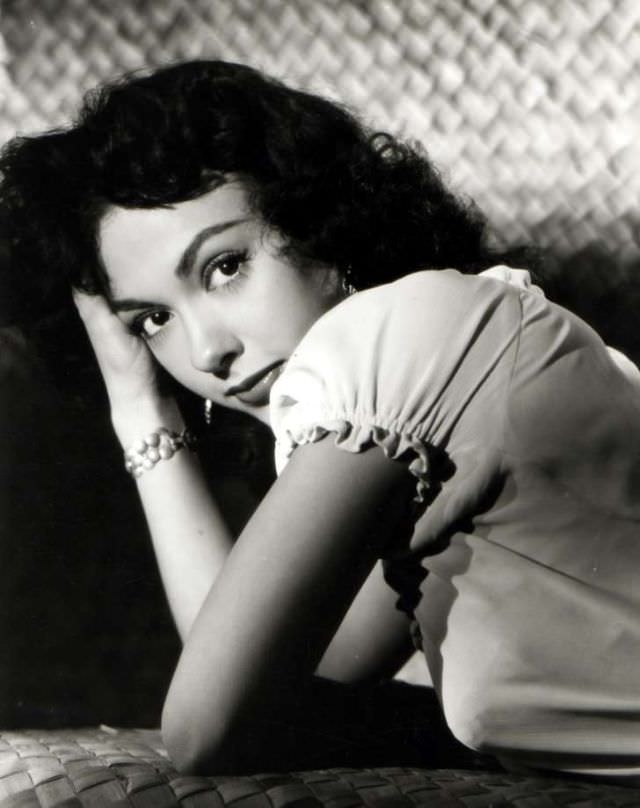
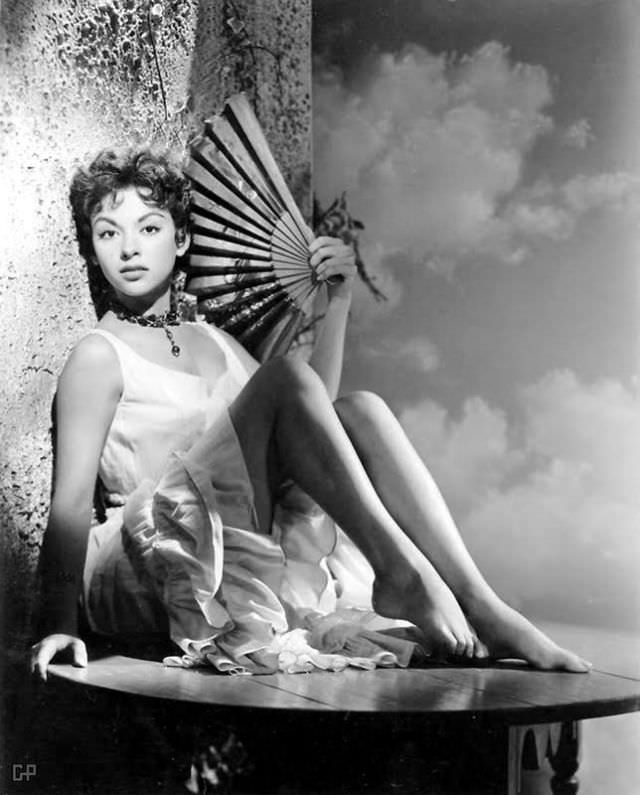
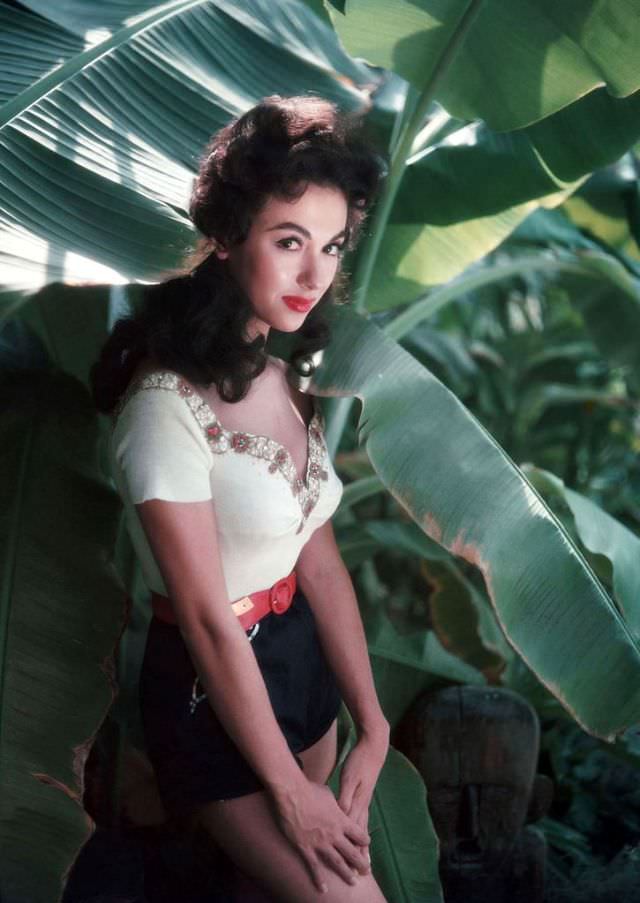
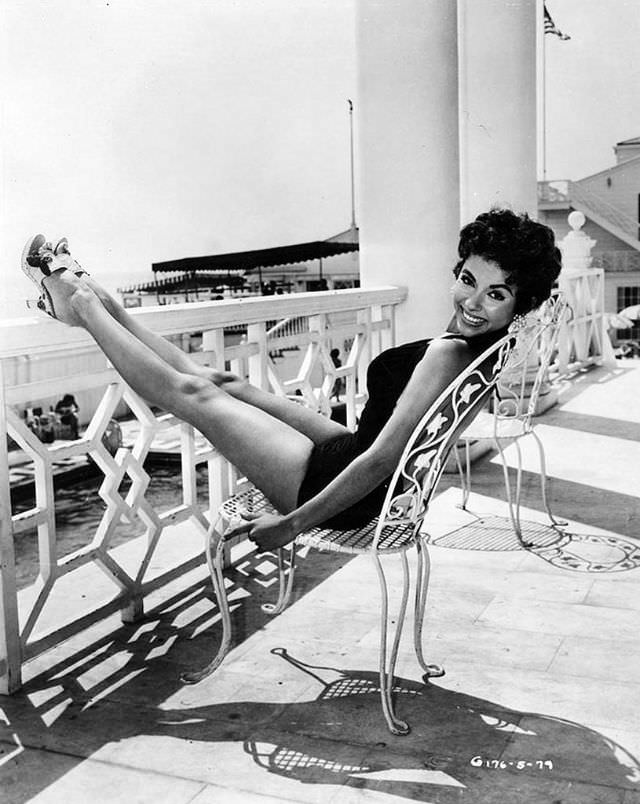
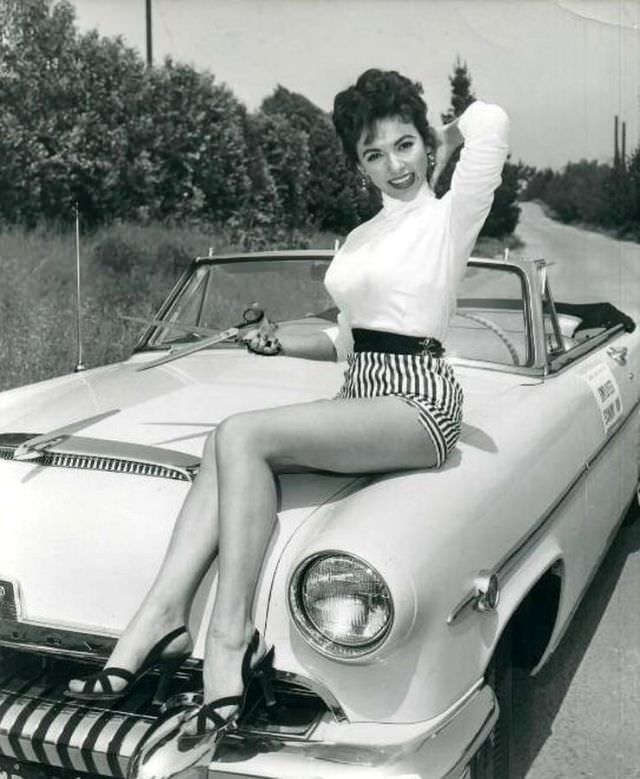
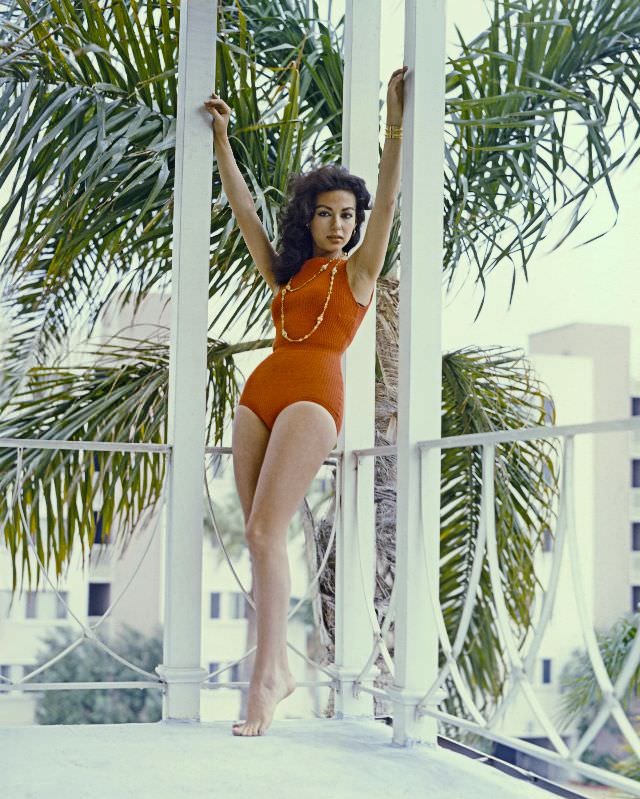
By the mid-1950s, Moreno was a recognizable face in Hollywood, appearing at studio events and public openings across Los Angeles. Studio photographers documented her frequently during this period, capturing everything from candid backstage moments to polished promotional sessions. The images from 1954 and 1955 paint a picture of a young actress fully embedded in the Hollywood machine — glamorous, ambitious, and working constantly.
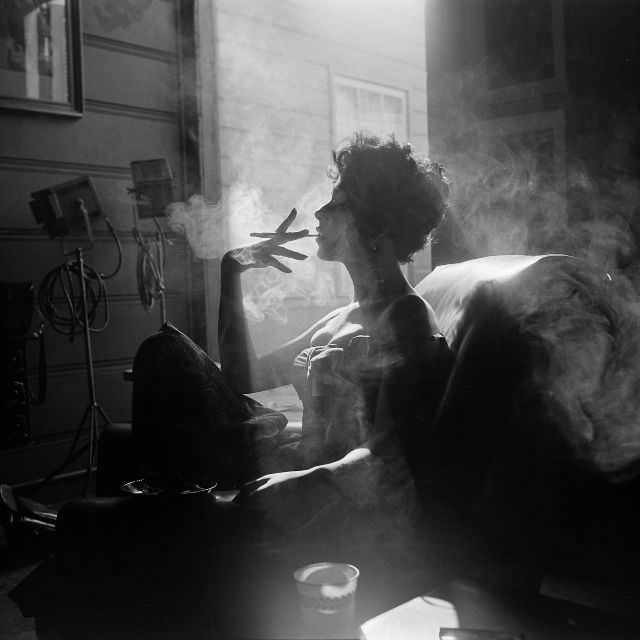
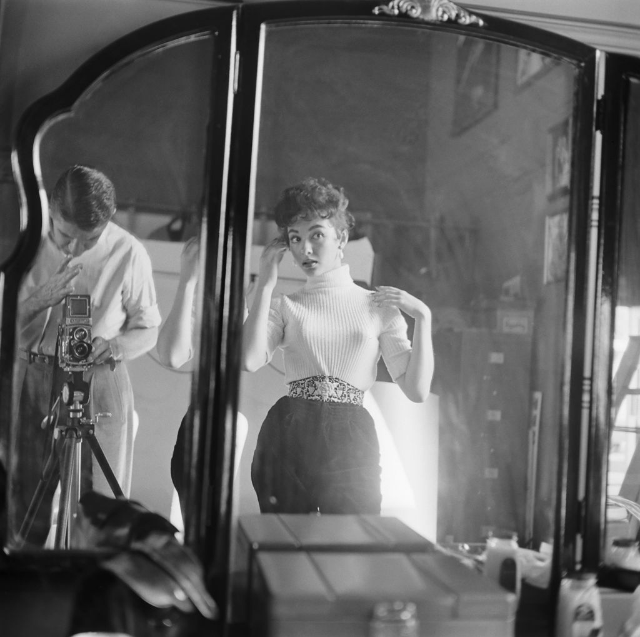
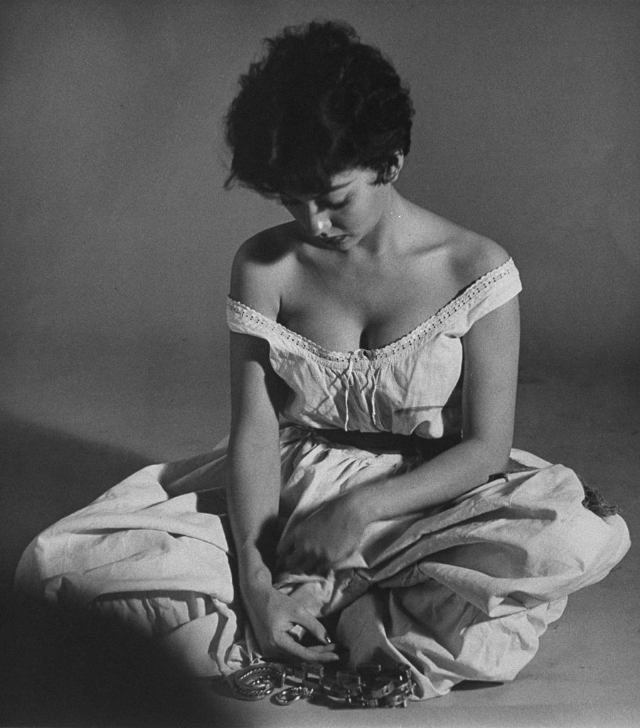
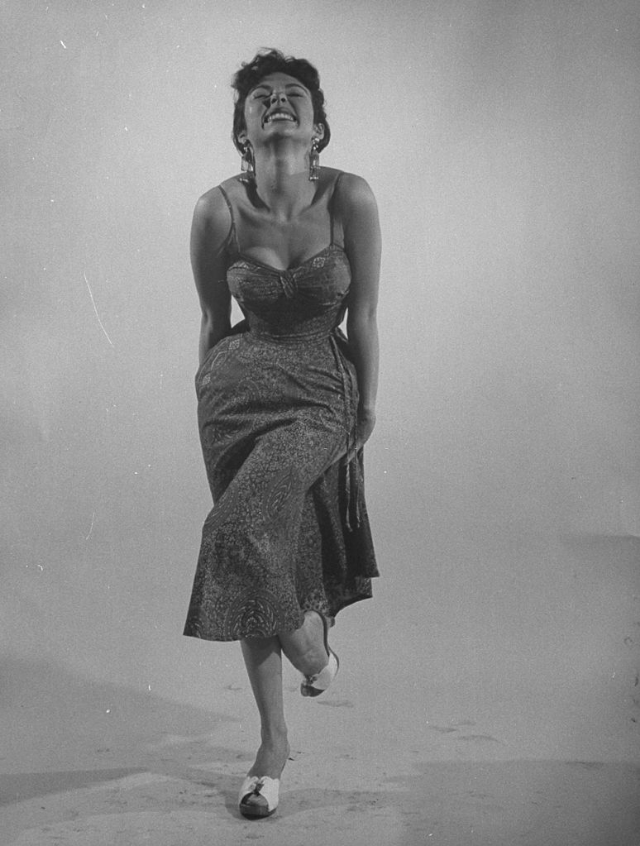
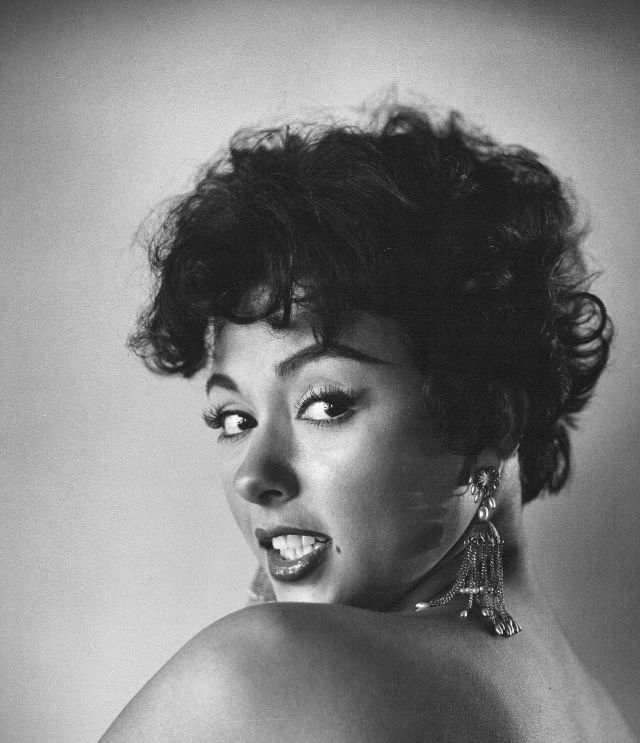
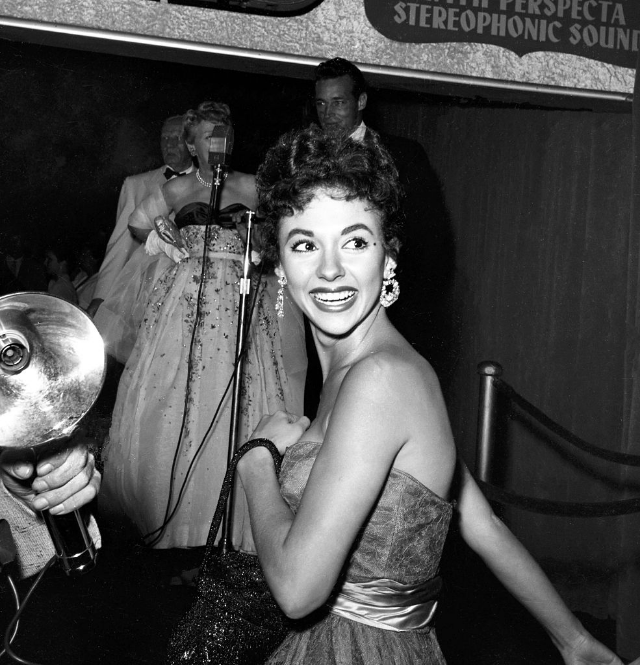
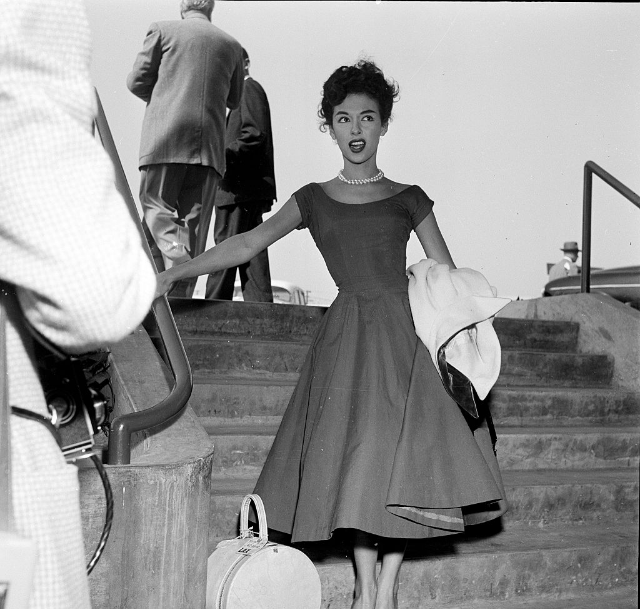
The years 1954 and 1955 were especially active ones for Moreno on screen and off. She appeared in films like “Untamed” (1955) and maintained a visible social presence at Hollywood gatherings. Despite the challenges of being typecast, she kept pushing forward, taking on any role that gave her a stage to perform.
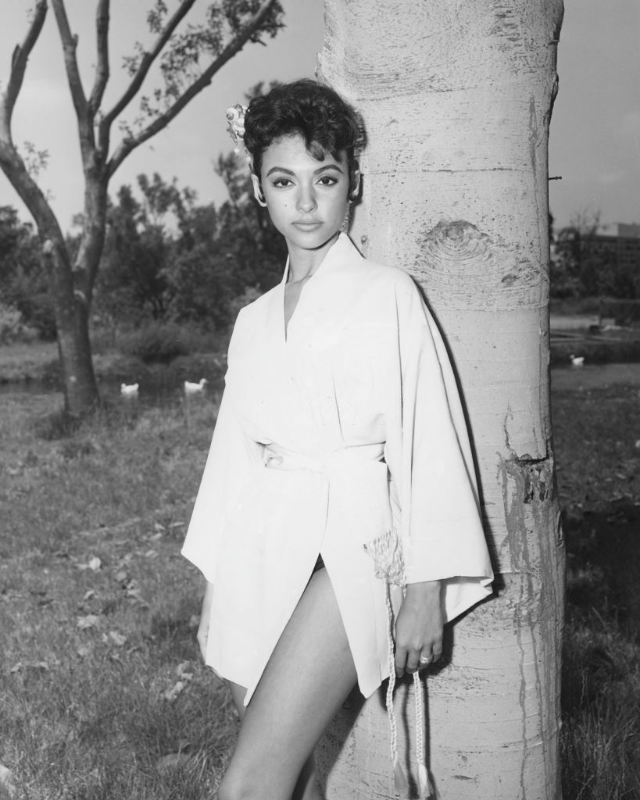
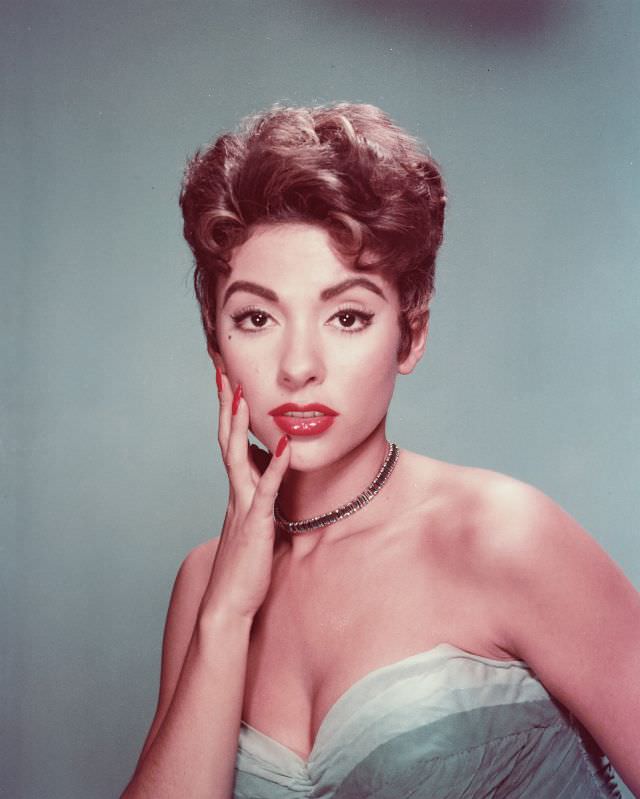
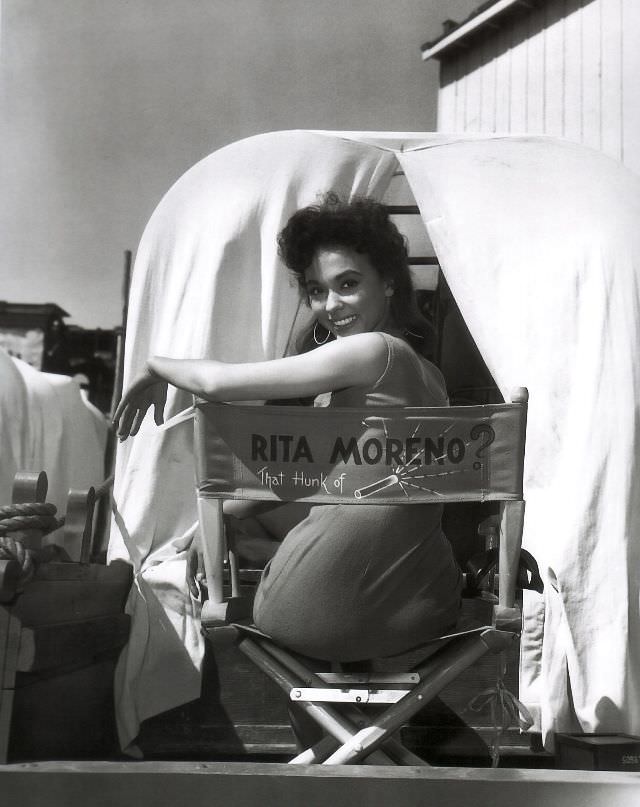
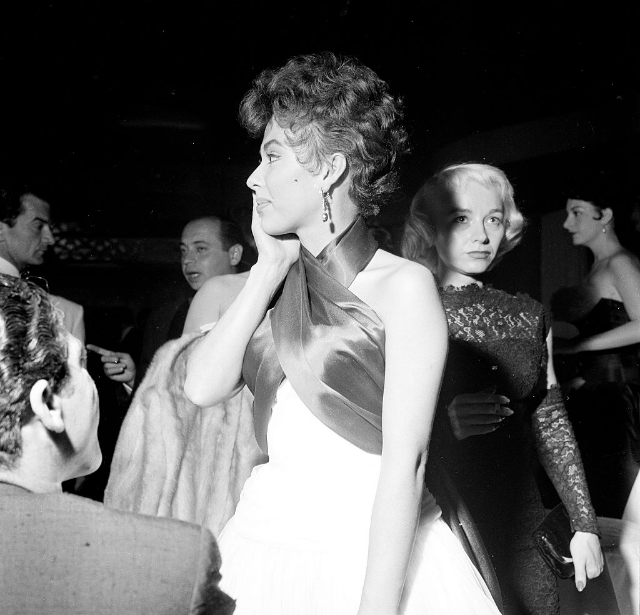
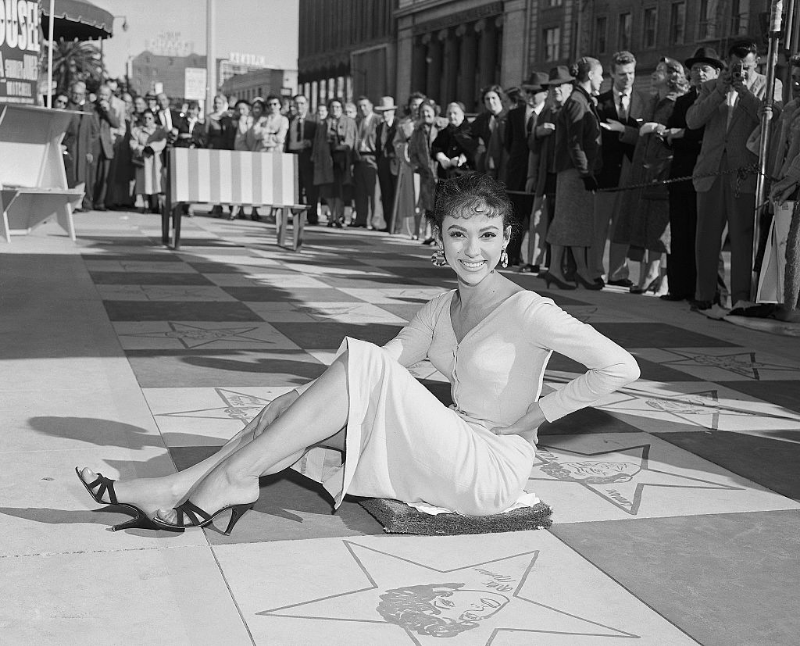
In February 1956, Moreno was photographed along Hollywood Boulevard’s famous sidewalk — already a landmark decorated with portraits of the industry’s biggest names. Her presence there underscored how firmly she had established herself within Hollywood’s world, even as she continued to fight for roles that went beyond the narrow parts typically offered to Latina actresses.
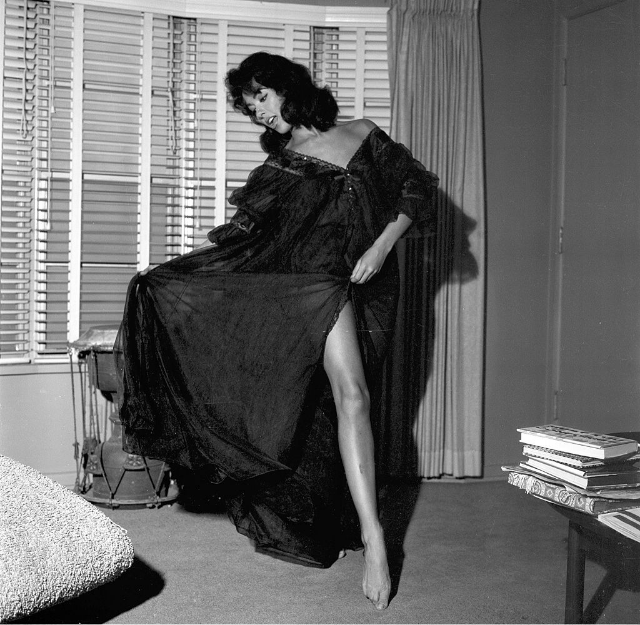
By 1960, Moreno had expanded her work into television. She appeared in rehearsals for “Alas Babylon” on the prestigious live drama series Playhouse 90, shot in New York. That same year, she began rehearsals for what would become the role of her life — Anita in the film adaptation of West Side Story.
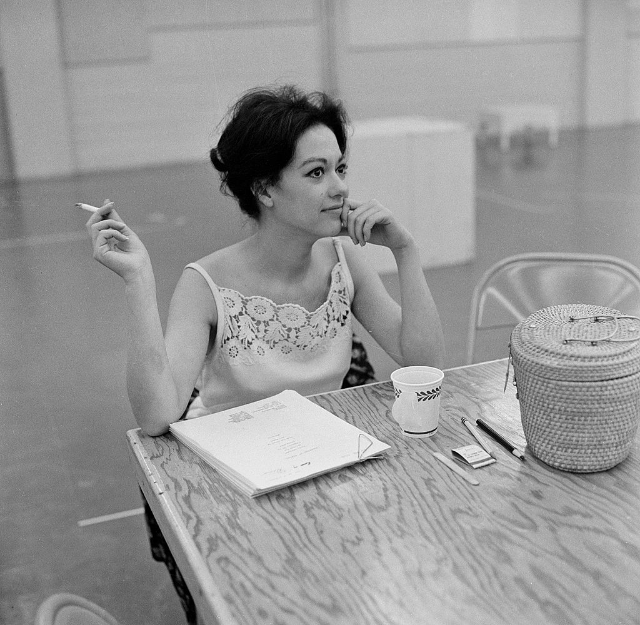
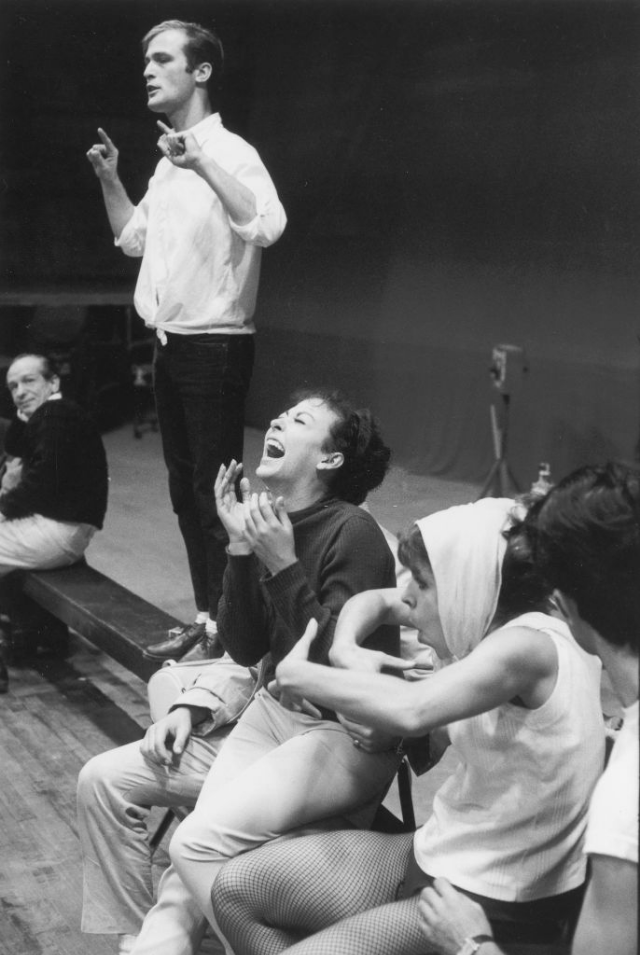
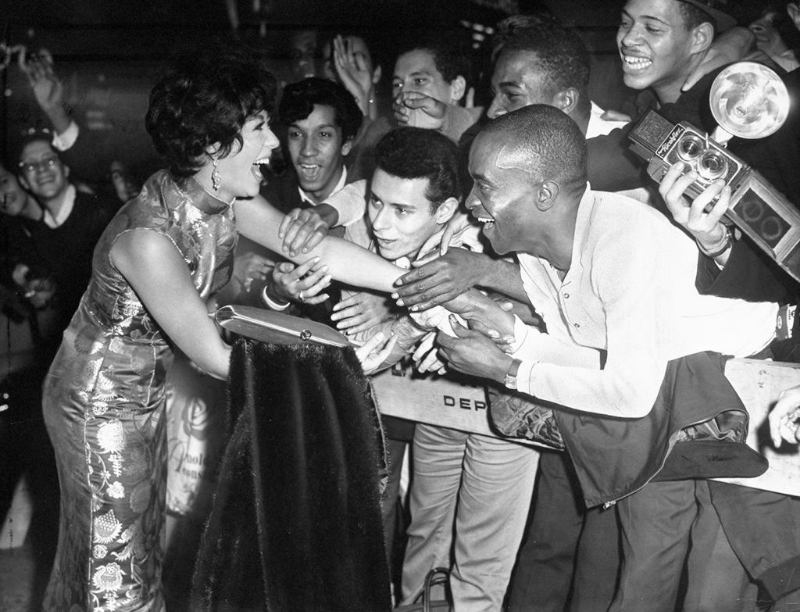
West Side Story was released in 1961 and became a cultural phenomenon. Moreno’s portrayal of Anita — fiery, loyal, and deeply human — drew widespread critical praise. The film was a massive success, and Moreno’s performance stood out as one of its most powerful elements. Audiences in New York turned out in force to see her, as photos from October 1961 show her surrounded by fans outside the Rivoli theater.
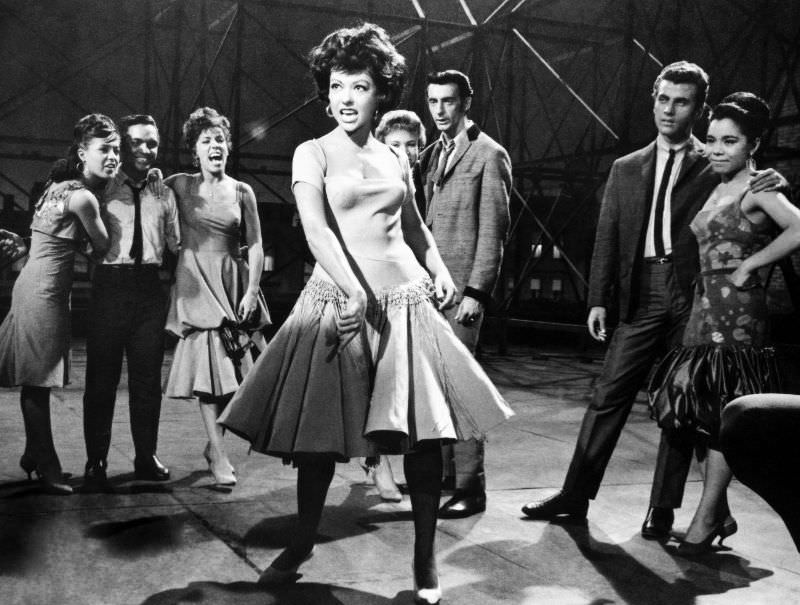
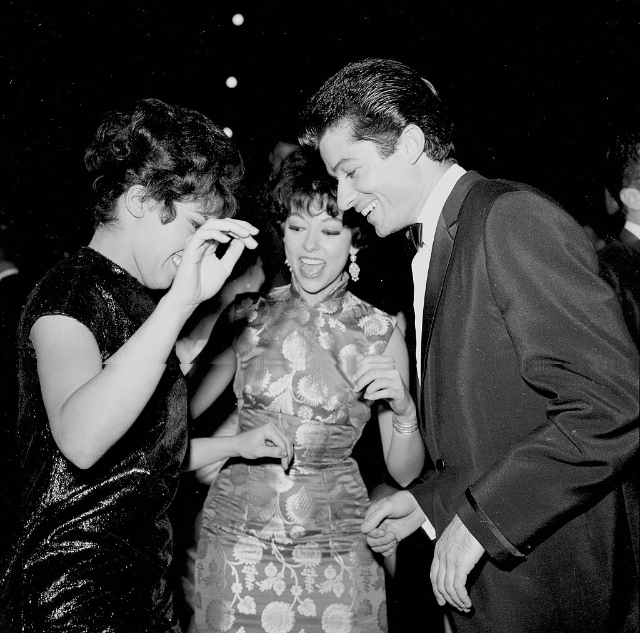
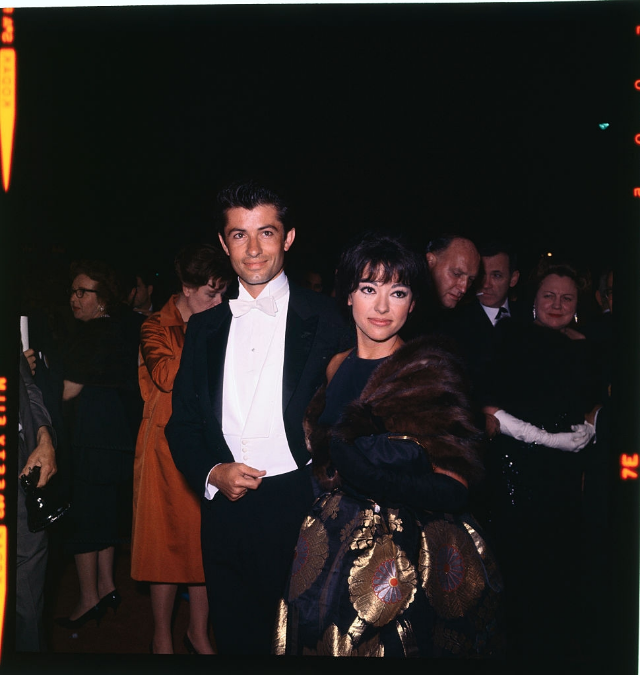
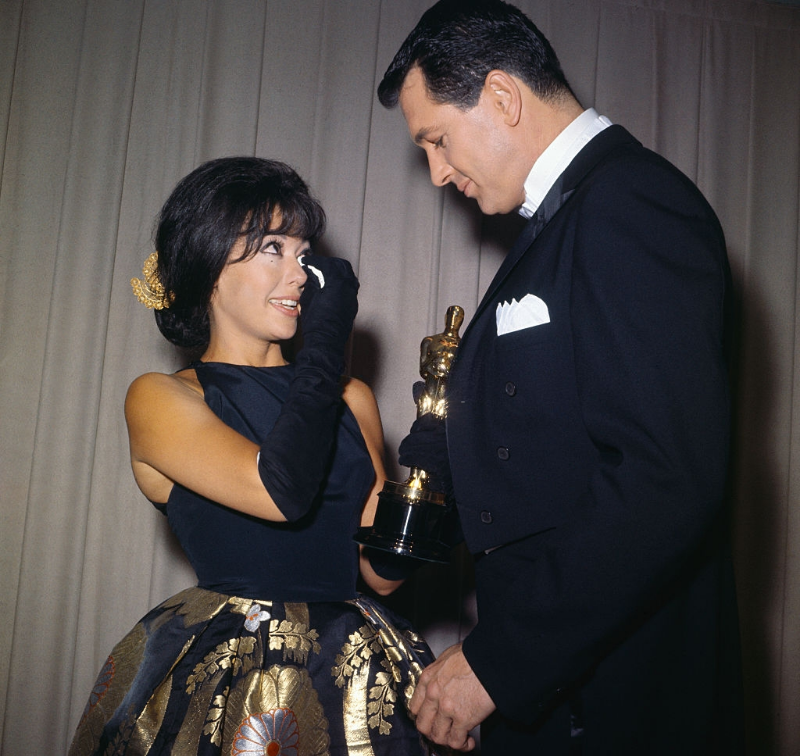
At the 34th Academy Awards in April 1962, Moreno arrived with her West Side Story co-star George Chakiris and left with history. She won the Oscar for Best Supporting Actress, becoming the first Puerto Rican actress ever to receive the award. The win was a milestone not just for her personally, but for Latina representation in Hollywood as a whole.
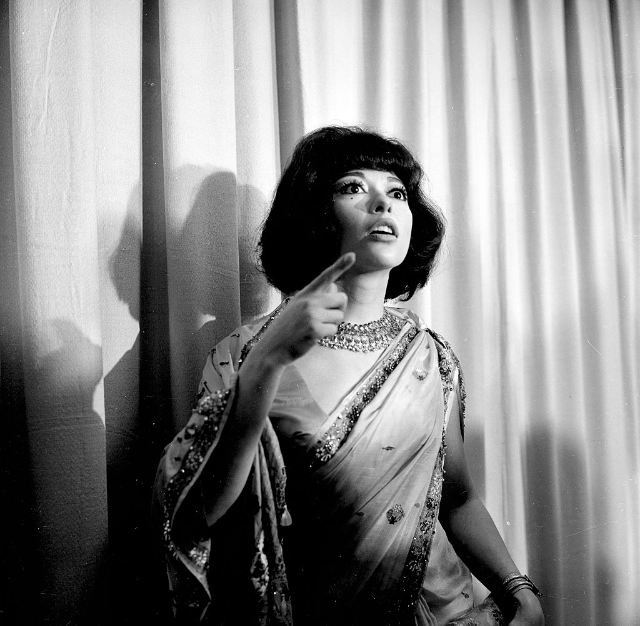
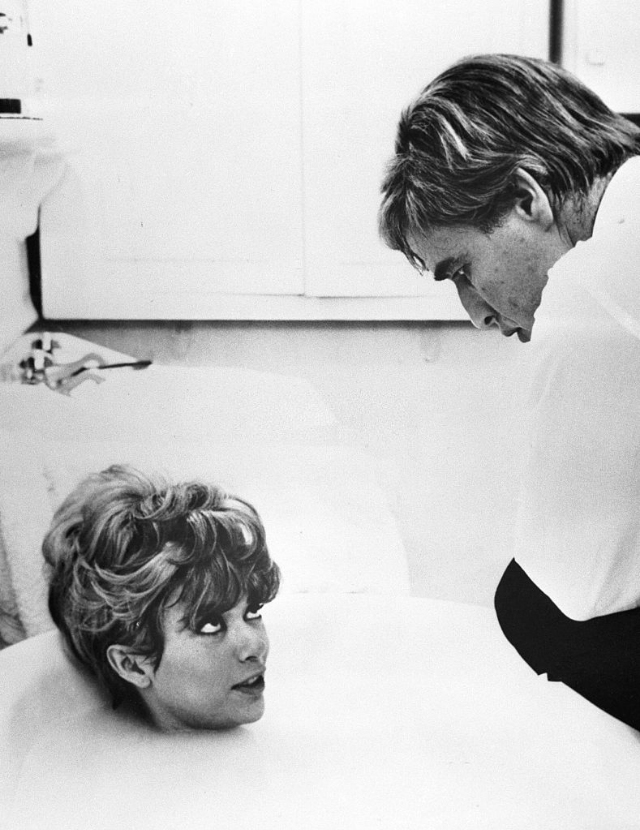
Moreno’s career continued to build after her Oscar win. In December 1967, she was on location in France filming “The Night of the Following Day” alongside Marlon Brando. Her willingness to take on diverse projects across film, television, and theater set her on the path to becoming only the third person — and the first Latina — to achieve EGOT status, holding an Emmy, Grammy, Oscar, and Tony award.