Rita Moreno is one of the most decorated entertainers in American history. As an actress, dancer, and singer, she built a career spanning more than 70 years — earning an Emmy, a Grammy, an Oscar, and a Tony Award along the way. That combination of all four major entertainment honors is known as the EGOT, and Moreno was only the third person ever to achieve it. She was also the first Hispanic woman to win an Academy Award. Beyond the entertainment world, she received the Presidential Medal of Freedom, the highest civilian honor the United States government can award.
Born Rosa Dolores Alverío on December 11, 1931, in Humacao, Puerto Rico, Moreno moved to New York City as a young child with her mother. She took up dancing at age nine, and her talent was immediately clear. As a girl, she recorded Spanish-language voice dubbing for American child stars appearing in films distributed to Spanish-speaking audiences. By her early teens, she was already performing professionally in New York nightclubs. At just 13 years old, she made her Broadway debut in the drama “Skydrift” at the Belasco Theatre, sharing the stage with Arthur Keegan and a then-unknown Eli Wallach.
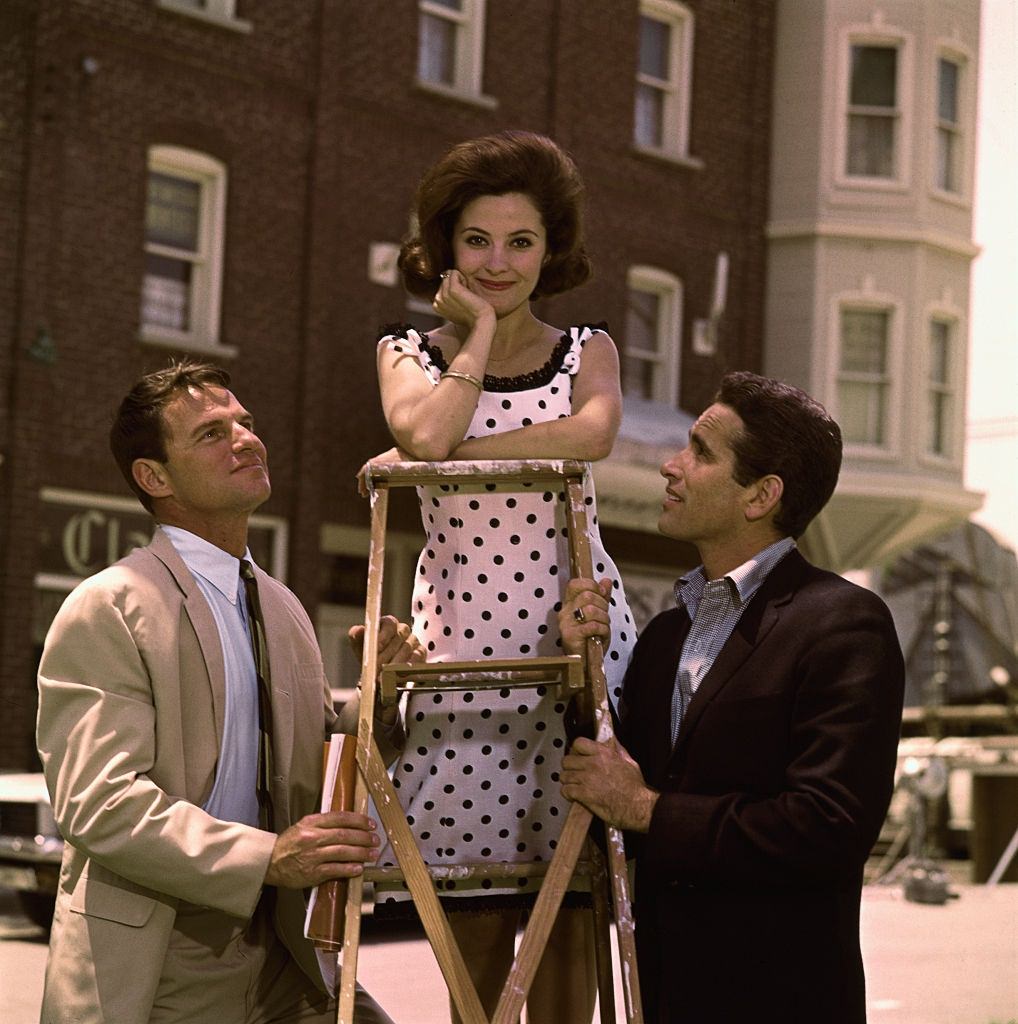
Her film career began in 1950 with “So Young, So Bad.” In early credits she appeared as Rosita Moreno, but she soon adopted the name Rita Moreno professionally. Throughout the early 1950s, she took on a string of mostly small roles across a variety of films. Hollywood during this era had little interest in offering a young Puerto Rican actress complex or leading parts, and Moreno was frequently typecast in roles that relied on ethnic stereotypes. She was open about how much she disliked most of her film work from this period for exactly that reason.
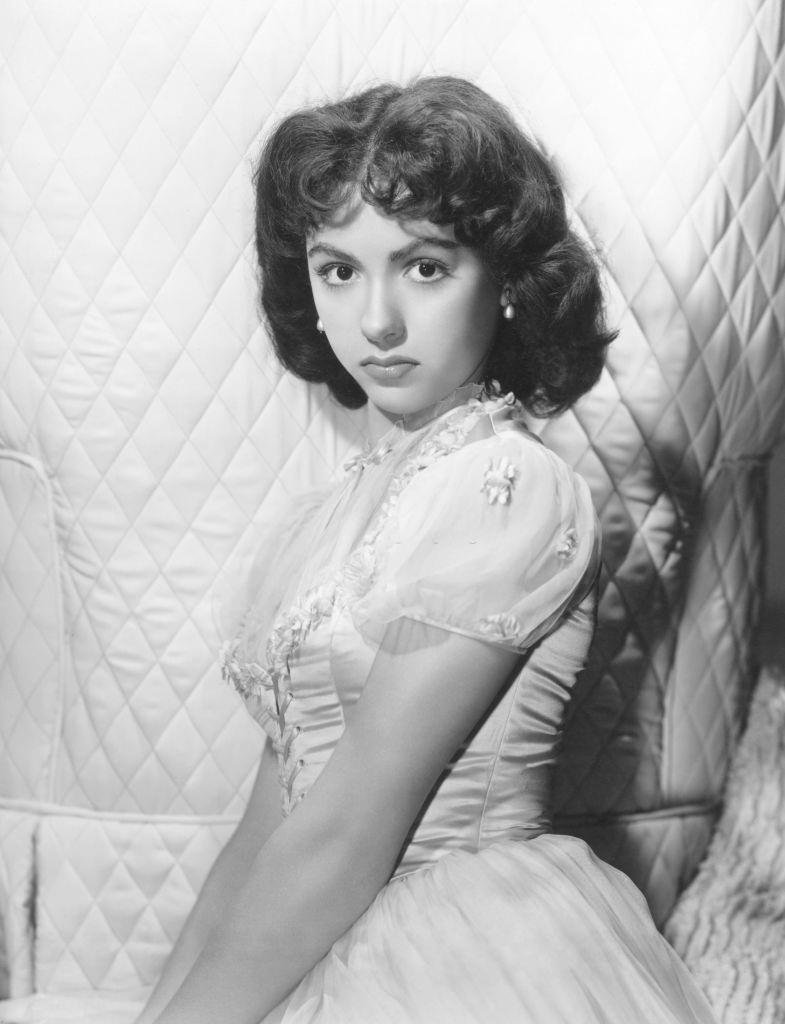
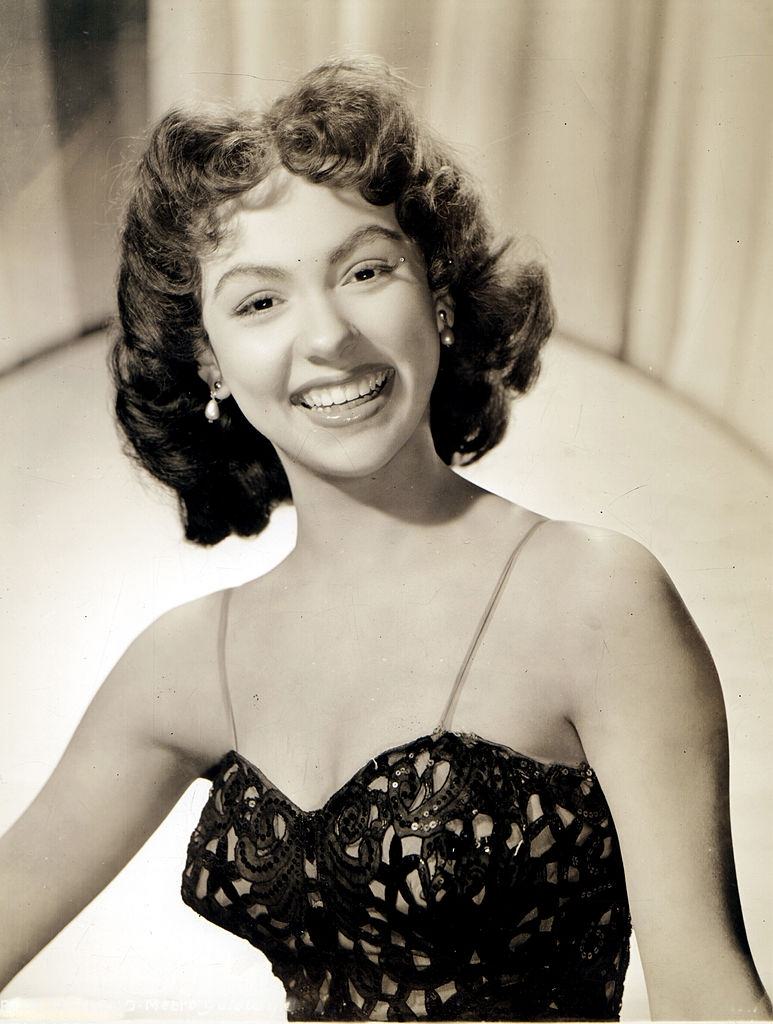
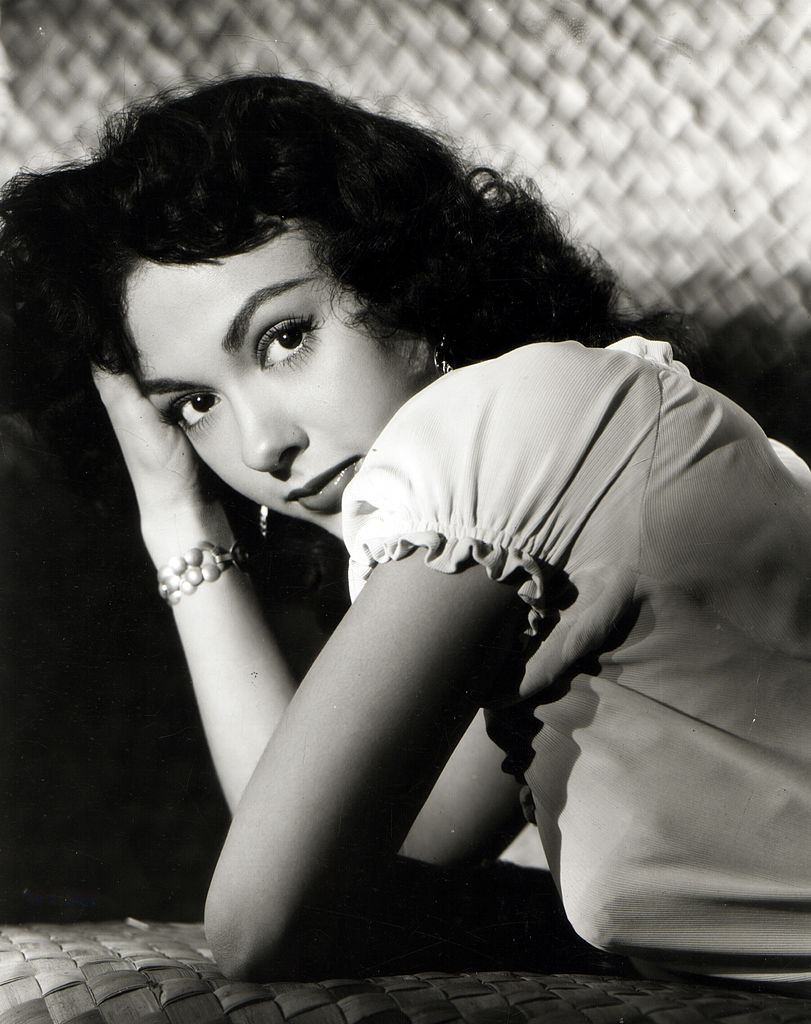
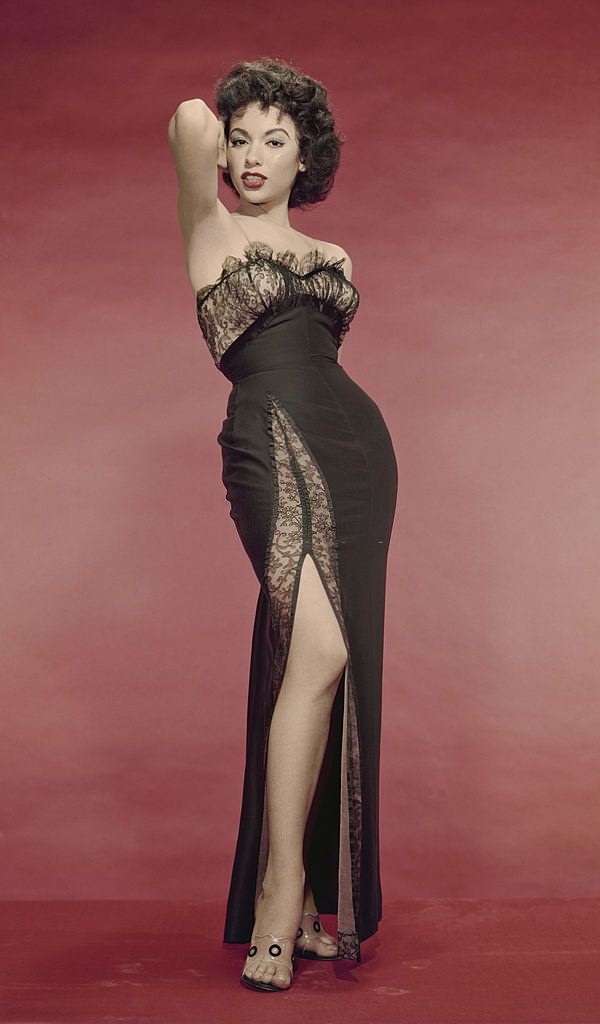
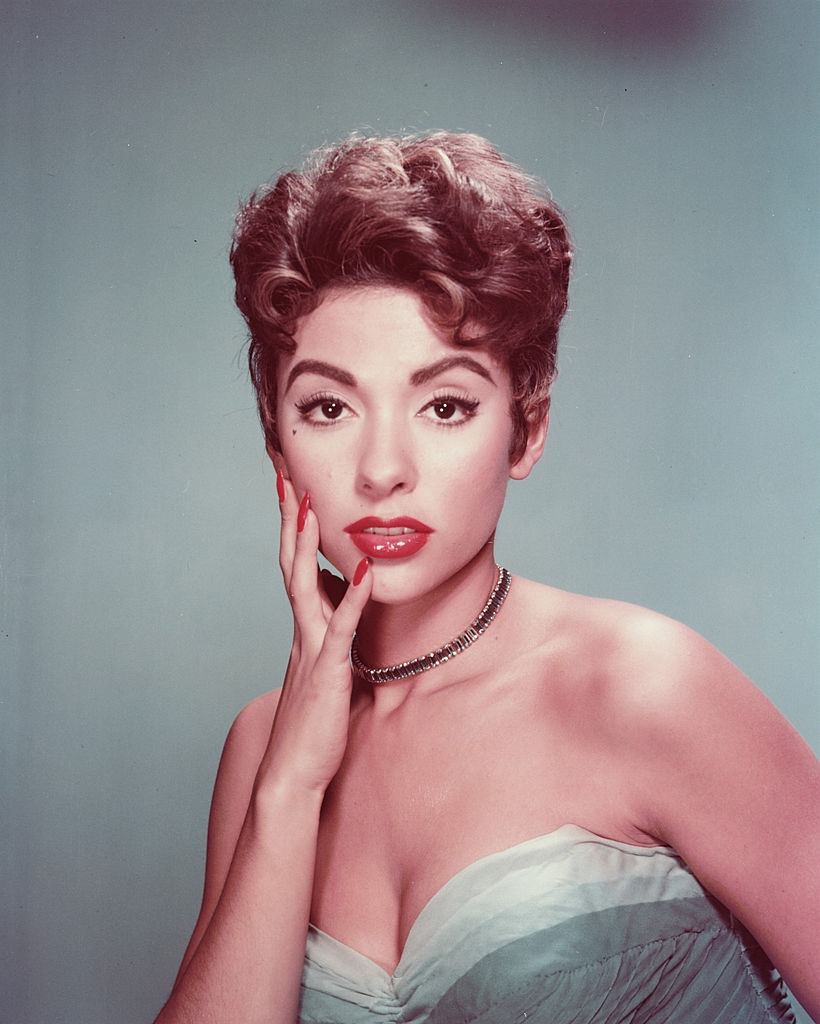
Despite the limited roles, Moreno’s star power was undeniable. In March 1954, she appeared on the cover of Life magazine with the caption “Rita Moreno: An Actress’s Catalog of Sex and Innocence.” The coverage reflected the kind of narrow, one-dimensional image Hollywood had constructed around her — that of the so-called “sexpot.” The label followed her through much of the decade and reinforced the very stereotypes she was trying to escape.
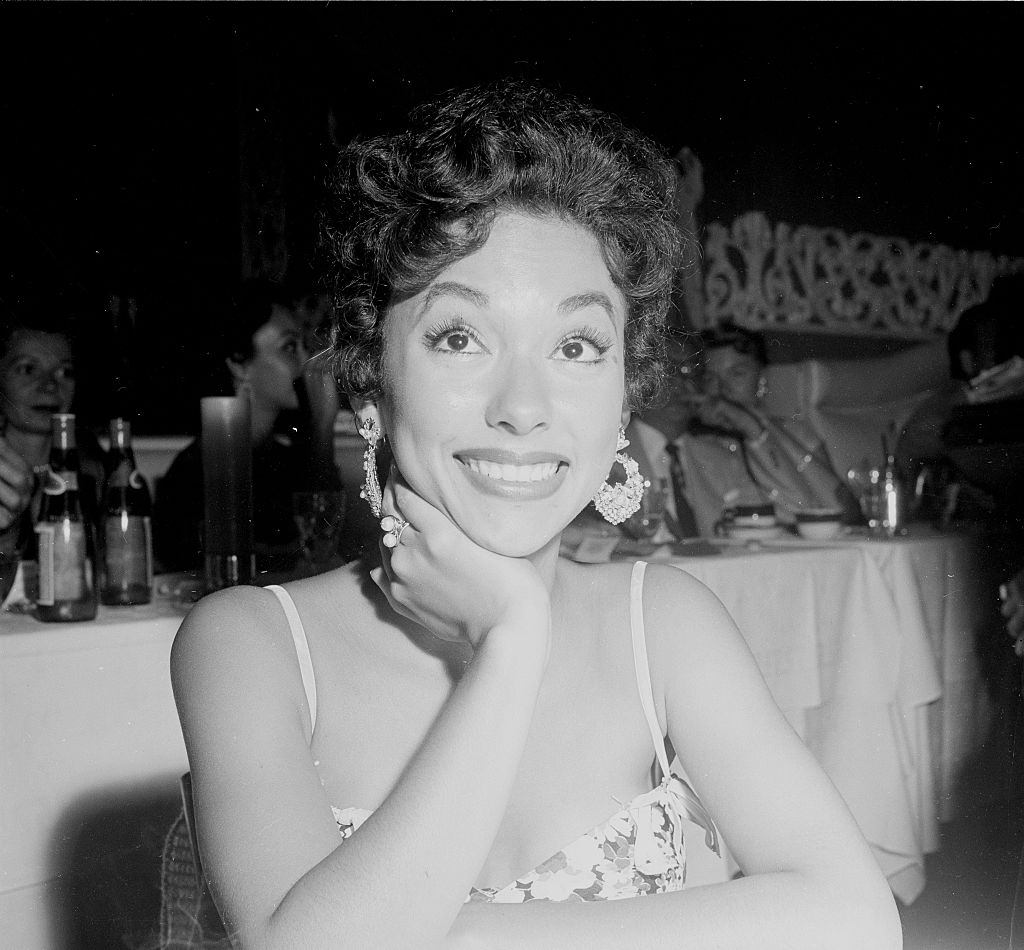
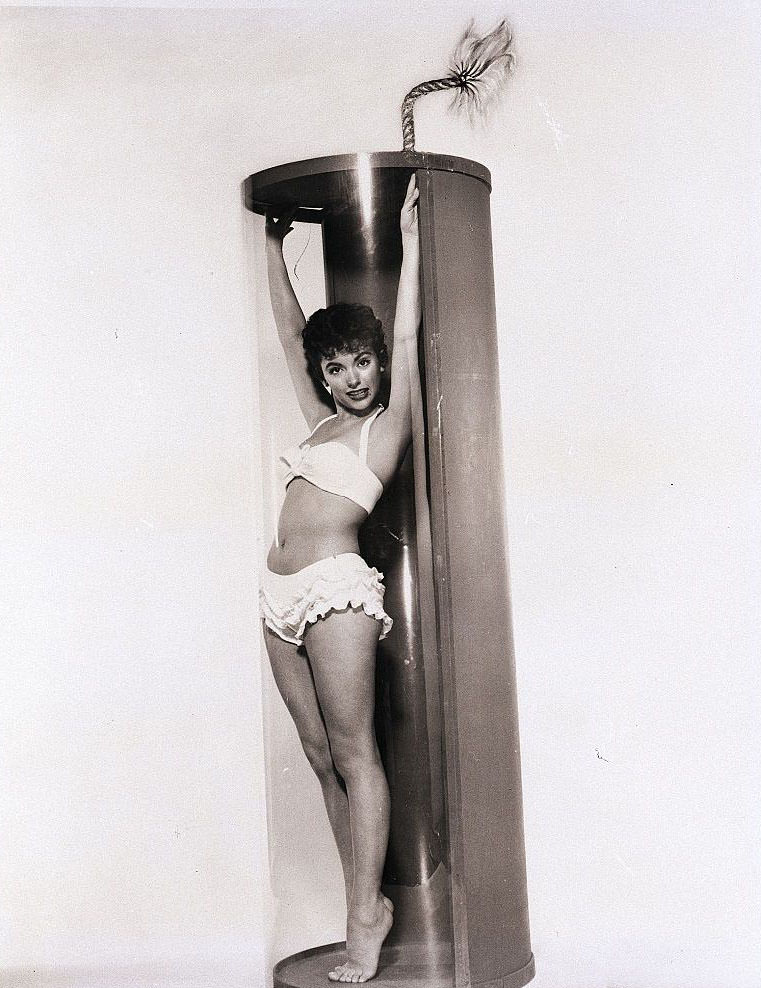
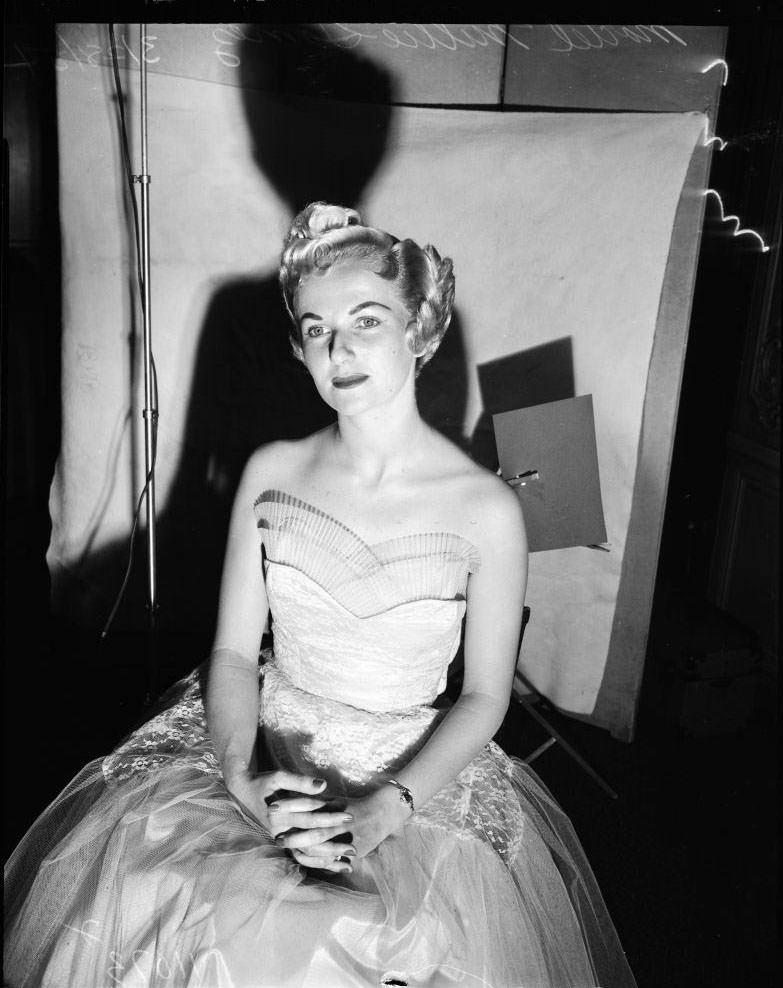
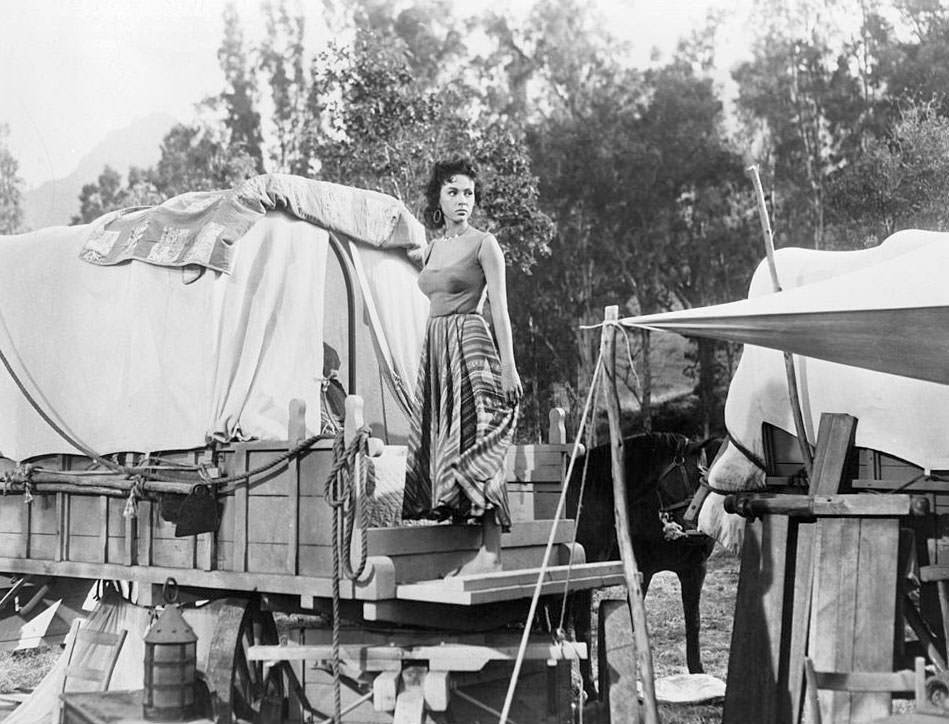
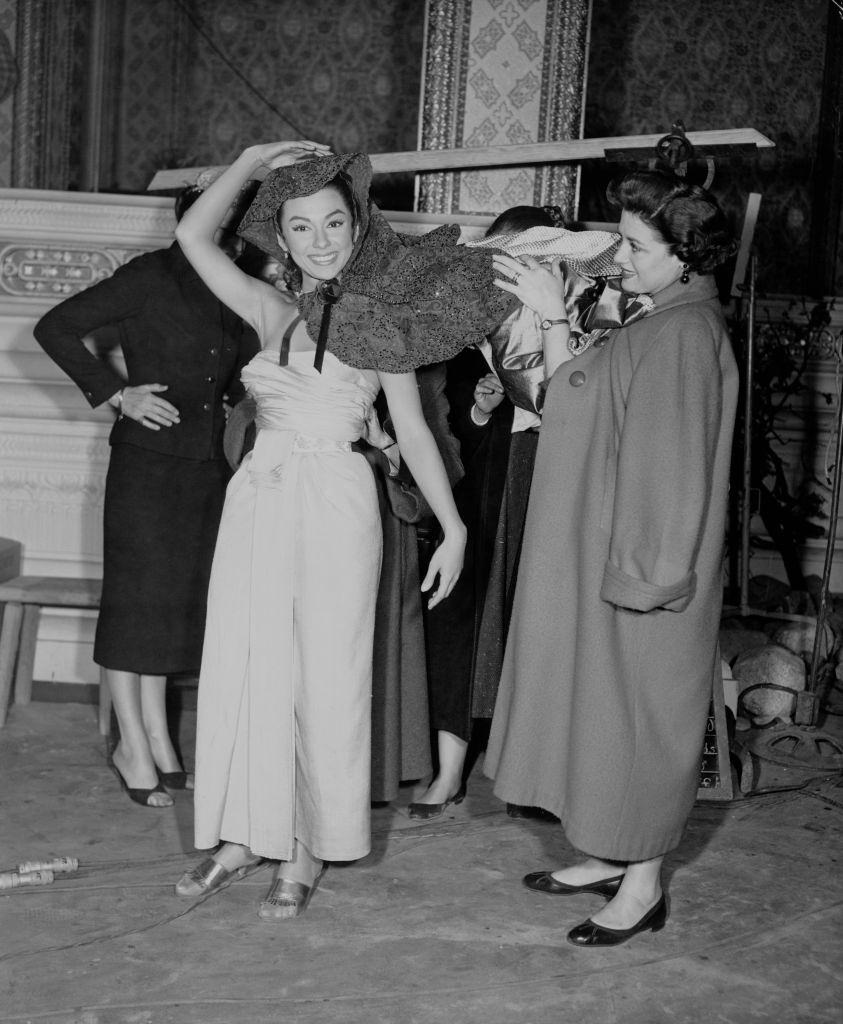
One of her more notable film appearances during this period was in the 1954 Western “Garden of Evil,” which starred Gary Cooper and Richard Widmark. Though her role was supporting, the production was a major studio effort from 20th Century Fox. That same year, she was cast in another Fox production — the lavish musical “The King and I” — for which she began costume fittings in 1955. The film would become one of the most celebrated musicals of the decade.
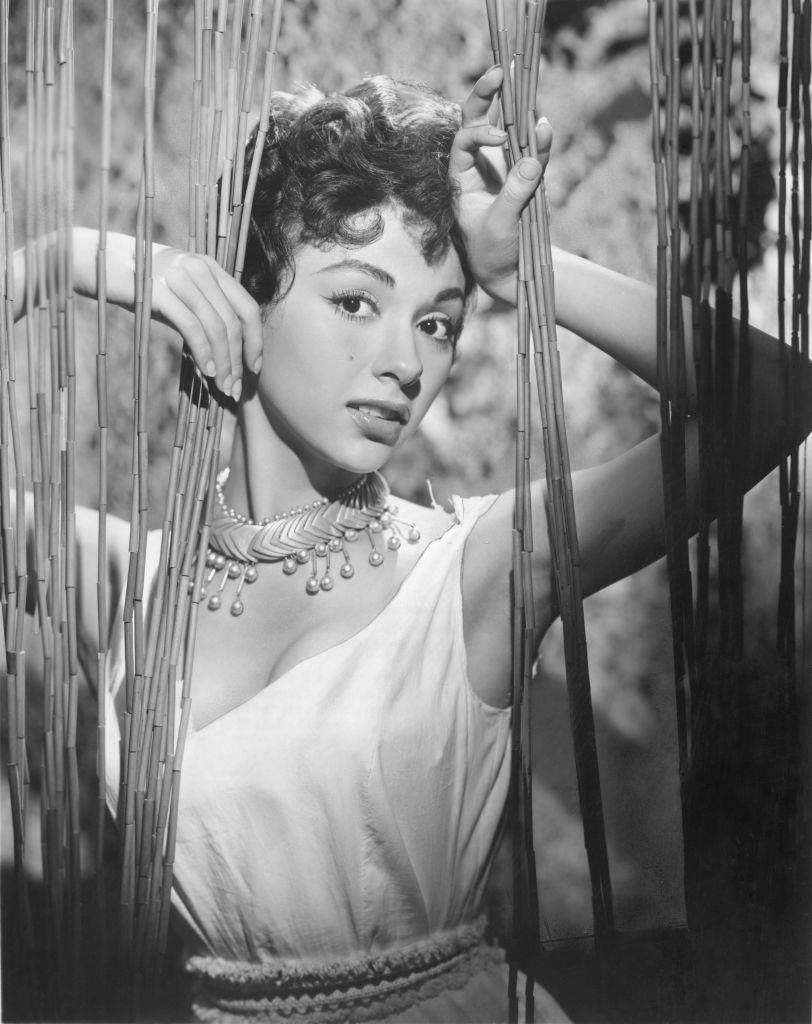
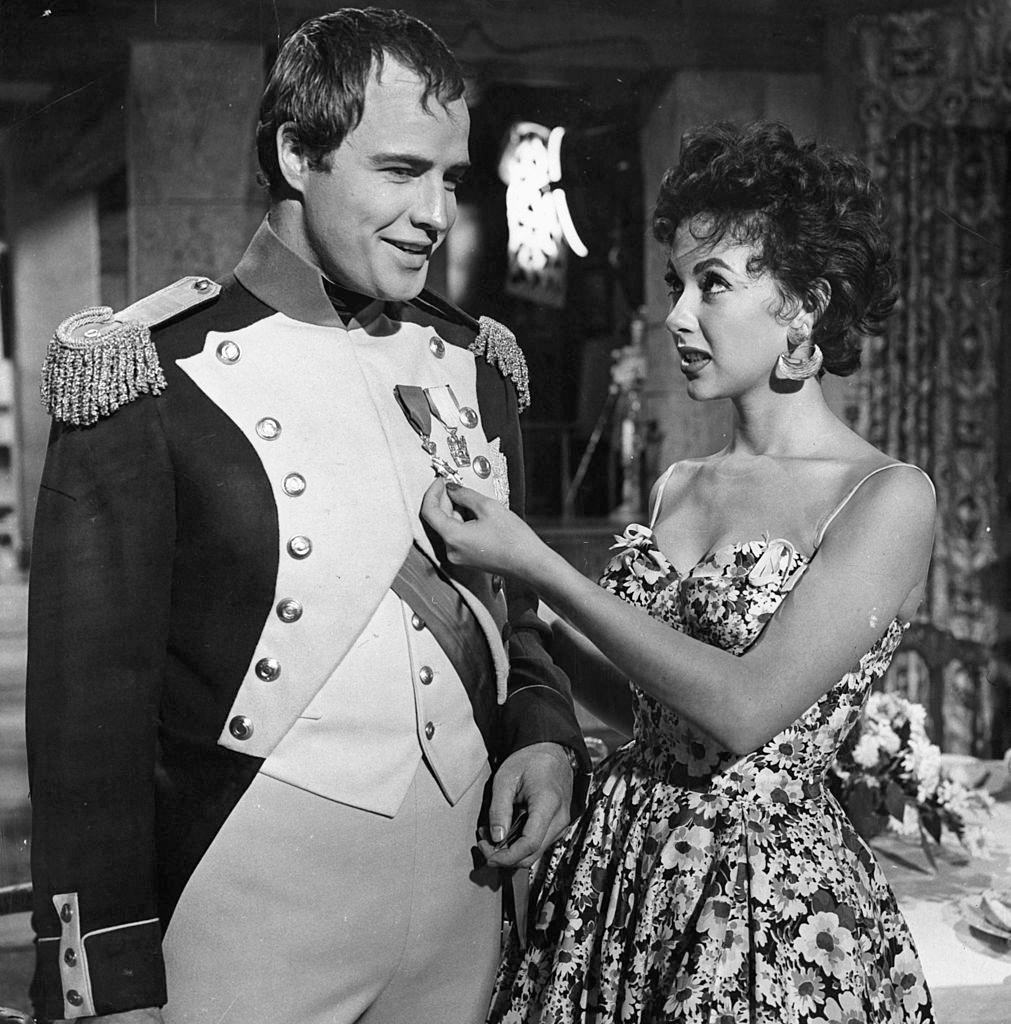
During this era, Moreno was in a relationship with actor Marlon Brando. The relationship was turbulent and lasted on and off for several years. After becoming pregnant, she underwent an abortion arranged by Brando. Following the procedure, she attempted suicide by overdosing on sleeping pills. She survived and later spoke publicly about this period as one of the darkest in her life.
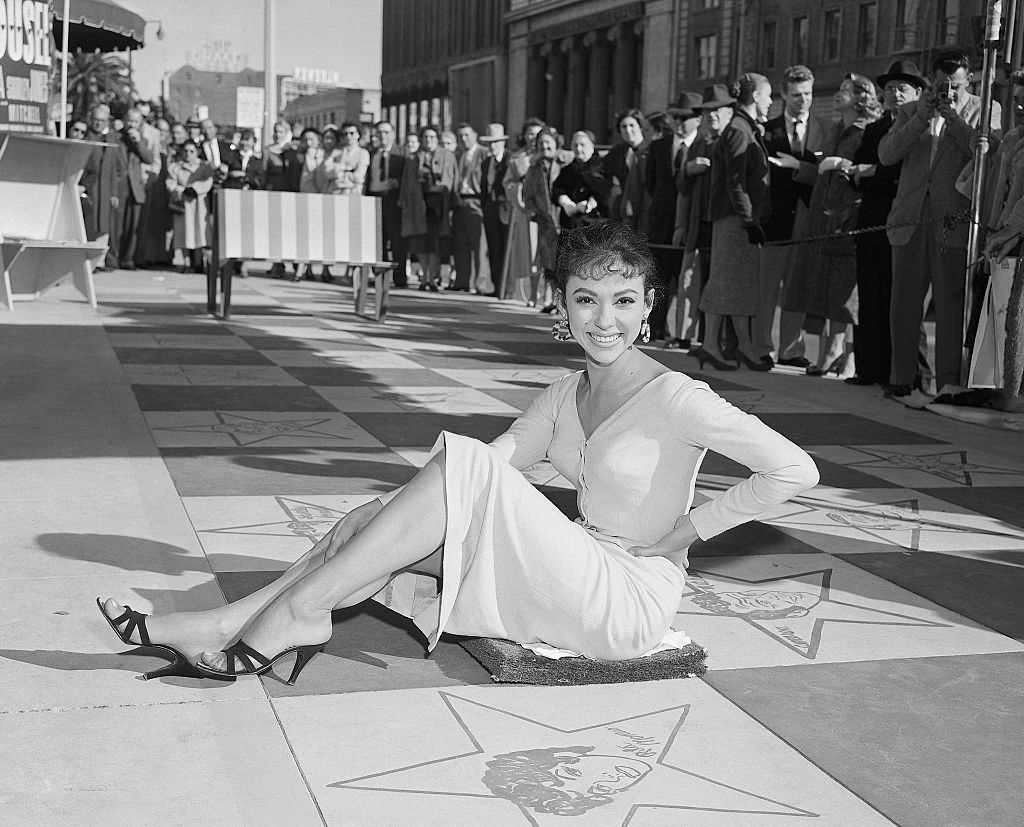
The early 1950s also kept her busy with roles in films like “Cattle Town” (1952) and “El Alamein” (1953), as well as prominent appearances at Hollywood events and premieres. She was a regular fixture at celebrity gatherings in Los Angeles, and her glamour on and off the set made her a fixture in fan magazines and entertainment press.
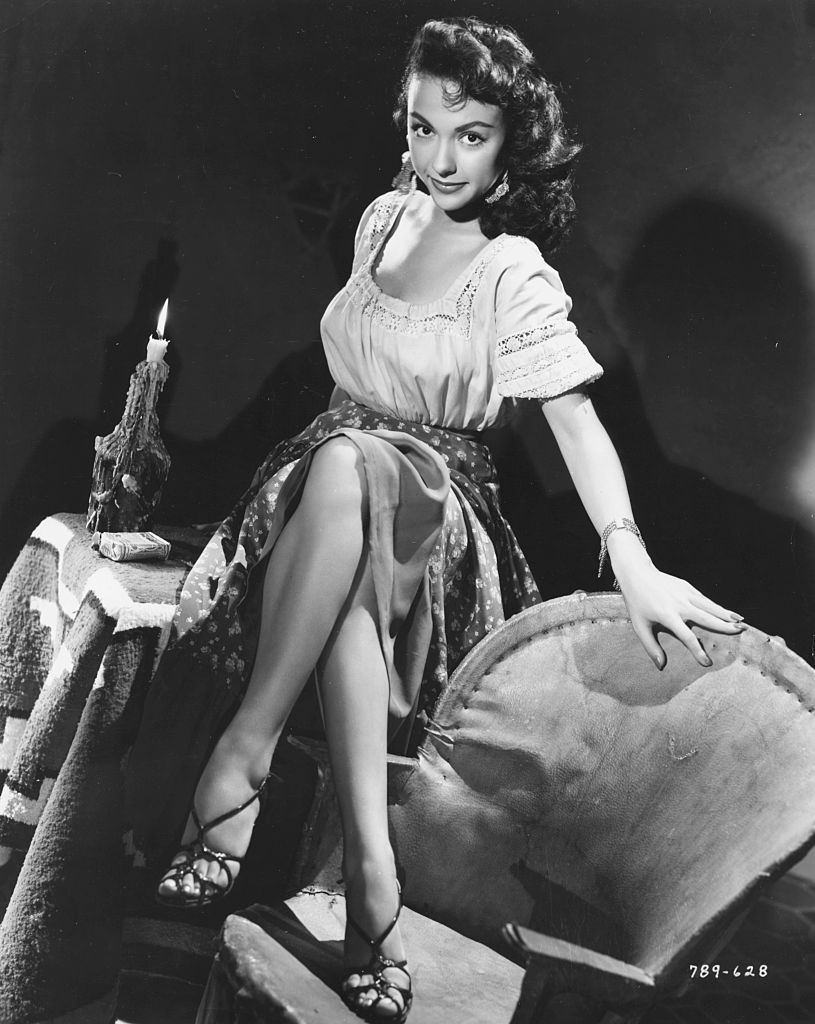
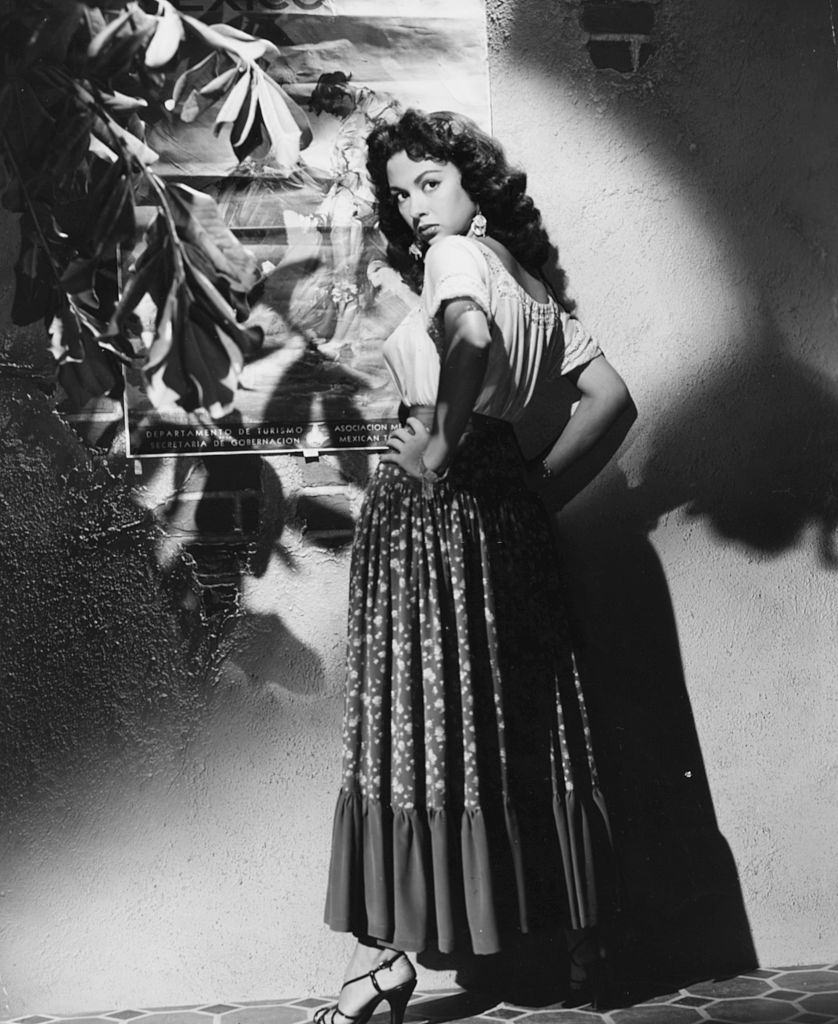
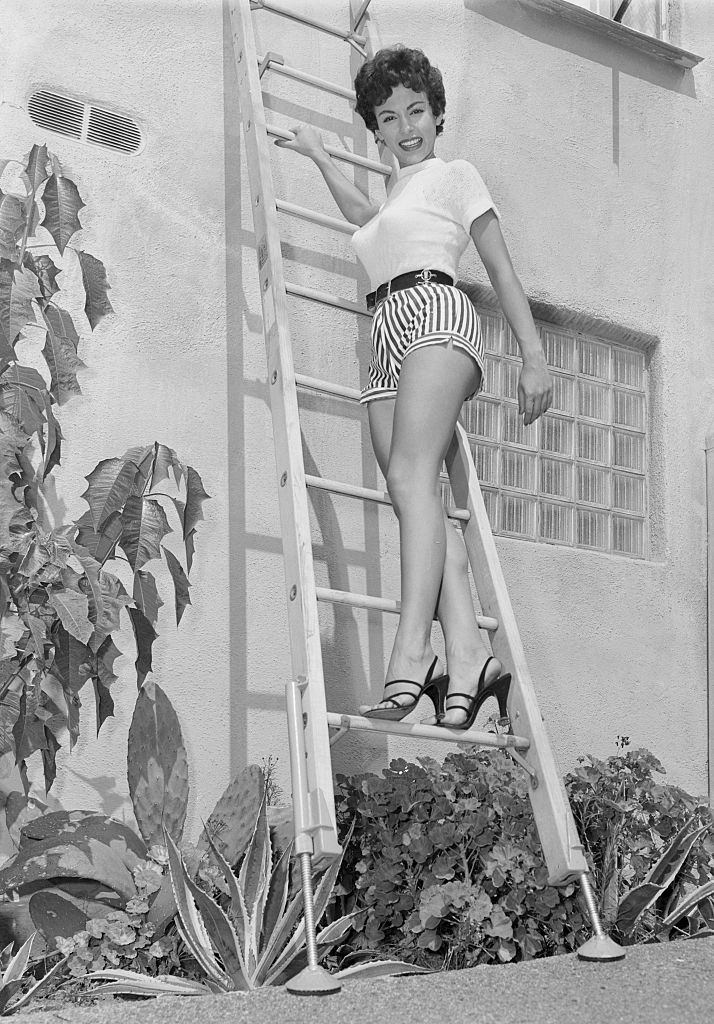
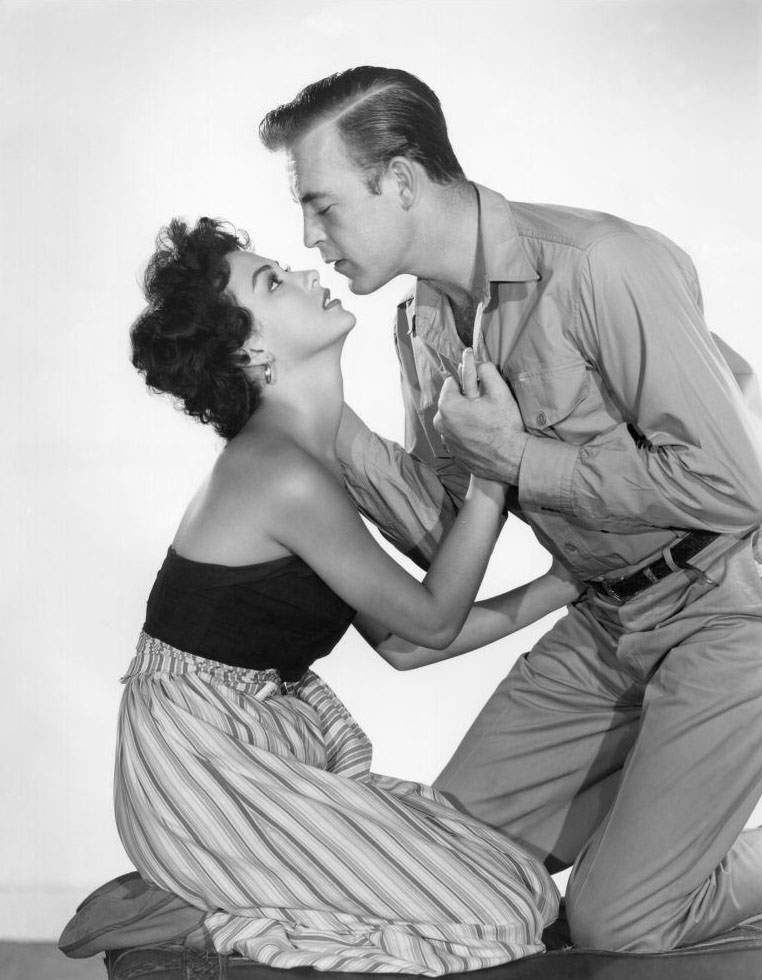
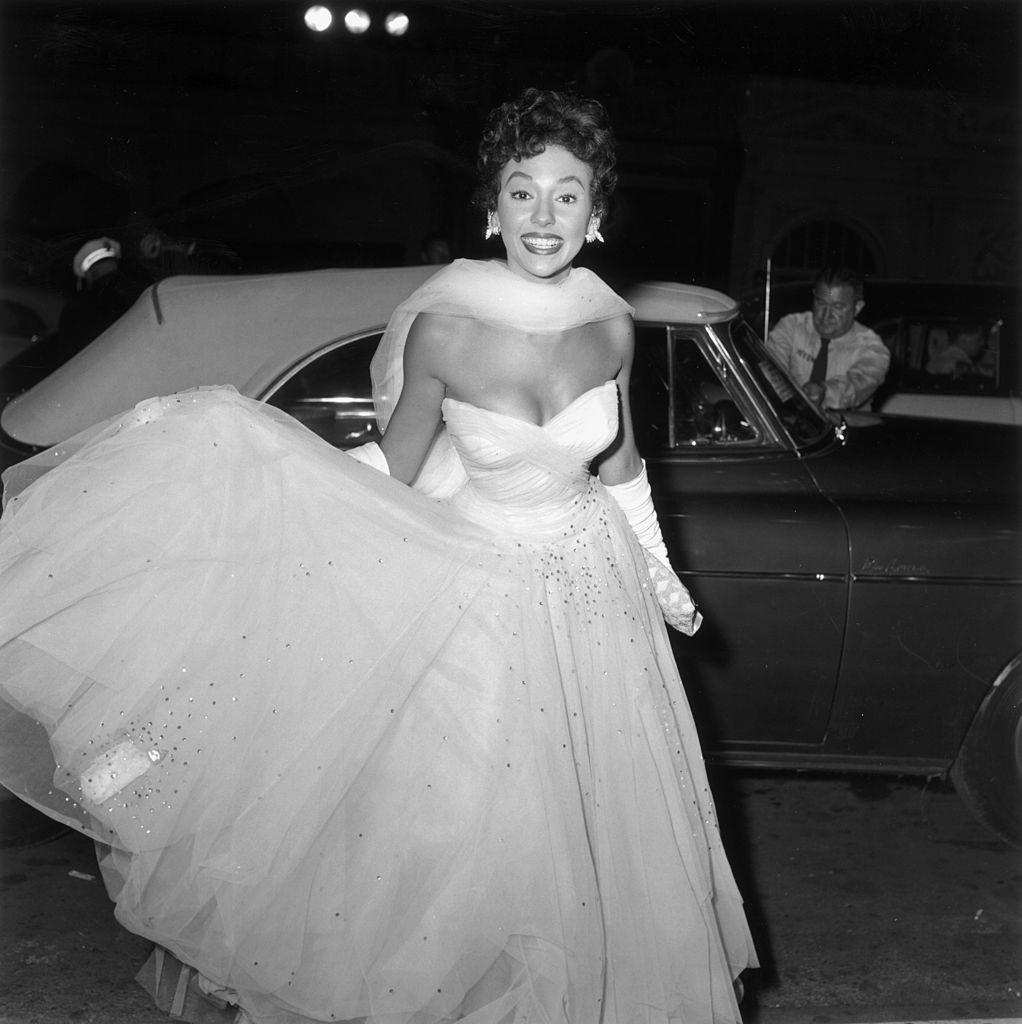
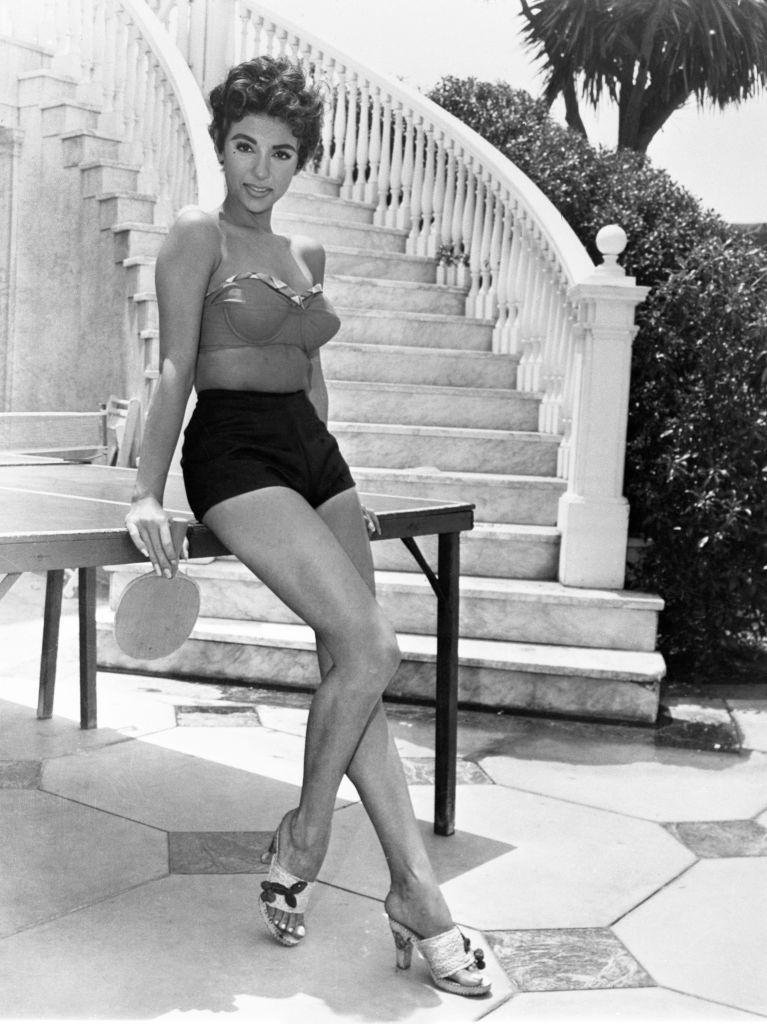
The mid-1950s brought a wave of photoshoots, public appearances, and new film projects. Moreno appeared in “Untamed” (1955) opposite Richard Egan and was cast in “The Vagabond King” (1956). She attended high-profile events across Los Angeles and was regularly photographed at parties, clubs, and premieres alongside some of Hollywood’s biggest names.
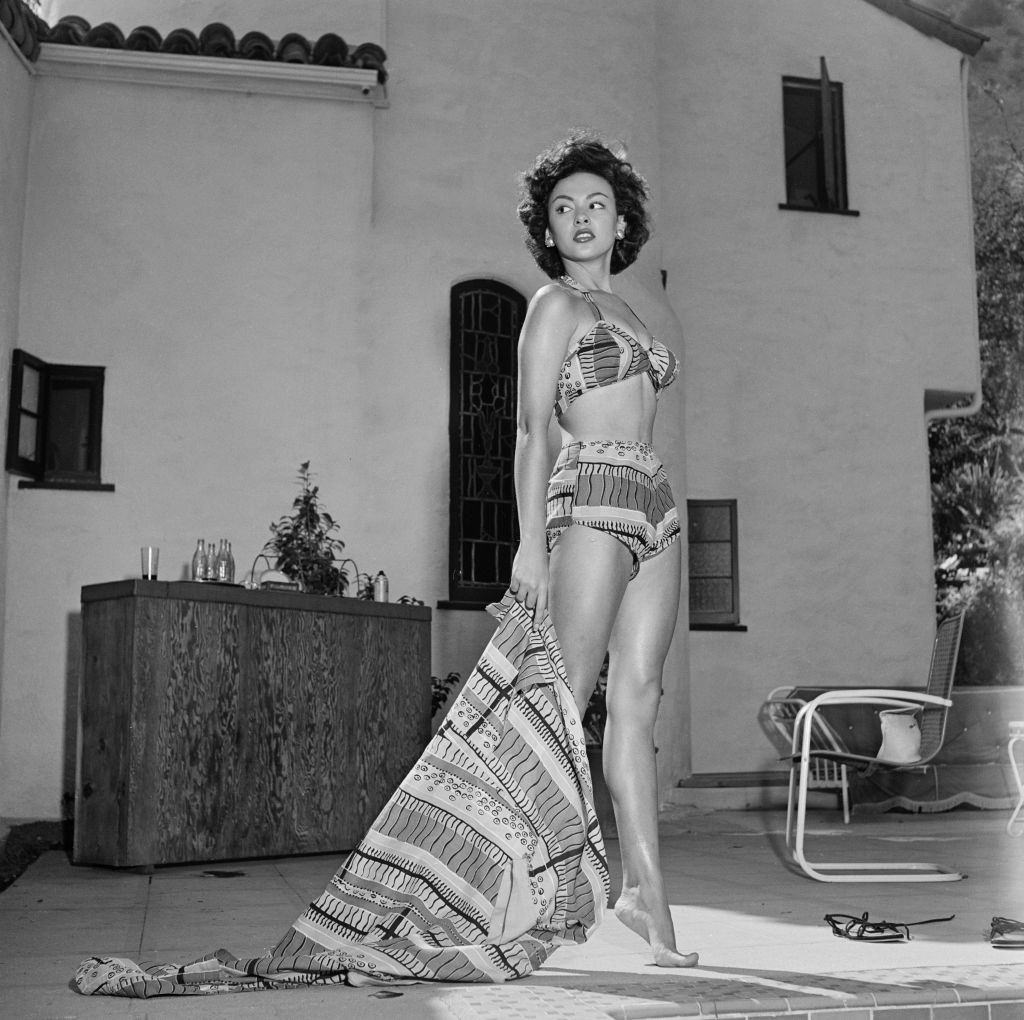
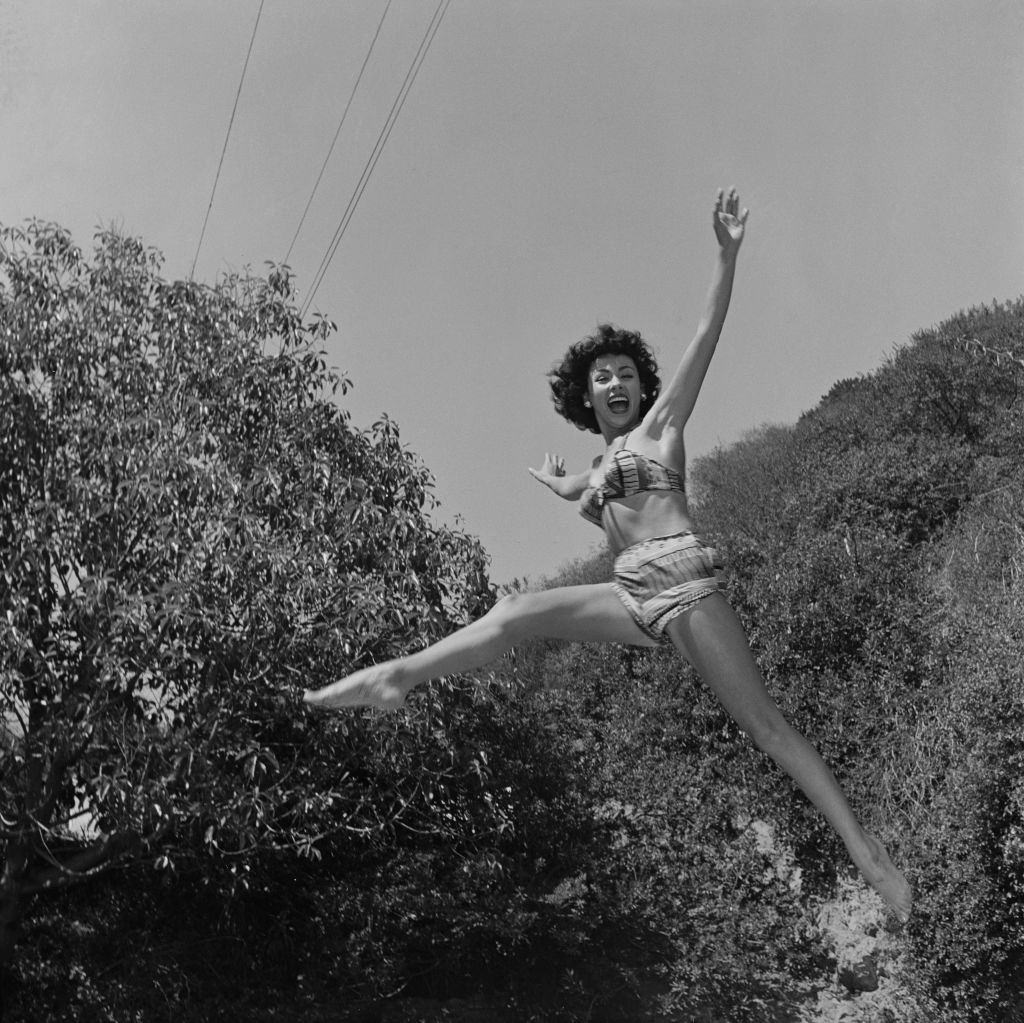
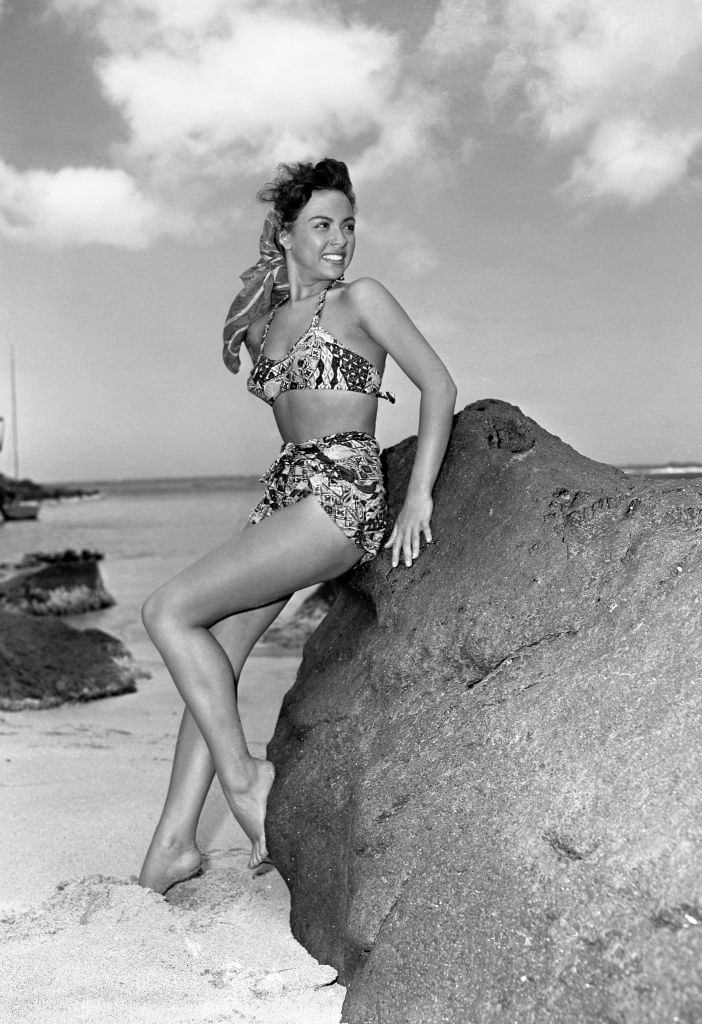
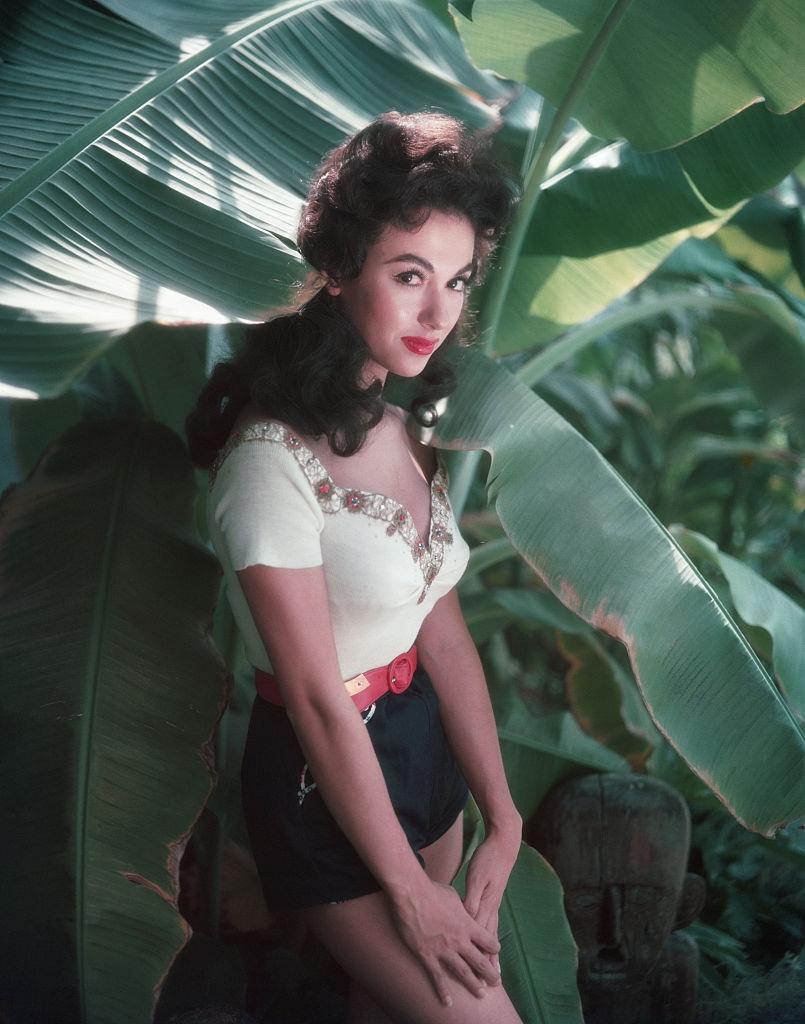
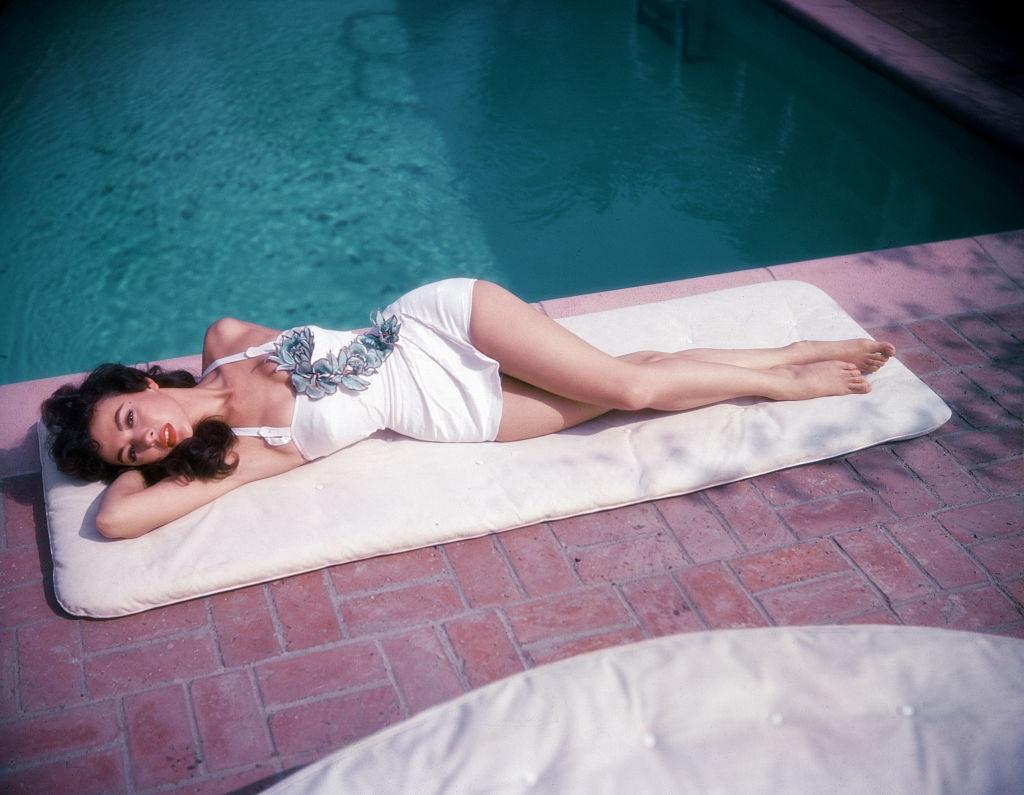
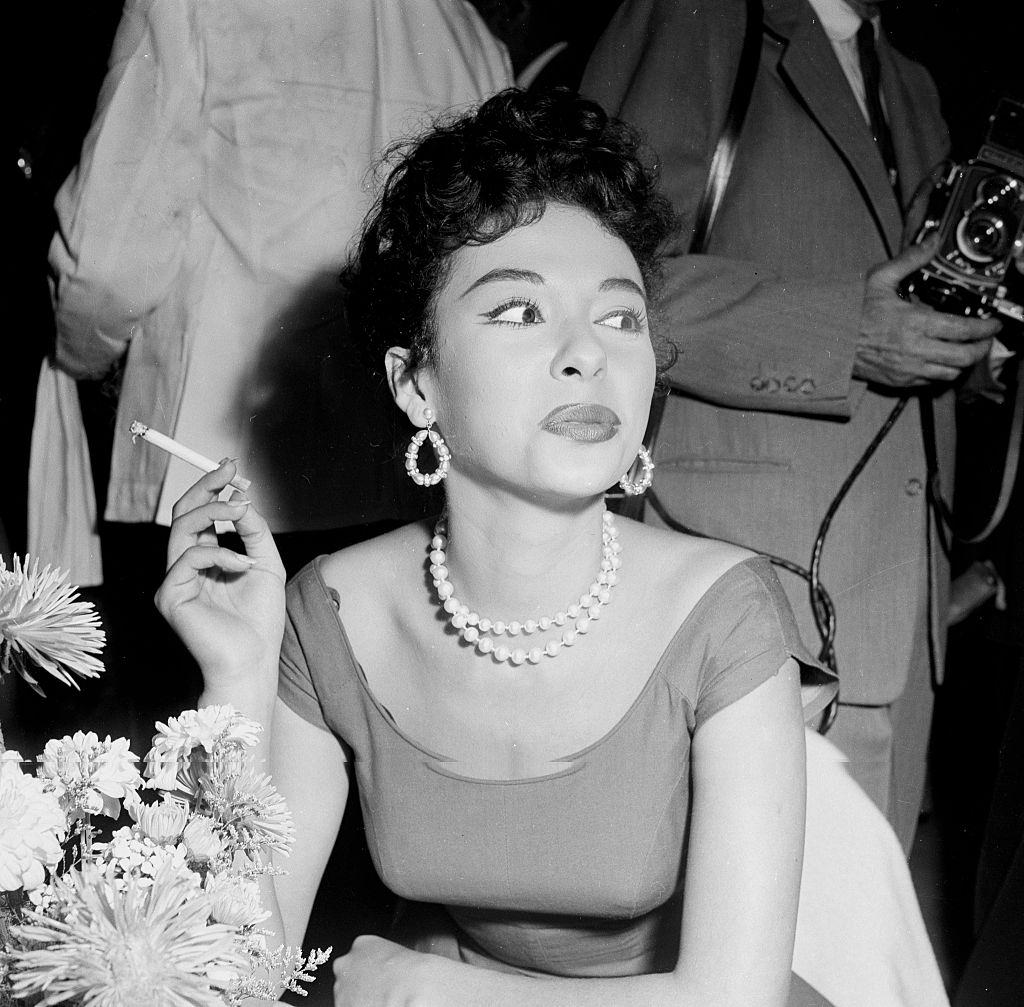
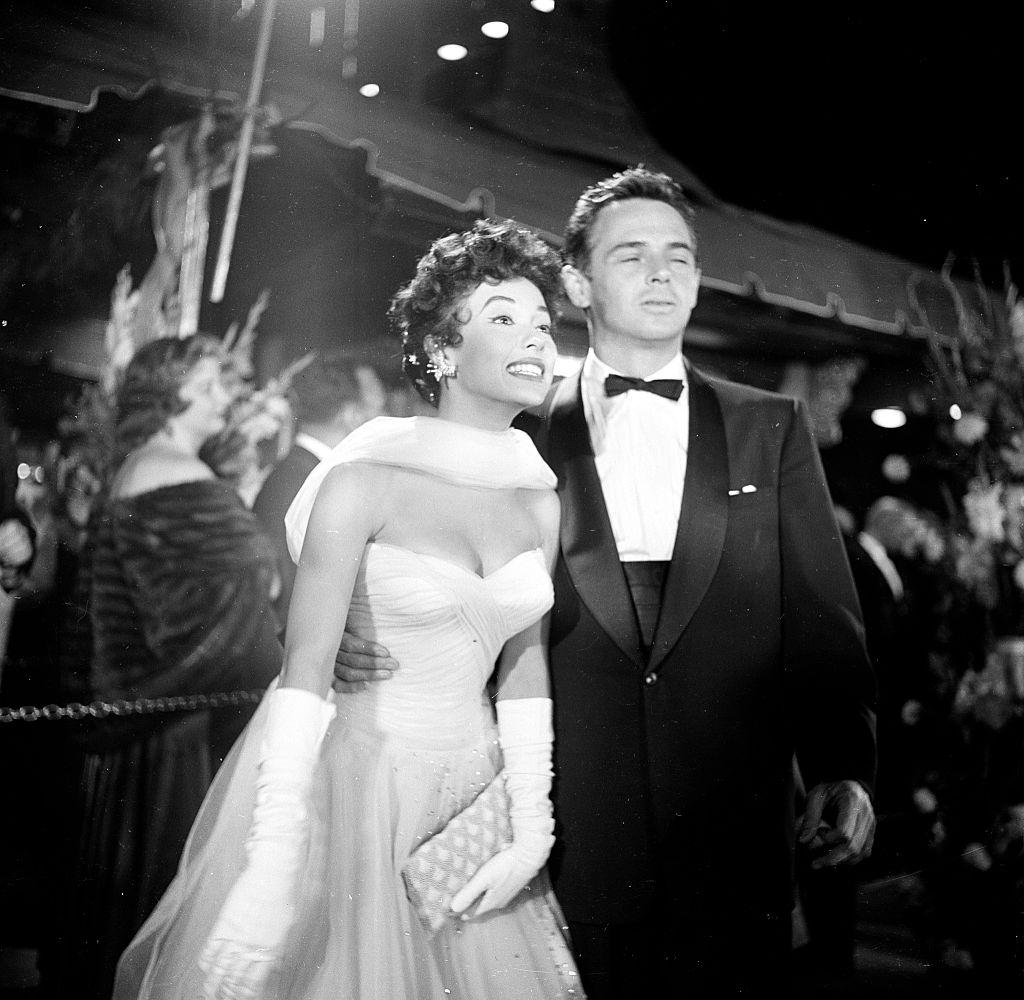
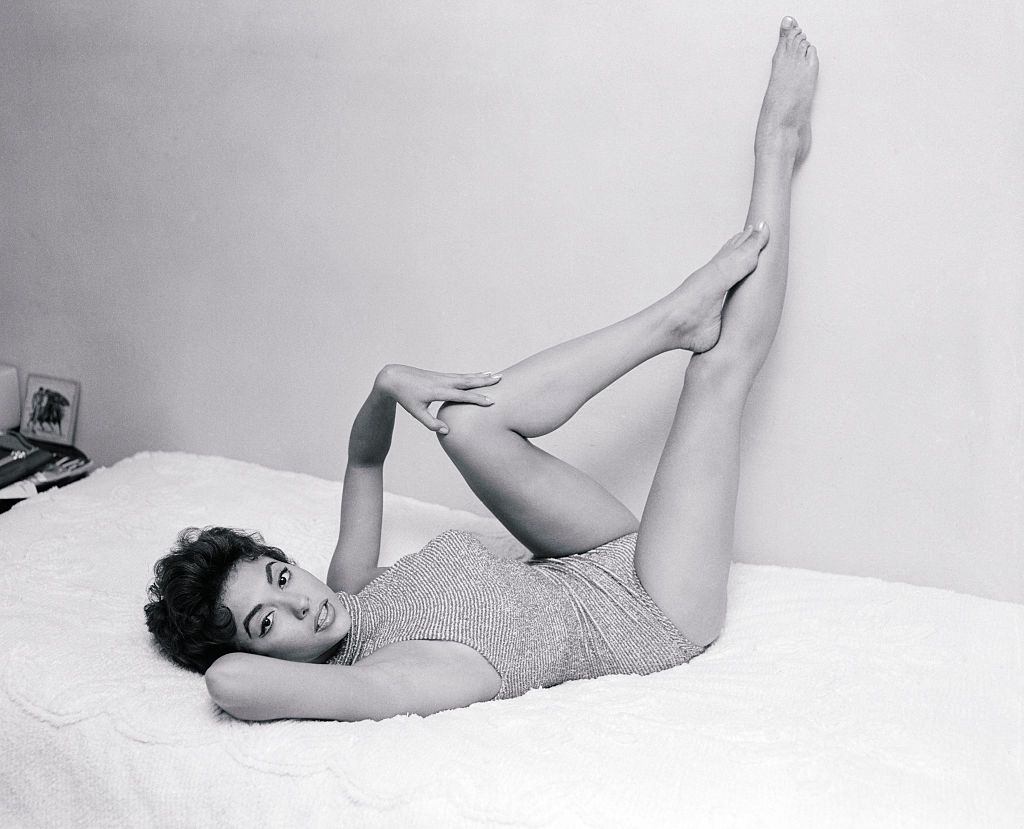
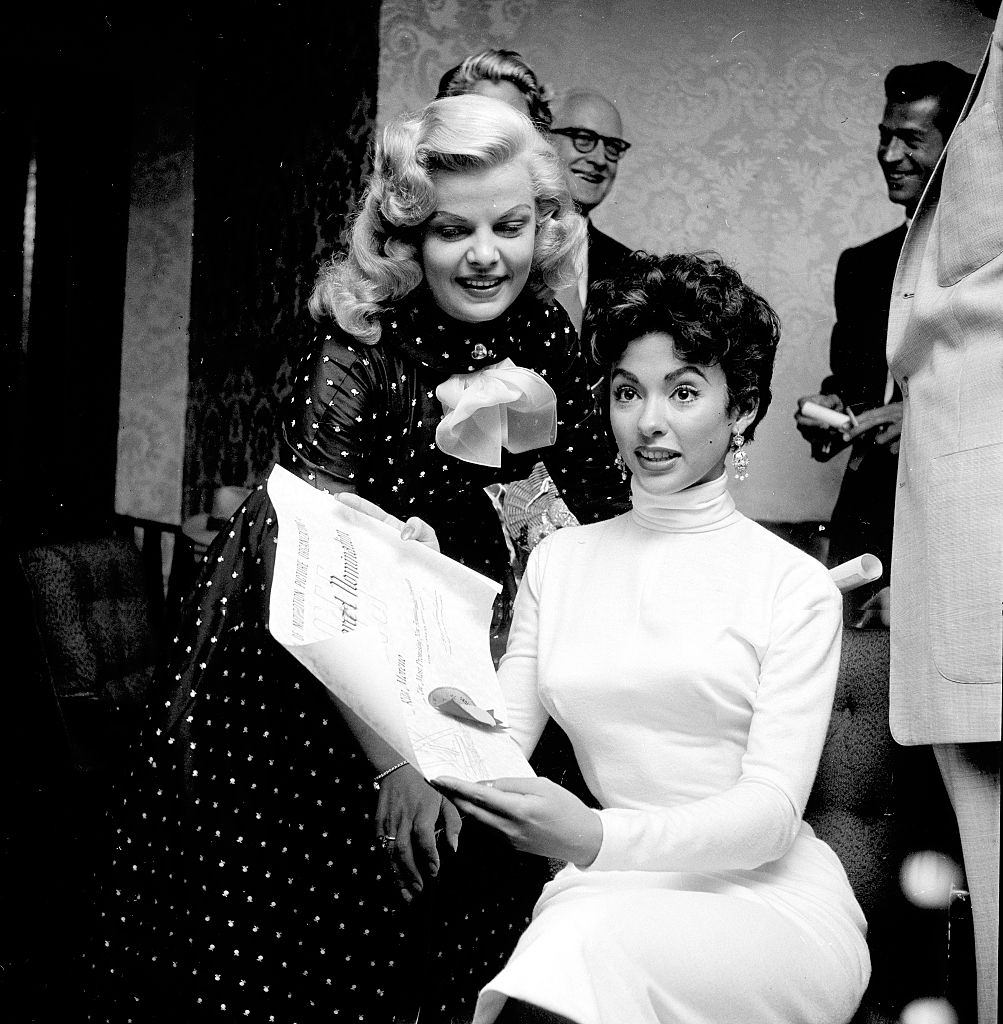
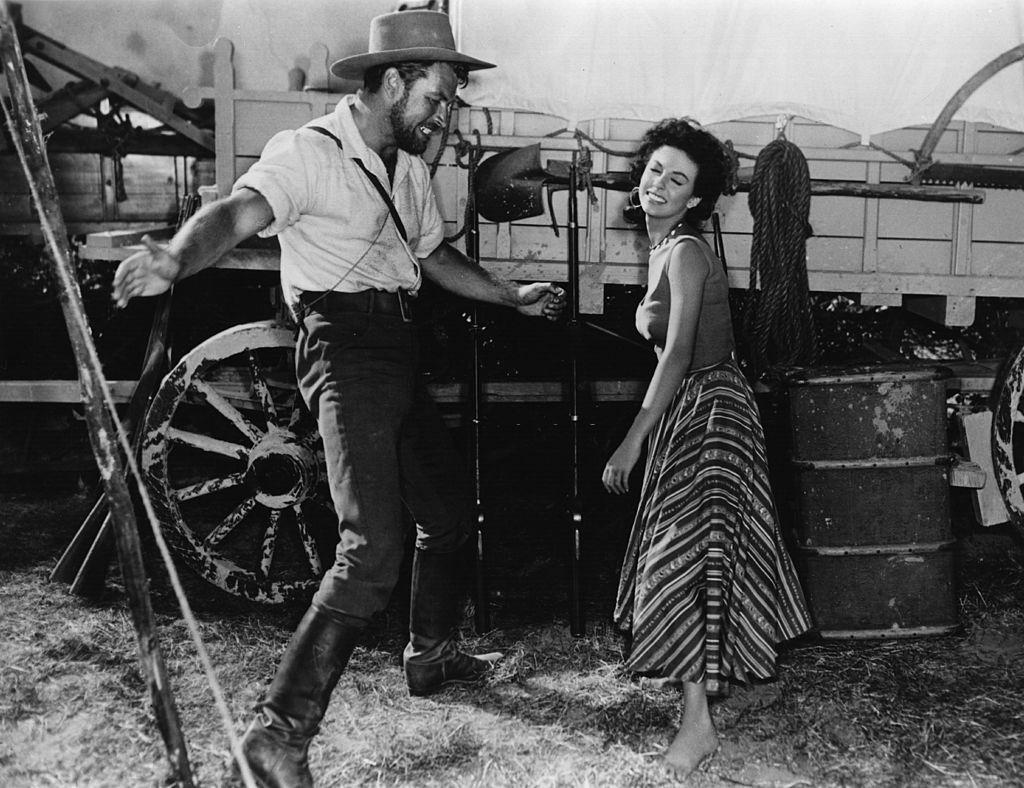
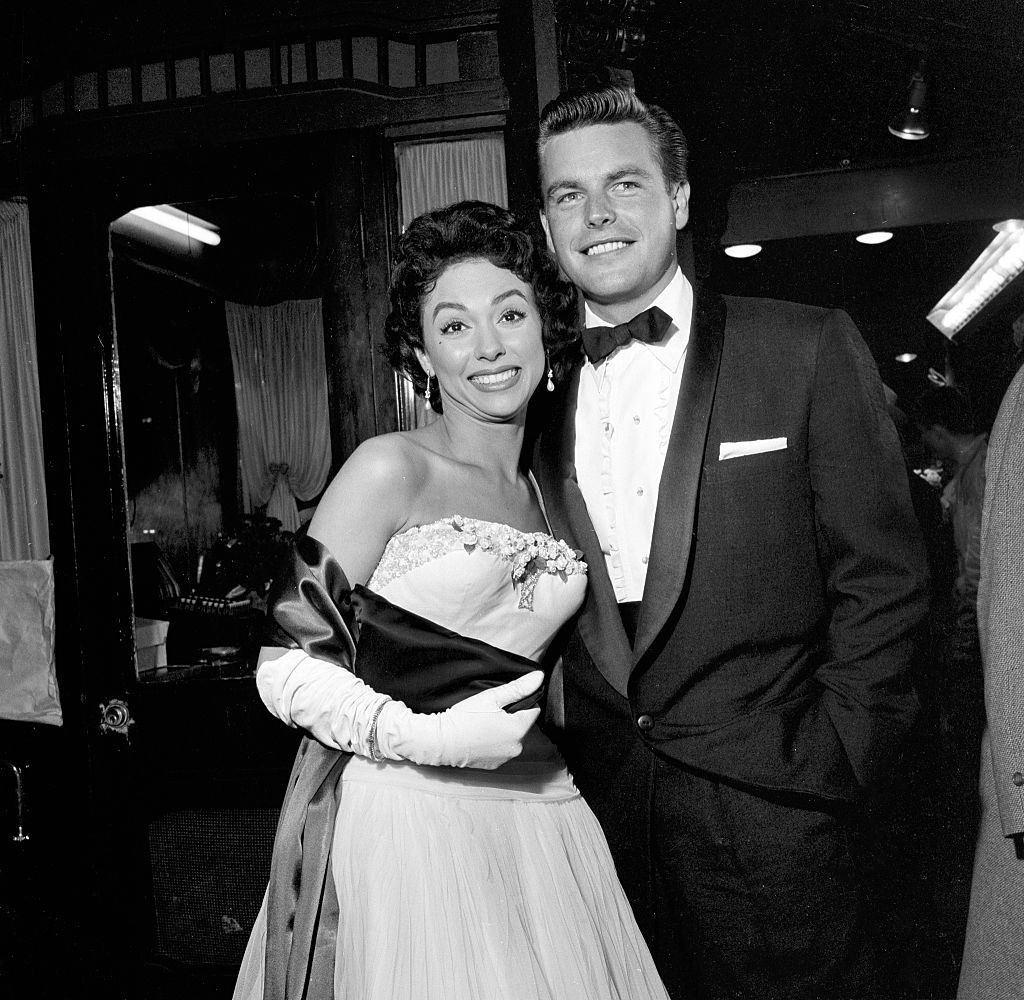
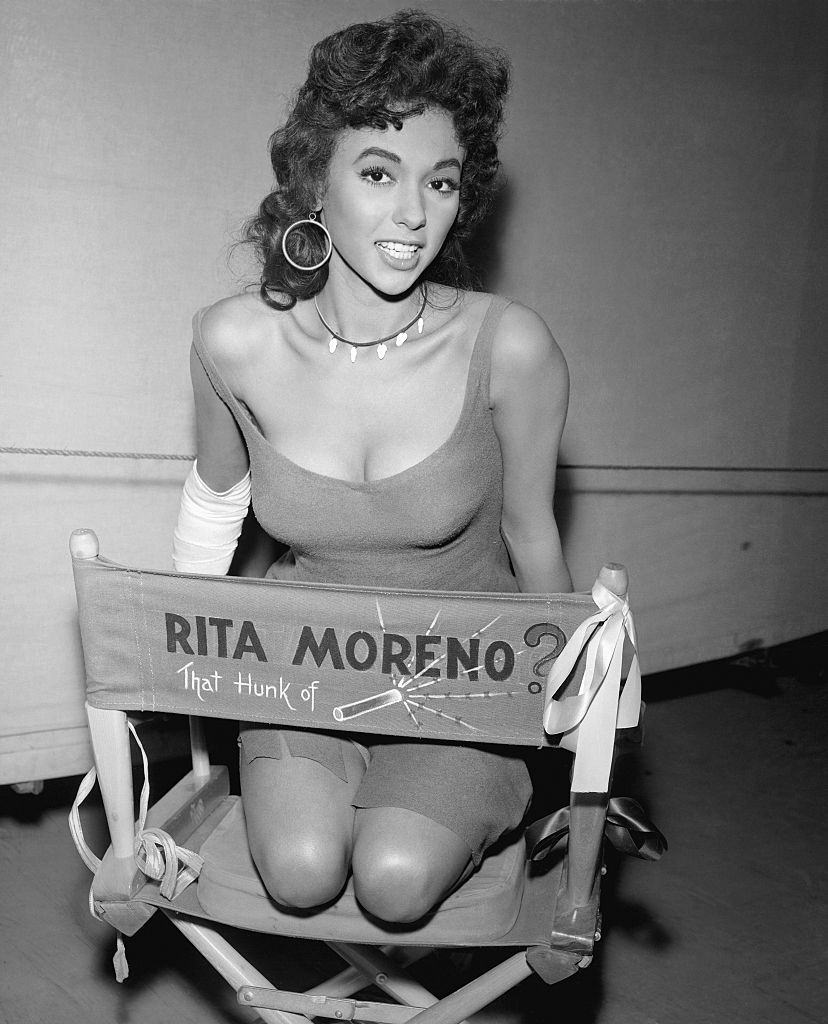
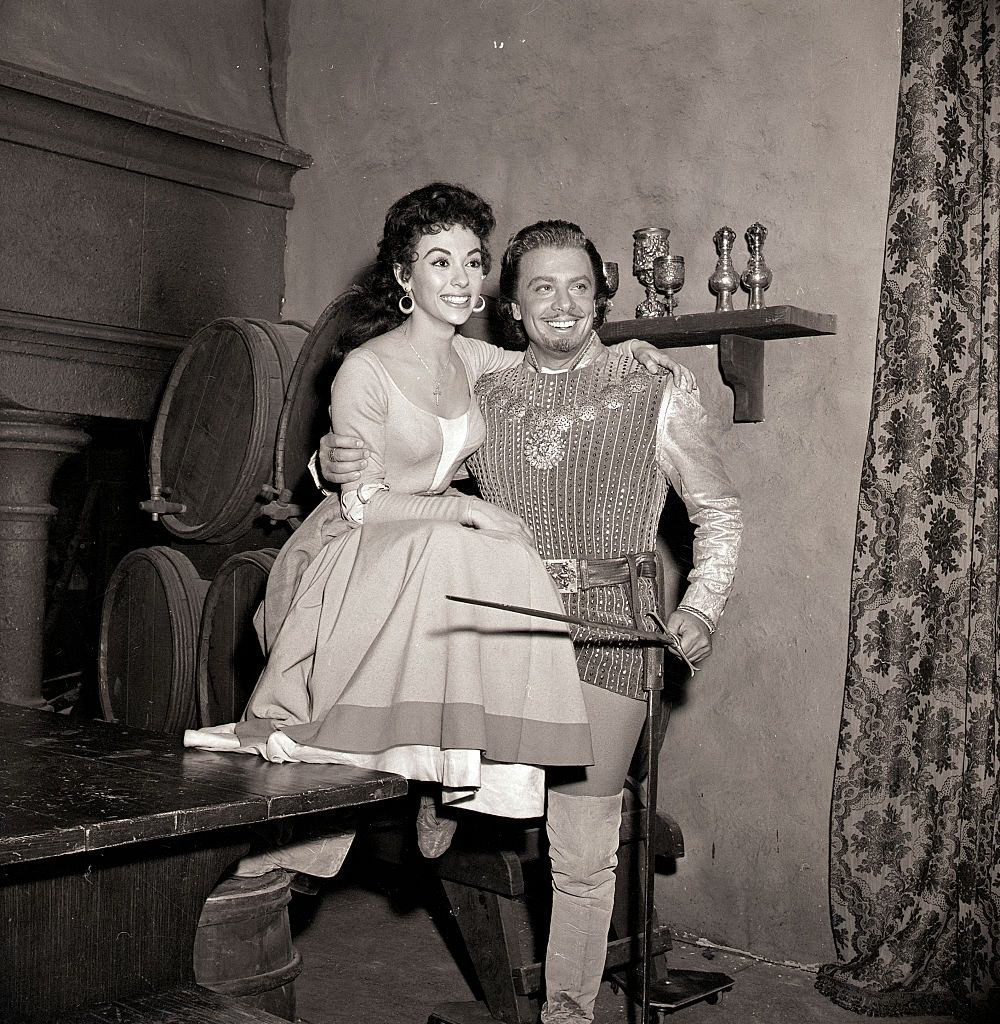
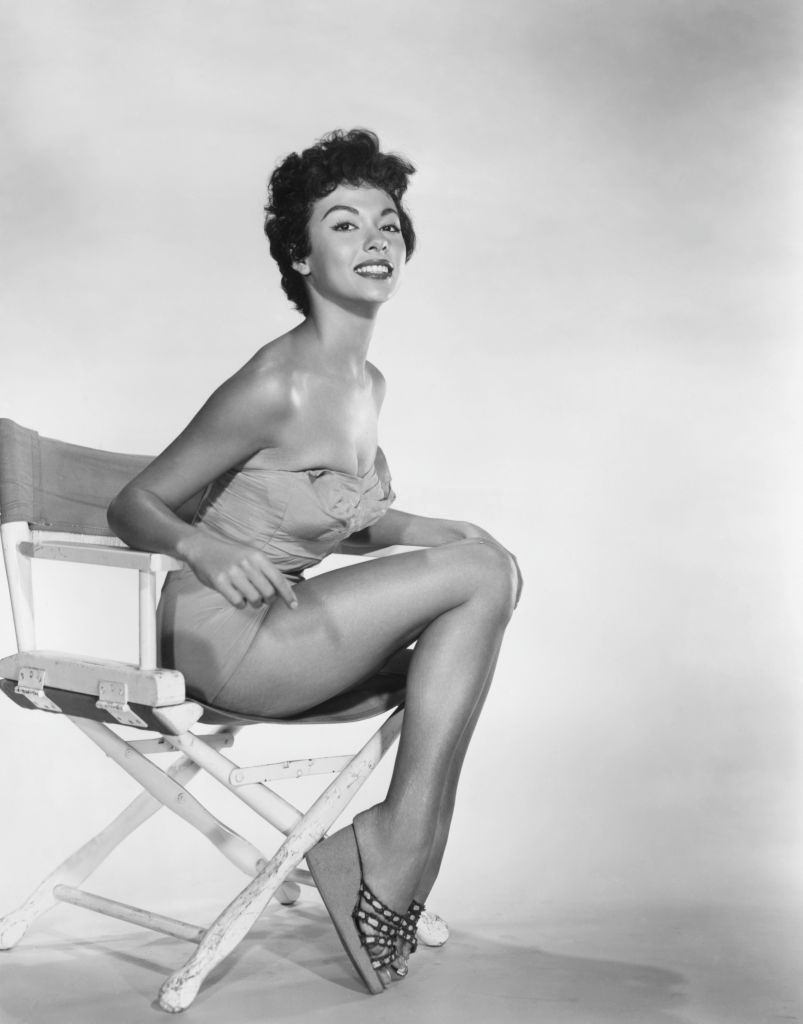
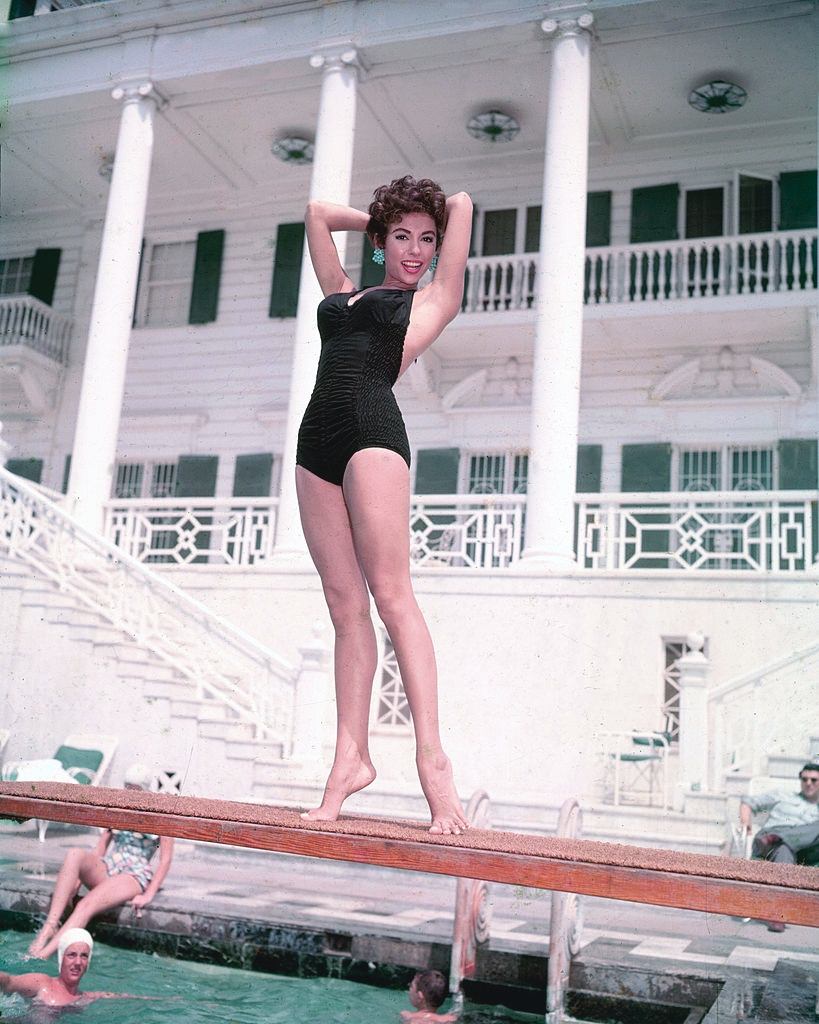
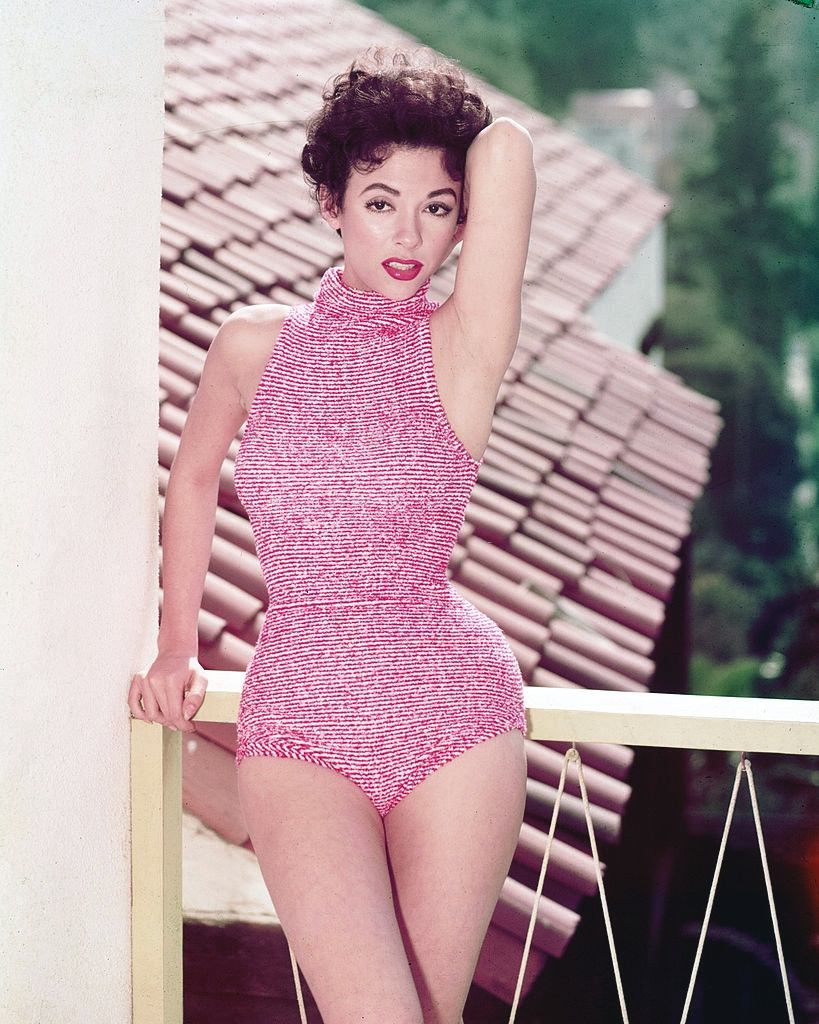
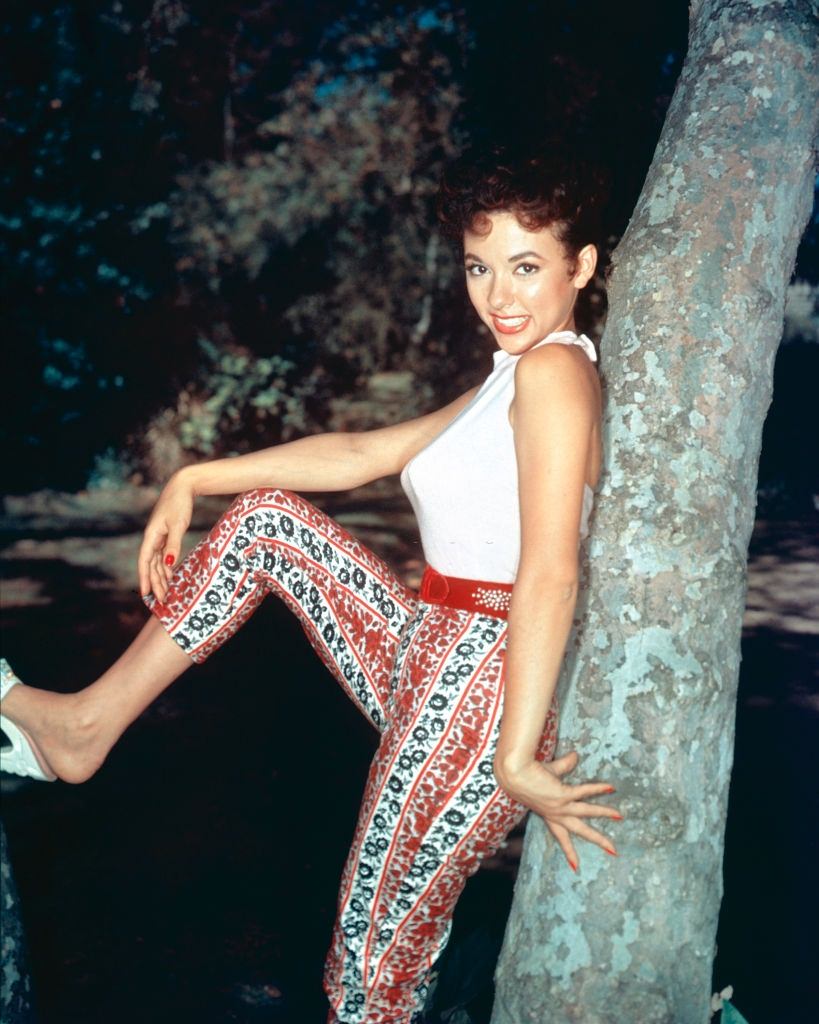
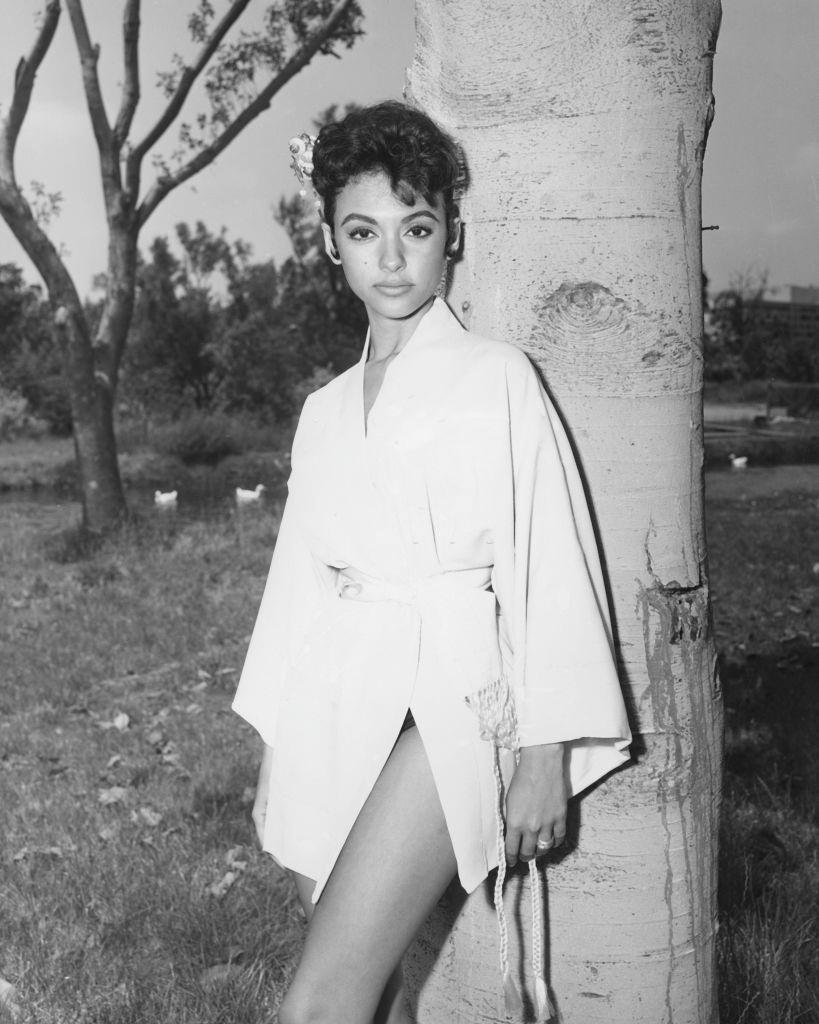
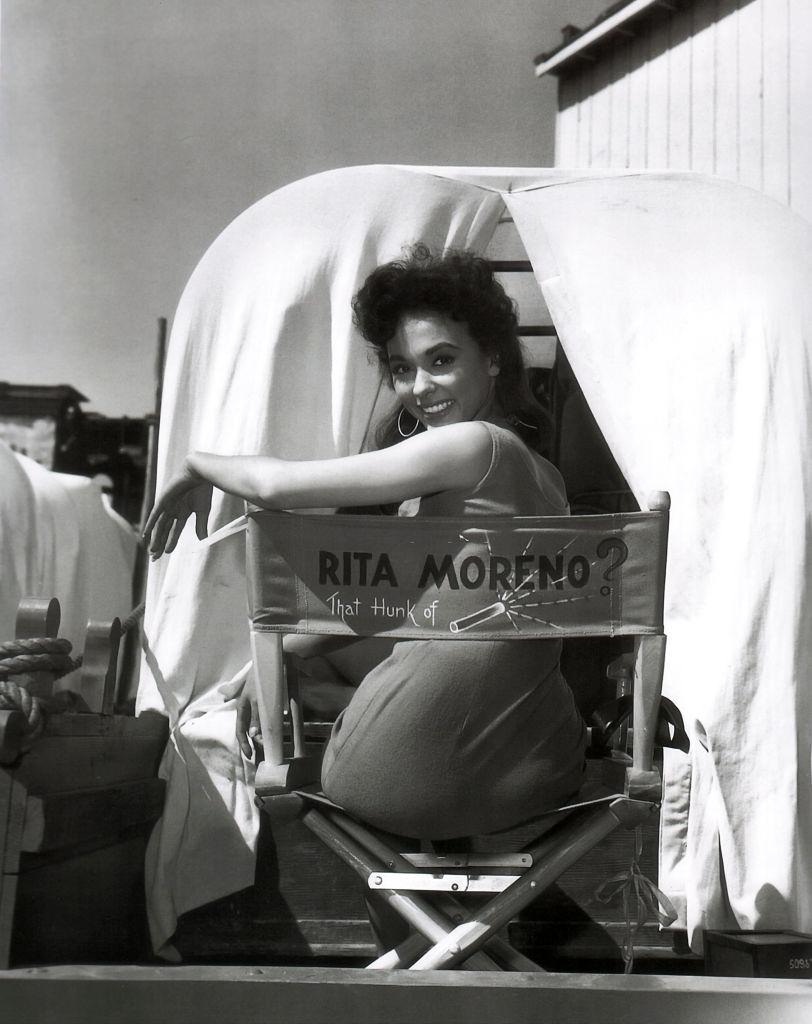
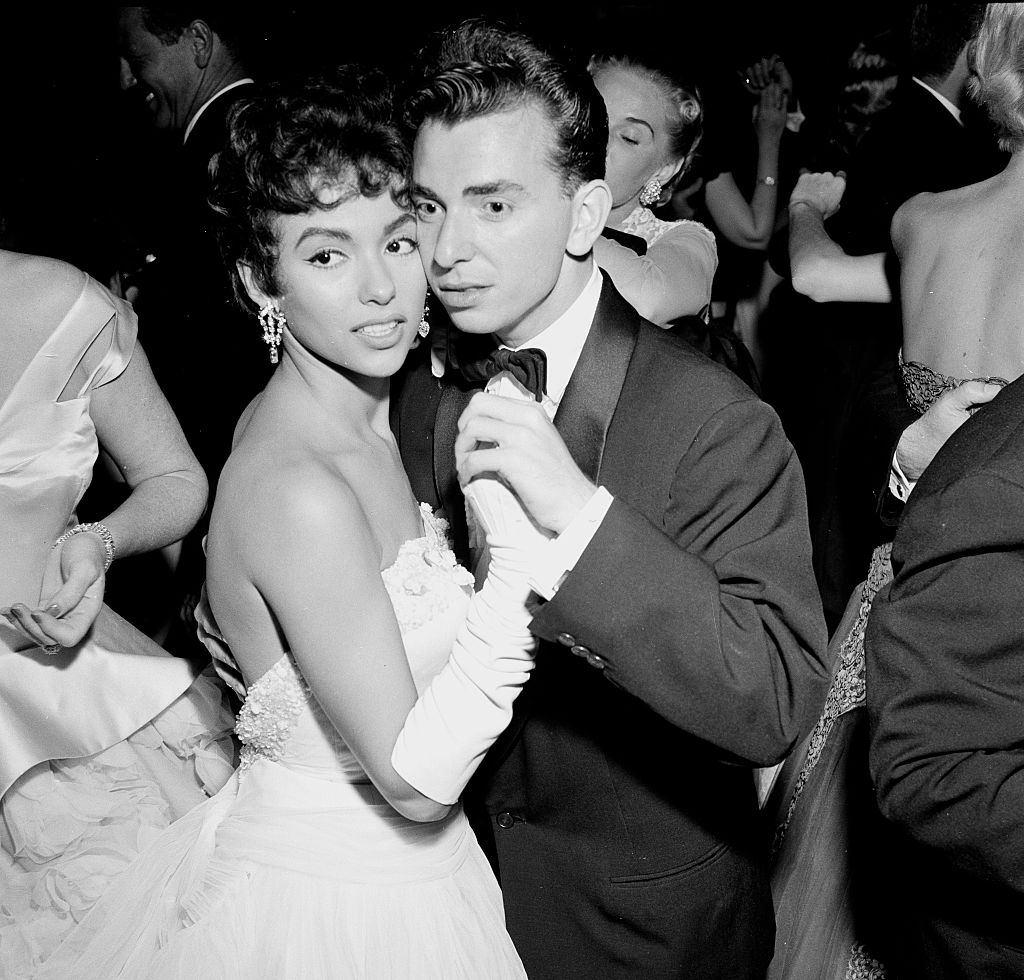
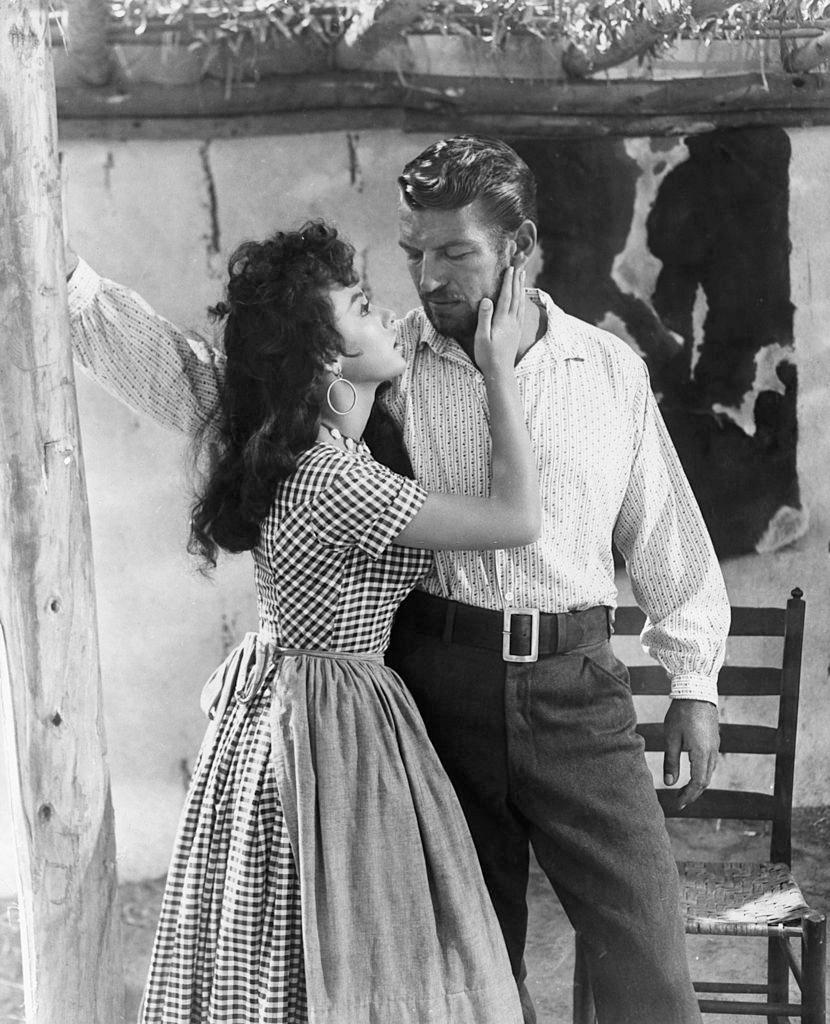
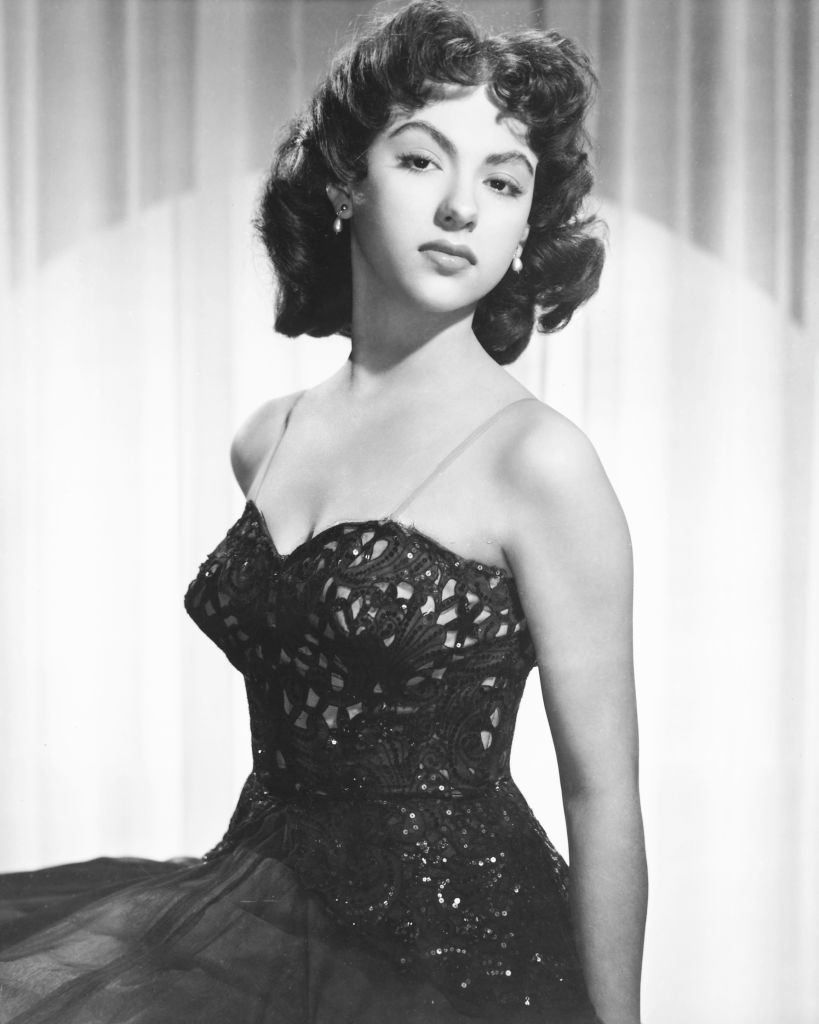
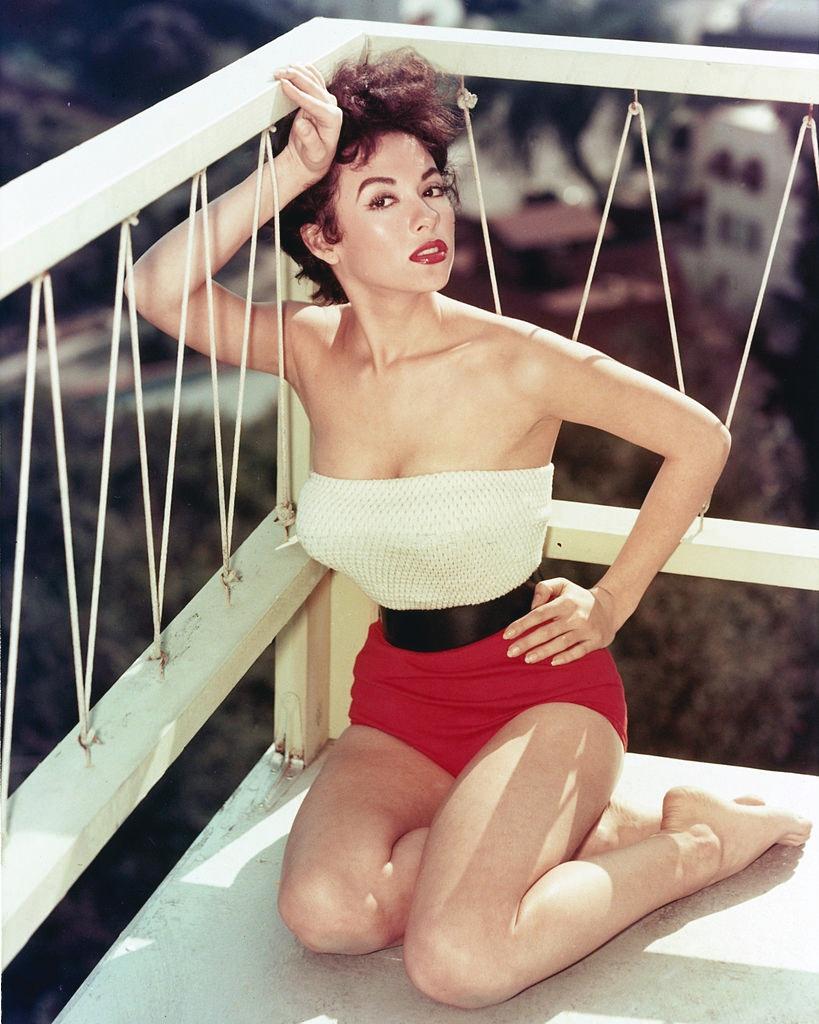
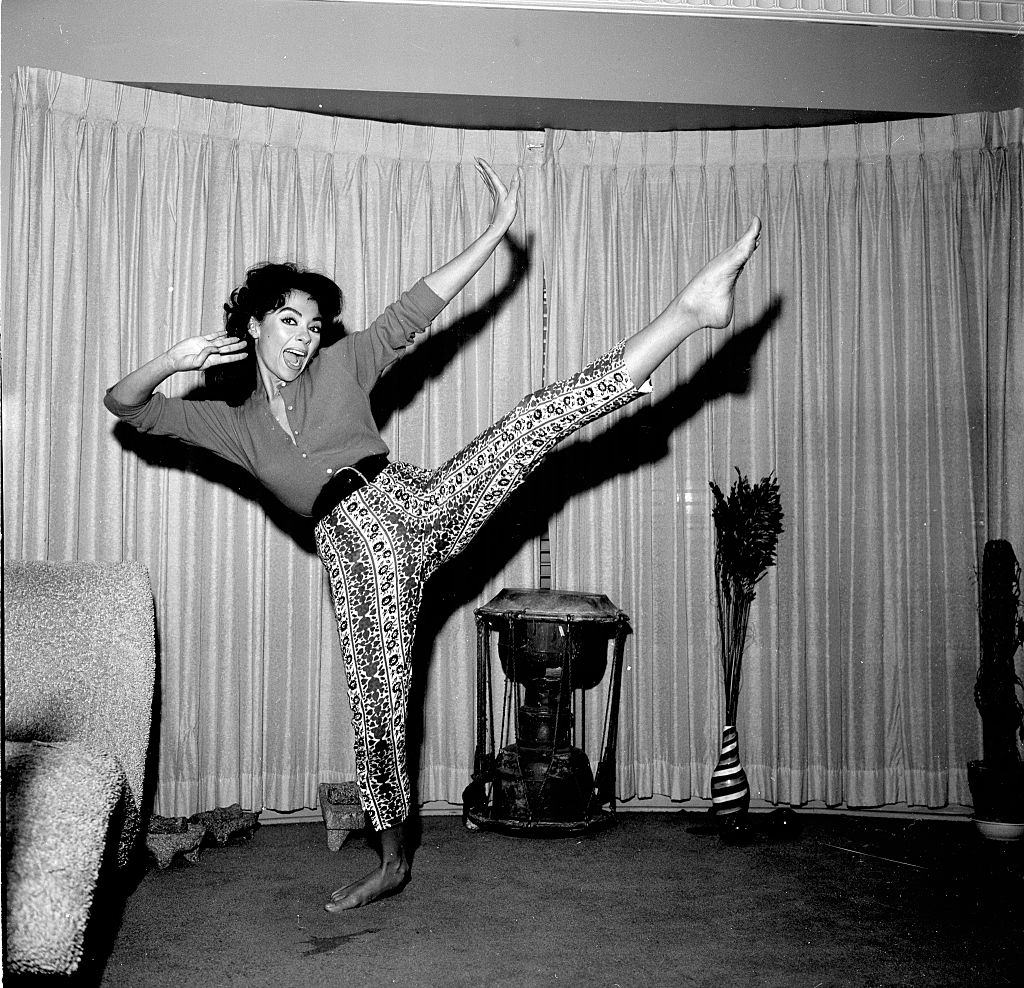
By the mid-to-late 1950s, Moreno was also making her presence known on television. She appeared in various productions and continued to take on film roles, including “The Vagabond King” (1956) and a role as Irene in a Climax television production that same year. Back at home in Los Angeles, she spent time between projects dancing, rehearsing, and preparing for the next stage of her career.
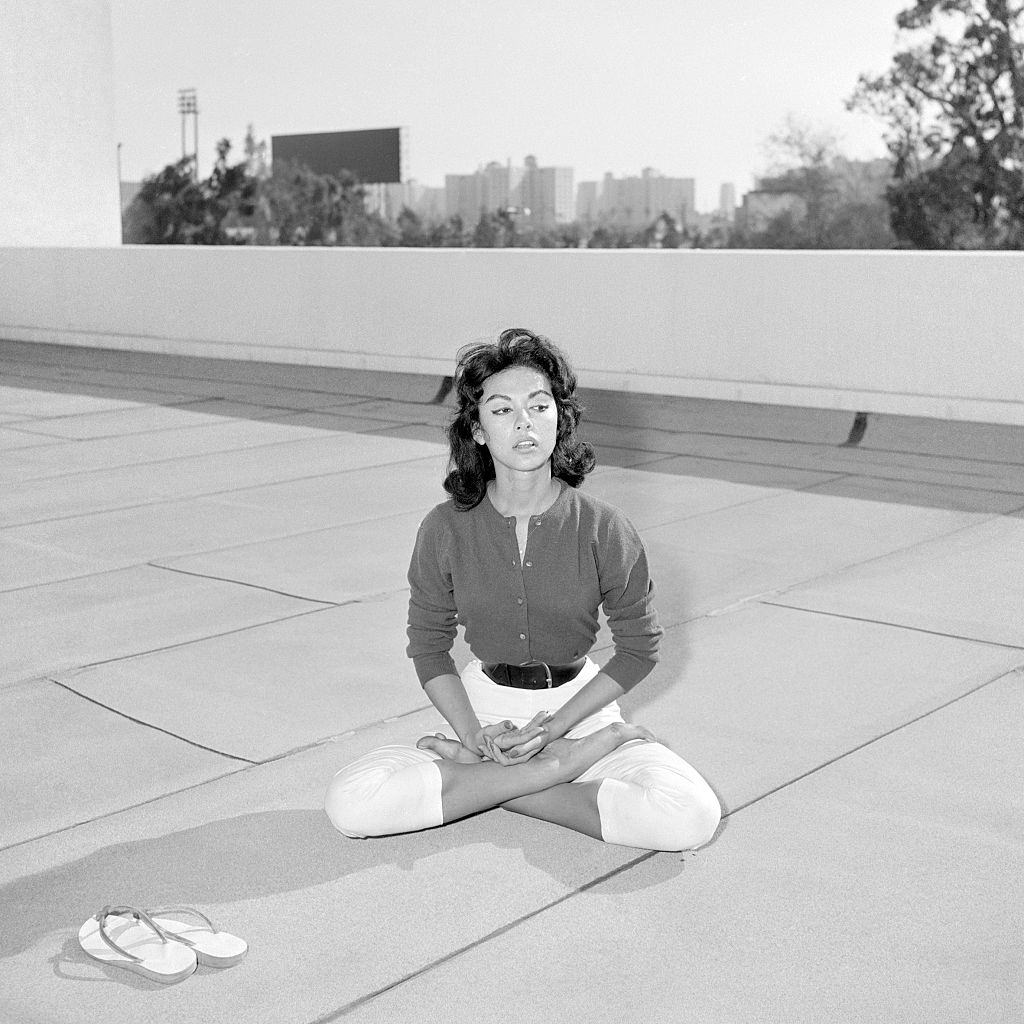
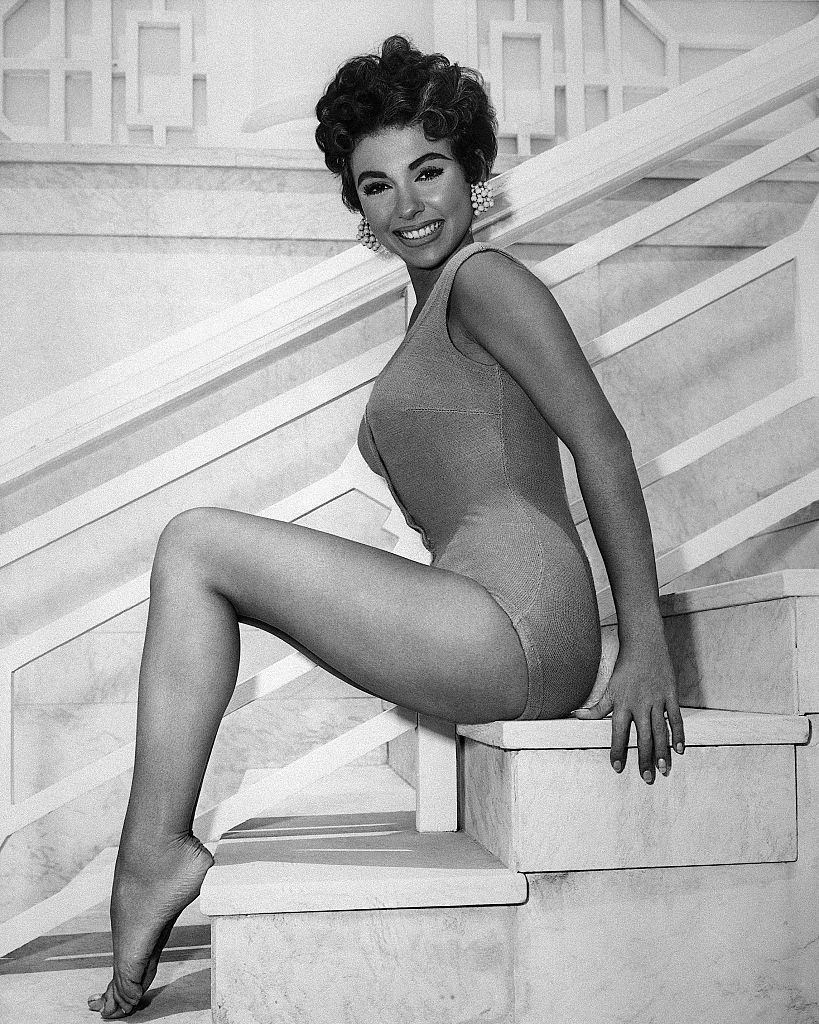
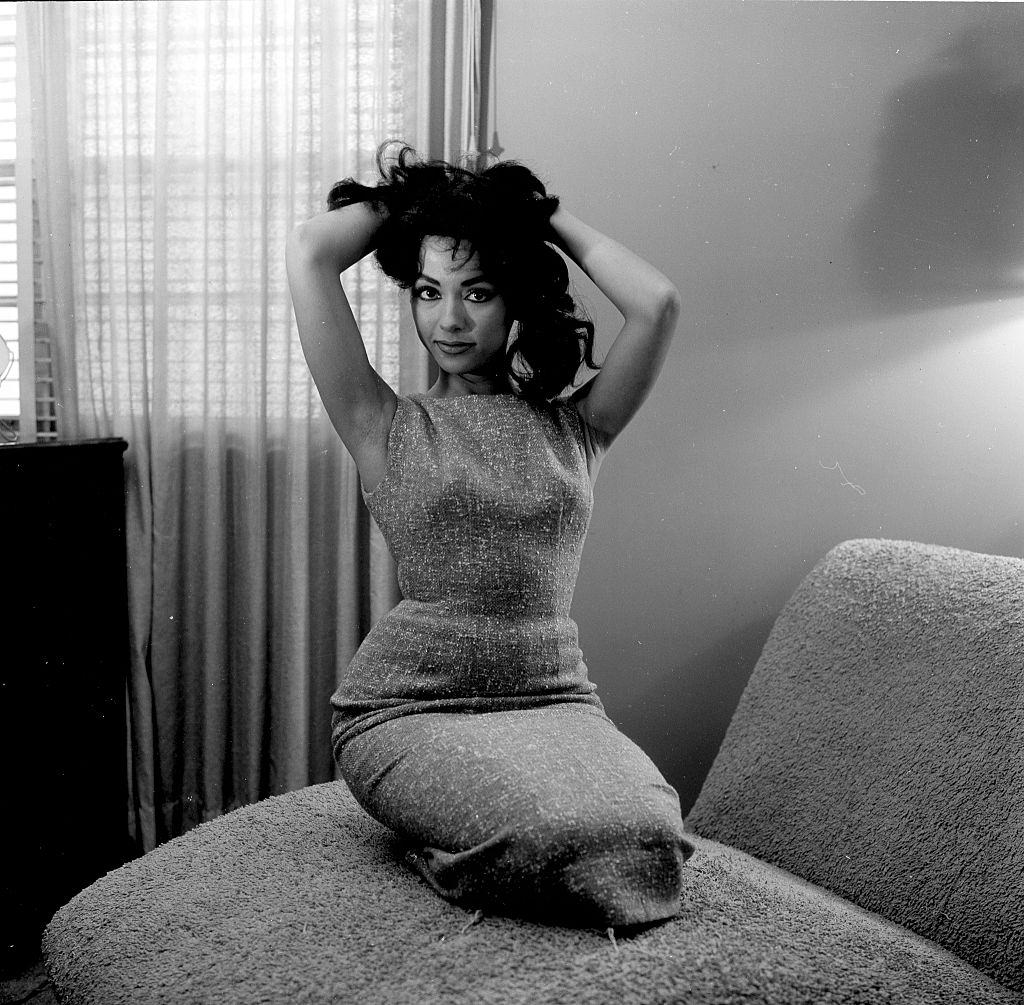
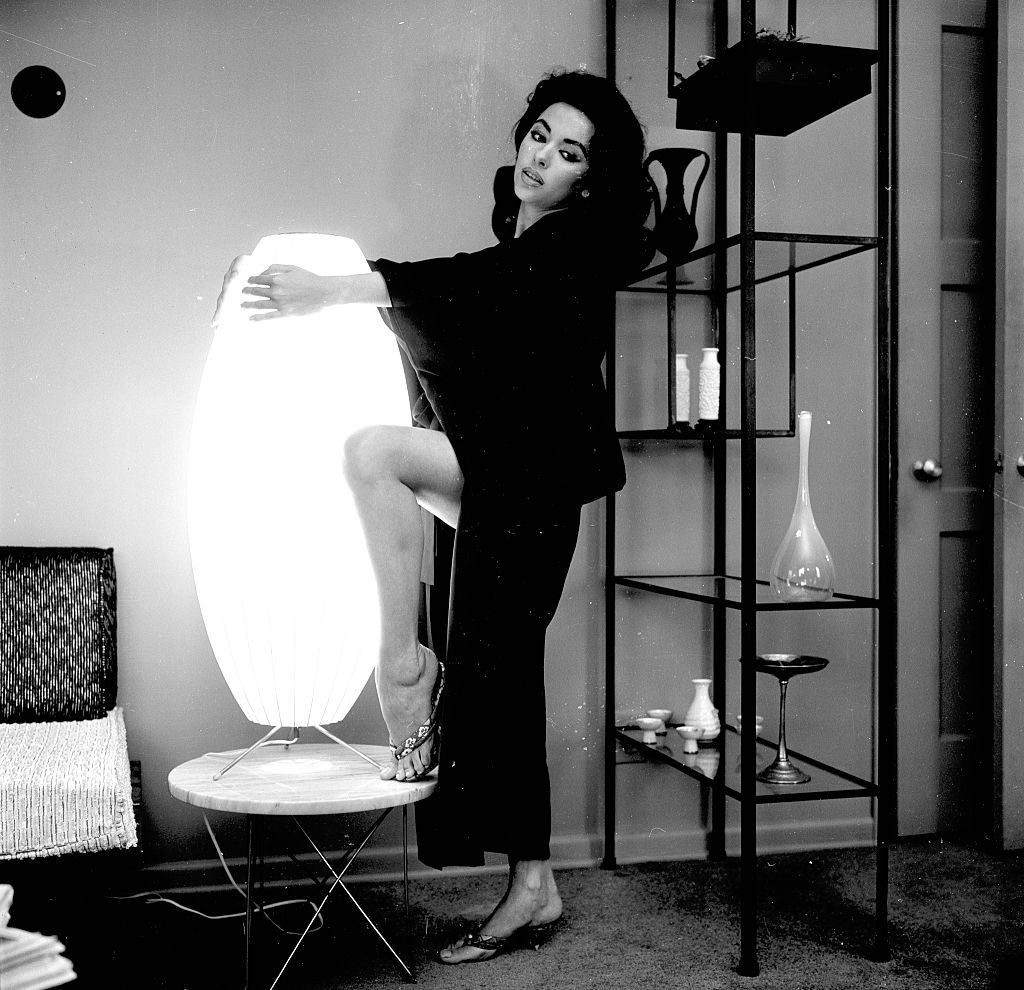
Everything changed in 1961 with “West Side Story.” The film was a landmark production — a musical retelling of Romeo and Juliet set against the backdrop of rival street gangs in New York City. Moreno played Anita, a fierce and emotionally complex Puerto Rican woman, and her performance was electric. The role gave her the full range she had long been denied. The film was a massive commercial and critical success, winning ten Academy Awards. Moreno took home the Oscar for Best Supporting Actress, making her the first Hispanic woman ever to win the award. She also starred alongside Natalie Wood and appeared in some of the film’s most memorable musical sequences.
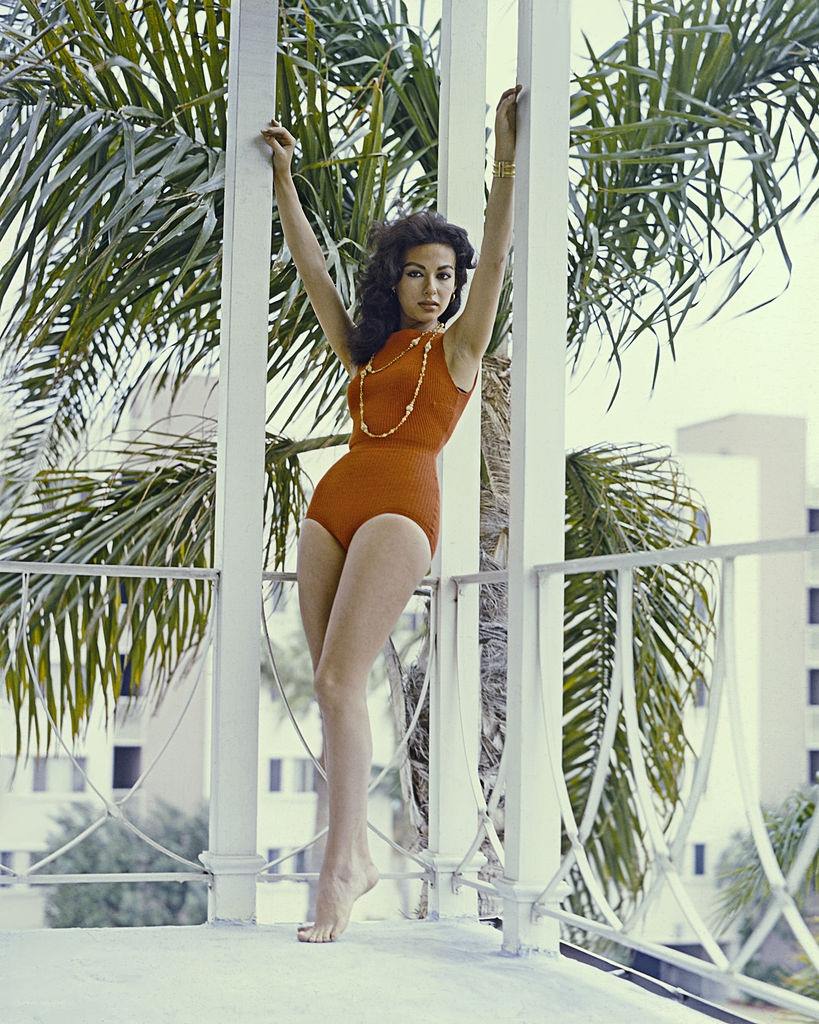
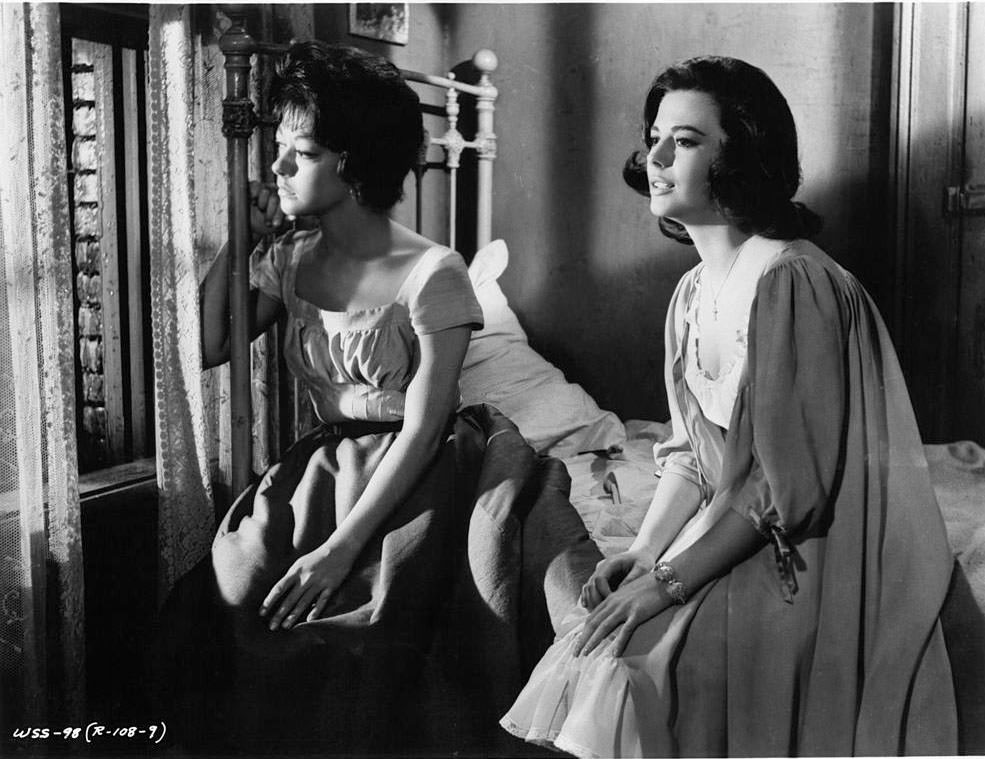
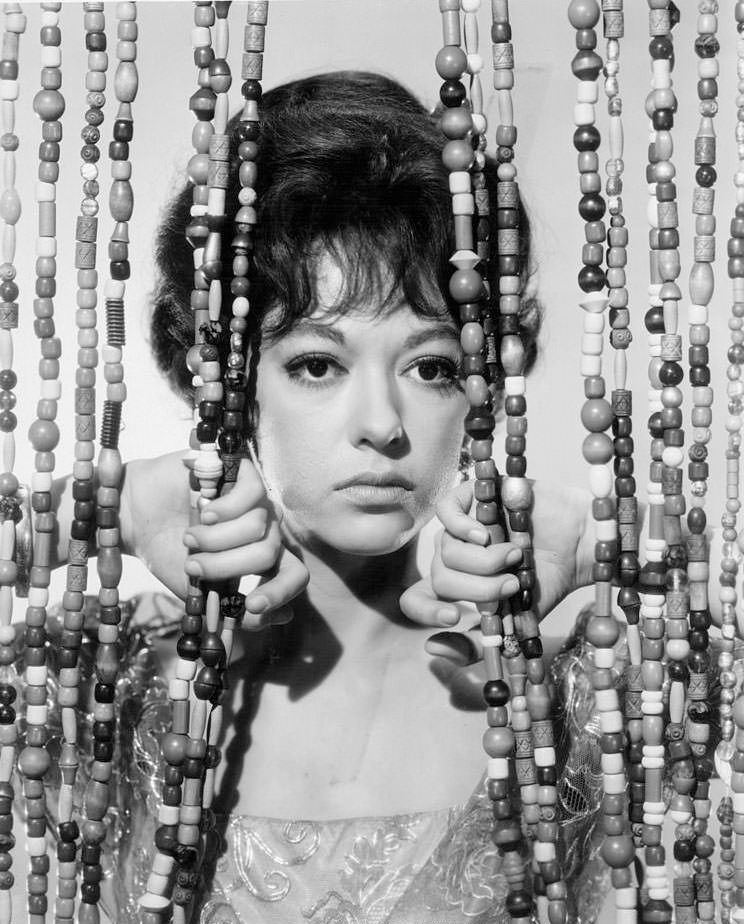
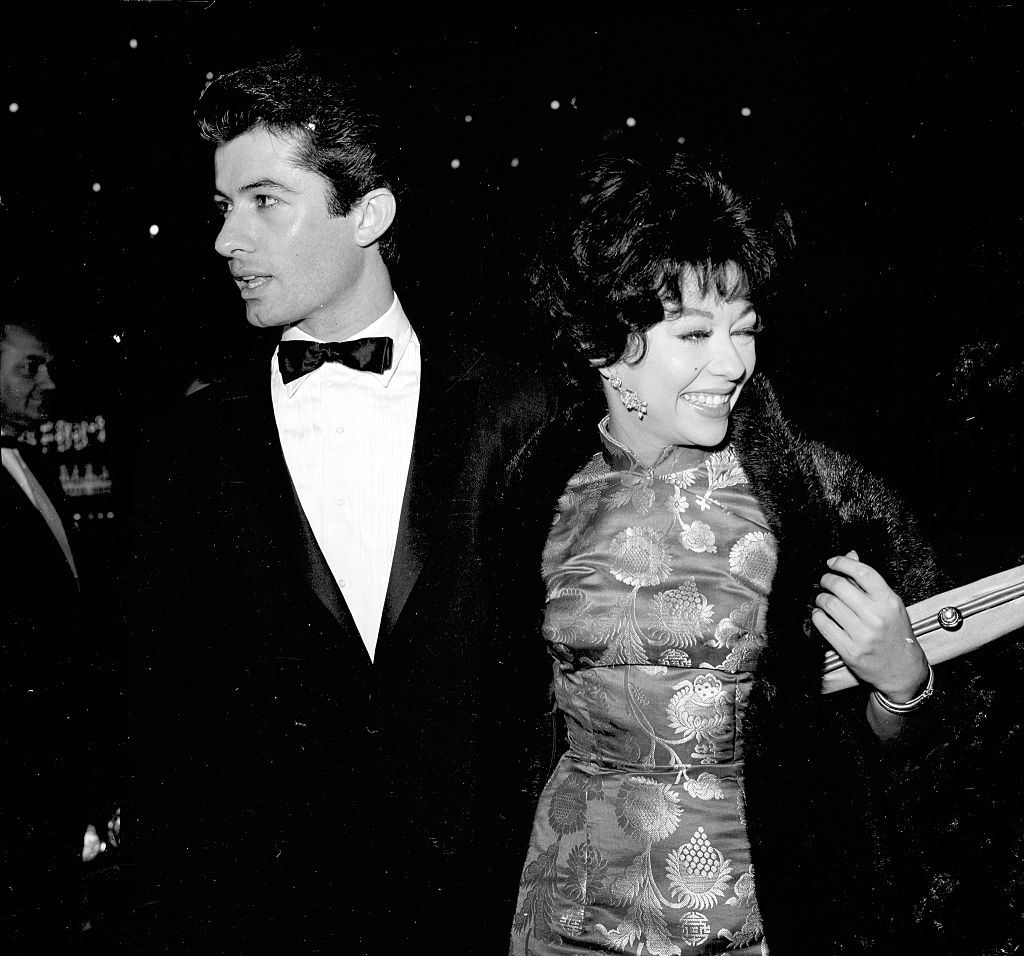
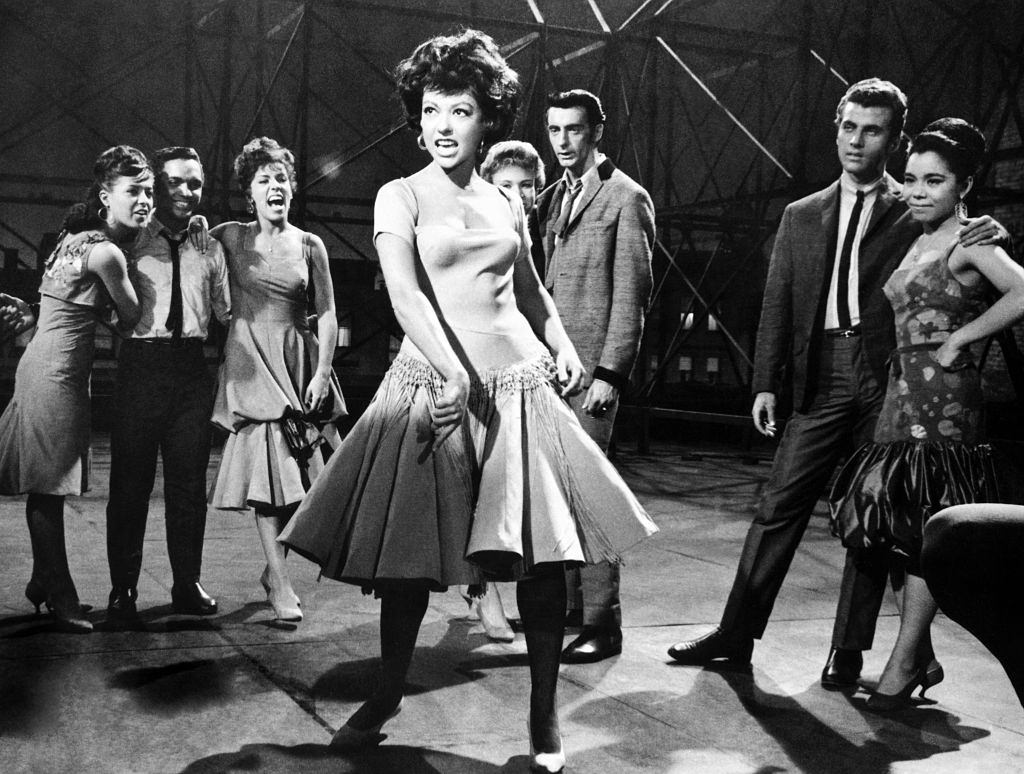
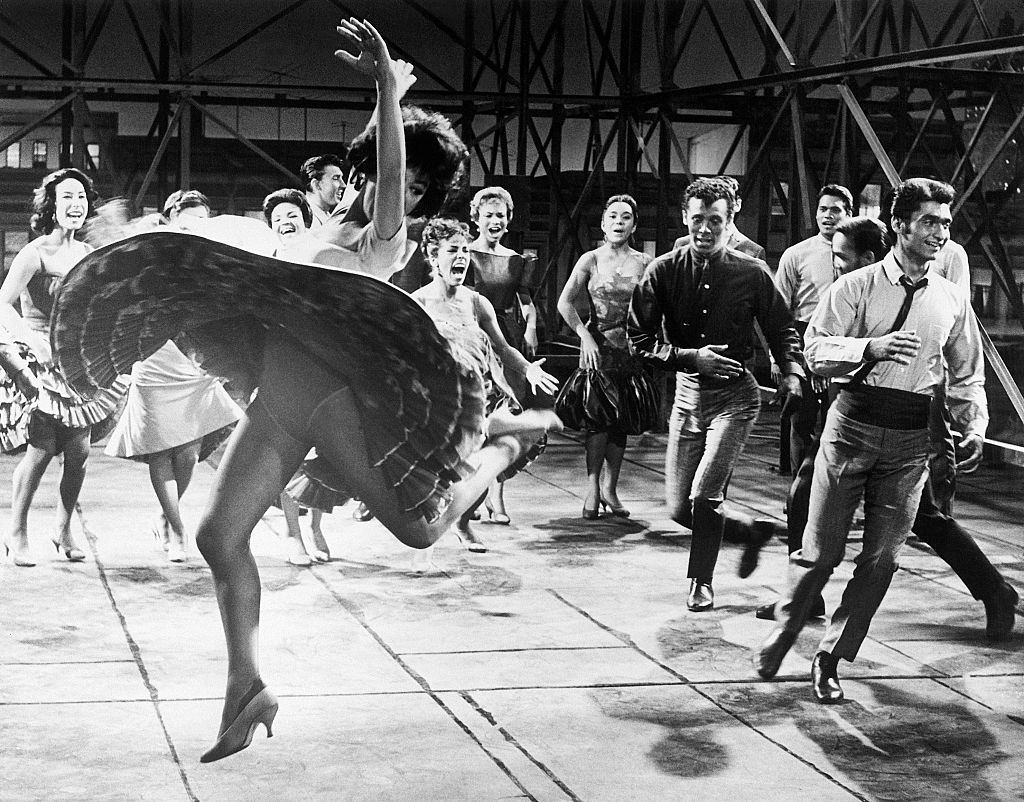
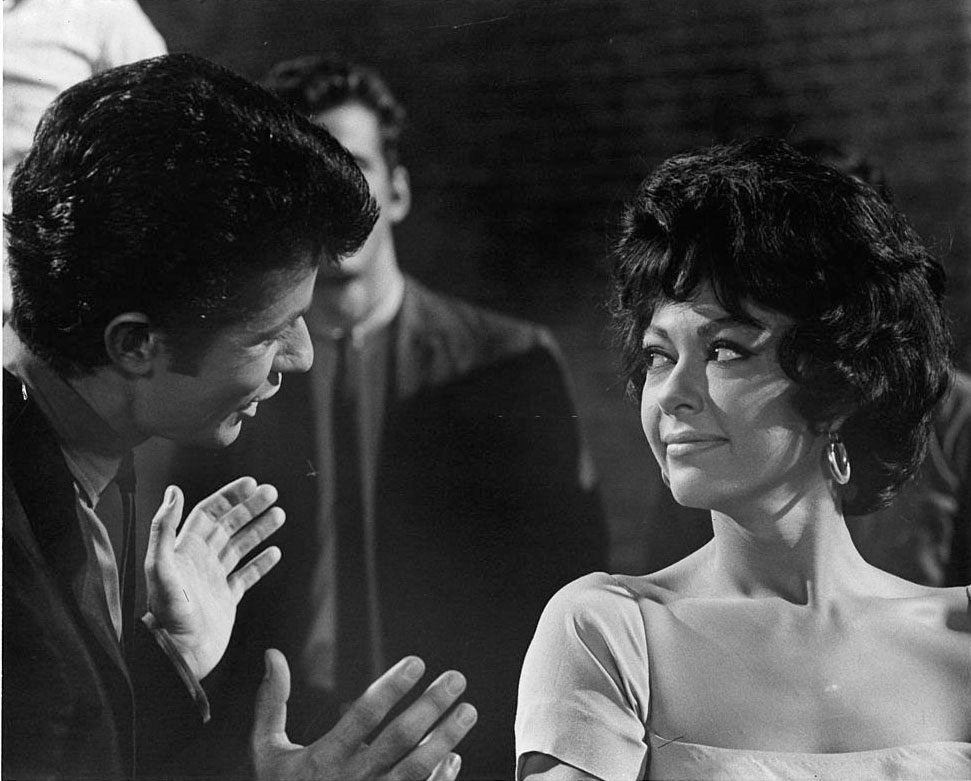
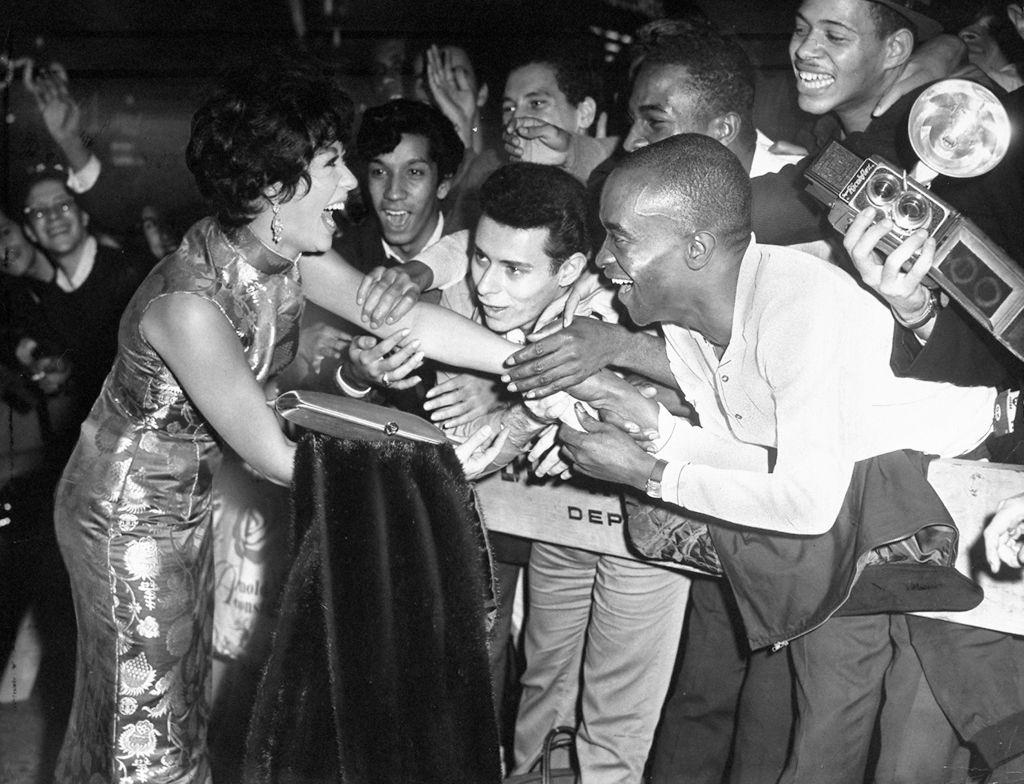
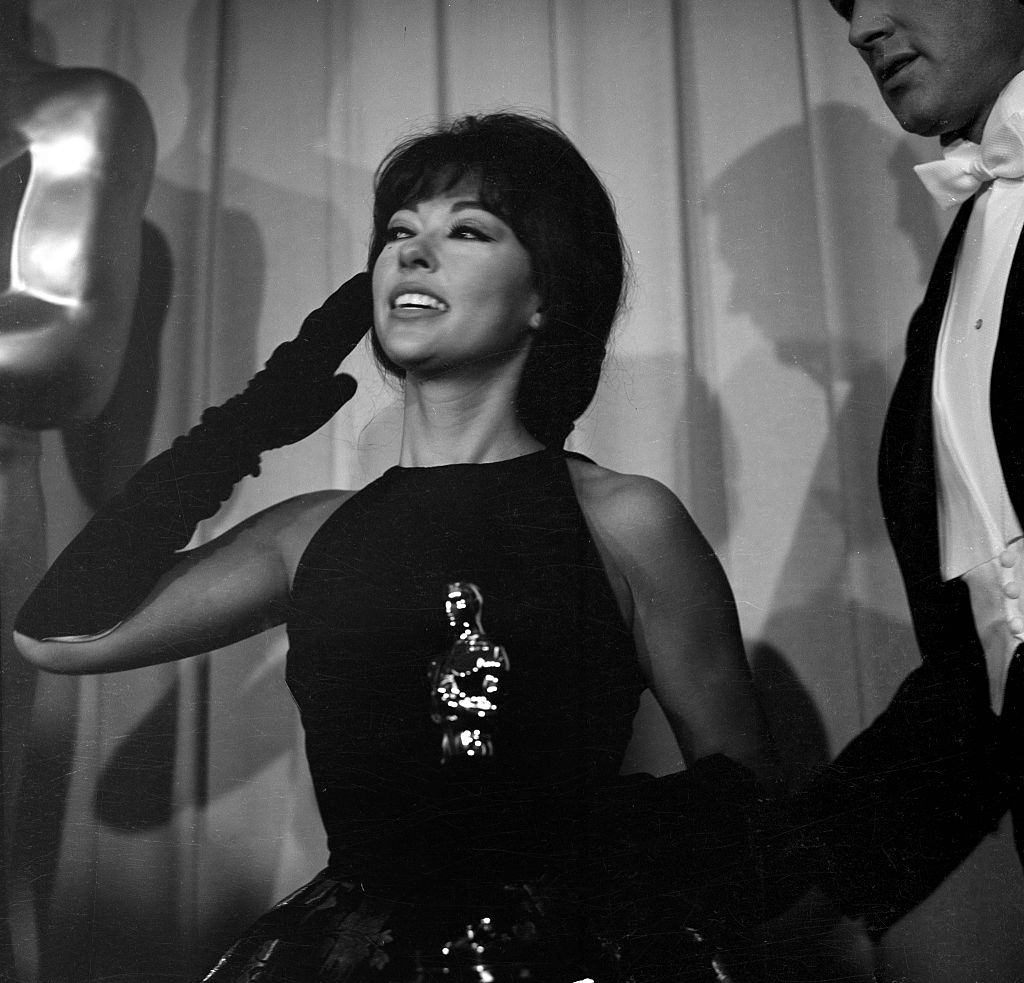
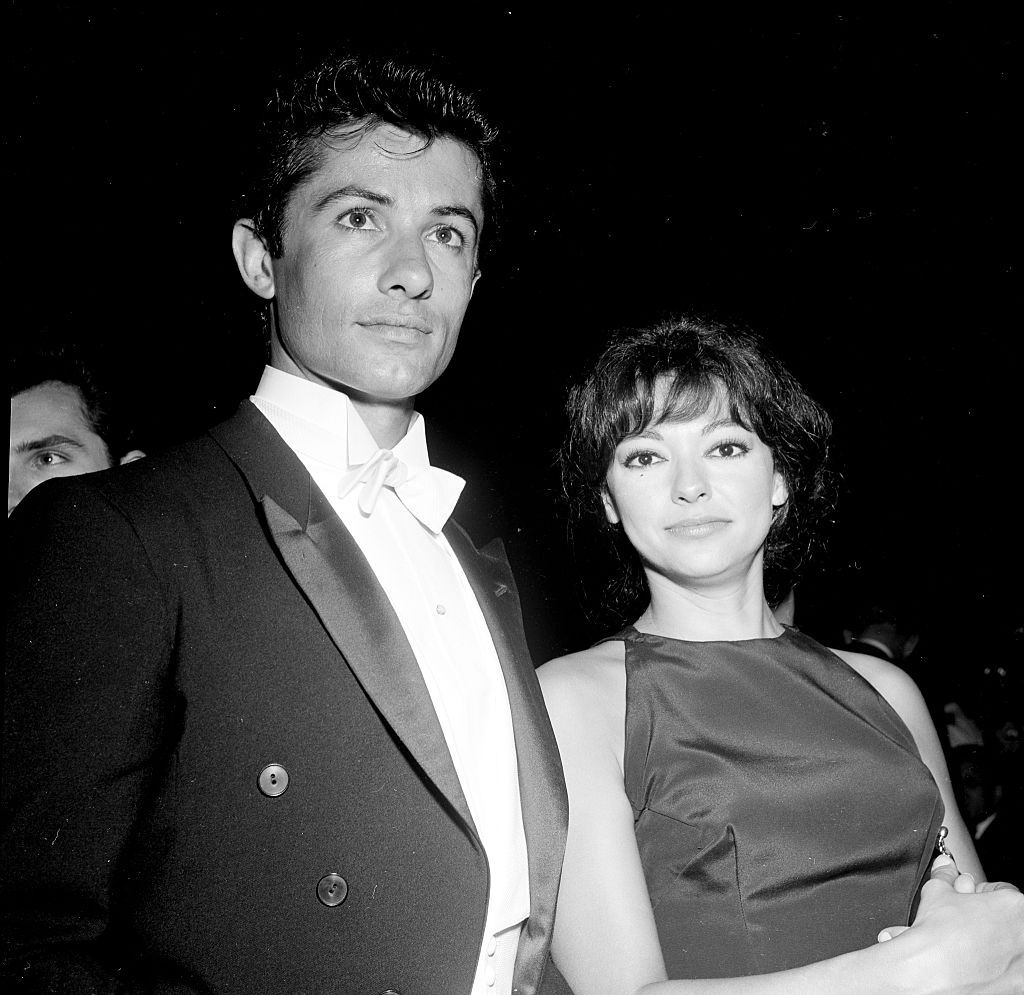
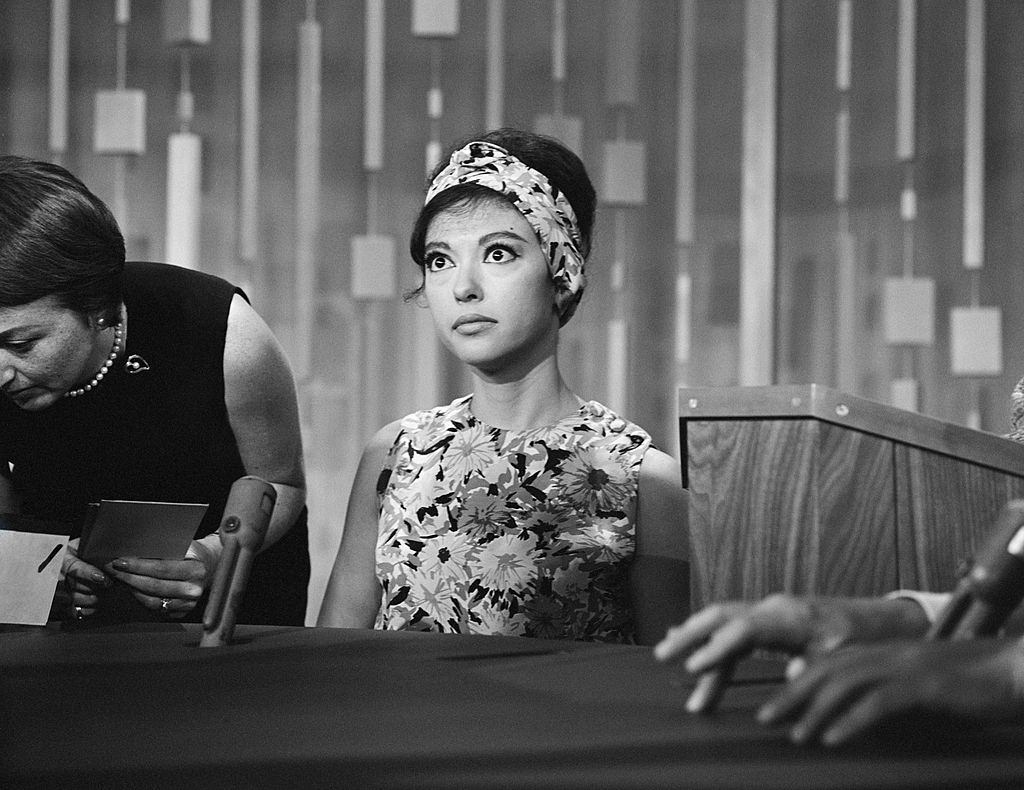
At the 1962 Academy Awards ceremony, Moreno received her Oscar for “West Side Story” and was photographed holding it backstage — a moment that captured the magnitude of what she had just accomplished. The win was a milestone not just for her but for representation in Hollywood. She went on to attend multiple events throughout 1962, including a guest appearance on the CBS game show “Password” and outings alongside co-star George Chakiris.
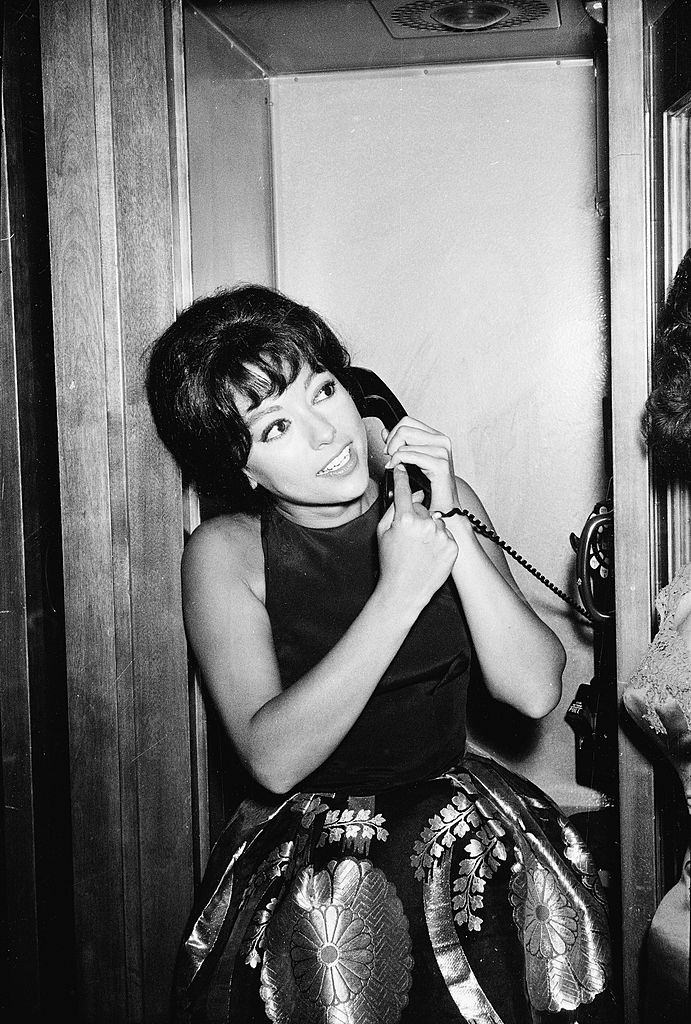
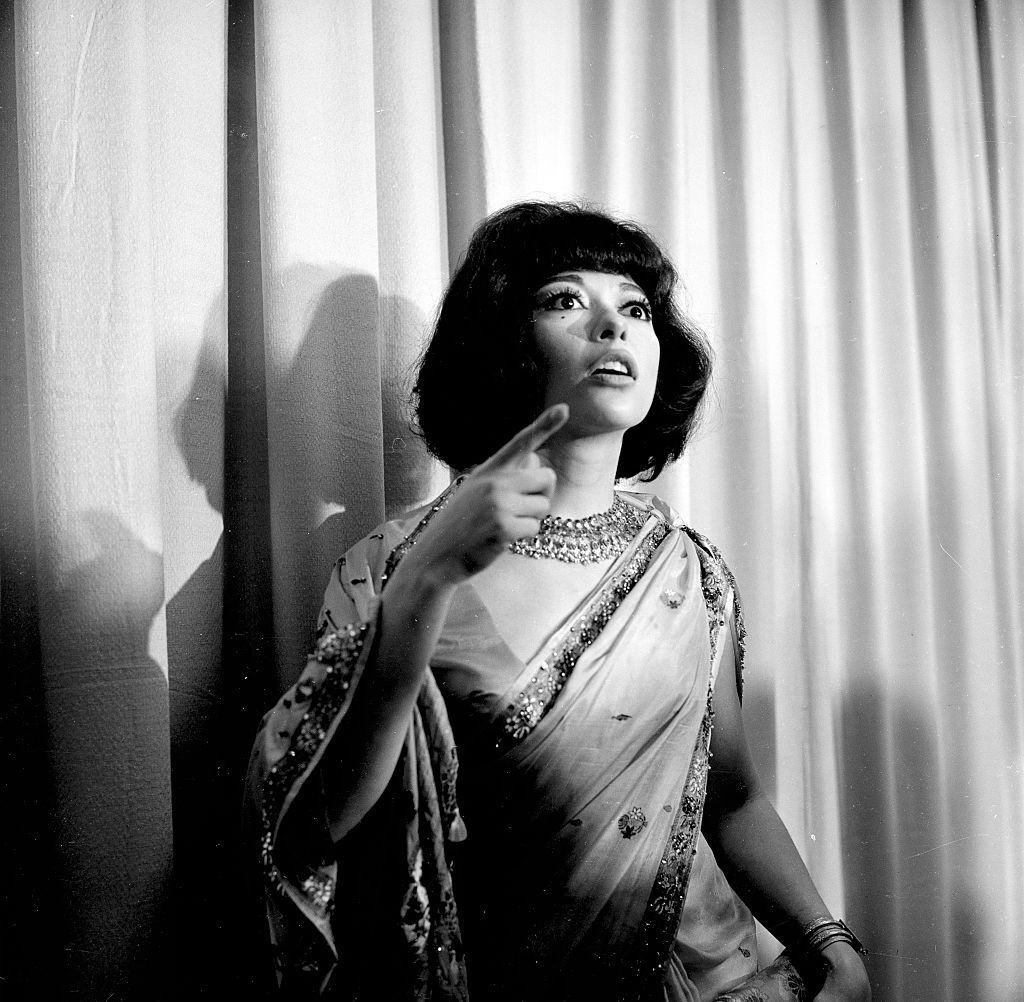
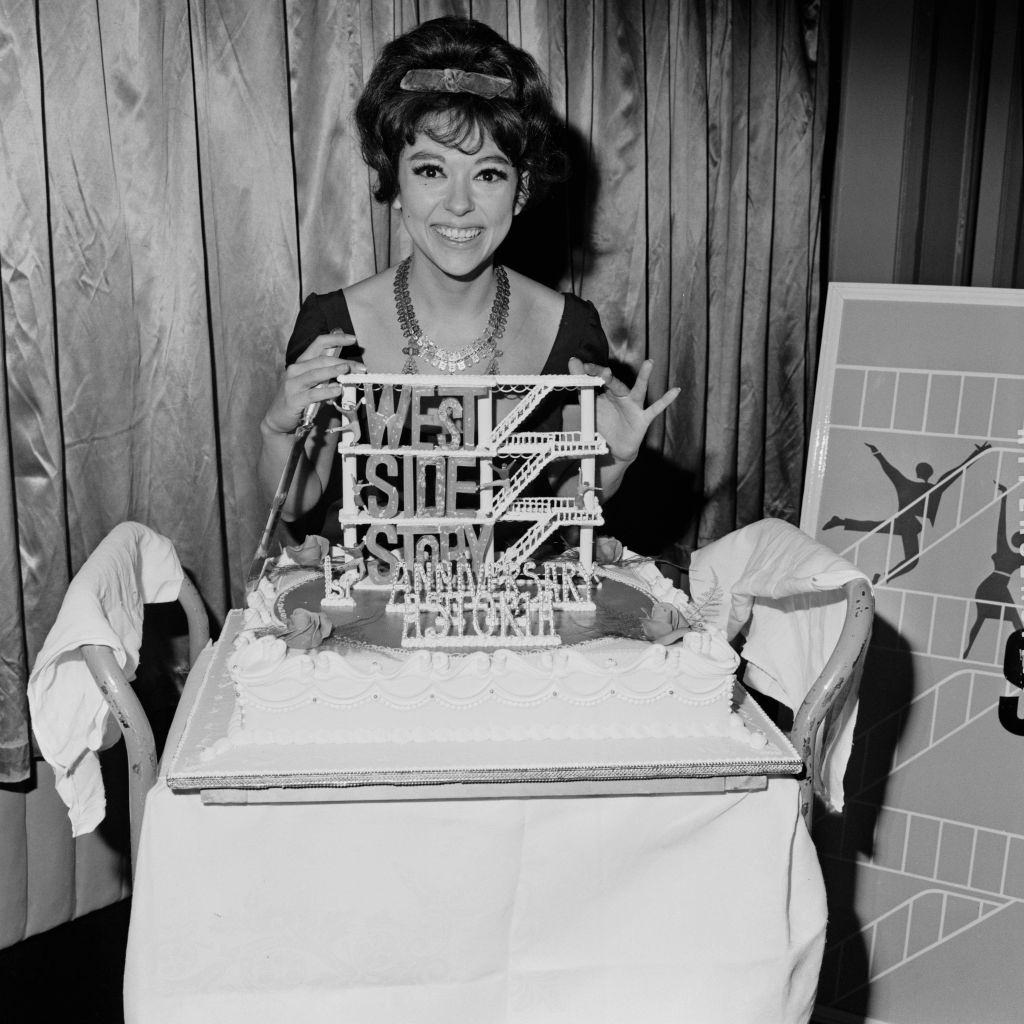
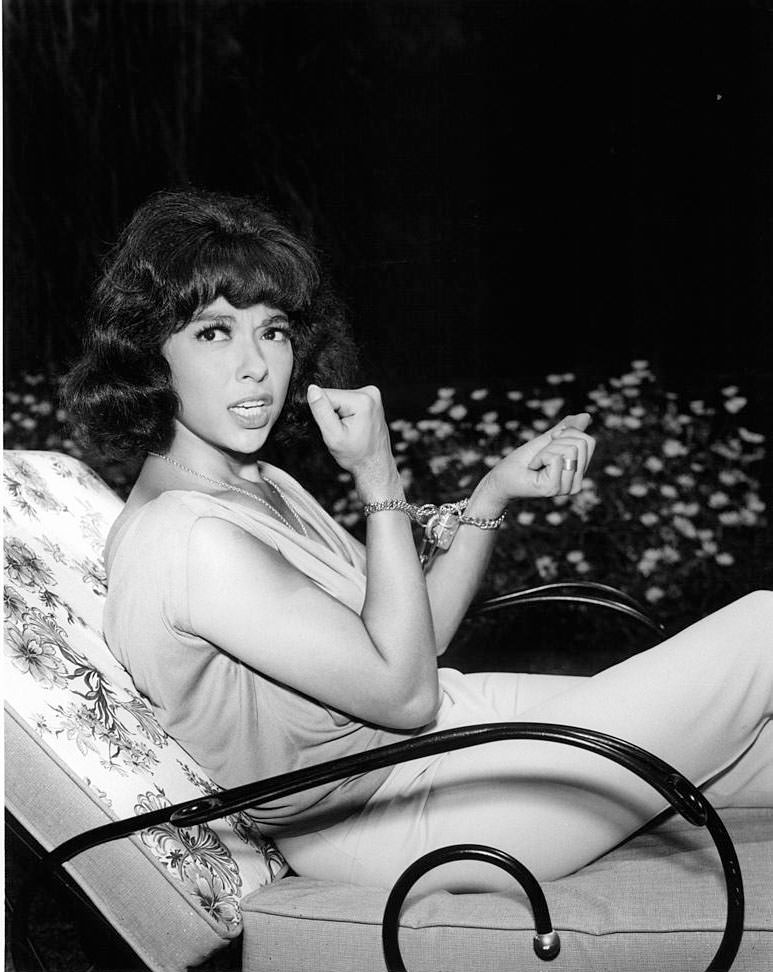
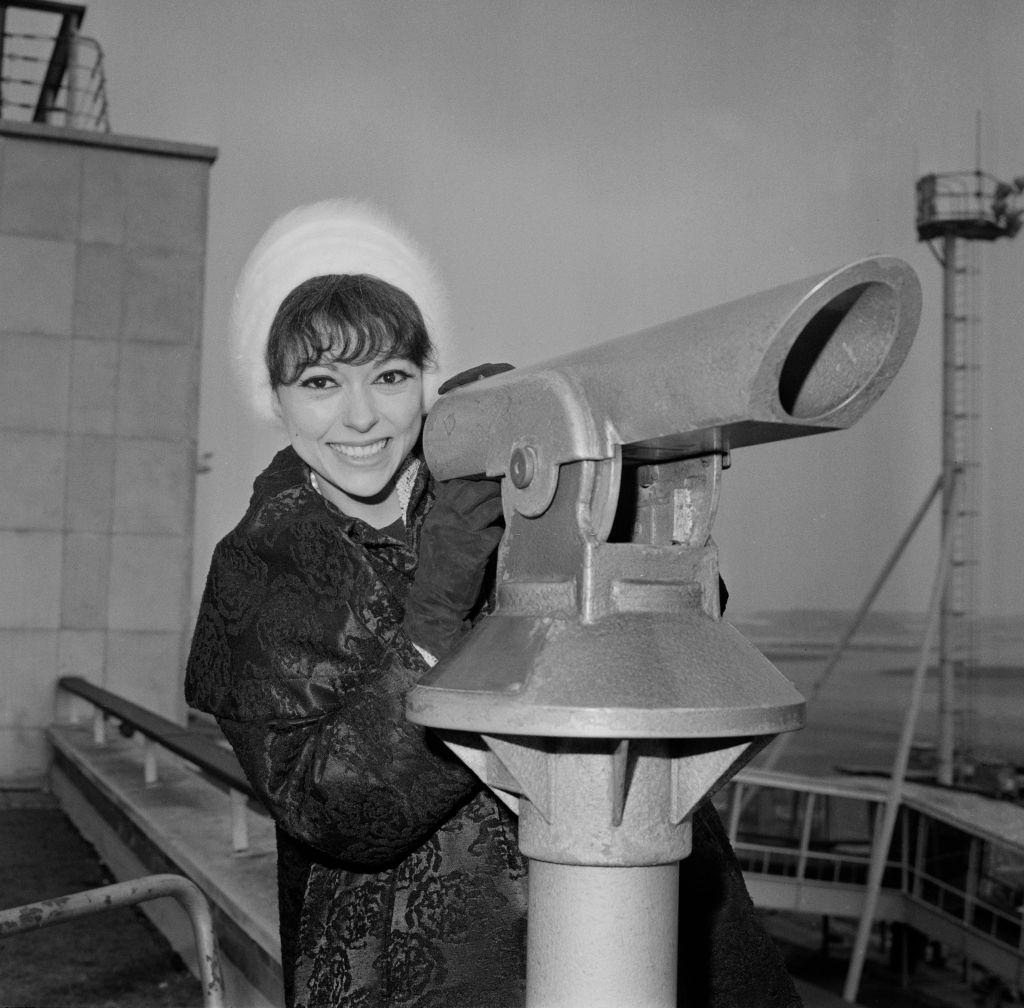
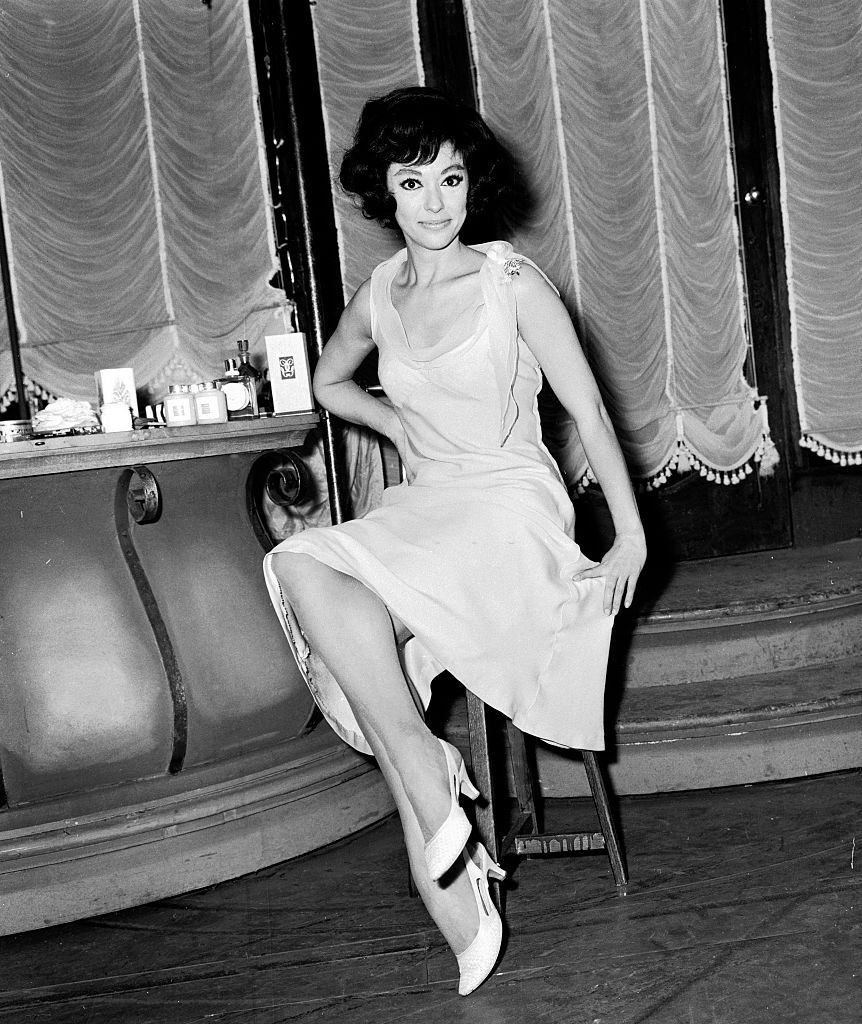
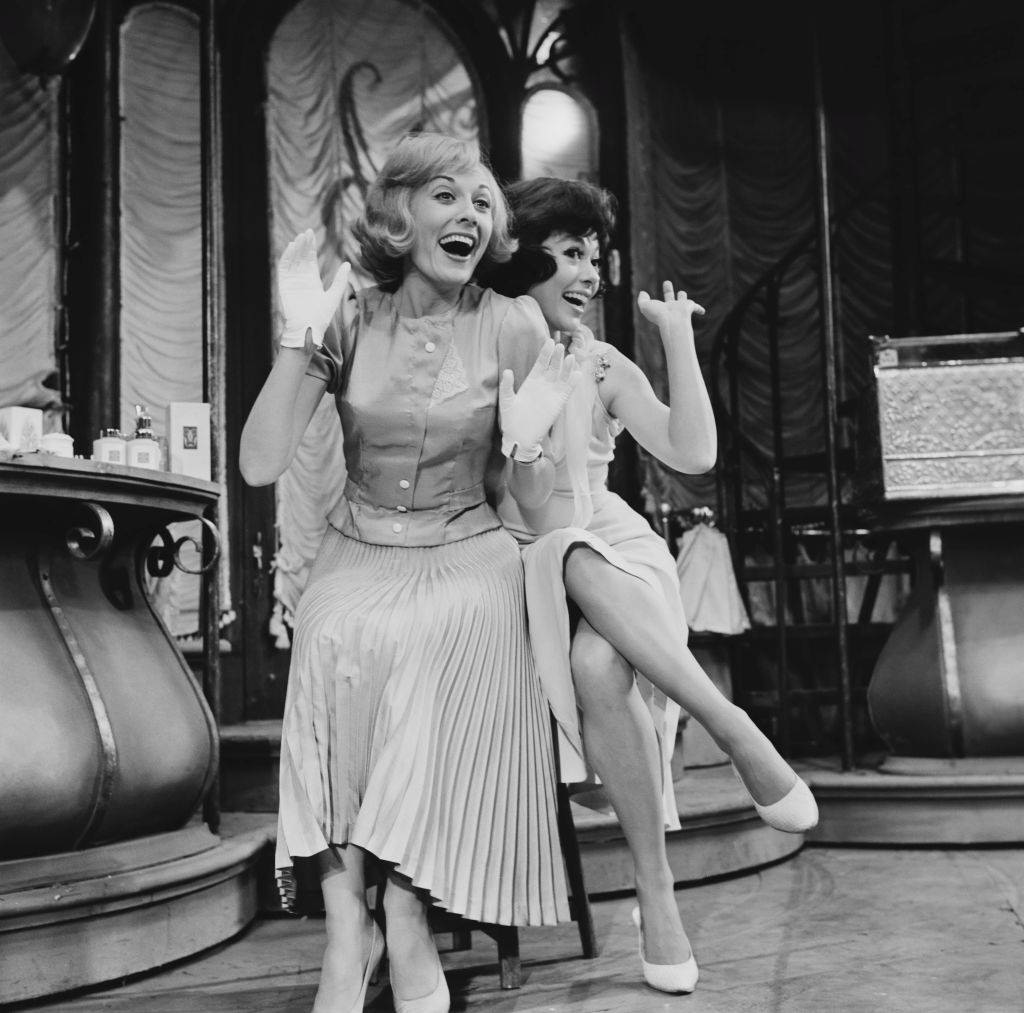
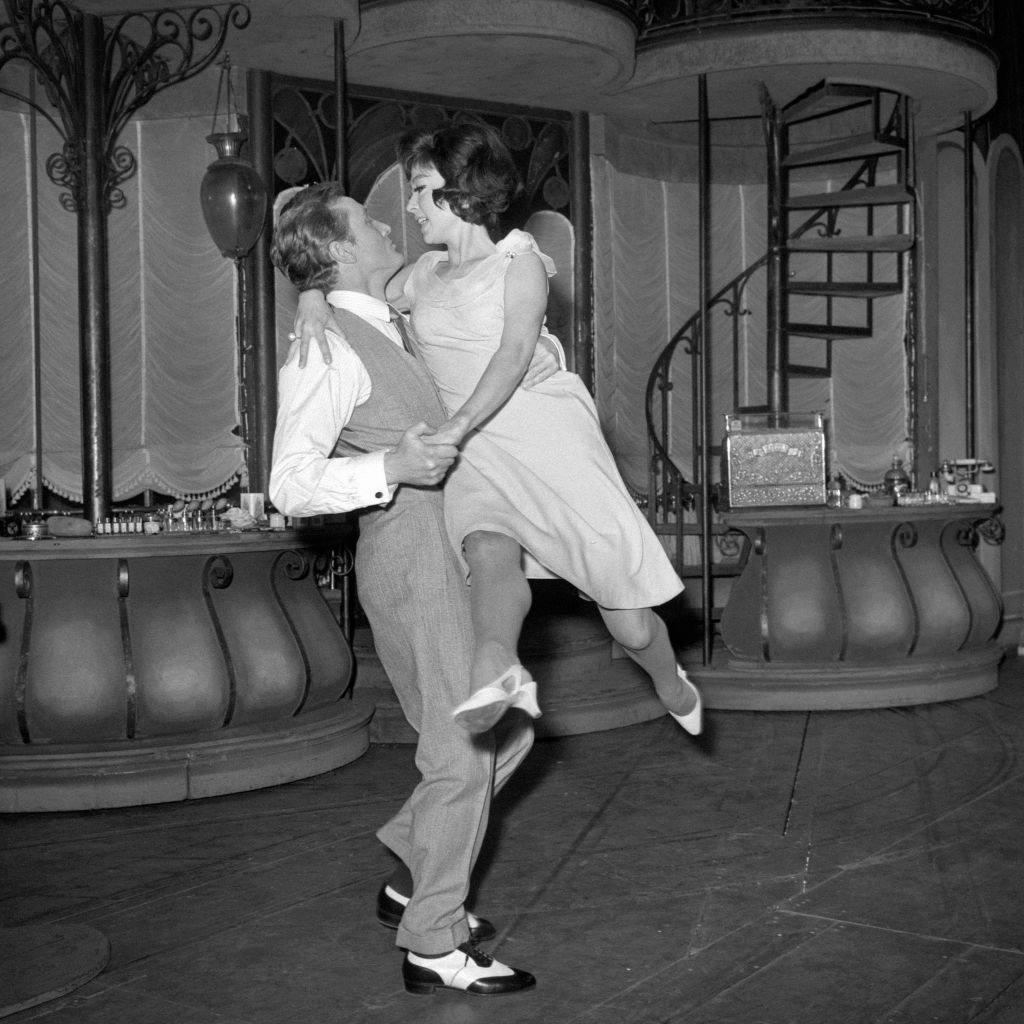
The years following her Oscar win kept Moreno in constant motion. She appeared in the television series “Burke’s Law” in 1963, traveled internationally — including a stop at Heathrow Airport in London — and celebrated the continued success of “West Side Story” with a cake ceremony that year. In 1964, she returned to Broadway, appearing in “The Sign in Sidney Brustein’s Window.” That same year, she was in rehearsals at the Lyric Theatre for the musical “She Loves Me,” dancing a tango with Gary Miller in preparation for their scenes together.
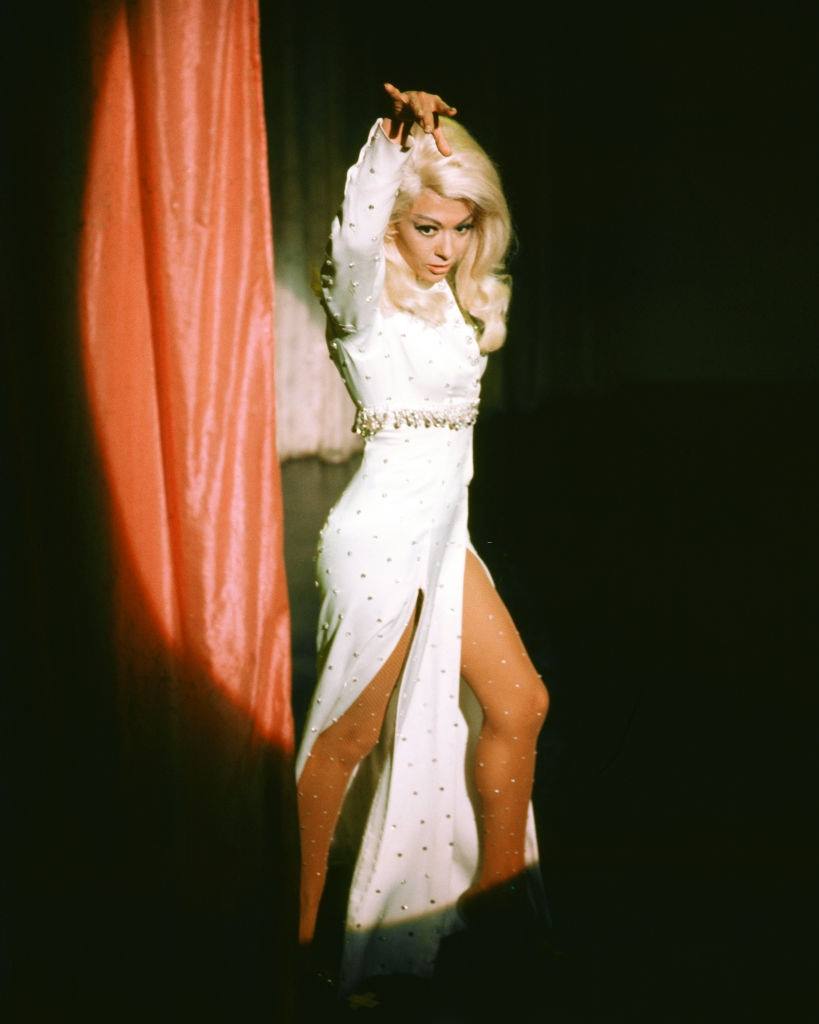
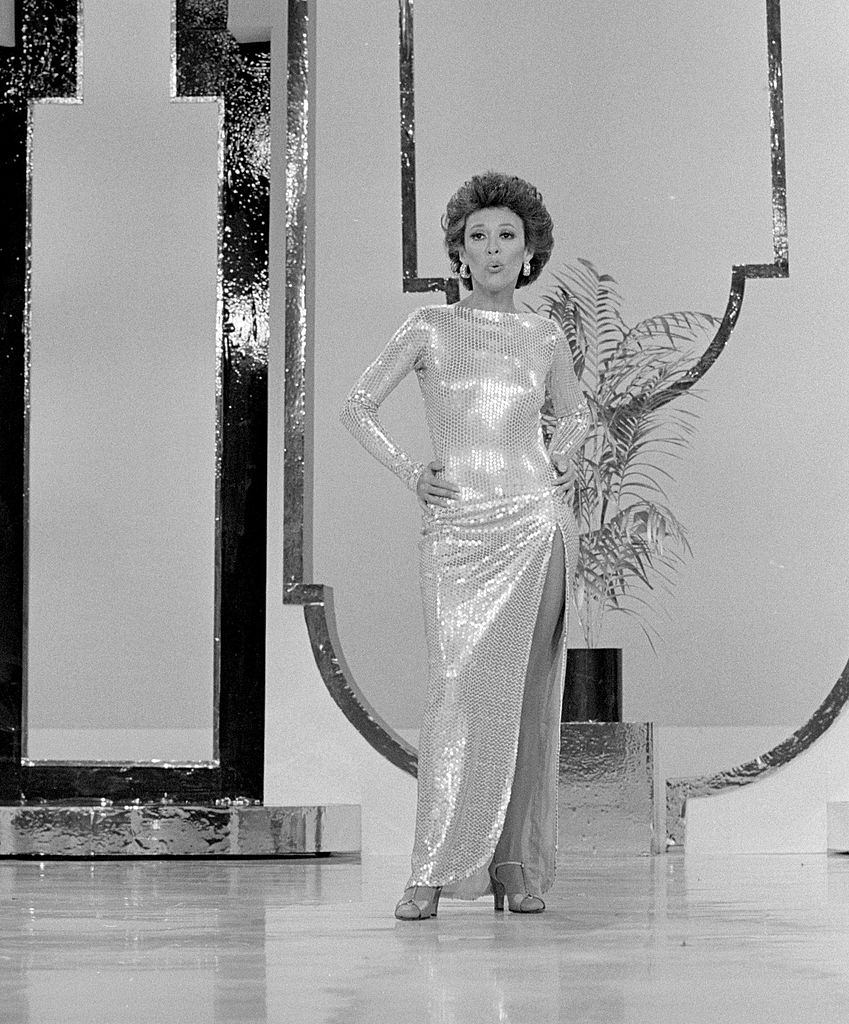
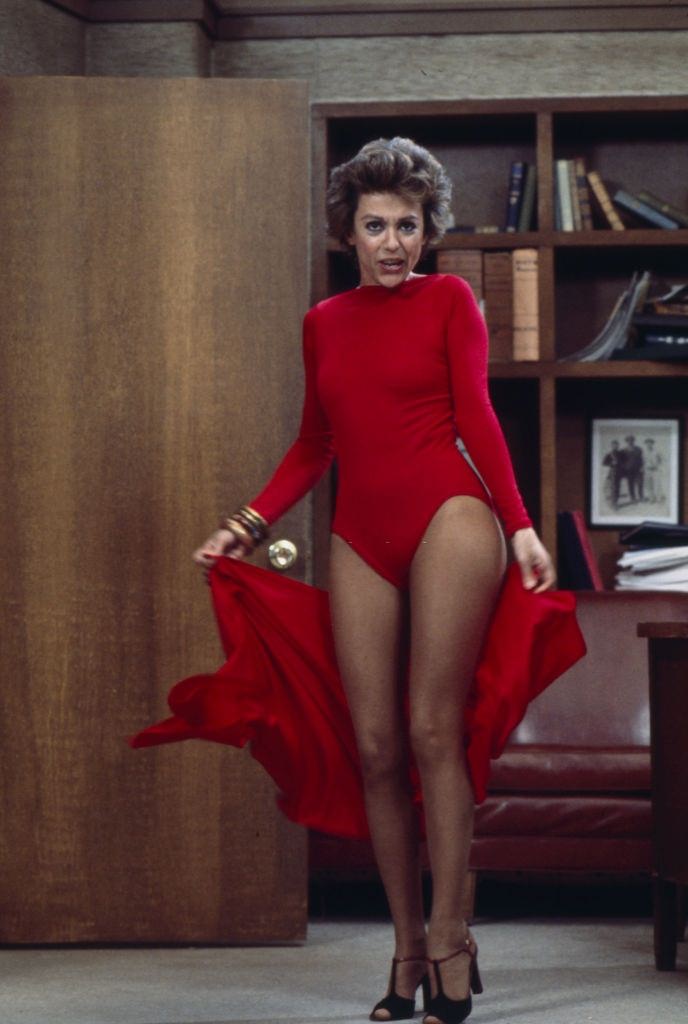
After a few years focused on stage work, Moreno won the Tony Award for Best Actress in a Play for her role as Googie Gomez in “The Ritz.” She later reprised the comedic performance for the 1976 film adaptation. In 1969, she appeared as Dolores Gonzales in the neo-noir film “Marlowe,” delivering a memorable striptease scene that showed her continued range as a performer. Television kept her equally busy, with appearances on “The Carol Burnett Show” and the ABC series “On the Rocks” in 1975.
Moreno became a familiar face to an entirely new generation through her work on the children’s educational television series “The Electric Company,” which aired in the early 1970s. Her energy and humor on the show made her a standout, and her catchphrase “Hey, guys!” became widely recognized. In 1972, she won a Grammy Award for her contribution to the show’s soundtrack album. Five years later, she won an Emmy for her guest appearance on “The Muppet Show” in 1977 — completing the EGOT and placing her in a category with only two others before her. In 1965, she had married cardiologist and manager Leonard Gordon. The couple remained together until his death in 2010. They had one daughter, Fernanda Gordon Fisher, and two grandchildren.