

These rare historical photos are visual records of moments that have shaped human history. They are windows into the past, capturing moments of triumph and tragedy, bravery and defiance, joy and sorrow. These photographs are cultural artifacts that have the power to evoke emotions, spark conversations, and document significant events. They also represent moments that resonate with people across cultures and time. For instance, a photo of a young girl fleeing a warzone may be taken in Vietnam, Syria, or Iraq, but the image of a child struggling to survive is a universal human experience.
Some photos depict joy and celebration, like the end of World War II, which was marked by spontaneous celebrations worldwide. These images serve as a reminder of the resilience of the human spirit and the joy of overcoming adversity. Others capture moments of tragedy and suffering as stark reminders of the human cost of war, conflict, and oppression. These photos can be challenging to look at, but they serve as vital visual records of the realities of life, highlighting the need for compassion, empathy, and action in the face of injustice.
These photos remind us of the power of peaceful resistance and the importance of standing up for what we believe in. Finally, some of the most significant historical photos document the scientific achievements that have transformed the world, from the first successful heart transplant to the first man on the moon. These images represent the boundless potential of human innovation and the importance of pursuing knowledge and discovery.
#1 A Love that Lasts
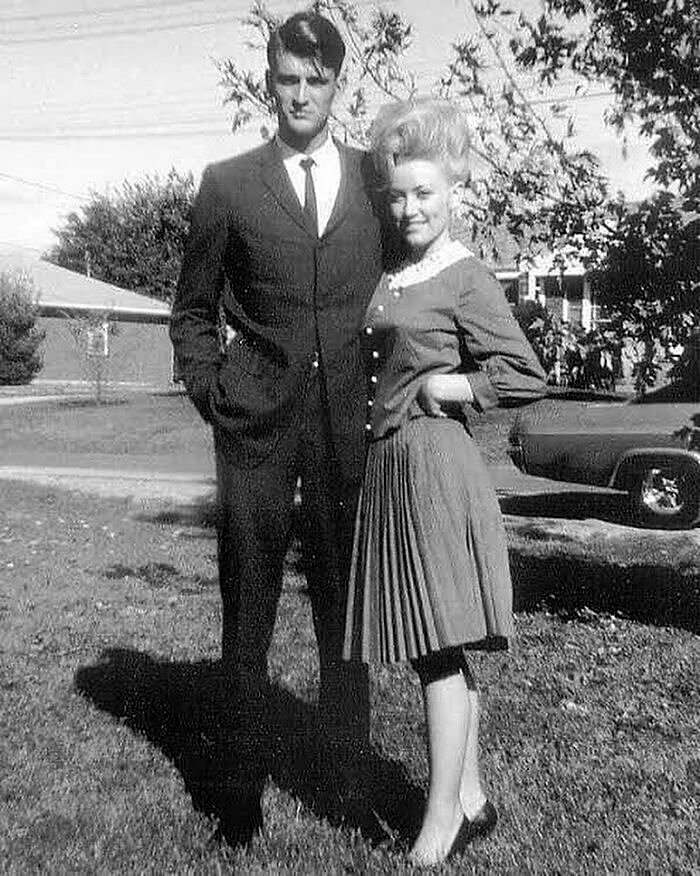
This heartwarming photo captures the enduring love between Dolly Parton and her husband Carl Dean, who have been married for over 50 years. The couple looks joyous and radiant as they celebrate their anniversary and renew their vows in front of family and friends.
Dolly is known for her bubbly personality and her infectious energy, and her quip about dragging her husband "kicking and screaming" into the next fifty years is a testament to her playful spirit and her deep affection for Carl.
Their long-lasting marriage is a testament to the power of love, commitment, and mutual respect. Through all of life's ups and downs, Dolly and Carl have remained steadfast and devoted to each other, and their love continues to inspire others.
#2 Breaking Barriers

This historic photo captures the moment when Margaret Hamilton, a pioneering software engineer, helped to land the Apollo 11 mission on the moon in 1969. As the first woman to work as a software engineer for NASA, Hamilton was a trailblazer, breaking down barriers for women in the workplace and paving the way for generations of female scientists and engineers to come.
Hamilton's contributions to the Apollo 11 mission were crucial, as her software was responsible for managing the on-board guidance systems that helped to safely land the spacecraft on the moon's surface. Her work was groundbreaking, and it helped to usher in a new era of space exploration and technological innovation.
Today, Hamilton's legacy continues to inspire and motivate others to break down barriers and strive for excellence in their chosen fields. Her pioneering spirit and determination serve as a reminder that anything is possible with hard work, dedication, and a willingness to push the boundaries of what is possible.
#3 A Life-Saving Kiss
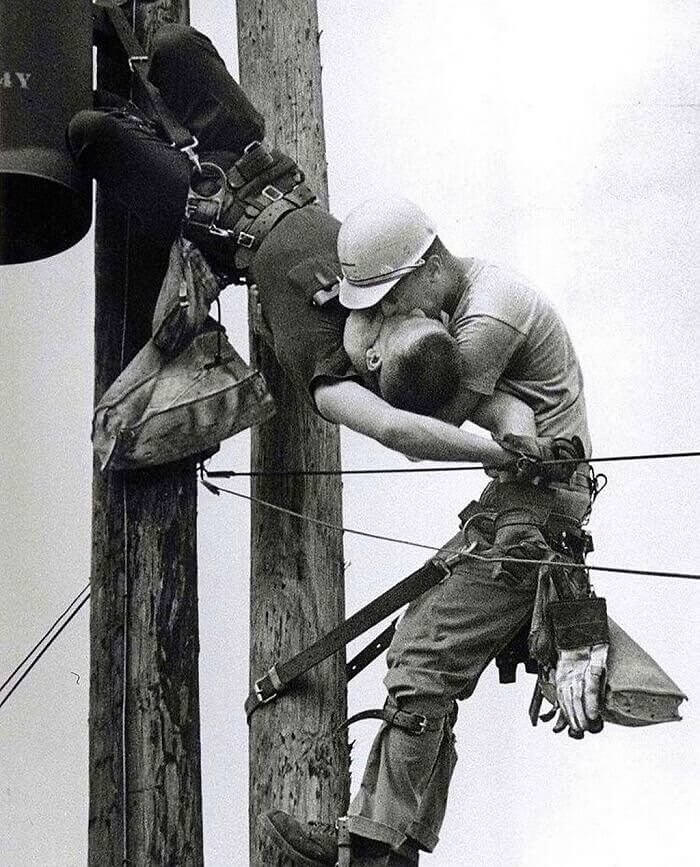
This photo captures a remarkable moment of heroism and bravery, as lineman J.D. Thompson gives his fellow worker, Randall Champion, a life-saving kiss of resuscitation after he was electrocuted on a power line. The photo, taken by photographer Rocco Morabito, would go on to win the Pulitzer Prize for Spot News Photography in 1968.
The image is a testament to the courage and selflessness of those who work in dangerous jobs, often risking their own lives to ensure the safety of others. It also serves as a reminder of the importance of training and preparedness in responding to emergency situations.
#4 The Joy of Homecoming

This poignant and emotional photo captures a moment of pure joy and relief, as a military mother is reunited with her young daughter after a long deployment overseas.
In the image, we see the mother embracing her daughter tightly, her face lit up with a broad smile and her eyes shining with tears of happiness. The little girl, for her part, is equally overjoyed, grinning from ear to ear and clutching her mother's neck tightly.
The photo is a tribute to the sacrifices that military families make every day, as they serve their country and endure long periods of separation and uncertainty. It is a reminder of the powerful bonds of love and family that transcend distance and time, and the importance of cherishing those connections in our lives.
#5 Fighting for Freedom
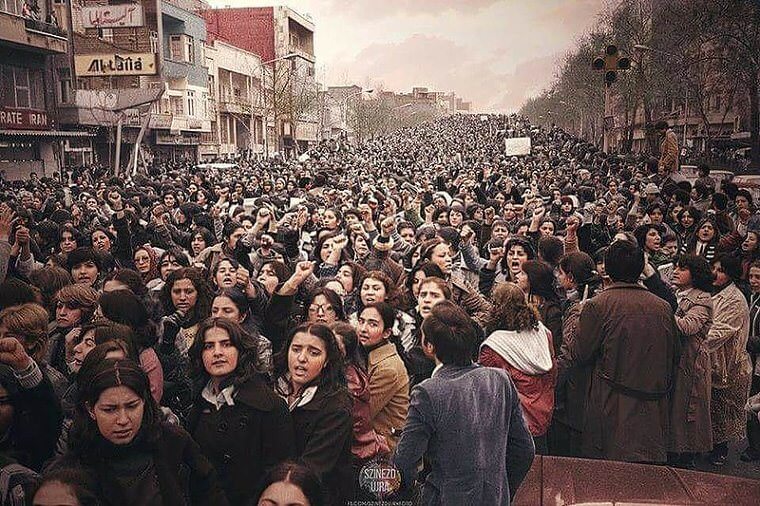
This powerful photo depicts a group of Iranian women standing together in protest against the country's hijab law, which requires women to cover their hair and dress modestly in public. The women in the photo are standing defiantly, their hair uncovered, holding up signs and chanting slogans.
The protest is a bold act of resistance against a law that is seen by many as a violation of women's rights and a symbol of oppression. Despite the risks, these women are taking a stand, demanding the freedom to choose how they dress and how they present themselves to the world.
The fact that these protests are still happening over forty years after the Iranian Revolution is a stark reminder of the ongoing struggle for freedom and equality in Iran. But these women are determined to keep fighting, to keep speaking out, and to keep hoping for a better future.
#6 A Solemn Memorial
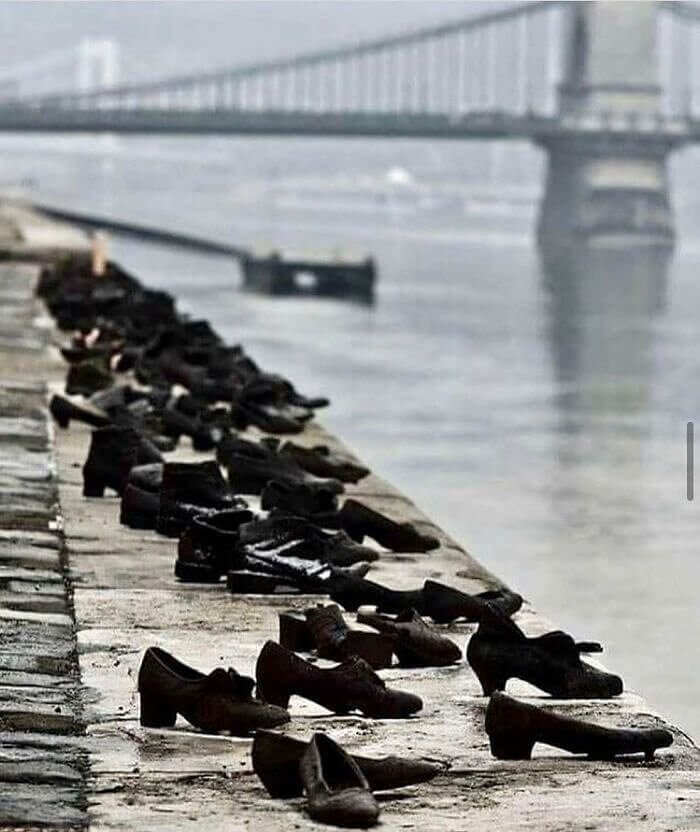
This haunting photo captures a memorial to the victims of the Holocaust, in the form of a pile of shoes left behind by those who perished. The shoes, which belonged to Jewish prisoners who were murdered at the concentration camps, serve as a powerful symbol of the atrocities committed during one of the darkest periods in human history.
The shoes represent the lives lost and the families torn apart by the Holocaust, and serve as a solemn reminder of the horrors that can result from unchecked prejudice and hatred. The fact that over 100,000 Jews from Budapest perished during the Holocaust, over 50% of the Jewish community, is a stark reminder of the scale of the tragedy.
But the shoes also stand as a monument to the resilience and strength of those who survived, and to the importance of remembering those who were lost. They serve as a powerful call to action, reminding us of the importance of standing up against hatred and bigotry, and of working towards a more just and equitable world for all.
#7 A Doctor’s Determination
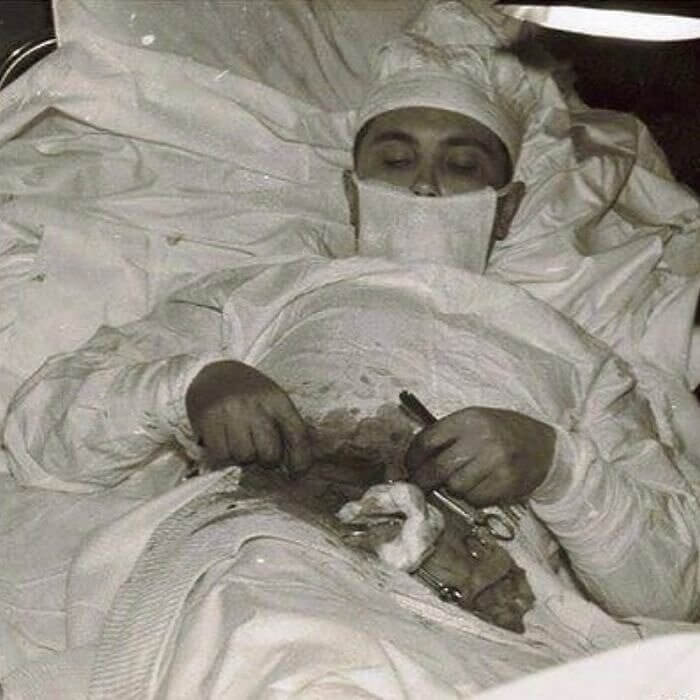
This photo captures the remarkable story of Dr. Leonid Rogozov, a Soviet surgeon who performed an emergency appendectomy on himself while stationed in Antarctica. Rogozov had been experiencing severe abdominal pain and realized that he was suffering from appendicitis.
With no other medical personnel on hand, Rogozov was faced with the daunting task of performing the surgery on himself. He set up an impromptu operating room in a small research hut, sterilized his equipment, and began the procedure.
Despite the intense pain and the risk of infection, Rogozov remained calm and focused, determined to save his own life. The surgery took almost two hours, but Rogozov was ultimately successful, removing his own appendix and surviving the ordeal.
#8 Resilience in Adversity
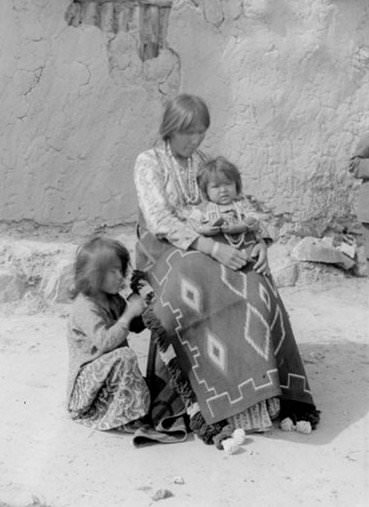
This photo captures the strength and resilience of a Navajo mother and her two children, who are shown standing in front of their home in the Navajo Nation. The image is a poignant reminder of the challenges faced by Indigenous communities in the United States, including poverty, lack of access to resources, and historical trauma.
The patches of foundation and the cracked walls in the background of the photo serve as a stark reminder of the substandard living conditions that many Indigenous communities continue to endure. Despite these challenges, however, the Navajo mother and her children stand proud and strong, a testament to the enduring spirit of the Navajo people.
#9 The Evolution of Dairy Farming
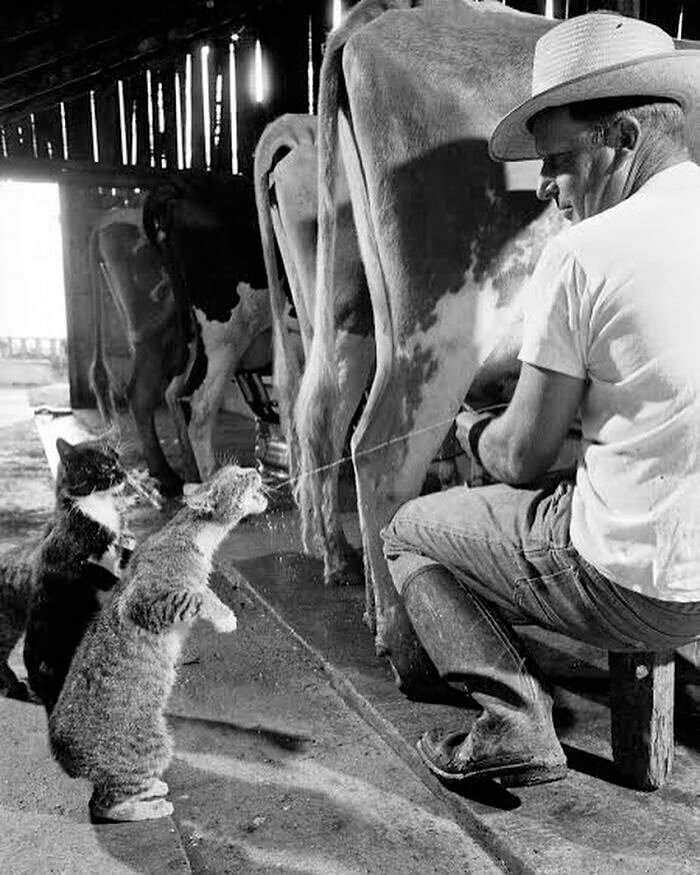
This photo captures the transformation of dairy farming over the years, from the traditional methods of hand milking to the modern use of robotic machines. The image shows a cat enjoying a sip of milk from a bucket, a nostalgic reminder of the close relationship between farm animals and their caretakers in the past.
In the 1930s, cows were milked using mechanical pumps which allowed for twice-daily milking. Today, robotic machines have made it possible to milk cows up to 5-6 times a day, increasing efficiency and productivity in the dairy industry.
#10 Stoic Love

This photo captures a moment frozen in time, taken in 1890 when photography was still in its infancy. The couple stands side by side, dressed in their finest attire, staring directly into the camera with solemn expressions. In those days, photography was a luxury, and having one's portrait taken was a special occasion.
The long exposure time required for the photograph meant that the couple had to remain perfectly still, holding their pose for as long as 15 minutes. It was a difficult task, and so they opted for a serious and somber expression rather than attempting to smile for the camera.
Despite the lack of a smile, the couple's love for each other is evident in the way they stand close together, their hands clasped. It is a portrait of a bygone era, but the emotions captured in the image remain timeless.
#11 Survivors United

This poignant photo captures the meeting of three Holocaust survivors, brought together by the Last Eye Witness Project, which aims to preserve the stories of those who lived through one of the darkest periods in human history. The three men, Werner, Walter, and the third man, whose name is not known, stand side by side, their arms around each other, united in their shared experience.
The photo serves as a reminder of the atrocities committed during the Holocaust and the resilience of those who survived. Each man bears the physical scars of their ordeal, but they also carry with them the weight of the memories of those who did not make it out alive.
The Last Eye Witness Project seeks to give a voice to these survivors, to ensure that their stories are never forgotten. This photo is a testament to the strength and courage of those who lived through one of the darkest periods in human history and serves as a reminder of the importance of preserving their stories for future generations.
#12 Love Beyond Boundaries
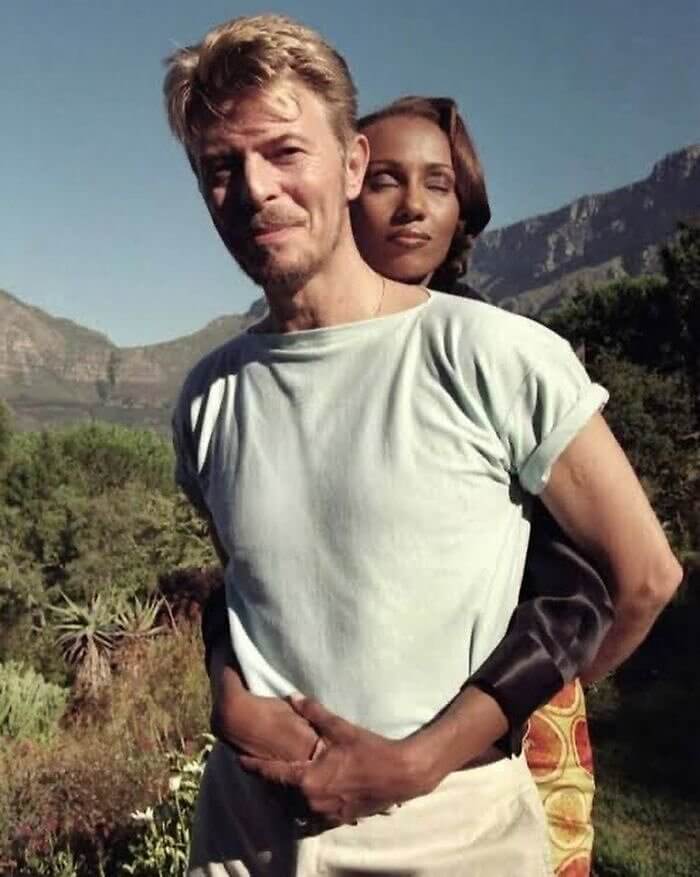
This photo captures the legendary musician David Bowie and his wife Iman on what appears to be a fantastical voyage through space and time. The couple's adventurous spirit and love of the unconventional is evident in the image, as they embrace each other while floating weightlessly in an otherworldly environment.
Bowie and Iman's love story is equally unconventional, having been set up on a blind date by a mutual friend. Despite coming from very different backgrounds and cultures, the couple fell deeply in love and went on to have a long and enduring relationship that spanned over two decades.
Their love transcended boundaries and expectations, proving that true love knows no limits. Even in the face of Bowie's untimely death in 2016, their love continues to inspire others to embrace their own unique journey in life, and to seek out love and adventure wherever it may lead them.
#13 The Power of Nonviolent Resistance

This iconic photo captures civil rights activist Bernie LaFayette and several other demonstrators being arrested during a nonviolent protest in Birmingham, Alabama in the 1960s. The protest was part of a larger movement led by Dr. Martin Luther King Jr. to end segregation and racial discrimination in the United States.
Despite facing violence and oppression, King and his followers refused to resort to violence themselves. Instead, they employed nonviolent resistance tactics such as sit-ins, boycotts, and peaceful marches to draw attention to the injustices they faced and to demand change.
Through their courage and persistence, King and the civil rights movement succeeded in bringing the issue of racial discrimination to the forefront of national consciousness. Their efforts eventually led to the passage of the Civil Rights Act of 1964 and the Voting Rights Act of 1965, which helped to end many of the legal barriers to racial equality in the United States.
#14 Punk Rock Attitude
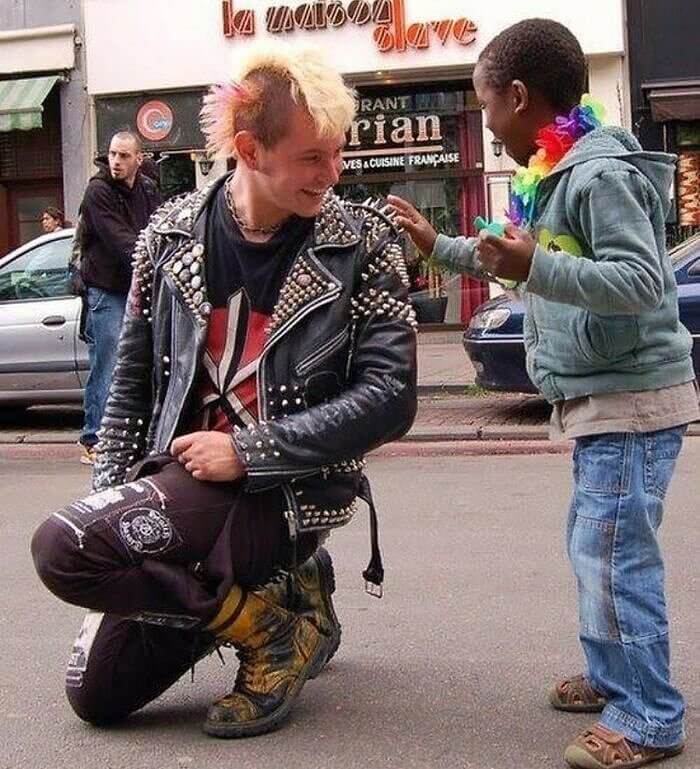
This photo captures the rebellious spirit of punk rock culture, with a young man sporting a leather jacket, boots, black clothes, and a mohawk. He is unapologetically himself, flaunting his punk rock style with pride and confidence.
While his outward appearance may seem intimidating or confrontational, it is important to remember that our exterior appearances are only a small part of who we are as individuals. This young man may appear tough and spiky on the outside, but he is likely just as soft and vulnerable as anyone else.
This photo is a reminder that we should not judge others based solely on their appearance or the way they choose to express themselves. Instead, we should strive to embrace and celebrate the diversity of human expression and to appreciate the unique qualities that make each of us who we are.
#15 Faith in the Face of Death
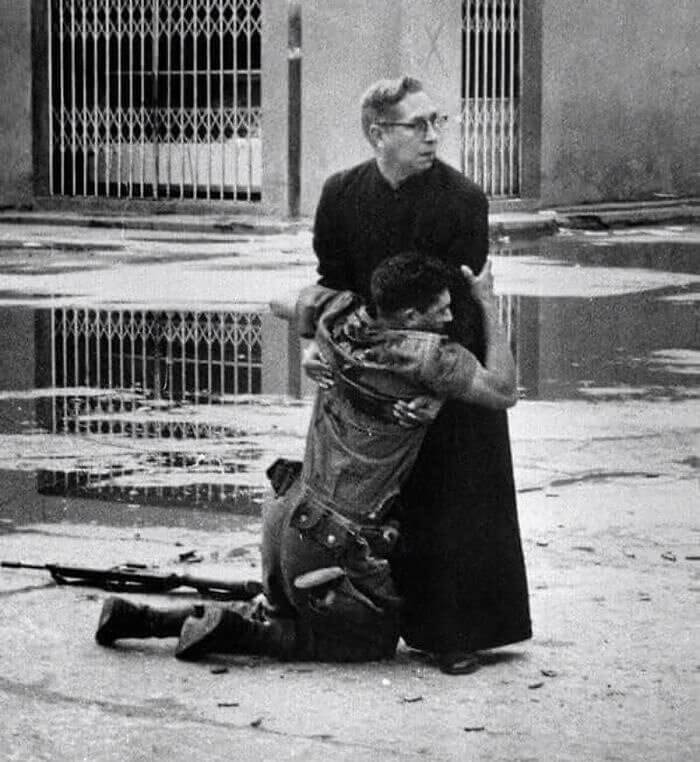
This poignant photo captures a moment of compassion and grace in the midst of tragedy. The image, titled "Aid from the Padre," shows a Catholic priest administering last rites to a soldier who has been mortally wounded in battle.
Despite the chaos and violence of war, the priest remains calm and focused, offering comfort and support to the dying soldier in his final moments. His presence is a reminder of the power of faith to provide solace and guidance in the face of death.
The photo, taken by Brazilian photographer Francisco Rondon, was widely recognized for its emotional impact and technical skill. It won the World Press Photo of the Year award in 1962 and the Pulitzer Prize for Photography in 1963.
But beyond its accolades, the photo is a testament to the humanity that can exist even in the midst of the most dire circumstances. It serves as a reminder of the importance of compassion, kindness, and faith in times of hardship, and of the enduring power of art to capture and express the full range of human emotion.
#16 Tragedy in Hiding
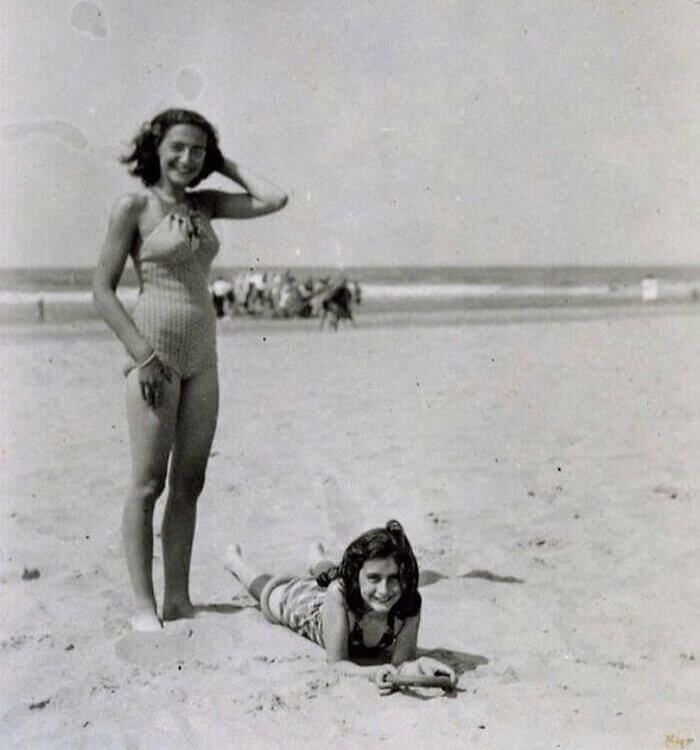
This heartbreaking photo shows Anne and Margot Frank, two young girls who would become victims of one of the most heinous crimes in human history. The Frank family, along with two other families, went into hiding in the annex of a building in Amsterdam to escape the persecution of the Nazis during World War II.
Despite their efforts to remain hidden, the Frank family was eventually discovered and sent to concentration camps, where they would suffer unimaginable horrors. Anne's mother died of starvation in the camps, and Anne and Margot would eventually meet their own tragic ends in Bergen-Belsen in 1944.
#17 The Human Cost of Liberation
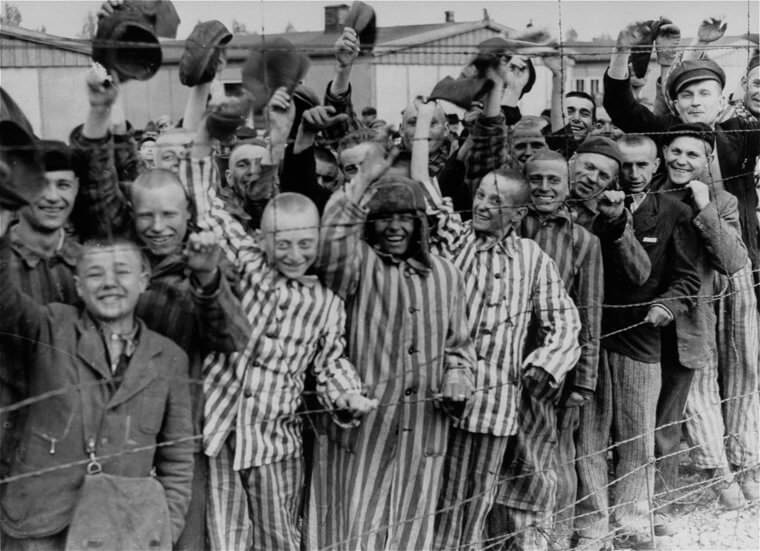
This photo captures the emotional toll of the liberation of concentration camps at the end of World War II. The image shows a group of survivors, emaciated and traumatized, making their way along a road towards freedom.
The photo is a reminder of the human cost of war and of the atrocities committed by the Nazi regime during the Holocaust. It is a testament to the resilience and strength of the survivors who emerged from the camps, but also serves as a reminder of the profound trauma and loss that they experienced.
#18 Challenging Stereotypes, One Swimsuit at a Time
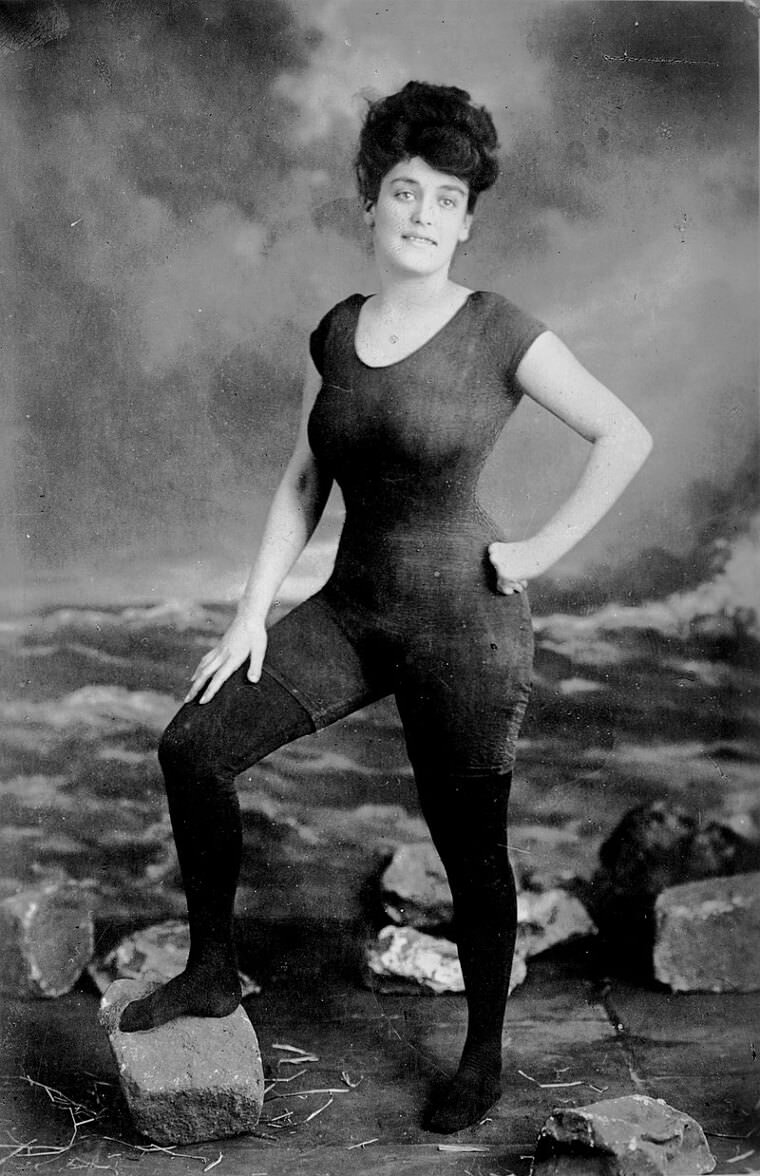
This photo captures the pioneering spirit of Annette Kellerman, a swimmer and actress who made waves in the early 1900s by wearing a fitted bathing suit that exposed her arms and legs. The image is a reminder of the challenges faced by women who pushed back against gender norms and societal expectations during this era.
Despite holding world records for swimming, Kellerman was arrested for indecency after wearing her scandalous swimsuit in public. Her bold fashion choice challenged the narrow standards of beauty and femininity of the time, and paved the way for greater freedom and self-expression for women.
#19 Hunger and Desperation in Karamoja
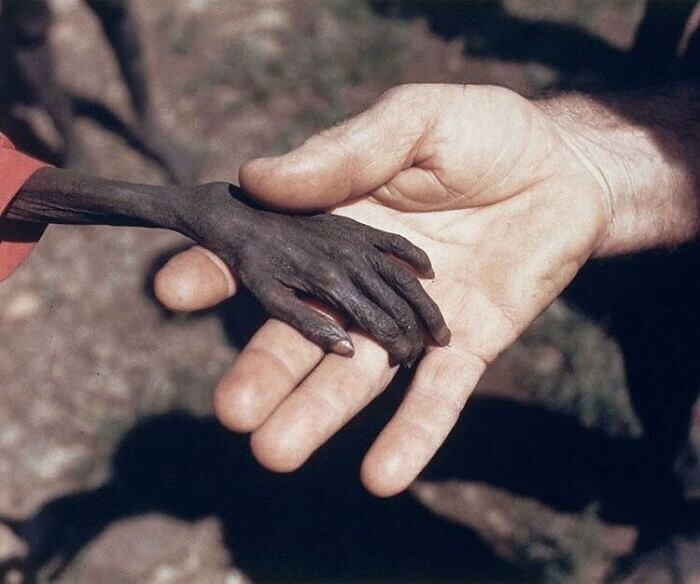
This photo captures the devastating effects of famine and food shortages in the Karamoja region of Uganda, one of the worst in history. The image is a reminder of the ongoing struggles faced by communities around the world who are grappling with the devastating effects of poverty, conflict, and environmental degradation.
During the 1980s, the region was at war with all of its neighboring countries, leading to a complete lack of food and supplies. The resulting famine brought widespread hunger and desperation, with countless people suffering from malnutrition and disease.
#20 Love, Laughter, and Longevity
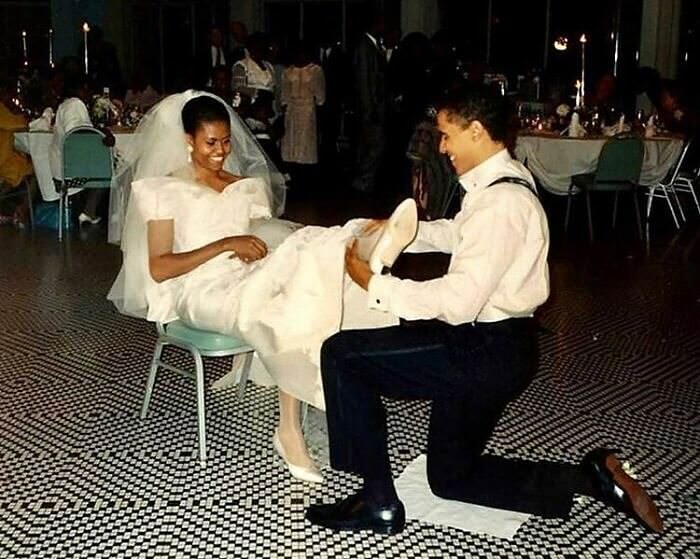
This photo captures a moment of playfulness and joy between former President Barack Obama and his wife Michelle, a testament to the enduring power of love and the importance of laughter in building strong and lasting relationships. The image is a tribute to the Obamas' remarkable partnership and the impact they have had on politics and popular culture around the world.
As Barack playfully removes his wife's garter, the couple's affection and humor are on full display, reminding us that even in the most serious of circumstances, laughter and joy can be a powerful force for good.
#21 The Iconic Sophia Loren

This photo captures the incomparable beauty and talent of Italian actress Sophia Loren, one of the most celebrated and beloved actresses of all time. Loren's star power is evident in the way she commands attention in the image, her gaze and posture exuding confidence and charisma.
Loren's talent as an actress is equally impressive, having won numerous awards and accolades throughout her storied career. Her breakthrough role in the film "Two Women" earned her an Academy Award for Best Actress, making her the first actor to win an Oscar for a non-English language performance.
Loren's influence extends far beyond her acting prowess, however, as she has become an icon of Italian culture and style. Her beauty, elegance, and grace have made her a beloved figure in Italy and around the world, and she has served as an inspiration to generations of women who aspire to emulate her poise and confidence.
#22 Angels of Mercy
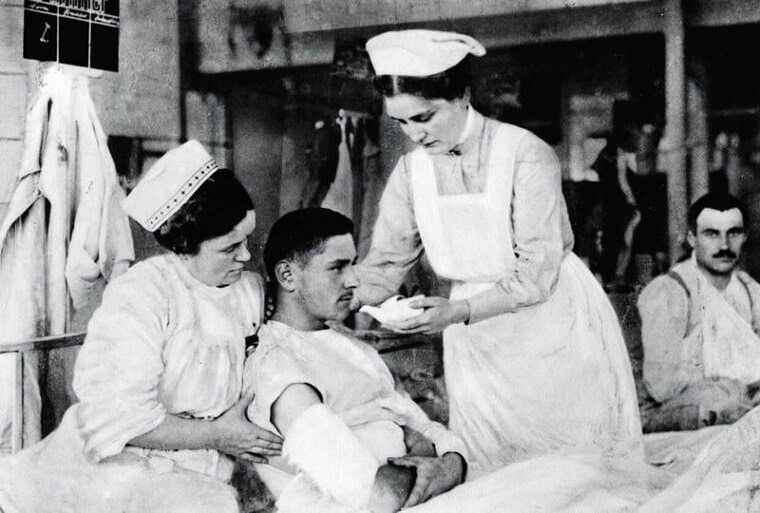
This photo captures a group of German Red Cross nurses tending to wounded soldiers during World War I. The nurses, dressed in their distinctive uniforms, are shown administering care and comfort to the wounded, embodying the spirit of compassion and service that is at the heart of the Red Cross mission.
The photo is a reminder of the tremendous sacrifices made by those who served during the war, both on and off the battlefield. The nurses depicted in the image worked tirelessly to provide care and comfort to the wounded and the dying, often under extremely difficult conditions.
But the photo also serves as a reminder of the resilience and determination of the human spirit. Despite the horrors of war, these nurses and countless others like them continued to offer hope and comfort to those in need, embodying the ideals of service and compassion that are at the heart of the Red Cross mission.
#23 The Forgotten Heroine
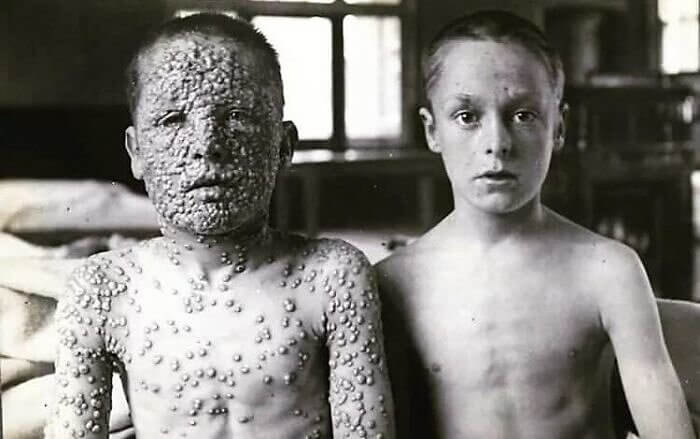
This photo captures the legacy of Mary Montagu, a pioneering figure in the fight against smallpox. Montagu, a smallpox survivor herself and the wife of the British ambassador in Constantinople, was instrumental in promoting the practice of "variolation," a precursor to the modern vaccine.
Montagu was inspired by the Turkish methods of variolation that she had witnessed, and had both of her children inoculated. Despite the success of this method, however, the British medical establishment was slow to recognize its efficacy and failed to give Montagu the credit she deserved for her pioneering work.
Today, we recognize Montagu as a hero and a trailblazer in the field of public health. Her work laid the foundation for the development of the smallpox vaccine and helped to save countless lives around the world.
#24 Breaking Barriers, One Step at a Time
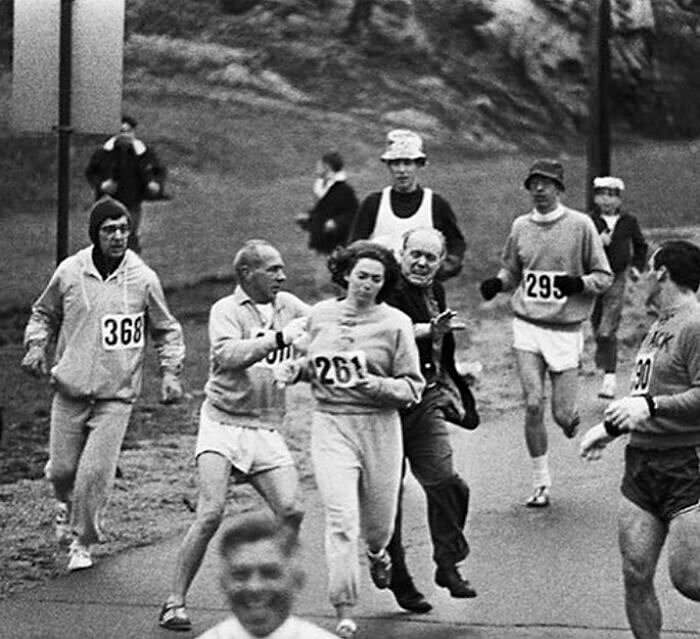
This photo captures the historic moment when Kathrine Switzer became the first woman to officially run the Boston Marathon in 1967. The image shows Switzer being attacked by a race official who tried to forcibly remove her from the course, demonstrating the obstacles and discrimination faced by women in sports at the time.
Switzer's determination and resilience in the face of this attack served as a powerful inspiration for women athletes around the world, helping to break down barriers and pave the way for greater gender equality in sports.
Switzer's words after the incident, "I knew if I quit, nobody would ever believe that women had the capability to run 26-plus miles," demonstrate her commitment to breaking down barriers and challenging stereotypes.
#25 Women Warriors of the Skies
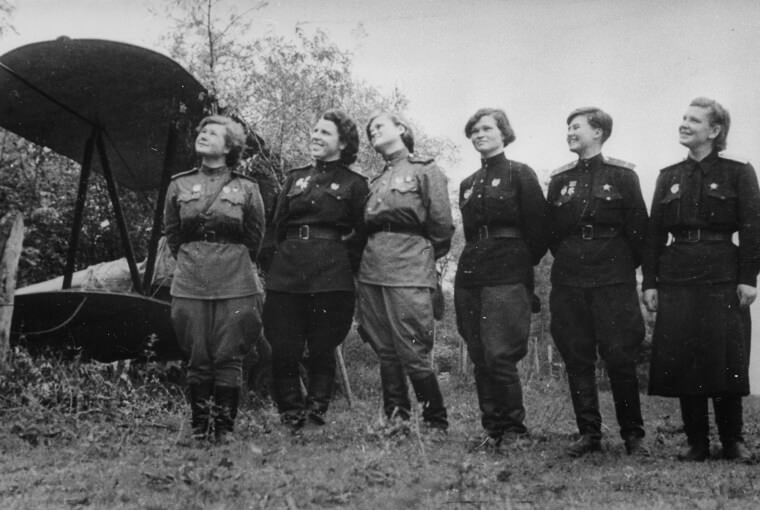
This photo captures the bravery and determination of the female pilots of the Soviet Union during World War II, who flew dangerous missions to bomb Nazi targets. The image is a reminder of the vital role played by women in the war effort, despite facing significant barriers and discrimination in the military.
During this time, women were not widely embraced in the military and faced significant challenges in their efforts to serve their country. Despite these obstacles, however, the female pilots of the Soviet Union stepped up to defend their homeland and fought with bravery and skill.
#26 Courage and Resilience in Captivity
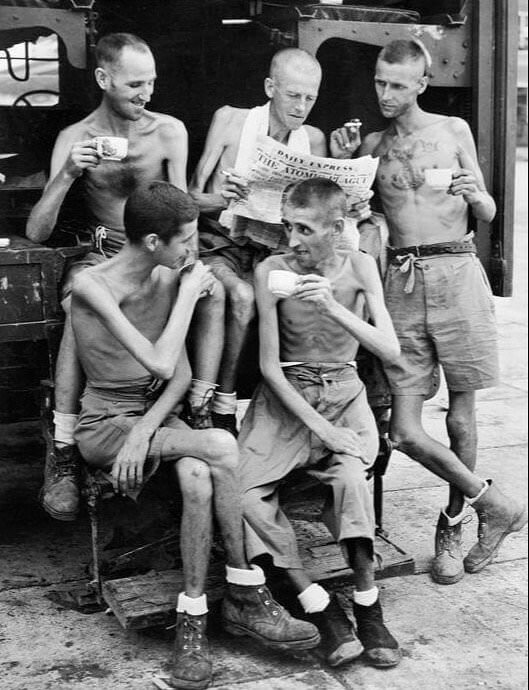
This photo captures the strength and resilience of Australian prisoners of war during World War II, who were captured by Japan and forced to work in labor camps across southeast Asia. The image is a reminder of the hardships and challenges faced by prisoners of war, and of the courage and determination needed to survive in such difficult circumstances.
During their captivity, Australian POWs were subjected to grueling labor, harsh conditions, and frequent brutality by their captors. Despite these challenges, however, they remained resilient and found ways to support each other and maintain their sense of hope and purpose.
#27 The Power of Perception
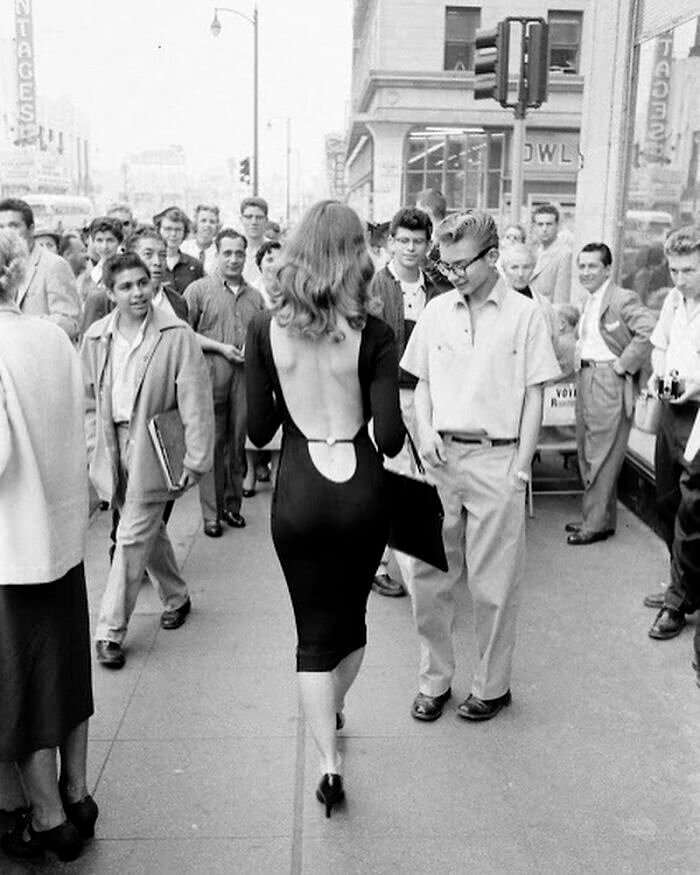
This photo captures the iconic image of Vikki Dougan, the actress and model who became famous for her backless dresses in the 1950s and 60s. The image is a reminder of the power of perception and the ways in which images and cultural representations can shape our understanding of beauty, femininity, and sexuality.
Despite Dougan's own assertion that she did not see anything inherently sexual about showing her back, her image became a symbol of female sensuality and eroticism during the era. The photo raises important questions about the ways in which cultural representations can reinforce narrow and limiting stereotypes, and the importance of challenging these perceptions and stereotypes in order to create a more inclusive and equitable society.
#28 Riding the Waves of Inspiration
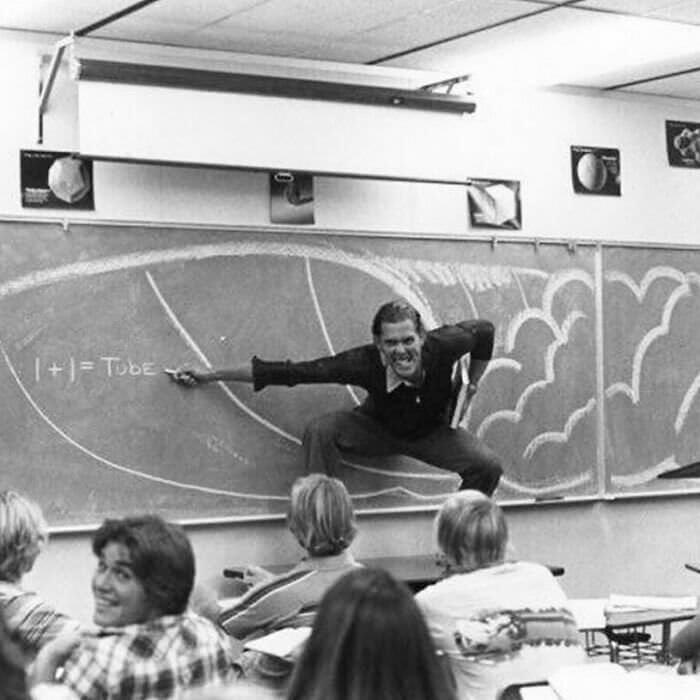
This photo captures the exhilaration and excitement of surfing in the United States, a sport that has captured the hearts and minds of millions of people around the world. The image is a reminder of the power of sports and outdoor activities to inspire and uplift us, and to connect us to something larger than ourselves.
But beyond the thrill of the waves, the photo also highlights the critical role of teachers in shaping our lives and inspiring us to pursue our passions and dreams. As the research shows, teachers have the biggest impact on student achievement, and are often the driving force behind our success in school and in life.
#29 The Poisonous Influence of Hate

This photo captures a group of children dressed in Ku Klux Klan robes and hoods, a chilling reminder of the poisonous influence of hate and bigotry on our society. The image is a stark contrast to the innocence and purity associated with childhood, and highlights the ways in which children can be corrupted and indoctrinated into hateful ideologies.
During the 1920s, the Ku Klux Klan had auxiliary organizations for teenage boys, girls, and children, known as the Ku Klux Kiddies. These groups were designed to indoctrinate young people into the racist and white supremacist beliefs of the KKK, perpetuating a cycle of hate and violence that continues to this day.
#30 A Blast From the Past

This photo captures a young Cameron Diaz and her schoolmate, a reminder of the power of childhood friendships and the ways in which our experiences shape who we are. The image is a tribute to the importance of community and connection, and the memories that stay with us long after we have moved on.
As Diaz reflects on her high school days, she remembers her schoolmate as tall, skinny, and fond of wearing ponytails. These details may seem trivial, but they speak to the power of shared experiences and the connections we make with others, even in the midst of a bustling high school environment.
#31 The Love that Endures

This photo captures a tender moment between Freddie Mercury and his partner, a reminder of the enduring power of love and the ways in which it can sustain us through even the most difficult times. The image is a tribute to the courage and resilience of those who have fought against the stigma and discrimination associated with HIV and AIDS, and to the enduring legacy of Mercury's music and activism.
Mercury lived a particularly private life, even as his fame as a rock star continued to grow. He kept his diagnosis of AIDS hidden from the public until just days before his death, a reflection of the fear and shame that still surrounded the disease at that time.
#32 The Weight of Fame

This photo captures the late singer Amy Winehouse in a moment of vulnerability and raw emotion, a reminder of the weight of fame and the toll it can take on even the most talented and successful artists. The image is a tribute to Winehouse's immense talent and the impact she had on music and popular culture, as well as a poignant reminder of the tragedy of her untimely death.
In the weeks leading up to her passing, Winehouse's struggles with addiction and mental health were well-documented, and this photo captures her in a moment of distress and sadness that speaks to the immense pressure and scrutiny that comes with being a public figure.
#33 Remembering the Crocodile Hunter

This photo captures the late Steve Irwin, known as the Crocodile Hunter, in his element, surrounded by the wildlife he loved and dedicated his life to protecting. The image is a tribute to Irwin's passion and dedication to wildlife conservation, and the impact he had on popularizing and promoting conservation efforts around the world.
Irwin's work as a conservationist and television personality brought the wonders of the natural world into the living rooms of millions of people around the world, inspiring a new generation of environmental activists and advocates. His sudden and tragic death was a shock to his fans and followers, but his legacy lives on through the continued work of his family and the many individuals and organizations he inspired.
#34 A Glimpse of Hollywood Glamour
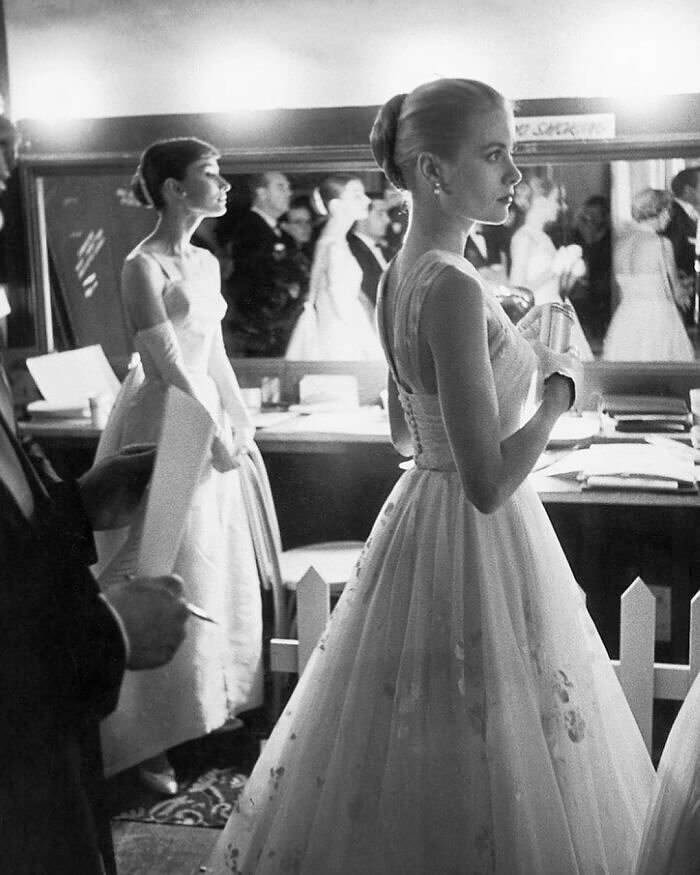
This rare and beautiful photo captures a moment of Hollywood glamour and elegance, showcasing two iconic actresses at the height of their fame and beauty.
In the image, we see Audrey Hepburn and Grace Kelly standing side by side backstage at the Oscars in 1956, radiating confidence, poise, and sophistication. Both women are dressed in stunning gowns and wearing glamorous hairstyles and makeup, a testament to their status as style icons and cultural legends.
#35 A Life of Science and Sacrifice

This powerful photo captures the essence of a life dedicated to science, sacrifice, and perseverance, as Jane Hawking, wife of renowned physicist Stephen Hawking, navigates the challenges of caring for her family and pursuing her own academic goals while her husband battles a debilitating disease.
In the image, we see Jane surrounded by books and papers, her focus intently trained on her work despite the demands of caring for her husband and children. Her expression is one of determination and resolve, a testament to her unwavering commitment to her own intellectual pursuits and the power of education to transform lives.
#36 A Nation Mourns
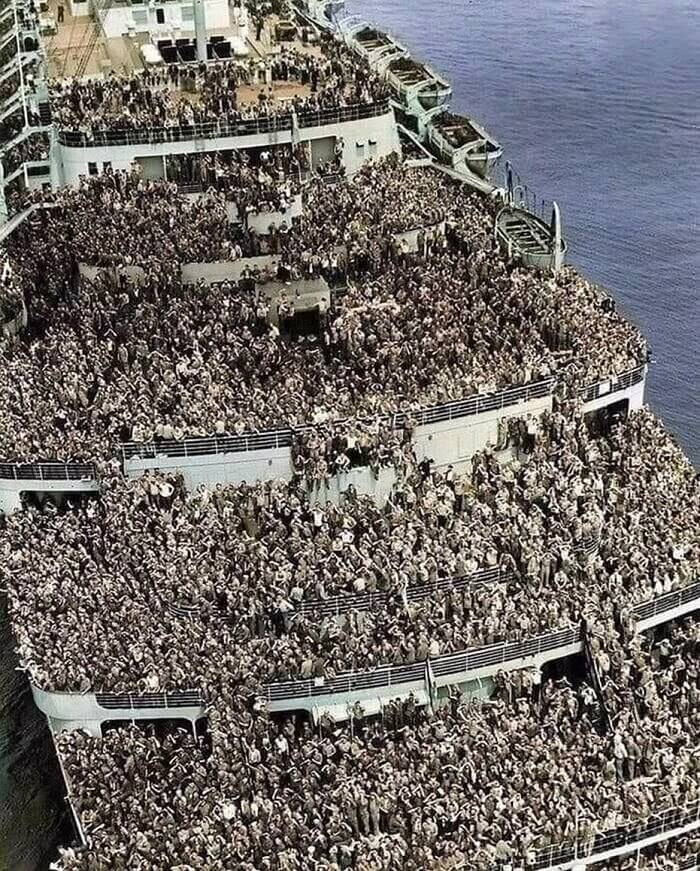
This photo captures a poignant moment in American history, as the bodies of fallen soldiers are brought home from the Vietnam War. The image, originally captured in black and white, has been rendered in color by Royston Leonard, adding a new layer of emotional depth to the already powerful scene.
The photo is a reminder of the sacrifices made by those who have served in the military, and of the toll that war takes on individuals, families, and communities. It also serves as a reminder of the importance of honoring and remembering those who have given their lives in service to their country.
The fact that the photo was taken from a bird's-eye view adds to its sense of poignancy and detachment. We are able to see the full scope of the tragedy unfolding below, but are also removed from it, creating a sense of distance and reflection.
#37 The Cost of Prejudice
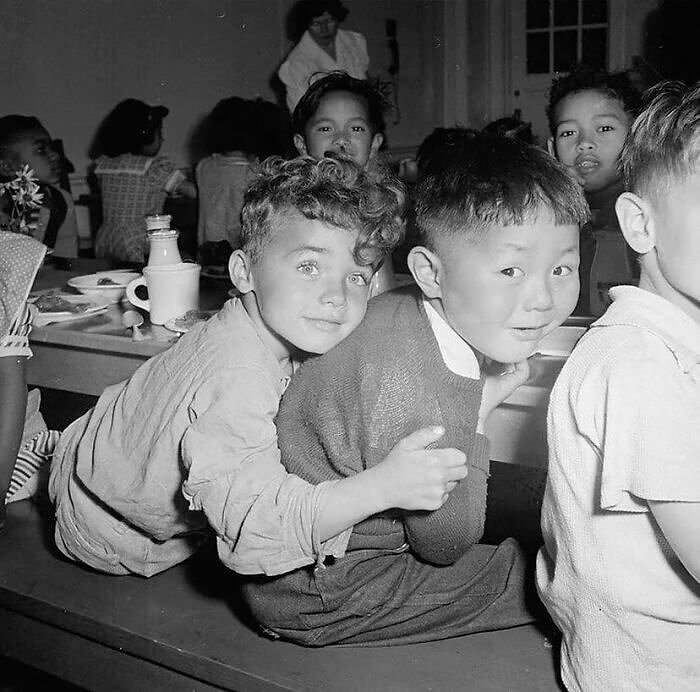
This photo captures the heartbreak and injustice of the internment of Japanese Americans during World War II. The image shows a group of men, women, and children being forced to leave their homes and businesses, their belongings piled haphazardly on trucks and wagons.
The internment of Japanese Americans was a dark chapter in American history, one that was driven by prejudice and fear rather than by any legitimate security concerns. Over 112,000 Japanese Americans were forced to leave their homes and transferred to internment camps, where they endured dehumanizing conditions and the loss of their homes, jobs, and lives.
#38 Fighting for Survival

This photo captures the strength and determination of medical workers in Italy, who have been on the frontlines of the fight against COVID-19. The image shows a medical worker, exhausted but determined, preparing to take on another day of battling the virus.
Italy has been particularly hard-hit by the pandemic, with over 165,000 deaths across the country. The photo is a testament to the bravery and dedication of medical workers who have worked tirelessly to save lives and prevent the spread of the virus.
#39 The Art of Dining Out
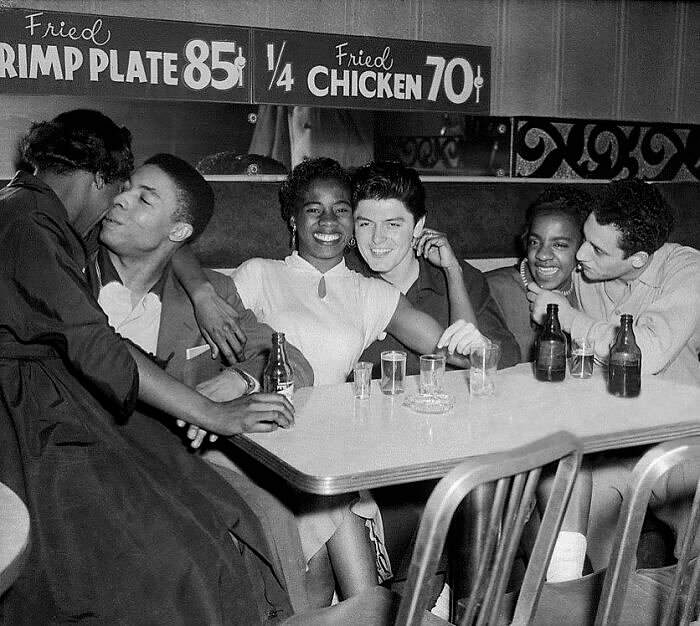
This photo captures a moment of elegance and sophistication in a bygone era, a tribute to the art of dining out and the culture of fine cuisine that has captured the hearts and imaginations of people around the world for centuries.
In the image, we see a group of diners gathered around a table, dressed in their finest attire and enjoying a meal together in a stylish and refined restaurant. The photo is a testament to the enduring appeal of fine dining and the social rituals that have grown up around it, from the dress codes and etiquette of the past to the contemporary trends and styles that continue to shape the culinary world today.
#40 Freddie’s Furry Friends

This charming photo captures the late Freddie Mercury, frontman of the legendary rock band Queen, relaxing at home with his beloved cats. Mercury was known for his love of cats, and owned several of them throughout his life.
In the photo, we see Mercury reclining on a couch with two of his cats, one nestled in his lap and the other perched on the back of the couch behind him. He looks relaxed and content, a far cry from the flamboyant and energetic performer that fans knew him to be on stage.
Mercury's cats were more than just pets to him – they were like family. He would often call home when he was on tour just to speak to them, and he even named songs after them (such as "Delilah" on the album "Innuendo").
#41 Passing Down Wisdom and Love
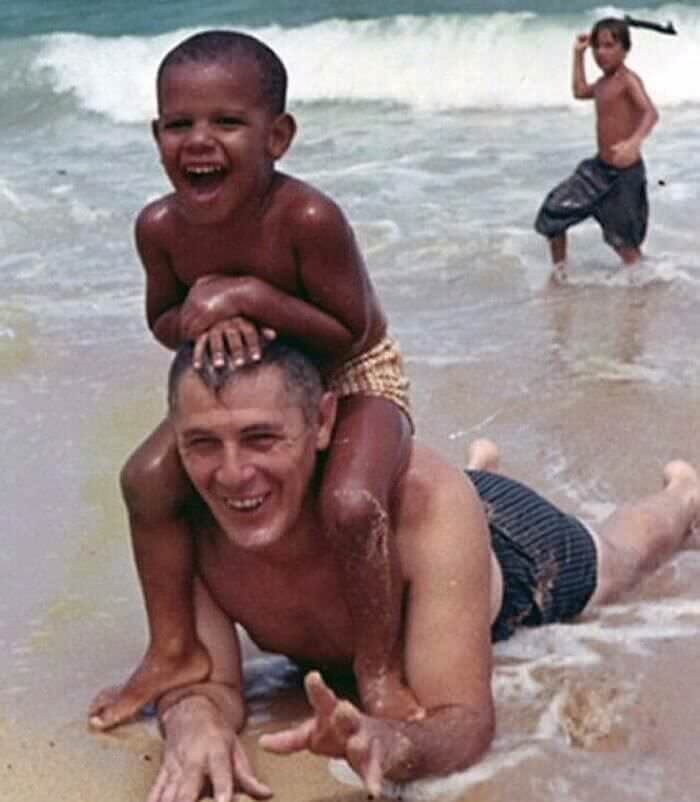
This photo captures a moment of tenderness and connection between former President Barack Obama and his grandfather Stanley Dunham, a reminder of the enduring importance of intergenerational relationships and the power of grandparents to pass down wisdom and love to future generations.
In the image, we see Dunham's hand resting gently on Obama's shoulder, a symbol of the deep bond between them and the love that connects families across generations. The photo is a tribute to the role that grandparents play in our lives, offering guidance, support, and a sense of belonging that can shape our identities and give us a sense of purpose and direction.
#42 The Birth of Bowie
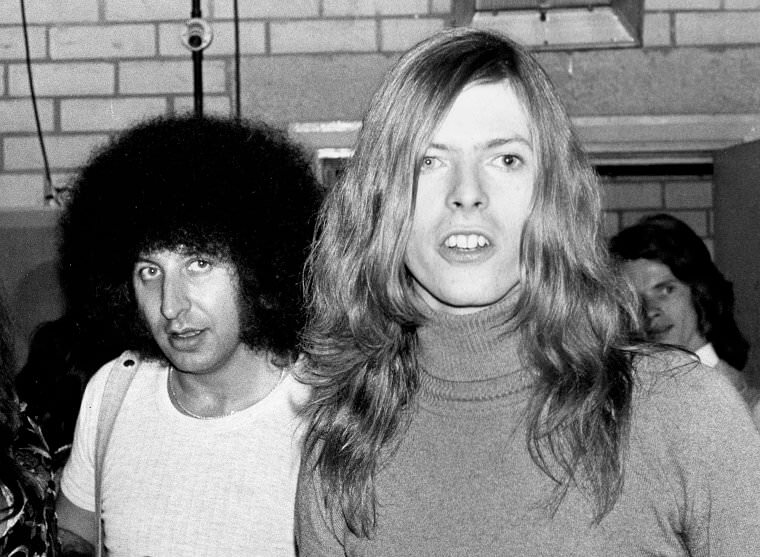
This historic photo captures the moment when David Jones, a young singer and songwriter from Brixton, London, decided to change his name and embark on a career that would transform him into the iconic musician and performer known as David Bowie.
In the photo, we see Jones sitting in his manager's office, surrounded by paperwork and photos of himself. He is deep in thought, clearly struggling with the decision of what to call himself as he prepares to launch his music career.
Jones ultimately decided to change his name to David Bowie, in part to avoid confusion with another pop star named Davy Jones. The name change marked a turning point in Bowie's life and career, setting him on a path to musical and artistic innovation that would make him one of the most influential and beloved figures in rock history.

AI with incorrect descriptions of the photos.