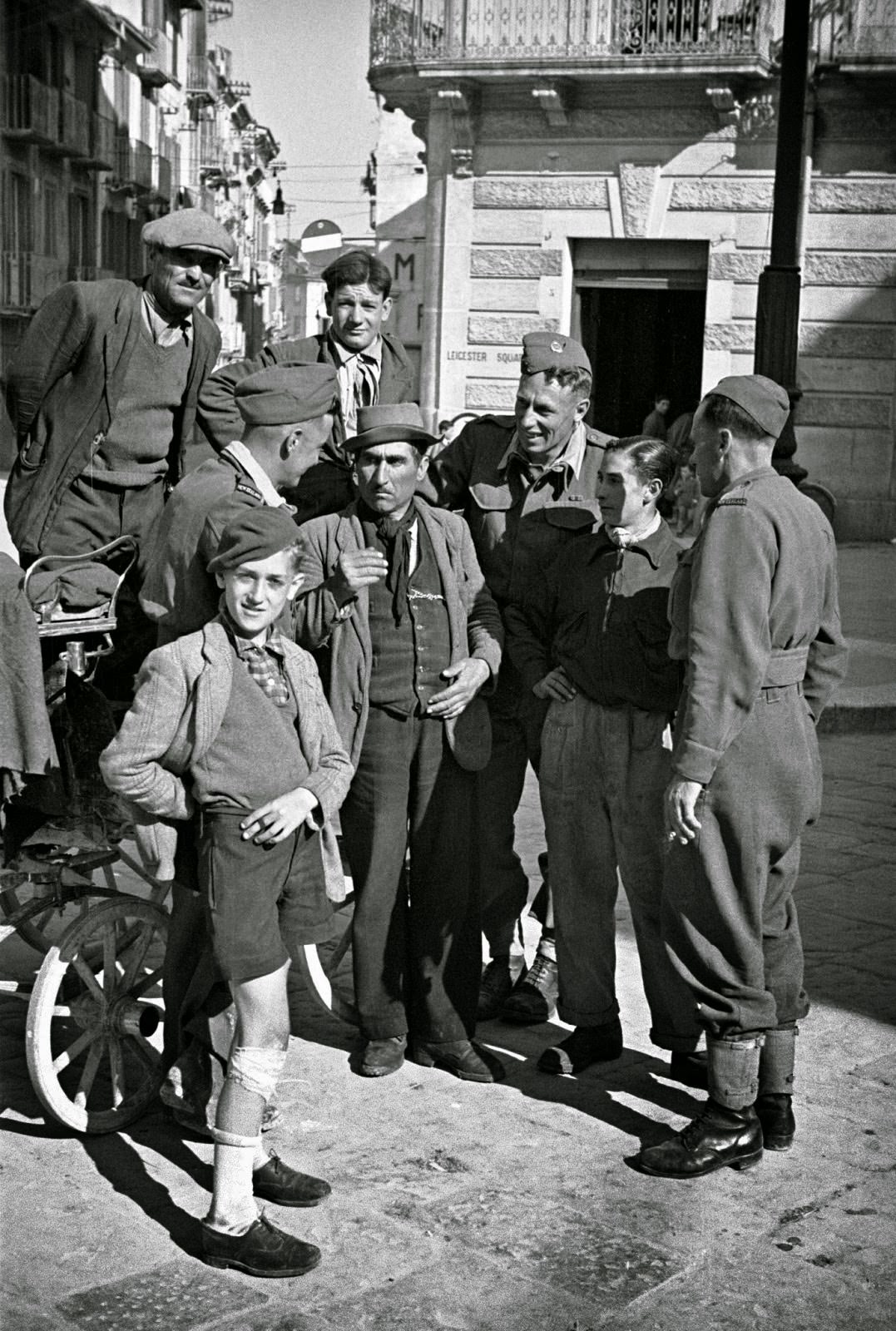
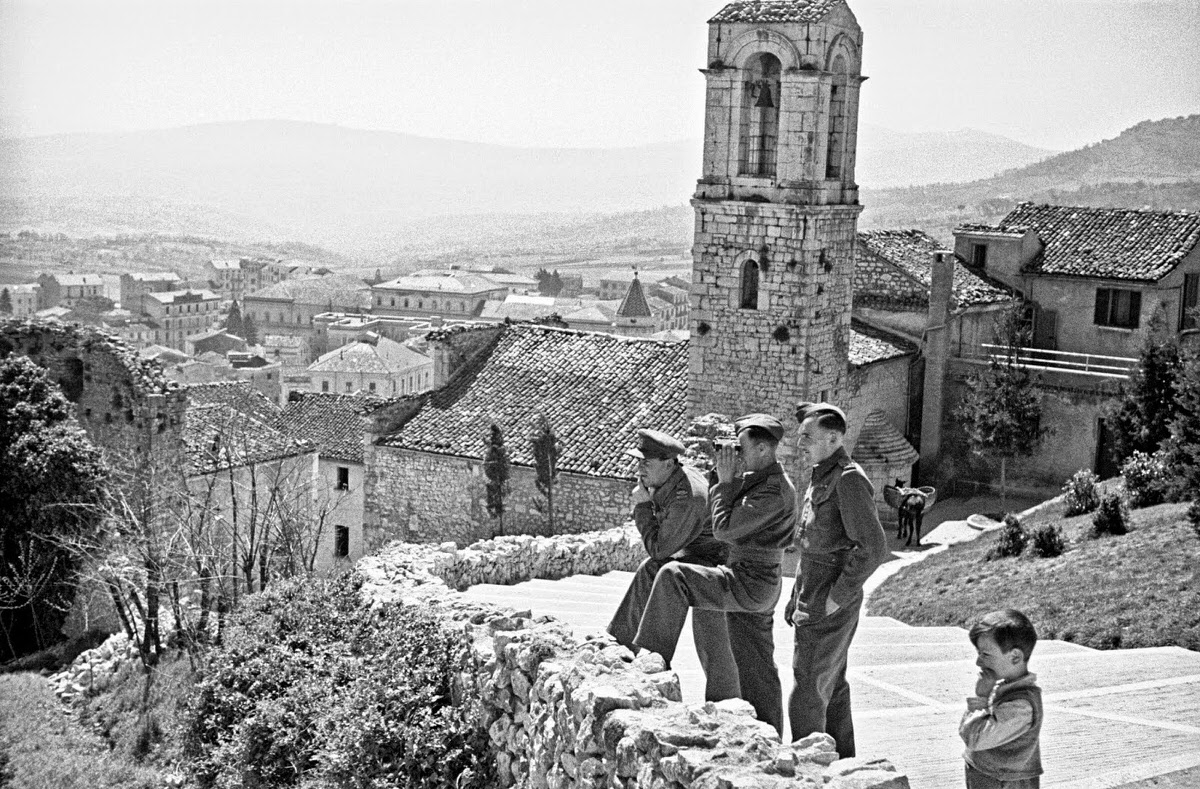
In October 1943, the 1st Canadian Infantry Division drove German forces out of Campobasso and moved in. The soldiers quickly made the hilltop Molise town their main rest and recreation center, nicknaming it “Maple Leaf City.” Street signs in both English and Italian went up at corners to guide thousands of troops moving through daily.
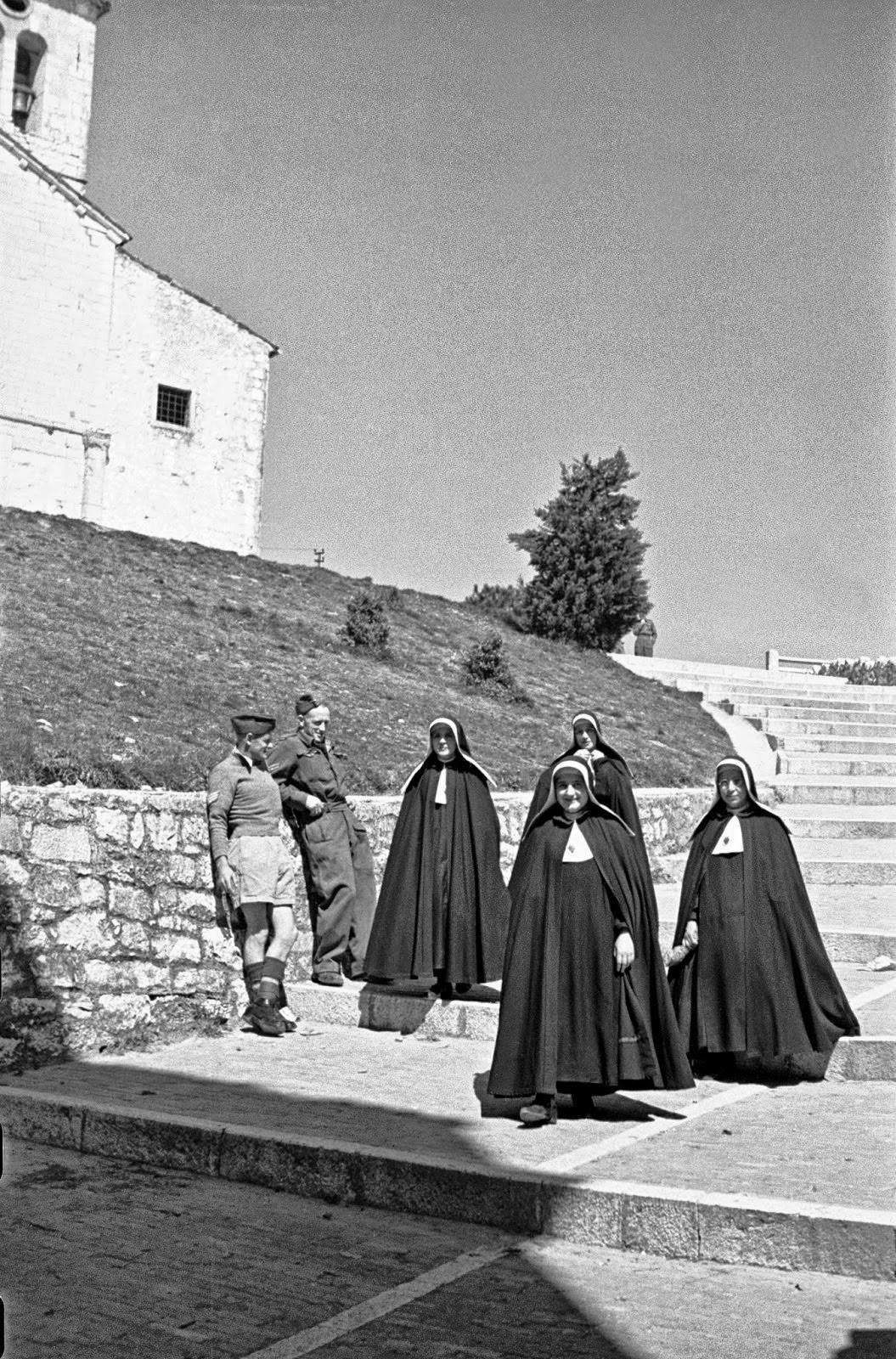
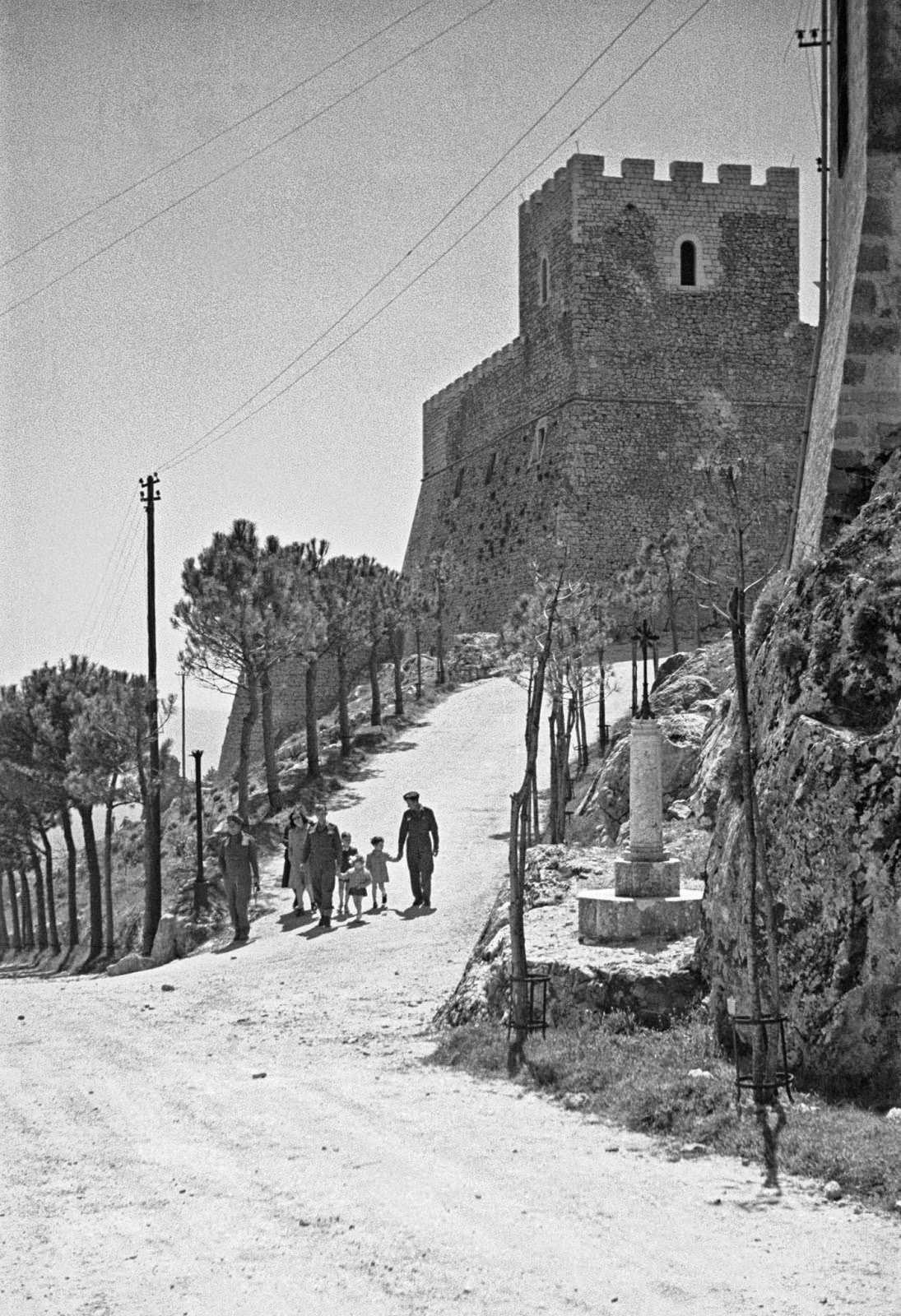
The ancient Monforte Castle towered over stone streets packed with military trucks and armored vehicles. Military police stood in the town squares directing the constant flow of traffic. The local Savoia Theater was converted into the Beaver Club, where soldiers ate hot meals and watched films — a rare moment of calm during the brutal Italian campaign.
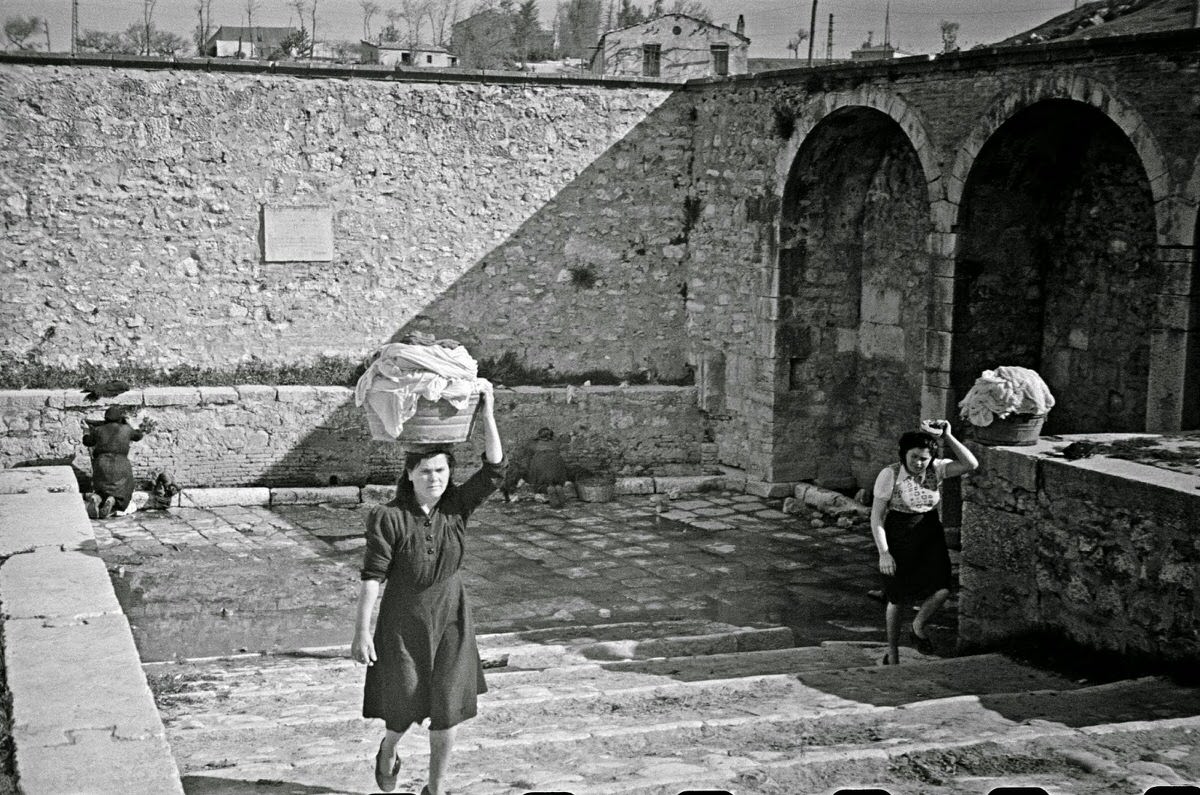
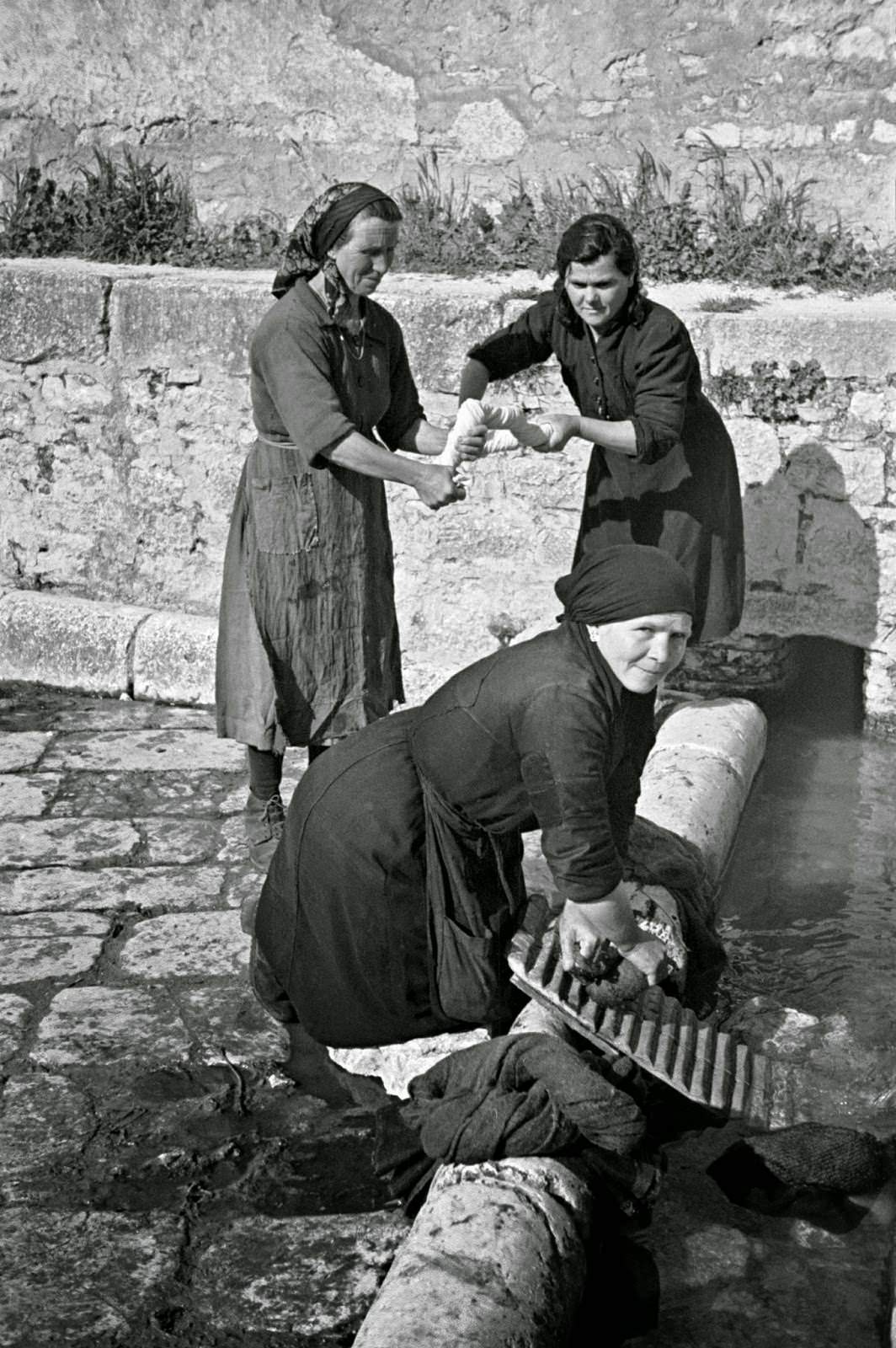
Daily life for Campobasso’s residents carried on alongside the occupation. Women continued using the town’s ancient Roman washing place for their laundry, a routine unchanged by the war around them.
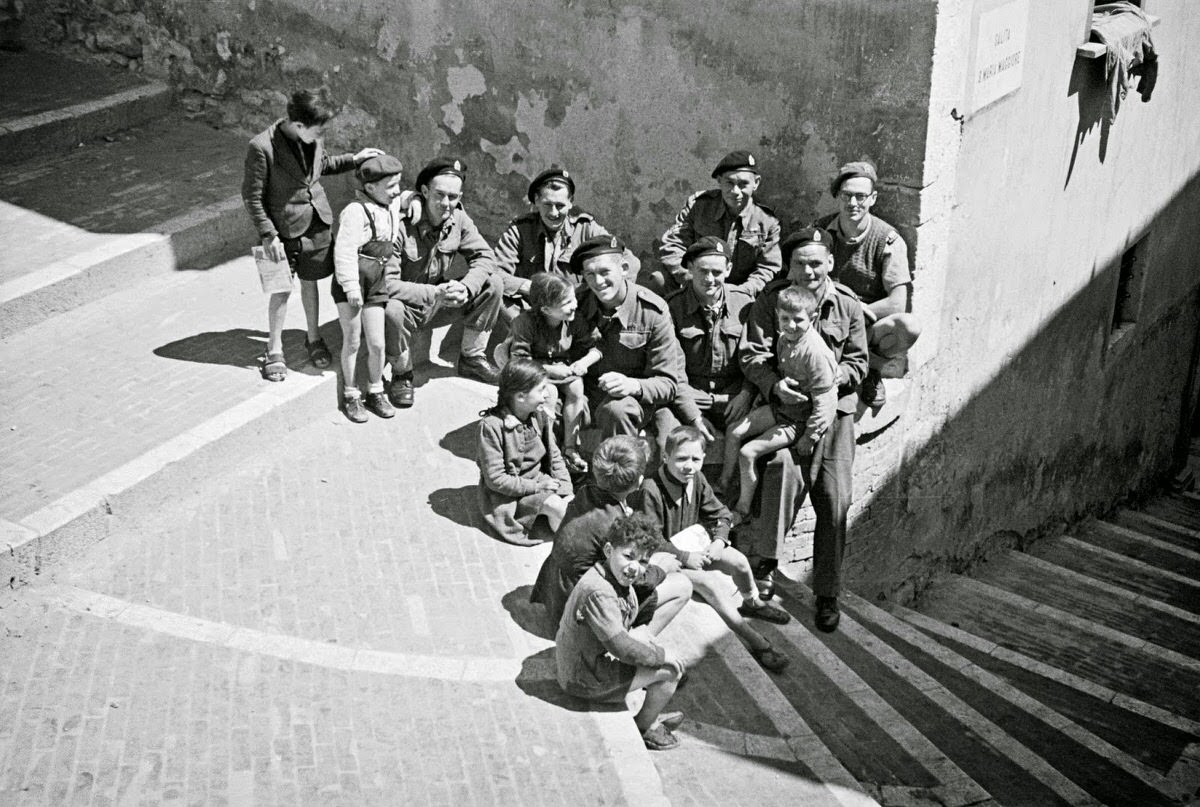
Food was scarce for local families. A busy barter system filled the gap — residents traded fresh eggs and wine with soldiers in exchange for military rations, chocolate, and cigarettes. New Zealand troops also cycled through Campobasso on leave, mixing with the local population in the narrow streets and squares.
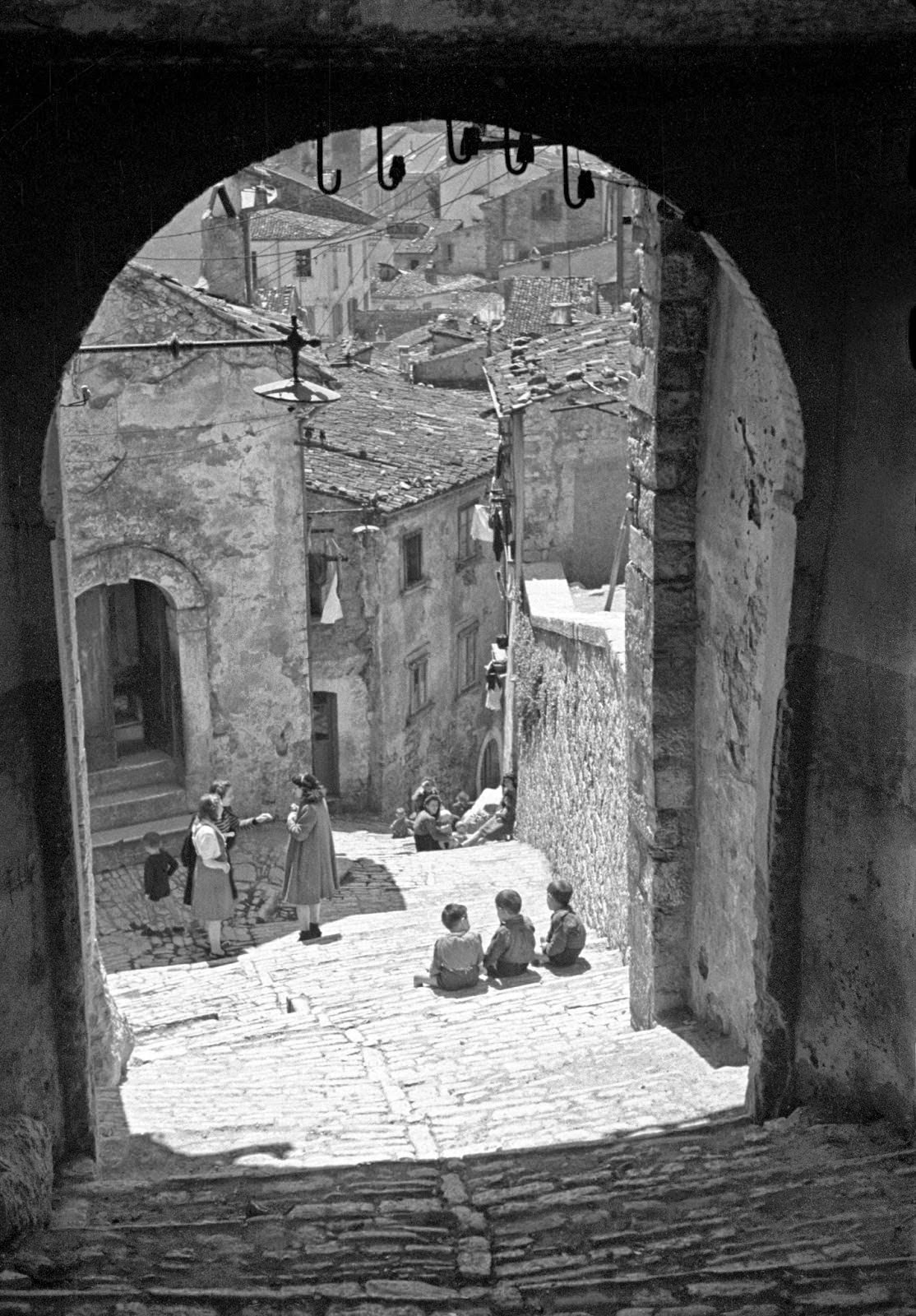
Winter in the Molise mountains brought freezing temperatures and heavy snow to the already steep, crowded streets. Yet the town’s ancient rhythms persisted.
Soldiers on leave walked the town’s pine-lined avenues — each tree planted to honor an Italian soldier killed in the First World War. The weight of that history was not lost on men who were living through another.
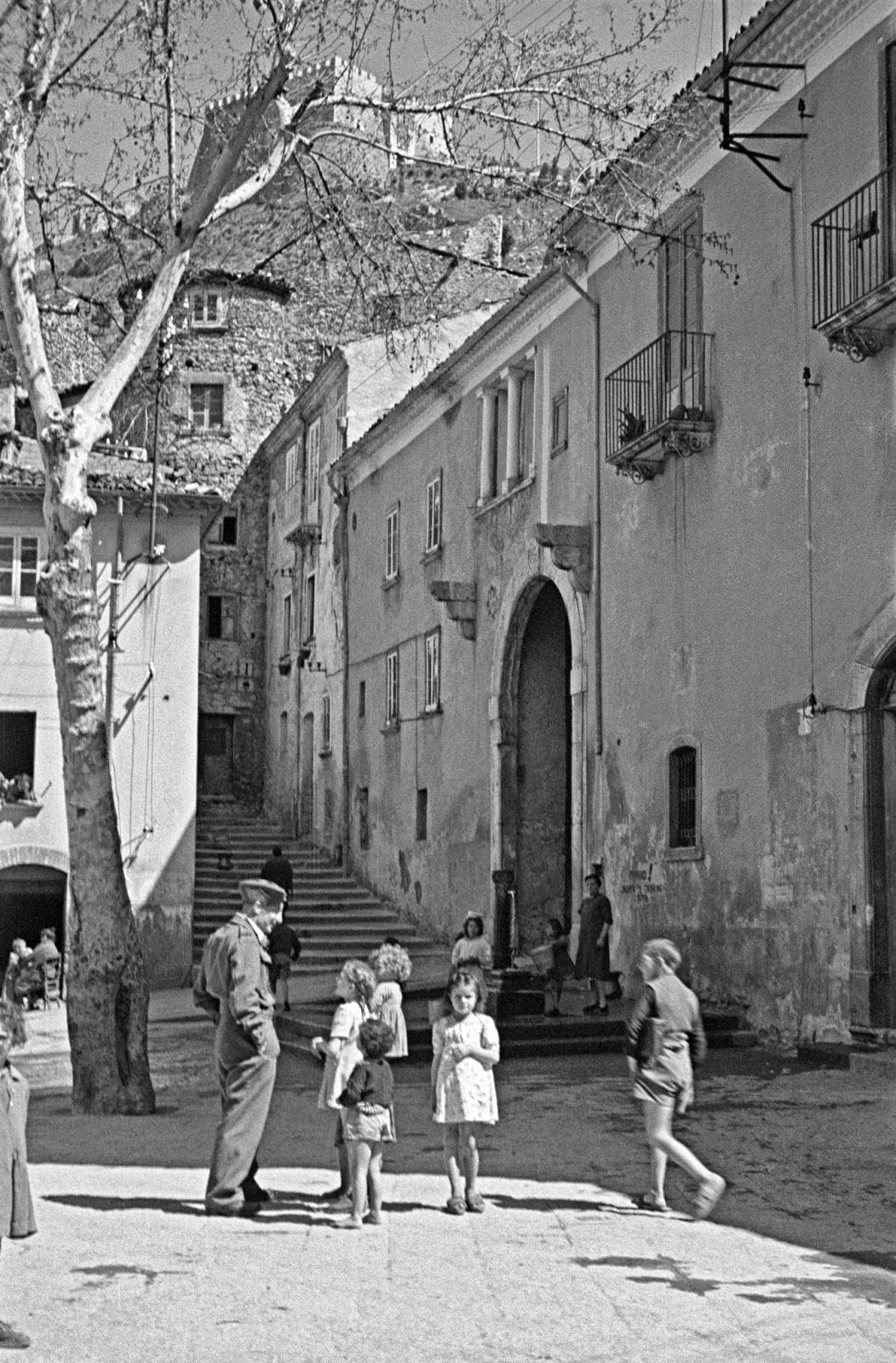
Troops also hired local gharri drivers to take them sightseeing around the town. Campobasso held its role as a key Allied supply hub until the front pushed further north into Italy.