In the summer of 1954, photographers gathered along the rocky shores and sandy beaches of the Oslofjord in Norway for a series of coastal photo shoots known as the “Bathing Beauties” sessions. The short Scandinavian summer made every sunny day valuable, and the sessions were timed to take full advantage of the season’s best light and warmth.
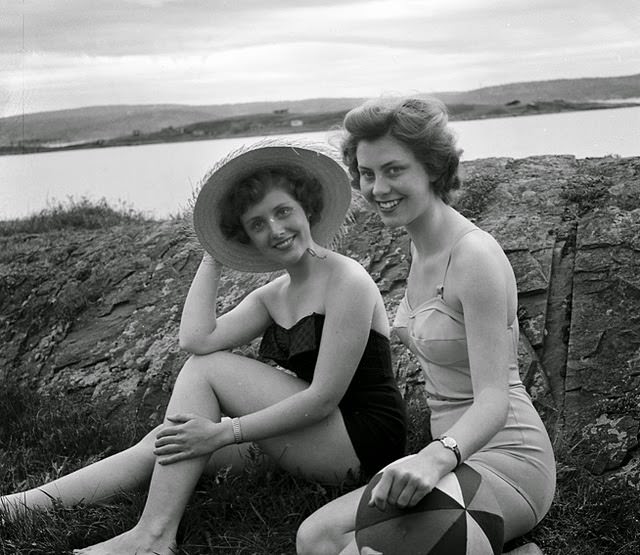
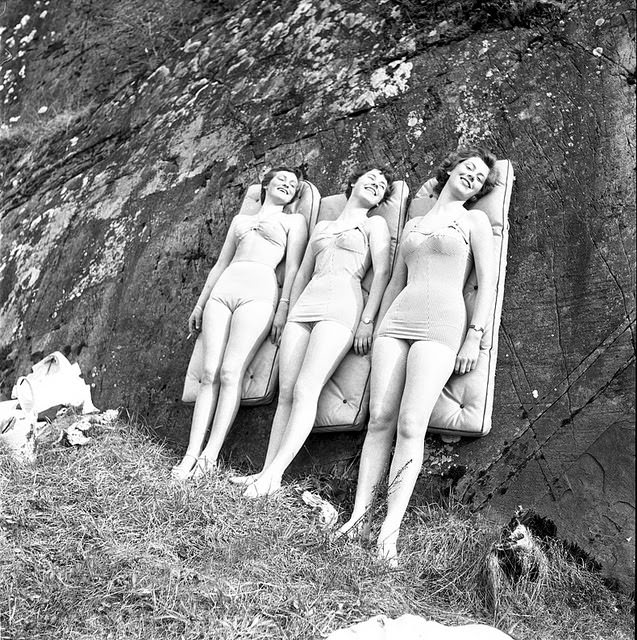
The swimwear on display reflected the conservative fashion of the early 1950s. Models wore modest two-piece suits made from heavy cotton or wool, featuring high-waisted bottoms and structured tops. These were the latest designs the fashion industry had to offer after the long, dark Norwegian winter.
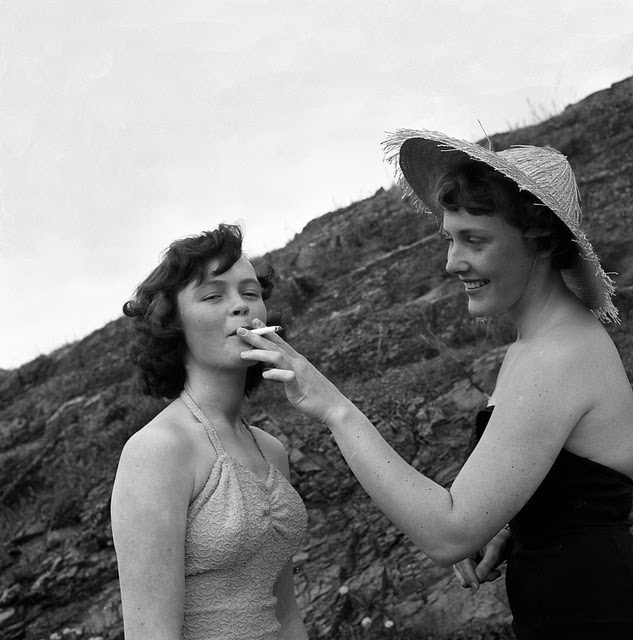
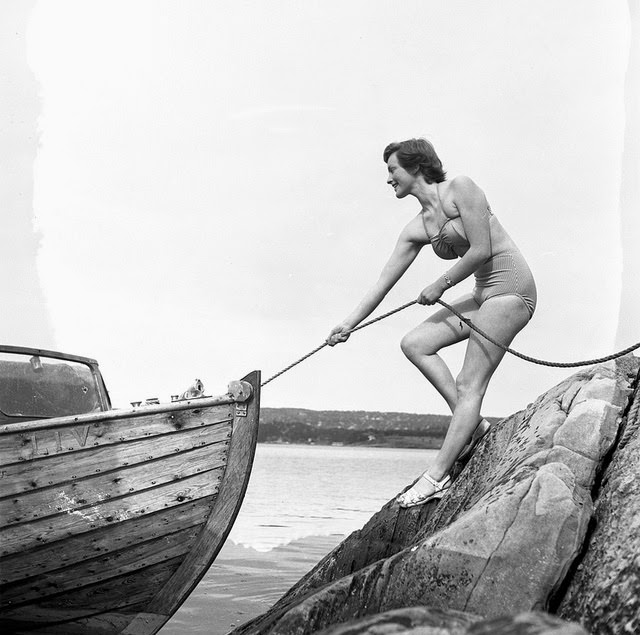
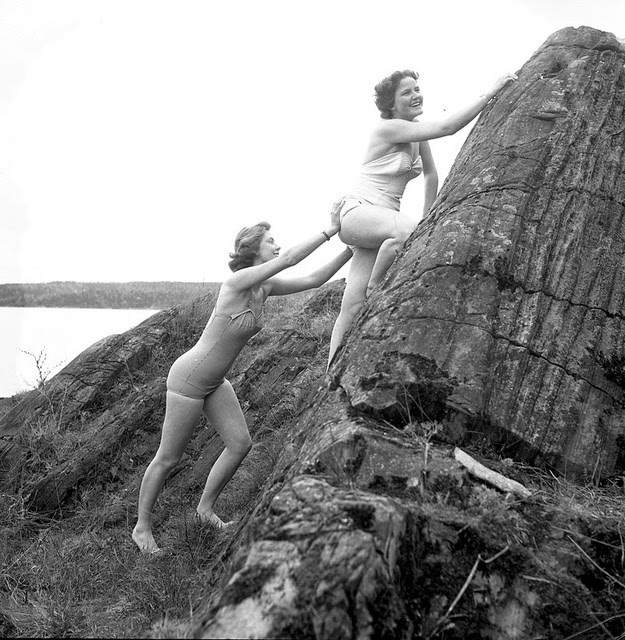
Some of the women were professional models, but many were local residents hired to represent the style of their nearby towns. They posed on wooden docks and stood on granite boulders, giving photographers dramatic and natural angles.
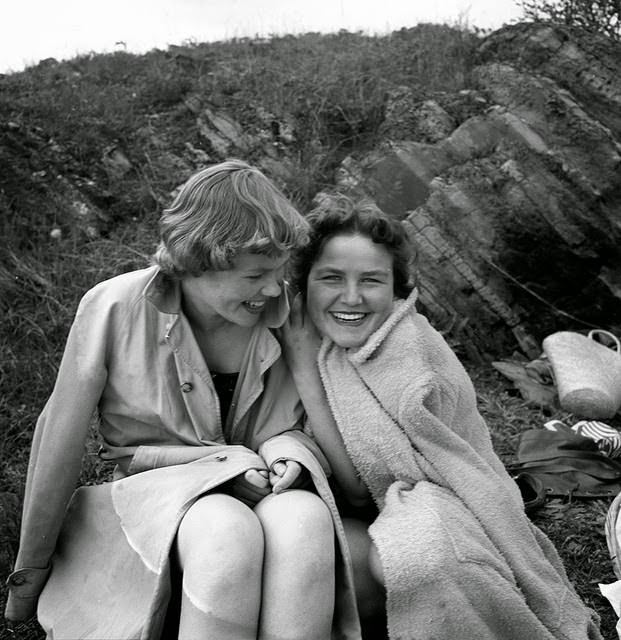
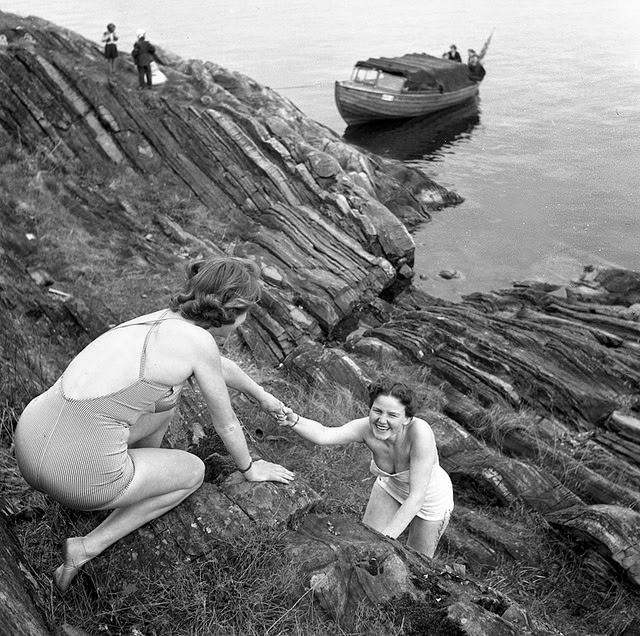
Photographers looked for poise and a relaxed, natural appearance suited to magazine publication. The outdoor setting along the fjord provided a striking backdrop that connected the fashion directly to Norway’s rugged coastal landscape.
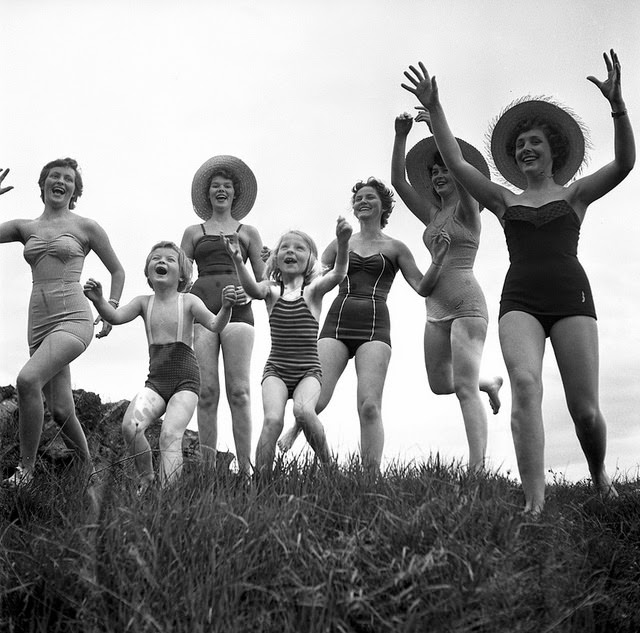
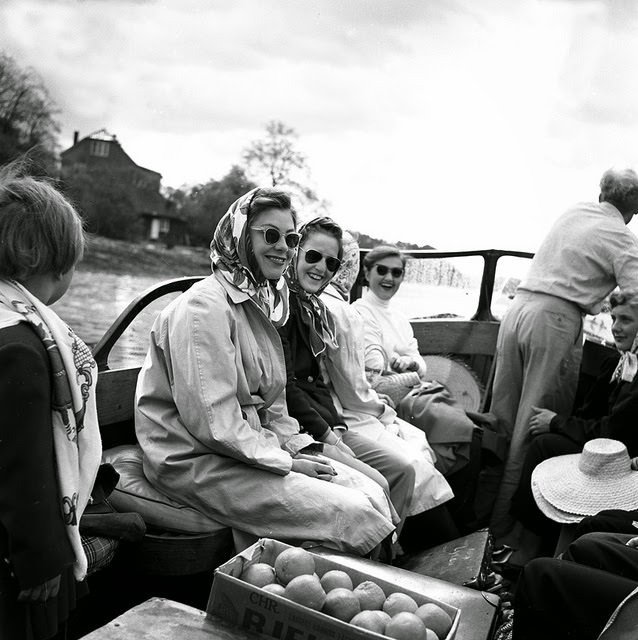
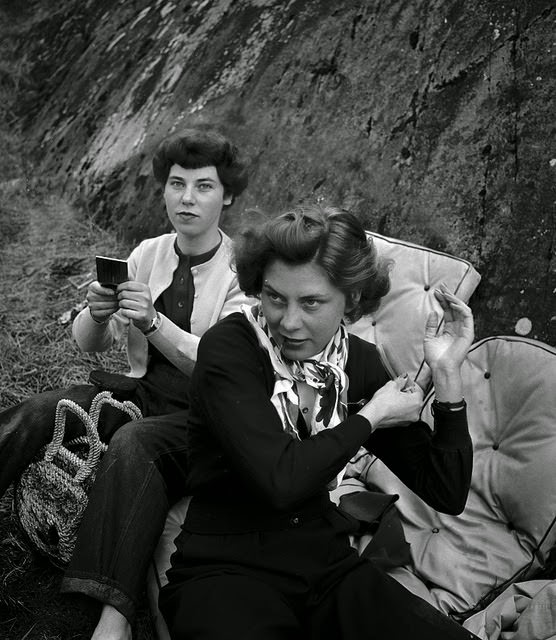
Spectators turned the shoots into a public event. Families sat on blankets and folding chairs along the shoreline, watching the sessions unfold. Many brought picnic baskets and spent the entire day by the water.
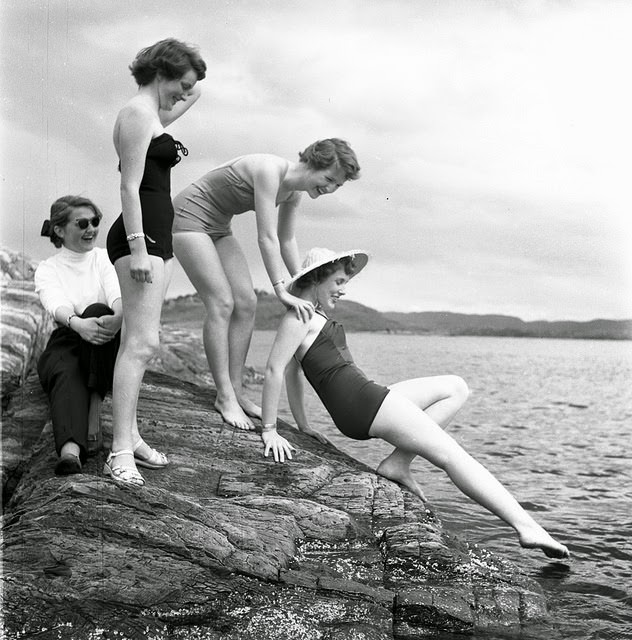
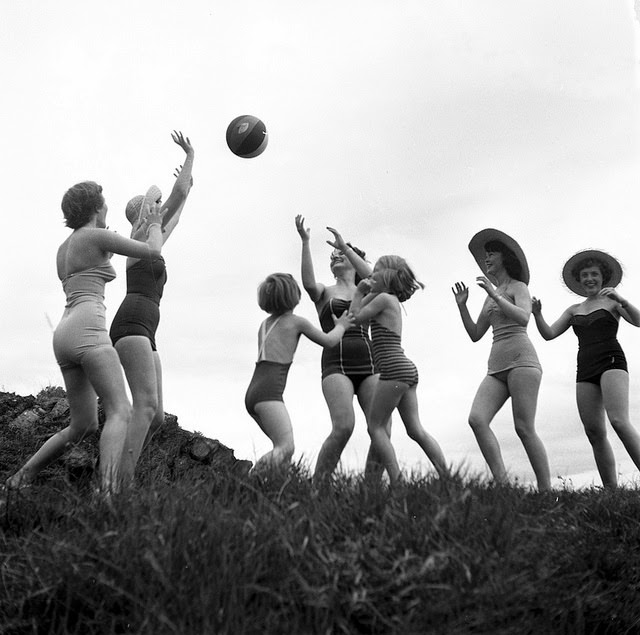
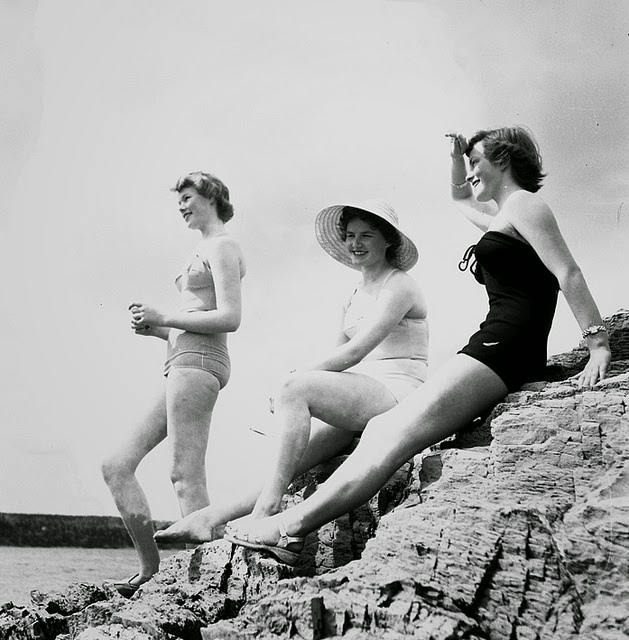
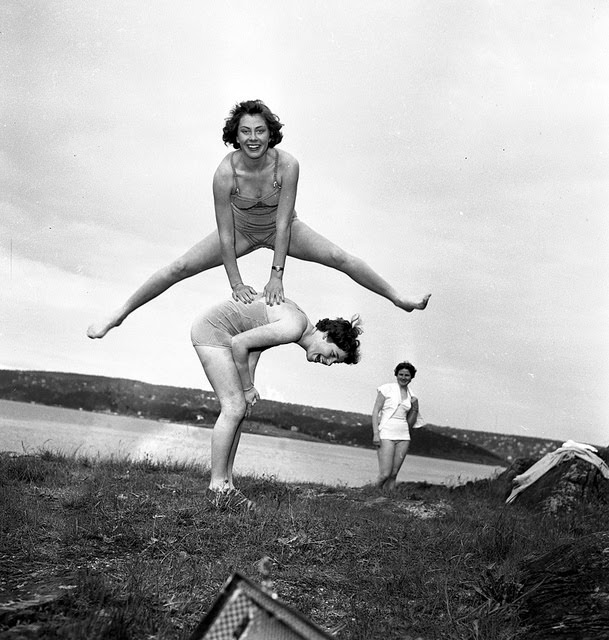
The atmosphere across the shoots was casual and celebratory — a rare chance for communities to gather outdoors and enjoy the brief summer season together.
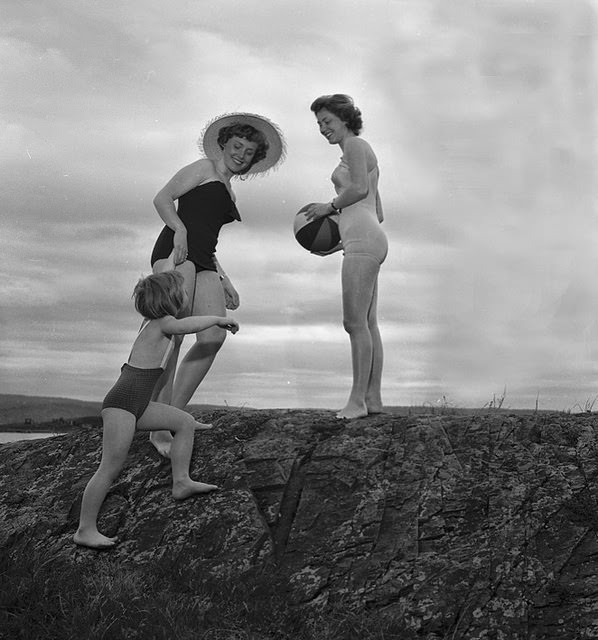
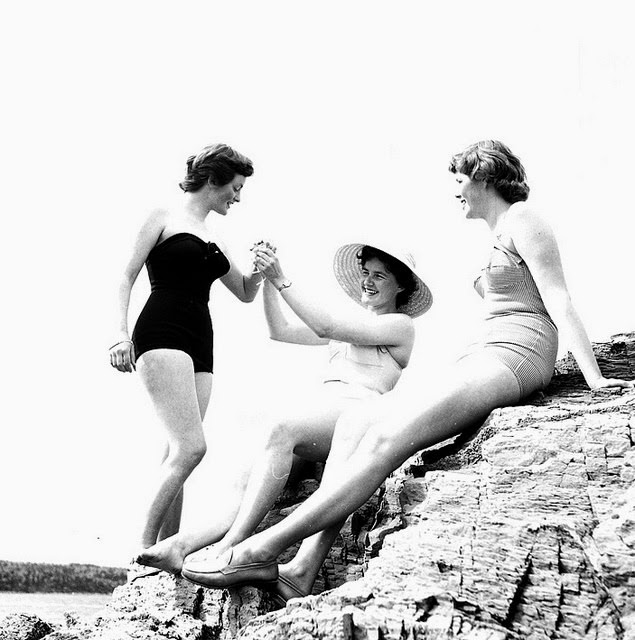
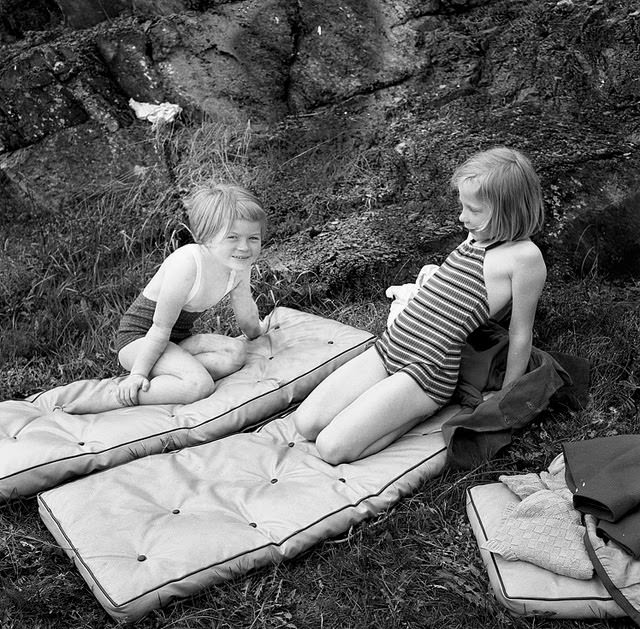
For the fashion industry, the sessions served a clear purpose: showcasing new swimwear designs in a setting that felt alive and authentic. The Oslofjord’s granite cliffs and open water made every frame look effortlessly cinematic.