Before British forces arrived in Palestine, the region was under Ottoman control. Towns and villages operated with established social structures, local customs, and deep-rooted communities. That world changed rapidly when World War I brought a new imperial power into the territory.
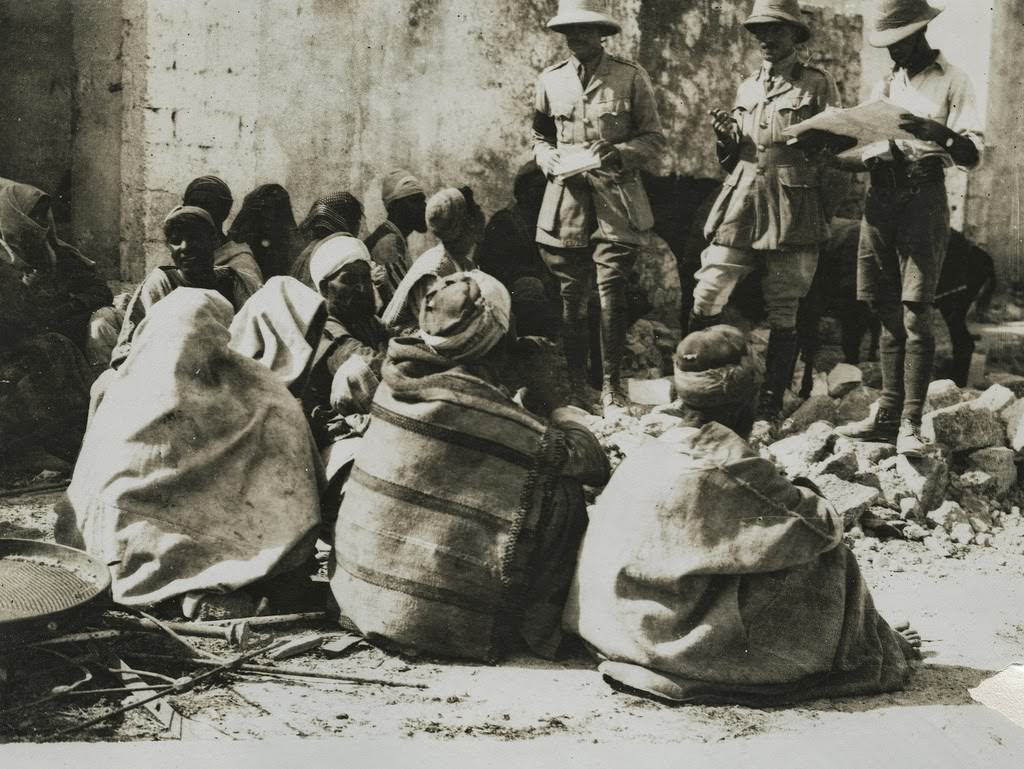
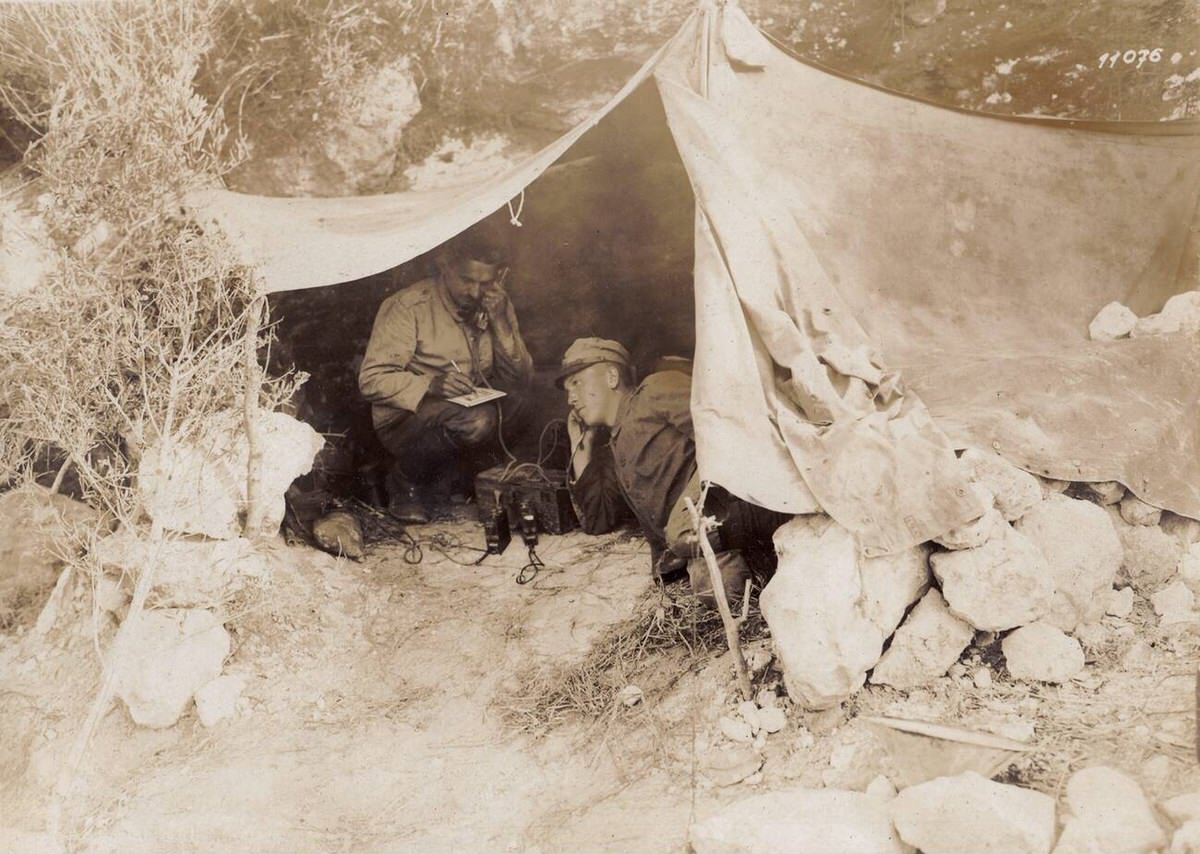
The Ottoman Empire had governed Palestine for centuries. German and Austro-Hungarian forces operated alongside Ottoman troops in the region, reinforcing the Central Powers’ hold on key strategic points. The war in Palestine was not isolated — it was part of a broader global conflict with competing empires fighting for territory.
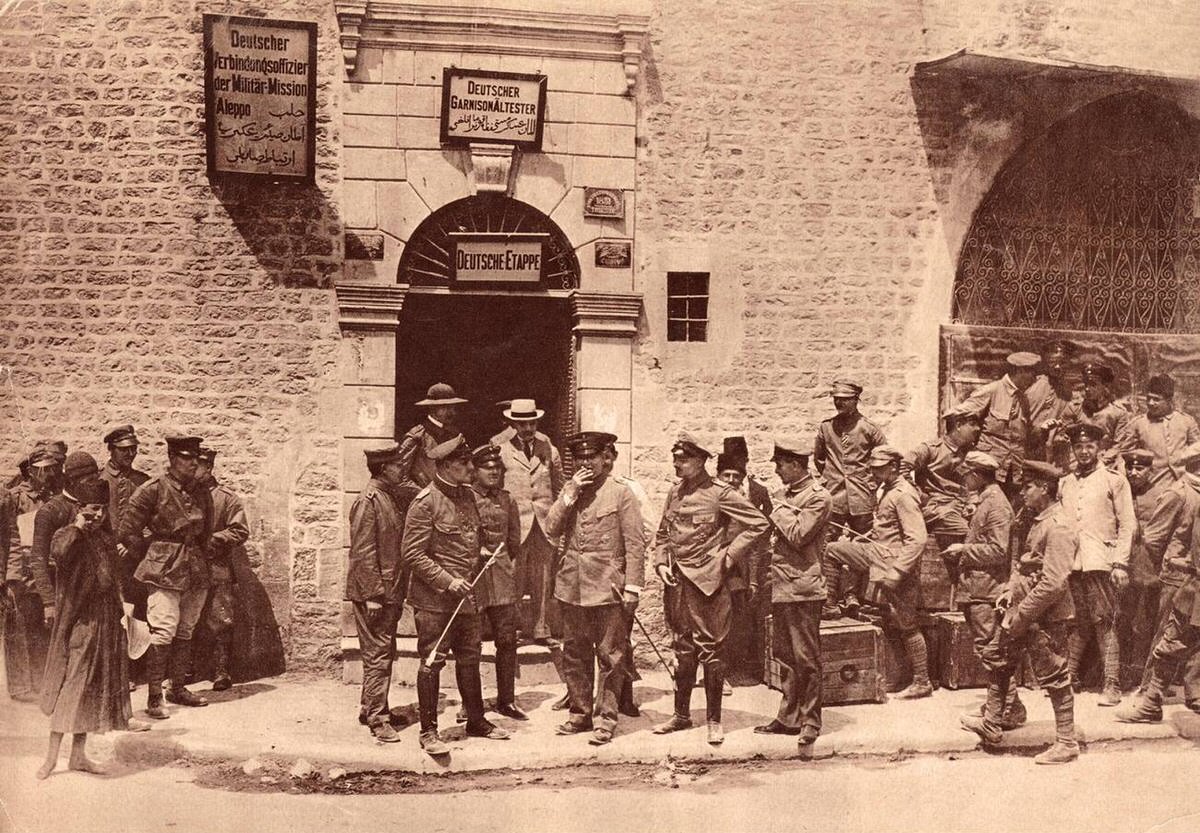
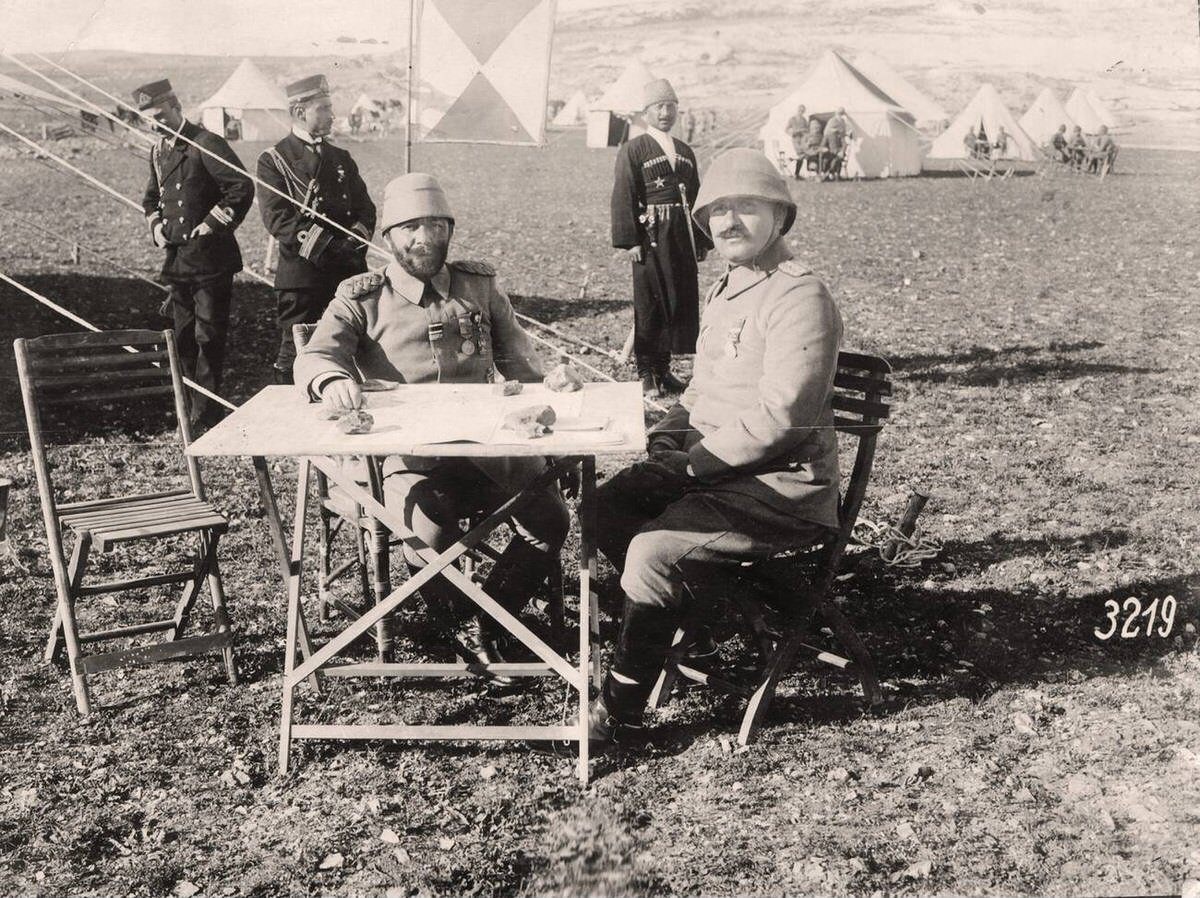
Ottoman and allied forces built their defenses across southern Palestine, including the strategic town of Beersheba. Infrastructure like wells and railways became key military assets — and targets.
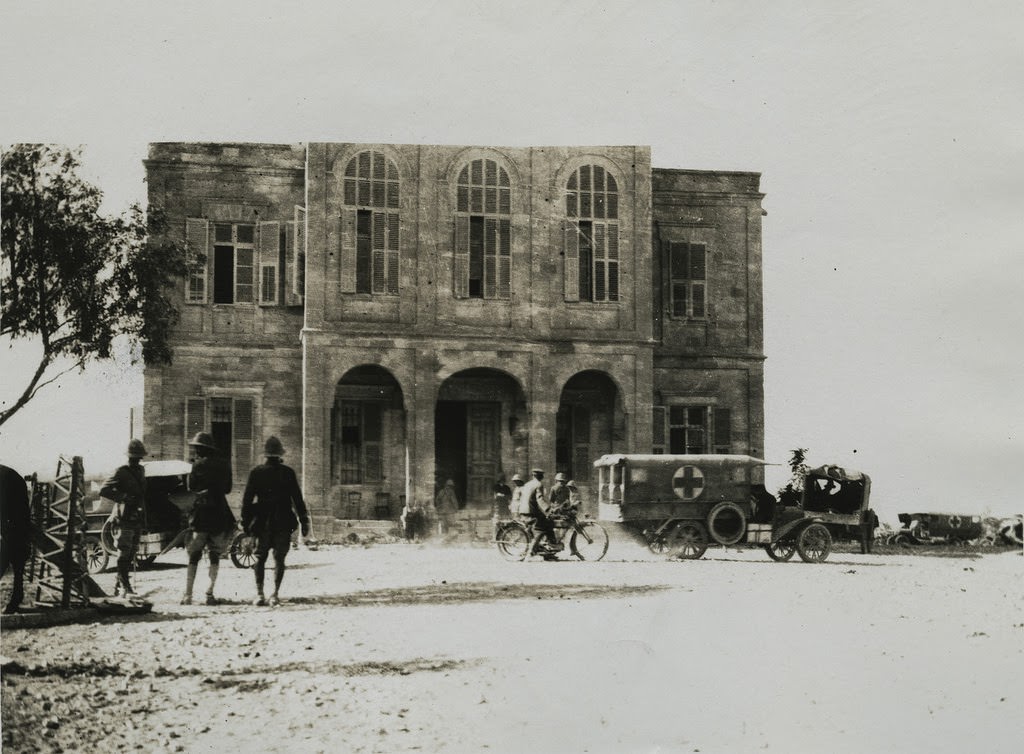
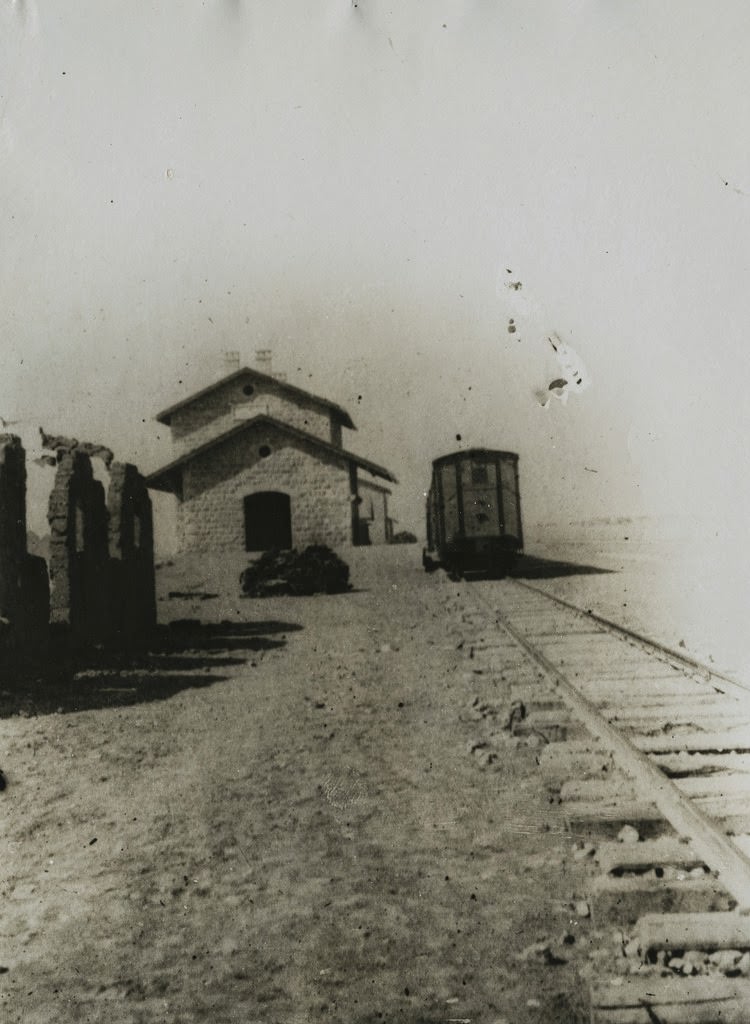
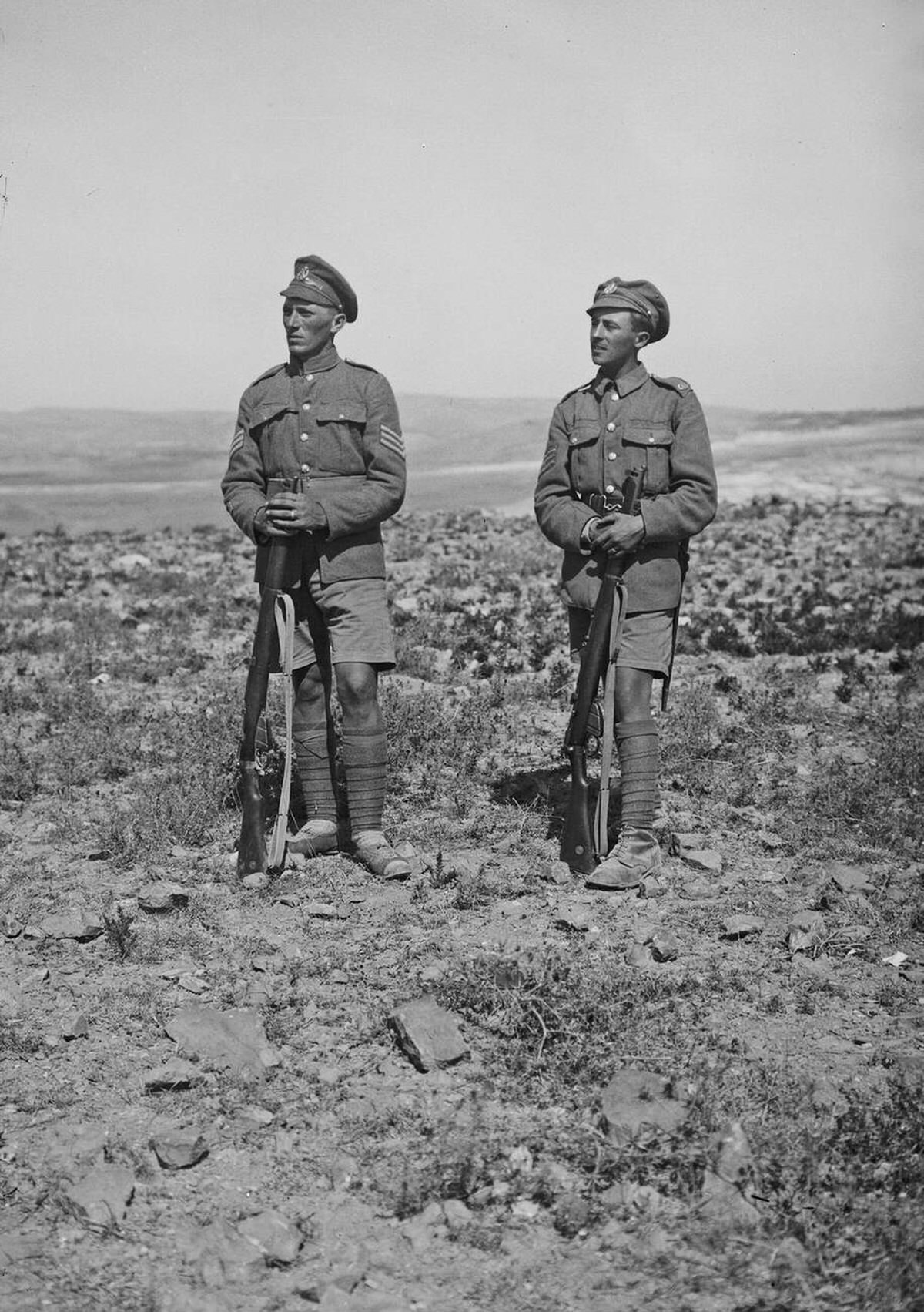
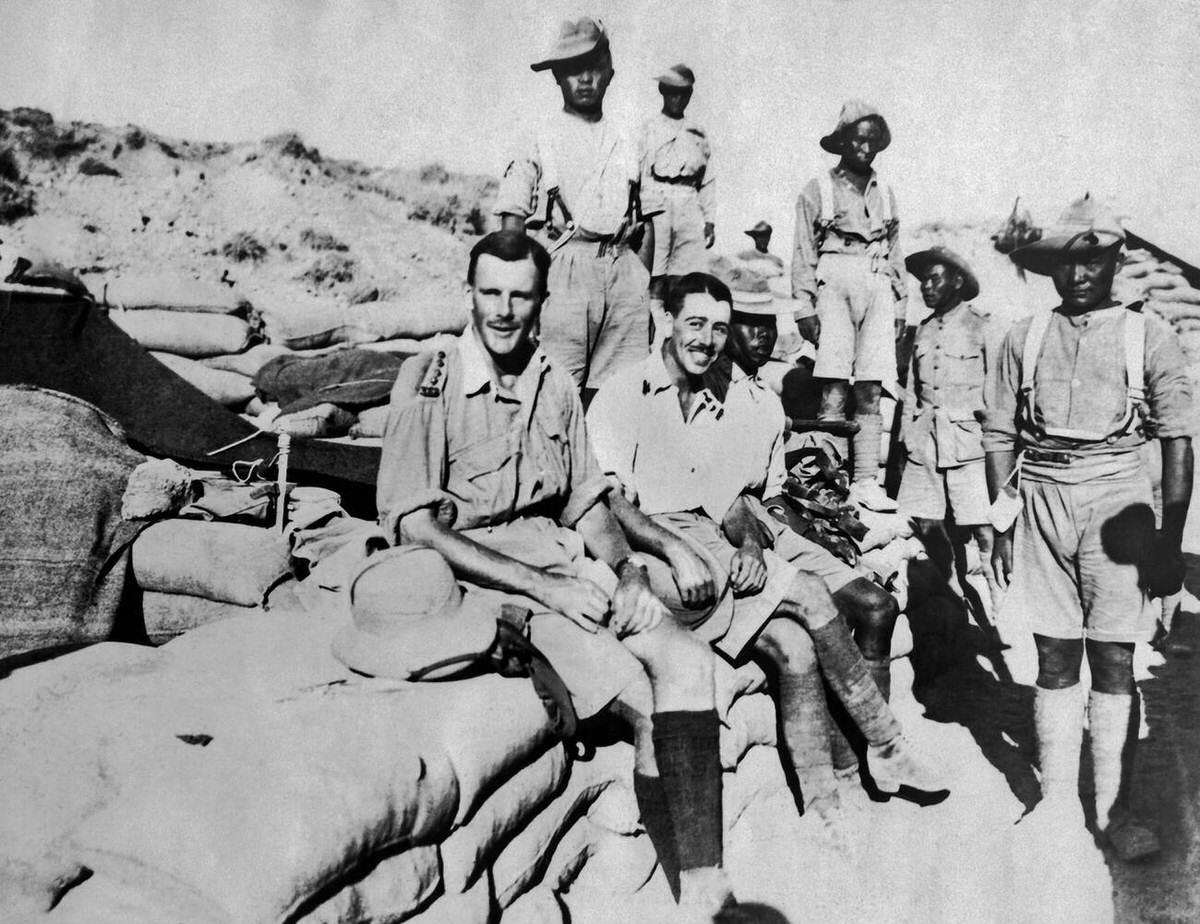
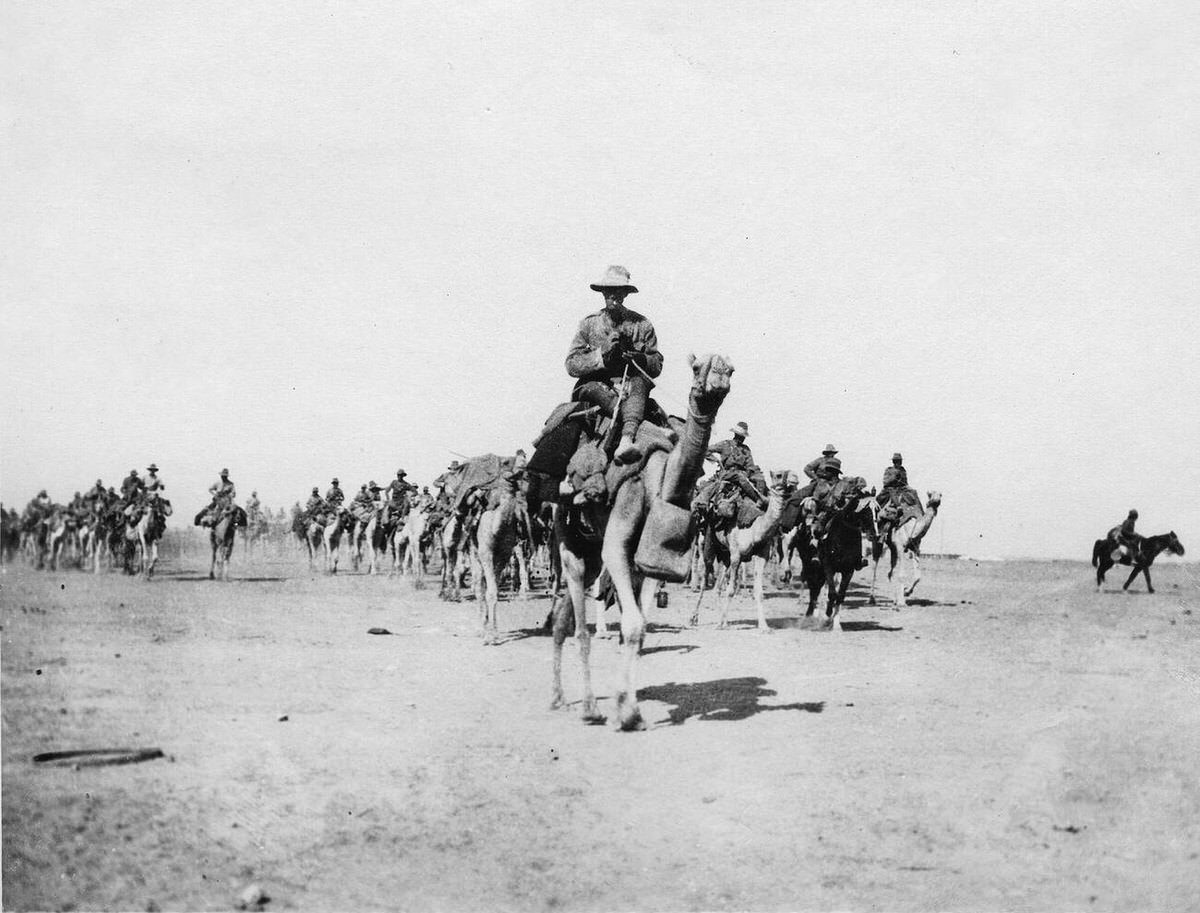
By 1917, General Edmund Allenby led British and Allied forces — including Gurkha Rifle battalions, the Imperial Camel Corps, and the London Regiment — northward through Palestine. The campaign began with fierce fighting around Gaza, where British forces broke through Ottoman defensive lines and took thousands of prisoners.
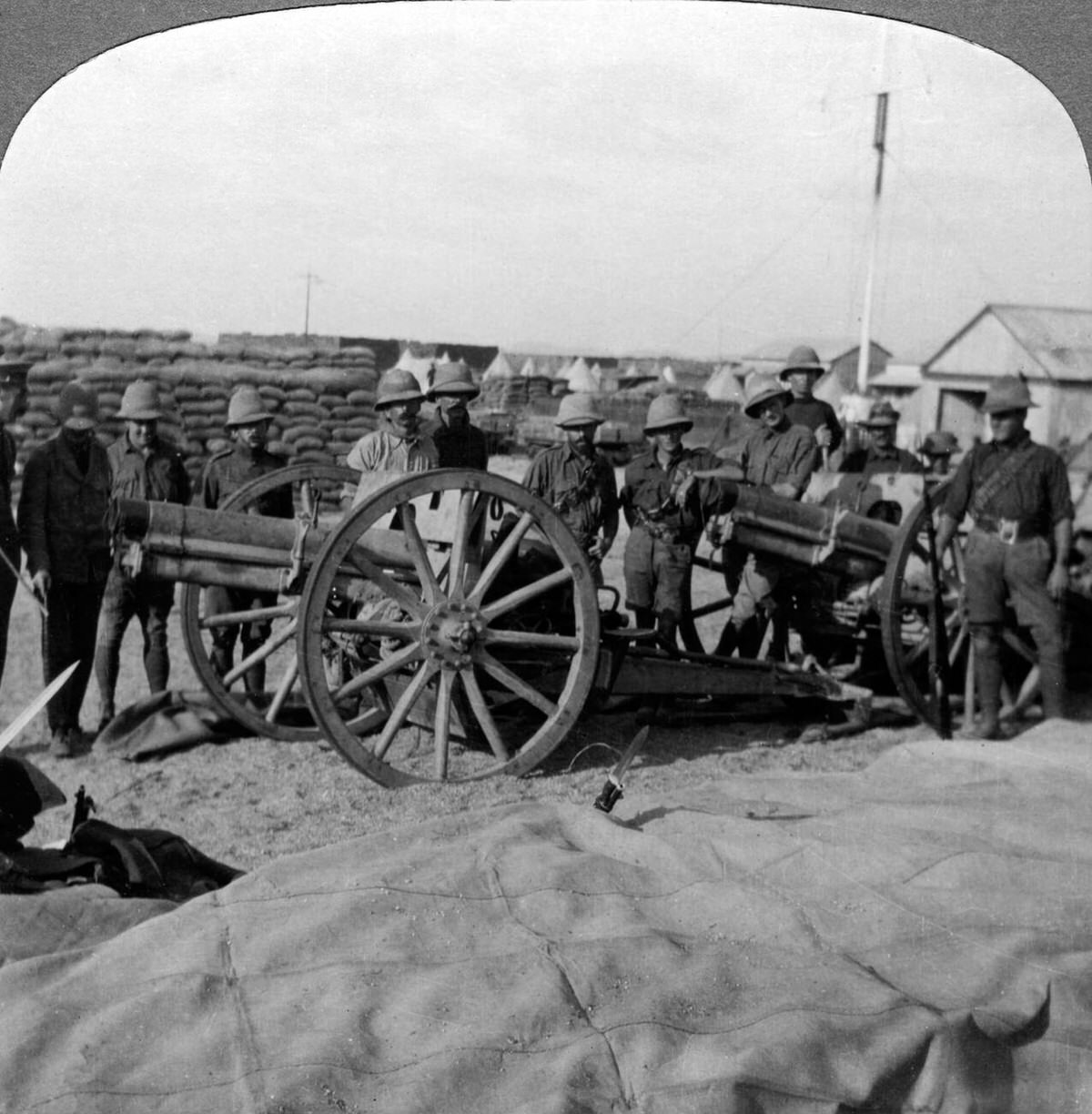
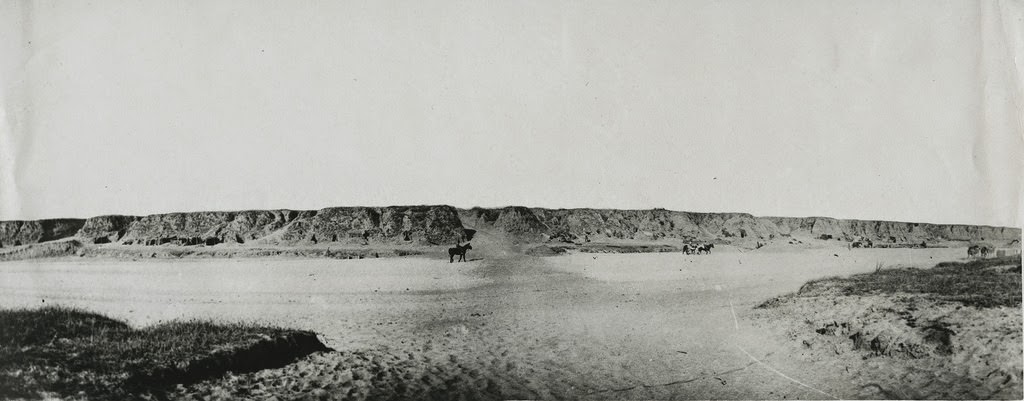
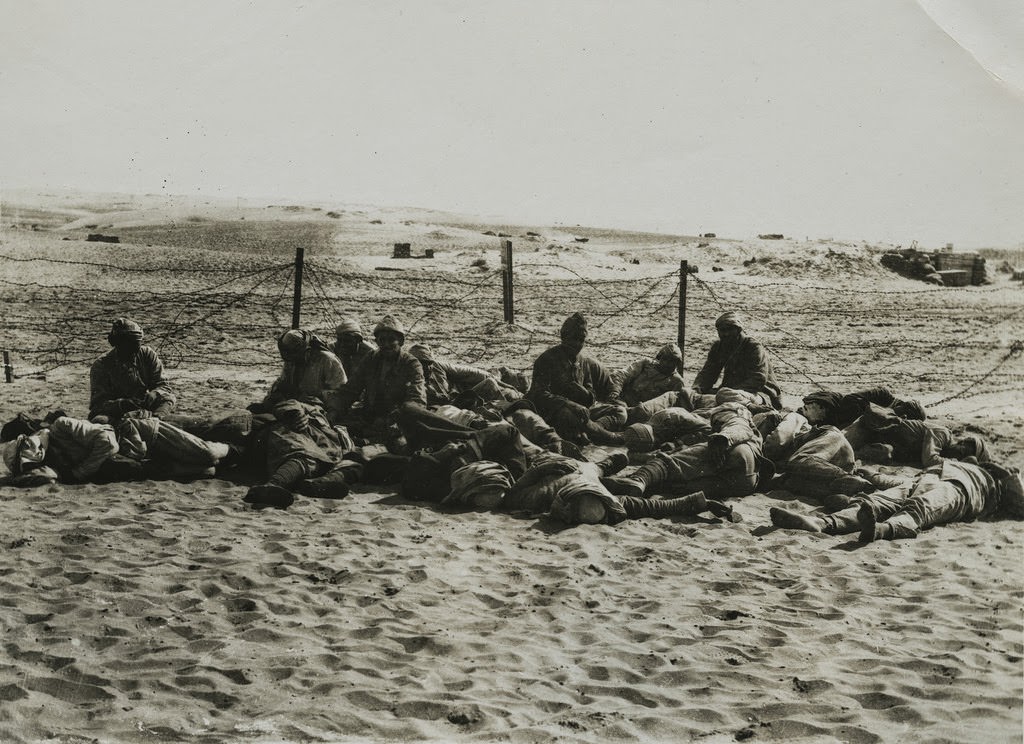
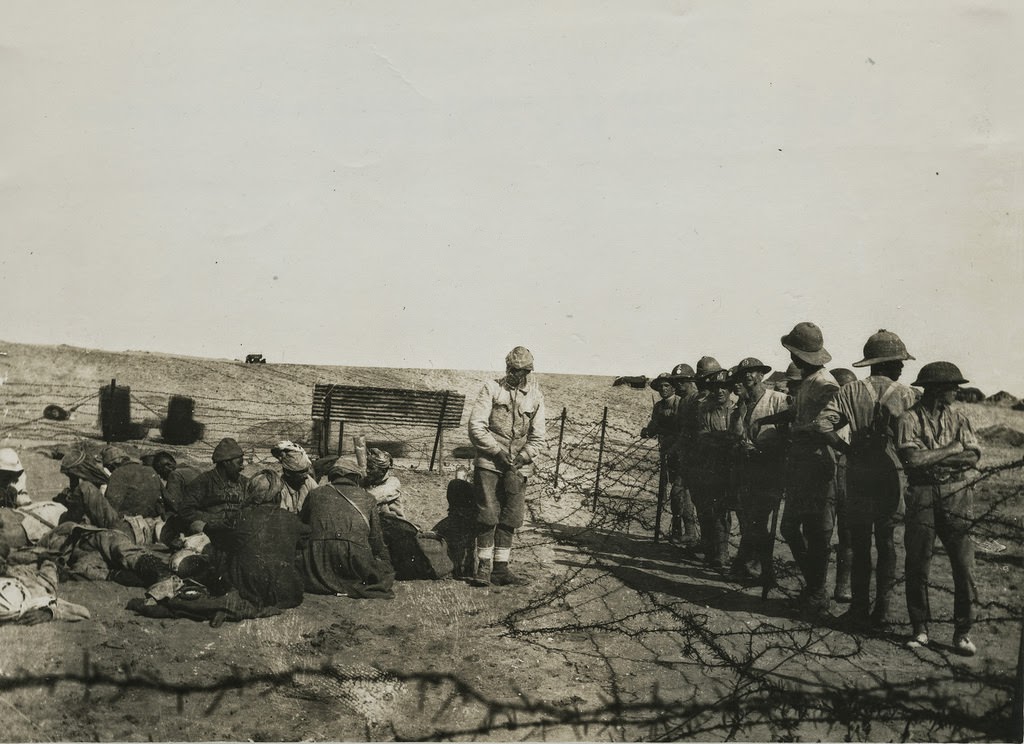
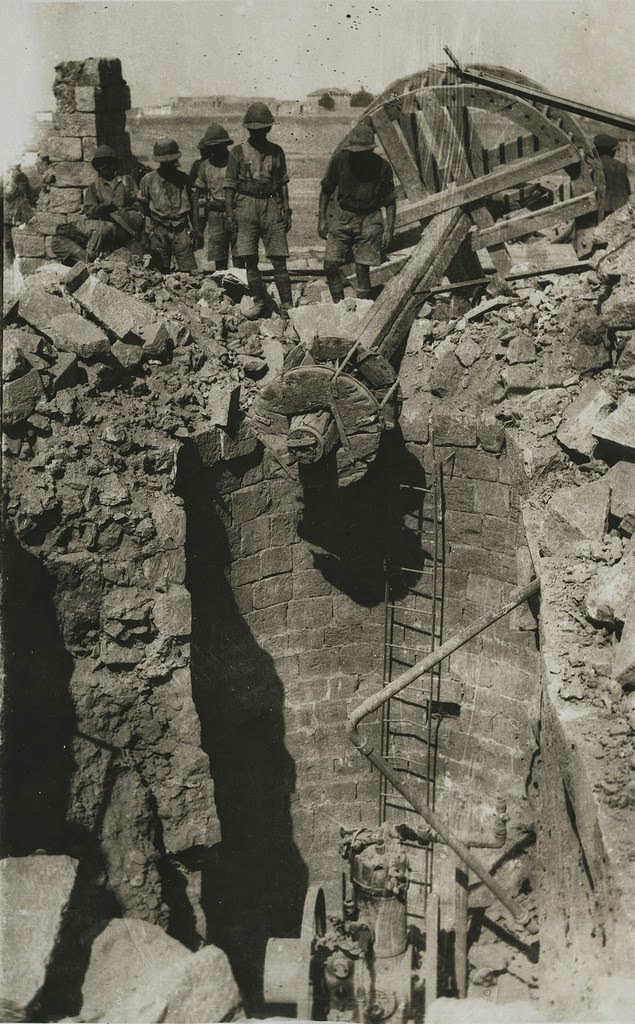
The push toward Beersheba was a pivotal moment. As British and Australian troops advanced, they found infrastructure deliberately sabotaged by the retreating Ottomans. Wells had been destroyed to slow the Allied advance and deny resources to the enemy.
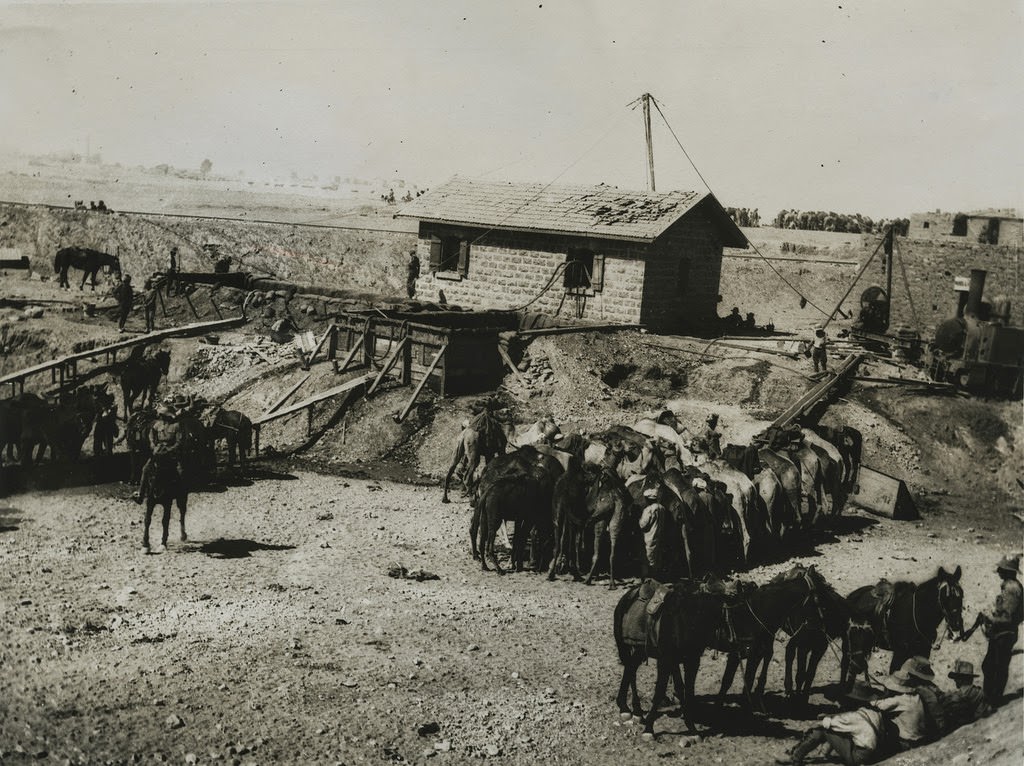
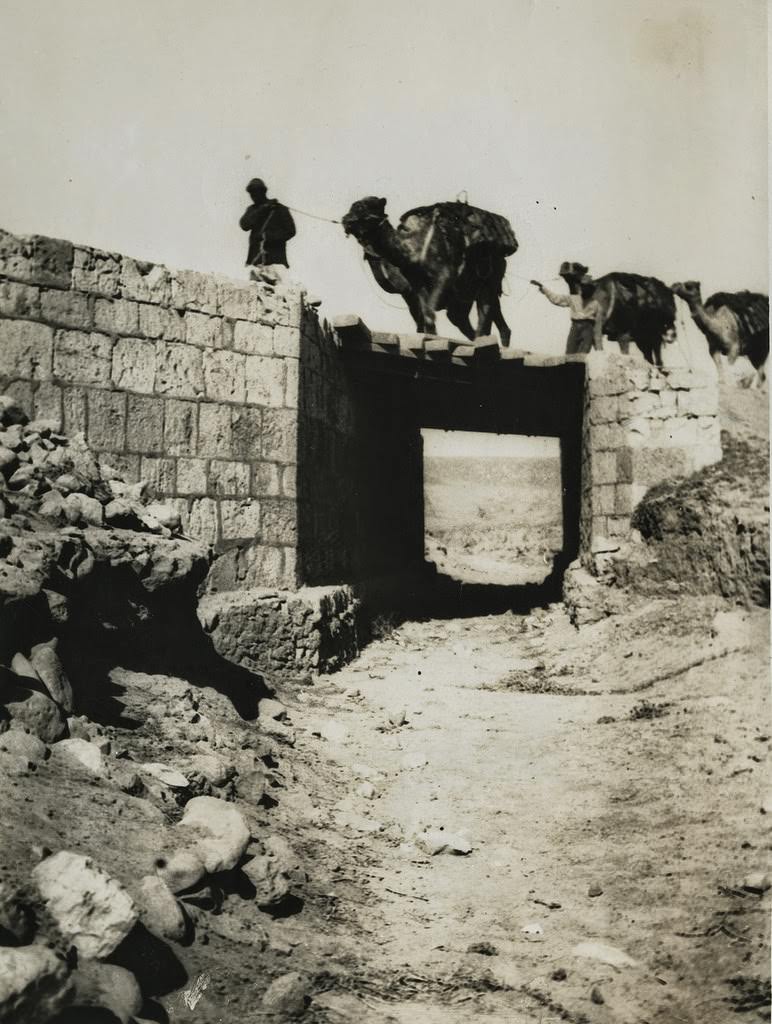
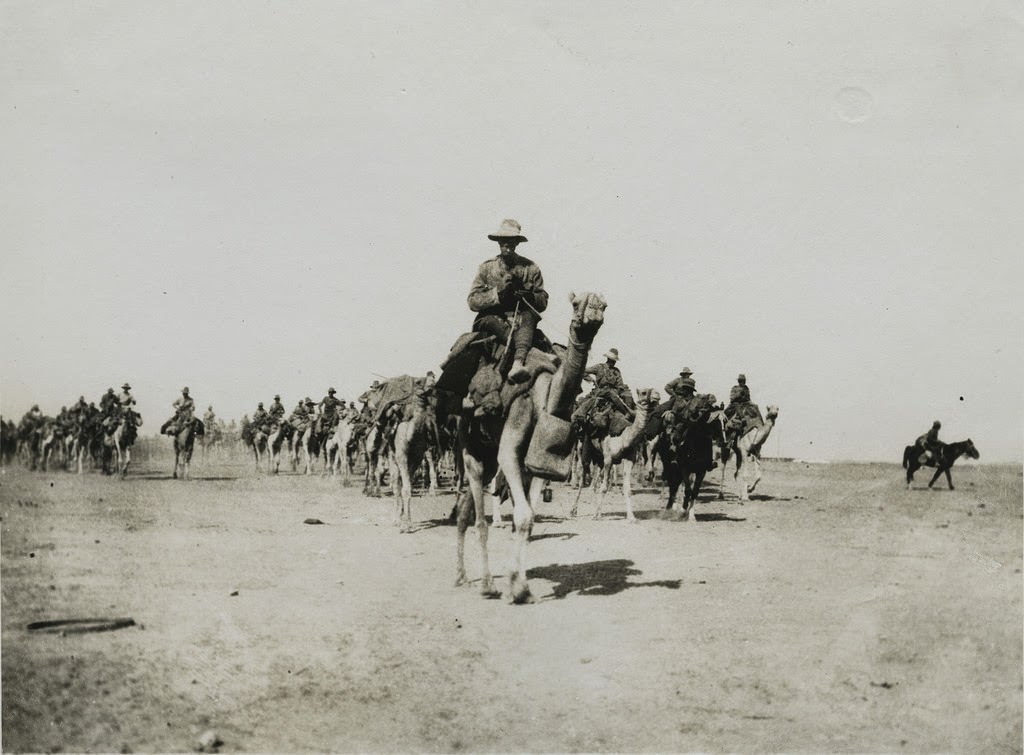
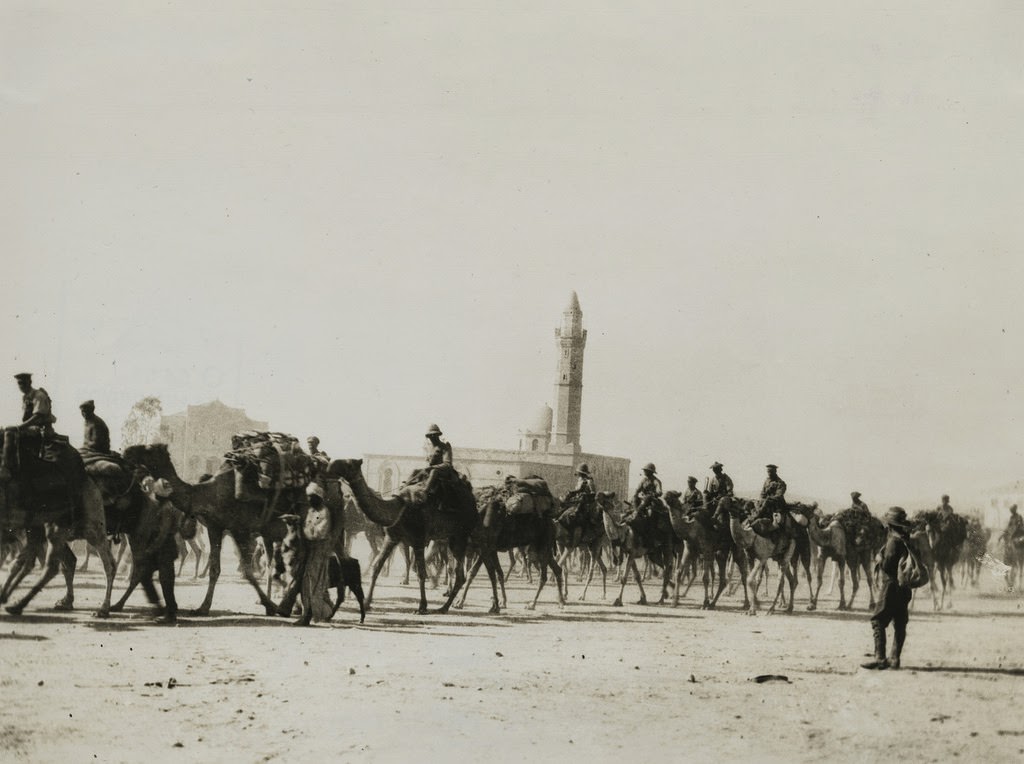
The British advance did not stop at Beersheba. Allied forces, supported by units from across the empire, continued pushing north. Meanwhile, the Central Powers also maintained a presence in the broader region, with Austro-Hungarian troops even appearing in Jerusalem before the British arrived.
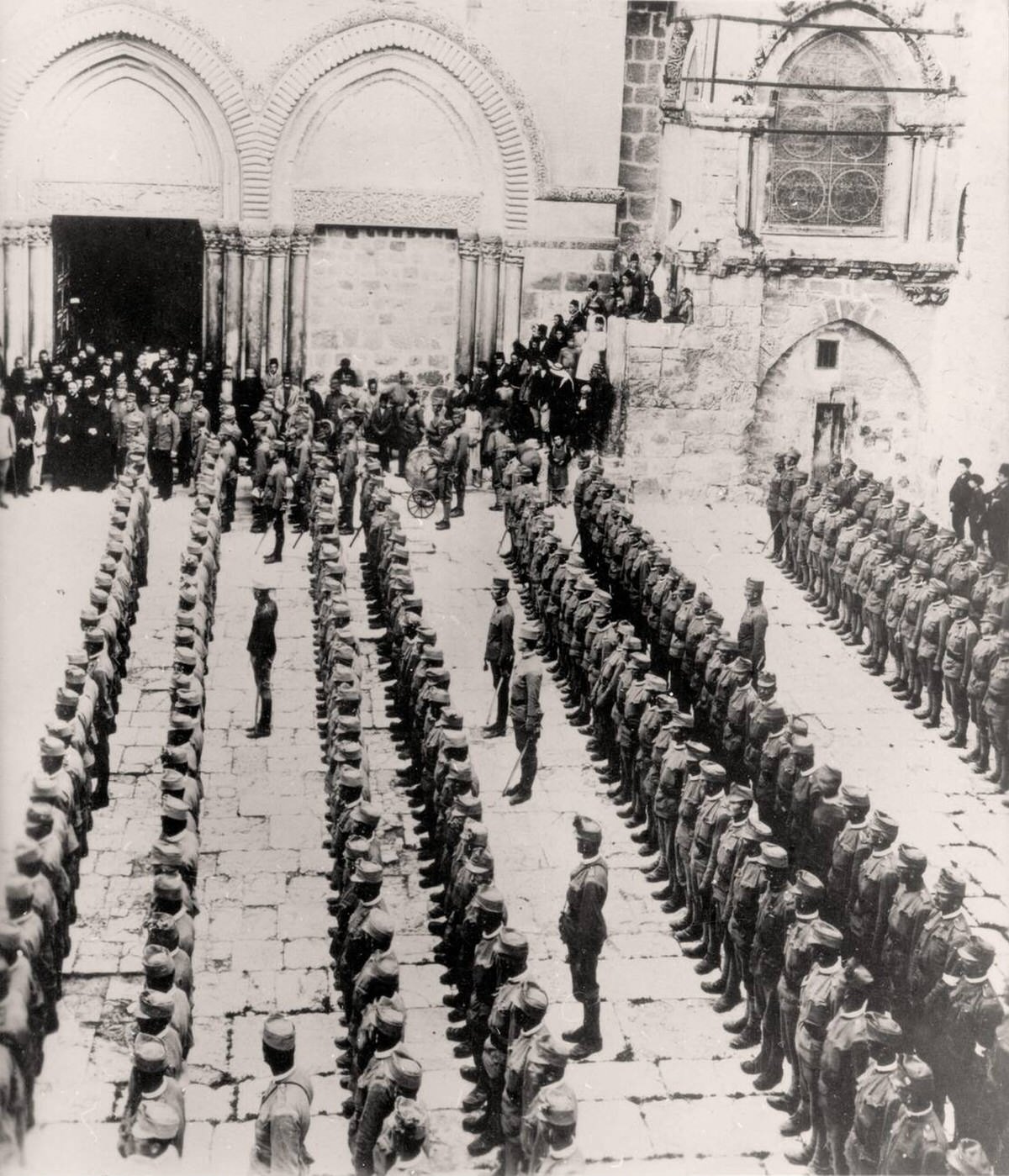
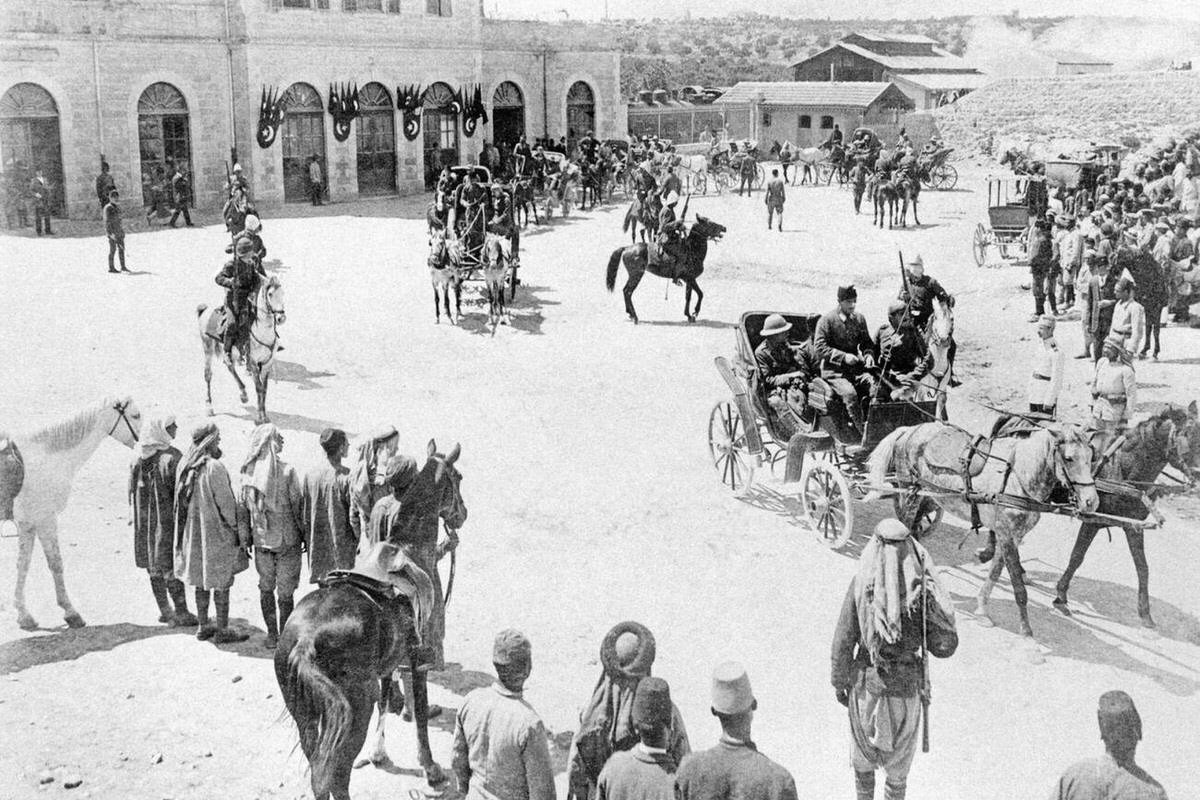
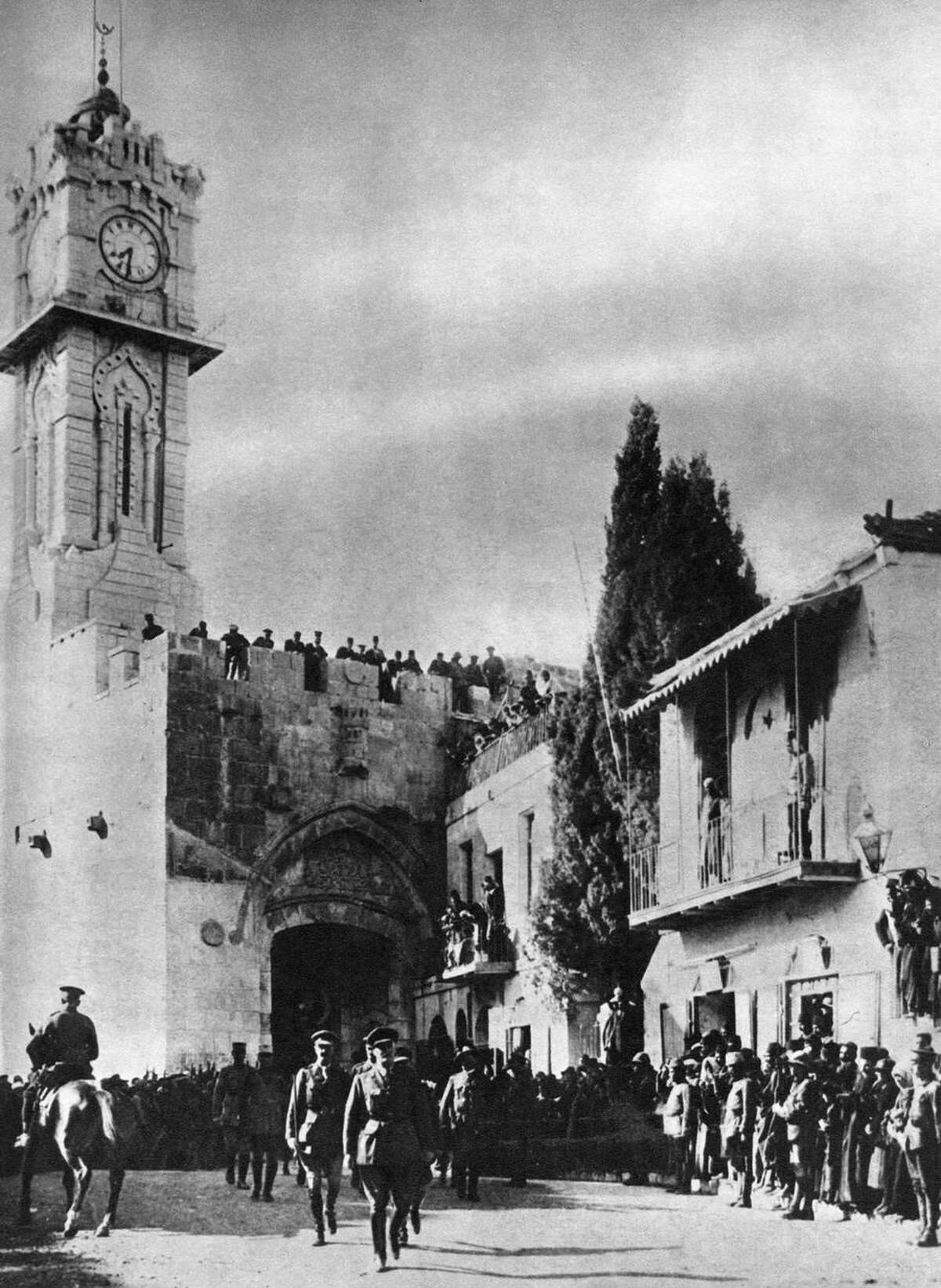
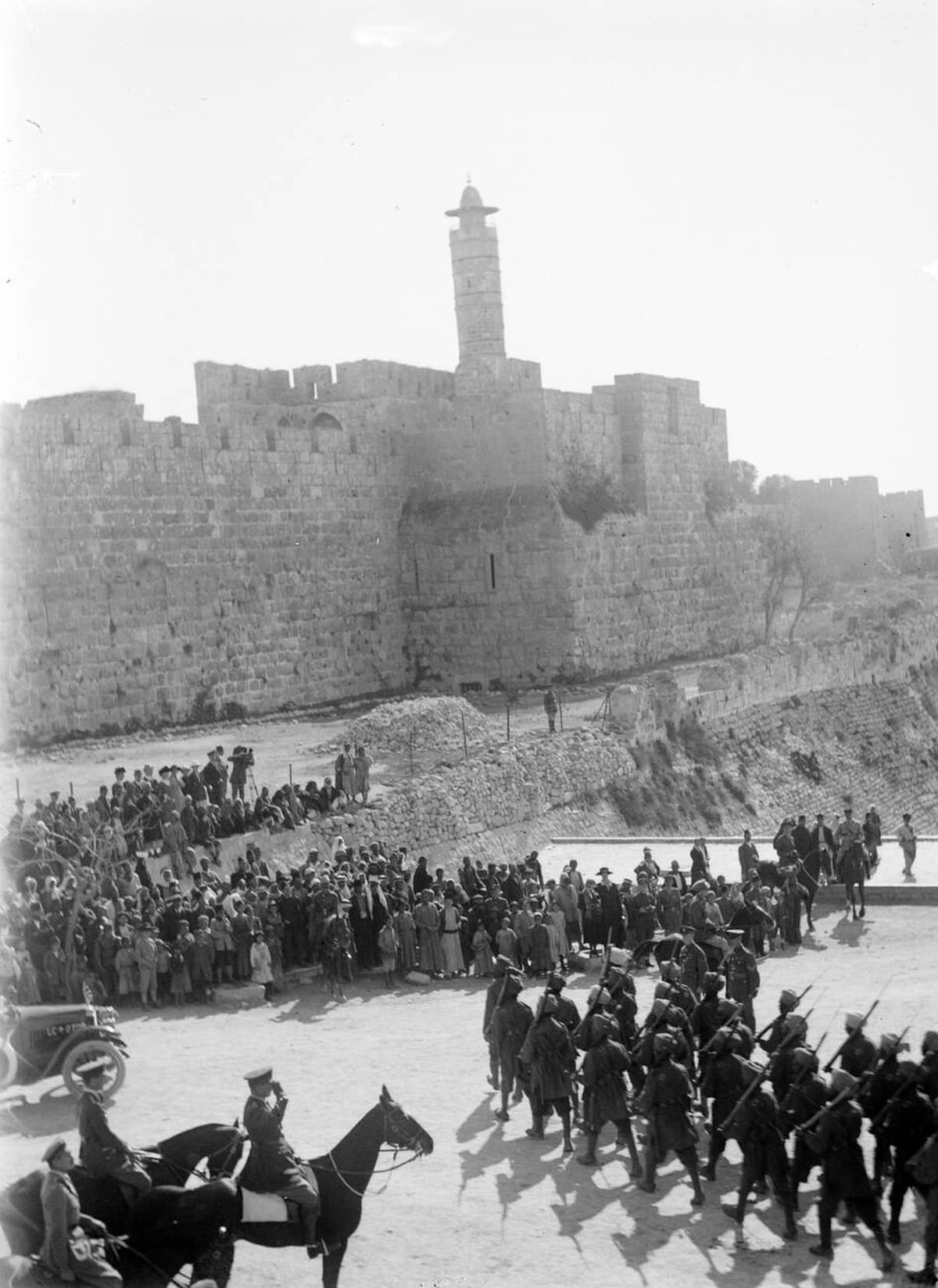
Jerusalem fell to British forces in December 1917. The city’s surrender was formalized in a now-famous moment involving British sergeants, before General Allenby made his official entry through the Jaffa Gate. Allenby walked — rather than rode — into the city, a deliberate choice meant to show respect for the holy site.
Just weeks before Jerusalem’s fall, in November 1917, British Foreign Secretary Arthur Balfour issued what became known as the Balfour Declaration. The document stated that Britain supported establishing a national home for Jewish people in Palestine. The Palestinian Arab population — the vast majority of people living there — was not consulted.
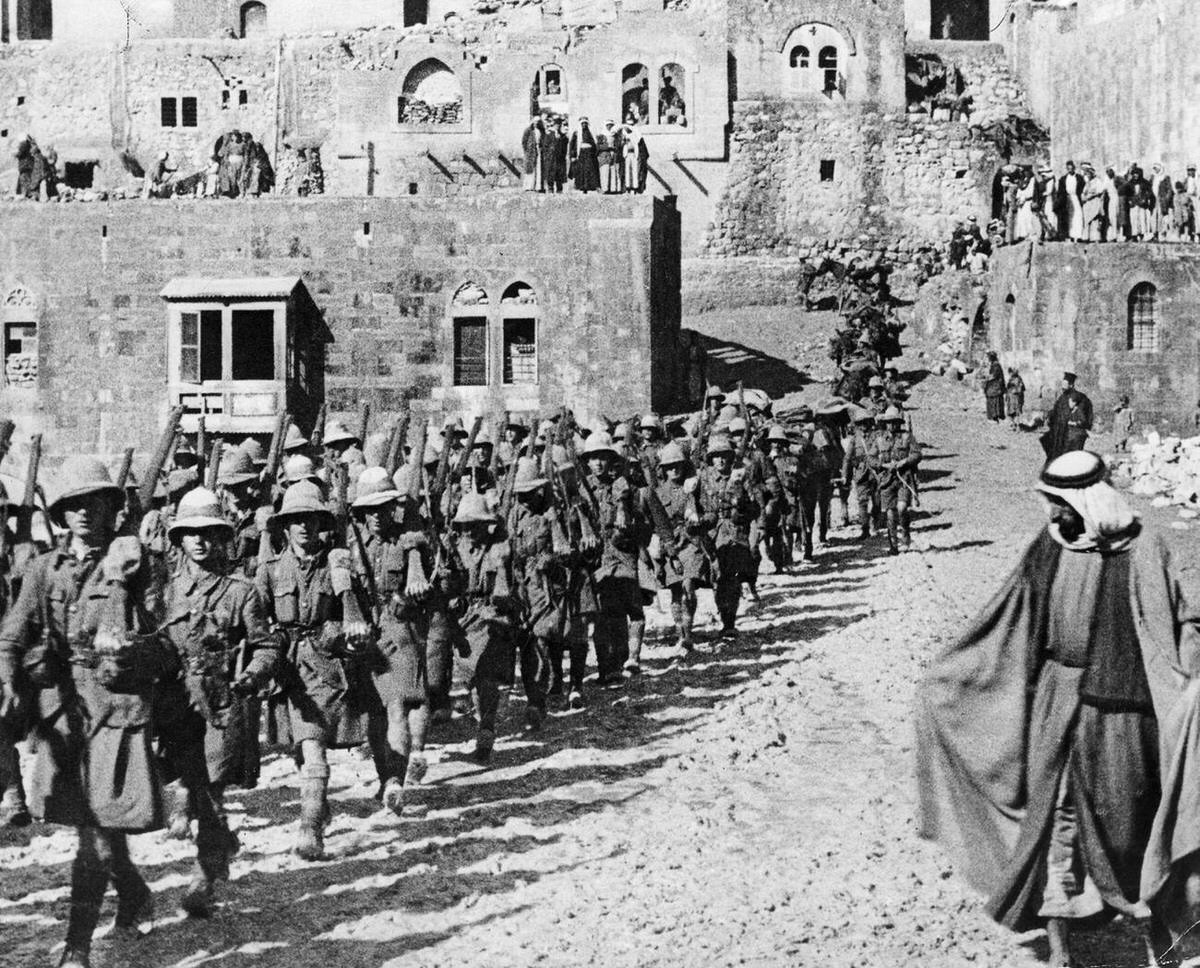
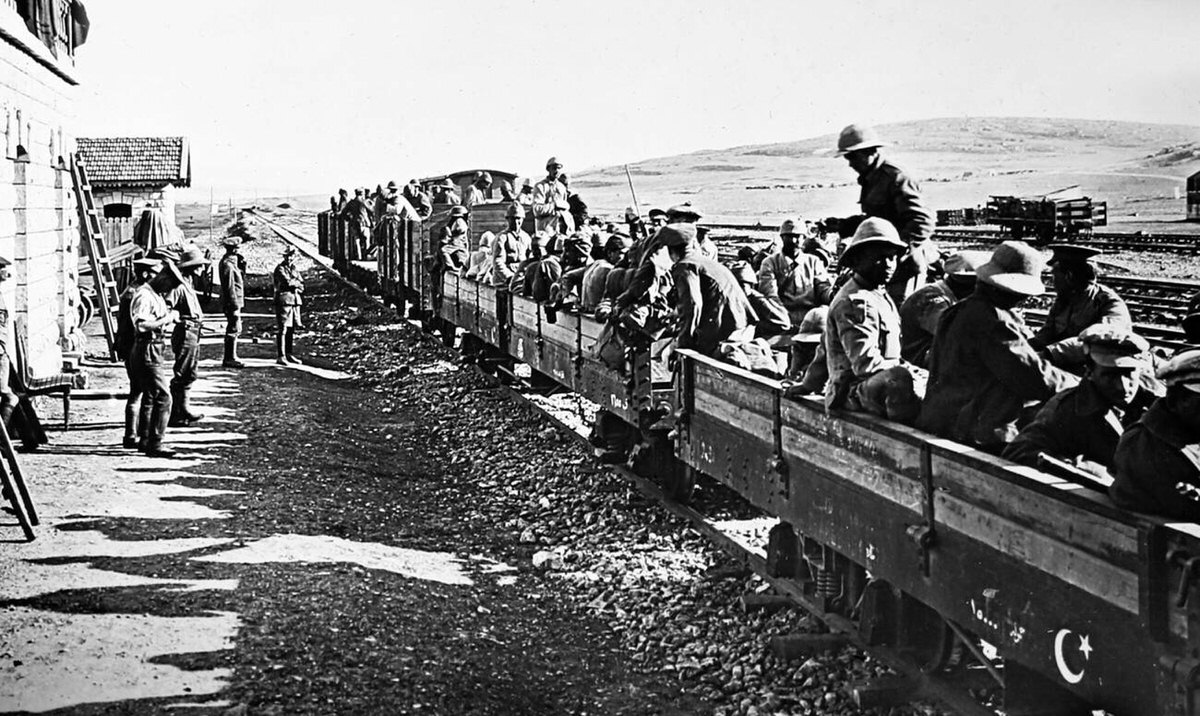
The fighting continued into 1918. British forces captured towns east of the Jordan River, including Es Salt, where regiment after regiment marched through the streets under military occupation. Prisoners taken during the campaign were transported by train across the territory.
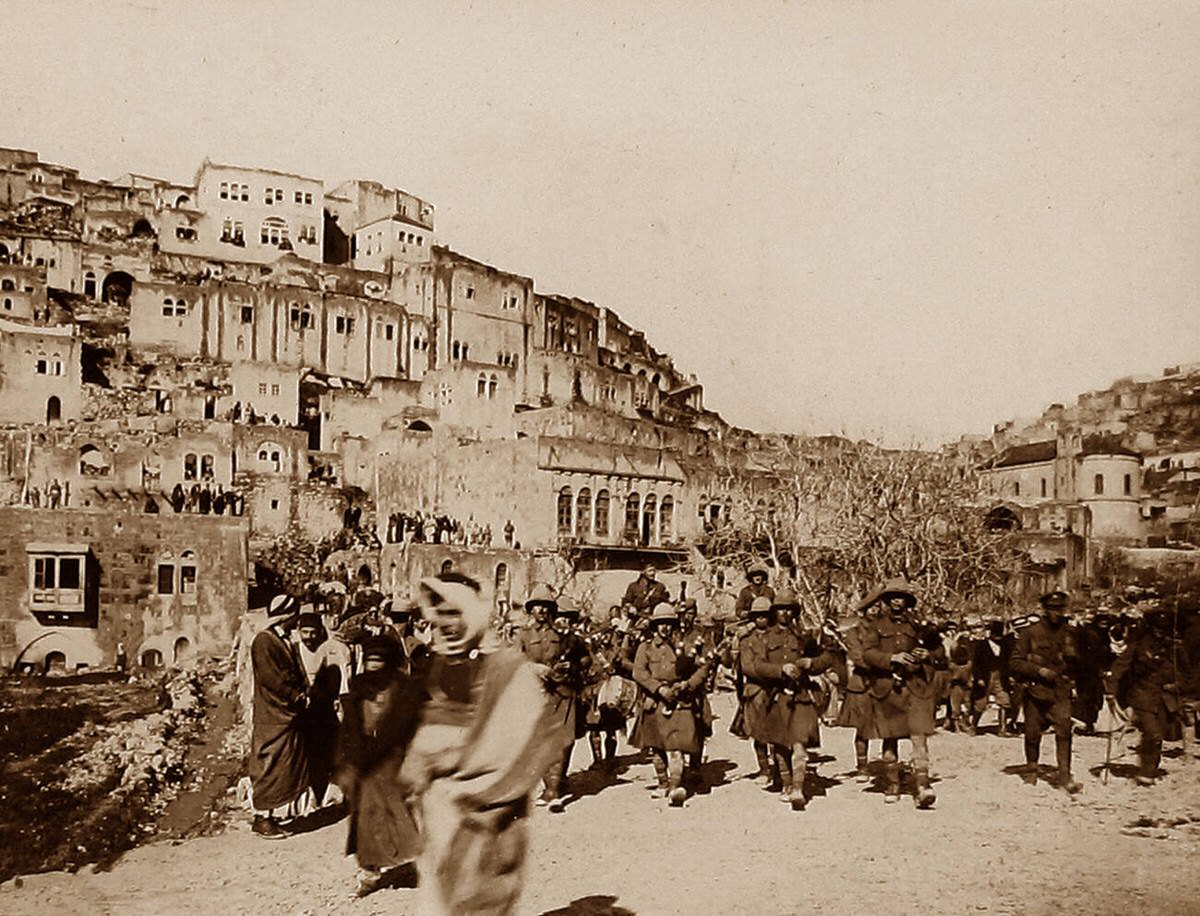
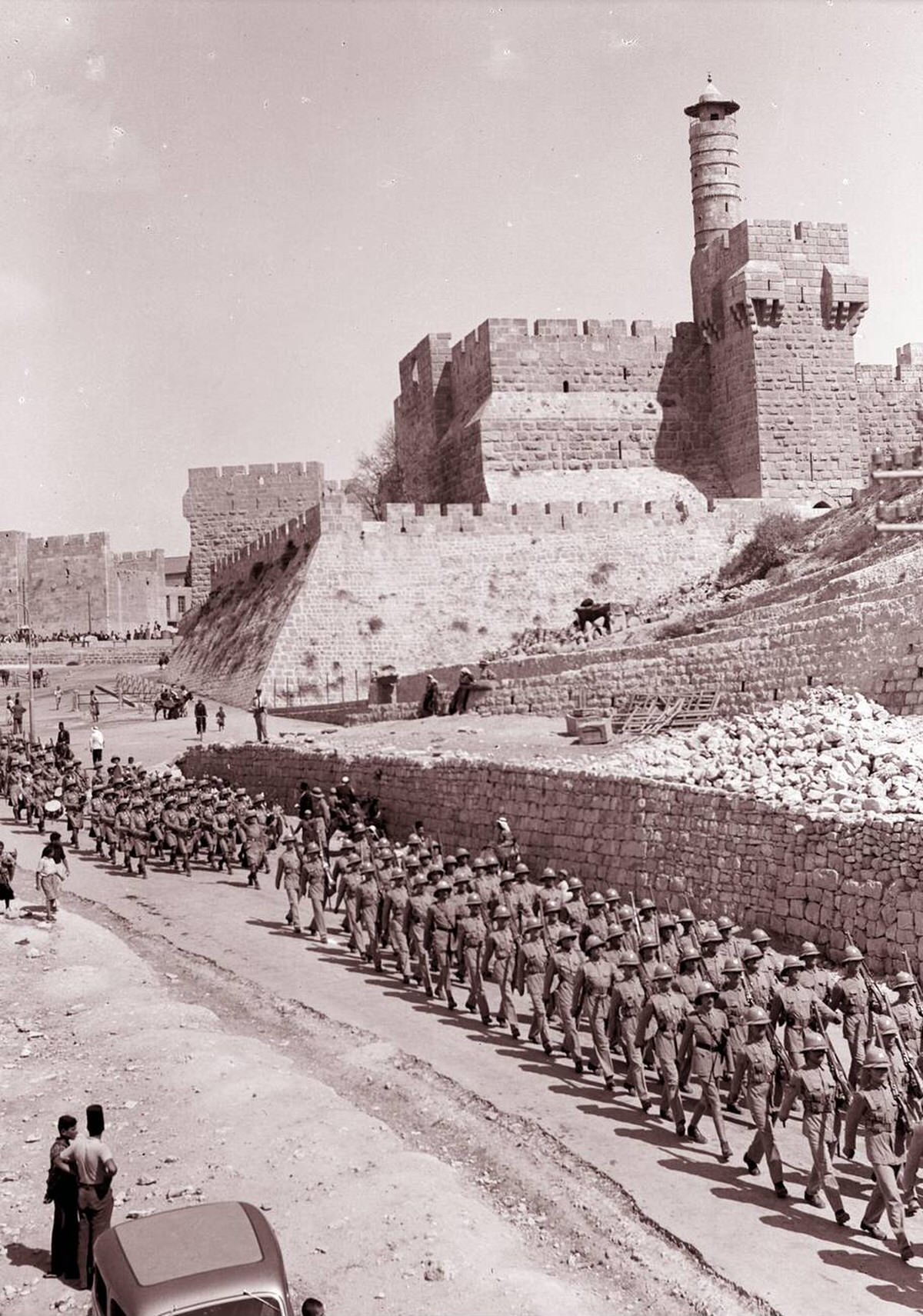
After the war ended, Britain took formal control of Palestine through a League of Nations mandate. The British administration that followed conducted military drills and maintained an active occupation force throughout the 1920s and beyond. Palestinian resistance to the changing political and demographic landscape was met with armed crackdowns, arrests, and fatalities among the local population.
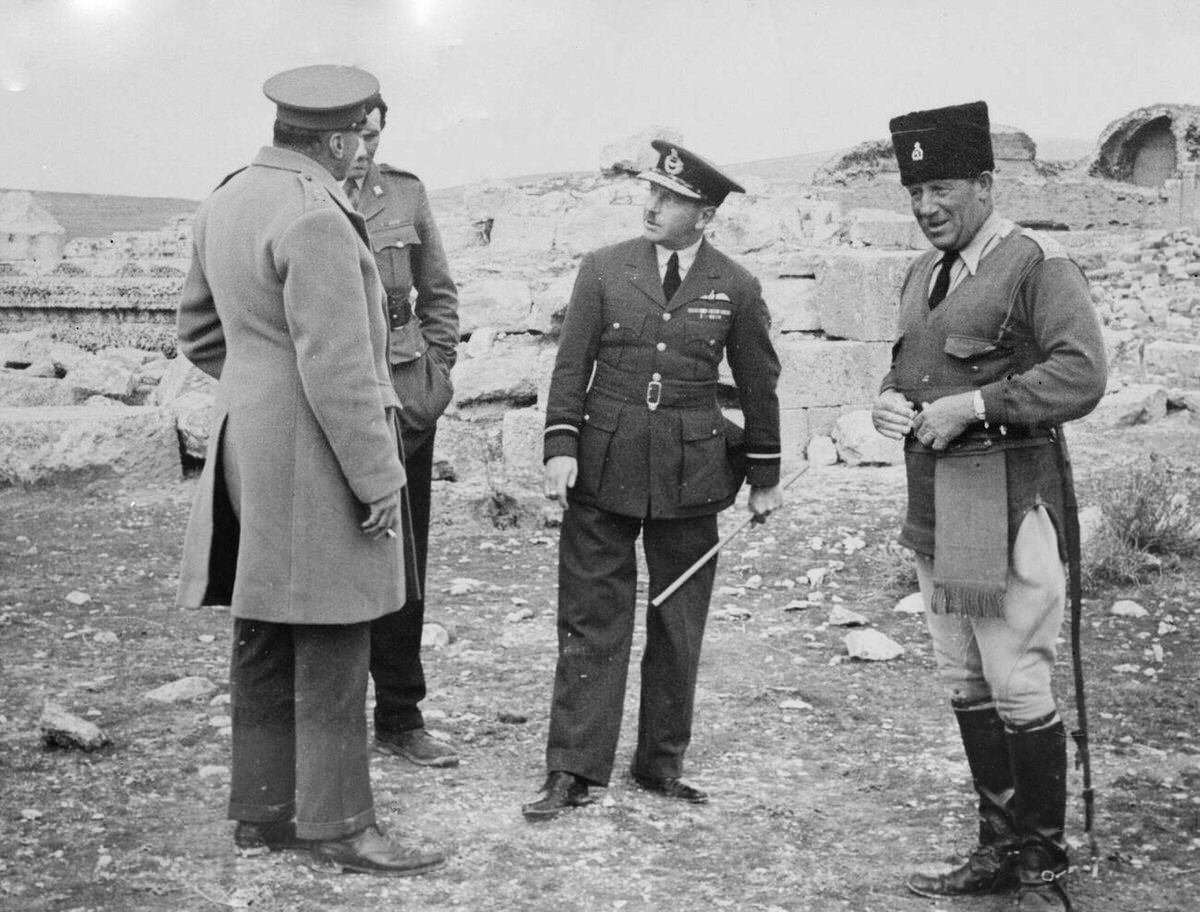
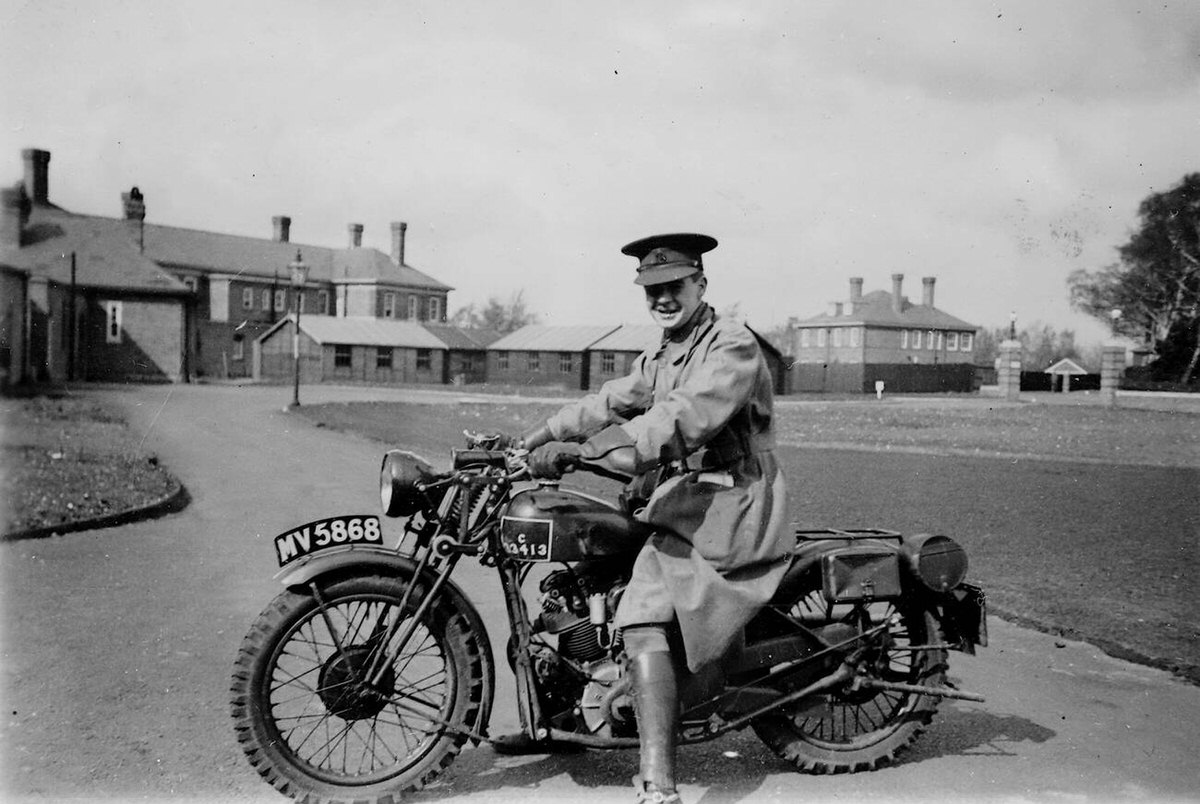
Large-scale Jewish immigration into Palestine increased steadily during the mandate period, shifting the region’s population. Palestinian Arabs resisted what they saw as the loss of their land and political rights. British security forces responded with increasingly harsh measures — imprisoning and killing thousands of local residents during repeated uprisings. In 1947, Britain withdrew and handed the issue to the United Nations, which proposed partitioning the land. The Arab-Israeli War that followed displaced hundreds of thousands of Palestinians, wiping entire villages from the map and forcing families into refugee camps across neighboring countries.