

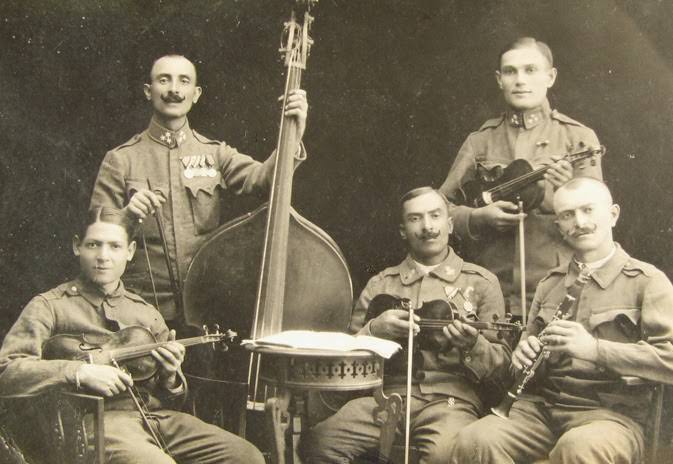
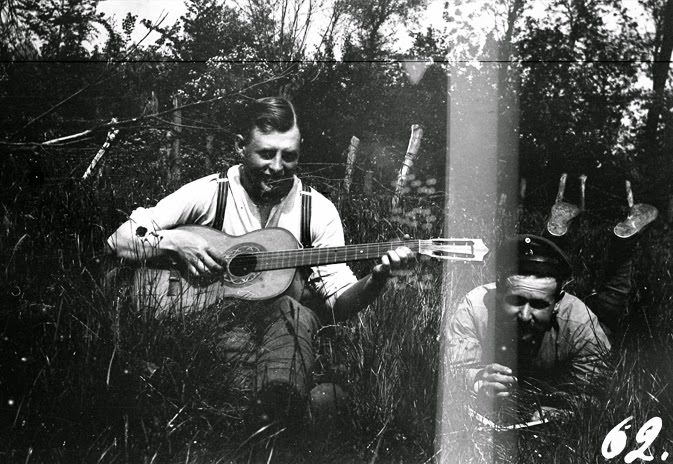
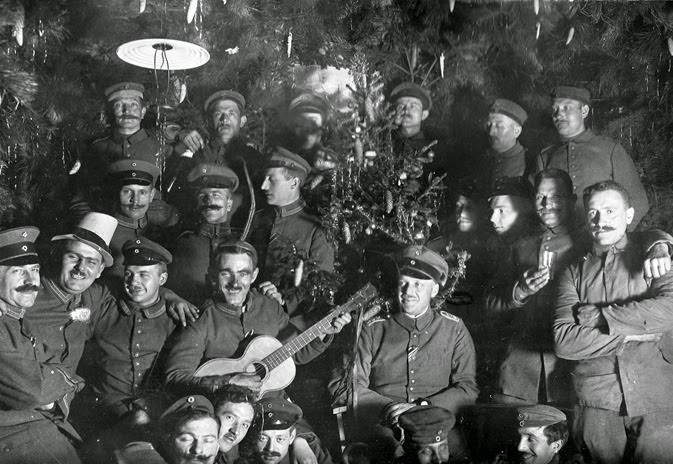
Between the horrors of the trenches, World War I soldiers found real moments of relief in music. In rest camps miles behind the front, men gathered in large circles to sing. Someone in nearly every unit carried a harmonica, a guitar, or a rescued violin. On rare occasions, troops pulled pianos out of abandoned village houses and played them in the open air.
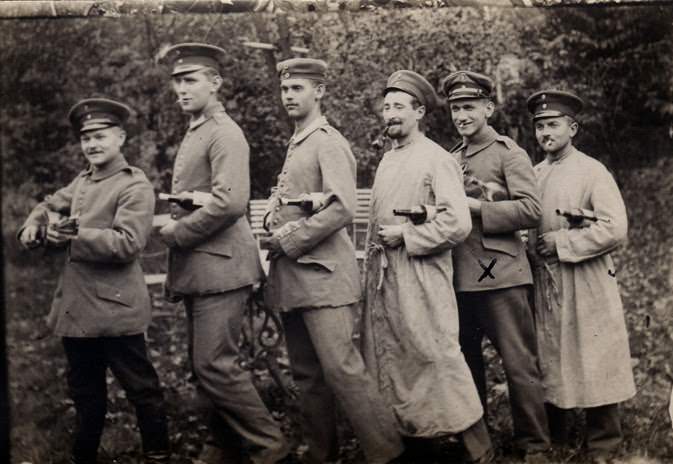
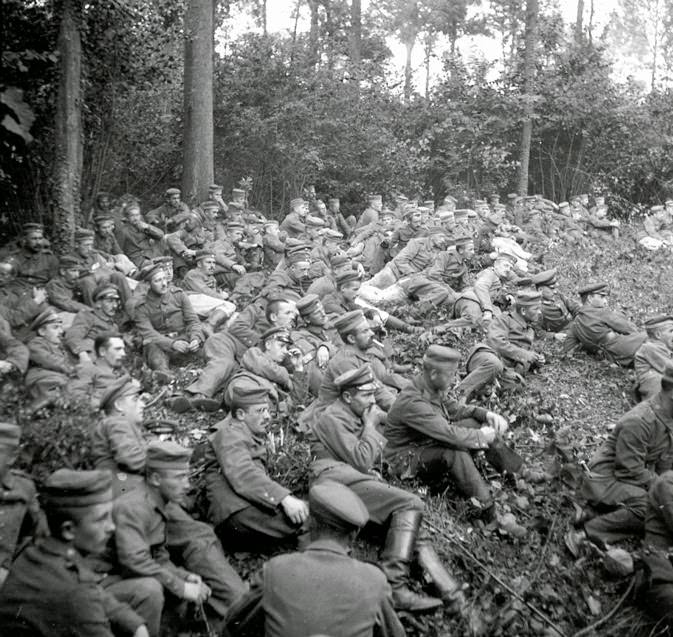
Soldiers who had been professional pianists before the war played classical pieces or upbeat ragtime tunes while their comrades sat on the grass, smoking and listening. These impromptu concerts gave men a brief connection to the culture and peace they had left behind.
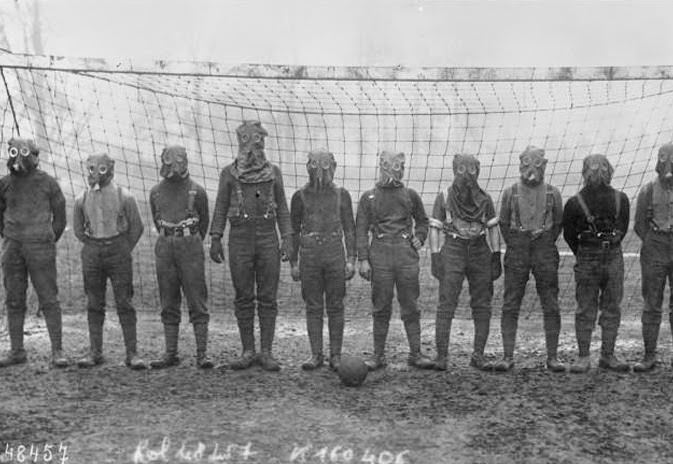
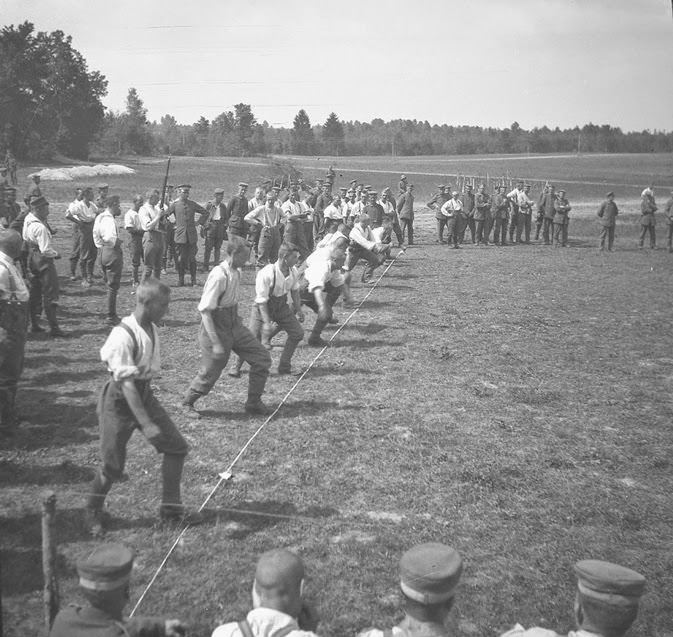
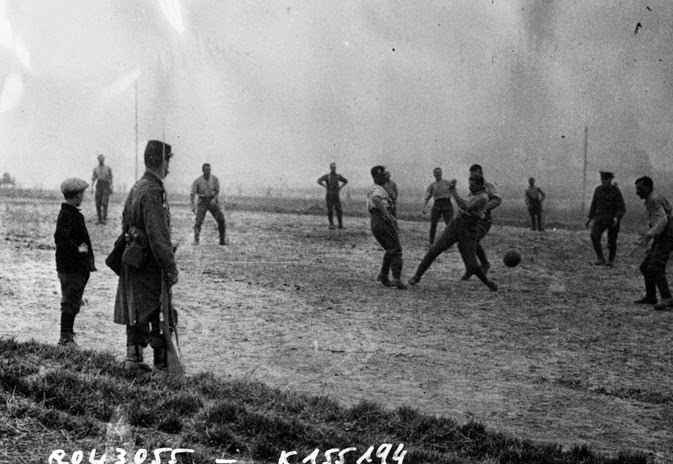
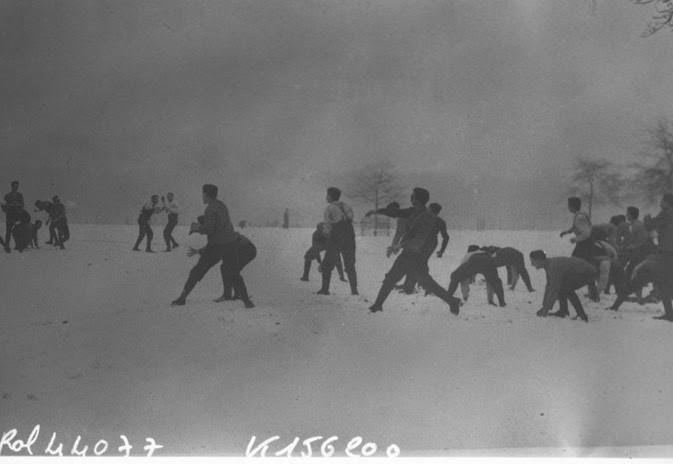
Organized sports filled the hours when units rotated out of the trenches. Football matches were serious affairs. Different regiments formed teams to compete for bragging rights, with officers and enlisted men playing side by side on muddy fields, using piled tunics as goalposts. Hundreds of spectators cheered and placed bets on the outcomes.
Boxing was equally popular. Men constructed rings from ropes and stakes, then gathered to watch bouts that offered pure athletic entertainment. The fights drew large crowds who saw skill, not just aggression, on display.
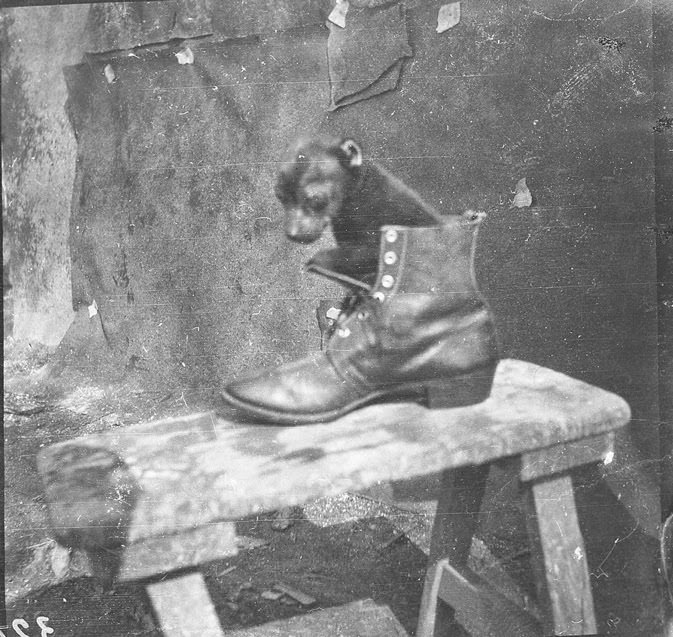
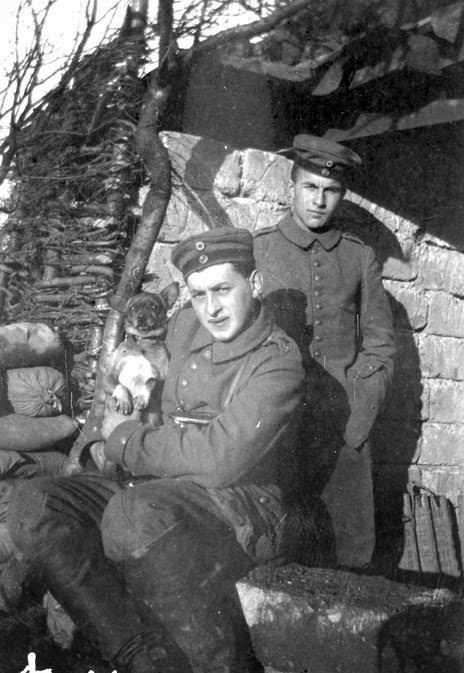
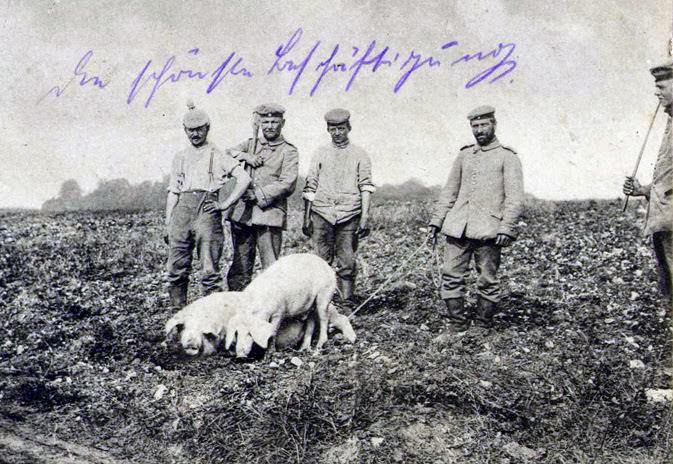
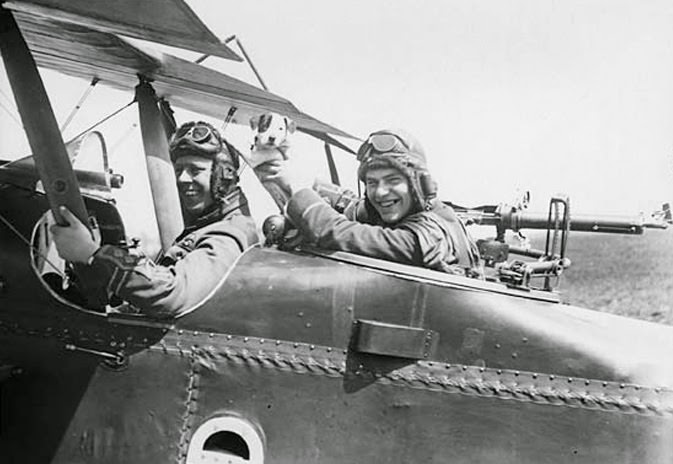
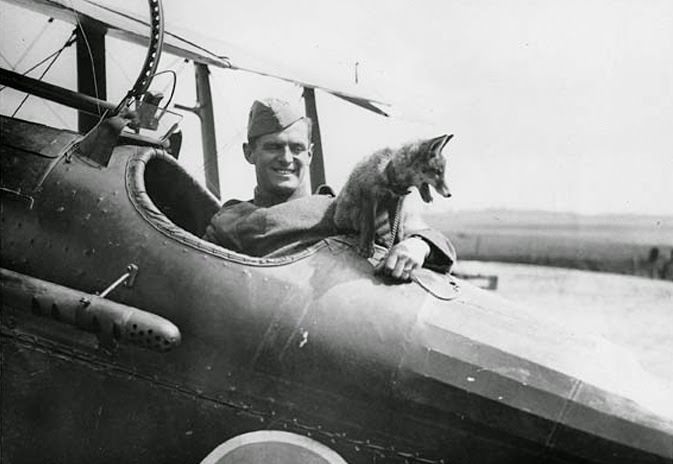
Animals provided a quieter kind of comfort. Soldiers adopted stray dogs, cats, and even goats found in ruined towns. These mascots lived with the units, slept in the billets, and shared the men’s rations. A hardened soldier feeding a kitten or playing fetch with a mongrel dog during downtime was a common sight.
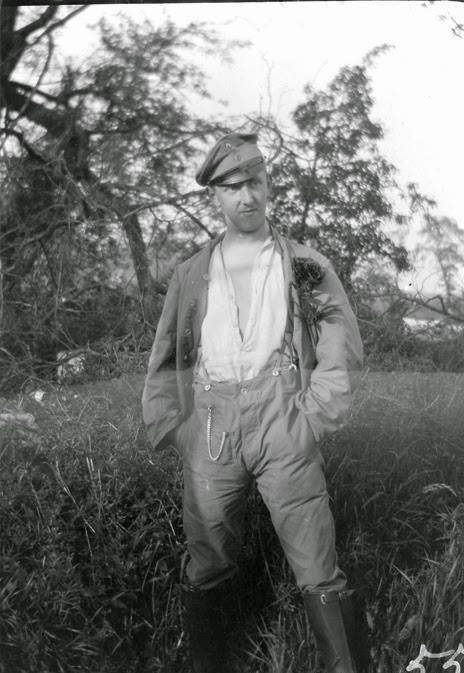
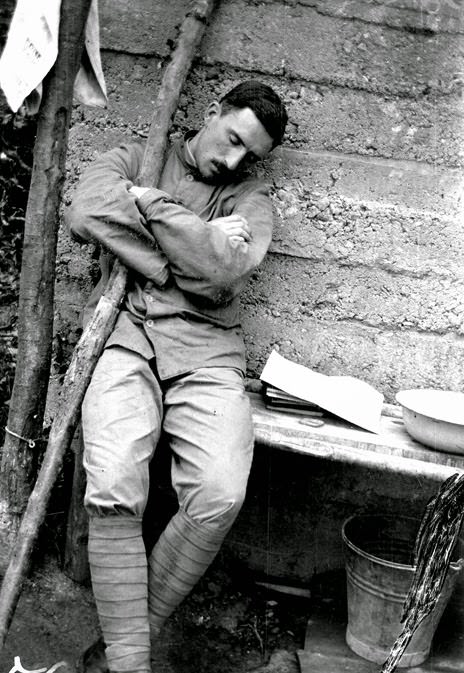
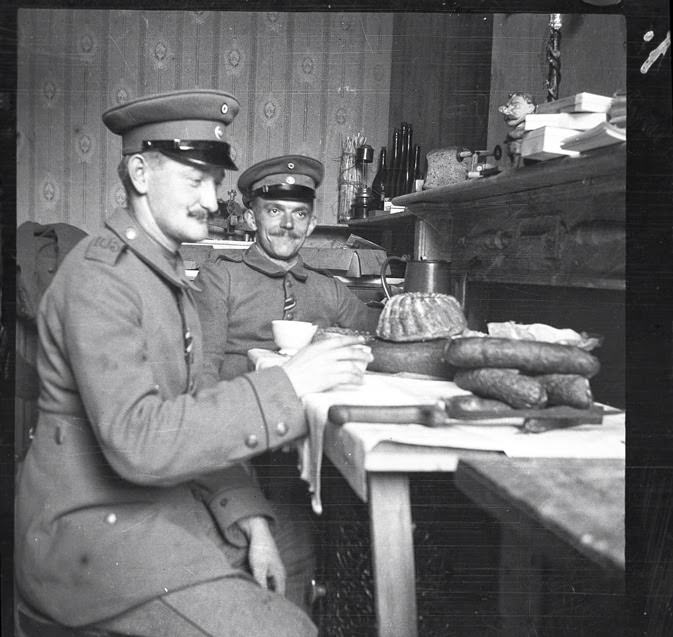
Mail call turned ordinary days into small celebrations. When the post trucks arrived, activity stopped as names were called out. Men read letters in quiet corners and passed around photographs of children or sweethearts. Parcels holding cakes, chocolate, or knitwear were shared with the whole section — a fruit cake from home became a communal feast.
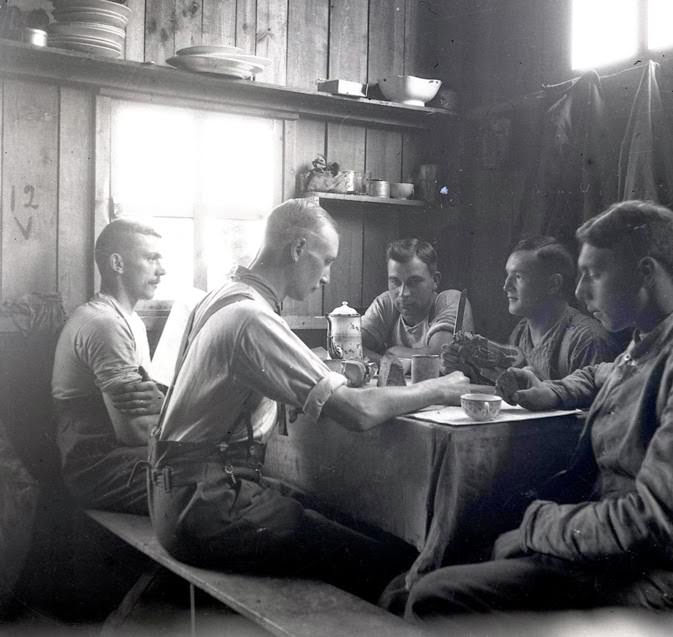
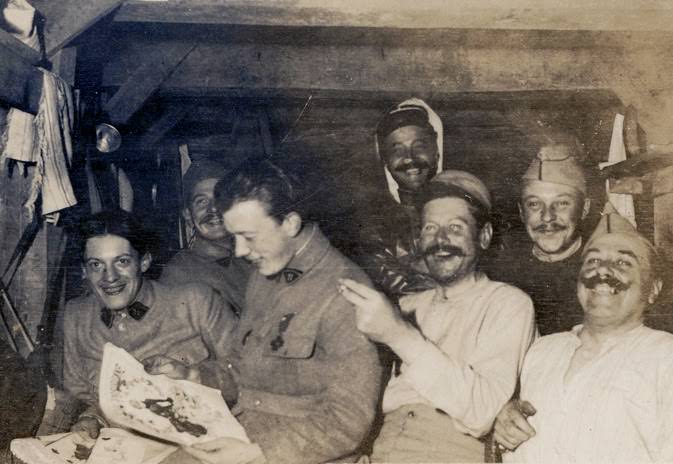
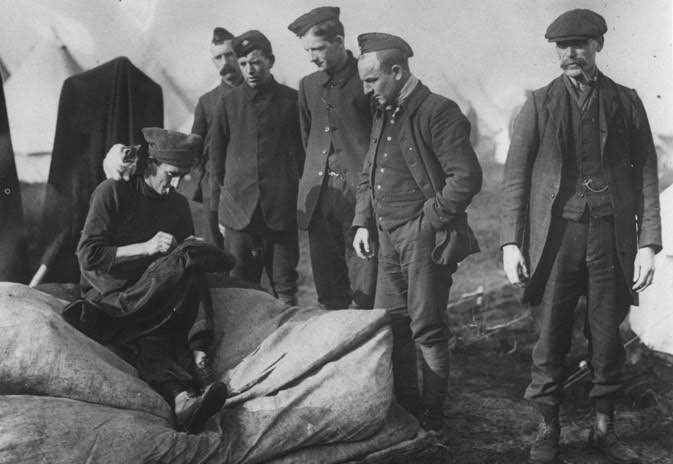
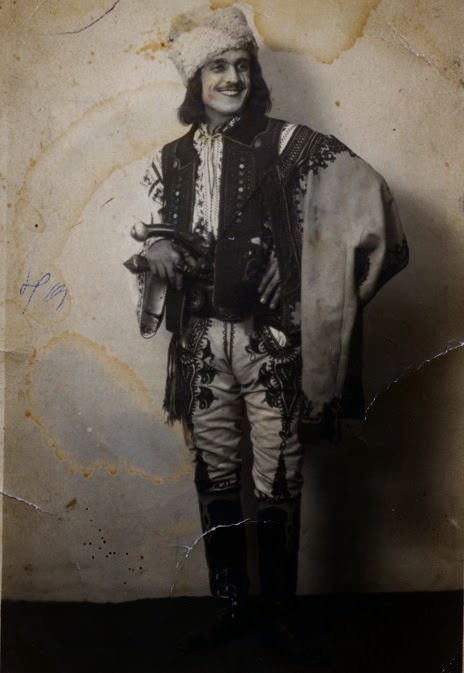
Soldiers also built their own entertainment from scratch. “Concert parties” featured makeshift stages where troops performed skits, magic tricks, and songs. Costumes were stitched together from fabric scraps, sacking, and old uniforms.
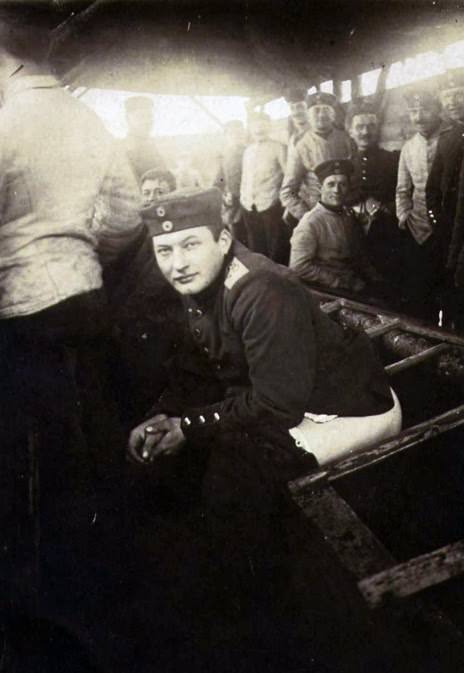
Men dressed as women for comedic plays, mimicking the fashion of the day to roars of laughter. These performances were genuine creative outlets, proof that humor stayed alive even in the middle of a war zone.

Written by AI Swill more like