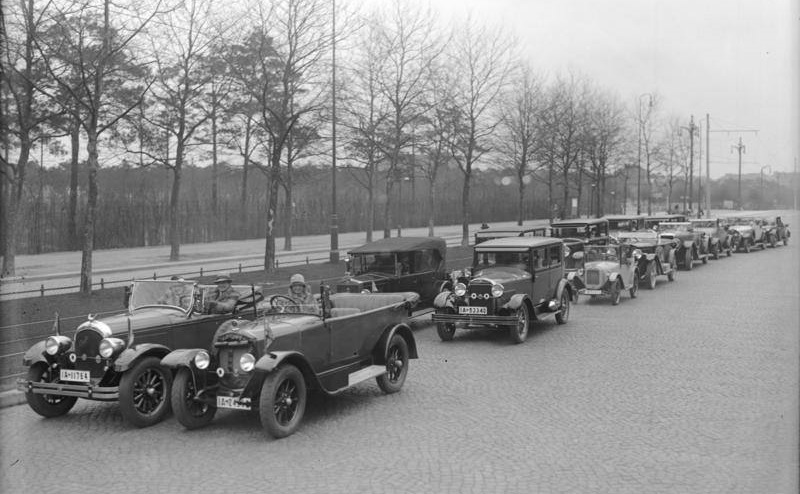
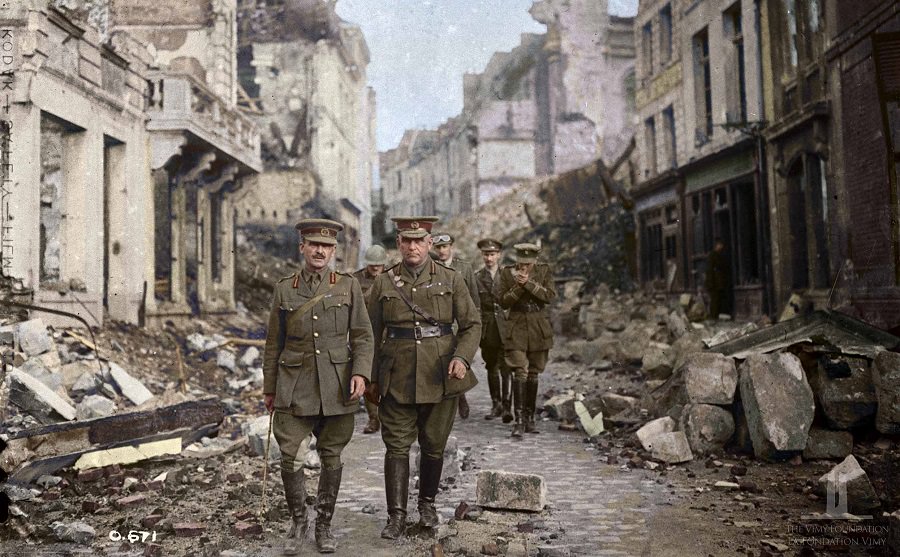
When Germany invaded Belgium in August 1914, Britain declared war and the response at home was immediate. Thousands of young men flooded recruitment offices, driven by a strong sense of duty and the belief that the war would be short. They formed what became known as “Pals Battalions” — units made up of friends, neighbors, and coworkers from the same towns and factories. Serving alongside familiar faces gave soldiers a sense of community before they even reached the front.
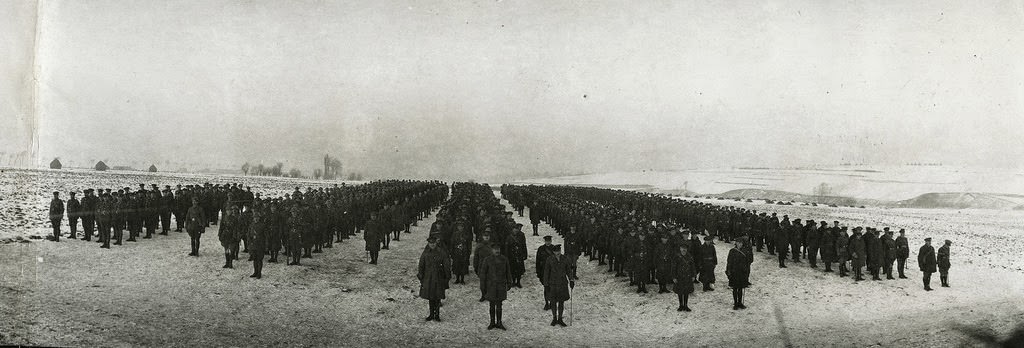
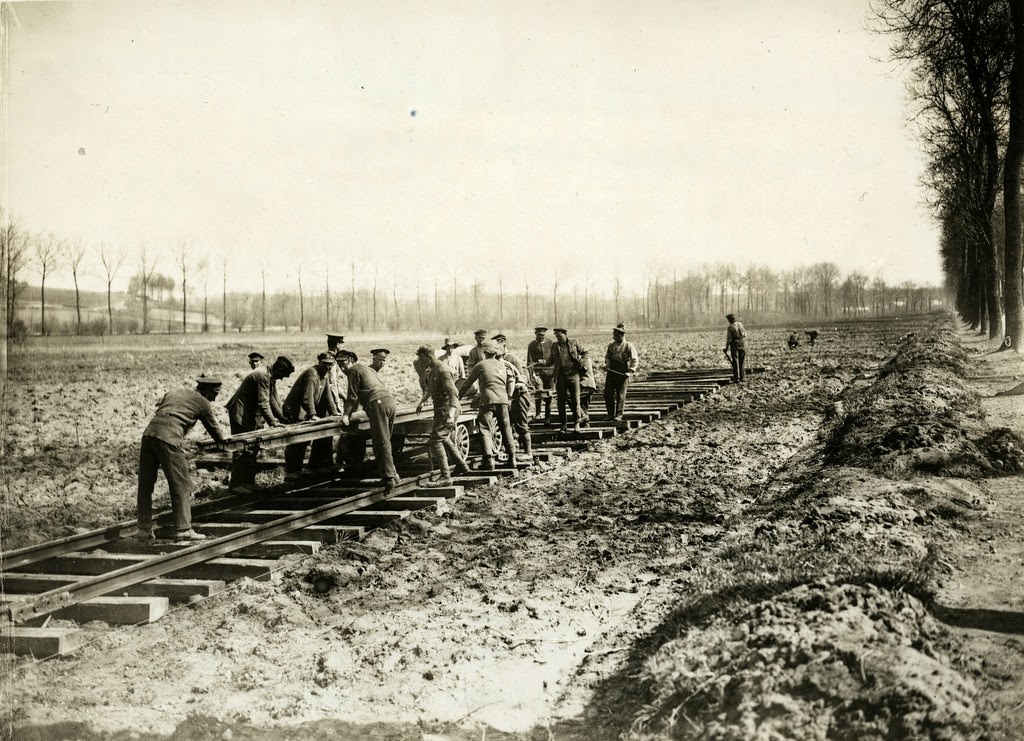
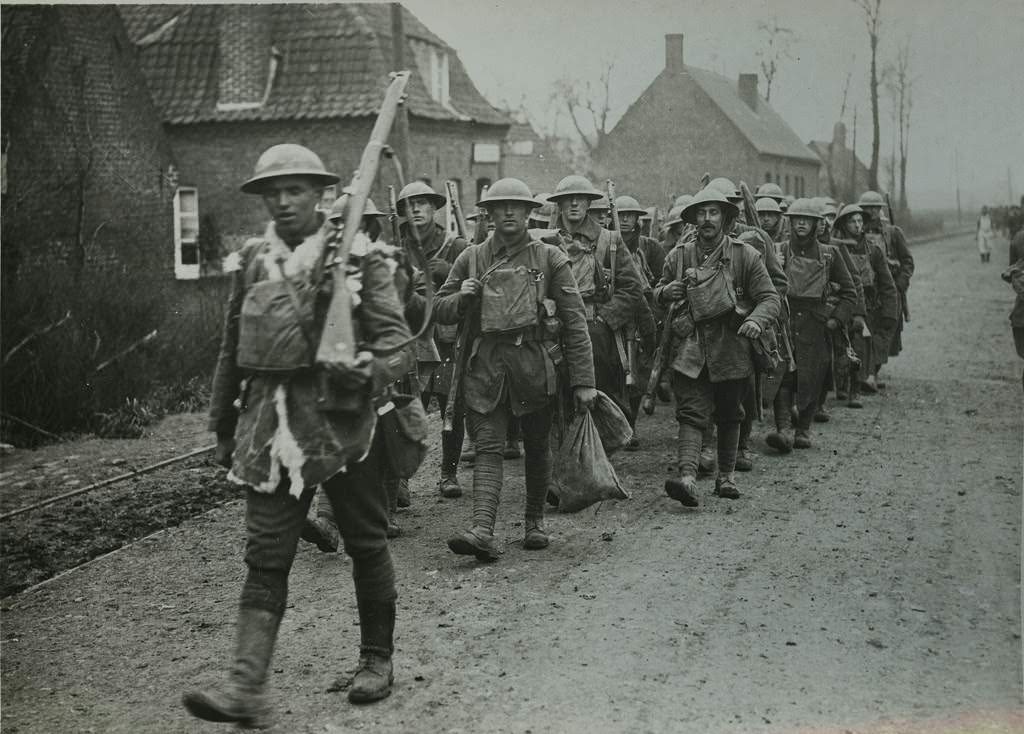
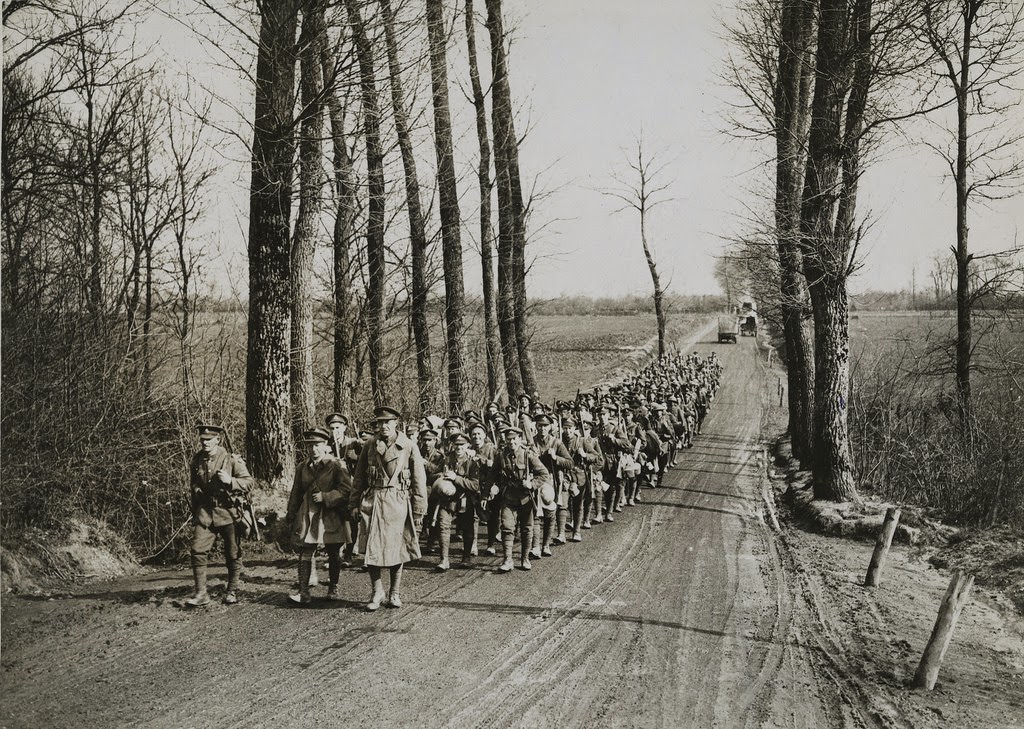
As the war dragged on, voluntary enlistment wasn’t enough. The British government introduced conscription, requiring most healthy men between the ages of 18 and 41 to serve. The army grew rapidly, but so did the logistical challenges of moving men and supplies across war-torn terrain. Roads near the front became badly damaged, slowing the movement of troops and equipment.
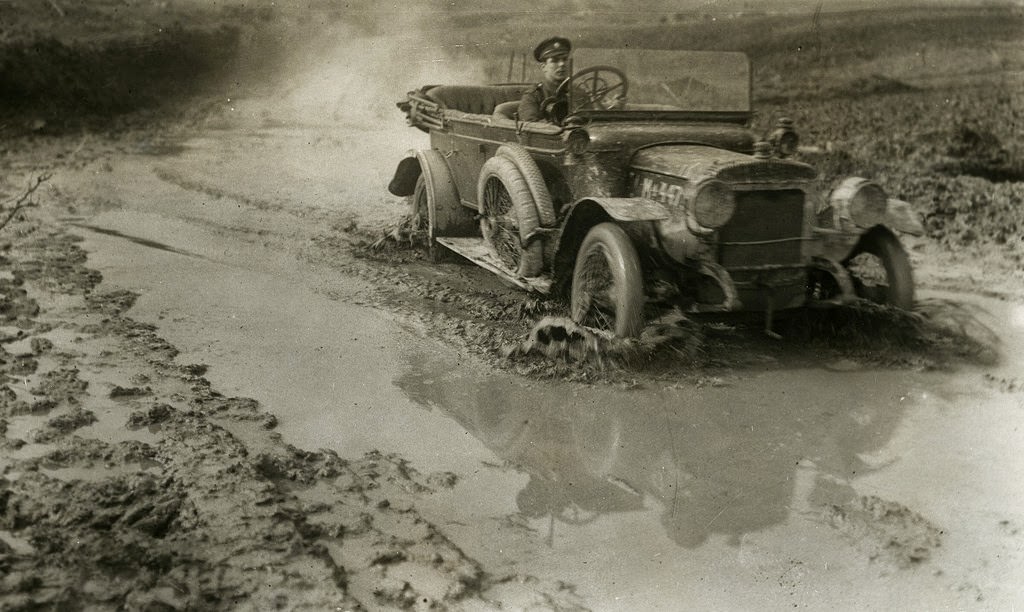
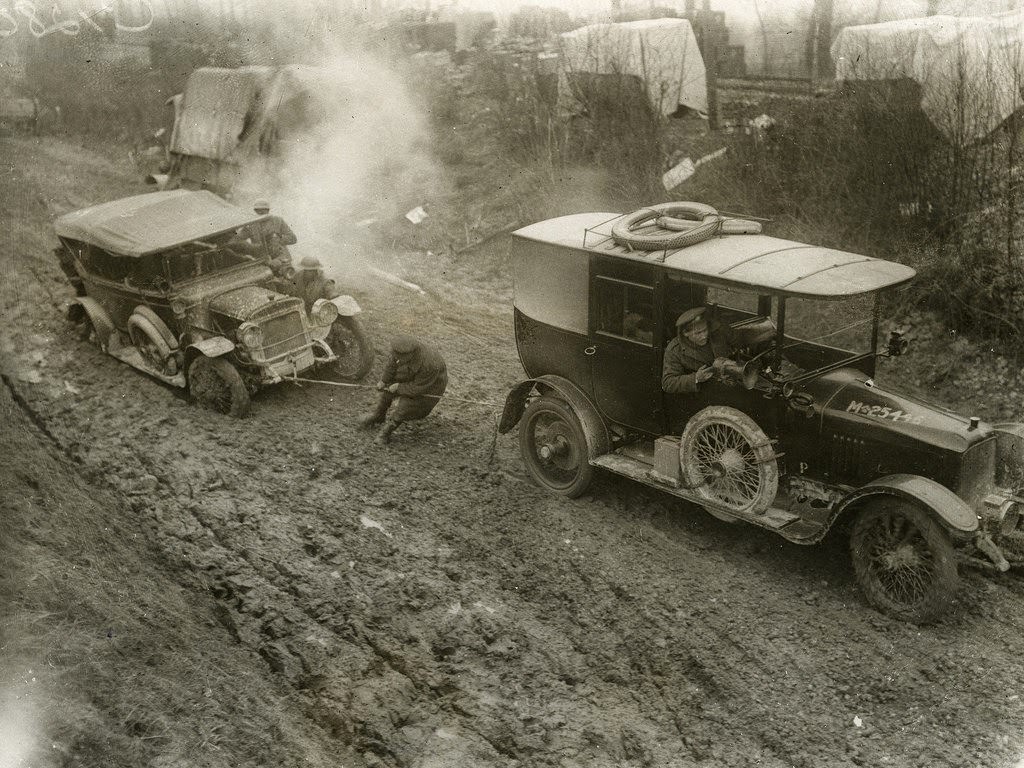
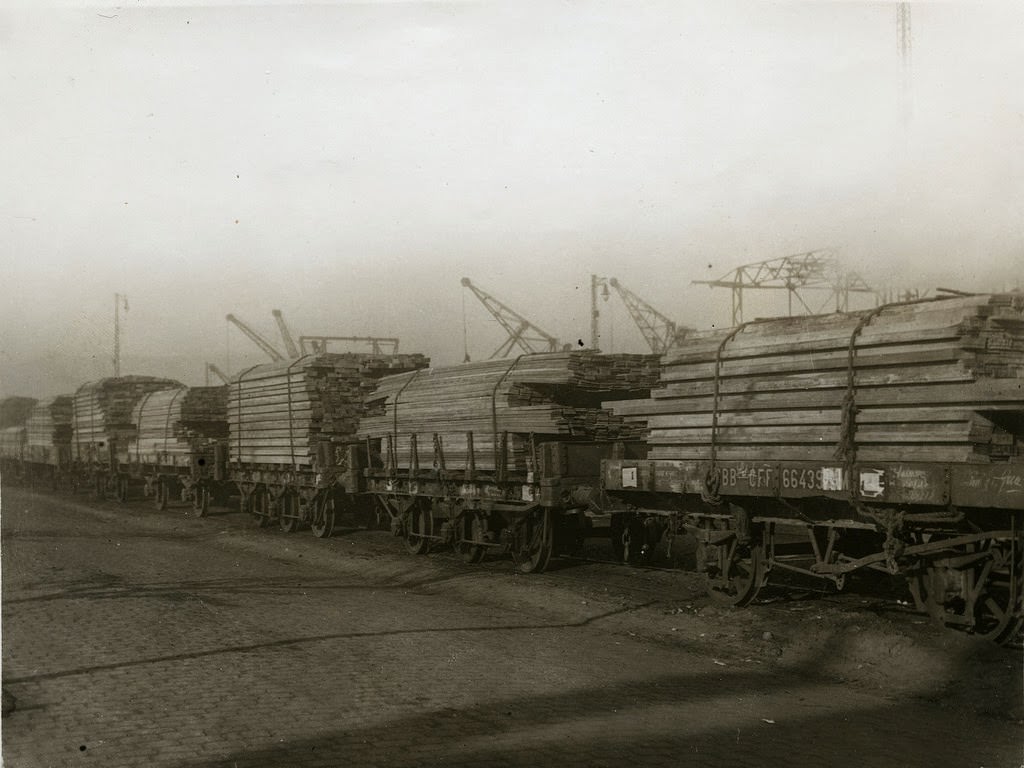
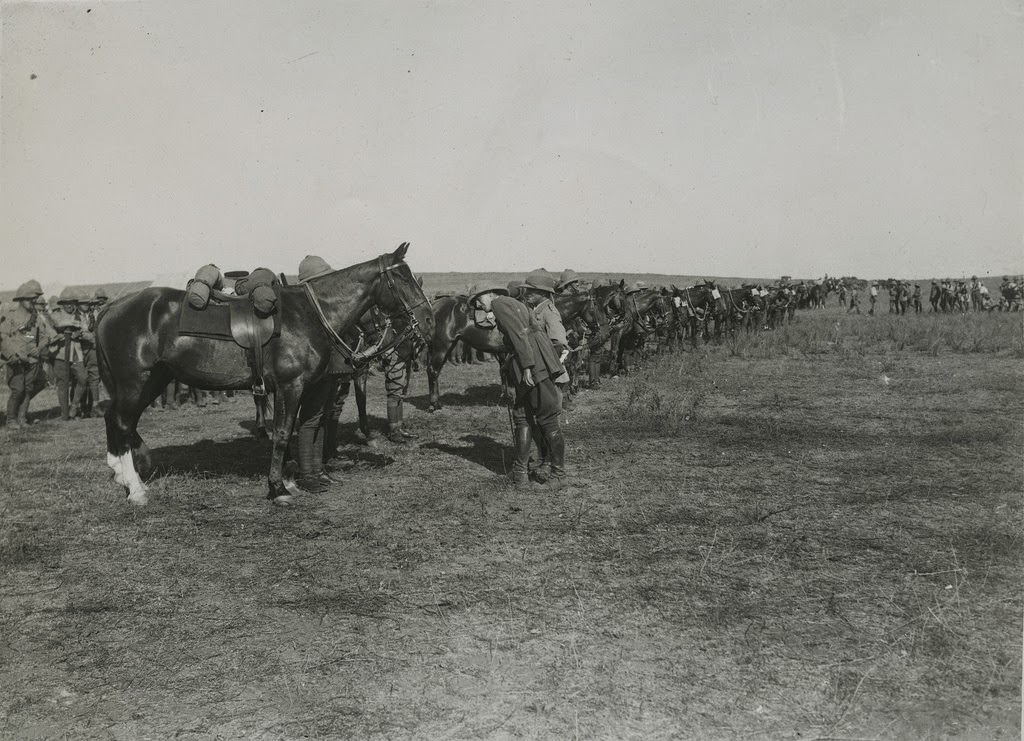
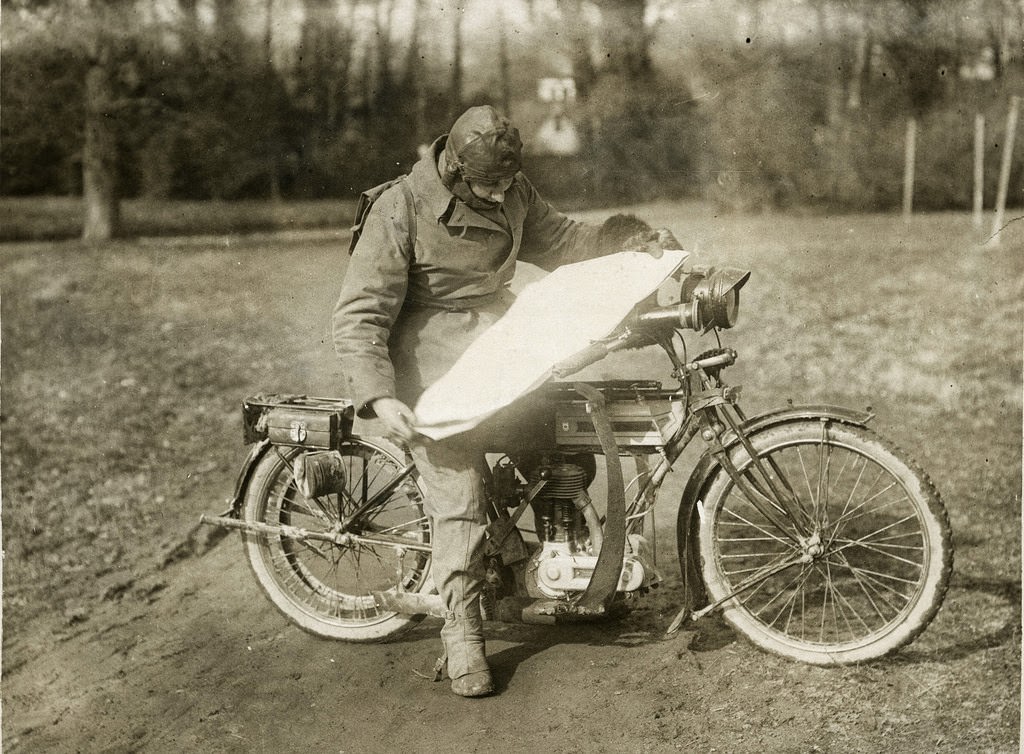
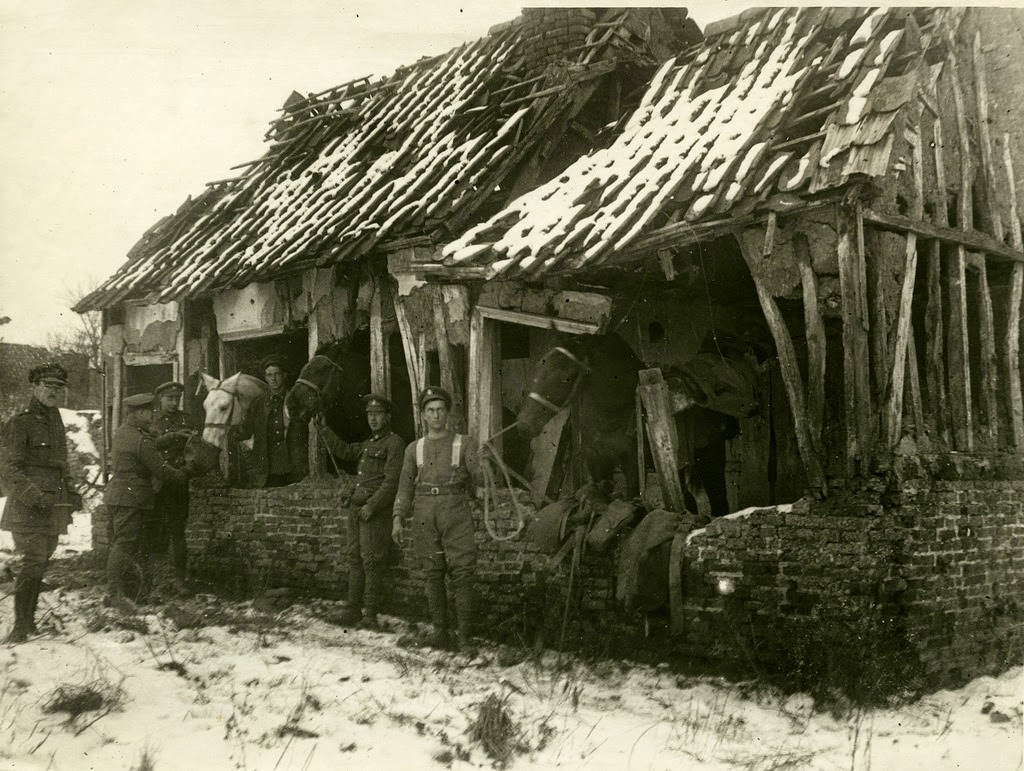
Behind the front lines, a constant stream of supplies, personnel, and communications kept the war machine running. Dispatch riders carried urgent messages between units, while support troops worked to keep roads, bridges, and supply routes operational. The effort required to maintain the areas just behind the fighting line was enormous and largely invisible to the public back home.
Life for British soldiers on the Western Front was defined by the trench system — long, narrow ditches dug across France and Belgium, reinforced with sandbags and barbed wire. Soldiers lived in constant mud and dampness, which caused a painful condition called trench foot. Each day began with “stand-to” at dawn, when all men took up positions in case of an enemy attack. Between battles, they repaired trench walls, cleaned their rifles, and wrote letters home. The arrival of mail was the most anticipated event of the day.
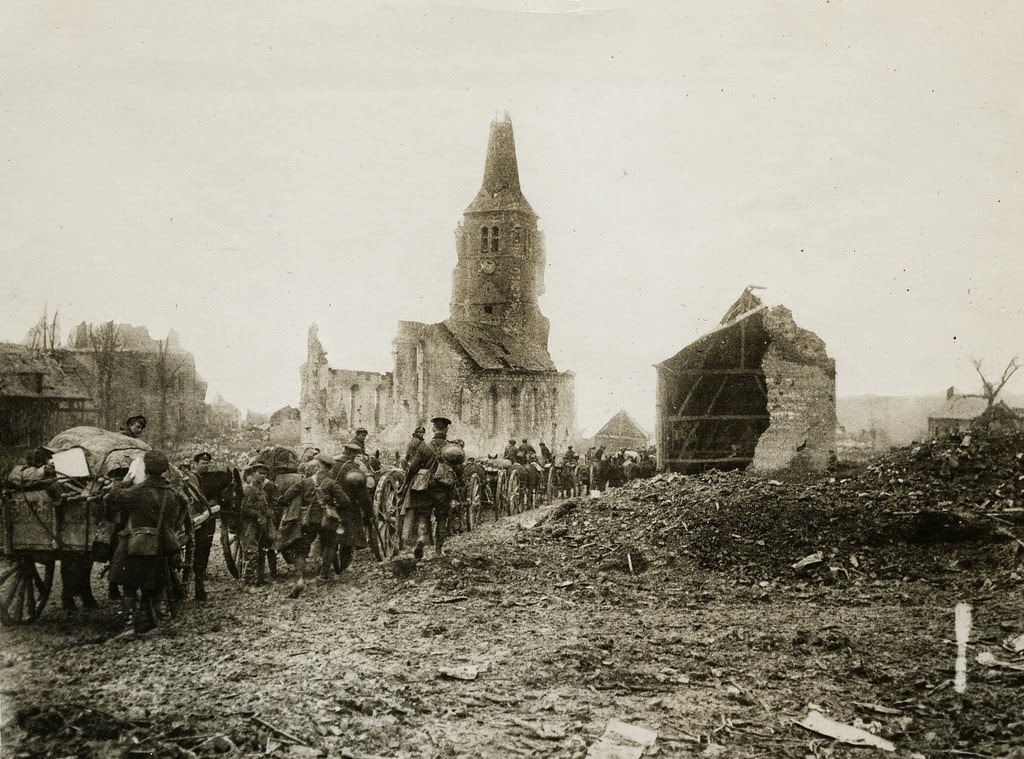
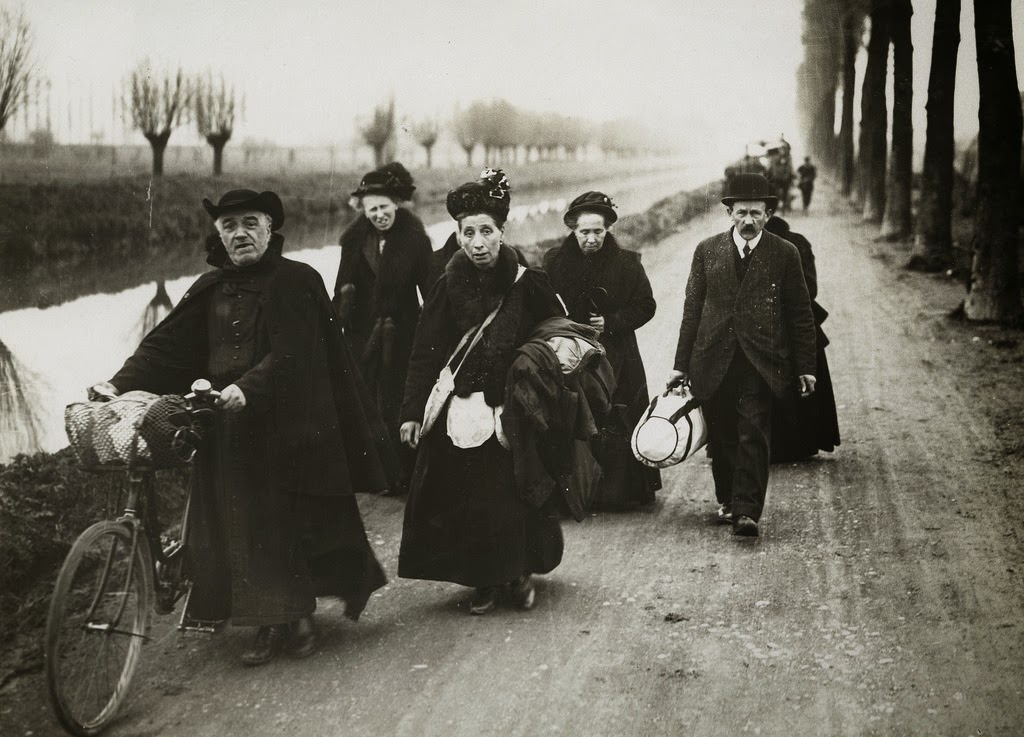
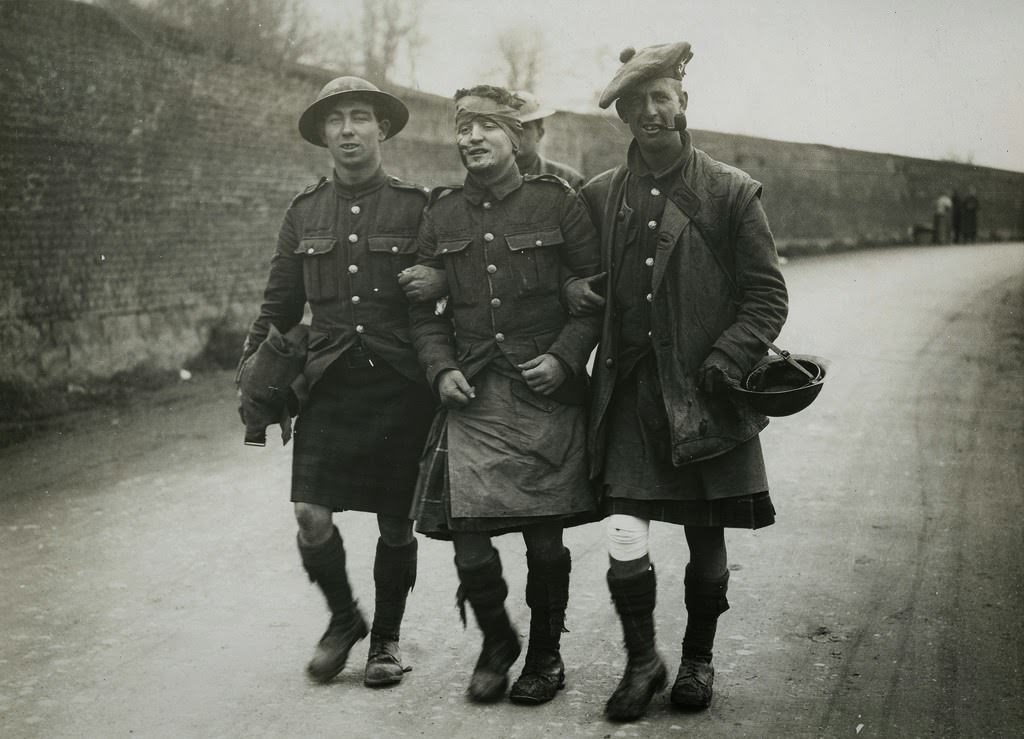
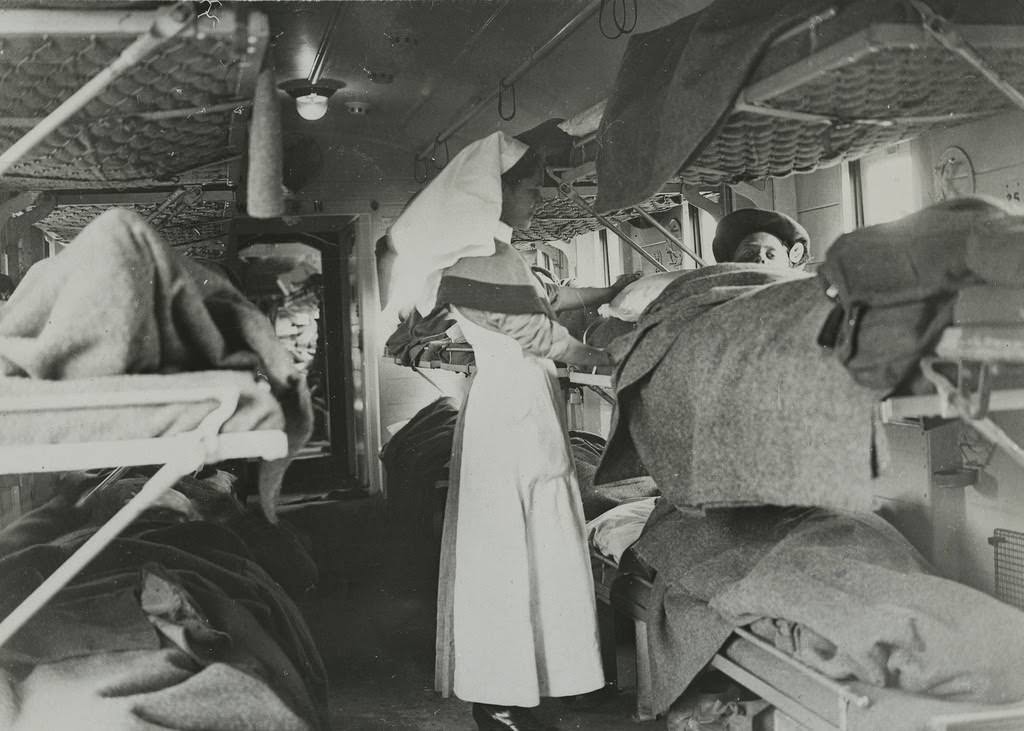
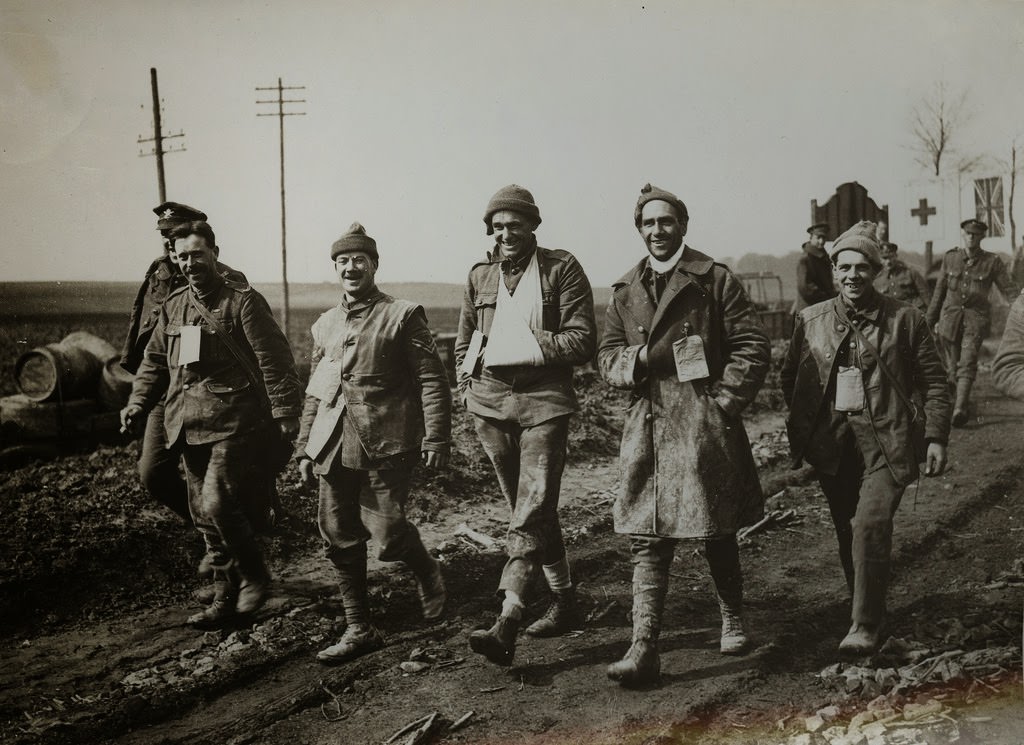
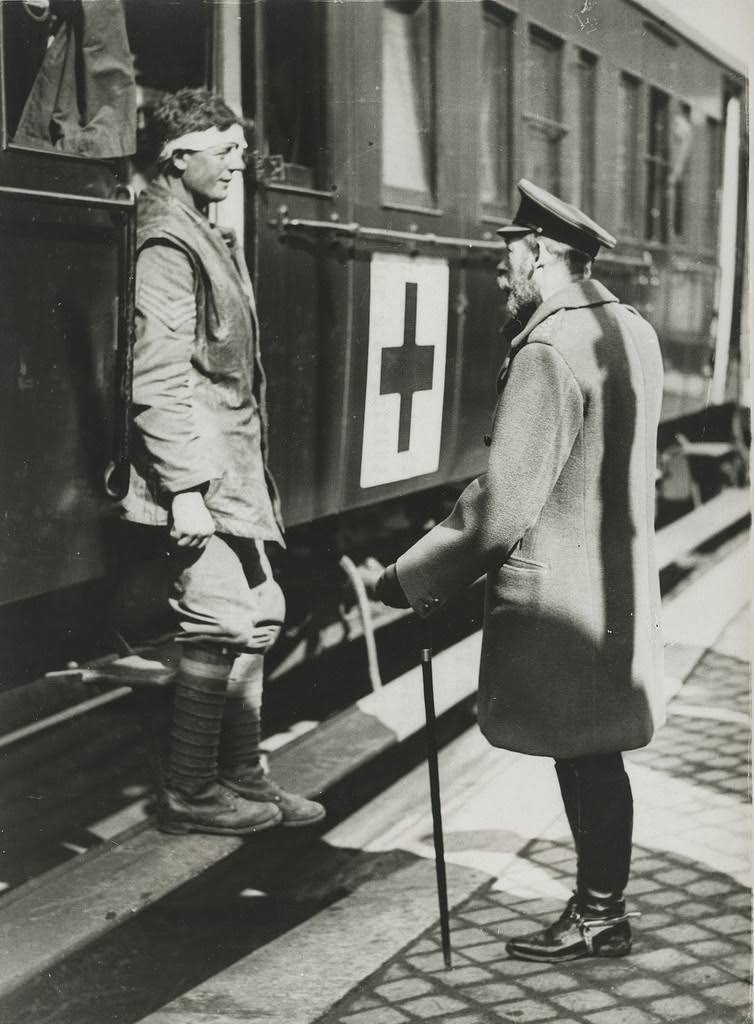
When the German offensive pushed hard against Allied positions, the strain on men and resources became acute. Civilians near the front were forced to flee, refugees streaming away from towns caught in the fighting. The wounded came back in large numbers — some walking, many needing urgent medical care. A nursing sister treating gassed casualties aboard an ambulance train was a common sight during the worst phases of the offensive.
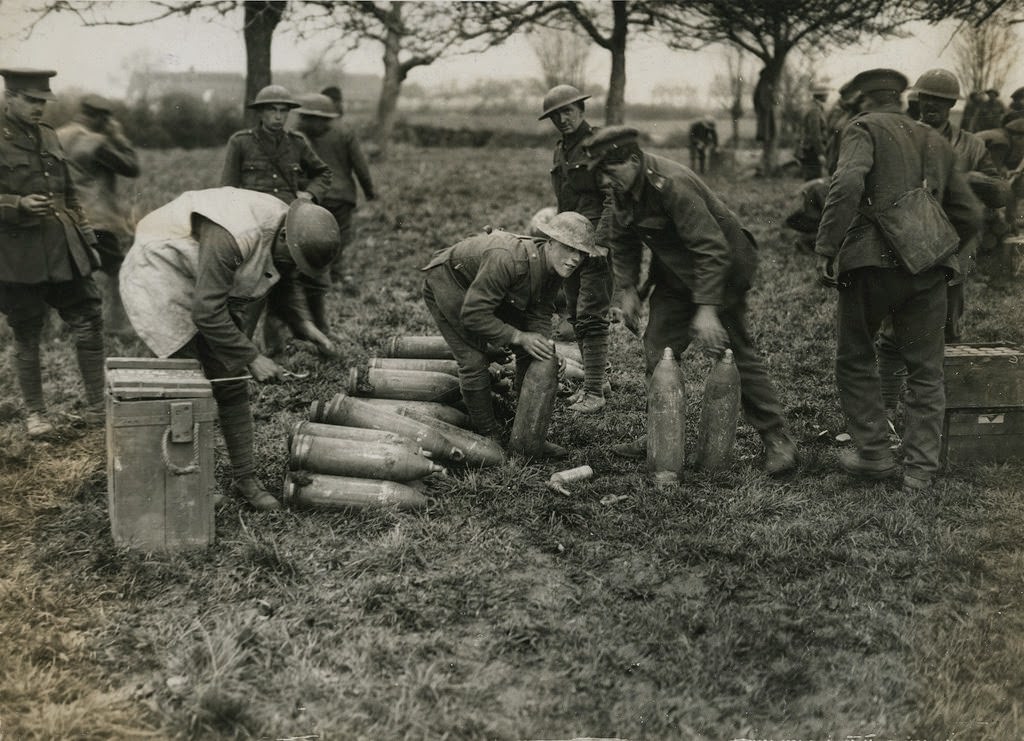
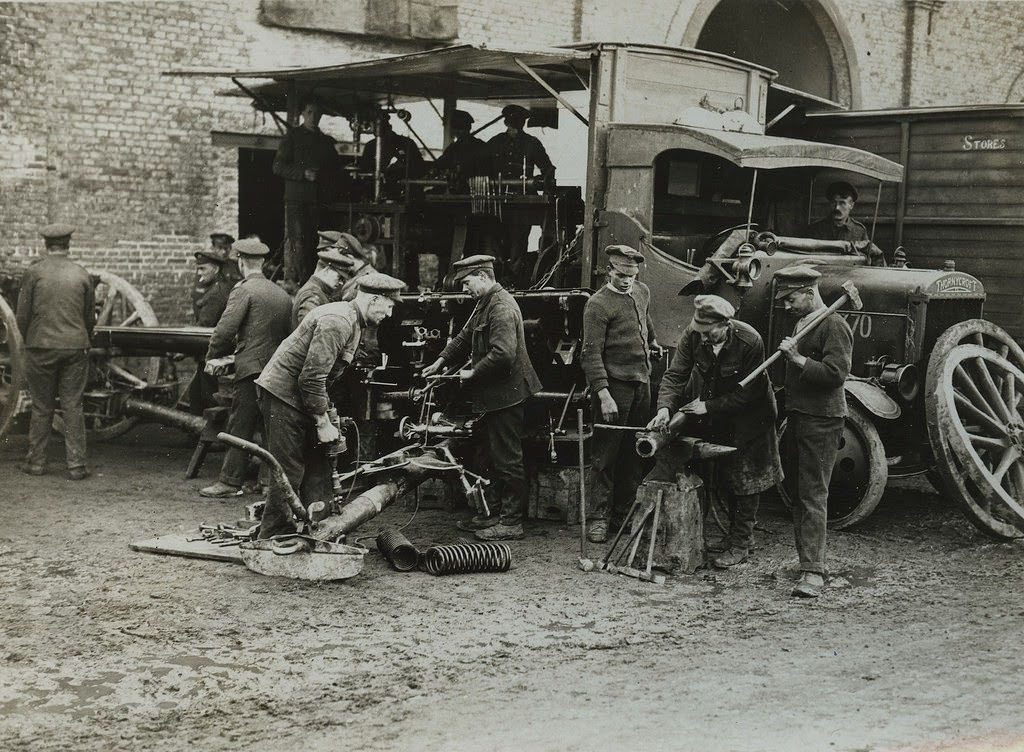
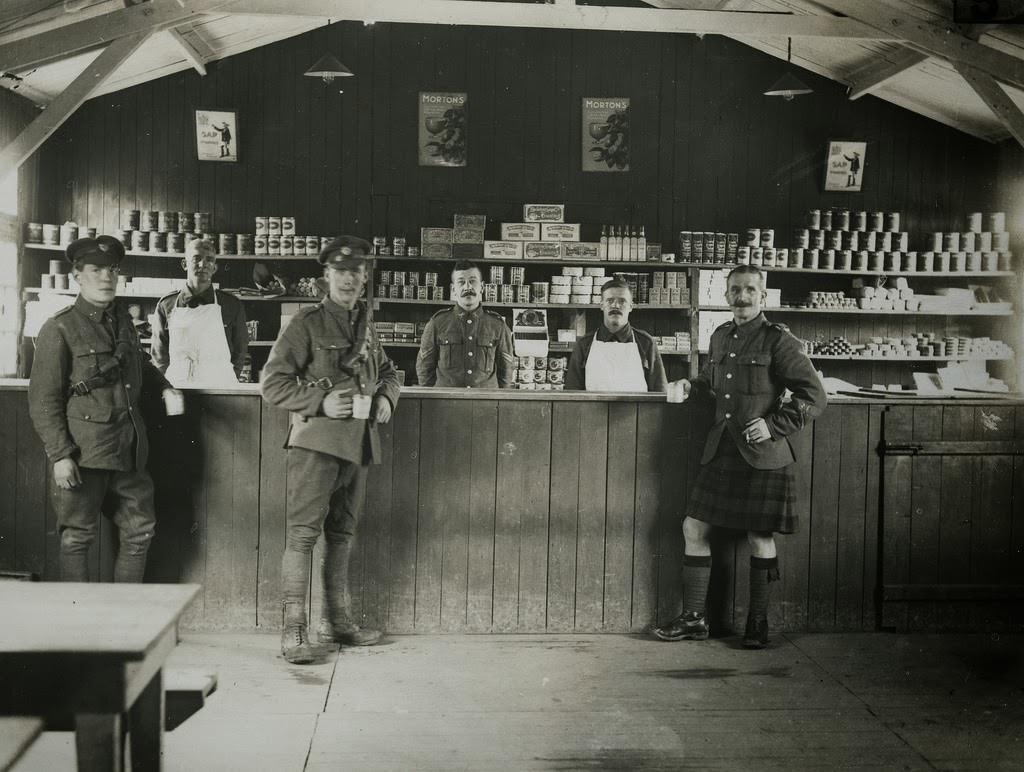
Keeping weapons functional was just as important as fighting with them. Travelling repair workshops worked constantly to reassemble and fix damaged guns at the front. Rations for soldiers were basic — canned corned beef known as “bully beef” and hard biscuits were standard fare. When clean water wasn’t available, men drank water that tasted of the petrol cans used to transport it. Tobacco and chocolate sent from home helped maintain morale under these conditions.
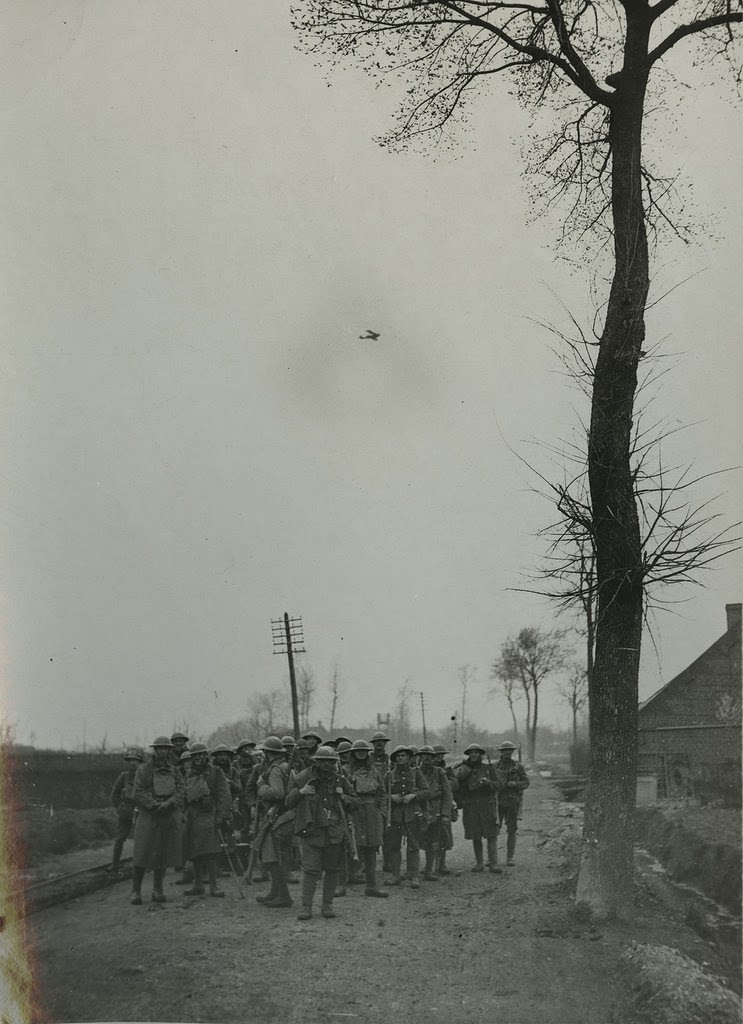
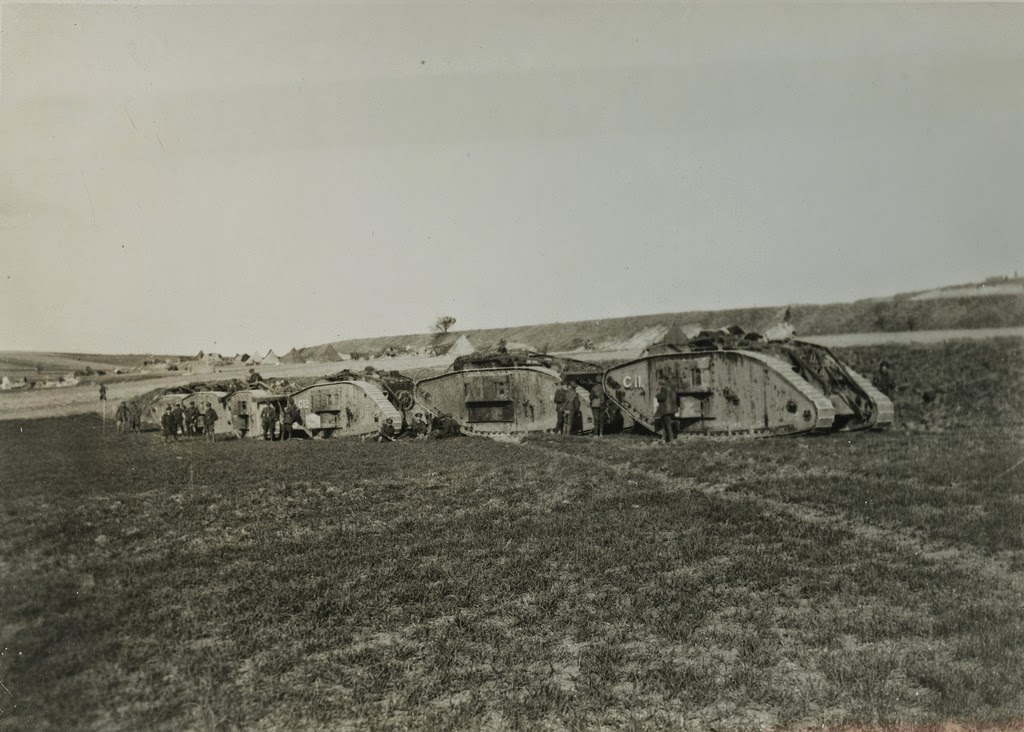
New technology reshaped how the war was fought. The British army introduced the tank to break through enemy defenses, and aircraft were used first to scout enemy positions and later for direct aerial combat. Airplanes also provided cover for ground troops waiting to move into action.
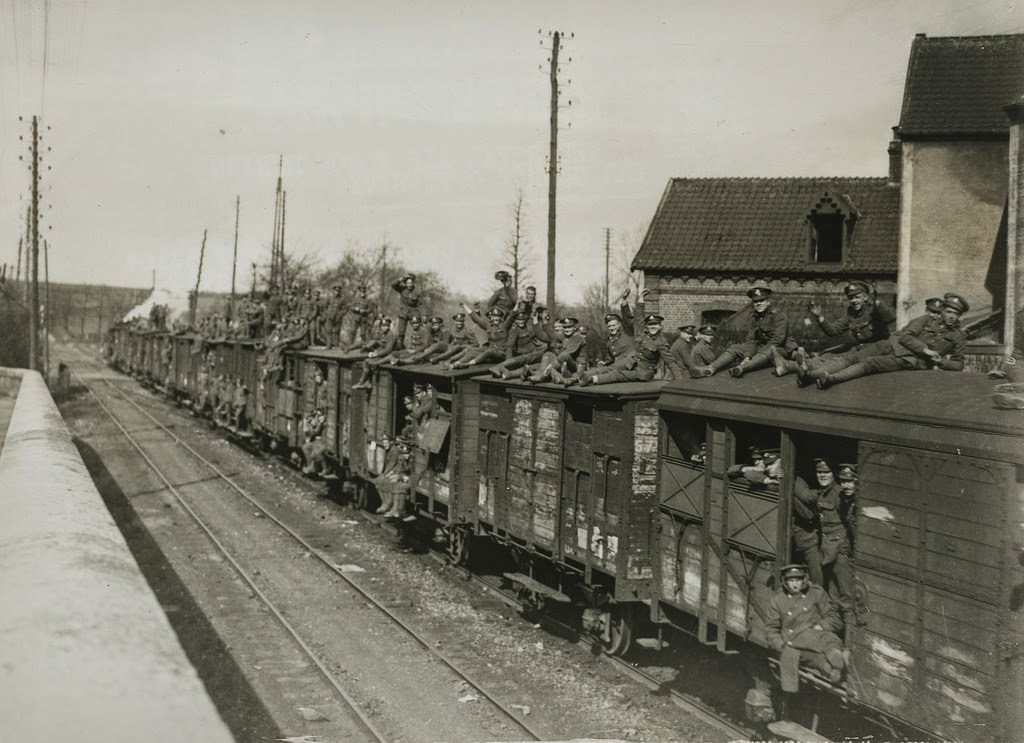
Casualties were processed at Casualty Clearing Stations close to the fighting, before the wounded were moved further back for treatment. Battalions that had seen heavy action — like the Royal Warwickshires — were rotated out for short rest periods before returning to the line. Troop trains carried fresh men forward to support those already fighting.
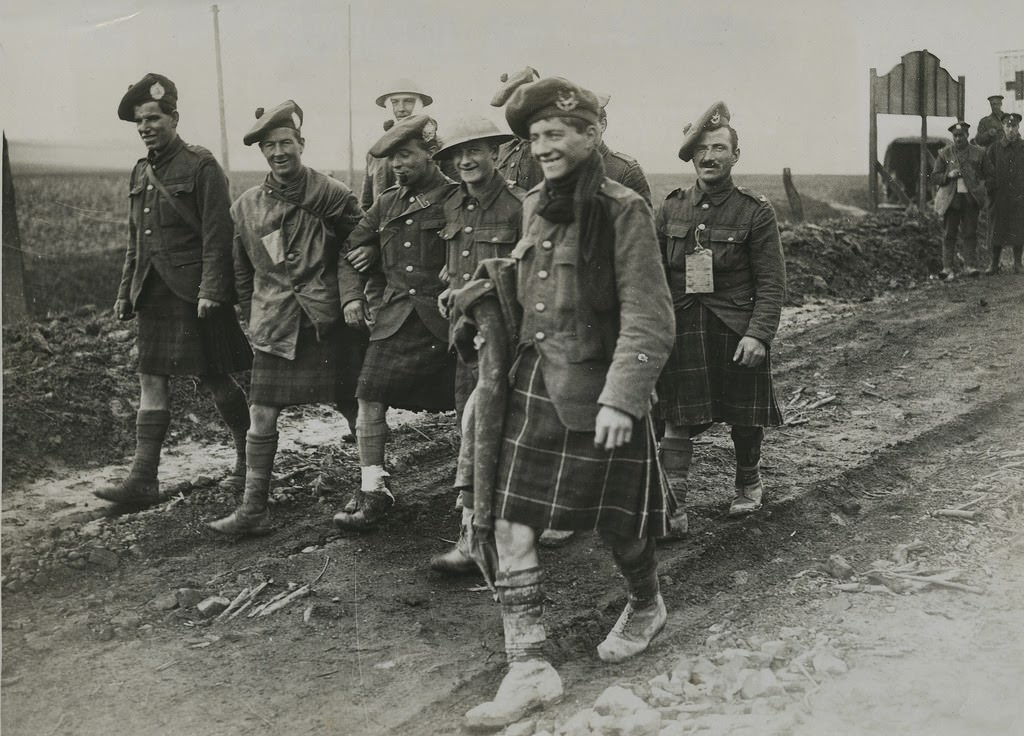
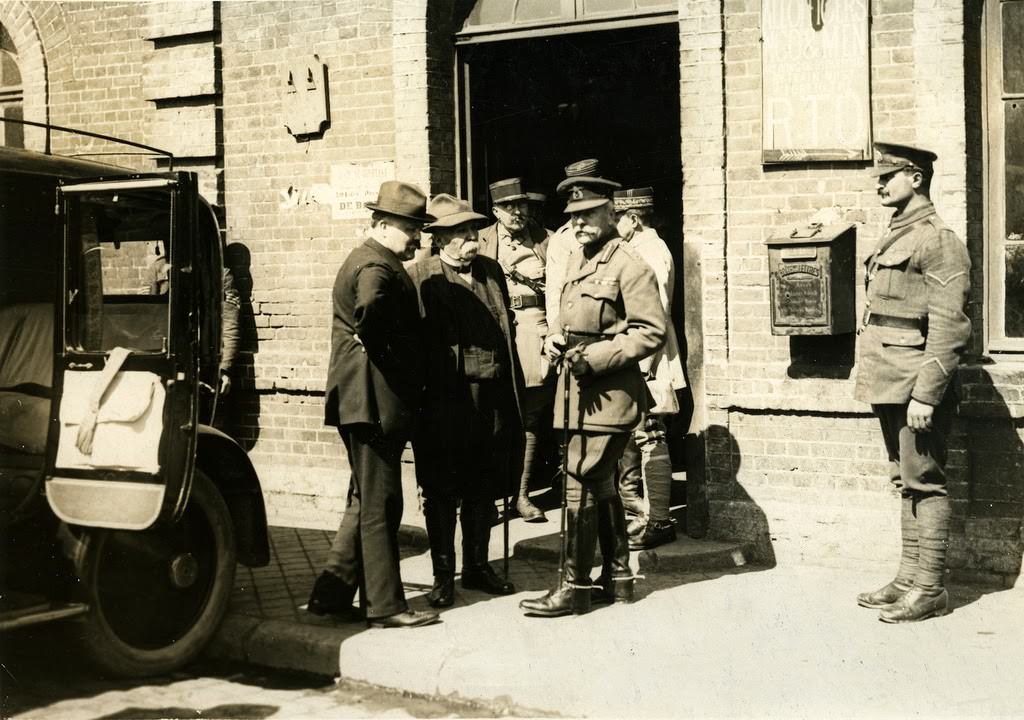
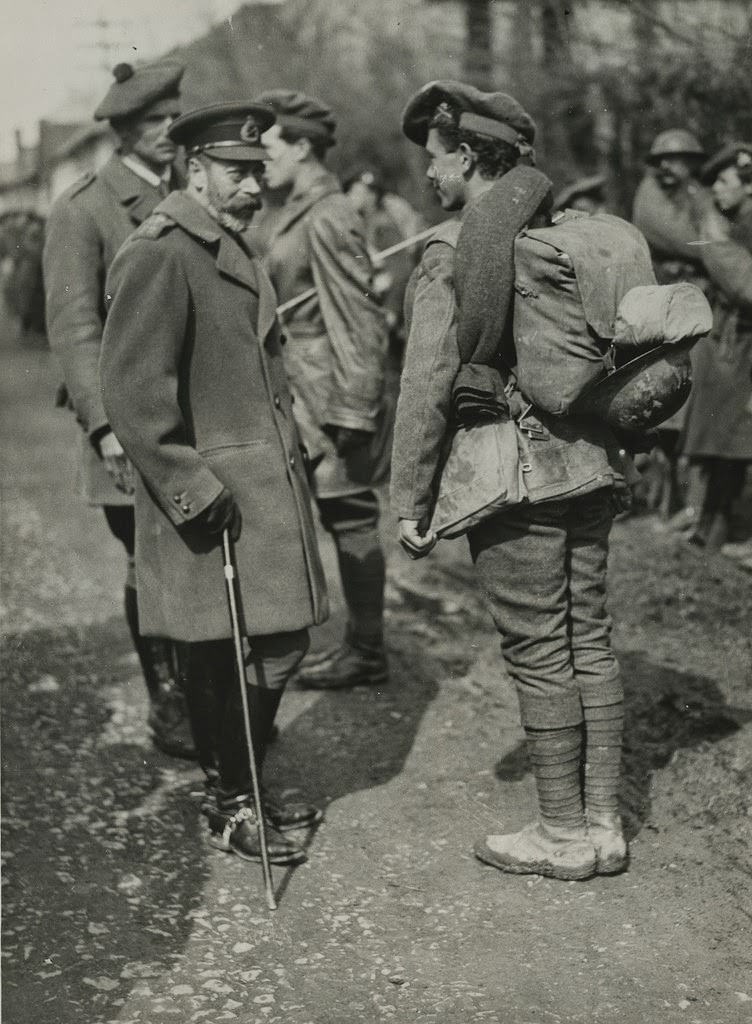
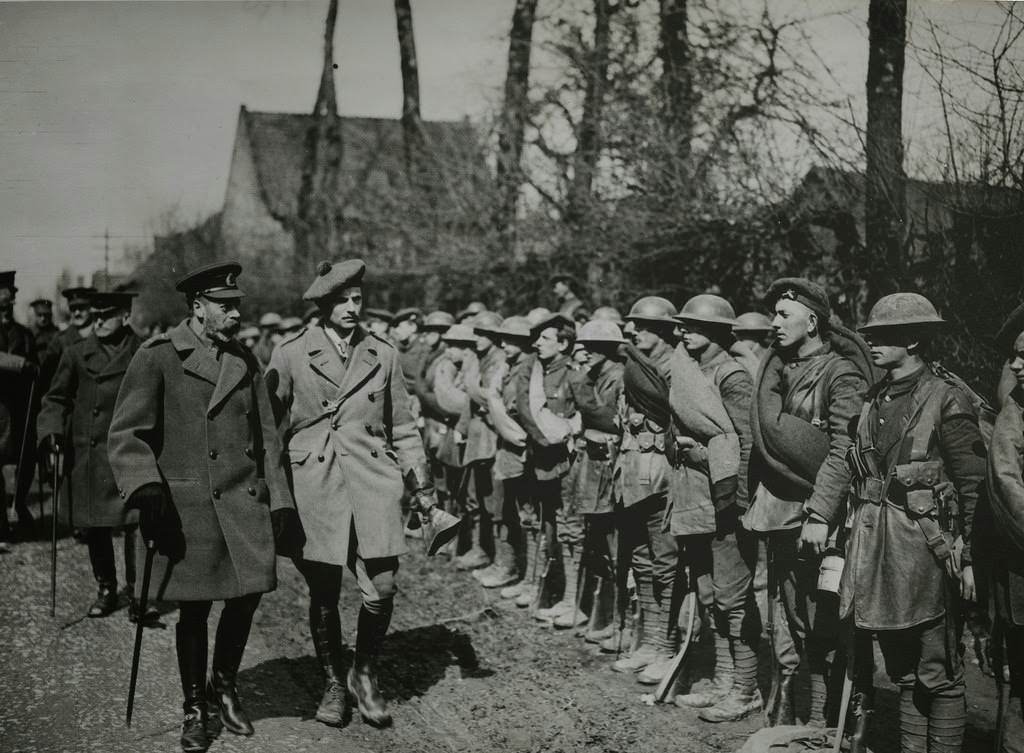
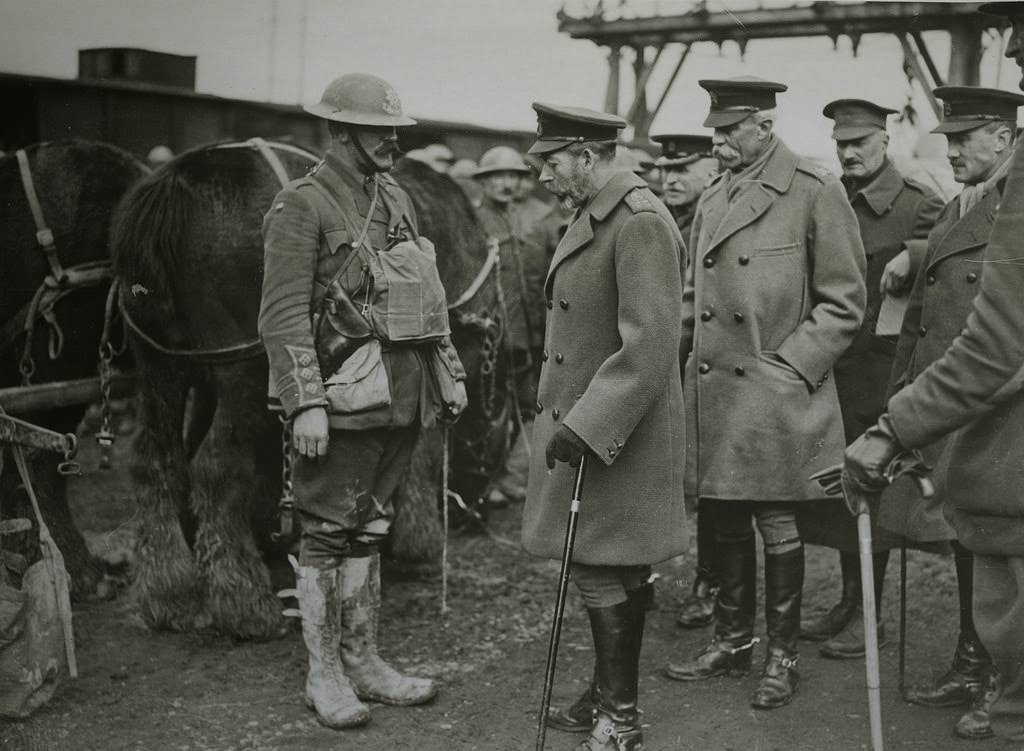
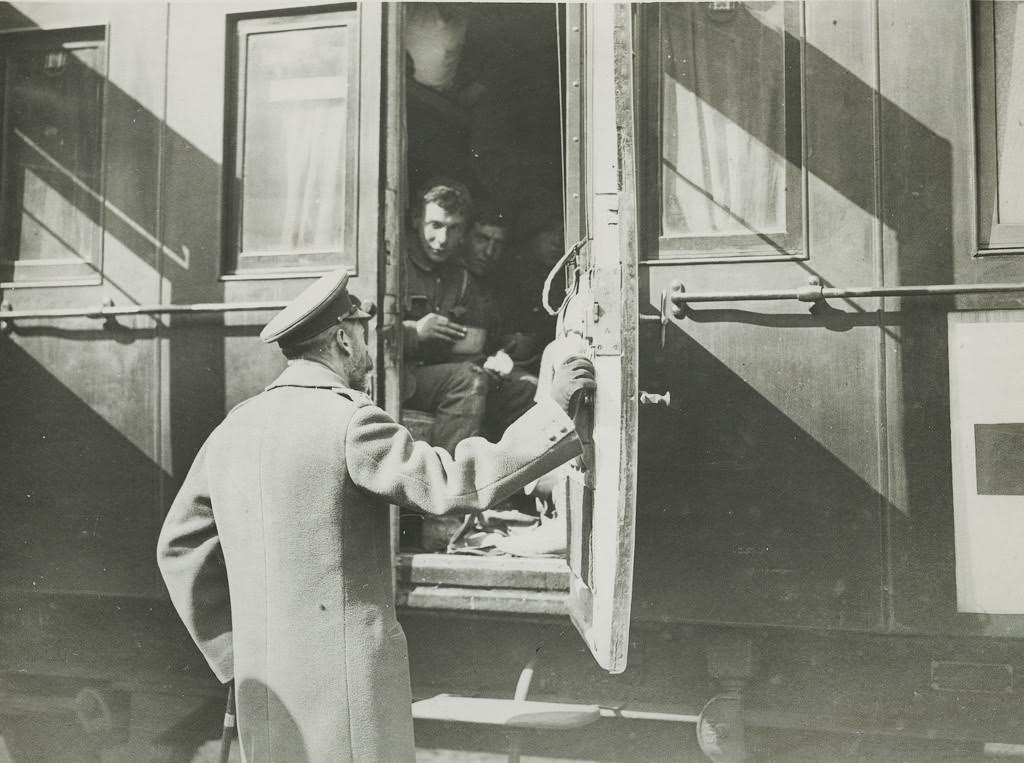
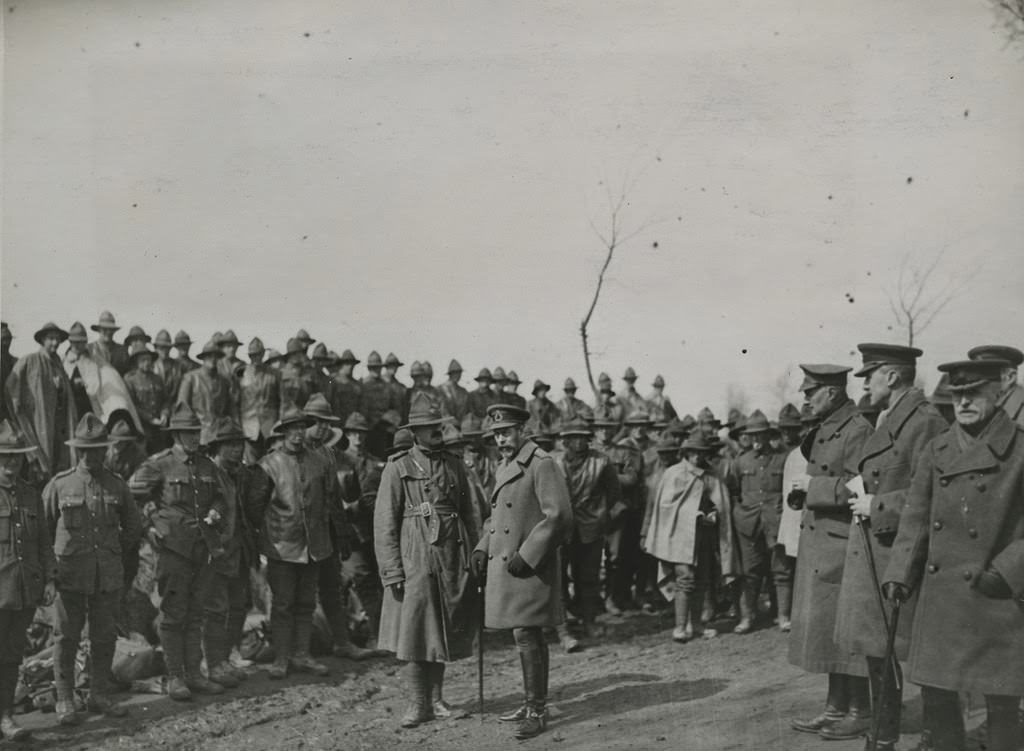
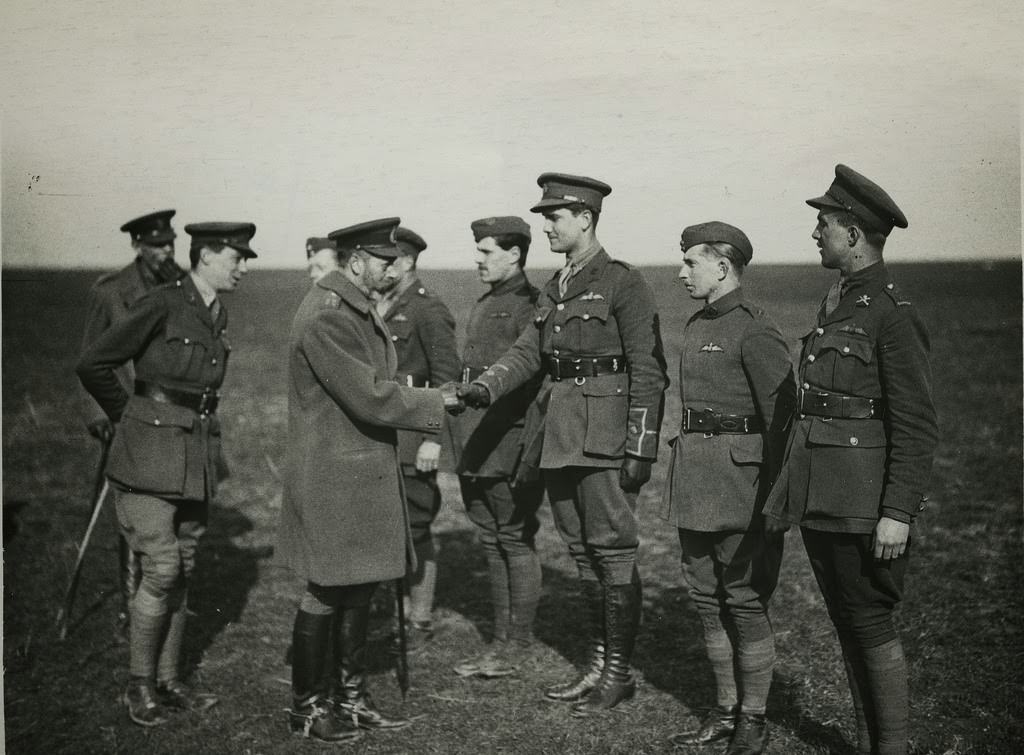
King George V made visits to British forces in France, speaking directly with Scottish troops fresh out of the line, inspecting units, and talking to soldiers wounded in the German offensive. These visits extended to Commonwealth forces as well, with the King also meeting New Zealand troops and speaking with officers from various corps.
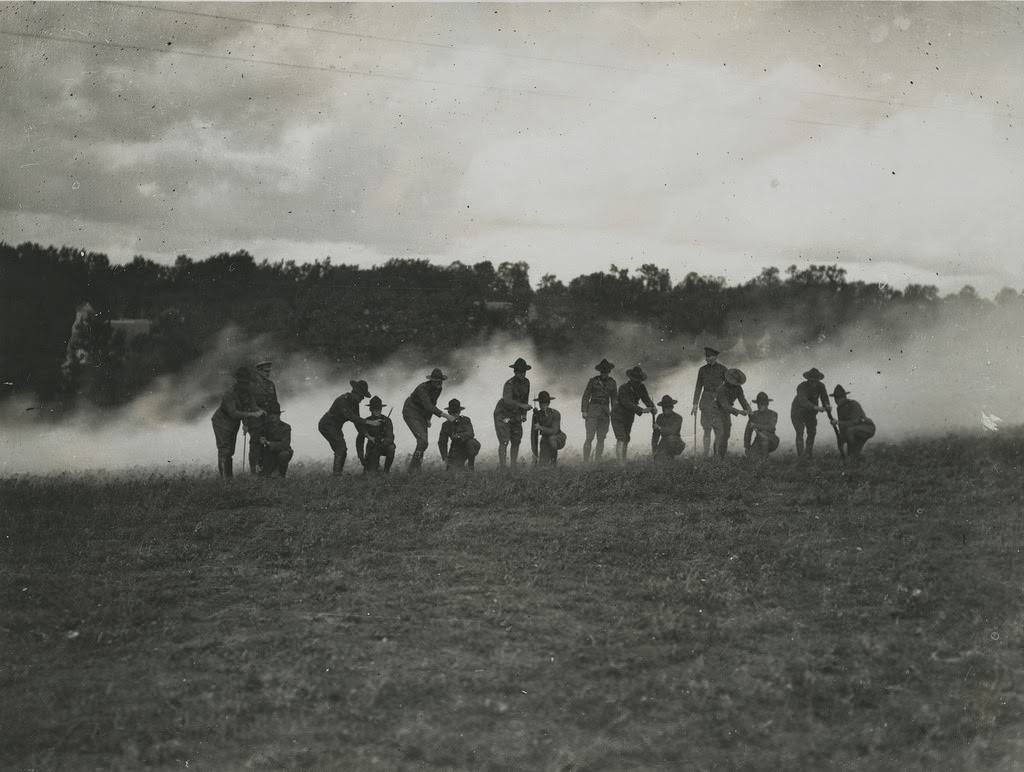
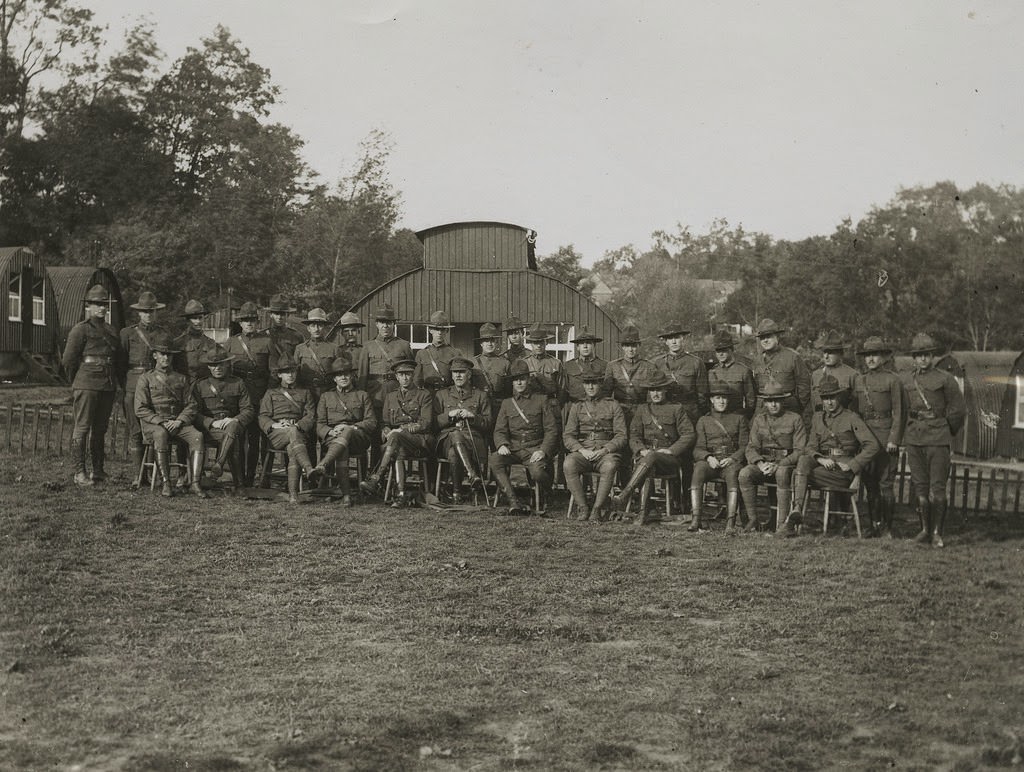
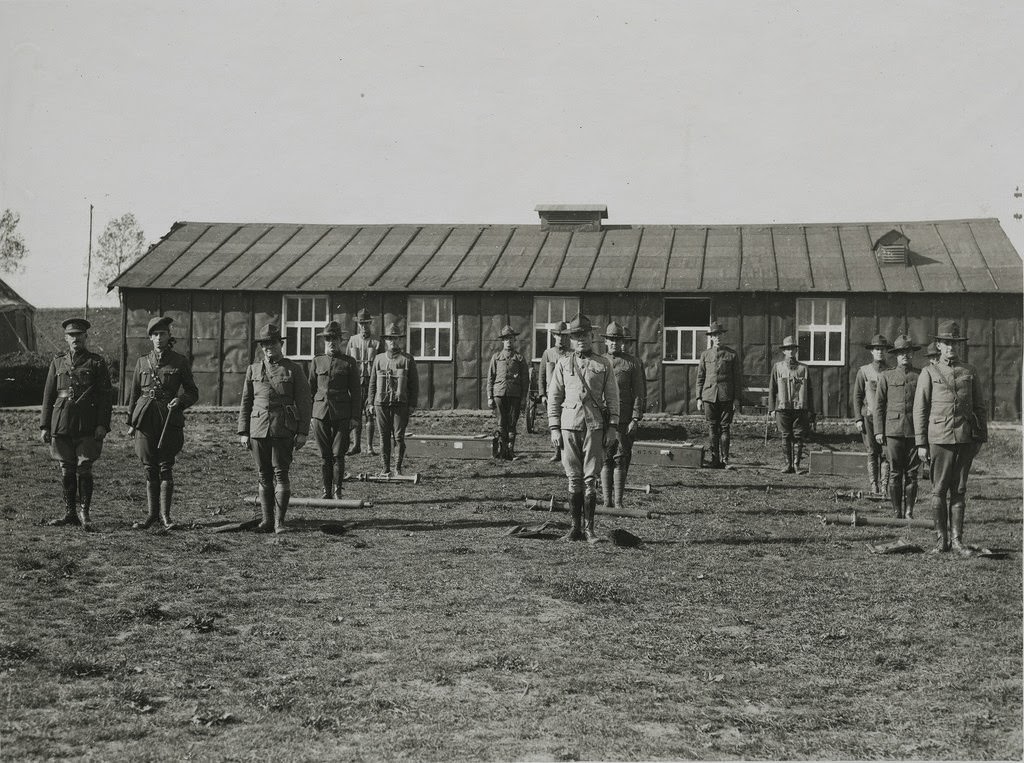
The British also ran training schools in France for American officers joining the Allied effort. At the North British Corps School, American officers trained alongside British instructors in rifle handling, grenade and bombing practice, and Stokes mortar work. These schools were a direct sign of the Allied forces pulling together as the war entered its final stages.
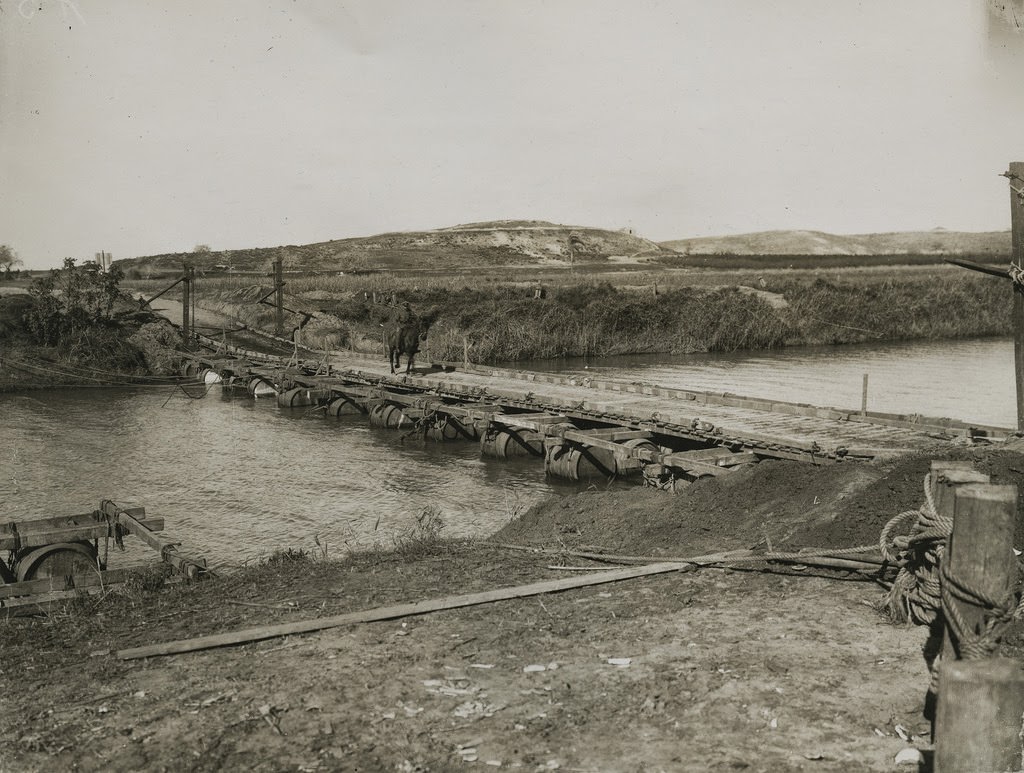
Back in Britain, women took on roles that had previously been closed to them. They worked in munitions factories — earning the nickname “canaries” because the toxic chemicals turned their skin yellow — and also served as ambulance drivers and police officers. The government introduced food rationing after German submarines sank merchant ships and threatened the nation’s food supply. Engineering feats close to the front, such as barrel-supported bridges built by British troops, showed the resourcefulness soldiers applied under difficult conditions.