
When the United States declared war on Germany in April 1917, the conflict had already consumed Europe for nearly three years. Millions had died. Entire armies were locked in a grinding stalemate across hundreds of miles of trenches. Into this exhausted, shell-torn world stepped the American infantrymen—nicknamed the “Doughboys”—fresh, numerous, and carrying with them the resources of an industrial giant that had, until now, stayed out of the fight.
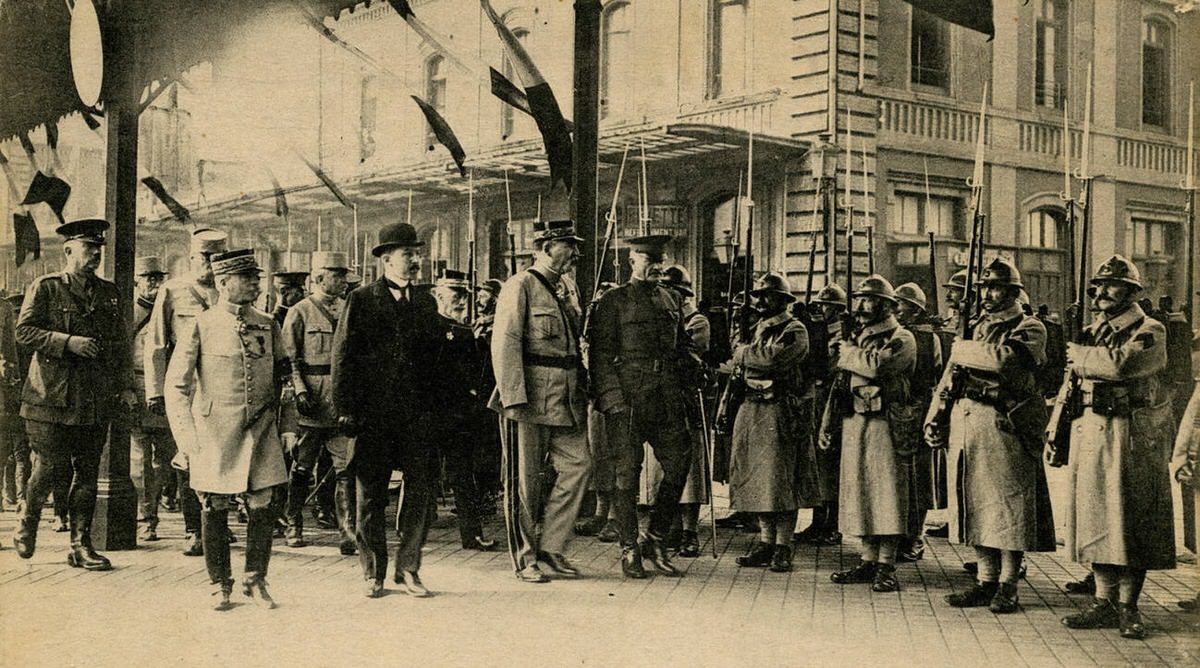
The man tasked with organizing this massive force was General John J. Pershing, commander of the American Expeditionary Forces (AEF). His arrival in Paris in 1917 signaled to both the Allies and Germany that the war’s balance was about to shift. The U.S. military, however, was nowhere near ready for the scale of the task ahead. A small peacetime army had to be rapidly transformed into a force capable of fighting on the Western Front.
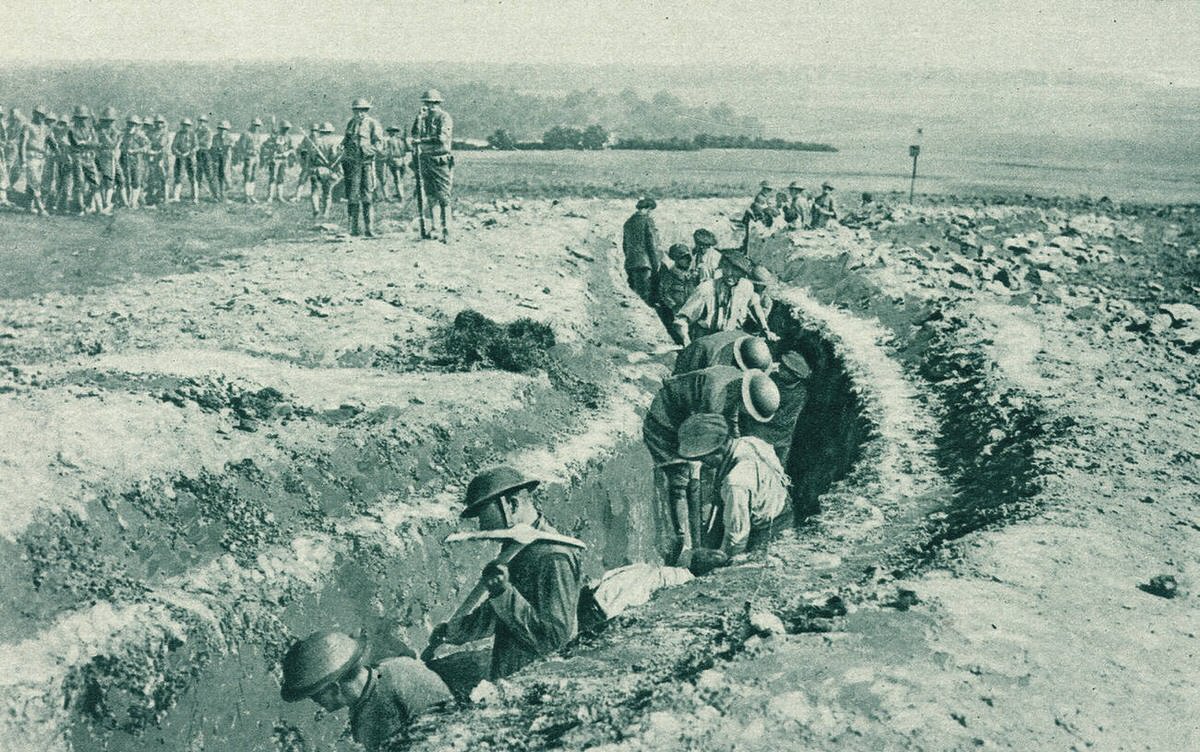
The Selective Service Act of 1917 fueled the transformation. Millions of men were drafted—farmers from the Midwest, factory workers from northern cities, college students from Ivy League campuses. Many had never held a rifle. Training camps across the American South became crash courses in modern warfare. Men learned to dig trenches, fire weapons, and survive artillery barrages before they ever set foot in France.
The journey across the Atlantic was the first of many new experiences. Thousands of troops shipped out in convoys, crossing waters patrolled by German U-boats. It was unrestricted submarine warfare—Germany’s policy of sinking any vessel near British waters—that had played a major role in pushing the U.S. into the war in the first place.
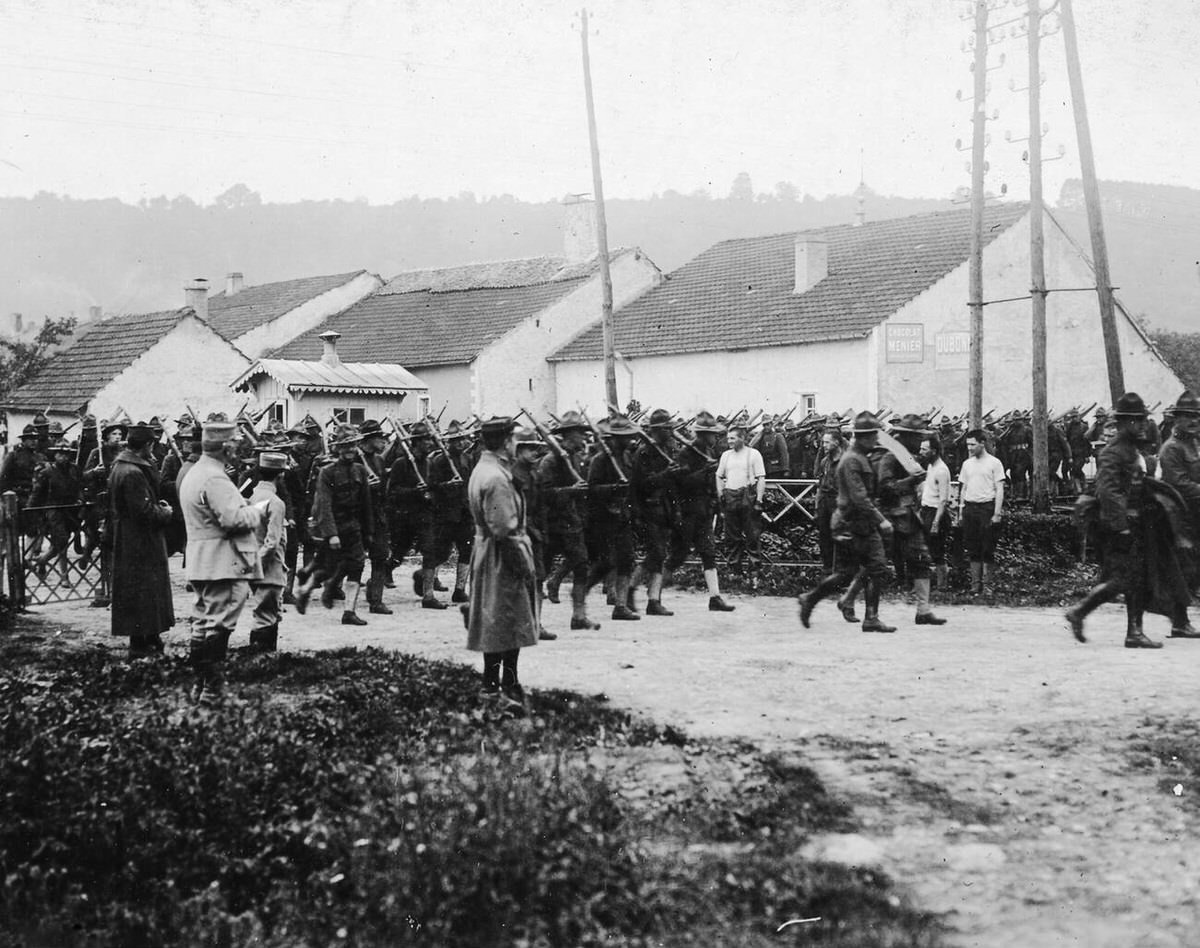
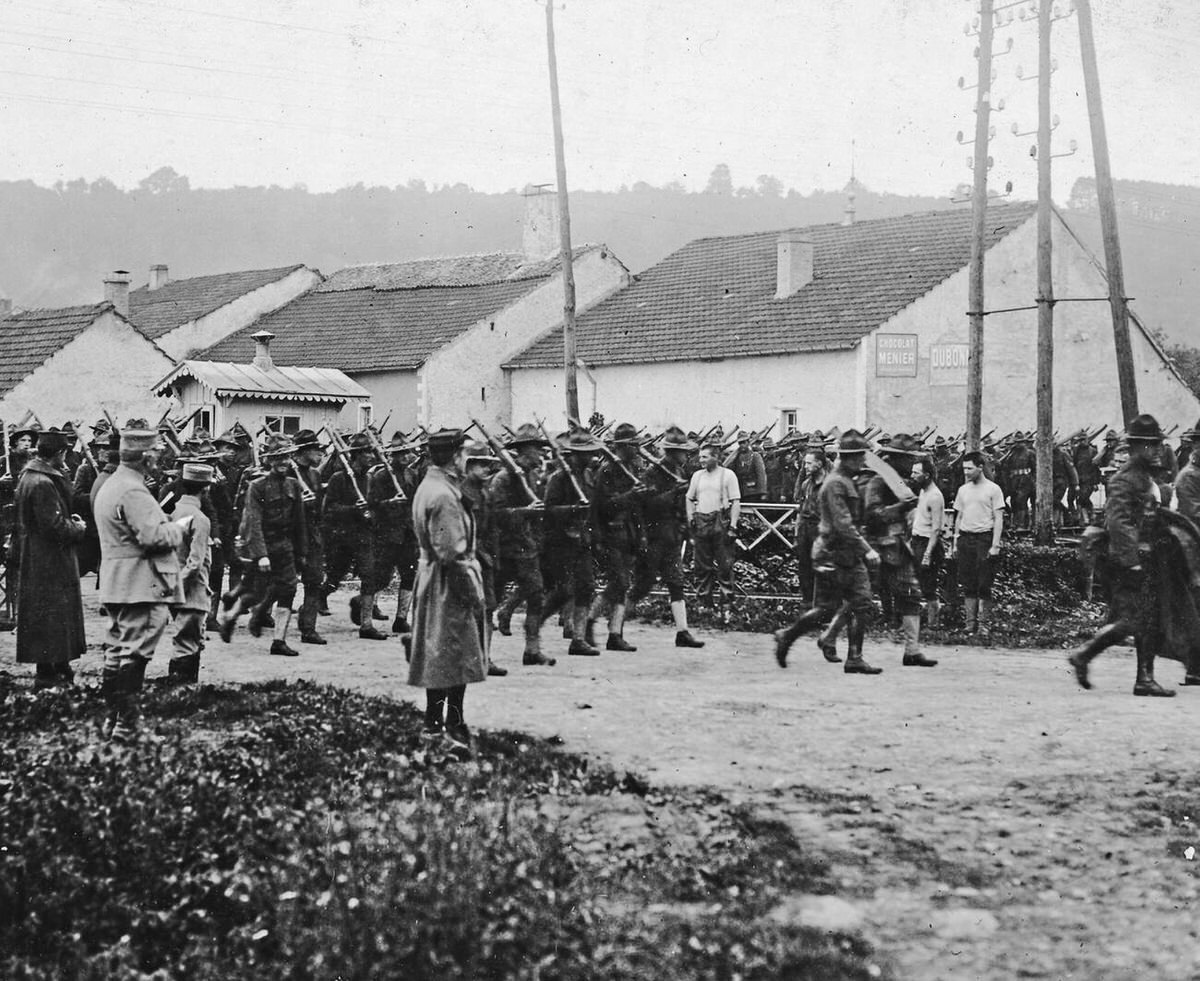
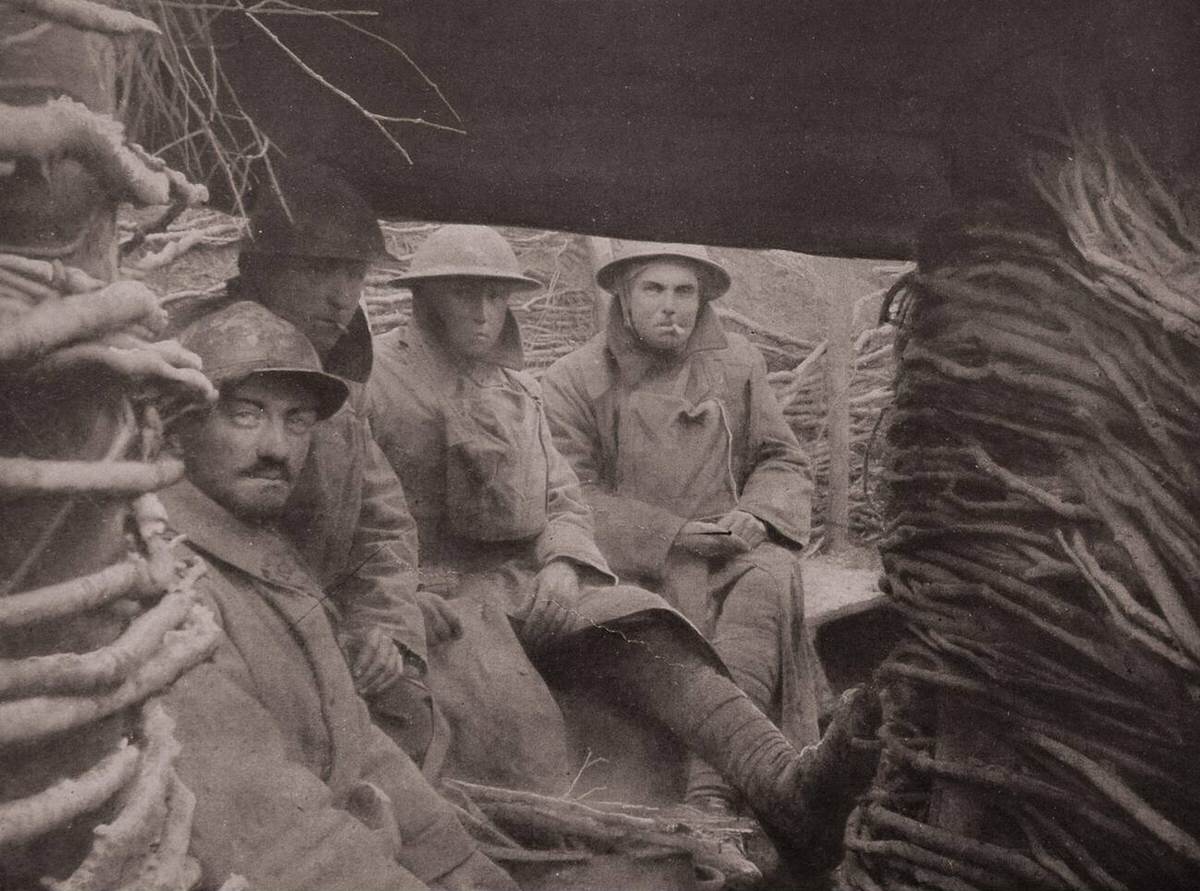
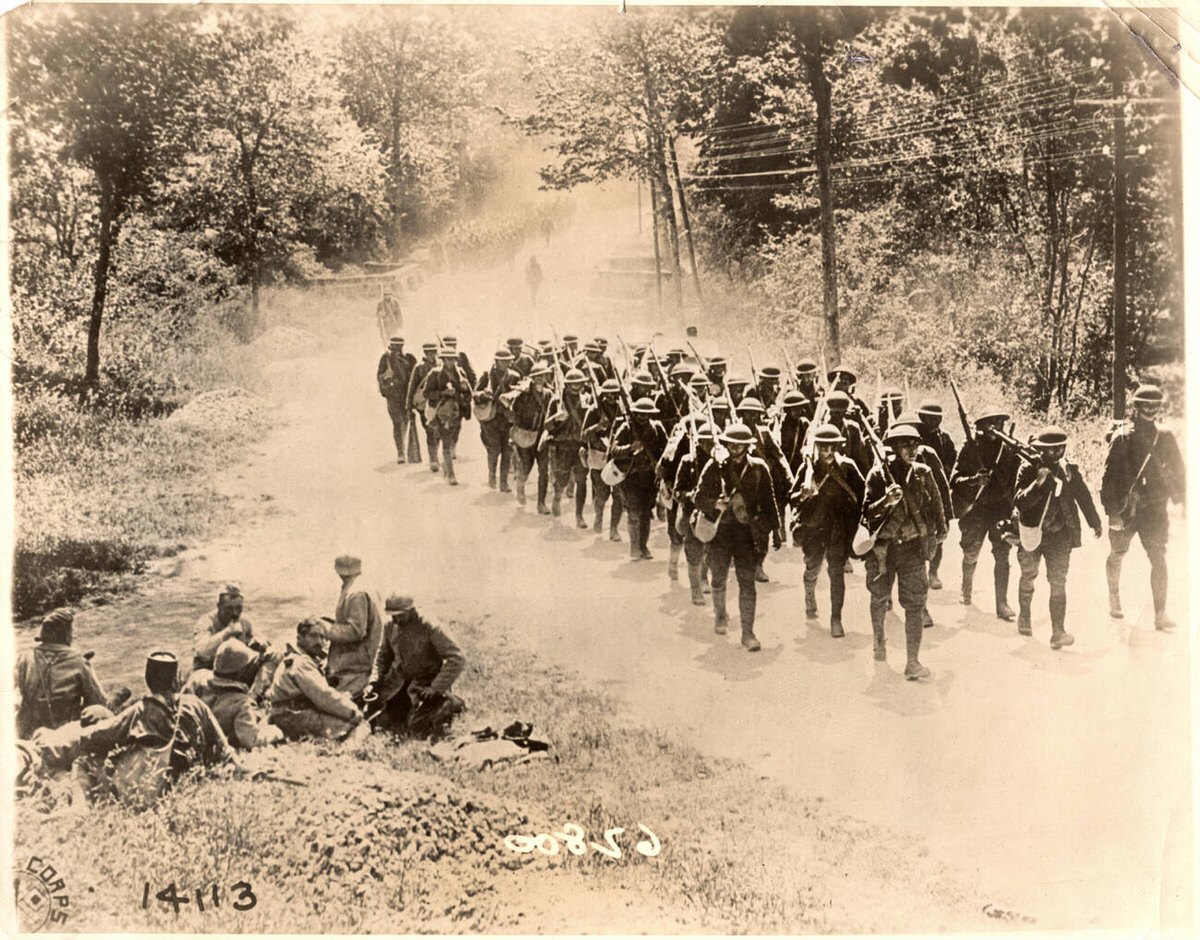
Once in France, American troops underwent further training, often learning directly from French and British veterans who had survived years on the front lines. The French taught the Doughboys the brutal mechanics of trench life—how to navigate a landscape of barbed wire, mud, rats, and constant artillery fire.
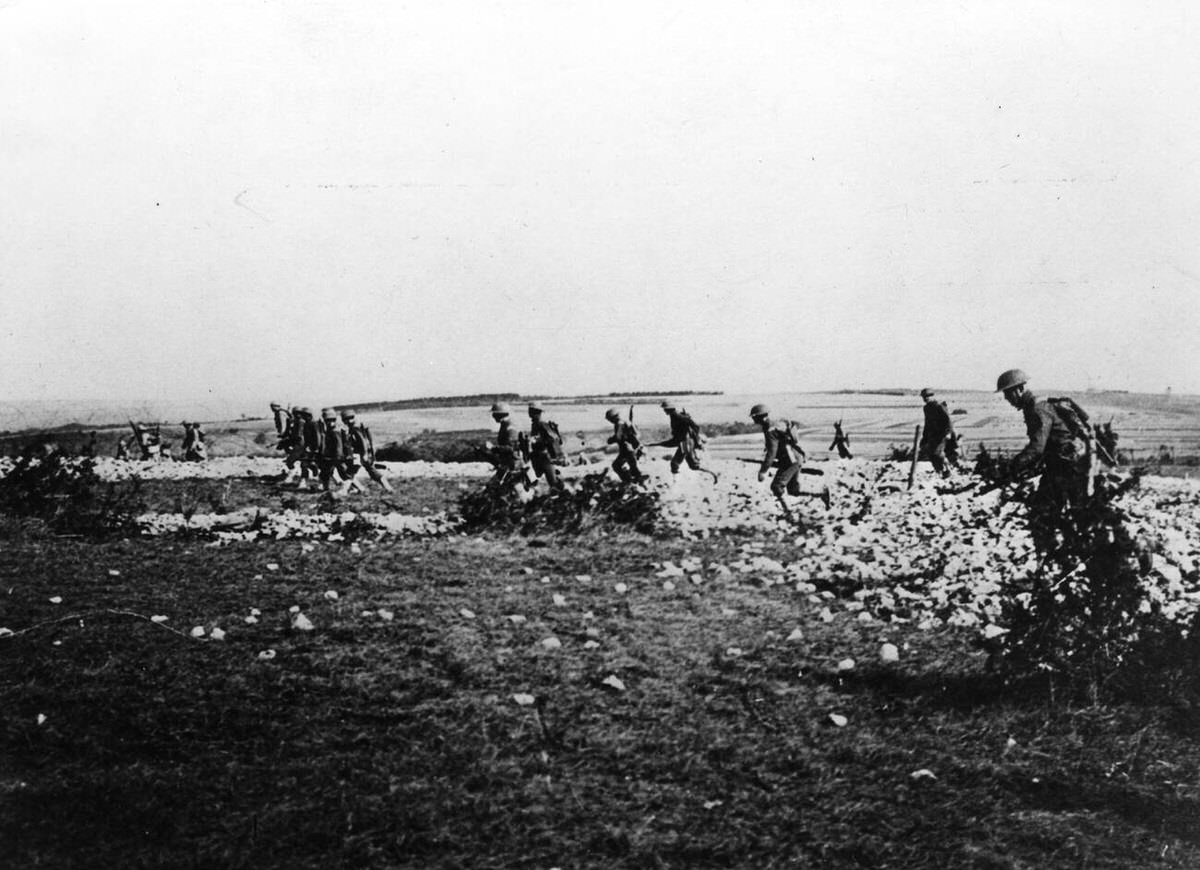
By 1918, the AEF was fighting in earnest. The Battle of Cantigny in May 1918 marked the first major American offensive of the war. Then came Belleau Wood, where U.S. Marines earned the nickname “Devil Dogs” from German forces who were stunned by the ferocity of their assault through open wheat fields and dense woodland, straight into machine-gun fire. These early engagements proved the Americans could hold their own against battle-hardened German troops.
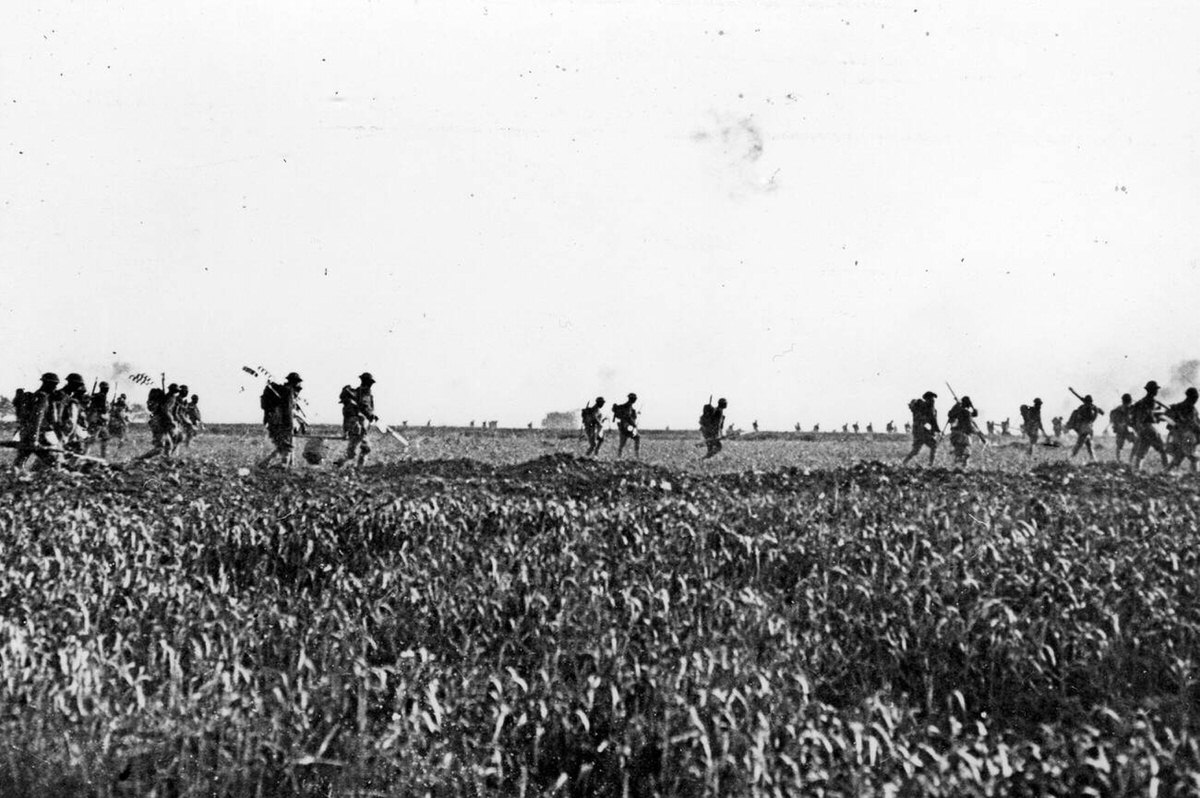
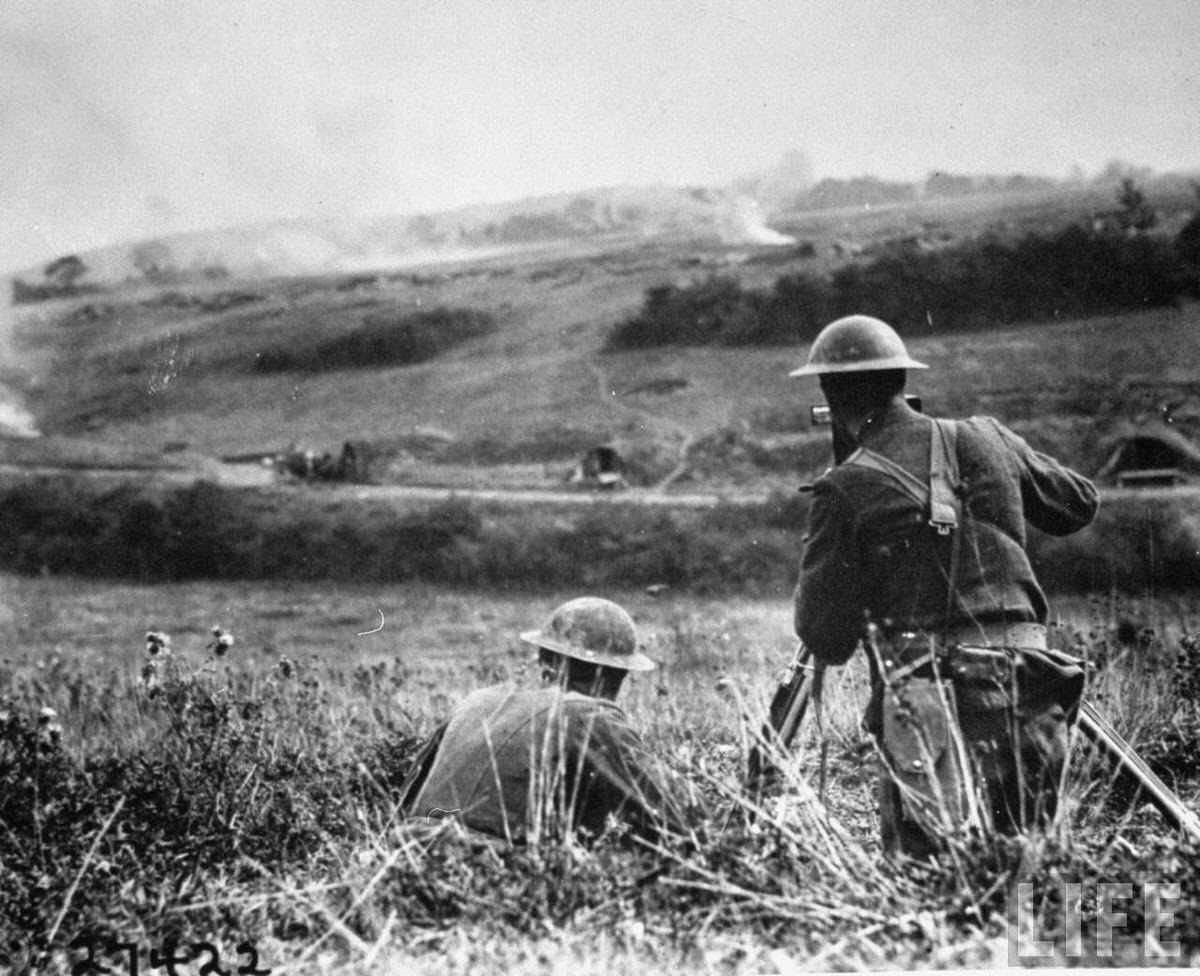
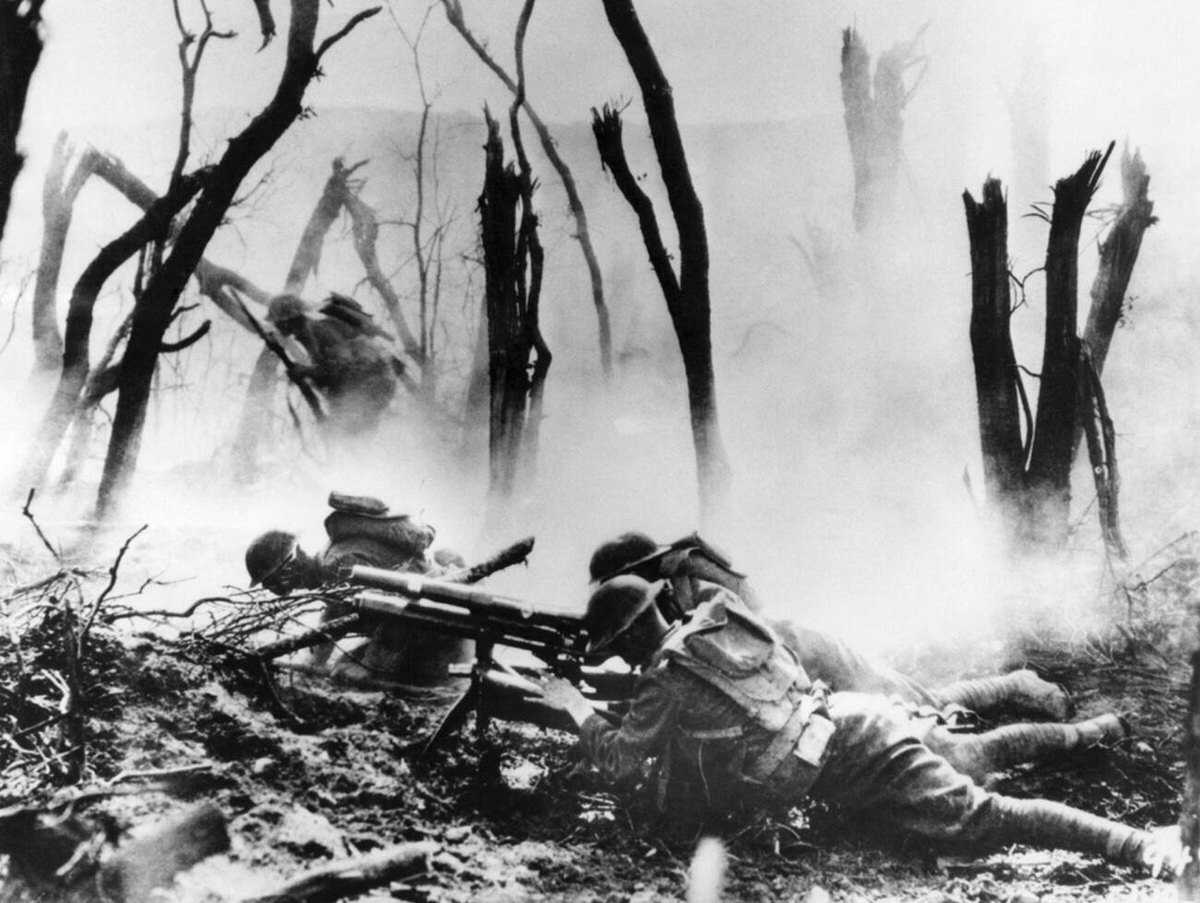
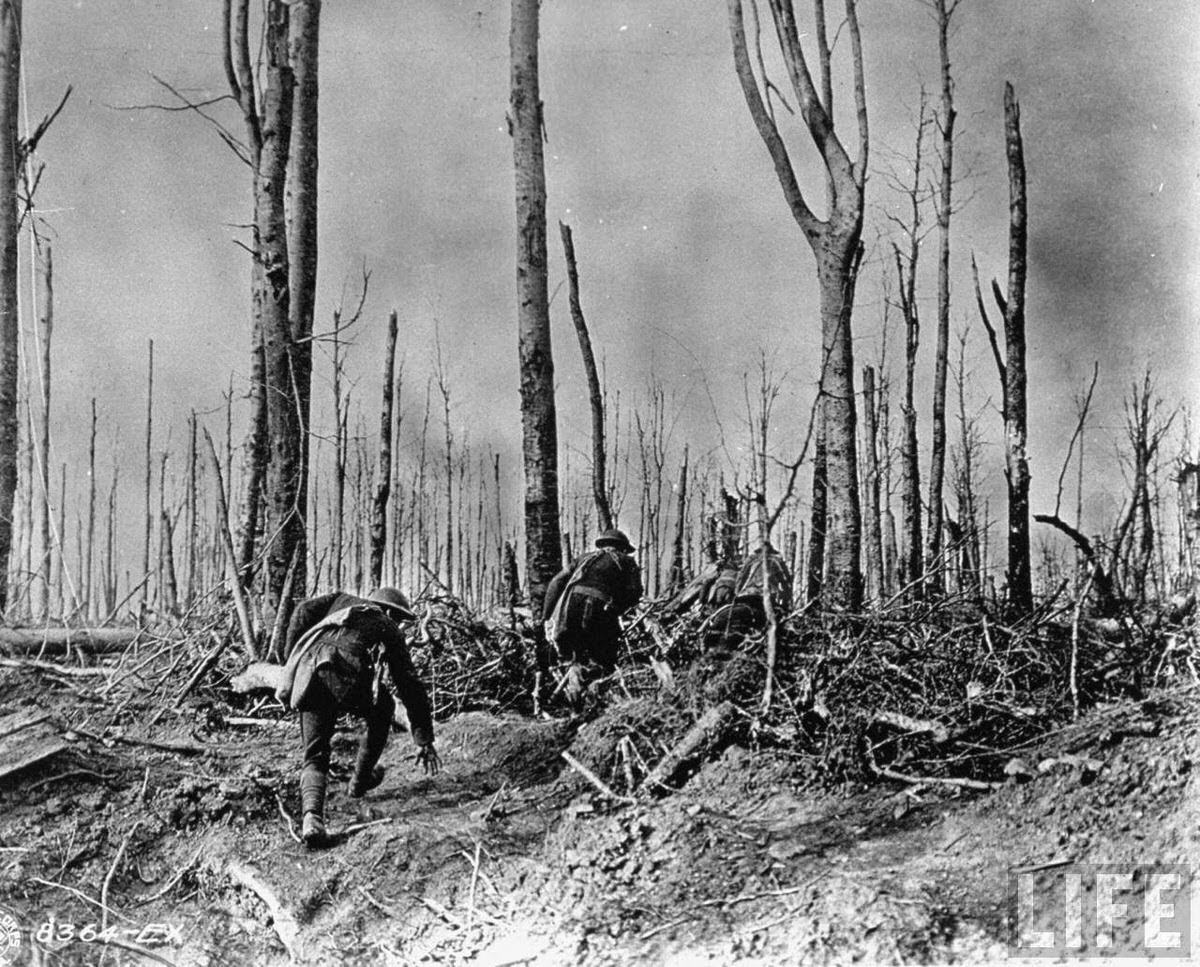
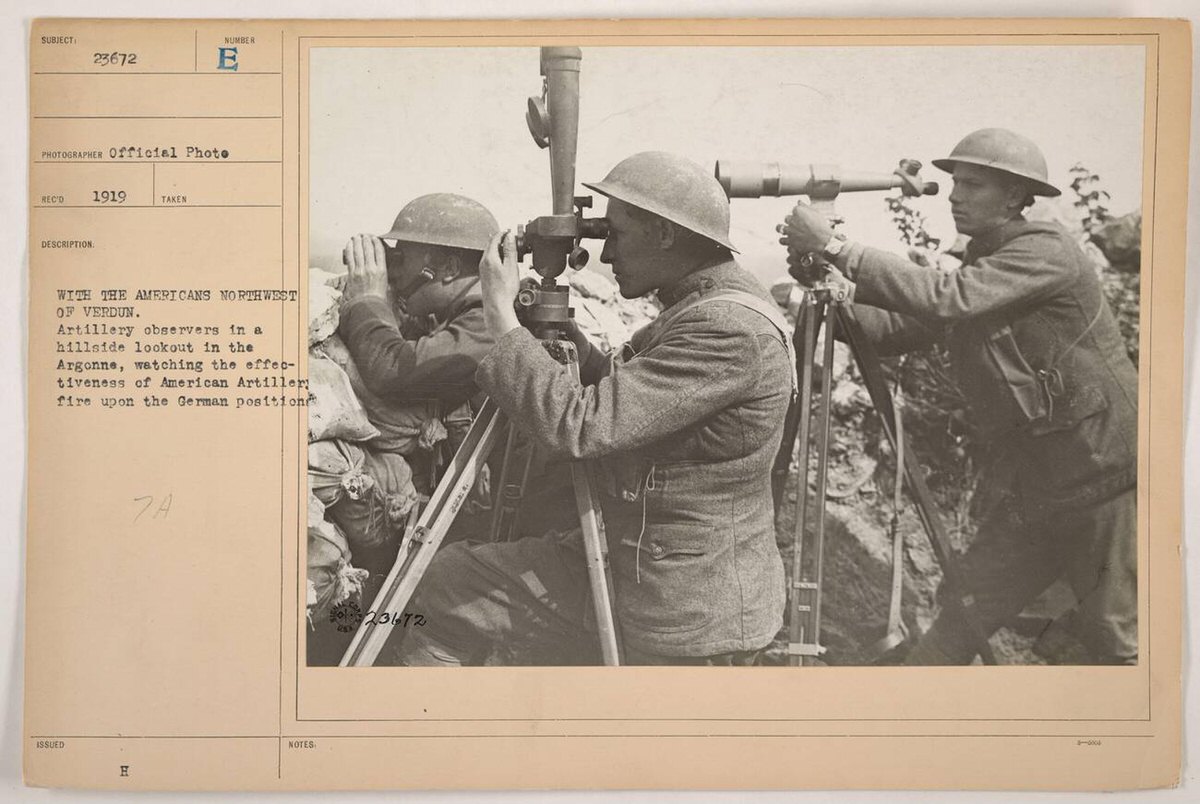
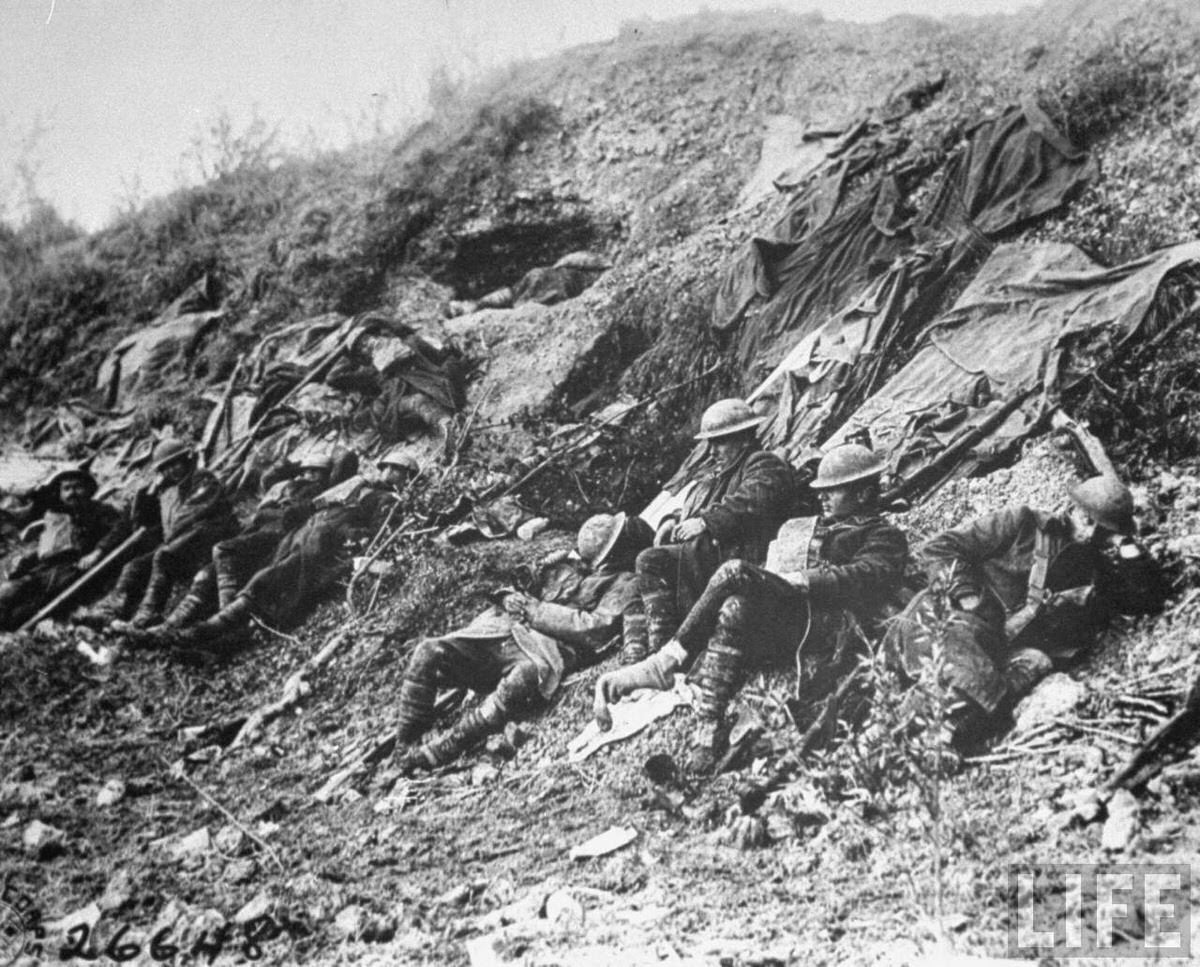
The largest operation in U.S. military history came in the fall of 1918: the Meuse-Argonne Offensive. Over 1.2 million American soldiers fought through the dense forests and rugged terrain of northeastern France. The goal was to sever the German rail supply lines and break the enemy’s defensive line. Artillery observers tracked shell impacts across miles of broken landscape, directing fire that shook the earth around the clock.
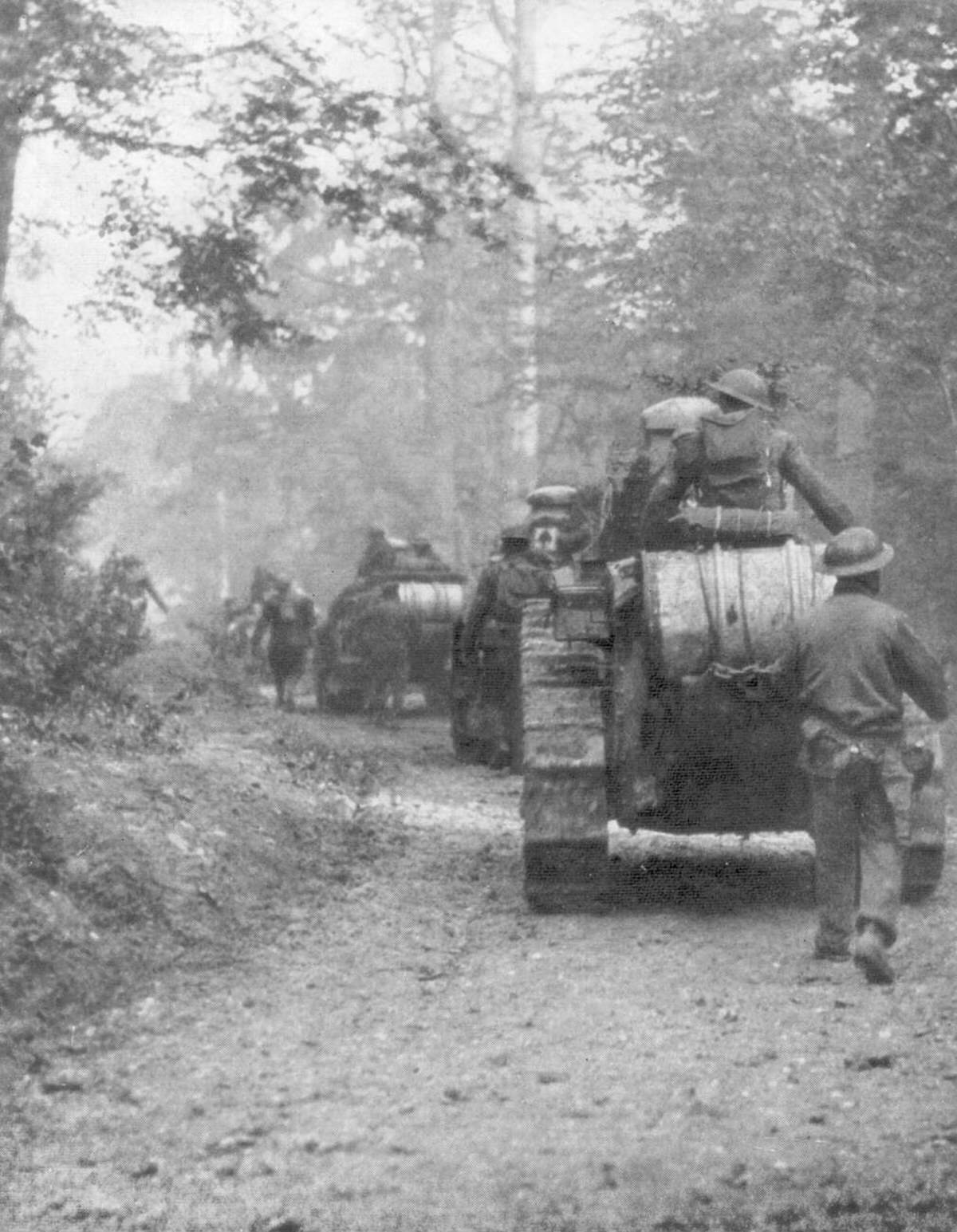
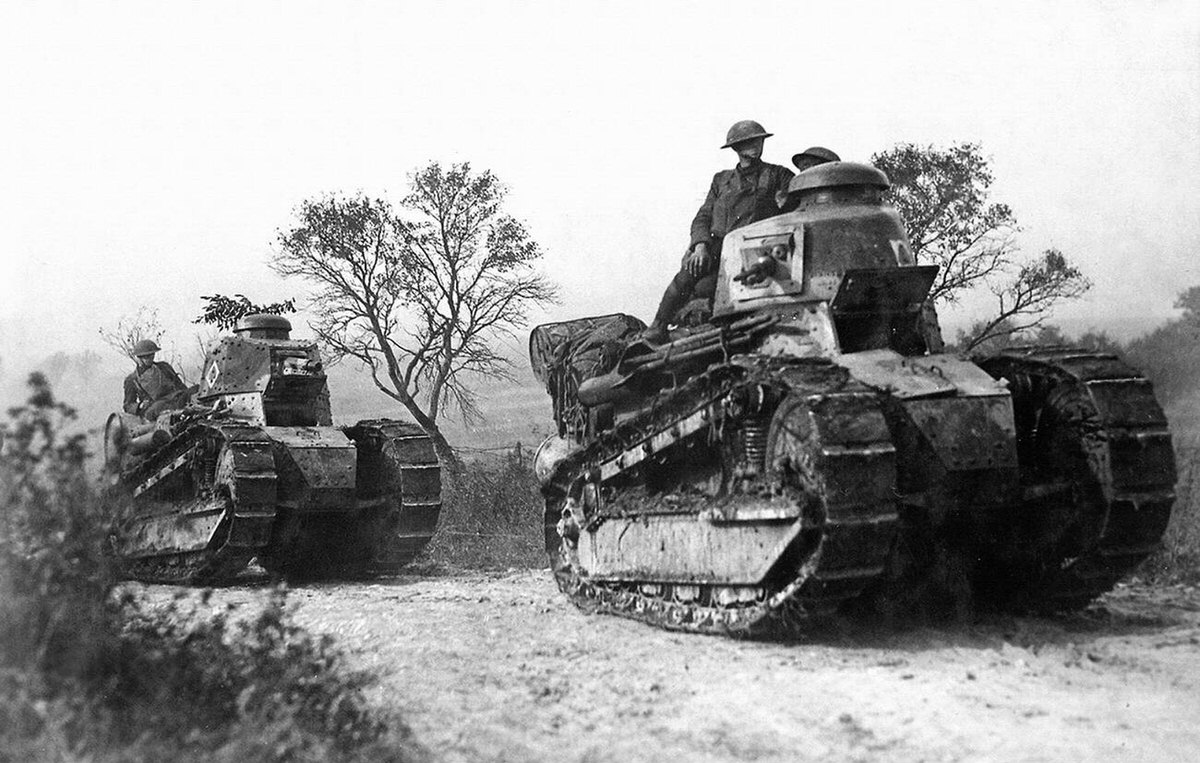
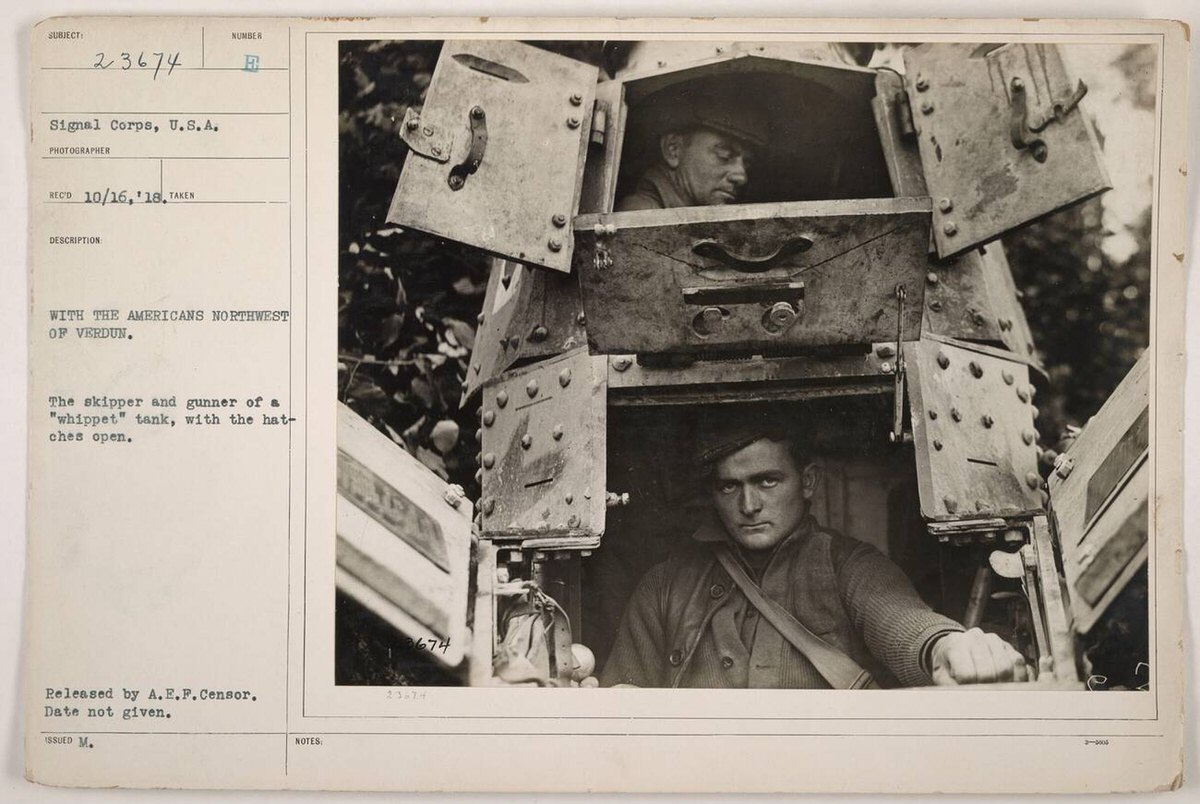
Tanks were another defining feature of the offensive. American crews operated Renault FT light tanks and British-built Whippets in coordinated attacks that pushed through German lines. These machines were loud, slow, and prone to breaking down, but they represented a new era in ground warfare—one that American forces were quickly learning to exploit.
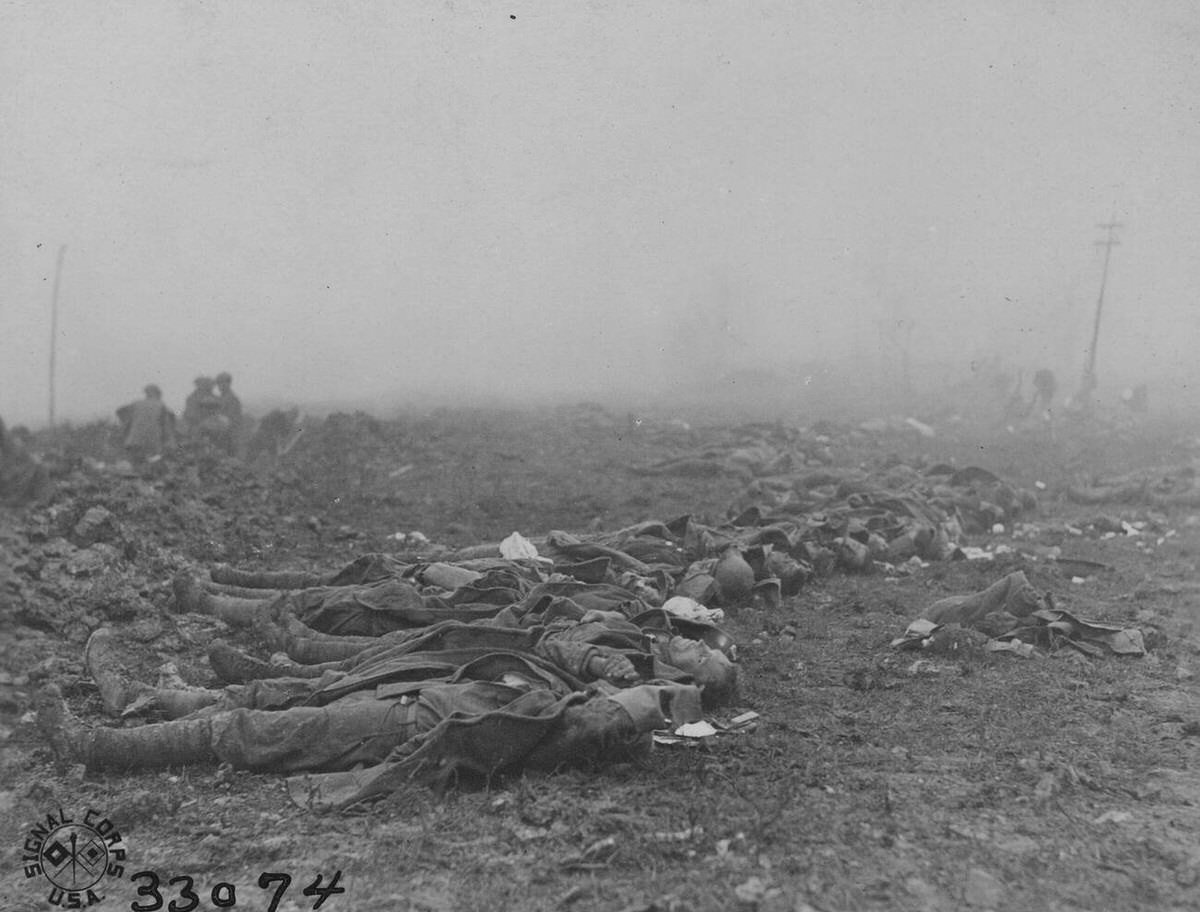
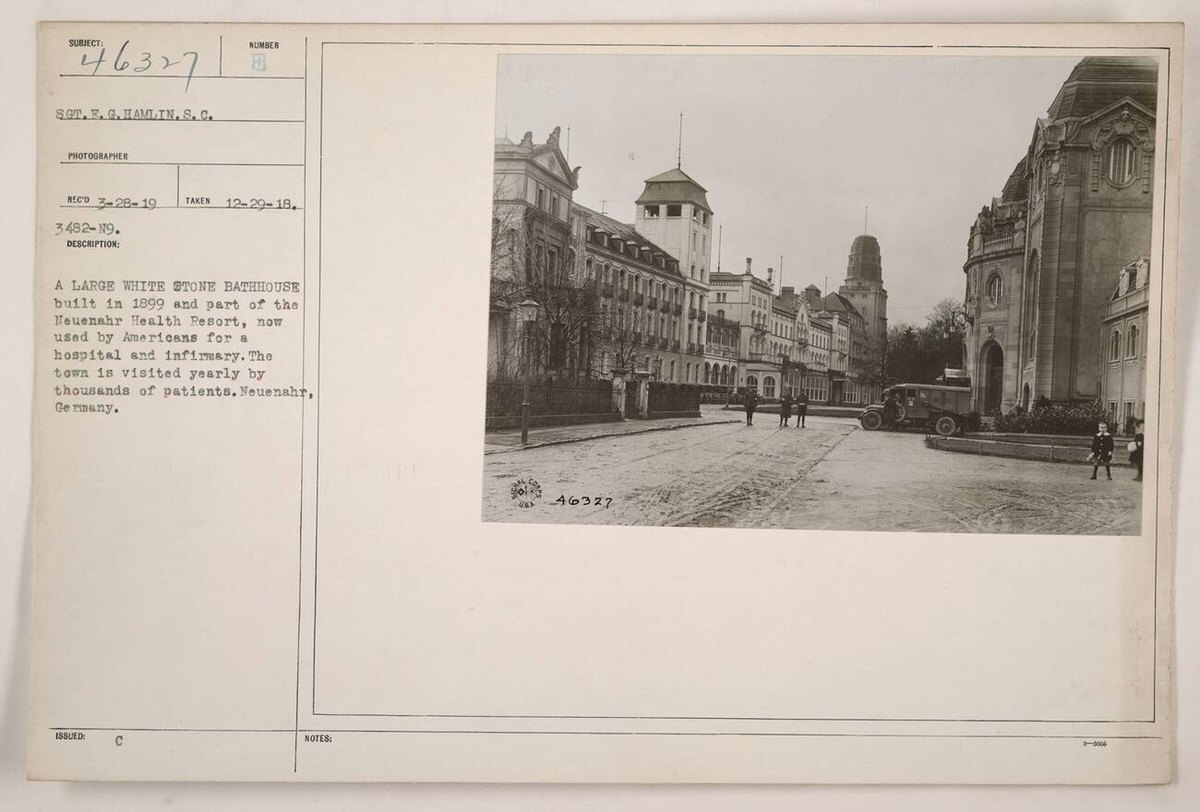
The human cost of the Meuse-Argonne campaign was staggering. American soldiers advanced through forests shattered by weeks of artillery bombardment. The dead were left where they fell until it was safe to retrieve them. The 79th Division alone suffered catastrophic losses near Étraye. Field hospitals were set up in anything that offered shelter—bombed-out churches, stone bathhouses, converted boxcars.
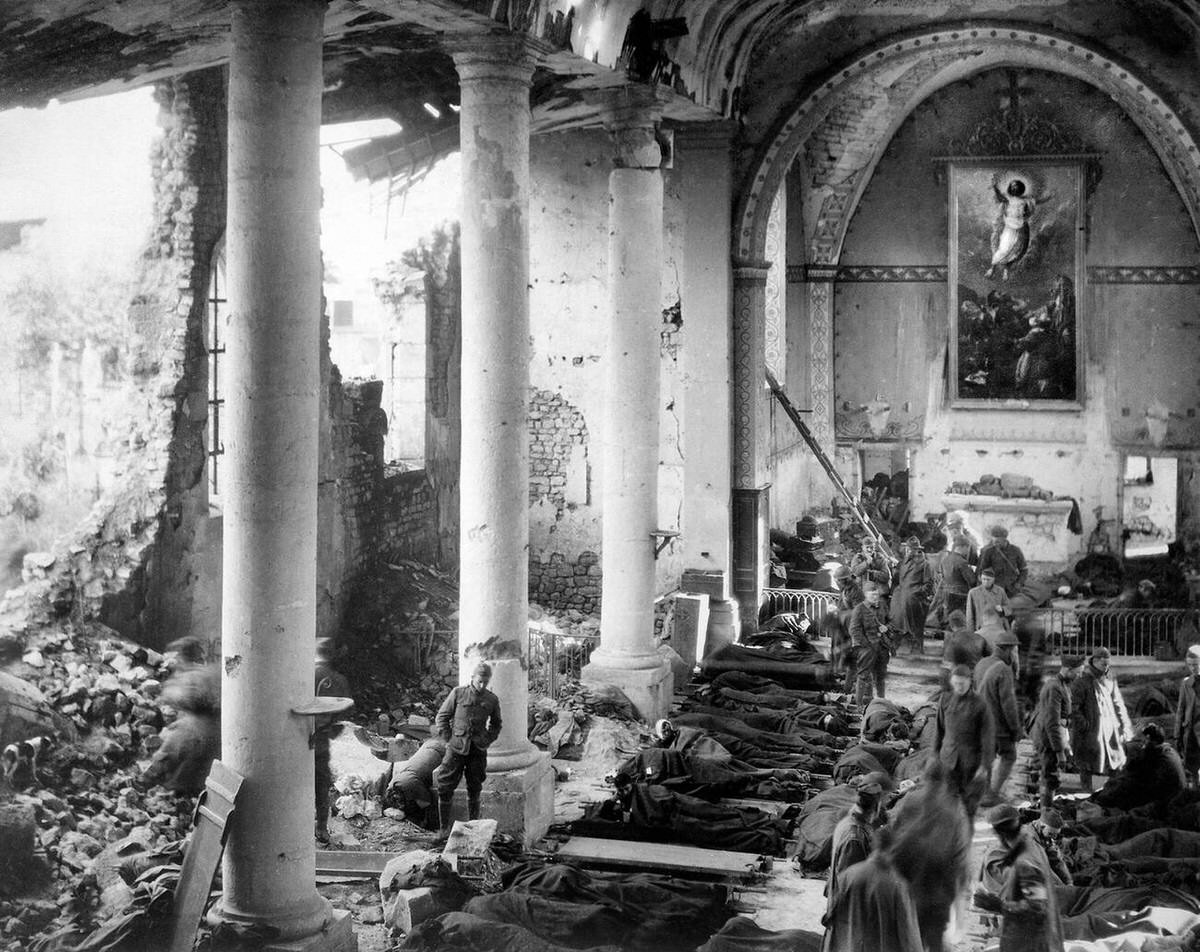
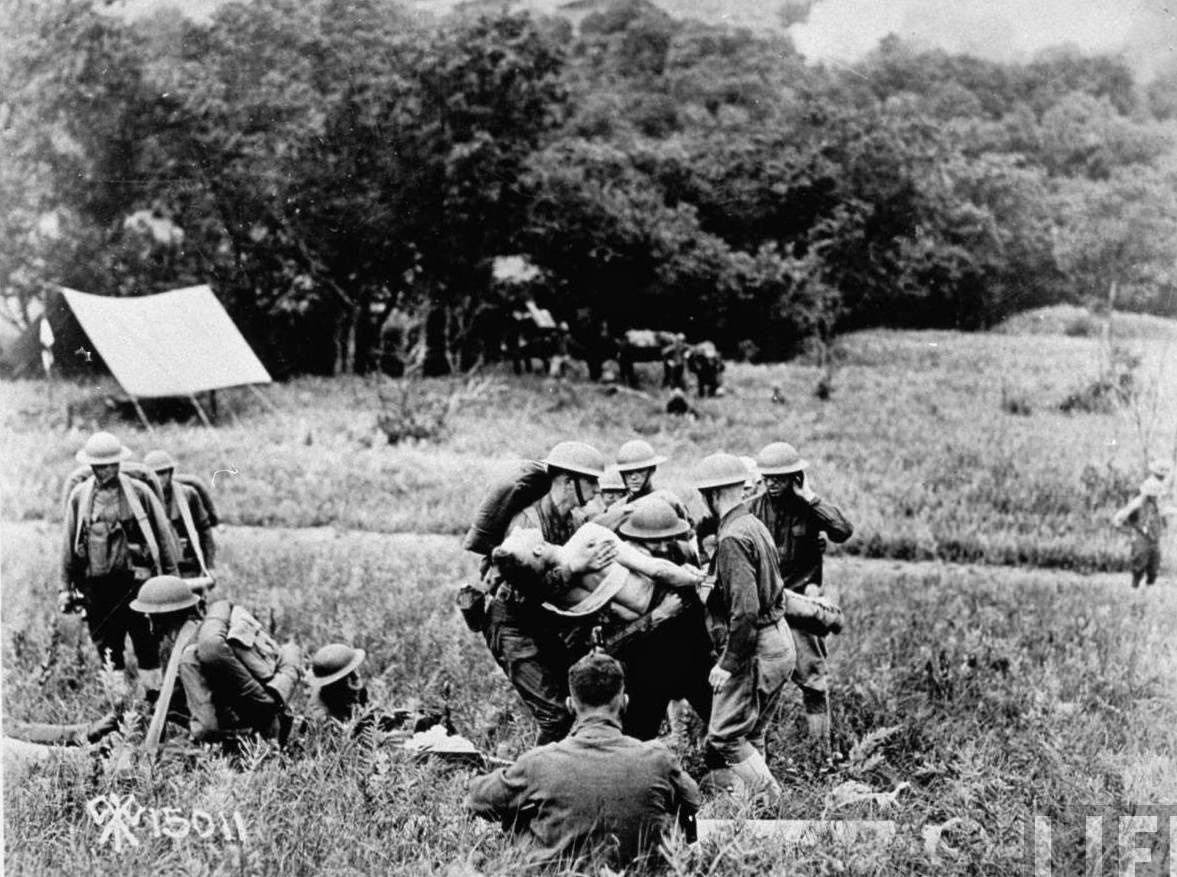
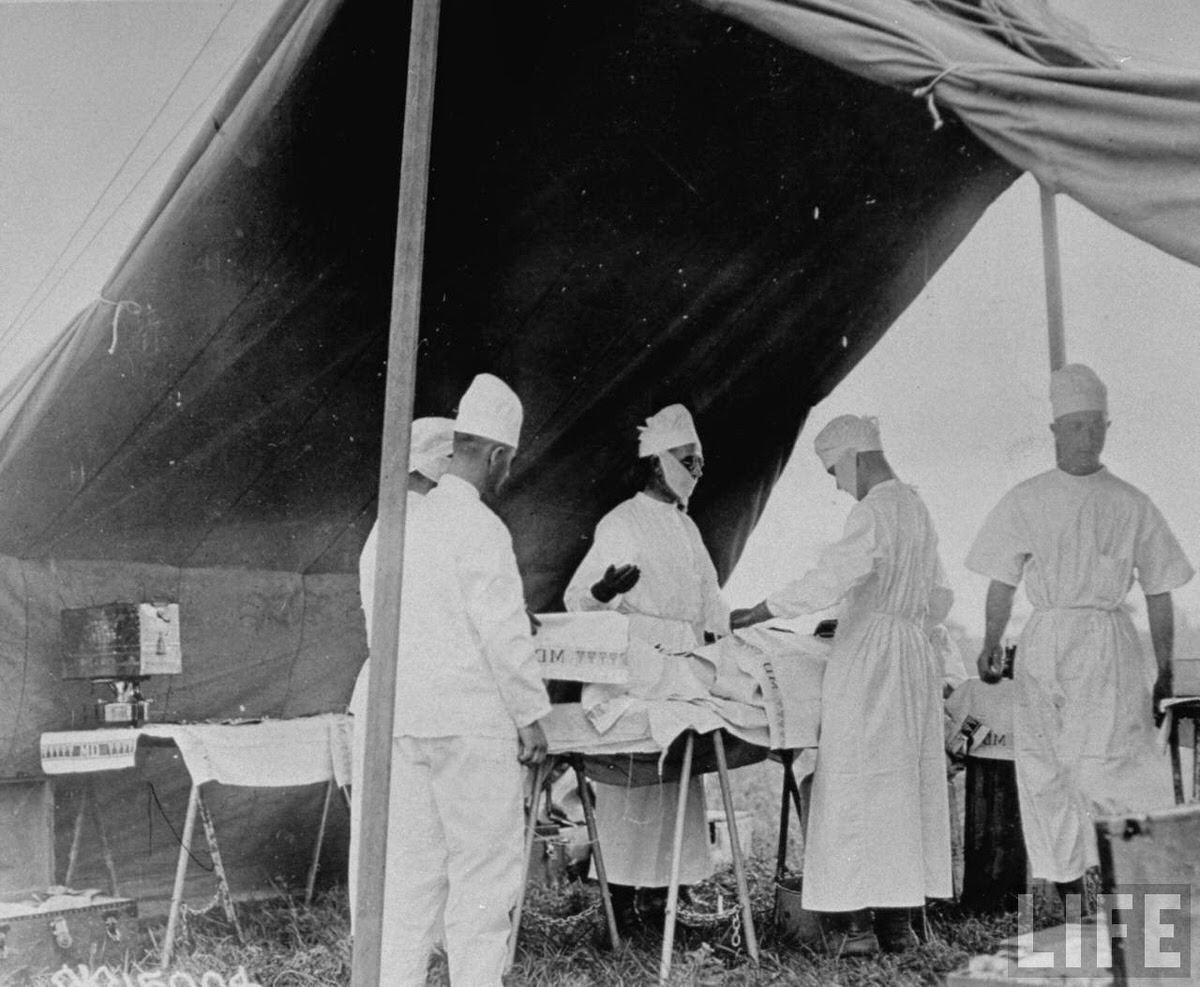
Medical teams worked under fire to treat the wounded. Surgeons operated in field hospitals just miles from the front. Medics carried injured soldiers on litters across open ground while shells fell nearby. Military medicine advanced rapidly out of sheer necessity—the volume of casualties demanded faster, more organized systems of care than had ever existed before.
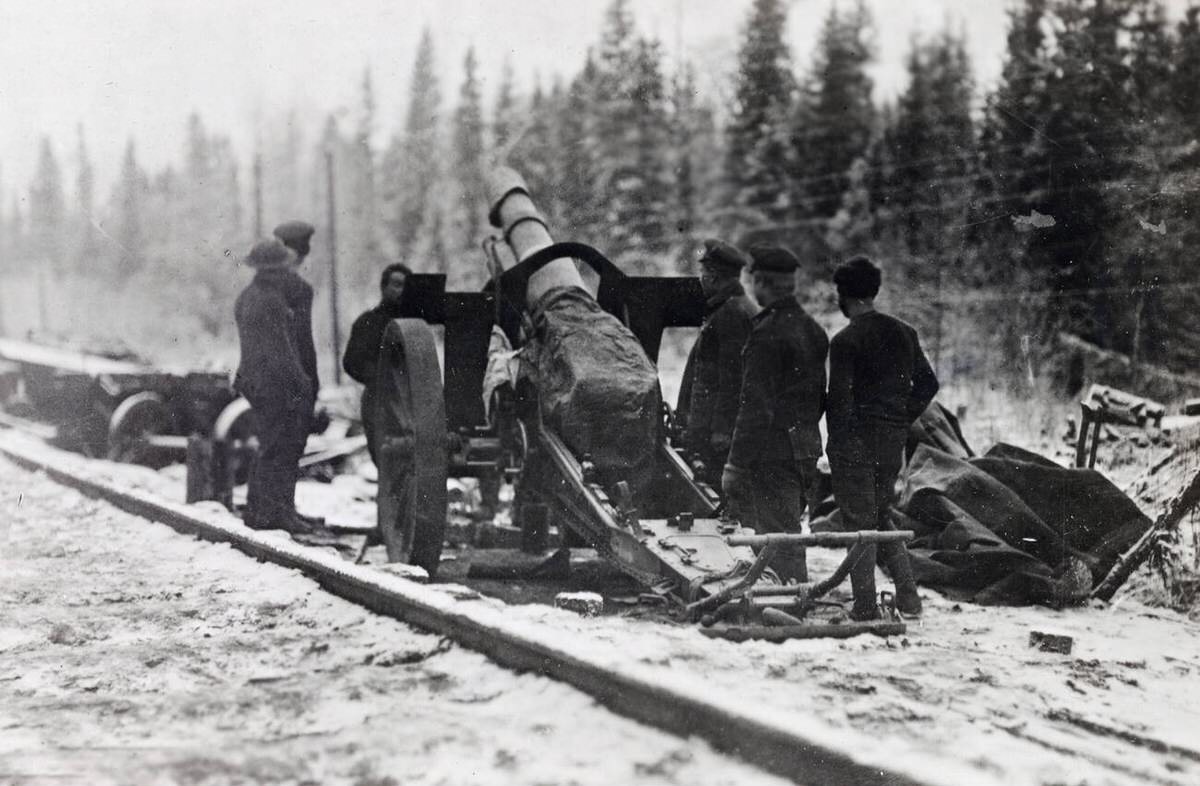
Not all American soldiers fought on the Western Front. Troops also served in Italy, where they took part in the Battle of Vittorio Veneto against Austro-Hungarian forces. Others were deployed to North Russia as part of the Allied intervention, manning railway guns and holding frozen river positions in conditions entirely different from the muddy trenches of France.
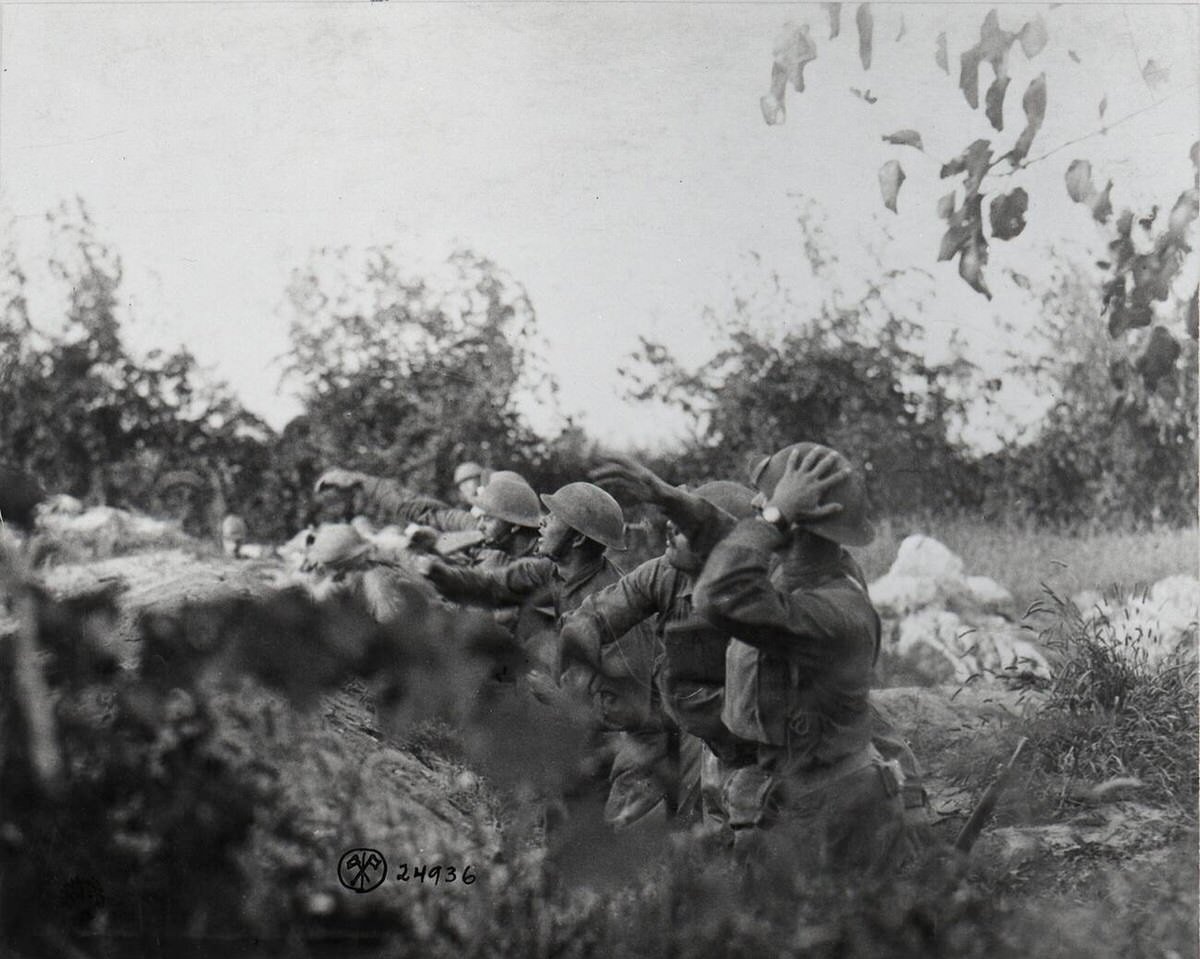
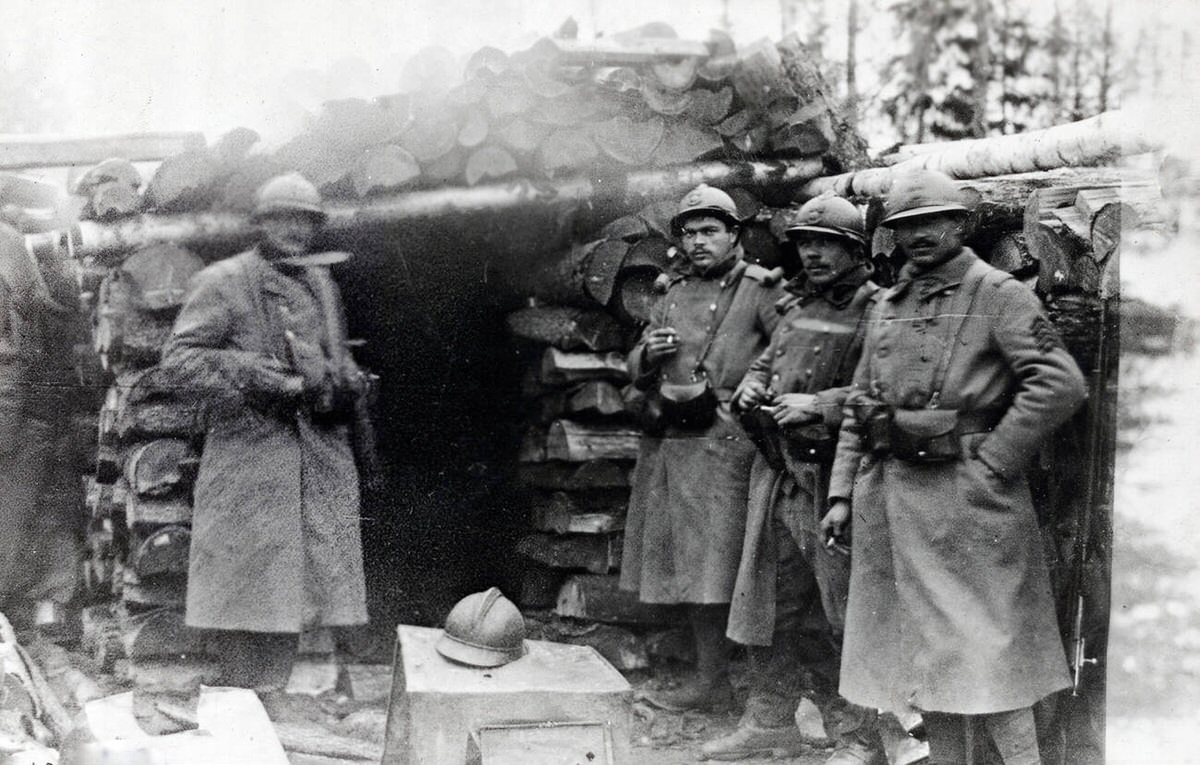
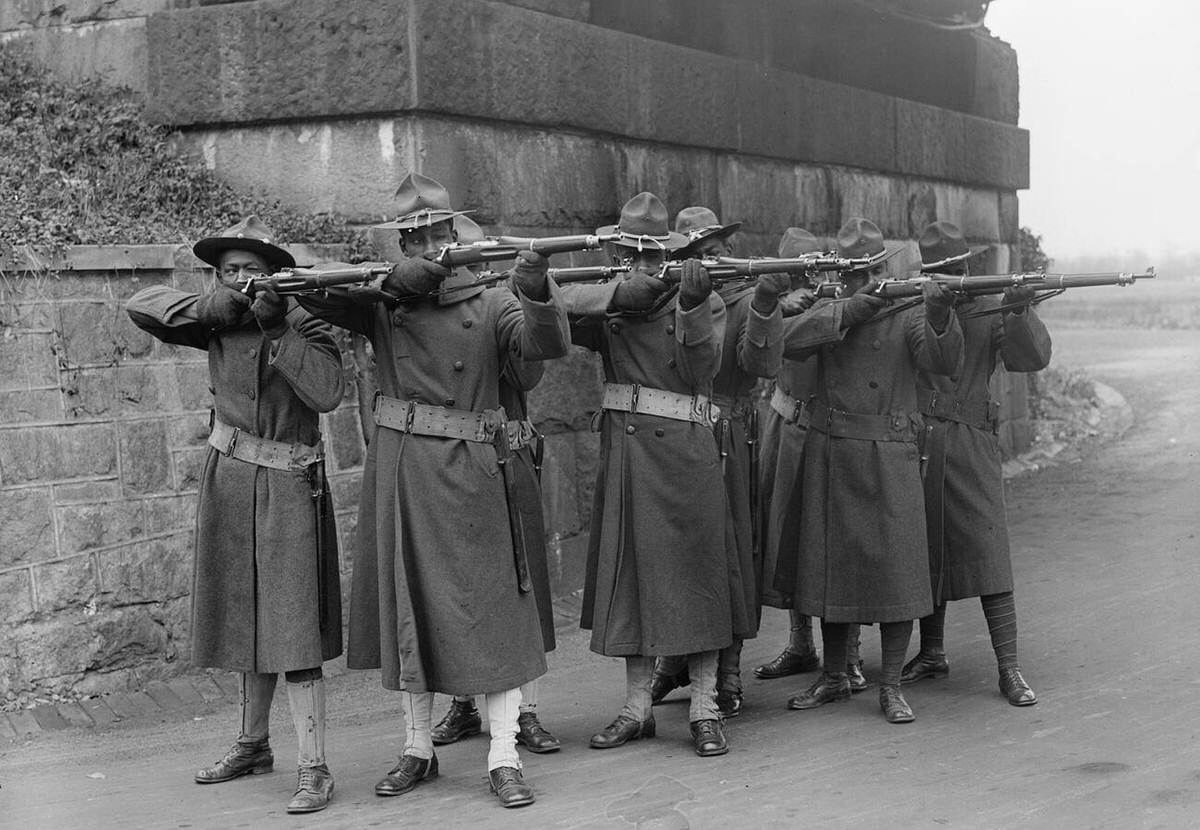
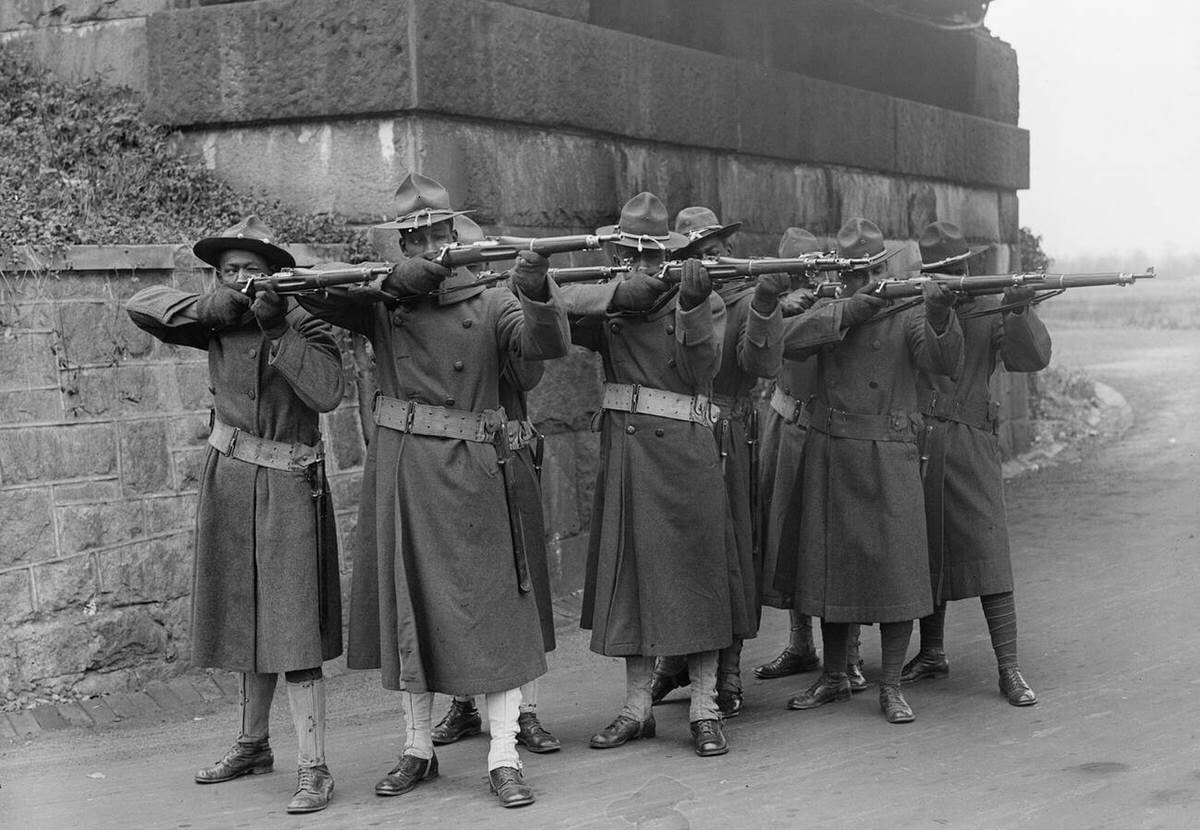
Among the most overlooked stories of American participation in WWI is that of African American soldiers. Units like the 369th Infantry Regiment—the “Harlem Hellfighters”—were denied the right to fight alongside white American troops due to military segregation. Instead, they were attached to French Army units, where they fought with such distinction that the French government awarded them the Croix de Guerre. The 369th spent 191 days in the trenches, longer than any other American unit.
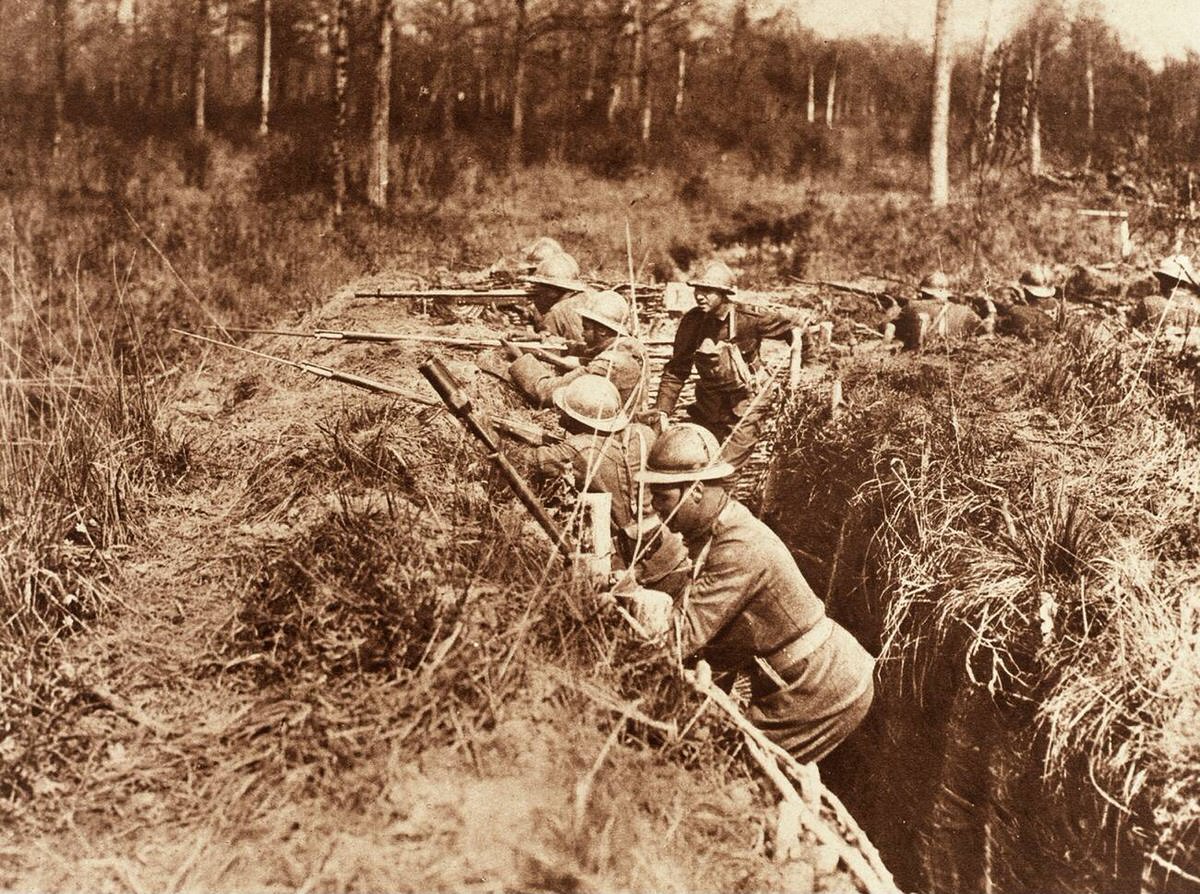
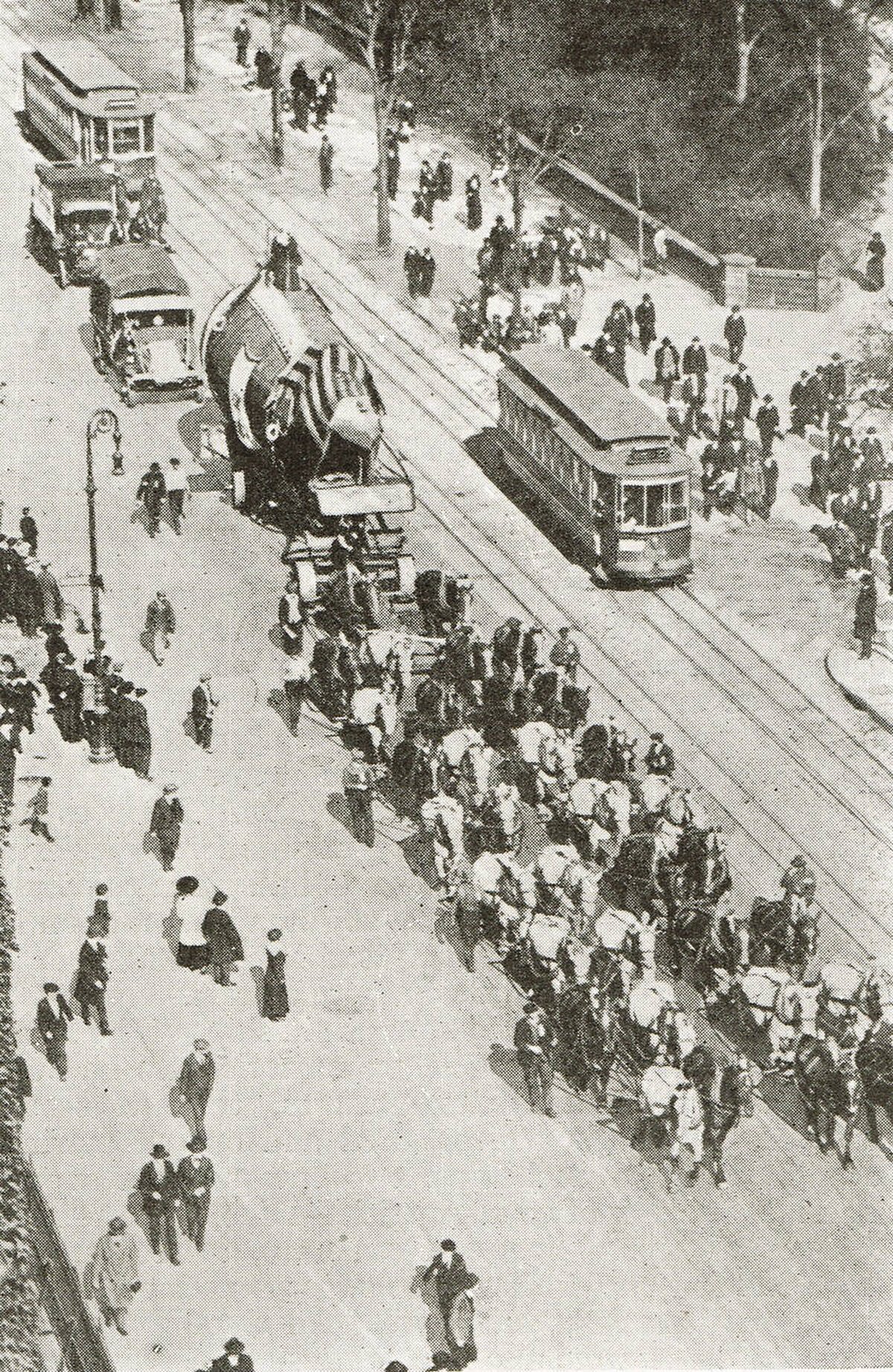
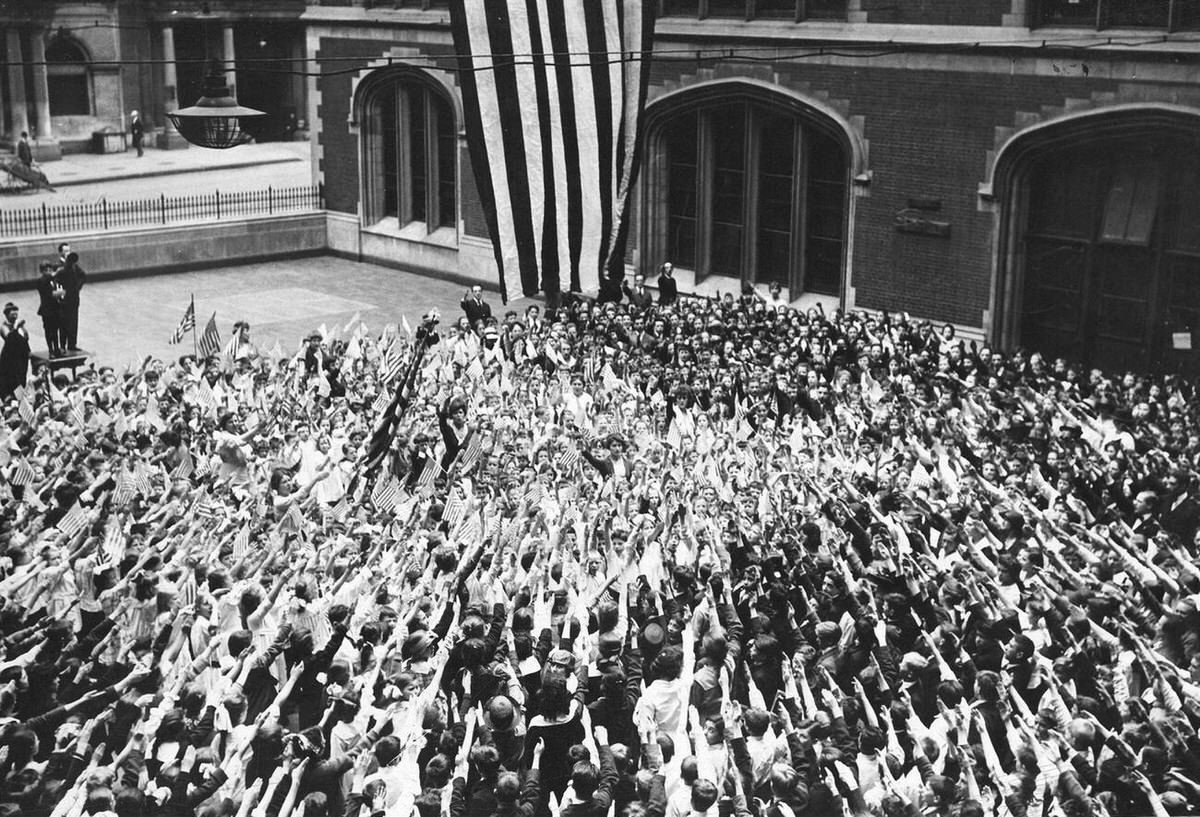
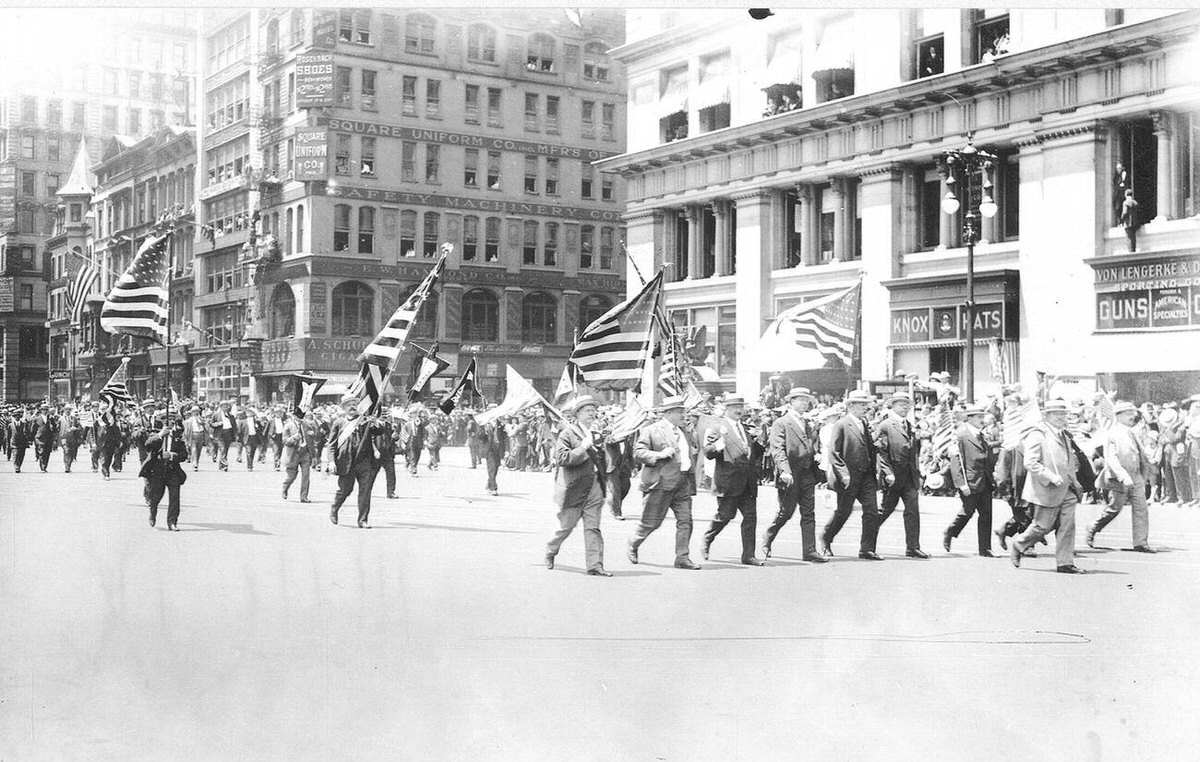
Back in the United States, the war reshaped civilian life. School children pledged allegiance at Flag Day ceremonies. City parades drew immigrants eager to demonstrate loyalty to their adopted country, including Americans of German birth who marched down Fifth Avenue on Independence Day. Liberty Bond drives used captured German submarines displayed in New York Harbor to stir public support for the war effort.
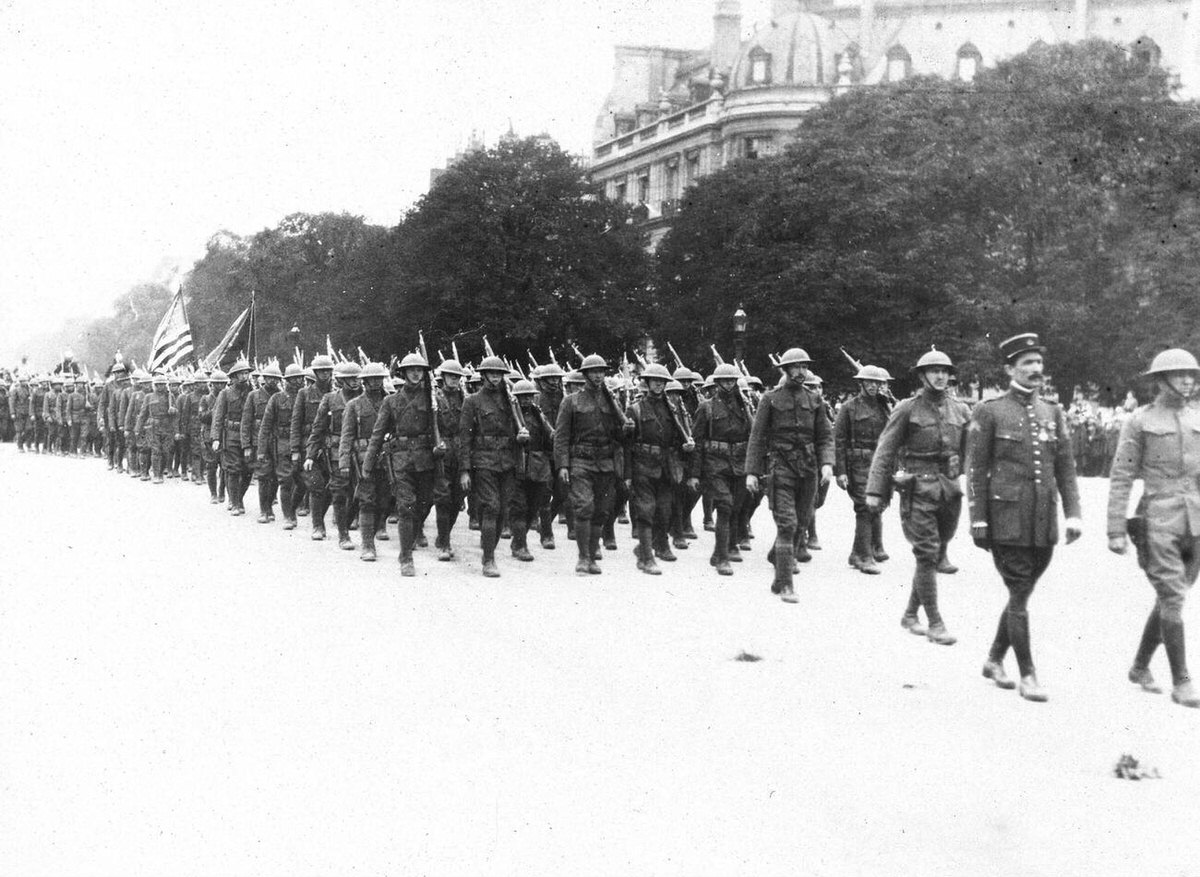
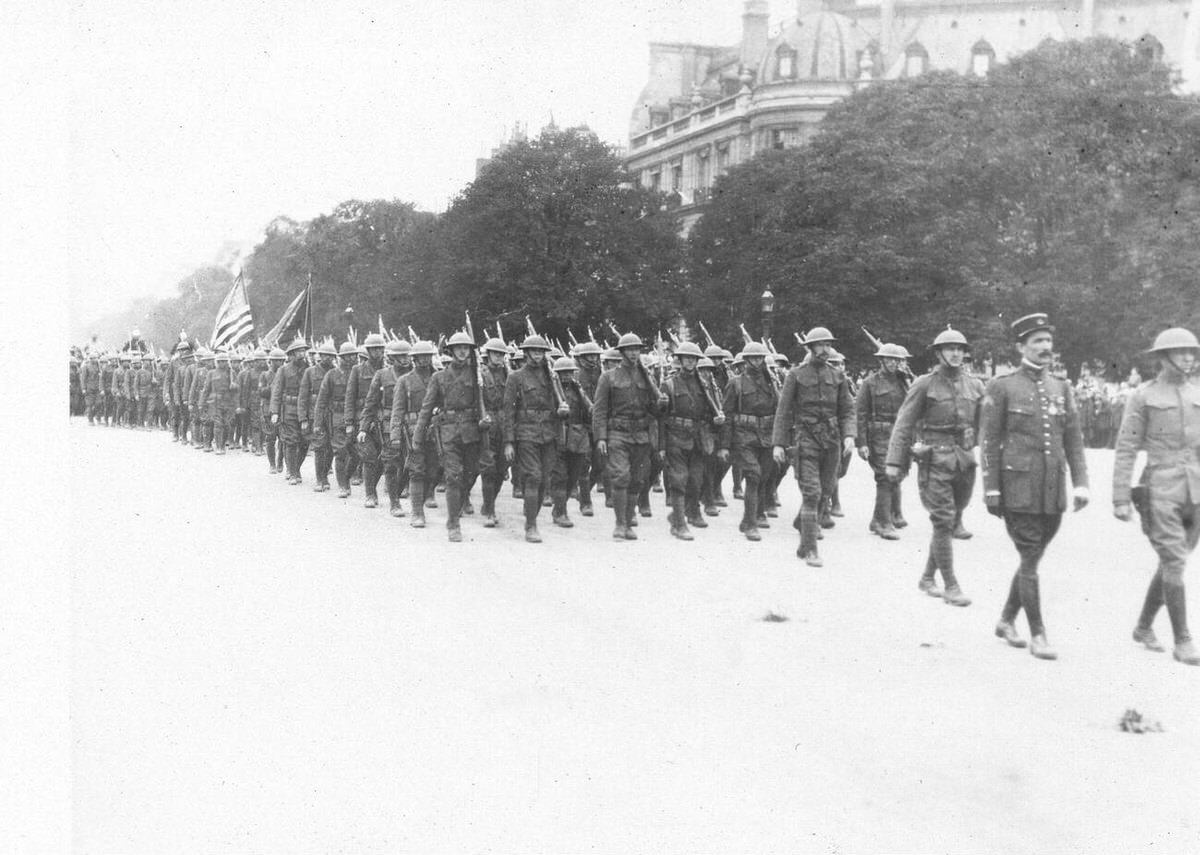
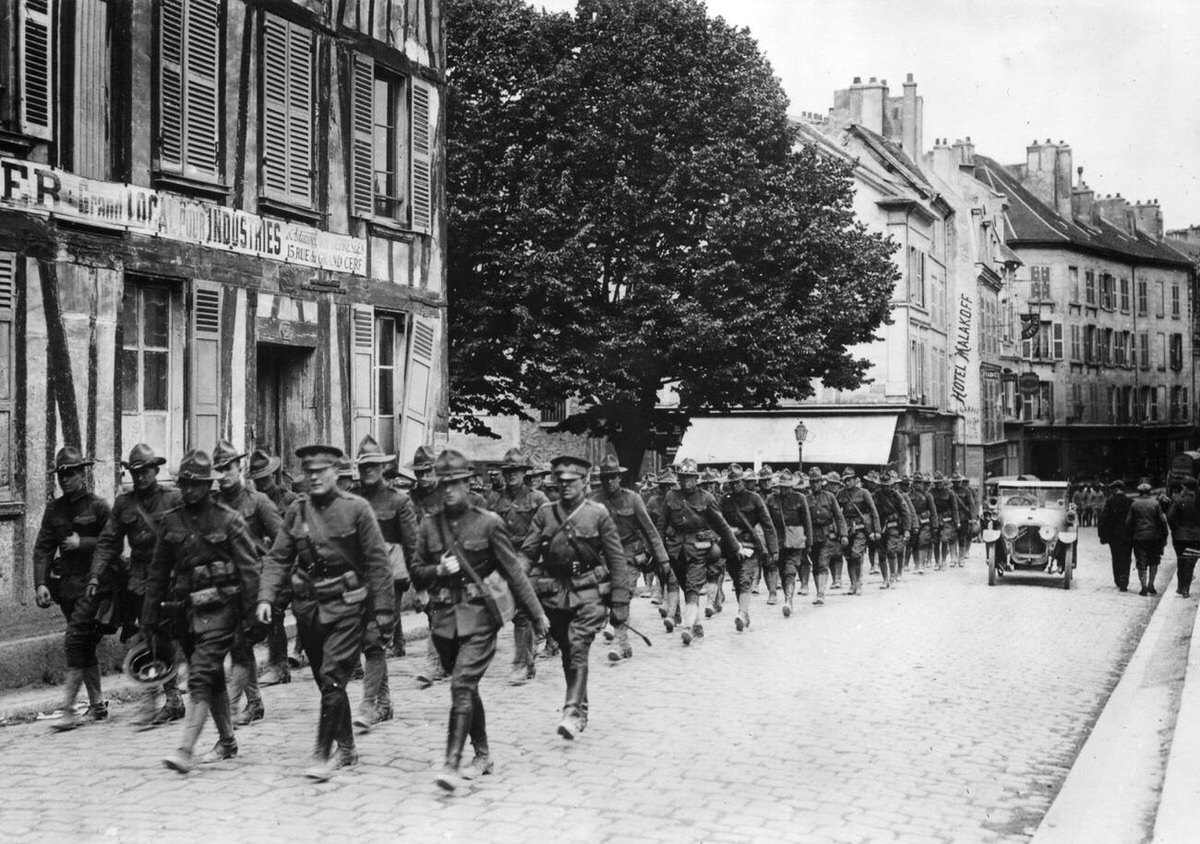
In Paris, American troops marched down the Champs-Élysées on the Fourth of July 1918, celebrating their national holiday while fighting a war on foreign soil. The image of the Doughboy—in his wide-brimmed Montana hat or M1917 steel helmet—had become a symbol recognized across the world. Government propaganda and popular songs like “Over There” cast him as a crusader for democracy.
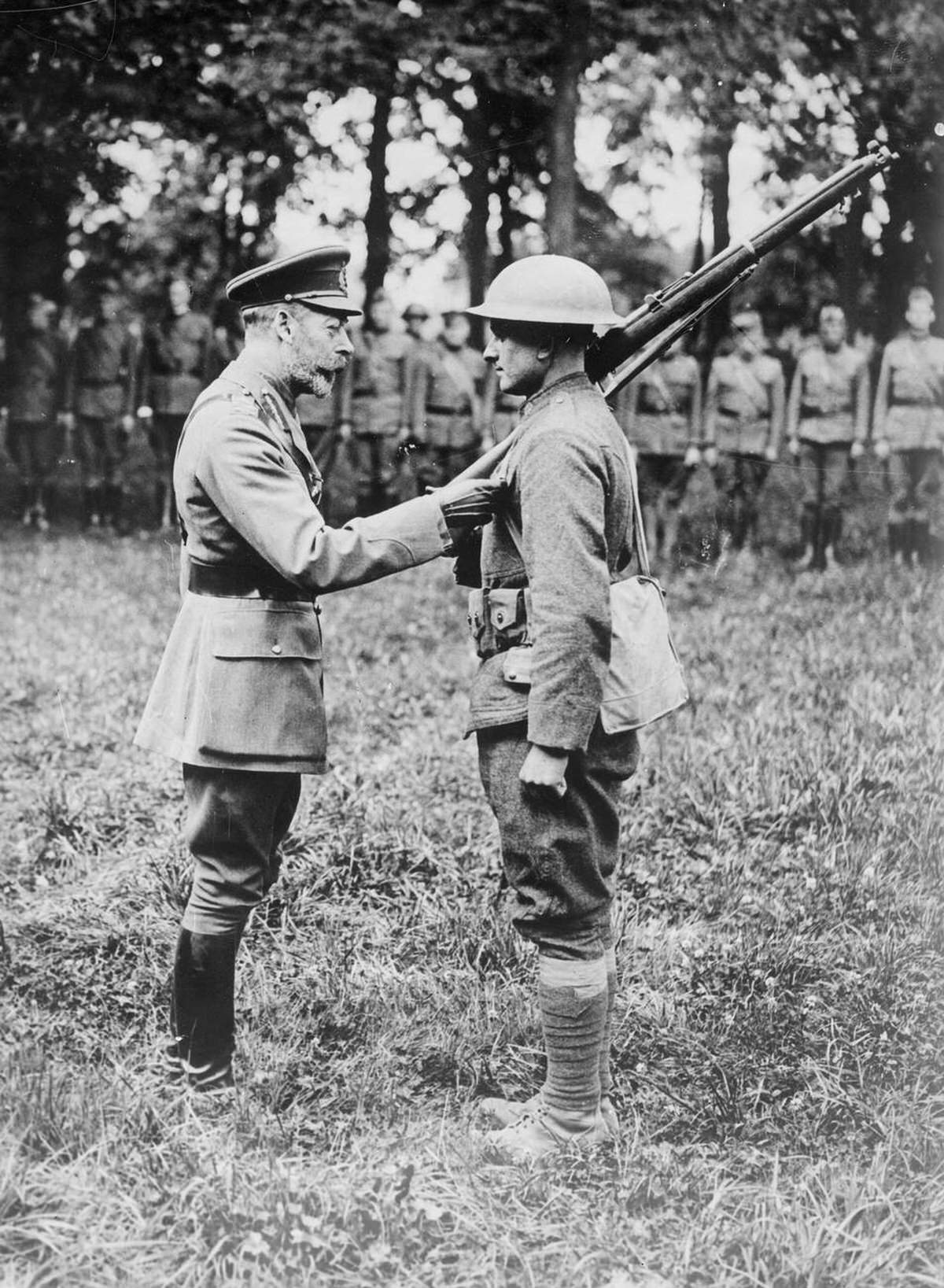
Allied royalty took notice of the American contribution. King George V personally decorated American soldiers in France, a gesture that underscored just how critical the AEF’s involvement had become to the Allied cause. The Americans had arrived late, but they arrived in force—and their presence was felt at every level of the war effort, from the trenches to the skies above them.
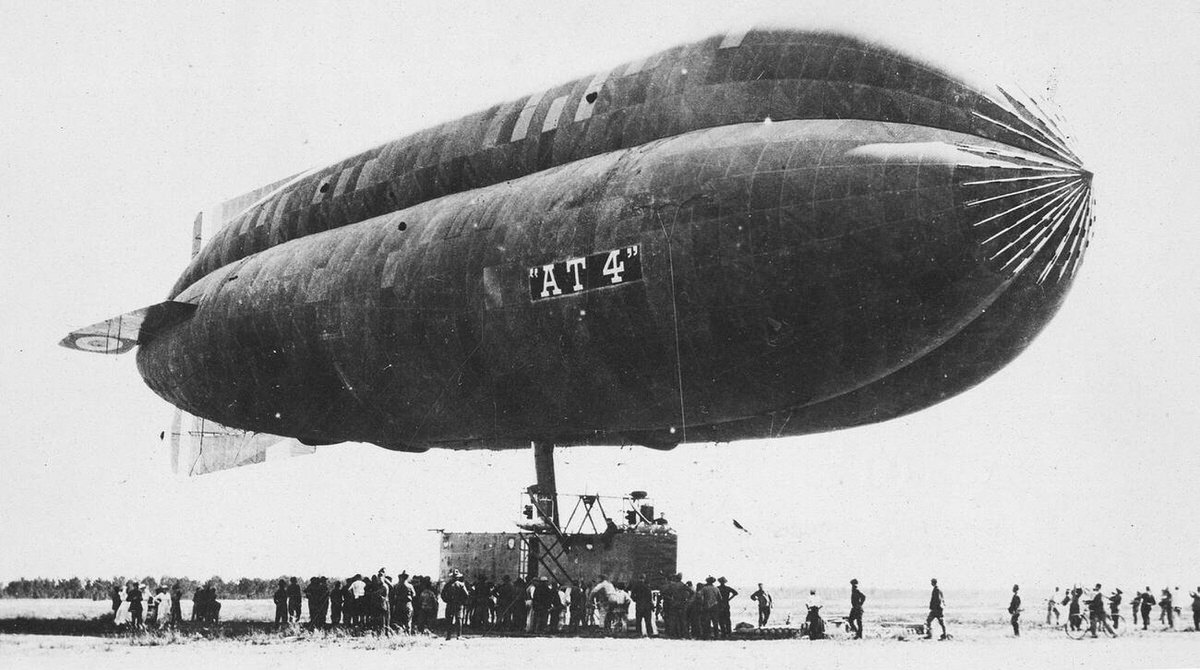
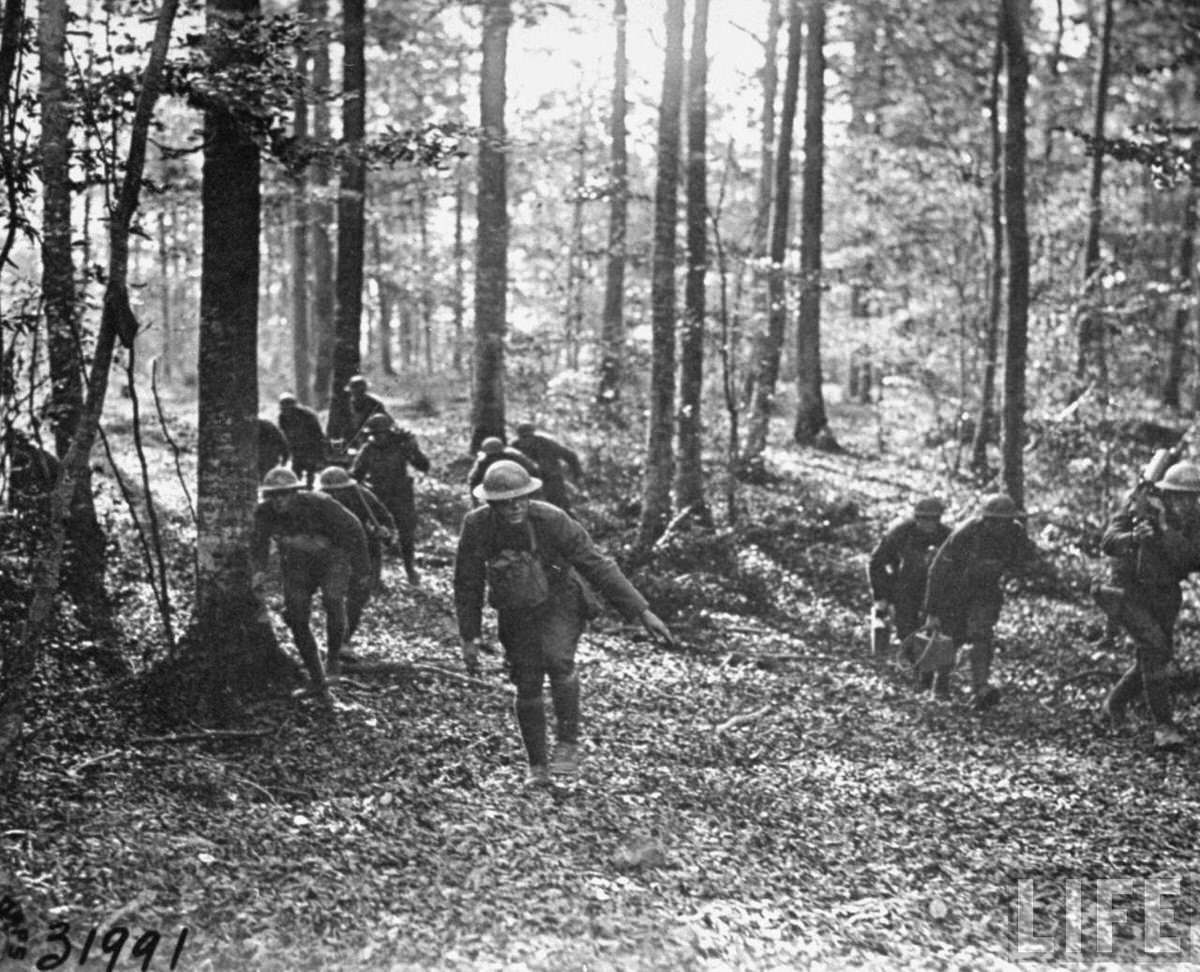
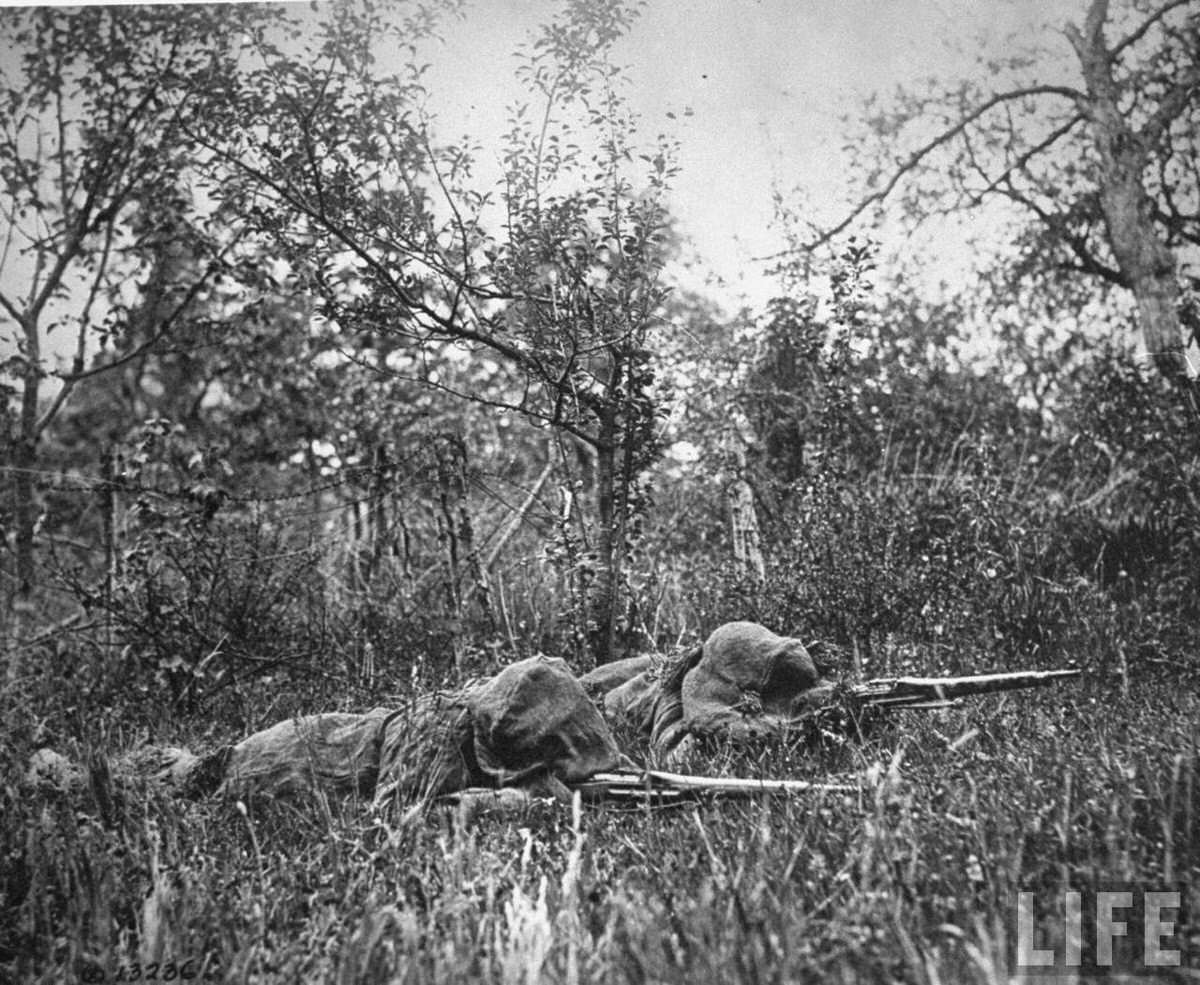
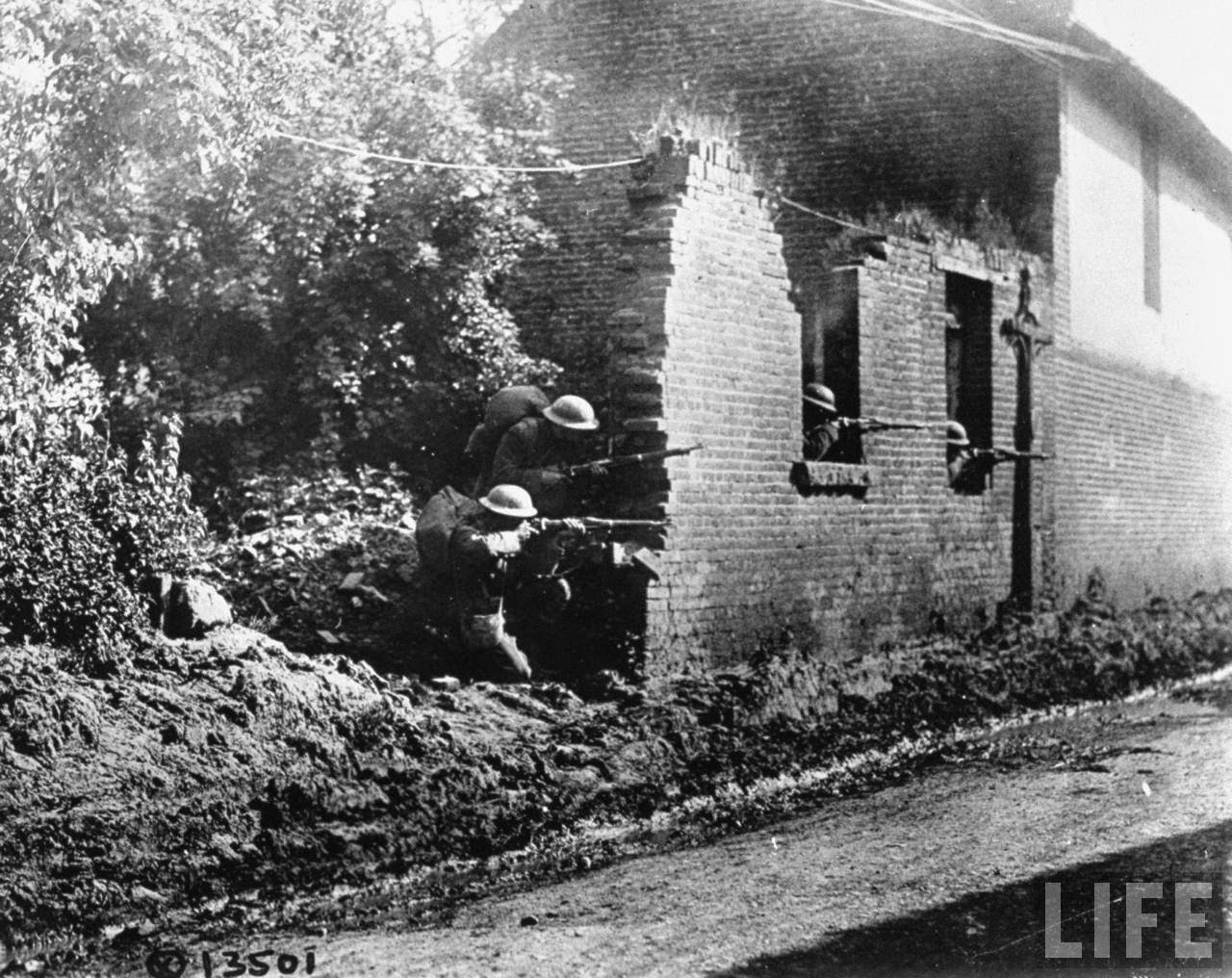
Machine gun platoons moved through forests and along narrow roads toward the front, often under direct observation from German artillery spotters. Snipers, camouflaged and hidden in the terrain, picked off soldiers who moved carelessly. Every advance was costly. Every yard of ground was contested.
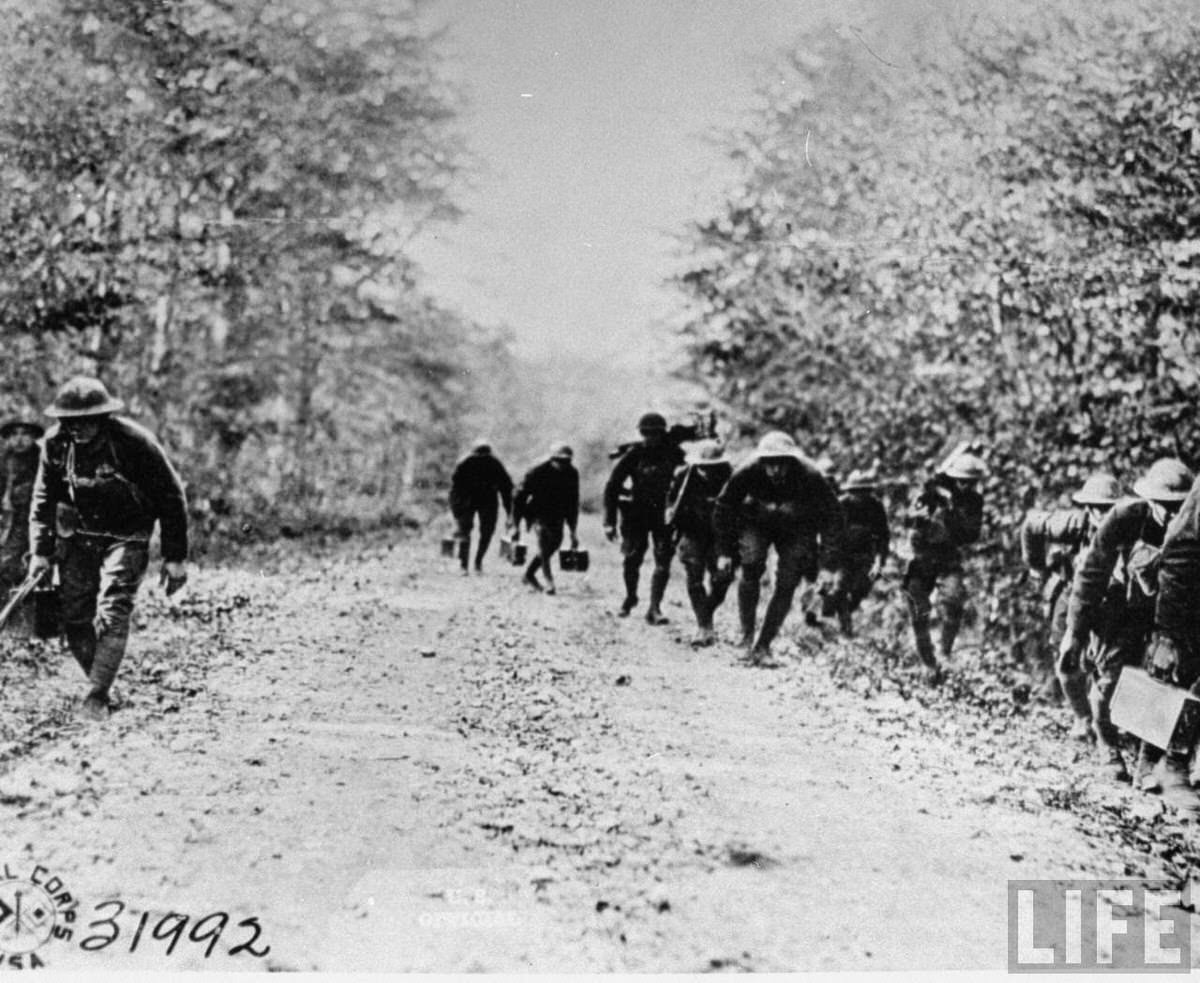
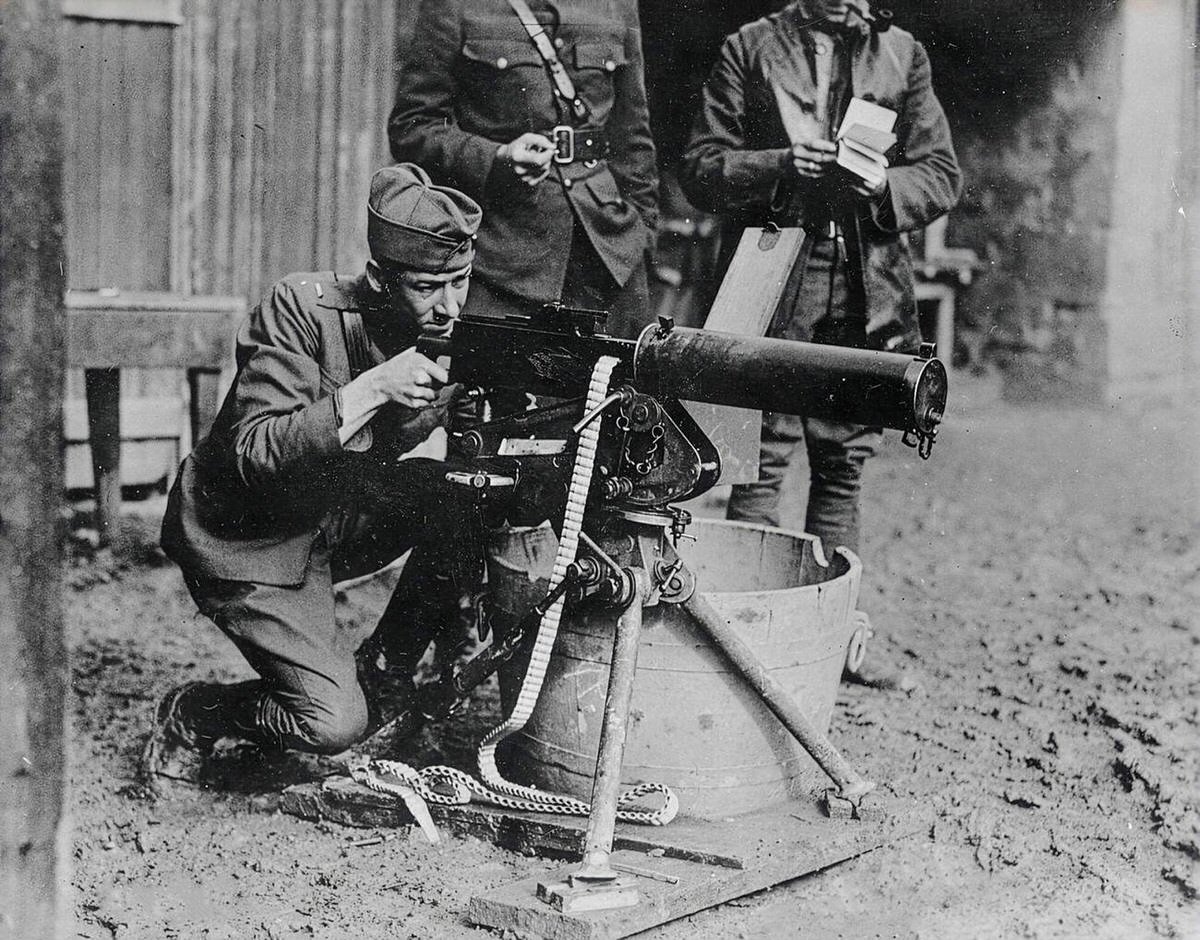
The M1917 Browning machine gun became one of the most reliable weapons in the American arsenal. Designed by John Browning, it was water-cooled, belt-fed, and capable of sustained fire that could pin down entire enemy companies. Testing and maintenance of these weapons happened constantly behind the lines, ensuring they wouldn’t jam at the moment they were needed most.
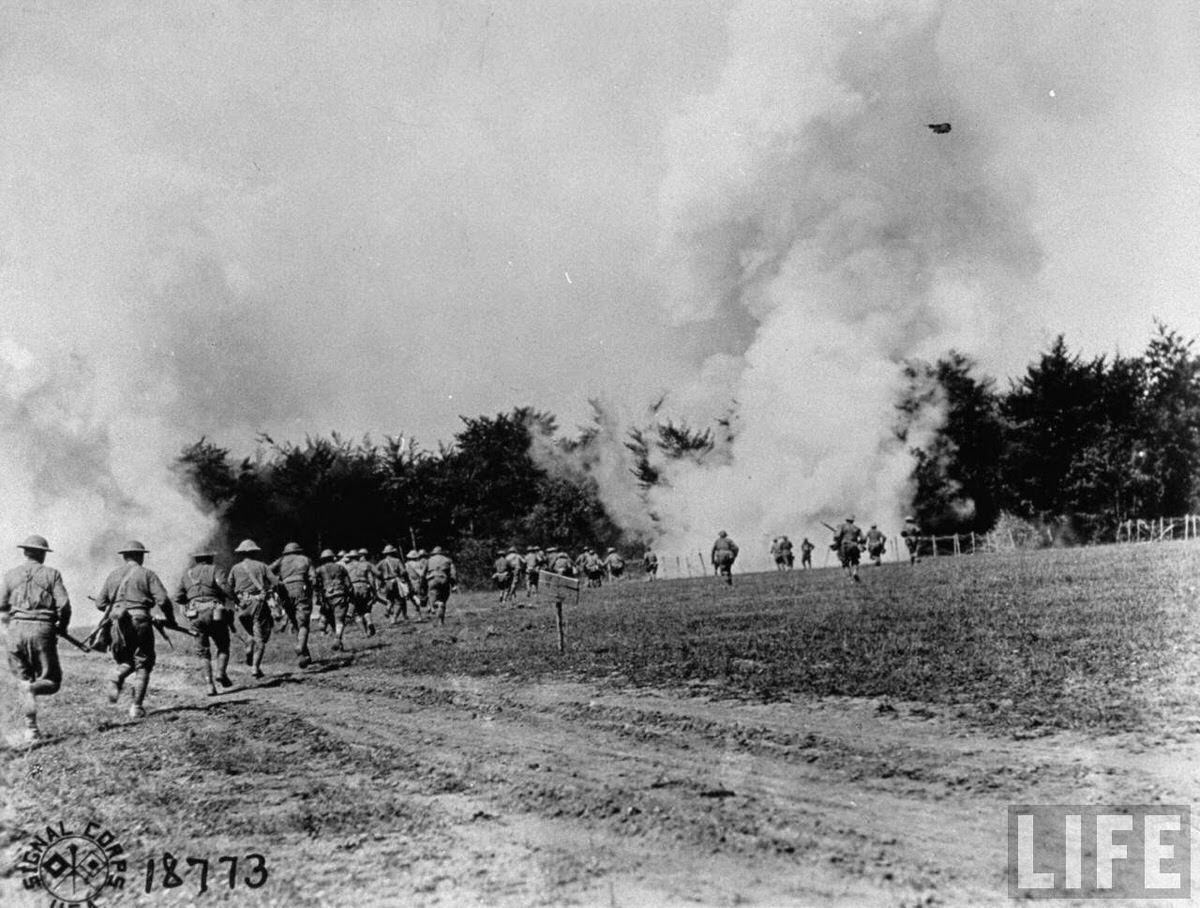
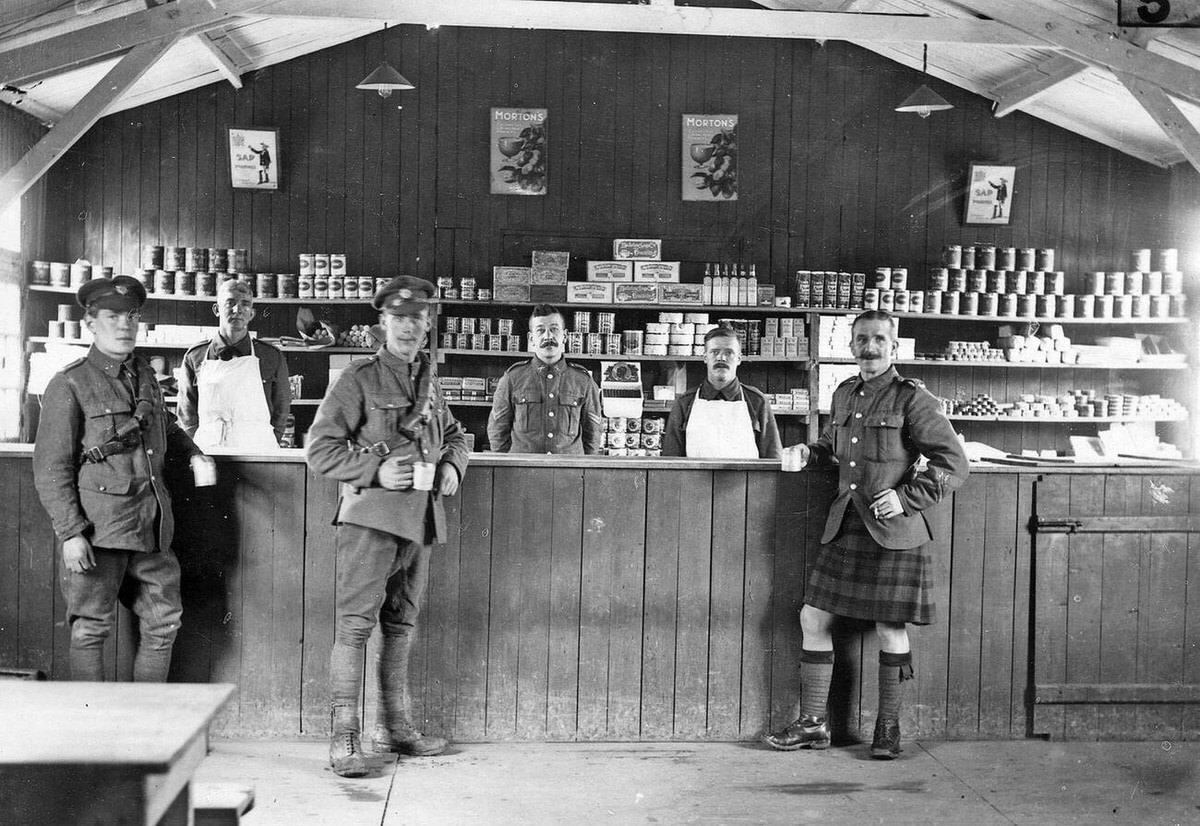
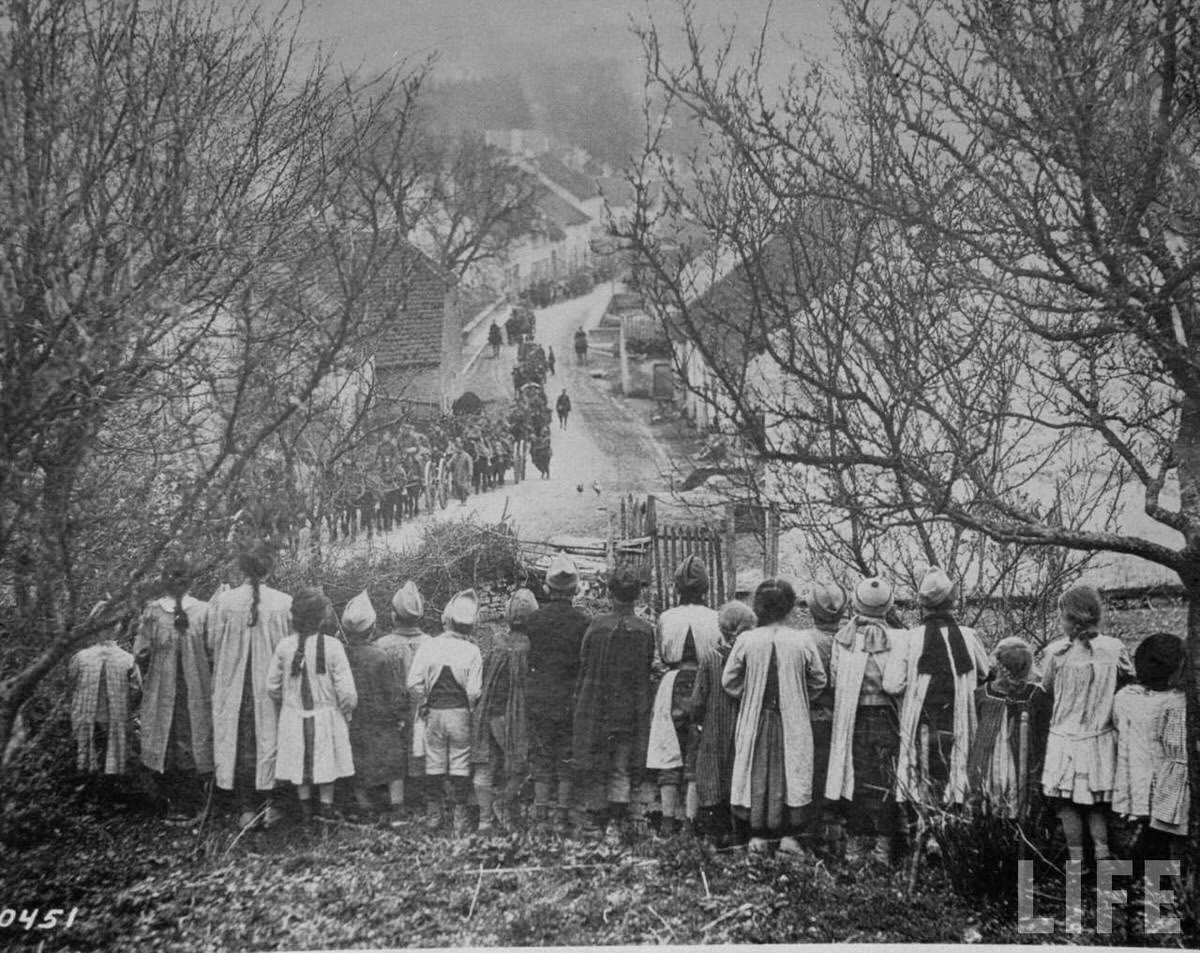
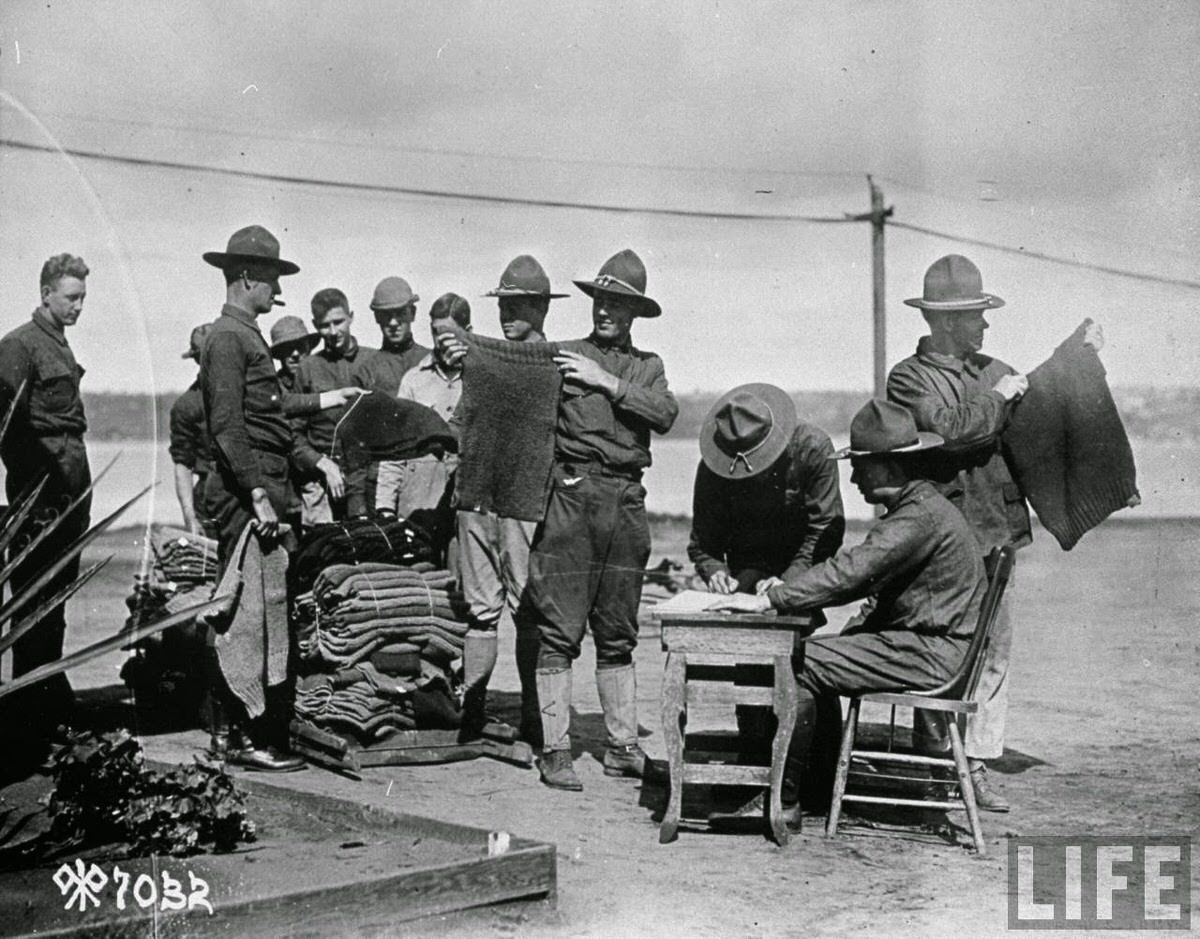
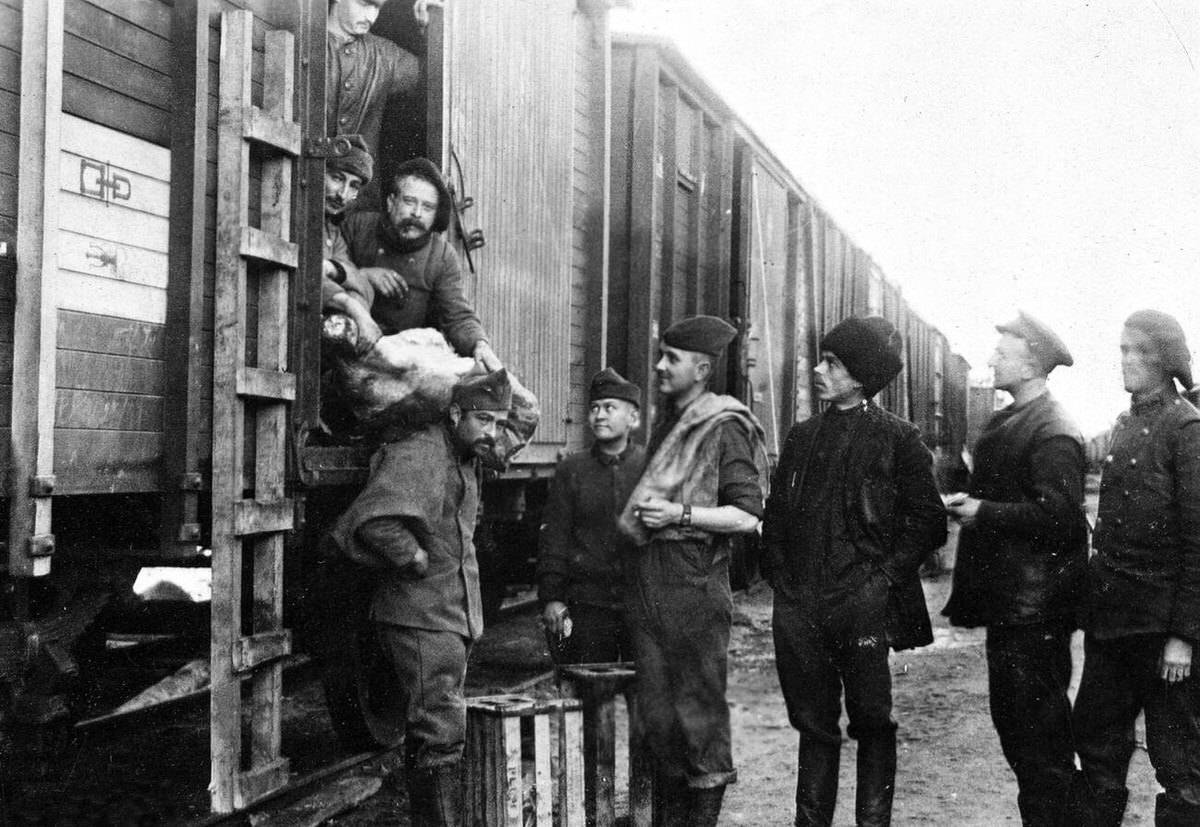
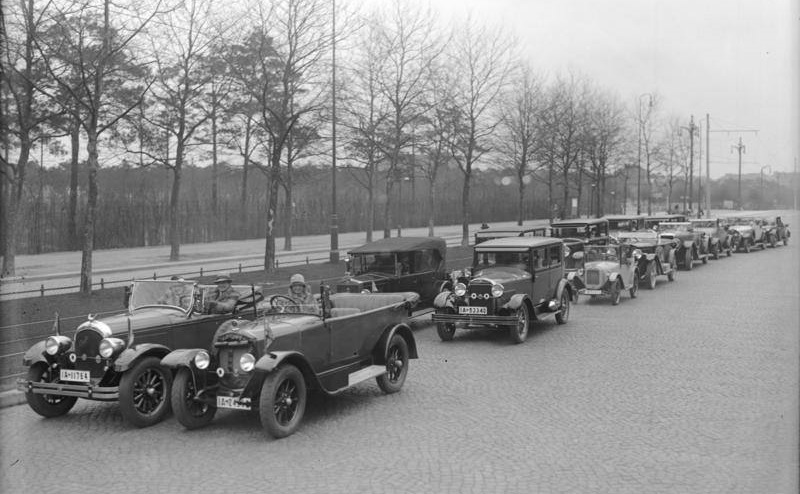
Supply lines stretched across hundreds of miles. French villages watched ammunition trains snake through their streets. Soldiers lined up for new clothing from quartermasters, received rations from trains on remote railway lines, and grabbed rest whenever a lull in the fighting allowed. The logistics of keeping over a million men fed, armed, and clothed in a foreign country was an operation unlike anything the U.S. military had ever attempted.
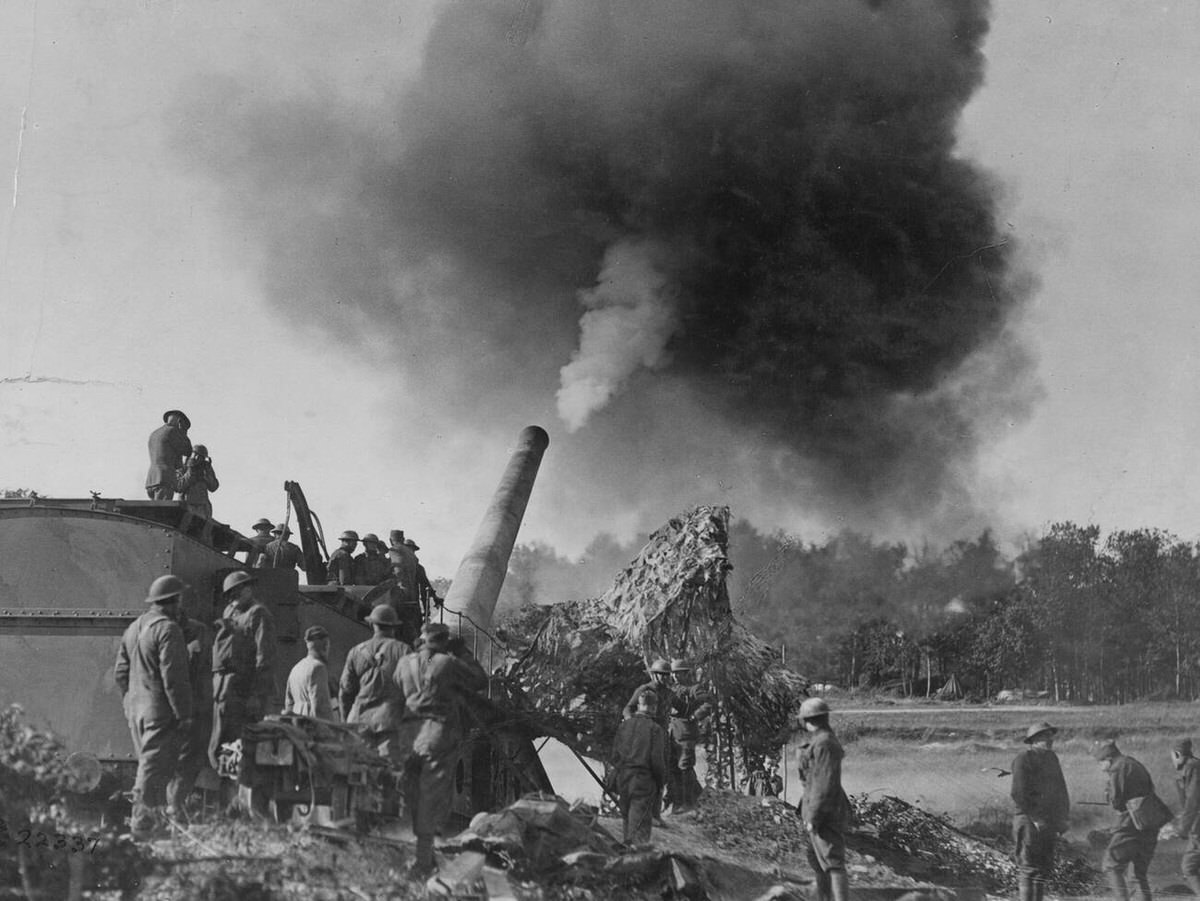
Railway guns—massive artillery pieces mounted on flatcars—gave American coast artillerymen the ability to fire shells dozens of miles into German-held territory. These weapons required entire crews to operate and were repositioned constantly to avoid counter-battery fire. In the Argonne region, they were a key part of the American arsenal that hammered German defenses ahead of infantry advances.
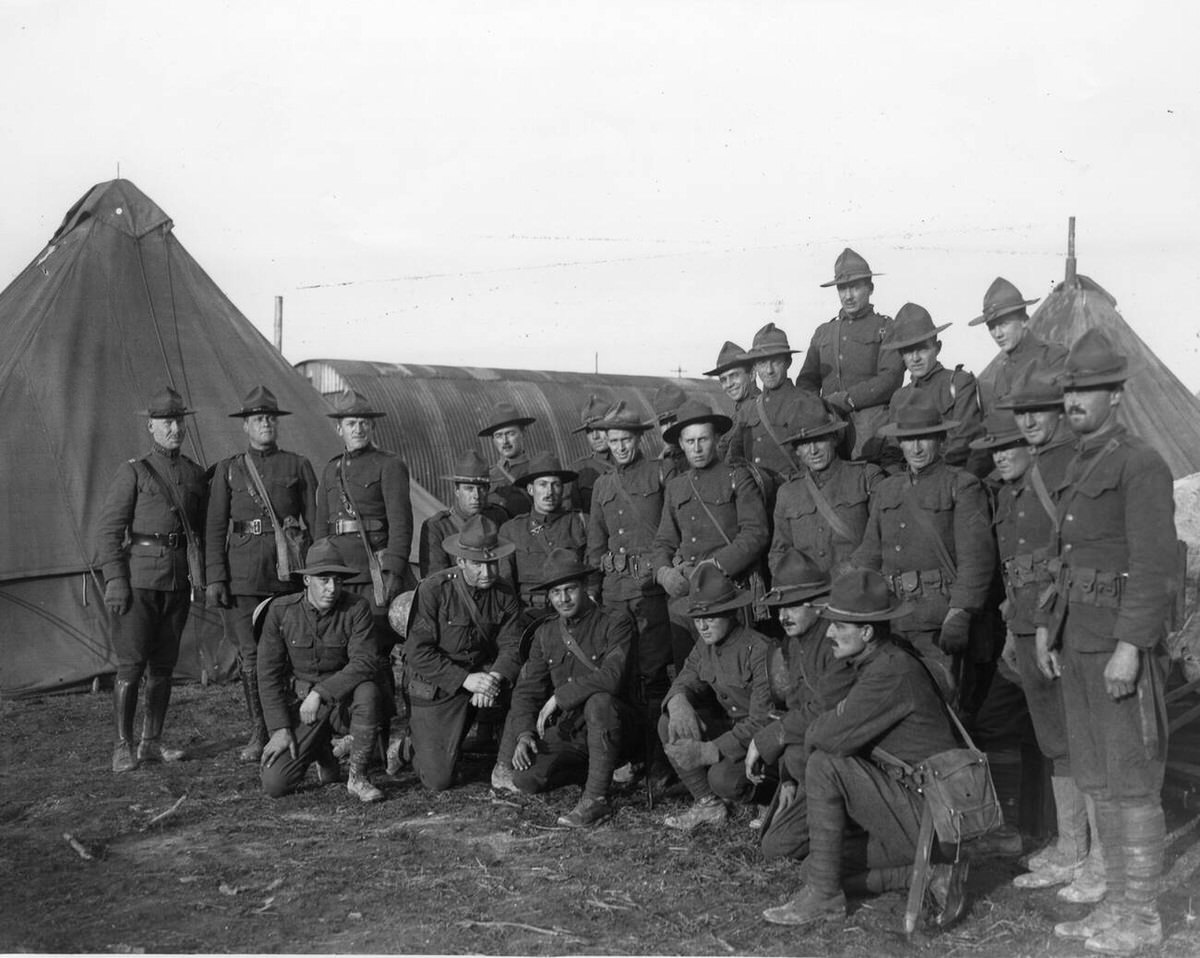
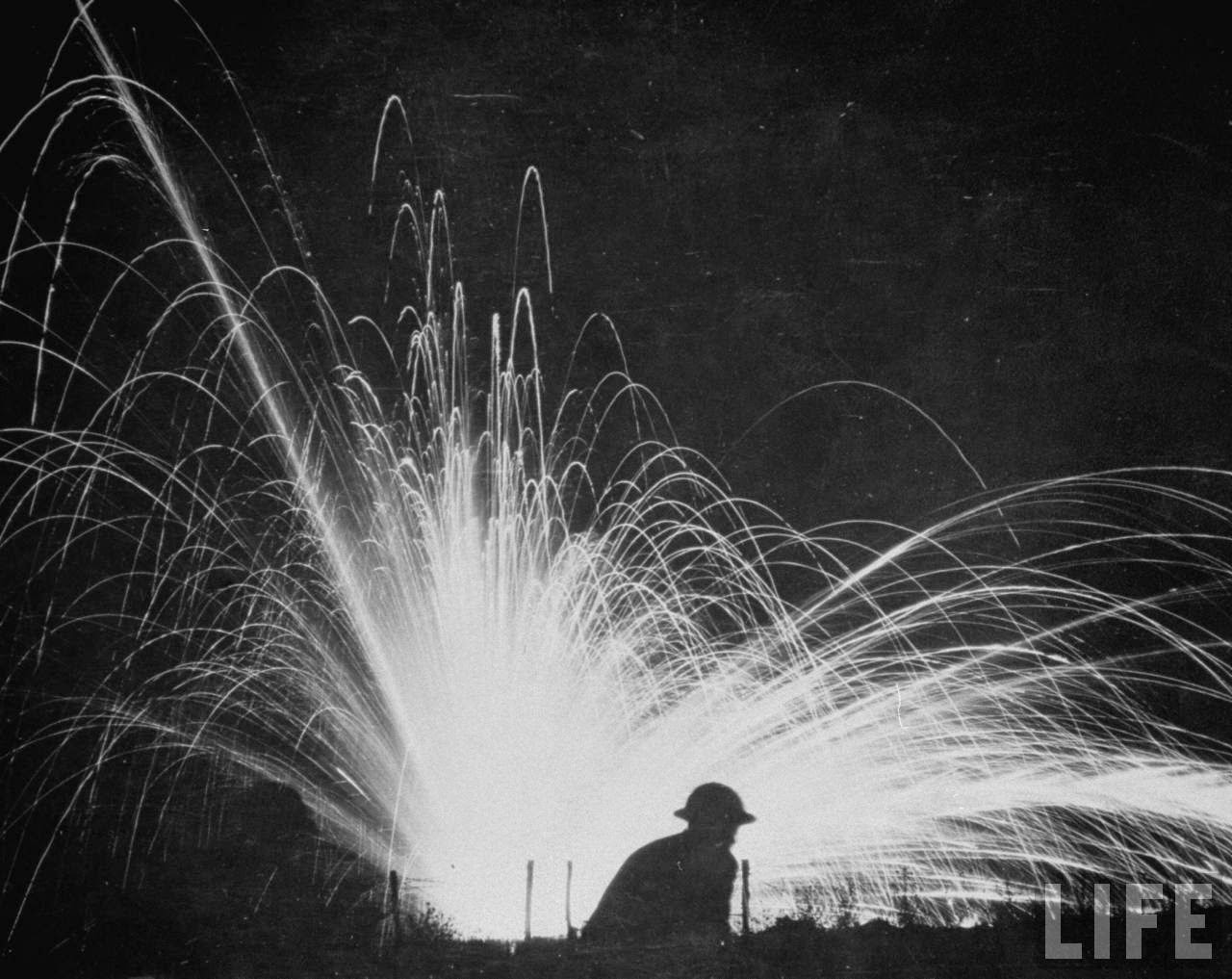
Some of the most dangerous moments came not during coordinated offensives but in sudden, unexpected counterattacks. The men of the 11th Engineers were caught off guard by a German counterattack at Gouzeaucourt in 1917—a reminder that even support units far from the designated front lines were never truly safe. The line between battlefield and rear area was always thinner than it appeared on a map.
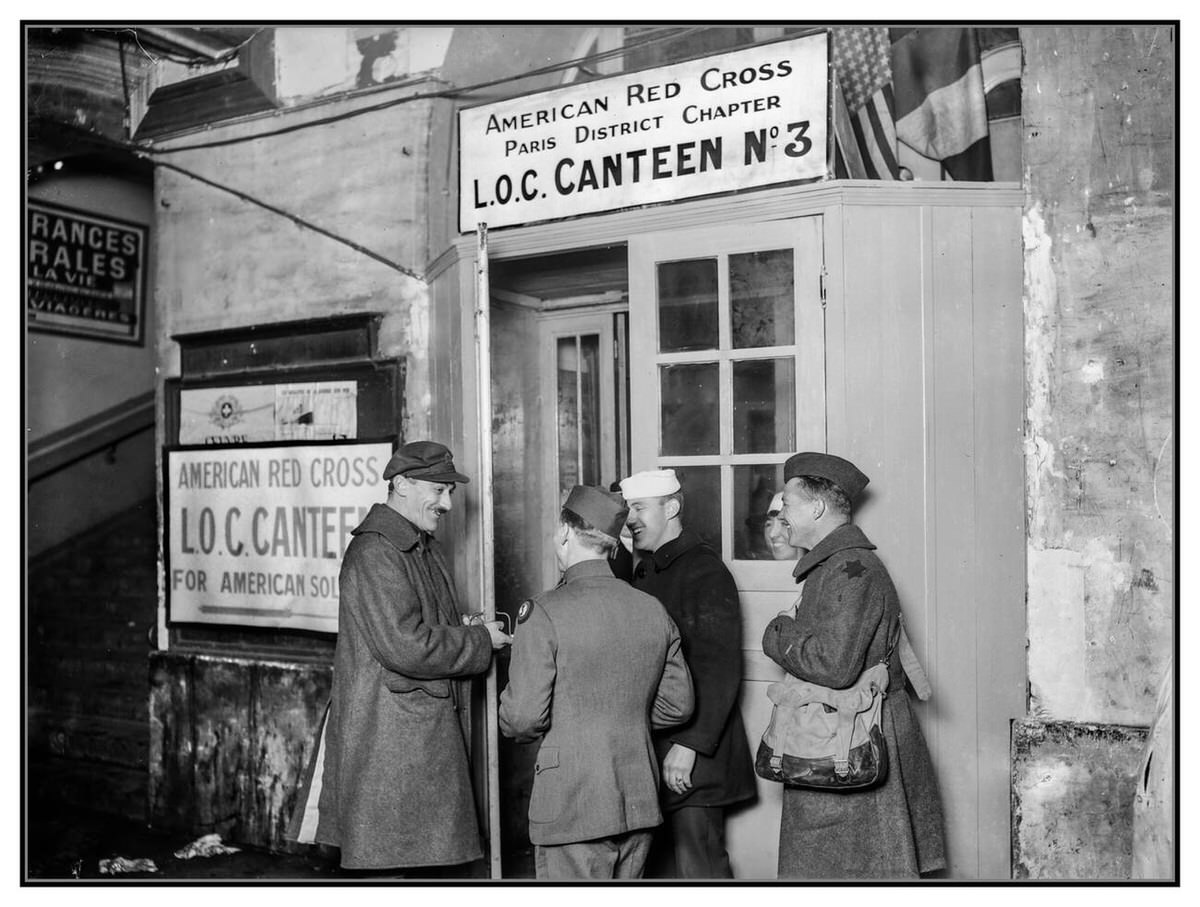
The Red Cross played a vital role in supporting soldiers away from the front. Canteens in Paris—like the one at Gare St. Lazare—gave troops passing through the city a place to rest, eat, and receive mail from home. These stations were lifelines for men moving between the training grounds and the trenches.
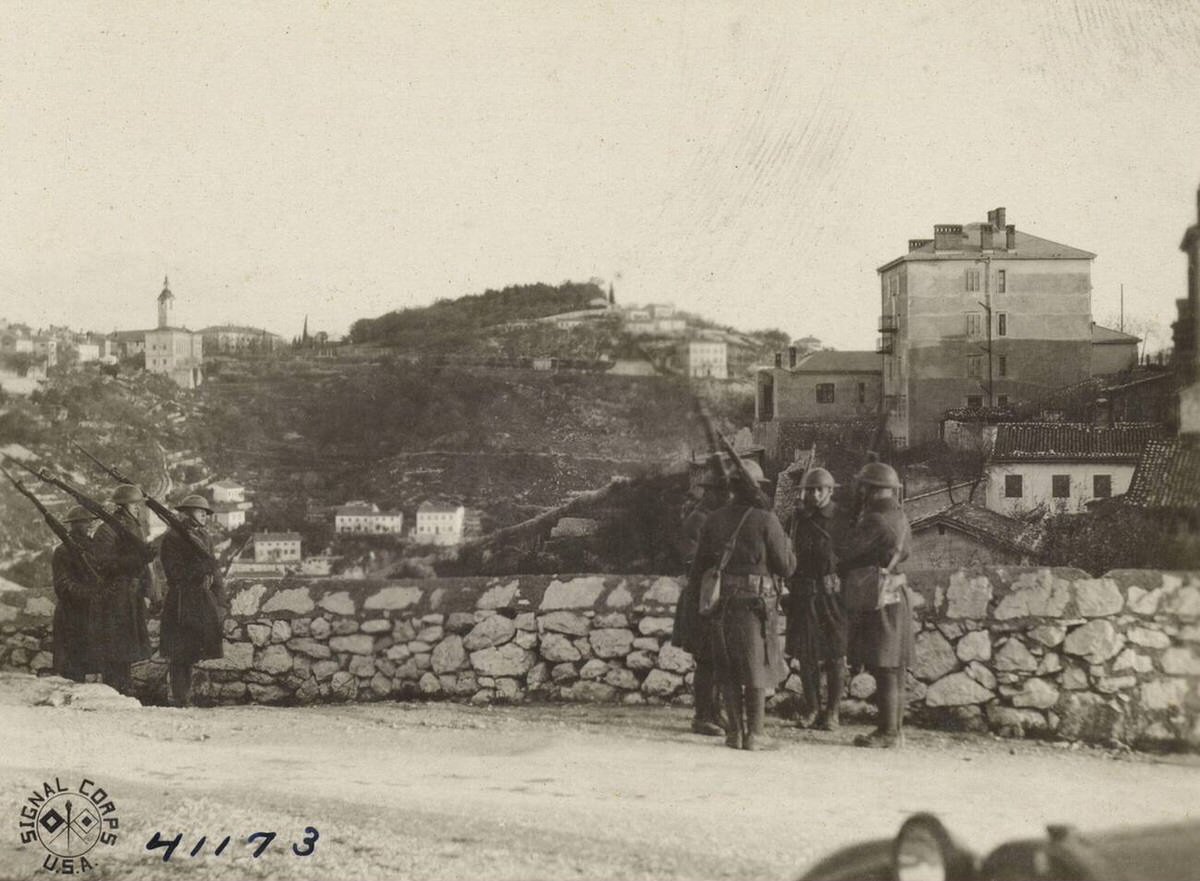
U.S. troops also served guard duty and held key positions in Italy, posting sentries on hills in Fiume as Allied forces worked to consolidate territorial gains near the end of the war. It was unglamorous but essential work—holding ground that had been won at great cost.
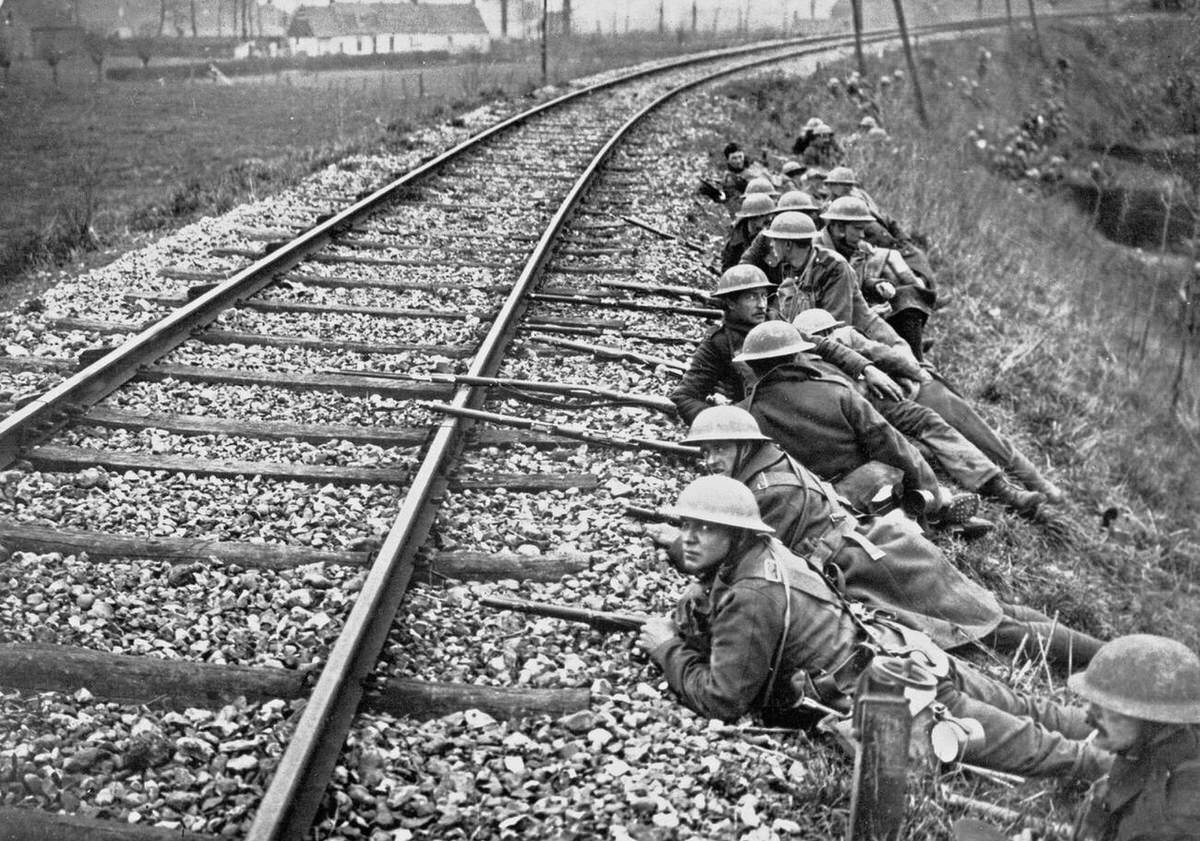
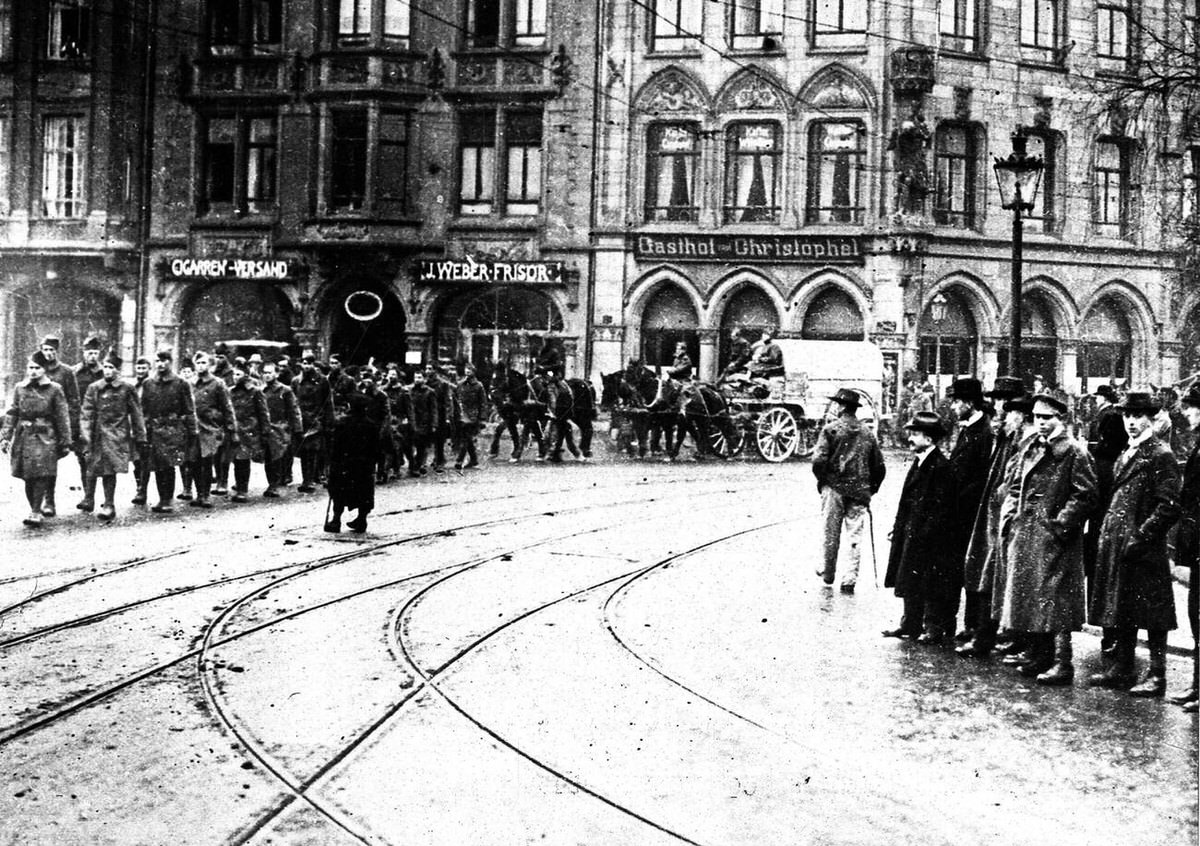
After the Armistice was signed on November 11, 1918, American forces entered Germany as part of the Army of Occupation. Soldiers marched into Treves, guarded bridges over the Moselle River, and secured key positions throughout the occupied zone. The war was over, but the work of enforcing the peace had only just begun.
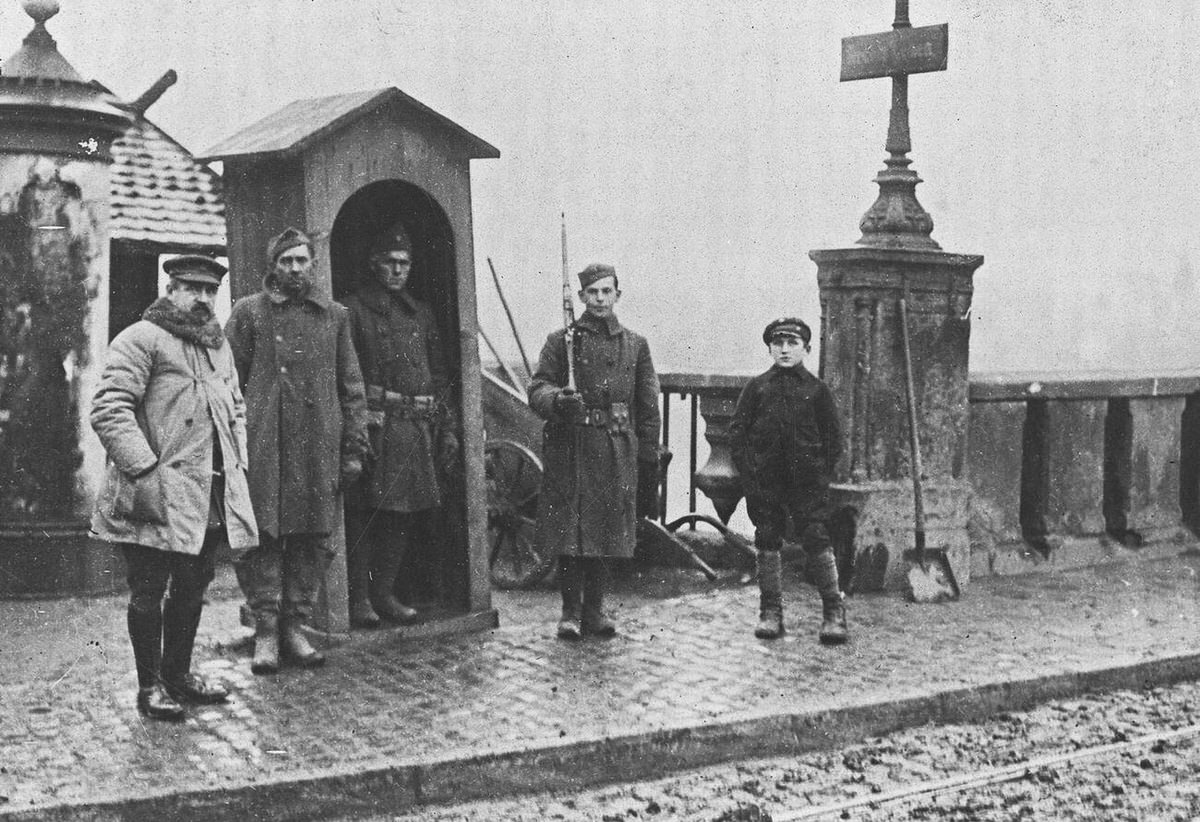
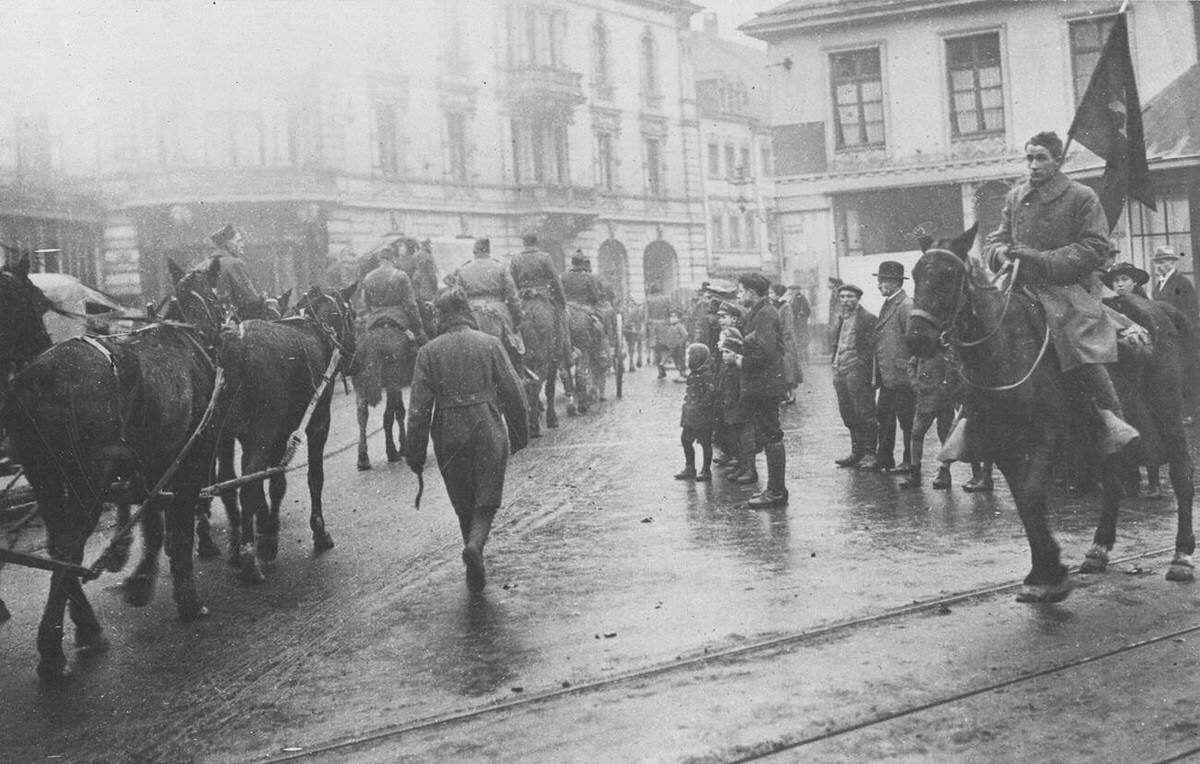
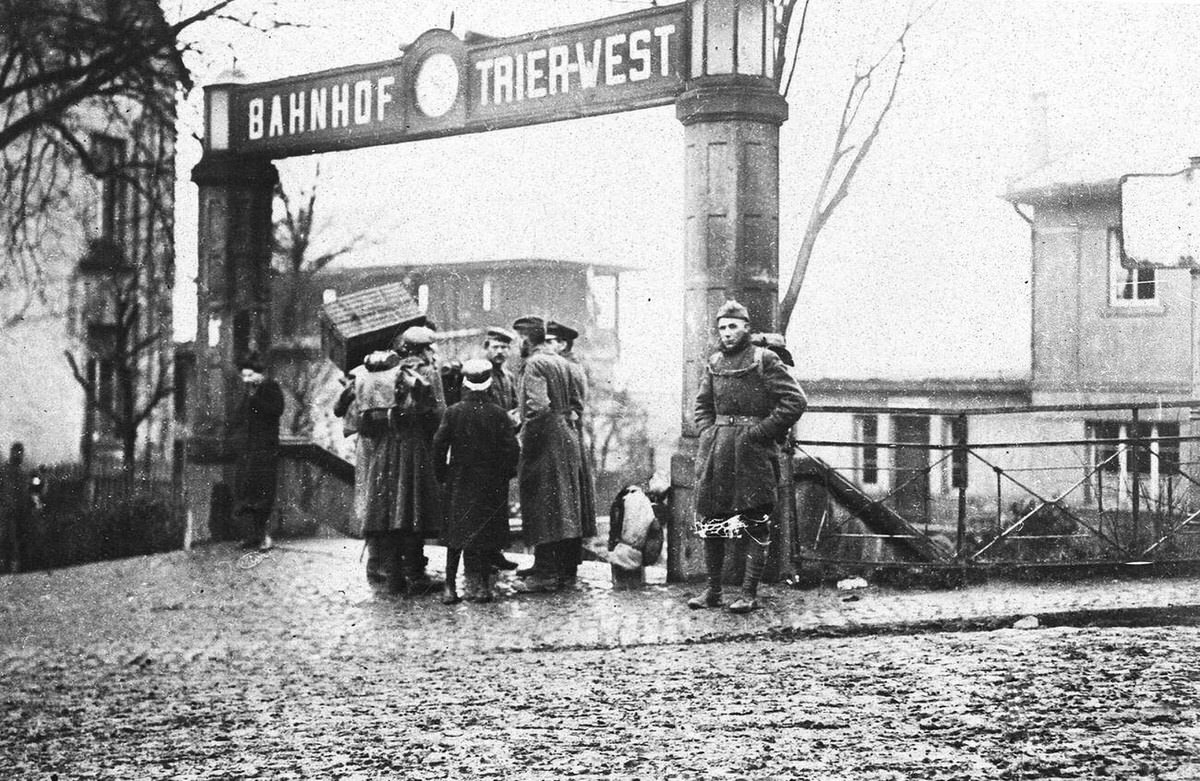
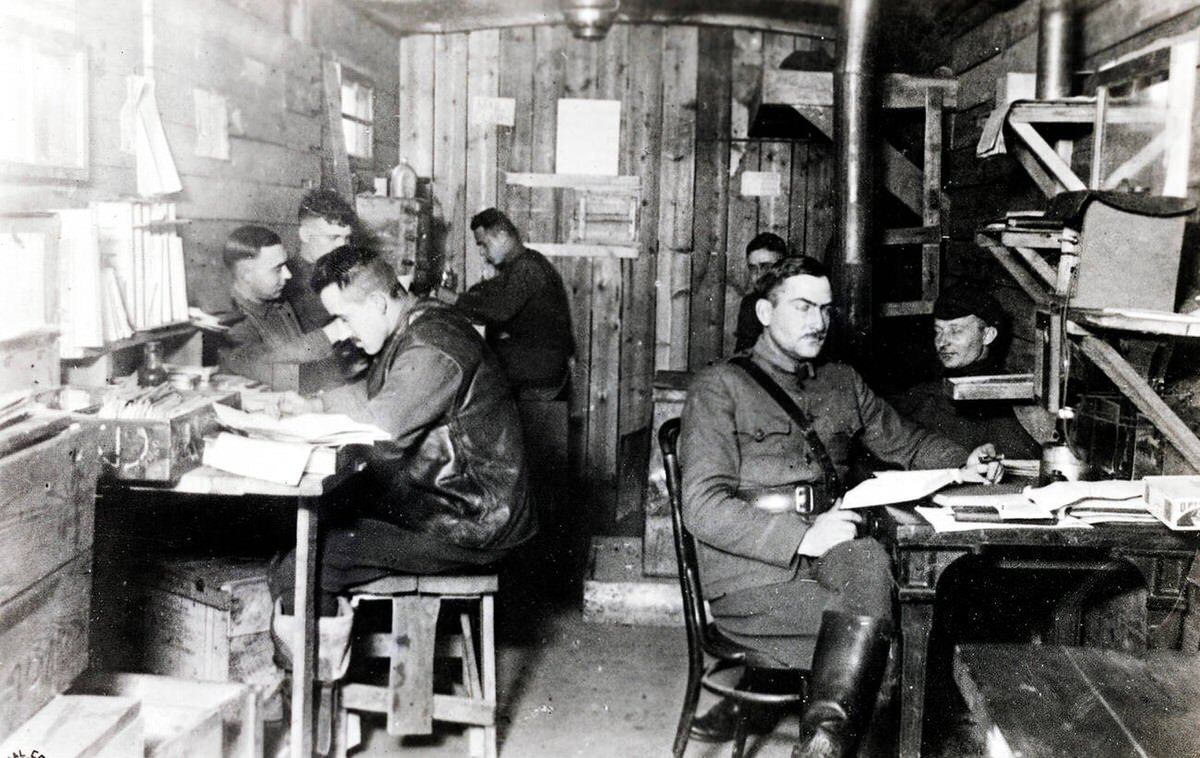
Across the occupied zone, Americans converted former German facilities into hospitals and administrative posts. A stone bathhouse in Neuenahr became an infirmary. A boxcar in North Russia served as a command post. The military made use of whatever was available, in whatever condition it was found.
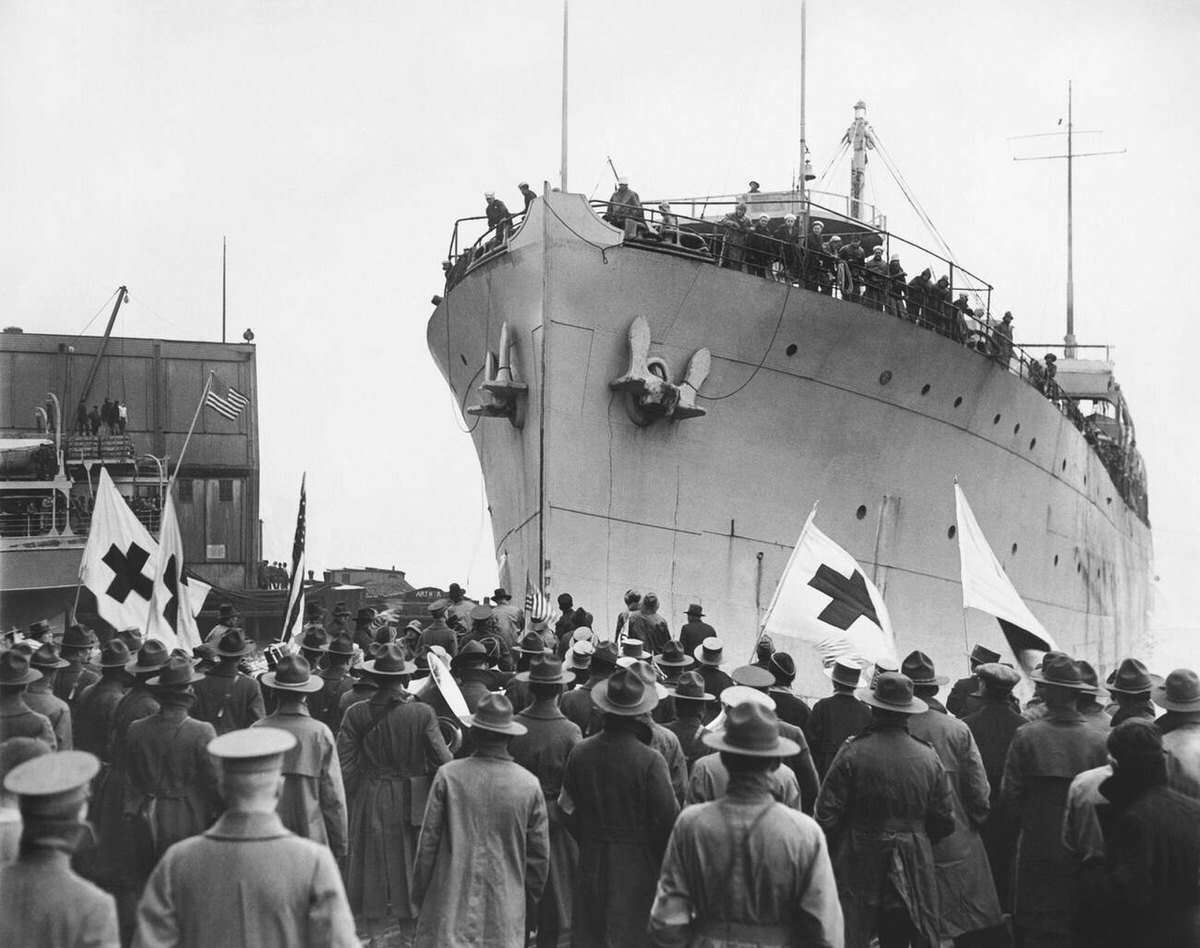
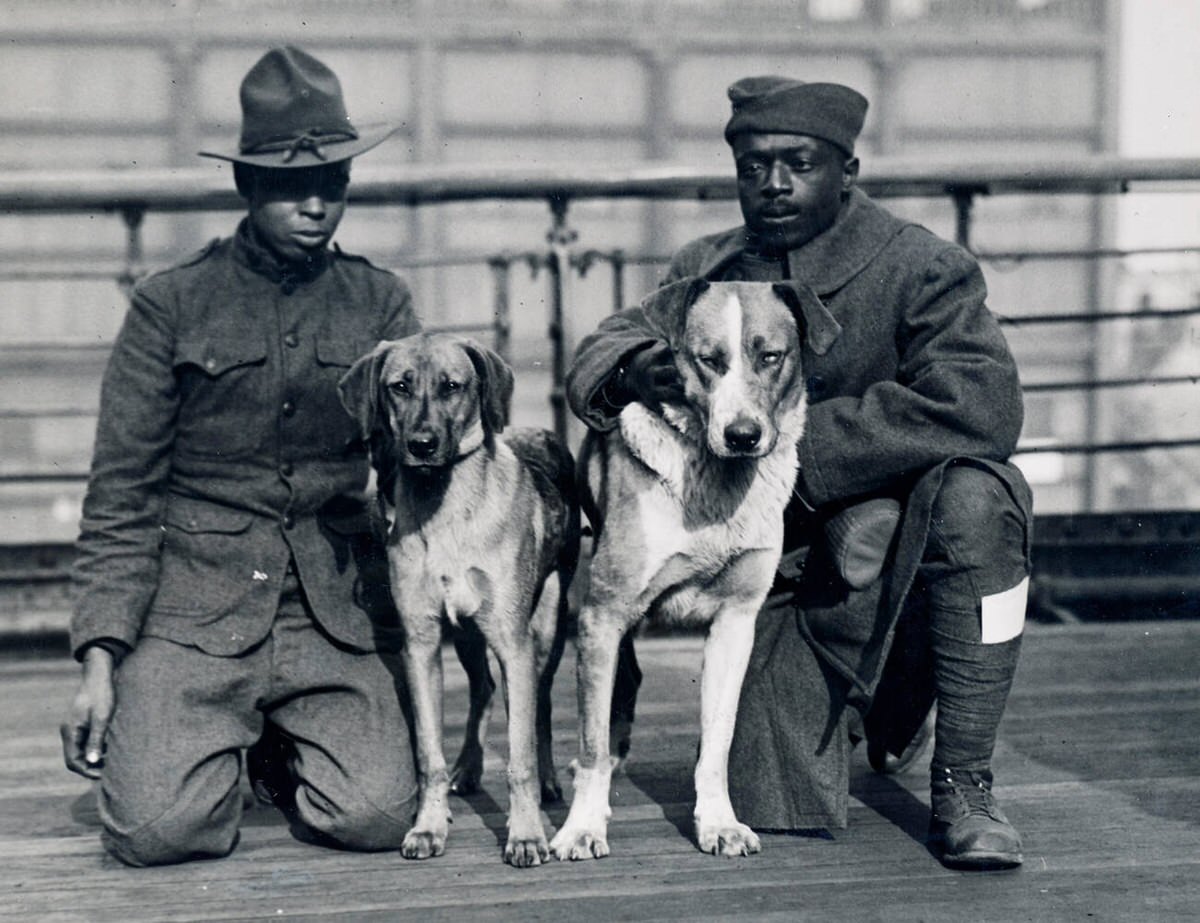
Soldiers began returning home in 1919. The 332nd Infantry arrived at Bush Terminal in New York to crowds of waiting families. Privates carried souvenirs from across the war—some, like Robinson Cleve and Daniel Nelson aboard the transport George Washington, even brought captured German dogs. The men who came back were different from the ones who had left. Many carried wounds that didn’t show. What was then called “shell shock” left thousands unable to fully return to the lives they had known before.
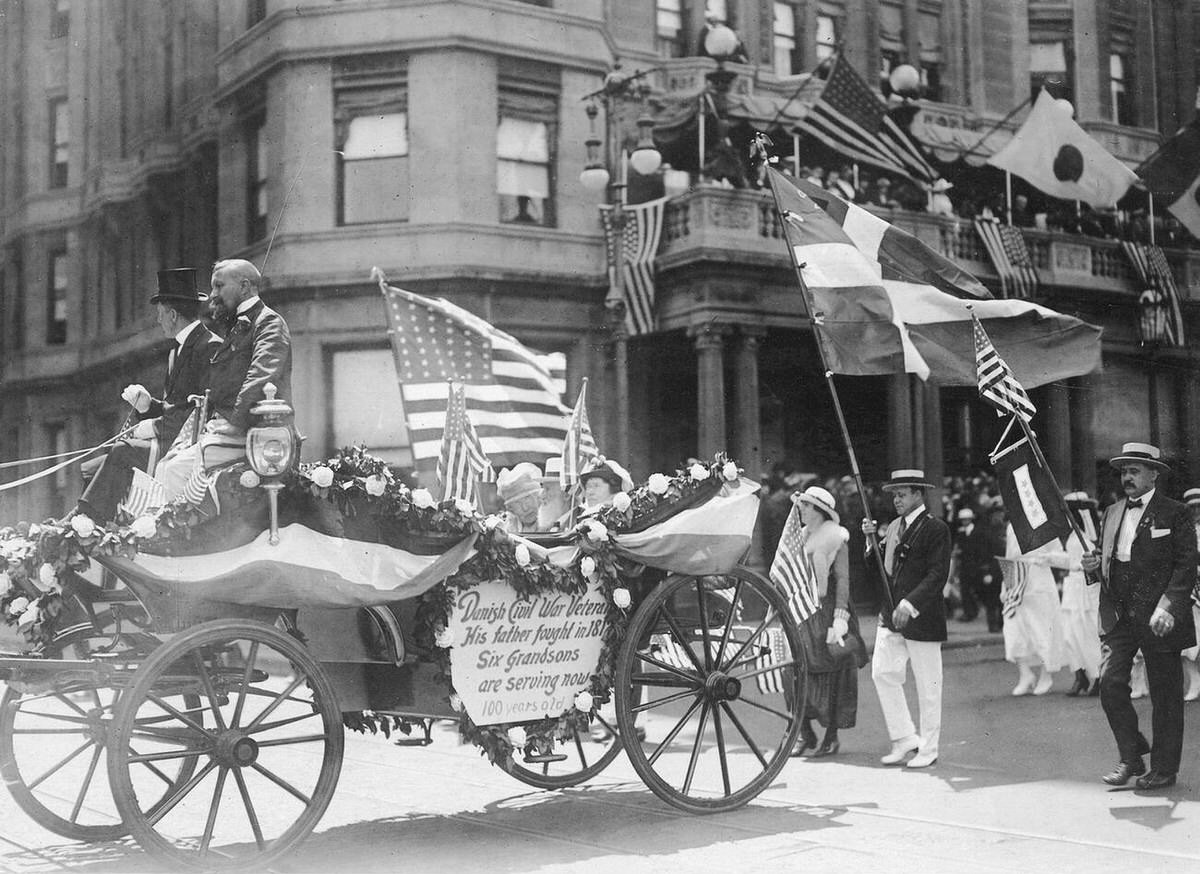
The Denmark and other allied nations represented in New York’s Independence Day parade of 1918 were a vivid reminder of how thoroughly the war had brought the world together on American soil. Immigrant communities stood side by side, united under the same flag, even as their countries of origin were being reshaped by the conflict overseas.
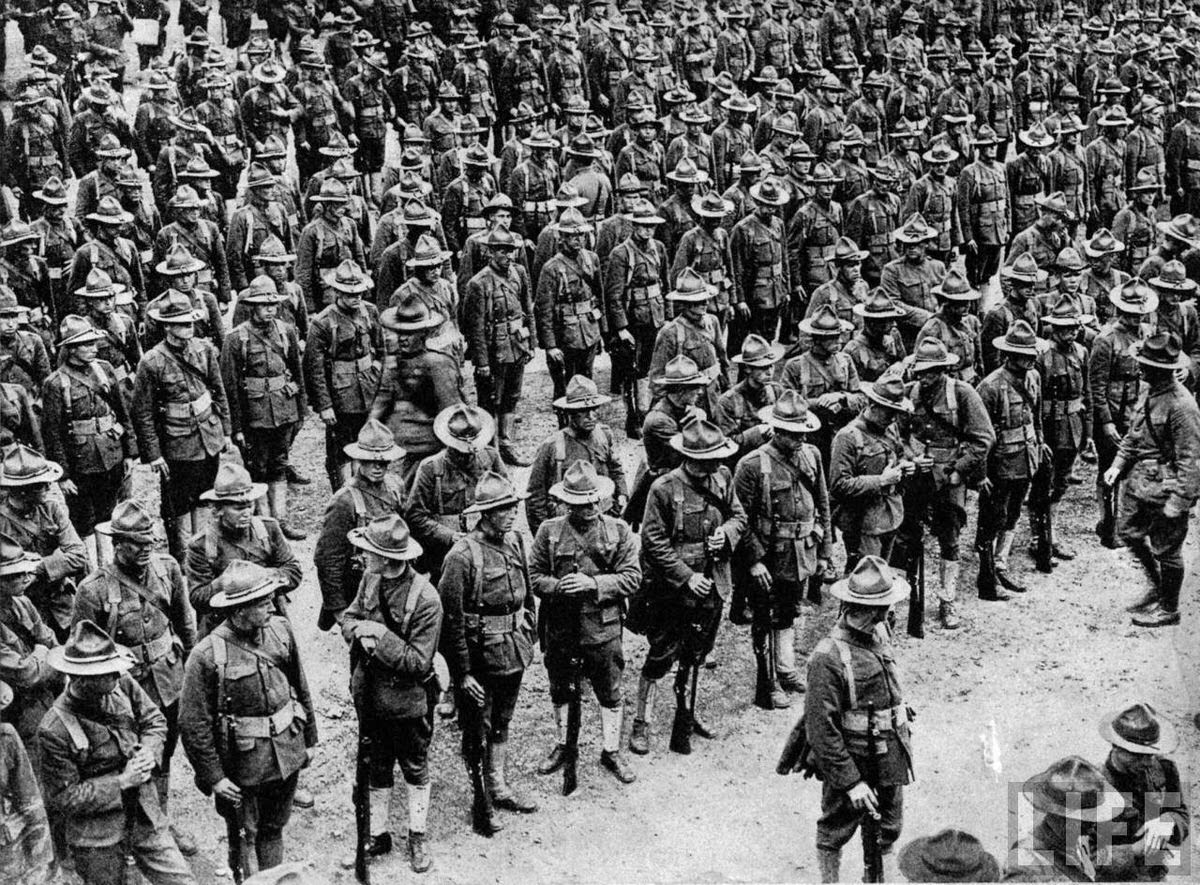
From the streets of London to the forests of the Argonne, American soldiers in World War I operated across an extraordinary range of environments and roles. They marched through French towns, ran across open battlefields under fire, and pushed through woodland turned to splinters by weeks of shelling.
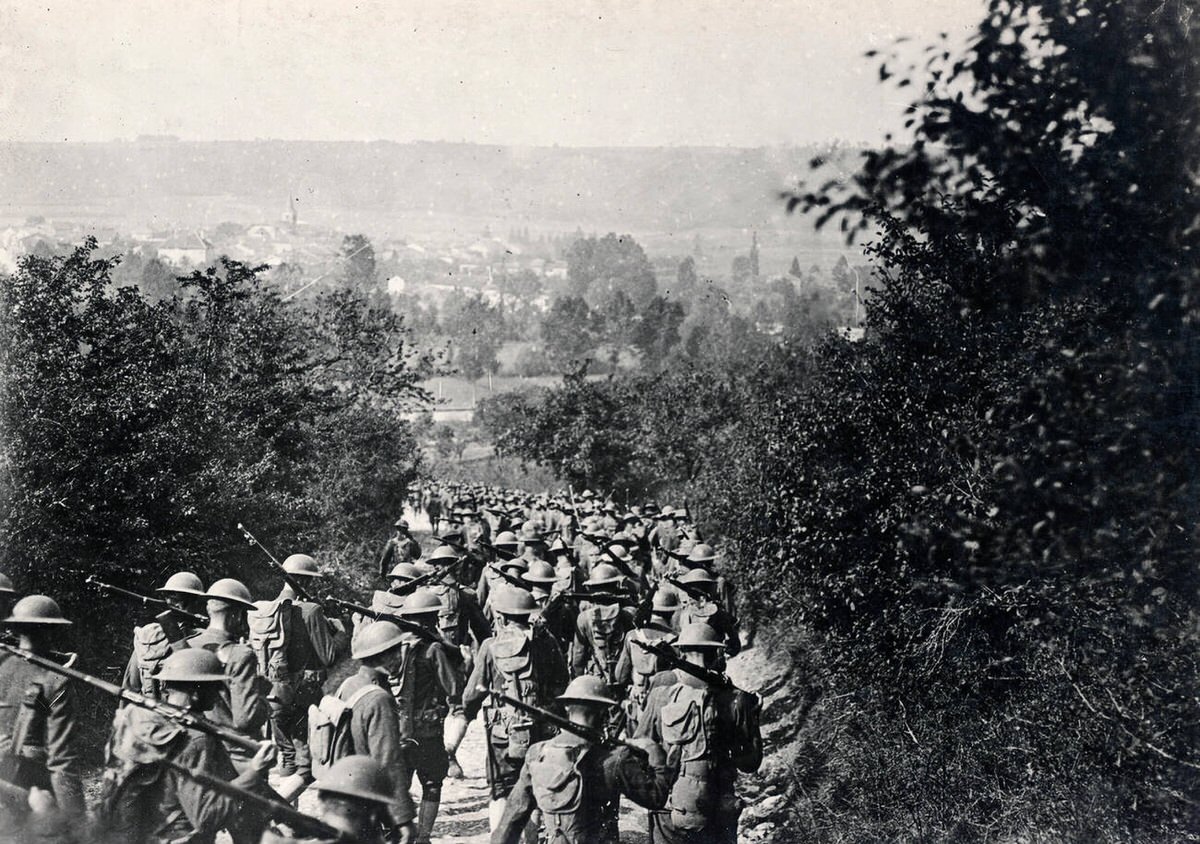
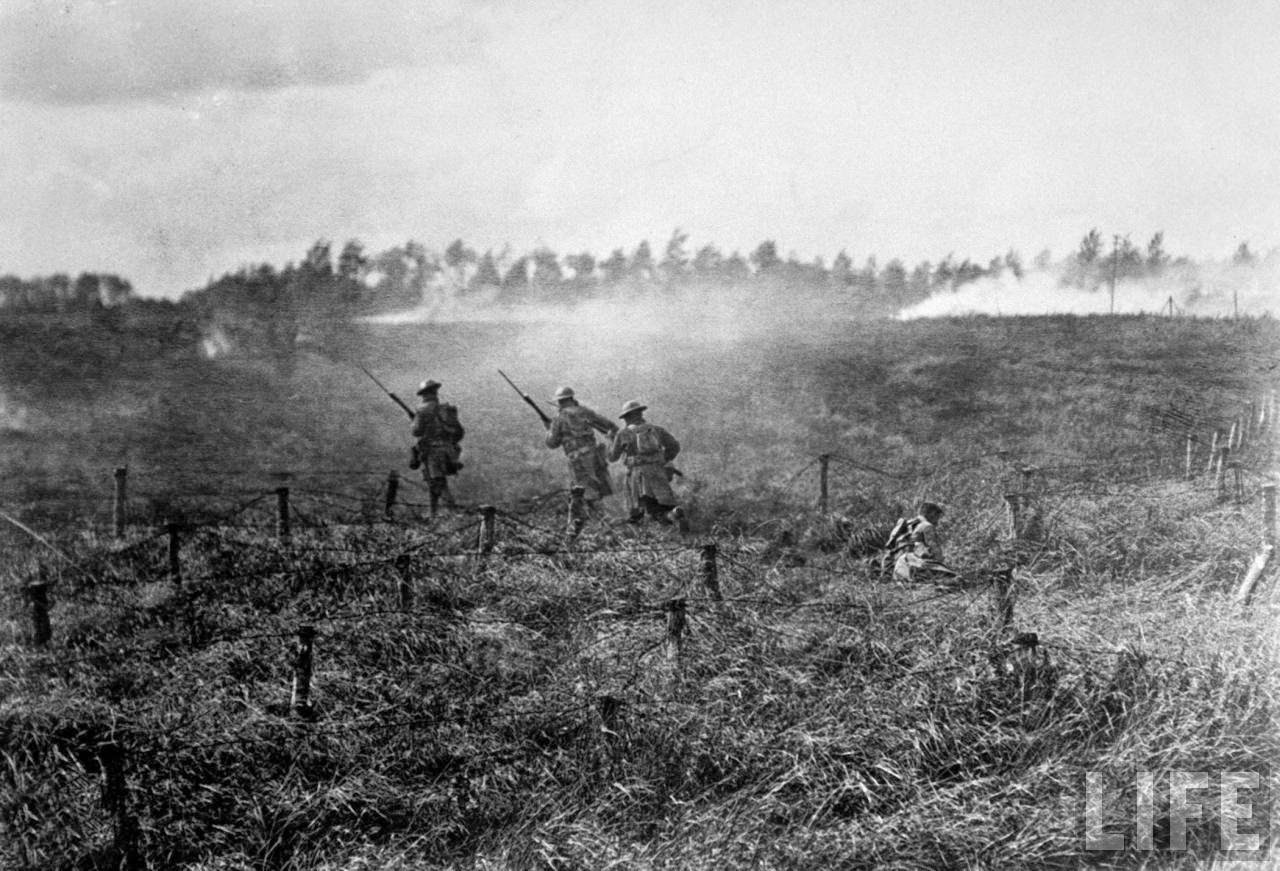
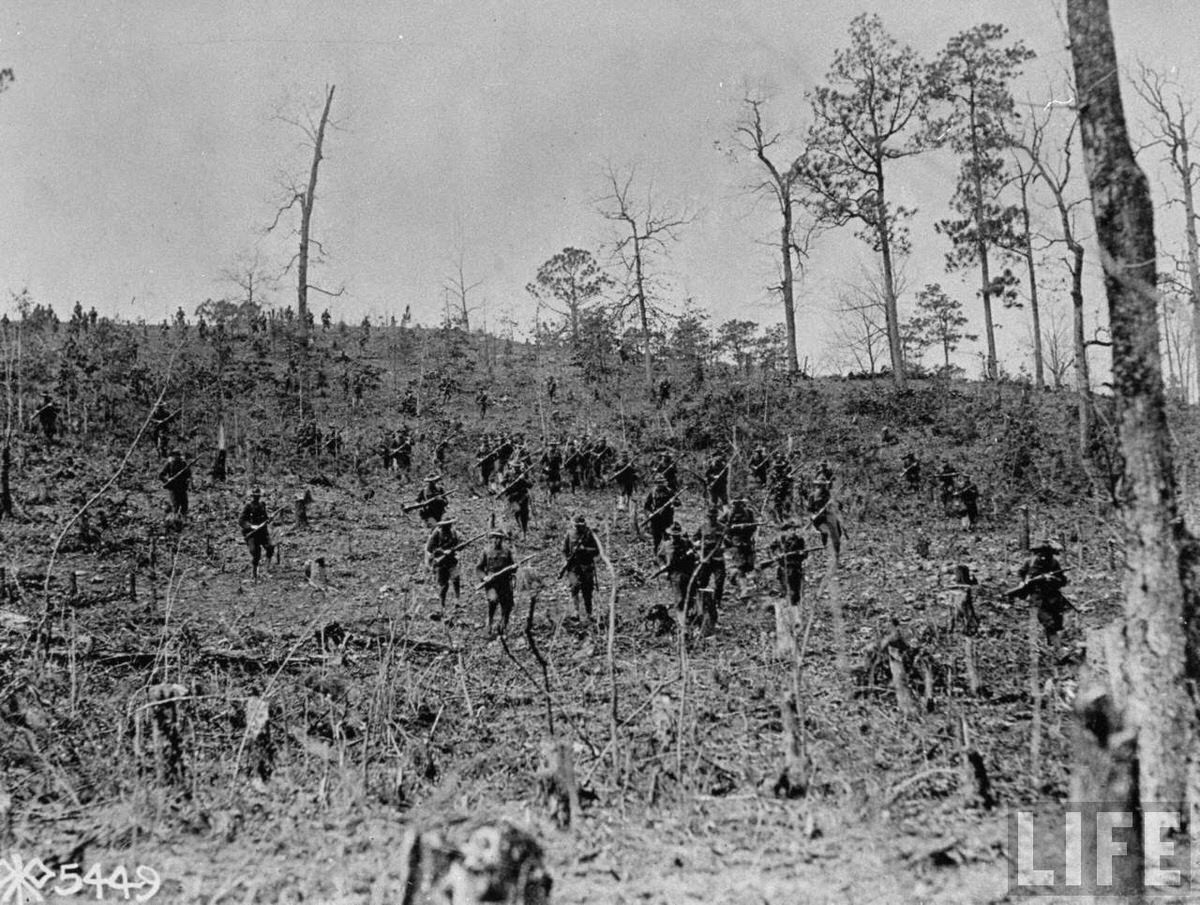



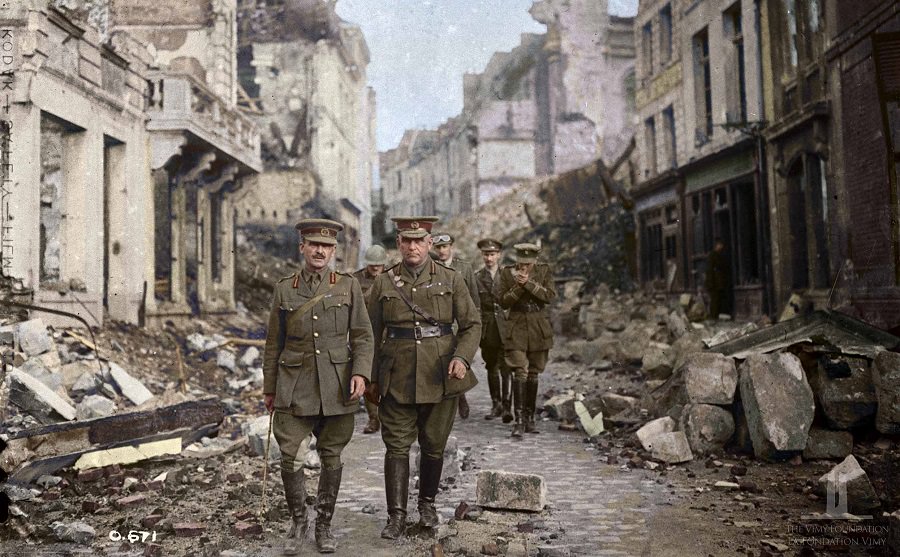
I wonder why so many of the American troops were wearing foreign uniforms and carrying French and British rifles in these photographs.