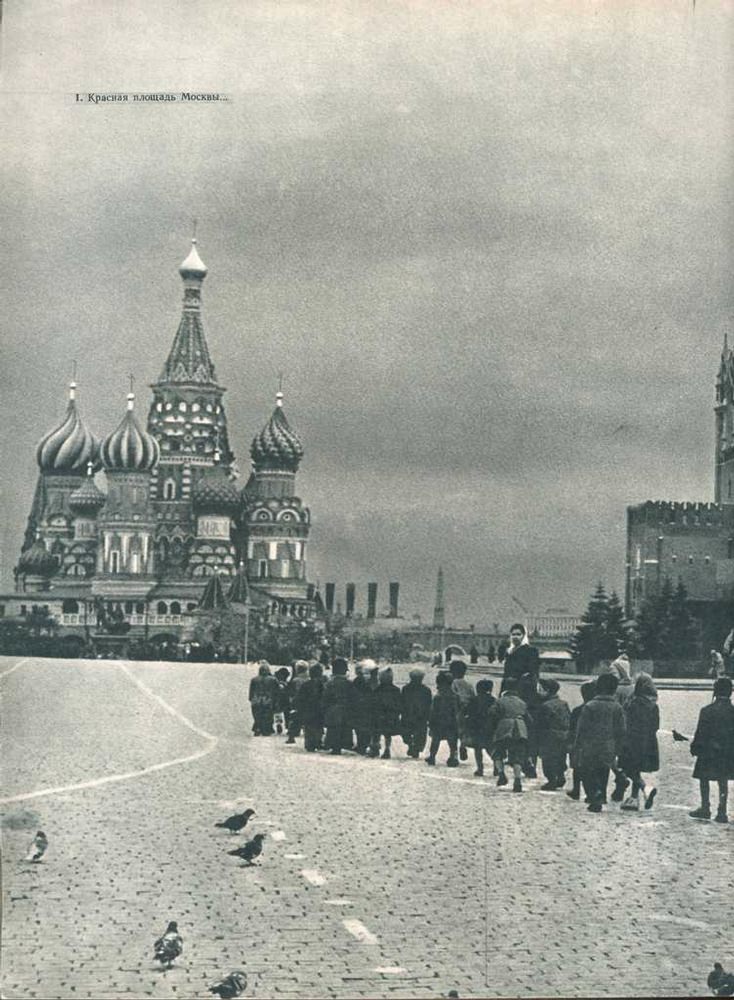
In 1960, Moscow was a city caught between two worlds. World War II’s shadow was fading, but Cold War tension and the Space Race kept the city on edge. For ordinary Muscovites, life meant navigating socialist rules while finding small moments of comfort.
Most families started the day in communal apartments, sharing kitchens and bathrooms with several neighbors. Breakfast was basic — bread with butter, jam, or a bowl of kasha. Privacy was scarce, but a tight community formed out of necessity.
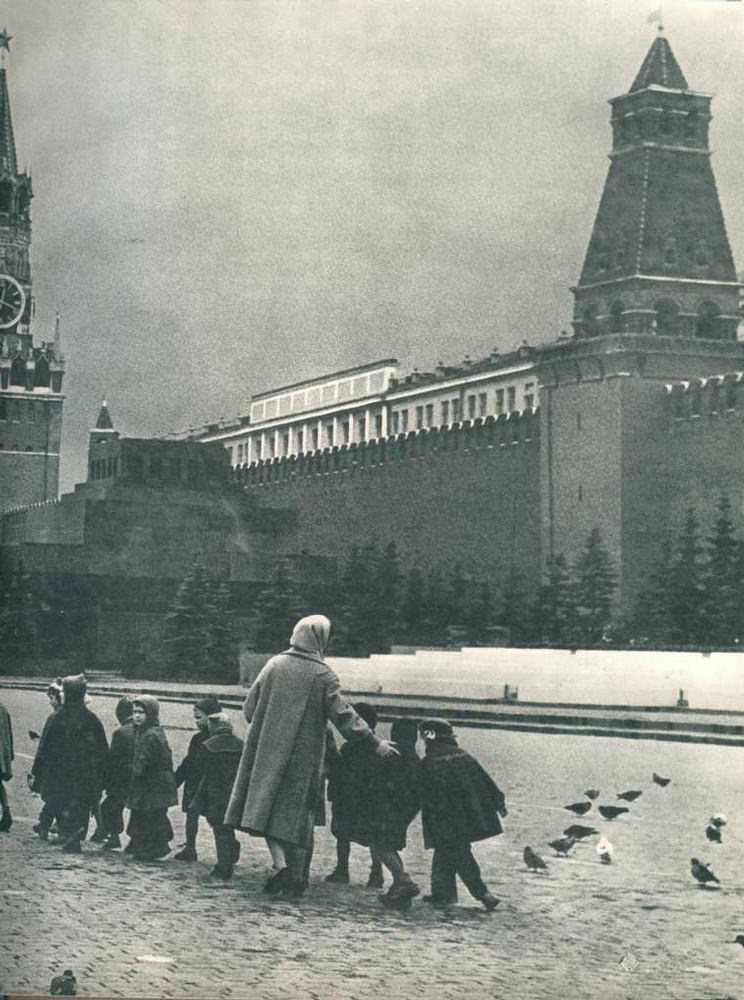
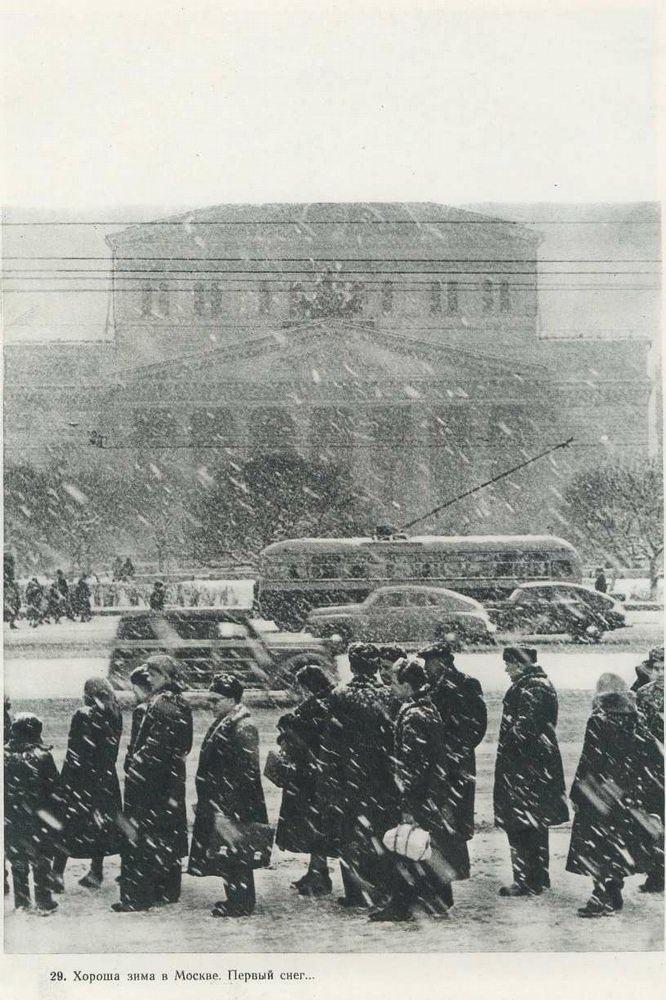
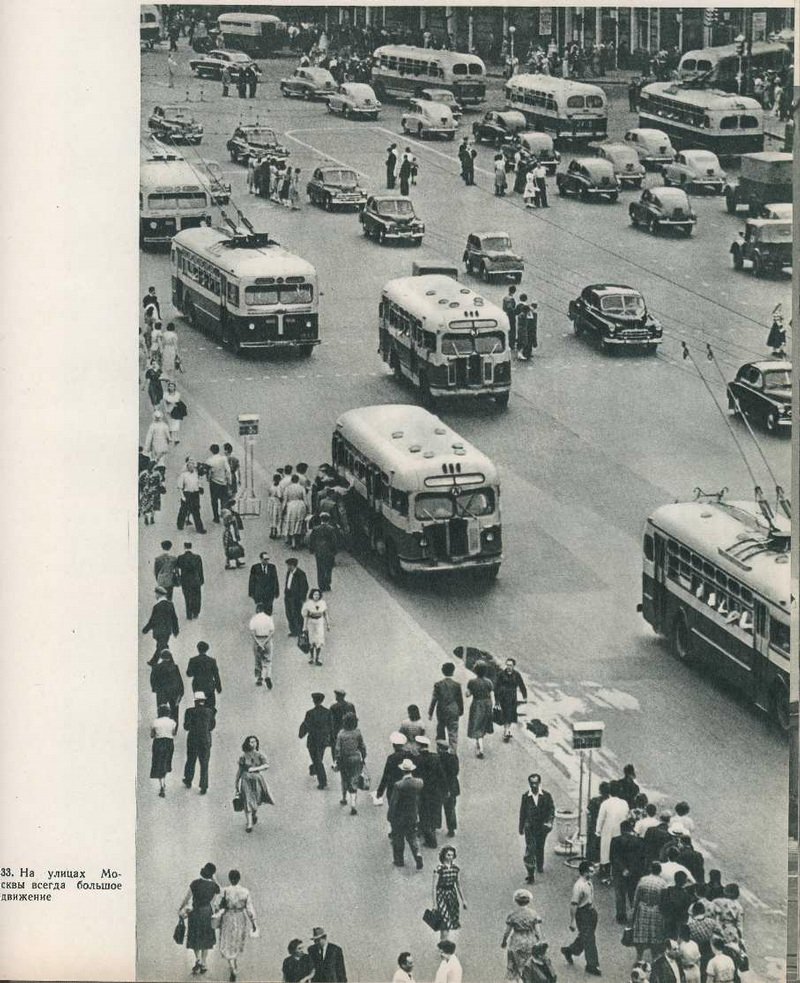
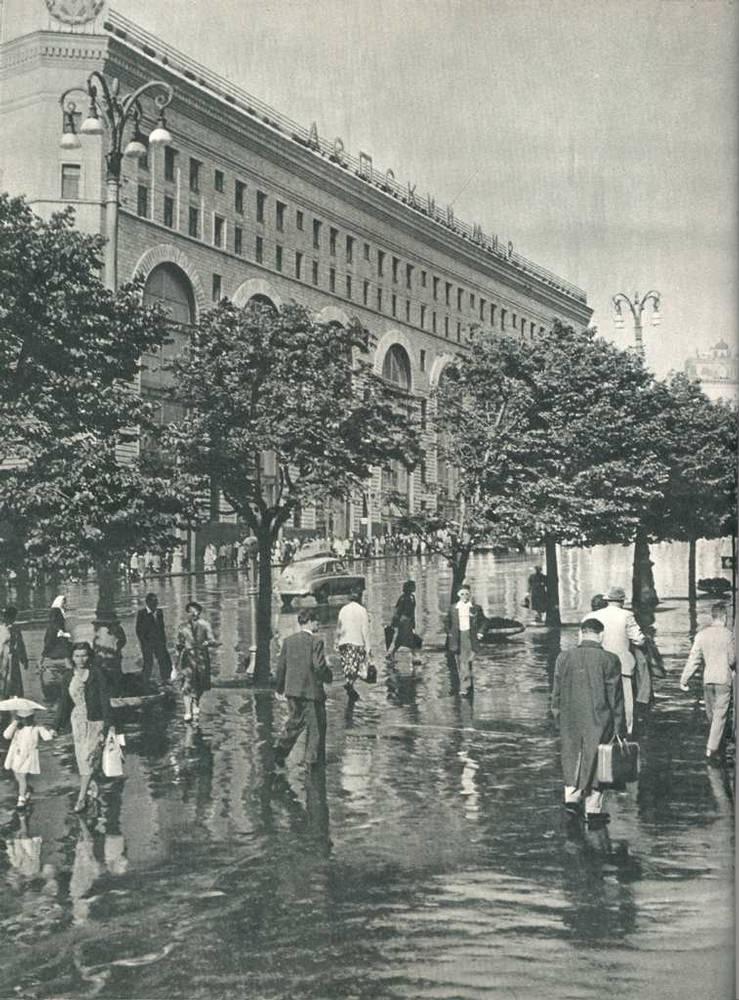
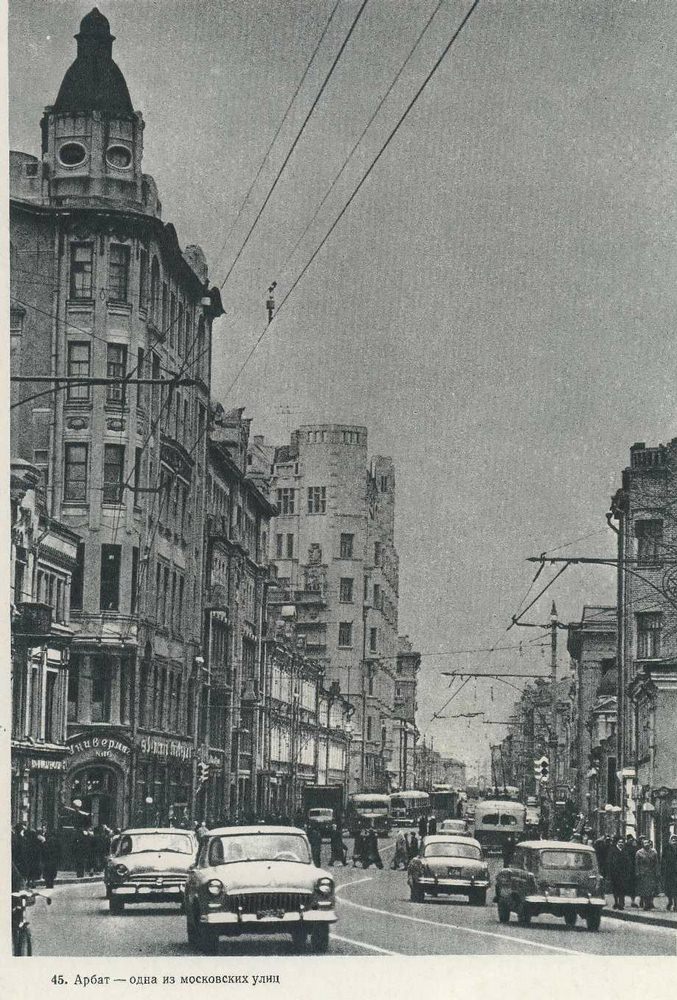
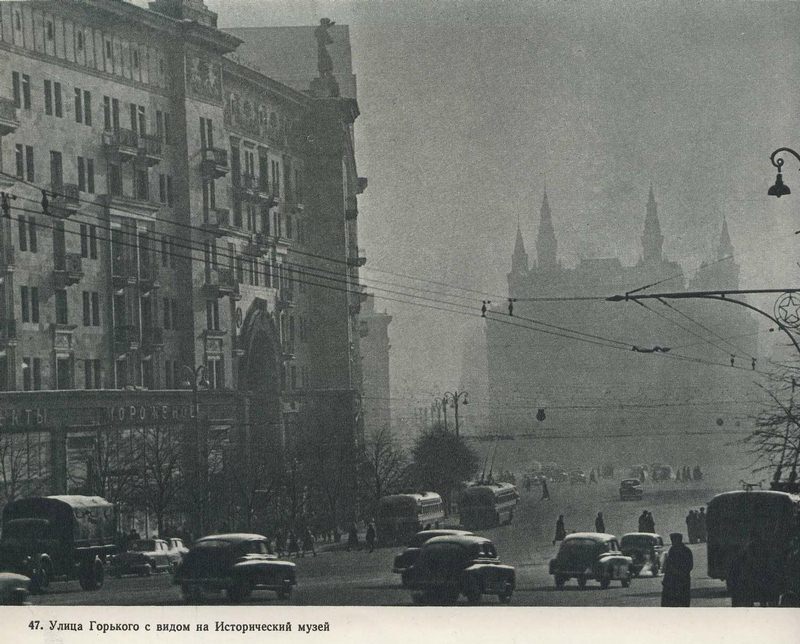
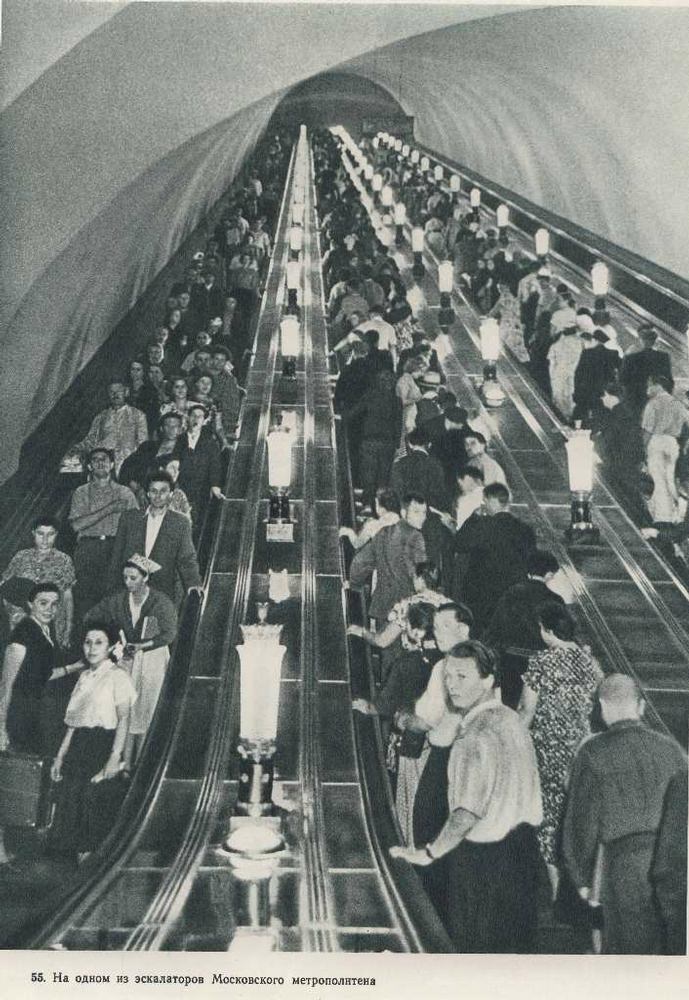
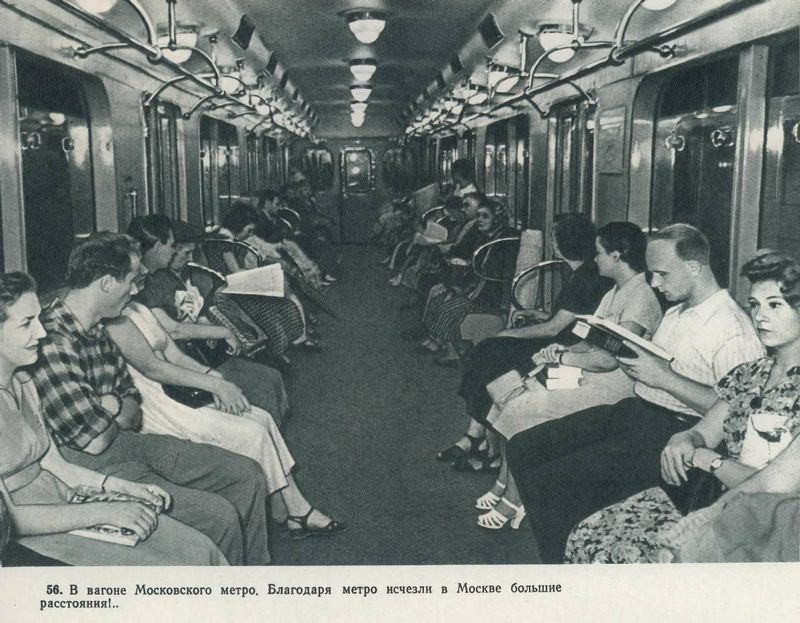
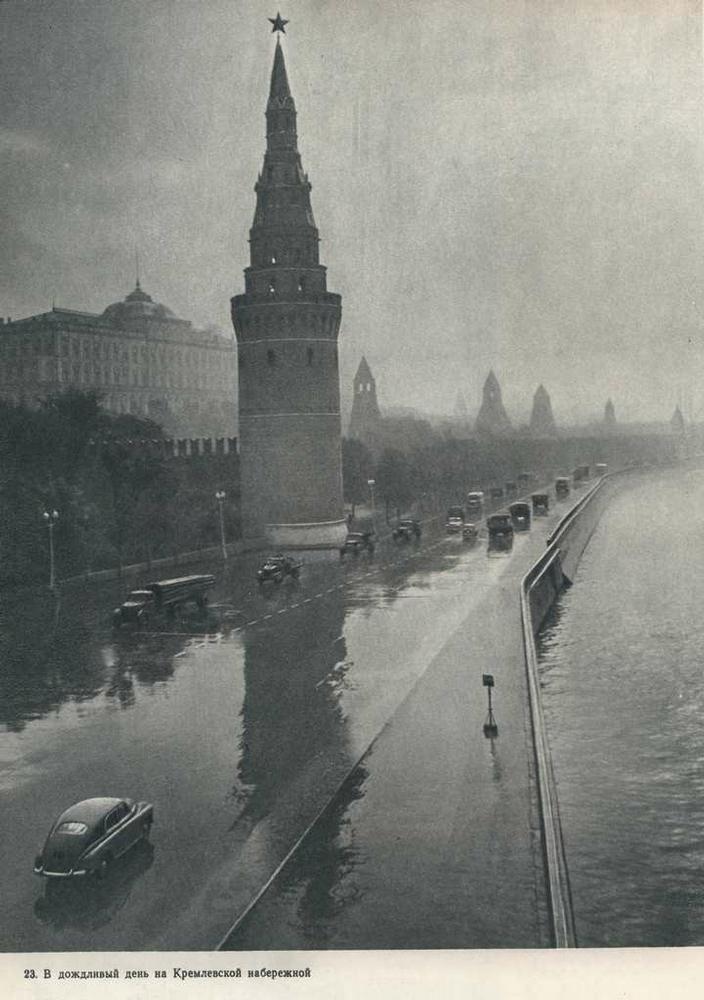
Getting to work meant riding the Moscow Metro, a subway system famous for its grand stations decorated with mosaics and chandeliers. Buses and trams ran packed to capacity, and many workers simply walked or cycled through whatever weather Moscow threw at them.
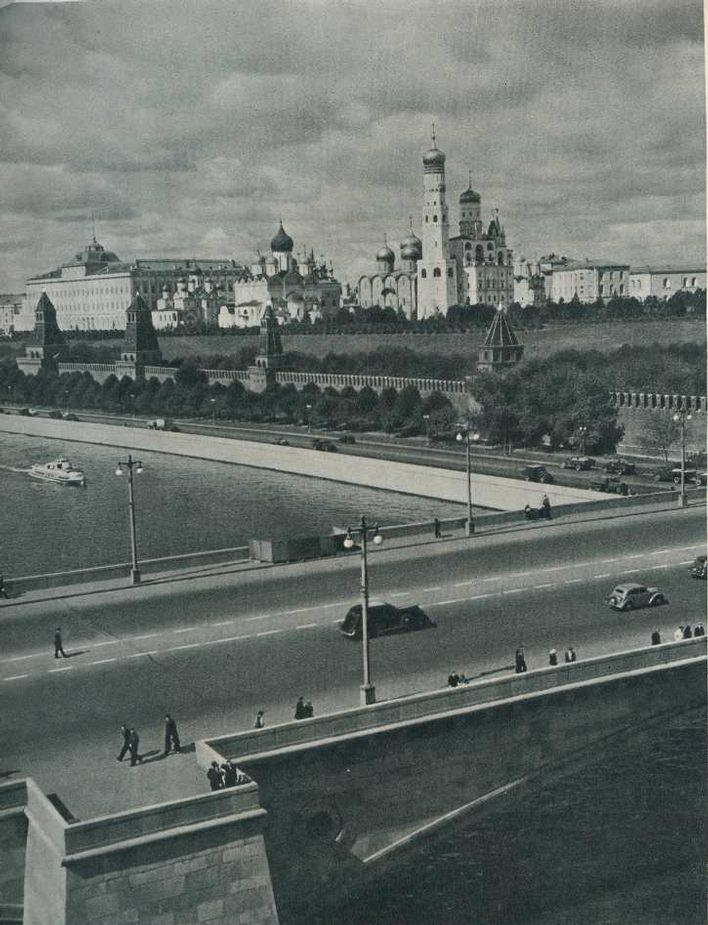
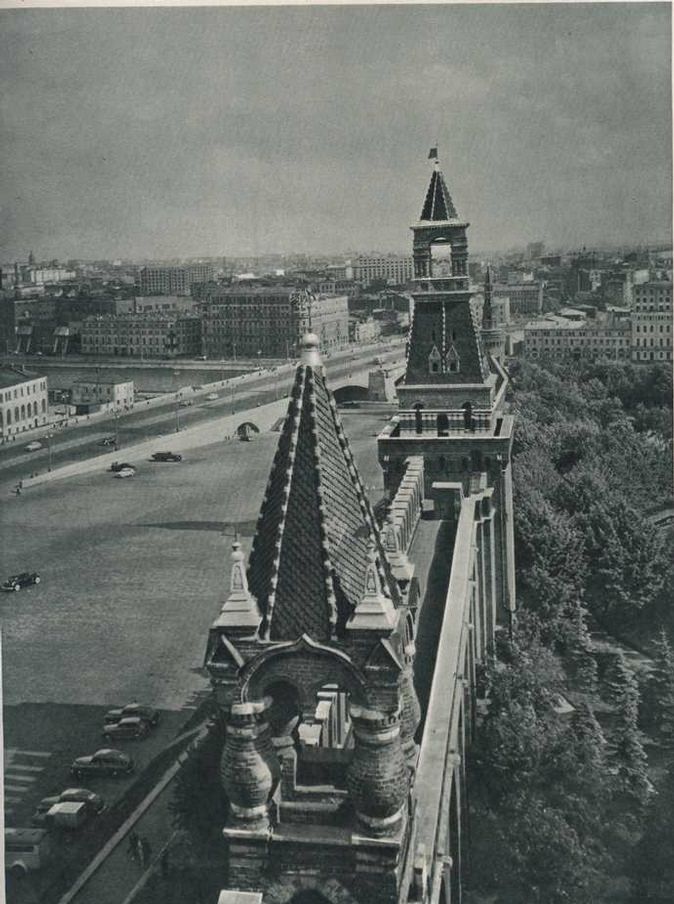
The state assigned jobs to workers. Factories drove the Soviet economy, and many Muscovites spent their days on industrial floors. Others worked in offices, schools, or hospitals. Individual career choices were largely out of the question.
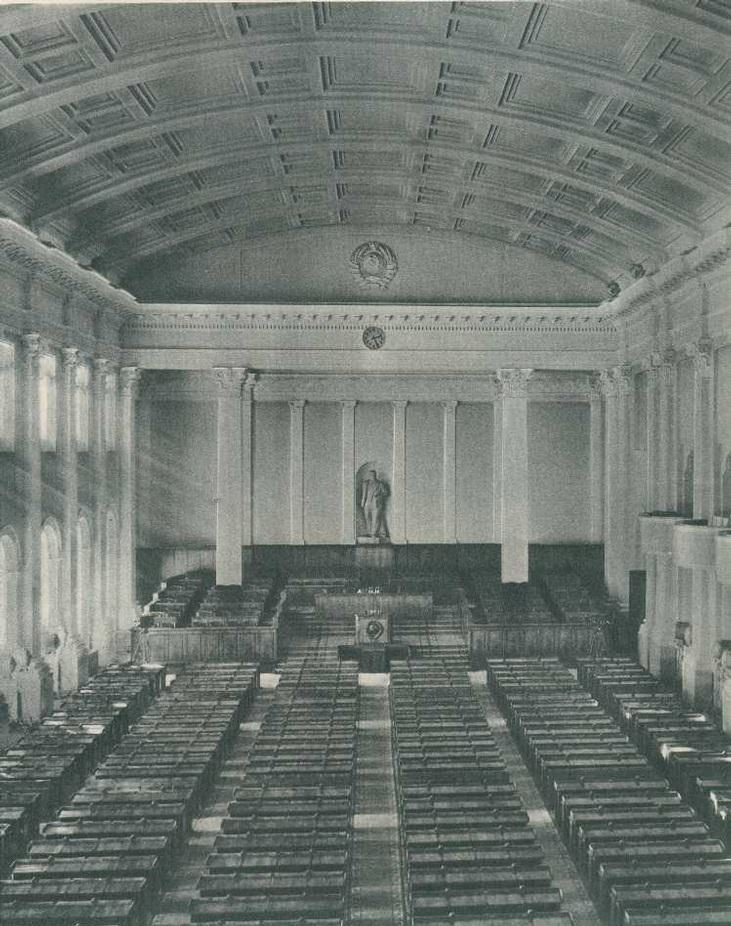
Lunch came from factory canteens or small local cafes. Pelmeni — boiled dumplings — and simple soups were common meals. Food shortages meant long queues were a daily routine, not an exception.
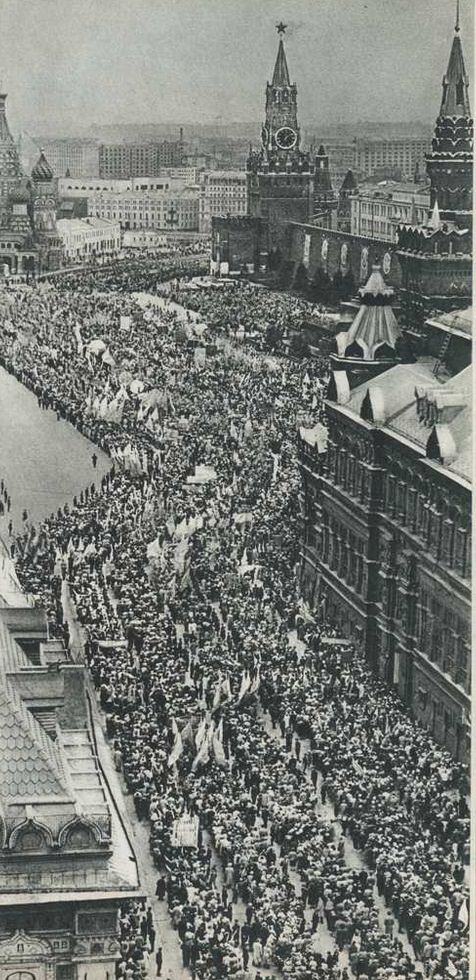
Afternoons returned workers to quotas and mandatory meetings. The workplace doubled as a social hub. Co-workers exchanged news and gossip, building real friendships inside a system that offered little personal freedom.
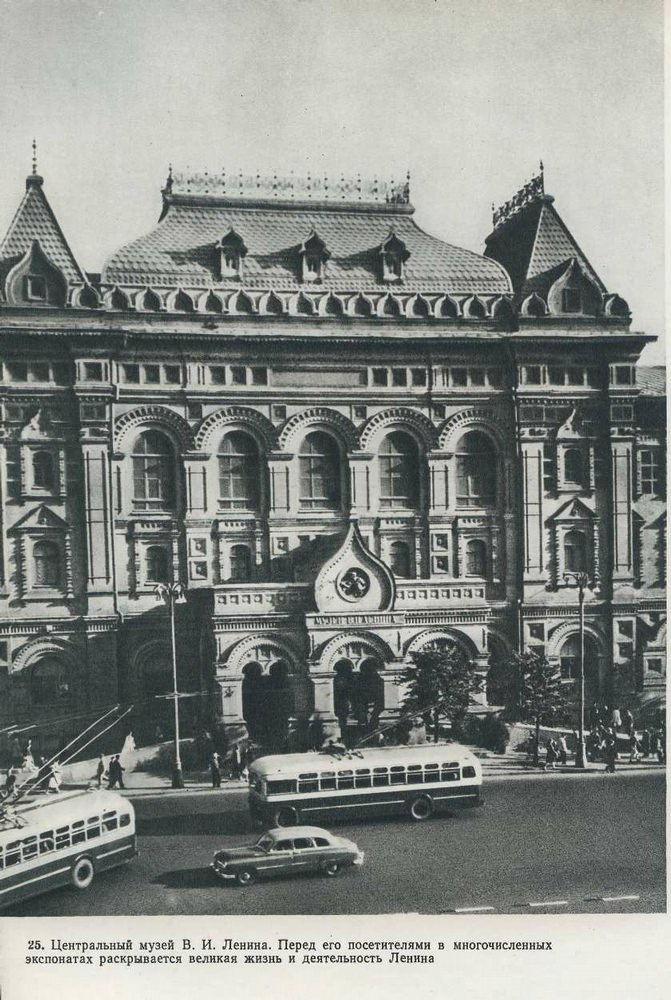
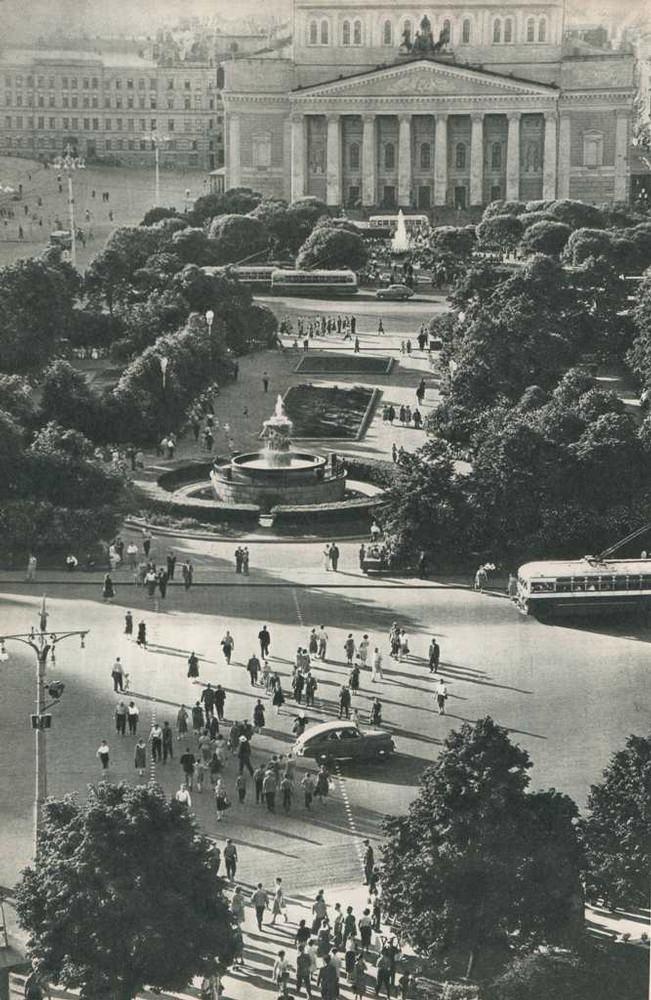
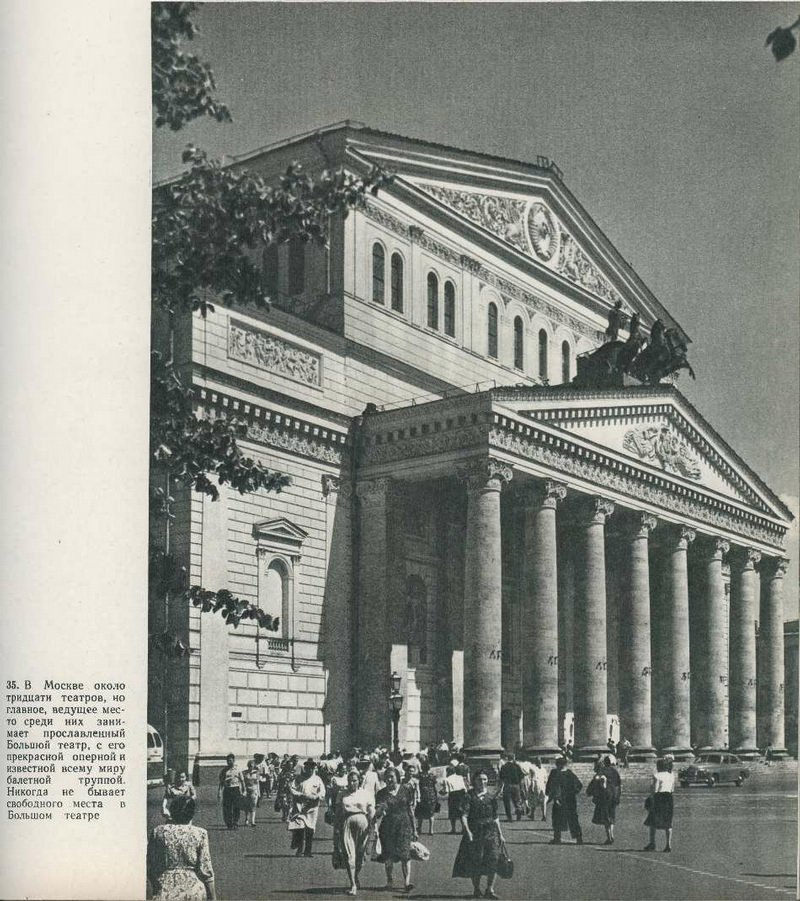
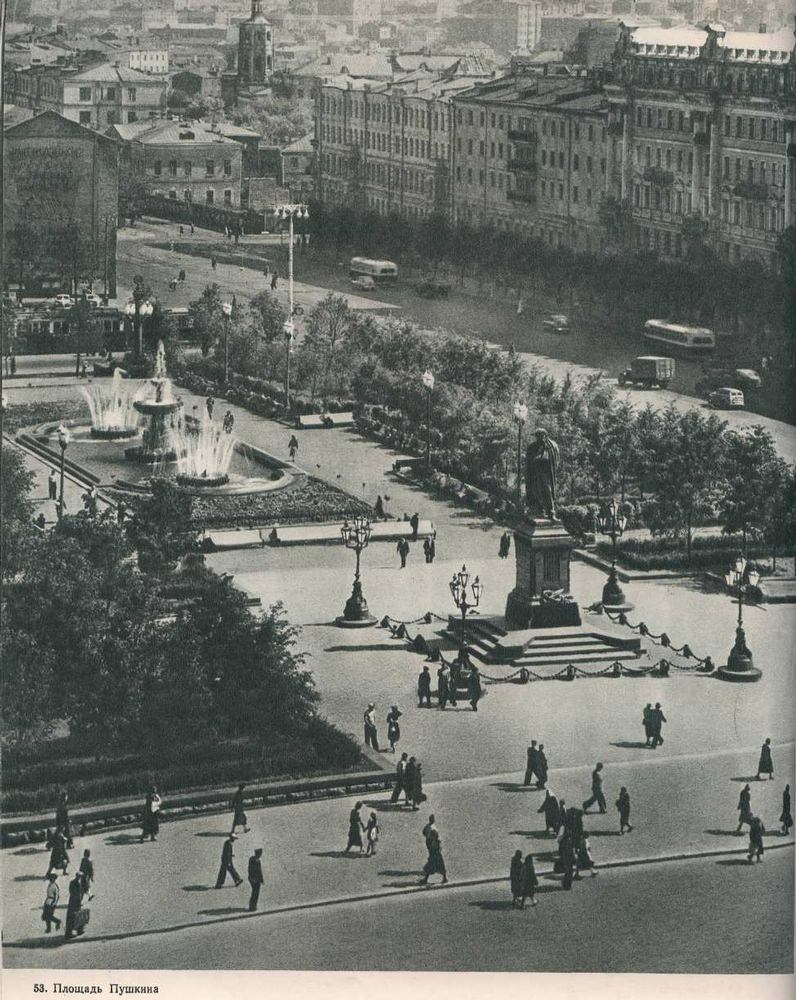
After work, Muscovites headed to parks for chess or a quiet walk. Theaters and cinemas were popular escapes. Television sets were spreading into more homes, though all channels were state-run, mixing news with propaganda and scripted entertainment.
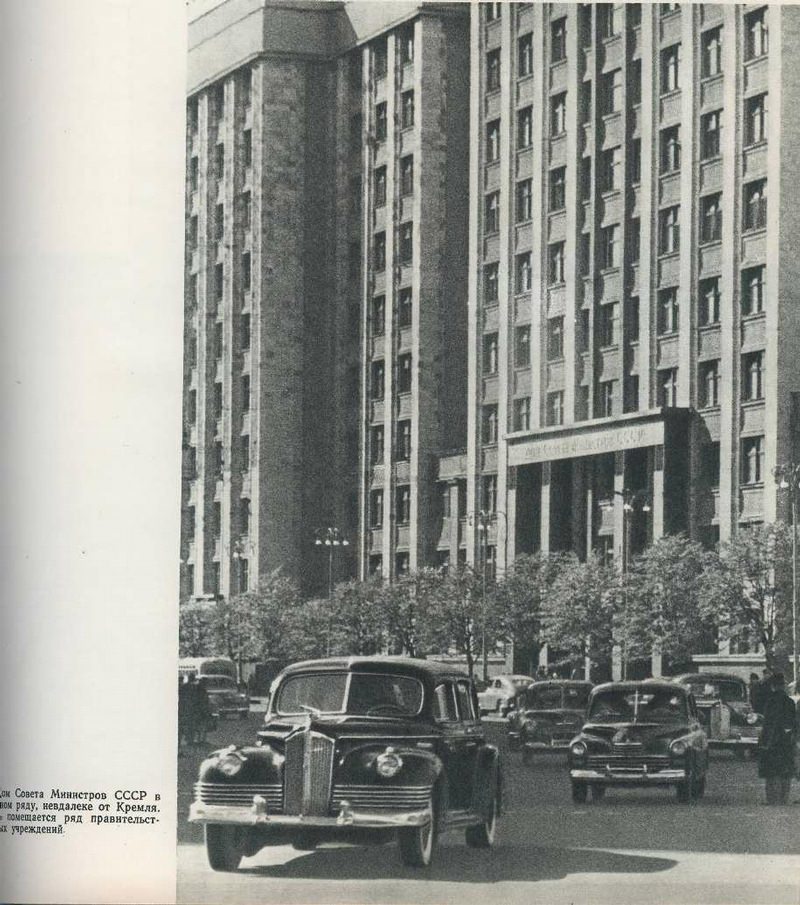
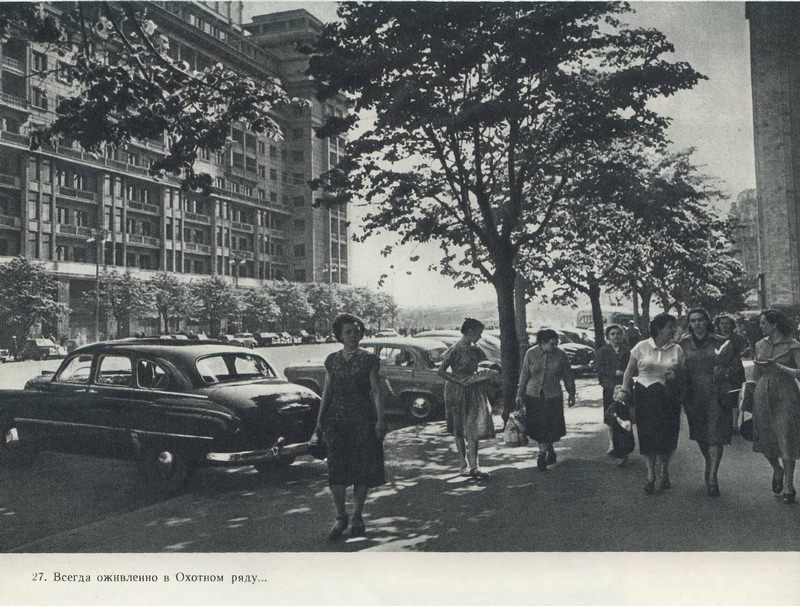
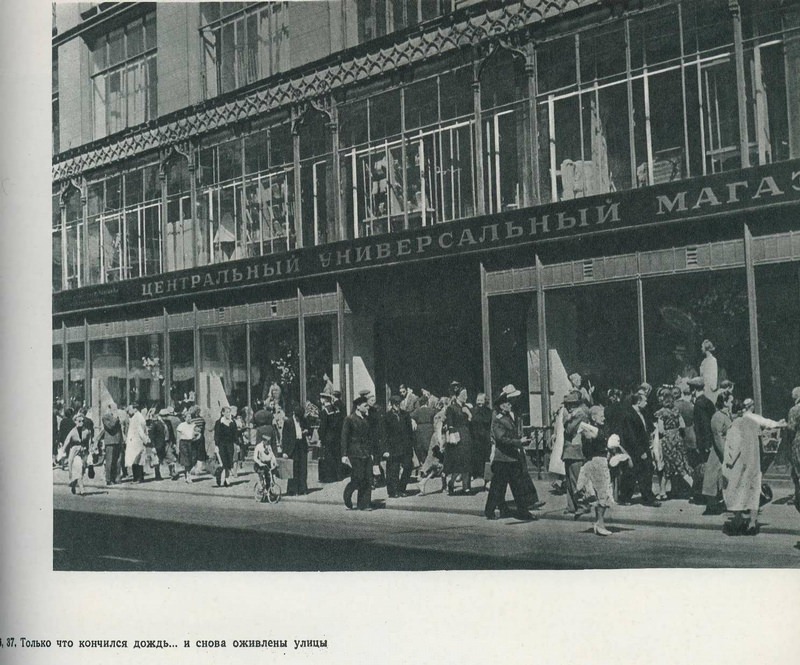
Shopping required patience and strategy. State stores offered limited goods, and lines stretched around the block. When official stores ran dry, some residents turned to black-market traders to find what they needed.