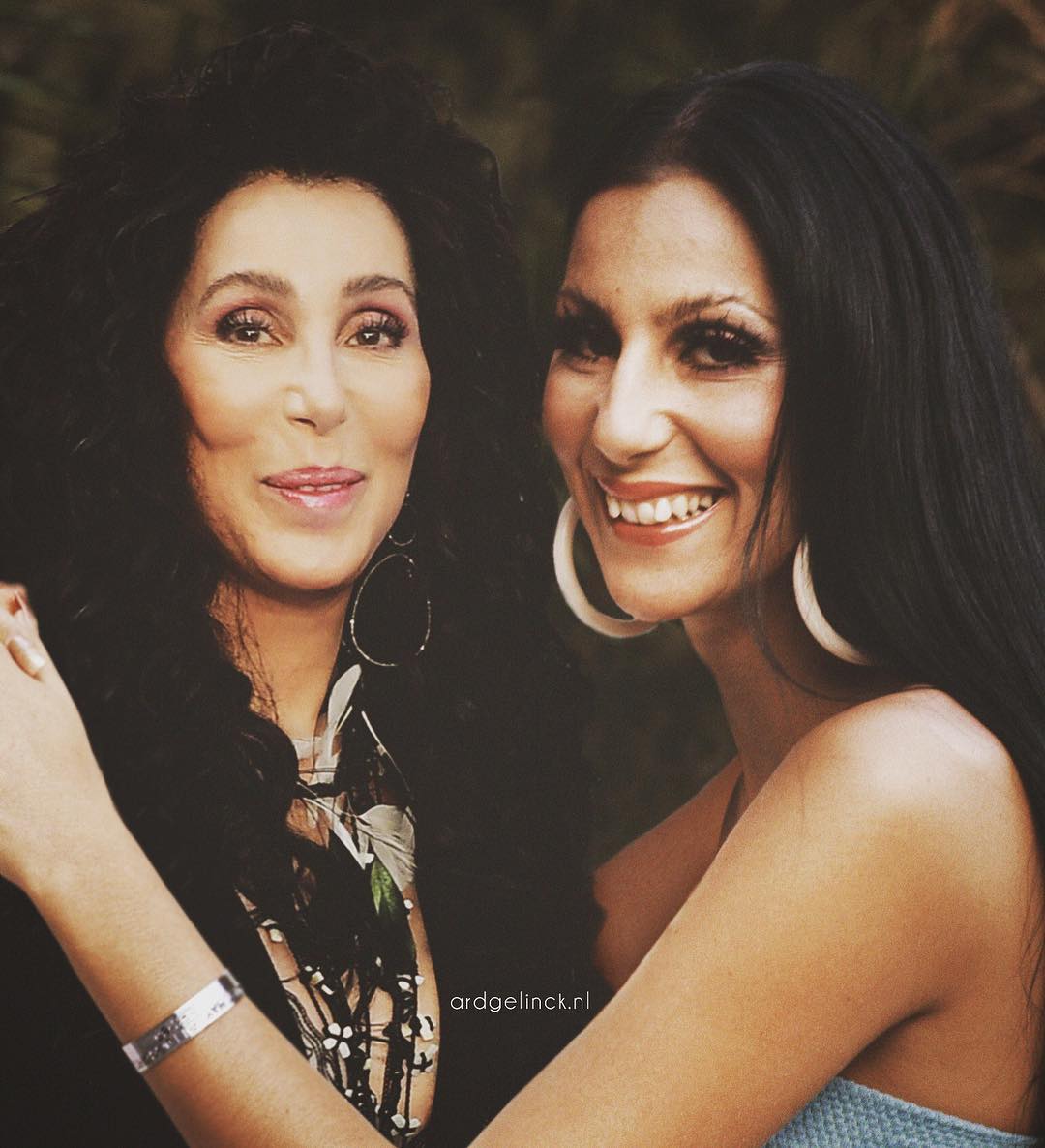
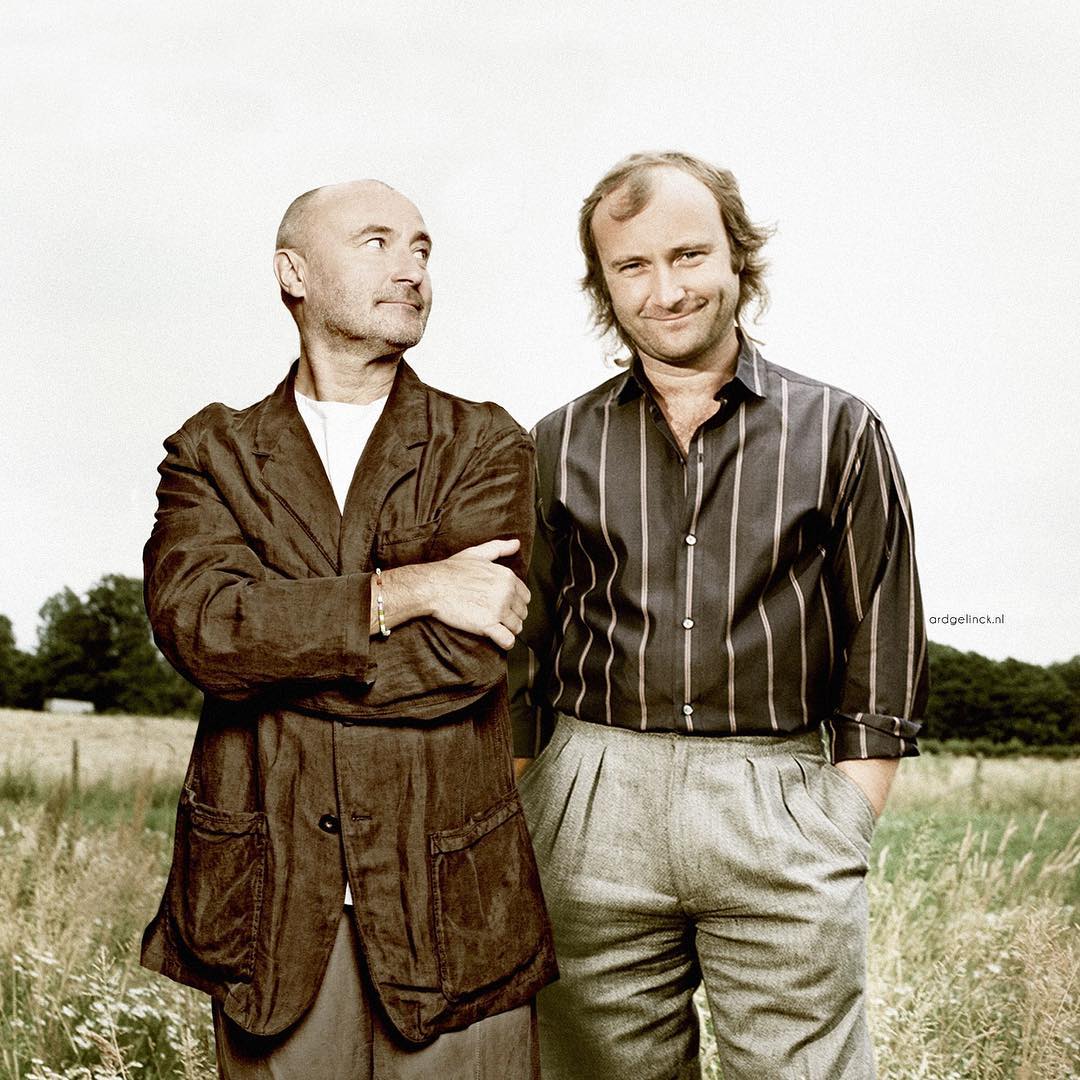
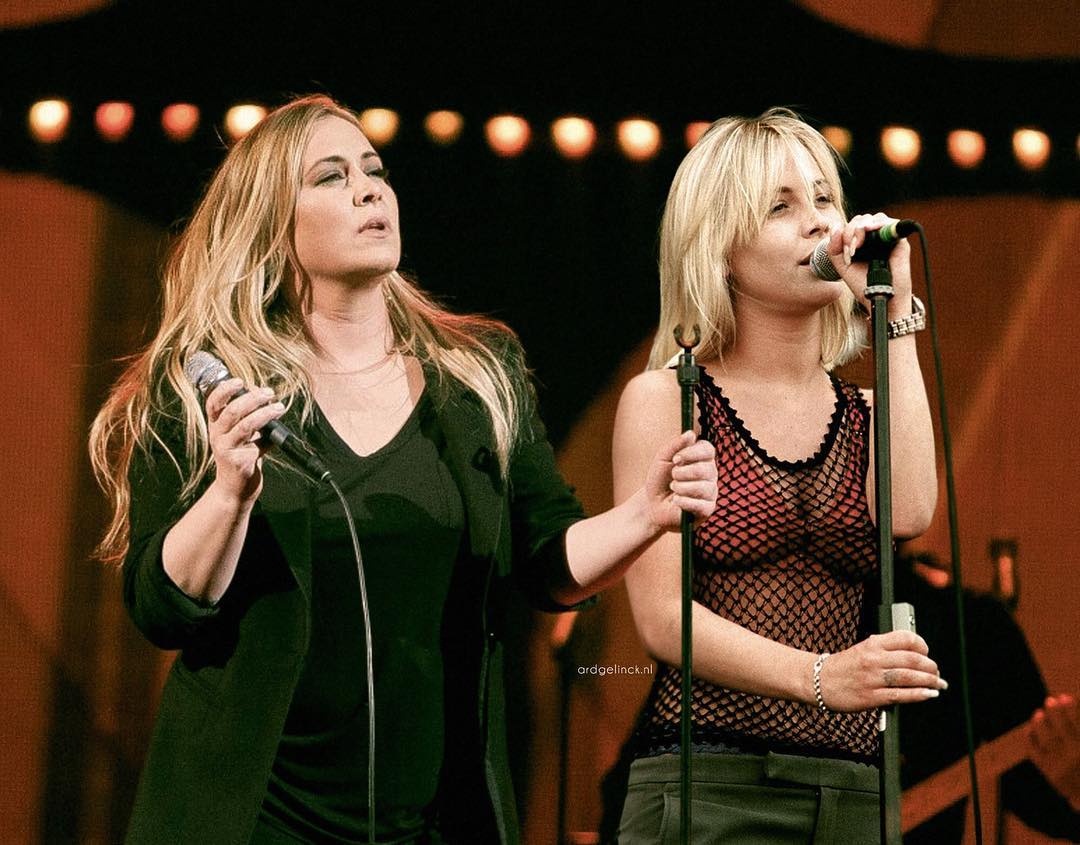
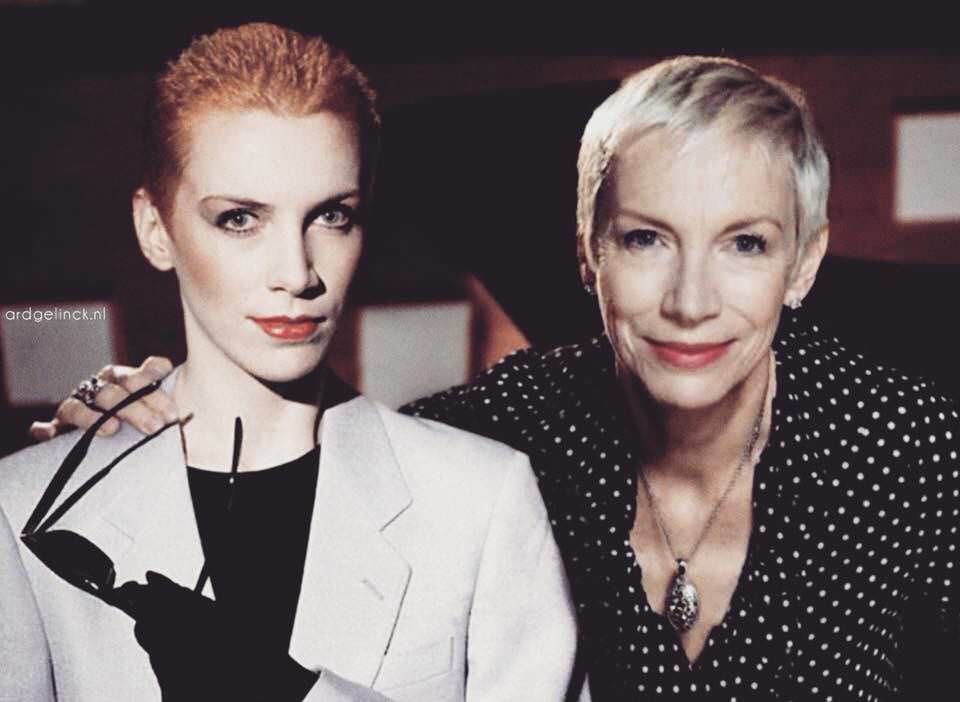
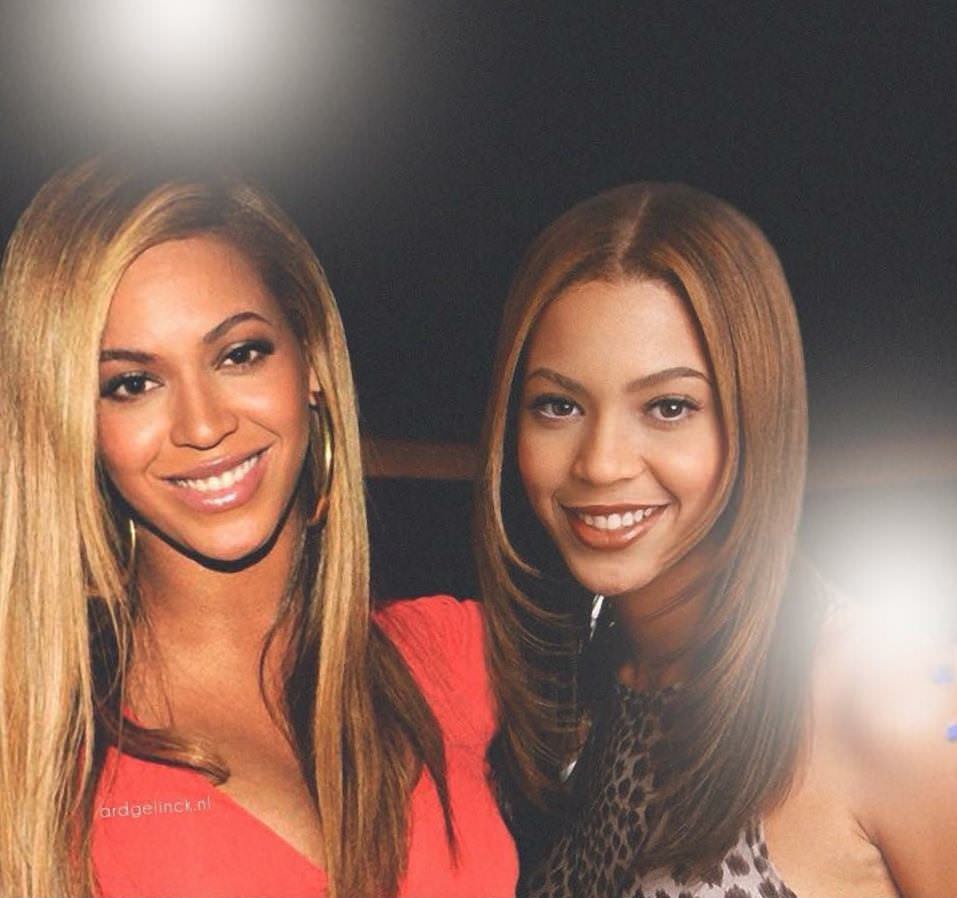
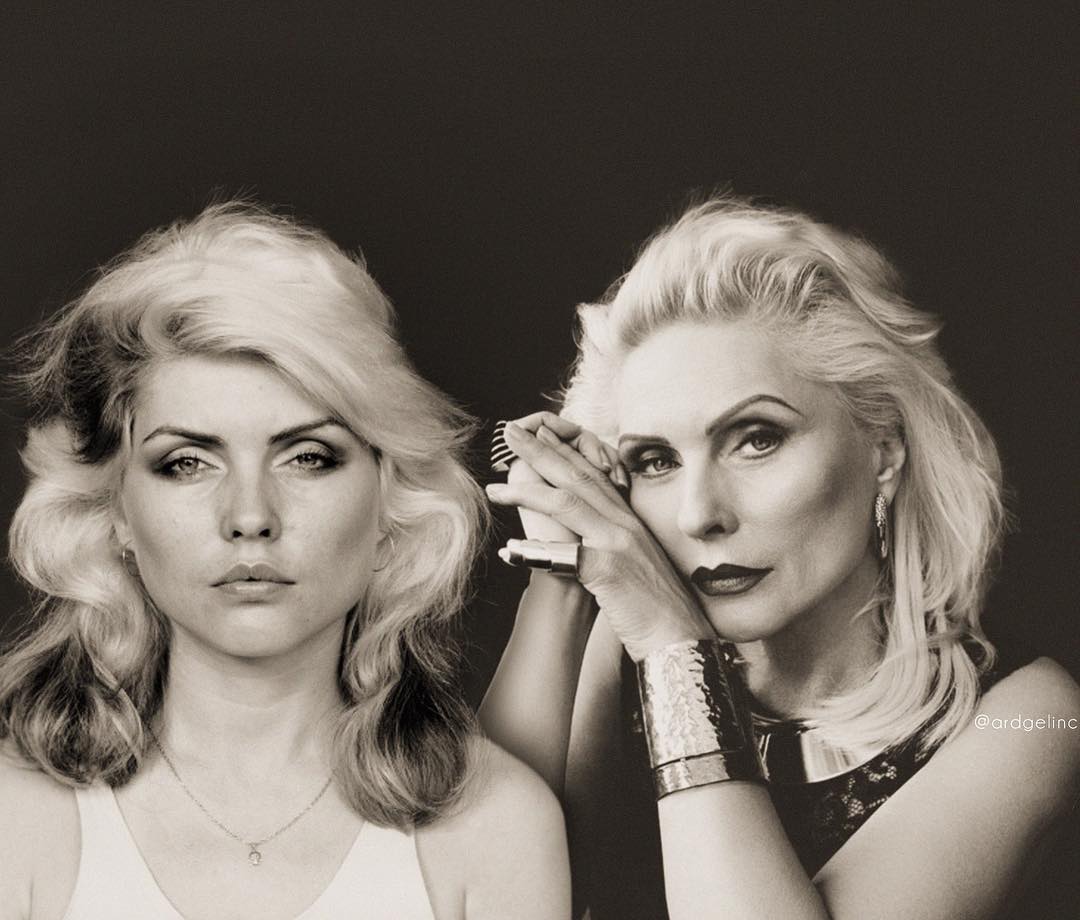
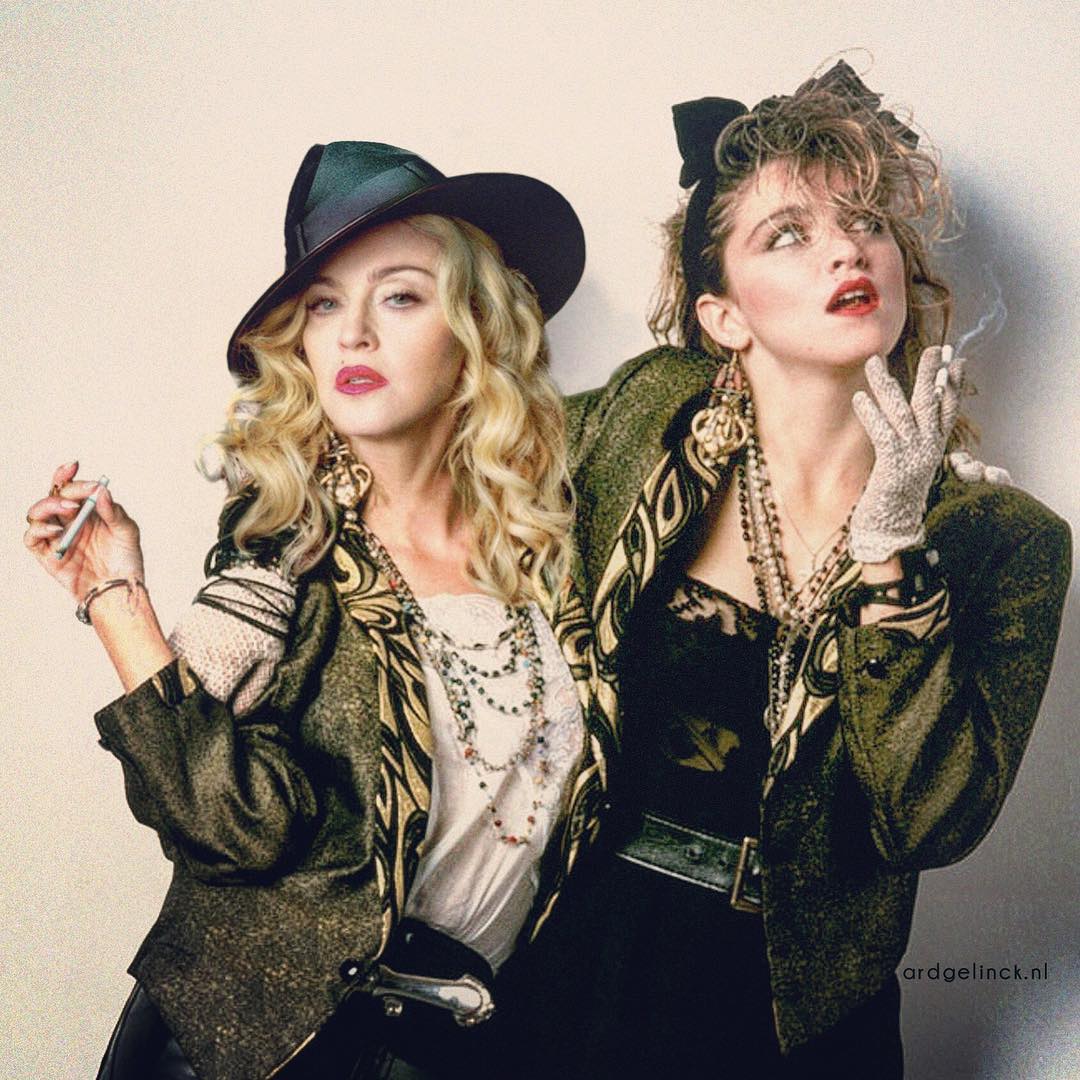
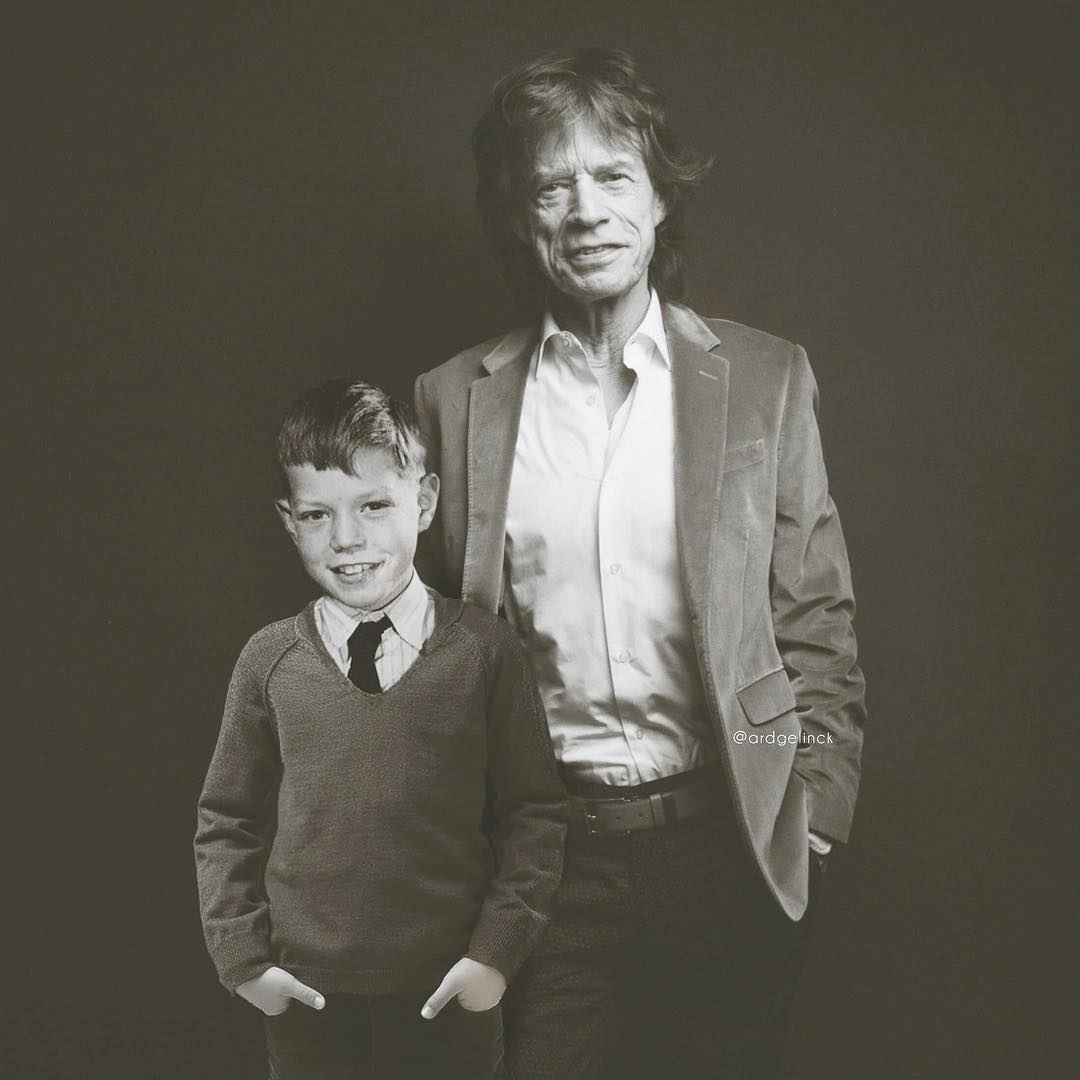
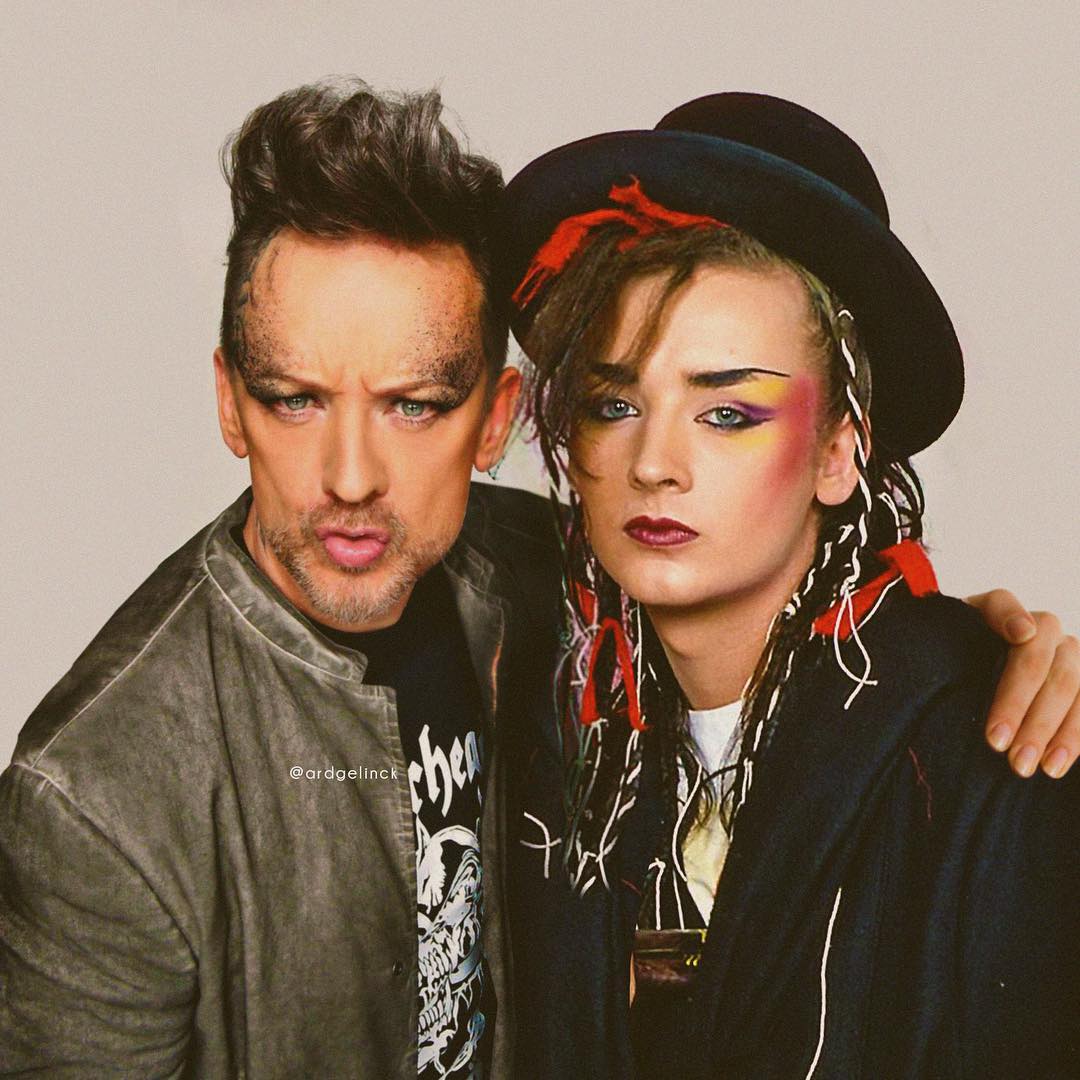
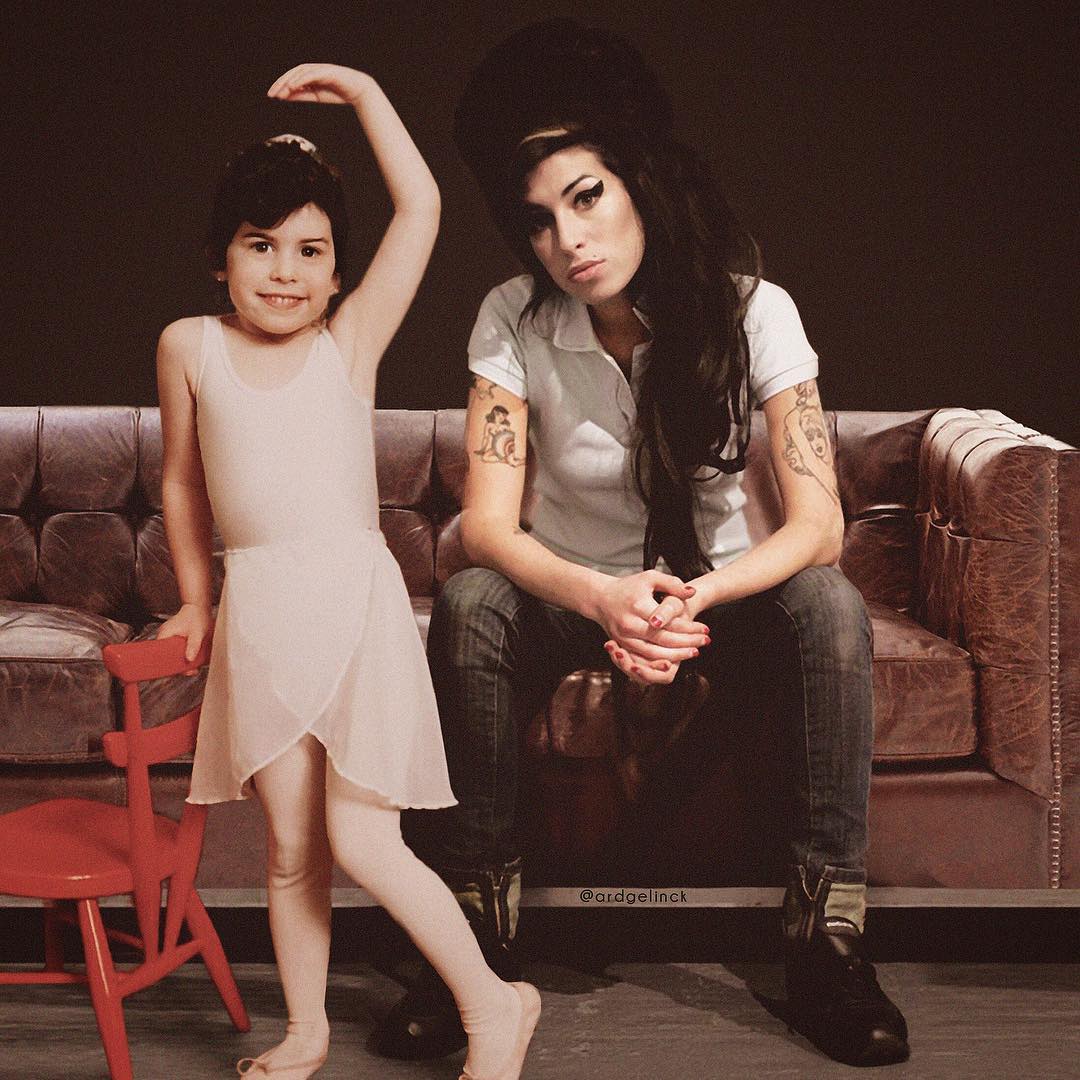
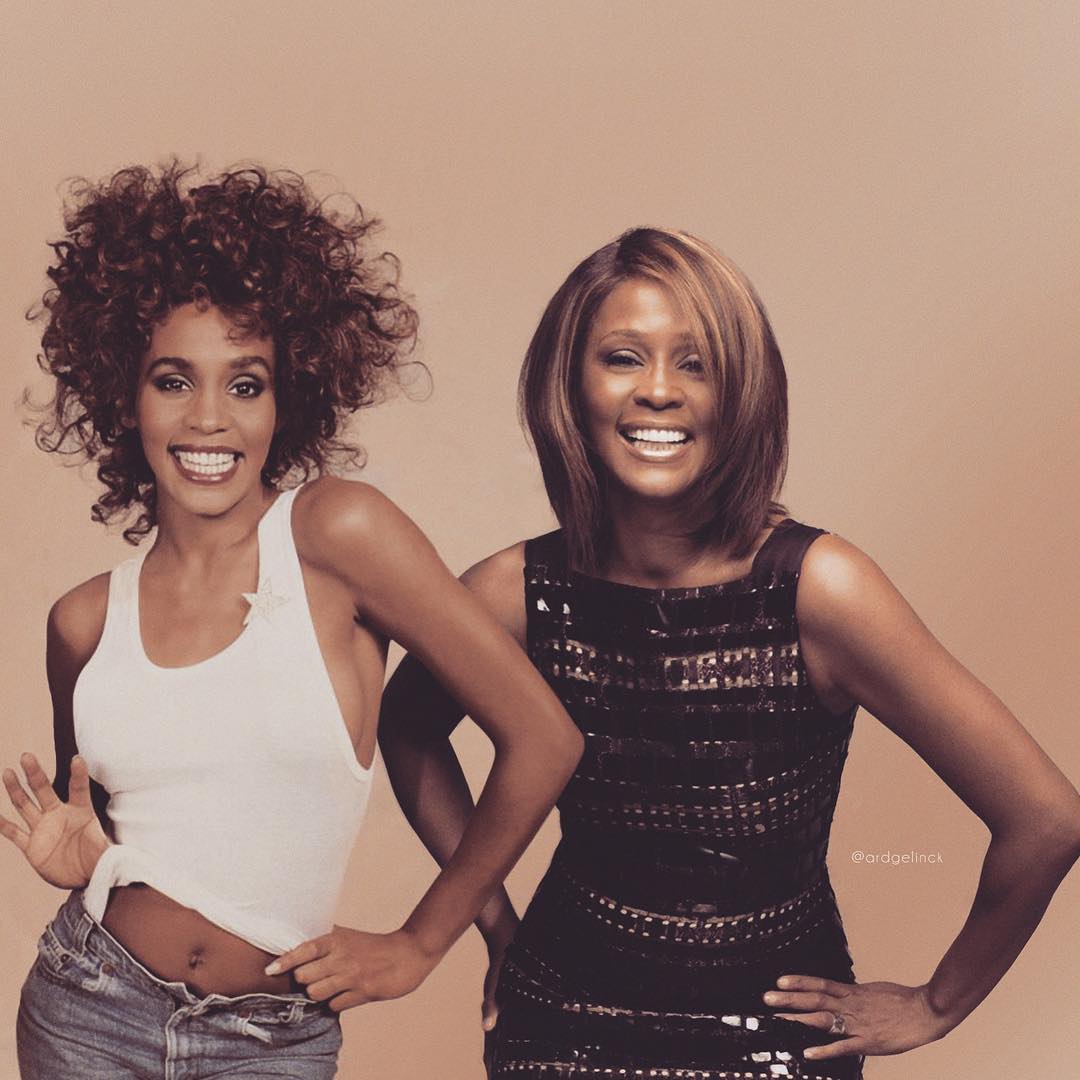
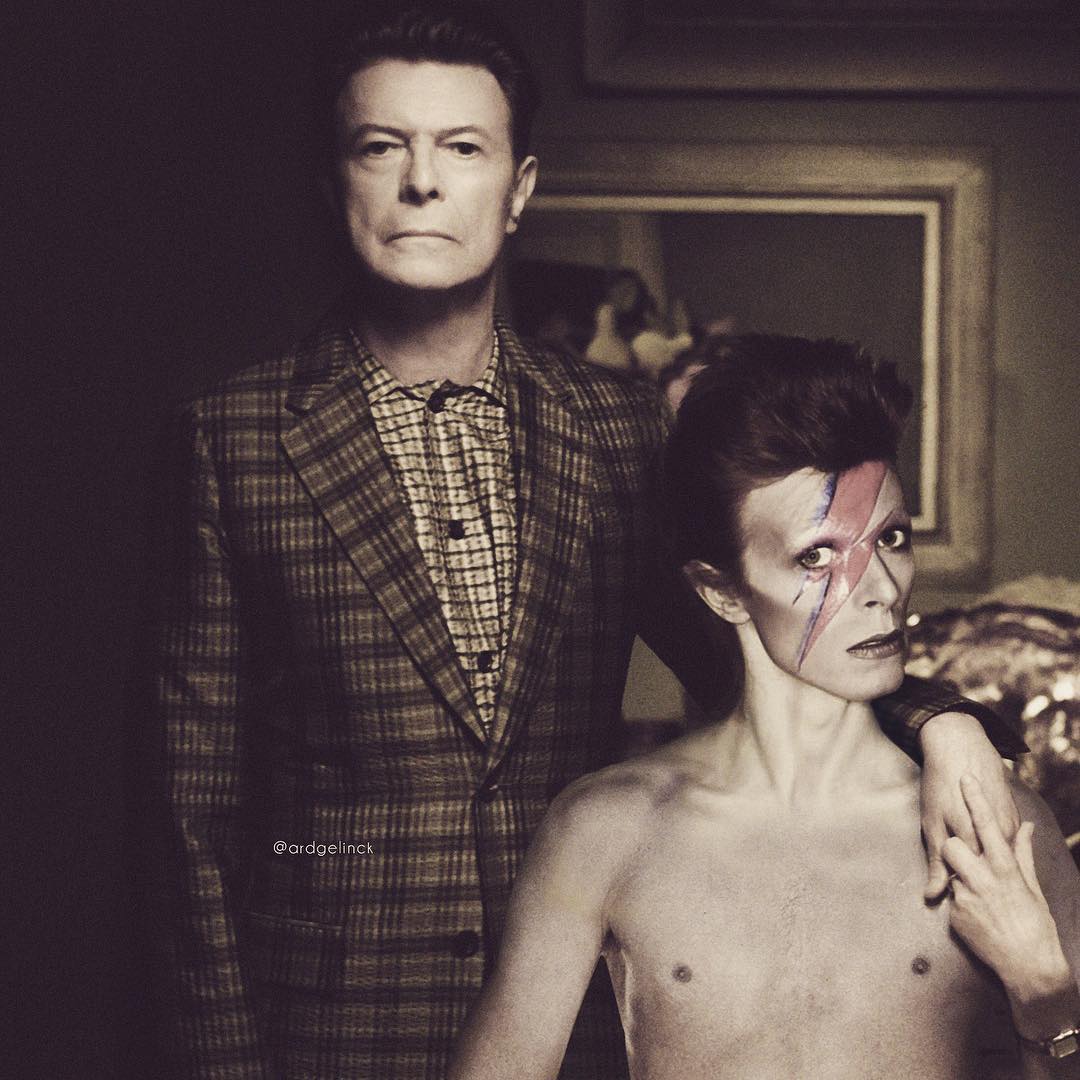
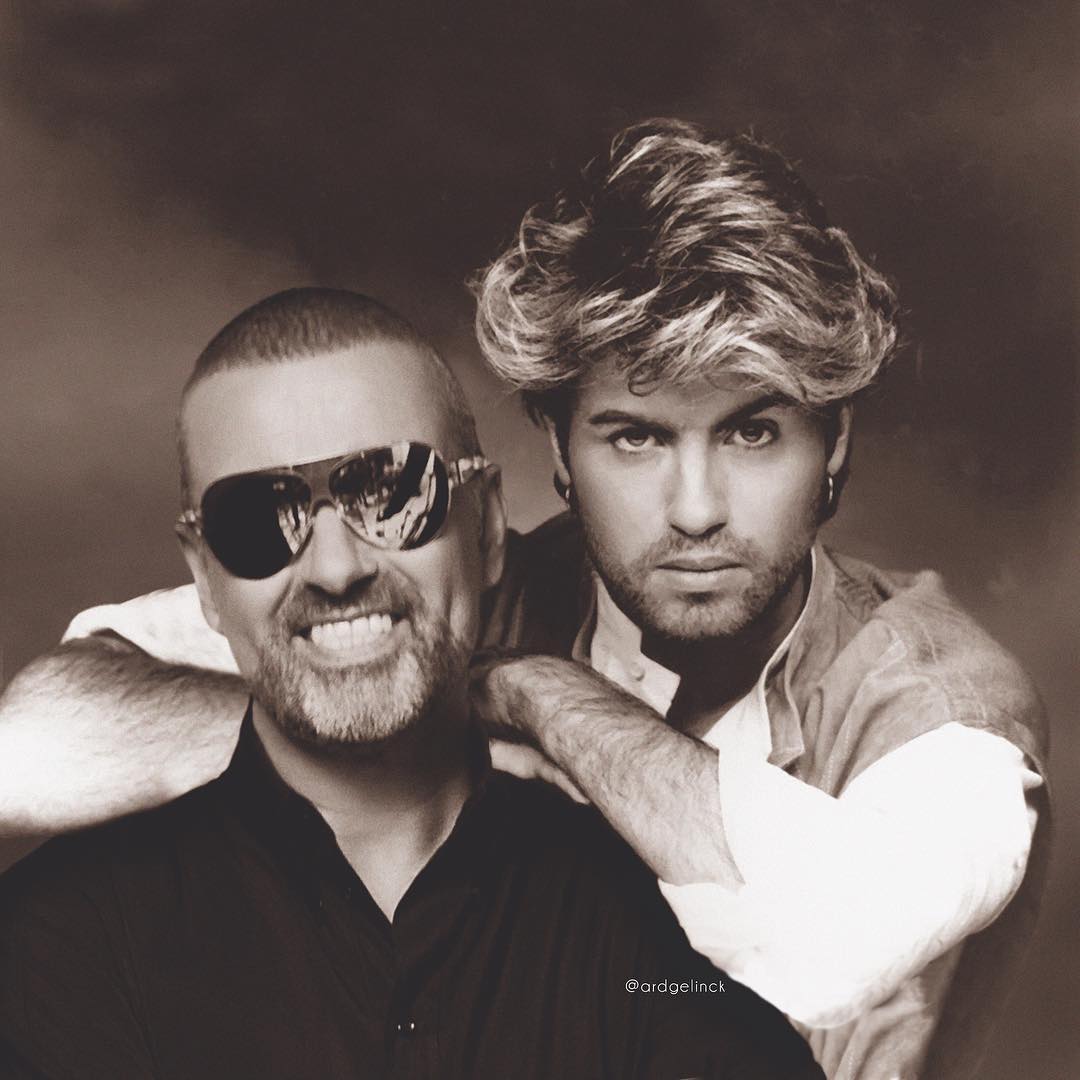
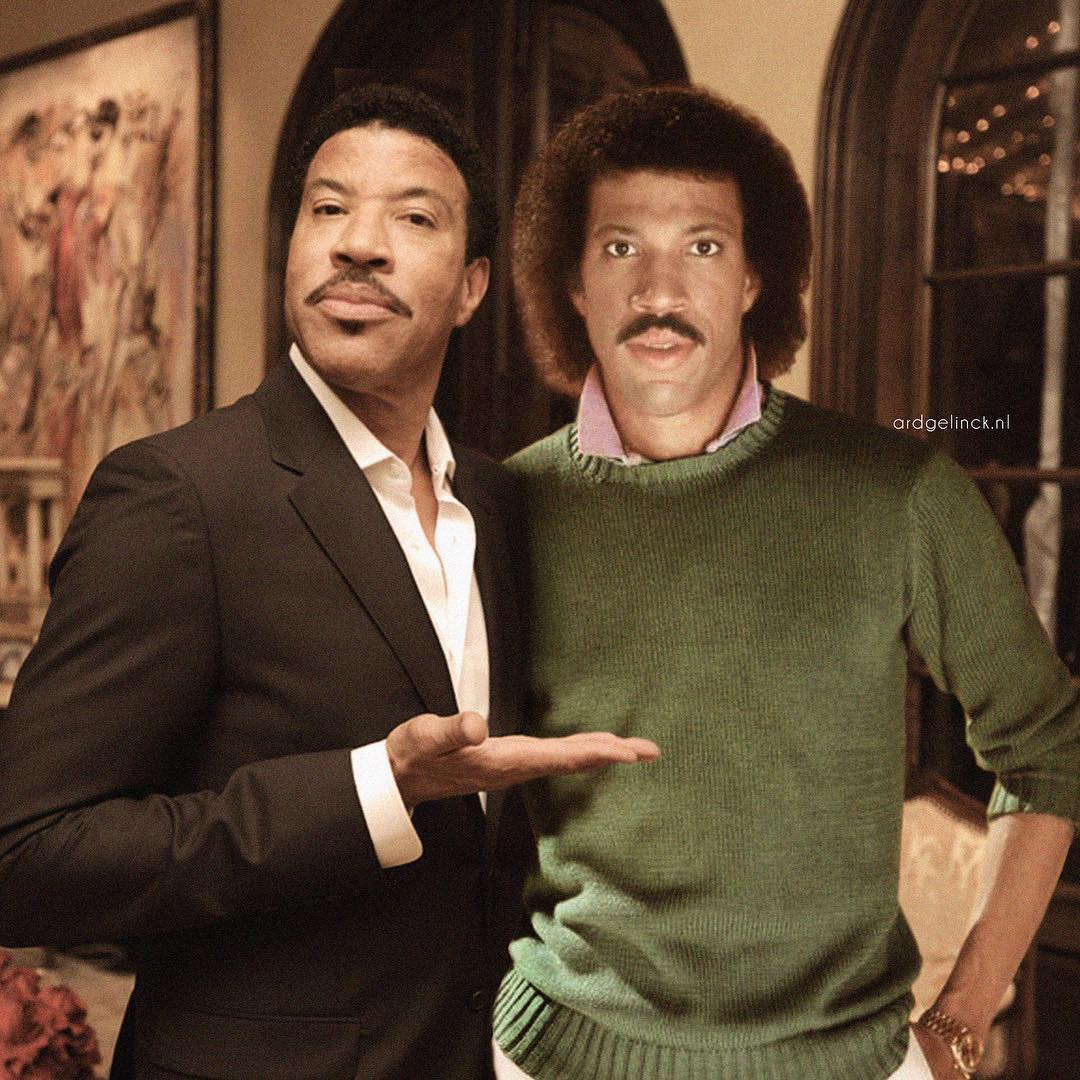
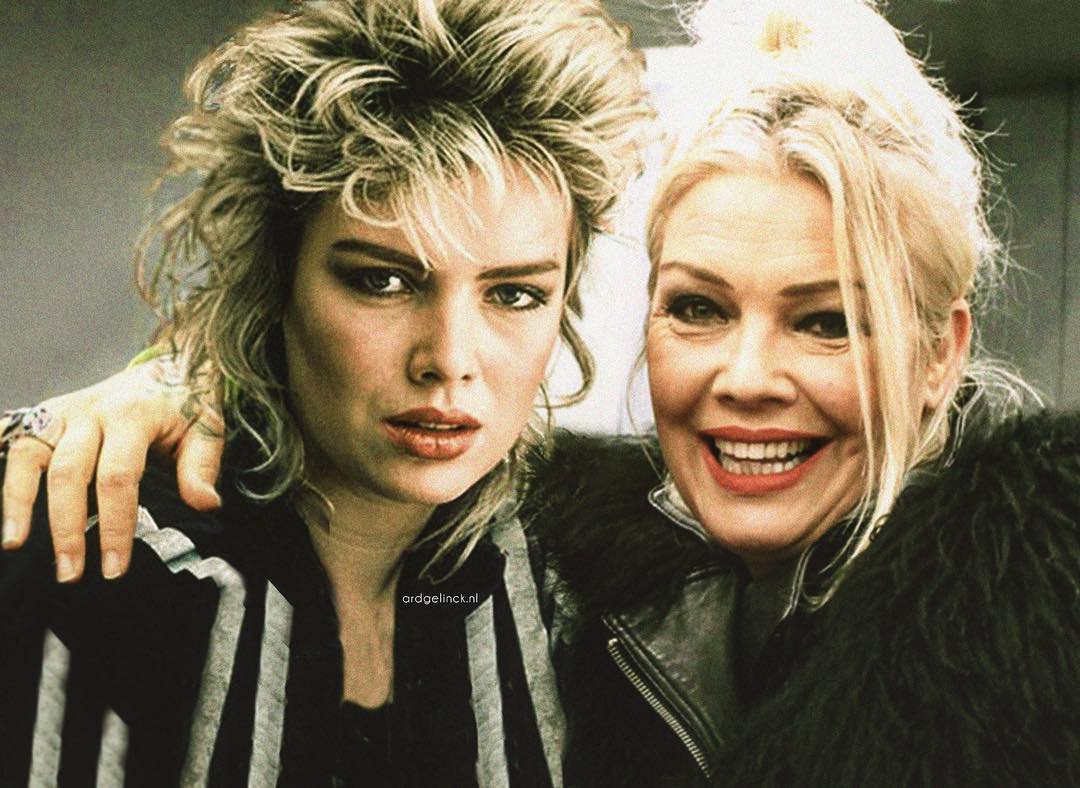
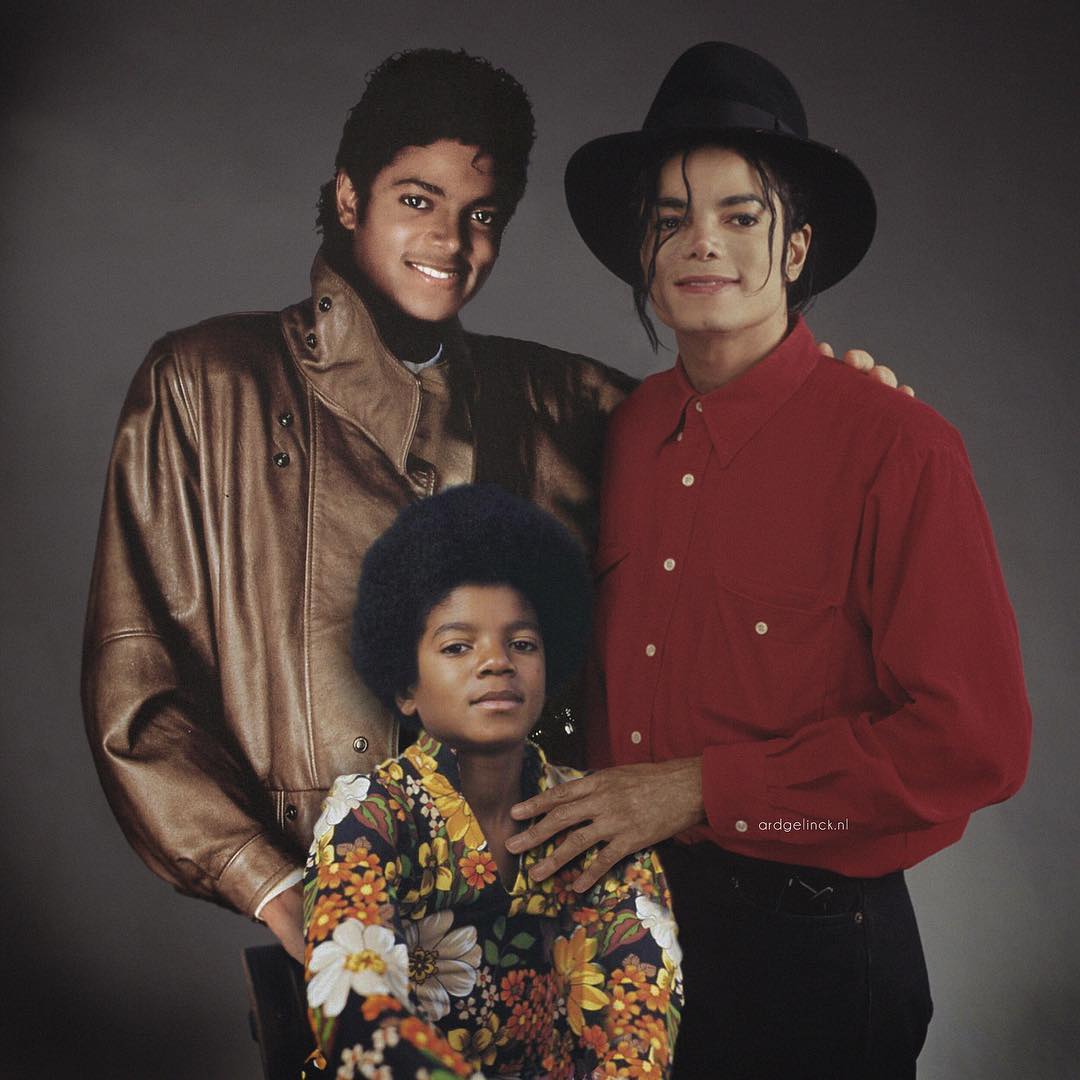
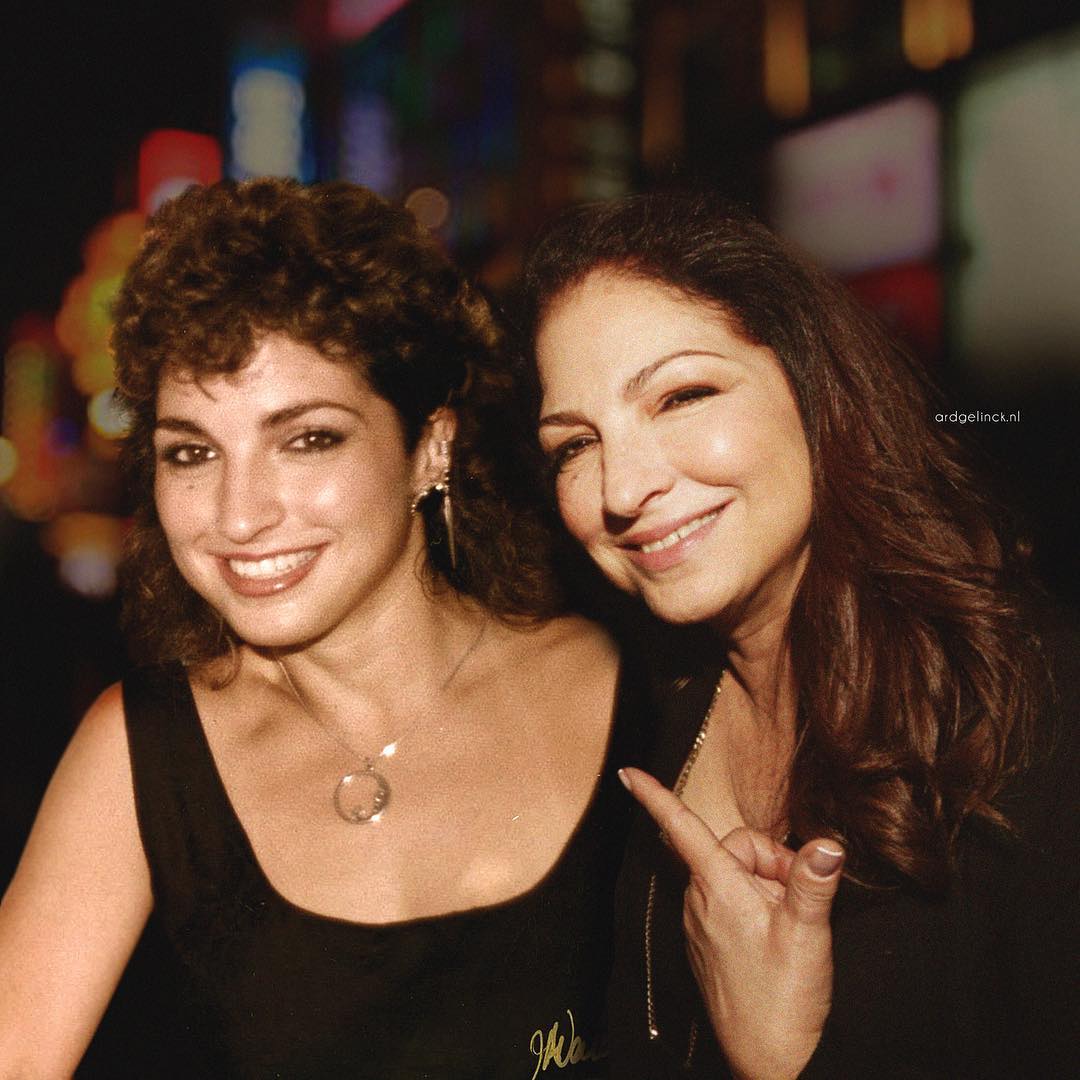
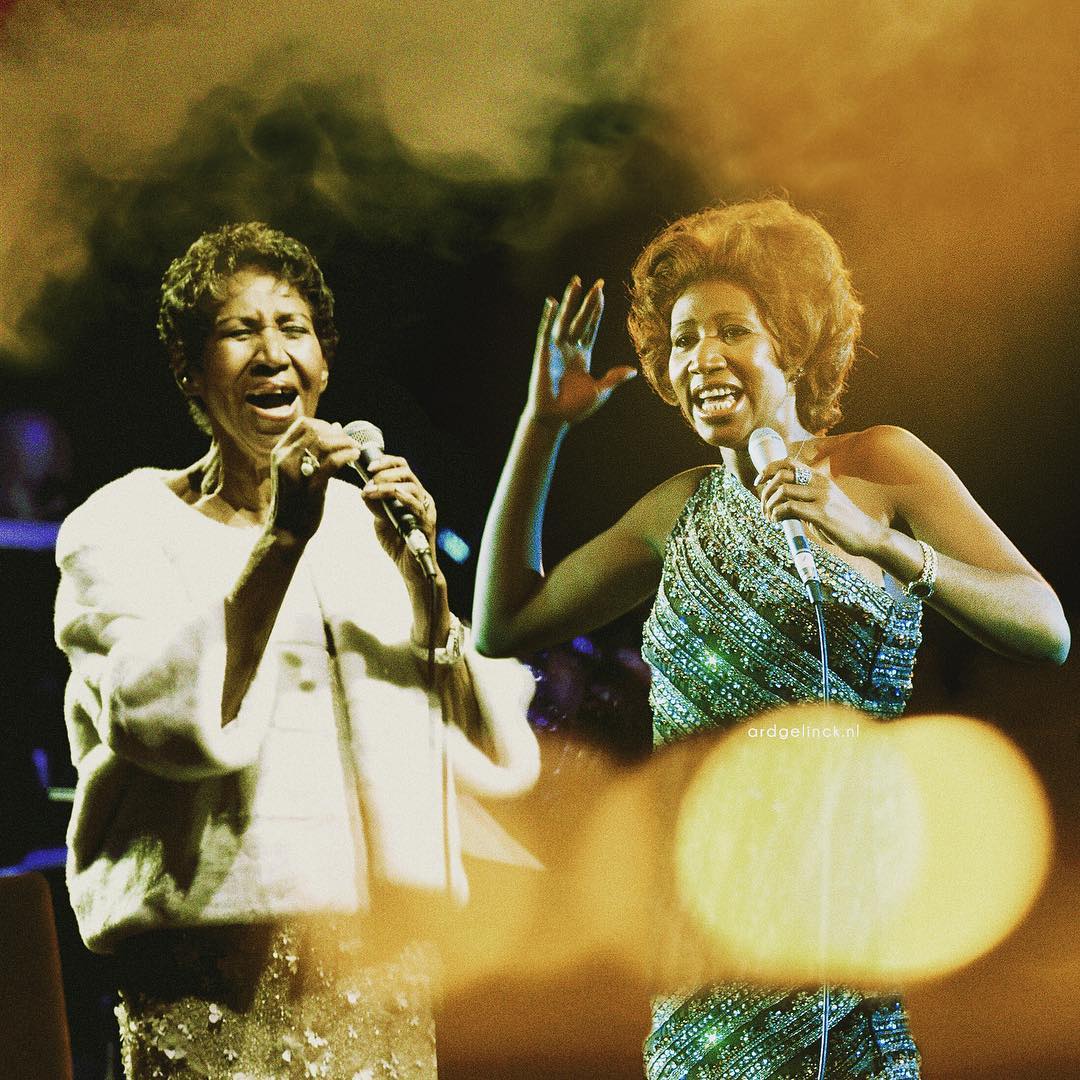
Old photographs have a way of stopping you in your tracks. They capture a moment in time — a face, a look, an era — that feels both distant and strangely familiar. Dutch digital artist Ard Gelinck has turned that feeling into an ongoing creative project, producing composite portraits that place famous musicians side by side with their younger selves. The results are striking, sometimes eerie, and always thought-provoking.
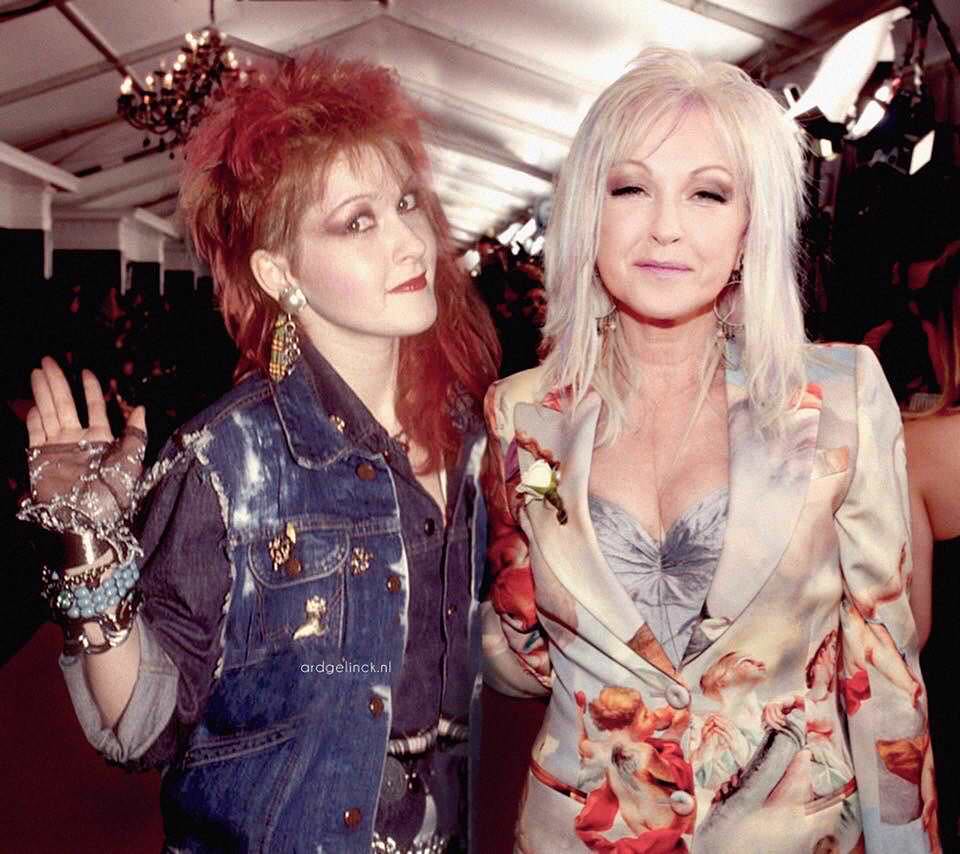
Gelinck’s process is more involved than it might appear. He carefully selects source photos where the body language, lighting angle, and framing make it believable that the two versions of one person are actually sharing the same space. He then matches the color tones and contrast between the two images to create a seamless, convincing portrait. Many viewers do a double take before realizing what they’re looking at.
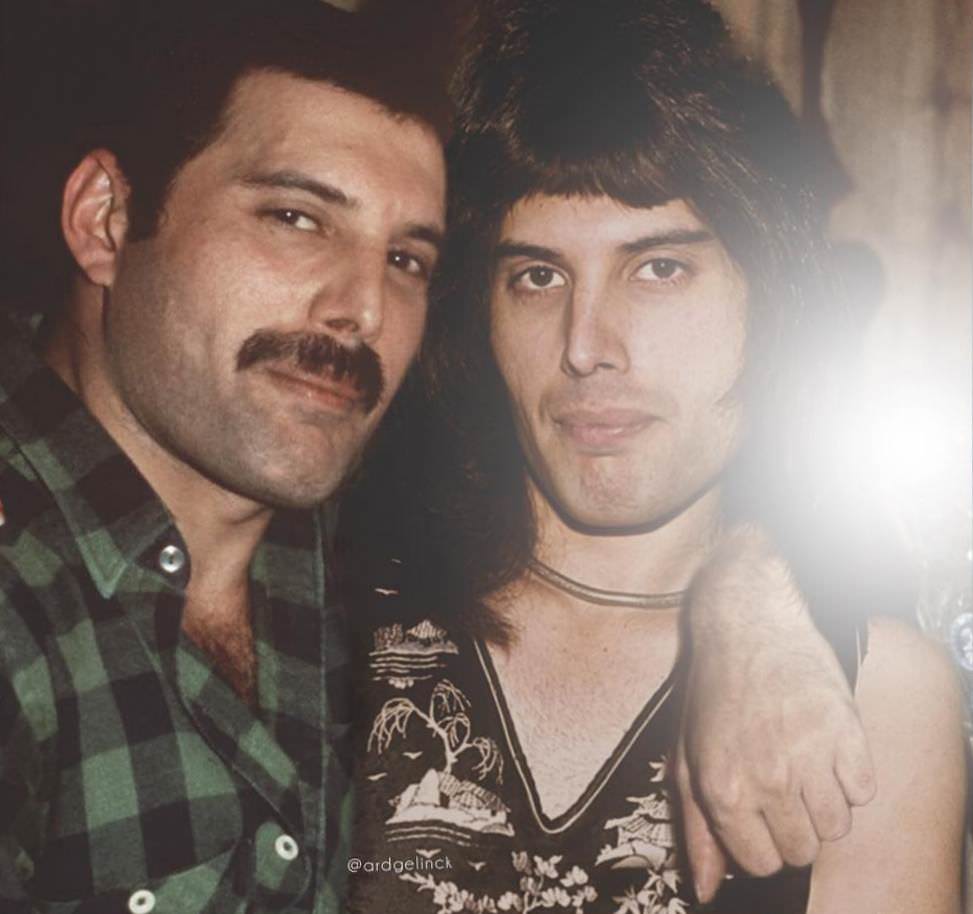
The series features some of the most iconic names in music history. Freddie Mercury, the electrifying frontman of Queen, appears in one of the most powerful composites in the collection. Seeing him at two different stages of his life, brought together in a single frame, underscores just how much personality he carried at every age.

U2’s Bono is another standout. The contrast between the raw, scrappy look of his early years and his polished, seasoned presence today tells the story of a long career without a single word. Cyndi Lauper and Debbie Harry both bring their unmistakable visual identities to the project as well.
Madonna’s composite is particularly effective. Her image has shifted so dramatically over the decades that placing her earlier self next to her current one highlights just how deliberately she has always constructed her public persona. Paul McCartney and Mick Jagger, two of rock’s most enduring figures, also feature in the series — their portraits spanning careers that stretch back more than six decades.

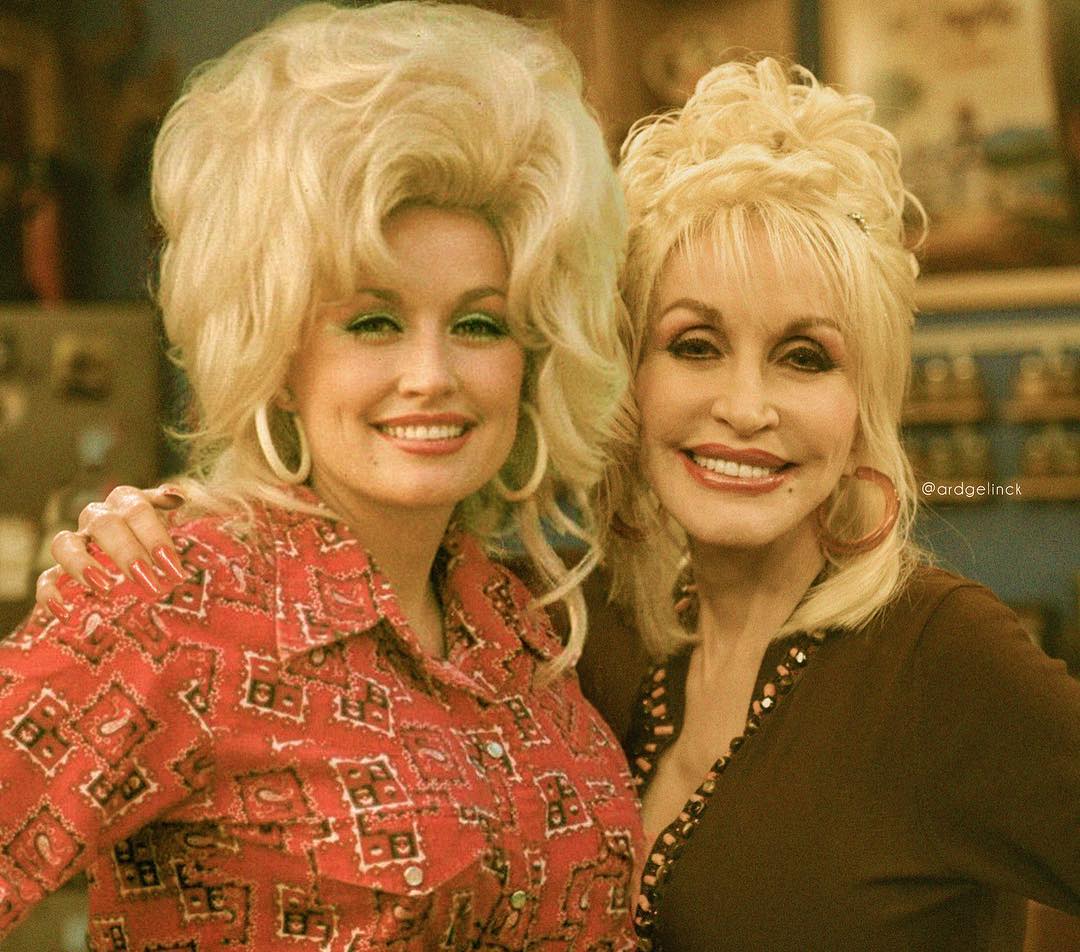
Boy George, Robbie Williams, and Dolly Parton each bring something different to the collection. Dolly Parton’s portrait is one of the most visually cohesive — her signature style has remained remarkably consistent over the years, making the composite feel almost natural.

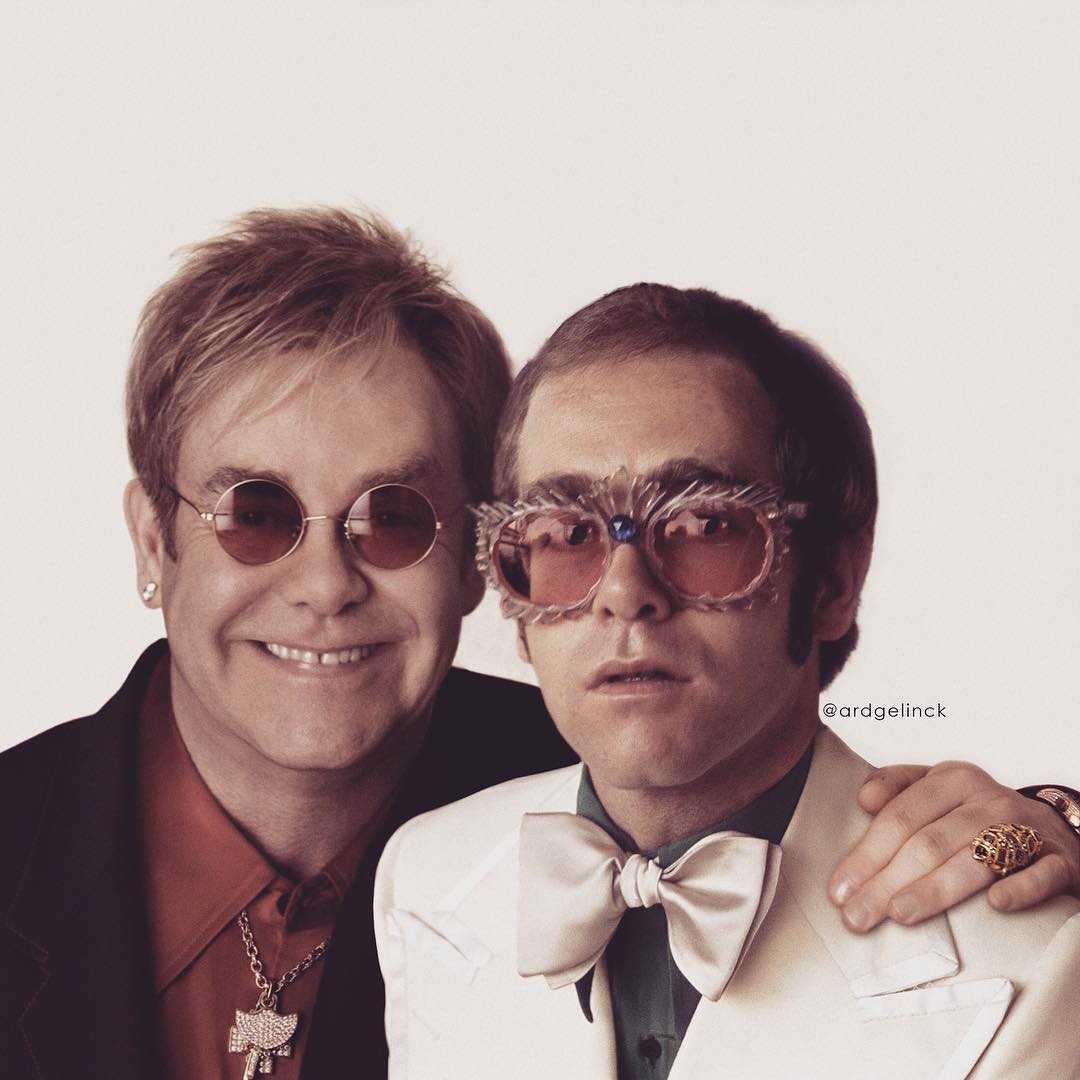
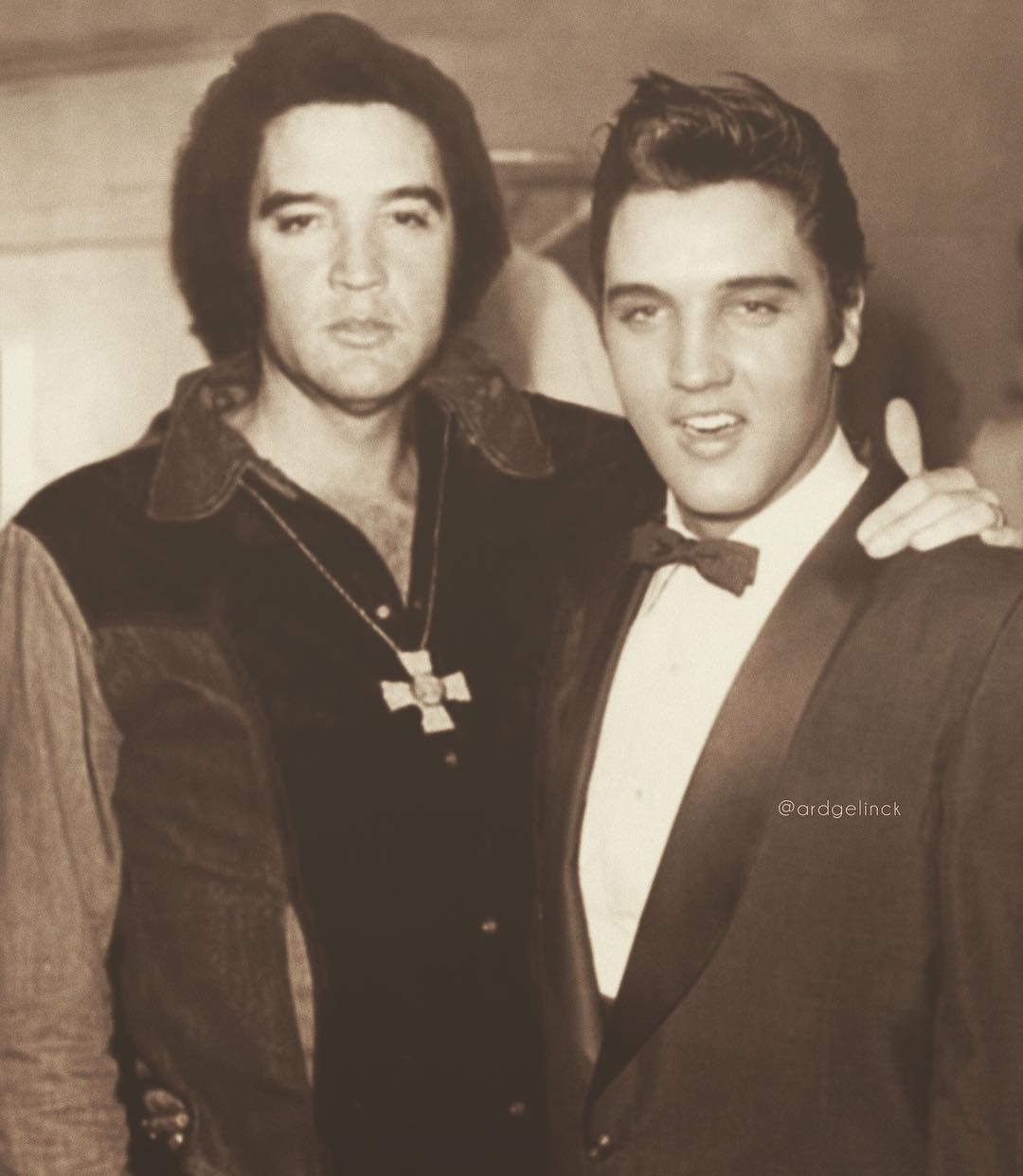
Elton John’s portrait captures the full arc of one of music’s most flamboyant careers — from the oversized glasses and wild stage costumes of the 1970s to the more refined look of his later years. Elvis Presley’s composite, bridging his early rock and roll explosion with his later Las Vegas era, is one of the most historically significant in the set.
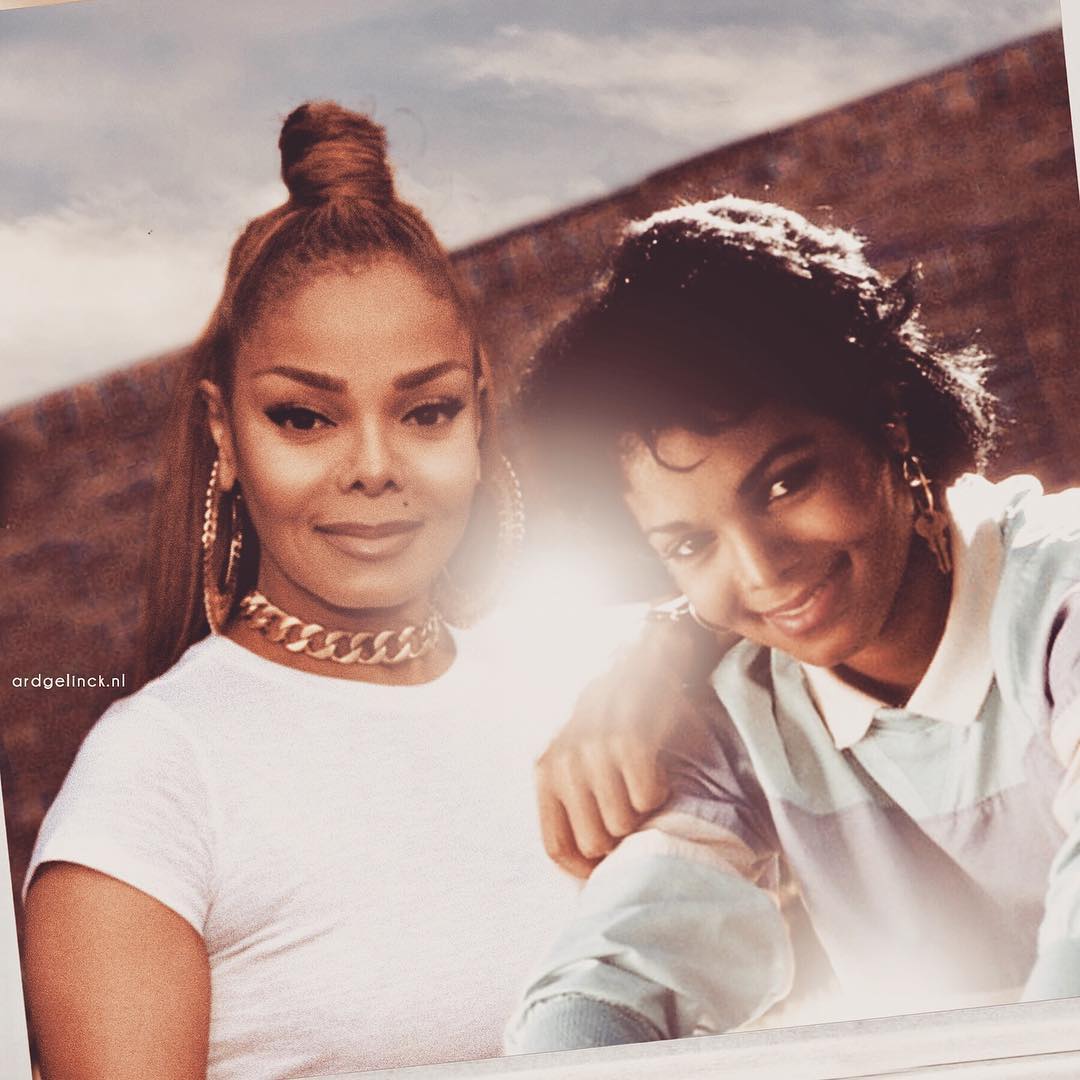
Janet Jackson, Amy Winehouse, and Whitney Houston are among the most emotionally charged portraits in the project. For Winehouse and Houston, who both died young, the composites carry an added weight — a younger self standing next to someone the world lost far too soon.
David Bowie’s portrait is arguably the most visually layered of the entire series. Bowie reinvented himself so many times throughout his career that even choosing which versions of him to pair is a creative decision in itself. George Michael and Tina Turner round out a group of artists whose careers defined entire decades of popular music.
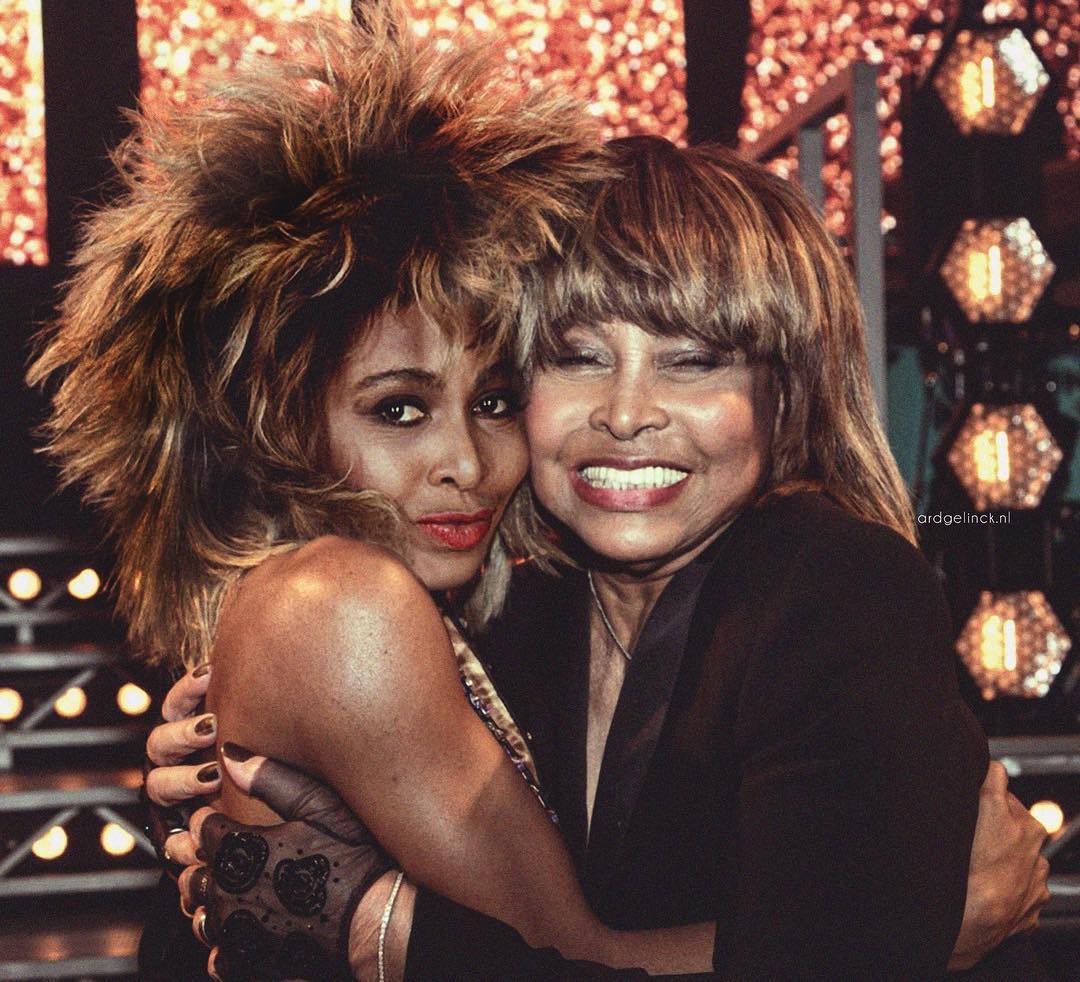
Jon Bon Jovi, Lionel Richie, and Britney Spears each represent different corners of the pop and rock world. Britney Spears’ portrait, in particular, captures the jarring distance between her child-star beginnings and her adult career — two lives that barely seem to belong to the same person.


Kim Wilde, Michael Jackson, Gloria Estefan, and Aretha Franklin all feature in the later part of the series. Michael Jackson’s composite is among the most widely recognized — his transformation over the years is one of the most documented in entertainment history. Aretha Franklin’s portrait carries the quiet authority of someone who commanded respect from the very beginning of her career.
Cher, Phil Collins, Dutch rock singer Anouk, Annie Lennox, and Beyoncé close out the series. Cher’s composite is striking — she has been a public figure for so long that her younger self looks like a character from another era entirely. Beyoncé’s portrait, on the other hand, shows a continuum: the same fierce precision she displayed as a child performer is clearly visible in her current work.