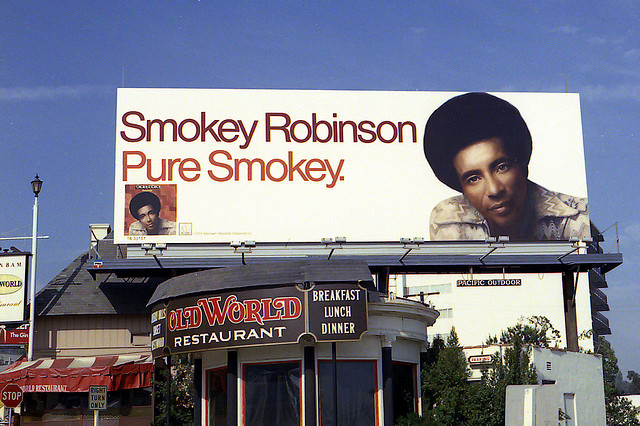
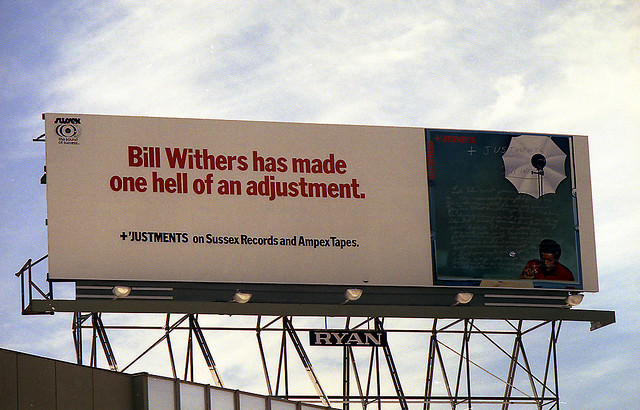
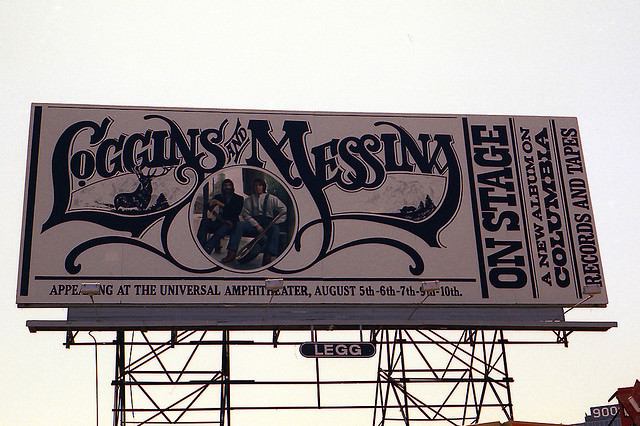
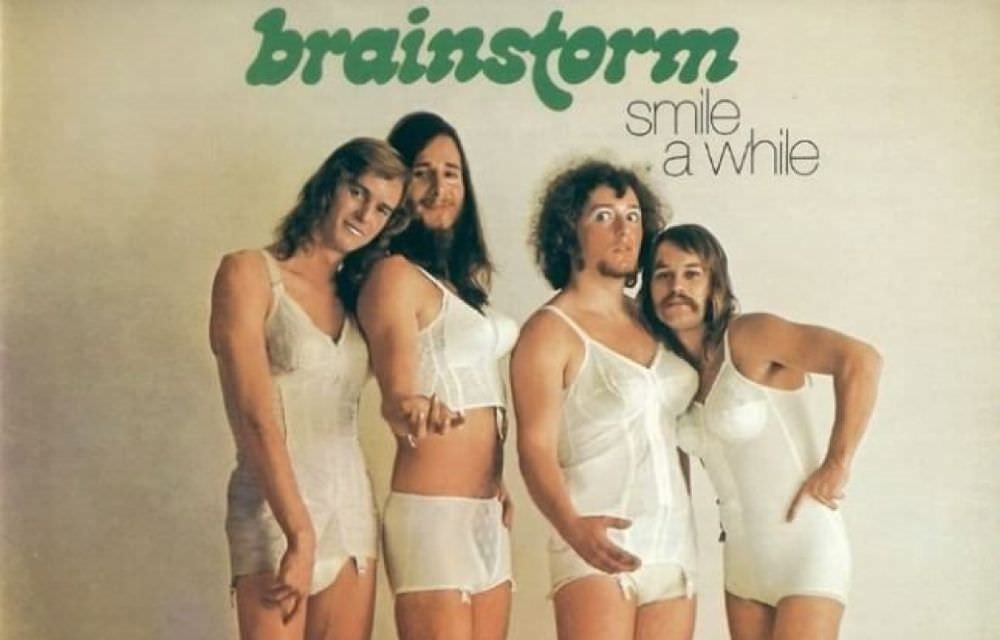
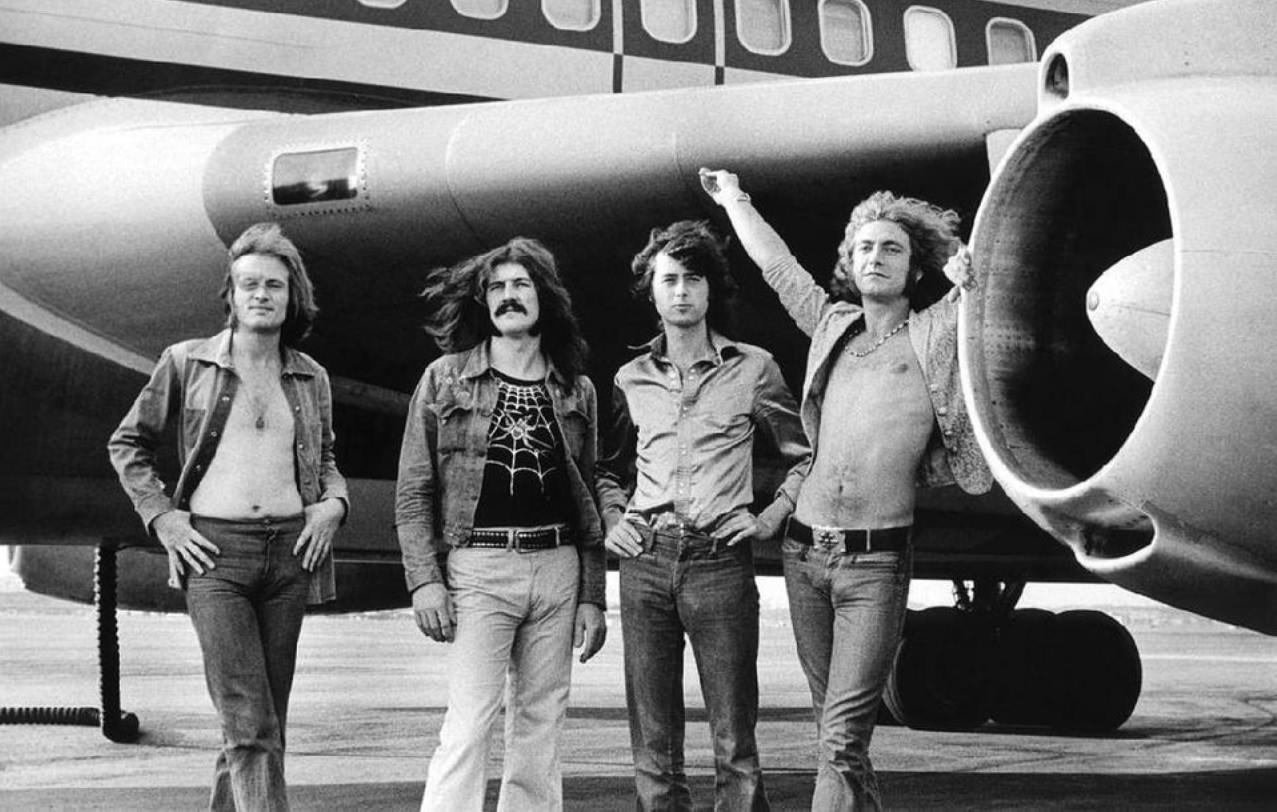
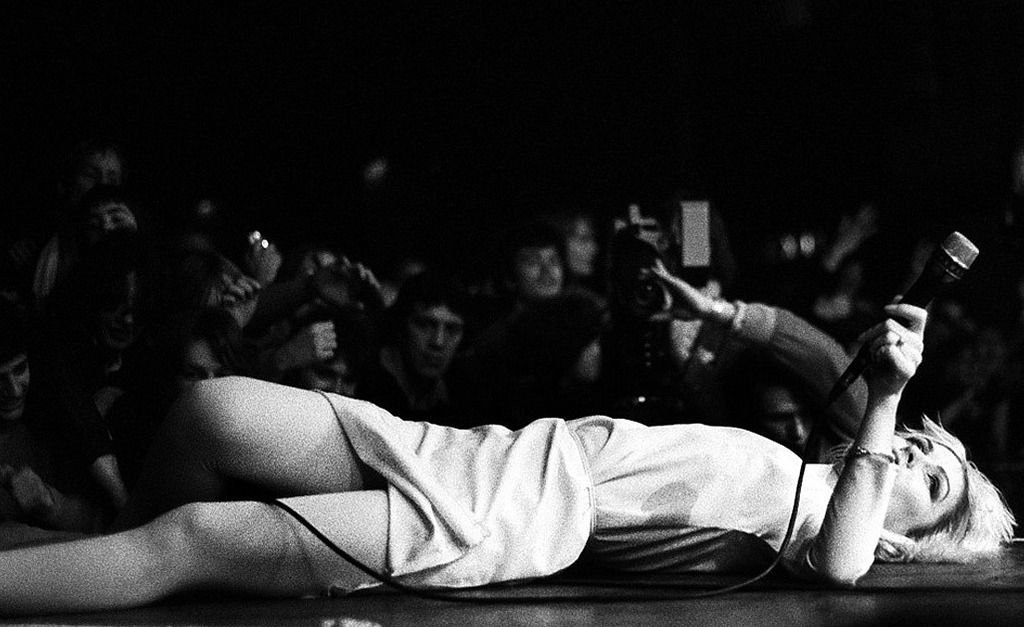
In the mid-1970s, the Sunset Strip in Los Angeles was one of the most visually exciting stretches of road in America. Major record labels rented out large billboard spaces along Sunset Boulevard to promote new albums and artists. Before social media, streaming, or music videos, these towering advertisements were how fans first encountered a new release.
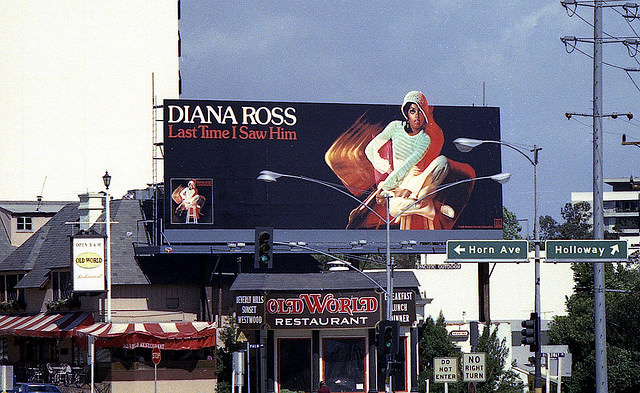
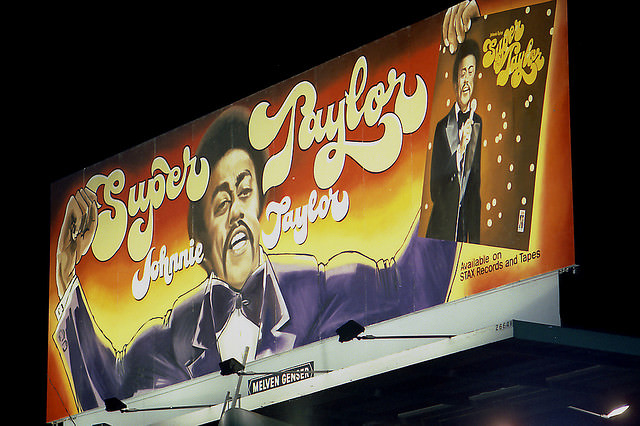
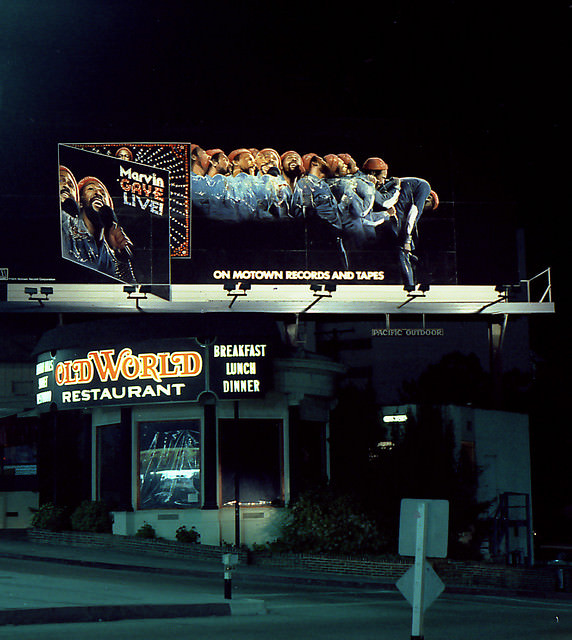
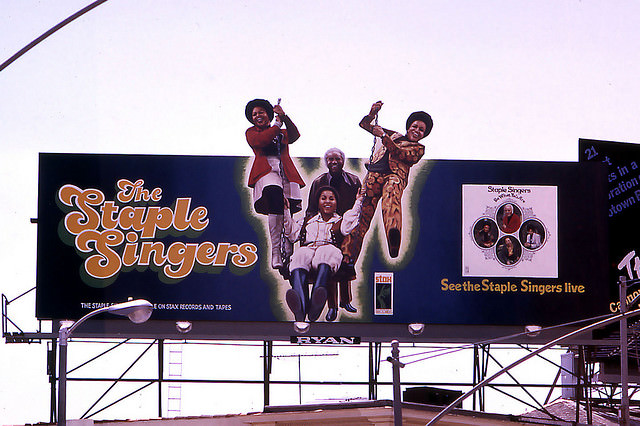
Every billboard on the Strip was hand-painted. This was the era before digital printing, so skilled artists created each one using brushes and paint. The results were vivid, larger-than-life portraits that stopped traffic. Artists added clever three-dimensional touches — Rod Stewart’s hair, for instance, was painted to extend above the billboard’s frame, breaking the flat surface and grabbing attention from a moving car.
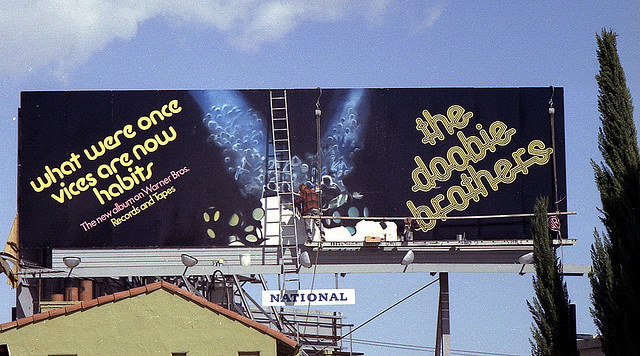
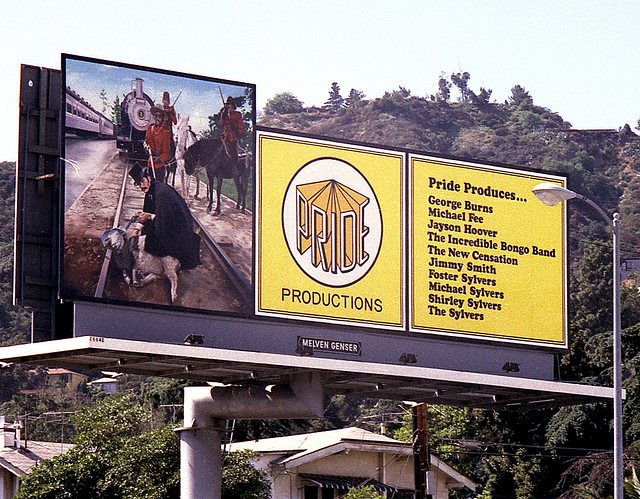
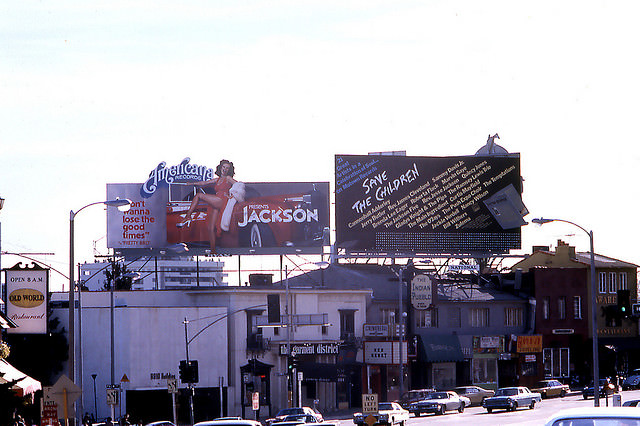
Photographer Robert Landau walked the Strip regularly, documenting these billboards with his camera. His photographs preserve a rotating gallery that no longer exists. As soon as a new album dropped, old billboards came down and fresh ones went up, keeping the street in a constant state of change.
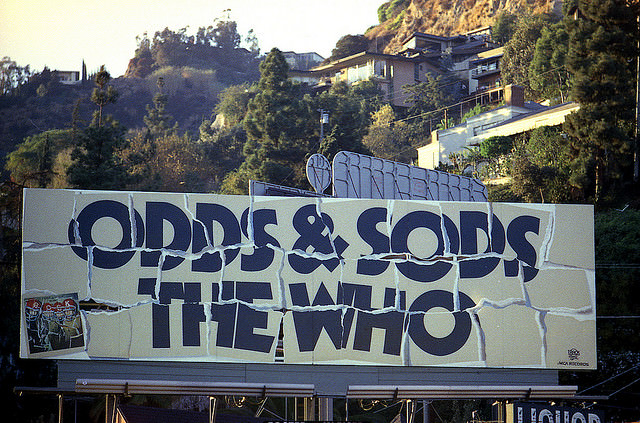
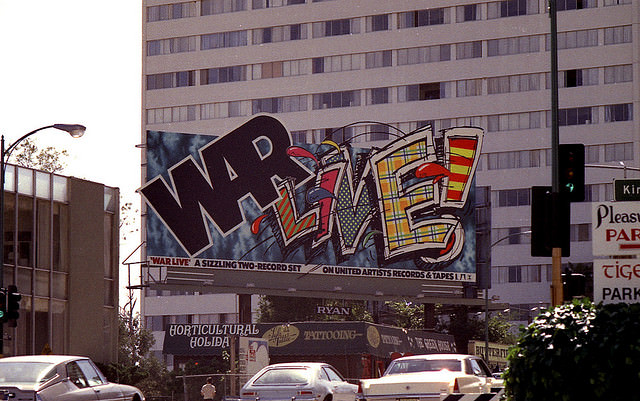
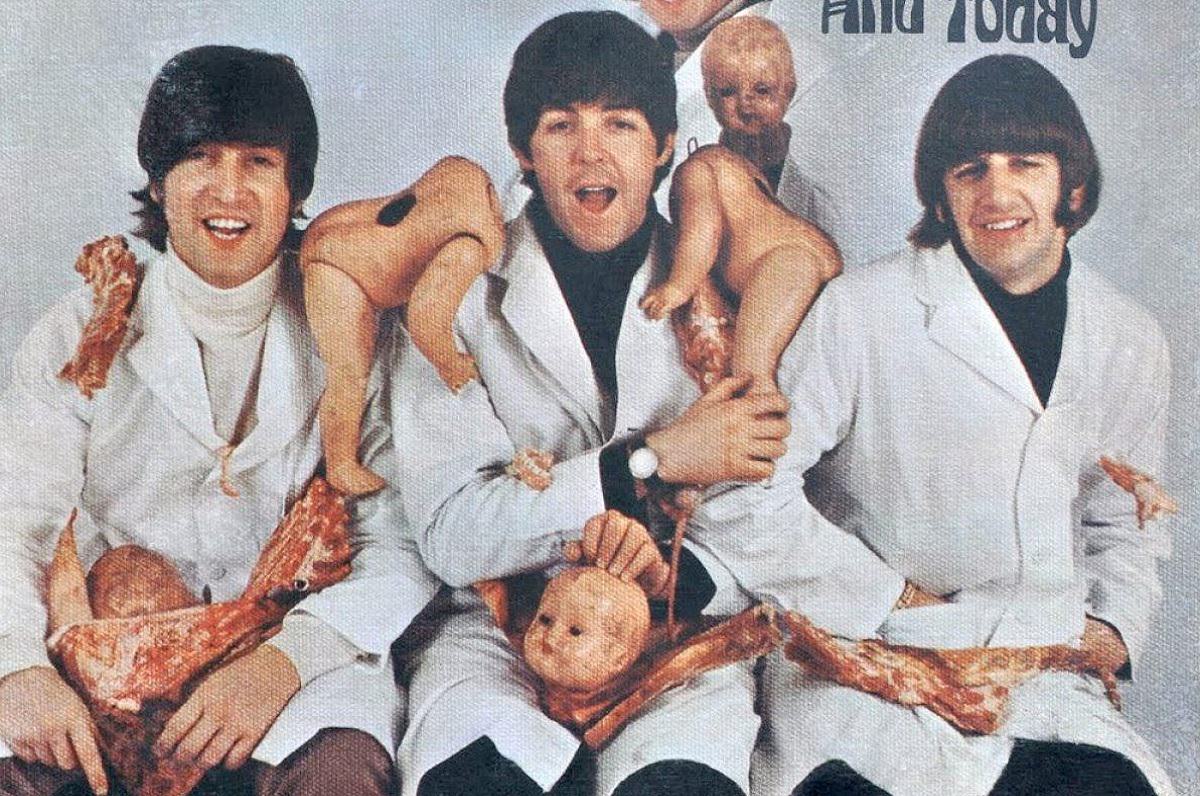
Artists featured on the Strip included some of the biggest names in rock — The Beatles, The Rolling Stones, and Jimi Hendrix among them. Each billboard was designed to reflect the personality of the artist and the mood of the album it promoted.
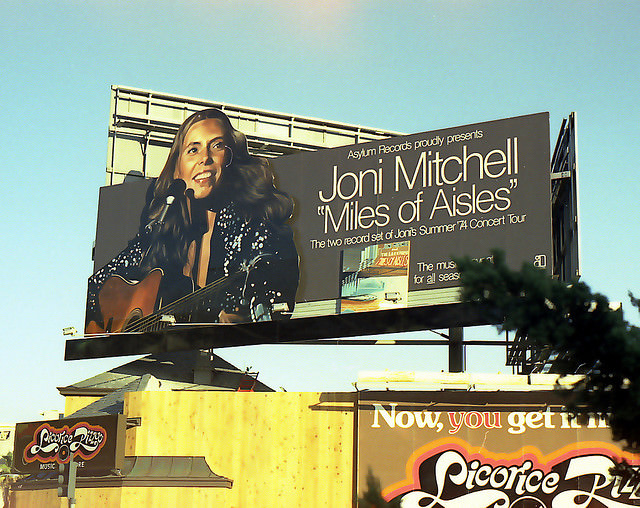
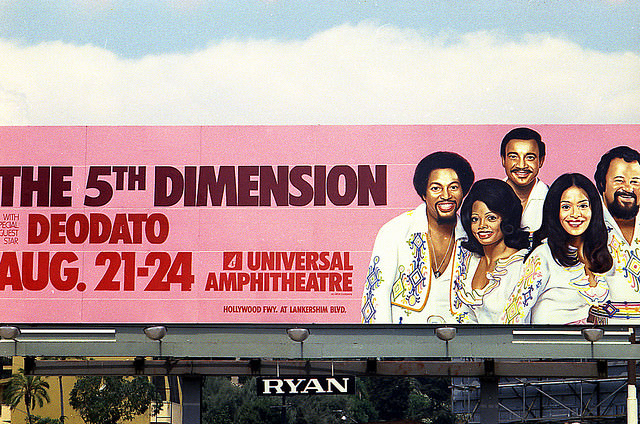
Some billboards were built to light up at night. The glowing colors turned the Strip into a spectacle after dark, drawing tourists and locals who came specifically to see the latest artwork.
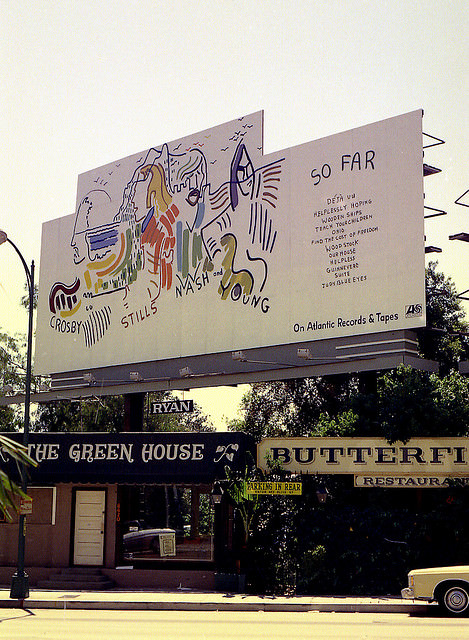
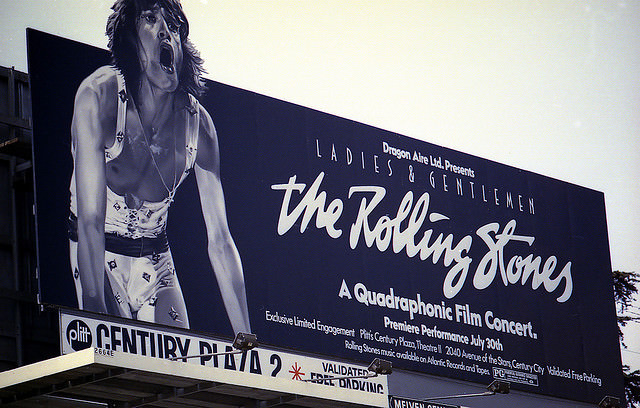
Hand-painted billboards were expensive to produce, but record companies paid the cost because the exposure was unmatched. The Strip was a high-traffic corridor connecting Hollywood to Beverly Hills, meaning millions of eyes passed these images every week.
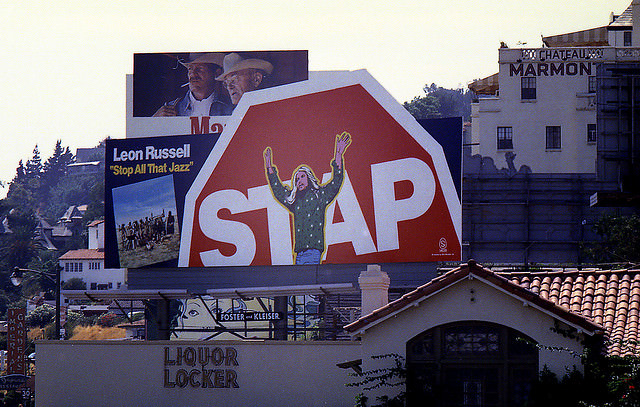
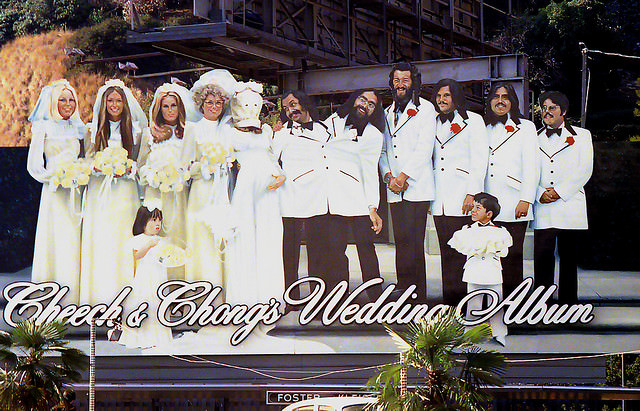
Landau has described these billboards as important historical documents. They show how the music industry marketed itself during one of rock and roll’s most prolific decades, using physical, hand-crafted art as its primary visual language.
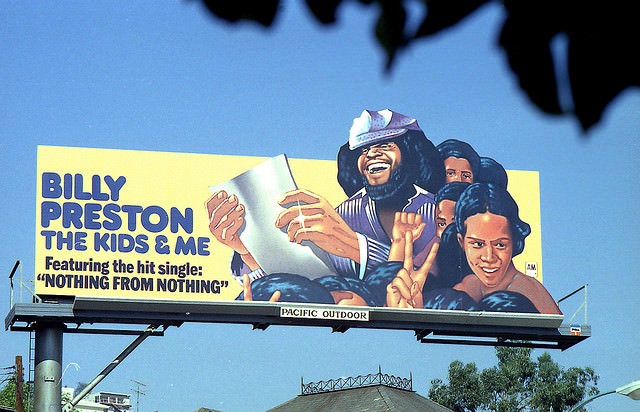
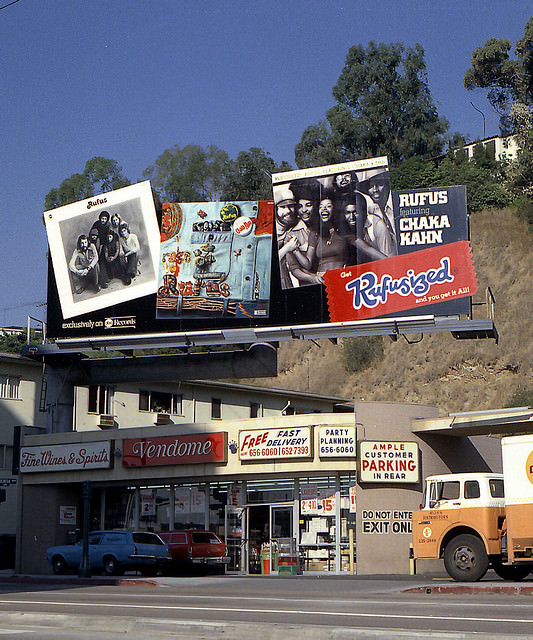
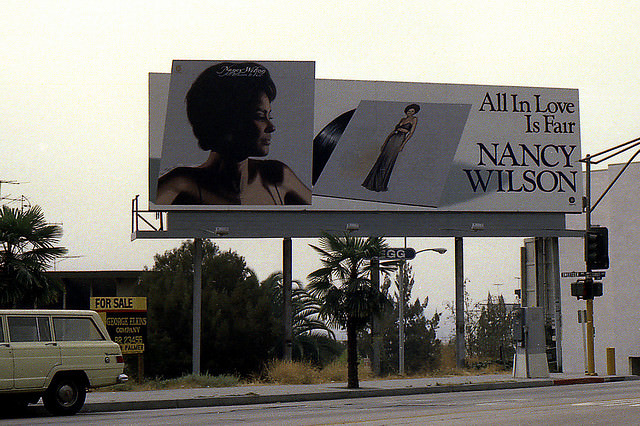
Each painted sign carried the fingerprints of the artist who made it. No two were exactly alike, even when promoting the same album. The depth and texture of oil-based paint gave them a richness that flat printing never replicated.
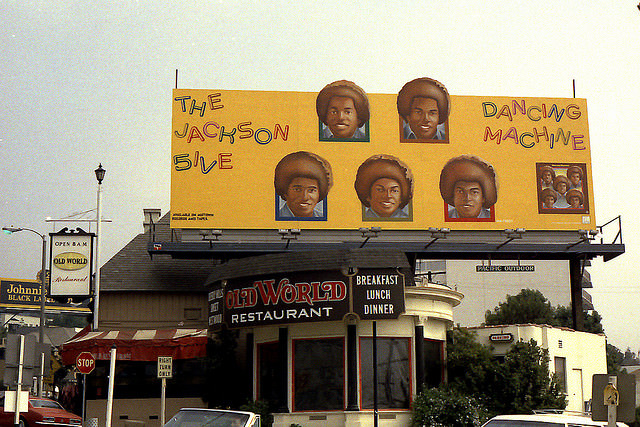
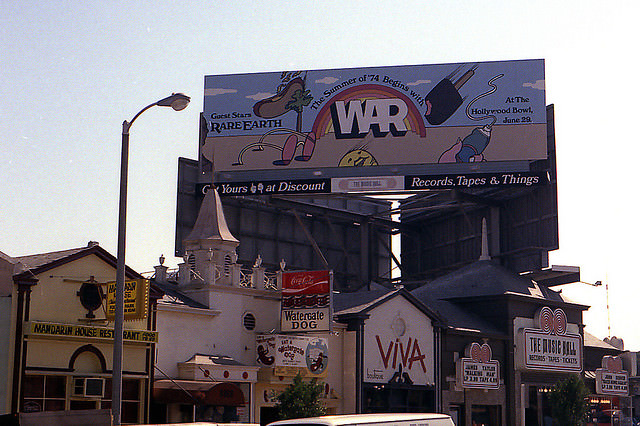
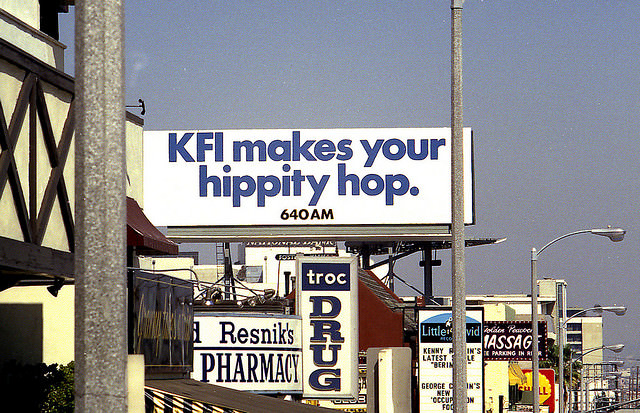
The Sunset Strip’s billboard culture was a direct product of Los Angeles’s entertainment industry. No other city in the world concentrated so much music promotion into a single street. For a brief window in the 1970s, Sunset Boulevard functioned as an open-air gallery for rock and roll.